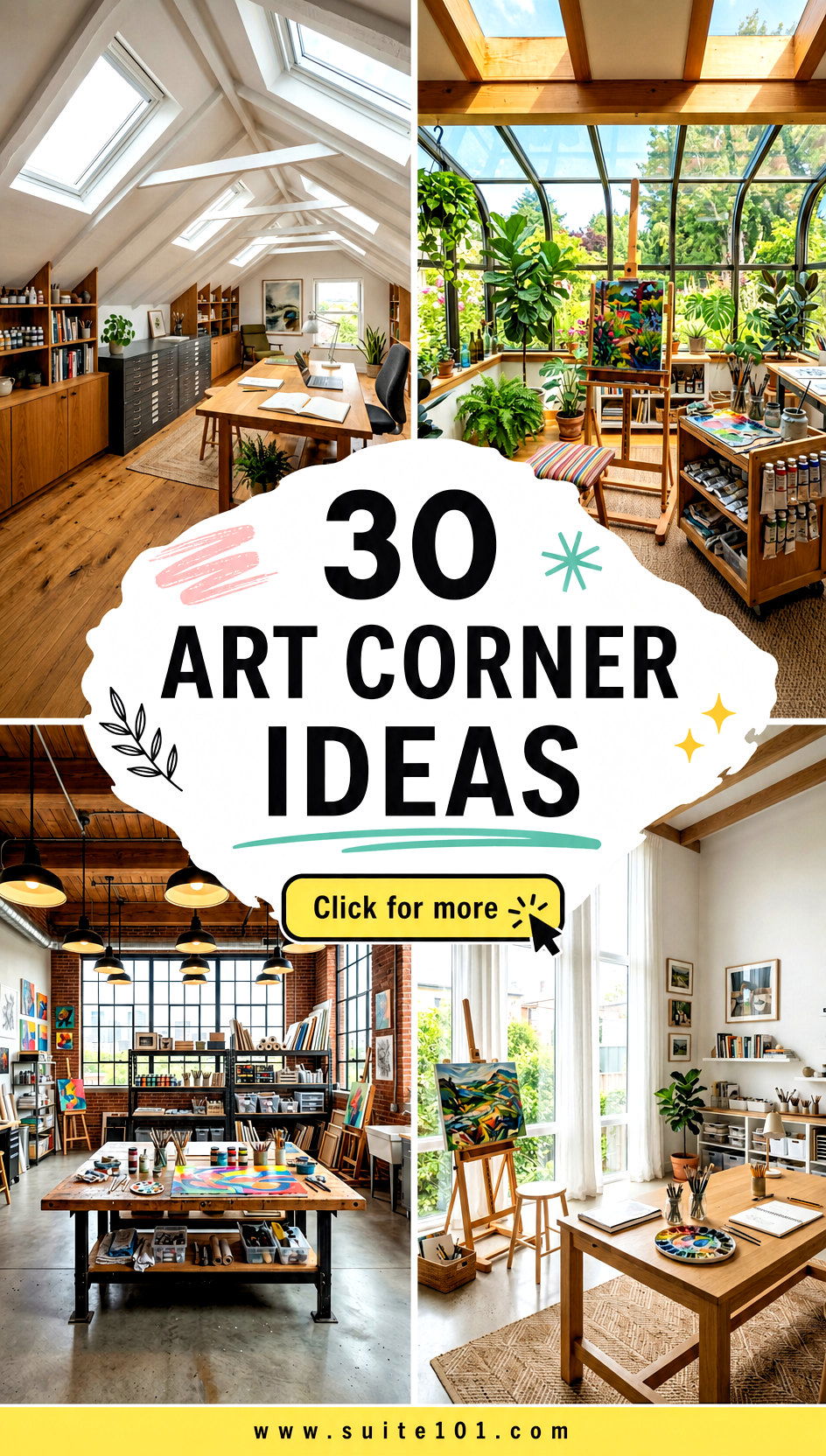
Creating a dedicated art corner in your home is more than just finding a place for brushes and paint. It is about carving out a personal sanctuary where creativity can flow without the constant need to set up or tear down supplies. Whether you live in a sprawling house or a compact studio apartment, a well-designed creative nook provides the mental space necessary for artistic growth. By organizing your materials and choosing the right lighting, you transform a simple corner into an inspiring destination. This guide explores thirty versatile ways to establish an art space that reflects your unique style and helps you maintain a consistent creative practice daily.
1. Small Apartment Art Studio
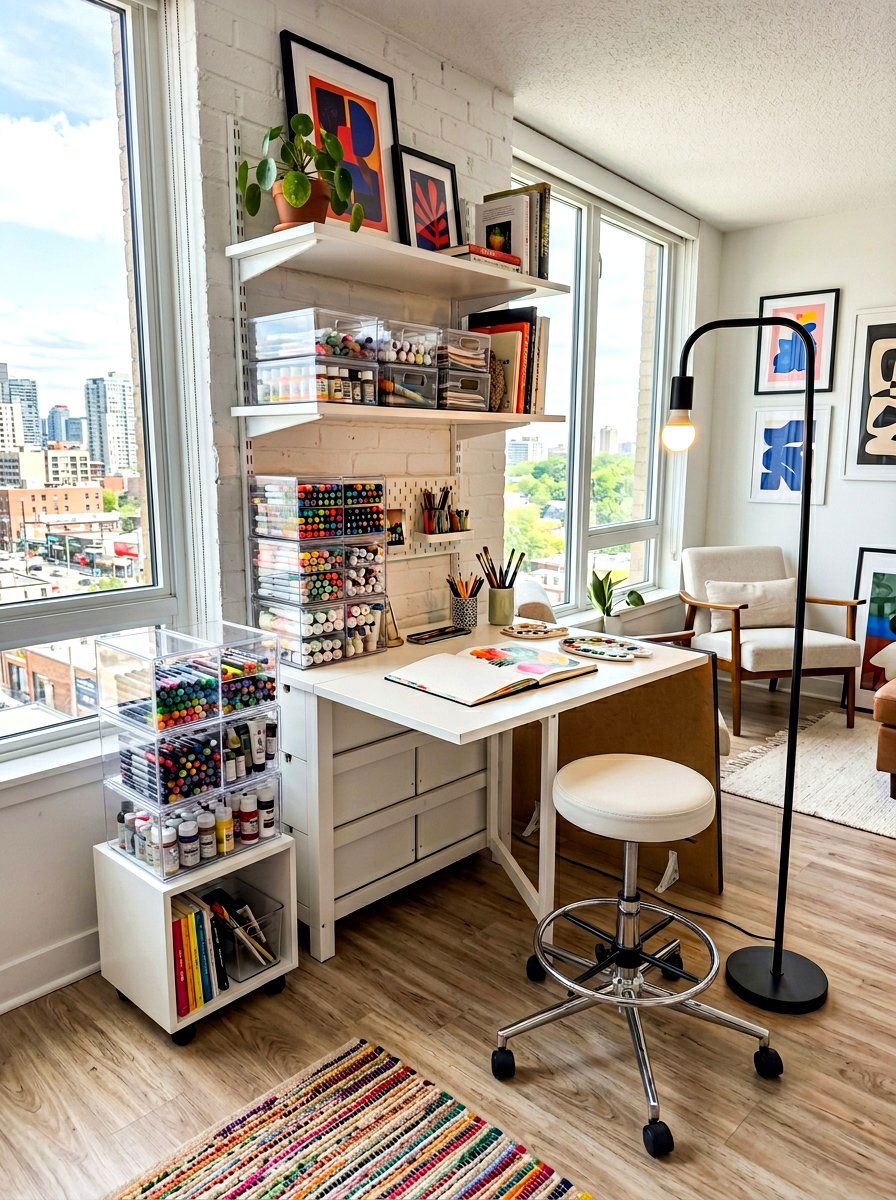
Building a functional creative hub in a tiny living space requires a strategic approach to organization and furniture selection. A small apartment art studio often utilizes multi-functional pieces like a foldable desk or a compact drafting table that fits into tight corners. To prevent the area from feeling cramped, use light-colored furniture and transparent storage bins that keep supplies visible but orderly. Adding a sleek floor lamp ensures you have consistent lighting during evening sessions when natural light fades. This setup demonstrates that you do not need a large room to produce professional work. By prioritizing essentials and utilizing vertical space, your apartment becomes a dedicated sanctuary for your daily artistic expression.
2. Window Easel Placement
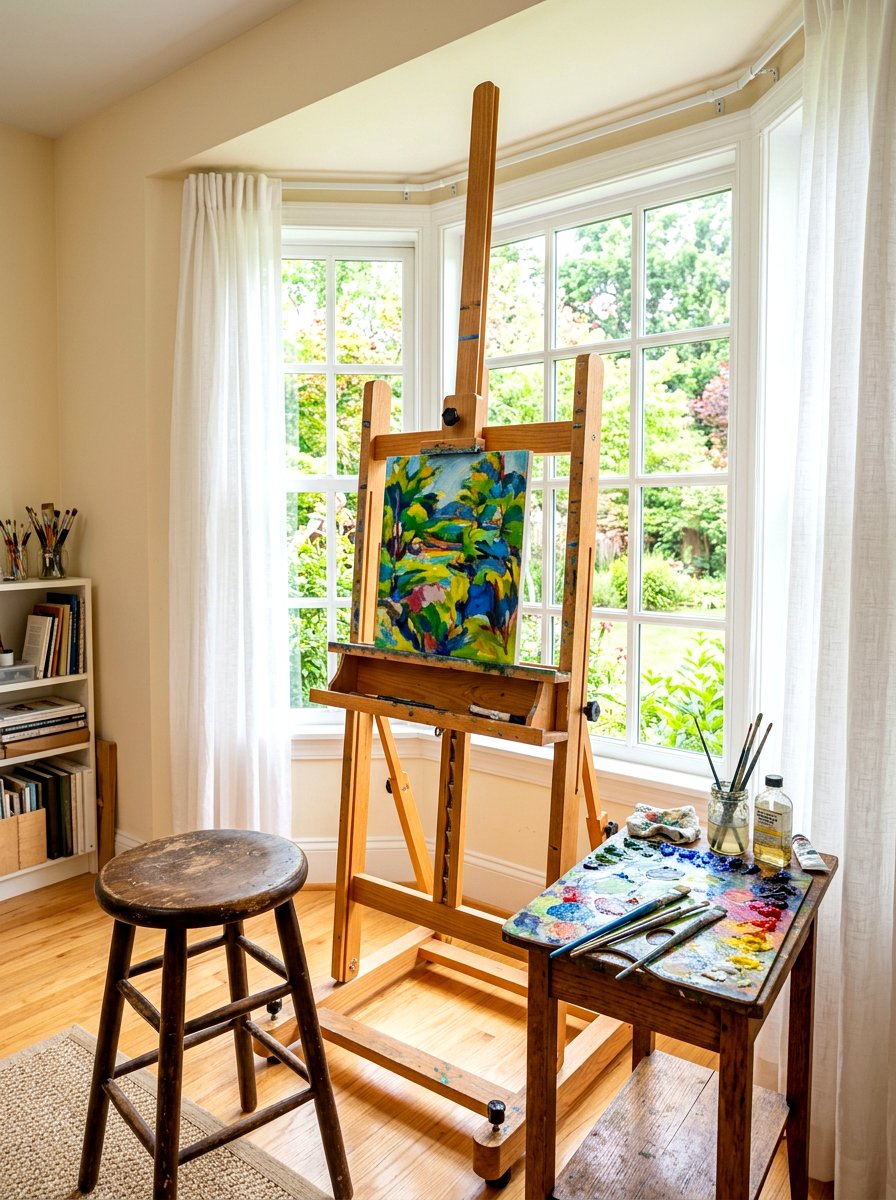
Positioning your easel near a window is one of the most effective ways to enhance your painting experience through natural light. Window easel placement allows you to see colors accurately and observe the subtle shifts in light throughout the day, which is crucial for realistic artwork. To optimize this setup, ensure the light comes from the side to avoid glare on your canvas. Complement the space with a small side table for your palette and a comfortable stool that supports good posture. This bright arrangement not only improves your technical results but also creates a scenic and uplifting environment that makes every creative session feel more connected to the world.
3. Kids Craft Table
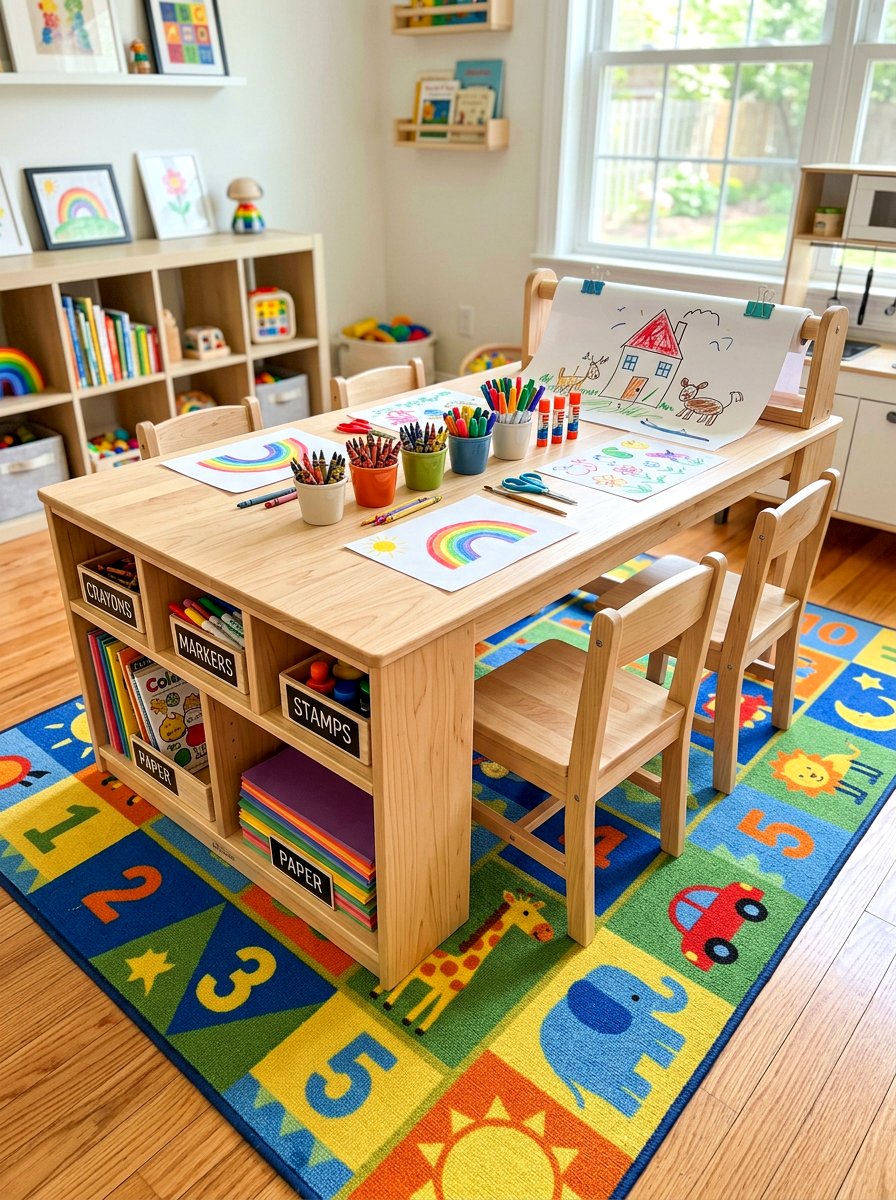
Setting up a kids craft table provides a designated area for young artists to explore their imagination without cluttering the main dining room. Choose a sturdy wooden table with a wipeable surface and matching chairs that are sized appropriately for children. Integrated storage cubbies or side shelves are essential for keeping crayons, markers, and paper within easy reach. To encourage independence, use low-profile bins that kids can access themselves. Adding a roll of paper attached to the end of the table allows for continuous drawing projects. This organized zone fosters a love for art while keeping the rest of your home tidy and free from scattered craft supplies.
4. Minimalist Sketching Station
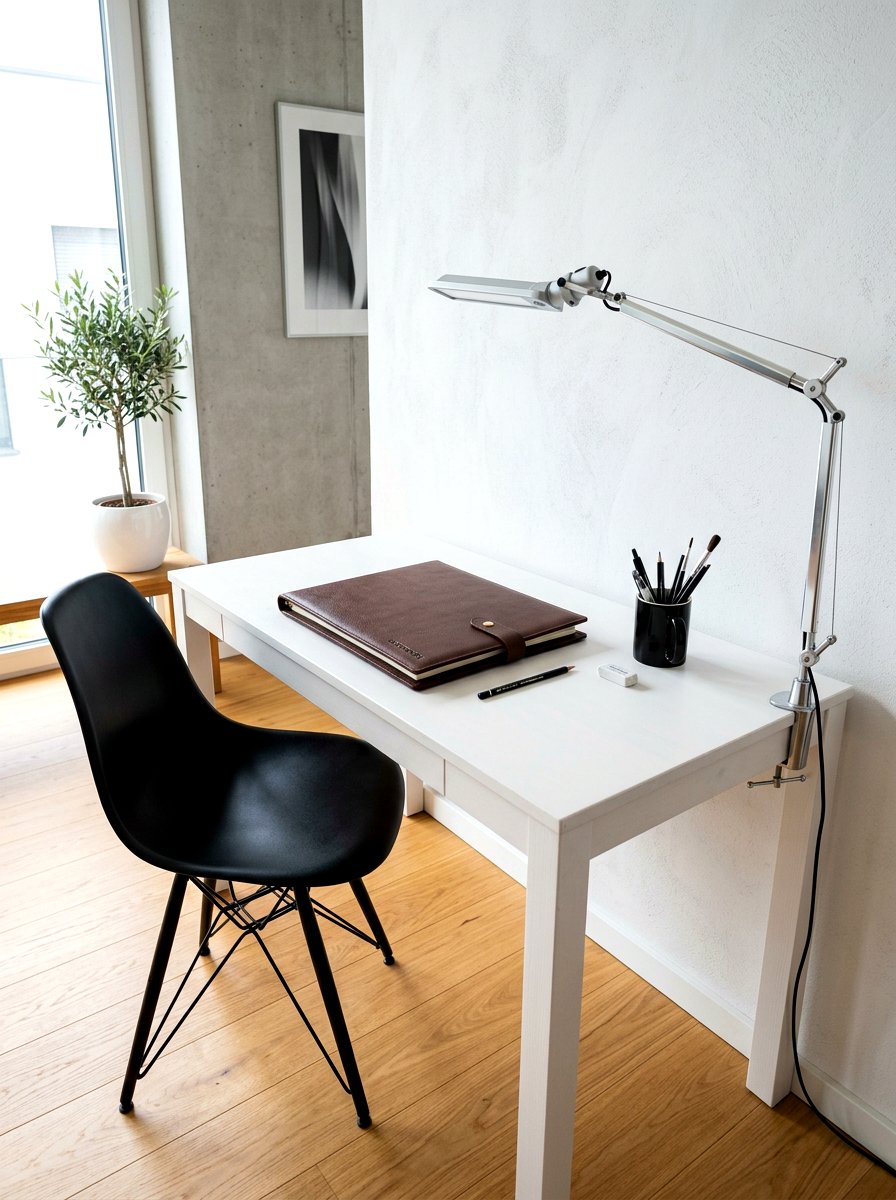
A minimalist sketching station focuses on high-quality essentials rather than a vast collection of supplies. This setup usually features a clean, white desk paired with a single, comfortable chair and a high-intensity task lamp. Storage is kept hidden in drawers or sleek portfolios to maintain a clutter-free environment that promotes deep focus. By limiting the number of tools on display, you reduce decision fatigue and create a calm atmosphere perfect for detailed pencil or ink work. This aesthetic works beautifully in modern homes, turning a simple wall or corner into a sophisticated and quiet area dedicated solely to the art of drawing and fine line sketching.
5. Boho Art Nook
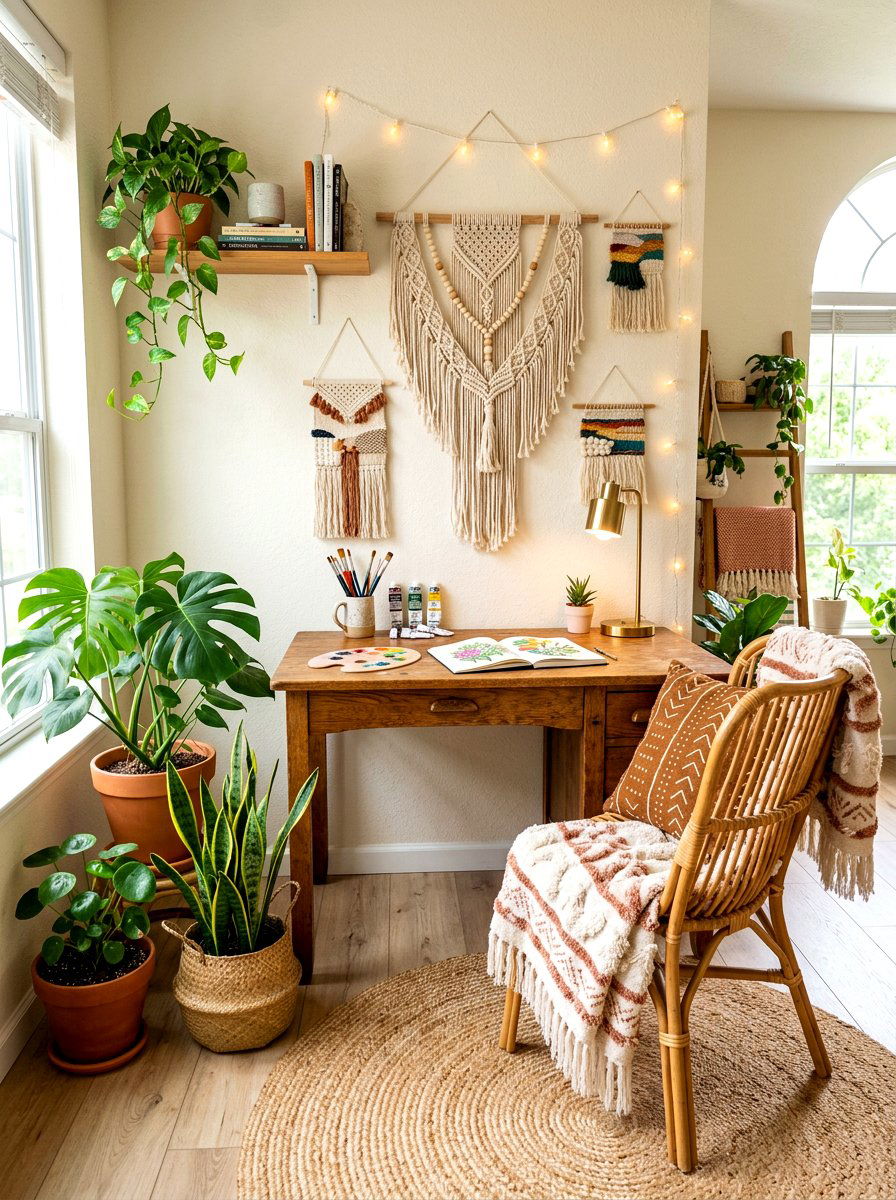
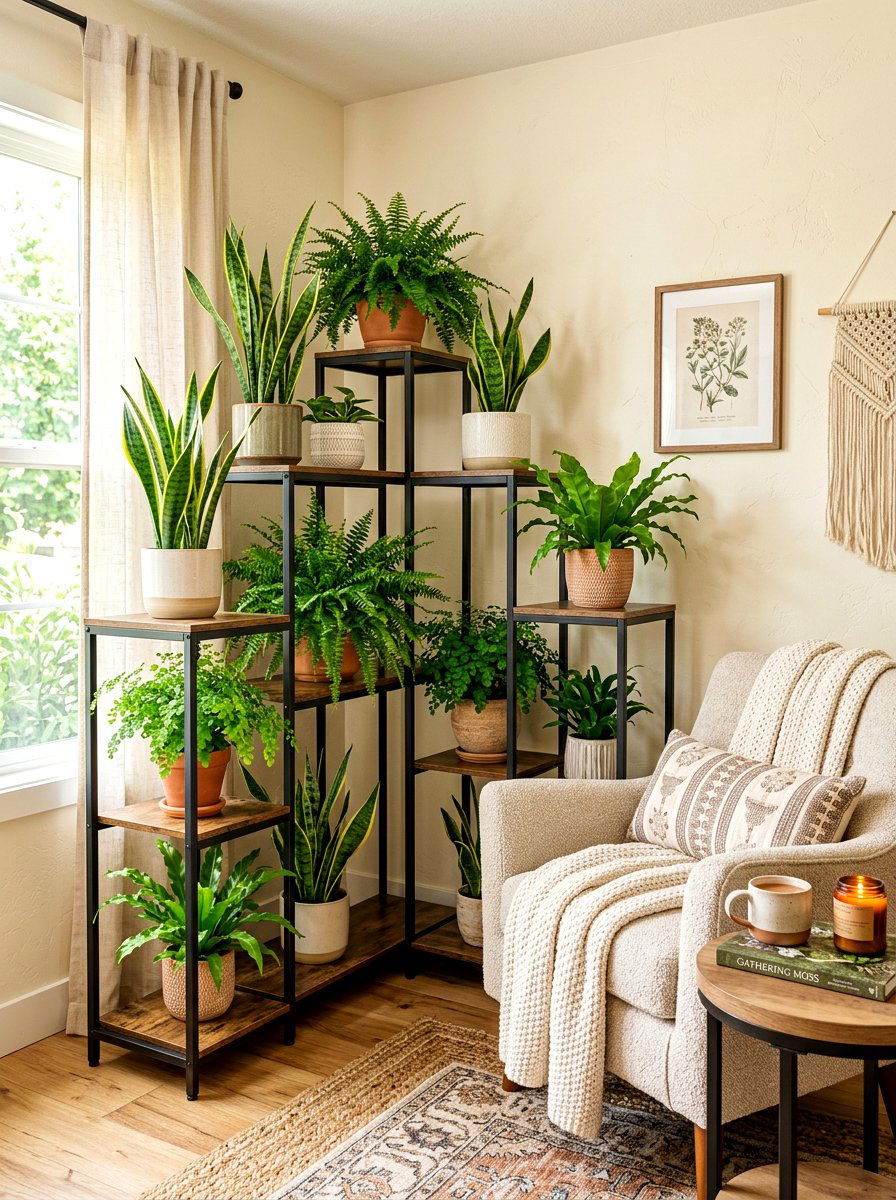
Creating a boho art nook involves layering textures and natural materials to produce an earthy and relaxed creative environment. Start with a vintage wooden desk and a woven rattan chair, then add a soft jute rug to define the space. Incorporate plenty of indoor plants to bring life and color to the corner, alongside wicker baskets for storing yarn, fabrics, or sketchbooks. Warm, ambient lighting from a macrame pendant or a salt lamp adds a cozy glow for late-night projects. This style prioritizes comfort and personal expression, making it an inviting retreat where the surroundings are just as inspiring as the artwork being created on the canvas.
6. Pegboard Supply Storage
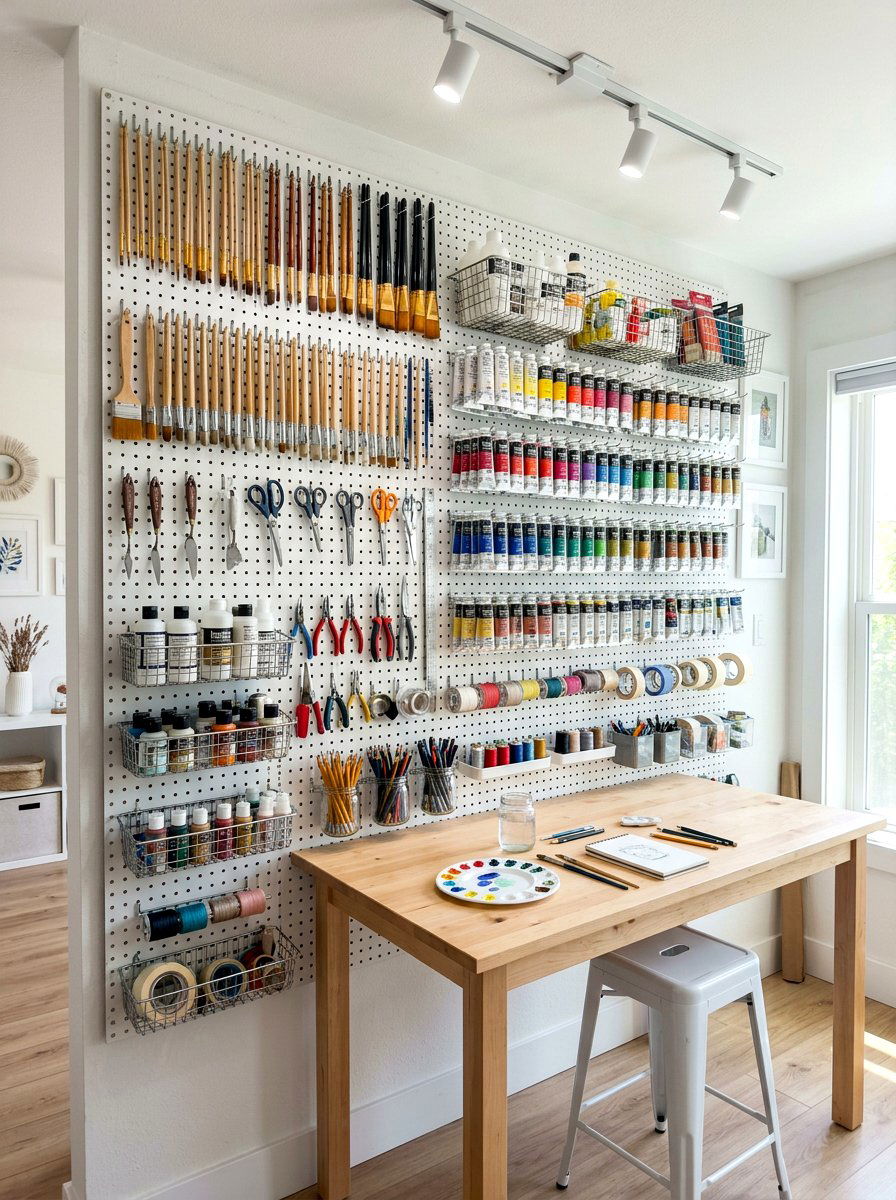
Utilizing pegboard supply storage is a brilliant way to organize tools vertically while keeping your work surface completely clear. This system allows you to hang everything from scissors and tape to paintbrushes and palettes using various hooks and baskets. You can paint the pegboard a bold color to make it a focal point or keep it white for a clean, industrial look. Having every tool visible and within arm’s reach significantly speeds up your creative process and prevents you from losing small items. This versatile setup can be expanded as your collection grows, making it an ideal choice for serious hobbyists who need a highly functional and customizable workspace.
7. Attic Studio Conversion
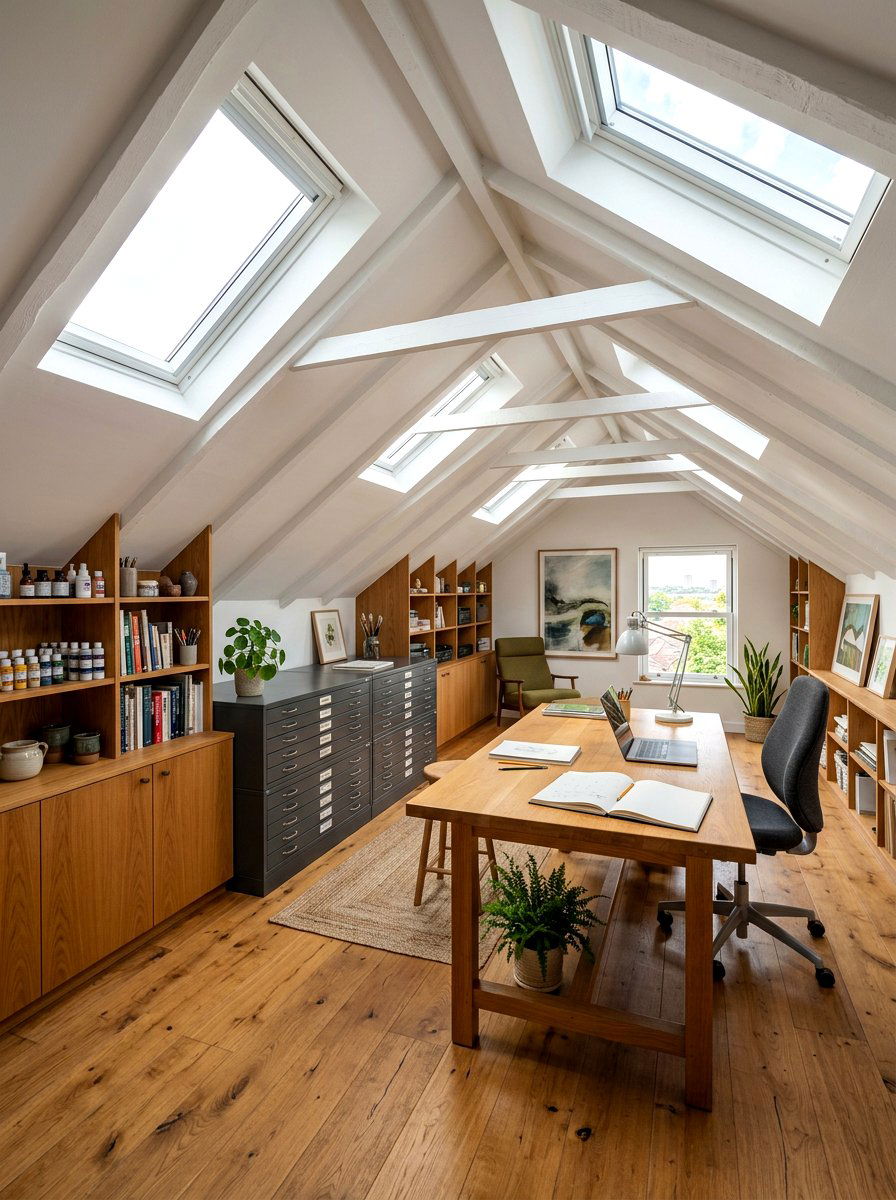
An attic studio conversion makes excellent use of underutilized architectural space, offering a quiet and secluded area away from household distractions. These rooms often feature unique sloped ceilings and skylights that provide beautiful, diffused top-down lighting. Utilize the low-clearance walls for built-in shelving or flat-file cabinets to store large paper sheets and canvases. A central worktable provides plenty of room to spread out during big projects, while the elevated view provides a fresh perspective. Transforming an attic into a studio creates a dedicated retreat that feels separate from the rest of the home, allowing for long hours of uninterrupted concentration and artistic exploration in a private setting.
8. Sunroom Painting Area
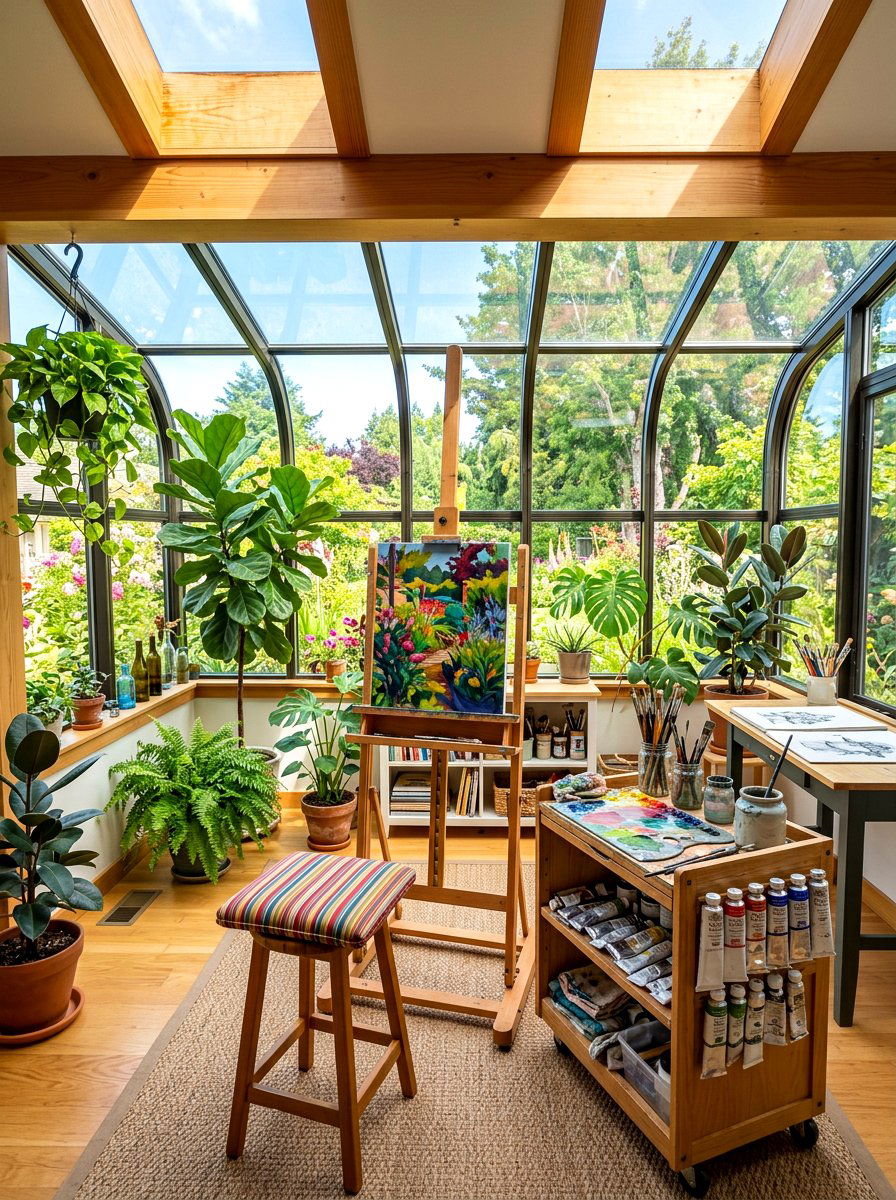
A sunroom painting area is the ultimate luxury for artists who crave bright, panoramic views and an abundance of vitamin D. The floor-to-ceiling windows provide exceptional light for color mixing and fine detail work throughout the morning and afternoon. To protect your supplies from heat, use rolling carts that can be moved away from direct sunlight when not in use. Decorate with lush greenery and comfortable seating to bridge the gap between your indoor studio and the outdoor garden. This airy environment is perfect for botanical illustrations or landscape painting, as the constant connection to nature serves as a living reference and a peaceful backdrop for your creativity.
9. Living Room Art Zone
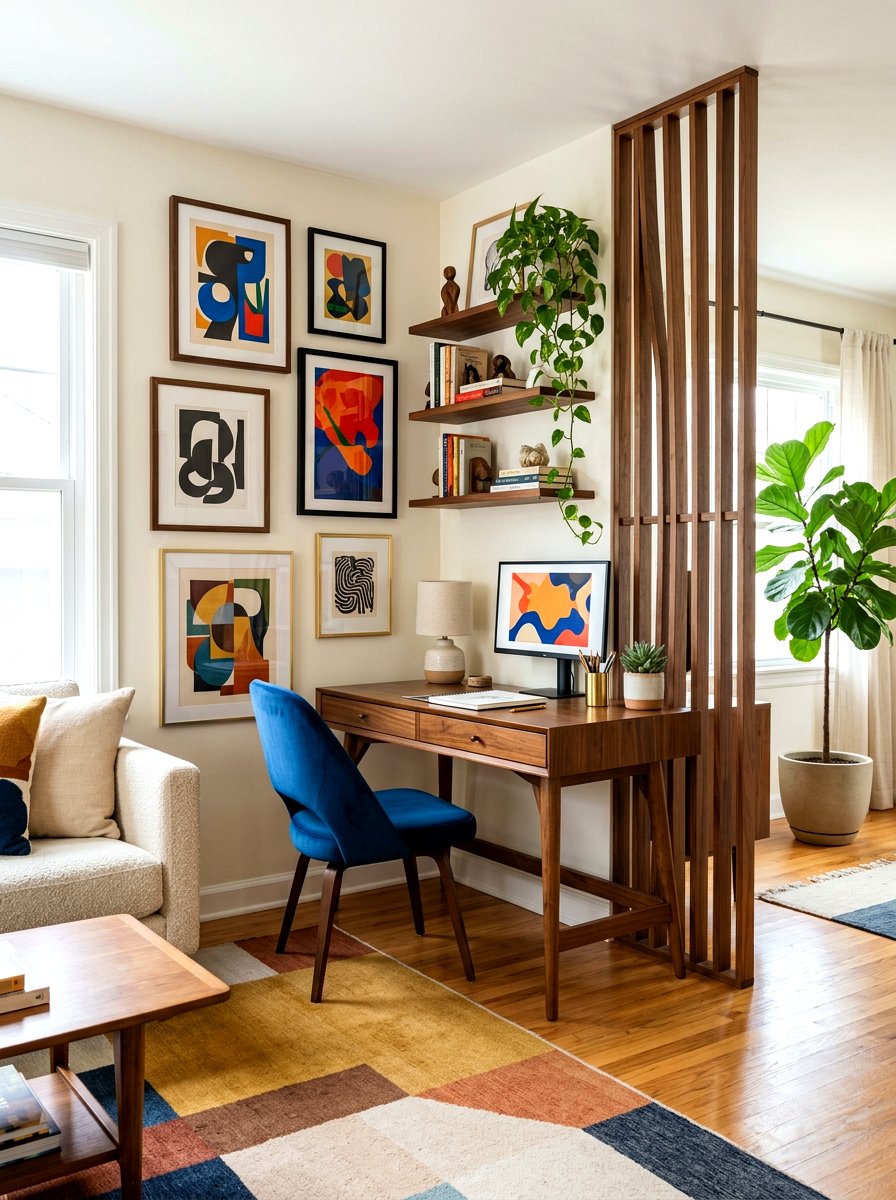
Integrating a living room art zone allows you to stay connected with your family while working on your latest projects. Use a decorative room divider or a strategically placed bookshelf to create a visual boundary between the lounge area and your creative desk. Select furniture that matches your existing decor, such as a mid-century modern desk or a stylish velvet chair, so the art corner feels like a deliberate part of the room’s design. This setup is perfect for hobbyists who enjoy sketching or journaling in a social environment. It ensures that your creative tools are always accessible, encouraging you to pick up a brush during short breaks.
10. Rolling Art Cart
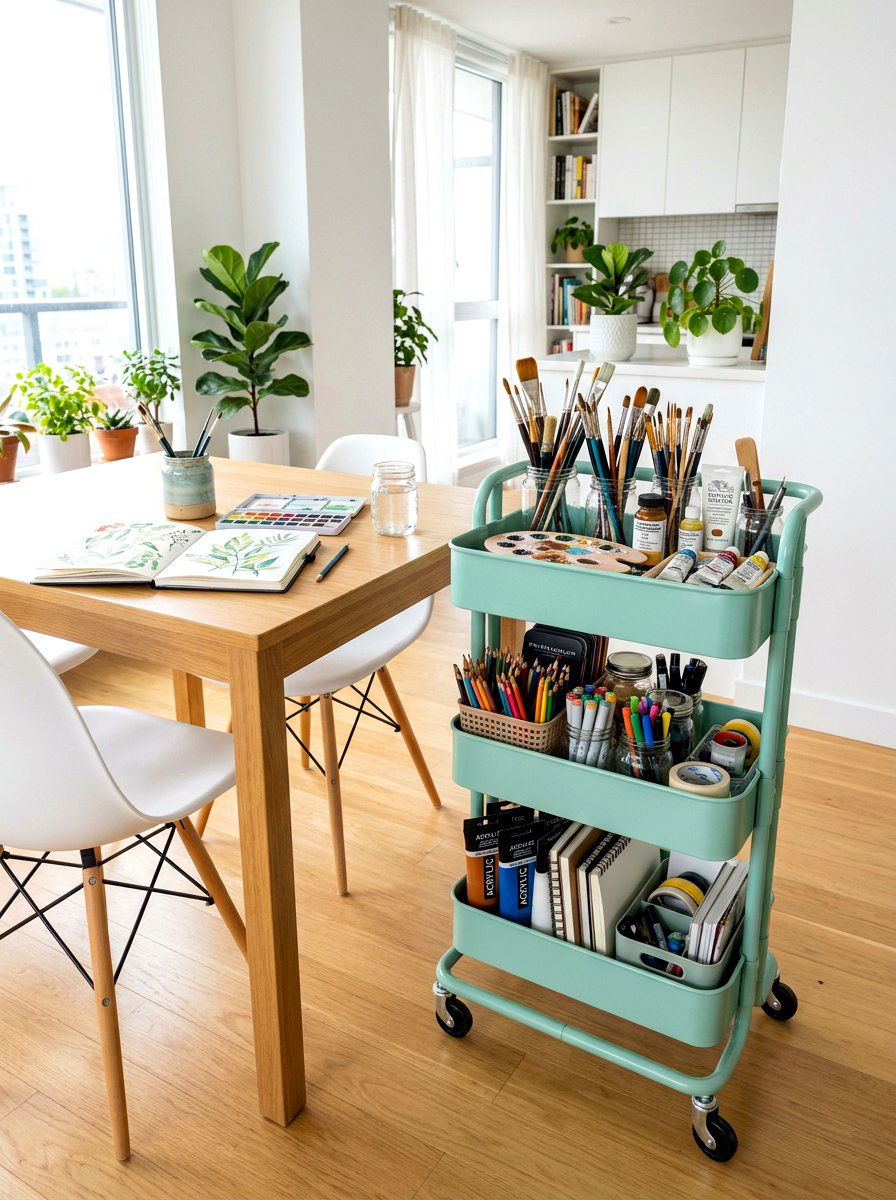
A rolling art cart offers incredible flexibility for those who do not have a permanent spot for their creative work. These tiered metal carts can hold a surprising amount of supplies, including paints, brushes, jars, and sketchbooks, and can be moved easily from the kitchen table to the balcony. Use magnetic containers and hanging bins on the sides of the cart to maximize every inch of storage space. When your creative session is over, simply wheel the cart into a closet or behind a door to keep your living area tidy. This mobile solution is perfect for beginners or anyone living in a multi-use space who needs portability.
11. Professional Canvas Painting Space
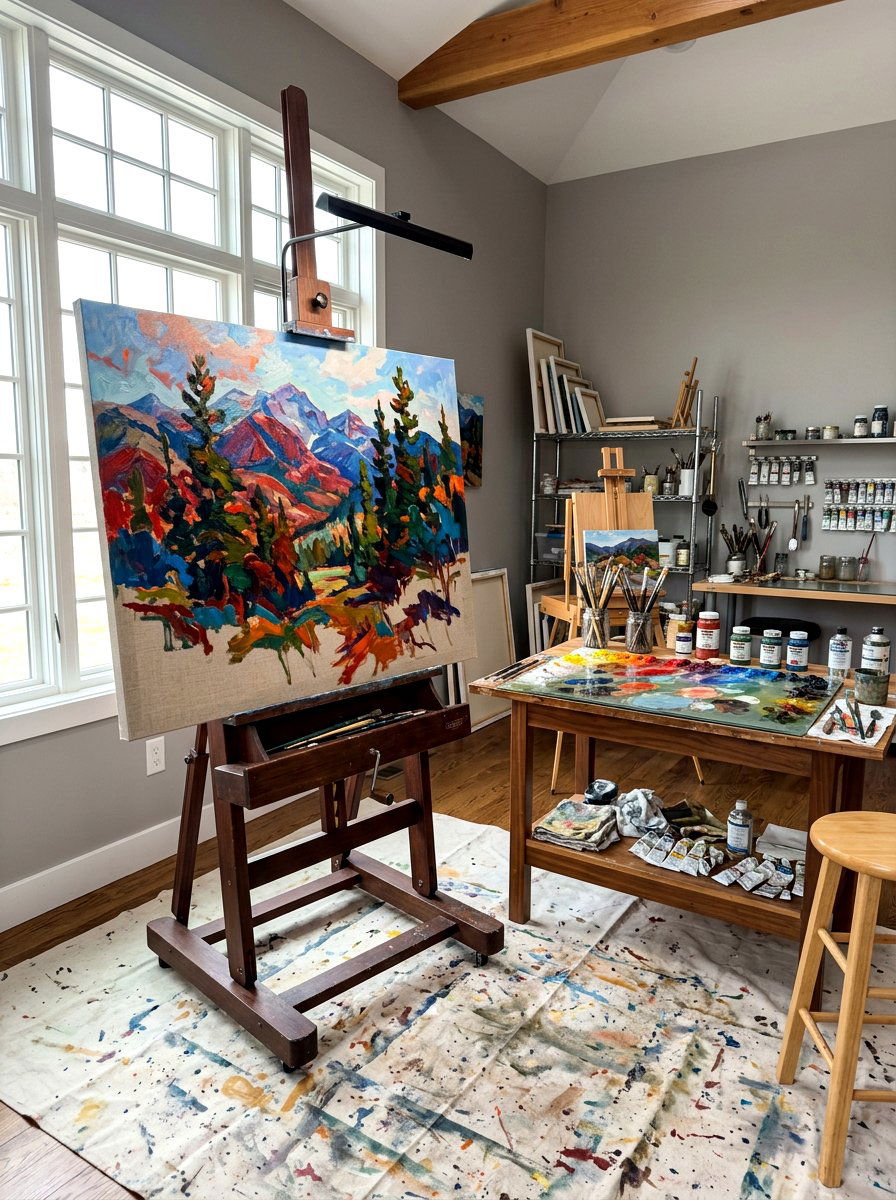
Designing a professional canvas painting space requires durable materials and a layout that accommodates large-scale works. Start with easy-to-clean flooring, such as linoleum or a heavy-duty drop cloth, to protect against inevitable paint splatters. A sturdy H-frame easel provides the stability needed for heavy canvases, while a large palette table keeps your colors organized. Use neutral wall colors, like soft gray or off-white, to ensure that the lighting in the room does not distort the appearance of your paints. This setup prioritizes function and efficiency, providing the rigorous environment necessary for artists who are serious about their craft and need a studio that supports professional-level production.
12. Closet Art Studio
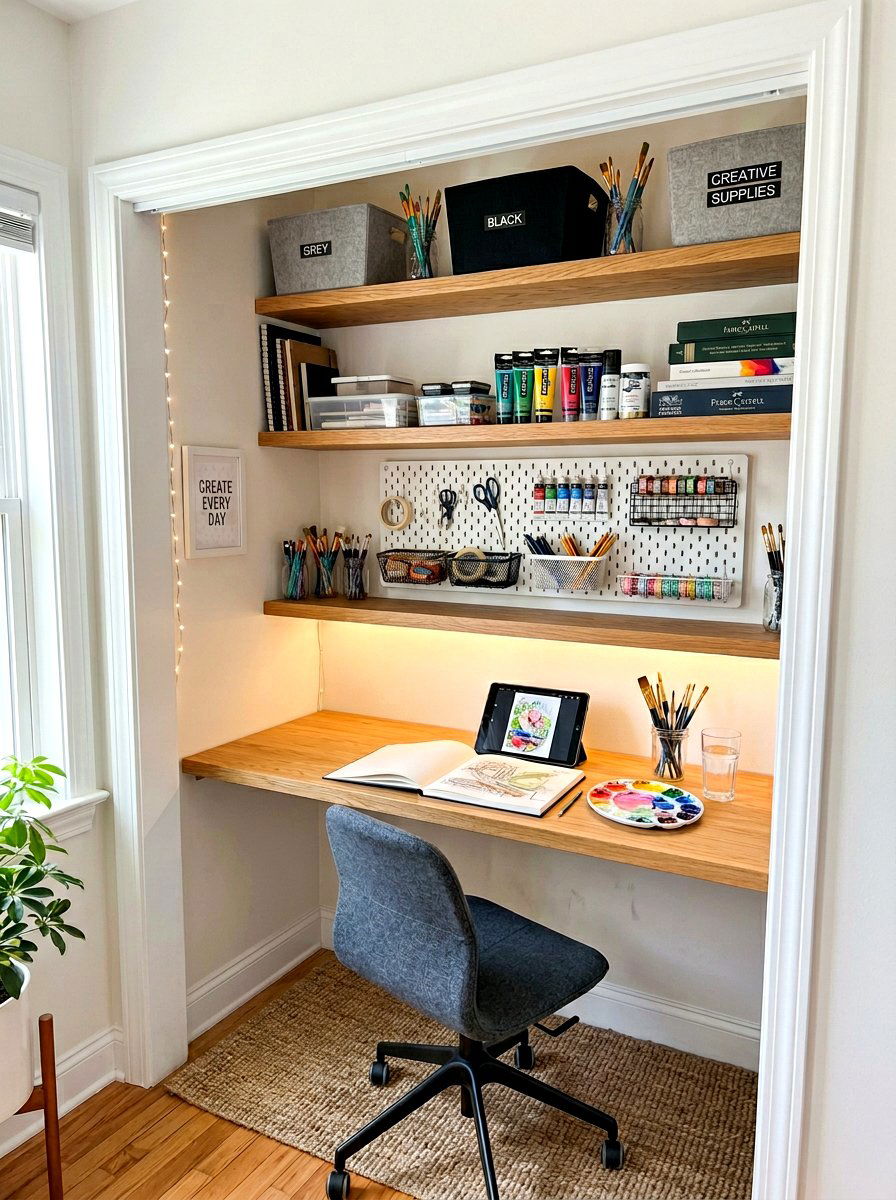
A closet art studio, often called a cloffice, is a clever way to hide your creative workspace when it is not in use. Remove the closet doors or replace them with curtains to create an inviting nook, then install a sturdy floating desk across the width of the space. Use the upper shelves for storing bins of supplies and the back wall for a small pegboard or inspiration board. Adding a bright LED strip under the shelves provides essential task lighting for the enclosed area. This compact setup is perfect for digital artists or journalers who need a dedicated spot that can be literally shut away at the end of the day.
13. Modern Digital Art Desk
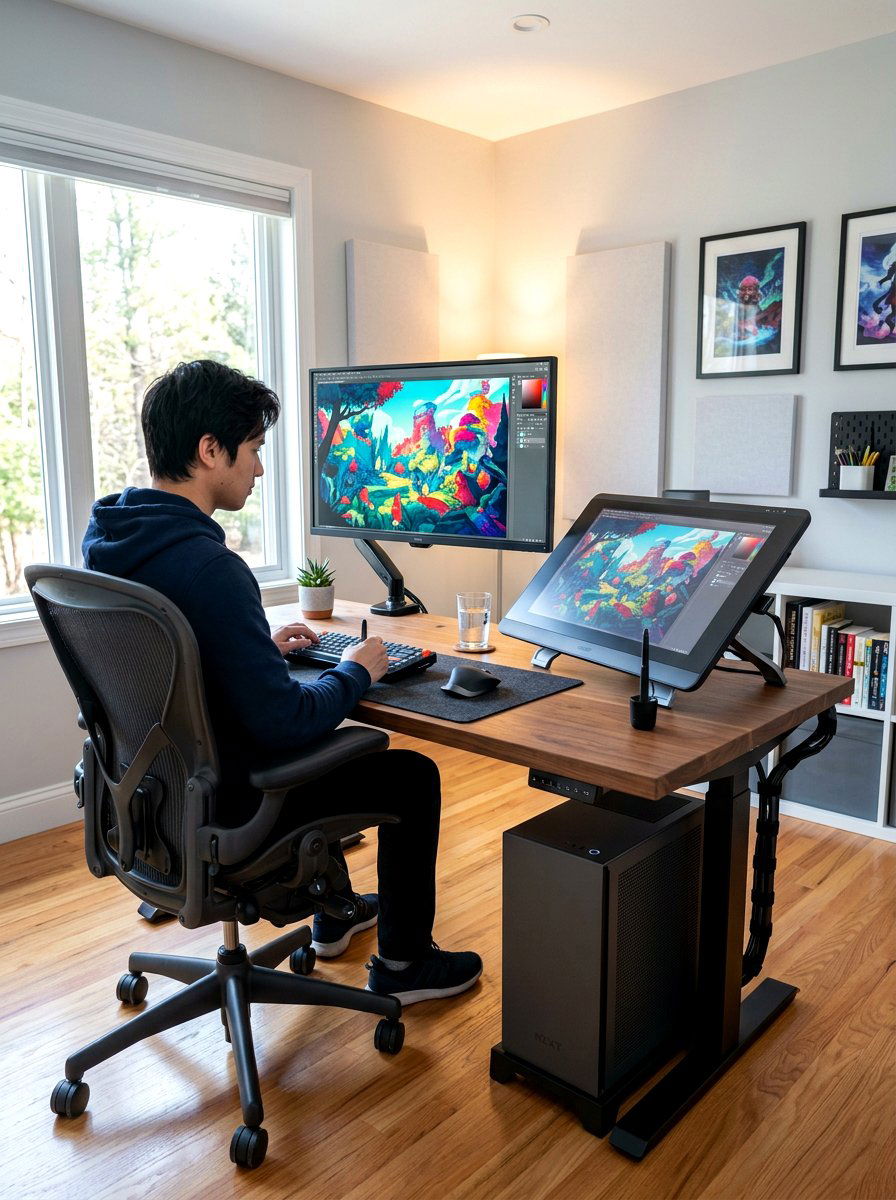
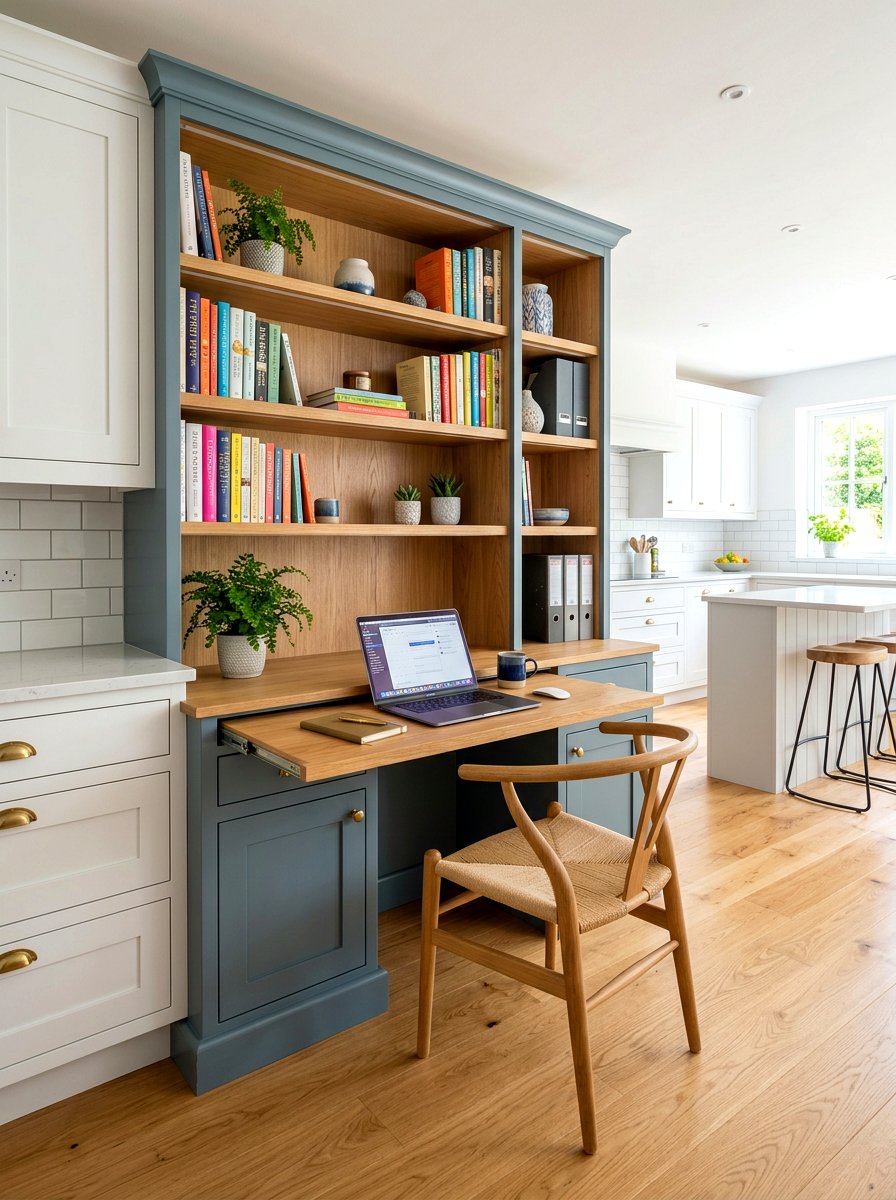
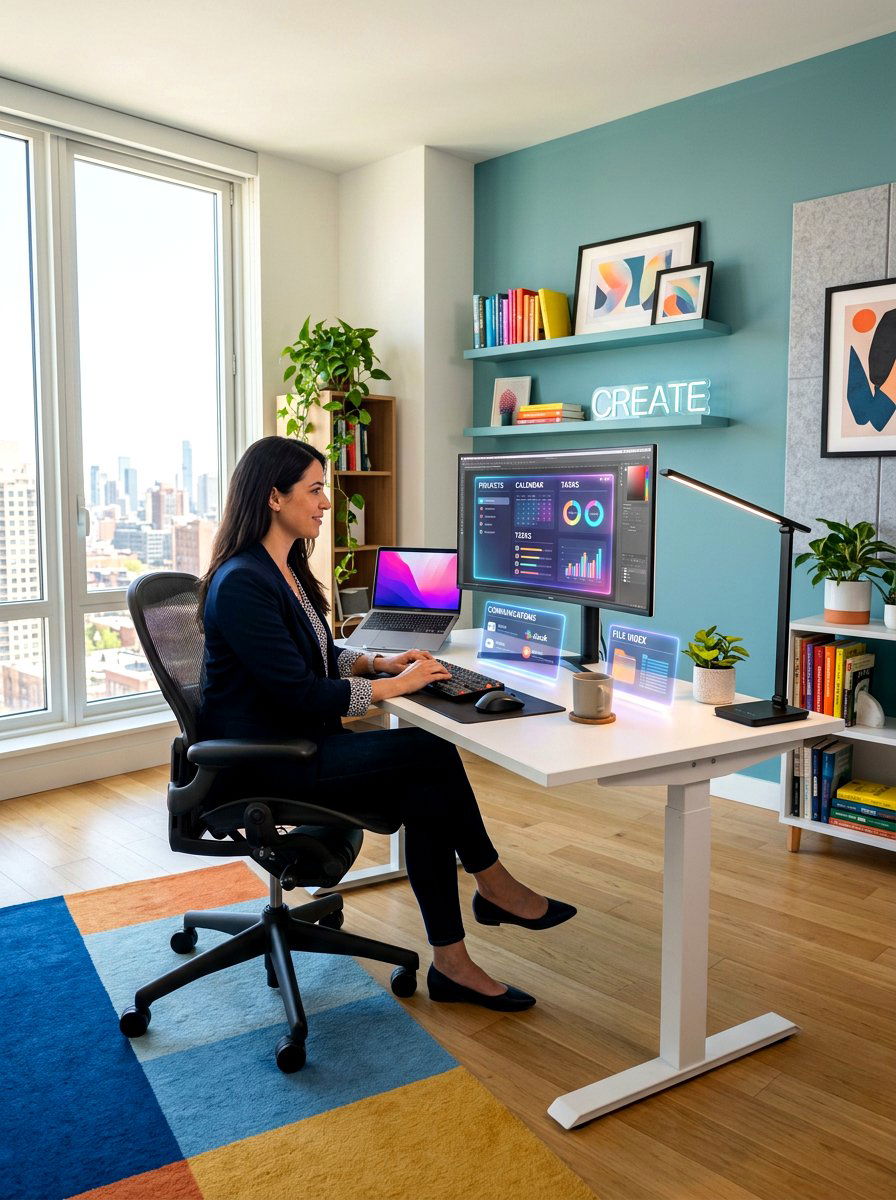
A modern digital art desk is tailored for the specific needs of graphic designers and digital illustrators. This setup usually features a large, adjustable monitor and a dedicated space for a drawing tablet or pen display. Cable management is key here; use under-desk trays to keep wires organized and out of sight. A high-quality ergonomic chair is essential for long hours of screen work, while a sleek desk mat provides a smooth surface for your tools. This clean and tech-focused environment minimizes distractions, allowing you to focus entirely on your digital canvas. It represents a professional approach to art that fits seamlessly into any contemporary home office or bedroom corner.
14. Watercolor Painting Table
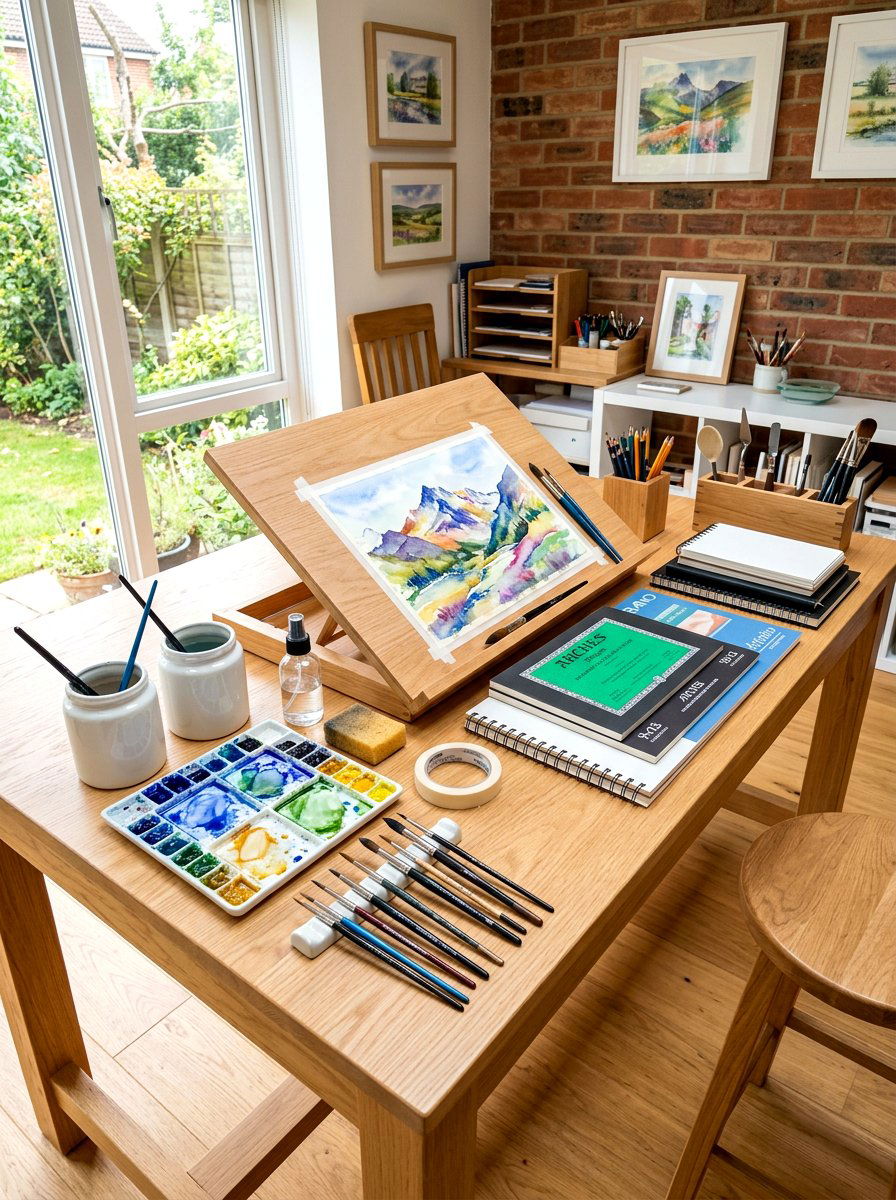
Setting up a watercolor painting table requires a flat, stable surface and easy access to water. A light-colored desk is ideal because it helps you see the true transparency of your washes. Organize your space with a dedicated area for your water jars, a towel for dabbing brushes, and a slanted board if you prefer working at an angle. Use small ceramic dishes or a porcelain palette for mixing, as these materials are easy to clean and do not stain. Keeping your paper blocks and brushes in nearby drawers ensures that everything stays dust-free between sessions. This focused setup creates a serene environment perfectly suited for the delicate and fluid nature of watercolor.
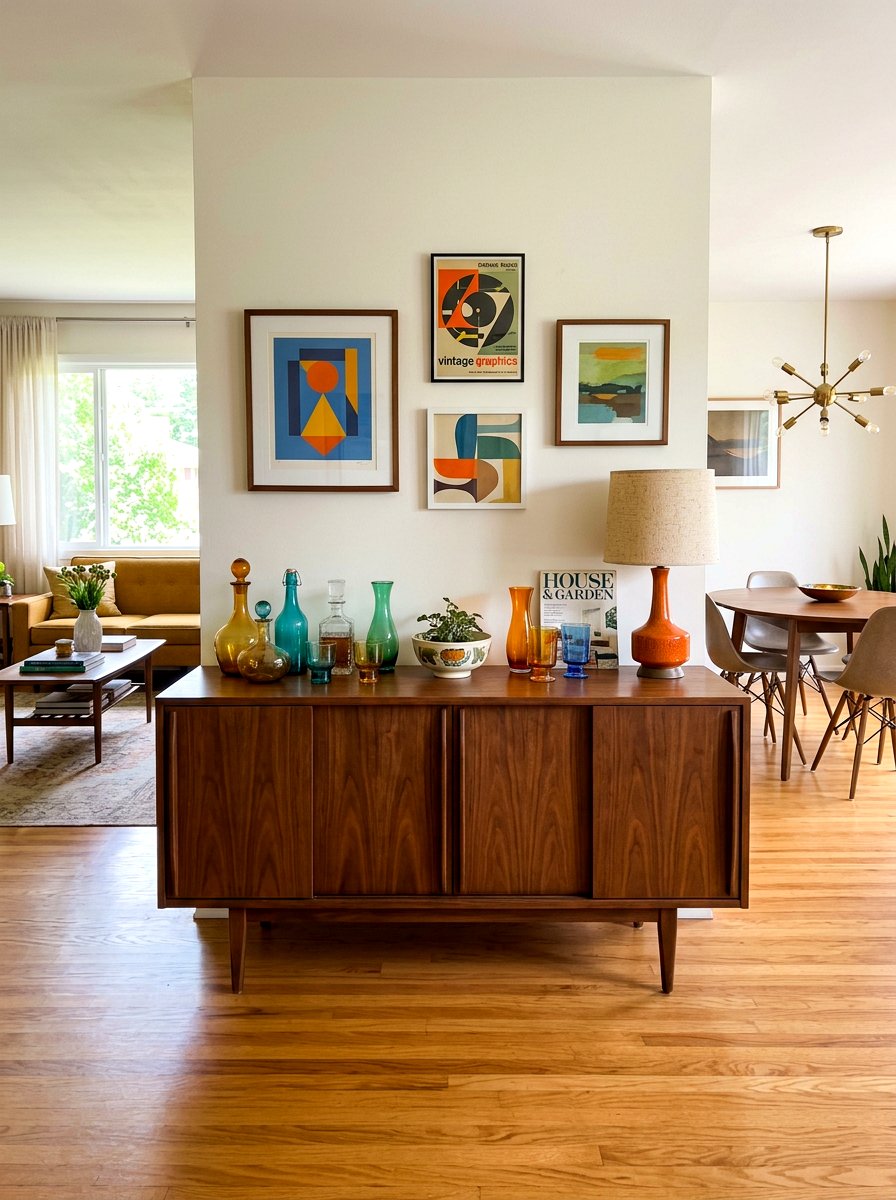
15. Sculpting Workstation
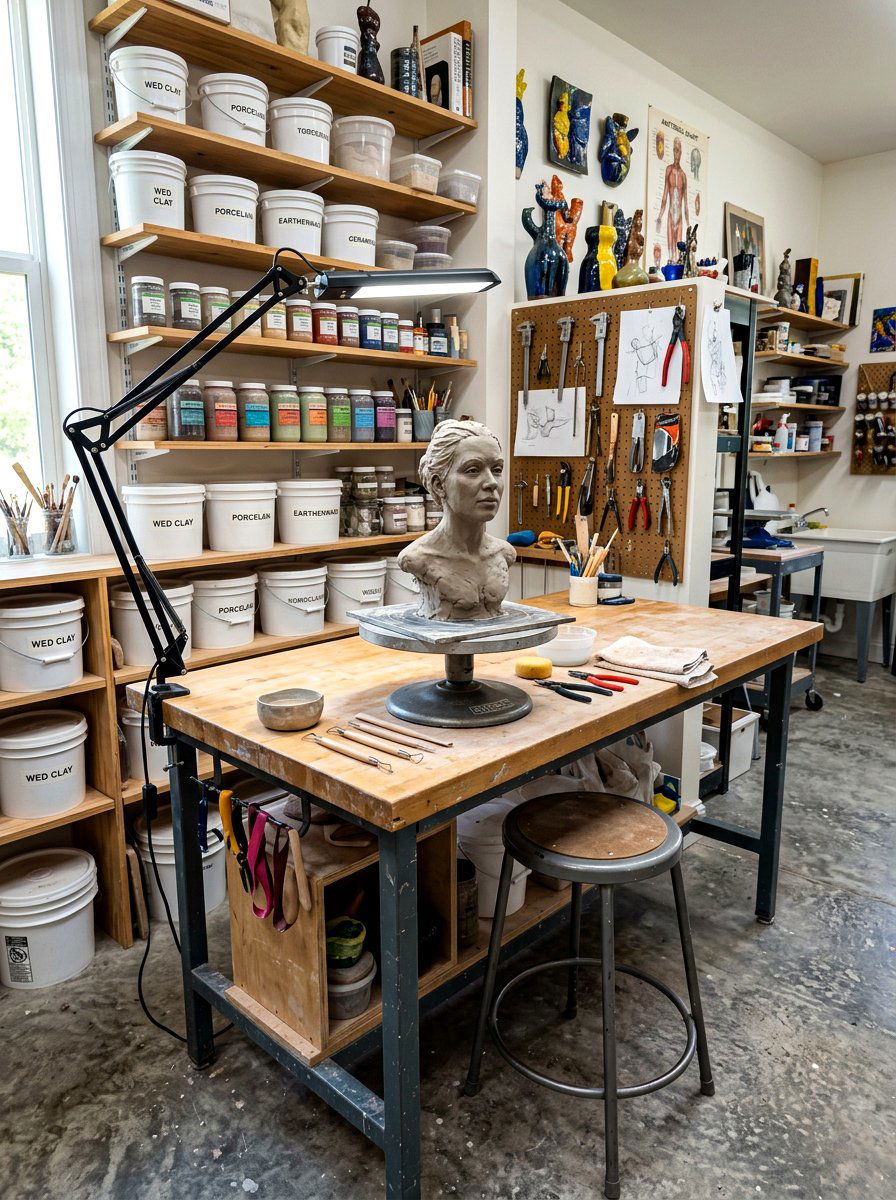
A sculpting workstation needs to be both rugged and highly organized to handle materials like clay or wire. Choose a heavy-duty table that can withstand pressure and is easy to wipe down after a messy session. Use tiered shelving to store various types of clay in airtight containers, preventing them from drying out. A rotating sculpting wheel is a vital tool for viewing your work from every angle without constantly moving the piece itself. Incorporate a bright, adjustable lamp to highlight the textures and forms of your sculpture. This tactile workspace is designed for hands-on creation, providing the sturdy foundation and specialized storage required for three-dimensional art projects.
16. Wall Mounted Art Desk
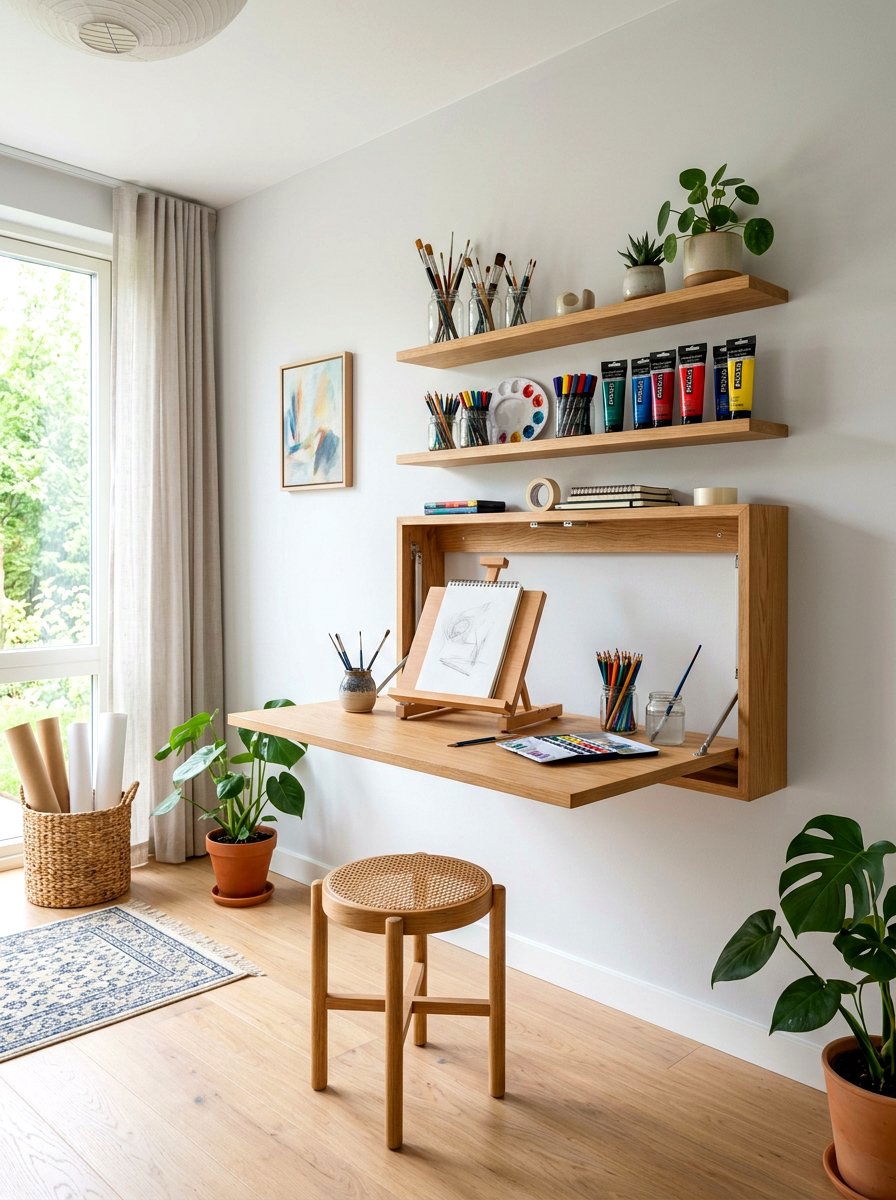
A wall mounted art desk is a superior space-saving solution for small bedrooms or narrow hallways. These desks often fold up against the wall when not in use, revealing a slim profile that does not interfere with foot traffic. When lowered, they provide a surprisingly spacious surface for sketching, journaling, or light painting. Use the wall space above the desk for floating shelves or a magnetic strip to hold metal palettes and brushes. This setup is ideal for those who want a dedicated creative spot but cannot afford to lose permanent floor space. It turns a blank wall into a functional and stylish art station that adapts to your needs.
17. Industrial Style Art Room
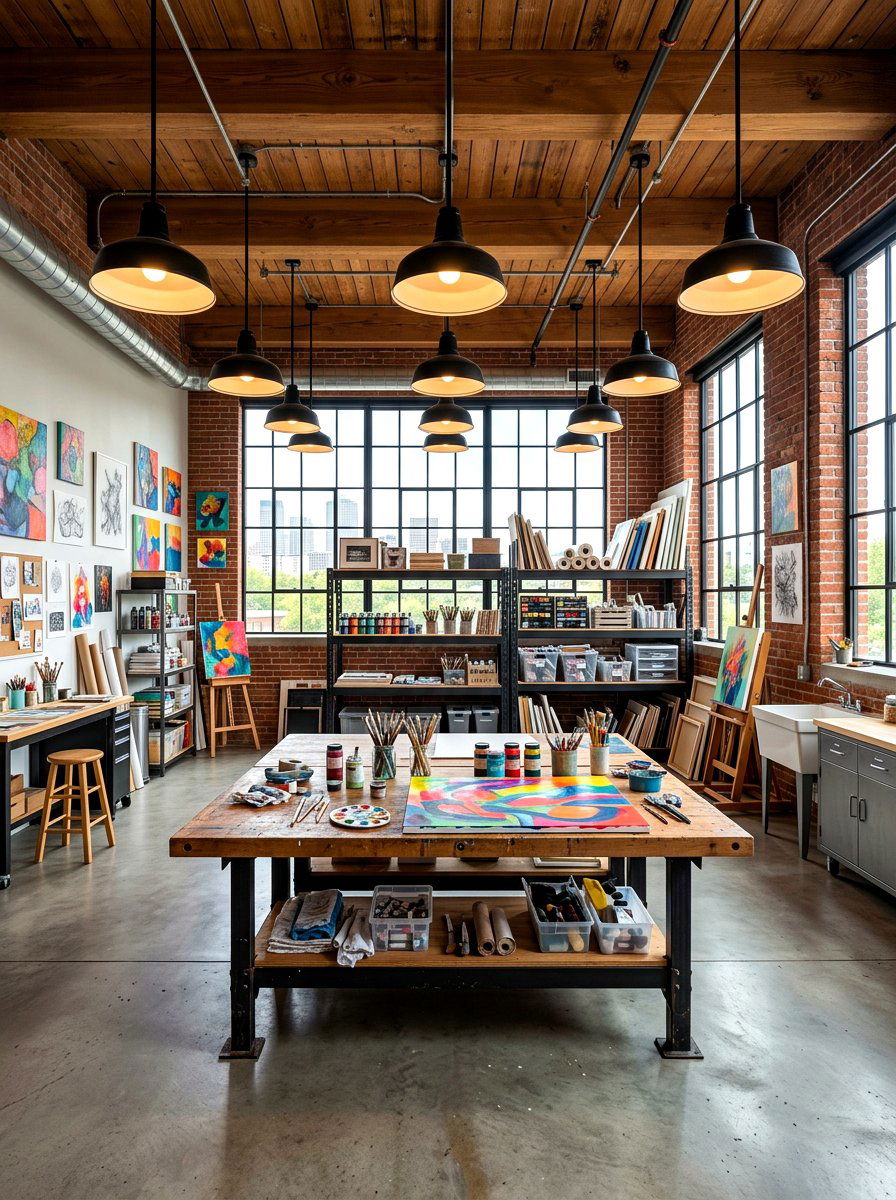
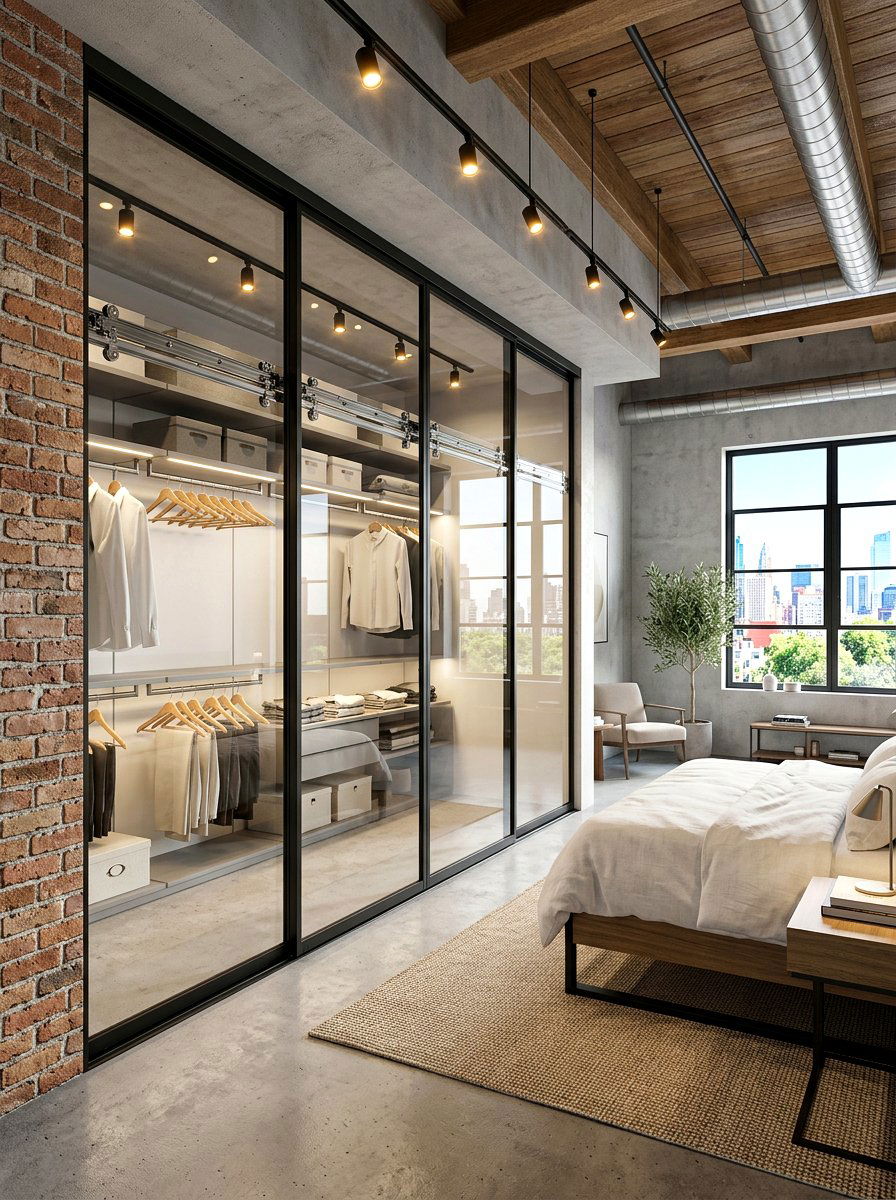
An industrial style art room combines raw materials like reclaimed wood, metal, and concrete to create a hardy and inspiring workspace. Large metal racks provide ample storage for bulky canvases and heavy supplies, while an oversized wooden workbench serves as the central hub for creation. Exposed brick walls and large factory-style windows add character and plenty of natural light to the space. This aesthetic is perfect for artists who work with messy mediums or heavy tools, as the rugged finishes only look better with a bit of paint or wear. It offers a professional, studio-like atmosphere that encourages bold experimentation and large-scale creative projects in a unique environment.
18. Cozy Reading And Sketching Nook
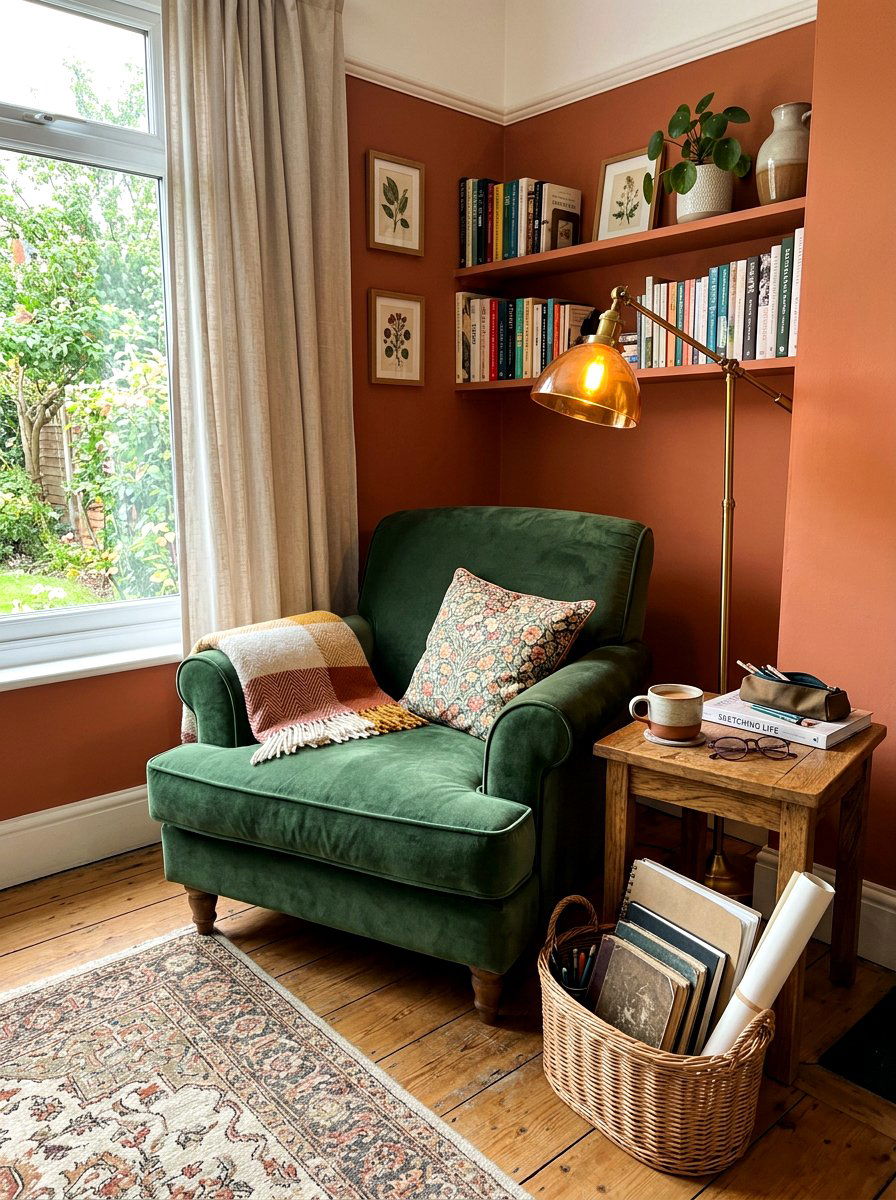
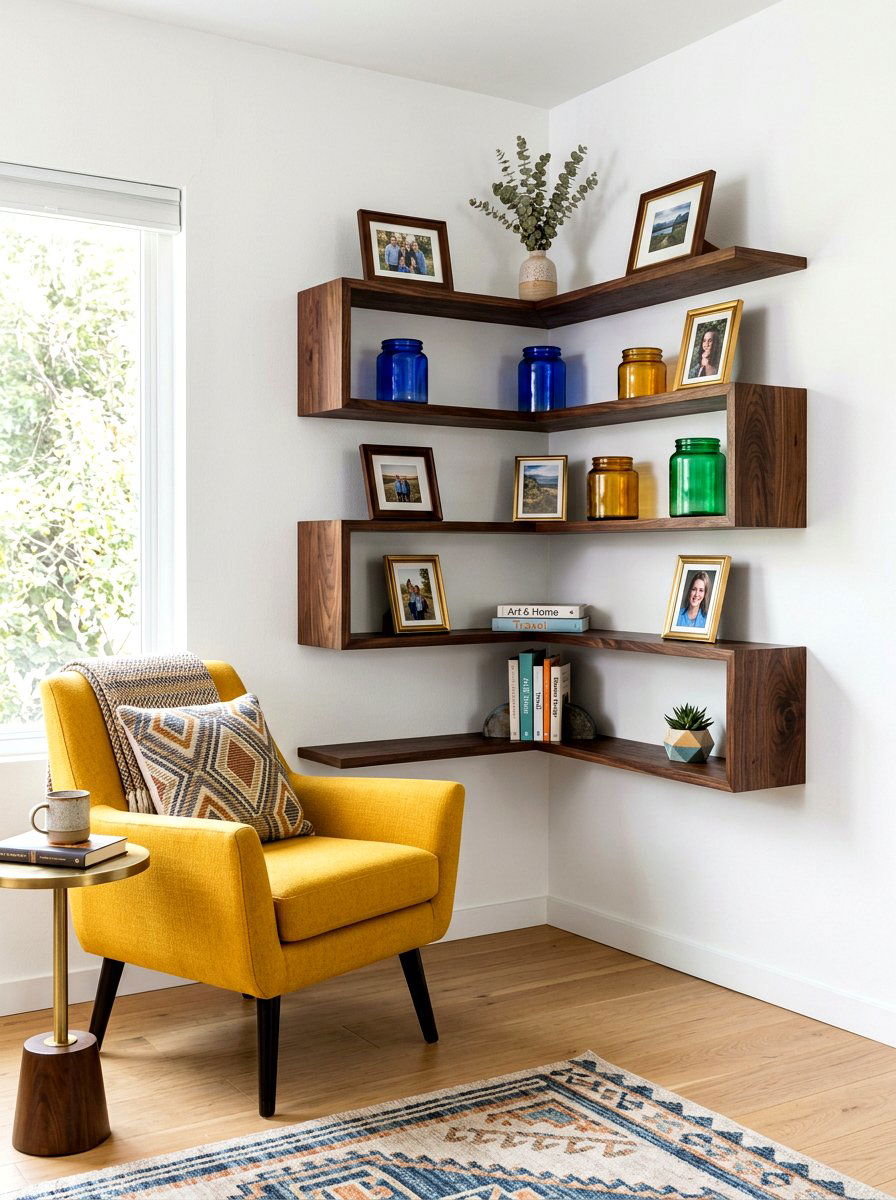
A cozy reading and sketching nook is designed for quiet reflection and low-mess artistic activities like colored pencil drawing or ink sketching. This setup typically features an oversized armchair with a small, sturdy side table and a dimmable floor lamp. A soft throw blanket and a few plush pillows make the space feel inviting and comfortable for long sessions. Use a small basket or a stylish magazine rack to keep your current sketchbook and a curated set of pens nearby. This relaxed environment is less about professional production and more about personal enjoyment, providing a soft and peaceful sanctuary where you can explore your ideas without any pressure or heavy equipment.
19. Shared Sibling Art Zone
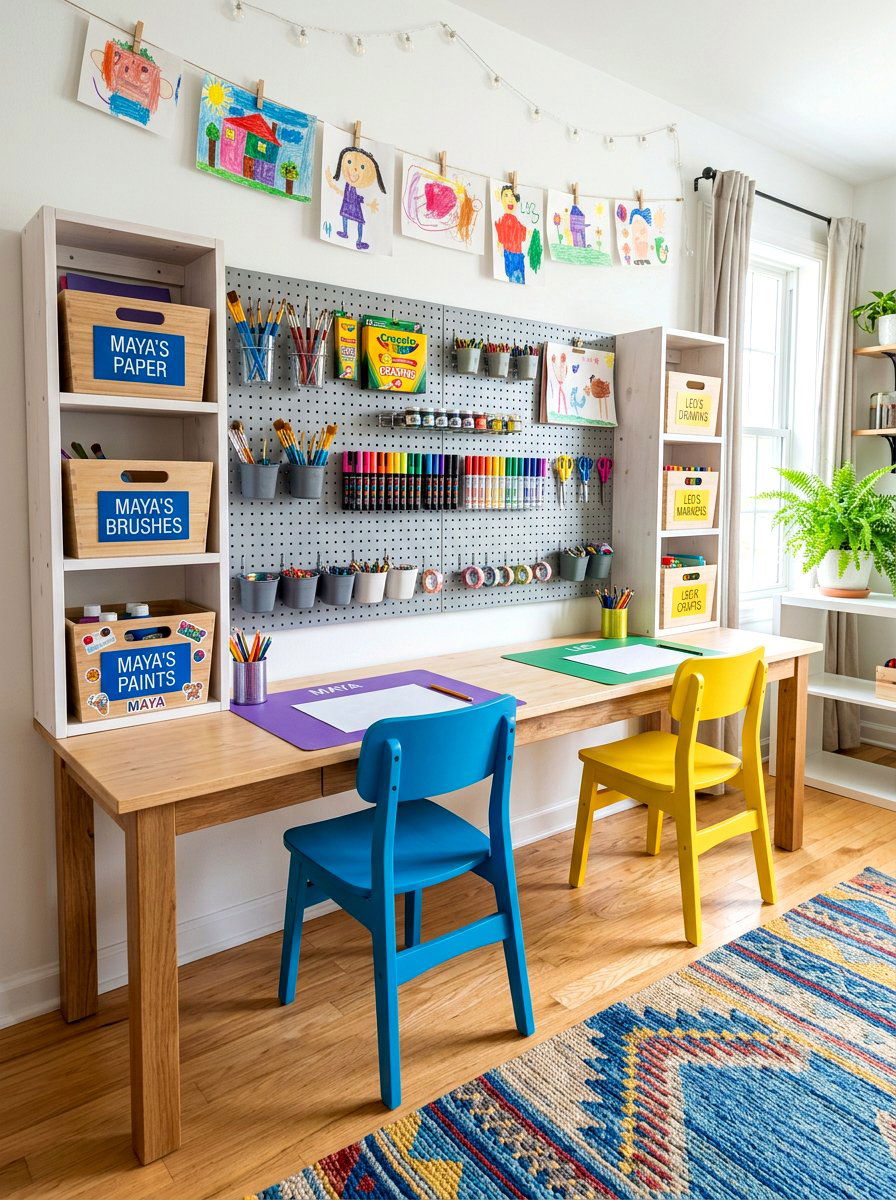
Creating a shared sibling art zone is a fantastic way to encourage collaboration and creative play among children. This setup often features a long double desk or two individual tables placed side-by-side, each with its own chair. Use a central storage unit or a large pegboard to house shared supplies like paint, glue, and glitter, ensuring that everything is reachable for both kids. Personalized name tags or different colored bins can help each child keep their own special tools organized. This design fosters a communal spirit while giving each young artist their own defined space to work, making art time a fun and social activity for the whole family to enjoy.
20. Art Gallery Wall Decor
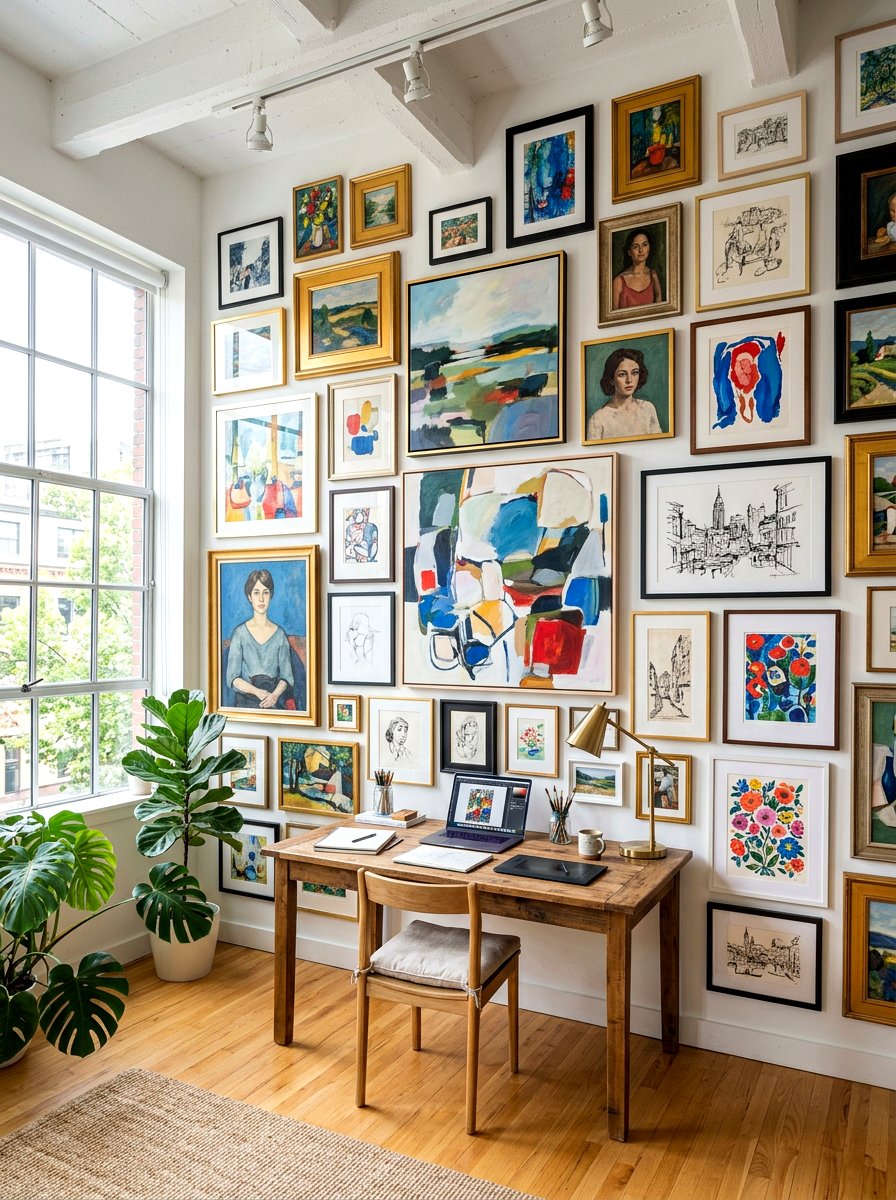
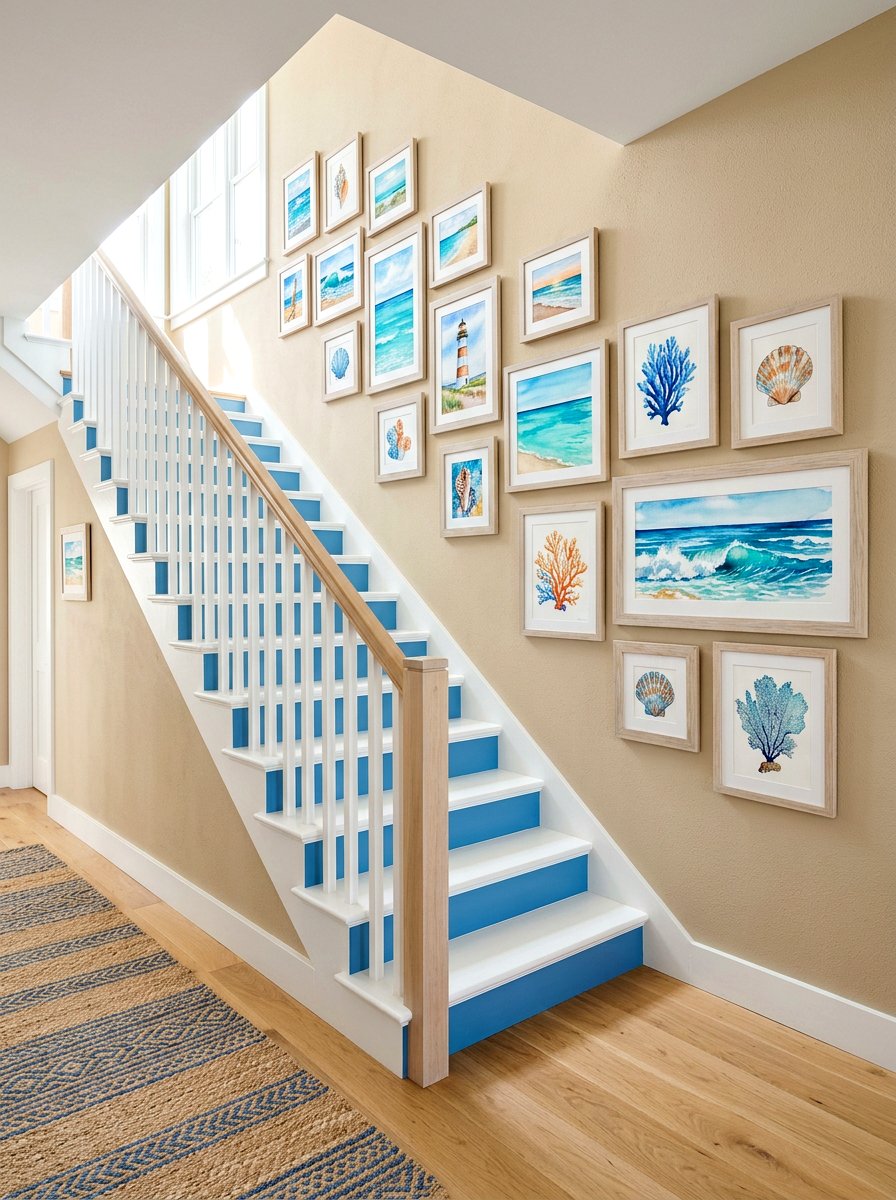
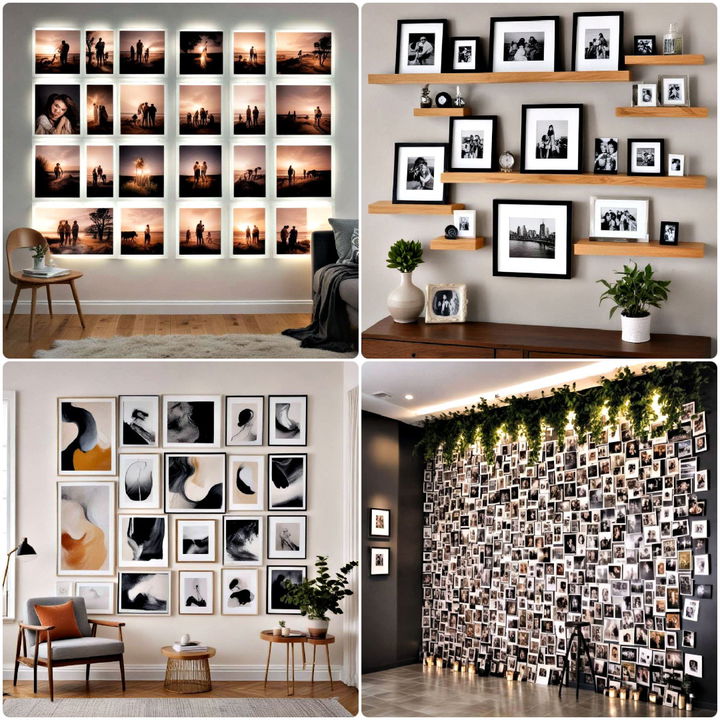
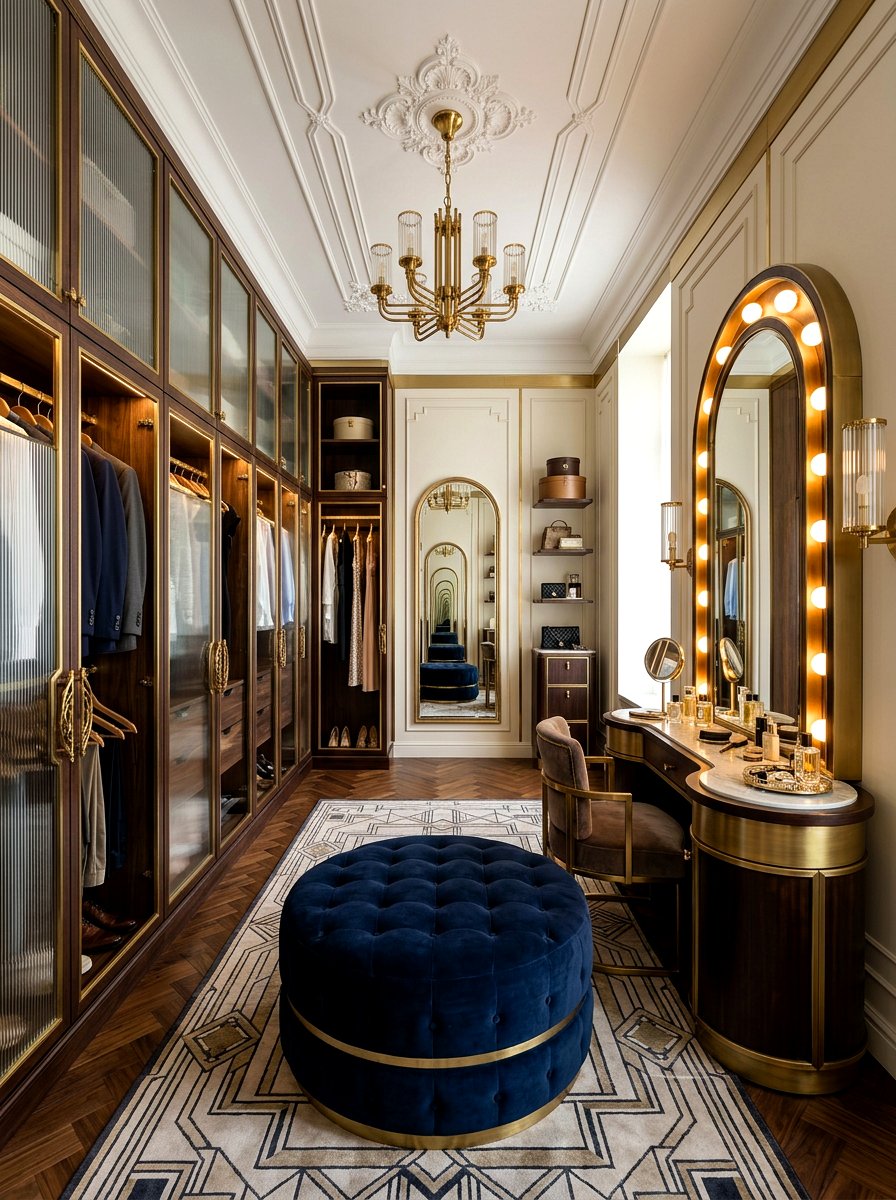
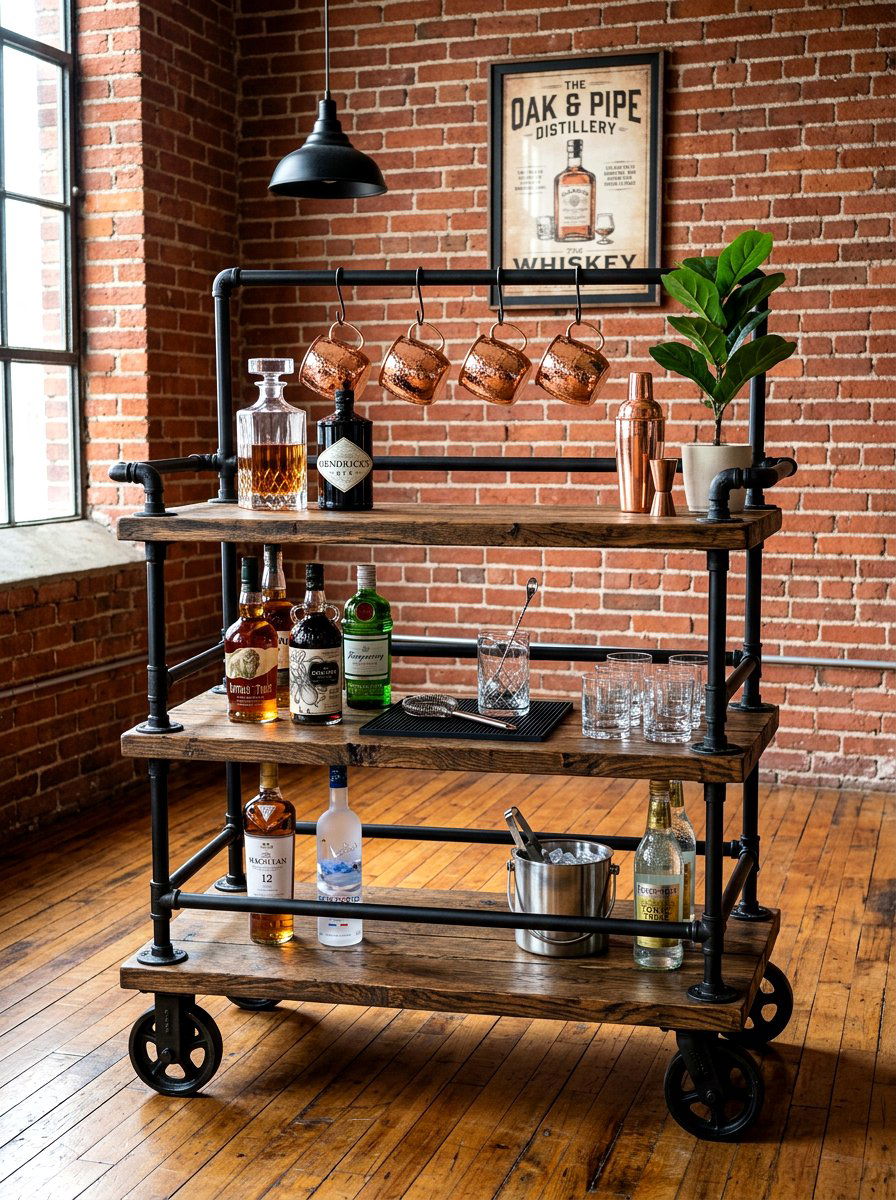
An art gallery wall decor setup serves a dual purpose: it provides a place to work and a place to display your finished pieces. Surround your desk with a curated selection of your own paintings, sketches, and favorite inspirational prints. Use a mix of frames and clipboards to make it easy to swap out new work as you complete it. This visual display acts as a constant source of motivation and shows your progress over time. By integrating your artwork into your home’s decoration, you turn your creative corner into a professional-looking gallery that celebrates your talent and adds a deeply personal touch to your living space or hallway.
21. Natural Light Studio Space
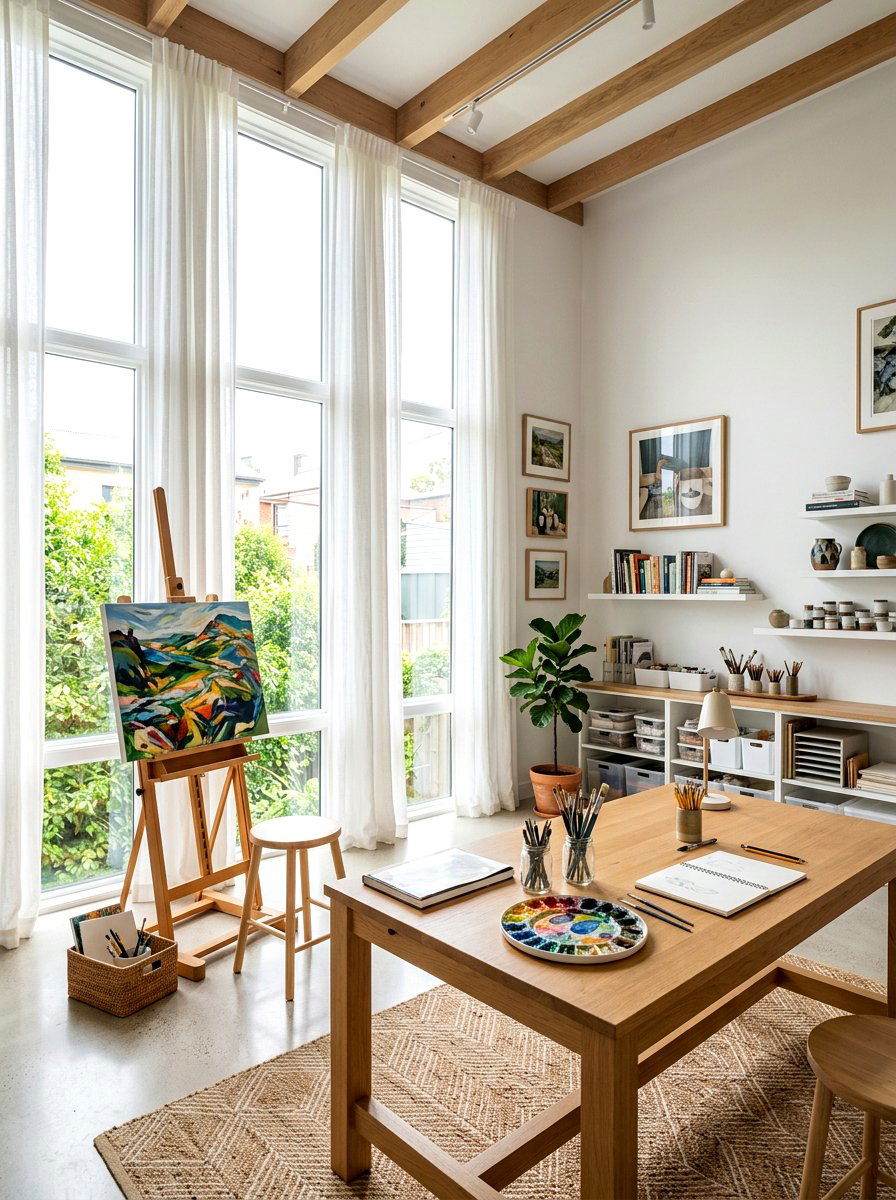
A natural light studio space is the gold standard for artists who want to achieve the most accurate color representation in their work. If possible, choose a room with north-facing windows, as this provides consistent, indirect light throughout the day without the harsh glare of direct sun. Position your primary worktable or easel so that the light falls across your surface from the side opposite your dominant hand to minimize shadows. Use sheer white curtains to diffuse the light if it becomes too intense. This bright and airy setup creates a clean, professional atmosphere that reduces eye strain and makes every painting session feel more refreshing and connected to the natural world.
22. Under Stairs Art Nook
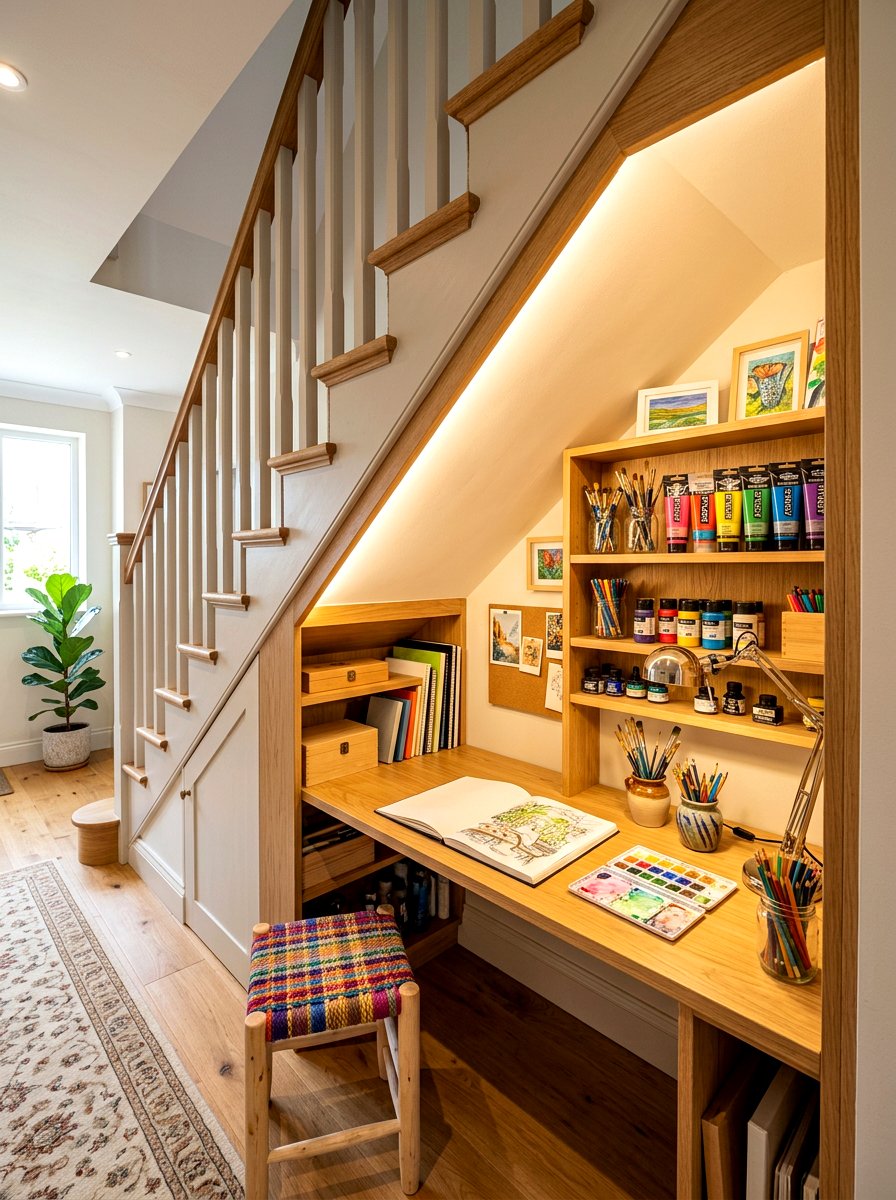
An under stairs art nook is a brilliant way to utilize a commonly wasted area in the home. Because this space is naturally enclosed, it feels like a private, cozy hideaway perfect for focused creative work. Install a custom-fit desk and several levels of shelving to maximize every inch of the triangular space. Bright, recessed lighting or a clip-on lamp is essential here to compensate for the lack of natural light. This architectural feature creates a unique and charming workspace that stays tucked away from the main flow of the house. It is an excellent solution for anyone looking to add a dedicated studio without needing an extra room or a large floor plan.
23. Colorful Kids Art Station
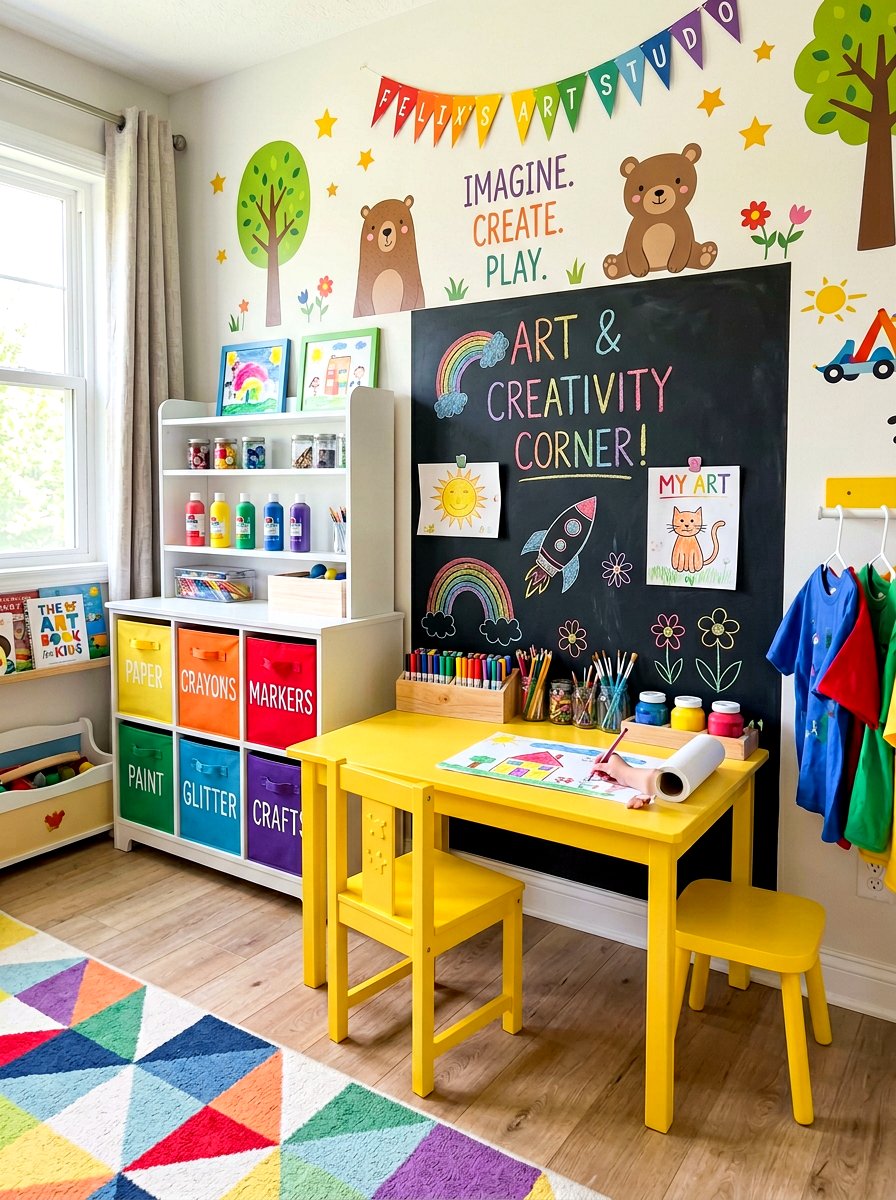
A colorful kids art station uses vibrant hues and playful decor to stimulate a child’s imagination and make art time exciting. Use bright plastic bins, multi-colored chairs, and bold wall decals to create an environment that feels like a dedicated playground for creativity. A large chalkboard or whiteboard wall allows for giant-scale drawing and easy cleanup. Organize supplies by color to help children learn about the rainbow while they create. This high-energy space is designed to be mess-friendly and fun, providing a safe and inviting area where kids are encouraged to experiment with different textures, colors, and materials in a space that is entirely their own.
24. Vintage Art Workspace
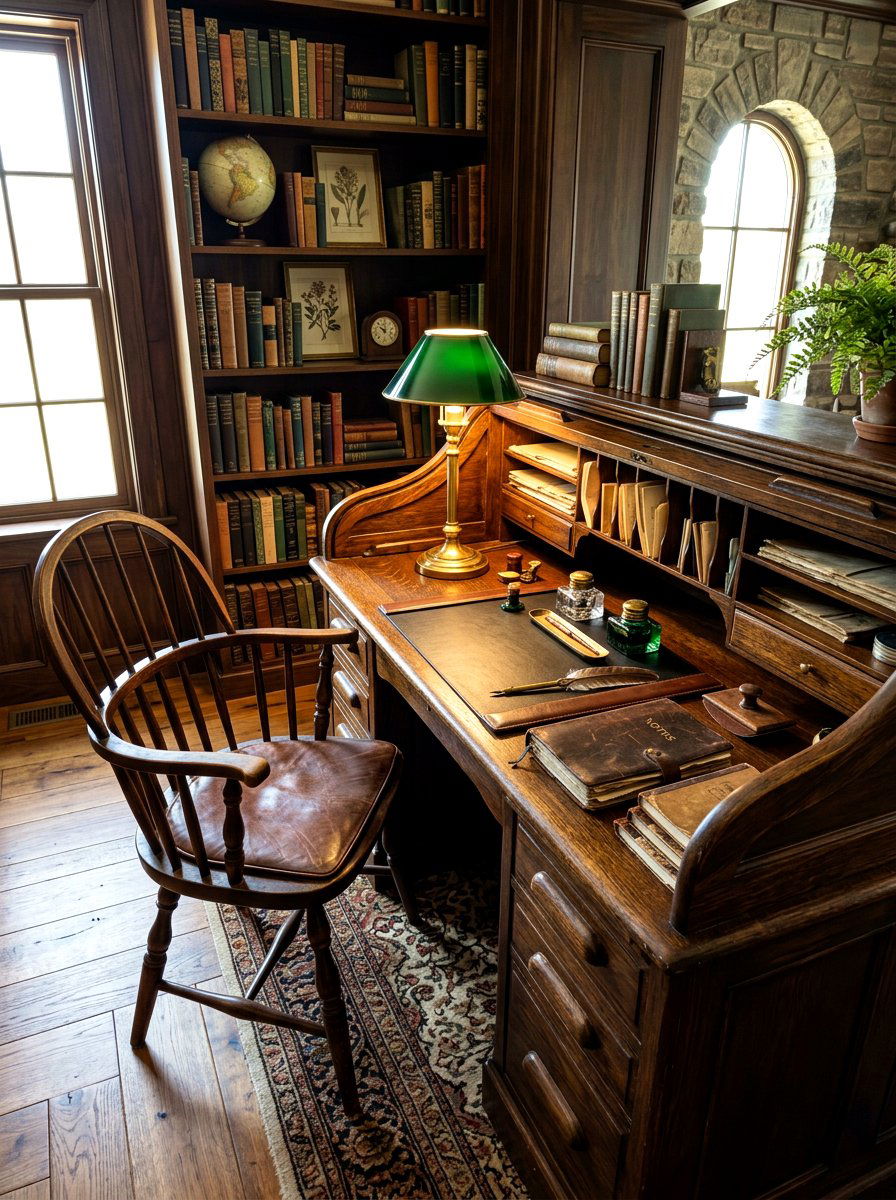
Creating a vintage art workspace involves using antique furniture and classic decor to build a timeless and soulful creative environment. Search for an old apothecary cabinet with many small drawers to store your pens, nibs, and paints, or use a sturdy roll-top desk to hide your work at night. Incorporate brass lamps, glass inkwells, and leather-bound journals to enhance the historical feel of the corner. This aesthetic is perfect for calligraphers, illustrators, or anyone who enjoys the tactile feel of traditional materials. The rich textures and warm wood tones create a sophisticated and inspiring atmosphere that feels connected to the long history of artistic craftsmanship and classical design.
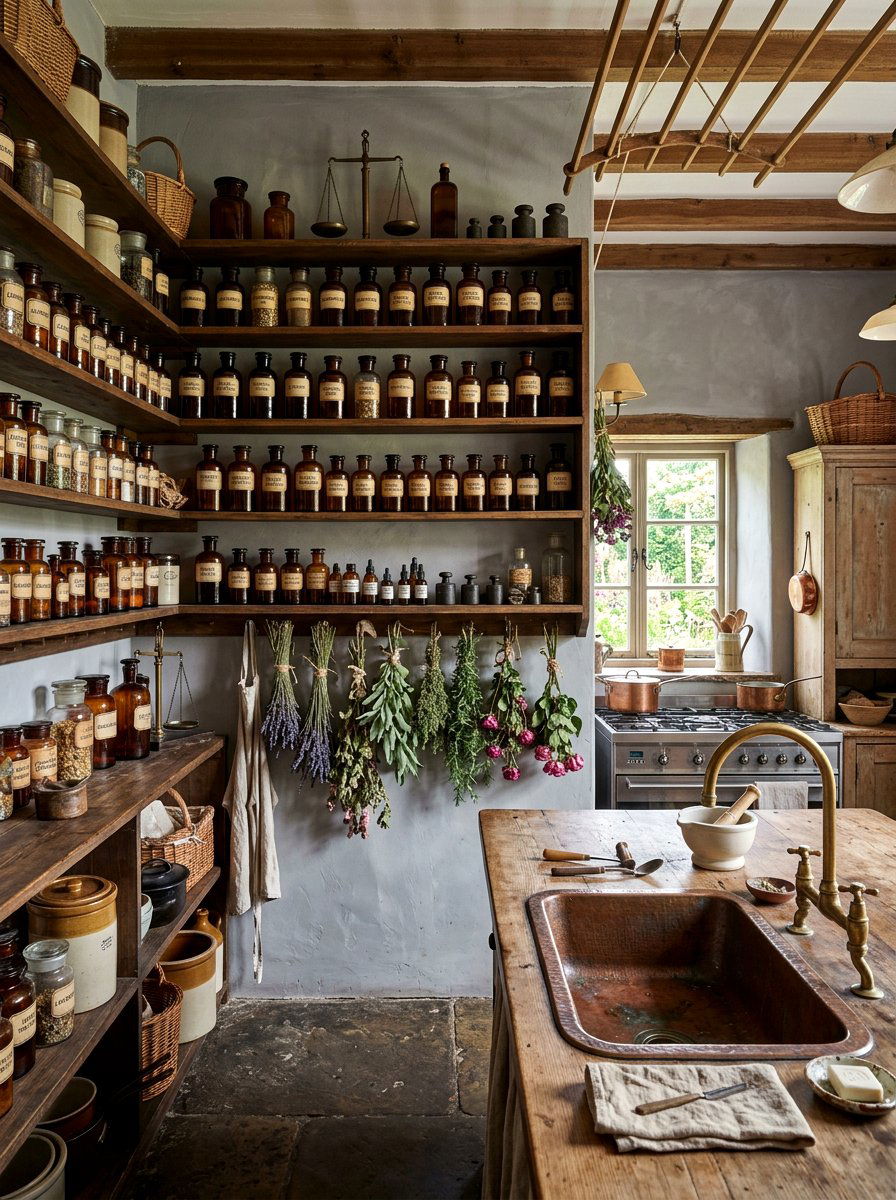
25. Pottery Studio Corner
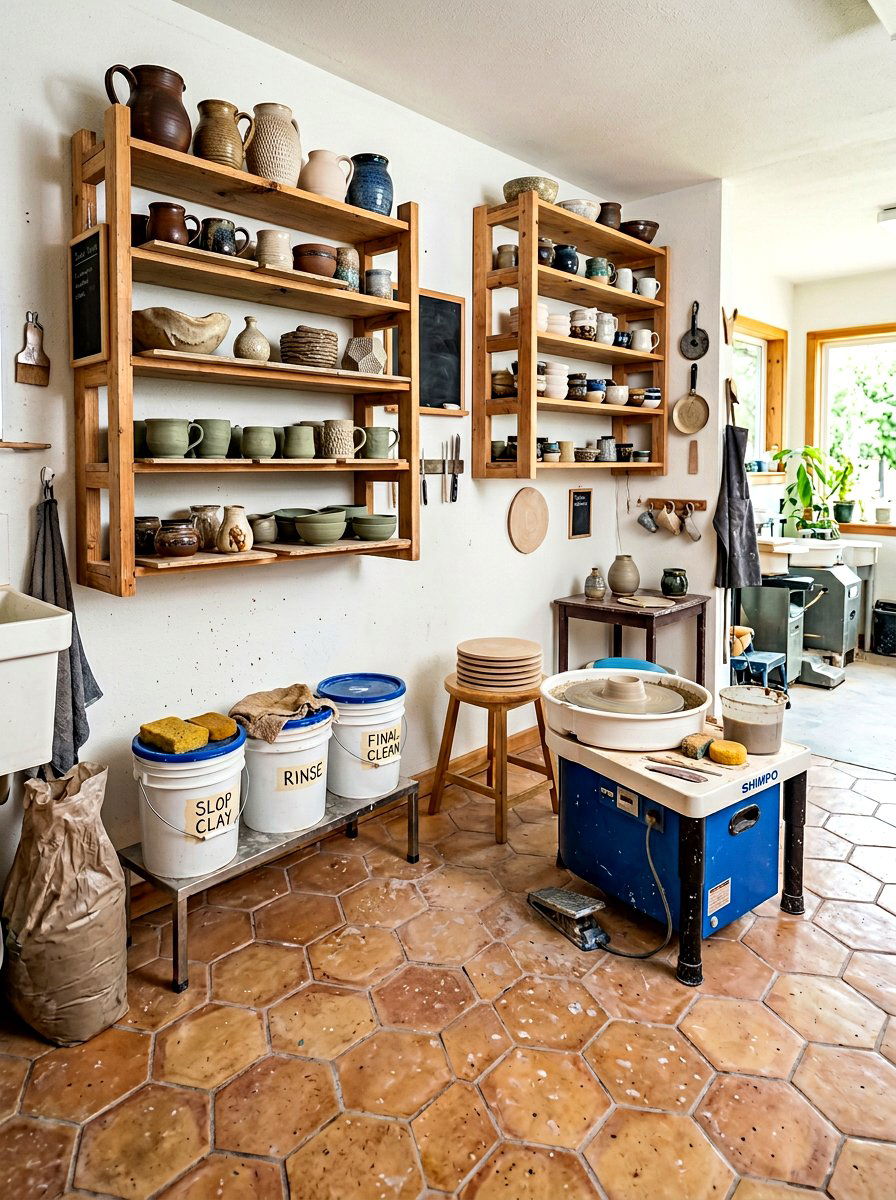
A pottery studio corner requires specific considerations for handling water and heavy materials. Choose a location with easy-to-clean tile or concrete floors, and place your pottery wheel on a stable, vibration-resistant mat. Sturdy open shelving is necessary for drying greenware and storing bags of clay. If a plumbed sink isn’t available, keep a three-bucket cleaning system nearby to manage clay dust and slips safely. Use a small, adjustable stool that allows you to lean over the wheel comfortably. This specialized setup is all about durability and utility, providing a focused area where you can engage in the grounding and tactile art of ceramics without worrying about making a mess in the house.
26. Sketchbook Journaling Desk
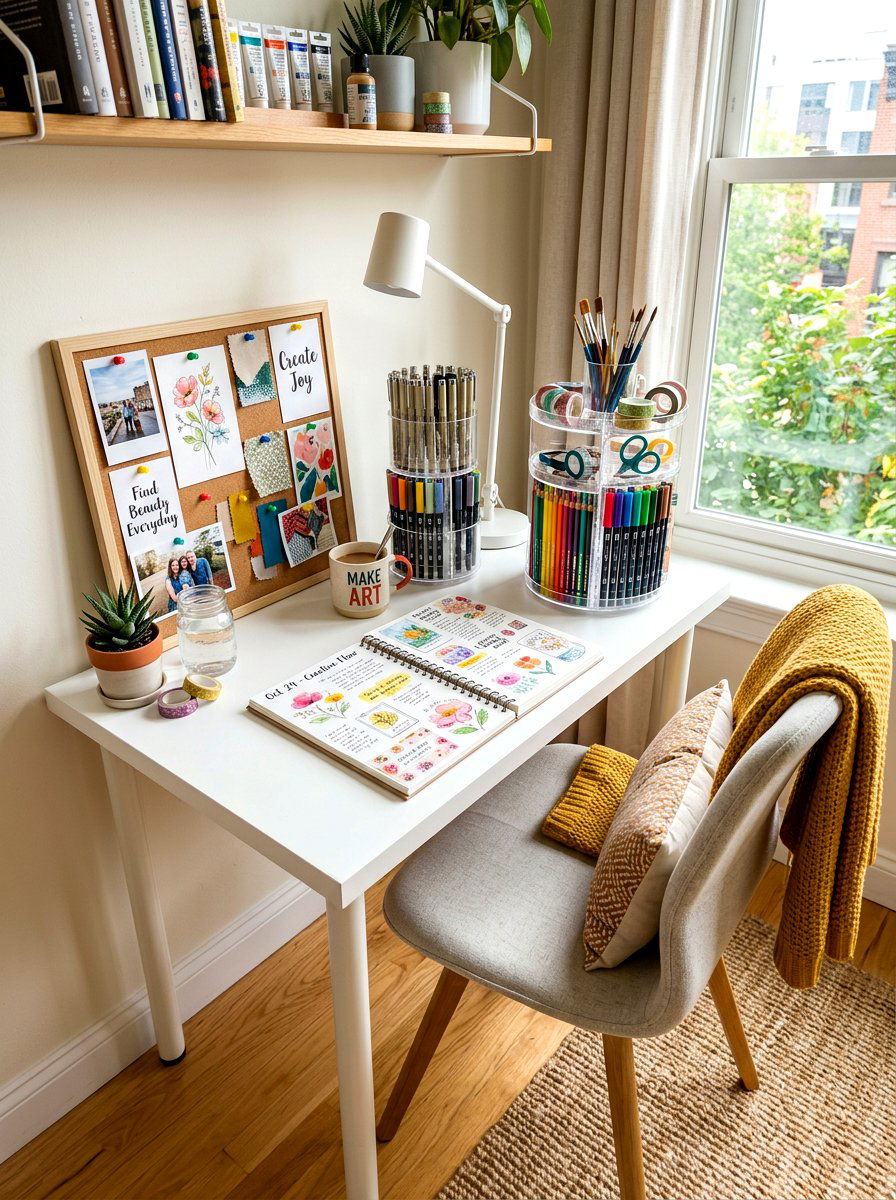
A sketchbook journaling desk is a dedicated spot for those who enjoy the daily practice of combining writing with illustration. This setup can be quite compact, featuring a small desk or a cozy lap tray paired with a high-quality task light. Organize your markers, stickers, and washi tapes in rotating carousels or clear acrylic drawers for easy access. Add a small mood board above the desk to pin photos, ticket stubs, or dried flowers that inspire your entries. This personal and intimate space is designed for reflection and storytelling, providing a quiet sanctuary where you can document your life and creative thoughts in a beautifully organized and inviting environment.
27. Master Bedroom Art Space
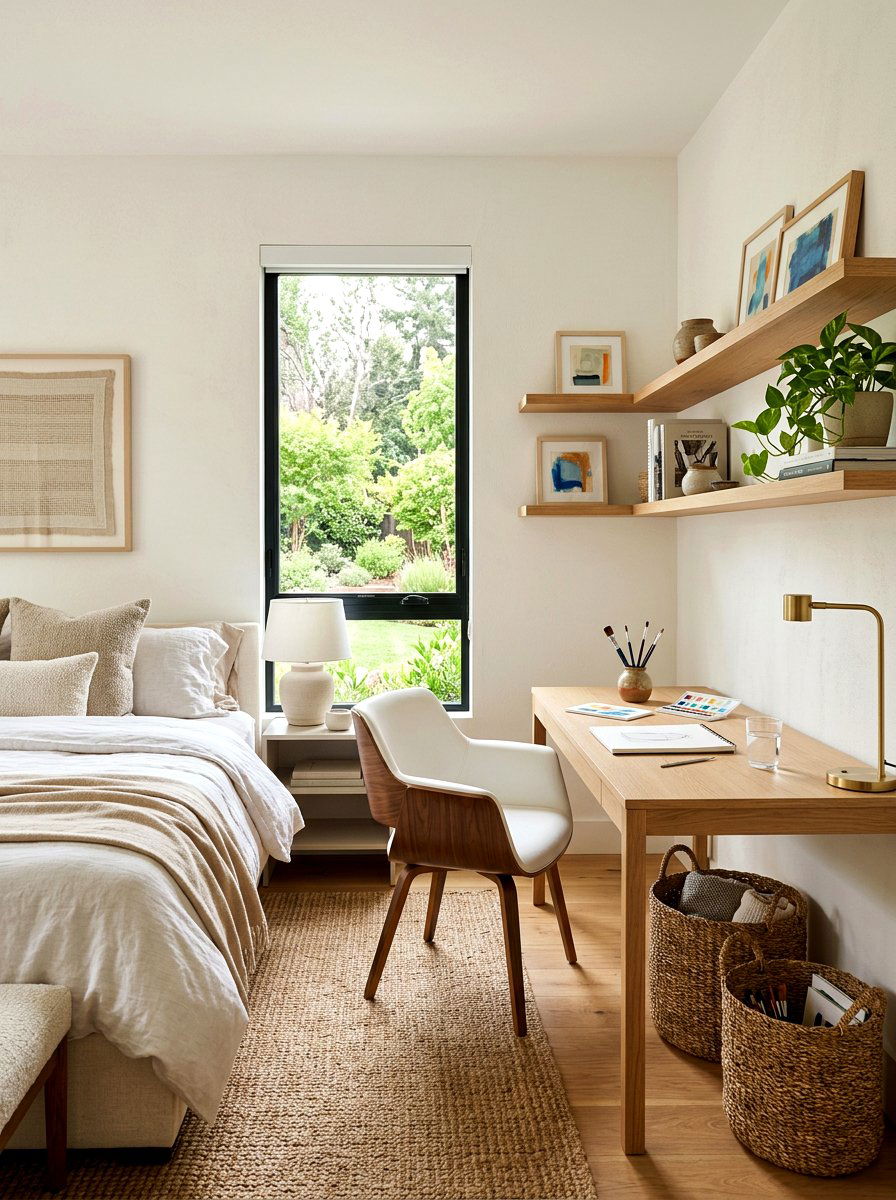
A master bedroom art space should be a tranquil and minimalist corner that does not disrupt the peaceful atmosphere of your sleeping area. Use a sleek, low-profile desk and a chair that can be tucked completely underneath to keep the room feeling spacious. Store your supplies in attractive, closed cabinets or stylish woven baskets that blend in with your bedroom furniture. Focus on low-odor and low-mess mediums like pencils, digital tablets, or watercolors to keep the environment clean and fresh. This private setup allows you to create in the quiet hours of the morning or late at night, providing a restful and convenient spot for your most personal artistic expressions.
28. Basement Art Workshop
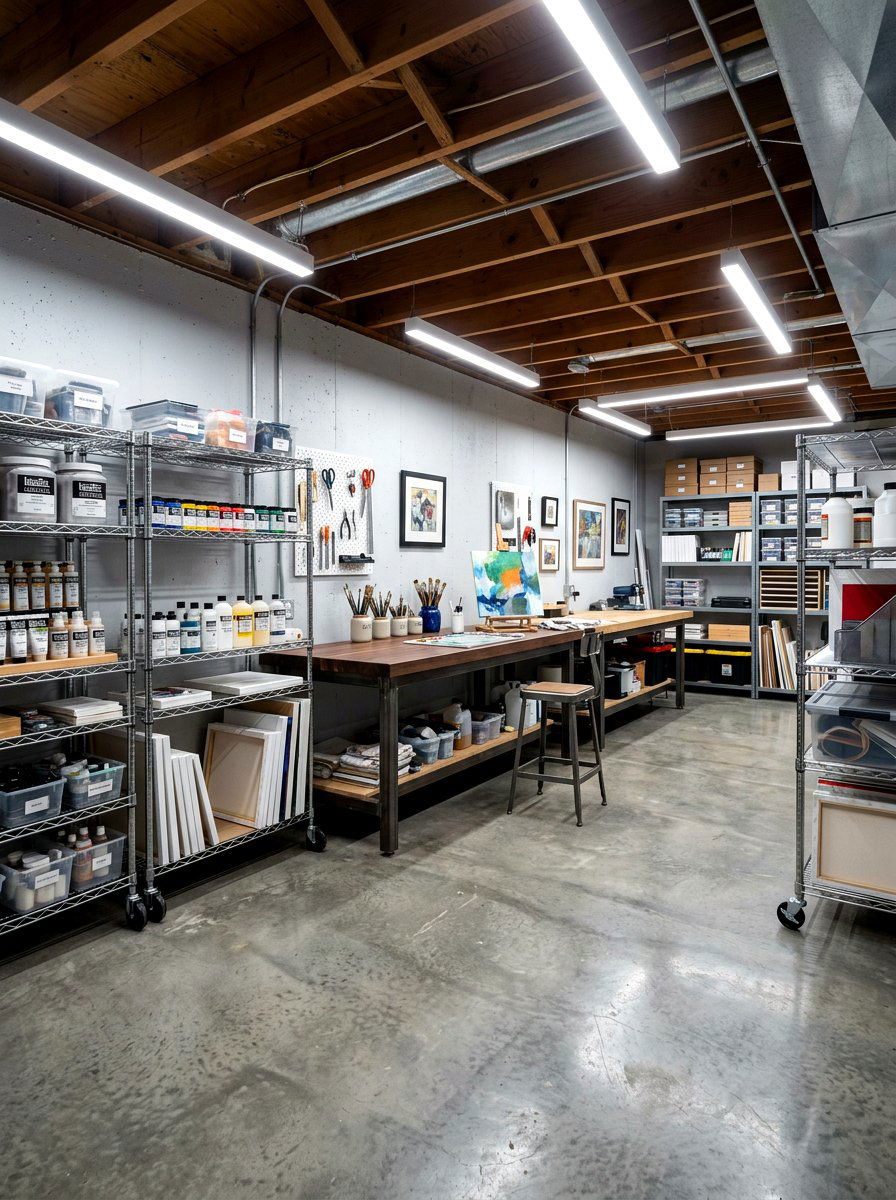
A basement art workshop offers a vast and flexible space for messy, large-scale, or loud creative projects that might not fit elsewhere in the home. Because basements often have industrial features, you can easily install heavy-duty workbenches and overhead fluorescent or LED shop lights. This is the ideal spot for spray painting, woodworking, or large canvas work, as the concrete floors are incredibly durable and easy to sweep. Use rolling metal racks to store bulk supplies and a dehumidifier to protect your paper and paintings from moisture. This subterranean studio provides a rugged and private environment where you can work freely on ambitious projects without any noise or space constraints.
29. Portable Art Kit Storage
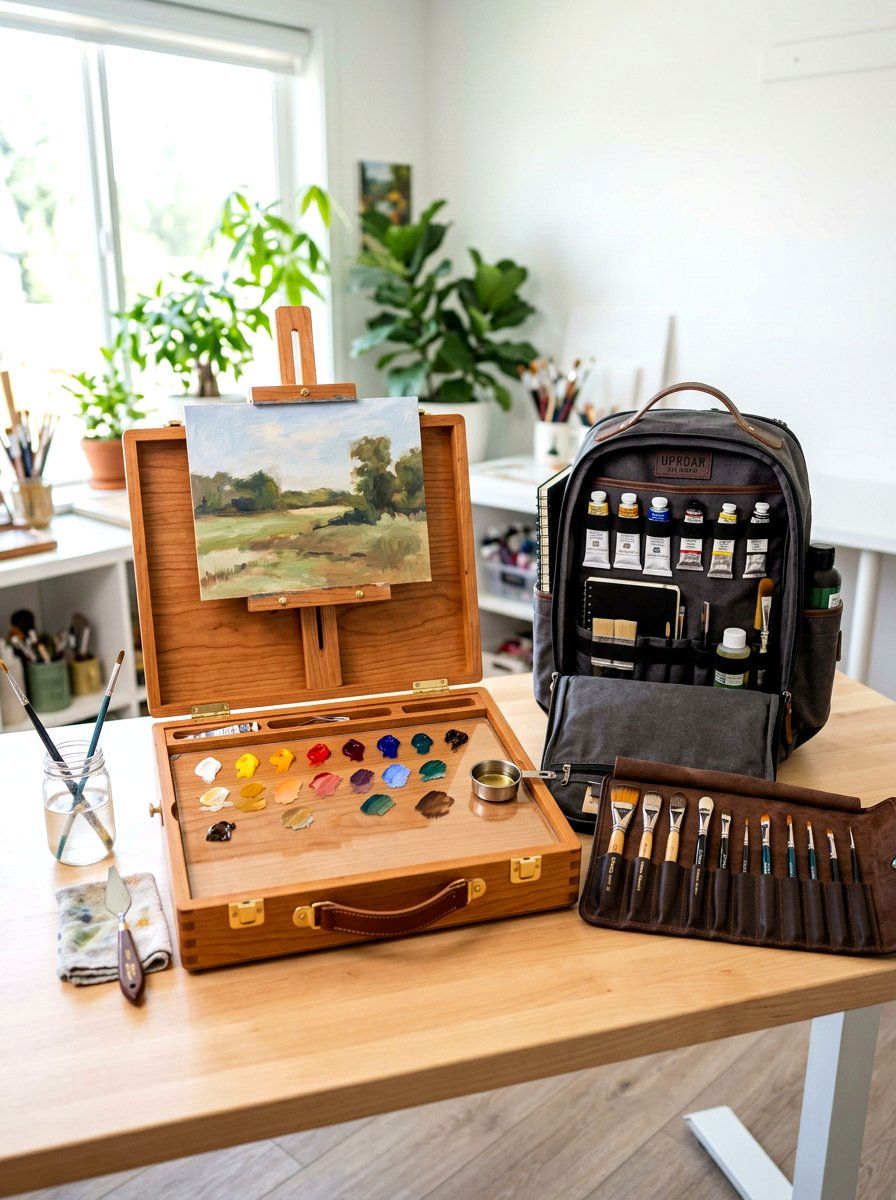
Portable art kit storage is essential for creators who enjoy painting on the go or moving between different rooms in the house. Invest in a high-quality wooden pochade box or a specialized art backpack that has dedicated compartments for brushes, paints, and panels. Use small, leak-proof containers for water and mediums to prevent accidents during travel. This setup allows you to turn any kitchen table, park bench, or café into a temporary studio in seconds. Having a pre-packed, organized kit ensures that you are always ready to capture inspiration whenever it strikes, making it the perfect solution for travelers, students, or anyone with a busy and mobile lifestyle.
30. Mood Board Inspiration Wall
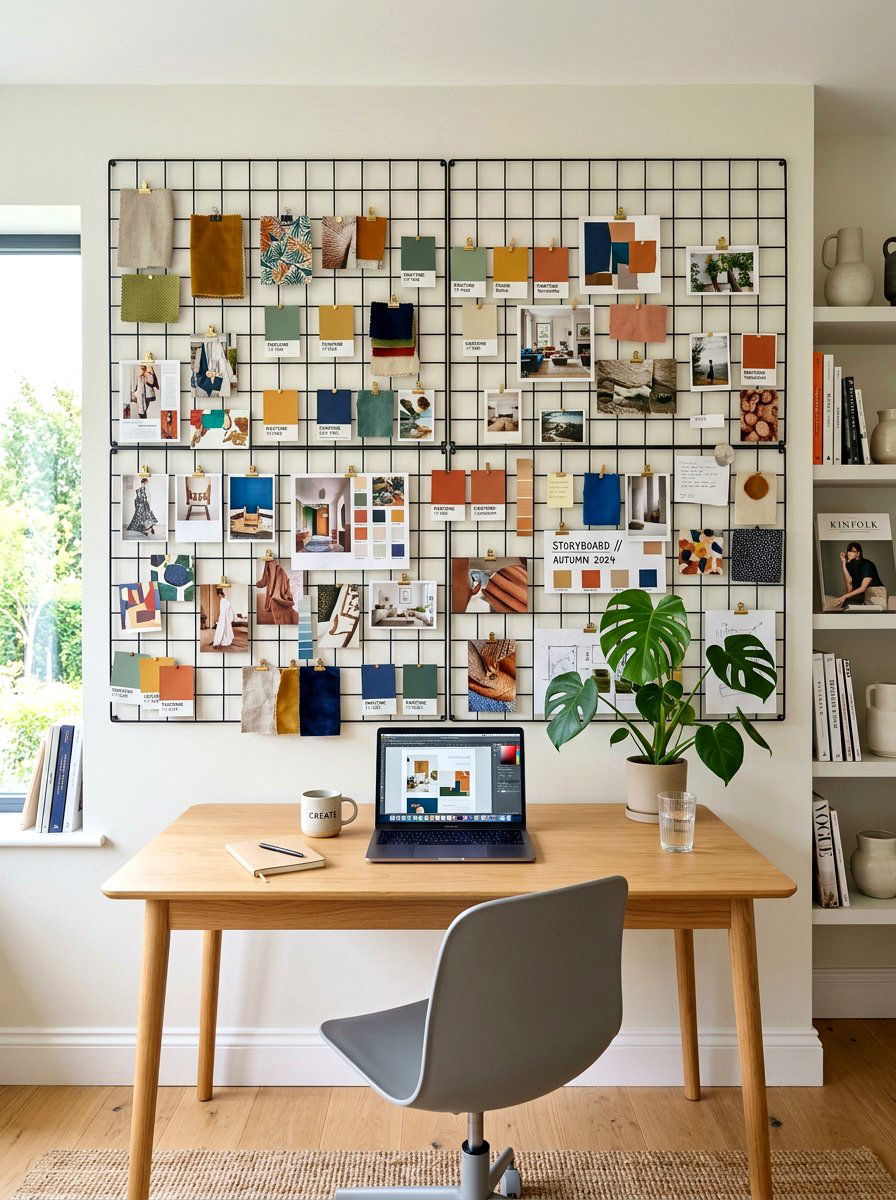
A mood board inspiration wall turns your entire creative corner into a living visual reference for your current projects. Use a large corkboard, a wire grid, or even just painter’s tape to arrange color swatches, fabric scraps, sketches, and photographs that spark your imagination. Surrounding your workspace with these visual cues helps you stay focused on a specific theme or aesthetic. As your projects evolve, you can easily update the wall to reflect your new direction. This dynamic display adds a layer of depth to your studio and serves as a powerful creative tool that bridges the gap between your initial ideas and the final artwork you produce.
Conclusion:
Setting up the perfect art corner is a deeply personal journey that depends on your artistic medium, the size of your home, and your individual creative habits. Whether you choose a high-tech digital desk or a cozy, vintage-inspired nook, the most important factor is creating a space that makes you feel excited to create every single day. By prioritizing organization, lighting, and comfort, you ensure that your creative process remains fluid and enjoyable. Remember that your studio space should grow and change alongside your skills and interests. Take the time to curate an environment that truly reflects your soul and supports your unique artistic vision.

Related posts: