In our hyper-connected world, the constant ping of notifications can leave us feeling drained and mentally fatigued. Creating a dedicated digital detox room is a transformative way to reclaim your peace and restore your focus. These intentional spaces prioritize analog activities like reading, meditation, and tactile hobbies, allowing your mind to rest from the endless scroll of screens. By focusing on soft textures, natural lighting, and organic materials, you can design a sanctuary that encourages presence and deep relaxation. Whether it is a small corner or a full room, these environments act as a vital reset button for your daily mental well-being and long-term health.

1. Minimalist Meditation Corner
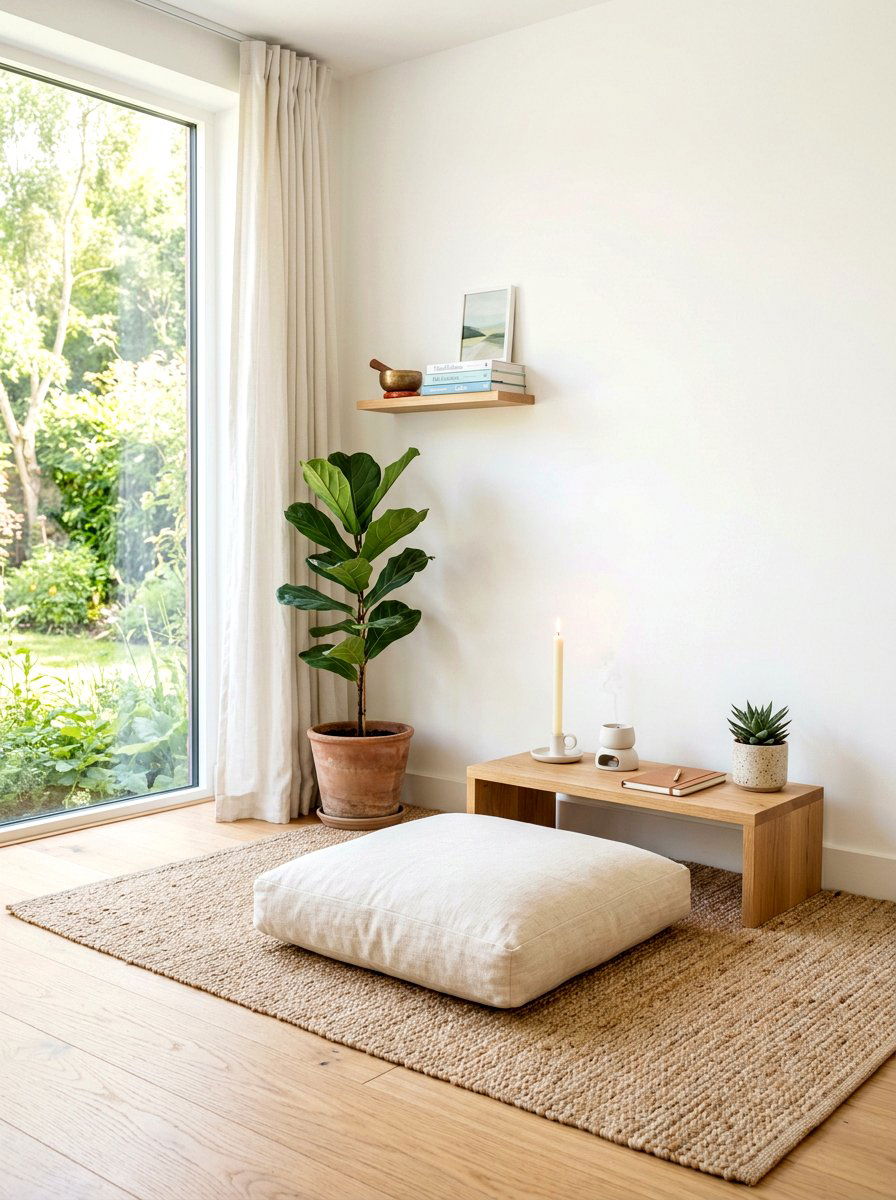
Creating a minimalist meditation corner focuses on stripping away visual noise to allow your mind to settle into stillness. This design typically features a low-profile floor cushion or a dedicated zabuton set placed on a natural jute rug. Soft, neutral wall colors like off-white or pale sand help to create a serene backdrop that does not demand attention. You might include a simple wooden altar or a floating shelf to hold a single candle or a small incense burner. The lack of electronic devices and cables ensures that your focus remains entirely on your breath. Natural light plays a crucial role here, gently illuminating the space and connecting you to the passage of time.
2. Cozy Reading Nook
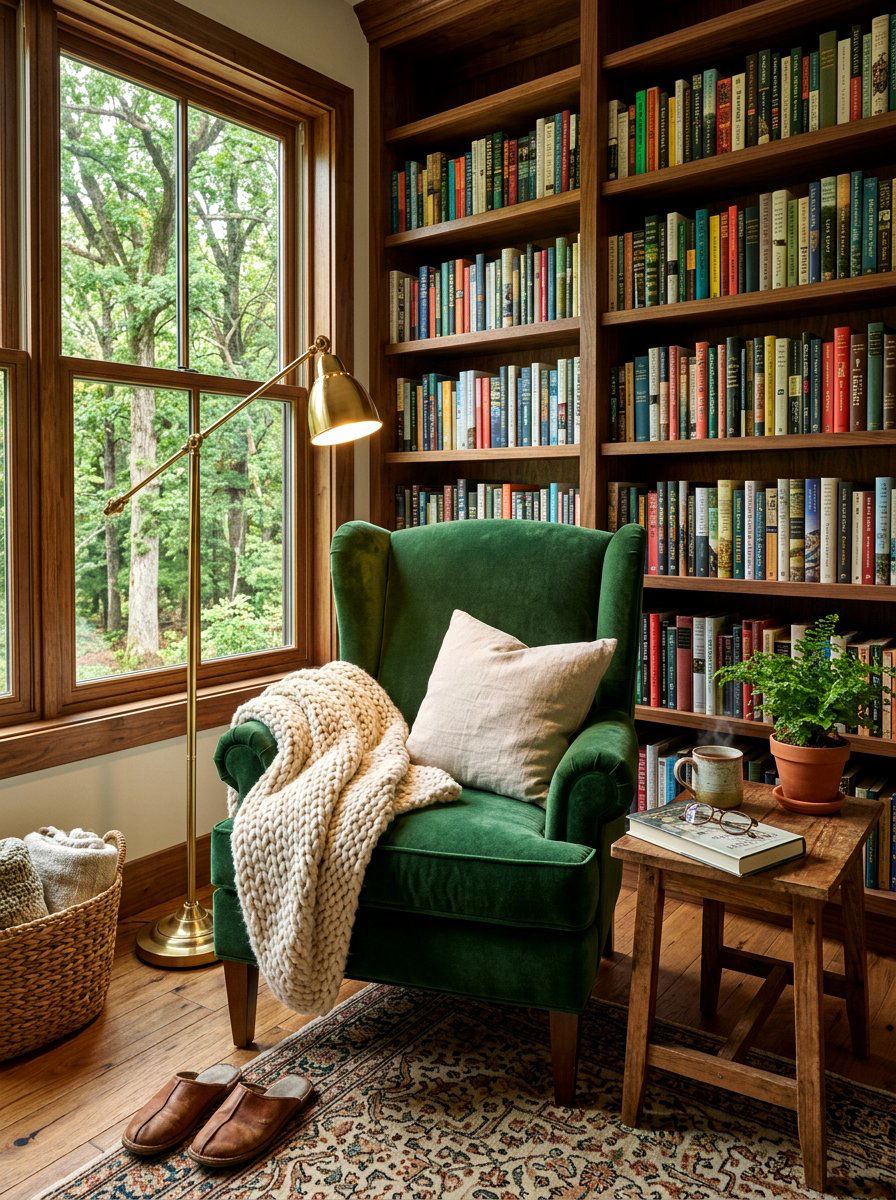
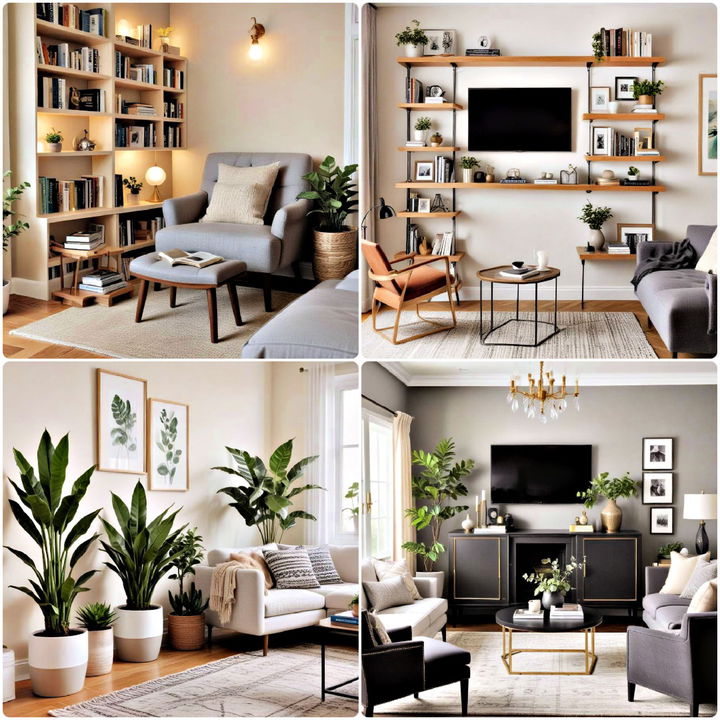
A cozy reading nook serves as the perfect escape from digital distractions by celebrating the tactile joy of physical books. To create this full design, start with a plush, oversized armchair or a built-in window seat layered with soft wool throws and linen pillows. Surround the seating area with floor-to-ceiling bookshelves that act as both storage and a sound-dampening architectural feature. Proper task lighting is essential, so incorporate a warm-toned floor lamp with an adjustable neck for focused evening reading. The atmosphere should feel enclosed and protective, like a soft cocoon, encouraging you to lose yourself in a story for hours without once checking your smartphone or tablet.
3. Indoor Garden Sanctuary
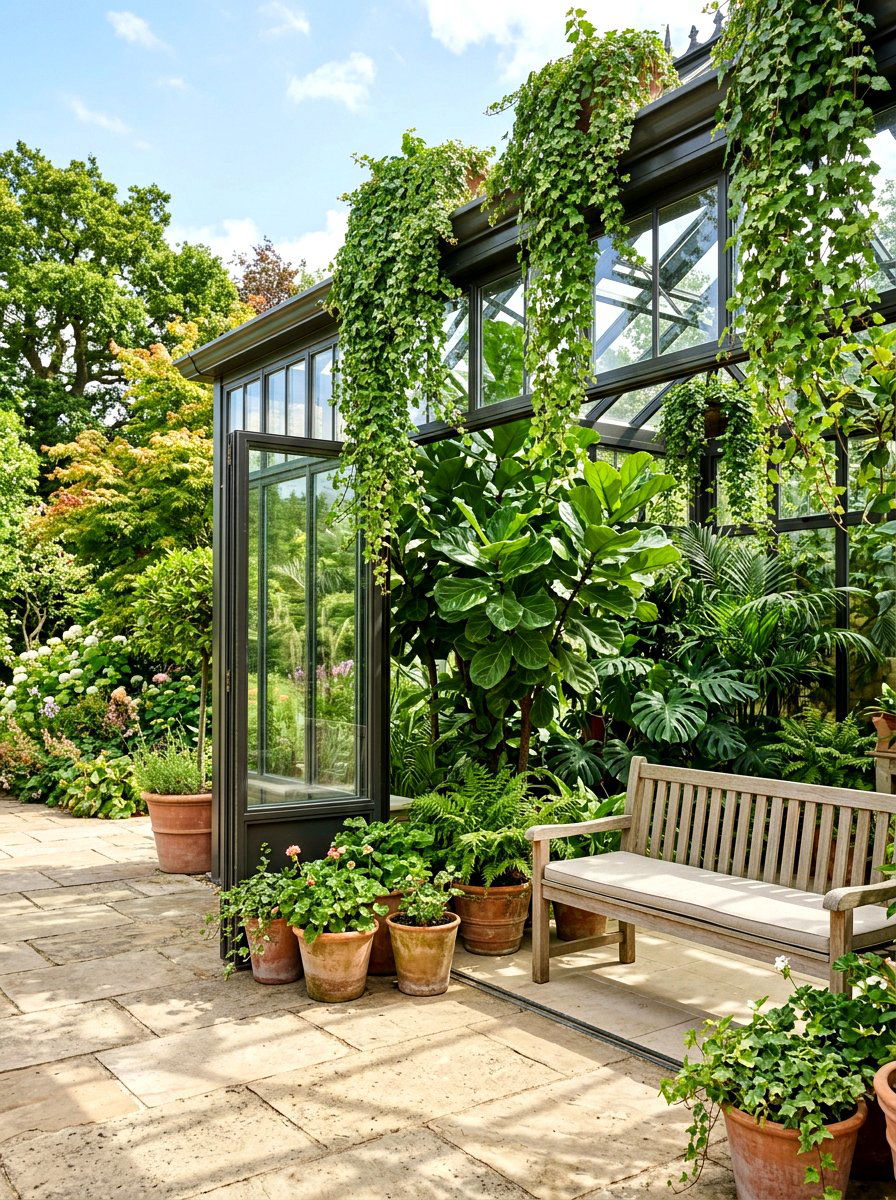
Transforming an entire room into an indoor garden sanctuary brings the healing power of nature directly into your living environment. This design utilizes a variety of plant heights, from large floor-standing fiddle leaf figs to trailing ivy suspended from the ceiling. Use natural materials like terracotta pots, stone flooring, and wooden benches to ground the space in organic textures. Large windows are the focal point, allowing sunlight to flood the room and support both plant life and your own circadian rhythms. This tech-free zone encourages slow activities like watering plants or simply sitting quietly amidst the greenery, providing a lush, oxygen-rich environment that naturally lowers stress levels and boosts mood.
4. Analog Music Room
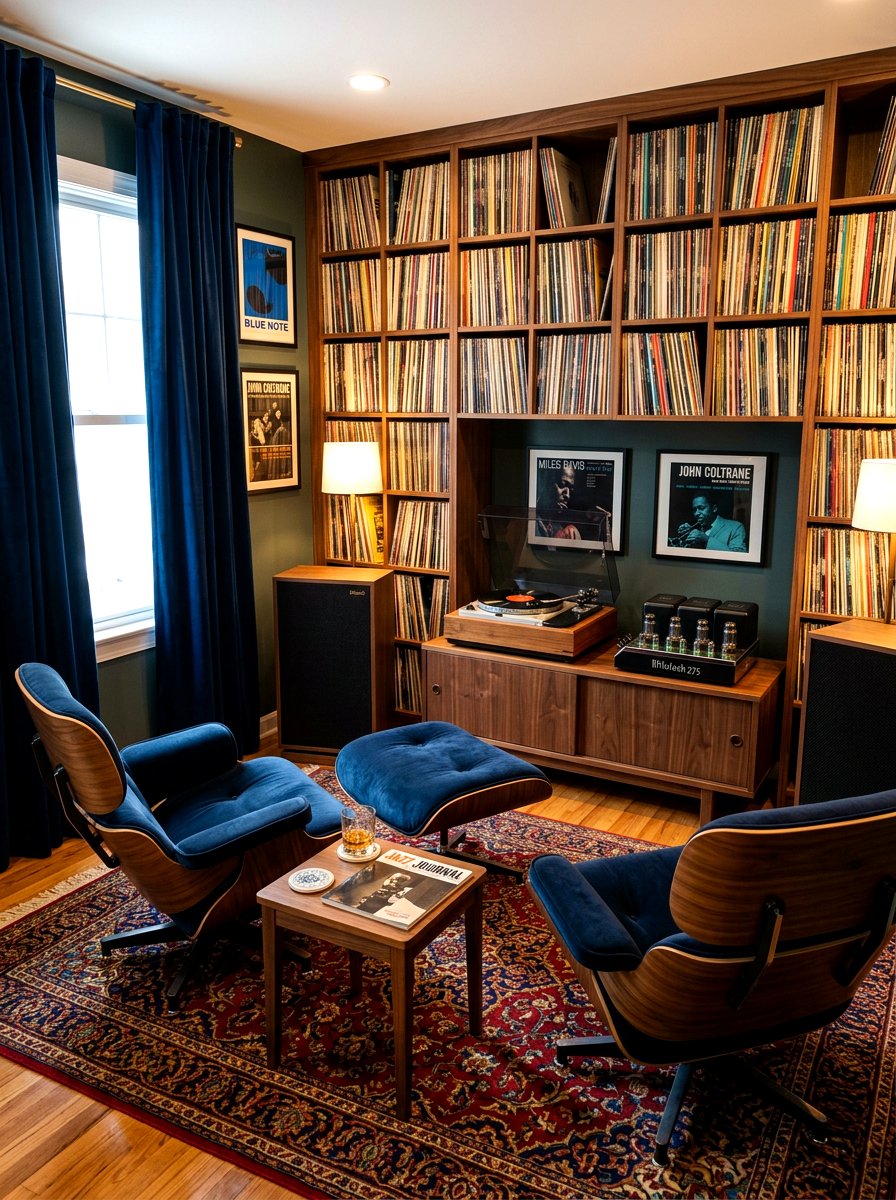
An analog music room is a dedicated space for deep listening and musical expression without the interference of digital streaming services. The layout centers around a high-quality turntable and a carefully curated vinyl collection stored in sleek wooden cabinets. Comfortable mid-century modern lounge chairs are positioned in the "sweet spot" of the room to ensure the best acoustic experience. To enhance the sound quality and aesthetic, incorporate heavy velvet curtains and thick area rugs that absorb echoes. This room celebrates the physical ritual of selecting a record, placing the needle, and sitting down to enjoy an album from start to finish, fostering a profound sense of presence and auditory appreciation.
5. Screen Free Bedroom
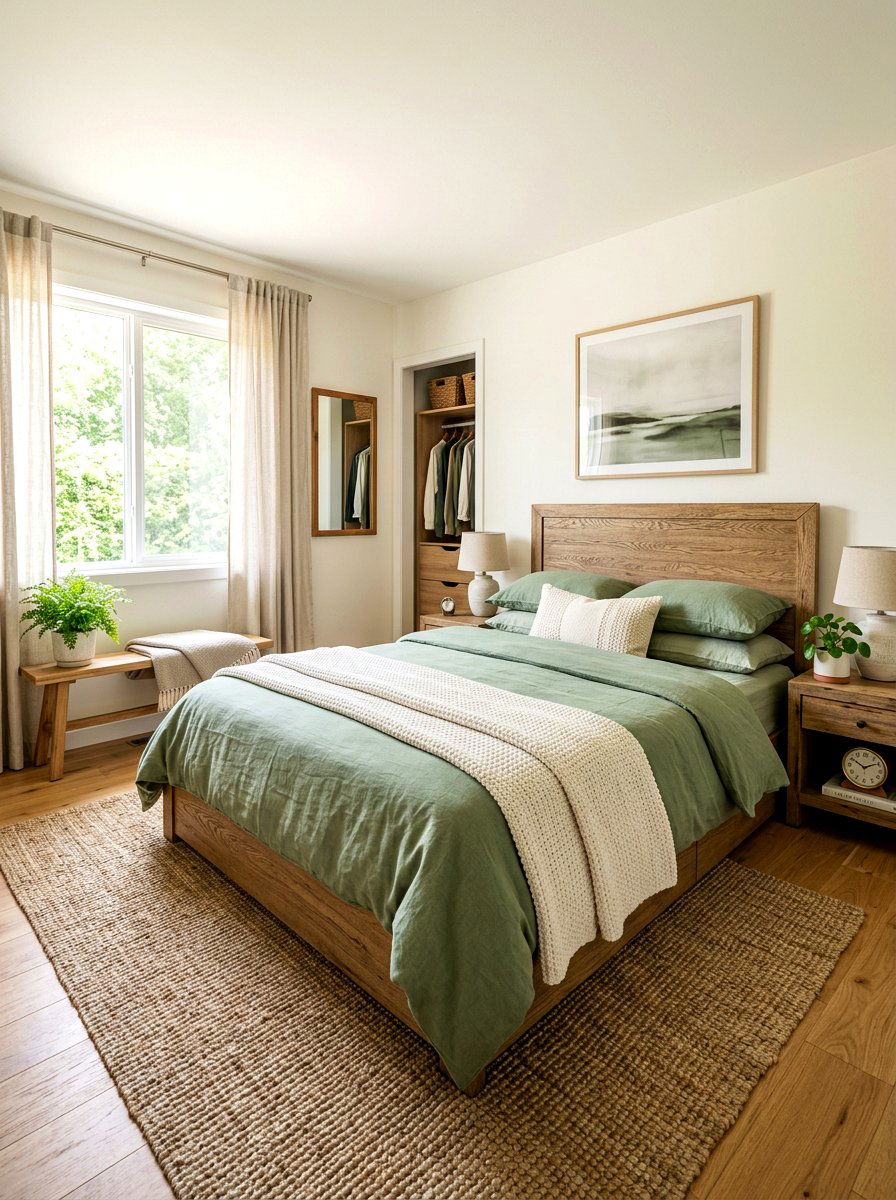
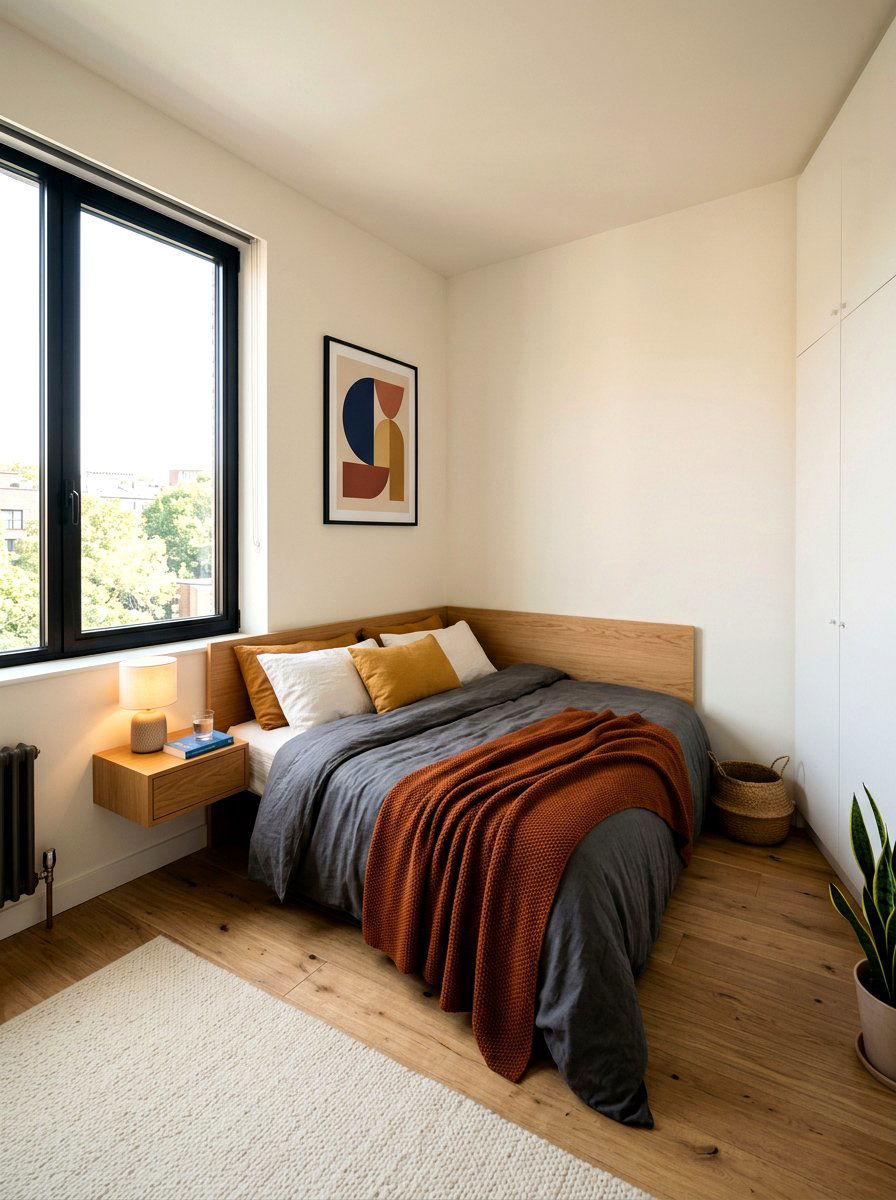
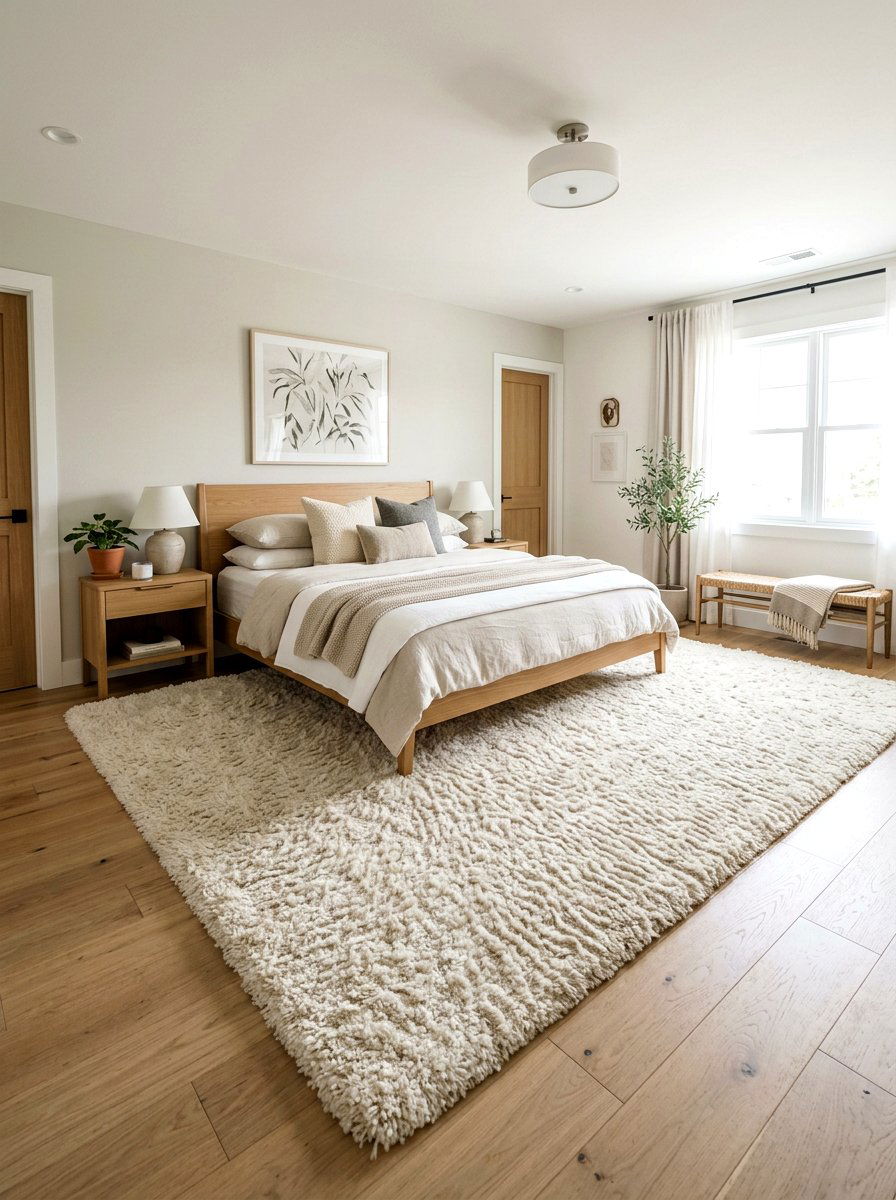
Designing a screen-free bedroom is perhaps the most effective way to improve your sleep quality and morning routine. This full-room concept removes all televisions, laptops, and charging ports, replacing them with elements that promote rest. Focus on high-quality natural bedding like organic cotton or Belgian linen in soothing tones of sage green or slate blue. Instead of a digital alarm clock, use a classic analog version and keep a soft-lit lamp on the nightstand for late-night journaling. By eliminating the blue light and mental stimulation of technology, the bedroom becomes a true sanctuary for recovery, ensuring your brain associates the space only with sleep and intimacy.
6. Artist Studio Space
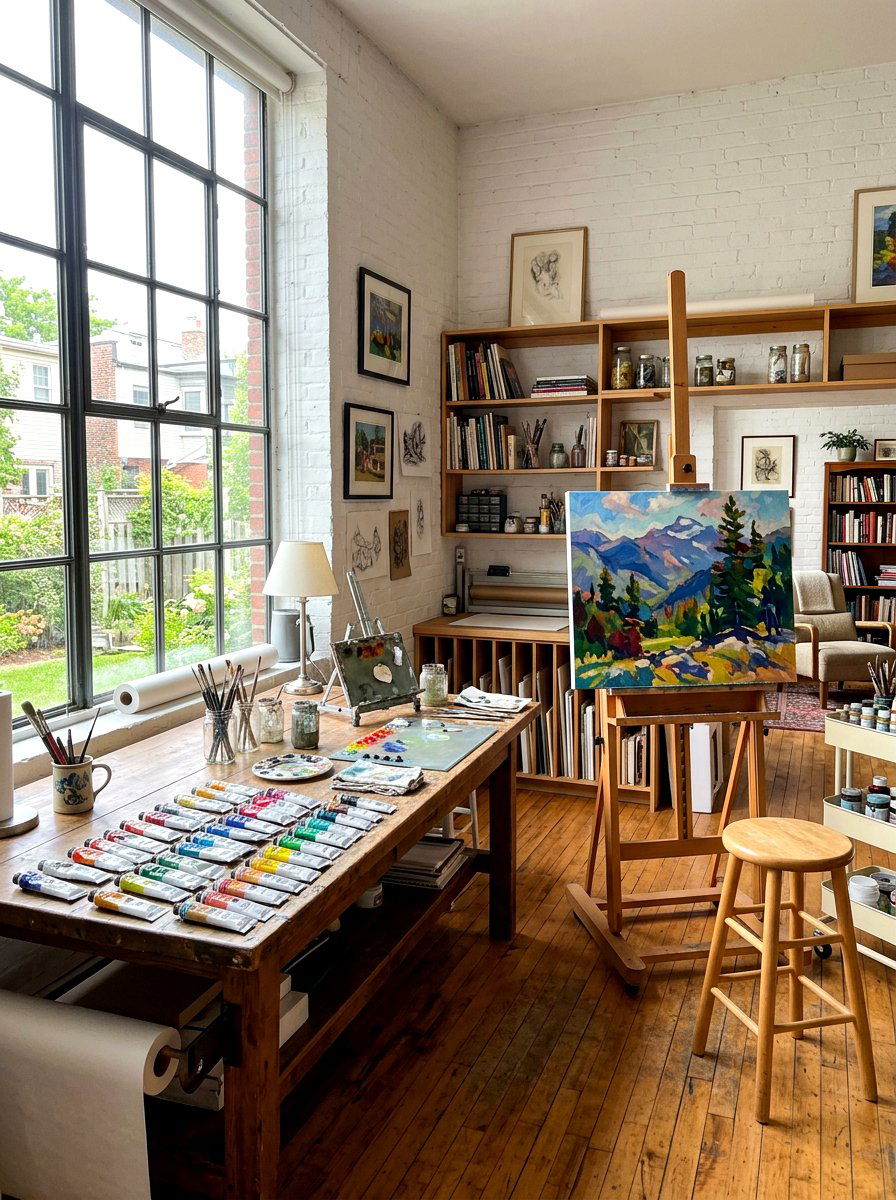
An artist studio space encourages creativity through tactile engagement with physical mediums like paint, clay, or charcoal. This room design features a large, sturdy wooden worktable as the central focal point, surrounded by organized storage for brushes, canvases, and palettes. Natural northern light is ideal for maintaining color accuracy, so position the primary workspace near large windows. Walls can be used to display works in progress, creating an inspiring and evolving visual environment. By keeping computers and tablets out of the studio, you allow for deep flow states where the only feedback comes from the movement of your hands and the texture of the materials you are using.
7. Tea Ceremony Room
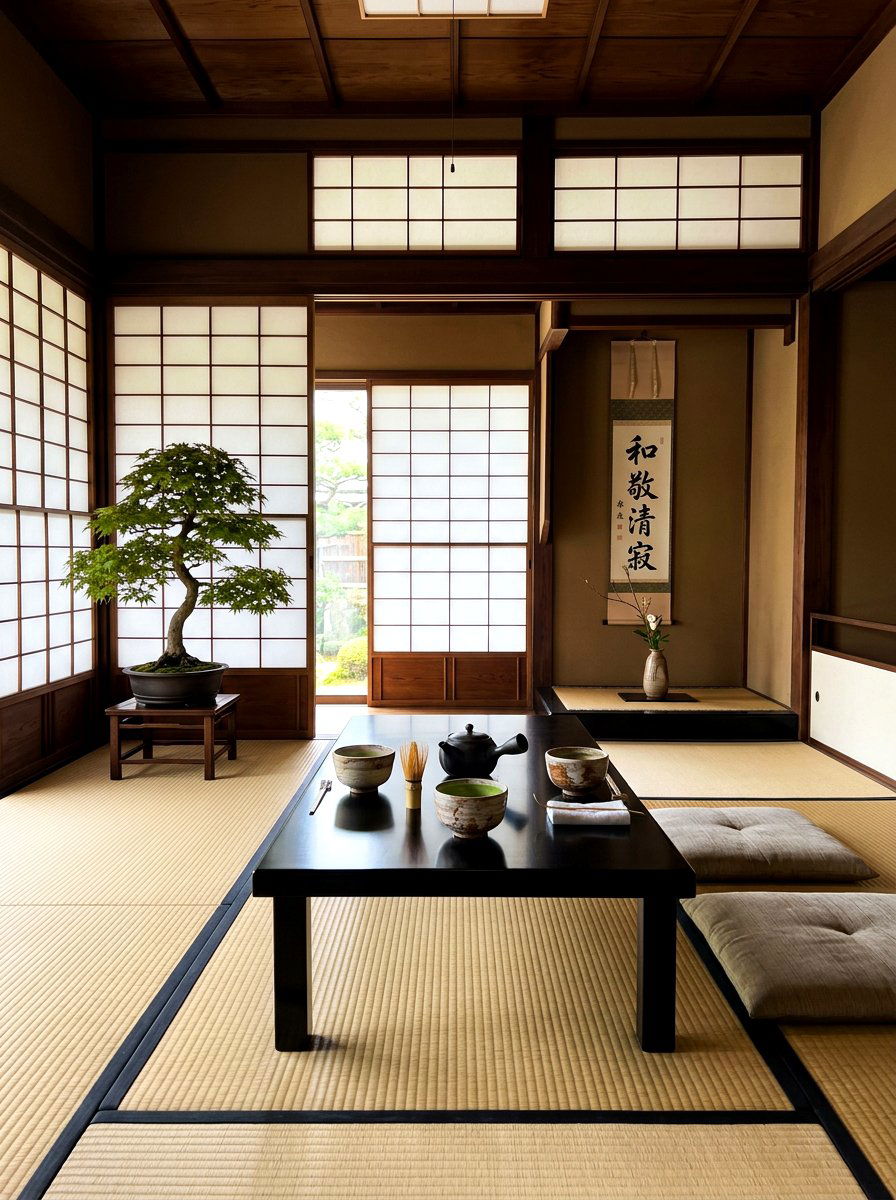
A tea ceremony room offers a structured way to practice mindfulness through the ritual of preparing and serving tea. This design often draws inspiration from Japanese tea houses, featuring tatami mat flooring and low wooden tables. The decor is intentionally sparse, focusing on high-quality ceramic teaware and a simple floral arrangement known as ikebana. Soft, diffused lighting through rice paper screens or sheer curtains creates a hazy, peaceful atmosphere. This space is designed for slow, deliberate movements and quiet conversation, providing a rhythmic break in your day that is entirely removed from the fast-paced nature of digital communication and the constant demands of the internet.
8. Yoga Practice Area
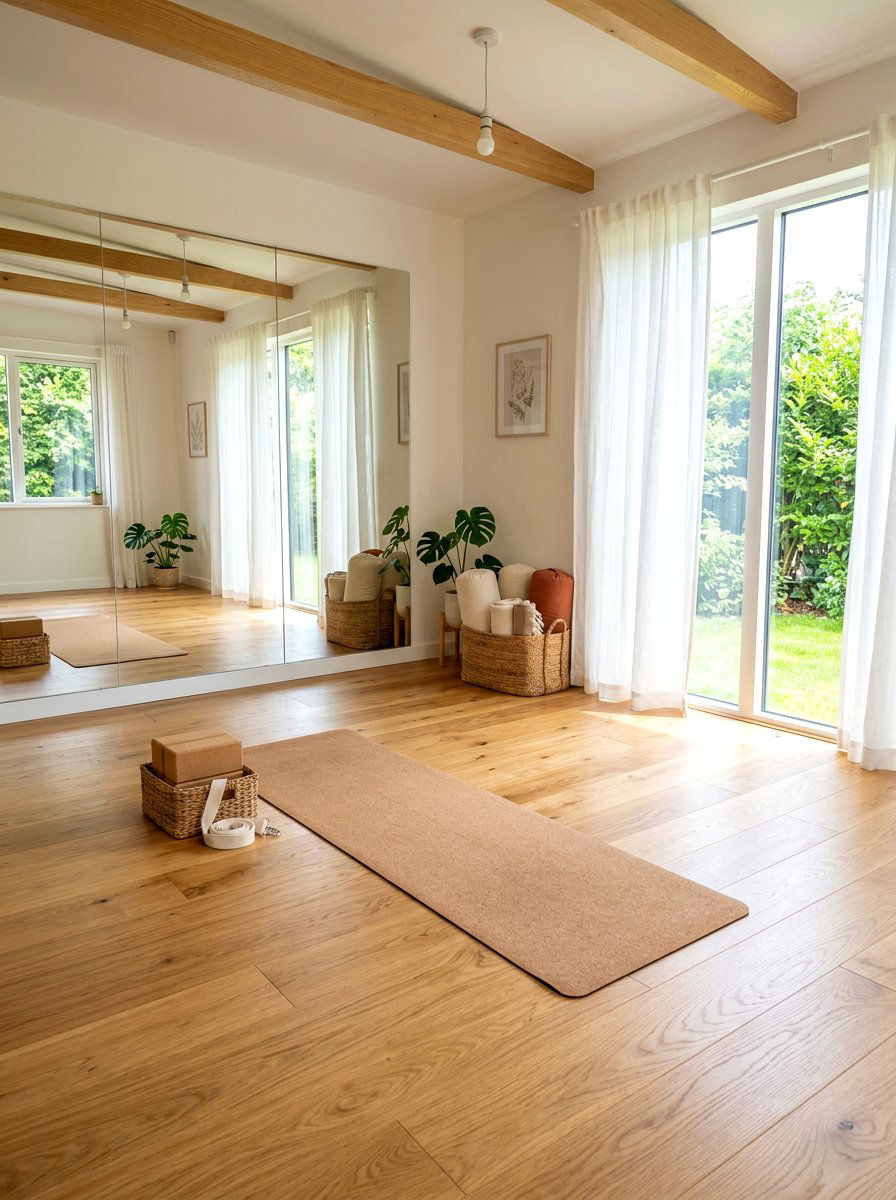
A dedicated yoga practice area provides a permanent spot for physical movement and mental centering. The room should be clear of clutter, featuring a high-quality rubber or cork mat as the primary focal point. Incorporate a wall of mirrors to help with alignment and large windows to invite the outdoors inside. Storage for props like blocks, bolsters, and straps should be integrated into the room design using minimalist wooden shelving or woven baskets. Soft, dimmable lighting allows you to transition from an energizing morning flow to a restorative evening yin practice. This screen-free environment ensures that your focus stays on the sensations in your body.
9. Crafting Hobby Table
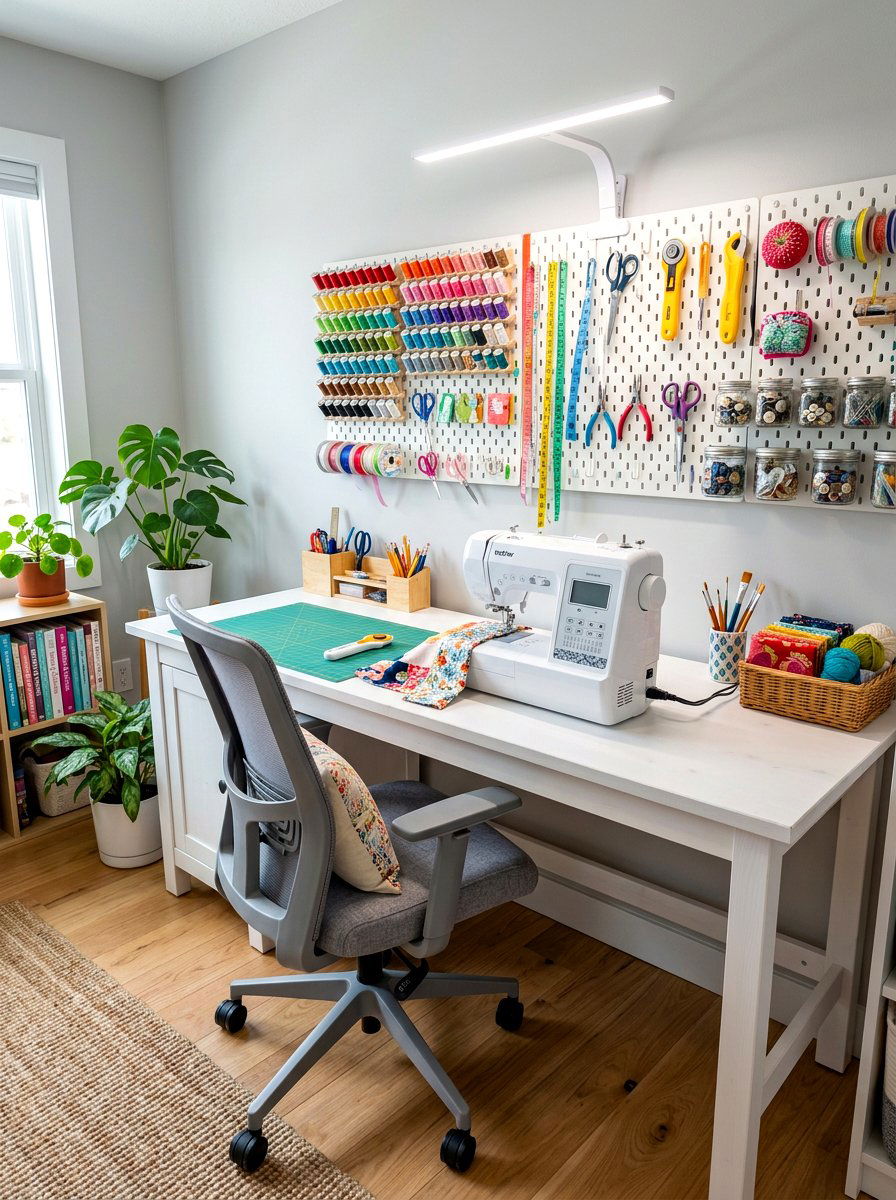
A crafting hobby table setup creates a designated zone for intricate, hands-on activities like knitting, model building, or embroidery. The design centers on a spacious desk with excellent task lighting to prevent eye strain during detailed work. Surrounding walls can feature pegboards or modular shelving to keep colorful supplies visible and organized, which adds a vibrant, personal touch to the room. Comfortable, ergonomic seating is a must to support long periods of creative focus. This space celebrates the "slow-made" movement, allowing you to produce something tangible and unique while giving your brain a much-needed break from the abstract and often stressful world of digital tasks.
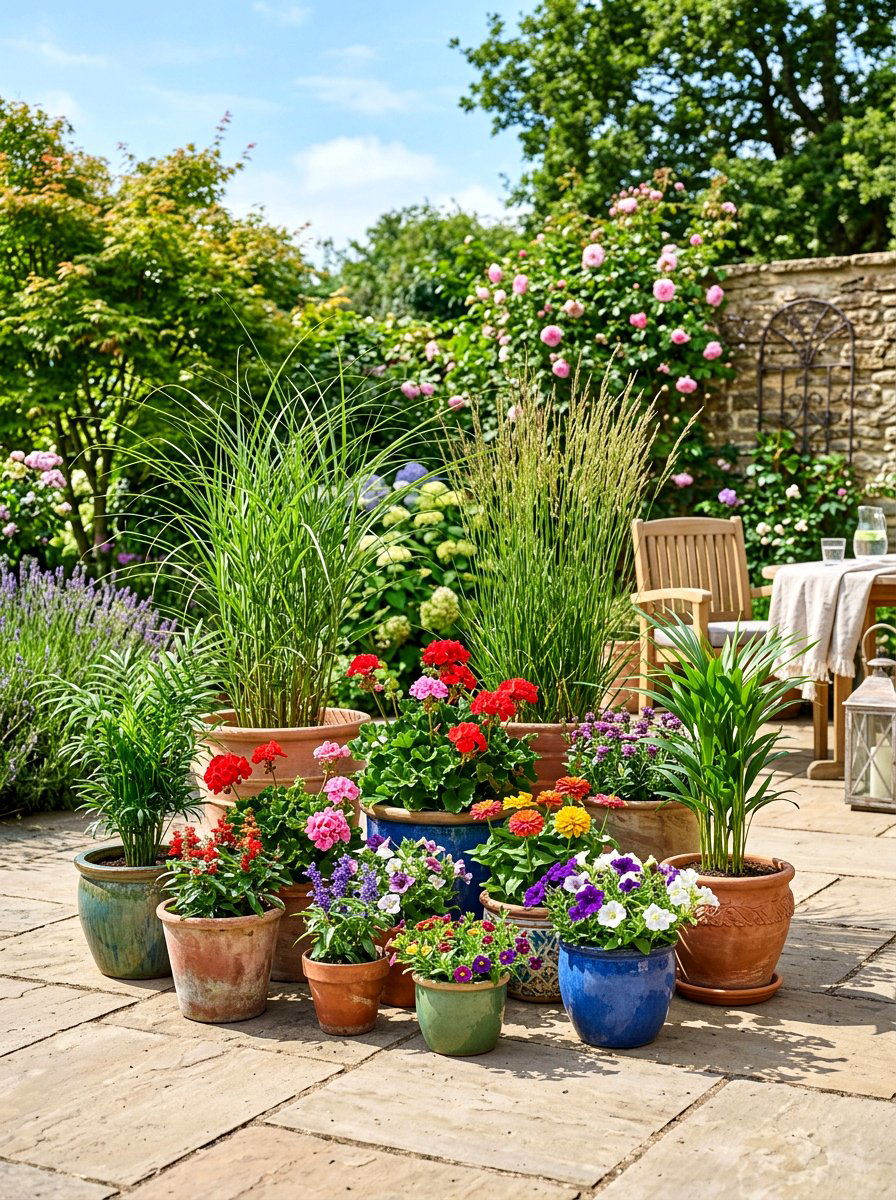
10. Zen Living Space
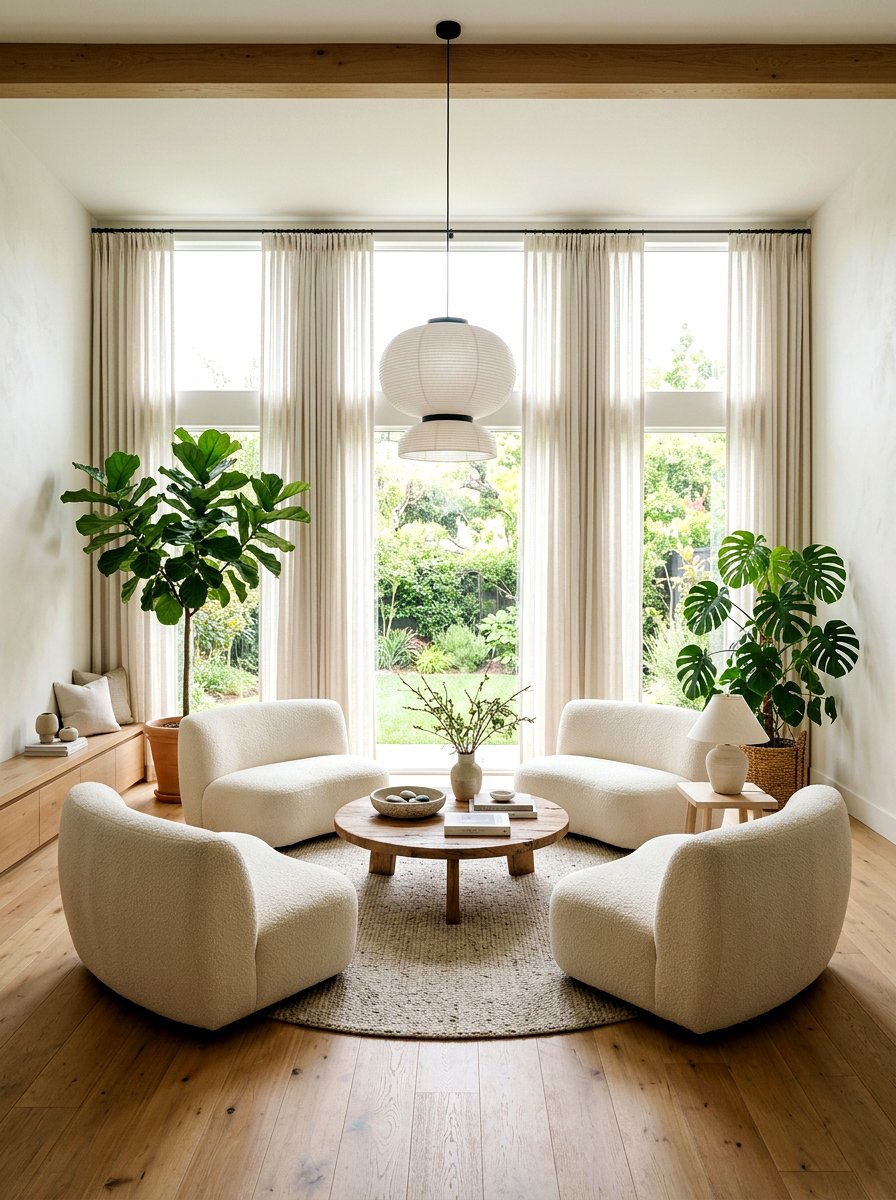
A Zen living space rethinks the traditional family room by removing the television as the central focus. Instead, the furniture is arranged in a circular or inward-facing layout to encourage face-to-face conversation and connection. Use a neutral color palette with plenty of natural wood elements and soft, textured fabrics like boucle or linen. A low-profile coffee table can hold books, board games, or a tray for tea, serving as a functional centerpiece for social interaction. By shifting the focus away from a screen, the room becomes a place for storytelling, laughter, and genuine human engagement, making it the heart of a mindful and balanced home.
11. Light Filled Solarium
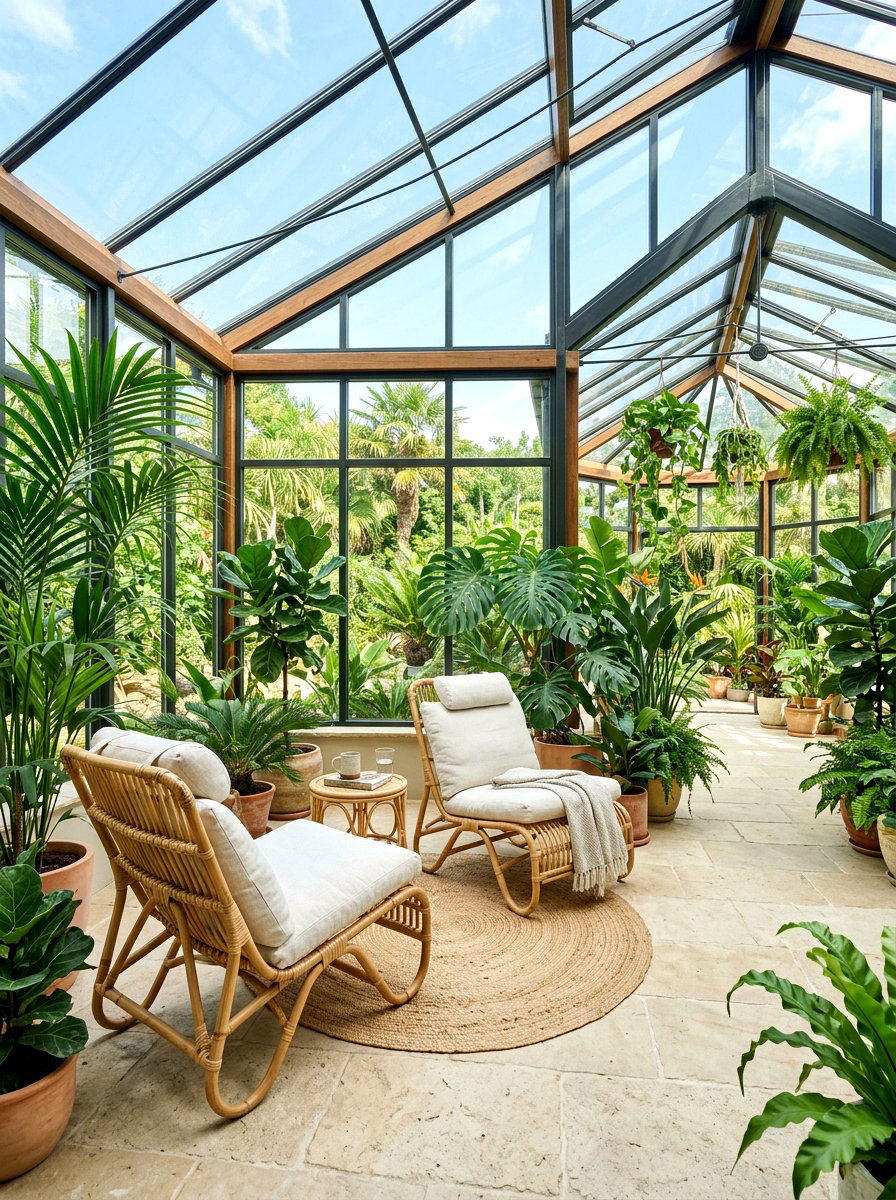
A light-filled solarium or sunroom acts as a bridge between your indoor living space and the natural world outside. This design prioritizes glass walls and ceilings to maximize sun exposure, which is vital for regulating your internal clock and improving mental clarity. Furnish the space with weather-resistant natural materials like rattan or teak, paired with light-colored cushions. The room should be filled with various plants that thrive in direct sunlight, creating a greenhouse-like atmosphere that feels alive and vibrant. This is an ideal spot for morning reflection, afternoon naps, or simply watching the weather change, all without the need for digital entertainment or artificial light.
12. Rustic Library Room
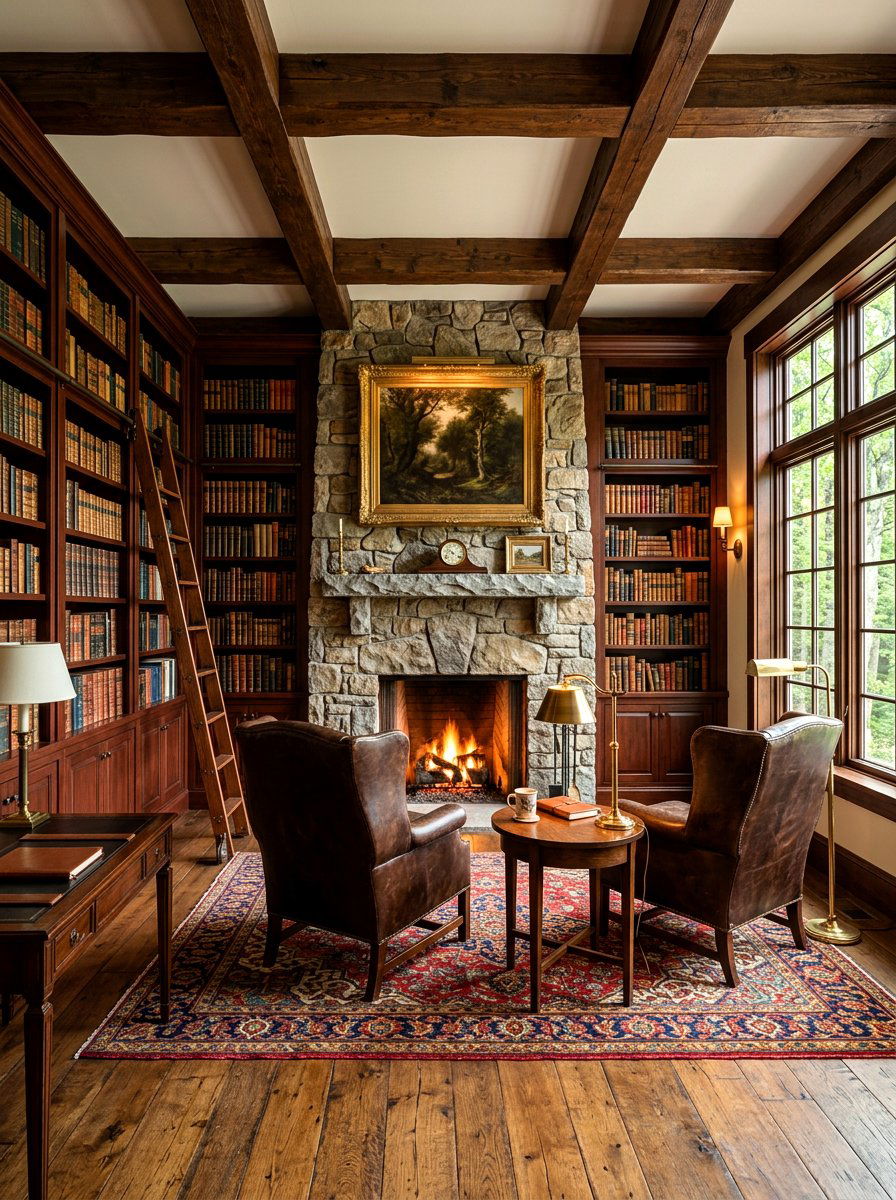
A rustic library room combines the warmth of traditional design with the quietude of a screen-free environment. Think dark wood paneling, heavy timber ceiling beams, and a grand stone fireplace that serves as the room’s anchor. Large, leather-bound armchairs and antique brass floor lamps provide the perfect setting for long reading sessions. The walls are lined with wooden shelves filled with books, maps, and globes, creating a scholarly atmosphere that feels disconnected from the modern digital age. The scent of old paper and the crackle of a wood-burning fire provide a rich sensory experience that grounds you in the present moment and encourages deep intellectual exploration.
13. Nature Inspired Lounge
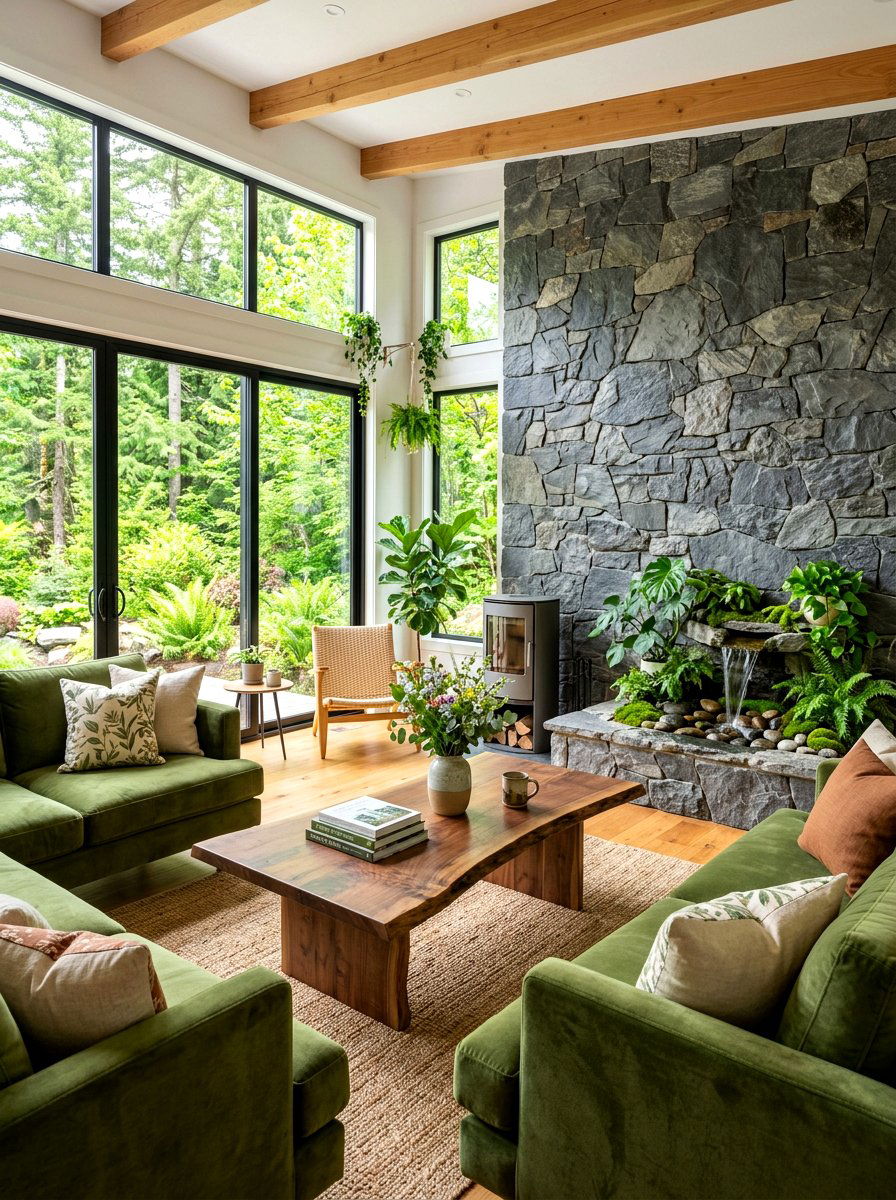
A nature-inspired lounge uses biophilic design principles to create a relaxing environment that mimics the outdoors. This room features organic shapes in furniture, such as live-edge wooden tables and curved sofas. The color scheme is pulled directly from the forest or coast, utilizing deep mossy greens, slate grays, and warm bark browns. Incorporate natural textures like a stone-clad wall, a pebble-textured rug, or a water feature that provides the soothing sound of trickling water. This multi-sensory approach helps to lower blood pressure and reduce anxiety, offering a peaceful retreat where technology feels entirely out of place among the earthy, grounding elements of the design.
14. Hygge Sitting Room
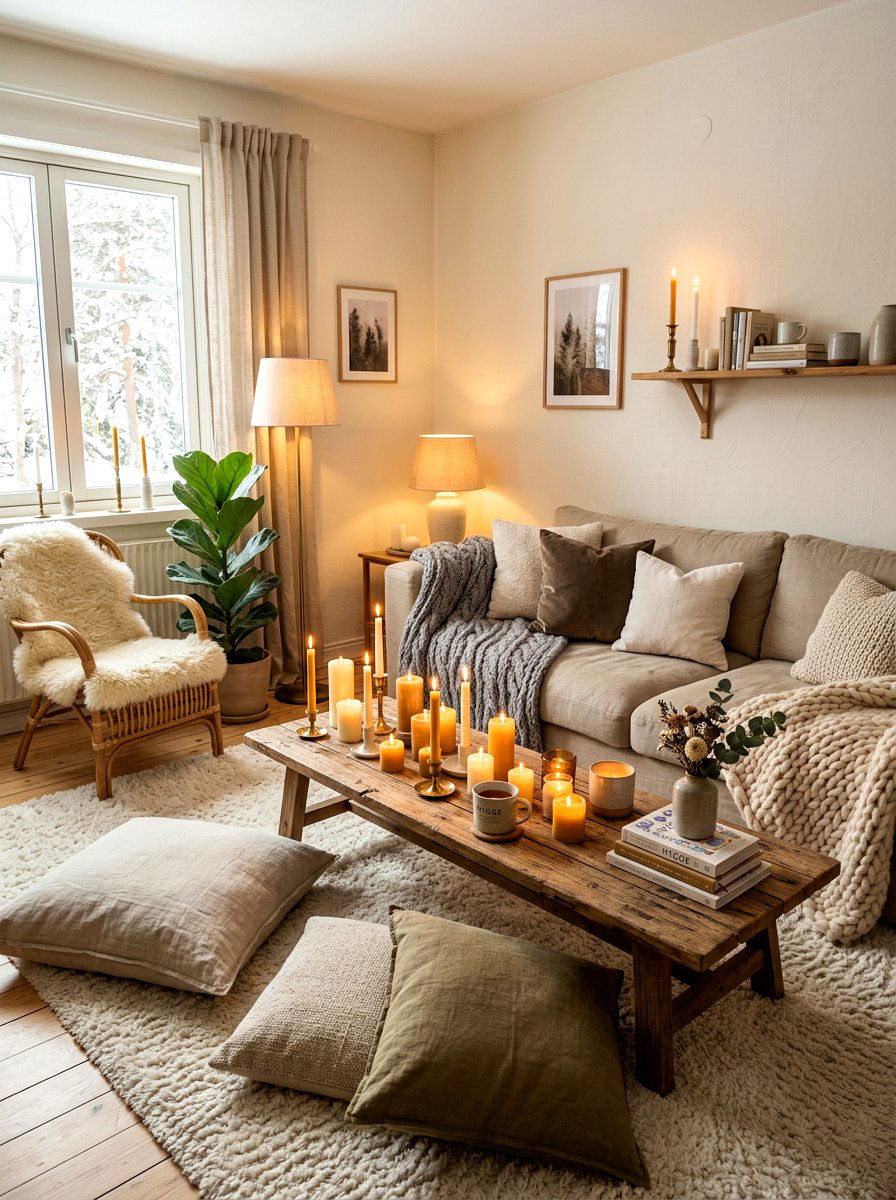
The hygge sitting room is designed around the Danish concept of cozy contentment and simple pleasures. This room prioritizes extreme comfort, featuring a plethora of soft knit blankets, faux-fur rugs, and oversized floor pillows. Lighting is kept low and warm, relying heavily on candles and small lamps rather than bright overhead fixtures. A small nook for a record player or a basket of knitting supplies adds to the slow-living vibe. This is a space meant for shared warmth with loved ones or quiet solitary reflection. By focusing on the feeling of being "tucked in, " this design creates a mental barrier against the cold, fast-paced digital world.

15. Quiet Writing Desk
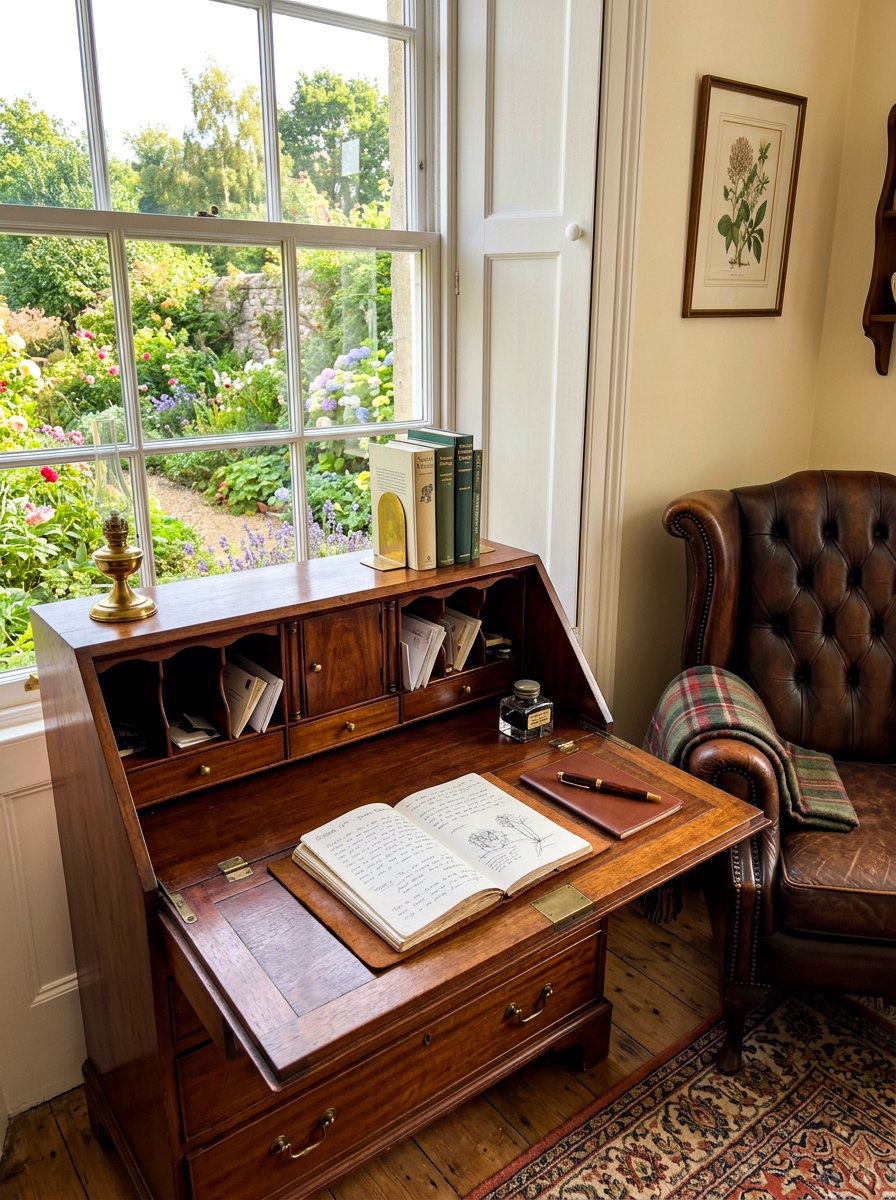
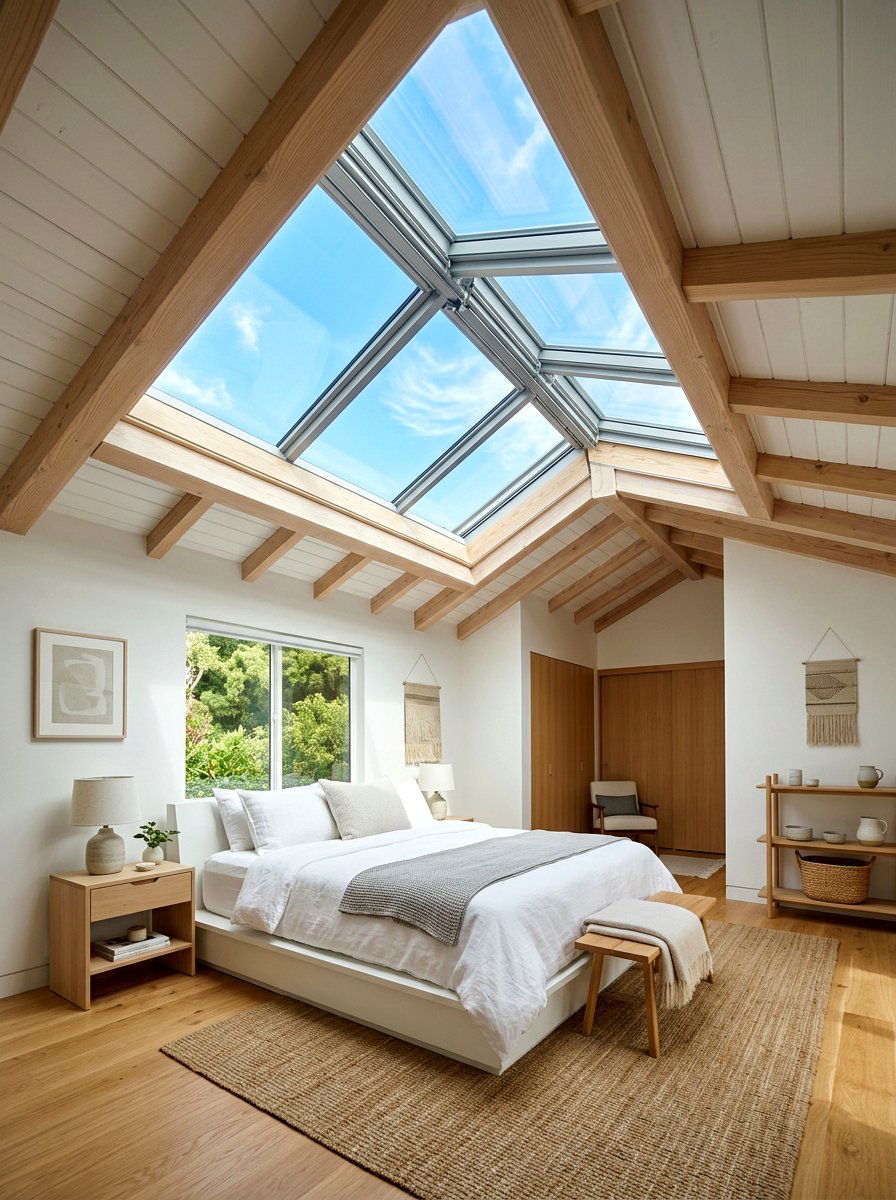
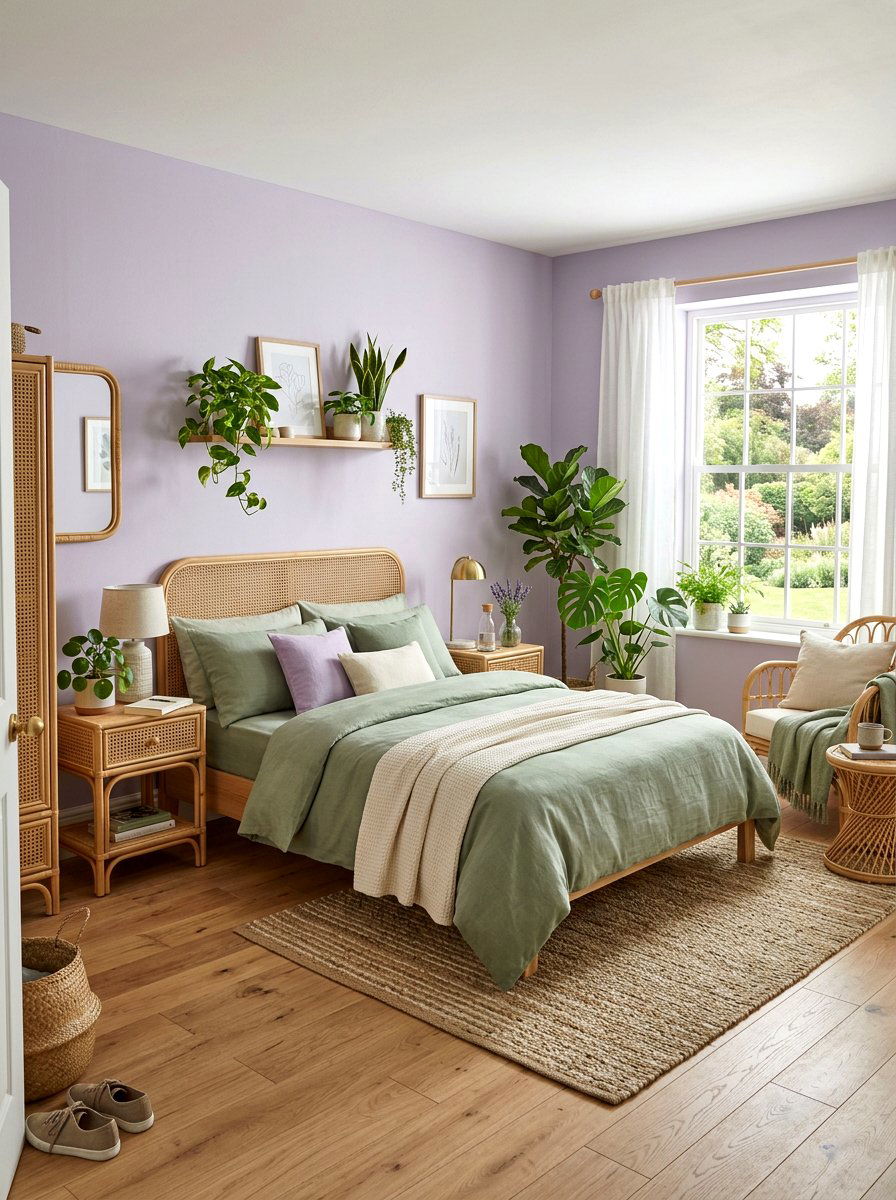
A quiet writing desk setup provides an intentional space for the analog act of longhand writing, journaling, or letter correspondence. The design features a classic secretary desk or a simple wooden table positioned to face a window with a pleasant view. Stock the desk with high-quality stationery, fountain pens, and leather-bound journals, keeping all digital devices in another room. A comfortable, supportive chair and a small desk lamp create an inviting environment for self-reflection. Writing by hand engages different parts of the brain than typing, allowing for a slower, more deliberate thought process that is incredibly effective for processing emotions and fostering personal growth and creativity.
16. Textured Neutral Bedroom
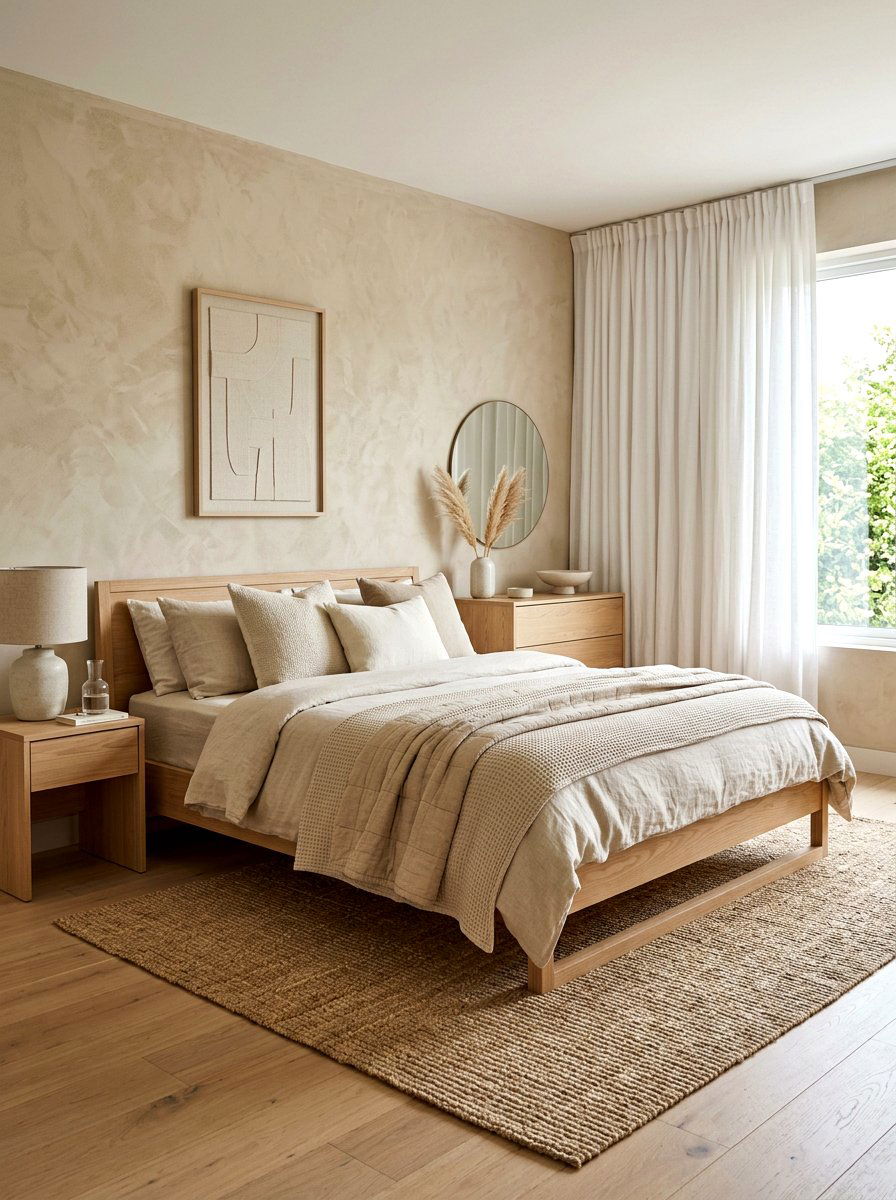
A textured neutral bedroom focuses on tactile sensations to create a calm, screen-free environment for rest. By using a monochromatic palette of creams, beiges, and soft grays, the room feels expansive and peaceful. The "full design" comes from layering different materials, such as a chunky knit throw over a smooth linen duvet, and a plush wool rug on top of hard wood floors. Wall treatments like limewash or grasscloth wallpaper add subtle depth without being visually distracting. This room encourages you to put down your phone and focus on the physical comfort of your surroundings, making it easier to drift into a deep and restorative sleep every night.
17. Hammock Relaxation Zone
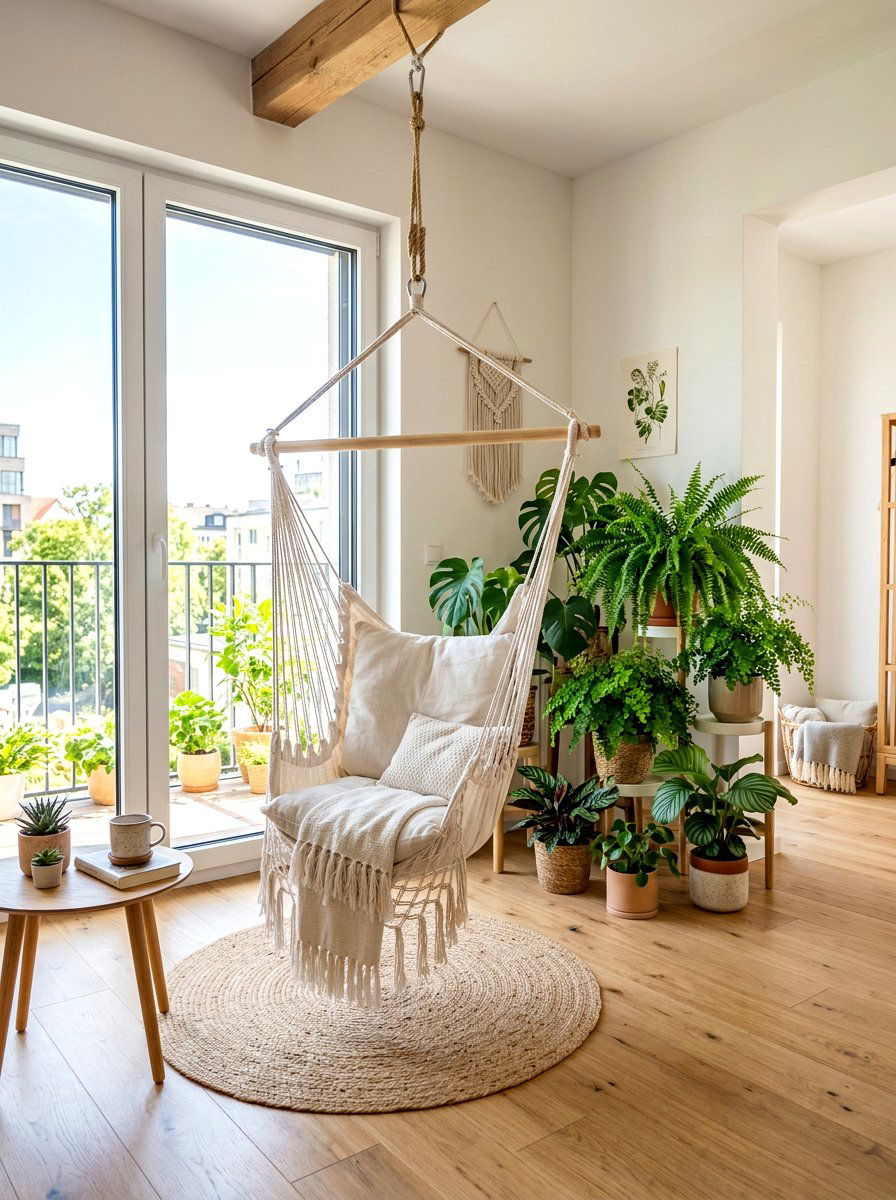
A hammock relaxation zone introduces a sense of playfulness and weightlessness to your digital detox strategy. This room or enclosed porch design centers on a high-quality woven hammock or a hanging macramé chair as the primary seating. Surround the hanging feature with soft lighting and plenty of indoor plants to create a tropical or bohemian retreat vibe. The gentle swaying motion of a hammock is scientifically proven to help people fall asleep faster and reach deeper levels of relaxation. It is the ultimate spot for a midday nap or a quiet afternoon of reading, offering a unique perspective of the room that naturally discourages the use of handheld devices.
18. Soundproof Listening Room
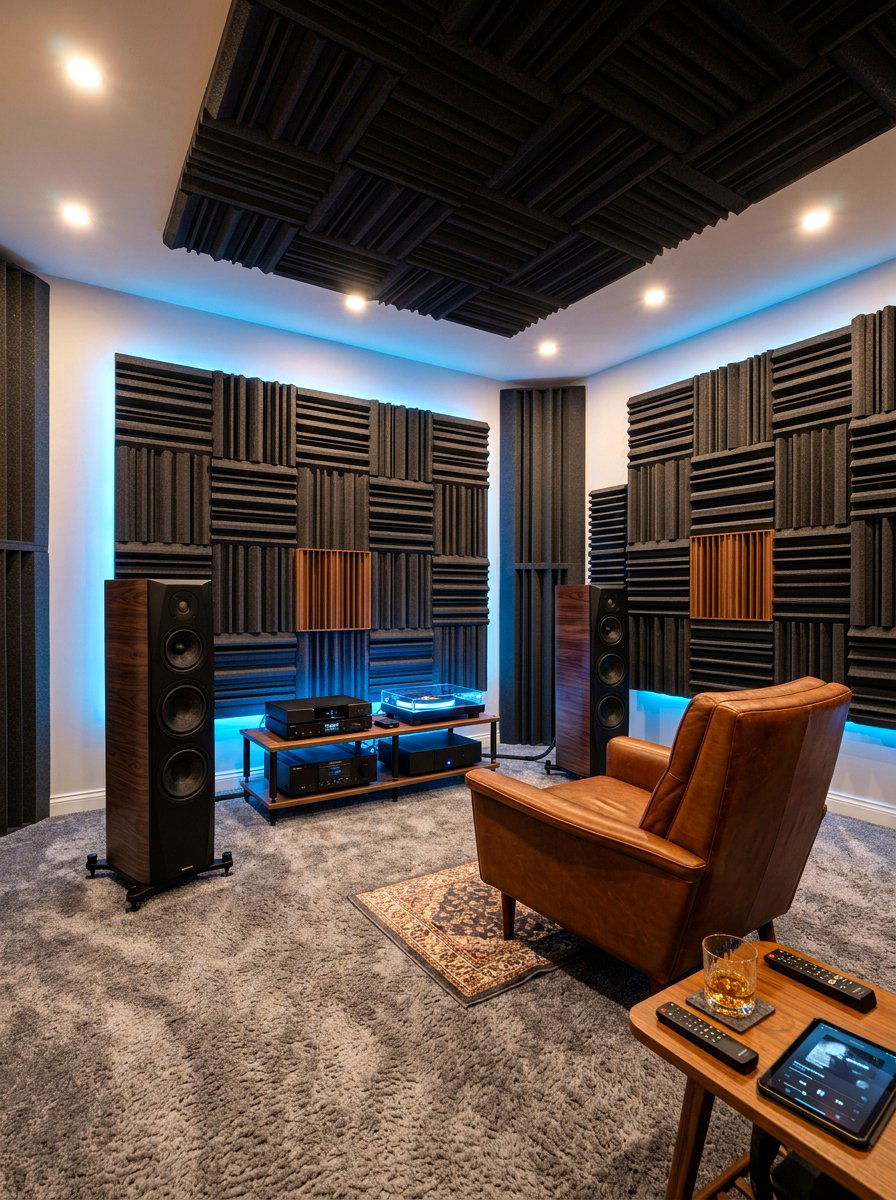
A soundproof listening room is an audiophile’s dream, designed to provide the purest possible encounter with music. The room features acoustic wall panels, heavy carpeting, and specialized ceiling clouds to control sound reflections. The seating is a single, perfectly positioned armchair designed for long-term comfort. This space is intentionally devoid of visual clutter, focusing your entire attention on the high-fidelity speakers or headphones. By removing outside noise and digital interruptions, you can experience music with a level of detail and emotional resonance that is impossible in a typical multi-tasking environment. It is a profound way to practice deep, mindful listening and appreciation for the arts.
19. Botanical Sunroom
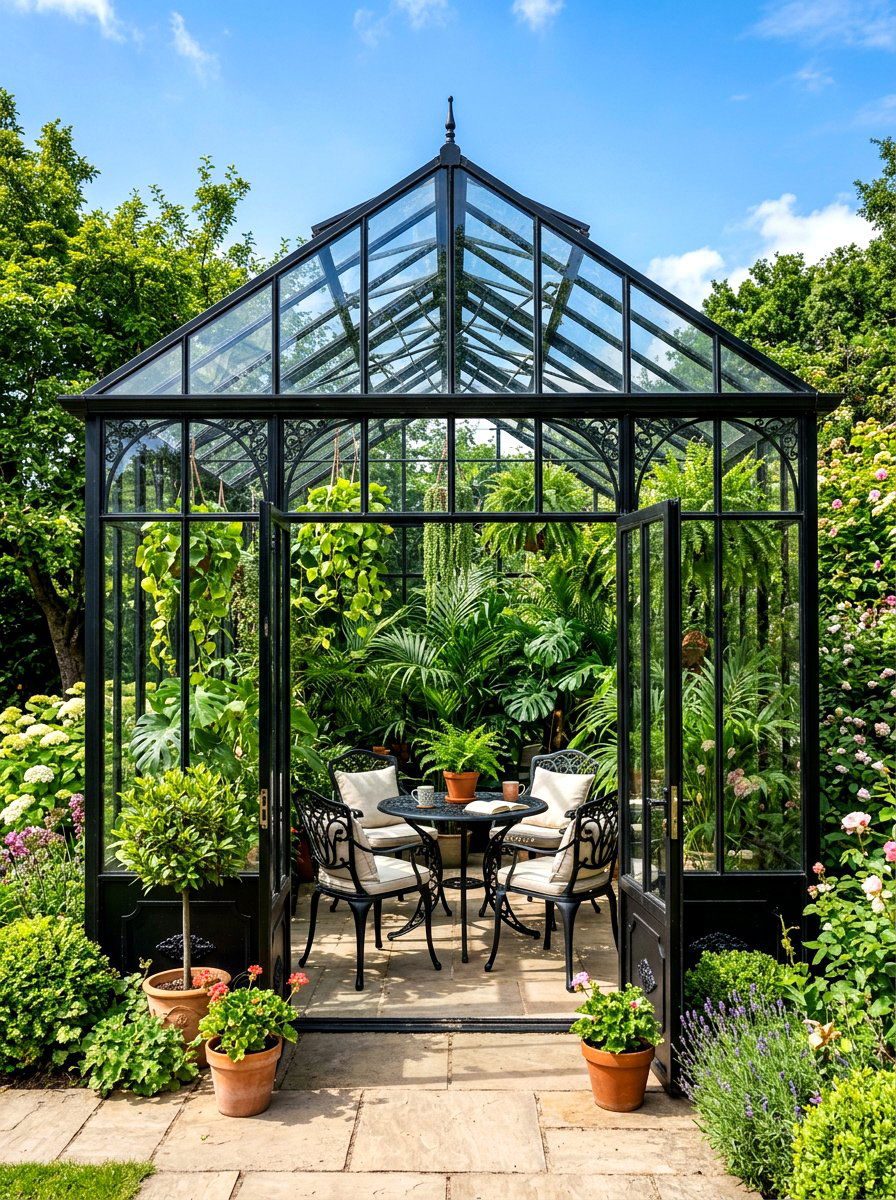
A botanical sunroom is a glass-enclosed space that celebrates the beauty of flora in a tech-free setting. The design focuses on creating a lush, jungle-like atmosphere with climbing vines, large tropical palms, and shelves of succulents. Wicker or wrought iron furniture provides a classic, airy feel that complements the greenery. This room is perfect for practicing "forest bathing" indoors, as the high density of plants improves air quality and provides a calming visual rhythm. The absence of screens allows you to focus on the intricate details of a leaf or the slow growth of a new bud, fostering a deep, restorative connection to the natural world’s pace.

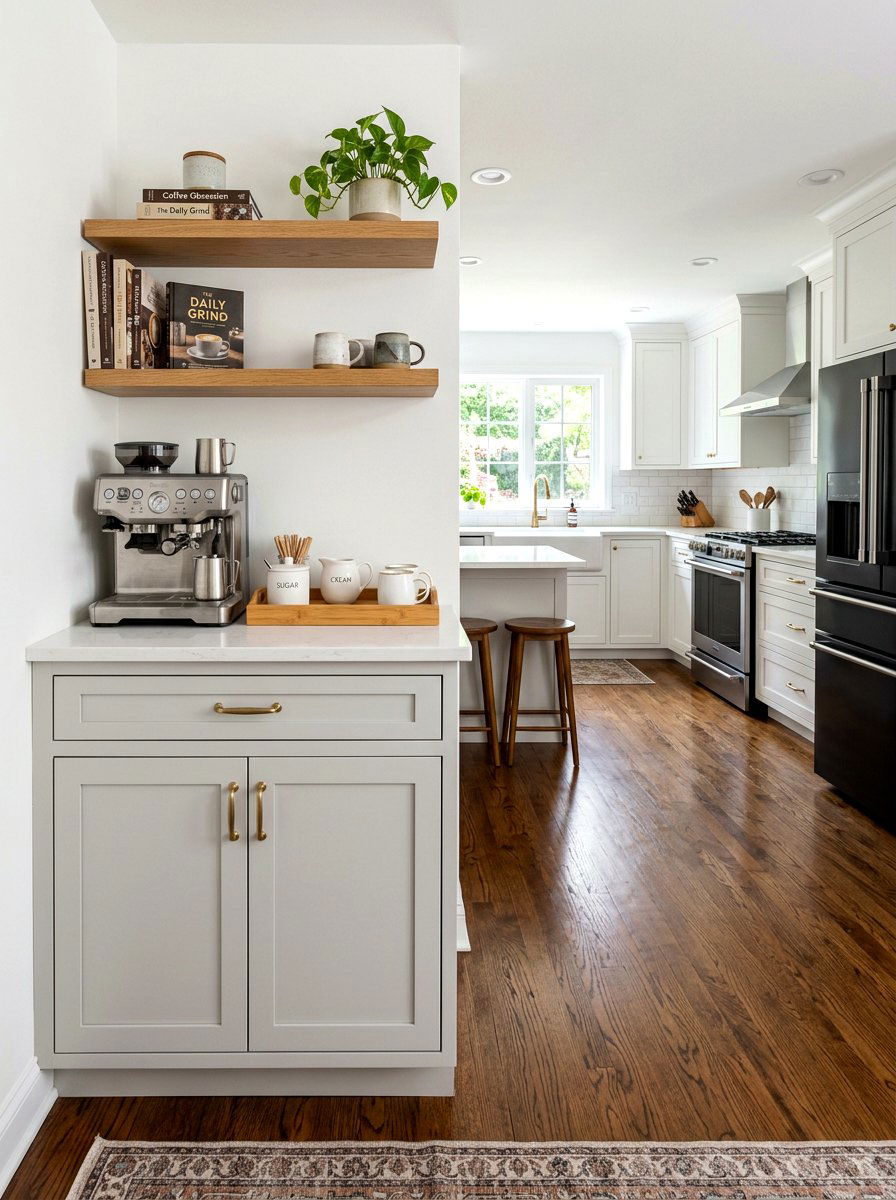
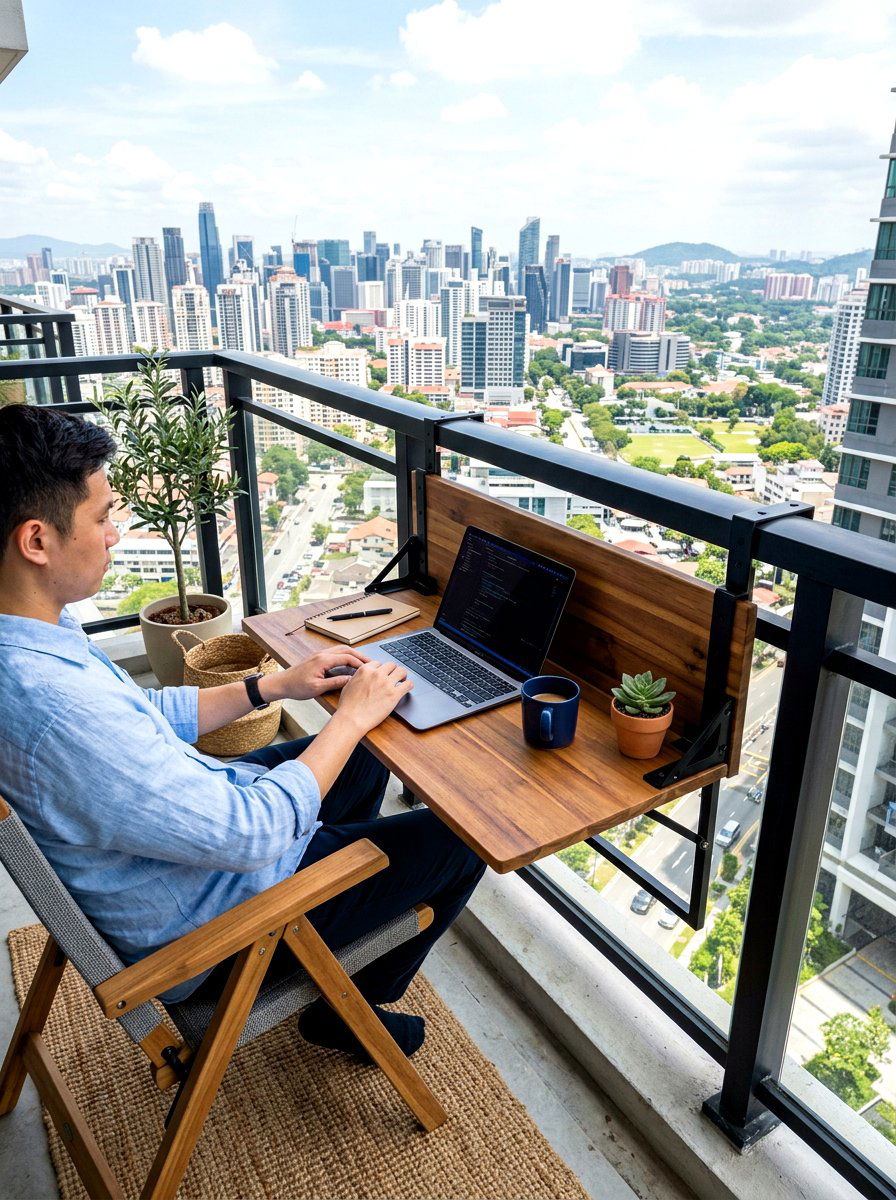

20. Modern Japanese Tearoom
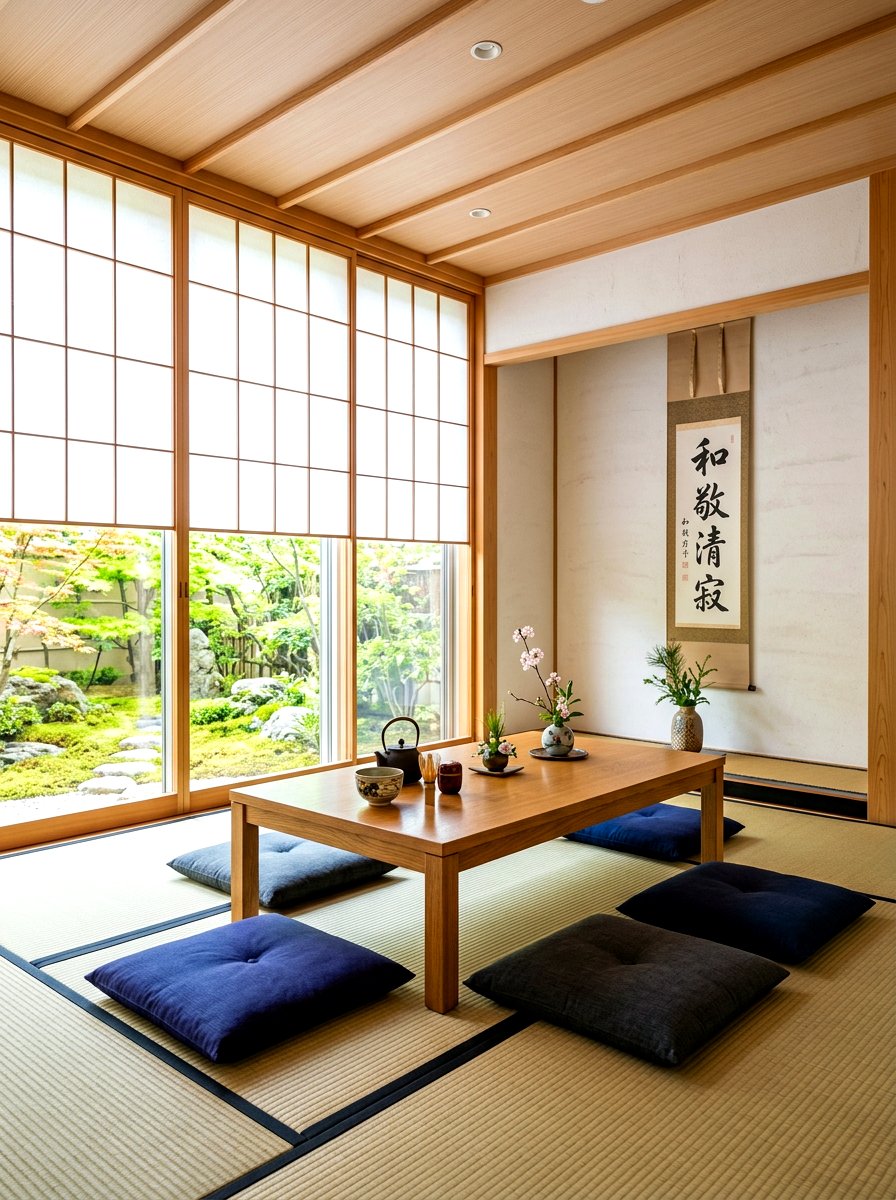
The modern Japanese tearoom adapts traditional aesthetics for a contemporary digital detox experience. This design features clean lines, low-profile wooden furniture, and a neutral palette. Floor seating on square cushions around a minimalist table encourages a grounded posture and a slower pace of life. Sliding shoji screens can be used to control light and privacy, creating a flexible space that can feel open or intimately enclosed. The room is decorated with a single piece of meaningful art or a simple stone arrangement. This environment is perfect for meditation, tea drinking, or quiet contemplation, providing a sophisticated and culturally rich escape from the clutter of modern technology.
21. Tactile Textile Room
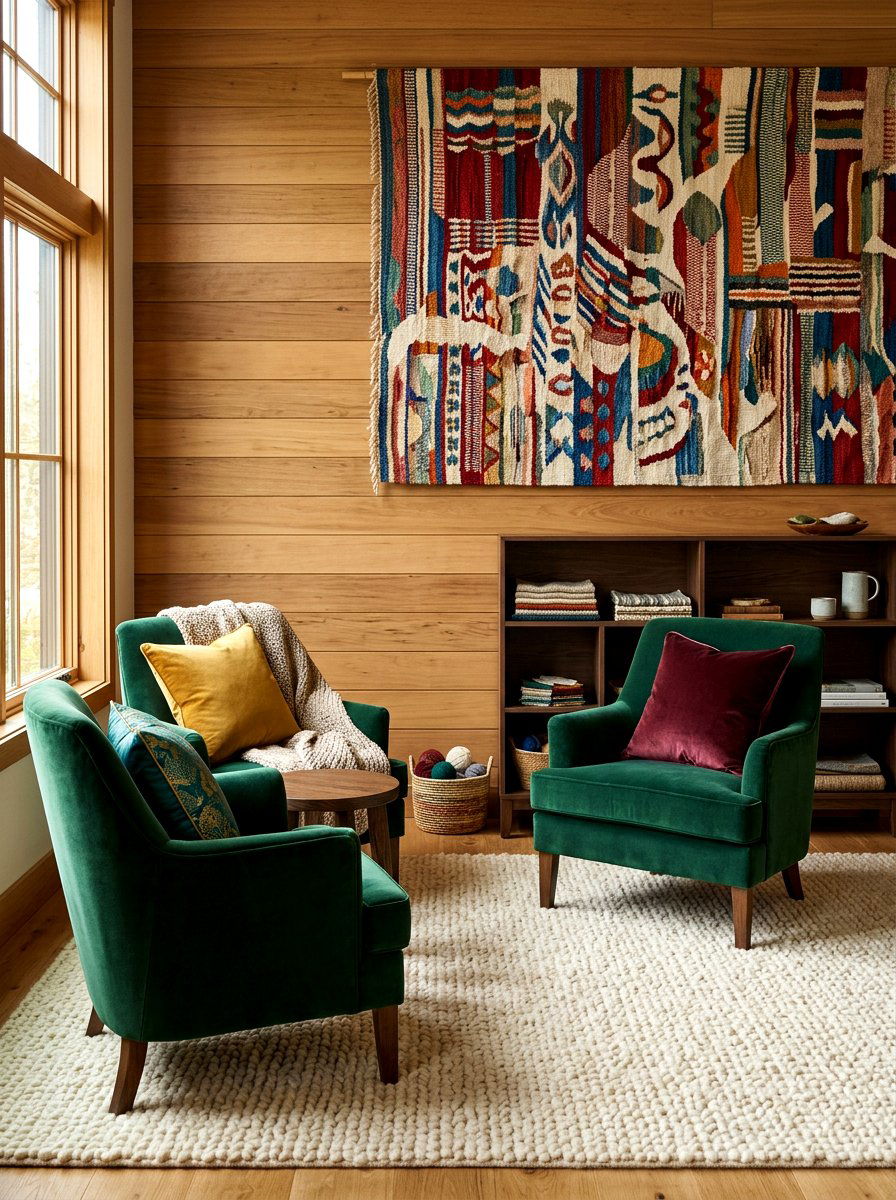
A tactile textile room is a sensory-focused space that prioritizes the sense of touch to ground the mind. This room features various fabric-based design elements, such as wall-hung tapestries, velvet-upholstered seating, and silk-screened pillows. The floor should be covered in a high-pile rug or a series of overlapping woven mats. By surrounding yourself with different textures, you engage your senses in a way that digital screens cannot replicate. This room is ideal for "soft" activities like listening to audiobooks, deep breathing exercises, or simply lounging. The richness of the materials provides a sense of luxury and comfort that makes the absence of electronic devices feel like a rewarding choice.
22. Soft Lighting Den
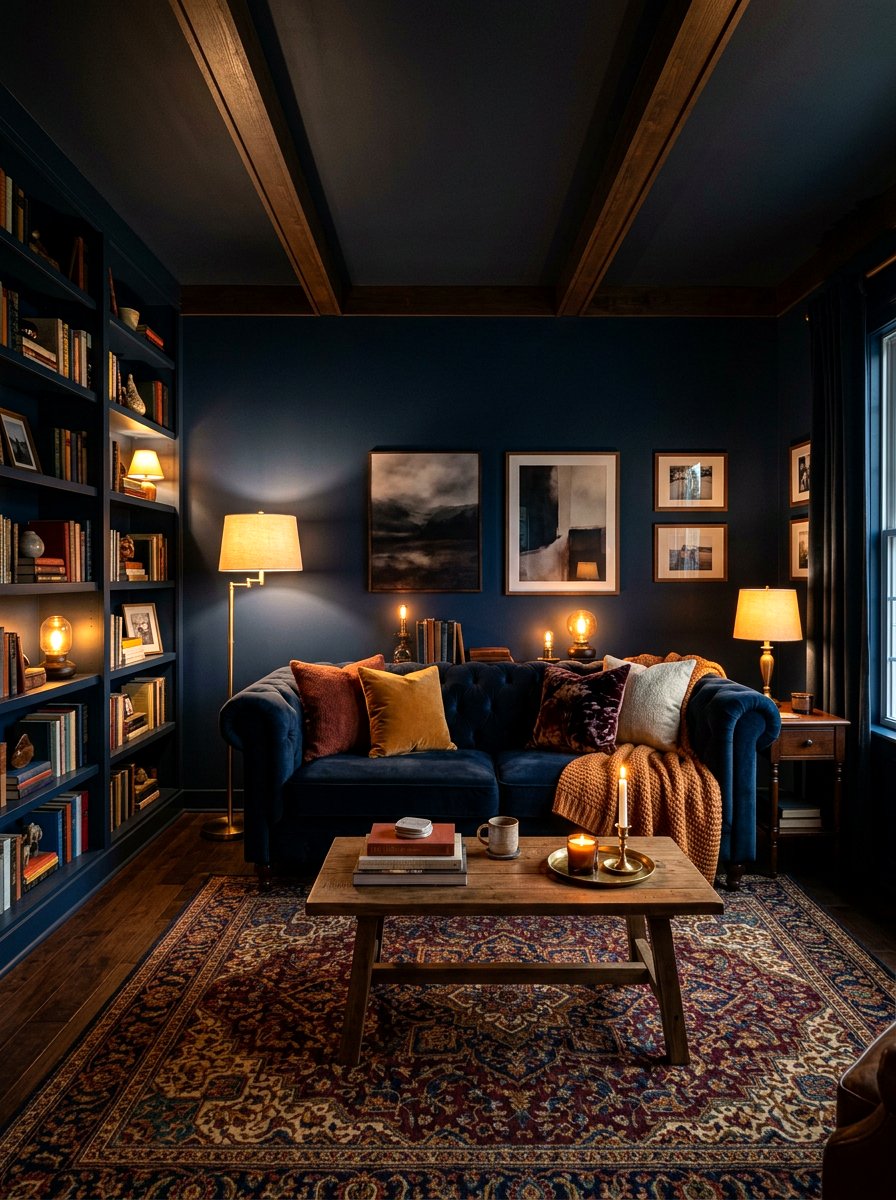
A soft lighting den is a room designed specifically for evening relaxation and the preparation for sleep. This design avoids all harsh overhead lighting, instead using a combination of floor lamps, table lamps with amber bulbs, and even fairy lights. The walls might be painted in a deep, receding color like charcoal or navy to help the room feel cozy and intimate. Comfortable seating like a velvet sofa or a pair of bean bags provides a place to unwind. By controlling the light levels, you support your body’s natural melatonin production, making it easier to disconnect from the stimulating glow of phones and transition into a peaceful nighttime state.
23. Wooden Chalet Interior

The wooden chalet interior brings the cozy, rustic vibe of a mountain retreat into your home as a digital detox sanctuary. This room features exposed wood on the walls, floors, and ceilings, creating a warm and enveloping atmosphere. A large stone hearth with a wood-burning stove provides both physical warmth and a mesmerizing focal point. Furnish the space with heavy wooden furniture, leather accents, and wool plaid textiles. The natural scent of timber and the rugged textures of the materials create a powerful sense of place that feels far removed from the digital grid, encouraging you to slow down and enjoy the simple, timeless comforts of home.
24. Bohemian Floor Seating
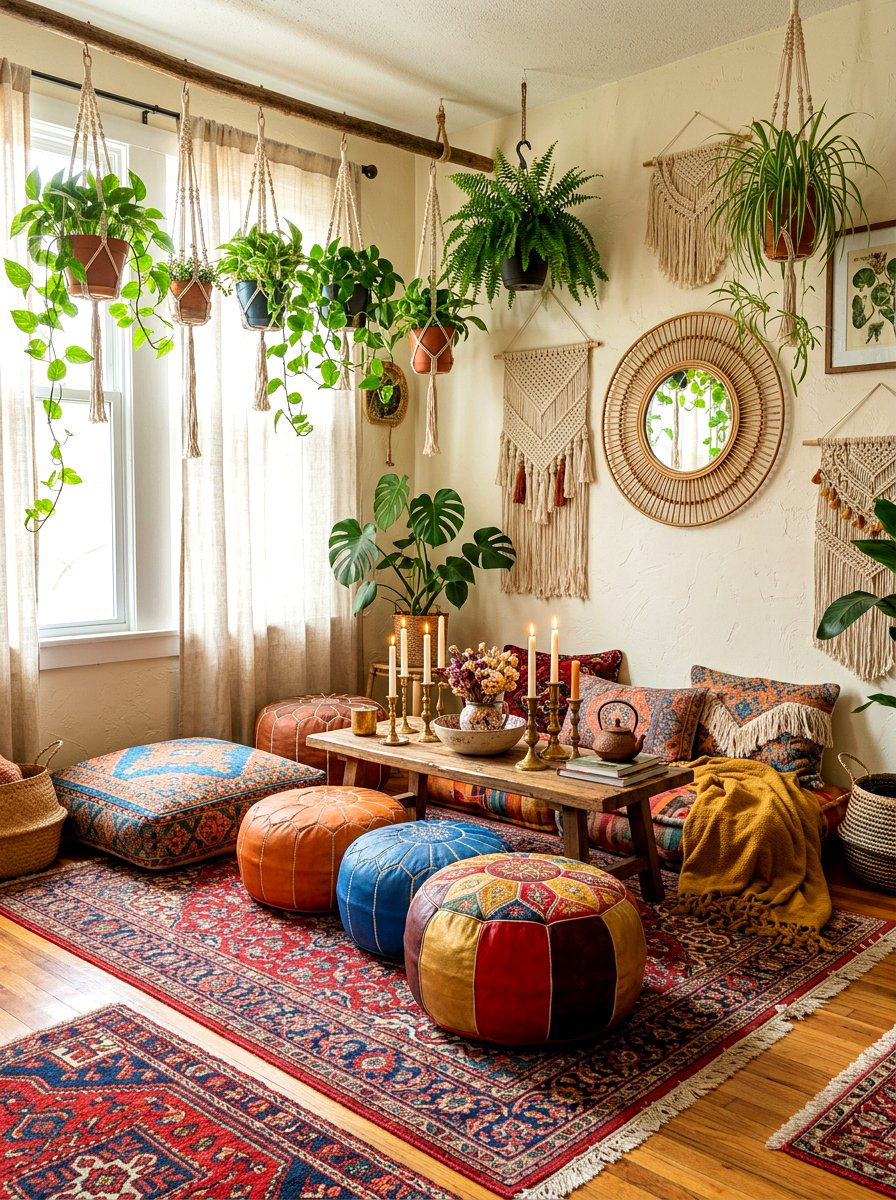
Bohemian floor seating creates a relaxed, informal environment that encourages a different way of interacting with your space. This room design replaces traditional sofas with a collection of Moroccan poufs, large floor cushions, and layered Persian rugs. Low wooden tables provide a place for books or candles, while macramé wall hangings and colorful textiles add a sense of artistic flair. This layout is perfect for casual social gatherings, board games, or solitary dreaming. Sitting closer to the ground is naturally grounding and encourages a more flexible and mindful physical presence, making it a wonderful setting for a tech-free evening with friends or a quiet afternoon alone.

25. Cottagecore Morning Nook

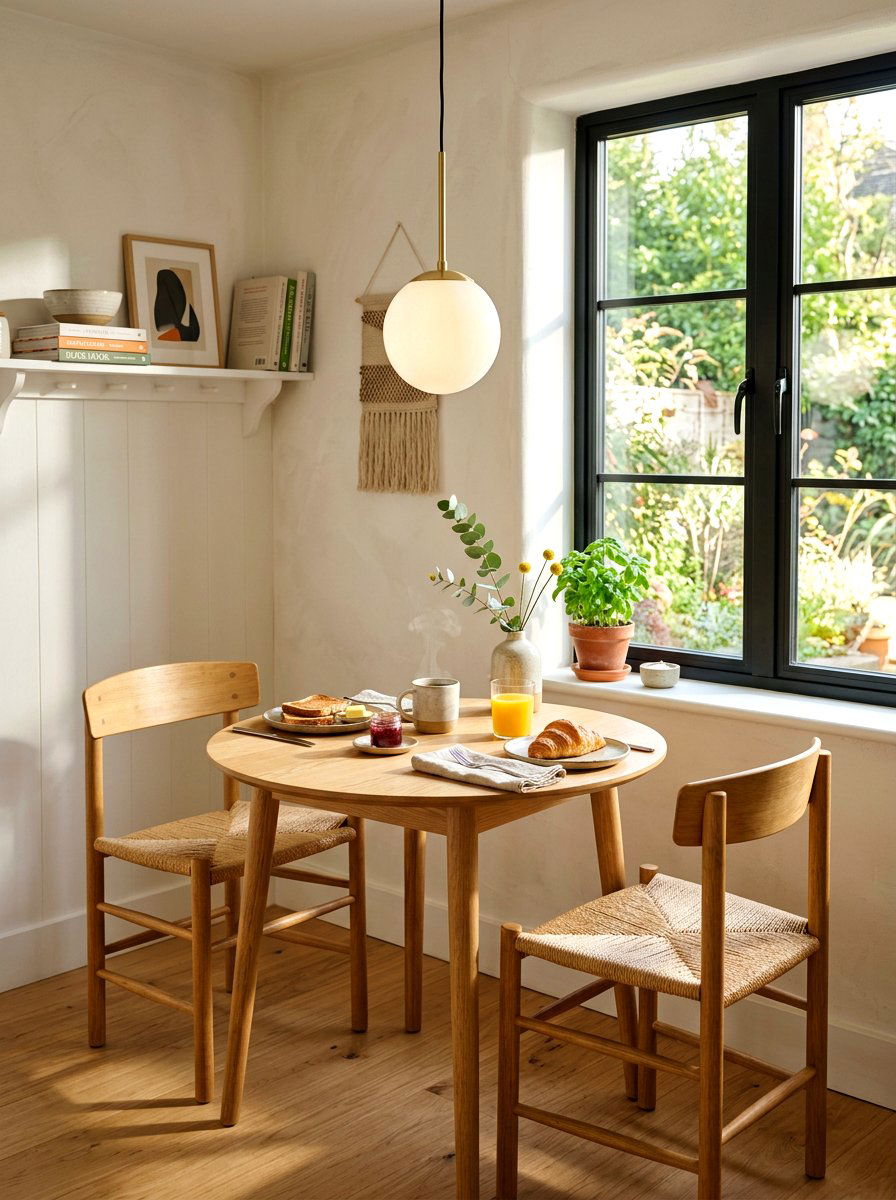
A cottagecore morning nook is a charming, vintage-inspired space designed for a slow and intentional start to the day. This area is typically located near a bright window and features a small café table with mismatched antique chairs. Decorate with floral wallpaper, lace curtains, and fresh-cut flowers in ceramic pitchers. This is a dedicated spot for enjoying a cup of coffee and a physical newspaper or book, far away from the stress of early morning emails or social media updates. The nostalgic, pastoral aesthetic reminds you to appreciate the beauty in the mundane, turning a simple breakfast routine into a restorative ritual that sets a positive tone for the day.
26. Apothecary Herb Room
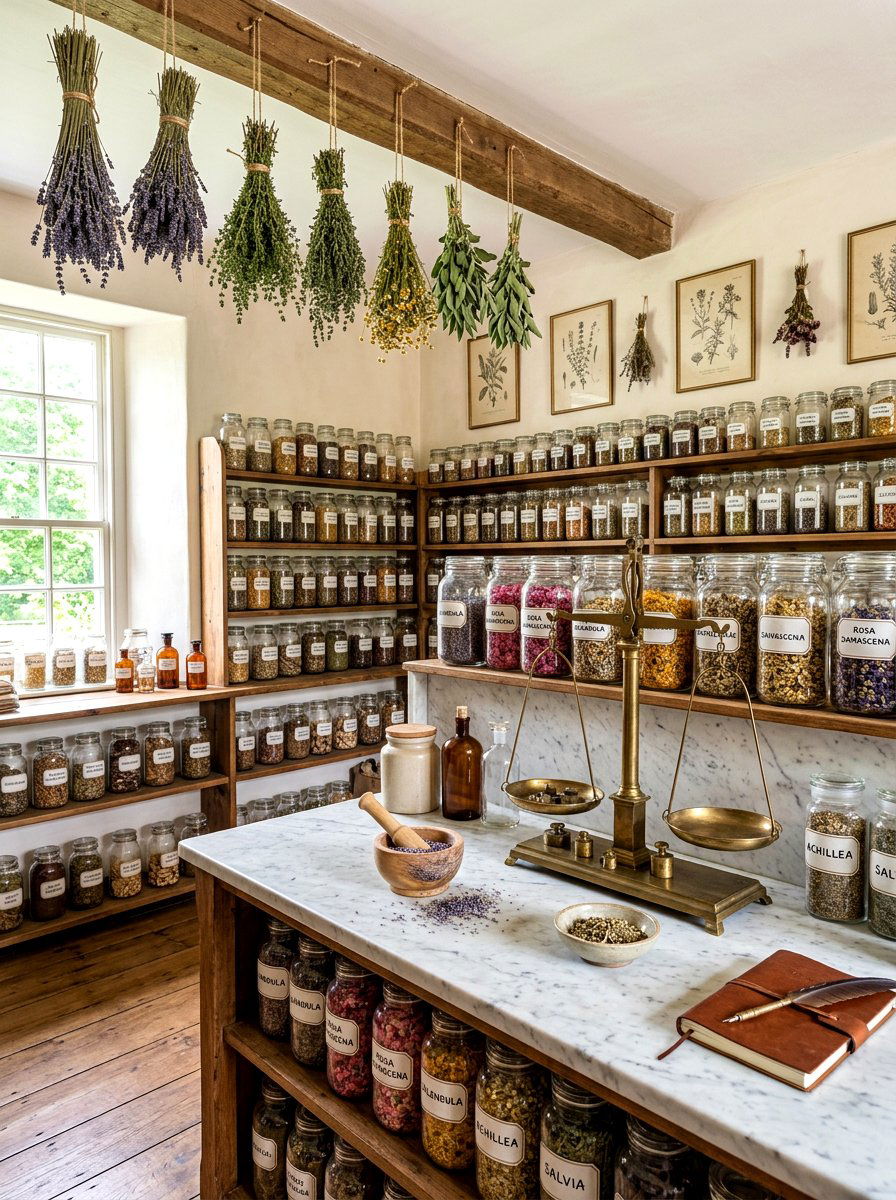
An apothecary herb room is a unique digital detox space dedicated to the study and preparation of natural botanicals. The design features walls lined with wooden shelves holding glass jars of dried herbs, essential oils, and teas. A large marble or stone countertop provides a cool surface for mixing blends or drying fresh plants. This room encourages a slow, scientific, and sensory-driven hobby that requires your full attention and the use of your hands. The fragrant air and organized, old-world aesthetic create a fascinating environment that replaces digital stimulation with the quiet, rewarding work of learning about the medicinal and aromatic properties of the natural world.
27. Paper Journaling Station
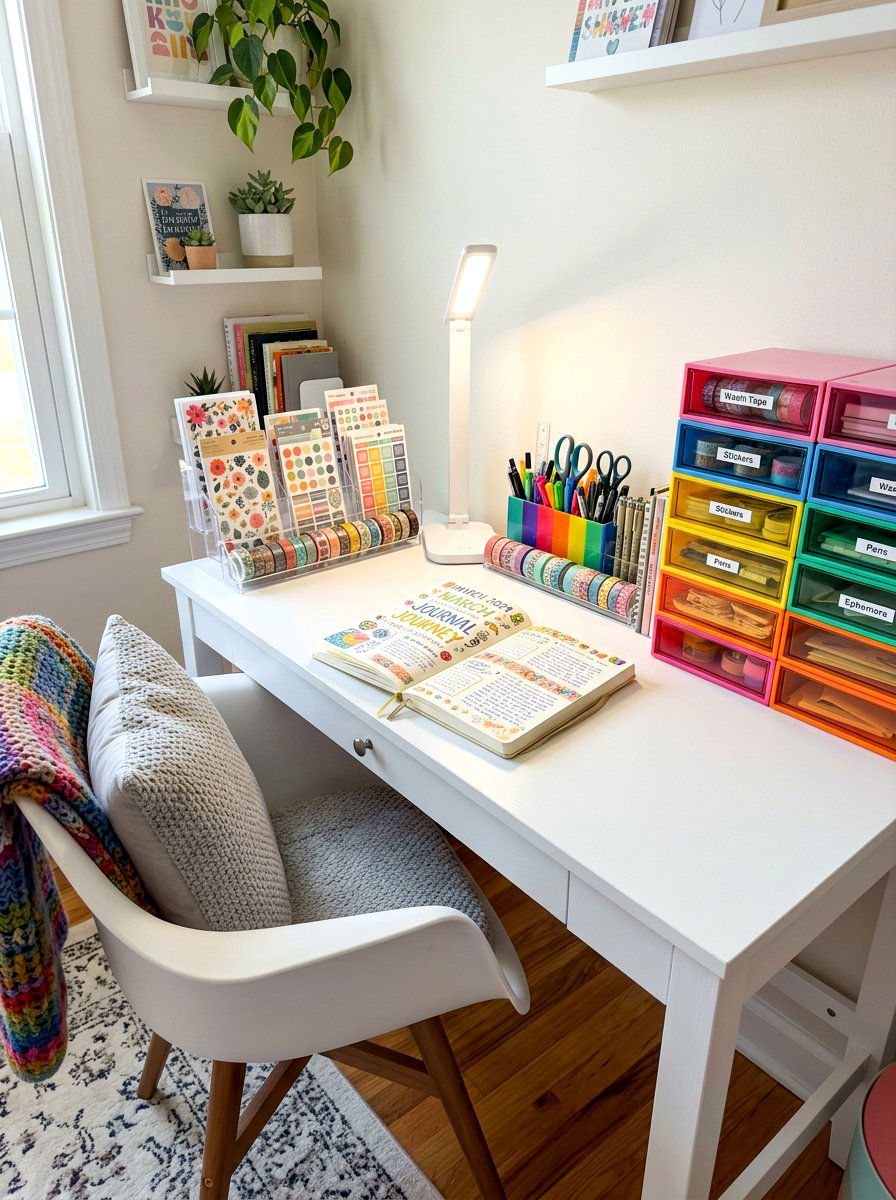
A paper journaling station is a specialized corner or small room dedicated to the art of memory-keeping and self-reflection. The design focuses on a beautiful desk with plenty of drawer space for stickers, washi tape, stamps, and various types of paper. A comfortable chair and high-quality task lighting ensure that the physical act of writing is a pleasure. This space celebrates the permanence of paper in a digital age, providing a place where you can document your life without the distractions of notifications or the fleeting nature of social media posts. The process of creative journaling is highly therapeutic, helping you to process your day and clear your mental clutter.
28. Sculpting Clay Studio
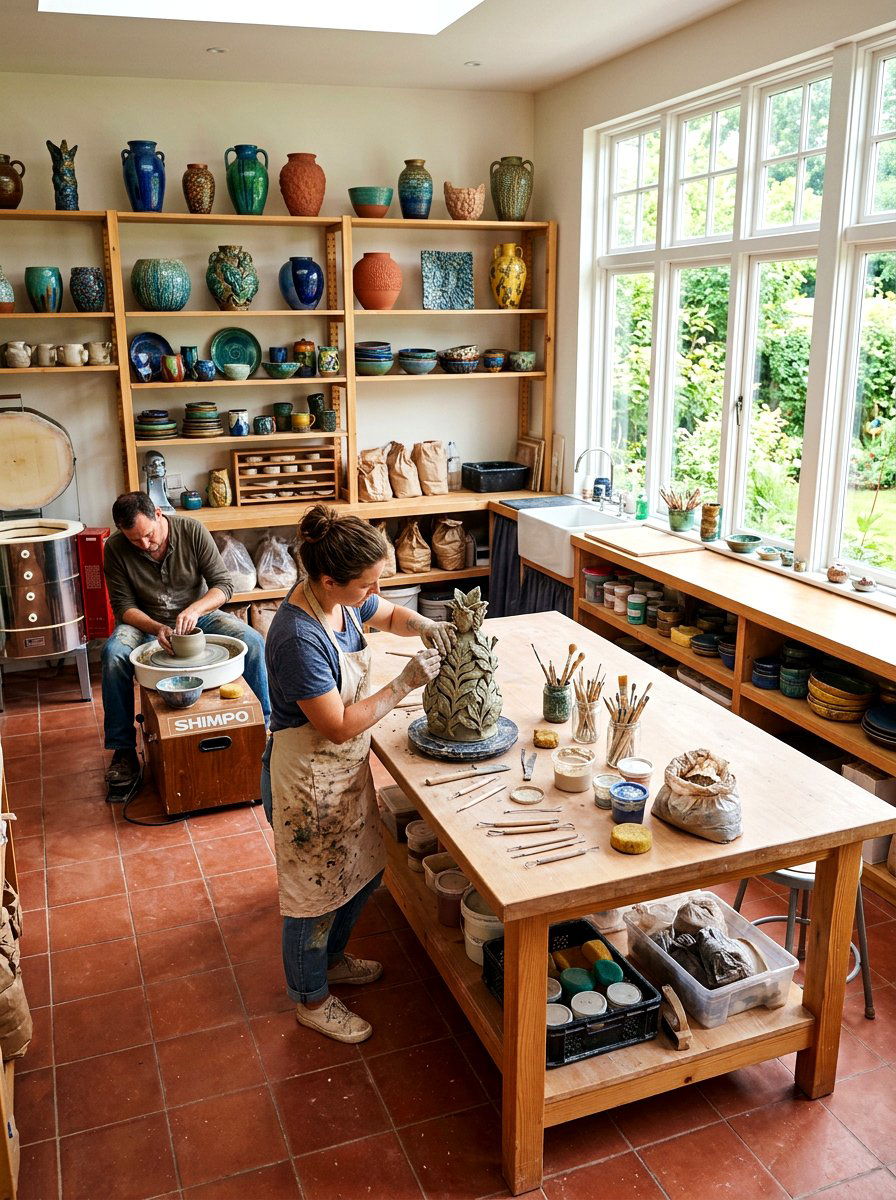
A sculpting clay studio offers a deeply tactile digital detox experience that focuses on the physical manipulation of earth and water. This room should have easy-to-clean floors, like concrete or tile, and a sturdy potter’s wheel or hand-building table. Open shelving allows for the display and drying of finished pieces, turning your progress into a part of the room’s decor. Large windows provide the necessary light to see the fine details of your work. Working with clay is a grounding practice that requires patience and presence, making it impossible to use a phone or tablet. The result is a profound sense of accomplishment and a beautiful, tangible object you created.
29. Floor To Ceiling Bookshelf
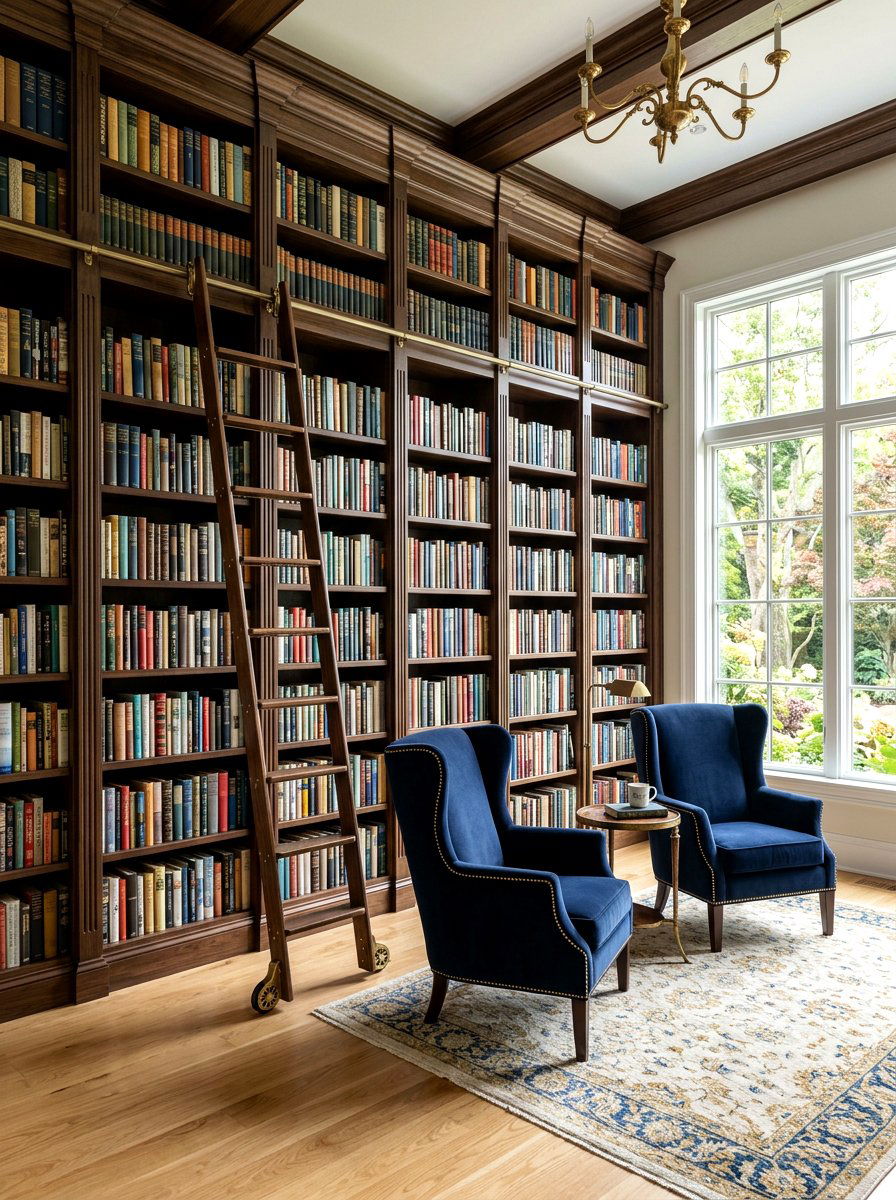
A floor-to-ceiling bookshelf design transforms an entire wall into a monumental library, making physical media the ultimate focal point of the room. This architectural feature provides a rich, colorful backdrop that improves the room’s acoustics and provides endless opportunities for screen-free entertainment. Incorporate a rolling library ladder for both functionality and a touch of classic charm. Comfortable seating, like a pair of wingback chairs, should be placed nearby to invite immediate reading. This design sends a clear message that books are valued above digital devices in this home, creating a culture of curiosity and intellectual engagement that is accessible to everyone in the family, free from the internet.
30. Window Seat Bench
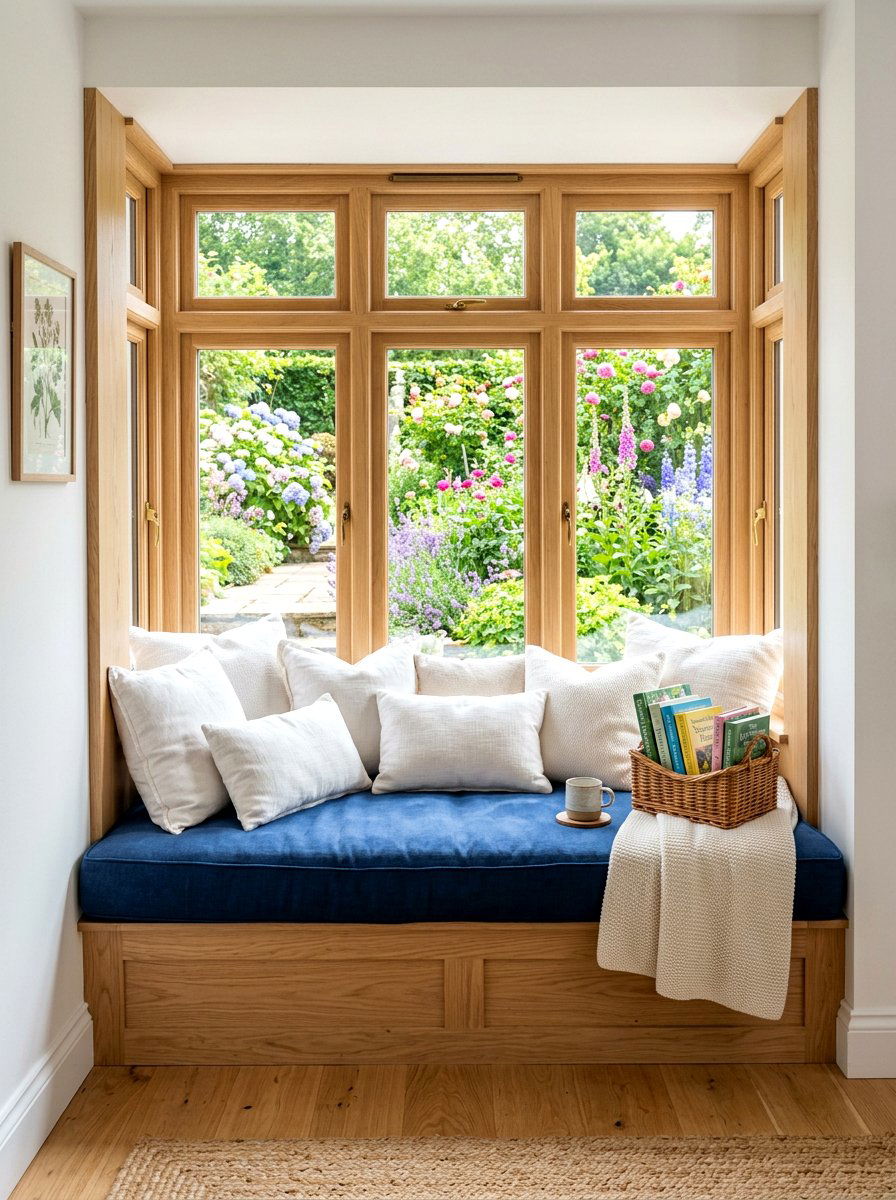
A window seat bench is a simple yet effective way to create a digital detox zone within a larger room. This full design includes a deep, upholstered bench built into a window alcove, complete with custom cushions and integrated storage underneath for books or blankets. The focus is entirely on the view outside, whether it is a bustling street, a quiet garden, or a vast sky. This is an ideal spot for "people watching, " bird watching, or simply daydreaming as the light changes throughout the day. By providing a comfortable place to sit and look out, this design encourages you to disconnect from your screen and reconnect with the world.
Conclusion:
Designing a digital detox room is a powerful commitment to your mental health and personal well-being in an increasingly noisy world. By intentionally curating spaces that prioritize analog rituals, natural materials, and sensory comfort, you create a sanctuary where the mind can finally rest and recover. These thirty ideas demonstrate that a tech-free lifestyle does not mean sacrificing style or luxury; instead, it elevates the home into a place of true presence and deep connection. Whether you start with a small reading nook or transform an entire room into a botanical sanctuary, the result is a more balanced, peaceful, and creatively fulfilled life.

Related posts: