Farmhouse living rooms have evolved significantly over the last decade, transforming from simple rustic spaces into sophisticated sanctuaries that blend tradition with contemporary elegance. This design aesthetic prioritizes comfort and functionality while celebrating natural materials that tell a story of heritage and warmth. Whether you live in a bustling city apartment or a sprawling countryside estate, the farmhouse look offers a versatile foundation for creating a home that feels lived-in and welcoming. By focusing on neutral color palettes, organic textures, and meaningful decor pieces, you can easily curate a space that stands the test of time. Exploring these thirty distinct concepts will help you find the perfect balance for your personal style.
1. Modern Farmhouse Living Room
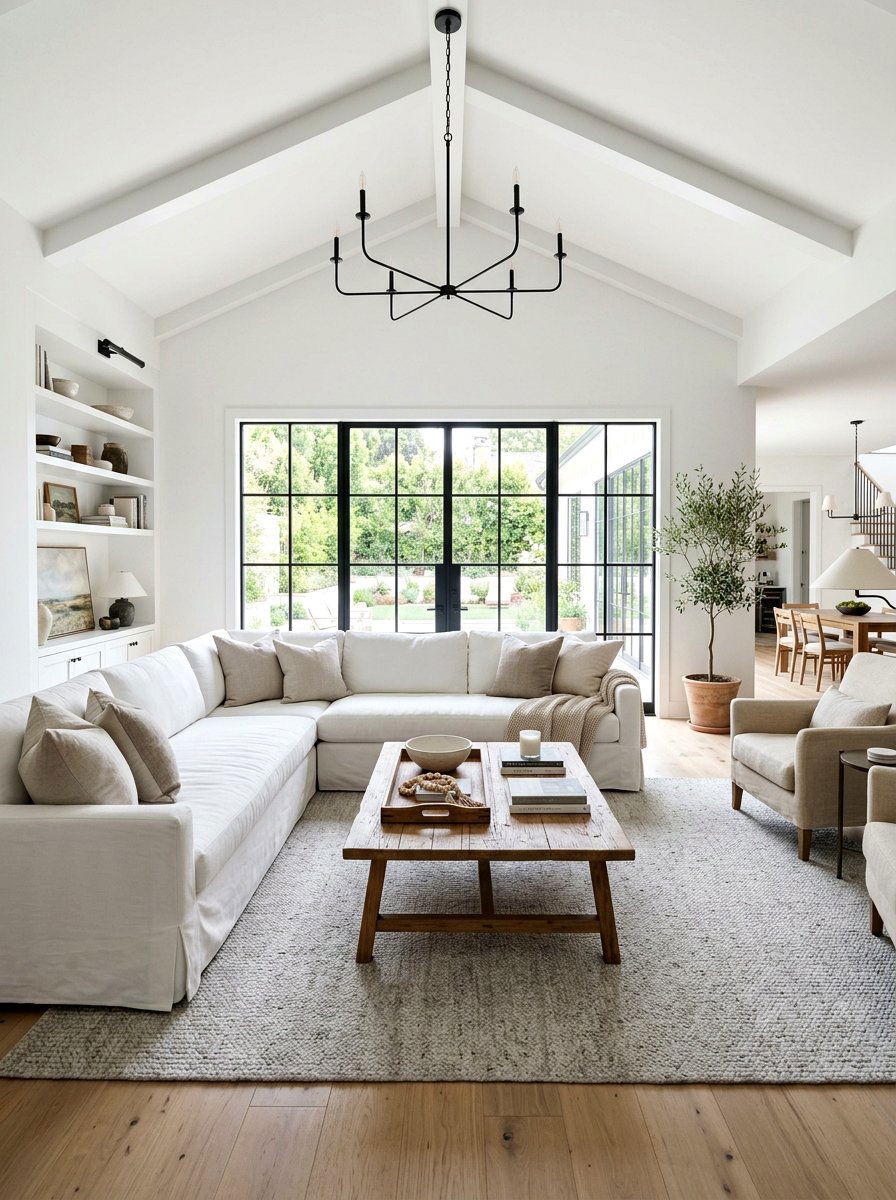
A modern farmhouse living room serves as the perfect bridge between sleek contemporary lines and cozy rustic elements. To achieve this look, you should start with a clean white backdrop on the walls to create a bright and airy atmosphere. Incorporate black metal accents through light fixtures or window frames to provide a sharp contrast that feels current. Use large, comfortable furniture pieces upholstered in light gray or linen fabrics to keep the space inviting. Adding natural wood elements like a reclaimed oak mantle or a sturdy coffee table brings in the essential warmth that defines this style. The overall result is a polished yet deeply comfortable gathering space.
2. Rustic Living Room Decor
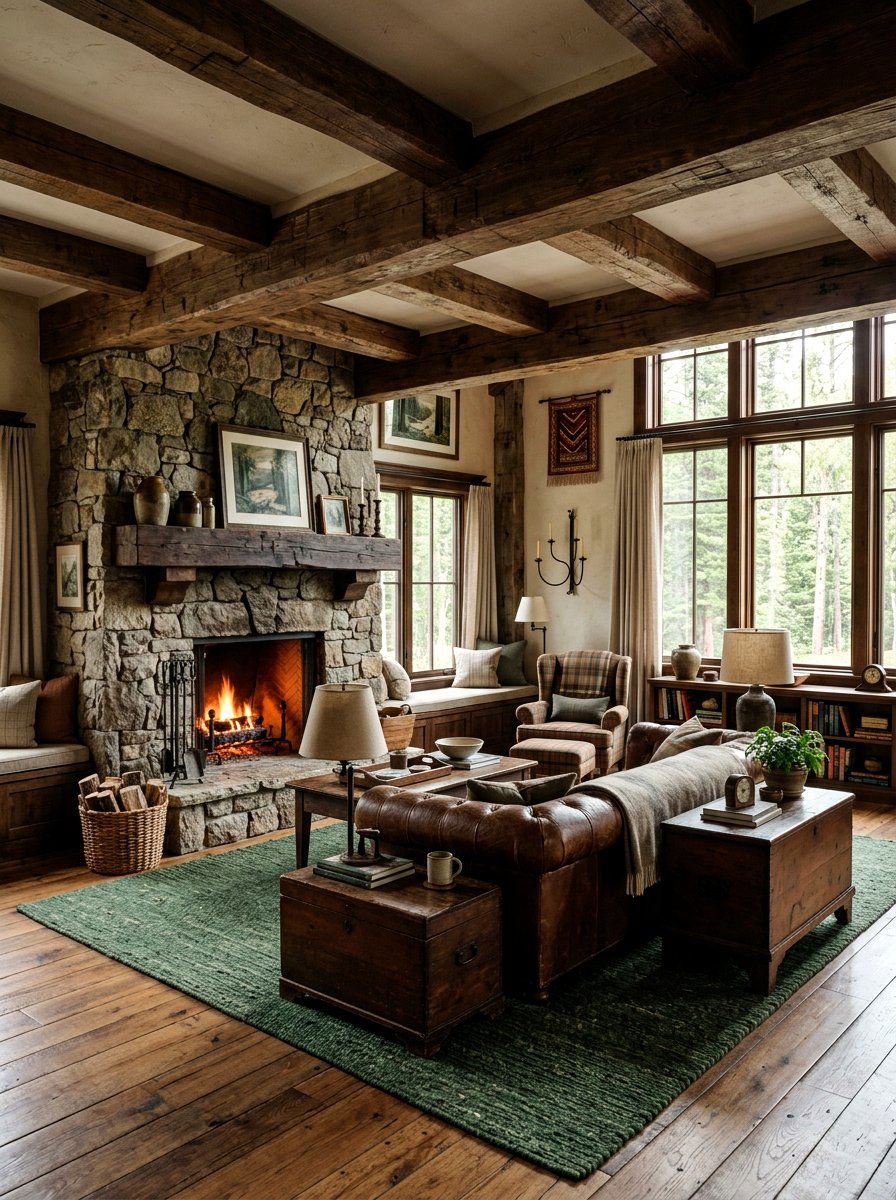
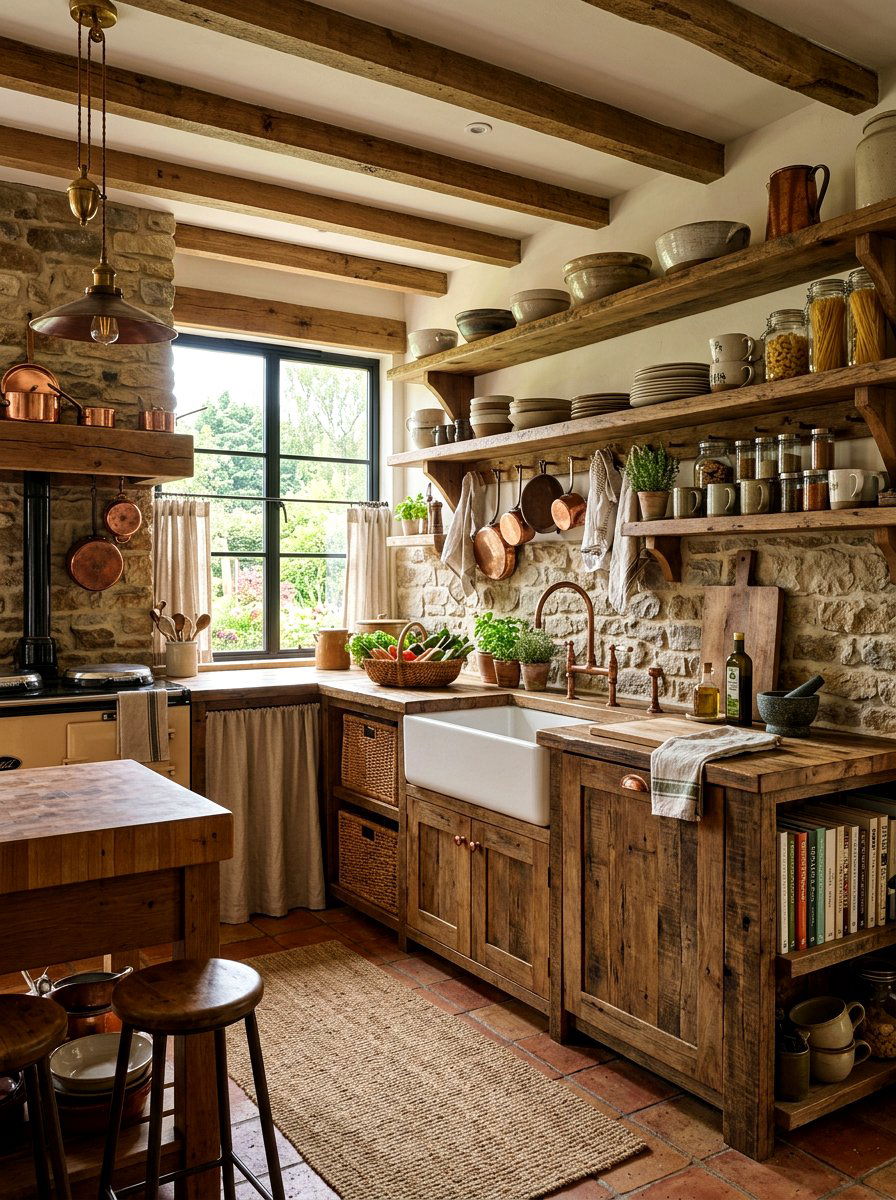
Embracing rustic living room decor means celebrating the beauty of imperfection and the history of natural materials. This design approach often features heavy wooden elements, such as thick exposed beams and distressed floors that show off their unique grain. You can enhance the warmth by choosing a color palette inspired by the forest, including deep browns, forest greens, and warm creams. Incorporating antique furniture pieces like a weathered hutch or a chunky wooden chest adds a sense of soul and character to the room. Soften these hard surfaces with oversized knit blankets and leather seating that develops a beautiful patina over time for a cozy feel.
3. Neutral Farmhouse Interior
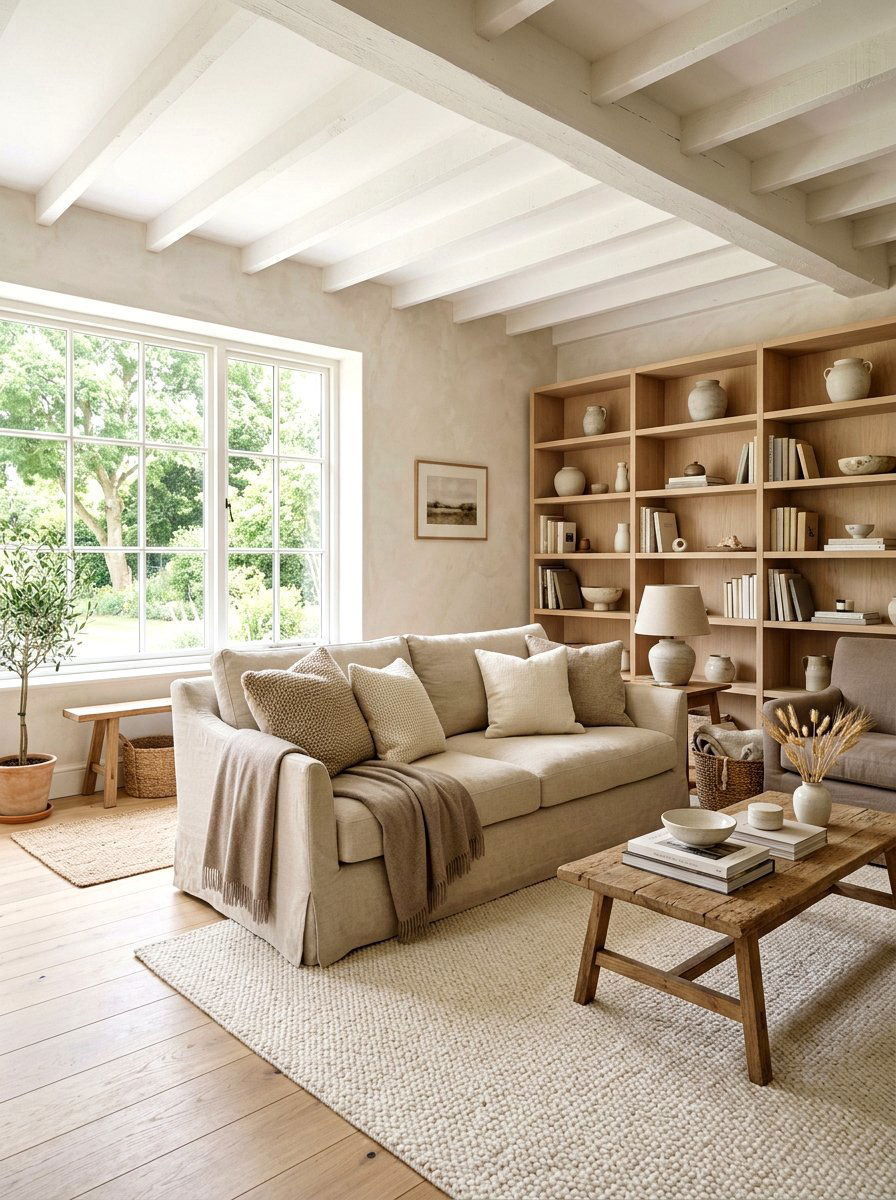
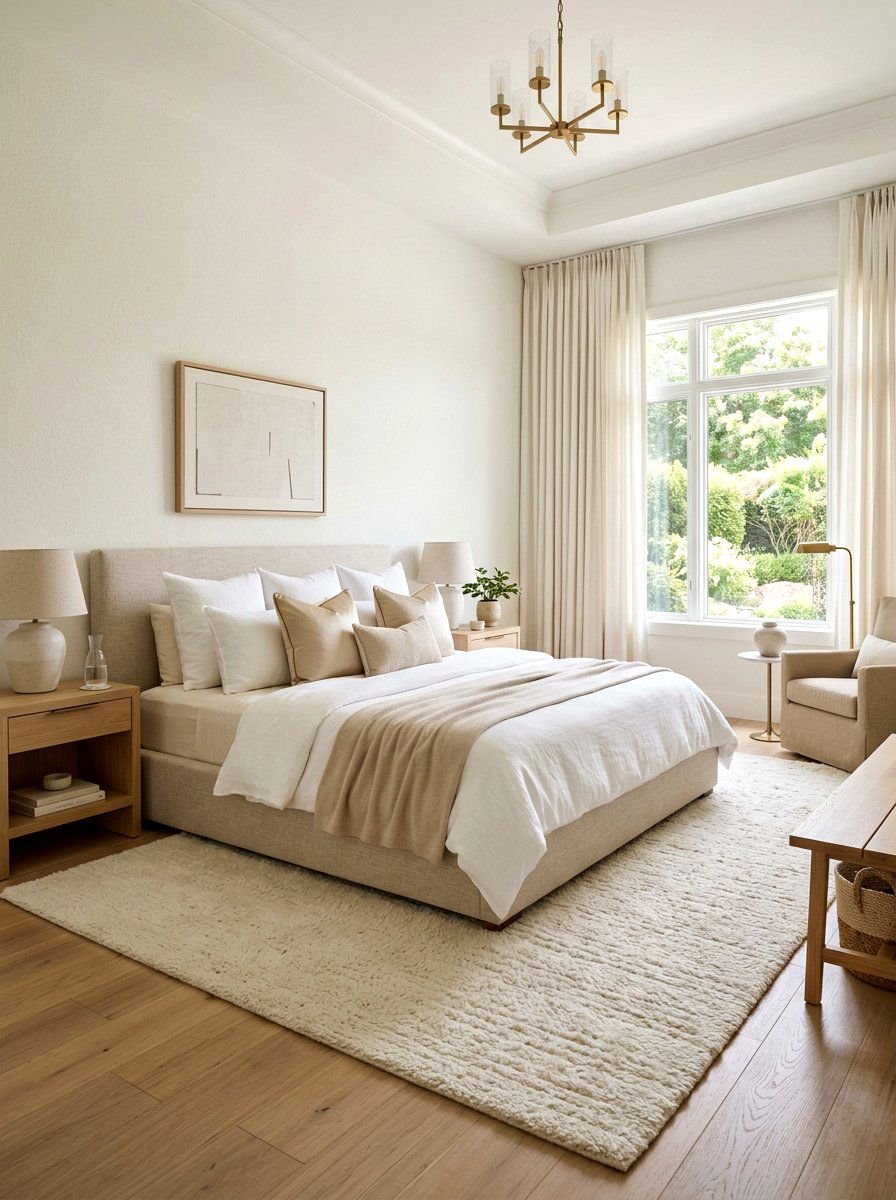
A neutral farmhouse interior relies on a sophisticated layering of textures rather than bold colors to create visual interest. You should focus on a palette of ivory, beige, taupe, and soft whites to keep the space feeling expansive and serene. To prevent the room from looking flat, mix various materials like jute rugs, linen sofas, and cotton throw pillows in slightly different shades. Wooden accents in light oak or whitewashed finishes provide just enough contrast without breaking the monochromatic theme. This approach creates a peaceful retreat that feels incredibly high-end and cohesive, making it an ideal choice for those who appreciate a quiet, understated aesthetic in their home.
4. Industrial Farmhouse Living Room
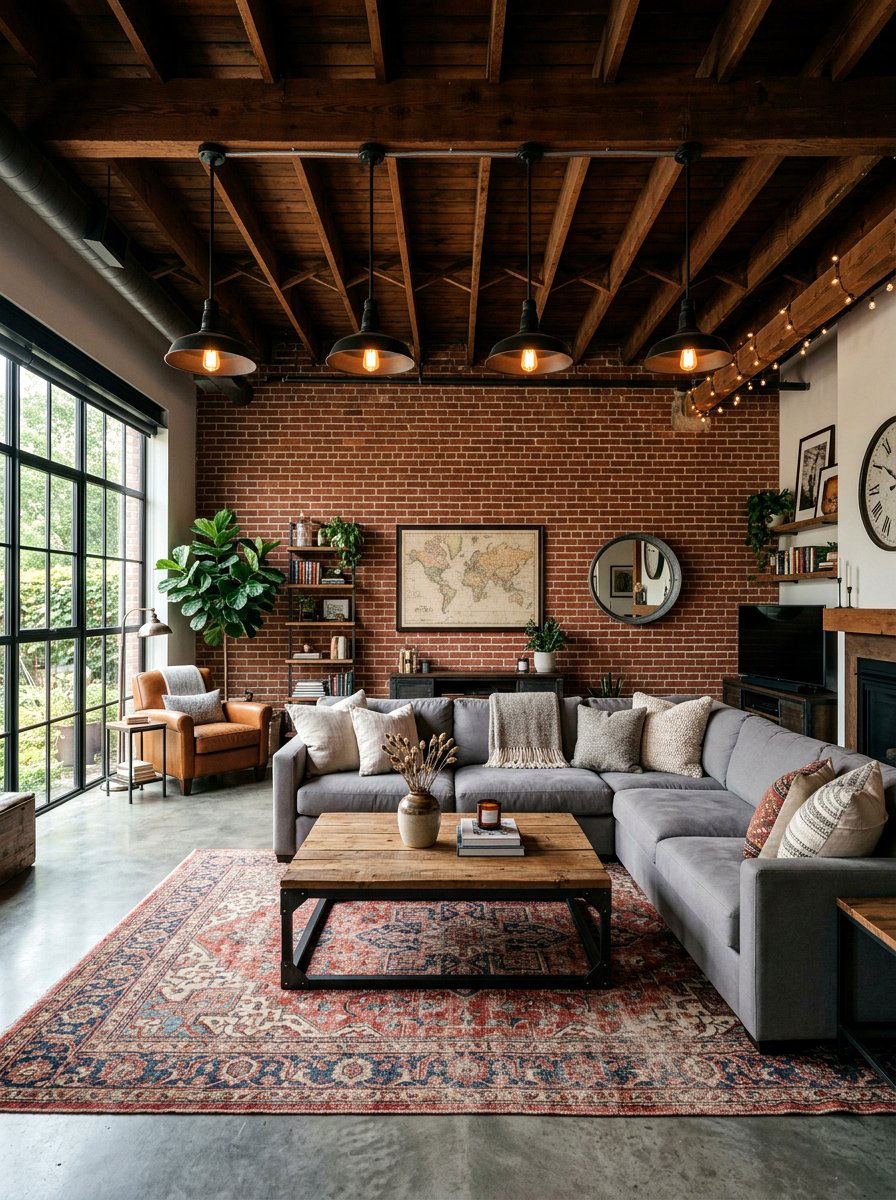
The industrial farmhouse living room combines the rugged charm of a factory setting with the softness of country living. You can achieve this look by pairing raw materials like exposed brick and metal piping with soft, overstuffed furniture. Look for coffee tables made of iron and reclaimed wood to serve as a focal point in the center of the seating area. Large-scale factory windows or metal pendant lights with Edison bulbs add a vintage touch that feels both edgy and nostalgic. To keep the space from feeling too cold, layer in plenty of textiles like wool rugs and canvas pillows that soften the overall industrial aesthetic.
5. Coastal Farmhouse Design
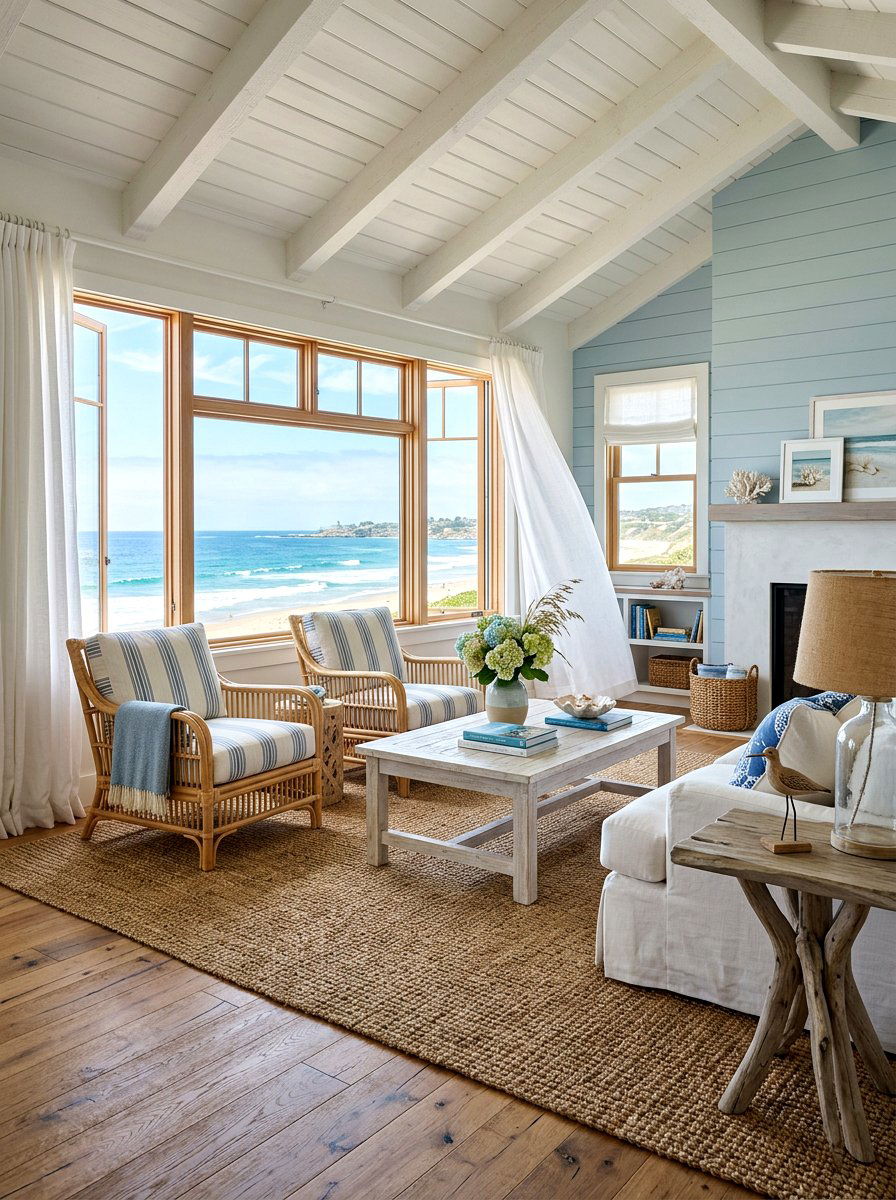
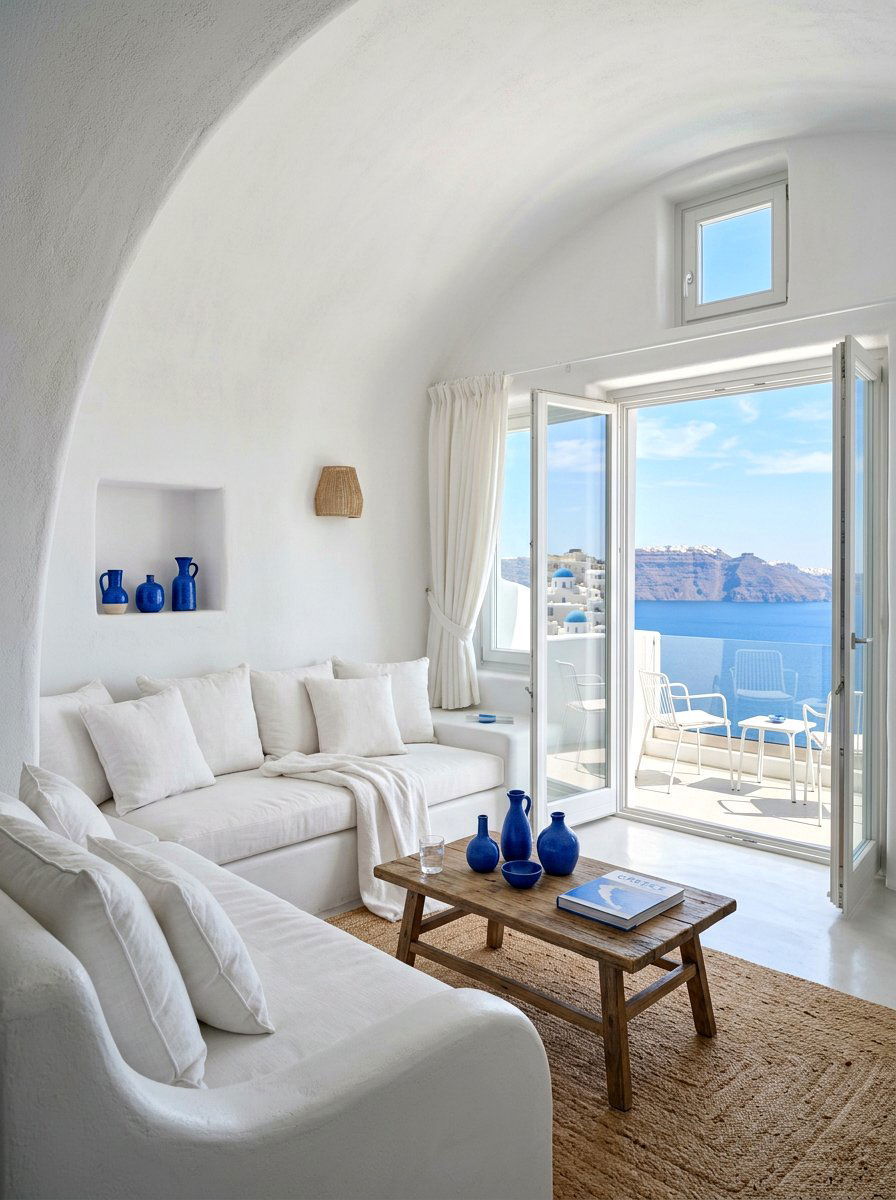
Coastal farmhouse design brings a breezy, relaxed vibe to the traditional country look by incorporating light colors and natural fibers. You should aim for a color scheme dominated by crisp whites and soft blues that mimic the ocean and sky. Use light-toned woods like driftwood or white-washed pine for furniture and decorative accents to maintain a sun-bleached appearance. Woven textures like seagrass rugs and rattan chairs are essential for adding that beachy feel to the space. Finish the room with simple, airy window treatments that allow plenty of natural light to flood in, creating a cheerful and refreshing environment that feels like a permanent vacation.
6. Small Farmhouse Living Room
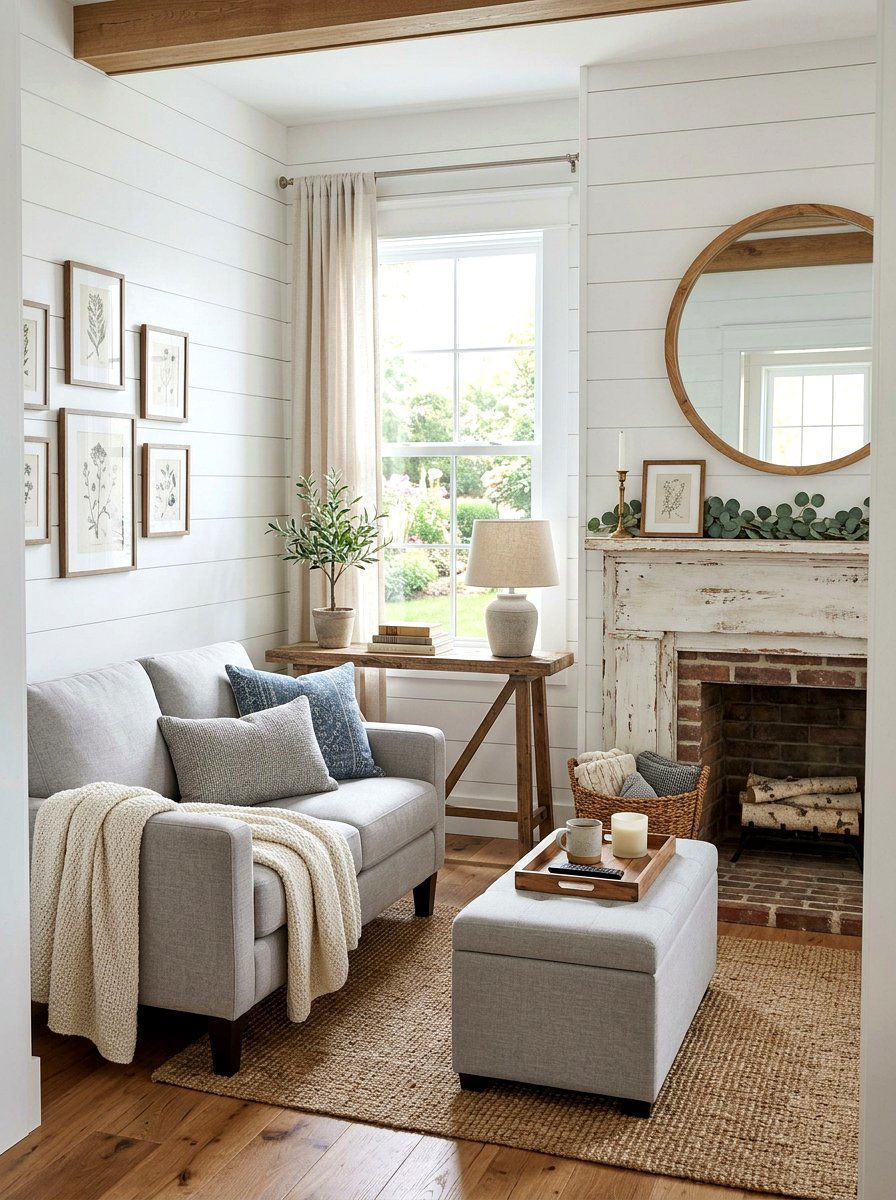
Designing a small farmhouse living room requires a focus on smart proportions and light-reflecting surfaces to maximize the footprint. You can make a compact space feel much larger by using a consistent neutral color palette on both the walls and large furniture pieces. Choose multi-functional furniture like an ottoman with hidden storage or a slender console table that doesn 't overwhelm the room' s layout. Utilizing vertical space with tall bookshelves or shiplap walls can draw the eye upward, creating an illusion of higher ceilings. Mirrors are also a great tool for bouncing light around, making the entire living area feel bright, open, and incredibly organized despite its size.
7. Boho Farmhouse Living Room
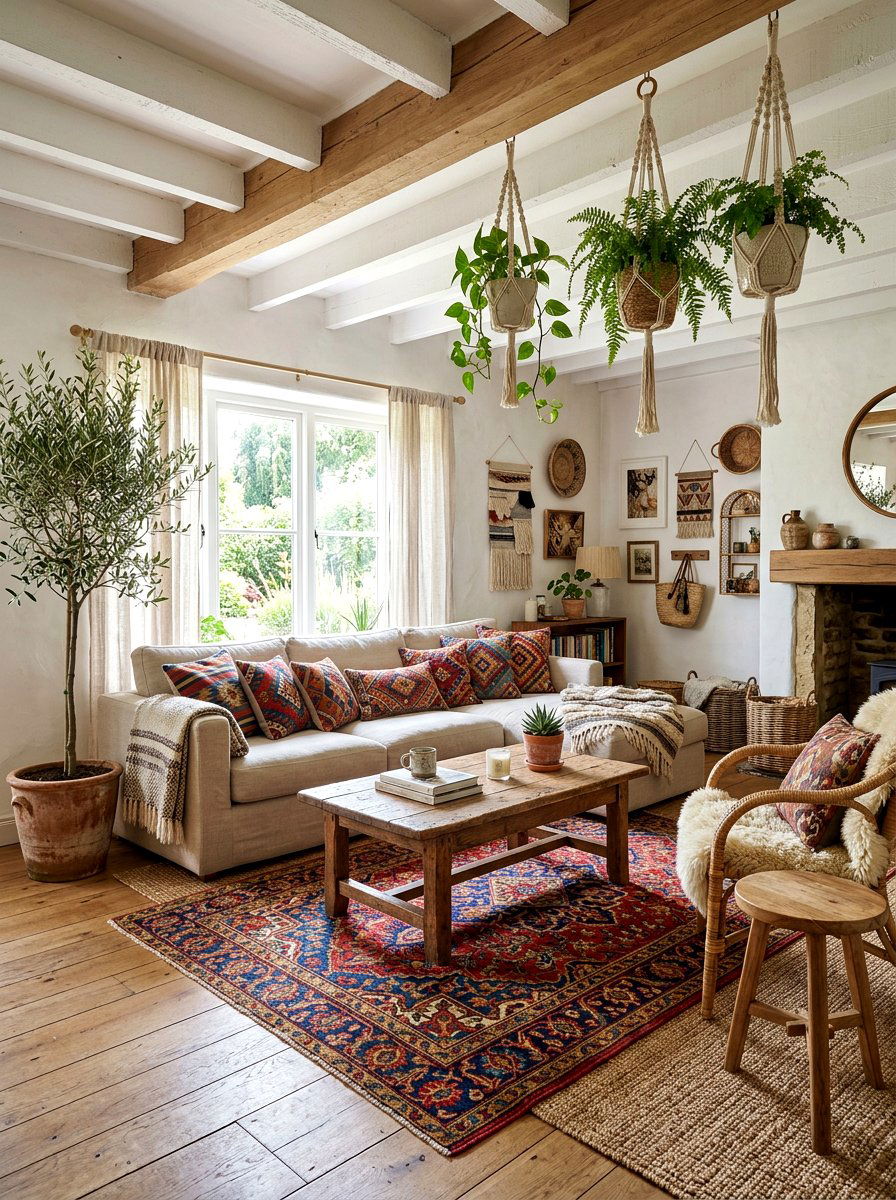
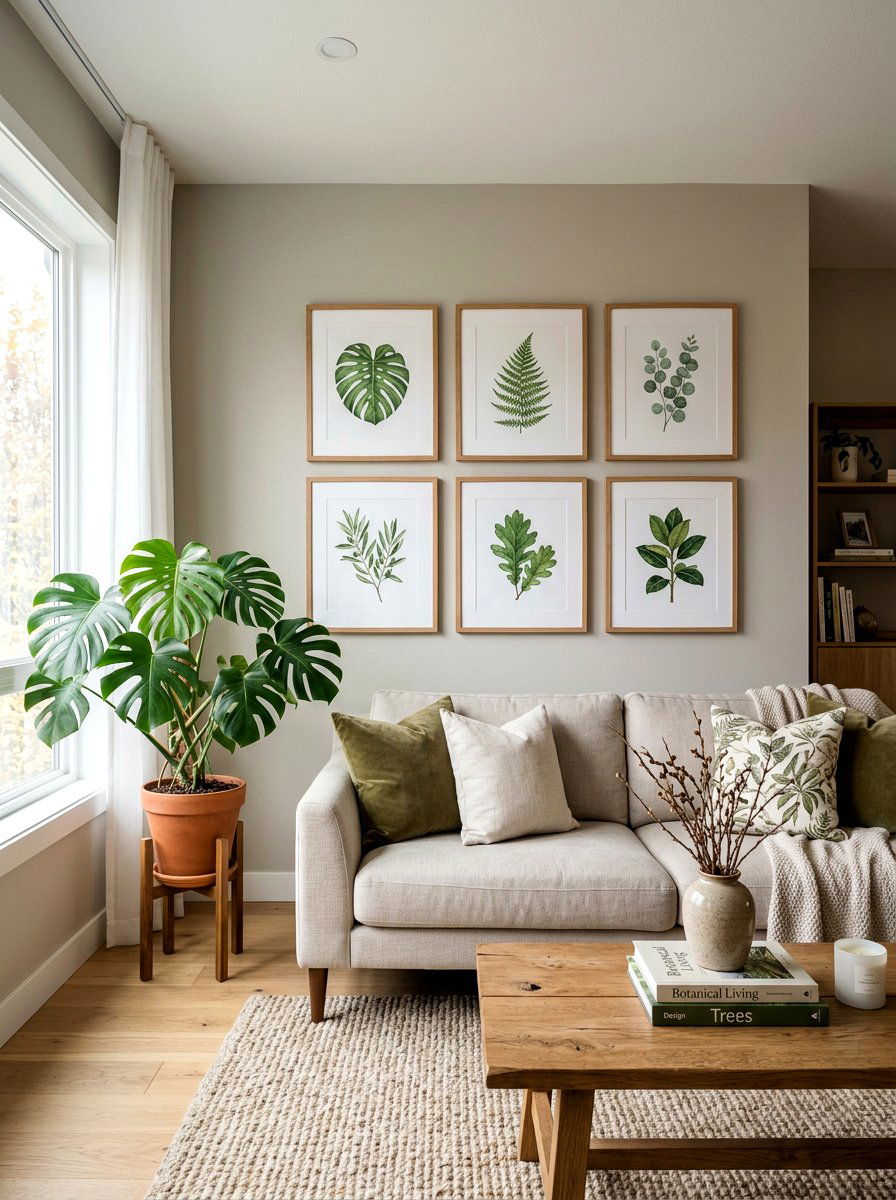
The boho farmhouse living room blends the structured comfort of country style with the free-spirited energy of bohemian decor. You can create this eclectic look by layering vibrant patterned rugs over neutral foundations like a simple linen sofa. Incorporate plenty of indoor plants in terracotta pots or hanging macramé planters to bring a fresh, organic energy into the space. Natural materials like wicker and bamboo work beautifully alongside more traditional farmhouse elements like shiplap or wooden mantles. This style encourages a collected-over-time feel, where vintage finds and global treasures sit comfortably next to classic rustic pieces, resulting in a space that feels deeply personal and creative.
8. Black And White Farmhouse
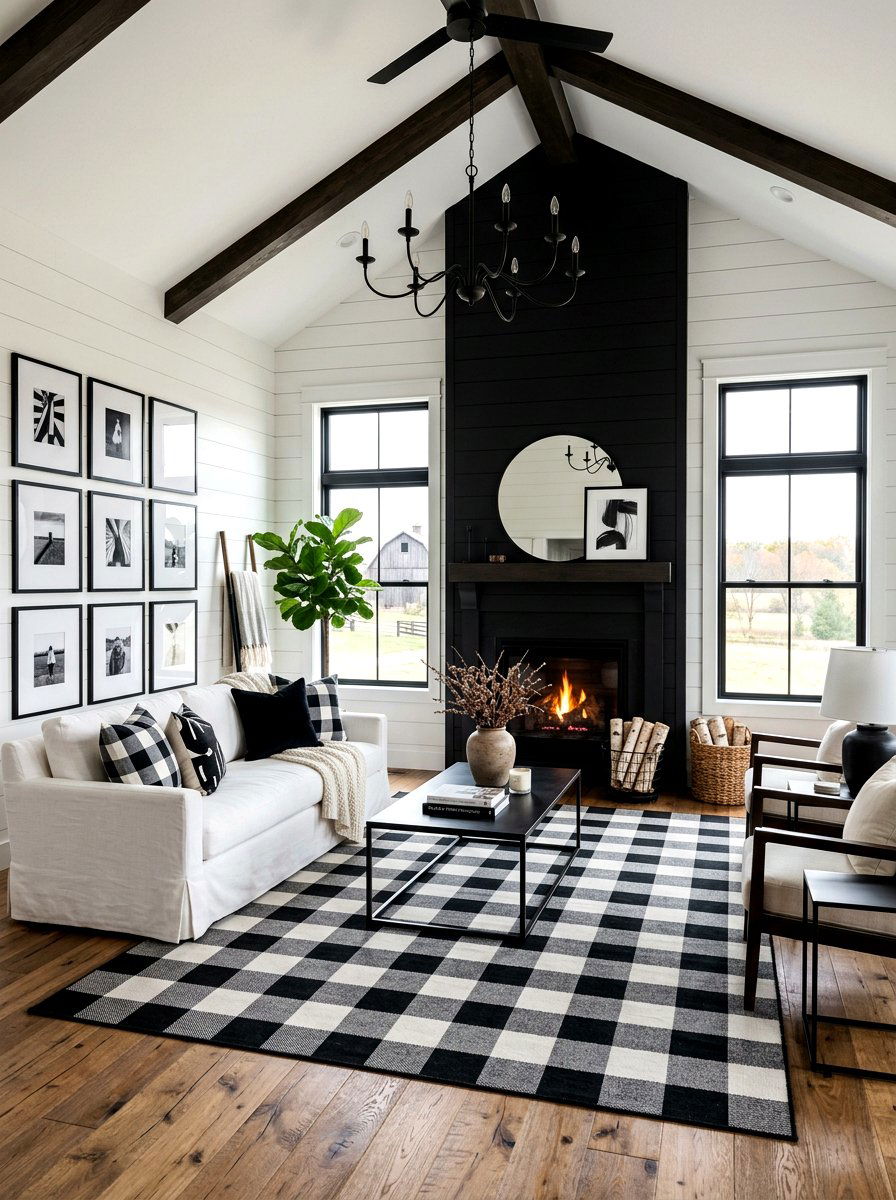
A black and white farmhouse scheme offers a high-contrast look that is both timeless and strikingly modern. You should use white as the primary color for the walls and large seating to keep the room feeling bright and open. Introduce bold black accents through window casings, picture frames, and iron hardware to create a graphic and sophisticated visual rhythm. Patterned textiles like buffalo check or striped rugs in this classic color duo add a touch of traditional charm without sacrificing the sleek aesthetic. This limited color palette makes it easy to curate a space that feels intentional, clean, and effortlessly stylish for any modern home.
9. Shiplap Wall Living Room
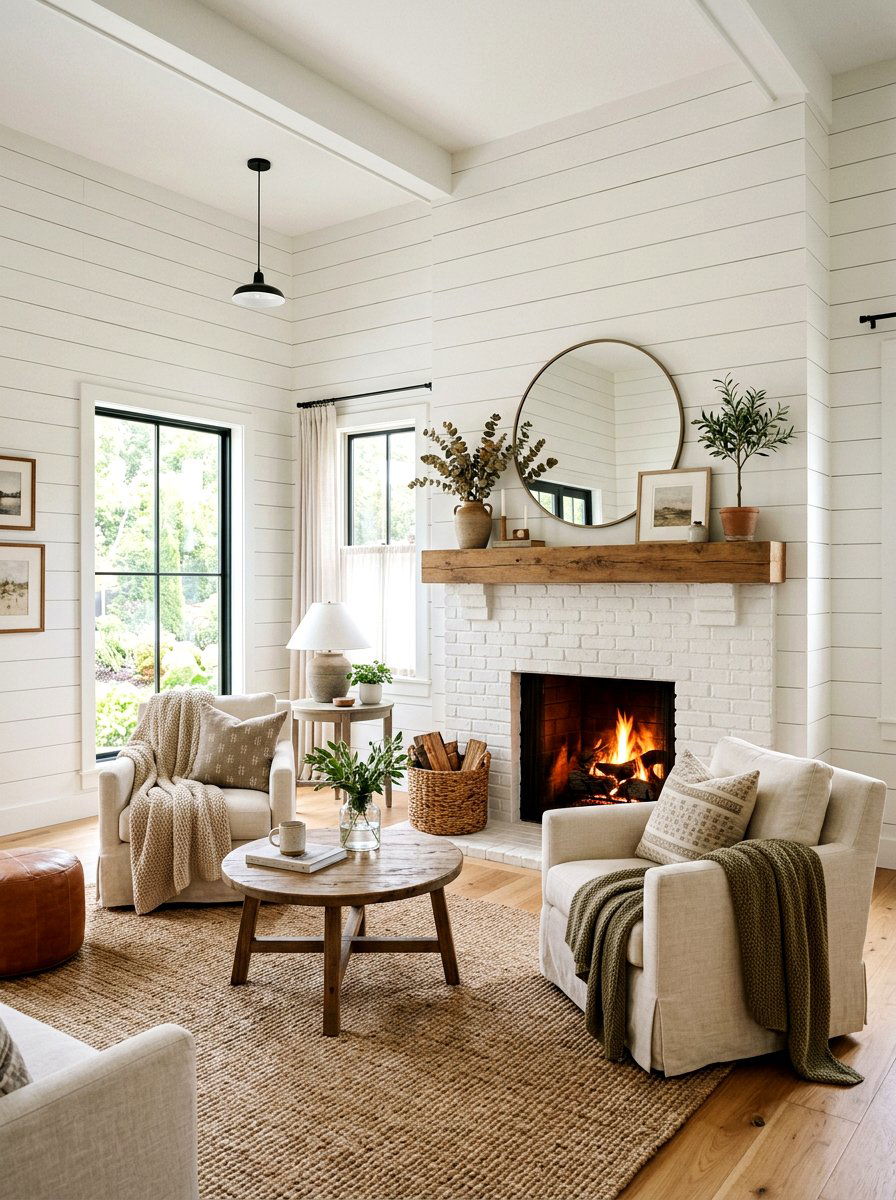
Integrating shiplap walls is one of the most iconic ways to add architectural interest and texture to a farmhouse living room. You can choose to cover an entire room for a classic cottage feel or use it on a single accent wall to create a subtle focal point. Painting the planks in a soft white or light gray helps to keep the space feeling modern and airy rather than dated. The horizontal lines created by the shiplap can also make a room feel wider and more grounded. Pair this textured wall treatment with simple wooden furniture and soft textiles to let the unique craftsmanship of the woodwork truly stand out.
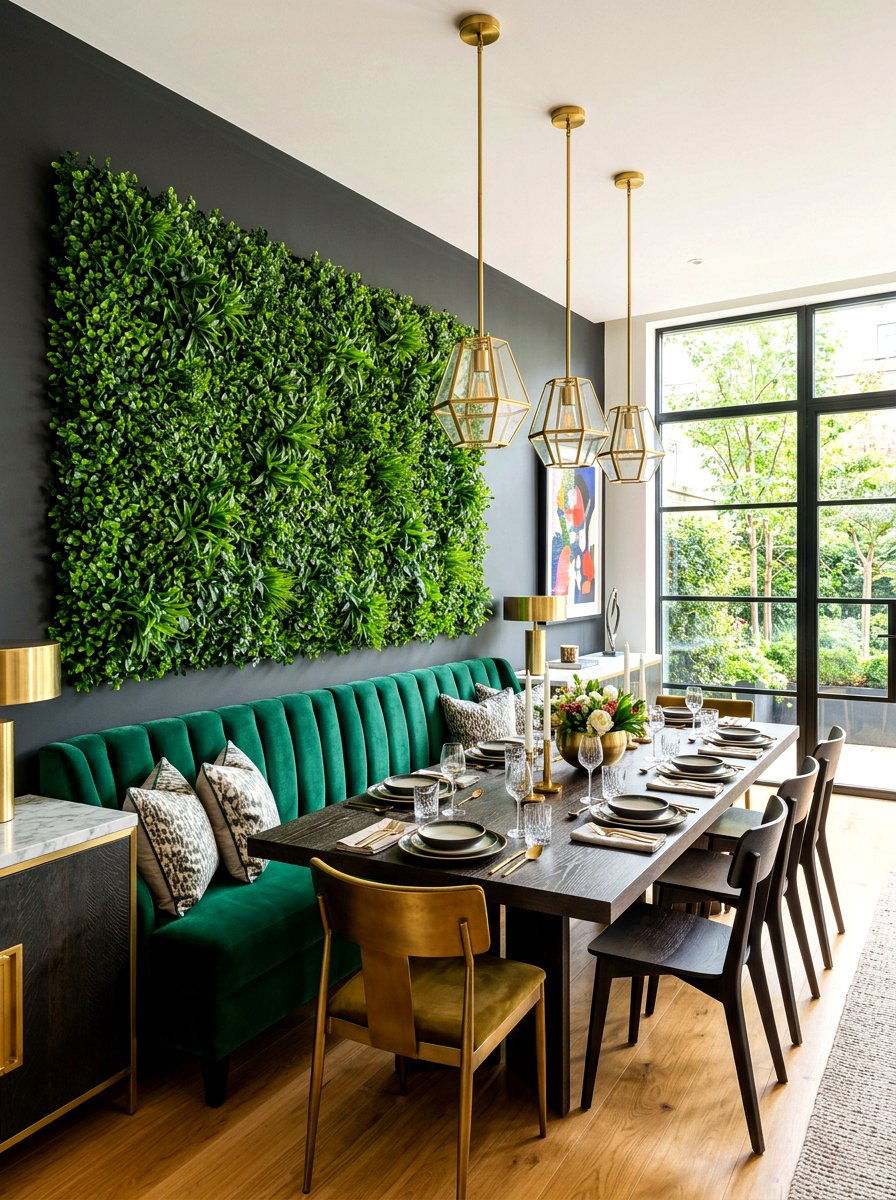
10. Exposed Beam Living Room
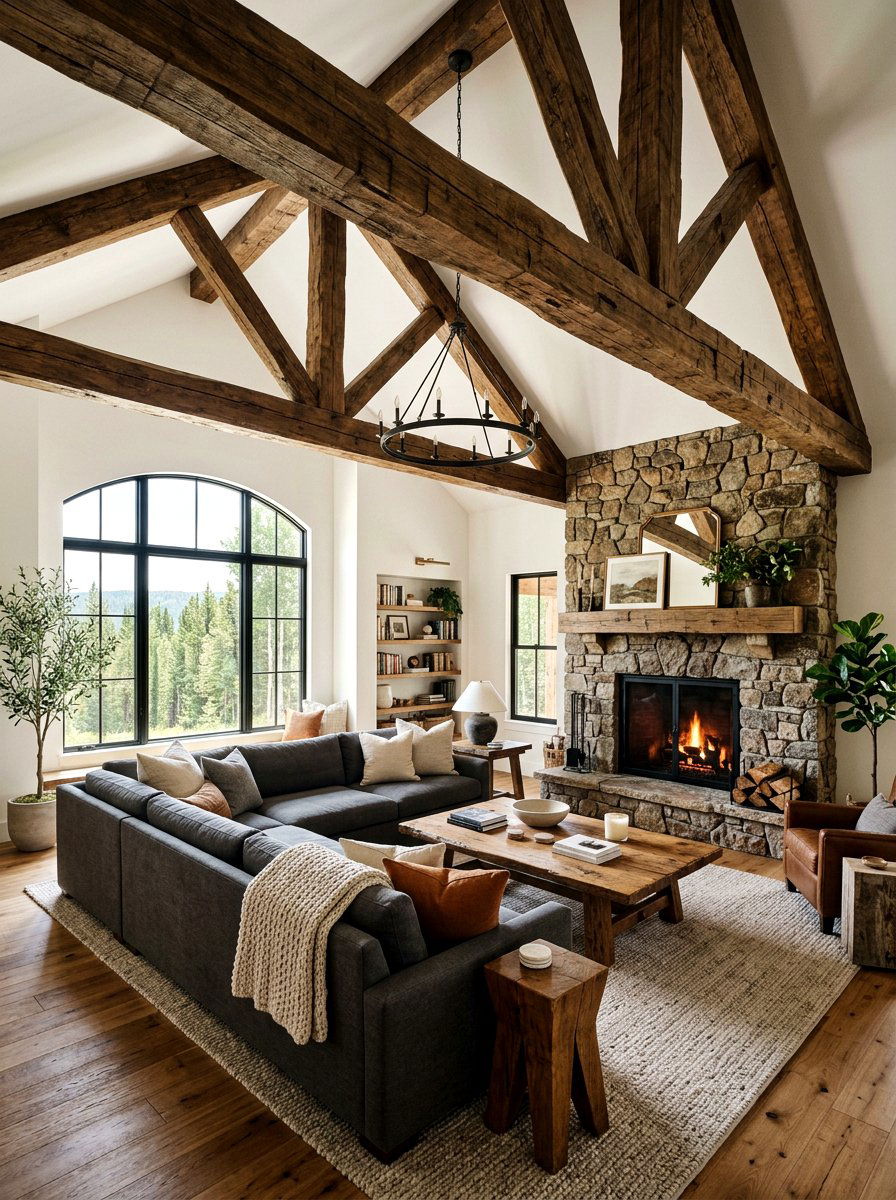
An exposed beam living room instantly adds a sense of history and architectural grandeur to any home design. You can use reclaimed wood beams across the ceiling to draw the eye upward and highlight the height of the space. Whether the beams are dark and rustic or light and refined, they provide a natural warmth that balances out soft, upholstered furniture. To enhance this look, keep the rest of the ceiling simple with a light paint color to ensure the wood remains the primary feature. This design element works exceptionally well in large, open-concept spaces where it can define different zones while maintaining a cohesive and cozy country atmosphere.
11. Farmhouse Fireplace Living Room
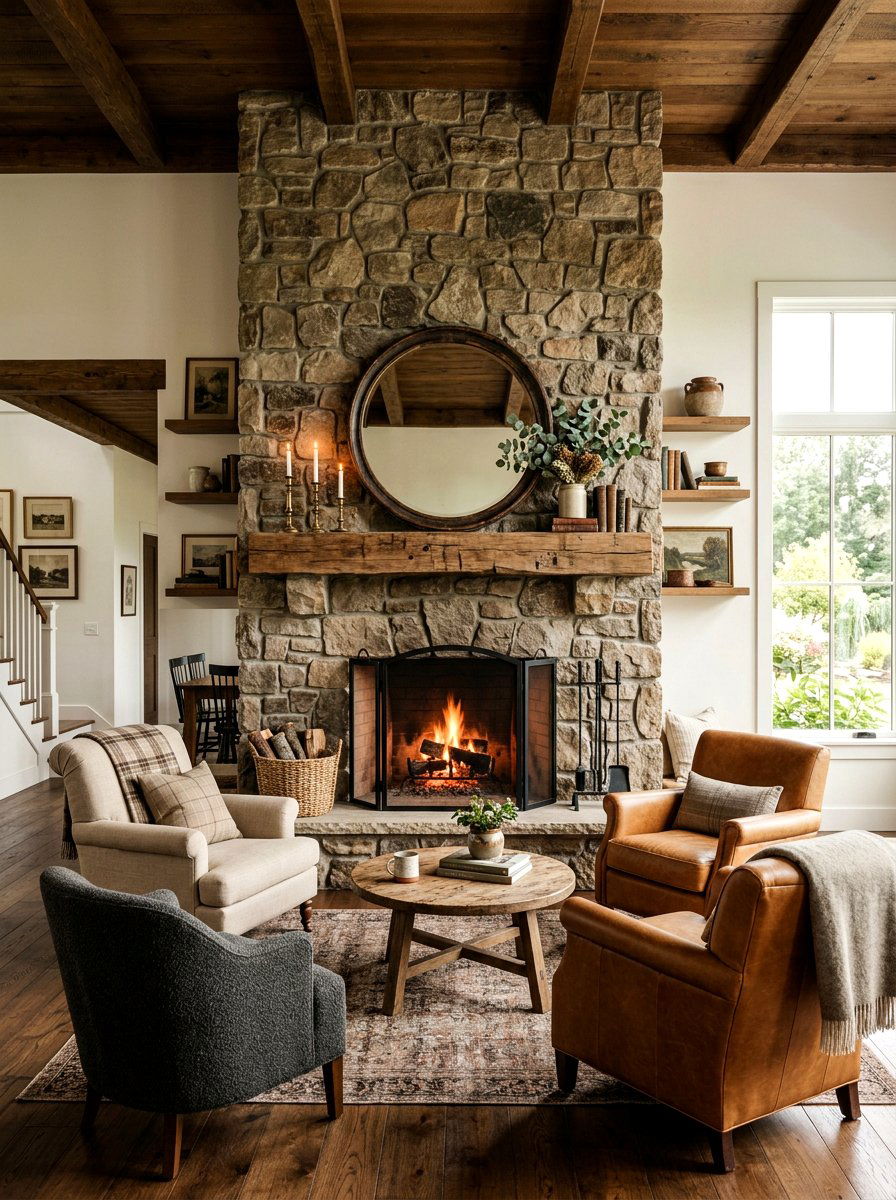
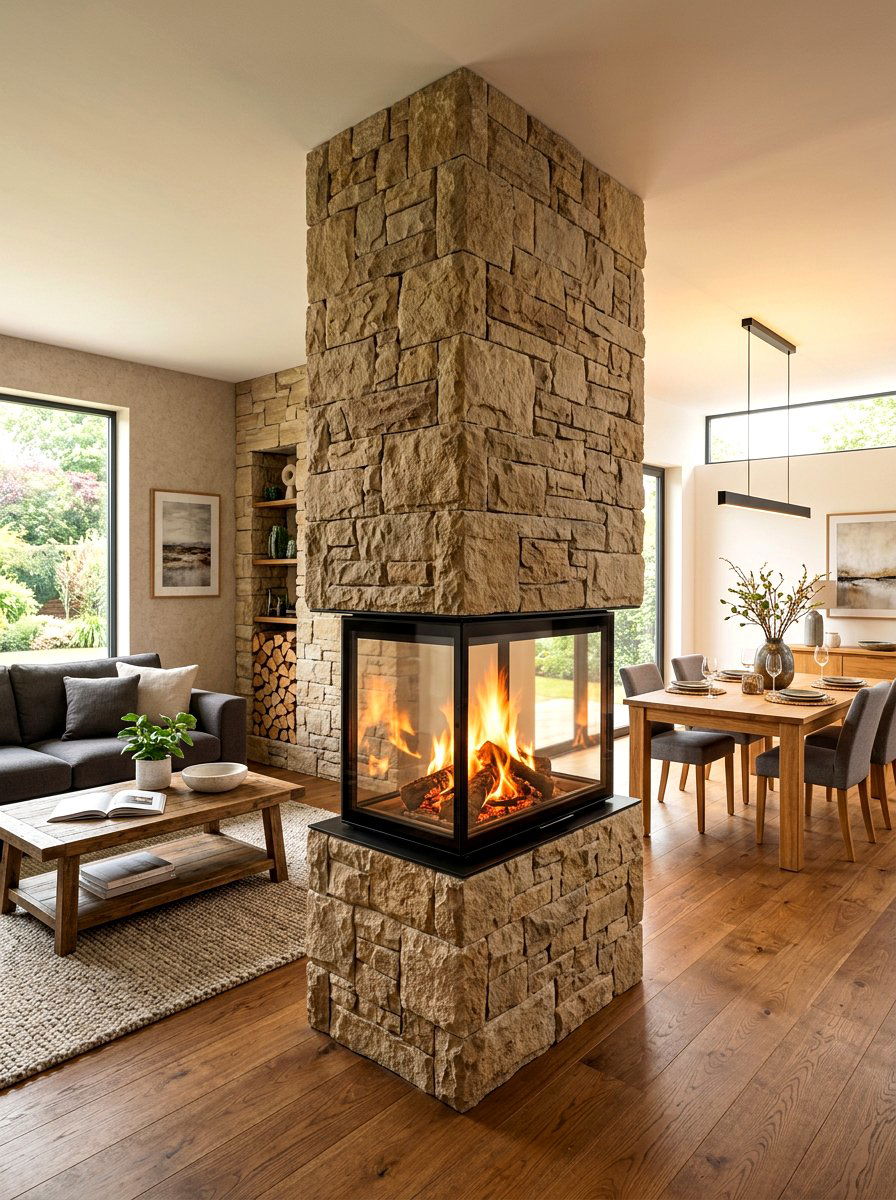
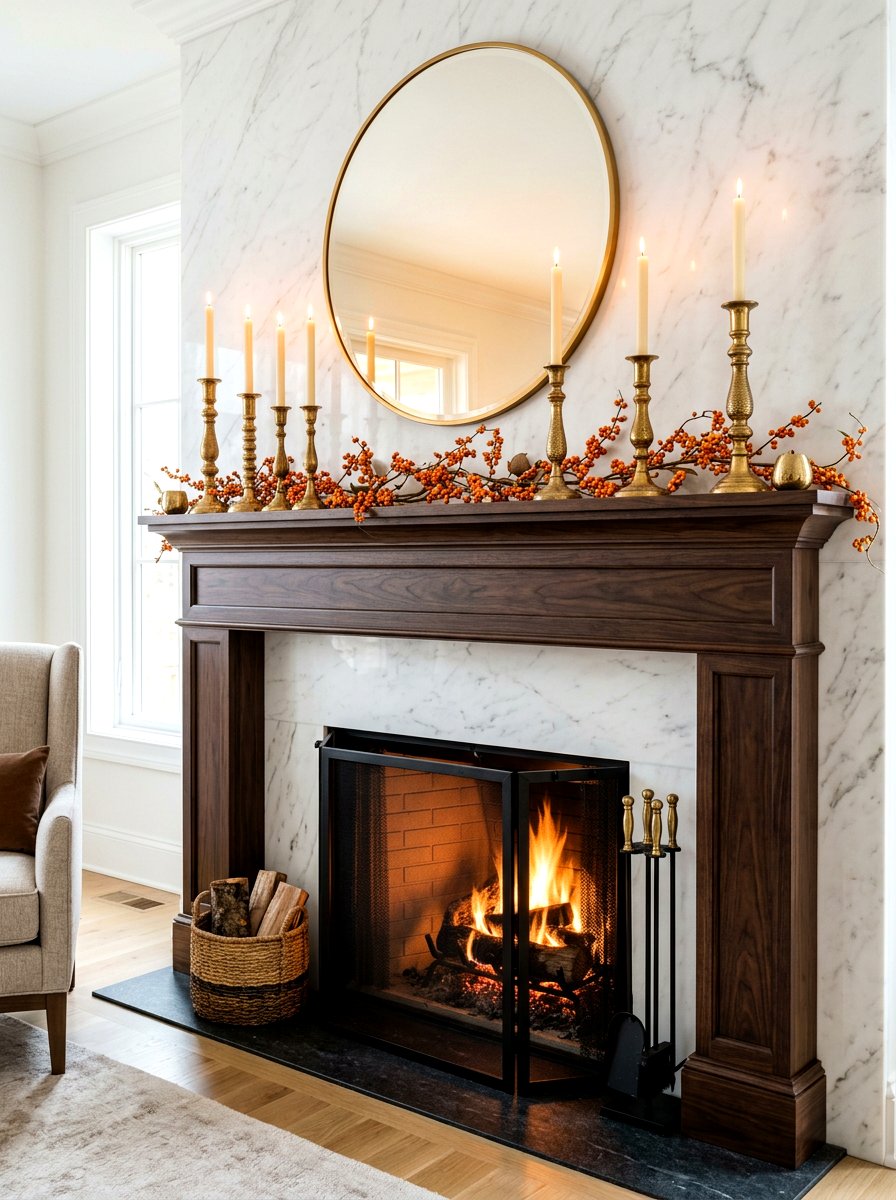
The fireplace often serves as the heart of a farmhouse living room, providing both a visual anchor and a source of literal warmth. You can design a stunning focal point by using a reclaimed wood mantle over a surround made of natural stone or classic white brick. Decorating the mantle with a mix of vintage mirrors, framed art, and seasonal greenery adds a personal touch that changes with the time of year. Arrange your seating in a semi-circle around the hearth to encourage conversation and make the fire the center of social gatherings. This classic arrangement creates a cozy and inviting atmosphere that epitomizes the farmhouse spirit.
12. Minimalist Farmhouse Living Room
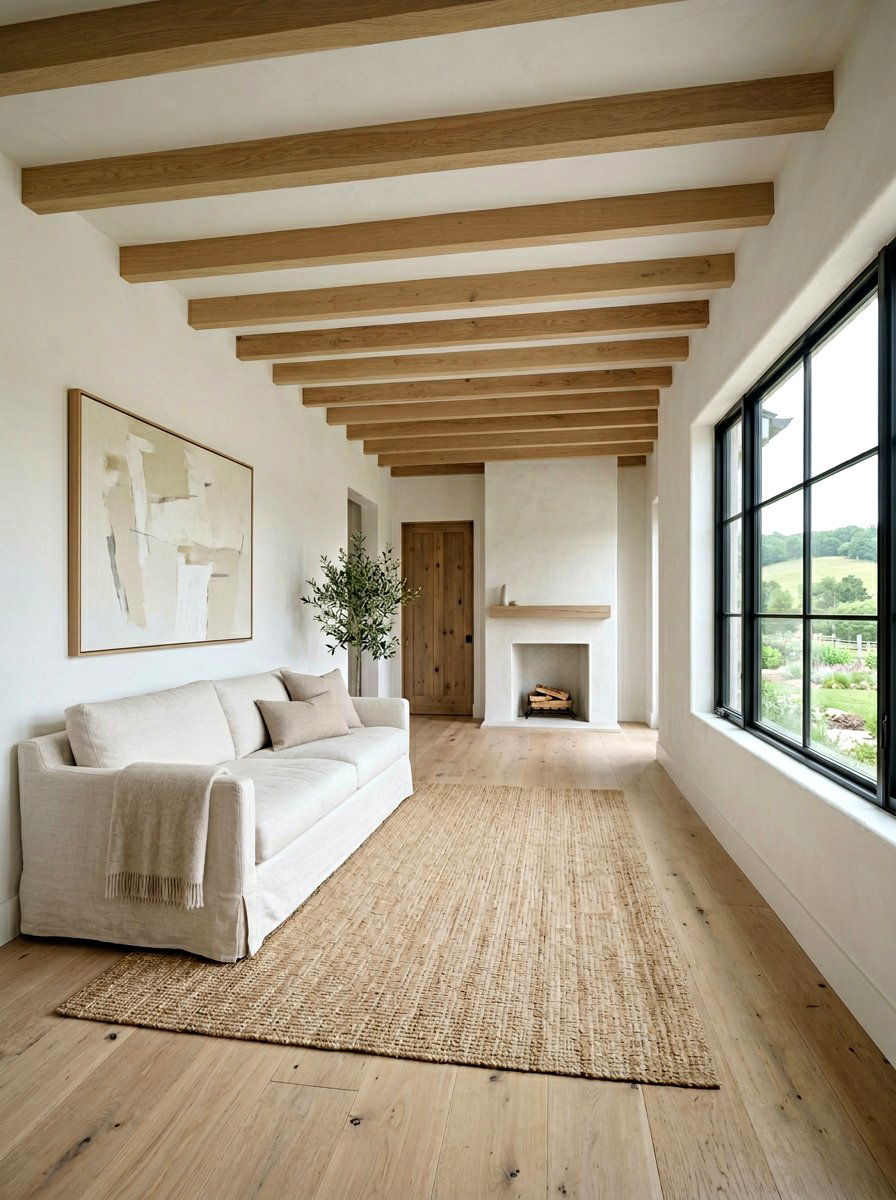
A minimalist farmhouse living room focuses on the philosophy of "less is more" by selecting only a few high-quality, meaningful pieces. You should prioritize clean lines and an uncluttered layout to ensure the room feels calm and intentional at all times. Use a very restricted color palette of soft whites and light wood tones to maintain a sense of serenity and space. Each piece of furniture should be both functional and beautiful, such as a simple slipcovered sofa or a handcrafted wooden bench. By removing unnecessary decor, you allow the natural textures and the quality of the materials to shine, resulting in a sophisticated and peaceful living environment.
13. Vintage Farmhouse Style
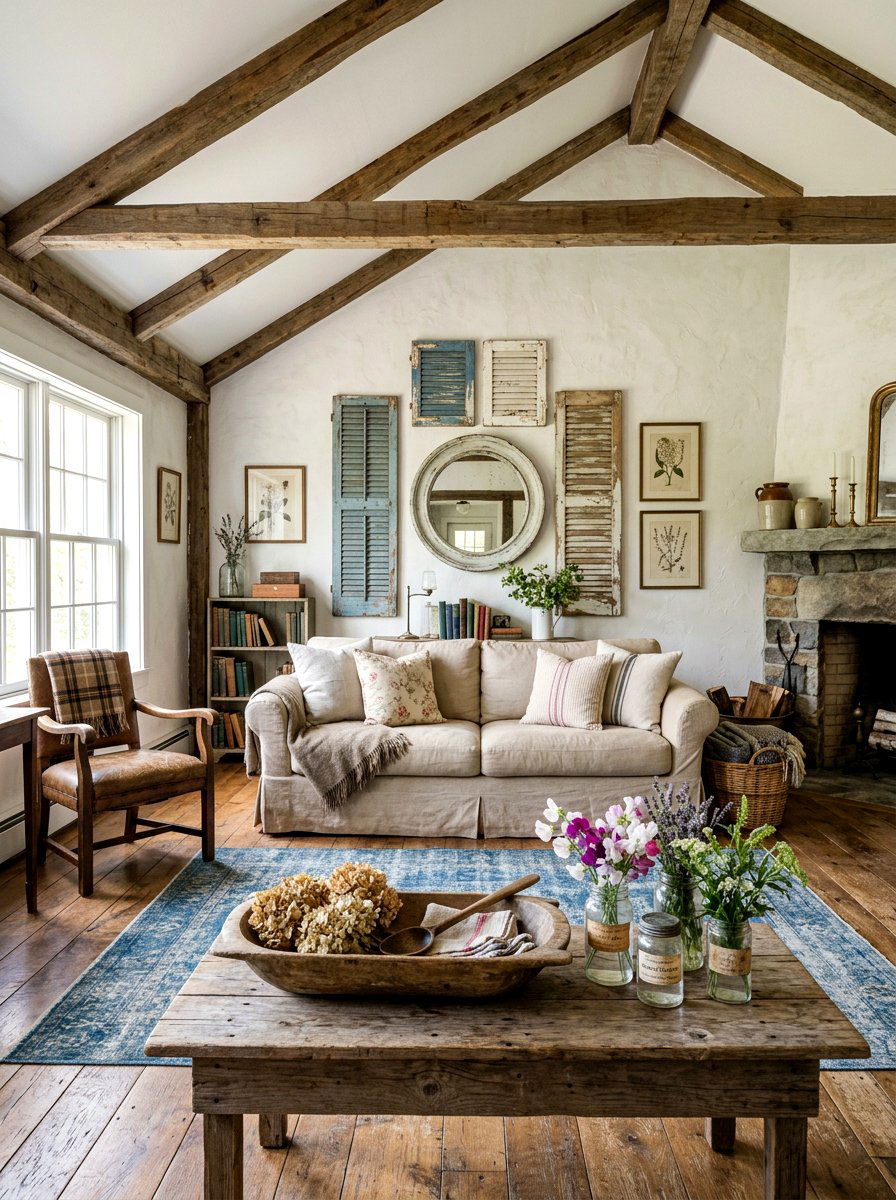
Vintage farmhouse style is all about embracing history by incorporating antique finds and heirloom pieces into a modern living space. You can scour flea markets for unique items like old shutters, galvanized buckets, or weathered signs to use as wall decor. Mixing these aged pieces with new, comfortable furniture creates a "collected over time" look that feels authentic rather than staged. Focus on a palette of muted, faded colors like sage green, dusty blue, and antique white to complement the aged patina of your vintage treasures. This approach results in a room that feels nostalgic and full of stories, making it a very welcoming place.
14. Open Concept Farmhouse
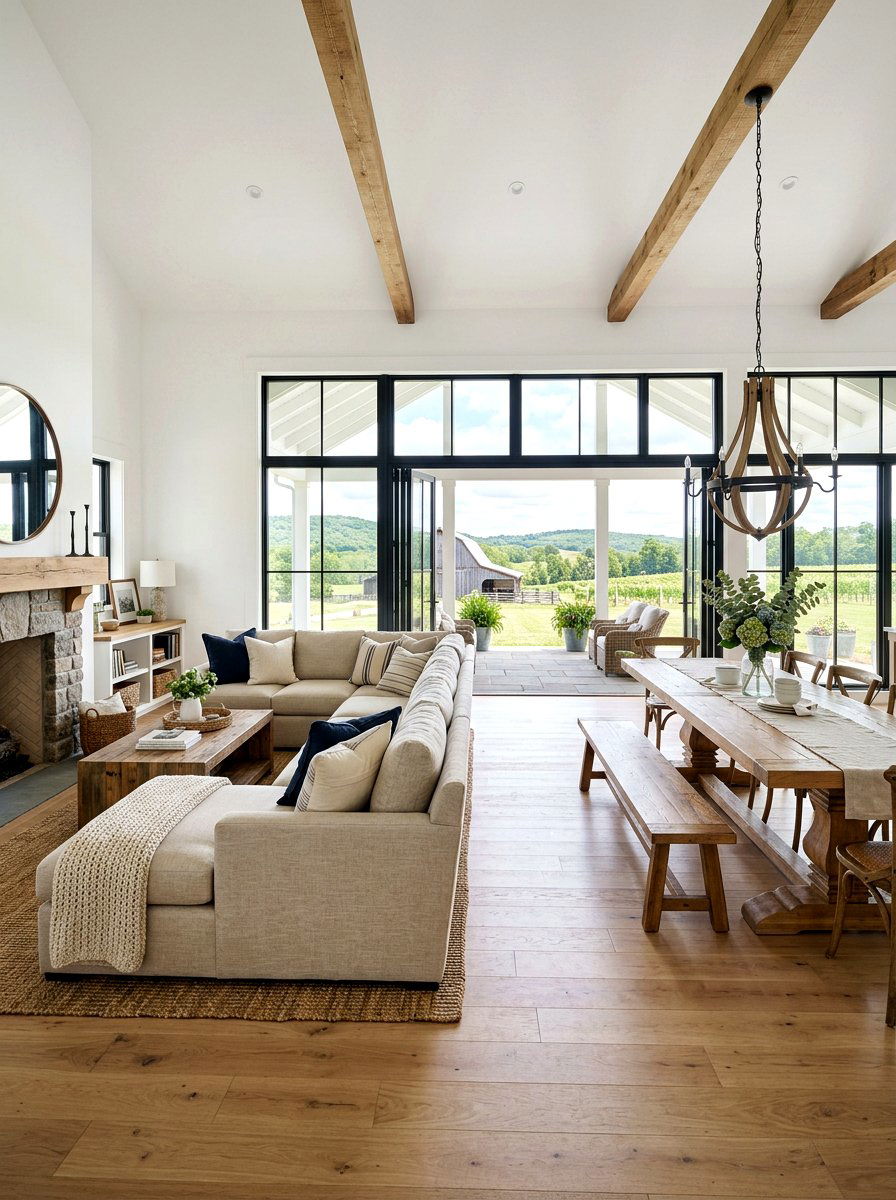
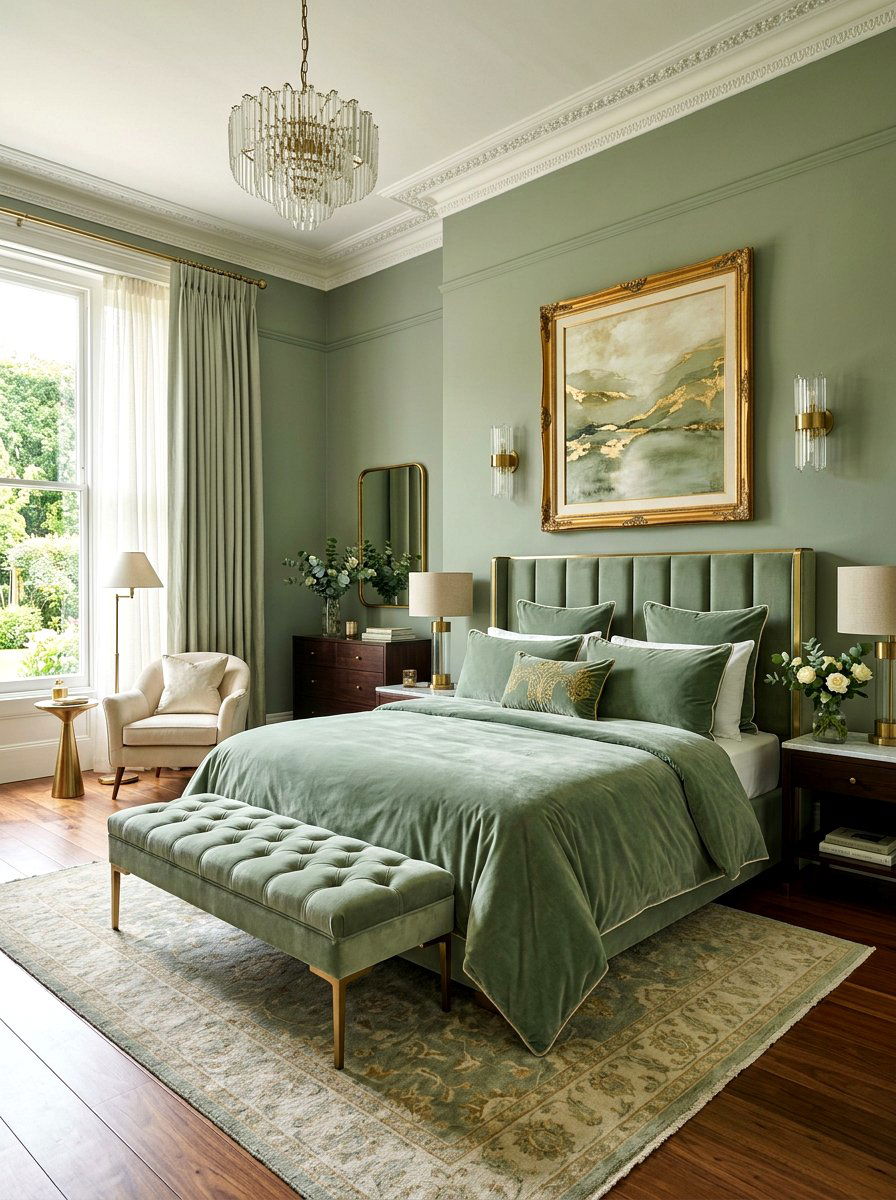
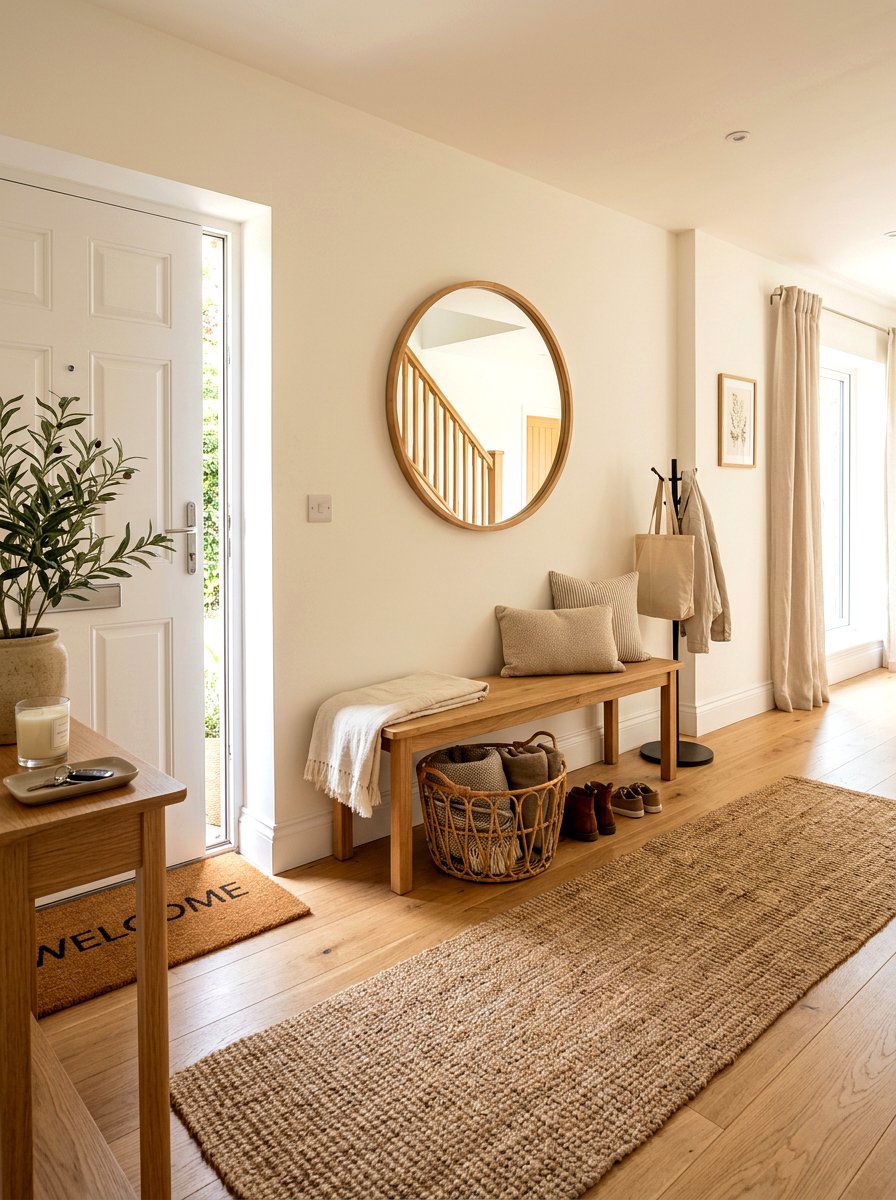
An open concept farmhouse layout is perfect for modern families who want a seamless flow between the living, dining, and kitchen areas. You can unify these different zones by using a consistent flooring material, such as wide-plank oak, and a cohesive neutral color palette throughout. Use architectural features like large wooden beams or area rugs to subtly define the living space without closing it off with walls. Large windows are essential in this design to pull in natural light and connect the interior with the surrounding landscape. This layout promotes a social atmosphere where everyone can stay connected while relaxing in a bright and airy environment.
15. Cozy Farmhouse Living Room
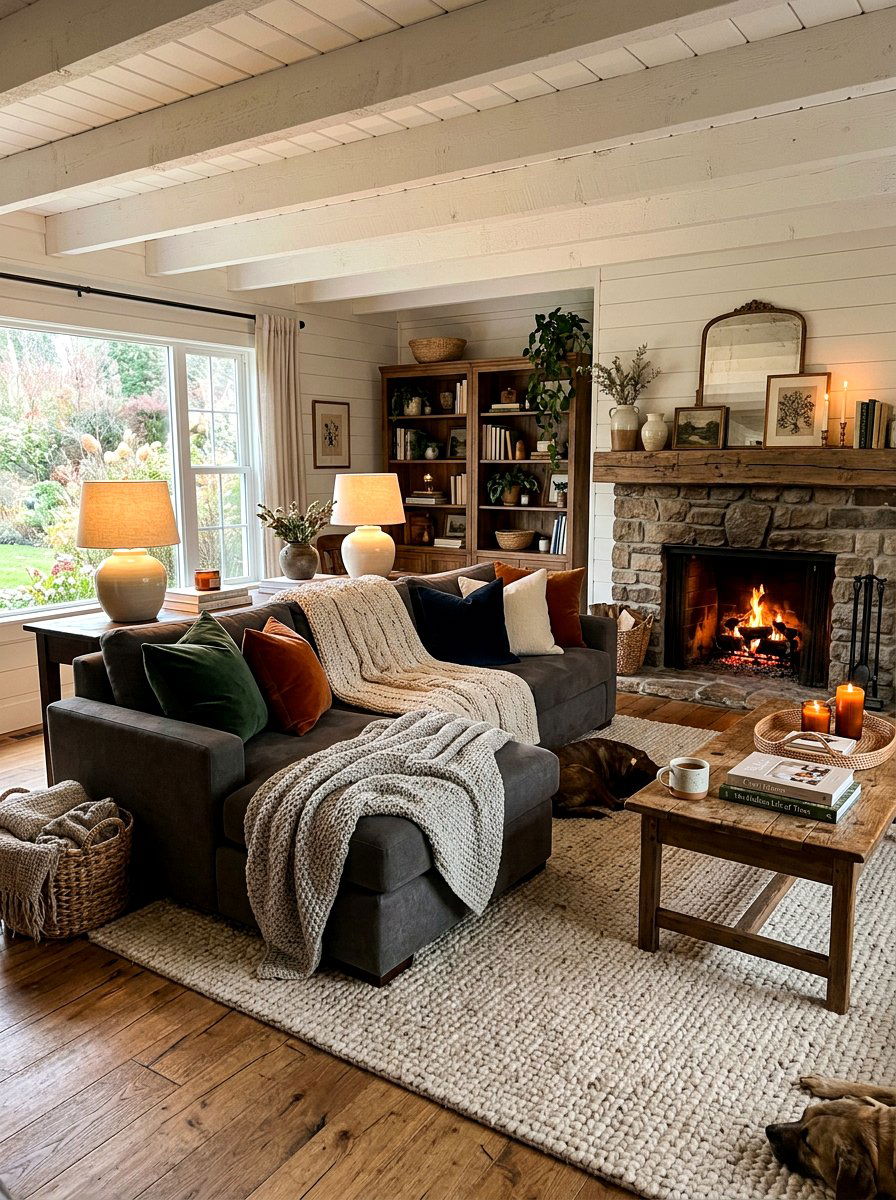
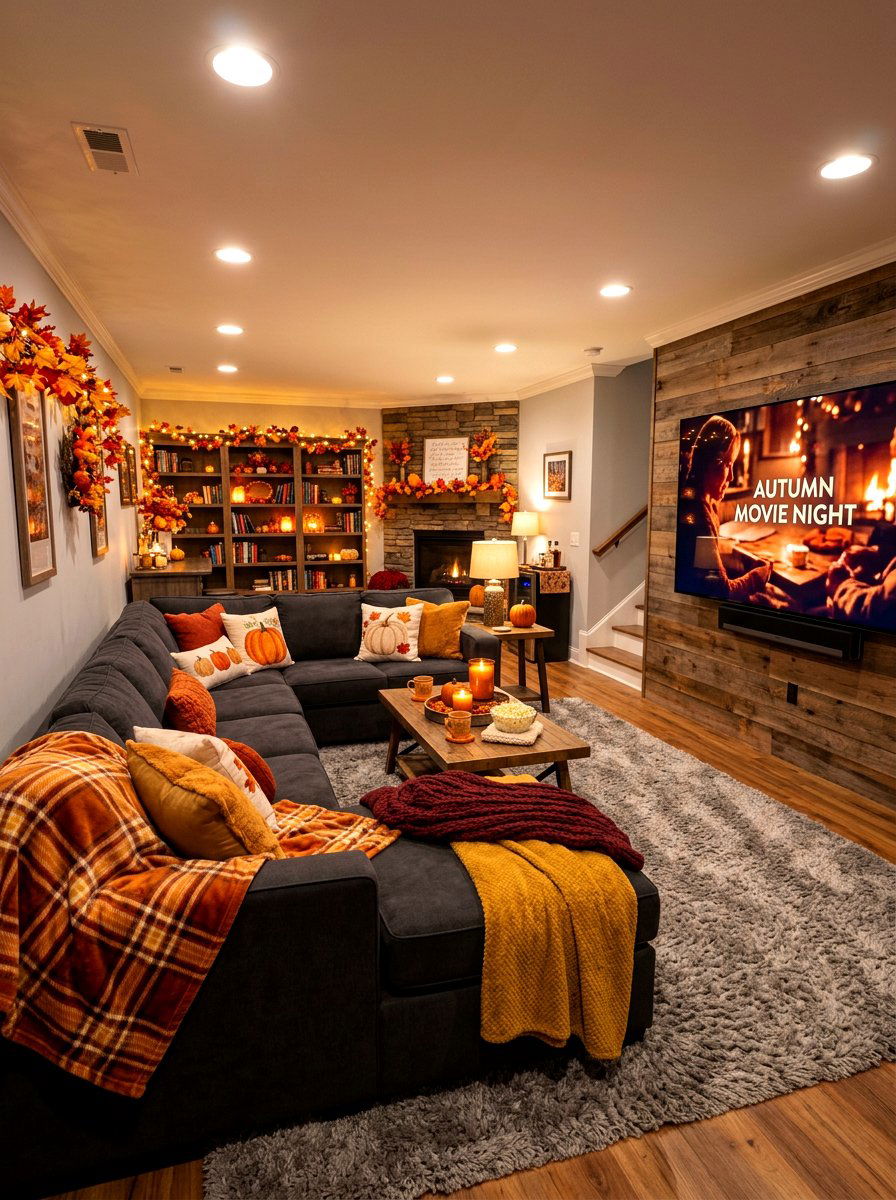
Creating a cozy farmhouse living room is all about maximizing comfort through the use of soft textiles and warm lighting. You should layer different fabrics like chunky knit throws, velvet pillows, and plush wool rugs to create a rich and inviting sensory experience. Choose a deep-seated sectional or a pair of oversized armchairs that invite you to sink in and stay for a while. Soft, ambient lighting from floor lamps and candles can replace harsh overhead lights to create a relaxing evening glow. This design focus ensures that your living area feels like a true sanctuary where you can fully unwind and enjoy the simple pleasures of home.
16. Scandinavian Farmhouse Living Room
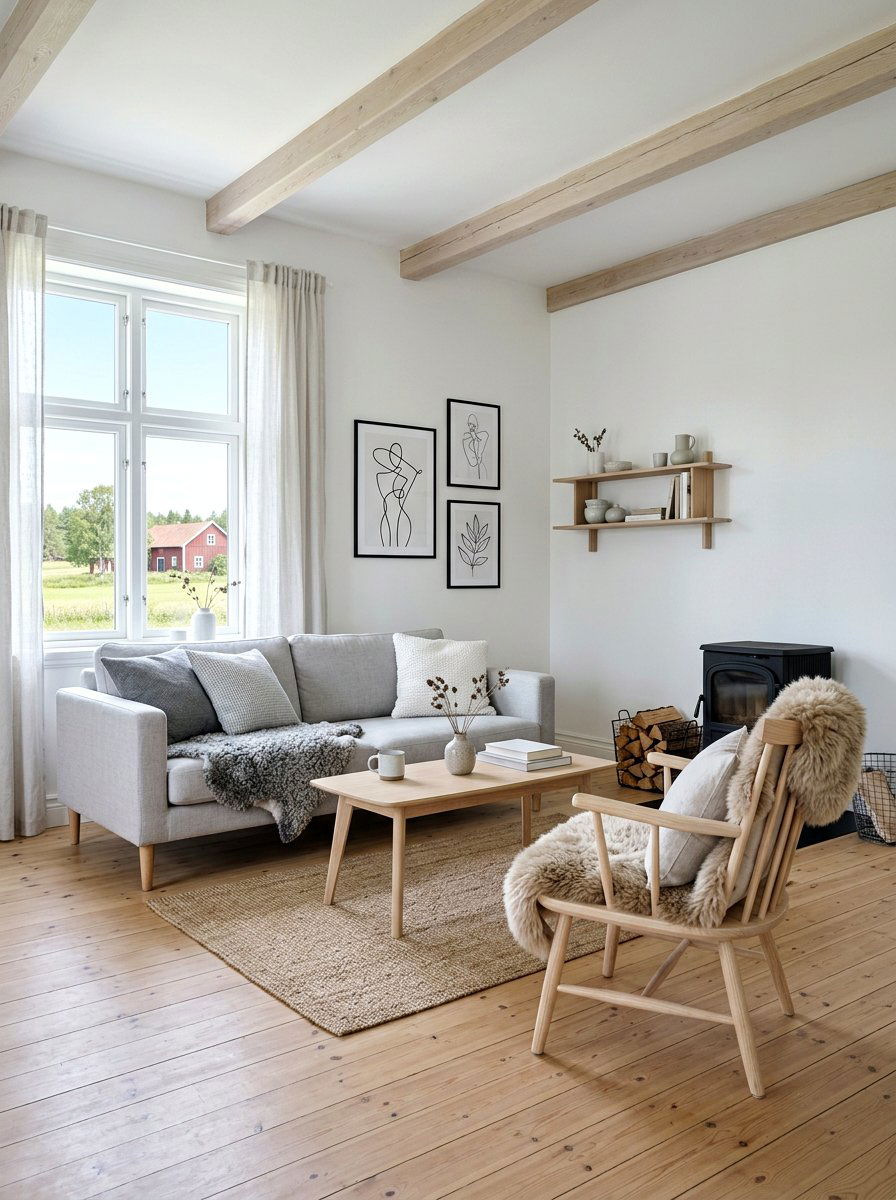
The Scandinavian farmhouse living room combines the warmth of country style with the functional simplicity of Northern European design. You can achieve this look by sticking to a palette of cool whites and light woods while focusing on a very clean and organized layout. Incorporate "hygge" elements like sheepskin rugs, simple wooden candle holders, and minimalist artwork to create a sense of snug comfort. The furniture should be streamlined with tapered legs and natural finishes to maintain a light and airy feel. This hybrid style is perfect for those who love the rustic charm of a farmhouse but prefer the modern clarity of a contemporary Scandinavian aesthetic.
17. Traditional Farmhouse Decor
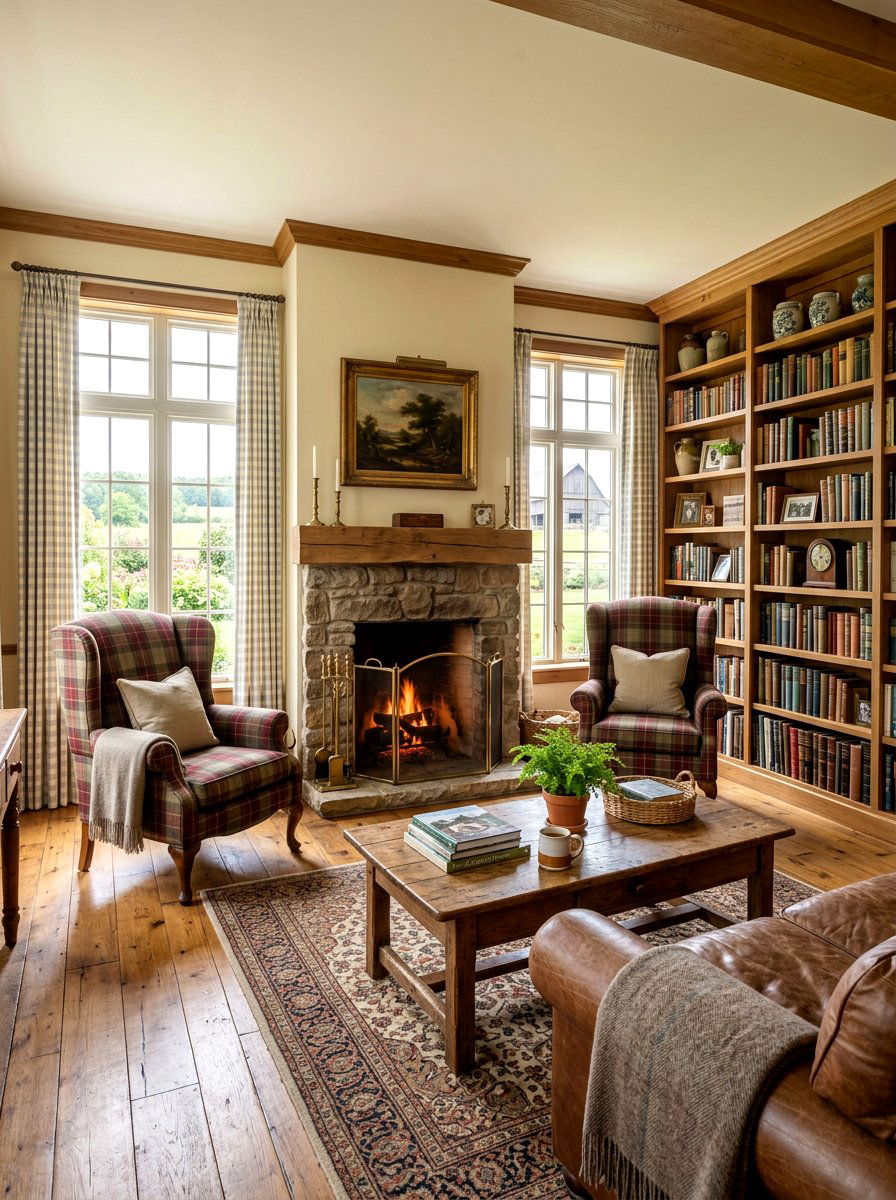
Traditional farmhouse decor leans into the classic elements of rural living, such as sturdy furniture and time-tested patterns. You can use fabrics like plaid, gingham, or floral prints to add a touch of heritage to your curtains and throw pillows. Look for furniture with classic silhouettes, such as a wingback chair or a farmhouse-style trestle table that can double as a desk. Incorporating built-in bookshelves filled with a mix of literature and ceramic pottery adds a layer of intellectual charm and functional storage. This style feels established and reliable, offering a sense of permanence and comfort that many people find deeply grounding in their daily lives.
18. Transitional Farmhouse Living Room
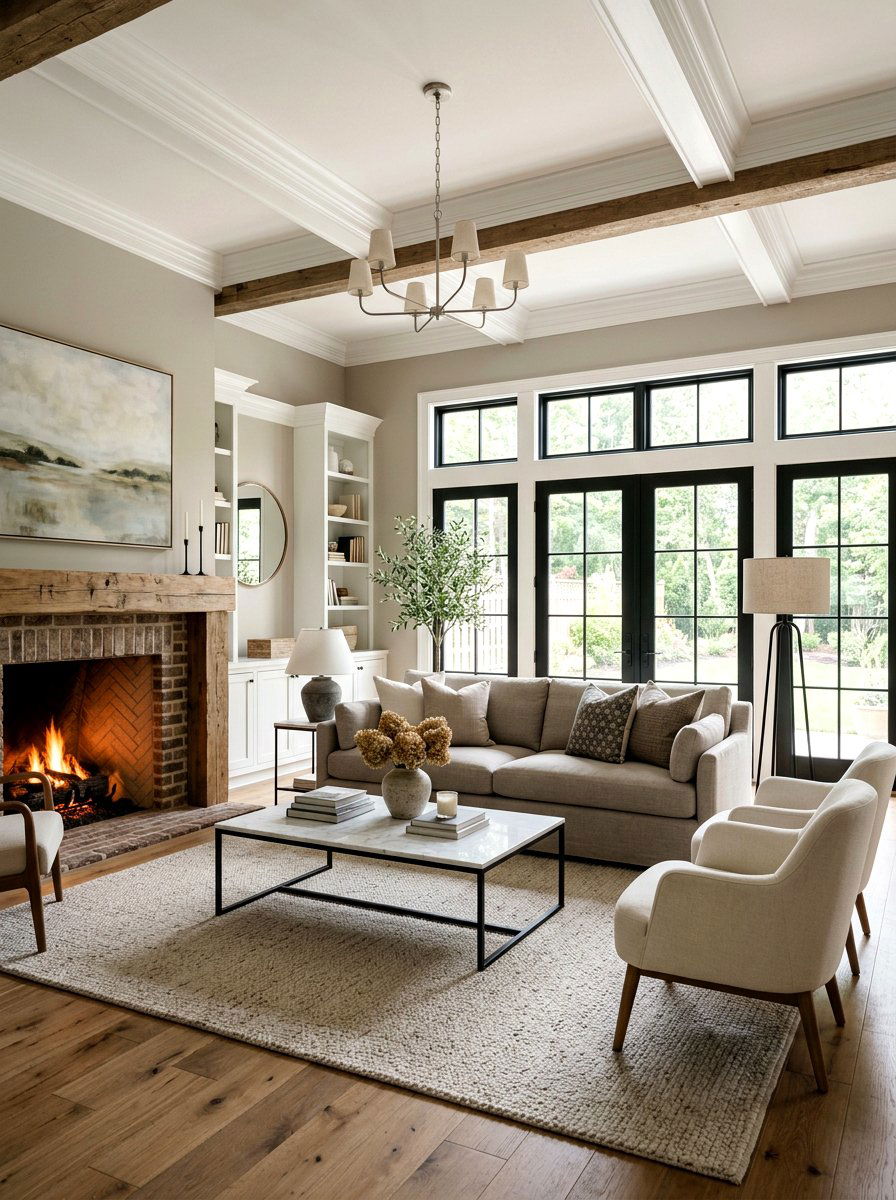
A transitional farmhouse living room offers a sophisticated blend of traditional comfort and modern sleekness that fits almost any home style. You can achieve this by pairing classic architectural details, like crown molding or board and batten, with contemporary furniture pieces. Use a neutral base of taupe or greige and add interest through subtle patterns in the upholstery and rugs. This approach allows you to update the look easily by swapping out smaller accessories like lamps and artwork as trends change over the years. The result is a balanced and timeless space that feels high-end and current without losing its essential farmhouse warmth and approachability.
19. Farmhouse Loft Living Room
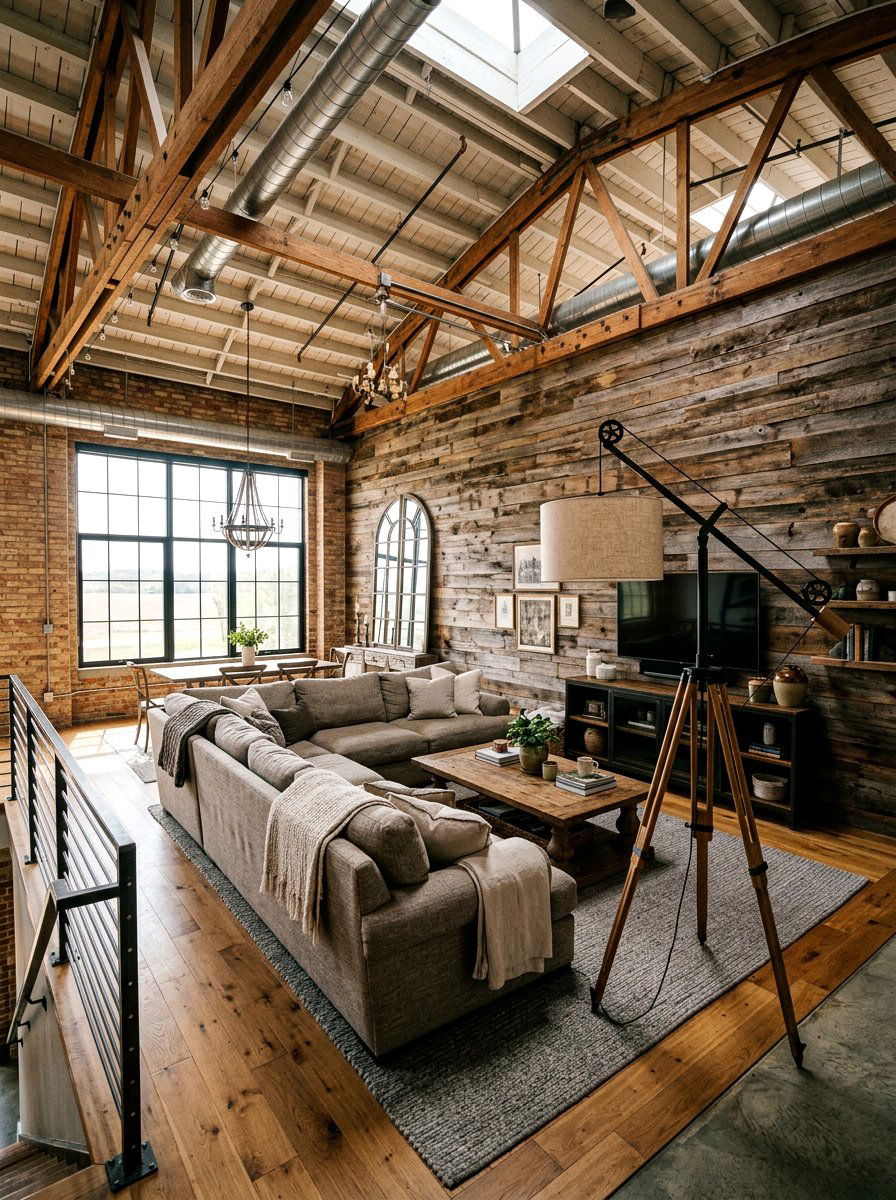
Designing a farmhouse loft living room involves bringing rustic elements into an urban, high-ceilinged space with industrial features. You can contrast cold surfaces like concrete floors or exposed ductwork with warm reclaimed wood furniture and oversized upholstered seating. Use large-scale art and tall floor lamps to fill the vertical space and make the room feel more intimate and inhabited. Adding a large area rug can help ground the seating area and provide a soft island of comfort in the middle of a spacious open floor plan. This combination of city living and country charm creates a unique and stylish environment that feels both sophisticated and very relaxed.
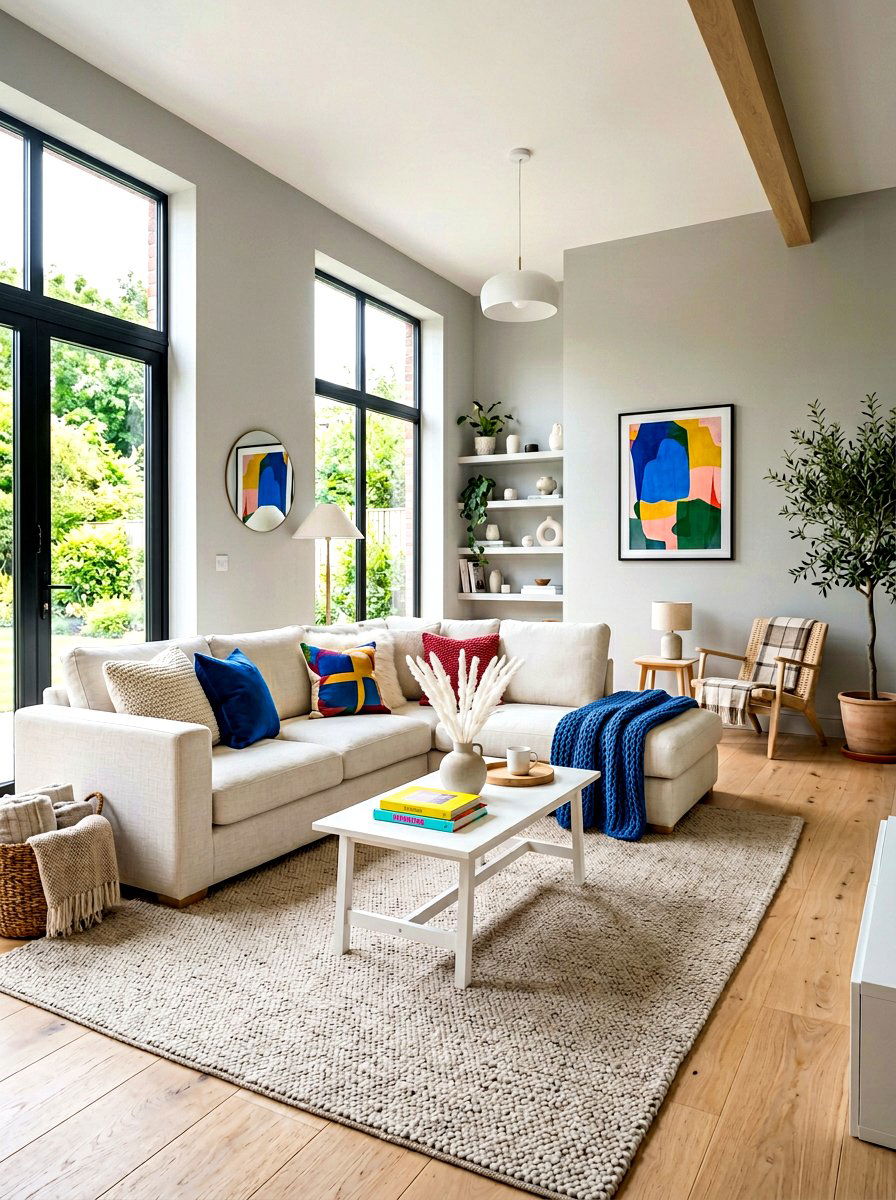
20. Dark Farmhouse Living Room
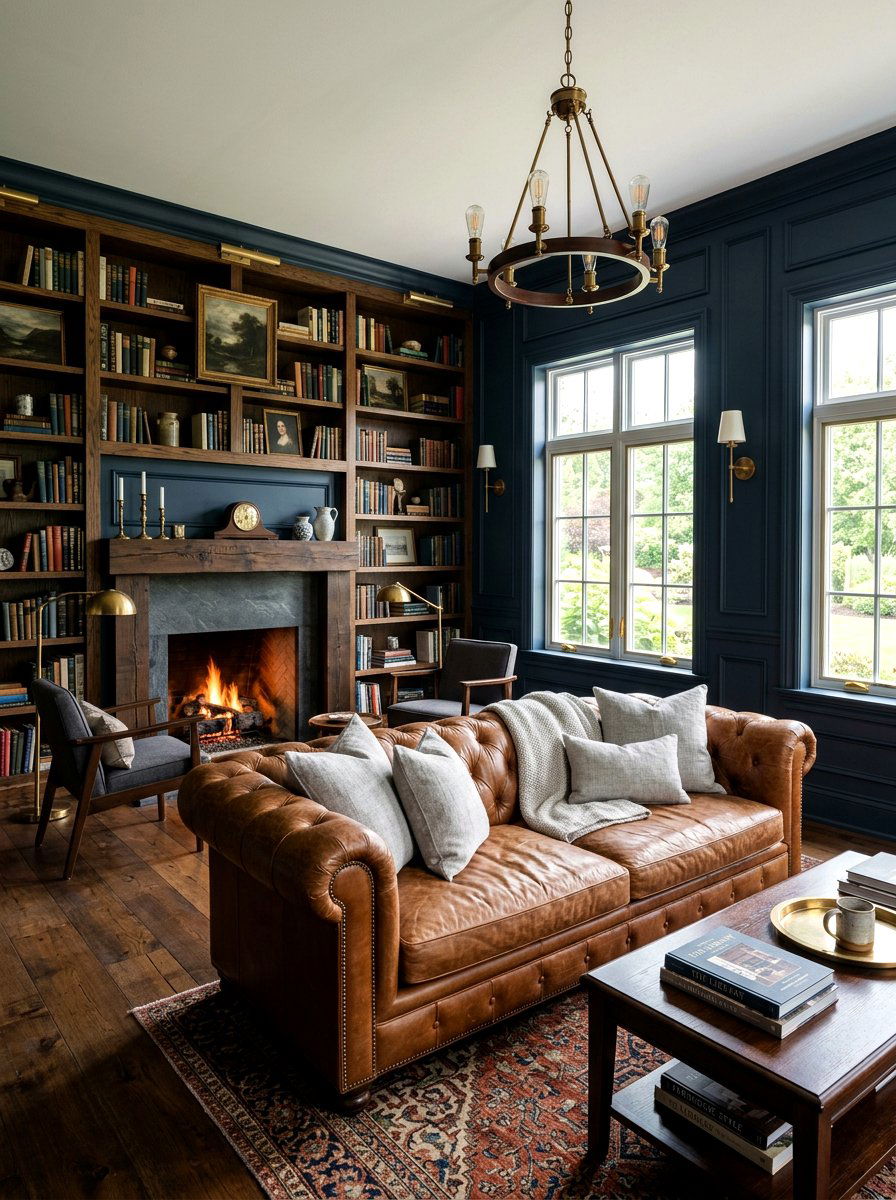
A dark farmhouse living room breaks away from the typical white palette to create a moody and sophisticated sanctuary. You can paint the walls in deep shades of charcoal, navy, or forest green to provide a dramatic backdrop for lighter wood accents. Use rich leather furniture and brass light fixtures to add a touch of luxury and warmth to the darker environment. Layering in plenty of light-colored textiles like cream-colored rugs and linen pillows ensures the space remains inviting rather than gloomy. This bold design choice creates a cozy, library-like atmosphere that is perfect for quiet evenings and intimate gatherings in a truly unique and stylish setting.
21. Country Style Living Room
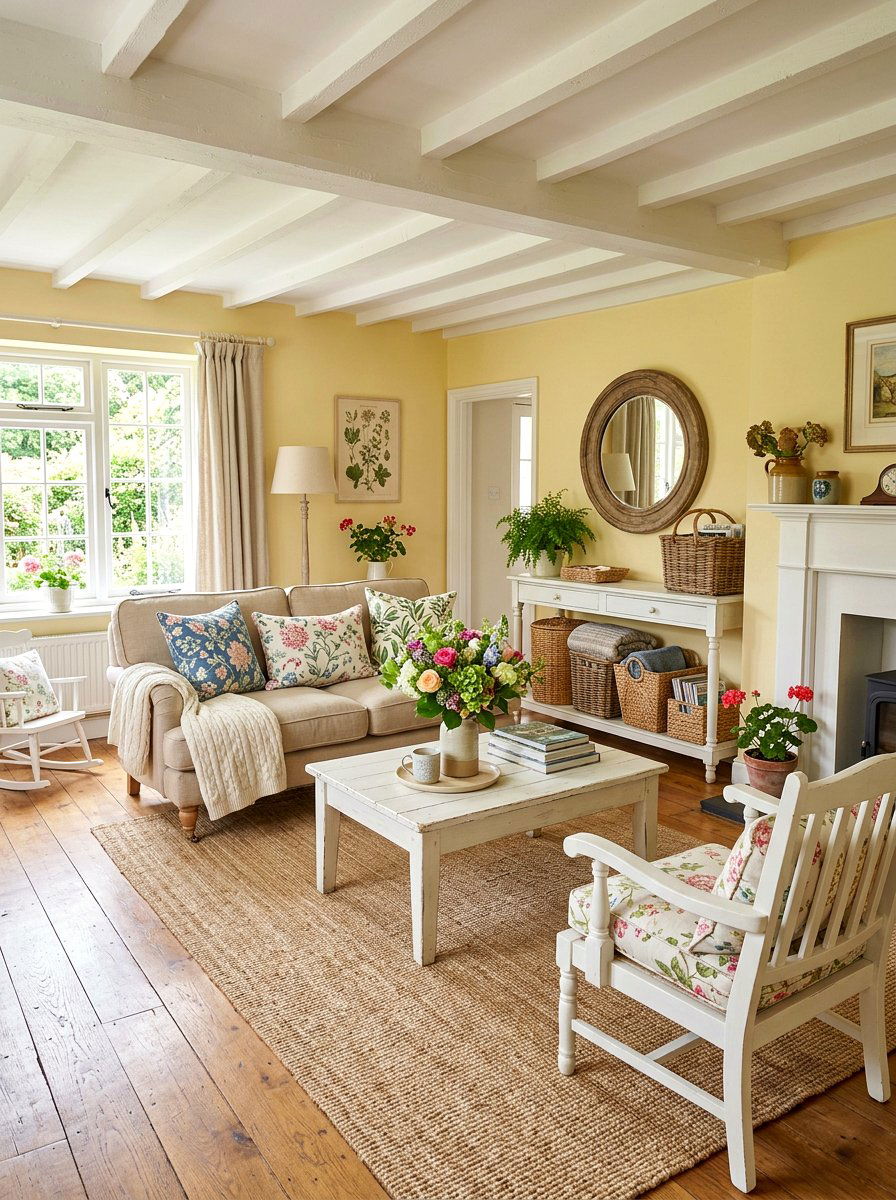
The country style living room focuses on a lived-in, friendly atmosphere that feels like it belongs in a quaint cottage. You can use soft, pastel colors like butter yellow or sky blue to create a cheerful and sunny environment. Incorporating floral patterns and lace details adds a touch of feminine charm and vintage elegance to the overall design. Use plenty of baskets for storage and display fresh wildflowers in simple glass vases to bring the beauty of the outdoors inside. This style is all about celebrating the simple joys of rural life, making it a perfect choice for creating a home that feels incredibly warm and welcoming to everyone.
22. Earth Tone Farmhouse
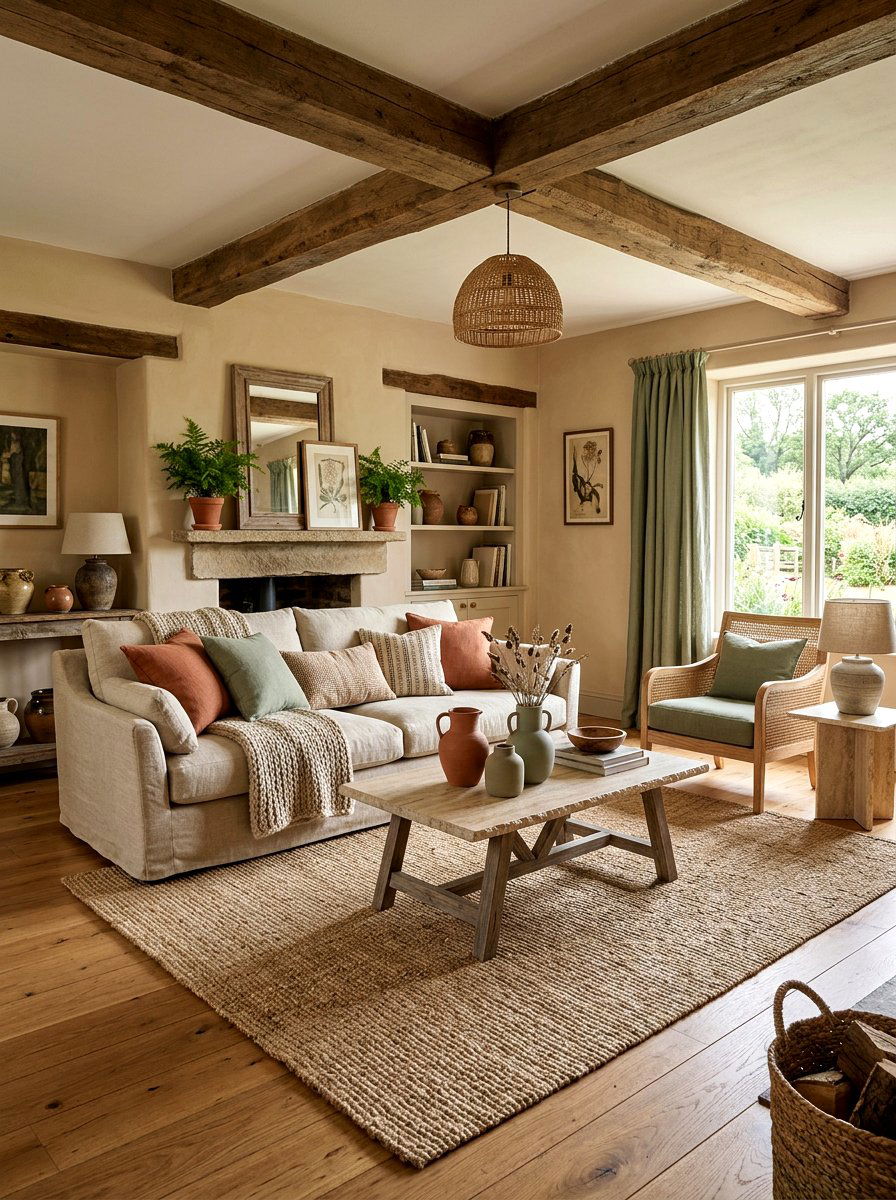
An earth tone farmhouse relies on colors pulled directly from the natural landscape to create a grounded and serene environment. You should look for shades of terracotta, sage green, and warm clay to use on your walls and accent pieces. These colors pair beautifully with natural wood finishes and stone elements, reinforcing the connection between the home and the earth. Use organic materials like jute, hemp, and linen for your rugs and furniture to maintain a consistent tactile experience. This palette creates a calm and stable atmosphere that feels very modern yet deeply connected to traditional rustic roots, providing a perfect backdrop for a balanced lifestyle.
23. Farmhouse Sunroom Living Room
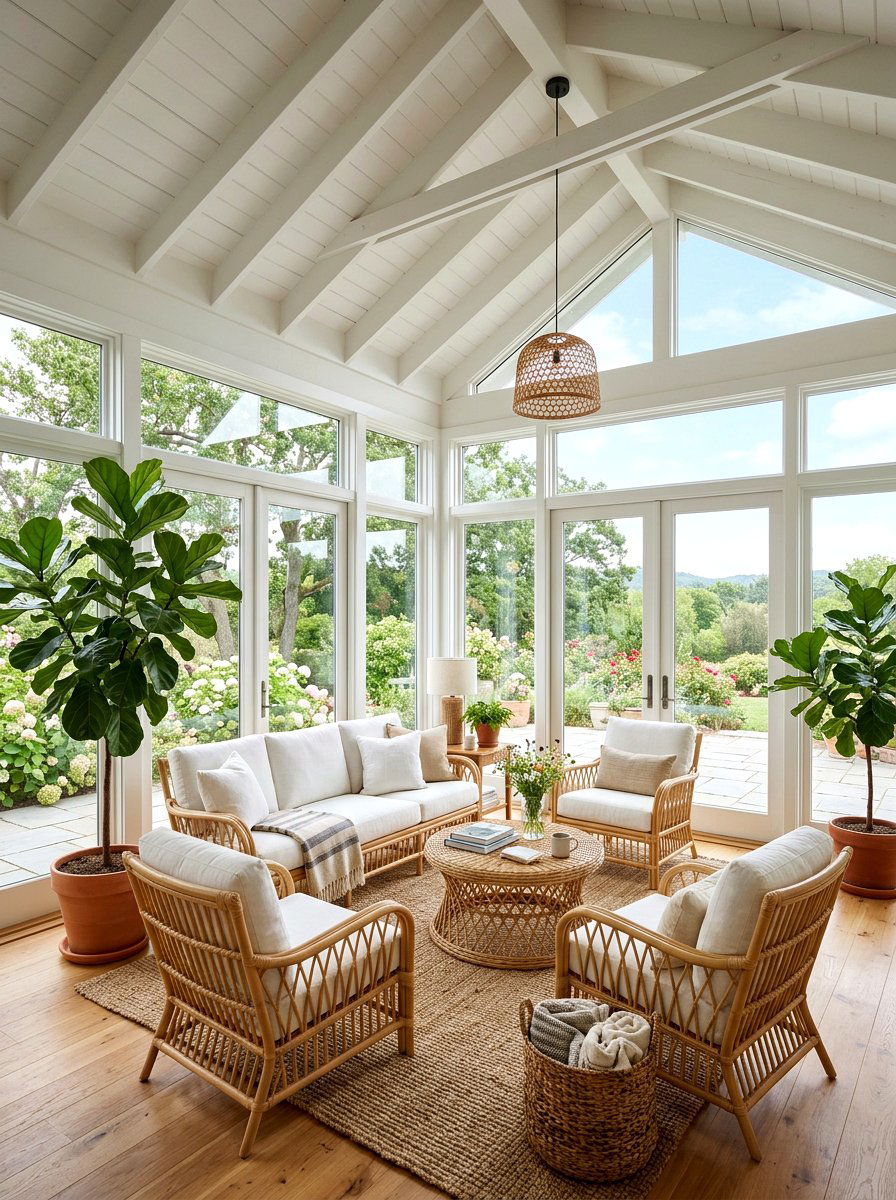
A farmhouse sunroom living room serves as a bright and airy transition between the interior of the home and the garden. You can maximize the natural light by using large windows and keeping window treatments minimal or non-existent. Choose furniture that is both durable and comfortable, such as high-quality wicker or light-colored wood frames with outdoor-grade cushions. Incorporating a variety of indoor trees and potted herbs can make the space feel like an extension of the outdoors all year round. This room is ideal for morning coffee or afternoon reading, offering a peaceful and light-filled retreat that celebrates nature in a very comfortable and stylish setting.
24. Luxury Farmhouse Interior
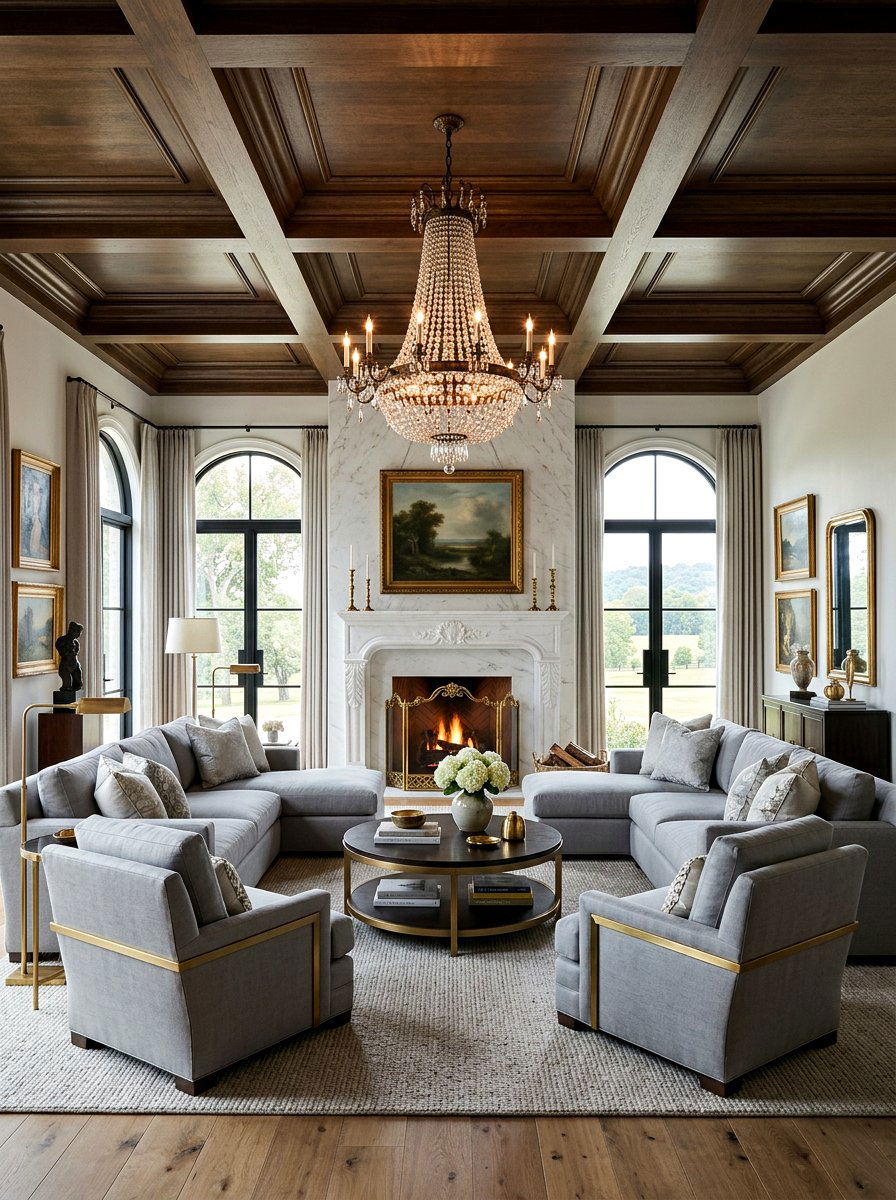
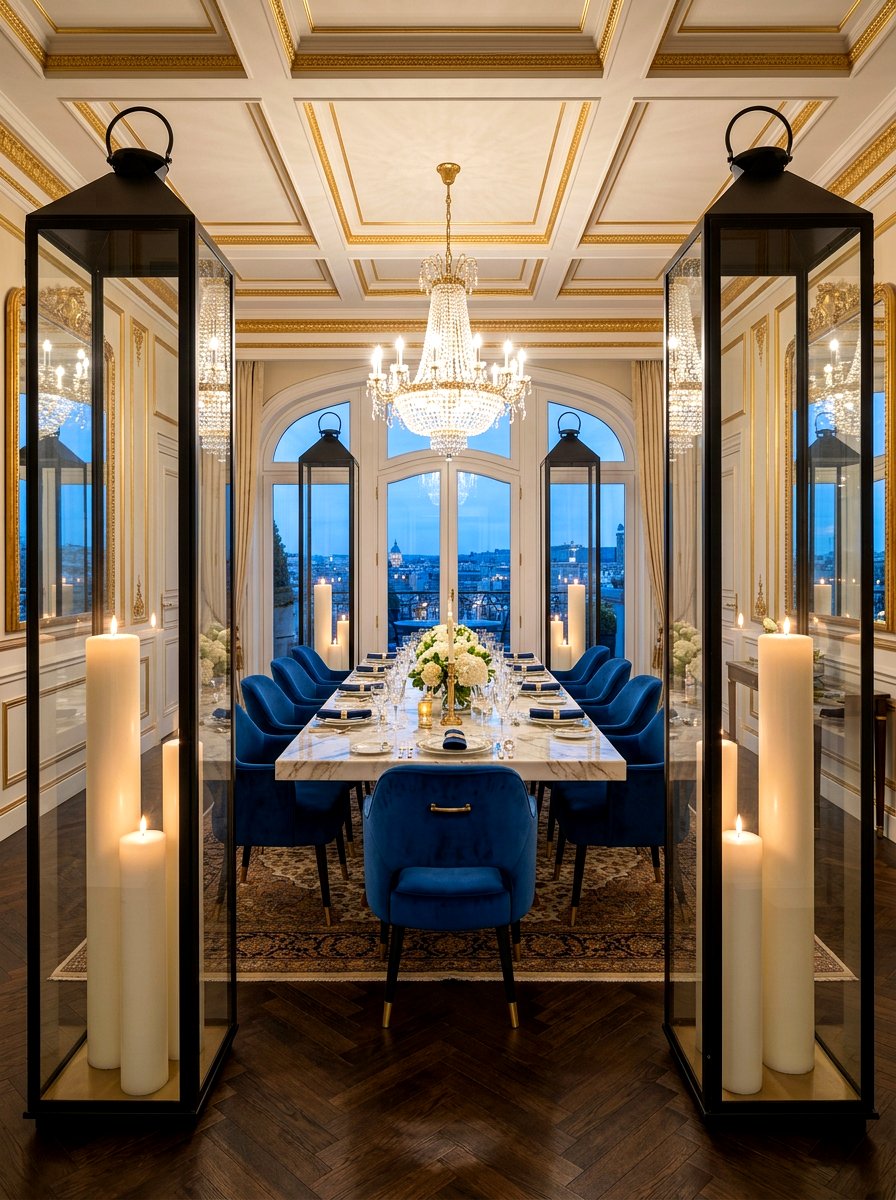
A luxury farmhouse interior takes the core elements of rustic design and elevates them with high-end materials and sophisticated finishes. You can use marble for the fireplace surround and choose lighting fixtures made of fine metals like polished brass or hand-blown glass. Opt for high-quality fabrics such as silk-blend linens or buttery soft leathers for your primary seating pieces. Incorporating custom cabinetry and architectural details like coffered ceilings adds a layer of craftsmanship that feels both grand and personal. This approach creates a space that is incredibly comfortable yet refined, proving that the farmhouse aesthetic can be just as elegant as any traditional high-end design style.
25. Cottagecore Farmhouse Style
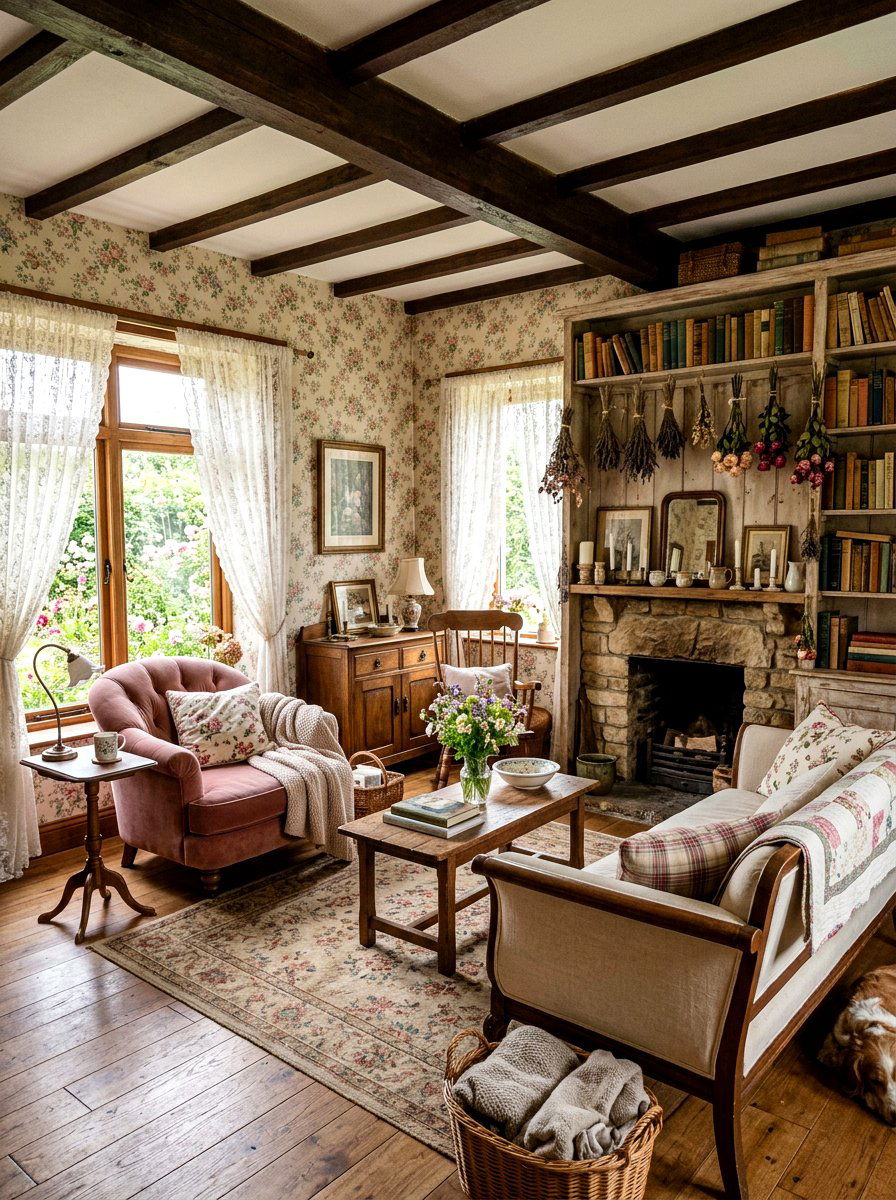
Cottagecore farmhouse style leans into a romanticized version of rural life, focusing on whimsy and old-fashioned charm. You can achieve this by using a lot of vintage-inspired patterns, such as delicate toile or ditsy florals, for your curtains and upholstery. Incorporate "clutter-core" elements by displaying collections of antique teacups, vintage books, and dried flower arrangements on open shelving. Soft, rounded furniture and plenty of layered textiles make the space feel safe and tucked away from the modern world. This style is perfect for those who want their living room to feel like a storybook retreat, full of personality and a sense of magical, timeless comfort.
26. Urban Farmhouse Living Room
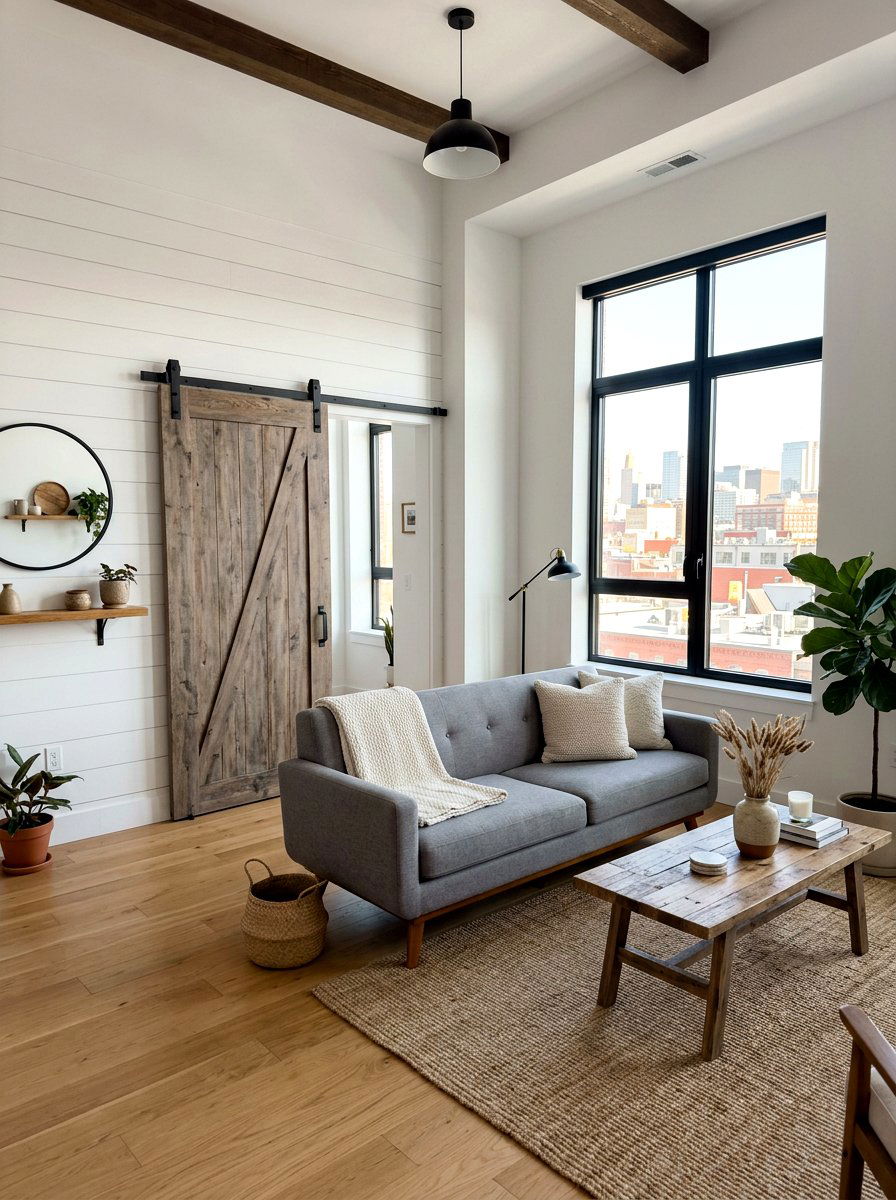
The urban farmhouse living room brings the warmth of the countryside into a modern city apartment or townhouse. You can achieve this by selecting streamlined, space-efficient furniture that features rustic textures like reclaimed wood or distressed metal. Use a neutral color palette with plenty of white to help the apartment feel larger and more connected to natural light. Adding a few key farmhouse elements, such as a sliding barn door or a shiplap accent wall, can instantly transform a standard urban layout into a cozy retreat. This style allows city dwellers to enjoy the relaxing vibes of country living without sacrificing the convenience of their modern metropolitan lifestyle.
27. Eclectic Farmhouse Living Room
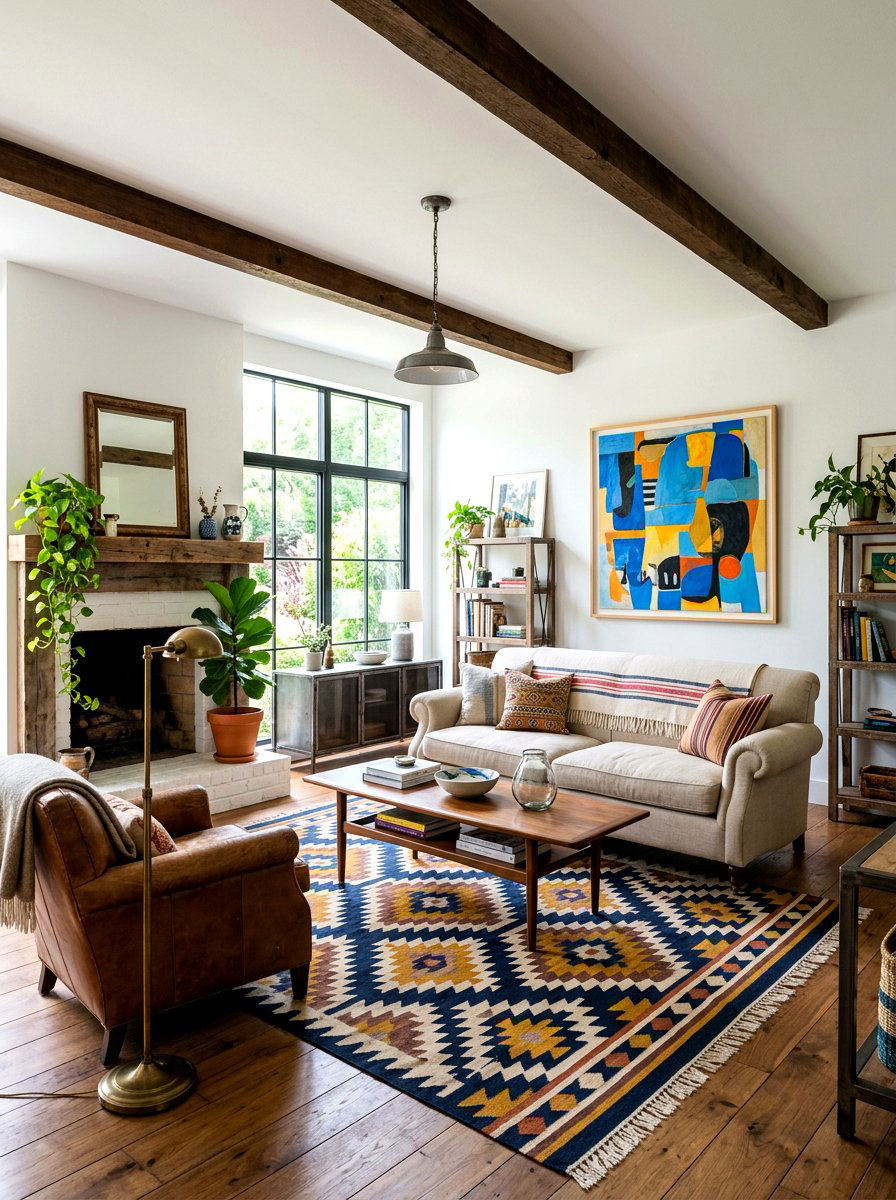
An eclectic farmhouse living room allows for a playful mix of different eras and styles, resulting in a space that is truly one-of-a-kind. You can combine traditional farmhouse basics, like a slipcovered sofa, with mid-century modern coffee tables or bold, abstract artwork. Use a common color or texture to tie these disparate pieces together, such as a shared wood tone or a consistent use of black metal accents. This approach encourages creativity and allows your personal history and varied tastes to shine through in your home decor. The result is a vibrant and interesting space that feels curated rather than matched, offering endless visual appeal for guests.
28. Farmhouse Reading Nook
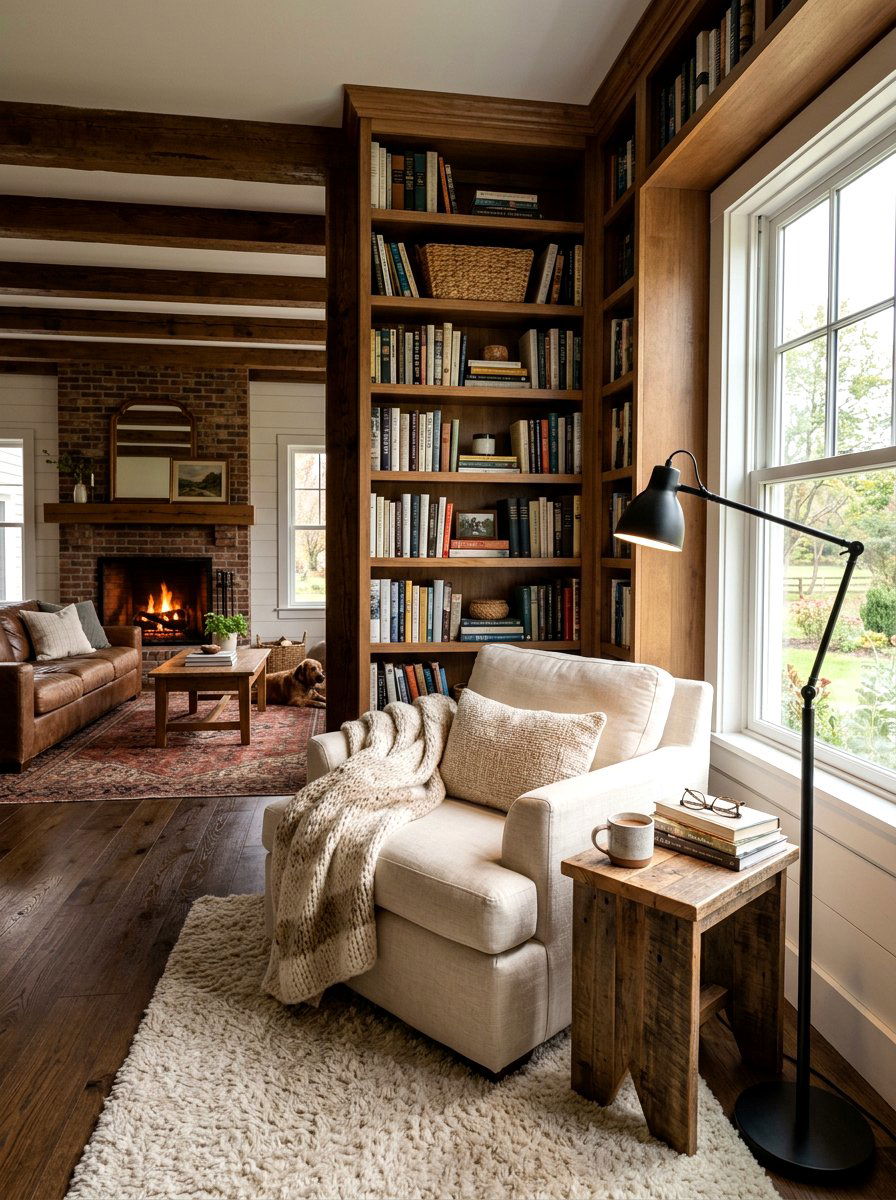
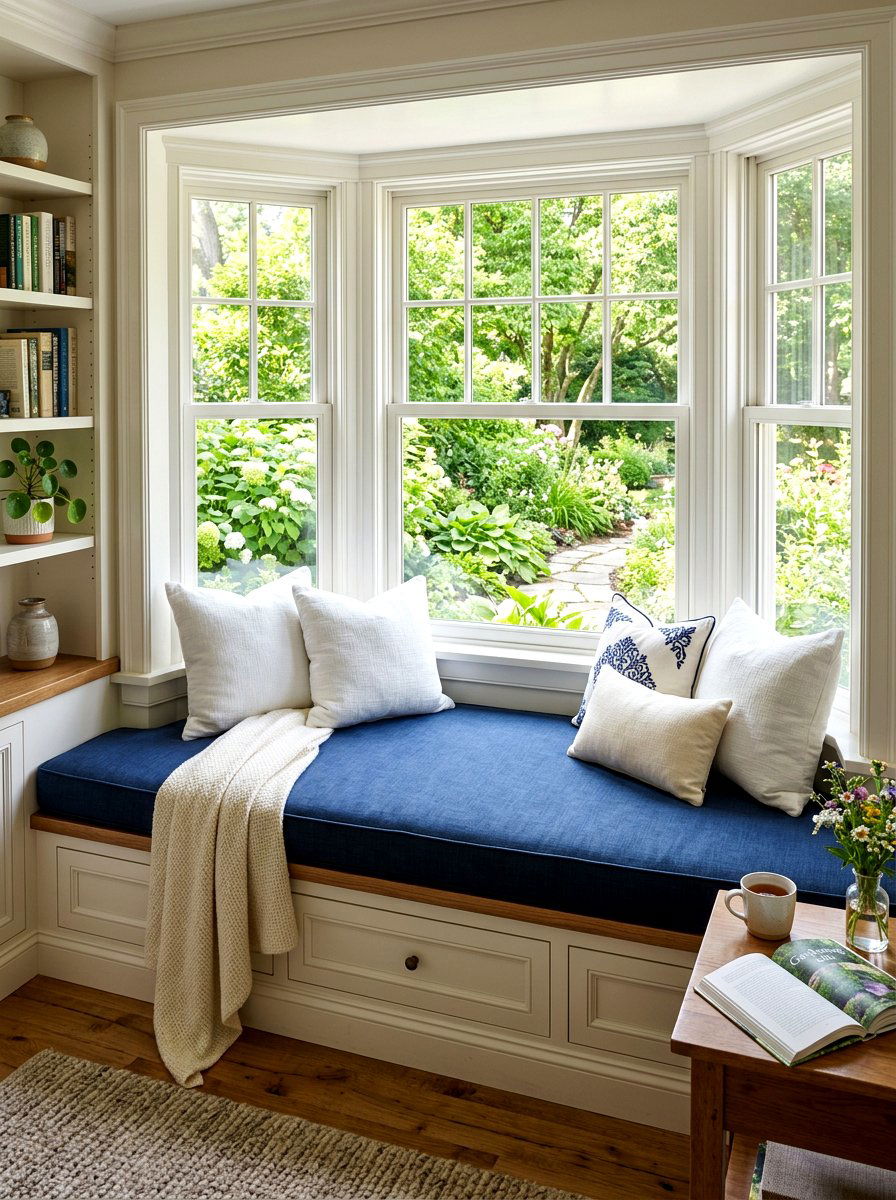
Incorporating a dedicated farmhouse reading nook within your living room provides a quiet corner for relaxation and personal reflection. You can create this space by placing a comfortable, oversized armchair next to a large window or a built-in bookshelf. Use a small side table for your coffee and a high-quality floor lamp with an adjustable arm for evening reading sessions. Adding a soft throw blanket and a plush rug underfoot helps to define the zone and make it feel extra cozy. This little sanctuary within the larger room encourages a slower pace of life and adds a layer of functional charm to your overall farmhouse living design.
29. High Ceiling Farmhouse
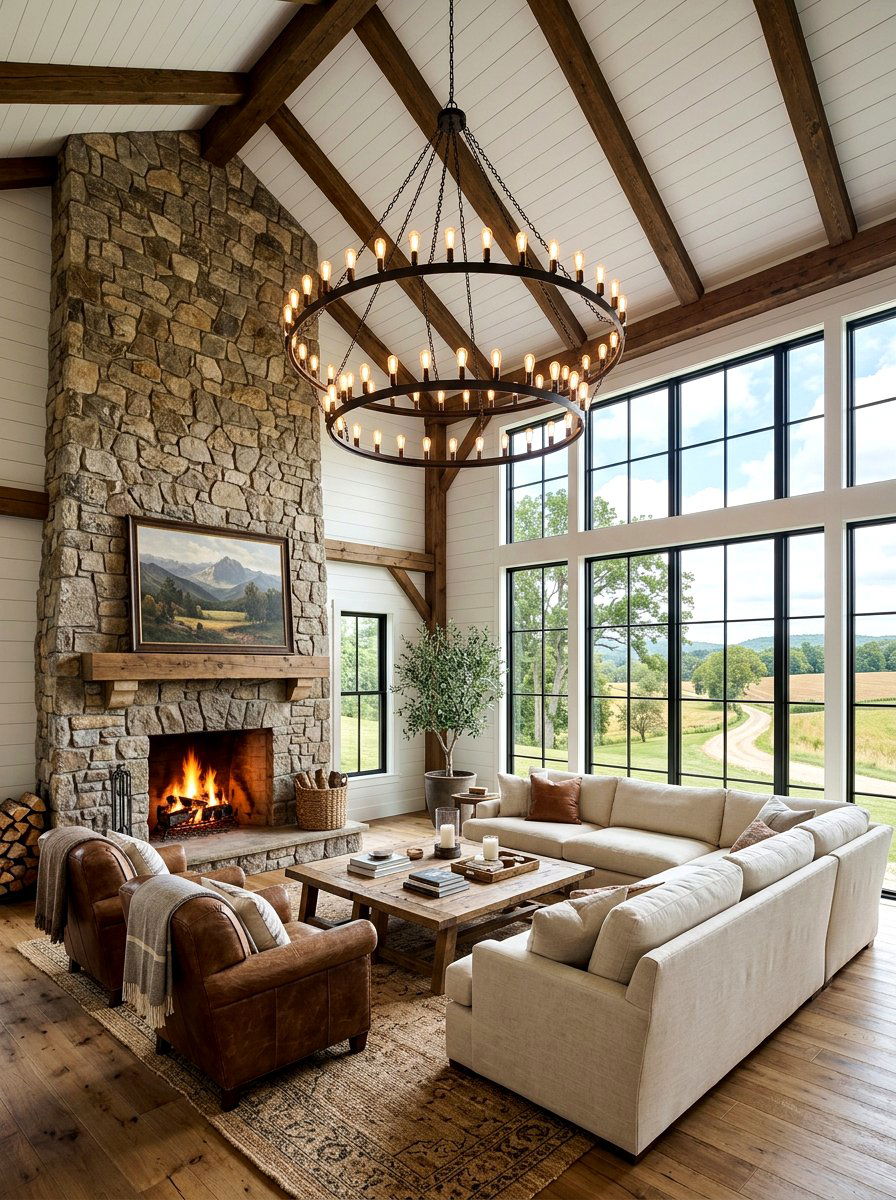
A high ceiling farmhouse takes advantage of vertical space to create a room that feels majestic and incredibly open. You can emphasize the height by using tall windows that reach toward the ceiling and hanging a dramatic, oversized chandelier as a central focal point. Using vertical shiplap or tall stone fireplace surrounds can draw the eye upward, highlighting the impressive architectural scale of the room. Balance this height with grounded, comfortable furniture and large area rugs to ensure the space remains cozy and human-scaled. This layout is perfect for hosting large gatherings, as it provides a sense of grandeur and plenty of breathing room for all your guests.
30. Brick Wall Farmhouse
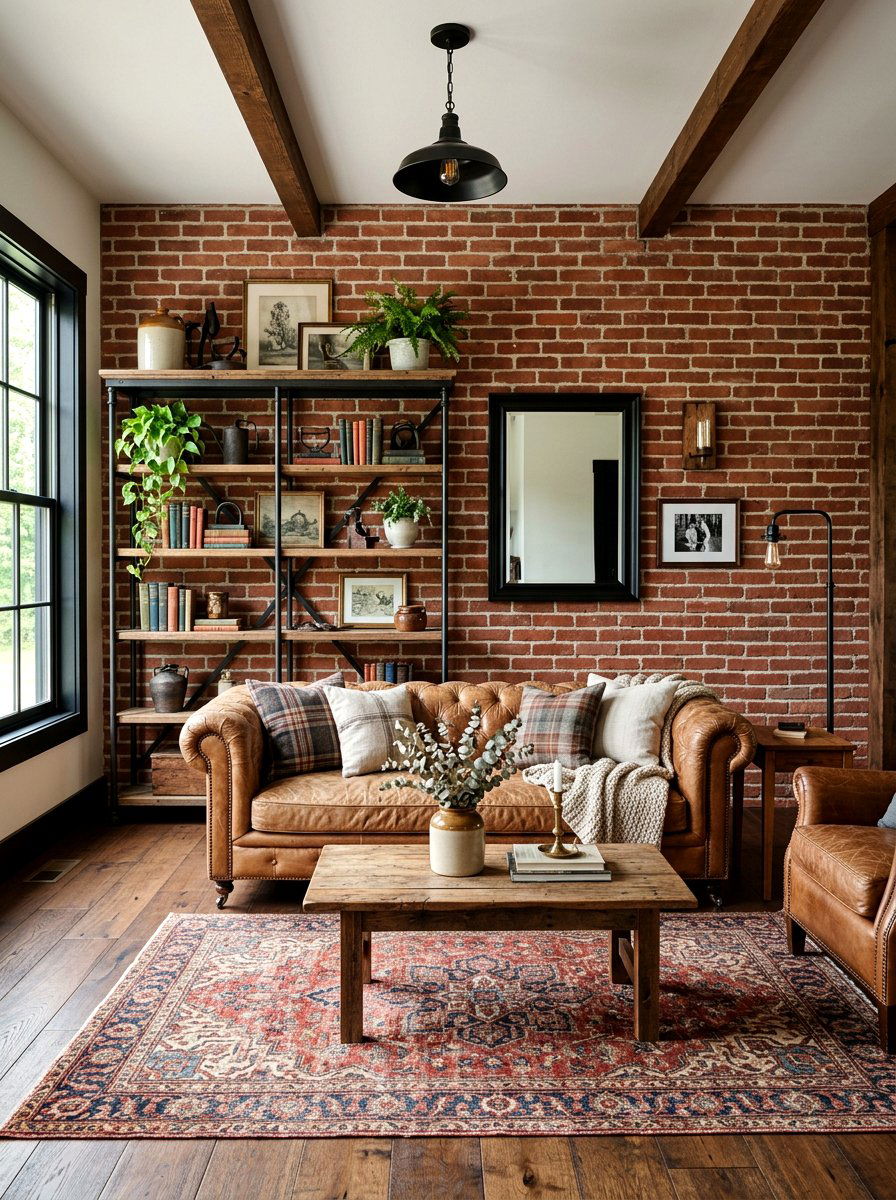
A brick wall farmhouse living room adds a layer of historical texture and warmth that is hard to replicate with other materials. You can leave the brick in its natural red or brown state for a rugged, industrial-leaning look, or paint it white for a softer, more traditional feel. The irregular surface of the brick provides a beautiful backdrop for simple wooden shelves or framed vintage maps. Pair this textured wall treatment with soft leather sofas and iron accents to create a balanced and grounded aesthetic. This design element gives the room a sense of permanence and architectural depth that makes it feel like an authentic, time-worn country home.
Conclusion:
The enduring popularity of farmhouse living room design lies in its unique ability to combine timeless rustic charm with modern-day practicality and comfort. By exploring these thirty diverse ideas, you can see how the style adapts to everything from small city apartments to large luxury estates. Whether you prefer the clean lines of a modern farmhouse or the whimsical details of cottagecore, the core principles remain the same: prioritizing natural materials, neutral palettes, and a welcoming atmosphere. Creating a space that reflects your personality while offering a peaceful retreat from the world is the ultimate goal of any home design project.

Related posts: