Creating a kitchen that feels like a bustling European flower market is a wonderful way to bring life, color, and a sense of freshness into your daily routine. This specific aesthetic blends the rustic charm of a farmhouse with the vibrant, organic beauty of a greenhouse, making it a perfect choice for those who love nature. Imagine walking into a space filled with the scent of lilies and lavender every morning while you brew your coffee. By focusing on botanical elements, vintage containers, and soft textures, you can transform your cooking area into a serene sanctuary that celebrates the timeless beauty of seasonal blooms and natural light.
1. Vintage French Flower Market
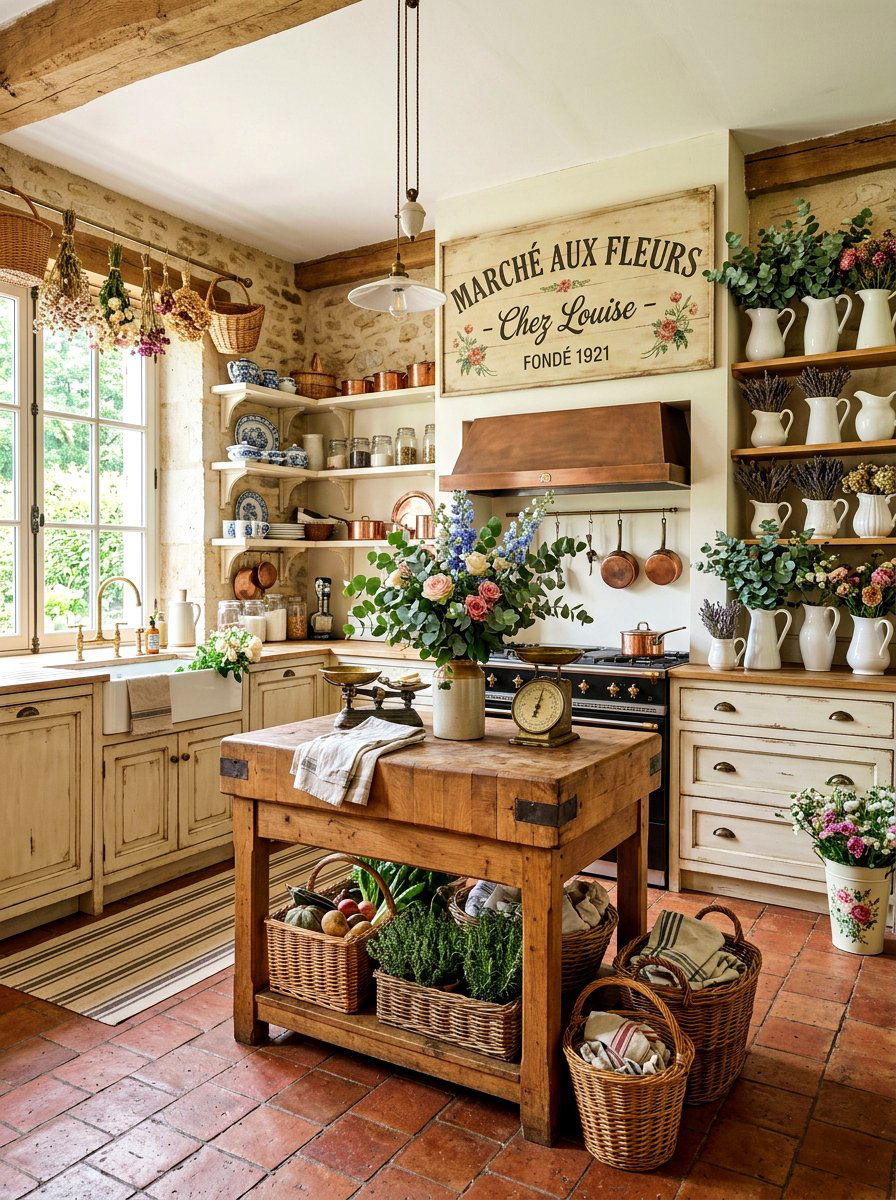
Imagine stepping into a space that feels like a hidden corner of a Parisian street. This design focuses on weathered textures and classic European charm. You can achieve this by incorporating large, hand-painted wooden signs with French typography above the stove or pantry. Use distressed cream-colored cabinetry paired with open shelving to display stacks of white ceramic pitchers filled with fresh eucalyptus and white roses. A central butcher block island serves as the heart of the room, often cluttered with wicker baskets and linen tea towels. The atmosphere is grounded by reclaimed wood flooring and antique brass hardware that adds a touch of warmth.
2. Rustic Farmhouse Floral Kitchen
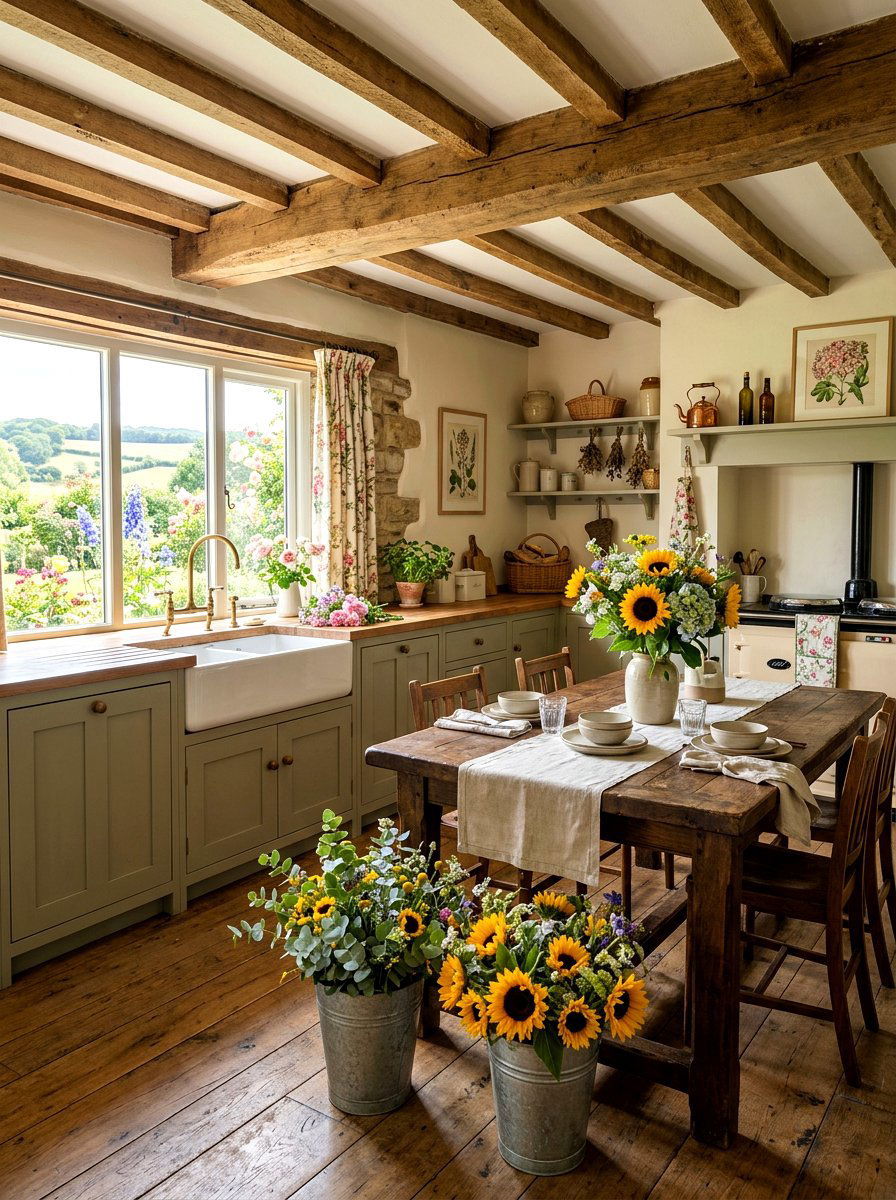
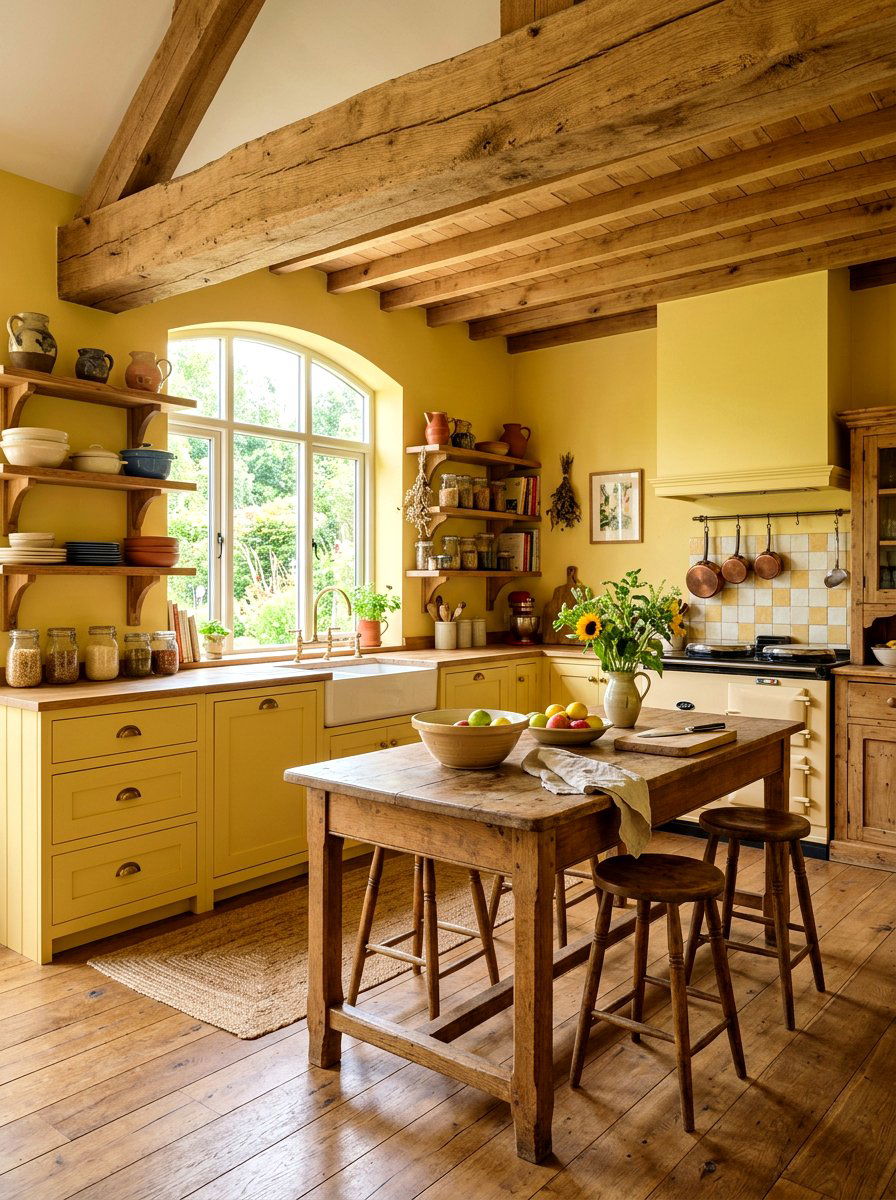
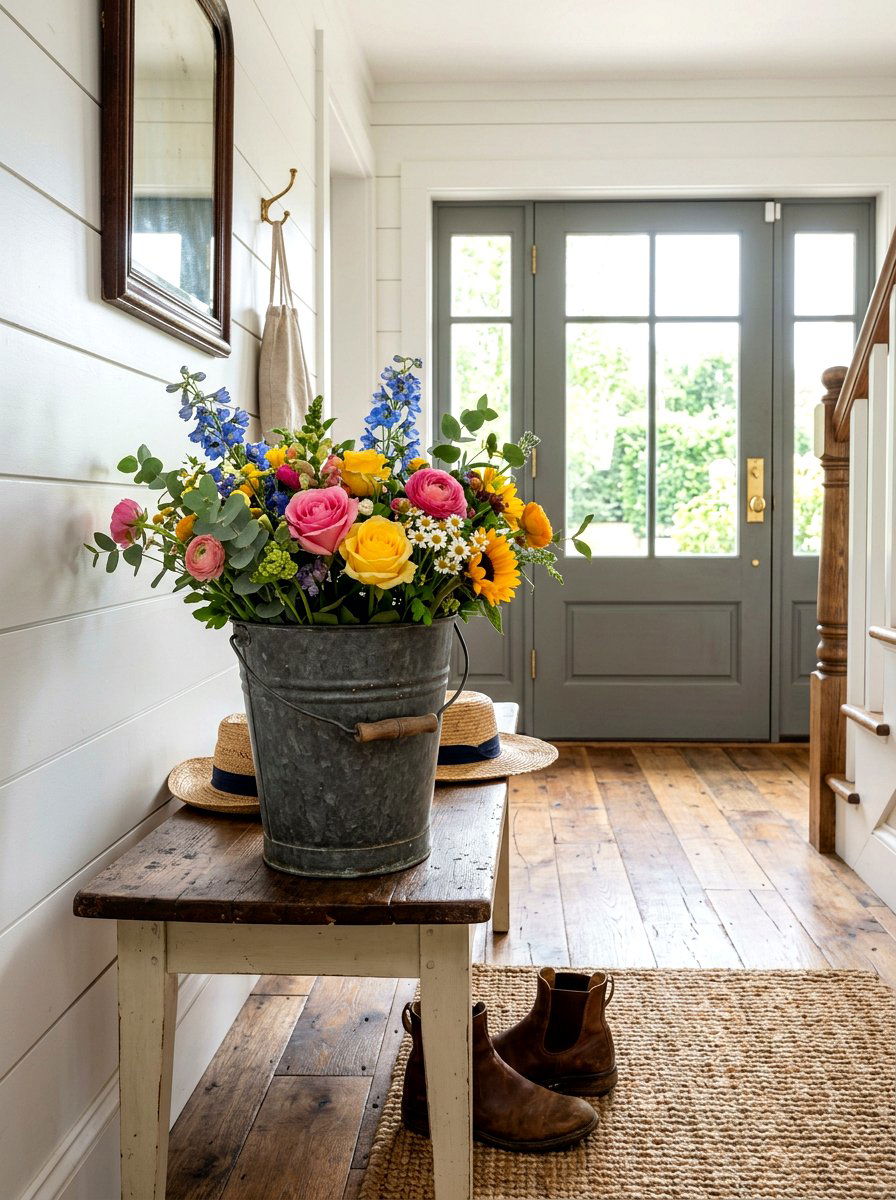
This approach combines the ruggedness of country living with the delicate beauty of a spring garden. Focus on a large, deep porcelain farmhouse sink as the focal point, perhaps surrounded by a backsplash of handmade subway tiles. Incorporate heavy wooden ceiling beams and a large harvest table that doubles as a workspace. To bring in the flower market vibe, place several galvanized metal buckets filled with sunflowers or hydrangeas directly on the floor or on low benches. Plaid or gingham curtains in soft blues and greens can soften the windows, while bundles of dried herbs hang from a wrought iron pot rack.
3. Industrial Botanical Kitchen
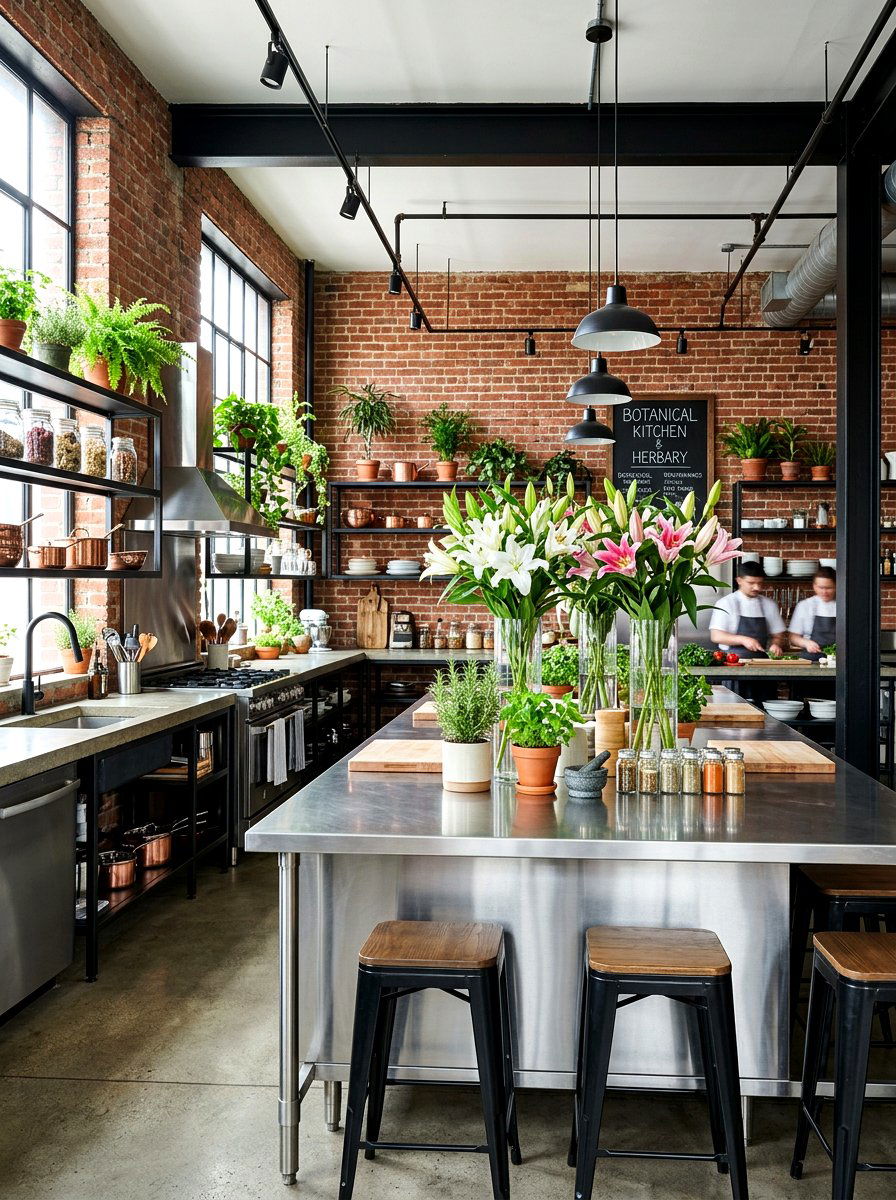
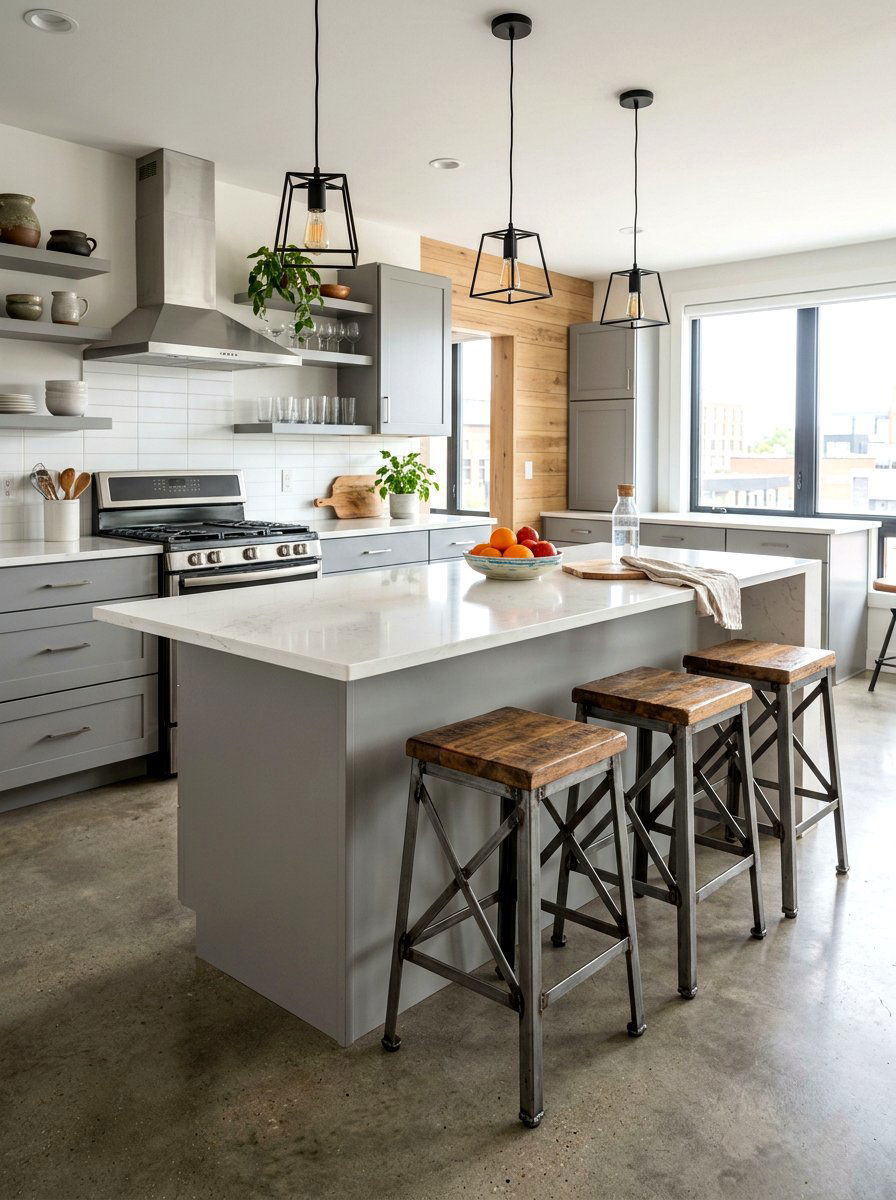
For those who prefer a more modern and edgy look, the industrial botanical style offers a unique contrast. Combine raw materials like exposed brick walls, black metal shelving, and concrete countertops with an abundance of greenery. Use tall glass cylinders and laboratory-style vases to display long-stemmed lilies or tropical leaves on a stainless steel island. Large pendant lights with Edison bulbs provide a warm glow that reflects off the metallic surfaces. To maintain the market feel, use rolling metal carts to hold various potted plants and floral supplies, creating a functional yet visually striking space that feels like an urban flower shop.
4. Modern English Garden Kitchen
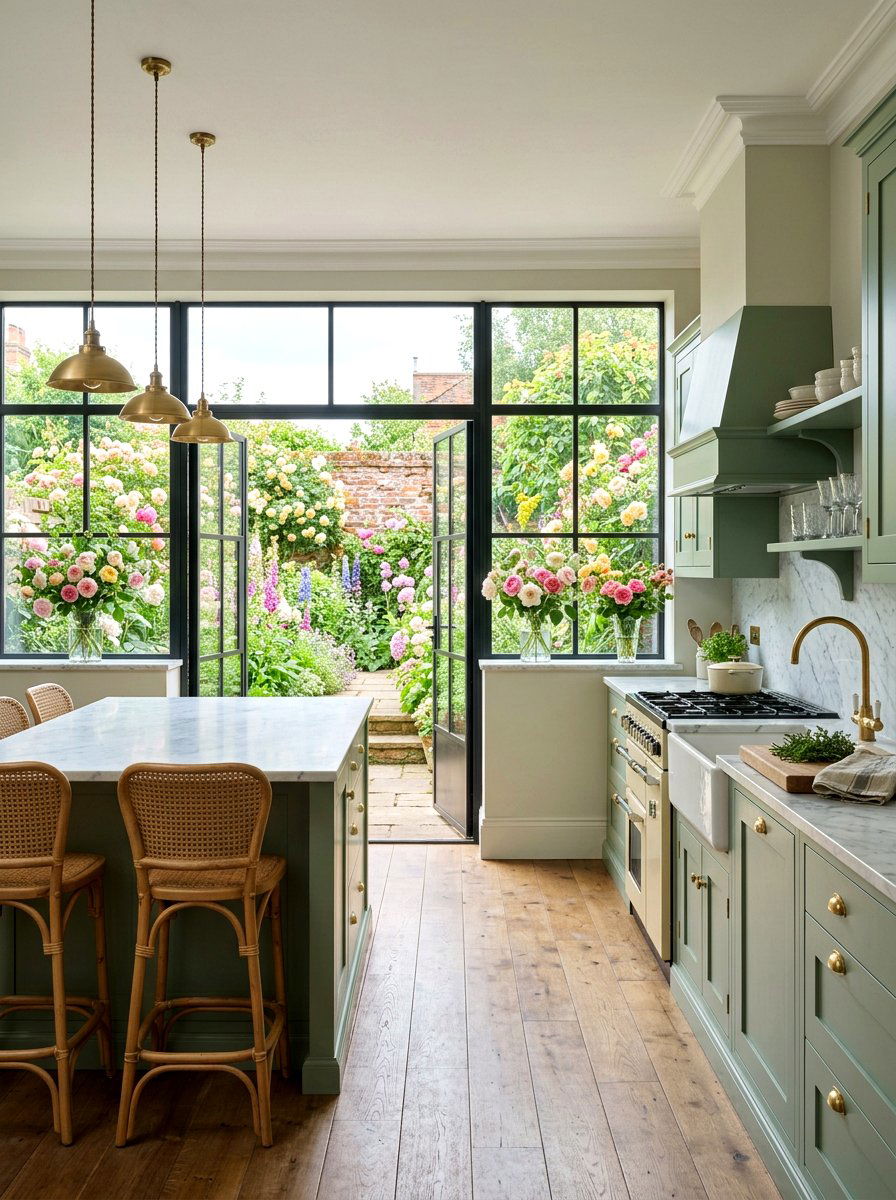
A modern English garden kitchen is all about sophisticated elegance and soft, romantic color palettes. Start with sage green or dusty rose cabinetry that features clean lines and minimal hardware. A marble countertop with subtle veining provides a luxurious surface for prep work and floral arranging. Large, floor-to-ceiling windows should allow plenty of natural light to flood the room, highlighting vases of English roses and peonies placed on the windowsills. Incorporate a delicate floral wallpaper on a single accent wall to provide a botanical backdrop without overwhelming the space. The result is a refined, airy environment that feels both contemporary and timelessly beautiful.
5. Shabby Chic Flower Shop
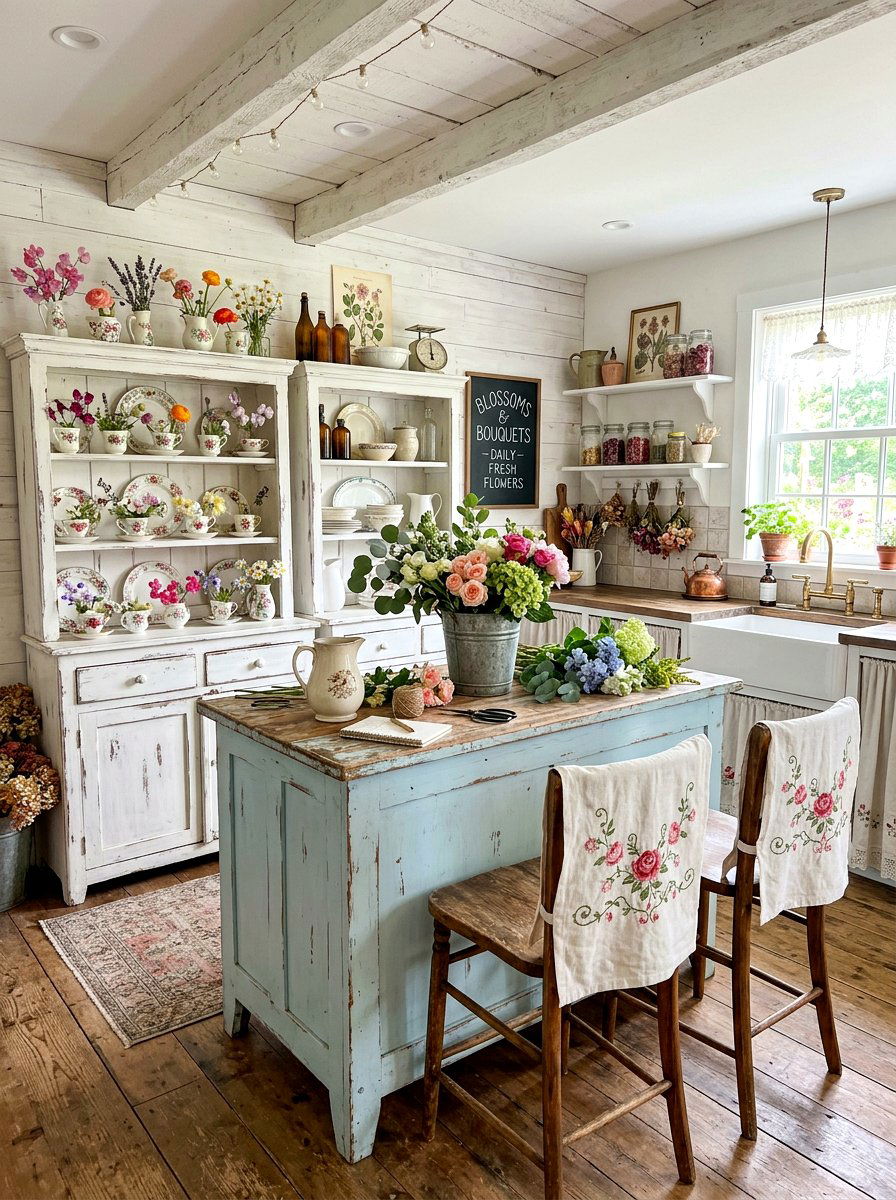
This whimsical design style embraces imperfection and vintage treasures to create a cozy, lived-in feel. Think about using a mix of mismatched furniture, like a white-washed hutch and a distressed pastel-blue island. Drape floral embroidered linens over the backs of chairs and use antique teacups as small vases for delicate pansies or violets. The walls can be adorned with a collection of vintage botanical prints in ornate, mismatched frames. Soft lighting from a crystal chandelier or small table lamps with fabric shades adds to the romantic atmosphere. This kitchen feels like a curated collection of garden finds and cherished family heirlooms.
6. Coastal Flower Market Kitchen
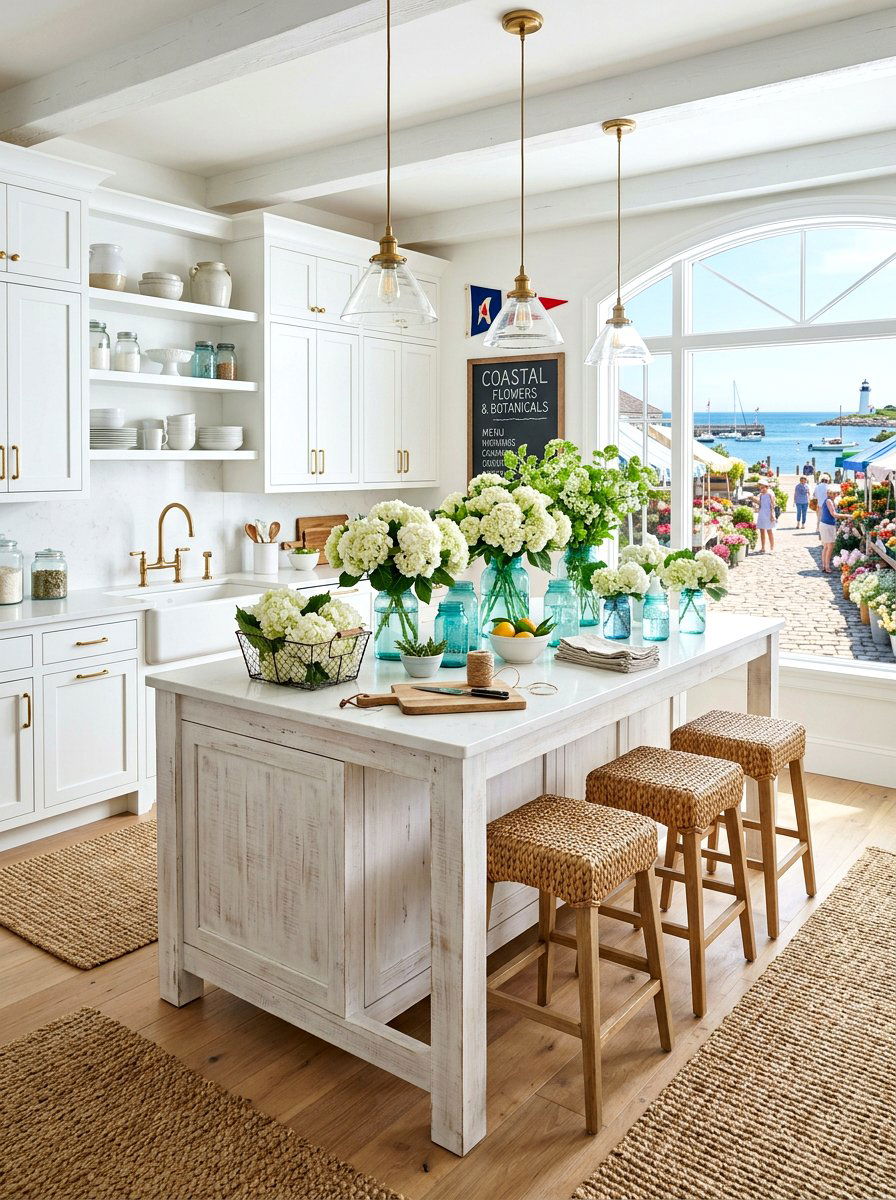
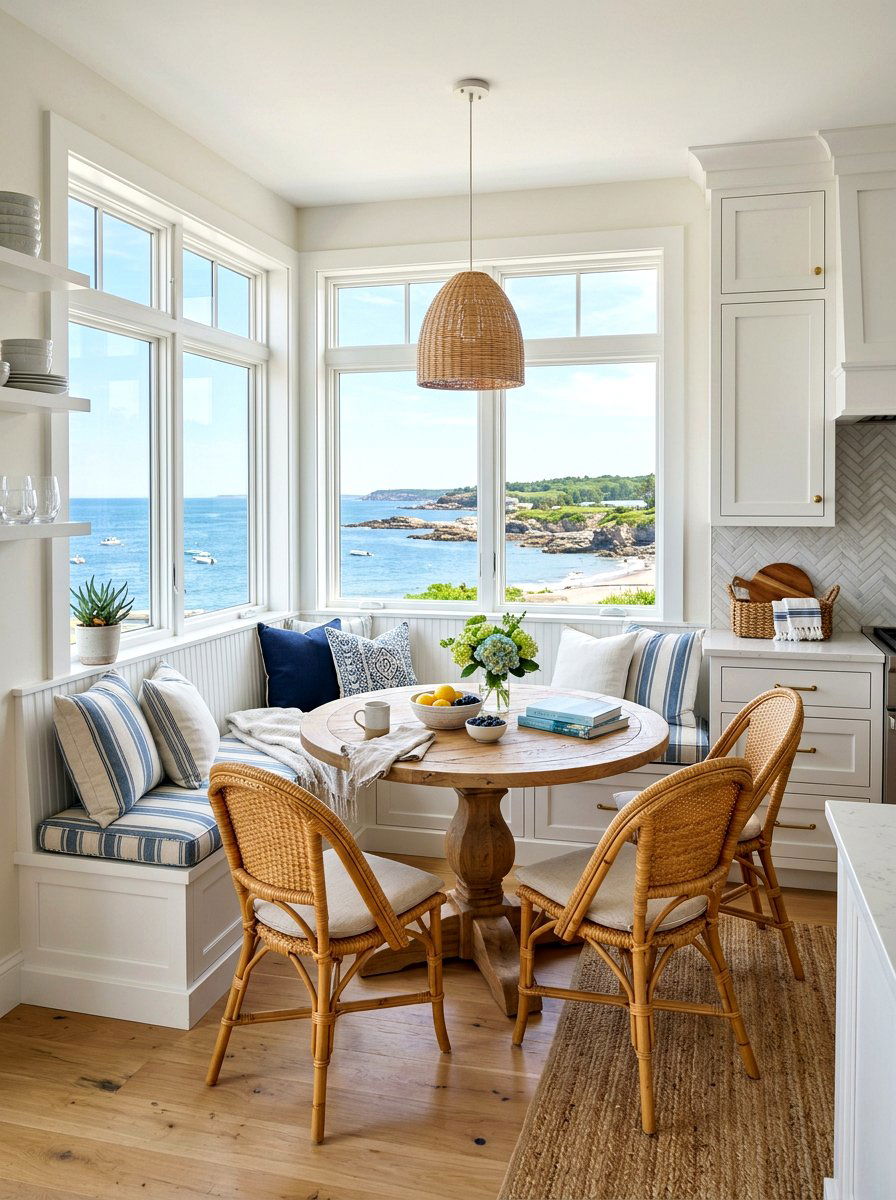
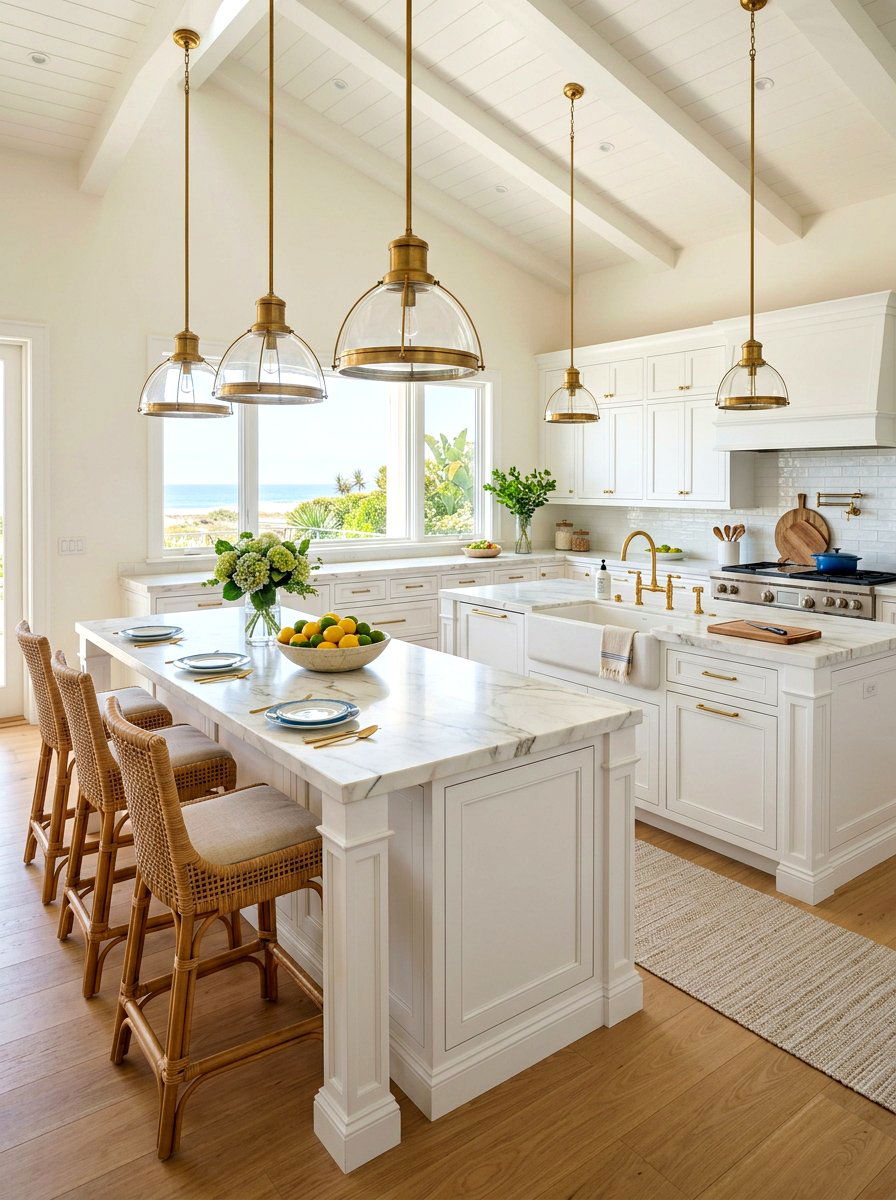
Bringing the seaside into your kitchen, this style uses a palette of crisp whites, sandy beiges, and soft ocean blues. Imagine large windows draped in light linen curtains that catch the breeze. To incorporate the flower market theme, use sea-glass colored jars and driftwood containers to hold coastal blooms like sea holly or white hydrangeas. A whitewashed wooden island with a beadboard finish provides a relaxed centerpiece for the room. Woven seagrass rugs and rattan barstools add natural texture, while nautical-inspired pendant lights tie the look together. The overall mood is breezy, bright, and perfectly balanced between land and sea.
7. Minimalist Greenhouse Kitchen
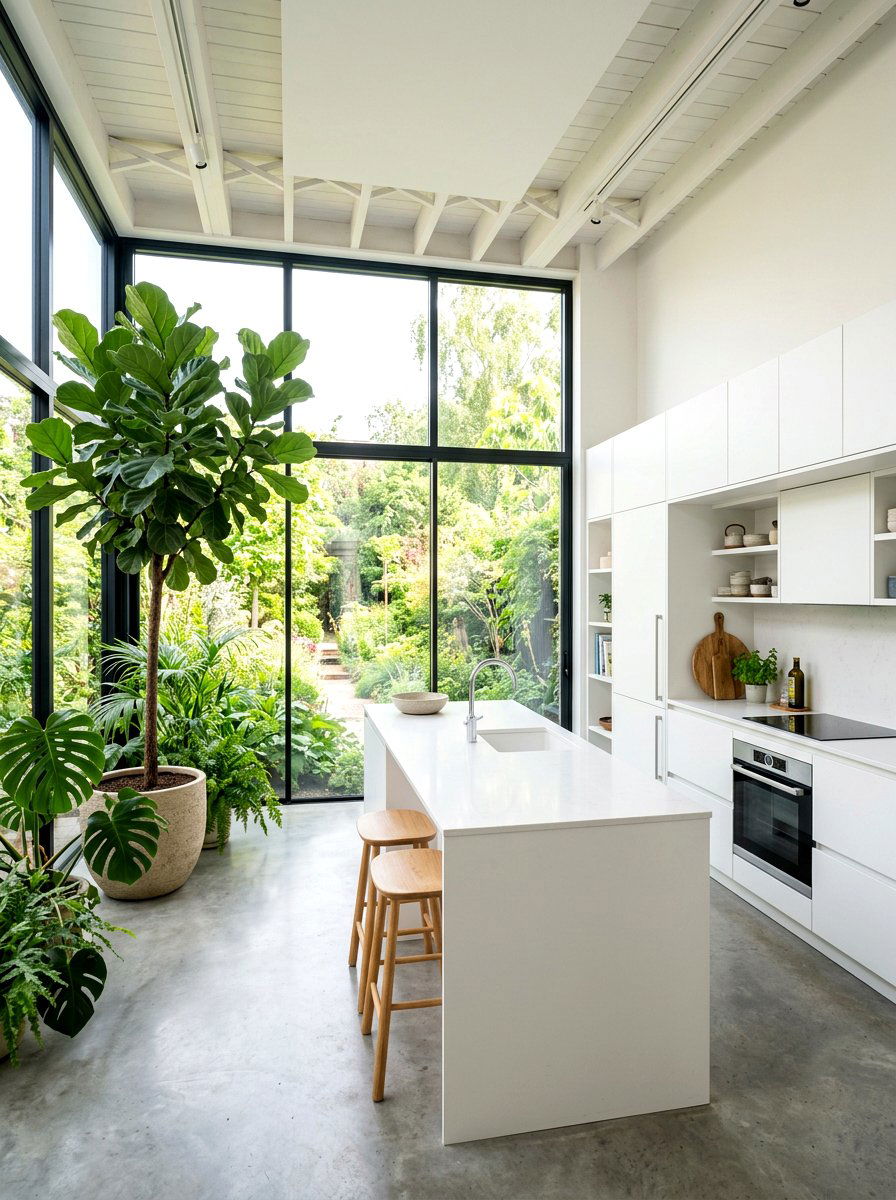
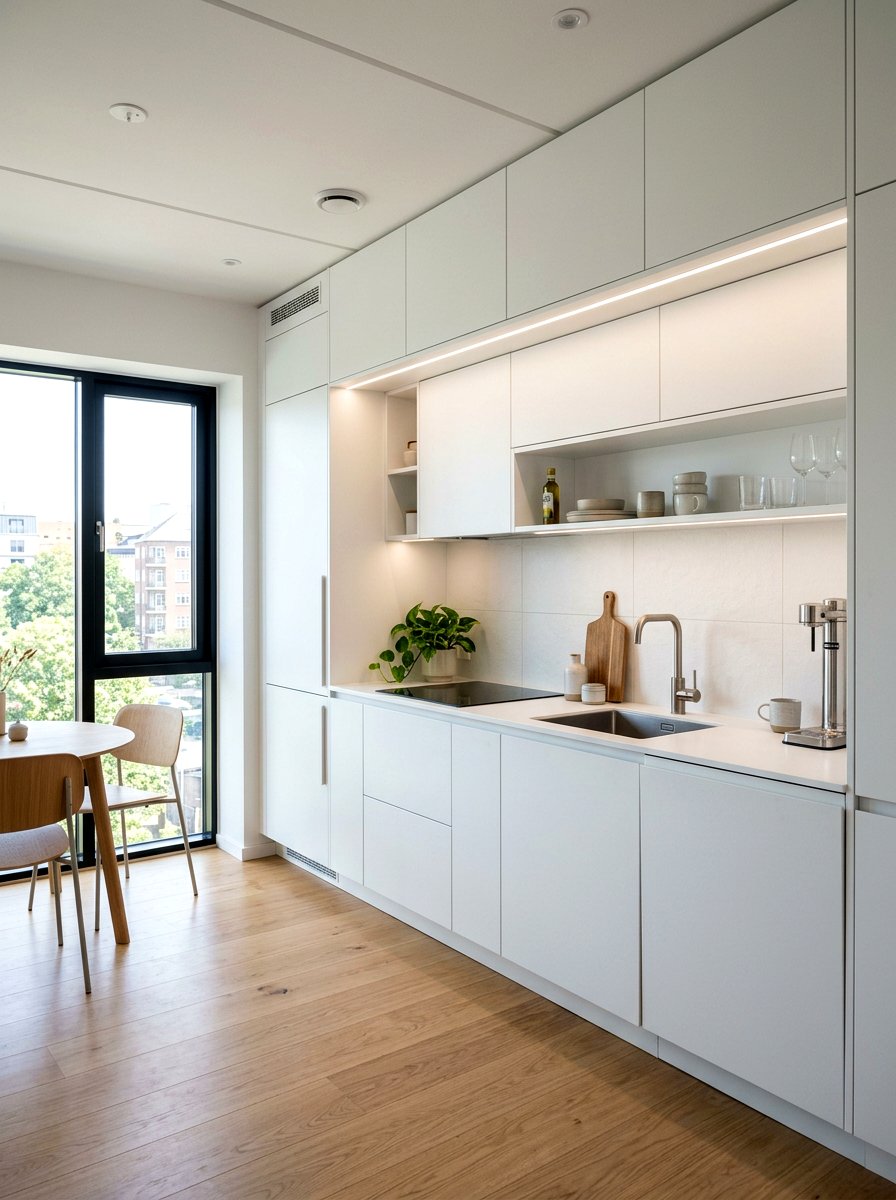
If you love a clean and uncluttered space, the minimalist greenhouse style focuses on light and life. This design relies on a monochromatic white color scheme with sleek, handleless cabinetry and quartz countertops. The "flower market" aspect is introduced through a massive wall of glass or a large skylight that makes the room feel like an extension of the outdoors. Instead of many small arrangements, opt for one or two oversized statement plants, like a fiddle leaf fig or a tall vase of blooming branches. The simplicity of the design allows the natural beauty of the greenery to become the primary decorative element.
8. Bohemian Wildflower Kitchen
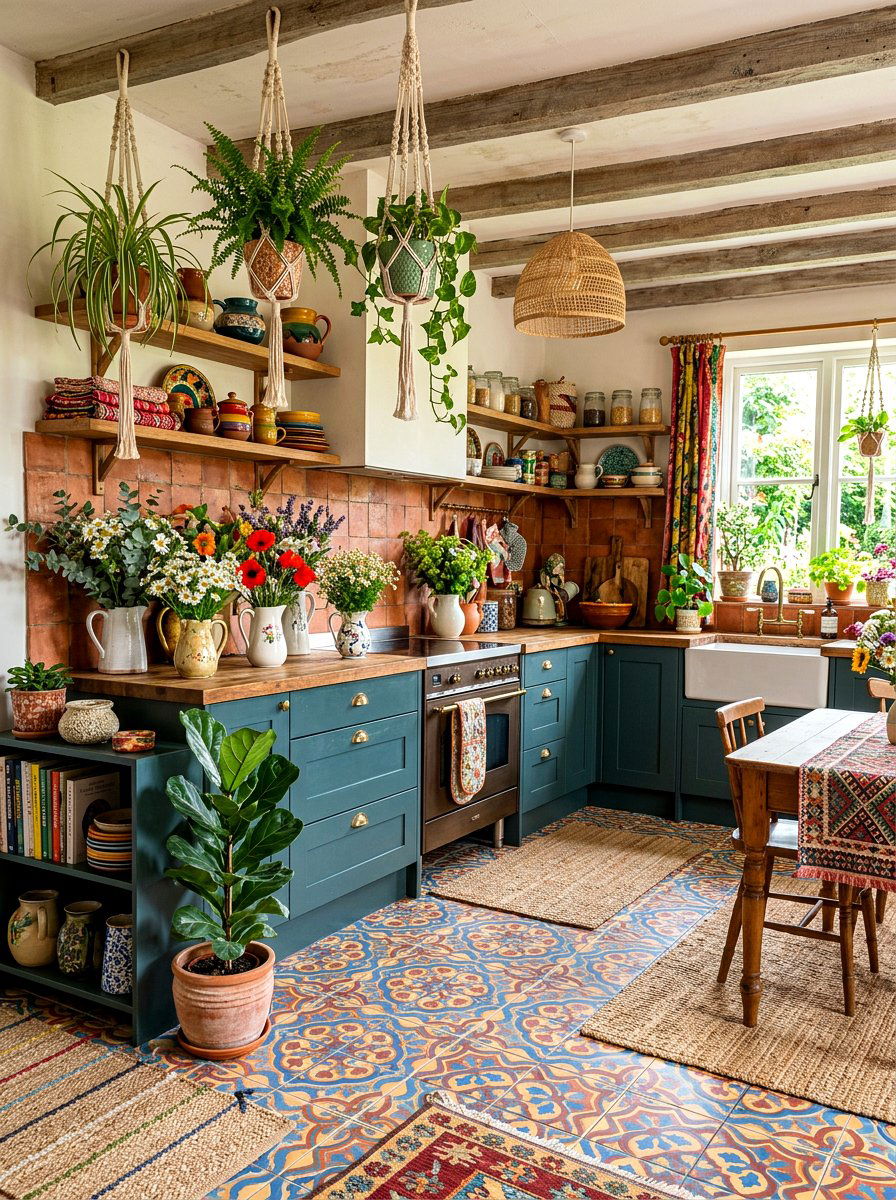
A bohemian kitchen is all about vibrant patterns, global influences, and an effortless connection to nature. Use colorful Moroccan floor tiles and a deep blue or terracotta backsplash to create a bold foundation. To capture the flower market essence, display an eclectic mix of wildflowers in colorful ceramic pitchers and macramé plant hangers. Open shelving can hold a collection of mismatched glass bottles and wooden bowls, creating a layered and textured look. Large, leafy plants like ferns and monstera thrive in this environment, adding to the lush, overgrown feel. It is a space that encourages creativity and feels wonderfully personal.
9. Victorian Botanical Kitchen
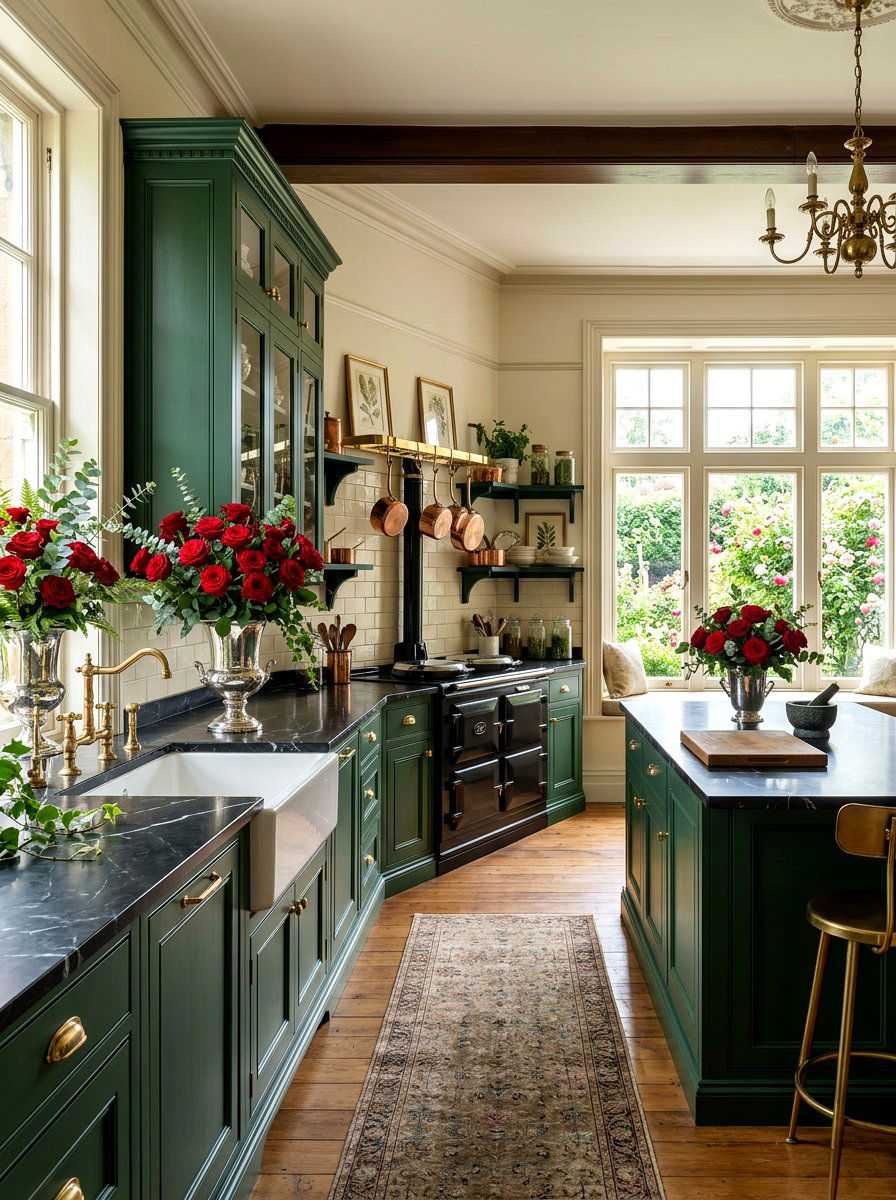
Drawing inspiration from the 19th-century love of botany, this style is rich, dark, and highly detailed. Use deep forest green or navy cabinetry with ornate moldings and glass-front doors. A black marble countertop provides a dramatic surface that pairs beautifully with unlacquered brass faucets. To achieve the flower market look, use dark wooden apothecary cabinets to store spices and dried flowers. Display formal arrangements of dark red roses or calla lilies in silver or pewter vases. Framed pressed flower art and dark floral wallpaper can adorn the walls, creating a sophisticated and somewhat moody space that feels like a vintage scientific study.
10. Scandinavian Flower Kitchen
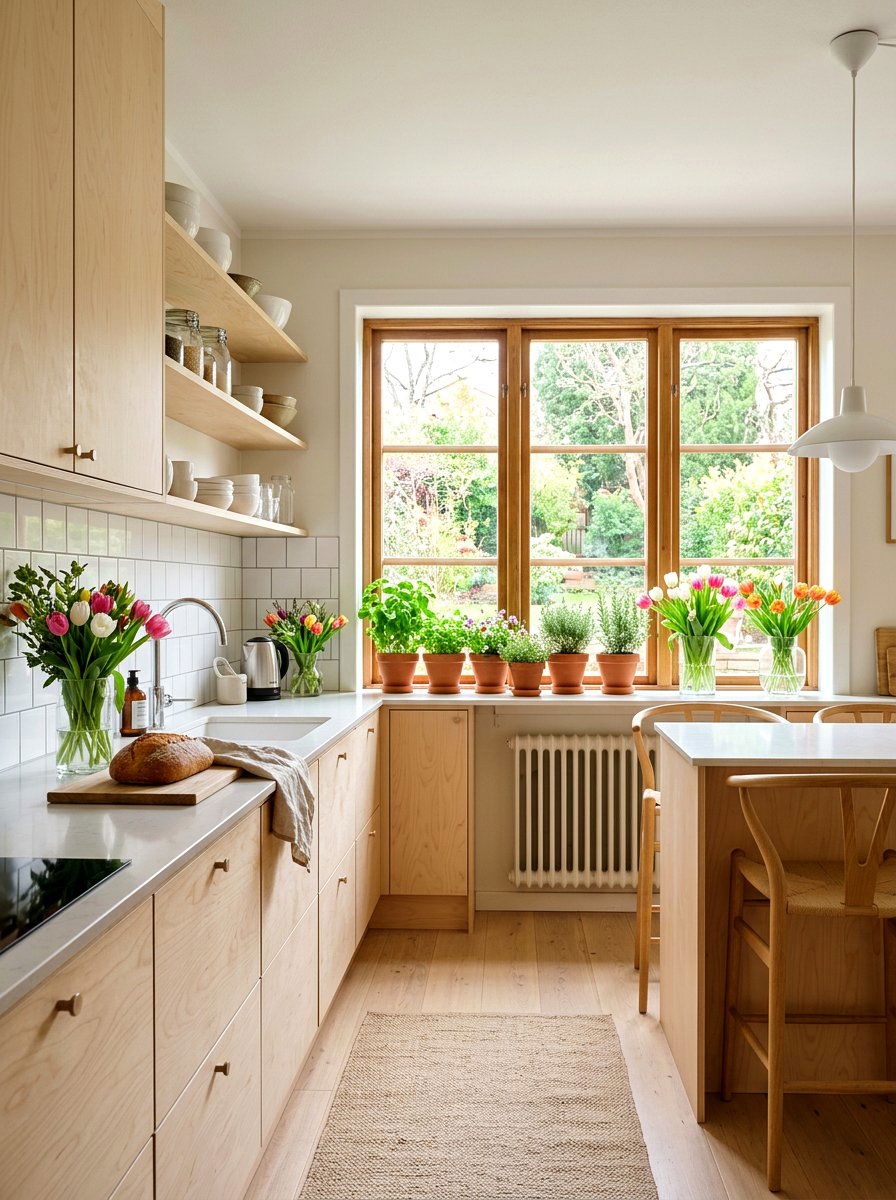
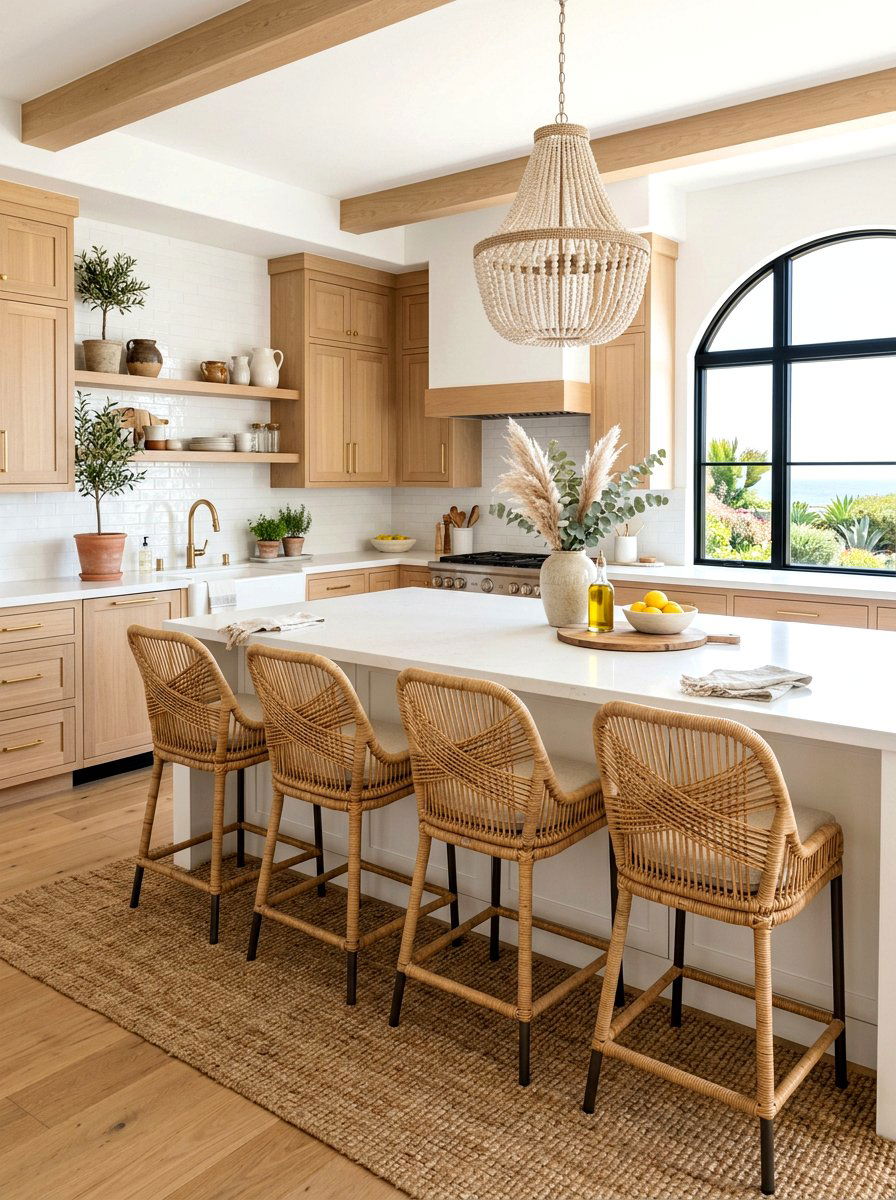
Scandinavian design is world-renowned for its functionality and use of natural materials to create a warm, inviting space. Start with light wood cabinetry, such as ash or birch, and pair it with a simple white tile backsplash. The flower market vibe is introduced through small, thoughtful touches, like a row of terracotta pots with fresh herbs on the windowsill. Use simple glass vases to hold single branches or a few tulips, emphasizing a "less is more" philosophy. Soft grey or beige textiles, like a wool rug or linen napkins, add comfort and texture. The kitchen remains bright, airy, and focused on essential beauty.
11. Small Space Flower Market
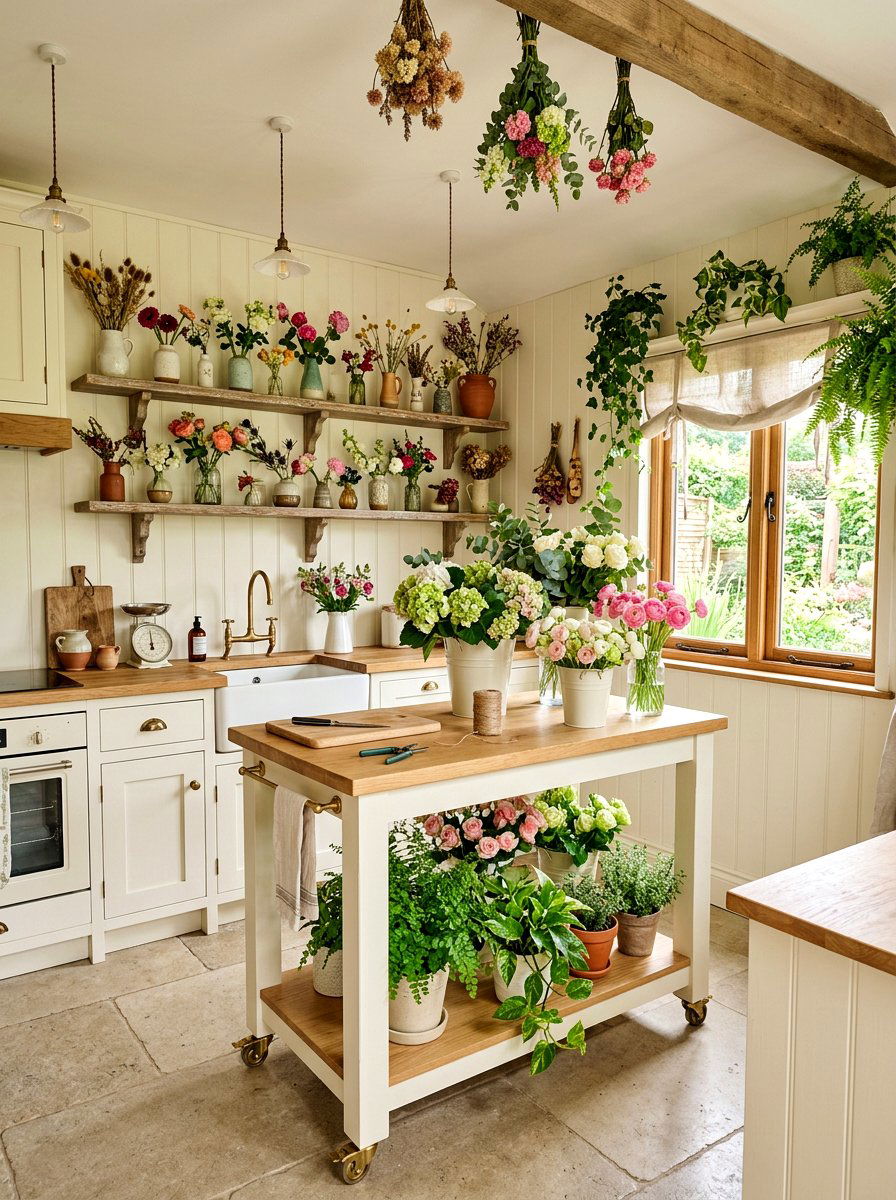
Even a compact kitchen can be transformed into a charming flower market sanctuary with the right approach. Focus on maximizing vertical space by installing floating shelves to hold small vases and potted plants. A light color palette, such as creamy white or soft mint, will help the room feel more open and spacious. Use a multi-functional rolling cart as an island, which can be easily moved and used as a potting station or extra prep space. Hanging plants from the ceiling or cabinet tops can add greenery without taking up precious counter space. Mirrored backsplashes can also reflect light and your beautiful floral displays.
12. Open Concept Floral Kitchen
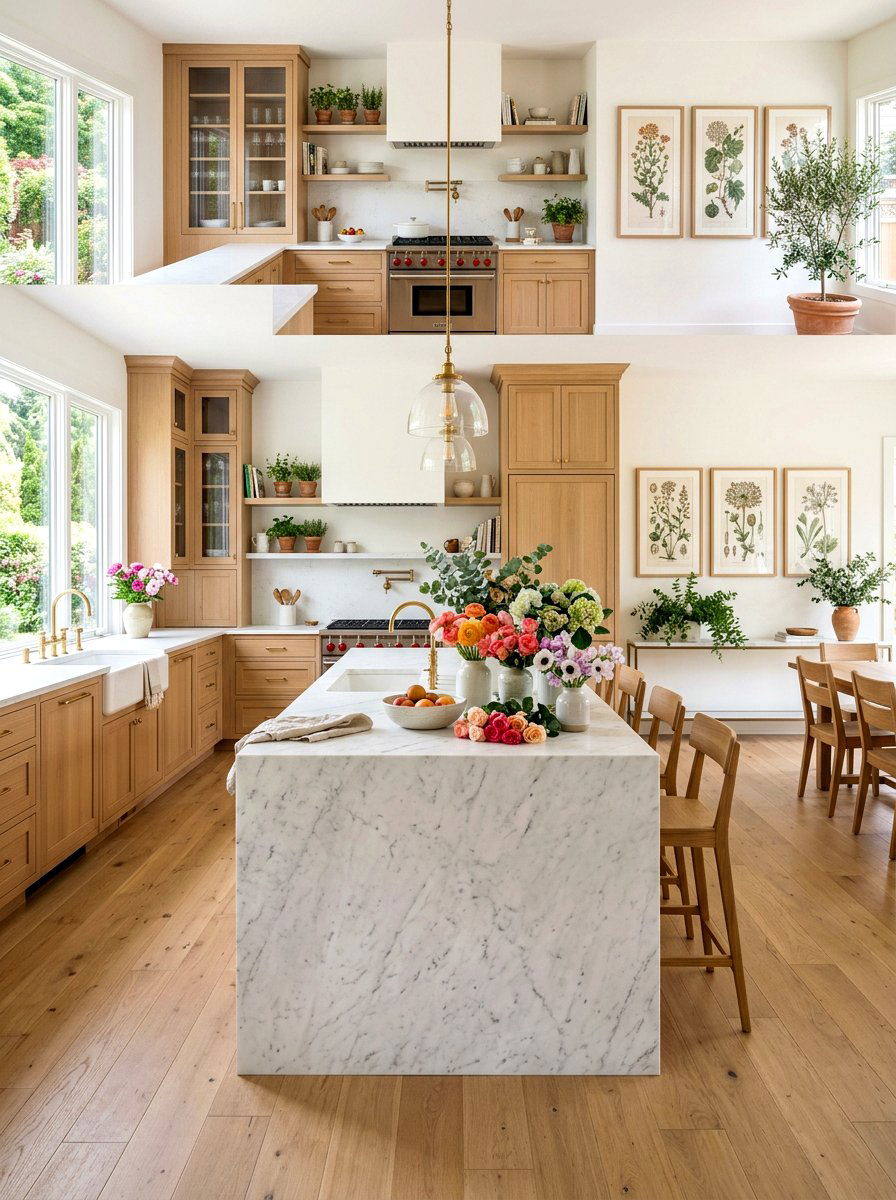
In an open-plan home, the kitchen must blend seamlessly with the living and dining areas while maintaining its own identity. Use a large kitchen island as a bridge between spaces, keeping it styled with a rotating selection of seasonal market flowers. To create a cohesive look, carry the botanical theme into the dining area with floral upholstery or garden-themed art. Use consistent materials like light oak or brushed gold throughout the entire space. This design ensures that the beauty of the "flower market" kitchen is visible from everywhere in the room, making the entire living area feel more connected to nature.
13. Retro Flower Market Kitchen
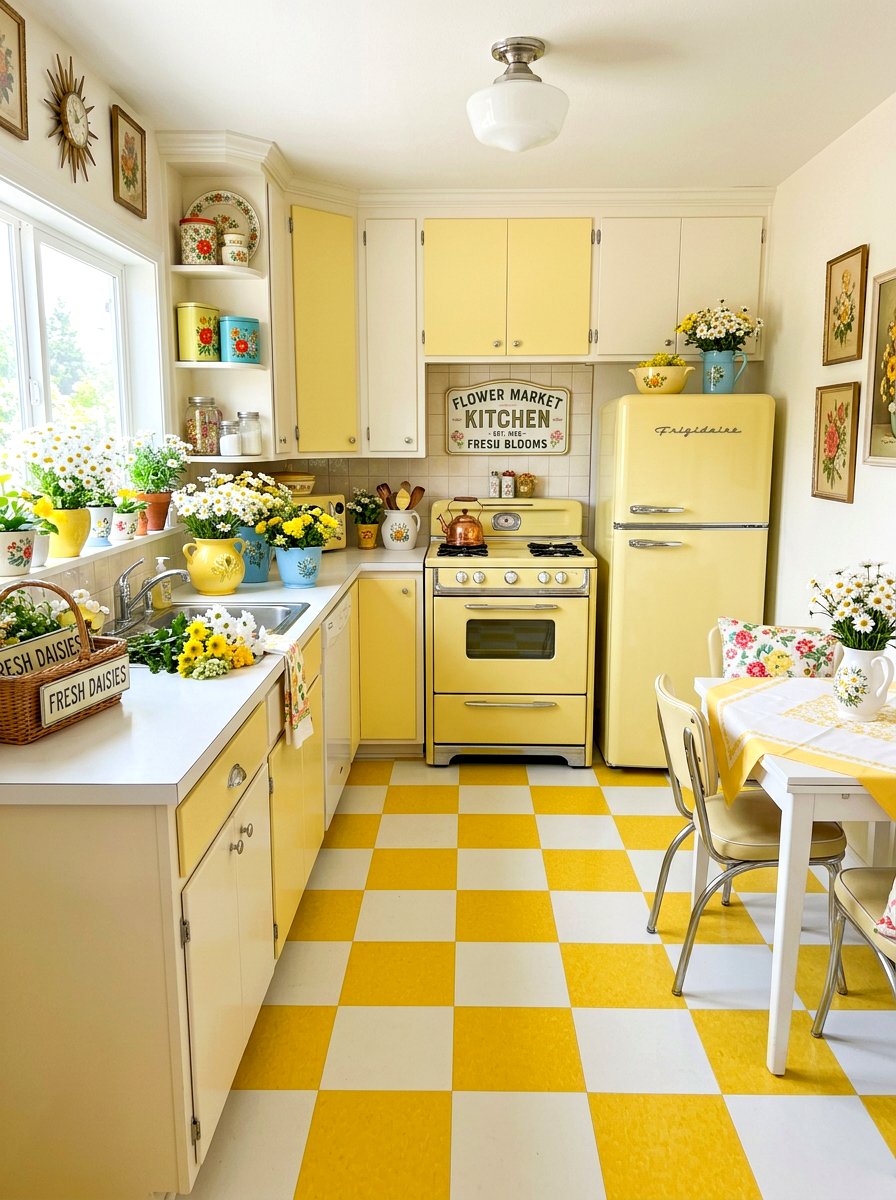
For a fun and nostalgic take, the retro flower market style looks back to the mid-20th century for inspiration. Incorporate a checkerboard floor in soft yellow and white, and use vintage-style appliances in pastel shades. To bring in the floral theme, use kitschy ceramic planters from the 1950s and display bright daisies or carnations on the countertops. Floral-patterned wallpaper with a graphic, bold design can make a statement on a small wall or inside cabinets. Chrome hardware and vinyl-covered barstools add to the retro feel. It is a cheerful, high-energy space that celebrates the playful side of floral decor and classic design.
14. Pastel Flower Market Theme
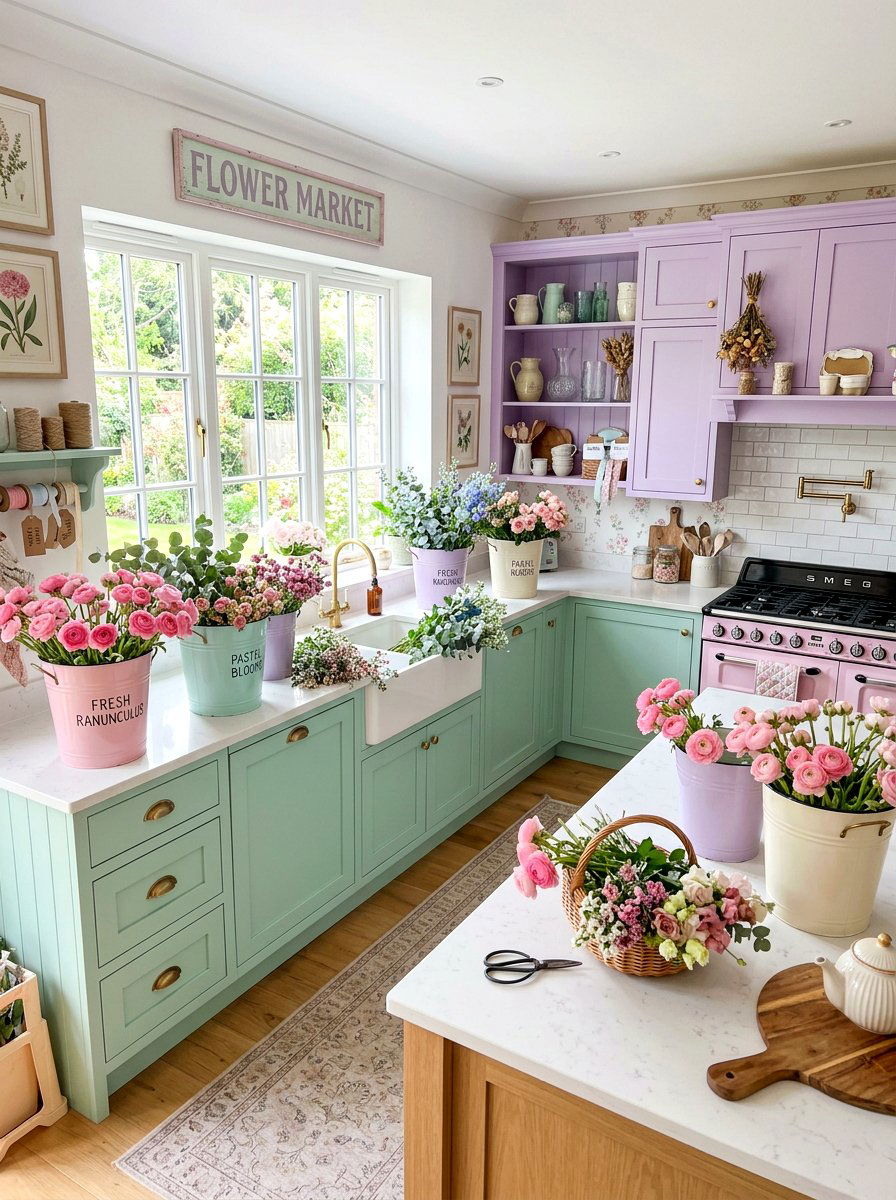
Soft, candy-colored hues define the pastel flower market kitchen, creating a space that feels incredibly sweet and feminine. Use a mix of mint green, pale lavender, and baby blue for your cabinetry and accent pieces. A white subway tile backsplash keeps the look fresh and clean. To enhance the market vibe, use pastel-colored enamel buckets to hold bunches of baby’s breath and pink ranunculus. Light-colored wooden floors and white quartz countertops prevent the pastels from feeling too heavy. This kitchen is perfect for those who want a bright, happy environment that feels like a spring day all year long.
15. Dark Moody Botanical Kitchen
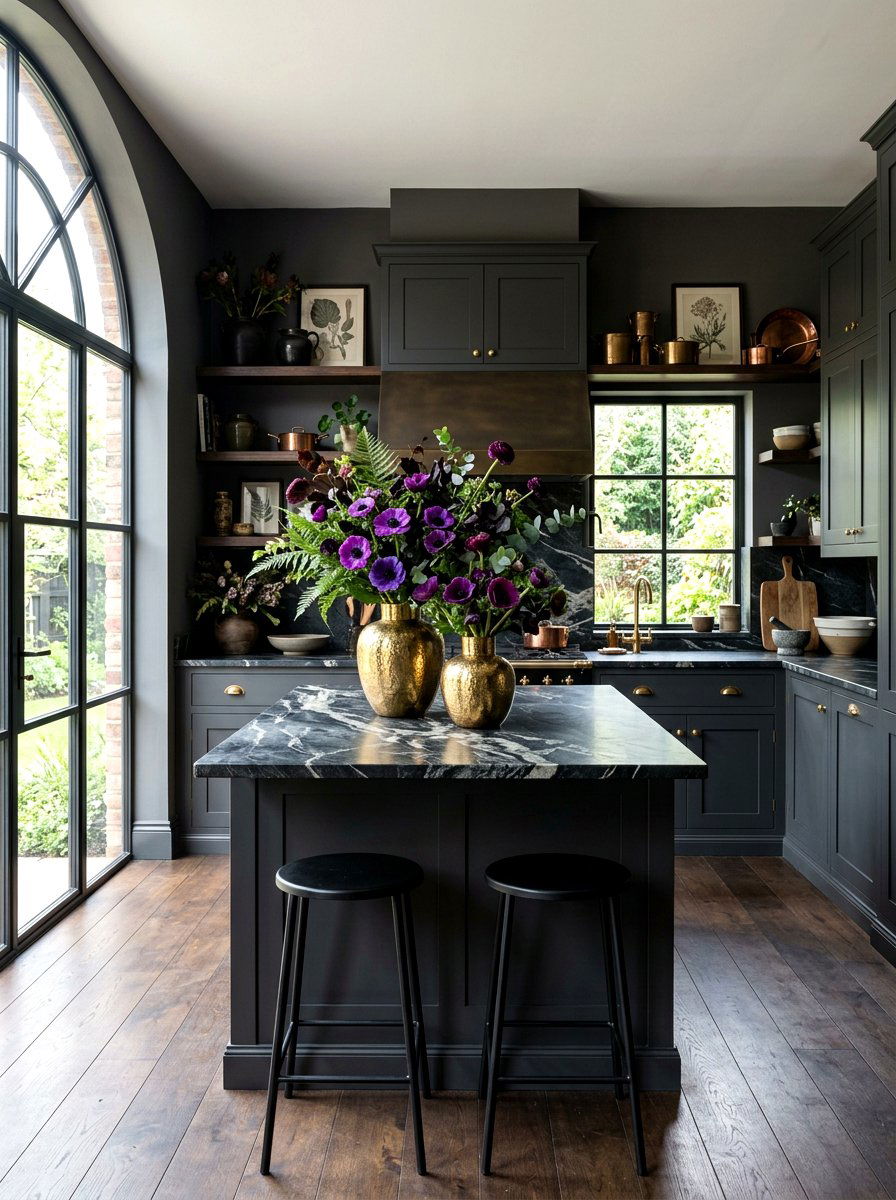
Embrace the drama with a kitchen that uses deep, saturated colors and rich textures. Charcoal or black cabinetry serves as a striking backdrop for vibrant floral arrangements. Use a dark stone countertop with heavy veining to add movement and interest. To create the flower market feel, use gold or copper vases to hold deep purple anemones or burgundy dahlias. Task lighting should be focused and warm, creating pockets of light that highlight the flowers against the dark surroundings. This style is sophisticated and intimate, offering a unique perspective on botanical design that feels luxurious and deeply comforting at the same time.
16. Luxury European Flower Market
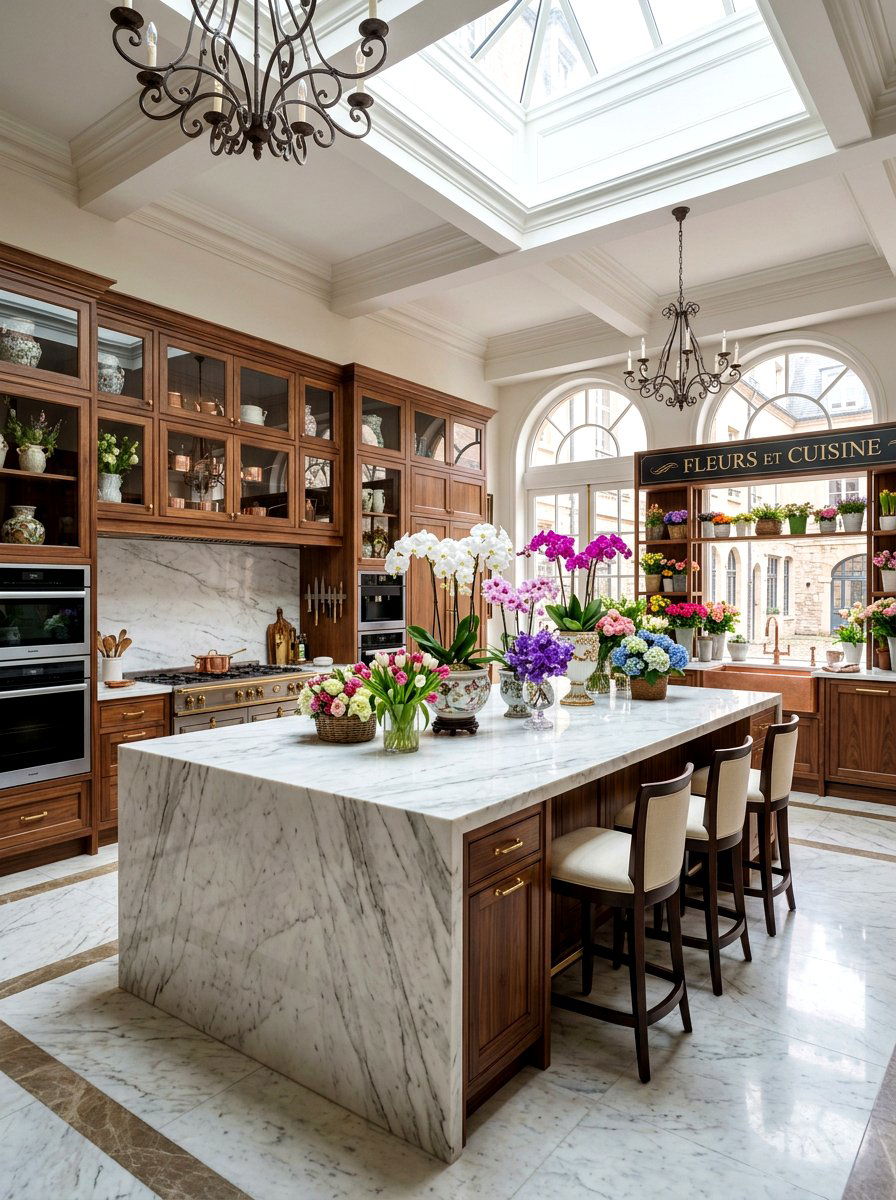
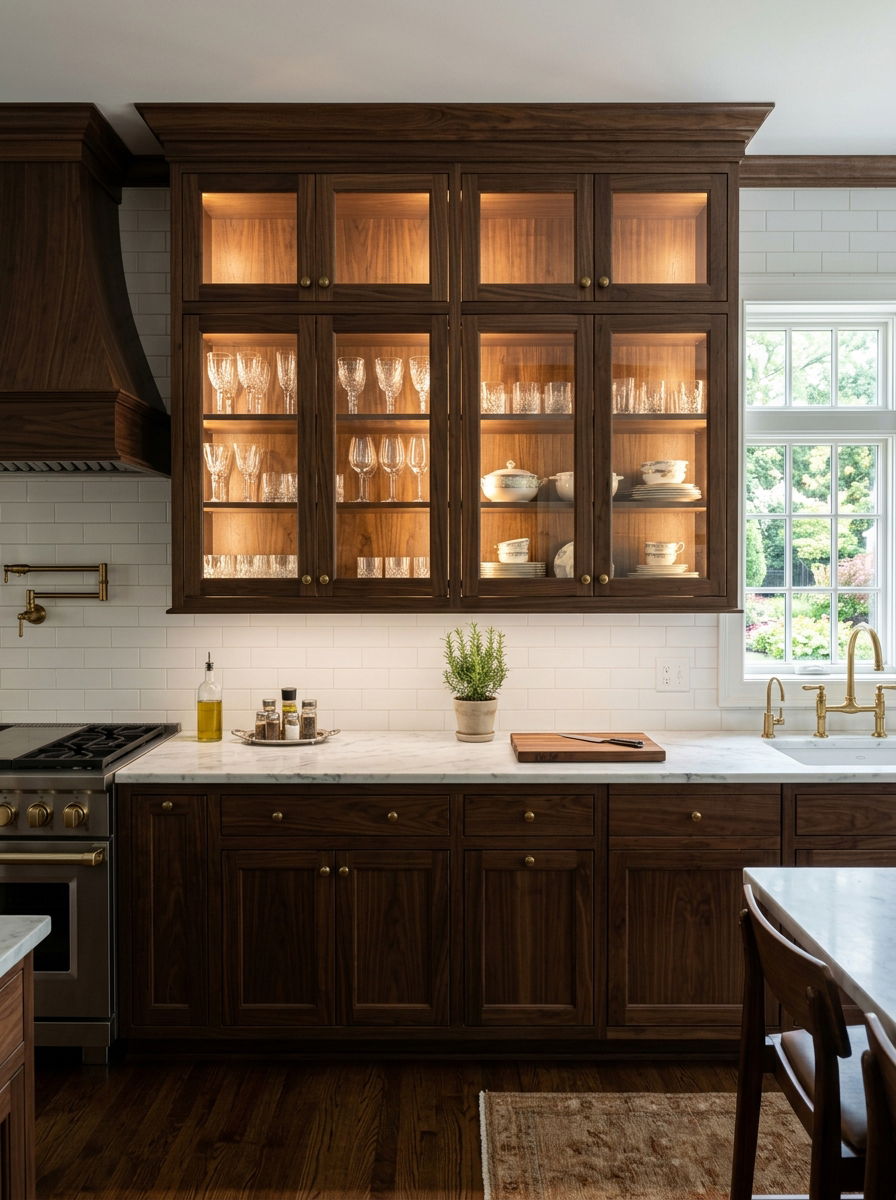
This design is all about high-end materials and grand architectural features that mimic a high-fashion florist in London or Milan. Think about including a massive marble-topped island with waterfall edges and integrated sinks for flower prep. Use bespoke cabinetry in a rich walnut or painted a deep, custom color. Elaborate crown molding and large-scale pendant lights create a sense of occasion. For the floral elements, use massive crystal vases to hold architectural arrangements of orchids or lilies. The floor could be an intricate parquet or a polished stone, adding to the overall sense of opulence and refined European style and elegance.
17. Eclectic Botanical Kitchen
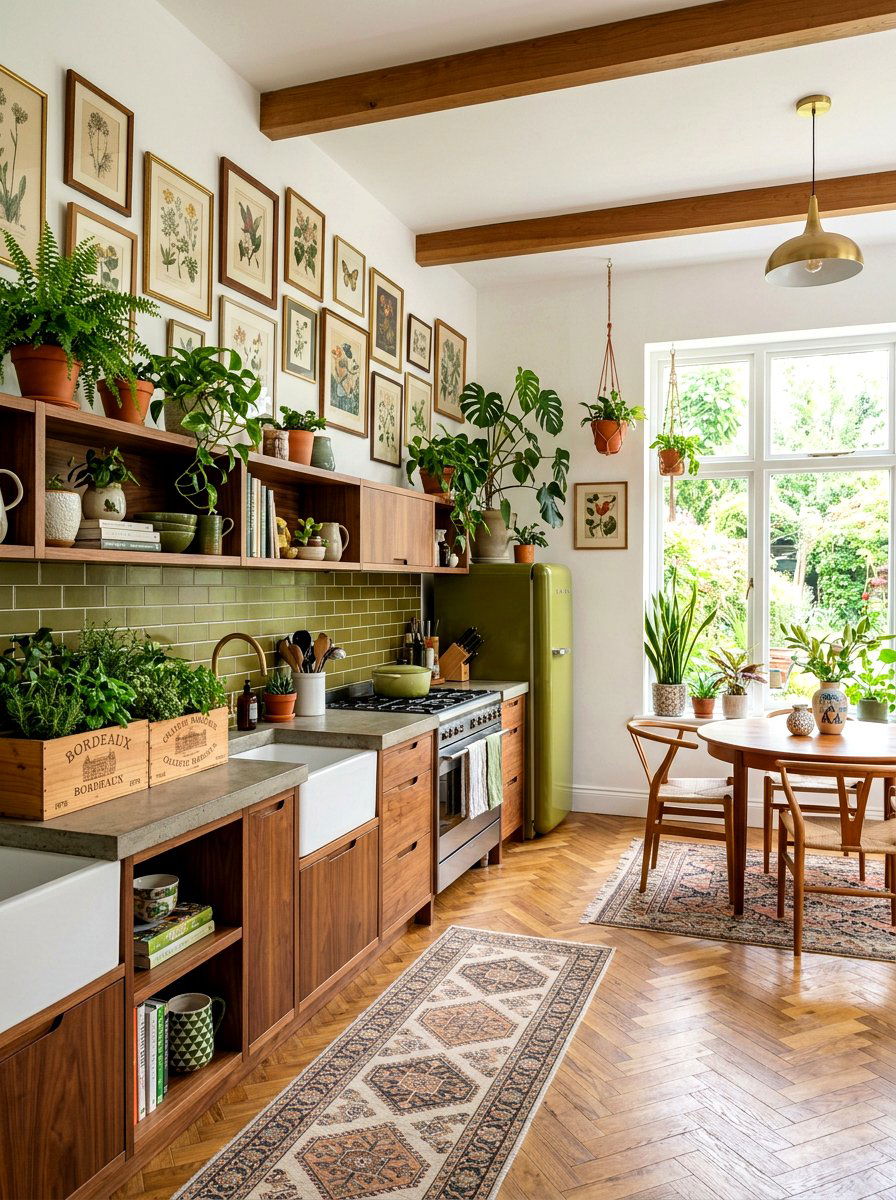
An eclectic kitchen is a wonderful place to experiment with different eras and styles to create something entirely unique. You might pair a mid-century modern table with a set of antique French chairs and a contemporary lighting fixture. To bring in the flower market vibe, use an assortment of unusual containers like old wine crates, vintage tins, and handmade pottery to hold a wide variety of plants. The walls can be a gallery of botanical sketches, oil paintings of gardens, and modern photography. This approach is perfect for the collector who wants their kitchen to tell a story through various layers and textures.
18. Traditional English Flower Kitchen
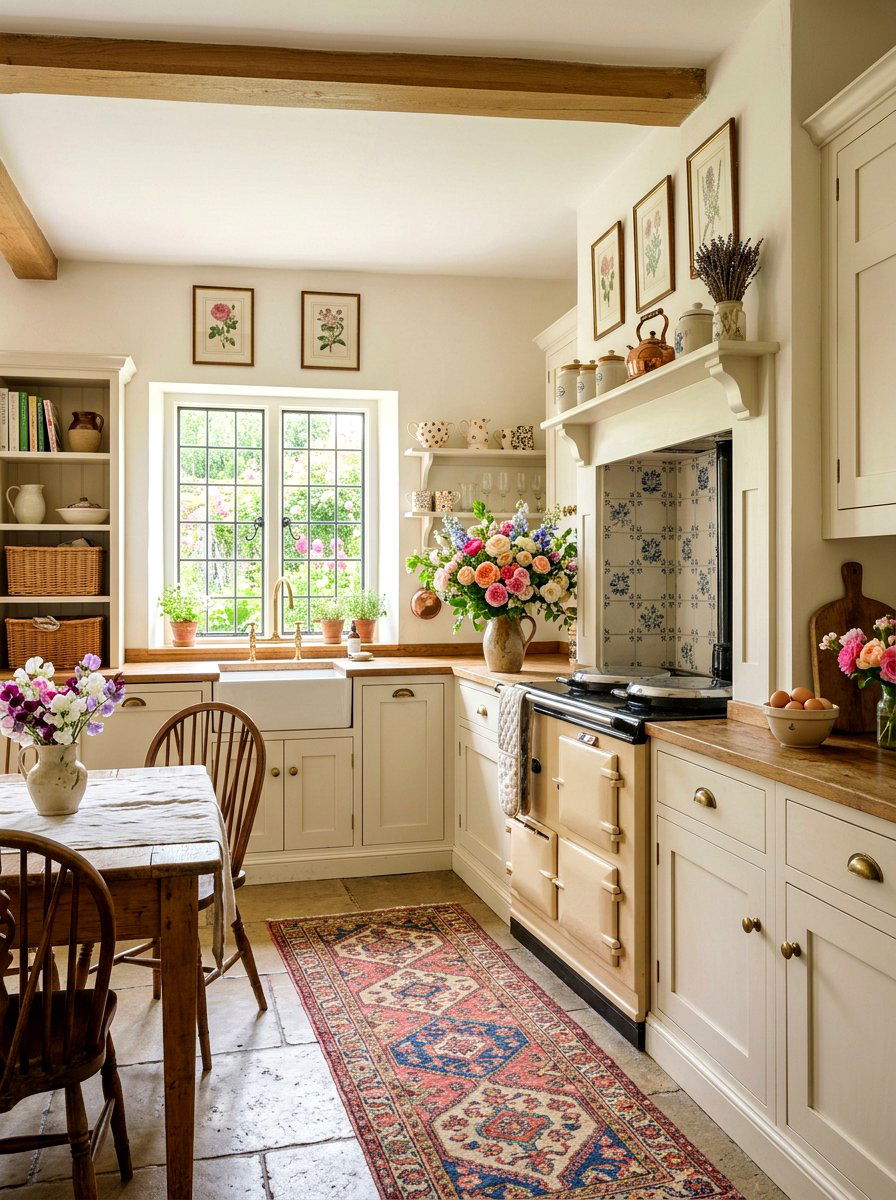
This classic look focuses on comfort, warmth, and a deep appreciation for the English countryside. Use inset cabinetry in a warm cream or light oak, and incorporate a classic AGA range or a large range hood. To capture the flower market essence, place large, overflowing bouquets of garden roses, sweet peas, and foxgloves on every available surface. Use woven wicker baskets for storage and linen tea towels with delicate floral prints. The overall atmosphere is cozy and welcoming, reminiscent of a country manor house where the garden is always just a few steps away from the back door.
19. Mediterranean Flower Market Style
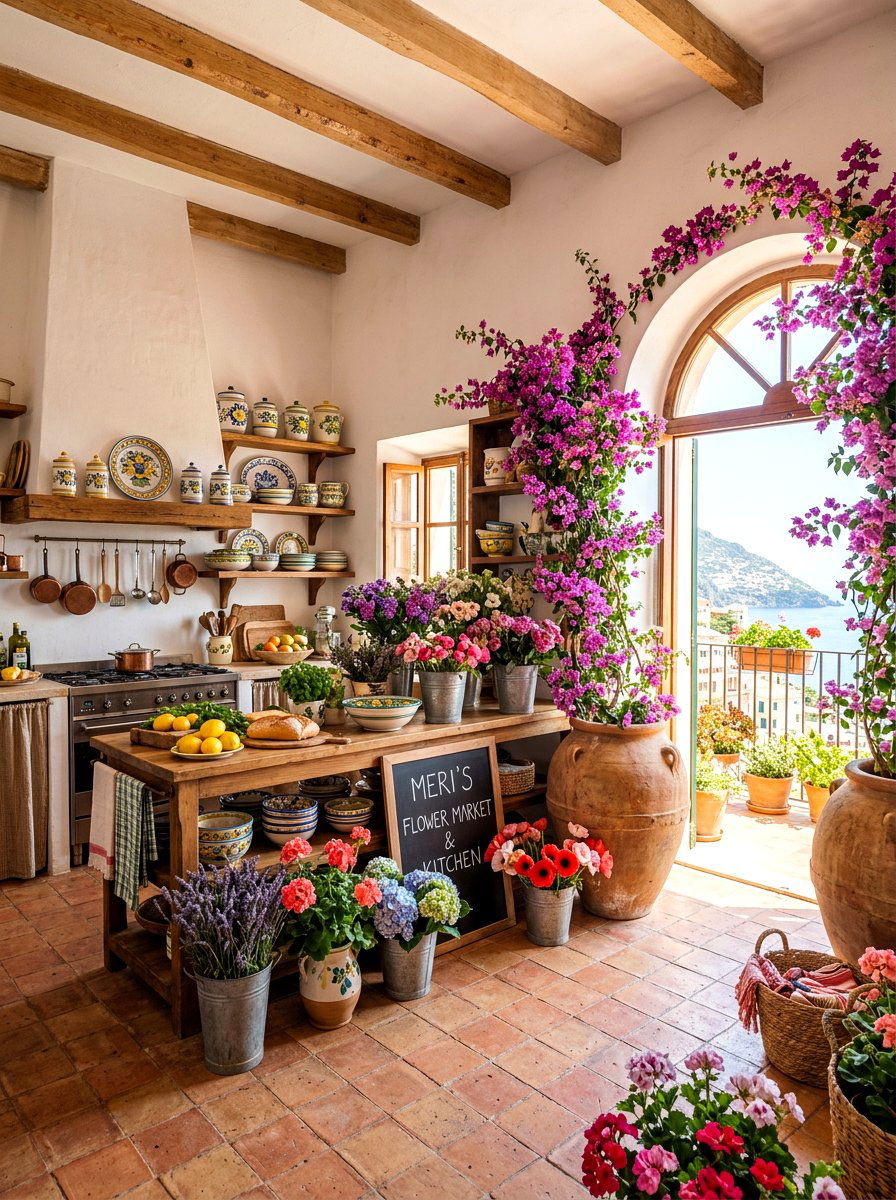
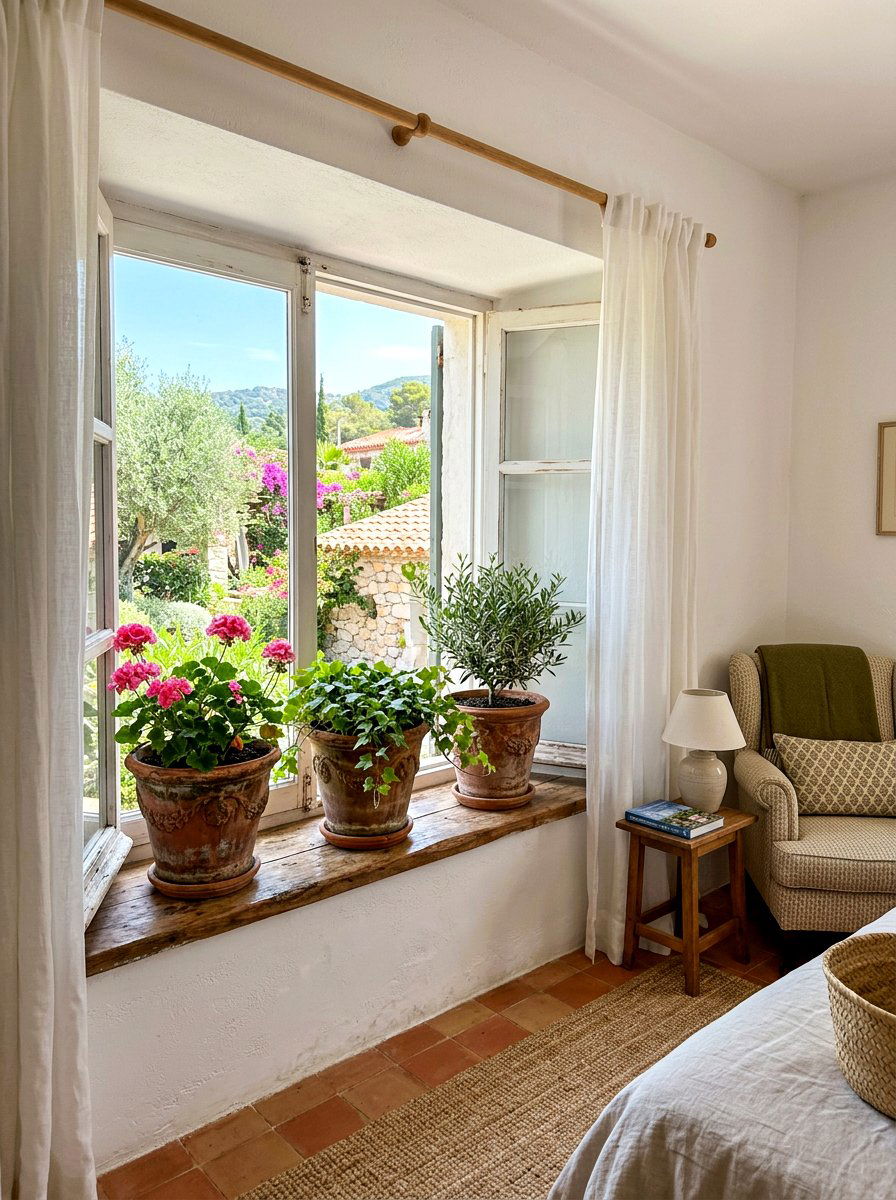
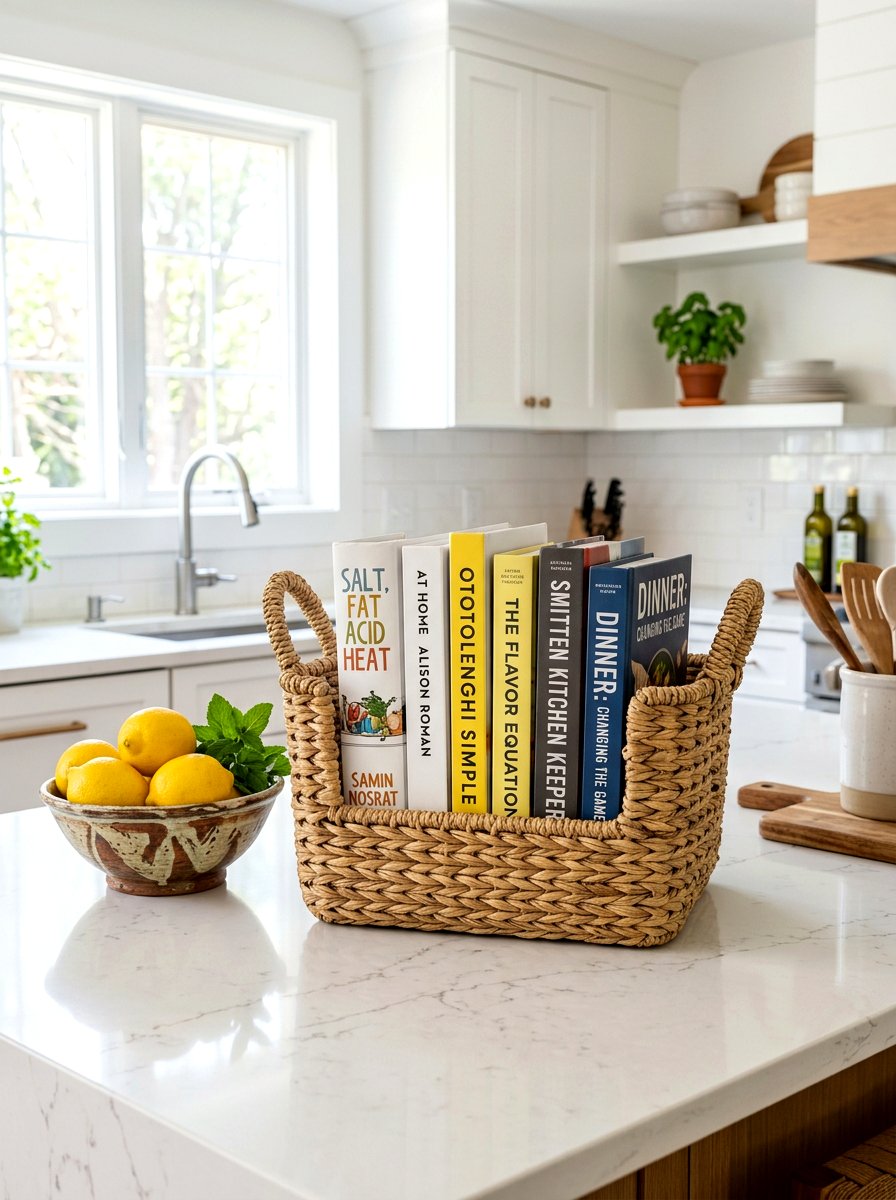
Inspired by the sun-drenched coasts of Italy and Greece, this style uses warm terracotta, weathered stone, and vibrant blues. Use open shelving to display colorful hand-painted ceramics and jars of dried lavender. To achieve the market feel, place large terracotta pots filled with bougainvillea or geraniums on the floor and countertops. A rustic wooden table serves as a central hub for cooking and gathering, often decorated with a simple linen runner and bowls of fresh lemons and herbs. The walls can be finished with a light plaster texture, reflecting the natural light and creating a warm, inviting Mediterranean atmosphere.
20. Transitional Floral Kitchen
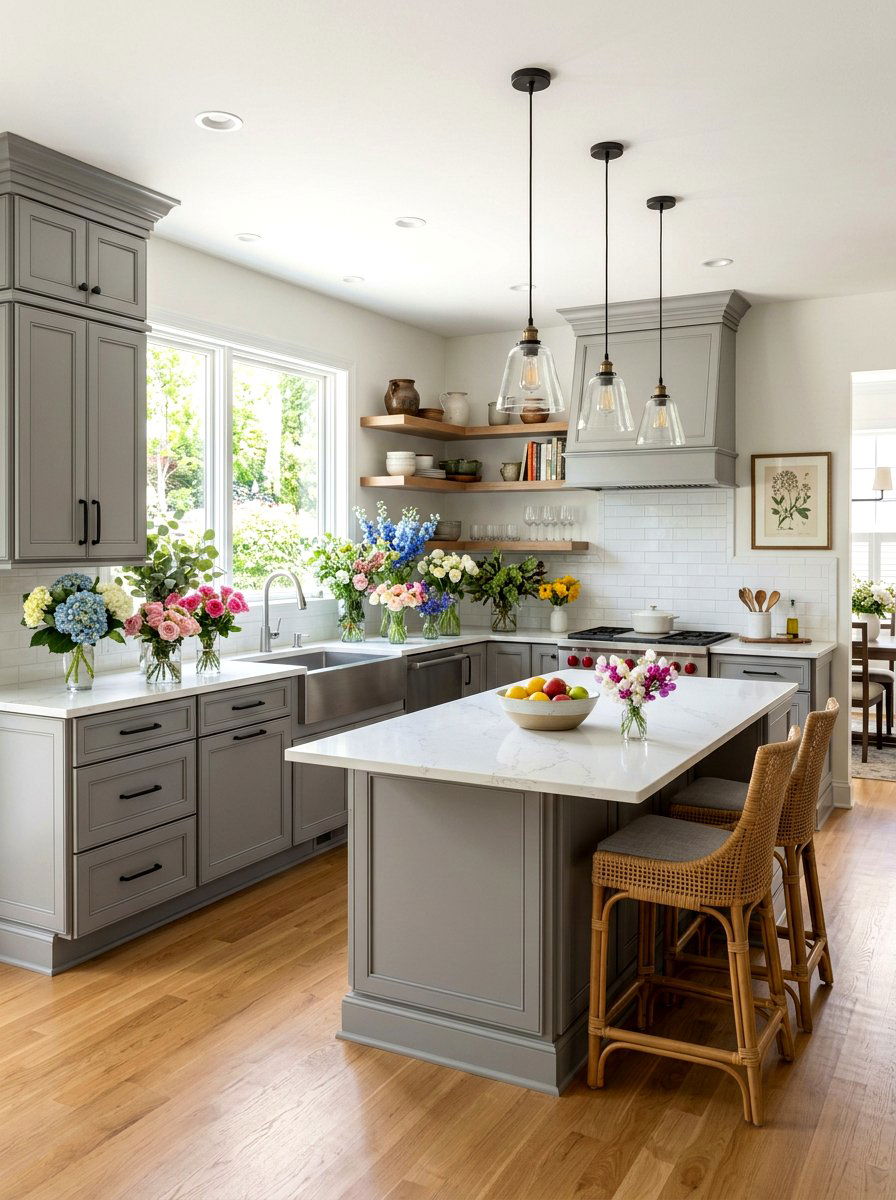
The transitional style bridges the gap between traditional and modern, creating a balanced and versatile kitchen. Use simple shaker-style cabinets in a neutral grey or off-white, paired with a modern quartz countertop. To introduce the flower market theme, use a mix of classic glass vases and more contemporary geometric planters. A large window over the sink can be framed with simple roman shades in a subtle botanical print. This design allows you to easily update your floral arrangements with the seasons, as the neutral base provides the perfect canvas for any color palette or flower type you choose.
21. Farmhouse Herb Garden Kitchen
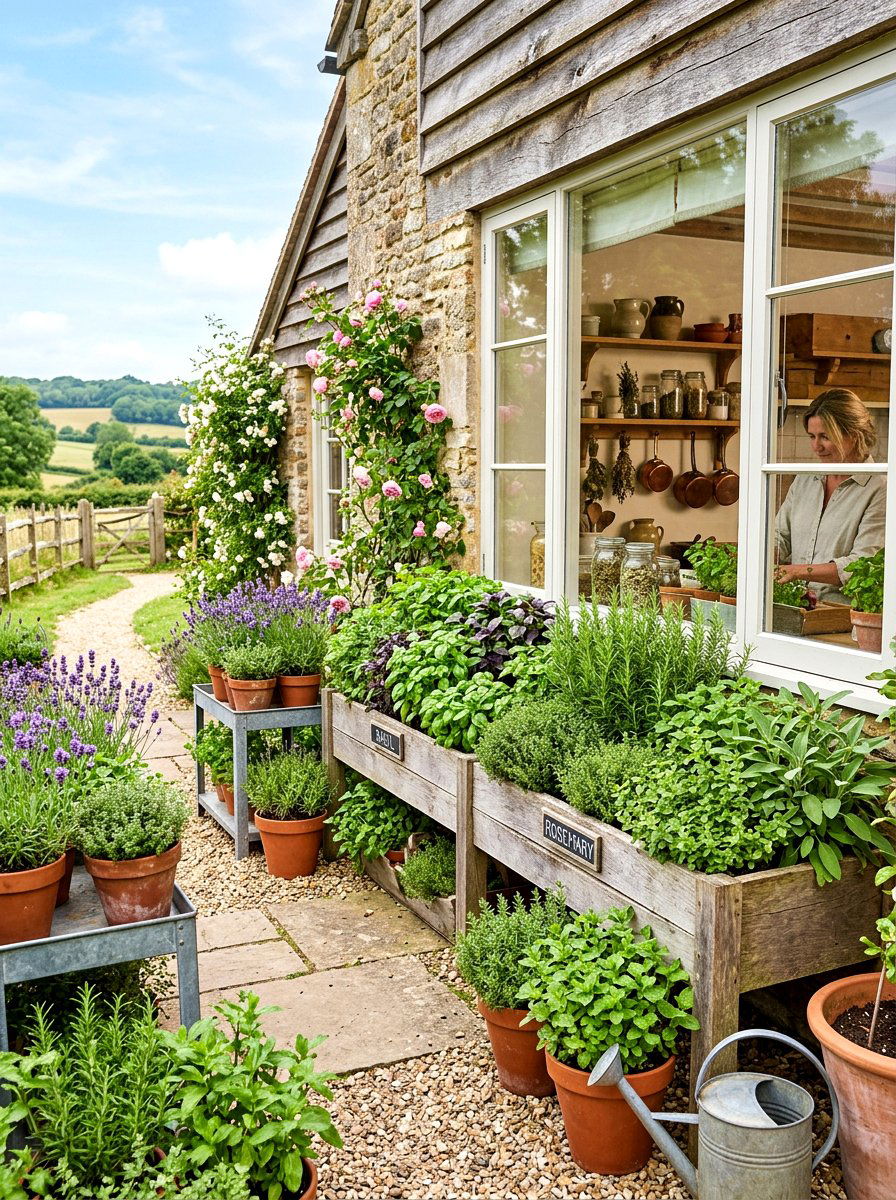
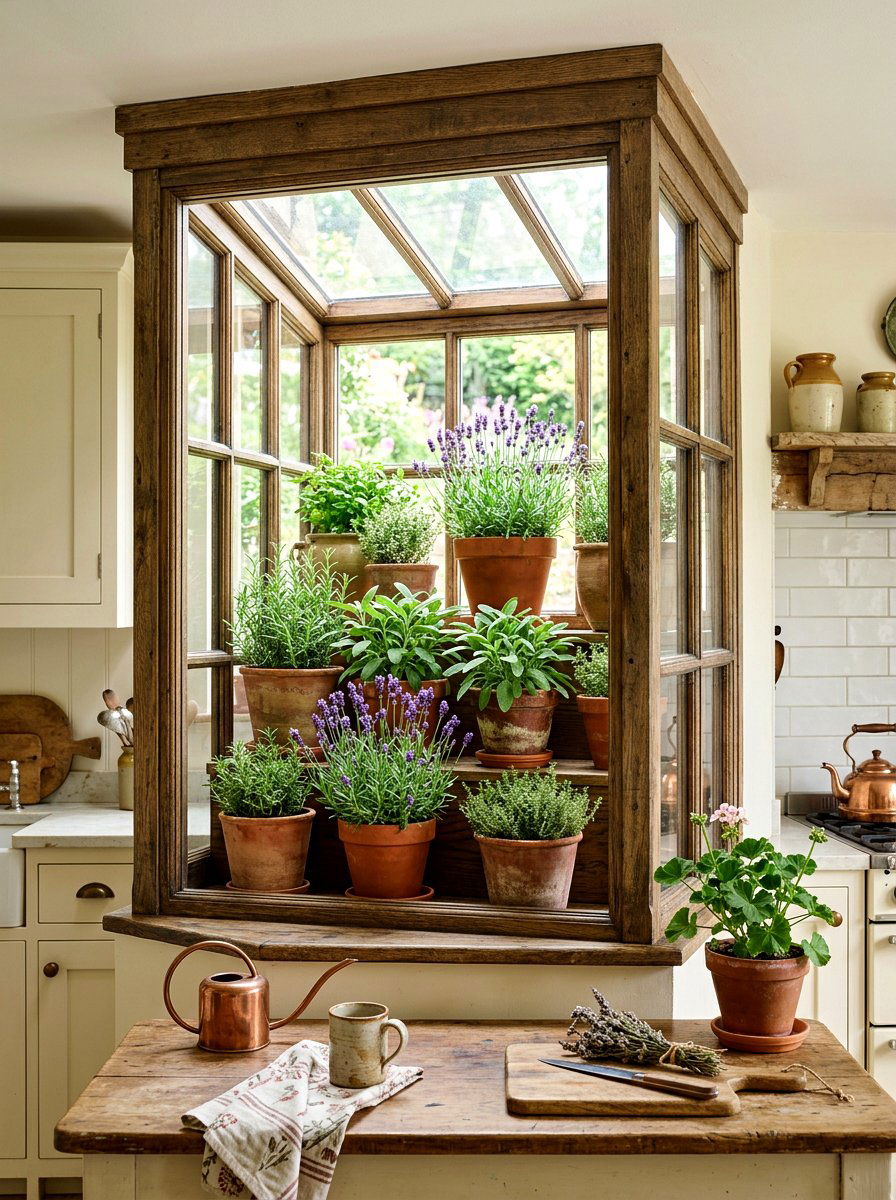
While flowers are beautiful, a kitchen focused on a "market of herbs" is both stunning and practical. This design features a large dedicated area for an indoor herb garden, perhaps with built-in planters under a sunny window or a vertical wall of pots. Use rustic materials like reclaimed wood for shelving and aged zinc for the planters. To maintain the flower market aesthetic, intersperse pots of lavender and chamomile among the basil and rosemary. The scent in this kitchen is incredible, and having fresh ingredients at your fingertips makes every meal feel special and connected to the earth.
22. Urban Flower Market Kitchen
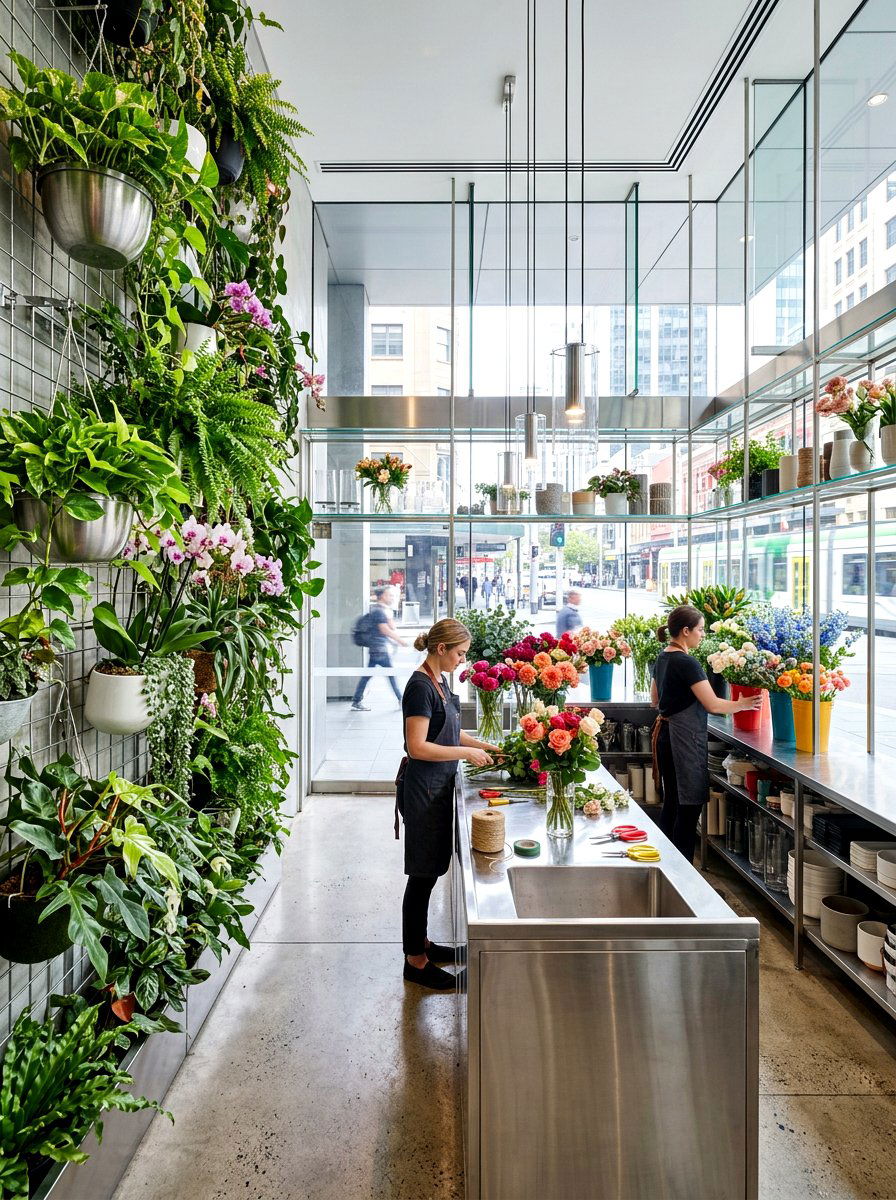
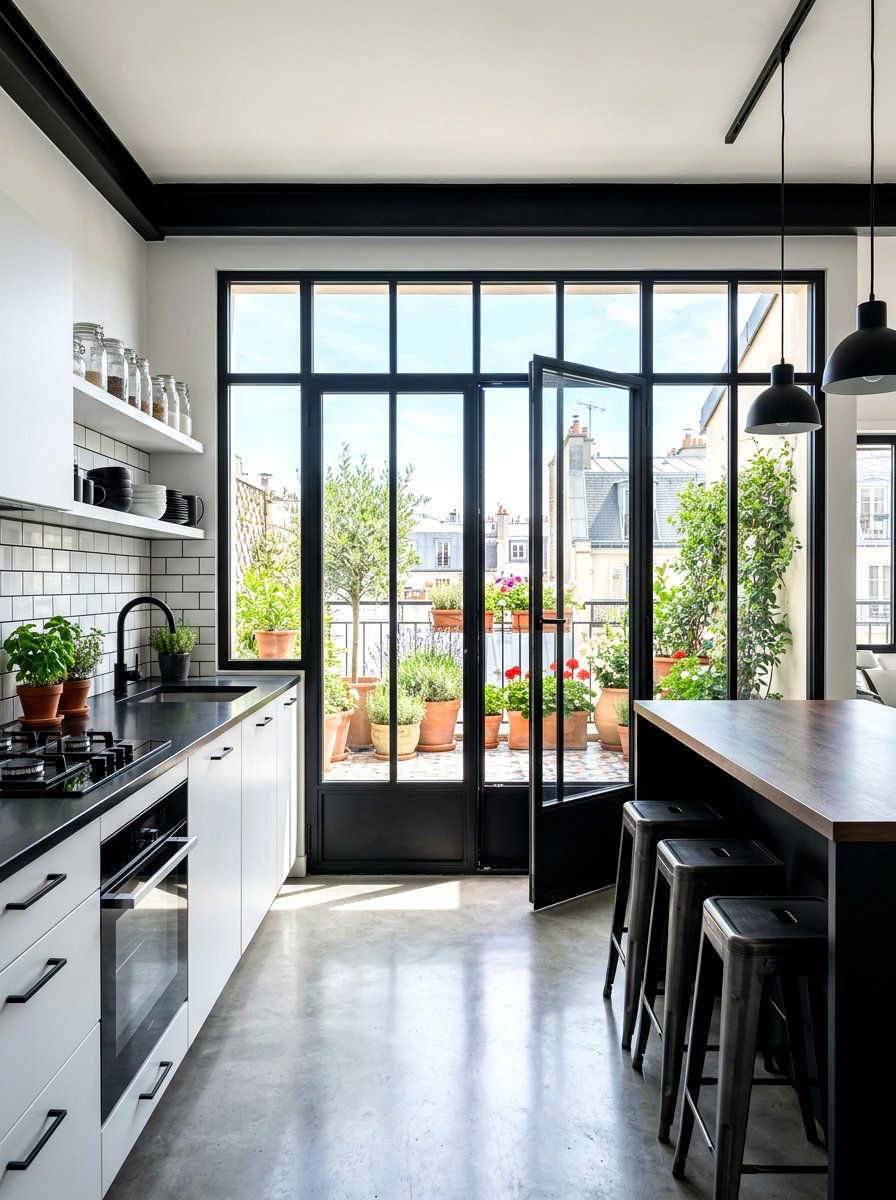
For those living in the city, an urban flower market kitchen brings a touch of nature to a high-rise or apartment. Use sleek, modern materials like glass and polished metal, but soften the look with an abundance of greenery. Large floor-to-ceiling windows are key, providing a view of the city while letting in the light needed for plants to thrive. Use hanging planters and tiered plant stands to create a lush, vertical garden in a small footprint. A compact island can be used as a flower arranging station, equipped with hidden storage for shears, twine, and various vintage-inspired vases.
23. Sunny Greenhouse Kitchen
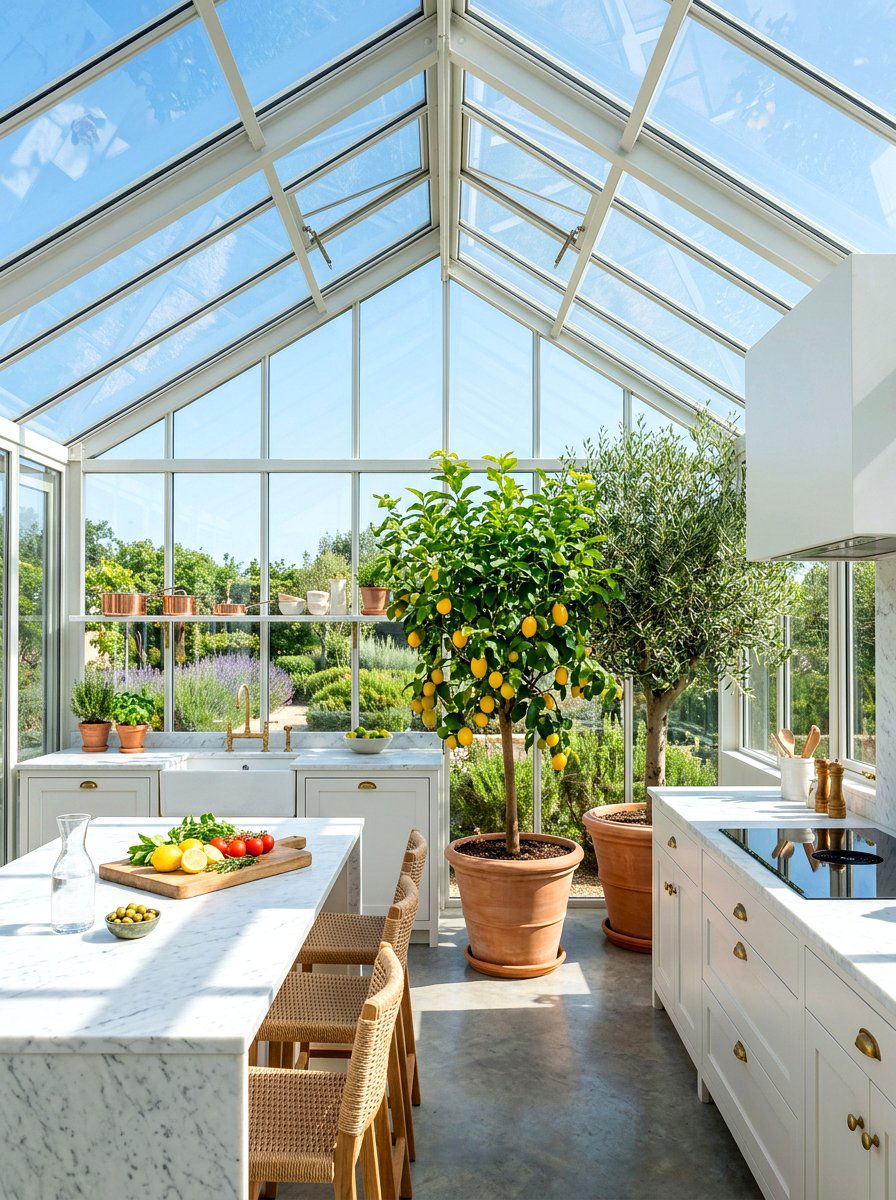
Imagine a kitchen that is essentially a glass-enclosed sunroom. This design prioritizes natural light above everything else, with glass walls and a glass ceiling. The "flower market" feel is built into the architecture, as the room is literally surrounded by gardens. Inside, use light-colored materials like white marble and bleached wood to keep the space feeling open. Large potted trees, like citrus or olive, can be placed in the corners, while the countertops are filled with seasonal blooms. This is the ultimate kitchen for those who want to feel completely immersed in the natural world while they cook and dine.
24. Cottagecore Flower Market Kitchen

The cottagecore movement celebrates a simple, pastoral life and a deep connection to nature. In the kitchen, this means using warm wood, soft floral fabrics, and plenty of handmade items. Use a vintage-style hutch to display a collection of floral-patterned plates and bowls. To achieve the flower market look, hang bunches of dried flowers from the ceiling beams and keep a constant supply of fresh wildflowers in simple glass jars. Hand-knitted dishcloths and embroidered aprons add a personal, cozy touch. This kitchen is a peaceful retreat from the modern world, focusing on slow living and the beauty of nature.
25. Antique Flower Market Kitchen
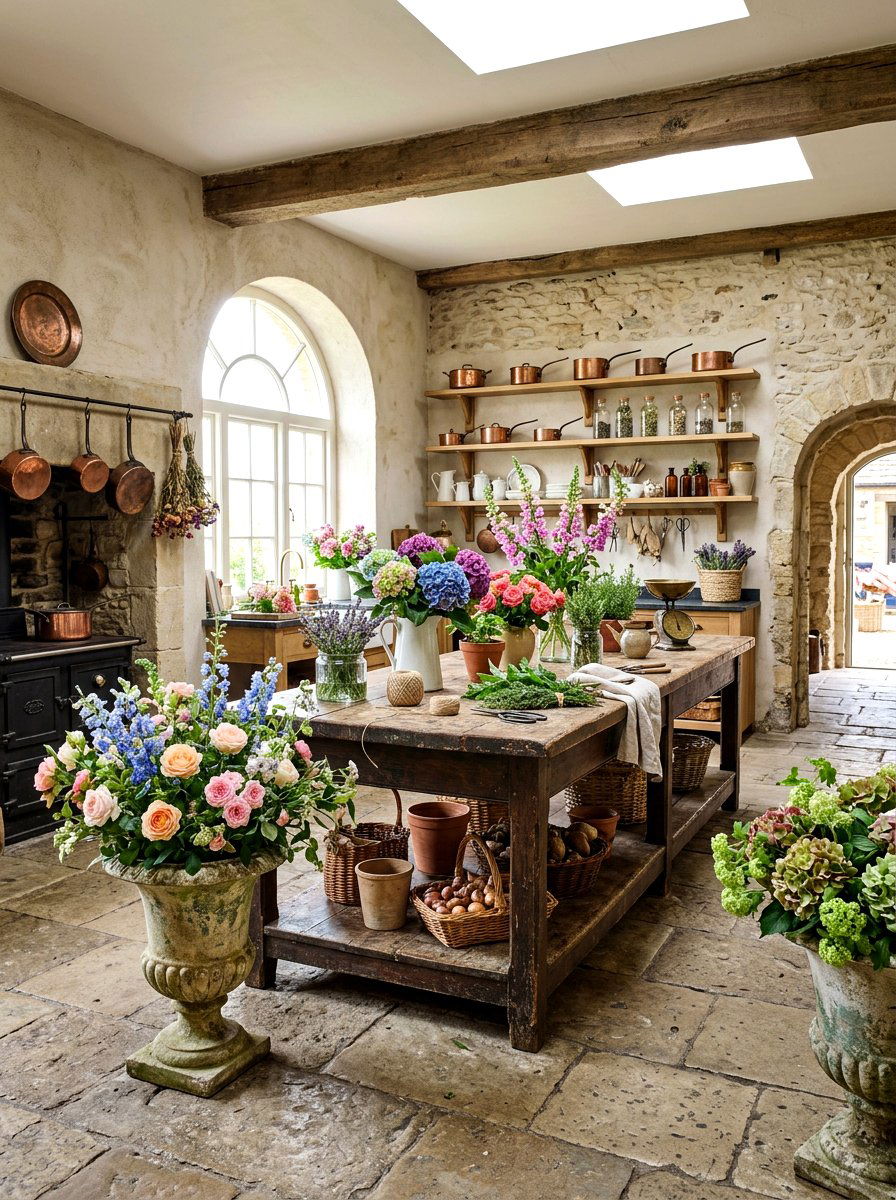
This design uses genuine antiques and historical references to create a kitchen that feels like it has been around for centuries. Look for an 18th-century work table to use as an island and use reclaimed stone for the flooring. The flower market aspect is introduced through antique garden tools displayed as art and weathered stone urns used as planters. Use muted, historical paint colors like ochre or deep madder for the cabinetry. The atmosphere is quiet, dignified, and full of character, proving that the flower market aesthetic can be both rustic and incredibly sophisticated when executed with authentic materials.
26. Bright White Floral Kitchen
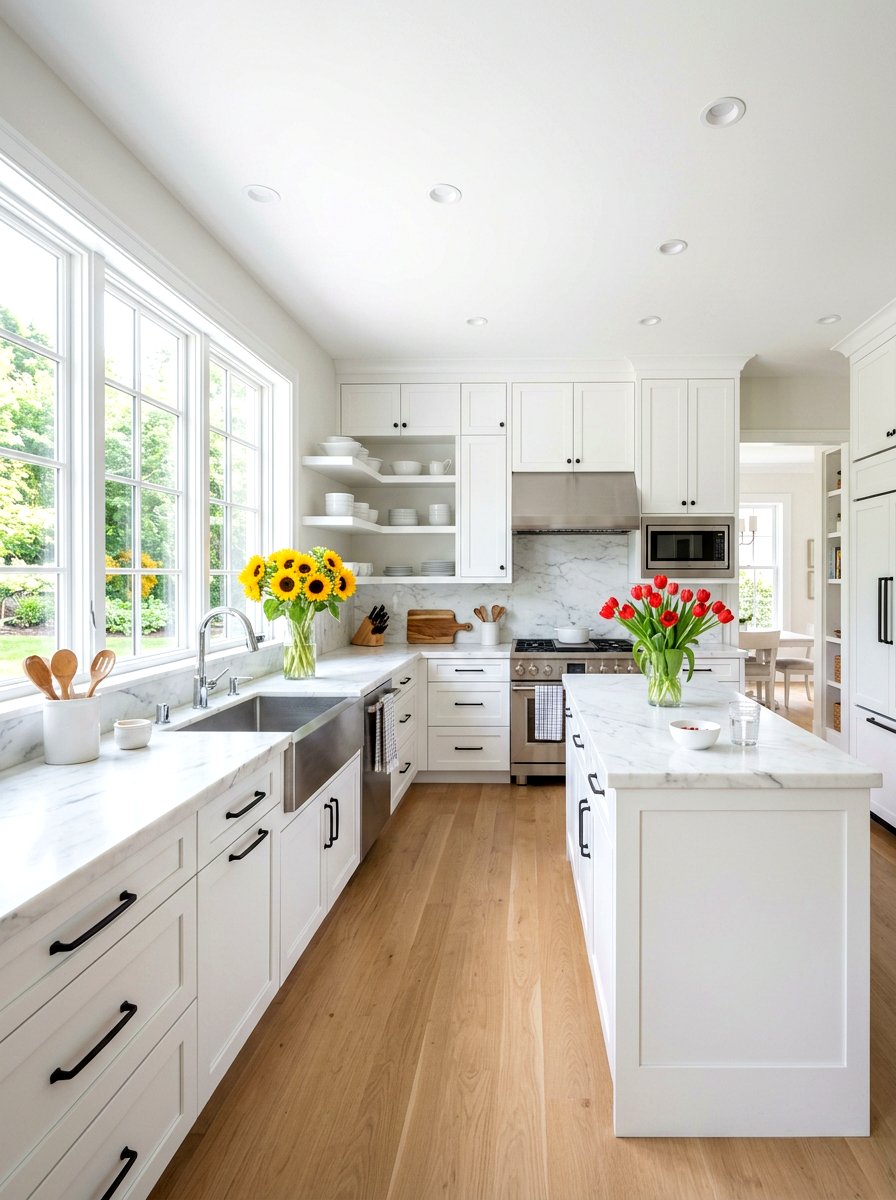
A classic white kitchen provides the perfect blank canvas for a vibrant flower market theme. Use white shaker cabinets, a white subway tile backsplash, and white marble countertops to create a crisp, clean environment. The color and life in the room come entirely from the floral arrangements. Imagine large vases of bright yellow sunflowers, deep red tulips, or blue hydrangeas scattered throughout the space. The contrast between the pure white surfaces and the vivid colors of the flowers is stunning and high-energy. This approach is easy to update and always feels incredibly fresh, modern, and full of seasonal life.
27. Sage Green Botanical Kitchen
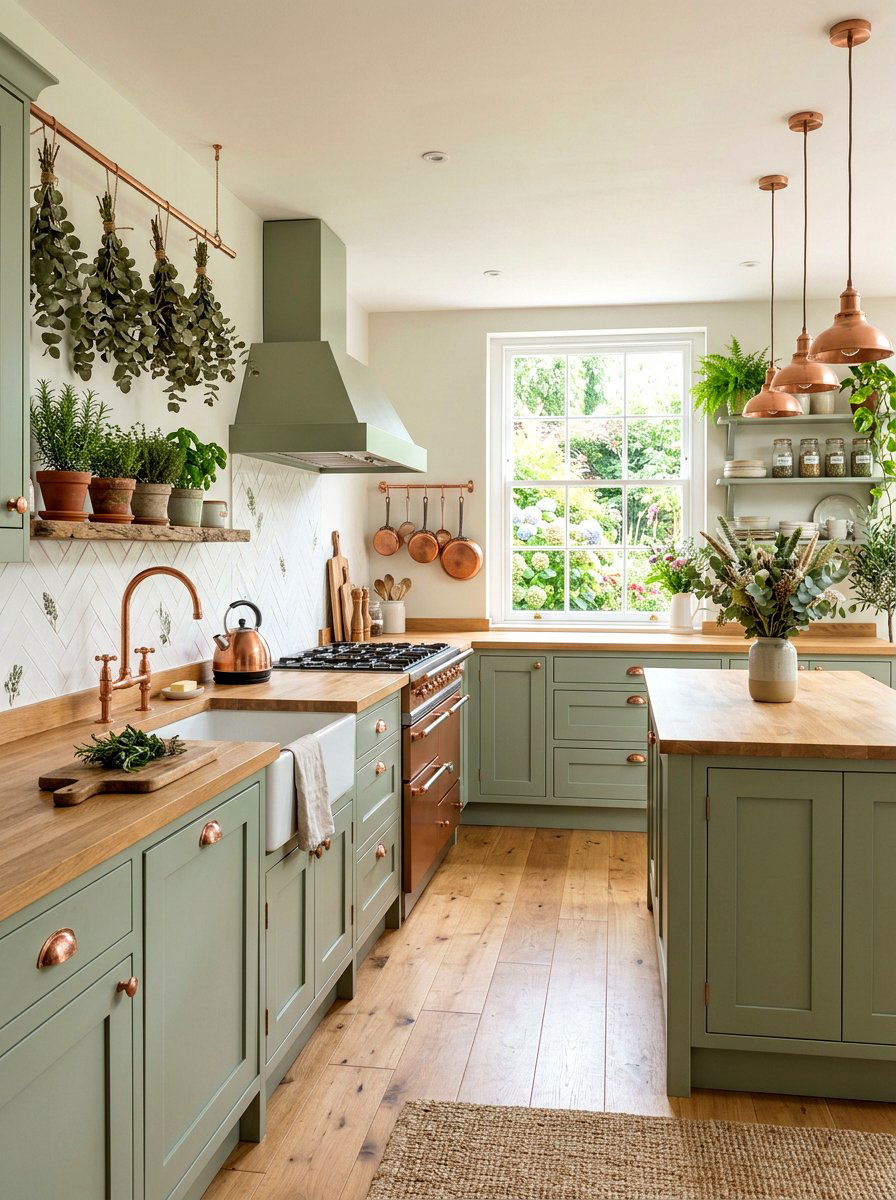
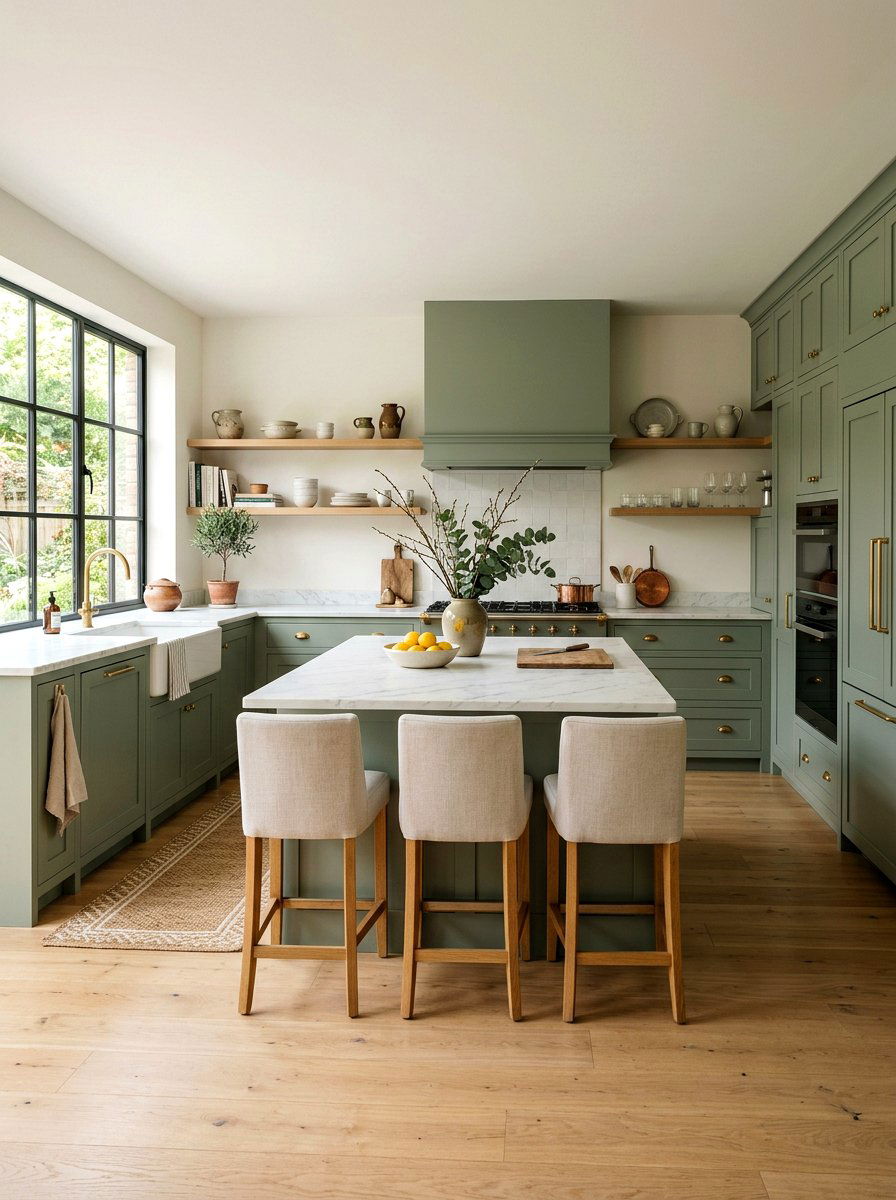
Sage green is a classic color for a botanical-themed kitchen because it naturally evokes the feeling of the garden. Use this soft, muted green for all the cabinetry, and pair it with a light wood countertop. The flower market vibe is enhanced by using copper accents, which provide a beautiful contrast to the green tones. Display bunches of dried lavender and eucalyptus on the walls, and keep several glass jars of white flowers on the island. A natural jute rug and woven wood shades add texture and warmth, creating a cohesive and calming space that feels like a peaceful garden sanctuary.
28. Wood and Flower Kitchen
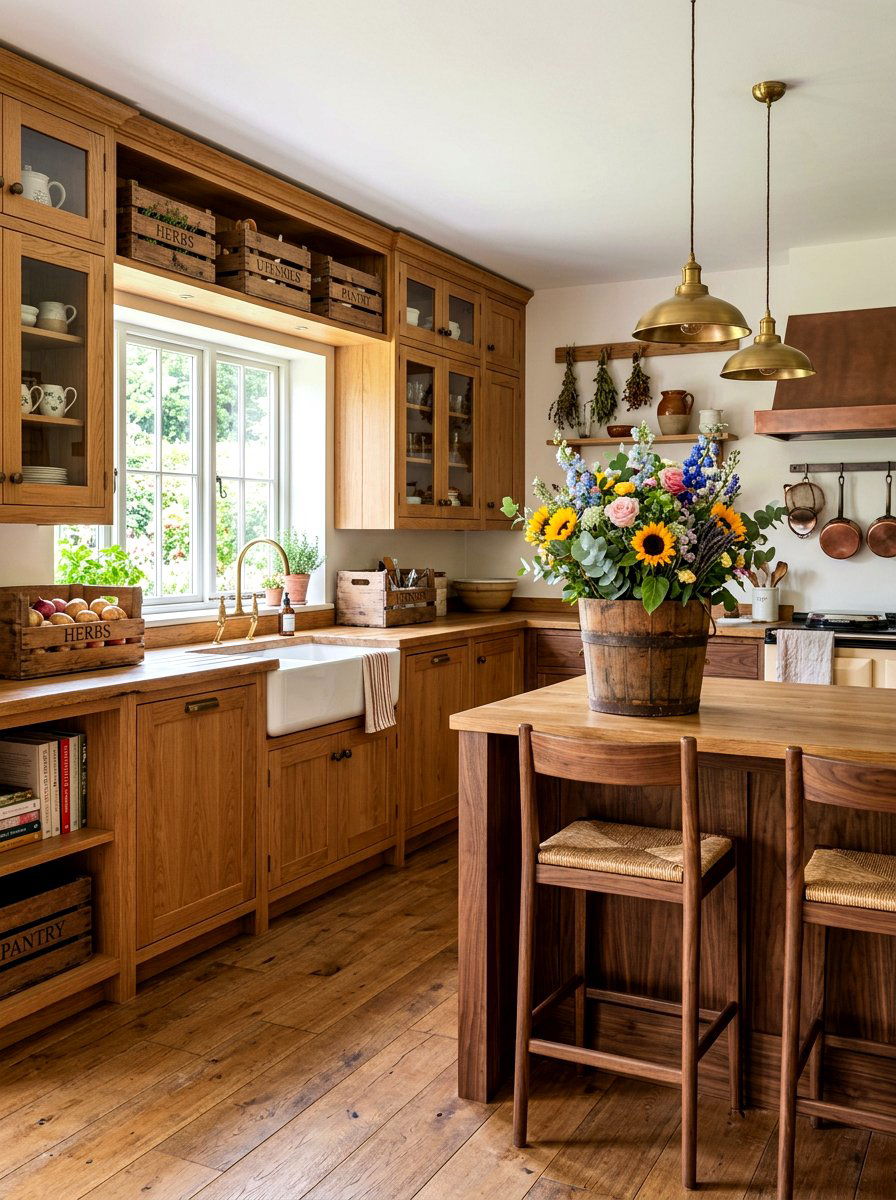
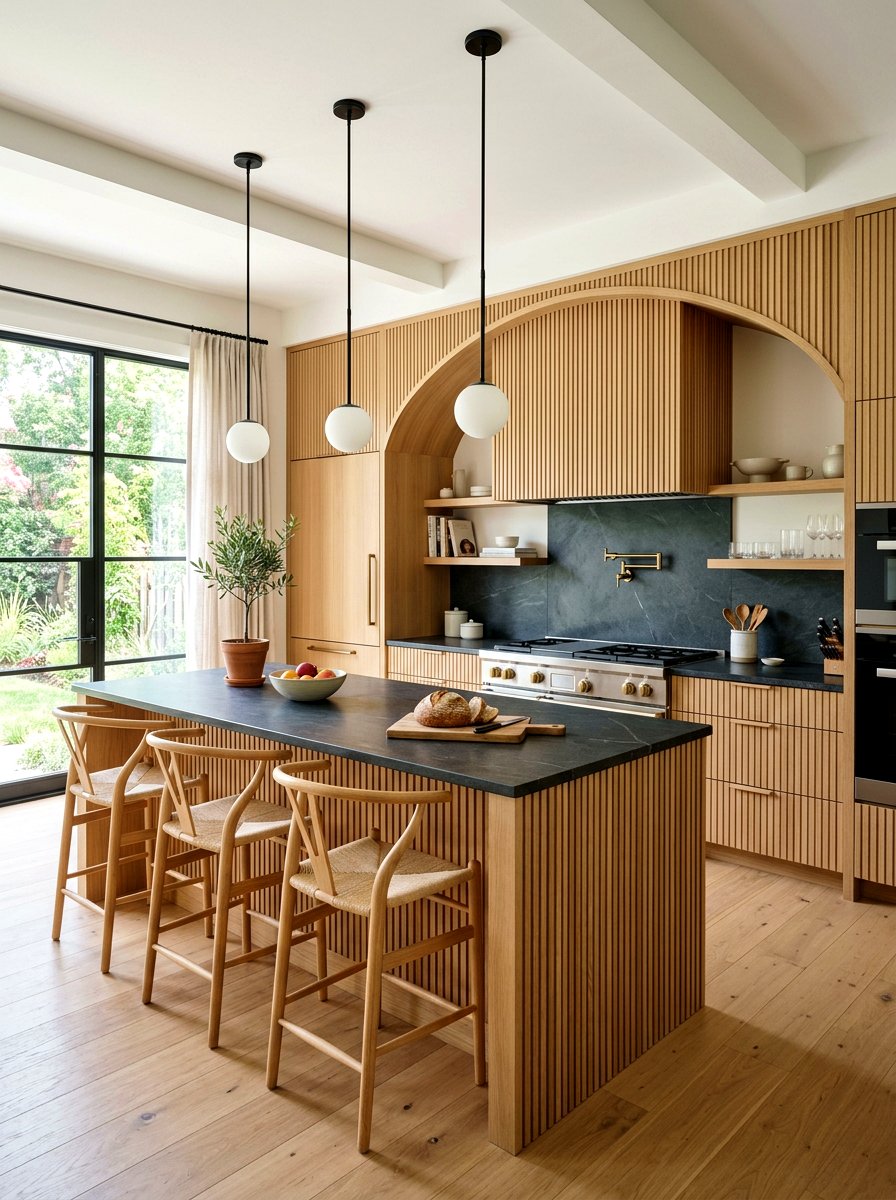
This design celebrates the natural beauty of raw materials by focusing on various wood tones. Use dark walnut for the lower cabinets and light oak for the upper shelves. To bring in the flower market theme, use wooden crates as drawers and display flowers in rustic wooden buckets. The texture of the wood grain provides a beautiful backdrop for the soft petals and green leaves of the plants. A large wooden dining table in the center of the room invites everyone to gather, while overhead, a light fixture made from a reclaimed branch adds a unique botanical touch.
29. Colorful Flower Market Kitchen
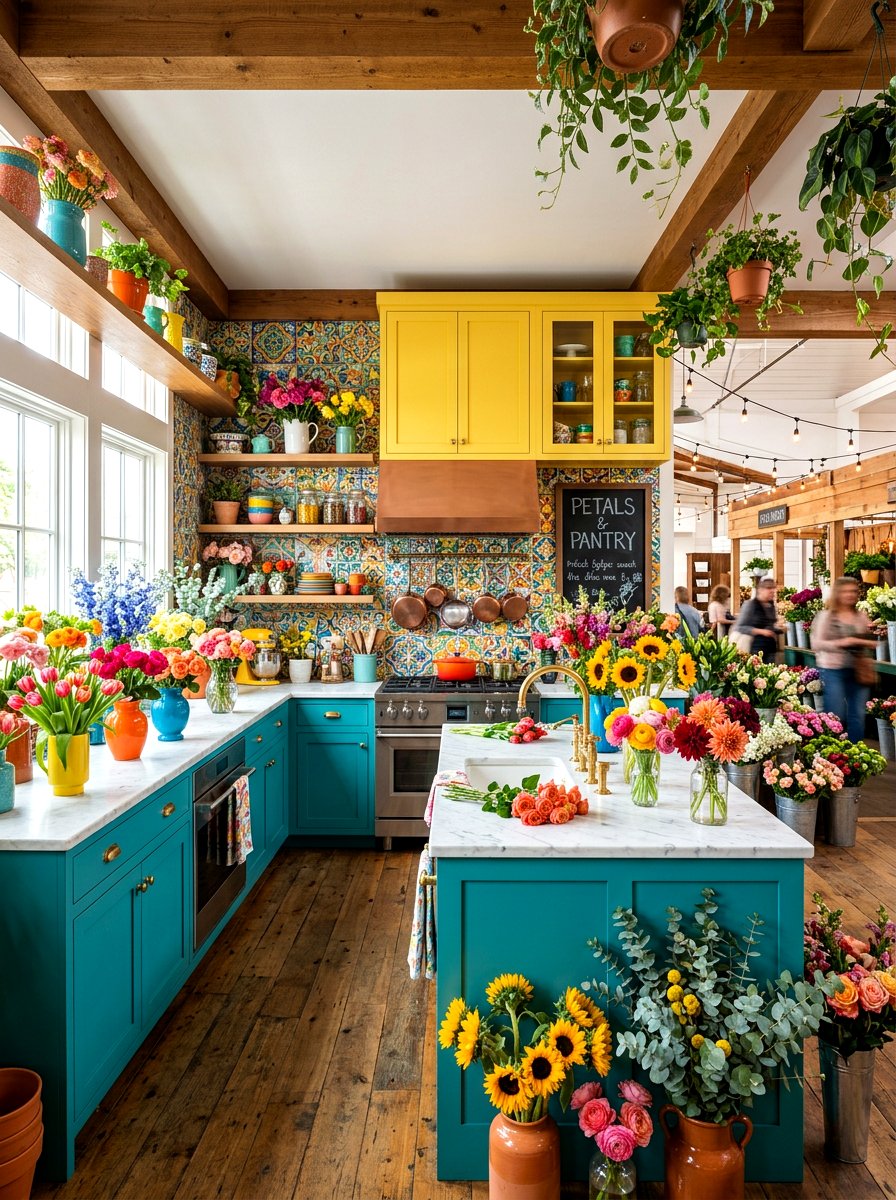
For those who are not afraid of color, this kitchen is a bold celebration of the garden's full palette. Use a mix of different colored cabinets, such as a teal island with yellow perimeter units. To capture the flower market essence, use a wide variety of colorful flowers in equally vibrant vases. A backsplash of colorful encaustic tiles can add even more pattern and interest. This kitchen is high-energy and incredibly joyful, reflecting the chaotic beauty of a real flower market. It is a space that feels alive with personality and encourages a fun, creative approach to cooking.
30. Cozy Flower Market Kitchen
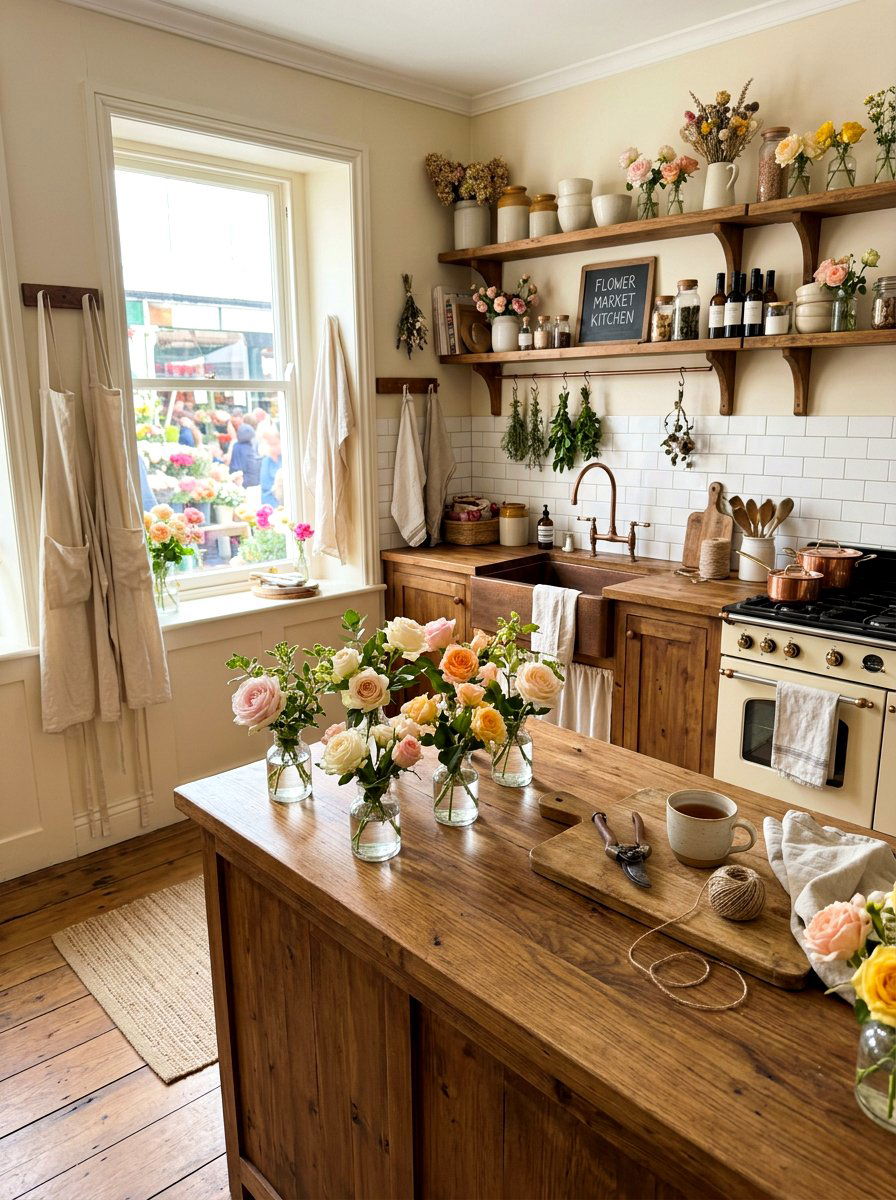
A cozy kitchen is all about creating a sense of comfort and security. Use soft, warm lighting and plenty of textiles like rugs, curtains, and cushions to dampen sound and add warmth. To incorporate the flower market theme, keep the arrangements small and intimate, like a single rose in a bud vase on each table. Use soft, muted colors like cream, tan, and soft pink. A small breakfast nook with a floral-patterned bench cushion provides a perfect spot for morning coffee, surrounded by the quiet beauty of a few well-placed plants and some flickering candles.
Conclusion:
Designing a kitchen inspired by a flower market is about more than just adding a few plants; it is about creating a space that feels alive, fresh, and deeply connected to nature. Whether you prefer the rustic charm of a farmhouse, the sleek lines of a minimalist design, or the dramatic flair of a moody botanical theme, there are endless ways to bring this beautiful aesthetic into your home. By focusing on natural light, vintage-inspired containers, and a variety of textures, you can transform your kitchen into a vibrant sanctuary that provides daily inspiration and a peaceful retreat from the world.

Related posts: