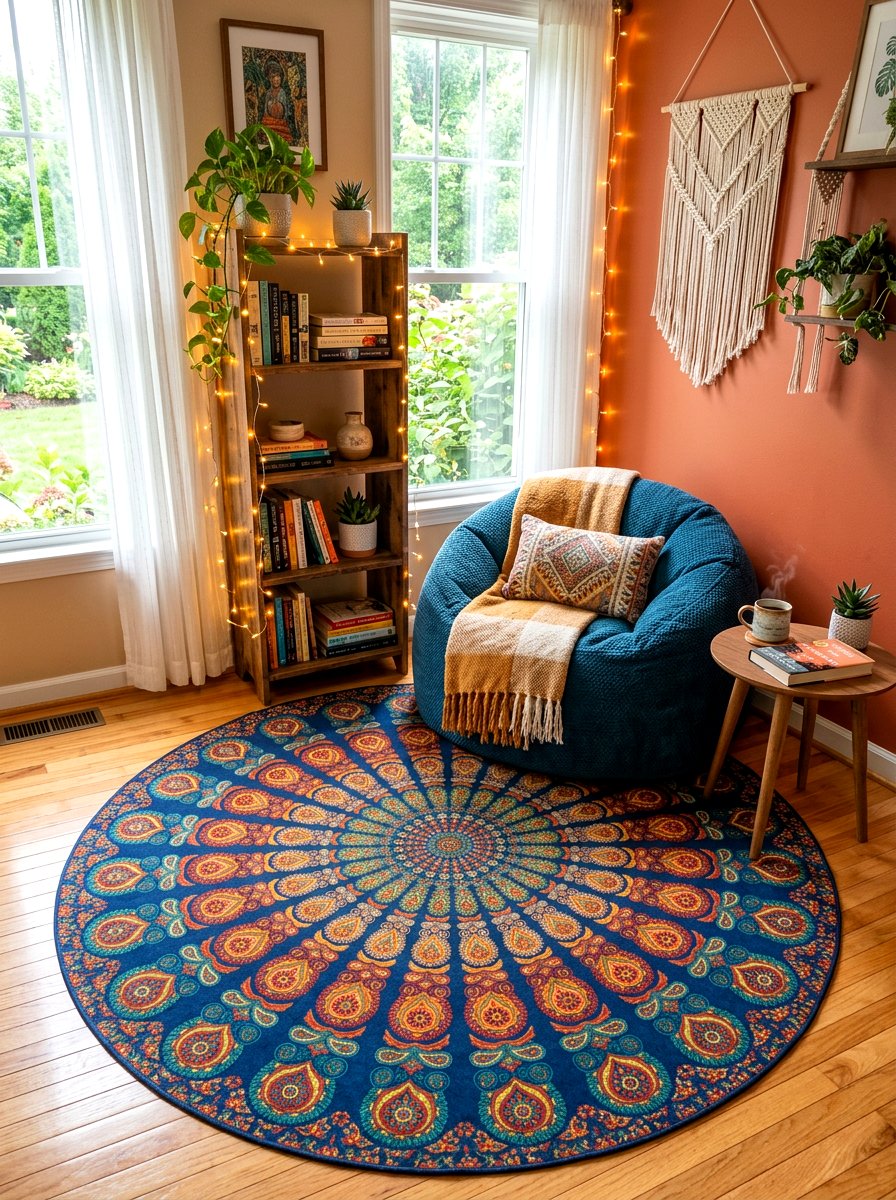
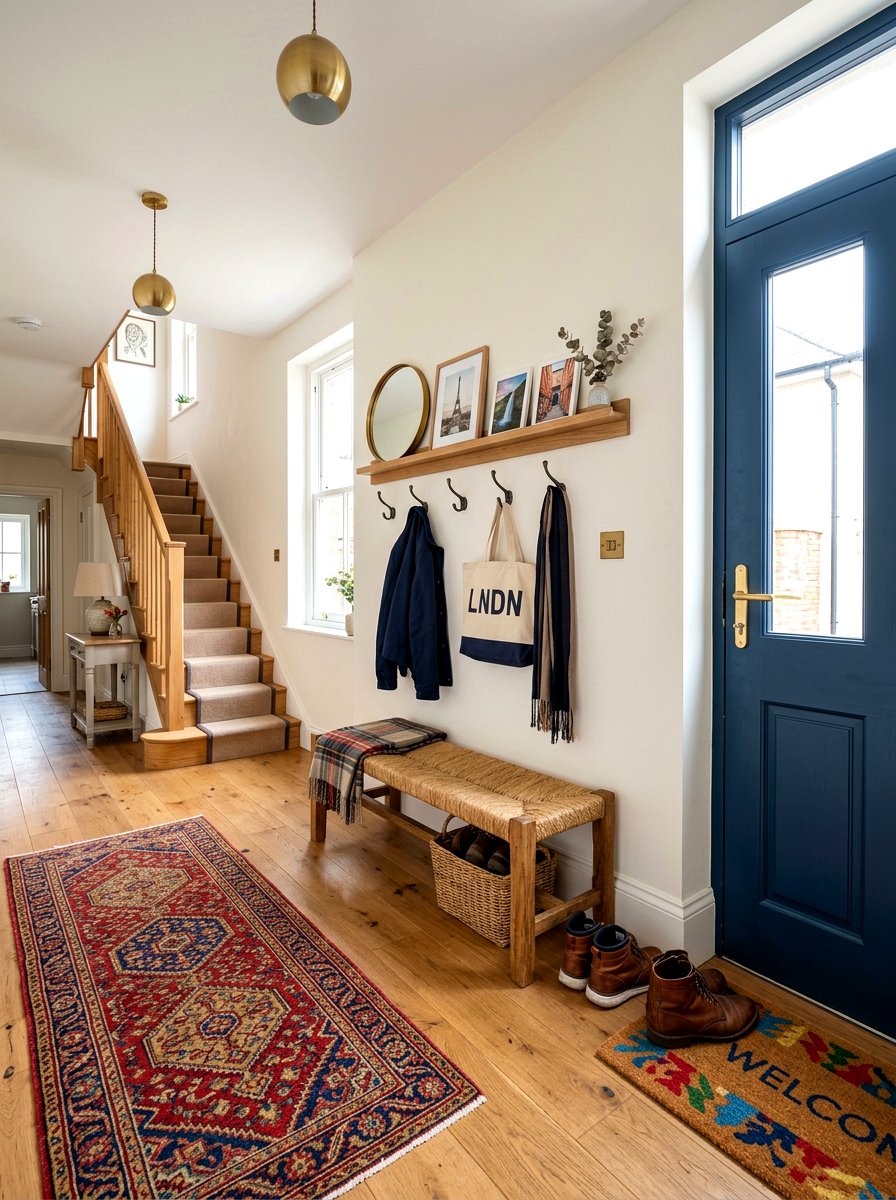
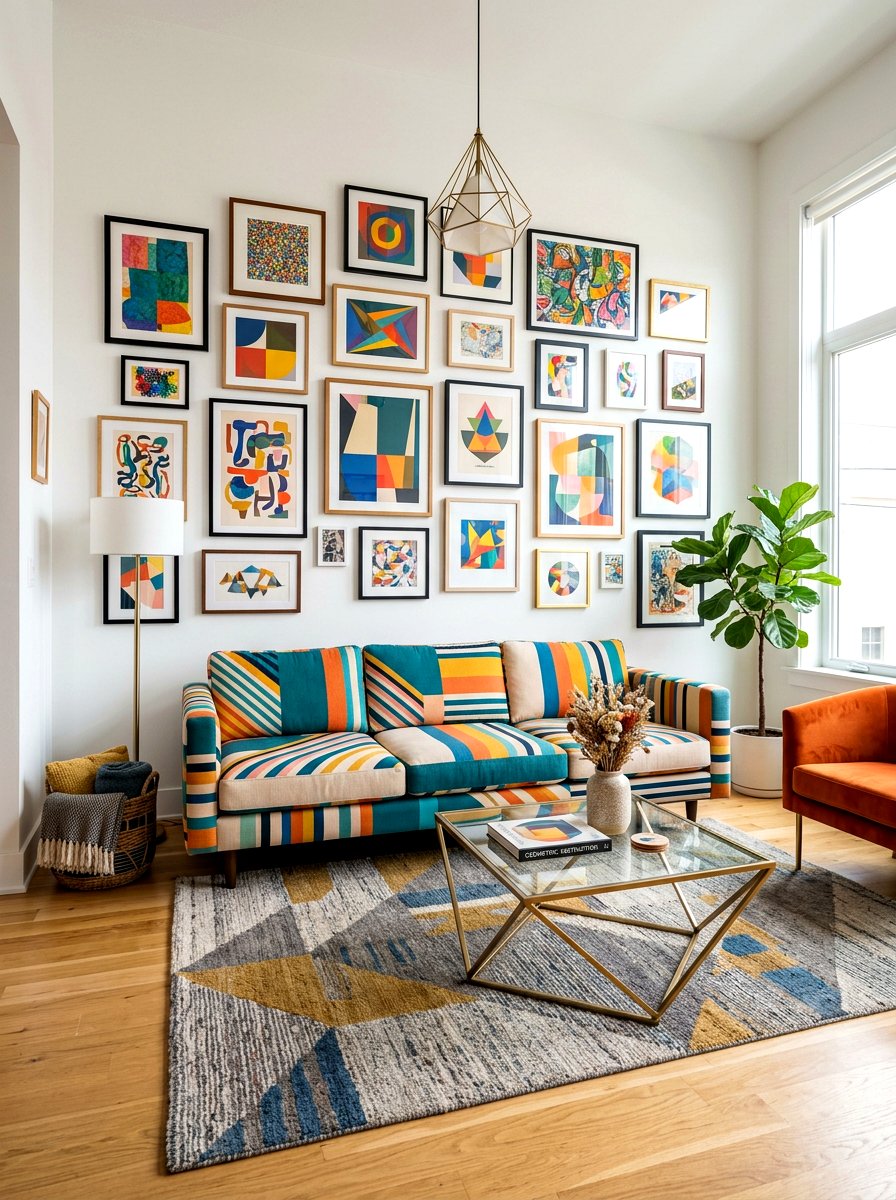
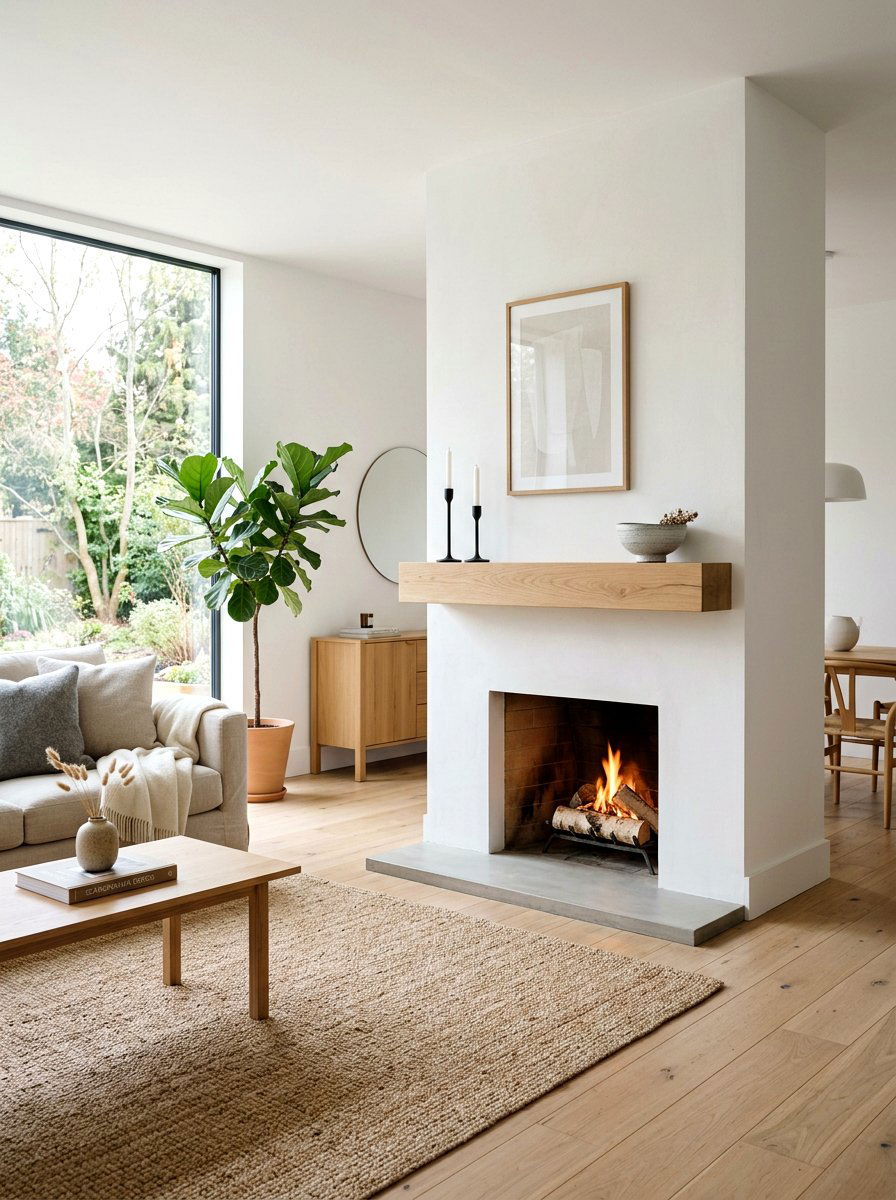
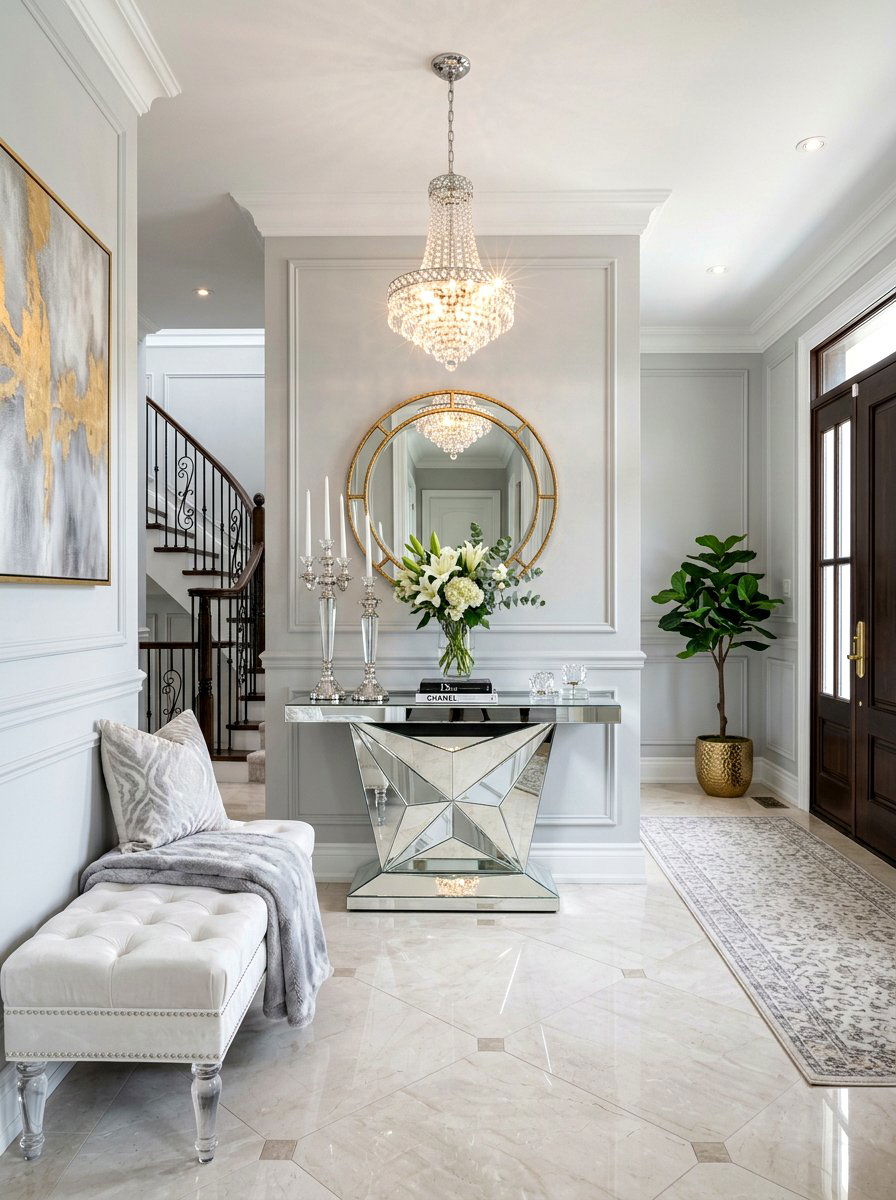
Creating a beautifully layered home often starts from the ground up, and nothing adds instant character like the artful stacking of floor coverings. This design technique has become a favorite for those looking to add depth, warmth, and a curated feel to their living spaces without a total renovation. By mixing textures, colors, and patterns, you can define different zones in an open floor plan or simply make a room feel more cozy and finished. Whether you are hiding a worn spot on an old carpet or making a small, expensive heirloom rug work in a large room, layering offers endless creative possibilities for every style.
1. Jute Rug With Vintage Rug
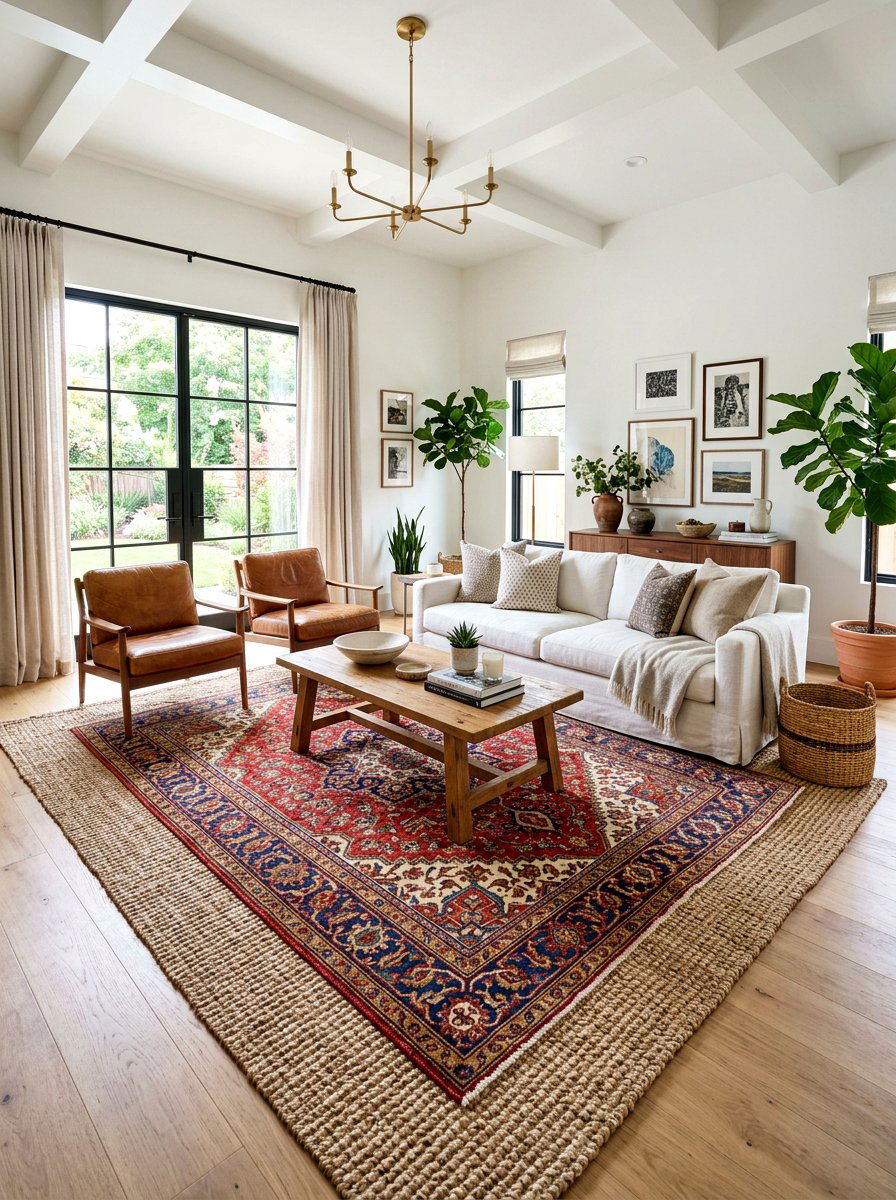
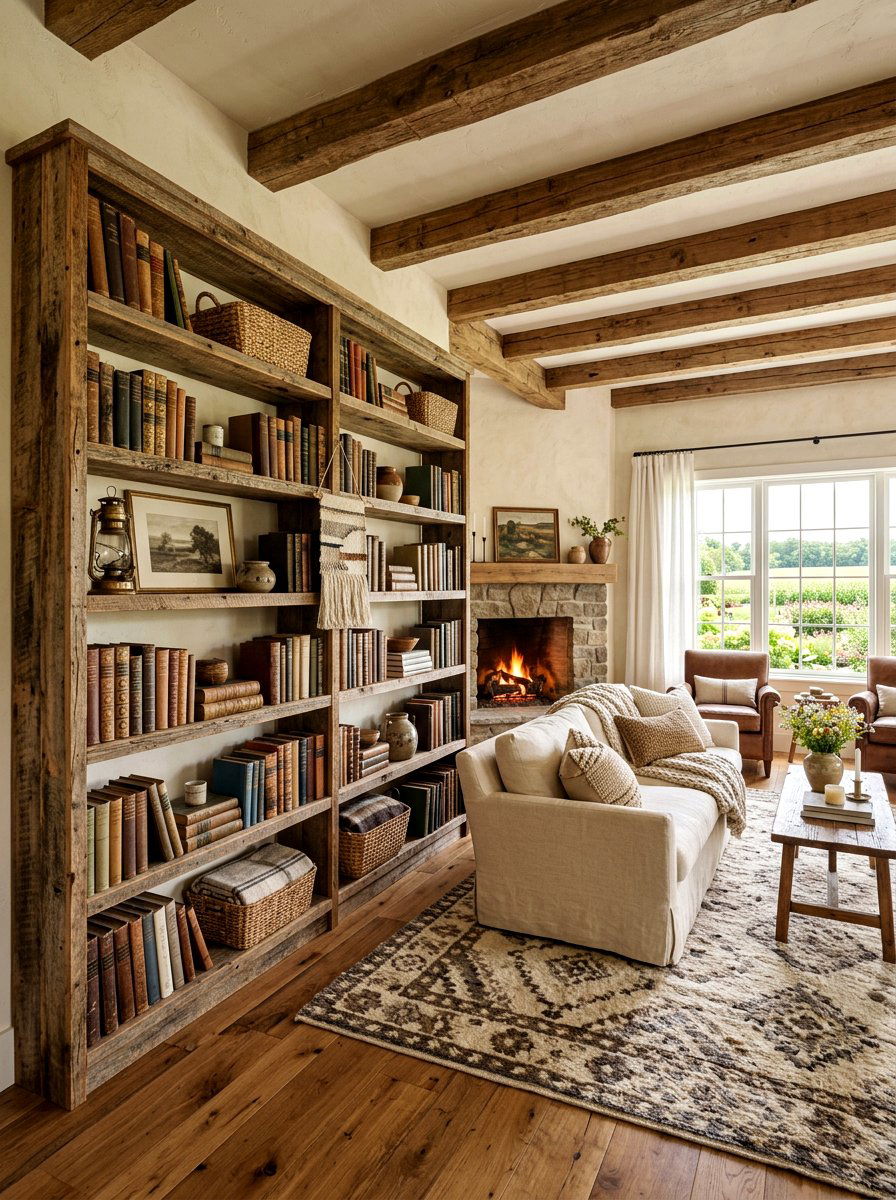
A classic living room setup often features a large, chunky jute base that grounds the entire seating area with its natural, earthy texture. Placing a smaller, colorful vintage Persian or Turkish rug directly in the center creates a sophisticated focal point under a wooden coffee table. This combination works beautifully because the flat, rough weave of the jute provides a neutral stage that lets the intricate patterns and faded hues of the antique piece truly shine. The surrounding furniture, like a linen sofa and leather accent chairs, feels more anchored when the rugs extend past the front legs. It is a timeless look that balances rustic charm with high-end elegance effortlessly.
2. Cowhide Over Jute Rug
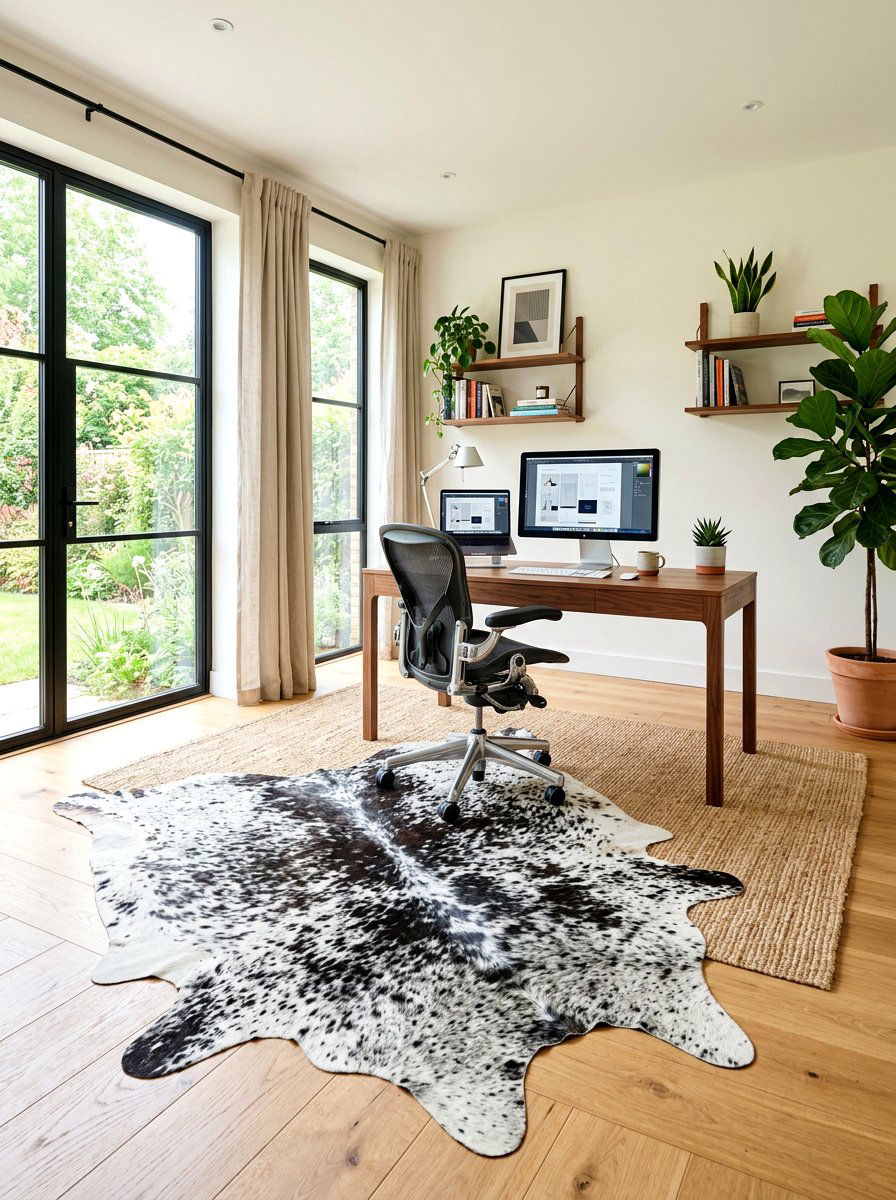
For a more modern and organic vibe, try layering a natural cowhide rug at an angle over a large rectangular jute foundation. This design works exceptionally well in an office or a reading nook where you want to break up the rigid lines of the room. The irregular shape of the hide adds a soft, fluid movement that contrasts sharply with the straight edges of the bottom rug. To keep the space feeling cohesive, choose a hide that shares tones with your wooden desk or shelving units. This pairing is durable enough for high-traffic areas while providing a unique, high-contrast aesthetic that feels both adventurous and grounded in nature.
3. Sheepskin Over Patterned Rug
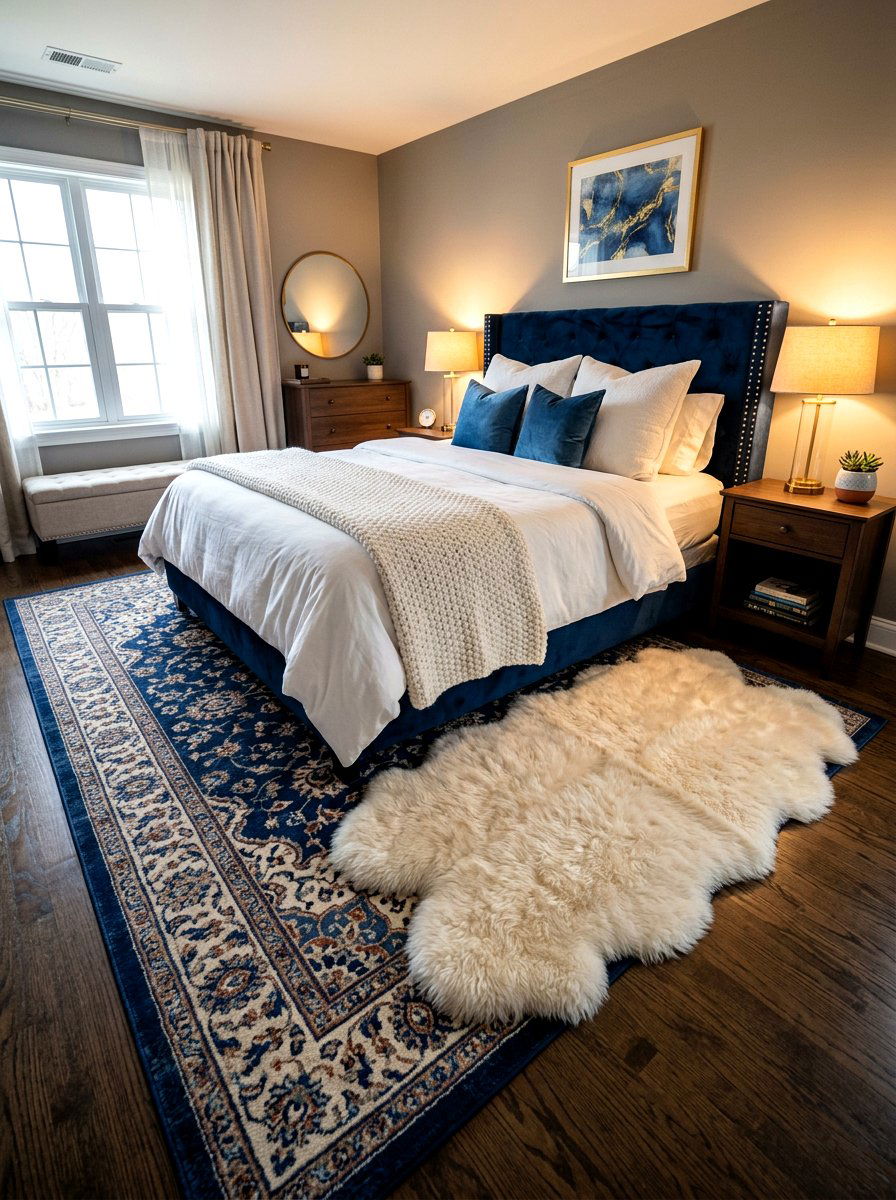
Adding a plush sheepskin rug over a larger patterned wool rug is the ultimate way to bring cozy warmth to a bedroom or nursery. Position the sheepskin right where your feet hit the floor in the morning to create a soft, sensory experience that enhances the overall comfort of the space. The visual contrast between the flat-weave pattern and the high-pile, fluffy texture of the sheepskin adds a sense of luxury and dimension. Pair this look with soft bedding, knit throws, and warm ambient lighting to finish the sanctuary-like feel. It is a simple styling trick that makes any standard room feel much more intentional and inviting for relaxation.
4. Sisal Rug With Oriental Rug
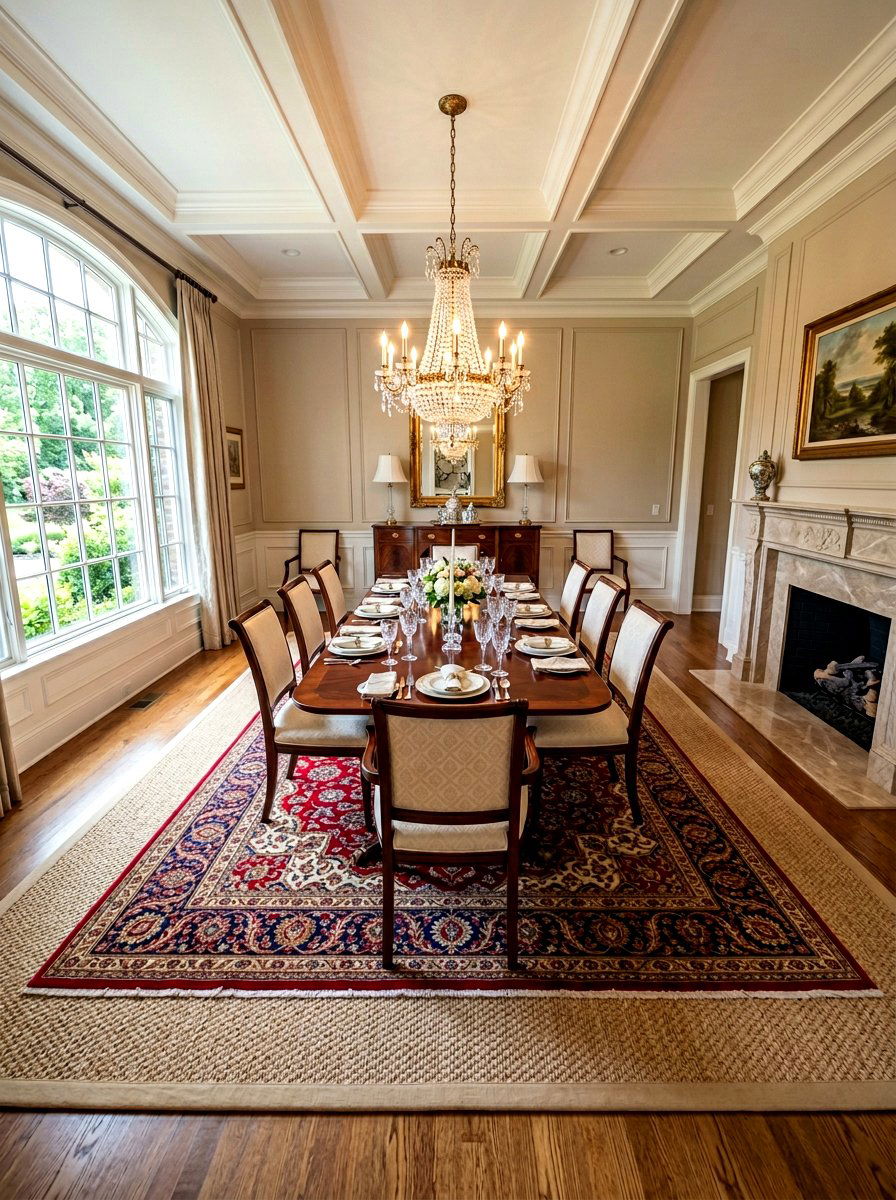
In a formal dining room, a large sisal rug can act as a durable, low-profile base that protects your hardwood floors while providing a neutral backdrop. Layering an elegant Oriental rug on top brings in rich reds, deep blues, and traditional motifs that elevate the dining experience. Ensure the top rug is large enough to sit comfortably under the dining table and chairs, even when they are pulled out for guests. The sisal provides a sturdy foundation that prevents the thinner Oriental rug from bunching or shifting during dinner parties. This combination feels traditional yet fresh, perfectly blending utility with the timeless beauty of hand-knotted textiles.
5. Neutral Rug With Colorful Rug
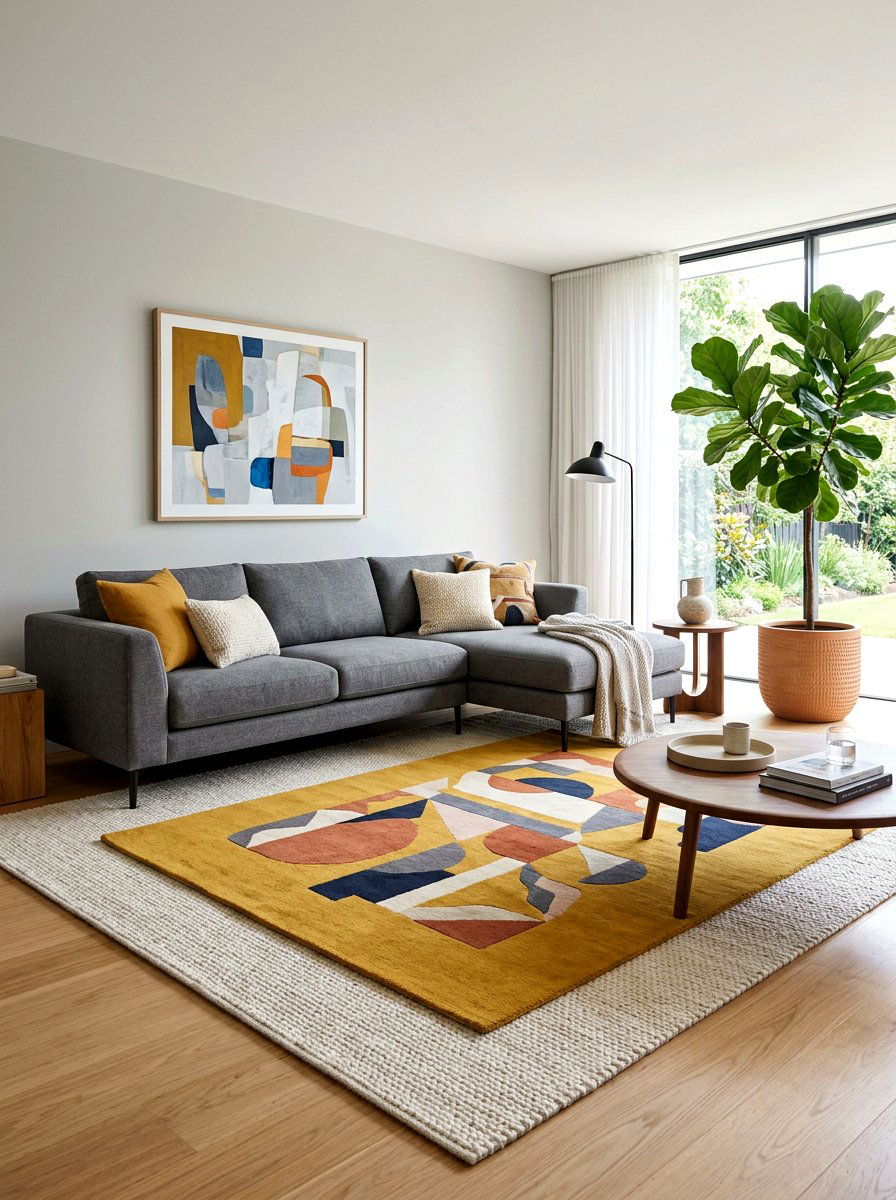
Injecting a burst of energy into a neutral living room is easy when you layer a vibrant, colorful rug over a plain, oversized cream or beige base. This strategy allows you to experiment with bold hues like emerald green or mustard yellow without overwhelming the entire floor. The neutral border created by the bottom rug acts as a visual frame, making the colors pop even more against the surrounding furniture. Choose throw pillows or wall art that echo the colors in the top rug to tie the whole design together. It is a great way to update your home’s palette seasonally without committing to a permanent, room-wide color change.
6. Large Jute Rug With Small Rug
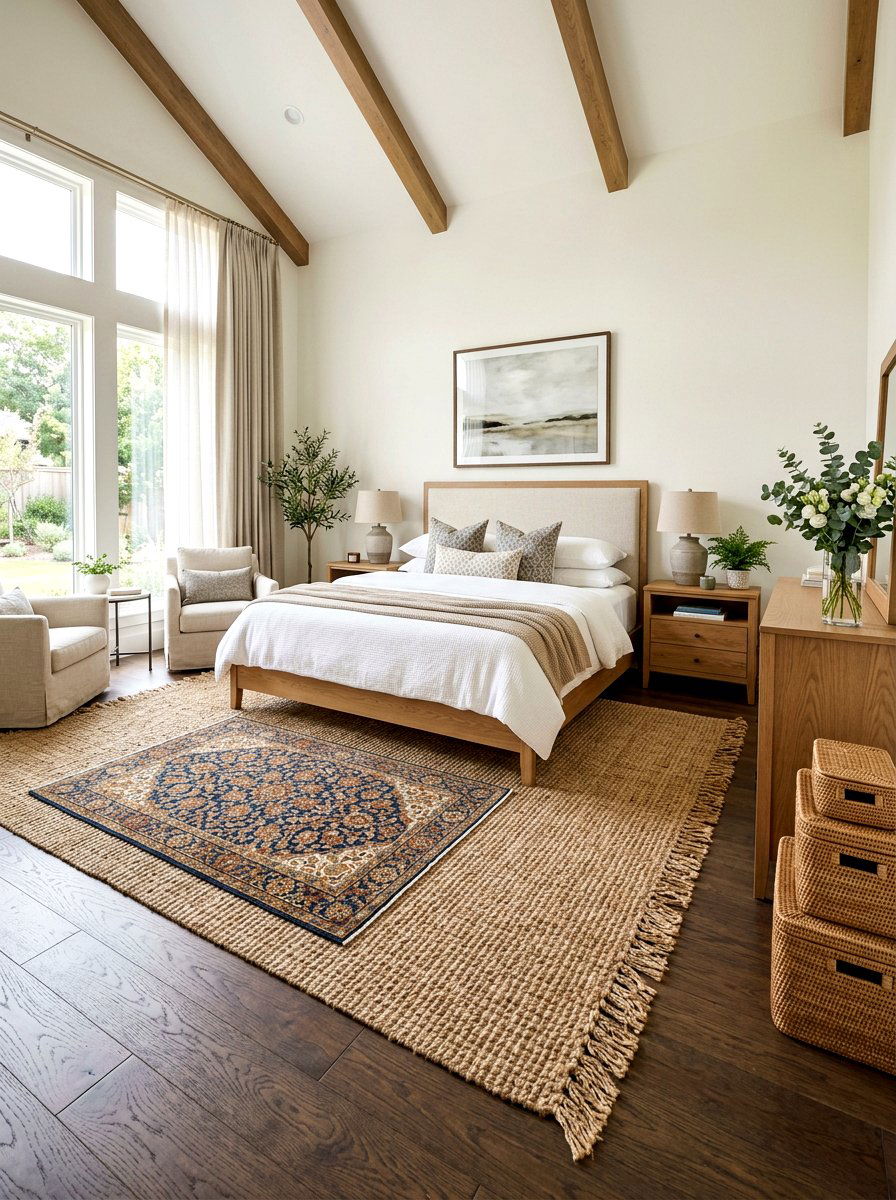
If you have fallen in love with a small accent rug that is technically too small for your furniture layout, use a large jute rug to bridge the gap. By placing the smaller rug in the center of a much larger natural fiber base, you create a tiered effect that feels intentional rather than accidental. This works perfectly in a large master bedroom where an 8x10 rug might get lost under a king-sized bed. The jute extends to the nightstands, while the decorative top rug sits beautifully at the foot of the bed. It provides the coverage you need while showcasing the smaller, more expensive piece as the room's main highlight.
7. Patterned Rug Over Solid Rug
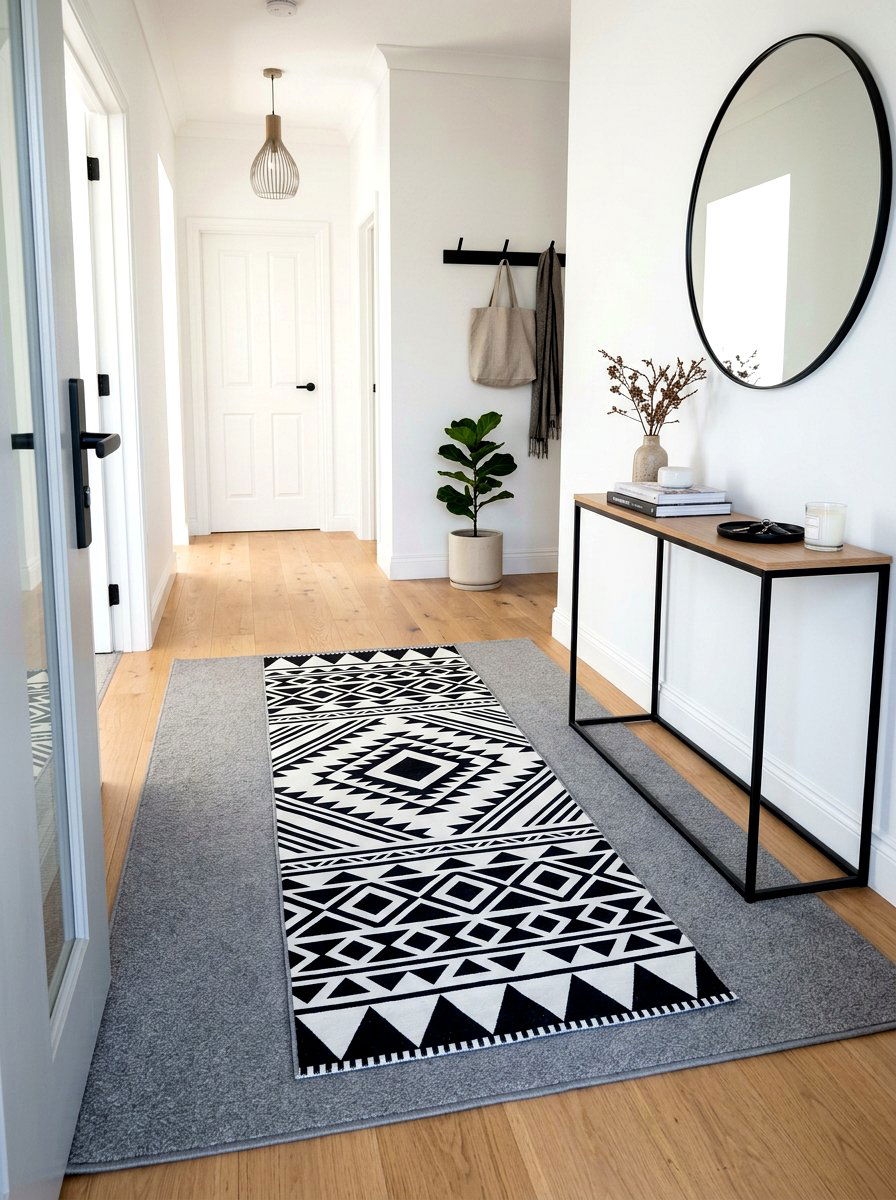
Create a dynamic entryway by layering a bold geometric patterned runner over a solid-colored, low-pile rug that covers the entire hallway floor. The solid base provides a clean, consistent look that hides footprints and protects the floor, while the patterned top layer adds a striking visual path for guests. This design works best when the colors in the pattern are reflected in the wall paint or light fixtures. Shorter sentences help emphasize the clean lines of this modern approach. The result is a welcoming entrance that feels architectural and well-planned, providing both durability for heavy foot traffic and a sophisticated, high-design first impression for your home.
8. Boho Rug On Neutral Base
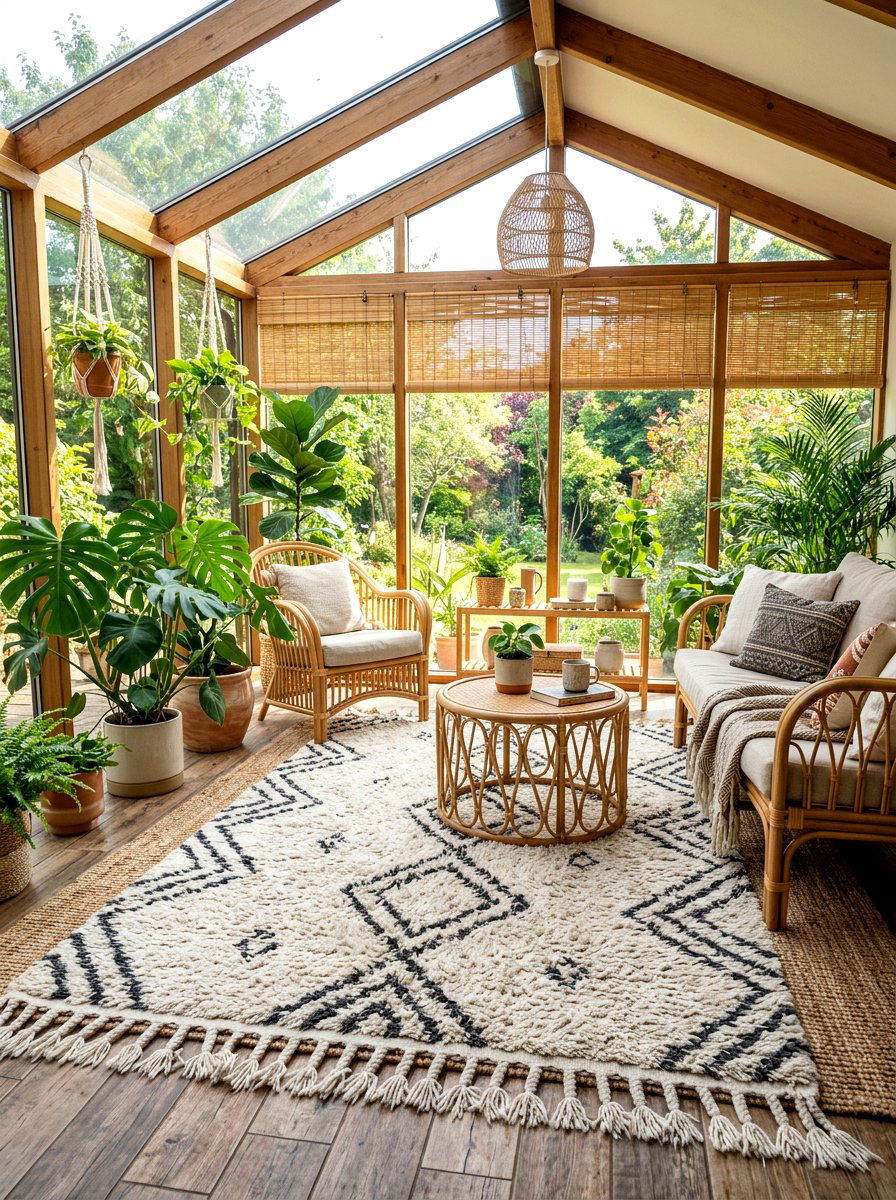
Achieve a relaxed, bohemian look in a sunroom or den by layering a tasseled, shaggy boho rug over a flat-weave neutral base. The neutral rug provides a clean foundation that keeps the space from looking cluttered, while the fringe and texture of the boho piece add character. Surround the area with large leafy plants, rattan furniture, and woven baskets to enhance the global, eclectic vibe. This layering technique is perfect for creating a soft "island" of comfort in the middle of a room with hard tile or wood flooring. It feels lived-in and comfortable, encouraging guests to kick off their shoes and stay for a long while.
9. Striped Rug Over Solid Rug
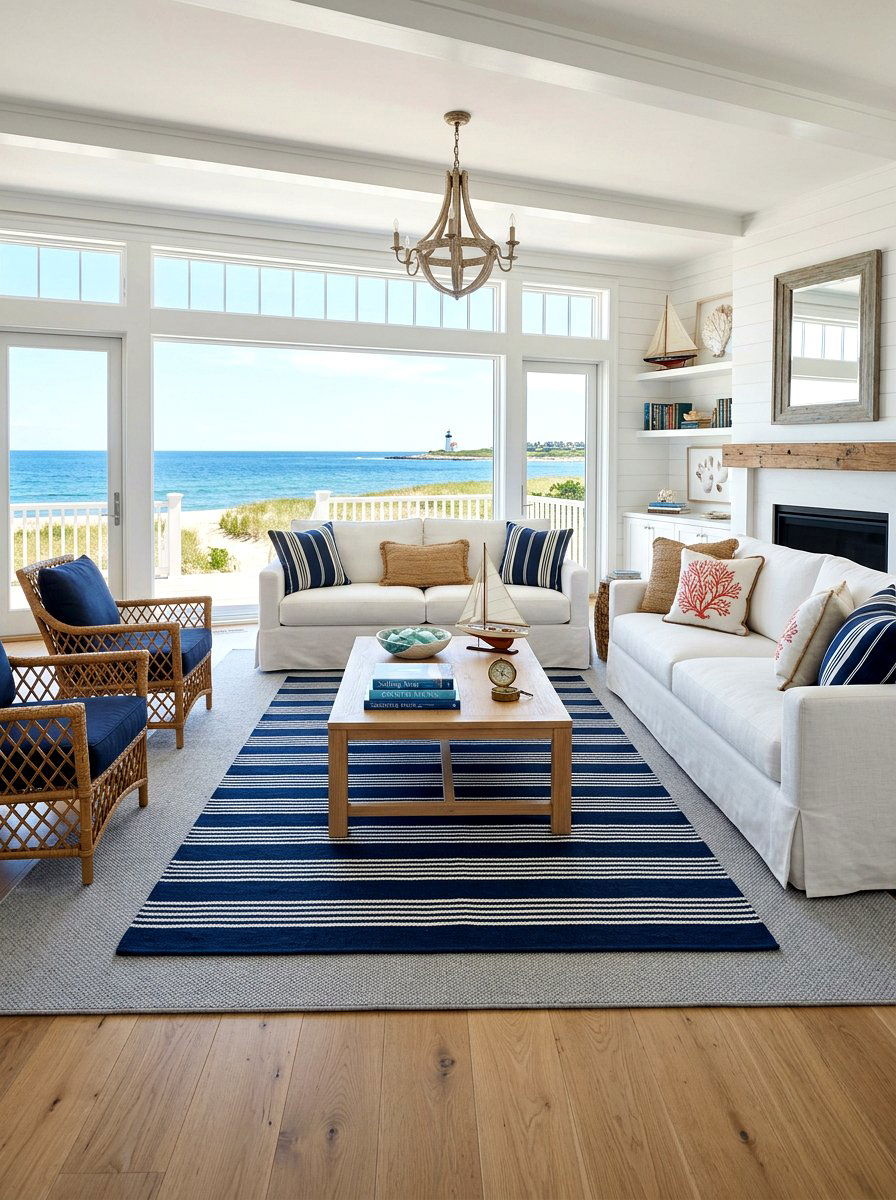
Adding a navy and white striped rug over a solid gray base can give a coastal or nautical theme to any family room. The solid rug provides a wide, protective border that helps the stripes stand out as a crisp, clean focal point. This combination feels classic and structured, working well with white slipcovered sofas and light wood accents. The stripes draw the eye across the room, making a narrow space feel wider and more open. It is a simple way to introduce a timeless pattern without the room feeling busy. The layered look adds a professional, designer-quality finish to an otherwise simple and functional living area.
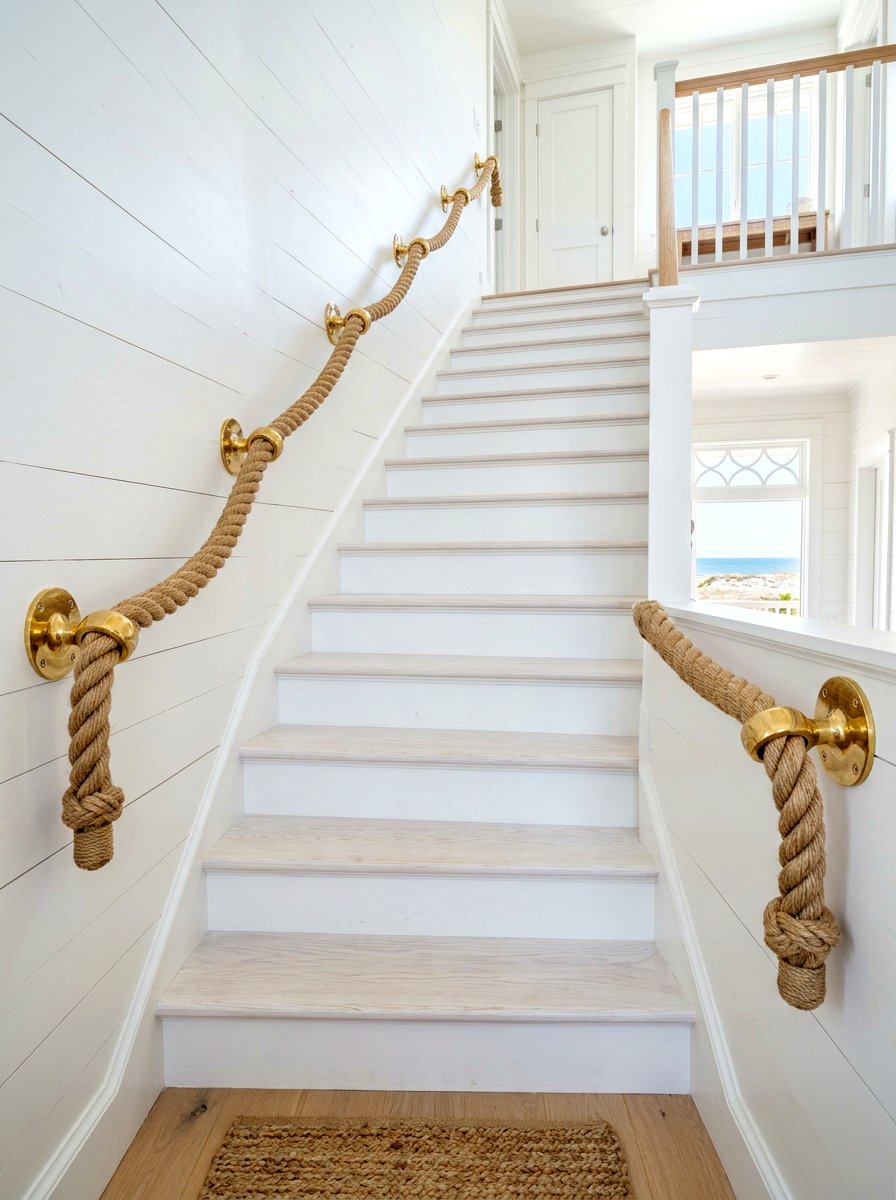
10. Moroccan Rug On Sisal Base
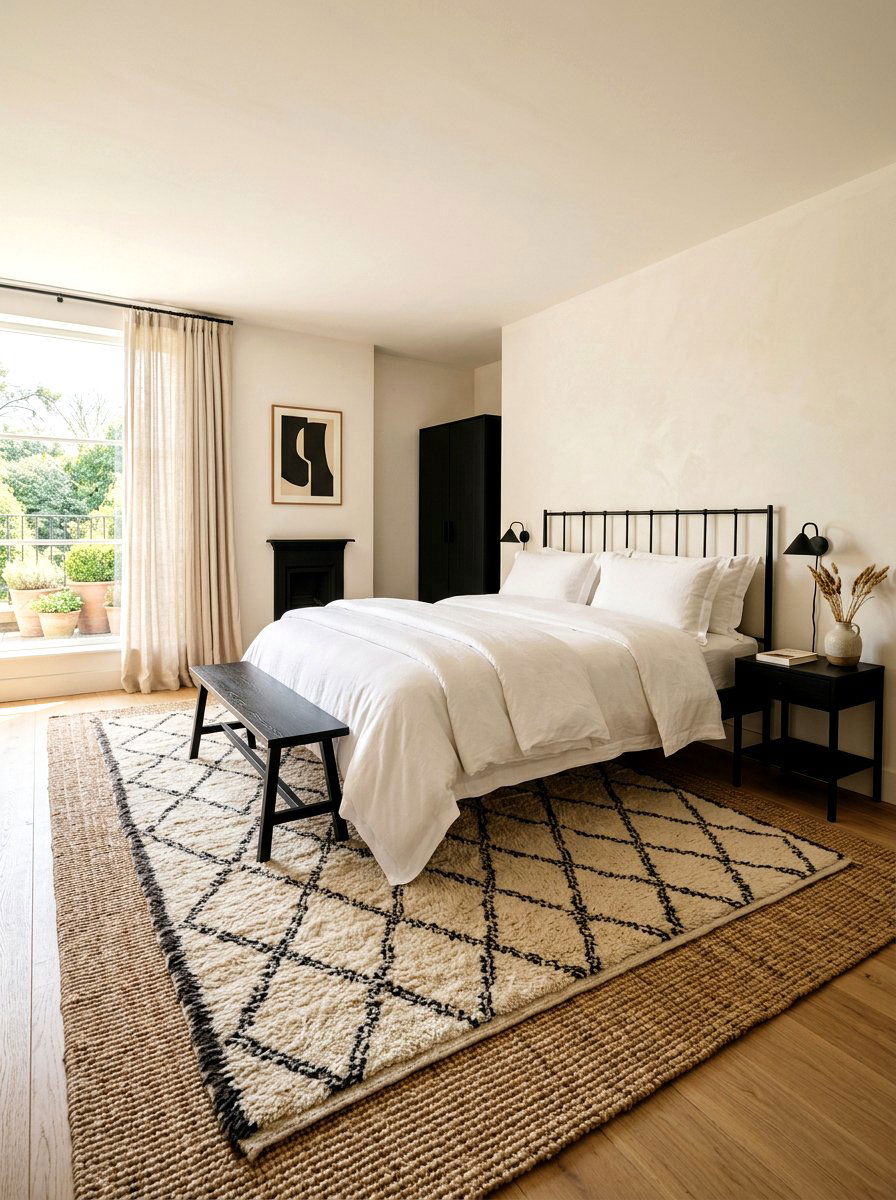
Transform a guest room into a luxury retreat by layering a thick, hand-knotted Moroccan trellis rug over a tightly woven sisal base. The organic, slightly irregular lines of the Moroccan rug offer a beautiful contrast to the uniform, grid-like texture of the sisal. This pairing provides incredible underfoot comfort while maintaining a sophisticated, neutral color palette of ivory, tan, and black. Natural light hitting the different textures throughout the day creates subtle shadows and visual depth that makes the room feel expensive and curated. Finish the look with minimalist furniture and high-quality linens to let the texture of the layered rugs be the true star of the bedroom design.
11. Shag Rug Over Flatweave Rug
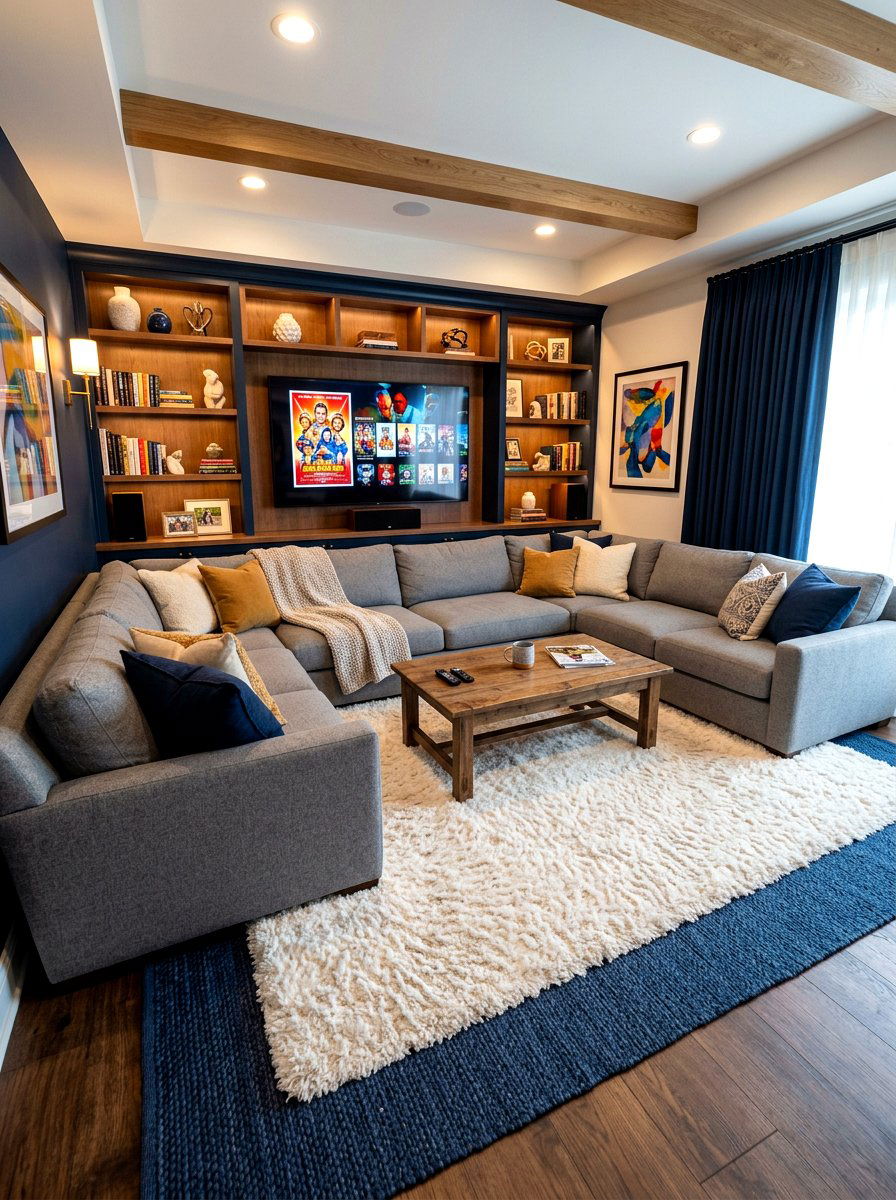
A cozy den or media room is the perfect place to layer a high-pile shag rug over a durable flatweave base. The flatweave rug provides a sturdy surface for heavy furniture like a sectional or media console, while the shag rug adds a soft, cloud-like area for lounging. This combination is ideal for families who spend a lot of time playing on the floor or watching movies together. The contrast in heights adds an interesting architectural element to the room's design. Use a solid neutral flatweave and a patterned shag rug to keep the look modern and prevent it from feeling too heavy or dated.
12. Faux Fur Rug On Bedroom Rug
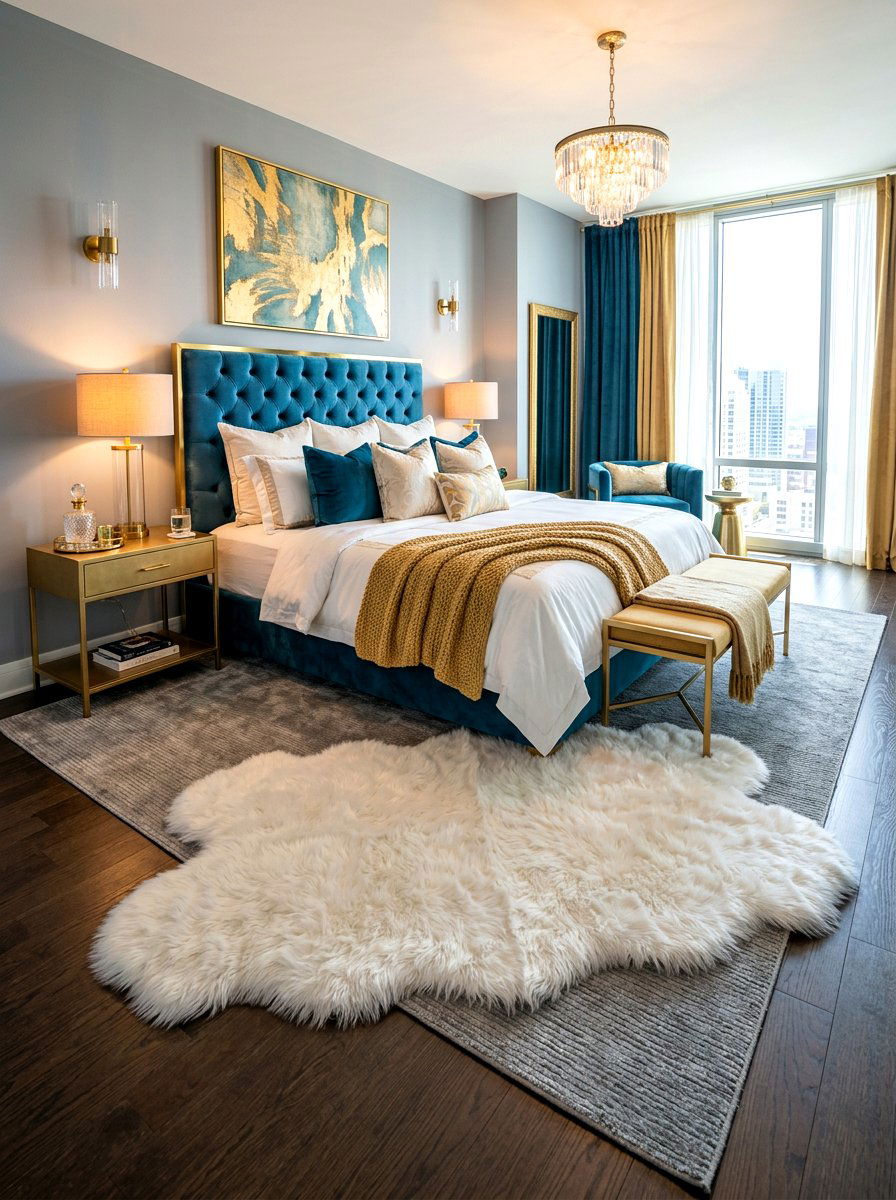
For a touch of Hollywood glam, place a large faux fur rug at a diagonal angle over a standard low-pile bedroom rug. This adds an instant layer of luxury and softness that feels indulgent and high-end. The sheen of the faux fur catches the light from bedside lamps, creating a warm and inviting glow in the evenings. This design works best in a master suite with velvet headboards and metallic accents. It provides a sensory layer that makes the room feel like a boutique hotel. The faux fur also helps to dampen sound, making the bedroom a quieter and more peaceful environment for rest and sleep.
13. Round Rug Over Rectangular Rug
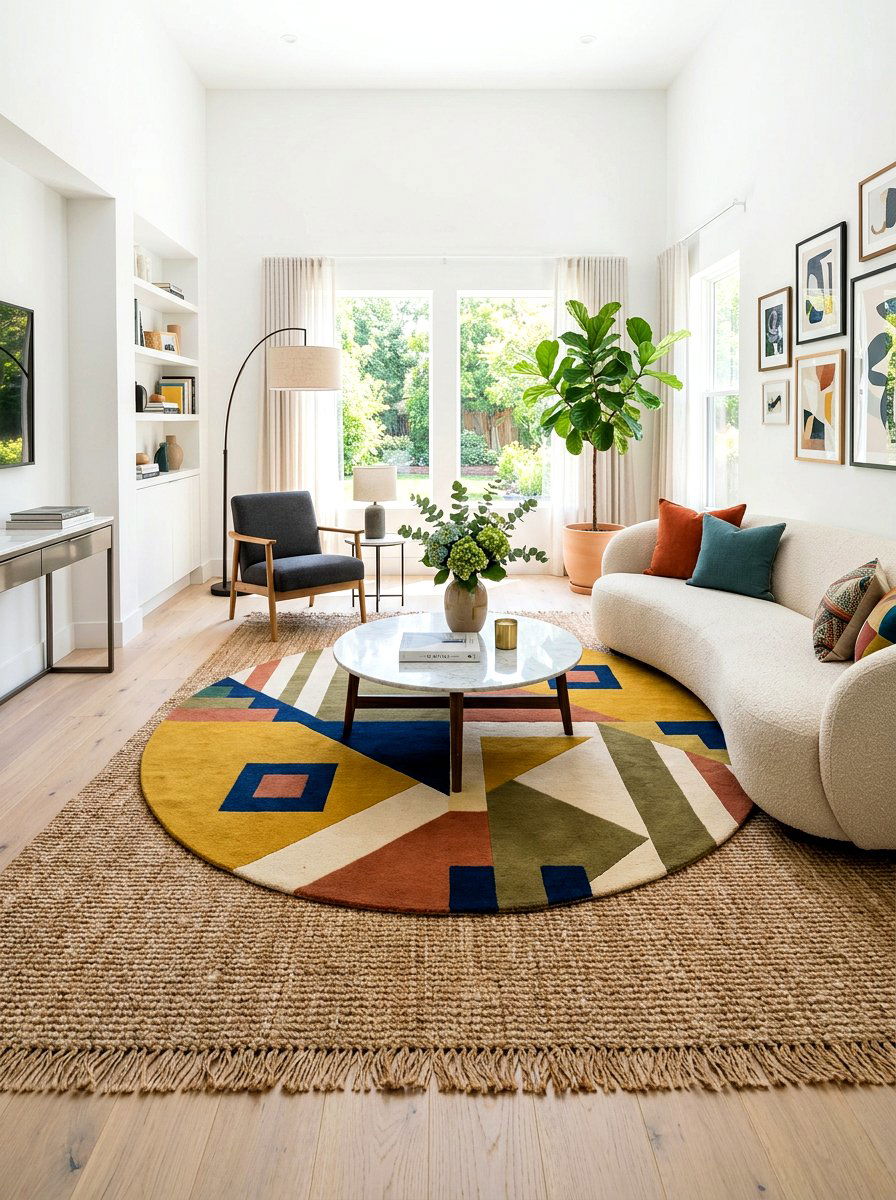
Break up the boxy feel of a square living room by layering a large round rug over a standard rectangular base. This unexpected shape combination adds visual interest and softens the hard angles of the walls and furniture. Position the round rug under a circular coffee table to create a "nested" look that feels balanced and artistic. This works particularly well in open-concept homes where you want to define a specific conversation area without using walls. The rectangular base rug anchors the larger furniture pieces, while the round rug highlights the social heart of the room. It is a playful yet sophisticated way to experiment with floor geometry.
14. Kilim Rug On Natural Fiber Rug
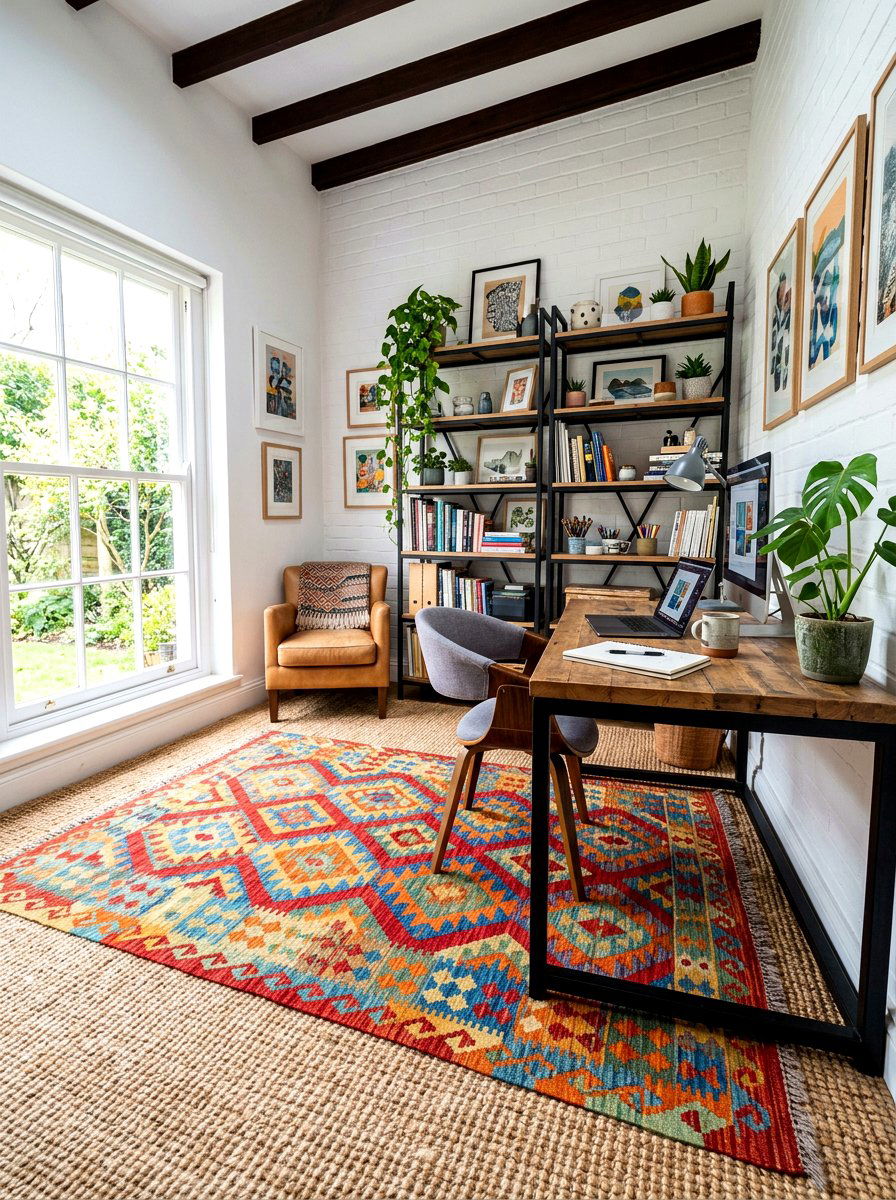
In a home office or creative studio, layer a colorful, flat-weave Kilim rug over a large seagrass or jute base. Kilim rugs are known for their bold, geometric patterns and durable construction, making them perfect for high-traffic work zones. The natural fiber rug underneath provides a rustic, grounded feel that balances the energetic colors of the Kilim. This combination looks great with industrial-style furniture, like a reclaimed wood desk and metal shelving. The thin profile of the Kilim ensures that your office chair can still roll smoothly over the surface. It is a practical and stylish way to add personality to a workspace while maintaining functionality.
15. Two Jute Rugs Layered
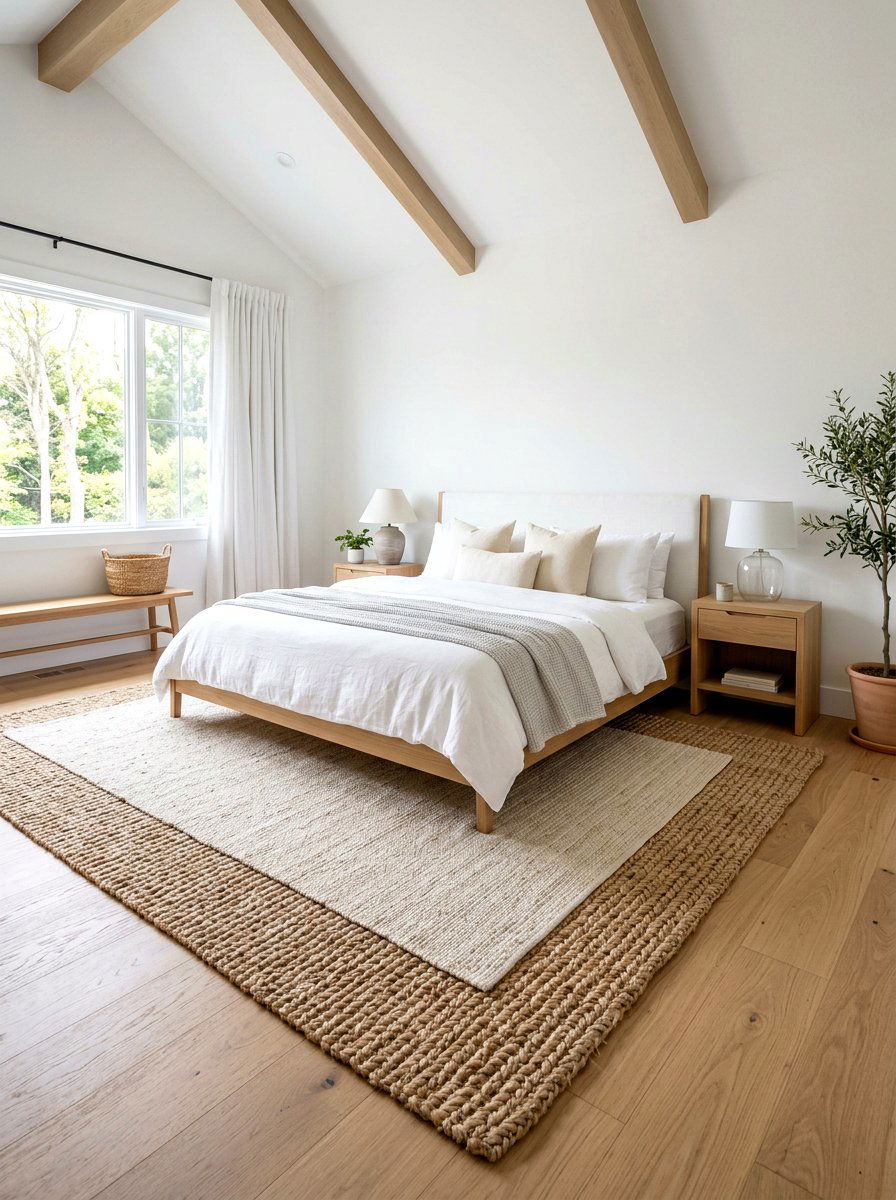
For the ultimate minimalist or coastal aesthetic, try layering two different jute rugs on top of each other. Choose a very large, chunky braided jute for the bottom and a smaller, bleached or finer-weave jute for the top. This tone-on-tone approach creates a subtle but rich texture that adds incredible depth to a room without using any color or pattern. It feels incredibly calming and organic, making it perfect for a master bedroom or a serene living room. The different weaves catch the light in various ways, providing a sophisticated look that celebrates natural materials. It is a budget-friendly way to achieve a high-end designer look.
16. Persian Rug Over Neutral Carpet
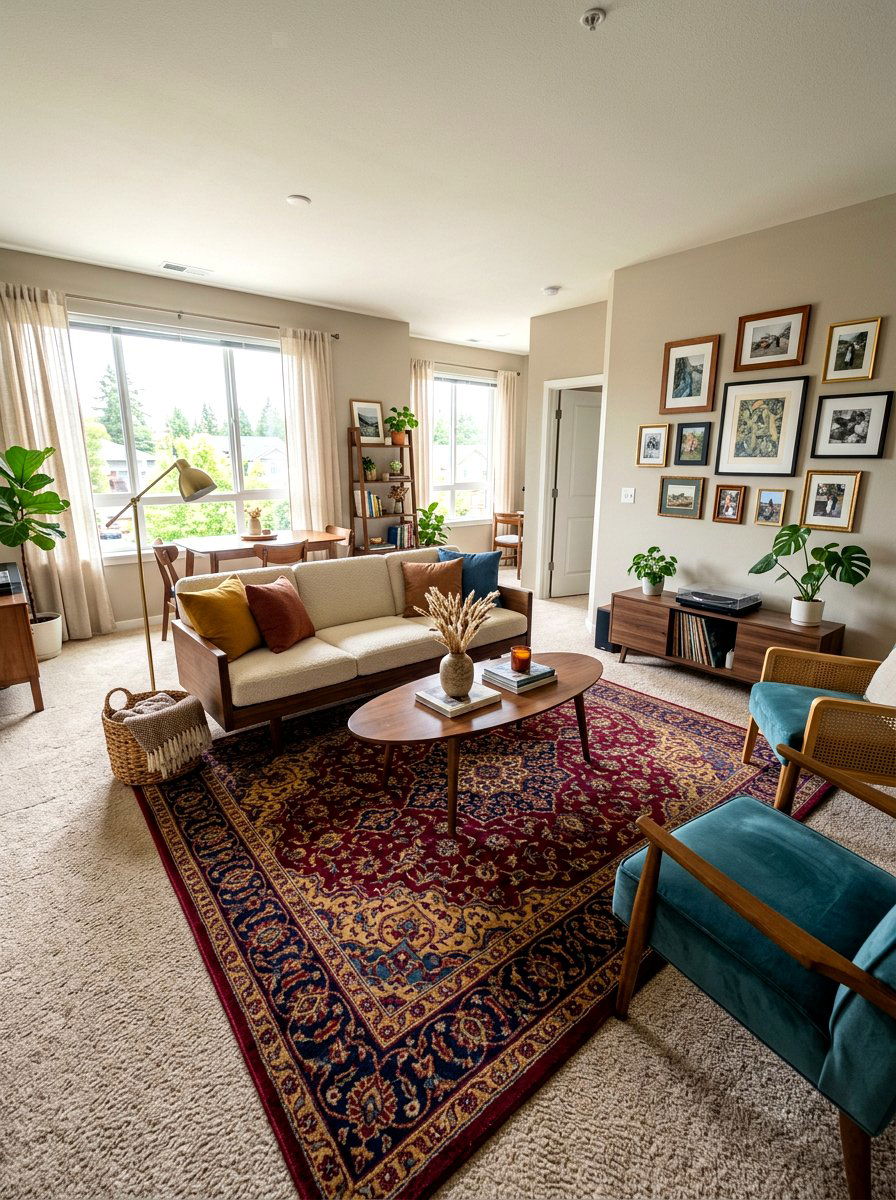
If you are living in a rental with bland wall-to-wall carpeting, layering a beautiful Persian rug on top is a total game-changer. The Persian rug adds instant history, color, and high-end style to a room that might otherwise feel generic. Use a special carpet-to-carpet rug pad to prevent the top rug from bunching or sliding as people walk over it. This technique allows you to hide any unsightly stains or wear on the original carpet while asserting your own personal style. Choose a rug with deep, rich tones like burgundy or navy to create a sophisticated contrast against a cream or beige carpeted floor.
17. Geometric Rug On Jute Rug
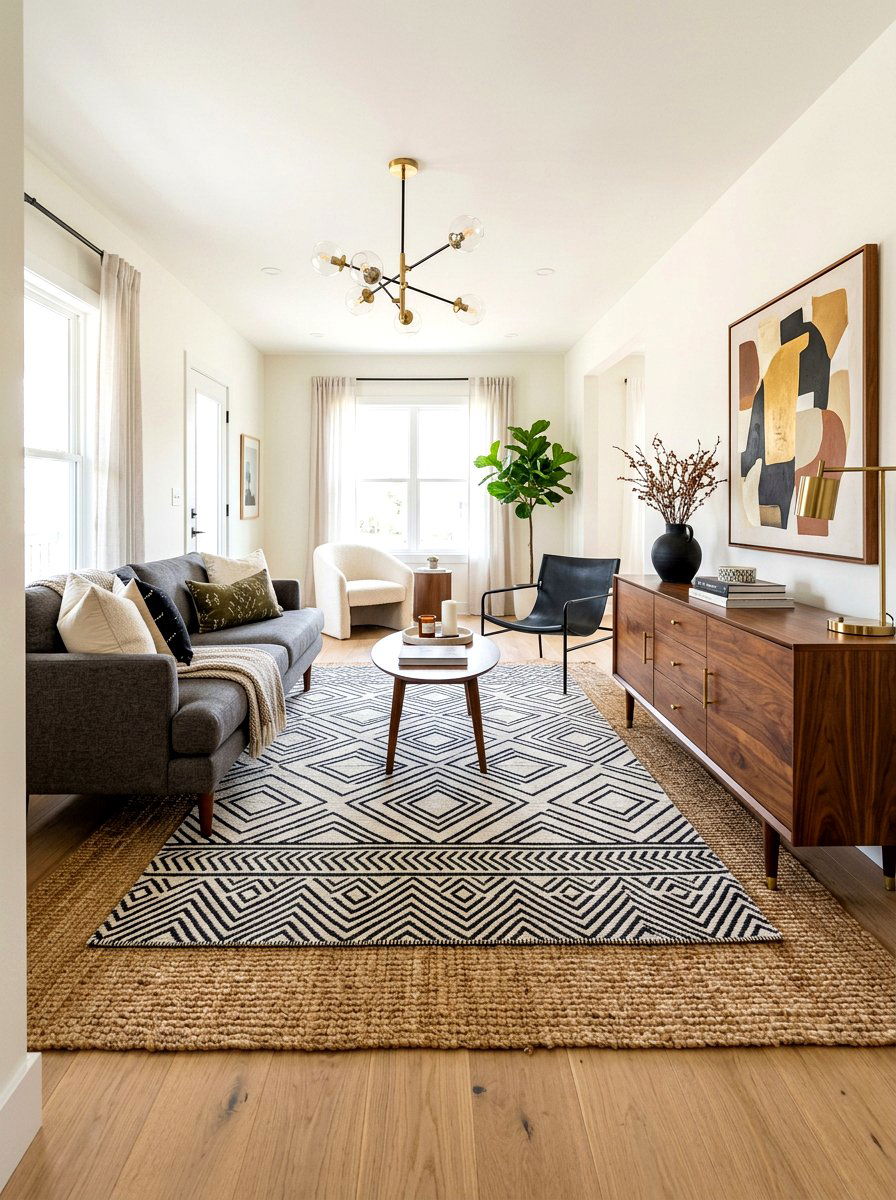
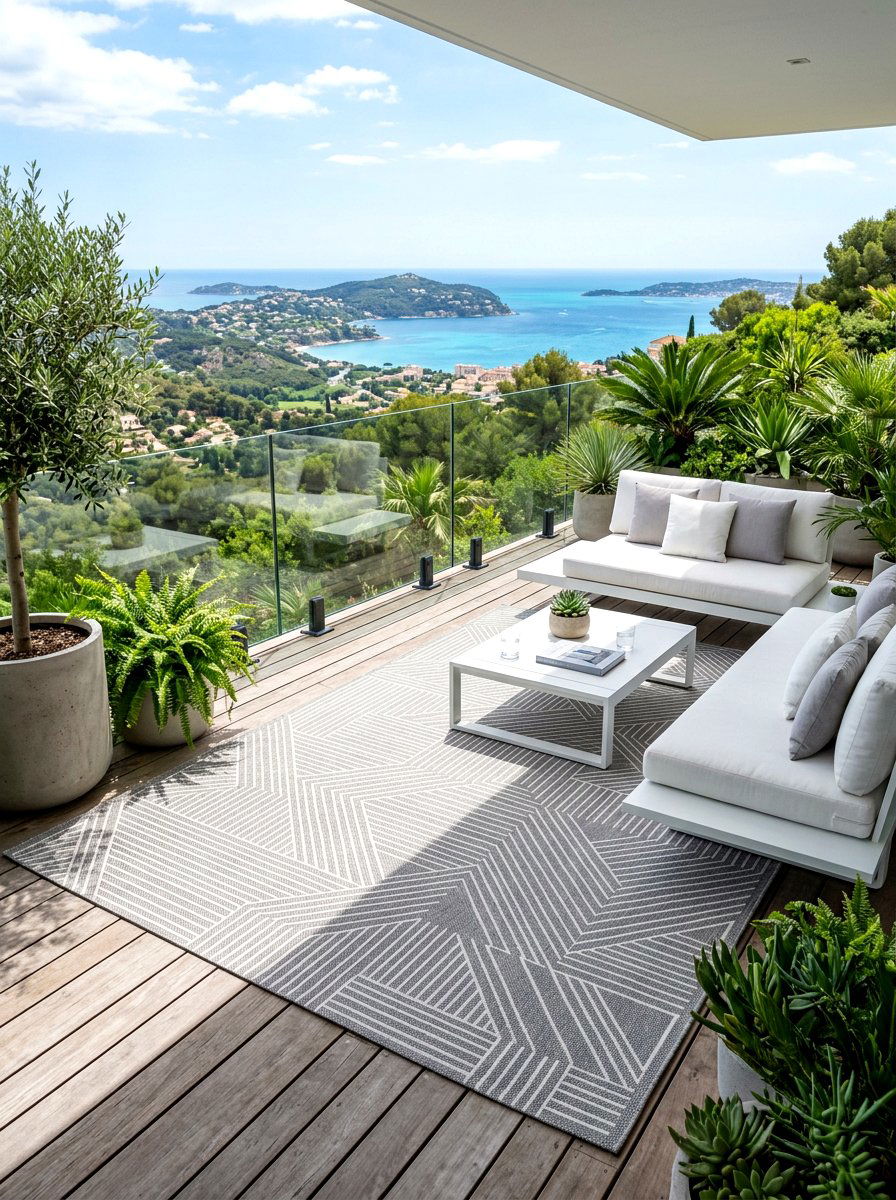
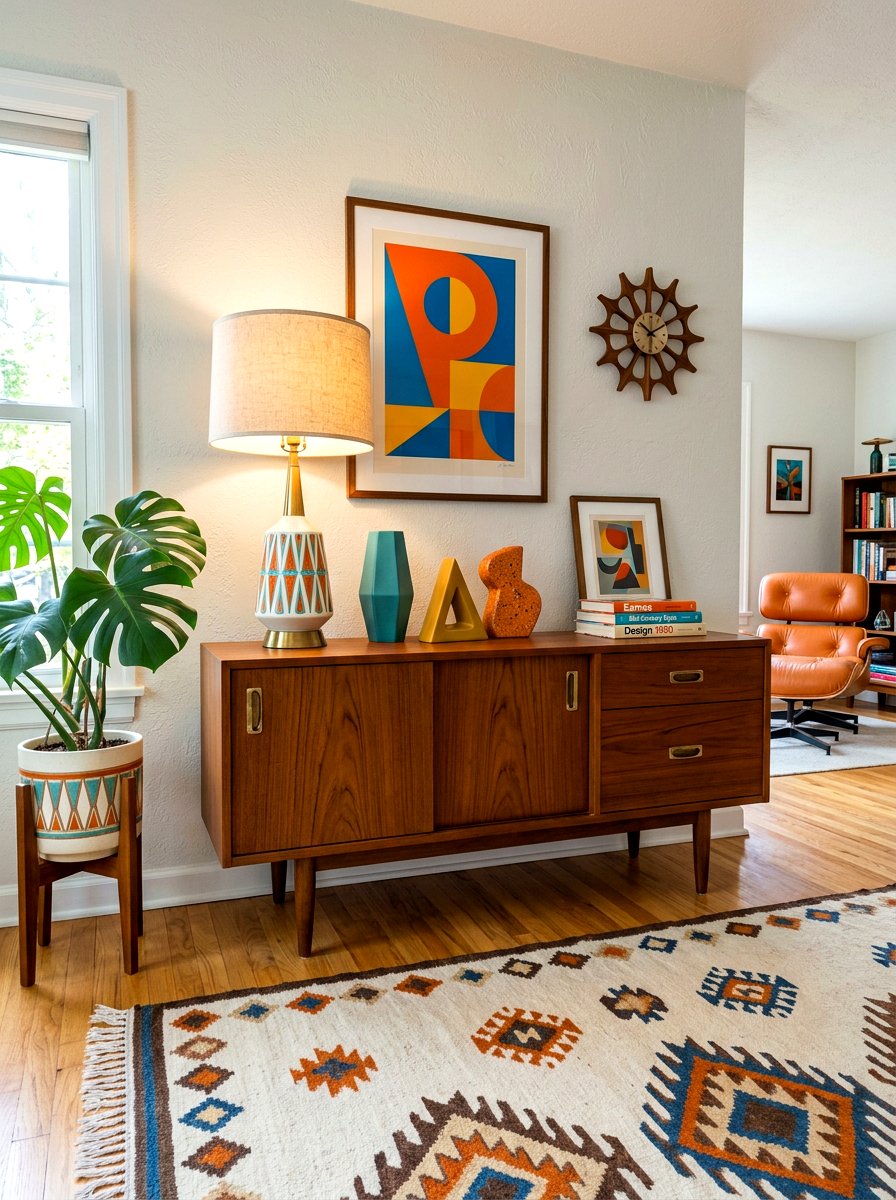
Create a sharp, modern look in a transitional living area by layering a black and white geometric rug over a warm tan jute base. The high-contrast pattern of the top rug brings a contemporary edge to the space, while the jute keeps the vibe relaxed and approachable. This pairing works exceptionally well with mid-century modern furniture, such as a walnut sideboard or a tapered-leg sofa. The natural color of the jute pulls out the warm tones in the wood, making the whole room feel cohesive. It is a perfect balance of trendy pattern and timeless texture that feels fresh and exciting in any modern home.
18. Floral Rug Over Solid Rug
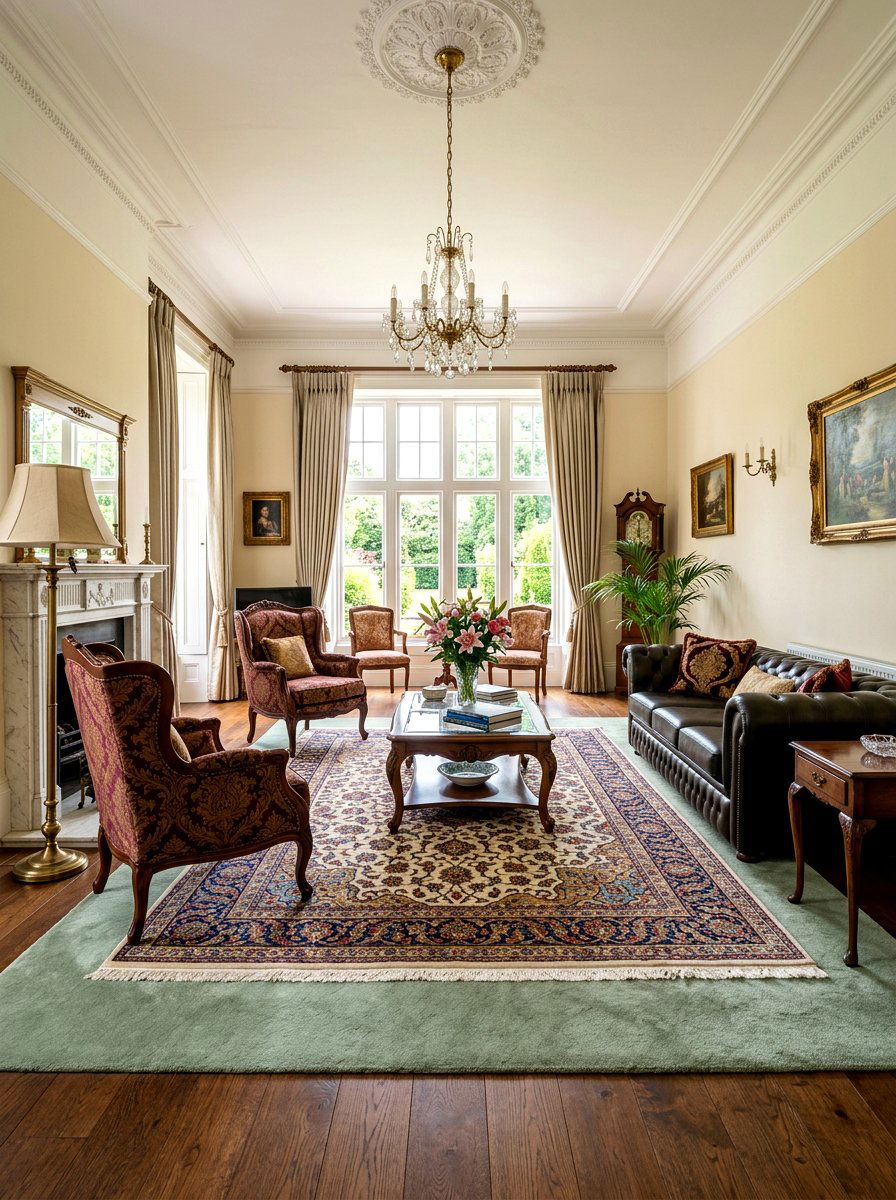
Bring a touch of classic garden style indoors by layering a large floral rug over a solid-colored base in a formal sitting room or lady's parlor. The solid rug should be in a muted tone found within the floral pattern, such as a soft sage green or a dusty rose. This creates a cohesive "frame" that highlights the intricate details of the flowers. Pair the rugs with traditional upholstered furniture and brass accents for a look that feels elegant and feminine. The layered approach prevents the floral pattern from feeling too busy or overwhelming, grounding it in a way that feels sophisticated and well-balanced.
19. Braided Rug With Patterned Rug
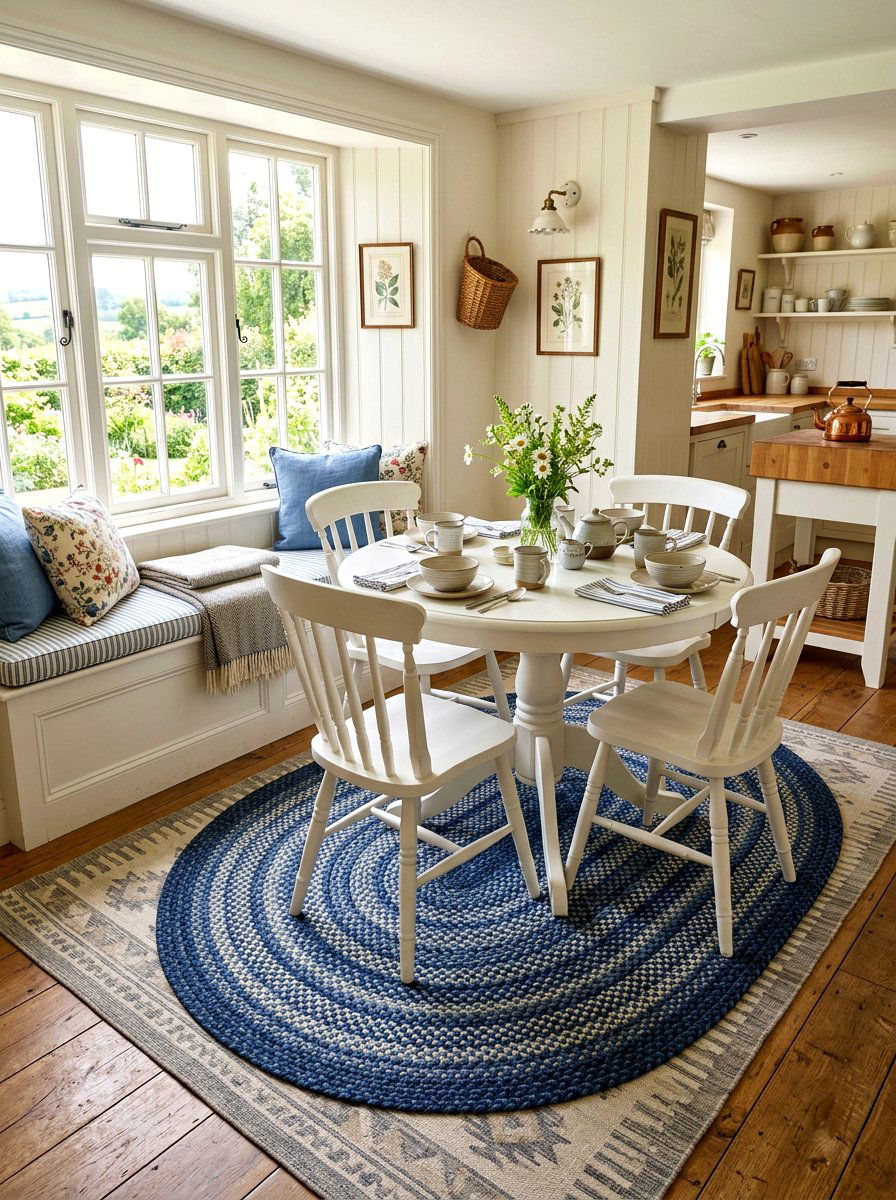
In a cozy farmhouse kitchen or breakfast nook, layer a classic oval braided rug over a larger, subtle patterned flatweave. The braided rug offers a nostalgic, handmade feel that adds instant warmth to the heart of the home. The larger rug underneath protects the kitchen floor and provides a more modern foundation for the dining set. This combination is great for catching crumbs and spills while still looking stylish. Choose colors like blue and white for a clean, country look that feels bright and airy. The different shapes of the rugs add a layer of whimsy that makes the dining area feel unique and personal.
20. Distressed Rug Over Seagrass Rug
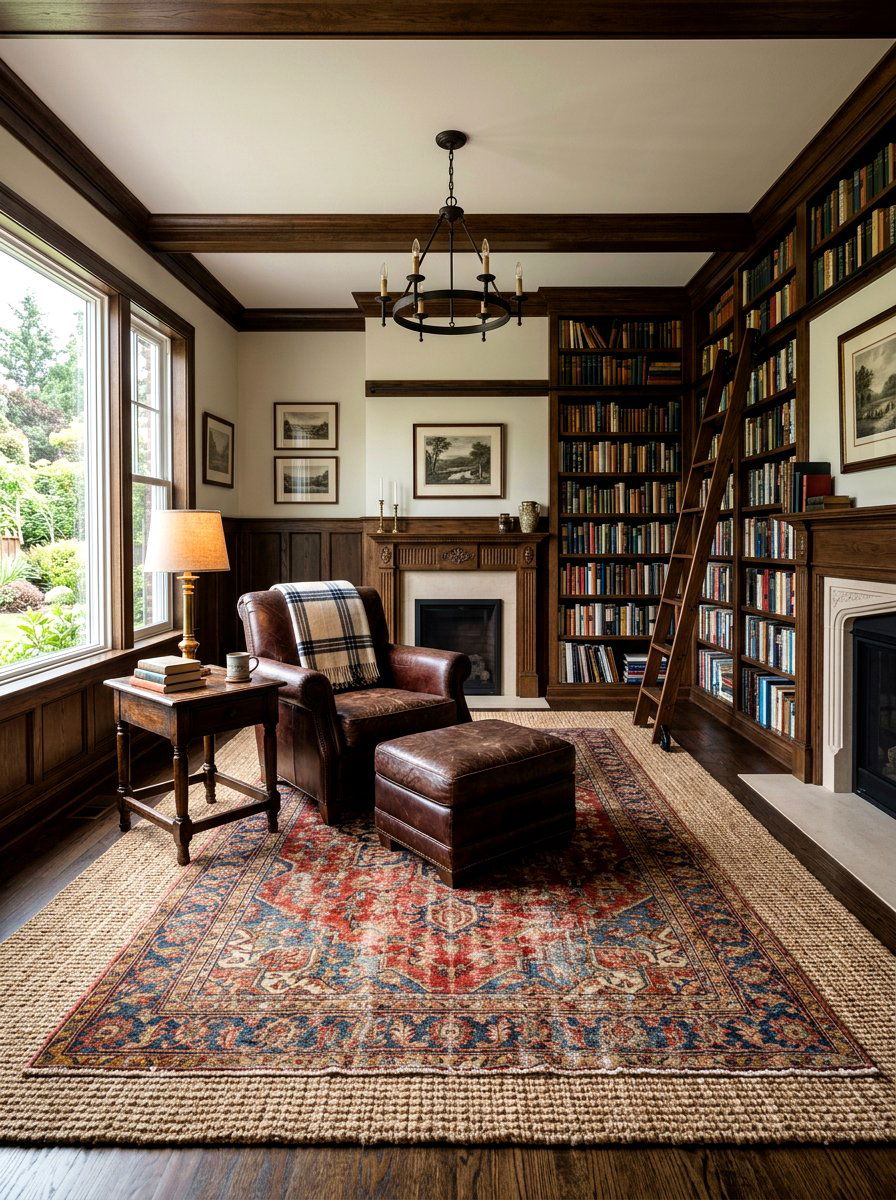
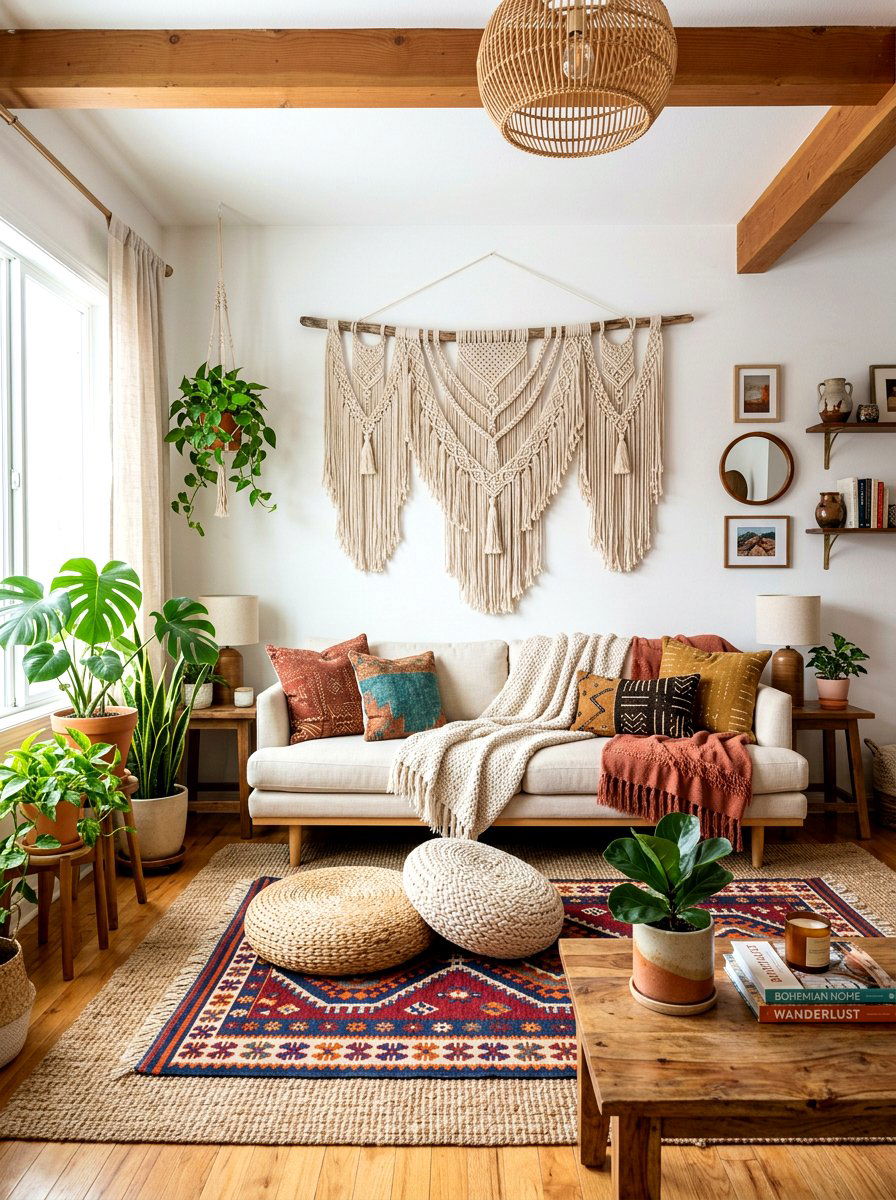
Achieve a curated, "collected over time" look by layering a heavily distressed, faded rug over a large seagrass base. Seagrass is incredibly durable and has a slight sheen that contrasts beautifully with the soft, matte look of a weathered textile. This pairing is ideal for a library or a formal living room where you want to create a sense of history and quiet luxury. The seagrass provides a natural, slightly rugged foundation that makes the antique rug look even more precious. Use dark wood furniture and leather-bound books to finish the space. It is a sophisticated design choice that feels both ancient and remarkably modern.
21. Outdoor Rug Over Larger Mat
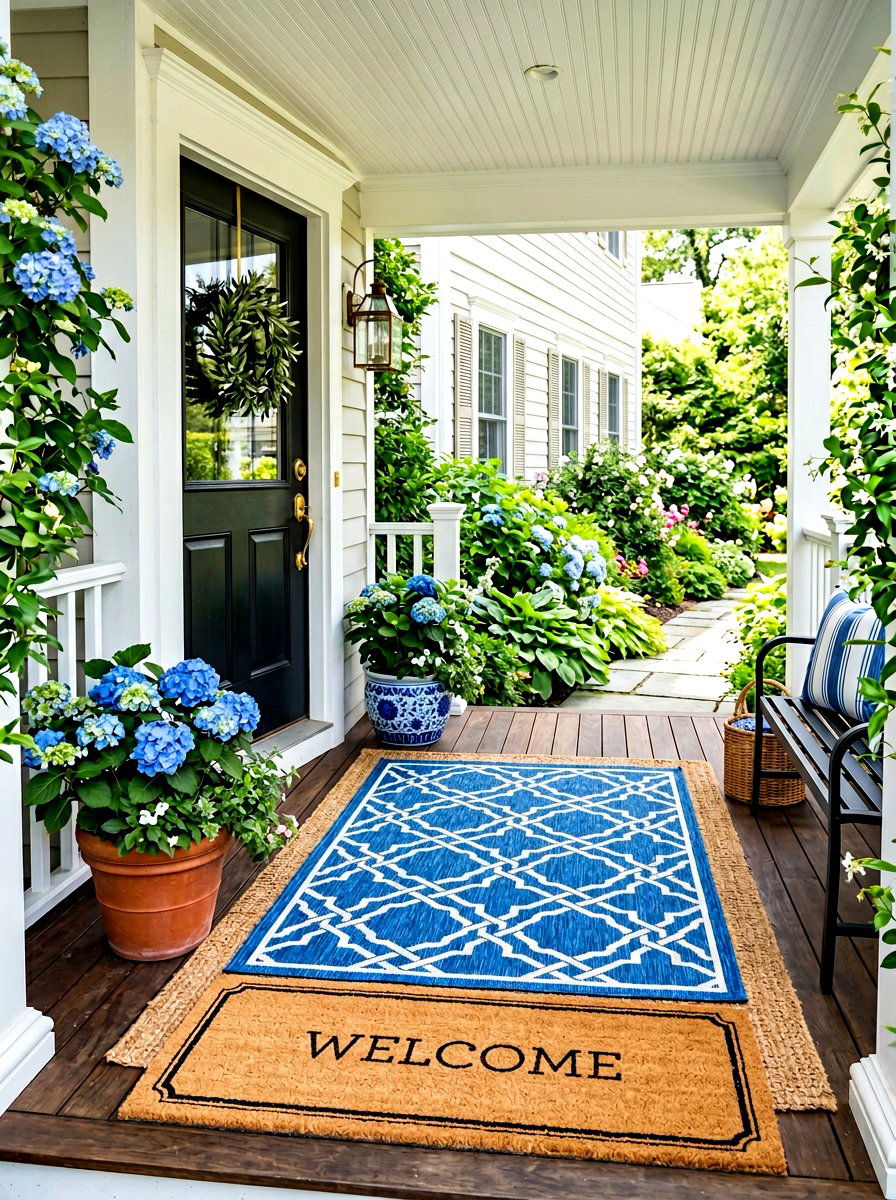
Curb appeal starts at the front door by layering a stylish patterned outdoor rug over a larger, plain coir mat. The coir mat is perfect for scrubbing dirt off shoes, while the patterned rug adds a welcoming pop of color and personality to your porch. This "double mat" look is a huge trend that makes any entryway feel more intentional and designer-led. Choose a rug with a bold greeting or a classic stripe to set the tone for your home's interior. It is a functional and beautiful way to protect your floors and greet guests with a high-style first impression before they enter.
22. Double Layered Area Rugs
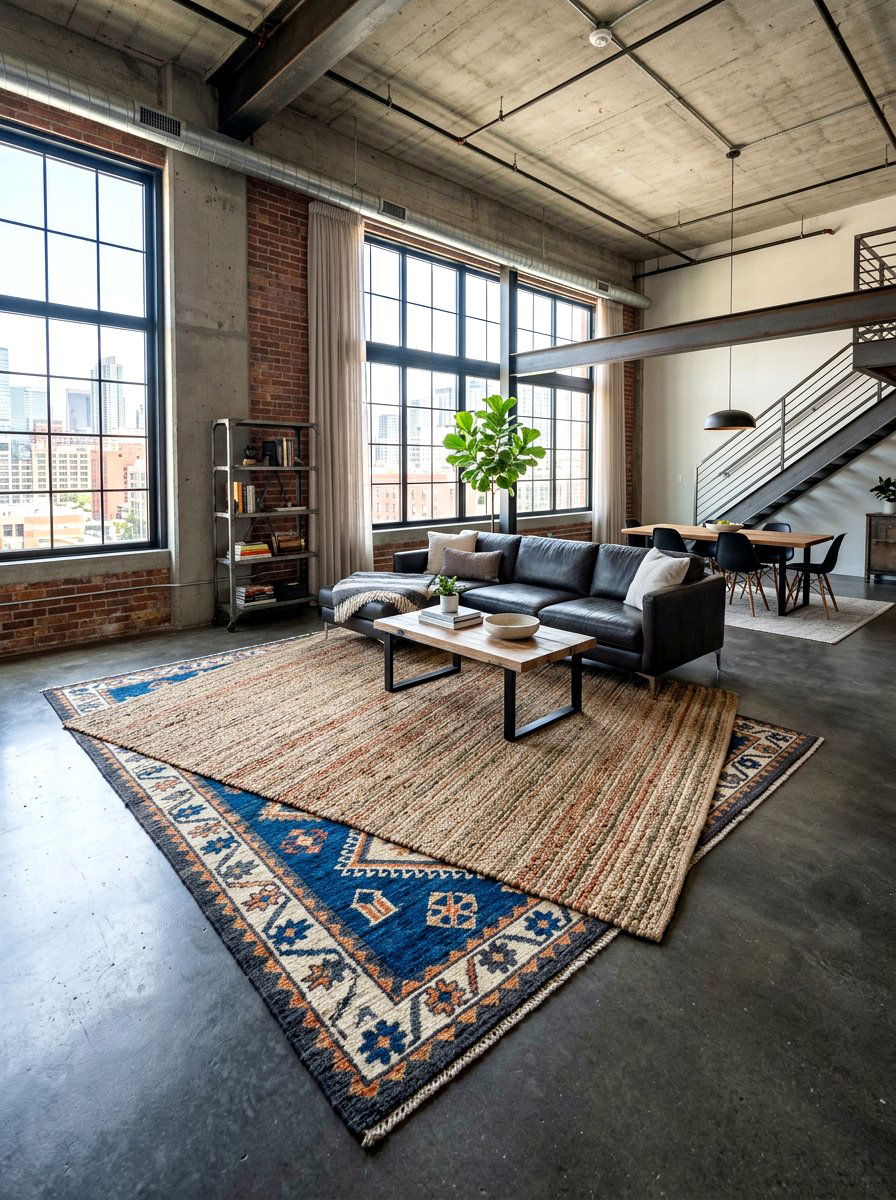
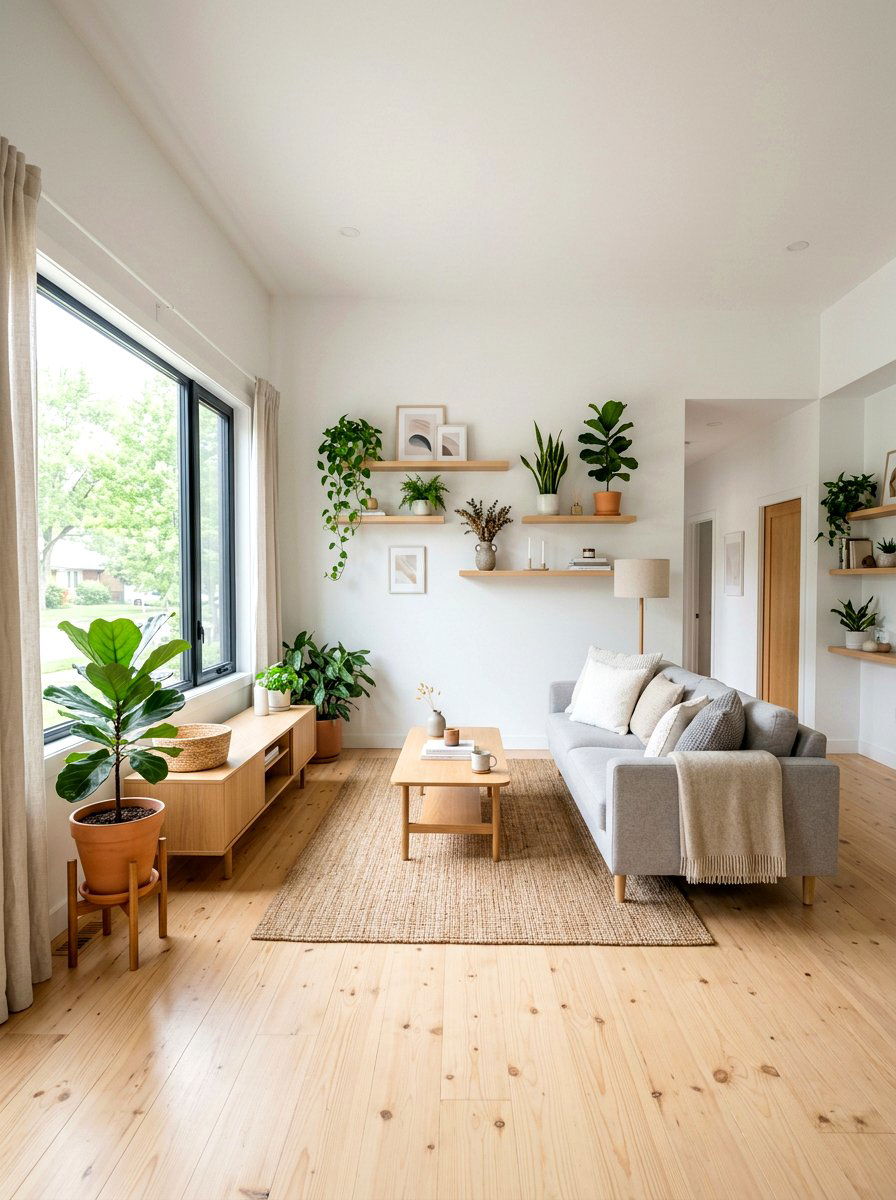
In very large open-concept spaces, layering two rugs of similar size but different textures can help define the entire room without feeling cluttered. For example, place a large woven cotton rug slightly askew over a similar-sized low-pile wool rug. This technique adds an artistic, lived-in feel that breaks the symmetry of a large room. It works well in lofts or modern homes with concrete floors that need extra warmth and sound absorption. The subtle shift in texture and height creates a "mega-rug" that feels soft and substantial. Keep the colors within the same family to maintain a clean, sophisticated, and intentionally curated overall aesthetic.
23. Small Rug Over Large Rug
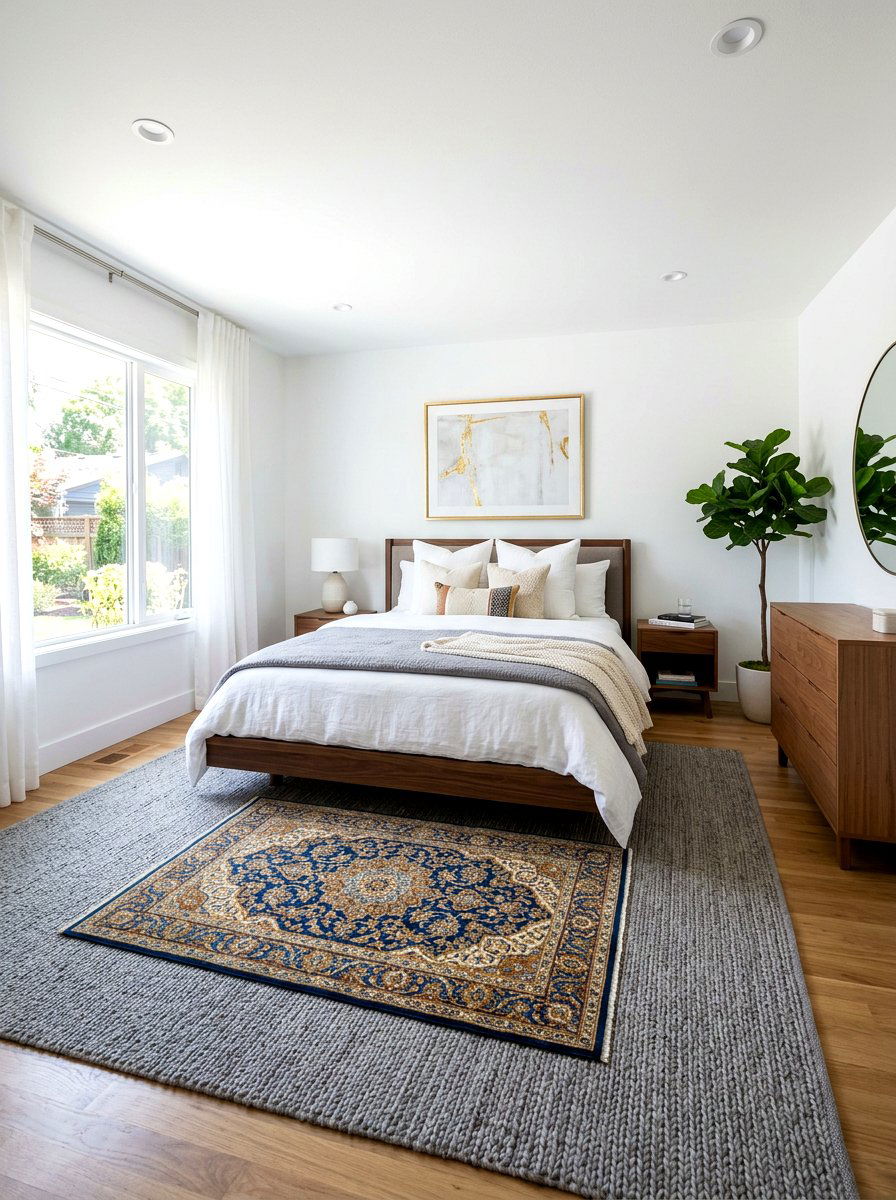
Using a small, high-quality accent rug over a large, inexpensive base is the best way to save money while maintaining high style. The large rug covers the floor area needed to anchor your furniture, while the small rug provides the "wow" factor under a coffee table or at the foot of a bed. This allows you to invest in a hand-knotted silk or wool piece without needing a massive version. The base rug can be a simple, affordable indoor-outdoor rug that is easy to clean. This practical approach ensures your room looks professionally designed while staying within a realistic budget for high-quality home decor.
24. Animal Print Rug On Neutral Rug
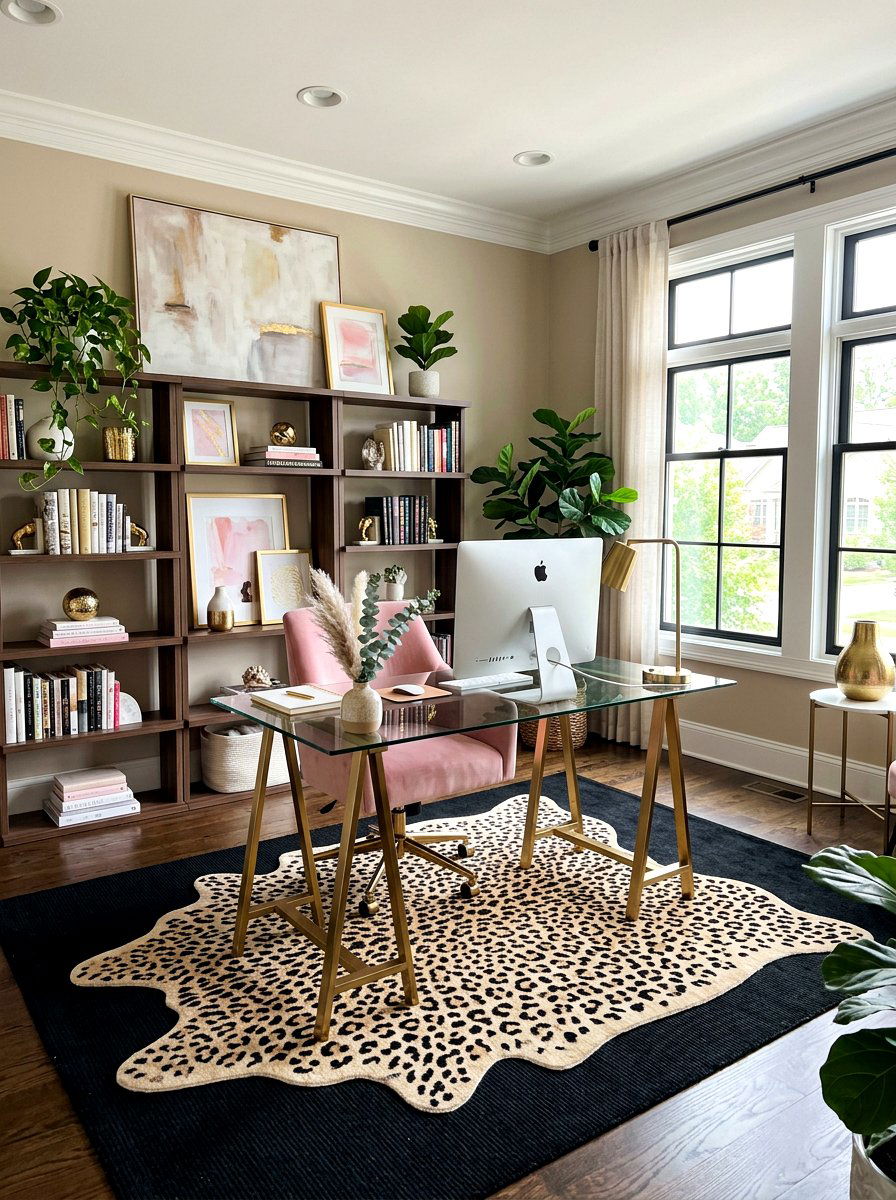
Make a bold statement in a glamorous home office by layering a leopard or zebra print rug over a large, solid black or charcoal base. The neutral bottom rug provides a dark, moody foundation that allows the animal print to act as a sophisticated neutral itself. This combination feels high-fashion and daring without being overwhelming. Pair the look with gold accents, a glass desk, and a velvet chair for a complete luxe experience. The solid border around the animal print keeps the pattern contained and deliberate. It is an excellent way to show off your personality and create a workspace that feels truly inspiring and unique.
25. Wool Rug Over Sisal Rug
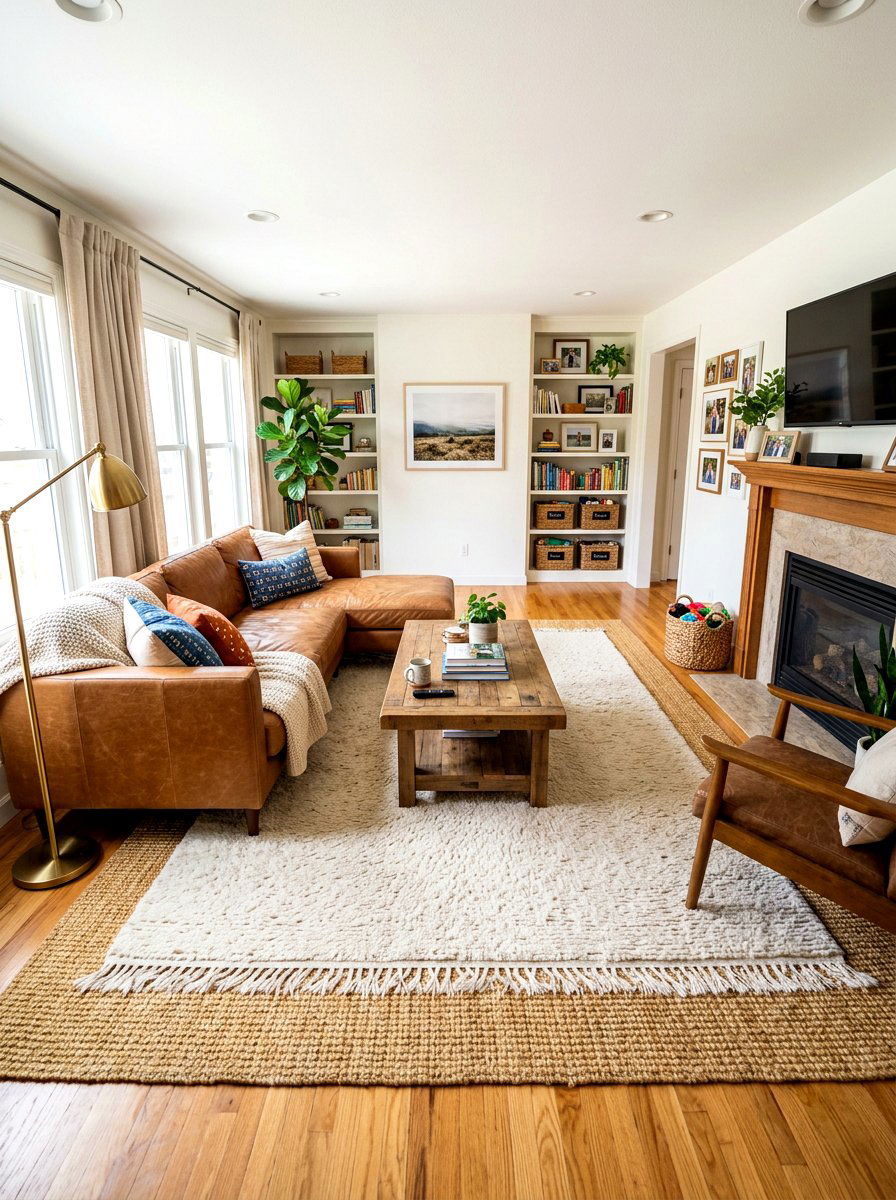
For the perfect mix of comfort and durability in a high-traffic family room, layer a soft, plush wool rug over a sturdy sisal base. The sisal handles the heavy weight of sofas and chairs without showing indentations, while the wool rug provides a soft place for kids to play and adults to relax. This pairing is a favorite among designers because it looks great and performs even better. The natural golden tones of the sisal complement almost any color of wool rug, from deep navy to soft cream. It is a long-lasting flooring solution that provides both the tactile softness people want and the structural integrity rooms need.
26. Layered Rugs In Living Room
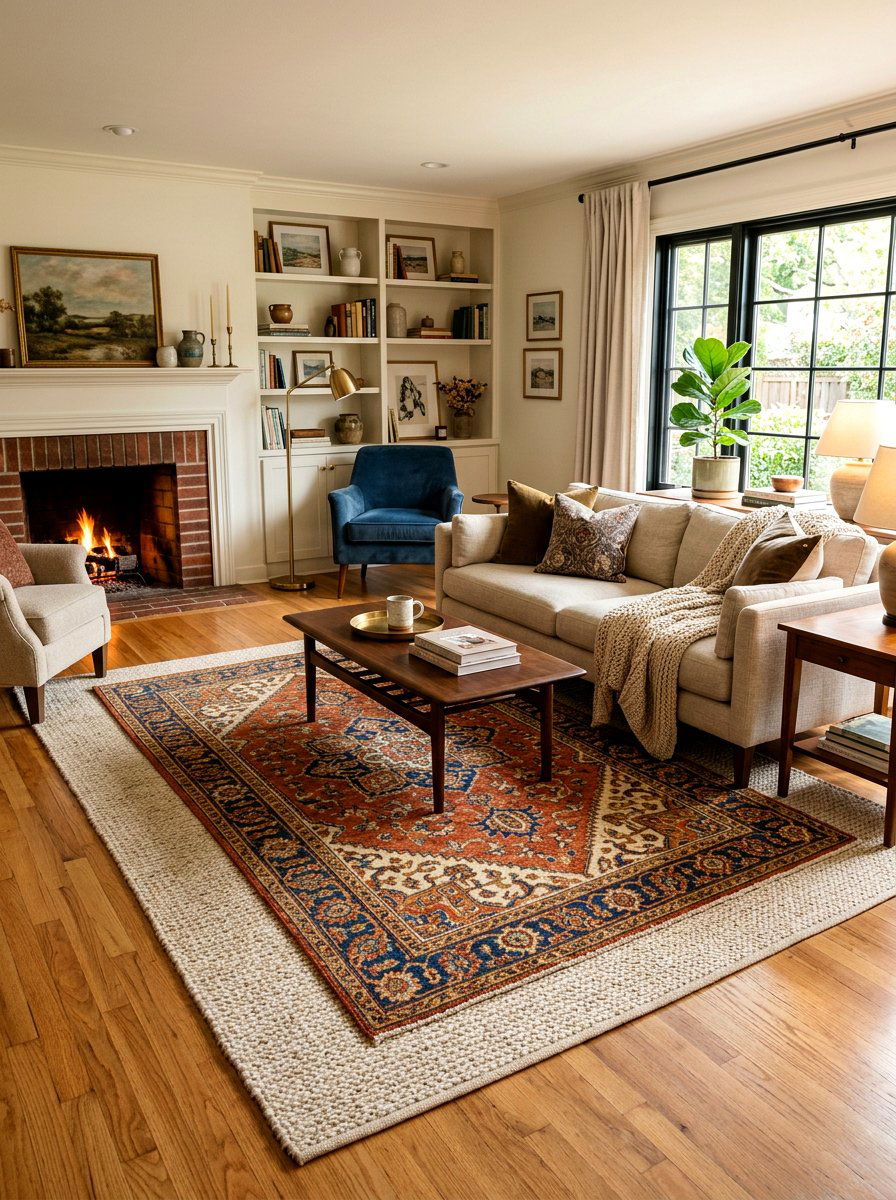
The living room is the most common place to experiment with layering because it has the most furniture to anchor. Start with a neutral 9x12 rug that fits under all four legs of your seating arrangement. Then, add a 6x9 patterned rug in the center to highlight the coffee table and conversation zone. This creates a "room within a room" effect that feels cozy and intimate, even in a large space. The extra layer of padding also helps with acoustics, making the room feel quieter and more relaxed. It is a foolproof way to make a large living area feel curated, warm, and expertly designed.
27. Entryway Layered Rug
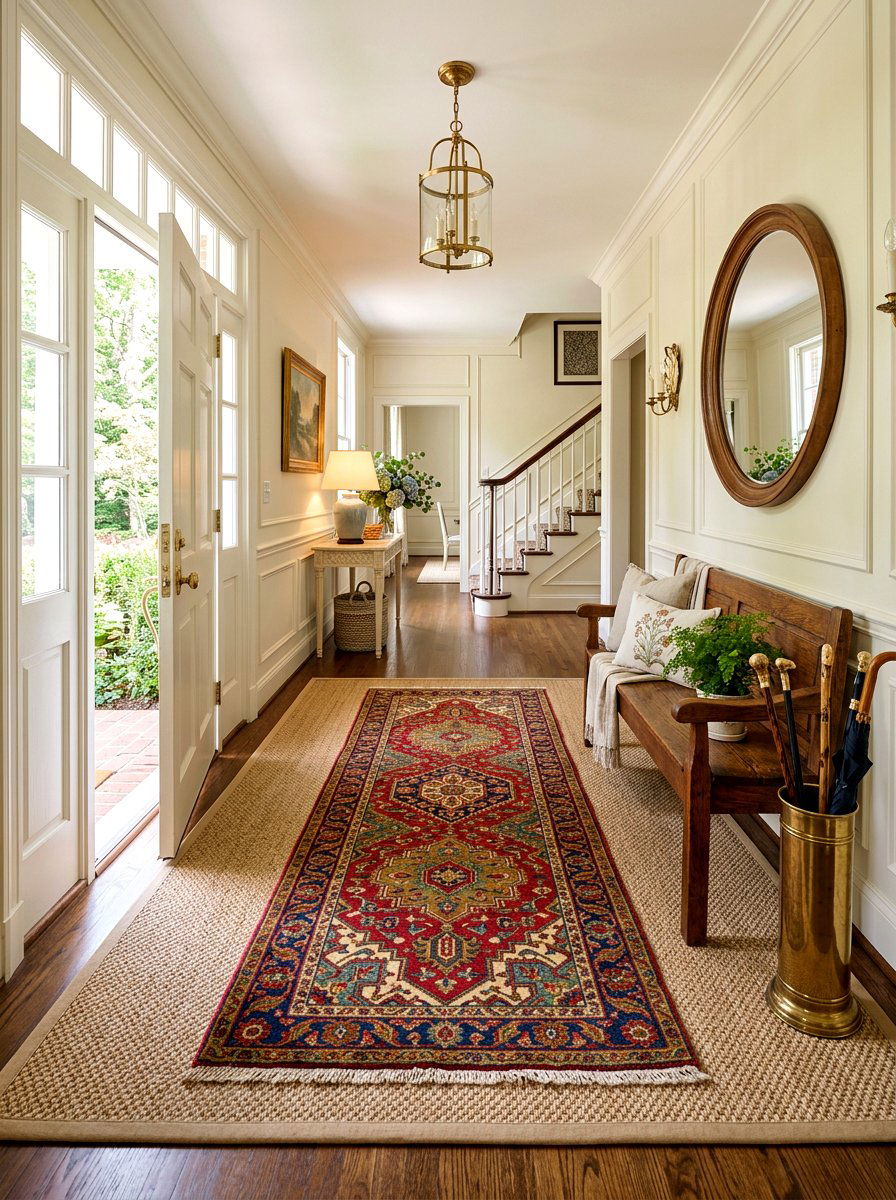
Make your foyer a standout space by layering a small, colorful runner over a larger, durable sisal mat that fits the dimensions of the hall. The runner adds a welcoming path of color and pattern that guides guests into the rest of the home. Because entryways are prone to dirt and moisture, the durable base layer protects your flooring while the top layer can be easily swapped out or cleaned. This design works best when the runner matches the colors in a nearby piece of art or a bench cushion. It turns a functional transition space into a beautiful and well-coordinated design statement that impresses visitors immediately.
28. Bedroom Layered Rugs
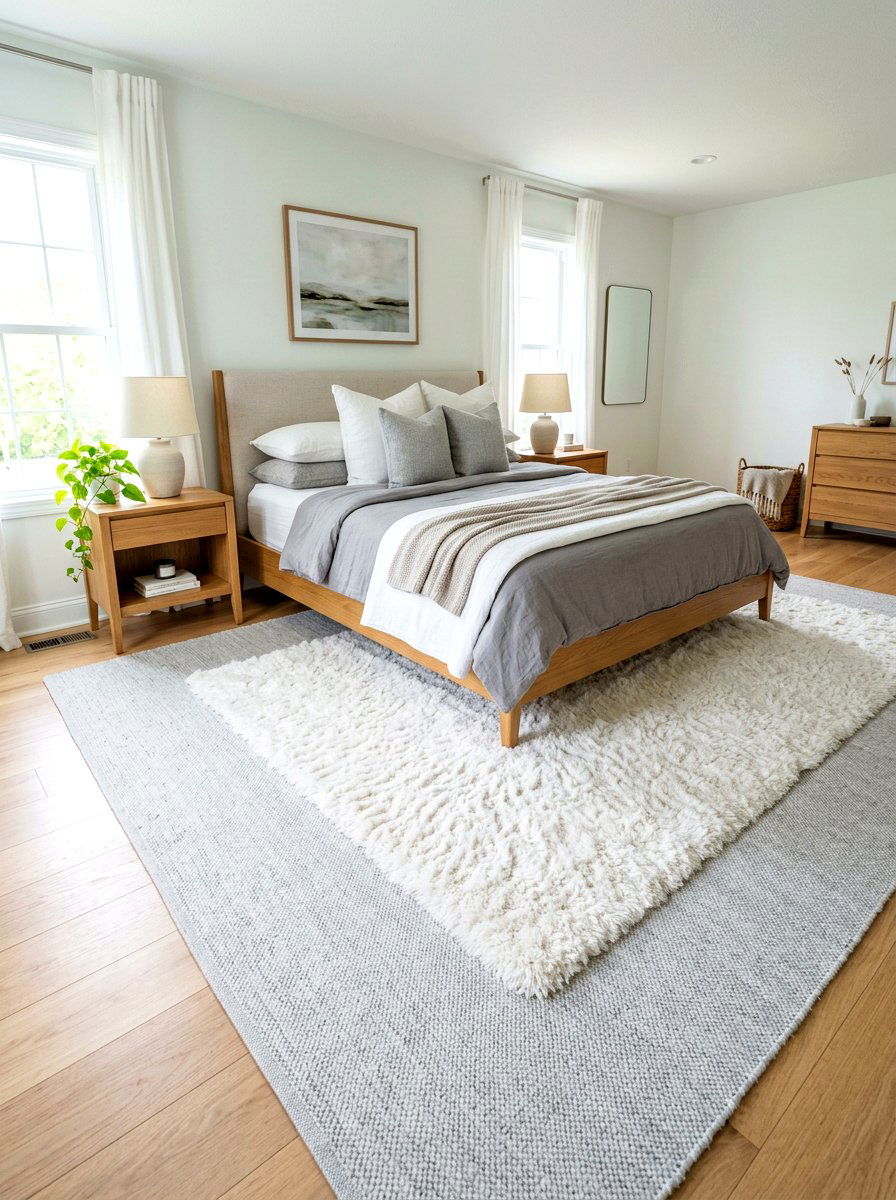
Create a cloud-like retreat in your bedroom by layering a soft, fluffy shag rug over a large, flat-weave cotton base. The flat-weave rug should extend well beyond the bed to ground the entire room, while the shag rug is placed specifically where you stand when getting out of bed. This provides a soft, warm landing for your feet every morning, adding a touch of daily luxury. Choose monochromatic tones like white and light gray to keep the space feeling peaceful and airy. The layered textures add a sense of richness and comfort that a single rug simply cannot achieve, making the bedroom feel much more cozy.
29. Kitchen Layered Rugs
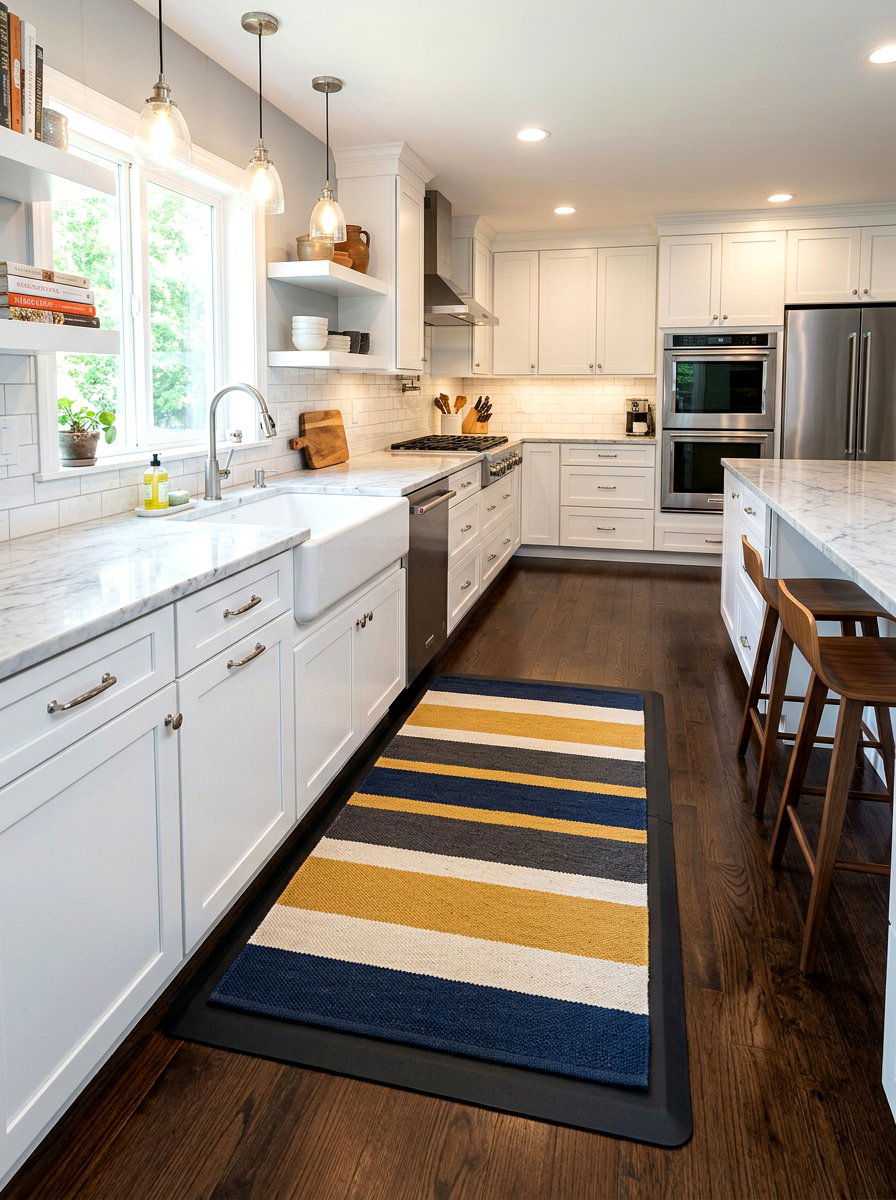
While many people avoid rugs in the kitchen, layering can actually make the space more functional and stylish. Place a durable, washable rug over a larger, slip-resistant mat in front of the sink or stove. This provides much-needed cushioning for your feet during meal prep and cleaning. The washable top layer can be tossed in the laundry whenever spills occur, while the base layer keeps everything securely in place on the hard tile or wood floor. Choose a cheerful pattern like a classic stripe or a vintage-style print to add a pop of color and warmth to an area often dominated by cold, hard surfaces.
30. Nursery Layered Rugs
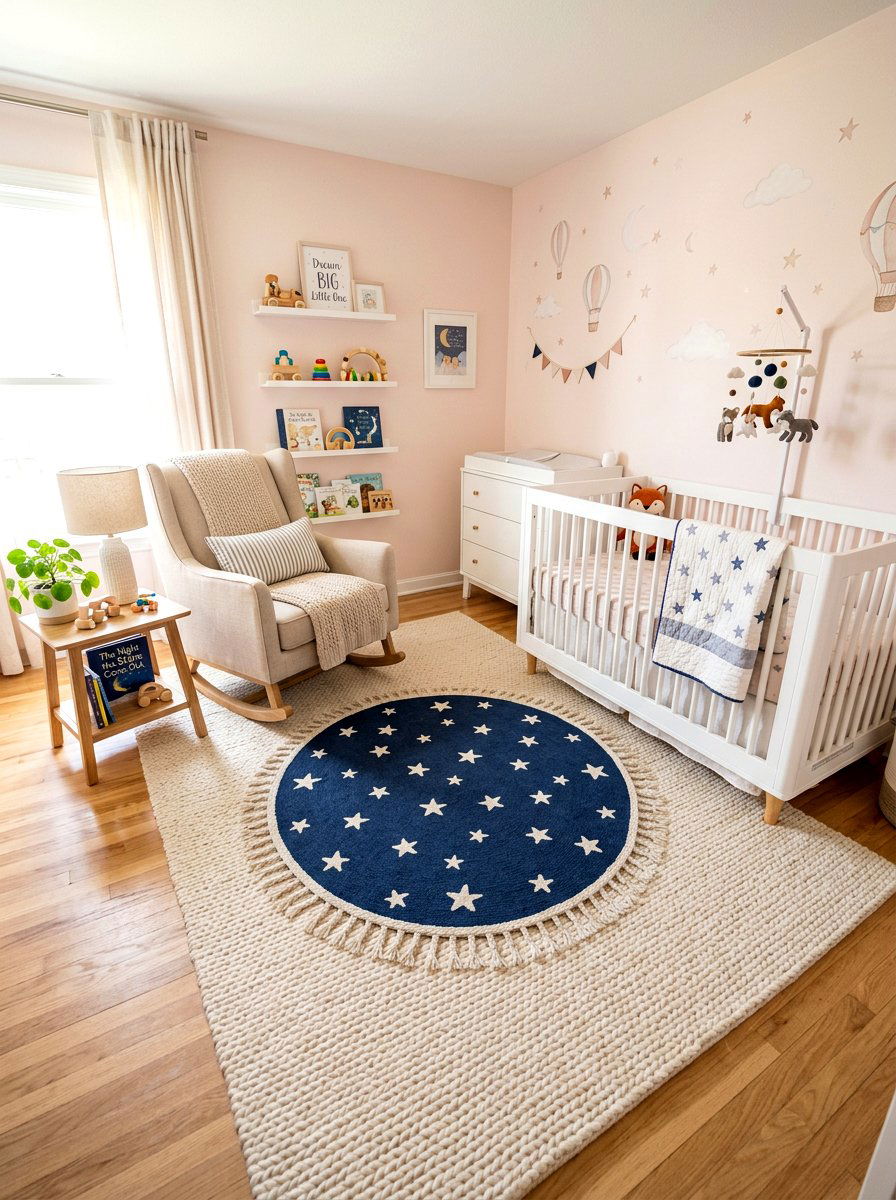
In a baby's room, layering is essential for creating a soft and safe environment for floor play. Layer a large, neutral wool rug for a healthy and durable base, then add a smaller, whimsical round rug with a fun pattern like stars or animals in the center. This creates a designated play zone that feels special and inviting for a child. The extra thickness provides excellent padding for little ones who are learning to crawl or walk. Choose rugs made from natural, non-toxic materials to ensure a healthy environment. The layered look adds a sweet, decorated touch that makes the nursery feel complete and incredibly cozy.
Conclusion:
Mastering the art of layering rugs is one of the most effective ways to transform the atmosphere of your home from ordinary to extraordinary. This versatile design strategy allows you to solve common spatial issues, such as small rugs in large rooms, while adding a rich tapestry of texture and color to your floors. By following these simple combinations, you can create a space that feels deeply personal, incredibly cozy, and professionally styled. Whether you prefer the rustic charm of jute or the luxurious feel of faux fur, there is a layered combination that will perfectly anchor your furniture and elevate your daily living experience.

Related posts: