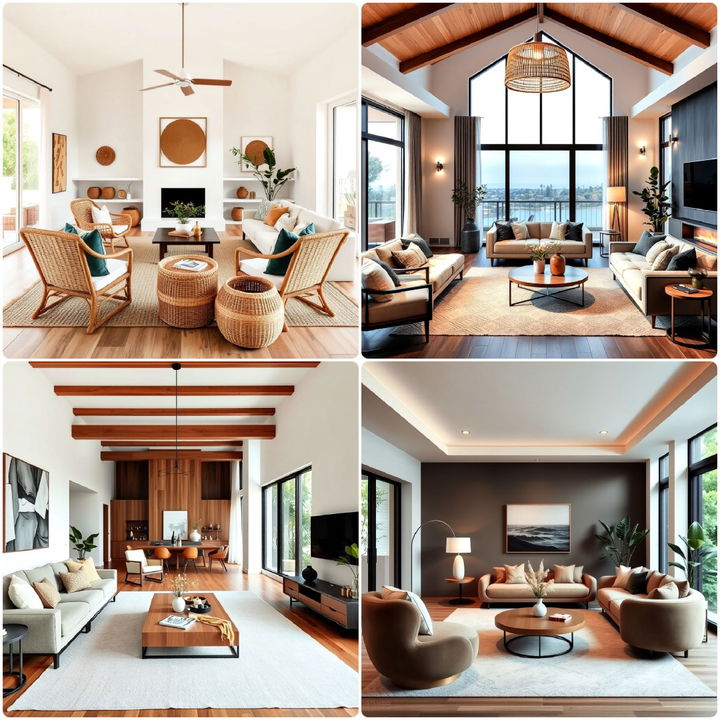
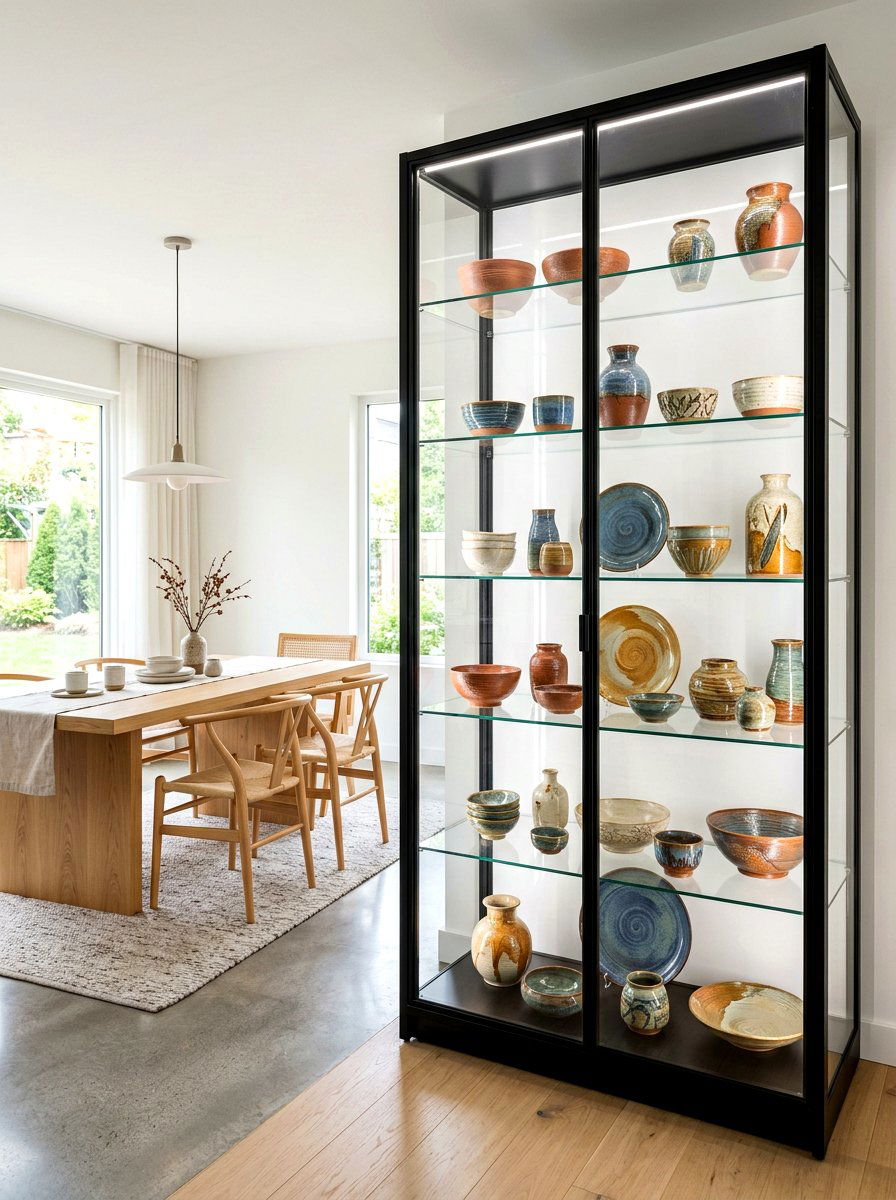
Are you looking to create a space that feels both sophisticated and incredibly grounded? Organic modern design is the perfect solution for homeowners who want to blend clean, contemporary lines with the raw beauty of the natural world. This style prioritizes comfort, sustainability, and a soothing color palette that brings the outdoors inside. By combining sleek furniture with organic textures like reclaimed wood and stone, you can build a living room that feels timeless yet fresh. It is all about finding that perfect balance between minimalist structure and cozy, lived-in warmth. This aesthetic turns any house into a serene sanctuary for relaxation. Let’s dive into these thirty unique ways to transform your home today.
1. Neutral living room
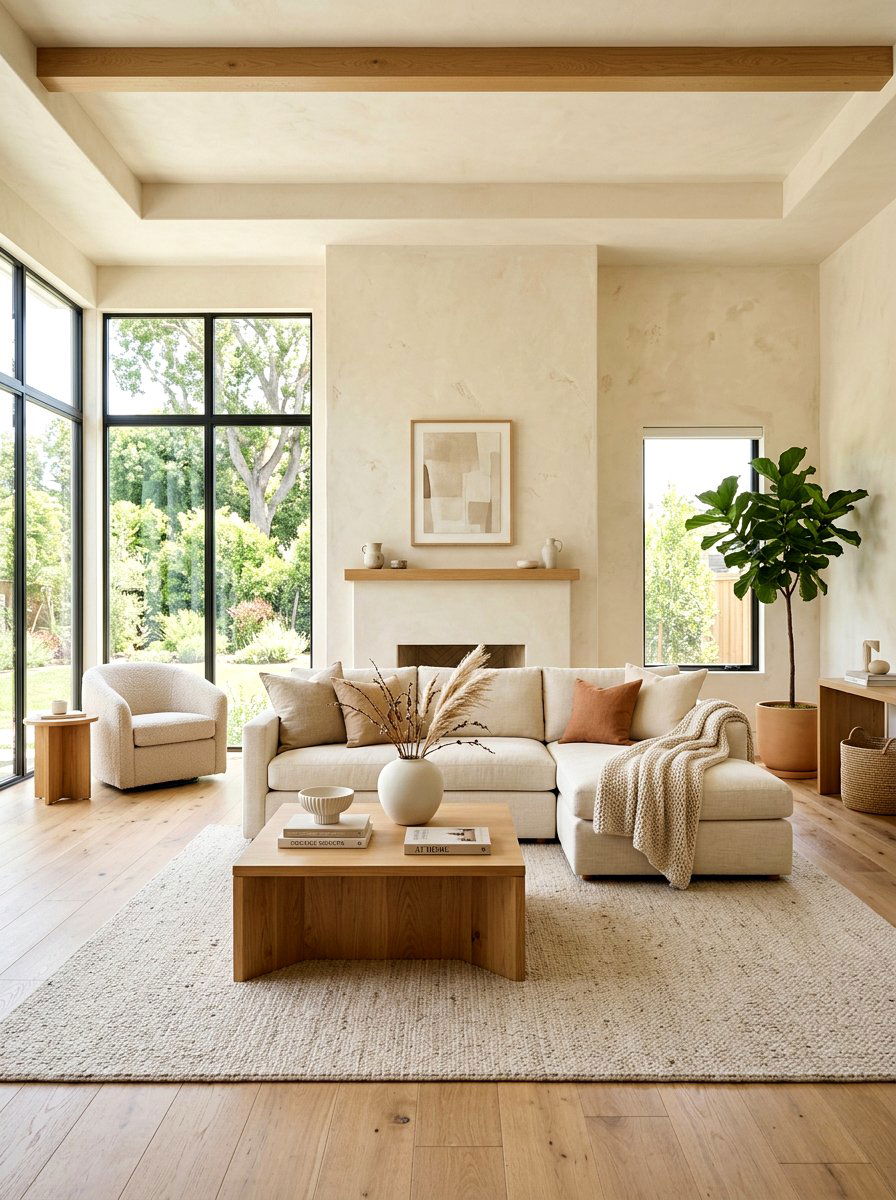
Creating a living room around a neutral palette is the foundation of the organic modern aesthetic. This approach uses varying shades of cream, beige, and taupe to build a sophisticated environment that feels incredibly airy. Instead of using bold colors, focus on layering different textures like a soft wool rug, linen curtains, and a smooth stone side table. This variety prevents the monochromatic look from feeling flat or boring. High-quality materials like light-toned oak furniture add warmth without disrupting the calm atmosphere. A large, plush sofa in an off-white fabric serves as the perfect central hub for the entire family to gather and relax together daily.
2. Curved sofa living room
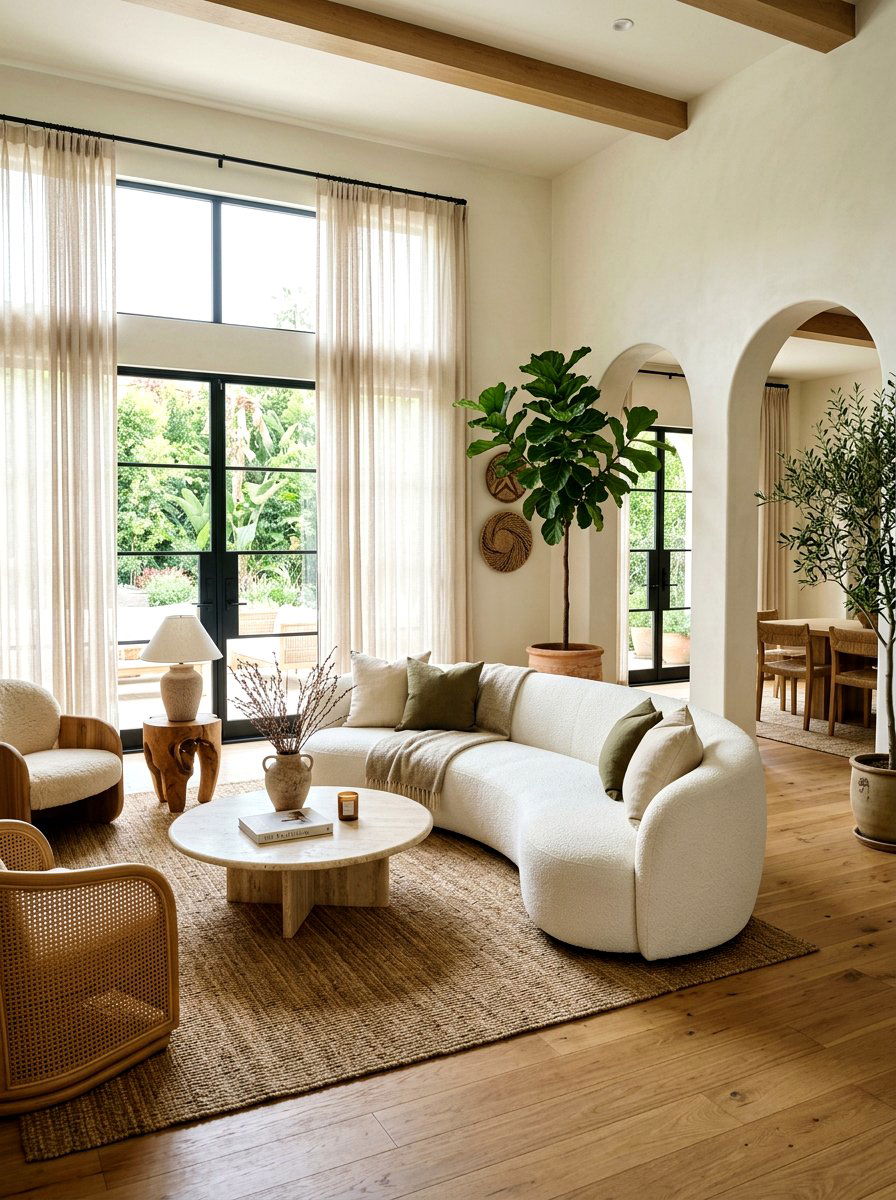
Incorporating curved furniture is a brilliant way to soften the sharp angles often found in modern architecture. A large, crescent-shaped sofa creates a natural flow in the living room and encourages conversation. When you pair a rounded couch with a circular coffee table, the entire space feels more harmonious and inviting. This design choice mimics the fluid shapes found in nature, such as smooth river stones or rolling hills. To complete the look, choose upholstery in tactile fabrics like bouclé or soft velvet. These materials add a layer of physical comfort that balances the high-end, sculptural look of the furniture's unique and flowing silhouette.
3. Wood ceiling living room
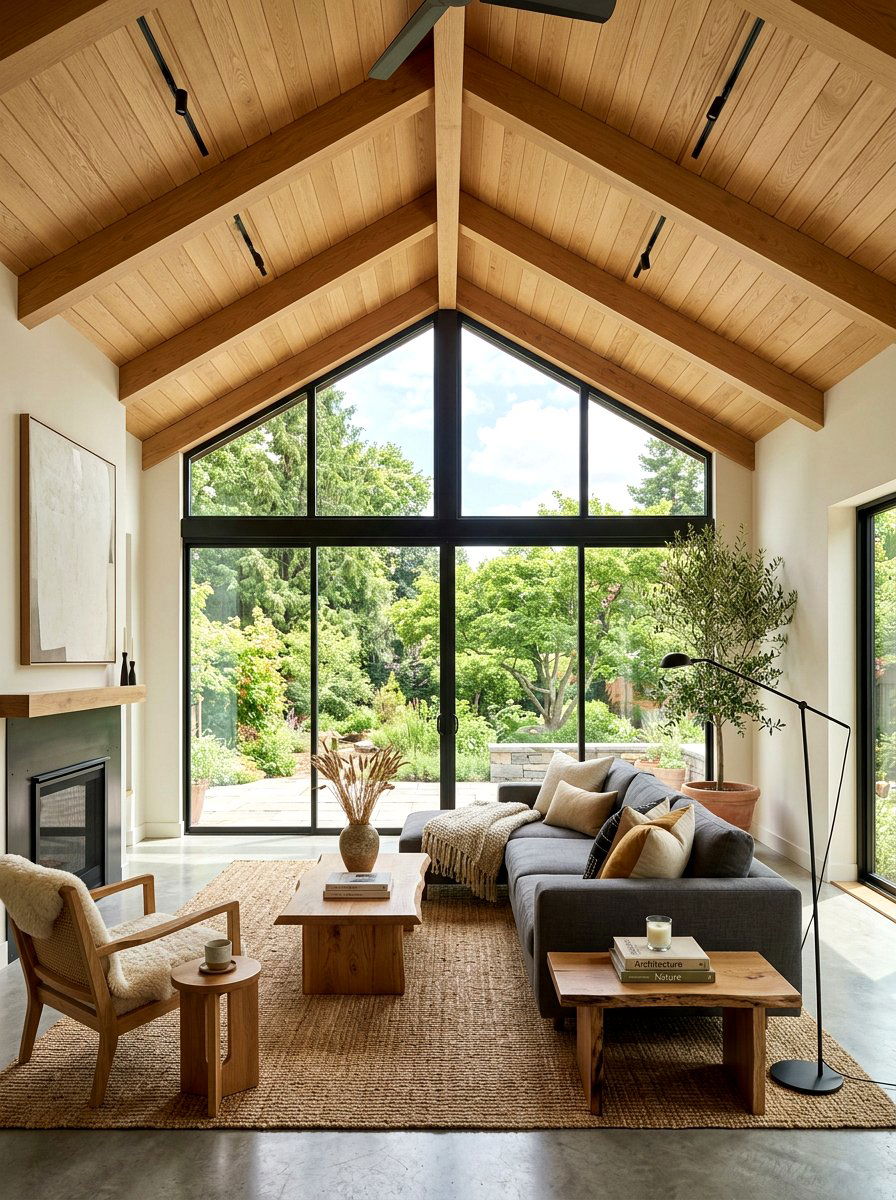
Adding a wood ceiling can instantly transform a cold, modern room into a warm and cozy retreat. Whether you choose light ash planks or rich walnut beams, the natural grain adds incredible visual interest overhead. This design element draws the eyes upward, making the living room feel taller and more spacious while remaining grounded. Pair the wooden ceiling with low-profile furniture to maintain an open and uncluttered vibe. Neutral walls and large windows allow the natural beauty of the wood to take center stage. This structural feature provides a permanent connection to nature that makes the entire living area feel like a high-end luxury cabin.
4. Stone fireplace living room
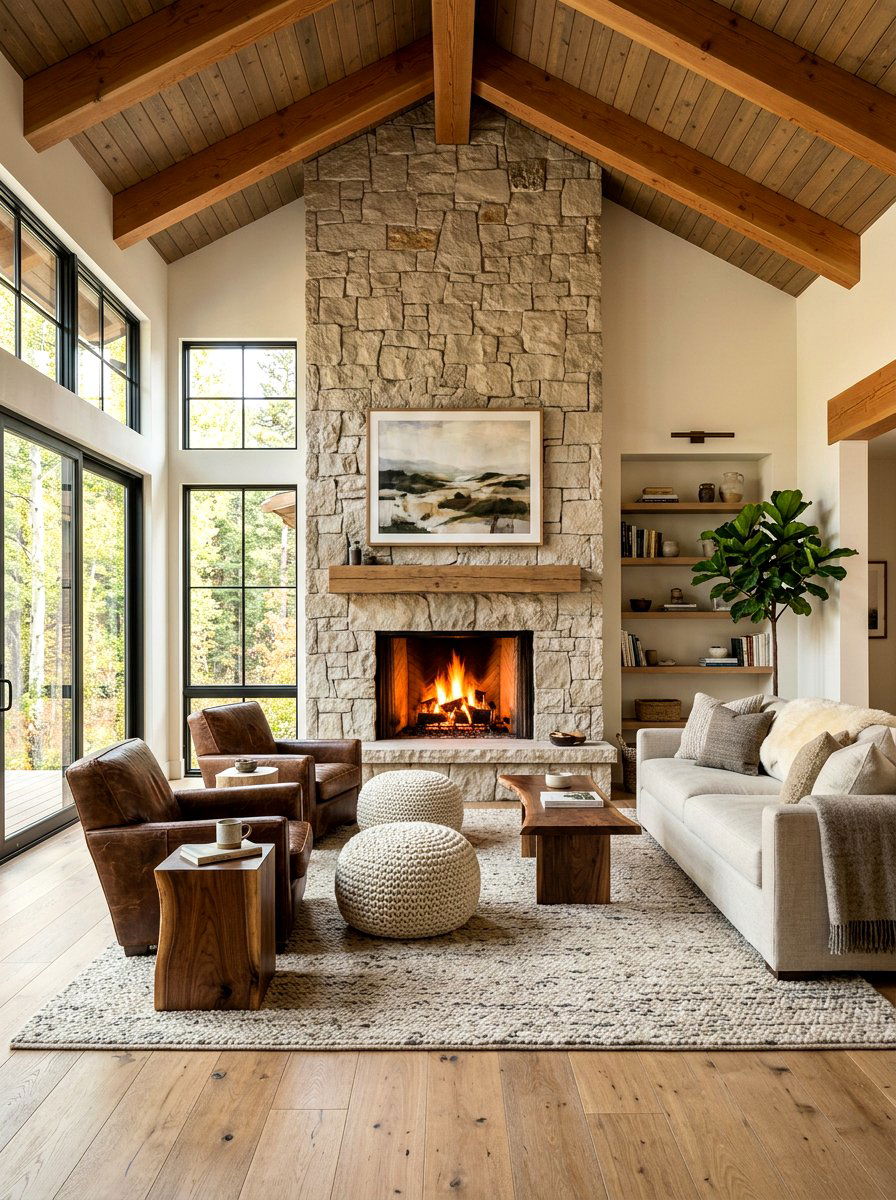
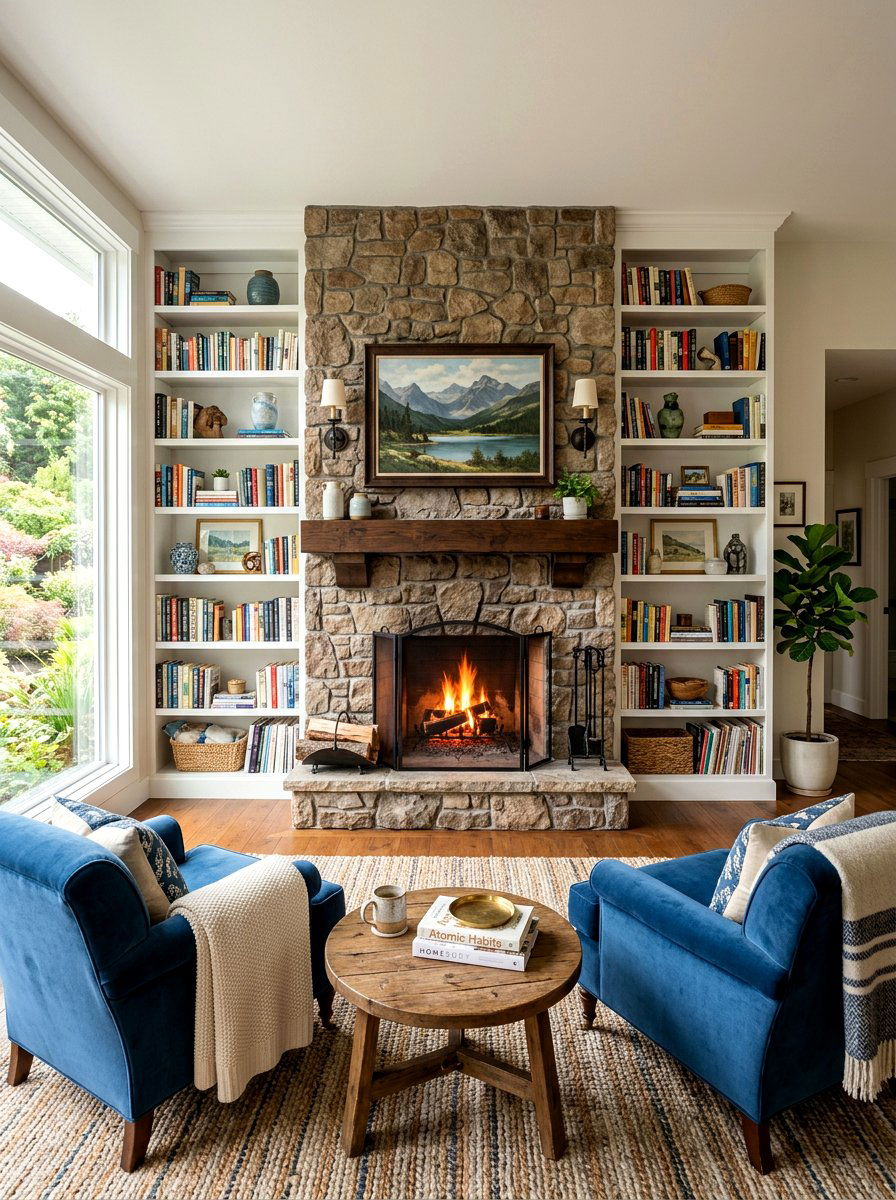
A stone fireplace serves as a rugged and majestic focal point in any organic modern living room. Using oversized slabs of limestone or stacked natural fieldstone adds a raw, elemental texture that contrasts beautifully with sleek, modern flooring. Keep the mantel simple or skip it entirely to allow the stone’s natural patterns to shine through. Surround the hearth with cozy seating, such as leather armchairs and a chunky knit floor pouf. The combination of fire and stone creates a primal sense of comfort and security. This setup anchors the room’s design, providing a solid architectural base that feels both ancient and contemporary.
5. Earth tone living room
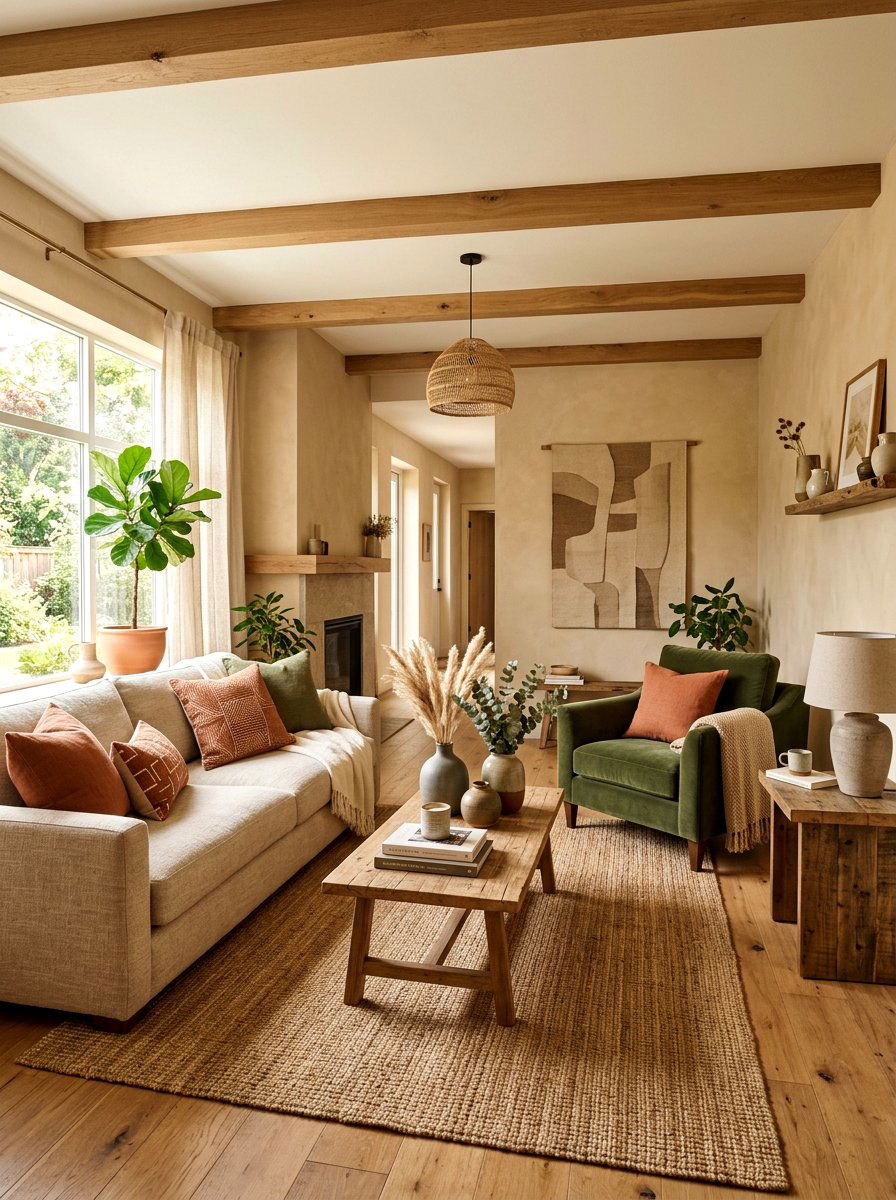
Designing with earth tones involves using colors inspired by the soil, trees, and sky. Think of deep mossy greens, burnt terracotta, and warm ochre accents layered over a sandy beige base. These colors naturally harmonize with one another, making it easy to create a cohesive and relaxing environment. You can introduce these hues through decorative pillows, hand-thrown ceramic vases, or a large abstract painting. The goal is to evoke the feeling of being outdoors during a peaceful sunset. By staying within this natural color family, your living room will feel incredibly welcoming and deeply connected to the environment around your beautiful home.
6. Minimalist organic living room
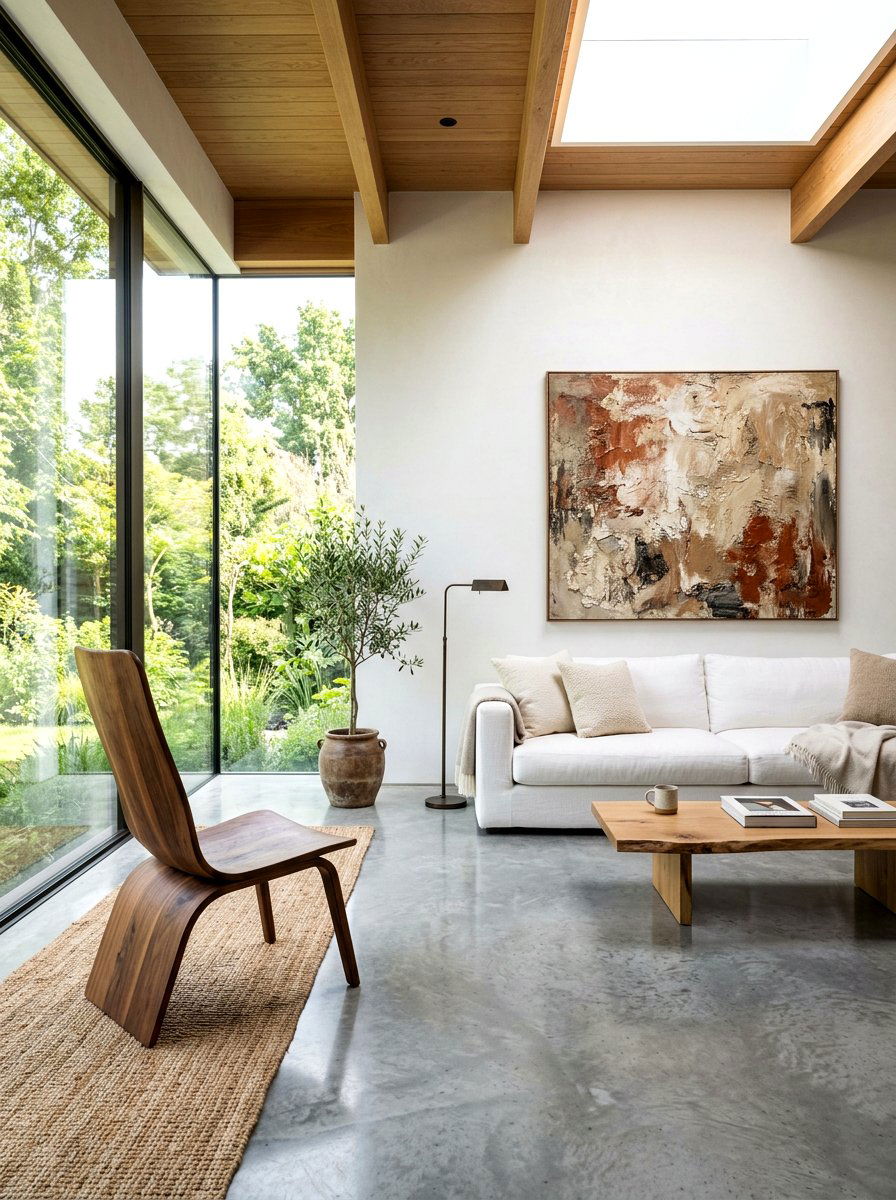
The minimalist organic style focuses on the philosophy that less is truly more. Every piece of furniture in the room should be functional and possess a beautiful, simple form. Avoid unnecessary clutter by choosing built-in storage and limiting decor to a few high-quality items. A single, well-crafted wooden bench or a solitary sculptural chair can make a much bigger statement than a room full of trinkets. This approach highlights the quality of the materials, such as the grain of a solid wood table or the weave of a handmade rug. It creates a quiet, reflective space where your mind can truly rest.
7. Coastal modern living room
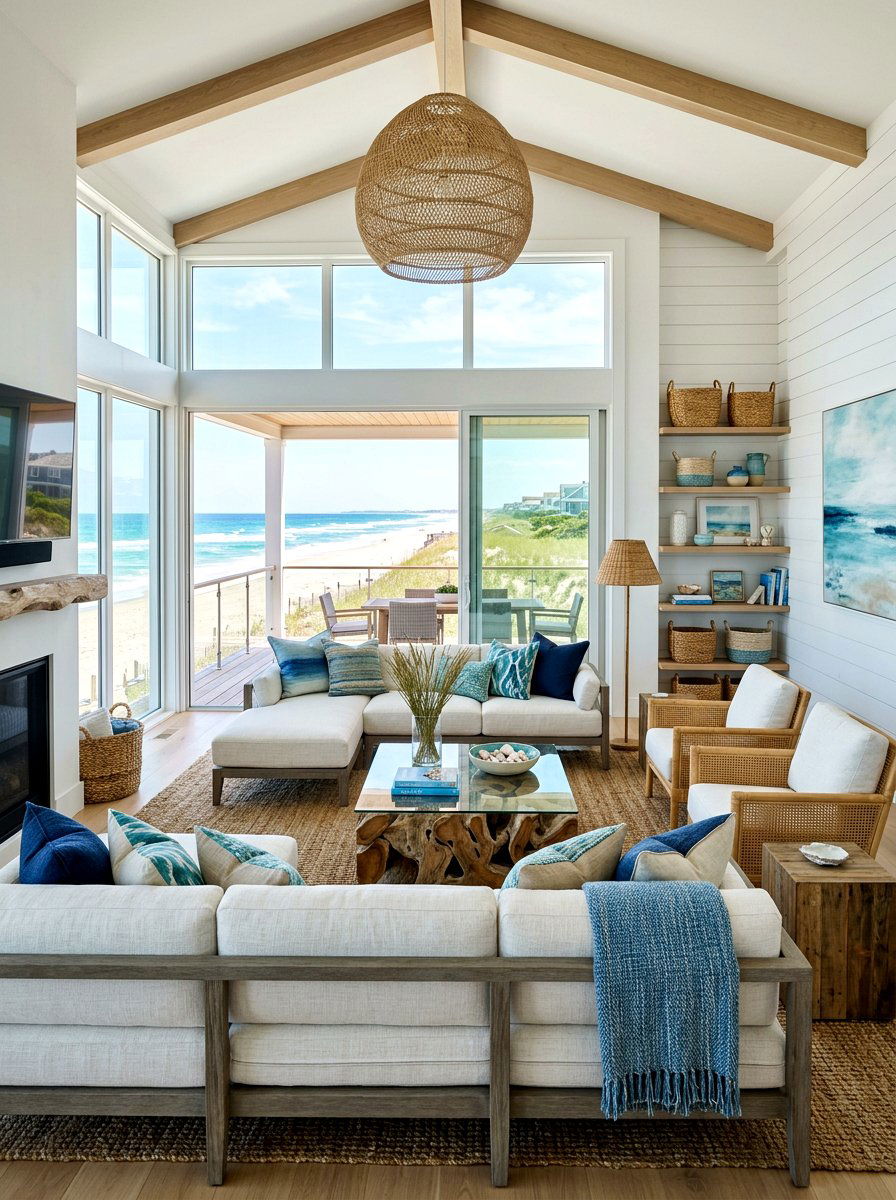
A coastal modern living room brings the breezy, relaxed vibe of the beach into a polished contemporary setting. Instead of literal nautical decor, use a palette of soft whites, watery blues, and driftwood grays. Incorporate natural fibers like jute rugs, seagrass baskets, and light linen upholstery to mimic the textures of the shore. Large windows are essential here to let in plenty of sunlight and provide a view of the outside world. This style feels fresh, clean, and energetic yet maintains the grounded warmth characteristic of organic design. It is perfect for creating a bright, vacation-like atmosphere in your main living area.
8. Japandi living room
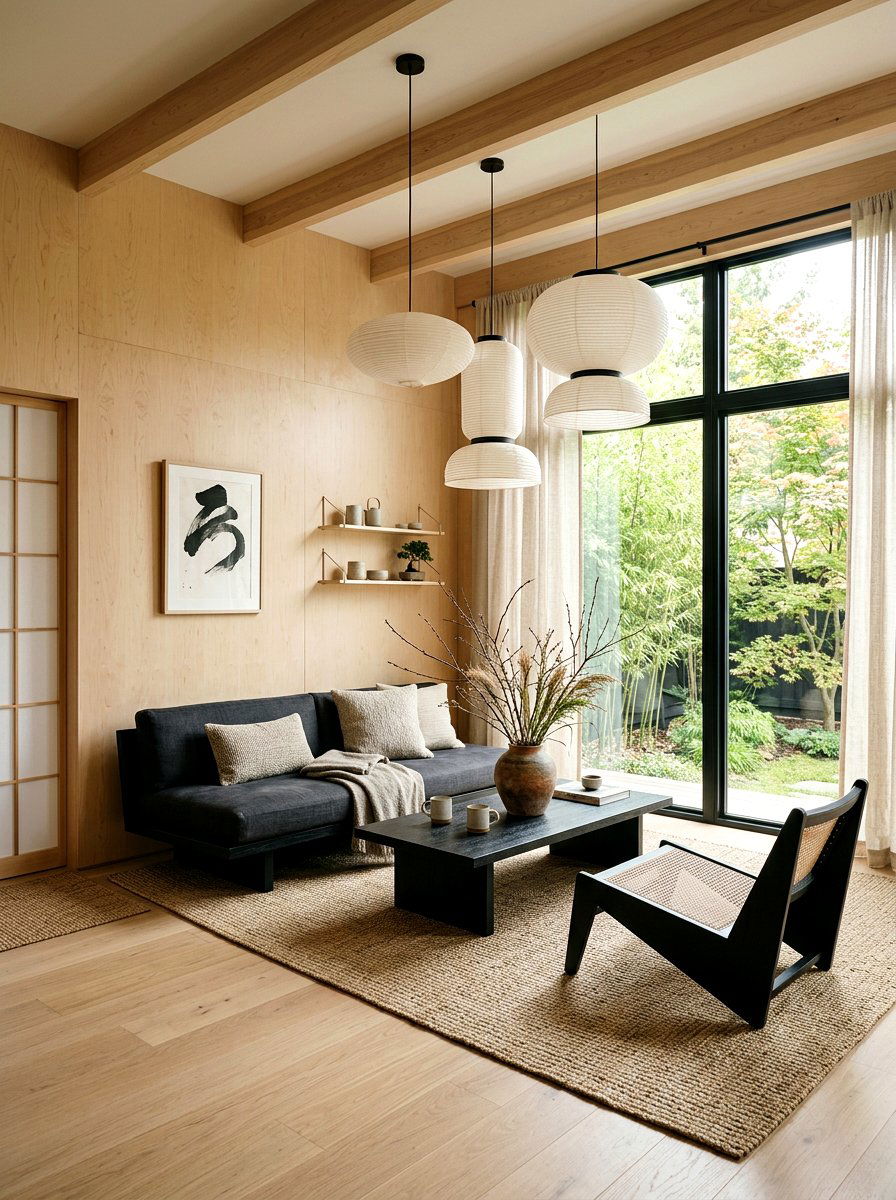
Japandi is a beautiful fusion of Japanese functionalism and Scandinavian minimalism. This style relies heavily on clean lines, neutral colors, and natural materials to create a sense of "wabi-sabi, " or beauty in imperfection. In a Japandi living room, you might see low-slung furniture, paper lantern lighting, and plenty of light-colored wood. The layout is usually very open and intentional, with a strong focus on craftsmanship. Adding a few carefully placed branches in a ceramic vase can provide a simple but striking organic touch. This design philosophy promotes a lifestyle of simplicity, mindfulness, and deep appreciation for the natural world.
9. Indoor plant living room
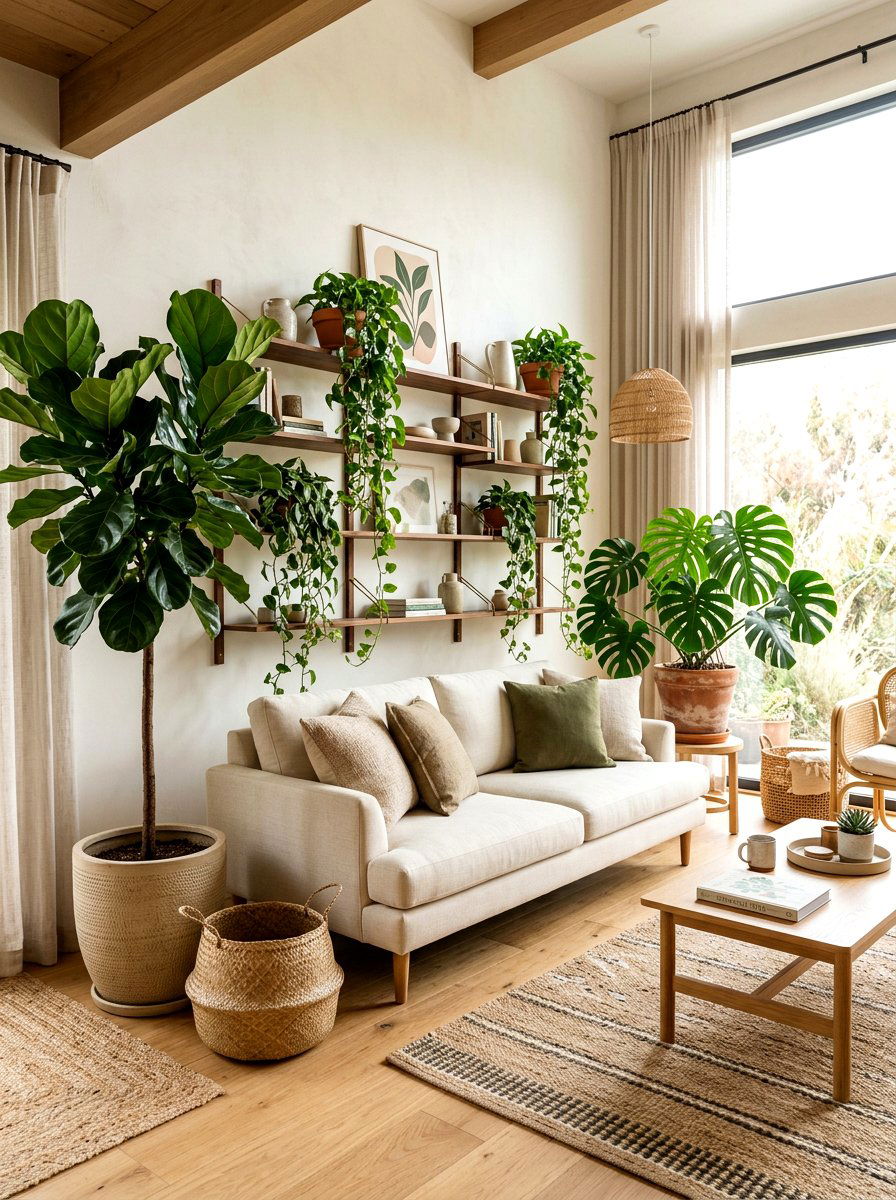
Bringing living plants into your design is the most direct way to achieve an organic modern look. Large leafy plants like a fiddle-leaf fig or a monstera can act as living sculptures in the corners of your room. Using various sizes of greenery creates a lush, tiered effect that mimics a natural forest floor. Place your plants in earthy pots made of clay, terracotta, or concrete to maintain the organic theme. Greenery not only adds a vibrant pop of color but also improves indoor air quality and reduces stress. This biophilic approach ensures your living room feels alive, fresh, and constantly evolving.
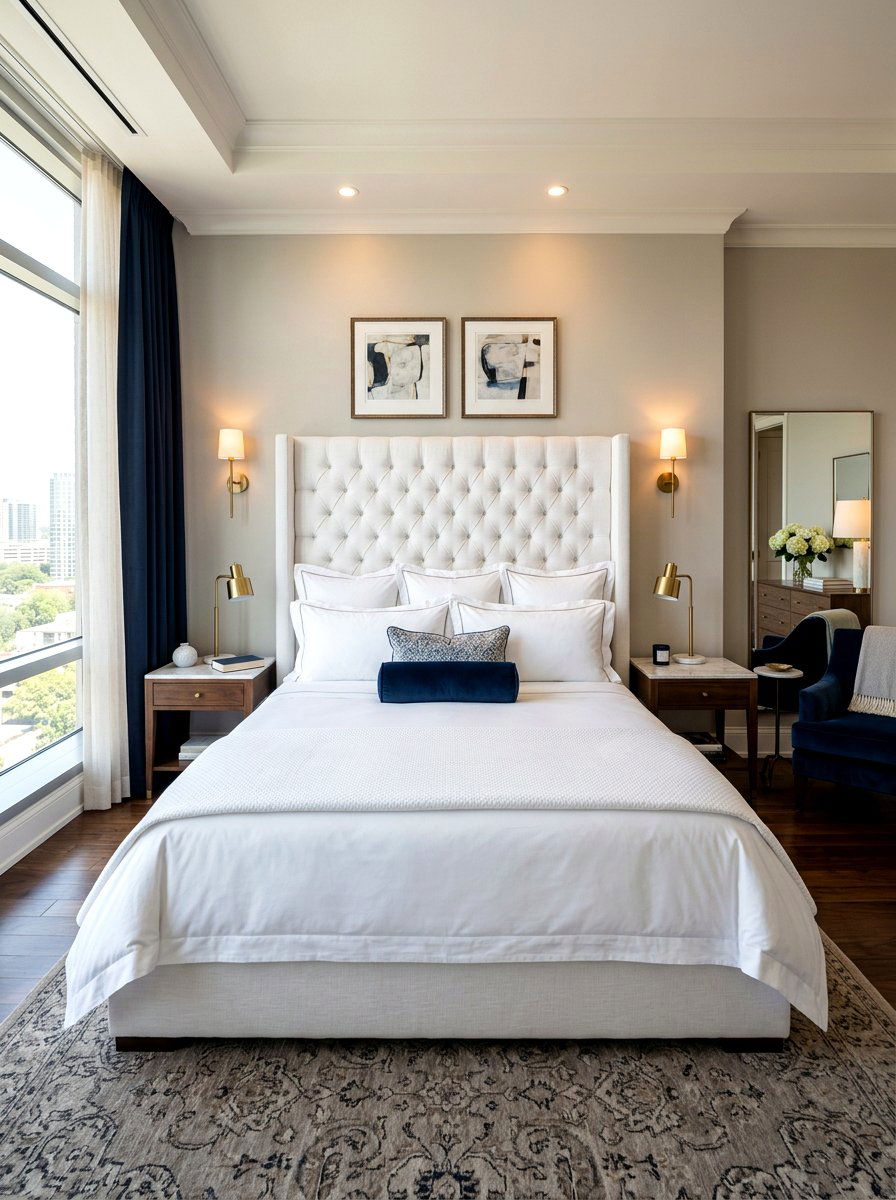
10. Textured wall living room
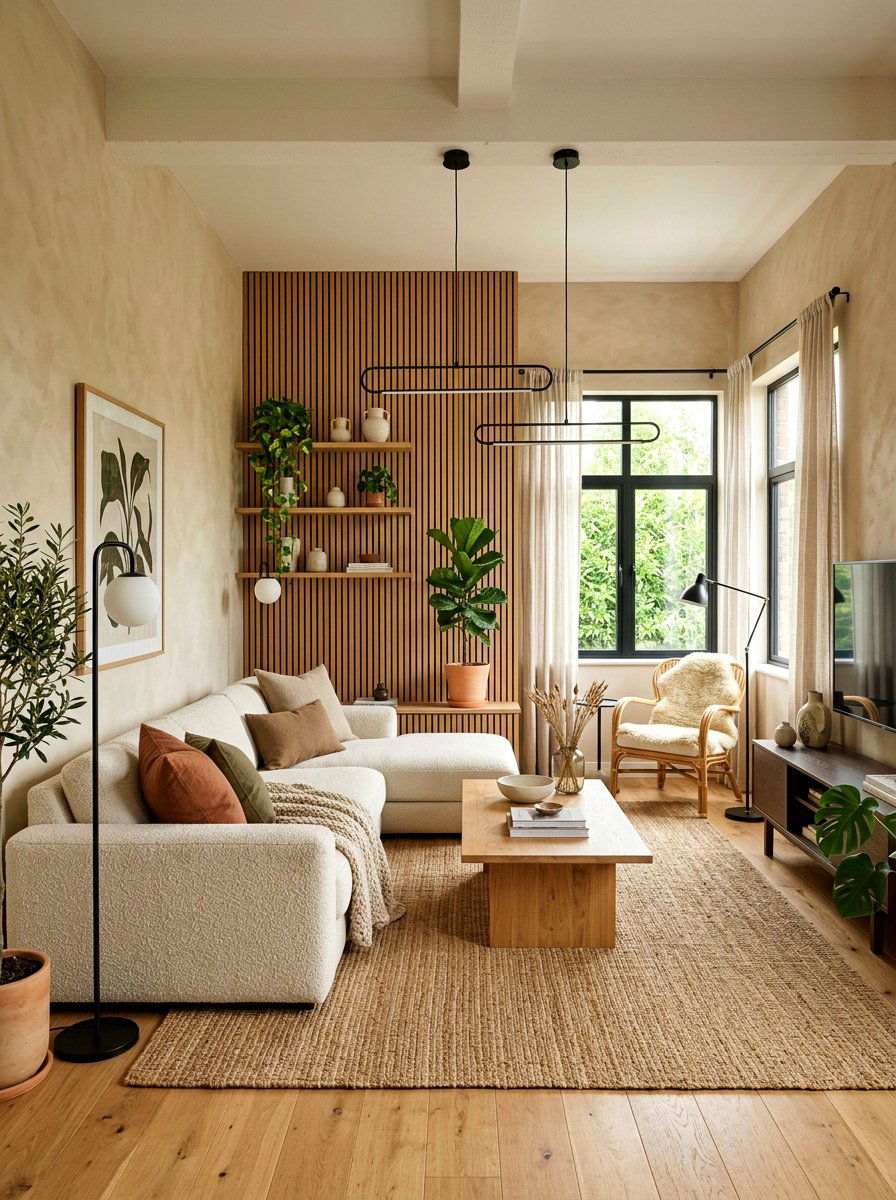
Instead of traditional flat paint, consider using textured wall treatments like Venetian plaster or lime wash. These finishes add a subtle, hand-crafted depth that catches the light beautifully and feels soft to the touch. The slight variations in color and texture give the walls an organic, stone-like appearance that adds instant character to the space. You can also use wooden slats or stone cladding on a single accent wall for a more dramatic effect. These tactile surfaces make the room feel more enclosed and cozy, like a protective cocoon. It is a sophisticated way to add visual interest without needing excessive wall art.
11. Black accent living room
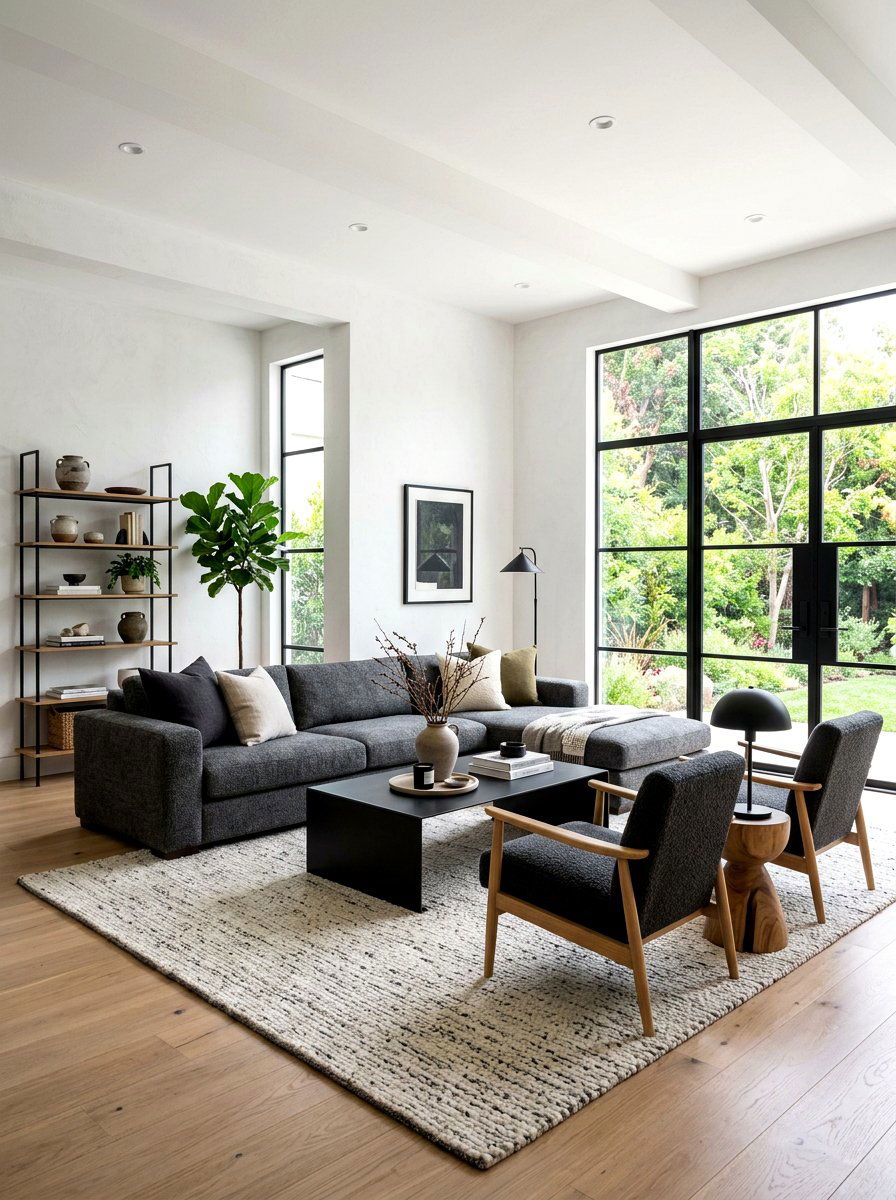
Using black accents provides a sharp, modern contrast that defines and anchors an organic space. Incorporate thin black metal window frames, a matte black floor lamp, or dark charcoal picture frames. These dark elements act like eyeliner for the room, making the neutral colors and natural wood tones pop with more intensity. The key is to use black sparingly so it doesn't overwhelm the serene atmosphere. A black marble coffee table or a dark wrought iron fireplace screen adds a touch of industrial elegance. This contrast creates a sophisticated visual hierarchy that keeps the organic modern design feeling sharp and intentionally curated.
12. Bouclé furniture living room
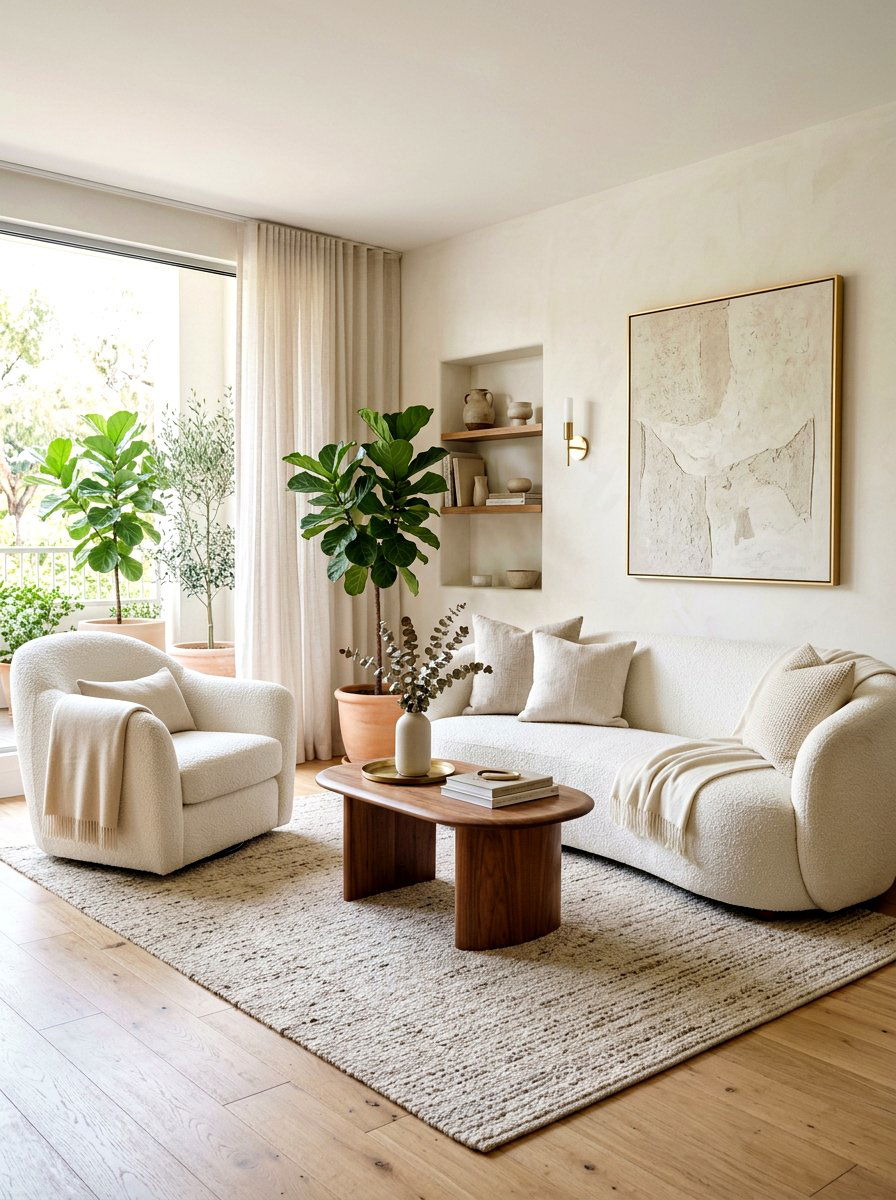
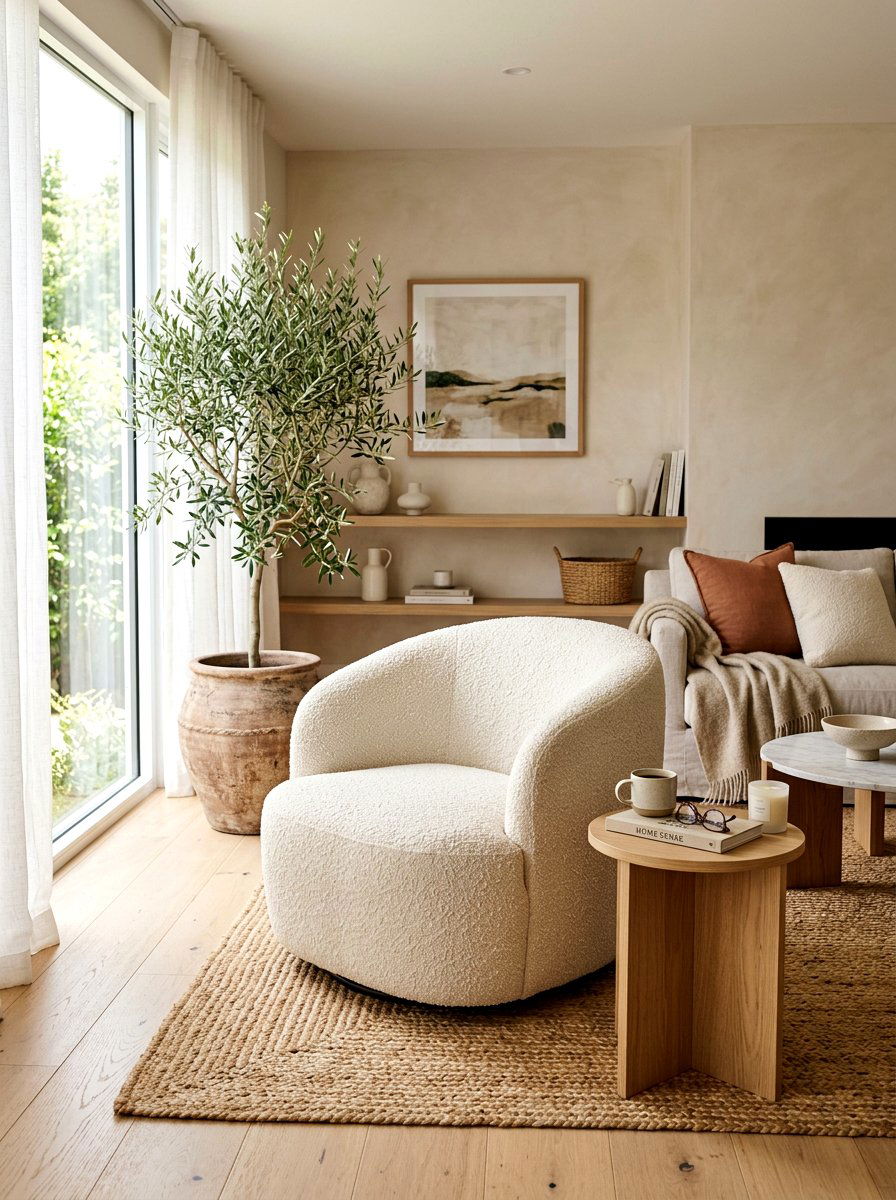
Bouclé is a nubby, looped fabric that has become a staple of modern organic interiors due to its incredible texture. A bouclé sofa or armchair looks like a soft, fluffy cloud and feels amazing to sit on. This fabric adds a layer of cozy luxury that softens the minimalist lines of contemporary furniture. Because it is usually found in shades of cream or white, it fits perfectly within a neutral color scheme. Pairing a bouclé piece with a smooth wooden side table creates a beautiful sensory contrast. This material invites you to touch and interact with your furniture, enhancing the overall comfort of the room.
13. Sustainable material living room
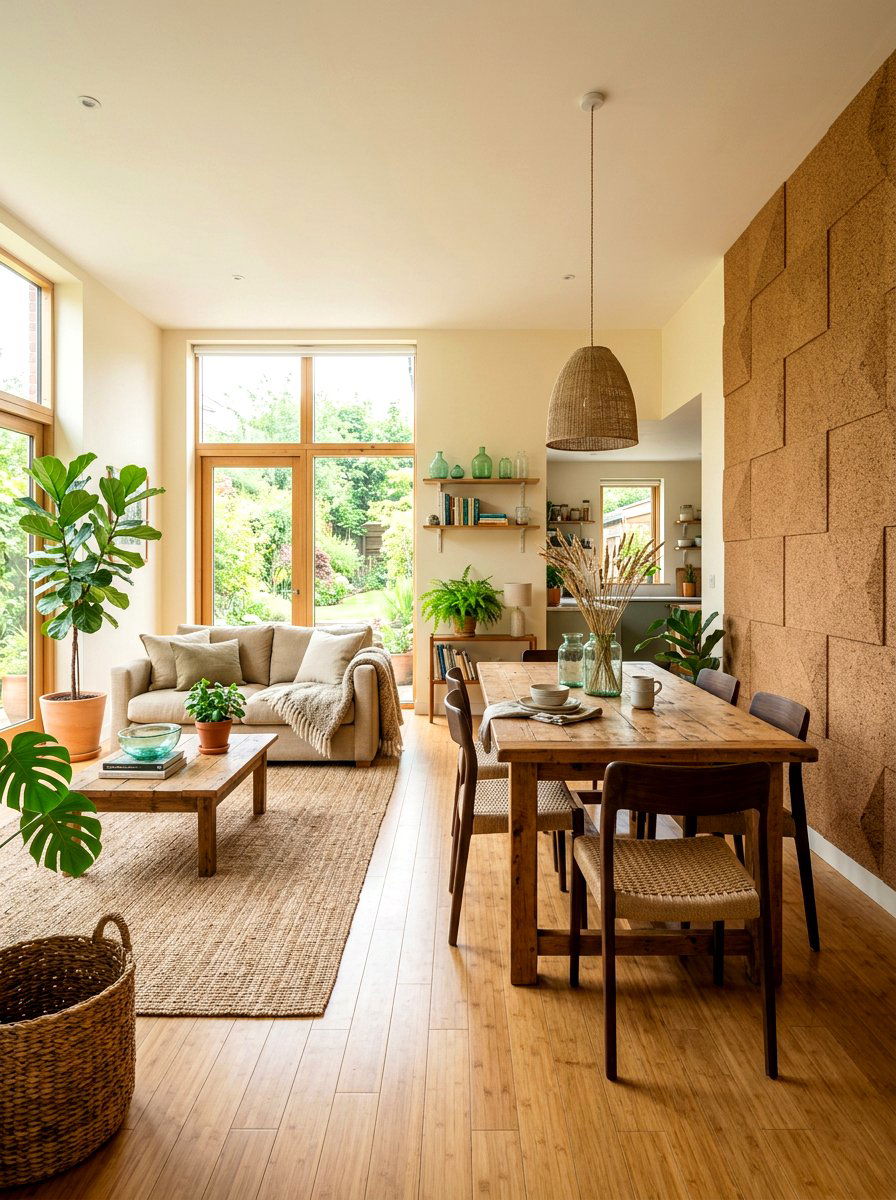
Choosing sustainable materials is a core value of the organic modern movement. Look for furniture made from reclaimed wood, recycled metal, or fast-growing bamboo. These items often come with a unique history and a beautiful, weathered patina that new mass-produced furniture lacks. Using cork flooring or recycled glass decor adds to the eco-friendly narrative of your home. This approach not only protects the planet but also creates a home that feels more authentic and meaningful. By surrounding yourself with items that are ethically sourced and naturally durable, you create a living space that truly honors the beauty of the natural world.
14. High ceiling living room
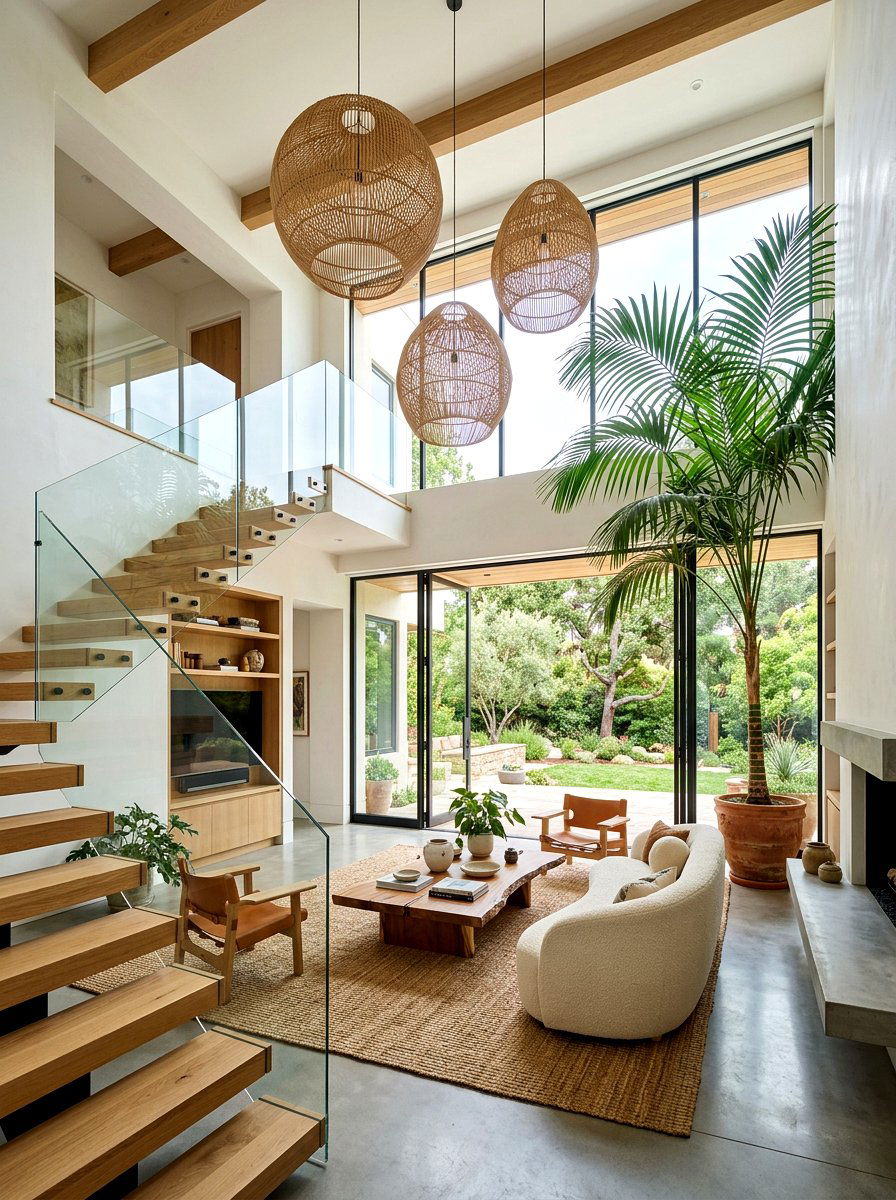
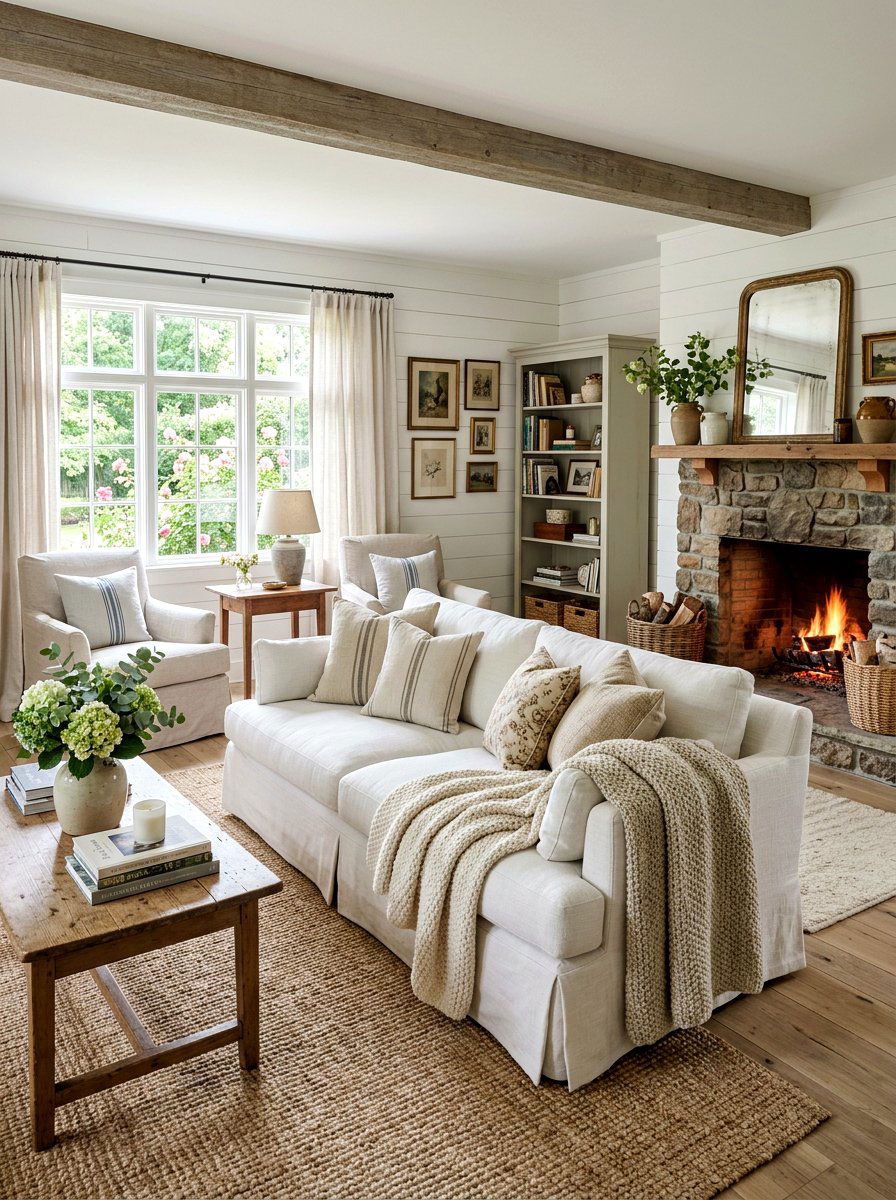
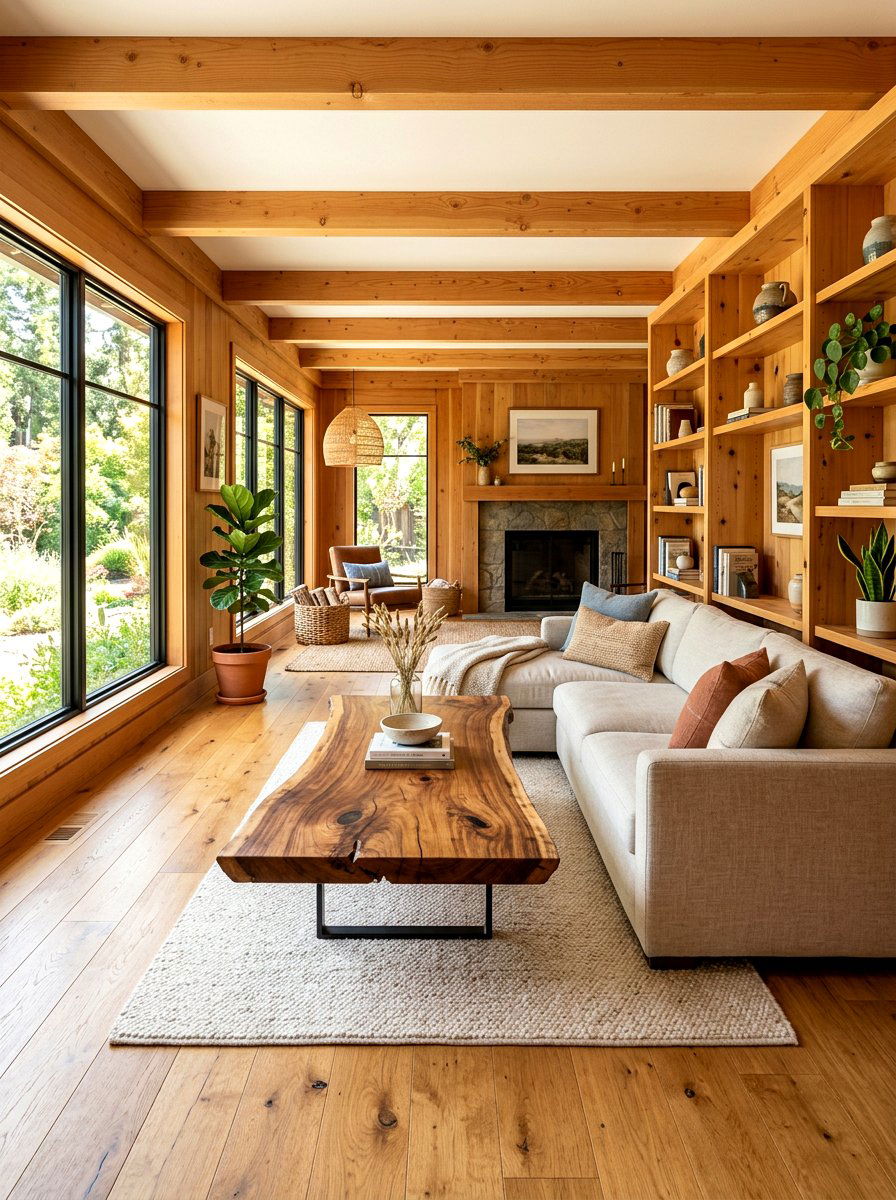
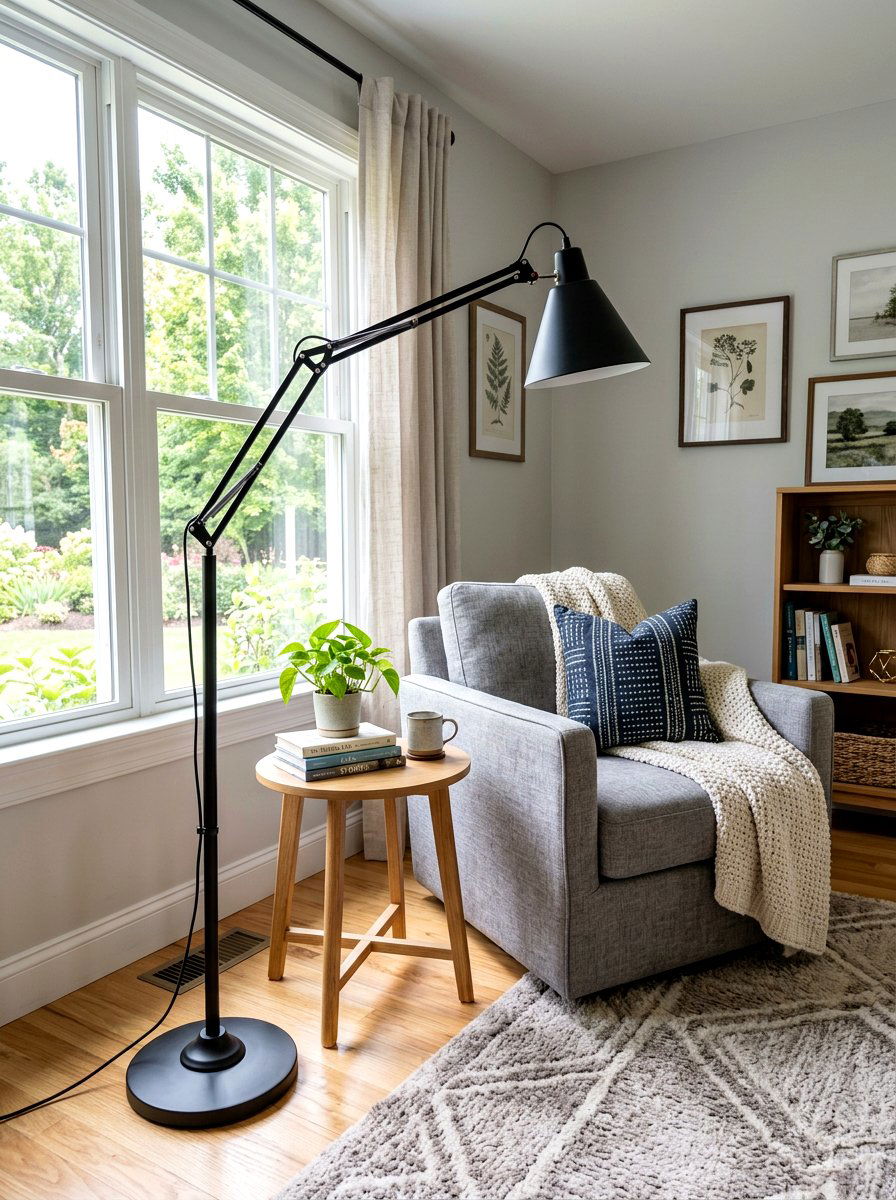
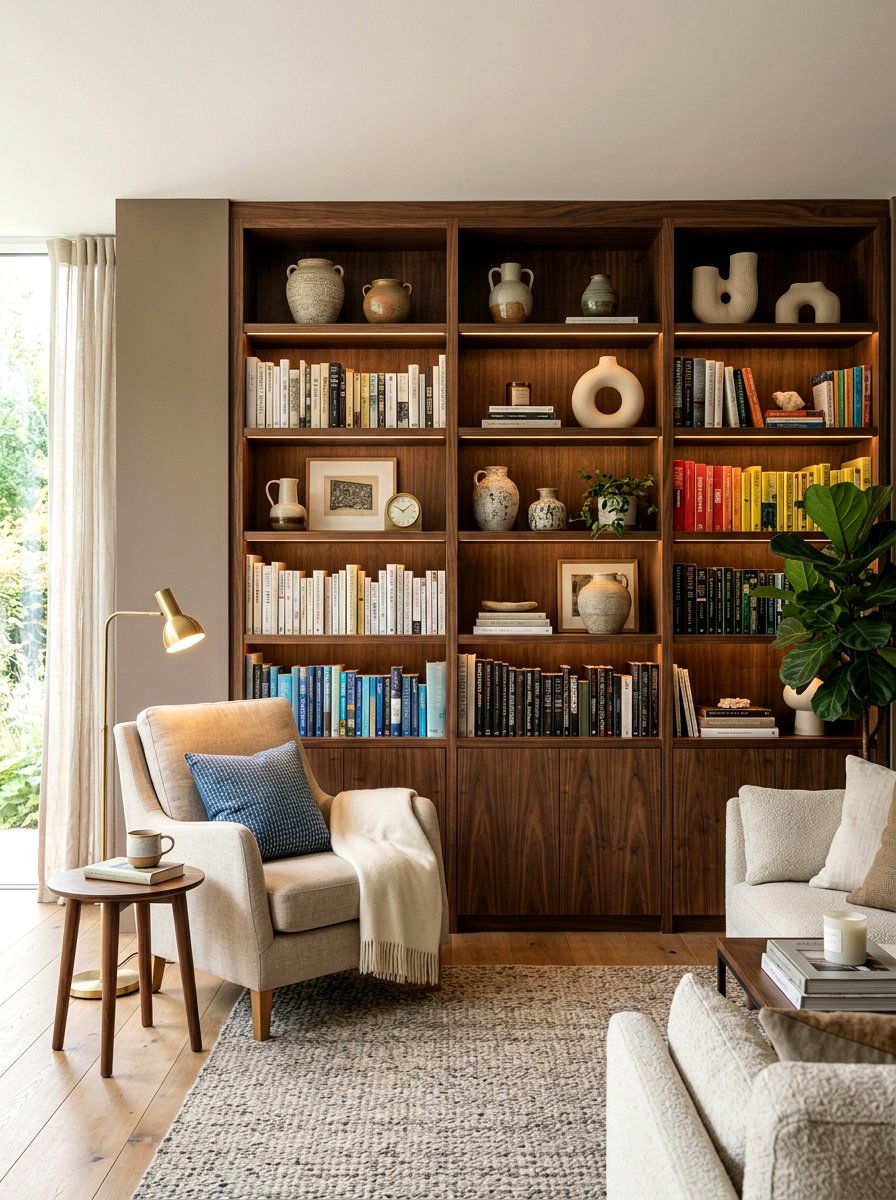
A living room with high ceilings offers a grand sense of scale that works perfectly with organic modern design. You can utilize the extra vertical space by hanging oversized woven pendant lights or installing floor-to-ceiling windows. This openness allows natural light to flood the space, highlighting every texture and material in the room. To keep a large room feeling intimate, use tall indoor trees or long, flowing curtains that draw the eye upward. Large-scale abstract art on the high walls can also bridge the gap between the floor and the ceiling. This architectural freedom creates a breathtaking, airy sanctuary that feels boundless.
15. Scandi modern living room
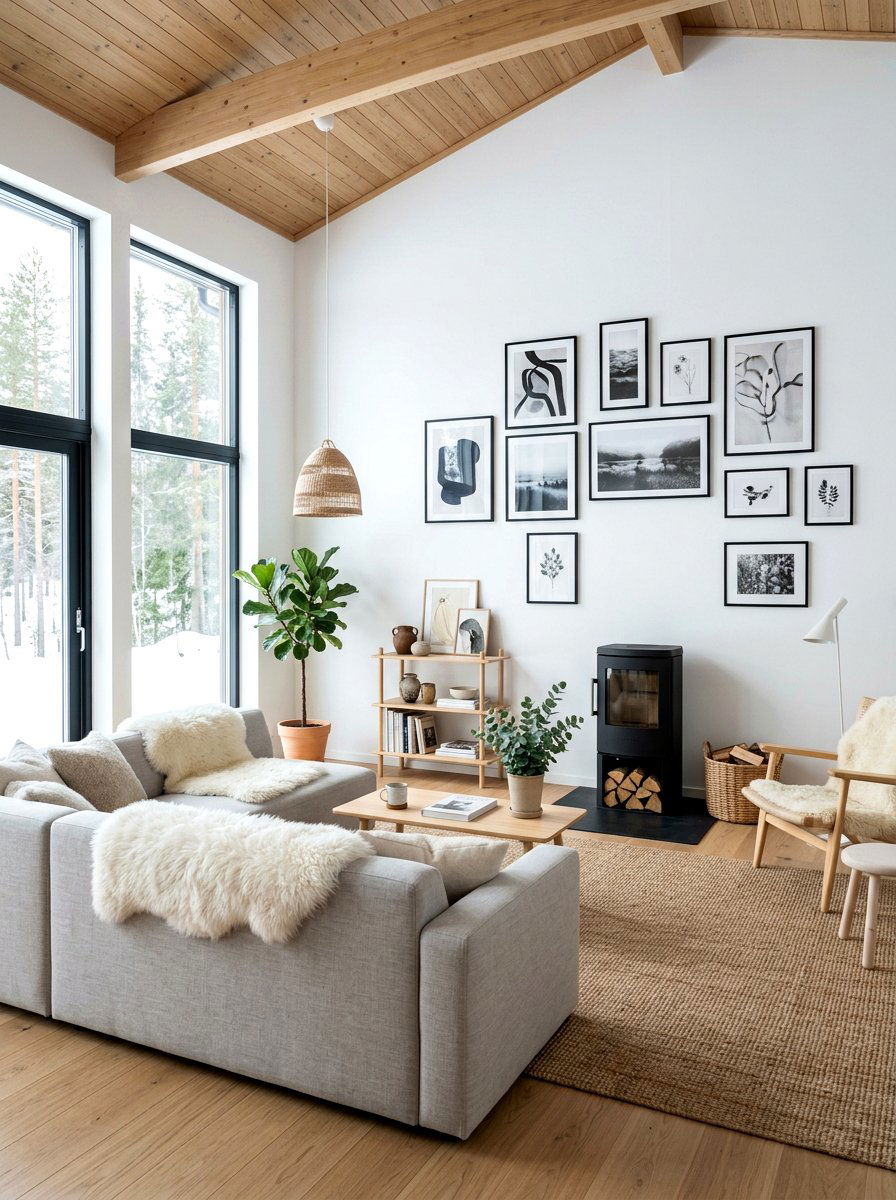
The Scandinavian take on organic modern design focuses on "hygge, " which is the feeling of ultimate coziness and contentment. This style uses light woods like pine or birch, plenty of soft sheepskin throws, and a very clean, functional layout. The color palette is usually very bright to maximize any available natural light during dark winters. A Scandi-inspired living room often features a central wood-burning stove and simple, mid-century style furniture. The result is a space that feels incredibly light and clean but never cold or clinical. It is a masterclass in how to create a warm home using a very minimal aesthetic.
16. Warm white living room
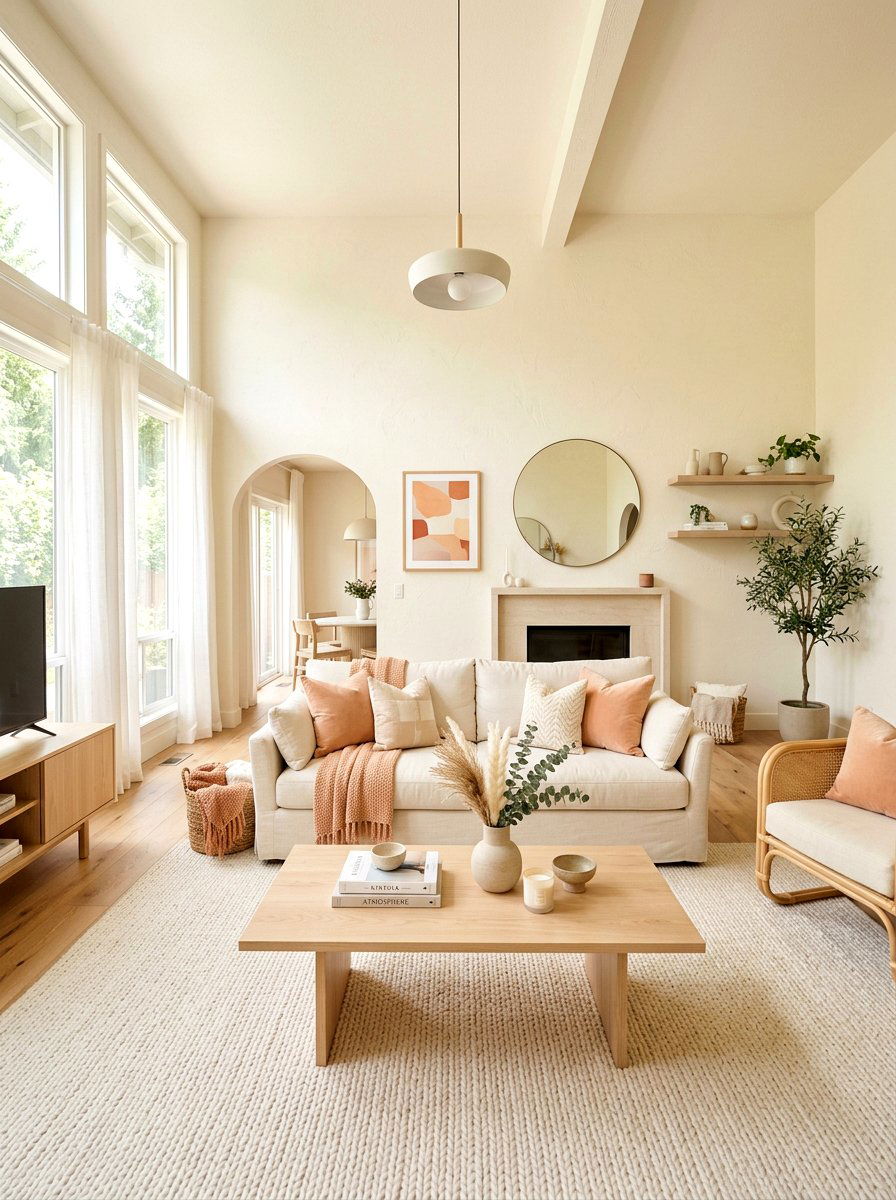
Not all whites are created equal, and in an organic modern home, warm whites are essential. These shades have subtle yellow or peach undertones that prevent the room from feeling like a sterile hospital. Painting your walls in a soft, creamy white creates a glowing backdrop for your natural wood furniture and green plants. This color reflects light beautifully, making the living room feel sunny and cheerful even on cloudy days. Combine these walls with ivory textiles and light oak floors for a cohesive, "tone-on-tone" look. This soft foundation allows the natural variations in your organic decor pieces to become the main focal point.
17. Natural light living room
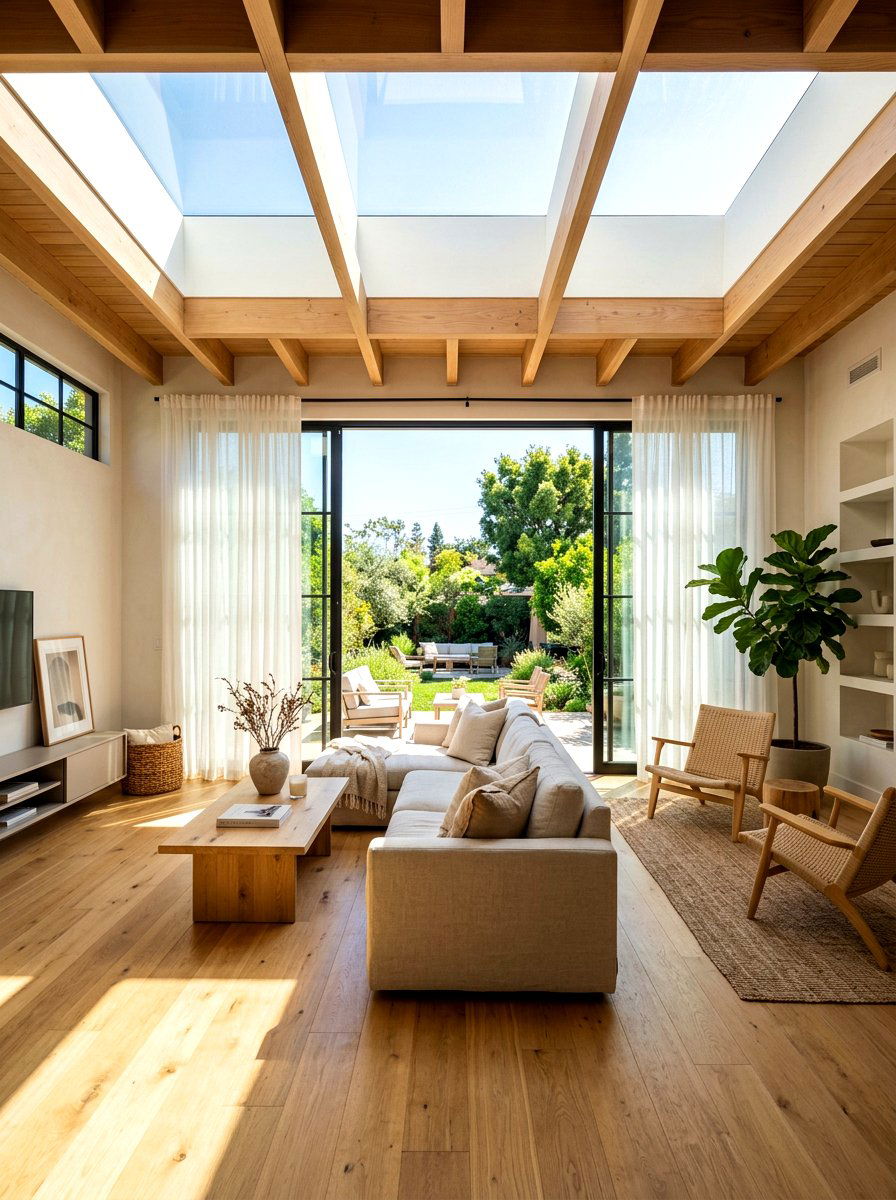
Maximizing natural light is a fundamental goal of organic modern architecture. Large windows, glass doors, and even skylights help to blur the line between the interior and the exterior. When sunlight streams into a room, it highlights the natural grain of wood and the various textures of your fabrics. Use sheer window treatments or no curtains at all to keep the space as bright as possible. Positioning your main seating area near a large window allows you to enjoy the view of your garden or the sky. This constant connection to daylight boosts your mood and reinforces the home's deep bond with nature.
18. Marble coffee table living room
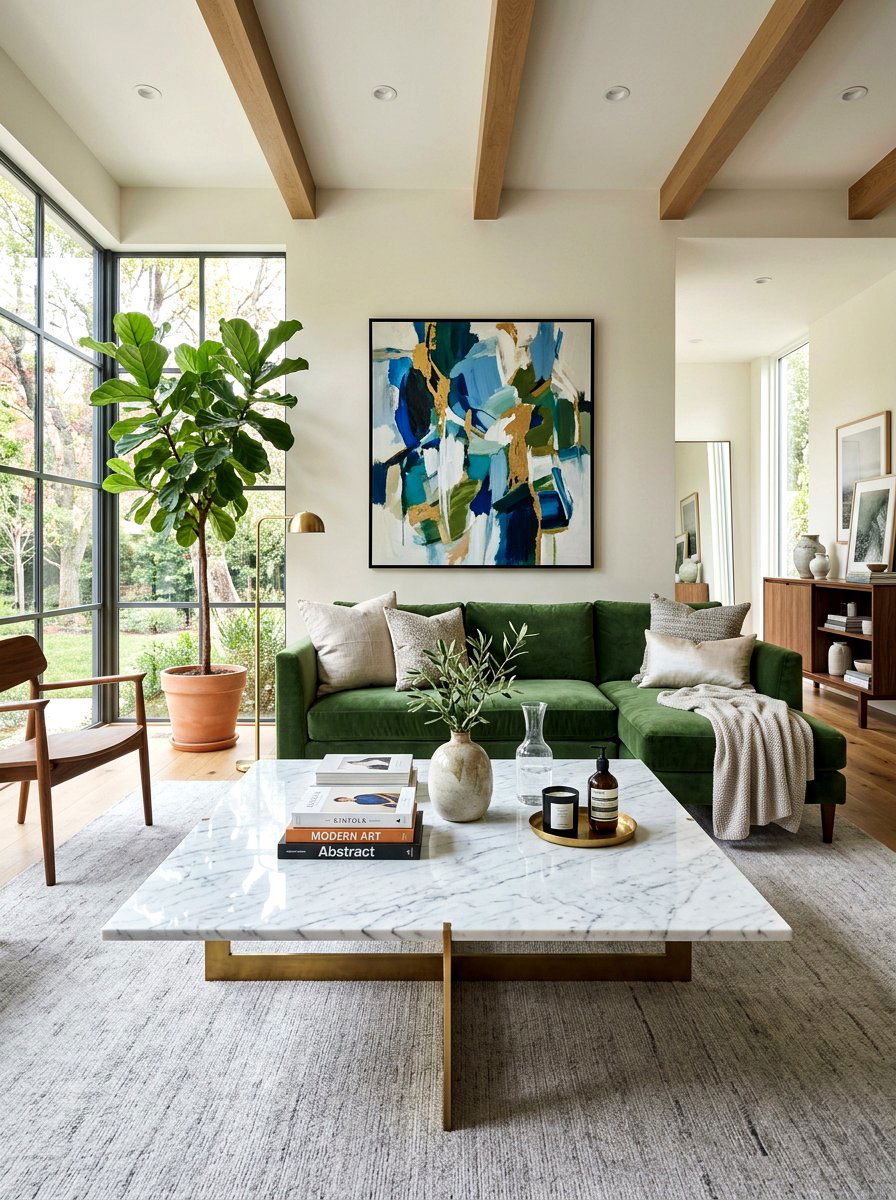
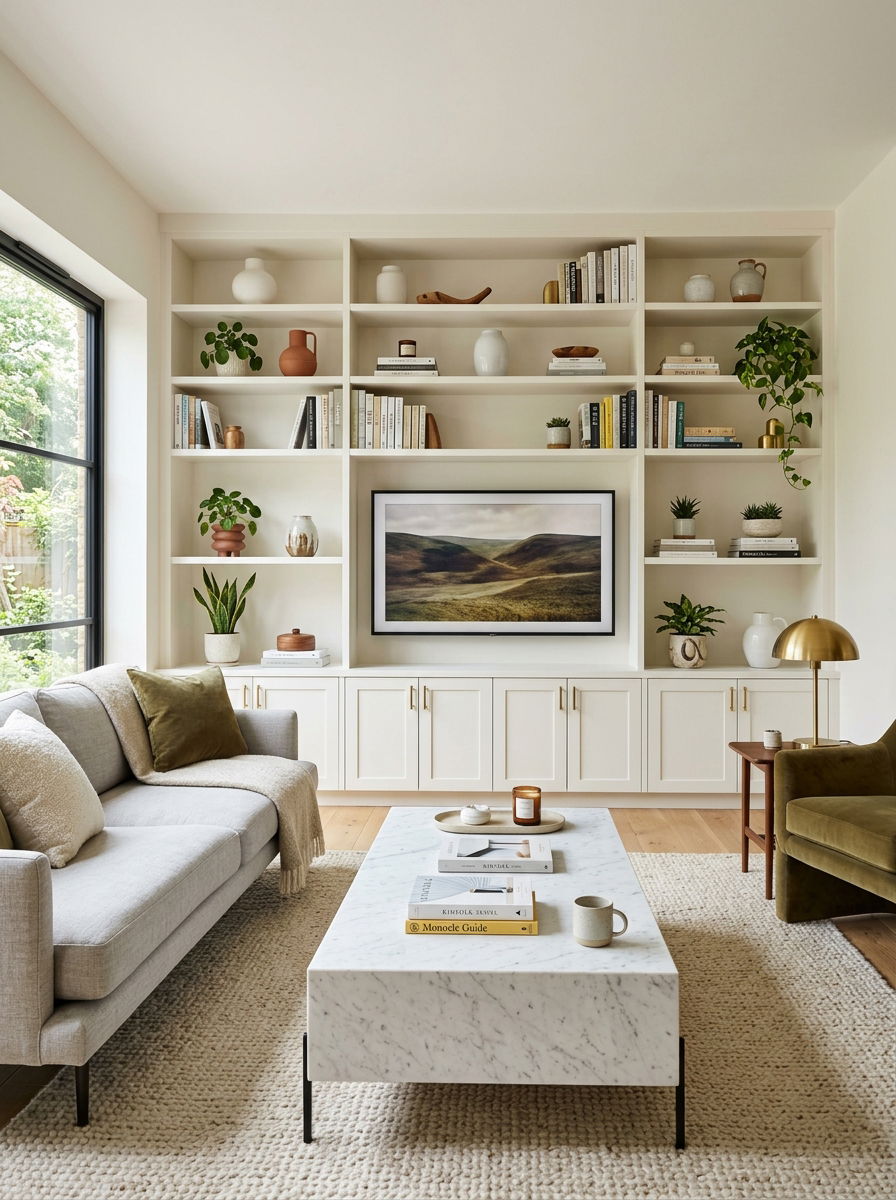
A marble coffee table adds a touch of timeless luxury and raw elemental beauty to a modern living room. The unique veining found in a slab of natural stone ensures that no two pieces are ever exactly alike. Choose a table with a honed or matte finish rather than a high-gloss one to keep it feeling organic. The cold, smooth surface of the marble contrasts beautifully with a soft wool rug or a warm wooden floor. Whether it is a white Carrara or a moody green marble, this piece acts as a functional work of art. It elevates the entire design while remaining firmly grounded.
19. Jute rug living room
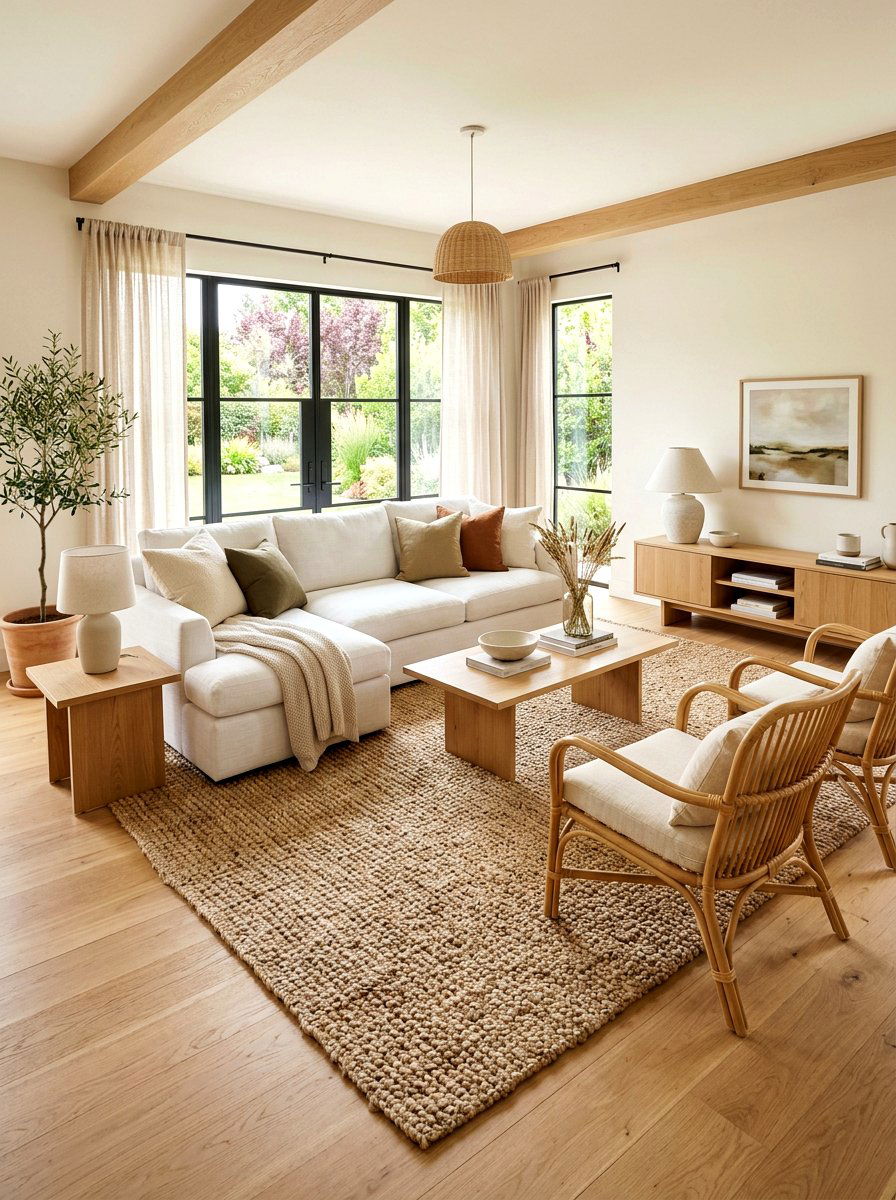
Jute and sisal rugs are excellent choices for adding a rustic, textural foundation to an organic living space. These natural fiber rugs have a chunky, woven appearance that feels great underfoot and looks incredibly earthy. Their neutral, golden-brown tones pair perfectly with almost any color scheme or furniture style. Because jute is a highly durable and renewable material, it is an eco-friendly choice for high-traffic areas. You can even layer a smaller, softer rug on top of the jute for extra comfort and visual depth. This layering technique adds a professional, designer touch to your room while maintaining a very relaxed and casual atmosphere.
20. Terracotta decor living room
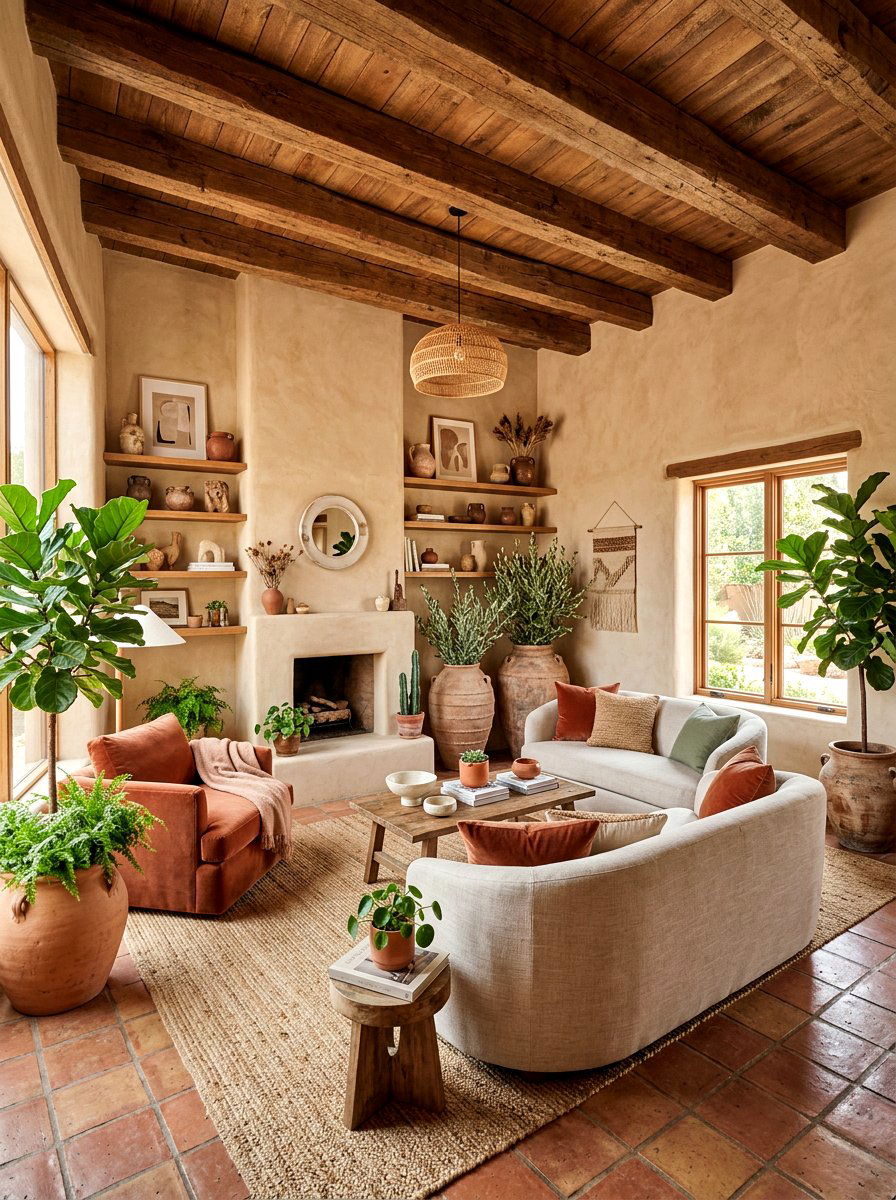
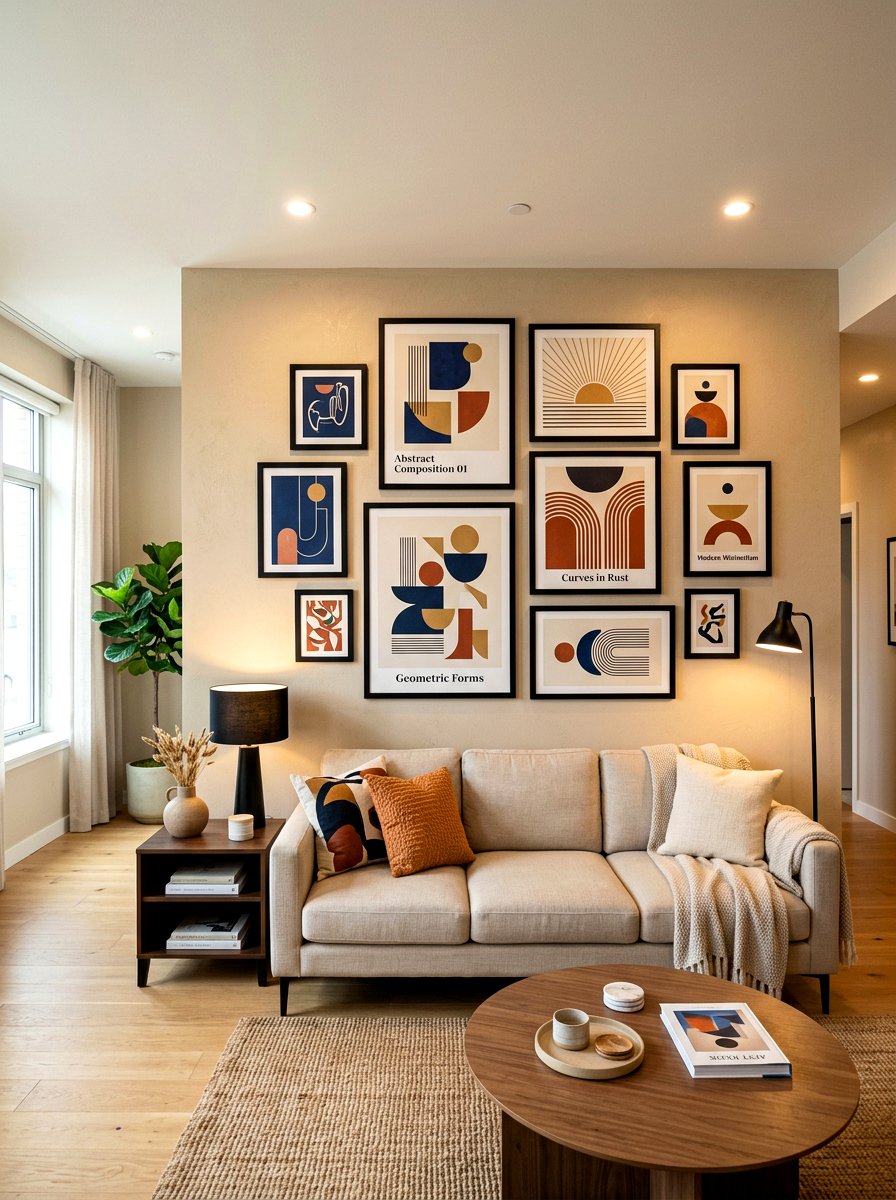
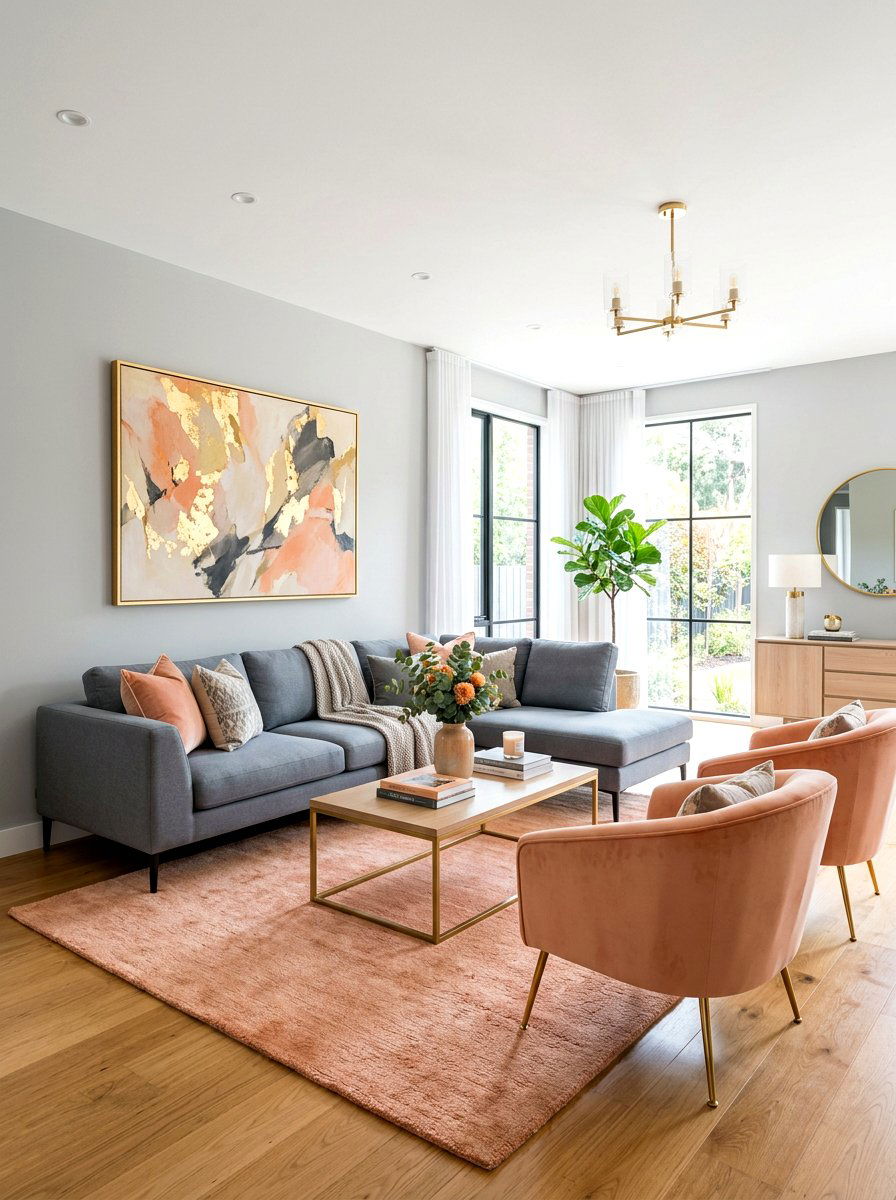
Terracotta brings a warm, Mediterranean soul into a modern interior. You can introduce this earthy red-orange hue through large clay floor vases, smaller tabletop pottery, or even an accent armchair. The matte, porous texture of terracotta feels ancient and hand-crafted, providing a nice break from shiny, mass-produced surfaces. This color pairs beautifully with olive green plants and light wood furniture, creating a palette that feels like a sun-drenched landscape. Using terracotta is an easy way to add a pop of "nature’s red" without using neon or synthetic colors. It provides a sense of history and warmth that makes the living room feel very established.
21. Exposed beam living room
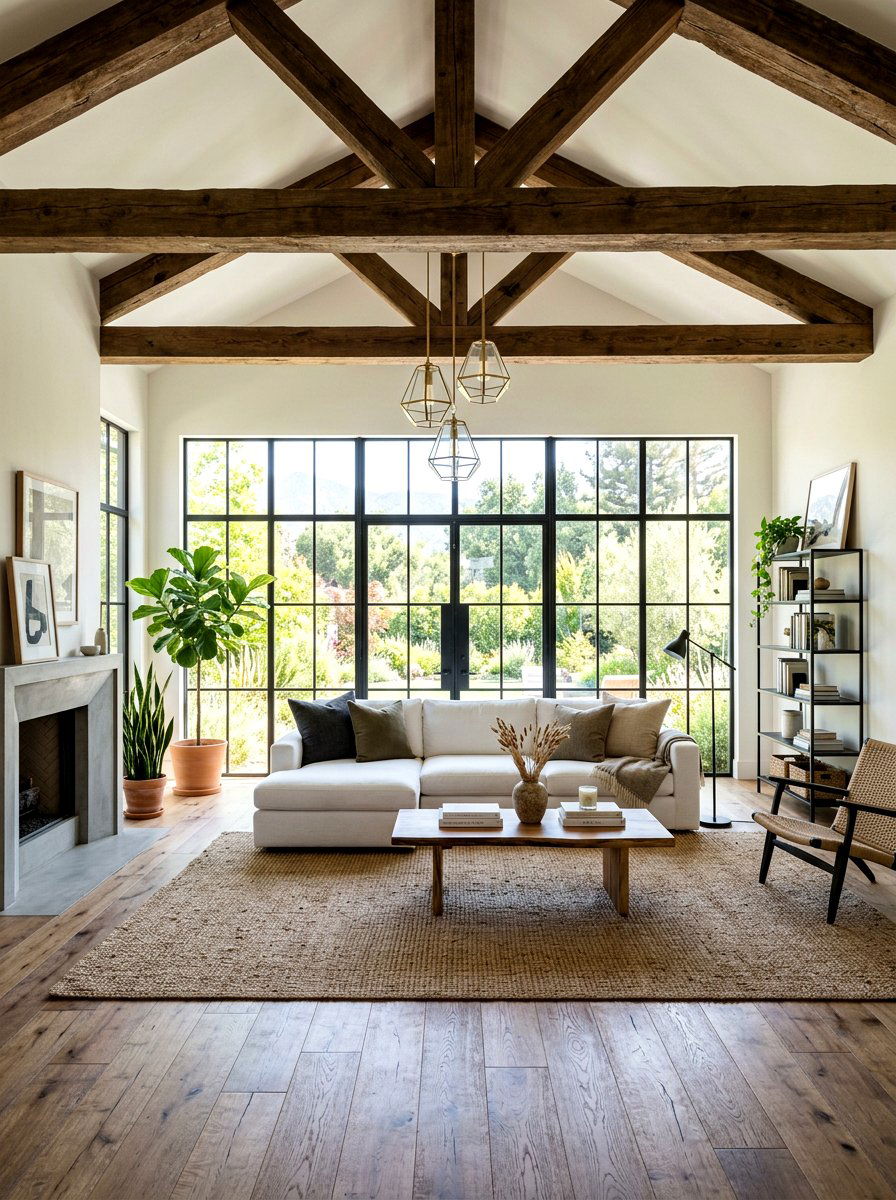
Exposed wooden beams on the ceiling provide a sense of architectural honesty and rustic charm. These structural elements show off the "bones" of the house and add a massive amount of character to a modern space. If your home doesn't have original beams, you can install faux wood beams to achieve the same look. They create a beautiful grid-like pattern overhead that adds visual rhythm to the room. Pair these rugged beams with sleek, modern lighting fixtures for a perfect blend of old and new. This design choice makes the ceiling feel like a piece of art, grounding the room in a very powerful and traditional way.
22. Mid century modern organic living room
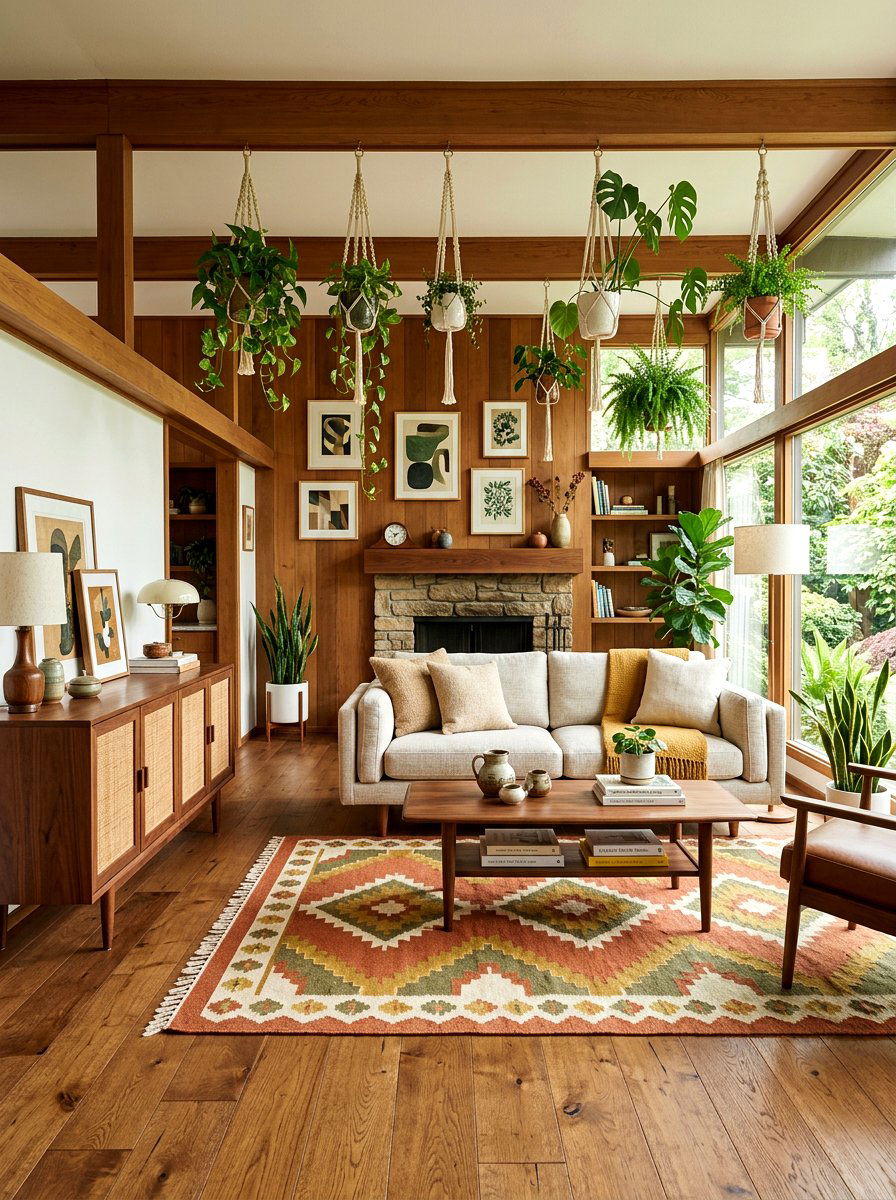
This style combines the iconic shapes of the 1950s with modern organic textures. Think of a classic walnut sideboard or a tapered-leg coffee table paired with a contemporary linen sofa and lots of hanging plants. The clean lines and functional forms of mid-century furniture fit perfectly within the minimalist requirements of organic design. Using vintage pieces adds a sense of soul and character that can't be replicated with new items. This fusion creates a space that feels nostalgic yet completely relevant for today’s lifestyle. It is a sophisticated way to build a collection of furniture that will truly stand the test of time.
23. Linen upholstery living room
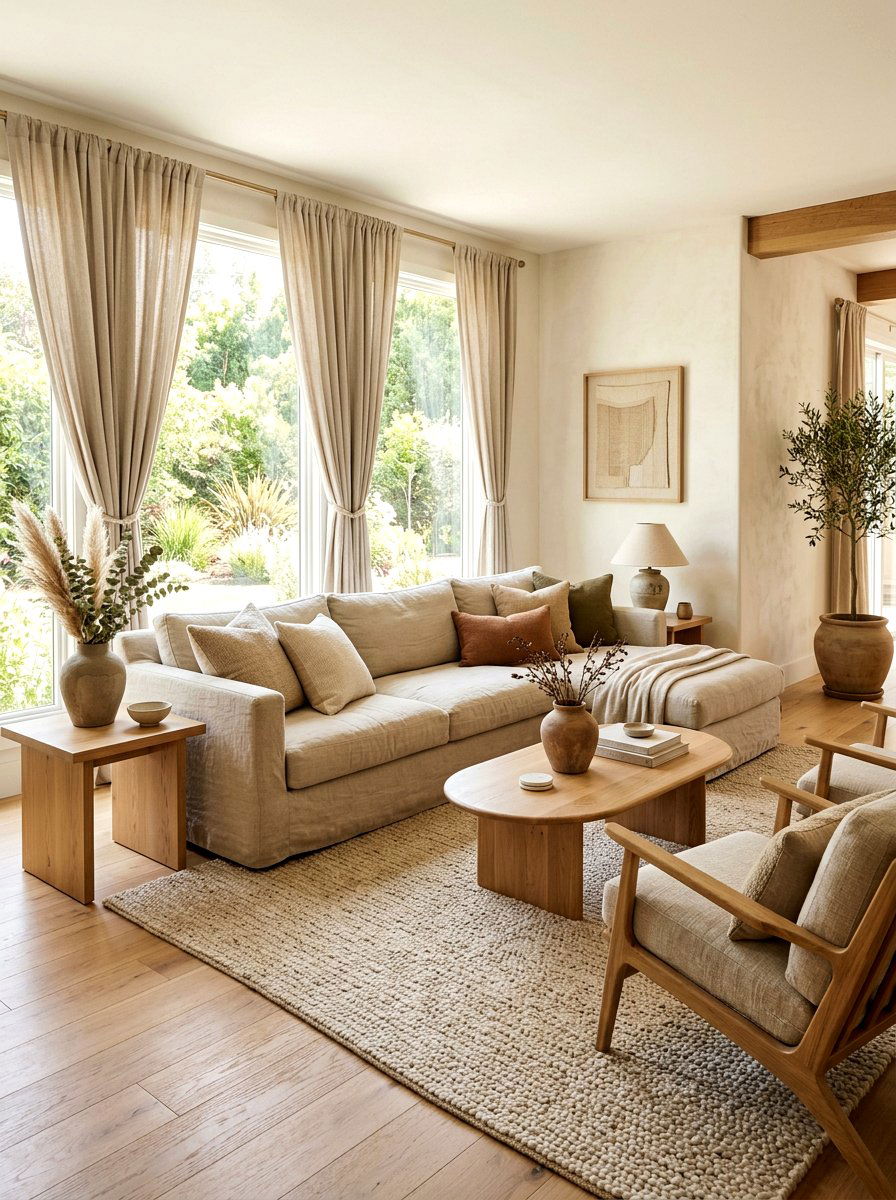
Linen is perhaps the ultimate fabric for an organic modern living room. It has a relaxed, slightly wrinkled appearance that feels effortless and unpretentious. Because it is a natural fiber, it is incredibly breathable and comfortable in all seasons. Choosing a linen-covered sofa in a soft oatmeal or light gray shade creates a perfect center for a calm room. You can also use linen for your window drapes to create a soft, filtered light effect. This fabric’s tactile quality invites you to sit down and relax, making the entire living space feel more approachable and lived-in rather than a stiff, formal showroom.
24. Woven furniture living room
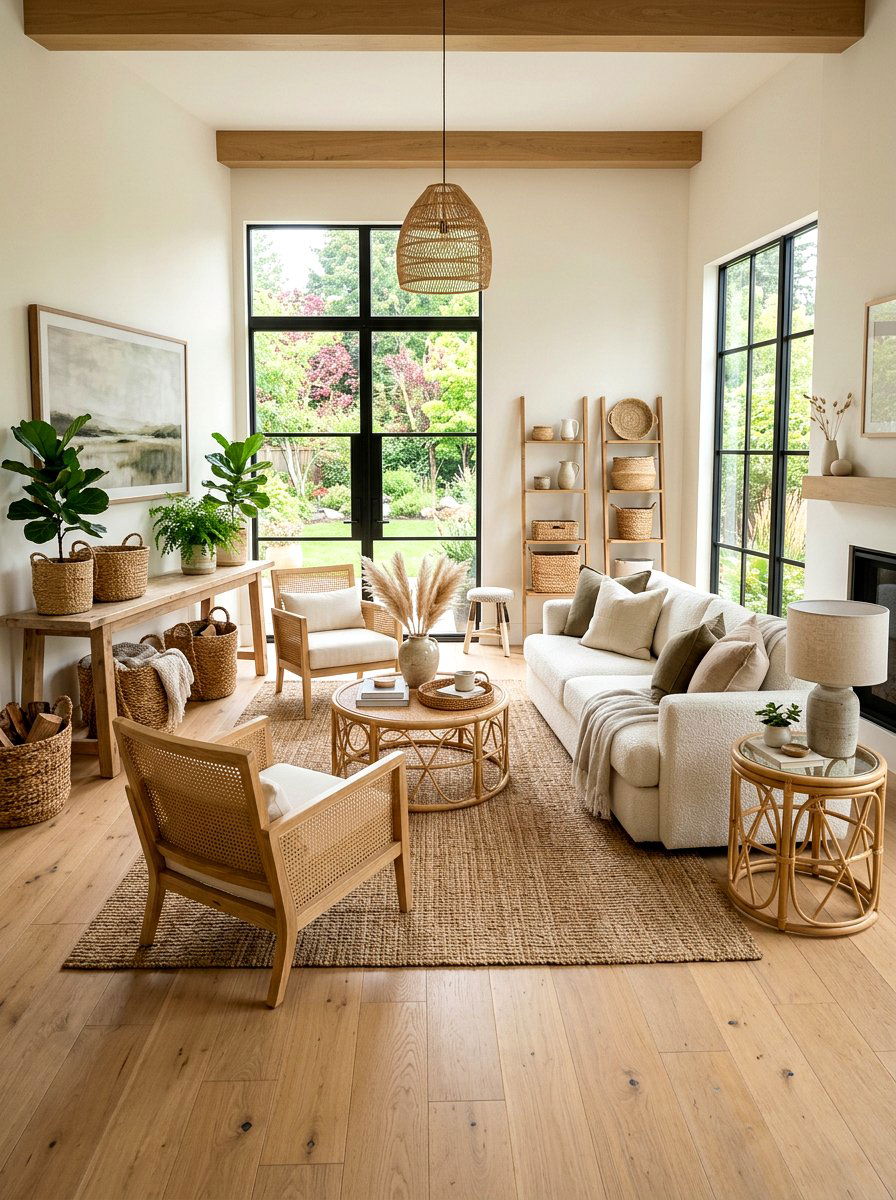
Woven elements like rattan chairs, cane cabinets, or wicker baskets add a beautiful artisanal touch to a modern home. These pieces are made from natural vines and grasses, bringing a complex organic texture that is visually lightweight. A pair of cane-back accent chairs can break up the solid mass of a large sofa, making the room feel more open and airy. Woven furniture often features intricate patterns that add a layer of handcrafted detail to the space. This style pays homage to traditional craft techniques while keeping the overall look fresh and contemporary. It is a great way to add "see-through" texture.
25. Sage green living room
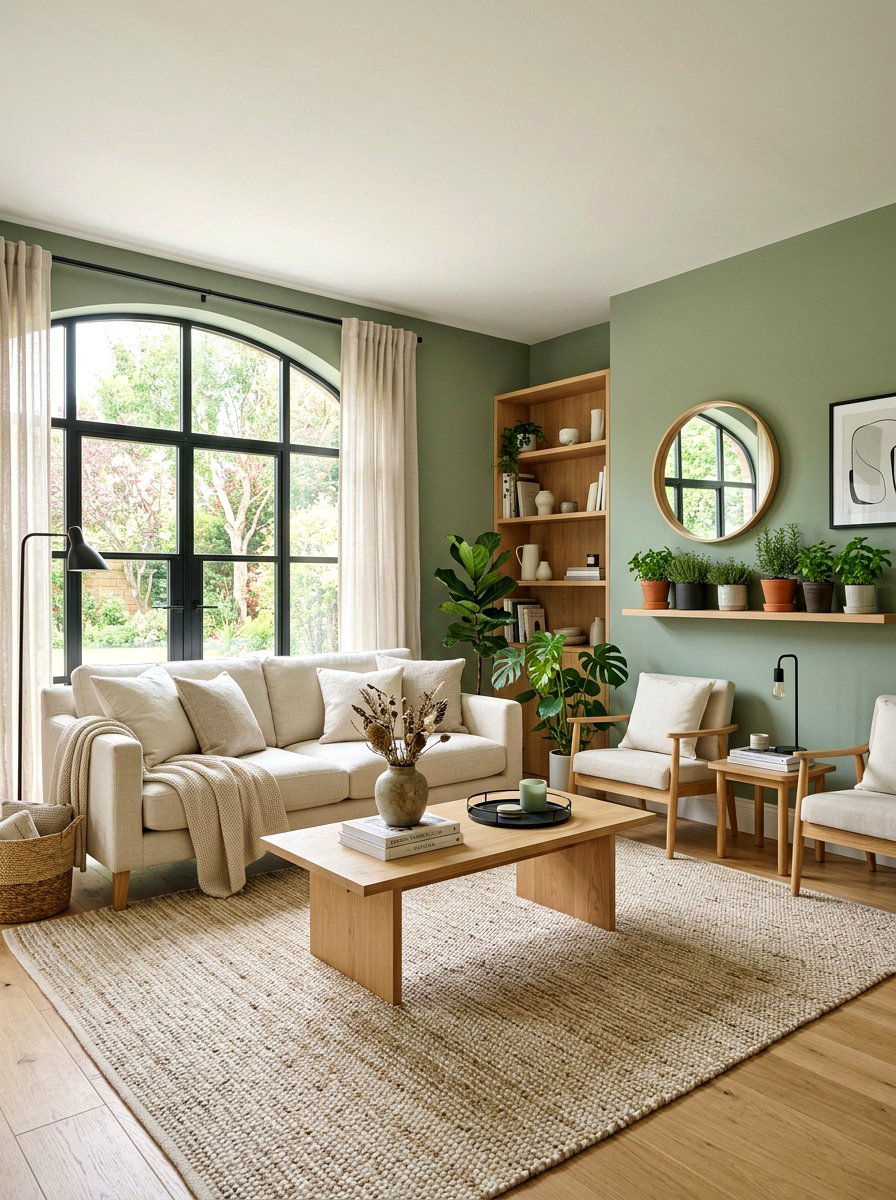
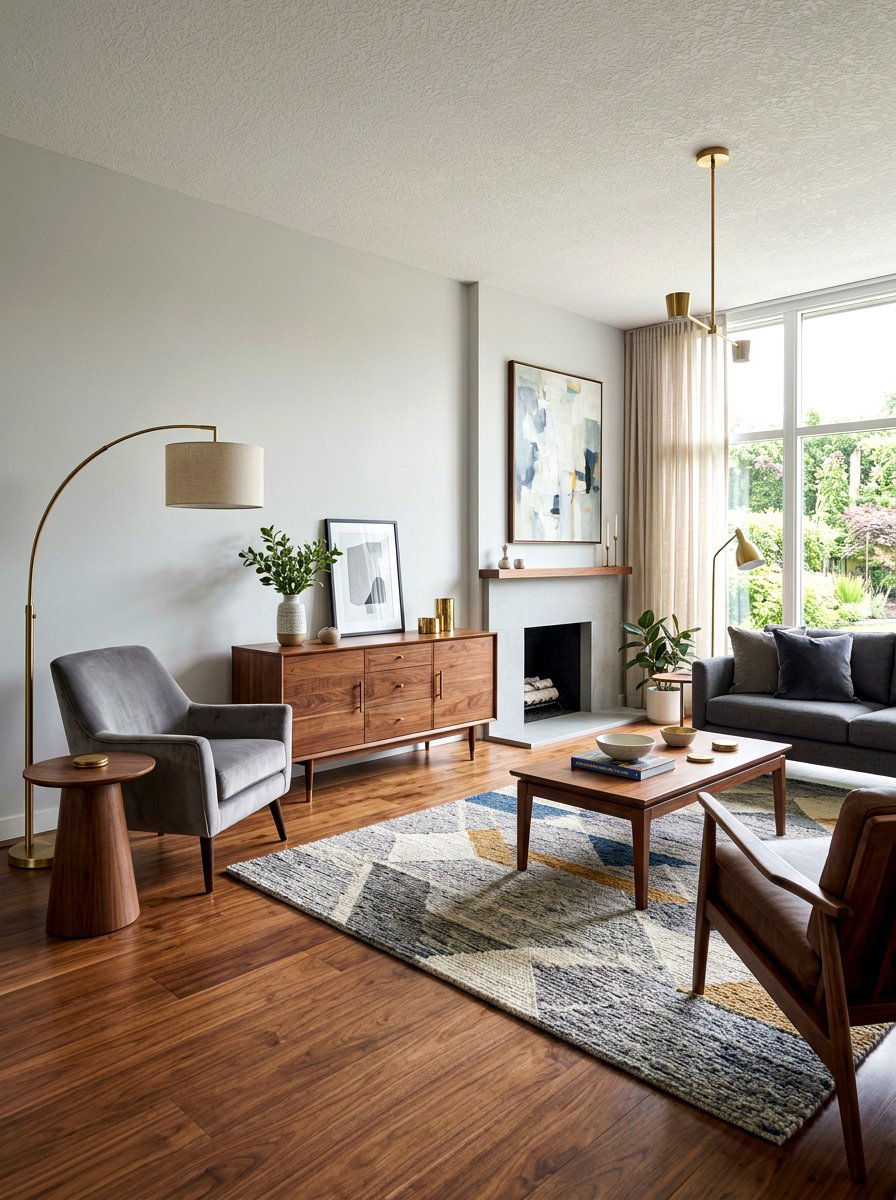
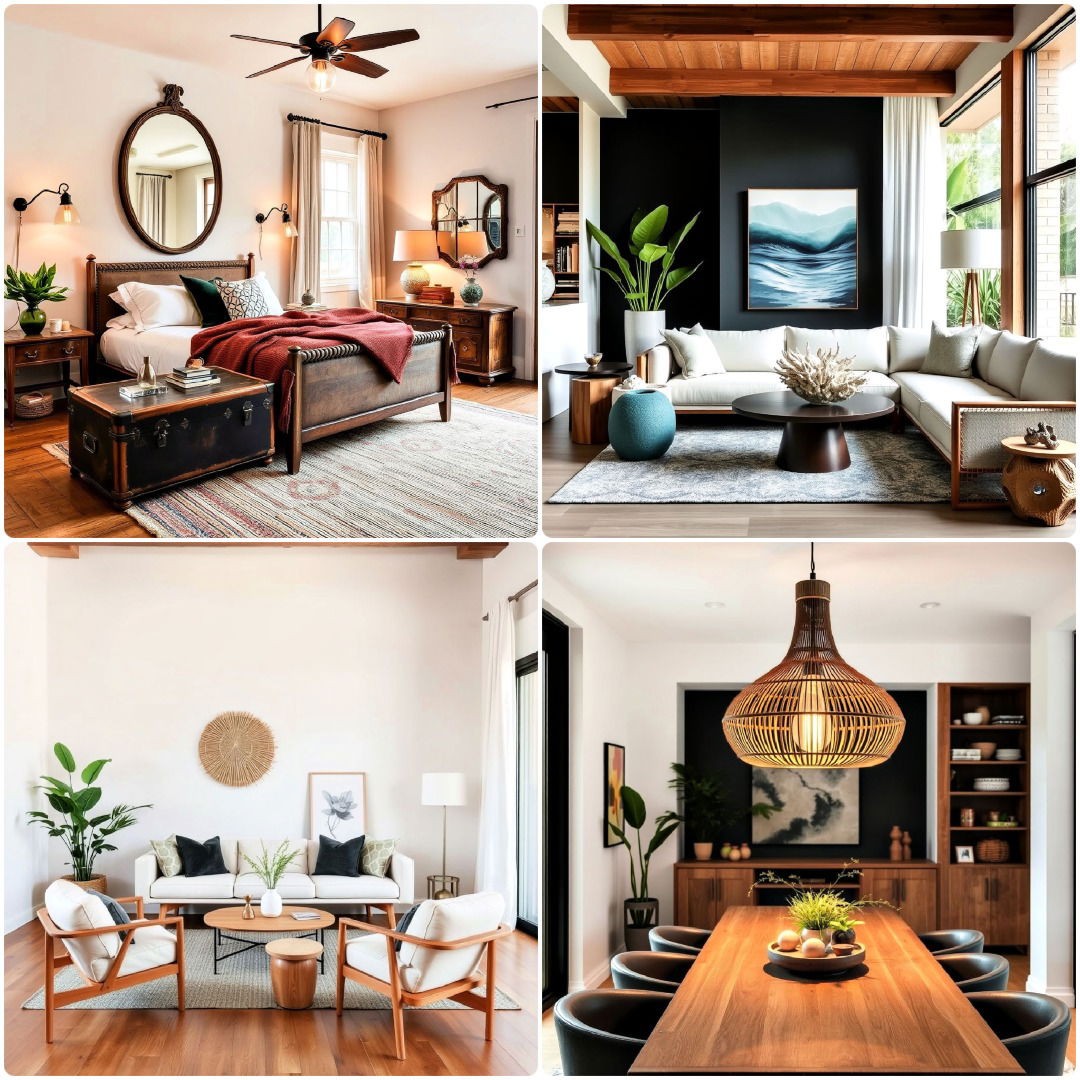
Sage green is a muted, earthy color that acts as a "new neutral" in organic modern design. It evokes the feeling of a peaceful herb garden or a misty forest. You can use this color on your walls, for your sofa upholstery, or through smaller decorative accents like throw blankets. Sage green pairs exceptionally well with light oak wood and cream-colored textiles. It provides enough color to be interesting without being overwhelming or distracting. This shade has a naturally calming effect on the human mind, making it the perfect choice for a room dedicated to unwinding after a long, busy day at work.
26. Open plan living room
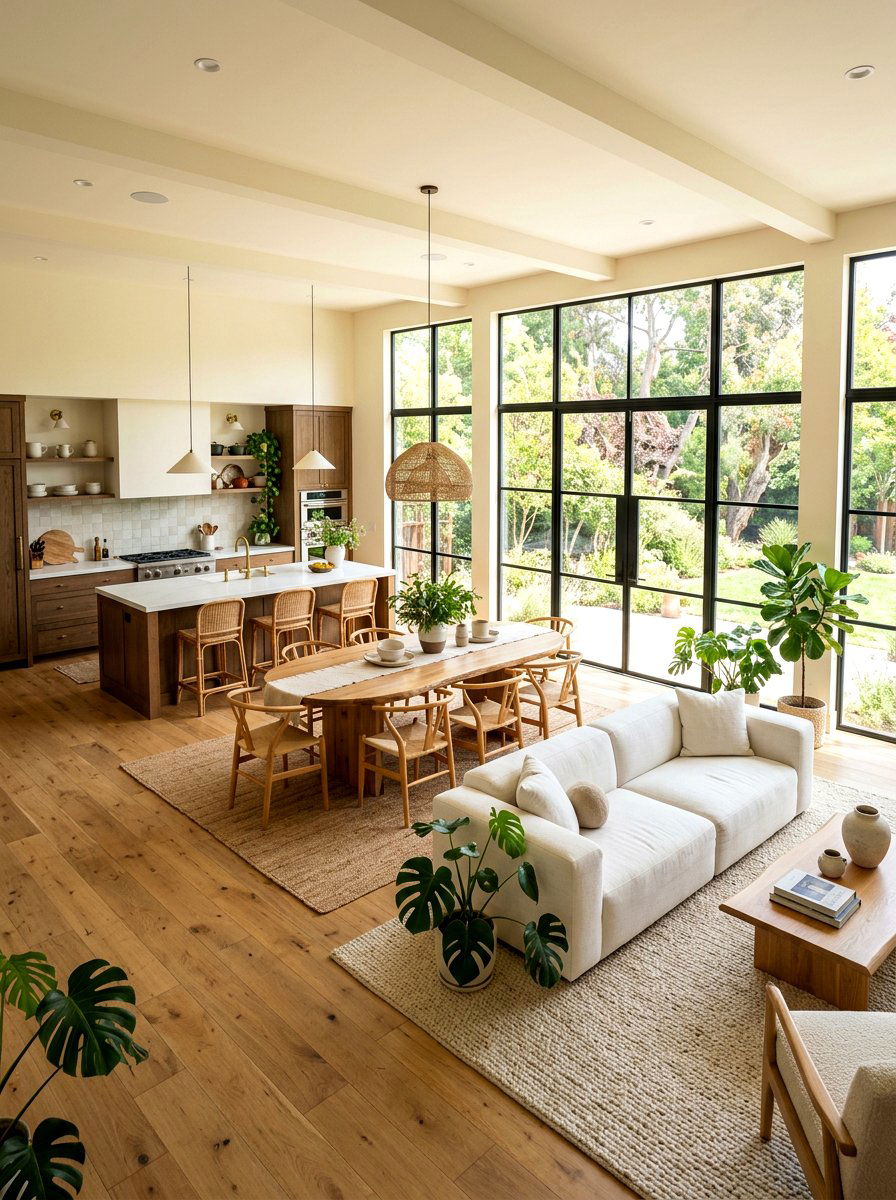
An open-plan layout is ideal for the organic modern aesthetic because it emphasizes flow, light, and a sense of freedom. By removing unnecessary walls between the living, dining, and kitchen areas, you allow energy and conversation to move easily through the home. Use large area rugs and strategic furniture placement to define different "zones" without blocking the view. This openness allows natural light from different windows to reach deep into the house. It creates a modern, social environment that feels connected to the entire family’s activities. The lack of barriers makes even smaller homes feel much larger and more connected to the world.
27. Desert modern living room
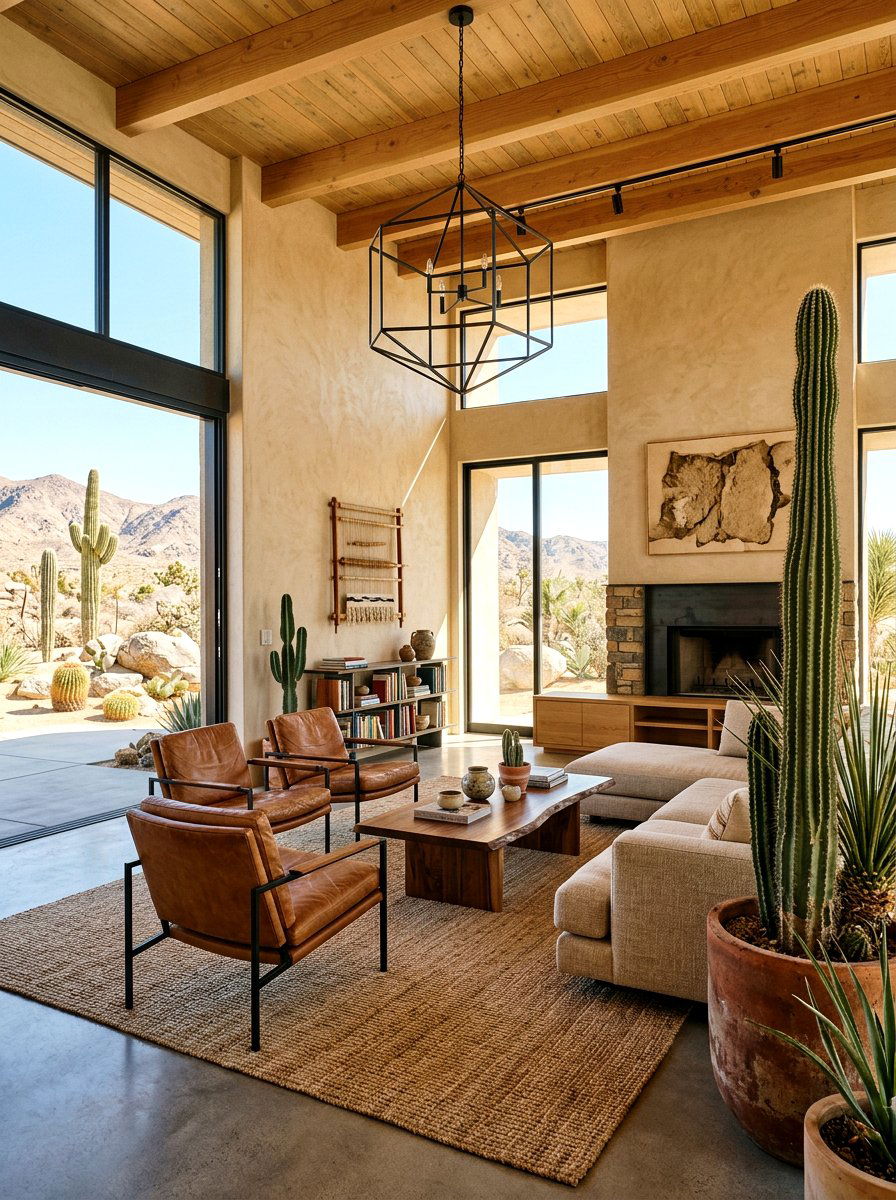
The desert modern style takes inspiration from the arid landscapes of the American Southwest. This look features a palette of sand, stone, and cactus green, accented by warm leather and blackened metal. Incorporate sculptural elements like a piece of dried cholla wood or a large cactus in a geometric pot. The furniture should be low-profile and made from natural, weather-resistant materials. This design feels very raw and elemental, stripping away excess to focus on the beauty of the harsh yet beautiful environment. It is a powerful way to create a living room that feels like a quiet, sun-baked retreat from the modern world.
28. Layered textile living room
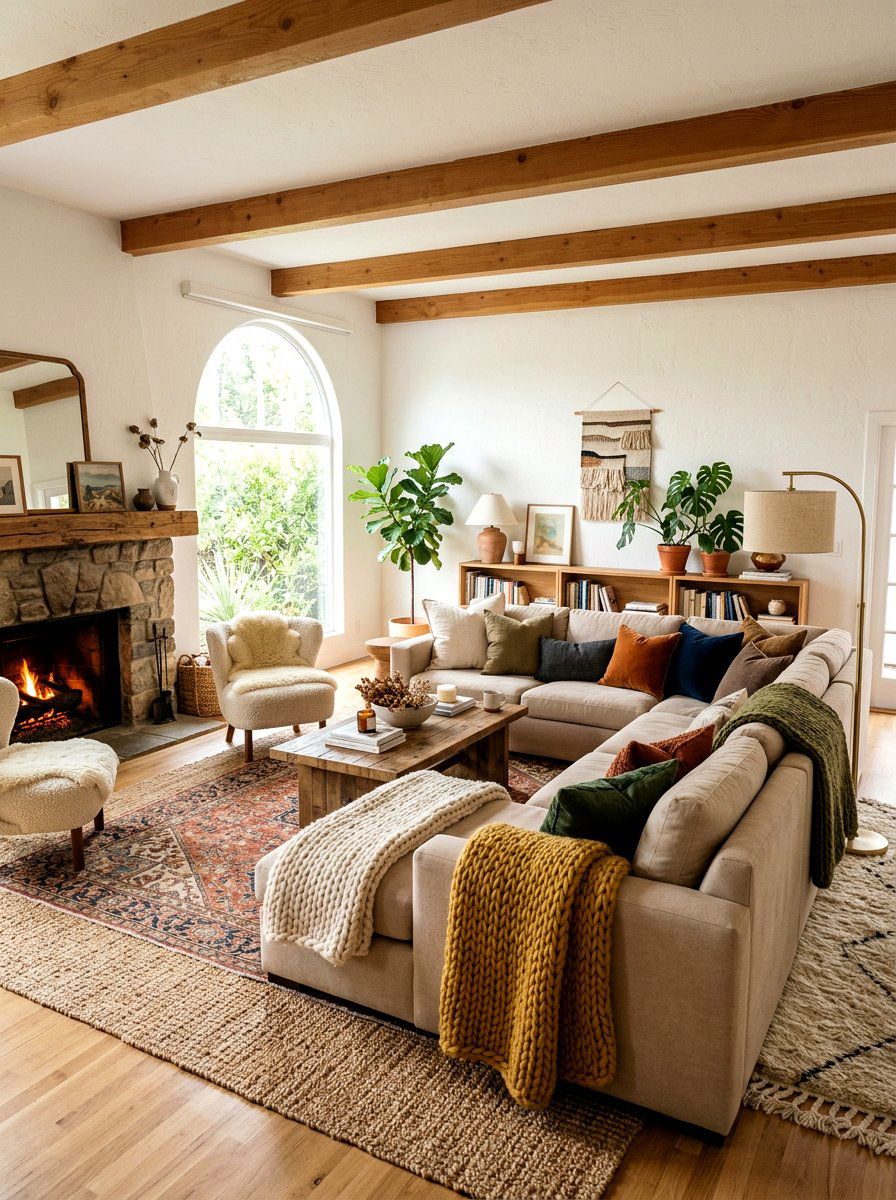
To achieve ultimate comfort, focus on layering a variety of soft textiles throughout the living room. Start with a large wool rug, then add a variety of linen, cotton, and velvet pillows to the seating area. Drape a chunky hand-knit throw over the arm of a chair for an extra layer of warmth. These textiles add visual depth and make the room feel much more inviting and "finished. " Mixing different weaves and patterns in the same color family keeps the look cohesive but interesting. This tactile approach ensures that your modern living room feels incredibly soft, cozy, and ready for a long night of relaxation.
29. Concrete floor living room
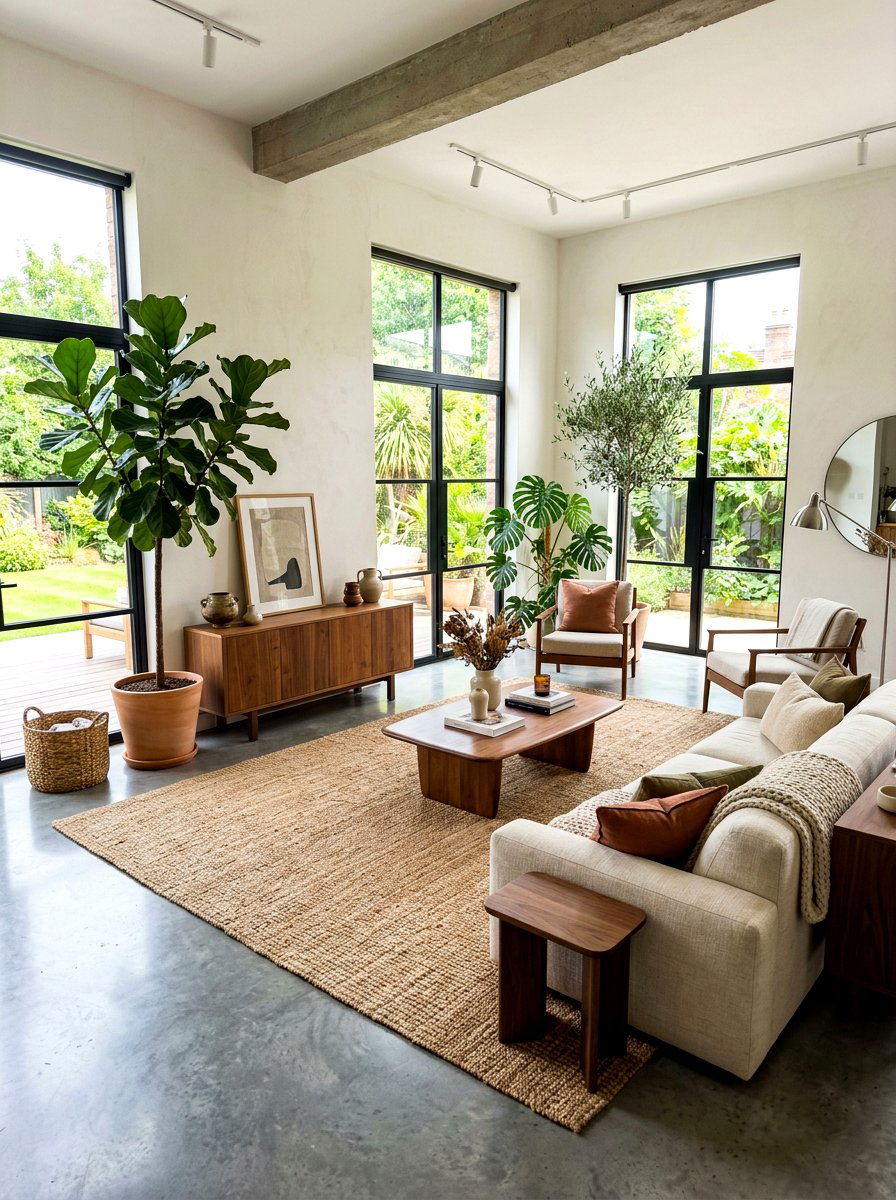
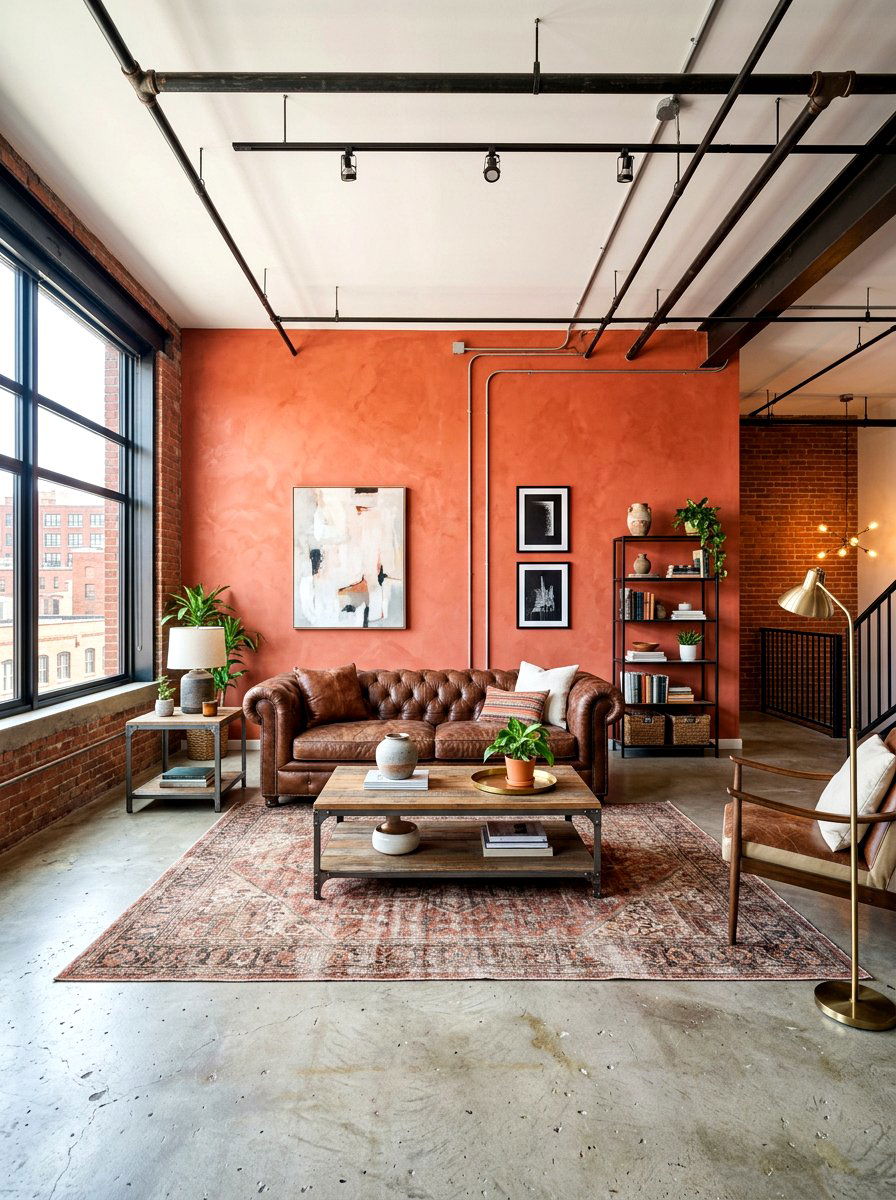
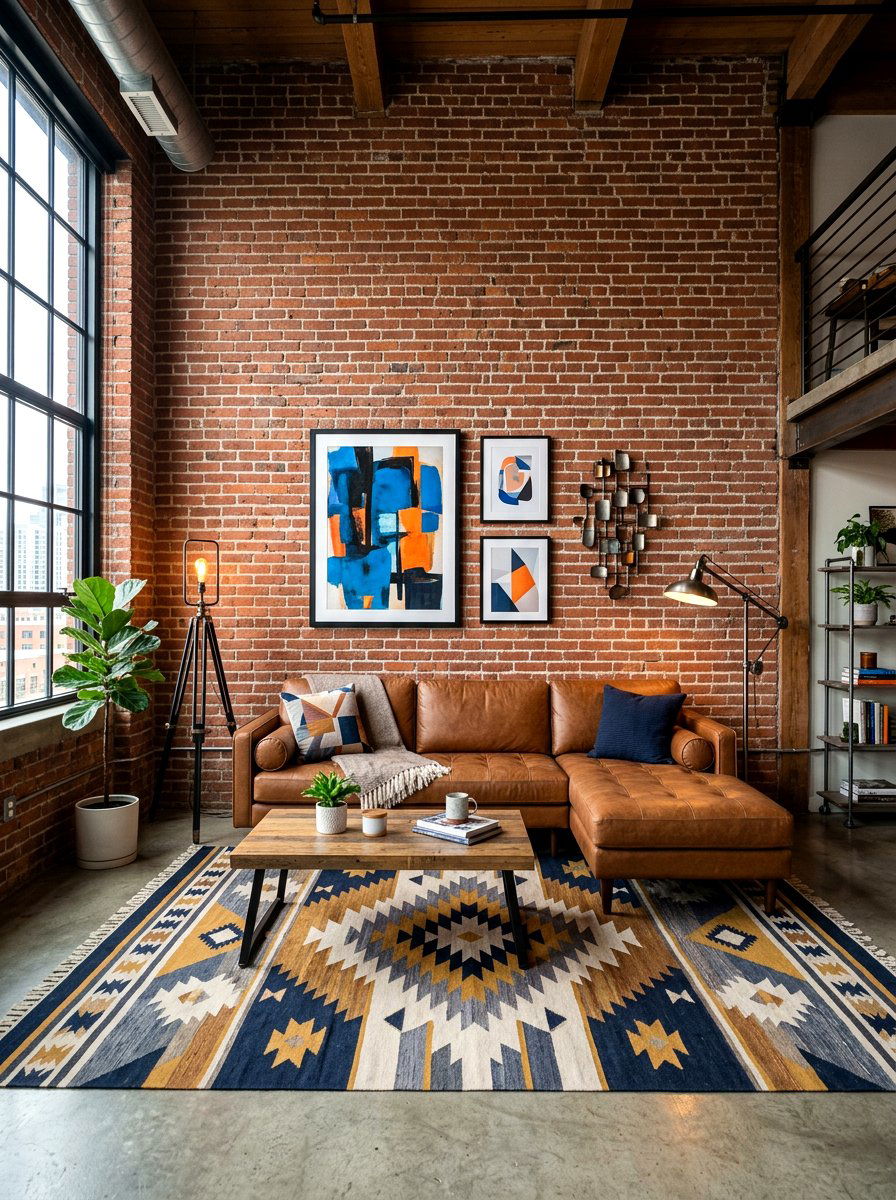
Concrete floors provide a cool, industrial base that looks surprisingly organic when paired with the right decor. The natural variations and swirling patterns in polished concrete resemble large slabs of stone. To keep the room from feeling too cold, add large natural fiber rugs and plenty of warm wood furniture. The contrast between the hard, gray floor and soft, cream-colored fabrics is a hallmark of high-end organic modern design. Concrete is also incredibly durable and easy to maintain, making it a practical choice for a modern family home. This material provides a solid, permanent foundation that feels very contemporary and grounded in reality.
30. Statement art living room
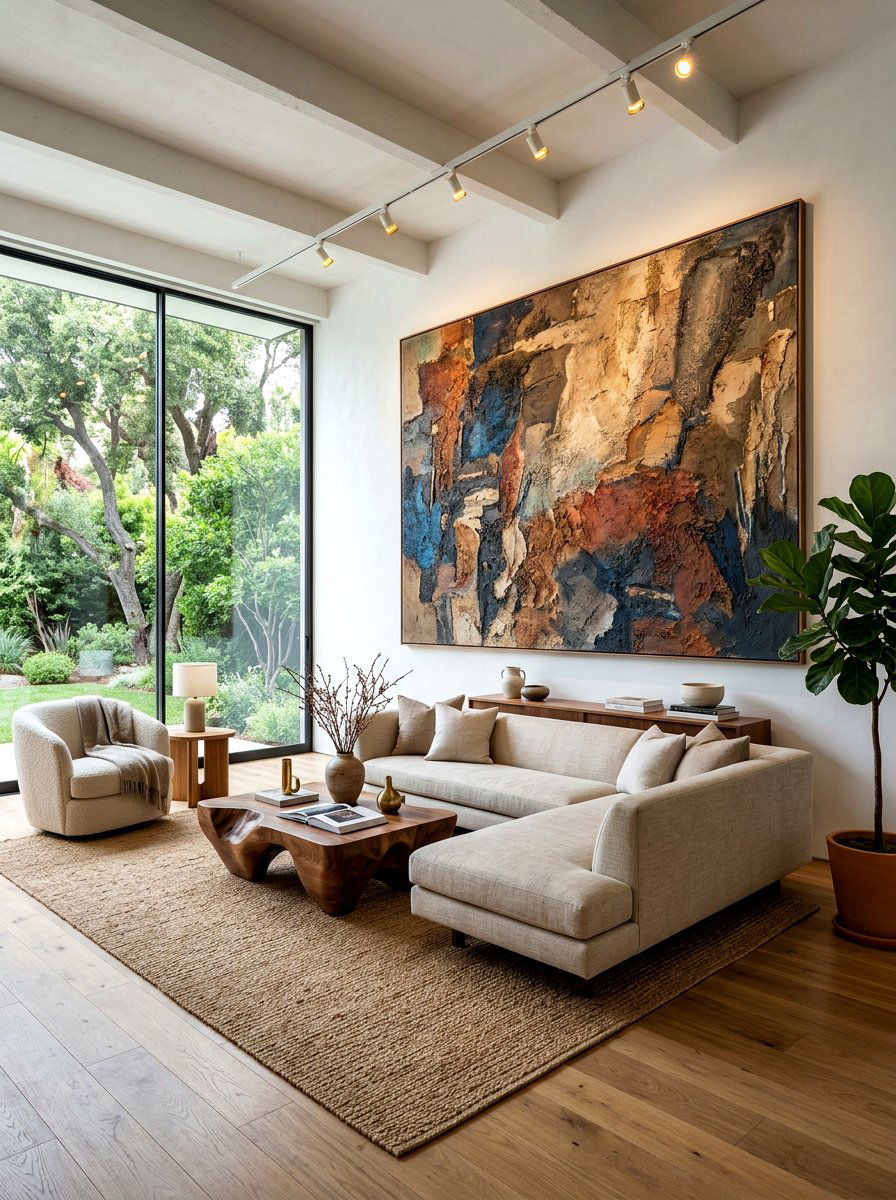
In a minimalist organic space, a single piece of statement art can define the entire room's personality. Choose a large-scale abstract painting with earthy tones or a massive framed photograph of a natural landscape. Sculptural wall hangings made of wood, metal, or fiber also work beautifully to add three-dimensional interest. The key is to choose one or two pieces that speak to you rather than cluttering the walls with many small items. This focused approach allows the art to become a powerful focal point that anchors the room’s design. It adds a layer of sophisticated culture and personal expression to your peaceful, nature-inspired sanctuary.
Conclusion:
Transitioning your home into an organic modern sanctuary is a rewarding journey that focuses on quality, nature, and personal well-being. By thoughtfully combining minimalist design principles with the raw, tactile beauty of natural materials, you create a space that feels both luxurious and incredibly comfortable. Whether you start with a neutral color palette or invest in a sculptural curved sofa, each choice brings you closer to a more grounded lifestyle. This design aesthetic is more than just a passing trend; it is a timeless philosophy that celebrates our fundamental human connection to the environment. Your living room will become a peaceful haven where you can truly relax.

Related posts: