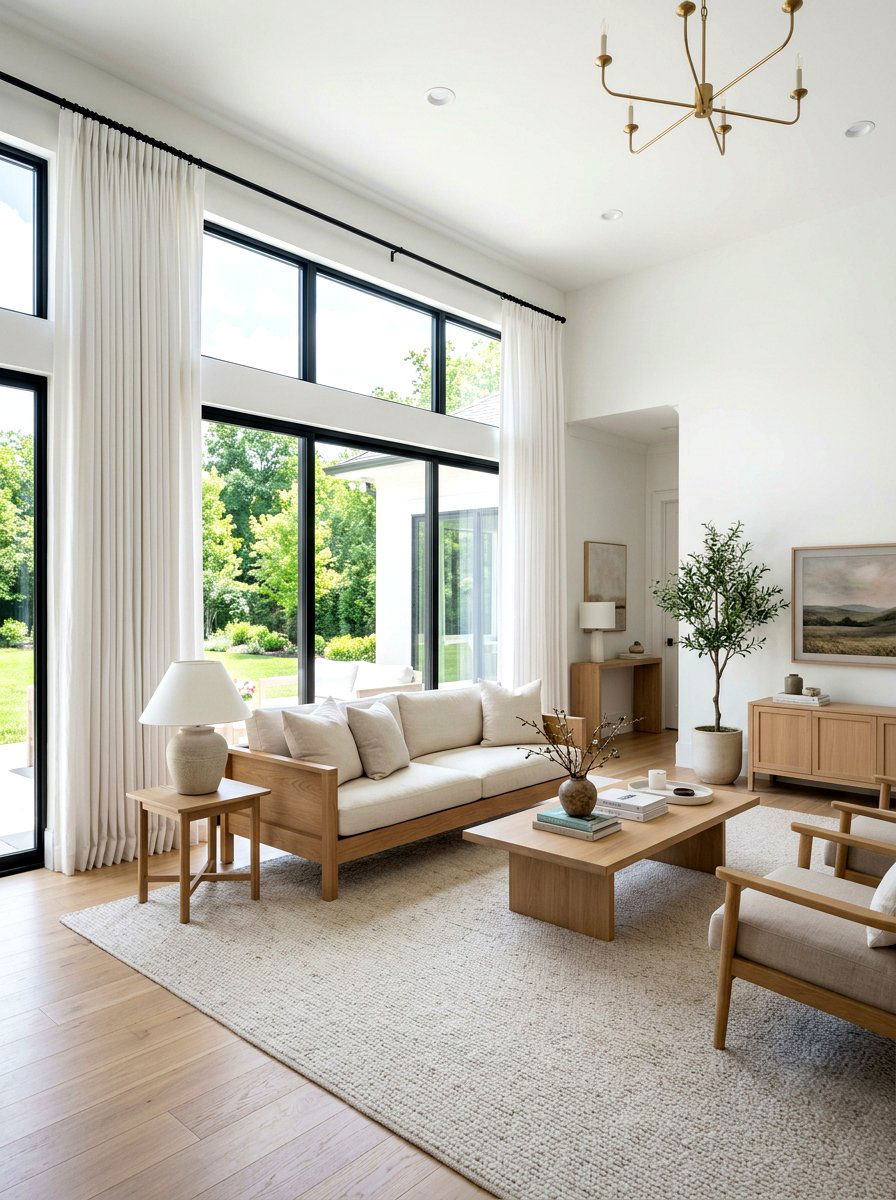
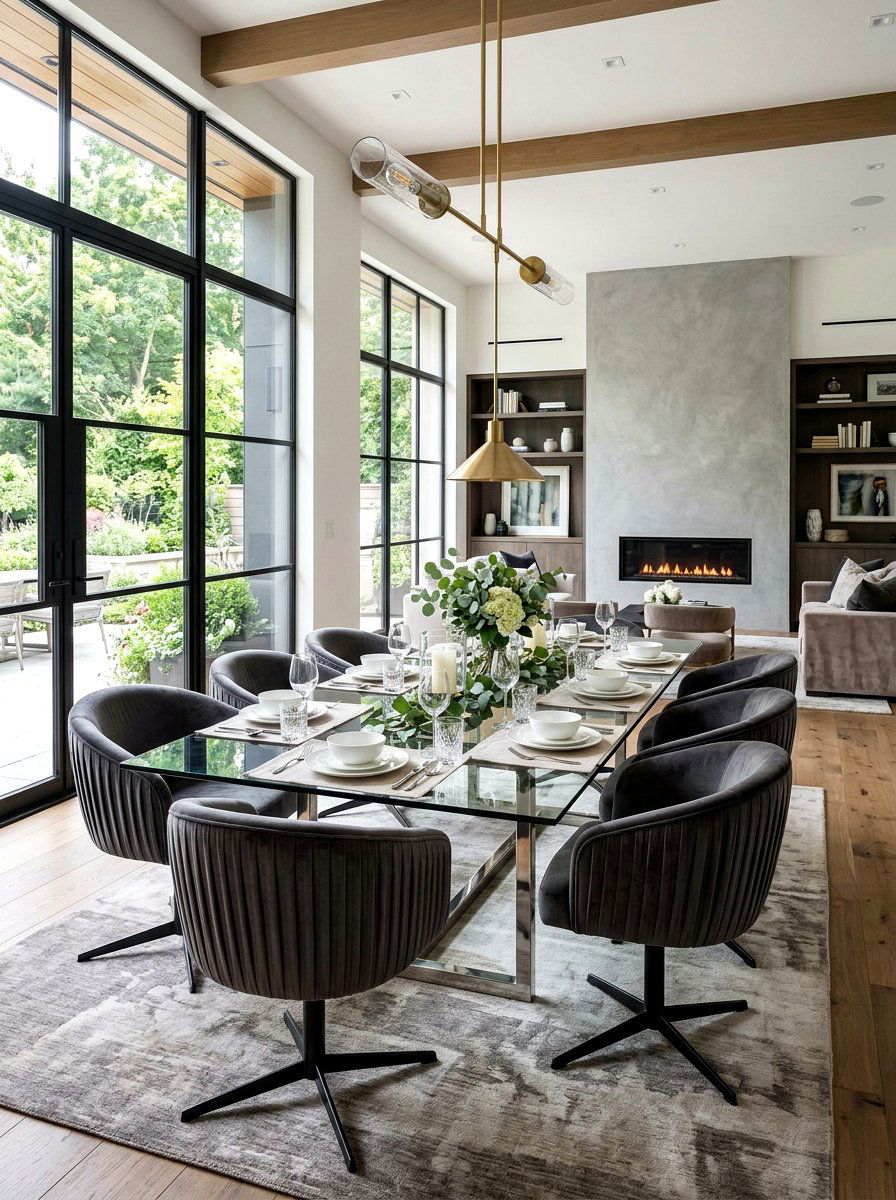
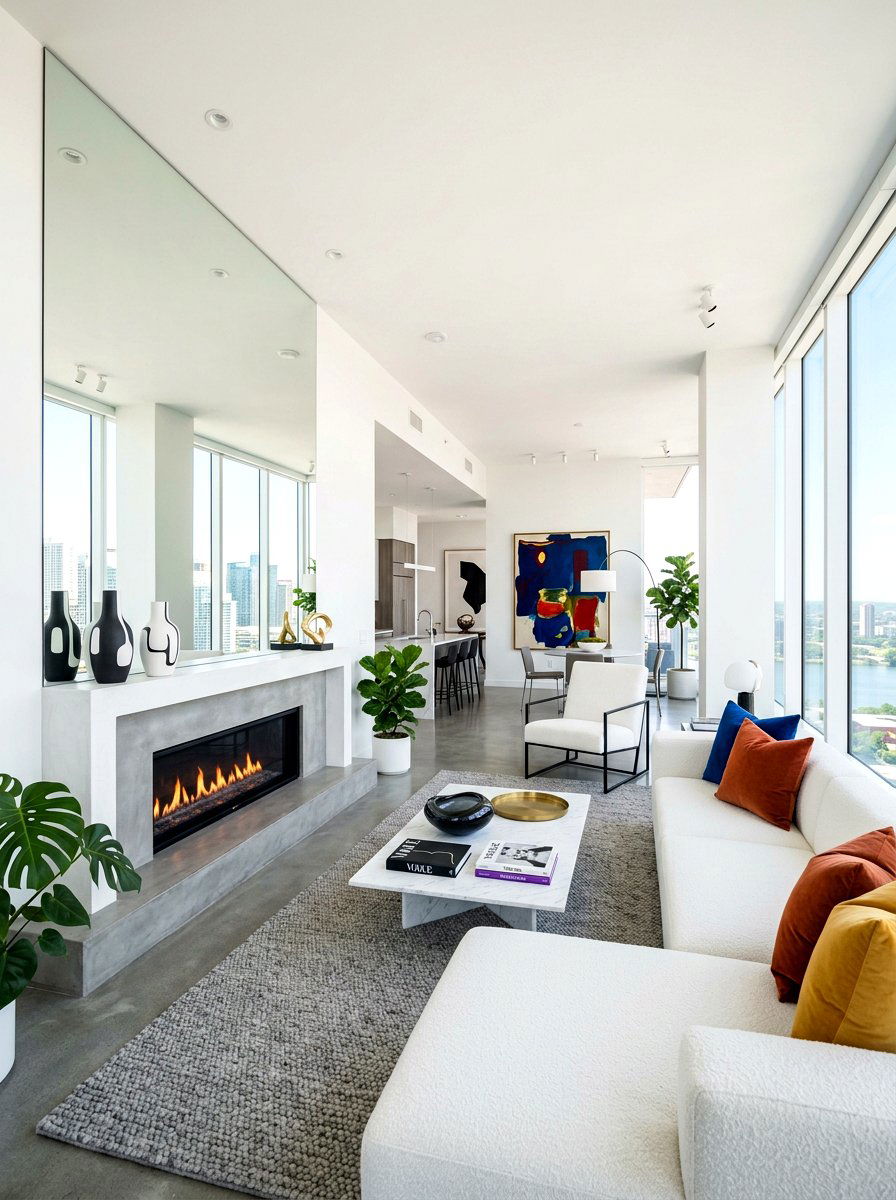
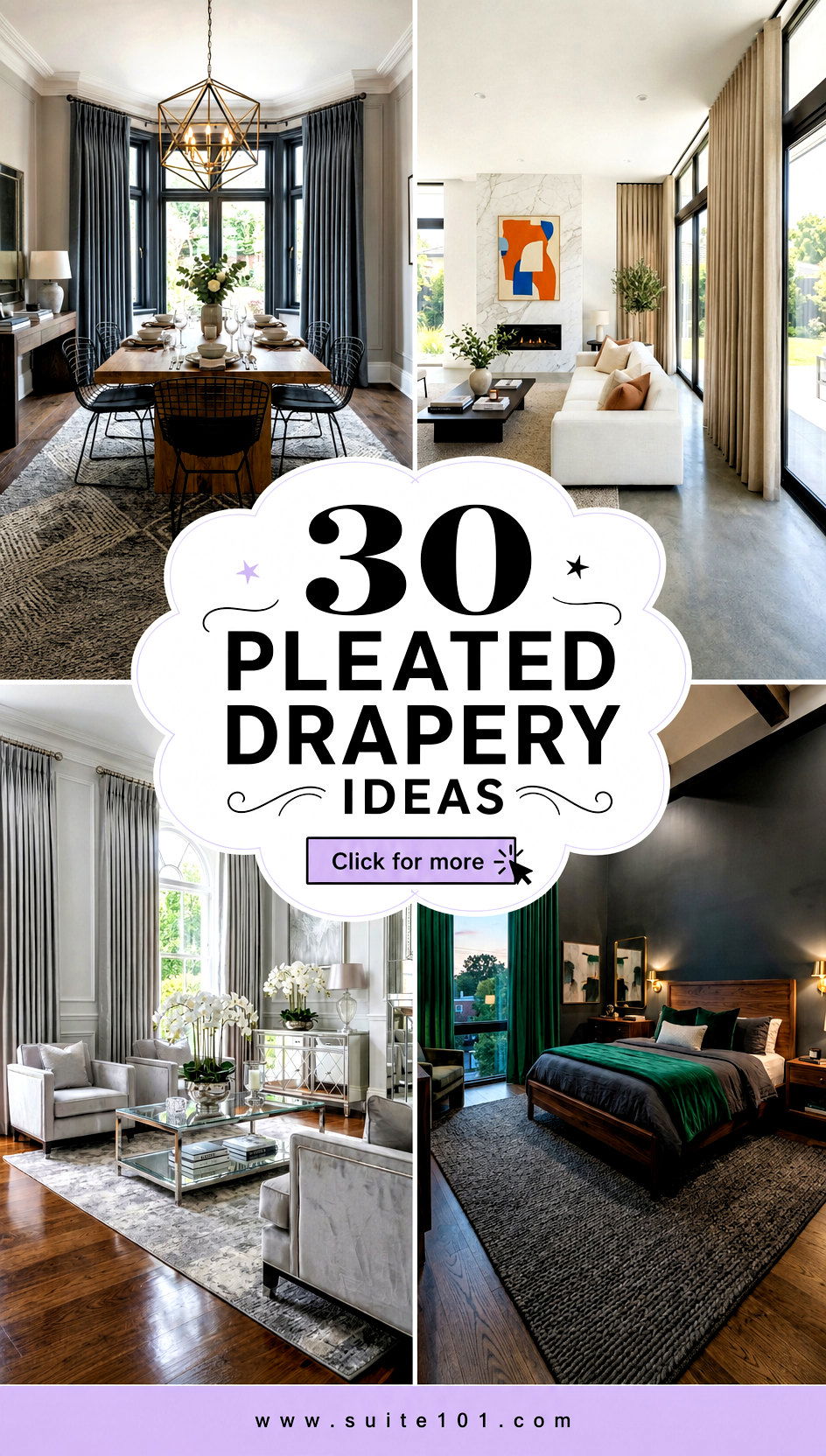
Pleated drapery is much more than a simple window covering; it is a fundamental element of interior design that brings texture, depth, and architectural interest to any room. Choosing the right pleat style can completely transform the atmosphere of your home, shifting it from a casual, breezy sanctuary to a formal, sophisticated gallery. These tailored folds allow fabric to hang with a specific rhythm and weight, framing views and controlling natural light with precision. Whether you prefer the sharp lines of a box pleat or the soft curves of a ripple fold, pleated drapery remains a timeless choice for modern homeowners looking to elevate their living spaces.
1. Pinch Pleat
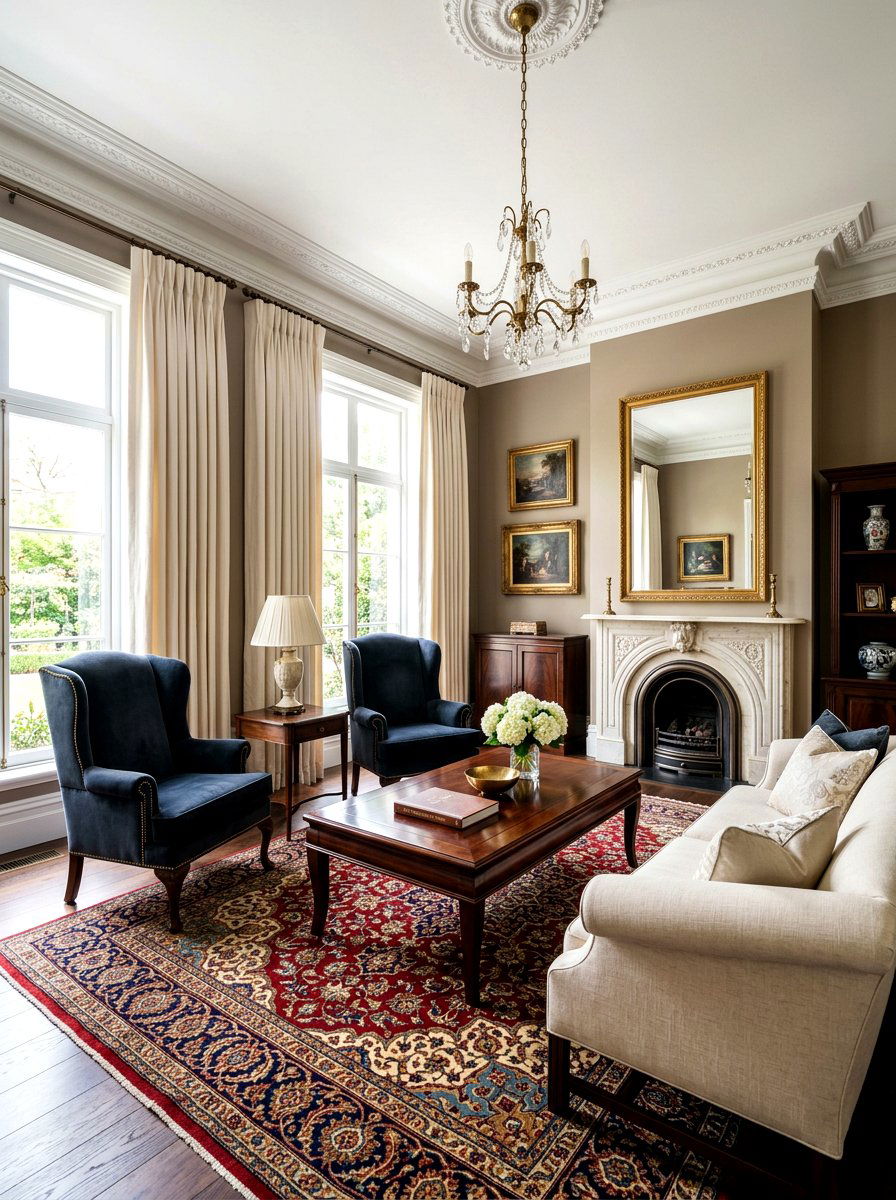
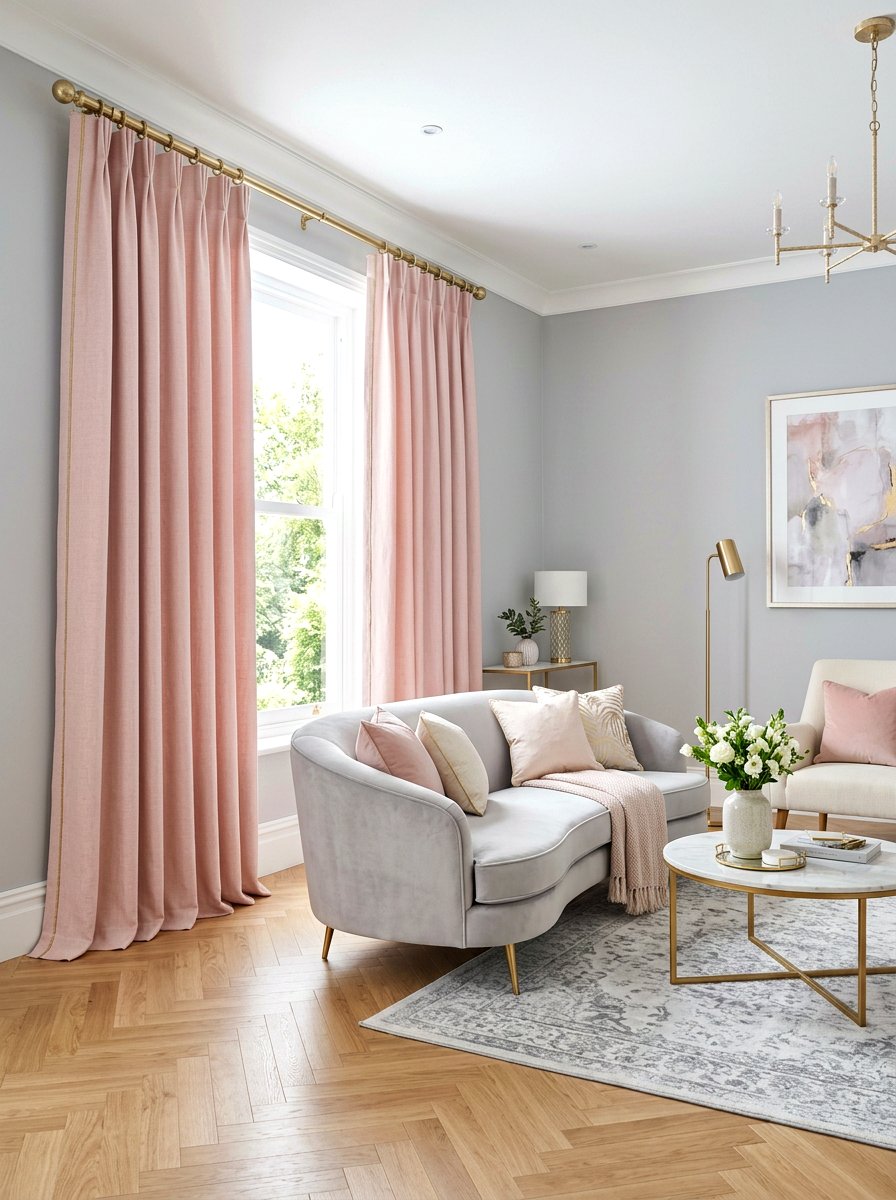
Pinch pleats represent one of the most classic and enduring styles for traditional living rooms and formal dining areas. This design features small, uniform bunches of fabric that are sewn together at the base of the heading, creating a series of sharp, vertical folds that flow elegantly to the floor. When installed in a grand sitting room with high ceilings, these curtains provide a structured and polished look that complements antique furniture and ornate moldings. The permanent gather ensures that the fabric always hangs in neat, even lines, even when the drapes are pulled open. Using a medium-weight cotton or a rich linen blend helps maintain the crisp shape of the pleat.
2. Pencil Pleat
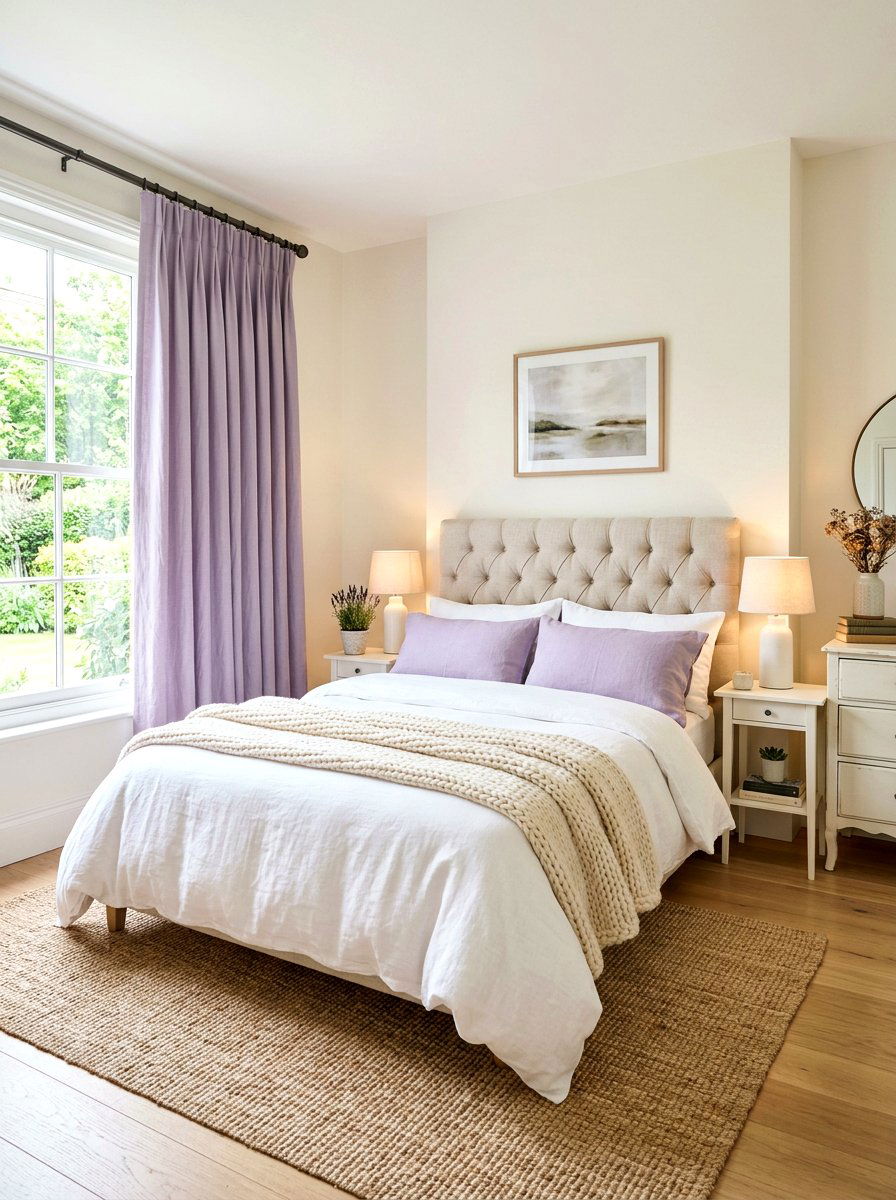
Pencil pleats are a versatile and popular choice for cozy bedrooms or casual sunrooms where a relaxed yet tidy appearance is desired. This style is characterized by long, thin, vertical folds that resemble a row of pencils standing closely together at the top of the panel. Because the heading tape allows you to adjust the tension of the strings, you can easily control the fullness of the fabric to fit your specific window width. In a soft, light-filled bedroom, pencil pleat drapes in a pale lavender or soft gray fabric create a gentle, ruffled effect that feels both inviting and sophisticated without being overly formal.
3. Goblet Pleat
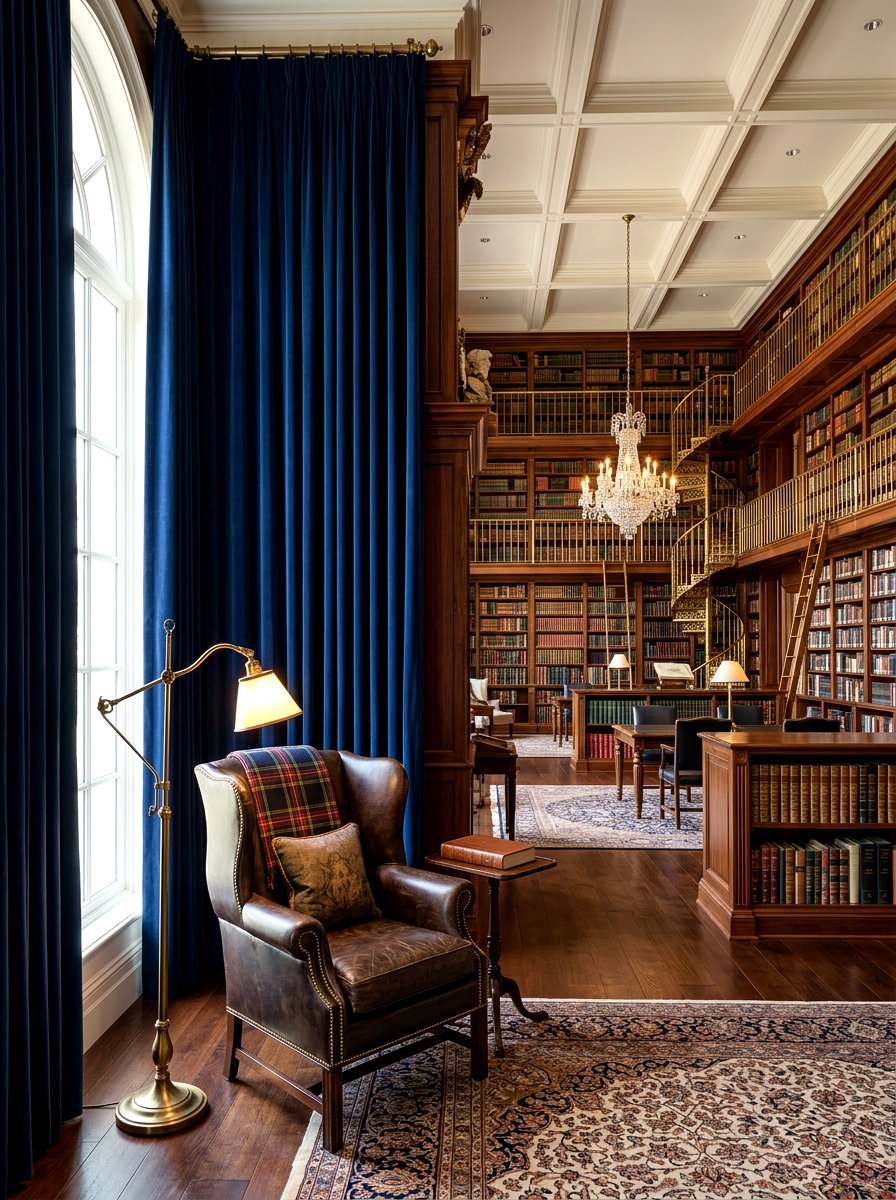
Goblet pleats are the ultimate choice for homeowners seeking a sense of opulence and old-world grandeur in their interior design. The heading is shaped into rounded, cylindrical forms that resemble a wine glass or a goblet, often padded with tissue or interlining to help them retain their structural shape. This style works exceptionally well in large, formal spaces like a traditional library or a grand foyer with tall windows. To truly highlight the dramatic silhouette, use heavy, luxurious fabrics such as velvet or silk damask. These drapes act as a sculptural focal point, anchoring the room’s décor with a sense of historical elegance and high-end craftsmanship.
4. Box Pleat
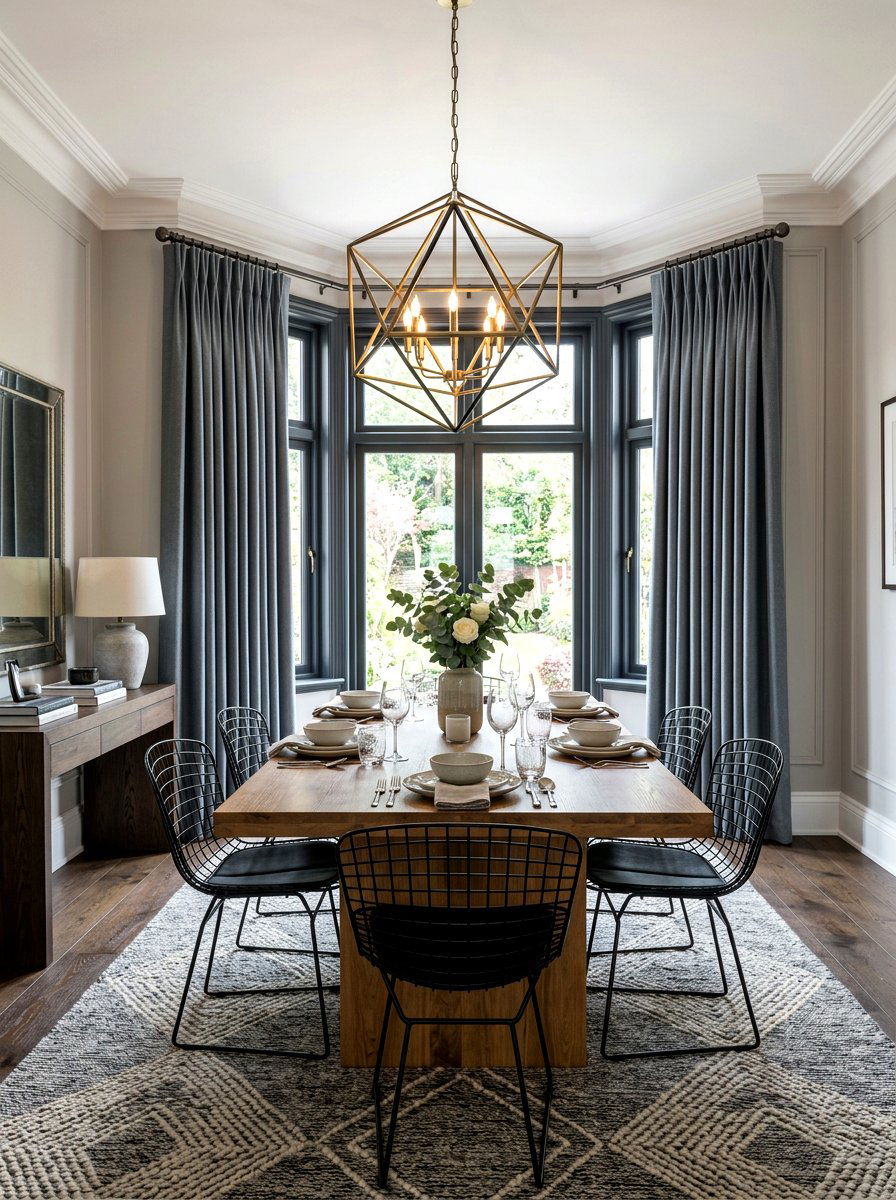
Box pleats offer a clean and architectural look that is perfect for modern-traditional homes and spaces where symmetry is a priority. The fabric is folded into wide, flat, rectangular sections that alternate in direction, creating a series of "boxes" along the top of the drapery. This style provides a very tailored and formal appearance, making it an excellent fit for a professional home office or a structured dining room. Because the pleats sit flat against the rod, they take up less visual space than more voluminous styles while still offering plenty of fabric for full coverage. Neutral tones like sand or slate enhance the sharp, geometric lines.
5. Inverted Box Pleat
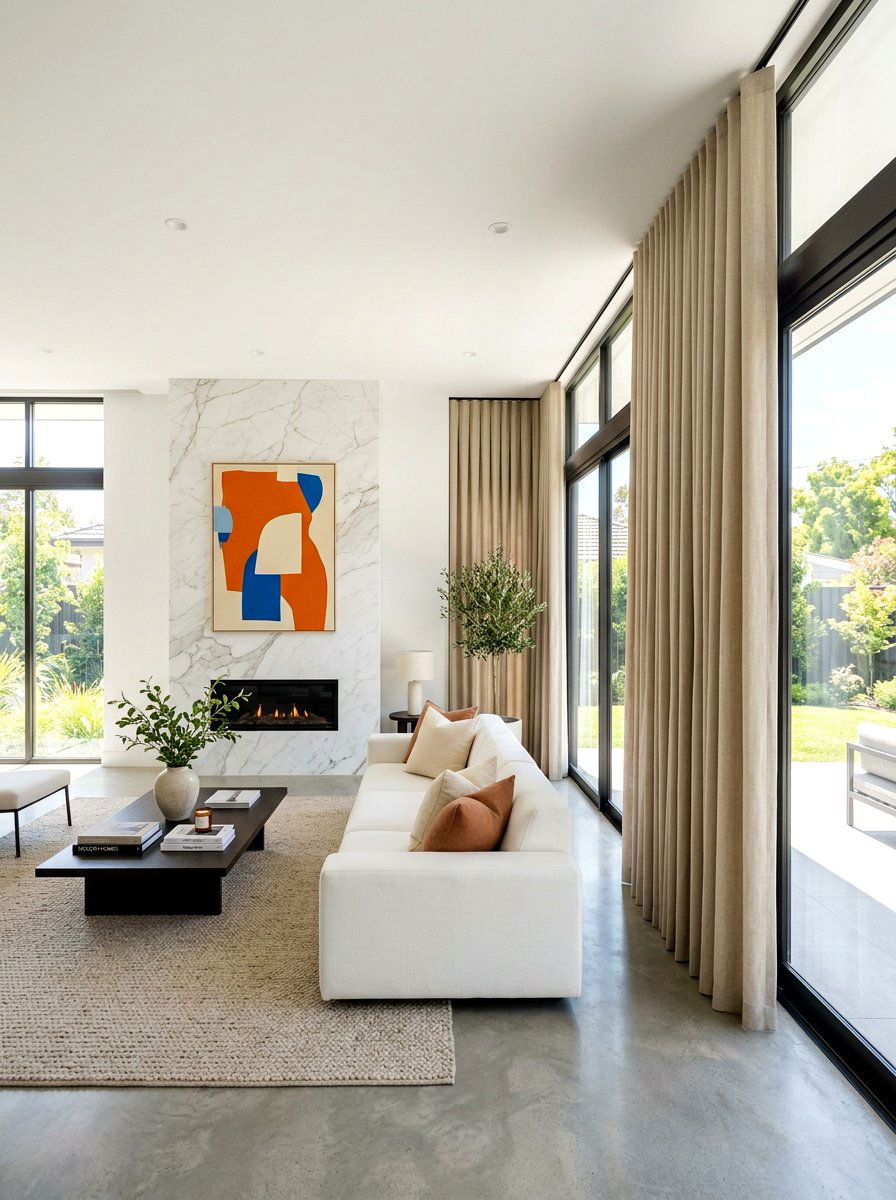
Inverted box pleats, often called reverse pleats, provide a smooth and minimalist front that is highly sought after in contemporary interior design. By hiding the folds on the back side of the fabric, this style creates a flat, seamless appearance on the front while still allowing for plenty of hidden fullness. This design is ideal for a sleek, modern living room where you want the focus to remain on a beautiful fabric or a stunning outdoor view. Because the curtains stack back very neatly and take up minimal space on the sides, they are particularly effective for smaller rooms or windows with limited wall clearance nearby.
6. Euro Pleat
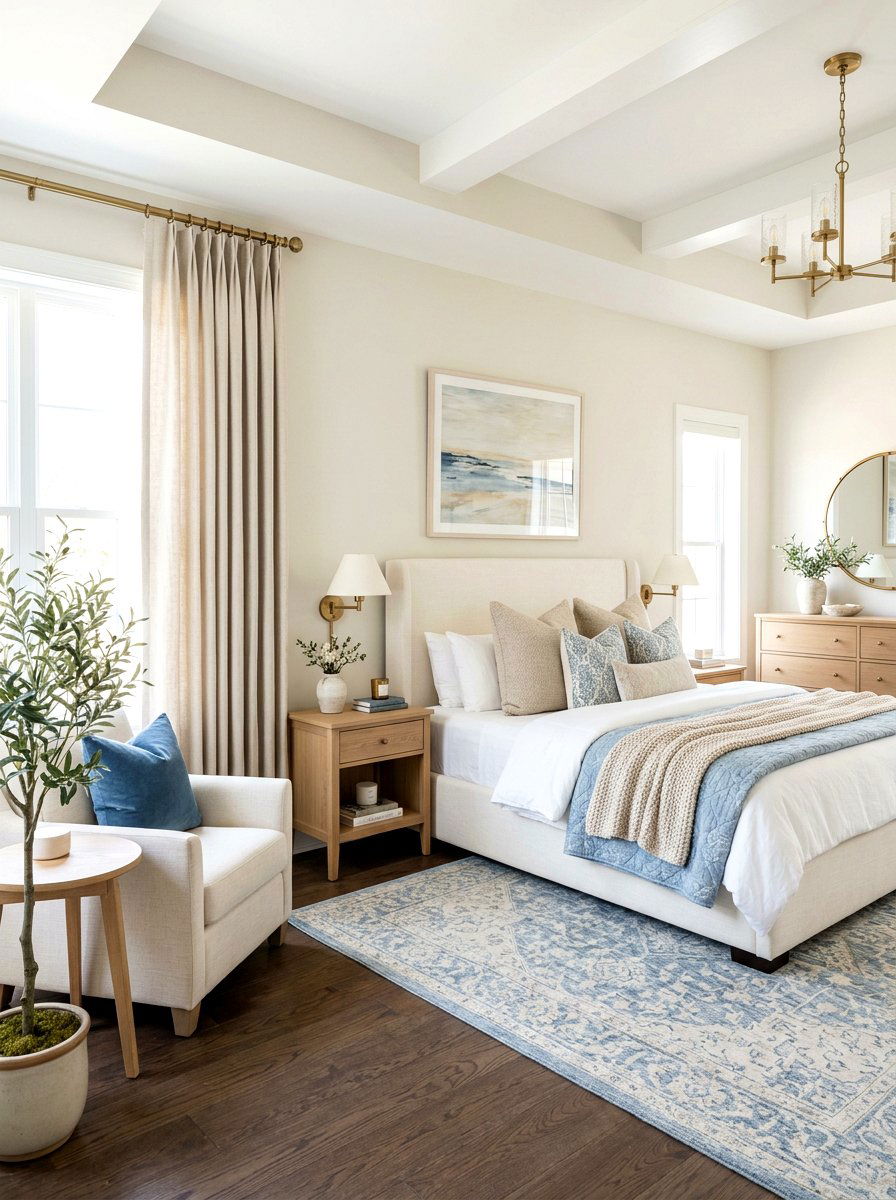
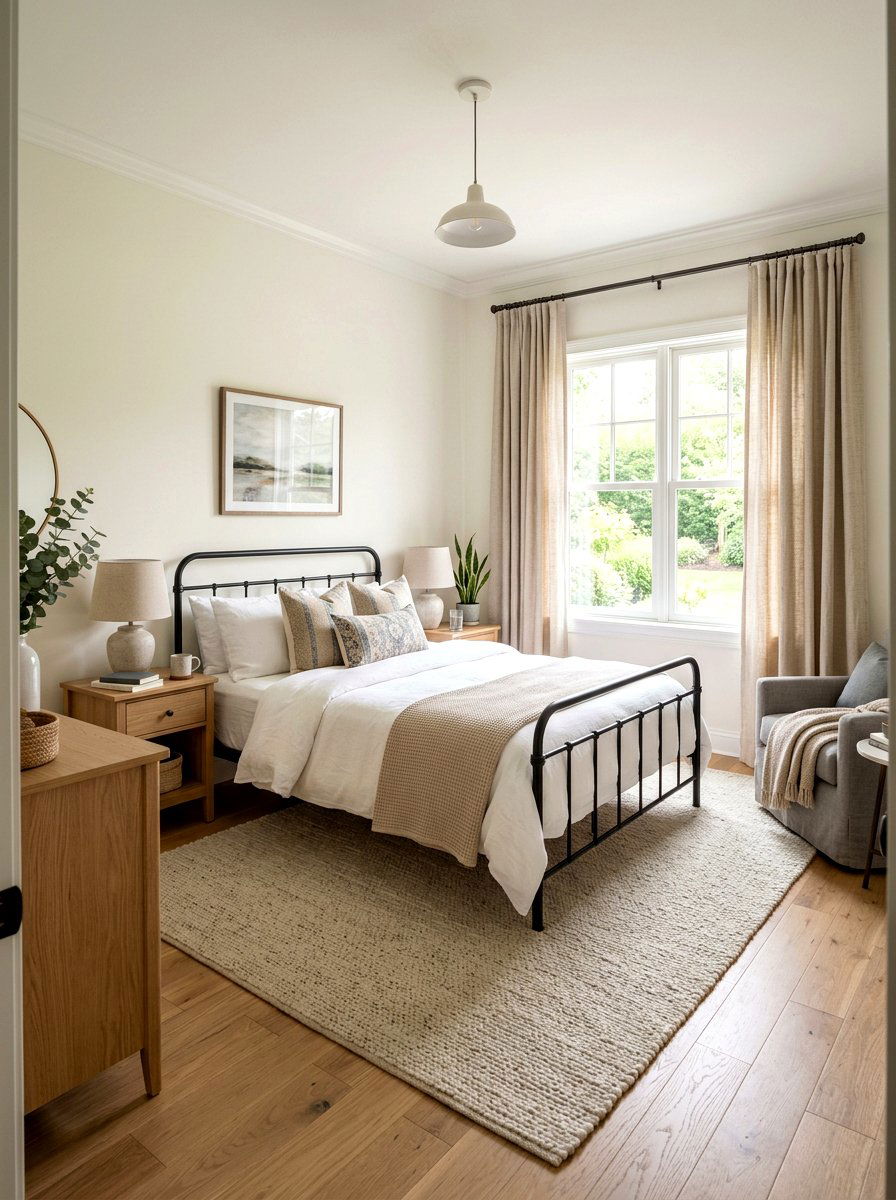
Euro pleats, also known as tailored pleats, offer a more modern and updated version of the classic pinch pleat style. In this design, the fabric is pinched together at the very top of the heading rather than several inches down, which allows the folds to fan out naturally as they cascade toward the floor. This subtle change creates a more relaxed and fluid look that feels fresh and youthful while still maintaining a sense of structure. In a transitional-style bedroom, Euro pleat drapes in a soft oatmeal linen provide a perfect balance between casual comfort and refined elegance, hanging beautifully from simple black or brass hardware.
7. Cartridge Pleat
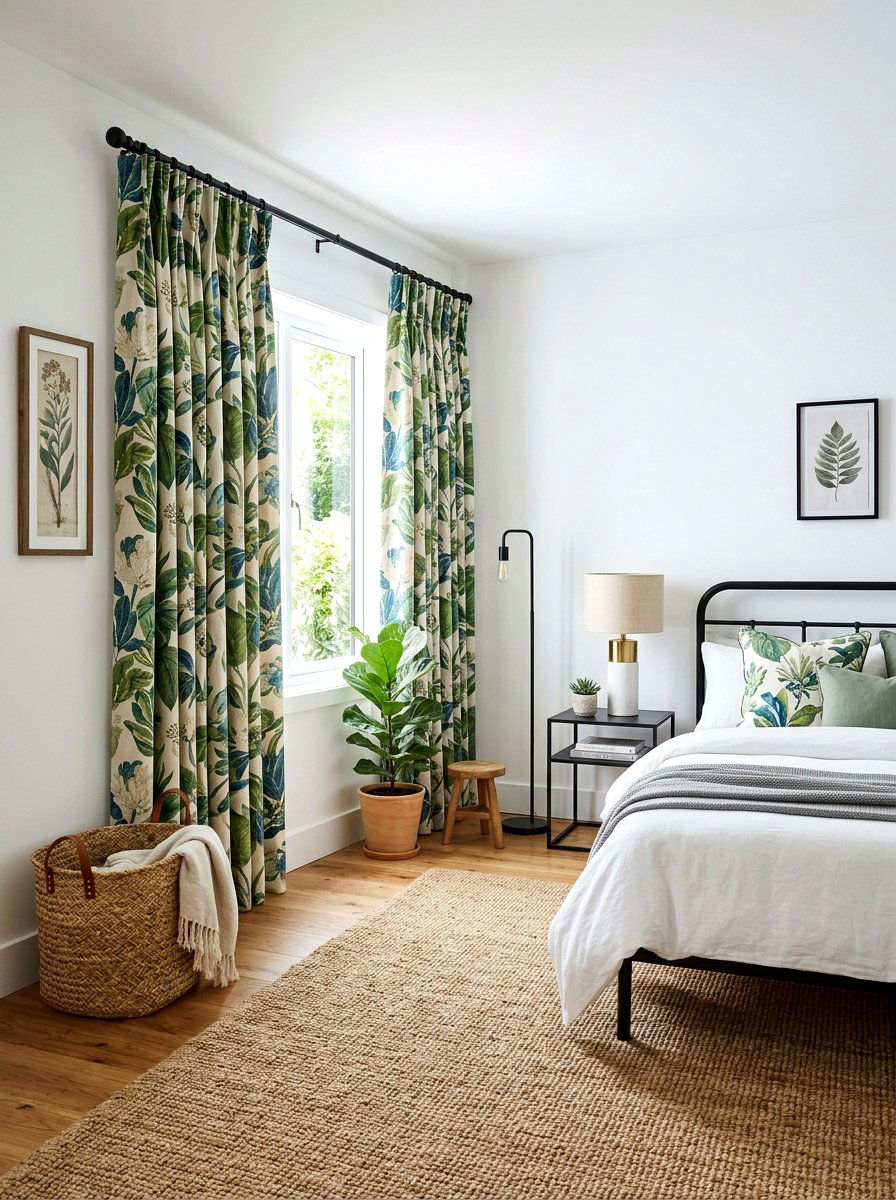
Cartridge pleats are a sophisticated choice for rooms where you want a continuous, rounded fold without the bunching associated with traditional styles. This design features large, individual, cylindrical folds that are spaced apart and left unpinched, giving the drapery a smooth and architectural rhythm. It is a fantastic option for showcasing bold patterns or large-scale prints, as the fabric remains relatively flat between the rounded sections. In a modern breakfast nook or a chic guest bedroom, cartridge pleat drapes create a clean and organized look that feels custom-made. Using a firm lining helps the circular pleats hold their shape consistently over time for a high-end finish.
8. Triple Pinch Pleat
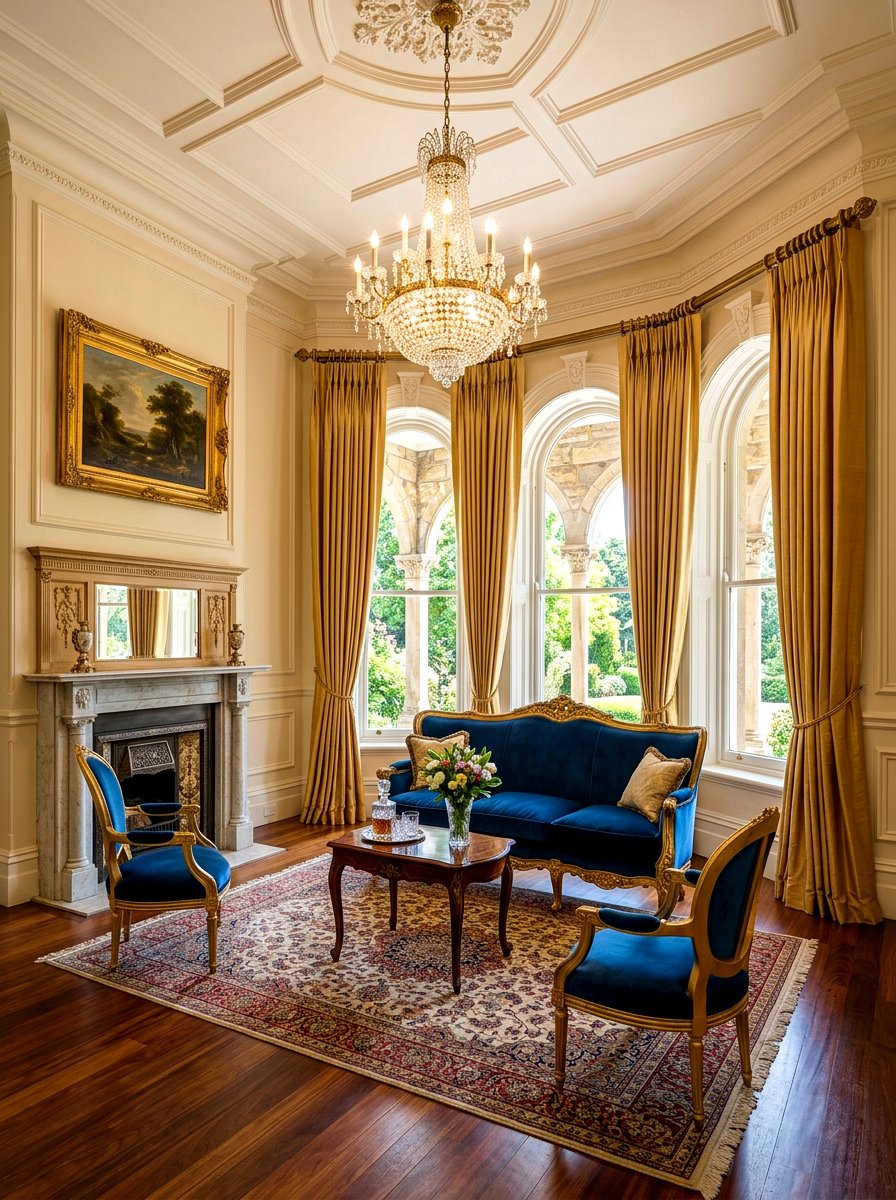
Triple pinch pleats, frequently referred to as French pleats, are the gold standard for creating a full and voluminous window treatment. By gathering three distinct folds of fabric into a single pinch, this style requires a significant amount of material, resulting in a lush and heavy drape that blocks light and provides excellent insulation. This style is most effective in large master suites or formal parlors where a sense of luxury is paramount. The extra fullness creates deep, dramatic shadows and highlights in the fabric, making even simple solid colors look incredibly rich. Pairing these drapes with a decorative rod and rings completes the classic, upscale aesthetic.
9. Double Pinch Pleat
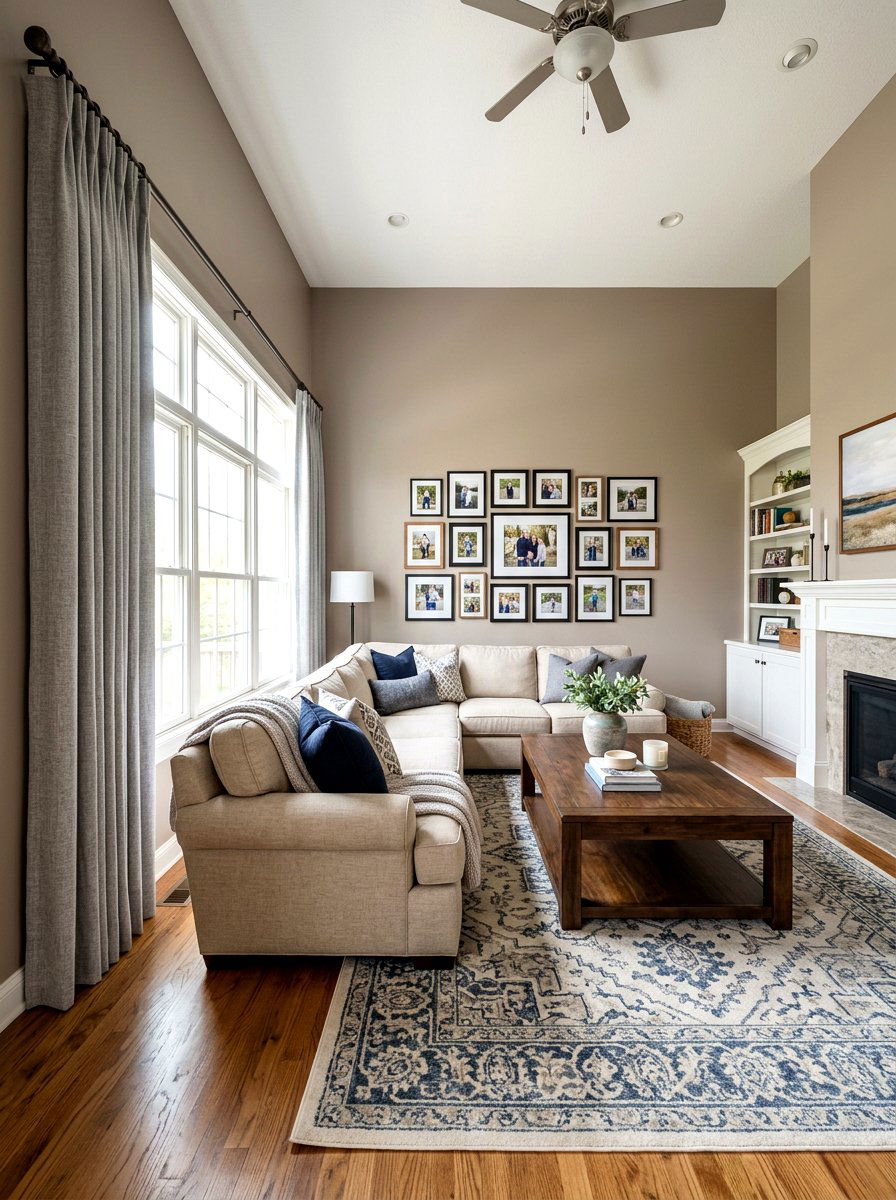
Double pinch pleats provide a slightly more streamlined and less bulky alternative to the traditional triple pleat while still offering a tailored finish. This style uses two folds of fabric pinched together, creating a look that is structured but a bit more approachable for everyday living spaces. It is an excellent middle ground for a transitional dining room or a comfortable family room where you want the curtains to look professional without being too stuffy. The double pleat stacks back more tightly than a triple pleat, making it a smart choice for windows where you want to maximize the amount of natural light coming in.
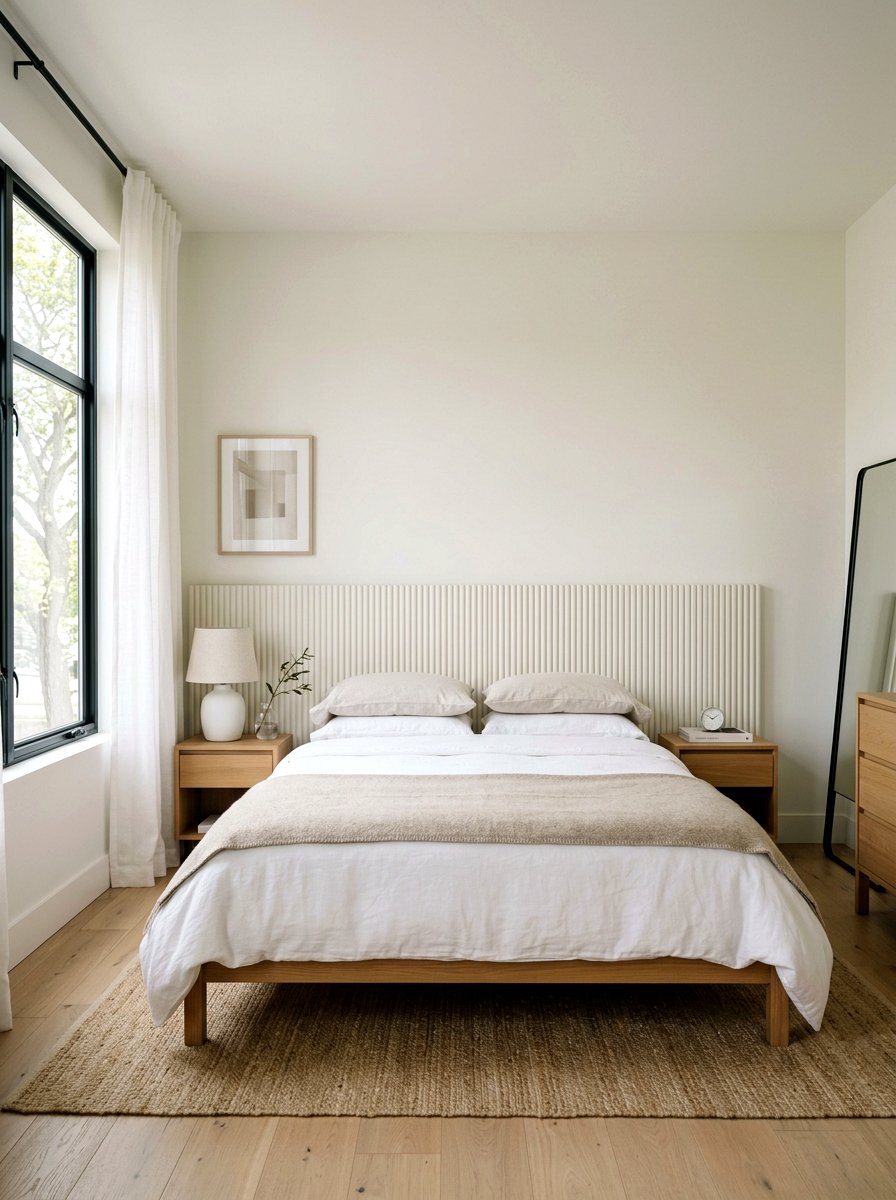
10. French Pleat
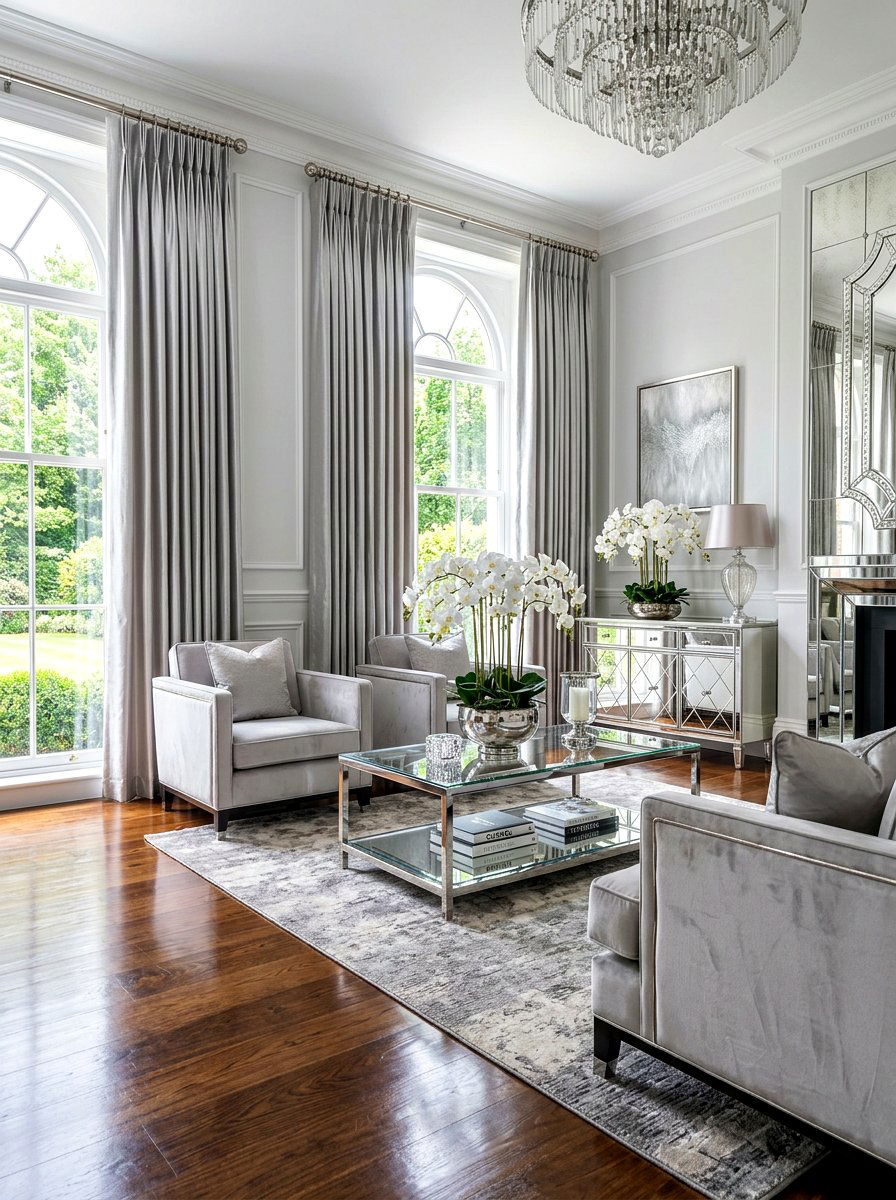
French pleats are a timeless decorative element that adds a sense of rhythm and formality to any high-end interior space. While very similar to pinch pleats, the term often refers to a specific three-finger gather that is tacked at the base to create a fanned-out top. This style is frequently seen in luxury hotel suites and upscale residential projects because it drapes with such consistent precision. In a room with high ceilings and large windows, French pleat drapes in a shimmering faux silk or a heavy brocade create an atmosphere of quiet luxury. The way the fabric stacks neatly ensures the room always looks organized and well-composed.
11. Butterfly Pleat
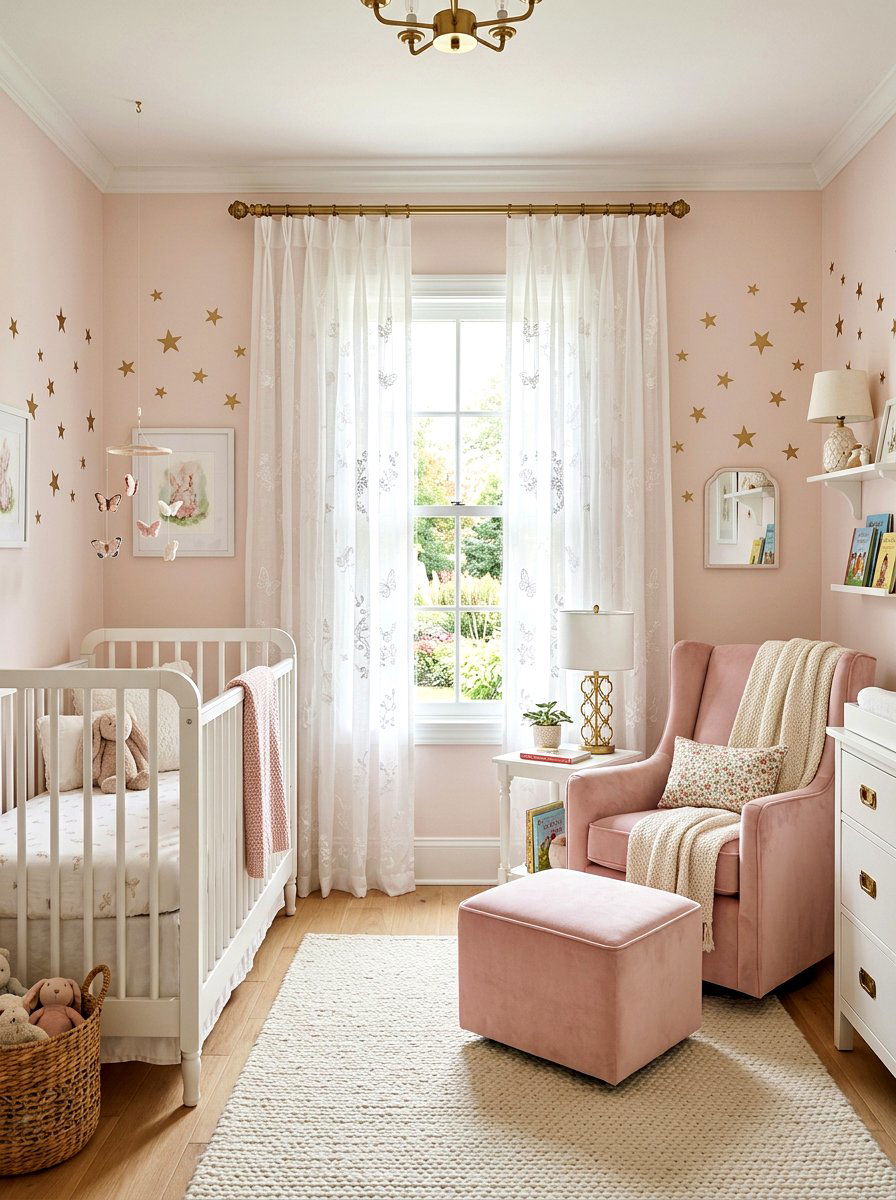
Butterfly pleats offer a charming and unique aesthetic that works beautifully in rooms with a feminine or romantic design theme. This style is created by pinching the fabric at the base and allowing the top to flare out into two distinct wings, resembling the shape of a butterfly. It is a lovely choice for a nursery, a primary closet, or a vintage-inspired guest room. To enhance the delicate and airy feel of this pleat, consider using lightweight fabrics like voile or embroidered cotton. The whimsical shape of the heading adds a layer of visual interest that makes the window treatment feel like a bespoke piece of art.
12. Tuxedo Pleat
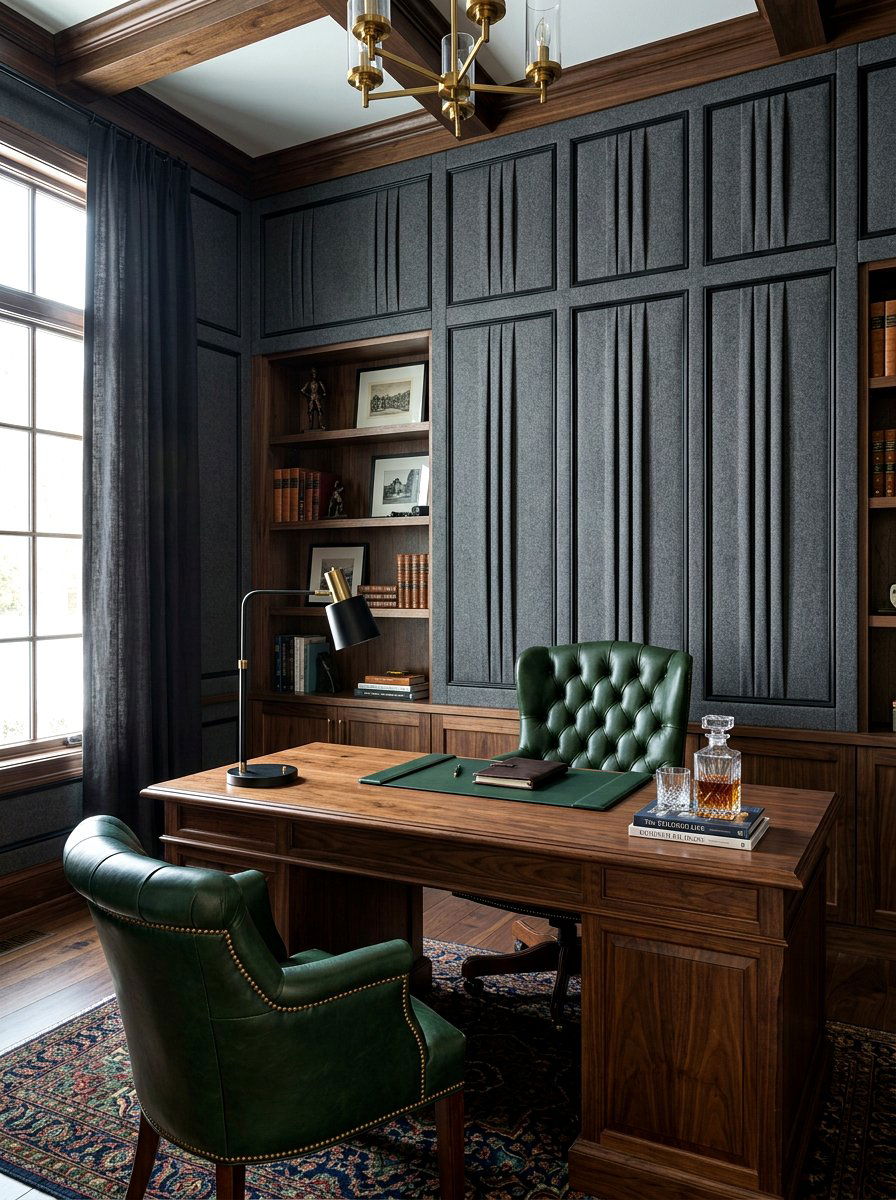
Tuxedo pleats are a sharp and sophisticated option that brings a sense of menswear-inspired tailoring to your home décor. This style features wide, flat pleats that are often accented with a contrasting fabric or trim on the inside of the fold, mimicking the look of a formal tuxedo shirt. This design is perfect for a dark, moody library or a sleek, masculine bedroom where clean lines and subtle details are essential. By using a heavy wool blend or a crisp polyester, the pleats maintain a rigid and impressive structure. The decorative contrast adds a pop of personality without overwhelming the room’s overall minimalist and refined color palette.
13. Rod Pocket Pleat
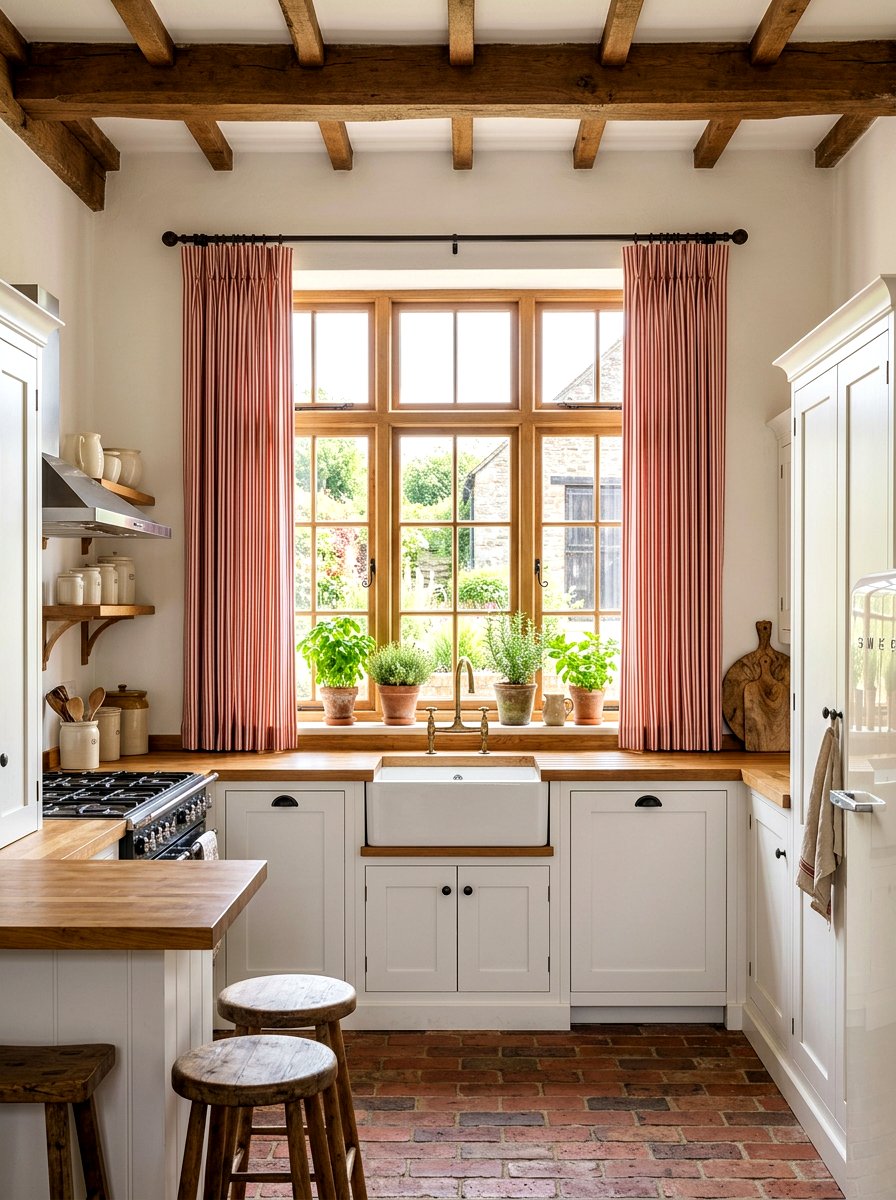
Rod pocket pleats combine the simplicity of a standard pocket header with the added texture of a gathered top for a cozy, cottage-inspired look. In this style, the fabric is bunched along the rod to create small, informal pleats that give the window treatment a soft and voluminous appearance. This design is ideal for a farmhouse kitchen or a rustic dining area where a relaxed and lived-in feel is the goal. Because the rod is completely hidden by the fabric, the focus remains entirely on the texture and pattern of the drapes. Using a lightweight linen or a soft muslin allows for easy, natural-looking gathers.
14. Wave Pleat
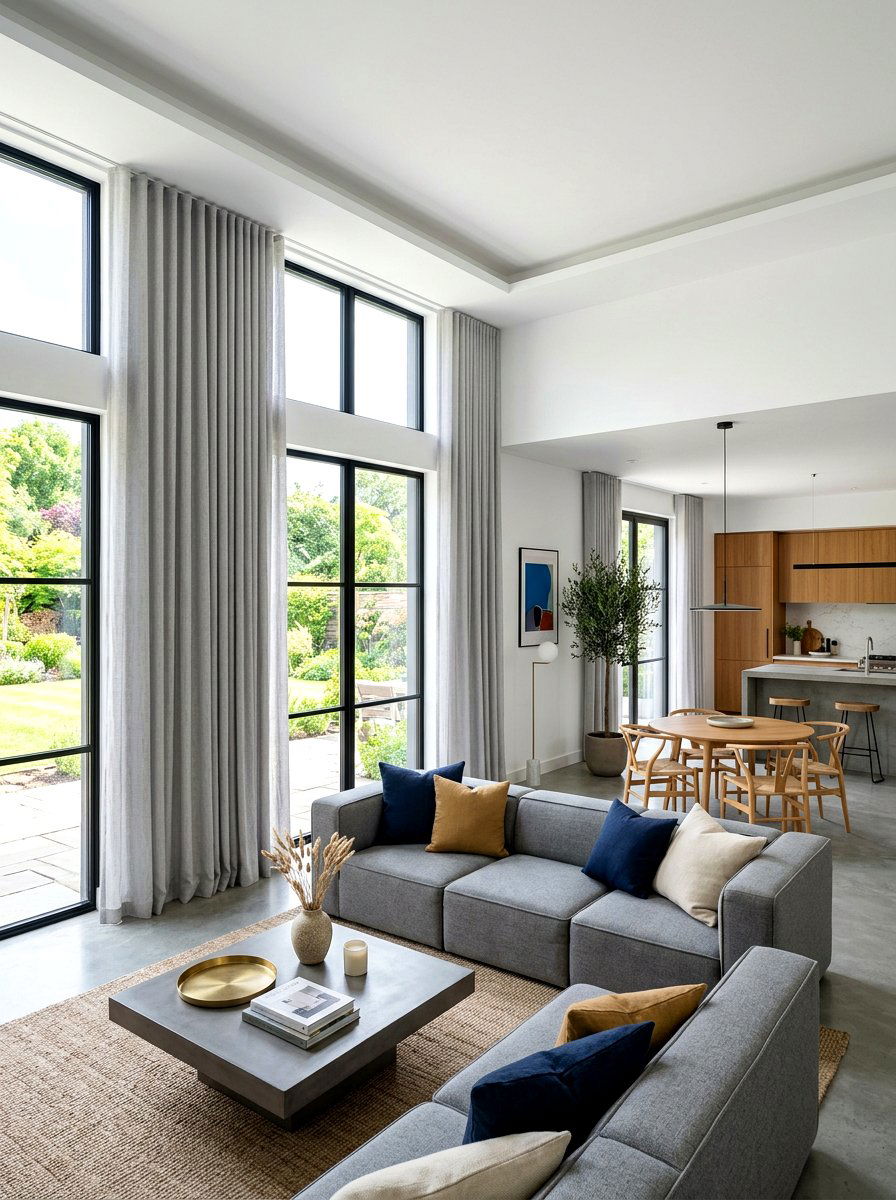
Wave pleats, often associated with ripplefold systems, provide a sleek and continuous wave-like pattern that is the hallmark of modern luxury interiors. The fabric is attached to a specialized track that maintains perfectly even, rounded folds whether the drapes are open or closed. This style is perfect for floor-to-ceiling glass walls or large contemporary living spaces where a clean, architectural line is desired. Because the hardware is usually hidden or very minimal, the drapes appear to float effortlessly. Using a sheer or semi-sheer fabric in a soft white or light gray enhances the airy and fluid motion of the wave pleat design.
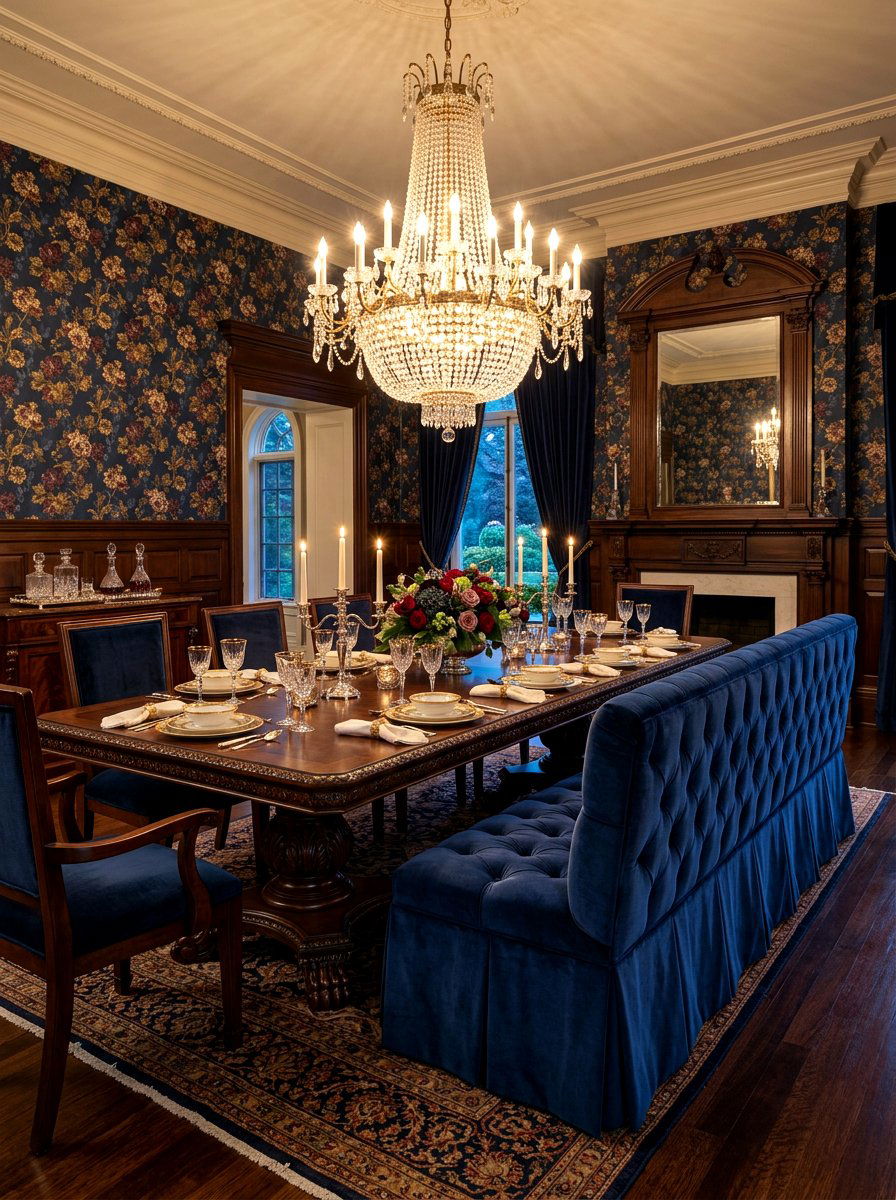
15. Linen Pleated Drapery
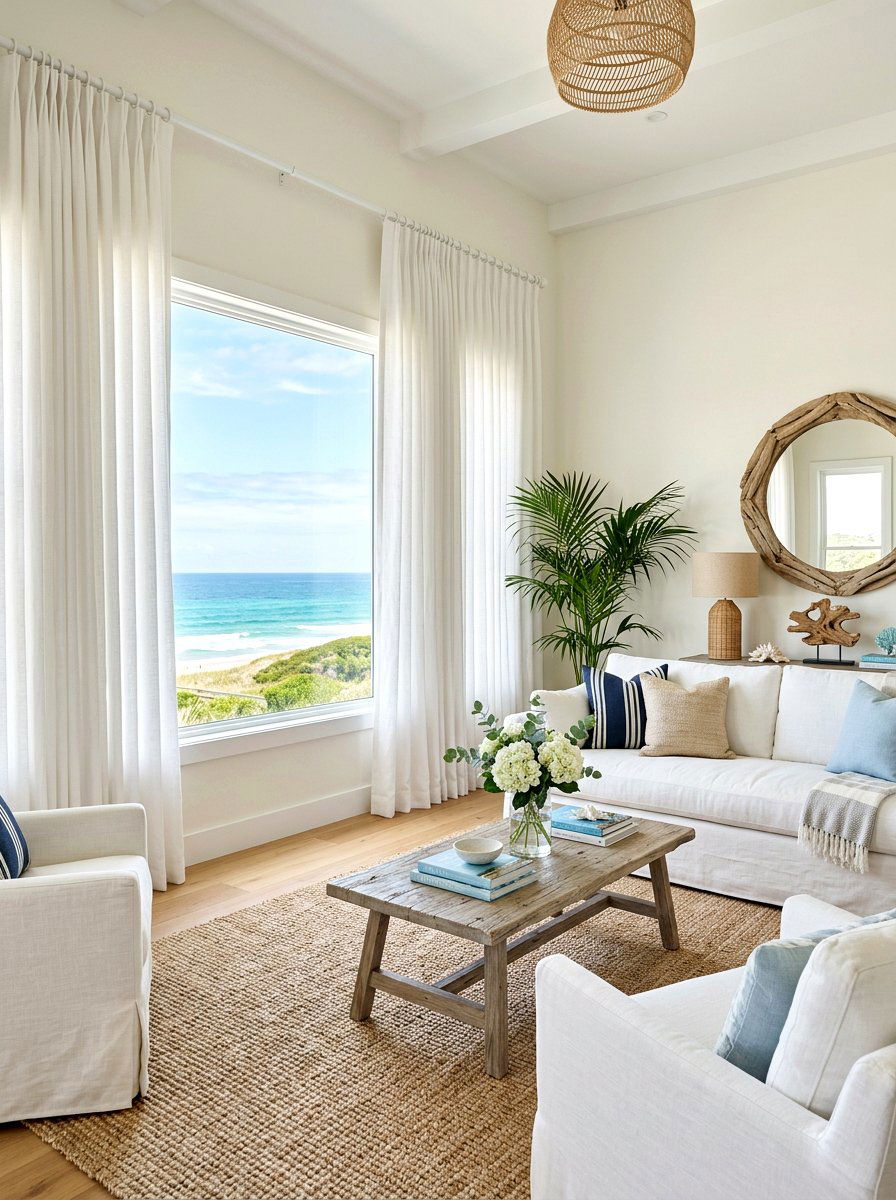
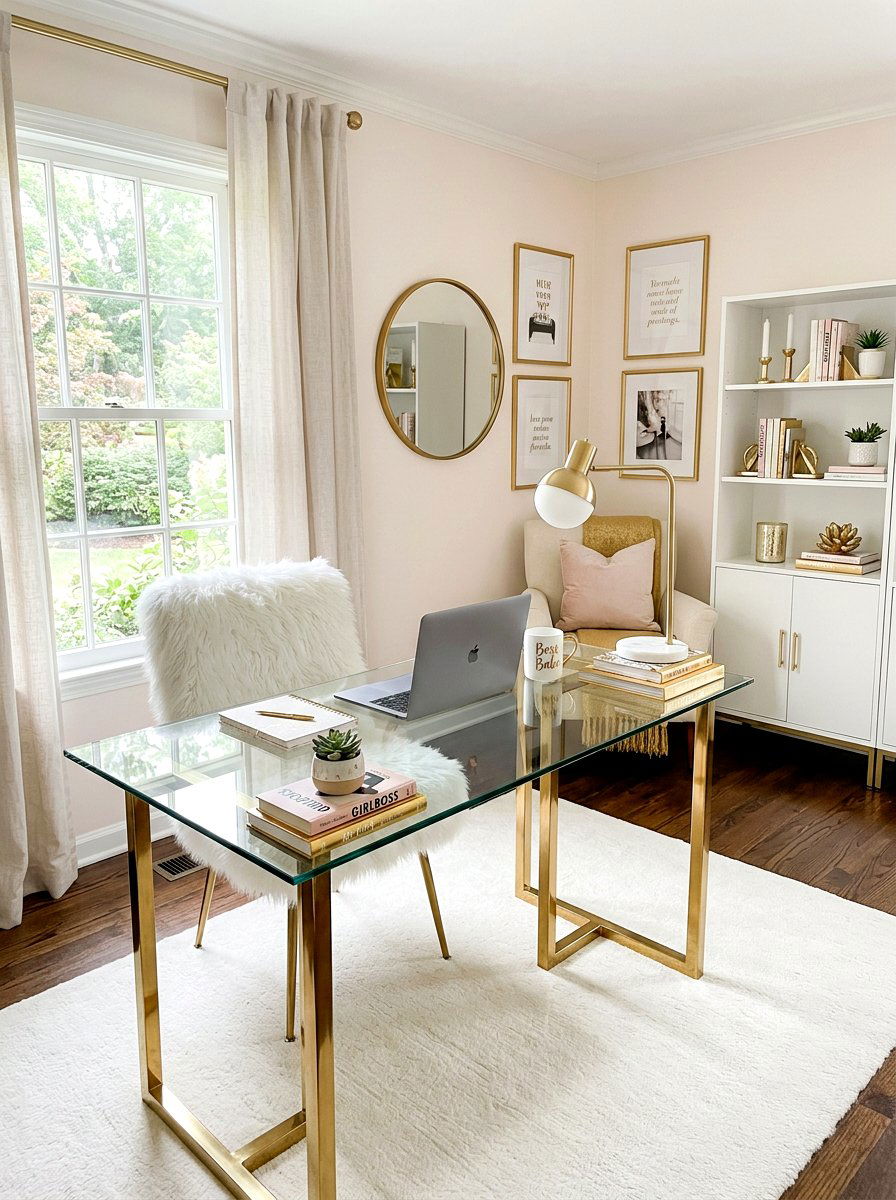
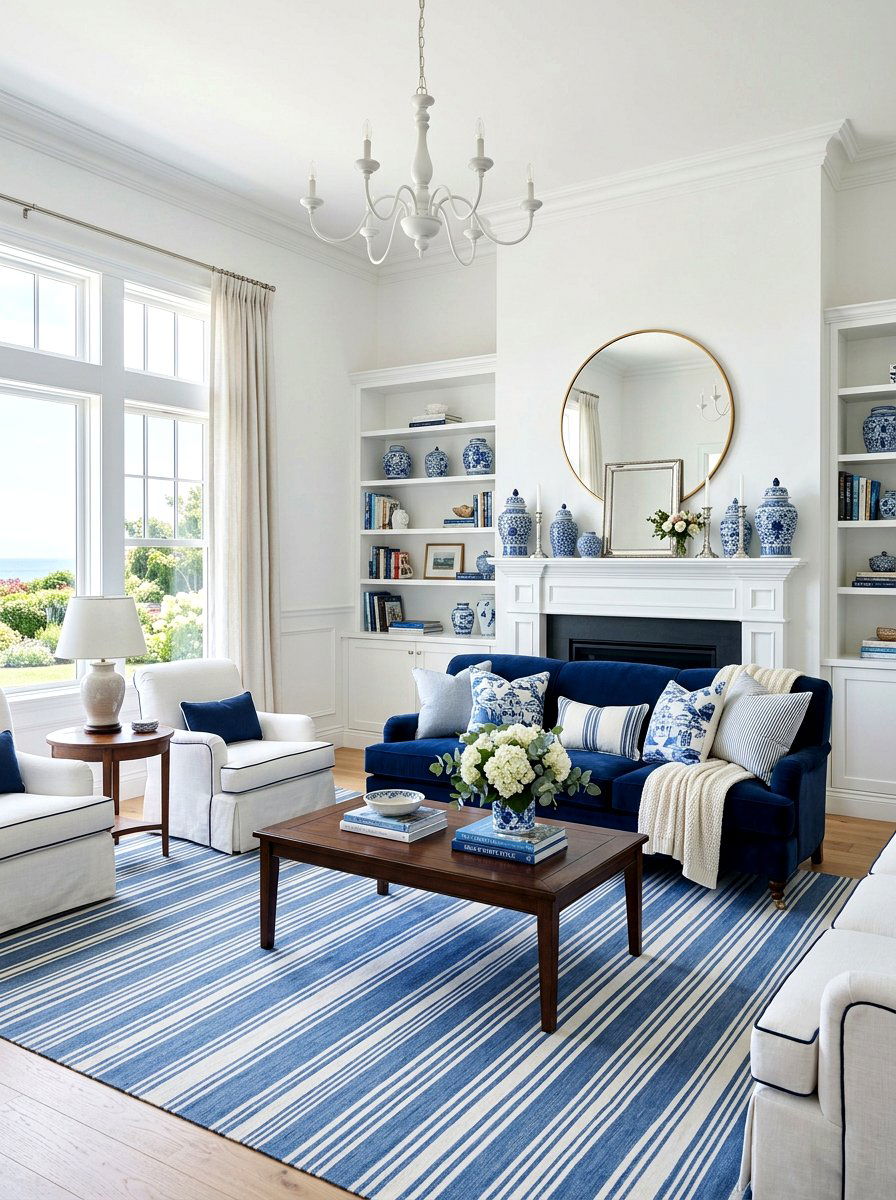
Linen pleated drapery is a favorite among designers for its ability to bring organic texture and a breezy, natural feel to any space. The inherent weight of linen allows pleats to hang with a relaxed yet intentional structure, making it suitable for both coastal and modern farmhouse styles. In a sun-drenched living room, white or oatmeal-colored linen drapes with a simple Euro pleat create a soft, diffused light that feels incredibly calming. The slight wrinkles and slubs in the fabric add character and depth, ensuring that the window treatments don’t feel too stiff or formal while still providing a high-quality, custom-tailored look.
16. Velvet Pleated Drapery
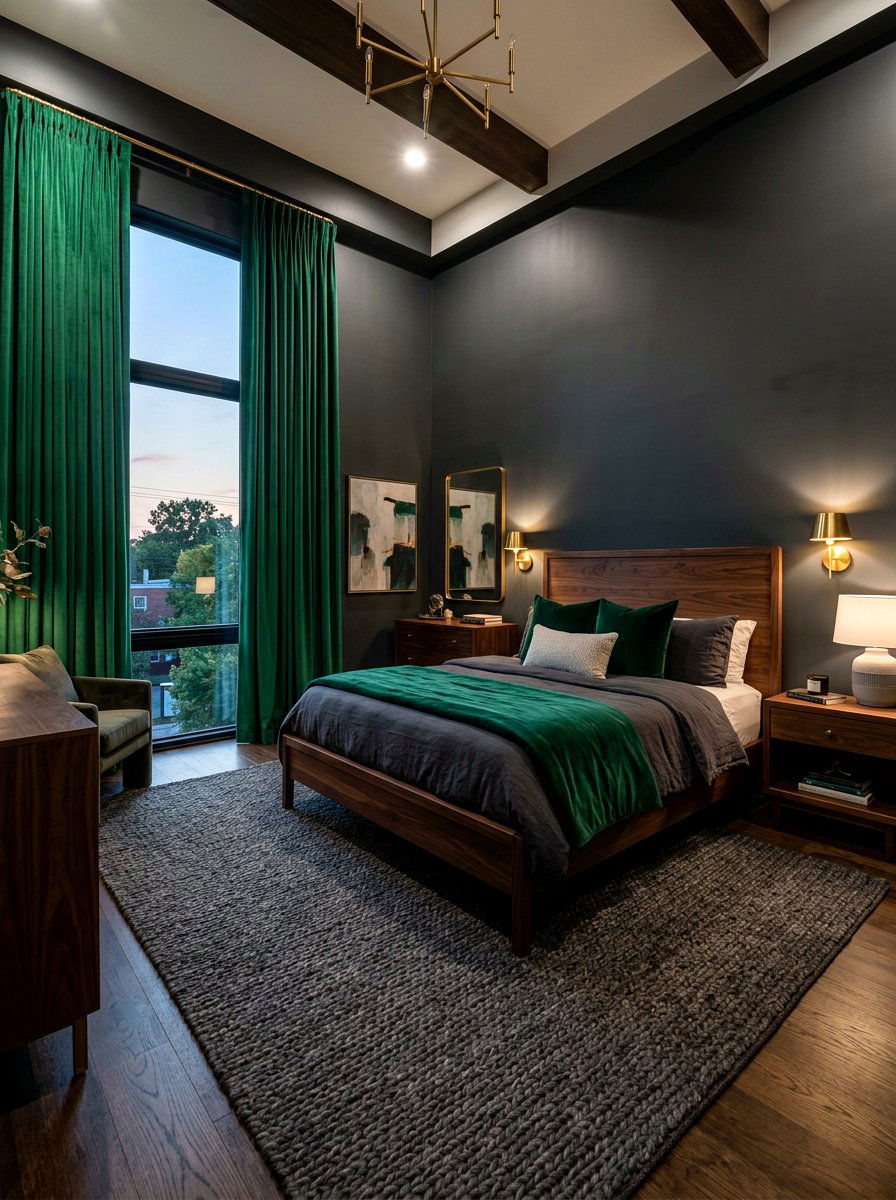
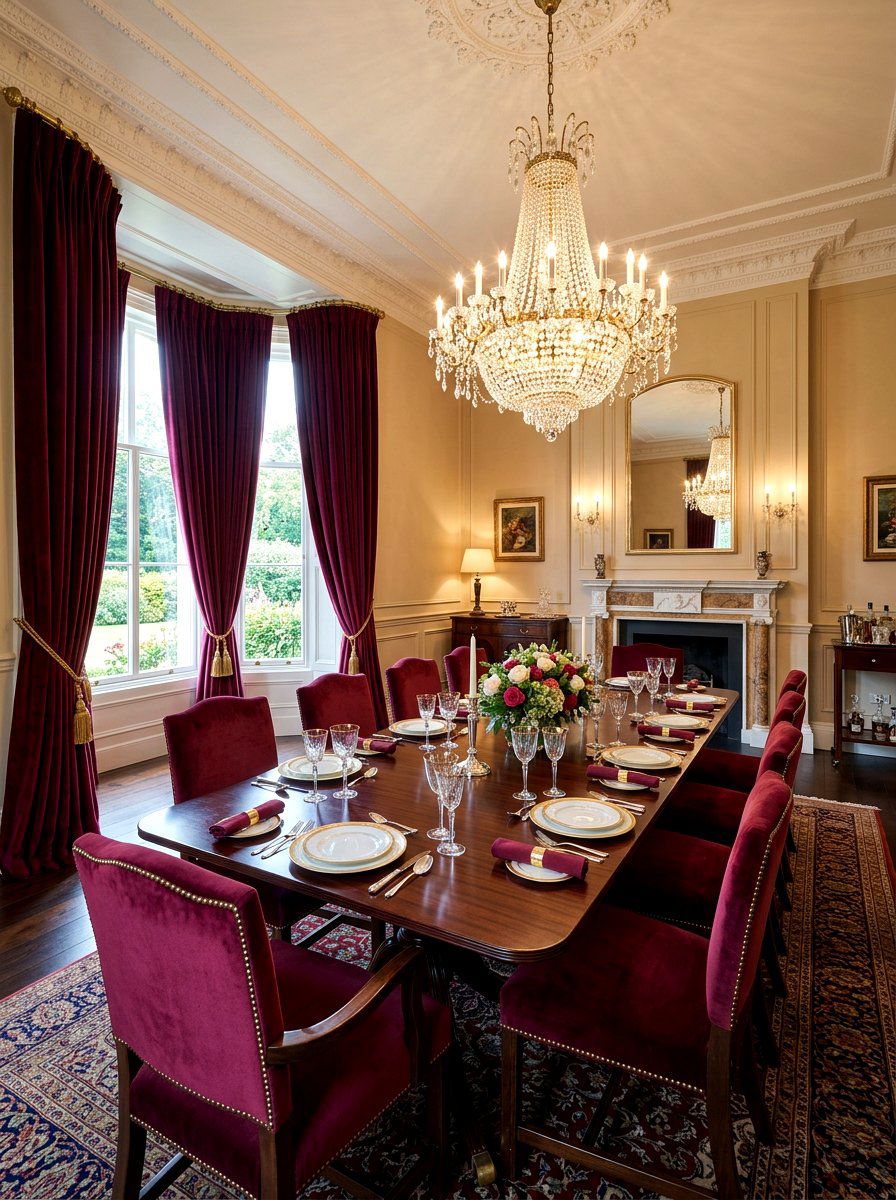
Velvet pleated drapery is the ultimate choice for adding warmth, drama, and a sense of luxury to a room’s design. The thick, plush pile of velvet catches the light in the folds of the pleats, creating a beautiful play of shadows and highlights that adds incredible depth to the space. This style is particularly effective in master bedrooms or media rooms where light control and sound insulation are important. Deep jewel tones like emerald green, sapphire blue, or rich burgundy look particularly stunning in a triple pinch pleat, as the heavy fabric holds the structure perfectly while making a bold and sophisticated style statement.
17. Sheer Pleated Drapery
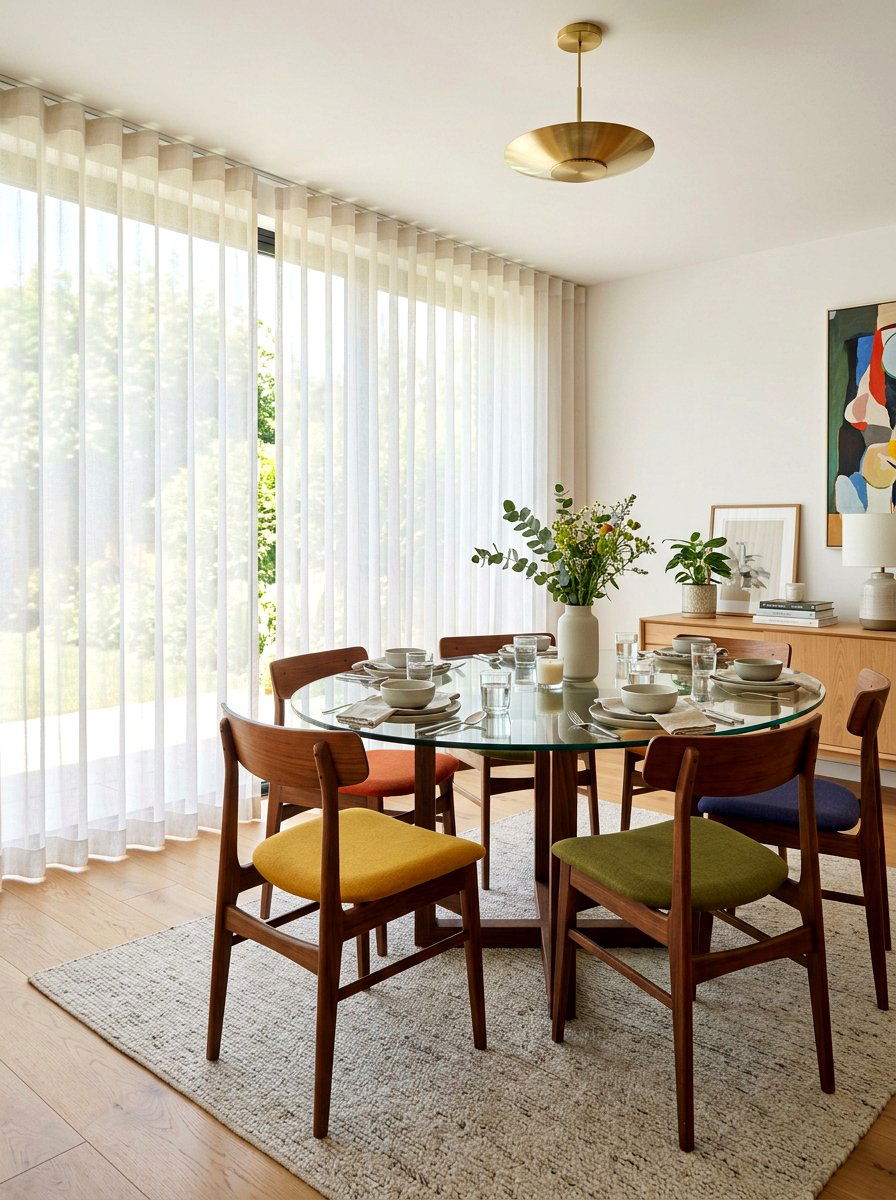
Sheer pleated drapery offers a delicate and ethereal way to soften a room while still allowing plenty of natural light to filter through. Even though the fabric is lightweight, adding a pleat like a pencil or a small pinch gives the sheers a more intentional and high-end appearance compared to standard flat panels. This style is perfect for layering under heavier drapes or as a standalone treatment in a bright, modern dining room. The pleats provide just enough structure to keep the fabric from looking limp, creating a series of soft, vertical lines that draw the eye upward and make the room feel taller and more spacious.
18. Silk Pleated Drapery
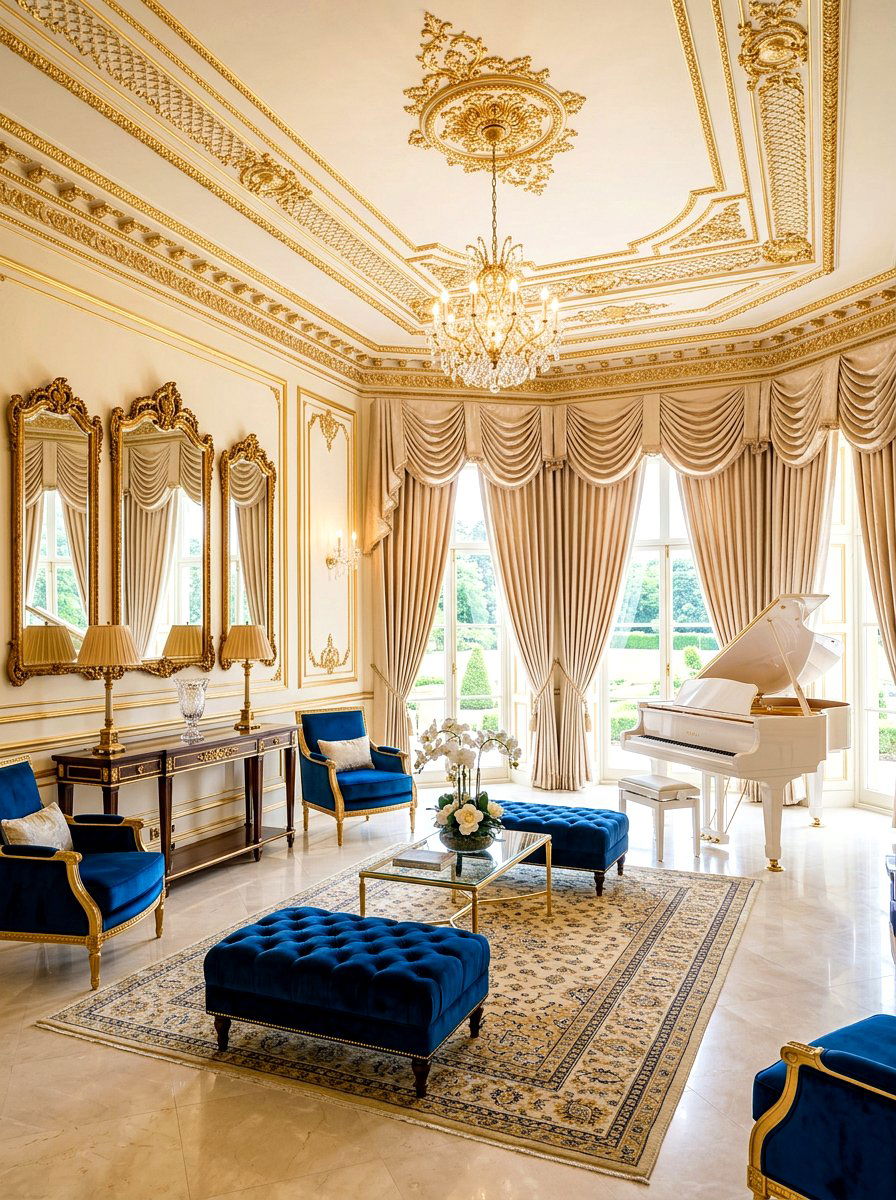
Silk pleated drapery brings an unmatched level of shimmer and sophistication to traditional and luxury interiors alike. The smooth, lustrous surface of the silk reflects light beautifully, especially when gathered into structured folds like goblet or French pleats. This style is ideal for a grand dining room or a formal sitting area where you want to impress guests with high-quality materials and refined taste. Because silk is a delicate fabric, these drapes are almost always lined and interlined to provide body and protect the fibers from sun damage. The result is a heavy, regal window treatment that anchors the room with classic beauty.
19. Floor To Ceiling Drapery
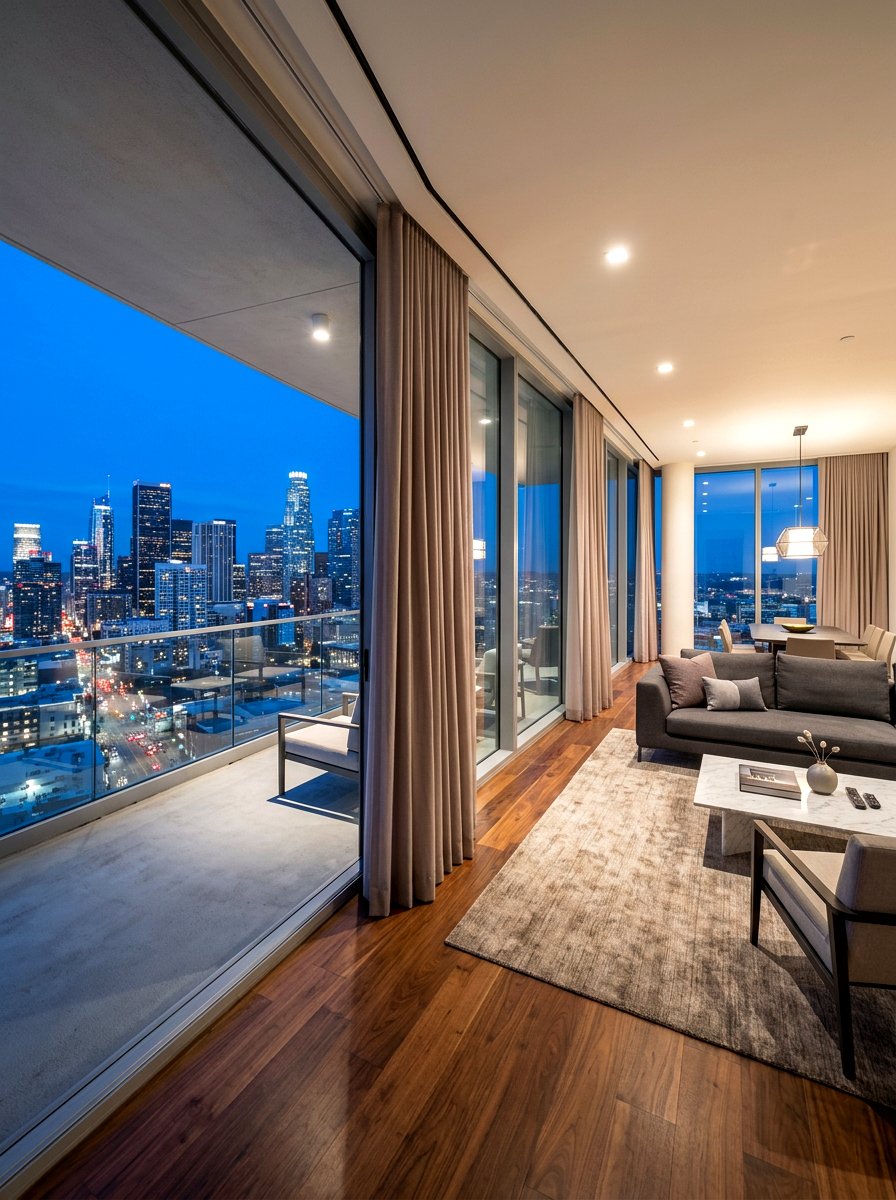
Floor to ceiling pleated drapery is a powerful design tool used to create a sense of grand scale and architectural height in any room. By hanging the drapes from a track or rod mounted just below the ceiling and allowing them to graze or slightly puddle on the floor, you create long, uninterrupted vertical lines. This technique is particularly effective in modern apartments with tall windows or in rooms with standard ceiling heights that need a visual lift. Using a consistent pleat like the wave or inverted box pleat ensures that the large expanse of fabric remains organized and doesn't overwhelm the rest of the décor.
20. Neutral Pleated Drapery
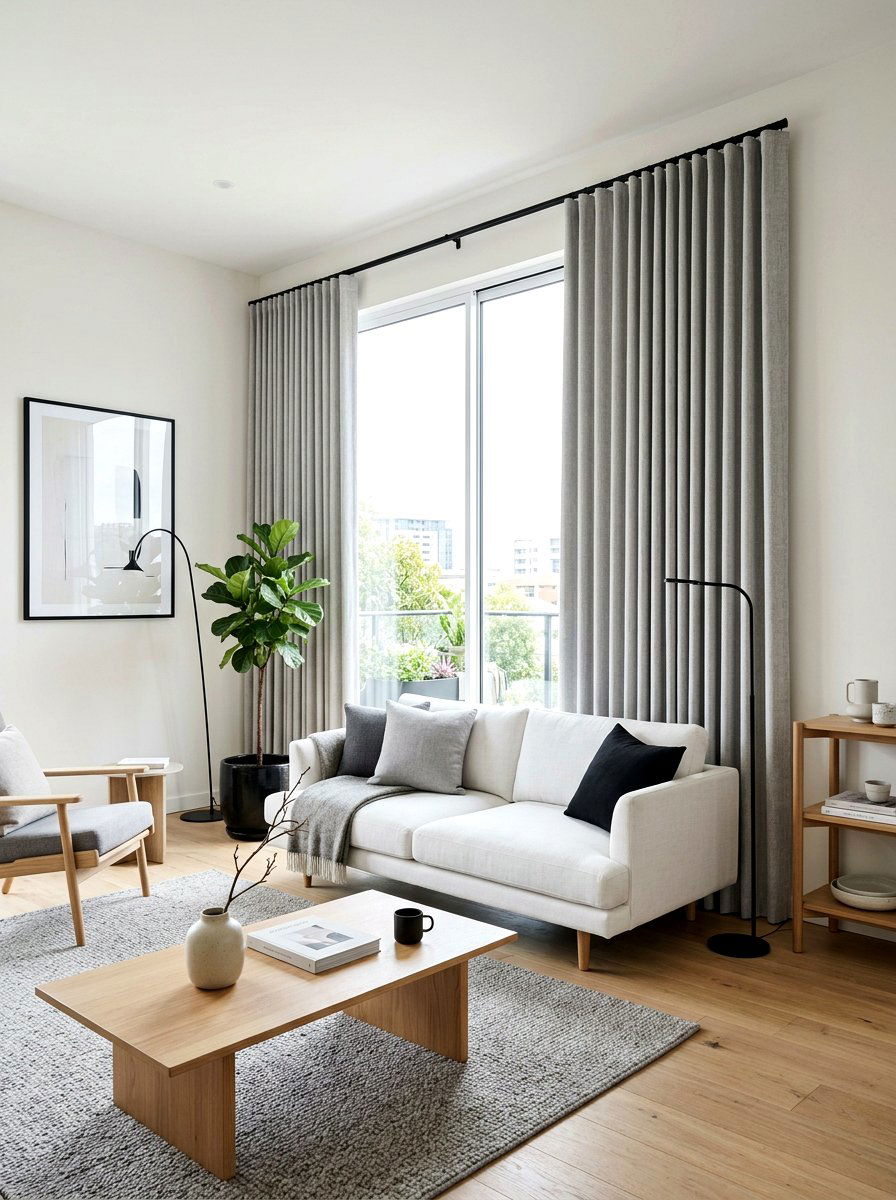
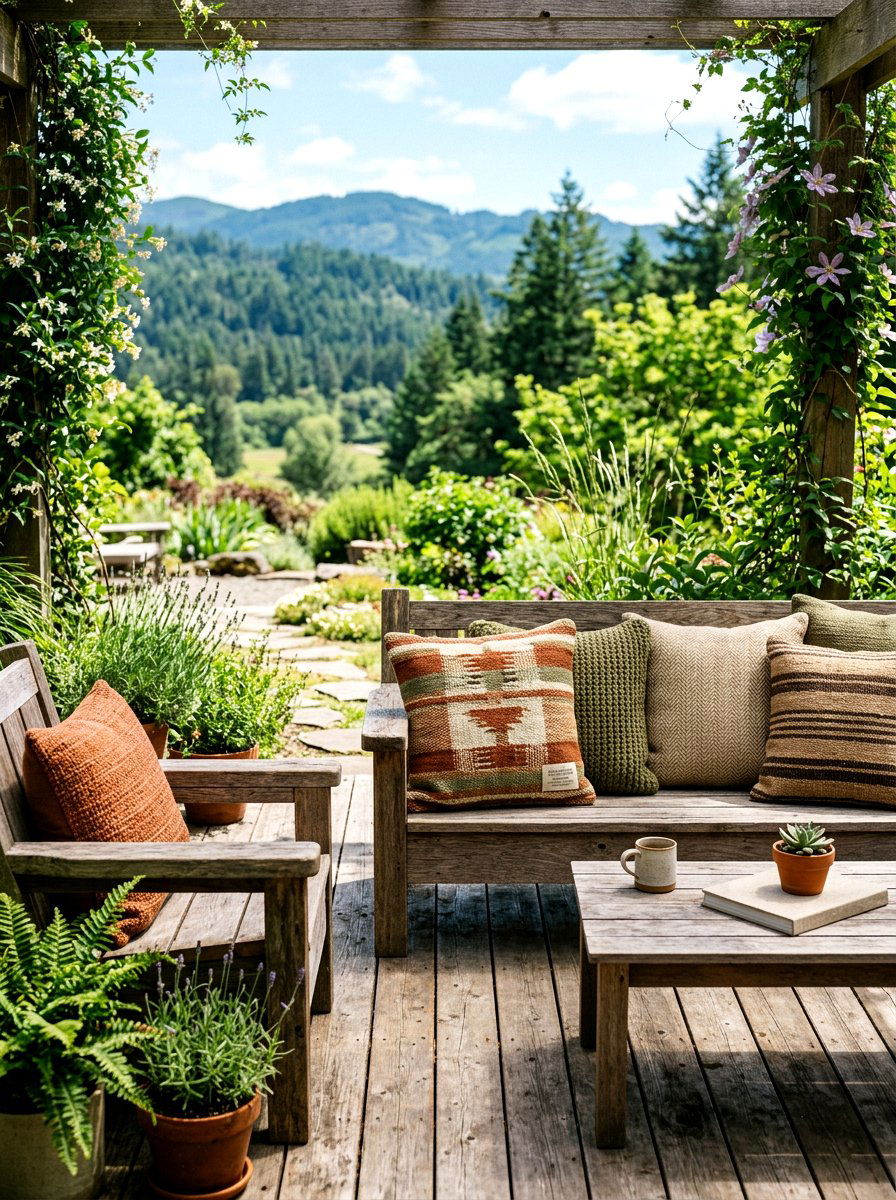
Neutral pleated drapery is a versatile and timeless choice that allows other design elements in a room to take center stage while providing a polished backdrop. Shades of ivory, beige, taupe, and light gray work seamlessly in almost any interior style, from Scandinavian to transitional. In a modern minimalist living room, a set of sand-colored pinch pleat drapes adds necessary texture and warmth without introducing distracting colors. The beauty of neutral drapes lies in their longevity; they remain stylish even as your furniture or wall colors change over time. High-quality tailoring ensures that these simple tones look expensive and well-considered in any setting.
21. Dark Pleated Drapery
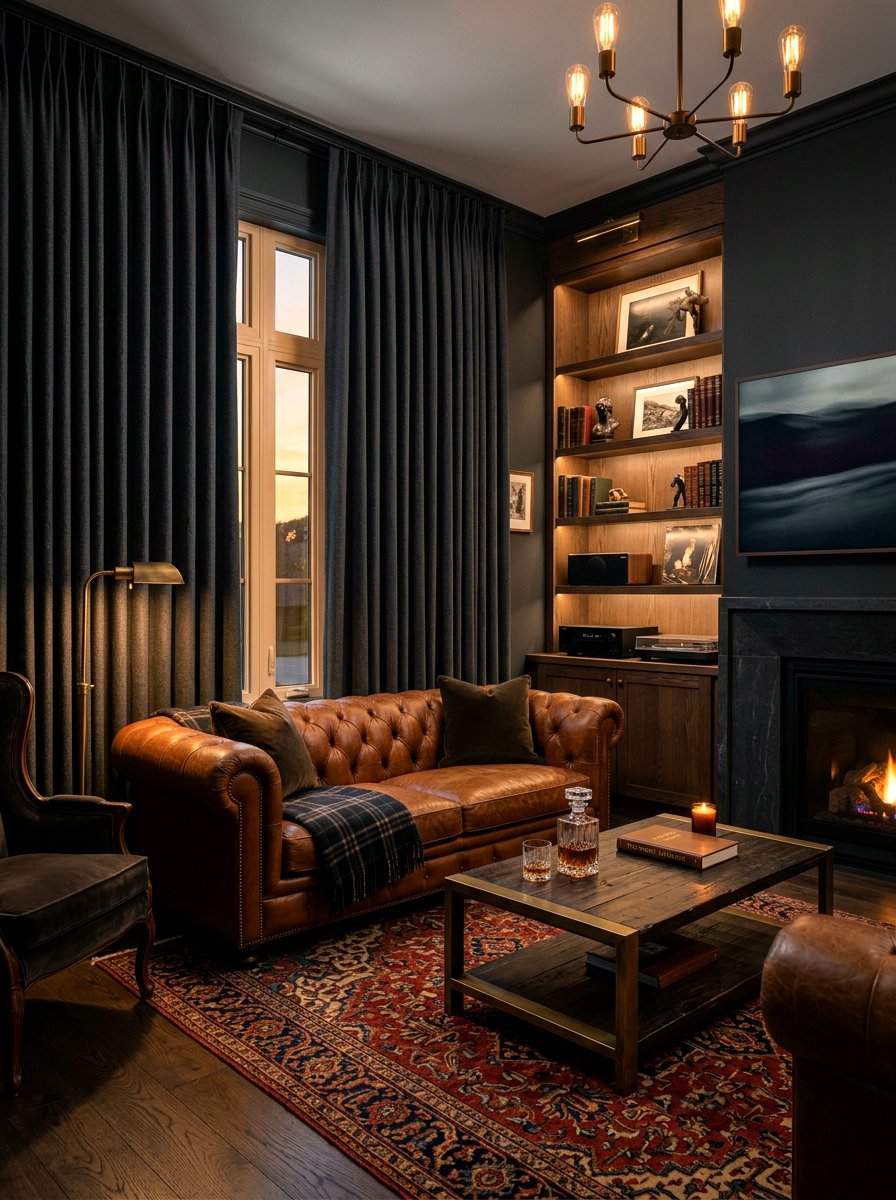
Dark pleated drapery is a bold choice that can instantly ground a room and add a sense of moody sophistication. Deep charcoal, navy, or forest green fabrics in a structured pleat style like the box pleat create a dramatic focal point that feels incredibly cozy and high-end. This design is perfect for a study or a bedroom where you want to create an intimate and sheltered atmosphere. The dark colors highlight the crisp edges of the pleats, making the tailoring stand out even more. When paired with lighter walls and metallic accents, dark pleated drapes provide a striking contrast that defines the entire room’s aesthetic.
22. Blackout Pleated Drapery
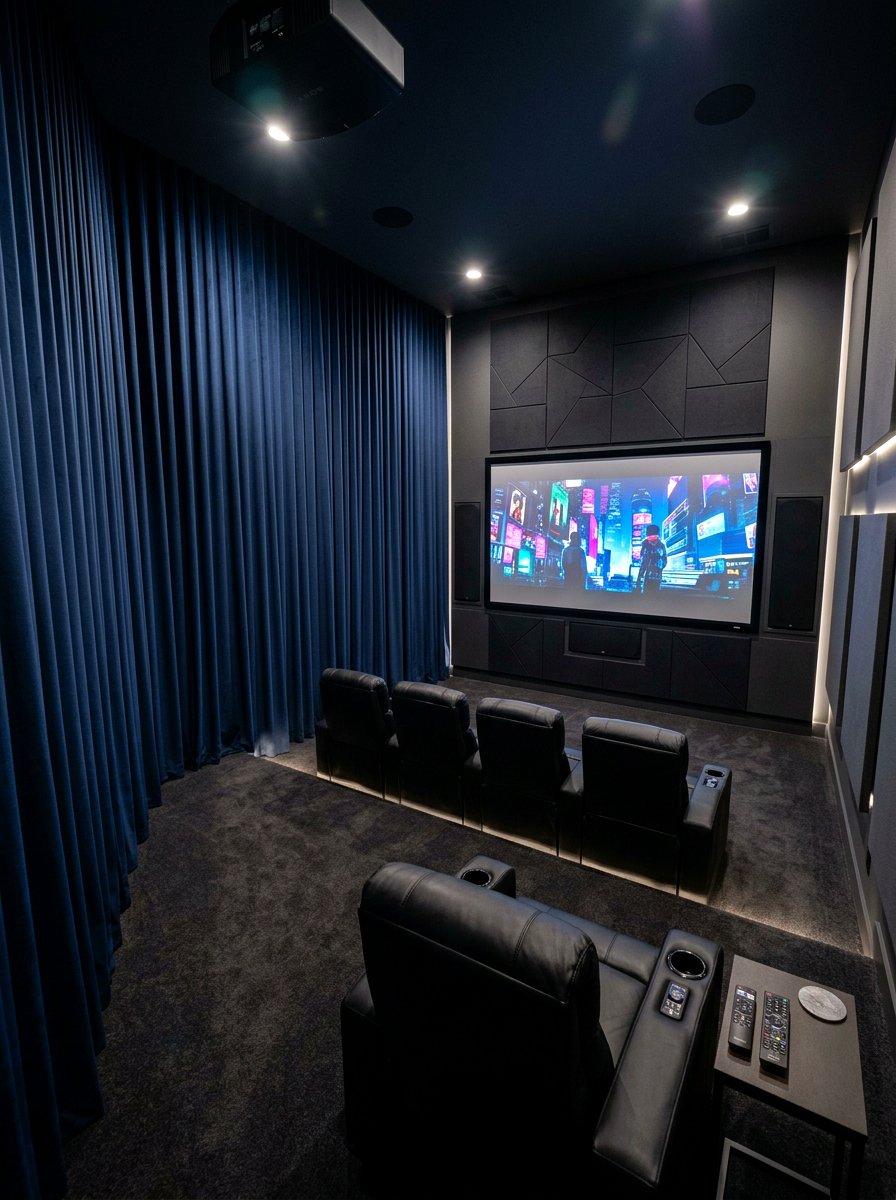
Blackout pleated drapery is the perfect marriage of functional performance and high-end style for bedrooms and home theaters. These curtains feature a specialized lining that blocks nearly all external light, ensuring a restful sleep or an optimal viewing environment. By choosing a pleated header like the triple pinch or Euro pleat, you ensure that the heavy blackout fabric hangs with grace and purpose rather than looking like a flat, utility sheet. This style provides excellent thermal insulation, keeping the room cool in summer and warm in winter. The structured folds also help dampen outside noise, creating a quiet and serene indoor sanctuary.
23. Cafe Pleated Drapery
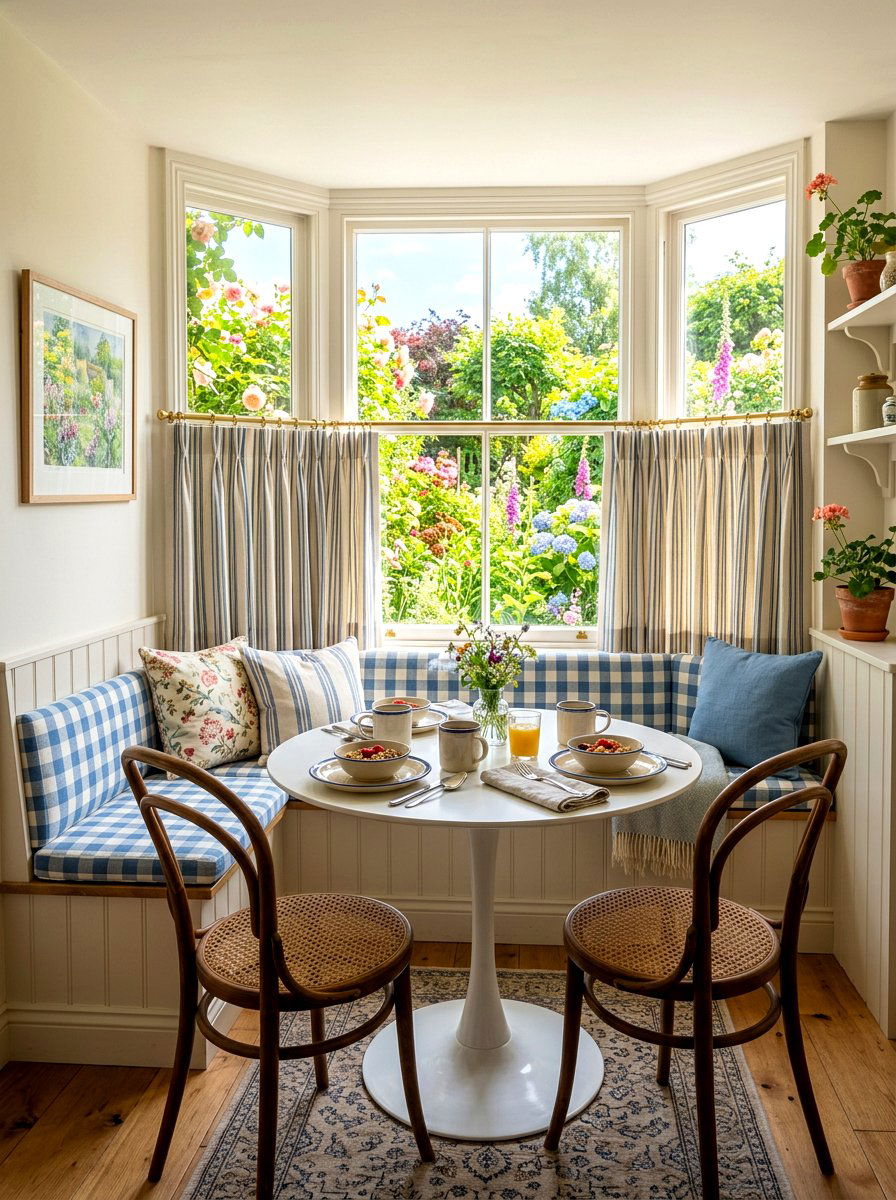
Cafe pleated drapery is a charming and practical solution for kitchens, bathrooms, and dining nooks where privacy is needed but natural light is still desired. Covering only the lower half of the window, these short panels are often finished with a small pinch pleat or a delicate pencil pleat to add a touch of custom flair. This style feels wonderfully nostalgic yet fits perfectly in modern farmhouse or cottagecore interiors. Using a crisp linen or a light cotton with a subtle stripe adds to the casual elegance of the space. The pleats ensure the small panels have enough fullness to look substantial and well-designed.
24. Patterned Pleated Drapery
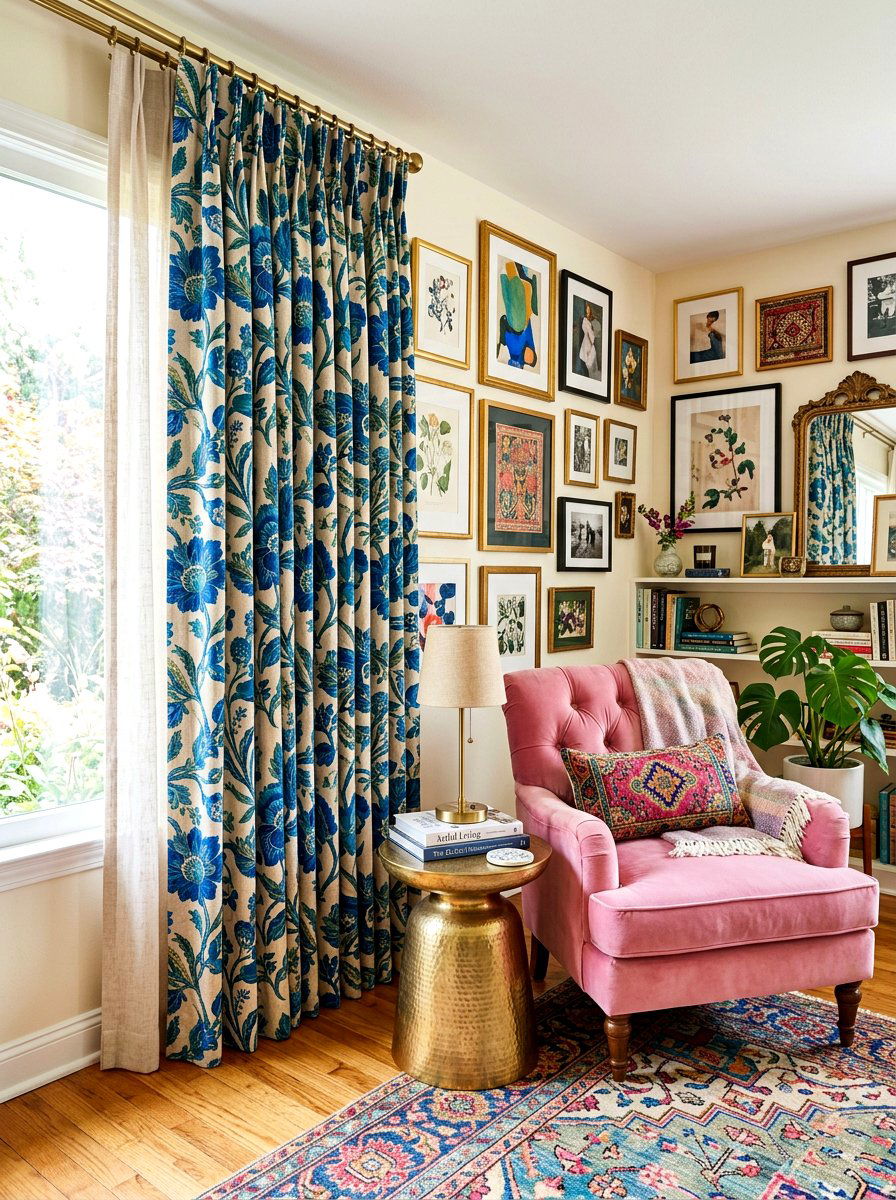
Patterned pleated drapery allows you to infuse personality and visual energy into a room while maintaining a sense of order through structured folds. When working with patterns like florals, damasks, or geometric prints, it is essential to "pleat to pattern, " meaning the pleats are strategically placed to highlight the most beautiful parts of the design. This level of detail makes the window treatments feel truly bespoke and luxurious. In a vibrant eclectic living room or a traditional bedroom, patterned drapes act as the primary decorative feature, tying together various colors from the rug, upholstery, and wall art for a cohesive and curated look.
25. Minimalist Pleated Drapery
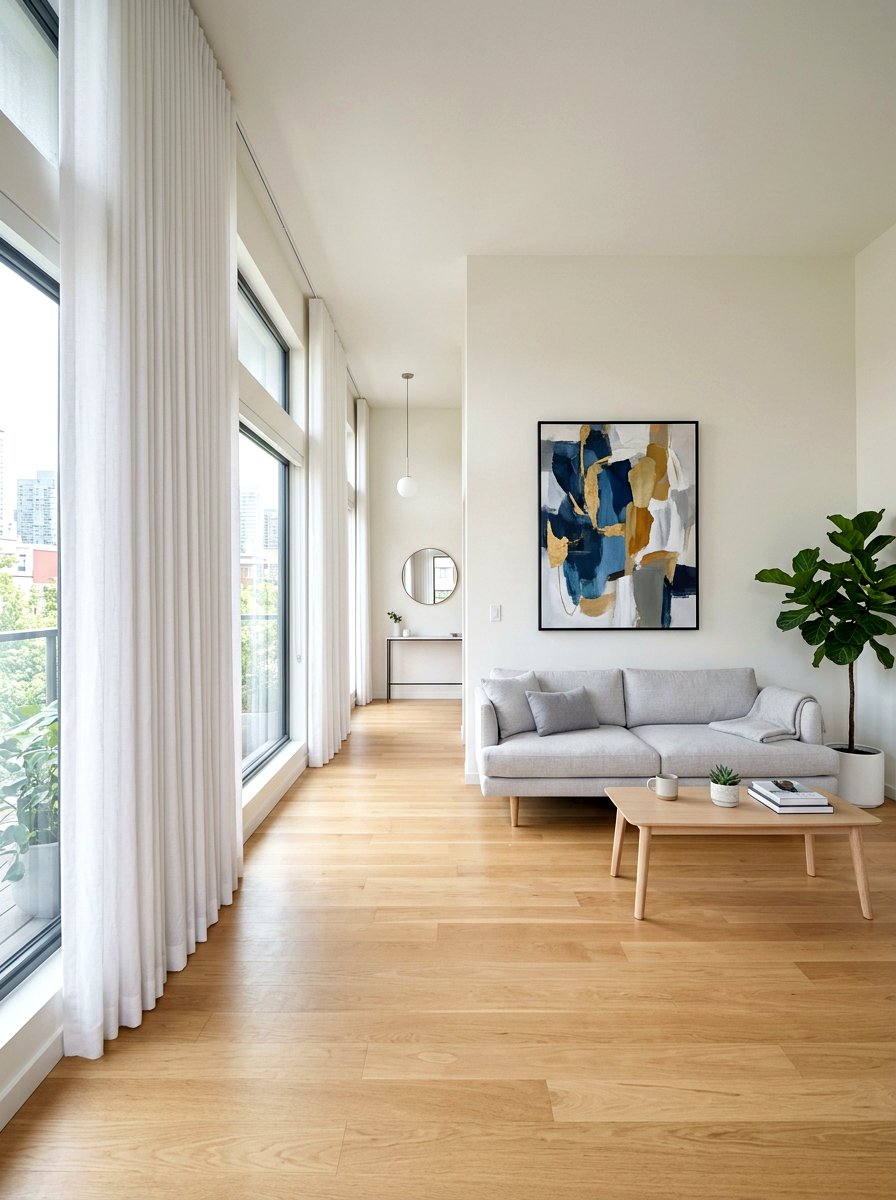
Minimalist pleated drapery focuses on clean lines, high-quality materials, and a complete lack of unnecessary ornamentation. The inverted box pleat is often the preferred choice for this style because it provides a perfectly flat and architectural front that blends into the wall. In a modern, clutter-free home, these drapes in a monochromatic tone like soft white or cool slate gray provide a subtle layer of texture without breaking the room’s visual flow. The emphasis is on the precision of the tailoring and the way the fabric moves, creating a serene and sophisticated environment that feels both functional and incredibly peaceful to live in.
26. Traditional Pleated Drapery
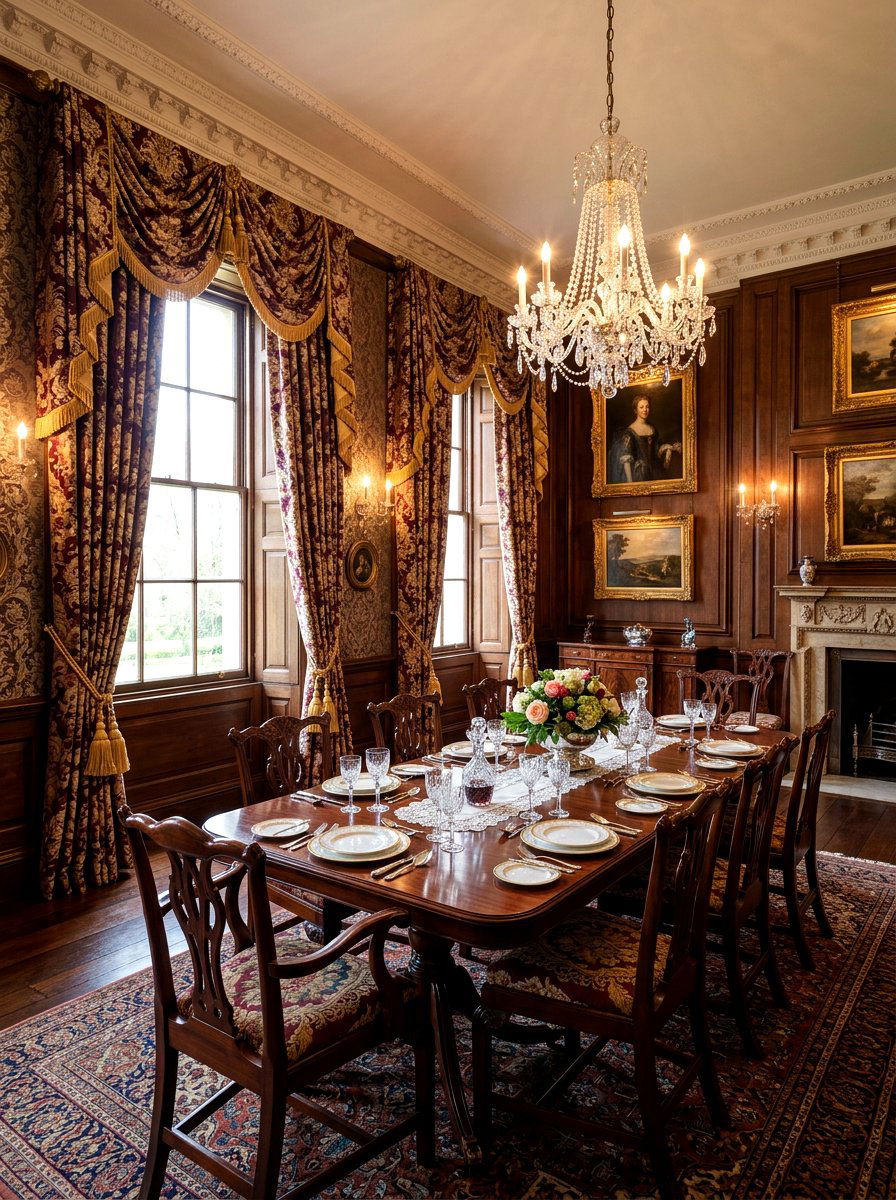
Traditional pleated drapery embraces the heritage of classic interior design, favoring time-honored styles like the French pleat or the goblet pleat. These window treatments are often accompanied by additional details such as decorative tiebacks, fringe, or matching valances to create a layered and formal look. In a historic home or a classic suburban dining room, these drapes add a sense of permanence and gravitas. Heavy, durable fabrics with a slight sheen are the hallmark of this style, providing a regal frame for the windows. The structured pleats ensure that the large volume of fabric is always displayed with elegance and refined order.
27. Boho Pleated Drapery
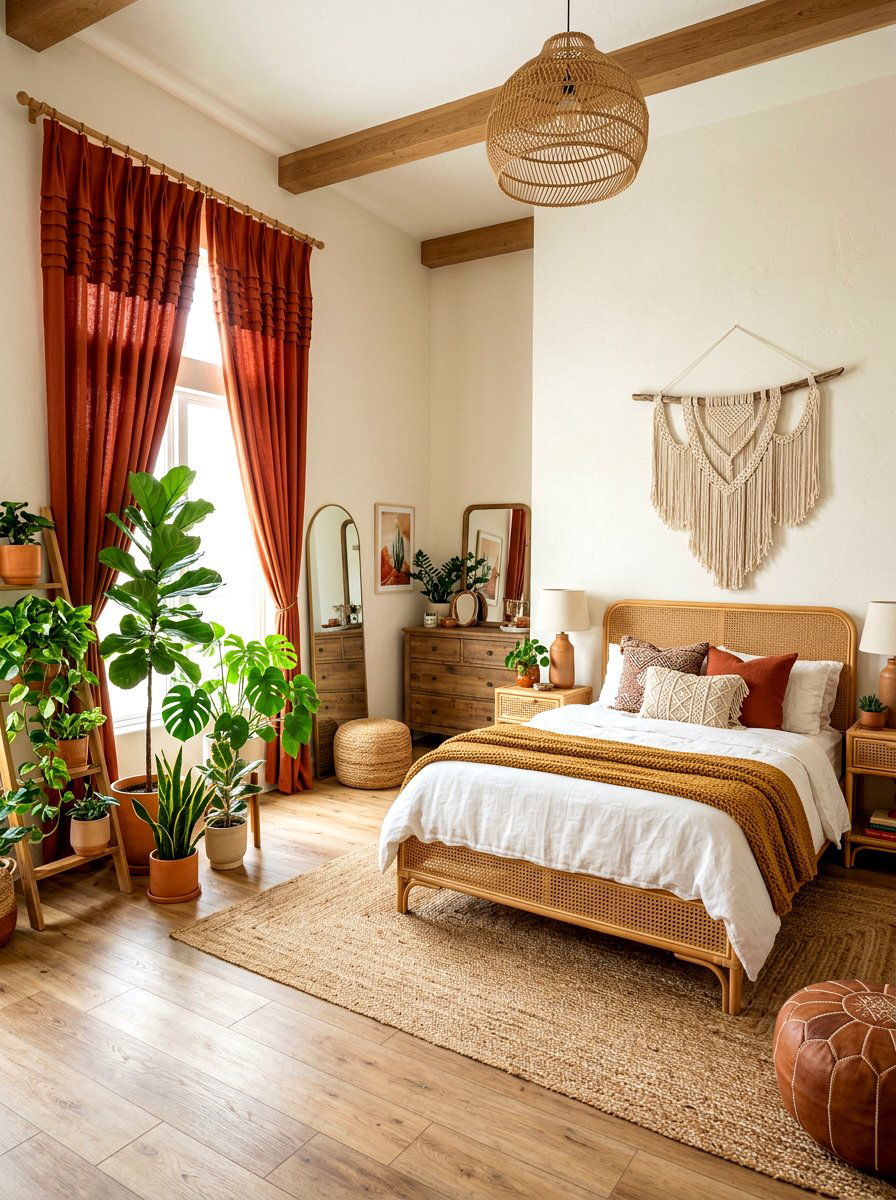
Boho pleated drapery brings a sense of eclectic charm and global inspiration to a room through the use of natural fibers and relaxed tailoring. While bohemian style is often associated with more casual hangings, adding a simple pleat like a soft gather or a loose pencil pleat gives the space a more intentional and "grown-up" feel. Fabrics like raw silk, slubbed cotton, or even pleated velvet in earthy tones like terracotta or mustard yellow work beautifully. The key is to keep the look effortless by using simple wooden rods or black rings, allowing the rich textures and organic colors of the drapes to shine.
28. Farmhouse Pleated Drapery
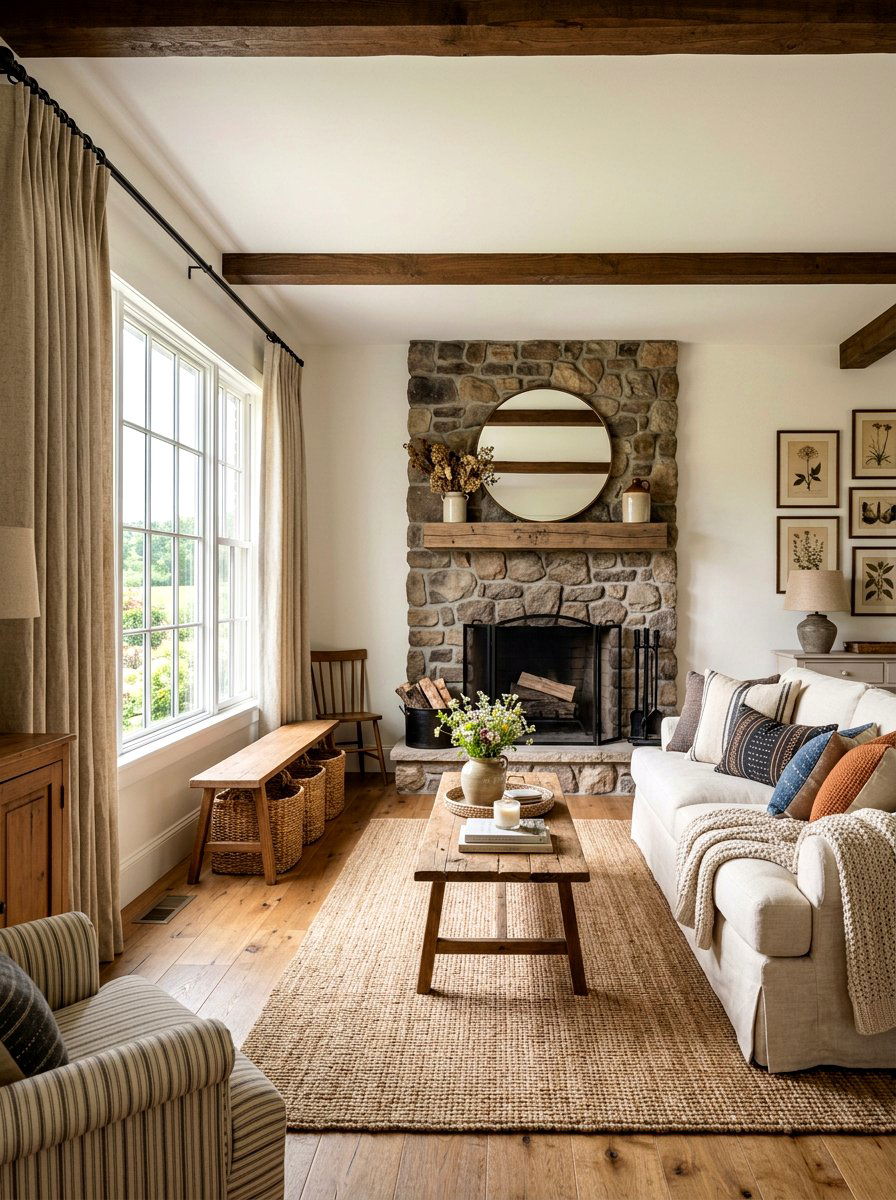
Farmhouse pleated drapery is all about creating a warm, inviting, and practical environment that feels rooted in comfort. This style often features linen or cotton fabrics in neutral tones or classic patterns like windowpane check and ticking stripes. A simple pinch pleat or a rod pocket with a pleated header provides just enough structure to keep the room looking tidy without feeling overly formal. In a cozy farmhouse living room with reclaimed wood accents and slipcovered furniture, these drapes add a soft, vertical element that balances the rustic textures. The result is a space that feels lived-in, authentic, and perfectly tailored for family life.
29. Luxury Pleated Drapery
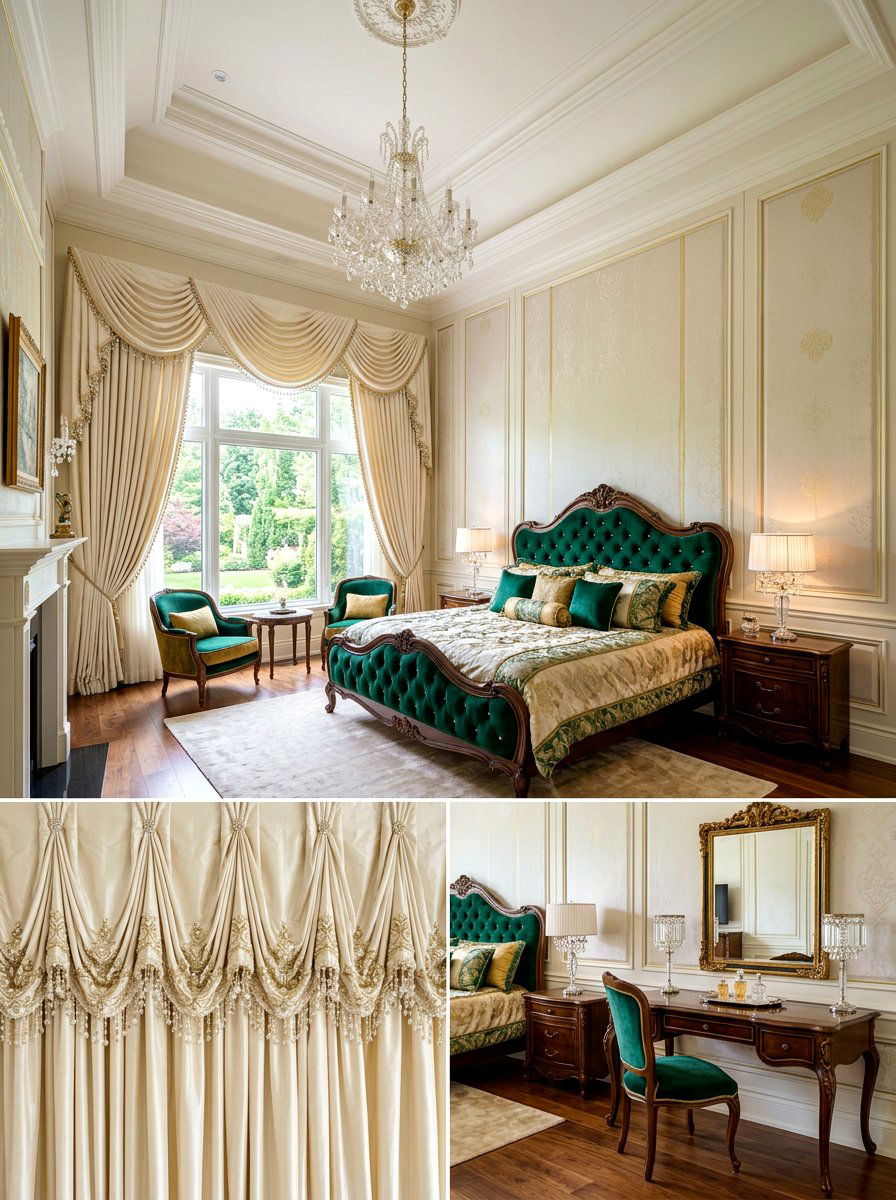
Luxury pleated drapery is defined by exceptional craftsmanship, premium materials, and custom details that set it apart from off-the-shelf options. This often involves the use of high-end designer fabrics, hand-stitched pleats, and weighted hems that ensure the drapes hang with a perfect, statuesque fall. Details like crystal-studded headers or delicate ruffles along the leading edge add a unique and personalized touch to the space. In a high-end master suite or a grand entertaining room, these curtains serve as a testament to quality design. Every fold is precisely measured and executed to create a window treatment that is as much a piece of art as the furniture.
30. Motorized Pleated Drapery
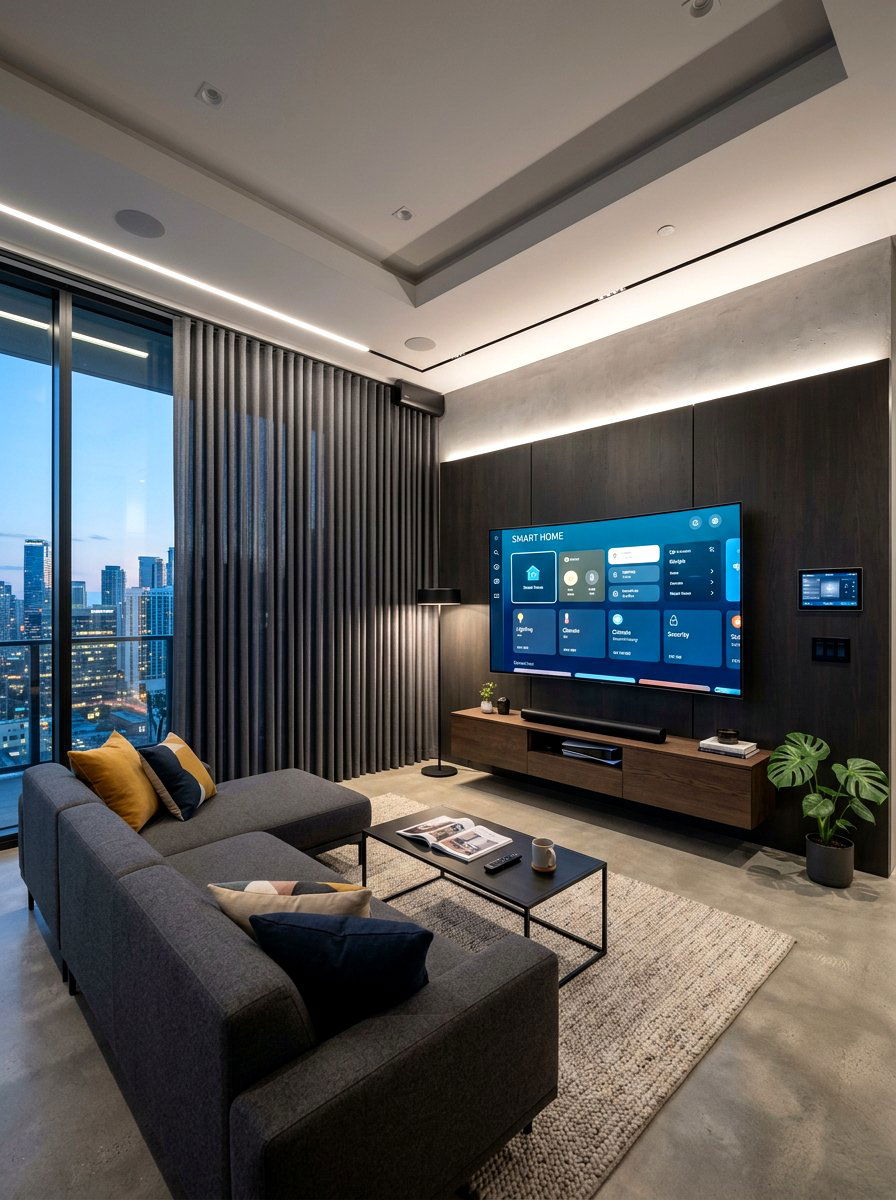
Motorized pleated drapery represents the intersection of timeless style and modern convenience, making it a must-have for the contemporary smart home. By integrating an automated track system, you can open and close your heavy pleated drapes with the touch of a button or a simple voice command. This is particularly useful for floor-to-ceiling installations or hard-to-reach windows in a grand living room. The motorized system ensures that the pleats are never tugged or misaligned by hand, preserving the integrity of the folds for years to come. This technology adds a layer of effortless luxury that enhances the functionality of your beautiful window treatments.
Conclusion:
Investing in pleated drapery is a design decision that pays dividends in both style and functionality, providing a tailored look that transcends fleeting trends. From the architectural precision of box pleats to the romantic flair of butterfly pleats, there is a style suited for every personality and every room in your home. By choosing the right fabric, color, and pleat type, you can dramatically alter the mood and perceived size of your living space. These window treatments do more than just block light; they serve as a finishing touch that brings harmony, texture, and a sense of completeness to your interior design.

Related posts: