Stepping into a retro kitchen feels like taking a delightful journey back to a time when home design celebrated personality, warmth, and vibrant color. Whether you are drawn to the sleek, functional lines of the mid-century modern era or the playful, candy-coated charm of a 1950s diner, retro styles offer a unique way to make your cooking space feel truly alive. These designs prioritize character over cold minimalism, blending nostalgic textures with high-quality craftsmanship that stands the test of time. By incorporating vintage-inspired elements, you can create a cozy, inviting atmosphere that balances historical soul with the convenience of modern technology in your beautiful home.
1. Mid Century Modern Kitchen
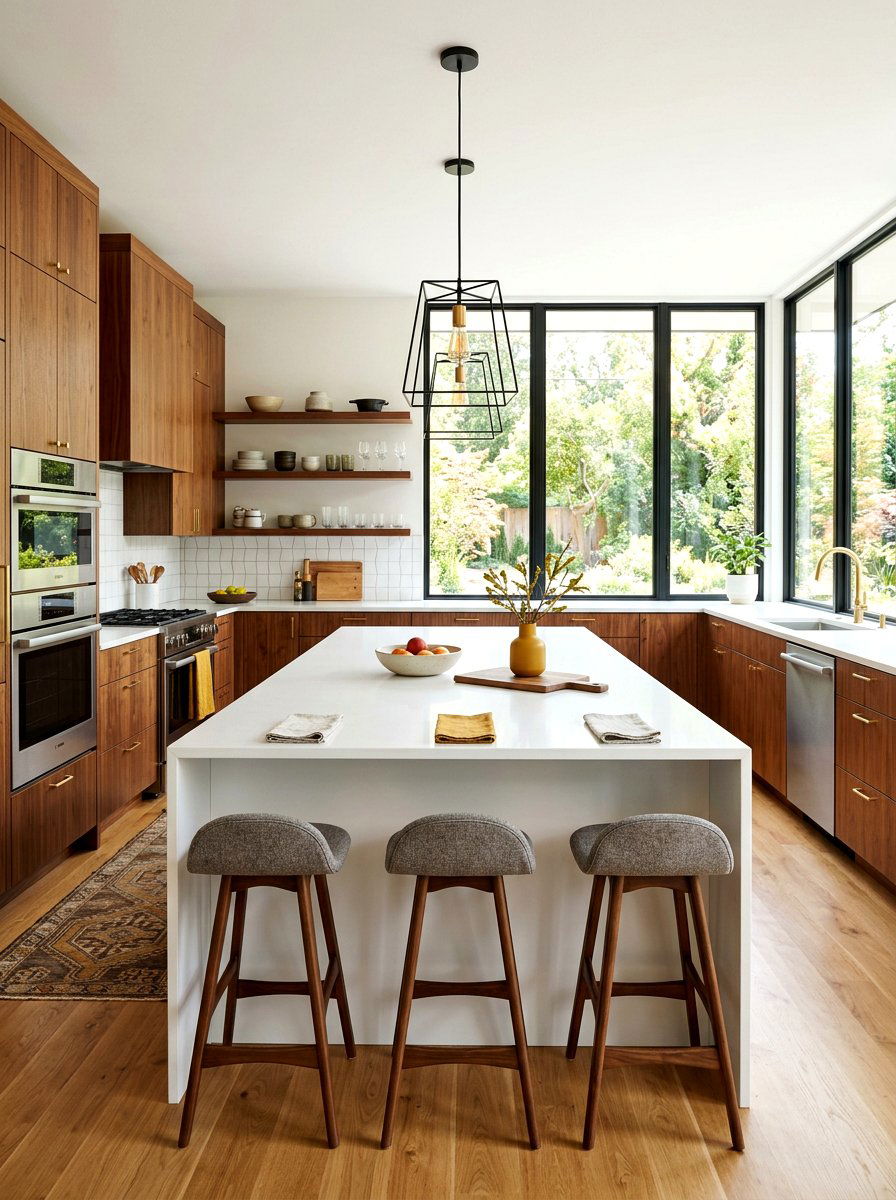
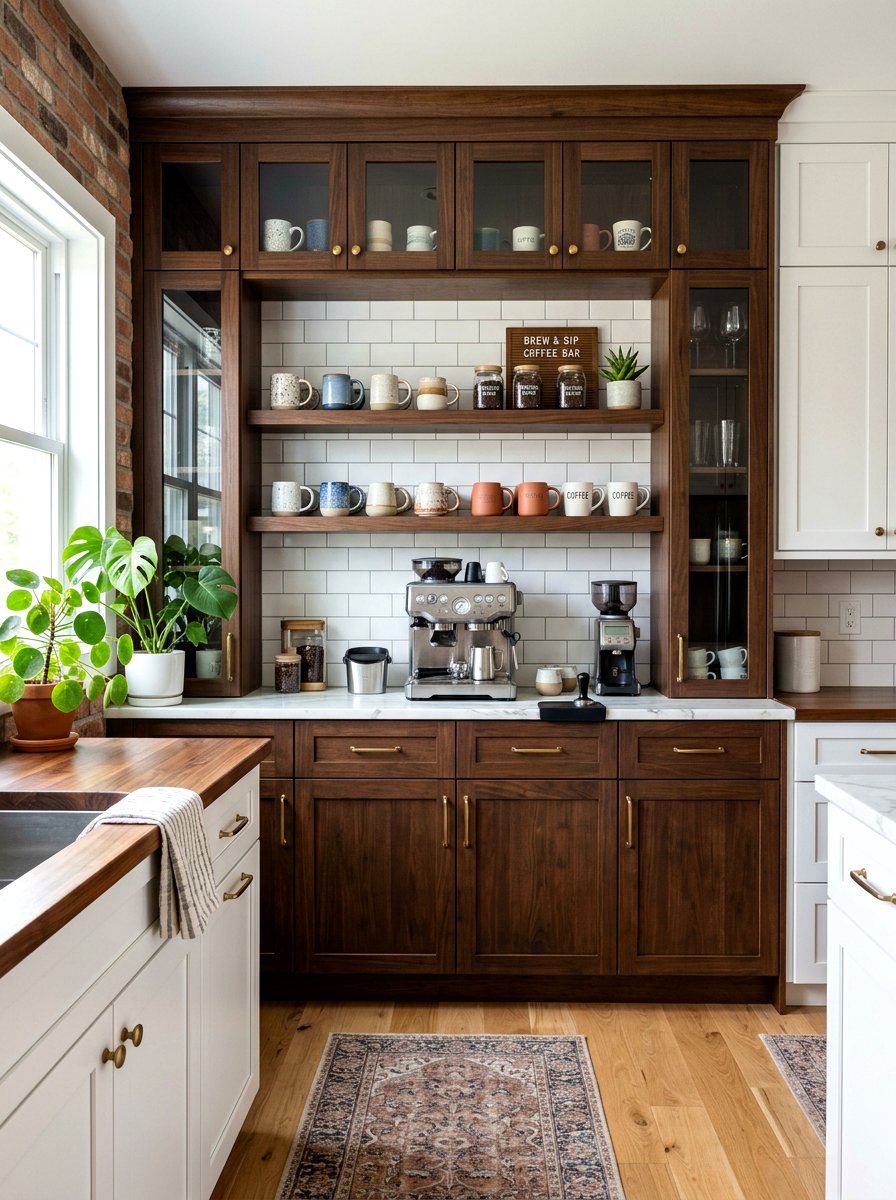
A mid-century modern kitchen focuses on the perfect harmony between natural materials and streamlined, functional design. This specific aesthetic often features warm walnut or teak cabinetry with a flat-panel finish to emphasize the beauty of the wood grain. You might notice tapered legs on kitchen islands or stools, which provide a light, airy feel to the entire room. Large windows usually play a key role, flooding the space with natural light that highlights the clean, geometric lines. This style avoids unnecessary clutter, preferring a few high-quality statement pieces. It creates a sophisticated yet deeply nostalgic environment that feels both high-end and incredibly welcoming for any family gathering.
2. Pastel Blue Kitchen Cabinets
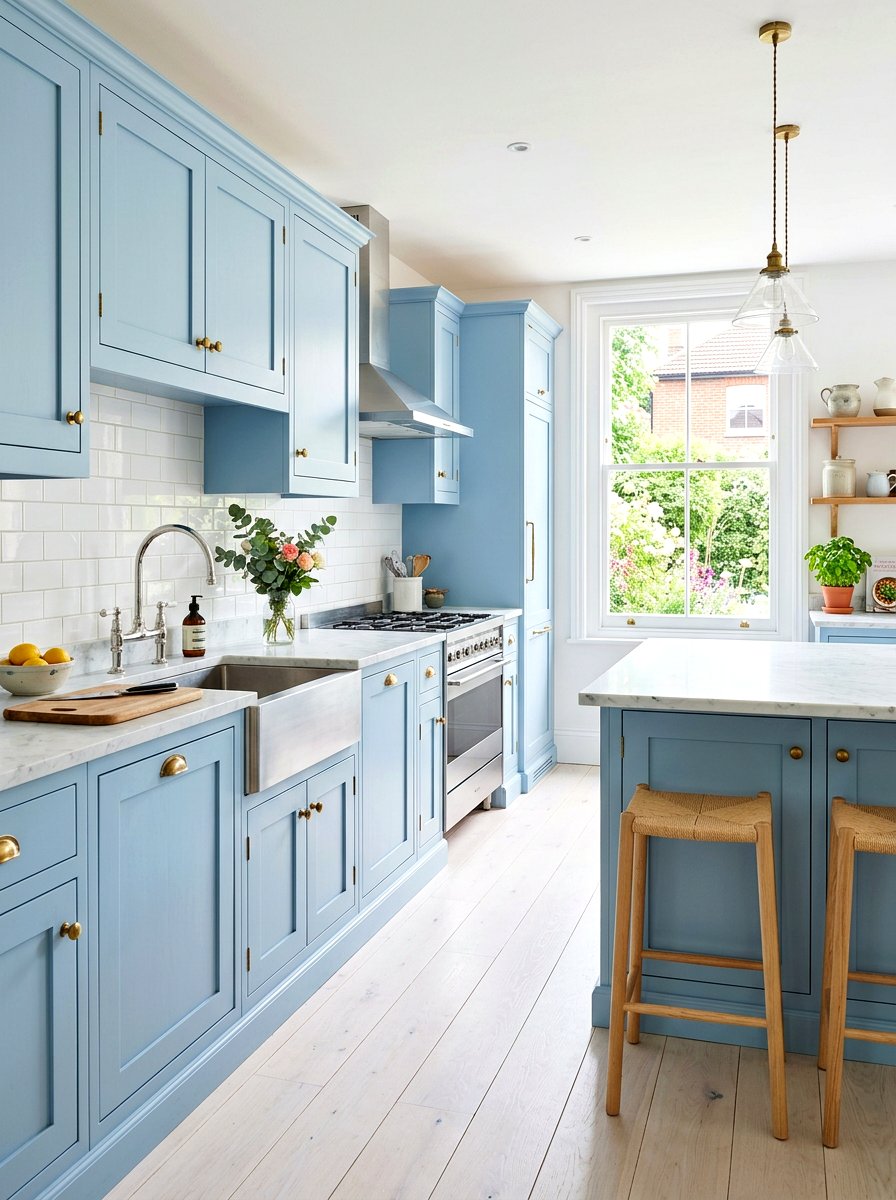
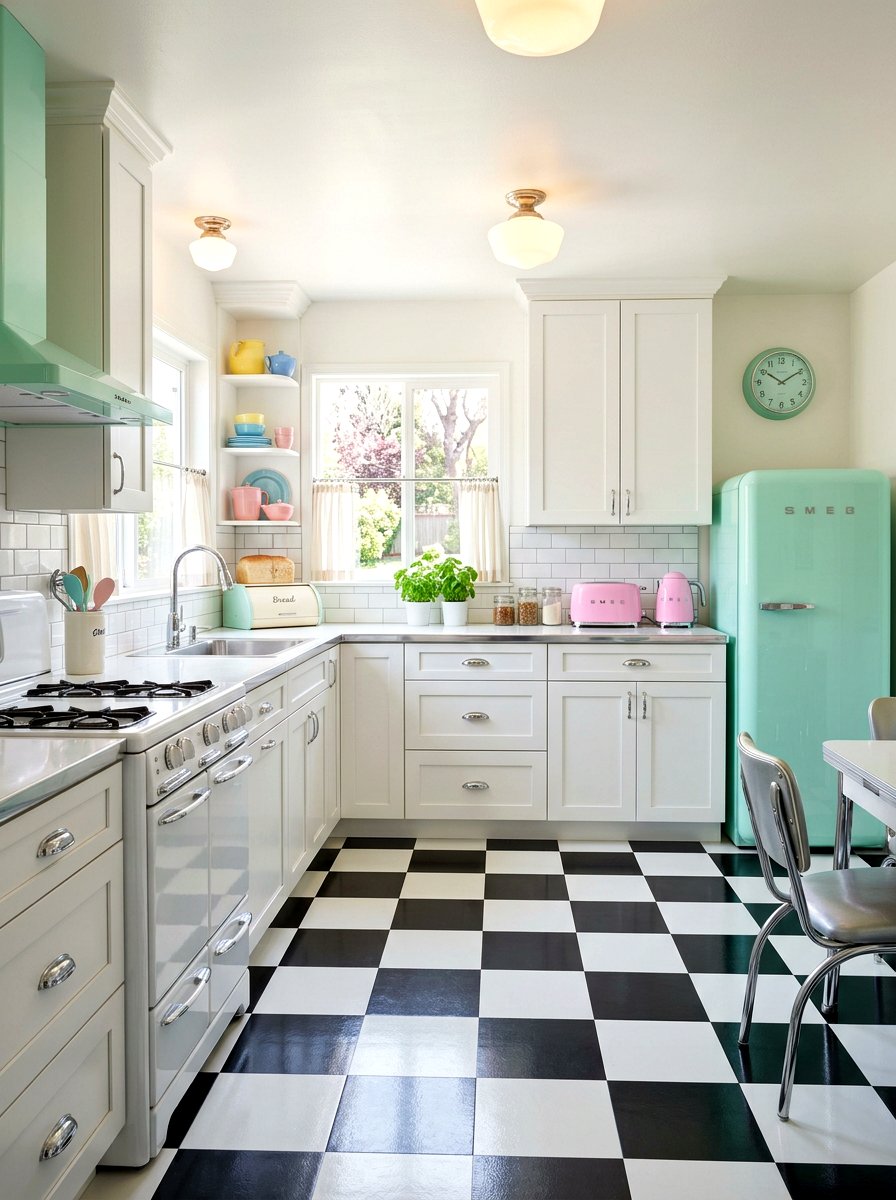
Embracing pastel blue kitchen cabinets is a wonderful way to capture the soft, airy essence of 1950s interior design. This gentle hue brings a sense of calm and cheerfulness to the heart of the home without overwhelming the visual senses. When paired with crisp white countertops and a matching subway tile backsplash, the blue truly pops as a refreshing focal point. Many homeowners choose to add chrome hardware to these cabinets to lean into that classic retro-diner aesthetic. The overall result is a kitchen that feels bright, clean, and filled with vintage sweetness. It is an ideal choice for creating a light-filled, joyful space for morning coffee.
3. Checkered Tile Floor
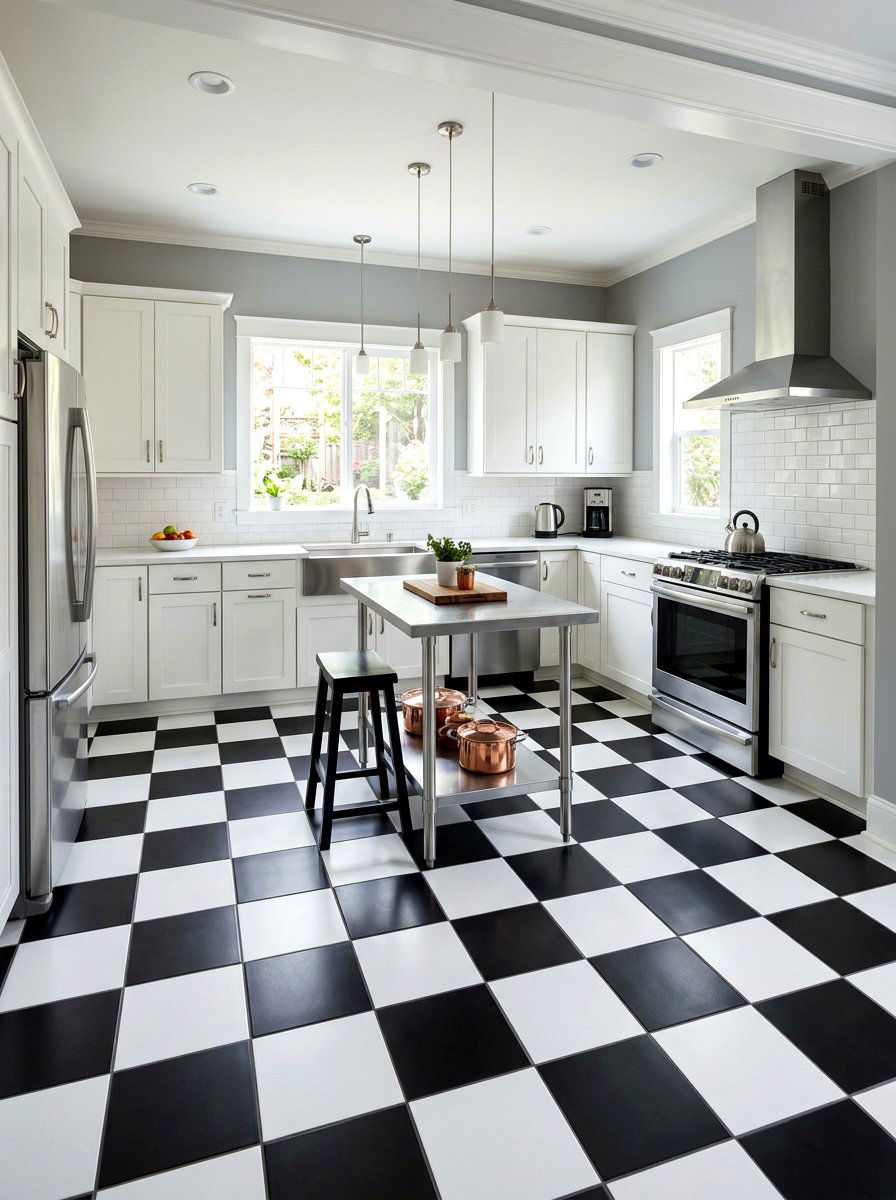
Installing a checkered tile floor is one of the most iconic ways to ground a retro kitchen in traditional 1950s style. While the classic black and white pattern remains a favorite for its bold contrast, modern interpretations often use softer tones like terracotta, cream, or even muted sage green. This graphic element adds an immediate sense of movement and energy to the space, making the floor a major design feature. It works exceptionally well in smaller kitchens, as the repeating pattern can actually make the room feel larger and more structured. This flooring choice pairs beautifully with solid-colored cabinets and chrome accents for a complete, polished look.
4. Vintage Style Refrigerator
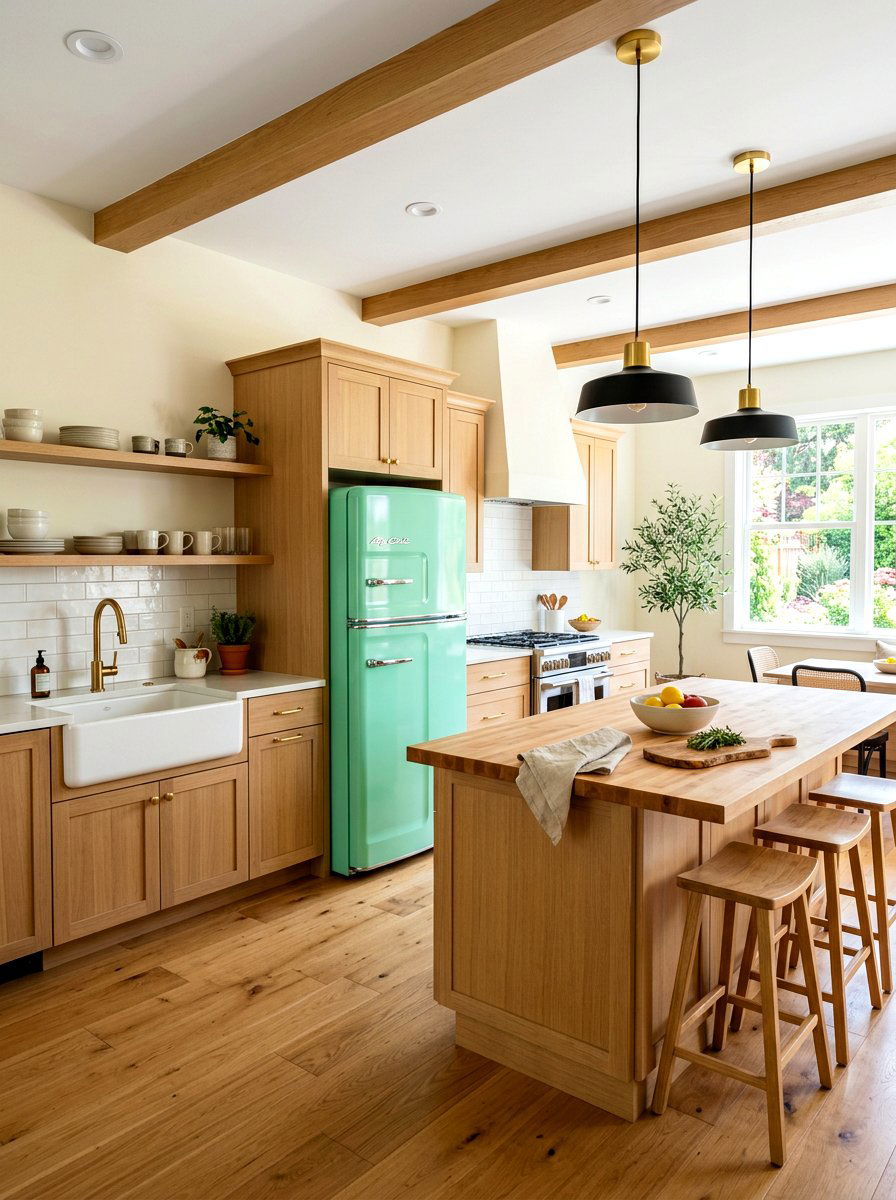
A vintage style refrigerator serves as the ultimate statement piece, instantly anchoring the entire kitchen in a specific historical era. These appliances, often featuring rounded edges and heavy chrome handles, come in a stunning array of colors ranging from mint green to buttercup yellow. While they look like they belong in a mid-century home, they are equipped with modern cooling technology and energy-efficient features. Placing one of these bold fridges against a neutral wall allows it to shine as a piece of functional art. It brings a playful, nostalgic energy to the room, proving that even large appliances can contribute to a creative and curated design theme.
5. Atomic Era Lighting
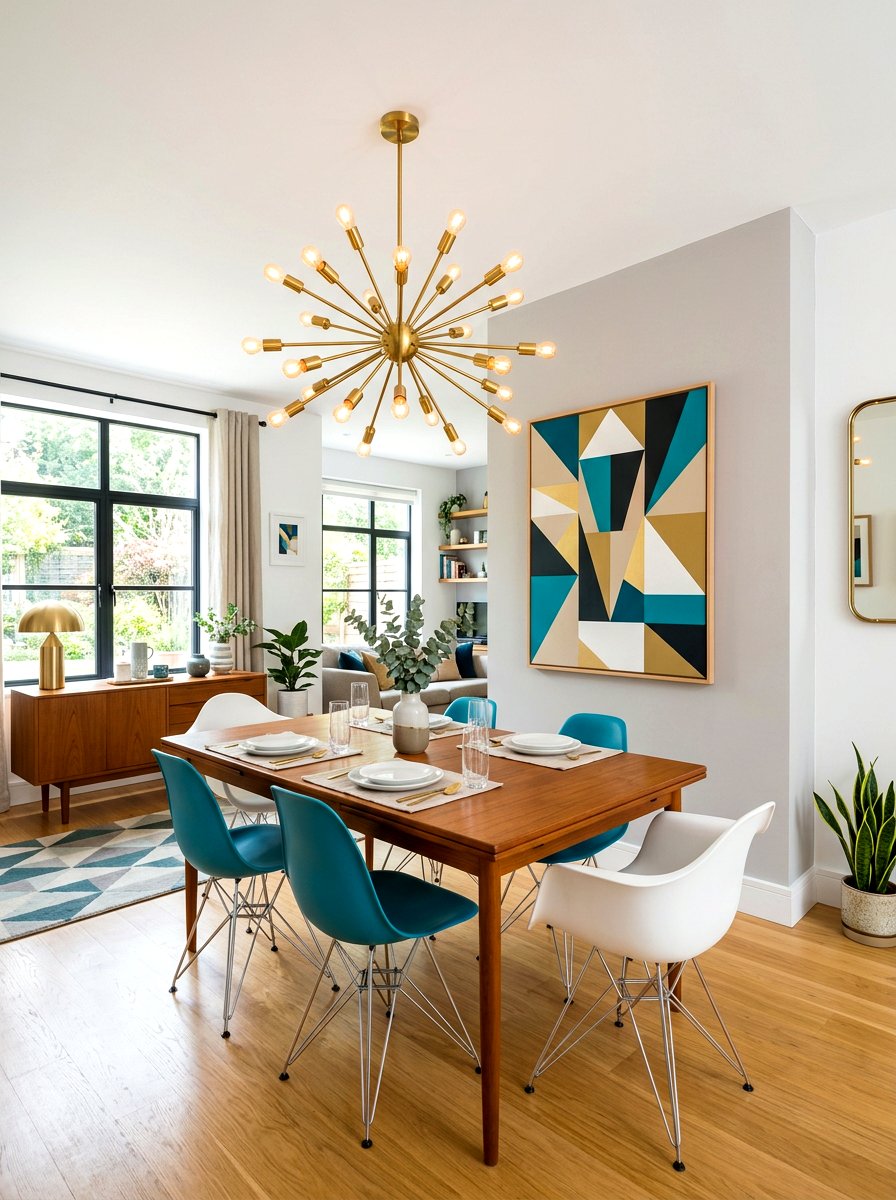
Atomic era lighting introduces a sense of futuristic optimism and bold geometry to any retro-inspired kitchen design. These fixtures often feature sputnik-style arms, globe-shaped bulbs, or starburst patterns that were incredibly popular during the space-age design movement. When hung over a kitchen island or a dining nook, an atomic chandelier becomes an instant conversation starter and a dramatic focal point. The use of brass or chrome finishes adds a touch of metallic shine that complements other vintage hardware throughout the space. This lighting style is perfect for homeowners who want to inject some high-energy, mid-century flair into their home without doing a full structural renovation.
6. Mint Green Backsplash
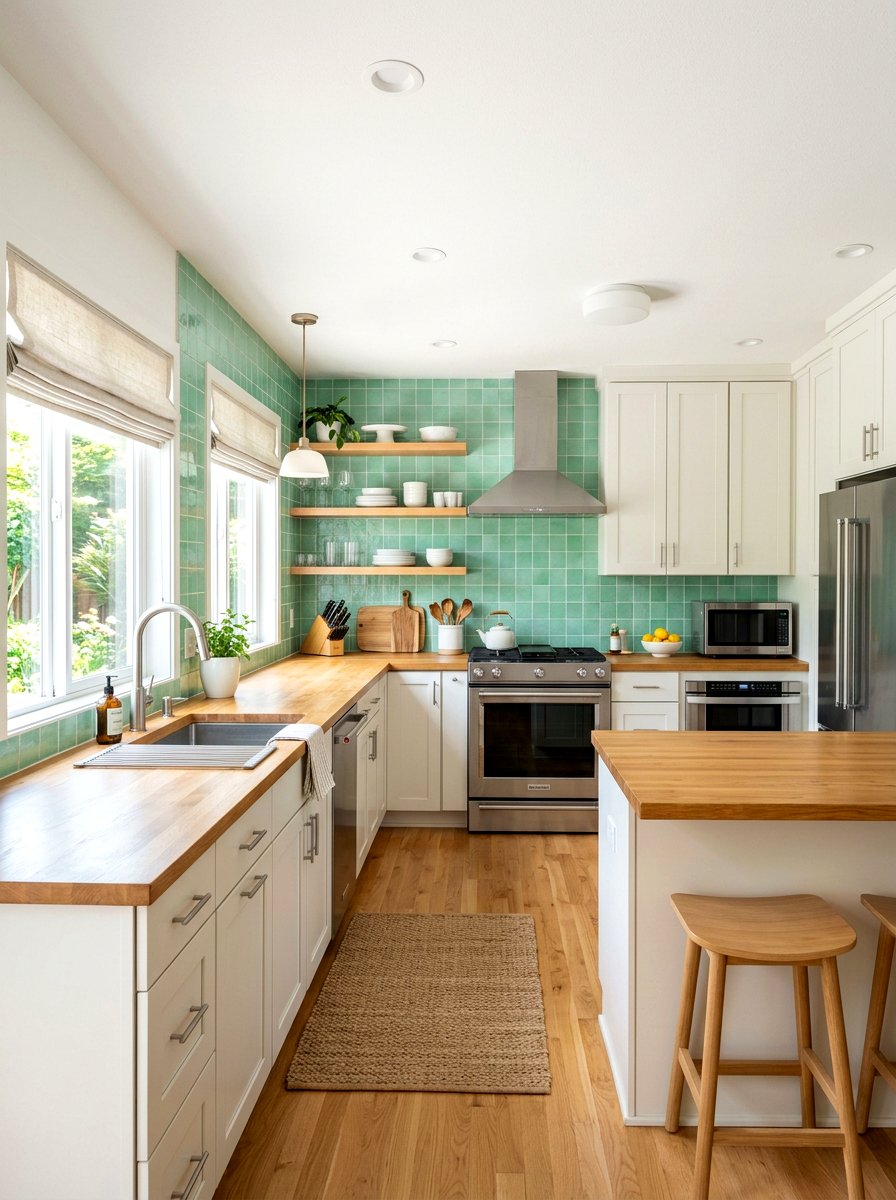
Choosing a mint green backsplash is a subtle yet effective way to introduce a refreshing retro color palette into your cooking area. This specific shade of green was a staple in 1940s and 50s homes, valued for its clean and soothing appearance. Whether you choose classic square ceramic tiles or a trendy herringbone pattern, the mint color provides a lovely backdrop for vintage glassware and wooden cutting boards. It pairs beautifully with white or light wood cabinetry, creating a soft and organic feel that is easy on the eyes. This design choice brings a touch of nature indoors while maintaining a very specific and charming vintage character.
7. Chrome Dinette Set
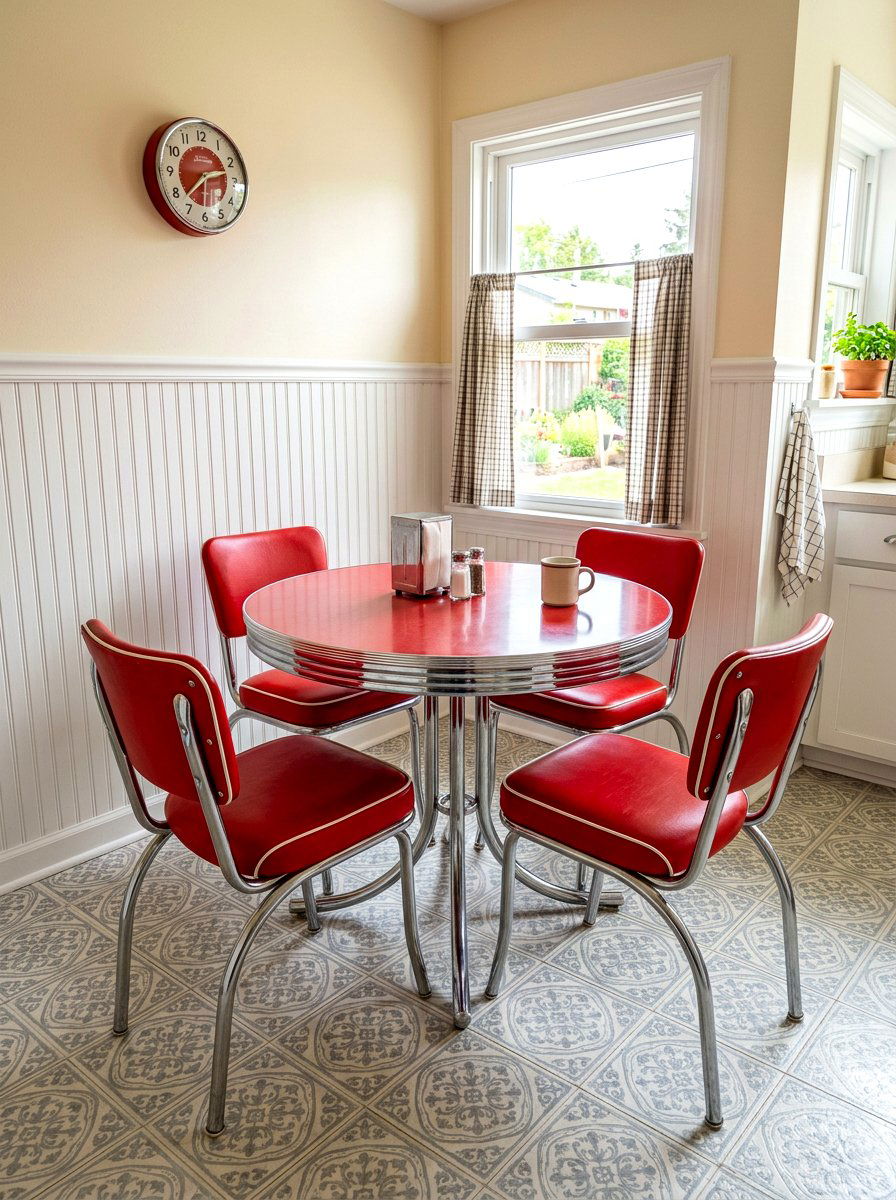
A chrome dinette set is the perfect addition for anyone looking to recreate the communal, social atmosphere of a classic American diner. These tables typically feature a high-shine metal rim and a durable laminate top, often in a cracked-ice pattern or a solid bright color. The matching chairs usually have vinyl upholstery in bold shades like red, turquoise, or yellow, often finished with white piping. Placing a set like this in a sunny corner of the kitchen creates a dedicated space for casual meals and lively conversation. It is a sturdy, practical, and highly nostalgic furniture choice that instantly elevates the playful retro vibe of the entire room.
8. Retro Floral Wallpaper
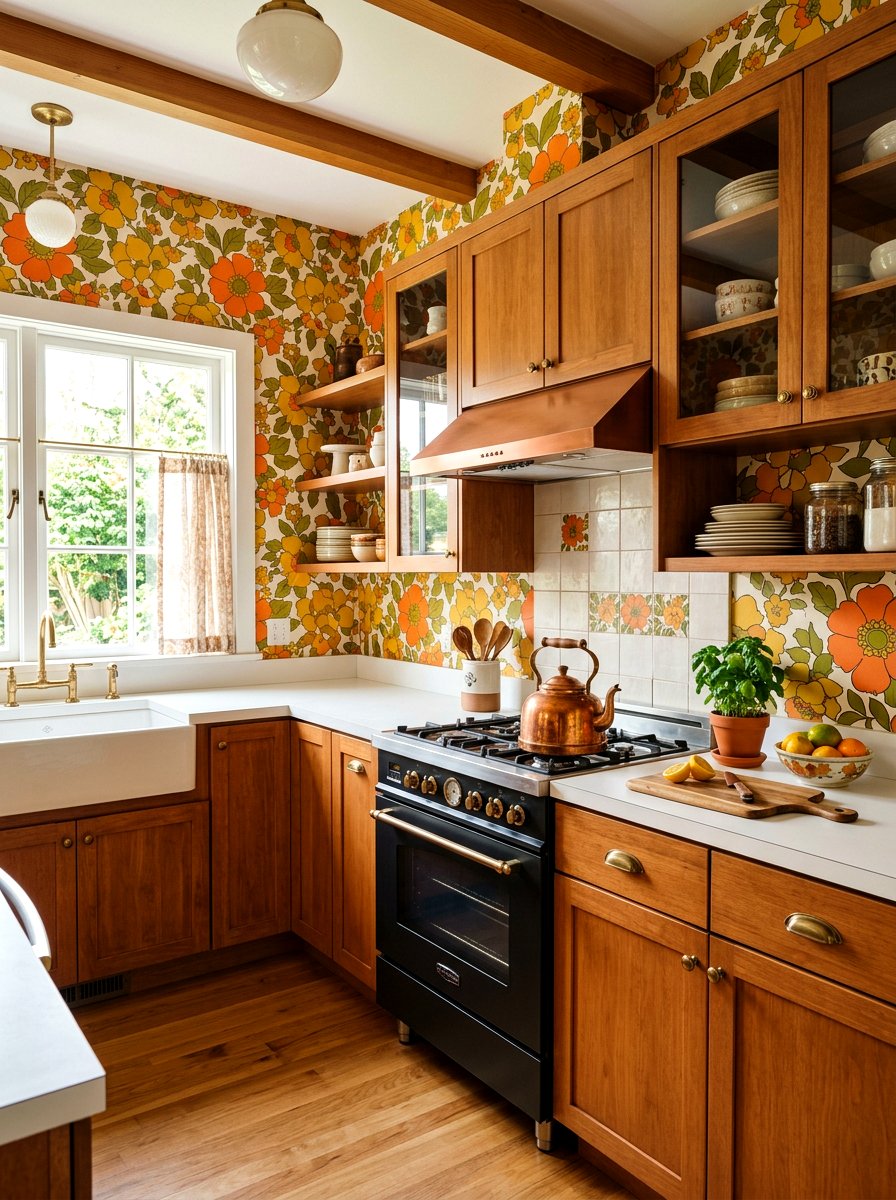
Retro floral wallpaper allows you to lean into the maximalist and cozy cottage vibes that were popular in kitchens throughout the 1960s and 70s. These patterns often feature large-scale blooms, earthy tones, and a slightly stylized, artistic aesthetic that adds incredible depth to the walls. When used as an accent wall or above a chair rail, the wallpaper introduces a layer of texture and visual interest that paint simply cannot match. It pairs wonderfully with natural wood elements and vintage copper cookware displayed on open shelves. This design idea creates a warm, "lived-in" feeling that makes the kitchen feel like the true, soulful heart of the home.
9. Shaker Style Wood Cabinets
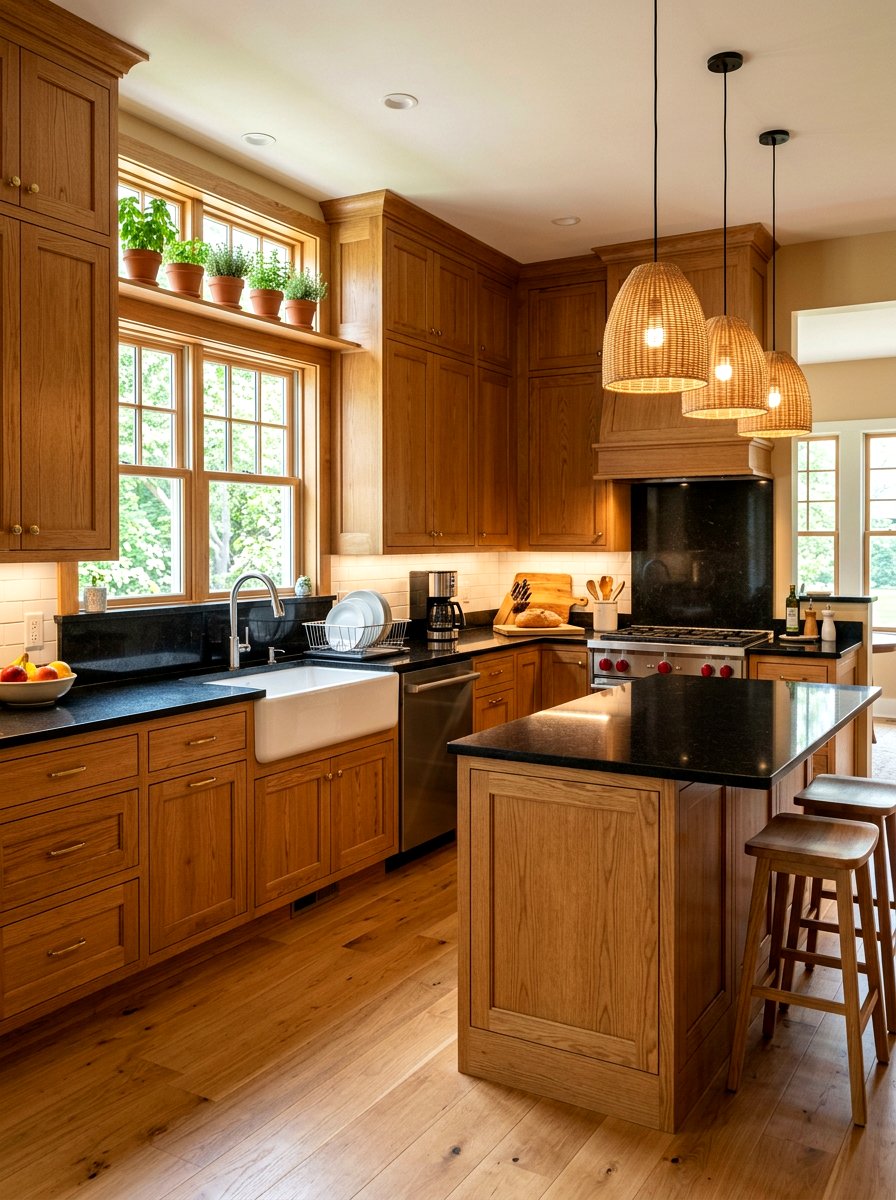
Shaker style wood cabinets offer a more understated and rustic approach to the retro kitchen theme, focusing on craftsmanship and durability. This design features recessed center panels and clean, straight lines that have remained popular for decades due to their timeless simplicity. To achieve a retro look, many designers choose warm wood stains like honey oak or medium cherry, which bring a sense of heritage to the space. When combined with vintage-inspired bin pulls or glass knobs, these cabinets feel like a direct link to the past. They provide a sturdy and reliable foundation for a kitchen that values both traditional beauty and modern organizational functionality.
10. Bold Orange Accent Wall
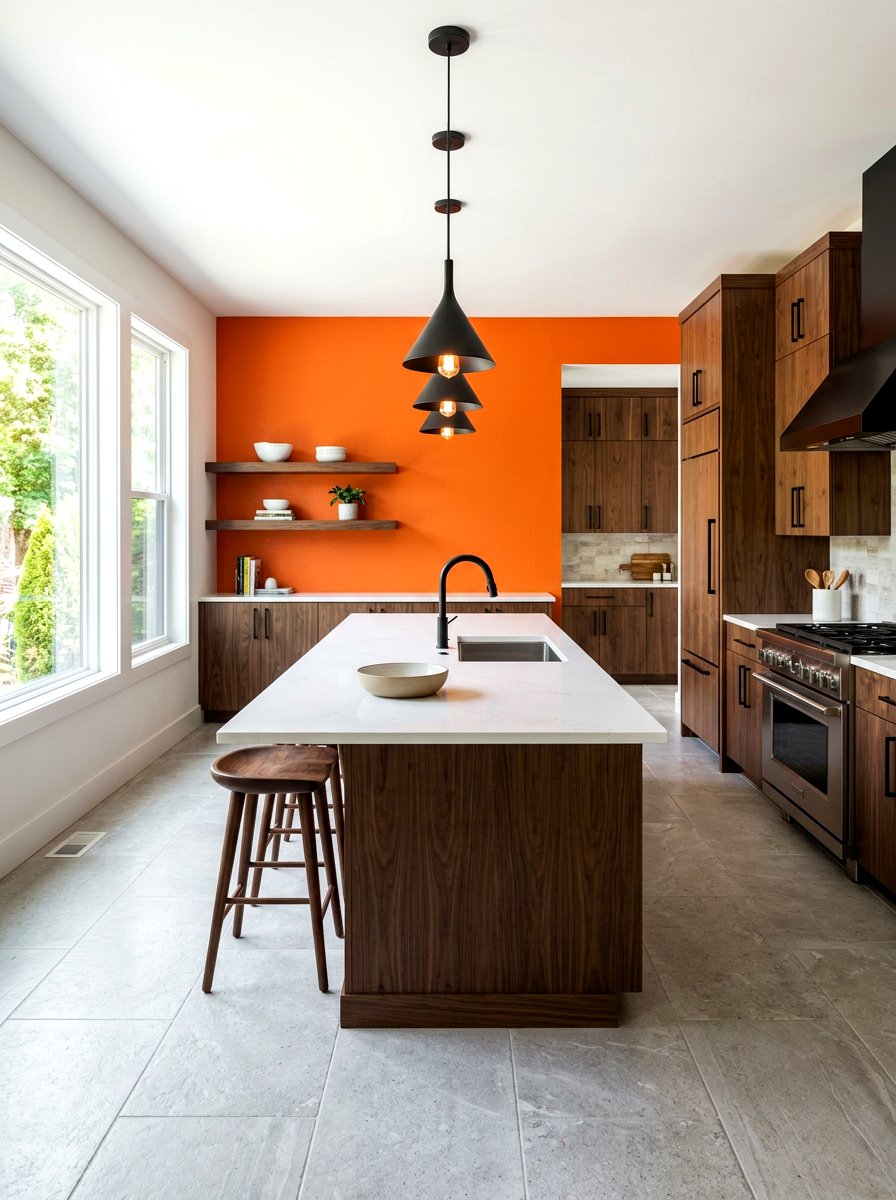
A bold orange accent wall is a fantastic way to embrace the groovy and energetic spirit of 1970s interior design. This warm, citrus-inspired hue instantly brightens the room and creates a sense of coziness and creativity. It works best when balanced with neutral elements like white subway tiles or dark wood flooring to prevent the color from feeling overwhelming. You can further enhance the 70s vibe by adding macramé plant hangers or ceramic canisters in complementary earthy tones. This design choice is perfect for homeowners who are not afraid of color and want their kitchen to feel like a fun and high-spirited social hub.
11. Diner Style Breakfast Nook
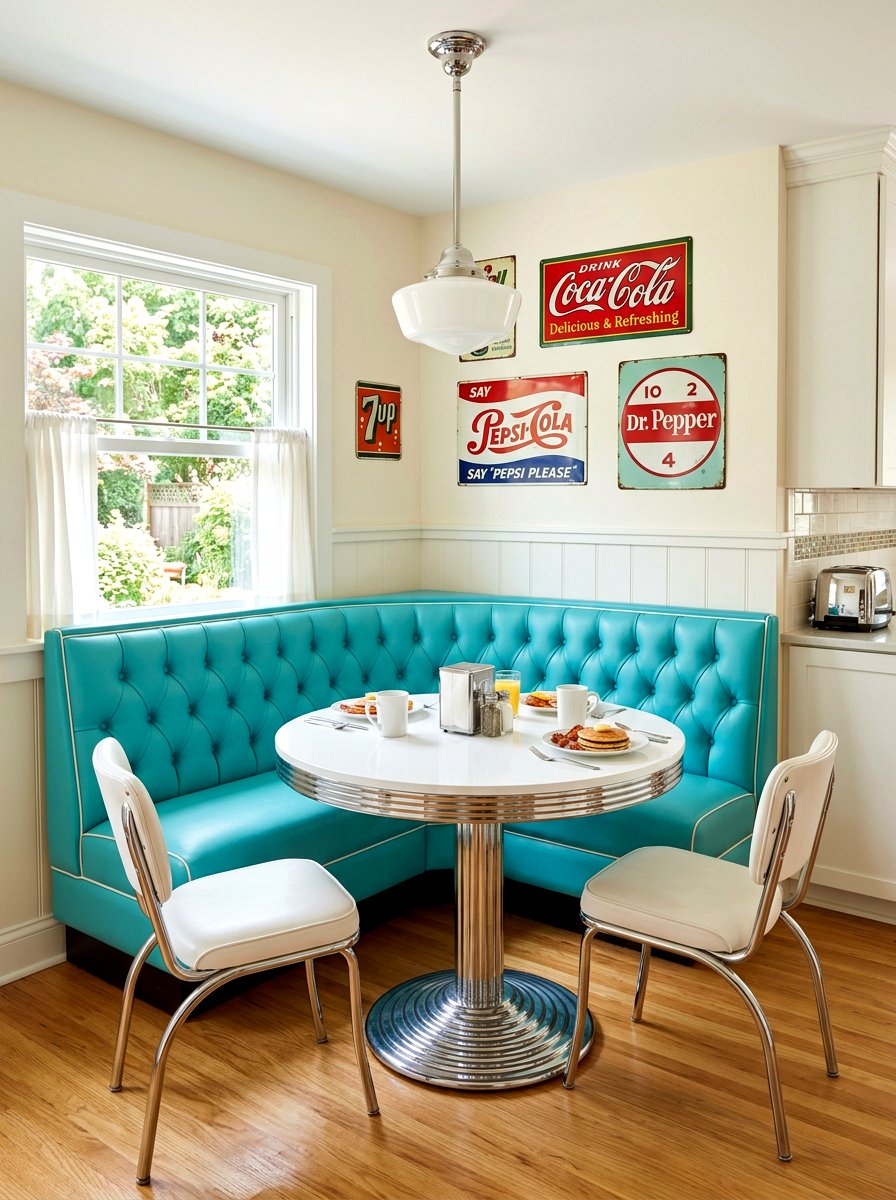
Creating a diner style breakfast nook transforms a simple corner of your kitchen into a cozy and intimate retreat for family meals. This design usually involves a built-in corner bench or a high-backed booth upholstered in durable, colorful vinyl. Adding a pedestal table in the center allows for easy movement and maximizes the available seating in a compact area. You might even consider adding a small jukebox or some vintage metal signs to complete the restaurant-inspired theme. This setup is not only space-efficient but also encourages a more relaxed and communal dining experience that feels like a special trip to a local neighborhood eatery.
12. Scalloped Cabinet Trim
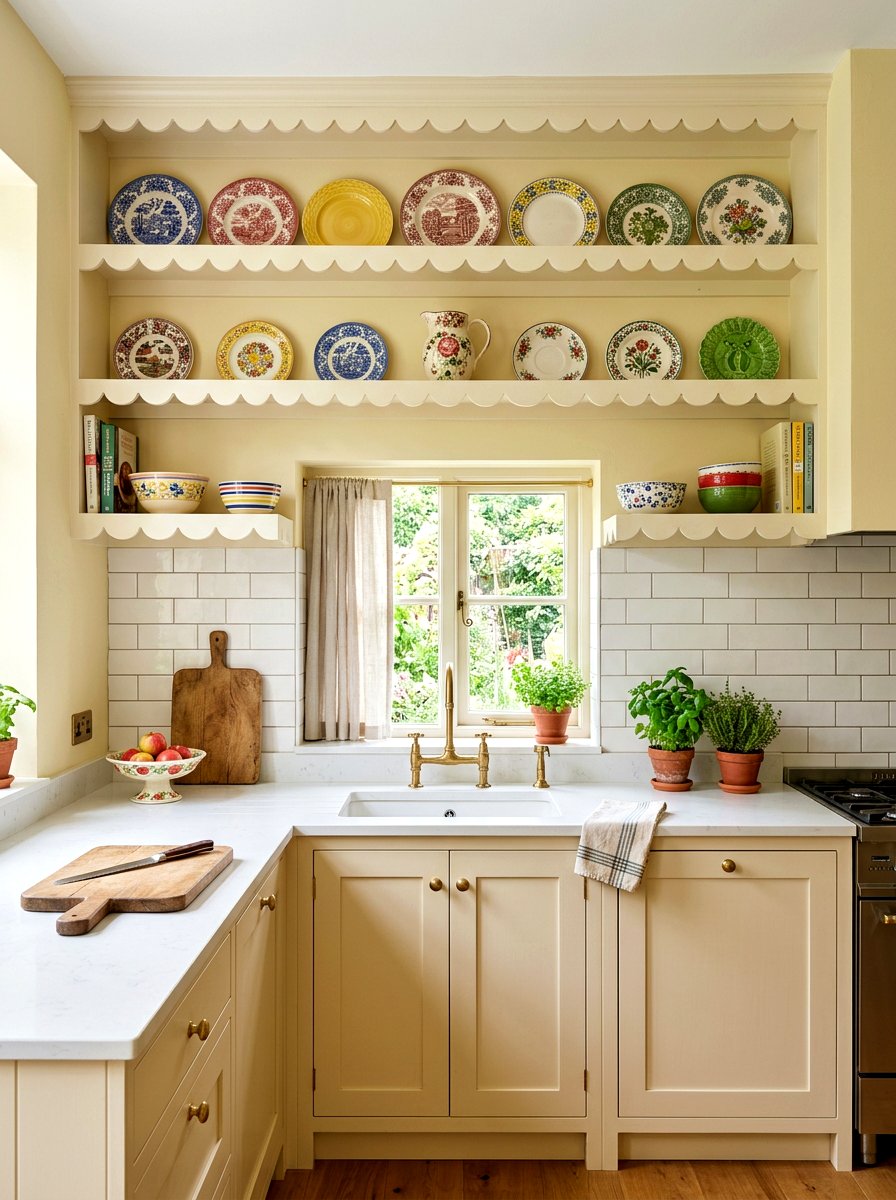
Scalloped cabinet trim is a charming and delicate detail that adds a touch of mid-century femininity and craft to your kitchen layout. This decorative edging was often found on open shelving or above the kitchen sink in homes during the 1940s and 50s. It provides a soft, undulating line that breaks up the sharp corners of standard cabinetry, giving the room a more custom and handmade feel. You can easily replicate this look by adding a wooden valance with a scalloped edge to your existing uppers. When painted in a soft pastel or a classic cream, it creates a sweet and nostalgic atmosphere that feels perfectly curated.
13. Colorful Kitchen Appliances
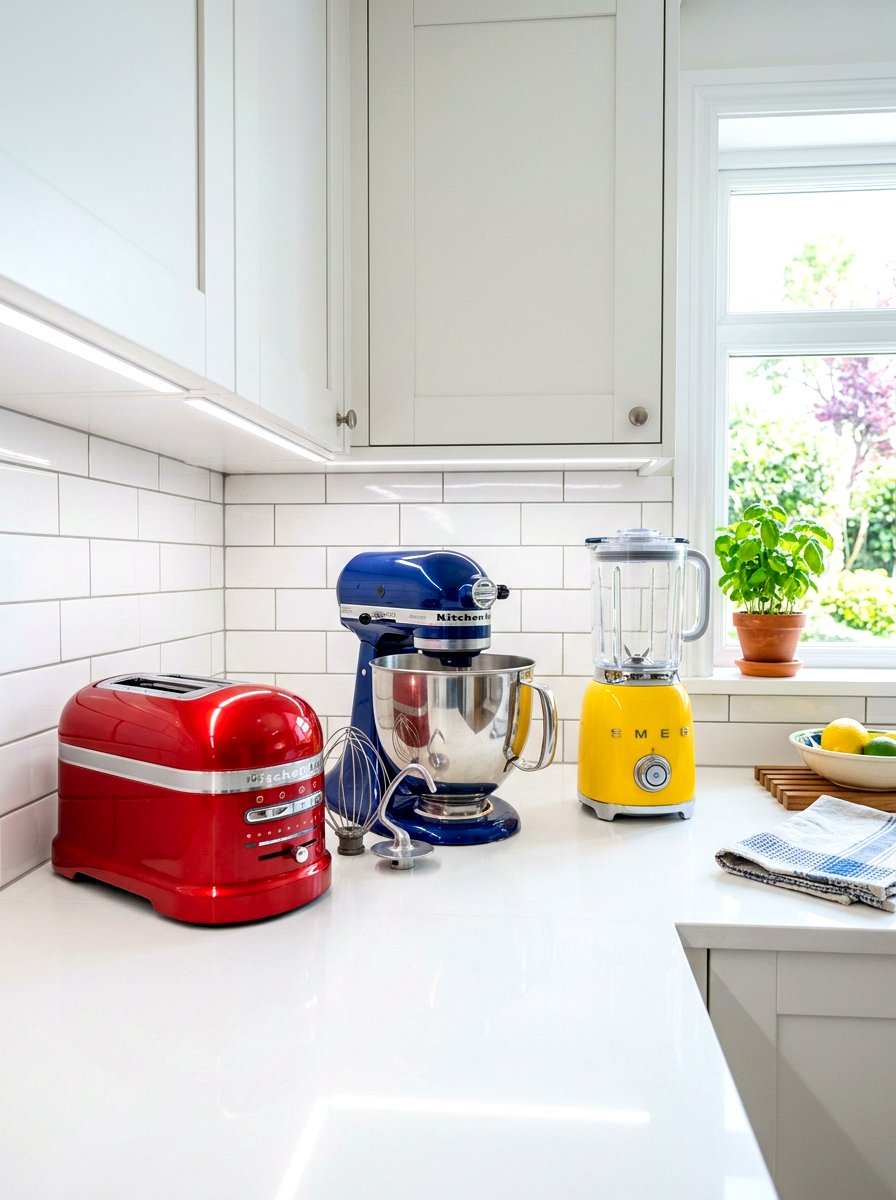
Coordinating colorful kitchen appliances is a brilliant way to infuse your space with a sense of playfulness and intentional design. Instead of standard stainless steel, imagine a bright red toaster, a turquoise stand mixer, and a pastel yellow coffee maker lined up on your counter. These pops of color serve as functional decor, drawing the eye and making the act of cooking feel more like a joyful creative process. Many modern brands now offer high-performance tools in a wide variety of retro-inspired shades. This approach allows you to experiment with color in small doses, making it easy to update the look of your kitchen over time.
14. Open Shelving With Vintage Glassware
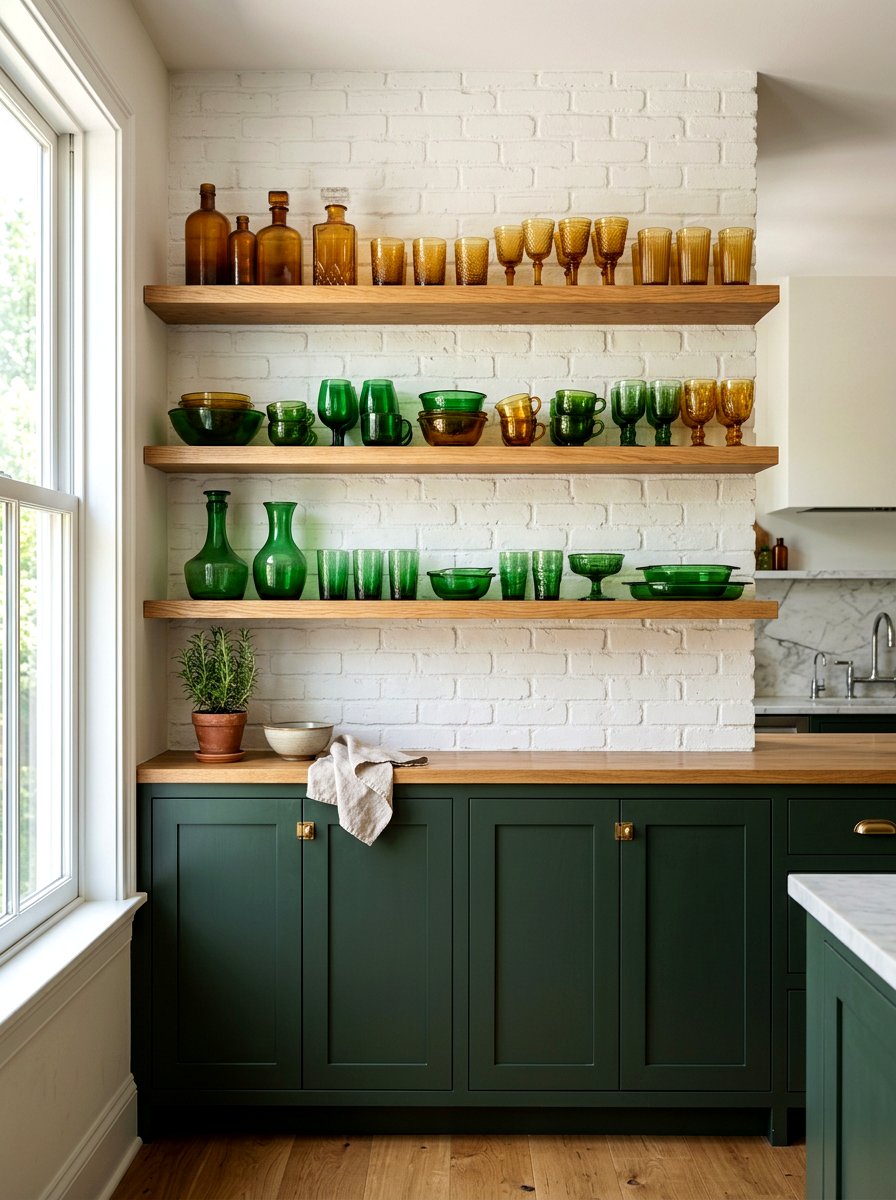
Open shelving with vintage glassware is a design choice that prioritizes both accessibility and aesthetic display in the modern retro kitchen. By removing upper cabinet doors, you create a sense of openness and have the perfect stage to showcase colorful Pyrex, jadeite bowls, and amber-toned drinking glasses. This look encourages a more curated approach to your kitchenware, as every item becomes part of the overall decor. To maintain a clean and organized appearance, try grouping items by color or size. This setup not only makes finding your favorite mug easier but also adds a layer of authentic, lived-in charm that feels very personal and warm.
15. Patterned Linoleum Flooring
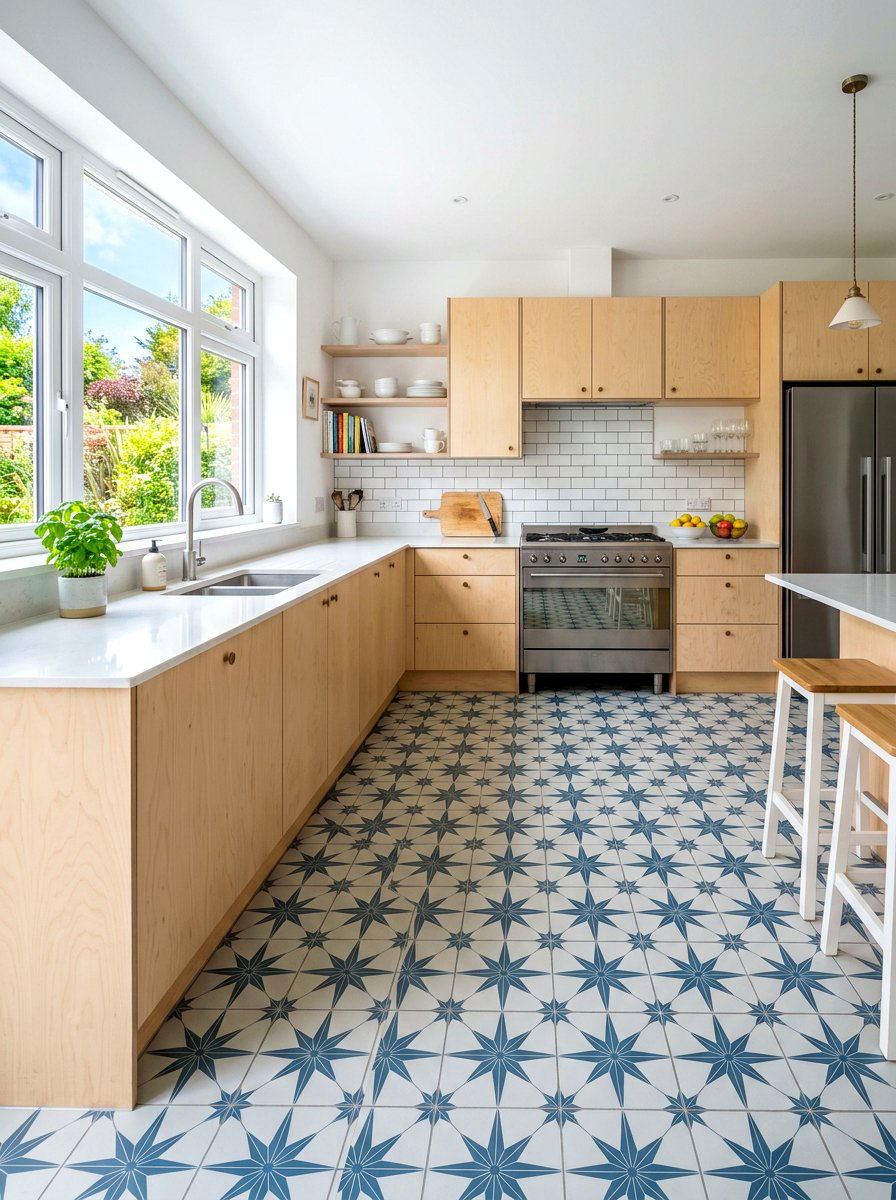
Patterned linoleum flooring offers a durable and highly customizable way to introduce abstract mid-century graphics into your home. This material was a staple in mid-century kitchens because it was easy to clean and available in a vast array of colors and geometric prints. Today, high-quality linoleum and luxury vinyl tiles allow you to recreate those iconic boomerangs, speckles, or starburst patterns with much better longevity. Choosing a pattern with a neutral base and colorful accents can tie together all the different hues in your kitchen. It is a soft-underfoot flooring option that brings a sense of authentic 1950s flair to every step you take in your home.
16. Wood Paneled Kitchen Walls
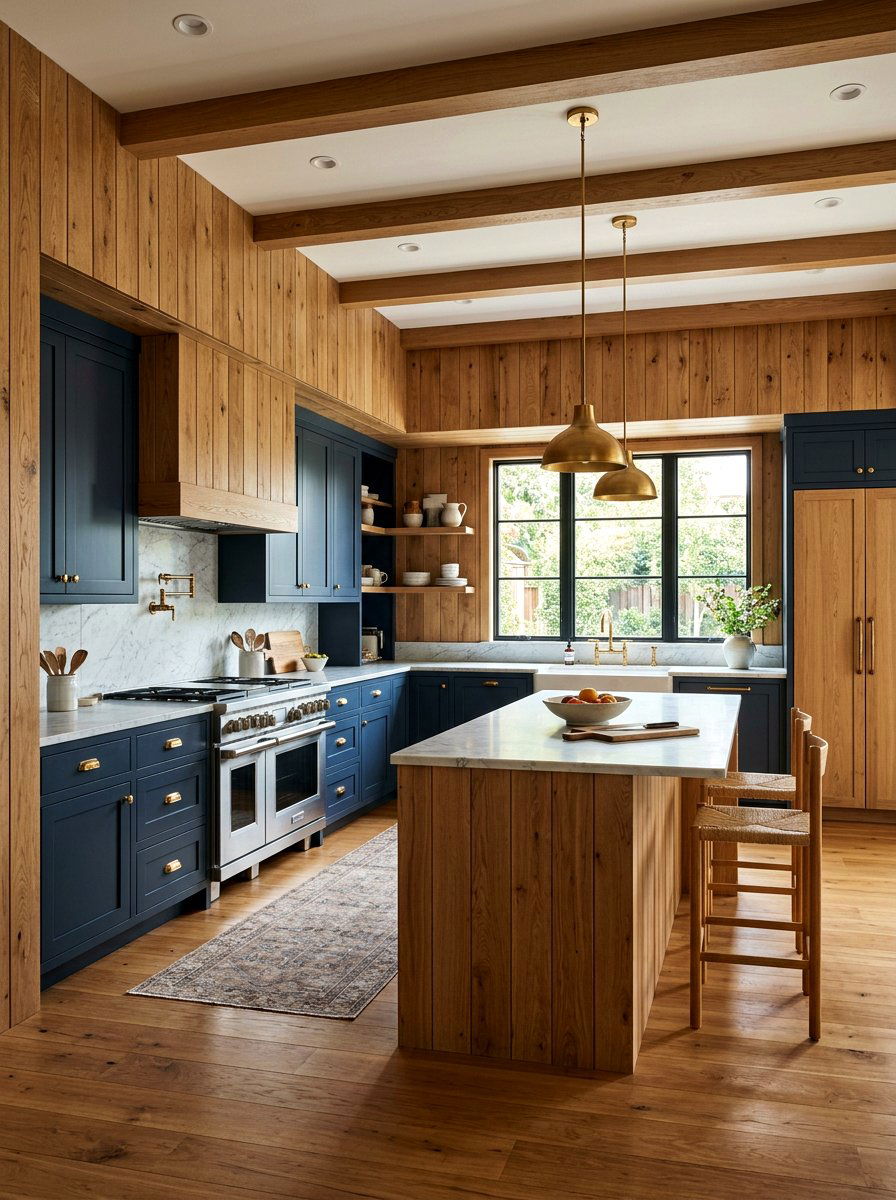
Wood paneled kitchen walls bring a rich, textured warmth that immediately evokes the cozy and grounded feel of a 1970s-style home. Using vertical planks of cedar or oak creates a beautiful natural backdrop that complements both dark and light cabinetry. This design element adds a layer of architectural interest, making the kitchen feel more like a permanent and well-crafted part of the house. To keep the look from feeling too dark, you can pair the wood with bright white ceilings and plenty of modern task lighting. It is an excellent way to introduce an organic, earthy vibe that makes the cooking space feel like a sanctuary.
17. Tufted Booth Seating
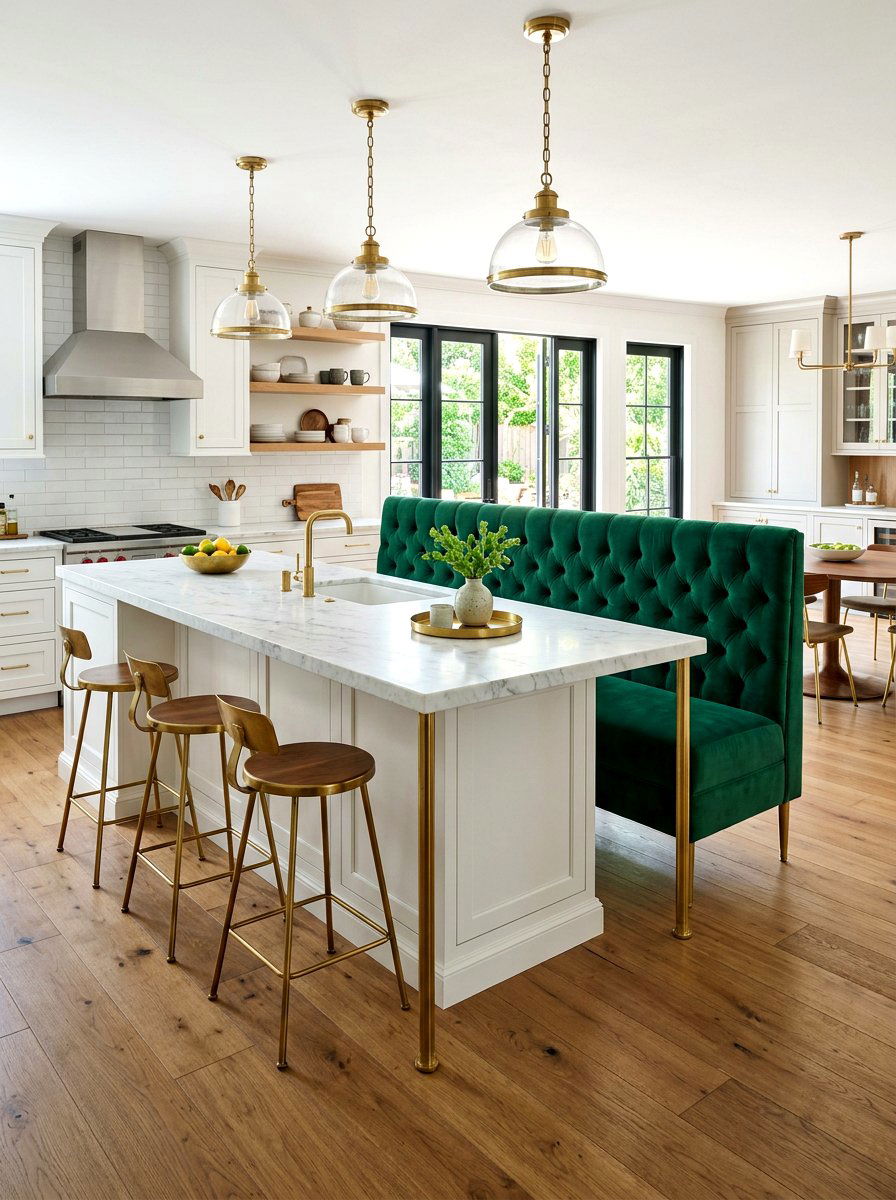
Tufted booth seating adds a layer of luxury and comfort to a retro-themed kitchen, reminiscent of high-end vintage lounges or classic hotels. The deep button-tufting on the backrest provides a sophisticated texture that contrasts beautifully with sleek kitchen surfaces. Choosing a rich fabric like velvet or a high-quality faux leather in a deep jewel tone can make the seating area the most attractive spot in the house. This design encourages guests to linger over coffee and conversation, turning the kitchen into a versatile social space. It is a perfect blend of high-style aesthetics and practical, cozy comfort that feels both retro and very modern.
18. High Contrast Black And White Kitchen
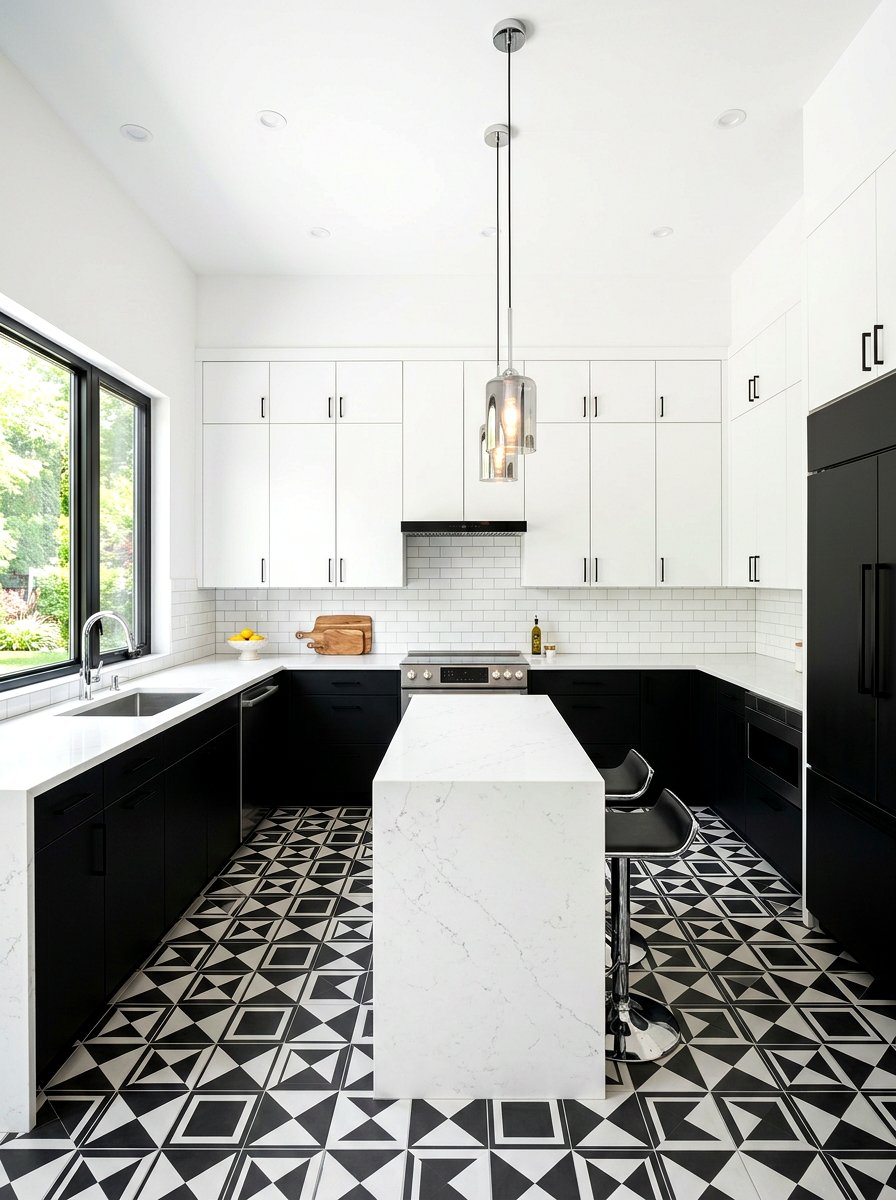
A high contrast black and white kitchen offers a timeless retro look that leans into the elegant Art Deco and early 1950s aesthetics. This color palette is incredibly versatile, allowing you to use black for the island and white for the surrounding cabinets for a bold visual balance. Incorporating patterned floor tiles or a graphic backsplash adds a layer of complexity to the simple color scheme. Chrome fixtures and hardware provide the necessary sparkle to keep the room feeling bright and high-energy. This design is ideal for those who love the retro vibe but prefer a more sophisticated and polished atmosphere that never goes out of style.
19. Brass Hardware And Fixtures
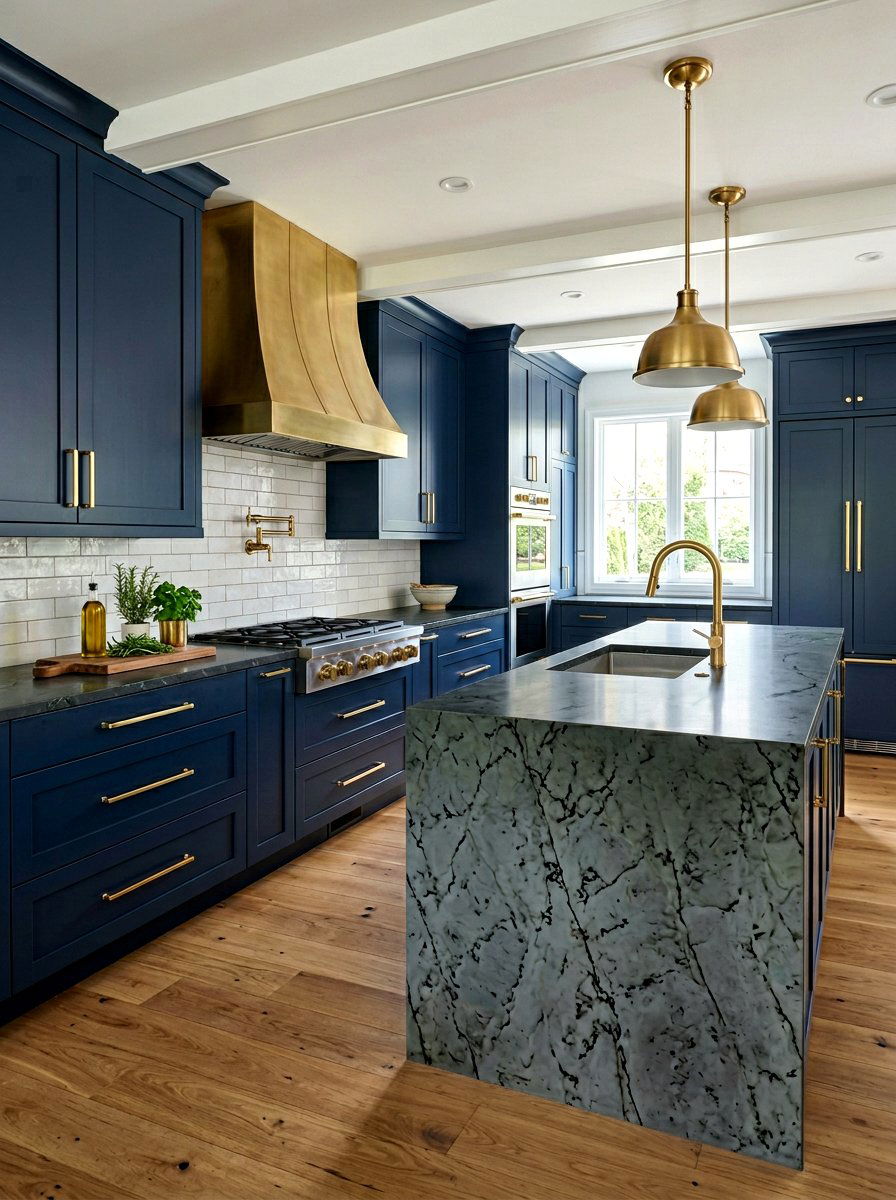
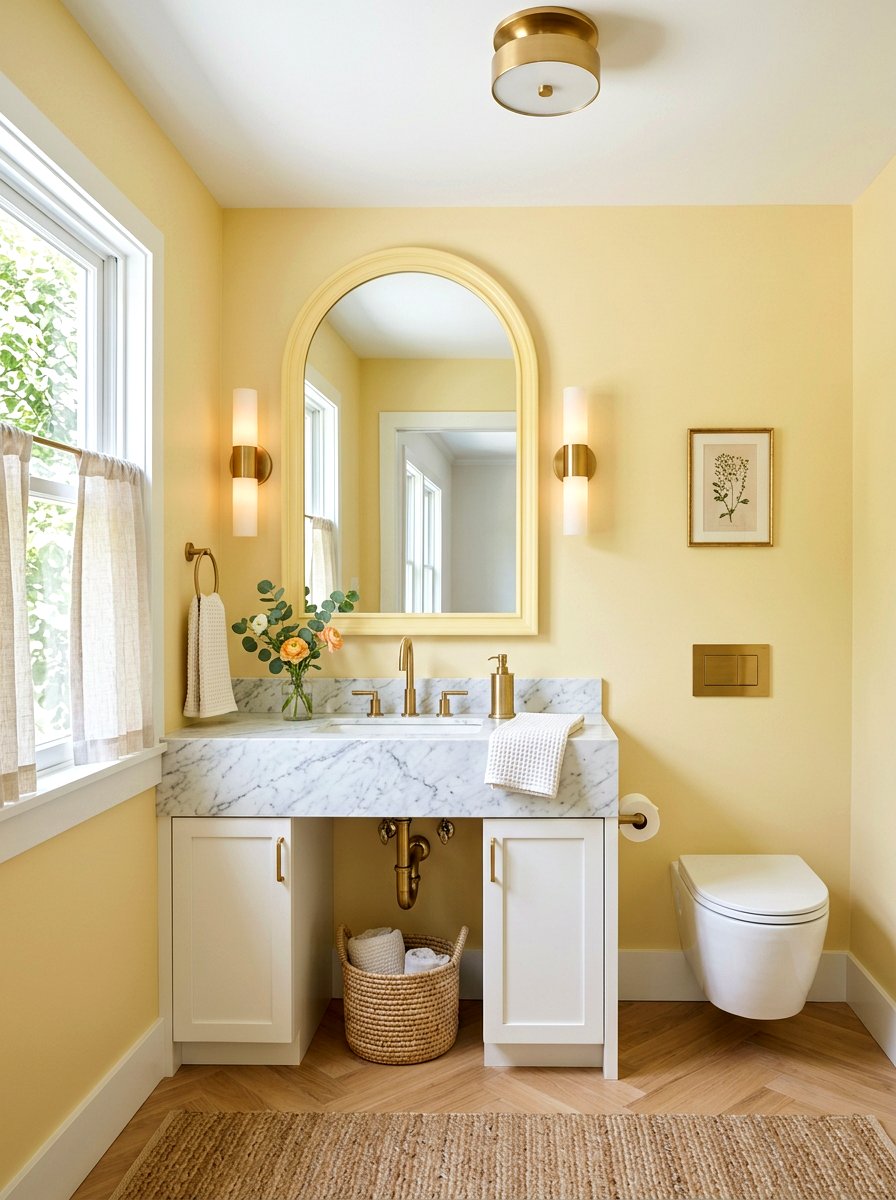
Using brass hardware and fixtures is a fantastic way to add a touch of vintage warmth and a sense of history to your kitchen. The golden tones of aged brass or brushed gold feel much more substantial and traditional than modern silver-toned metals. When applied to cabinet pulls, faucets, and even hanging pot racks, brass acts like jewelry for the room, elevating the overall design. It develops a beautiful patina over time, which only adds to its authentic retro appeal. This choice works exceptionally well with dark green, navy blue, or natural wood cabinets, creating a rich and inviting look that feels very high-quality.
20. Butcher Block Countertops
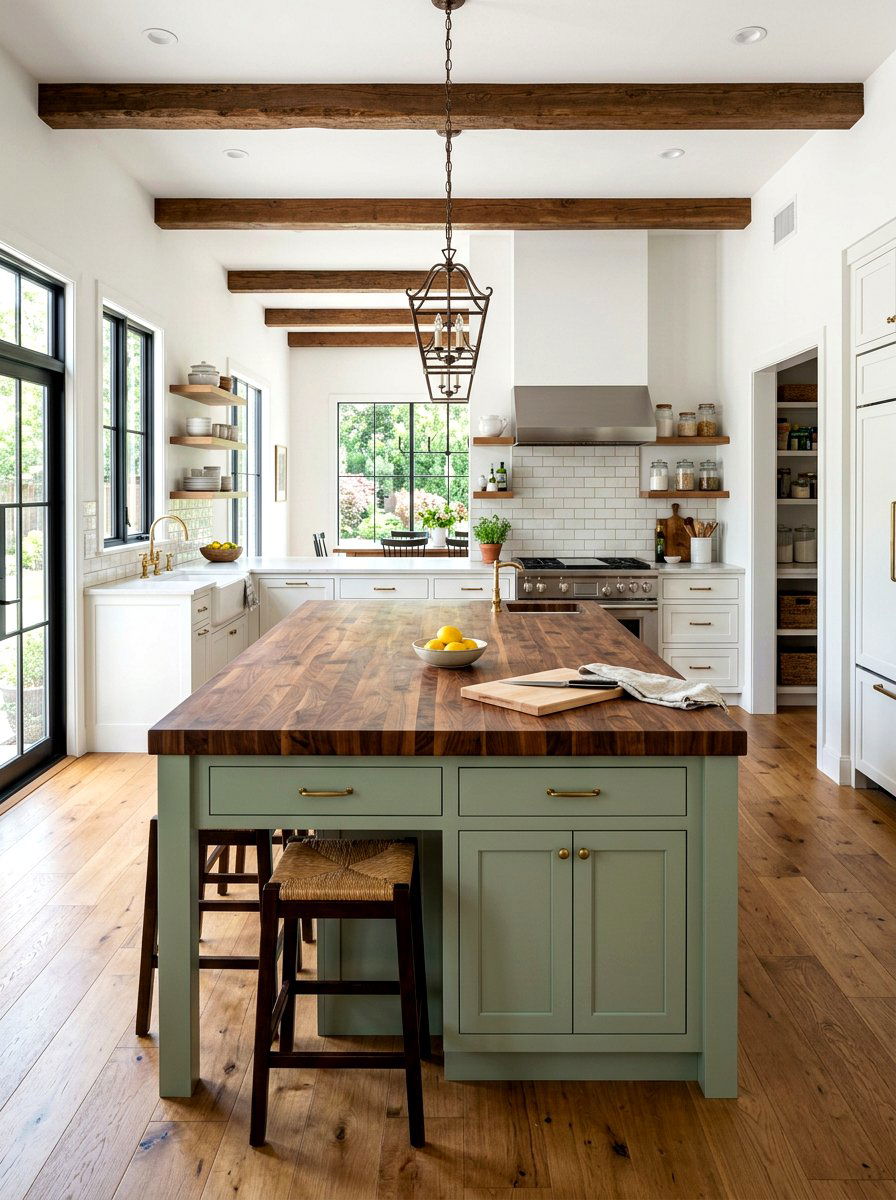
Butcher block countertops introduce a functional, hardworking, and naturally beautiful element that has been a kitchen staple for generations. The warm tones of the wood grain provide a soft contrast to cold appliances and tiled walls, making the entire space feel more approachable. These countertops are not only visually appealing but also offer a durable surface for food preparation when properly maintained. You can use a large section of butcher block for a kitchen island to create a dedicated prep station that doubles as a rustic focal point. This design choice brings a sense of farmhouse retro charm that emphasizes the practical and tactile nature of cooking.
21. Retro Tile Backsplash
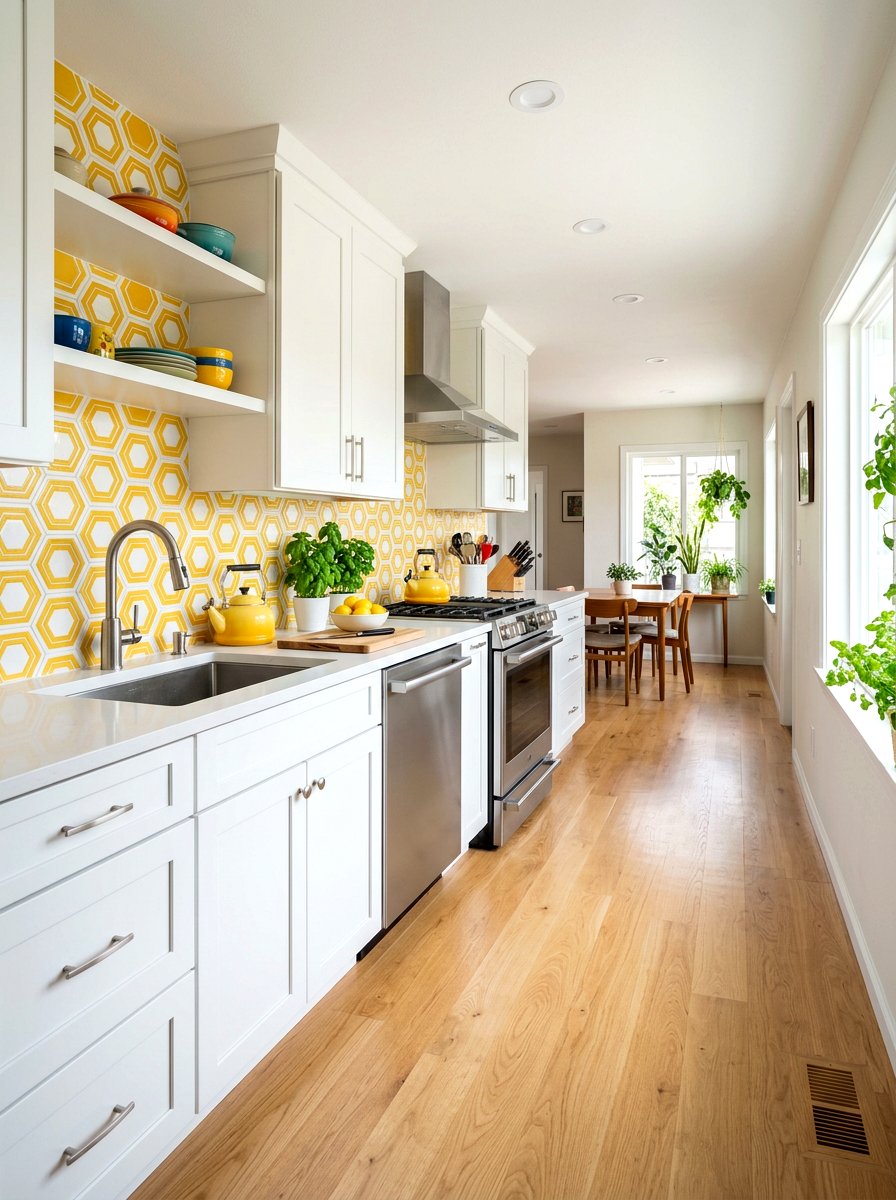
A retro tile backsplash allows you to experiment with bold patterns and unique shapes like hexagons, fish scales, or traditional square tiles with colored grout. During the mid-century era, backsplashes were often used to inject a dose of personality and color into an otherwise functional space. By choosing a vibrant hue like sunny yellow or deep teal, you can create a striking visual boundary between your countertops and cabinets. Hand-painted tiles or those with a slightly irregular finish add a sense of craftsmanship and artistic flair. This is a durable and easy-to-clean design feature that ensures your kitchen walls are just as stylish as your furniture.
22. Vintage Inspired Pendant Lights
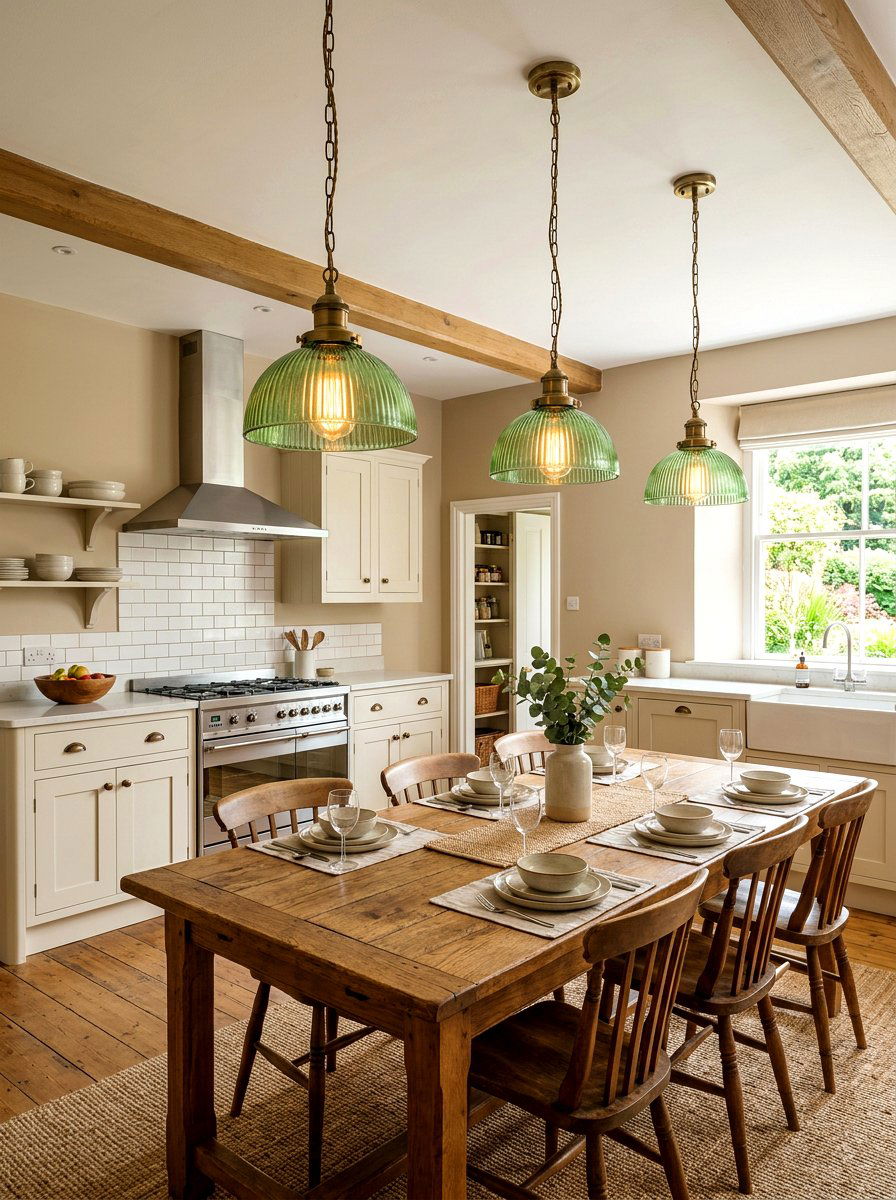
Vintage inspired pendant lights are a simple yet powerful way to change the mood and style of your kitchen without a major overhaul. Whether you prefer industrial-style metal domes, colorful glass schoolhouse globes, or woven rattan shades, the right lighting can define your retro theme. Hanging a row of three identical pendants over an island creates a sense of rhythm and visual balance. These fixtures provide focused task lighting for cooking while also casting a warm, inviting glow over the entire room. Choosing a finish that matches your cabinet hardware helps to create a cohesive and well-thought-out design that feels intentional and highly curated.
23. Pastel Pink Kitchen Decor
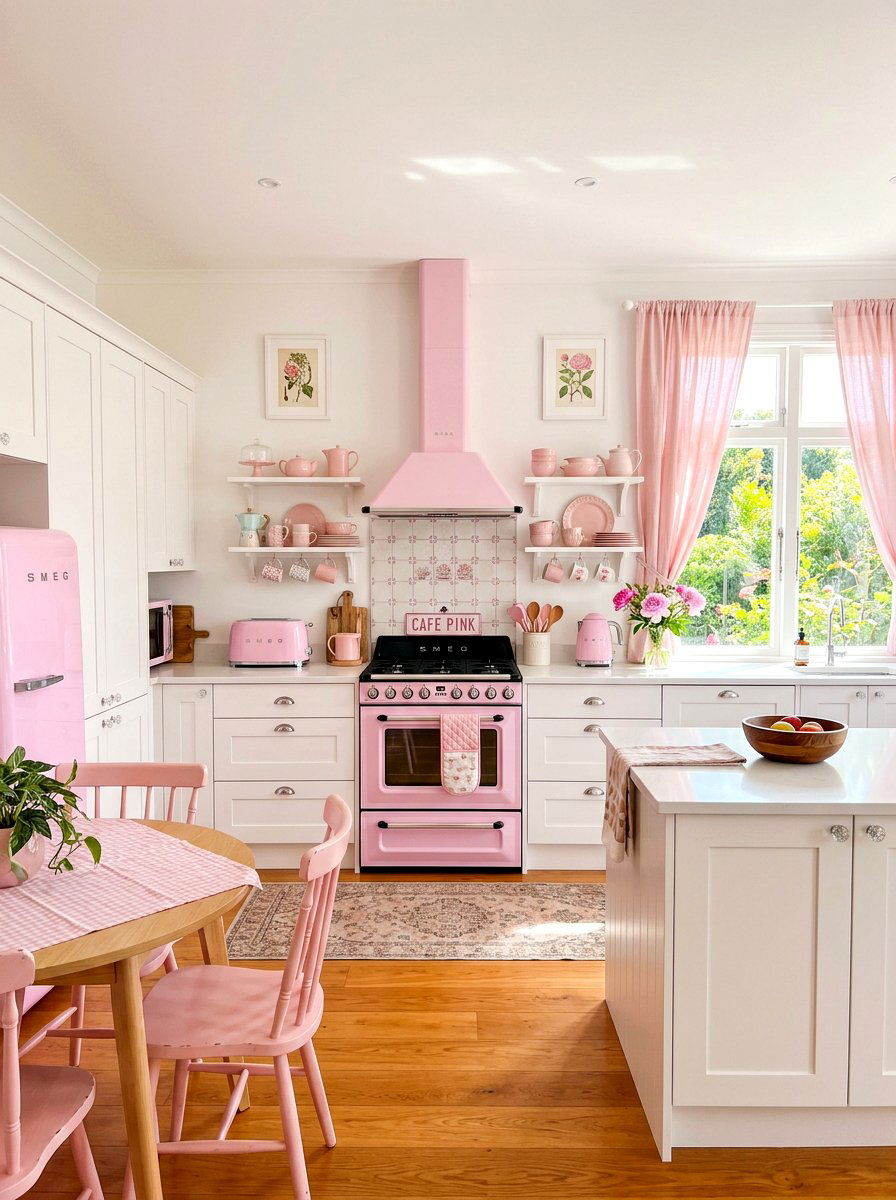
Pastel pink kitchen decor is a fun and unapologetically feminine way to embrace the lighter side of 1950s interior design. This soft, dusty rose hue was incredibly popular for everything from wall tiles to small appliances, valued for its ability to make a space feel bright and cheerful. You can incorporate this look through pink gingham curtains, ceramic mixing bowls, or even a statement pink stove. When balanced with white walls and light gray floors, the pink feels fresh and modern rather than dated. It is a perfect choice for creating a "dopamine decor" kitchen that brings a smile to your face every single morning.
24. Mustard Yellow Kitchen Accents
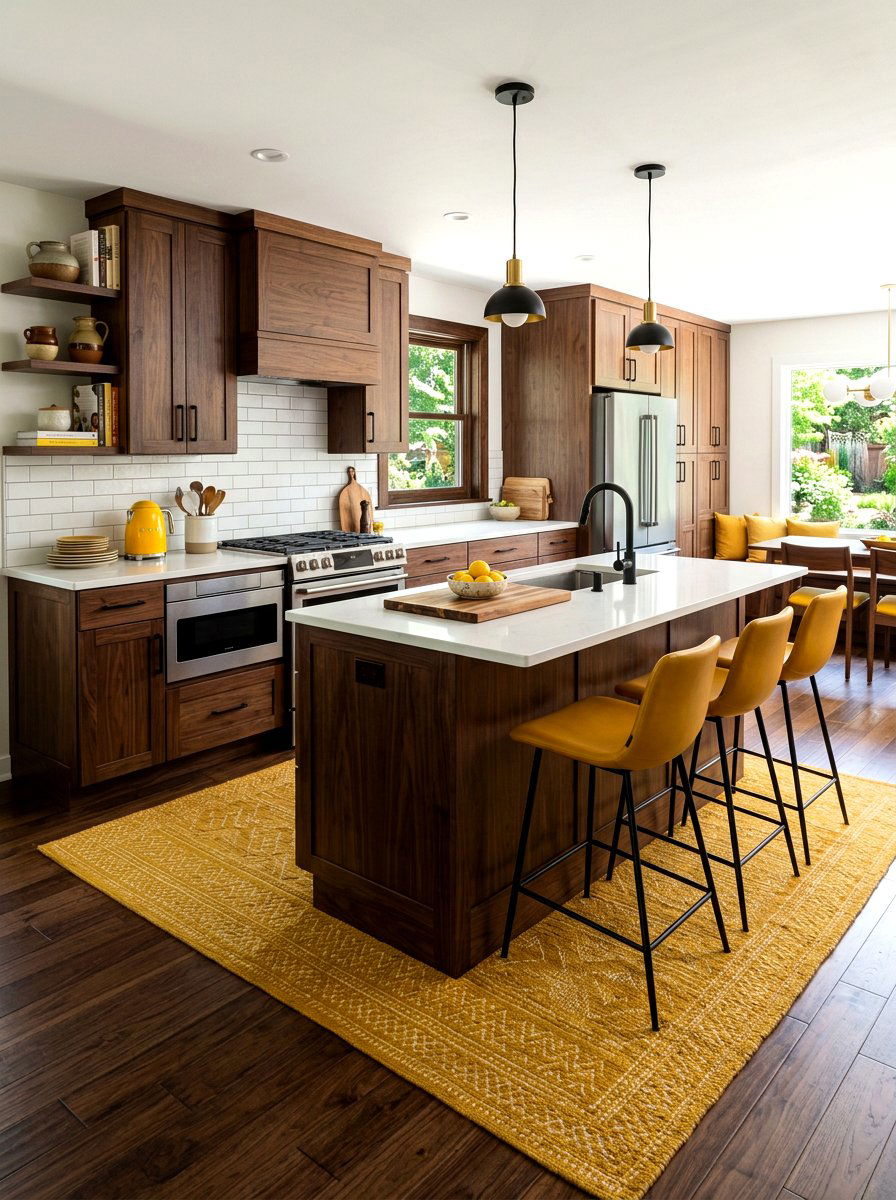
Mustard yellow kitchen accents provide a dose of earthy, sunshine-filled warmth that is synonymous with the eclectic and bold style of the late 1960s. This specific shade of yellow feels sophisticated and grounded, especially when paired with dark wood tones or olive green cabinetry. You can easily introduce this color through upholstered bar stools, a vibrant area rug, or a collection of vintage-inspired canisters on the counter. Mustard yellow is a high-energy color that stimulates the appetite and encourages conversation, making it a perfect choice for the busiest room in the home. It brings a cozy, retro glow that feels both nostalgic and very current.
25. Retro Wall Clock
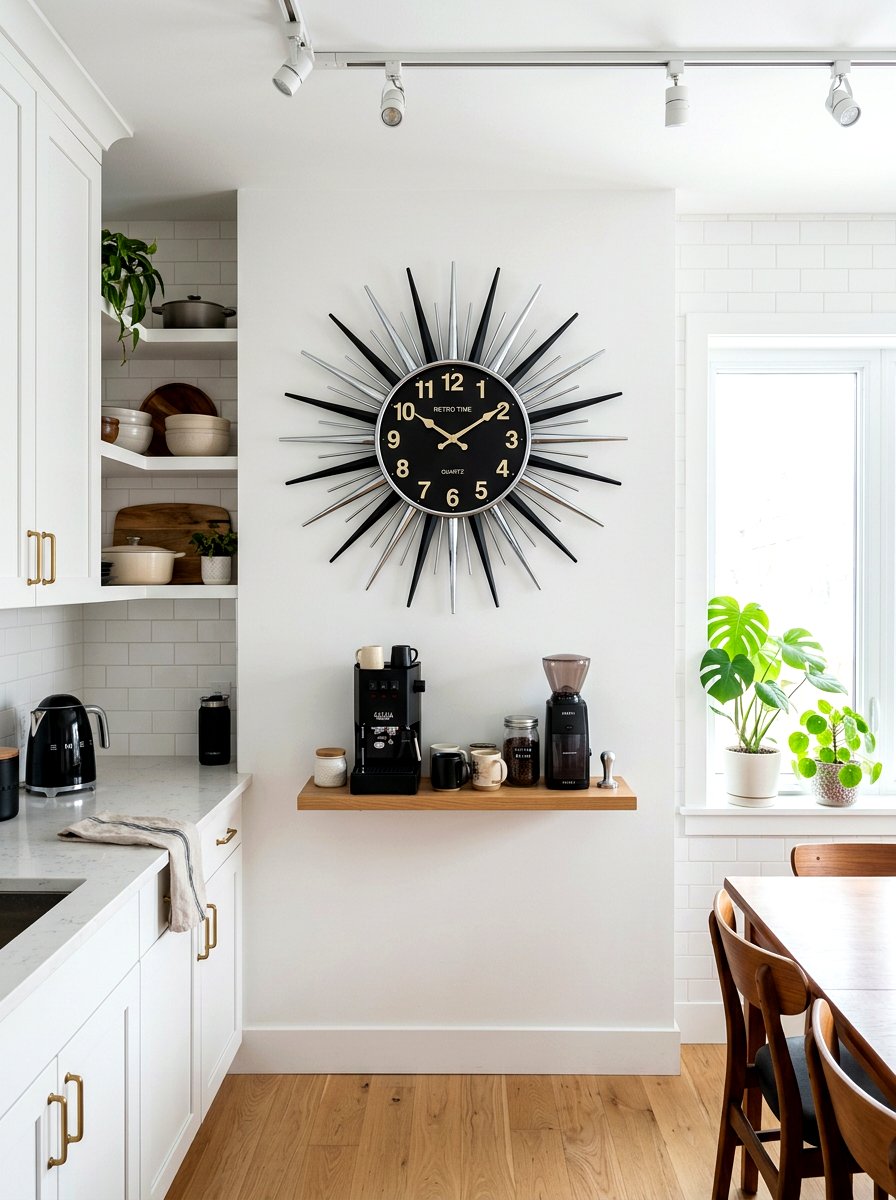
A retro wall clock is a classic finishing touch that combines functional utility with iconic mid-century art. Whether it is a colorful sunburst clock, a playful kit-cat klock with wagging tail, or a simple analog face with bold typography, it adds instant personality to a bare wall. Placing a large clock above a doorway or near the breakfast nook creates a clear focal point and helps keep the family on schedule. These timepieces often feature the geometric shapes and metallic finishes that define the era. It is a small but impactful detail that reinforces your commitment to a cohesive and well-detailed vintage-inspired kitchen design theme.
26. Farmhouse Sink With Chrome Faucet
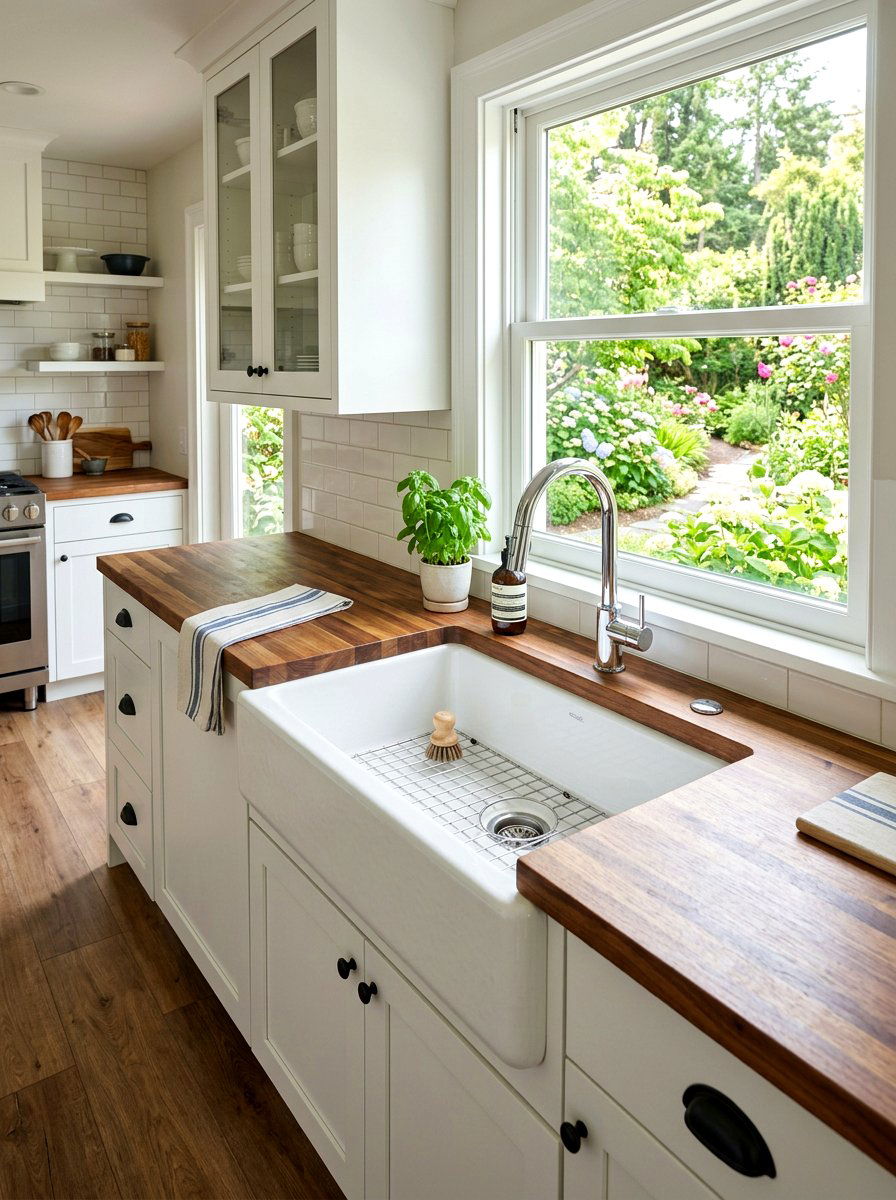
A farmhouse sink paired with a sleek chrome faucet creates a beautiful blend of traditional utility and mid-century industrial style. The deep, wide basin of an apron-front sink is incredibly practical for washing large pots and pans, while its exposed front adds a strong architectural element to the cabinetry. When you add a high-arc chrome faucet with vintage-style cross handles, the sink area becomes a stylish and functional centerpiece. This combination feels sturdy and reliable, echoing the high-quality craftsmanship of the past. It is an excellent choice for anyone who wants a kitchen that feels grounded in history while supporting a busy, modern lifestyle.
27. Integrated Wood Handles
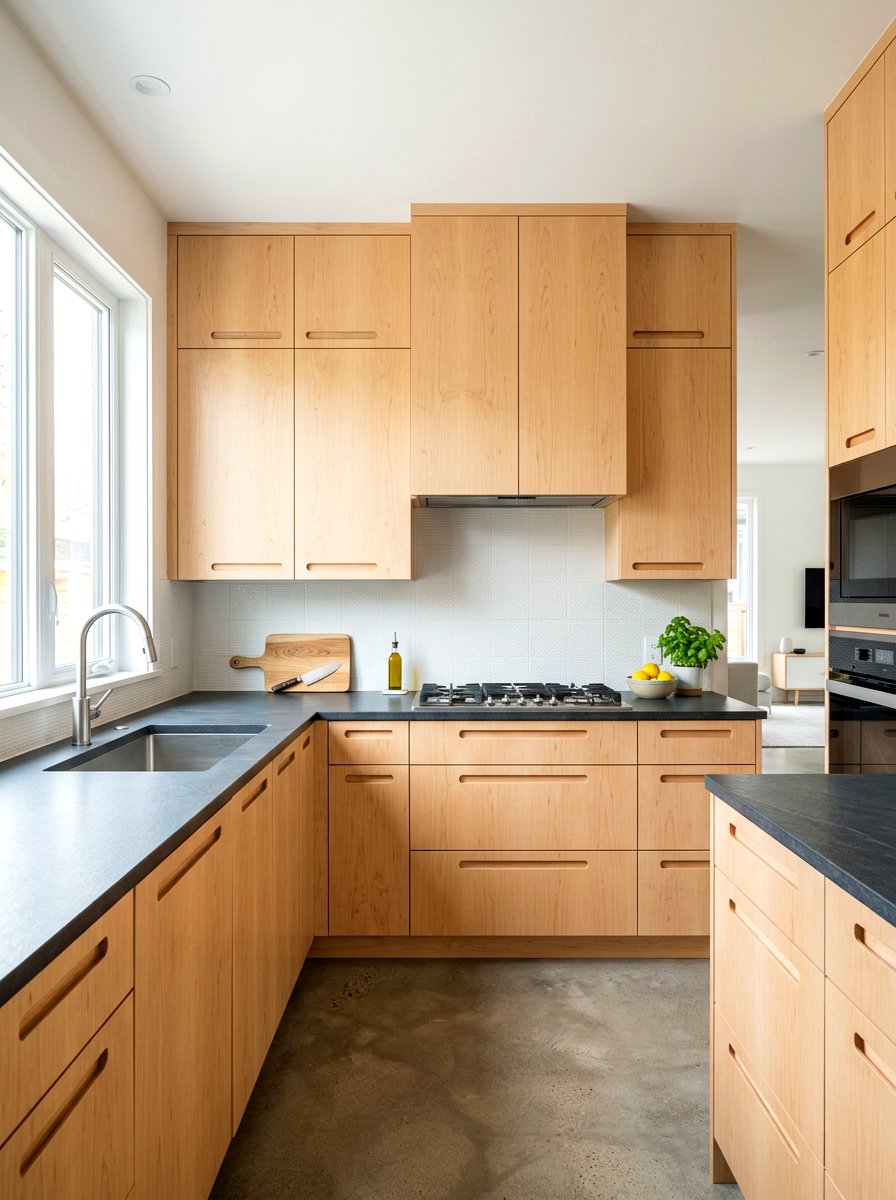
Integrated wood handles offer a very specific and sleek look that was highly popular in high-end 1960s and 70s cabinetry design. Instead of metal pulls, these cabinets feature carved-out grooves or wooden tabs that are part of the door itself. This creates a smooth, uninterrupted surface that allows the beauty of the wood grain to take center stage. This hardware-free look contributes to a very clean and minimalist retro aesthetic that feels incredibly modern and sophisticated. It is a subtle design choice that shows a high level of attention to detail and a preference for natural materials. These cabinets are easy to clean and provide a very tactile, satisfying user experience.
28. Terrazzo Countertop Design
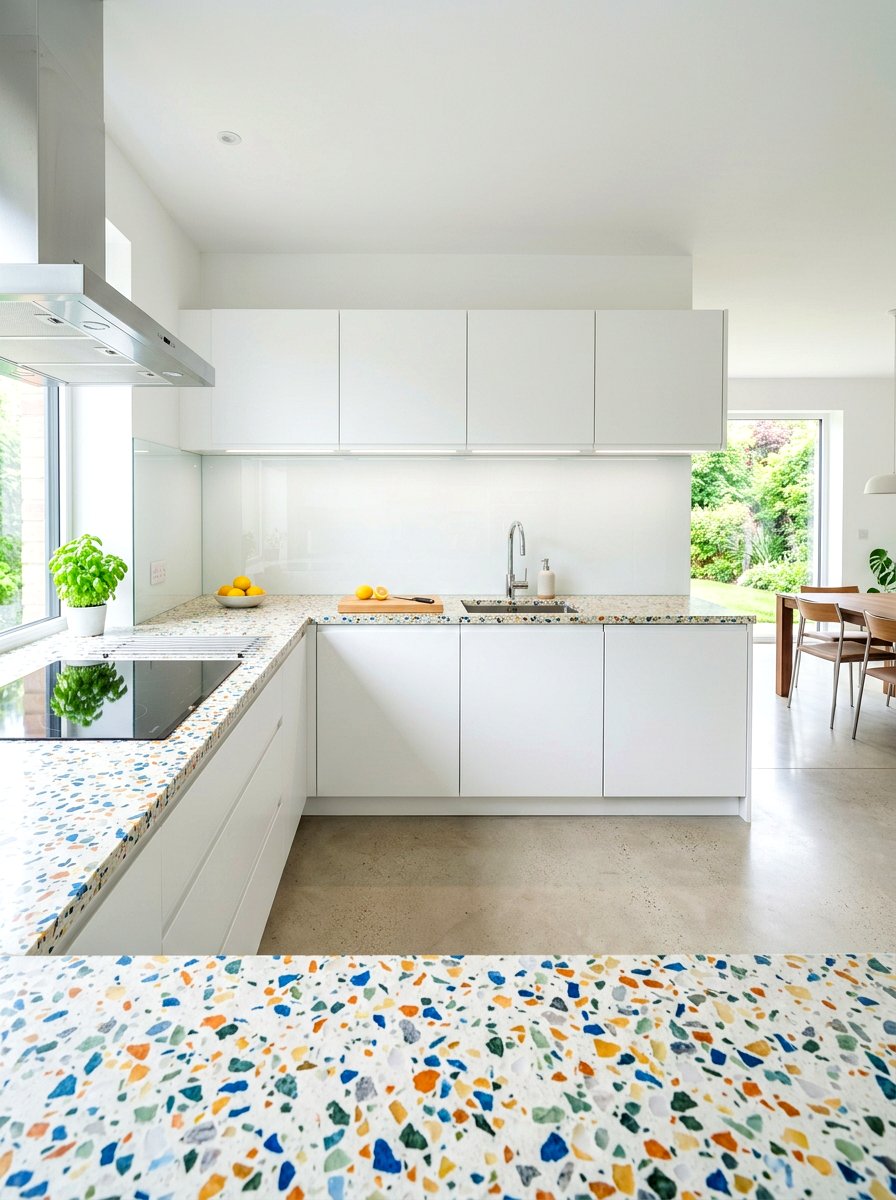
Terrazzo countertop design brings a playful, speckled texture that was a hallmark of mid-century commercial and residential spaces alike. This composite material, made of chips of marble, quartz, or glass set in cement, offers a unique and durable surface that is full of color. Modern terrazzo comes in a wide variety of base colors, allowing you to choose a mix that complements your specific kitchen palette. The random pattern of the chips hides crumbs and wear beautifully, making it a practical choice for a busy household. This countertop style adds a layer of artistic, mosaic-like beauty that feels both historical and incredibly trendy in today’s design world.
29. Plywood Kitchen Cabinetry
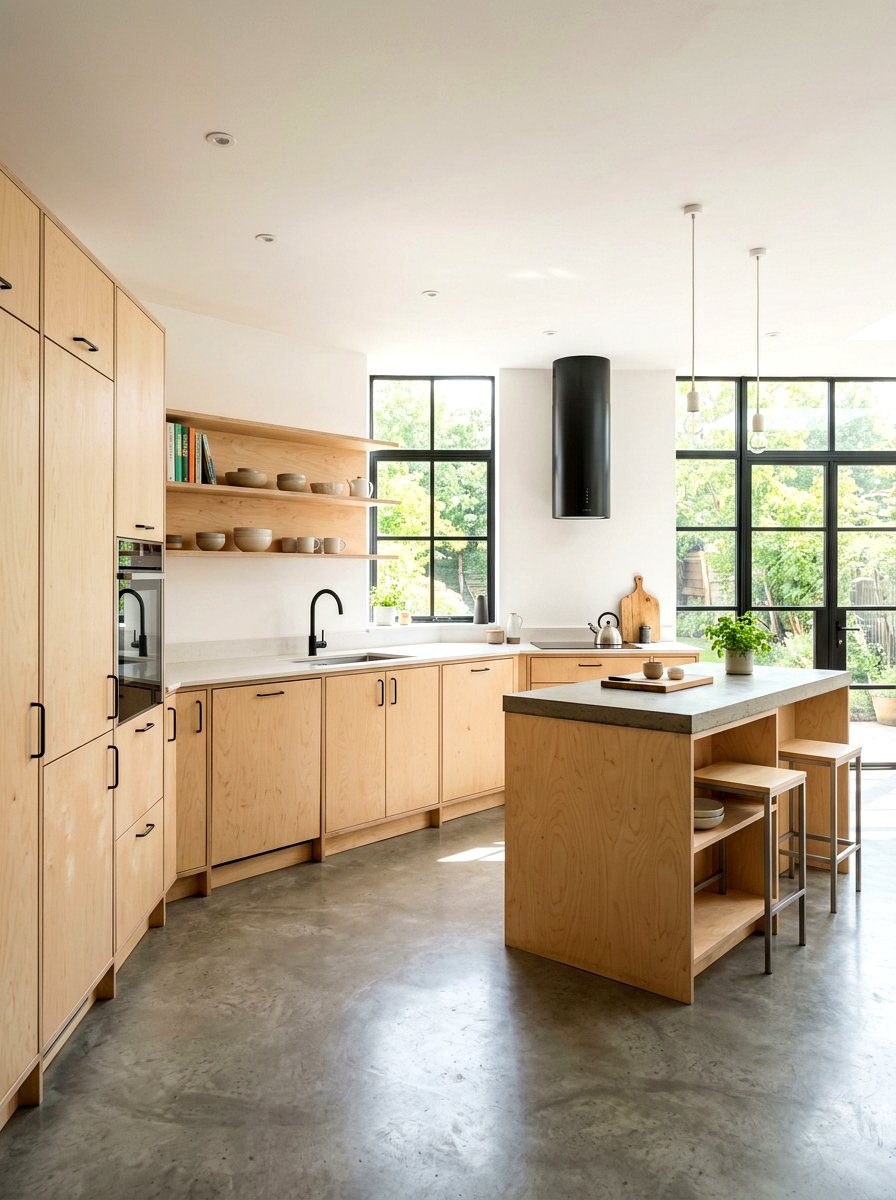
Plywood kitchen cabinetry embraces a raw, honest, and modernist approach to design that was championed by mid-century architects. Using high-quality birch or maple plywood with exposed edges highlights the layers of the material, creating a unique and structural aesthetic. This look is often finished with a clear coat to maintain the light, natural tone of the wood, making the kitchen feel bright and spacious. It is a sustainable and cost-effective way to achieve a custom, architect-designed feel. When paired with simple cut-out handles and colorful linoleum floors, plywood cabinets create a functional and stylish space that celebrates the beauty of simple, everyday materials in the home.
30. Vintage Signage Wall Decor
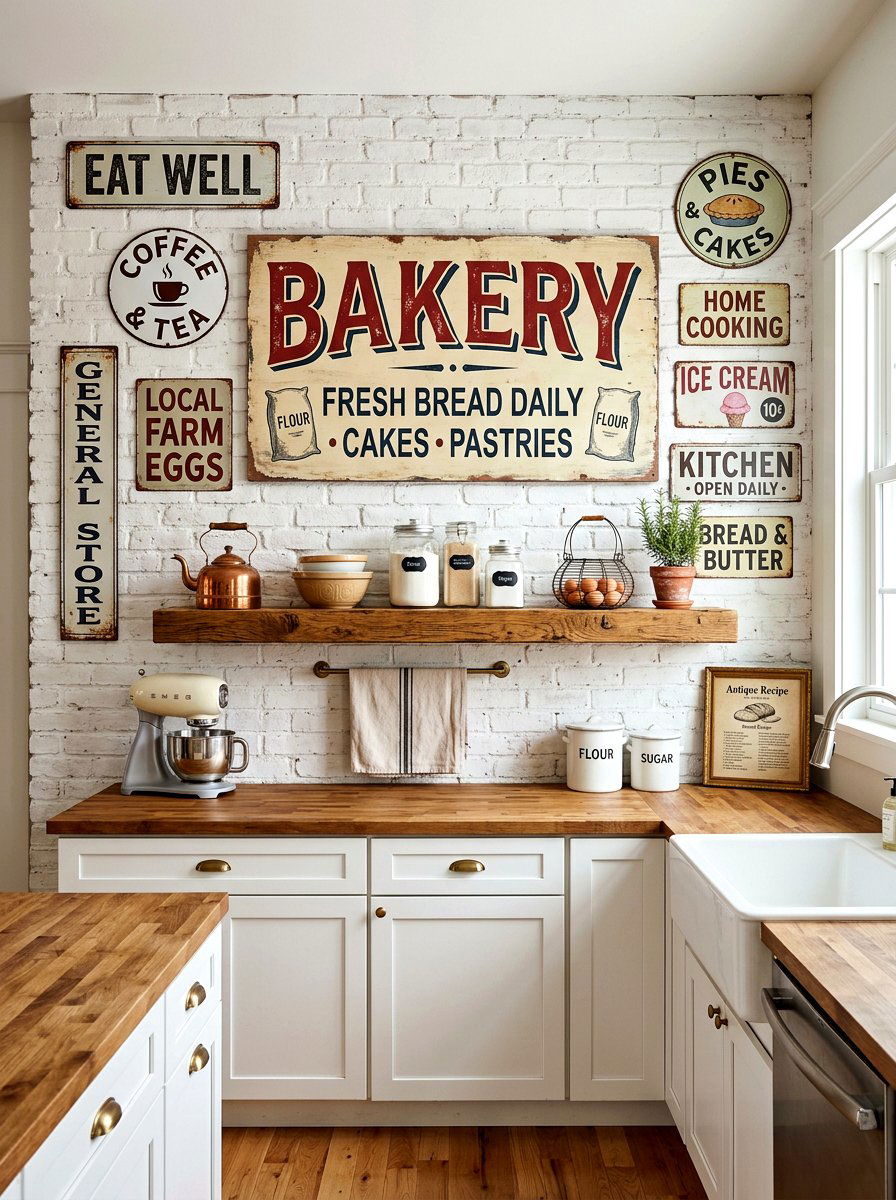
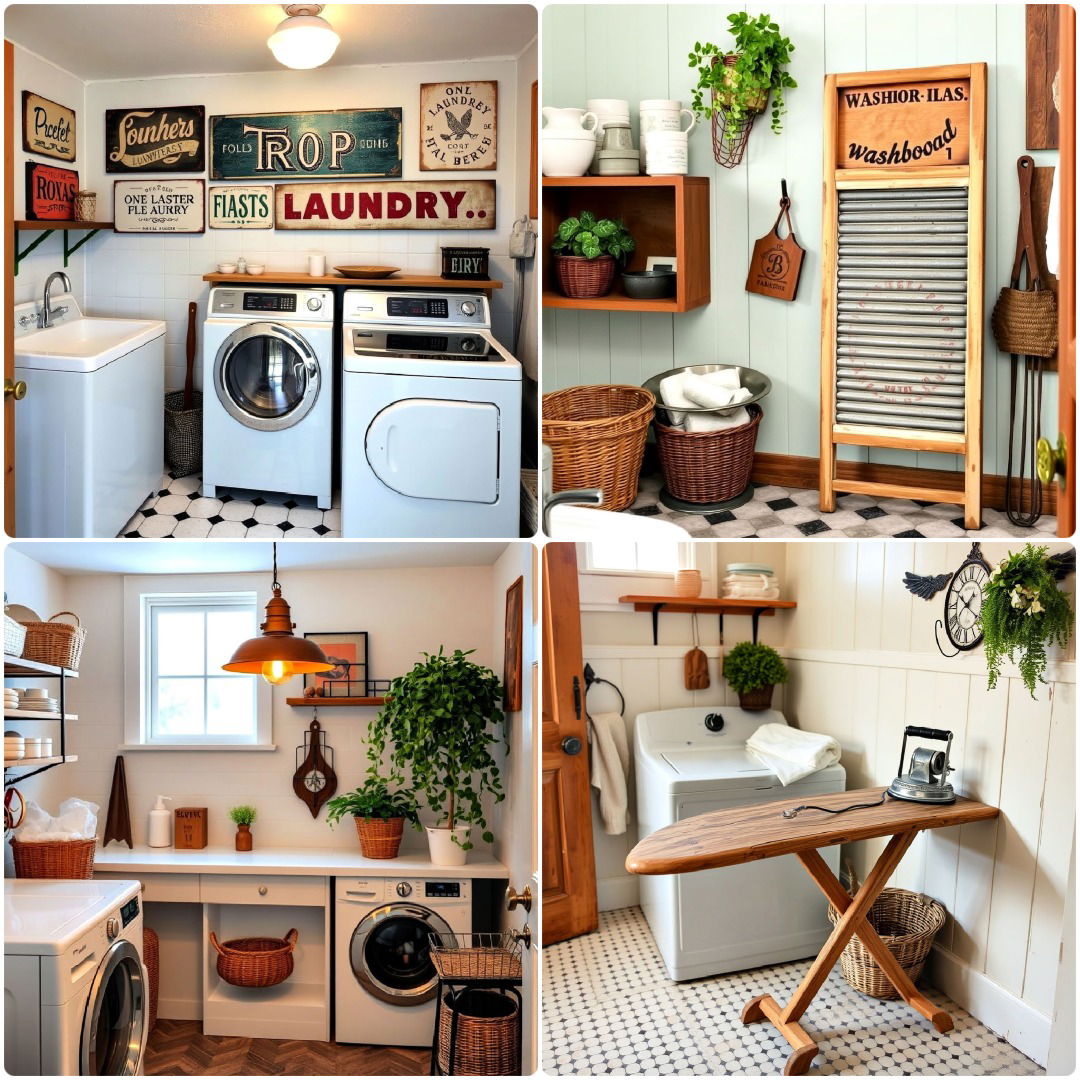
Vintage signage wall decor is the perfect way to add a layer of storytelling and local history to your retro-inspired kitchen. Whether it is an old metal advertisement for a soda brand, a hand-painted grocery store sign, or a neon light, these pieces bring a sense of nostalgia and character. They help to break up the functional surfaces of the kitchen and provide a glimpse into the homeowner’s personal interests and style. Hanging a collection of small signs or one large statement piece can define the mood of the room, from playful and kitschy to rustic and historic. It is the final, personalized touch that makes your kitchen truly unique.
Conclusion:
Designing a retro kitchen is a wonderful opportunity to express your creativity while honoring the timeless styles of the past. By focusing on full room themes — from the clean lines of mid-century modernism to the vibrant energy of a 1950s diner — you can create a space that feels both nostalgic and perfectly suited for contemporary life. Whether you choose to go all-in with checkered floors and colorful appliances or prefer subtle touches like vintage hardware and warm wood paneling, the key is to create a home environment that feels warm, inviting, and full of unique personality. These thirty ideas provide a solid foundation for your own vintage-inspired journey.

Related posts: