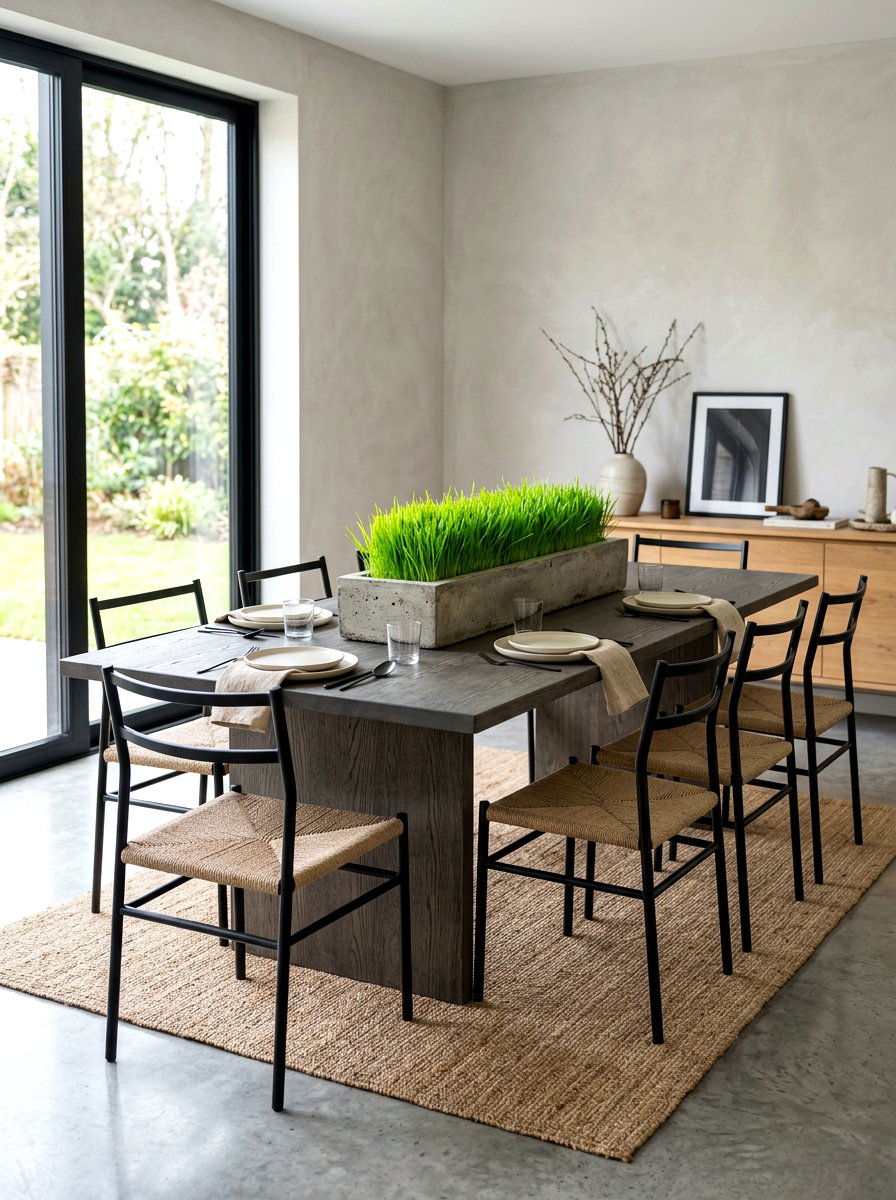
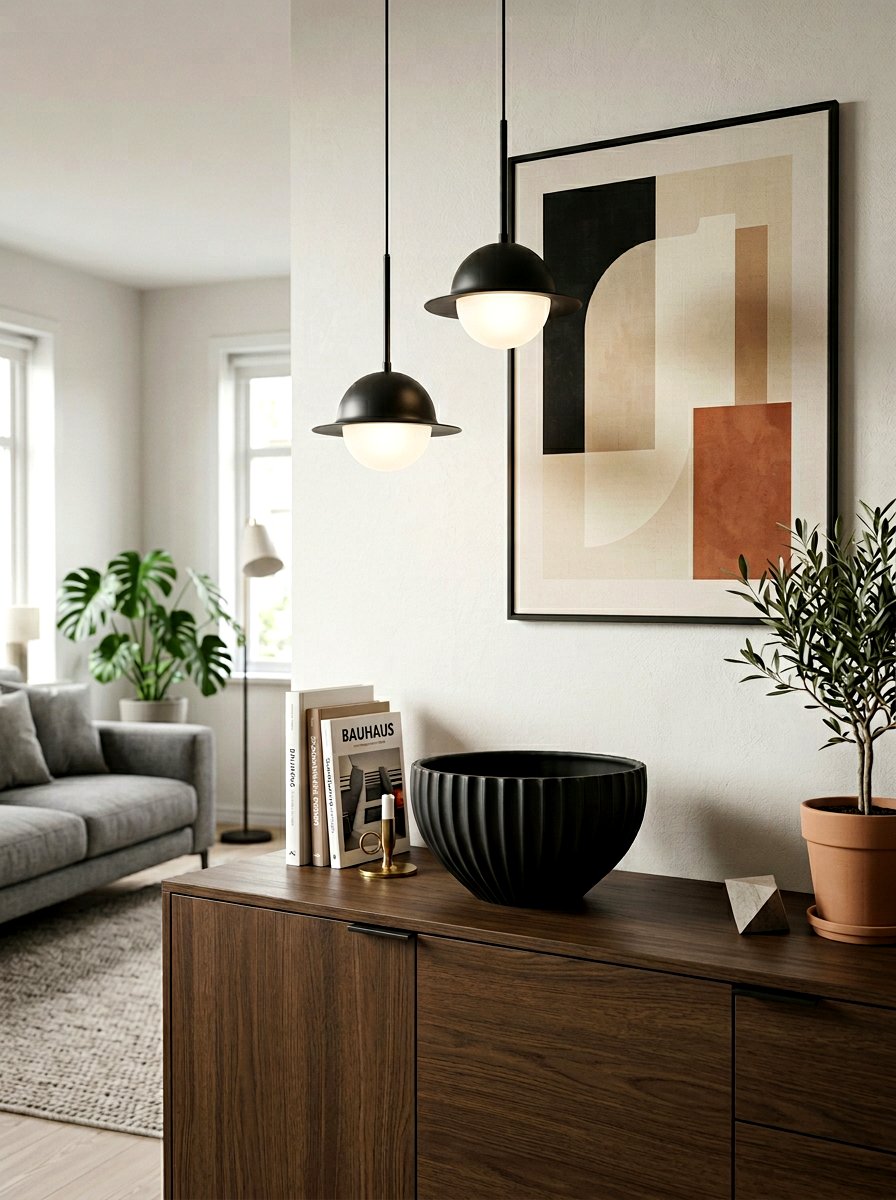
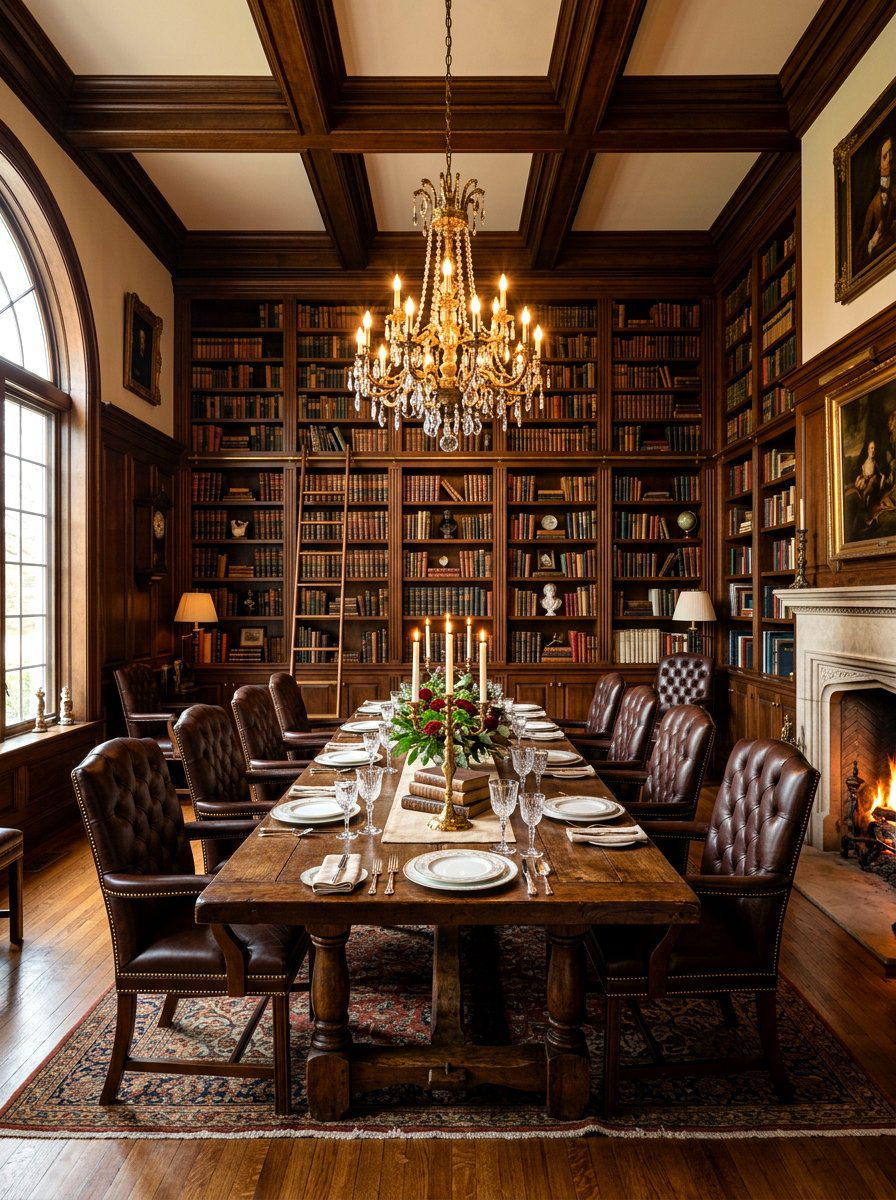
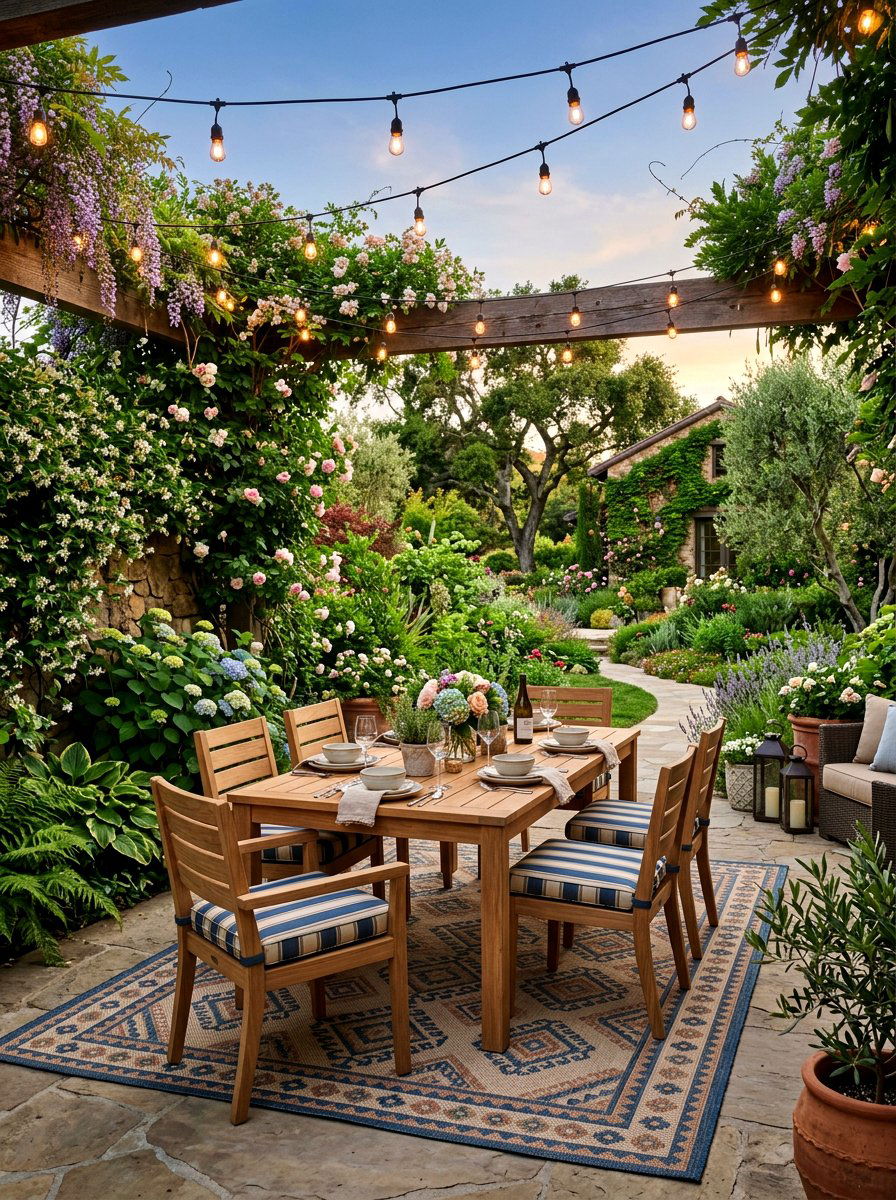
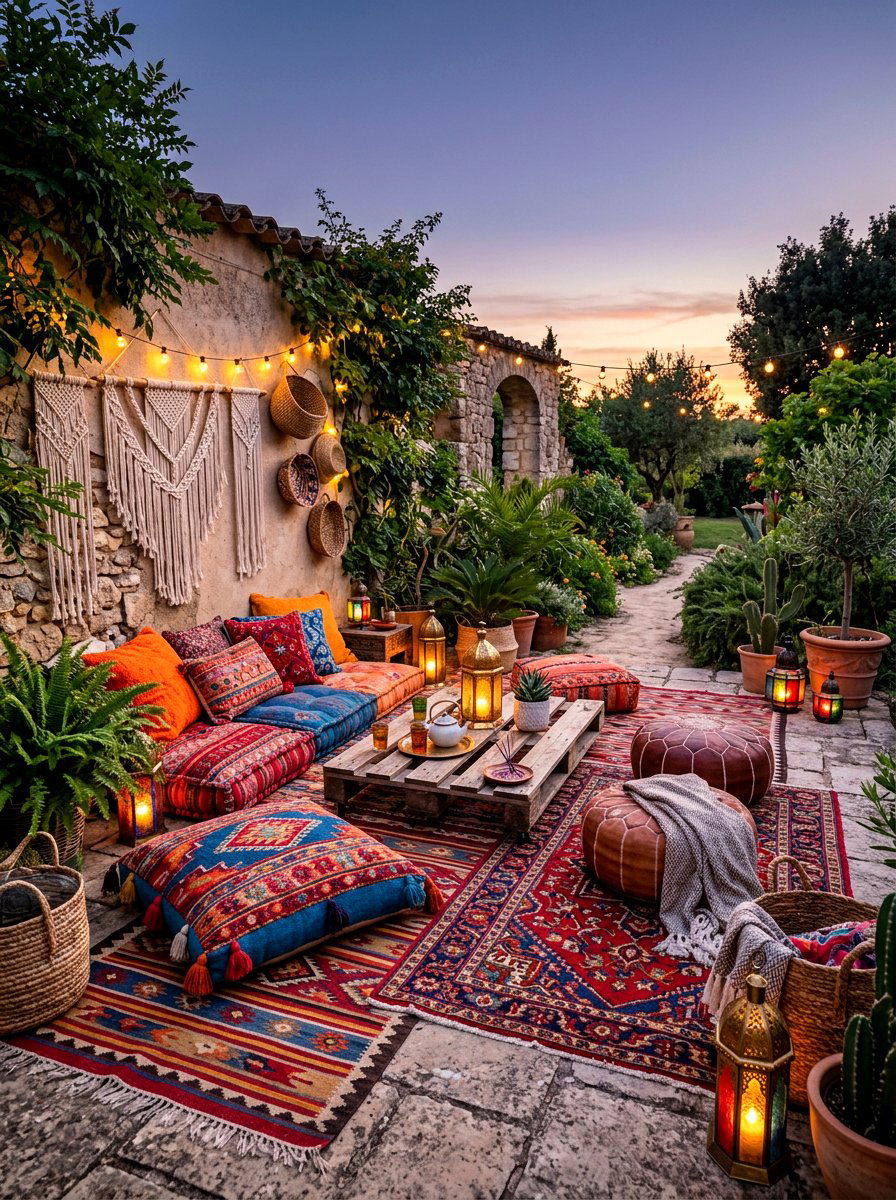
Sculptural centerpieces act as the soul of a room, bridging the gap between functional furniture and fine art. These pieces command attention, transforming a standard dining table or entryway console into a curated gallery space. Unlike traditional floral arrangements that wither, sculptural objects offer a permanent sense of movement and architectural interest. They invite guests to linger and engage with the space through their unique textures, shadows, and silhouettes. Whether you prefer the raw honesty of stone or the sleek precision of polished metal, there is a form for every style. Integrating these artistic elements allows you to express your personality without saying a single word to your guests.
1. Ceramic Knot
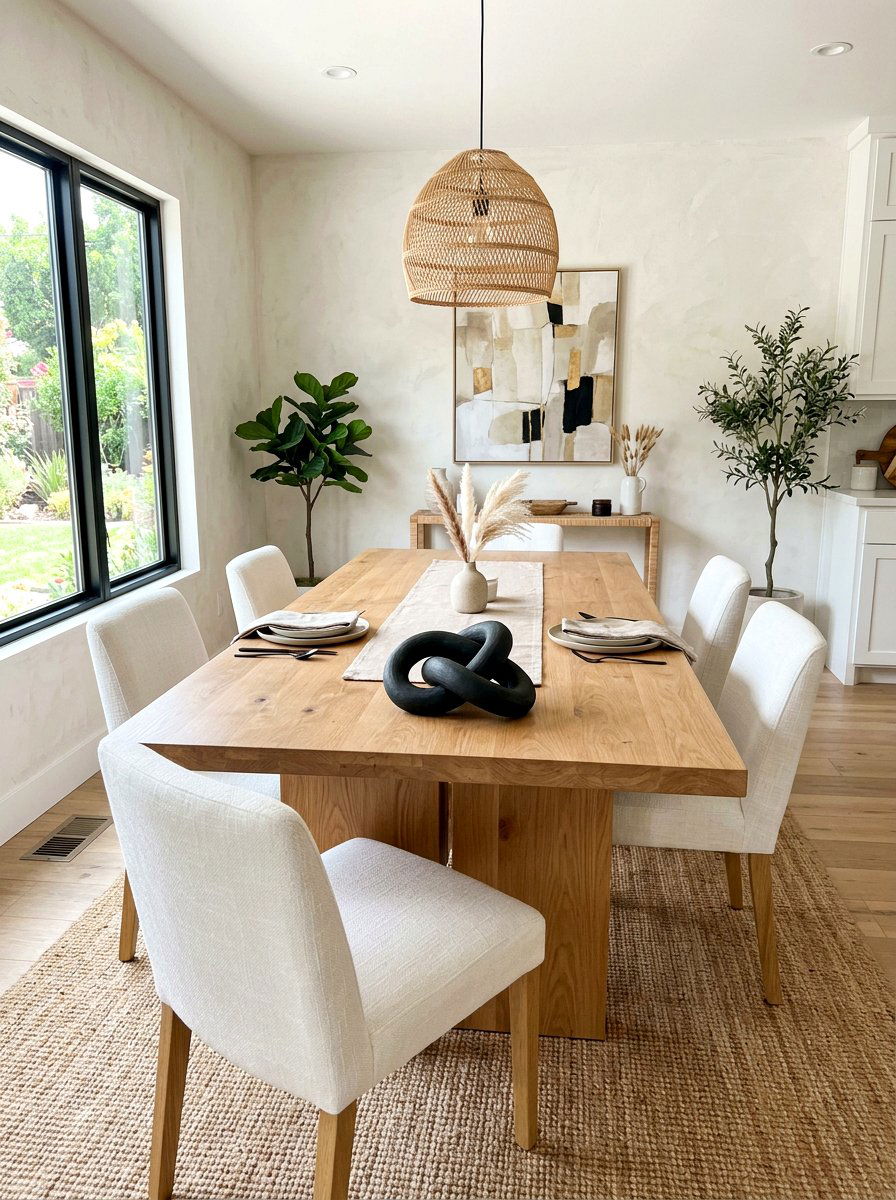
Have you ever noticed how a simple twist of clay can transform an entire dining room? A ceramic knot centerpiece brings a tactile, artisanal quality to your table that feels both ancient and incredibly modern. These hand-molded pieces often feature soft matte finishes or speckled glazes that catch the light beautifully during a dinner party. They work exceptionally well in minimalist settings because they provide a visual anchor without cluttering the visual field. You can place one on a stack of coffee table books or let it sit solo on a sleek oak surface. The beauty lies in its fluid lines and the way it suggests movement in a static space.
2. Travertine Bowl
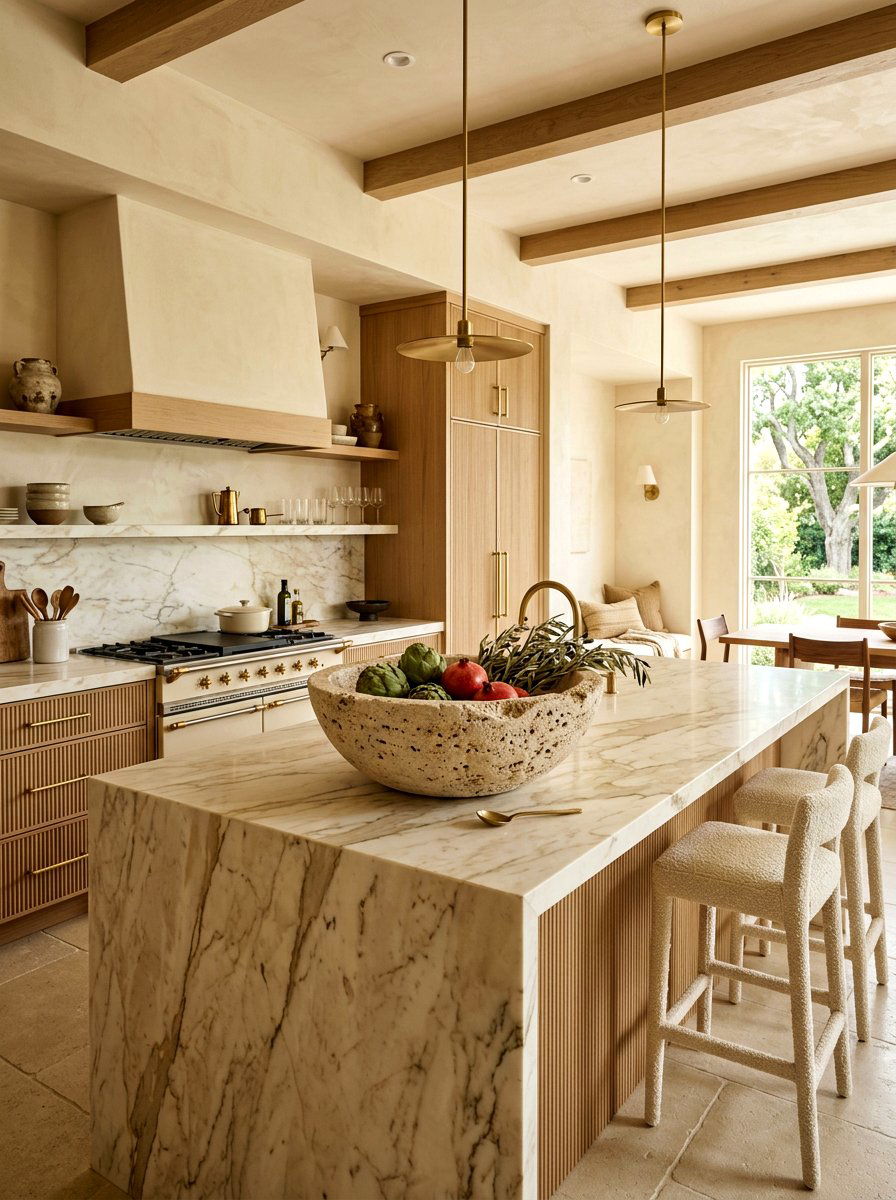
Natural stone brings a grounded, earthy luxury to any interior design scheme. A travertine bowl is particularly effective as a centerpiece because of its porous texture and warm, neutral palette. Many of these pieces feature heavy, footed bases that elevate the vessel, making it feel more like a monument than a kitchen accessory. Because travertine is a natural material, every piece features unique veining and pitting that tells a geological story. You do not even need to fill it with fruit; its raw, chiseled edges and substantial weight are enough to make it a primary focal point. It pairs beautifully with linen tablecloths and soft, ambient candlelight.
3. Driftwood Branch
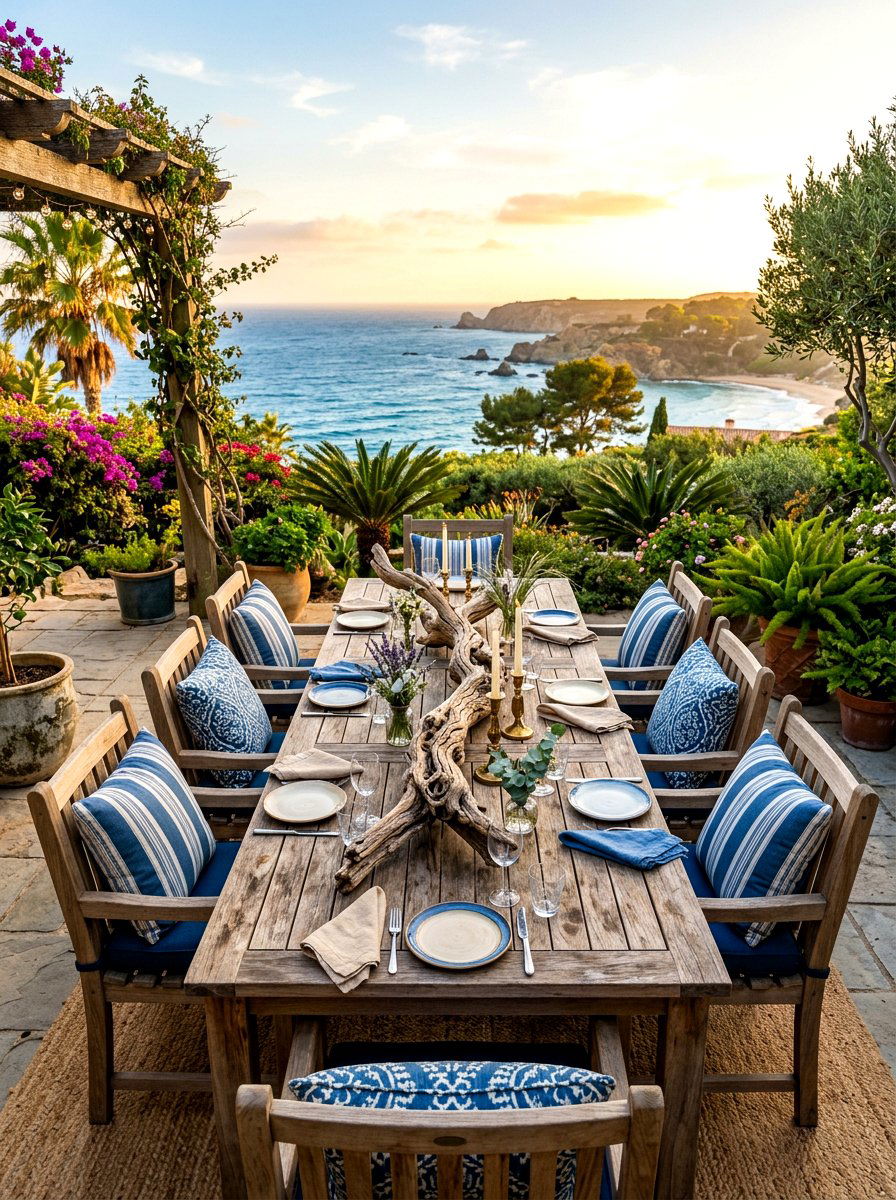
Using a large piece of driftwood as a centerpiece brings the untamed beauty of the outdoors onto your dining table. This organic sculptural element works best when it features dramatic curves, bleached silver tones, and intricate natural knots. It acts as a bridge between coastal and rustic aesthetics, providing a sense of history and weathered resilience. Because of its elongated shape, a driftwood branch fills the center of a long rectangular table perfectly without blocking sightlines. You can nestle small air plants or tea lights within its crevices for added interest. It creates a serene, biophilic atmosphere that feels effortless, relaxed, and deeply connected to nature.
4. Abstract Metal Spiral
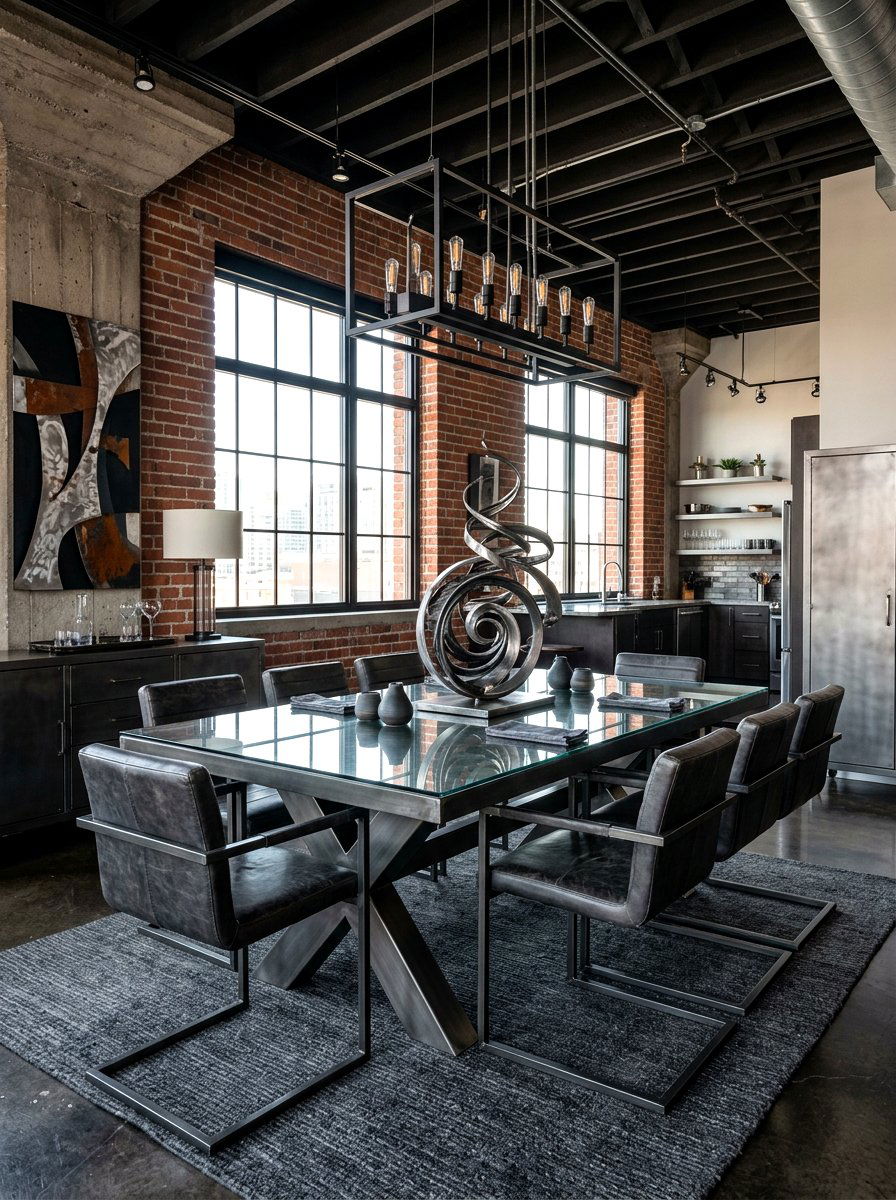
An abstract metal spiral provides a sense of energy and kinetic movement that draws the eye immediately. These sculptures, often crafted from brushed aluminum or matte black iron, use negative space to create a light and airy feel. They are perfect for modern or industrial homes where clean lines and bold silhouettes are preferred. The spiral shape allows guests to see through the object, ensuring that the centerpiece never feels like a wall between people sitting across from each other. When placed under a pendant light, the metal surfaces reflect a soft glow, casting interesting geometric shadows across the tabletop. It is a sophisticated, high-contrast choice for any room.
5. Hand Blown Glass Sphere
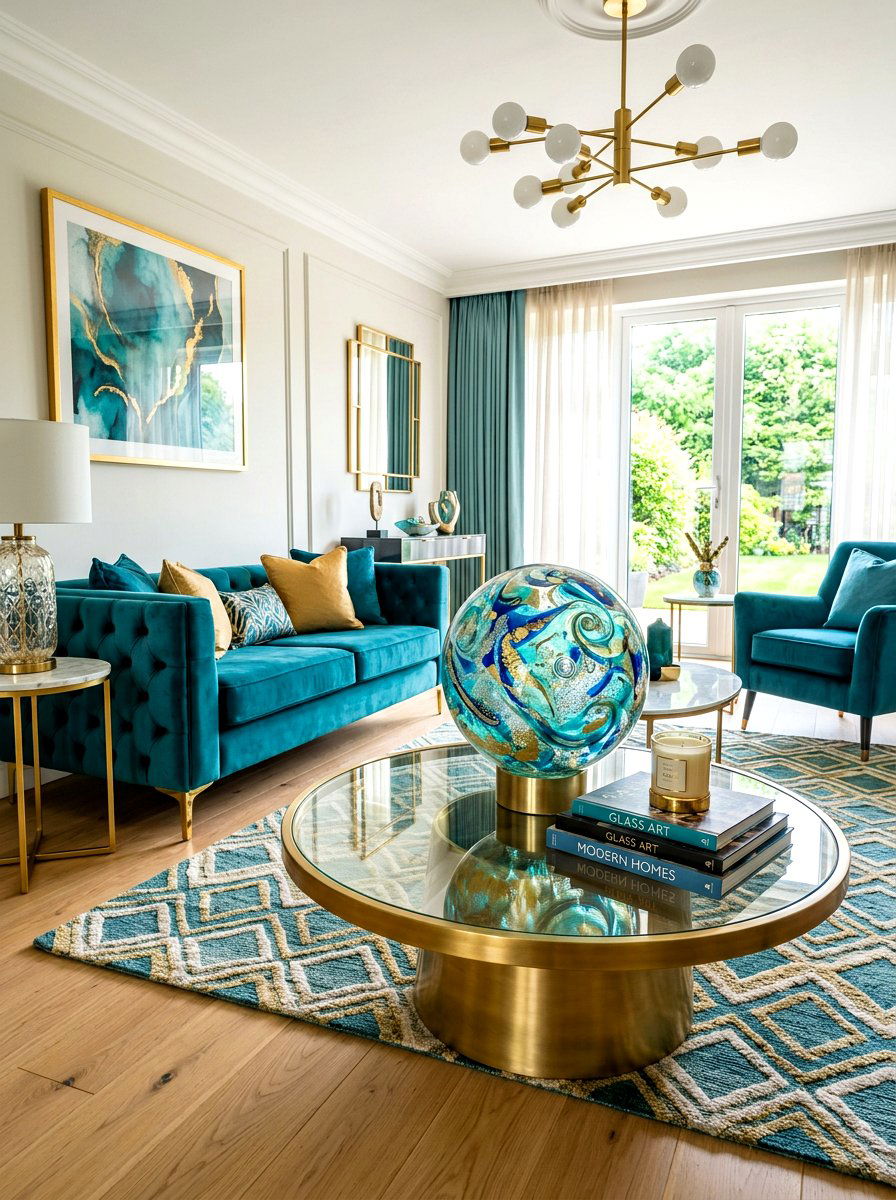
Glass spheres offer a delicate yet impactful way to introduce color and light-refraction to your living space. Hand-blown versions are especially prized for their unique internal swirls, bubbles, and slight imperfections that make each one a singular work of art. These orbs can be clear, smoked, or vibrantly tinted to match your room's specific accent colors. When grouped in odd numbers or placed solo on a mirrored tray, they create a mesmerizing display of transparency and depth. The smooth, rounded surface contrasts beautifully with sharper architectural elements in a room. They catch every ray of sunlight, turning your table into a shifting prism of color.
6. Stone Totem
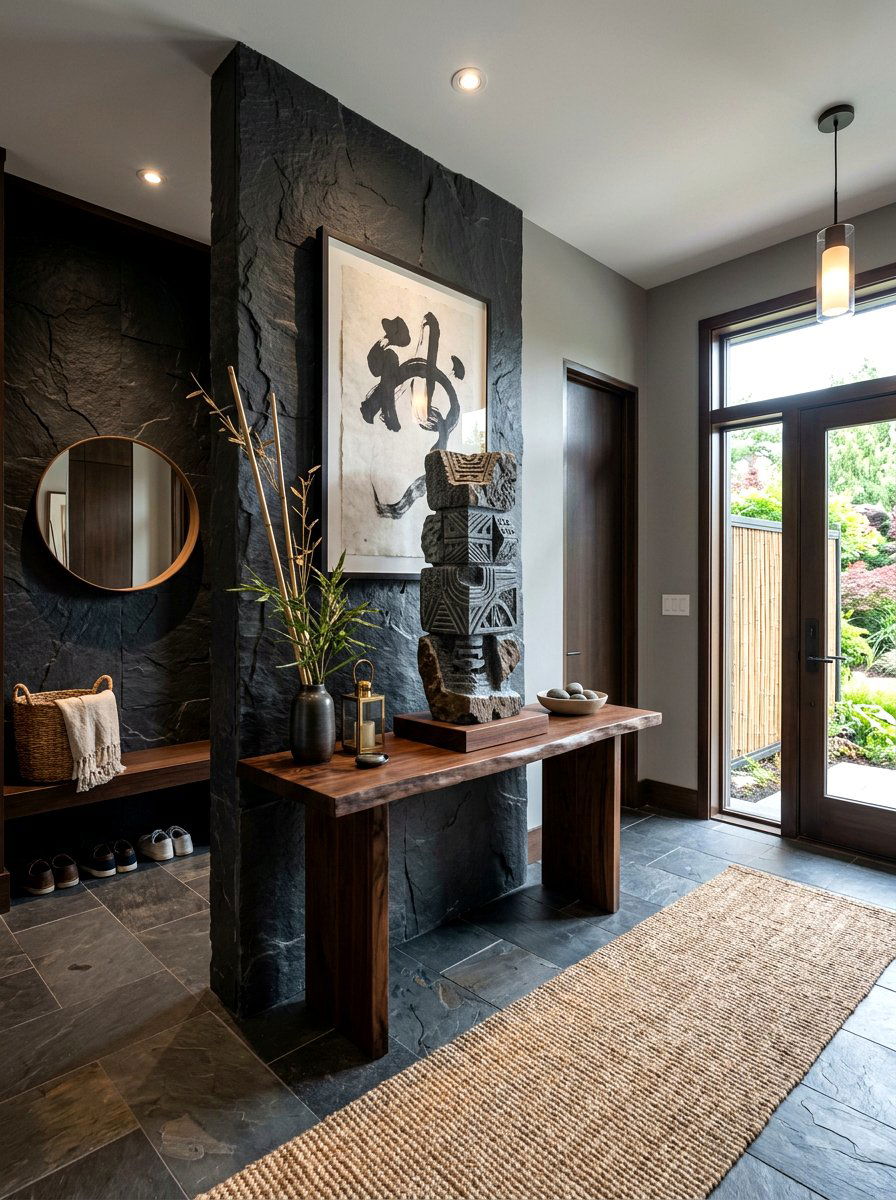
A stone totem centerpiece uses verticality and stacked geometric forms to create a sense of balance and zen-like calm. Often made from contrasting materials like basalt, marble, and limestone, these towers represent a modern take on ancient architectural ruins. They work exceptionally well on round tables where they can act as a central axis for the room. The varying textures — from polished smooth surfaces to rough, chiseled sections — invite guests to reach out and touch the art. This type of centerpiece feels permanent and substantial, providing a quiet strength to your decor. It is an ideal choice for those who appreciate a disciplined, gallery-inspired aesthetic.
7. Manzanita Branch
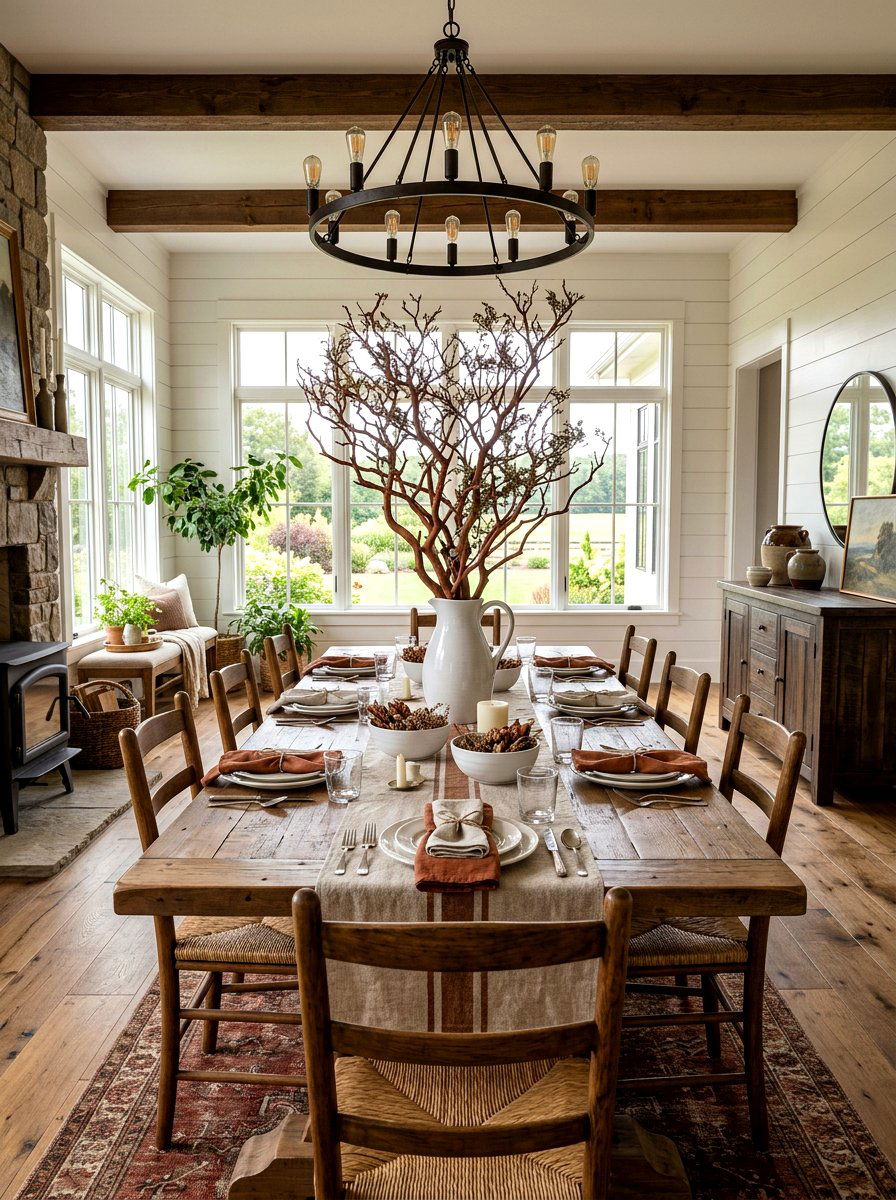
Manzanita branches are celebrated by interior designers for their deep reddish bark and intricate, winding silhouettes. Unlike standard branches, these are naturally dense and hardy, allowing them to serve as a long-lasting sculptural element. You can find them sandblasted for a clean, ghost-white look or left in their natural state for a warm, organic feel. They provide significant height and drama without the bulk of a traditional vase of flowers. By placing a large branch in a heavy ceramic vessel, you create a striking silhouette that looks like a miniature tree. It is a brilliant way to introduce a wild, sculptural texture to a formal dining setting.
8. Paper Mache Vessel
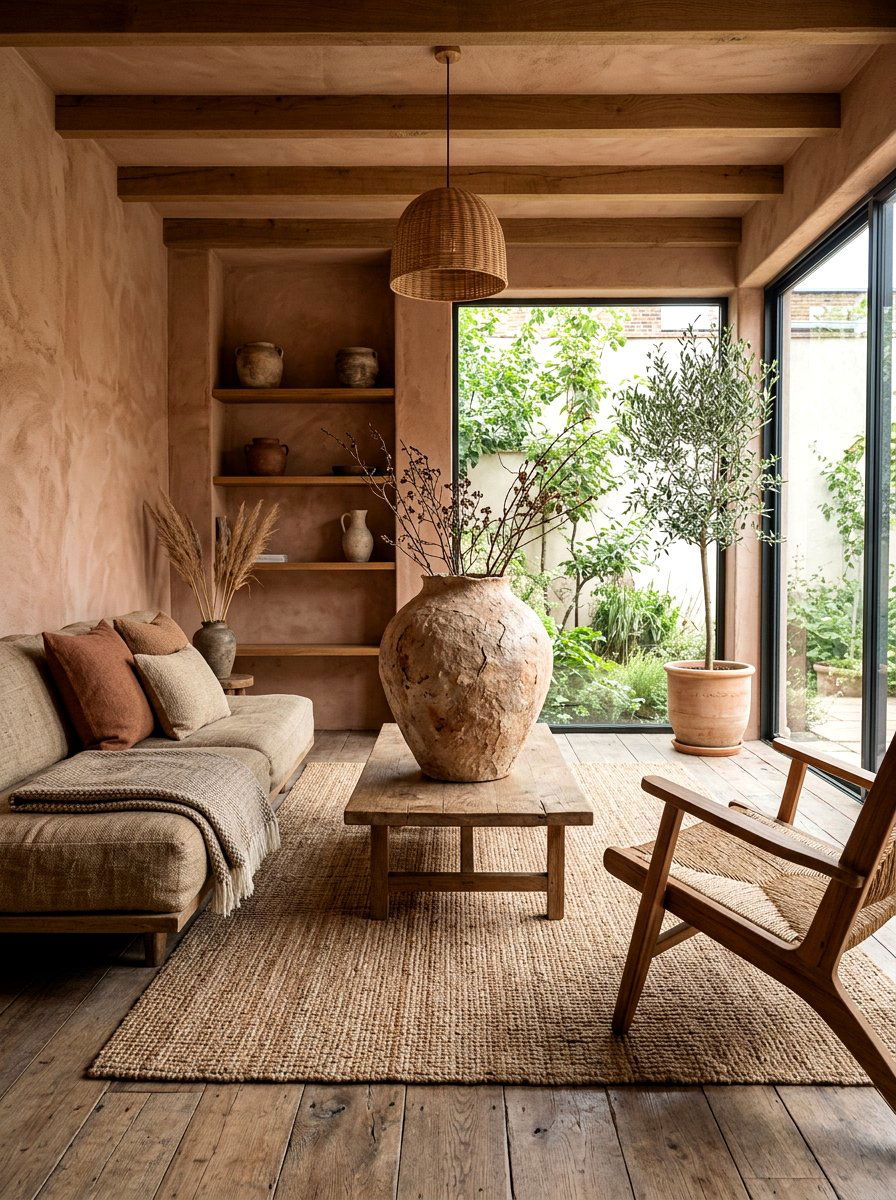
There is something incredibly soulful about a paper mache vessel that has been crafted by hand. These centerpieces emphasize texture over perfection, often featuring irregular rims and visible fibers that celebrate the mark of the maker. Because they are lightweight, they can be made in oversized, dramatic shapes that would be too heavy in stone or ceramic. They bring a soft, wabi-sabi elegance to a room, making the space feel more approachable and lived-in. Their matte, chalky finish absorbs light rather than reflecting it, creating a quiet and humble beauty. Use them to hold dried grasses or simply let their unique forms stand alone.
9. Marble Chain Link
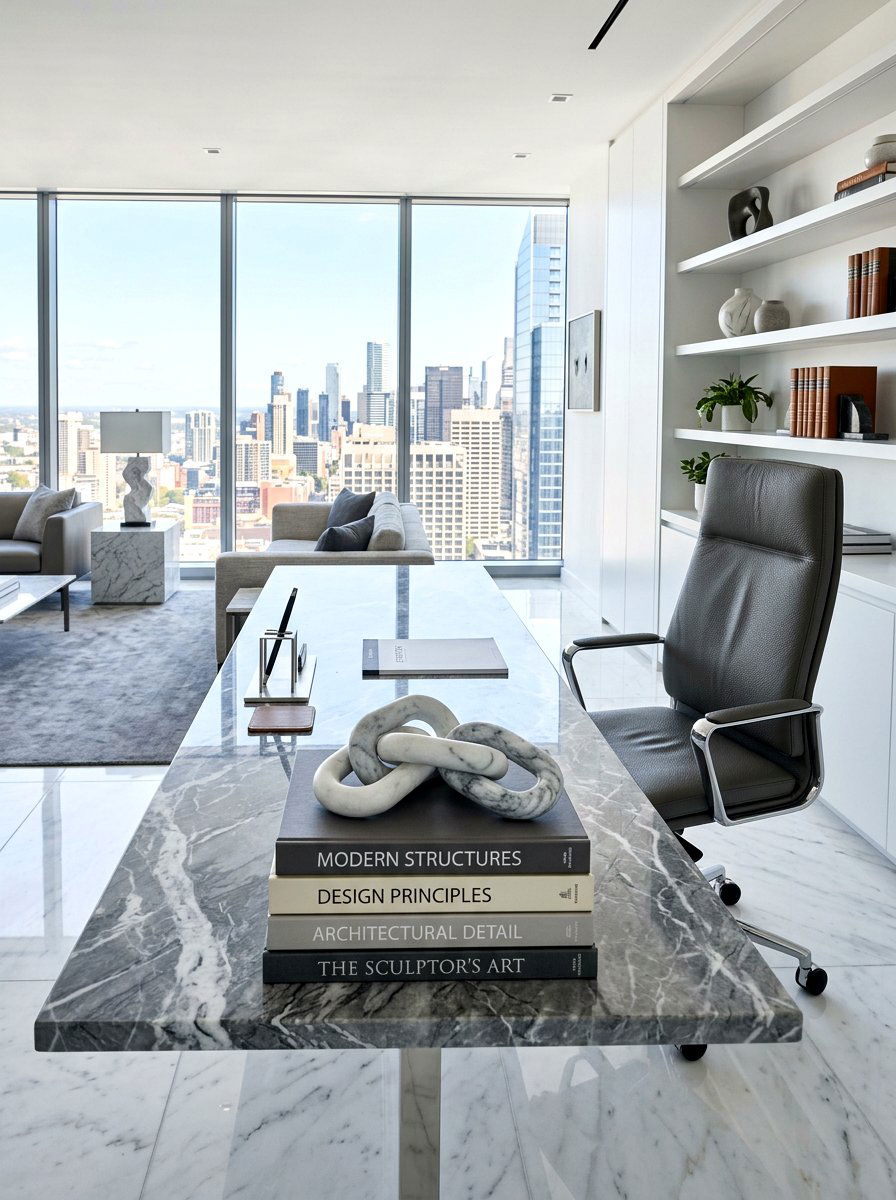
Marble chain links have become a staple in high-end interior styling because of their clever play on weight and flexibility. Carving a heavy, rigid material like marble into interlocking, moveable links is a feat of craftsmanship that always sparks conversation. These sculptures can be draped over a stack of books or coiled in the center of a tray to add a sense of fluid movement. They bring a touch of classic luxury to the table while remaining firmly modern in their abstract application. Whether in white Carrara or deep black Marquina, the natural veining of the stone ensures that no two links are ever exactly the same.
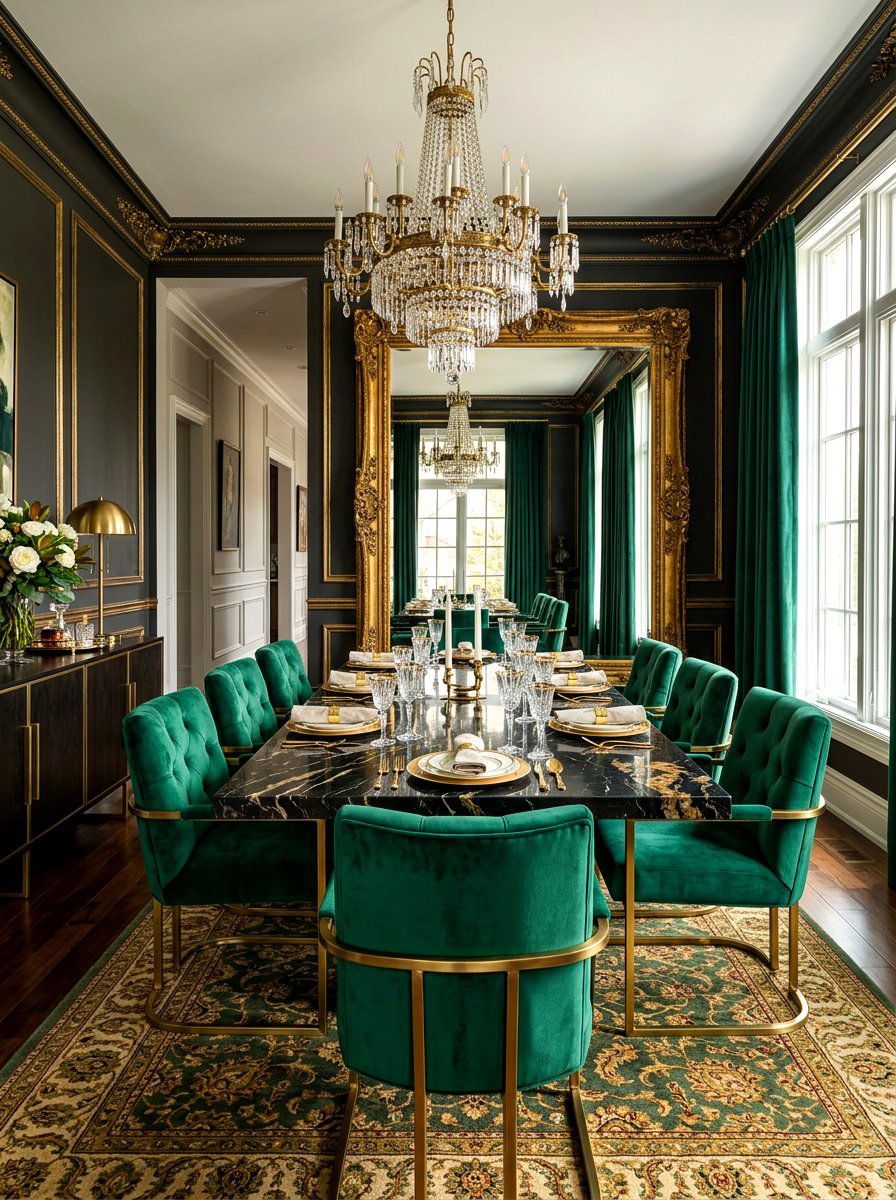
10. Brass Arc
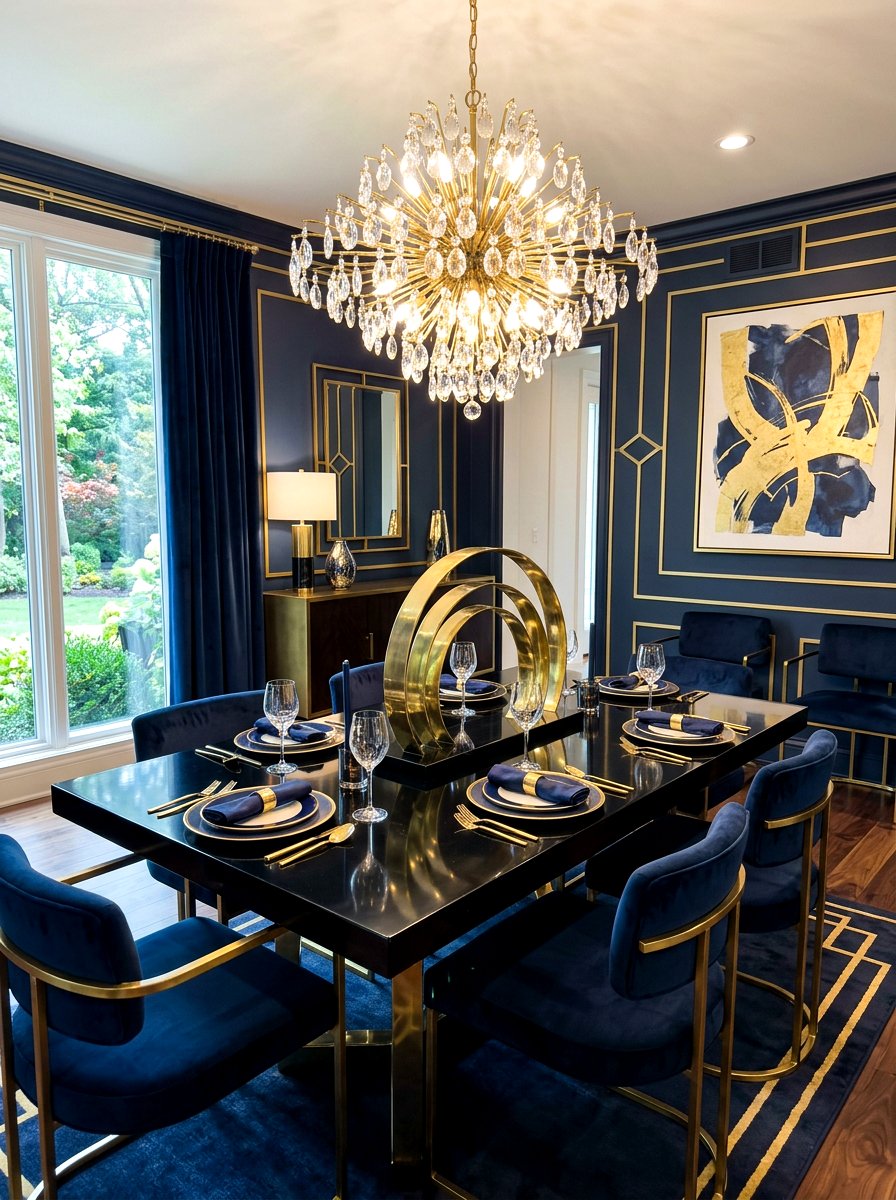
A brass arc is a study in minimalist geometry and warm metallic brilliance. These centerpieces often consist of a single, continuous curve or a series of concentric metal ribbons that seem to float above the table surface. The golden hue of the brass adds a touch of glamour to the room without being overly flashy or ornate. Because they are typically very thin and sleek, they do not clutter the visual plane, making them ideal for smaller tables. The polished surface reflects the colors of the room, helping the piece integrate seamlessly with its surroundings. It is a perfect choice for adding a sophisticated, mid-century modern vibe.
11. Clay Figure
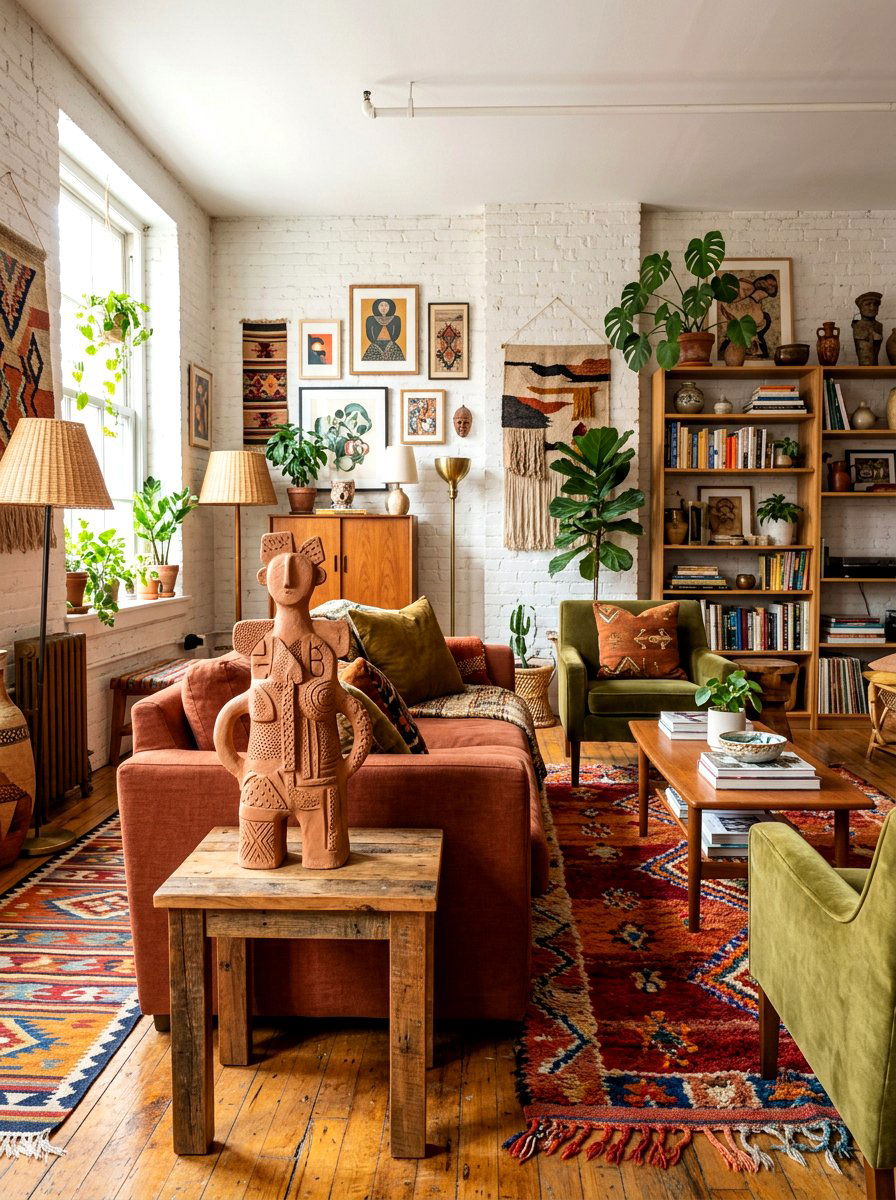
Abstract clay figures that depict the human form in simplified, flowing lines bring a sense of emotion and intimacy to a table. These sculptures often move away from literal representation, focusing instead on the curve of a shoulder or the tilt of a head. They act as a silent presence in the room, adding a layer of storytelling to your interior design. Using unglazed terracotta or white stoneware emphasizes the raw, human connection to the material. These pieces feel deeply personal and work well in eclectic or bohemian spaces. They remind us that home is a place for people, connection, and the celebration of the human experience.
12. Woven Fiber Sculpture
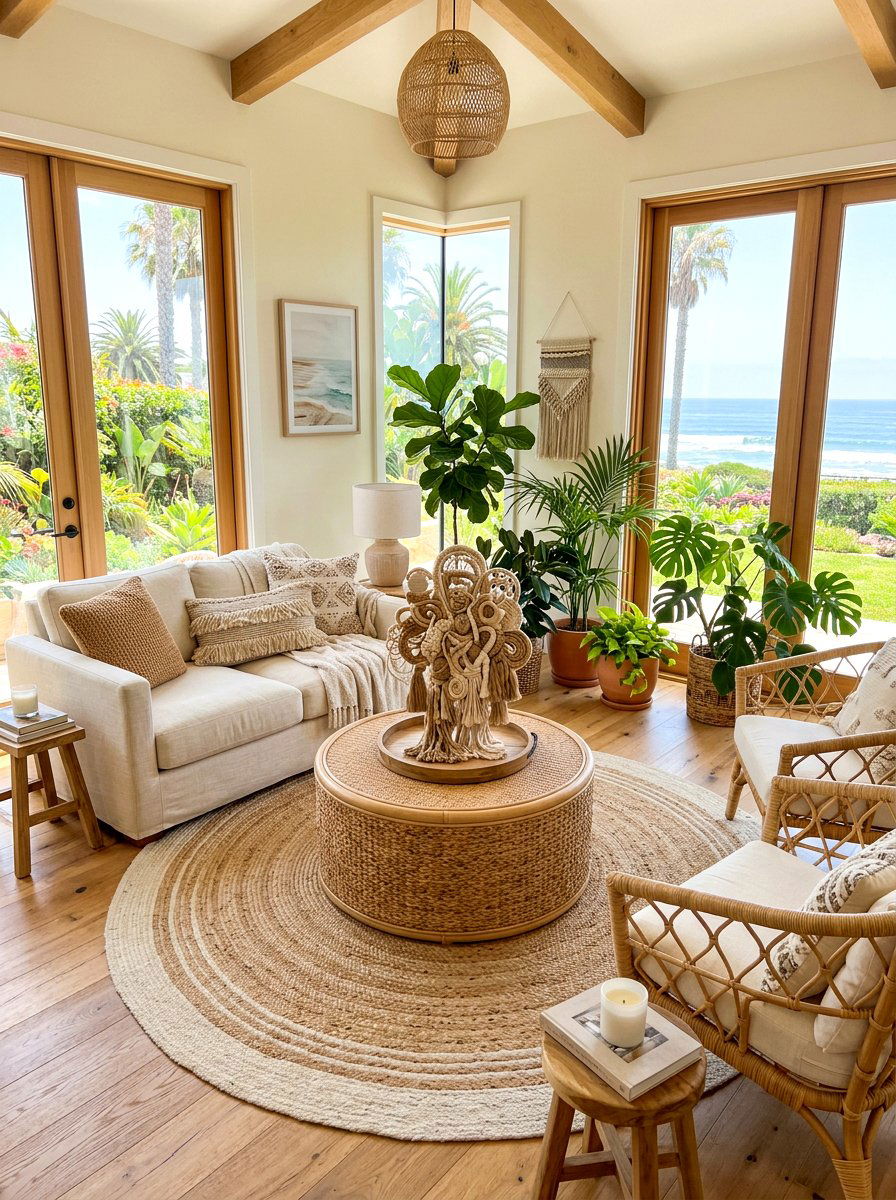
Woven fiber centerpieces introduce a soft, architectural element that breaks up the hard surfaces of a typical dining room. Using materials like seagrass, jute, or stiffened linen, artists create three-dimensional forms that resemble nests, pods, or abstract baskets. These pieces add immense warmth and texture to a space, making it feel cozy and grounded. The intricate patterns of the weave catch the light in different ways, creating a play of micro-shadows that adds visual depth. They are particularly effective in neutral-toned rooms where texture is the primary driver of interest. A woven sculpture feels artisanal, humble, and perfectly aligned with the popular organic modern style.
13. Acrylic Block
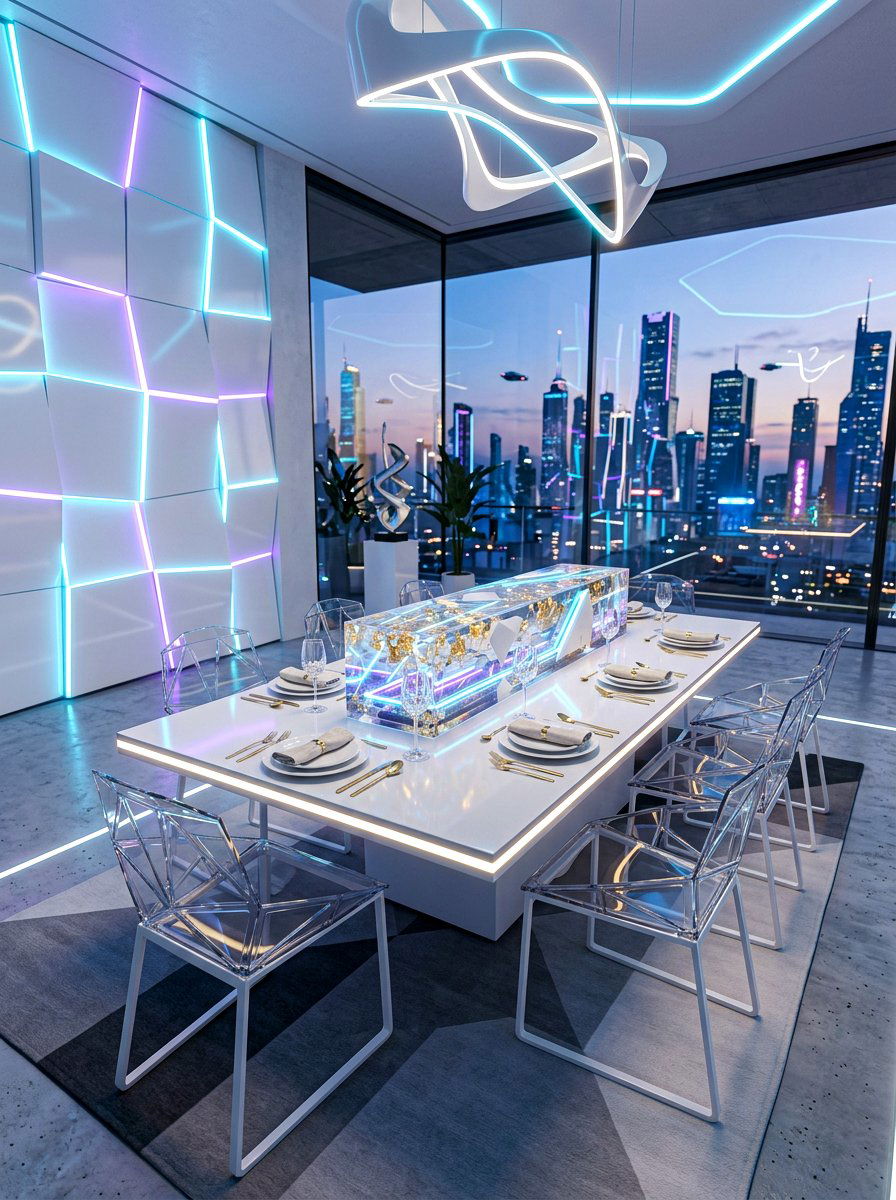
For a space that feels futuristic and ultra-modern, an acrylic block centerpiece is a stunning choice. These pieces use thick, transparent resin to trap light, color, or even physical objects like gold leaf or dried botanicals within their crystal-clear depths. Because they are transparent, they seem to disappear and reappear depending on the angle from which they are viewed. This creates a sense of mystery and technological wonder on your table. High-quality acrylic has the same clarity as glass but offers more durability and a lighter weight. It is a bold, clean-lined option that looks incredible when illuminated by integrated LED lighting or natural sunlight.
14. Concrete Geometric Object
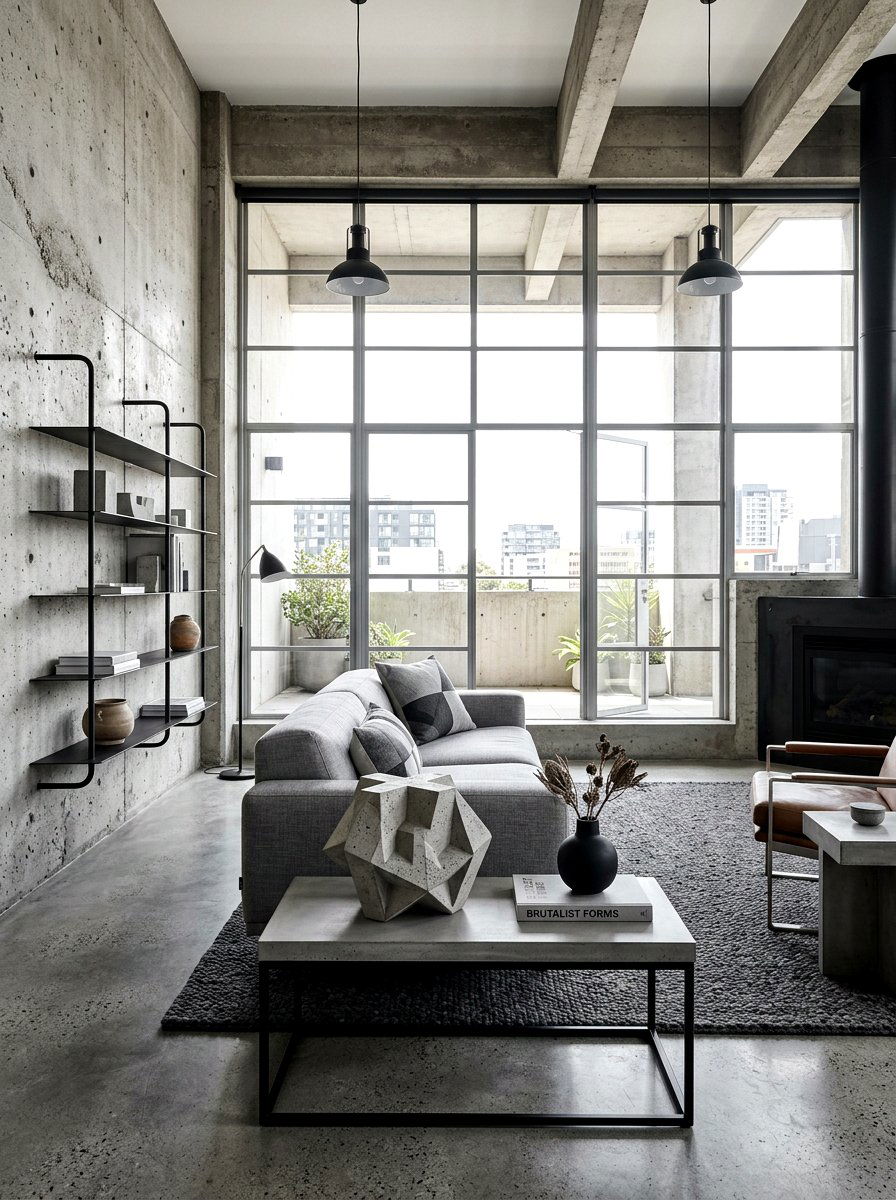
Concrete is no longer just for sidewalks; it has become a favorite material for creating brutalist, geometric centerpieces. These pieces often feature sharp facets, heavy bases, and a cool grey industrial aesthetic that contrasts beautifully with soft textiles. A dodecahedron or a series of interlocking cubes made of smooth-cast concrete adds a sophisticated weight to your tabletop. The material's natural variation in color and small air bubbles give it a character that feels both architectural and honest. It is a fantastic way to anchor a room that has a lot of glass or wood, providing a solid, immovable focus that feels undeniably contemporary and bold.
15. Stacked Pottery
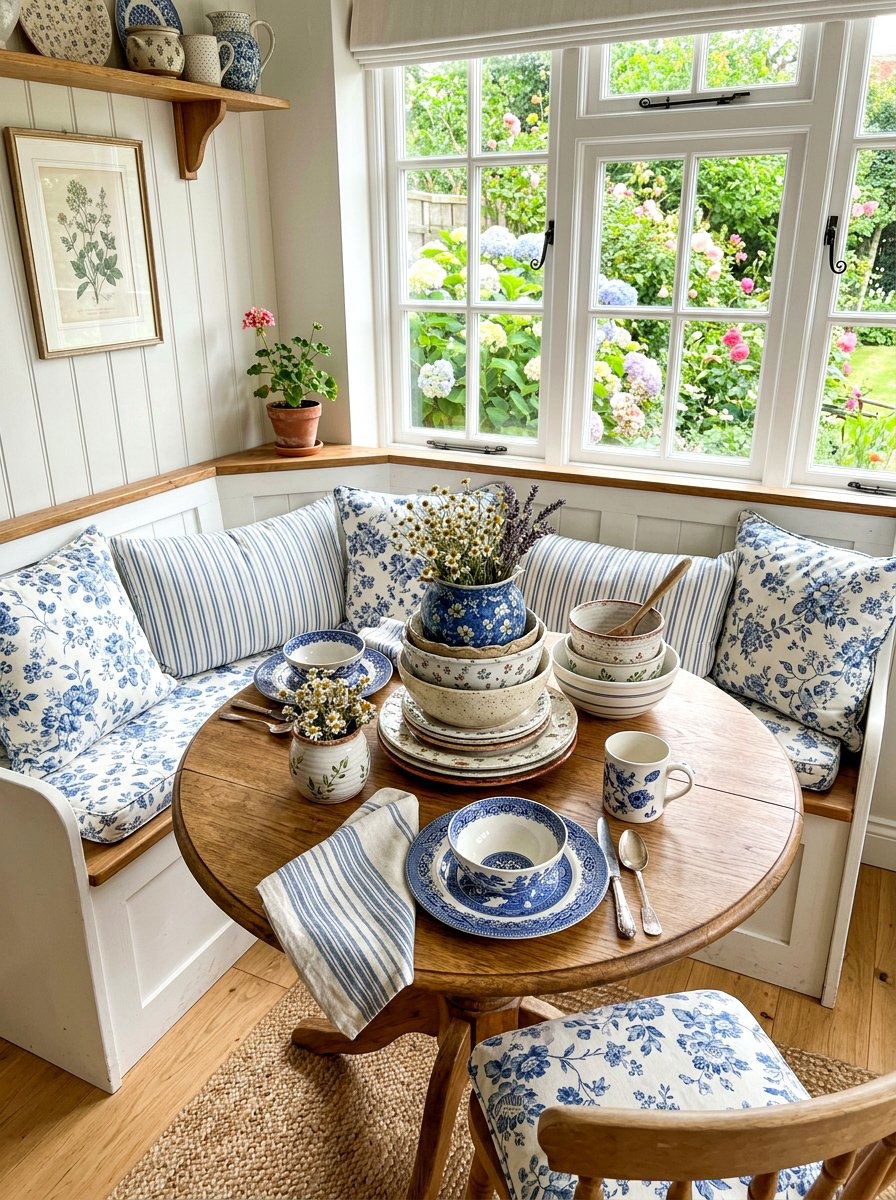
Rather than a single object, a collection of stacked pottery can serve as a dynamic and customizable centerpiece. By layering different sizes and shapes of bowls, plates, and vessels, you create a tiered sculpture that changes every time you rearrange it. This approach allows you to mix textures, such as a glossy glazed bowl sitting inside a matte, sandy-textured plate. It feels casual and artistic, suggesting a life well-traveled and a love for functional beauty. The negative spaces created by the rims and bases add architectural interest to the arrangement. This is a great way to showcase your favorite handmade ceramics in a cohesive, intentional way.
16. White Coral Accent
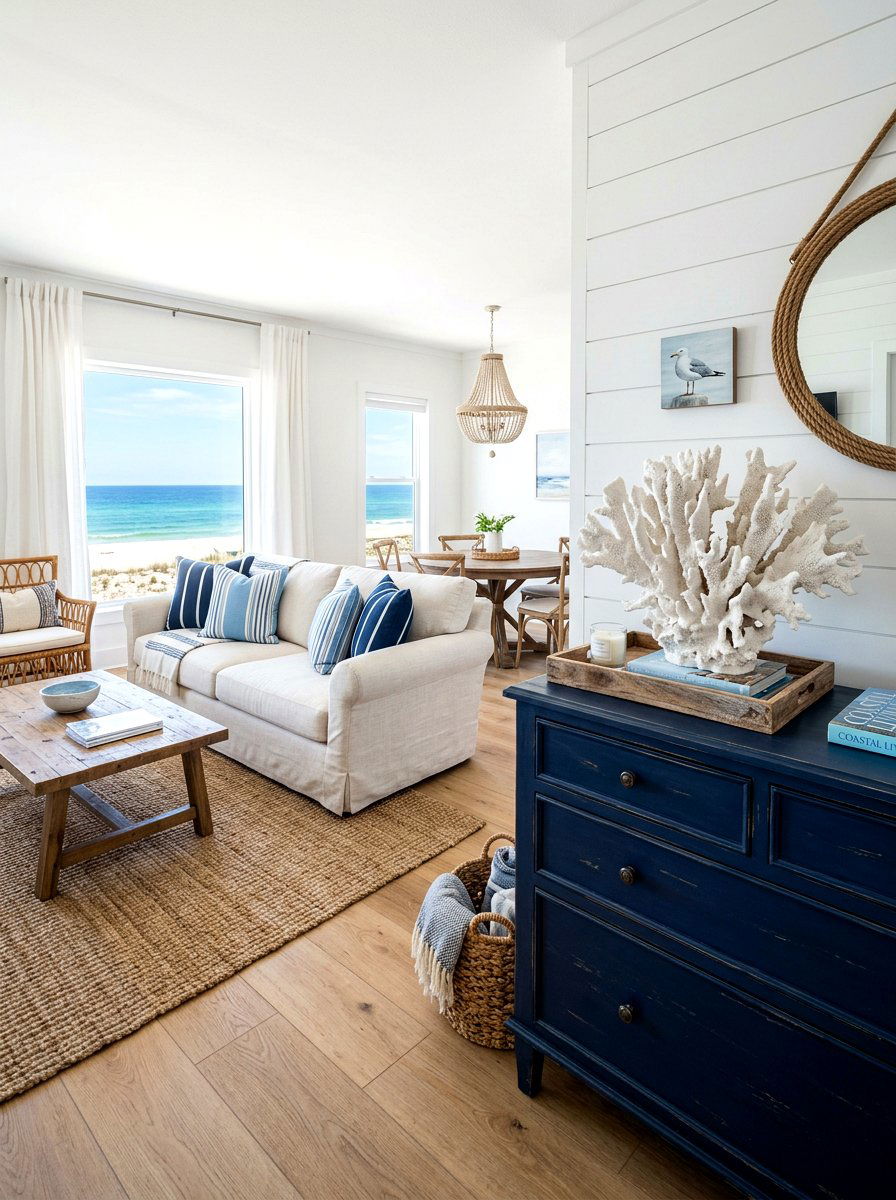
Bringing the ocean's intricate architecture into your home is easy with a large white coral centerpiece. While sustainable resin replicas are now the standard, they perfectly capture the delicate, branching structures of real coral reef formations. The bright white color pops against dark wood tables or navy blue linens, creating a crisp, coastal look. The thousands of tiny branches create a complex silhouette that is fascinating to look at from every angle. It adds an organic, almost alien-like texture to the room that feels both sophisticated and wild. Coral sculptures work exceptionally well in bright, airy rooms that emphasize natural light and breezy, relaxed living.
17. Iron Lattice
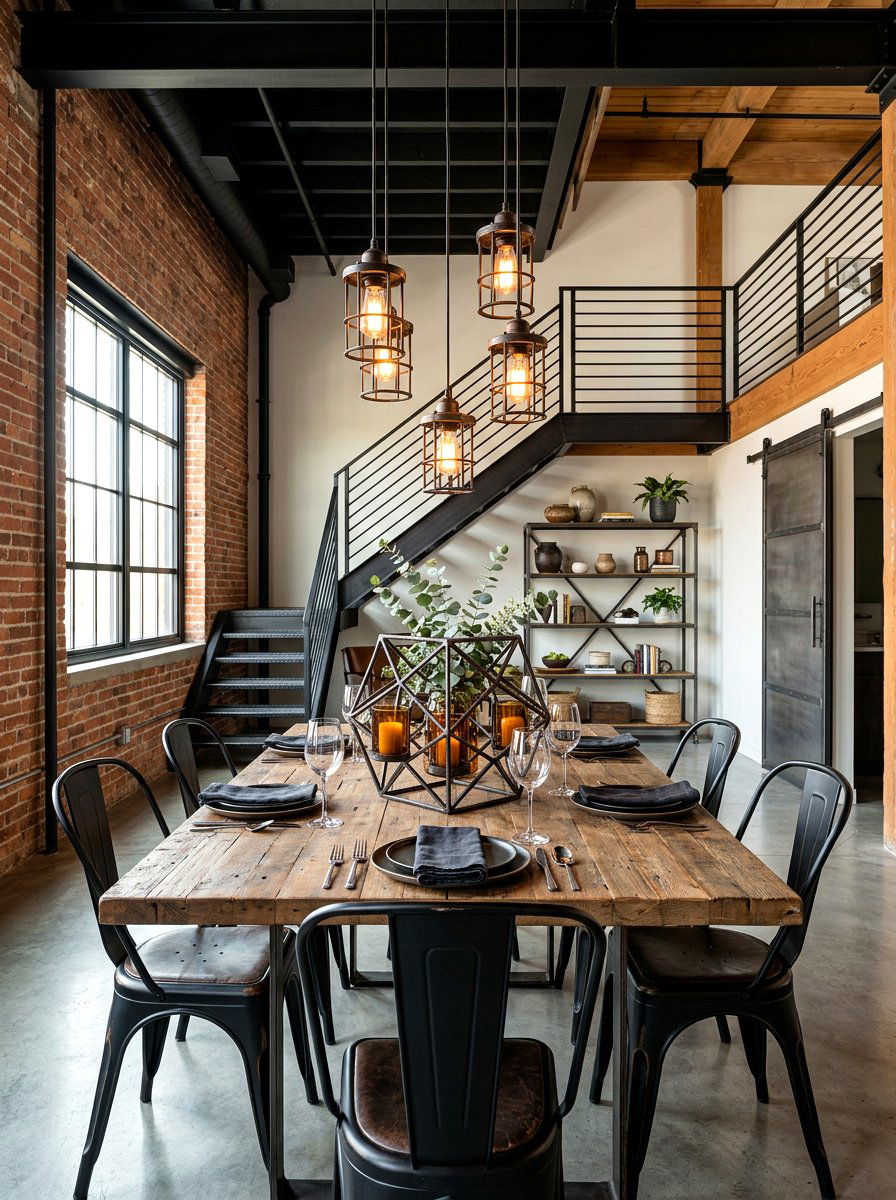
An iron lattice centerpiece uses thin, welded rods to create a cage-like or skeletal structure that feels both strong and delicate. This industrial-style sculpture is all about the line and the void, allowing the table surface to remain visible through the art. It is a great choice for those who want a large-scale centerpiece that doesn't feel heavy or overbearing. Some designs incorporate geometric patterns, while others are more chaotic and resemble a tumbleweed of metal. The matte black finish common in these pieces provides a sharp contrast against lighter backgrounds. It is an edgy, modern statement that fits perfectly in a contemporary loft or apartment.
18. Wood Link
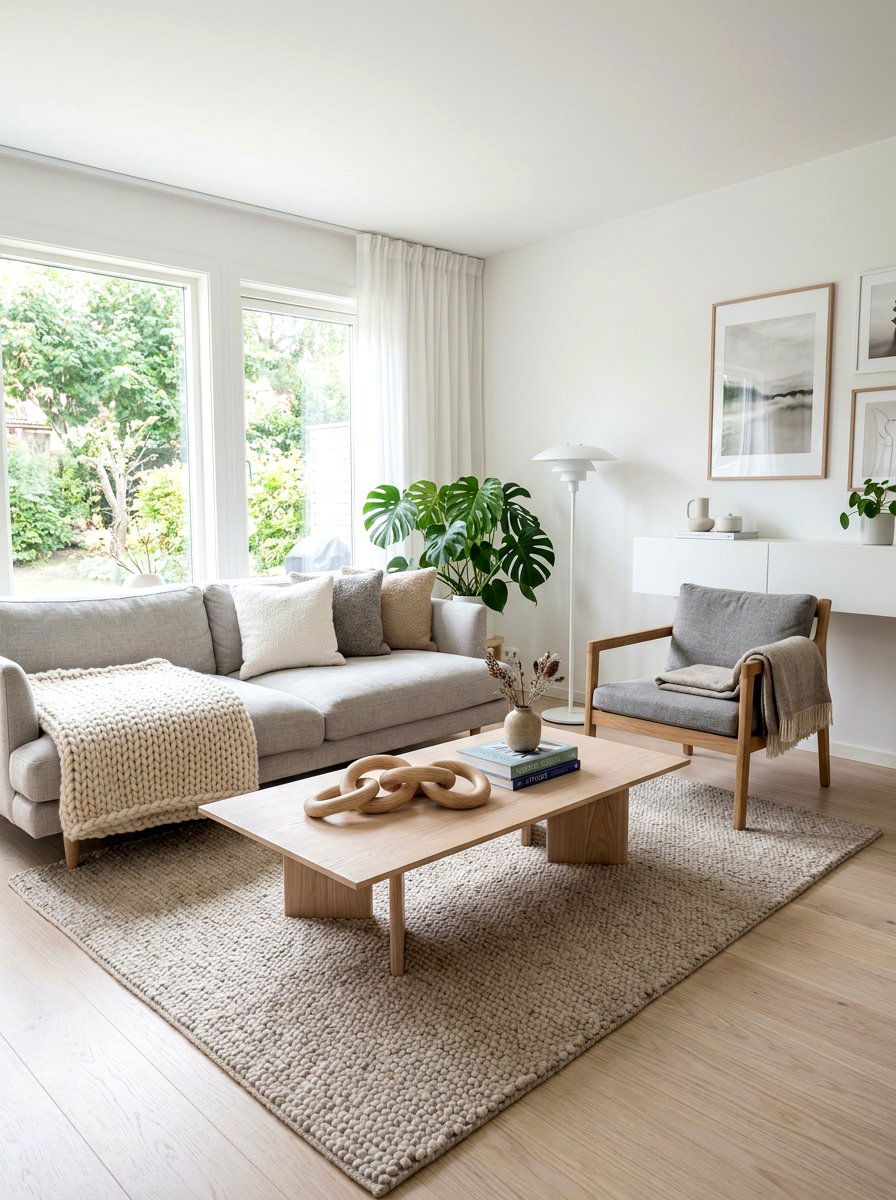
The wood link sculpture is a softer, more organic version of the popular marble chain. Typically crafted from light oak or walnut, these pieces feature thick, rounded loops that have been sanded to a buttery smooth finish. They bring a Scandinavian or Japandi feel to the room, emphasizing natural materials and simple, repetitive forms. You can stretch them out across a long table or pile them up to create more vertical interest. The warmth of the wood grain adds a cozy, tactile element that invites people to touch and move the links. It is a versatile accessory that bridges the gap between toy and high-end art.
19. Terracotta Curve
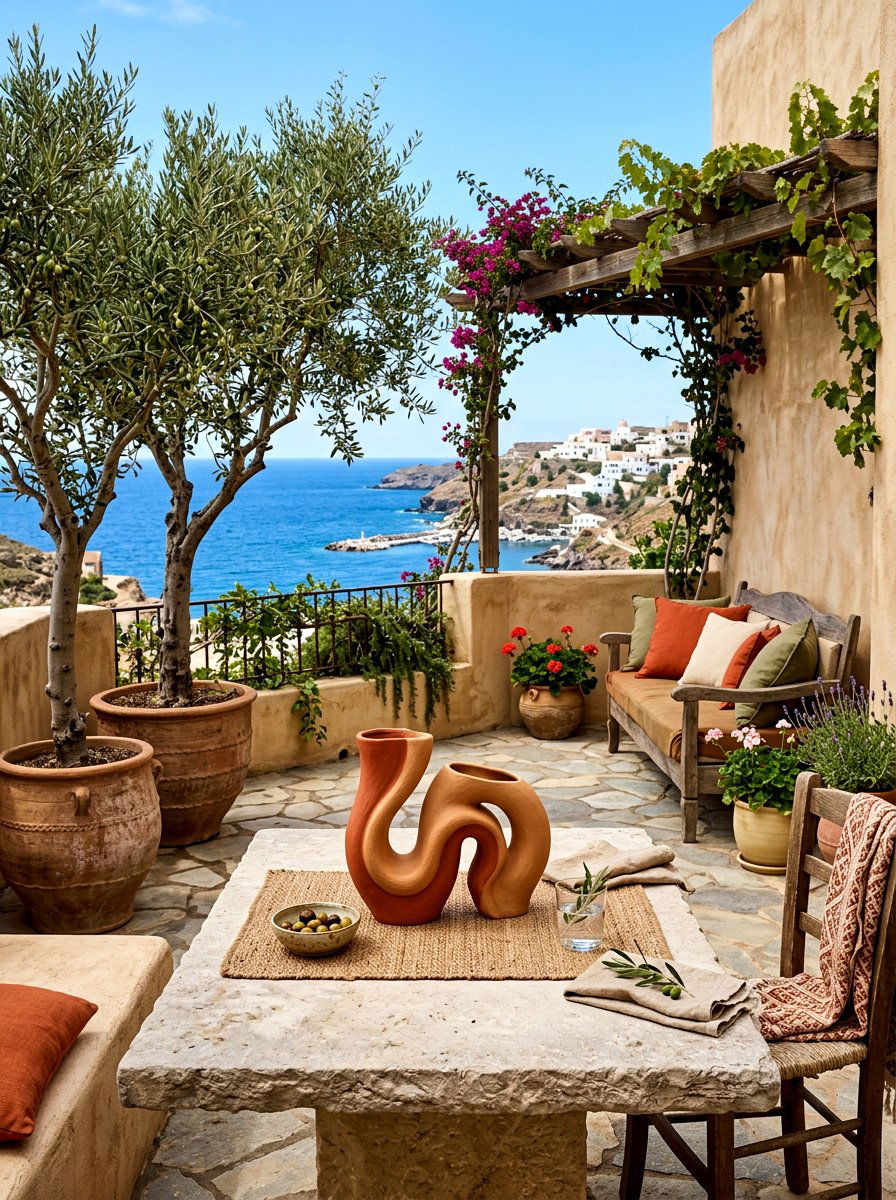
Terracotta curves bring a Mediterranean warmth and a sense of fluid motion to your home decor. These centerpieces often resemble waves, sand dunes, or abstract architectural arches that play with light and shadow. The rich, burnt-orange hue of the clay adds a vibrant pop of earthy color that feels grounded and timeless. Because terracotta is often left unglazed, the surface has a beautiful matte texture that feels wonderful to the touch. These pieces work beautifully in rooms with a lot of greenery, as the orange tones are the natural complement to leafy greens. It is a sculptural choice that feels historic yet perfectly suited for modern life.
20. Plaster Bust
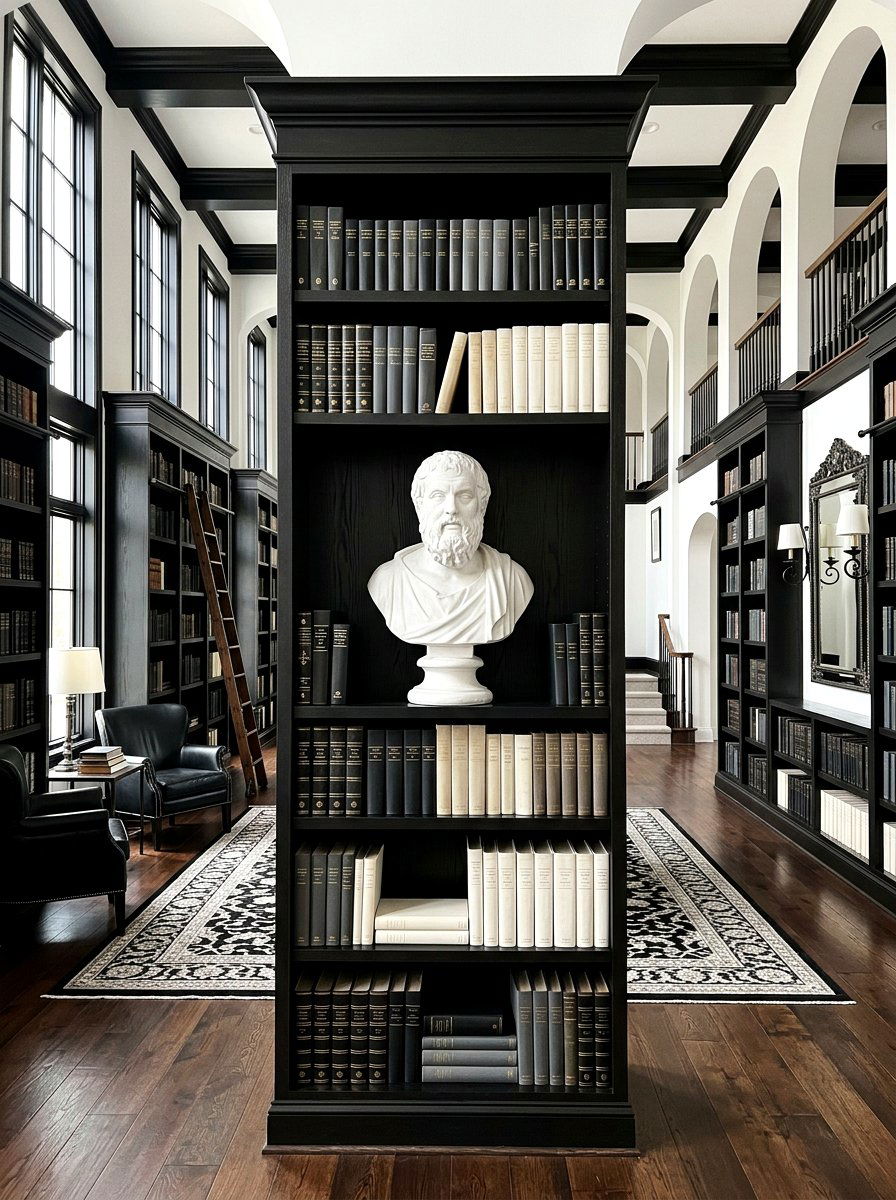
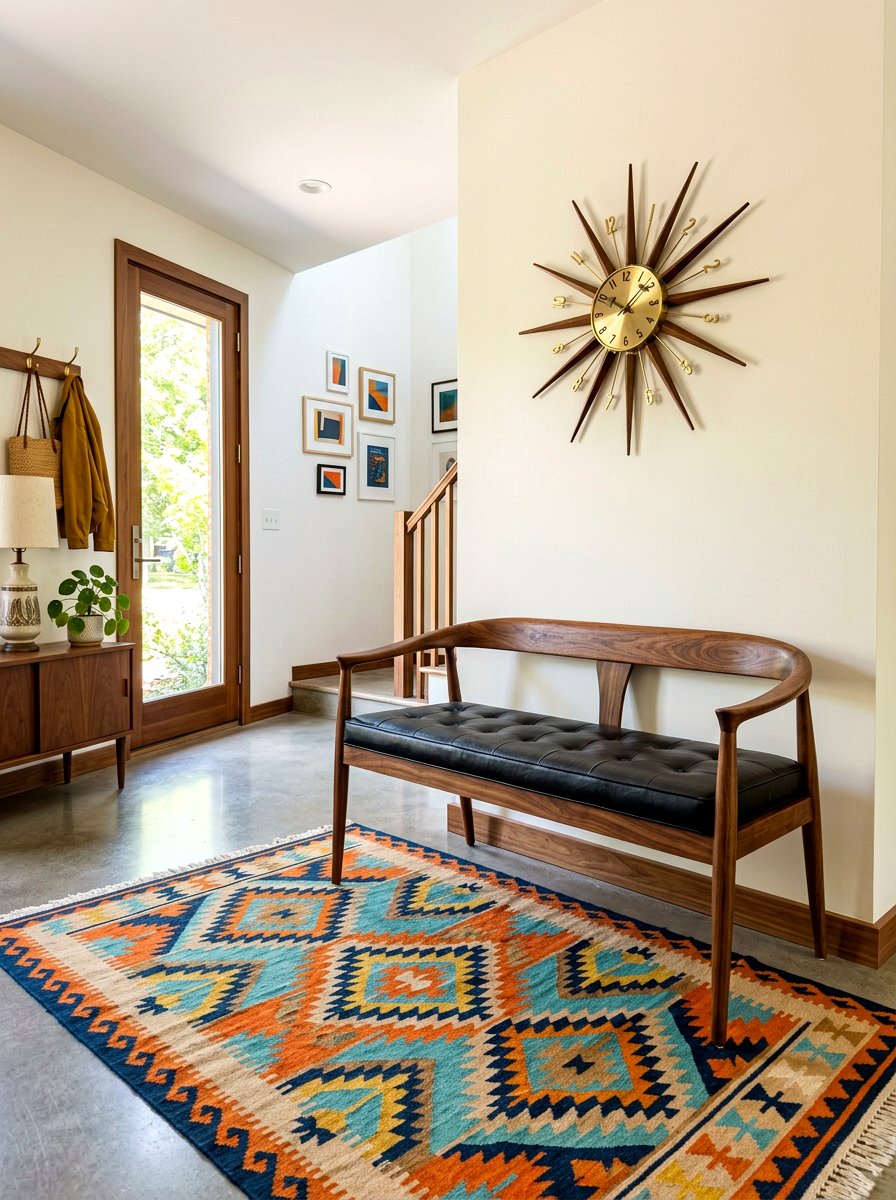
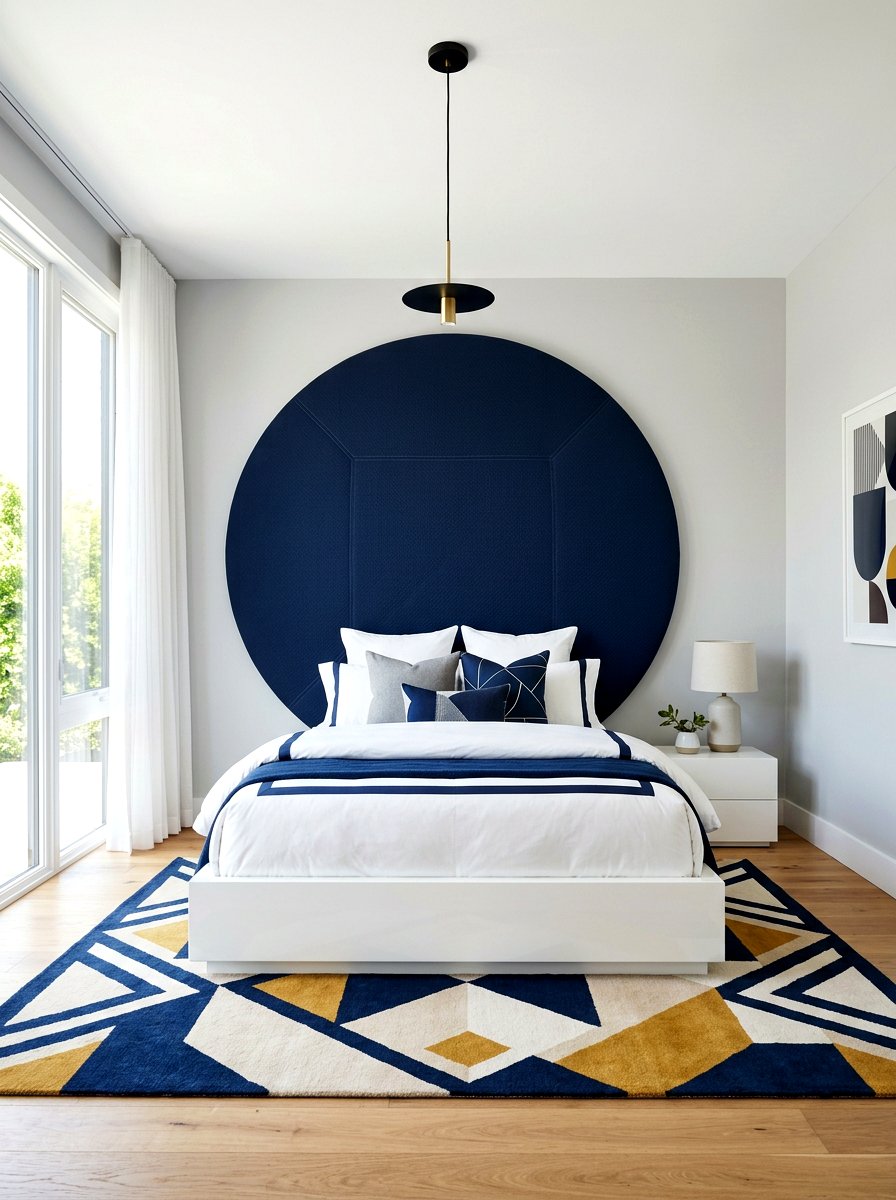
A modern plaster bust is a way to reference classical art while keeping your space feeling current and stylish. Instead of hyper-realistic portraits, look for simplified, abstract versions that focus on the general silhouette of the head and shoulders. The stark white, chalky finish of the plaster makes a bold statement against colorful walls or dark furniture. It brings a sense of culture and intellectual curiosity to your dining room or entryway. By choosing a piece with clean, contemporary lines, you avoid the stuffiness associated with traditional museums. It is a timeless sculptural element that adds a sense of history and gravitas to any modern home.
21. Wire Mesh
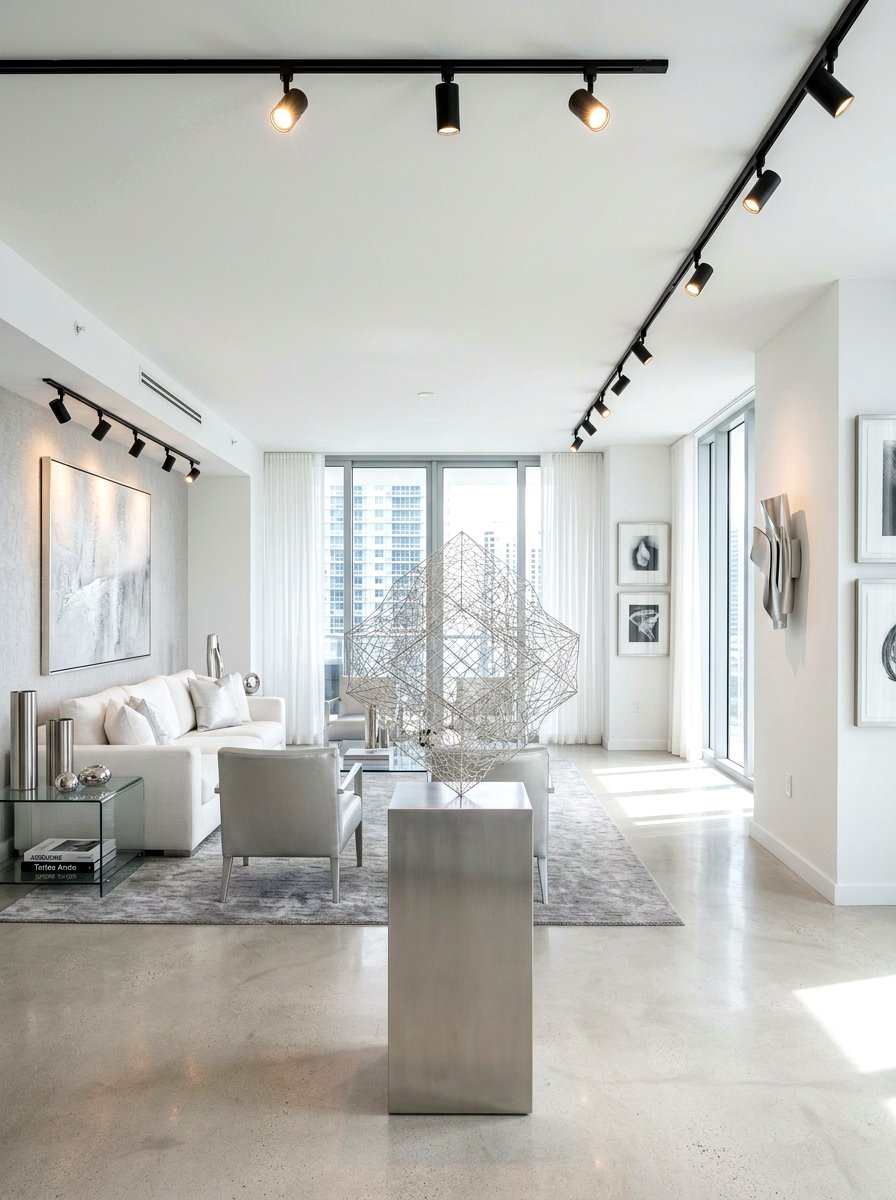
Wire mesh centerpieces are like drawings in three dimensions, using thin metallic screens to create ethereal, cloud-like forms. These sculptures often seem to change shape as you walk around them, as the layers of mesh overlap and create new patterns. They are incredibly lightweight and airy, making them perfect for spaces that need a sense of lightness. Some are molded into organic shapes like flowers or waves, while others remain completely abstract. The fine texture of the wire catches the light in a subtle, shimmering way that adds a touch of magic to the table. It is a sophisticated and highly artistic choice for a modern home.
22. Volcanic Rock
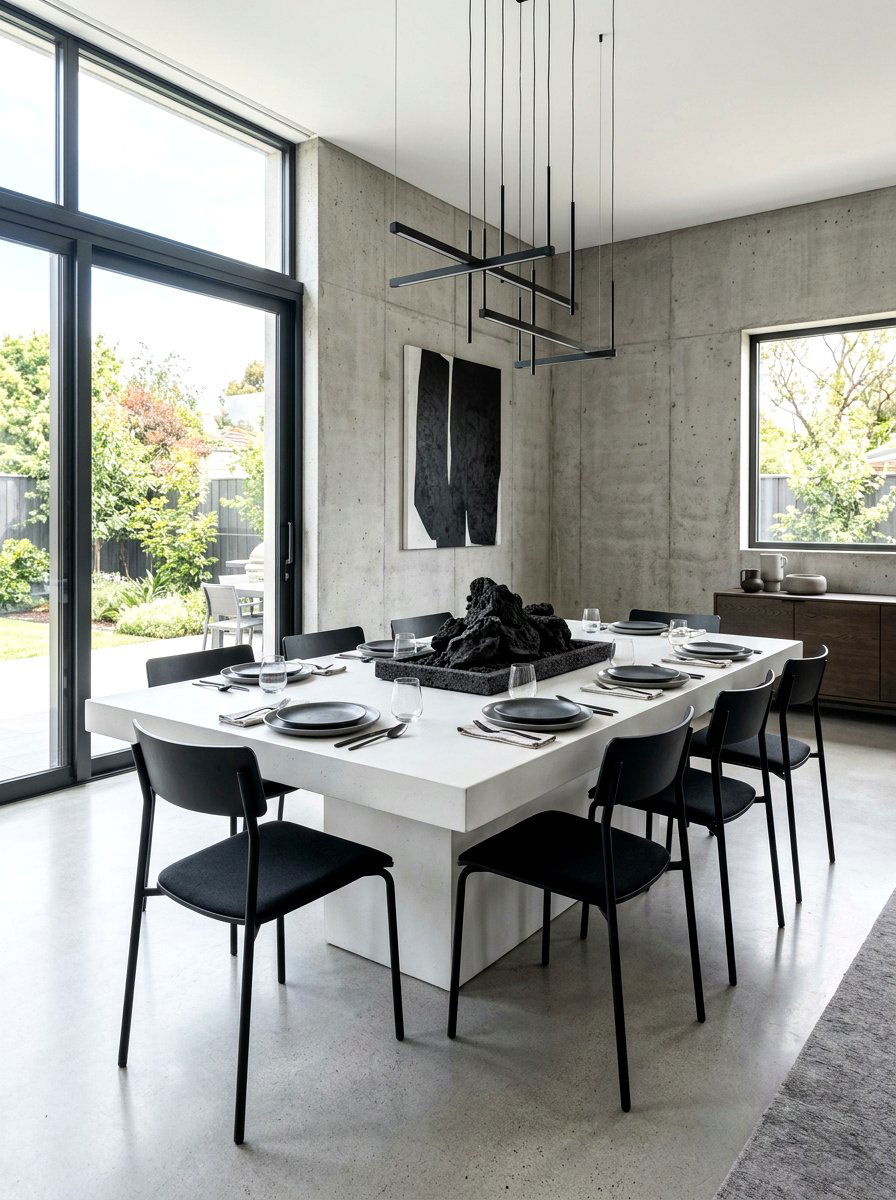
A piece of volcanic rock, such as black lava stone, brings an intense, primal energy to your interior design. These rocks are prized for their extremely porous, craggy surfaces and deep, charcoal-black color. A large, singular slab of lava rock serves as a powerful centerpiece that represents the raw power of nature. It looks particularly striking when paired with polished surfaces like glass or brass, as the textures provide a sharp contrast. You can use the holes in the rock to hold small succulents or simply let the stone stand as a dark, brooding monument. It is an excellent choice for a minimalist or brutalist design scheme.
23. Large Seashell
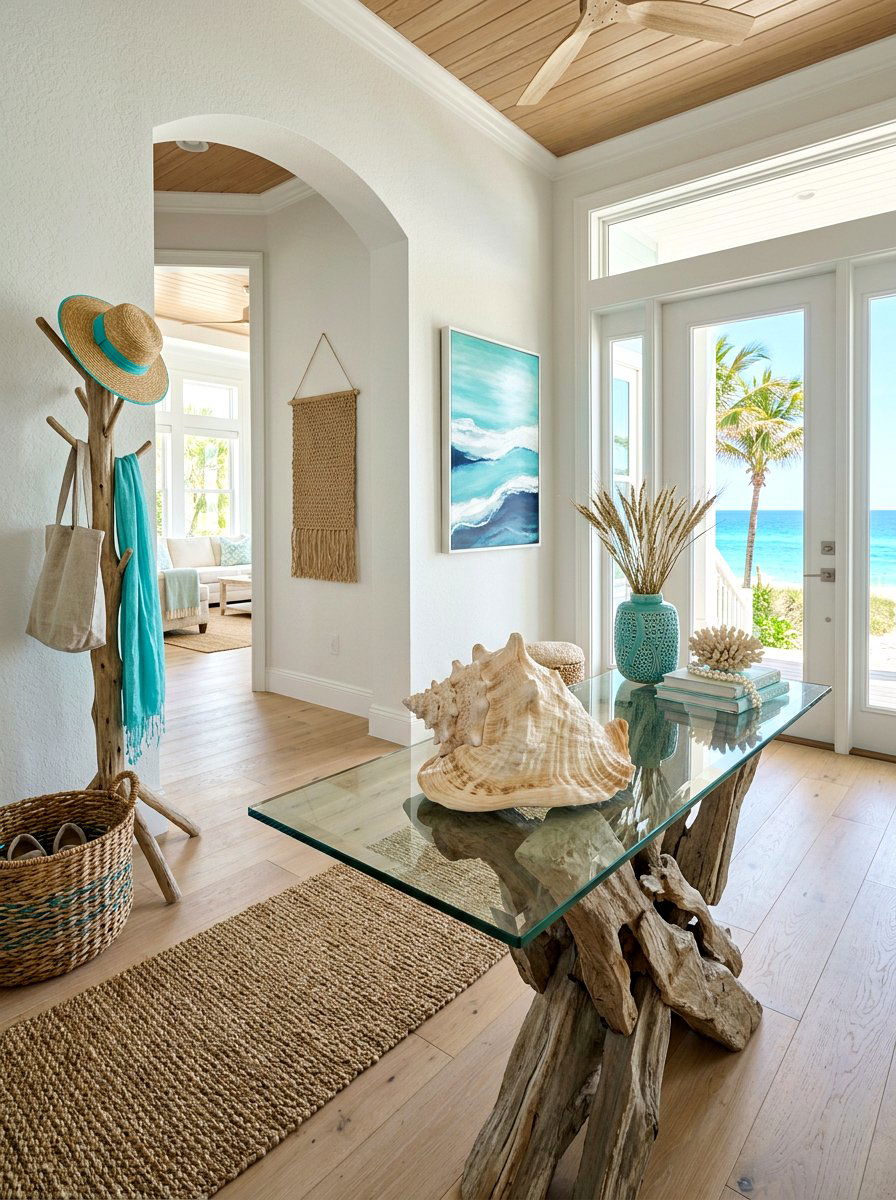
Using a singular, oversized seashell as a centerpiece is a classic way to introduce sculptural beauty without buying a manufactured object. A large conch or a giant nautilus shell features internal spirals and mathematical symmetries that are truly awe-inspiring. The pearlescent interior and the weathered, matte exterior provide a beautiful play of finishes. Placing a shell on a simple wooden plinth can elevate it from a beach find to a sophisticated piece of art. It creates a serene, coastal atmosphere that feels authentic and deeply connected to the natural world. This is a timeless choice for anyone who finds inspiration in the beauty of the sea.
24. Sculptural Candle Holder
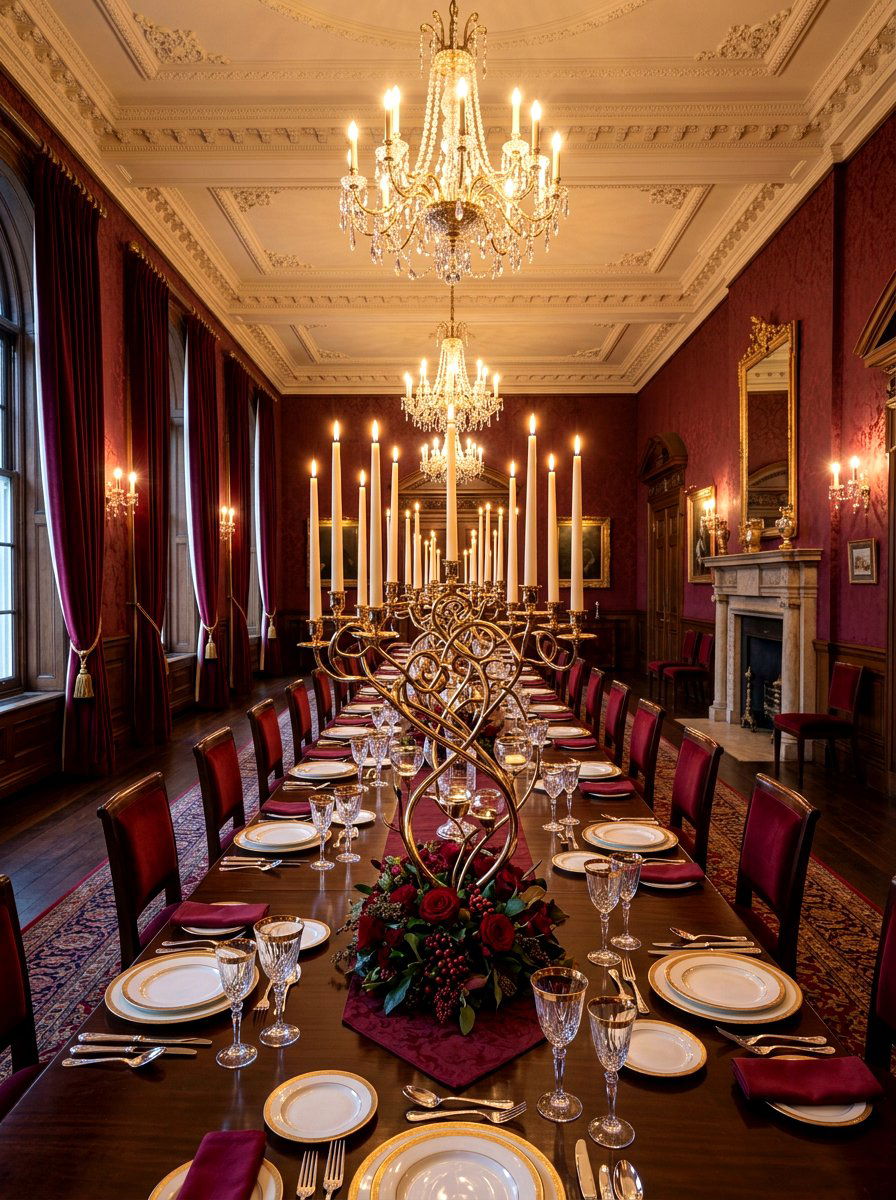
A sculptural candle holder is a dual-purpose centerpiece that provides both visual interest and ambient lighting. Look for asymmetrical designs made of cast iron or polished brass that look like abstract art even when the candles are not lit. These pieces often feature varying heights and branches, allowing you to create a dynamic display of light across your table. Because they are often quite tall and thin, they add drama and elegance without taking up much surface area. Using colorful taper candles can further customize the look to match your room’s palette. It is a functional sculpture that sets the mood for every dinner party.
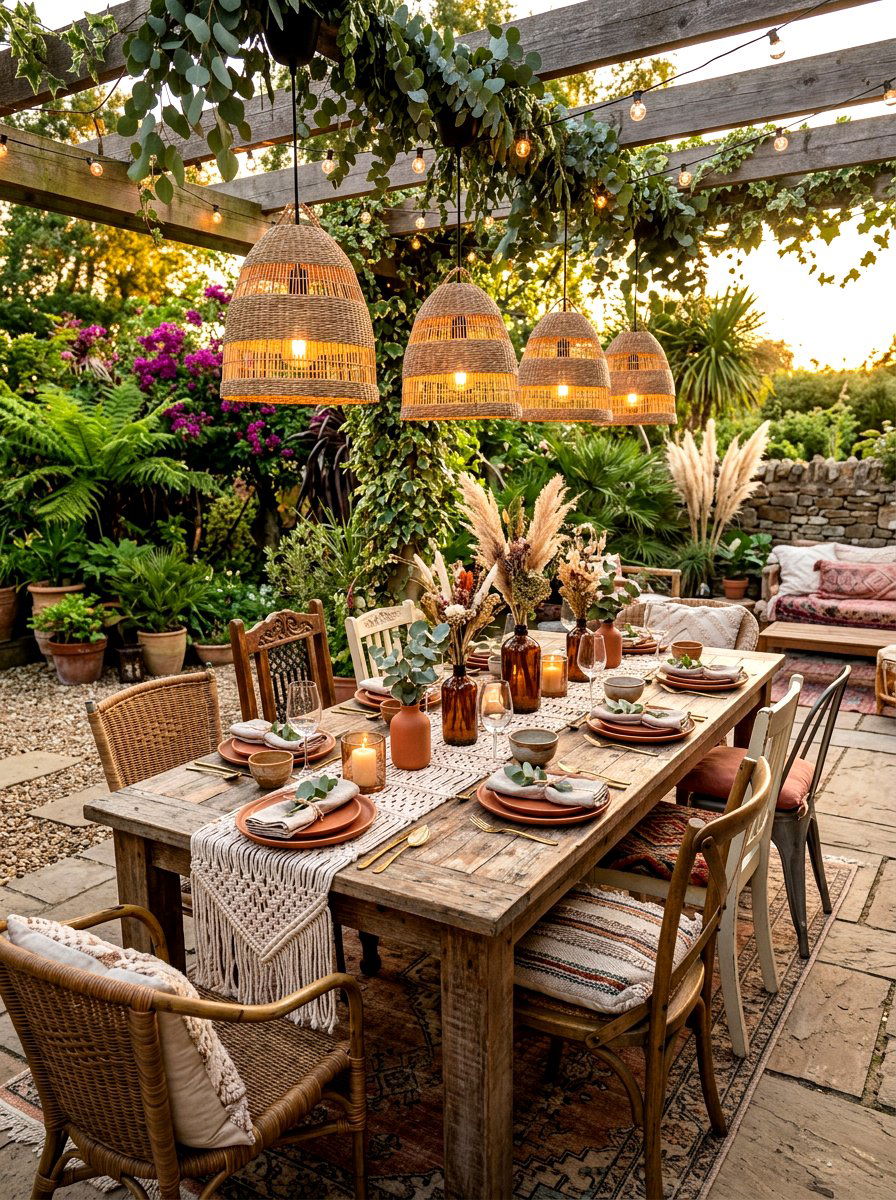
25. Mirror Sphere
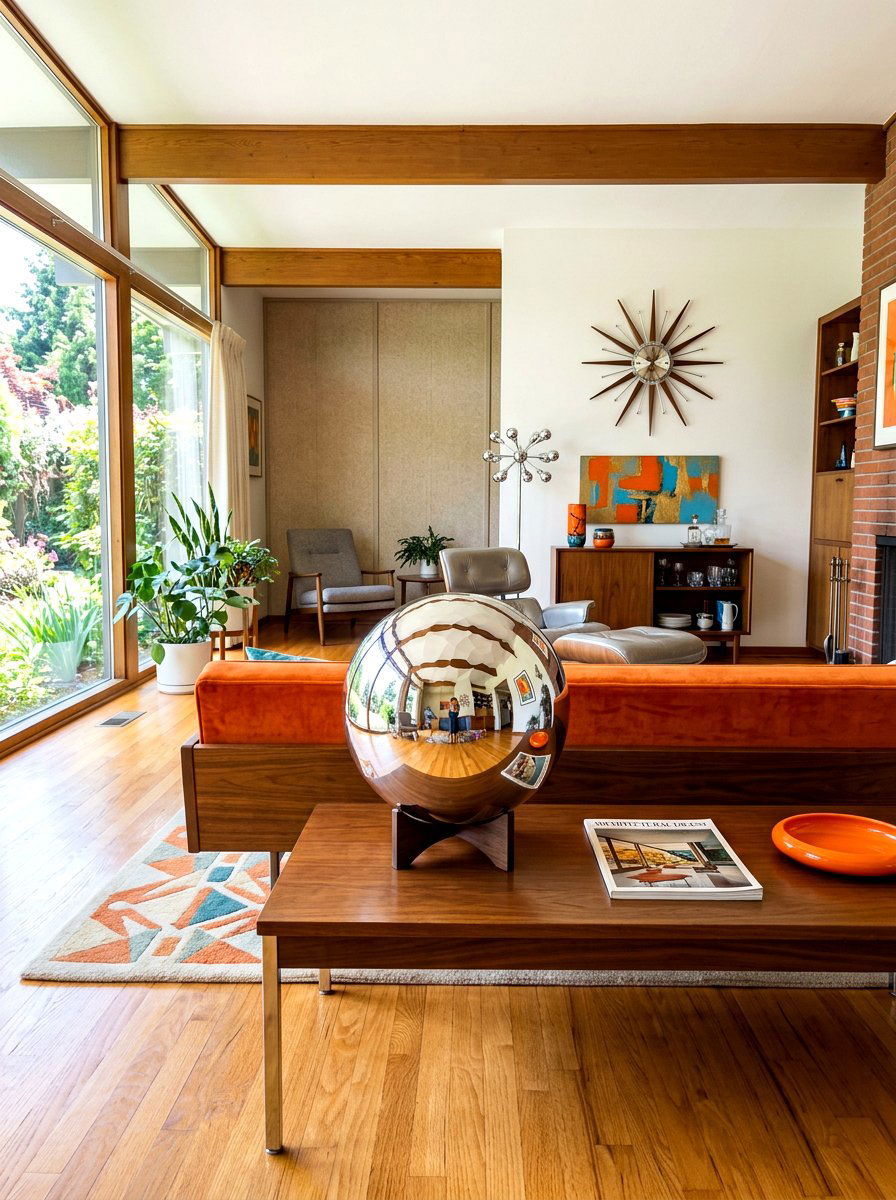
A mirror-finished chrome or silver sphere adds a touch of mid-century glamour and high-tech polish to your living space. These globes reflect the entire room, acting as a distorted lens that captures the colors and movements around them. They are perfect for small spaces because the reflection creates an illusion of depth and light. Placing one in the center of a table adds a focal point that feels expensive and perfectly symmetrical. The cold, sleek surface of the metal contrasts beautifully with warm wood or soft upholstery. It is a bold, disco-adjacent choice that brings a sense of fun and high-end style to any contemporary setting.
26. Nautical Rope Knot
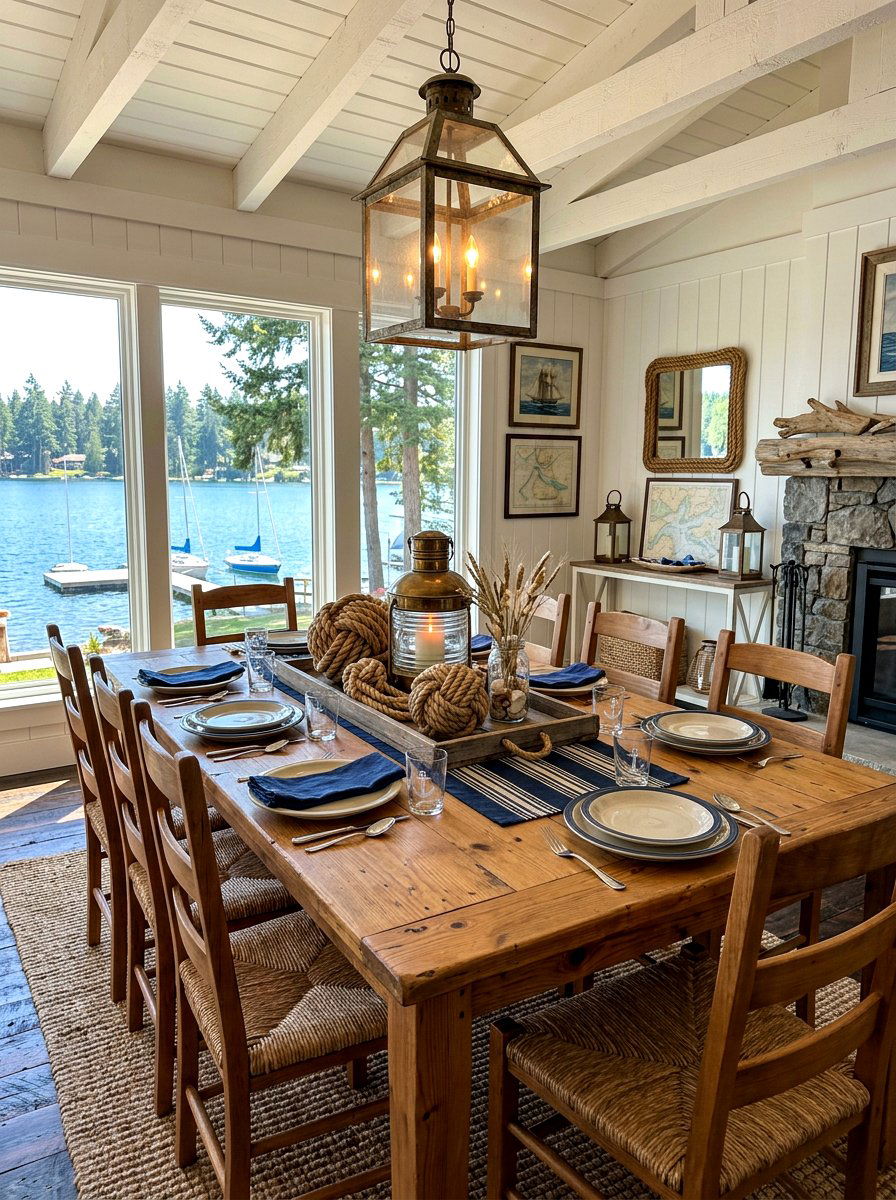
A nautical rope knot centerpiece brings a rugged, maritime texture and a sense of craftsmanship to your table. These large-scale knots, often made from heavy manila or cotton rope, have an industrial and hand-wrought feel. They work perfectly in coastal homes, lake houses, or even modern lofts that embrace raw materials. The intricate way the rope twists and turns creates a complex sculptural form that is visually heavy but physically light. It is a great way to add a tactile, organic element that feels unconventional and adventurous. The natural tan color of the rope provides a neutral base that complements almost any color palette.
27. Resin Slab
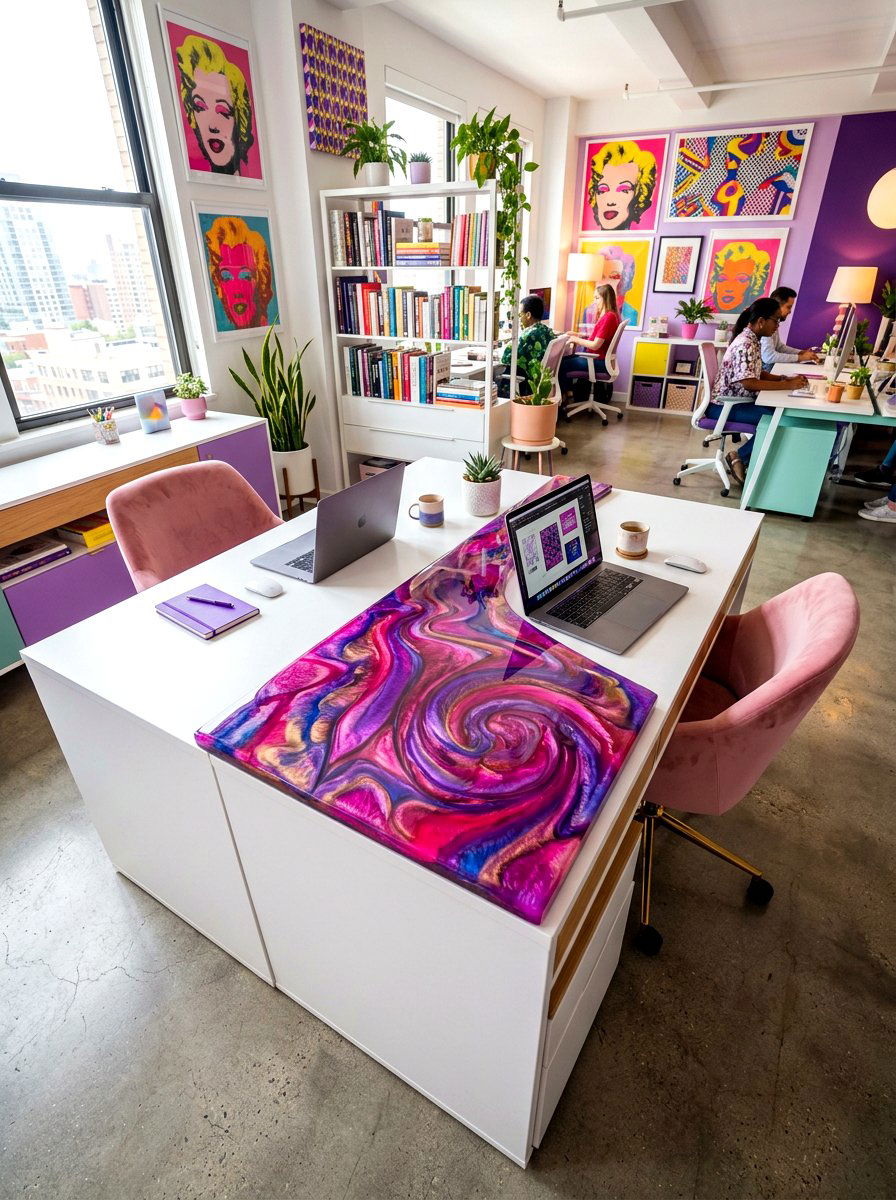
A colorful resin slab centerpiece is a vibrant way to introduce contemporary art and fluid patterns to your home. These pieces are often made by pouring layers of tinted resin into a mold, creating swirls and cells that look like liquid marble or cosmic nebulae. When the resin cures, it becomes a hard, glass-like surface that is incredibly durable and glossy. Some designs include raw wood edges, creating a "river" effect that combines natural and synthetic materials. They are perfect for adding a pop of saturated color to a neutral room. Each slab is a unique pour, ensuring that your centerpiece is a one-of-a-kind statement.
28. Felted Wool Object
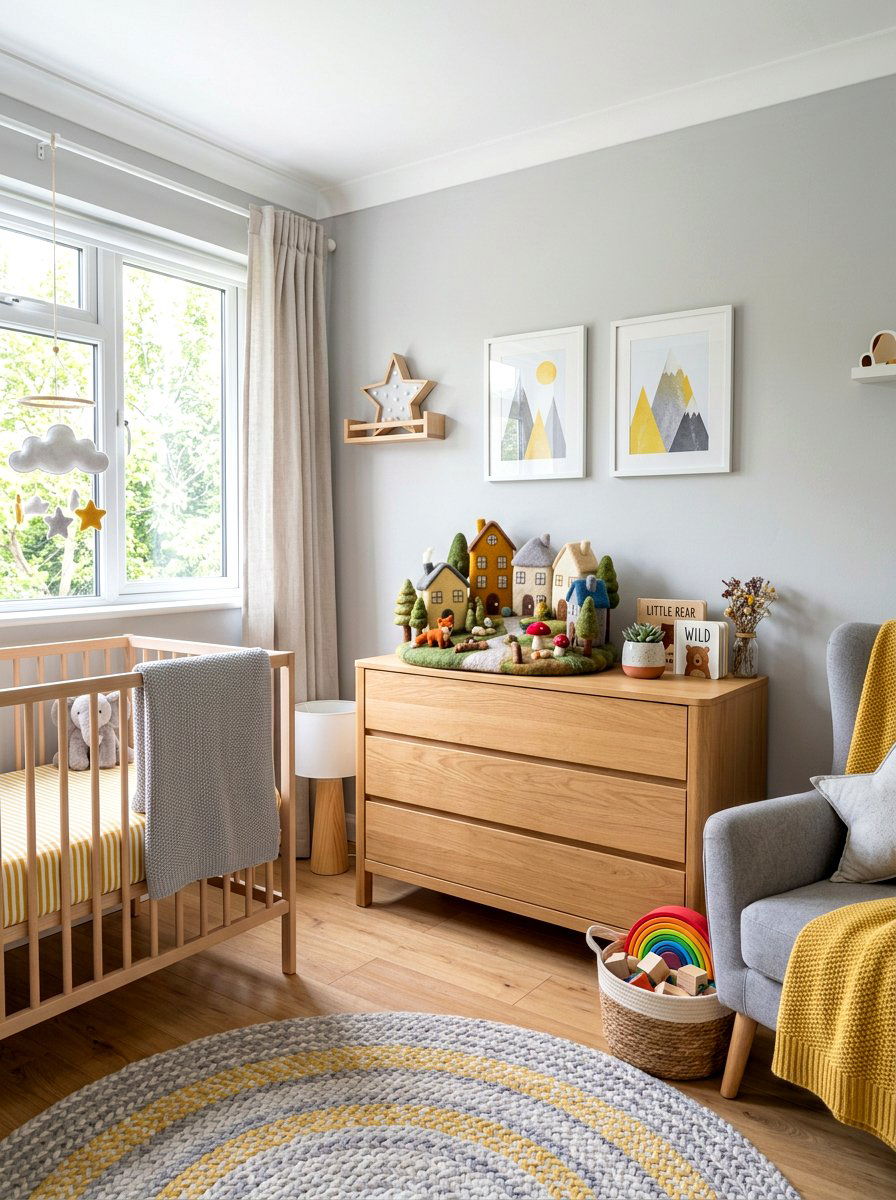
Felted wool centerpieces offer a soft, tactile alternative to the hard surfaces of stone or glass. Artists use needle-felting techniques to create dense, structural shapes that look like smooth river stones or abstract biological forms. These pieces have a quiet, hushed quality that brings a sense of peace and comfort to the table. The matte, fuzzy texture absorbs sound and light, making the space feel more intimate. They are often made in soft, natural tones like grey, oatmeal, and charcoal. A felted sculpture is a wonderful choice for a child-friendly home, as it is unbreakable and soft to the touch while remaining undeniably stylish.
29. Bamboo Arch
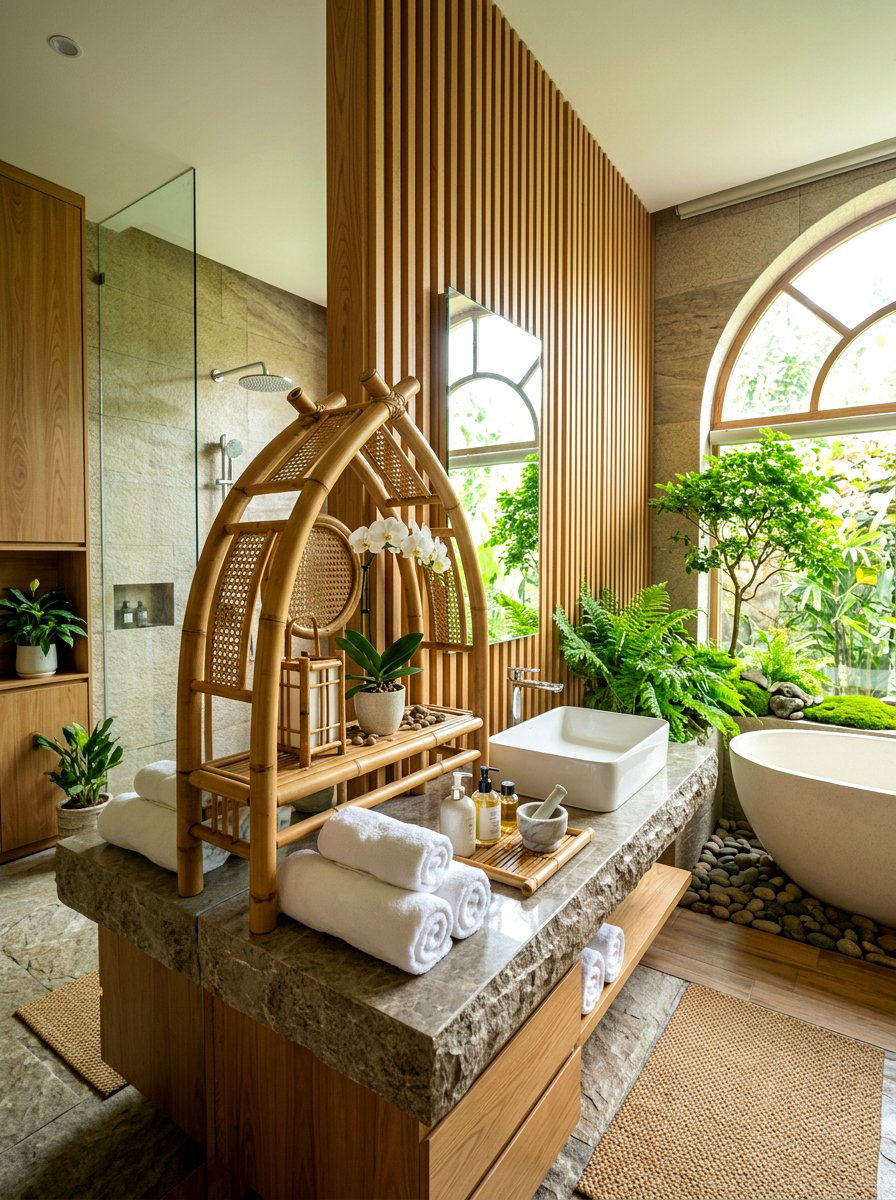
A bamboo arch centerpiece brings a sense of Zen philosophy and Japanese-inspired minimalism to your interior. By bending and lashing together strips of natural bamboo, artists create graceful, sweeping curves that seem to defy the rigidity of the material. These structures are incredibly light and provide an architectural frame for the center of your table. They look beautiful on their own or when paired with a simple low bowl of stones or moss. The pale yellow tone of the bamboo adds a light, airy feel that is perfect for a sunroom or a modern kitchen. It is a celebration of flexibility, strength, and natural simplicity.
30. Sandstone Disc
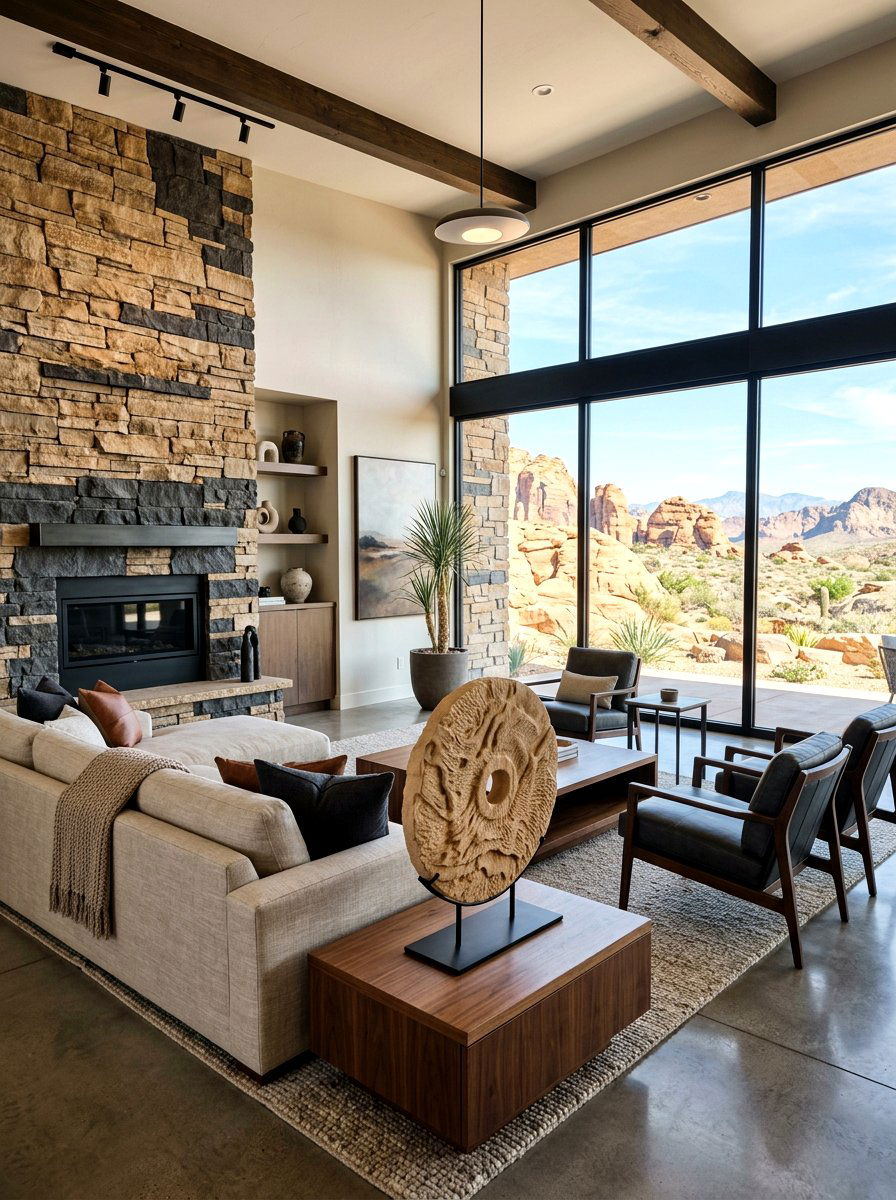
A sandstone disc centerpiece is a study in perfect geometry and geological texture. These flat, circular stones are often mounted on a vertical stand, turning a simple shape into a museum-quality display. The layers of sediment visible in the sandstone create natural stripes and patterns that look like a desert landscape. This piece acts as a quiet, sophisticated anchor for the room, providing a sense of age and permanence. Because it is a thin disc, it does not take up much visual space, allowing the room to feel open and uncluttered. It is a perfect choice for those who love clean, circular motifs and earthy materials.
Conclusion:
Selecting the right sculptural centerpiece is an opportunity to define the atmosphere of your home while showcasing your personal taste. These thirty ideas demonstrate that a centerpiece can be far more than just a place to put flowers; it can be a significant artistic statement. By focusing on form, material, and silhouette, you can create a dining or living area that feels curated, intentional, and deeply interesting. Whether you choose the raw power of volcanic rock or the delicate transparency of hand-blown glass, the right sculpture will serve as a constant source of inspiration and a beautiful focal point for years to come.

Related posts: