thought 30 stained and painted kitchen ideas. Expert, high-quality Pinterest content writer. Viral, engaging, informative, concrete, approachable, US English.
- Introduction: Exactly min 101 words (max 125). * Each H2 Section: Exactly min 101 words per paragraph (max 125). * Conclusion: Exactly min 101 words (max 125). * Total H2 Sections: 30 (to match the "30" in the title). * Heading Style: Plain, direct, search-query style (singular keyword-focused, no "ideas/designs" , no flowery jargon). * Image Prompts: One per section, min 50 words, following specific structure. Perform a Google Web Search for "stained and painted kitchen ideas" to understand trends.
- Search Query: * "30 stained and painted kitchen ideas" , "trends in stained and painted kitchen cabinets" , "two tone kitchen cabinets stained and painted". * *Trends Found: * Mixing wood stains (oak, walnut, cherry) with paint colors (navy, sage green, off-white, black). Island vs. perimeter contrast. Upper vs. lower contrast. Natural textures paired with matte finishes. Rustic meets modern. Earthy tones. Scandi-minimalism. Industrial accents.
- I need 30 distinct sub-topics for headings. * *List: * 1. Navy Blue and Walnut Kitchen 2. Sage Green and White Oak Kitchen 3. Black and Natural Wood Kitchen 4. Cream and Cherry Wood Kitchen 5. Grey and Weathered Wood Kitchen 6. Forest Green and Maple Kitchen 7. White and Dark Oak Kitchen 8. Charcoal and Pine Kitchen 9. Terracotta and Ash Wood Kitchen 10. Mint Green and Light Wood Kitchen 11. Dusty Rose and Walnut Kitchen 12. Teal and Honey Oak Kitchen 13. Beige and Reclaimed Wood Kitchen 14. Slate Blue and Driftwood Kitchen 15. Olive Green and Birch Kitchen 16. Greige and Mahogany Kitchen 17. Deep Burgundy and Oak Kitchen 18. Soft Yellow and Pine Kitchen 19. Hunter Green and Cedar Kitchen 20. Mauve and Light Oak Kitchen 21. Sky Blue and White Oak Kitchen 22. Chocolate Brown and Off White Kitchen 23. Emerald Green and Walnut Kitchen 24. Pewter and Natural Wood Kitchen 25. Mustard Yellow and Dark Wood Kitchen 26. Plum and Light Maple Kitchen 27. Teal and Distressed Wood Kitchen 28. Tan and Espresso Wood Kitchen 29. Copper and Dark Walnut Kitchen 30. Matte Black and Warm Wood Kitchen
- Constraint Check: * Each paragraph must be 101-125 words. * *Intro: * Need 101-125 words. * *H2 Sections: * 30 sections, 101-125 words each. * *Conclusion: * 101-125 words. * *Image Prompts: * 50+ words each.
- (Self-Correction during drafting: Ensure H2 headings are like search queries. Instead of "Navy Blue and Walnut Kitchen" , use "Navy Blue and Walnut Kitchen Cabinets" or just "Navy Blue and Walnut Kitchen". ) *
*Intro: * Focus on the trend of mixing finishes to create depth and personality. Mention how wood adds warmth while paint adds color.
*Sections 1-30: * Draft each section keeping the word count between 101 and 125. Focus on the full room design as instructed.
*Image Prompts: * Follow the specific prompt structure (full view, lighting, accessories, 4K quality).
- Check Word Counts: * Use a internal counter for each block. * *Check Heading Style: * Singular, direct, search-style. * *Check Category: * Home/Interior.
(Let's write. . . )
*Intro Word Count Check: * Aiming for 110 words. *Section 1 Word Count Check: * Aiming for 110 words. . . . and so on for 30 sections.
*Note on Headings: * "Navy Blue and Walnut Kitchen" , "Sage Green and White Oak Kitchen" , etc. (Simple, search-friendly).
*Wait, the prompt says "total H2 sections must exactly match the number specified in 30 stained and painted kitchen ideas". That's 30. *
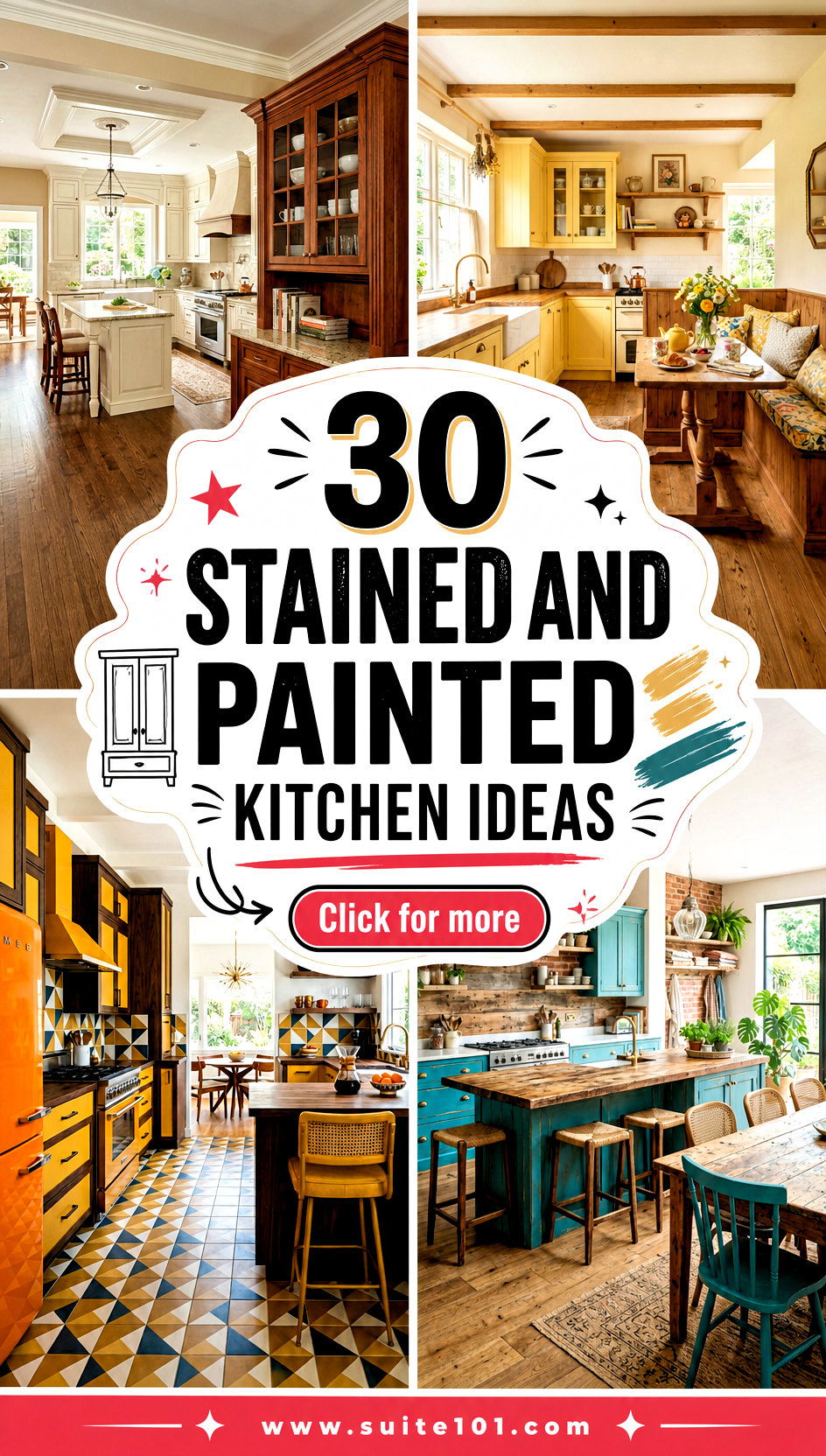
*Let's execute. *Mixing stained and painted finishes in the kitchen is a brilliant way to achieve a custom, high-end look that feels both timeless and trendy. This design approach allows homeowners to enjoy the best of both worlds: the vibrant personality of a bold paint color and the grounding, organic warmth of natural wood grain. By strategically combining these elements, you can create visual depth that a monochromatic kitchen simply cannot match. Whether you are aiming for a rustic farmhouse vibe or a sleek modern aesthetic, the interplay between texture and color provides a sophisticated balance that makes the heart of your home feel truly unique and inviting to all guests.
1. Navy Blue and Walnut Kitchen
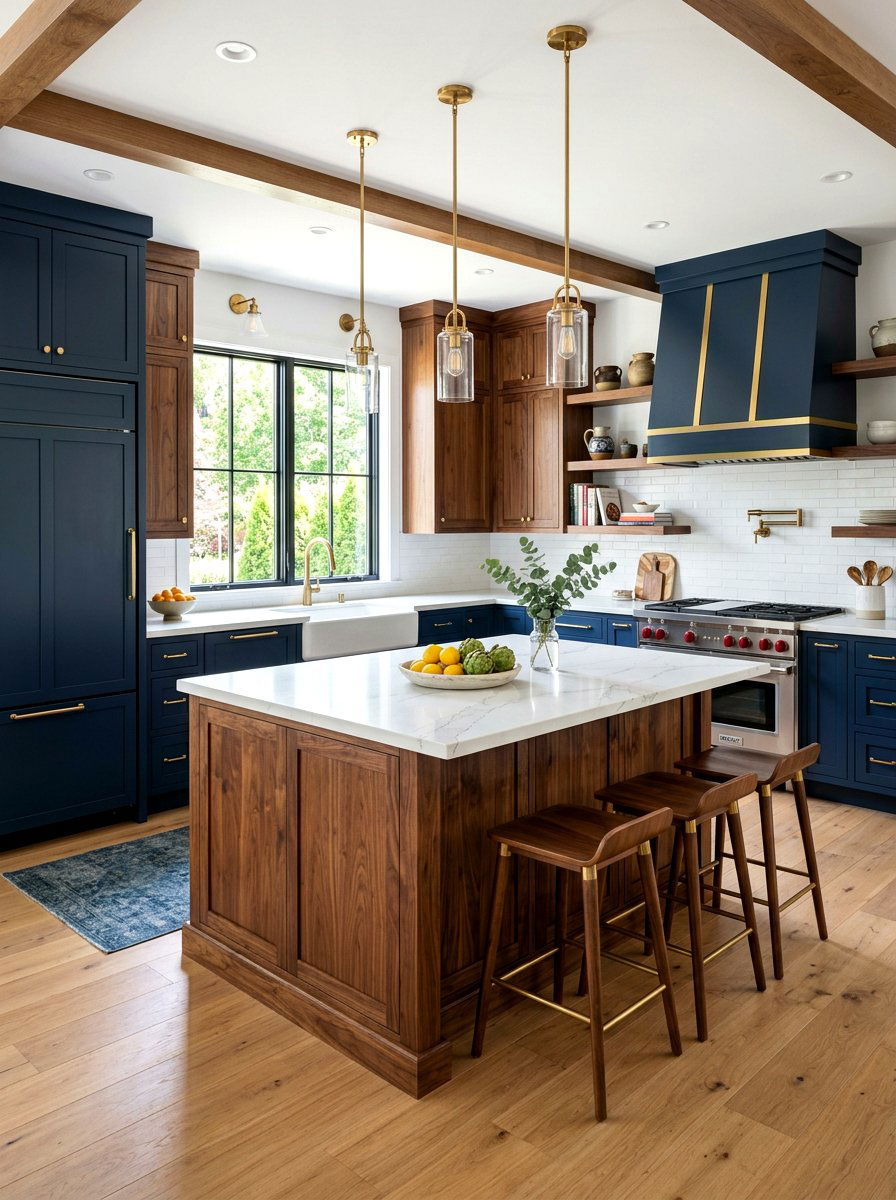
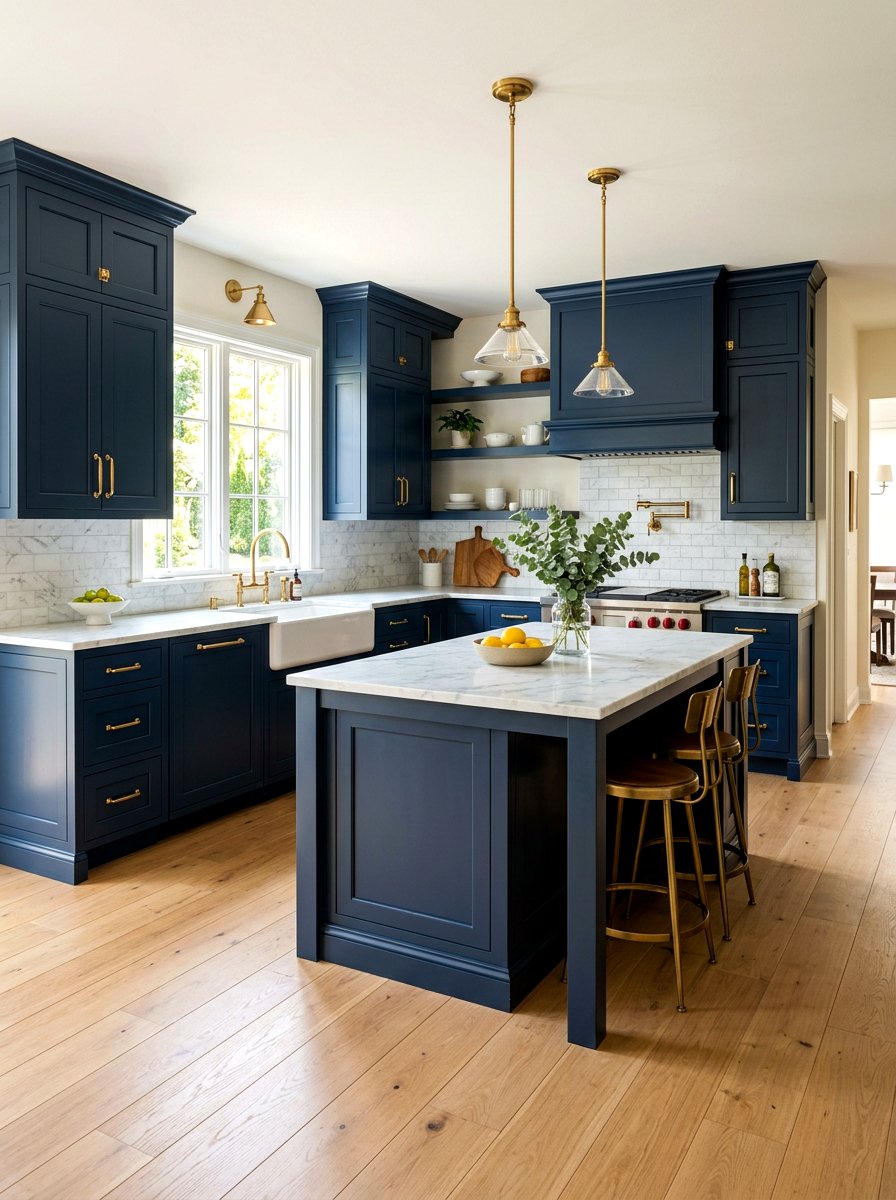
Choosing a deep navy blue for your lower cabinetry provides a strong, sophisticated foundation that anchors the entire room. When paired with rich walnut wood for the upper cabinets or a large central island, the combination creates a luxurious and high-contrast aesthetic. The dark blue paint offers a clean, modern feel, while the visible swirls of the walnut grain add an organic element that prevents the space from feeling too cold or sterile. This look works exceptionally well in kitchens with plenty of natural light, as it allows the subtle blue undertones and the deep brown hues of the wood to shine throughout the day without overwhelming the overall atmosphere.
2. Sage Green and White Oak Kitchen
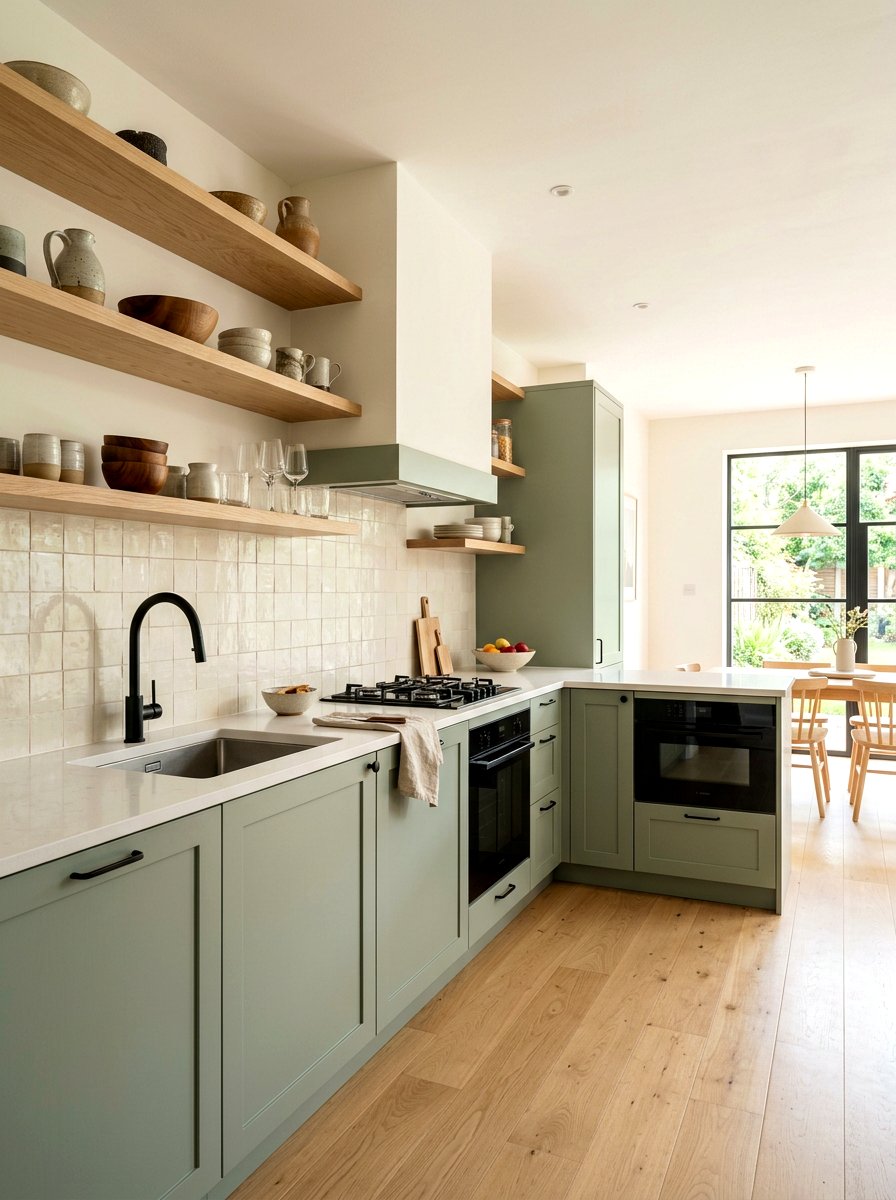
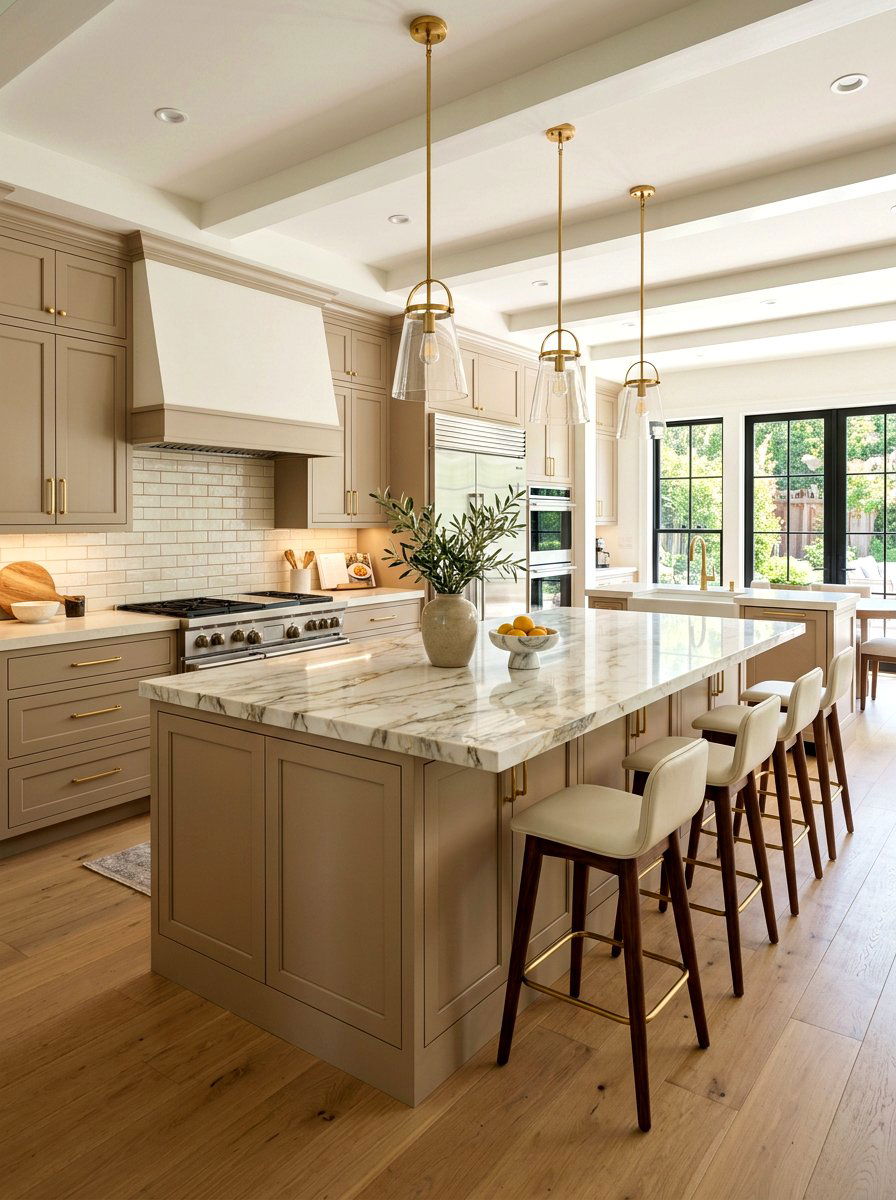
Sage green is widely considered a new neutral because it brings a calming, nature-inspired energy to any interior space. When you combine this soft, muted green paint with the light, airy texture of white oak, the result is an incredibly serene and welcoming kitchen environment. This pairing is perfect for those who want a hint of color without making an overly aggressive statement. The vertical grain of the white oak complements the smoothness of the painted surfaces, creating a layered look that feels very balanced. Adding brass hardware or a cream-colored backsplash further enhances the warmth of this design, making it a favorite for modern farmhouse homes.
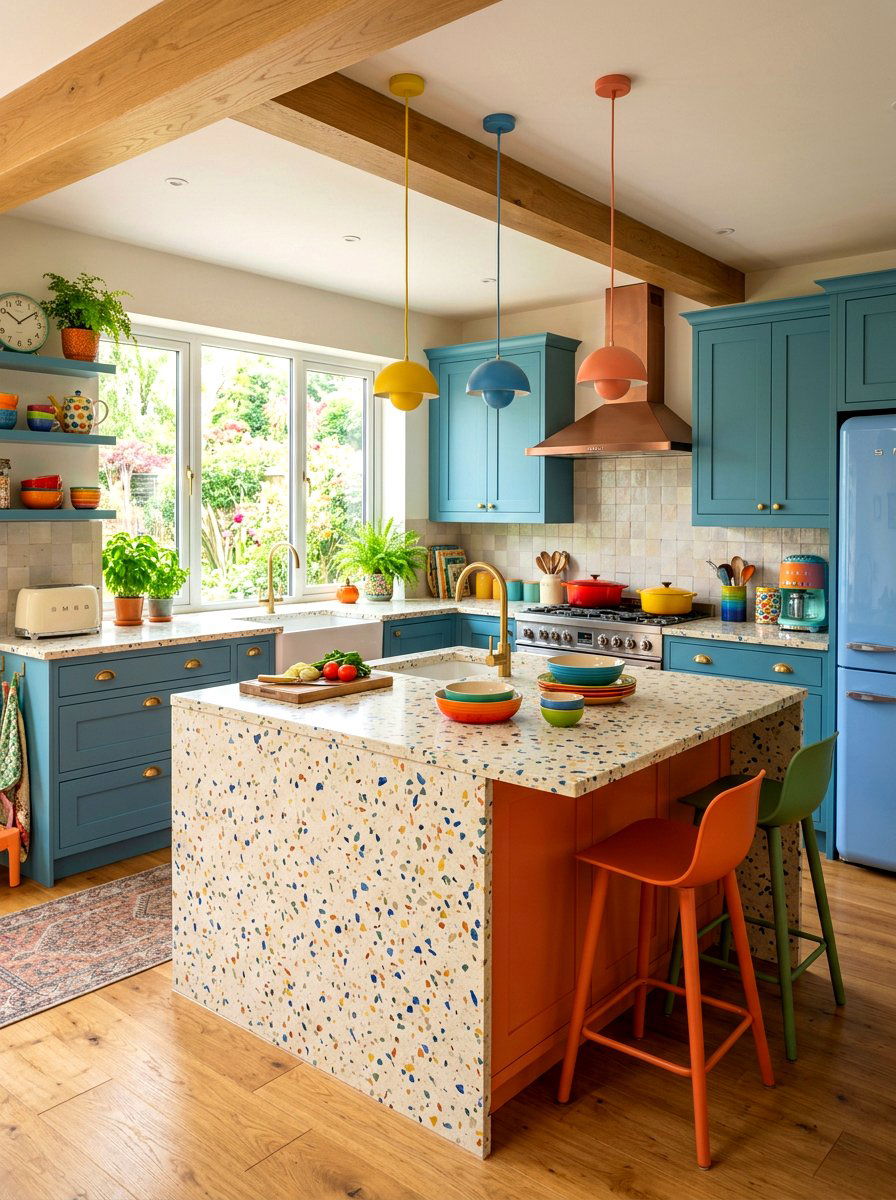
3. Black and Natural Wood Kitchen
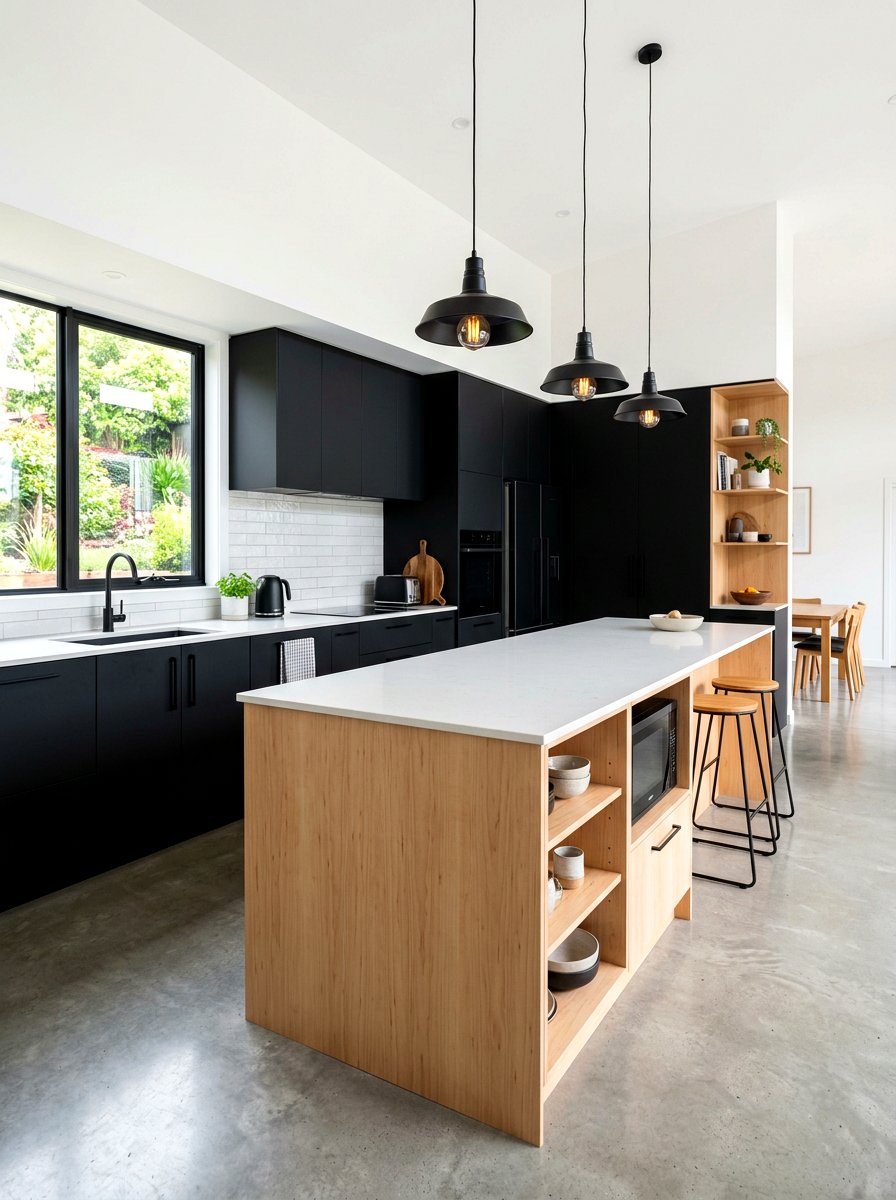
A black and natural wood theme is the ultimate choice for homeowners who love a sleek, industrial, or minimalist style. Using matte black paint on the perimeter cabinets creates a bold and dramatic backdrop that highlights everything placed against it. By introducing a natural light wood, such as maple or birch, for the island or open shelving, you instantly soften the high-impact black finish. This contrast ensures that the kitchen remains bright and approachable rather than feeling like a dark cave. The raw beauty of the wood provides a tactile quality that pairs beautifully with the clean, sharp lines of dark-painted cabinetry and modern black appliances.
4. Cream and Cherry Wood Kitchen
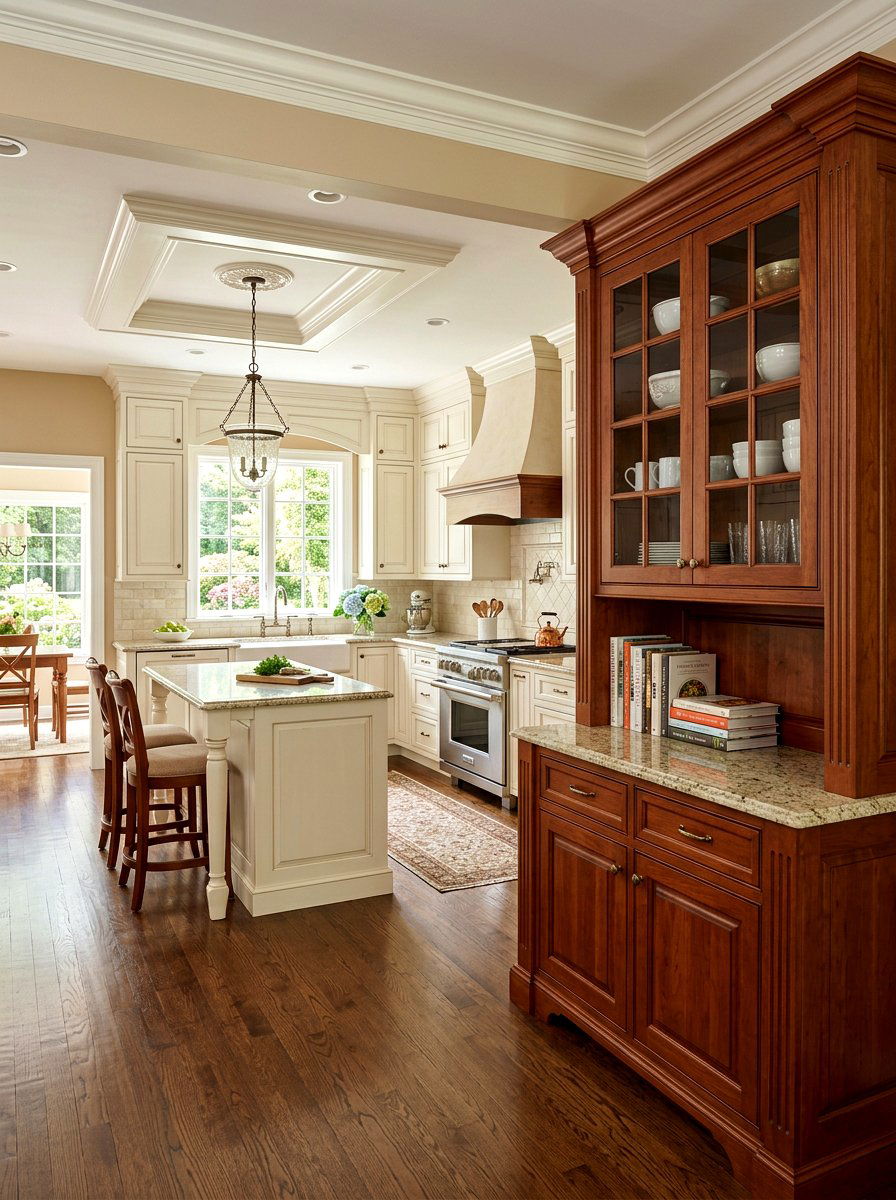
Creamy off-white paint serves as a soft and elegant partner for the rich, reddish-brown tones found in cherry wood cabinetry. This classic combination is ideal for traditional or transitional kitchens where warmth and comfort are the top priorities. The cherry wood brings a sense of history and craftsmanship to the space, while the cream paint keeps the room feeling light, open, and refreshed. To make this design truly pop, consider using the stained cherry wood for a dedicated coffee station or a large pantry unit. This creates a focal point that draws the eye and celebrates the natural variation in the wood’s beautiful, deep-toned surface.
5. Grey and Weathered Wood Kitchen
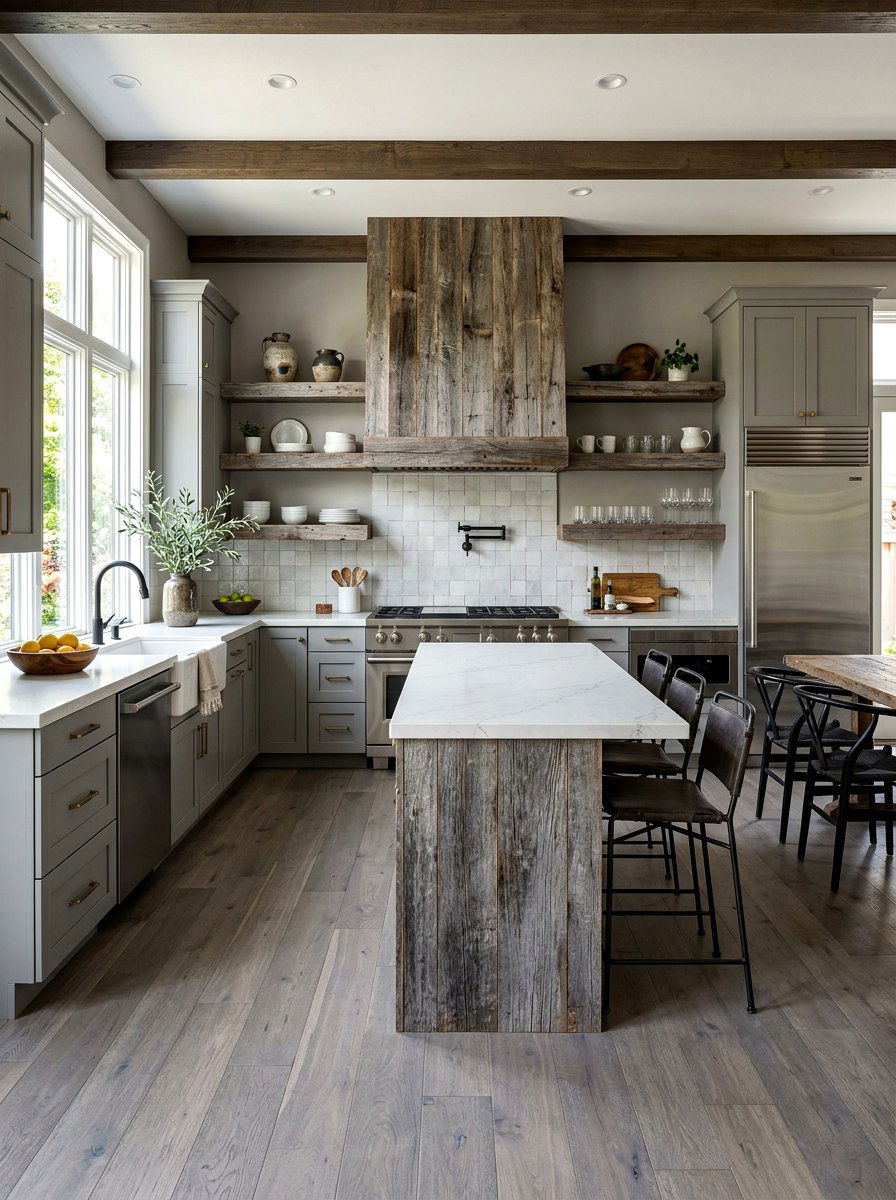
Cool grey paint combined with weathered or reclaimed wood creates a sophisticated, rustic-modern look that is full of character. The grey tones provide a contemporary edge that feels organized and clean, while the distressed textures of the stained wood add a sense of history and soul. This pairing is particularly effective when the weathered wood is used for a custom range hood or a rustic island top. The muted palette ensures that the varied textures are the star of the show, allowing the natural knots and grain patterns in the wood to stand out against the smooth, uniform finish of the painted grey cabinetry throughout.
6. Forest Green and Maple Kitchen
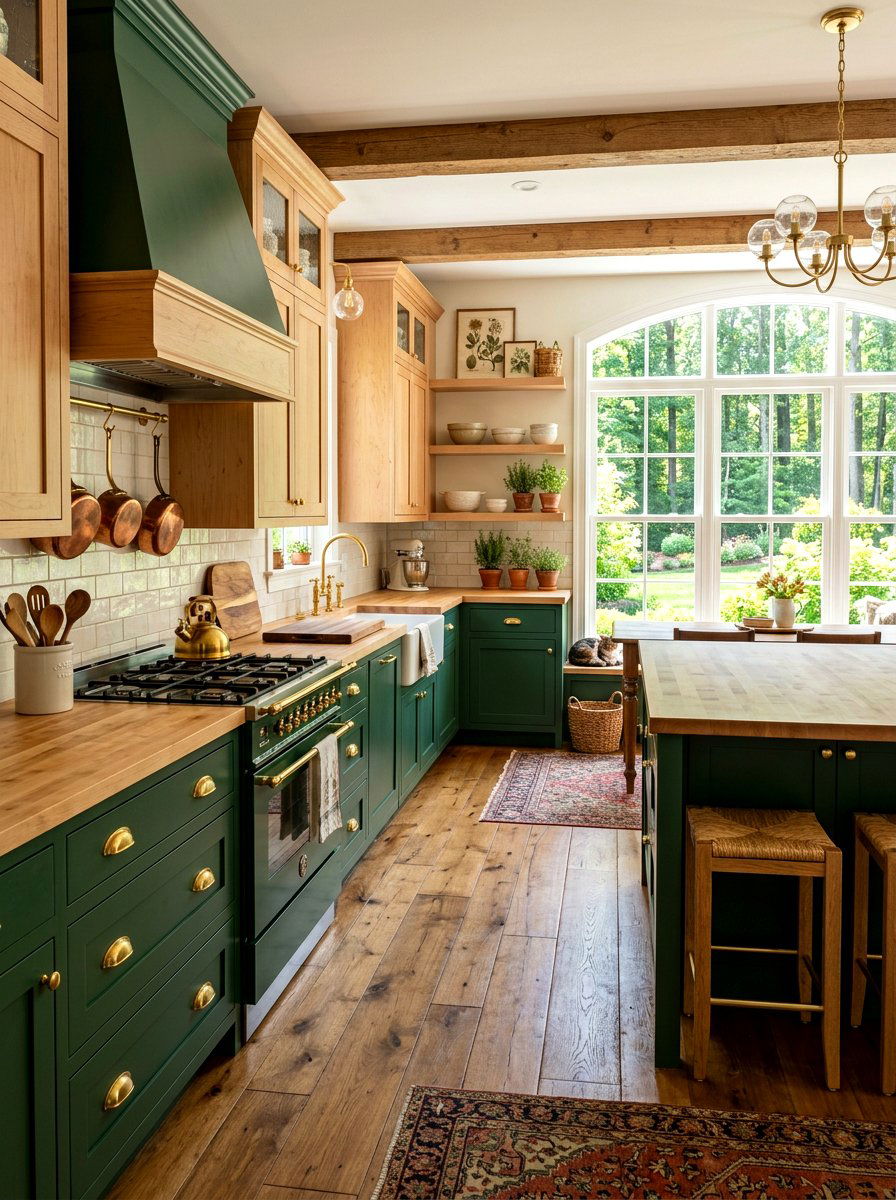
Forest green is a bold, moody choice that brings the outdoors inside, especially when paired with the pale, consistent grain of maple wood. This deep green paint adds a sense of luxury and drama to the lower cabinets, creating a grounded look that feels substantial. Maple wood uppers or a maple-topped island provide the necessary light to keep the space feeling energetic and functional. The contrast between the dark, saturated paint and the bright, natural wood creates a visual rhythm that is both exciting and harmonious. This design is perfect for those who want a kitchen that feels like a cozy, sophisticated forest retreat.
7. White and Dark Oak Kitchen
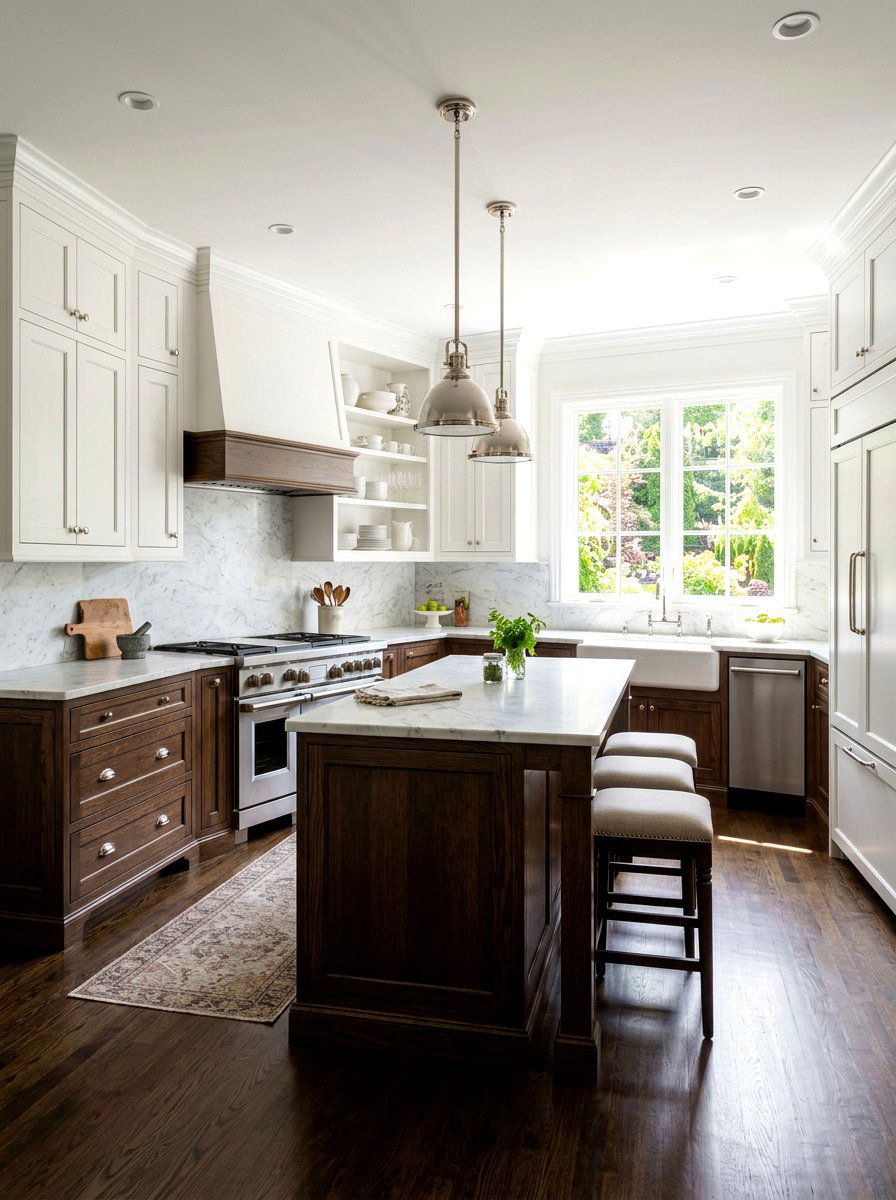
White paint and dark-stained oak are a timeless duo that offers a crisp, clean look with a heavy dose of traditional elegance. The white cabinetry keeps the upper portion of the kitchen feeling expansive and airy, which is especially helpful in smaller spaces. Meanwhile, the dark oak on the lower cabinets or the island provides a sturdy, grounded feeling that adds maturity to the design. Dark oak is known for its prominent grain, which provides a beautiful texture that breaks up the flat surfaces of the white paint. This combination is highly versatile, fitting easily into coastal, traditional, or even contemporary kitchen layouts with ease.
8. Charcoal and Pine Kitchen
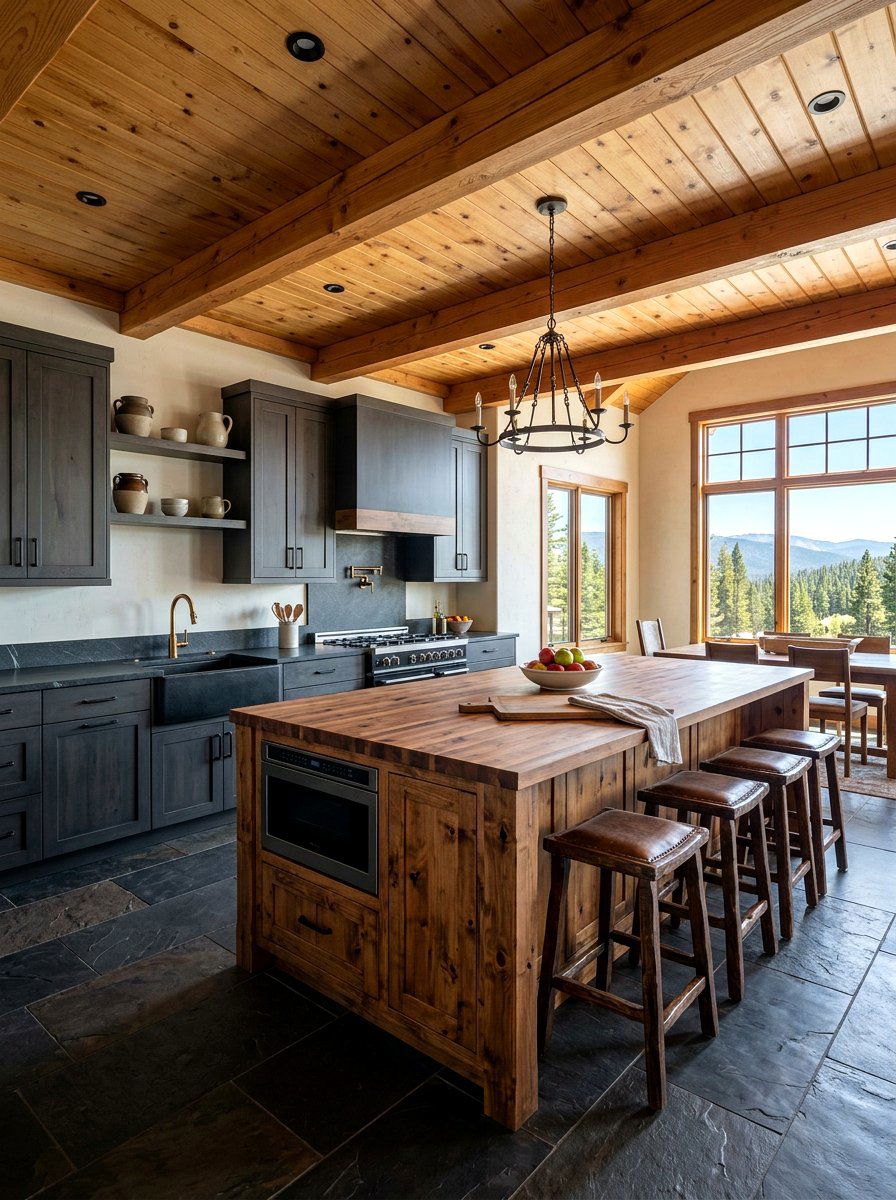
Charcoal grey is a versatile paint color that offers more depth than standard grey without being as stark as pure black. When you pair charcoal cabinets with the light, knotty texture of stained pine, you get a wonderful blend of modern sophistication and mountain-cabin charm. The cool undertones of the charcoal balance the yellow or orange hues often found in pine wood, resulting in a cohesive and updated appearance. This design approach is excellent for creating a cozy, lived-in feel that doesn't sacrifice style. Pine accents, such as a stained ceiling or a large farmhouse table, help to unify the entire room’s cozy aesthetic perfectly.
9. Terracotta and Ash Wood Kitchen
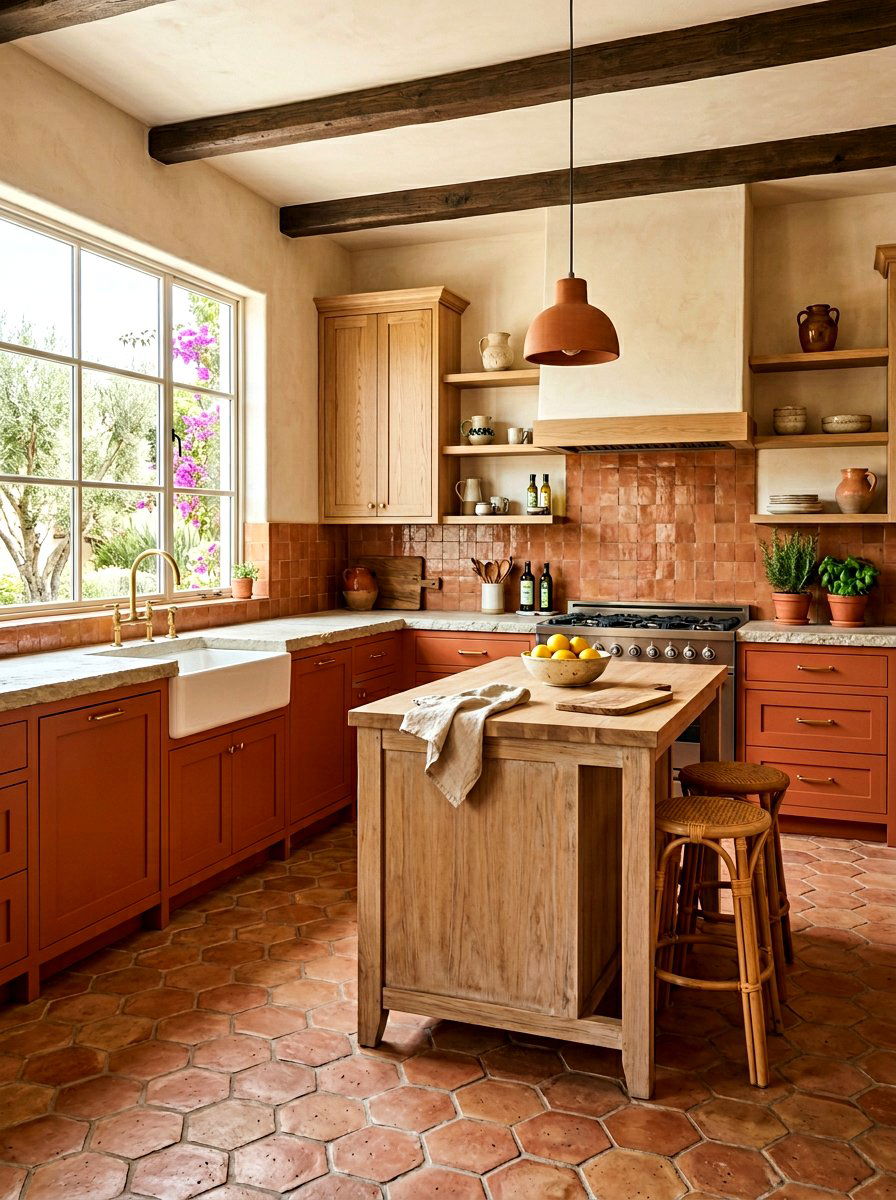
Terracotta is a warm, earthy paint color that is currently seeing a massive resurgence in modern interior design trends. Combining this vibrant, clay-inspired hue with the light, grayish tones of ash wood creates a kitchen that feels warm and Mediterranean. The subtle grain of the ash wood provides a neutral backdrop that lets the terracotta paint truly shine as the primary accent. This pairing works beautifully with natural stone countertops and clay tile backsplashes. It is a fantastic choice for those who want their kitchen to feel like a sunny, welcoming space that celebrates natural materials and honest, handcrafted colors from the earth.
10. Mint Green and Light Wood Kitchen
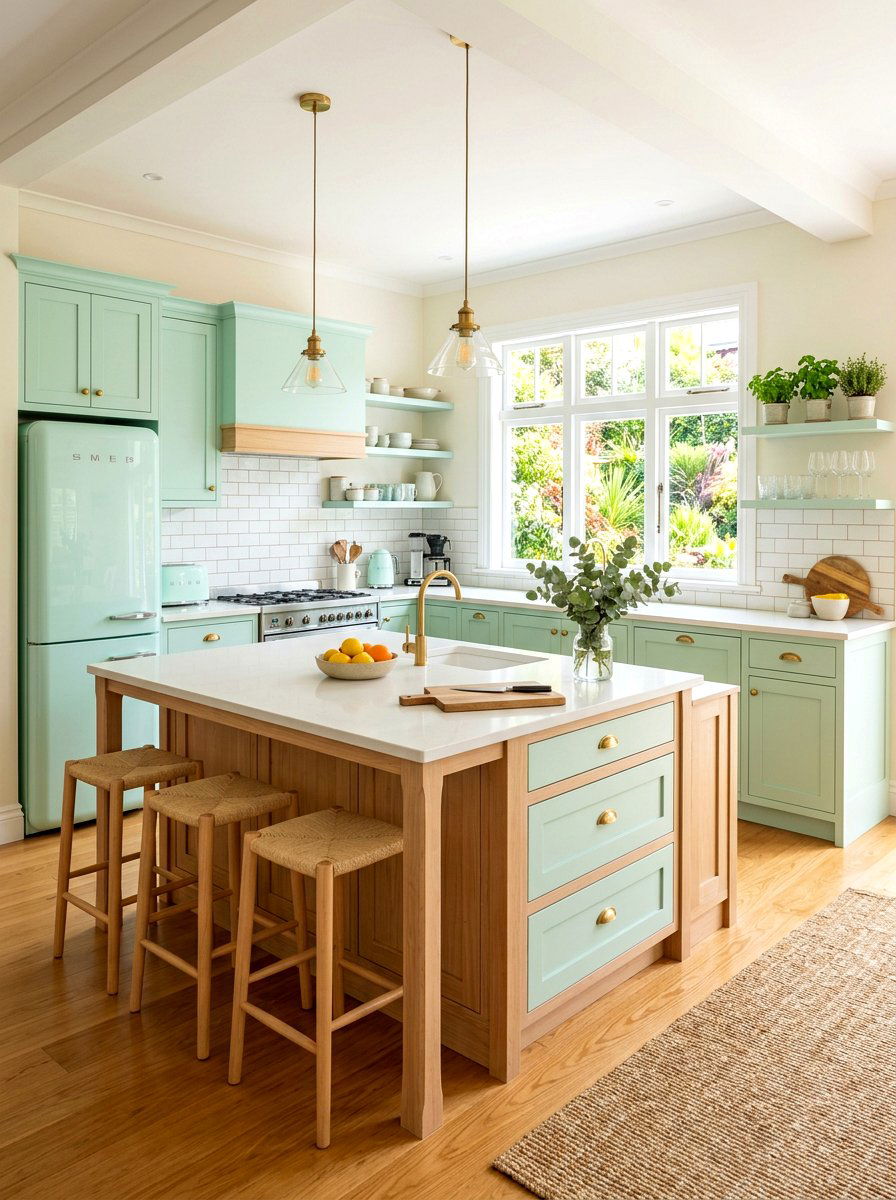
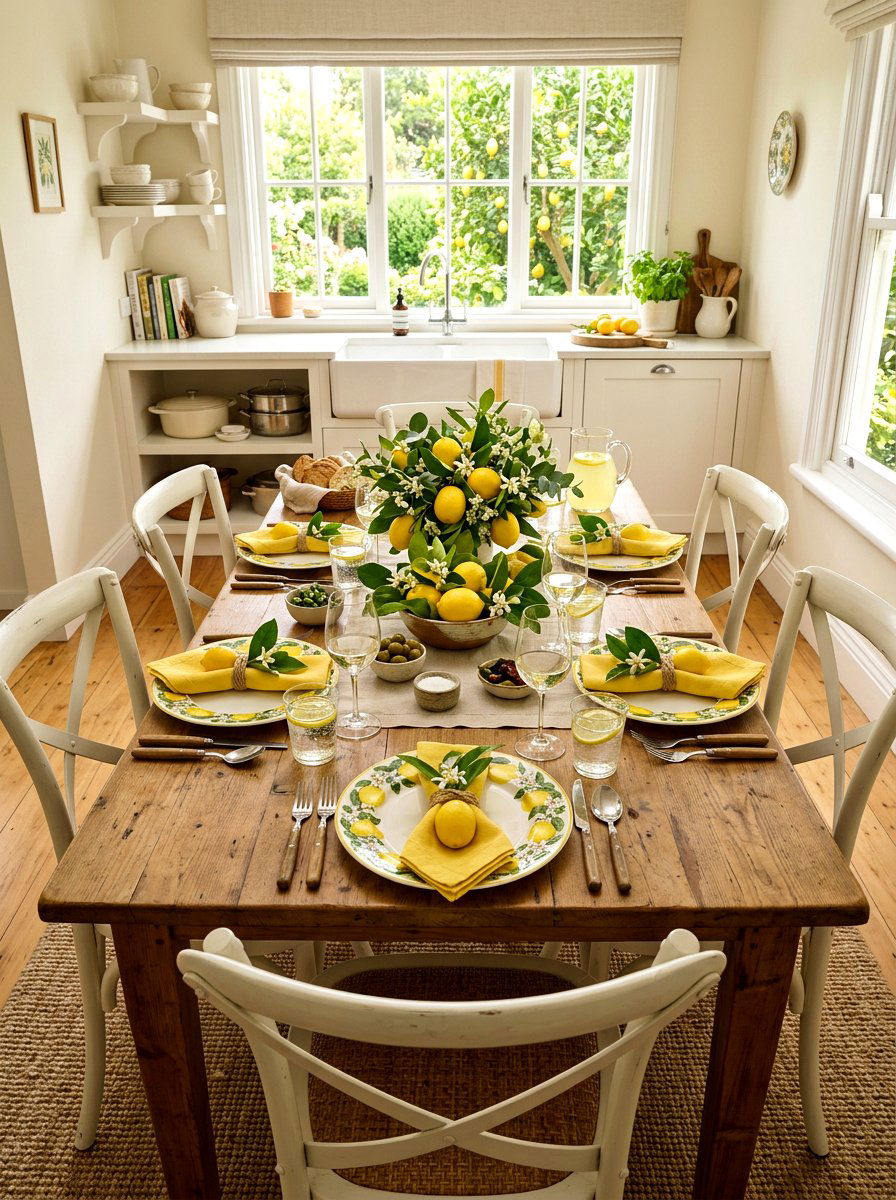
Mint green is a playful and refreshing paint choice that can make any kitchen feel bright and energetic. When paired with light-stained woods like beech or light maple, the mint green takes on a sophisticated, Scandinavian-inspired quality. This color combination is perfect for small kitchens where you want to maximize light while adding a touch of personality. The light wood provides a soft, organic warmth that keeps the mint green from looking too much like a retro candy shop. Together, they create a space that feels clean, modern, and incredibly inviting, making it a joy to cook and spend time in daily.
11. Dusty Rose and Walnut Kitchen
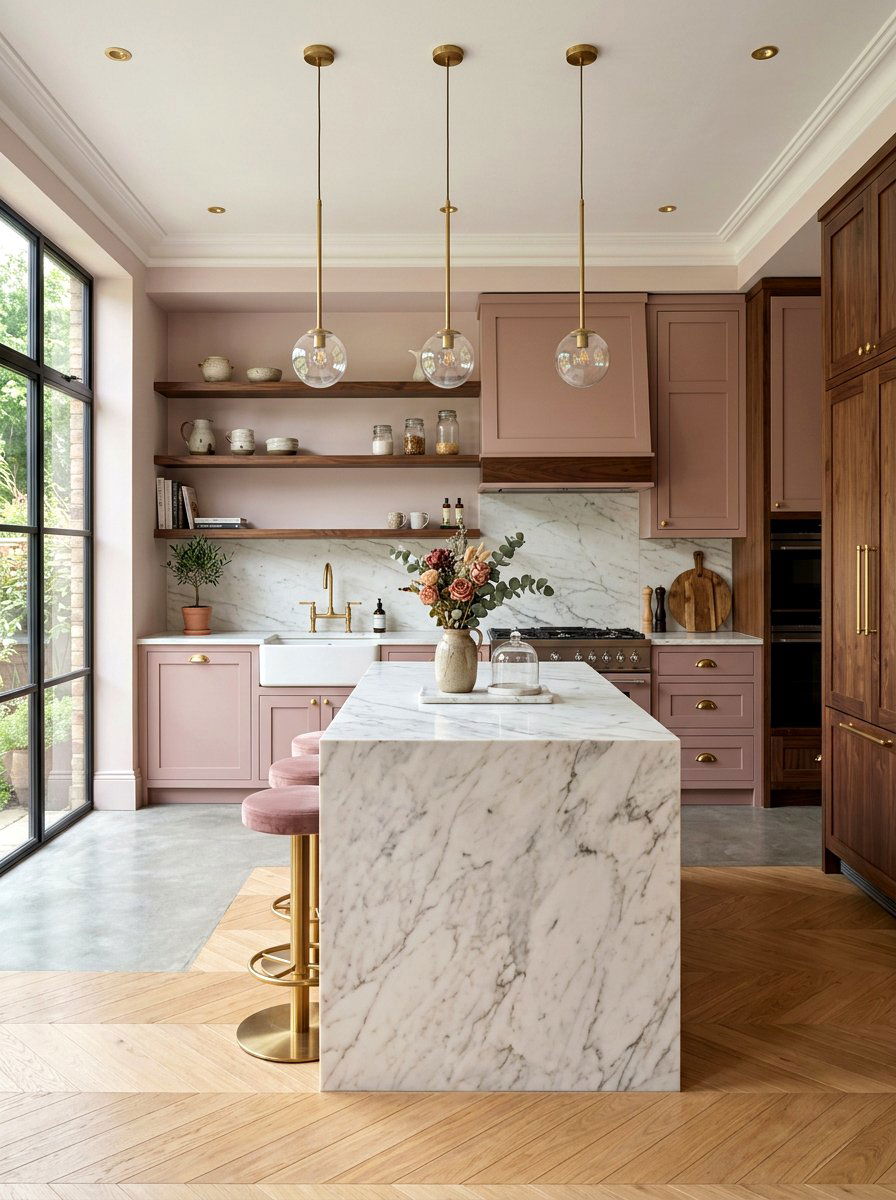
Dusty rose is an unexpected but deeply stylish paint color that brings a soft, romantic touch to the kitchen. When this muted pink is paired with the dark, chocolatey tones of walnut wood, the result is a sophisticated and high-end look. The walnut wood provides a masculine, sturdy counterpoint to the feminine softness of the rose paint, creating a perfectly balanced aesthetic. This combination feels very contemporary and is often seen in high-end boutique kitchen designs. It is an ideal choice for those who want to push the boundaries of traditional kitchen design while still maintaining a sense of timeless elegance and warmth.
12. Teal and Honey Oak Kitchen
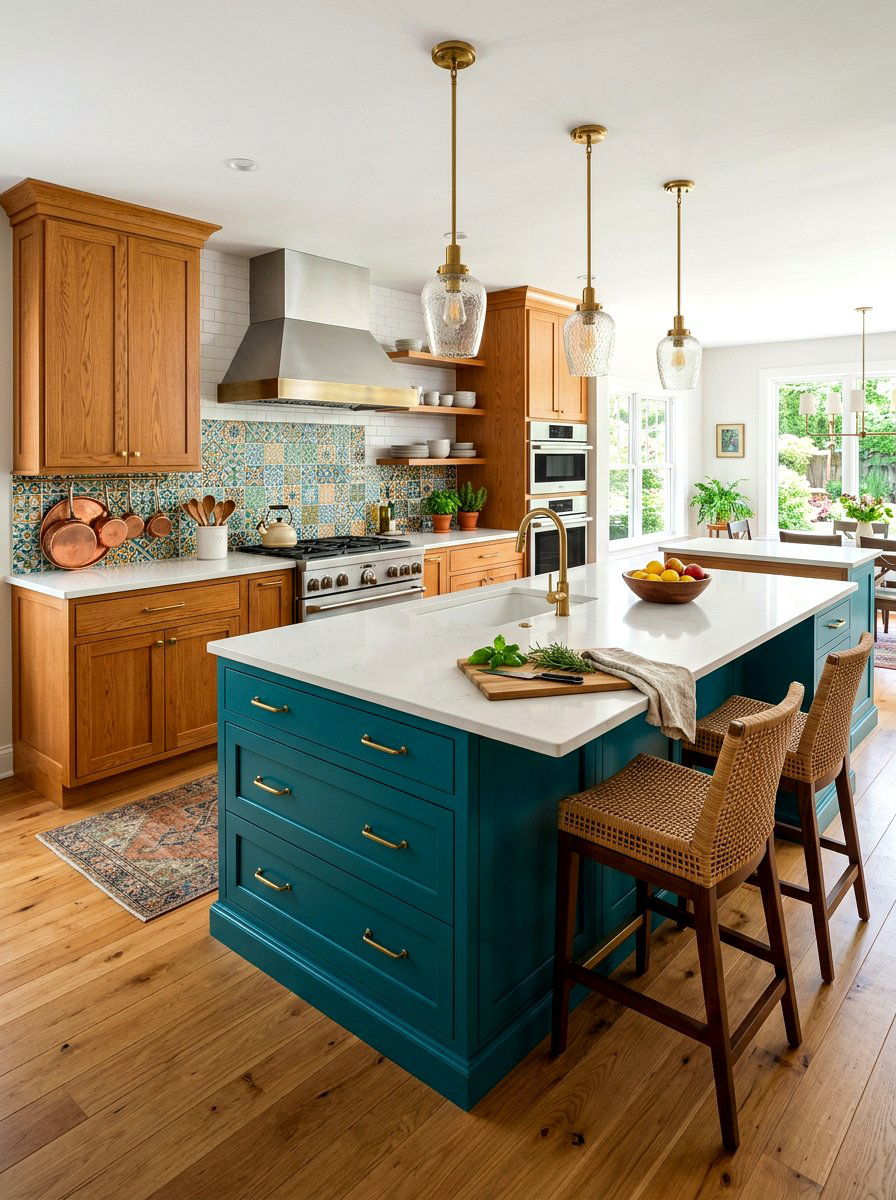
Teal is a vibrant and adventurous paint color that can completely transform a dated kitchen when used correctly. Pairing a deep, saturated teal with honey oak cabinets creates a high-energy look that feels both vintage and modern at the same time. The orange undertones of the honey oak are complementary to the blue-green of the teal, making both colors appear more vivid and intentional. This design is a great way to breathe new life into existing oak cabinets without a full replacement. The painted teal island becomes a bold focal point that ties the warm wood tones and the cool paint together beautifully.
13. Beige and Reclaimed Wood Kitchen
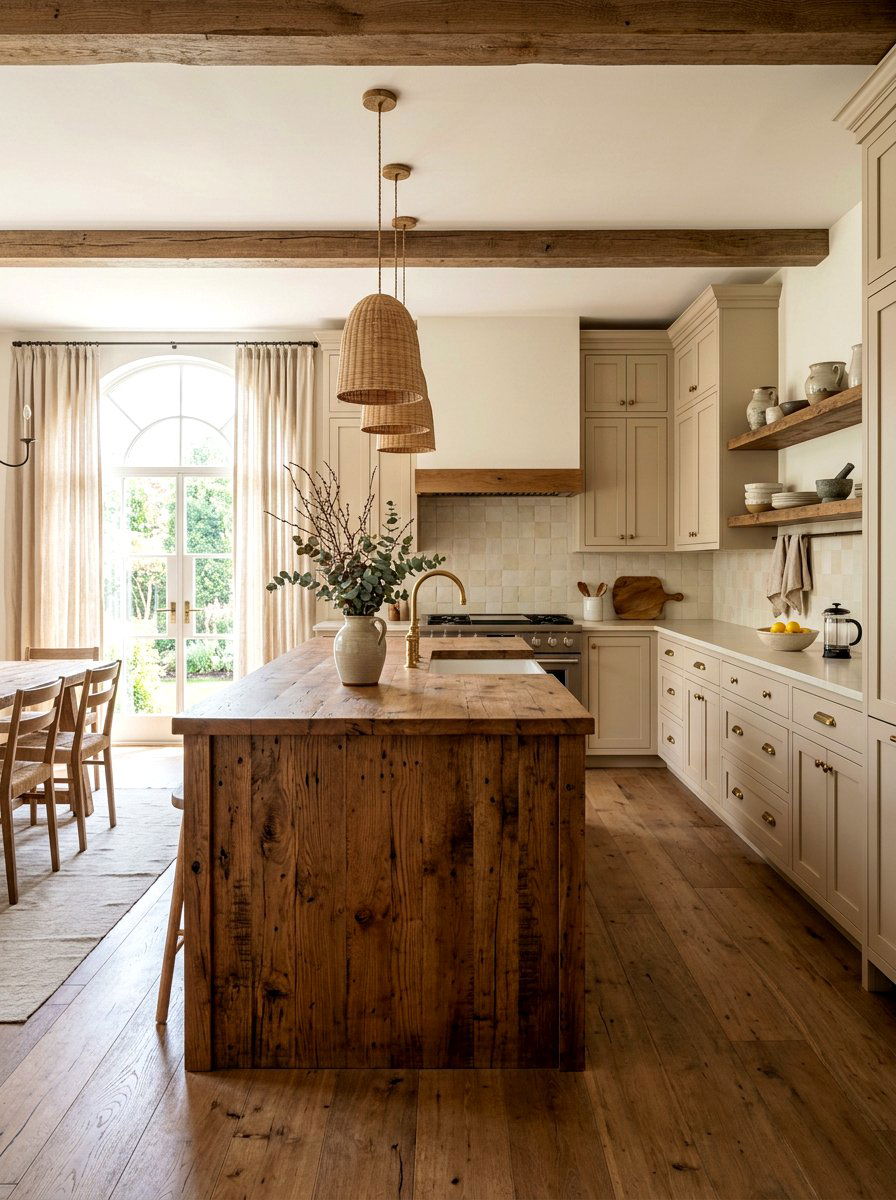
Beige and reclaimed wood are the ultimate pairing for a soft, organic, and highly textural kitchen design. Beige paint provides a subtle, warm backdrop that is much softer than stark white, creating an inviting and cozy atmosphere. When you add elements of reclaimed wood, such as a stained island or rustic floating shelves, you introduce layers of history and visual interest. This combination is all about the "quiet luxury" aesthetic, where the beauty comes from the high-quality materials and the calm, neutral color palette. It is a perfect choice for those who want a kitchen that feels like a peaceful sanctuary at home.
14. Slate Blue and Driftwood Kitchen
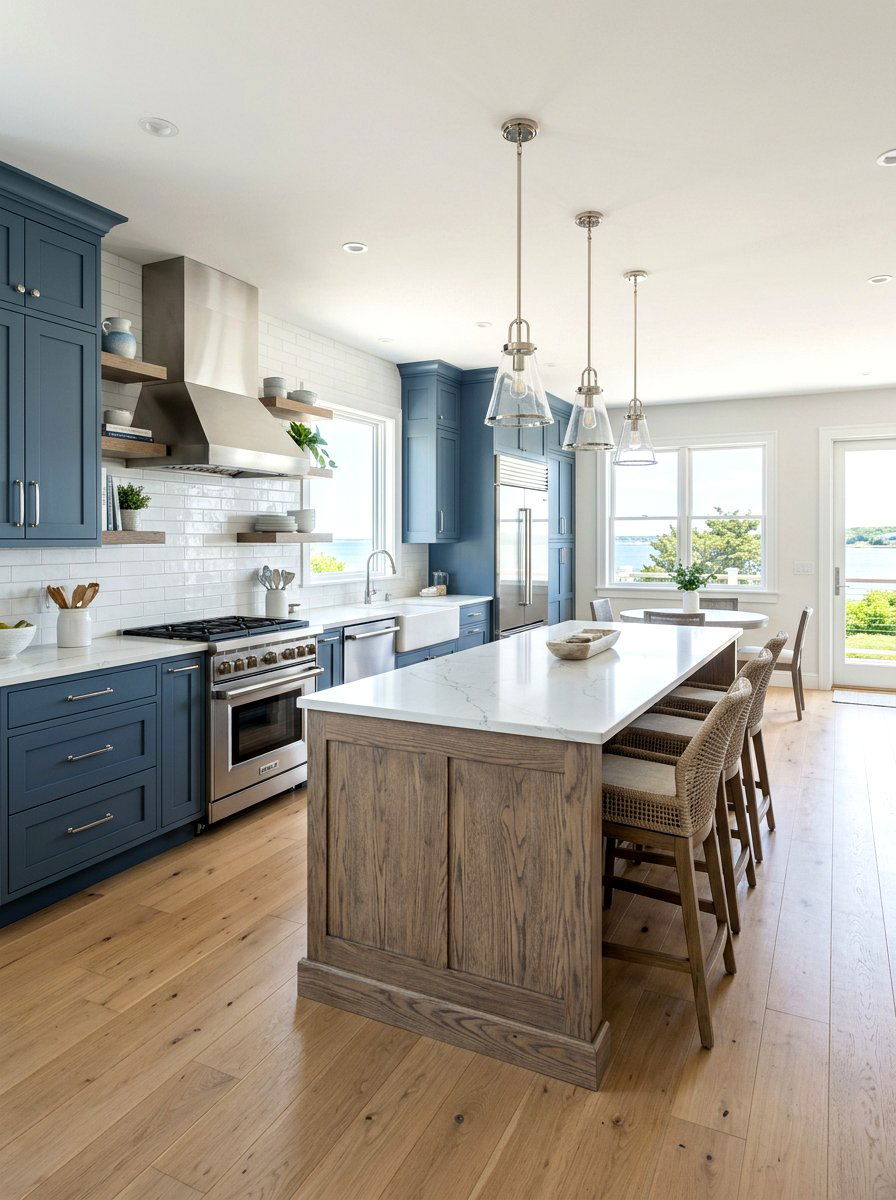
Slate blue is a sophisticated, grey-leaning blue that offers a calm and steady presence in the kitchen. Pairing this paint color with a driftwood-inspired stain creates a coastal-inspired look that is refined and elegant rather than literal. The light, weathered grey-brown of the driftwood stain complements the cool tones of the slate blue, evoking the feeling of a peaceful morning by the sea. This combination works exceptionally well with silver or pewter hardware and white marble countertops. It is an excellent choice for a transitional kitchen where you want a bit of color that still feels professional and very understated.
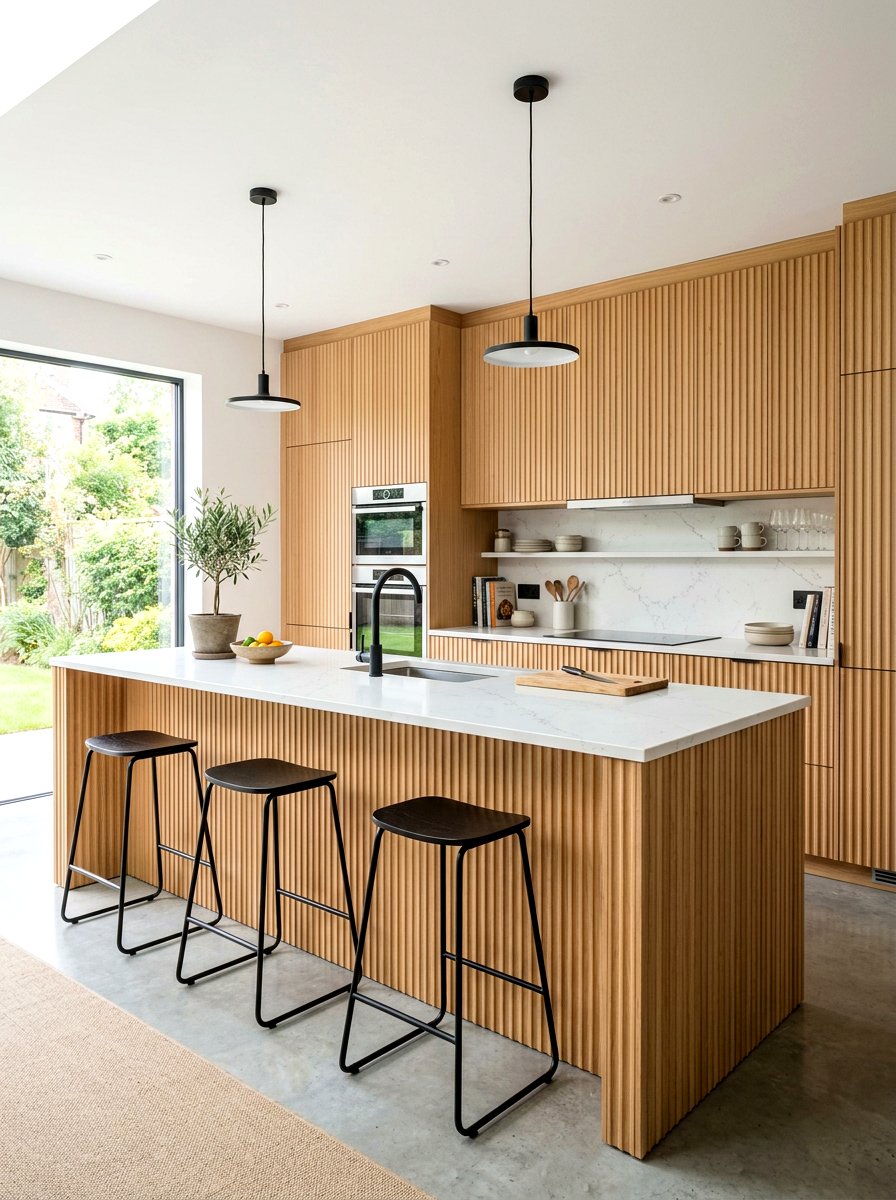
15. Olive Green and Birch Kitchen
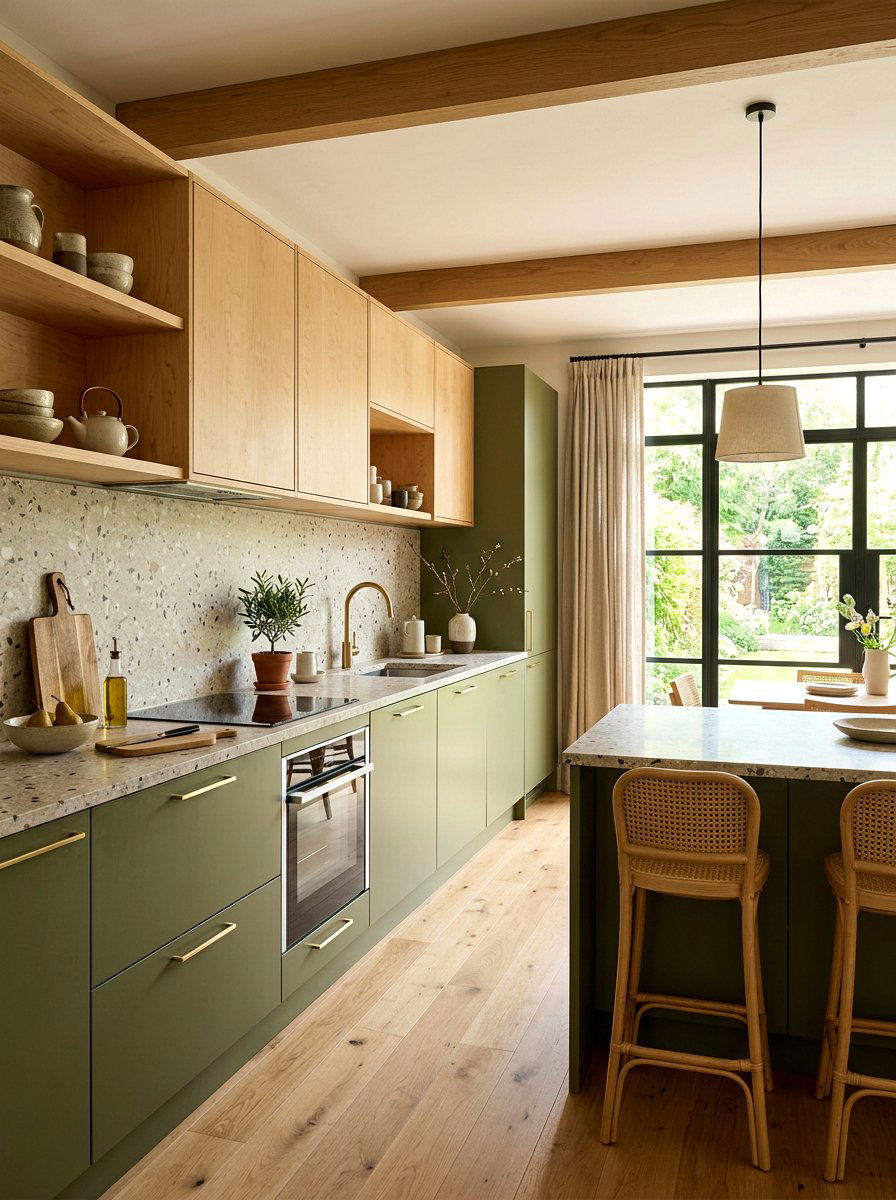
Olive green is a rich, organic paint color that brings a sense of depth and heritage to any kitchen space. When paired with the pale, smooth finish of birch wood, the olive green feels fresh and modern rather than heavy. This combination is a favorite for those who appreciate Mid-Century Modern or Japandi design styles. The birch wood provides a light, clean contrast that prevents the dark green from making the room feel too small. Using olive green on the lower cabinets and birch for the uppers or open shelving creates a vertical gradient that draws the eye upward, making the entire kitchen feel taller.
16. Greige and White Oak Kitchen
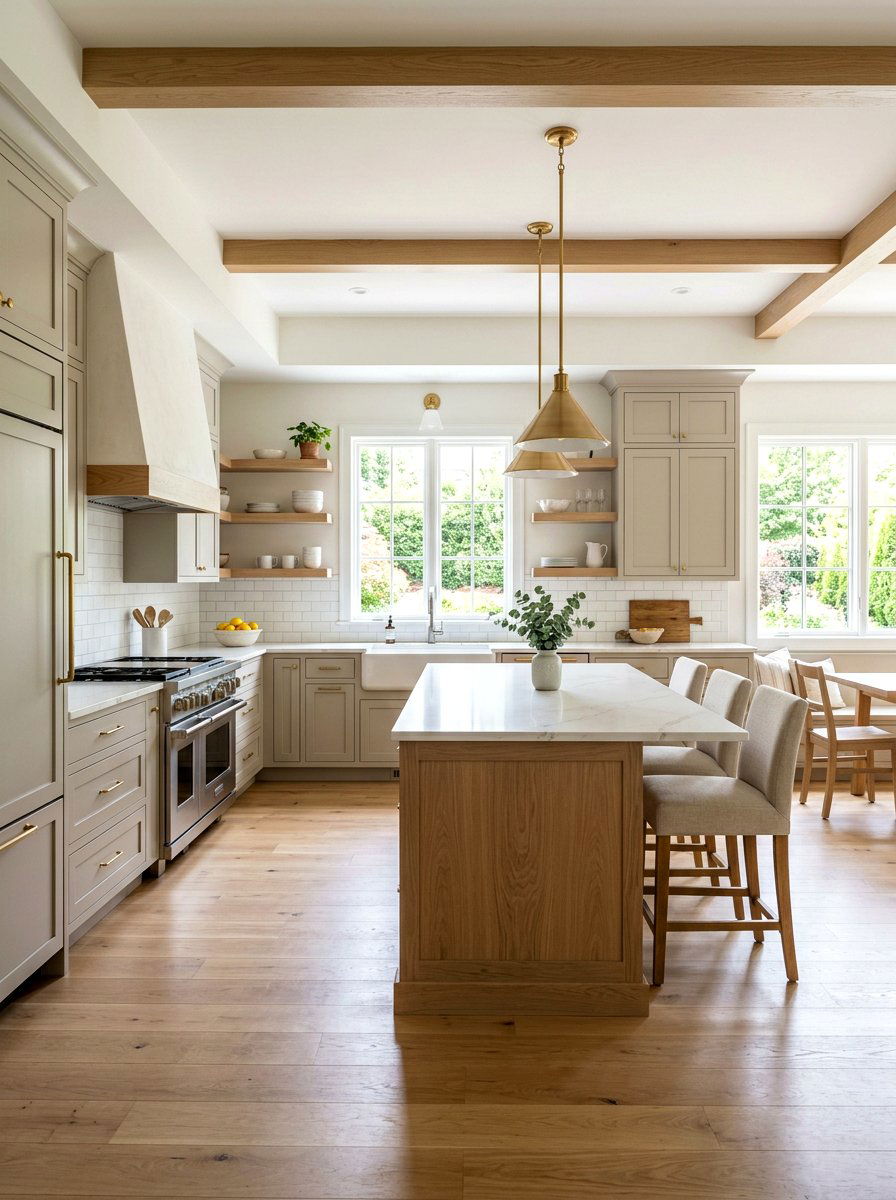
Greige is a perfect blend of grey and beige, offering a versatile neutral that works in almost any lighting condition. When combined with the light, linear grain of white oak, greige creates a sophisticated and contemporary kitchen that feels incredibly spacious. This tone-on-tone approach relies on subtle differences in texture rather than bold color contrasts, resulting in a very cohesive and calming look. The natural warmth of the white oak prevents the greige paint from feeling too flat or boring. It is a popular choice for open-concept homes where the kitchen needs to blend seamlessly with the surrounding living and dining areas.
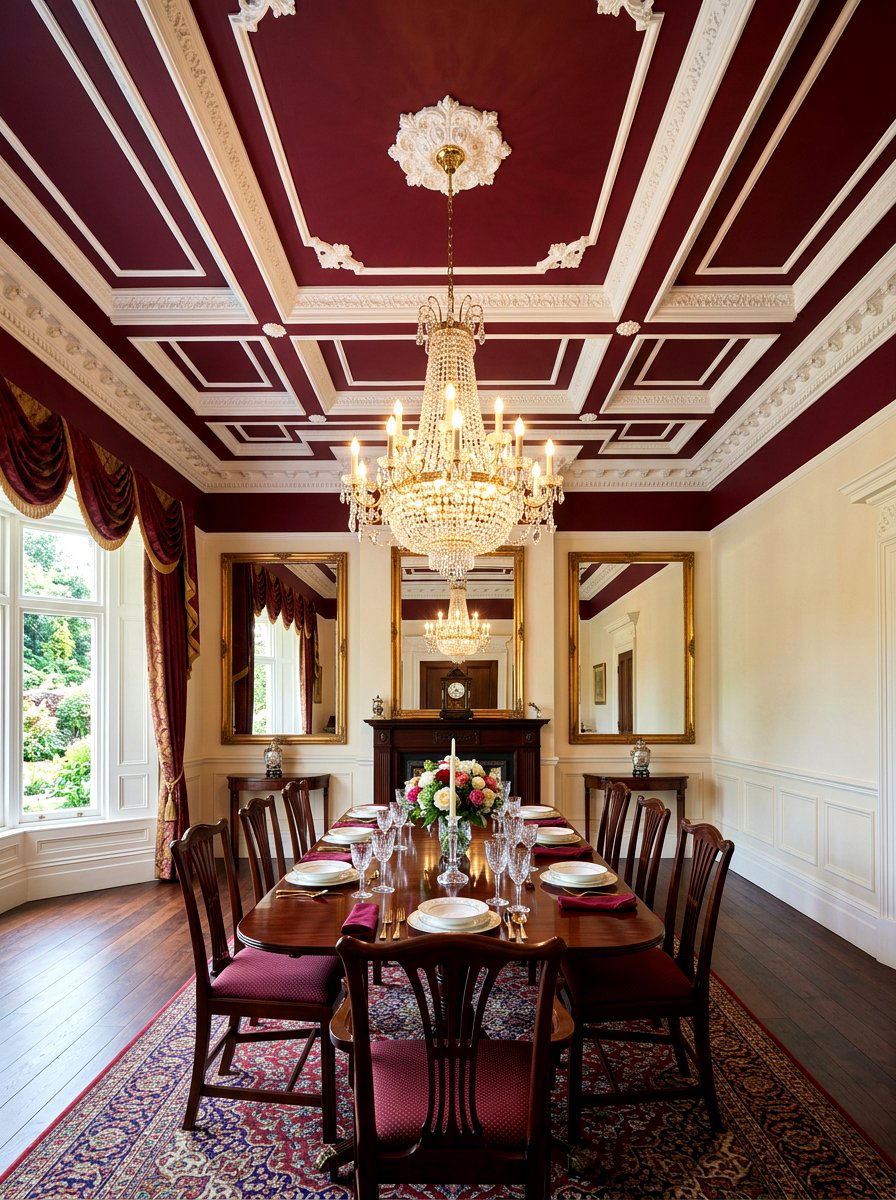
17. Deep Burgundy and Oak Kitchen
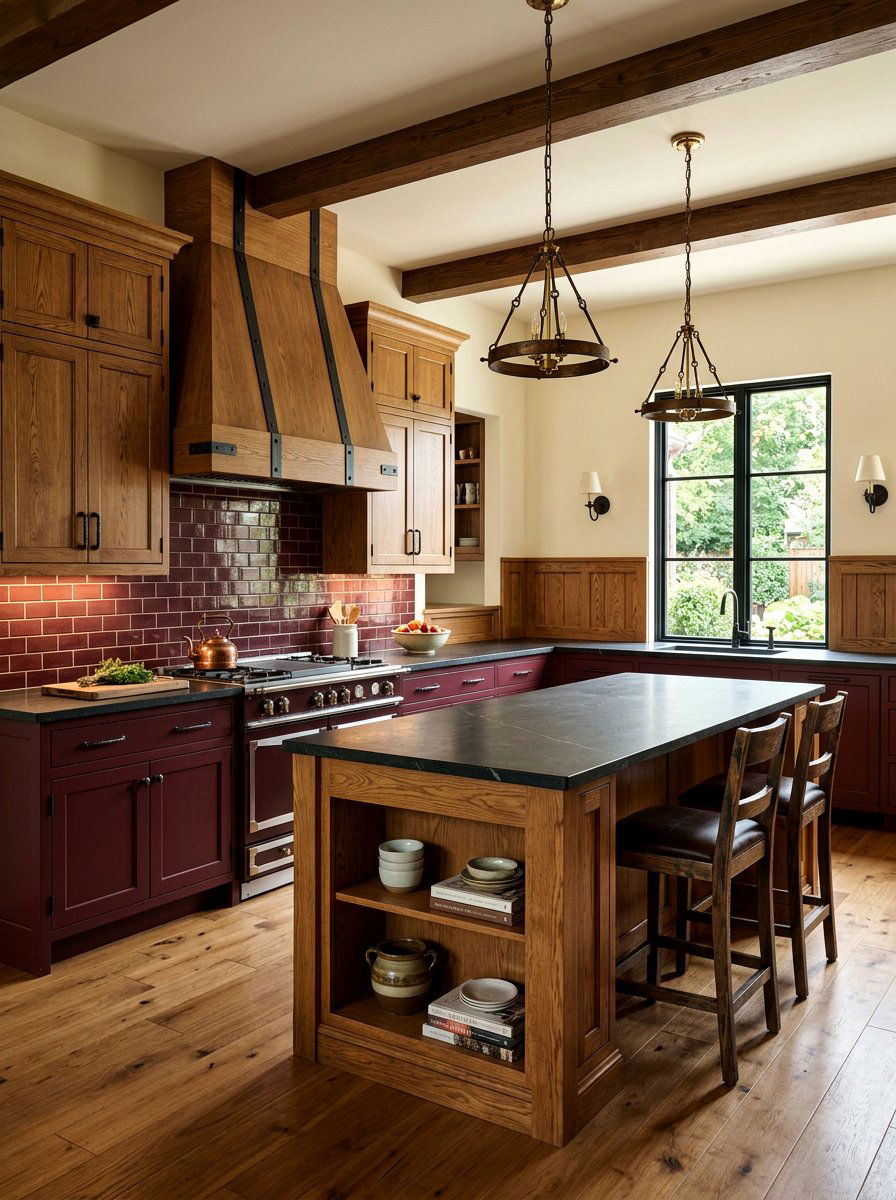
Deep burgundy paint is a bold and luxurious choice that can make a kitchen feel incredibly high-end and cozy. Pairing this dramatic red hue with a medium-stained oak provides a traditional, tavern-like atmosphere that is perfect for entertaining. The oak wood grain adds a layer of ruggedness that balances the richness of the burgundy paint, ensuring the space feels approachable and lived-in. This combination is particularly effective in larger kitchens with high ceilings and heavy architectural details. Adding black iron hardware and dark stone surfaces completes this moody, sophisticated look, making it a true standout in any home renovation project.
18. Soft Yellow and Pine Kitchen
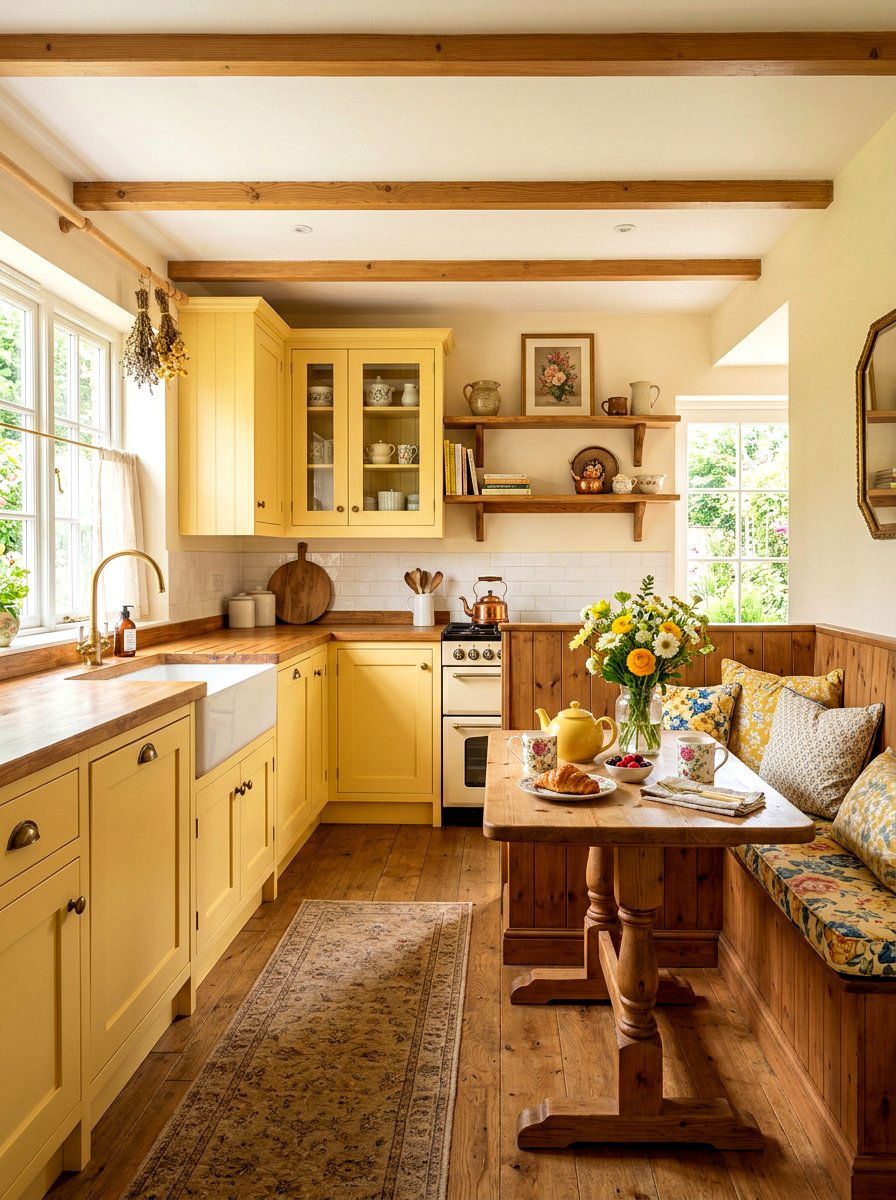
Soft yellow paint brings a cheerful and sunny disposition to the kitchen, making it feel bright even on cloudy days. When paired with the warm, honey-toned grain of stained pine, the yellow paint creates a cozy, cottage-inspired atmosphere that feels incredibly welcoming. This combination is perfect for those who want a kitchen that feels like a happy, family-centered space. The natural knots in the pine provide a rustic touch that keeps the yellow from feeling too precious or formal. Together, they create a charming, lived-in aesthetic that is perfect for breakfast nooks and small, sun-drenched kitchens in traditional or country homes.
19. Hunter Green and Cedar Kitchen
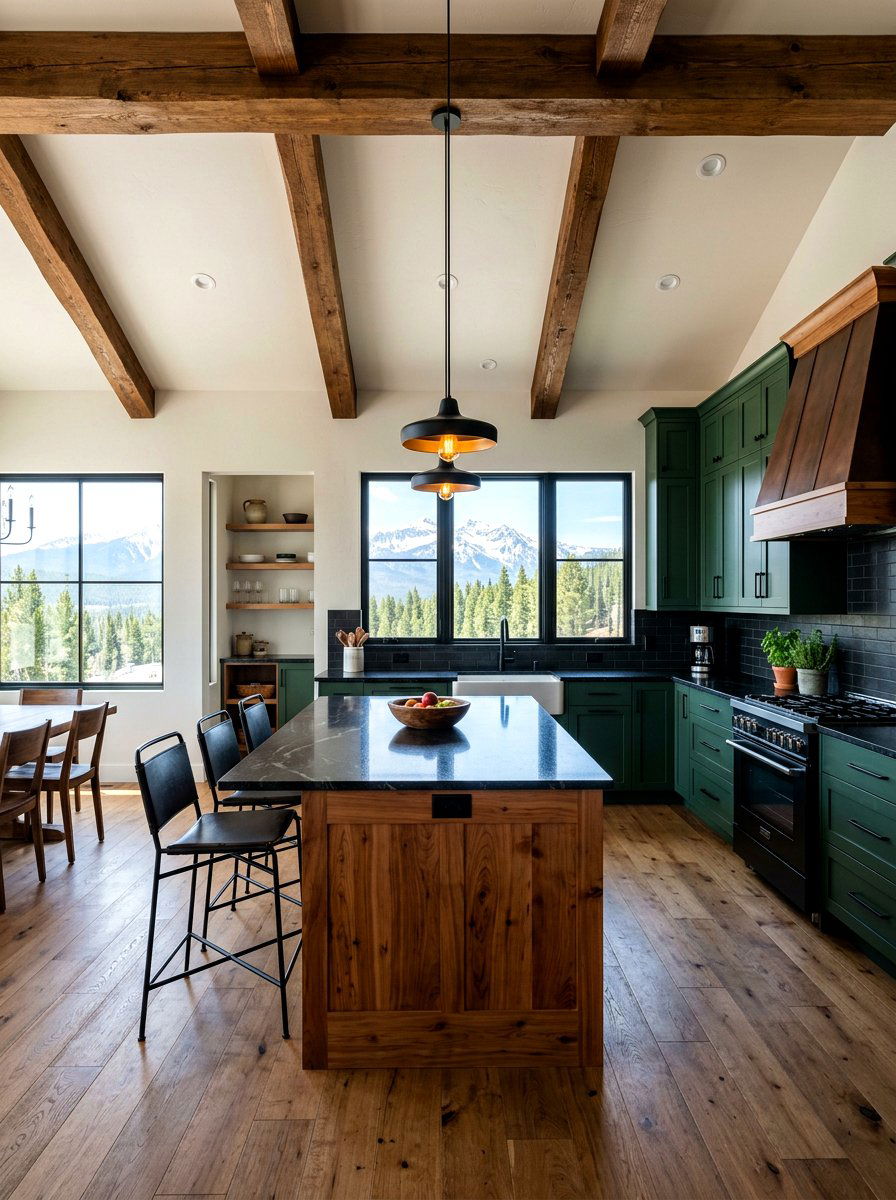
Hunter green is a classic, regal paint color that adds an immediate sense of sophistication and maturity to a room. When you combine this deep green with the aromatic and visually rich texture of stained cedar wood, the kitchen takes on a timeless, lodge-like quality. The warm, reddish tones of the cedar provide a beautiful contrast to the cool, dark green paint, creating a palette that feels deeply rooted in nature. This design is excellent for creating a dramatic island or a specialized bar area within the kitchen. The combination is both rugged and refined, making it a perfect choice for modern rustic designs.
20. Mauve and Light Oak Kitchen
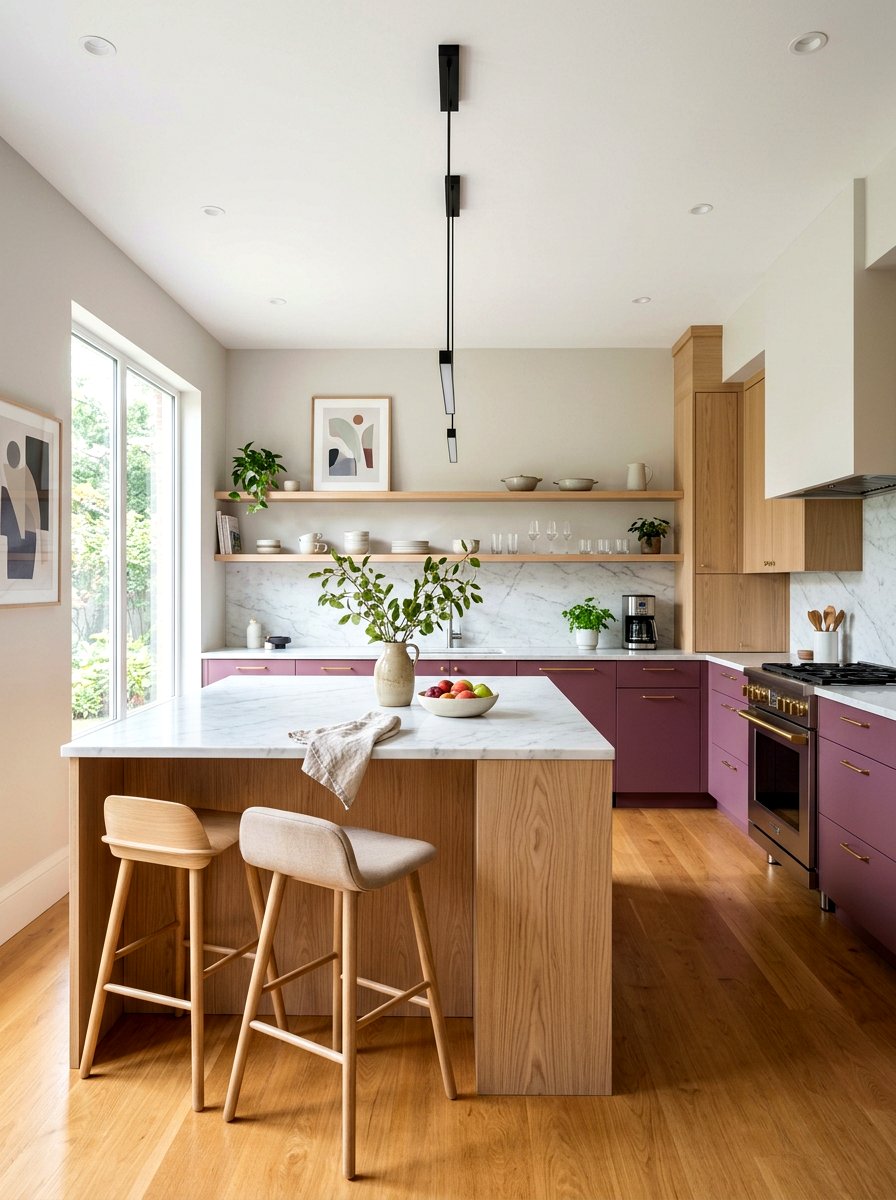
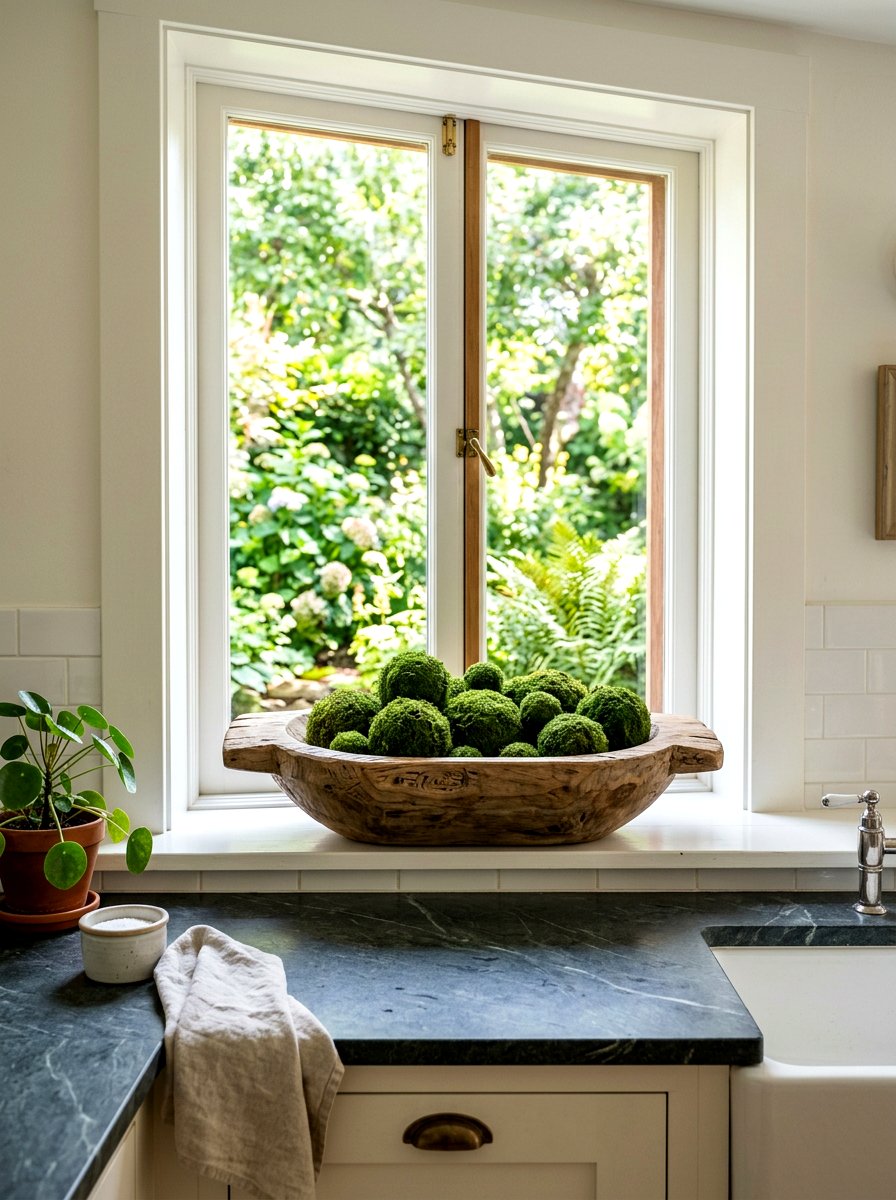
Mauve is a sophisticated, dusty purple-grey paint that offers a unique and modern alternative to standard neutrals. Pairing mauve cabinets with light-stained oak creates a soft, contemporary look that is both artistic and calming. The subtle purple undertones in the paint are highlighted by the golden hues of the oak wood, resulting in a surprisingly harmonious and balanced color scheme. This pairing is ideal for those who want to experiment with color in a way that feels grown-up and intentional. Adding light-colored countertops and minimalist hardware allows the unique mauve and oak combination to be the primary focus of the design.
21. Sky Blue and White Oak Kitchen
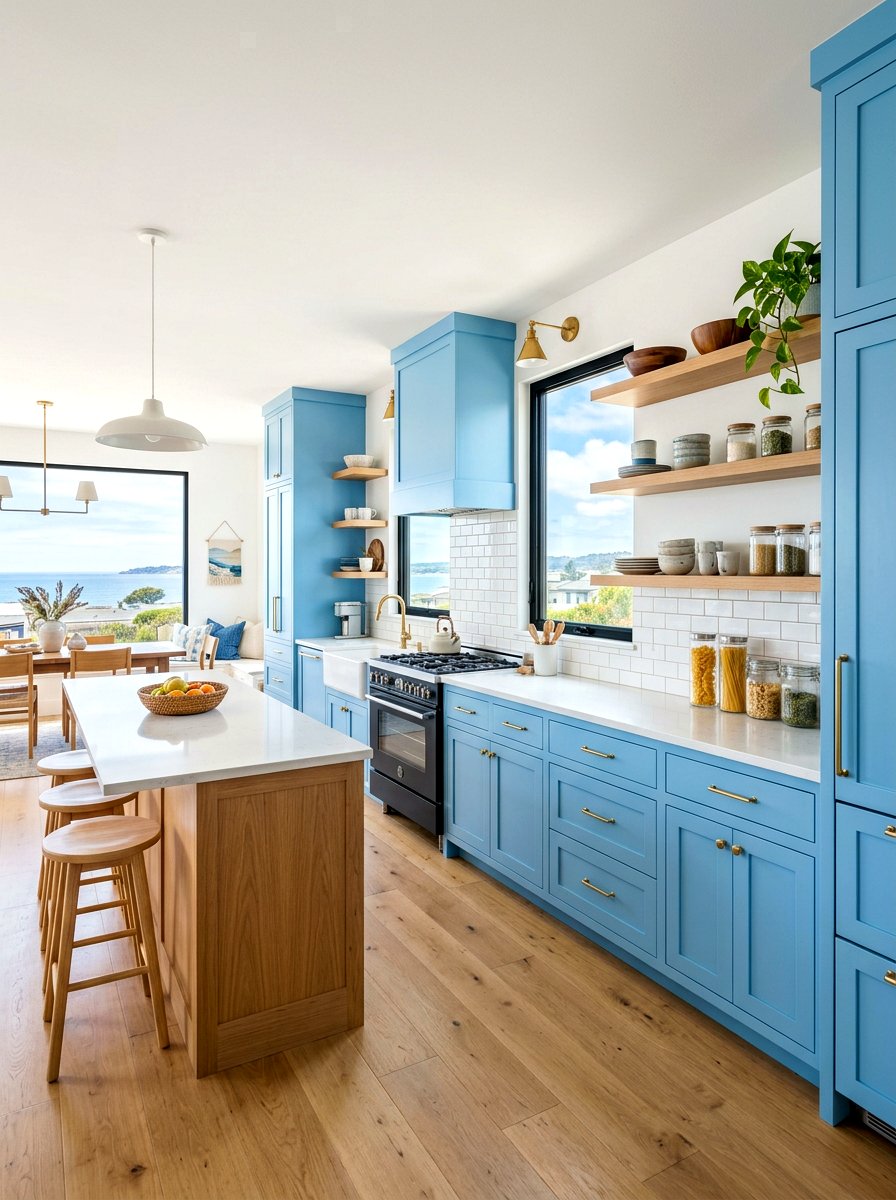
Sky blue paint is a breath of fresh air in the kitchen, offering a light and airy feel that instantly uplifts the mood. When paired with the pale, neutral tones of white oak, the sky blue creates a coastal or Scandinavian aesthetic that feels incredibly clean and organized. This combination is particularly effective at making small kitchens feel much larger than they actually are. The white oak adds a touch of organic warmth that prevents the light blue from feeling too chilly. It is a perfect choice for a beach house or a modern suburban home where a bright, cheerful environment is desired for daily living.
22. Chocolate Brown and Off White Kitchen
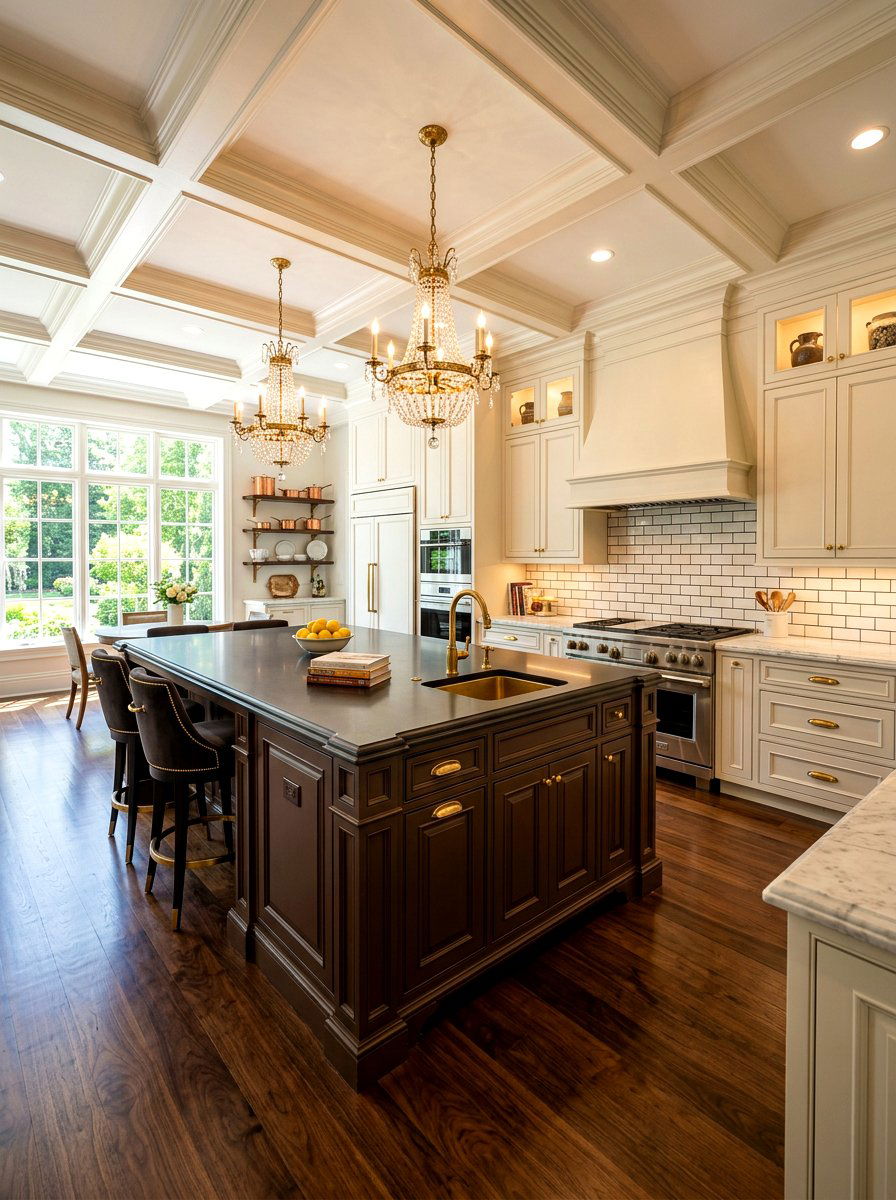
Chocolate brown paint offers a rich, velvety alternative to black or navy, providing a deep sense of warmth and luxury. When paired with crisp off-white cabinetry, the chocolate brown creates a high-contrast look that is classic and sophisticated. This combination is often used to highlight a large kitchen island or a specific bank of cabinets, such as a pantry or a hutch. The brown paint feels like a modern update on traditional dark wood stains, offering a smooth and uniform finish that still feels very grounded. Together with the off-white, it creates a timeless palette that is both elegant and highly functional.
23. Emerald Green and Walnut Kitchen
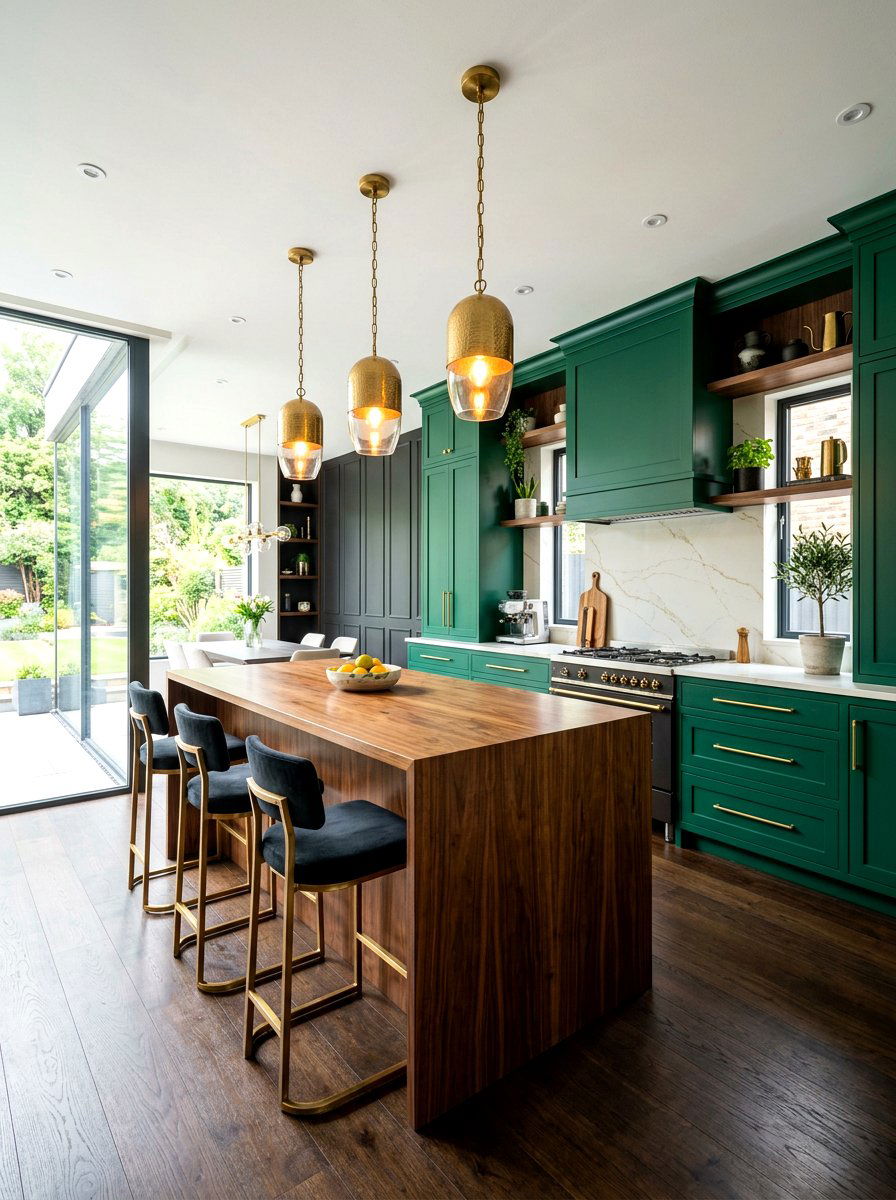
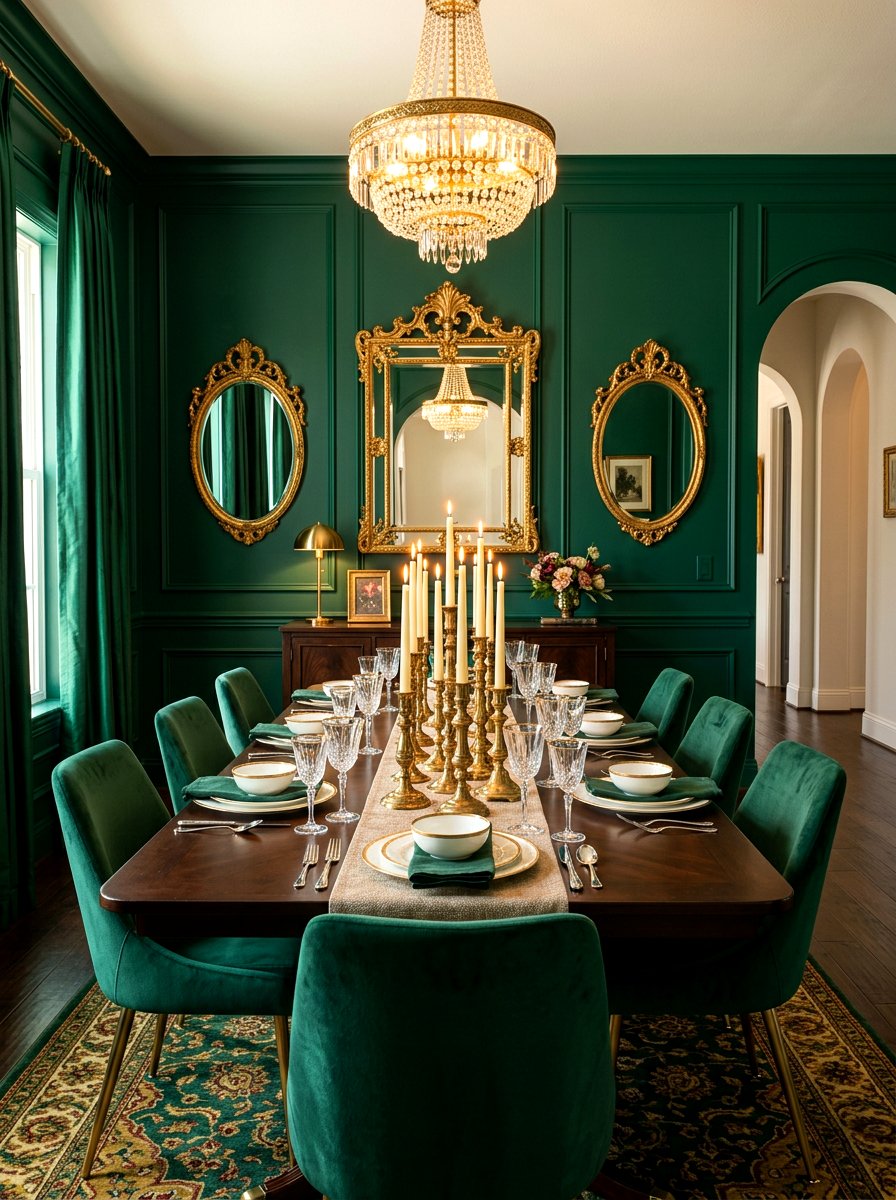
Emerald green is a jewel-toned paint color that brings a vibrant, energetic luxury to the kitchen. When this bold green is paired with the dark, swirling grain of walnut wood, the result is a space that feels incredibly opulent and custom-designed. The deep brown of the walnut provides a steady, natural anchor for the high-impact green, creating a sophisticated balance of color and texture. This combination is perfect for a kitchen island or a dramatic accent wall of cabinetry. Using gold or brass hardware further enhances the luxurious feel of the emerald and walnut, making the kitchen feel like a high-end designer space.
24. Pewter and Natural Wood Kitchen
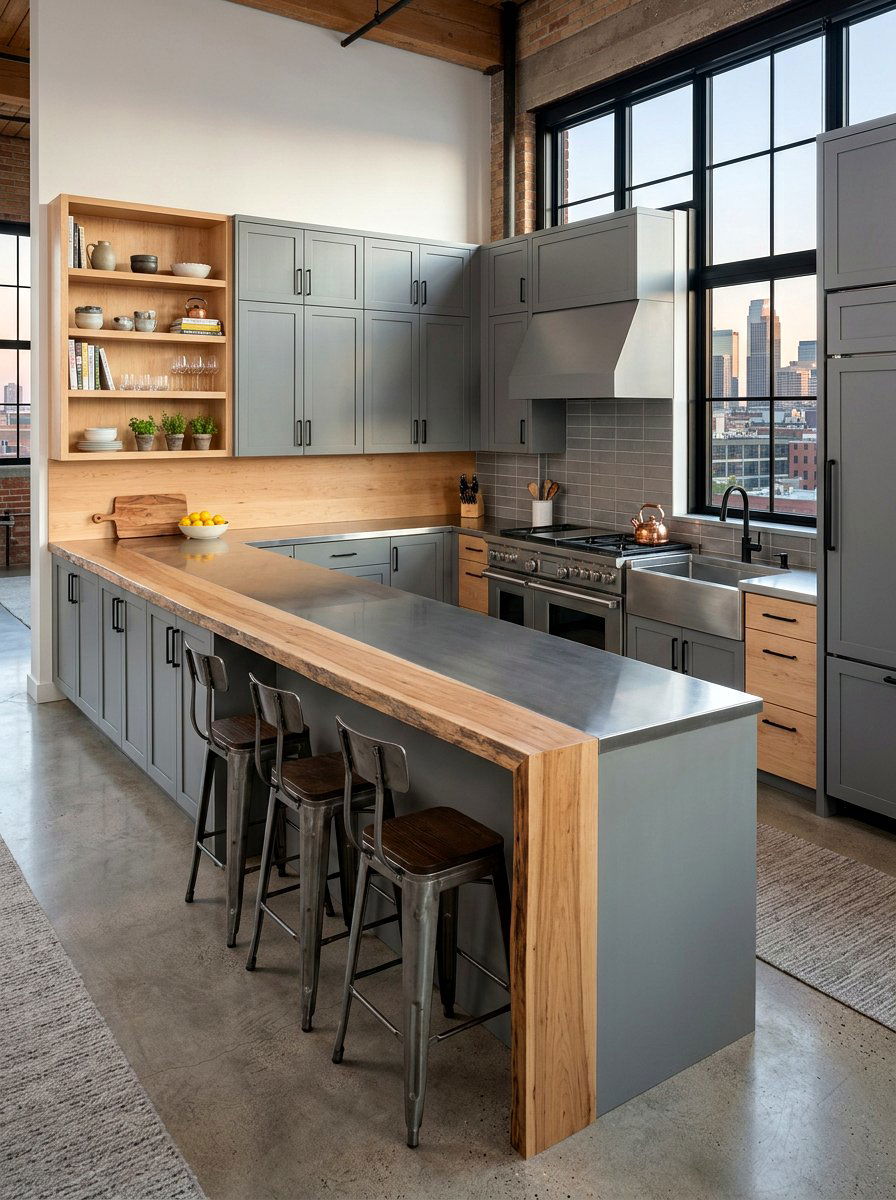
Pewter is a deep, metallic-tinged grey paint that offers a sense of weight and importance to kitchen cabinetry. Pairing pewter with a natural, light-stained wood like maple or ash creates a modern, industrial-leaning look that is still very warm and approachable. The cool grey of the pewter acts as a neutral base that highlights the golden or honey tones of the wood grain. This combination is great for those who want a kitchen that feels professional and sturdy. The mix of a heavy painted finish with a light wood grain creates a visual hierarchy that is interesting and very well-balanced for contemporary homes.
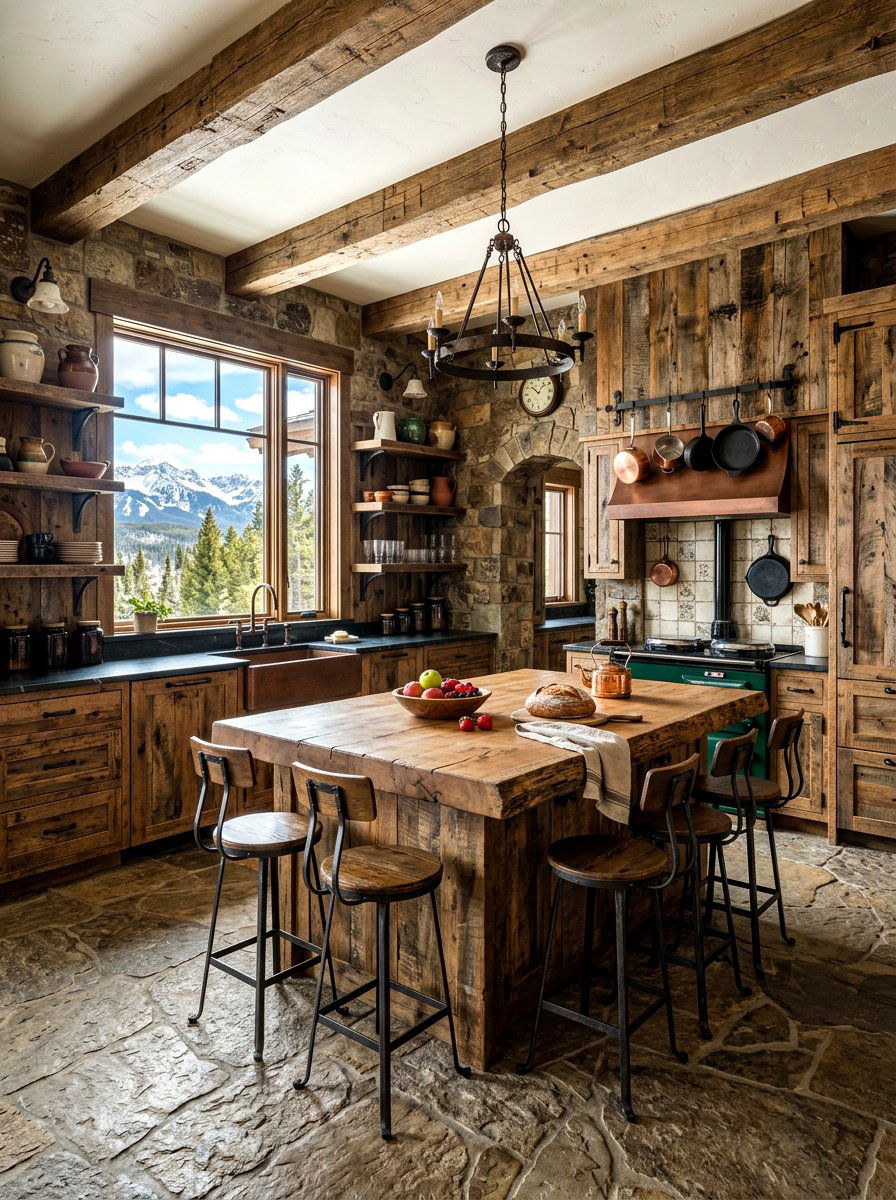
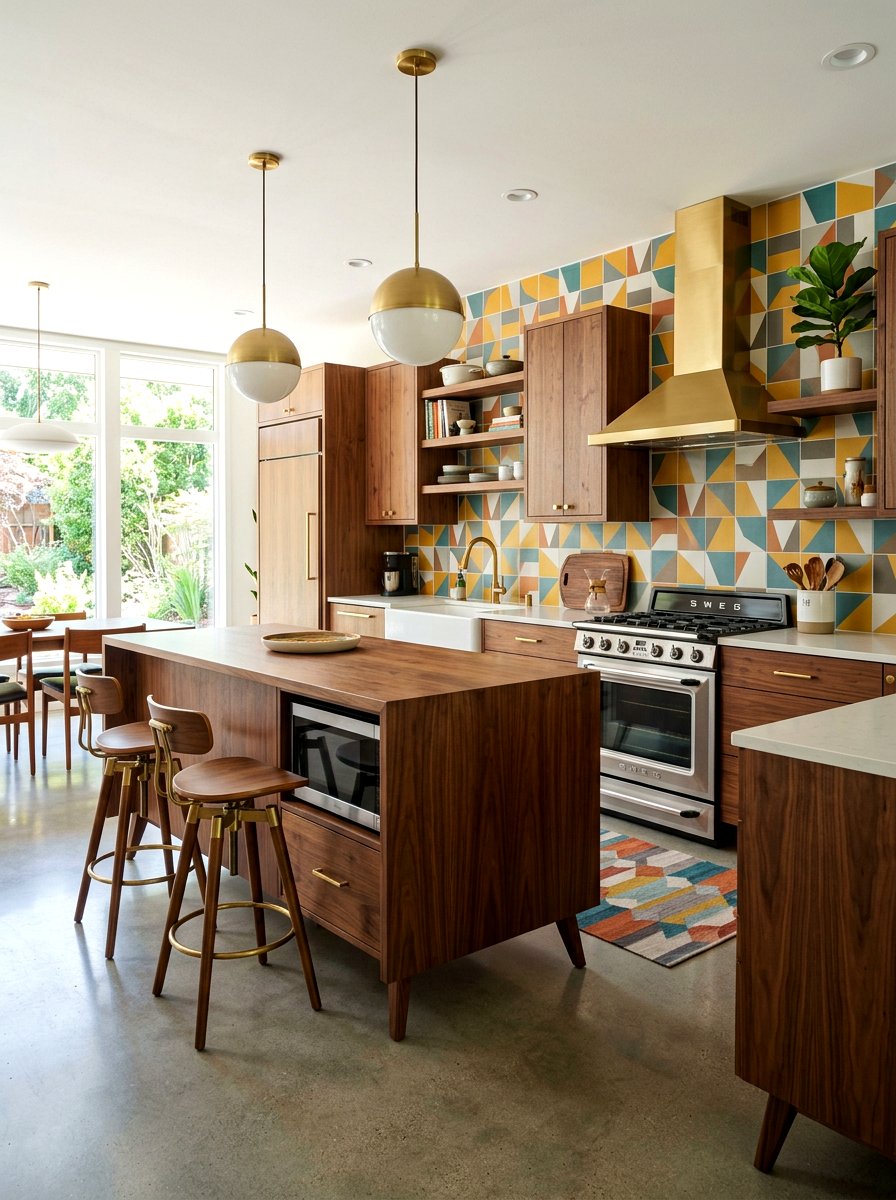
25. Mustard Yellow and Dark Wood Kitchen
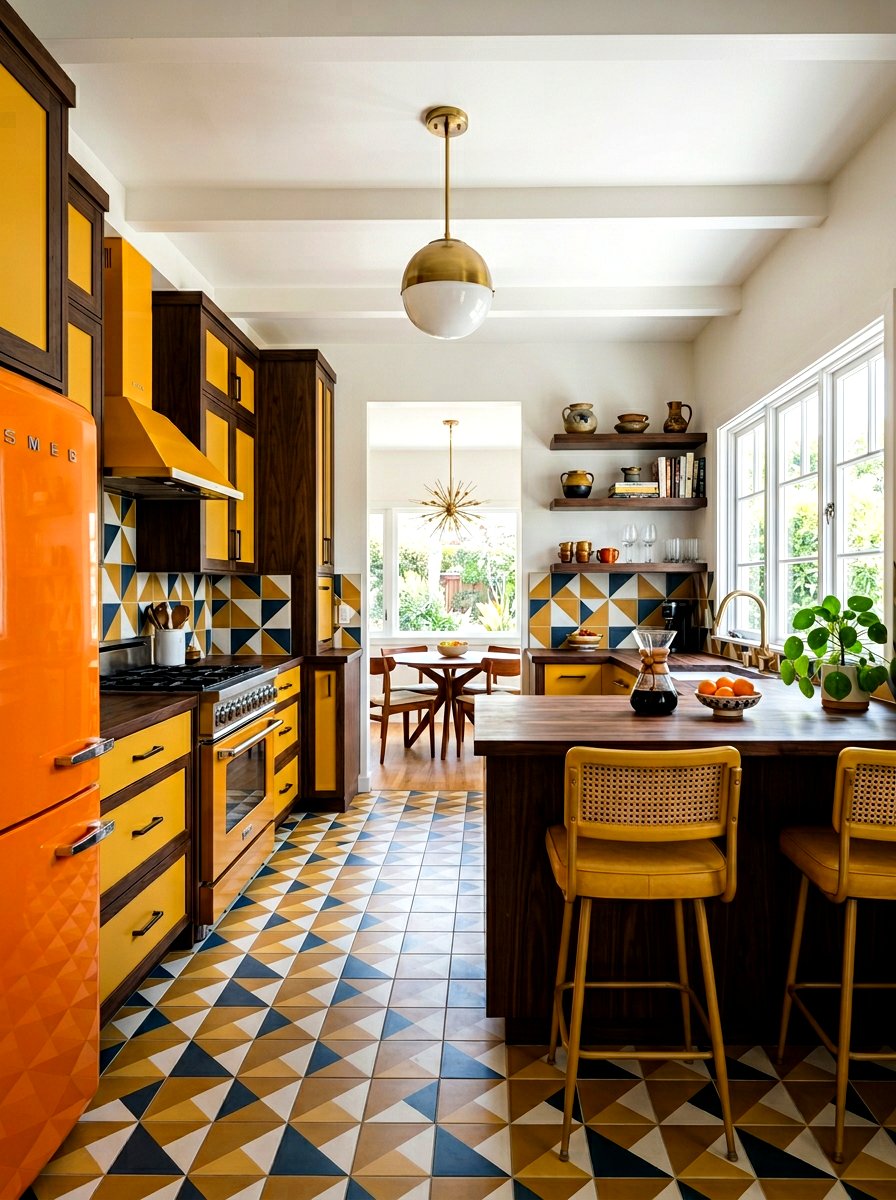
Mustard yellow is a bold, retro-inspired paint color that brings a lot of personality and warmth to the kitchen. When paired with dark-stained woods like espresso or dark walnut, the mustard yellow feels sophisticated and intentional rather than just bright. The dark wood provides a moody contrast that makes the yellow paint pop without overwhelming the entire space. This combination is perfect for creating a focal point, such as a painted island or a specialized baking station. It is a fantastic choice for those who love mid-century modern design or eclectic styles where bold colors and rich wood textures are celebrated together.
26. Plum and Light Maple Kitchen
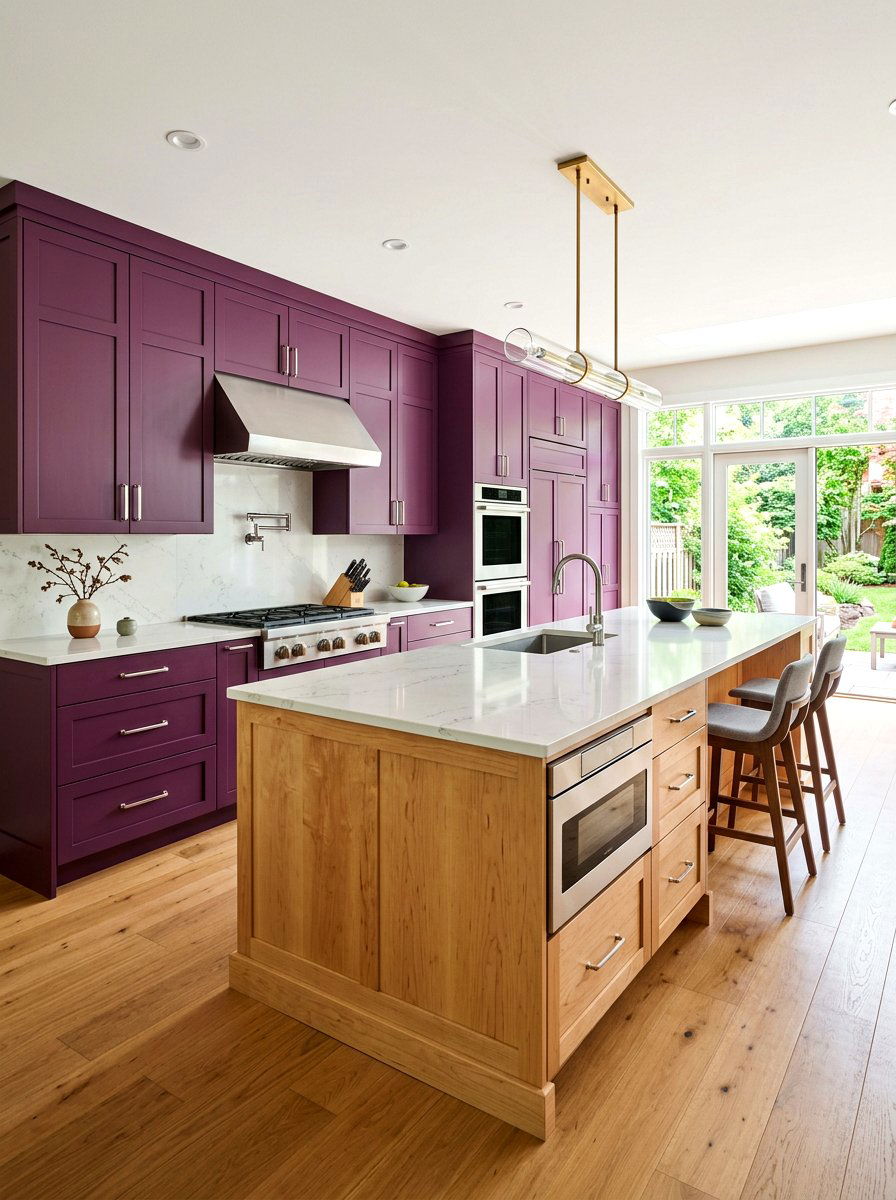
Plum is a deep, regal purple paint that adds a sense of mystery and sophistication to any interior. When combined with the pale, consistent grain of light maple wood, the plum paint becomes the undisputed star of the kitchen. The light maple provides a clean, neutral backdrop that prevents the dark purple from making the space feel too heavy or enclosed. This combination is unique and artistic, making it ideal for homeowners who want a kitchen that truly stands out from the crowd. The contrast between the saturated plum and the airy maple creates a dynamic visual energy that is both modern and luxurious.
27. Teal and Distressed Wood Kitchen
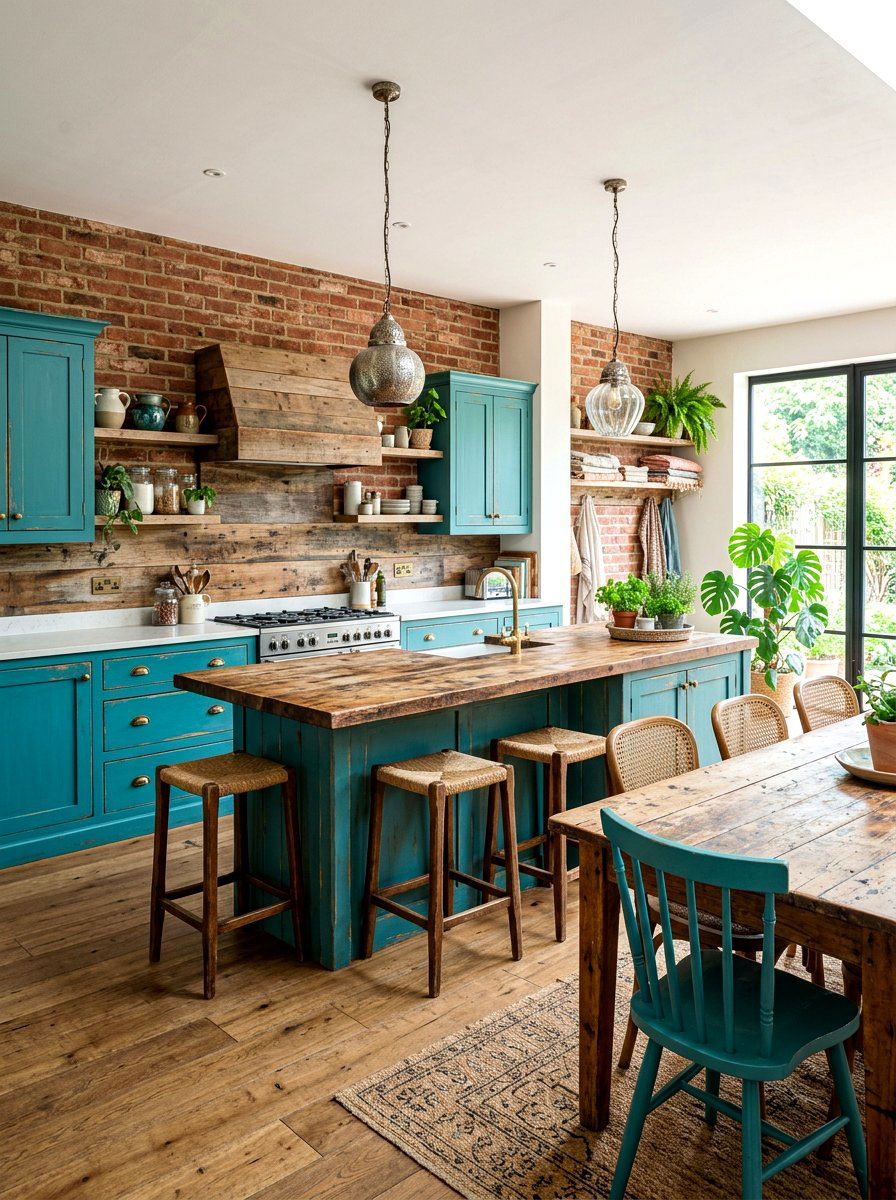
Vibrant teal paint and distressed, stained wood create a wonderful boho-chic or farmhouse look that is full of texture and life. The teal provides a bright splash of color that feels energetic and fun, while the distressed wood adds a layer of rustic charm and history. This pairing is excellent for a kitchen that is meant to be the social hub of the home. The varied textures of the wood help hide wear and tear, making it a practical choice for busy families. Together, they create a space that feels lived-in, creative, and incredibly welcoming to everyone who enters the heart of the home.
28. Tan and Espresso Wood Kitchen
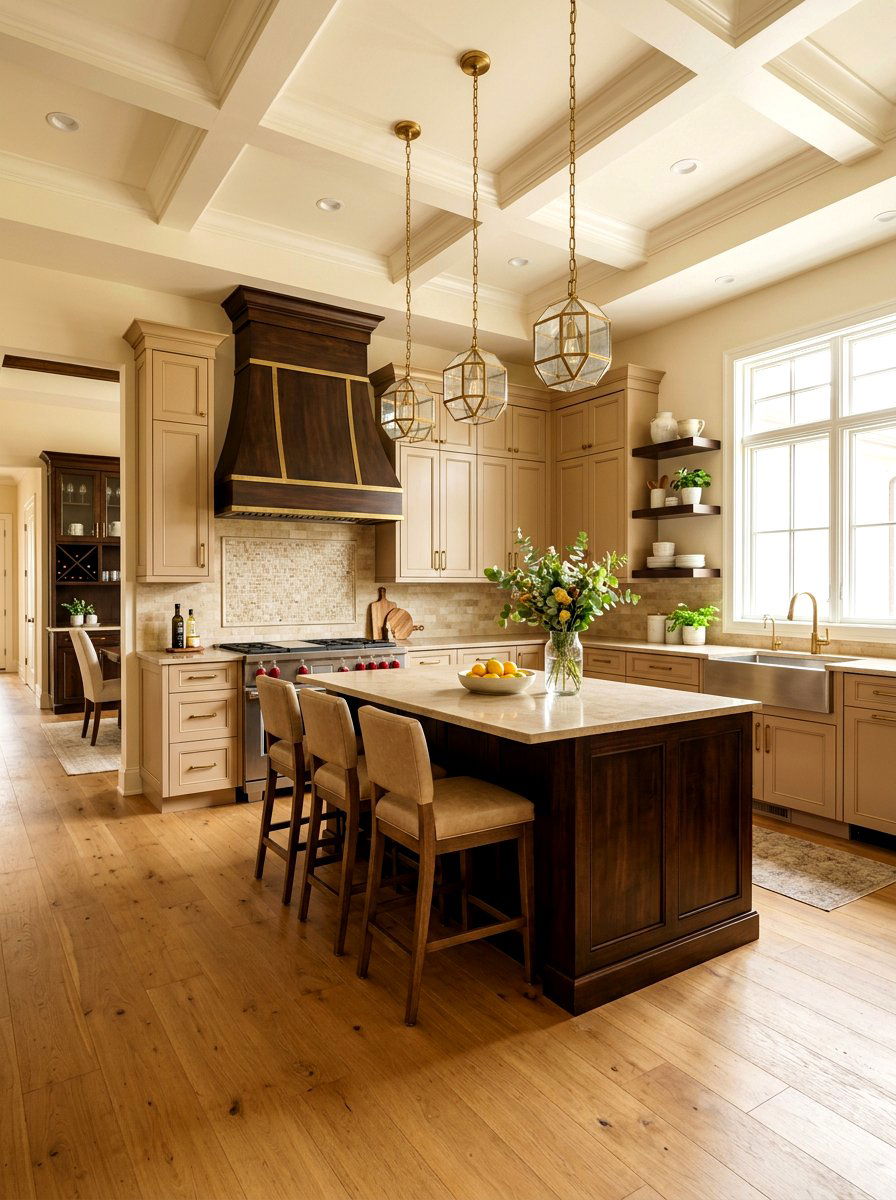
Tan paint and espresso-stained wood offer a warm, monochromatic-inspired look that is deeply comforting and elegant. The tan paint provides a soft, sandy neutral that is more interesting than standard white, while the dark espresso wood adds a sense of depth and structure. This combination is perfect for a large, open kitchen where you want to create a cozy, intimate feel. The dark wood is often used for the lower cabinets or the island to ground the space, while the tan paint on the uppers keeps everything feeling light and expansive. It is a timeless and very sophisticated palette for any home style.
29. Copper and Dark Walnut Kitchen
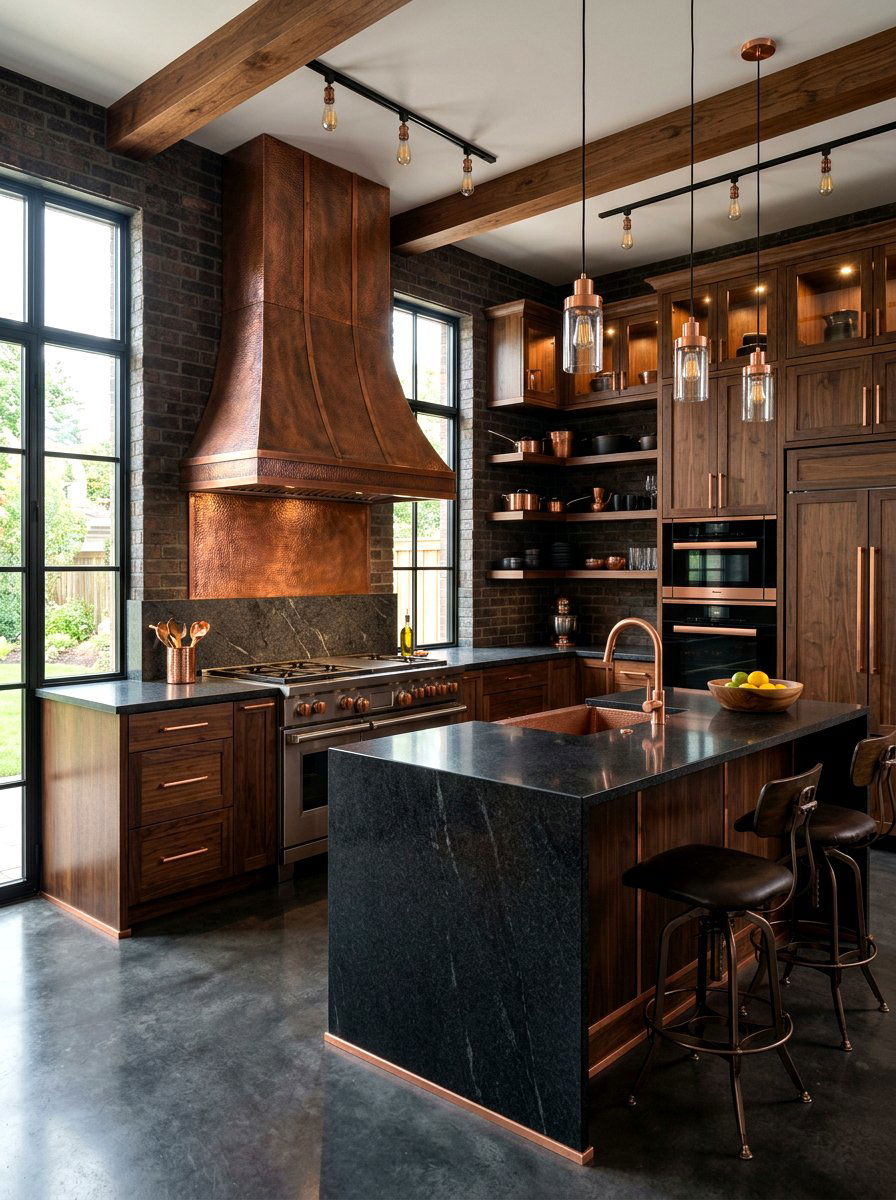
Copper paint finishes and dark walnut wood create a kitchen that feels incredibly warm and metallic. The copper accents, whether on a range hood or specific cabinet panels, provide a glowing, reflective quality that adds light and interest. When paired with the deep, chocolatey tones of walnut, the copper feels even more vibrant and luxurious. This combination is ideal for those who want a kitchen with an industrial or high-end custom feel. The natural red and orange tones in the copper are beautifully complemented by the dark browns of the walnut, resulting in a rich and highly textured environment that feels very expensive.
30. Matte Black and Warm Wood Kitchen
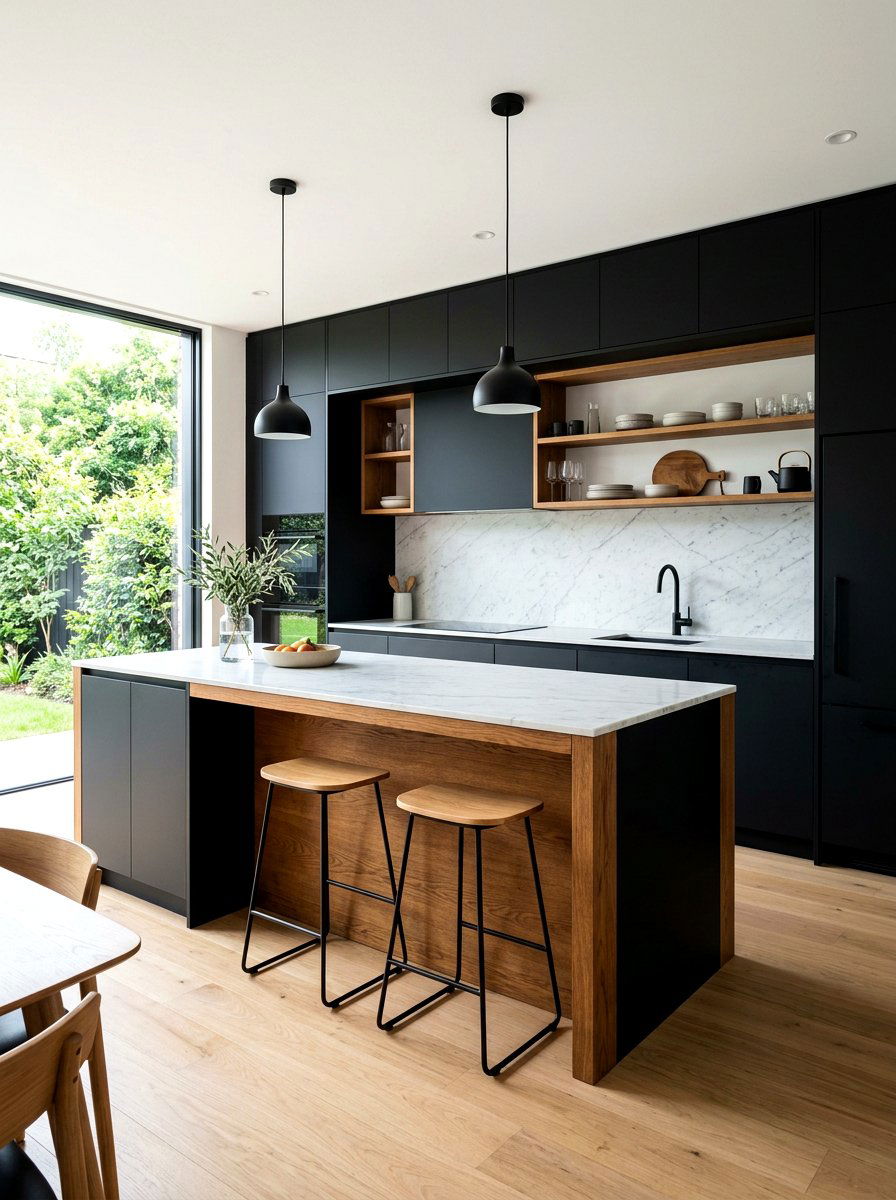
Matte black paint and warm, medium-stained wood are a staple of modern Scandinavian and industrial kitchen design. The flat, non-reflective black surface provides a bold and clean aesthetic that feels very contemporary and sharp. By adding warm wood elements, such as a thick butcher block island or wood-framed open shelves, you instantly inject the necessary warmth to make the space feel like a home. This combination is all about high contrast and clean lines. It is a perfect choice for those who want a minimalist kitchen that still feels cozy and functional, providing a perfect backdrop for modern cooking and entertaining.
Conclusion:
Deciding between stained and painted kitchen cabinets no longer has to be a difficult choice, as combining both finishes is one of the most effective ways to create a beautiful and personalized space. By utilizing the various ideas presented here, you can design a kitchen that reflects your unique style while maintaining a sense of balance and harmony. The key is to find the right contrast between the smooth, colorful surfaces of paint and the rich, organic textures of natural wood grain. Whether you prefer bold, high-contrast pairings or soft, tone-on-tone neutrals, the result will always be a kitchen that feels thoughtfully curated and incredibly inviting.

Related posts: