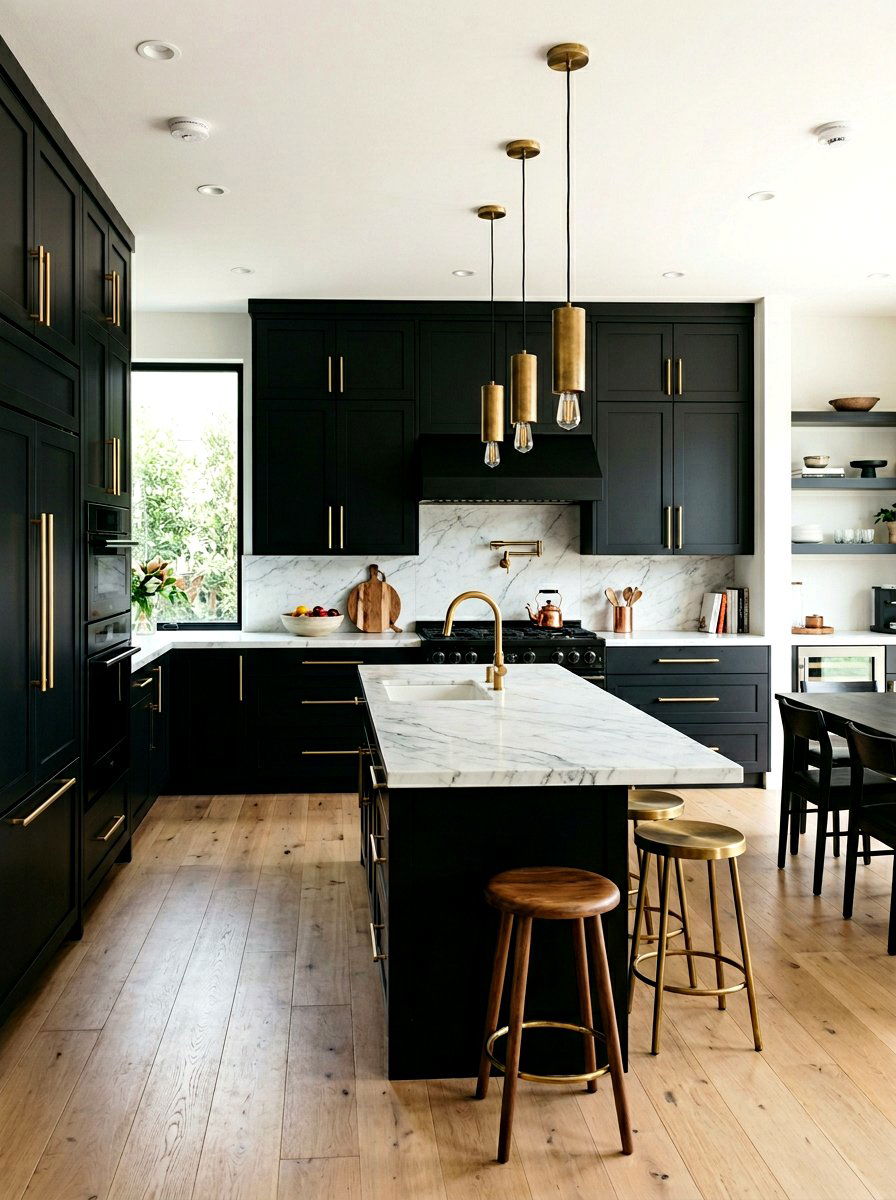
Tadelakt is a traditional Moroccan lime plaster that has taken the world of interior design by storm, especially within modern kitchens. This waterproof and seamless finish offers a unique aesthetic that blends ancient craftsmanship with contemporary minimalism. Unlike standard tiles or paint, tadelakt provides a tactile, stone-like surface that feels incredibly soft to the touch. It is often celebrated for its natural variations and organic depth, making every application entirely unique to the home. If you want a kitchen that feels serene, sophisticated, and incredibly durable, this Moroccan plaster is the perfect choice for your next renovation project. Let us explore these stunning concepts together now.
1. Cream Tadelakt Kitchen
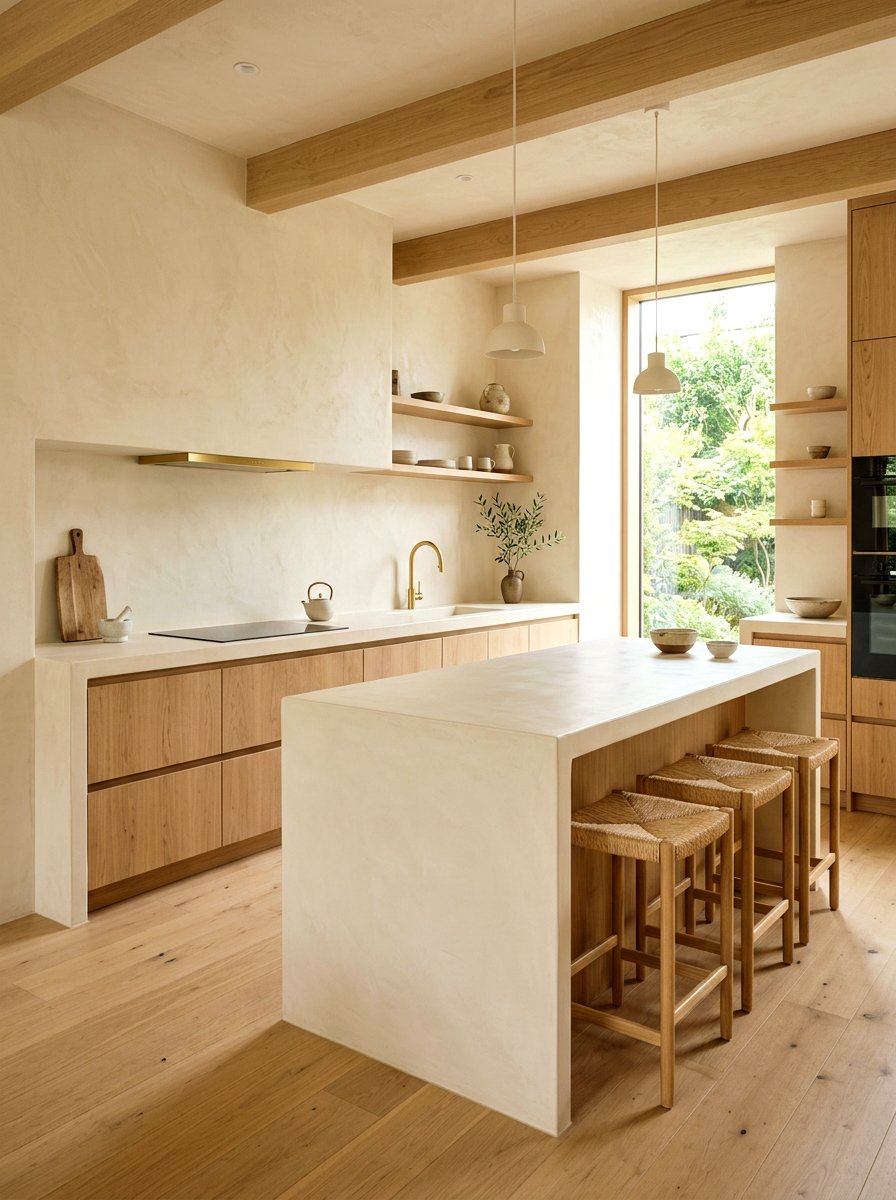
How can you create a soft and inviting space that feels timeless yet trendy? A cream tadelakt kitchen offers the perfect solution by wrapping the walls and cabinetry in a warm, buttery hue. This specific finish eliminates the need for messy grout lines, creating a continuous flow from the backsplash to the ceiling. The subtle sheen of the polished lime plaster reflects natural light beautifully, making even smaller kitchens feel airy and expansive. Pair this look with light wood accents and simple brass hardware to maintain a clean, cohesive aesthetic. It is a brilliant way to achieve a high-end look while keeping things very cozy and functional.
2. Modern Moroccan Kitchen
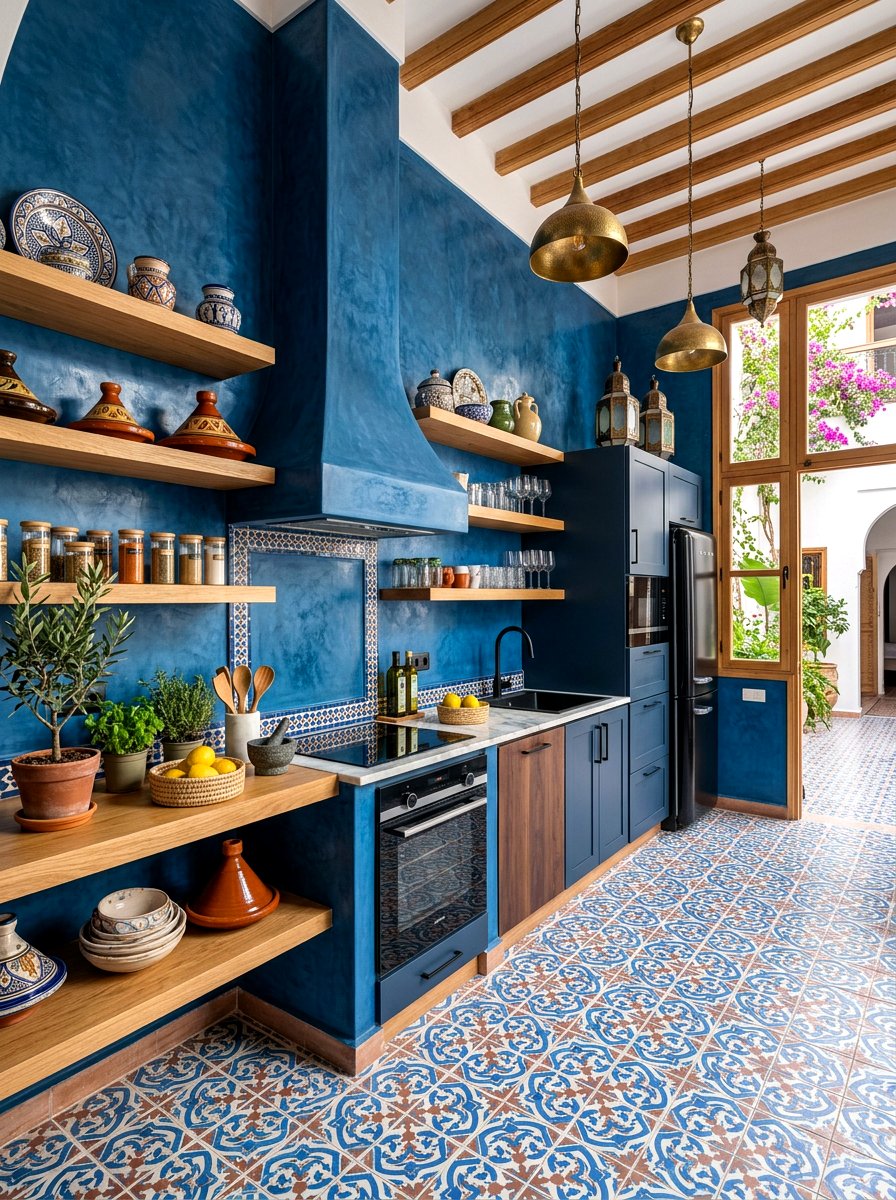
Imagine a space where ancient traditions meet modern sleekness to create a striking culinary environment. This modern Moroccan kitchen uses tadelakt plaster in deep, saturated tones to anchor the entire room. By applying the plaster to both the range hood and the surrounding walls, you create a sculptural focal point that feels unified. The smooth, hand-polished surface provides a stunning backdrop for contemporary appliances and minimalist shelving. You can integrate traditional patterns through floor tiles while keeping the walls simple and textured. This approach balances bold cultural heritage with the clean lines expected in a high-performance, modern home today. It is truly an inspiring look.
3. Terracotta Tadelakt Kitchen
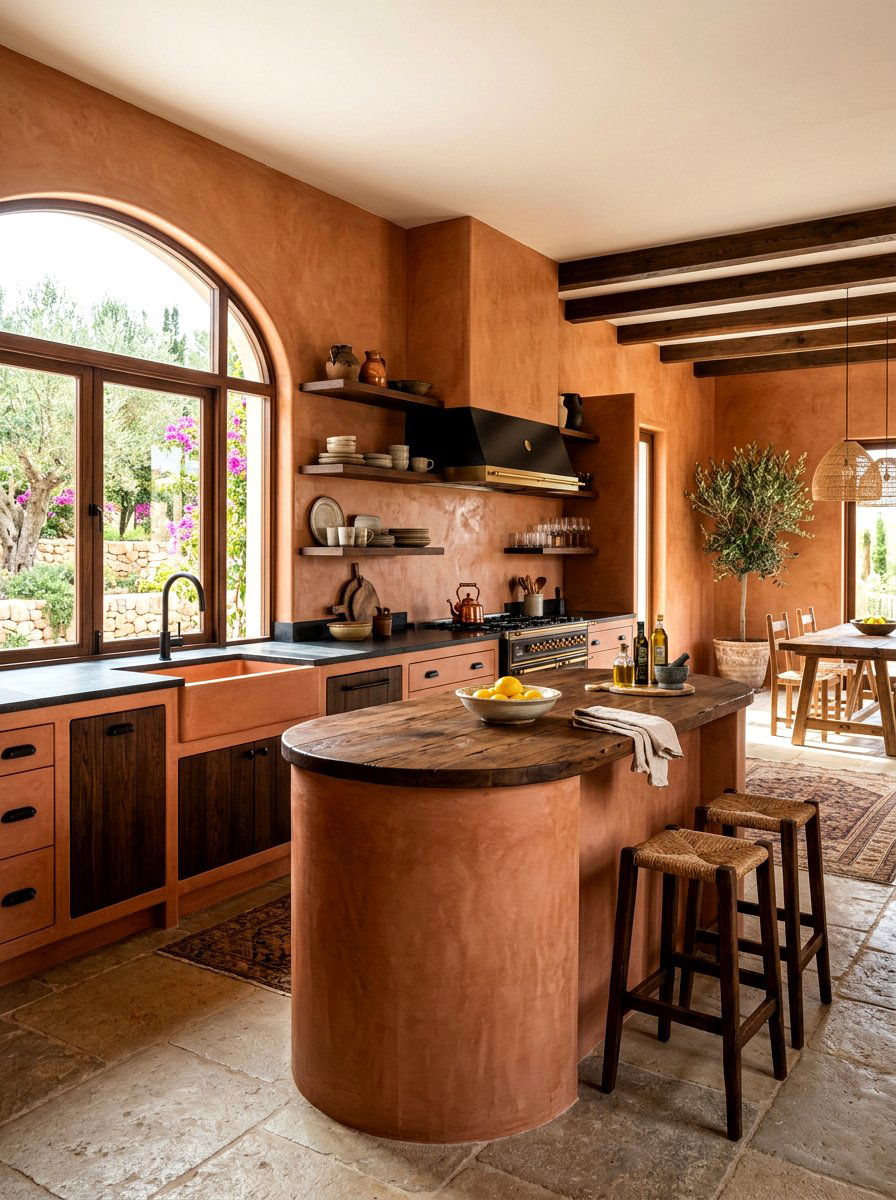
Bringing earthy vibes into the home has never been easier than with a terracotta tadelakt kitchen. This vibrant, warm color palette mimics the natural hues of Mediterranean clay, creating a grounded and soulful atmosphere. The plaster application allows for rounded corners on islands and countertops, which enhances the organic feel of the space. When you pair these rich orange and brown tones with dark wood or matte black fixtures, the kitchen gains a sophisticated edge. It feels like a sunny retreat regardless of the weather outside. This style is perfect for those who want a bold, statement-making kitchen that still feels warm and incredibly welcoming.
4. Minimalist White Kitchen
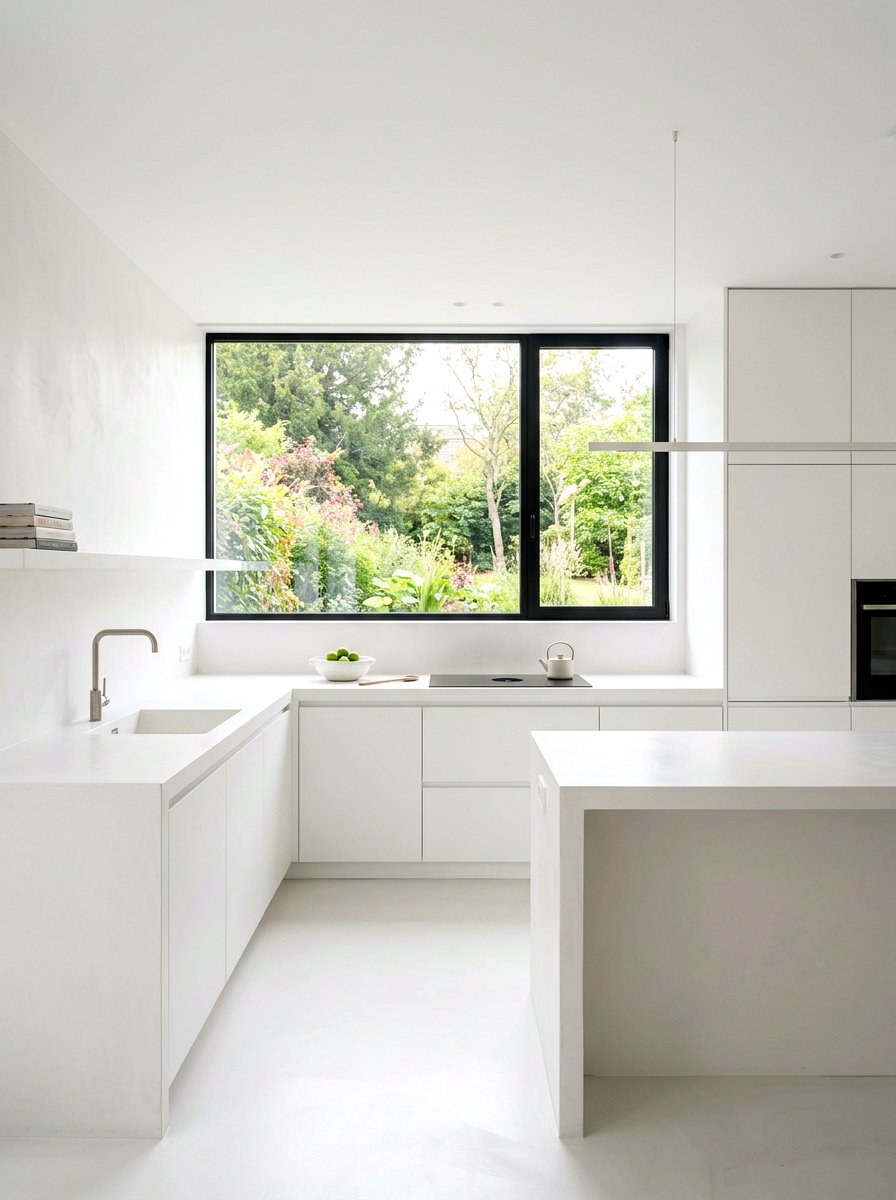
A minimalist white kitchen using tadelakt plaster takes the concept of a "white kitchen" to a much more sophisticated level. Instead of flat white paint, the plaster provides a gentle texture and depth that prevents the room from feeling cold or clinical. The seamless nature of the material allows the walls to blend perfectly with integrated sinks and countertops for a truly monolithic appearance. This design focuses on light and shadow, highlighting the hand-finished quality of the artisan plaster. It is an ideal choice for homeowners who love a clean, organized, and tranquil environment. This look remains fresh and modern for many years to come.
5. Rustic Stone Kitchen
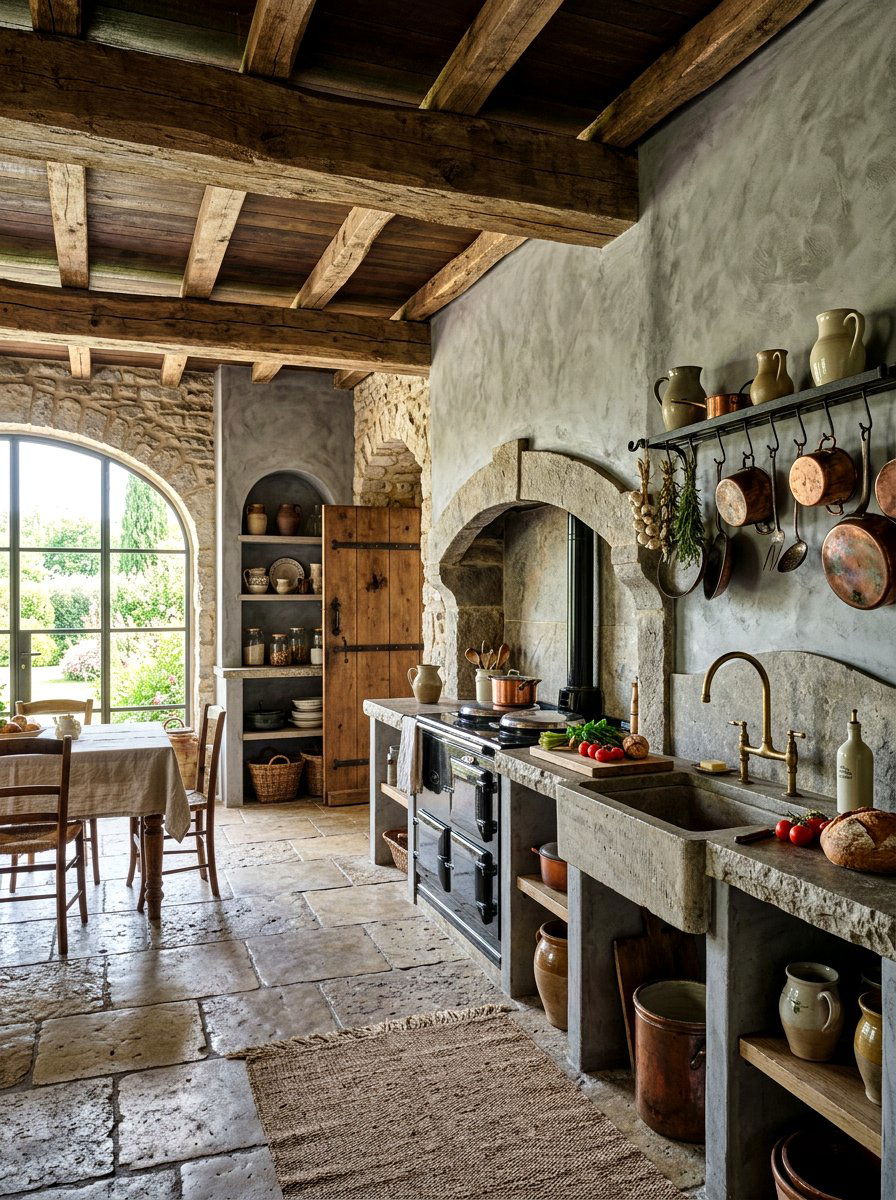
Do you love the look of old-world charm combined with high-quality finishes? A rustic stone kitchen featuring tadelakt walls creates an atmosphere of history and permanence. The plaster is applied in a way that mimics the uneven, beautiful texture of natural stone but with a much softer feel. This style works wonderfully when paired with reclaimed wood beams on the ceiling and chunky stone countertops. The waterproof nature of tadelakt makes it a practical alternative to real stone in high-moisture areas. It provides a rugged yet refined look that feels like it has been part of a countryside manor for centuries.
6. Japandi Plaster Kitchen
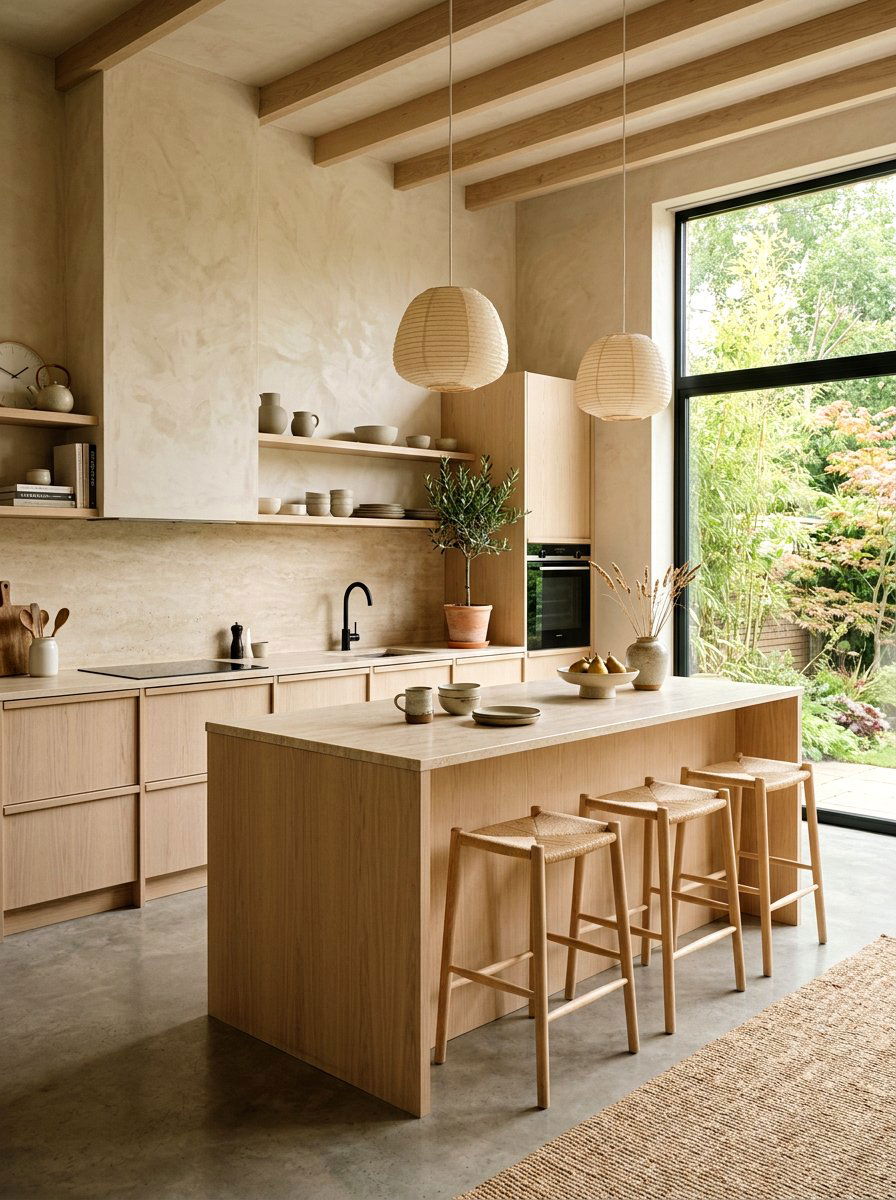
The Japandi style is all about the fusion of Japanese minimalism and Scandinavian functionality, and tadelakt fits this aesthetic perfectly. In a Japandi plaster kitchen, the focus is on neutral tones like oatmeal, soft grey, or pale sand. These colors provide a calming backdrop for functional wooden furniture and simple ceramic decor. The lack of visual clutter is emphasized by the smooth, grout-free walls that tadelakt provides. This design philosophy creates a kitchen that is not just a place to cook, but a serene sanctuary for the entire family. It promotes a sense of peace and order through its natural, tactile materials.
7. Sage Green Tadelakt Kitchen
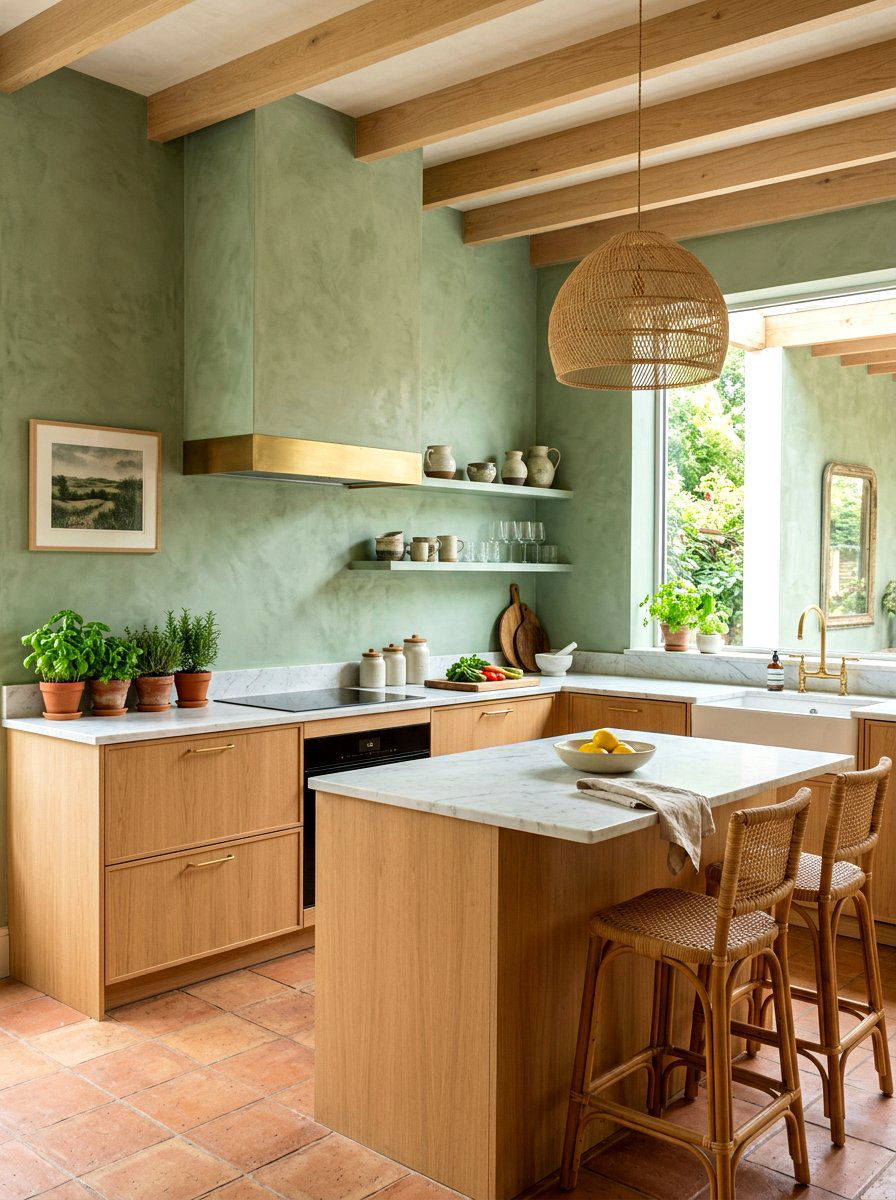
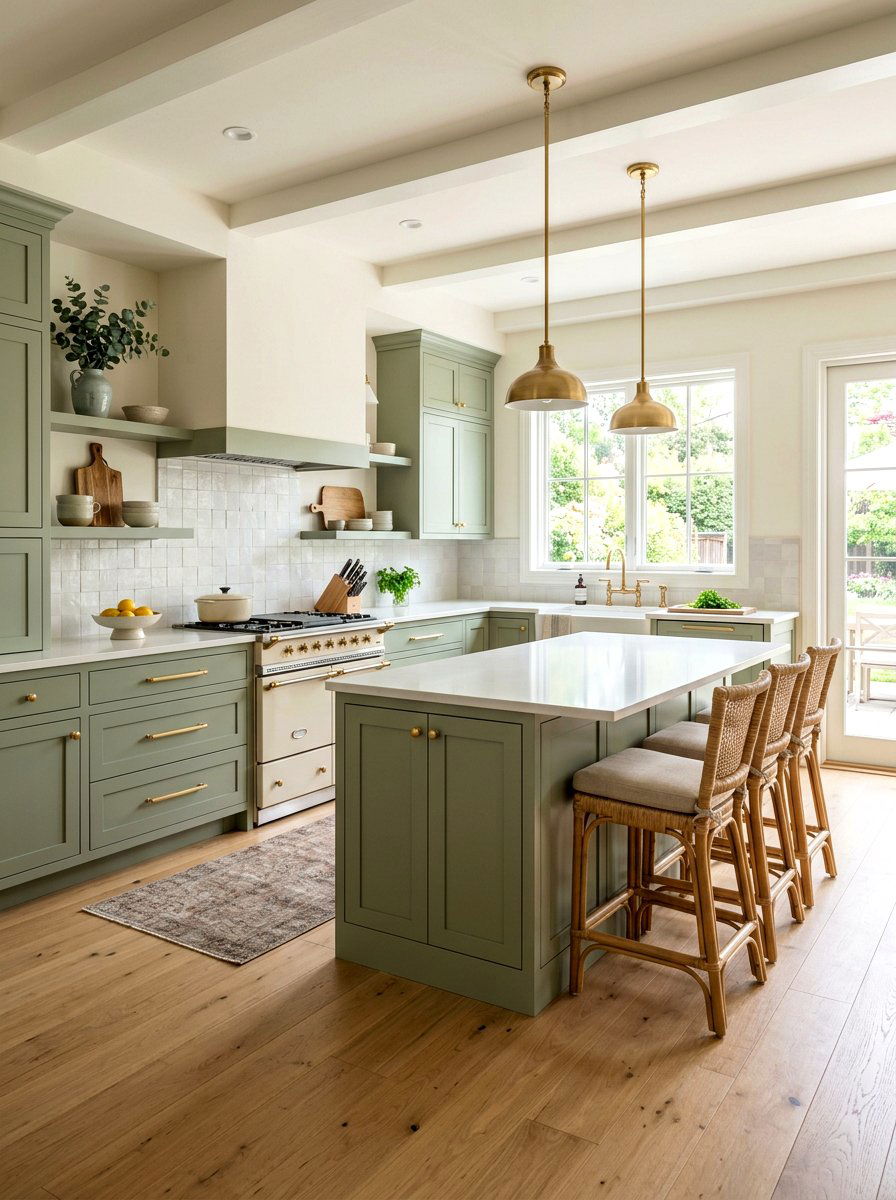
Green is a refreshing choice for any kitchen, and a sage green tadelakt kitchen offers a very sophisticated take on this trend. The muted, earthy green plaster brings a sense of the outdoors inside, creating a very relaxing environment for cooking and dining. Because the plaster is polished with olive oil soap, it has a gentle luster that makes the green tones appear more vibrant and layered. This color works beautifully with light oak cabinetry and white marble countertops. It is a great way to introduce color without overwhelming the senses. The result is a kitchen that feels balanced, organic, and very modern.
8. Dark Charcoal Kitchen
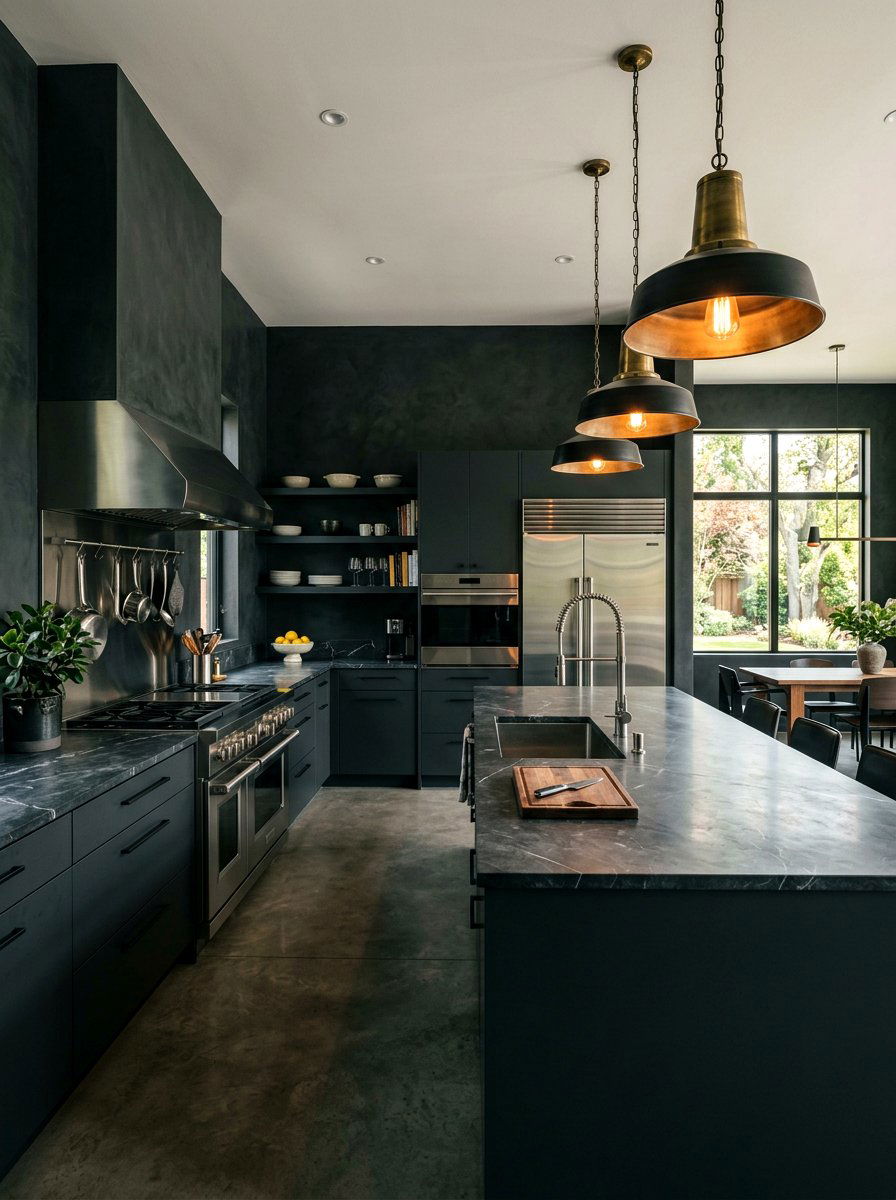
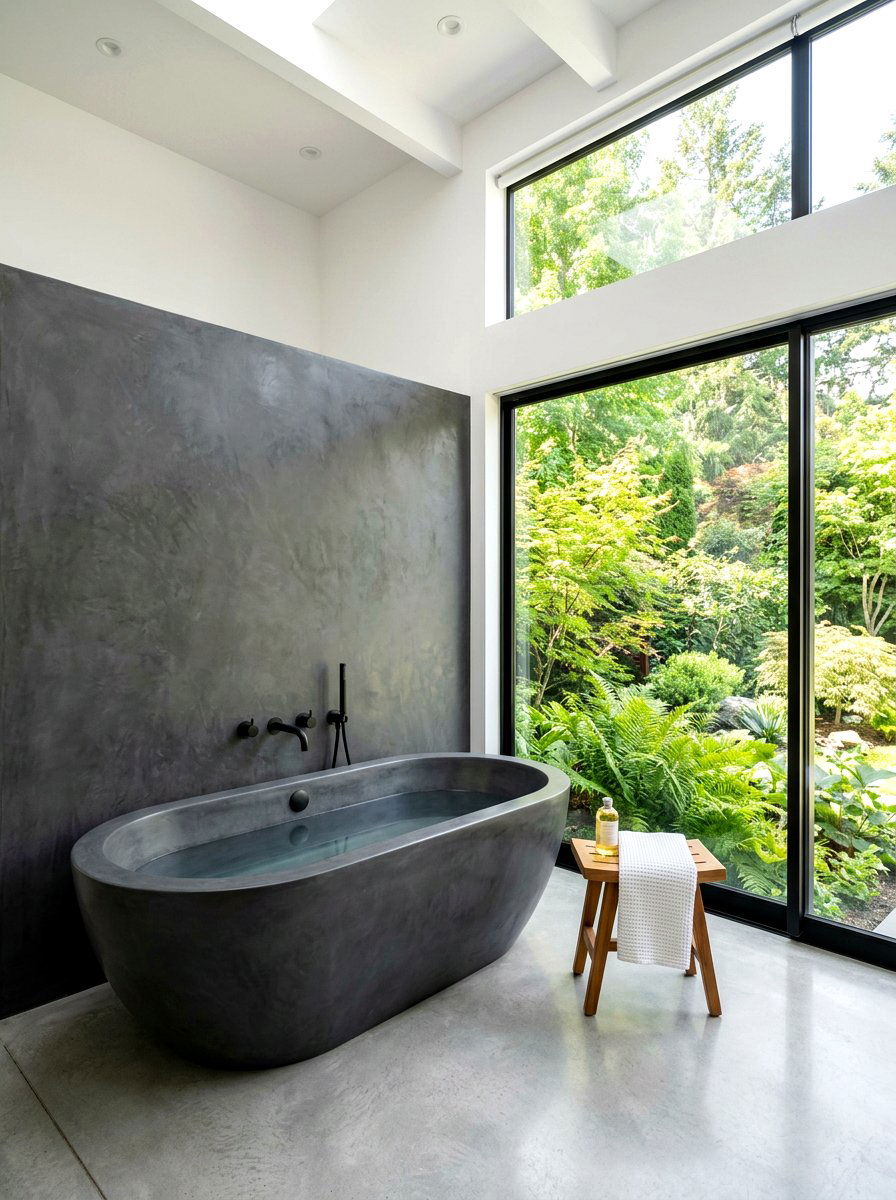
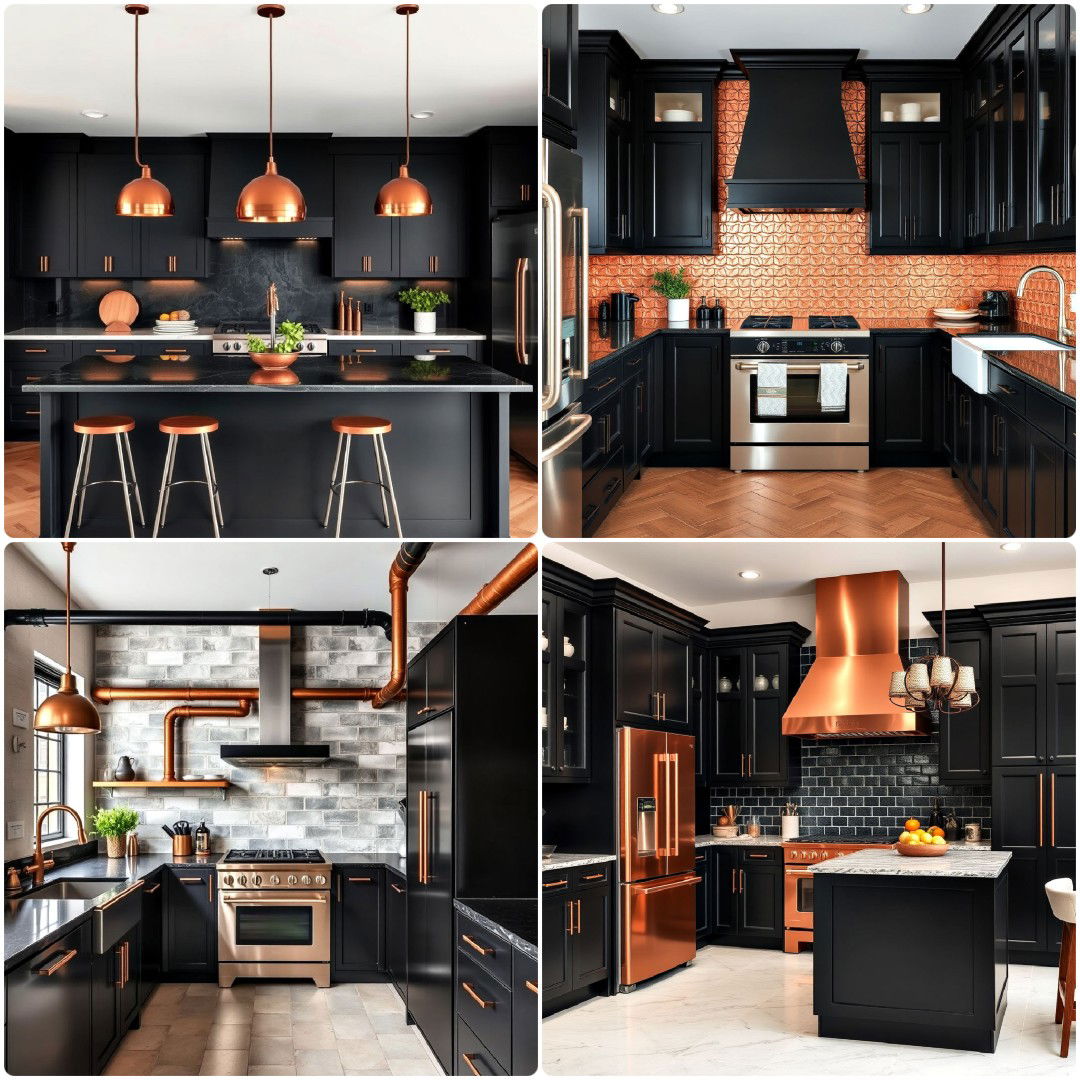
For those who prefer a moody and dramatic aesthetic, a dark charcoal kitchen with tadelakt walls is a showstopper. The dark plaster creates a sense of intimacy and luxury that is hard to achieve with standard paint. The unique texture of the tadelakt catches the light in different ways, ensuring the dark color never looks flat or dull. Contrast this dark backdrop with metallic accents like copper or stainless steel to add a touch of industrial chic. This design is perfect for open-plan living areas where the kitchen needs to stand out as a piece of architectural art. It is bold and beautiful.
9. Mediterranean Style Kitchen
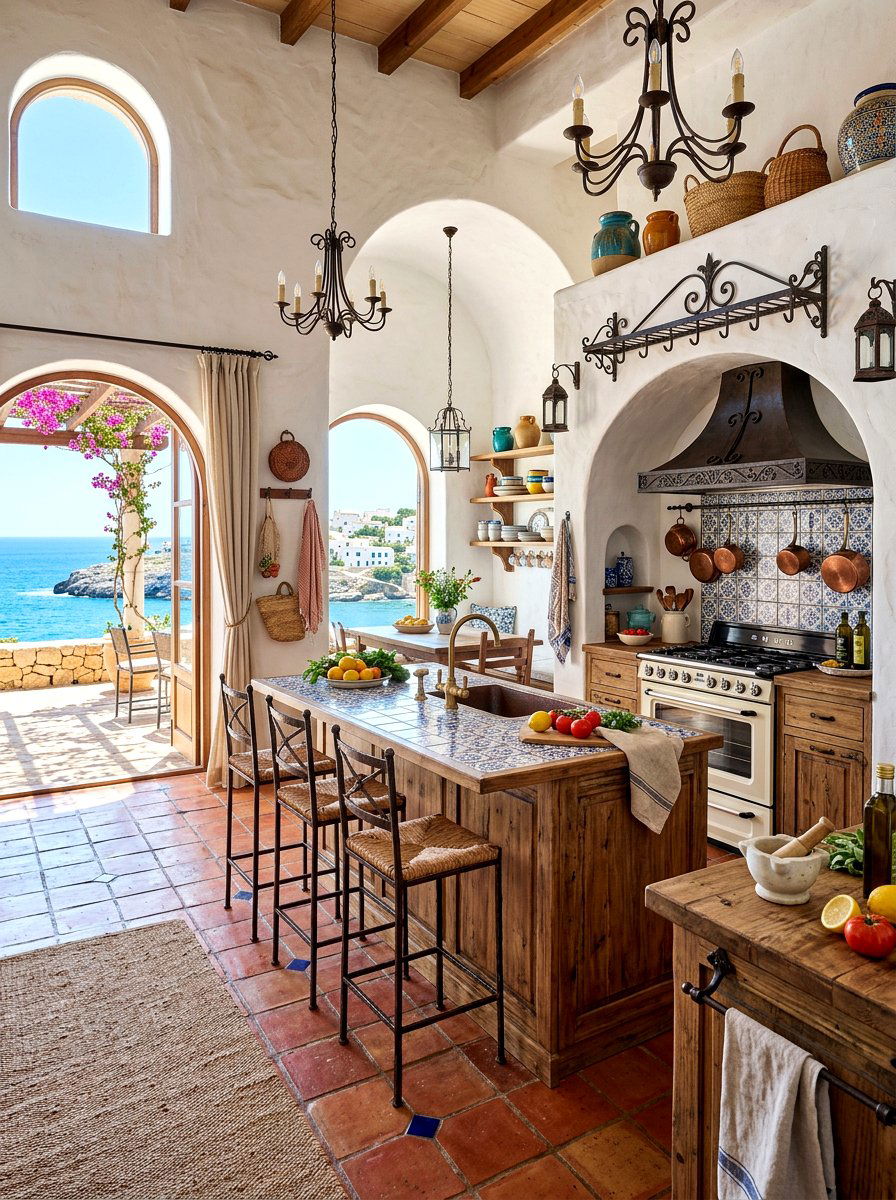
Capture the essence of a seaside villa with a Mediterranean style kitchen featuring smooth, white or azure tadelakt finishes. This design often incorporates arched doorways and curved shelving, which are easily achieved with the flexible nature of lime plaster. The tadelakt surface is cool to the touch, making it a functional choice for warmer climates. Combine the plaster with terracotta floor tiles and wrought iron details for an authentic look. This style celebrates a slow-paced, coastal lifestyle that focuses on natural beauty and communal dining. It makes every meal feel like a vacation in a beautiful, sunny destination by the Mediterranean Sea.
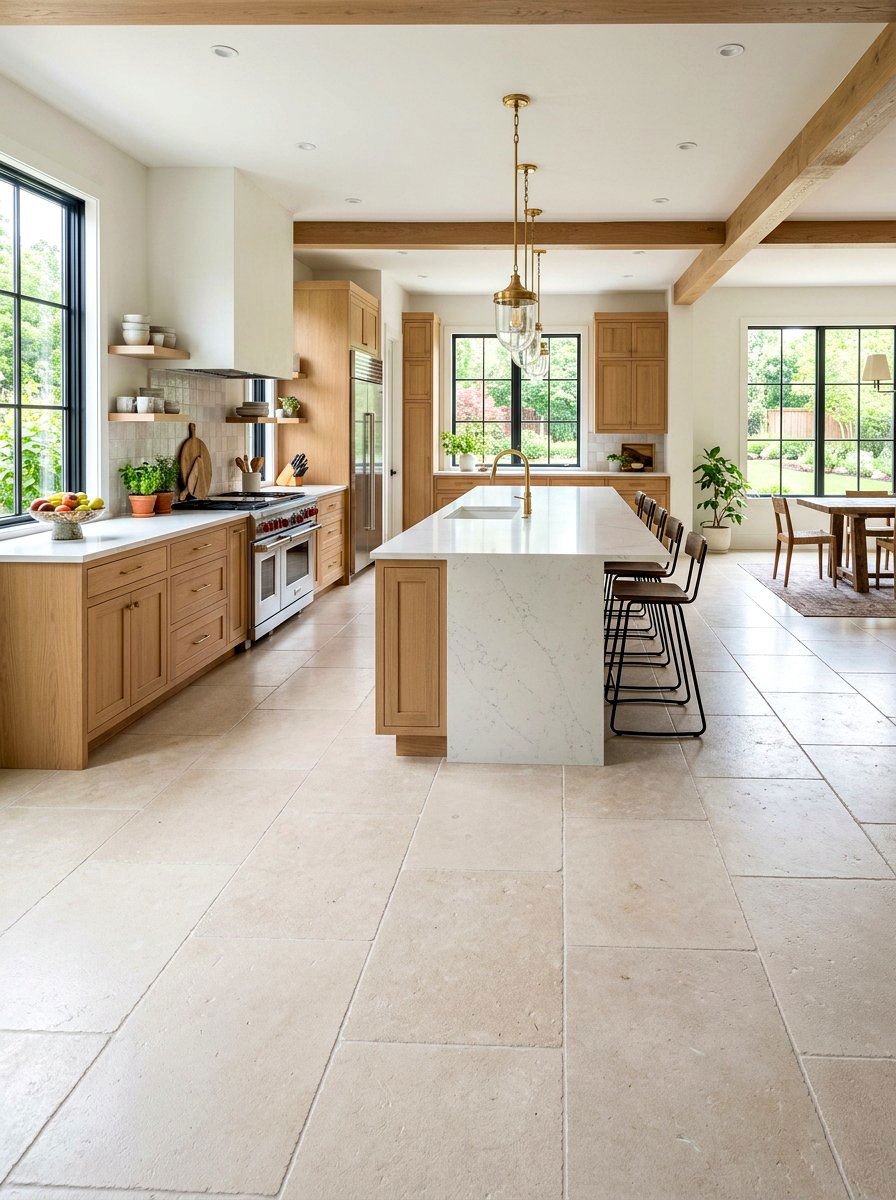
10. Industrial Plaster Kitchen
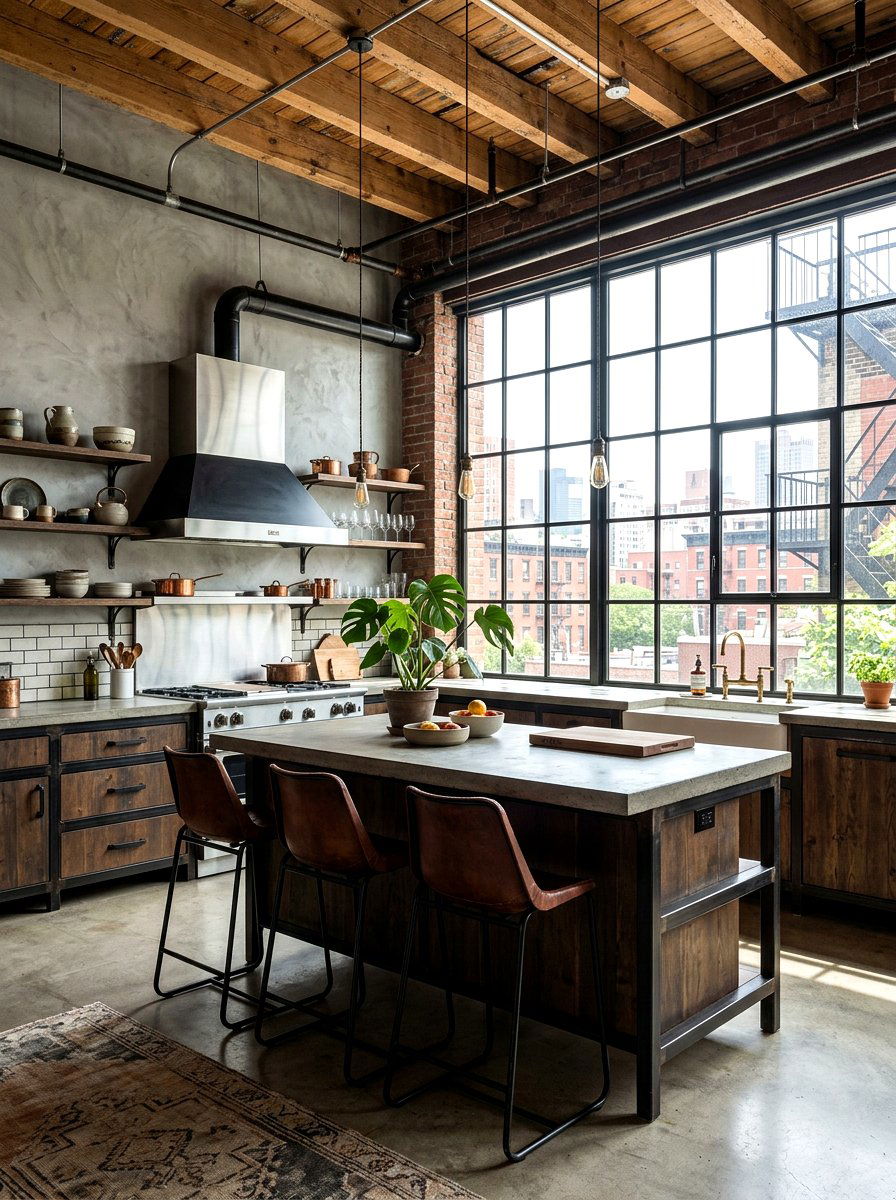
An industrial plaster kitchen uses the raw, unfinished look of tadelakt to complement exposed pipes and metal accents. Unlike cold concrete, tadelakt plaster offers a warmer, more refined texture while still maintaining an edgy, urban vibe. You can choose a cool grey or cement-toned plaster to wrap the kitchen island and backsplashes for a cohesive look. This material is incredibly durable and resistant to heat, making it perfect for busy kitchens. When paired with leather bar stools and vintage lighting, the space becomes a stylish hub for modern living. It is the perfect blend of tough materials and artisanal, handcrafted finishes.
11. Warm Beige Kitchen
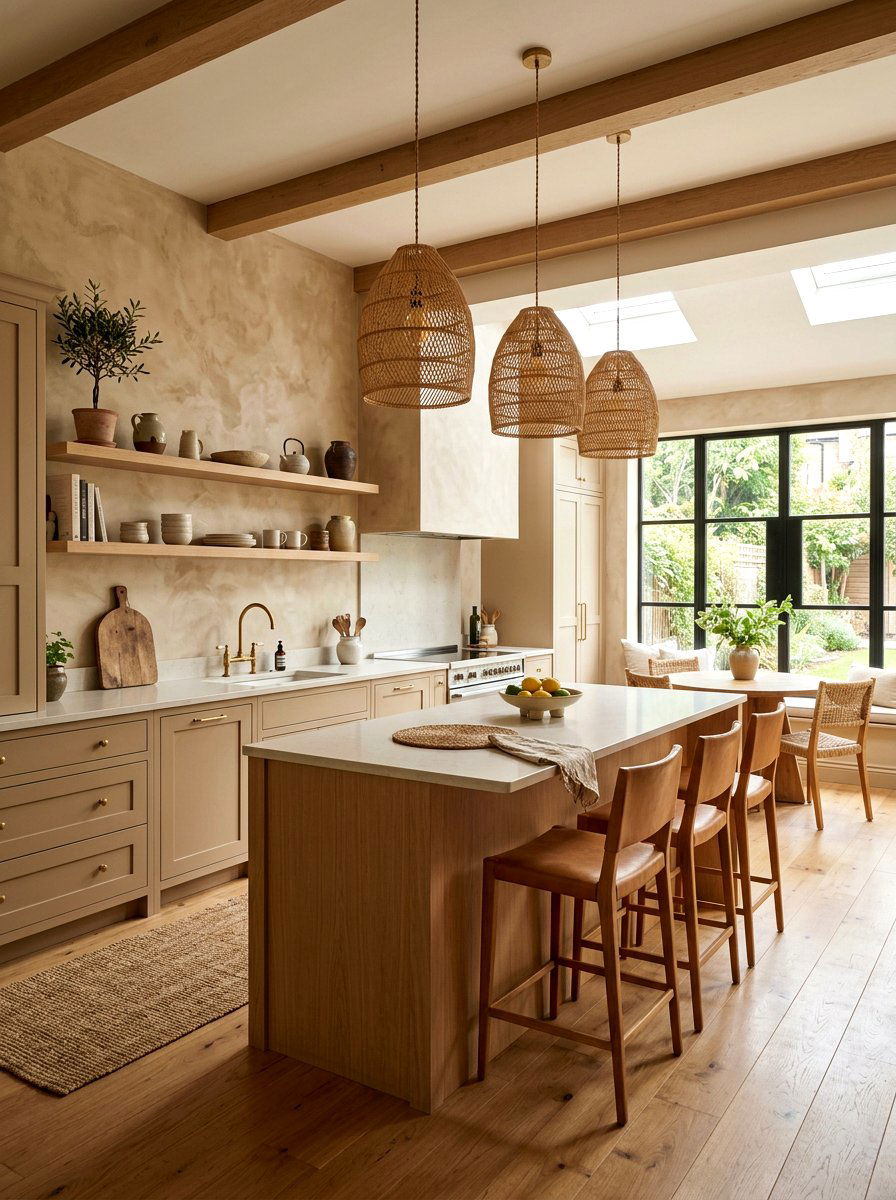
A warm beige kitchen provides a soft, neutral foundation that is far from boring when tadelakt is involved. The natural pigments used in the plaster create a rich, multi-tonal surface that shifts slightly in the changing daylight. This specific design idea focuses on layering different shades of beige and tan to create a monochromatic look that is full of depth. The seamless walls provide a quiet backdrop for more decorative elements like woven baskets or colorful pottery. It is a very versatile choice that accommodates many different interior styles. This kitchen feels grounded, peaceful, and exceptionally high-end without being overly flashy or loud.
12. Organic Curved Kitchen
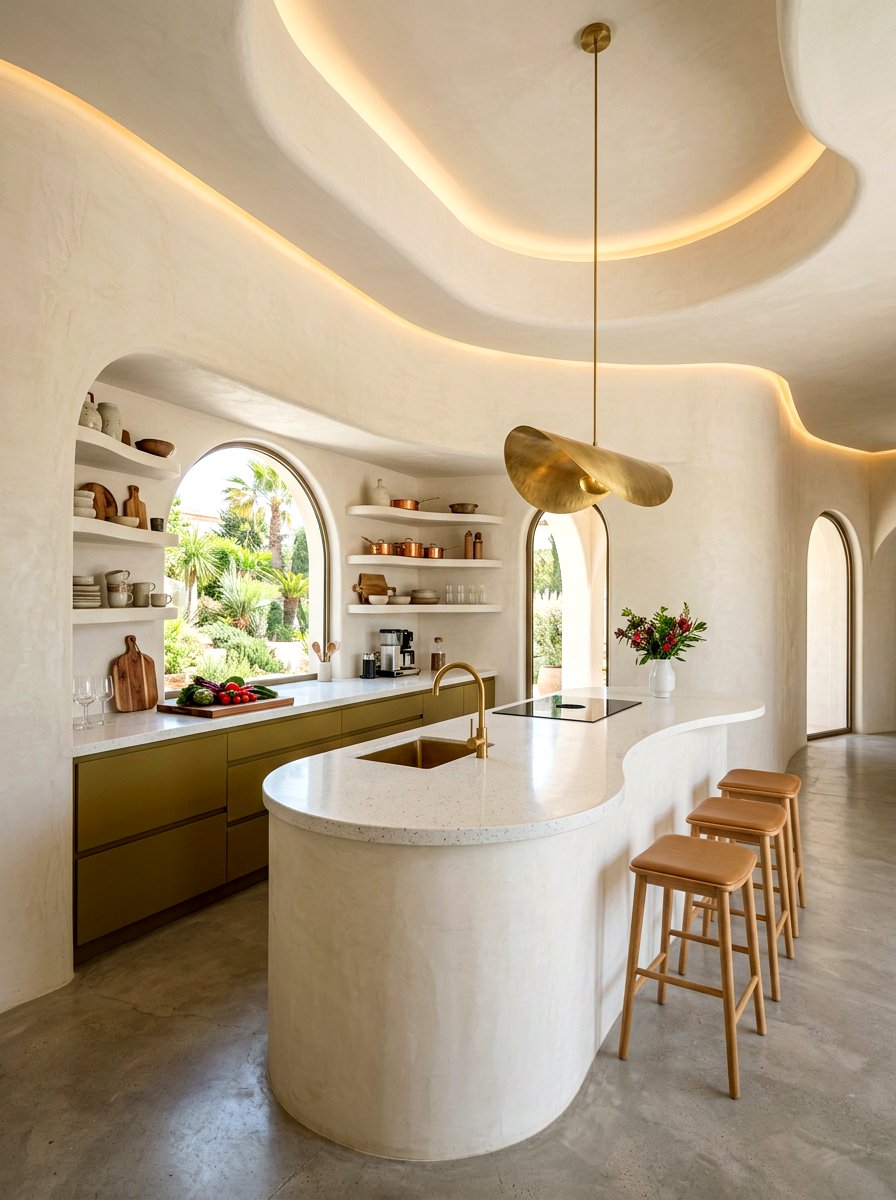
One of the greatest benefits of using lime plaster is the ability to create an organic curved kitchen. Tadelakt can be applied easily over curved walls, rounded islands, and even arched niches, eliminating sharp edges for a softer flow. This design style feels very modern and architectural, drawing inspiration from natural shapes found in the environment. The smooth, polished surface highlights the curves, creating a visual softness that is very inviting. Pair these curved elements with minimalist stools and hidden lighting to emphasize the sculptural quality of the space. It is a sophisticated way to break away from traditional, boxy kitchen layouts.
13. Scandi Plaster Kitchen
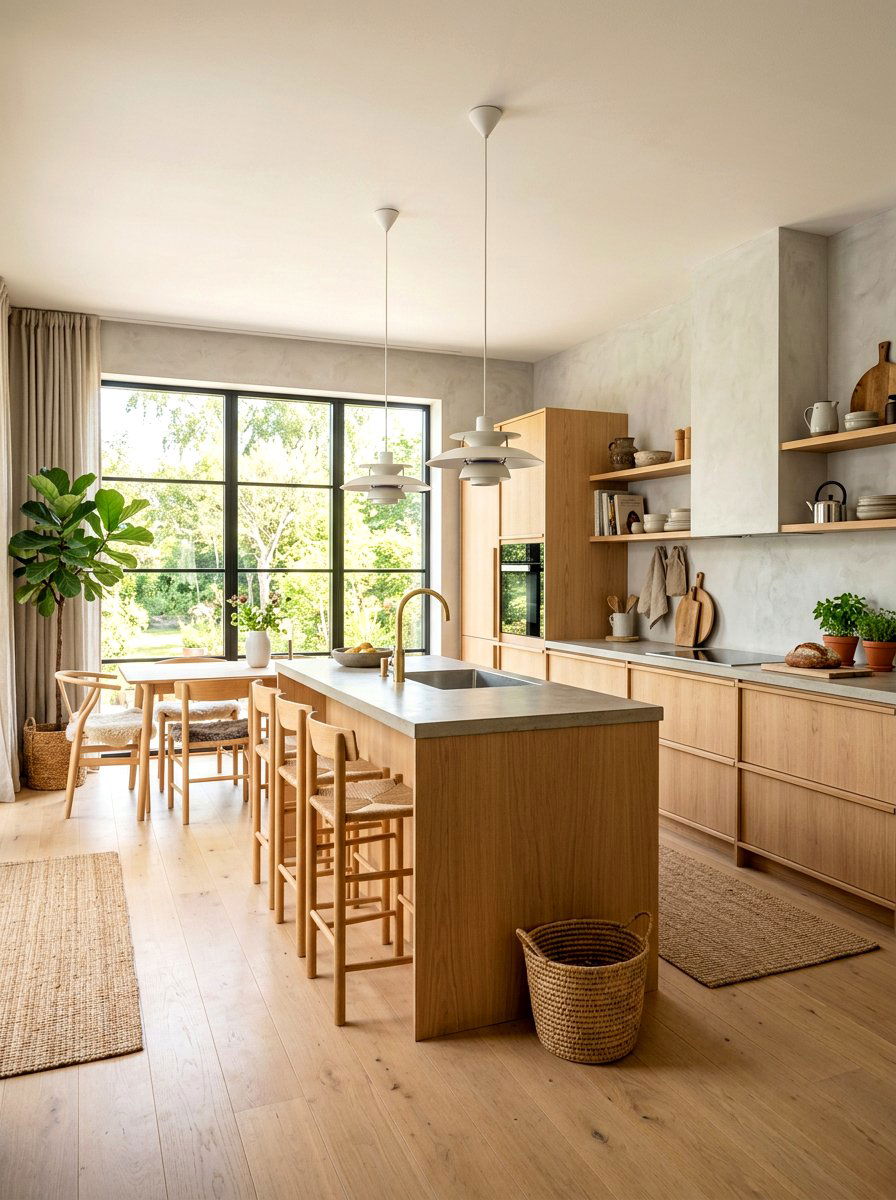
The Scandi plaster kitchen focuses on light, functionality, and a connection to nature through simple materials. By using a very light grey or off-white tadelakt on the walls, you enhance the natural light within the room. This creates a bright and airy atmosphere that is essential for the Scandinavian design aesthetic. The plaster’s subtle texture pairs beautifully with blonde woods like ash or pine and simple, functional furniture. This look is all about "hygge, " or creating a cozy, comfortable atmosphere for daily life. It is a practical and stylish solution for anyone who appreciates a clutter-free and very bright culinary environment.
14. Earthy Clay Kitchen
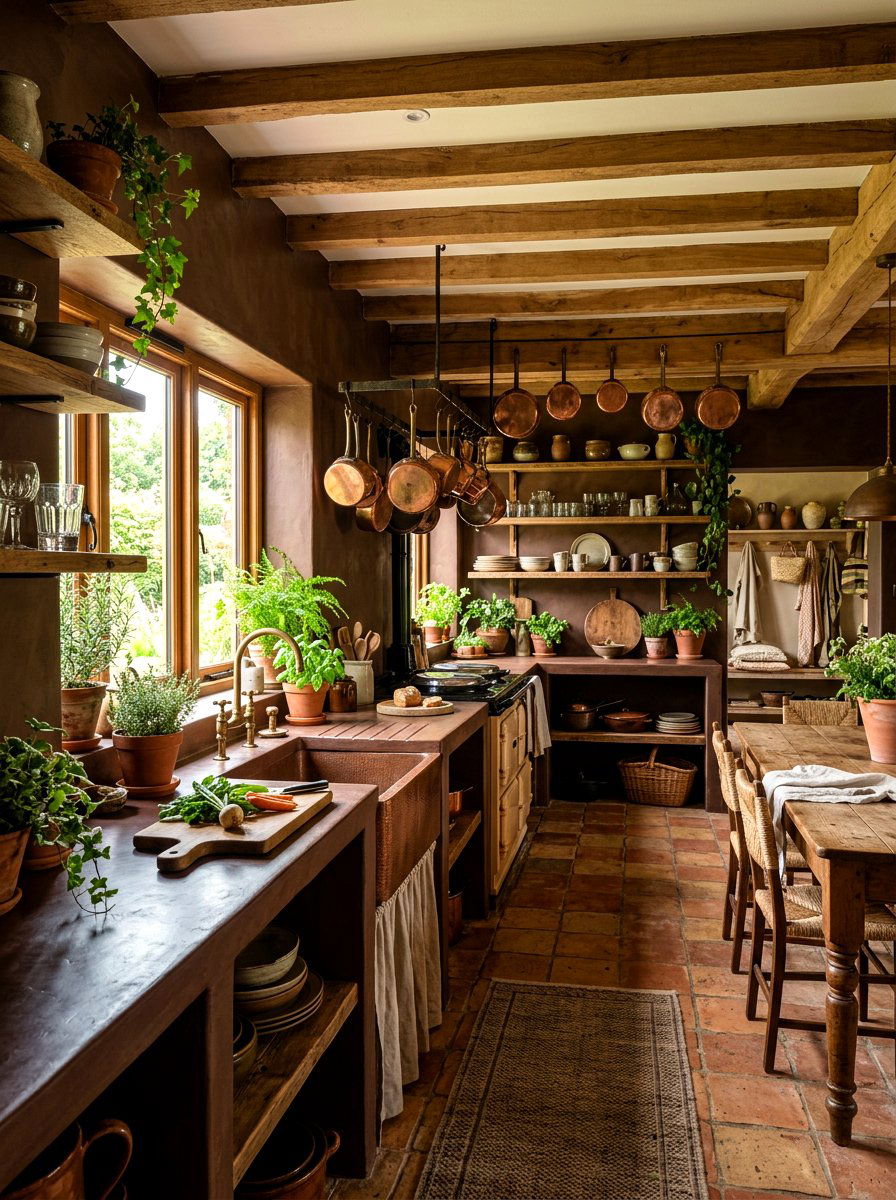
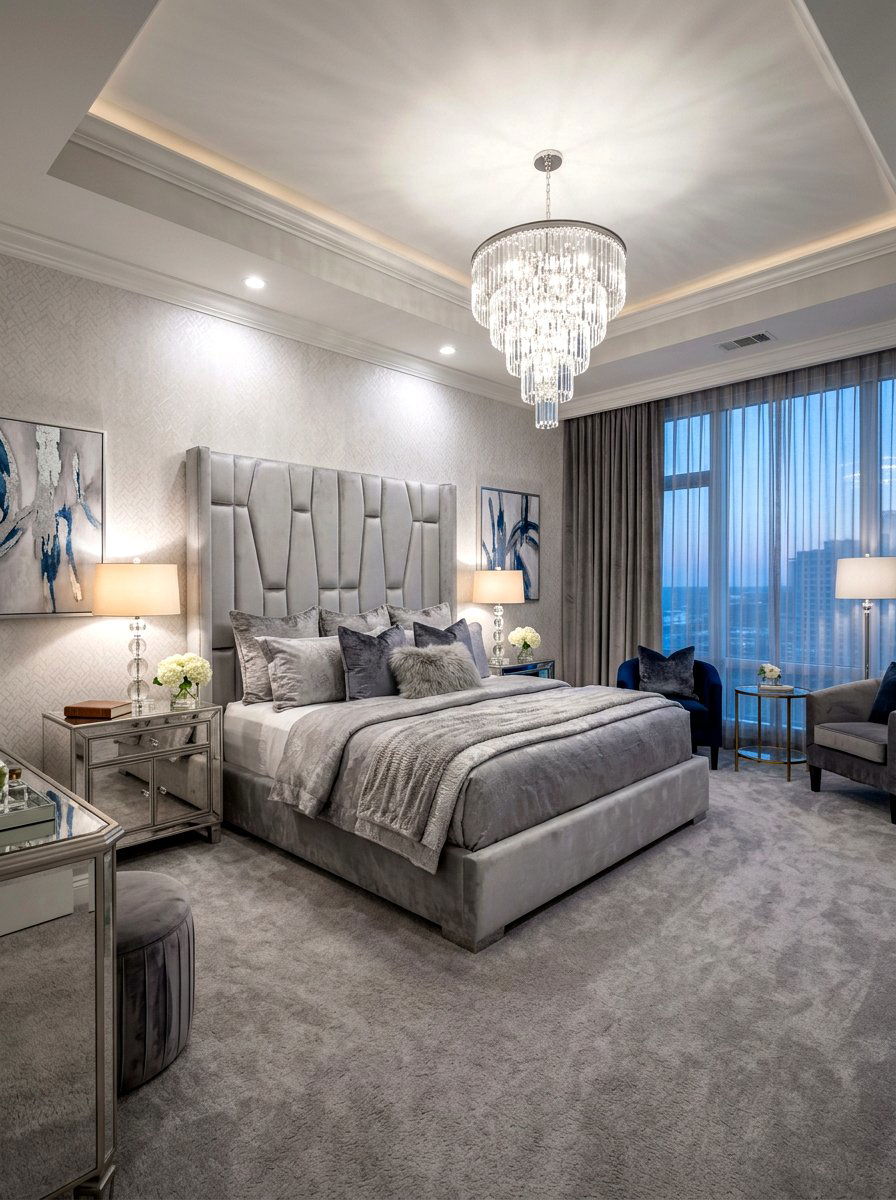
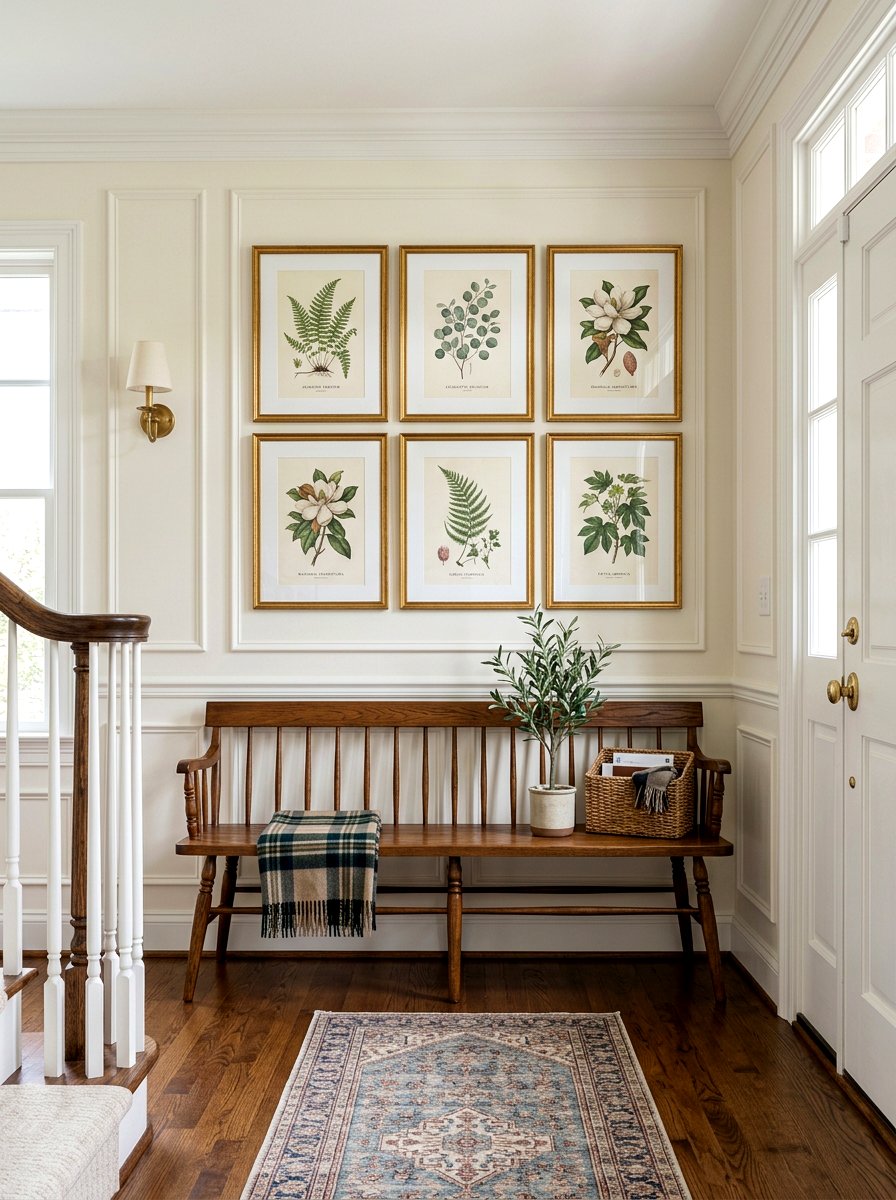
An earthy clay kitchen uses deep brown and burnt umber tadelakt tones to create a space that feels deeply connected to the land. This aesthetic is perfect for farmhouse or bohemian homes where natural materials are the primary focus. The tadelakt is often applied to the countertops as well as the walls, creating a seamless, mud-room inspired look that is surprisingly elegant. This dark, rich color palette hides splashes and stains well, making it a very practical choice for a hard-working family kitchen. When styled with plenty of indoor plants and copper pots, the space feels like a vibrant, living heart of the home.
15. Luxury Marble Tadelakt Kitchen
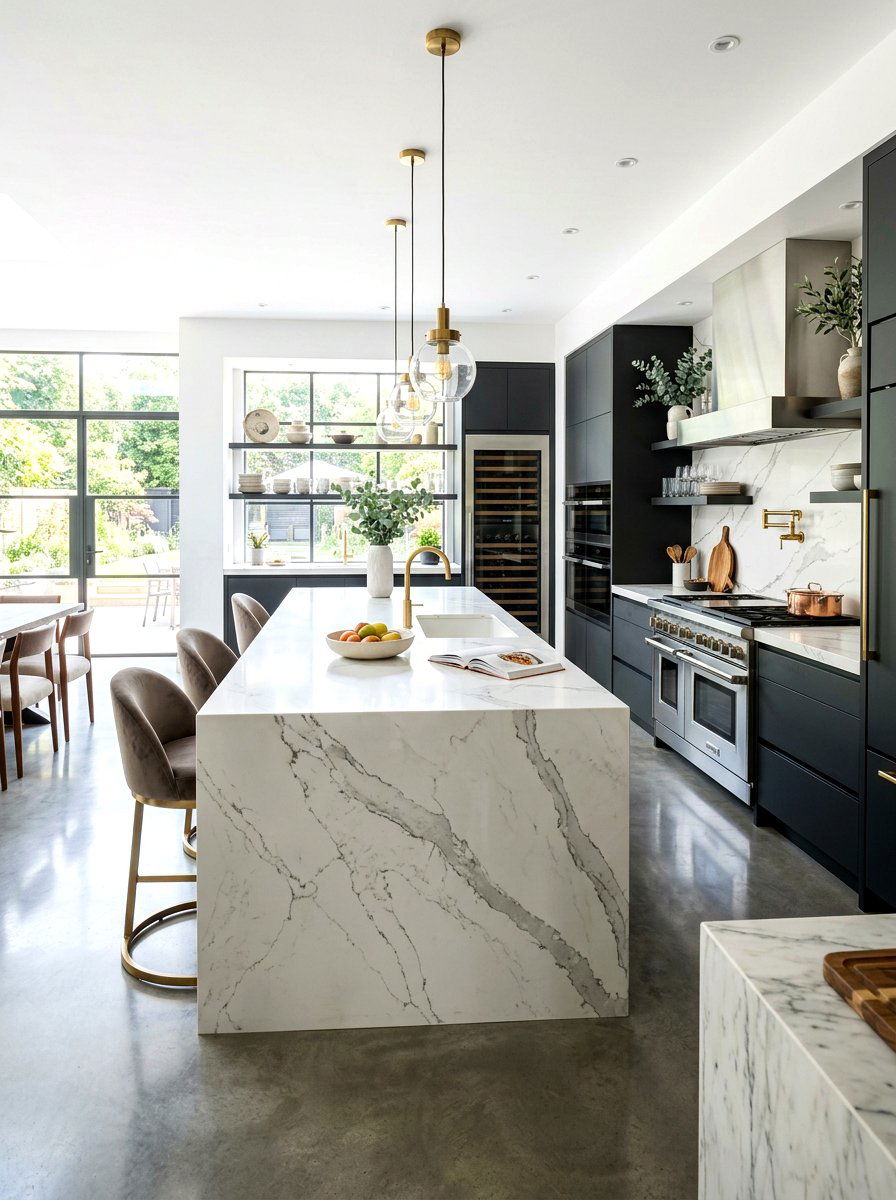
If you love the appearance of marble but want something more unique and seamless, a luxury marble tadelakt kitchen is the answer. Skilled artisans can apply the plaster with swirling techniques that mimic the natural veining of marble stone. This allows you to have a "marble" look on curved surfaces and entire walls without the heavy weight or high cost of real stone slabs. The polished finish provides a high-gloss sheen that reflects light elegantly across the room. Combine this with high-end appliances and designer lighting for a truly opulent kitchen. It is a creative way to achieve a classic, luxurious aesthetic with a modern twist.
16. Coastal Blue Tadelakt Kitchen
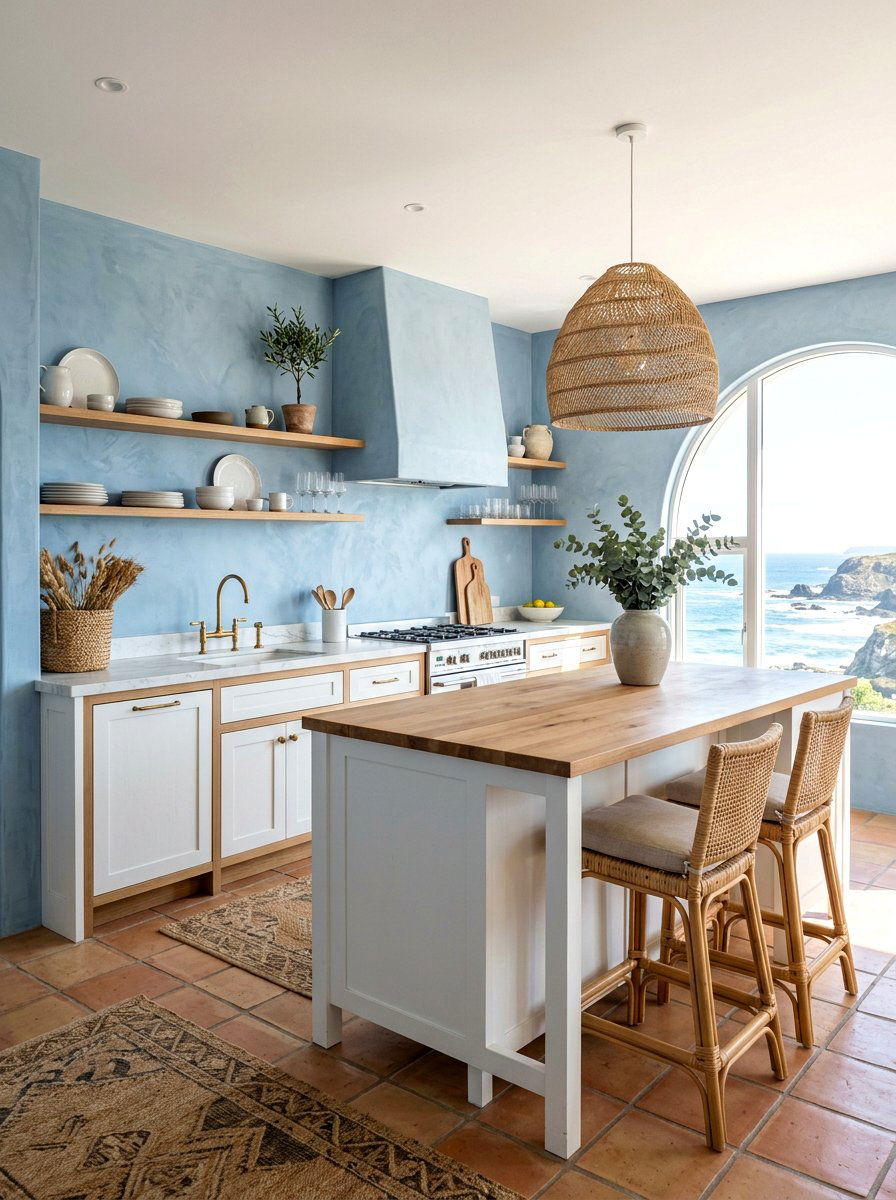
A coastal blue tadelakt kitchen brings the calming vibes of the ocean directly into your cooking space. Choose a soft, dusty blue or a deep navy plaster to create a serene and sophisticated backdrop. The waterproof nature of tadelakt makes it particularly suited for homes near the water where humidity can be an issue. This color looks stunning when paired with crisp white cabinetry and natural seagrass decor. The plaster’s unique texture gives the blue color a watery, translucent quality that is very captivating. It is a beautiful way to create a themed kitchen that still feels mature, upscale, and very refreshing.
17. Wabi Sabi Kitchen
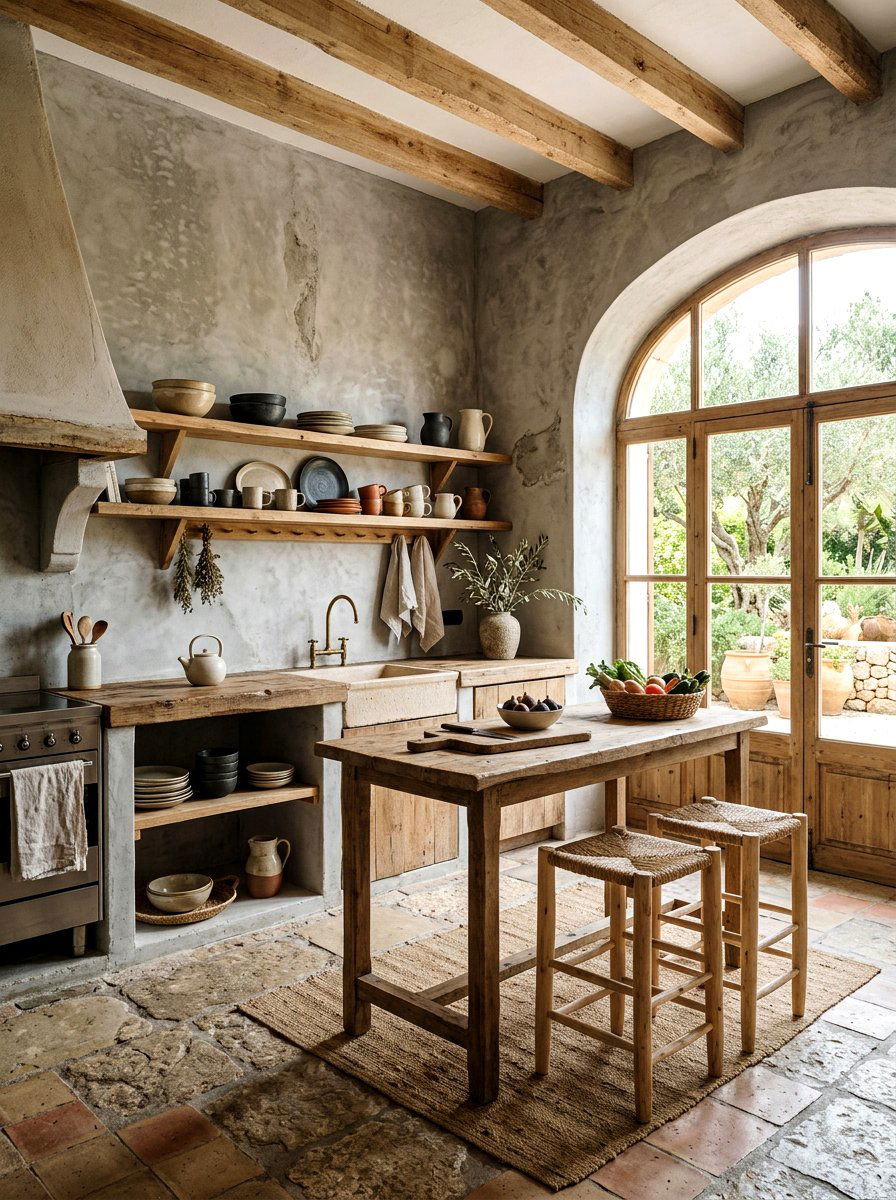
The Wabi Sabi kitchen celebrates imperfection and the beauty of natural aging, making tadelakt the ultimate material for this style. This design philosophy embraces the subtle cracks, tonal shifts, and hand-applied marks that appear in the plaster over time. Use muted, desaturated colors like stone grey or dried moss to enhance the humble, organic feel of the space. The kitchen should feature raw wood, handmade ceramics, and plenty of negative space. This approach creates a home that feels lived-in and authentic rather than perfectly manicured. It is a deeply personal and artistic way to design a kitchen that truly tells a unique story.
18. Desert Modern Kitchen
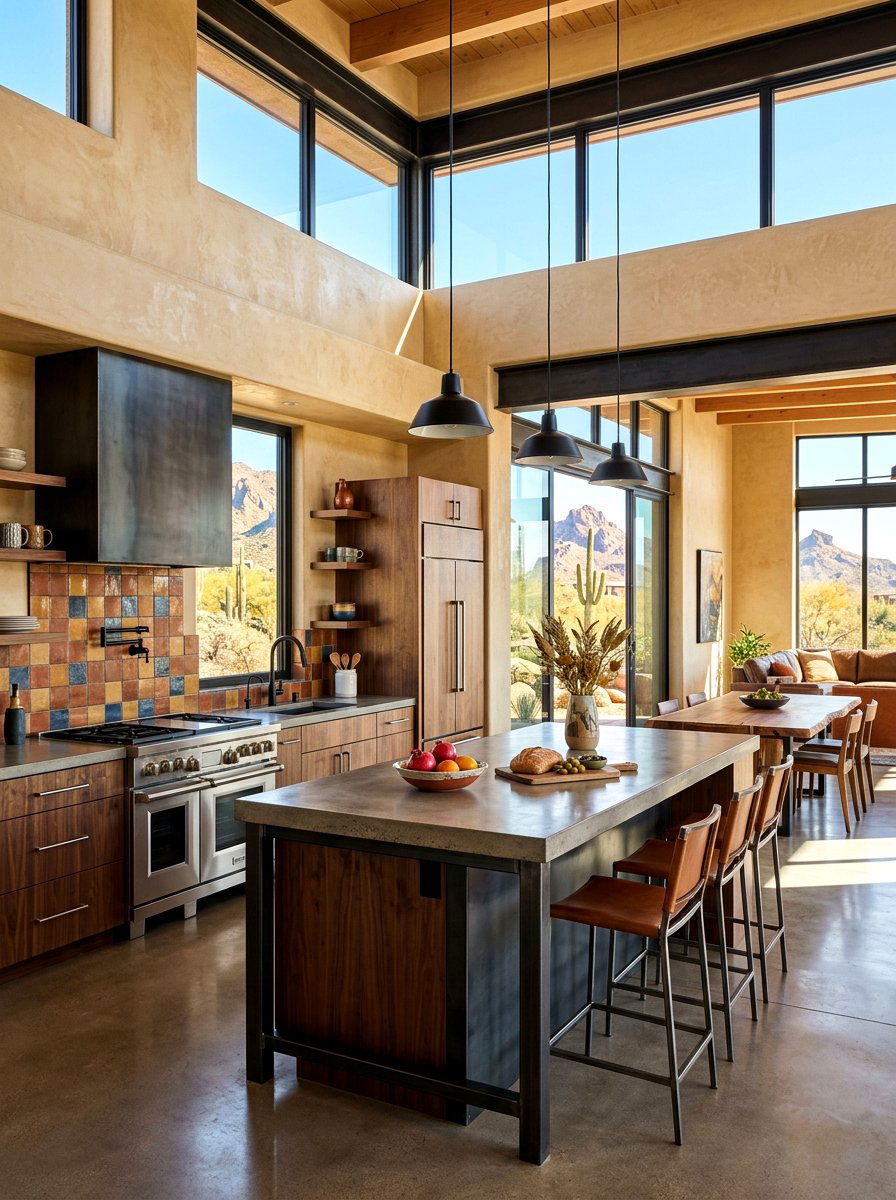
A desert modern kitchen draws inspiration from the arid landscapes of the Southwest, using sandy tadelakt tones and sharp architectural lines. This style focuses on the contrast between the soft, textured plaster and hard materials like steel or glass. The warm, neutral walls reflect the heat of the day while providing a cool, tactile surface to touch. Incorporate large windows to connect the kitchen to the outdoor landscape, making the tadelakt walls feel like an extension of the desert earth. This design is perfect for those who want a minimalist home that still feels very warm and connected to the natural world.
19. Mid Century Plaster Kitchen
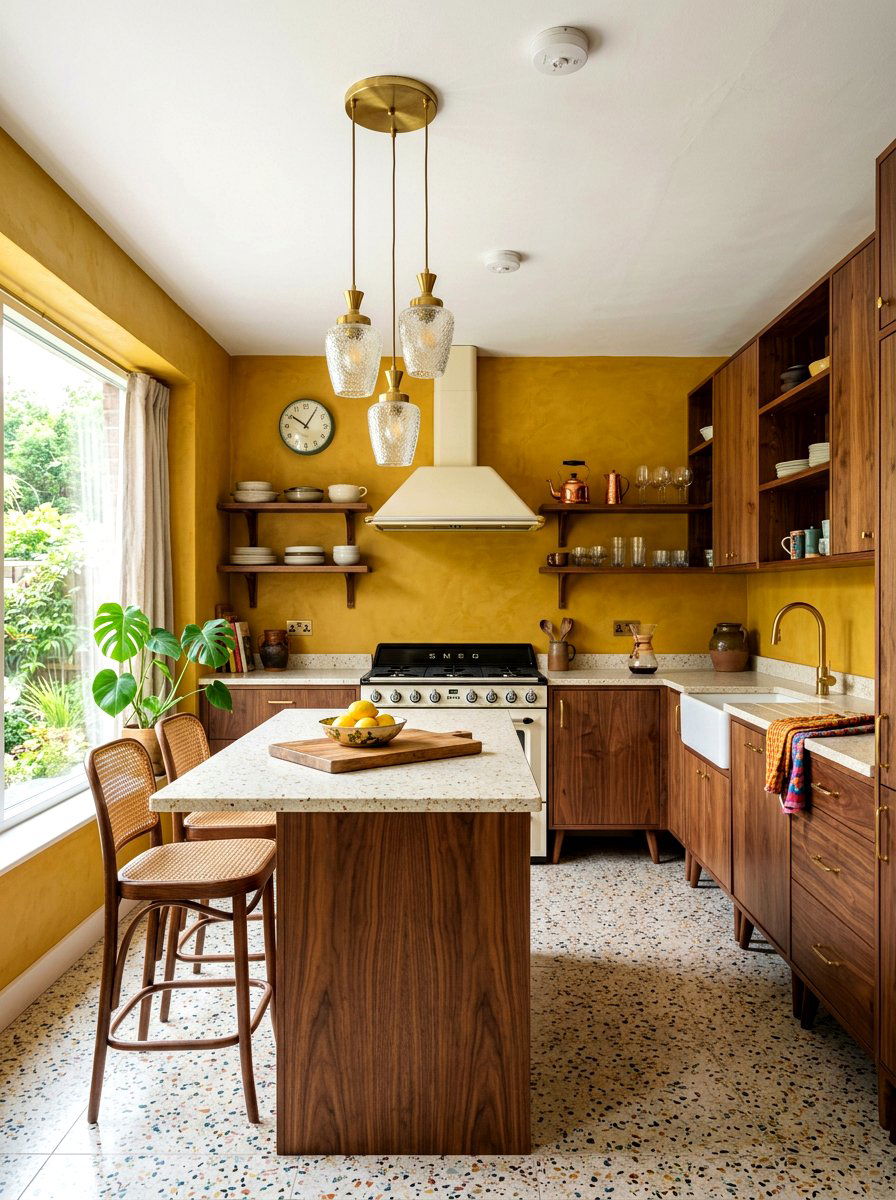
Mixing tadelakt with mid-century modern furniture creates a unique and stylish mid century plaster kitchen. The smooth, seamless walls provide a clean backdrop for iconic wooden cabinets and tapered legs typical of the 1950s and 60s. Choose a plaster color like mustard yellow or teal to lean into the retro vibe, or keep it neutral to let the furniture shine. The hand-polished finish of the plaster adds a layer of craftsmanship that matches the quality of mid-century design. This fusion of styles feels both nostalgic and forward-thinking. It is a great way to update a vintage home with a durable and very modern wall finish.
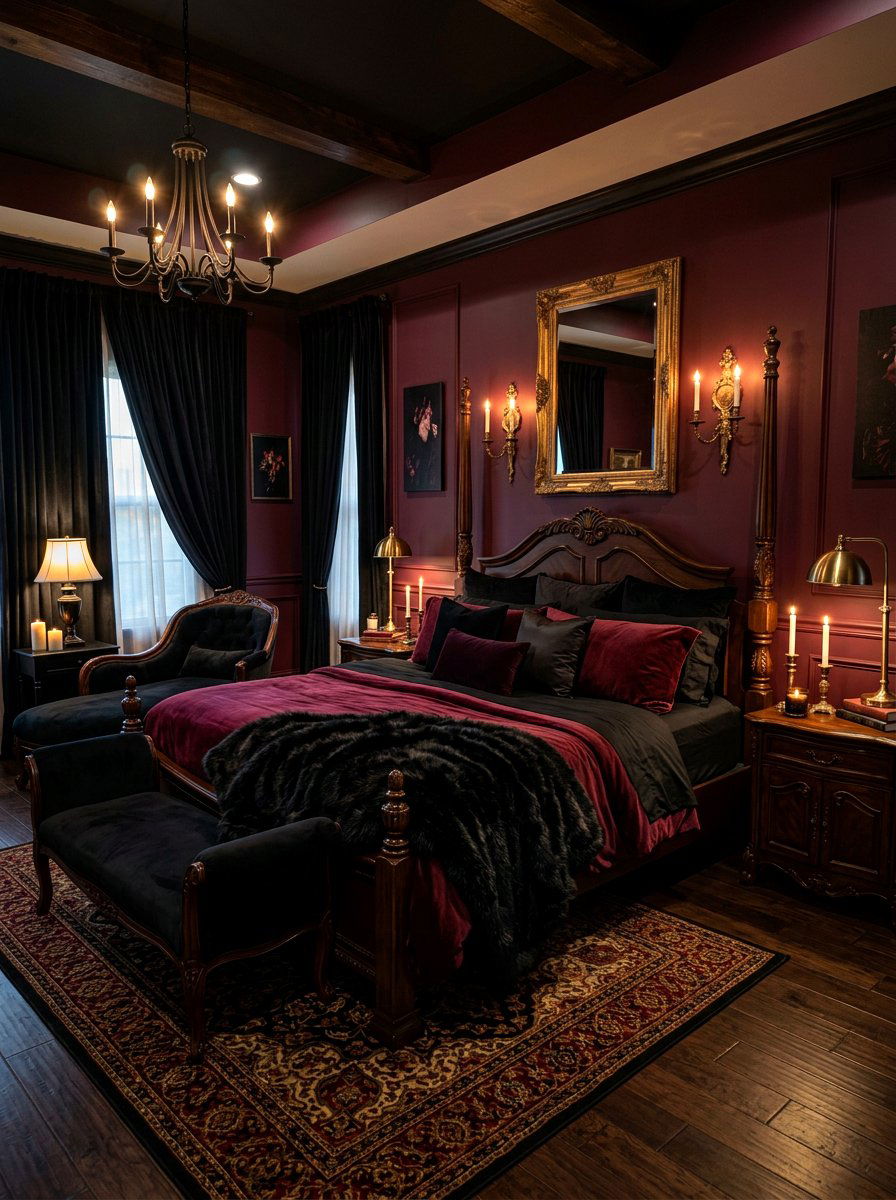
20. Soft Pink Tadelakt Kitchen
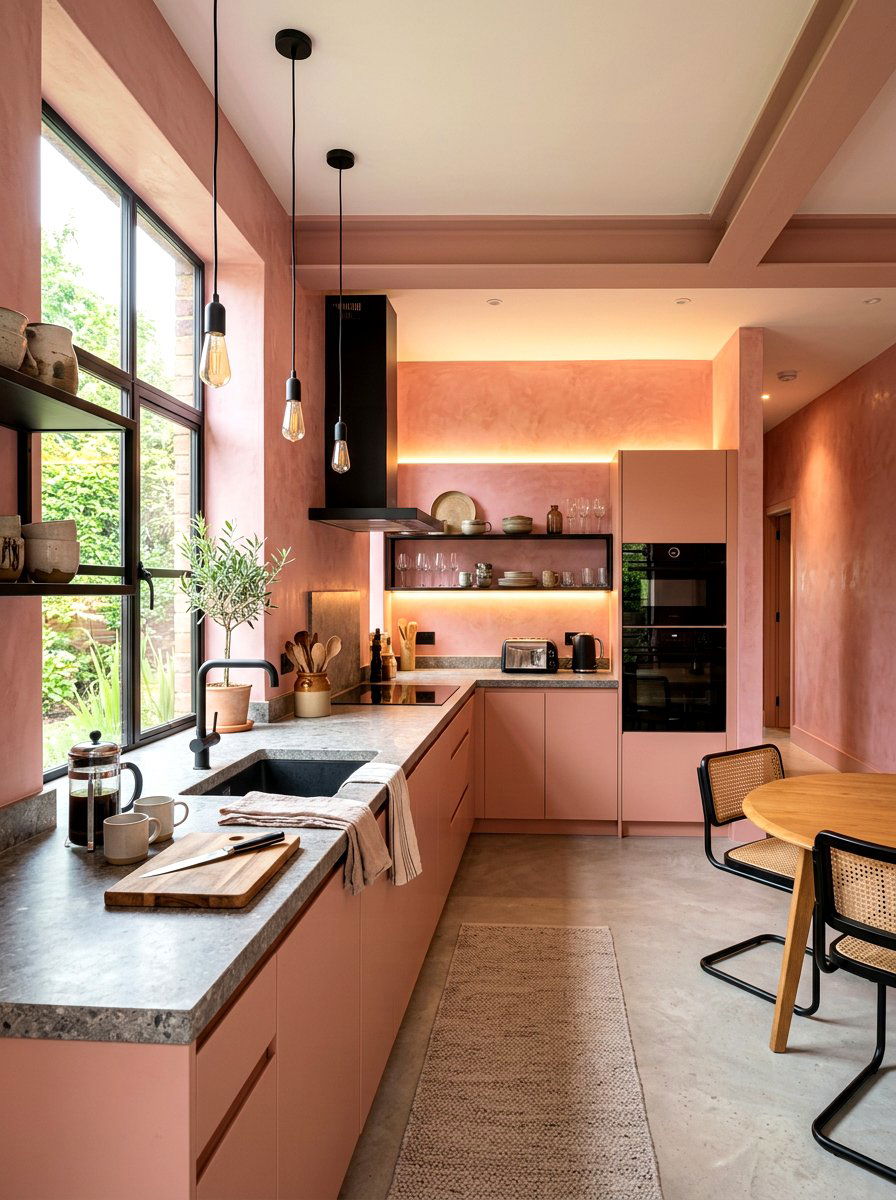
For a playful yet sophisticated look, consider a soft pink tadelakt kitchen. This isn't a bright, neon pink, but rather a muted plaster tone that feels like sunset or terracotta-lite. The pink hue adds a warm glow to the kitchen, making it a very flattering space for social gatherings and morning coffee. Pair the pink walls with grey stone countertops and black fixtures to prevent the look from becoming too sweet. The texture of the tadelakt gives the pink color a sophisticated, earthy depth that you simply cannot achieve with standard matte paint. It is a chic, modern choice for a very trendy home.
21. Natural Oak Tadelakt Kitchen
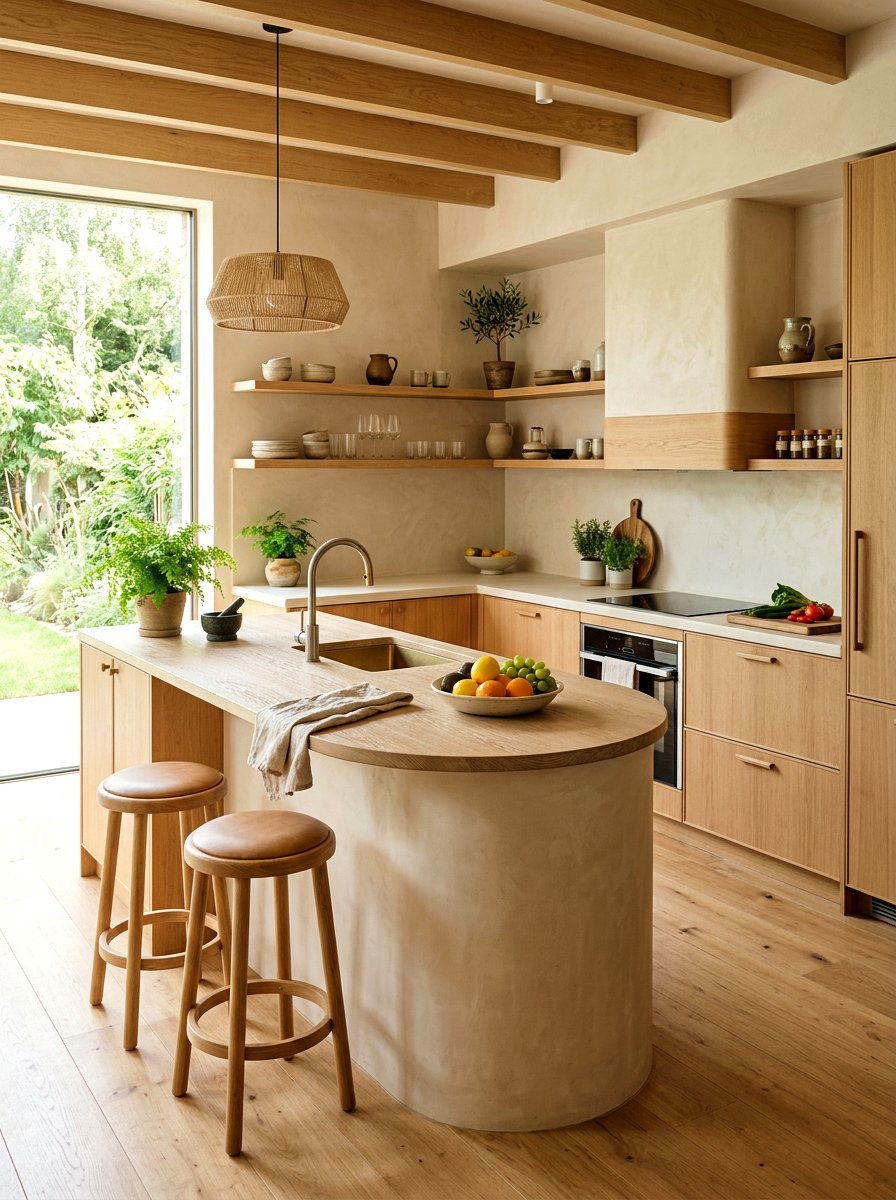
A natural oak tadelakt kitchen is the ultimate expression of organic modern design. The combination of warm, light-colored wood and textured lime plaster creates a space that feels incredibly grounded and high-quality. Use a light beige or bone-colored tadelakt on the backsplashes and islands to complement the grain of the oak cabinetry. This pairing is popular because both materials age beautifully and feel wonderful to the touch. The seamless plaster prevents the wood from looking too heavy, keeping the kitchen feeling light and contemporary. This design is perfect for creating a cozy, Scandinavian-inspired heart of the home that will never go out of style.
22. Seamless Backsplash Kitchen
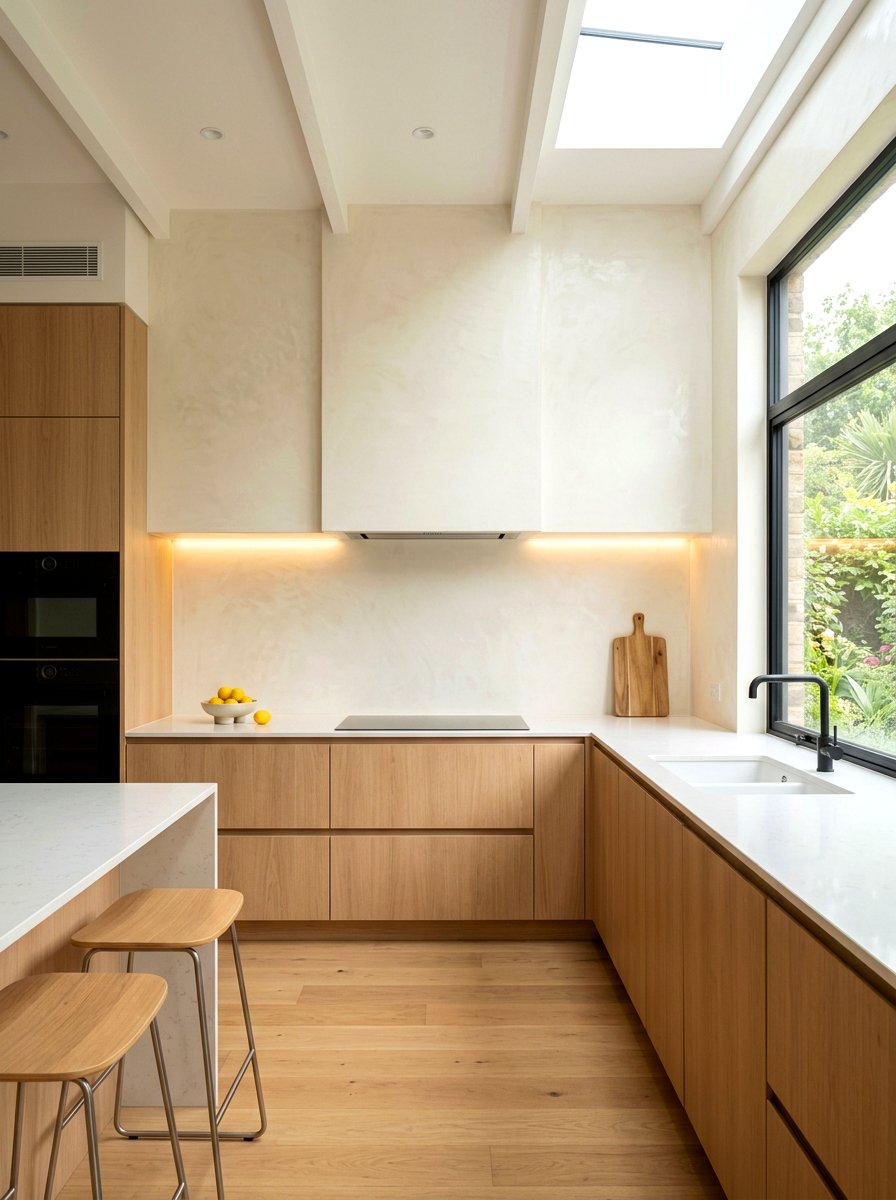
The seamless backsplash kitchen is one of the most practical applications of tadelakt plaster today. By running the plaster from the countertop all the way up the wall, you eliminate the need for tiles and grout lines. This makes the kitchen incredibly easy to clean, as there are no crevices for grease or dirt to hide in. The waterproof properties of the lime plaster ensure that it can handle splashes from the sink or stove without any damage. This look creates a very sleek and unified appearance that makes the kitchen feel much more spacious. It is a minimalist’s dream for a functional and beautiful kitchen.
23. Concrete Look Kitchen
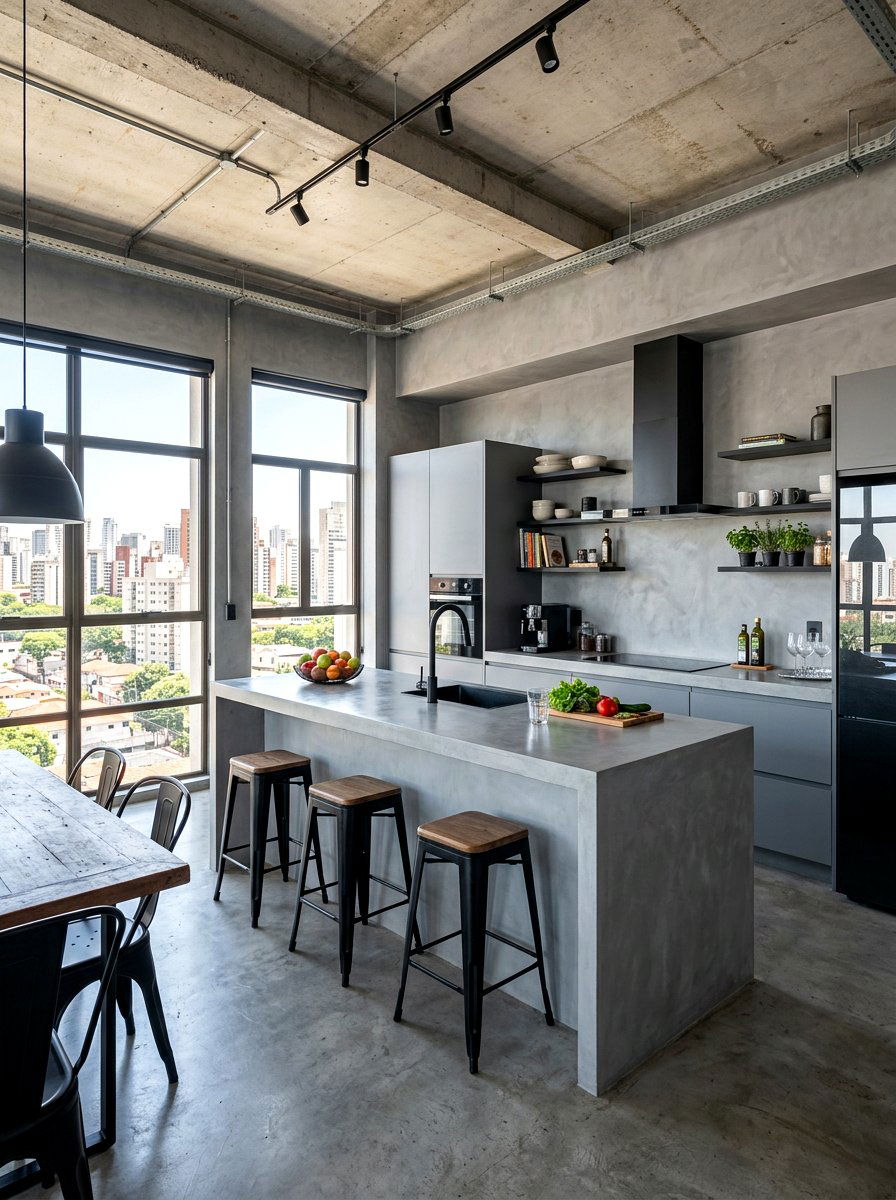
If you love the industrial aesthetic of concrete but want a more sustainable and warmer material, a concrete look kitchen using tadelakt is ideal. Tadelakt can be pigmented to match the exact cool grey tones of raw concrete, but it offers a much softer, more breathable surface. This finish is perfect for wrapping large kitchen islands or creating accent walls that look like solid stone. Unlike real concrete, tadelakt is less prone to dramatic cracking and is much easier to repair if needed. This style works perfectly in modern lofts or contemporary homes looking for a touch of urban grit without sacrificing the comfort of home.
24. Olive Green Kitchen
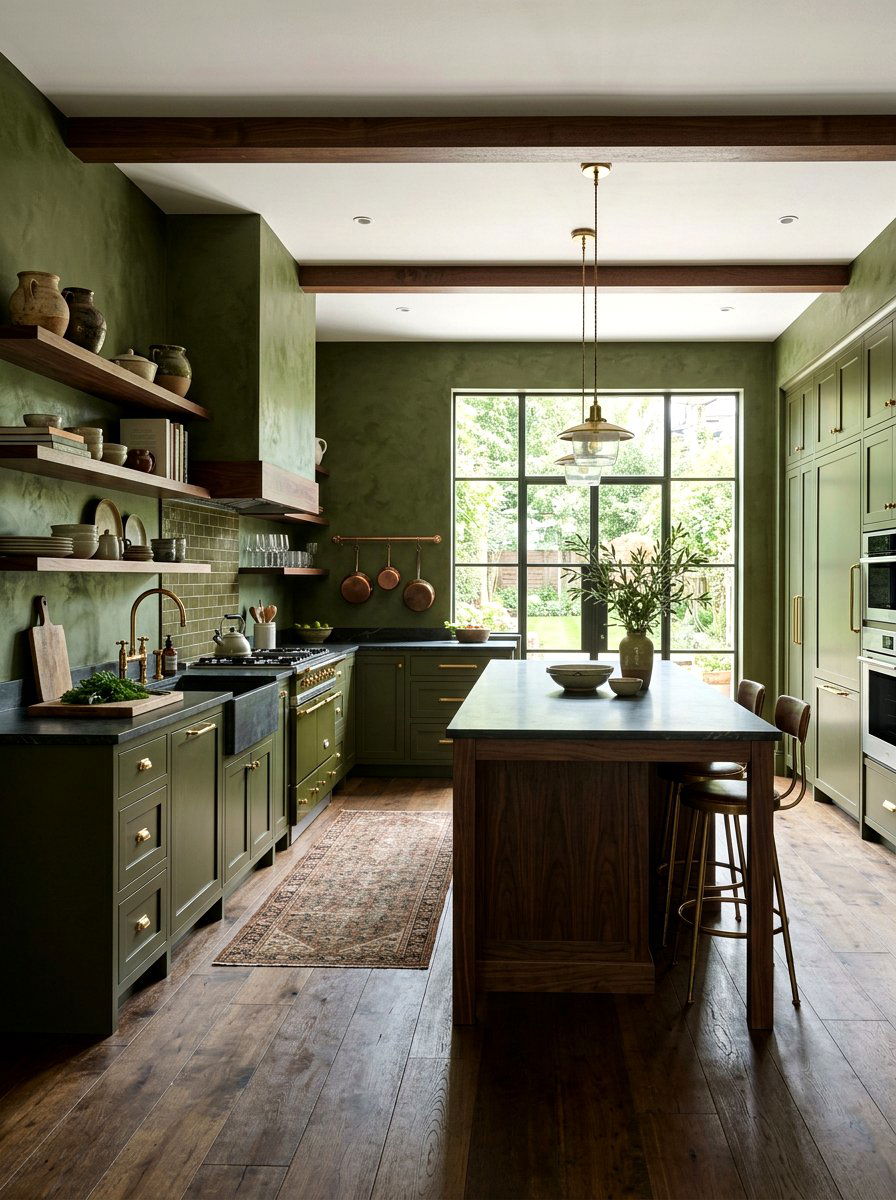
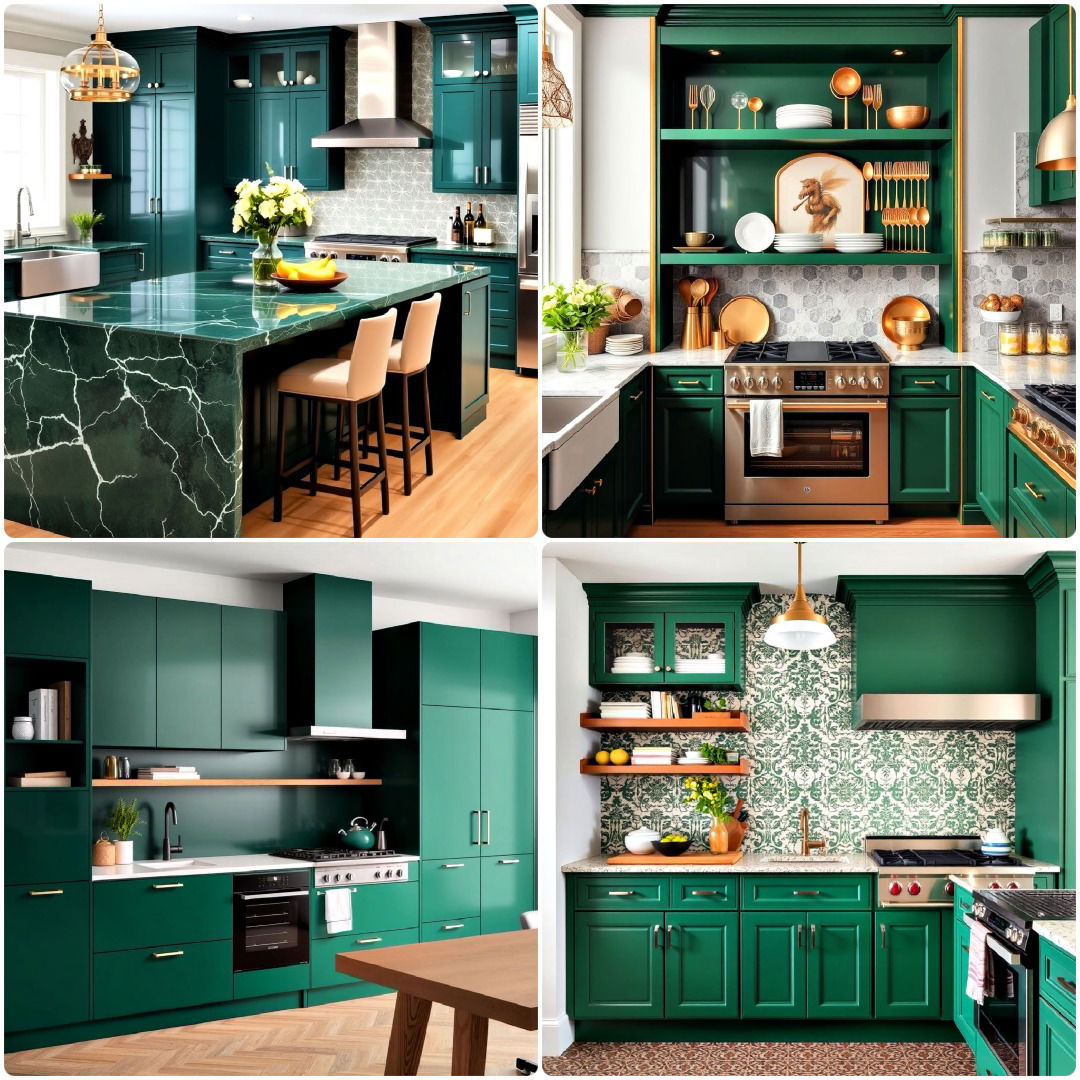
An olive green kitchen featuring tadelakt walls offers a sophisticated and moody environment that feels very high-end. Olive green is a timeless color that pairs exceptionally well with natural materials like brass, marble, and dark wood. The tadelakt finish adds a subtle shimmer to the green, giving it a luxurious, velvet-like appearance on the walls. This design choice creates a space that feels cozy and cocoon-like, perfect for long evenings spent cooking and entertaining guests. It is a bold color choice that remains grounded thanks to the organic, earthy nature of the lime plaster material itself. This look is truly spectacular.
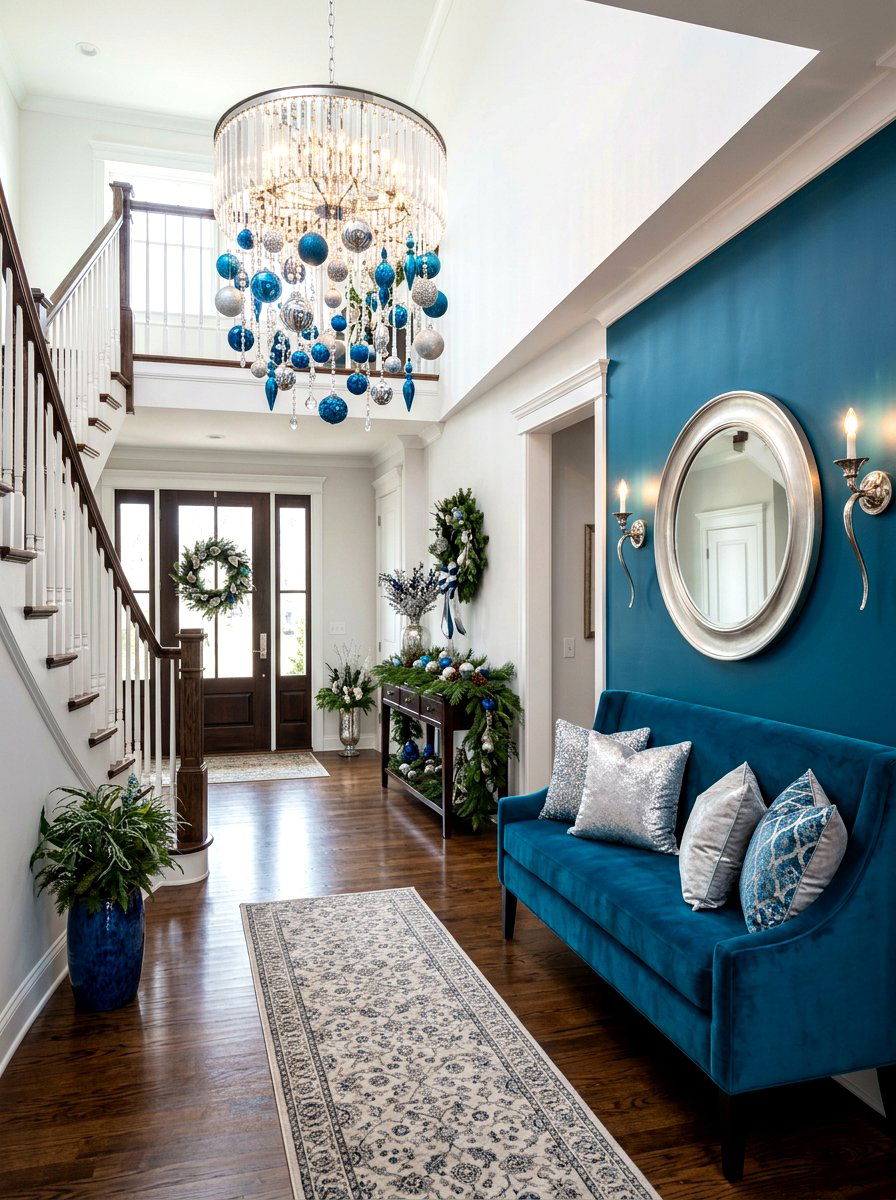
25. Matte Black Kitchen
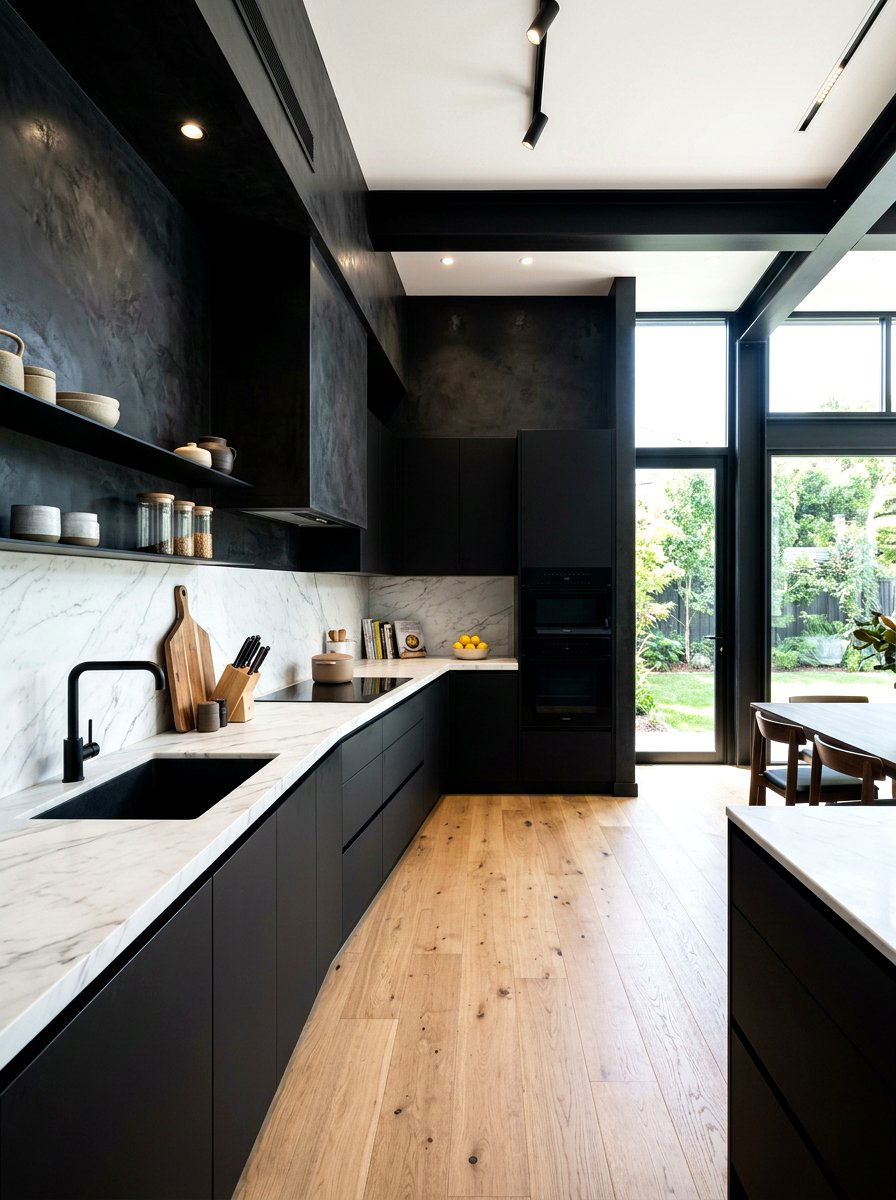
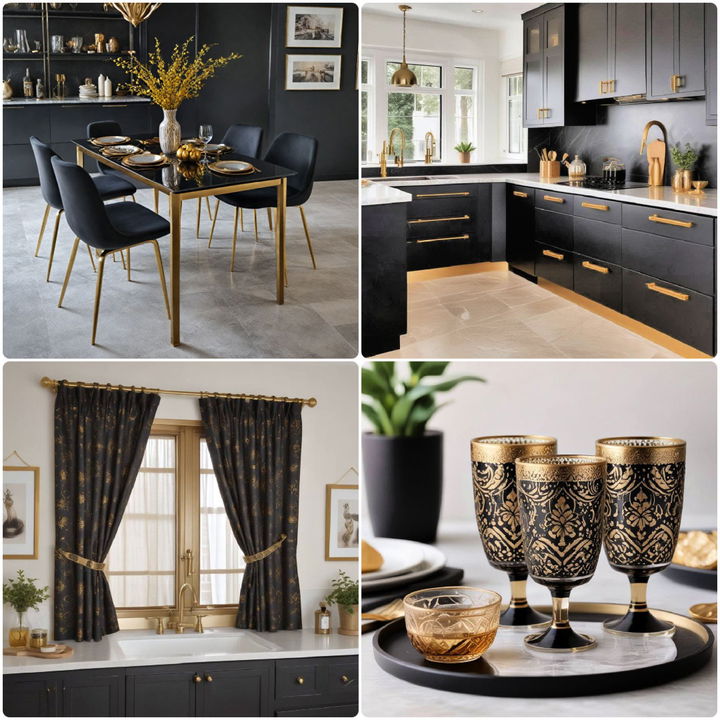
A matte black kitchen using tadelakt provides a stunning, high-contrast look that is incredibly modern. While black can sometimes feel flat, the natural texture and hand-applied finish of tadelakt give the surface a living quality. The light catches the subtle ridges in the plaster, creating a beautiful play of shadows across the dark walls. This style is best when paired with light-colored flooring or bright white countertops to keep the space from feeling too small. It is a sophisticated and architectural choice for homeowners who want to make a very strong design statement. The result is a kitchen that feels like a private, luxury gallery.
26. Gold Accent Tadelakt Kitchen
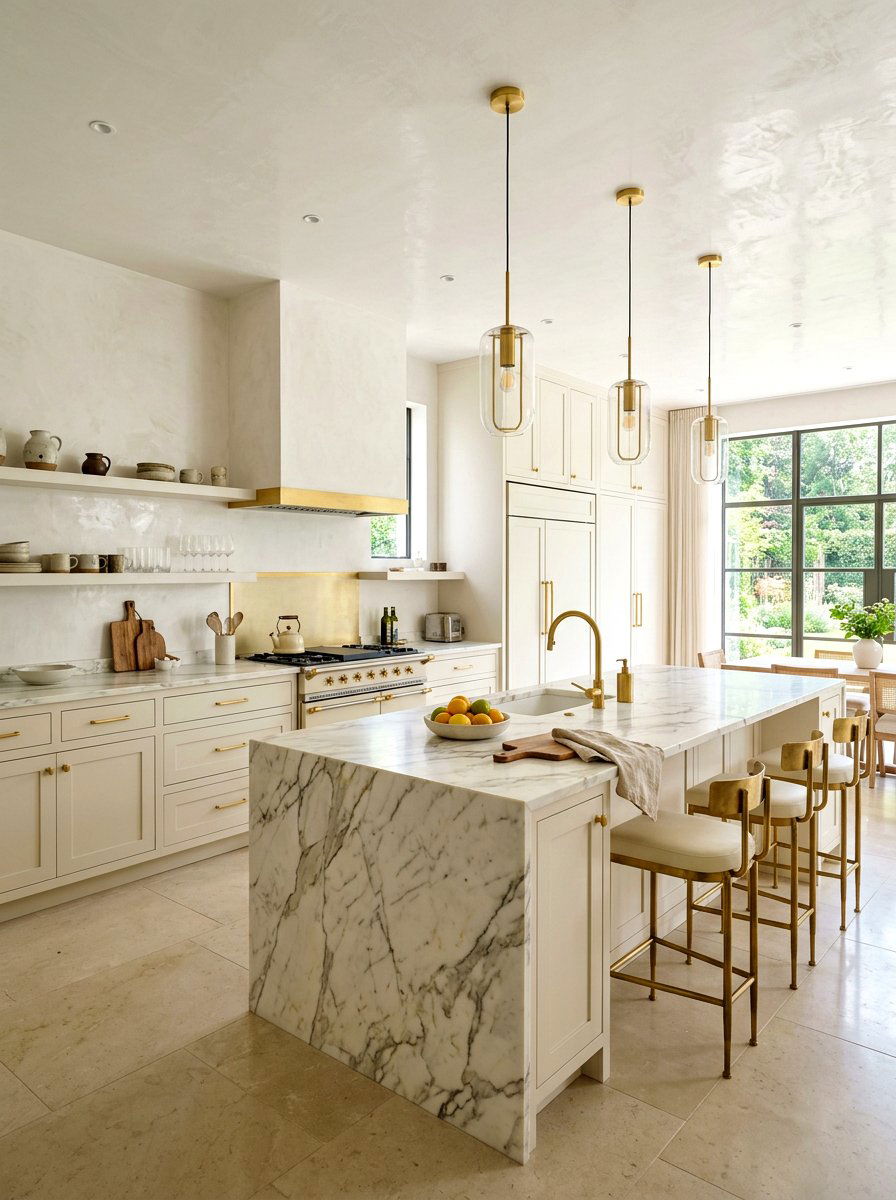
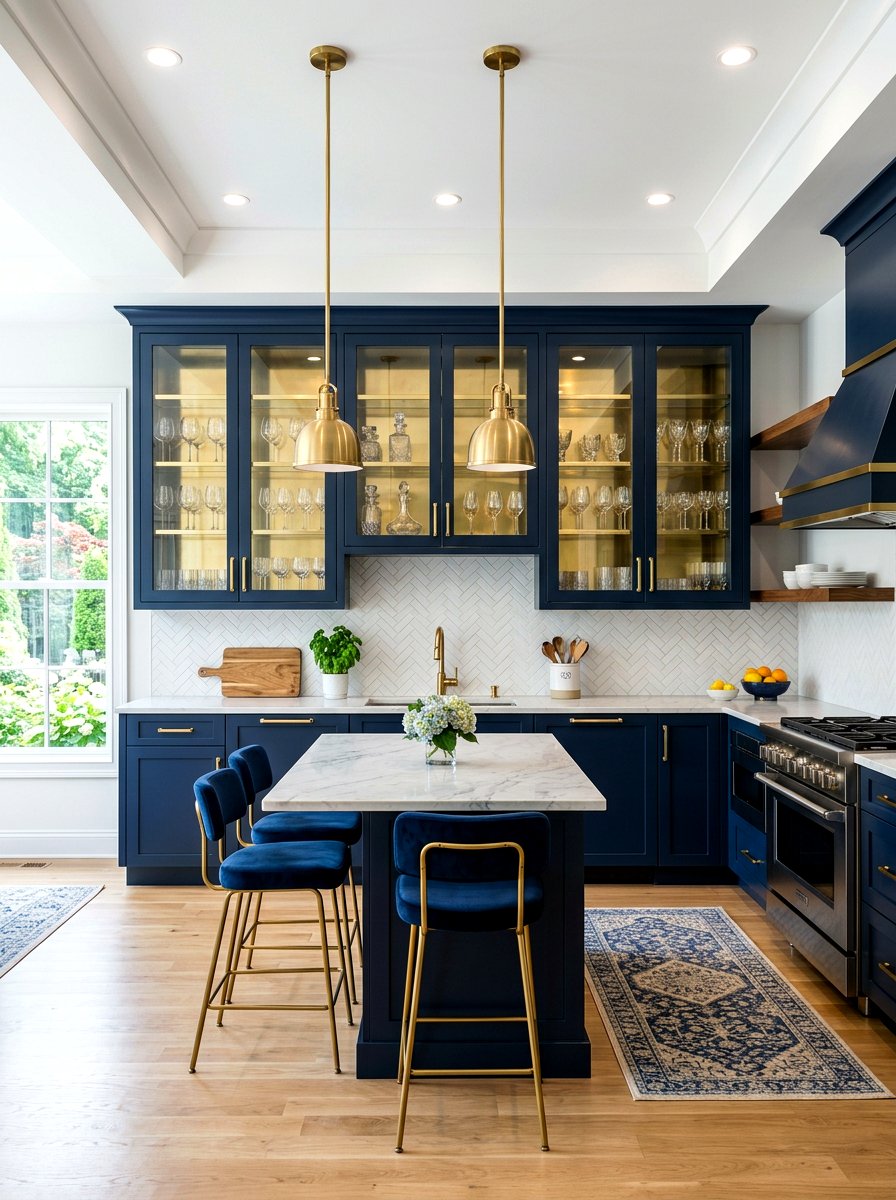
Enhance the natural glow of lime plaster by creating a gold accent tadelakt kitchen. The soft, polished surface of the tadelakt provides the perfect matte backdrop for shiny gold faucets, hardware, and lighting fixtures. Whether you choose a white, grey, or deep blue plaster, the addition of gold elements adds an instant touch of glamour and warmth. This combination feels very Mediterranean and luxurious, evoking the feeling of a high-end spa or a boutique hotel. It is an easy way to elevate a simple kitchen design into something that feels very special and curated. The light reflecting off both materials creates a truly magical atmosphere.
27. Farmhouse Plaster Kitchen
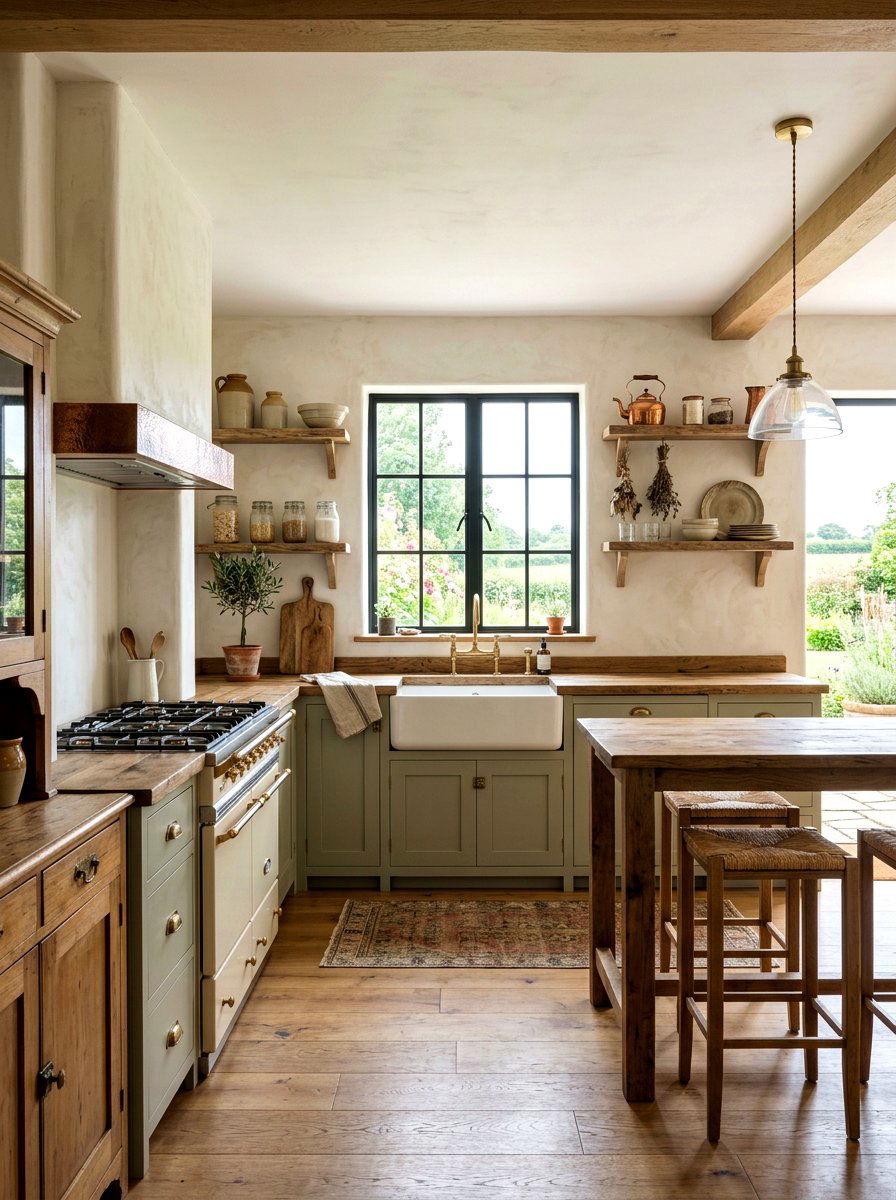
A farmhouse plaster kitchen uses tadelakt to update the traditional rustic aesthetic with a more refined finish. Instead of classic subway tiles, use a warm white or cream tadelakt for the walls and range hood. This adds a layer of modern minimalism to the farmhouse style while still feeling handmade and authentic. Pair the plaster with a large apron-front sink, open wooden shelving, and vintage-inspired decor. The waterproof nature of the plaster makes it very durable for a busy family kitchen. It is a beautiful way to blend the old-fashioned charm of a farmhouse with the clean, sleek lines of contemporary interior design today.
28. Bohemian Earthy Kitchen
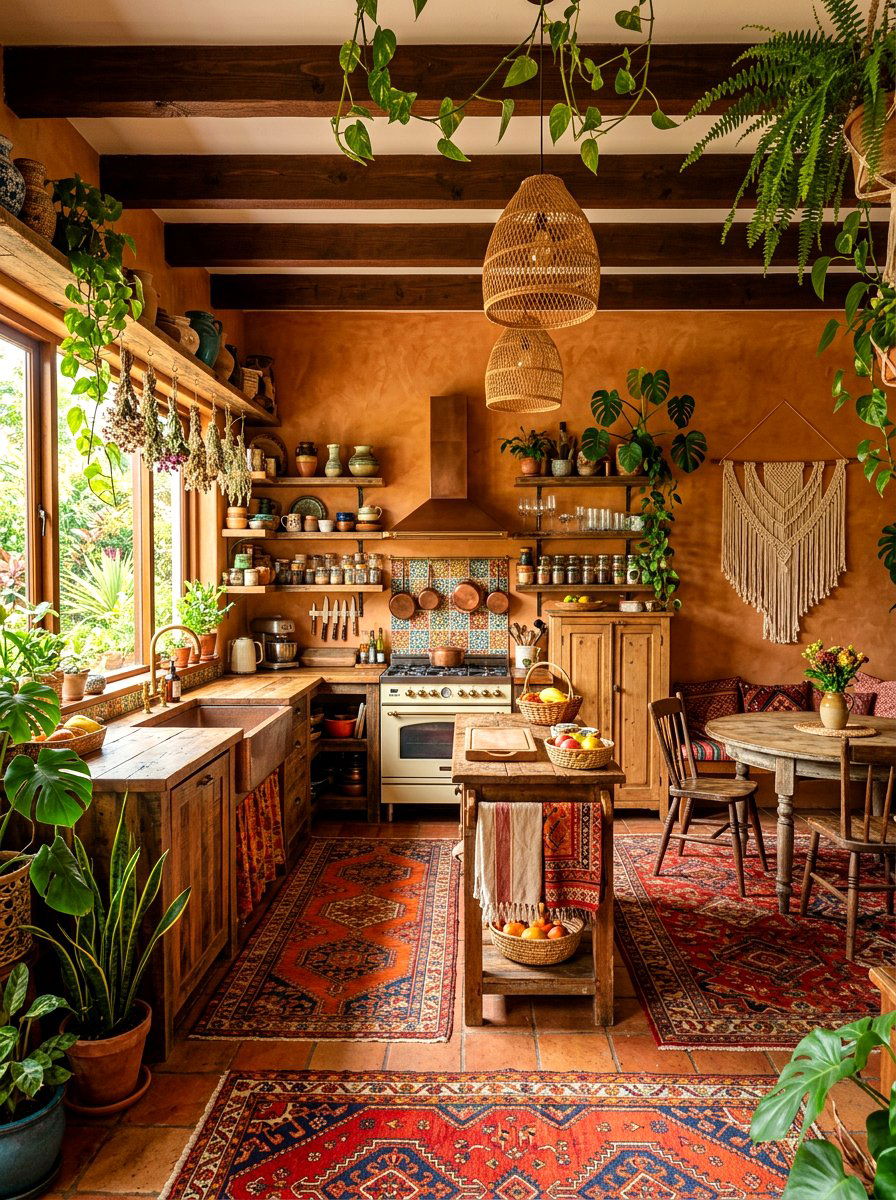
For a more relaxed and eclectic vibe, the bohemian earthy kitchen relies on the natural, raw look of tadelakt. Use warm, spicy colors like ochre, ginger, or deep terracotta to wrap the walls and built-in shelving units. This style encourages the use of mismatched textures, such as woven rugs, macramé plant hangers, and plenty of vintage wooden furniture. The tadelakt plaster ties everything together with its consistent, organic texture, preventing the room from feeling too cluttered. This kitchen becomes a vibrant and creative space that reflects a love for global travel and artisanal craftsmanship. It is a warm, inviting, and very unique home.
29. Sculptural Island Kitchen
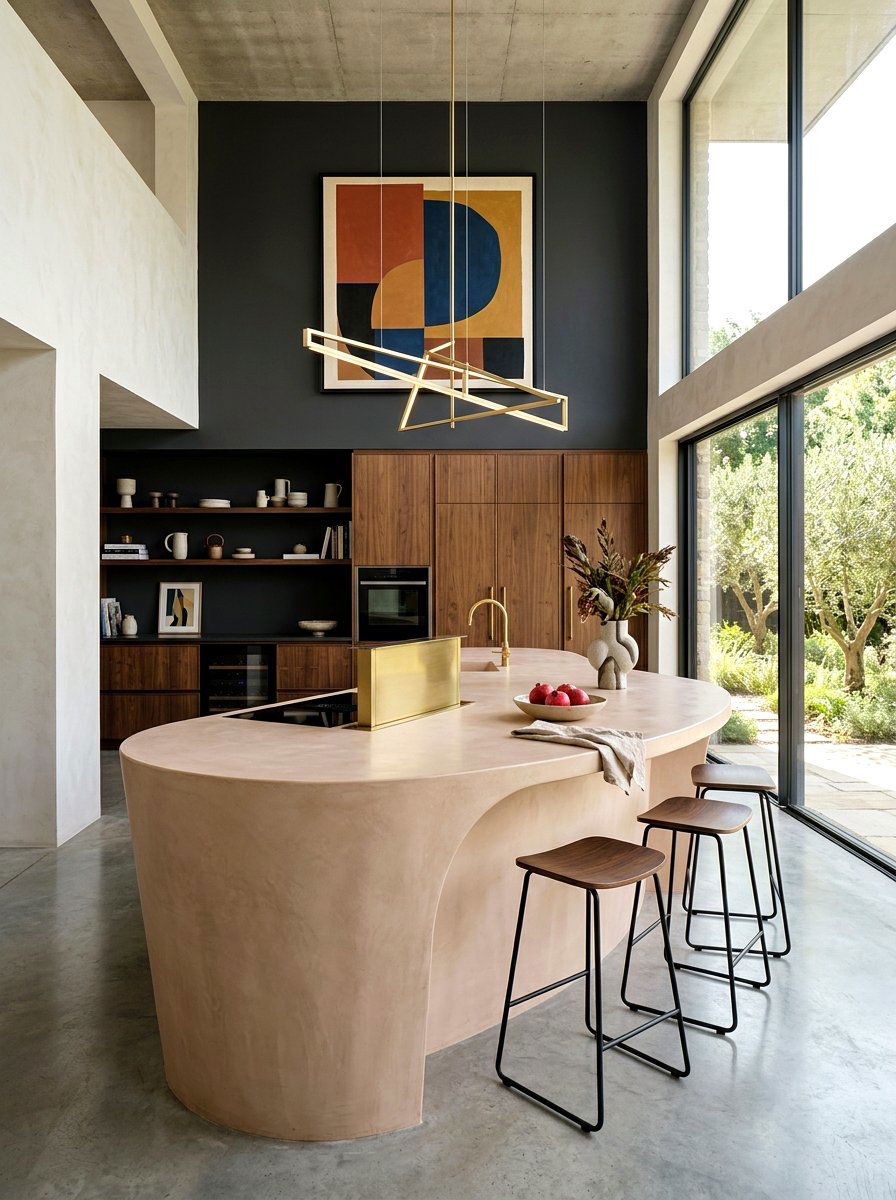
A sculptural island kitchen uses tadelakt to turn the center of the room into a work of art. Because tadelakt can be applied over complex shapes, you can design a kitchen island with curved ends, tiered levels, or integrated seating. Wrapping the entire island in a single color of plaster creates a monolithic, stone-like object that anchors the entire room. This design is highly functional but also serves as the main visual focal point of the space. Use a contrasting color for the walls to make the sculptural island really stand out. It is a bold, architectural approach that transforms the kitchen into a modern masterpiece.
30. Monochromatic Grey Kitchen
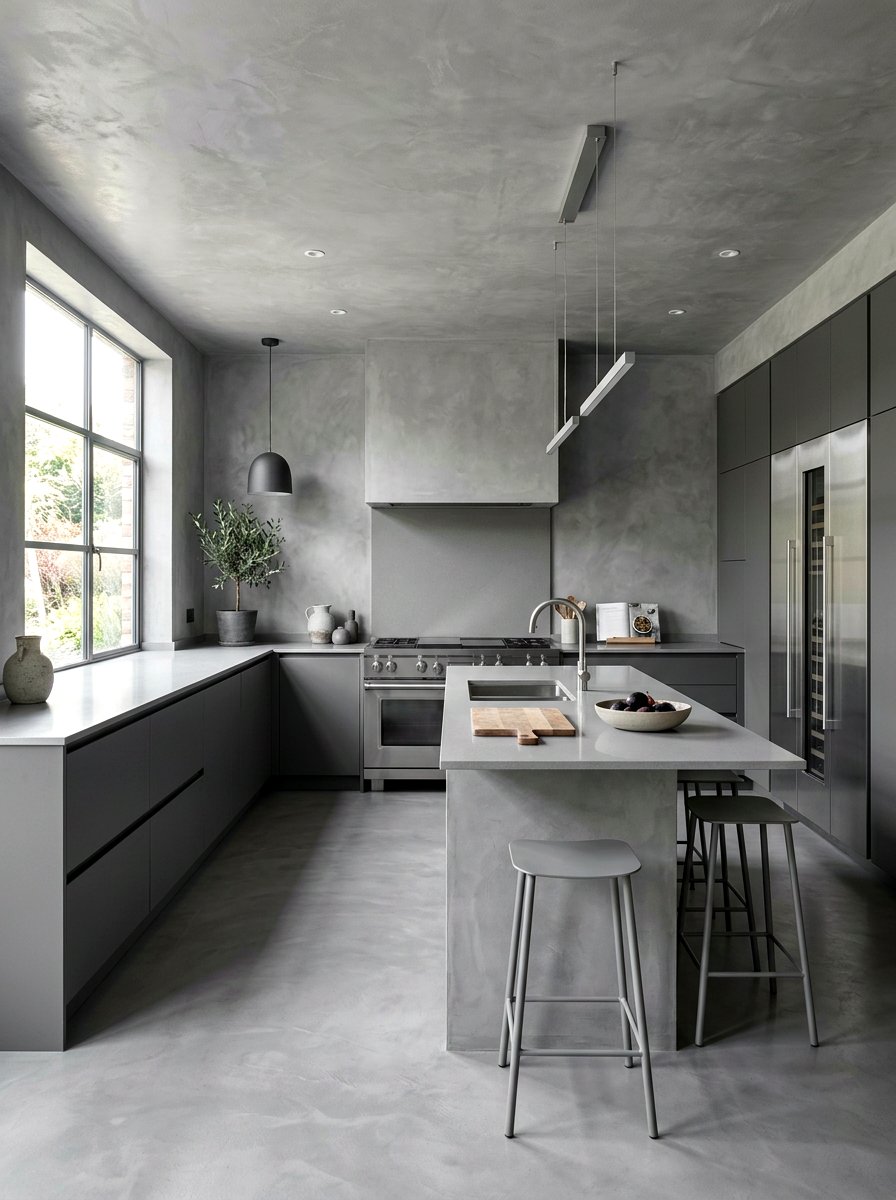
A monochromatic grey kitchen is all about subtle sophistication and a focus on texture rather than color. By using different shades of grey tadelakt on the walls, countertops, and even the floor, you create a very cohesive and calming environment. The variations in the hand-polished plaster prevent the grey from looking dull, adding a sense of movement and life to the room. This style works beautifully with stainless steel appliances and minimalist cabinetry for a truly modern look. It is an ideal choice for someone who wants a high-design kitchen that feels very ordered, professional, and tranquil. This look is timeless and very elegant.
Conclusion:
The versatility and beauty of tadelakt make it one of the most exciting materials to use in a modern kitchen today. Whether you are aiming for a rustic farmhouse look, a sleek industrial vibe, or a serene Japandi sanctuary, this Moroccan plaster provides a seamless and durable solution. Its waterproof nature and hand-finished texture offer both practical benefits and an artisanal aesthetic that standard finishes simply cannot match. By choosing tadelakt, you are investing in a timeless material that celebrates natural beauty and craftsmanship. We hope these thirty ideas have inspired you to bring this stunning, organic finish into your own home for your next project.

Related posts: