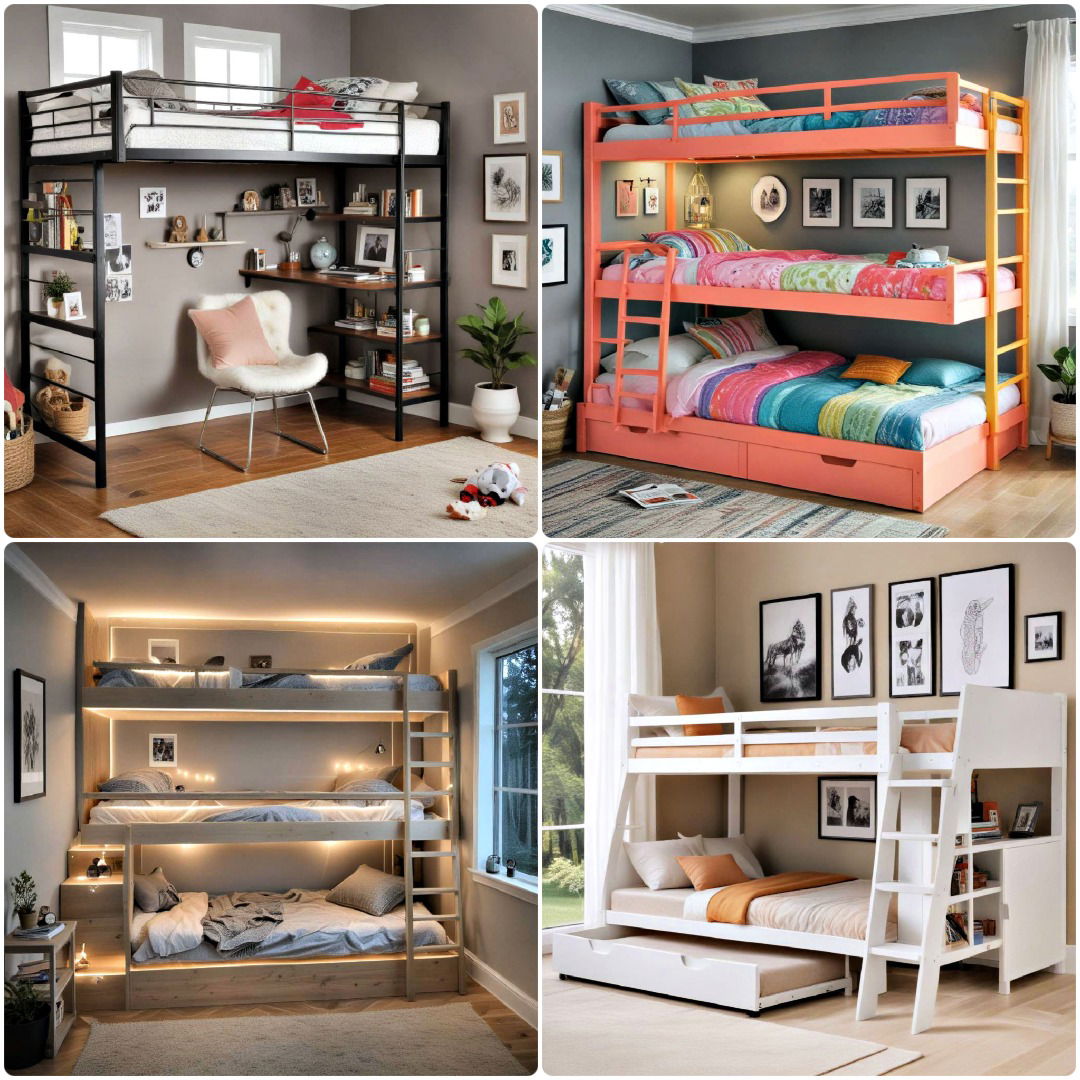
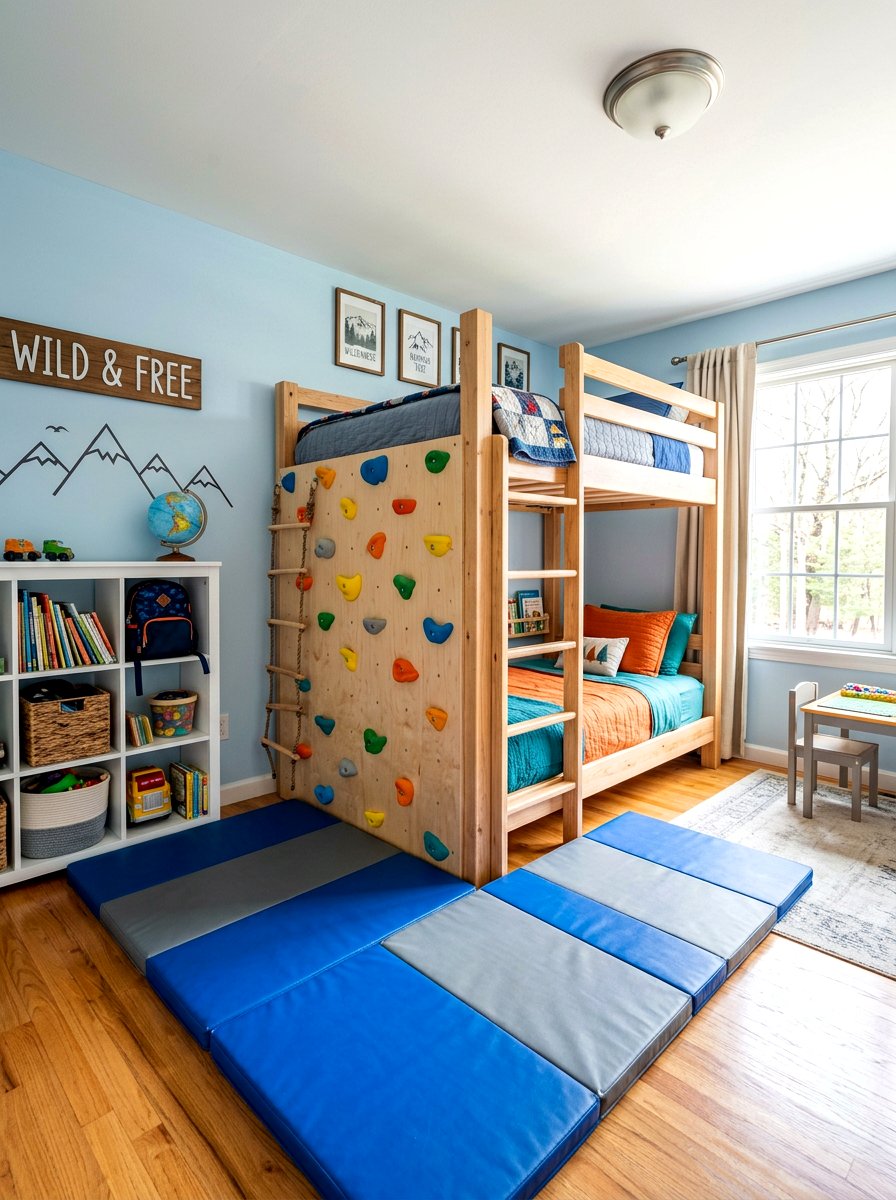
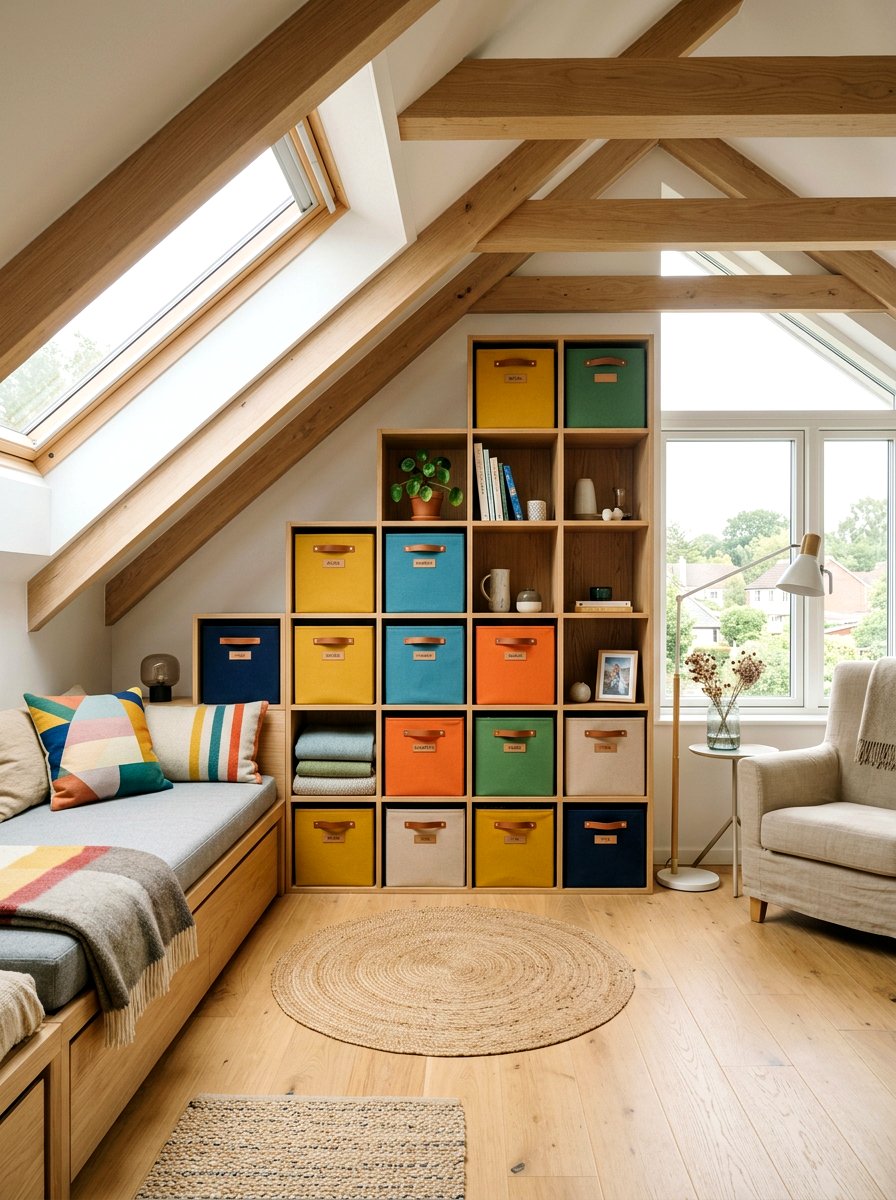
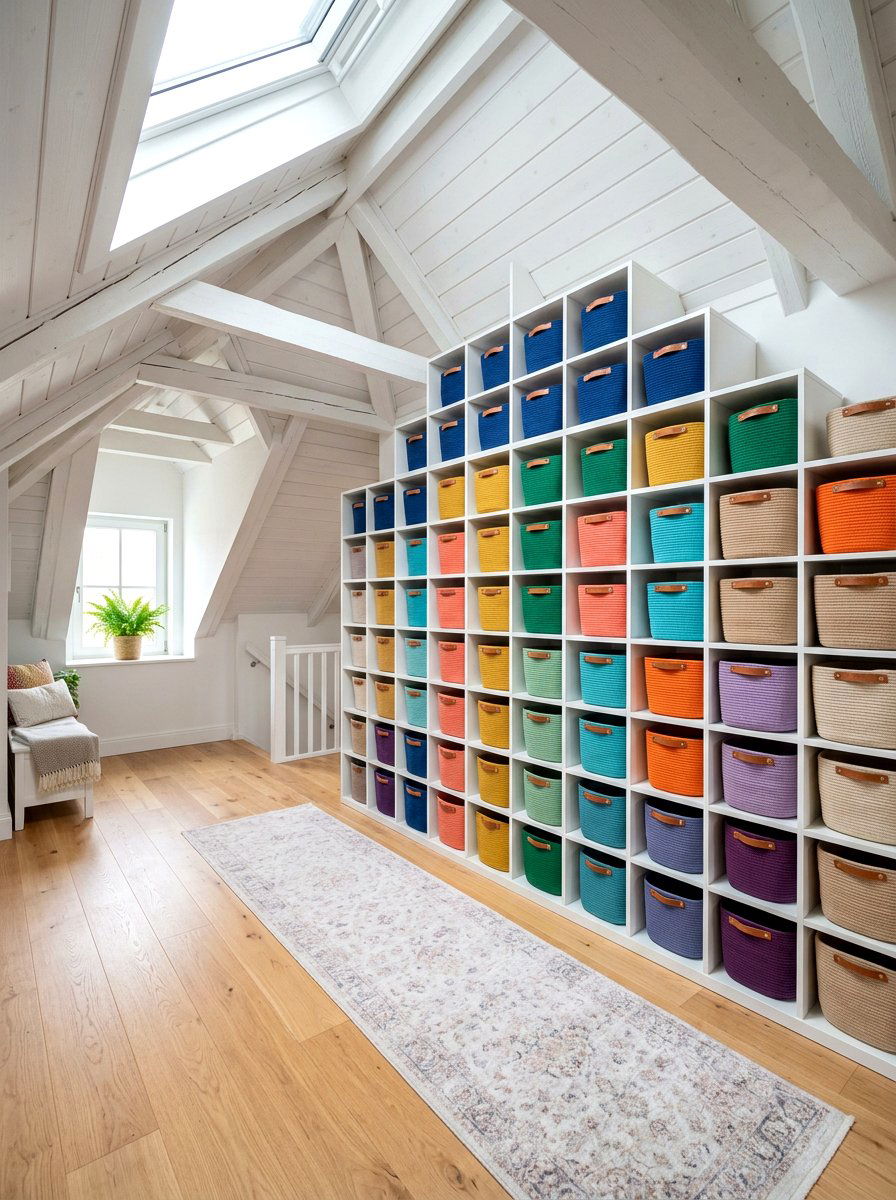
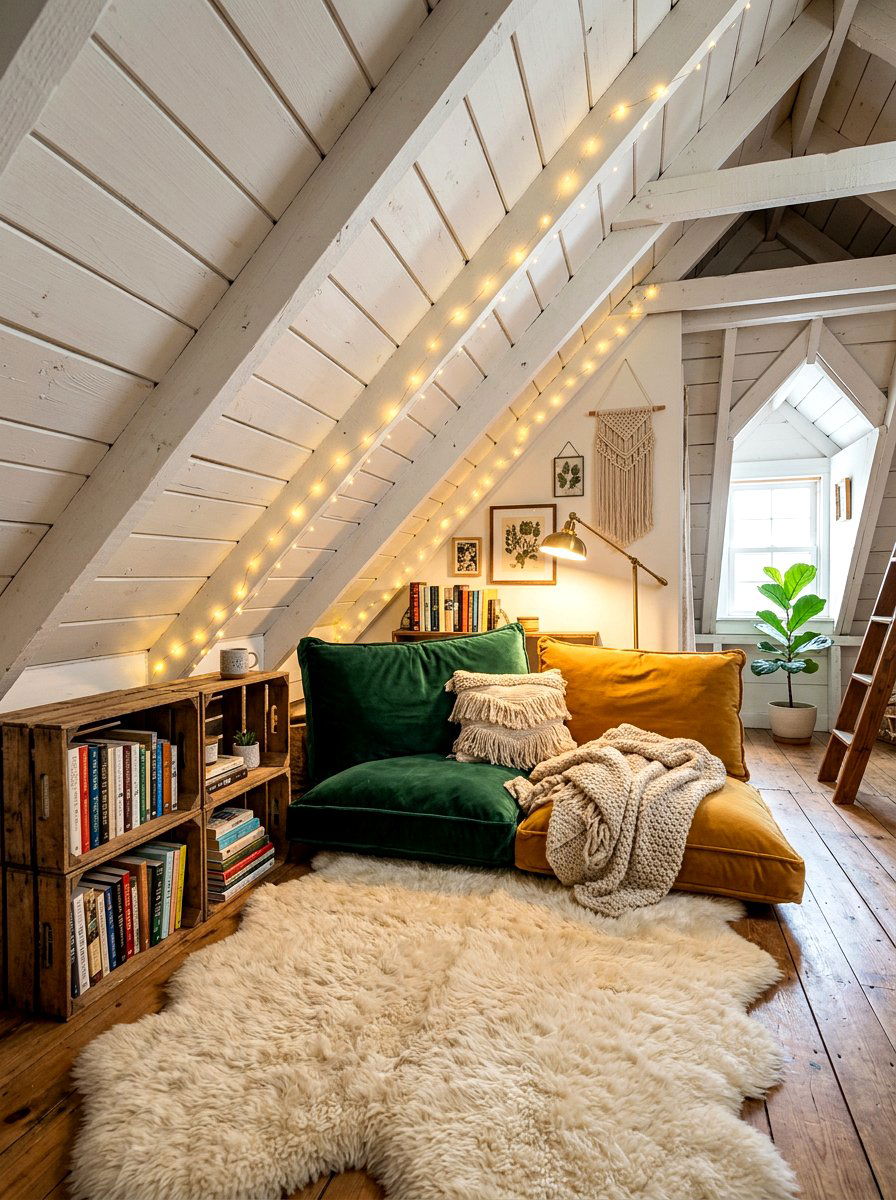
Converting an unused attic into a functional bunk room is one of the most clever ways to maximize your home’s footprint. These tucked-away spaces naturally offer a sense of adventure and privacy that standard bedrooms often lack. Whether you are dealing with steep gabled roofs or low eaves, the architectural quirks of an attic provide a perfect canvas for creative built-in solutions. By utilizing every nook and cranny, you can transform a dusty storage area into a high-capacity guest suite or a magical retreat for children. The following concepts explore how to blend style with utility, ensuring your attic becomes the most popular room in the house.
1. Built In Attic Bunk Bed
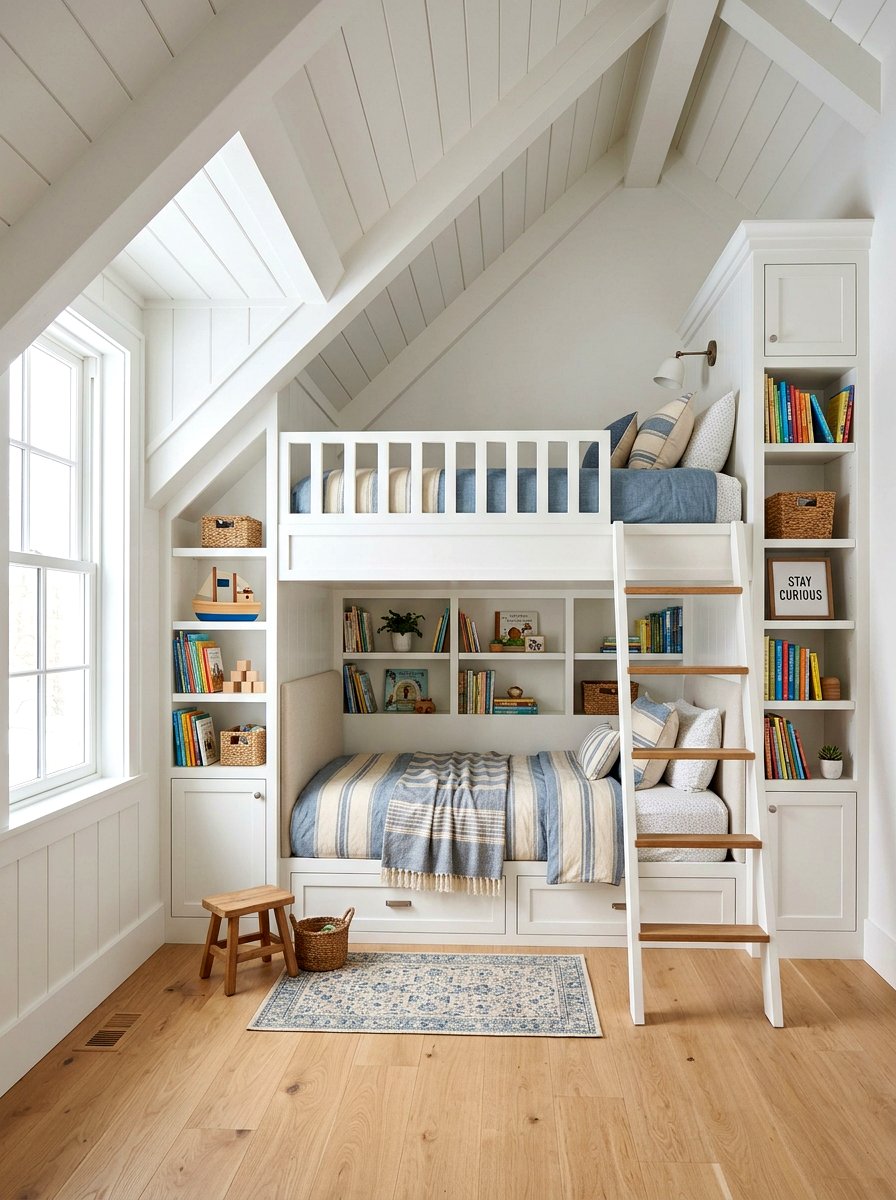
Custom built-in bunk beds are the gold standard for attic conversions because they integrate seamlessly with the existing architecture. Instead of fighting against the unusual angles of a sloped roof, these beds are often framed directly into the walls to save every inch of floor space. You can incorporate personal touches like integrated cubbies for books or hidden electrical outlets for charging devices. This approach creates a cohesive look that feels like a natural extension of the room rather than an afterthought. Using high-quality wood and finish carpentry ensures the structure is both sturdy and visually stunning, providing a permanent sleeping solution for growing families.
2. Sloped Ceiling Bunk Room
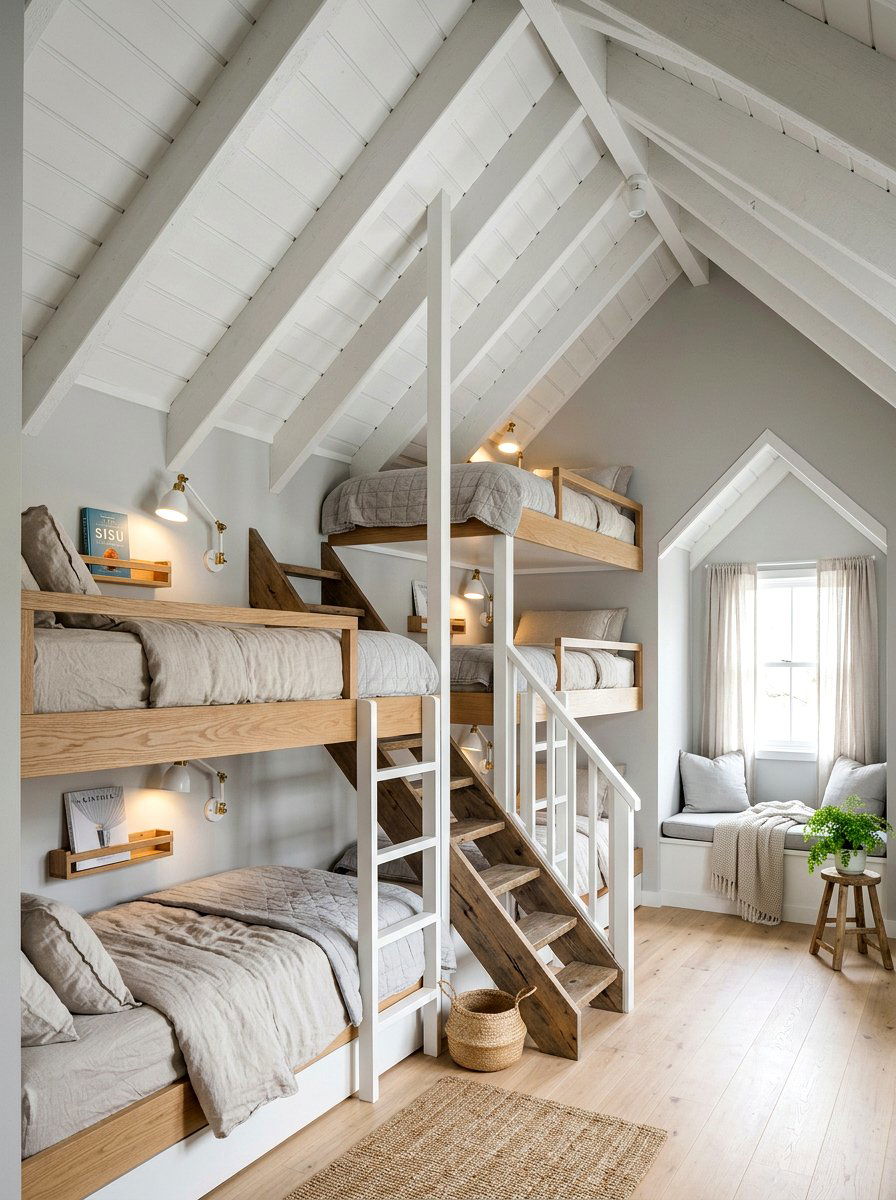
Designing around sloped ceilings requires a strategic approach to ensure guests don’t bump their heads in the middle of the night. Positioning the beds along the lowest points of the eaves allows you to reserve the taller center areas for walking and standing. This layout makes the most of otherwise dead space while creating a cozy, cocoon-like atmosphere for sleepers. You might choose to paint the ceiling a bright white to prevent the room from feeling cramped or claustrophobic. Adding a small wall light inside each bunk niche provides necessary illumination without requiring bulky bedside tables that take up valuable square footage in the room.
3. L Shaped Bunk Bed Layout
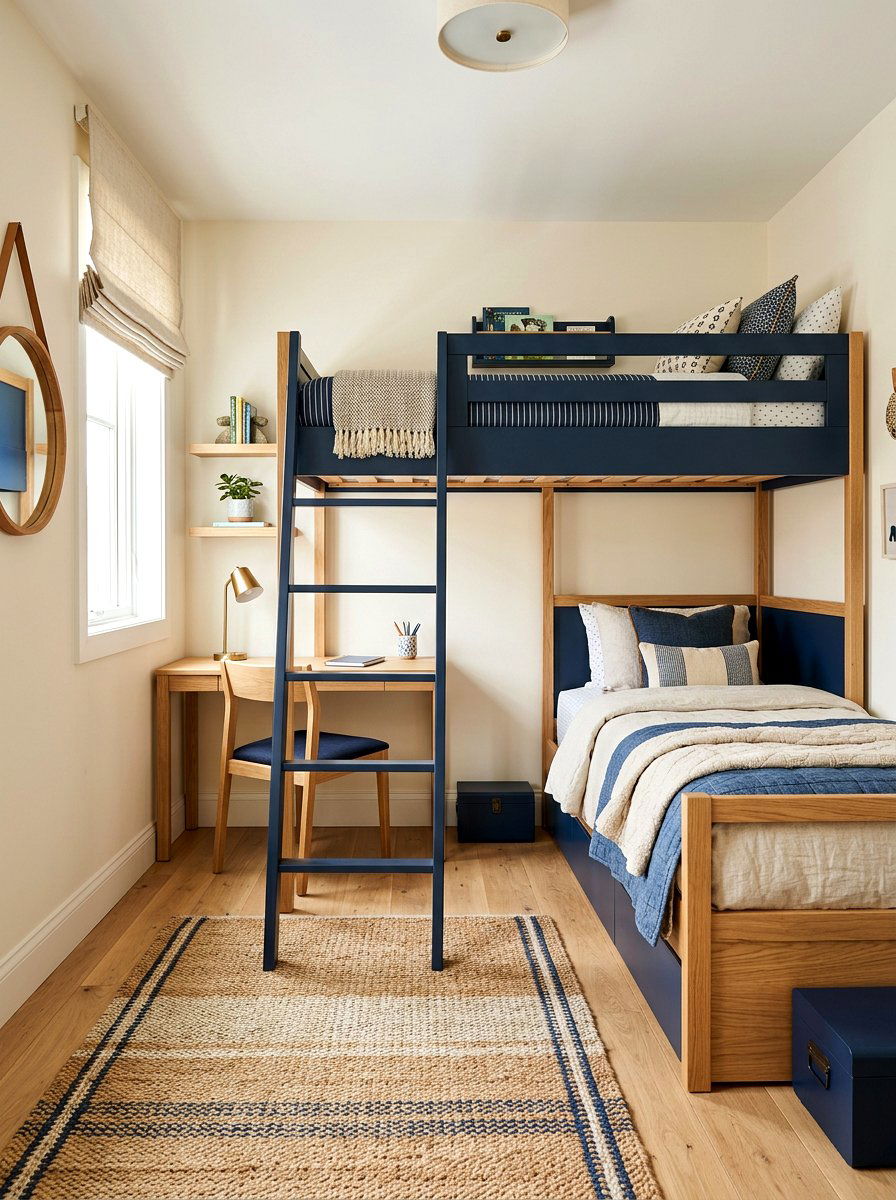
An L-shaped bunk bed configuration is a brilliant way to utilize a corner while providing a more open feel than traditional stacked bunks. By placing the bottom bed at a right angle to the top one, you create a sense of individual space for each occupant. This layout often leaves enough room underneath the top bunk for a small desk, a reading chair, or extra storage drawers. It works exceptionally well in square attic rooms where you want to keep the center of the floor clear for play. The overlapping design adds architectural interest and can be customized with different mattress sizes to accommodate various age groups.
4. Rustic Wood Attic Bunk
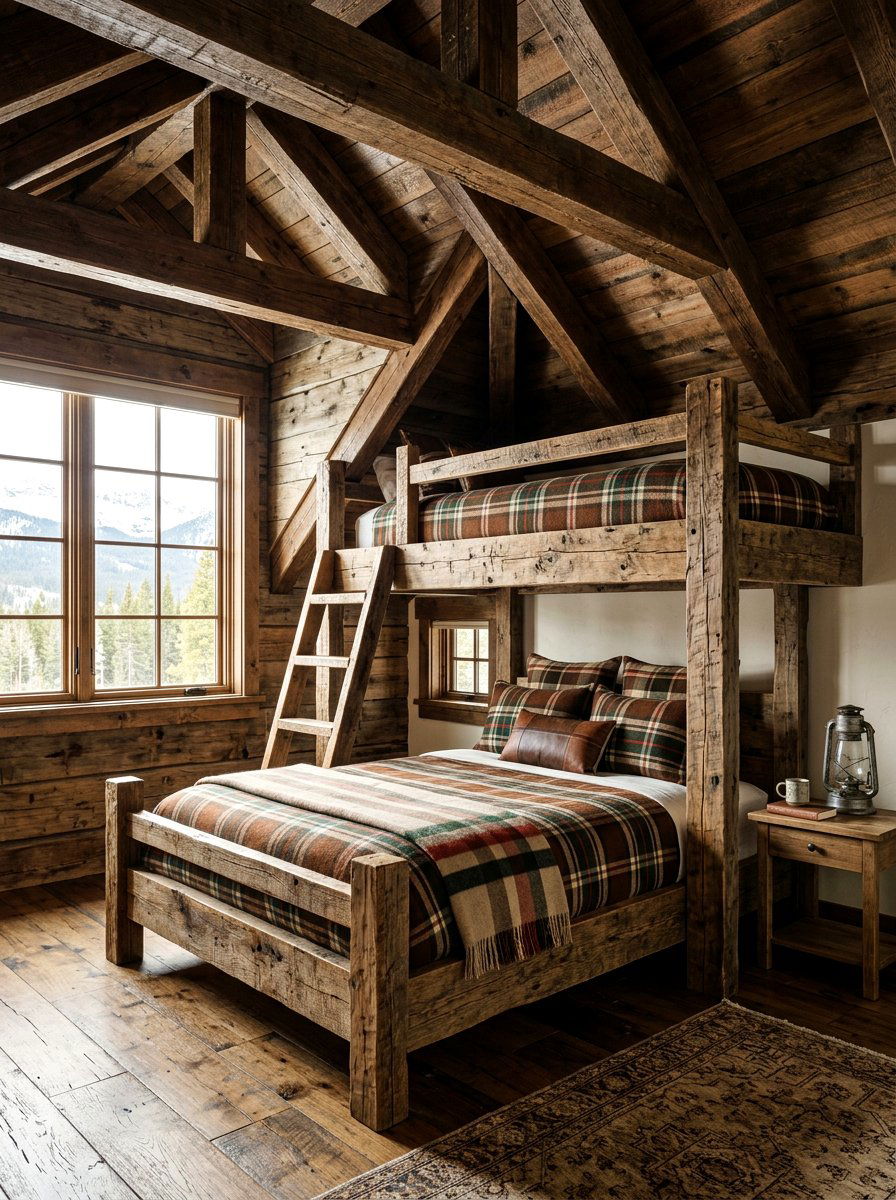
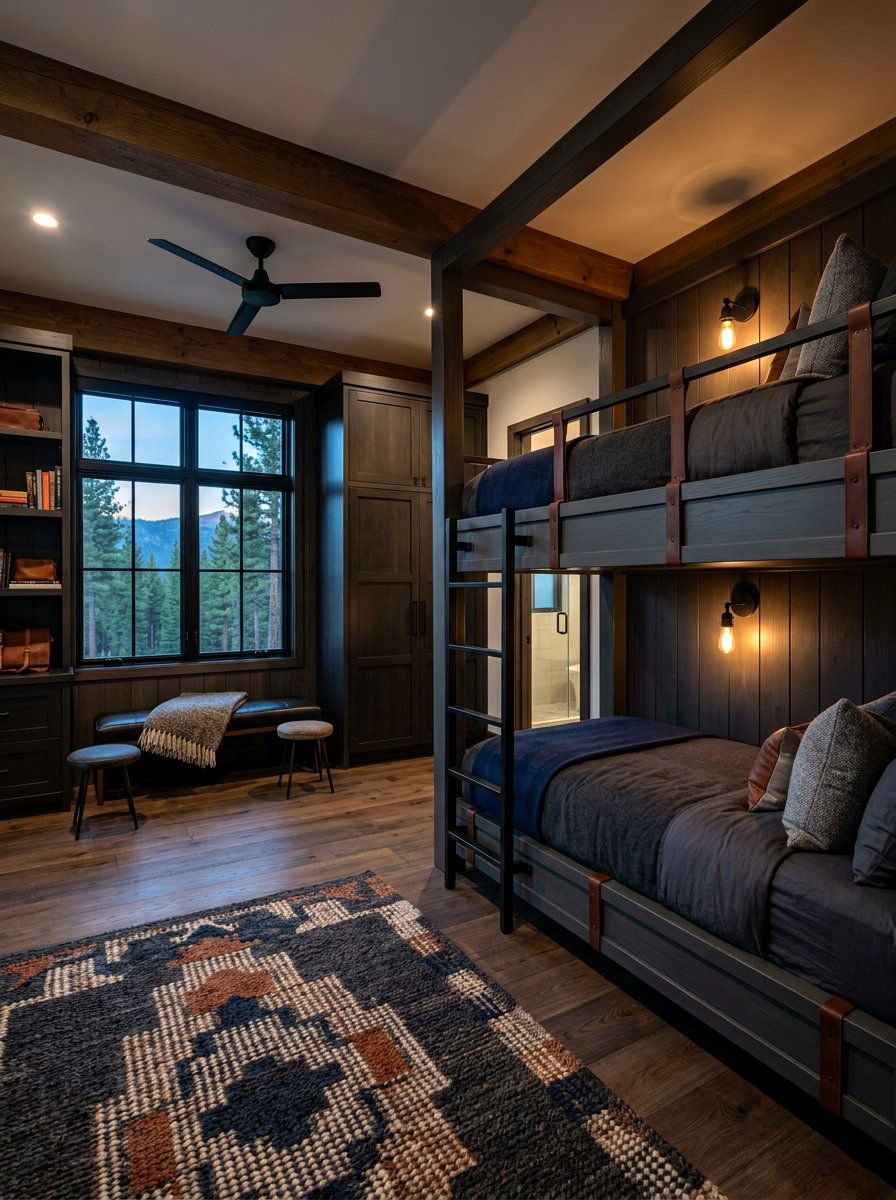
Embracing a rustic aesthetic in the attic often involves using reclaimed barn wood or natural timber to construct the bunk frames. This style complements the cabin-like feel that many attics already possess, especially those with exposed ceiling beams. You can leave the wood in its natural state or apply a light stain to highlight the grain and knots. Pairing these wooden structures with camp-style bedding in deep blues, greens, or plaids enhances the cozy retreat vibe. It is a timeless look that works perfectly for vacation homes or mountain cabins where a warm and inviting atmosphere is the primary goal for visiting guests.
5. Modern Minimalist Bunk Room
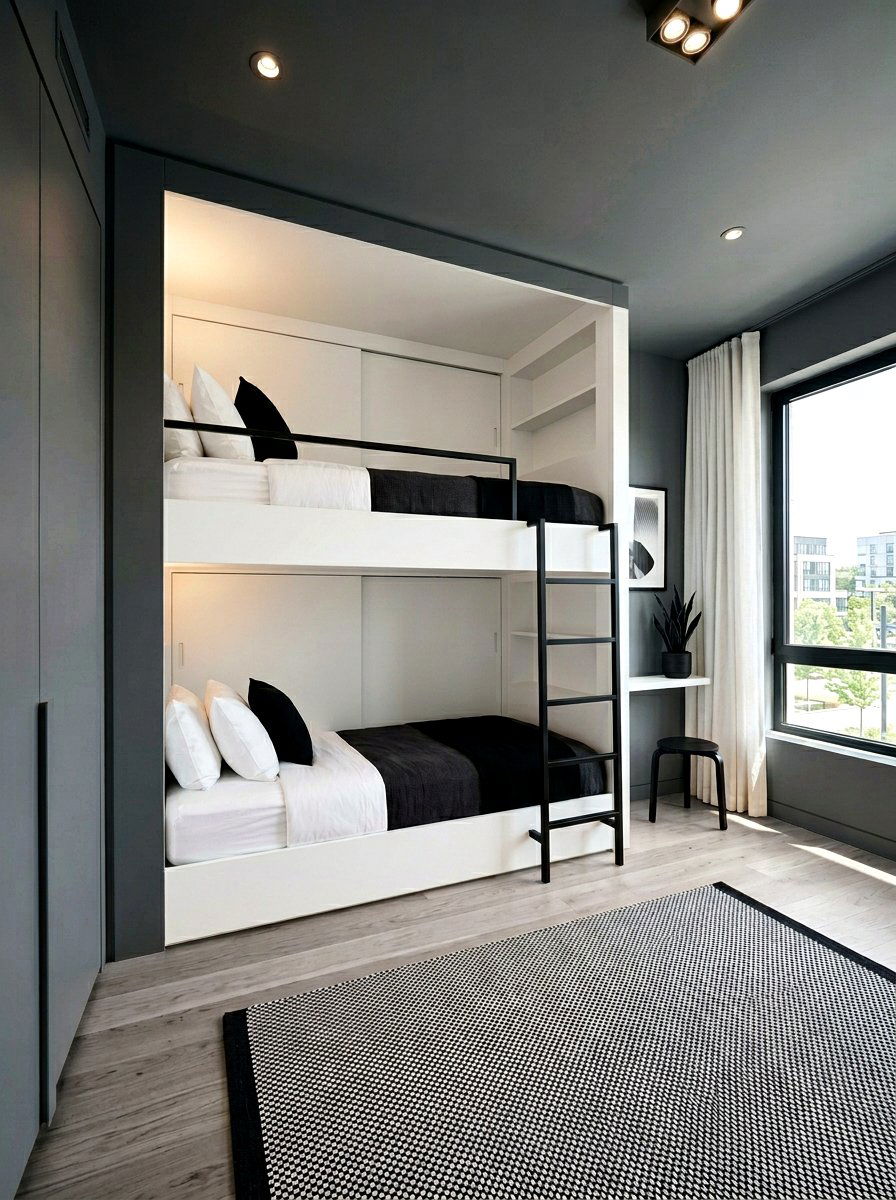
For a clean and contemporary look, a modern minimalist bunk room focuses on sharp lines and a restricted color palette. These designs often feature sleek, handle-less drawers integrated into the base of the bunks and simple metal ladders for access. The goal is to eliminate visual clutter, which helps a small attic space feel much larger and more organized. Neutral tones like soft grays, whites, and blacks dominate the palette, allowing the unique geometry of the attic to stand out. This style is perfect for those who prefer a sophisticated environment that feels more like a high-end boutique hotel than a traditional children's bedroom.
6. Coastal Attic Bunk Room
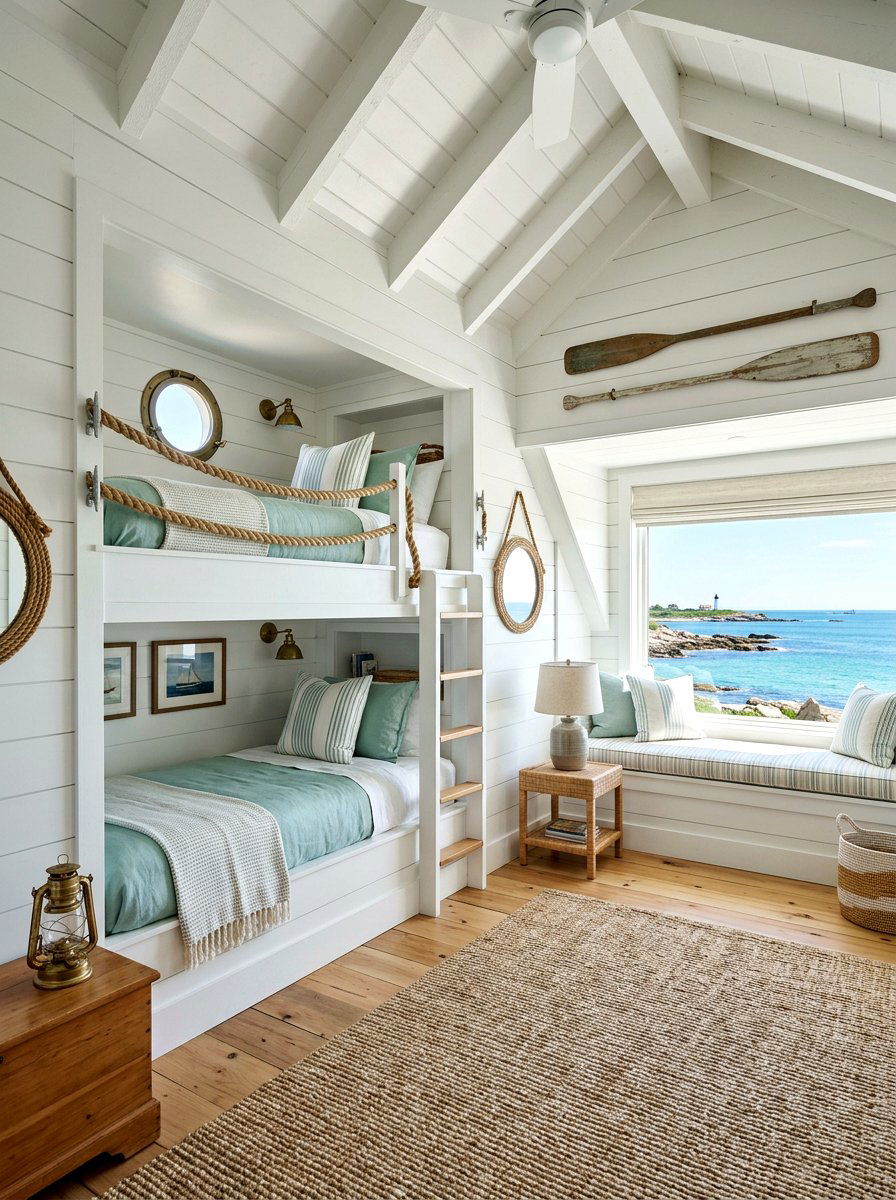
A coastal theme brings a breezy and lighthearted energy to an attic space, often utilizing light-colored woods and nautical accents. You can use white-washed shiplap on the walls to create texture and reflect the natural light coming through small windows. Decorative elements like rope railings for the ladders or boat oars used as safety guards add a playful touch without being overwhelming. To complete the look, choose bedding in soft blues, sandy beiges, and crisp whites. This design direction is ideal for beach houses where you need to sleep a large number of guests in a way that feels relaxed and summery.
7. Twin Over Queen Attic Bunk
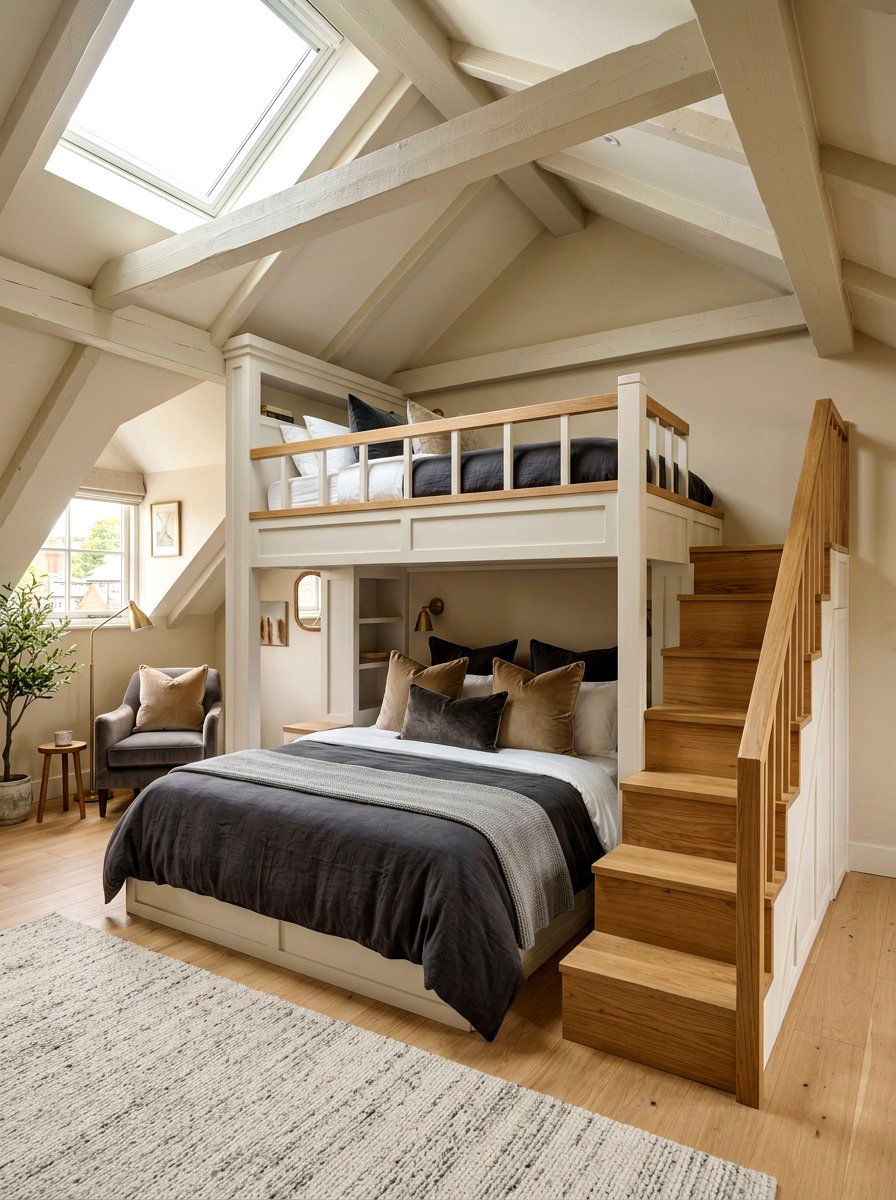
If you need to accommodate both adults and children, a twin-over-queen bunk configuration is a highly versatile choice for an attic guest room. The larger bottom mattress provides a comfortable sleeping area for a couple, while the top bunk is perfect for a child or single traveler. This arrangement maximizes the vertical space and offers flexibility for different groups of visitors. To make the queen bed feel more like a primary suite, you can add high-quality linens and plush pillows. Built-in stairs rather than a ladder can make the top bunk safer and more accessible for everyone using the shared sleeping space.
8. Triple Attic Bunk Bed
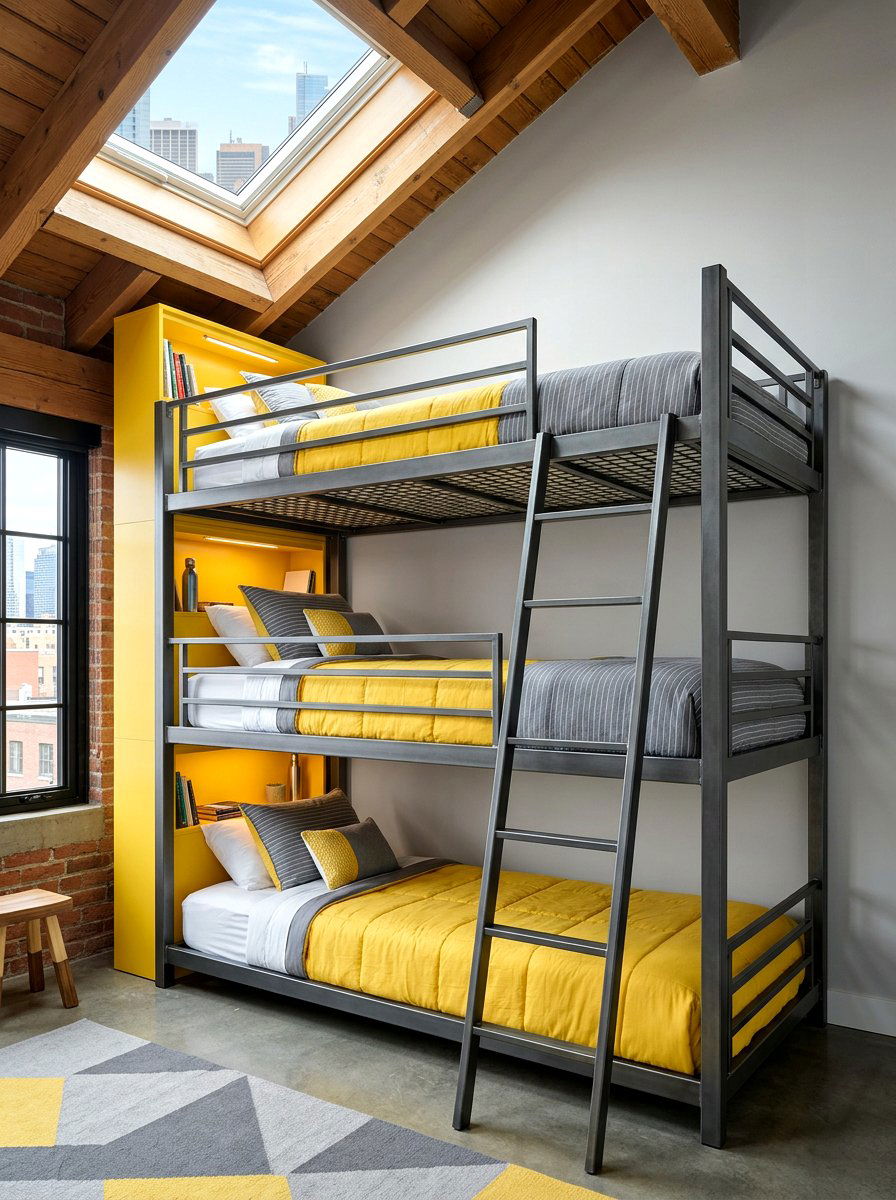
Triple bunk beds are the ultimate space-saving solution for large families or frequent hosts who need to sleep three people in one compact area. In an attic, these are often designed as three stacked twin beds or a combination of a double bed with two twins. Because of the height requirements, these are best placed against the tallest wall or the peak of the roof. Safety is paramount, so ensure that the top bunks have sturdy railings and easy-to-climb ladders. Each sleeping level should have its own dedicated lighting and storage niche to give every occupant a sense of privacy and personal territory.
9. Quad Bunk Room Design
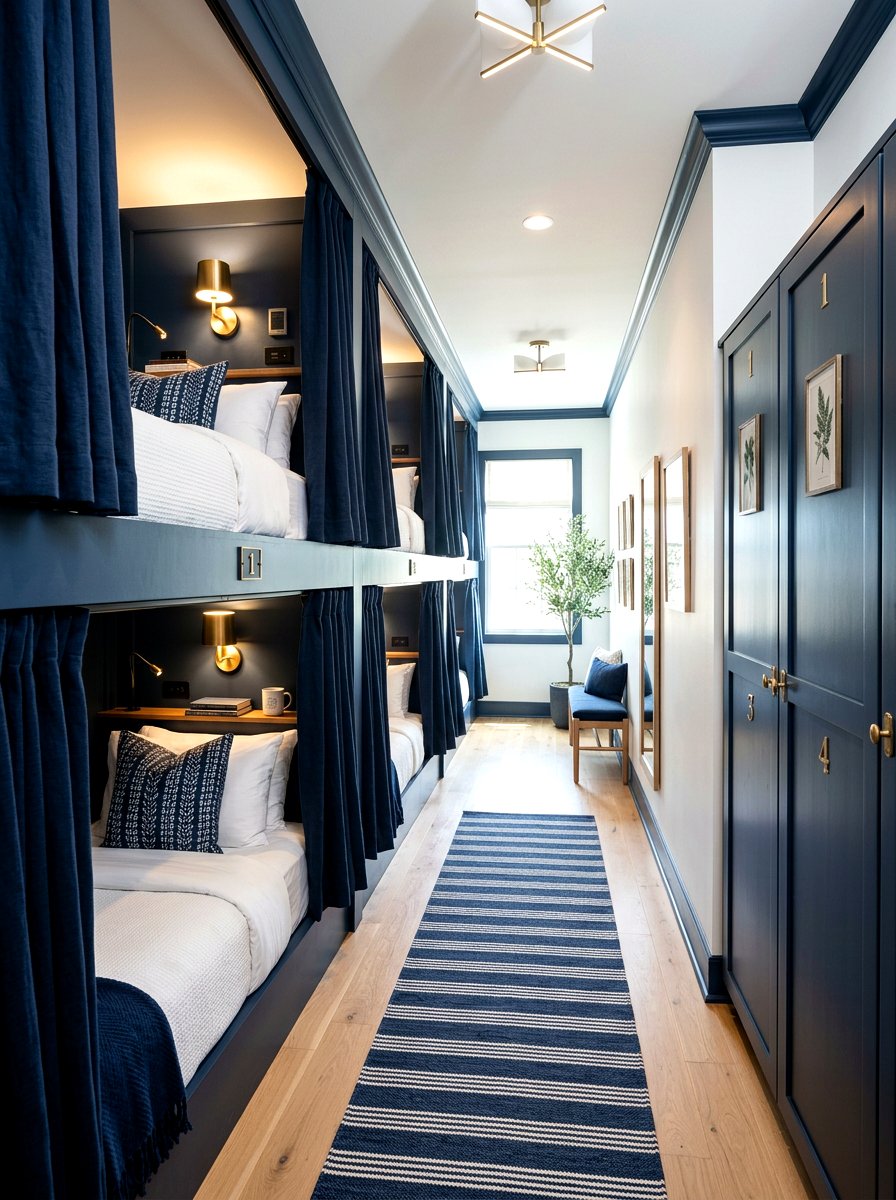
When you have a very large attic space, a quad bunk room can transform the entire floor into a high-capacity sleeping hall. This usually involves two sets of bunk beds placed opposite each other or lined up along a long wall. This setup is incredibly popular for vacation rentals or homes where cousins and friends often gather for sleepovers. By using matching bedding and symmetrical lighting, you create a balanced and professional look that feels intentional and well-designed. Providing each bunk with its own privacy curtain can turn the shared room into four individual private suites for the guests staying there.
10. Farmhouse Attic Bunk Room
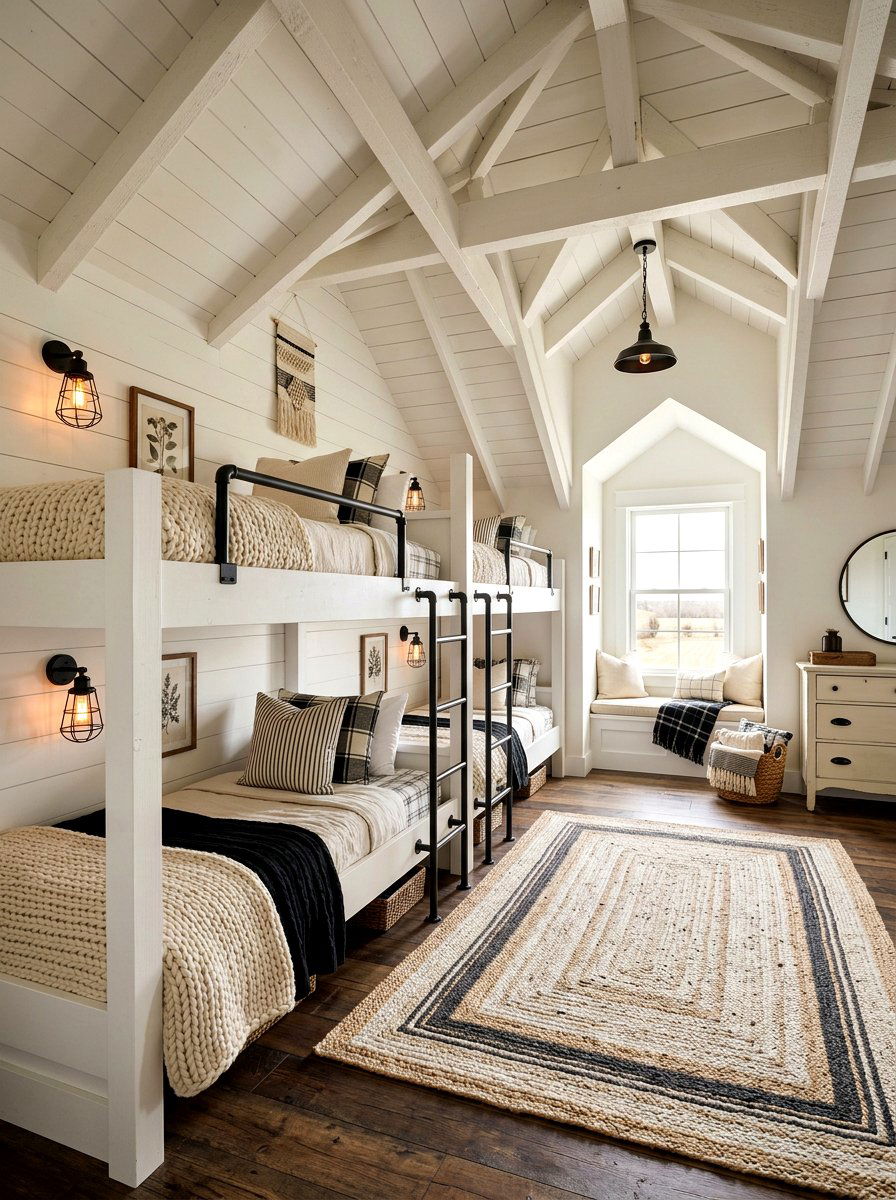
The farmhouse style remains a favorite for attic conversions because it balances comfort with a touch of traditional charm. Think white-painted wood bunks, black metal hardware, and classic barn-style lighting fixtures mounted on the walls. You can add warmth to the space with woven rugs and chunky knit blankets in neutral tones. This look is approachable and durable, making it ideal for high-traffic areas where kids and pets might spend a lot of time. The simplicity of the design allows you to easily update the look over time by simply changing out the throw pillows or the wall decor as needed.
11. Industrial Style Attic Bunk
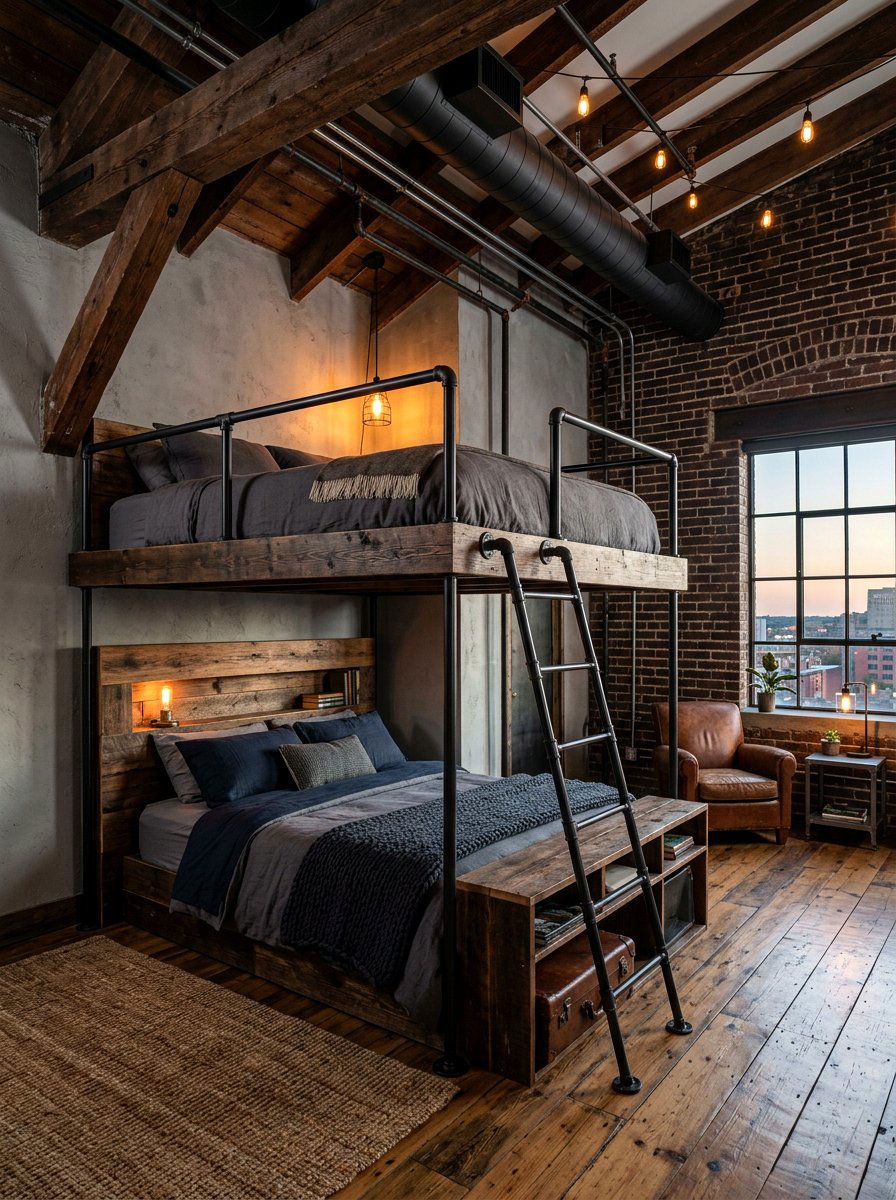
Industrial design works remarkably well in attics that feature exposed brick, metal ductwork, or raw wooden beams. To achieve this look, use black iron pipes for the bunk railings and ladders, creating a rugged and sturdy appearance. The beds themselves can be constructed from dark-stained wood or even metal frames for a more authentic factory-inspired feel. This style is particularly appealing for teen boys or as a cool hangout for young adults. You can enhance the mood with vintage-style Edison bulbs and leather accents. It is a bold design choice that turns the structural elements of the attic into a stylish focal point.
12. Under Eave Bunk Bed
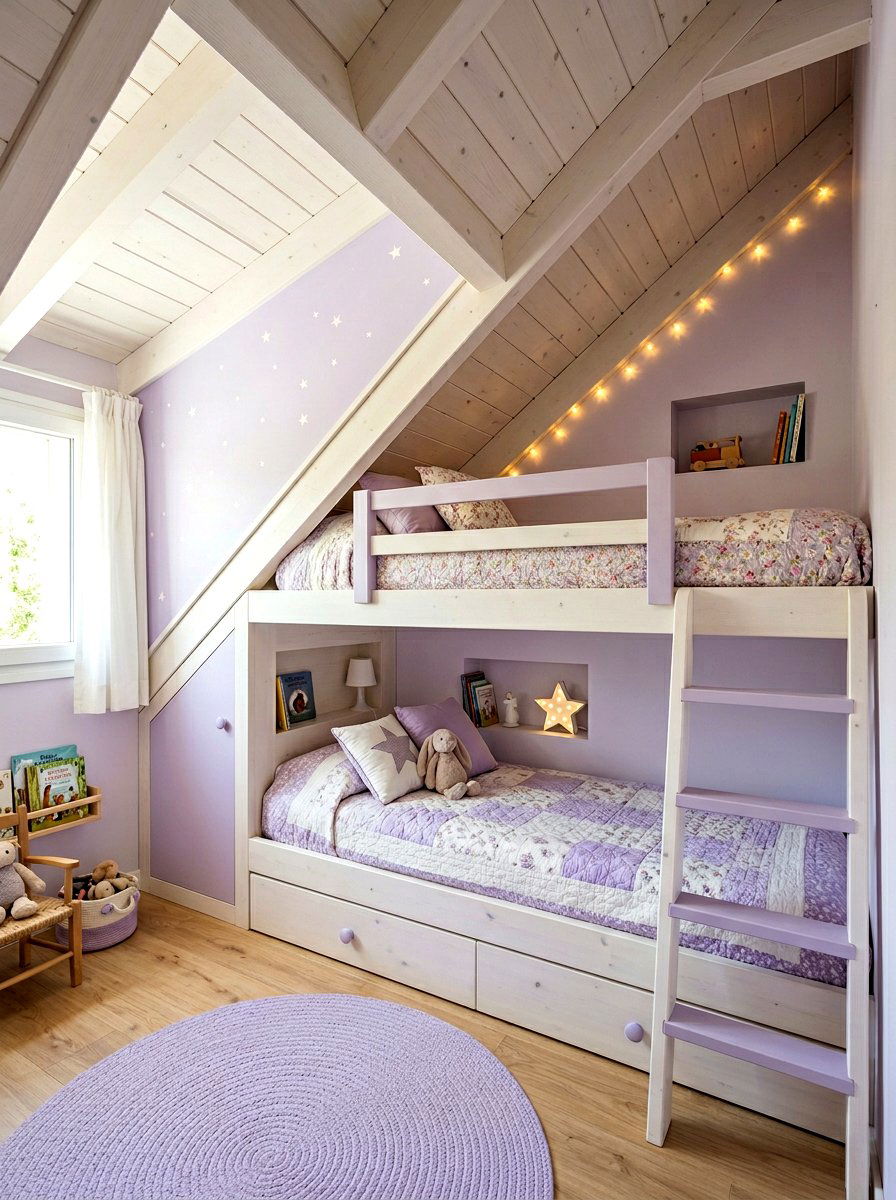
Utilizing the space directly under the eaves is the most efficient way to place bunk beds in a low-ceiling attic. By building the lower bunk flush with the floor or on a very low platform, you can gain enough vertical clearance for a second bed above. These bunks often feel like secret hiding spots, making them a huge hit with younger children. You can line the inside of the bunk walls with a contrasting color or a subtle pattern to make them feel even more like a specialized nook. This layout keeps the center of the room open for easy movement and other furniture.
13. Attic Bunk Room With Skylight
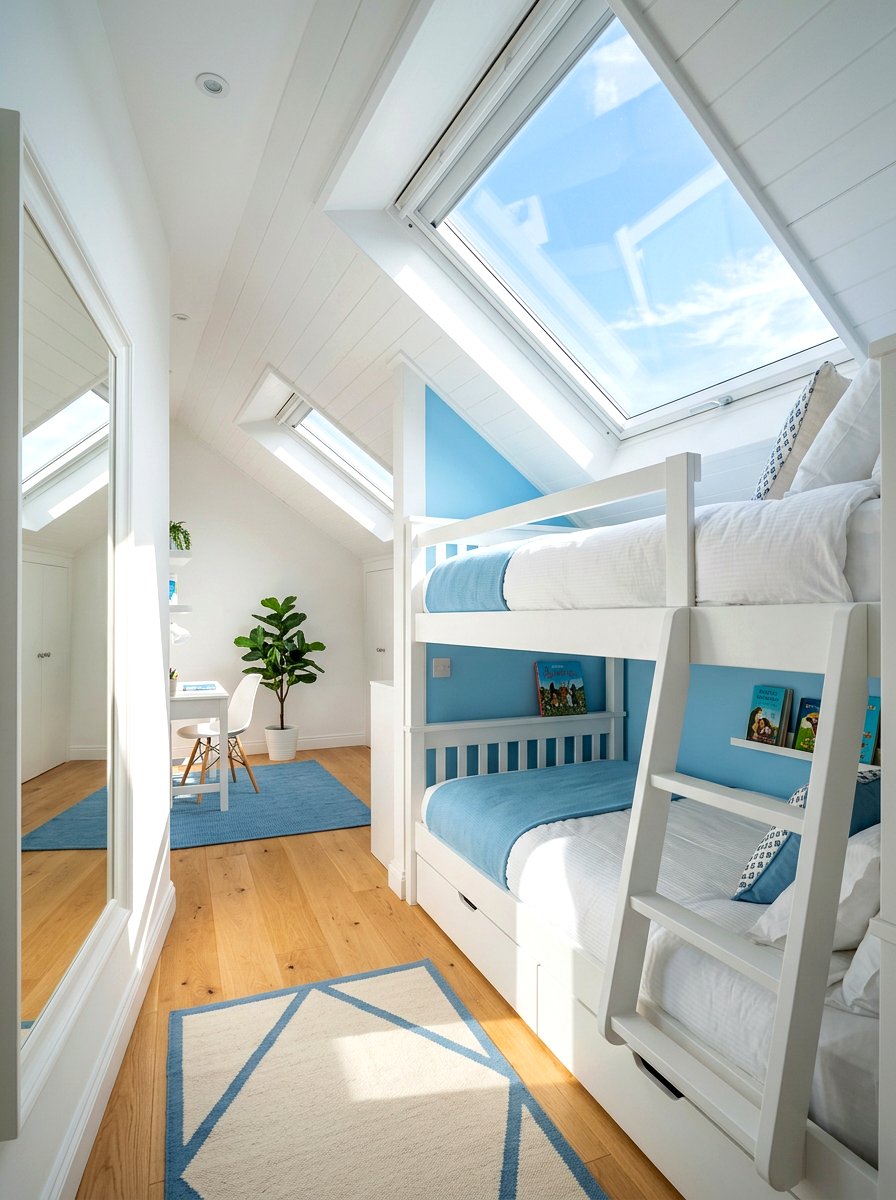
Adding a skylight directly above or near a bunk bed can completely change the atmosphere of an attic room by flooding it with natural light. During the day, it makes the space feel airy and bright, while at night, it offers a front-row seat for stargazing from the top bunk. This is a fantastic way to mitigate the dark or "heavy" feeling that some attics can have due to their enclosed nature. Ensure you choose a high-quality window with a built-in blind so that guests can sleep in without being woken by the early morning sun shining directly on their faces.
14. Bunk Bed With Storage Stairs
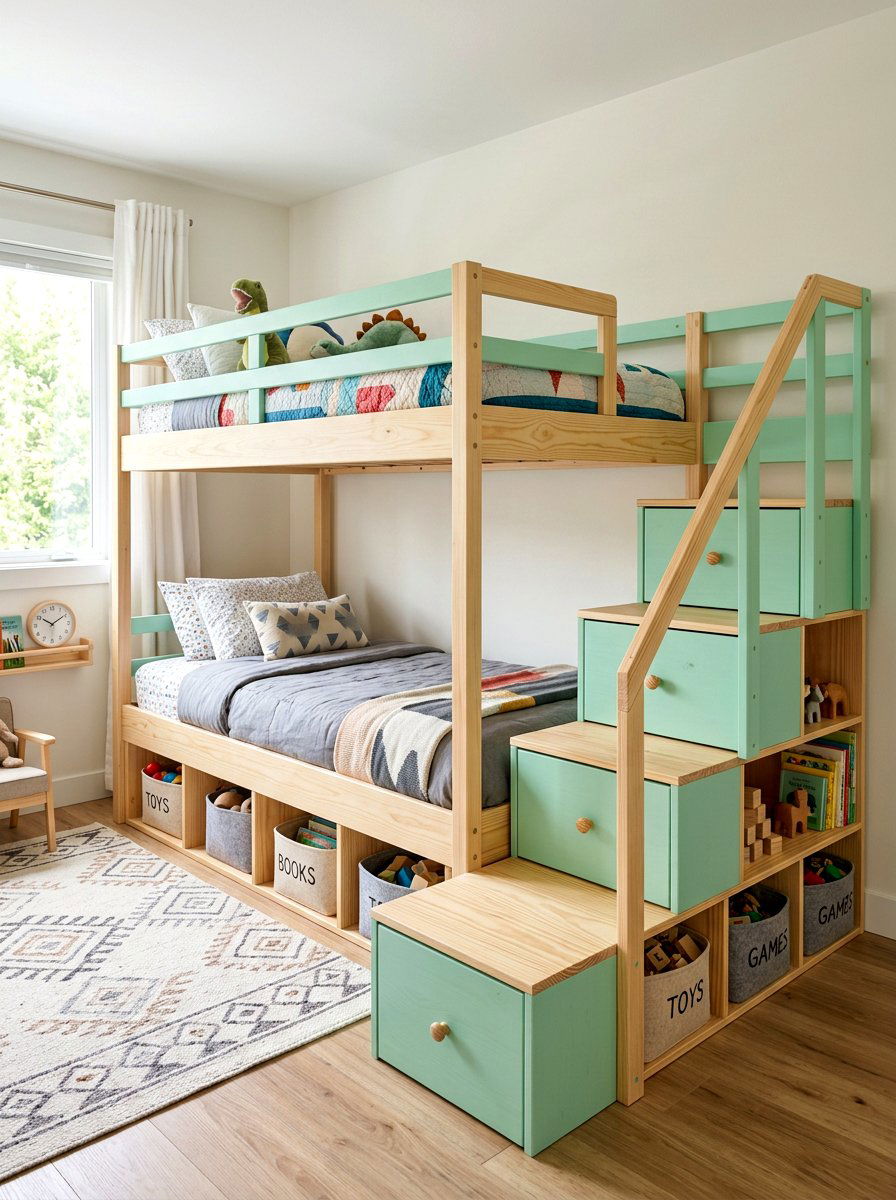
Traditional ladders can be difficult for some people to climb, so incorporating storage stairs into your bunk design is a practical and stylish alternative. Each step can function as a pull-out drawer, providing ample space for clothes, toys, or extra linens without needing a separate dresser. This is especially helpful in small attics where every square inch of floor space must be used wisely. The stairs also provide a much safer and more stable way to reach the top bunk, which is a major plus for parents. You can finish the stairs in a contrasting wood or color to add visual interest.
15. Colorful Kids Attic Bunk
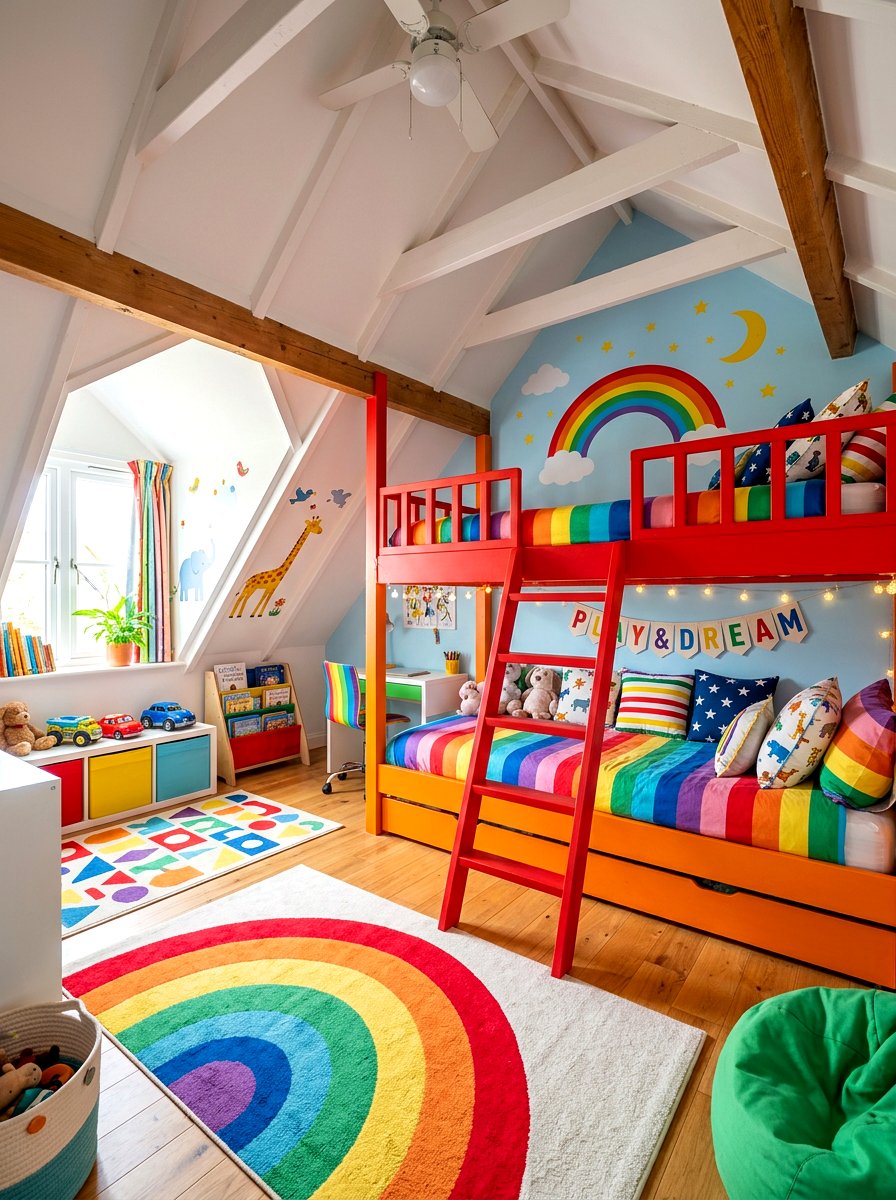
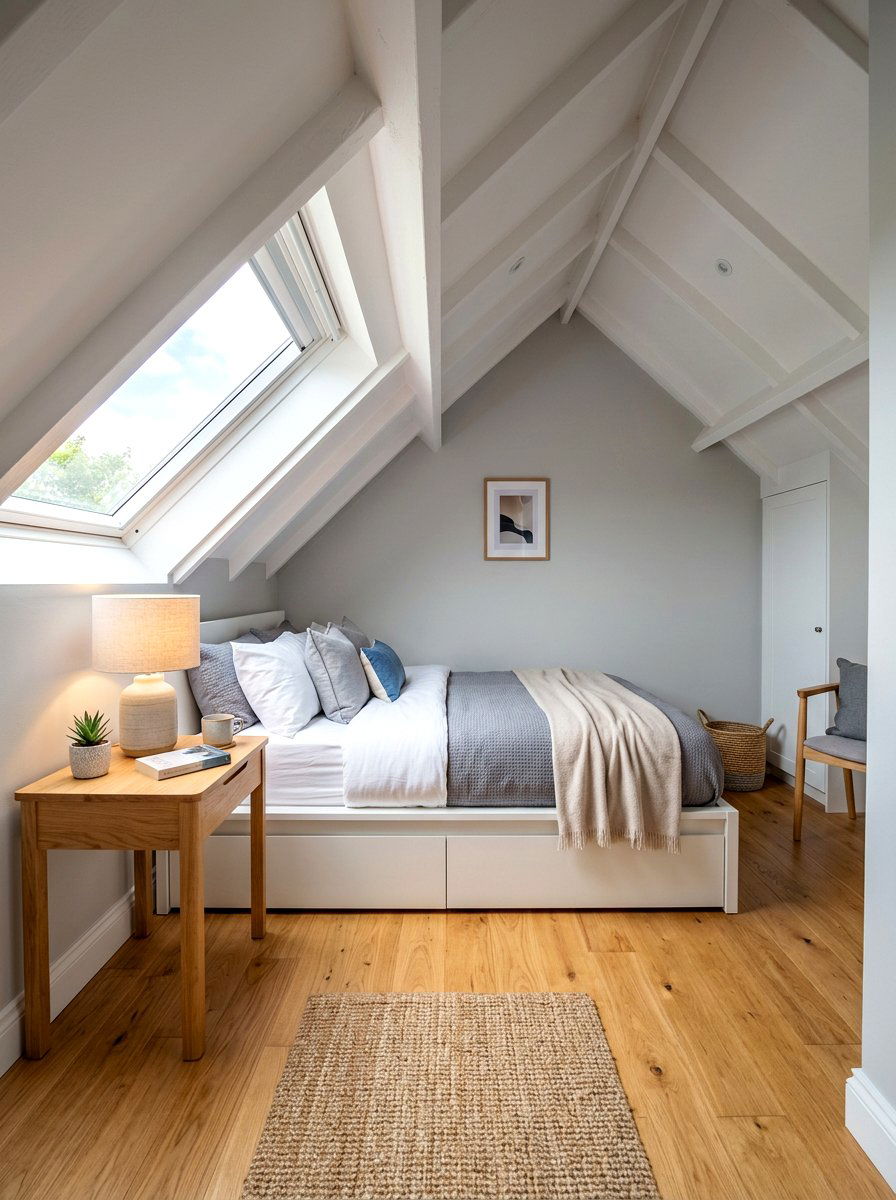
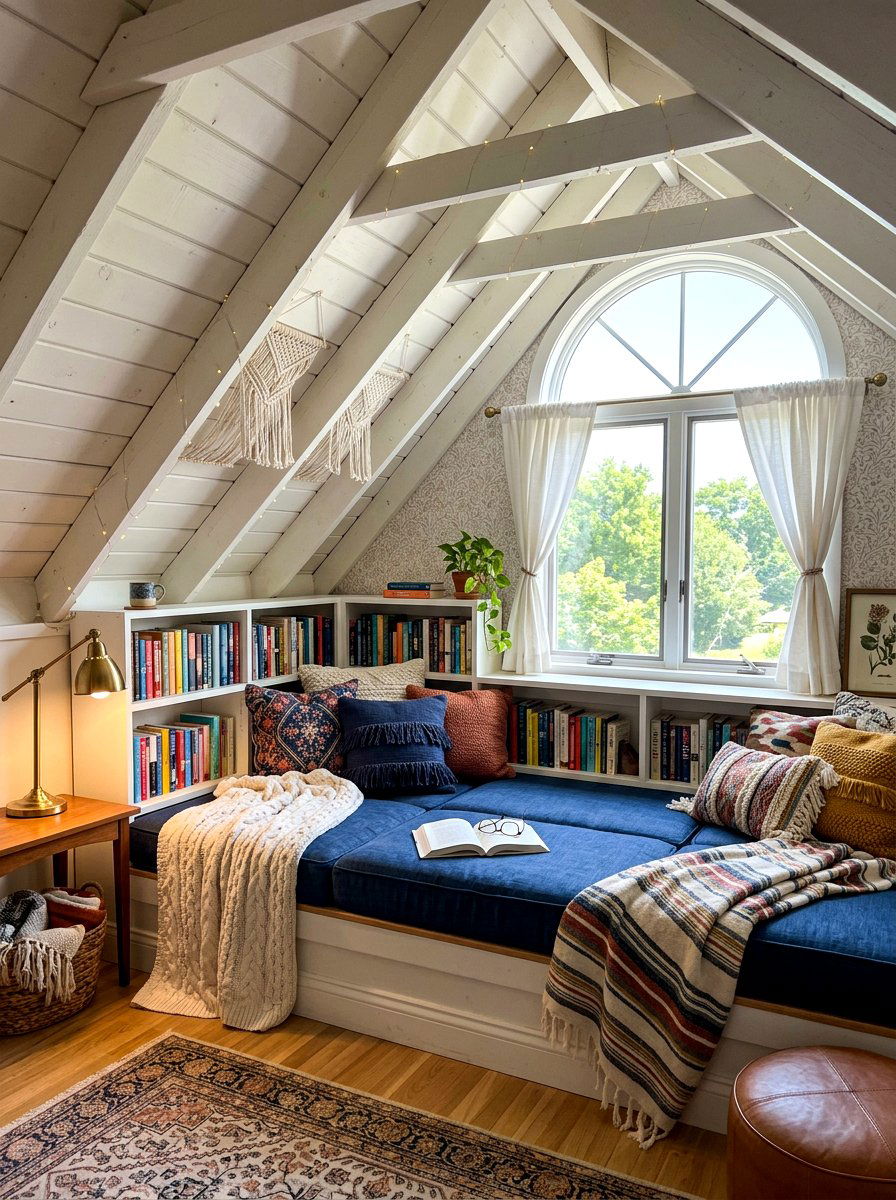
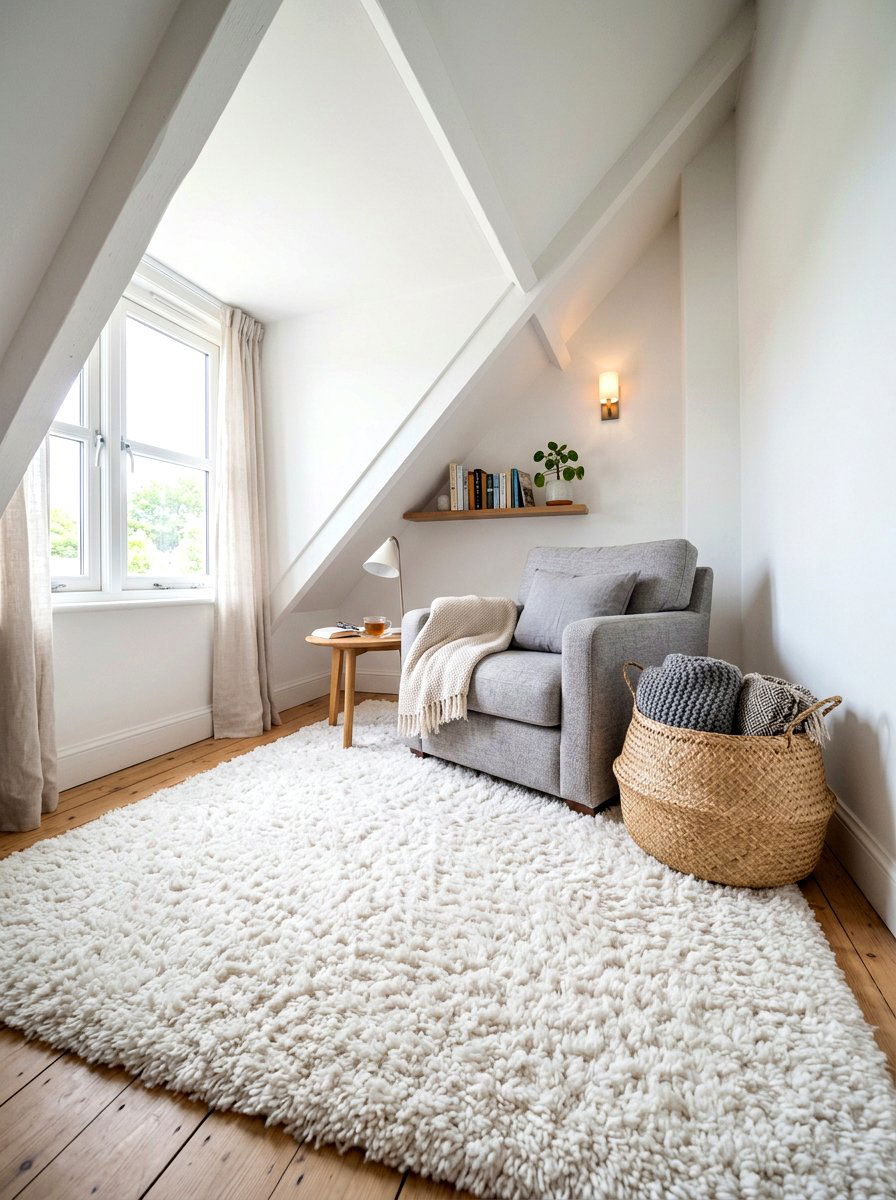
If the attic is primarily for children, don 't be afraid to use bold and vibrant colors to create a playful environment. You could paint each bunk a different shade or use a single bright color for the entire bed structure to make it the centerpiece of the room. Pairing these bright elements with whimsical wall decals or fun patterned rugs adds to the youthful energy. The attic' s unique shape often makes it feel like a private clubhouse, and a splash of color reinforces that fun atmosphere. It is a great way to let your kids' personalities shine through in their own dedicated space.
16. Neutral Tone Bunk Room
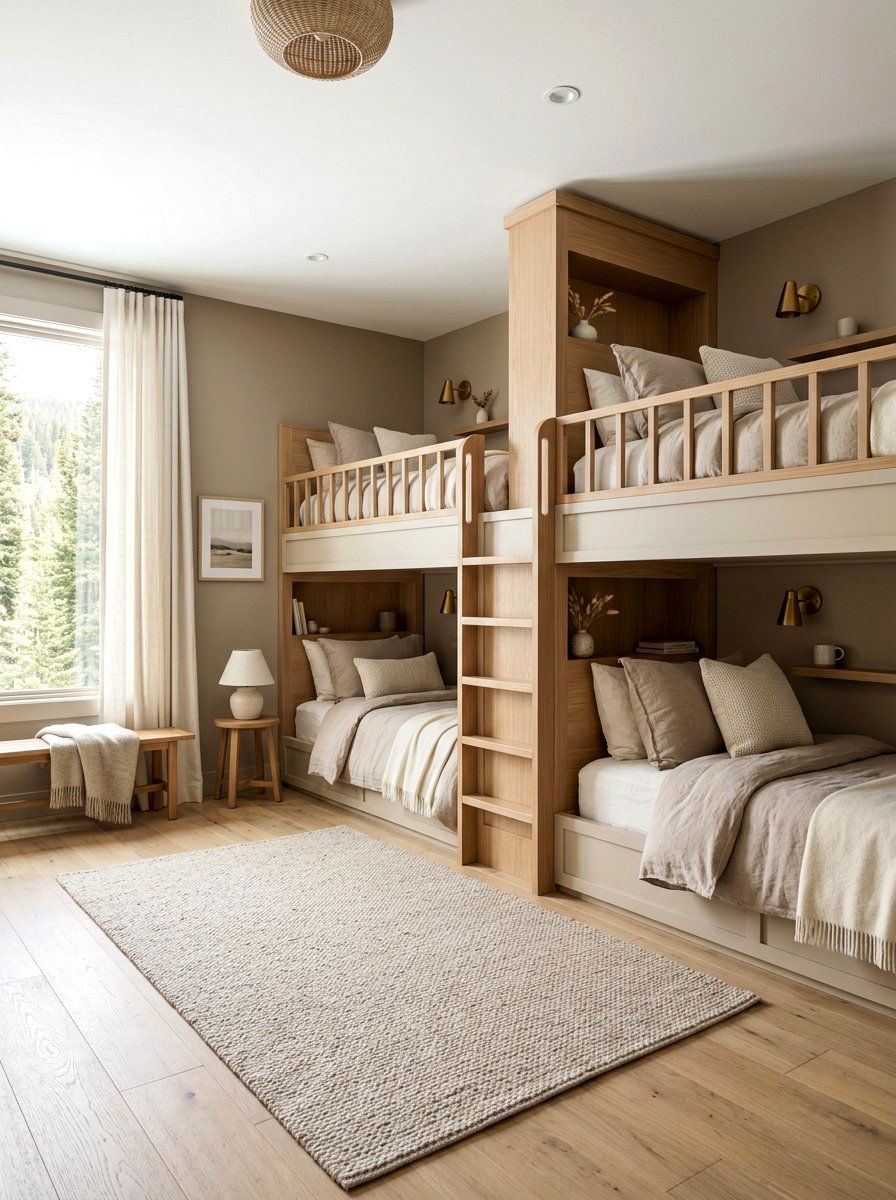
A neutral color palette consisting of beige, cream, and soft taupe creates a serene and sophisticated attic retreat. This approach is perfect for a guest room that needs to appeal to a wide variety of visitors, from young children to older adults. Neutral tones reflect light well, making the sloped-ceiling space feel more open and less restrictive. You can add depth and interest by layering different textures, such as a wool rug, linen bedding, and velvet pillows. This timeless aesthetic ensures the room won't feel dated quickly and provides a calm backdrop for a restful night of sleep for everyone.
17. Shared Sibling Attic Bedroom
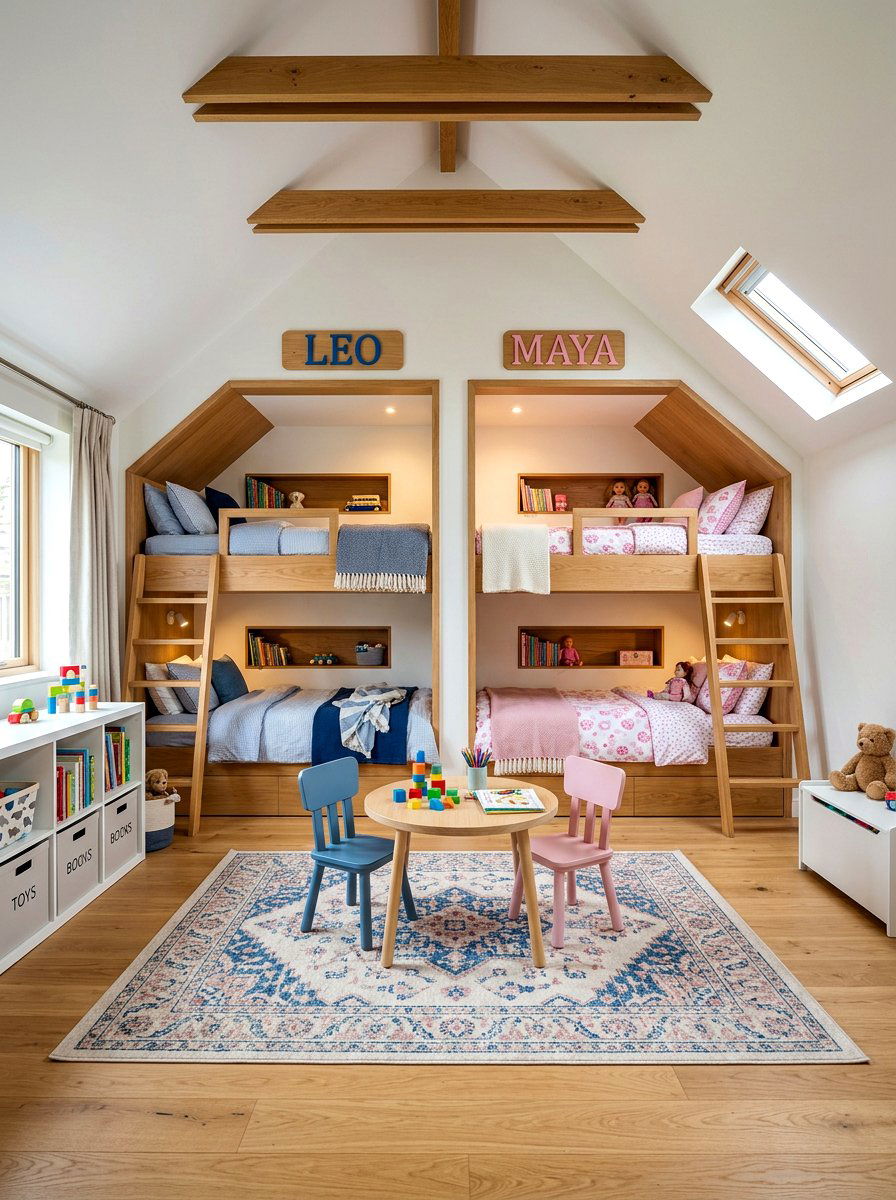
An attic bunk room is an excellent solution for siblings who share a bedroom, as it provides them with their own defined space within a larger room. You can give each child their own bunk "niche" with personalized decor, such as their favorite artwork or a custom nameplate. By stacking the beds, you free up a significant portion of the attic floor for a shared play area or a double desk for homework. This arrangement encourages bonding while still allowing each child to have a sense of ownership over their individual sleeping area. It turns a shared room into a functional and fun environment.
18. Guest Bunk Room Attic
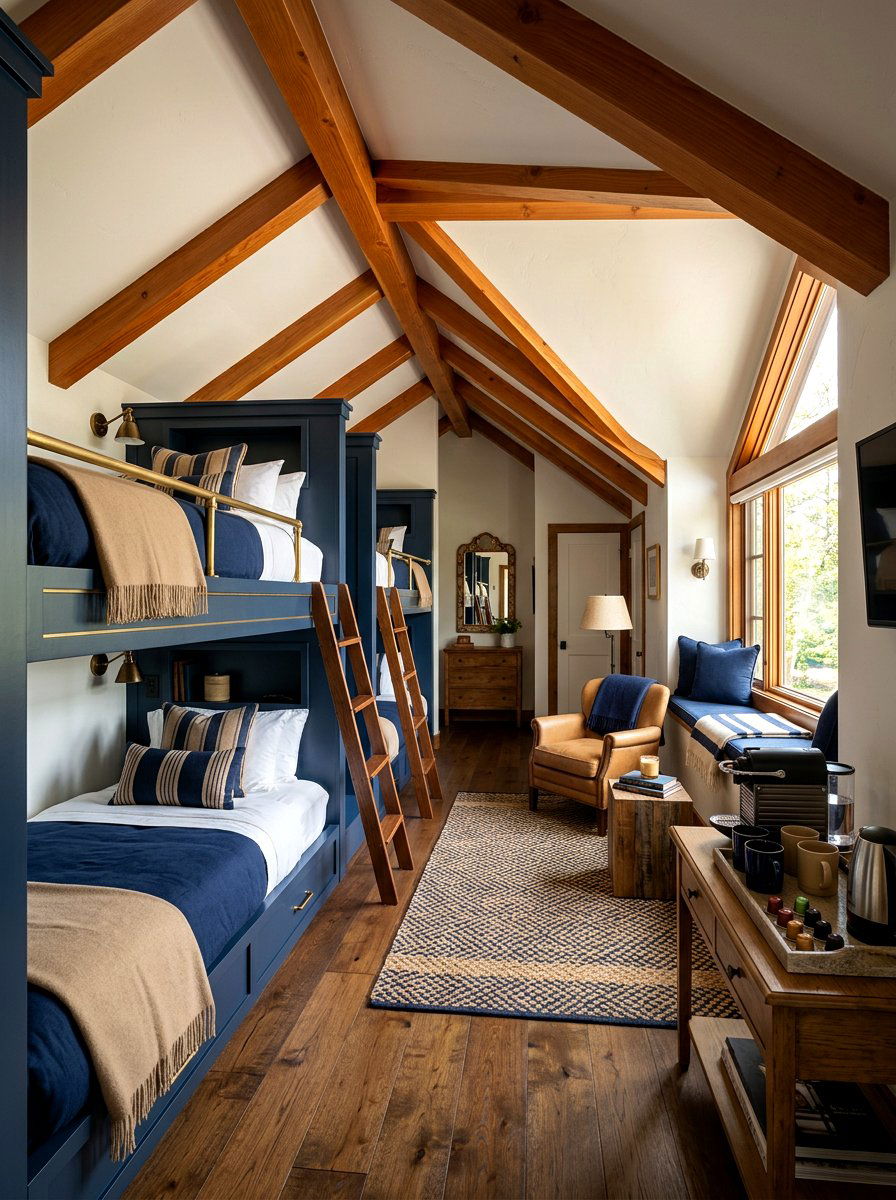
Transforming your attic into a dedicated guest bunk room allows you to host large groups without feeling like your home is overcrowded. By installing several bunks, you can easily accommodate an entire family in one suite. Providing thoughtful amenities like a small coffee station, high-quality towels, and individual reading lights makes the space feel like a professional bed and breakfast. The attic's separation from the main living areas offers guests a welcome sense of privacy during their stay. It is an investment that adds significant value to your home and makes entertaining much more manageable and enjoyable for everyone involved.
19. Nautical Theme Attic Bunk
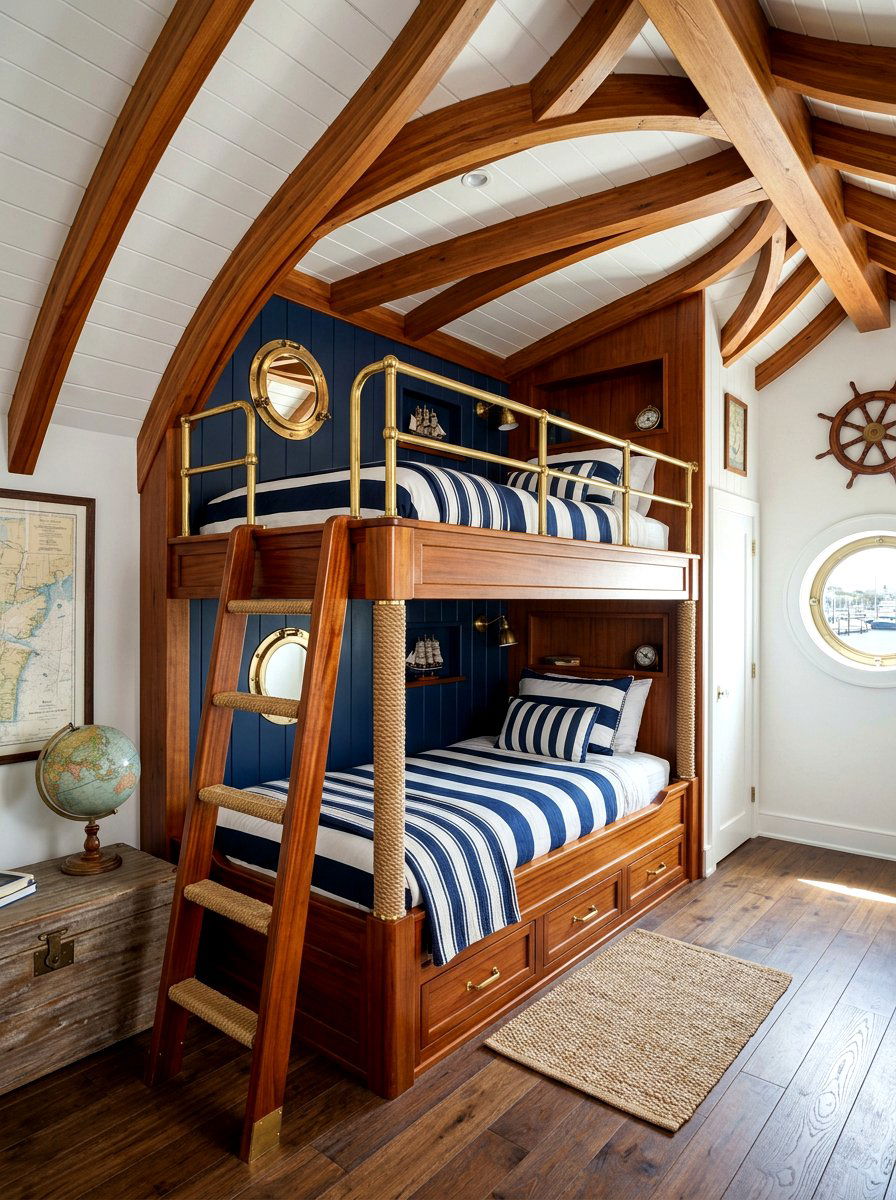
A nautical theme is a classic choice for bunk rooms, especially those located in coastal or lakeside homes. You can incorporate elements like porthole-style mirrors, navy blue and white stripes, and polished brass hardware to bring the seafaring look to life. The sloped ceilings of an attic can even be made to resemble the hull of a ship, further enhancing the theme. Using thick manila rope for the ladder rungs or as decorative accents adds a tactile and authentic feel to the design. This theme is timeless and appeals to both kids and adults, making it a very safe and stylish bet.
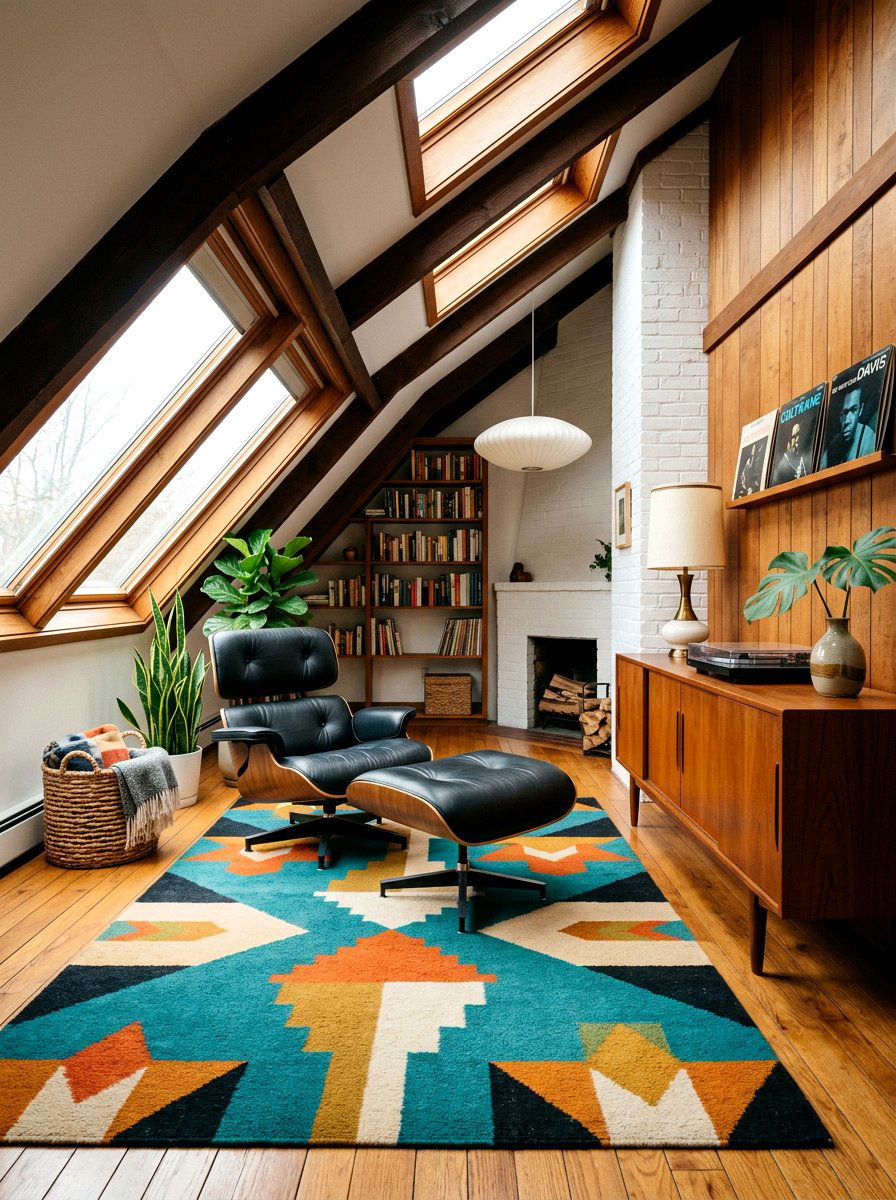
20. Small Attic Bunk Bed
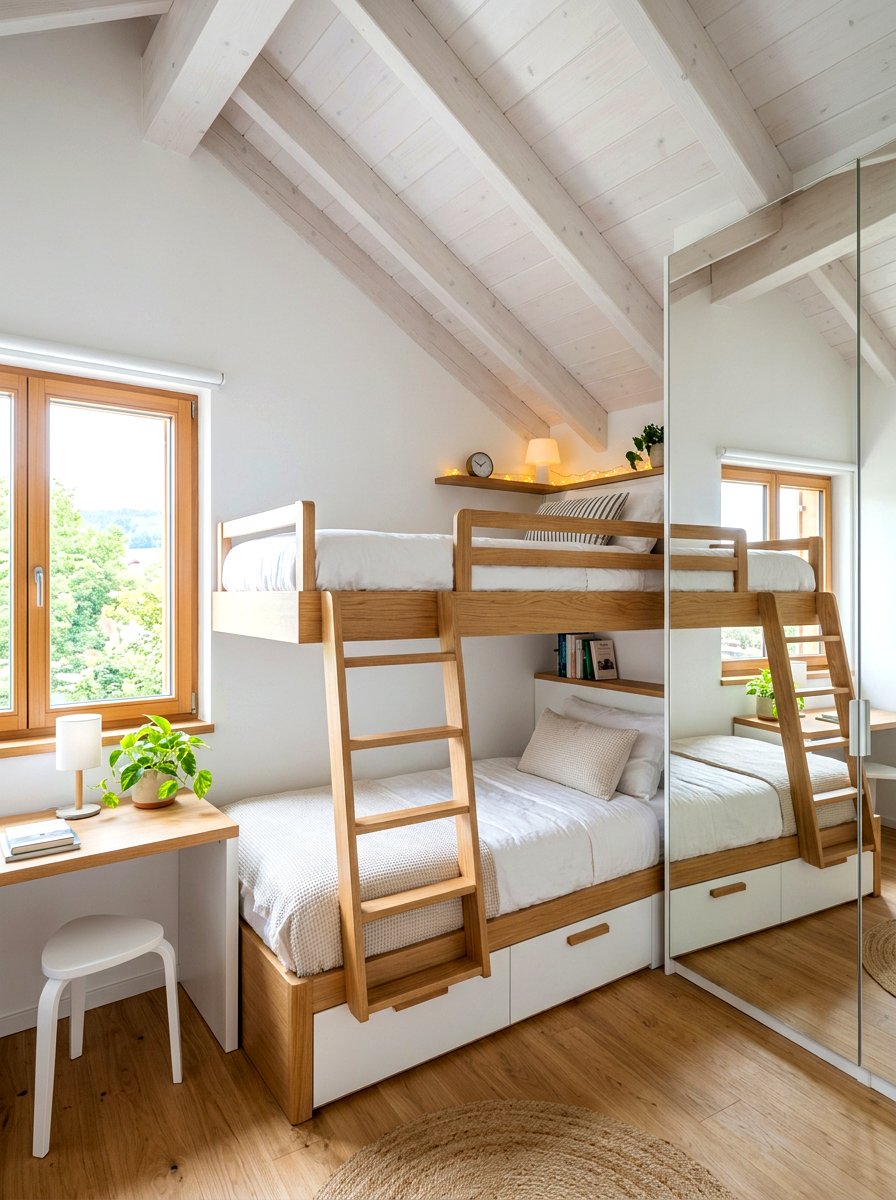
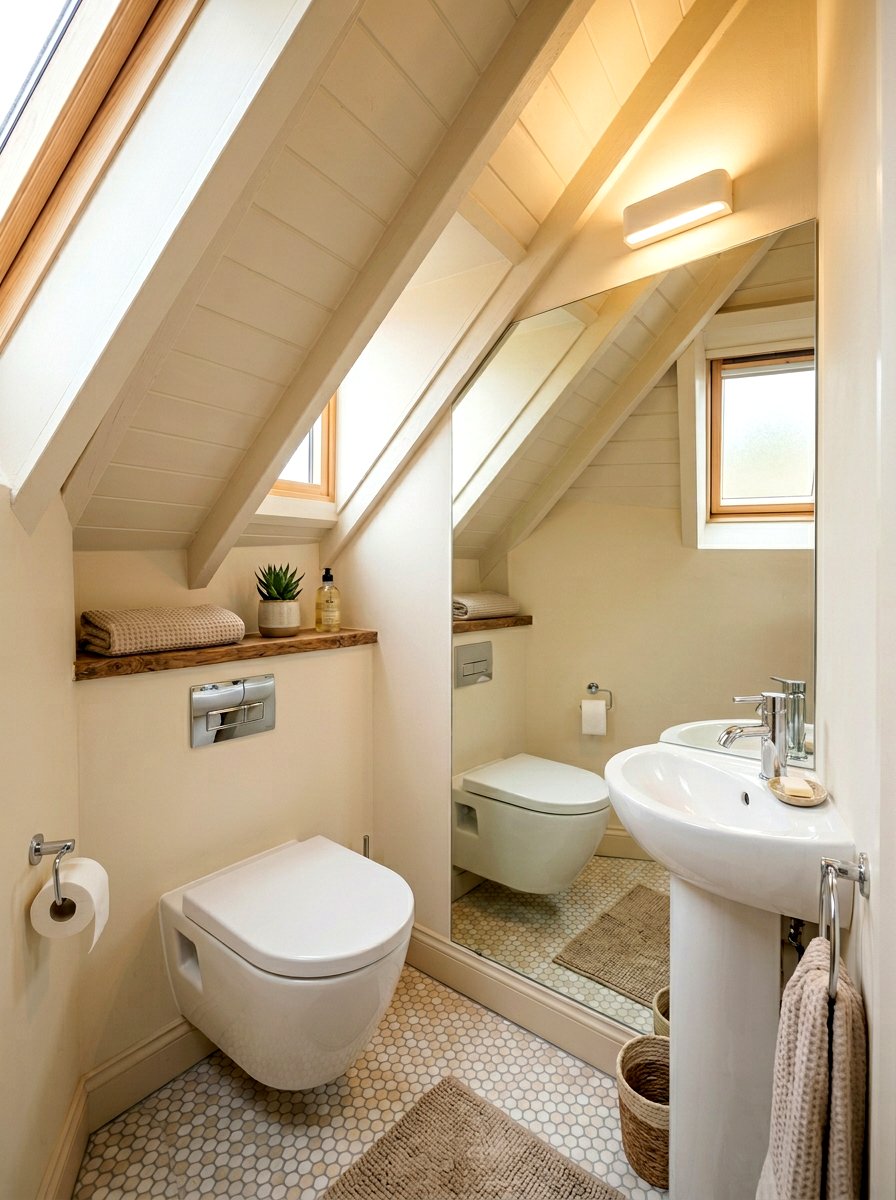
Even a very small attic can house a bunk bed if you are strategic with the layout and scale of the furniture. Choosing a sleek, low-profile frame prevents the bed from overwhelming the room. You can use light colors and mirrors to visually expand the space, making it feel less confined. In tiny attics, a single set of bunks tucked into a corner might be all you need to turn a storage closet into a usable spare bedroom. Every detail counts in a small space, so focus on high-quality finishes and clever storage solutions like under-bed drawers to keep the room clutter-free and highly functional.
21. Whimsical Attic Bunk Room
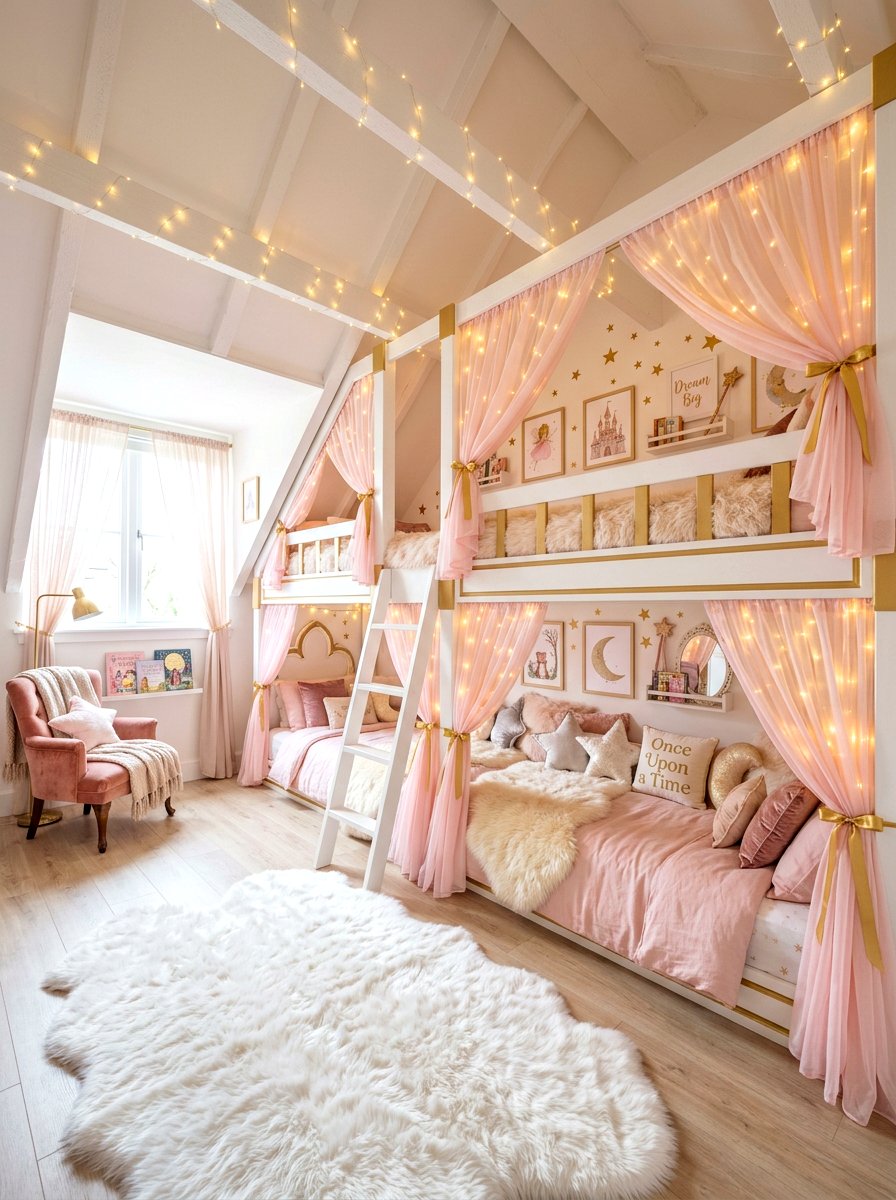
A whimsical design takes full advantage of the attic's "secret room" vibe by adding magical elements like fairy lights, canopy curtains, and playful wallpaper. You might include a hidden door or a small crawl-through tunnel that connects different parts of the room to spark the imagination. Using soft, pastel colors and plush fabrics creates a dreamlike environment that is perfect for bedtime stories and creative play. This style is all about creating a sense of wonder, making the attic feel like a world of its own. It is a wonderful way to create lasting memories for your children in their uniquely designed space.
22. Attic Bunk Room Privacy Curtains
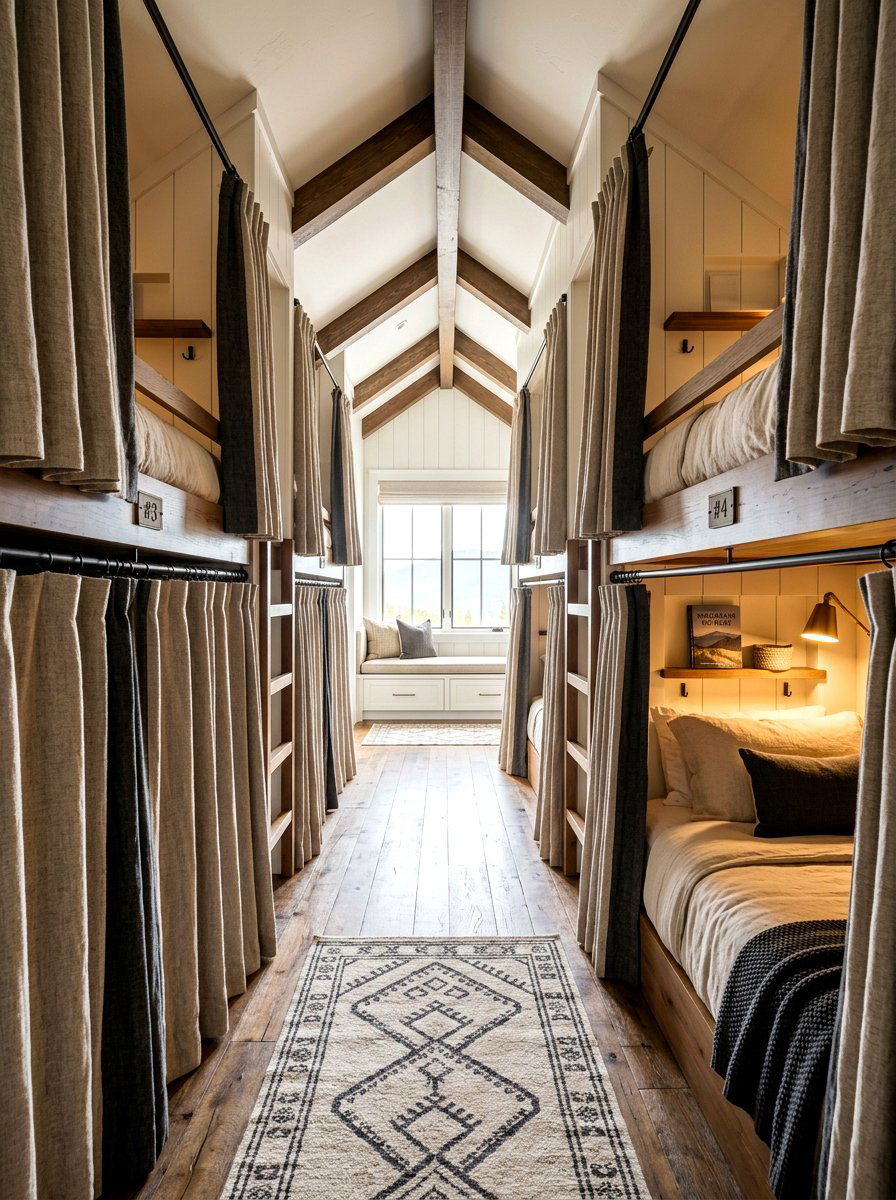
Installing privacy curtains for each bunk is a simple yet effective way to give guests their own personal sanctuary within a shared room. This is especially useful in high-capacity bunk rooms where people might have different sleep schedules. Choose heavy, blackout fabrics if you want to block out light, or light linens for a more decorative, breezy feel. The curtains add a layer of texture and color to the room, and they can be easily changed if you decide to update the decor. It is a small detail that significantly improves the comfort and privacy level for anyone staying in the bunk room.
23. Built In Reading Nook Bunk
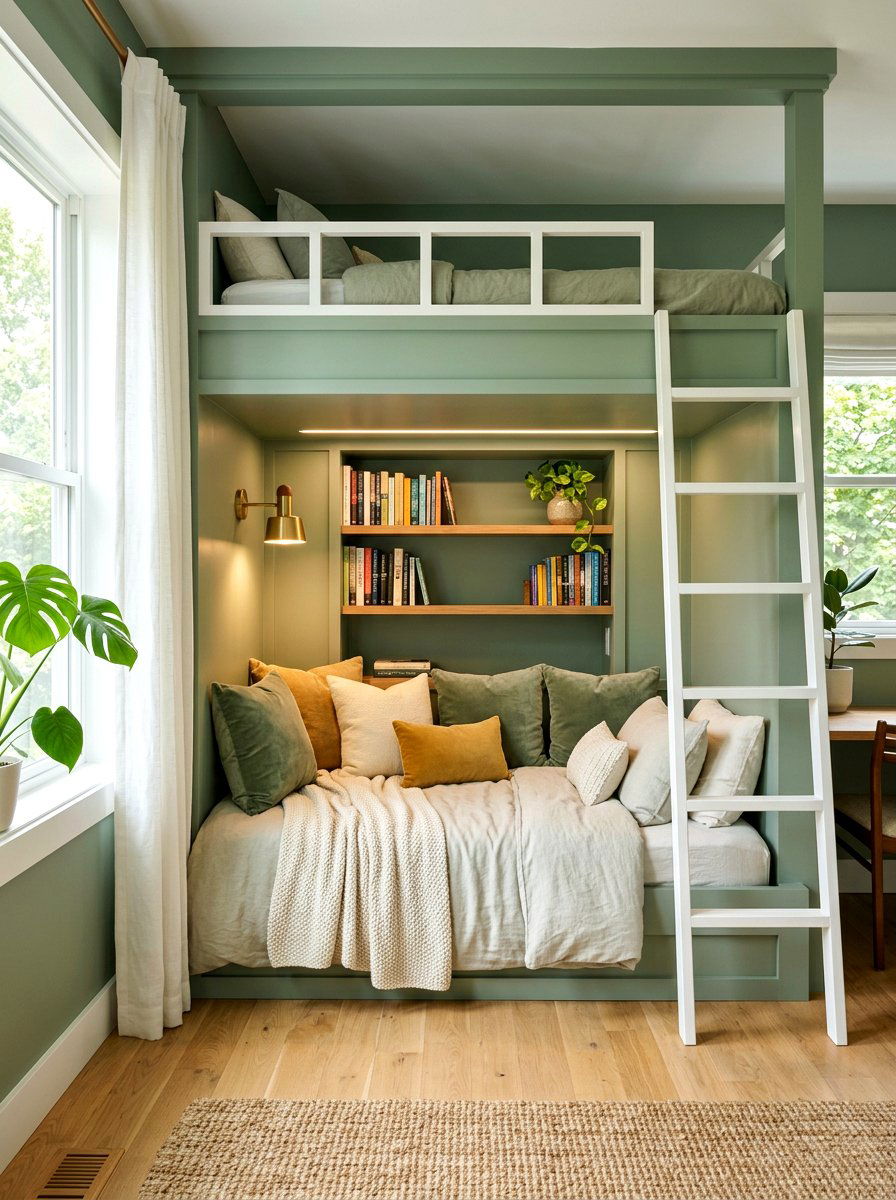
An attic bunk can be much more than just a place to sleep; it can also serve as a cozy reading nook during the day. By adding a small shelf for books and a high-quality sconce light inside the bunk, you create a perfect spot for lounging. Soft pillows and a warm throw blanket make the space even more inviting for a quiet afternoon of reading. This multi-functional approach is great for kids who need a quiet place to escape or for guests who want some downtime. It turns a simple bed into a specialized destination within the home that everyone will want to use.
24. Wallpapered Attic Bunk Room
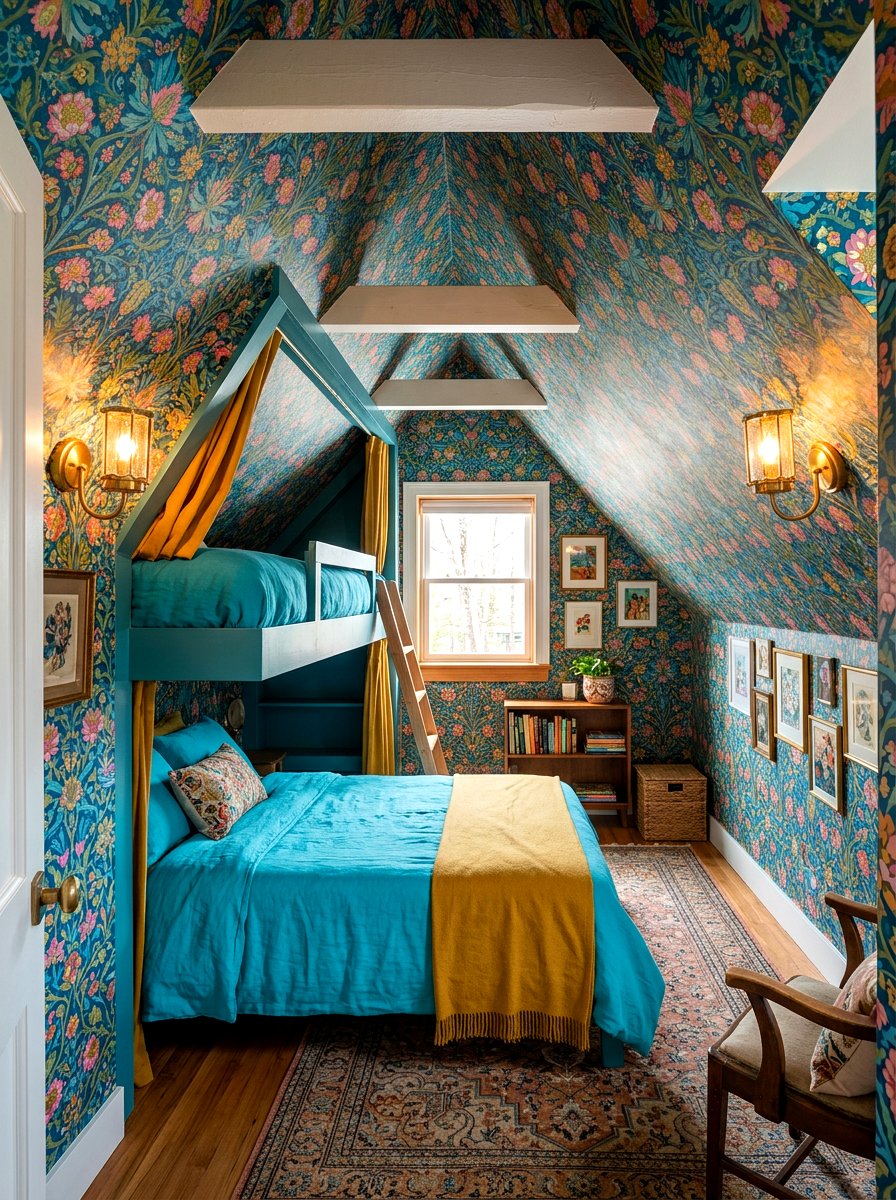
Using wallpaper on the sloped walls of an attic is a bold way to add personality and visual interest to a bunk room. You can choose a subtle pattern to add texture or a vibrant mural to create a major statement. Because attics have so many angles, wallpaper can help unify the space and make the architectural quirks feel like intentional design features. If you are worried about the room feeling too busy, consider wallpapering only the back of the bunk niches or a single accent wall. It is a fantastic way to introduce color and pattern without needing a lot of extra decor.
25. Attic Bunk Room With Play Area
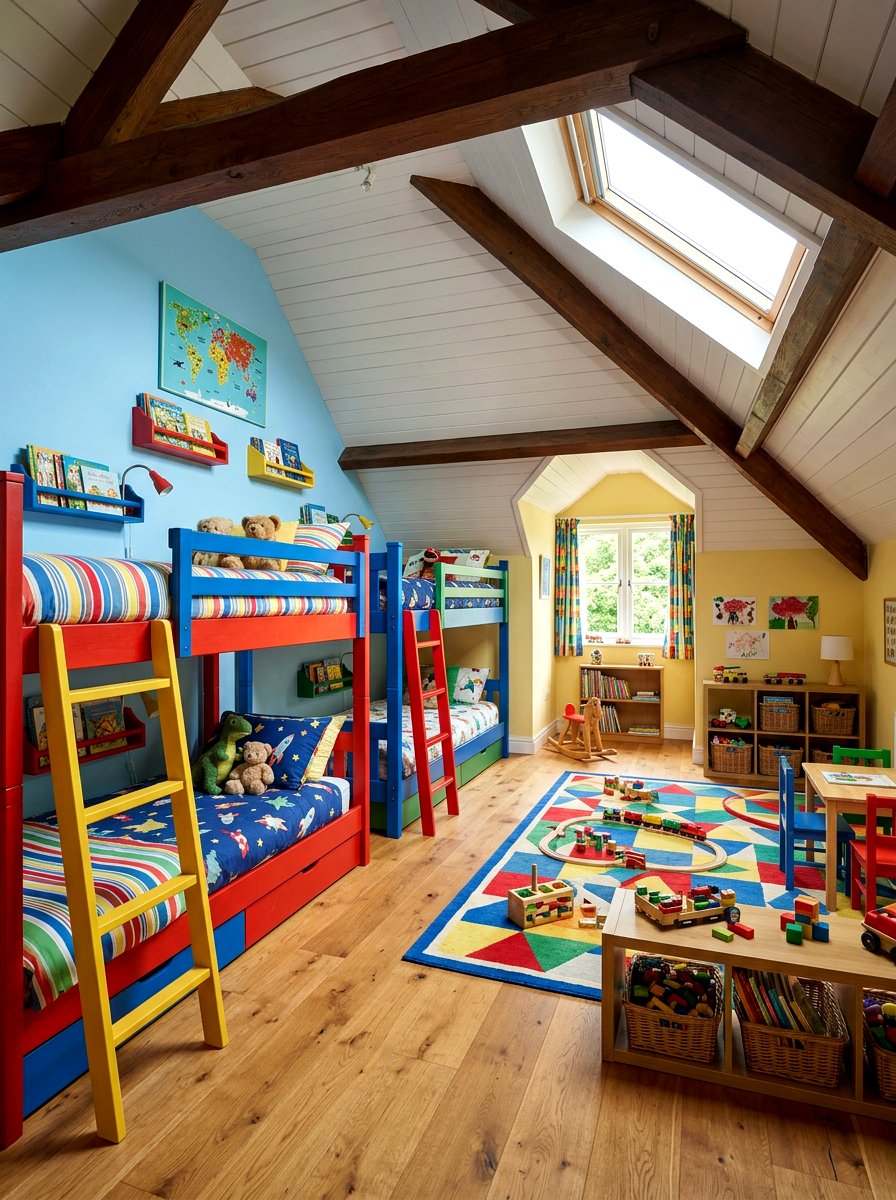
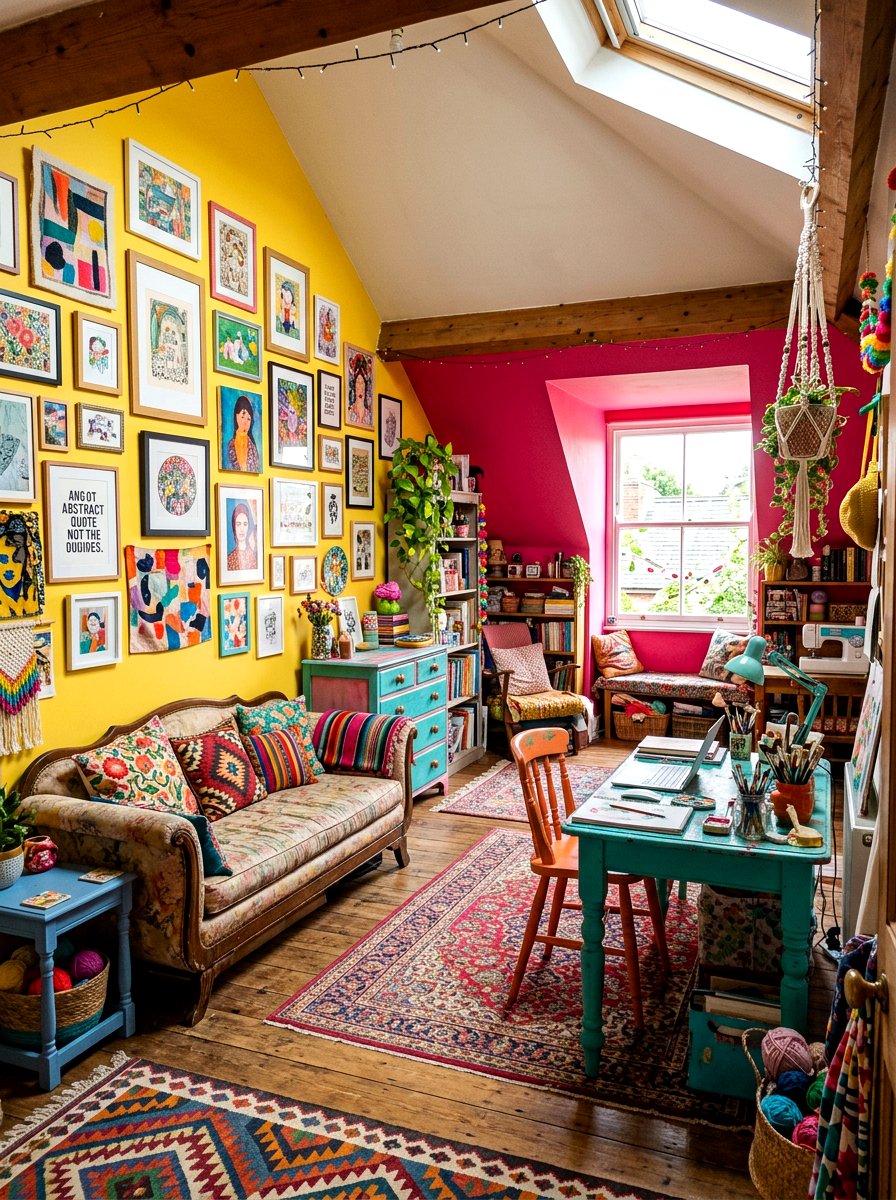
If you have enough space, dedicating half of the attic to a play area ensures the room is used throughout the day and not just at night. You can include a soft rug, toy storage bins, and even a small craft table to keep children entertained. Placing the bunk beds on one side of the room leaves the other side open for activities and movement. This layout is perfect for a "kids' floor" where they can have their own space to be messy and creative away from the main living areas. It keeps the rest of the house tidier and more organized.
26. Bohemian Attic Bunk Room
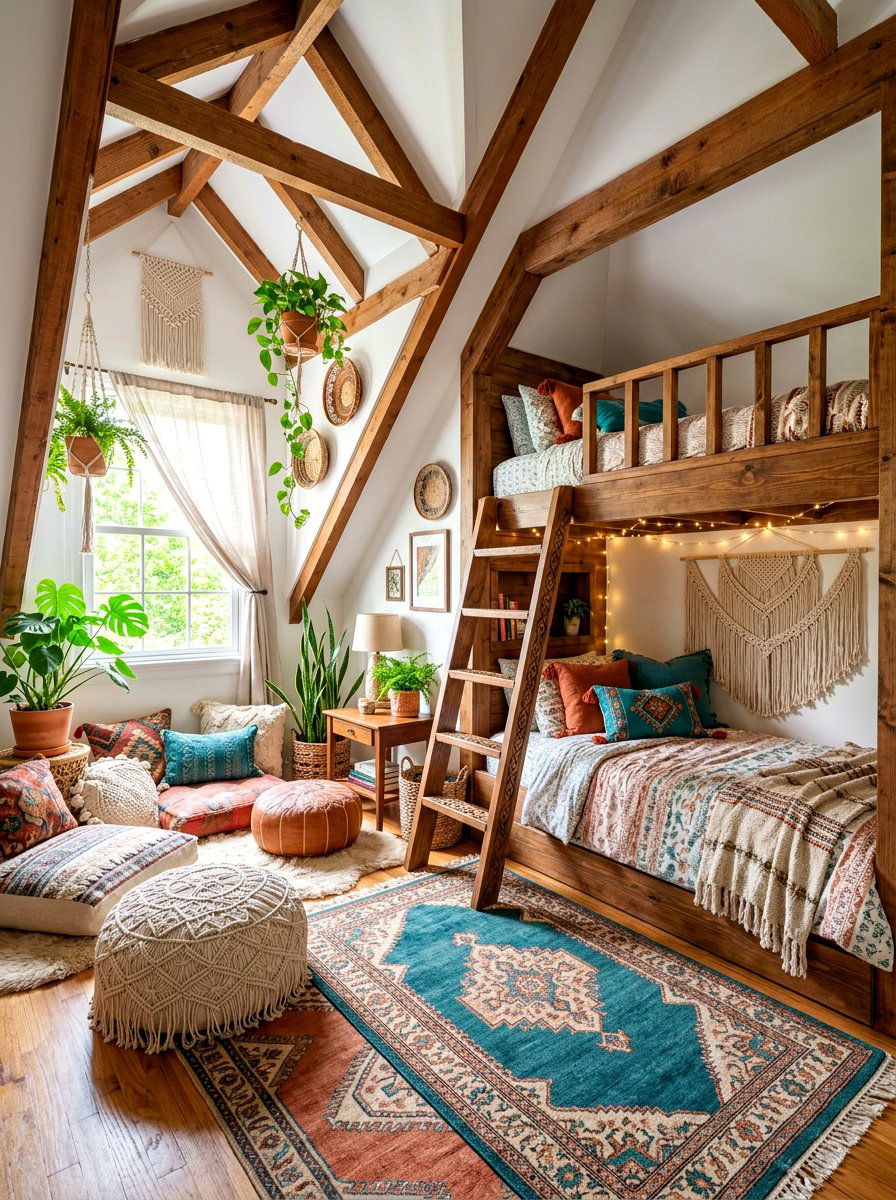
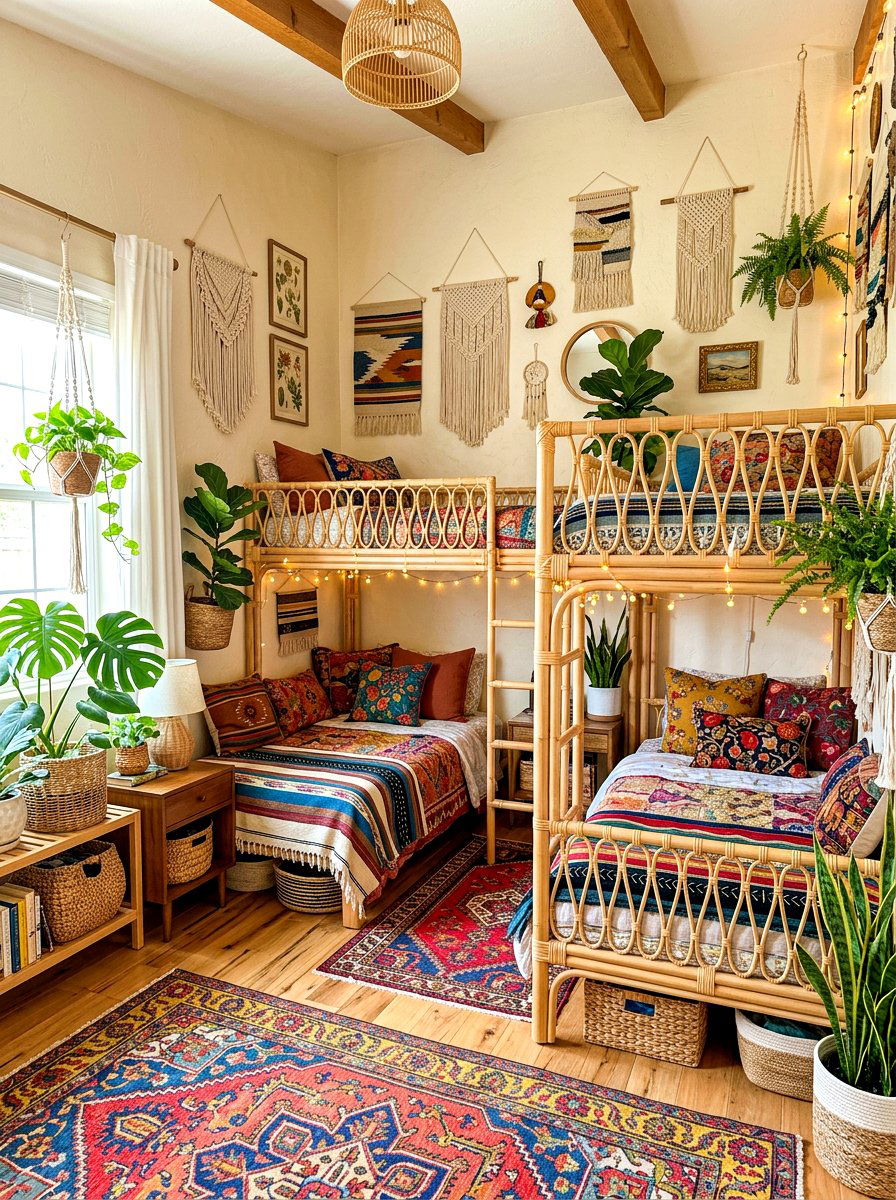
A bohemian style attic bunk room focuses on comfort, eclectic decor, and a mix of vibrant patterns and textures. You can use floor cushions, macramé wall hangings, and plenty of indoor plants to create a relaxed and earthy vibe. The bunk beds can be decorated with mismatched quilts and colorful throw pillows for a lived-in, cozy appearance. This style is perfect for those who want a room that feels creative and unpretentious. The attic's unique layout provides the perfect cozy backdrop for this free-spirited design, making it a warm and inviting space for guests or teenagers to hang out.
27. Scandi Style Attic Bunk
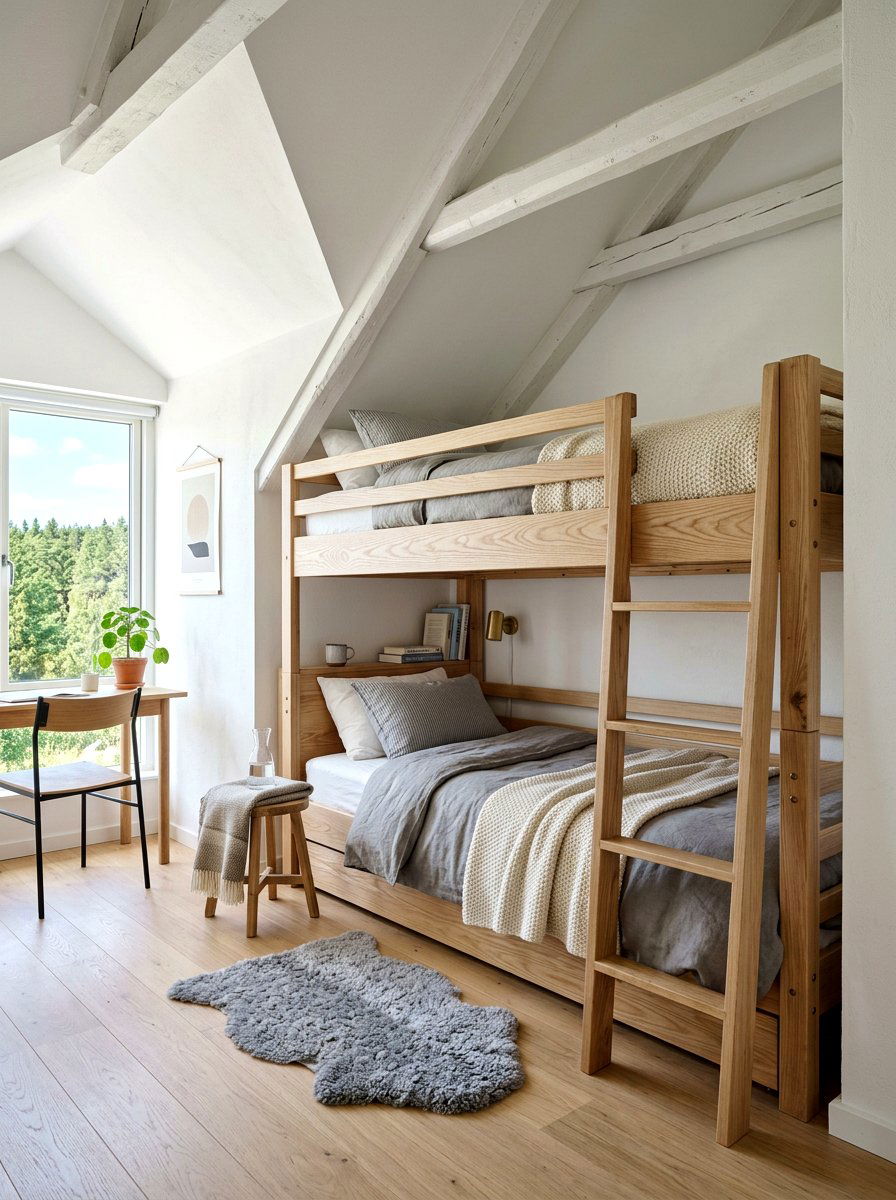
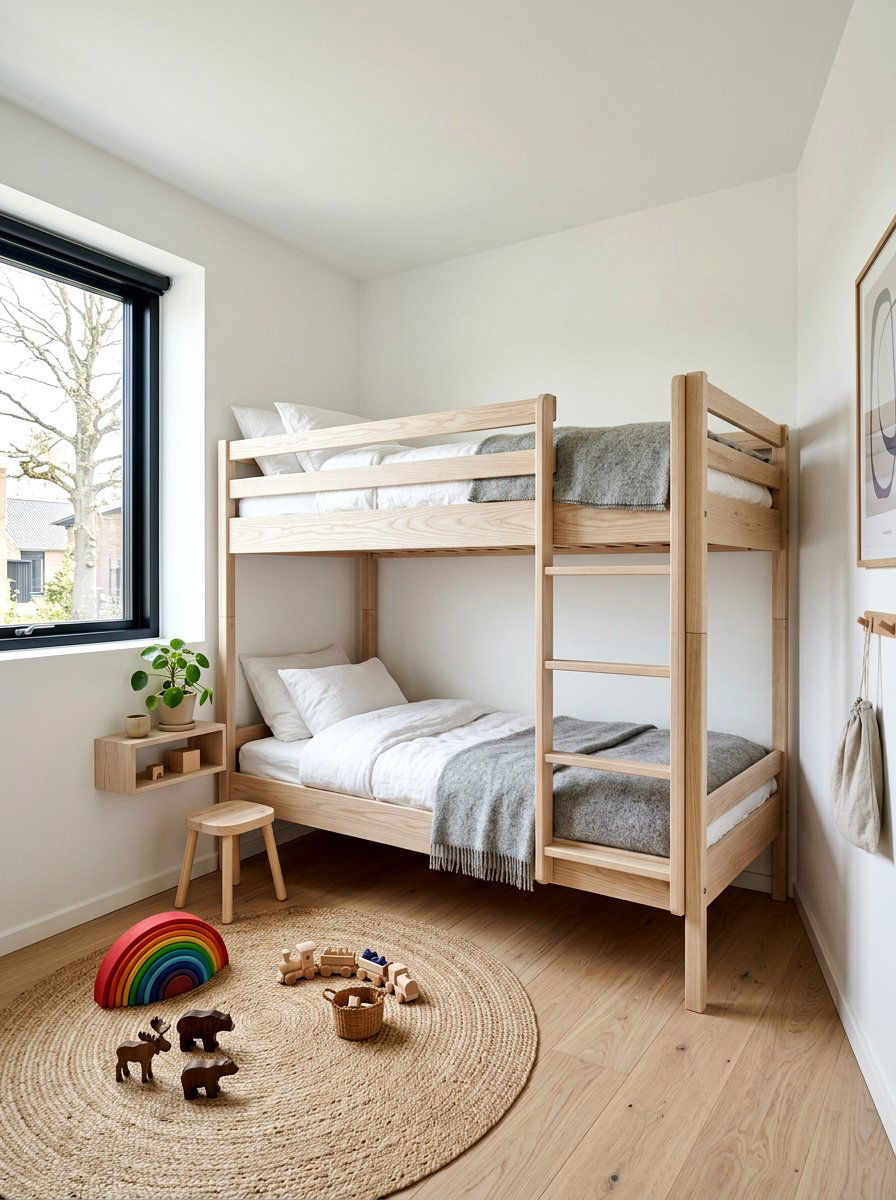
Scandinavian design is famous for its functional simplicity and use of natural materials, which is perfect for an attic bunk room. Focus on light wood finishes, clean white walls, and a few high-quality accessories in muted tones. The goal is to create a bright and airy space that feels calm and uncluttered. You can use simple wooden ladders and integrated shelving to maintain the minimalist aesthetic. This style works exceptionally well in attics with limited natural light, as the pale colors help brighten the room. It is a sophisticated look that feels modern yet timeless, appealing to a wide range of tastes.
28. Dark Academia Attic Bunk
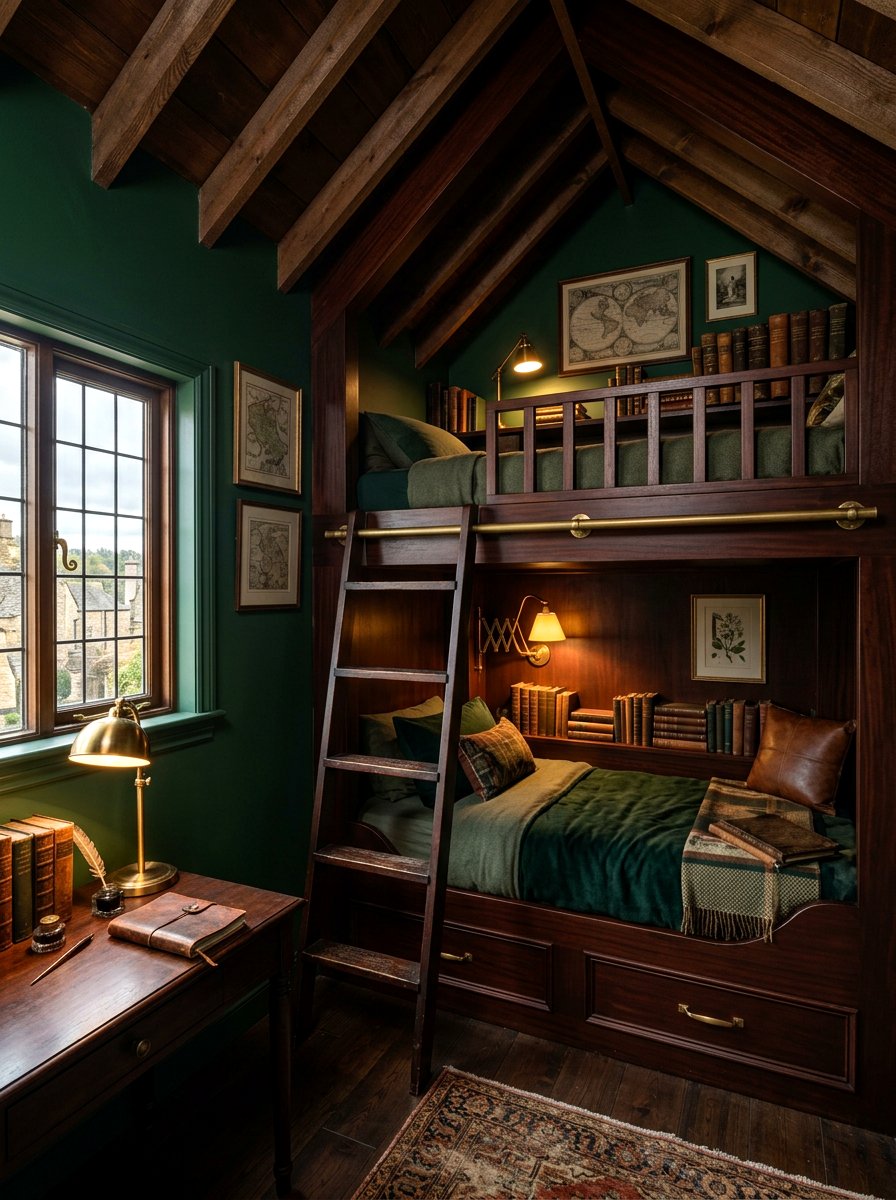
For a moodier and more academic feel, the dark academia style utilizes deep colors like forest green, navy, or burgundy paired with dark wood furniture. You can line the walls with built-in bookshelves and use vintage-style brass lamps for a studious atmosphere. This design direction turns the attic into a sophisticated retreat that feels like an old-world library. It is a great choice for older children or teenagers who want a space that feels more "grown-up" and private. The enclosed nature of the attic enhances the cozy, cocoon-like feeling that is central to this popular and trendy aesthetic style.
29. Attic Loft Bunk Bed
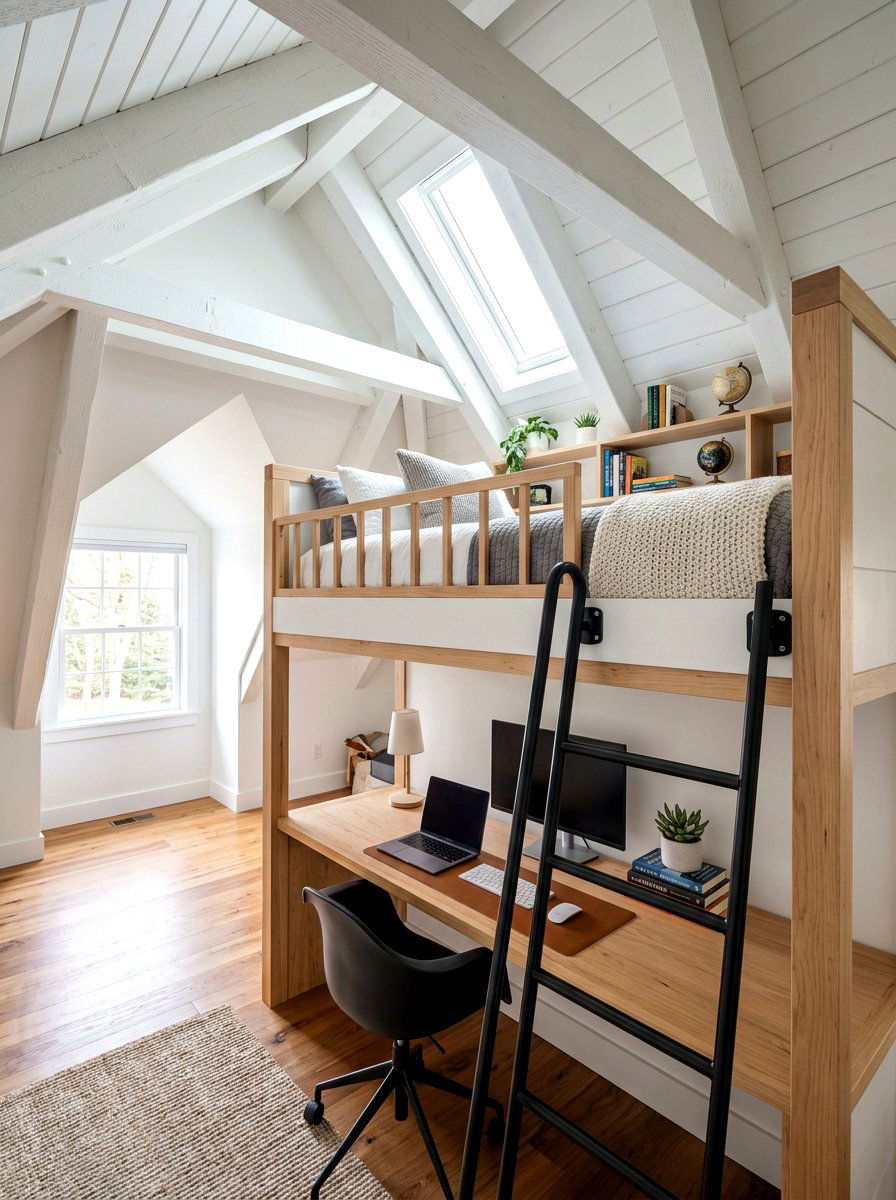
An attic loft bunk bed takes advantage of very high ceilings by placing the sleeping area on an elevated platform, leaving the space below entirely free. This "room under a bed" can be used for a full-sized desk, a sofa, or even a small walk-in closet. It is an excellent way to maximize square footage in a studio-style attic apartment or a teenager 's bedroom. Accessing the loft via a sturdy staircase or a secure ladder adds a sense of adventure to the room. This layout provides a clear separation between the sleeping area and the living or study area, improving the room' s overall functionality.
30. Luxury Attic Bunk Suite
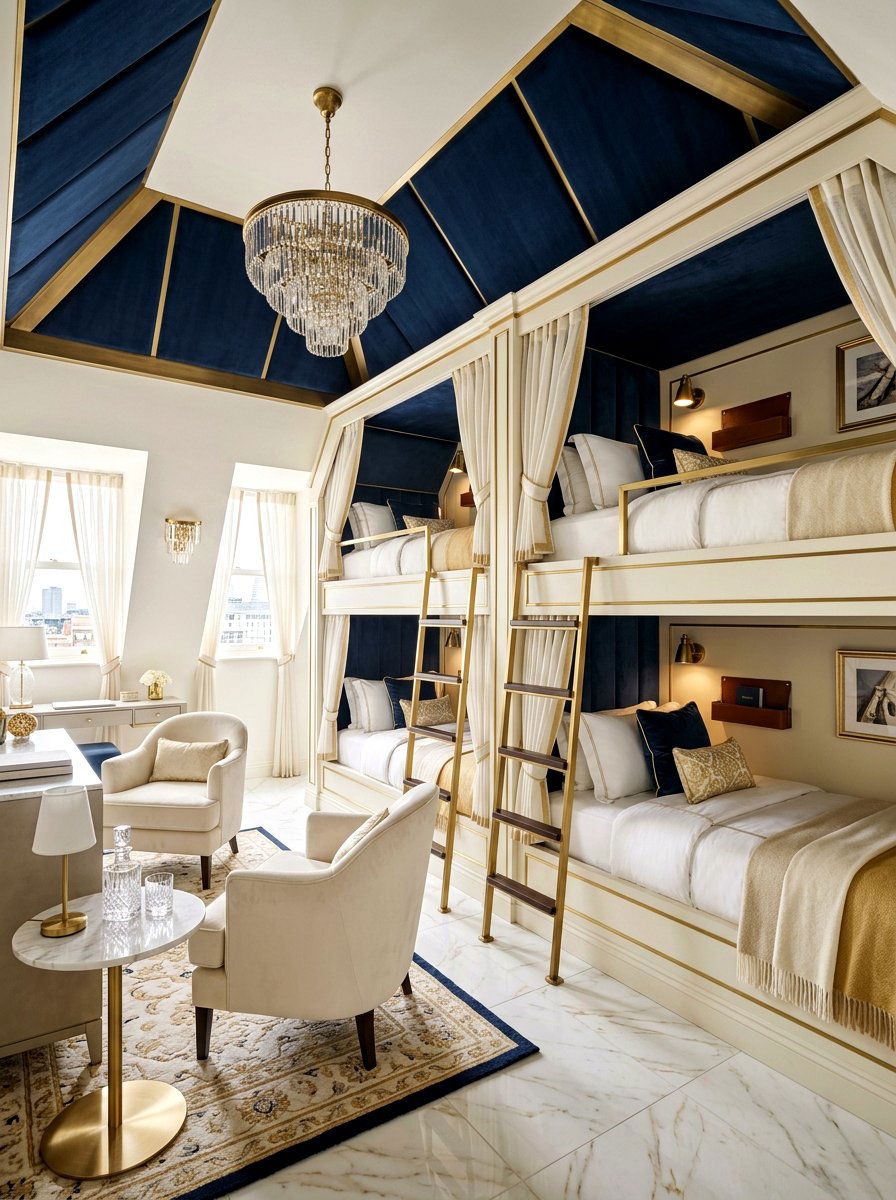
A luxury attic bunk suite focuses on high-end finishes and maximum comfort to create a five-star guest experience. Think custom upholstery on the bunk walls, premium mattresses, and designer lighting fixtures. You might even incorporate a small ensuite bathroom or a private sitting area with a television. This approach turns the attic into a self-contained retreat that provides guests with everything they need for a comfortable stay. Using high-quality materials like marble, velvet, and solid hardwood ensures the space feels elegant and expensive. It is the ultimate way to utilize your attic and impress any visitors staying in your home.
Conclusion:
Designing an attic bunk room is a rewarding project that combines architectural problem-solving with creative interior design. By embracing the unique slopes and angles of your home 's highest level, you can create a space that is both highly functional and visually enchanting. Whether you choose a rustic farmhouse look or a sleek modern aesthetic, the key is to prioritize comfort and storage while maximizing the available square footage. These thirty ideas demonstrate that with a bit of planning, any dusty attic can be transformed into a valuable and beloved part of your living space. Start your renovation today and unlock your home' s full potential.

Related posts: