Converting an underutilized basement into a sophisticated storage area for your collection is one of the most rewarding home improvement projects you can undertake. A dedicated cellar provides more than just a place to keep bottles; it creates a controlled environment that ensures every vintage ages gracefully while adding significant value to your property. From modern glass enclosures that serve as architectural masterpieces to cozy rustic retreats with stone walls, the possibilities for your lower level are nearly endless. By focusing on proper insulation, humidity control, and aesthetic lighting, you can transform a dark, damp basement into a stunning sanctuary that reflects your personal style and love for entertaining guests.

1. Glass Enclosed Wine Cellar
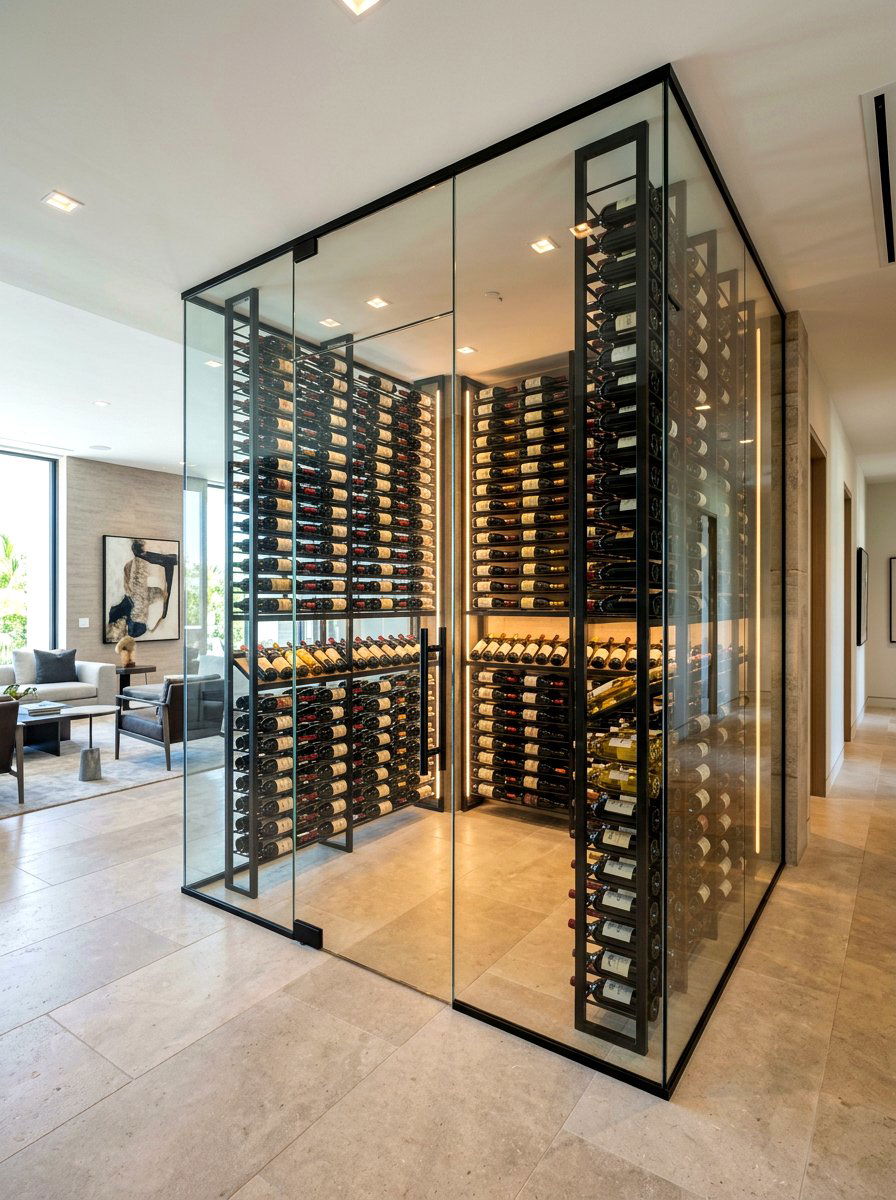
Integrating a glass-enclosed wine cellar into your basement design creates a stunning visual centerpiece that feels both modern and expansive. This approach utilizes floor-to-ceiling tempered glass panels to showcase your collection while maintaining a separate climate-controlled environment. Because the glass provides a clear view of the interior, you can focus on beautiful racking systems made of metal or premium wood to act as the primary decor. This design works exceptionally well in open-concept basements where the cellar can anchor a lounge or transition area. The transparency allows the space to feel light and airy, preventing the cellar from looking like a dark, isolated storage closet in your home.
2. Under Stairs Wine Storage
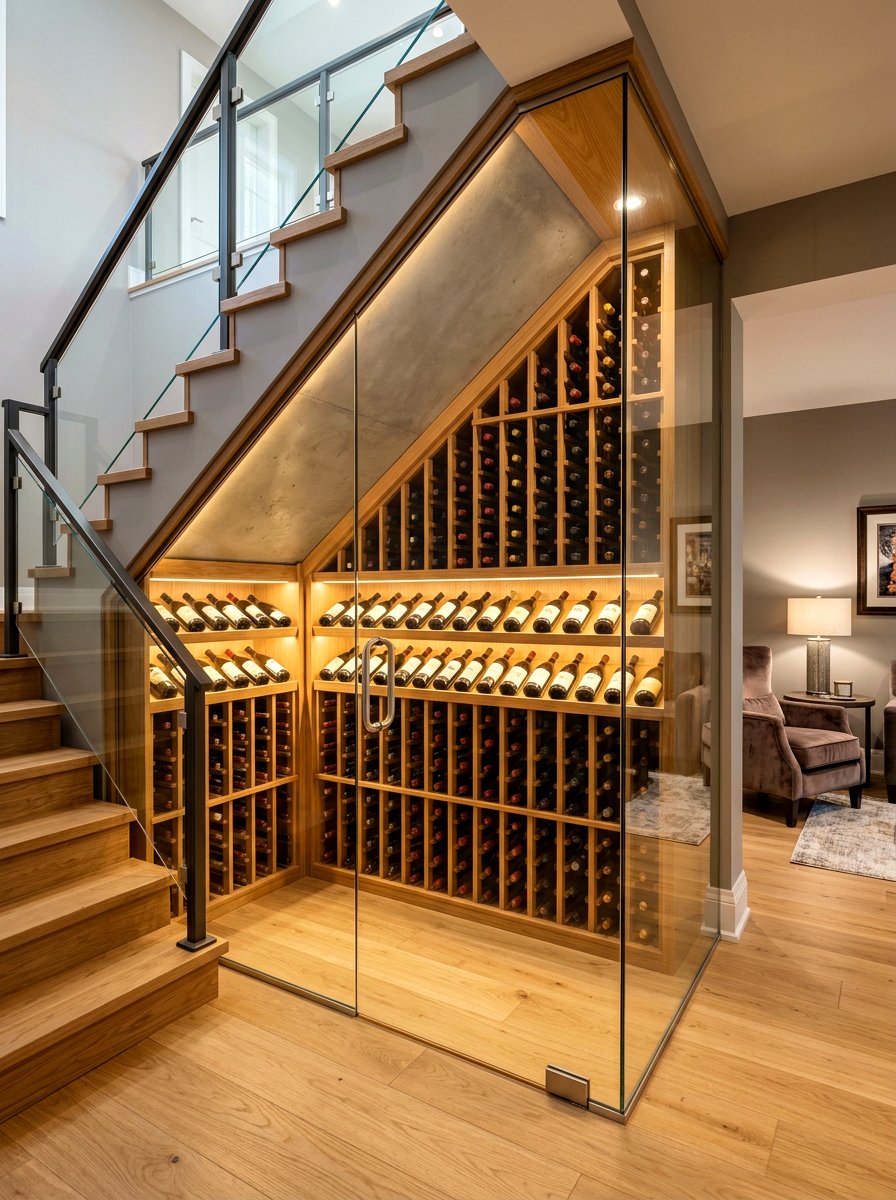
Making use of the often-neglected space under your basement staircase is a brilliant way to incorporate a functional and stylish wine storage area. This compact solution maximizes every square inch of your floor plan by turning an awkward nook into a high-end display. You can install custom-fitted racks that follow the angle of the stairs, creating a unique architectural feature that draws the eye. Adding a custom glass door and soft interior LED lighting can elevate the look, making it appear like a deliberate luxury choice rather than an afterthought. It is a perfect option for smaller basements where a full walk-in cellar might not be feasible or necessary.
3. Modern Basement Wine Wall
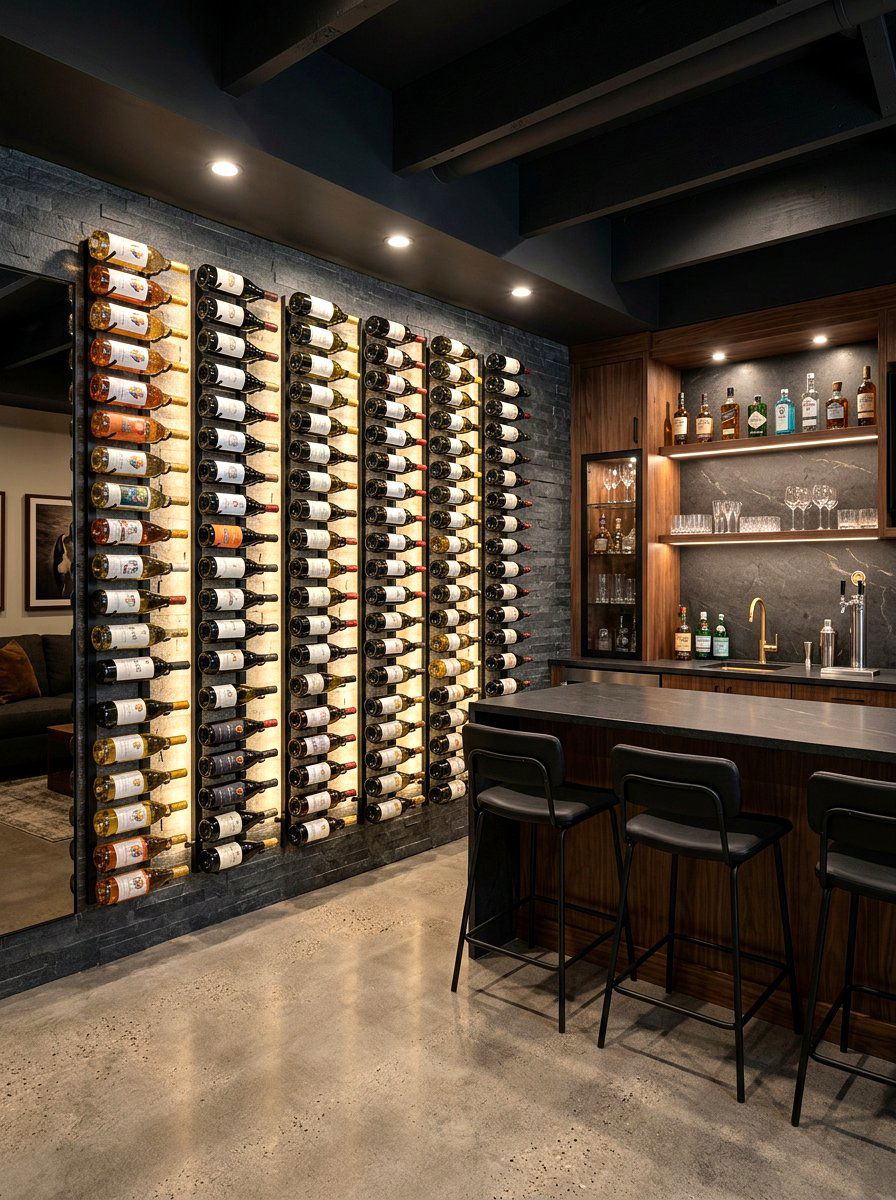
A modern basement wine wall offers a sleek and space-efficient way to display your favorite bottles without needing a dedicated room. This design typically features vertical, label-forward racking systems that turn your collection into a literal piece of wall art. Using materials like brushed stainless steel or matte black aluminum creates a contemporary vibe that fits perfectly with minimalist home decor. You can frame the wall with recessed lighting to highlight the glass and labels, making the entire setup glow. This style is particularly effective for those who want to keep their beverages accessible near a bar or seating area while maintaining a clean, high-tech aesthetic throughout the room.
4. Rustic Stone Wine Cellar
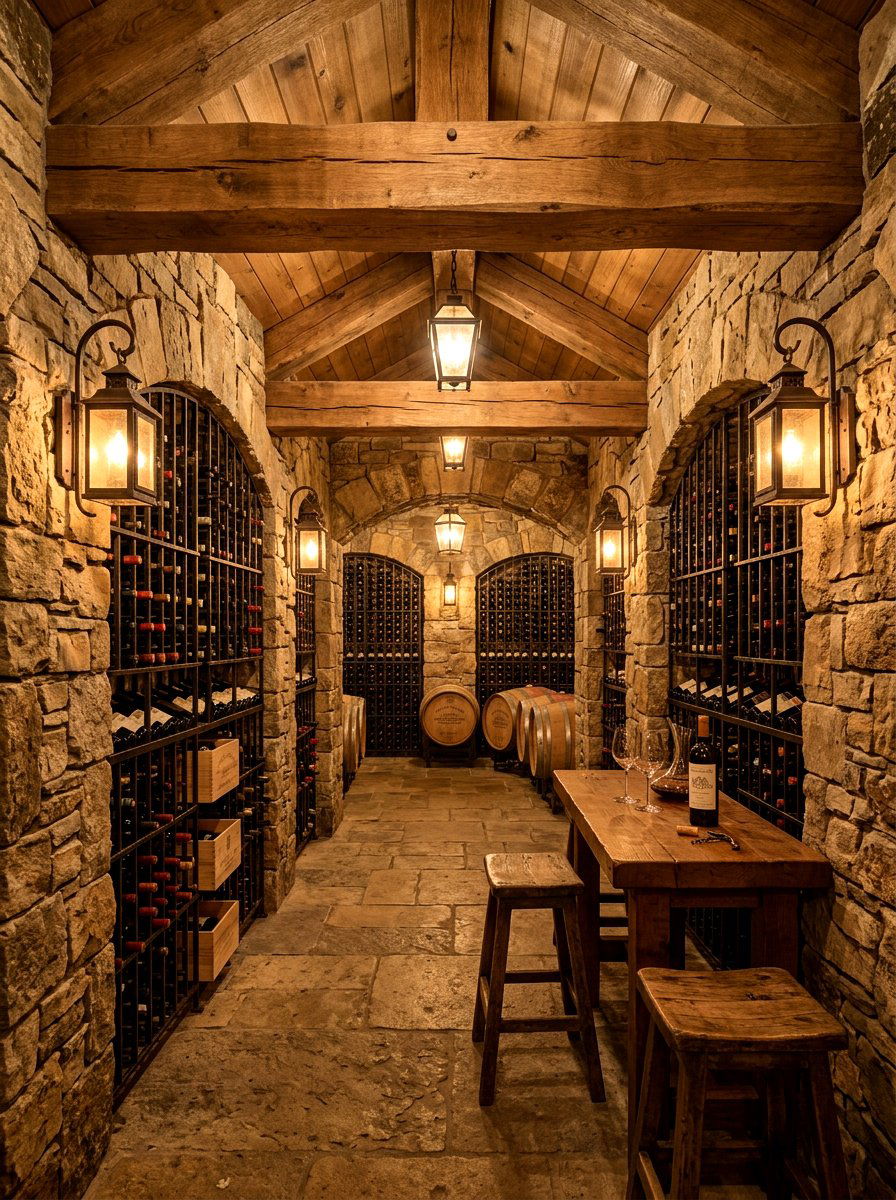
Designing a rustic stone wine cellar brings an old-world charm and authentic vineyard atmosphere to your basement. Utilizing natural stacked stone or reclaimed brick for the walls provides excellent thermal mass, which helps naturally regulate the internal temperature of the space. To complete the look, pair the rugged stonework with heavy timber beams and wrought iron accents to evoke the feeling of a historic European cave. This design is ideal for homeowners who prefer a cozy, traditional aesthetic that feels permanent and grounded. Soft, warm lighting can be used to cast shadows across the textured surfaces, creating a moody and intimate environment for selecting your next bottle.
5. Small Basement Wine Nook
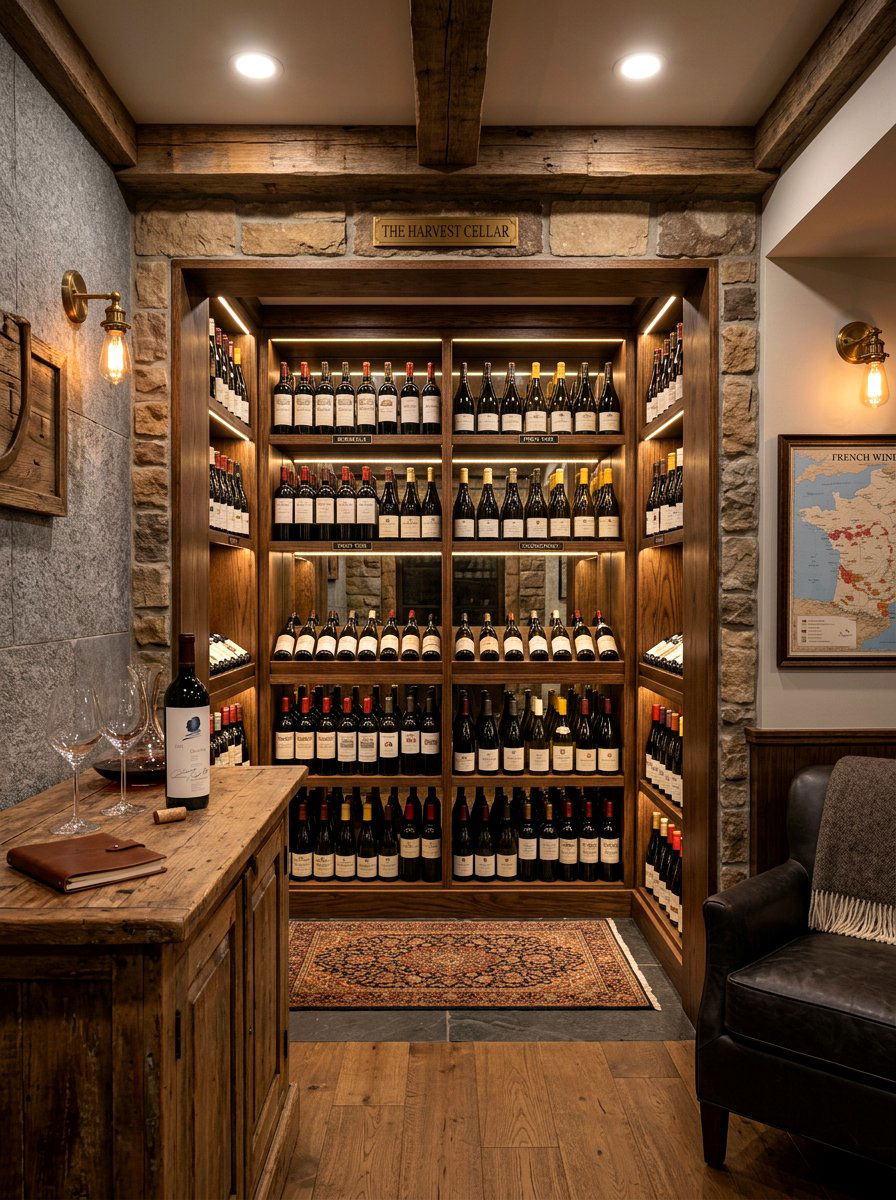
Creating a small basement wine nook is an excellent strategy for those who want a refined storage area within a limited footprint. You can carve out a tiny alcove or transform a standard closet into a sophisticated micro-cellar by using high-density racking and smart organizational tools. This design focuses on quality over quantity, allowing you to showcase a smaller, curated collection with maximum impact. Incorporating mirrors on the back wall can help the small space feel deeper and more luxurious than it actually is. It serves as an intimate destination within your basement, providing a sense of discovery and personal touch that larger, more expansive rooms sometimes lack.
6. Contemporary Wine Room Lighting
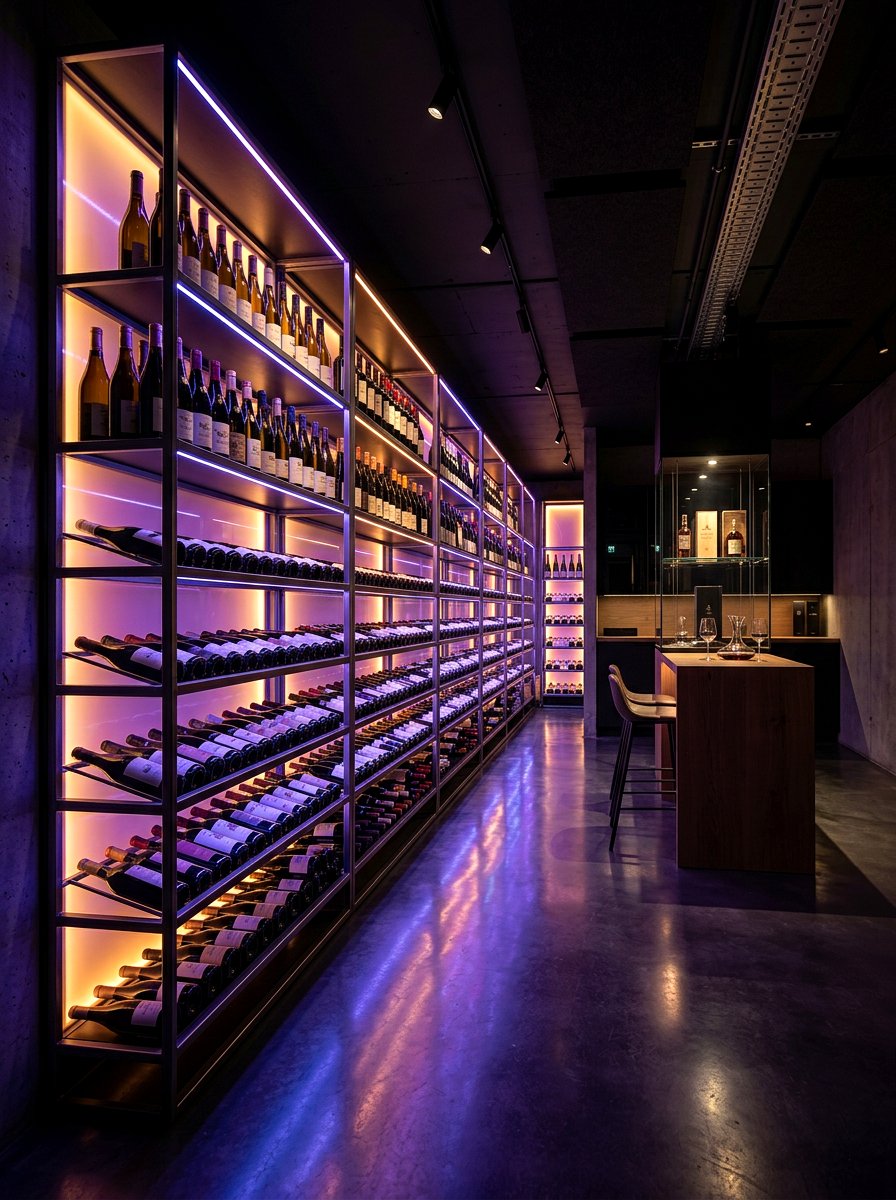
Focusing on contemporary wine room lighting can completely redefine how your basement storage area feels and functions. Instead of standard overhead lights, consider using integrated LED strips that run along the underside of shelves to illuminate individual labels without creating heat. Programmable RGB lighting allows you to change the color and mood of the room at the touch of a button, transitioning from a bright display to a moody lounge. Using backlighting behind acrylic panels can create a futuristic, glowing effect that makes your collection appear as if it is floating. Good lighting design not only protects your investment from UV damage but also highlights the architectural details of your cellar.
7. Traditional Wood Wine Racking
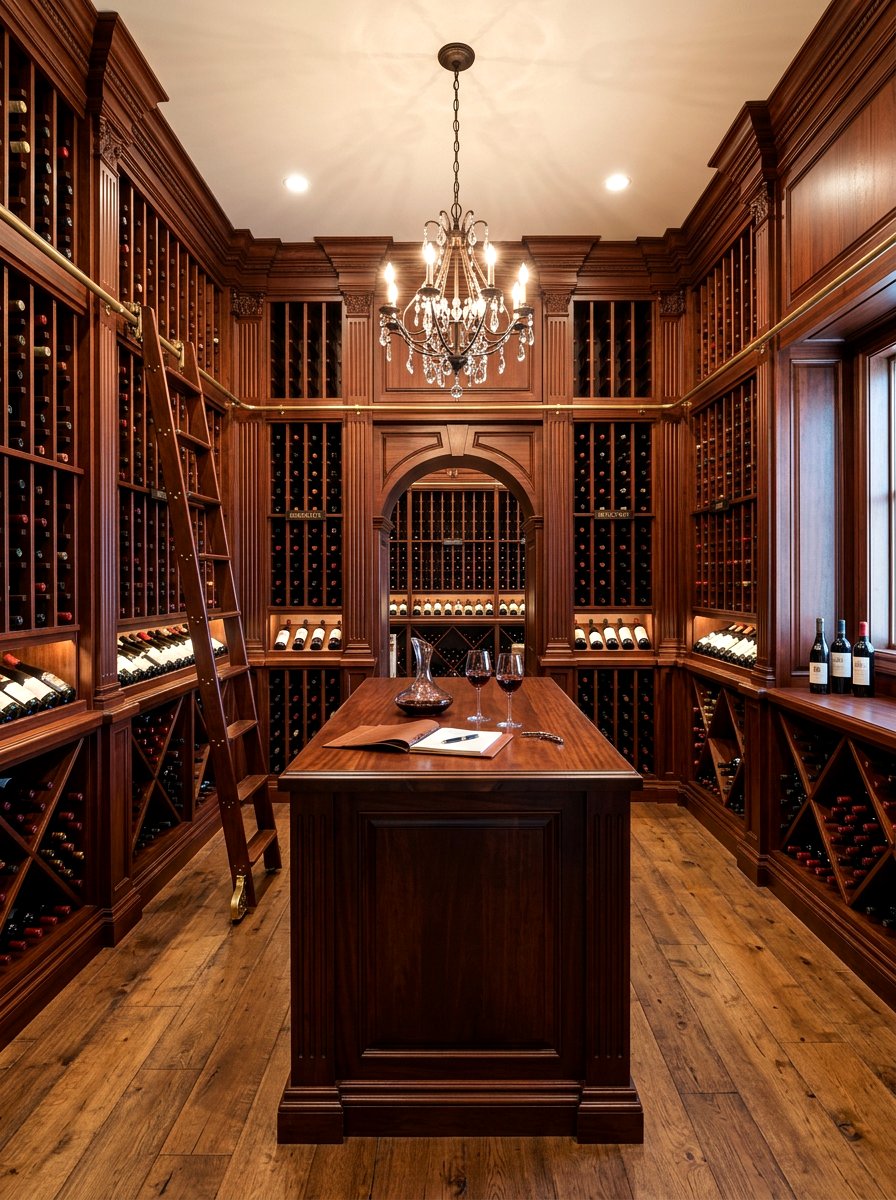
Traditional wood wine racking remains a timeless choice for basement cellars because it offers unparalleled warmth and classic sophistication. Materials like mahogany, redwood, or white oak are popular because they are naturally resistant to the cool, damp conditions often found in cellar environments. You can customize the racks with intricate crown molding, display rows, and individual bottle cubbies to create a truly bespoke look. The natural scent of the wood and the tactile feel of the shelving contribute to an authentic sensory experience that metal systems simply cannot replicate. This style anchors the room with a sense of history and craftsmanship, making it feel like a cherished part of the home.
8. Industrial Style Wine Cellar
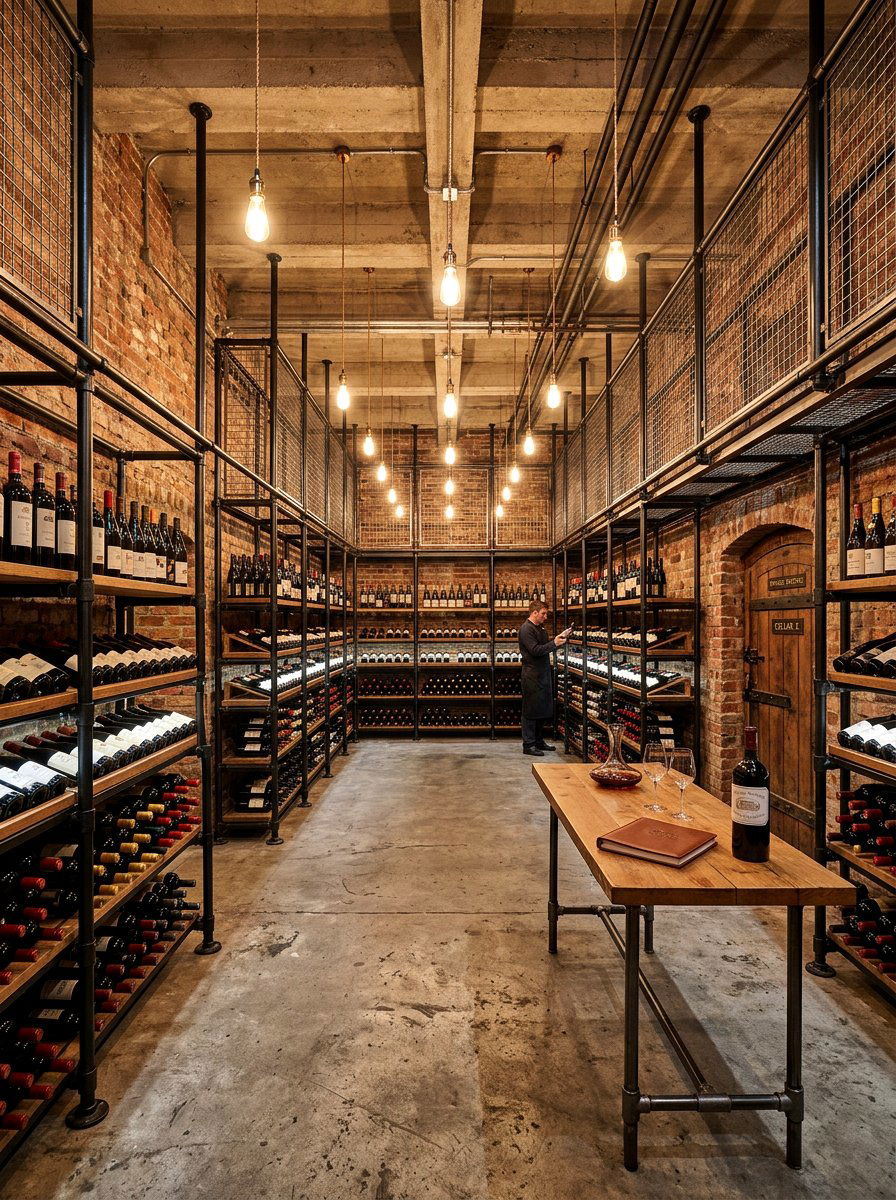
An industrial style wine cellar combines raw materials like exposed concrete, black steel pipes, and wire mesh to create a rugged yet refined basement space. This design trend is perfect for modern homes that favor an edgy, loft-inspired aesthetic with plenty of texture and contrast. You can use reclaimed factory windows as partitions to give the room an authentic warehouse feel while keeping the atmosphere open and visible. The cool, gray tones of concrete walls provide a neutral backdrop that makes the rich colors of bottle labels pop. Incorporating Edison-style bulb fixtures and metal stools adds to the utilitarian charm, creating a space that feels both functional and incredibly stylish.
9. Spiral Wine Cellar Basement
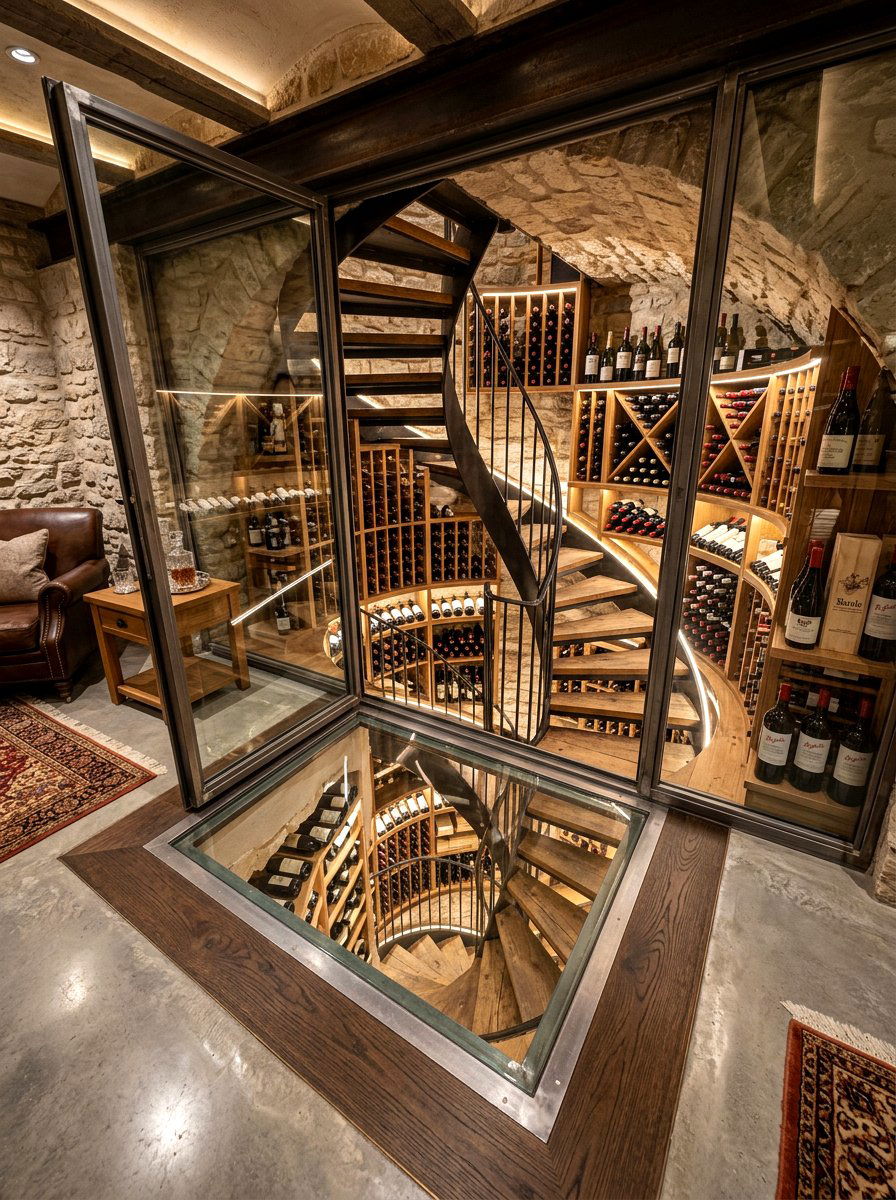
Installing a spiral wine cellar in your basement is a feat of engineering that provides a dramatic and space-saving way to store hundreds of bottles. This unique design features a circular stone or concrete vault built into the floor, accessed via a recessed trapdoor and a winding staircase. It is an incredible conversation piece that uses the natural coolness of the earth to maintain ideal storage temperatures without constant mechanical cooling. The vertical layout allows you to view your entire collection from the stairs, making it easy to find a specific bottle. It is the ultimate luxury for those who want to maximize storage while adding a secret, high-end feature to their home.
10. Climate Controlled Wine Room
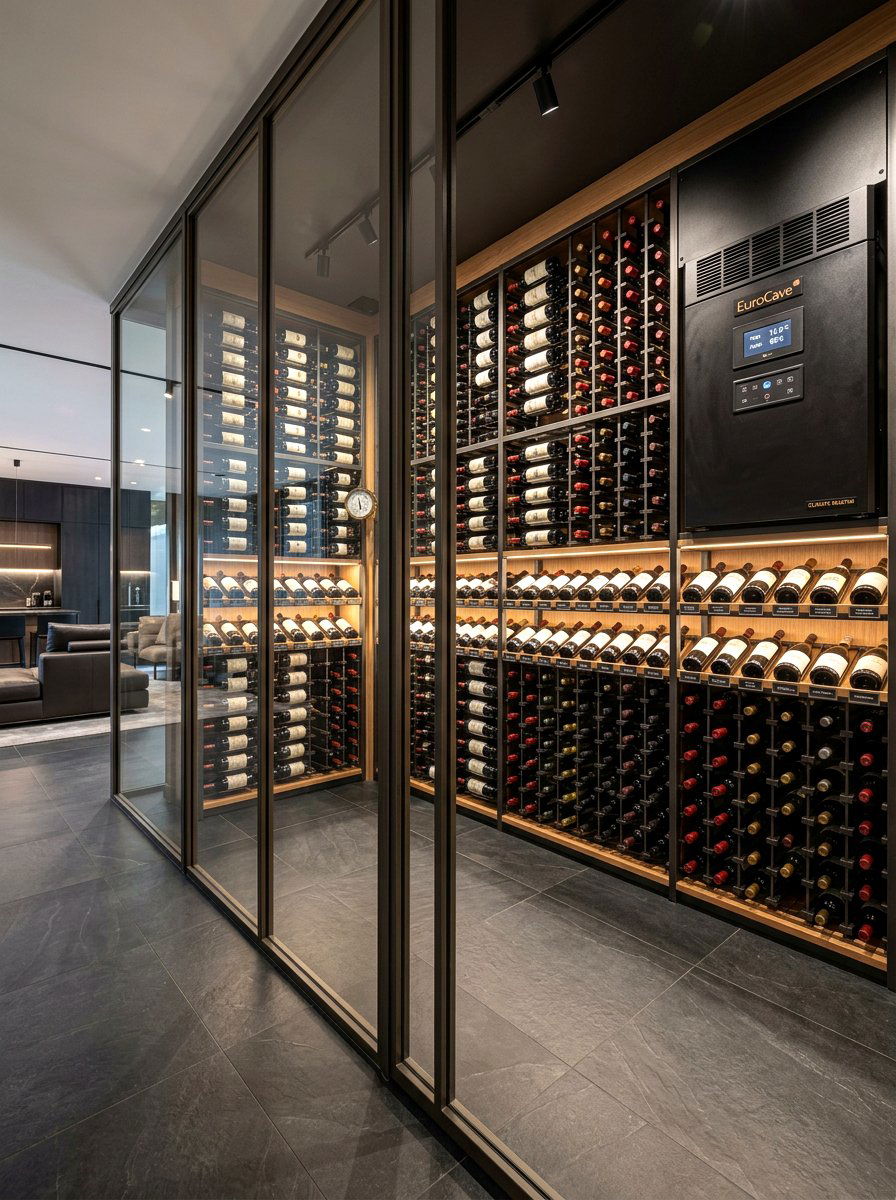
Building a fully climate-controlled wine room is essential for serious collectors who want to protect their investment for decades. This type of basement project requires specialized insulation, vapor barriers, and a dedicated cooling system to maintain a constant temperature and humidity level. Beyond the technical requirements, the design can be tailored to any aesthetic, from ultra-modern to classic. High-performance glass doors with thermal seals ensure that the interior environment remains stable while still allowing you to enjoy the view. Investing in a professional-grade cooling unit ensures that your bottles are safe from temperature fluctuations, which is particularly important in basements where conditions can vary seasonally without proper intervention.
11. Wine Tasting Room Basement
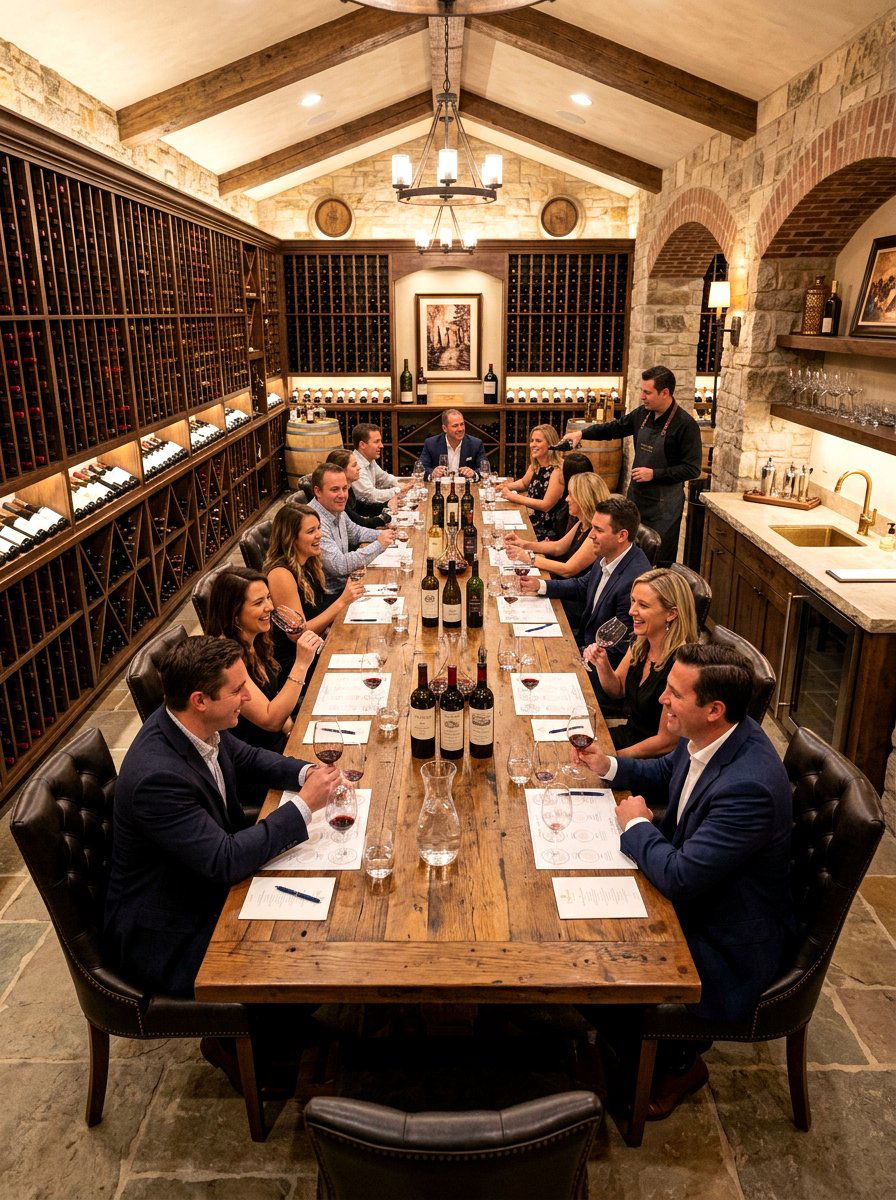
A wine tasting room in the basement turns a simple storage area into a full-fledged entertainment destination. This design involves more than just racks; it includes a dedicated space with a sturdy table, comfortable seating, and perhaps a small sink for cleaning glasses. You can use the surrounding wine walls as a backdrop, creating an immersive experience for you and your guests. Incorporating natural materials like cork flooring or reclaimed wood counters can enhance the acoustic quality of the room, making it a quiet retreat for conversation. By focusing on comfort and ambiance, you create a space where the act of opening a bottle becomes a special, memorable event every single time.
12. Minimalist Wine Display Case
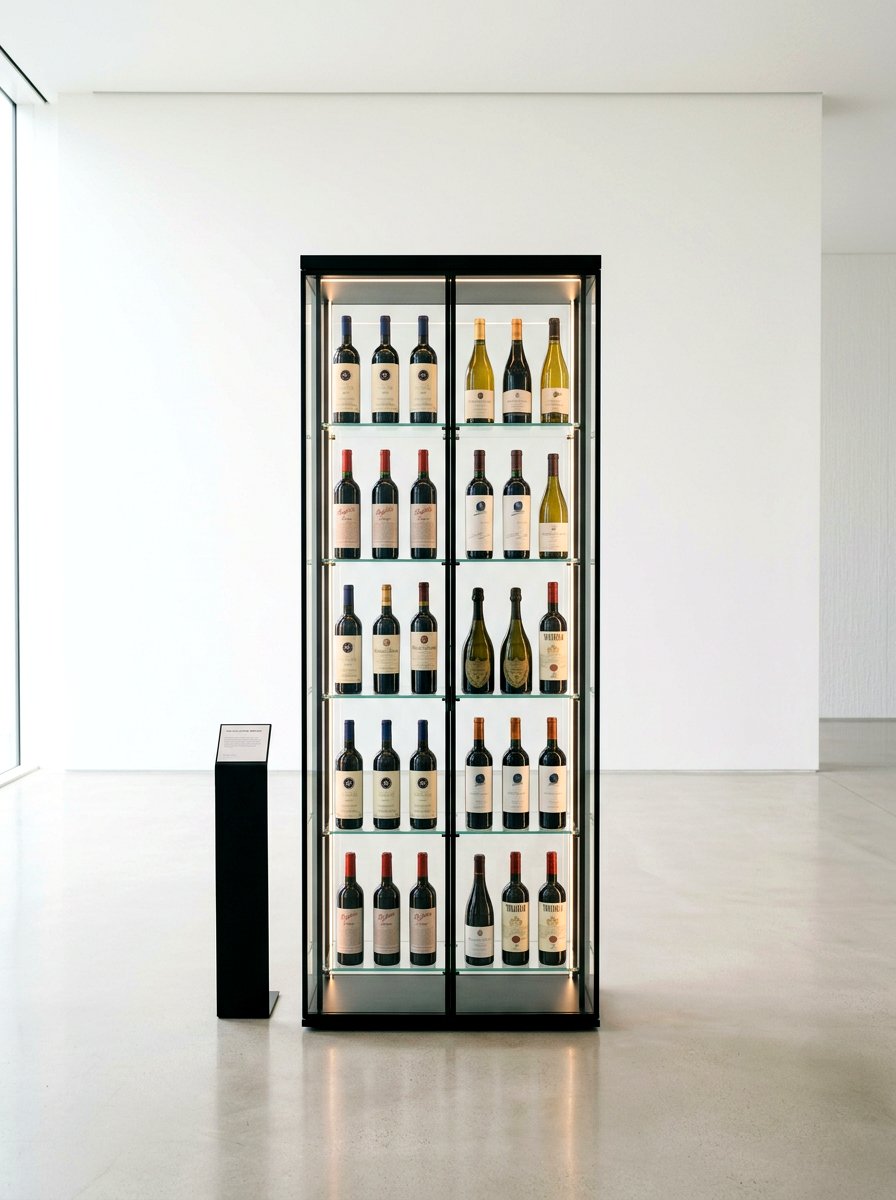
A minimalist wine display case is the perfect solution for homeowners who want a clean, uncluttered look in their finished basement. This design often features a single, sleek cabinet with large glass panes and very thin metal supports to keep the focus entirely on the bottles. Using a monochrome color palette, such as all-black or all-white, helps the unit blend seamlessly into a contemporary room. The racks are often simple pegs or thin rails that allow the bottles to appear almost weightless. This approach proves that you do not need a massive room to make a big statement; a well-designed, compact display can be the most sophisticated element in the space.
13. Custom Built In Wine Shelving
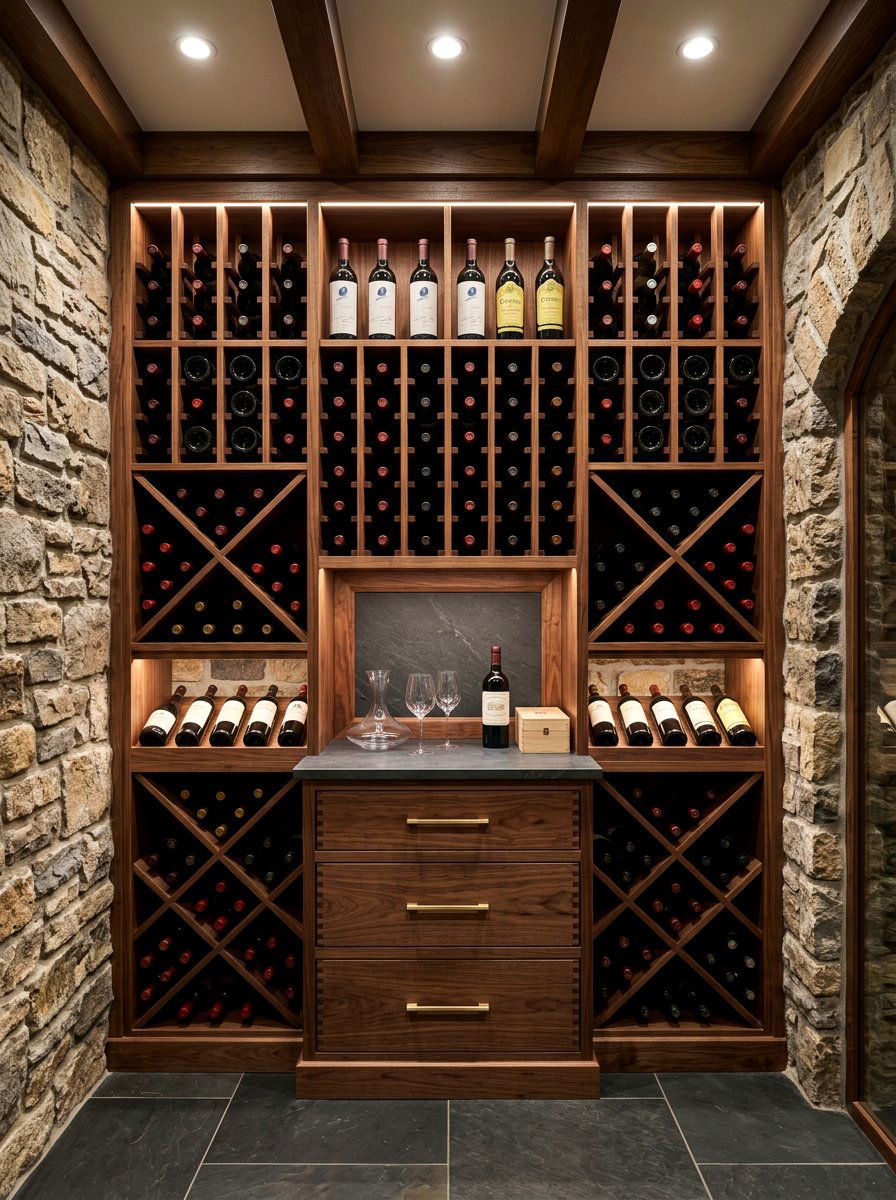
Custom built-in wine shelving allows you to integrate your collection directly into the architecture of your basement. Unlike freestanding racks, built-ins are designed to fit perfectly into specific wall dimensions, creating a flush and high-end look that feels permanent. You can combine bottle storage with drawers for accessories, open shelving for glassware, and even a small countertop for pouring. This versatility makes it an excellent choice for a multi-purpose basement where you need both storage and functionality. By matching the wood species and finish to your existing cabinetry, you ensure a cohesive design language that flows through the entire lower level of your home beautifully.
14. Luxury Glass Wine Room
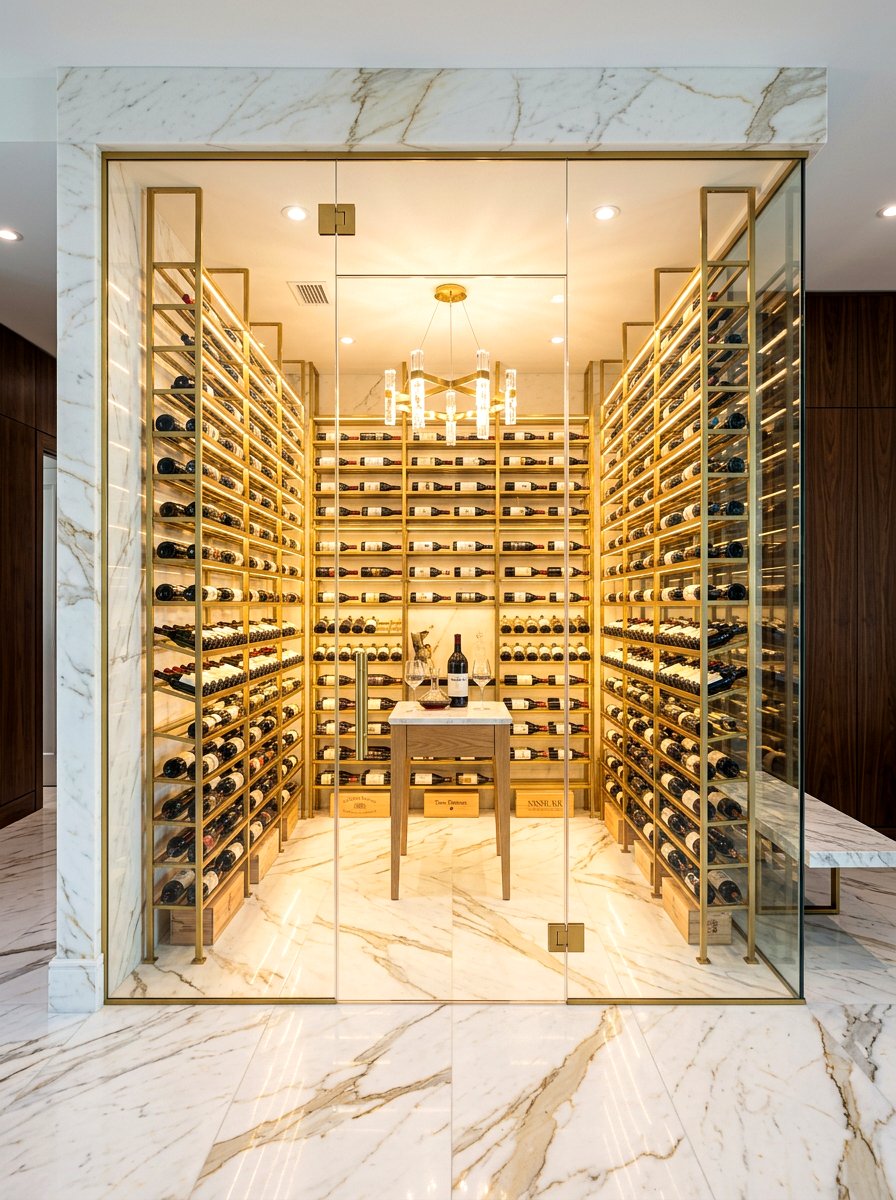
A luxury glass wine room is a high-end architectural feature that uses frameless glass to create a "jewel box" effect in your basement. This design is all about transparency and light, often using premium materials like marble floors and gold-finished racks inside the enclosure. The lack of visible framing makes the room look like a floating museum exhibit, highlighting the bottles as precious objects. When combined with advanced recessed lighting, the glass reflects the light to make the entire basement feel brighter and more opulent. It is a bold design choice that serves as the ultimate status symbol for collectors who want to showcase their vintage acquisitions in the most spectacular way.
15. Reclaimed Wood Wine Cellar
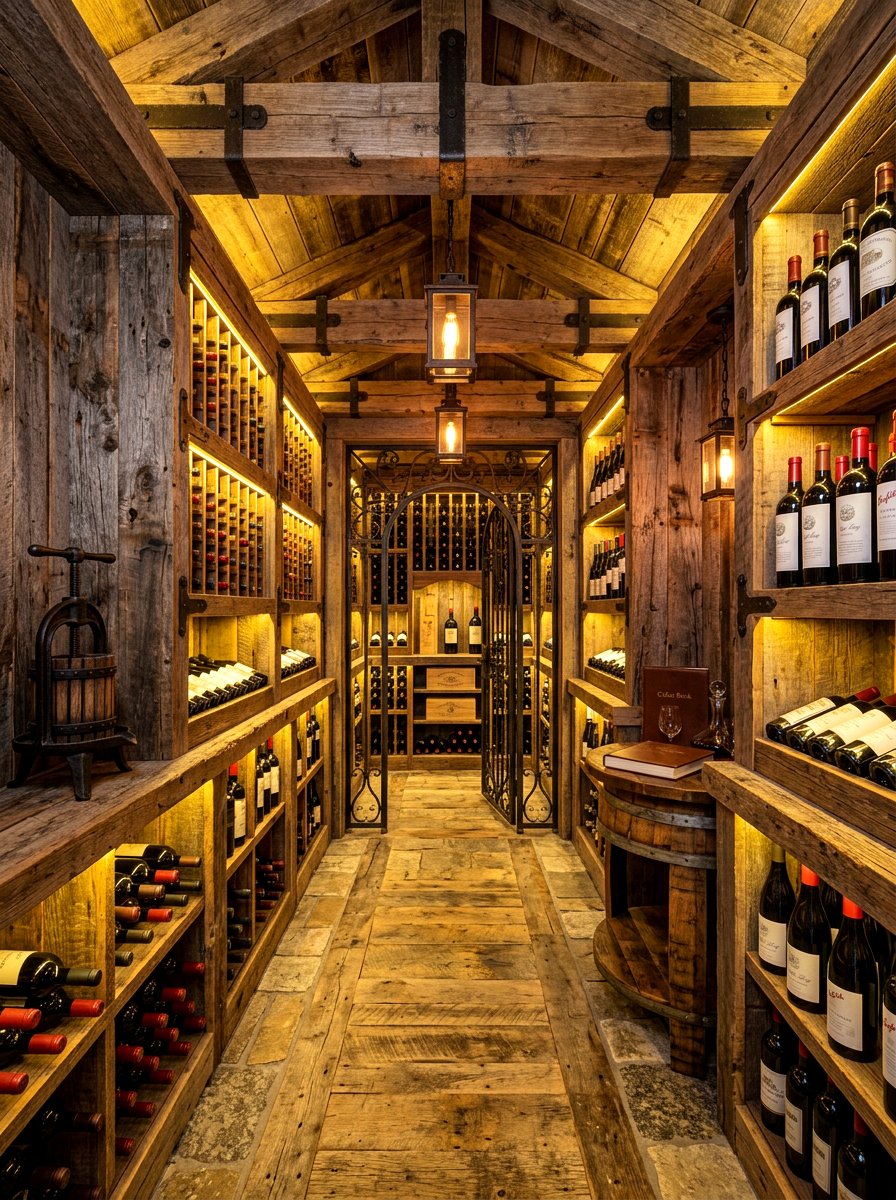
Choosing a reclaimed wood wine cellar for your basement is a sustainable and aesthetically pleasing way to add character and warmth to the space. Using wood salvaged from old barns or historic buildings brings a sense of history and unique texture that new materials cannot match. Each plank tells a story through its knots, grain patterns, and weathered finish, providing a beautiful backdrop for your collection. This material choice is naturally durable and provides a soft, organic contrast to the hard surfaces typically found in basements. Pairing reclaimed wood with soft, ambient lighting creates a rustic sanctuary that feels inviting and unpretentious, perfect for a relaxed evening of tasting.
16. Corner Basement Wine Storage
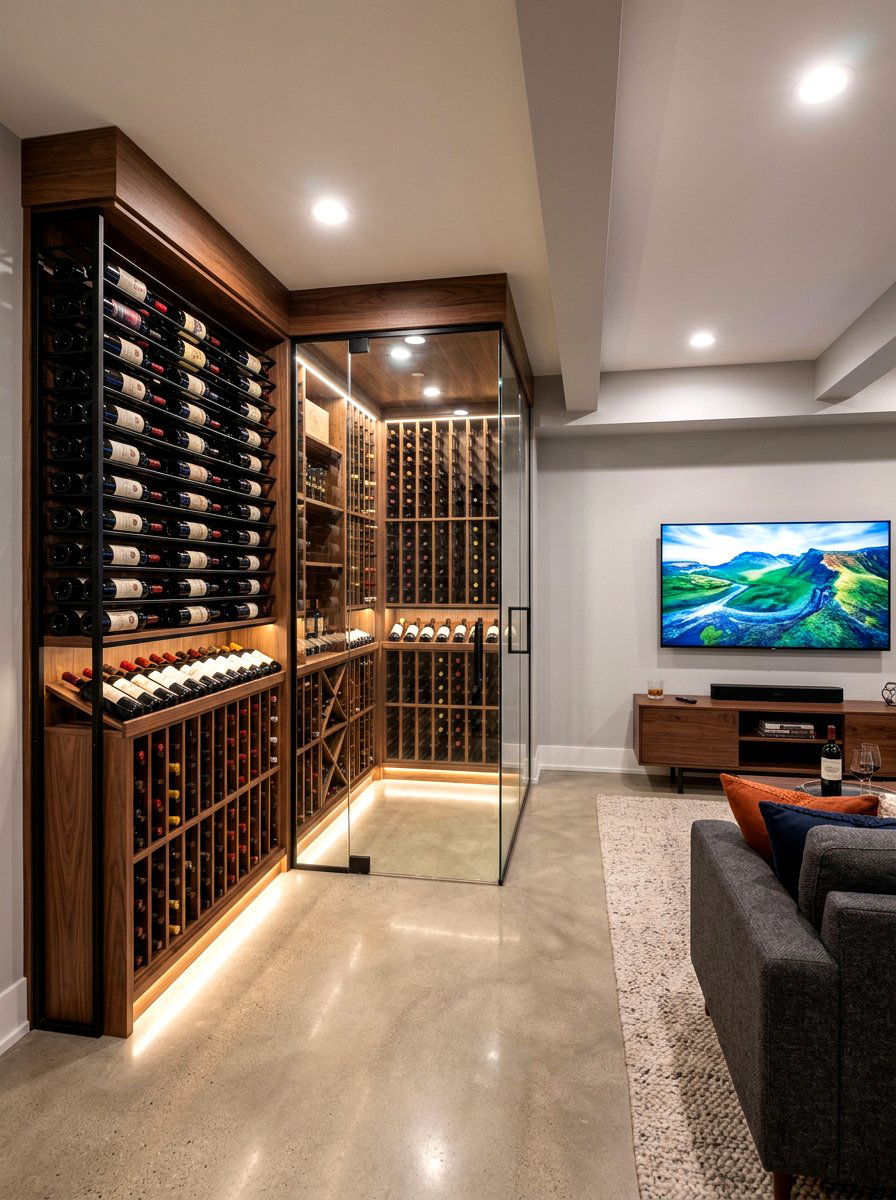
Corner basement wine storage is a smart way to utilize dead space while creating a visually interesting feature in your lower level. By building custom L-shaped racks, you can turn an empty corner into a functional storage zone that holds a surprisingly large number of bottles. This design can be left open for easy access or enclosed with glass for a more formal look. Using the corner allows you to frame the rest of the room, providing a sense of structure and purpose to the basement layout. It is an efficient solution that works well in media rooms or near bar areas, keeping your favorite beverages close at hand for entertaining.
17. Dark Aesthetic Wine Room
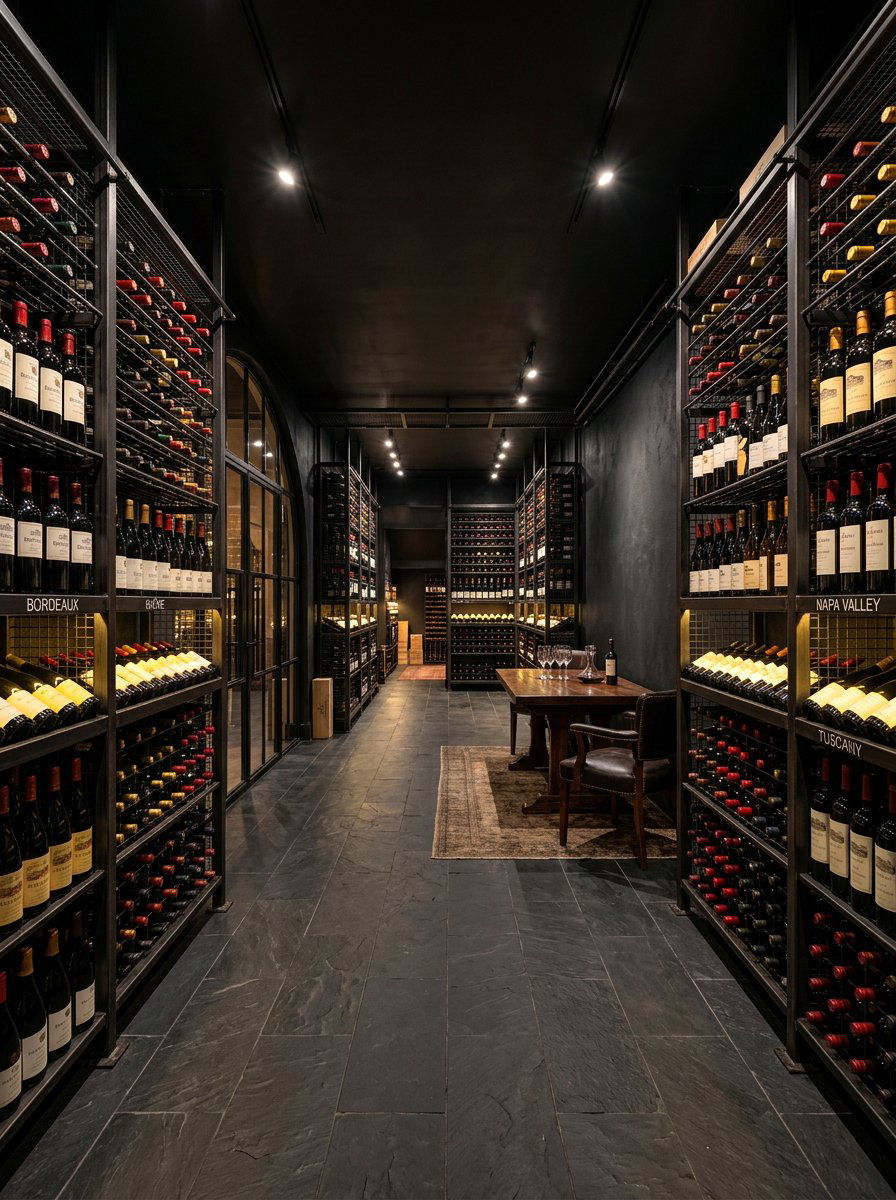
A dark aesthetic wine room uses deep tones like charcoal, navy, or matte black to create a moody and sophisticated basement retreat. This design trend focuses on high-contrast environments where the bottles are highlighted by focused spotlights against dark walls. Using dark materials like slate, blackened steel, or stained wood adds a layer of mystery and elegance to the cellar. This style is particularly effective for creating a "speakeasy" vibe, making the basement feel like an exclusive, hidden lounge. The dark palette also helps to create a visually quiet space, allowing the labels and colors of the wine to take center stage without any distractions from the surroundings.
18. Hidden Wine Cellar Door
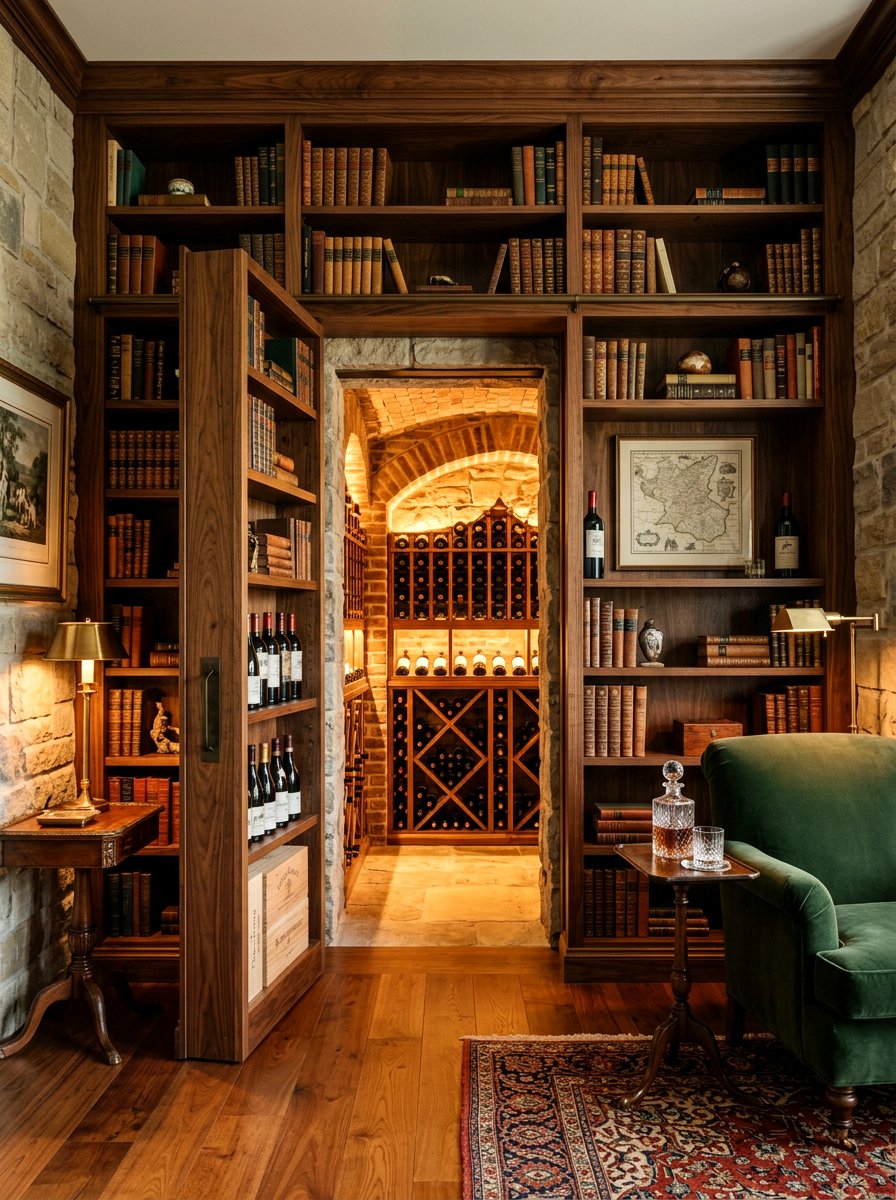
Incorporating a hidden wine cellar door adds an element of surprise and whimsy to your basement design. This concept often involves a secret entrance disguised as a bookshelf, a wood panel, or even a section of the stone wall. Behind the "murphy door" lies your private collection, creating a sense of exclusivity and adventure for those invited inside. This is a popular choice for homeowners who want to create a true sanctuary or a private tasting room that is tucked away from the main entertainment area. The transition from a standard basement room into a secret, temperature-controlled cellar never fails to impress and adds a unique narrative to your home.
19. Vertical Wine Wall Display
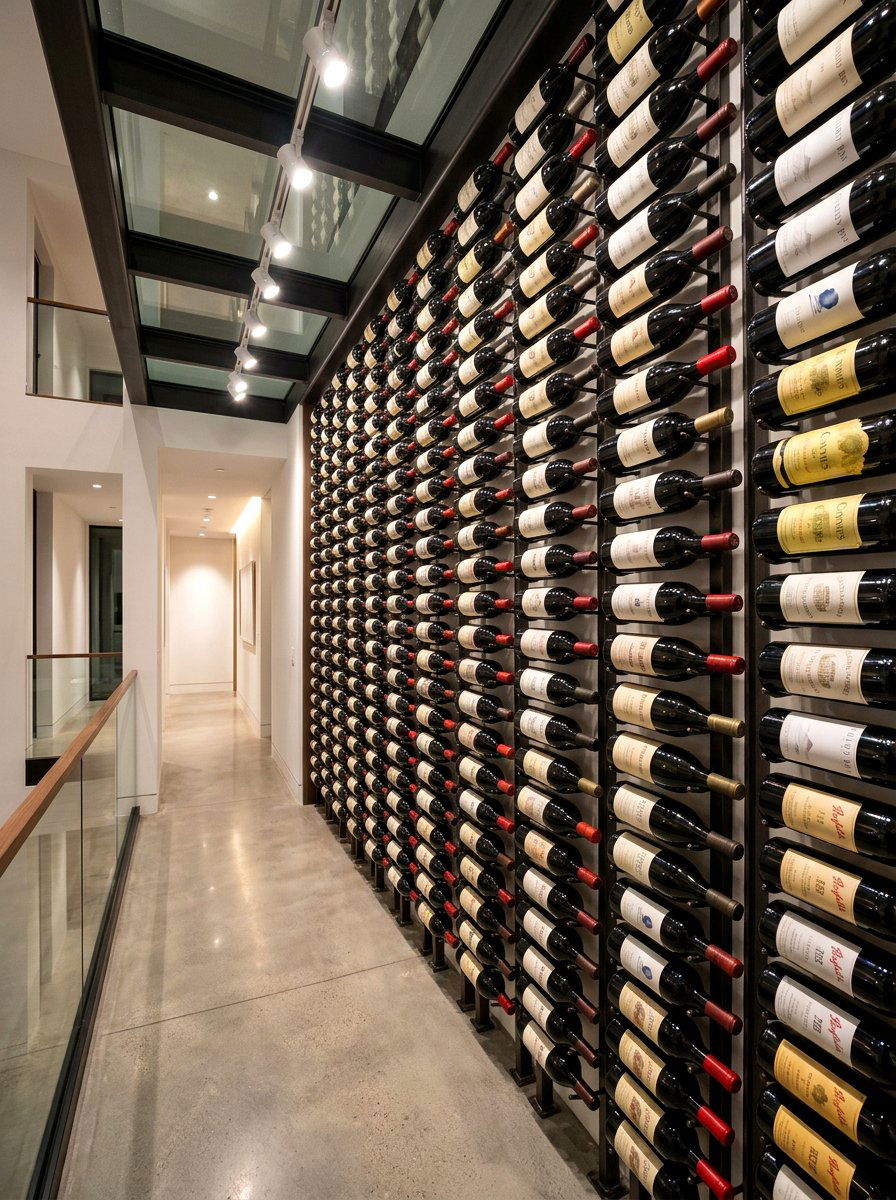
A vertical wine wall display is an ultra-modern way to organize your collection by utilizing the full height of your basement walls. By using floor-to-ceiling metal pegs or cable systems, you can store bottles in a label-forward position that makes it easy to read every vintage. This design is incredibly thin, making it ideal for narrow hallways or walls behind a basement bar where floor space is limited. The repetition of the bottles creates a rhythmic, architectural pattern that doubles as a stunning decorative feature. When paired with overhead track lighting, the glass bottles shimmer, turning an ordinary wall into a high-end gallery that feels both organized and artistic.
20. Brick Wall Wine Cellar
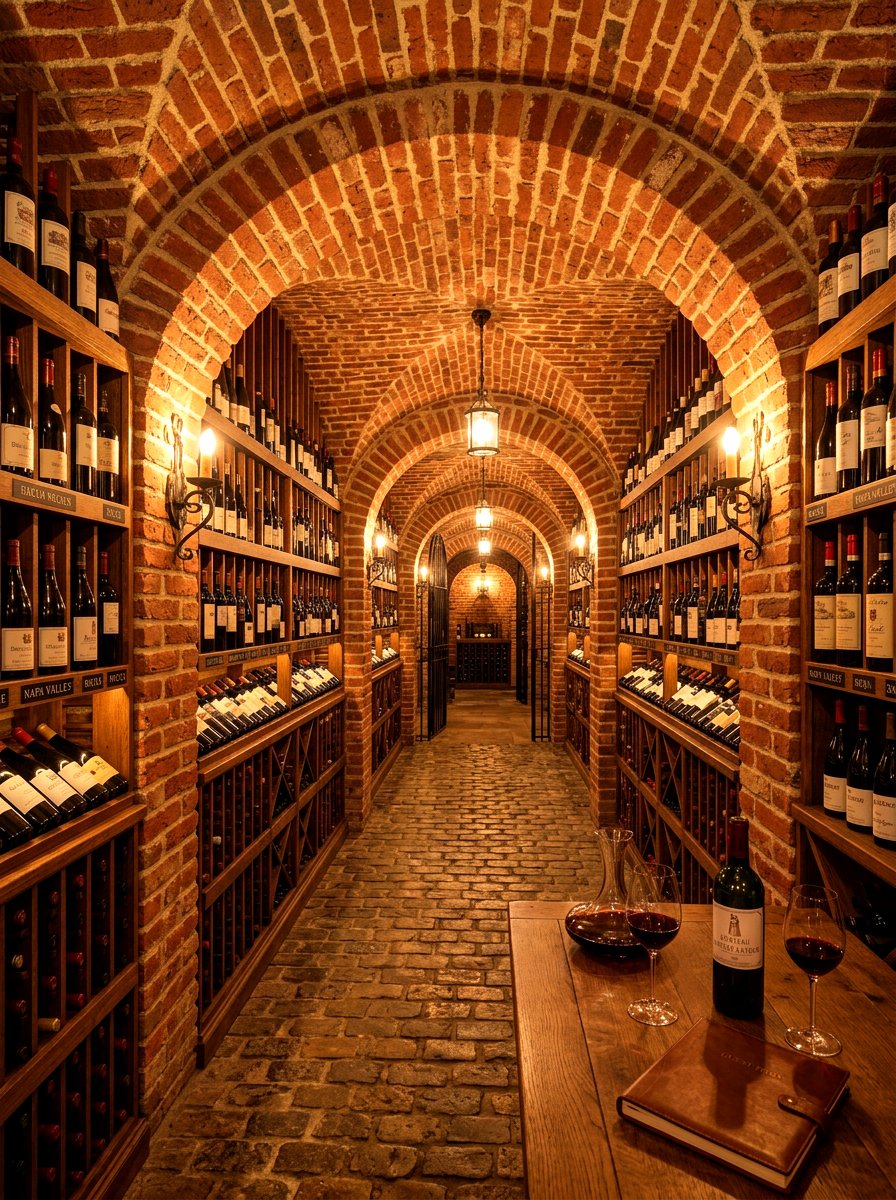
A brick wall wine cellar is a classic design choice that offers a timeless, earthy feel to any basement renovation. Exposed brick provides a sense of history and permanence, echoing the traditional cellars found in historic vineyards and estates. The porous nature of the brick can also help in maintaining a consistent humidity level, which is beneficial for the preservation of corks and labels. You can leave the brick in its natural red state for a warm look or paint it white for a more modern, Scandinavian-inspired vibe. This versatile material pairs beautifully with both wooden and metal racking, allowing you to customize the final look to suit your specific style.
21. Floating Wine Rack System
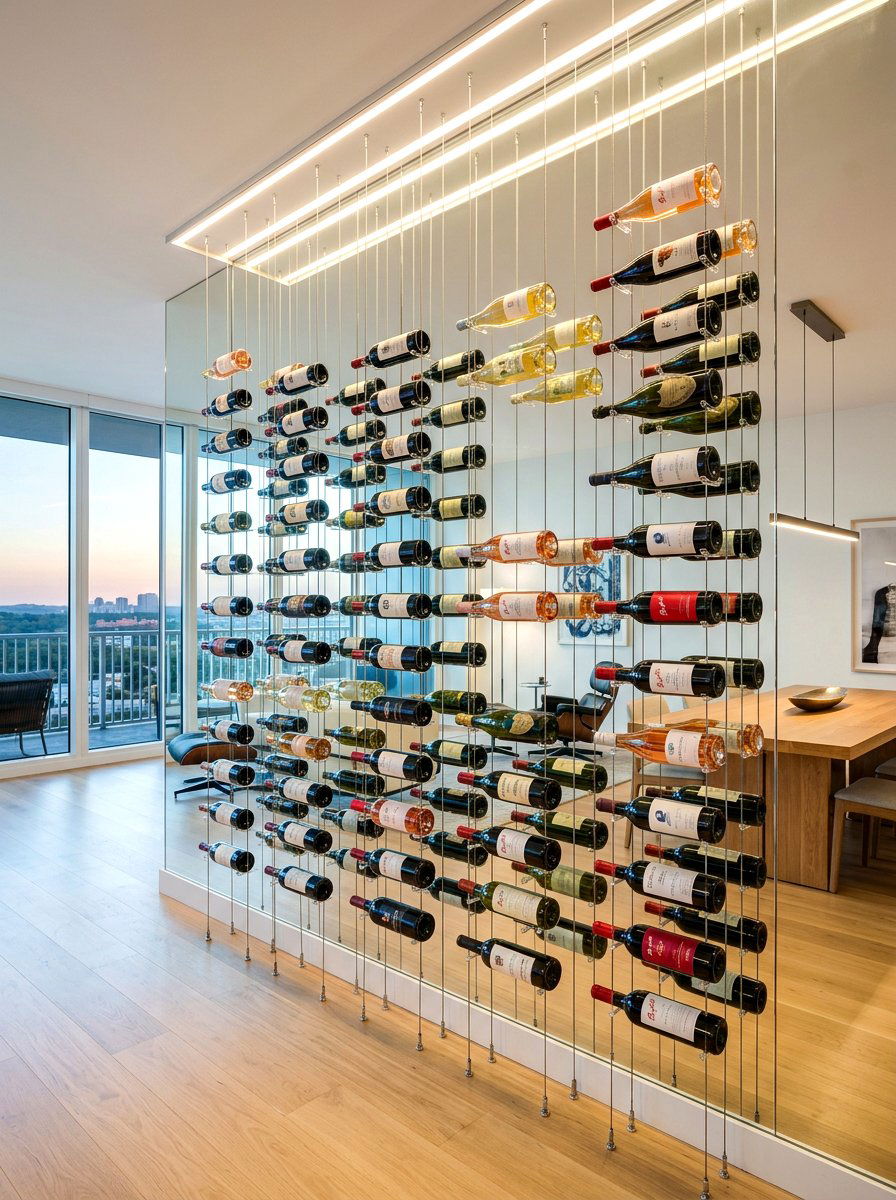
A floating wine rack system uses invisible supports or thin tension cables to make your bottles appear as if they are suspended in mid-air. This high-tech design is perfect for a contemporary basement where you want to emphasize a sense of openness and light. Because there are no bulky wooden frames, the collection looks sleek and futuristic, fitting perfectly into a minimalist or industrial decor scheme. You can install these systems against a mirrored wall or a glass partition to enhance the floating effect. This approach is not only visually striking but also very practical, as it allows for maximum airflow around the bottles, which is important for maintaining consistent storage temperatures.
22. Large Capacity Wine Cellar
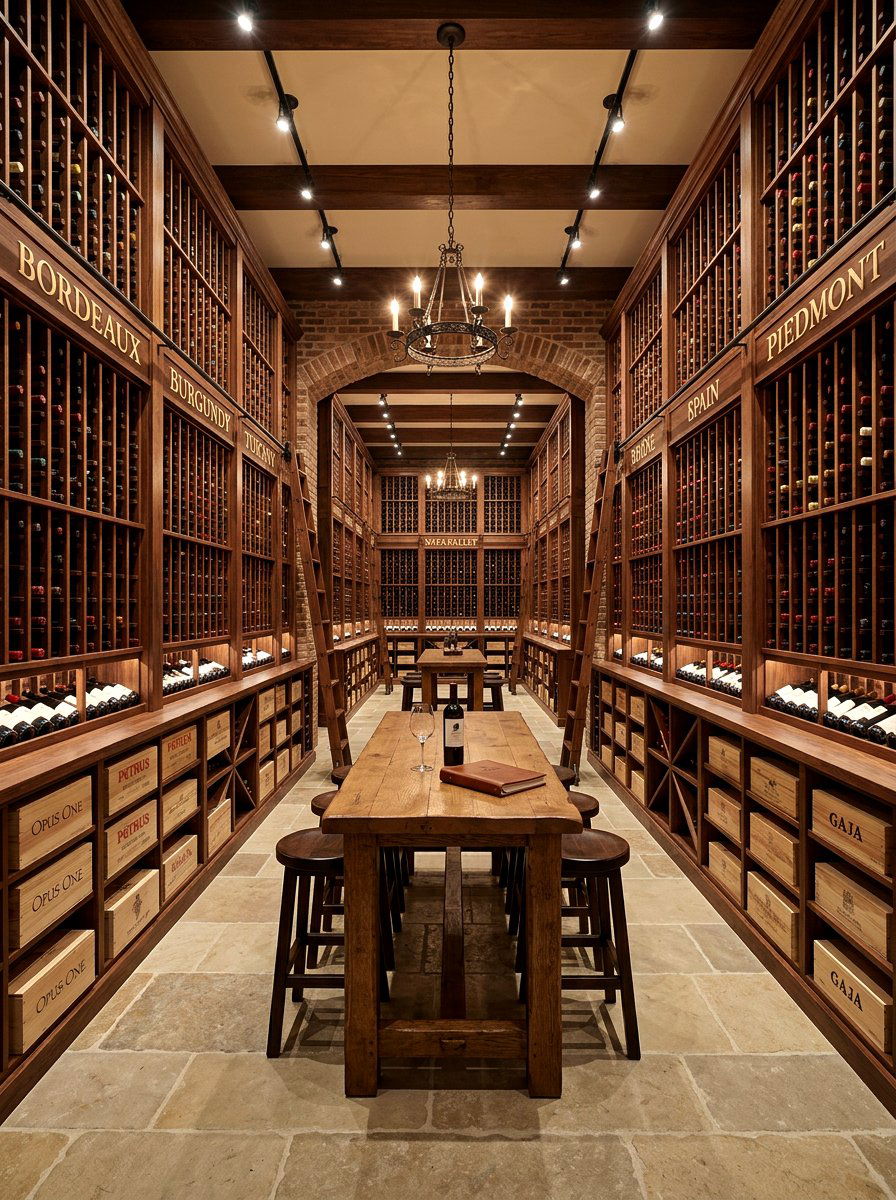
For the serious collector, a large capacity wine cellar in the basement is the ultimate dream project. This design focuses on maximizing bottle count through high-density racking, including case storage, individual bottle bins, and large-format shelving. To keep such a large space organized, many homeowners incorporate a digital inventory system and clear signage for different regions or vintages. Despite the focus on volume, you can still maintain a high-end look by using premium materials and a central tasting table as a focal point. A large cellar becomes a true library of your journey as a collector, providing a magnificent space to house and preserve thousands of bottles for the future.
23. Modern Farmhouse Wine Room
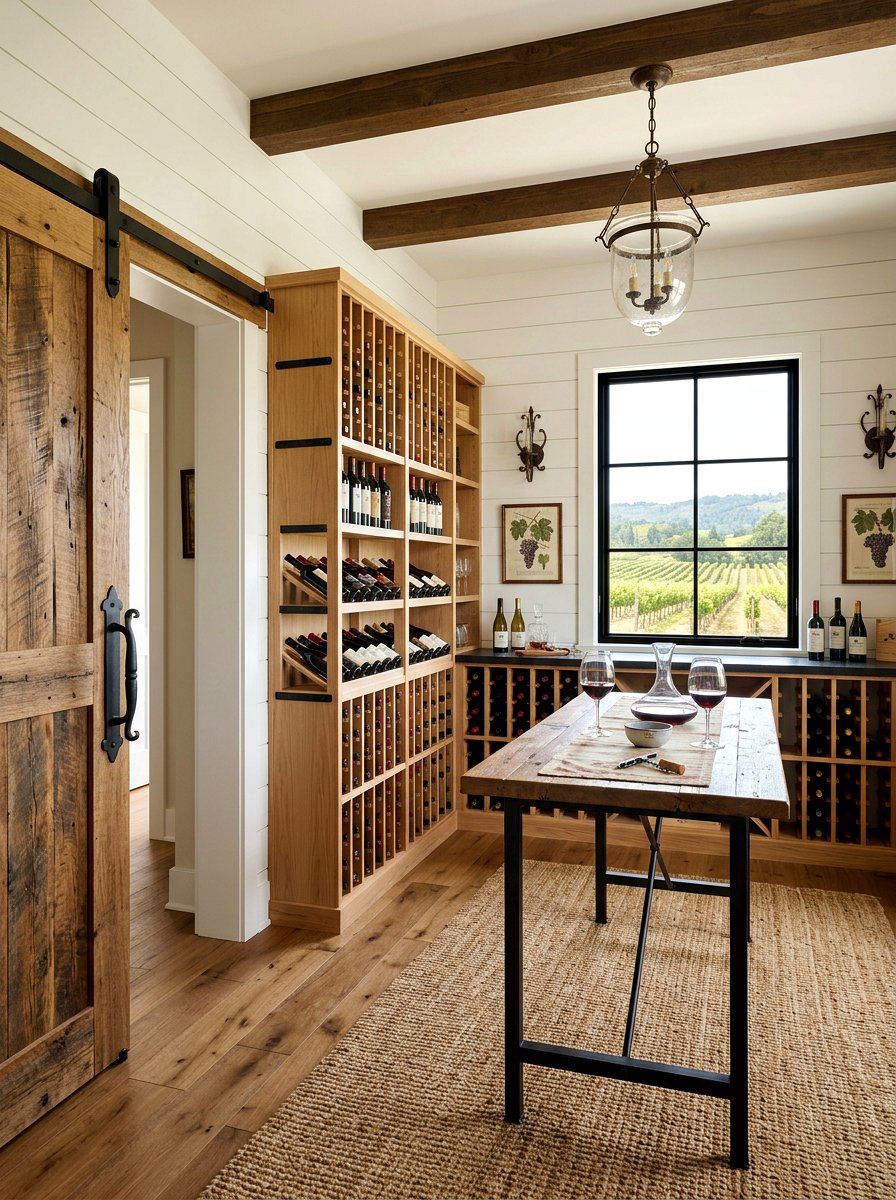
A modern farmhouse wine room blends the rustic charm of country living with the clean lines of contemporary design. This style often features shiplap walls, sliding barn doors, and natural wood accents paired with sleek metal racking and modern lighting fixtures. The color palette is typically light and neutral, such as whites, creams, and light oaks, which helps the basement feel bright and inviting. This design is perfect for families who want a cellar that feels like an integrated part of their home’s lived-in aesthetic rather than a formal, cold storage room. It creates a warm, welcoming environment that is perfect for casual gatherings and relaxed weekend wine tastings.
24. Marble Basement Wine Bar
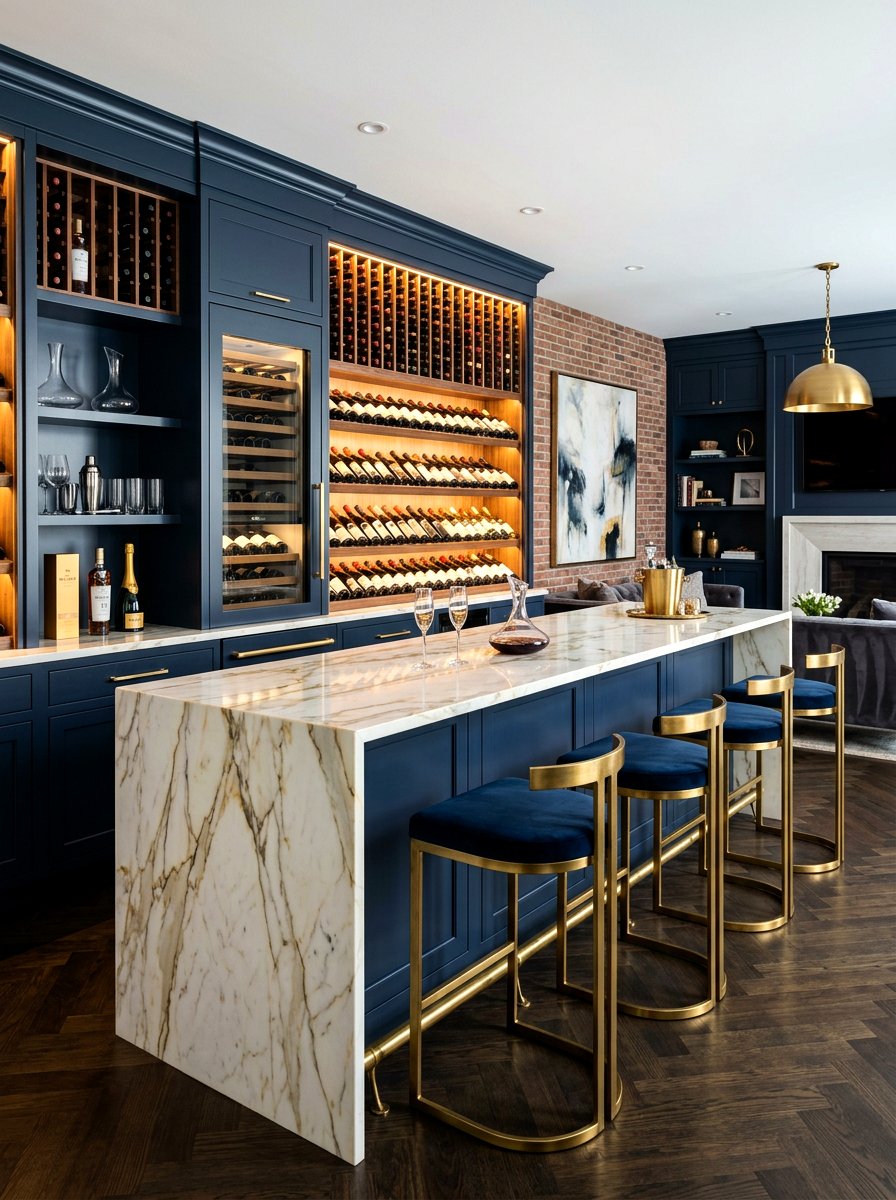
Integrating a marble basement wine bar into your cellar design adds an instant layer of luxury and refinement. Using a large slab of Carrara or Calacatta marble for the countertops provides a cool, smooth surface that is perfect for serving and displaying bottles. The natural veining of the stone creates a unique pattern that acts as a work of art within the room. You can pair the marble with high-end brass hardware and dark cabinetry for a classic, sophisticated look that feels like a five-star hotel lounge. This setup provides a dedicated area for preparing glasses, decanting vintages, and hosting guests, making the cellar a more functional and interactive space.
25. Acrylic Wine Racking System
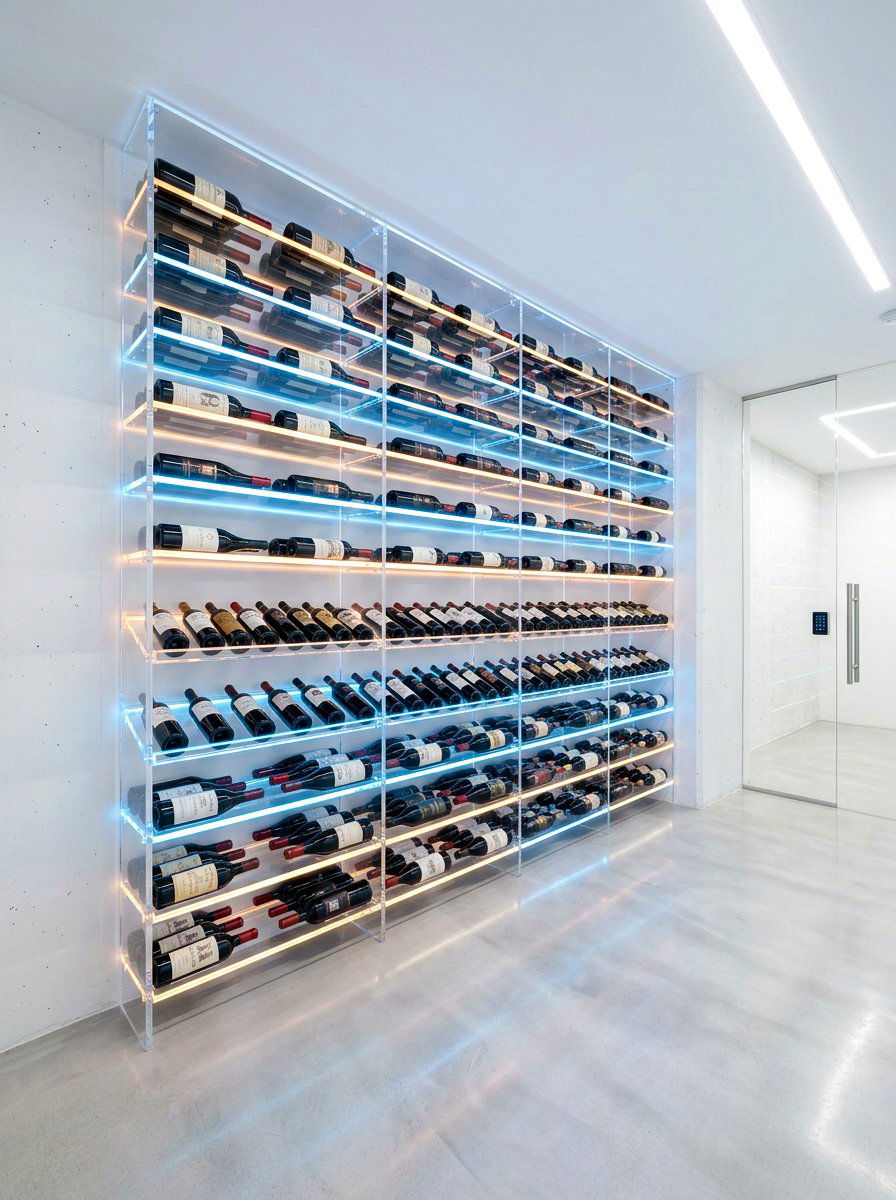
An acrylic wine racking system offers a crystal-clear way to store your collection, providing a completely unobstructed view of every label. This material is incredibly modern and works well in small basements because it does not create a visual "heavy" presence like wood or dark metal. When combined with integrated LED lighting, the acrylic edges glow, creating a stunning light-pipe effect that illuminates the bottles from within. This design is perfect for those who want a futuristic, gallery-like feel in their home. The durability and moisture resistance of acrylic also make it an ideal choice for the humidity levels required for long-term storage, ensuring your racks stay beautiful and clear for years.
26. Walk In Wine Cellar
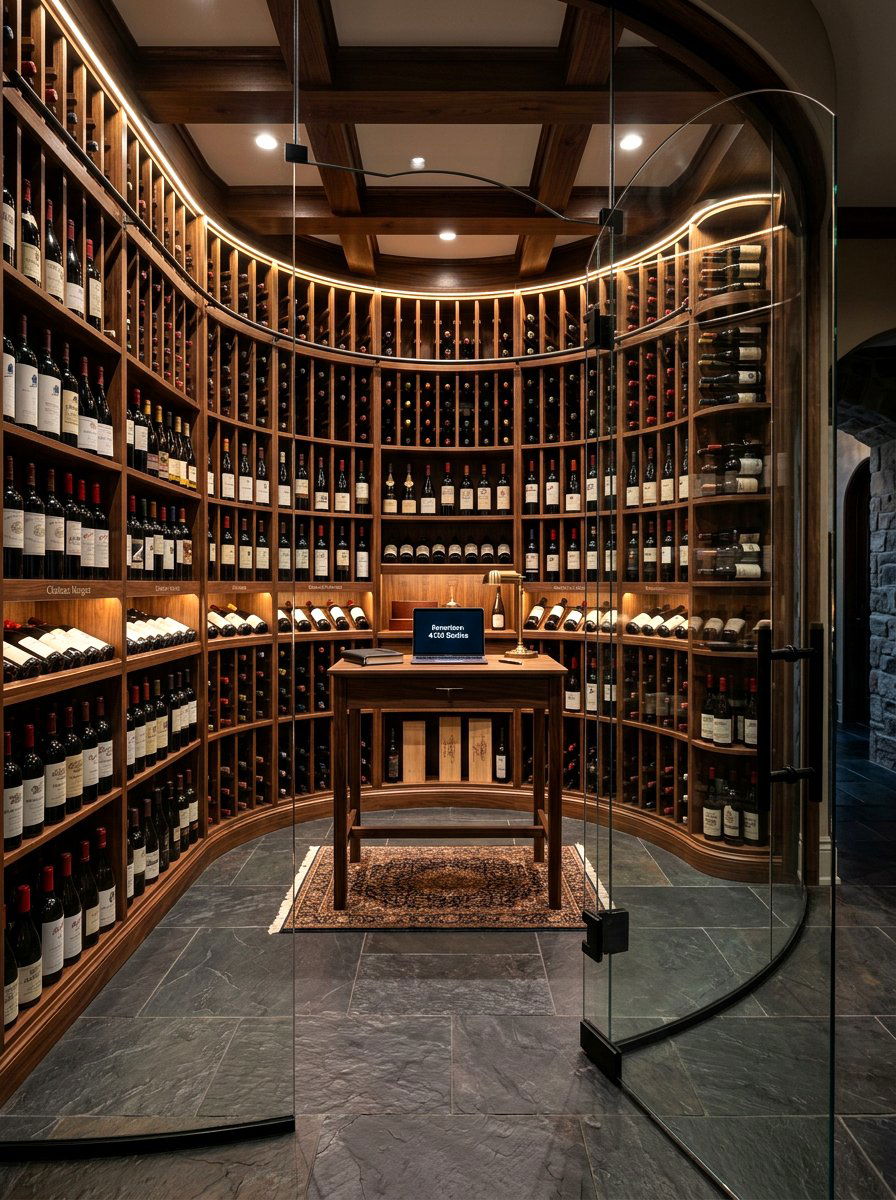
A walk-in wine cellar provides an immersive experience that allows you to step into your collection and explore every bottle at your leisure. This design requires a dedicated room with a properly sealed door and full climate control to protect the environment. Inside, you can wrap the walls with various racking styles, including display rows and bulk storage, to create a sense of abundance. Incorporating a small standing desk or a tall table allows you to perform inventory tasks or enjoy a quick glass without leaving the room. The walk-in layout feels incredibly grand and provides a sense of sanctuary that makes it one of the most desirable features in any luxury basement.
27. Mid Century Modern Wine Room
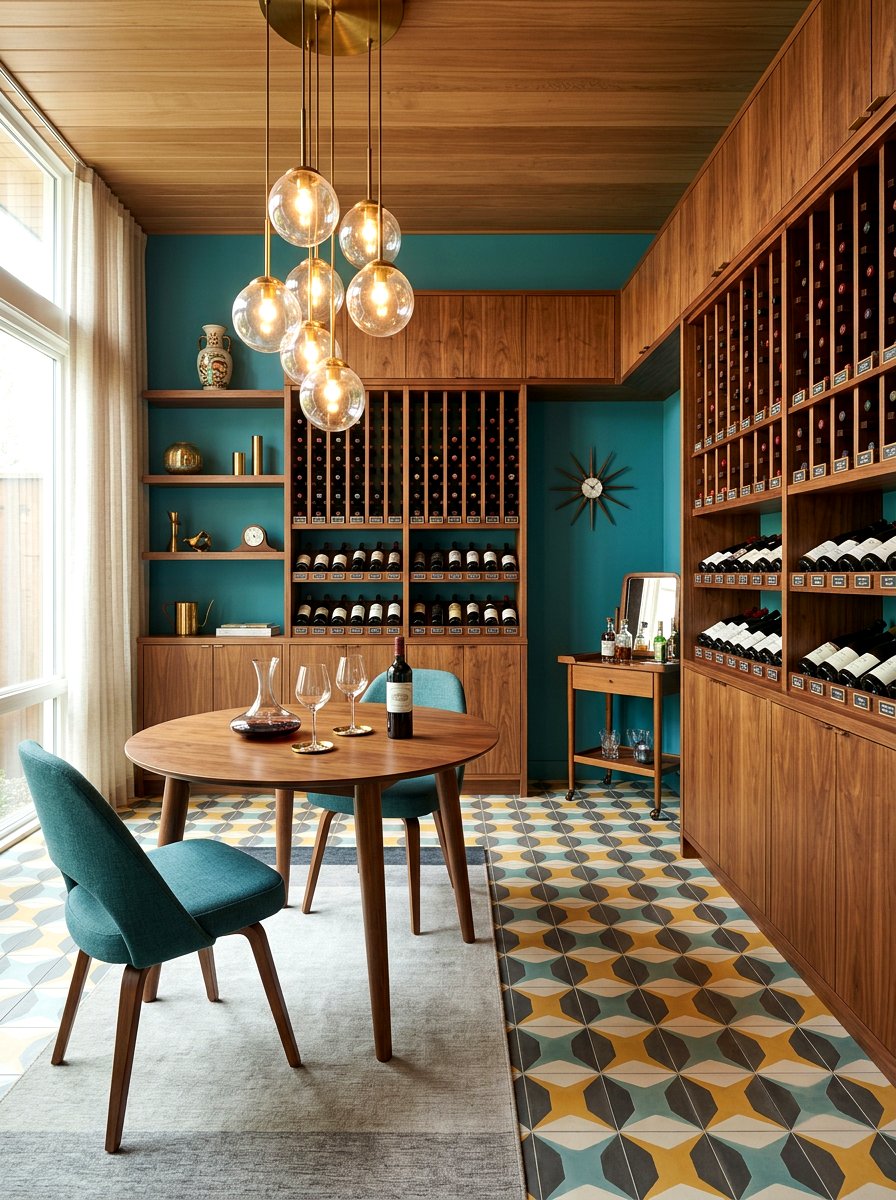
A mid-century modern wine room utilizes clean lines, organic shapes, and warm wood tones to create a stylish, retro-inspired basement space. This design often features walnut cabinetry, tapered legs on furniture, and geometric patterns in the tile or wall treatments. To keep the look authentic, you can use minimalist metal racks and statement light fixtures that echo the iconic designs of the 1950s and 60s. This aesthetic is perfect for homeowners who love a blend of vintage charm and modern functionality. The warm, inviting palette makes the cellar feel like a natural extension of the upstairs living areas, providing a seamless and very sophisticated transition between different levels of the home.
28. Metal Wine Rack Display
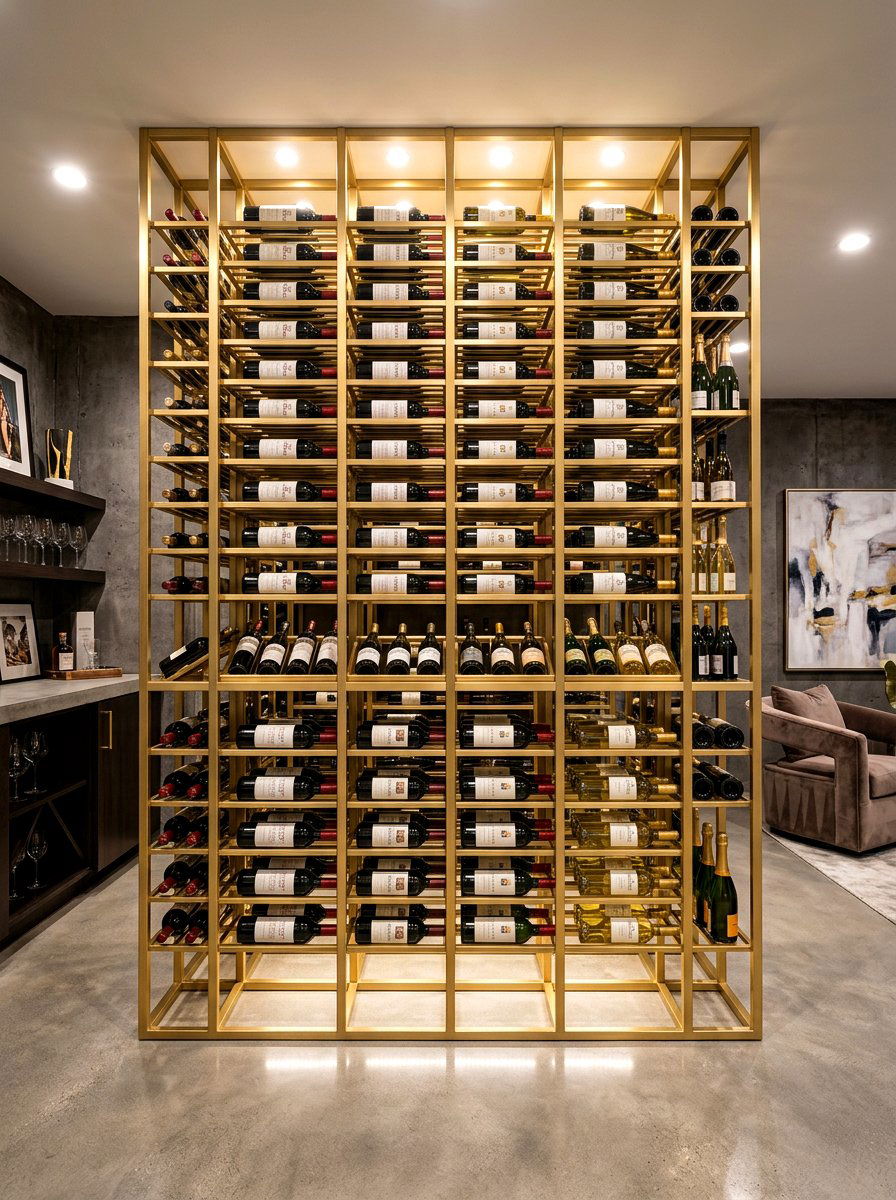
Choosing a metal wine rack display is a fantastic way to achieve a sleek, durable, and highly customizable storage solution in your basement. Metal systems are often modular, allowing you to add more rows as your collection grows over time. They come in a variety of finishes, from matte black and brushed gold to polished chrome, making it easy to match your existing basement decor. The thin profile of metal racks maximizes storage density without making the room feel crowded or dark. Because metal is a conductor of temperature, these racks help the bottles stay at the ambient room temperature more efficiently, ensuring that your cooling system works effectively throughout the entire space.
29. Scandinavian Wine Storage Room
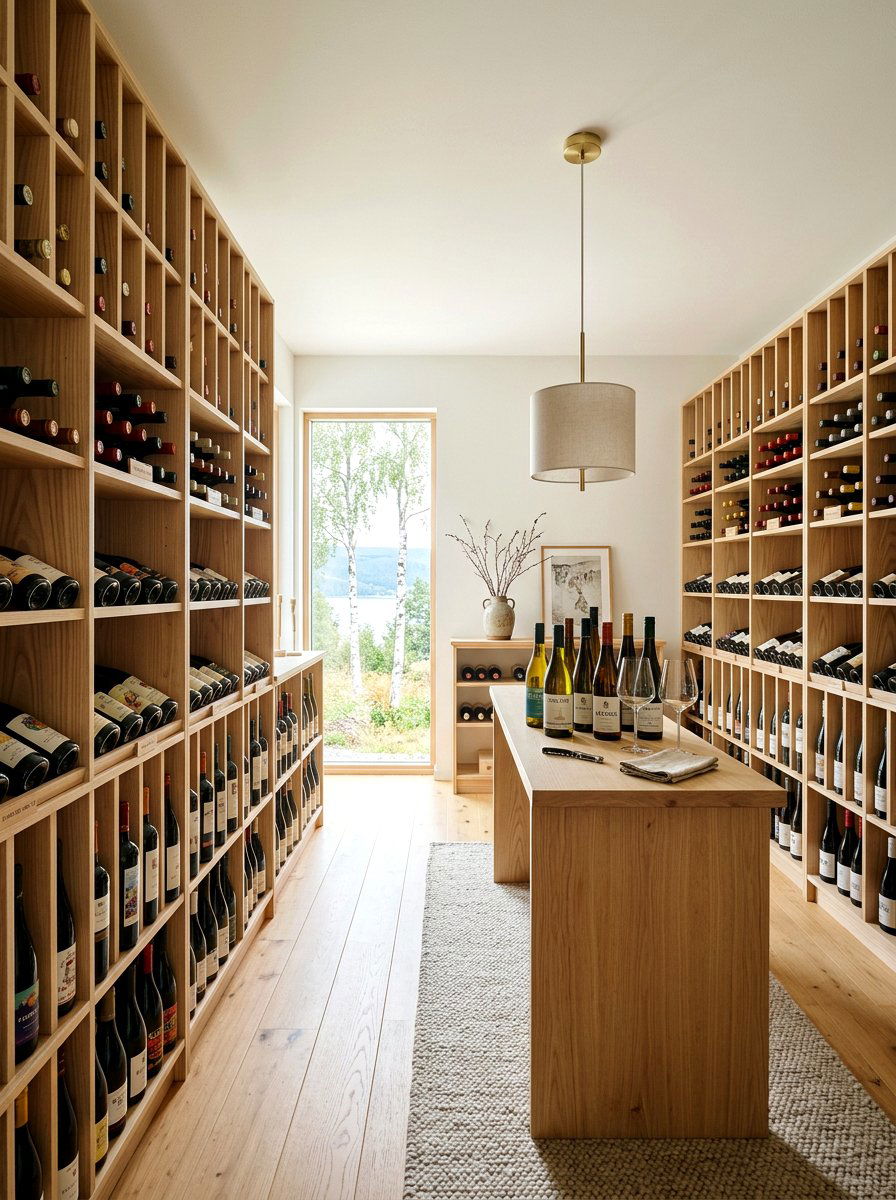
A Scandinavian wine storage room focuses on simplicity, functionality, and a light, airy color palette. This design uses light woods like ash or pine, combined with white walls and minimal decor to create a peaceful and organized environment. The racking is typically very clean and straightforward, avoiding any unnecessary ornamentation in favor of practical storage. This approach is ideal for basements that do not get much natural light, as the bright colors and natural materials help the room feel more spacious and energized. By focusing on "hygge, " or a sense of coziness and well-being, this design creates a beautiful sanctuary that feels both modern and incredibly comfortable.
30. Home Theater Wine Room
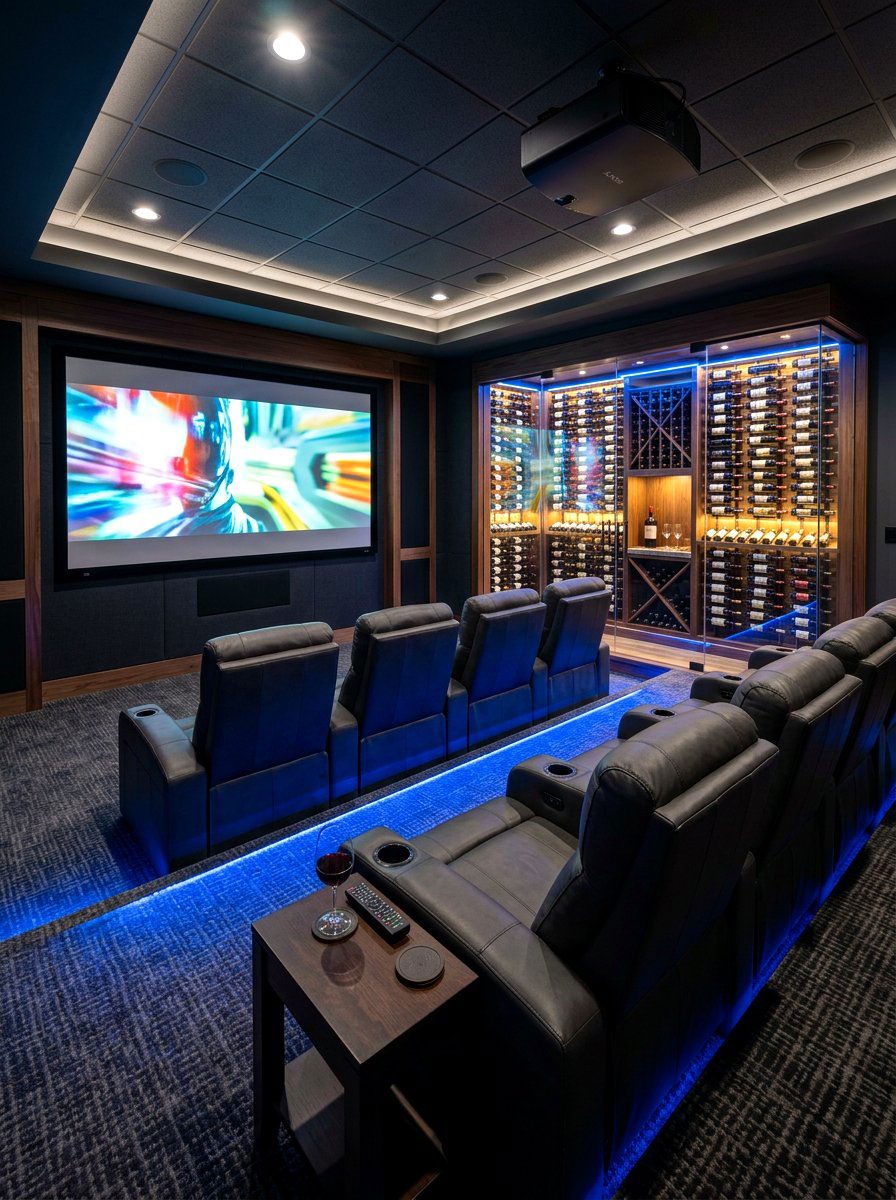
Combining a home theater with a wine room is the ultimate way to create a multi-functional entertainment hub in your basement. This design allows you to enjoy your favorite films while having your collection visible through a glass partition or integrated into the back of the room. You can use the cellar as a high-end "concession stand" where you select a bottle to enjoy during the movie. Proper soundproofing is key to ensuring that the cooling system for the bottles does not interfere with the theater’s audio quality. This dual-purpose space maximizes the utility of your basement, providing a luxurious destination that offers both visual excitement and a truly premium relaxation experience.
Conclusion:
Investing in a well-designed basement wine room is a powerful way to transform an underutilized area into a sophisticated sanctuary for your collection. Throughout this exploration of diverse styles, from modern glass enclosures to rustic stone cellars, it is clear that the best designs prioritize both function and aesthetic appeal. By carefully considering factors like climate control, lighting, and material selection, you can create a space that not only protects your investment but also serves as a stunning centerpiece for entertaining. Whether you have a vast collection or a small curated selection, a dedicated cellar adds immense value and personal satisfaction to your home.

Related posts: