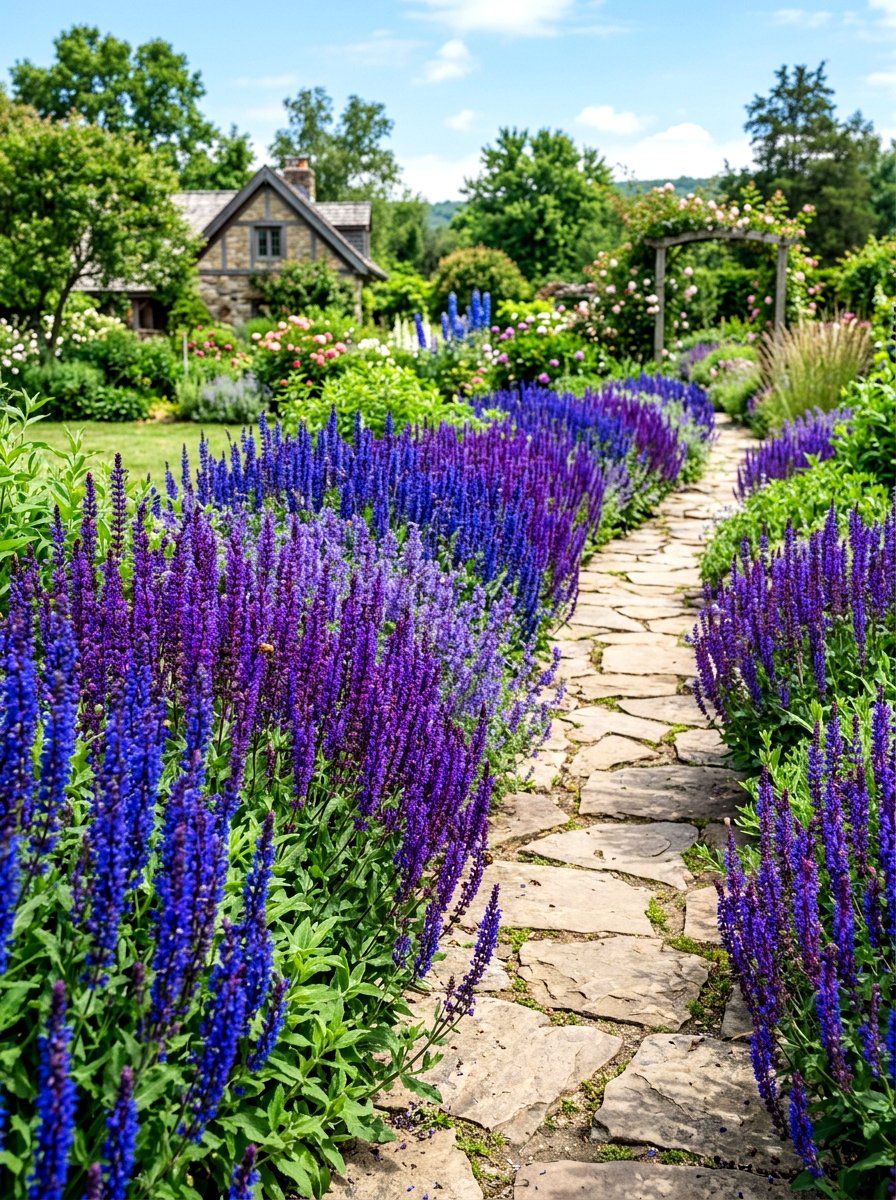
Creating a dedicated space for amphibians transforms your yard into a bustling sanctuary filled with life and natural beauty. Have you ever considered how a simple water feature can invite helpful creatures like frogs to manage your garden’s pest population? By building a specialized habitat, you provide essential breeding grounds while enjoying the soothing sounds of nature right outside your window. These projects range from expansive in-ground installations to charming small-scale containers perfect for balconies. Every design choice contributes to a balanced local ecosystem, offering shelter and moisture for various species. Exploring these diverse concepts will help you find the perfect balance between aesthetic appeal and functional wildlife support.
1. Backyard Wildlife Pond
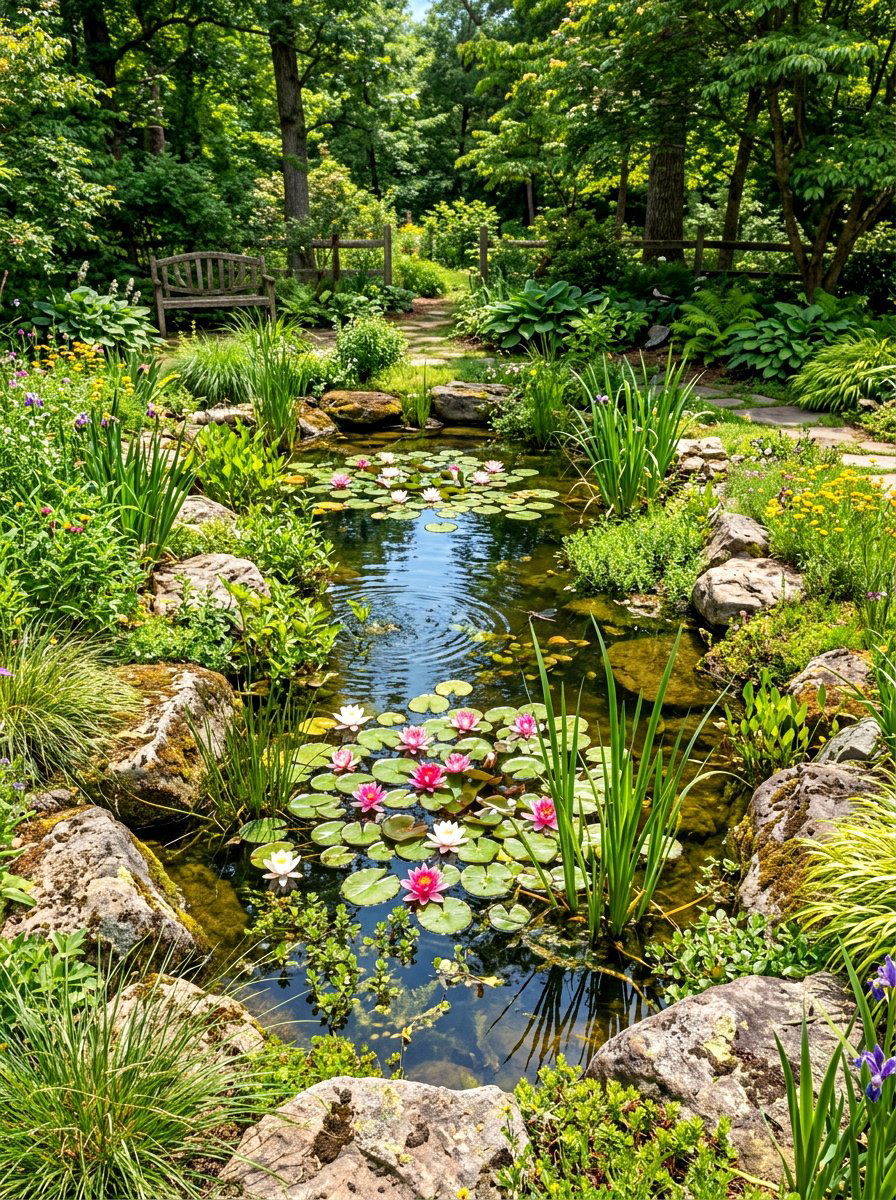
How can you invite nature into your suburban space without needing a massive lake? A backyard wildlife pond is the ultimate solution for those wanting to support local biodiversity while adding a stunning focal point to their landscape. These ponds typically feature irregular, organic shapes that mimic natural watering holes found in the wild. By avoiding harsh chemicals and focusing on native vegetation, you create a safe haven where frogs can thrive and reproduce. Incorporating different depths allows for various plant species and provides cooler retreats during hot summer days. This setup not only attracts amphibians but also brings in birds and beneficial insects for a complete garden ecosystem.
2. Small Container Pond
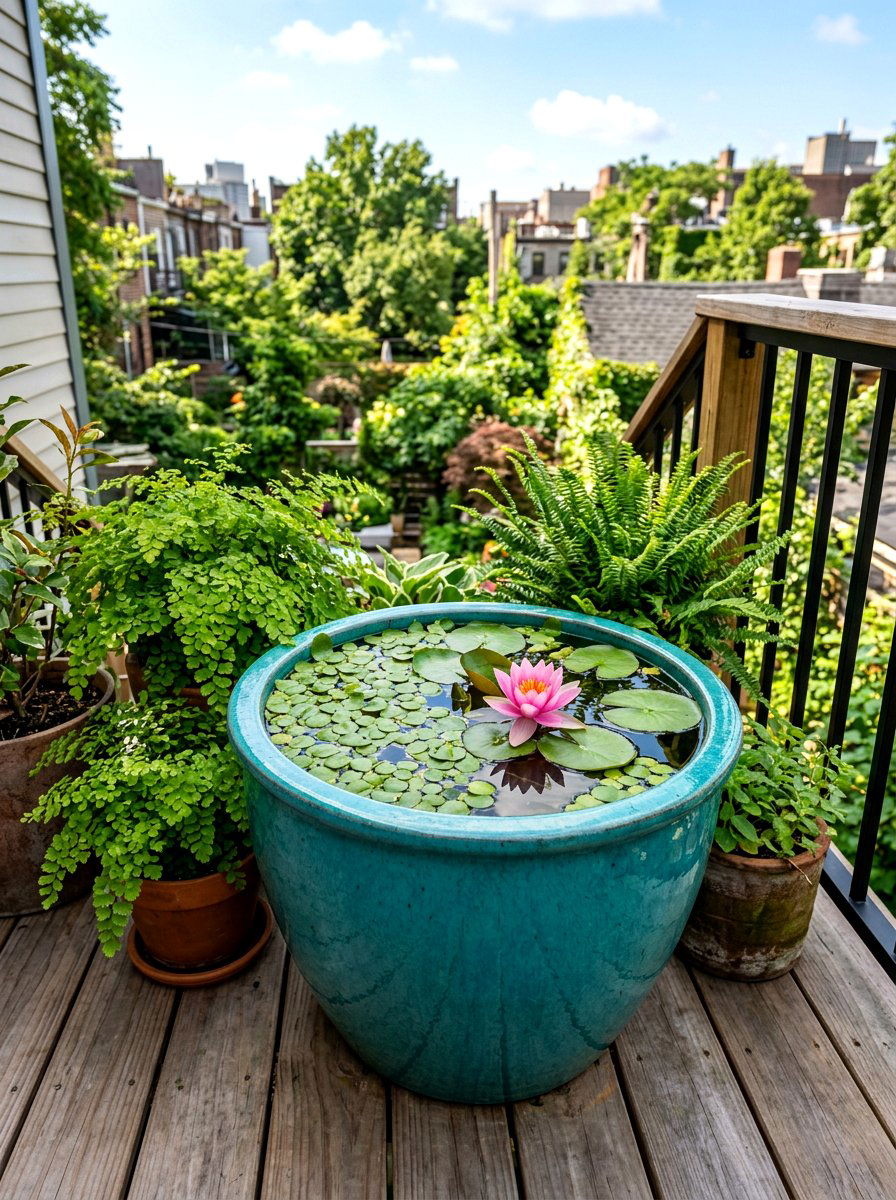
Is your outdoor space limited to a tiny patio or a small balcony? You can still enjoy the presence of aquatic life by setting up a compact container pond using large ceramic or plastic pots. These miniature habitats are incredibly easy to maintain and can be moved around to catch the perfect amount of light. To make it frog-friendly, ensure there is a clear way for them to climb in and out, such as a stack of rocks or a sturdy piece of driftwood. Adding a few floating plants like frogbit provides essential shade and hiding spots. It is a wonderful way to bring a touch of nature to urban environments.
3. Natural Stone Pond
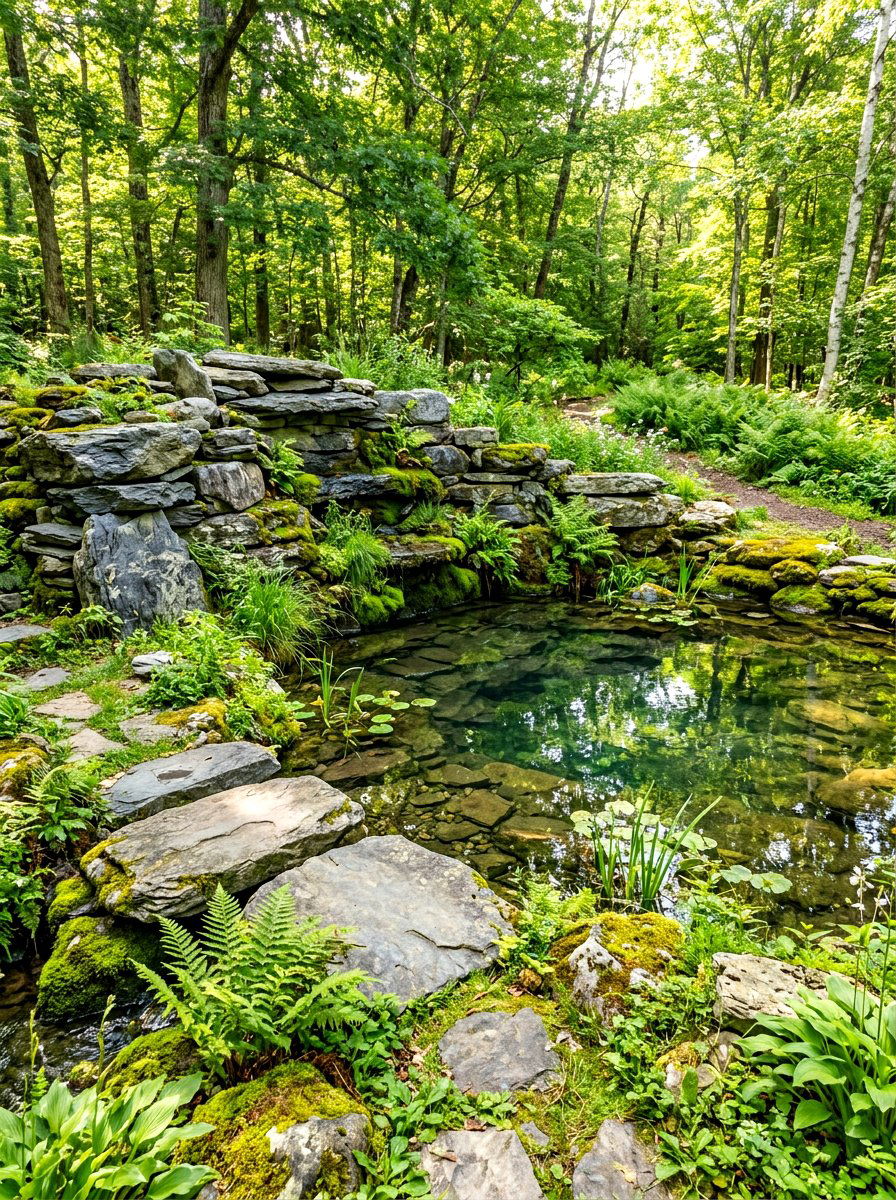
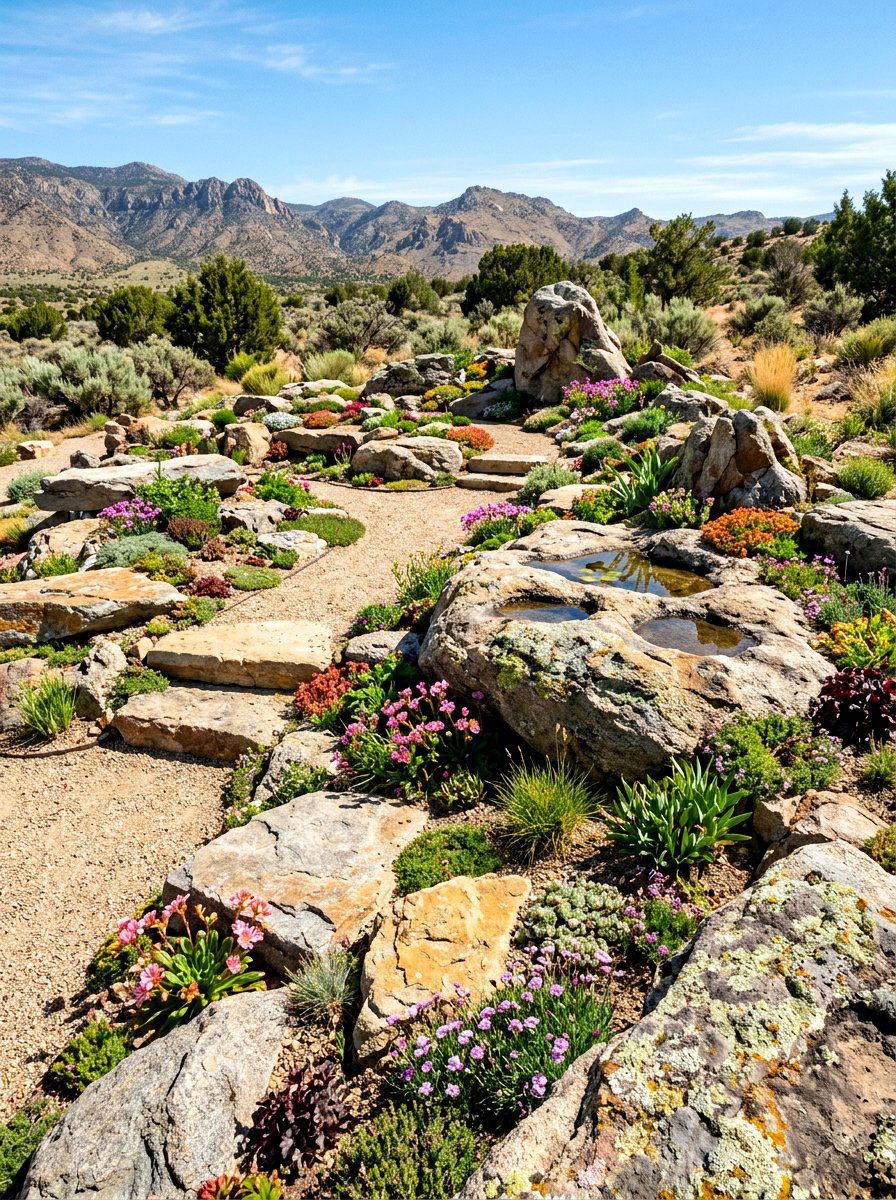
Have you ever seen a water feature that looks like it has been part of the earth for centuries? A natural stone pond uses local rocks and boulders to create a seamless transition between the water and the surrounding garden. This style is particularly effective for attracting frogs because the crevices between the stones offer perfect hiding spots from predators. Using flat stones near the water’s edge provides excellent basking platforms for amphibians to warm themselves in the morning sun. The heavy use of minerals and varied rock sizes helps the pond blend perfectly into any rustic or woodland-themed landscape, making it feel truly authentic.
4. Preformed Plastic Pond
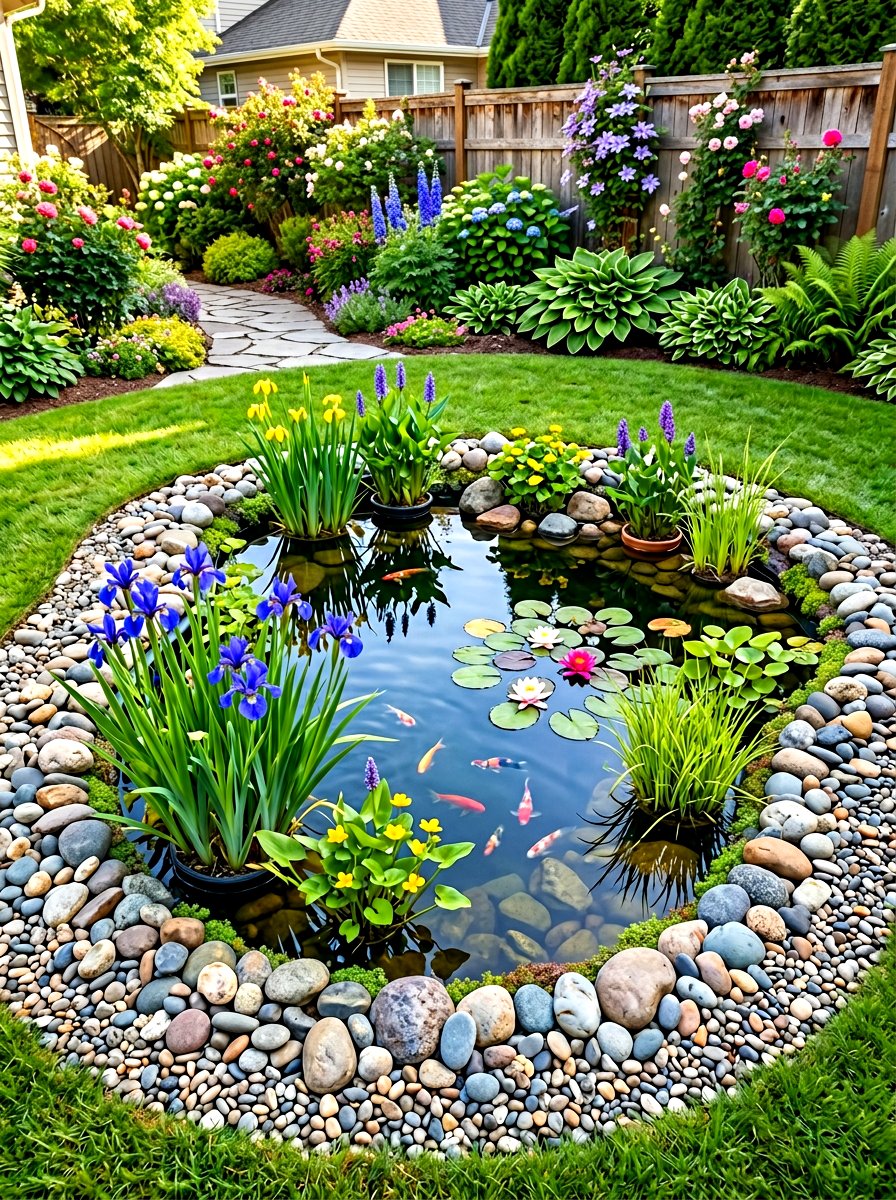
Are you looking for a quick and reliable way to start your aquatic journey? A preformed plastic pond liner provides a sturdy, ready-made shape that simplifies the digging and installation process. These liners often come with built-in shelves at different heights, which are perfect for placing marginal plants that frogs love to sit amongst. Because the shape is fixed, you can plan your surrounding landscape with precision, ensuring that rocks and plants hide the plastic edges completely. This type of pond is highly durable and prevents leaks, making it a stress-free option for beginners who want a functional and attractive water feature in their yard.
5. Solar Fountain Pond
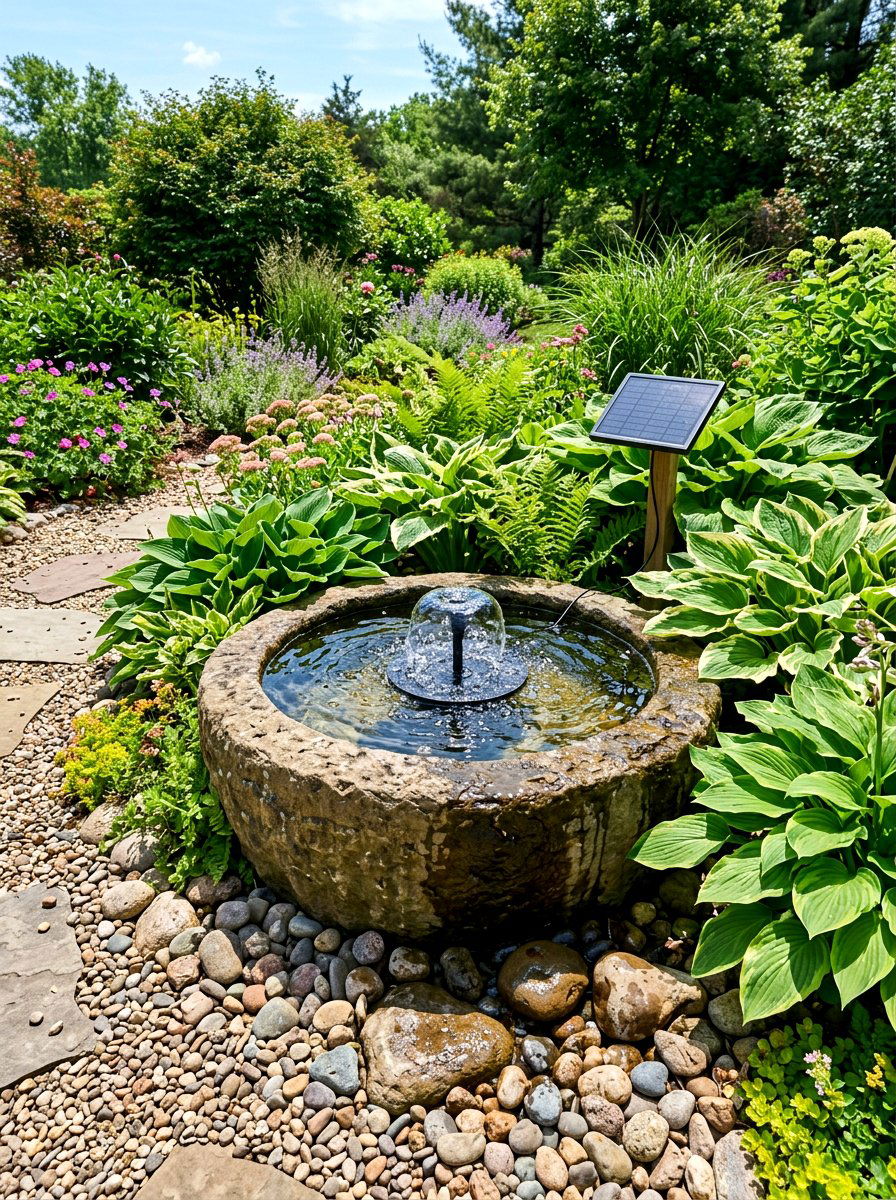
Does the idea of installing electrical wiring in your garden seem too complicated? A solar fountain pond offers a sustainable and easy way to keep your water moving without the need for traditional power sources. Moving water is less likely to become a breeding ground for mosquitoes, but it still remains attractive to frogs who enjoy the gentle splashing sound. You should choose a low-pressure fountain to ensure the surface remains calm enough for frogs to rest on lily pads. The solar panel can be placed in a sunny spot nearby, providing the energy needed to oxygenate the water and maintain a healthy, vibrant aquatic environment.
6. Above Ground Pond
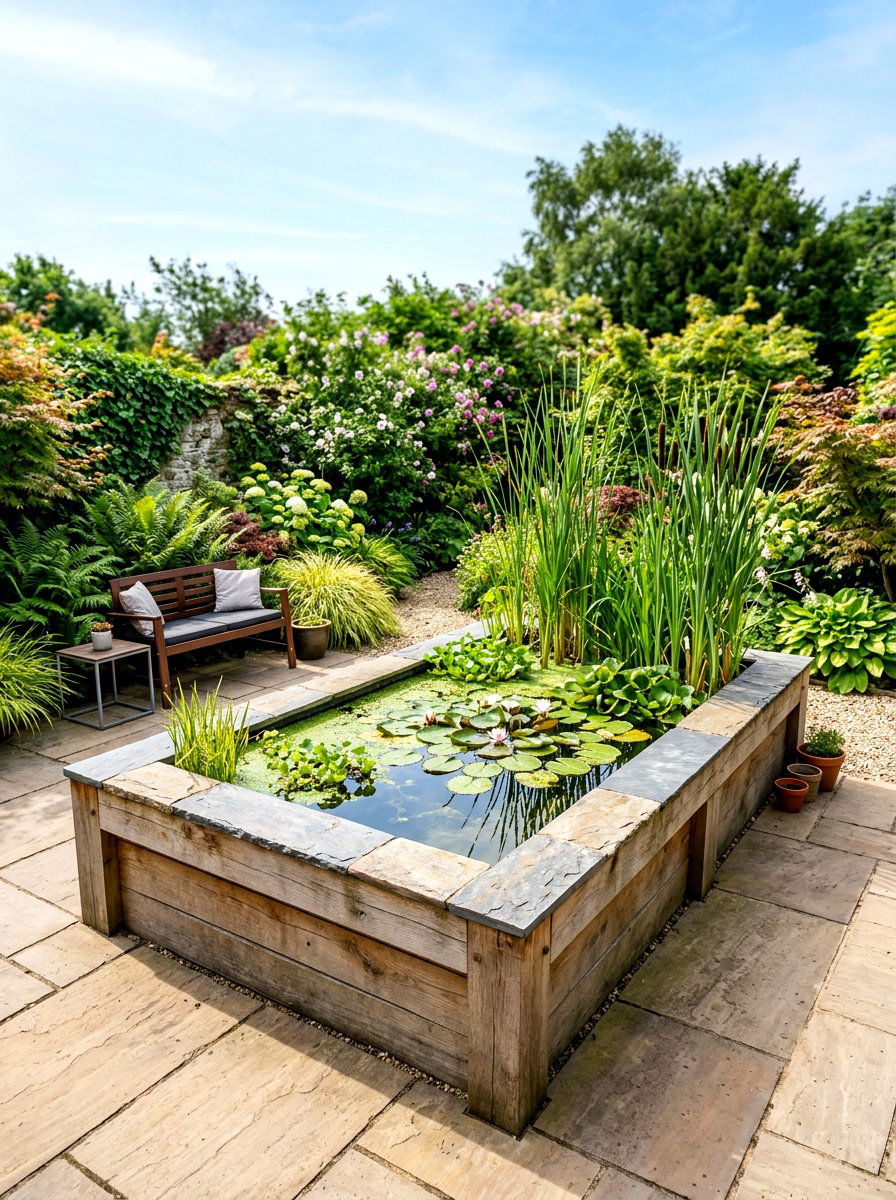
What if you want a water feature but have rocky or difficult soil that makes digging impossible? An above ground pond allows you to build upward using timber, stone, or decorative bricks to create a raised basin. This design is excellent for keeping the water safe from ground-level runoff and provides a unique viewing height for residents. To help frogs access the water, you can build a small ramp or stack stones along the outer wall. Inside, use a variety of submerged and floating plants to create a lush environment. This approach is stylish and modern, fitting perfectly into contemporary patio designs or formal garden layouts.
7. Water Lily Pond
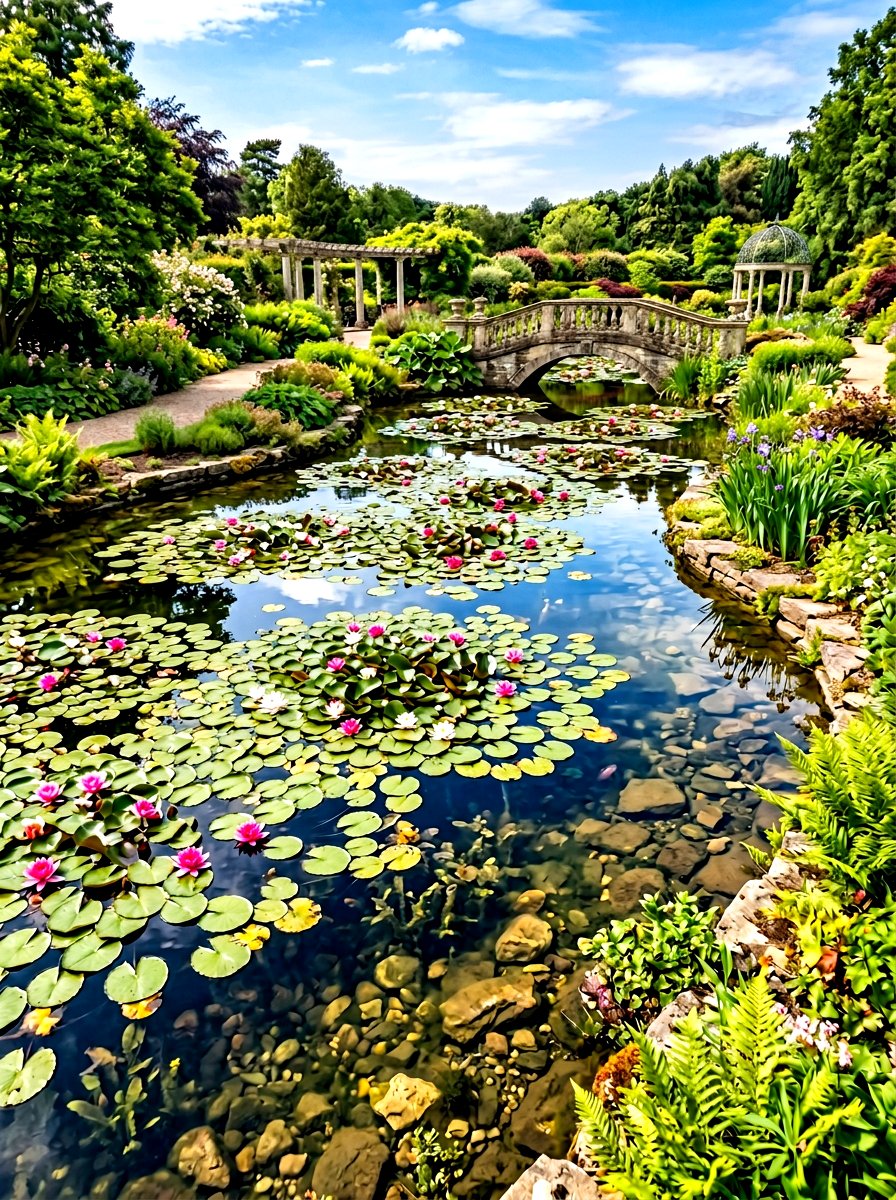
Can anything be more iconic than a frog sitting peacefully on a floating green leaf? A water lily pond focuses on these beautiful flowering plants to provide extensive surface cover and shade. The large, flat leaves of the lilies act as perfect resting spots for amphibians while also preventing the water from overheating in direct sunlight. Lilies are available in many colors, adding a vibrant splash of beauty to your garden throughout the summer months. By keeping the center of the pond open for these plants, you create a classic, serene look that functions as both a visual masterpiece and a vital habitat for local wildlife.
8. Garden Bog Pond
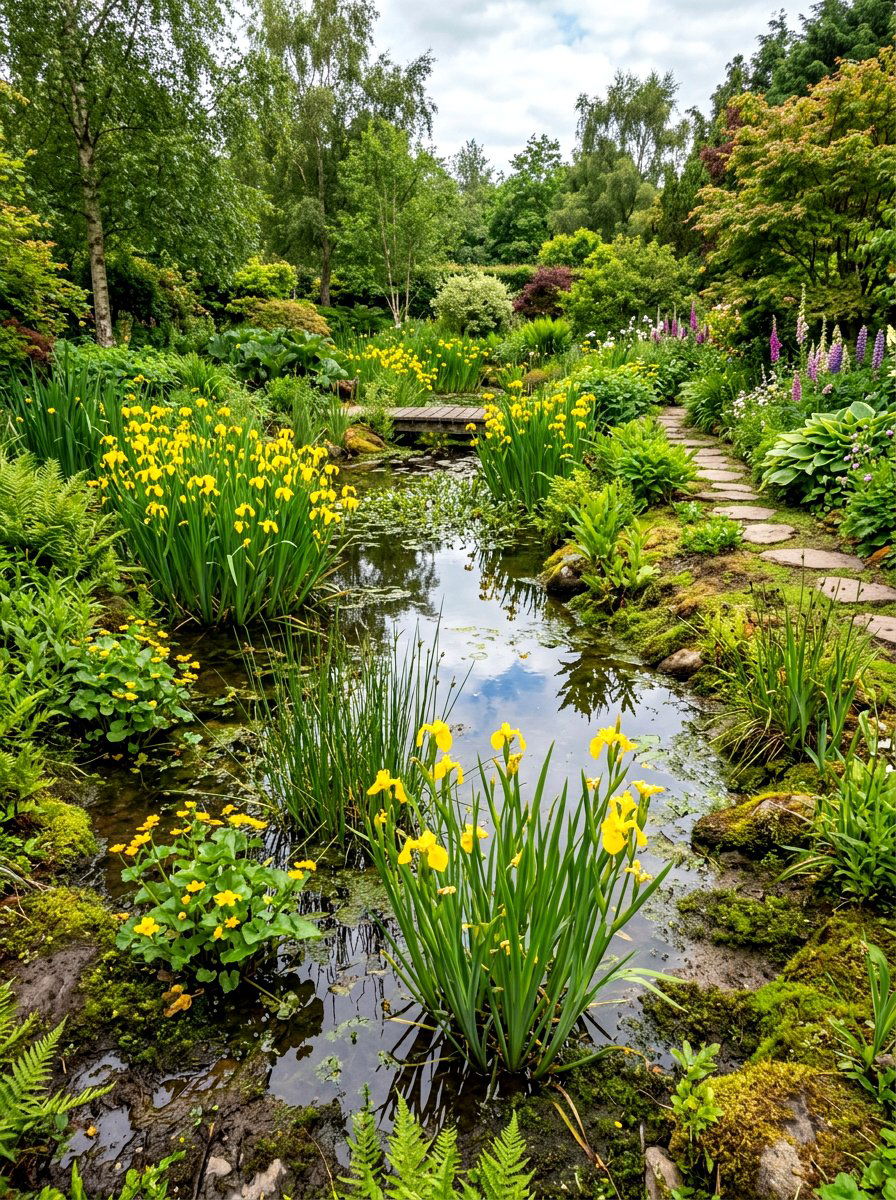
Are you interested in a water feature that mimics the damp, marshy areas of the deep woods? A garden bog pond is characterized by very shallow water and a high density of moisture-loving plants like irises and rushes. This environment is heaven for many frog species that prefer damp mud and thick vegetation over deep, open water. The lack of depth makes it a very safe option for homes with small children while still providing all the ecological benefits of a traditional pond. It acts as a natural filter, cleaning the water and creating a rich, nutrient-dense space where tadpoles can grow safely among the roots.
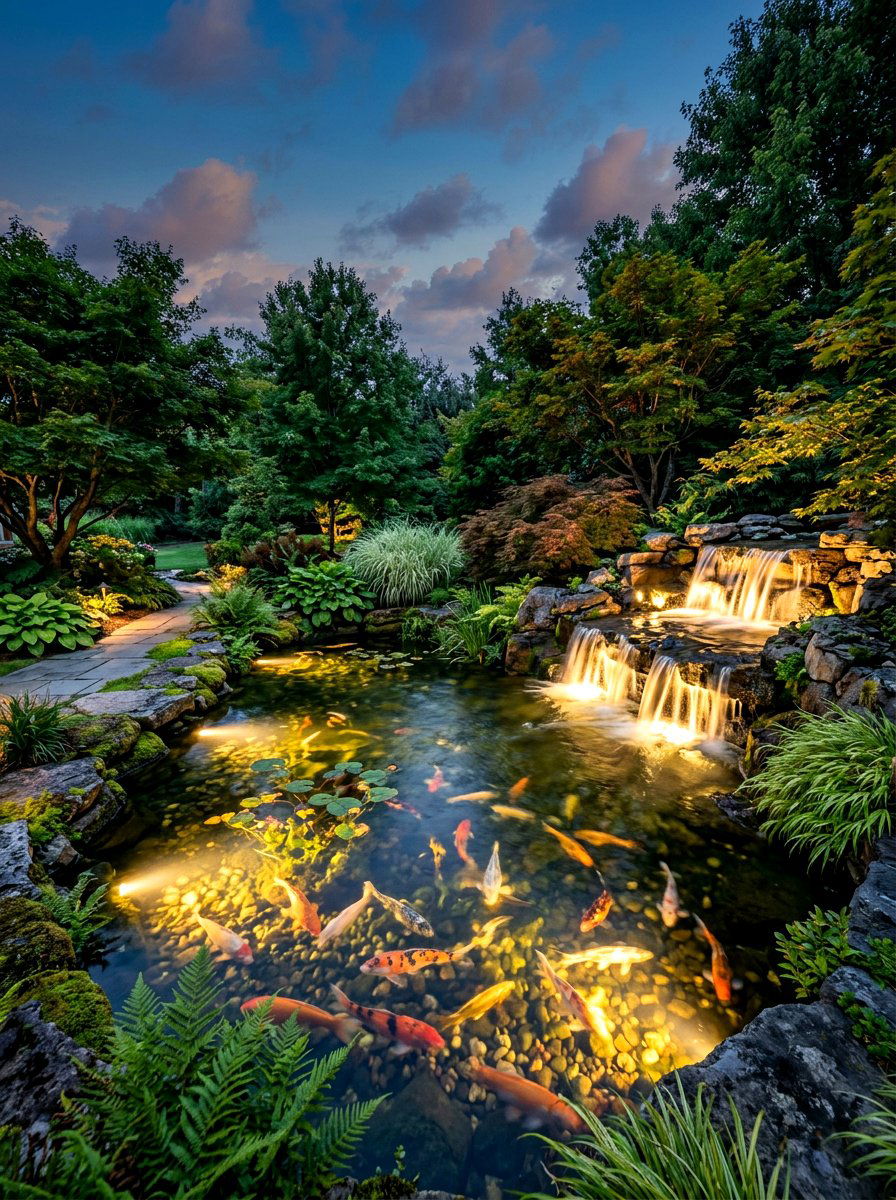
9. Rock Waterfall Pond
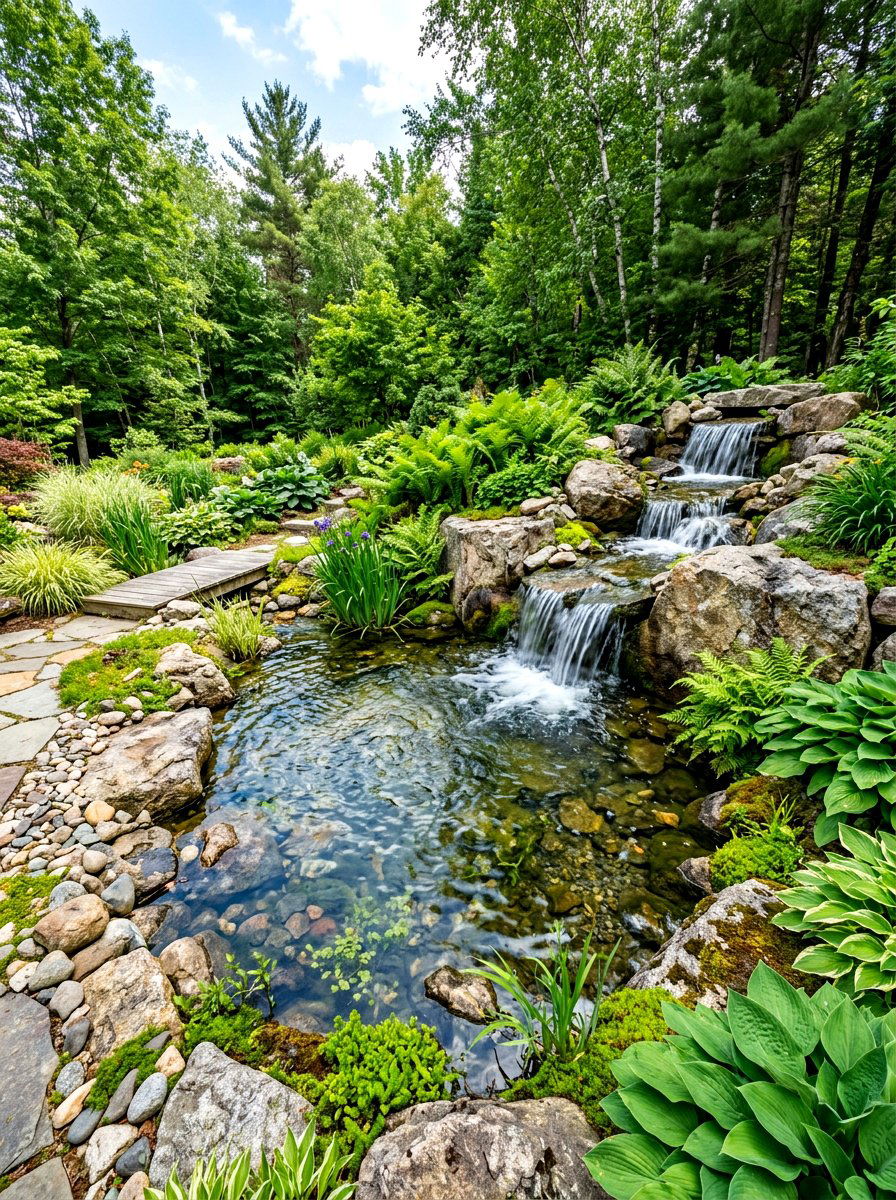
Would you like to add a sense of movement and peaceful sound to your backyard sanctuary? A rock waterfall pond combines the stability of a still pool with the dynamic beauty of cascading water. The waterfall helps to keep the water highly oxygenated, which is beneficial for the overall health of the ecosystem. Frogs often gather near the base of the falls where the humidity is high and the air is cool. By using varied stone sizes, you can create a series of small drops that look completely natural. This design anchors the entire garden, providing a dramatic focal point that attracts a wide variety of thirsty wildlife.

10. Shady Wood Pond
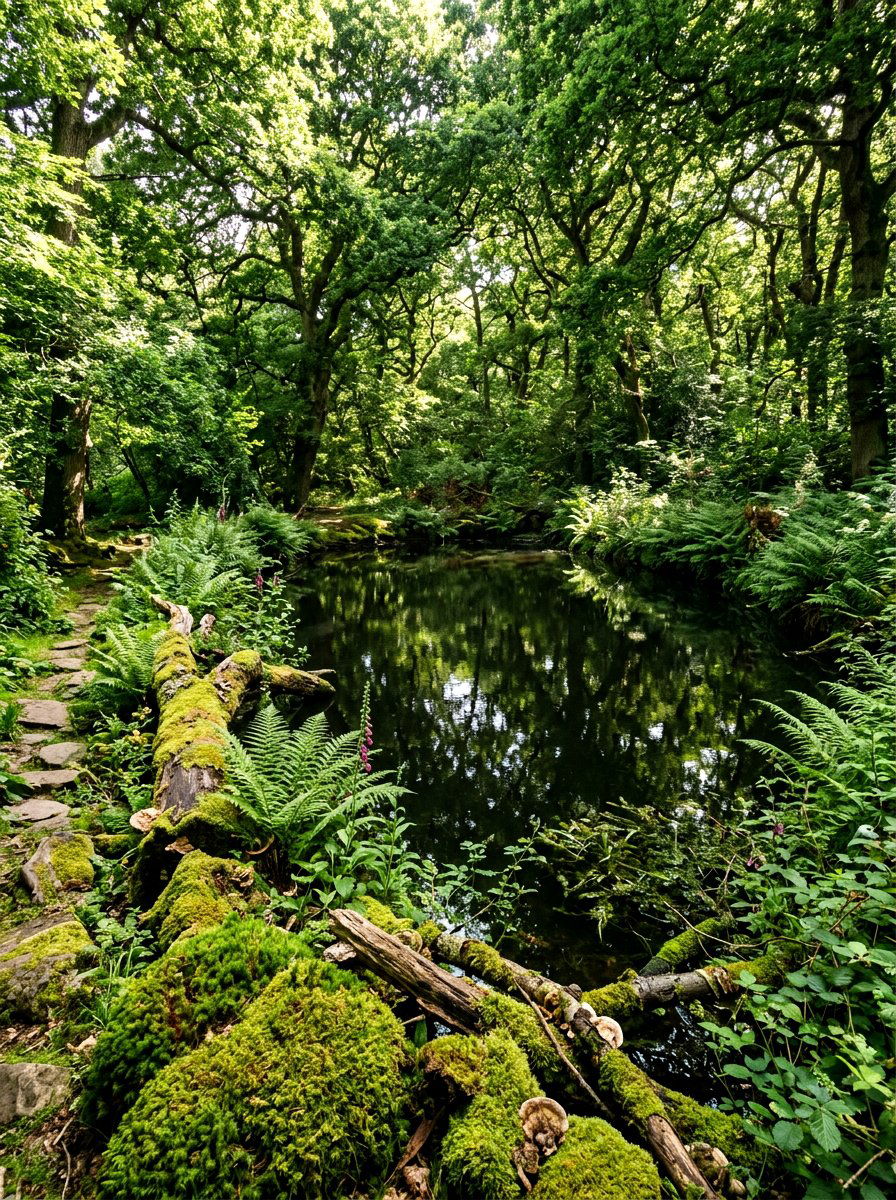
Do you have a corner of your yard that stays dark and cool under the canopy of large trees? A shady wood pond takes advantage of these conditions to create a mossy, damp retreat that frogs absolutely adore. In this setting, the water remains at a more consistent temperature, and the surrounding leaf litter provides ample food and shelter. You can surround the water with ferns, hostas, and decaying logs to mimic a forest floor. This design is low-key and blends into the natural landscape, offering a quiet place for reflection while supporting the life cycles of amphibians that prefer a more secluded and protected environment.
11. Native Plant Pond
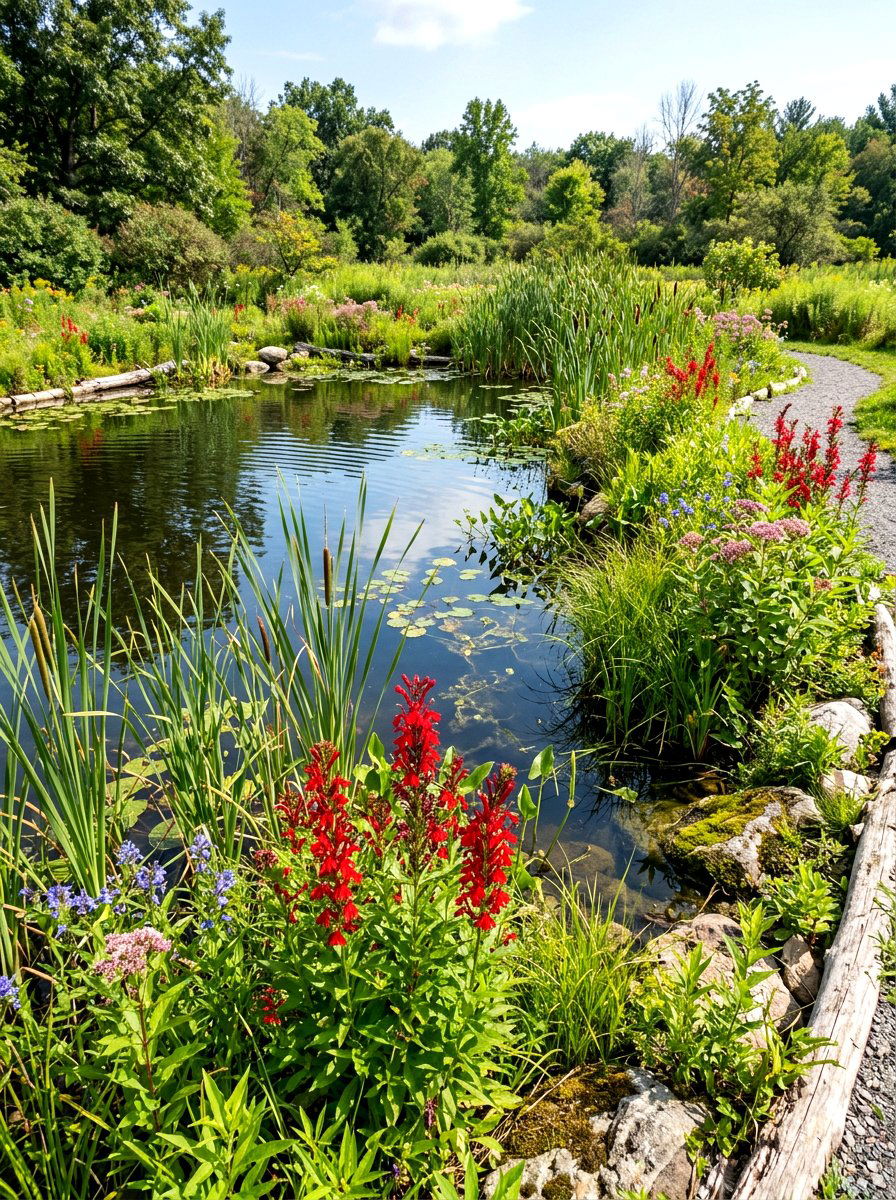
Why not support your local environment by using only vegetation that naturally occurs in your region? A native plant pond is specifically designed to provide the exact food and shelter that local frog species need to survive. These plants are often hardier and require less maintenance because they are already adapted to your climate and soil conditions. Using local reeds, sedges, and wildflowers creates a seamless look that fits perfectly into the surrounding wild landscape. This approach ensures that the insects attracted to the pond are the right ones for the local frogs to eat, creating a perfectly balanced and self-sustaining ecosystem for years to come.
12. Desktop Water Pond
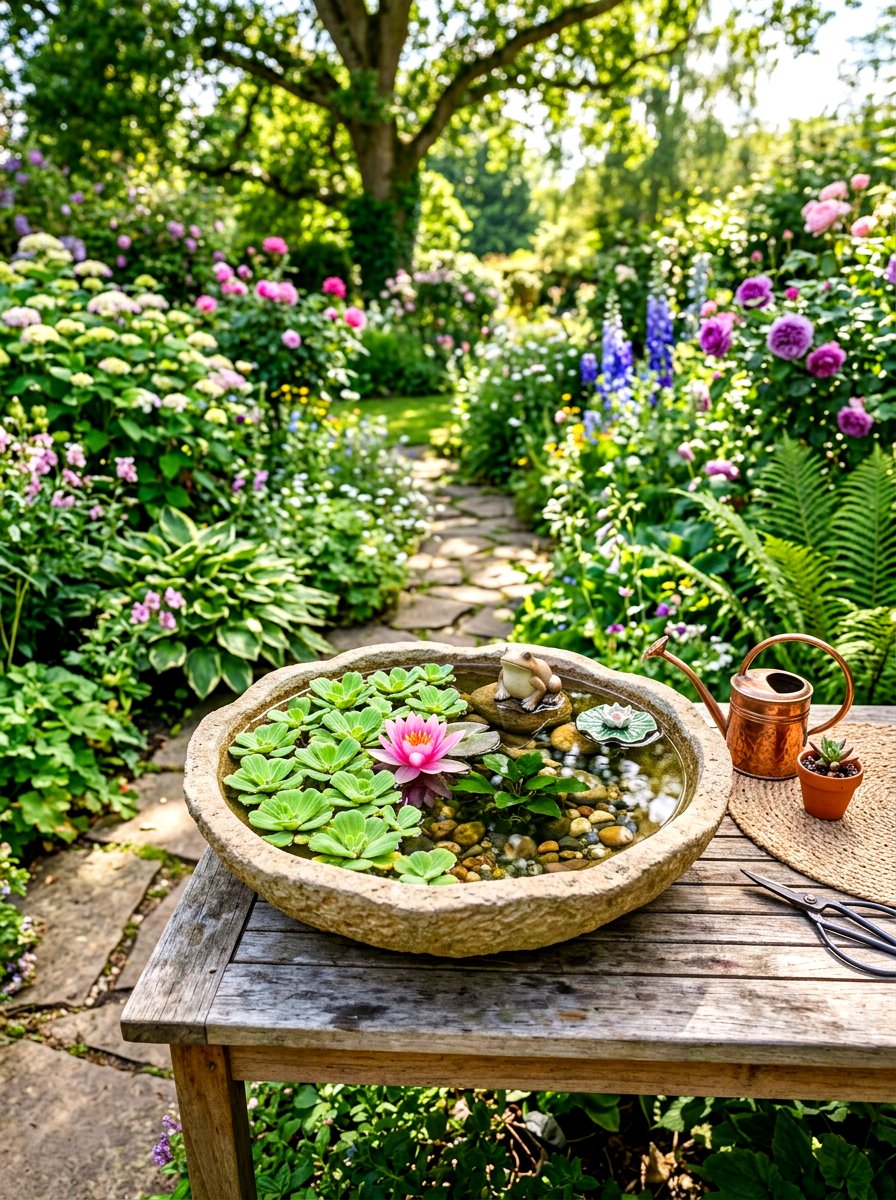
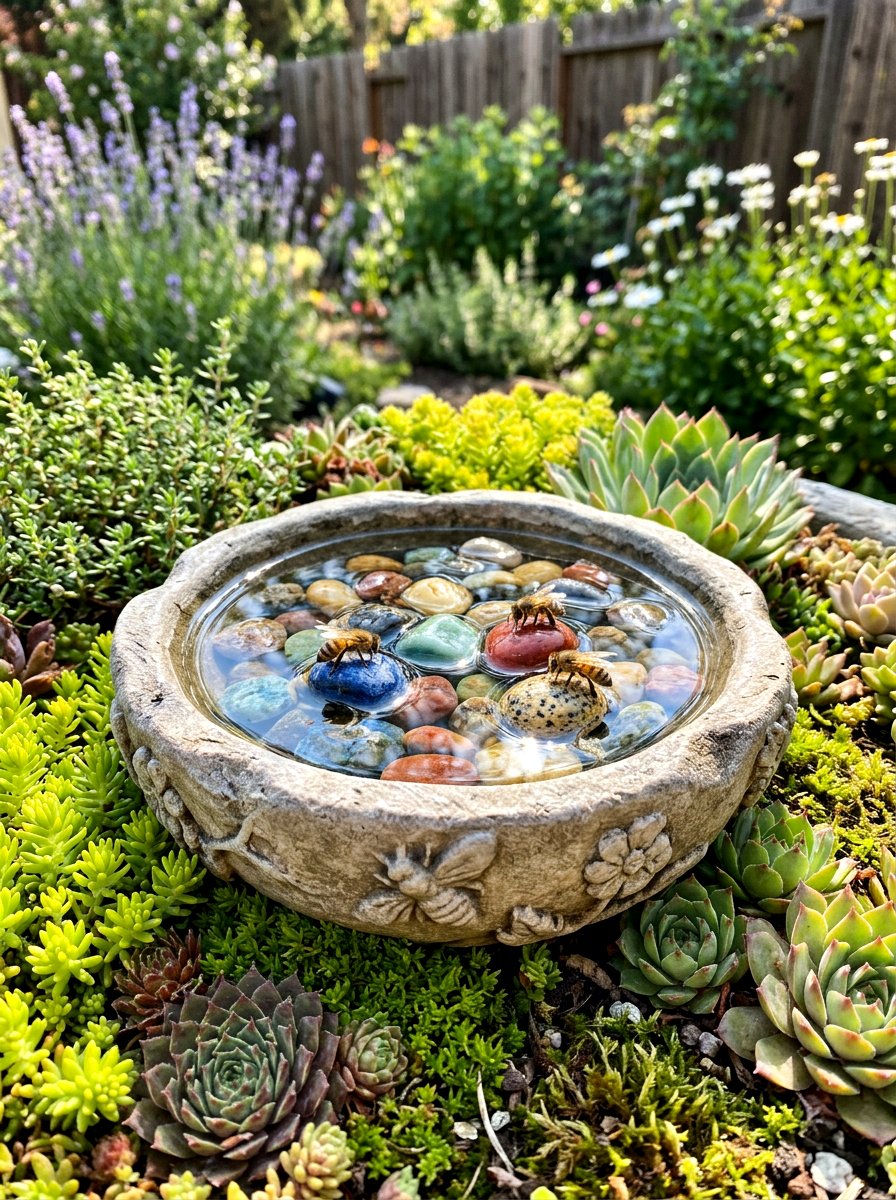
Can you bring the joy of a frog habitat onto your outdoor dining table or porch railing? A desktop water pond is a miniature version of a larger feature, usually contained within a decorative bowl or a shallow basin. While it may not host a large population of frogs, it serves as a vital drinking station and a cooling spot for smaller amphibians. Use tiny aquatic plants like miniature water lettuce or dwarf lilies to keep the scale appropriate. It is a delightful way to observe nature up close and adds a refreshing element to your outdoor living spaces without requiring any significant construction or yard space.
13. Multi Level Pond
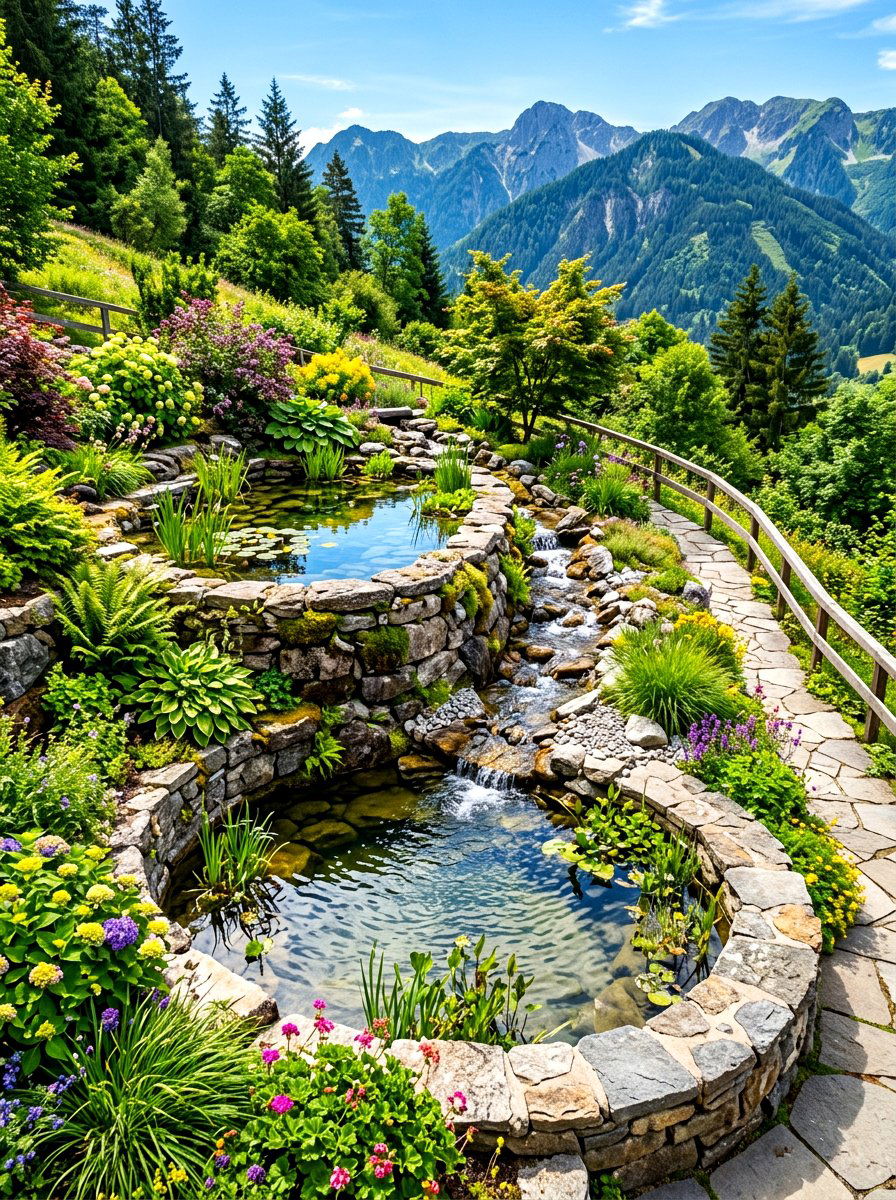
What if you could create a series of interconnected pools that flow into one another? A multi level pond uses the natural slope of your yard to create different zones, each offering a unique habitat. The upper pools might be shallower and warmer, perfect for tadpoles, while the lower pool can be deeper for adult frogs to overwinter. Connecting these levels with small streams or stony spillways adds a beautiful visual rhythm to the garden. This design provides multiple entry and exit points, ensuring that wildlife can move freely between different environments. It is a sophisticated way to maximize the ecological potential of a sloping landscape.
14. Modern Square Pond
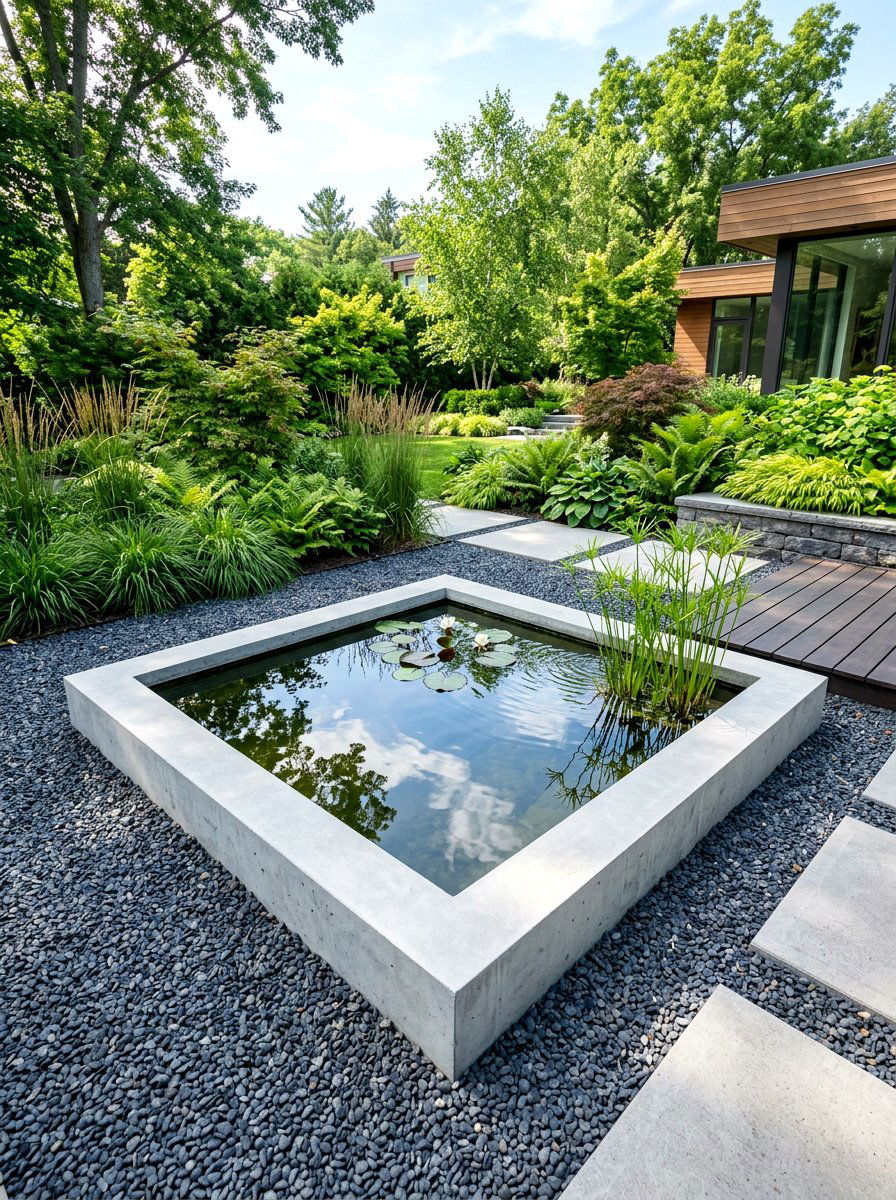
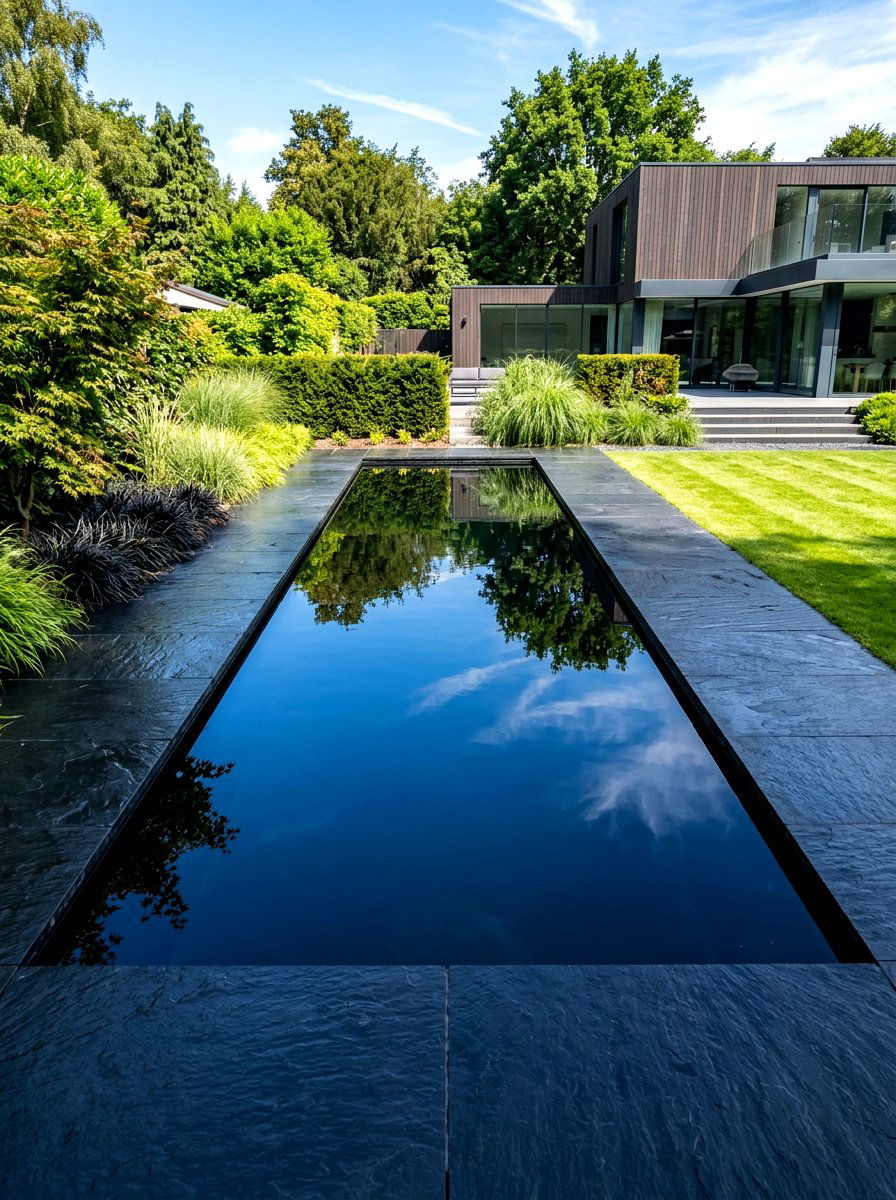
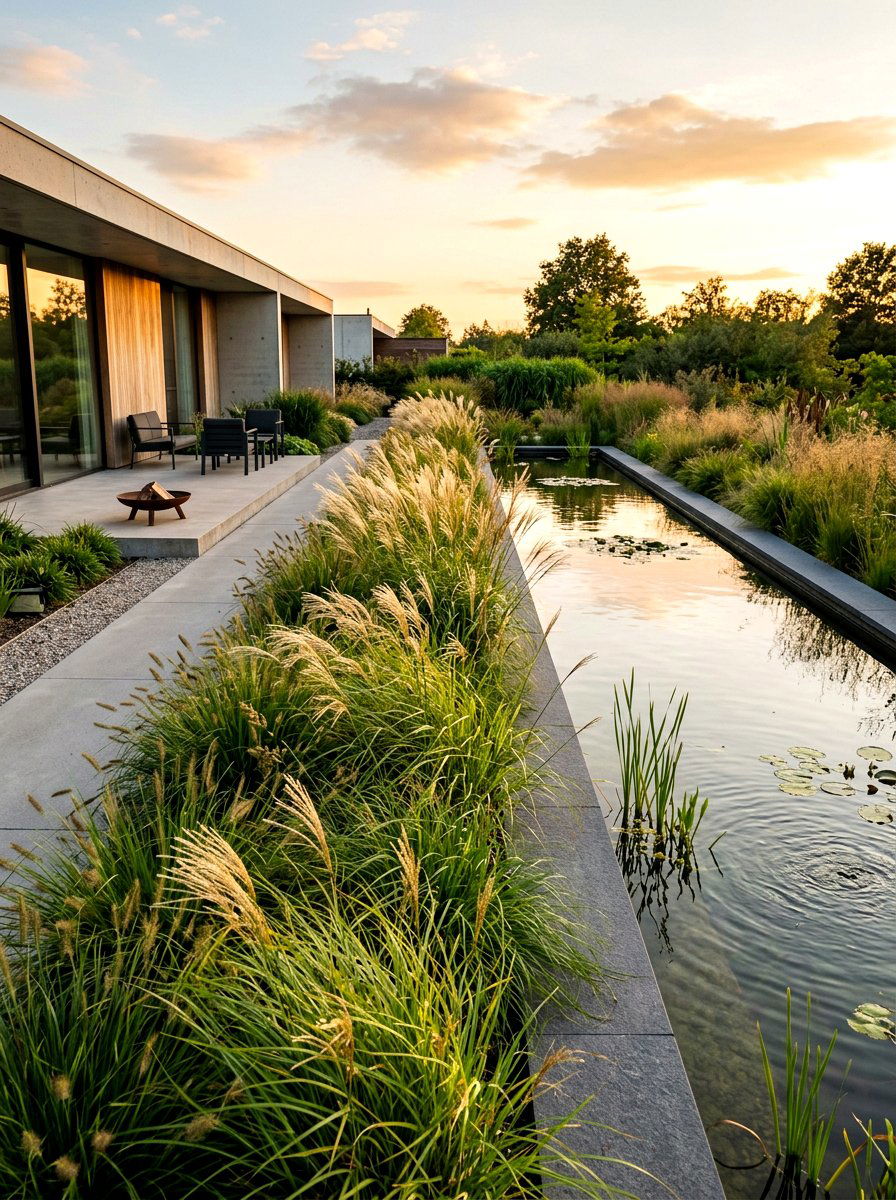
Are you looking for a water feature that complements the clean lines of a contemporary home? A modern square pond uses sharp angles and sleek materials like poured concrete or dark metal to create a minimalist look. While it appears architectural, it can still be a thriving home for frogs if you include internal ledges and plenty of aquatic vegetation. To soften the edges, you can place low-growing grasses or mosses around the perimeter. This design proves that wildlife-friendly gardens do not have to look wild or unkempt, allowing you to enjoy a high-end aesthetic while still being a responsible steward of your local environment.
15. Farmhouse Trough Pond
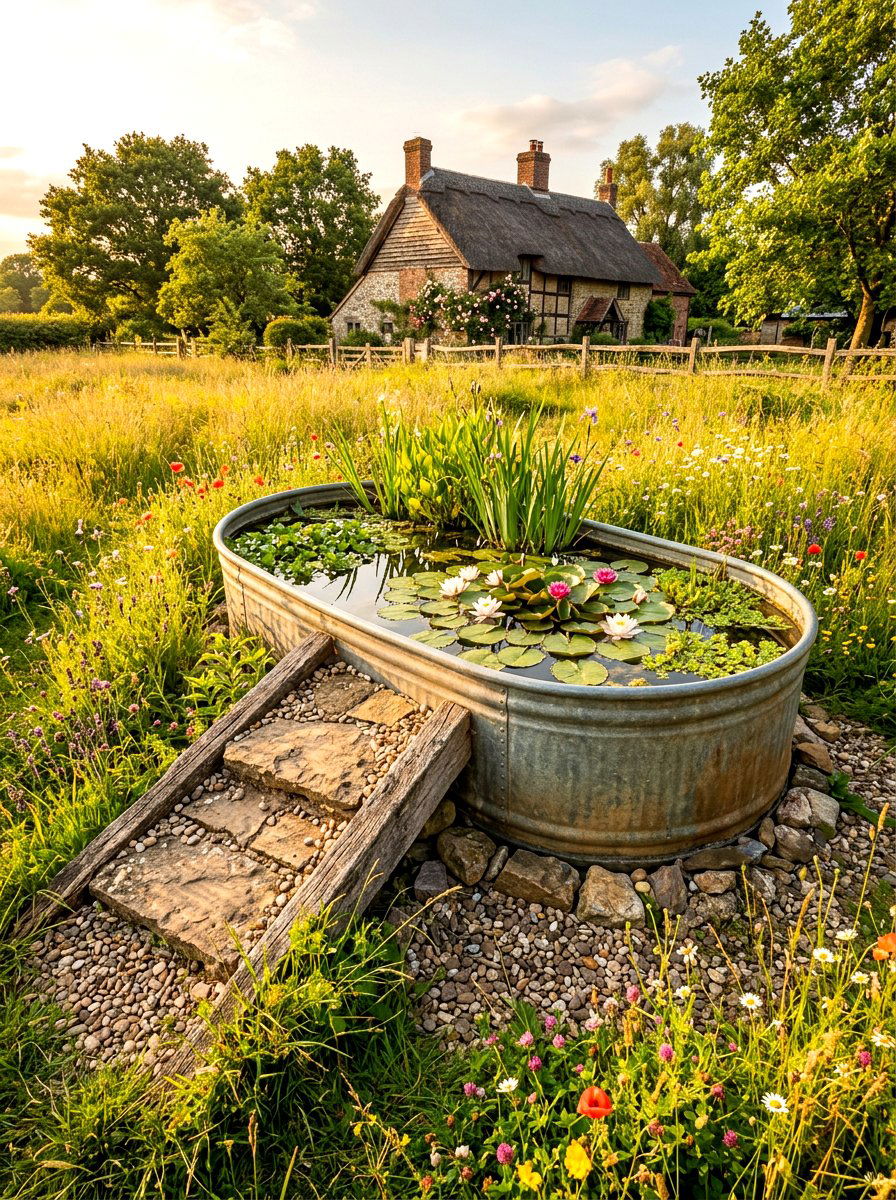
Do you want to add a touch of rustic charm to your garden while repurposing old materials? A farmhouse trough pond uses a vintage galvanized metal livestock tank or a stone trough as a ready-made basin. These containers are incredibly durable and provide a deep, stable environment for aquatic plants and animals. To make it safe for frogs, you must include a ramp or a pile of stones inside so they can easily climb out of the water. The silver finish of a galvanized tank develops a beautiful patina over time, making it a stylish and functional addition to any country-style or eclectic garden setting.
16. Plastic Liner Pond
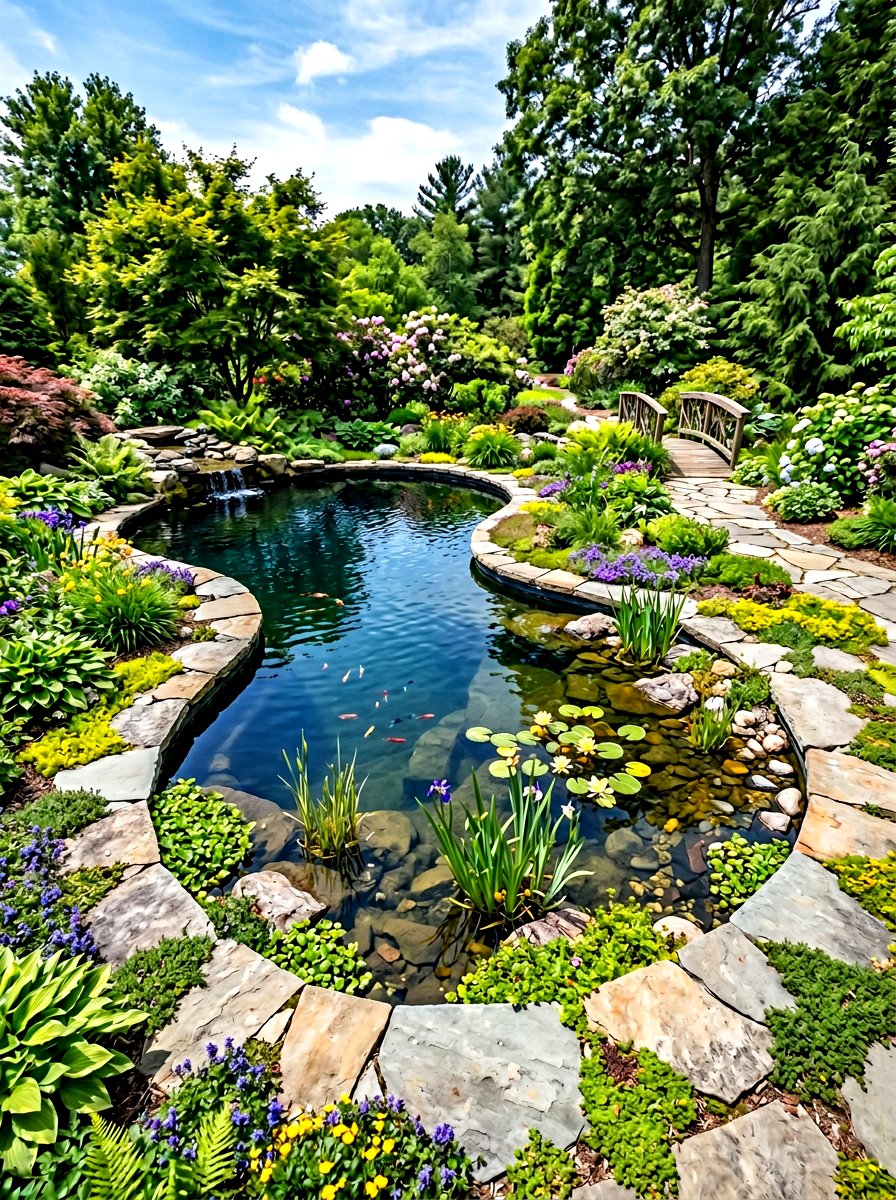
How do you create a custom-shaped pond that fits perfectly into an awkward space? A plastic liner pond uses a flexible, heavy-duty sheet that can be molded to any hole you dig, allowing for complete creative freedom. You can design deep pockets for overwintering and wide, shallow shelves for marginal plants that provide cover for frogs. This method is cost-effective and allows you to build a pond that looks entirely natural once the edges are tucked under rocks or hidden by thick grass. It is the preferred choice for those who want to build a large, complex ecosystem that feels like a natural part of the yard.
17. Tropical Plant Pond
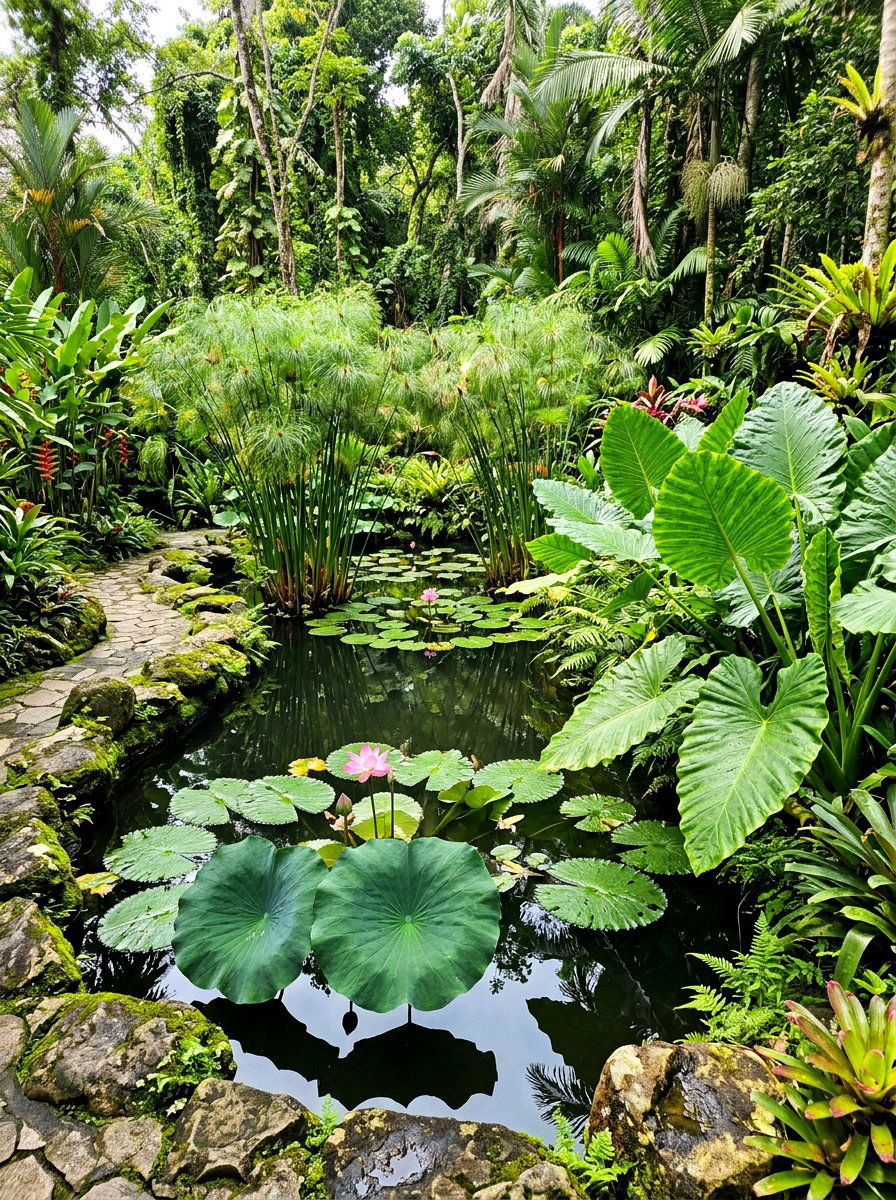
Would you like to feel like you are stepping into a lush jungle every time you walk into your backyard? A tropical plant pond uses exotic, large-leaved plants like lotus, elephant ears, and papyrus to create a dense and vibrant canopy. Frogs thrive in the high humidity and shade provided by these fast-growing species. The bold colors and textures of tropical flora make the pond stand out as a dramatic feature. Even in cooler climates, many of these plants can be grown in pots and moved indoors for the winter, allowing you to maintain a spectacular and frog-friendly water garden throughout the warmer months.
18. Shallow Edge Pond
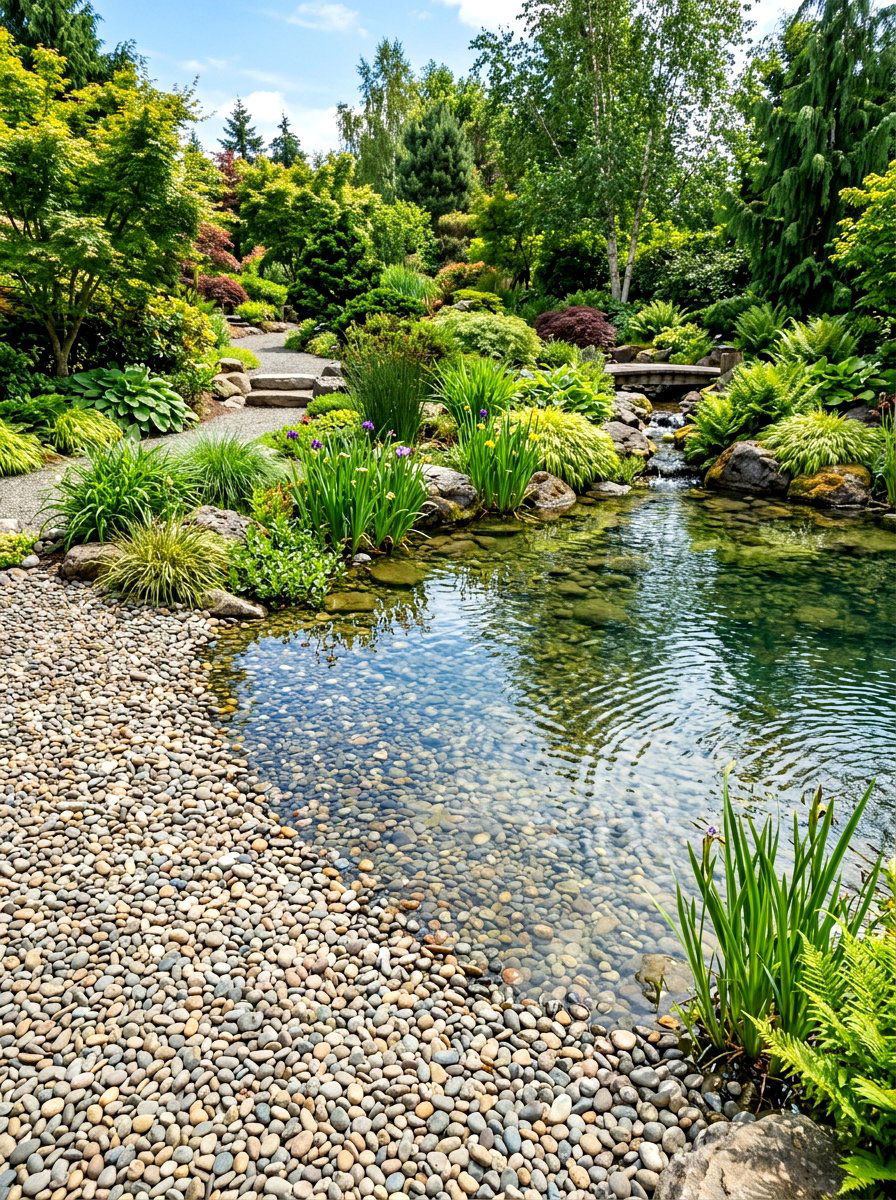
Why is the transition between land and water so important for the safety of your garden amphibians? A shallow edge pond features a very gradual slope, often called a beach entry, which allows frogs and other small animals to walk in and out with ease. This design prevents the common danger of steep, vertical walls where frogs might get trapped and drown. By covering the slope with small pebbles or flat stones, you create a natural-looking shoreline that is also easy to maintain. This type of pond is highly functional and provides the perfect environment for tadpoles to navigate the transition from water to land.
19. Pebble Border Pond
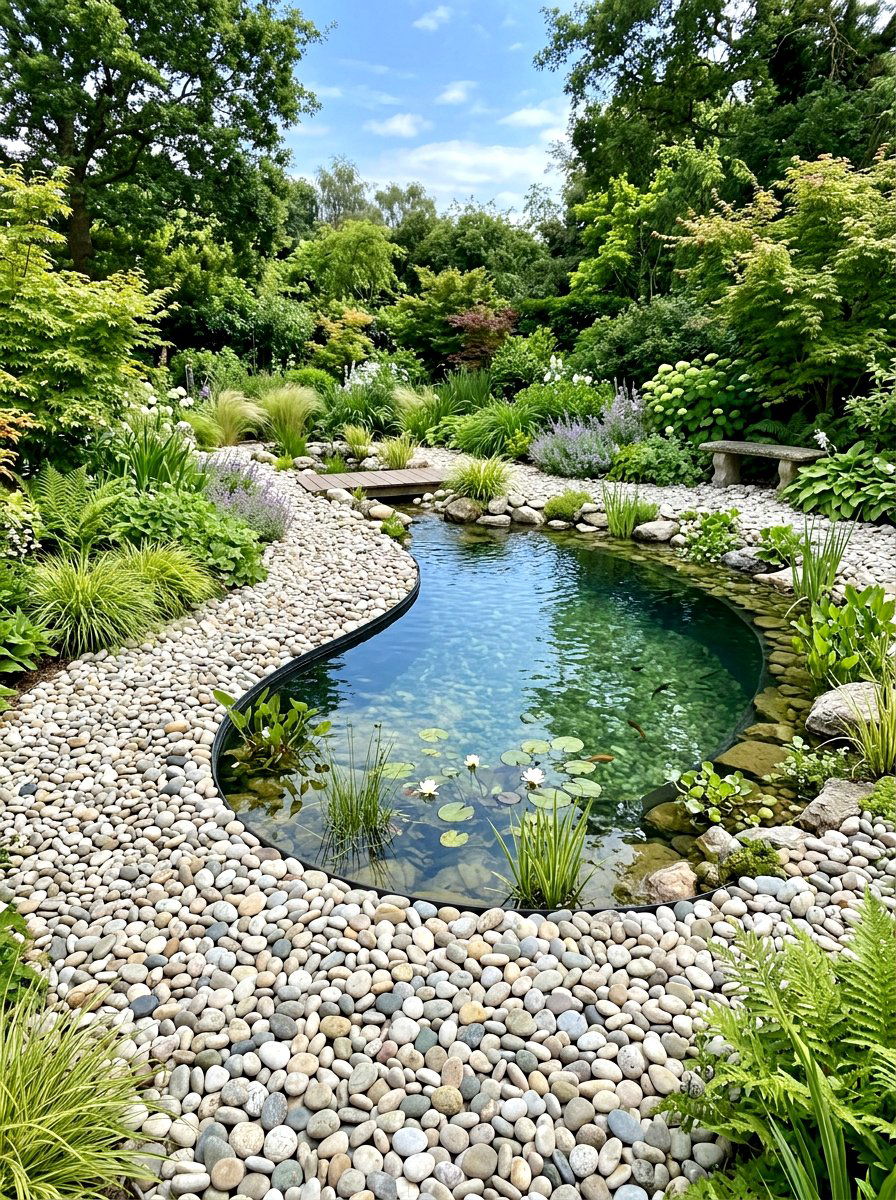
Have you considered how the texture of your pond’s perimeter can change its entire look and feel? A pebble border pond uses thousands of smooth, small stones to create a clean and finished edge around the water. This design is excellent for keeping the surrounding soil from washing into the pond during heavy rain. Frogs enjoy the cool, damp spaces between the pebbles, which also provide a stable surface for them to jump from. You can mix different colors of stones to create patterns or stick to a single shade for a more modern, uniform appearance that highlights the clarity of the water.
20. Brick Wall Pond
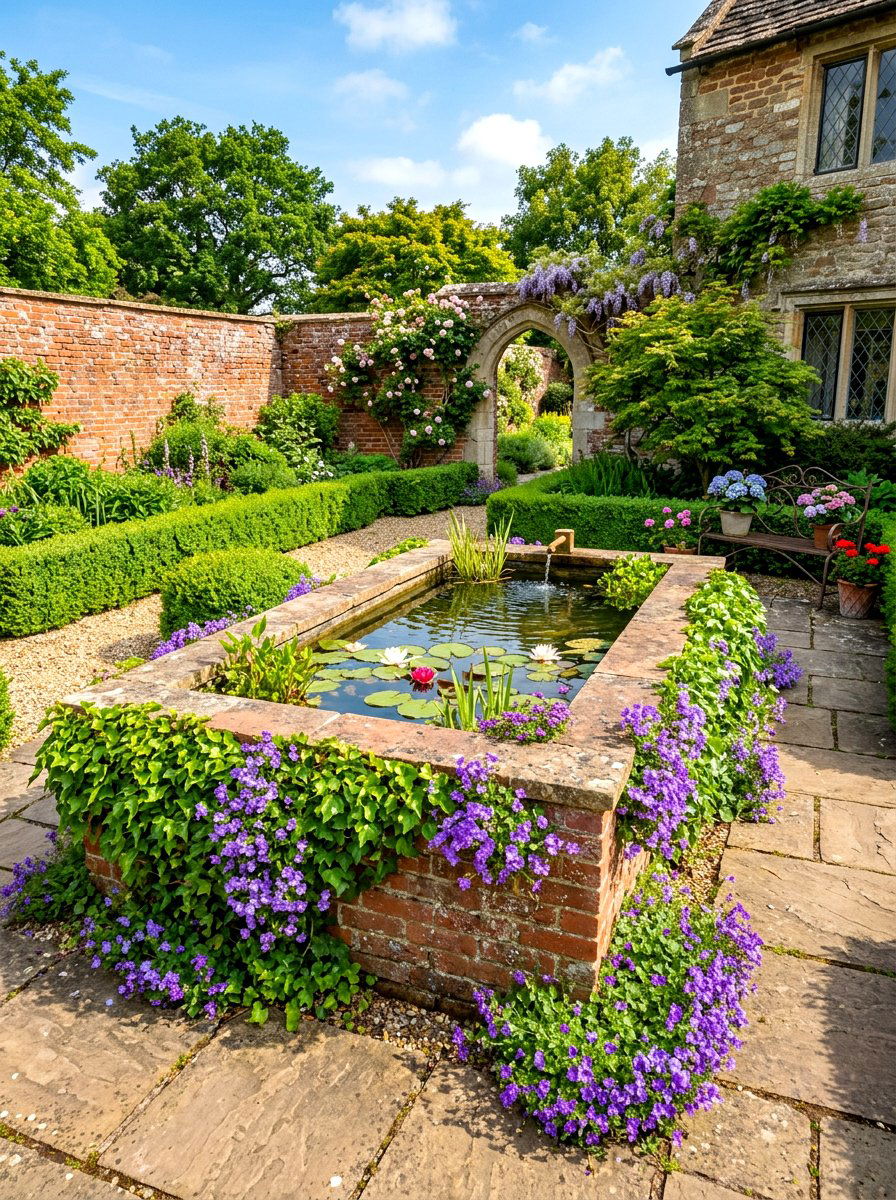
Can you use traditional building materials to create a structured and durable home for aquatic life? A brick wall pond is typically built above ground or partially submerged, using stacked bricks to create a strong and lasting basin. This style works beautifully in formal gardens or alongside brick walkways and patios. To make it inviting for frogs, you can leave a few gaps in the brickwork near the water’s edge to serve as small caves. Planting trailing vines like creeping jenny along the top of the wall helps to soften the hard edges and provides extra moisture for amphibians visiting the feature.
21. Old Bathtub Pond
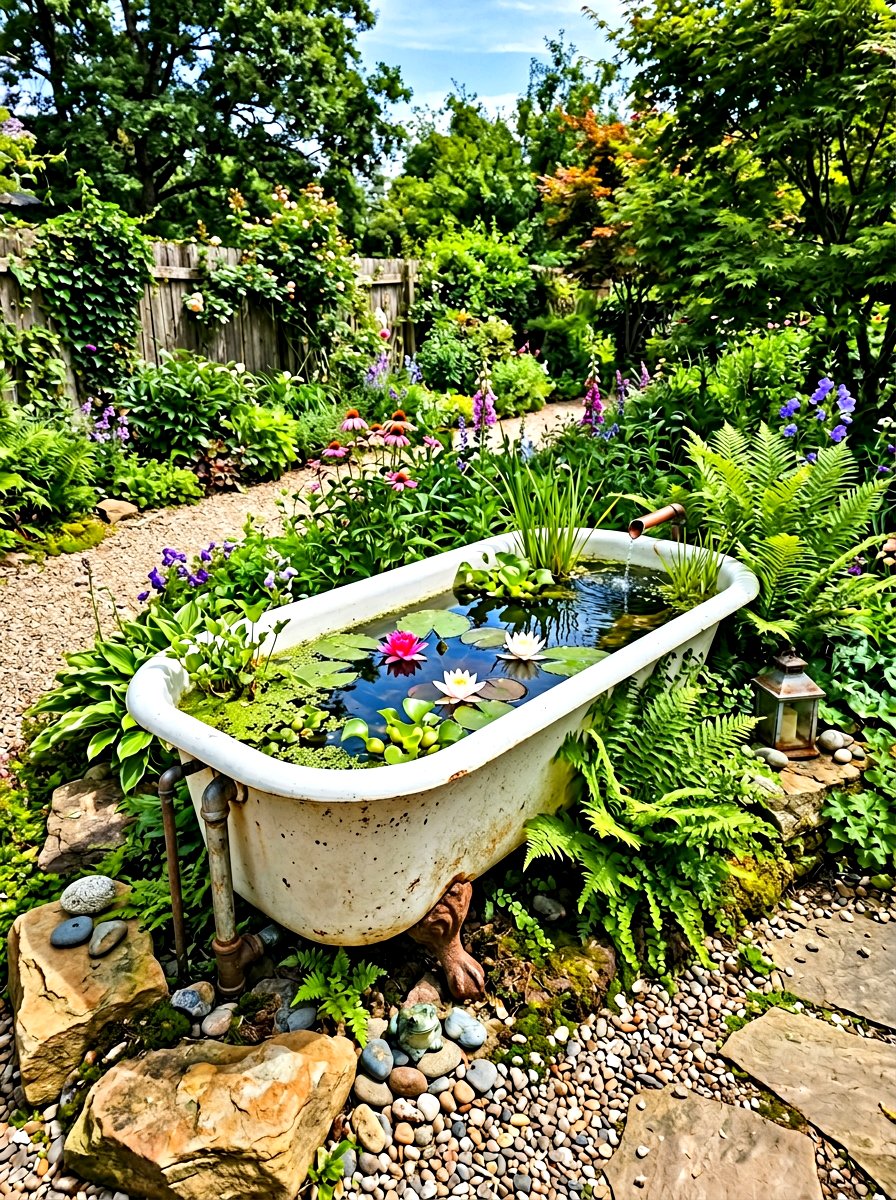
Do you enjoy the idea of upcycling forgotten items into something beautiful and ecologically useful? An old bathtub pond is a classic DIY project that turns a discarded porcelain or acrylic tub into a deep and stable garden reservoir. Because bathtubs are designed to hold water, they are perfect for this purpose and often feature a drain that can be adapted for easy cleaning. Burying the tub halfway into the ground and surrounding the edges with rocks and plants hides its original purpose, creating a quirky yet highly effective habitat. It is an affordable and sustainable way to add a significant water feature to your garden.
22. Fairy House Pond
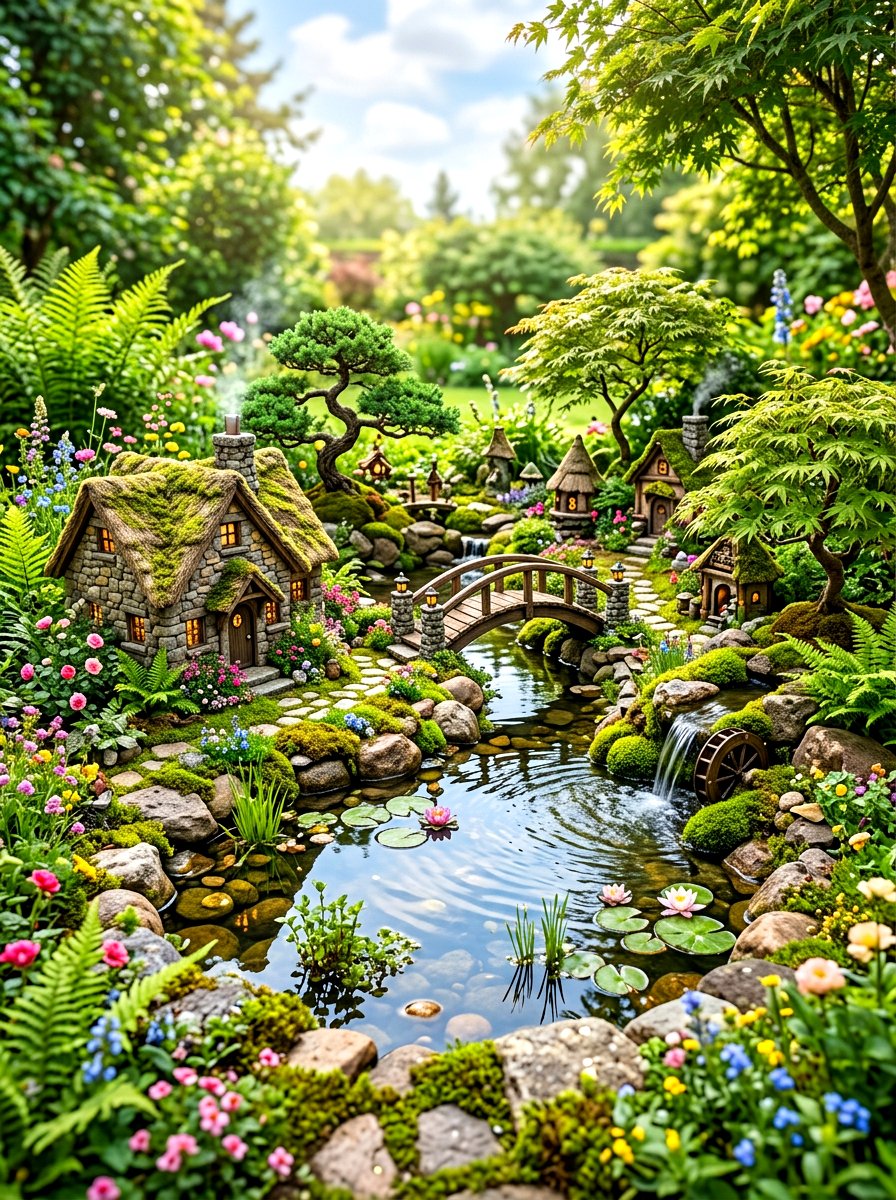
Would you like to add a touch of whimsy and magic to your backyard for your children or guests? A fairy house pond combines a small water feature with miniature accessories like tiny bridges, stone houses, and small-scale plants. This playful design is surprisingly attractive to frogs, who often take up residence inside the miniature structures or under the tiny bridges. Using moss and small ferns helps to keep the environment damp and cool, which is essential for amphibian health. It is a wonderful way to blend storytelling with nature conservation, making the garden a place of wonder for both humans and wildlife.
23. Deep Winter Pond
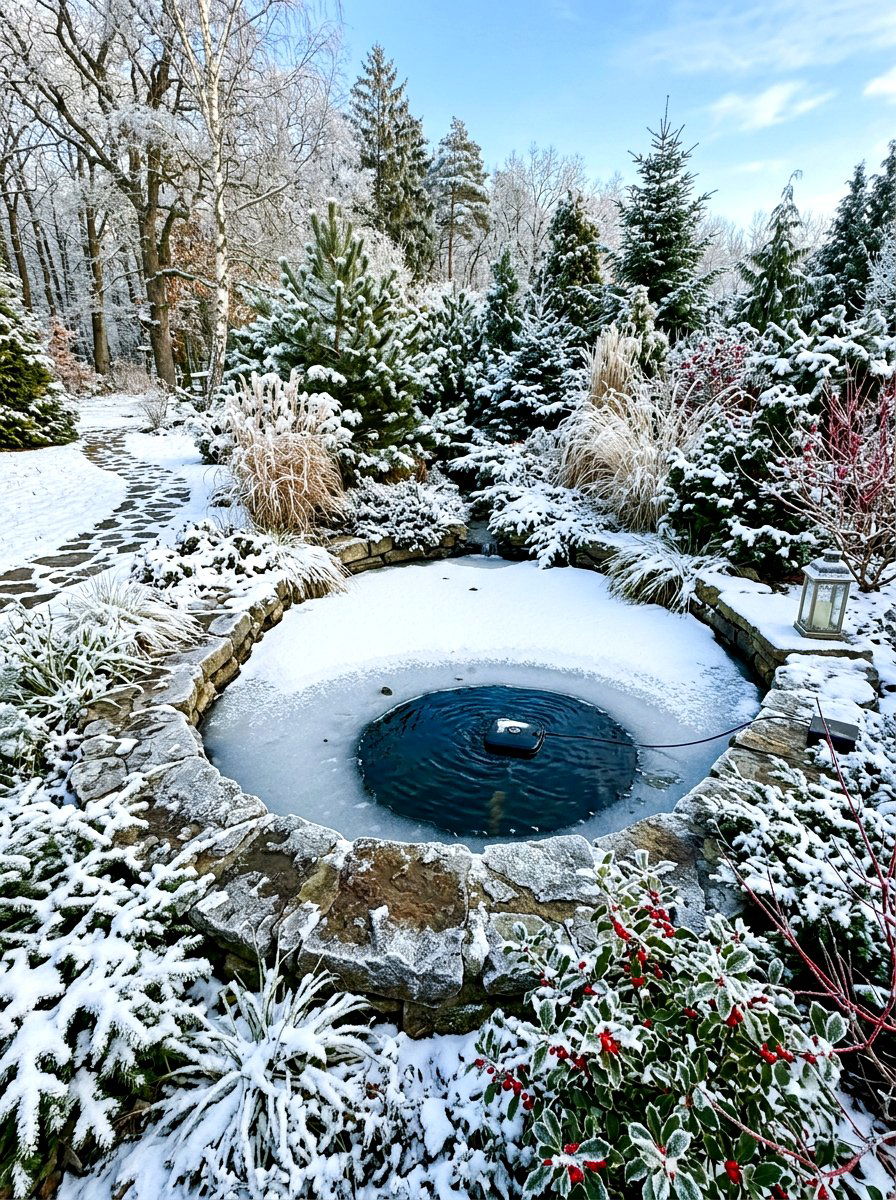
How can you ensure that your local frog population survives the freezing temperatures of the winter months? A deep winter pond is designed with a section that is at least three feet deep, ensuring the water at the bottom does not freeze solid. Frogs often hibernate in the mud and debris at the bottom of a pond, where the temperature remains stable. By providing this safe depth, you help preserve the population for the following spring. This design is crucial for colder climates and ensures that your garden remains a functional sanctuary throughout the entire year, regardless of the harsh weather conditions outside.
24. Patio Deck Pond
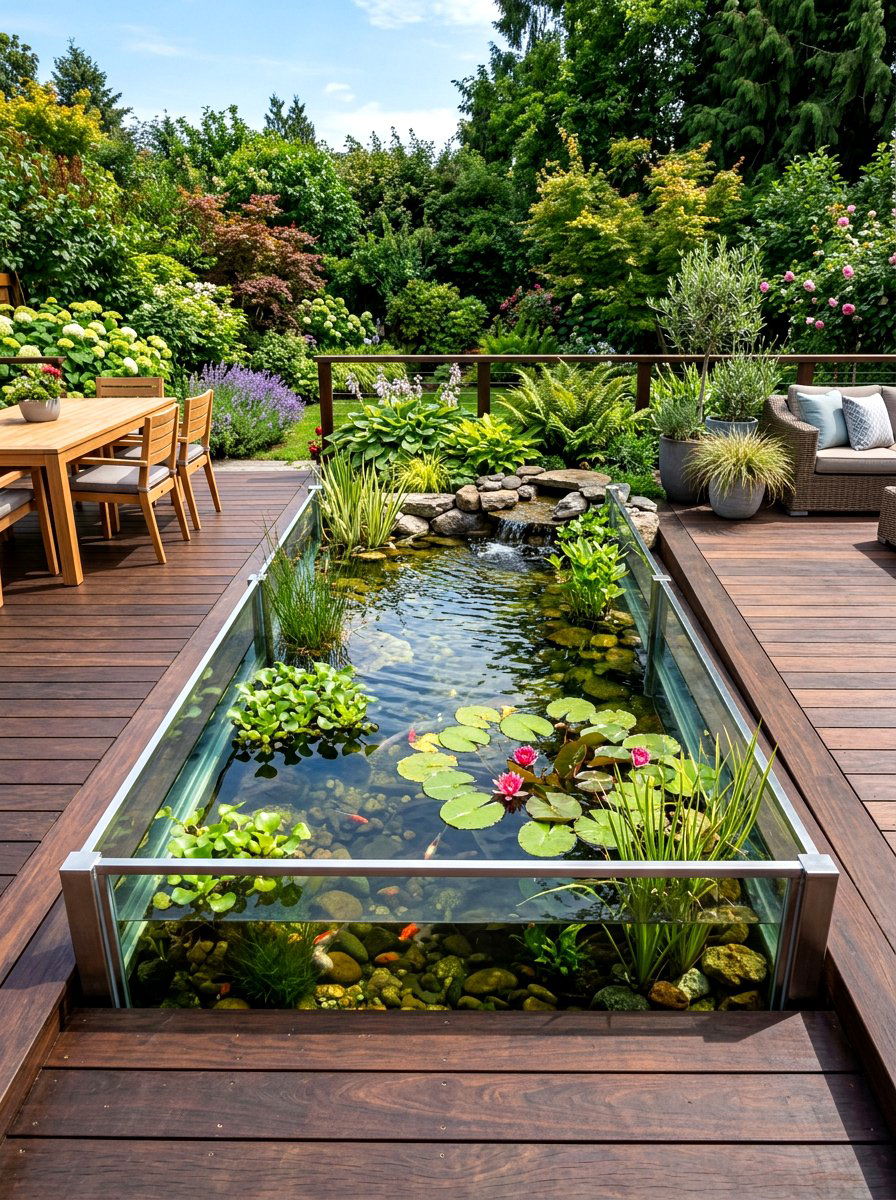
Is it possible to have a thriving frog habitat right next to your favorite outdoor seating area? A patio deck pond is often integrated into the woodwork of a deck, creating a seamless connection between your living space and the water. This allows you to watch the life cycles of frogs and tadpoles from the comfort of your patio furniture. You can use built-in planters to hold moisture-loving grasses that provide cover for the frogs. The proximity to the house means you can enjoy the soothing sounds of the water and the occasional croak of a resident frog while relaxing outdoors in the evening.
25. Green Moss Pond
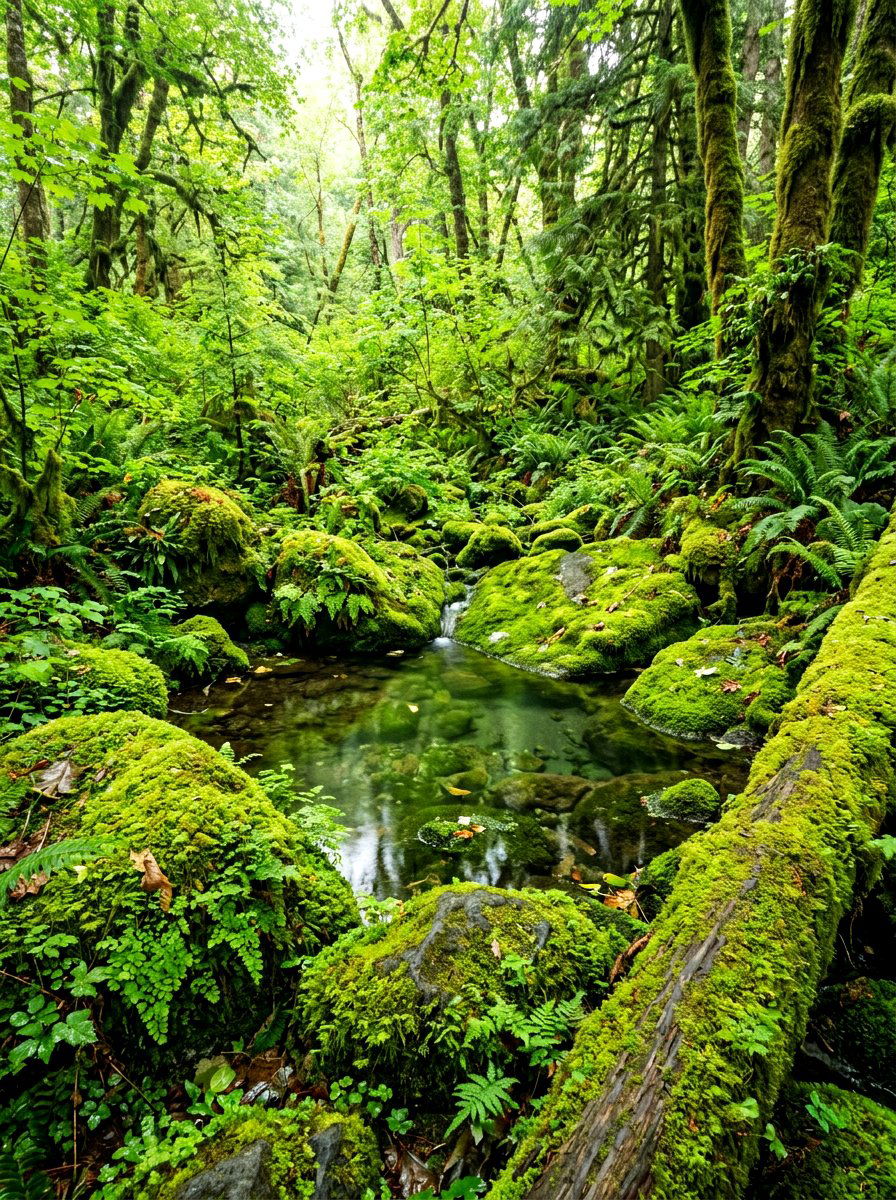
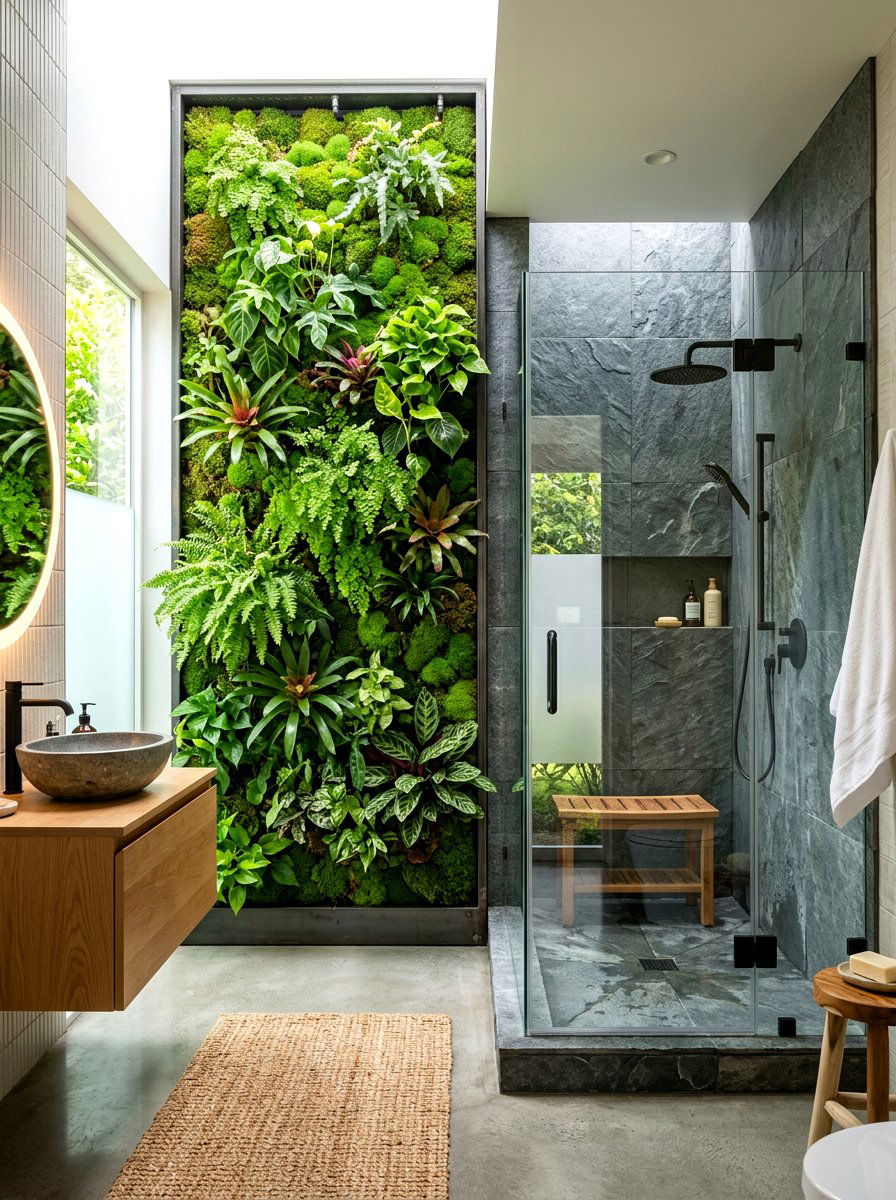
Do you love the look of ancient, velvet-like greenery growing over every surface near the water? A green moss pond focuses on creating a high-humidity environment where various types of moss can flourish on rocks and logs around the edges. This damp, soft texture is perfect for frogs, providing them with a moist surface that prevents their skin from drying out. You can achieve this look by regularly misting the area or using a small pump to keep the rocks slightly wet. The result is a lush, emerald-green oasis that feels like a hidden corner of a deep, enchanted forest right in your yard.
26. Marsh Reed Pond
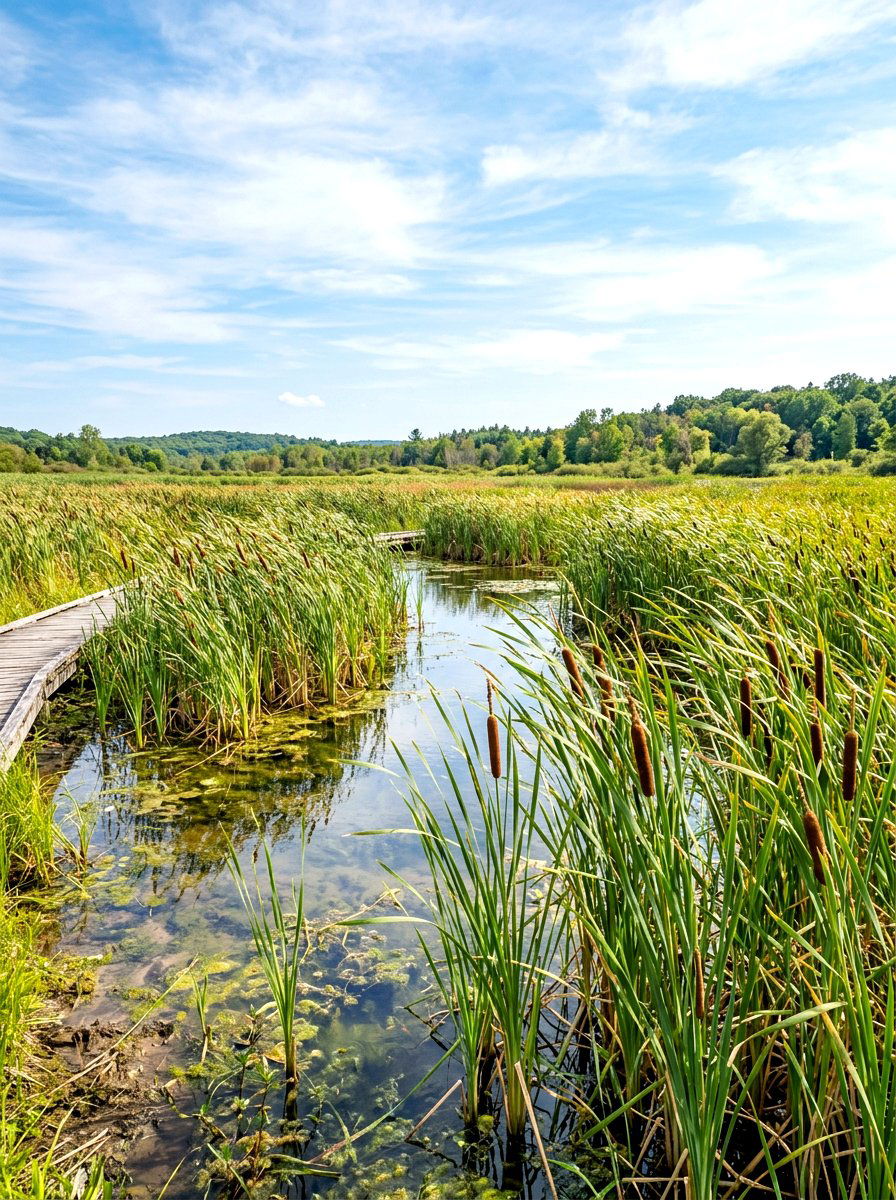
What if your water feature focused more on tall, swaying grasses than open water? A marsh reed pond is filled with various types of sedges, rushes, and reeds that grow directly out of the water. This dense vegetation provides incredible protection for frogs from birds and other predators. The vertical lines of the reeds add height and movement to the garden, creating a beautiful screen that can also provide privacy. This habitat is particularly attractive to tree frogs, who enjoy climbing the sturdy stalks. It is a low-maintenance design that filters the water naturally and creates a wild, meadow-like atmosphere.
27. Easy Care Pond
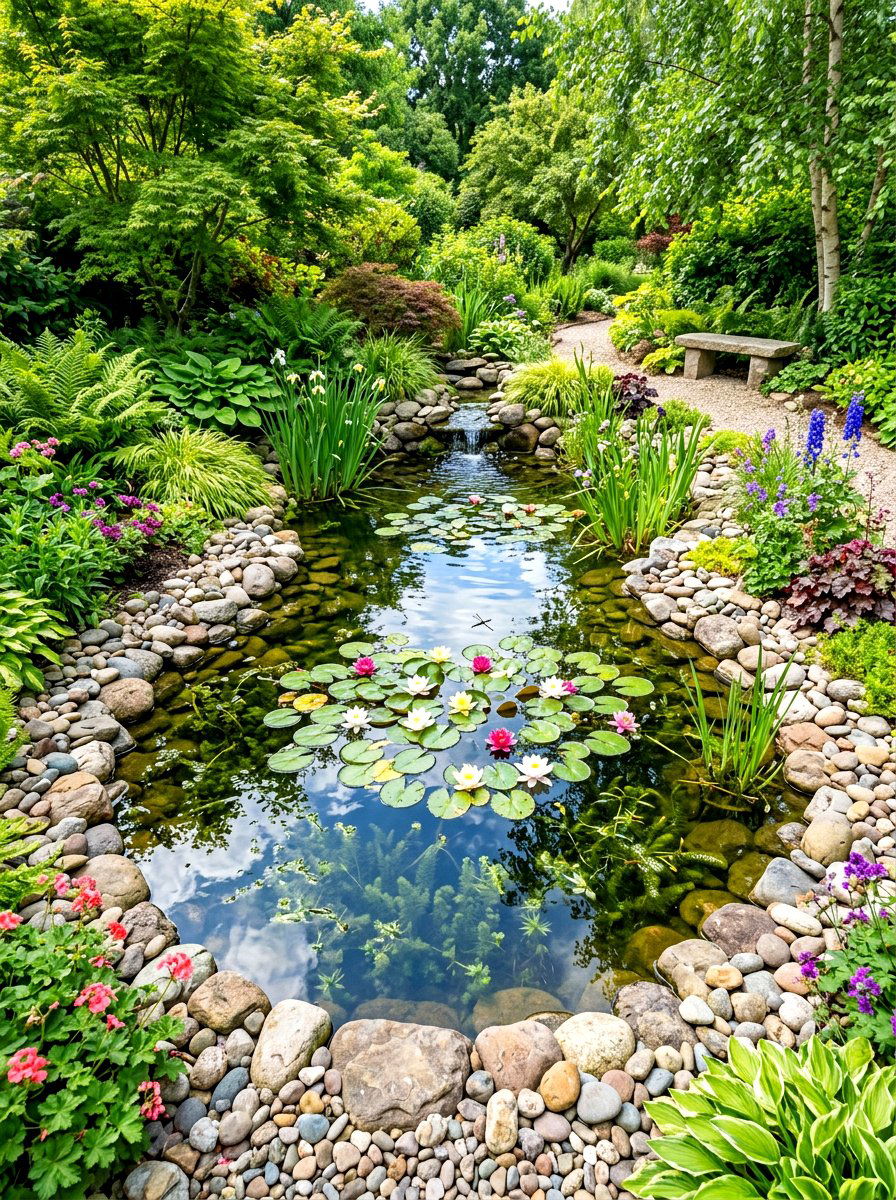
Are you worried that a water feature will require too much time and effort to keep looking good? An easy care pond focuses on a balanced ecosystem where plants and natural filters do most of the work for you. By including the right mix of oxygenating submerged plants and surface-covering lilies, you can prevent algae growth without using chemicals. This type of pond is designed to be self-sustaining, requiring only occasional thinning of plants and topping off the water level. It is the perfect choice for busy homeowners who want to enjoy the benefits of a frog pond without committing to a demanding maintenance schedule.
28. Whiskey Barrel Pond
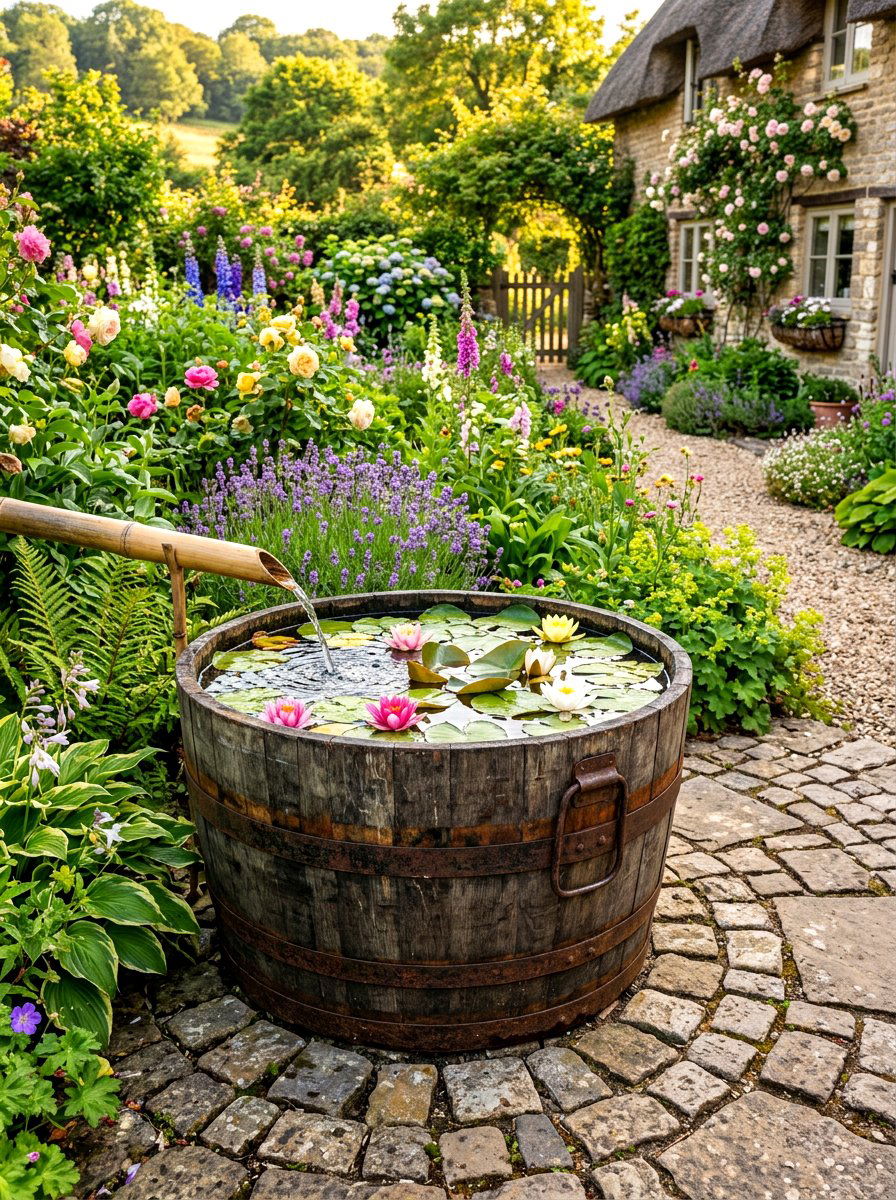
Can a simple wooden barrel become a thriving ecosystem for your local amphibian friends? A whiskey barrel pond uses a reclaimed oak barrel lined with plastic to create a deep, circular water garden. The wood provides excellent natural insulation, keeping the water at a stable temperature throughout the day. To make it a haven for frogs, ensure there are floating plants and a way for them to exit the deep water safely. These barrels have a timeless, rustic look that fits perfectly into cottage gardens or on traditional porches. They are affordable, easy to set up, and provide a surprising amount of habitat space.
29. Secret Garden Pond
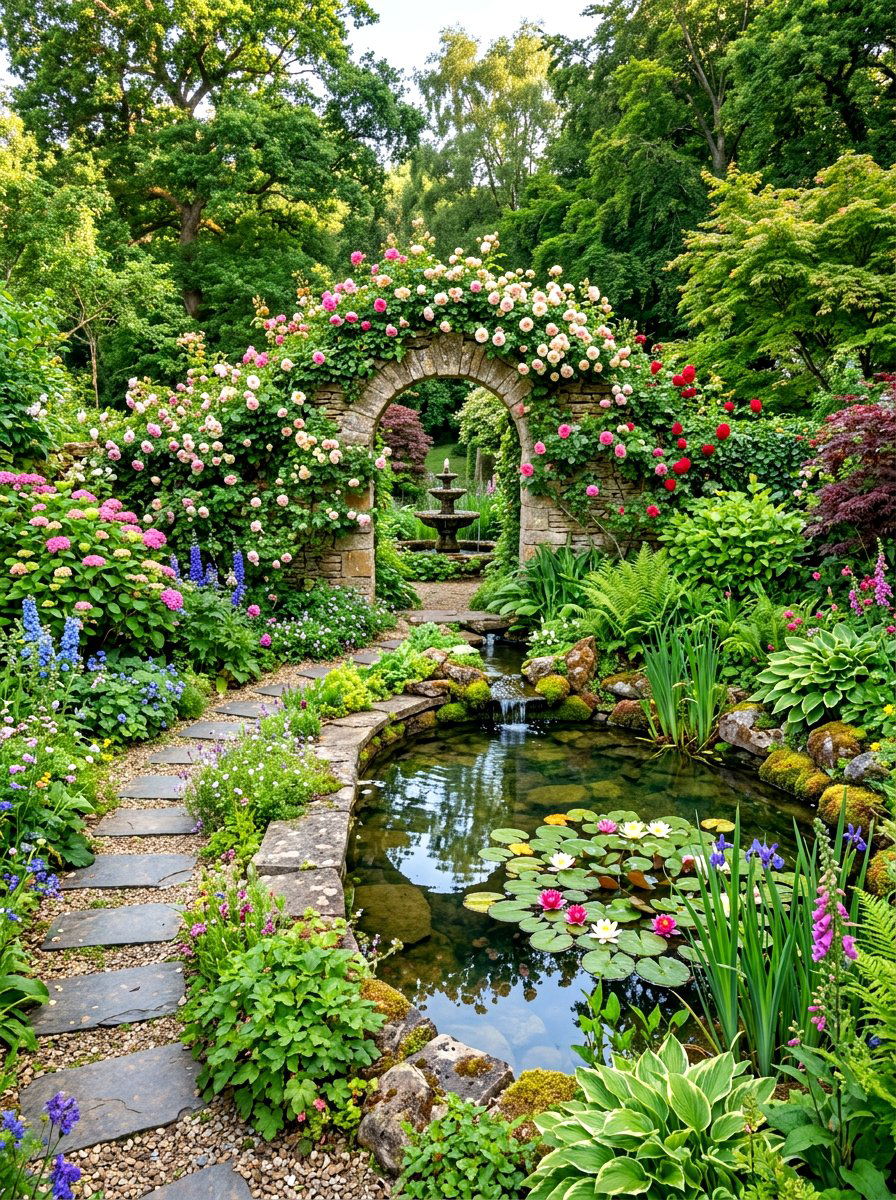
Do you have a hidden, enclosed space in your yard that feels like a private sanctuary? A secret garden pond is tucked away behind tall hedges, stone walls, or climbing vines, creating a peaceful retreat for both humans and frogs. The enclosure helps to block out wind and noise, keeping the water surface calm and the air humid. This quiet environment is ideal for shy wildlife that might avoid more active parts of the garden. You can add a small stone bench nearby to sit and observe the frogs as they go about their daily lives in their protected and secluded home.
30. Zen Garden Pond
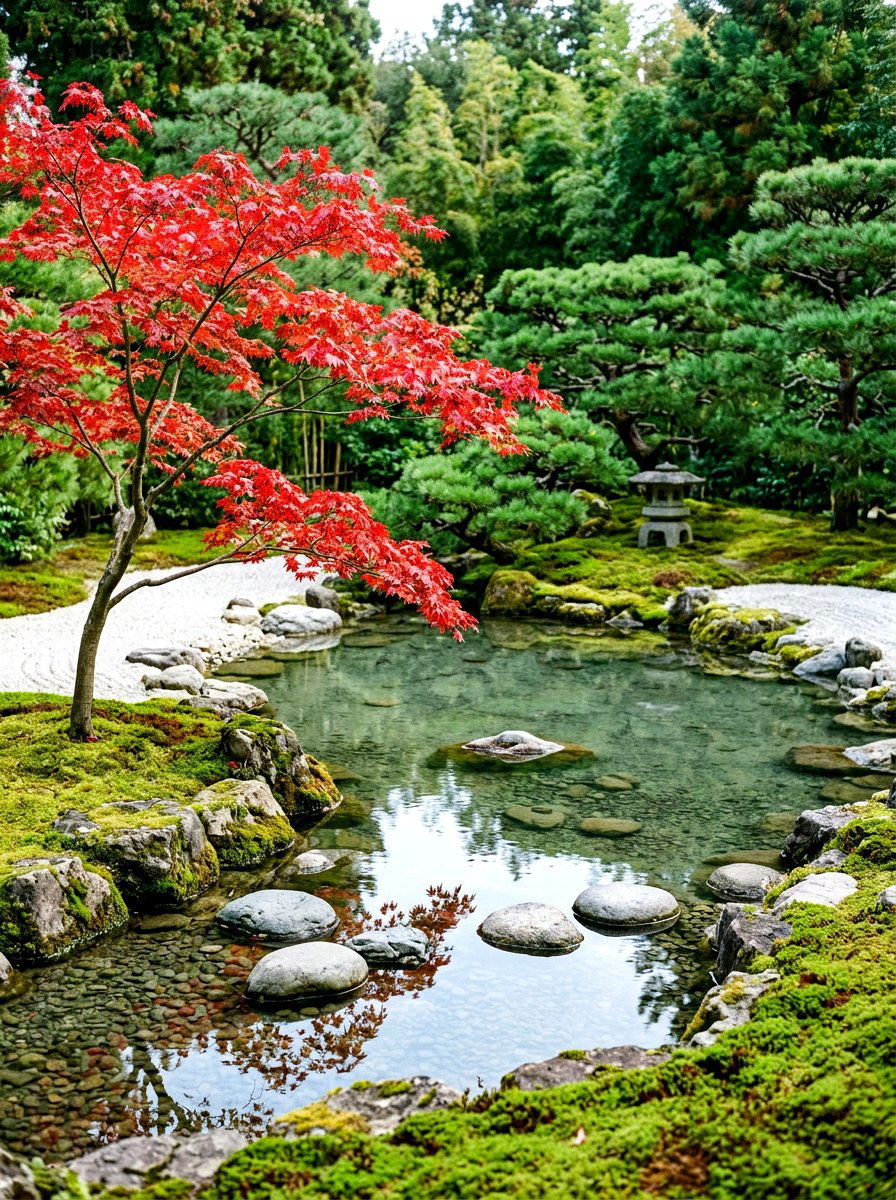
Would you like to create a water feature that promotes mindfulness and peace in your busy life? A zen garden pond uses minimalist principles, smooth river stones, and simple plantings like bamboo or Japanese maples to create a balanced look. The focus is on clarity and reflection, with still water that acts like a mirror for the sky. Frogs fit perfectly into this tranquil setting, adding a touch of life to the stillness. This design is intended to be a place of meditation, where the simple presence of water and wildlife helps to reduce stress and connect you with the natural world.
Conclusion:
Building a dedicated habitat for frogs is one of the most rewarding ways to enhance your garden’s ecological health and visual appeal. Whether you choose a large, naturalistic pond or a small, charming container, you are making a significant contribution to local wildlife conservation. These water features provide essential resources for amphibians while offering you a peaceful space to connect with nature every day. By carefully selecting plants, rocks, and layouts, you can create a balanced ecosystem that requires minimal maintenance and provides endless enjoyment. We hope these diverse concepts inspire you to start your own aquatic journey and welcome nature into your backyard.

Related posts: