Creating a sanctuary for beneficial garden visitors is a wonderful way to boost local biodiversity and ensure your plants thrive. Insect hotels have become a viral sensation on Pinterest because they combine environmental stewardship with rustic, charming garden aesthetics. These structures provide vital nesting sites and overwintering spots for pollinators like solitary bees and pest-controlling insects like ladybugs. By incorporating various natural materials such as bamboo, pine cones, and old logs, you can create a diverse ecosystem right in your backyard. Whether you prefer a small wall-mounted unit or a massive pallet tower, these projects are rewarding and visually stunning. Let's explore some creative ways to welcome these tiny helpers into your beautiful outdoor space.
1. Pallet Insect Hotel
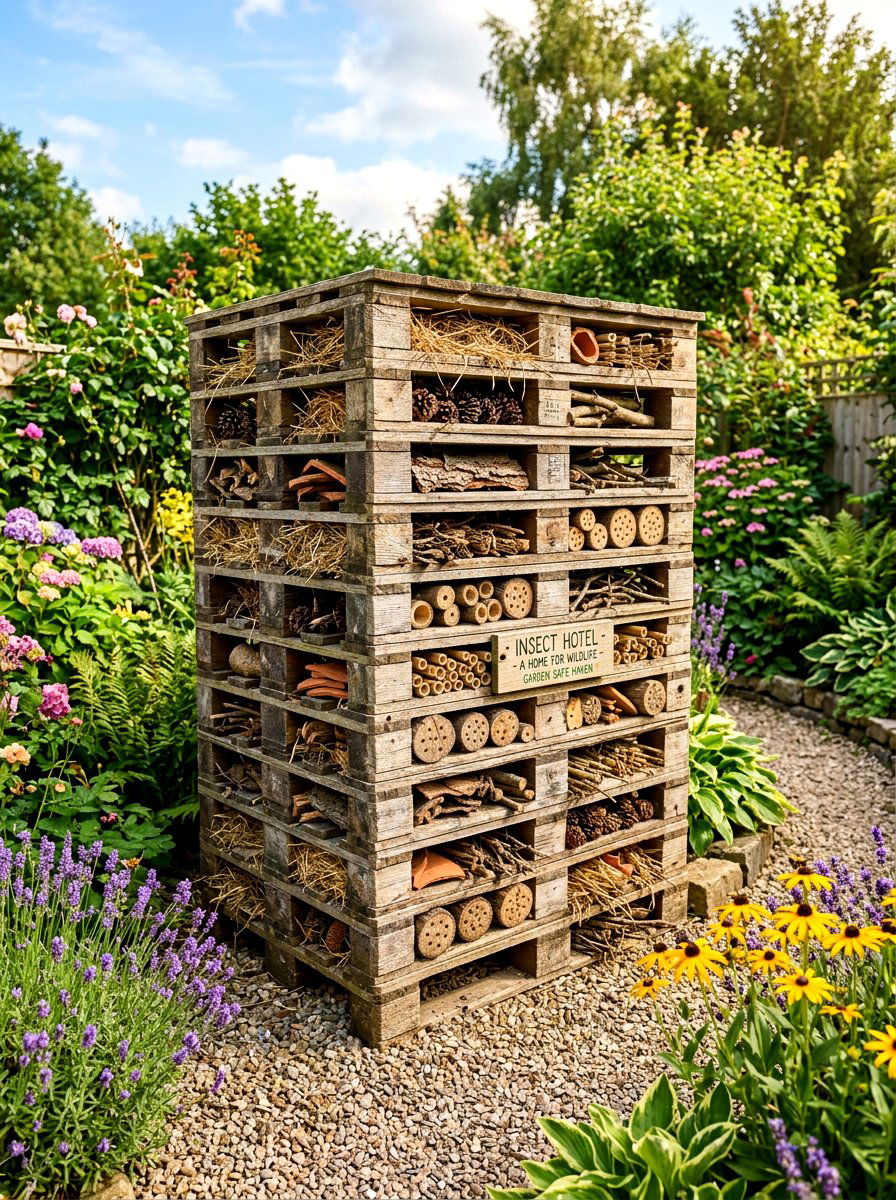
Building a large-scale habitat using reclaimed wooden pallets is a fantastic way to recycle old materials while helping nature. You can stack several pallets on top of each other to create multiple floors, which allows you to house many different species in one structure. Fill the gaps between the slats with a variety of textures like dry straw, old bark, and hollow stems. This layered approach mimics the natural forest floor, providing cool, damp crevices for beetles and centipedes. To keep the structure stable, place heavy bricks at the corners of each layer. A pallet hotel serves as a bold, rustic focal point in any large garden.
2. Bamboo Bee House
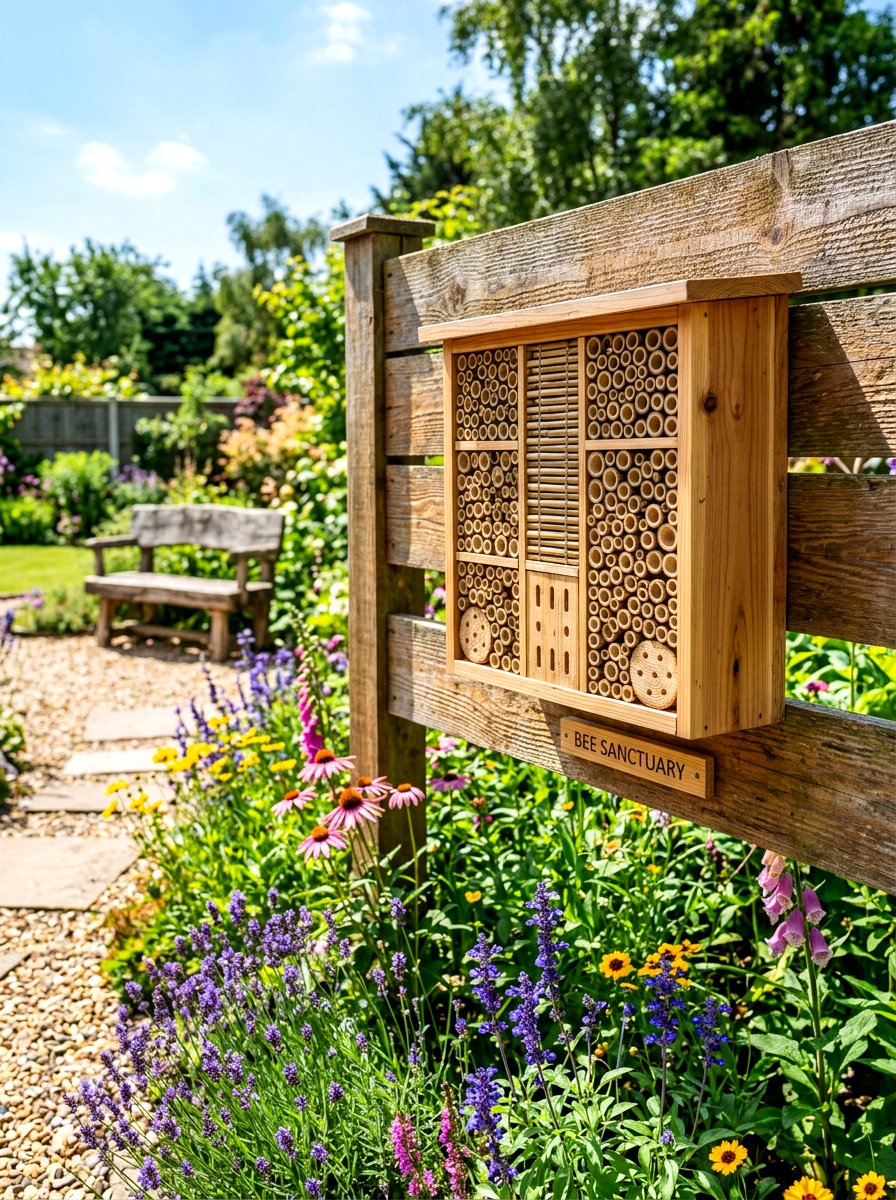
Solitary bees are some of the most efficient pollinators you can invite into your garden, and they love nesting in tubes. A bamboo bee house is simple to construct by bundling several hollow bamboo canes together inside a wooden frame. Ensure the back of the tubes is closed off to protect the larvae from predators and the elements. These bees are non-aggressive and fascinating to watch as they plug the holes with mud or leaves. Hanging this house in a sunny, south-facing spot will attract the most activity. It is a sleek, natural addition that fits perfectly on a fence or a sunny garden wall.
3. Log Pile Bug Habitat
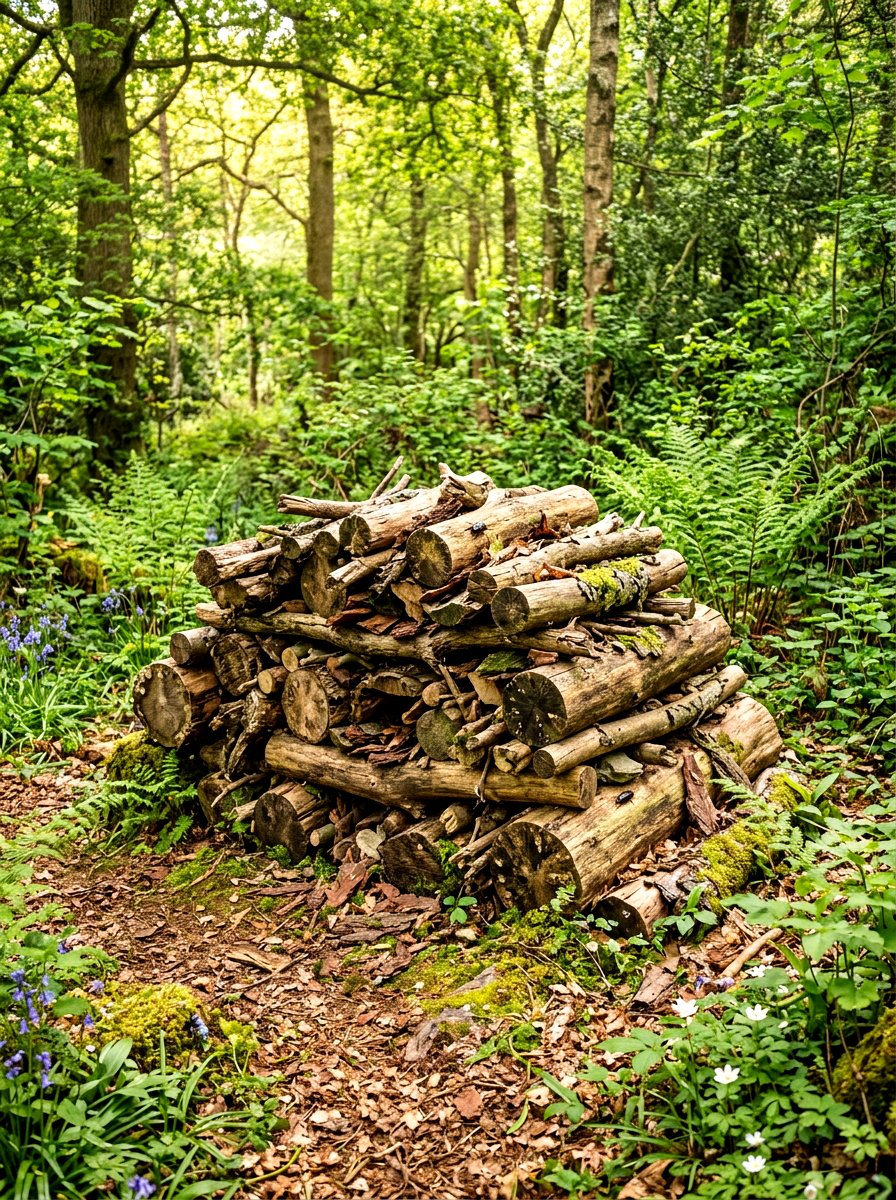
Sometimes the most effective way to help garden wildlife is to mimic the simplicity of a natural woodland floor. A log pile bug habitat involves stacking various sizes of untreated logs in a shady, undisturbed corner of your yard. As the wood slowly decays, it becomes a primary residence for stag beetles and woodlice that play a huge role in decomposition. You can tuck moss and dead leaves between the logs to provide extra insulation during the winter months. This design requires very little maintenance and blends seamlessly into a wilder garden aesthetic. It creates a rich, organic environment that supports a healthy food chain.
4. Pine Cone Insect Shelter
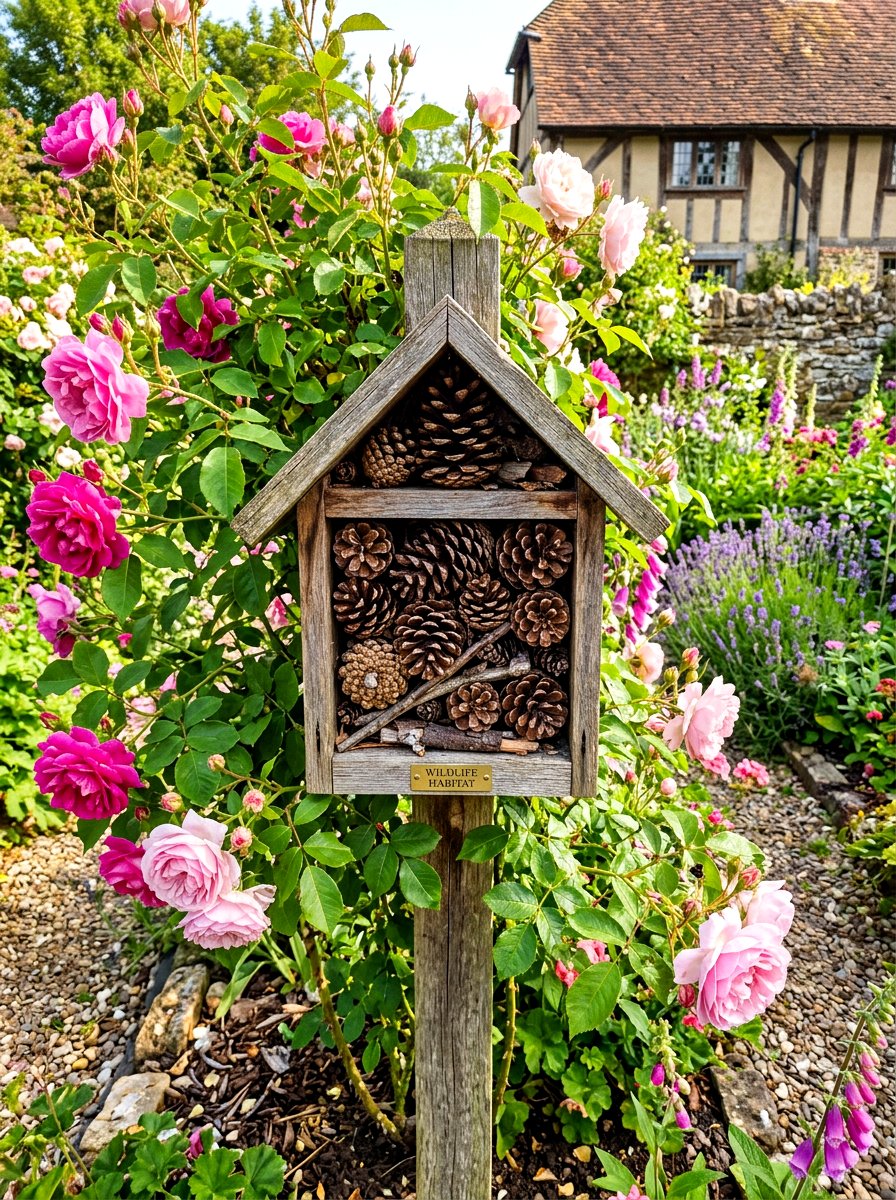
Using pine cones as a primary filling material creates an ideal home for ladybugs and lacewings that eat garden pests. These beneficial insects love to crawl into the tight, protected spaces between the scales of the cones to stay warm. You can pack pine cones tightly into a small wooden box or even a wire cage to keep them from falling out. This type of shelter is particularly effective when placed near rose bushes or vegetable patches where aphids are common. The natural texture of the cones adds a beautiful, earthy look to your outdoor space. It is an easy and fun project for all ages.
5. Terracotta Pot Bug Hotel
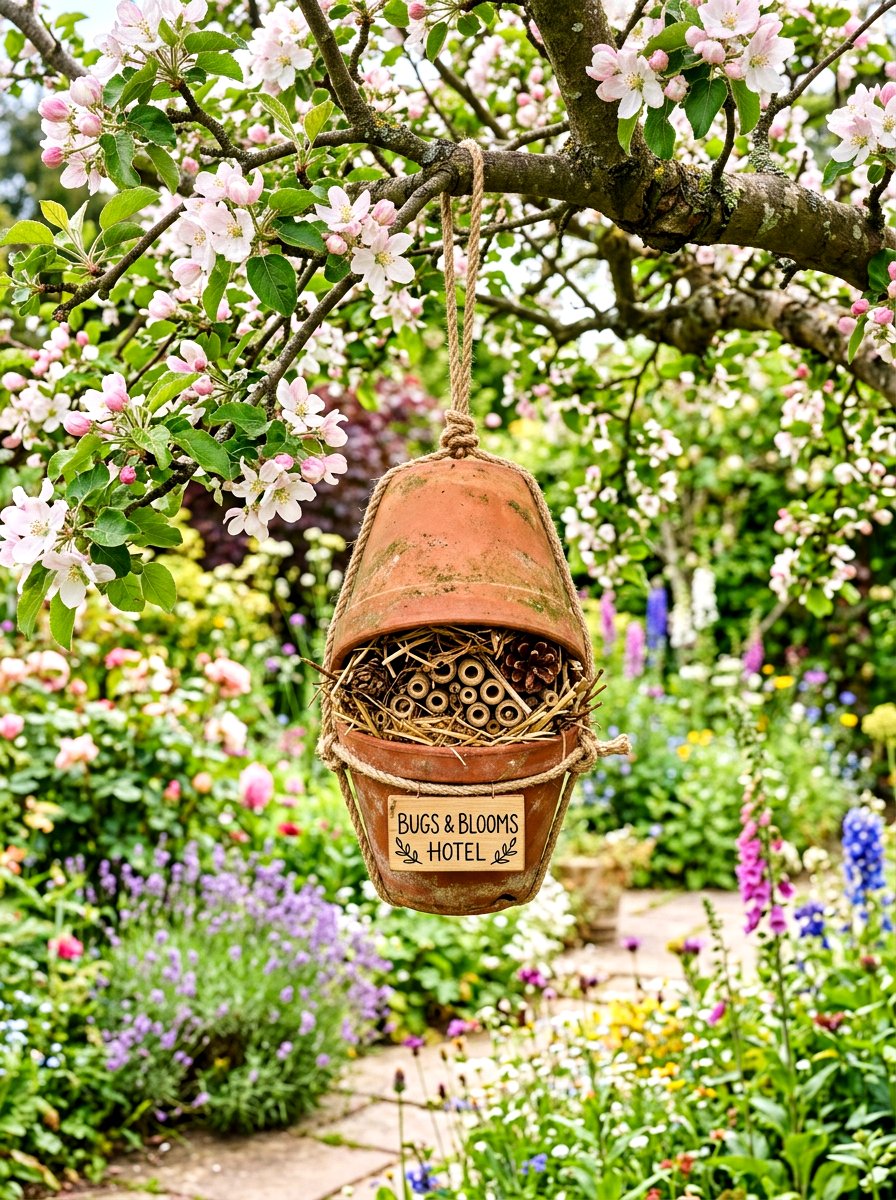
Repurposing old terracotta pots is a creative way to build small, individual insect shelters that can be tucked into flower beds. By stuffing a pot with straw, twigs, and rolled-up cardboard, you create a cozy retreat for earwigs and spiders. You can hang the pots upside down from tree branches or nestle them directly into the soil among your perennial plants. The clay material provides excellent insulation, keeping the interior temperature stable during hot summer days and chilly nights. These miniature hotels are perfect for smaller gardens or balconies where space is limited but you still want to support local garden biodiversity.
6. Brick Bug House
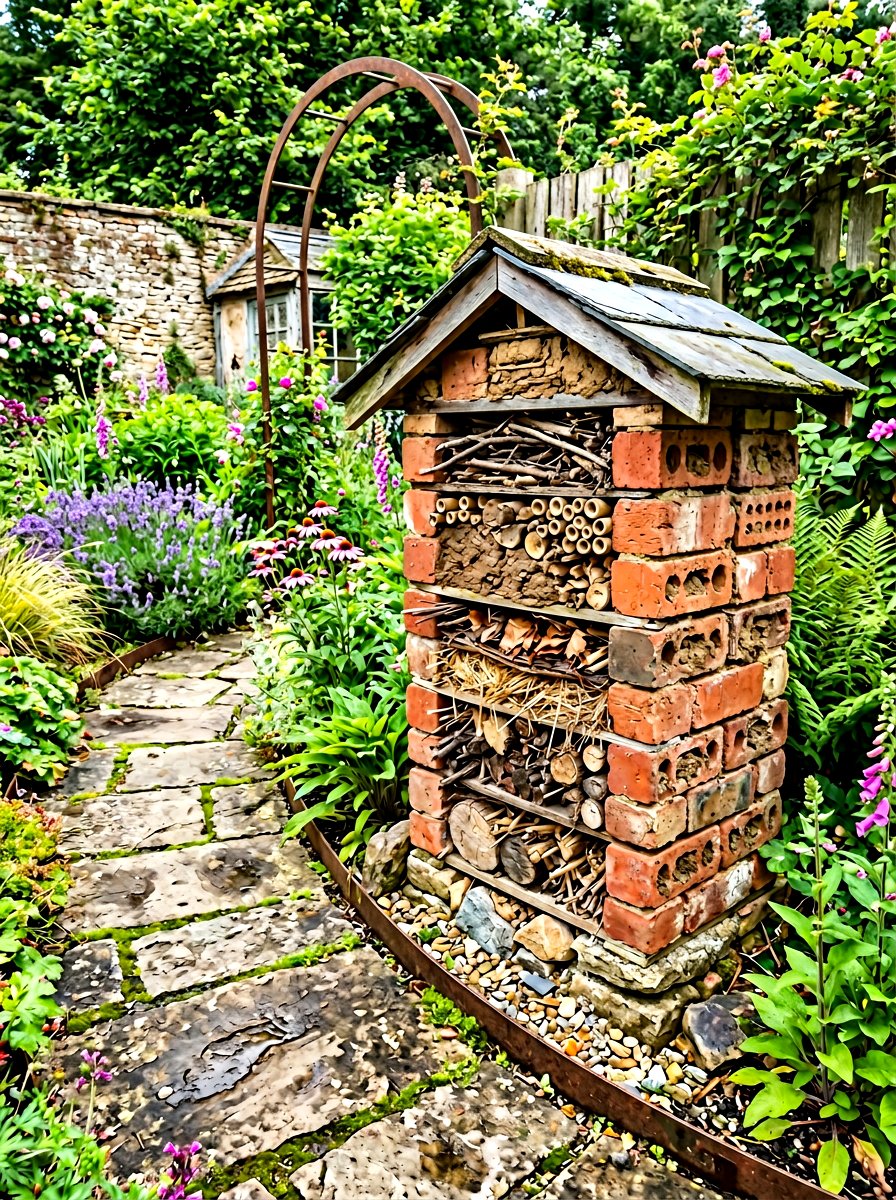
Old bricks with holes, often called frog bricks, make excellent foundations for a sturdy and long-lasting insect hotel structure. By stacking these bricks and filling the circular cavities with dried mud or small sticks, you provide perfect tunnels for solitary wasps. These insects are great for controlling caterpillar populations in your vegetable garden. You can combine the bricks with other materials like slate and stones to create a diverse architectural look. The heavy weight of the bricks ensures the hotel remains stable even in high winds. It offers a very industrial yet functional aesthetic that contrasts beautifully with soft, flowering garden greenery.
7. Hollow Stem Insect Tower
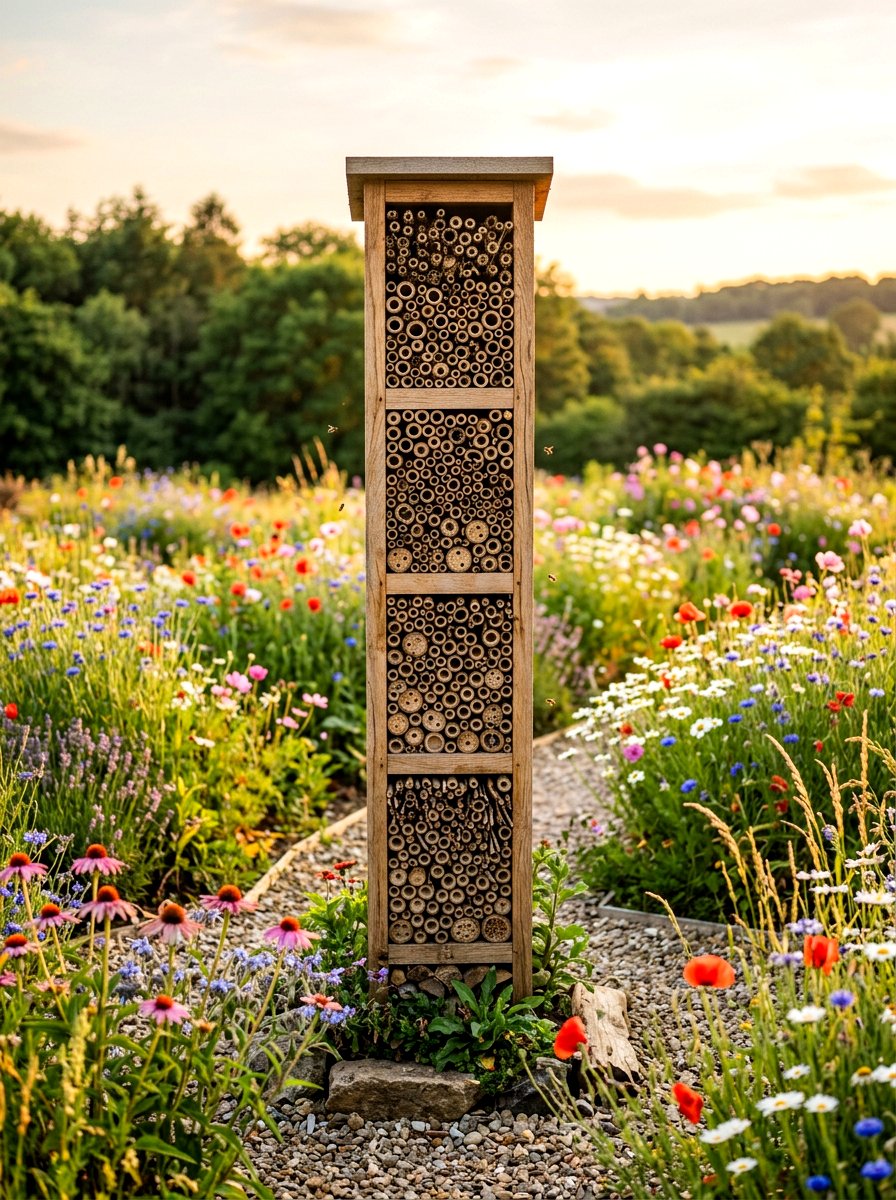
Many insects prefer the narrow, cylindrical spaces found inside the dried stems of plants like sunflowers, reeds, or hollowed-out elderberry branches. A hollow stem insect tower bundles these materials vertically within a tall, narrow wooden frame to save footprint space. This design is particularly attractive to mason bees and leafcutter bees looking for safe places to lay their eggs. You should vary the diameter of the stems to accommodate different sizes of insect guests. Placing this tower near a wildflower meadow will ensure a steady stream of visitors. The vertical lines of the stems create a modern and organized visual in your backyard.
8. Bark Bug Refuge
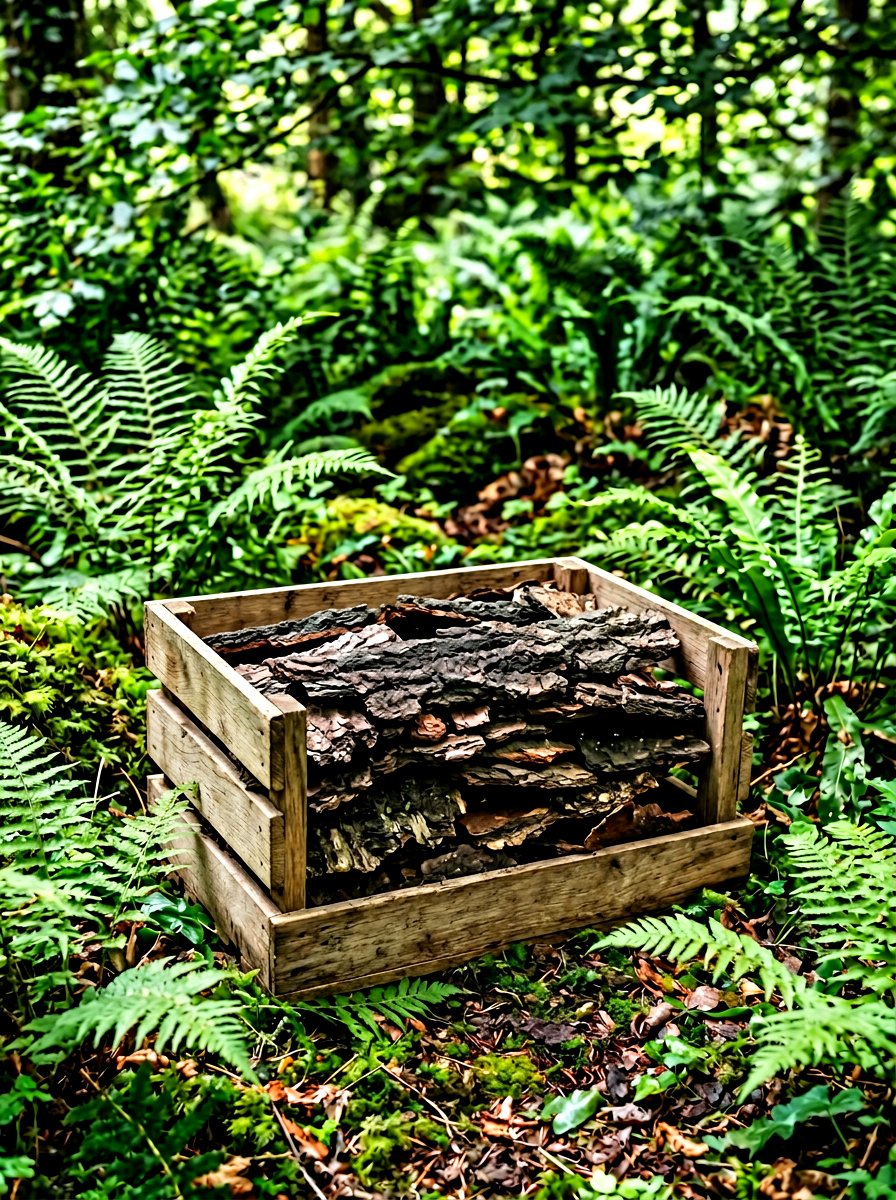
Thick pieces of tree bark can be layered together to create a specialized refuge for insects that live under the surface. This design mimics the environment found on old, fallen trees, making it a favorite for wood-boring beetles and moths. By stacking the bark pieces loosely, you create thin, dark crevices where insects can hide from birds and other predators. You can secure the bark layers within a simple wooden crate to keep the structure tidy. This setup works best in a damp, shady part of the garden where the wood stays moist. It adds a wonderful, textured organic element to your landscaping.
9. Wood Butterfly House
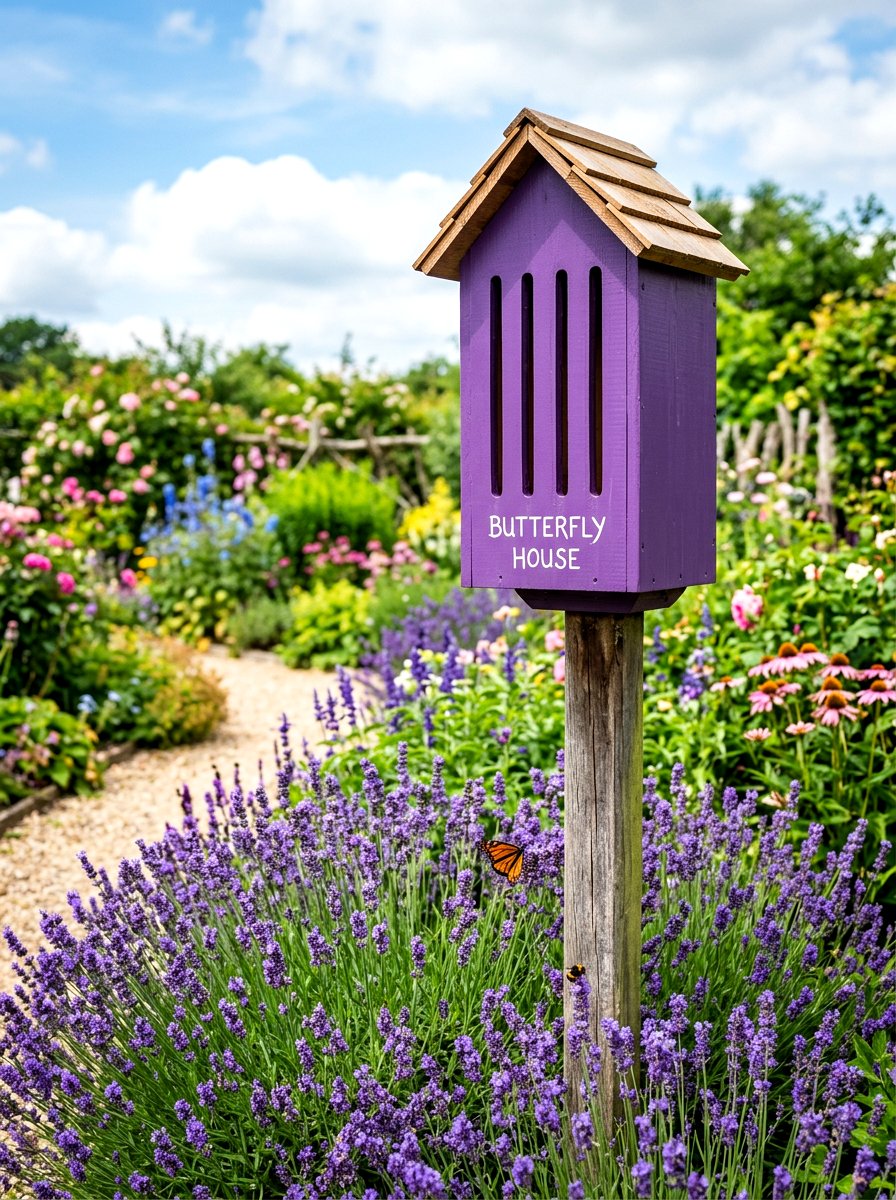
Butterflies require specific types of shelter to protect them from heavy rain and wind during the active summer months. A butterfly house typically features long, thin vertical slits that allow the insects to enter while keeping larger predators out. Inside the house, you can place a few dry branches for the butterflies to cling to while they rest. It is important to paint the exterior in bright, floral colors like yellow or purple to catch their attention. Mount this house on a sturdy pole or a fence near nectar-rich flowers. It serves as both a functional habitat and a colorful piece of garden art.
10. Stone Insect Home
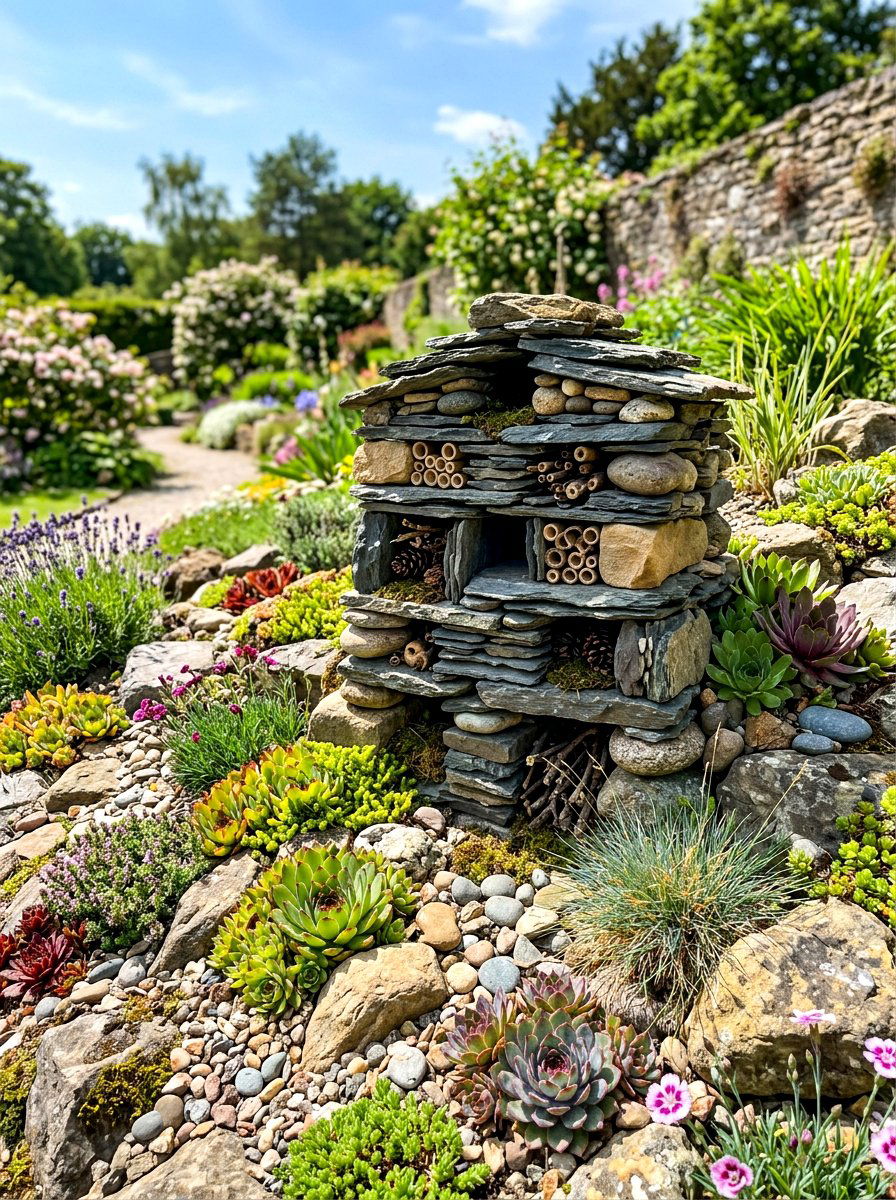
A stone insect home is built by stacking flat rocks, slate, or pebbles to create cool, dark voids for ground-dwelling bugs. Many beneficial insects, such as ground beetles, prefer the stable and moist conditions found under stones during the heat of the day. You can arrange the stones in a decorative cairn or incorporate them into a rock garden feature for a natural look. Filling some of the gaps with sand or loose soil encourages burrowing insects to move in and stay. This type of habitat is incredibly durable and requires no upkeep once it is established in your backyard landscape.
11. Tin Can Bee Nesting
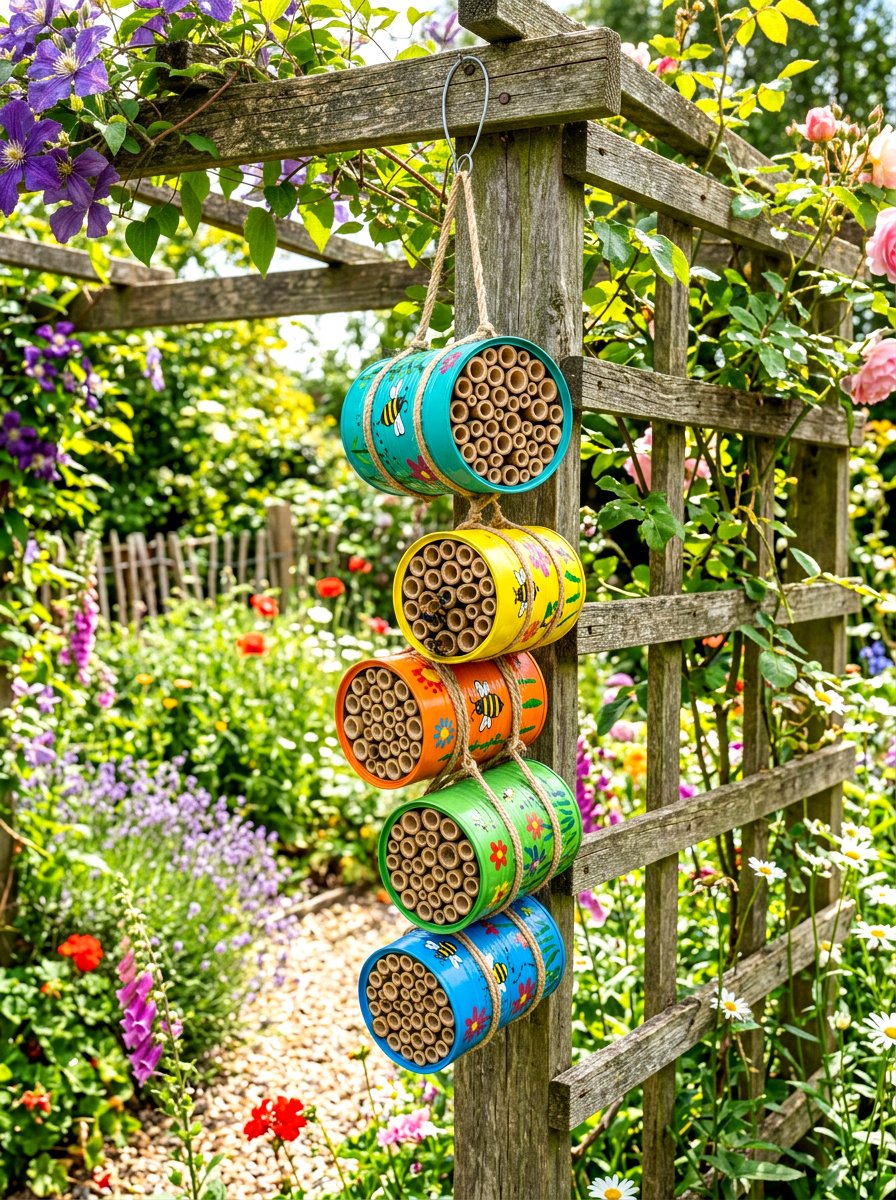
Upcycling empty tin cans is a quick and eco-friendly way to create small nesting sites for bees throughout your garden. Simply clean out a can, remove any sharp edges, and fill it tightly with bamboo straws or paper tubes. You can paint the outside of the cans in vibrant patterns to add a pop of color to your garden fences. These small units can be tied to tree branches or tucked into the eaves of a garden shed. It is an excellent way to provide multiple "satellite" hotels across a larger property. This modular approach helps ensure that pollinators are always close to your fruiting plants.
12. Wooden Crate Bug Hotel
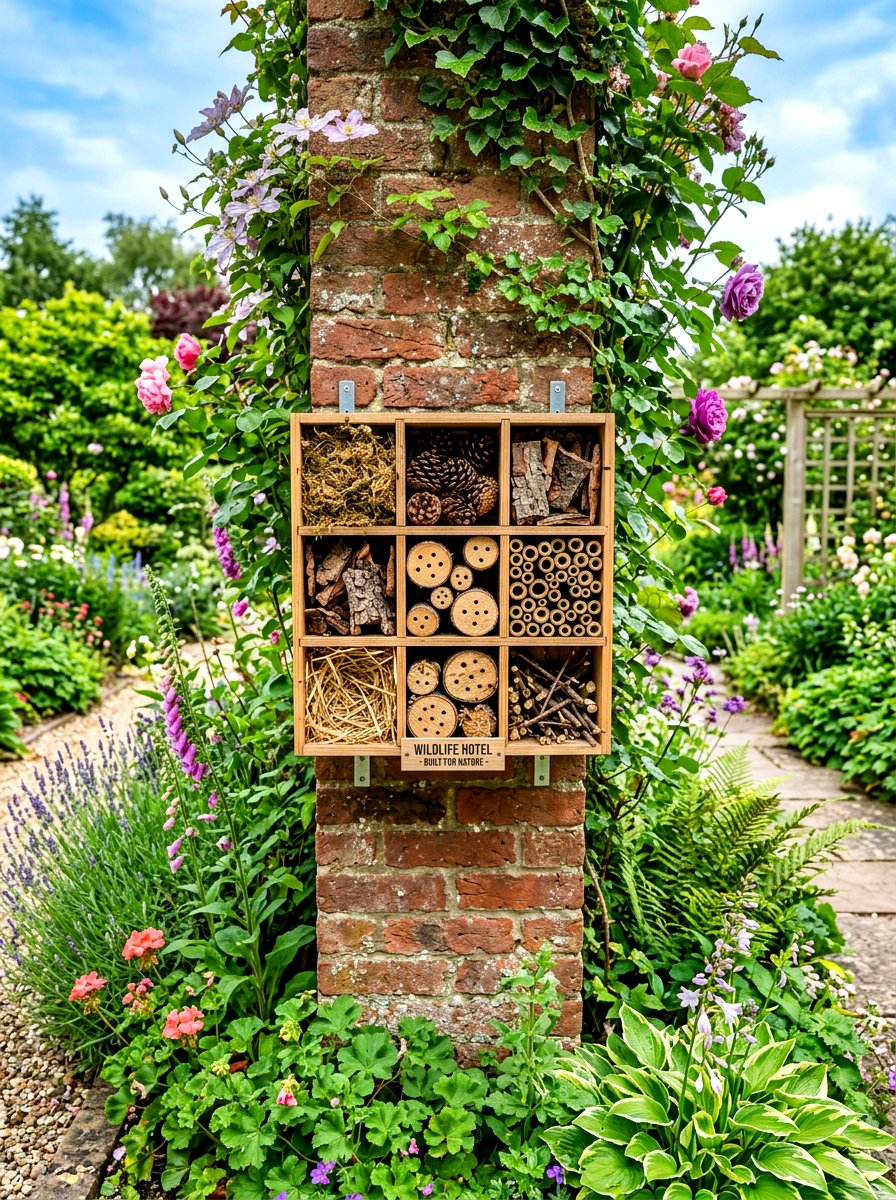
An old wooden fruit or wine crate provides a perfect pre-made frame for a diverse and multi-room insect accommodation. You can divide the interior of the crate into sections using thin pieces of scrap wood to create different "suites. " Fill one section with pine cones, another with bark, and a third with drilled wooden blocks to attract a variety of guests. This organized layout makes it easy to see which materials are most popular with your local bugs. The crate can be mounted horizontally on a wall or placed on a sturdy stand. It offers a tidy, framed look that fits any garden style.
13. Triangular Insect Shelter
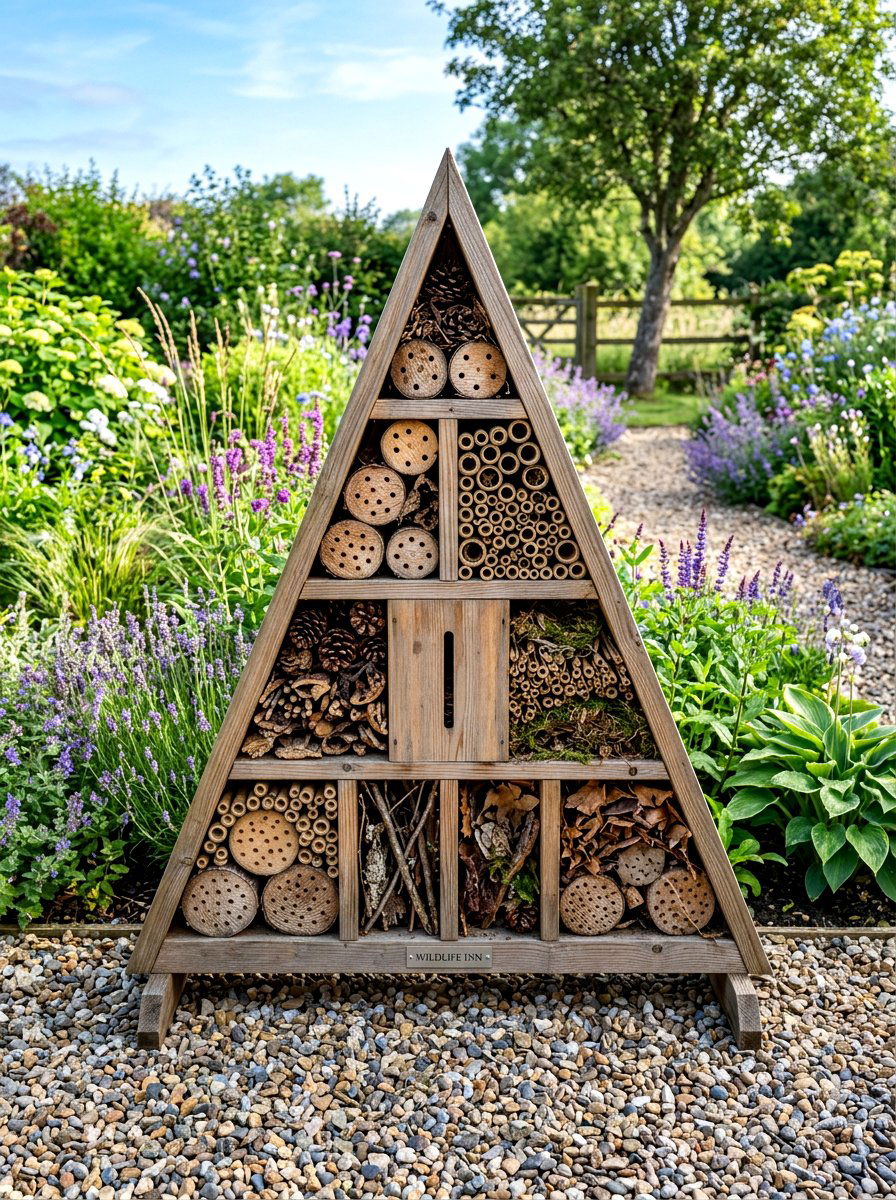
A triangular or A-frame shape is not only visually appealing but also helps to shed rainwater effectively from the structure. This design typically features a wide base for ground-dwelling insects and a pointed top that stays dry for flying pollinators. You can use cedar wood for the frame because it is naturally rot-resistant and has a pleasant aroma. The different compartments can be filled with a mixture of moss, straw, and twigs to provide year-round protection. This geometric shape looks very modern and serves as a striking piece of architecture in a contemporary garden. It combines form and function in a very stylish way.
14. Vertical Garden Bug Habitat
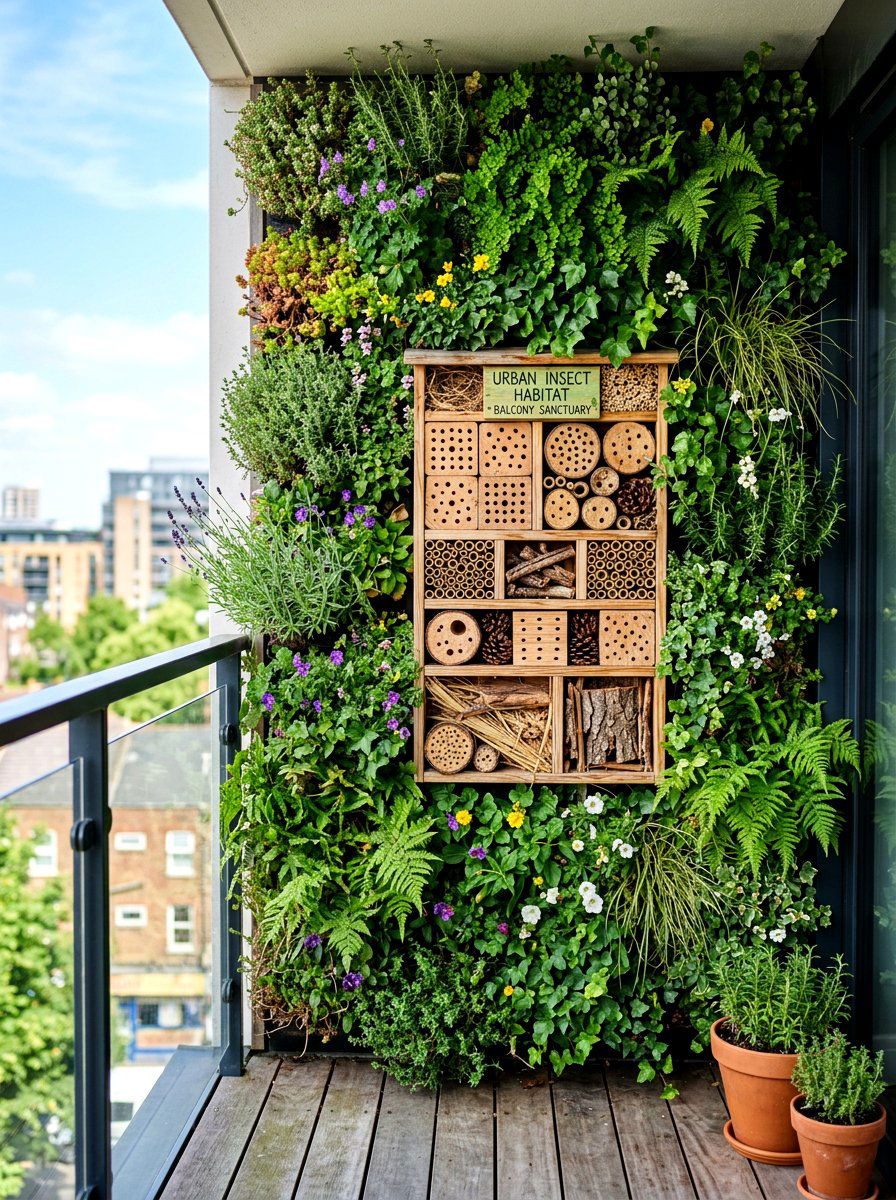
Integrating an insect hotel directly into a living vertical garden wall creates a seamless transition between flora and fauna. By leaving small pockets within the plant wall empty, you can insert blocks of drilled wood or bundles of reeds. The surrounding plants provide natural shade and humidity, which many insects find very attractive when looking for a home. This setup ensures that your pollinators are living right next to the flowers they need to visit. It is a space-saving solution that works beautifully on patio walls or small urban balconies. The greenery frames the insect habitat, making it look like a natural part of the wall.

15. Thatch Roof Bug House
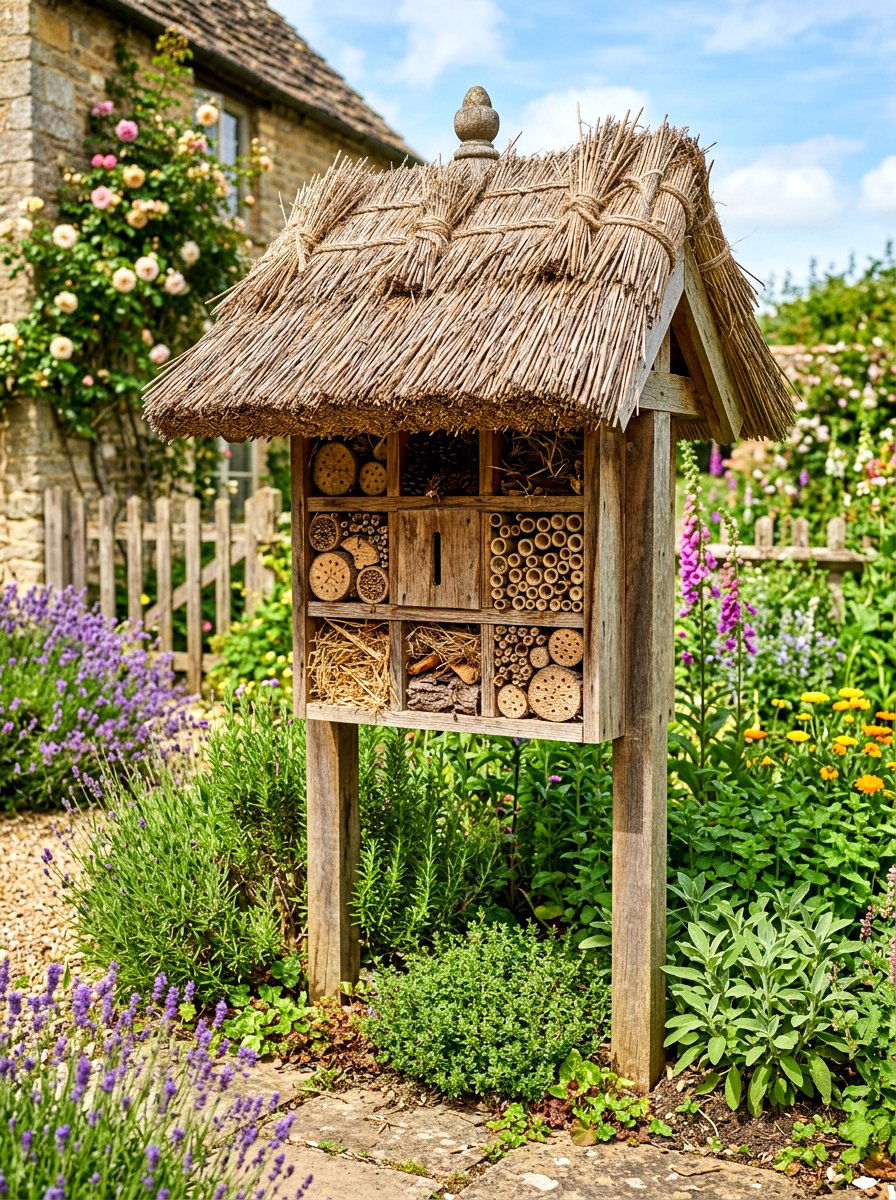
Adding a small thatched roof made of dried reeds or straw to your insect hotel provides superior insulation and protection. The thick layer of thatch keeps the interior dry even during heavy thunderstorms, which is crucial for the survival of hibernating insects. Below the roof, you can create various levels filled with logs and bark for a variety of garden residents. This style has a very traditional, cottage-core aesthetic that adds a sense of whimsy to your outdoor space. It looks particularly charming when placed near a herb garden or an old-fashioned flower border. The thatch itself also becomes a habitat for small mites.
16. Wire Mesh Bug Hotel
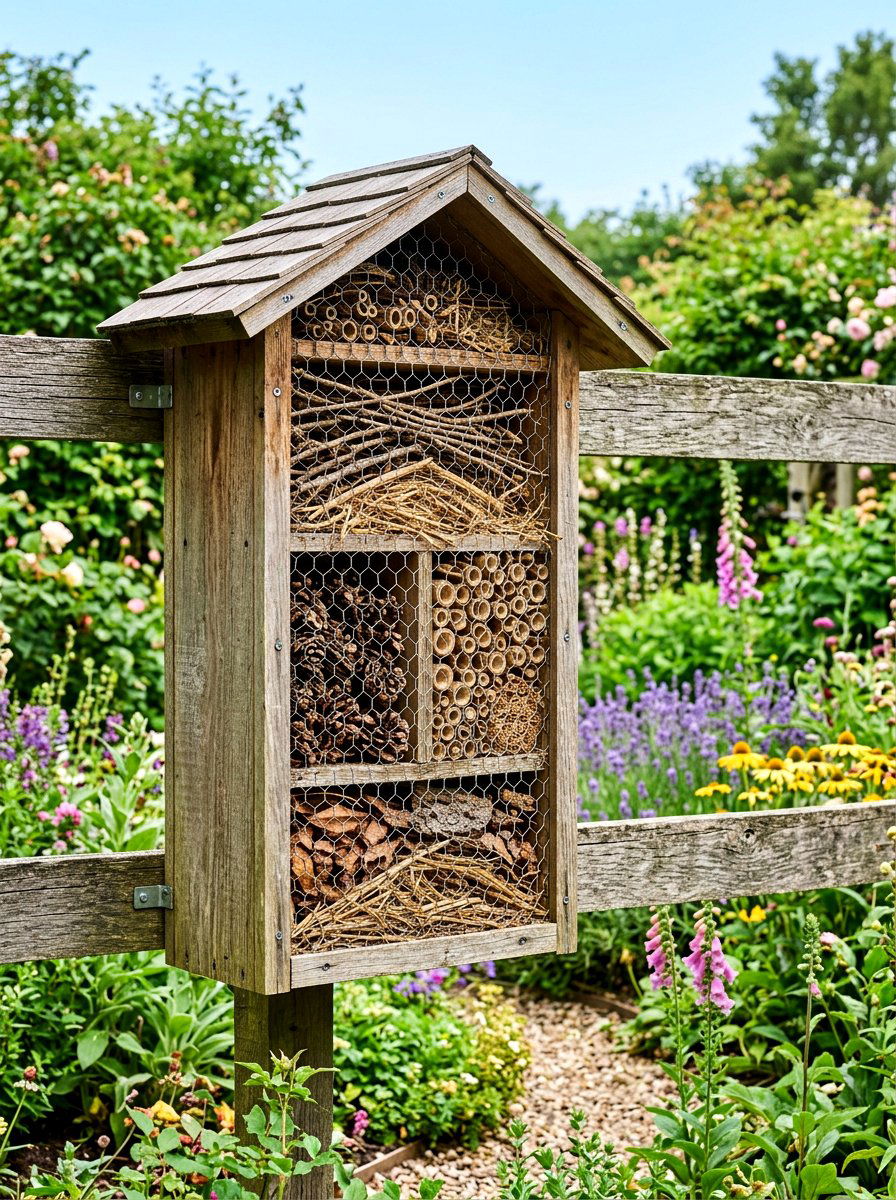
Using wire mesh or chicken wire over the front of your insect hotel is a practical way to keep the materials secure. It prevents birds from pulling out the straw or twigs to use for their own nests, ensuring your guests stay safe. You can create a slim, wall-mounted frame and pack it tightly with various natural debris behind the wire screen. This design allows for a very clear view of the different textures inside while maintaining a neat and tidy appearance. It is a great option for high-traffic areas where you want to prevent materials from spilling onto the ground. The mesh adds a slight industrial touch.
17. Modern Bug Tower
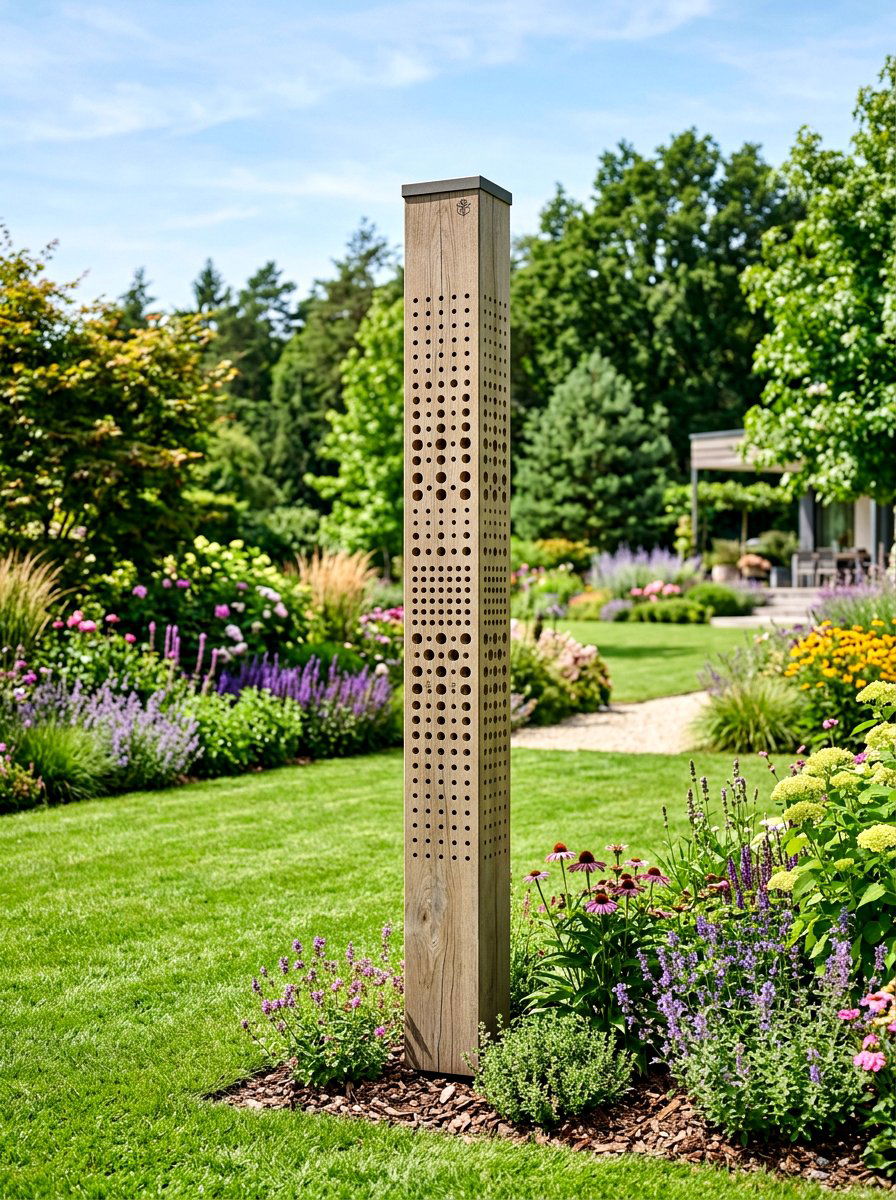
A modern bug tower focuses on clean lines and a minimalist aesthetic using high-quality woods like larch or oak. Instead of a messy look, this design uses precisely drilled holes and uniform segments to create a sleek, architectural pillar. You can stand several of these towers at different heights to create a sculptural installation in your garden. This style appeals to homeowners who want to support wildlife without compromising on a contemporary landscape design. The simple, repetitive patterns of the holes are very satisfying to look at and highly effective for solitary bees. It proves that eco-friendly features can be incredibly sophisticated and high-end.
18. Tree Stump Insect Refuge
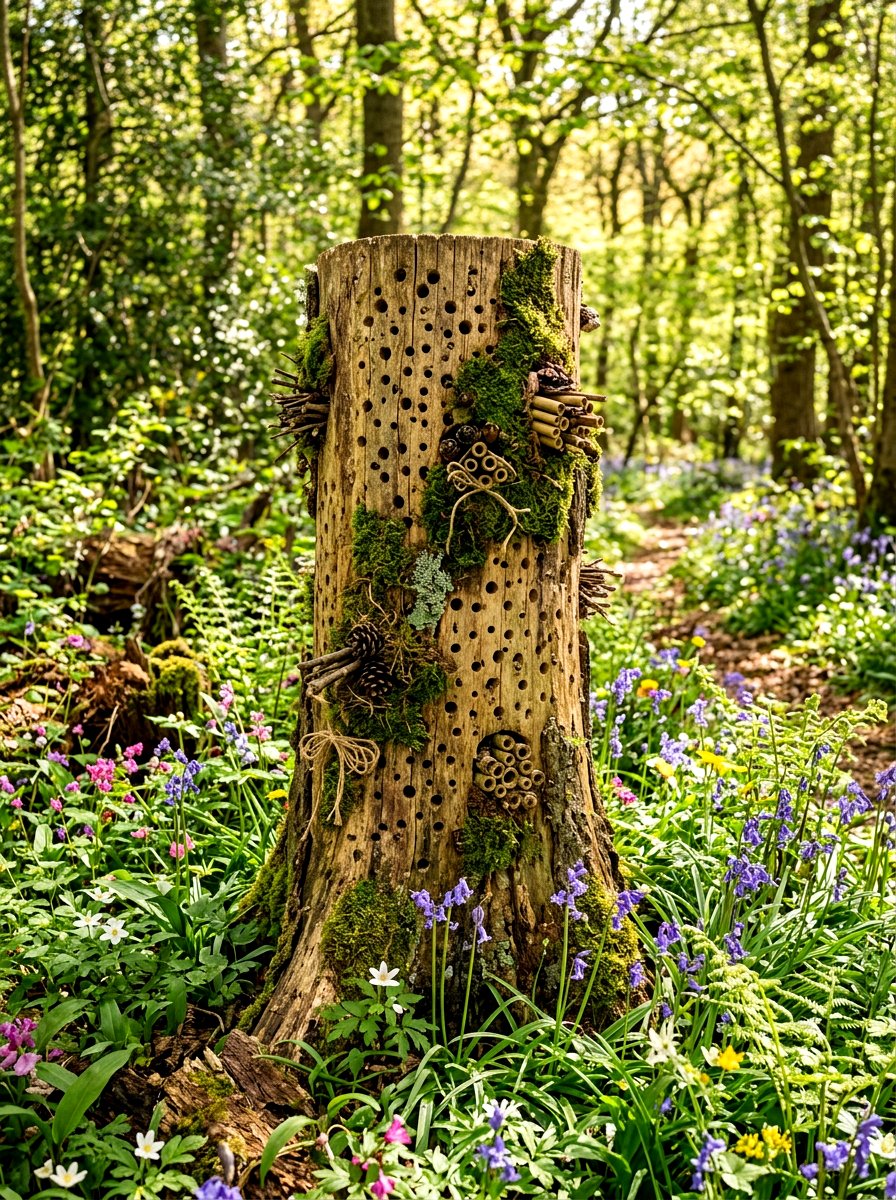
If you have an old tree stump in your garden, don't remove it; instead, turn it into a thriving insect refuge. You can drill holes of varying sizes directly into the wood to provide instant homes for wood-boring insects. Carving small ledges or attaching bundles of twigs to the sides can expand the habitat further. Over time, the stump will host fungi and moss, which adds even more biodiversity to the site. This approach is completely natural and requires no new materials, making it the most sustainable option. It allows the tree to continue giving back to the ecosystem long after it has stopped growing.
19. Cedar Bee Hotel
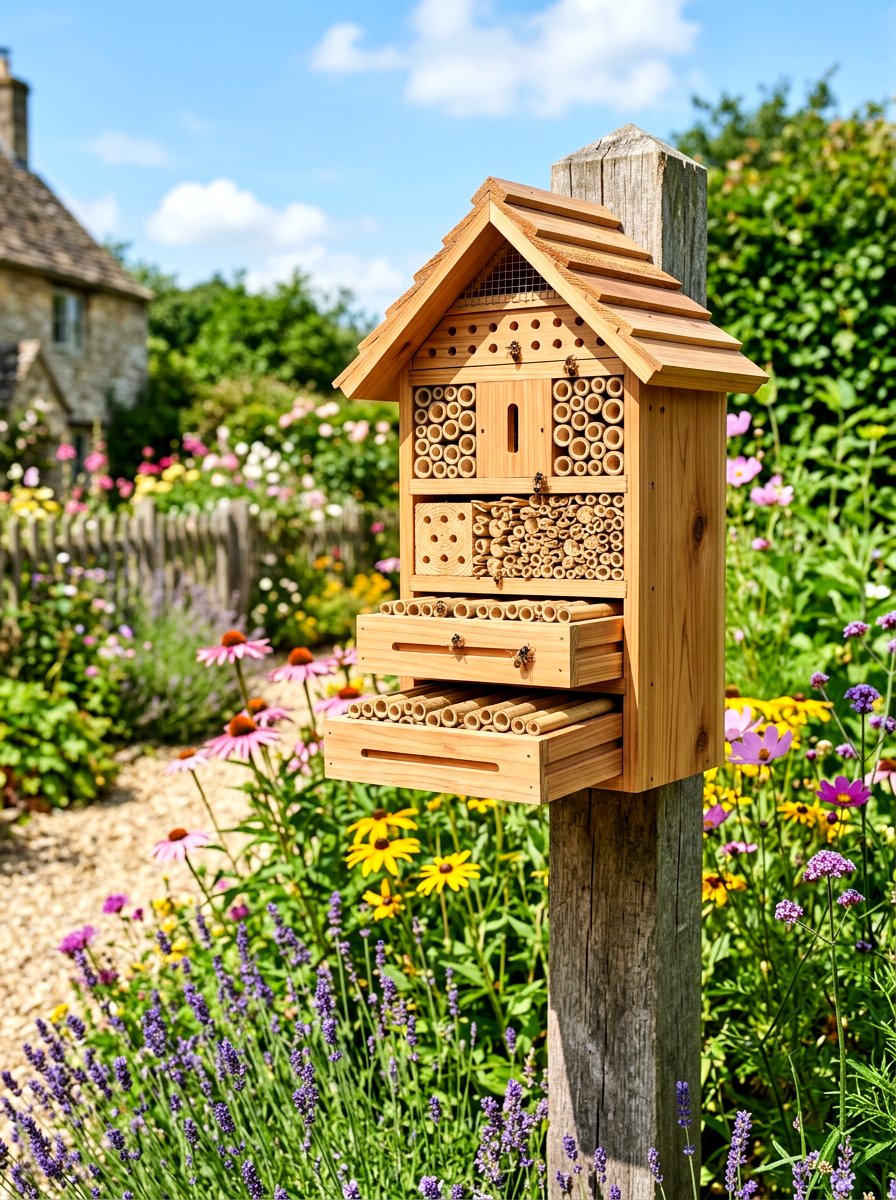
Cedar is an excellent choice for building insect hotels because it is durable and withstands harsh weather without the need for chemicals. A dedicated cedar bee hotel often features a series of removable wooden trays with grooves that mimic natural nesting tunnels. These trays can be easily cleaned or inspected at the end of the season to ensure the health of the bee larvae. The warm, reddish tones of the cedar wood look beautiful against the green foliage of a backyard. This type of hotel is a premium option that provides a very safe and healthy environment for the most important garden pollinators.
20. Multi Story Insect Mansion
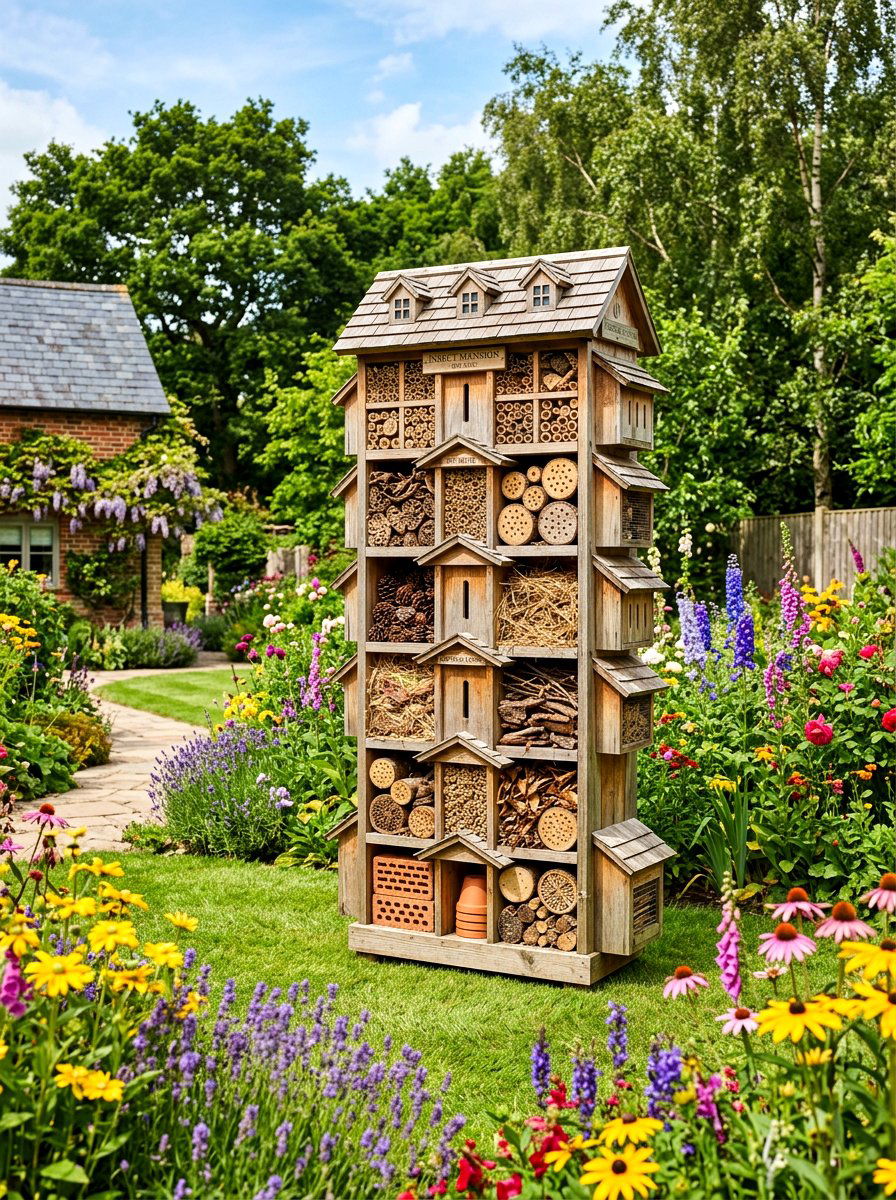
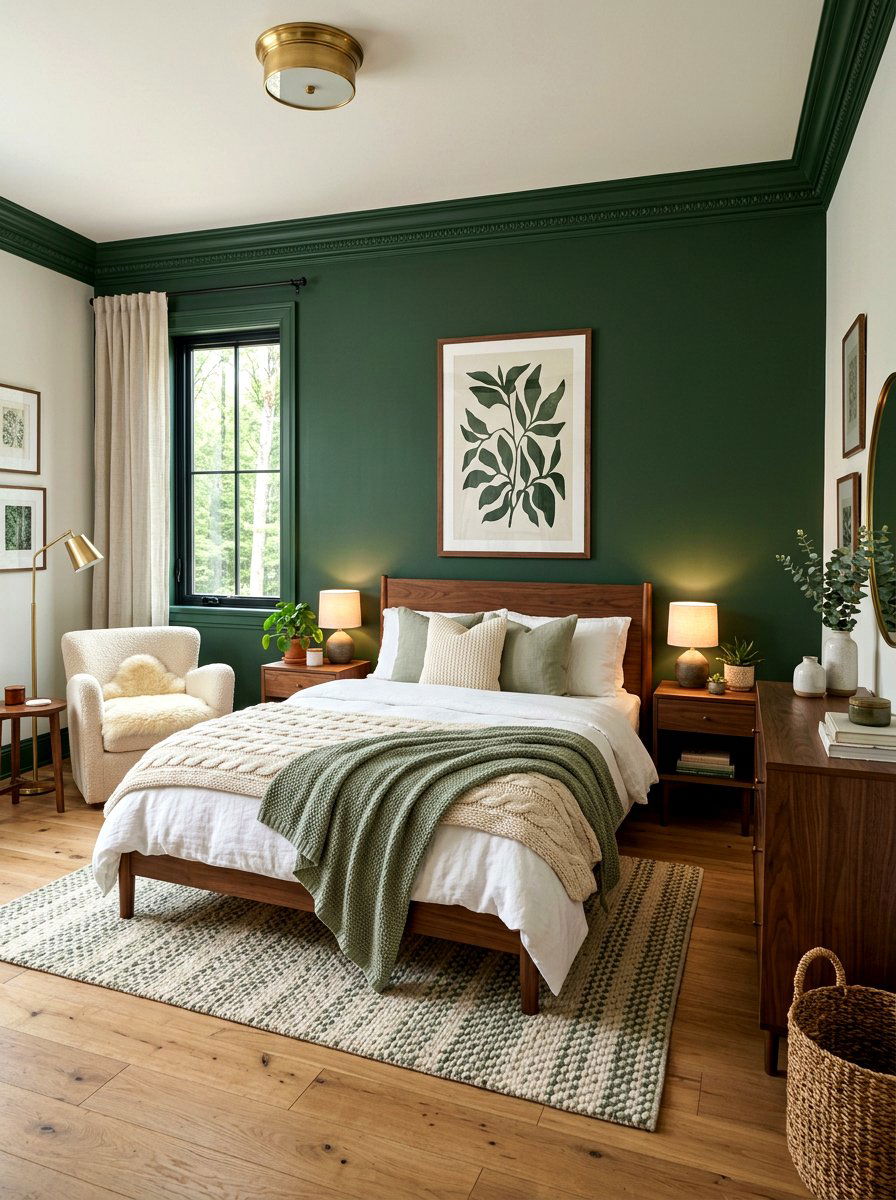
For those with a large garden and a lot of scrap materials, a multi-story insect mansion is the ultimate project. This large structure can have five or six different levels, each dedicated to a different type of habitat or species. You can include a basement for frogs and toads, middle floors for beetles, and high-rise apartments for bees and butterflies. Using a variety of materials like old roof tiles, logs, and pine cones makes each floor unique. This massive installation becomes a true sanctuary for wildlife and a major conversation piece for visitors. It shows a deep commitment to supporting the local ecosystem.
21. Natural Reed Bug House
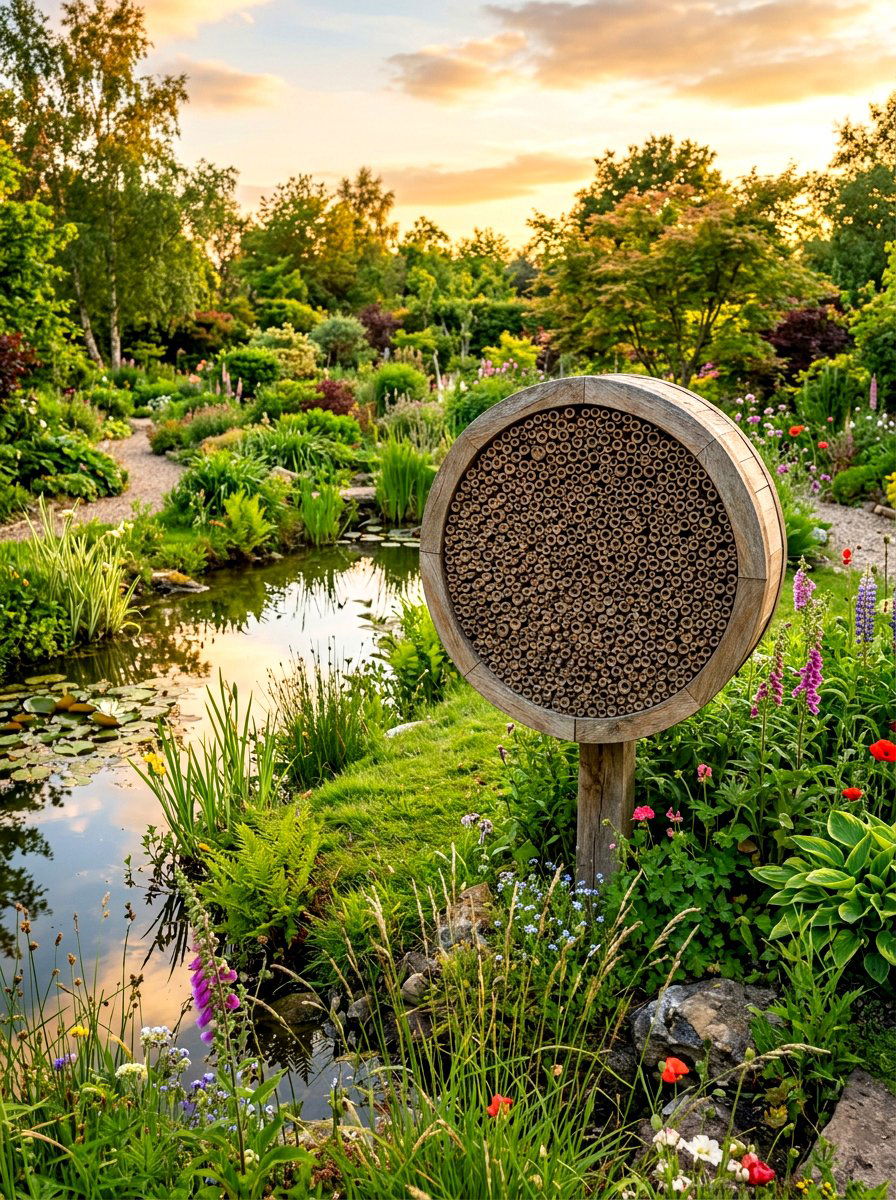
Reeds are a fantastic natural resource for creating hundreds of tiny nesting tunnels in a compact space. By cutting bundles of reeds to the same length and packing them into a circular or square frame, you create a dense habitat. The thin walls of the reeds provide excellent insulation for the developing larvae inside. This design is lightweight and can be easily moved around the garden to find the best location. It has a very organic, soft appearance that blends in well with tall grasses or near a garden pond. Reeds are easy to source and replace as they eventually break down over several years.
22. Moss Covered Insect Shelter
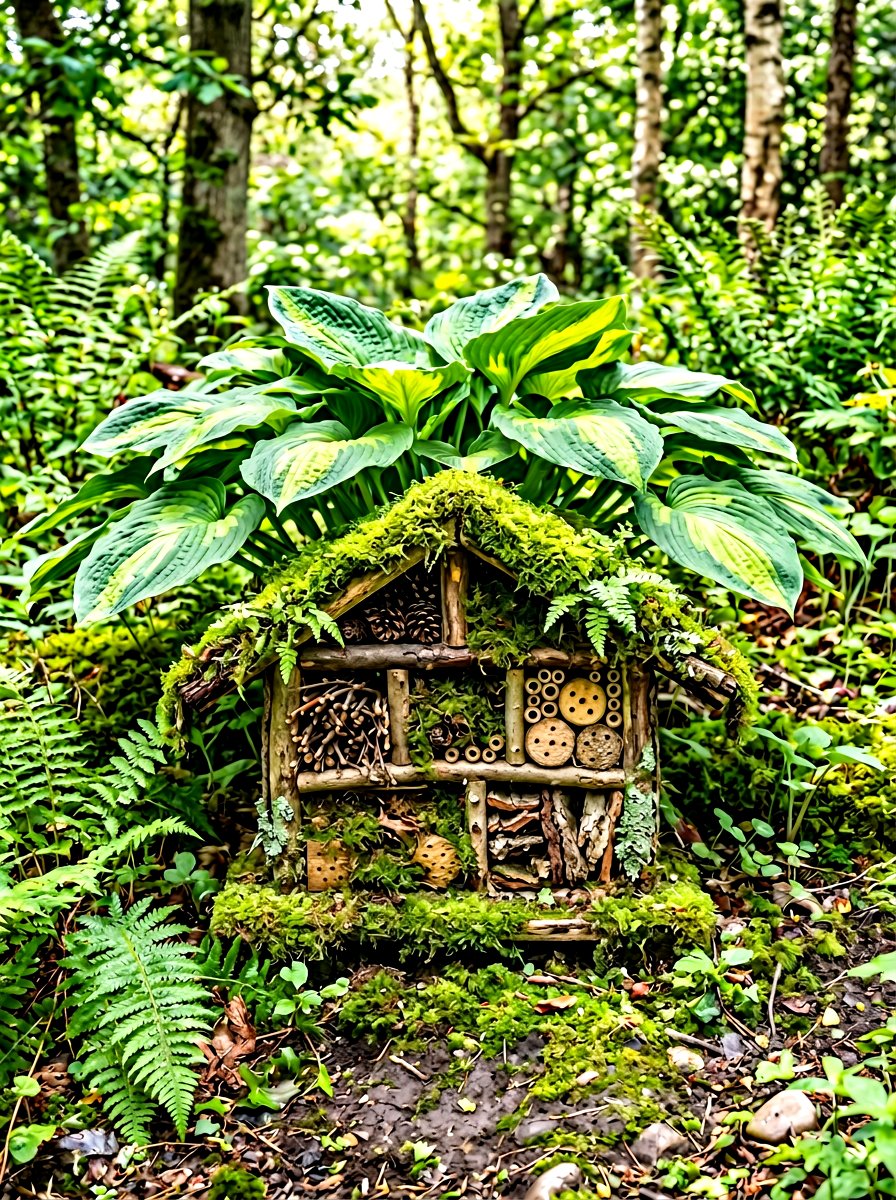
Incorporating live moss into your insect hotel helps to regulate moisture levels and provides a soft, damp environment. You can use moss to fill the gaps between logs or as a green "carpet" on the roof of the structure. This is particularly attractive to insects that require higher humidity, such as certain types of beetles and amphibians. The moss will continue to grow if placed in a shady spot, making the hotel look like it has been part of the garden for decades. This living design element adds a beautiful, lush green texture that feels very peaceful and harmonious with the rest of nature.
23. Wall Mounted Bug Hotel
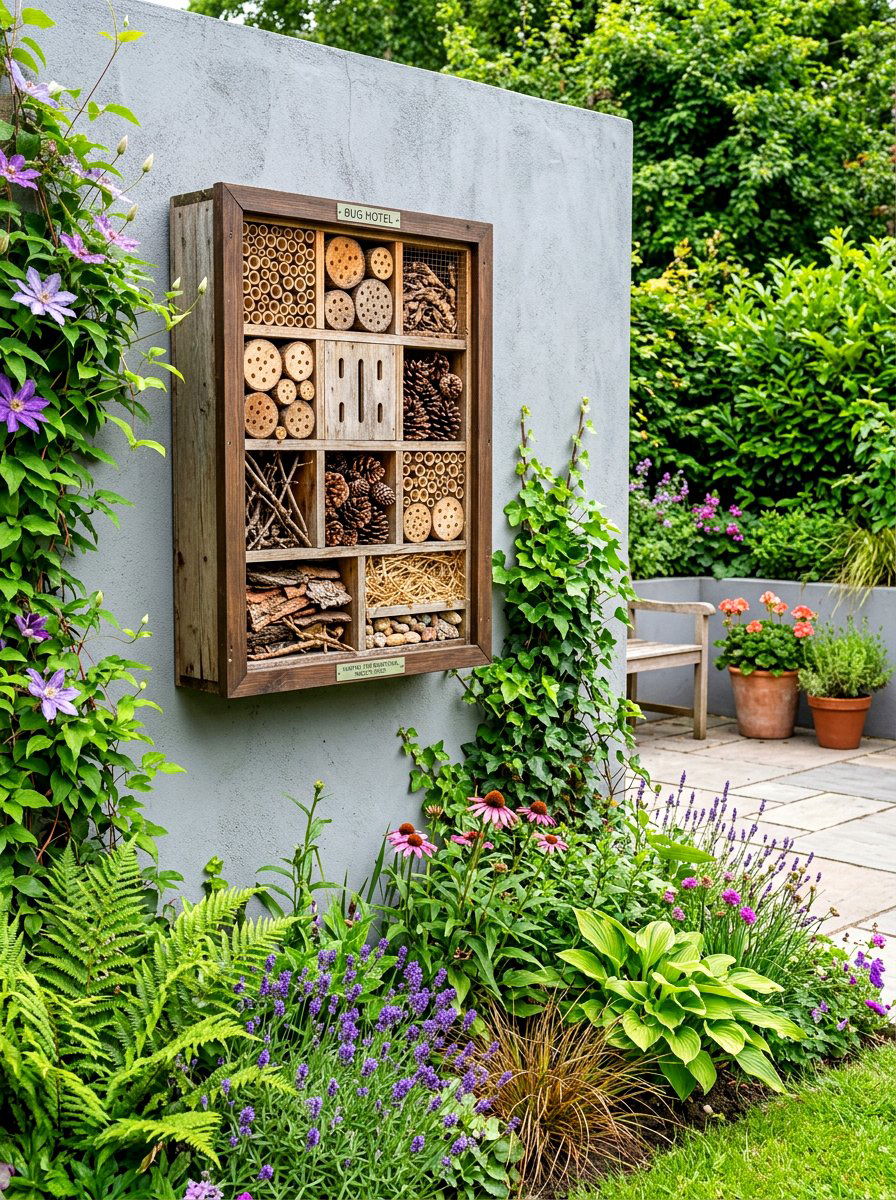
A wall-mounted bug hotel is the perfect solution for urban gardeners or those with limited floor space in their backyard. These compact units can be easily attached to a brick wall, a wooden fence, or even the side of a balcony. By elevating the hotel, you keep the insects safe from ground predators like cats and hedgehogs. You can choose a design with a decorative frame to make it look like a piece of outdoor wall art. Even a small unit can provide enough space for several dozen solitary bees to nest. It is a great way to make use of vertical space effectively.
24. Freestanding Insect Tower
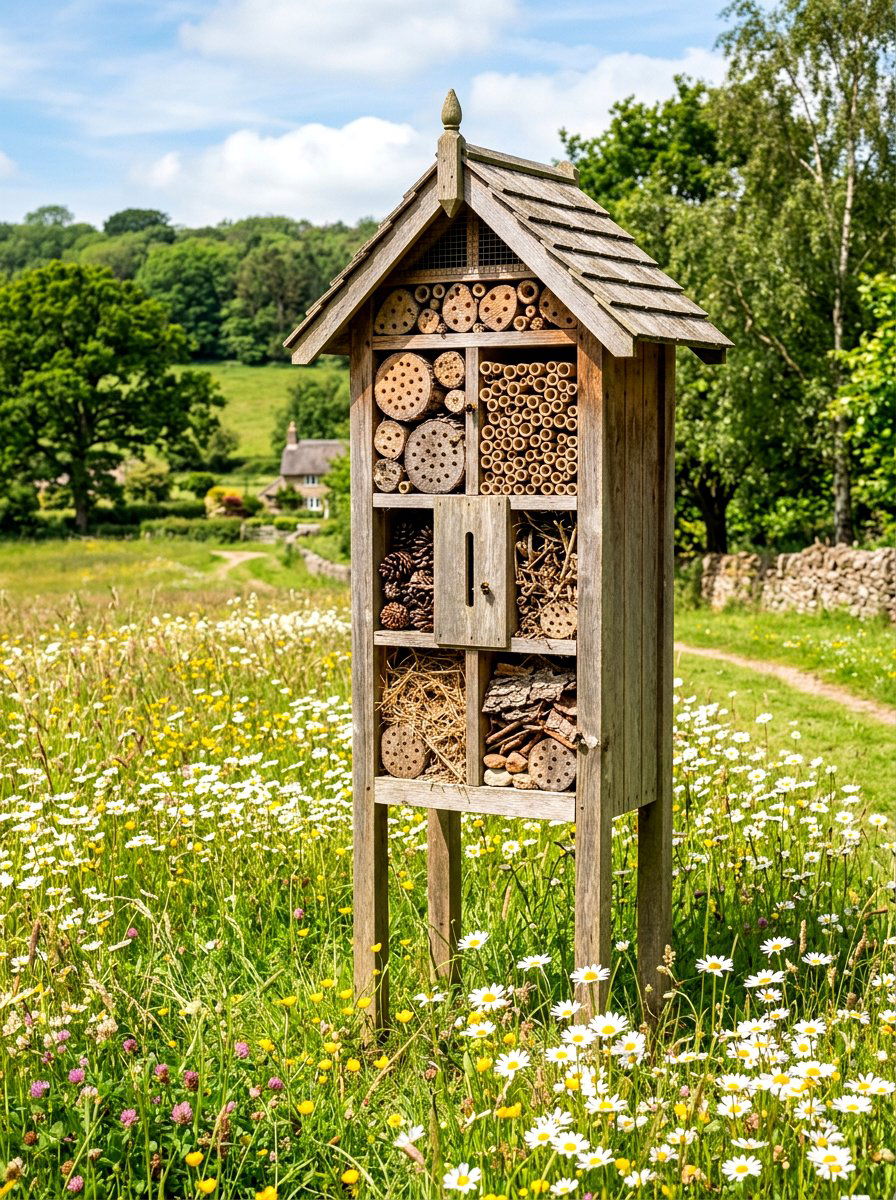
A freestanding tower can be placed anywhere in the garden, allowing you to position it in the most ecologically beneficial spot. This structure typically sits on four legs to keep the base away from ground moisture and rot. You can place it in the center of a wildflower patch or at the edge of a vegetable garden for maximum impact. The 360-degree access allows insects to enter from any side, depending on the sun and wind conditions. This design is very sturdy and can be built quite tall to create a prominent feature in your landscape. It offers a very professional and deliberate look.
25. Layered Leaf Litter Habitat
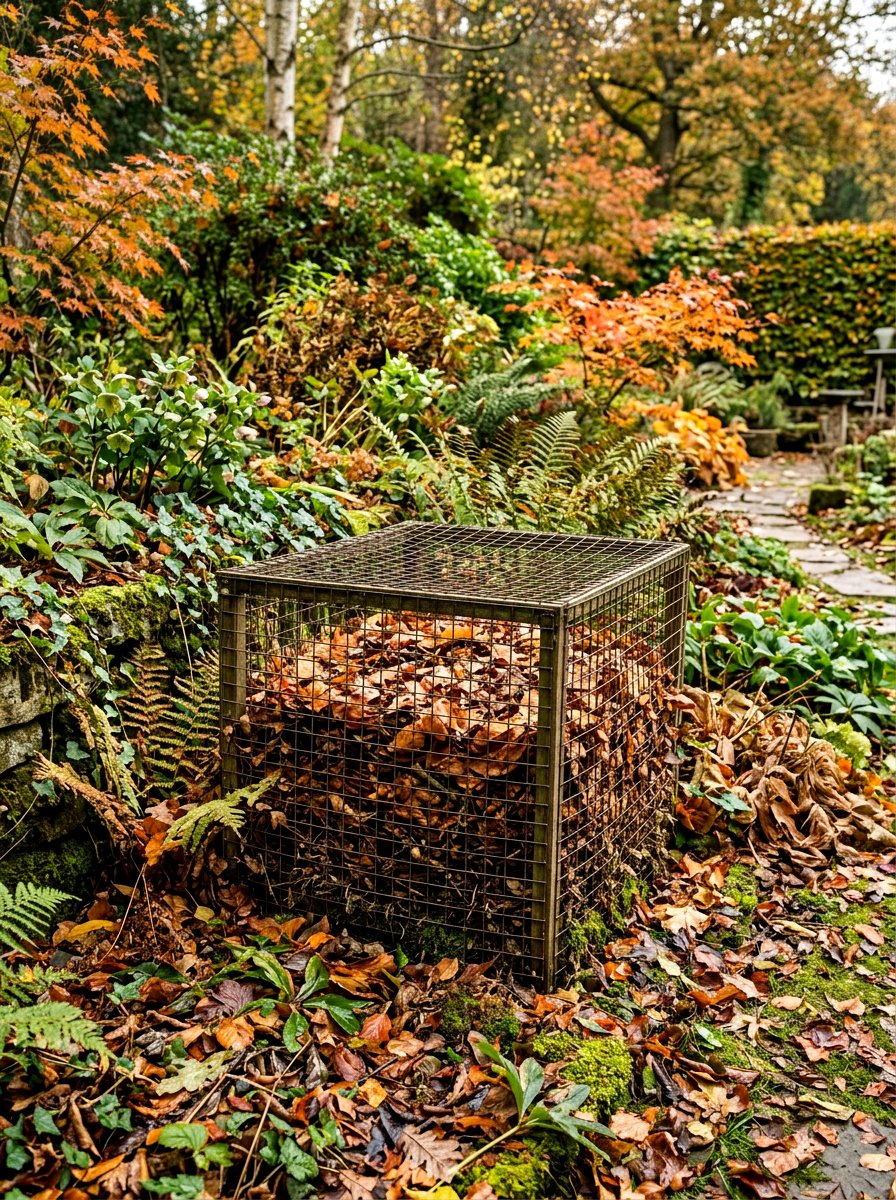
Many beneficial insects and small creatures spend their entire lives in the leaf litter on the forest floor. You can create a managed version of this by filling a wire cage or a wooden box with layers of dried leaves and small twigs. This provides a dark, insulated space for ground beetles and spiders to hunt and hide. It is important to use a variety of leaf types to provide different levels of decay and nutrition. This type of habitat is best placed in a quiet, shady corner where it won't be disturbed. It is a simple yet vital part of a truly wildlife-friendly garden design.
26. Drilled Wood Block Bee House
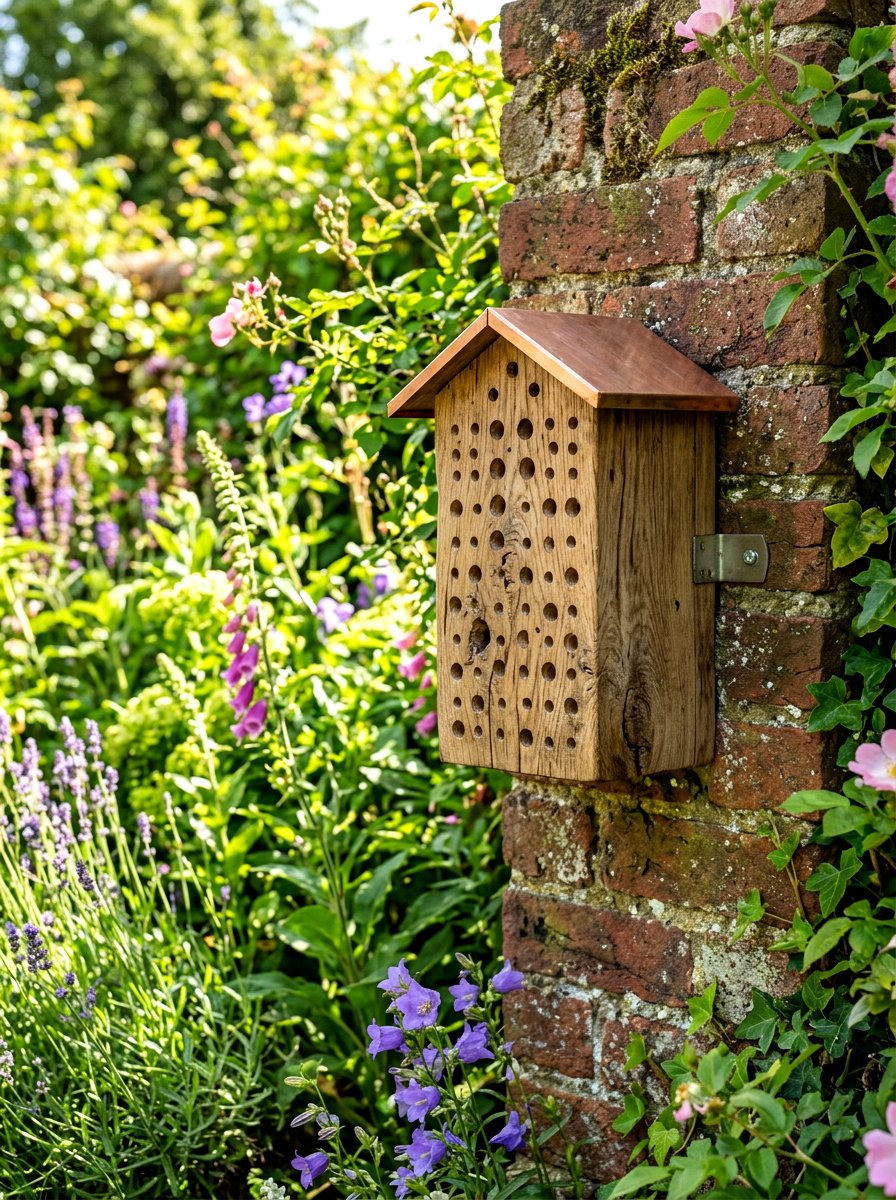
Using a single large block of hardwood and drilling numerous holes into it is one of the most effective bee habitats. The solid wood provides incredible insulation against temperature swings, which helps the larvae survive the winter. You should use a variety of drill bit sizes ranging from two to ten millimeters to attract different bee species. Make sure the holes are smooth on the inside to prevent damaging the delicate wings of the bees. This design is very clean and simple, making it a favorite for modern and minimalist gardens. It is a durable, low-maintenance option that lasts for many years.
27. Circular Bug Hotel
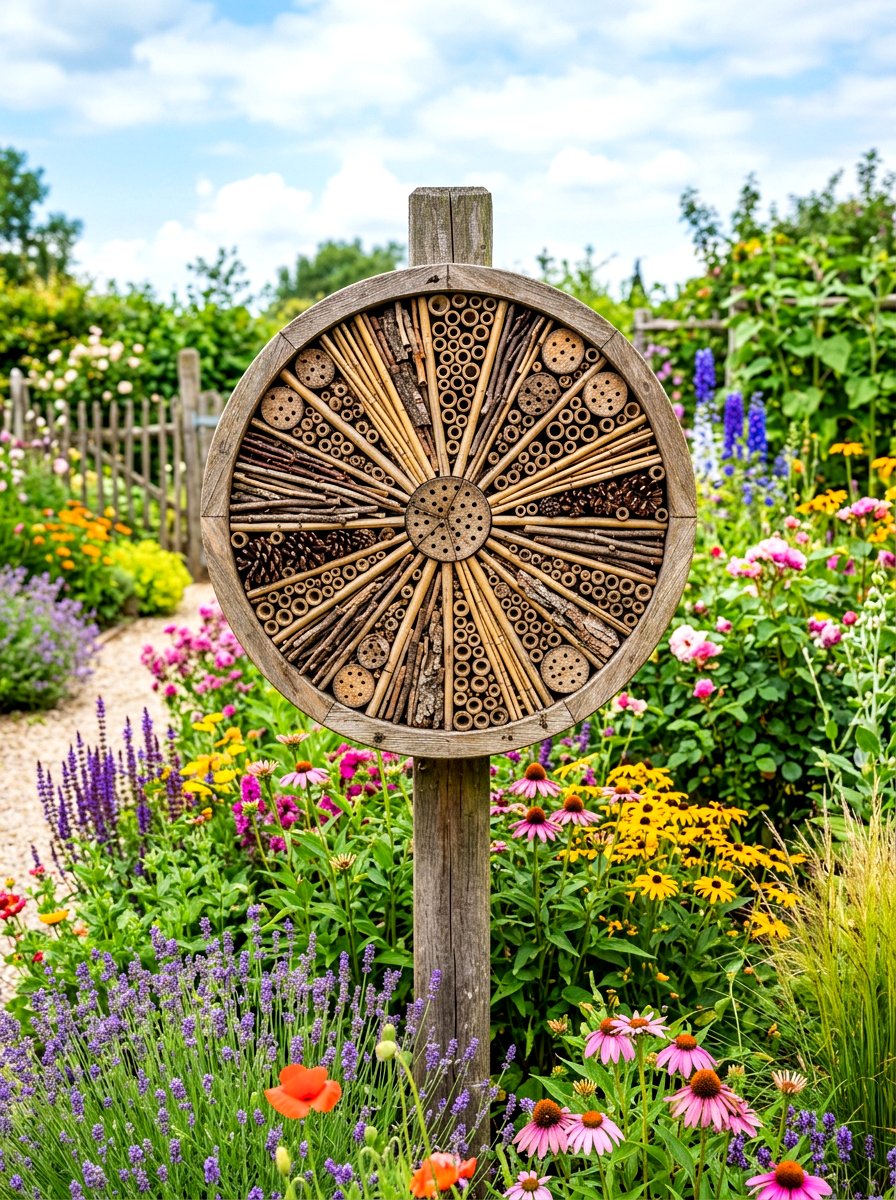
A circular design offers a unique aesthetic that breaks away from the traditional square or rectangular shapes of most garden structures. You can use a large section of a hollow log or a repurposed wooden barrel hoop as the outer frame. Filling the circle with radiating patterns of sticks, bamboo, and bark creates a visually stunning mandala-like effect. This shape is very symbolic of the cycles of nature and looks beautiful as a focal point in a flower bed. The circular form also provides a variety of angles for insects to enter, ensuring they can find a spot protected from the wind.
28. Wildflower Bug House
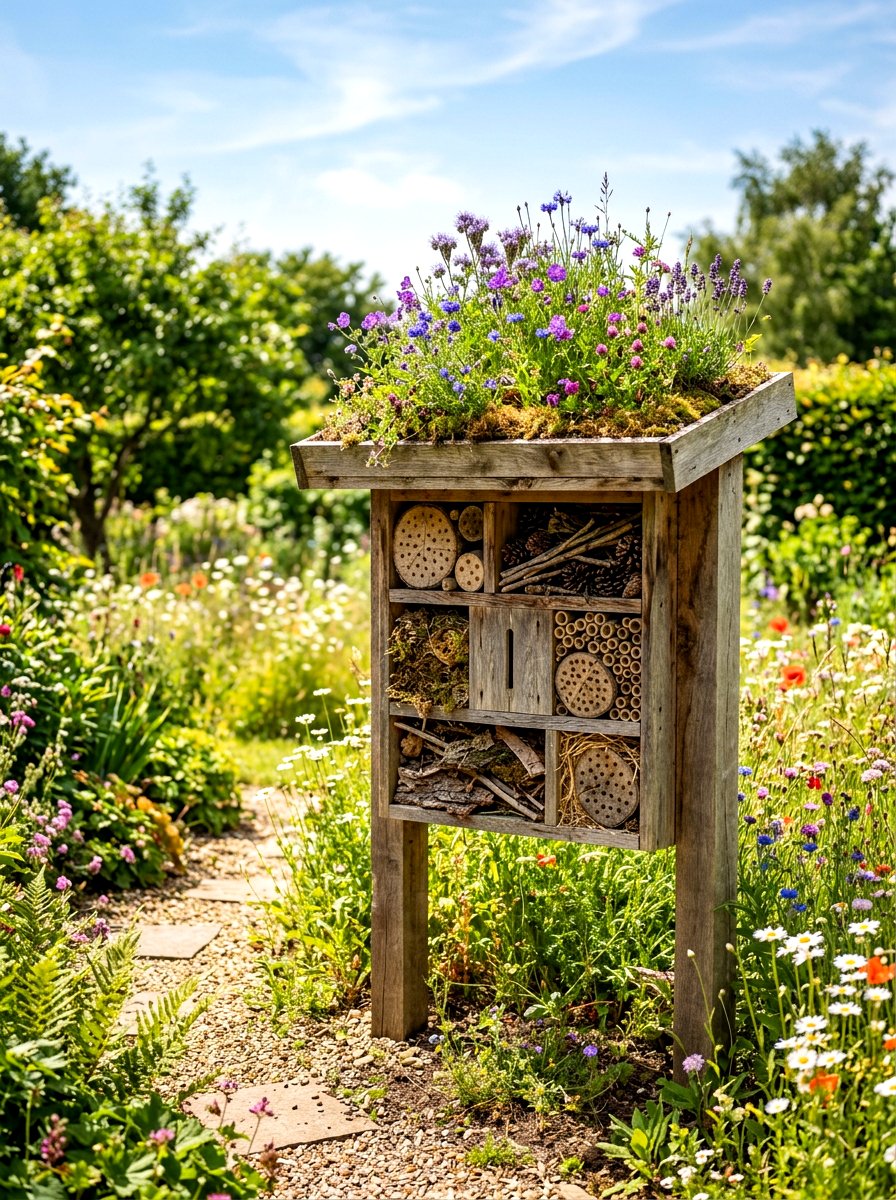
Combining a bug hotel with a built-in planter on top is a brilliant way to provide both a home and a food source. You can grow a small patch of native wildflowers or succulents in a shallow tray at the peak of the structure. This ensures that the bees and butterflies living in the hotel have immediate access to nectar right outside their front door. The roots of the plants also help to insulate the hotel below, keeping it cool in the summer. It is a beautiful, self-contained ecosystem that demonstrates the close relationship between insects and plants. This design is incredibly popular on Pinterest.
29. Rustic Twig Bug Hotel
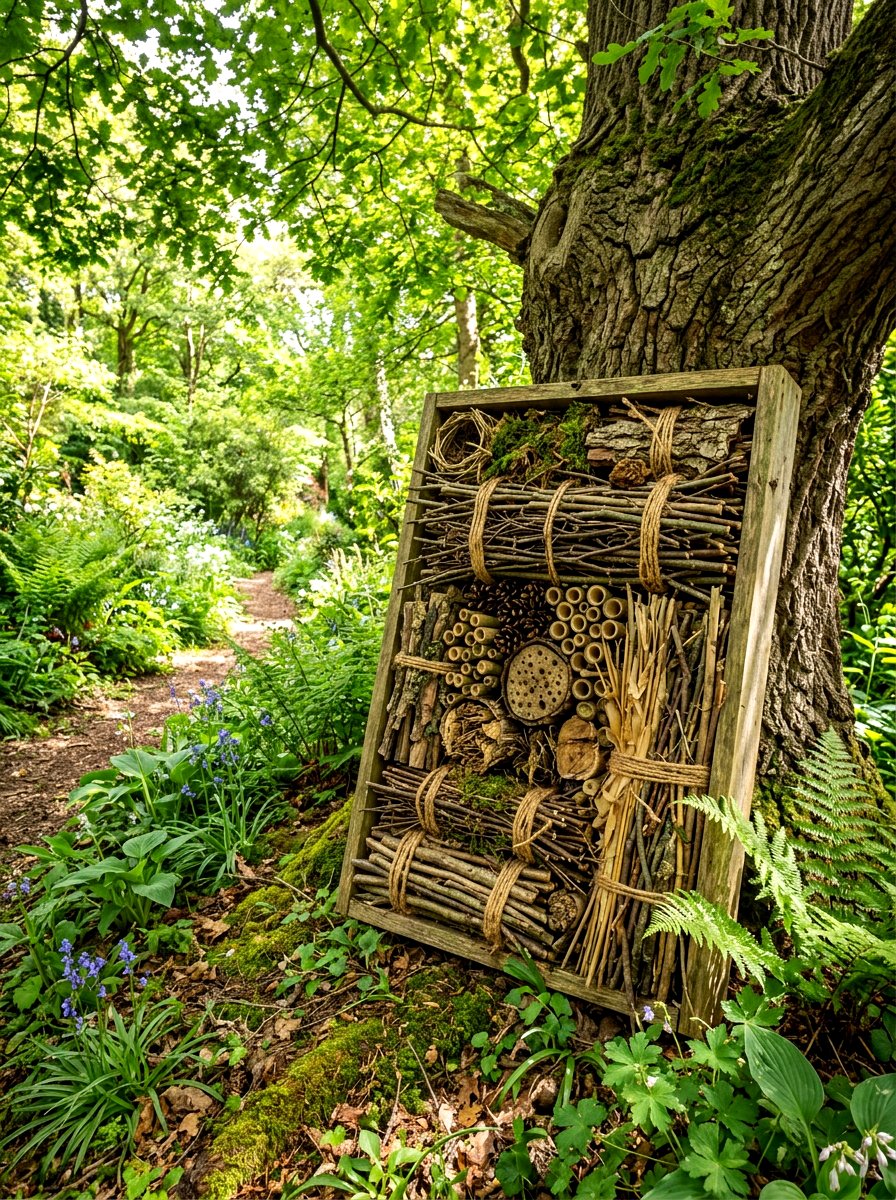
If you have a lot of garden prunings, a rustic twig hotel is an easy and free project to assemble. Simply bundle twigs of different thicknesses and tie them together with natural twine or pack them into a simple frame. This messy, natural look is actually very attractive to many insects because it provides a wide variety of gap sizes. It looks perfectly at home in a cottage garden or a wooded backyard area. You can even lean these bundles against a tree or a wall for an effortless habitat. It proves that you don't need expensive materials to make a big difference for your local wildlife.
30. Sculptural Insect Habitat
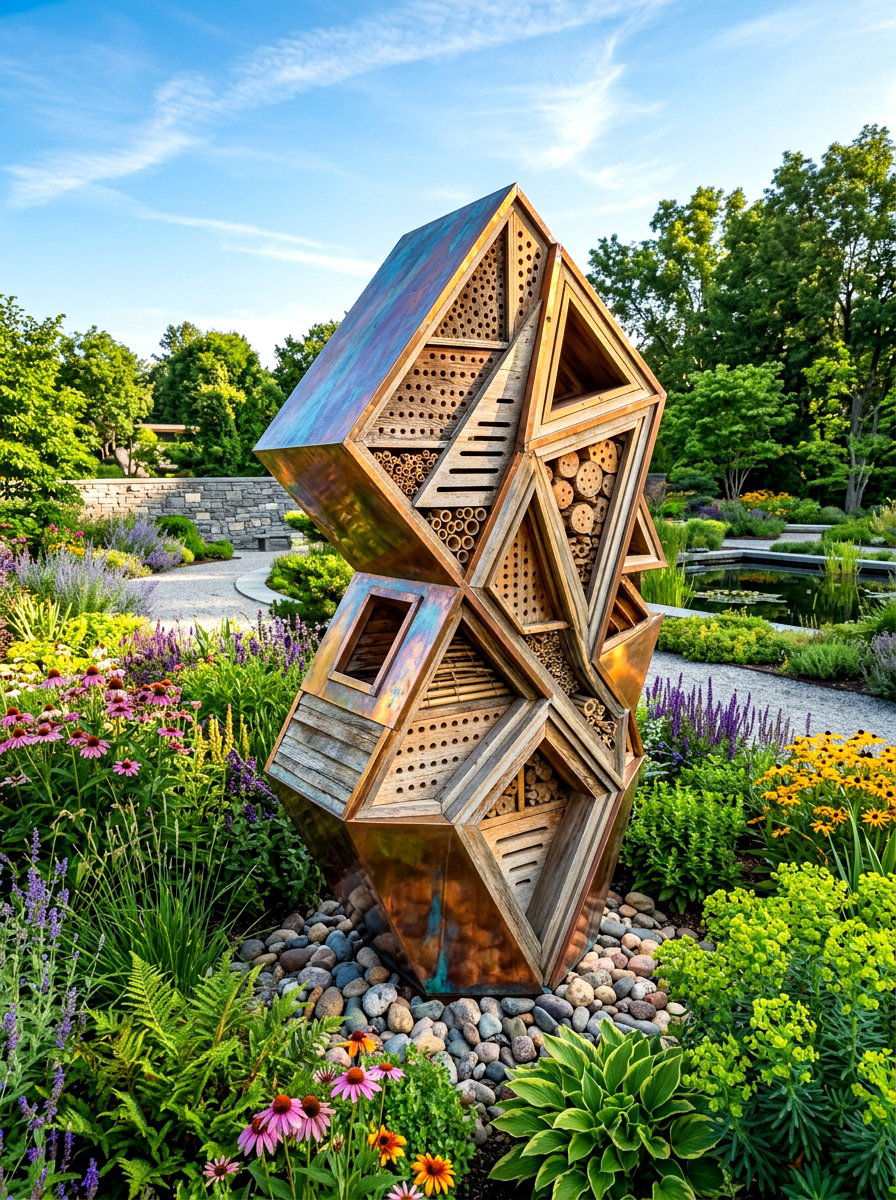
A sculptural insect habitat treats the bug hotel as a piece of fine art for the garden. This design might use abstract shapes, interesting angles, or a combination of unconventional materials like copper and reclaimed timber. The goal is to create something that is as beautiful to humans as it is useful to the insects. You can place this sculpture in a prominent spot where it can be admired while still serving its ecological purpose. Using high-quality craftsmanship ensures that the piece enhances the overall design of your outdoor space. It is the ultimate expression of how nature and design can coexist beautifully in a backyard.
Conclusion:
Creating a diverse range of insect hotels is one of the most impactful steps you can take for your garden's health. These structures do more than just provide shelter; they foster a balanced ecosystem where natural predators keep pests under control and pollinators ensure a bountiful harvest. From simple upcycled tin cans to elaborate multi-story mansions, there is a design to fit every garden size and style. By choosing natural, untreated materials, you provide a safe haven that helps reverse the decline of essential insect populations. Your garden will transform into a vibrant, living landscape full of activity and beauty. Start building your insect sanctuary today and watch your backyard come to life.

Related posts: