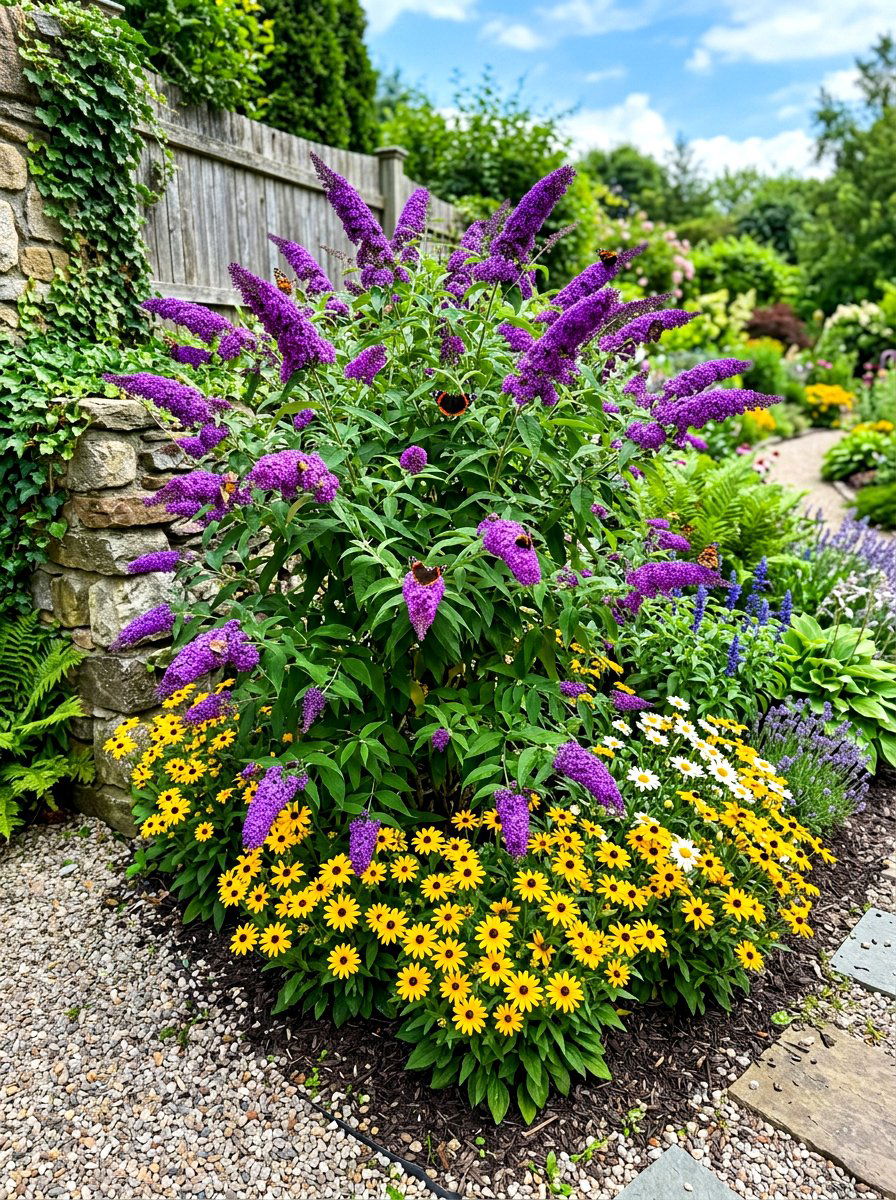
Creating a vibrant sanctuary for pollinators starts with thoughtful planning and a deep appreciation for nature’s hardest workers. Bees play a vital role in our ecosystem, yet they often struggle to find enough food and safe nesting spots in modern landscapes. By transforming your outdoor space into a haven filled with nectar-rich blooms and natural habitats, you contribute directly to their survival and local biodiversity. Whether you have a sprawling backyard or just a small balcony, there are endless ways to invite these gentle insects into your world. This guide explores diverse approaches to help you build a flourishing environment where bees can truly thrive throughout every single season of the year.
1. Wildflower Meadow
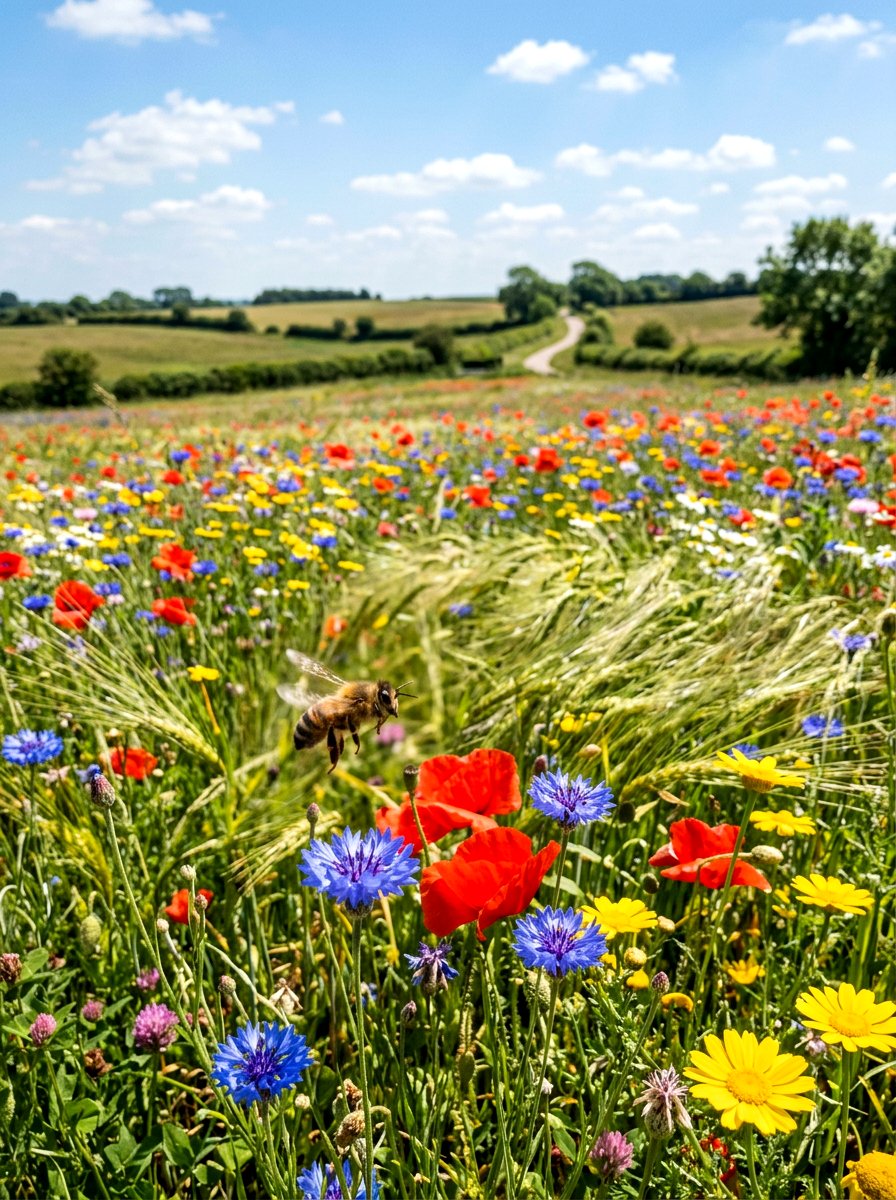
Imagine a sun-drenched field swaying with a colorful mix of native grasses and blooms that hum with life all summer. A wildflower meadow is a low-maintenance way to provide massive amounts of pollen and nectar for various bee species. Instead of a traditional manicured lawn, this natural approach uses seeds like poppies, cornflowers, and clovers to create a rich tapestry of color. It offers a diverse food source while providing shelter for ground-nesting bees and other beneficial insects. By letting the grass grow tall and allowing flowers to go to seed, you create a self-sustaining ecosystem that changes beautifully with the passing months of the year.
2. Lavender Garden
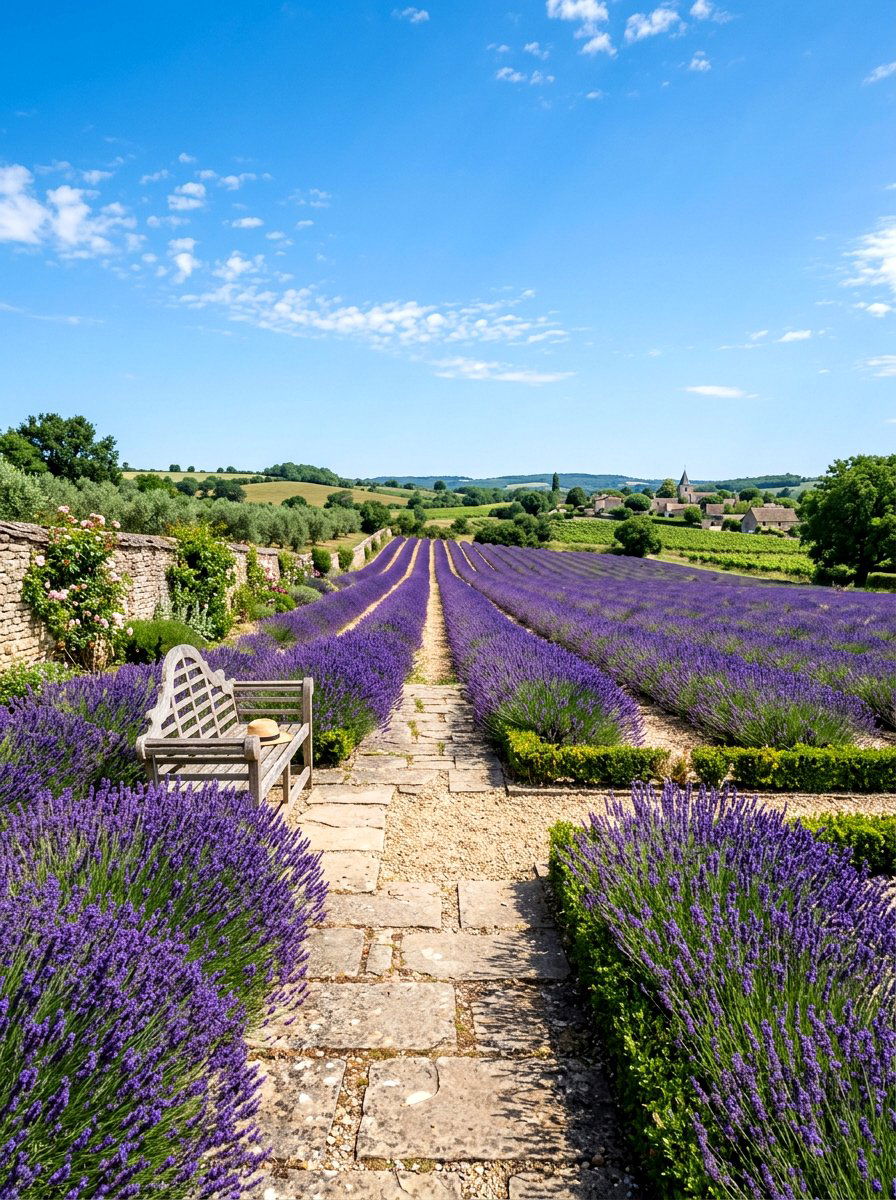
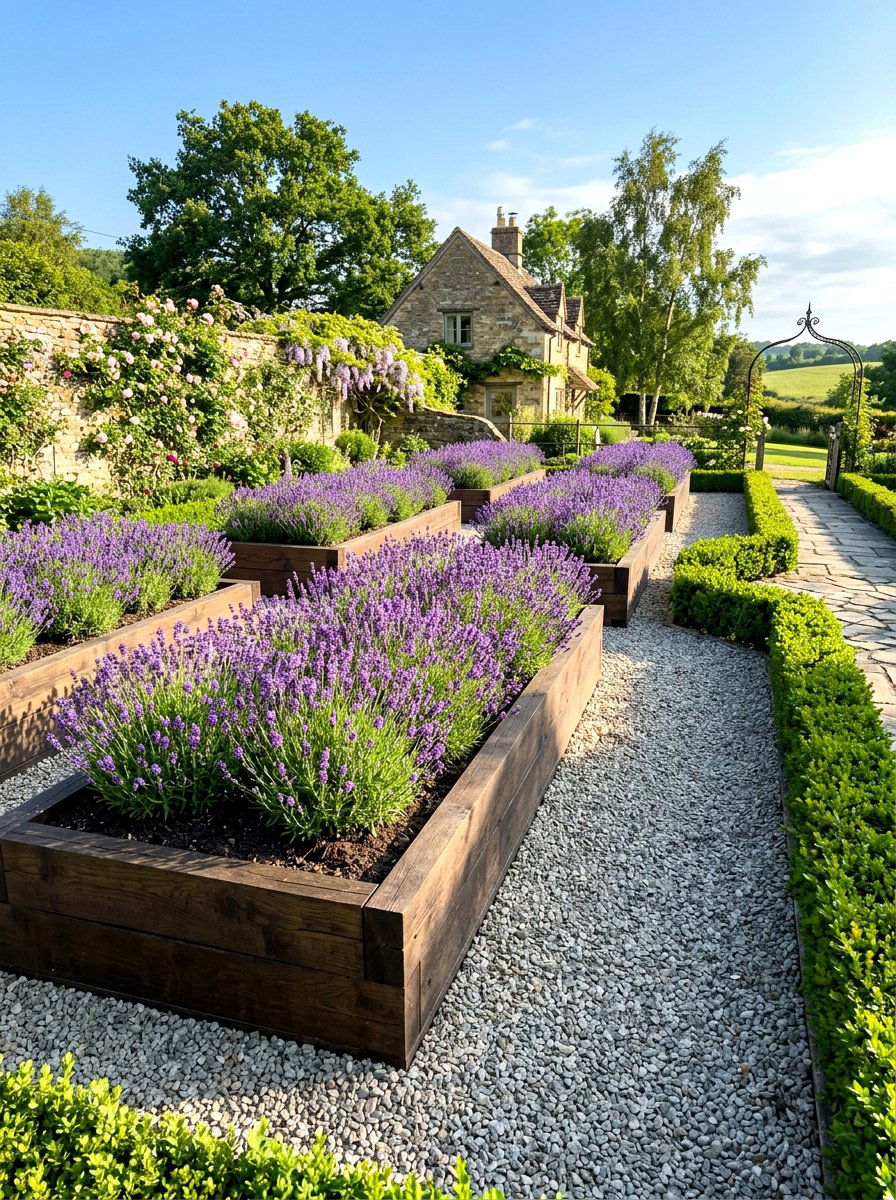
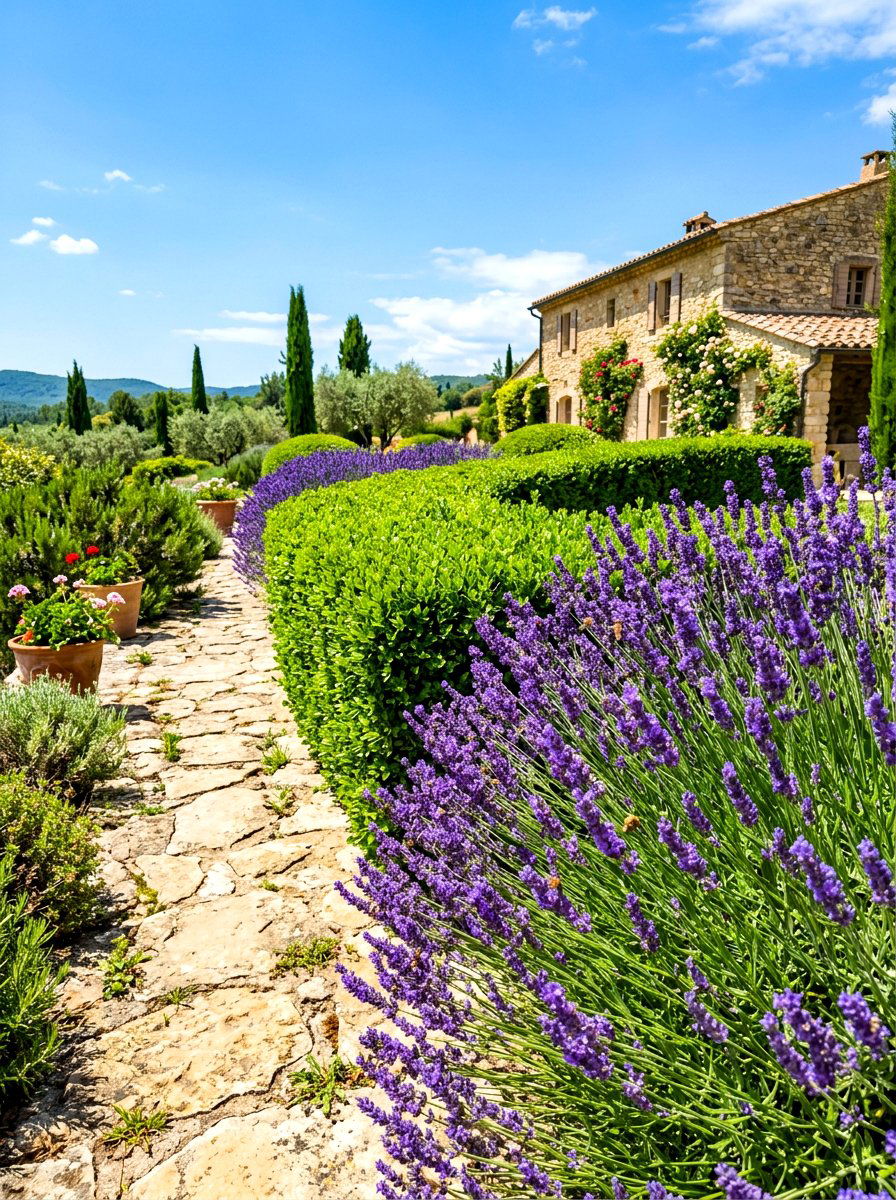
Have you ever noticed how bumblebees seem absolutely obsessed with the fragrant purple spikes of a blooming lavender plant? Planting a dedicated lavender border or cluster is one of the most effective ways to attract a wide variety of pollinators to your yard. These hardy perennials thrive in sunny, well-drained spots and bloom for a long time during the warmest months. The intense scent and high nectar content make them a top-tier fuel station for honeybees and solitary bees alike. Because lavender is relatively drought-tolerant once established, it remains a reliable and beautiful resource even during the hottest and driest parts of the summer season.
3. Solitary Bee House
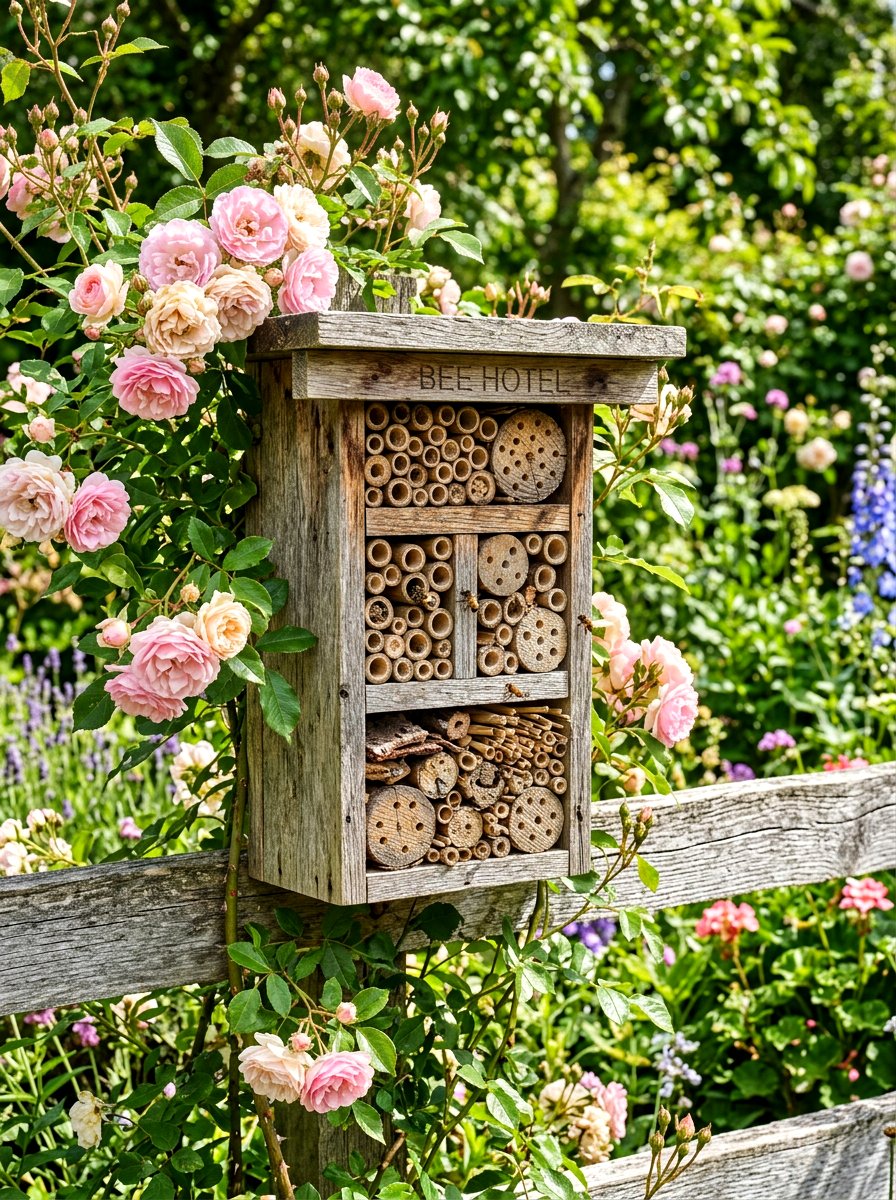
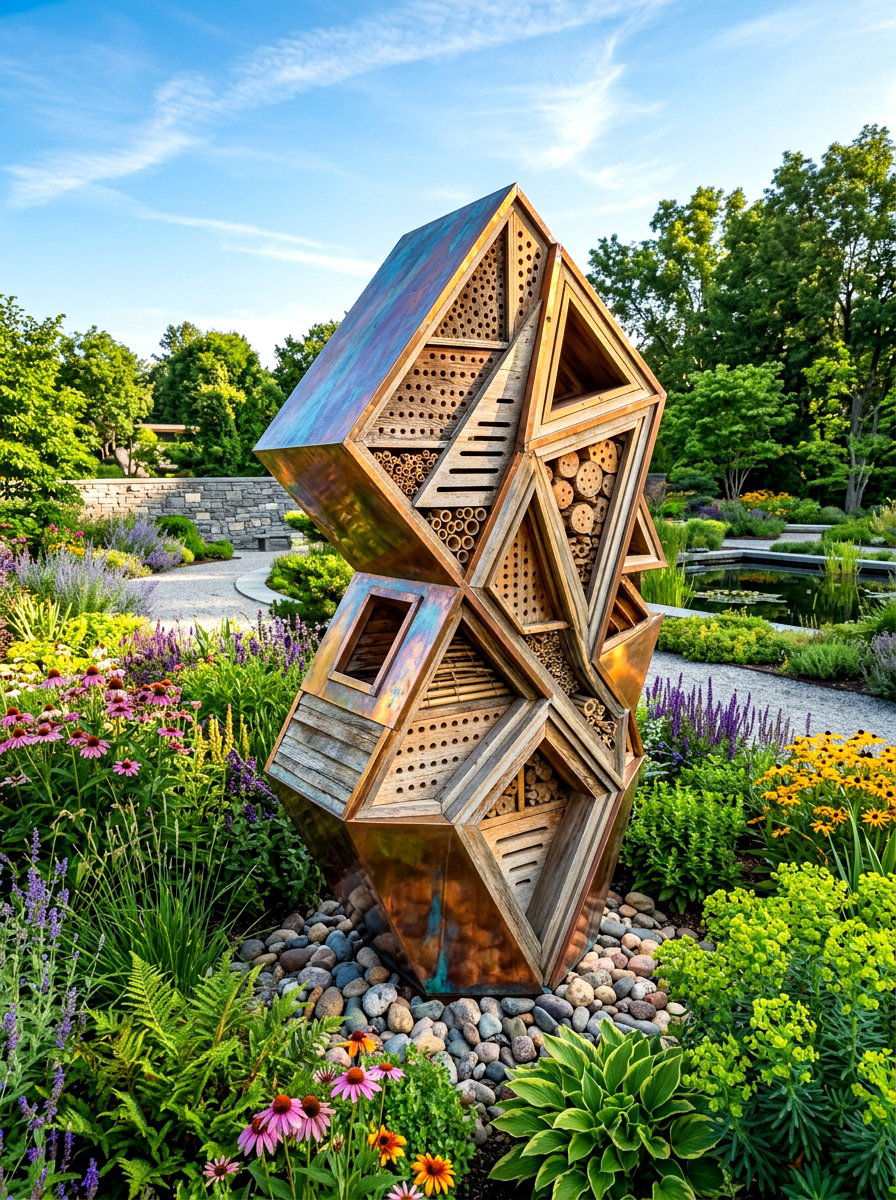
While many people think of honeybees in large hives, a vast majority of bee species are actually solitary and live alone. Providing a solitary bee house, often called a bee hotel, gives these gentle pollinators a safe place to lay their eggs and rest. You can install these structures on a sunny, south-facing wall or fence where they are protected from the wind and rain. Using natural materials like hollow bamboo reeds, drilled wood blocks, or dry straws ensures the environment is safe for the developing larvae. This simple addition transforms a basic garden wall into a vital nursery that supports the next generation of pollinators.
4. Bee Water Bowl
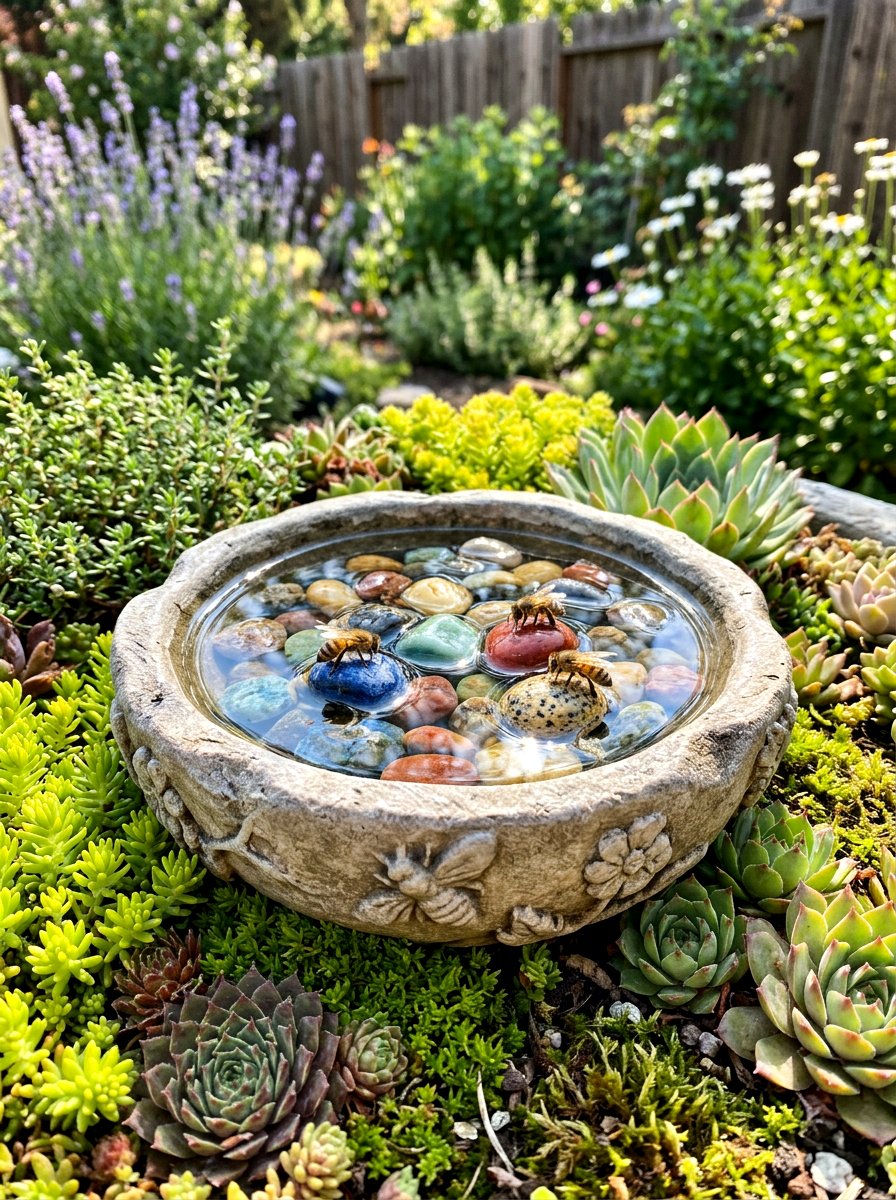
Did you know that bees get very thirsty while foraging for nectar and need a safe place to drink without drowning? A bee water bowl is a simple yet life-saving feature that consists of a shallow dish filled with clean water and pebbles. The stones act as tiny landing pads, allowing the bees to perch comfortably at the water’s edge to hydrate. Placing this station in a shaded spot near your flower beds ensures that the insects don't have to travel far for a drink. It is a small gesture that makes a massive difference in the health and stamina of your local bee population.
5. Native Plant Border
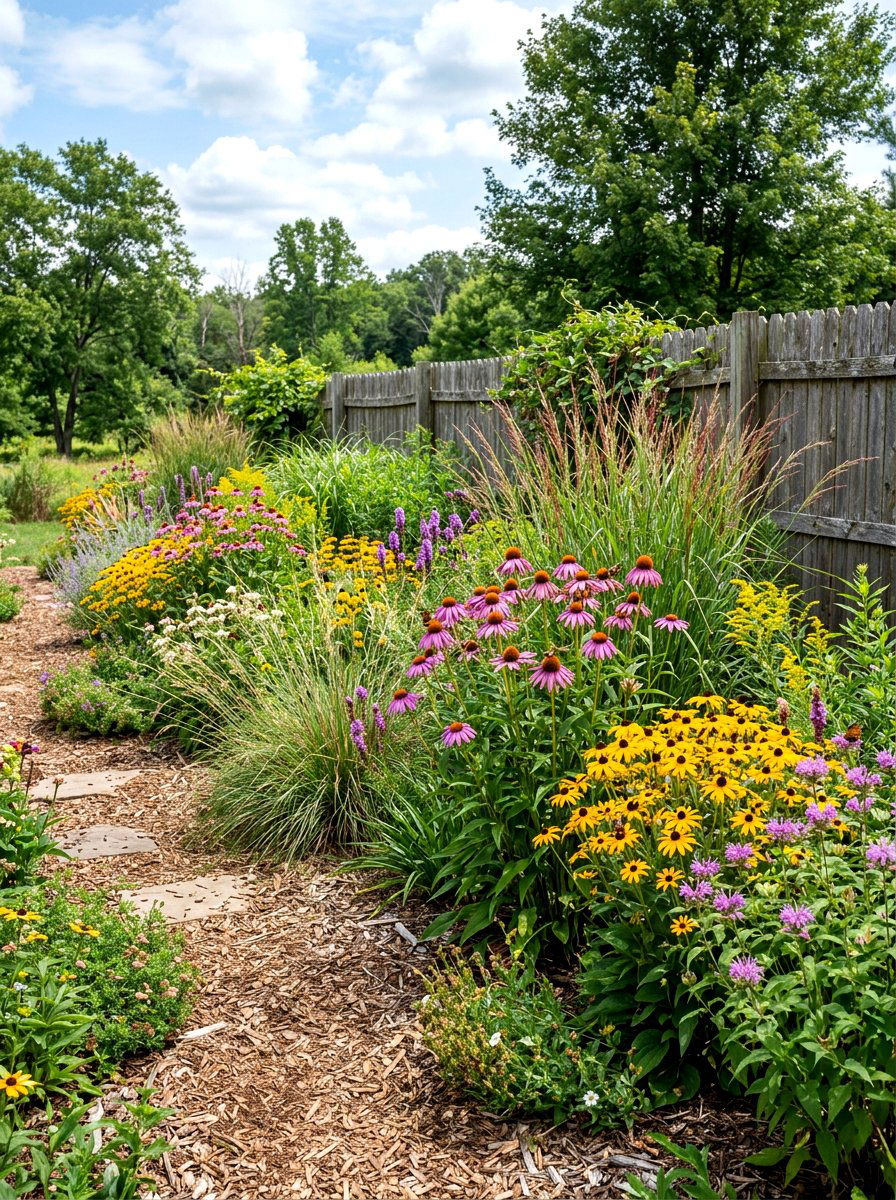
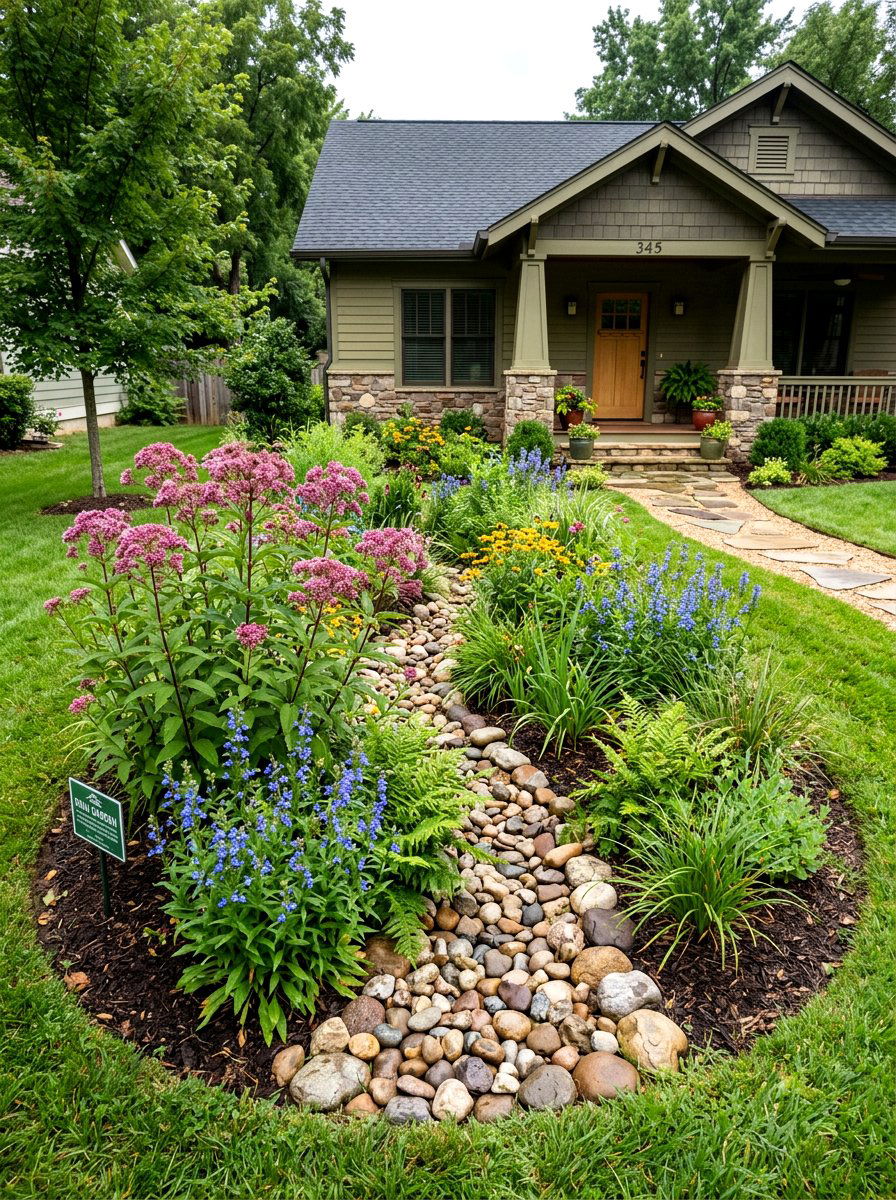
Building a landscape with plants that are indigenous to your specific region is the gold standard for supporting local bee populations. Native plants have co-evolved with local pollinators, meaning their flower shapes and blooming times are perfectly synchronized with the needs of native bees. These borders often require less water and fewer fertilizers because the plants are already adapted to the local climate and soil conditions. By choosing a variety of shapes, such as flat daisies and tubular foxgloves, you cater to bees with different tongue lengths. This diversity ensures that every visitor finds something nutritious to eat when they stop by your garden.
6. Culinary Herb Garden
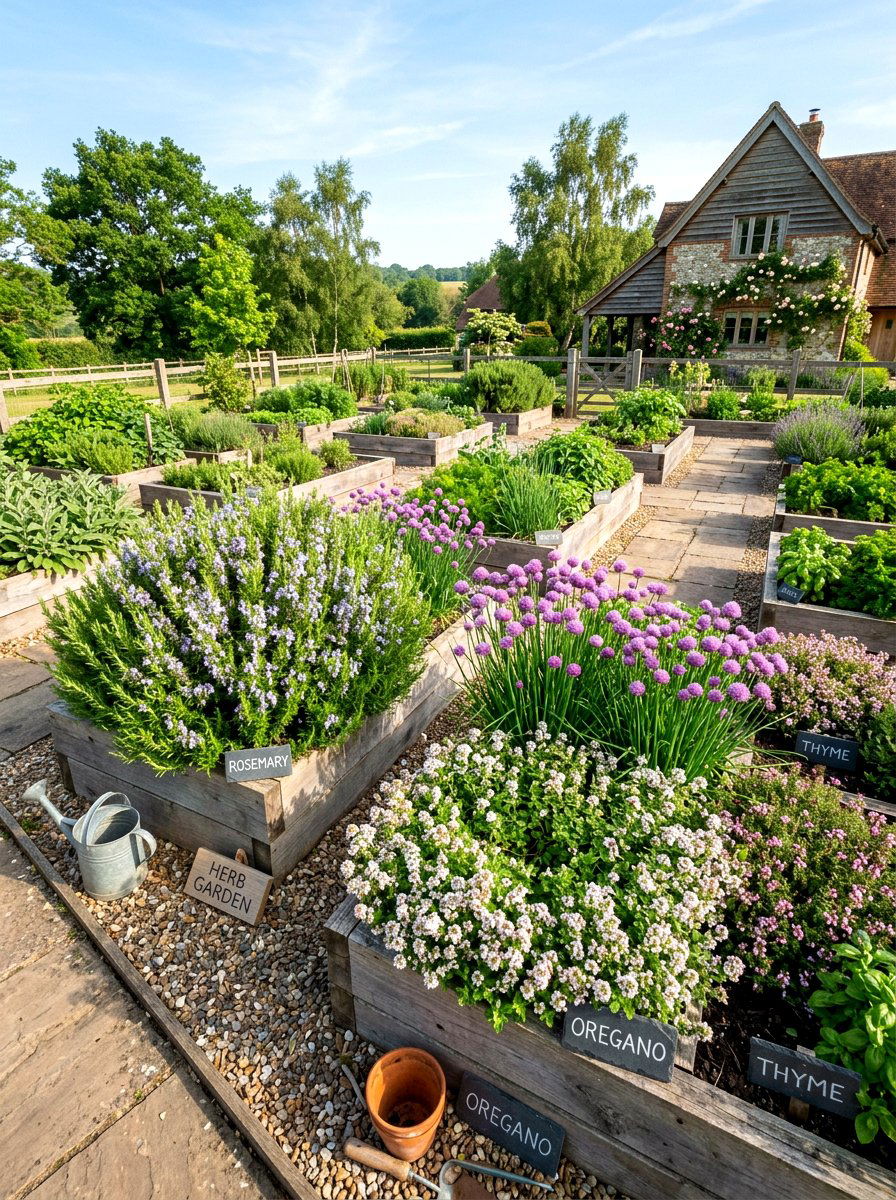
Transforming your cooking space into a pollinator paradise is as easy as letting your kitchen herbs grow tall and go to flower. Bees absolutely adore the tiny, nectar-rich blossoms found on oregano, thyme, rosemary, and chives once they are allowed to bloom. While we often harvest the leaves for our recipes, leaving a few plants to flower provides an essential food source for smaller bee species. These herbs are often very easy to grow in pots or small raised beds, making them perfect for urban gardeners. The combination of aromatic foliage and delicate flowers creates a sensory experience that benefits both humans and the environment.
7. Fruit Tree Orchard
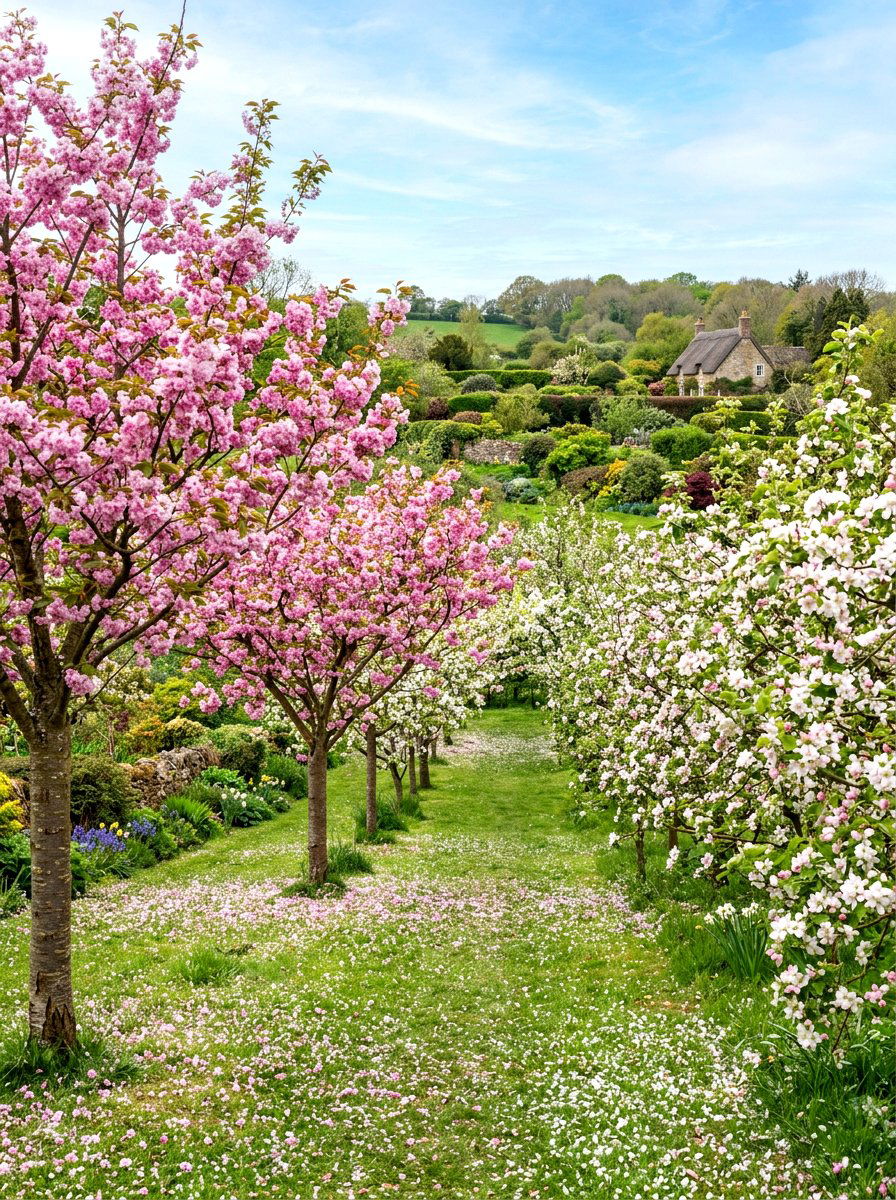
Planting fruit trees like apples, pears, or cherries provides a massive explosion of nectar and pollen during the critical early spring months. When these trees burst into blossom, they offer a concentrated food source that helps bees build up their energy after a long winter. In return, the bees perform the essential task of pollination, ensuring that you get a bountiful harvest of fresh fruit later in the year. Even if you only have room for one dwarf fruit tree in a large container, you are creating a vertical feast for pollinators. The cycle of blossoms and fruit creates a beautiful, productive garden.
8. Clover Lawn Alternative
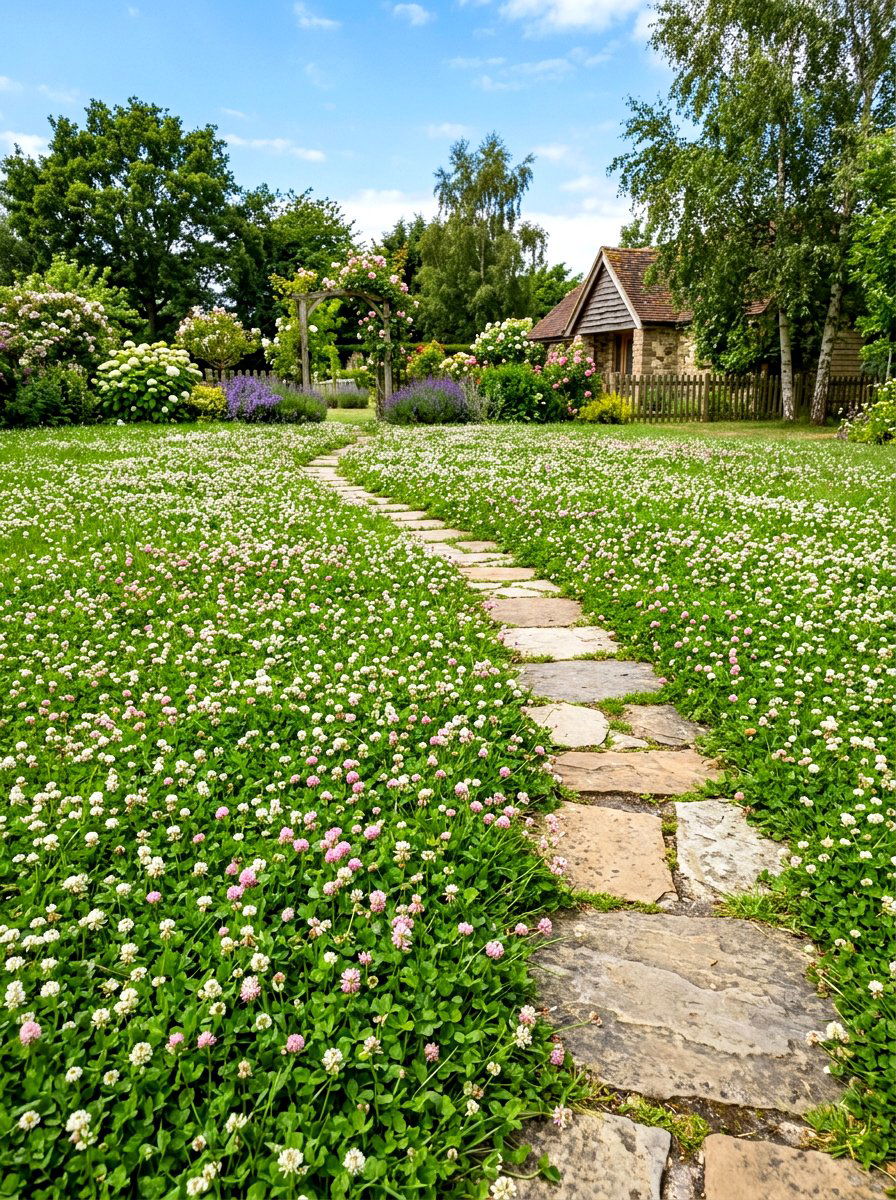
Are you tired of the high maintenance and chemical requirements of a traditional grass lawn that offers very little to the local wildlife? Switching to a clover lawn, or simply allowing clover to grow among your grass, provides a lush and bee-friendly carpet of flowers. White and red clovers are powerhouses for nitrogen fixation, which naturally fertilizes the soil while producing endless tiny blooms that honeybees love. These lawns stay green with much less water than standard turf and require far less frequent mowing throughout the summer. It is a practical and environmentally conscious way to turn a boring green space into a functional habitat.
9. Tall Sunflower Patch
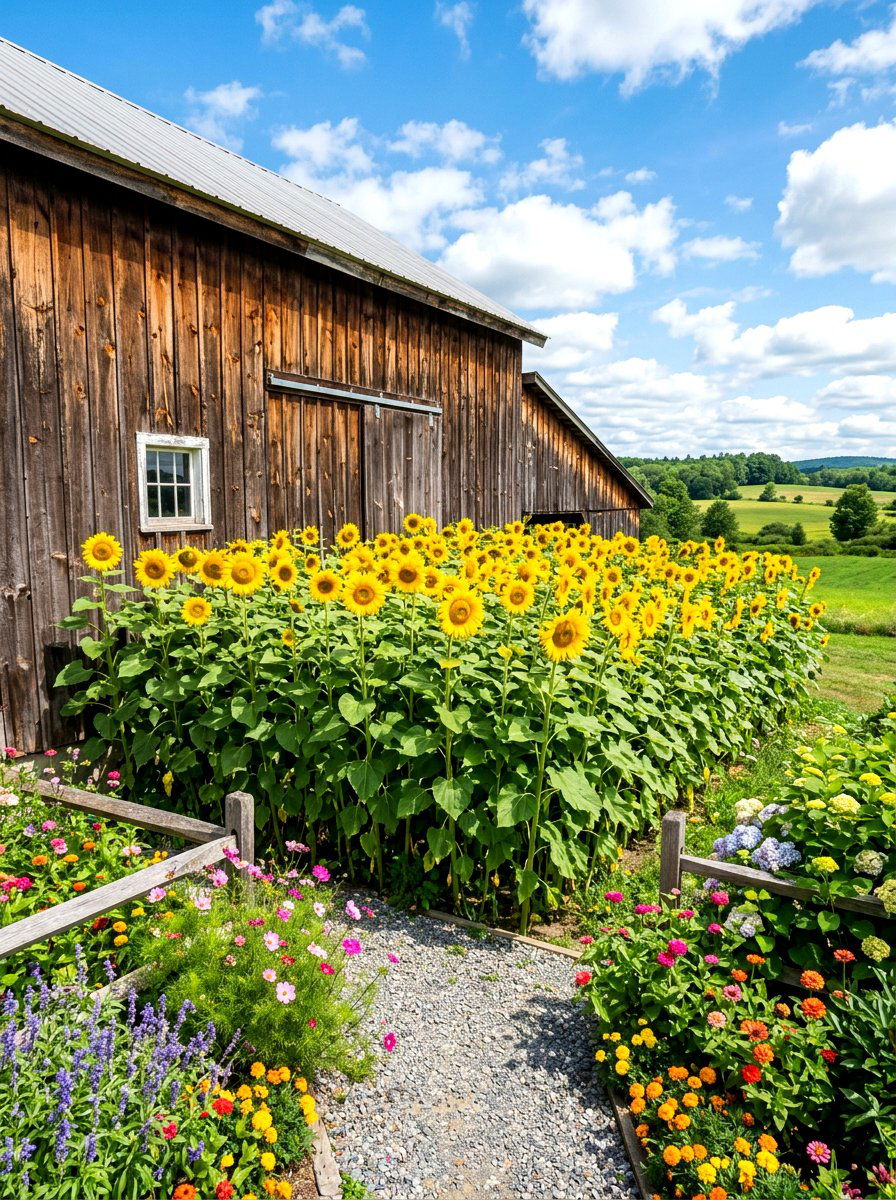
Watching a giant sunflower turn its face toward the light is a joy, but for bees, these massive blooms are a feast. Sunflowers produce an abundance of pollen and nectar held within hundreds of tiny individual florets that make up the central disk of the flower. Planting a row of these towering giants along a fence creates a stunning visual backdrop while drawing in bees from far and wide. They are incredibly easy to grow from seed, making them a fantastic project for families who want to learn about nature. Once the petals fade, the remaining seeds provide a secondary feast for local songbirds.
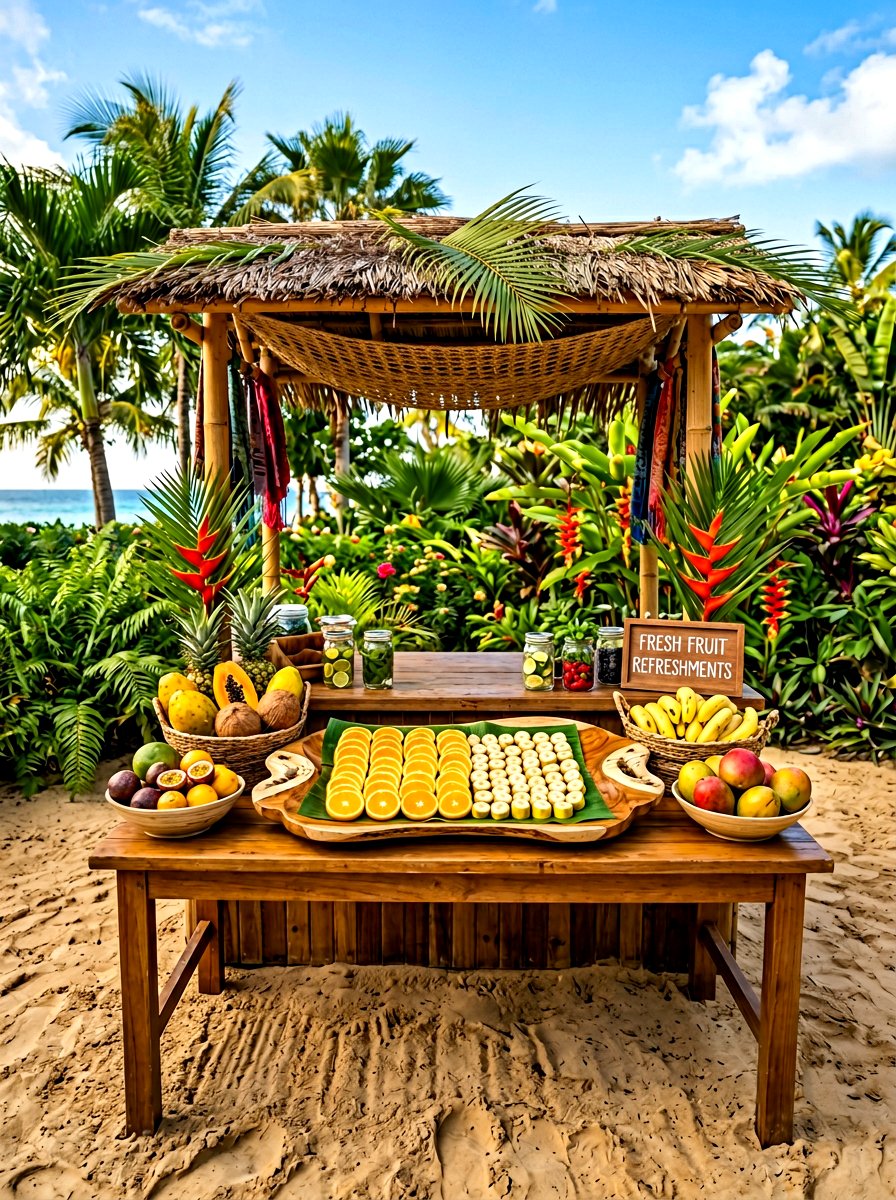
10. Cottage Garden
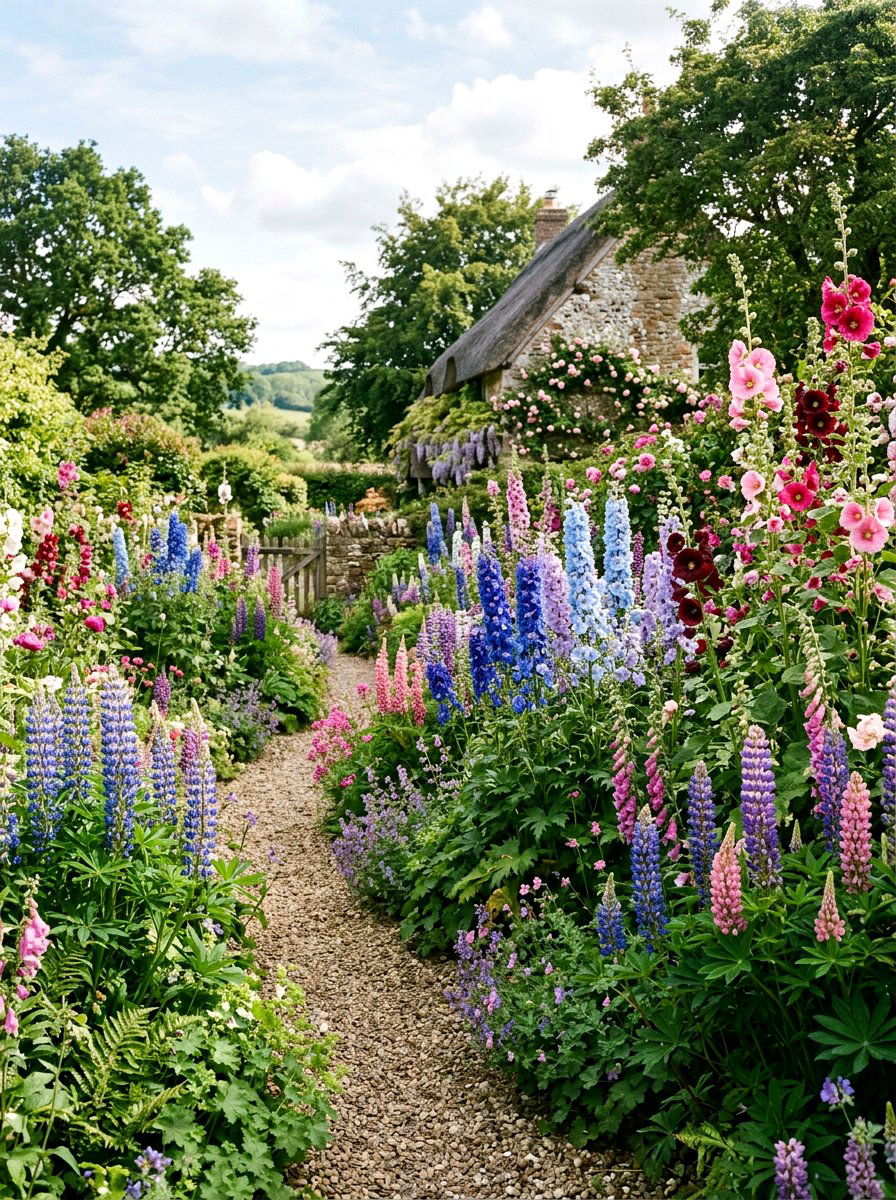
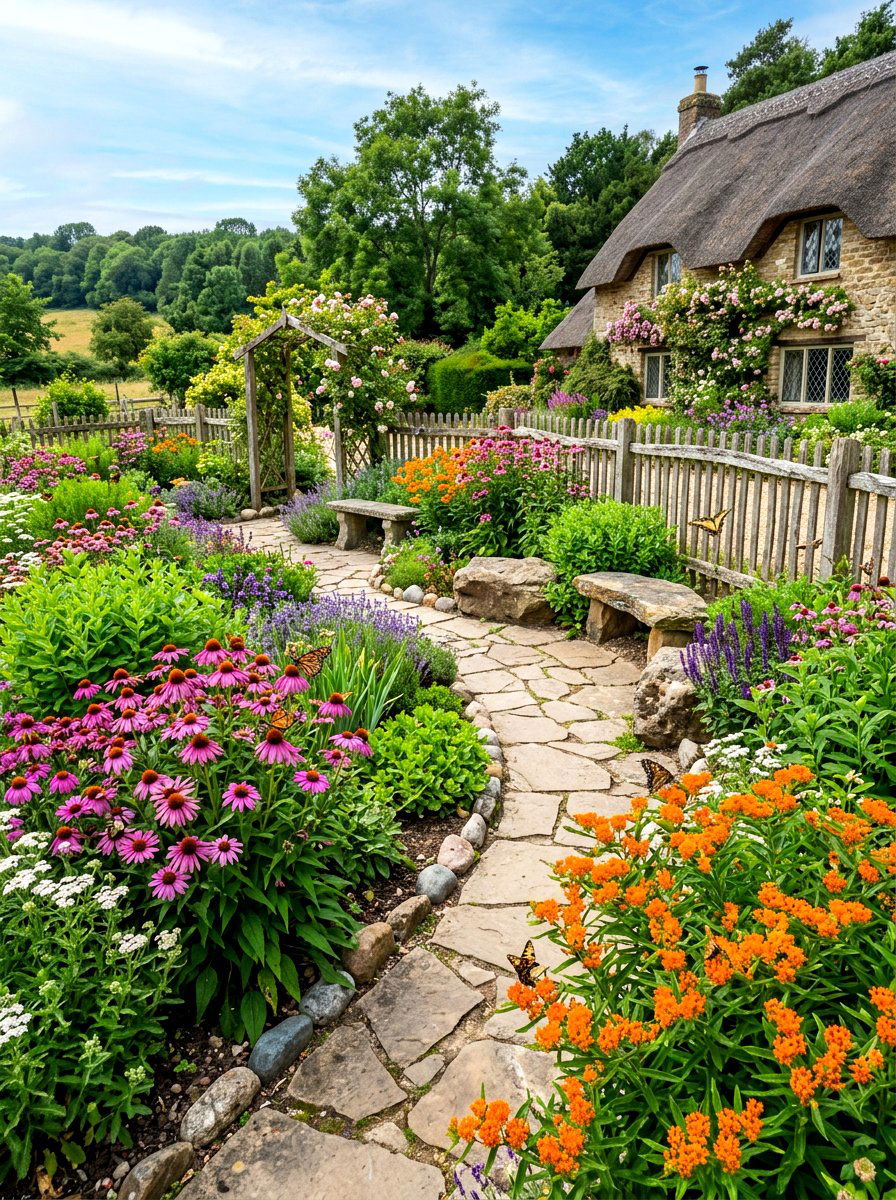
There is something magical about the organized chaos of a cottage garden, where flowers of all heights and colors mingle together freely. This style of gardening is perfect for bees because it prioritizes a dense variety of blooms over rigid structure or bare soil. Classic choices like hollyhocks, delphiniums, and lupines provide a vertical playground for long-tongued bumblebees to explore. By planting flowers closely together, you create a microclimate that retains moisture and offers plenty of hiding spots for pollinators. This lush, overflowing aesthetic is not only beautiful to look at but also serves as a high-protein buffet for your buzzing visitors.
11. Winter Flowering Plants
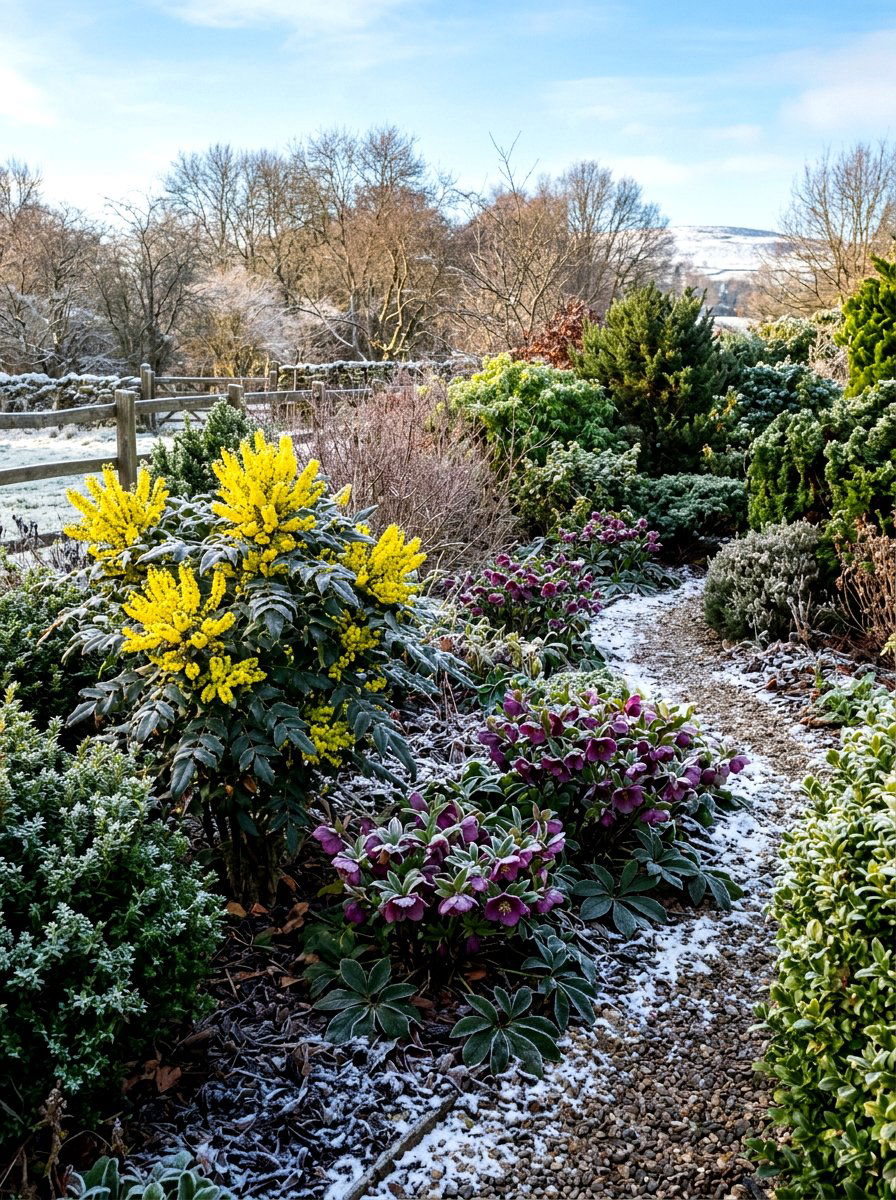
Most people think of gardens as summer spaces, but early-emerging bees often wake up in late winter and need immediate food. Planting winter-flowering species like mahonia, winter heather, or hellebores ensures that these early pollinators don't go hungry during the coldest months. These hardy plants provide a vital bridge between the end of autumn and the start of the traditional spring growing season. Including these in your landscape adds much-needed color to a gray winter day while supporting the survival of queen bees as they start new colonies. It is an essential step for anyone looking to create a truly year-round pollinator-friendly sanctuary.
12. Rock Garden
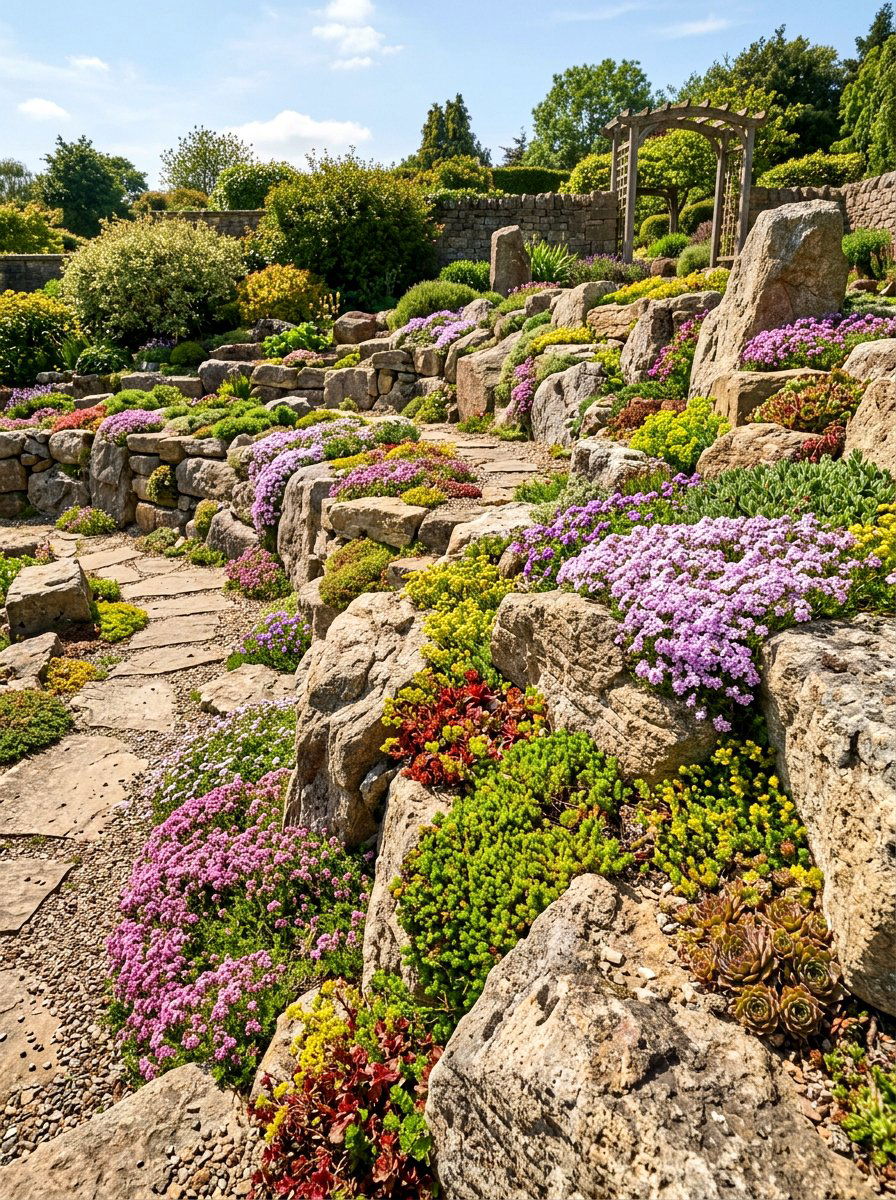
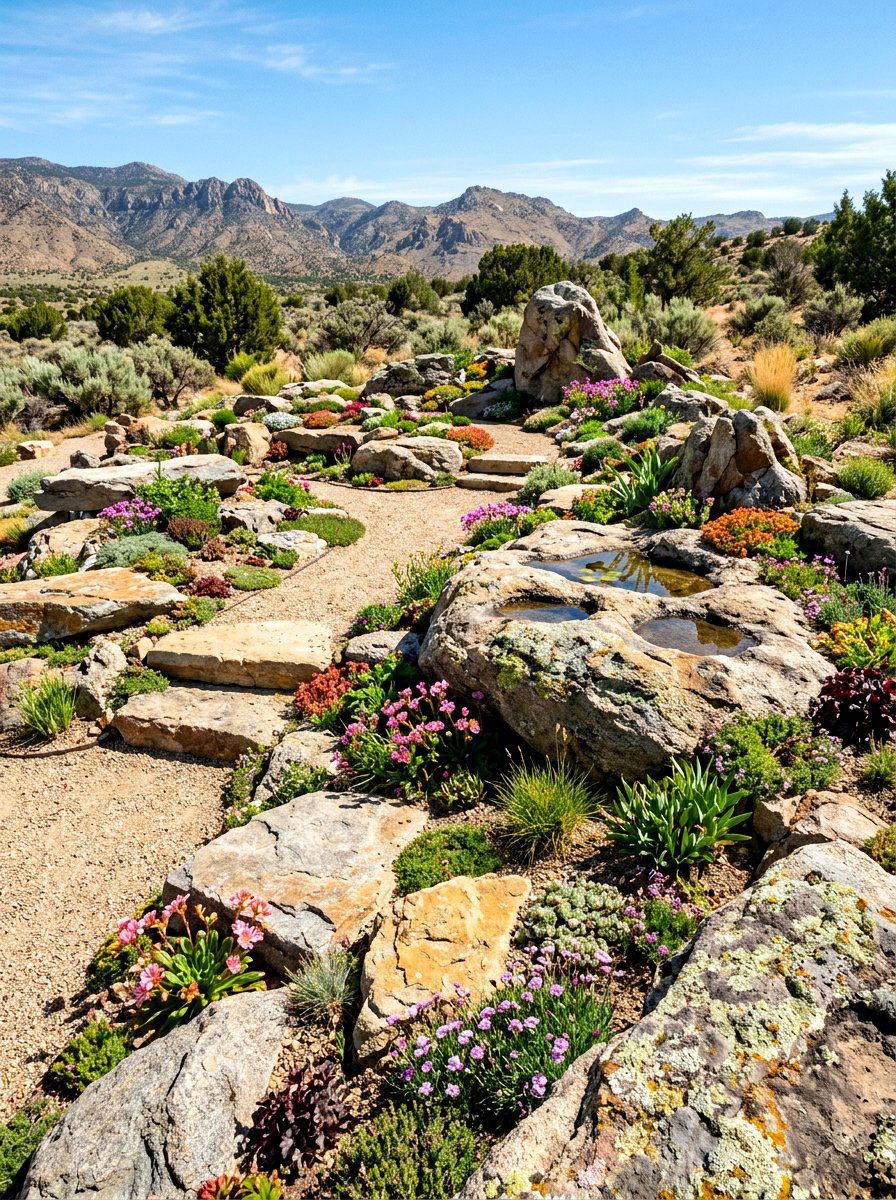
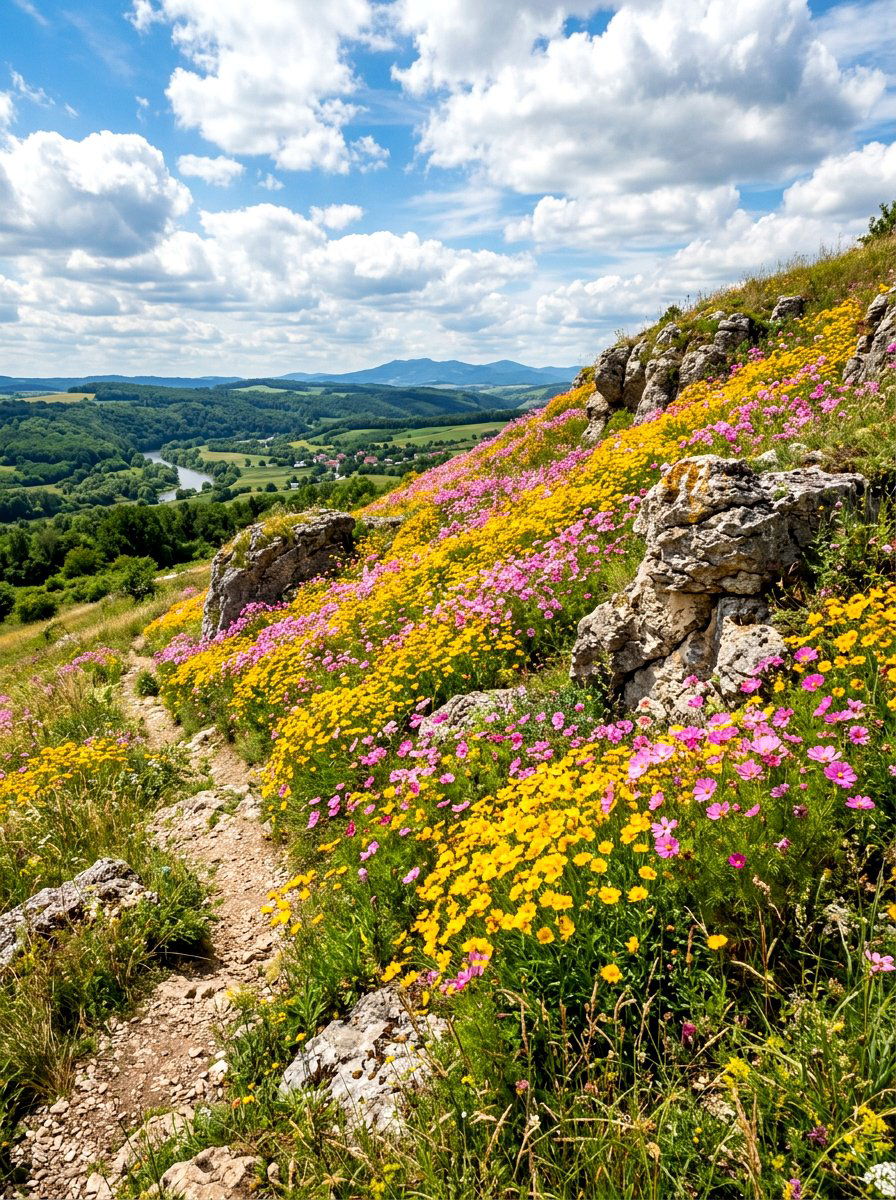
A rock garden provides a unique habitat that combines heat-retaining stones with hardy, low-growing plants that bees find absolutely irresistible. Succulents, creeping thyme, and stonecrops often thrive in the crevices between rocks, offering nectar in a very sunny and warm environment. The stones themselves act as thermal masses, warming up in the sun and providing a place for bees to bask and regulate their body temperature. This type of garden is excellent for sloped areas or spots with poor soil where traditional flowers might struggle to grow. The result is a ruggedly beautiful landscape that supports specialized pollinators that prefer dry, rocky terrain.
13. Vertical Pollinator Garden
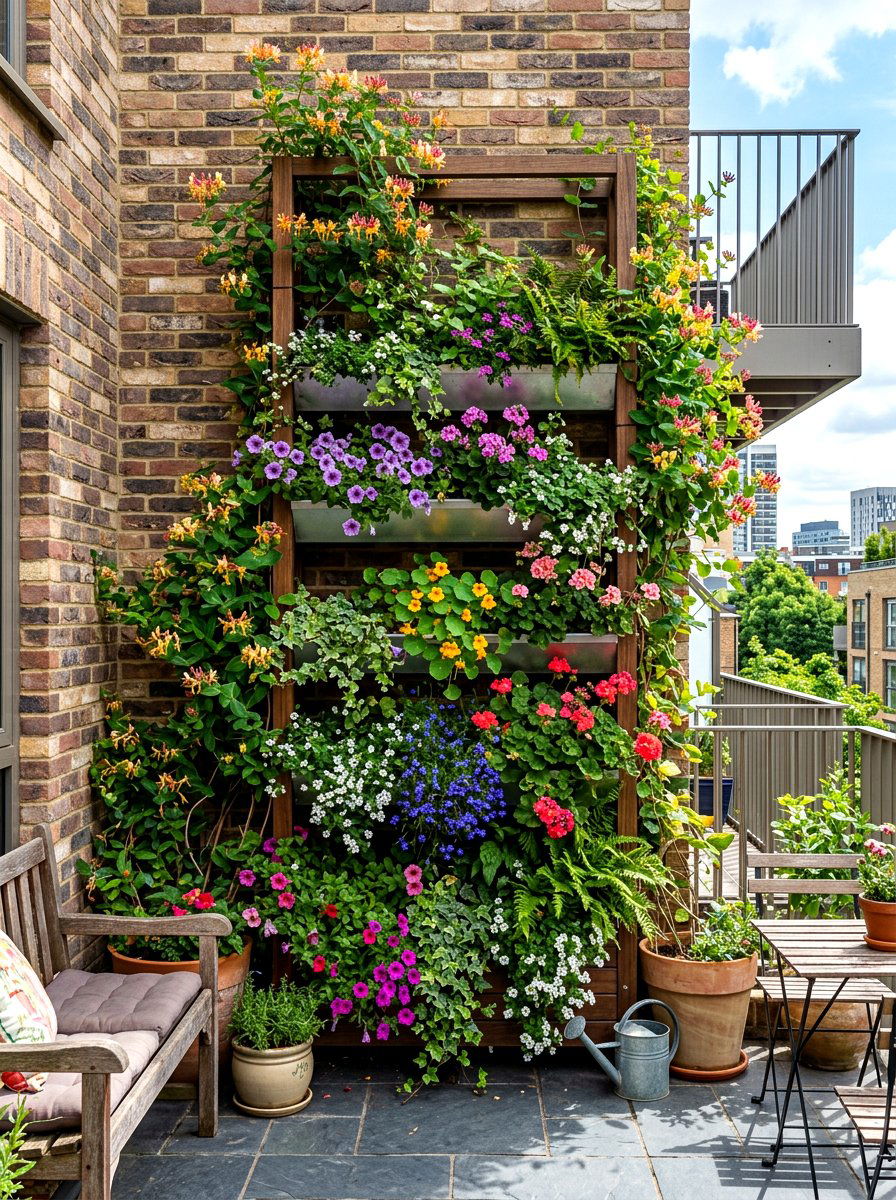
If you are limited on ground space, a vertical pollinator garden allows you to grow upwards and maximize your flower production on a wall. Using wall-mounted planters or trellis systems, you can grow climbing plants like honeysuckle or jasmine that offer sweet-scented rewards for nocturnal moths and bees. These vertical structures create a green wall effect that insulates your home while providing a multi-story buffet for flying insects. It is an innovative solution for urban balconies or narrow side yards where horizontal space is at a premium. By thinking vertically, you can turn a plain brick wall into a living, breathing ecosystem for local wildlife.
14. Kitchen Vegetable Garden
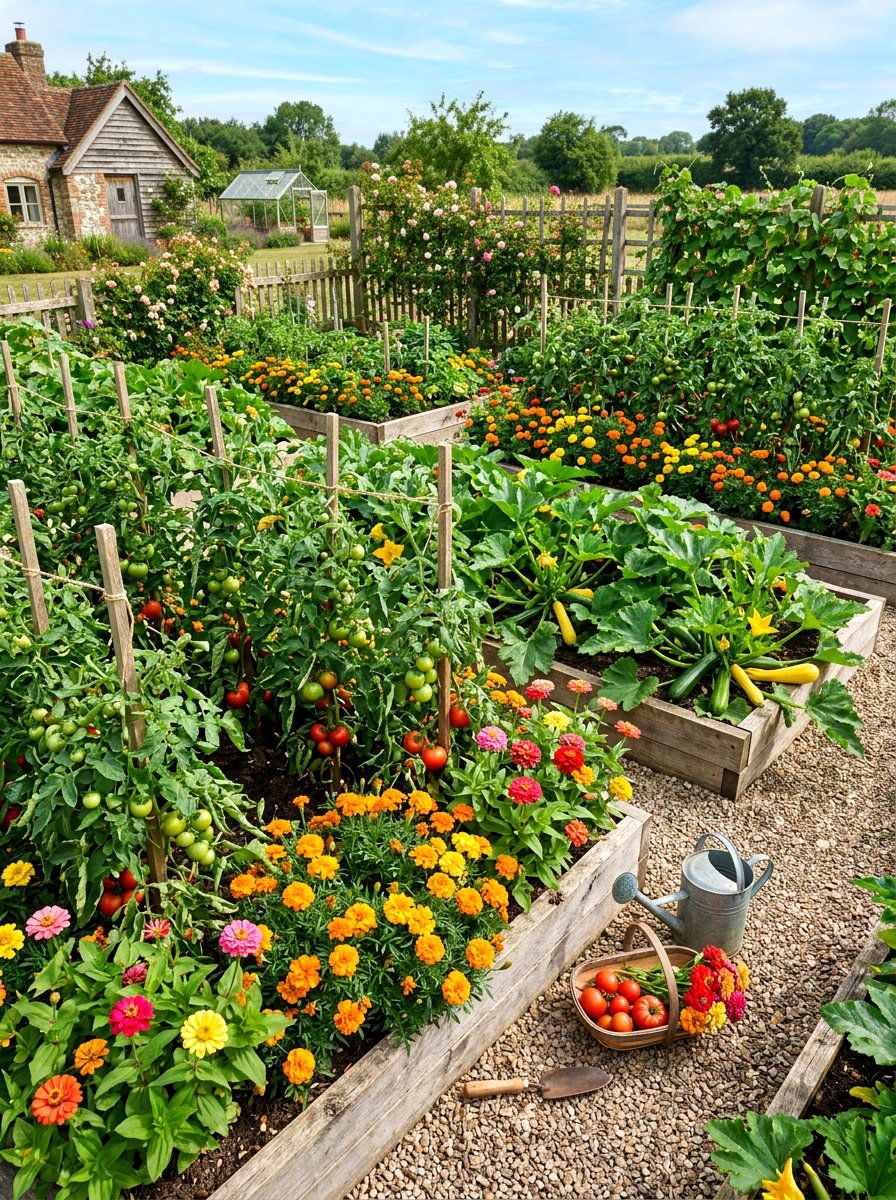
Integrating flowers directly into your vegetable patches is a brilliant strategy that benefits your crops while feeding the local bee population. Many common vegetables, such as squash, cucumbers, and beans, rely heavily on bees for pollination to produce the food we eat. By interplanting marigolds, zinnias, or borage among your veggies, you lure pollinators directly to where they are needed most. This companion planting technique reduces the need for pesticides and increases the overall yield of your garden harvest. It creates a beautiful and functional space where food production and nature conservation work hand-in-hand to create a healthy, sustainable backyard environment.
15. Shade Loving Flowers
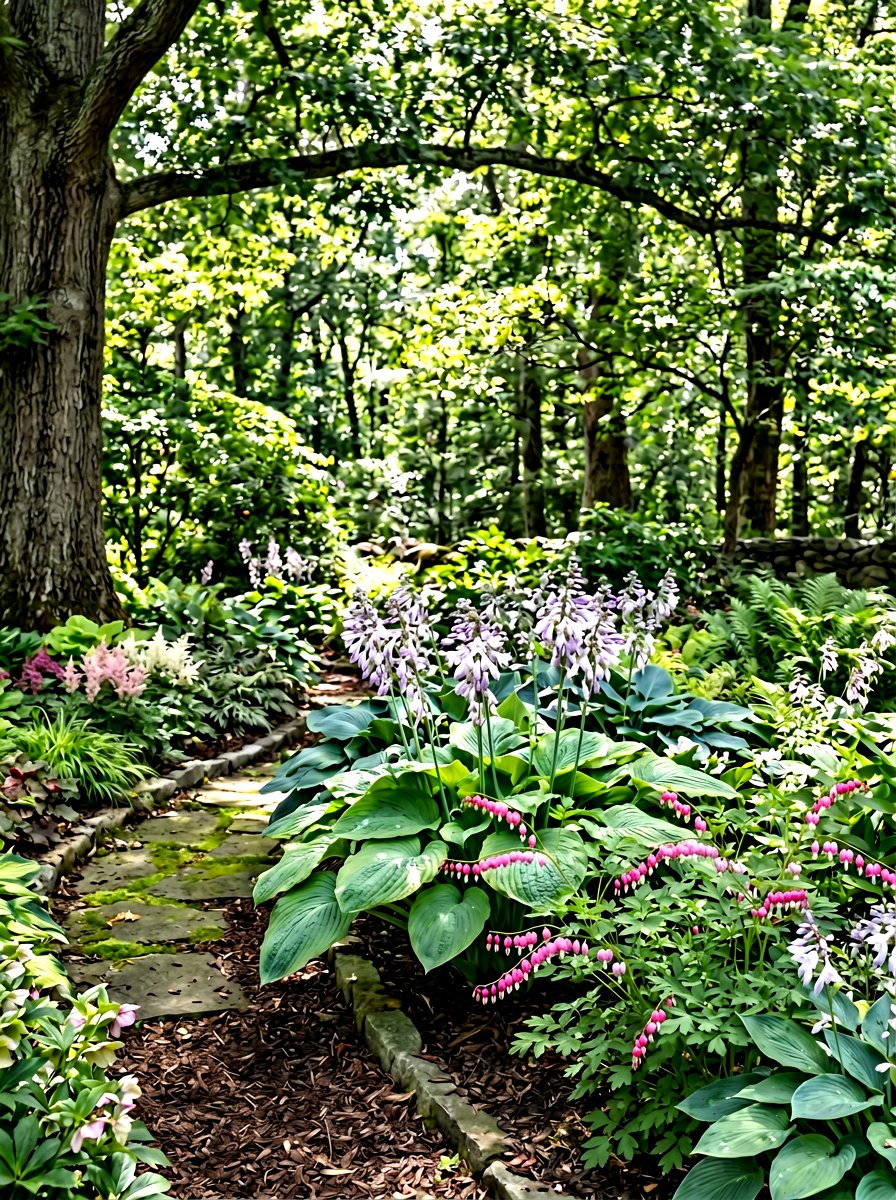
Don't let a lack of direct sunlight stop you from creating a bee-friendly space, as many pollinators enjoy visiting shaded areas. Plants like hostas, bleeding hearts, and certain types of hydrangeas thrive in dappled light and offer plenty of nectar for woodland-dwelling bee species. These shade-loving plants often have larger leaves that provide excellent shelter from the wind and rain for foraging insects. Creating a cool, lush corner in your garden ensures that bees have a place to forage even during the hottest parts of the afternoon. It adds depth to your landscape and proves that every corner of your yard can be productive.
16. Sensory Garden
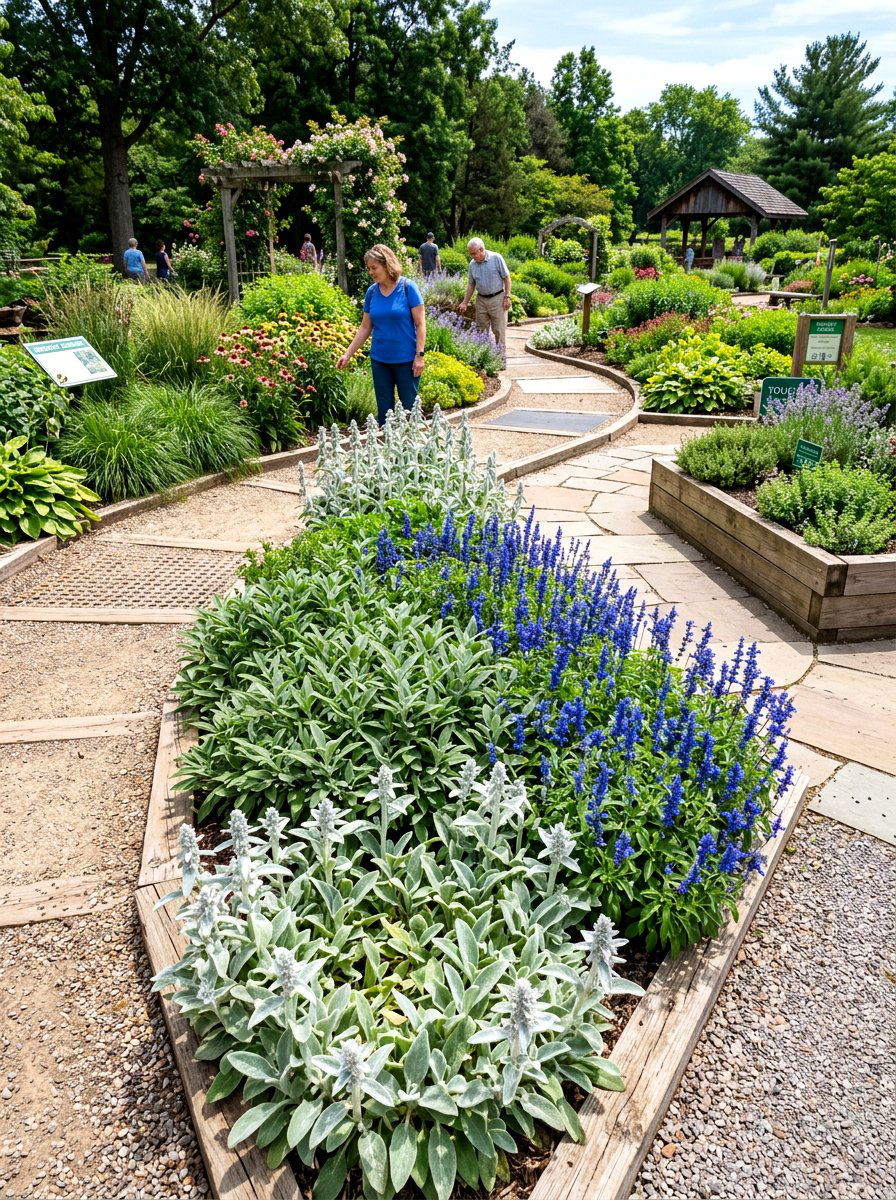
A sensory garden focuses on intense textures, bright colors, and intoxicating scents that act as a beacon for many different pollinators. Bees are particularly attracted to flowers in shades of blue, purple, yellow, and white, which are highly visible to their specialized eyes. Including plants with "fuzzy" leaves, like lamb’s ear, provides nesting material for wool carder bees who use the plant fibers to line their nests. This type of garden is designed to be touched and smelled, making it an engaging experience for people of all ages. It highlights the incredible connection between the senses and the natural world while supporting a healthy ecosystem.
17. Prairie Style Garden
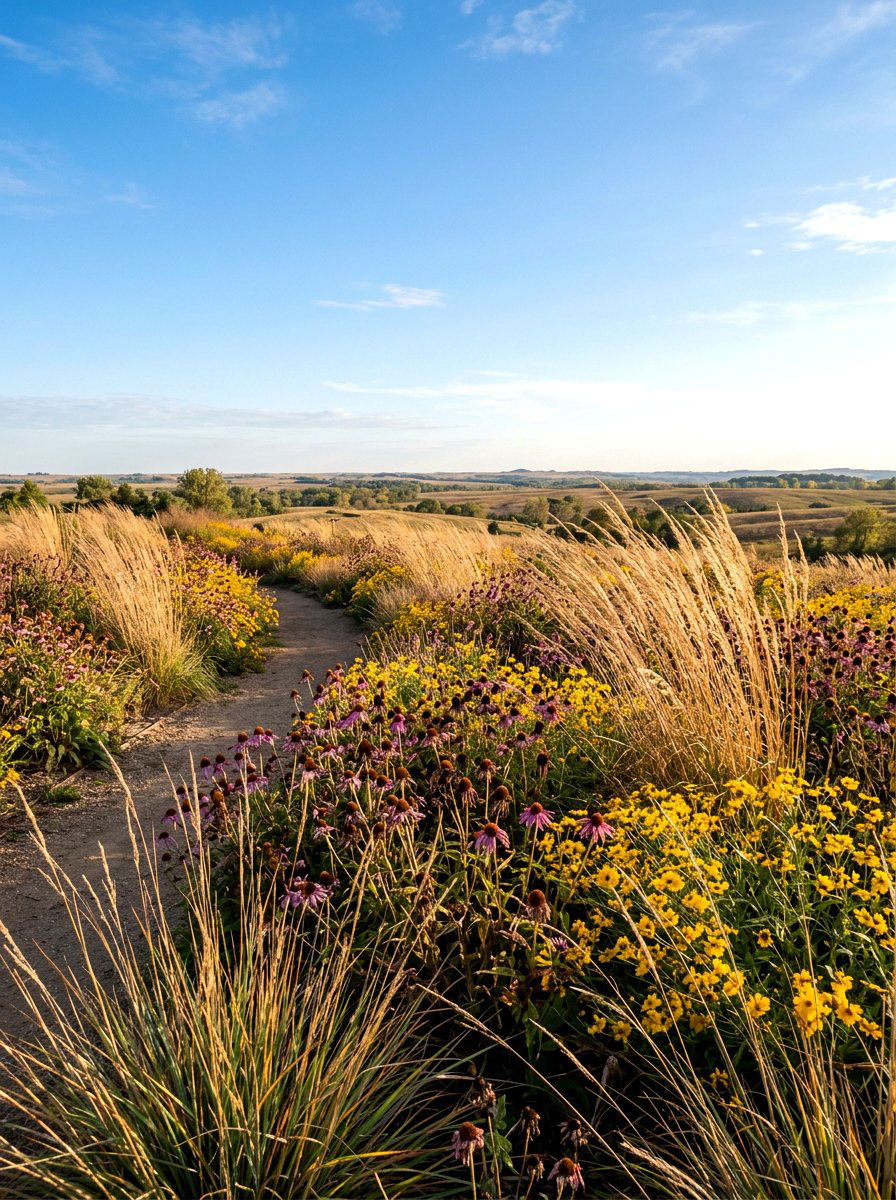
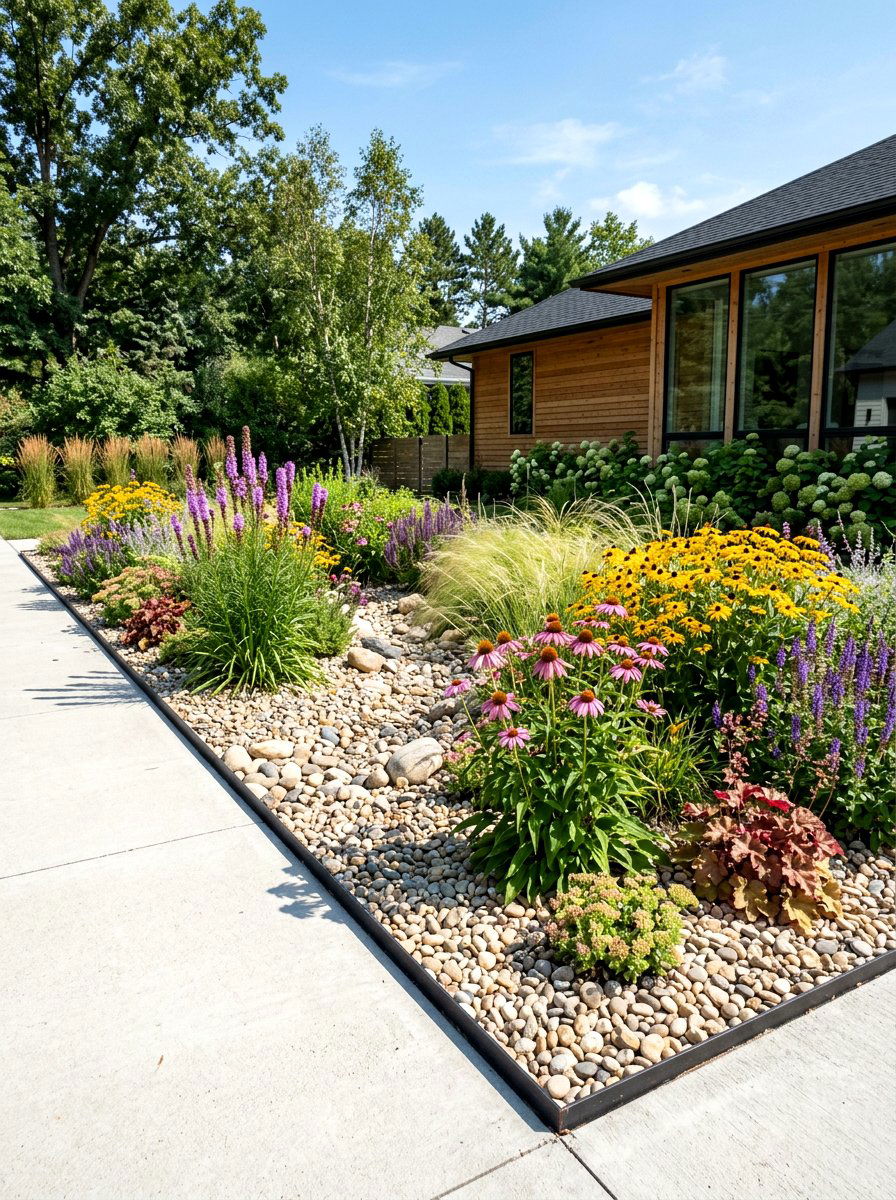
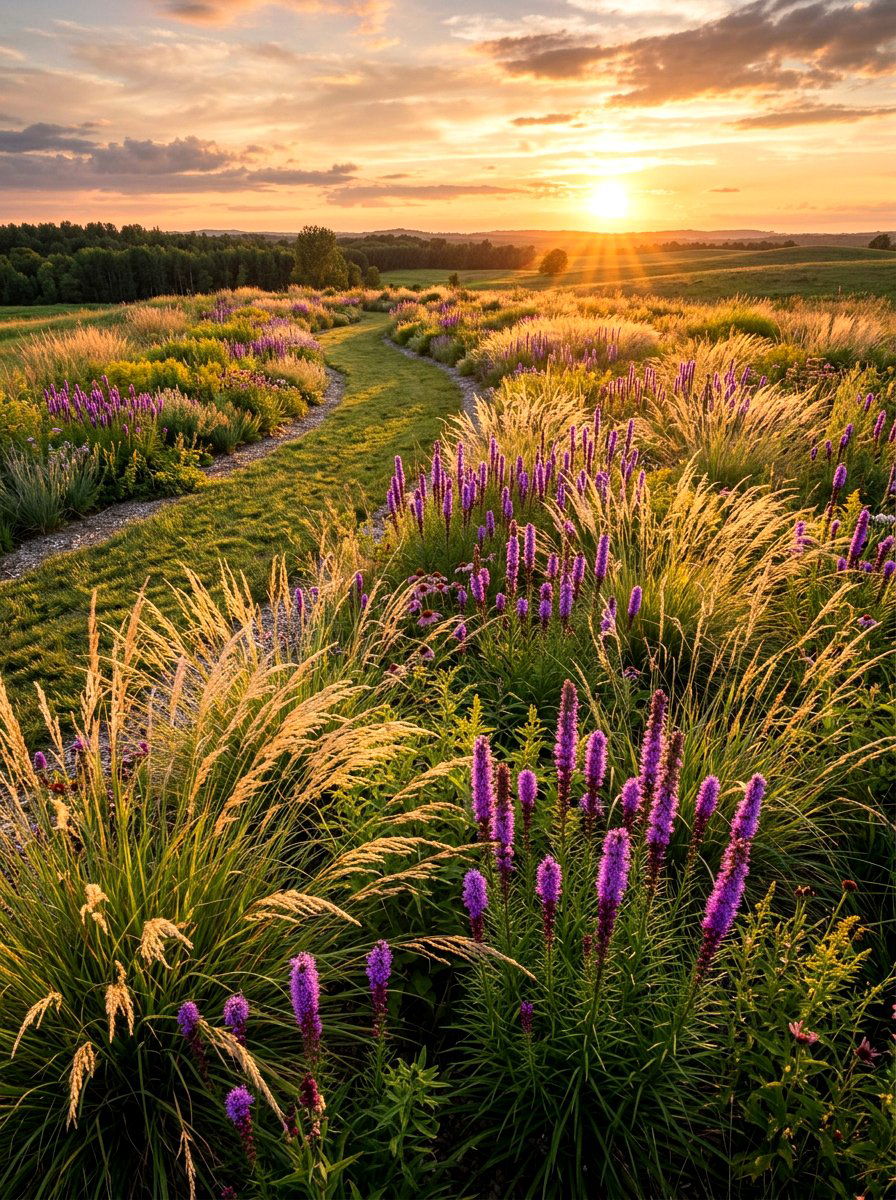
Drawing inspiration from the vast North American grasslands, a prairie-style garden uses tall grasses and sturdy perennials to create a resilient habitat. Species like coneflowers, black-eyed Susans, and blazing stars provide structural beauty and a massive amount of nectar for late-summer pollinators. These gardens are designed to be self-sufficient once they are established, with deep root systems that can handle drought and heat with ease. The golden grasses provide essential winter cover for hibernating insects, ensuring that your garden remains a sanctuary even when the flowers have faded. It is a bold, architectural approach to landscaping that truly honors native biodiversity.
18. Outdoor Succulent Display
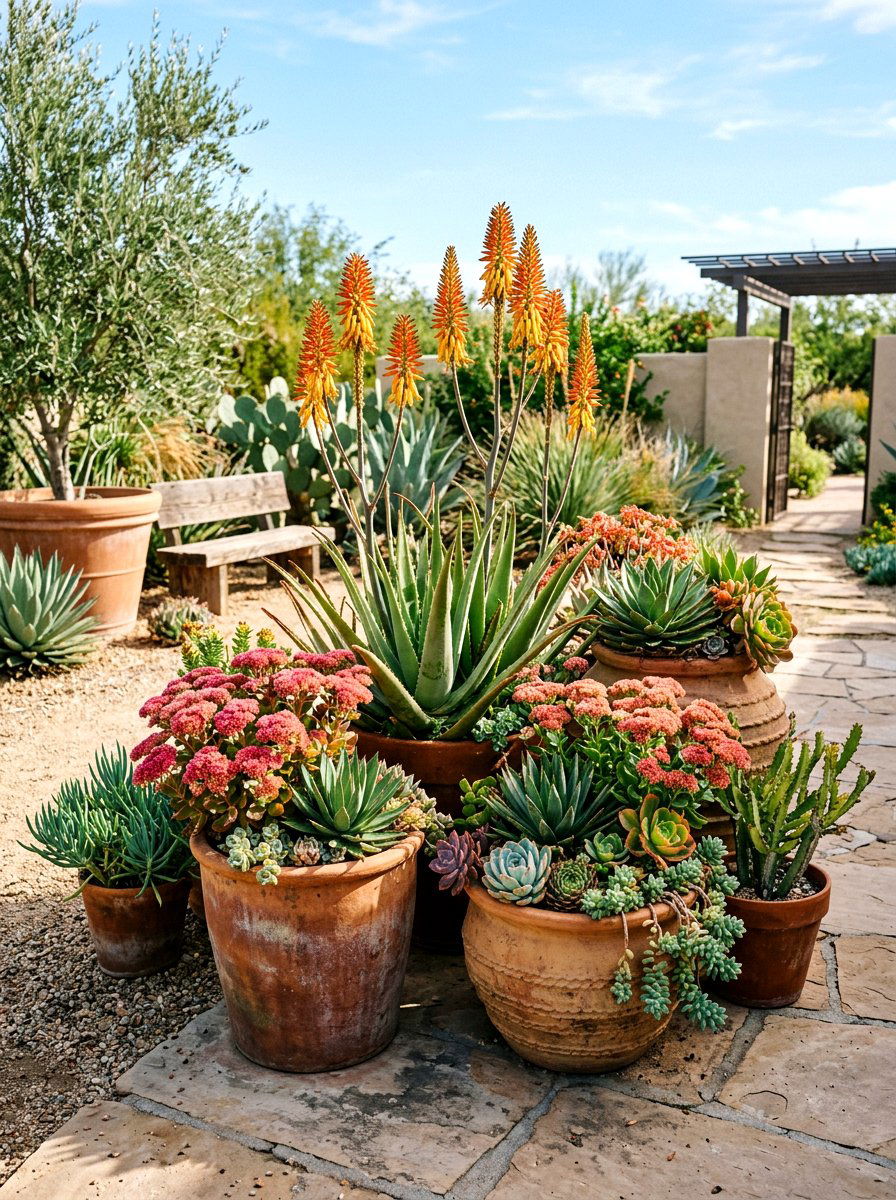
Succulents are often overlooked as pollinator plants, but their unique blossoms are a hidden treasure for many different types of bees. When plants like sedum or aloe send up their flower stalks, they provide a rich source of nectar in a very drought-tolerant package. These displays look stunning in large terracotta pots or modern architectural planters, adding a contemporary touch to your outdoor living space. Because they store water in their leaves, they are a great choice for gardeners in dry climates who still want to support local bees. The variety of shapes and textures makes for a visually striking and very low-maintenance garden.
19. Woodland Garden Area
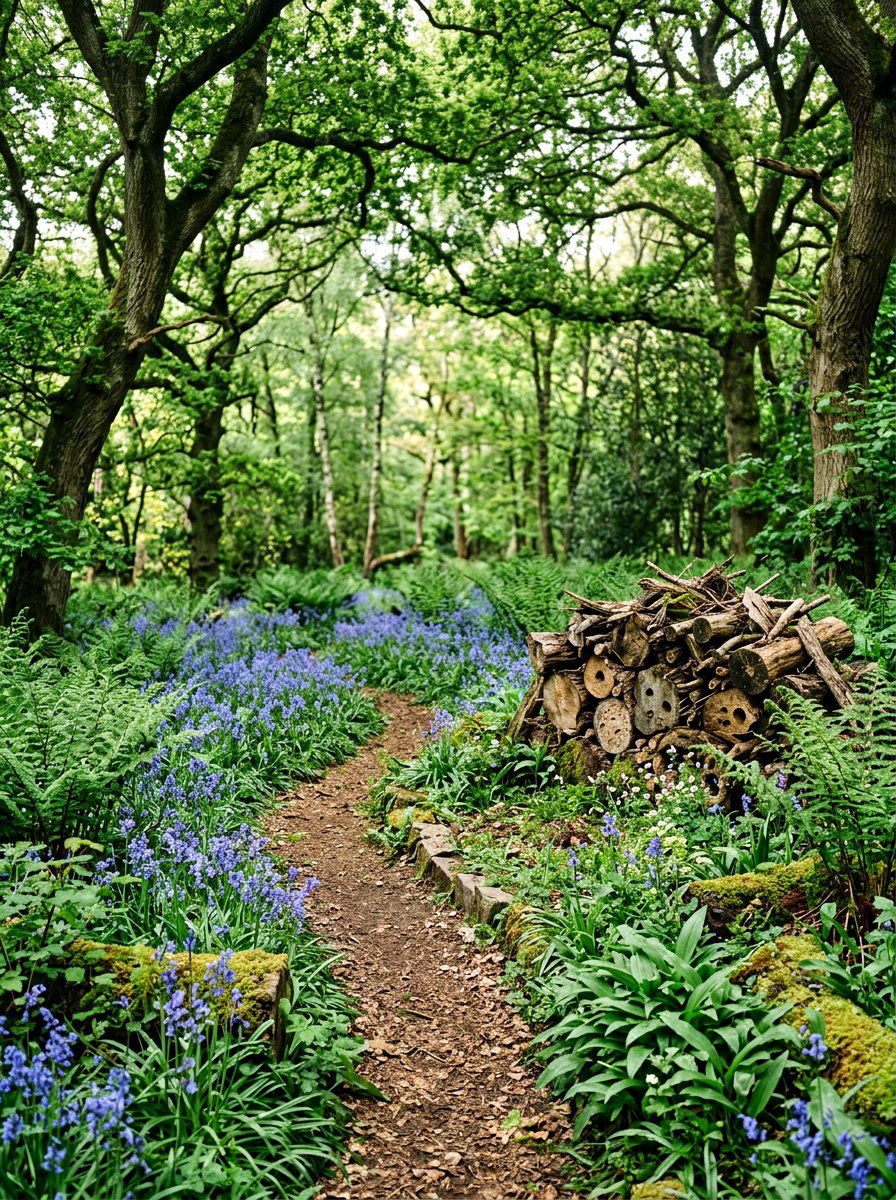
Creating a woodland-inspired area with layers of trees, shrubs, and groundcovers mimics the natural edges of a forest where many bees thrive. This layered approach provides a variety of nesting sites, from fallen logs and leaf litter to hollow stems and tree cavities. Early spring ephemerals like wood anemones and bluebells offer a quick burst of energy for bees before the canopy fully fills in with leaves. This type of garden feels secluded and peaceful, offering a cool retreat for both humans and wildlife during the height of the summer. It prioritizes the natural cycle of decay and growth, which is essential for healthy bee populations.

20. Butterfly Bush Border
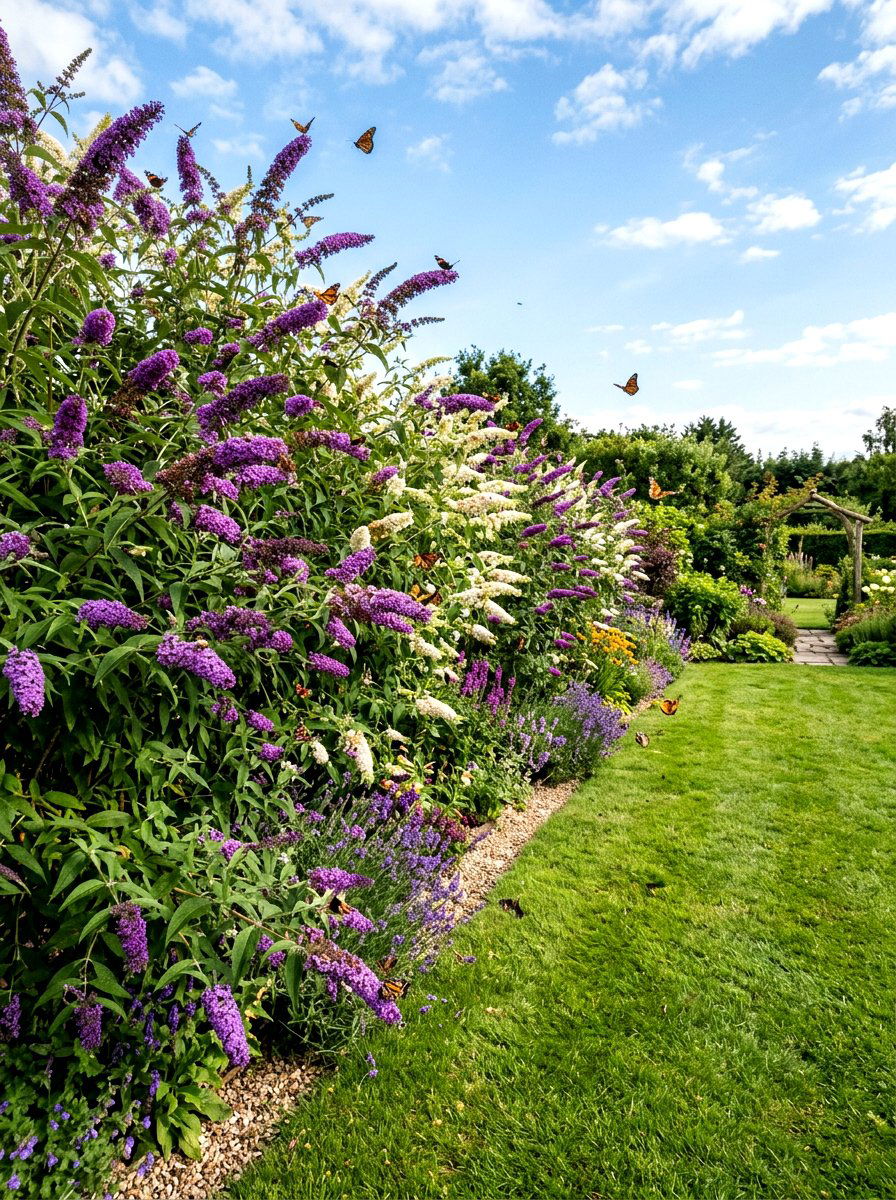
While its name suggests it is only for butterflies, the buddleia or butterfly bush is actually a major magnet for bees as well. The long, cone-shaped clusters of tiny flowers are packed with sweet nectar that can be smelled from quite a distance. These fast-growing shrubs can be used to create a living screen or a beautiful backdrop for smaller perennial beds in your backyard. Choosing sterile varieties ensures that the plant doesn't become invasive in your local area while still providing a feast for pollinators. The constant movement of wings around these bushes makes your garden feel alive and vibrant throughout the peak of the summer.
21. Single Petal Dahlias
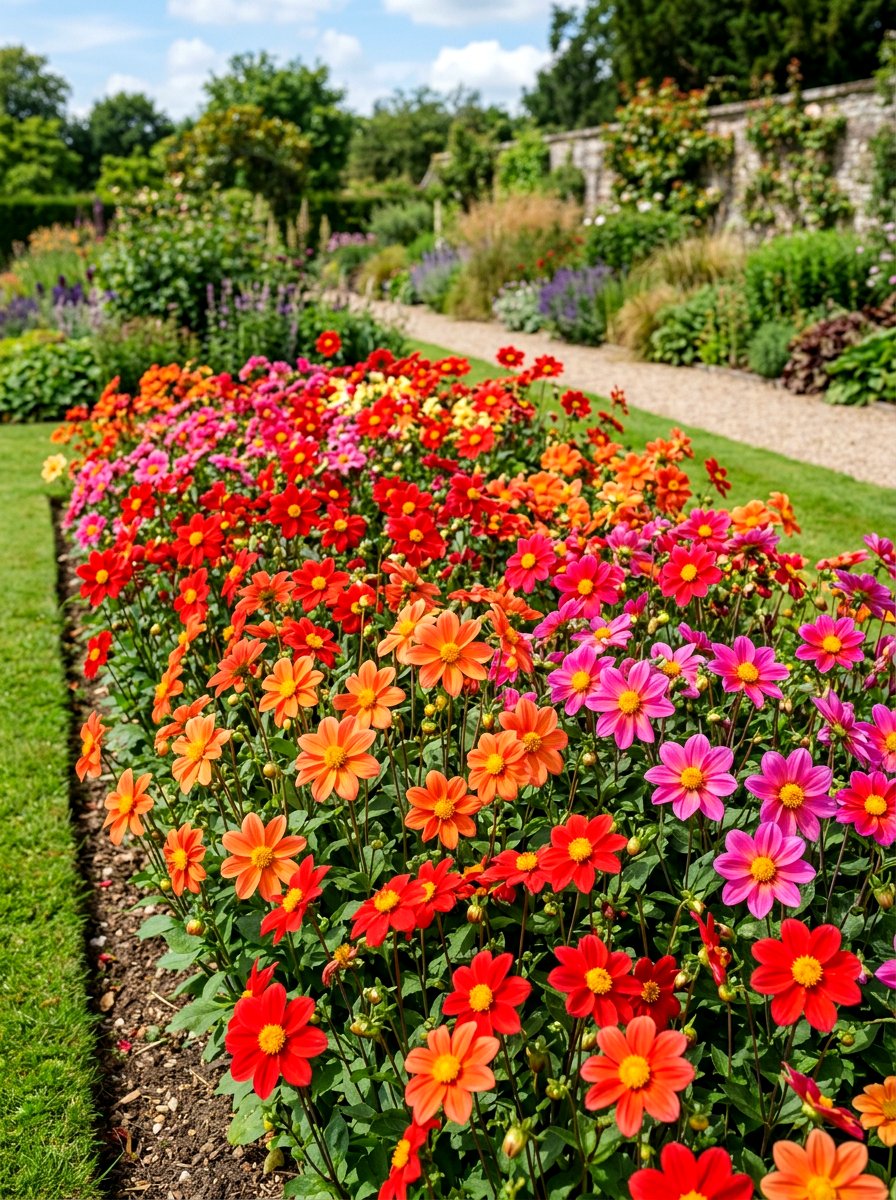
When selecting flowers for a bee-friendly garden, it is important to choose varieties that have open centers and accessible nectar. Single-petal dahlias are much better for bees than the dense, "double" varieties because the pollen is clearly visible and easy to reach. These stunning flowers come in almost every color imaginable and bloom continuously from mid-summer until the first hard frost of the autumn. They provide a vital late-season food source when many other flowers have already finished their blooming cycle for the year. Adding these to your garden beds ensures a spectacular display of color and a very busy, happy population of local bees.
22. Borage Plant Patch
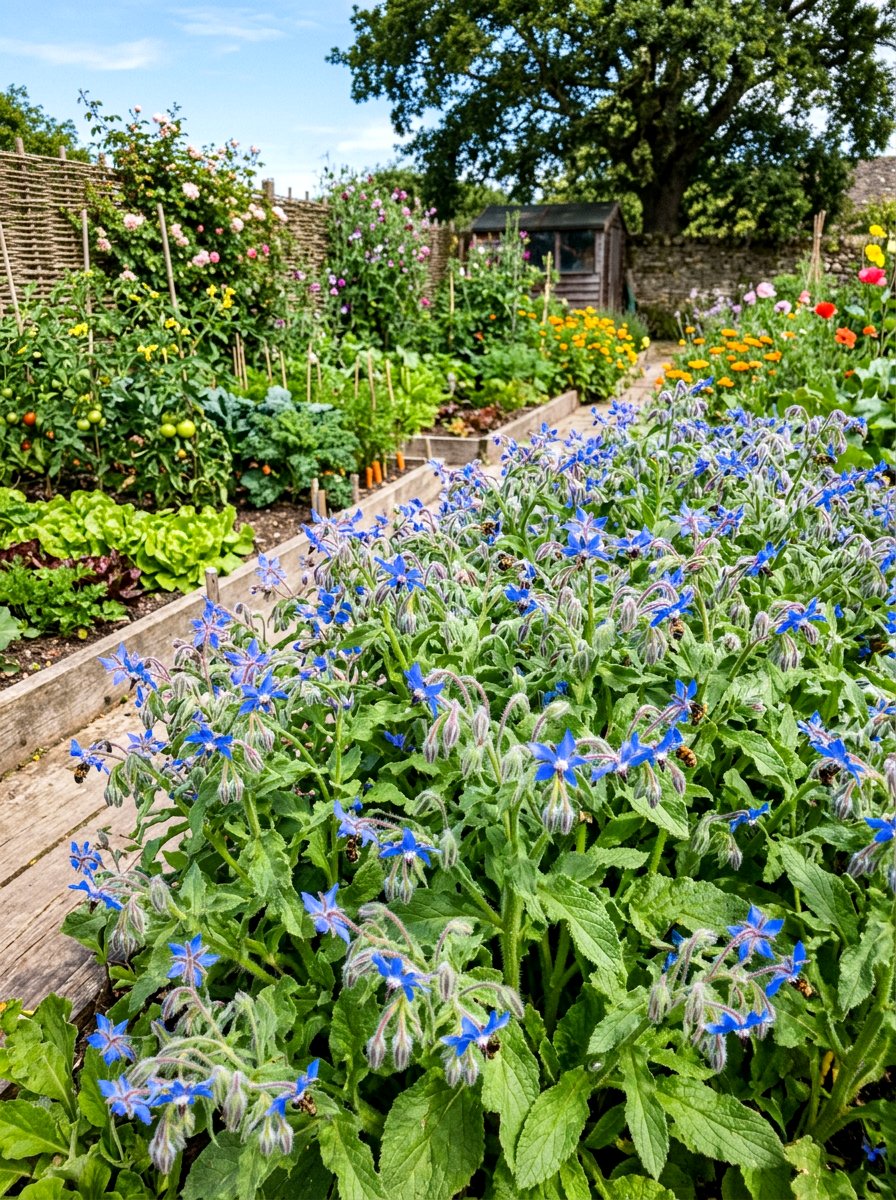
Borage is often called the "bee bread" because it is one of the most prolific nectar-producing plants you can grow in a garden. Its beautiful star-shaped blue flowers refill with nectar almost as soon as a bee finishes drinking from them, providing an endless buffet. This hardy annual reseeds itself easily, meaning a small patch will likely return year after year with very little effort on your part. Both the flowers and the leaves are edible for humans, with a refreshing flavor that is very similar to cucumber. It is a fantastic companion plant for tomatoes and strawberries, as it draws in the pollinators needed for a big harvest.
23. Potted Mint Garden
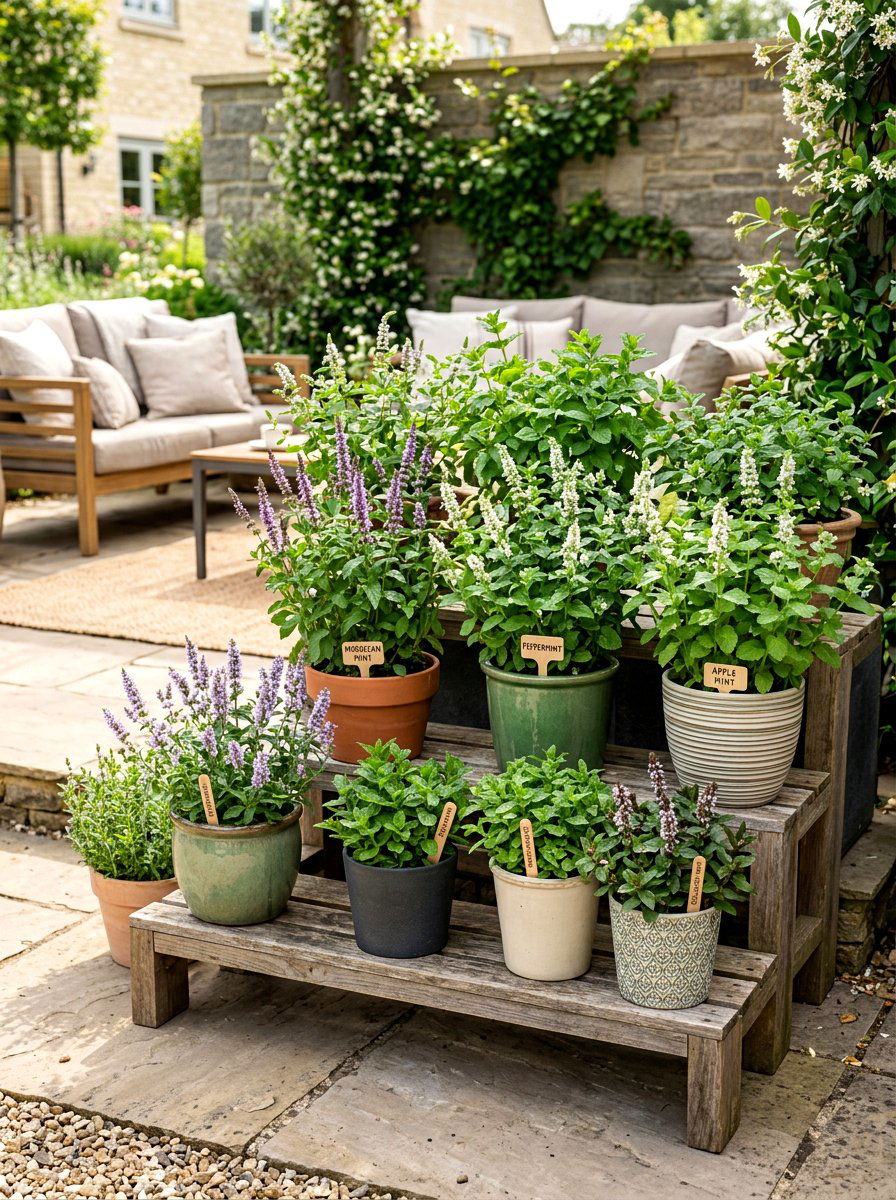
Growing different varieties of mint in containers is a great way to provide a controlled but highly effective food source for bees. Mint plants produce spikes of tiny white or purple flowers that are absolutely covered in pollinators when they are allowed to bloom. Because mint can be quite invasive if planted directly in the ground, keeping them in pots allows you to enjoy their scent without them taking over. You can experiment with different scents like chocolate mint, peppermint, or spearmint to see which ones your local bees prefer. These pots are perfect for placing on a patio or near an outdoor seating area for easy access.
24. Foxglove Flower Bed
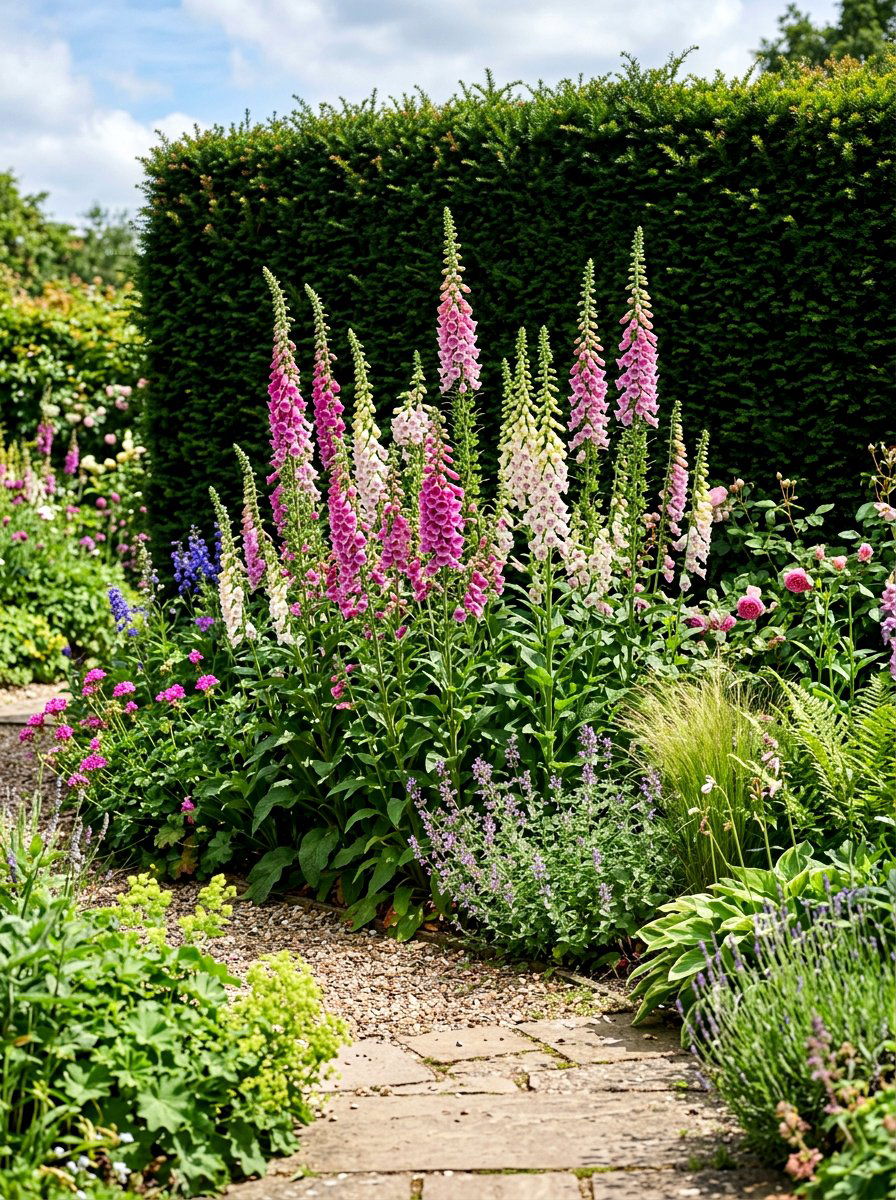
Foxgloves are a classic garden favorite that provide a dramatic vertical element and a specialized food source for larger bumblebees. The tubular shape of the flowers is perfectly designed for bees to crawl deep inside, where they are rewarded with a big drink of nectar. As the bee moves in and out, it gets covered in pollen, which it then carries to the next beautiful flower. These biennial plants often reseed themselves, creating a natural and wandering look in a woodland or cottage-style garden. Their tall spires come in shades of pink, white, and purple, making them a stunning focal point for any summer landscape.

25. Lupine Plant Field
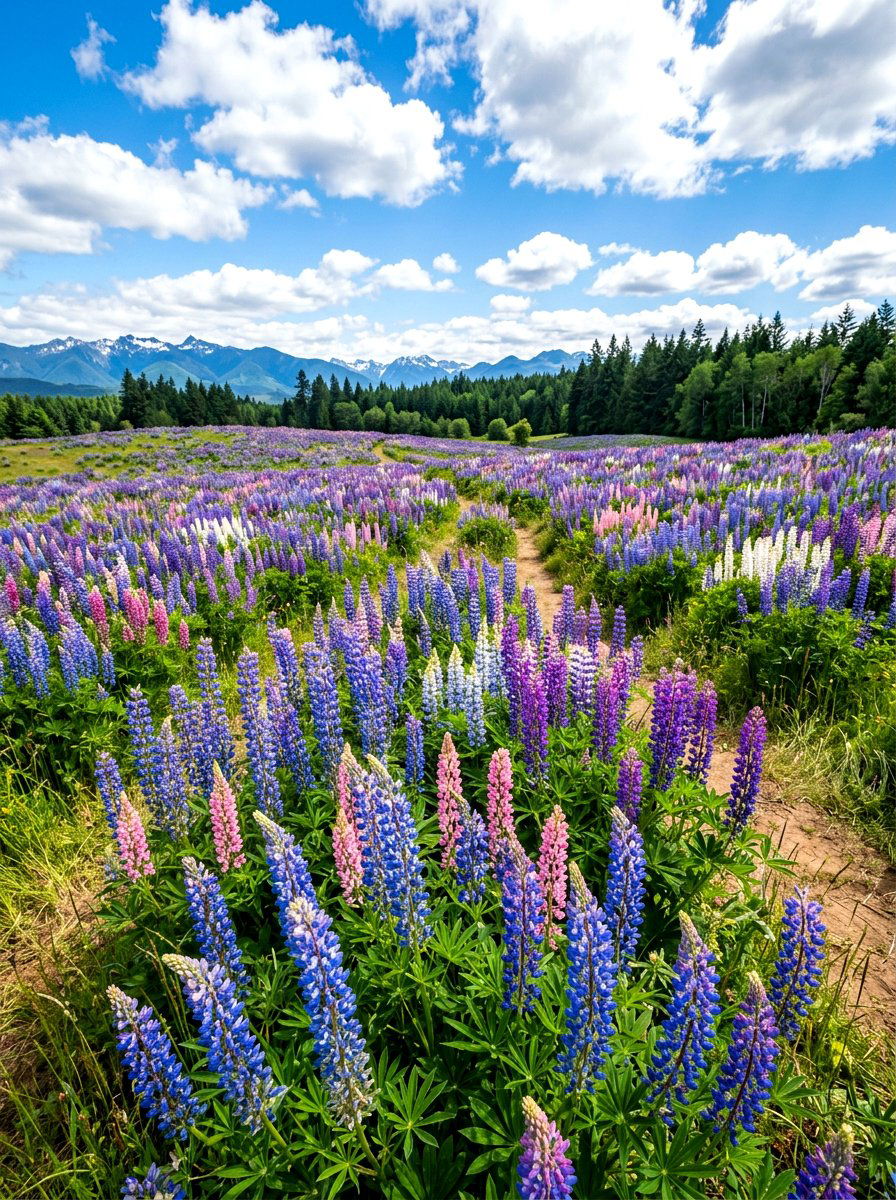
Lupines are stunning perennials that produce tall, dense spikes of pea-like flowers in a wide array of vibrant, eye-catching colors. They are a favorite of many bee species because they provide a high-protein pollen source that is essential for raising healthy young bees. These plants are also legumes, meaning they help to improve the quality of your soil by fixing nitrogen through their root systems. Planting a large sweep of lupines creates a breathtaking sea of color in late spring and early summer that can be seen from far away. They bring a touch of wild, meadow-like beauty to any garden while serving a very practical purpose.
26. Winter Heather Garden
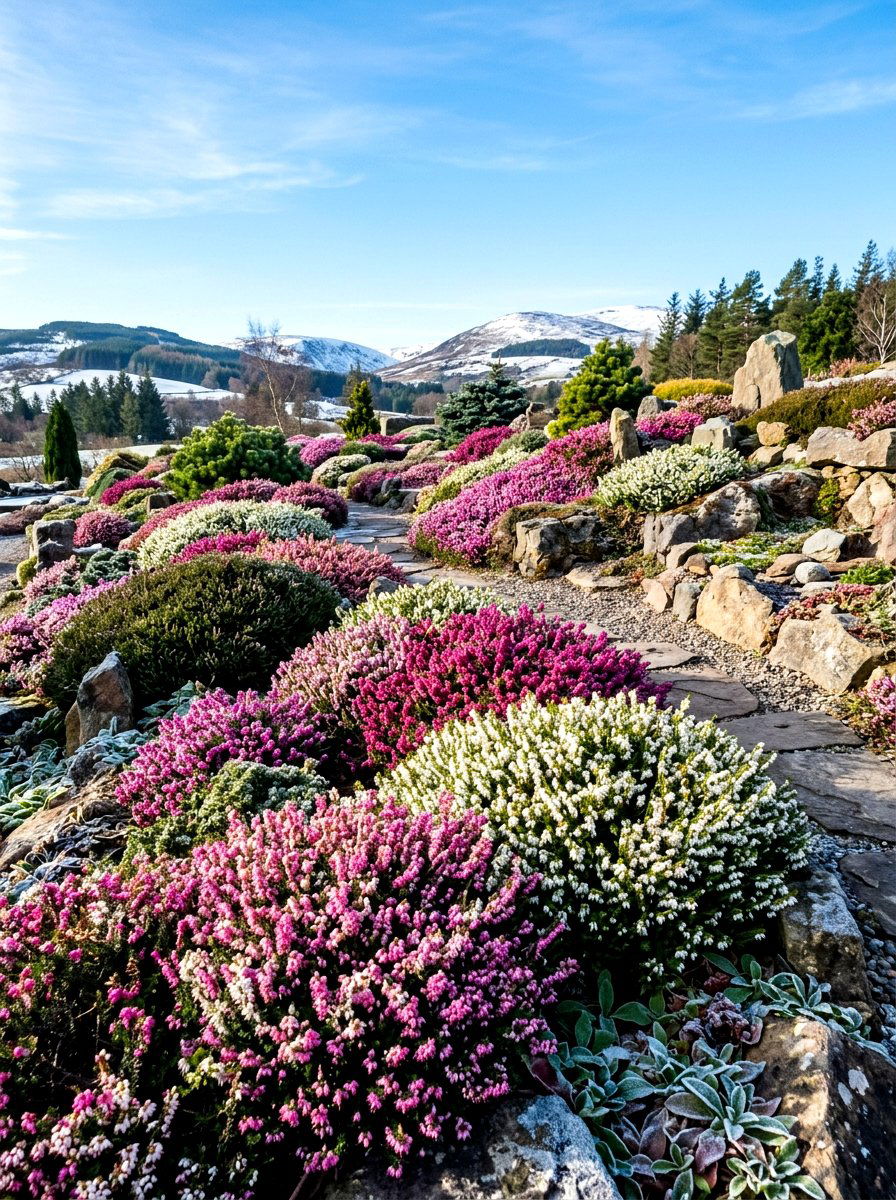
Heather is a low-growing, evergreen shrub that is incredibly valuable for providing food during the very early or very late months of the year. There are many different varieties that bloom at different times, with some specifically flowering in the middle of a cold winter. These tough plants create a dense carpet of tiny bells that are rich in nectar and provide excellent ground cover for your beds. They thrive in acidic soil and require very little maintenance once they are established in your landscape. Including heather in your garden design ensures that there is never a "dead zone" for the pollinators who live in your area.
27. Willow Tree Landscape
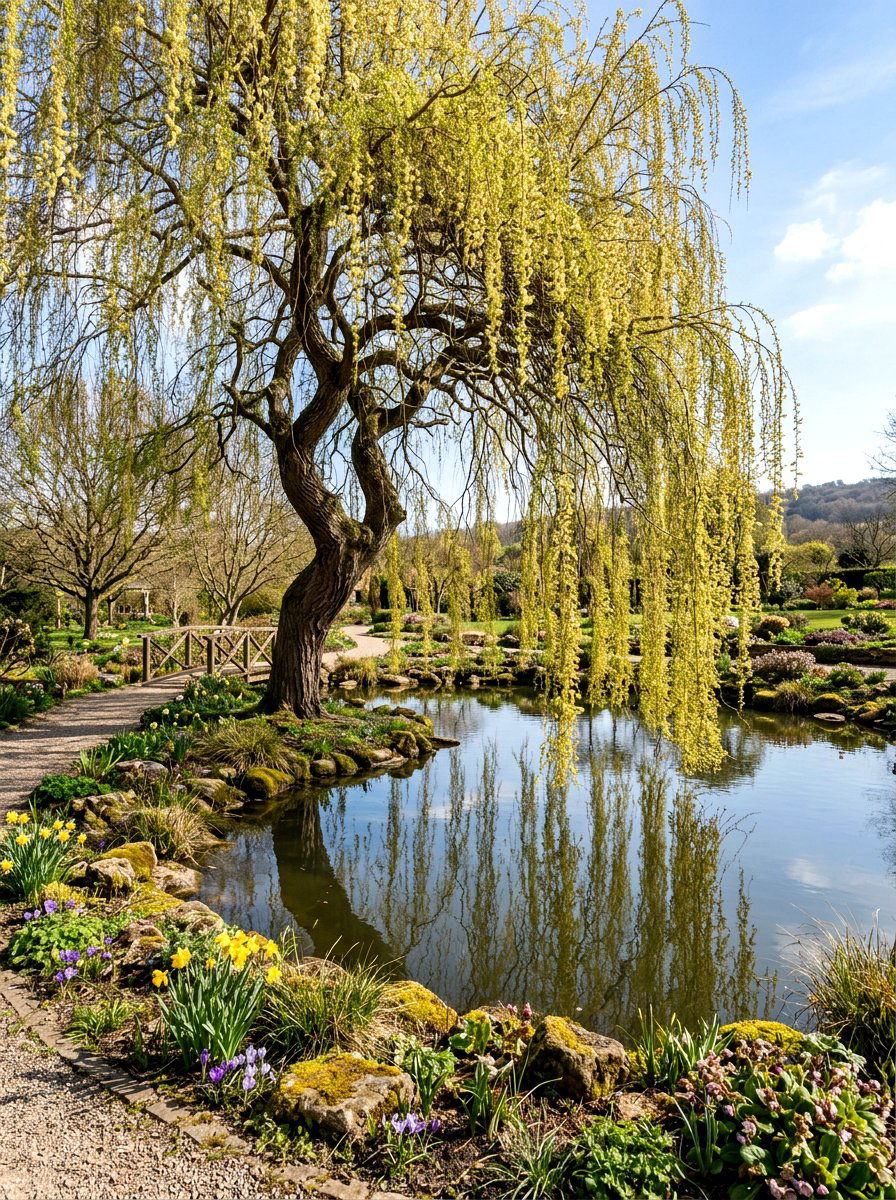
If you have a damp spot in your yard, planting a willow tree can provide an essential early spring resource for honeybees. Willows are among the first plants to produce pollen and nectar in the form of fuzzy catkins, which appear before the leaves emerge. This early food source is critical for queen bees who are just starting to build their nests after hibernating through the winter. The graceful, sweeping branches of a willow tree also provide a unique architectural element and plenty of shade for your garden. It is a beautiful way to solve a drainage issue while supporting the very beginning of the annual pollinator cycle.
28. Rosemary Shrub Hedge
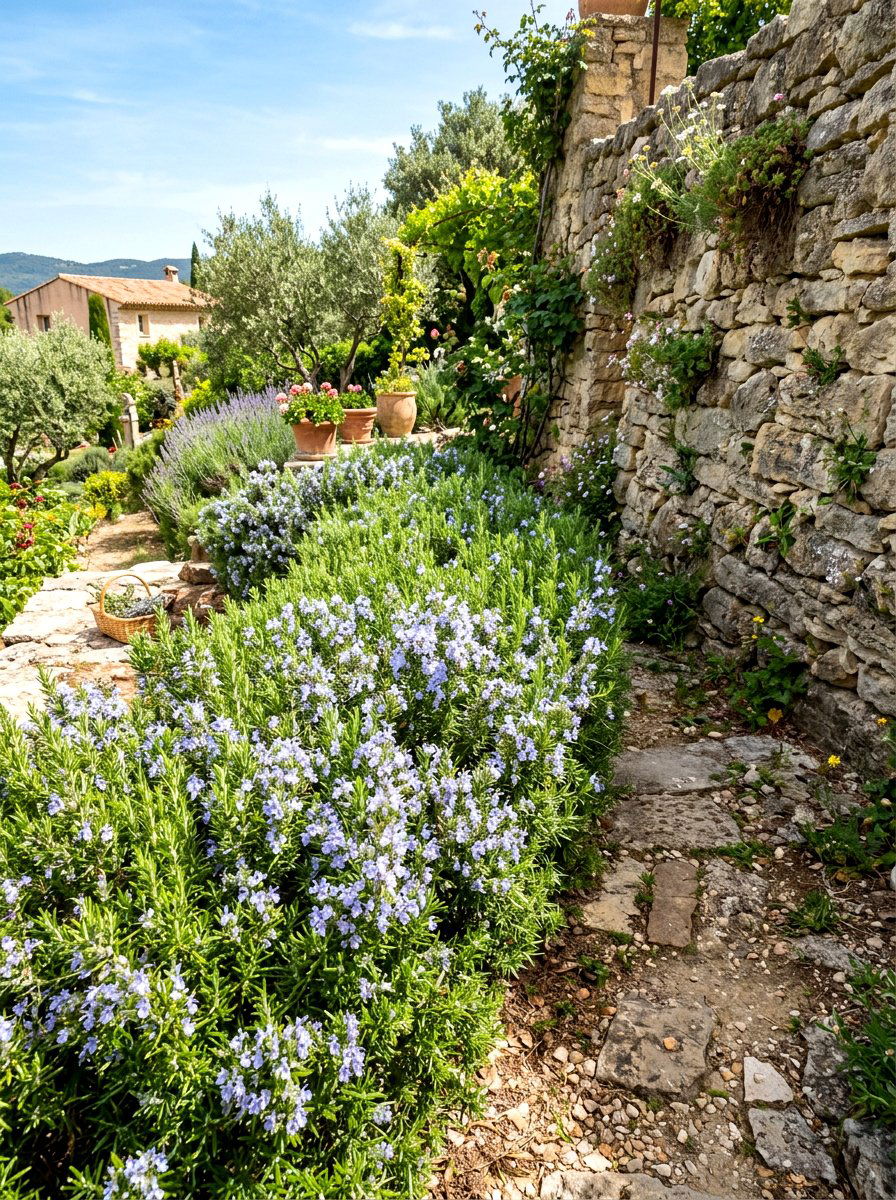
Rosemary is more than just a delicious herb for your kitchen; it is a hardy evergreen shrub that bees absolutely adore during its long flowering season. In many climates, rosemary will produce its delicate blue flowers in late winter or early spring, providing food when little else is available. You can prune rosemary into a formal hedge or let it grow into a wild, fragrant bush that adds structure to your garden beds. The intense fragrance of the foliage is pleasant for humans but can help deter certain pests while attracting beneficial insects. It is a tough, versatile plant that belongs in every bee-friendly landscape design.
29. Cosmos Flower Patch
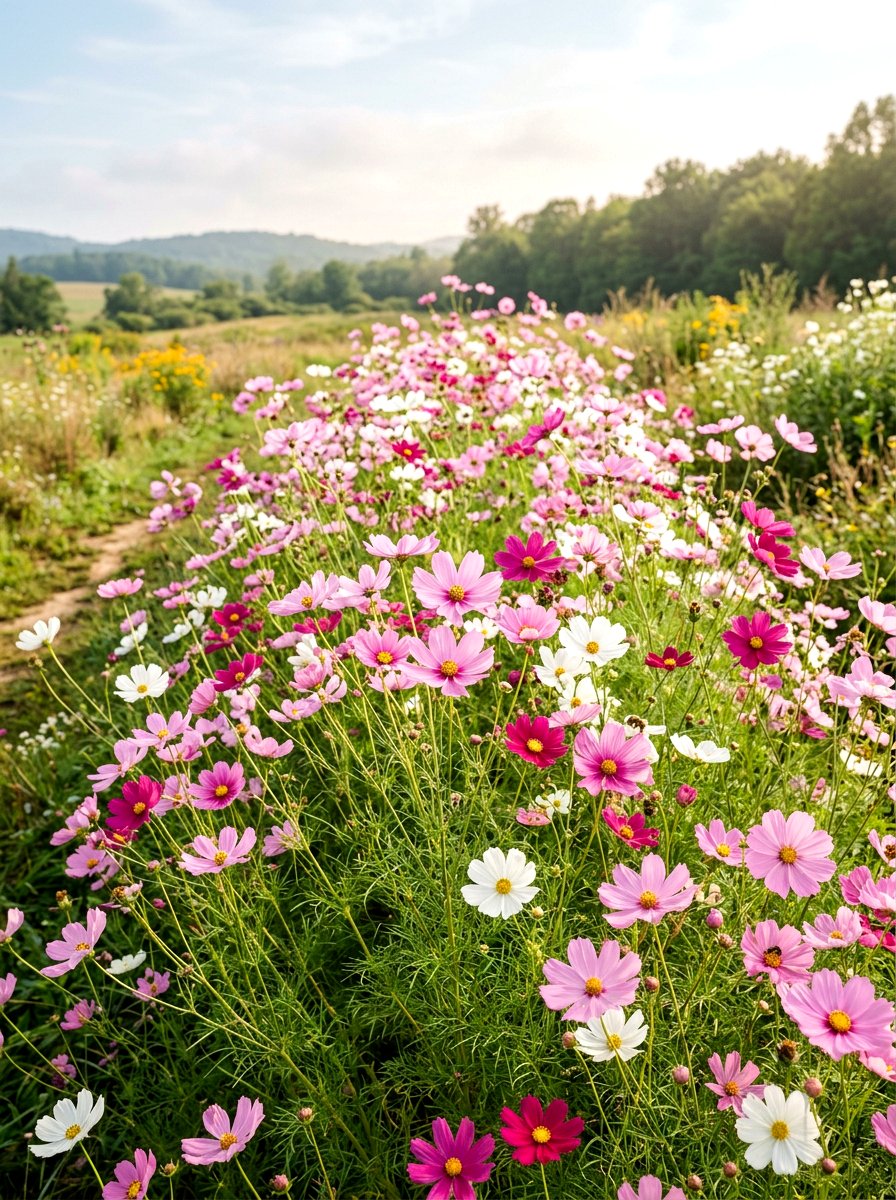
Cosmos are one of the easiest and most rewarding annual flowers you can grow from seed to attract a massive amount of bees. Their open, daisy-like petals provide a wide landing platform that makes it very easy for bees of all sizes to access the nectar. They come in a beautiful range of pinks, whites, and oranges, and they will continue to bloom for months if you regularly remove the faded flowers. These plants can grow quite tall and have a delicate, airy foliage that looks wonderful swaying in a light summer breeze. They are perfect for filling in gaps in your perennial borders with a quick burst of color.
30. Pollinator Pathway
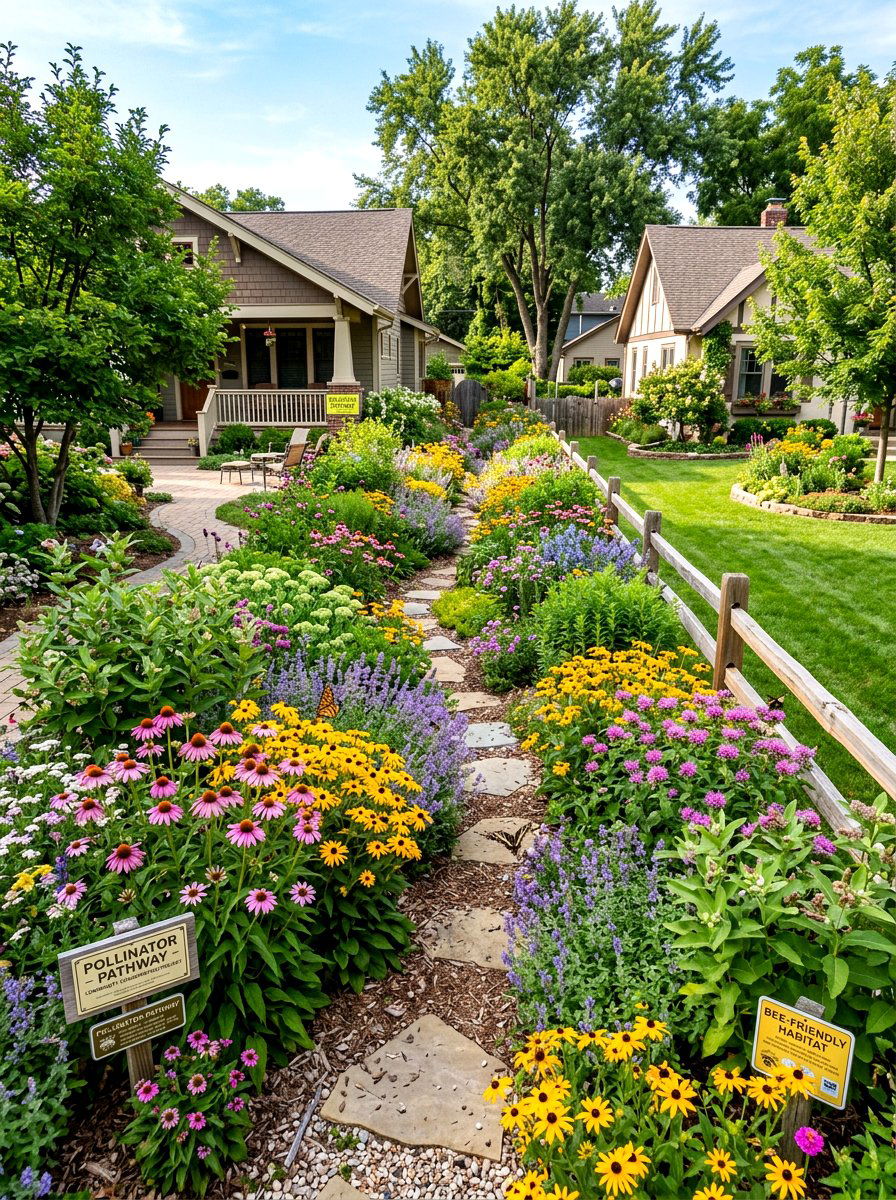
Creating a pollinator pathway involves designing your garden to act as a stepping stone that connects larger natural habitats in your neighborhood. By planting a continuous line of bee-friendly flowers and shrubs along your property line, you help bees travel safely across the urban landscape. This concept encourages neighbors to work together to create a massive corridor of food and shelter for all types of beneficial insects. Even a small row of pots along a sidewalk can serve as a vital link in this living chain of life. It is a powerful way to turn individual gardening efforts into a community-wide movement for meaningful environmental conservation.
Conclusion:
Building a bee-friendly garden is a rewarding journey that connects you deeply with the natural world right outside your own back door. Each flower planted and every water bowl set out represents a vital contribution to the health and survival of these essential pollinators. By choosing a diverse range of plants and providing natural habitats, you create a resilient ecosystem that celebrates the beauty of every season. The sight of a busy bee gathering nectar is a simple reminder of the intricate balance required to sustain our environment. Your garden can become a thriving sanctuary where nature flourishes, proving that even small actions can lead to a big impact.

Related posts: