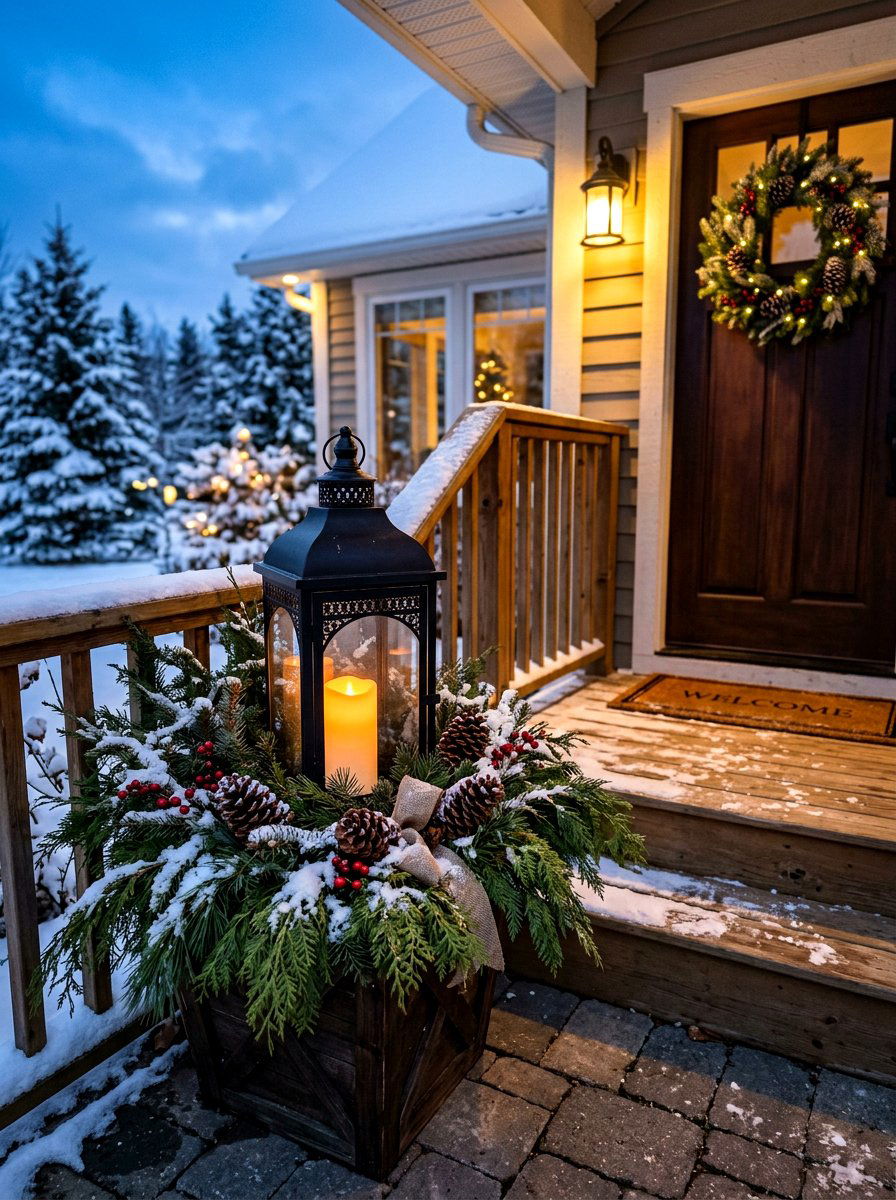
Creating a stunning first impression for your home starts with thoughtful landscaping that remains beautiful throughout every season of the year. Boxwoods are the ultimate choice for homeowners who want a timeless and sophisticated front yard because they offer incredible versatility and structure. These evergreen shrubs provide a lush green backdrop that looks just as good in the winter snow as it does in the summer sun. Whether you prefer a formal English garden style or a more relaxed modern look, boxwoods can be shaped and styled to fit any aesthetic perfectly. They are durable, easy to maintain, and highly effective for defining spaces or highlighting architectural features of your house.
1. Low boxwood hedge
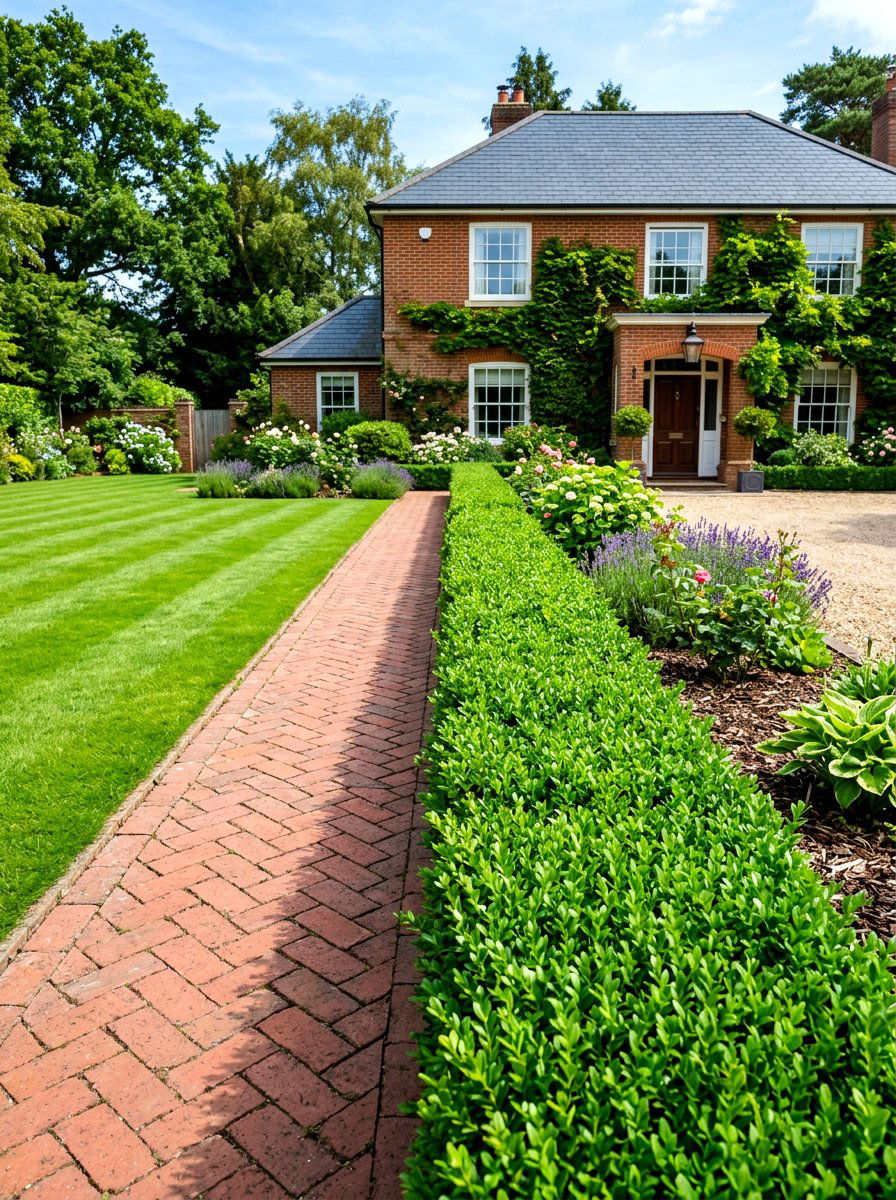
Creating a clean look starts with a low boxwood hedge along your front walkway. This classic design choice provides a permanent structure that looks green throughout the whole year. You can keep the shrubs clipped tightly for a formal appearance or let them grow slightly softer for a natural feel. These small hedges act as a living frame for your home and help guide guests toward the front door. They work perfectly for defining property lines without blocking the view of your beautiful architecture. Many homeowners love how these sturdy plants withstand various weather conditions while remaining vibrant and thick. It is a simple way to boost your curb appeal instantly.
2. Boxwood topiary ball
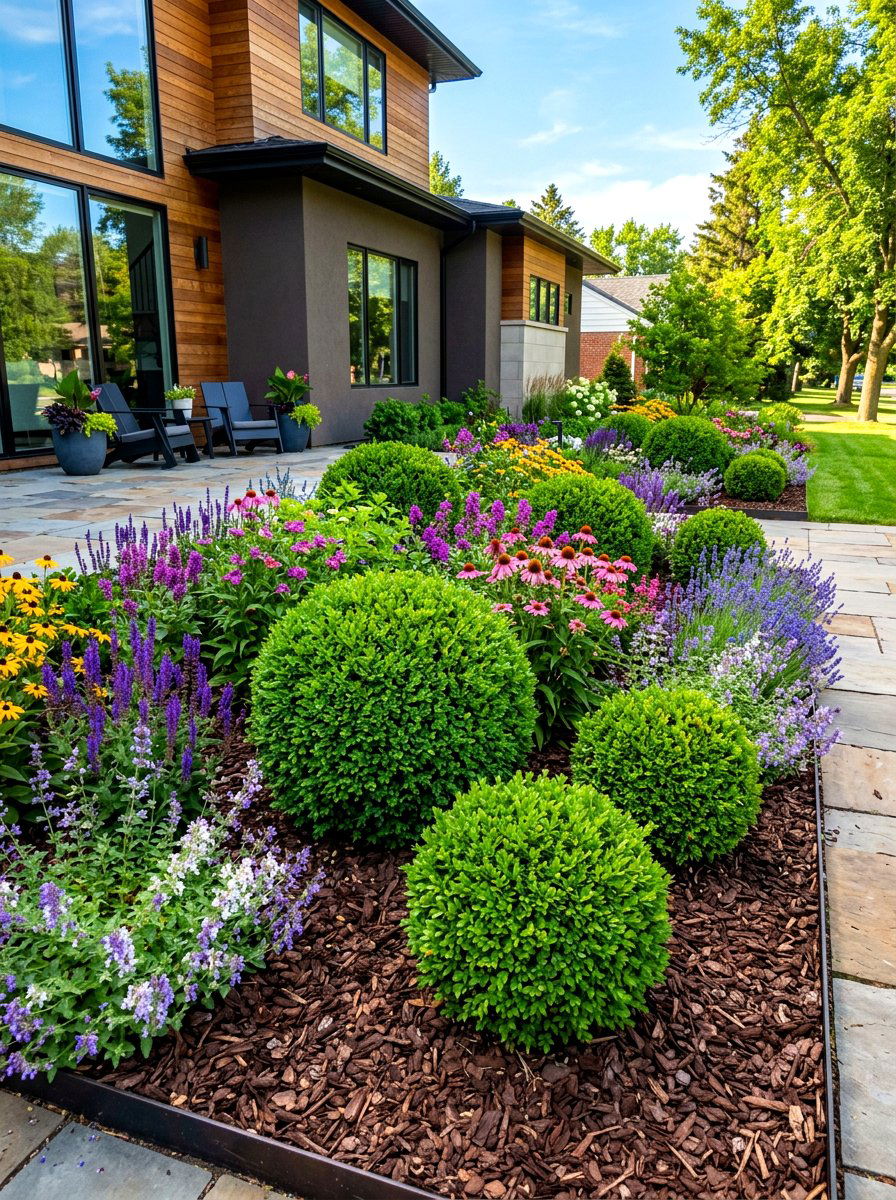
Adding a sense of playfulness and elegance is easy when you incorporate boxwood topiary balls into your landscape. These spherical shrubs can be placed in groups of three or five to create a rhythmic visual pattern in your garden beds. Their rounded shape provides a soft contrast to the straight lines of your house or driveway. You can use different sizes to add depth and height to a flat yard. They look especially striking when surrounded by colorful flowers or dark mulch, making the green foliage pop. Maintenance involves a quick trim once or twice a year to keep the circular form looking sharp and professional.
3. Boxwood walkway border
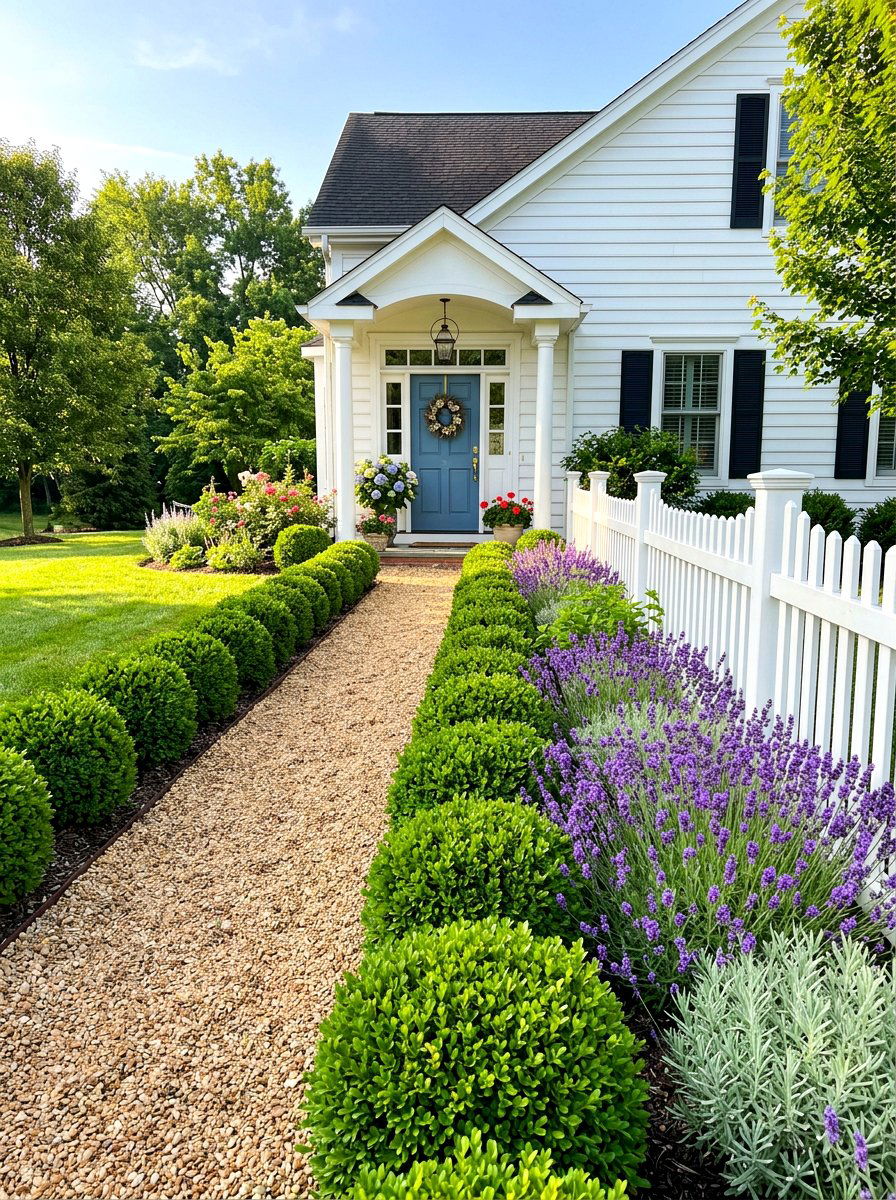
Guiding visitors to your entrance becomes much more inviting with a boxwood walkway border. This design uses a continuous line of small shrubs to edge your path, creating a clear and manicured transition from the lawn to the walkway. It prevents grass from creeping onto the stones and gives the entire front yard an organized feel. You can choose a dwarf variety to keep the border low and manageable. This style works exceptionally well with gravel paths or brick pavers, adding a touch of traditional charm. It also provides a consistent green element that stays attractive even when other flowering plants have finished blooming for the season.
4. Boxwood foundation plant
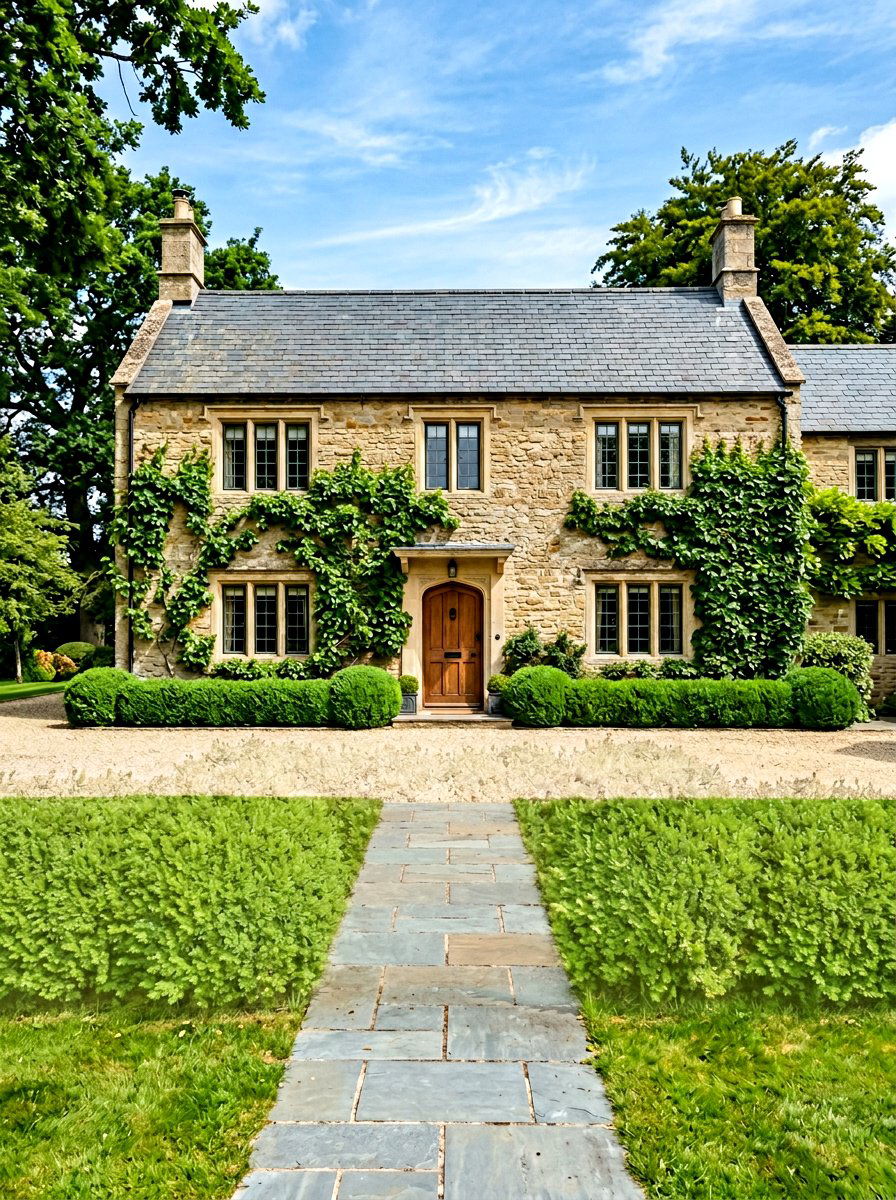
Softening the base of your home is a major goal for front yard design, and boxwood foundation plants excel at this. Planting a row of these evergreens against the front wall of your house creates a solid visual foundation. They hide unsightly structural elements and bridge the gap between the building and the lawn. Since boxwoods are evergreen, your house will never look bare during the cold winter months. You can mix them with taller shrubs in the back and smaller flowers in the front for a layered look. This approach adds significant value and a polished finish to your property’s exterior.
5. Potted boxwood entrance
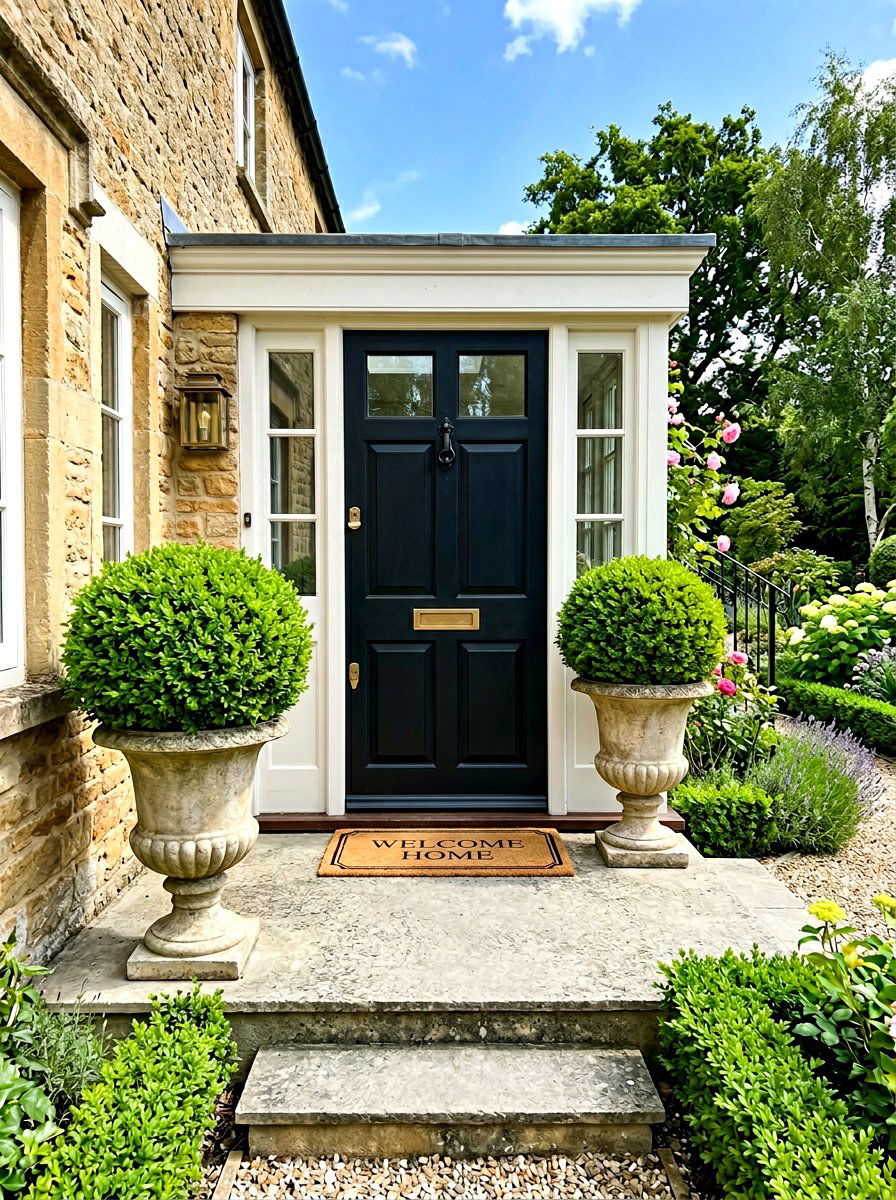
Enhancing a small porch or a grand entryway is simple with a potted boxwood entrance. Placing matching containers on either side of the front door creates a symmetrical and welcoming focal point. These pots allow you to add greenery even if you have a concrete or stone landing. Boxwoods are excellent for containers because they are slow-growing and can tolerate being in a confined space for a long time. You can choose ornate stone urns for a classic look or sleek metal cubes for a modern vibe. This mobile greenery makes it easy to update your porch decor throughout the changing seasons.
6. Boxwood parterre garden
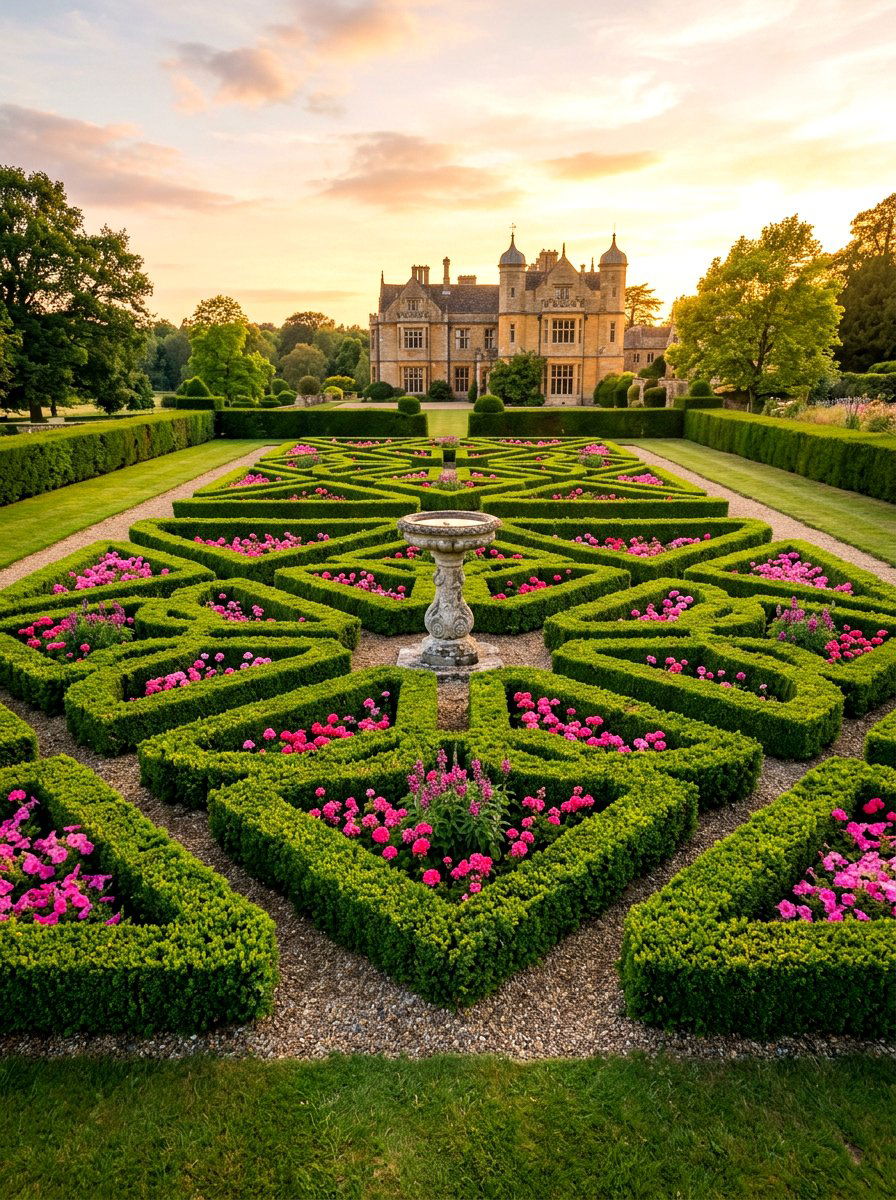
Designing a formal boxwood parterre garden brings the elegance of European estates right to your front door. This style involves creating intricate geometric patterns using low-clipped hedges. Inside these shapes, you can plant seasonal flowers, colorful gravel, or even aromatic herbs. The symmetrical layout provides a highly structured and artistic look that serves as a permanent focal point. It requires a bit more maintenance to keep the lines crisp, but the visual impact is truly unparalleled. A parterre garden works best in flat yards where the pattern can be easily appreciated from the street or from an upstairs window of your home.
7. Symmetrical boxwood landscape
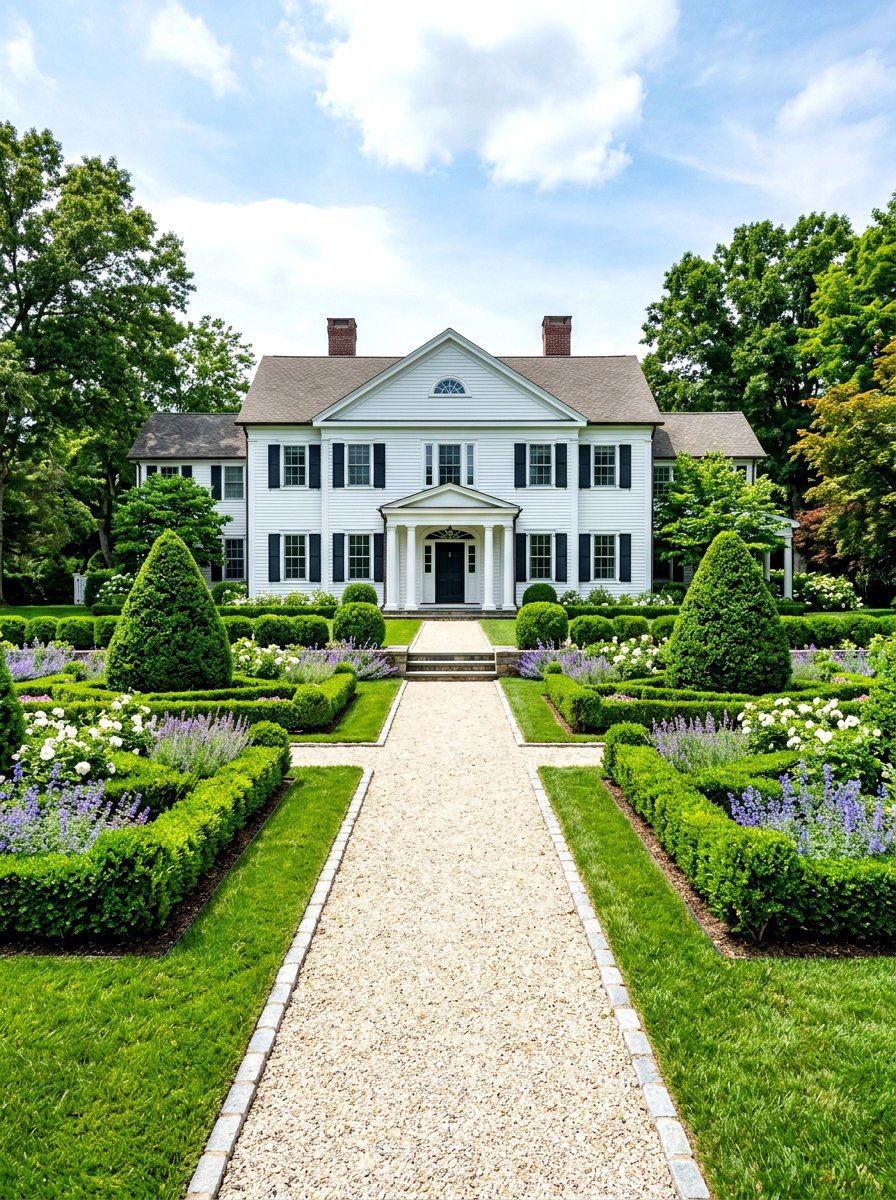
Achieving a balanced look is the hallmark of a symmetrical boxwood landscape. This involves mirroring the plant placement on both sides of a central axis, such as your front door or a main path. Symmetrical designs feel stable, orderly, and very intentional, which naturally appeals to the eye. You can use pairs of boxwood globes, matching hedges, or identical topiary cones to create this harmony. This style works particularly well with traditional or colonial-style homes where the architecture itself is often symmetrical. It creates a sense of grandeur and prestige, signaling that the home is well-cared for and meticulously planned.
8. Boxwood hydrangea garden
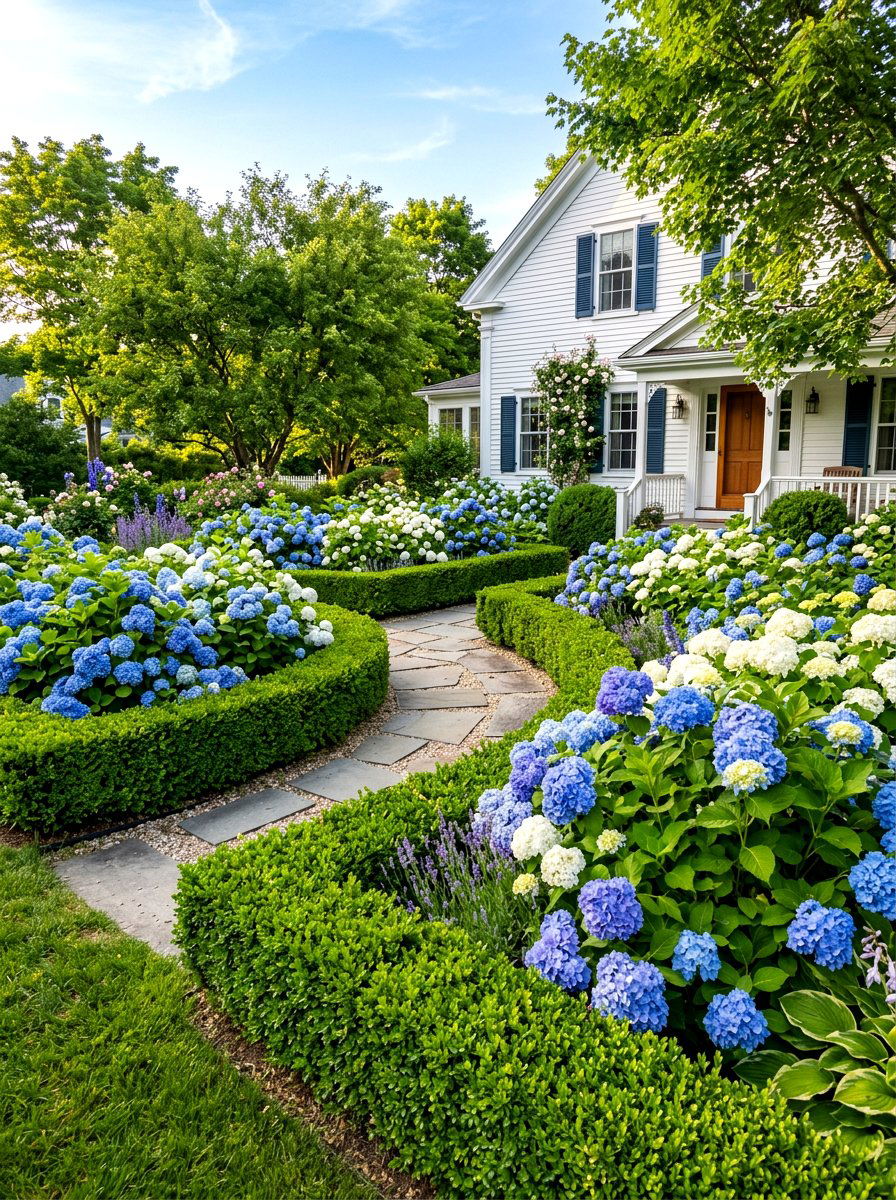
Combining the structure of boxwood with the soft blooms of hydrangeas creates a beautiful boxwood hydrangea garden. The boxwoods provide a low, green frame that stays all year, while the hydrangeas offer massive, colorful flowers during the summer months. This pairing is a favorite because the dark green boxwood leaves make the white, blue, or pink hydrangea petals stand out. The rigid shape of the clipped boxwood also balances the floppy, romantic nature of the hydrangea bushes. It is a perfect way to blend formal and informal elements. This combination ensures your front yard remains visually interesting even after the flower season ends.
9. Modern boxwood courtyard
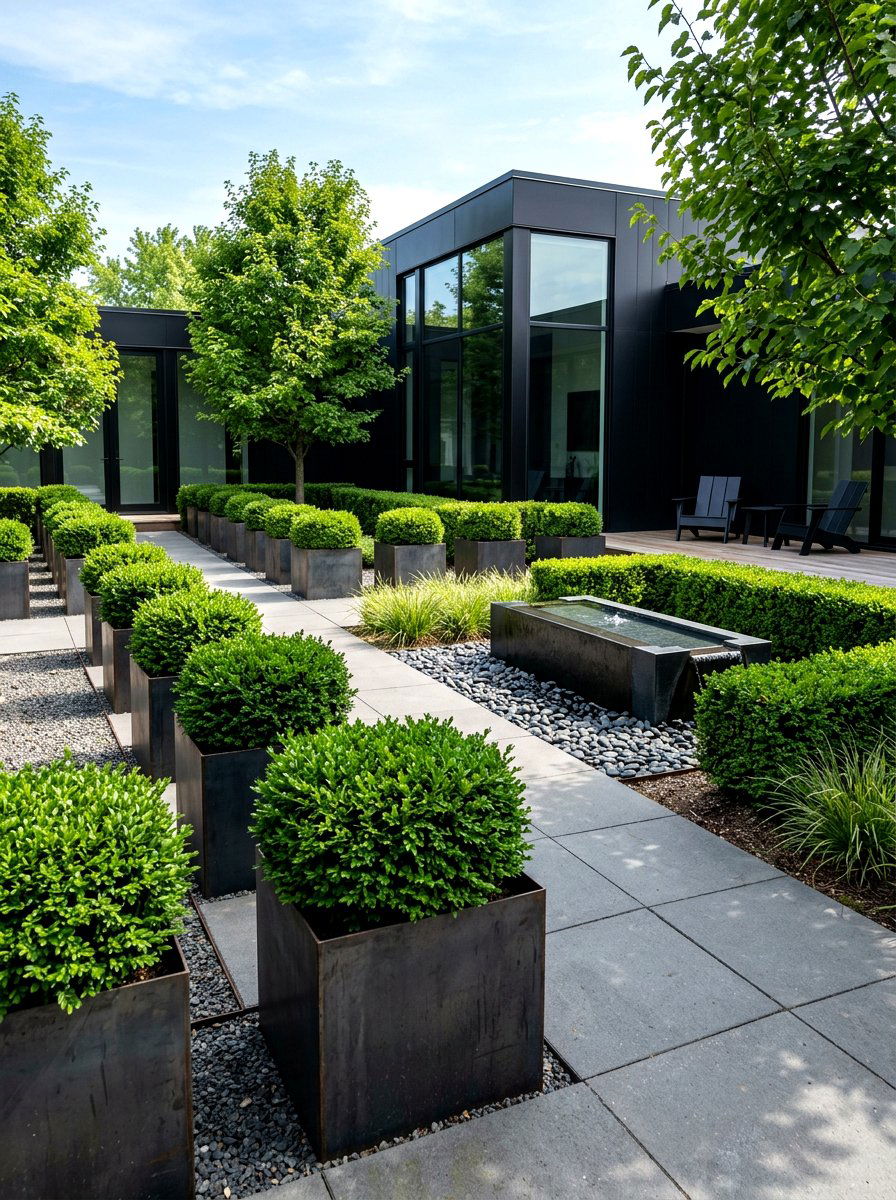
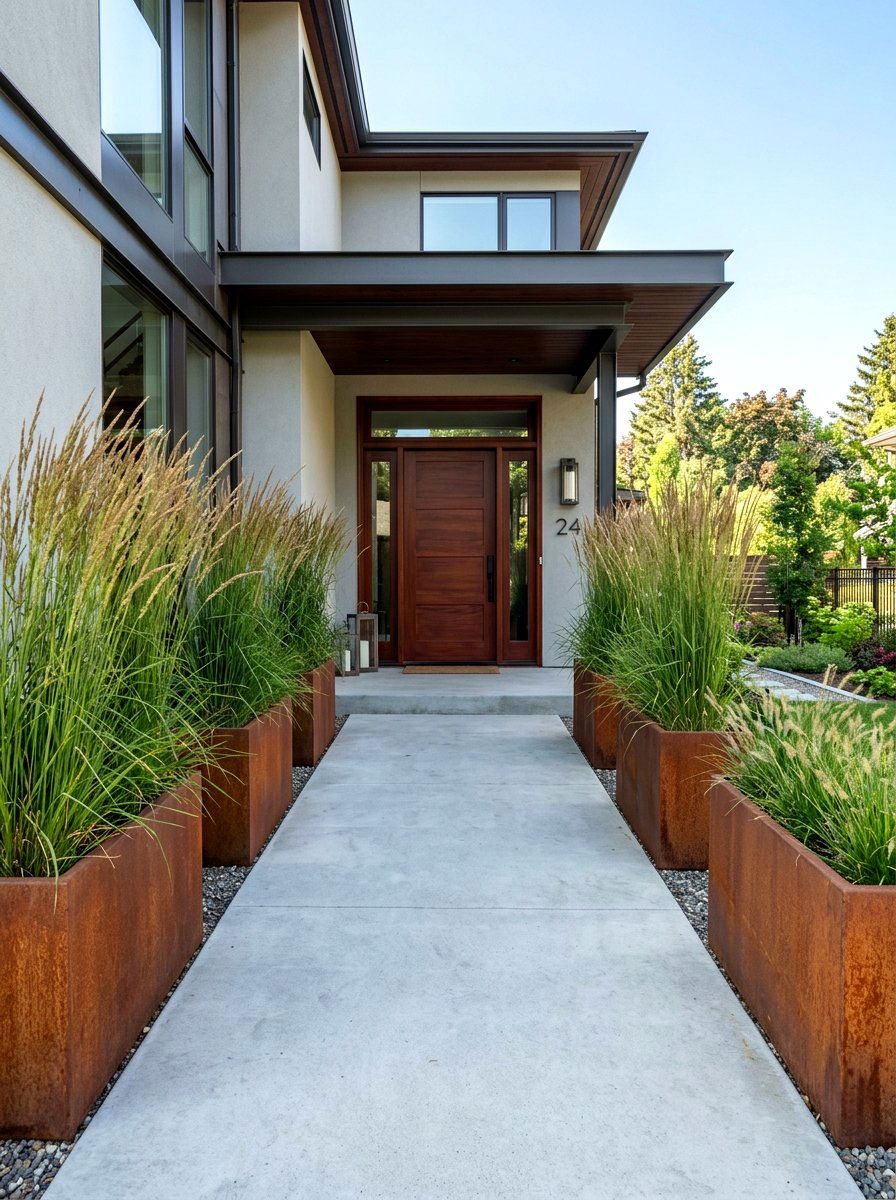
Creating a modern boxwood courtyard focuses on clean lines and minimalist aesthetics. In this design, boxwoods are often planted in perfectly straight rows or sharp square blocks. You can use them to define different zones in a paved courtyard or as a backdrop for a sleek water feature. Combining green boxwoods with industrial materials like steel edging, concrete pavers, or black gravel creates a sophisticated high-contrast look. This style is all about precision and simplicity, making it ideal for contemporary homes. The repetitive use of one plant species reinforces the minimalist theme and creates a calm, organized outdoor environment for the homeowners.
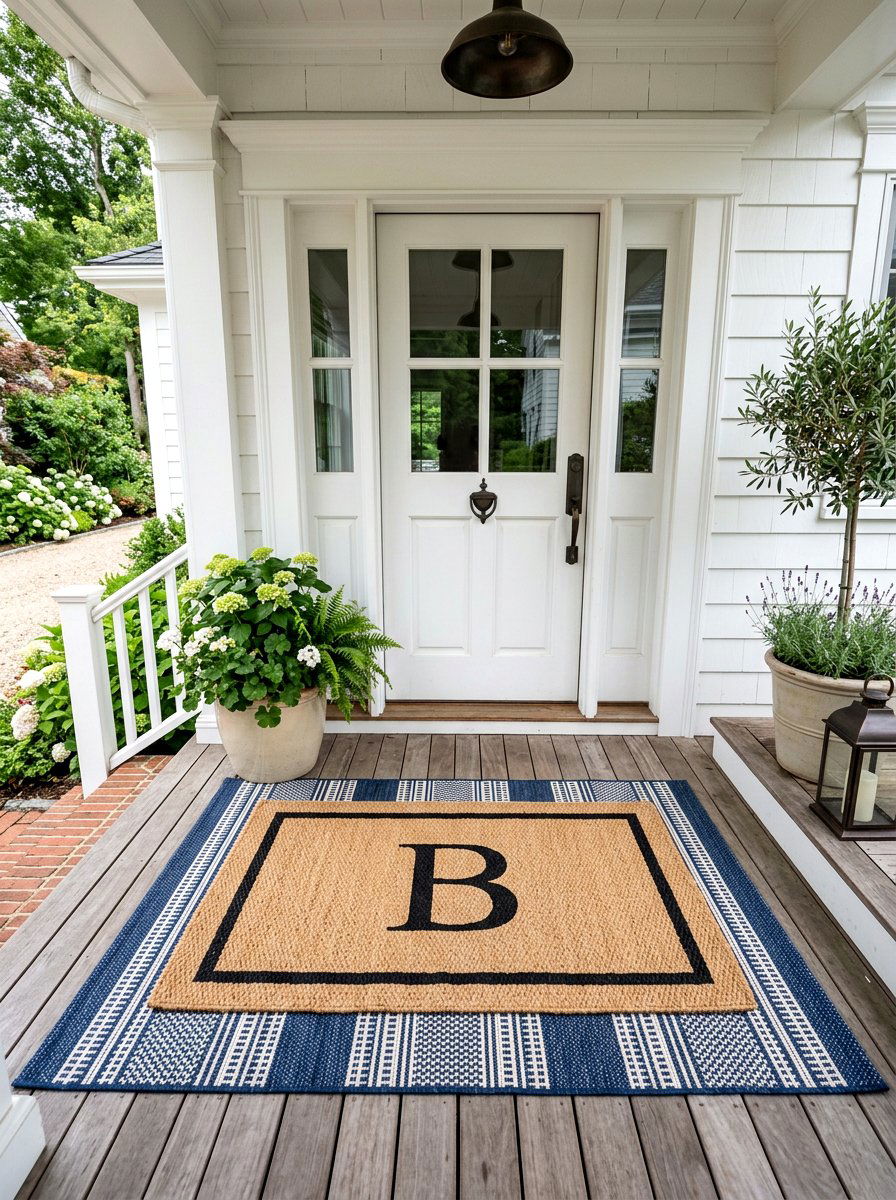
10. Boxwood spiral tree
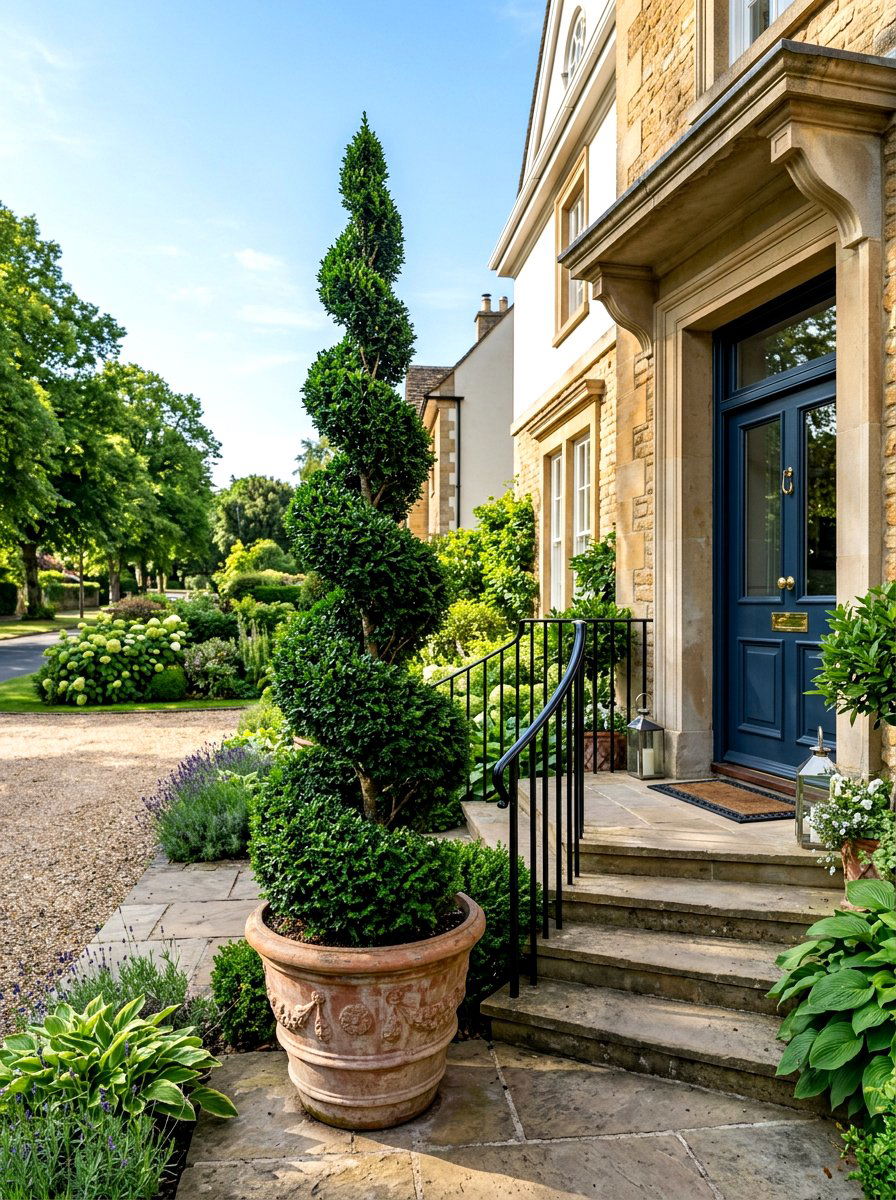
Adding a dramatic vertical element is easy with a boxwood spiral tree. These specialized topiaries are pruned into a winding corkscrew shape that draws the eye upward. Placing a pair of spirals near your front steps or at the end of a path creates an instant architectural statement. They provide a high-end, artistic touch that suggests a professional level of gardening. Because they take up very little horizontal space, they are perfect for narrow garden beds or small front yards. These unique shapes remain visible and striking all year long, adding a sculptural quality to your landscape that few other plants can offer.
11. Layered boxwood bed
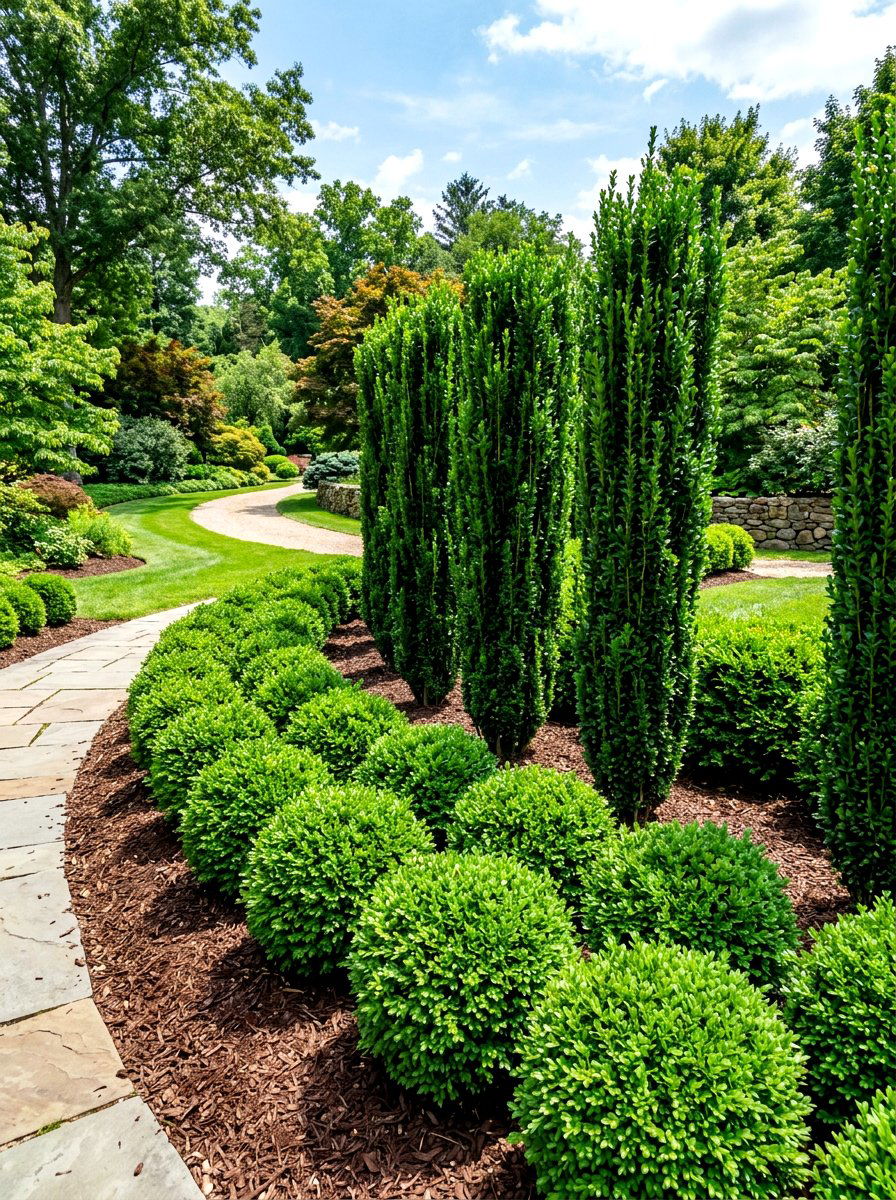
Creating depth in your garden is simple with a layered boxwood bed. This technique involves planting boxwoods of different heights and varieties in a single area. You might place tall, columnar boxwoods in the back, medium-sized globes in the middle, and a very low-clipped hedge in the front. This stepping-stone effect makes a small garden bed look much larger and more complex. The variation in shapes and sizes adds visual interest without needing a lot of different plant types. It is a great way to maintain a cohesive green theme while still providing plenty of texture and dimension to your front yard.
12. Boxwood rose border
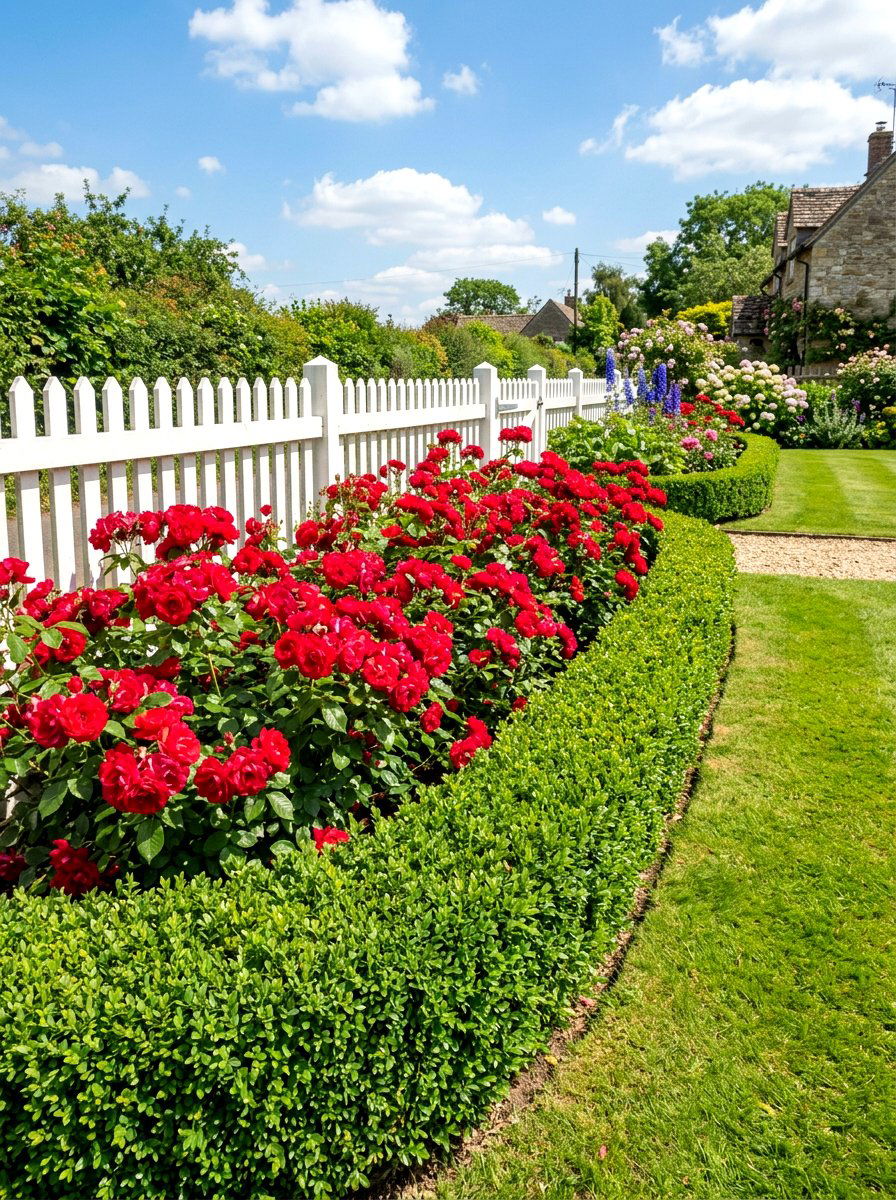
Providing a neat edge for a classic flower bed is the main role of a boxwood rose border. Roses can often look a bit messy at the base, but a low boxwood hedge hides those woody stems and keeps the bed looking tidy. The dark green foliage of the boxwood provides a consistent backdrop that makes the vibrant rose colors really shine. This combination is a staple of English cottage gardens, offering a mix of rigid structure and romantic, flowing blooms. Even when the roses are dormant in the winter, the boxwood border maintains the shape of the garden bed for a neat appearance.
13. Circular boxwood feature
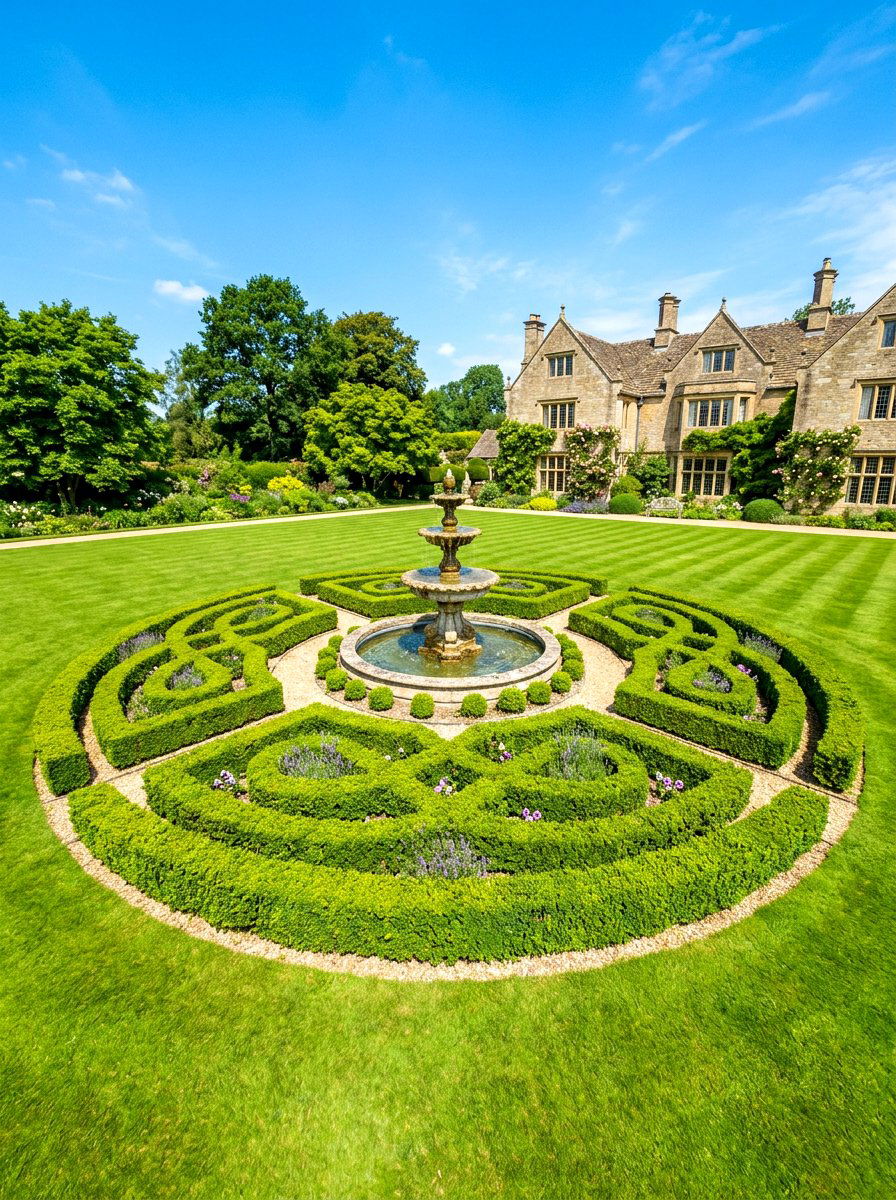
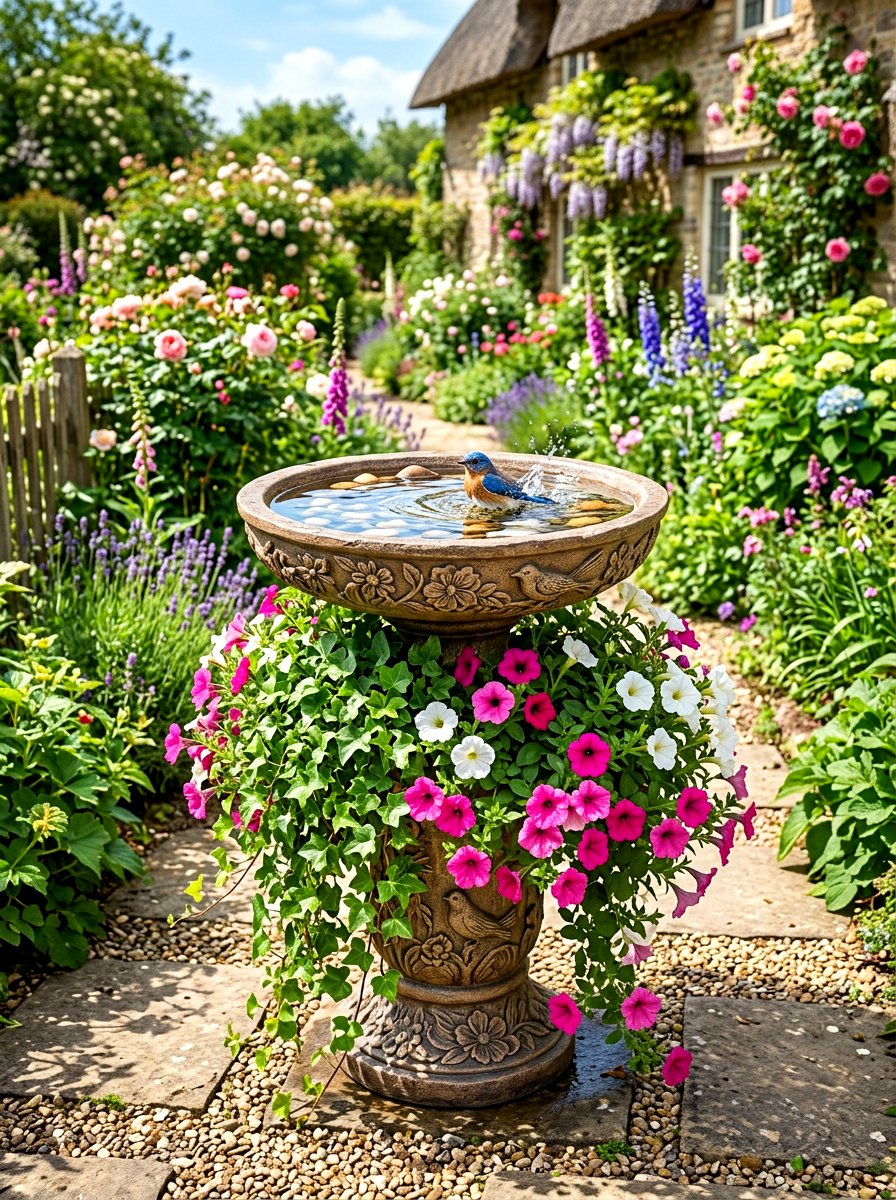
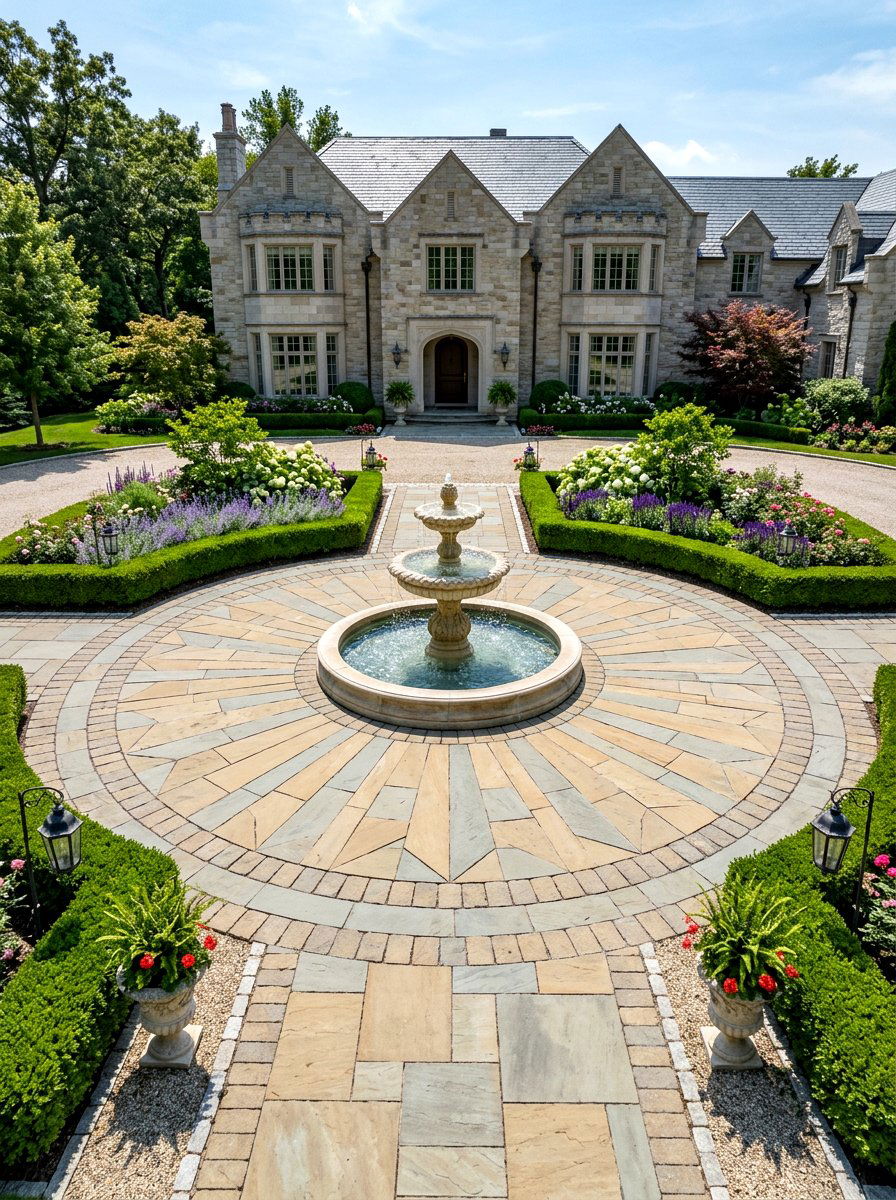
Creating a focal point in the middle of a lawn is possible with a circular boxwood feature. This involves planting a ring of low boxwoods around a central element like a birdbath, a small fountain, or a single specimen tree. The circle breaks up the expanse of green grass and adds a touch of formal elegance to the yard. You can fill the center of the ring with mulch, decorative stones, or seasonal annuals for extra color. This design looks professional and adds a sense of purpose to an otherwise empty space. It is a great way to add character to a large front yard.
14. Boxwood cone topiary
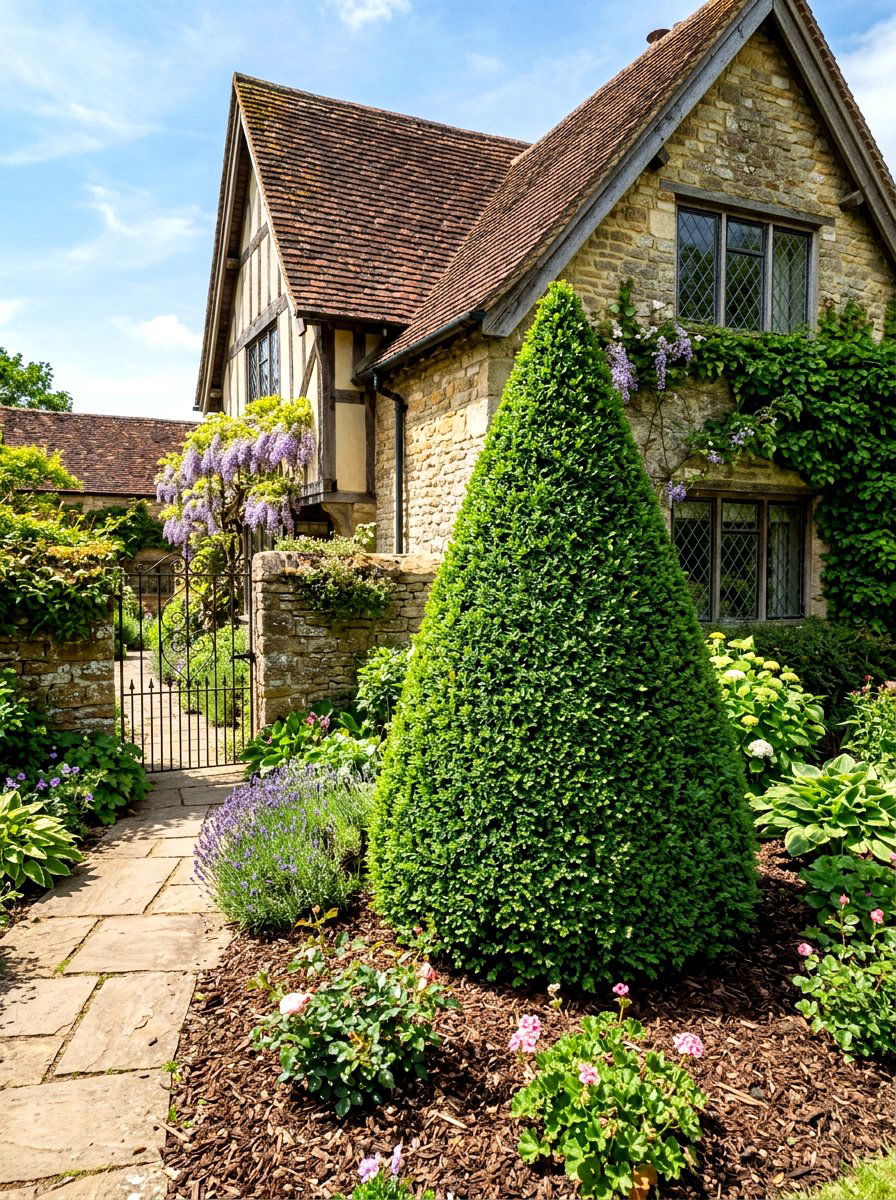
Injecting a formal, upright aesthetic into your garden is easy with a boxwood cone topiary. These pyramidal shapes offer a sharp, architectural look that contrasts beautifully with more organic plant forms. Cones are often used to mark the corners of a garden bed or to flank an entryway. Their pointed tops lead the eye upward, making them great for adding vertical interest to low-growing landscapes. They are very sturdy and hold their shape well throughout the winter. Whether planted directly in the ground or in elegant containers, boxwood cones bring a sense of order and high-end design to any front yard.
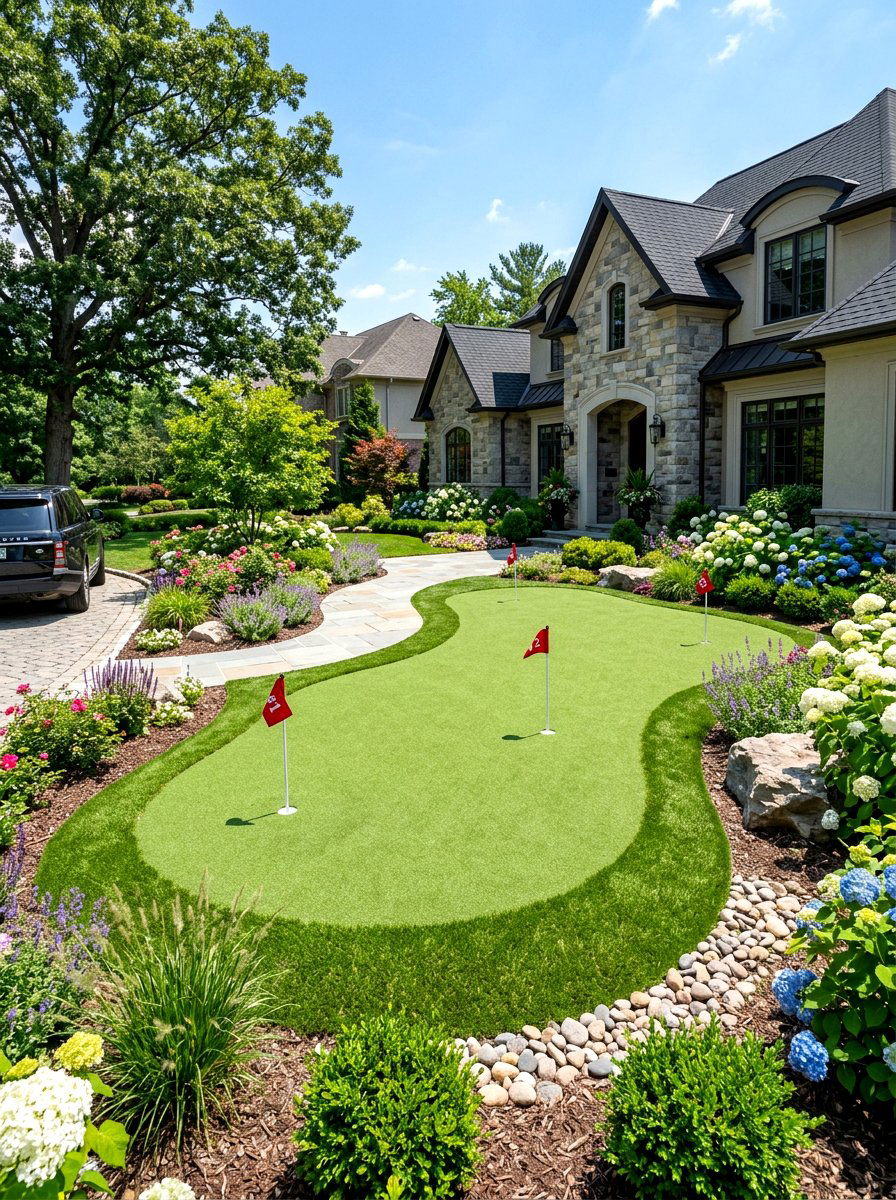
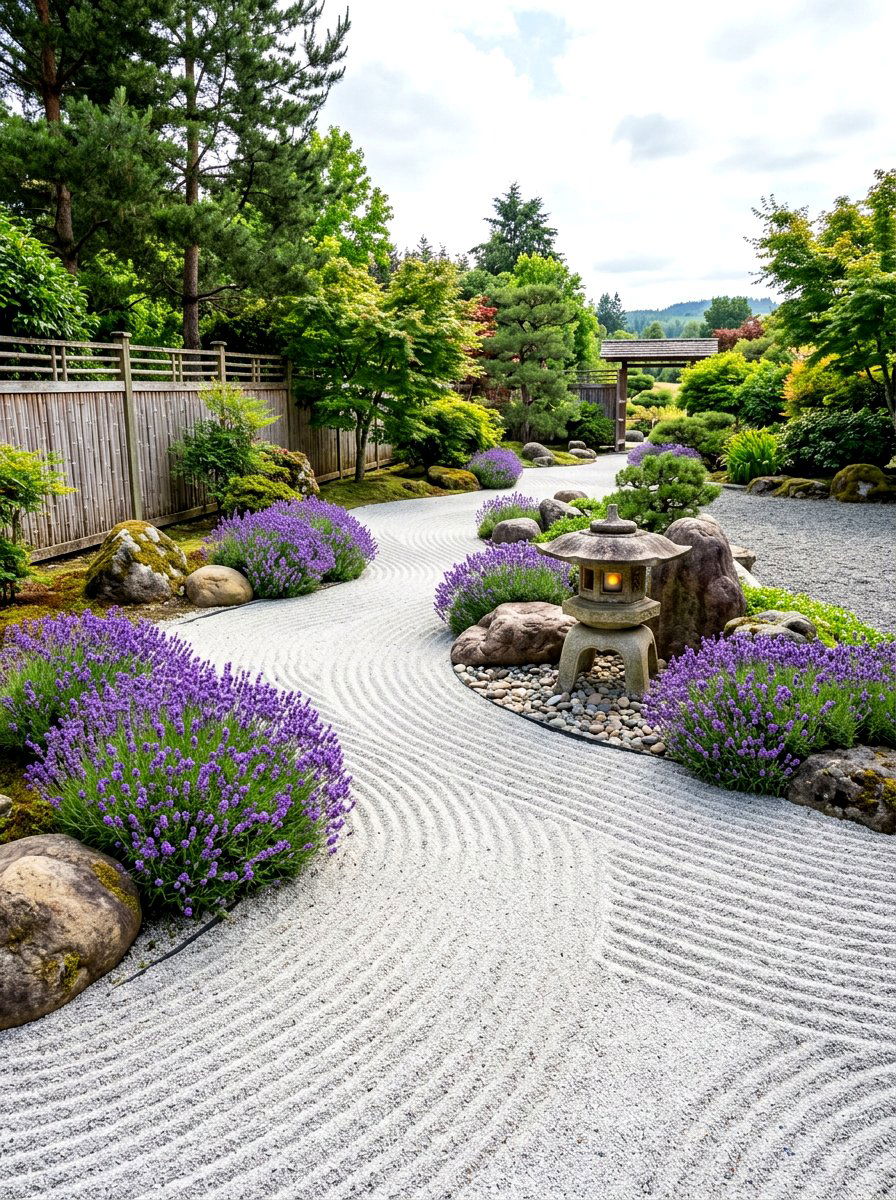
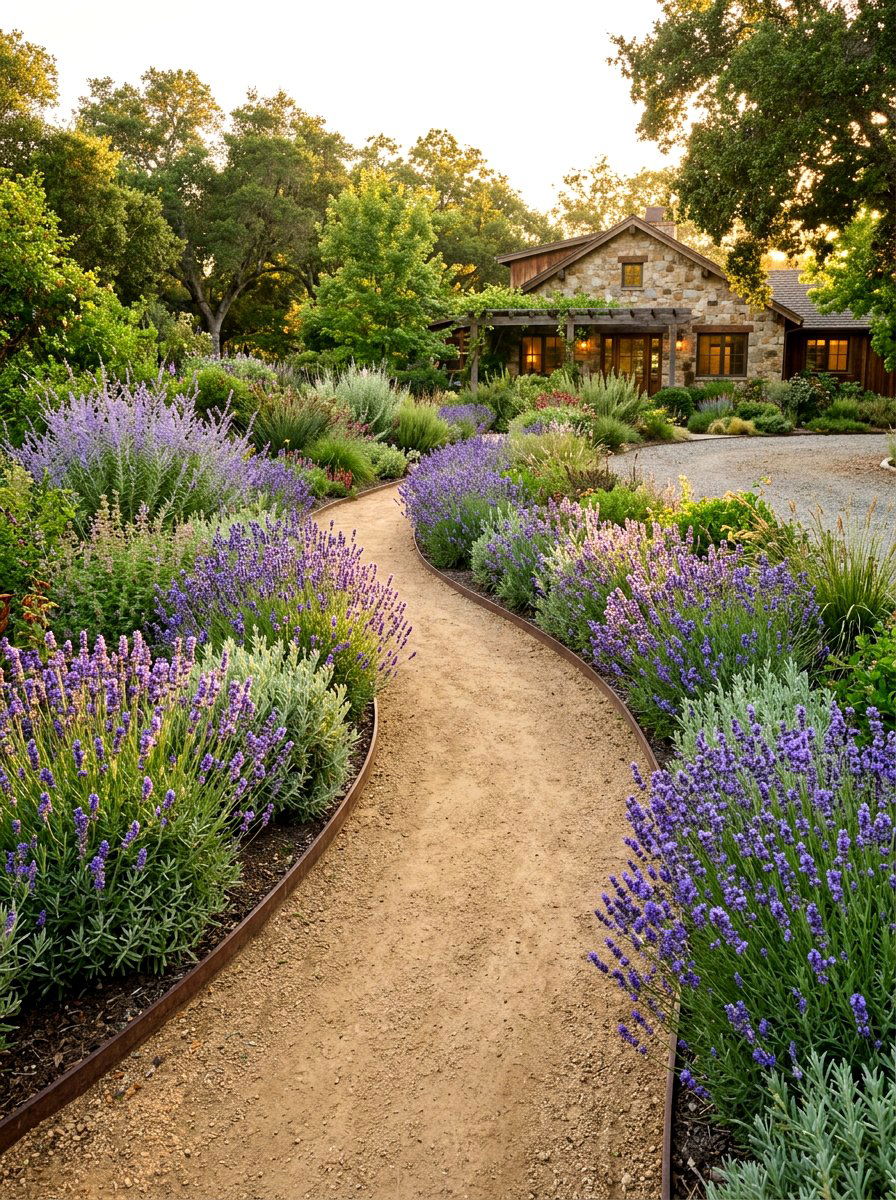
15. Boxwood lavender mix
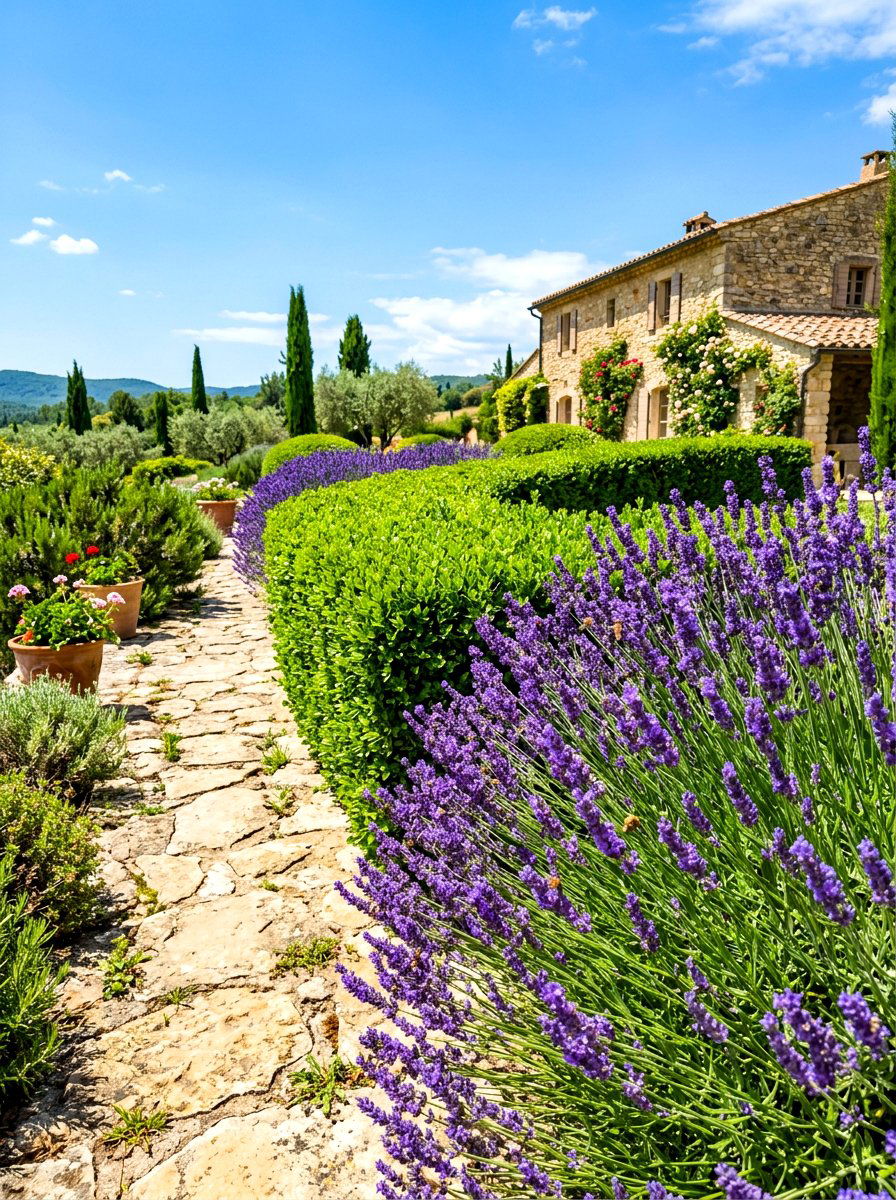
Blending fragrance and texture is the highlight of a boxwood lavender mix. Planting lavender just behind or in front of a boxwood hedge creates a Mediterranean-inspired look that smells as good as it looks. The silvery-purple flowers of the lavender provide a beautiful contrast to the deep green boxwood leaves. This combination is great for sunny front yards and attracts helpful pollinators like bees and butterflies. The boxwood provides a solid structure during the winter months when the lavender might look a bit sparse. This pairing is both practical and aesthetically pleasing, offering a soft, romantic feel to your home’s entrance.
16. Tiered boxwood wall
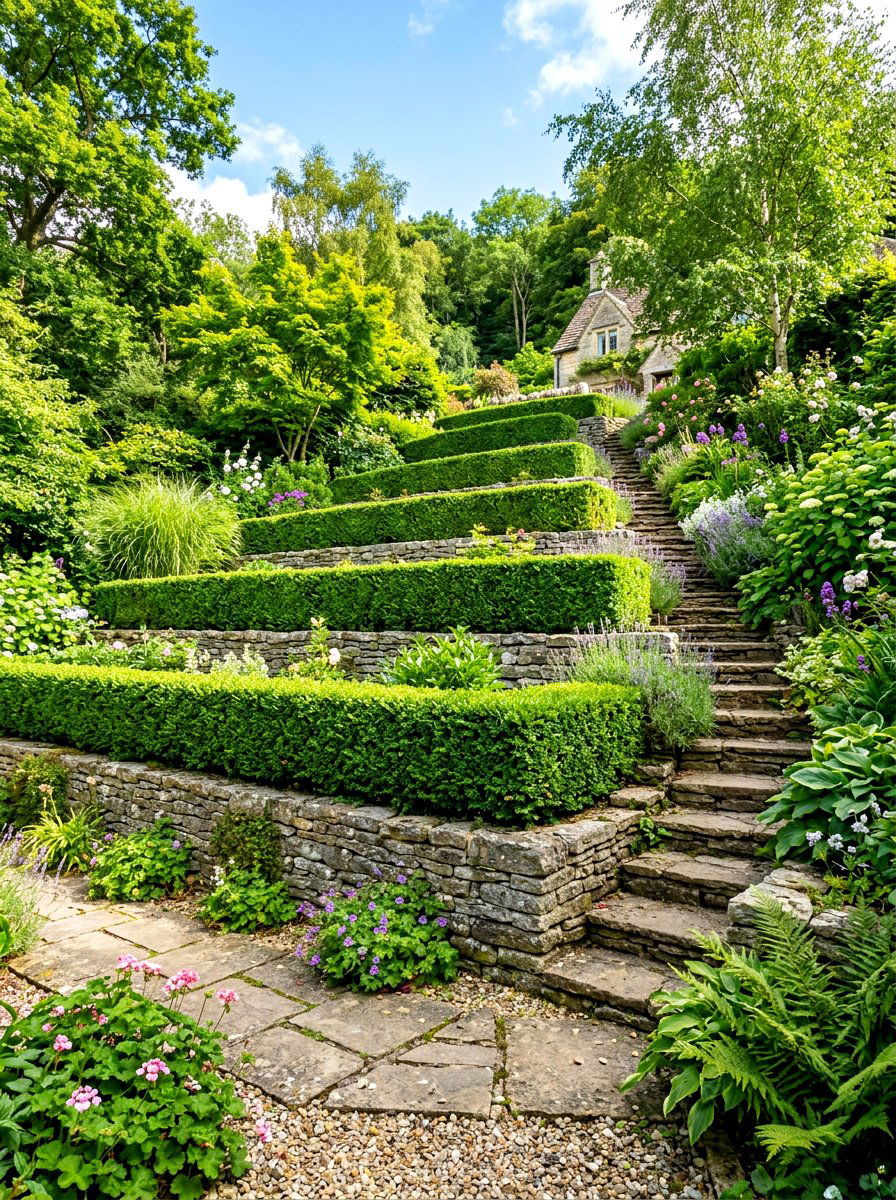
Adding structure to a sloped front yard is achievable with a tiered boxwood wall. Instead of a standard stone retaining wall, you can use rows of boxwood planted at different levels to manage the elevation change. This creates a lush, green staircase effect that looks much softer and more natural than hardscaping alone. Each level can be clipped to a different height to emphasize the tiers. This design is excellent for creating privacy and blocking noise from the street. It turns a challenging hillside into a beautiful and organized garden feature that remains green and vibrant throughout the entire year.
17. Boxwood ornamental grass
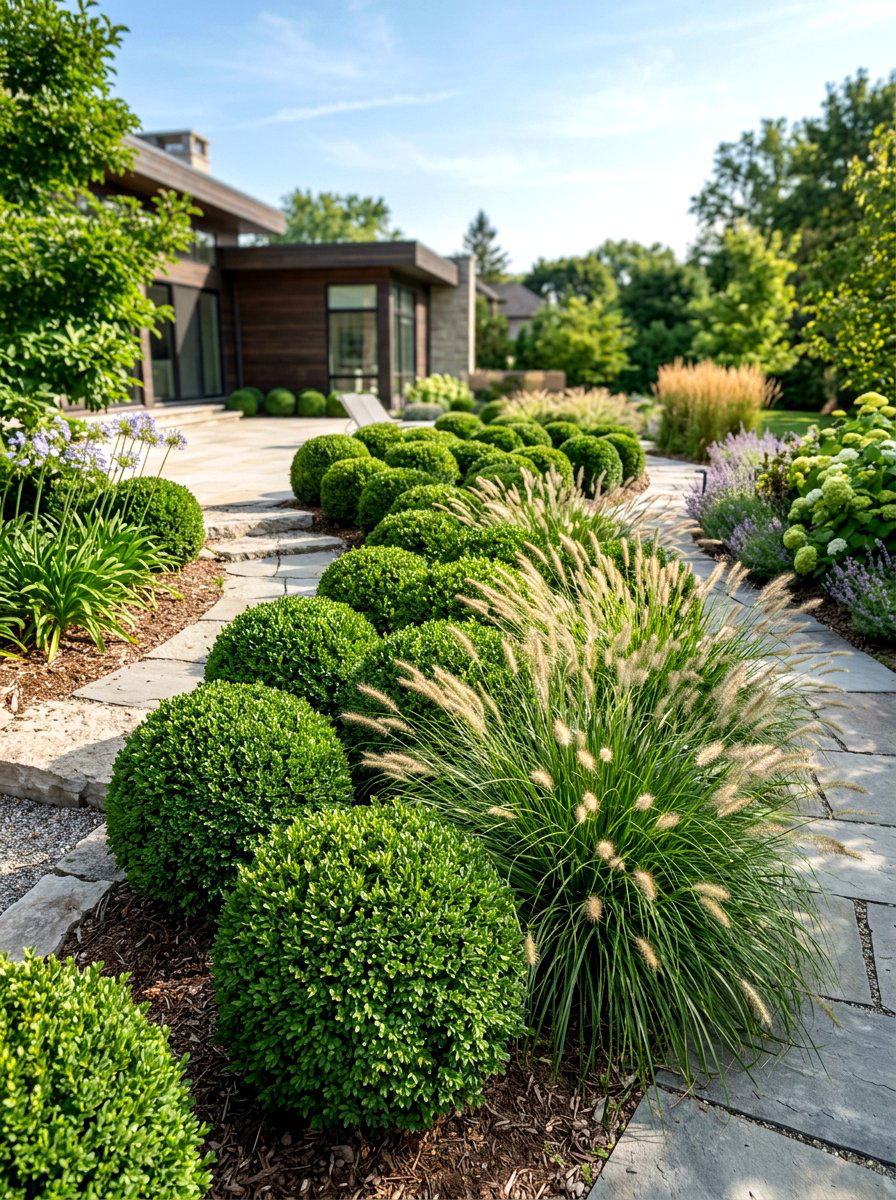
Softening the formal look of evergreens is simple when you use boxwood ornamental grass combinations. The rigid, clipped nature of boxwoods provides a perfect anchor for the flowing, airy texture of grasses like fountain grass or maiden grass. In the summer and fall, the moving grass adds a sense of motion and sound to the garden. The boxwood stays still and structured, creating a sophisticated visual balance. This mix is popular in contemporary landscapes where texture is just as important as color. It is a low-maintenance way to achieve a high-end look that changes beautifully through the various seasons.
18. Boxwood driveway edging
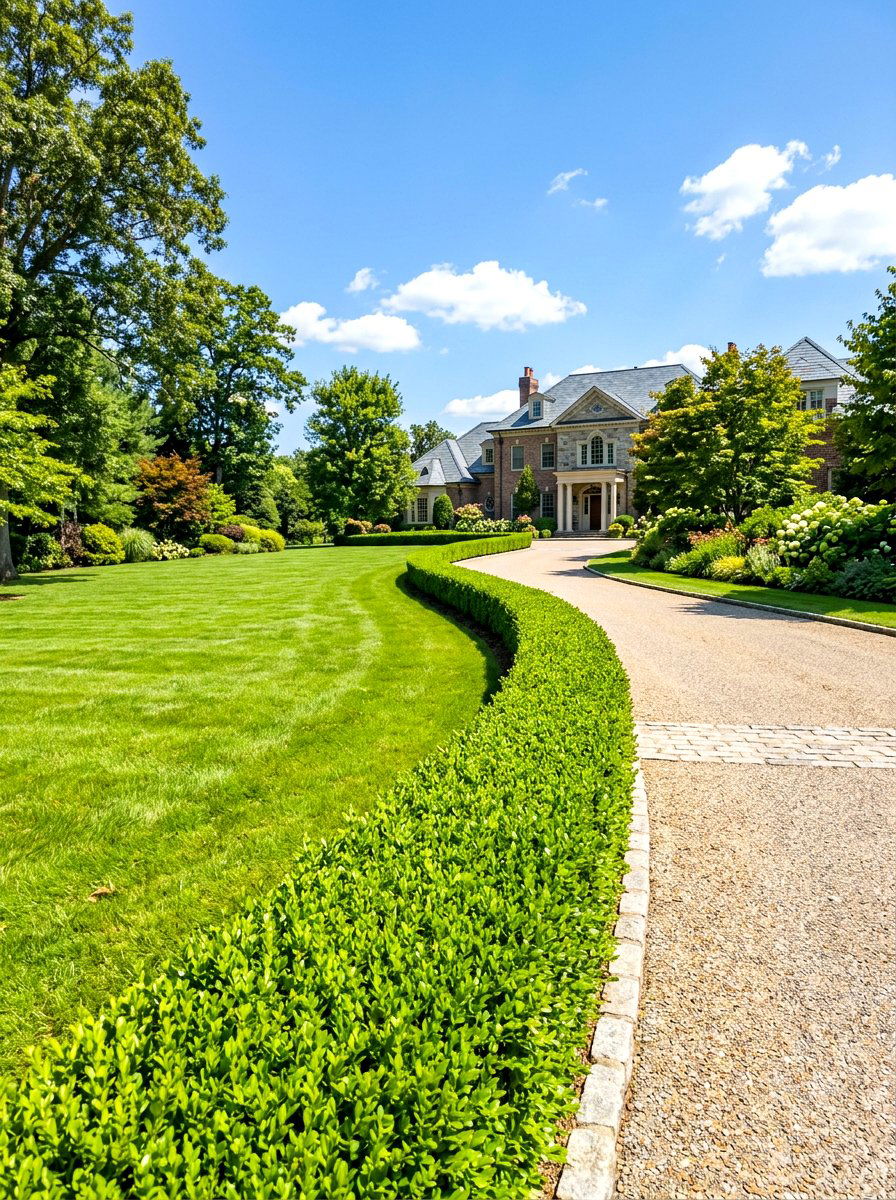
Improving the look of your car entrance is easy with boxwood driveway edging. Running a low hedge along the sides of your driveway creates a crisp border that separates the pavement from the lawn. This prevents soil from washing onto the drive and keeps the grass from growing over the edges. It makes the entire approach to your home feel grand and well-maintained. You can use standard boxwoods for a traditional feel or more modern, upright varieties for a sleeker look. This simple addition adds a massive amount of curb appeal and makes your property look more expensive and polished.
19. Small boxwood garden
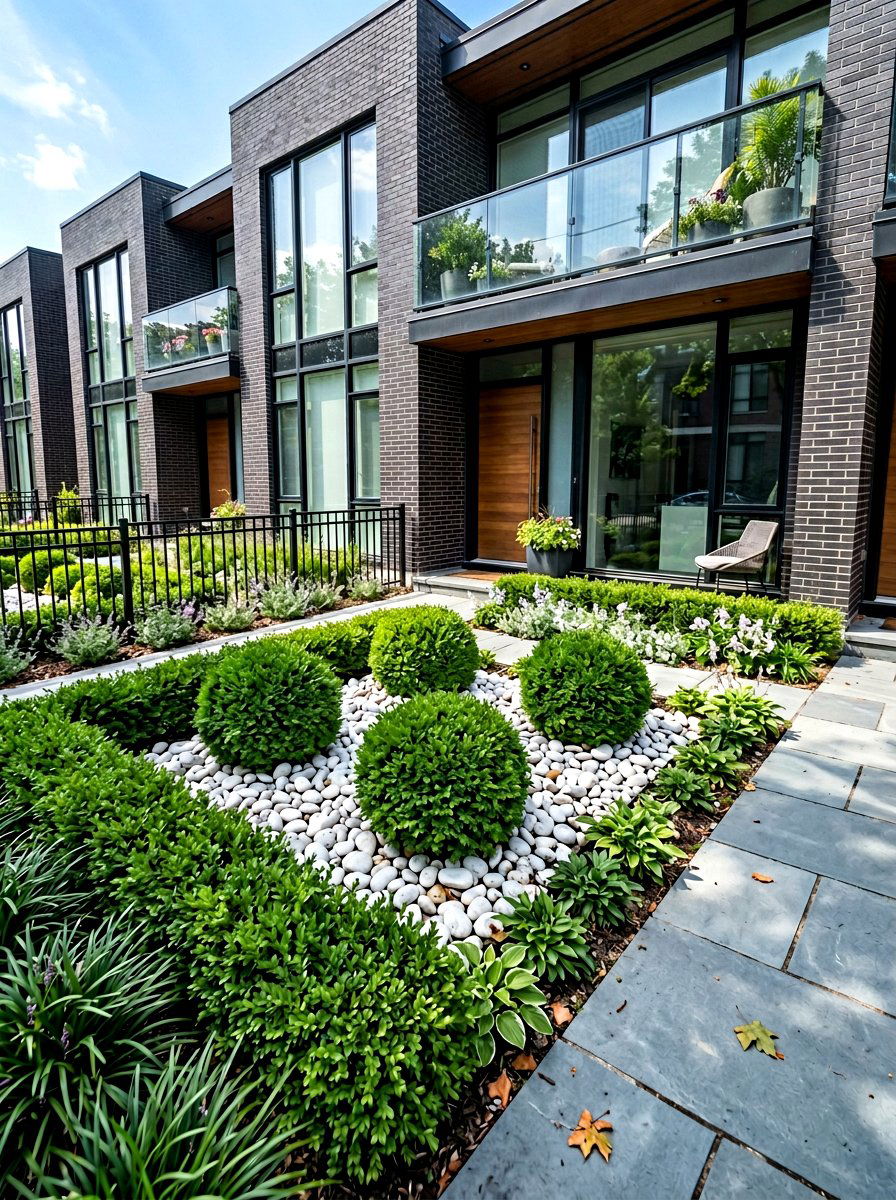
Maximizing a limited space is possible with a small boxwood garden. If you have a tiny front yard or a small patch of ground between the sidewalk and the house, boxwoods are the perfect choice because they are easy to keep compact. You can create a mini-landscape using just a few small globes and a layer of decorative stone. Adding a single solar light can highlight the textures at night. This approach shows that you don't need a huge estate to have a beautiful, professional-looking garden. It’s all about using high-quality plants in a thoughtful, organized way to create a tiny green oasis.
20. Boxwood knot garden
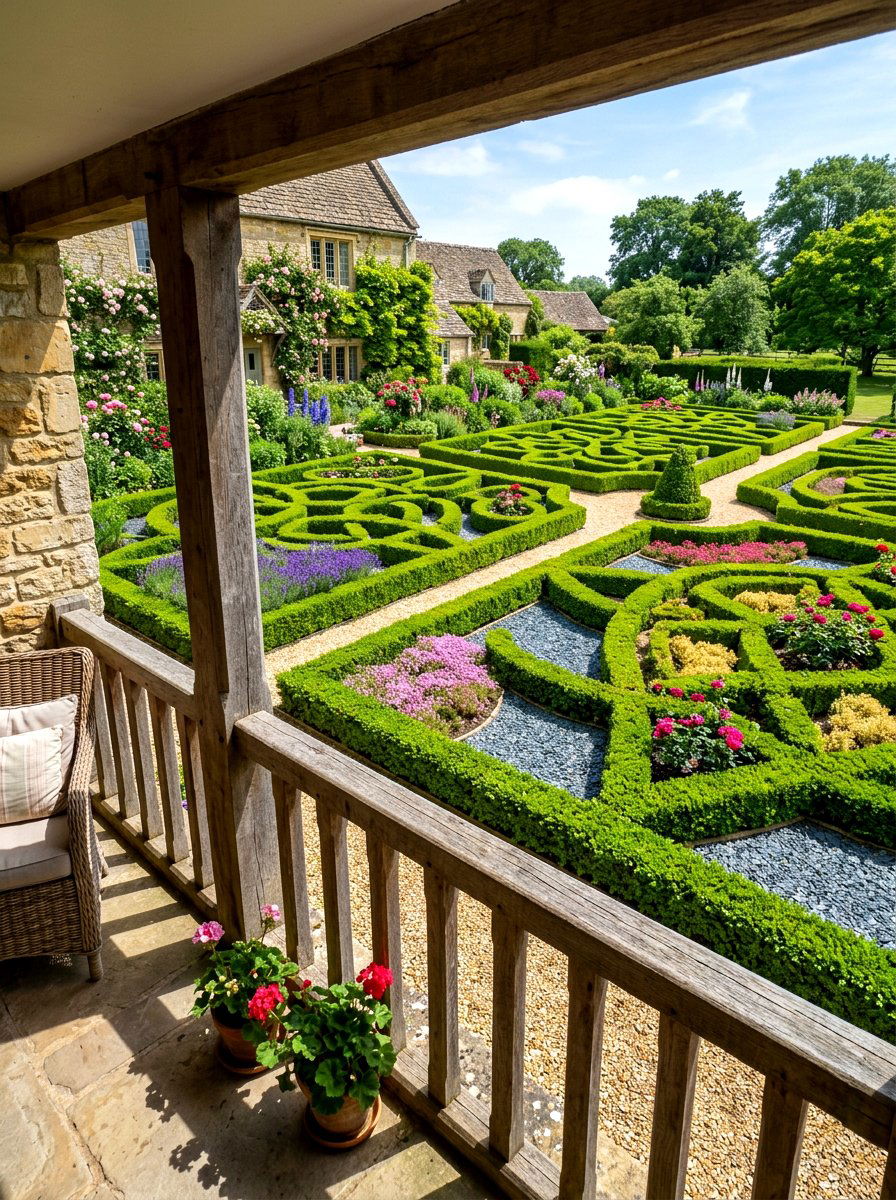
Displaying artistic flair is the goal of a boxwood knot garden. This traditional design involves planting different varieties of boxwood or other small shrubs so that their hedges appear to weave over and under each other like a rope. It creates a stunning, intricate pattern that looks like a piece of living art. Knot gardens are usually meant to be viewed from above, so they are perfect for front yards located below a porch or balcony. While they require careful planning and regular pruning to maintain the "over-under" illusion, the result is a unique and historical feature that will definitely impress your neighbors.
21. Formal boxwood entry
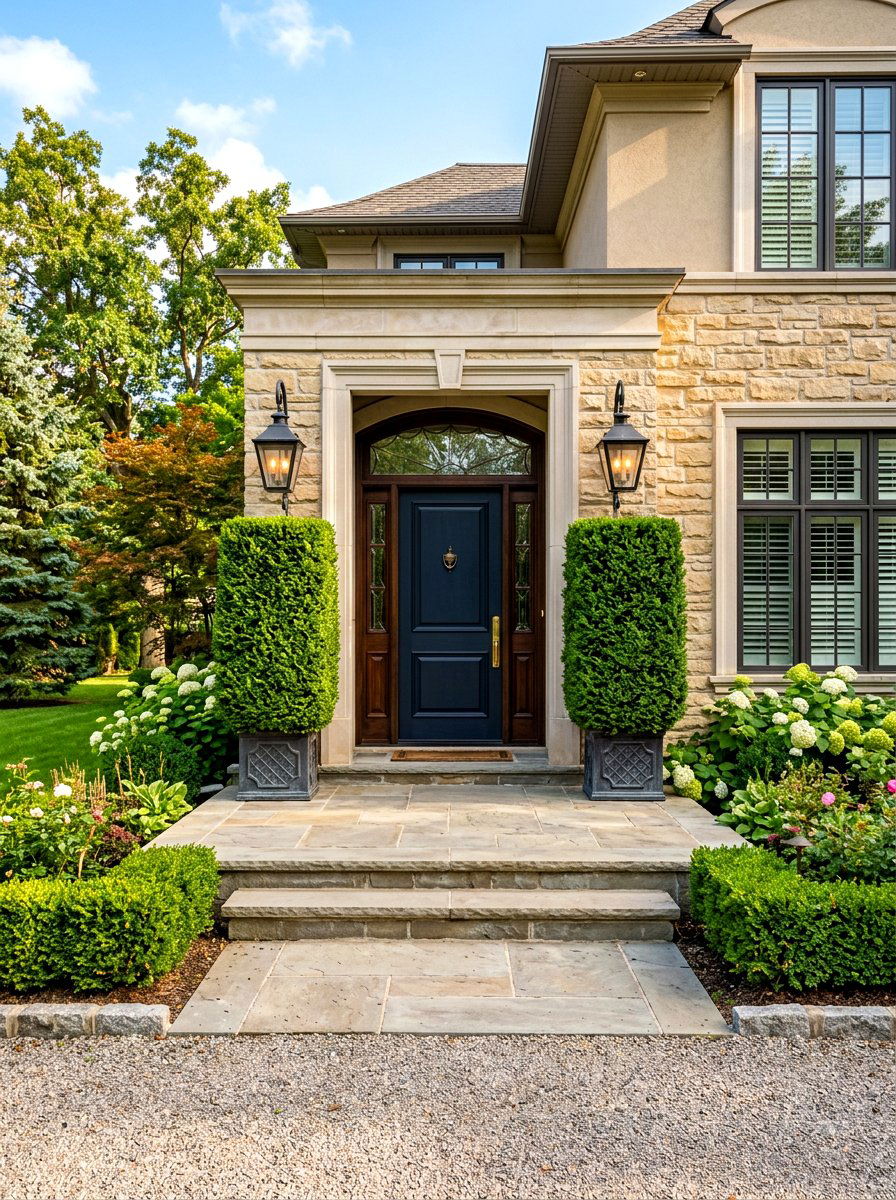
Setting a grand tone for your home starts with a formal boxwood entry. This design typically uses large, matching boxwood shrubs to frame the main walkway or the front steps. You might choose tall, rectangular columns or large, perfect spheres to create a sense of importance. These plants act as "sentinels" that welcome guests with a touch of luxury. When paired with high-quality lighting, the shadows and shapes of the boxwoods create a beautiful atmosphere after the sun goes down. It is a classic way to ensure that your home’s entrance looks dignified and inviting at all times of the day.
22. Boxwood perennial bed
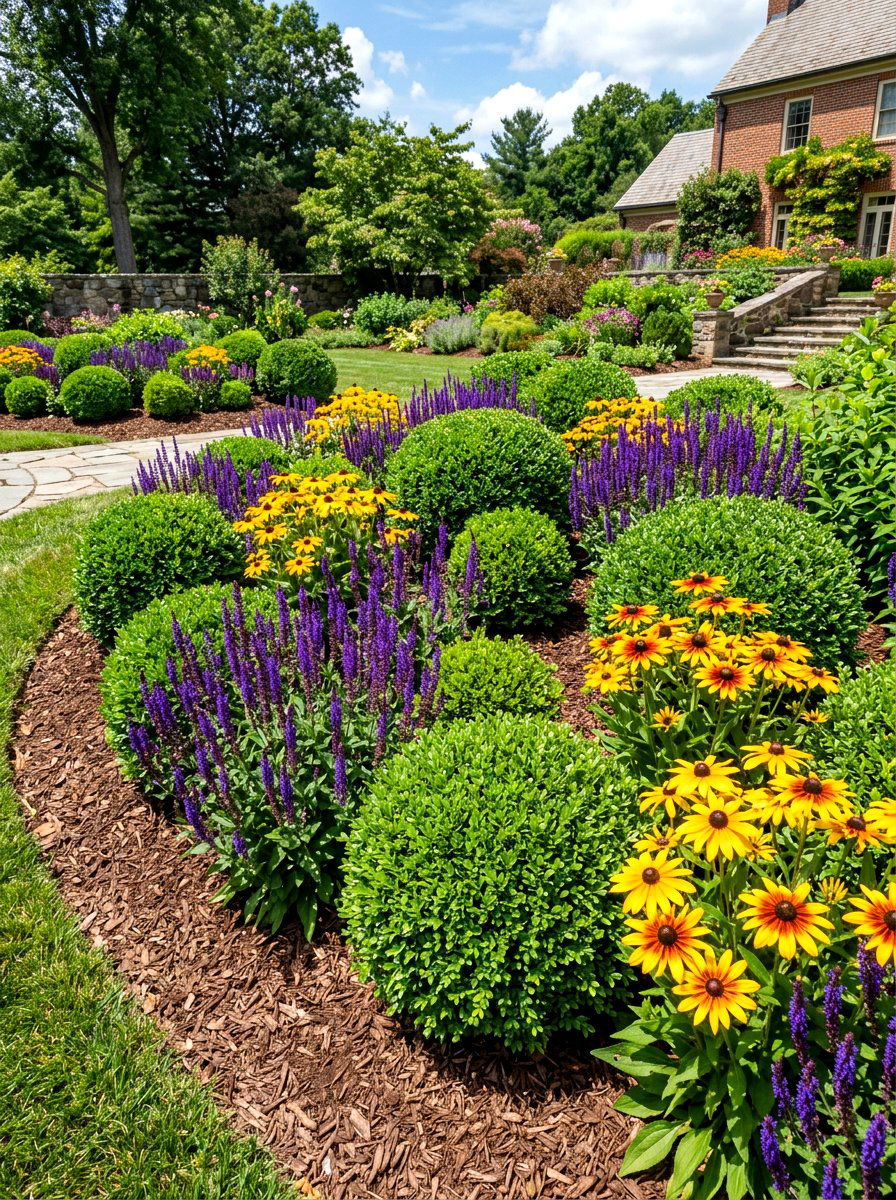
Creating a year-round garden is simple with a boxwood perennial bed. Using boxwoods as the "bones" of the garden ensures there is always something green to look at, even when your perennials are dormant in the winter. You can plant flowering perennials like coneflowers, salvia, or black-eyed Susans in the gaps between the boxwood shrubs. The evergreens provide a consistent backdrop that anchors the shifting colors of the flowers throughout the spring and summer. This design strategy prevents the front yard from looking like a patch of dirt during the off-season. It’s a smart way to enjoy seasonal variety without losing structure.
23. Boxwood window box
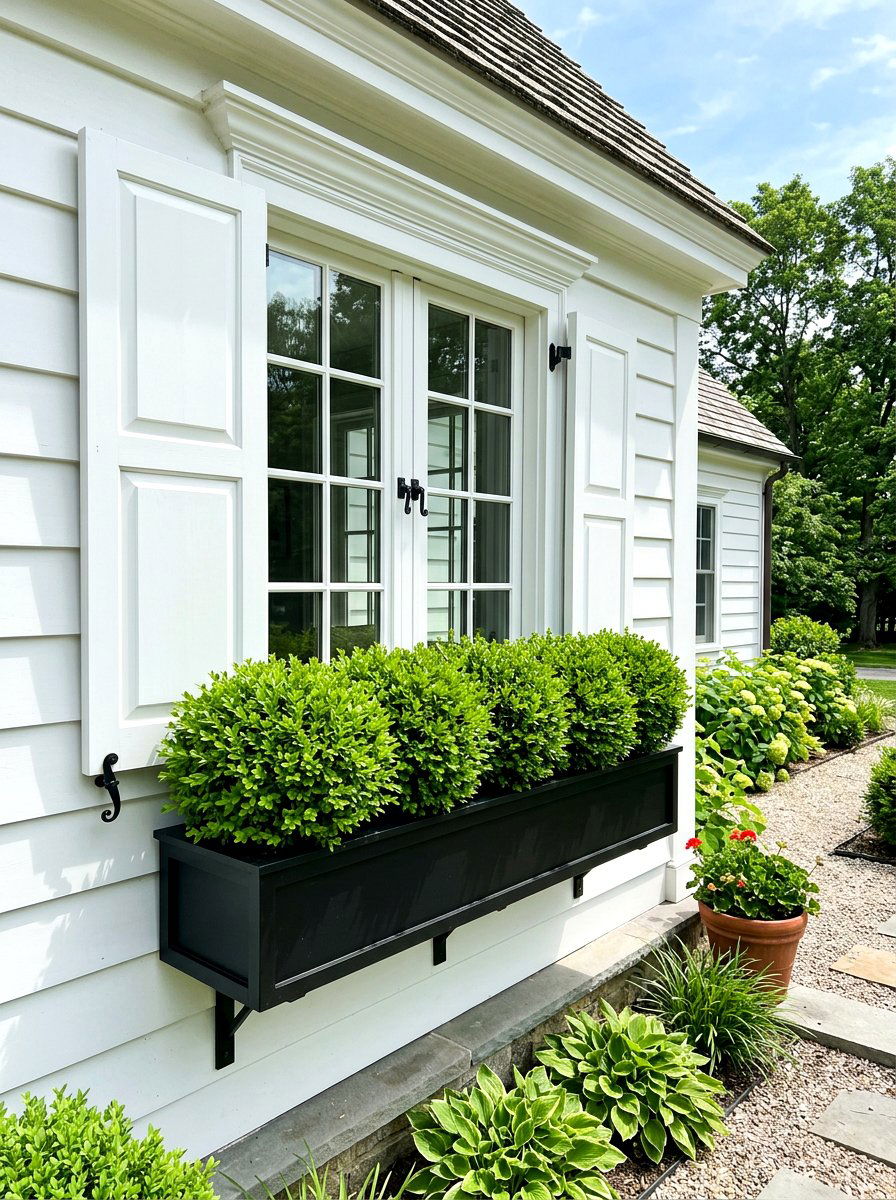
Bringing greenery up to the house level is easy with a boxwood window box. Many people think window boxes are only for flowing flowers, but dwarf boxwoods are an excellent choice for a more permanent and sophisticated look. They stay green all year and require very little maintenance compared to thirsty annuals. You can mix in a few seasonal flowers for a pop of color or keep it simple with just the lush green foliage. This adds life to your home's facade and softens the look of the windows. It is a great solution for homes with limited ground space for gardening.
24. Japanese boxwood landscape
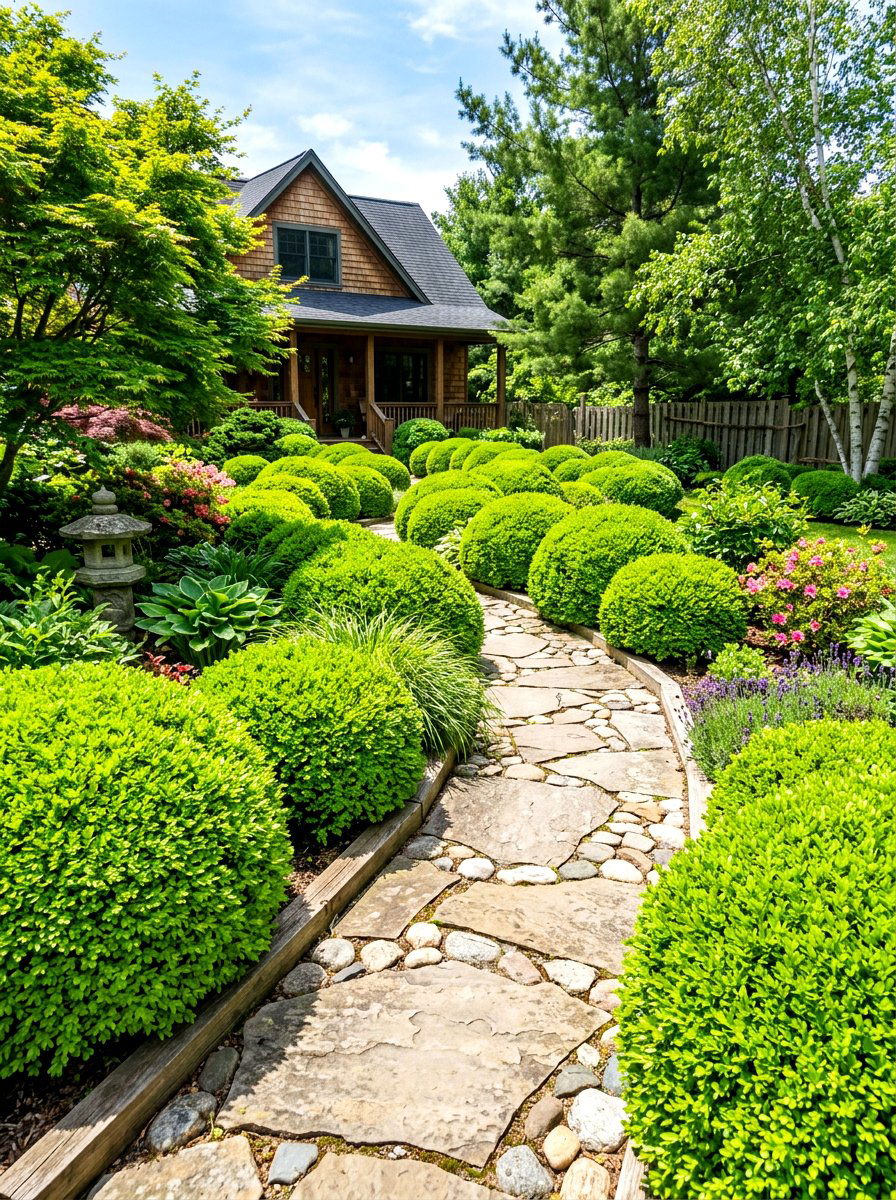
Achieving a bright, hardy look is possible with a Japanese boxwood landscape. This specific variety of boxwood has slightly lighter green leaves and is known for being very heat-tolerant and durable. It works beautifully in front yards that get a lot of direct sunlight. You can use them to create low hedges or let them grow into larger, more natural mounds for a softer appearance. Their fine texture makes them look very elegant when planted in large groups. This variety is often chosen for its reliability and its ability to stay vibrant even during the hottest parts of the summer months.
25. Boxwood privacy hedge
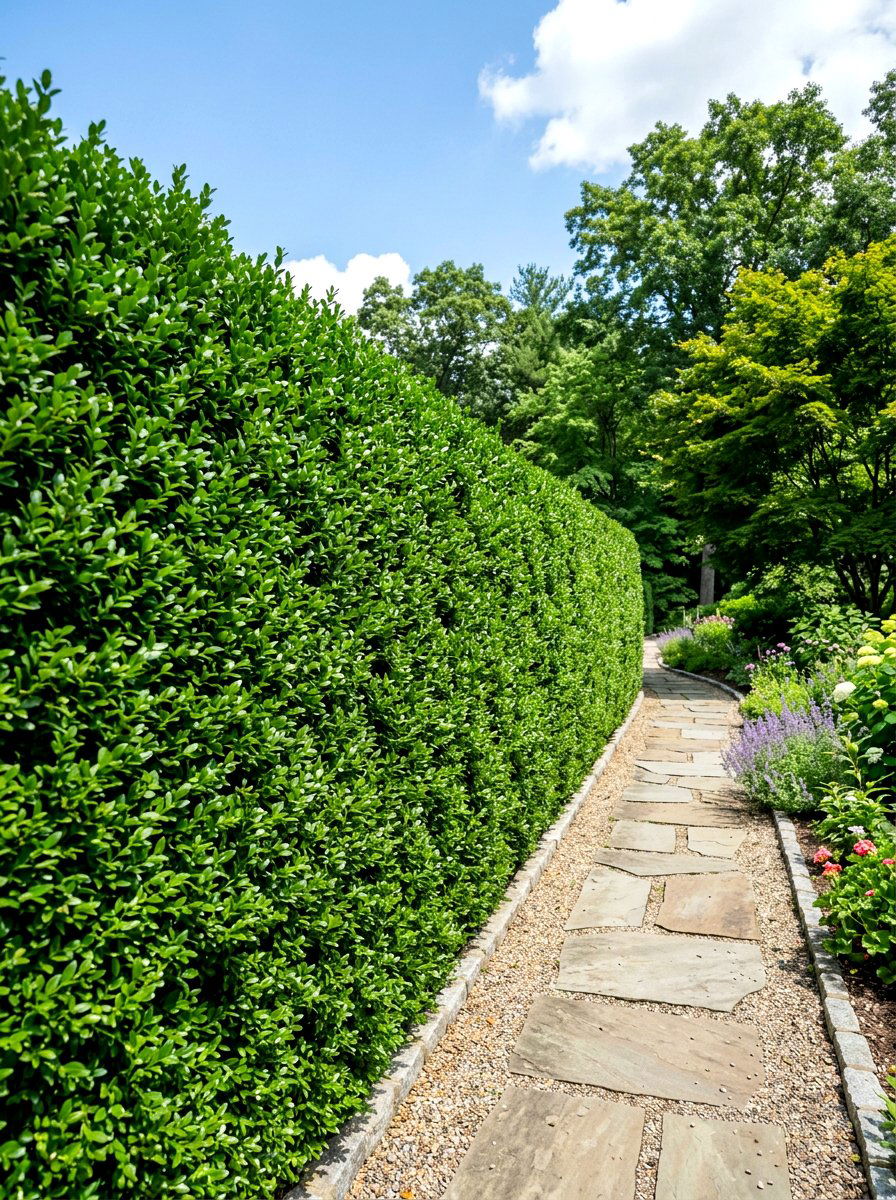
Creating a secluded feeling in your front yard is simple with a boxwood privacy hedge. While many people use boxwoods for low borders, some varieties can grow quite tall and dense. Planting them close together allows them to grow into a solid green wall that blocks the view from the street or the sidewalk. This is perfect for homes that are close to the road or for creating a private courtyard area. Unlike a wooden fence, a living boxwood hedge looks soft and natural while providing the same level of screening. It also acts as a natural sound barrier against traffic noise.
26. Boxwood hosta garden
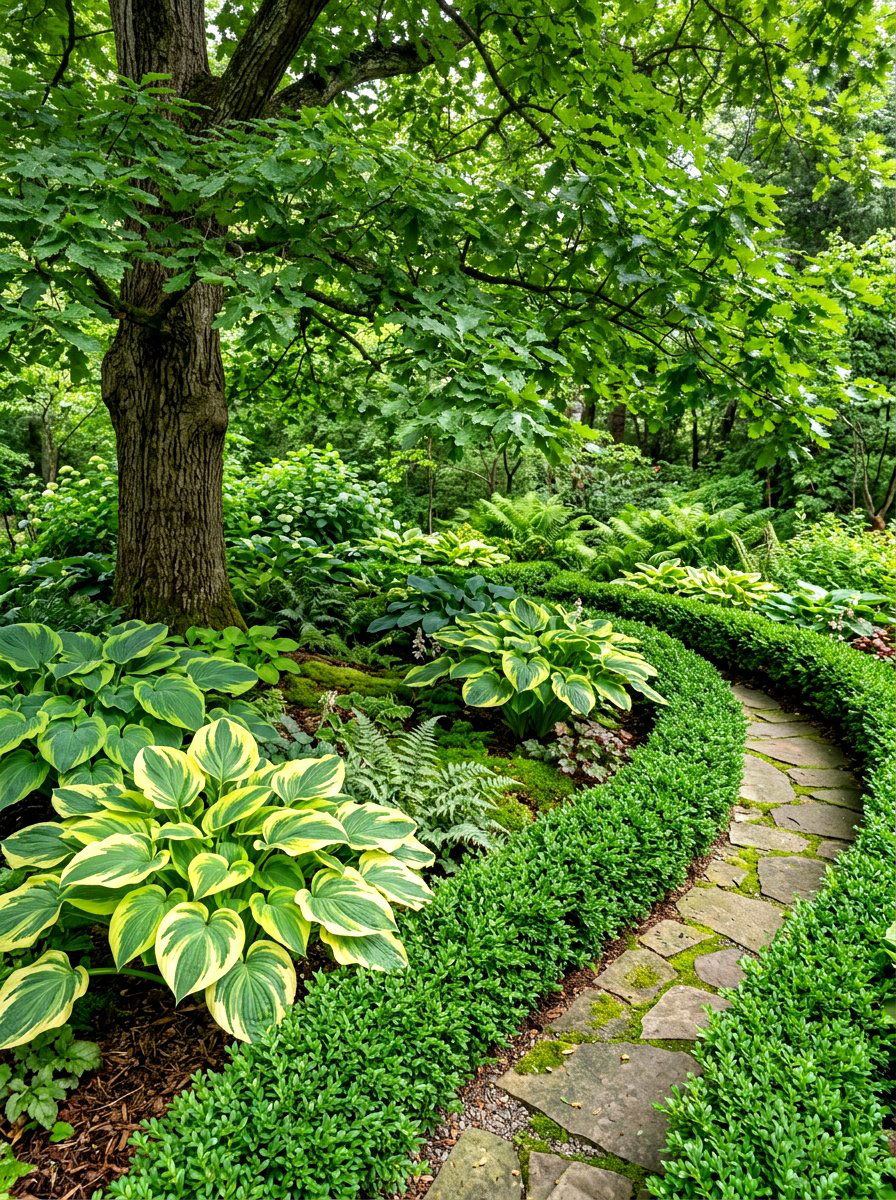
Tackling shady areas is easy with a boxwood hosta garden. Both boxwoods and hostas can handle partial shade, making them a perfect pair for the north side of a house or under large trees. The smooth, small leaves of the boxwood contrast perfectly with the large, broad leaves of the hostas. You can use the boxwood to provide a consistent border while the hostas add variety in color, ranging from deep green to chartreuse and blue-gray. This combination creates a lush, woodland feel that stays cool and inviting during the summer. It turns a difficult shady spot into a beautiful garden feature.
27. Boxwood rock border
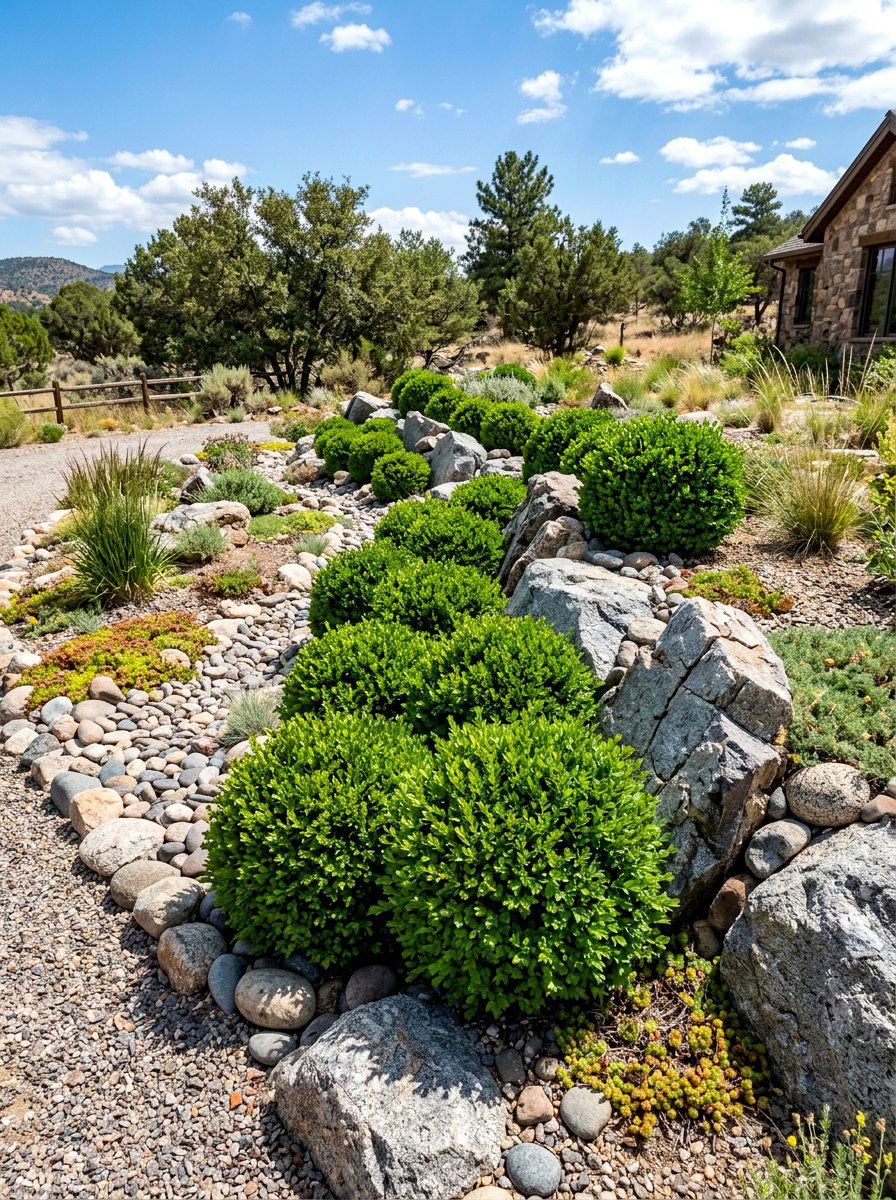
Adding a touch of rugged elegance is the benefit of a boxwood rock border. Combining neatly clipped boxwood globes with large boulders or river stones creates a beautiful contrast between the organic and the structured. You can place the boxwoods in the gaps between rocks to soften the hard edges of the stones. This style works well in xeriscapes or mountain-themed landscapes where natural materials are the focus. The green foliage of the boxwood keeps the rock garden from looking too dry or barren. It is a low-maintenance design that offers a lot of texture and visual appeal for your yard.
28. Cottage boxwood yard
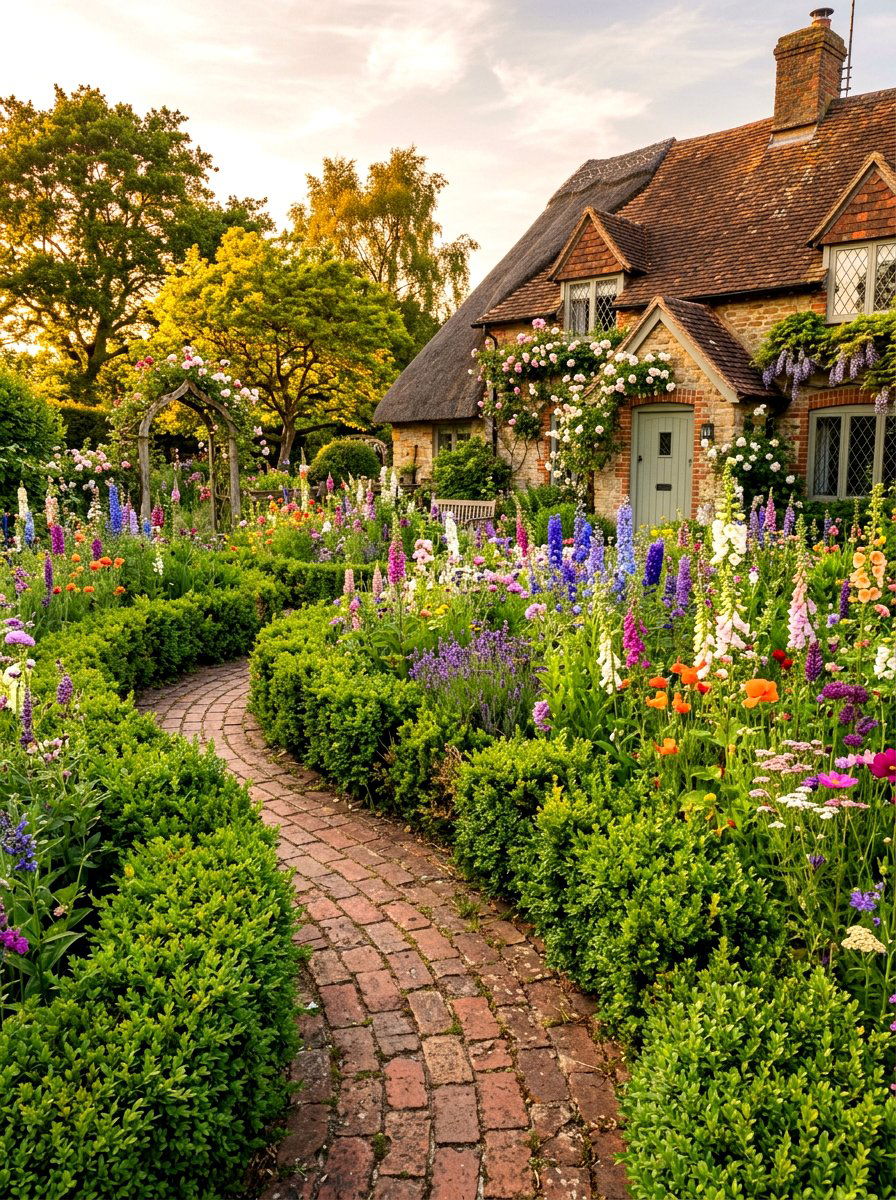
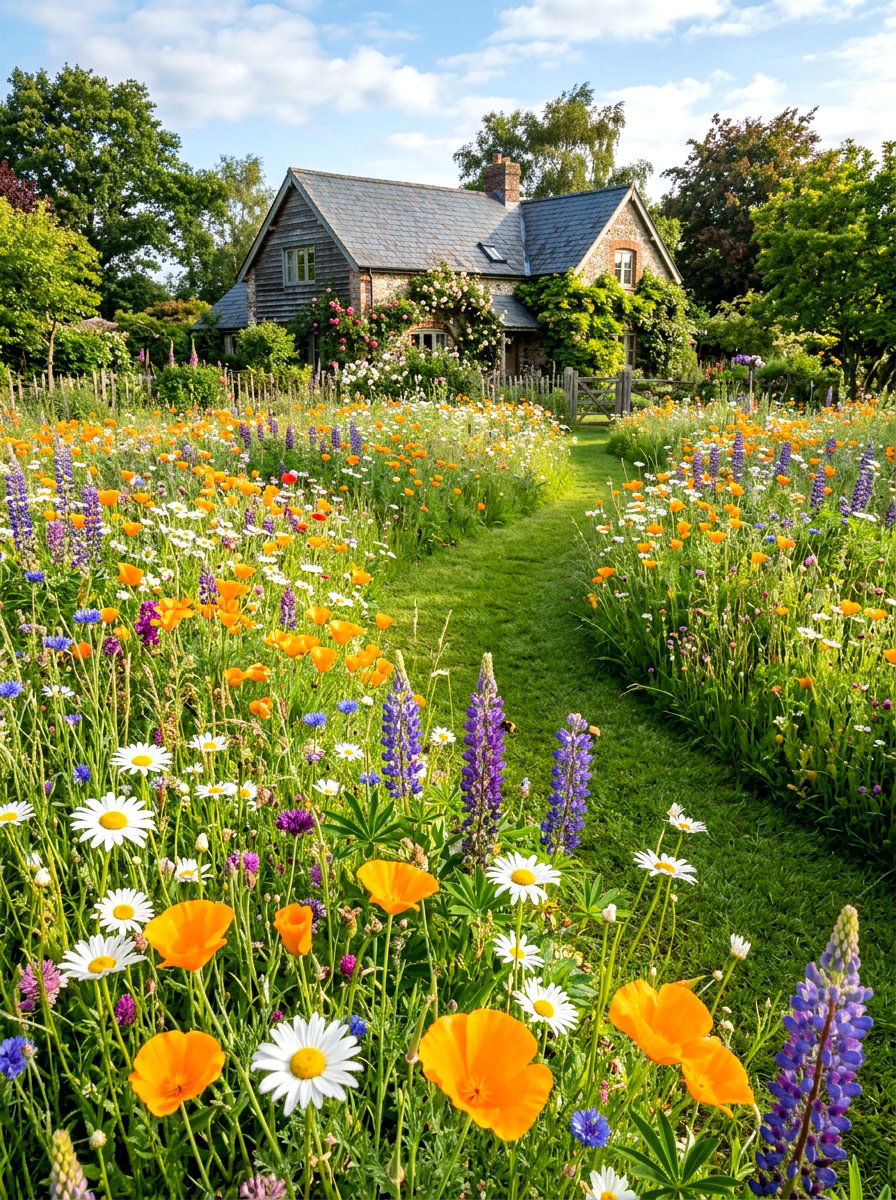
Blending formality with charm is the hallmark of a cottage boxwood yard. In this design, boxwoods are used to create small paths and defined beds, but they are surrounded by a wild mix of flowers like hollyhocks, daisies, and foxgloves. The boxwoods keep the cottage style from looking too chaotic by providing some much-needed order. You can let the boxwoods grow into slightly more natural shapes rather than clipping them into perfect spheres. This approach creates a romantic, "secret garden" vibe that feels lived-in and cozy. It’s a wonderful way to give your home a nostalgic and welcoming personality.
29. Boxwood garden path
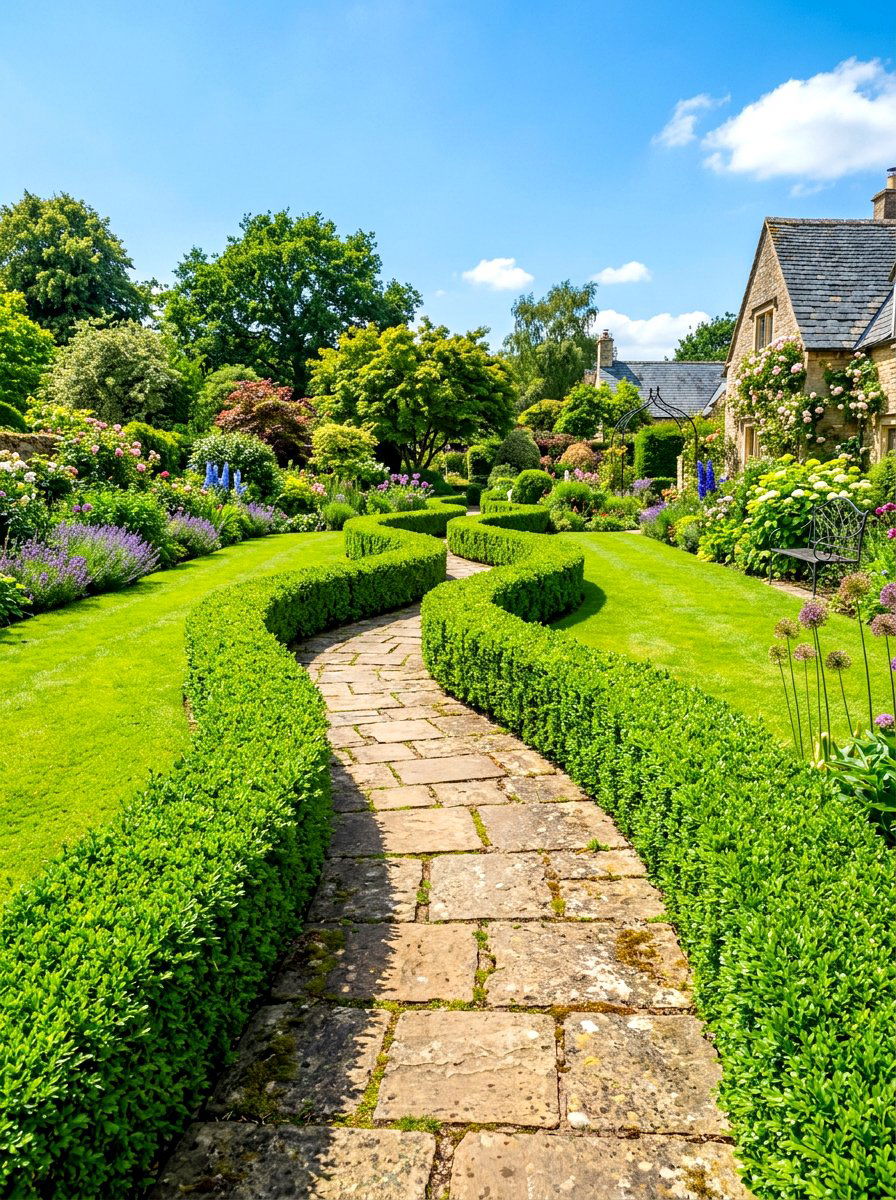
Transforming a simple walkway is easy with a boxwood garden path. By planting boxwoods on both sides of a winding path, you create a sense of journey and discovery in your front yard. The green walls guide the eye and the feet toward the entrance of your home. You can use stepping stones or pea gravel between the boxwood rows for a classic look. This design makes even a short walk to the door feel like a special experience. It adds a layer of sophistication to the landscape and ensures that the path remains clear and beautiful through all four seasons of the year.
30. Winter boxwood interest
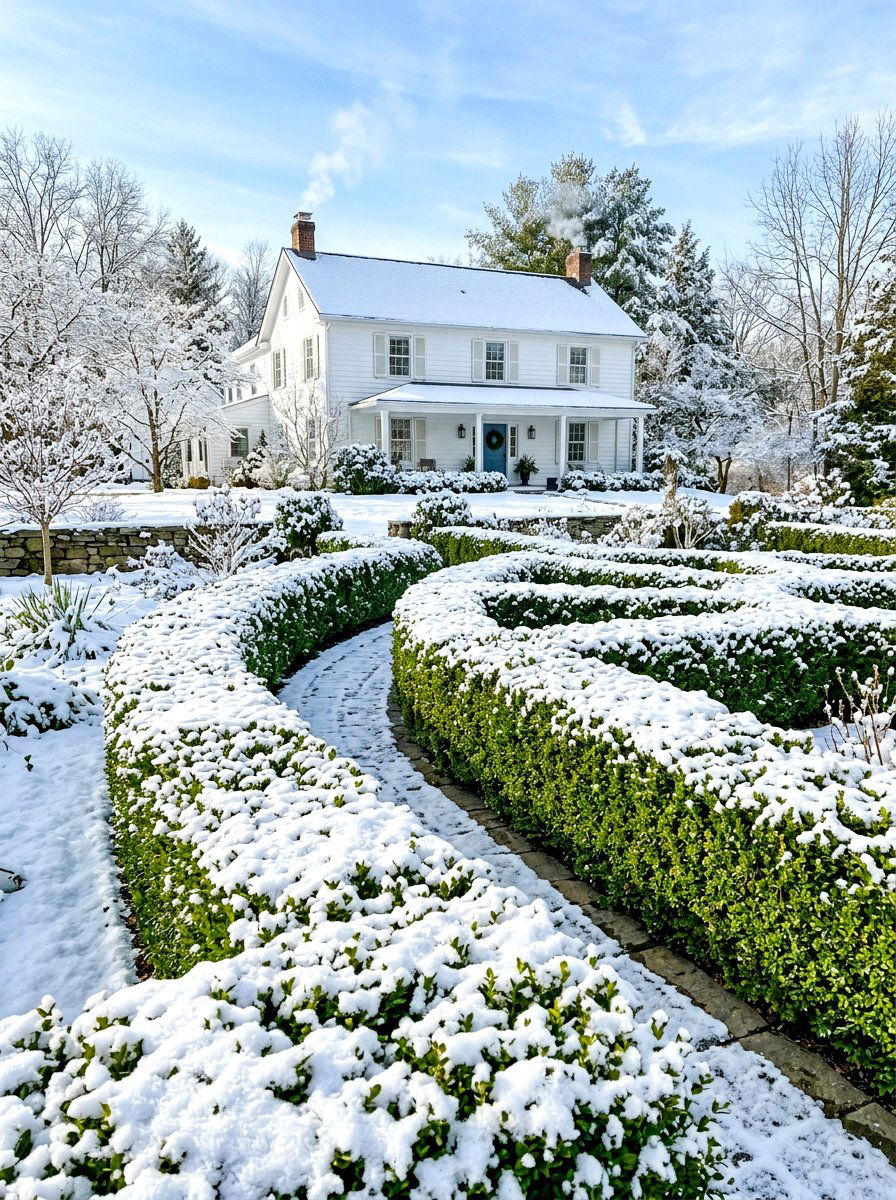
Ensuring your home looks great in the cold is the main benefit of winter boxwood interest. While most garden plants die back or lose their leaves in the winter, boxwoods remain thick and green. They catch the snow on their leaves, creating beautiful natural sculptures in your front yard. You can add simple outdoor lights to the boxwoods to make them glow during the long winter nights. This permanent structure ensures that your home always has curb appeal, regardless of the weather. It prevents the landscape from looking bleak and provides a cheerful bit of color during the grayest months of the year.
Conclusion:
Investing in boxwood landscaping is one of the smartest ways to enhance your home’s curb appeal and long-term value. These resilient evergreens offer a rare combination of structure, beauty, and ease of care that few other plants can match. From formal parterres and dramatic topiaries to simple borders and foundation plantings, the possibilities for your front yard are truly endless. By choosing the right variety and maintaining a regular trimming schedule, you can enjoy a polished and professional look that lasts for decades. Your front yard will not only impress your guests but also provide a beautiful, green sanctuary that welcomes you home every single day.

Related posts: