Creating a stunning first impression for your home starts long before your guests reach the front door. A front garden path is more than just a functional walkway; it serves as a visual guide that transitions visitors from the public street into your private sanctuary. When you design a path with intention, you are essentially telling a story about the style and personality of your home. Whether you prefer the structured elegance of modern concrete or the whimsical charm of a winding stone trail, the right materials and layout can completely transform your property’s curb appeal. A well-designed entrance path balances hardscaping with lush greenery to create an inviting atmosphere that feels both safe and aesthetically pleasing for everyone.
1. Classic Stone Paver Walkway
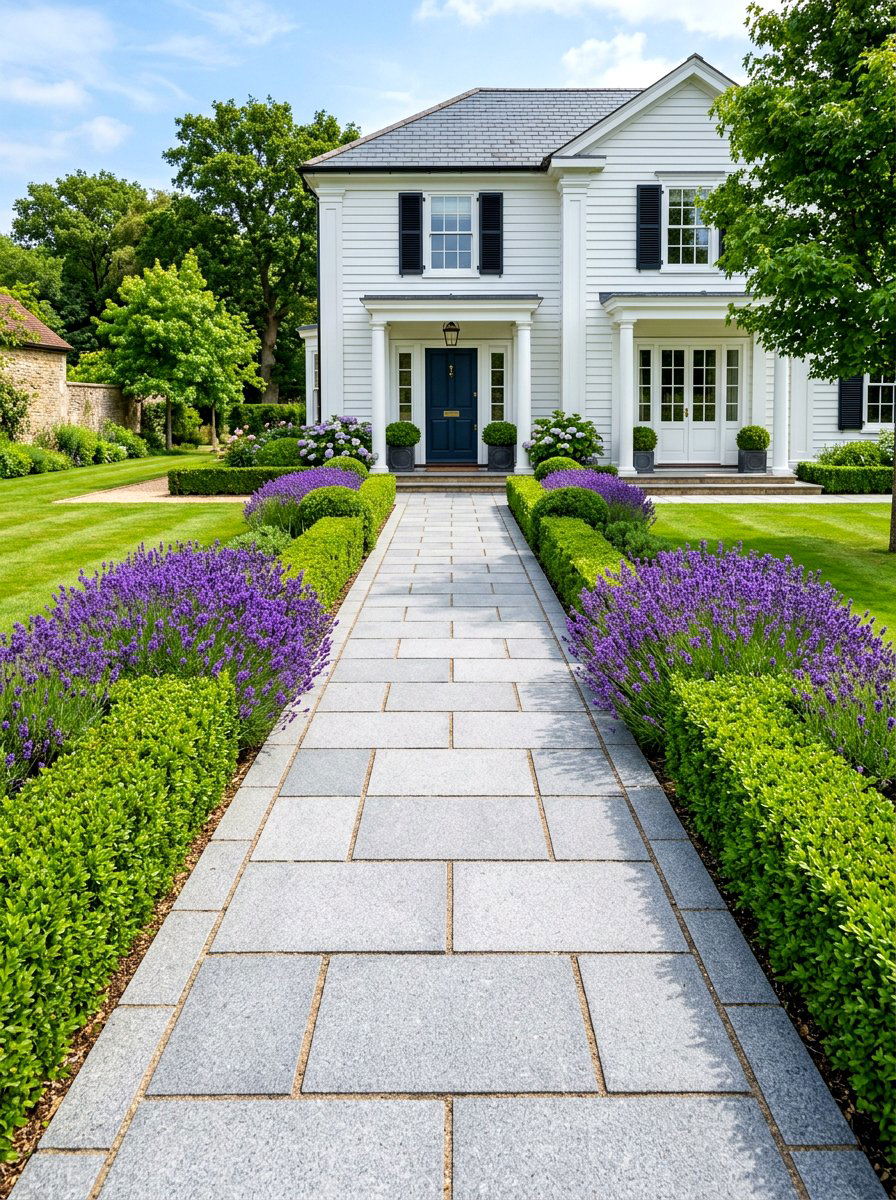
A classic stone paver walkway offers a timeless and durable entrance that perfectly complements traditional home architectures. This design utilizes rectangular or square natural stone pavers arranged in a tight, orderly pattern to create a smooth and stable walking surface. To achieve a complete look, flank the path with manicured boxwood hedges or low-growing perennials like lavender to add soft fragrance and color. The neutral tones of the stone, ranging from cool grays to warm tans, allow the surrounding greenery to pop. This style is particularly effective for straight entries where symmetry is key, providing a formal and welcoming transition from the driveway or sidewalk directly to your front porch.
2. Traditional Brick Herringbone Path
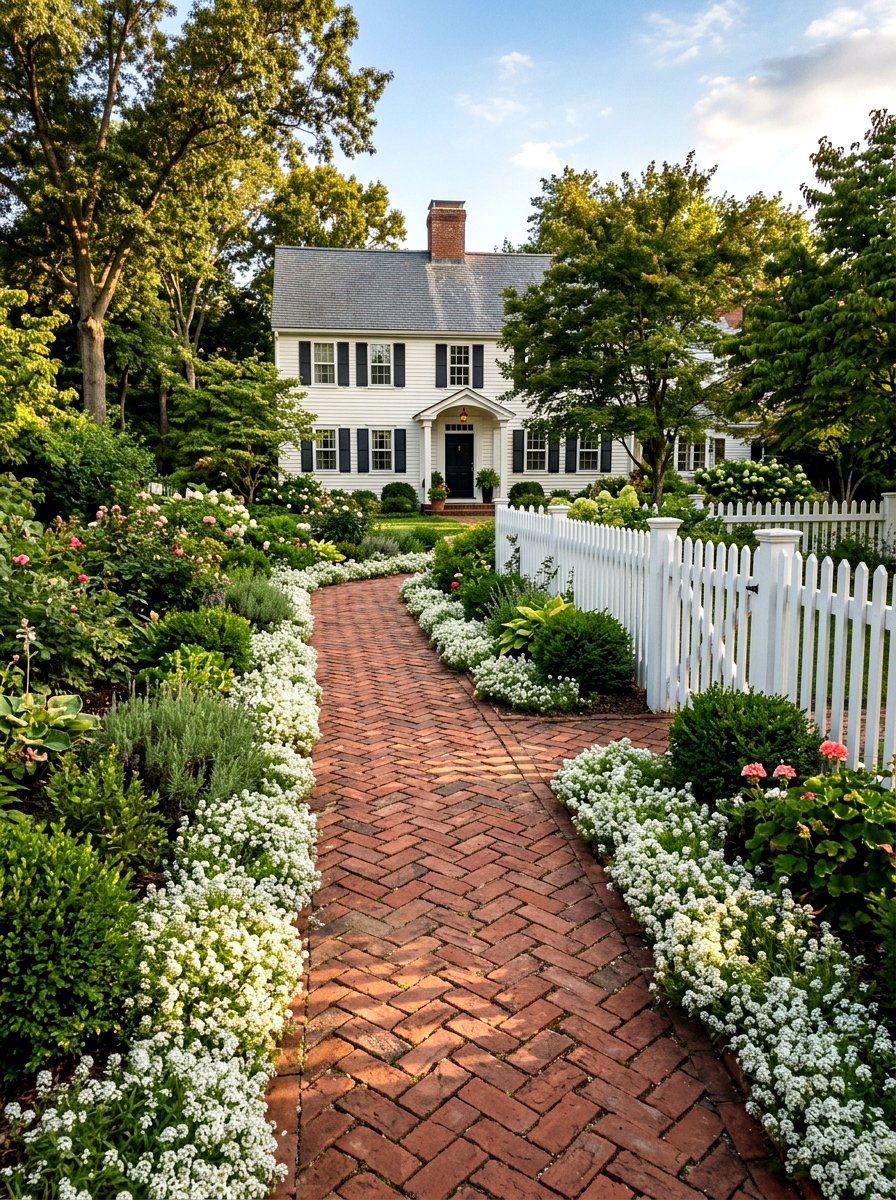
The traditional brick herringbone path brings a sense of historic charm and intricate craftsmanship to any front garden. By laying classic red bricks in a 45-degree angled pattern, you create a visually dynamic surface that feels much more sophisticated than a standard running bond layout. This full design works beautifully when paired with a white picket fence or a colonial-style home exterior. To soften the hard edges of the masonry, incorporate spilling groundcovers like creeping thyme or alyssum along the borders. The rich, earthy tones of the clay bricks provide a beautiful contrast against vibrant green lawns, making the walkway a standout feature that feels both cozy and permanent.
3. Modern Concrete Floating Steps
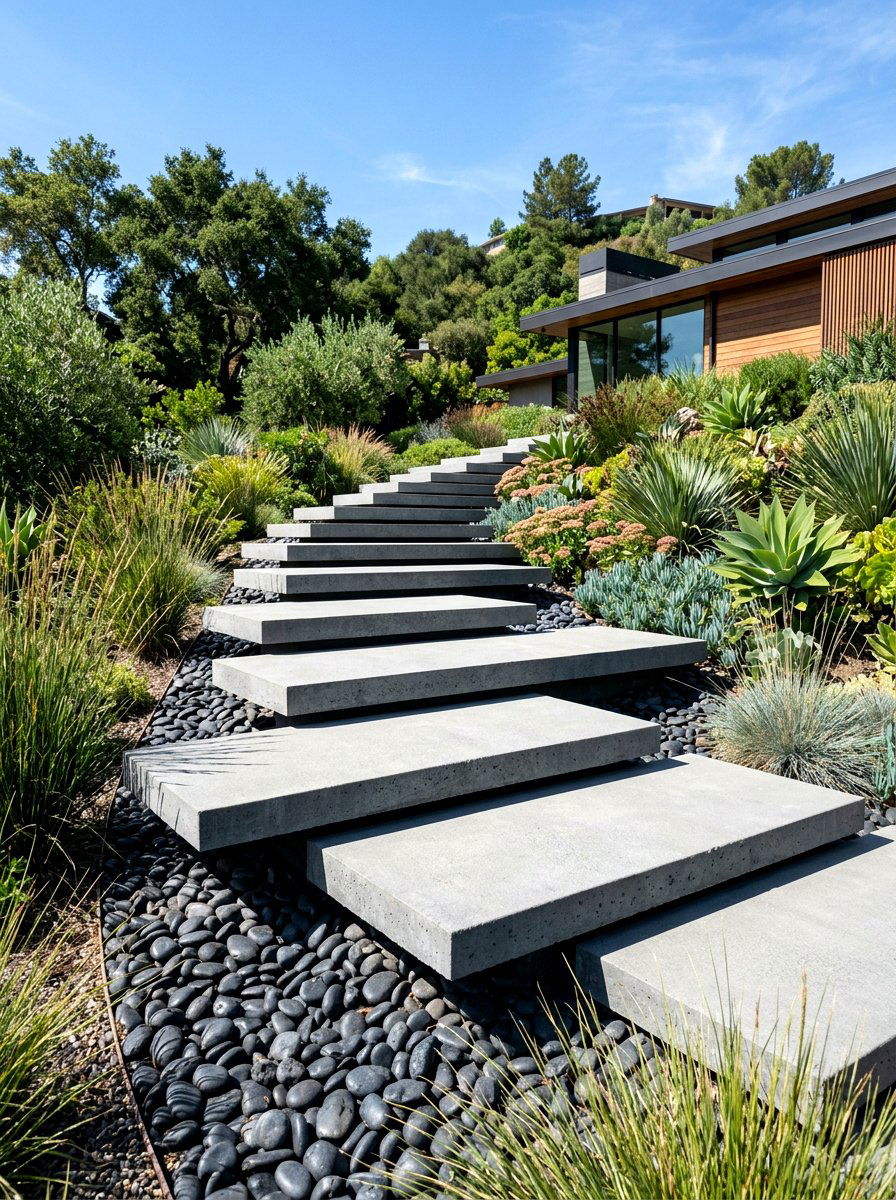
Modern concrete floating steps provide a sleek and minimalist aesthetic that is perfect for contemporary homes with sloped front yards. This design features thick, oversized rectangular concrete slabs that are slightly elevated above the ground or stacked to overlap one another. The "floating" effect is achieved by hiding the supports, creating a sense of weightlessness and architectural intrigue. To finish the design, fill the gaps between the steps with dark river rocks or black basalt gravel to emphasize the clean lines of the gray concrete. Surround the installation with architectural plants like ornamental grasses or succulents to maintain a clean, high-end look that emphasizes geometry and space.
4. Rustic Gravel Timber Walkway
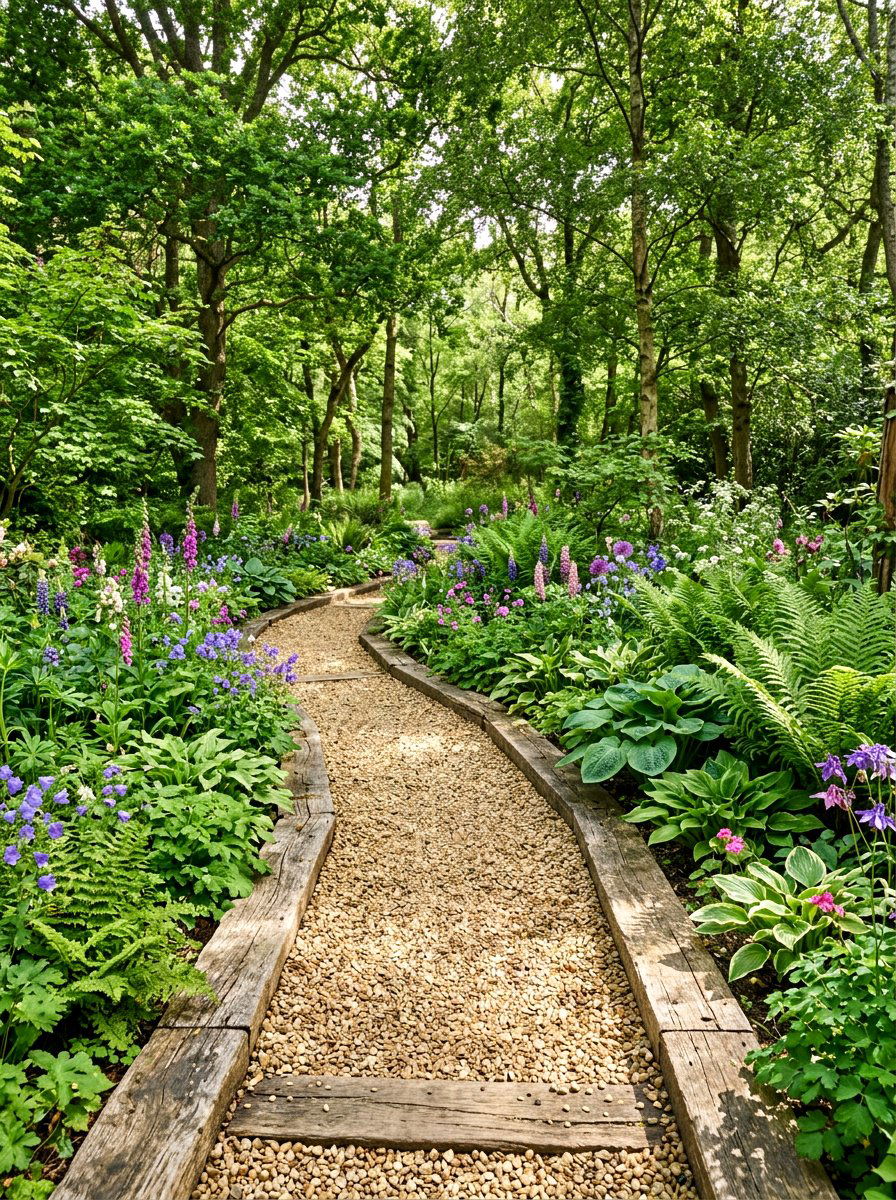
A rustic gravel timber walkway is an excellent choice for cottage-style homes or properties that embrace a natural, woodland aesthetic. This design uses heavy wooden beams or reclaimed railroad ties as "frames" for a bed of crunchy pea gravel. The timbers provide structural integrity and a clear border, while the gravel offers a permeable and cost-effective surface. To enhance the rustic theme, line the walkway with a mix of wild ferns, hostas, and native wildflowers that appear to spill onto the path. This full garden scheme feels approachable and relaxed, making it ideal for a home nestled among trees or one that prioritizes a casual, organic atmosphere.
5. Natural Flagstone Entry Path
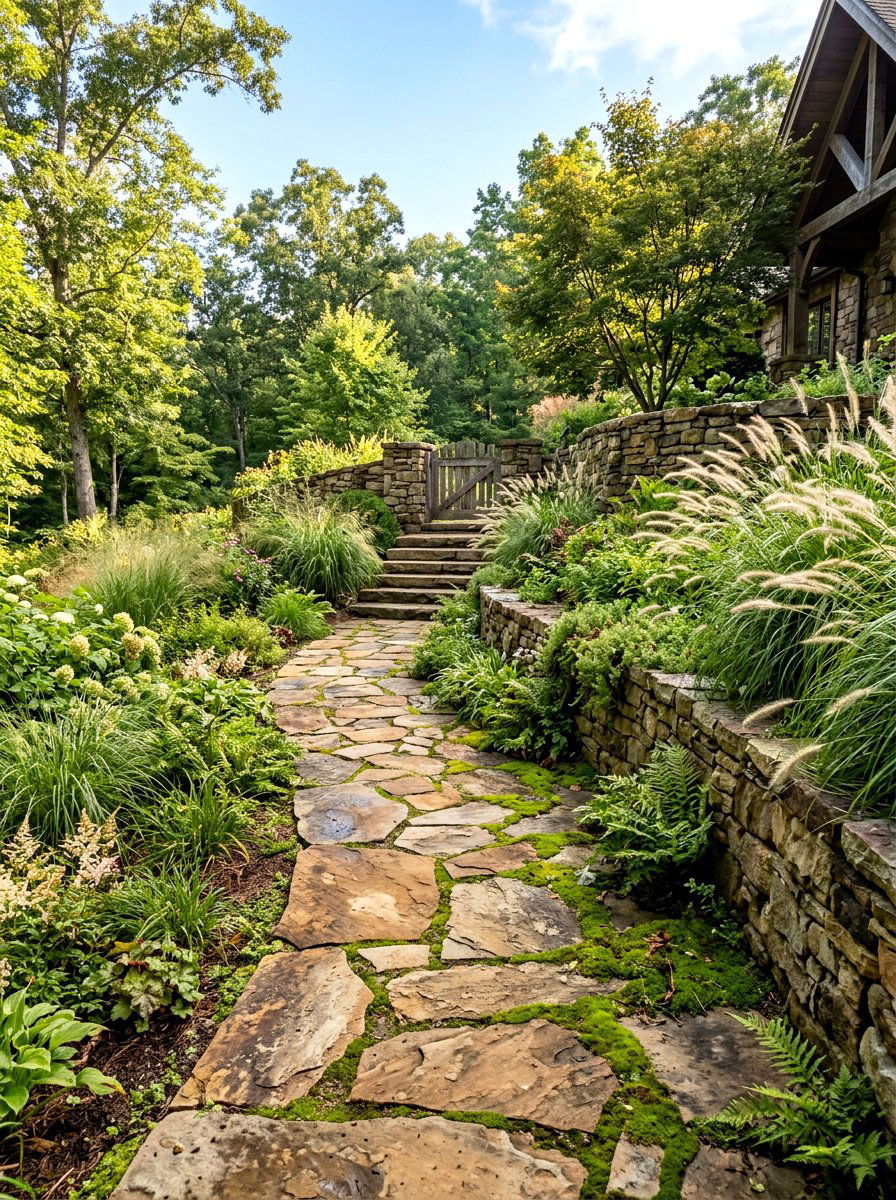
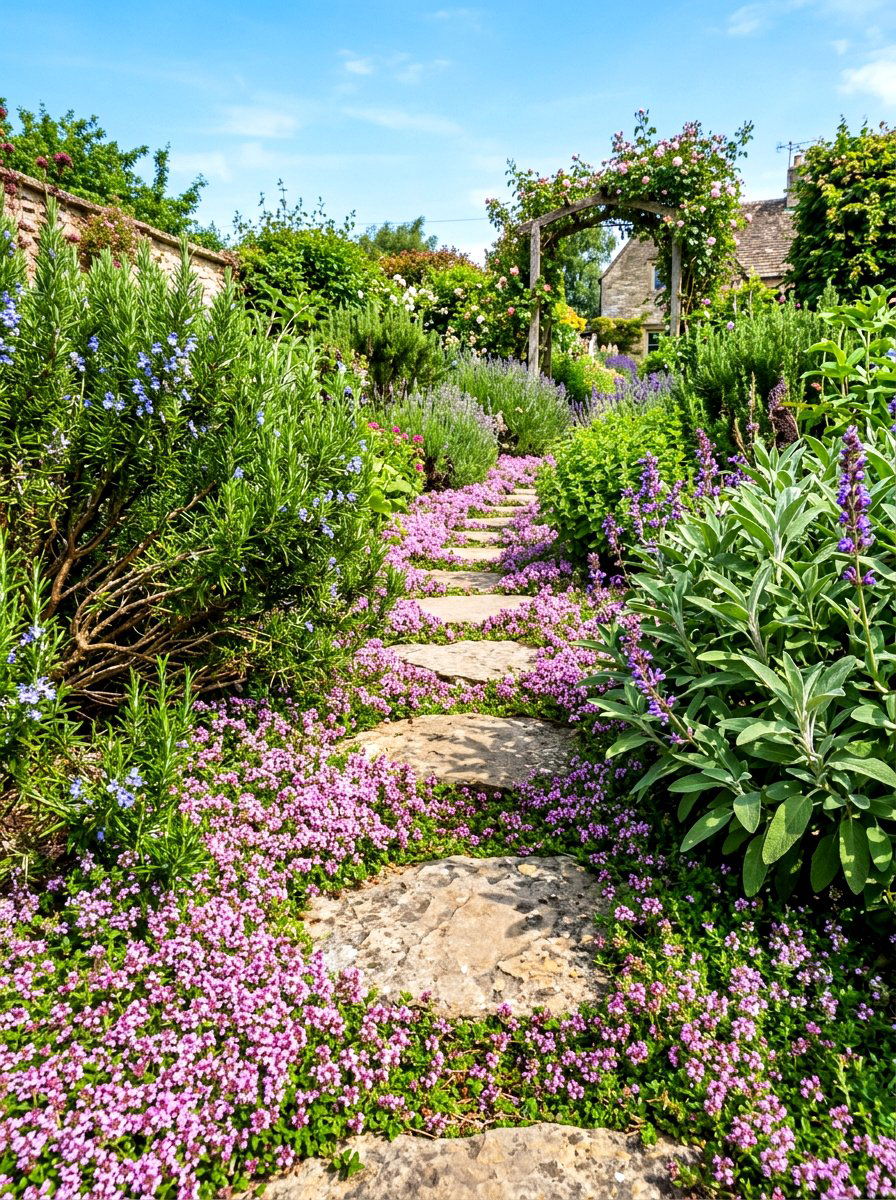
The natural flagstone entry path is celebrated for its organic shapes and earthy color variations, making every installation unique. Unlike uniform pavers, flagstones are irregular in size and shape, which allows for a winding and informal layout that mimics the flow of nature. For a complete garden design, fill the wide joints between the stones with moss or low-profile sedum to create a "living" walkway that feels integrated into the earth. Complement the path with tiered stone retaining walls and a variety of textures, such as feathered grasses and broad-leafed shrubs. This approach creates a serene, park-like entrance that invites guests to slow down and enjoy the scenery.
6. Zen Stone Stepping Path
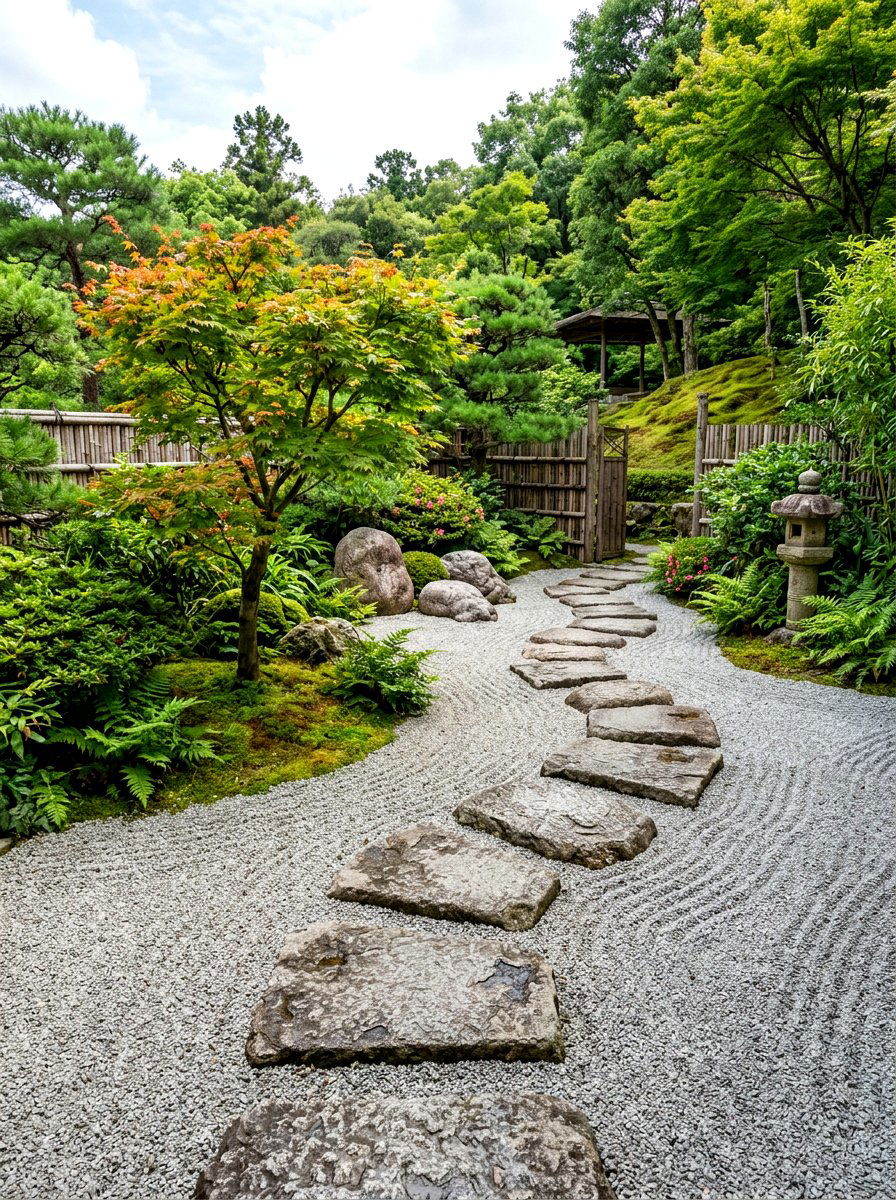
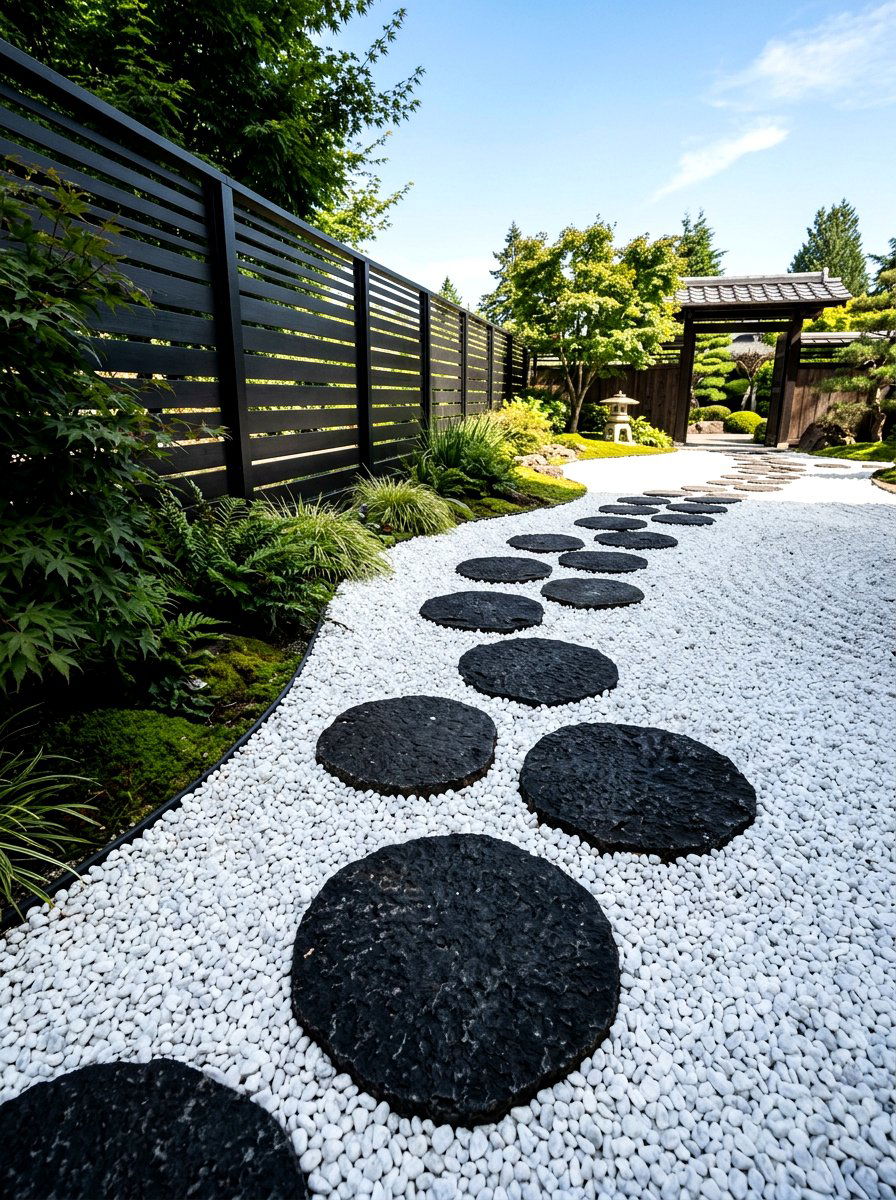
A Zen stone stepping path focuses on balance, simplicity, and a calm transition through the front garden. This design features large, flat river stones or smooth granite slabs placed individually at a comfortable walking distance from one another. The area surrounding the stones is typically filled with finely raked light-colored gravel or a lush carpet of green moss. This minimalist approach works best in small front yards or side entries where a peaceful mood is desired. Incorporate a few carefully placed boulders and a Japanese maple tree to anchor the design. The result is a high-contrast, artistic walkway that feels like a deliberate journey toward the home’s entrance.
7. Mediterranean Tumbled Cobblestone Entry
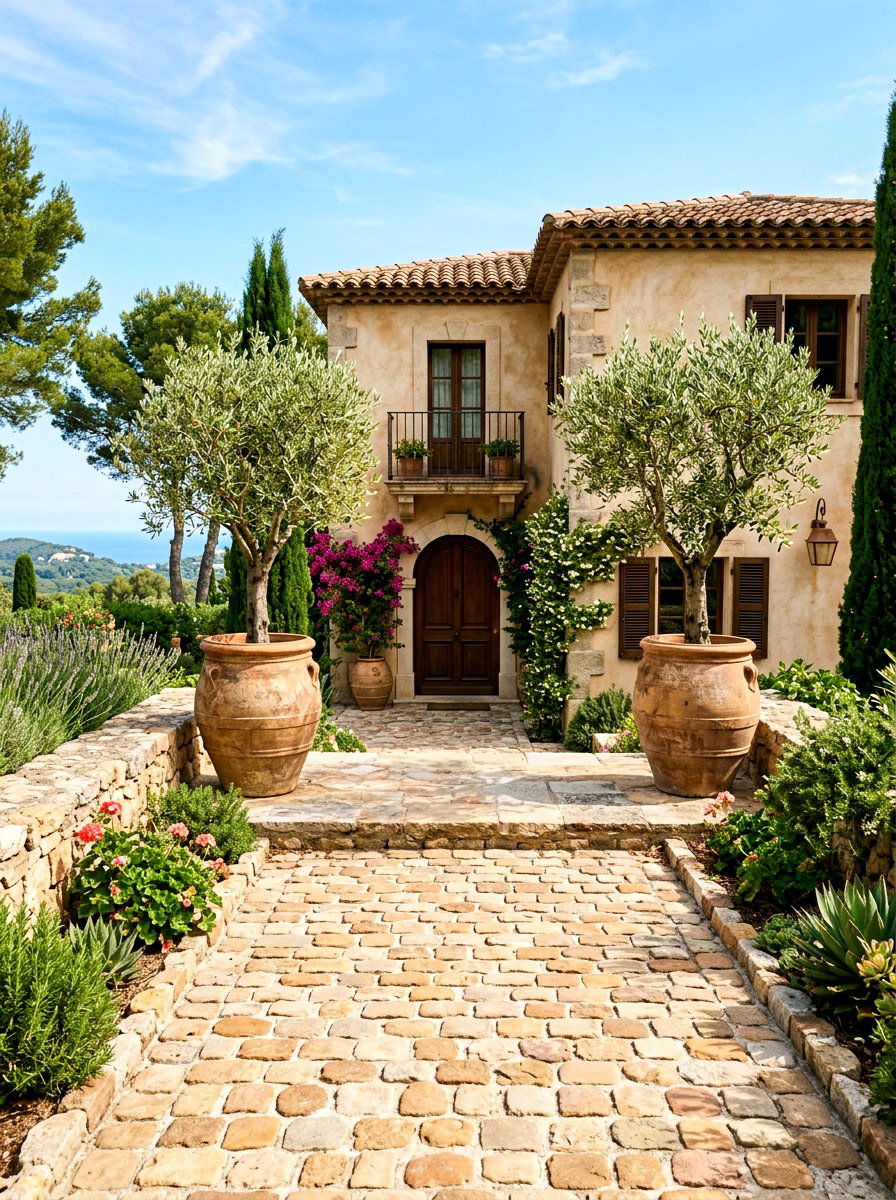
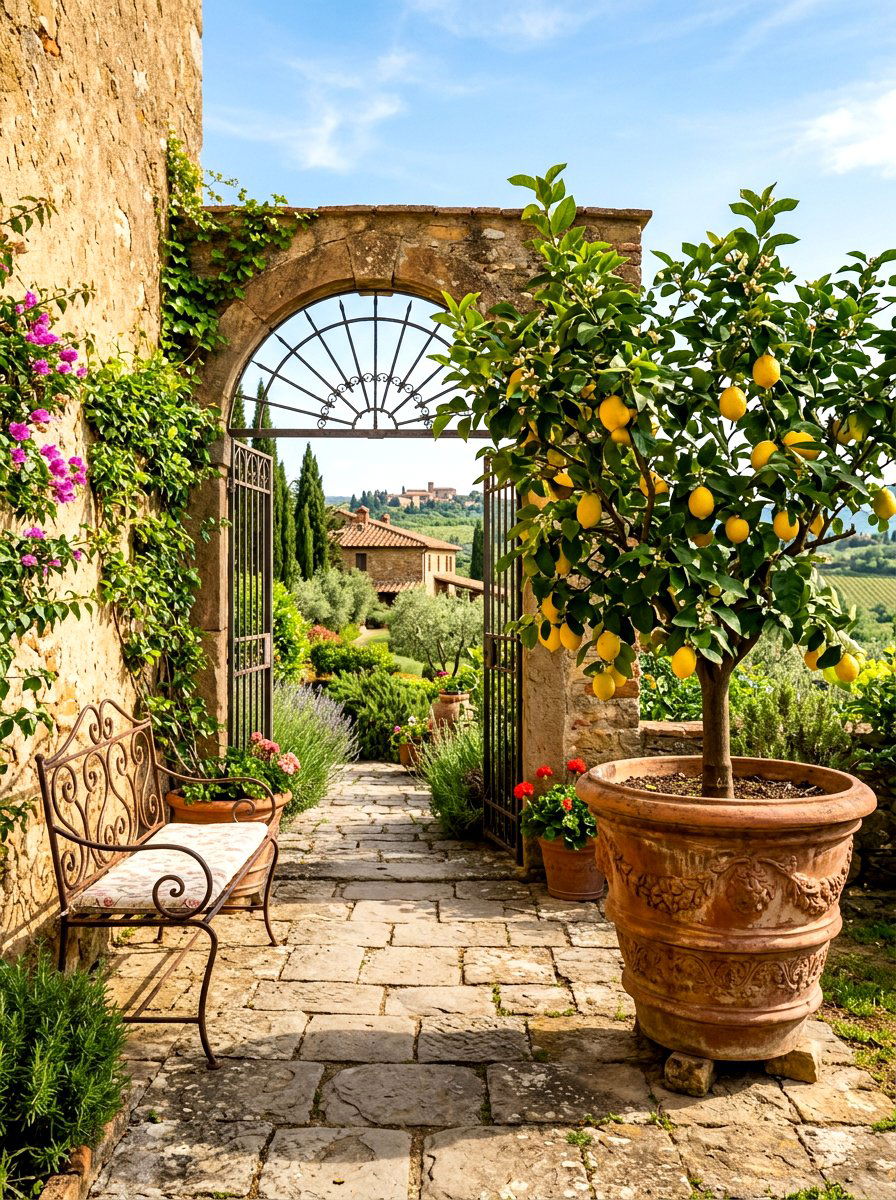
A Mediterranean tumbled cobblestone entry evokes the romantic feel of an old-world European village. Using smaller, rounded stones with a "tumbled" finish creates a soft, aged look that feels like it has been there for centuries. This full design often includes a wider plaza-style landing near the front door to provide space for large terracotta planters filled with olive trees or citrus bushes. To heighten the Mediterranean vibe, use warm-toned stones in shades of beige, ochre, and terracotta. Surround the path with drought-tolerant plants like rosemary and sage, which add to the sensory experience with their fragrance. This walkway style is perfect for stucco or stone-clad homes.
8. Coastal Boardwalk Wood Path
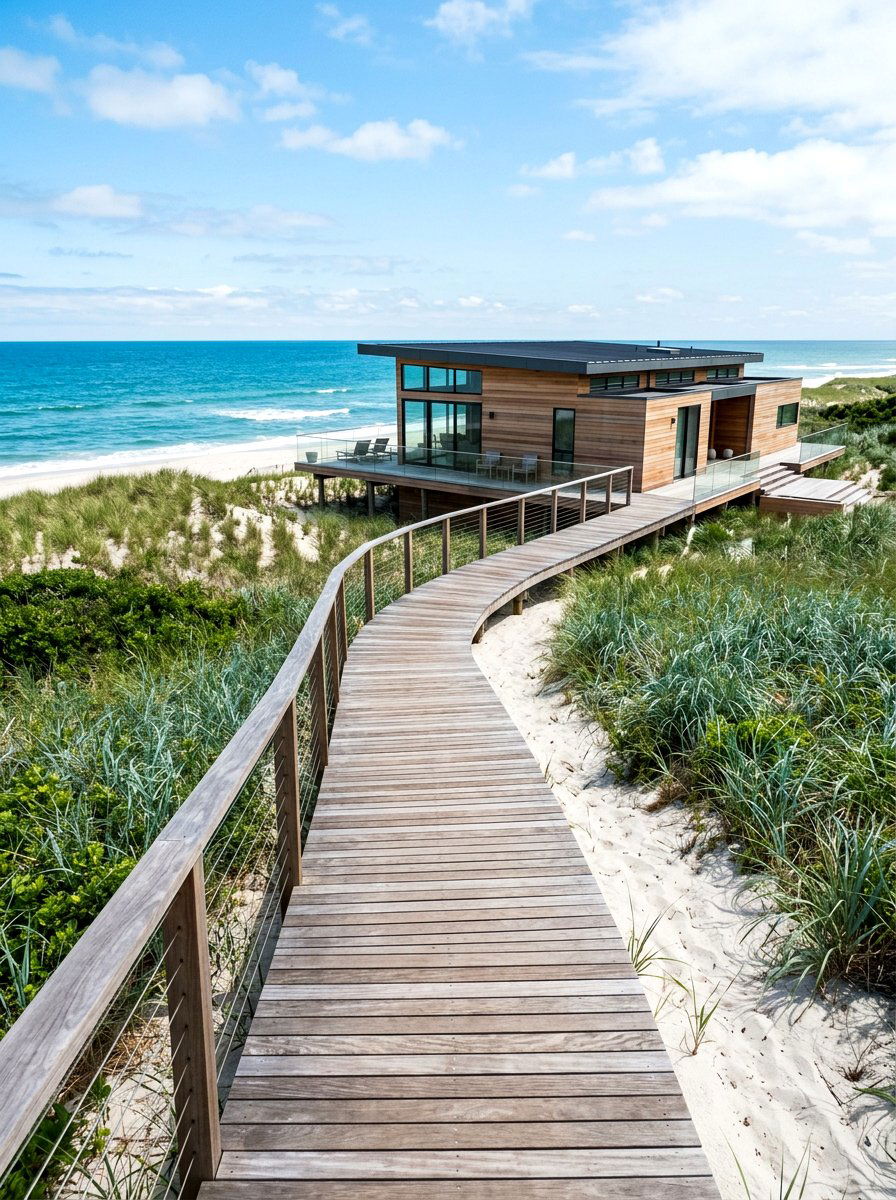
The coastal boardwalk wood path is a refreshing alternative to traditional masonry, offering a breezy and beach-inspired entrance. This design uses weather-resistant wood species like cedar or ipe, or high-quality composite decking, laid in a horizontal plank pattern. Elevating the walkway slightly above the ground prevents moisture buildup and creates a distinct architectural feature. To complete the coastal theme, surround the boardwalk with soft white sand, ornamental sea grasses, and blue-toned perennials. This path feels warm underfoot and provides a smooth, flat surface that is easy to navigate. It is an ideal choice for modern seaside homes or any property aiming for a relaxed, vacation-like feel.
9. Wildflower Meadow Stepping Stones
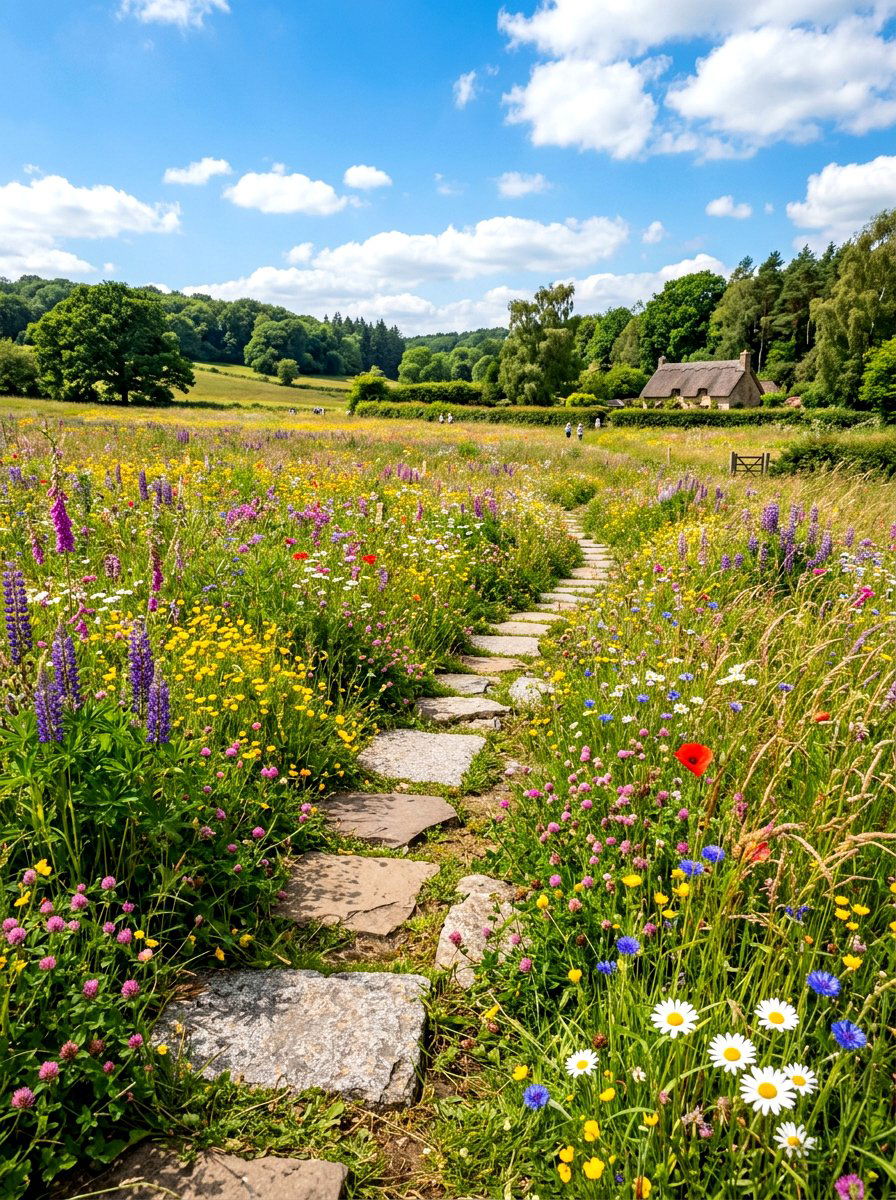
A wildflower meadow stepping stone path is the ultimate choice for homeowners who want to support local biodiversity while creating a fairytale-like entrance. In this design, large, rustic stepping stones are set directly into a deliberately planted meadow of native flowers and tall grasses. The path appears to "float" within a sea of blooms, offering a magical experience as you walk through swaying stems and buzzing pollinators. This full design requires minimal maintenance once established and looks stunning from spring through autumn. It works best for larger front yards where the abundance of plants can be fully appreciated without making the space feel cramped or untidy.
10. Lush Grass Jointed Pavers
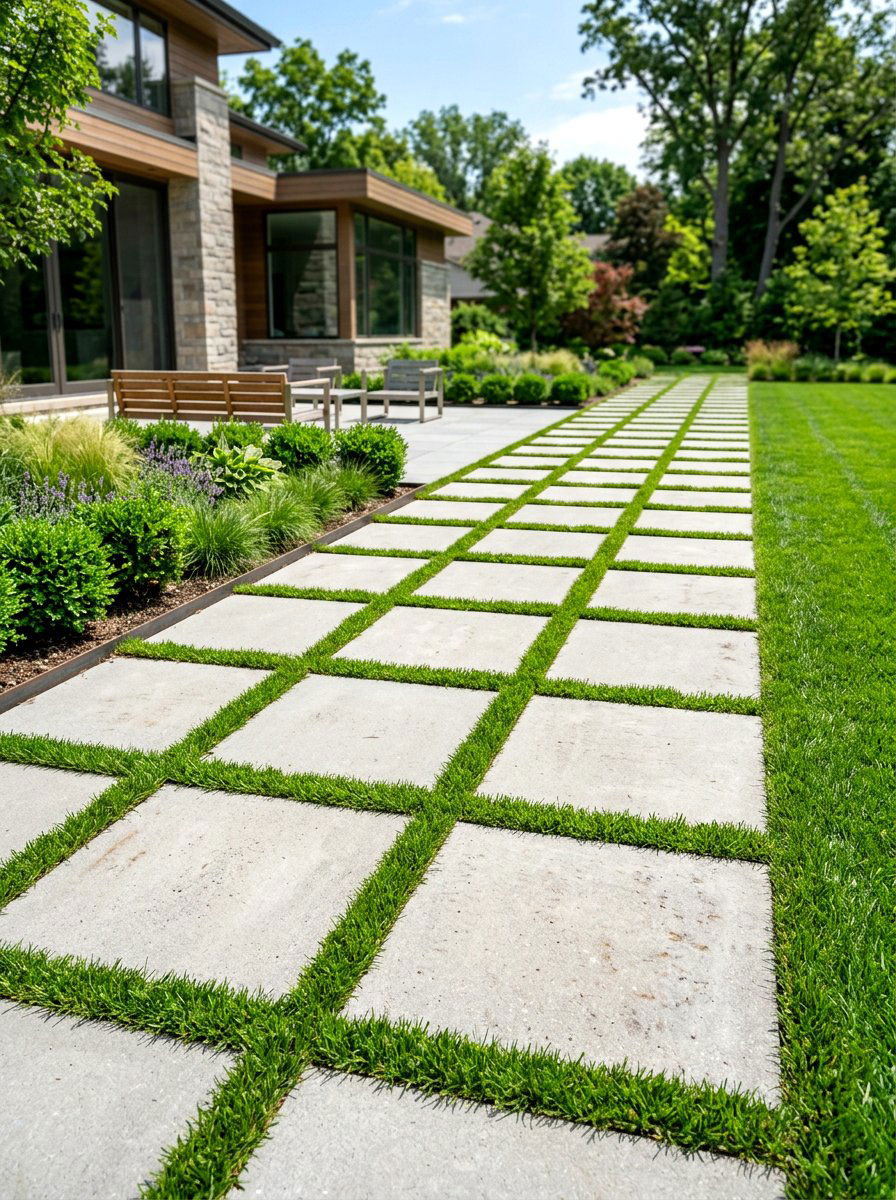
Lush grass jointed pavers offer a beautiful way to blend hardscaping with soft greenery for a permeable and eco-friendly walkway. This design uses large-format concrete or stone pavers placed with wide gaps between them, which are then filled with hardy turf grass or clover. The grid-like pattern creates a striking visual contrast between the solid gray stone and the vibrant green growth. This style is perfect for modern or transitional homes where you want to minimize the amount of solid concrete in the front yard. To keep the design looking sharp, ensure the grass is kept neatly trimmed to the height of the stone for a flat surface.
11. Reclaimed Antique Brick Path
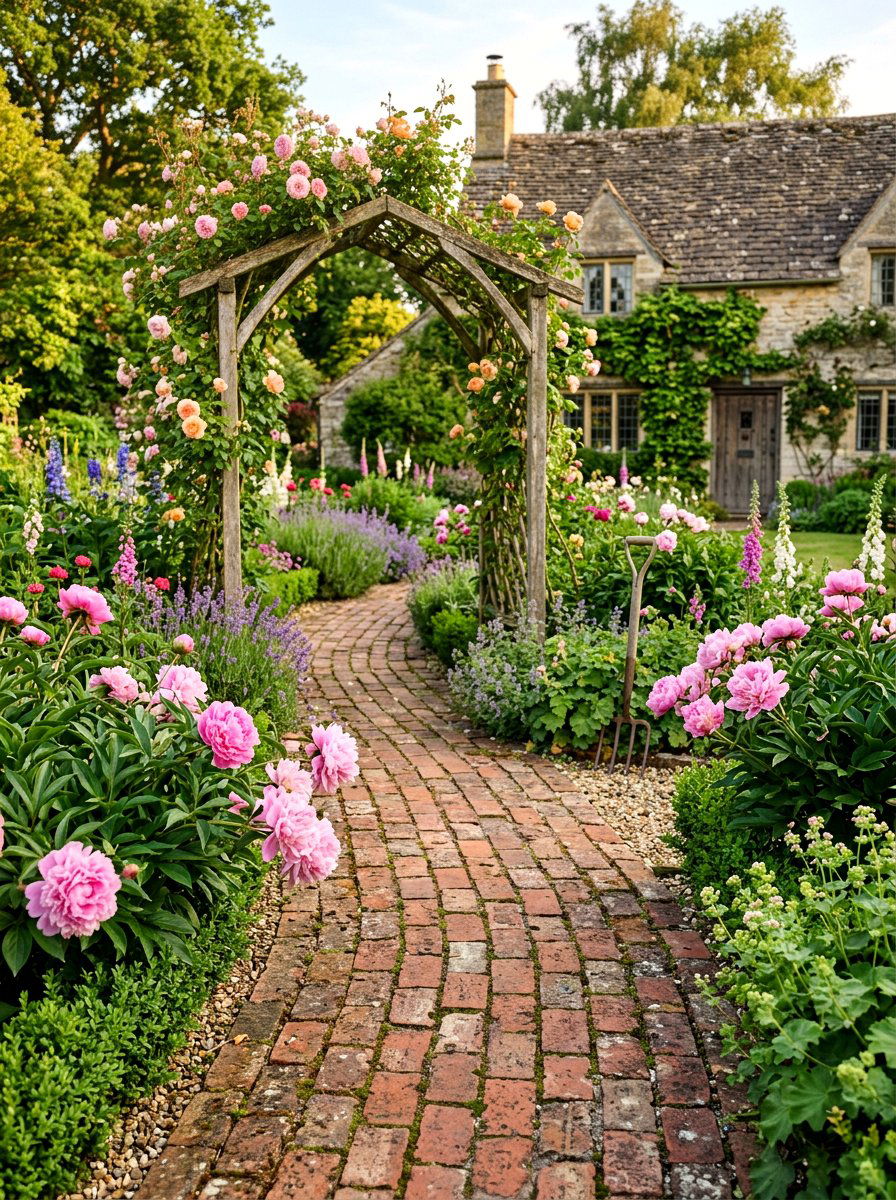
The reclaimed antique brick path is perfect for adding instant character and a sense of history to a new or renovated home. By sourcing bricks from old buildings or streets, you get a variety of weathered textures and color shifts that modern bricks cannot replicate. This full design often uses a simple running bond or basketweave pattern to let the material’s history shine. Surround the path with classic garden favorites like hydrangeas, peonies, and climbing roses on a trellis to create a quintessential "English garden" look. The warm red and orange tones of the bricks provide a cozy, inviting feel that welcomes guests with old-fashioned hospitality.
12. Sleek Slate Tile Walkway
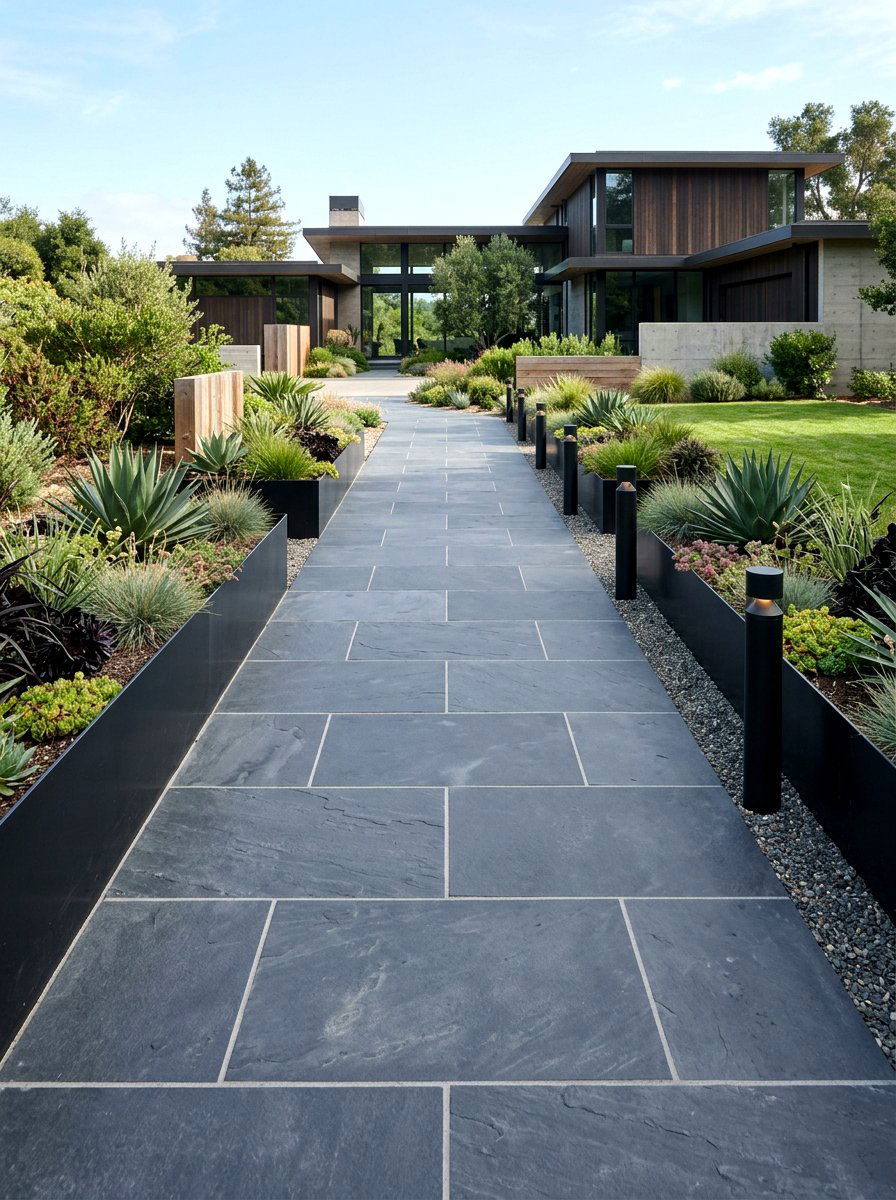
A sleek slate tile walkway provides a sophisticated and high-end entrance that works exceptionally well with mid-century modern or minimalist architecture. Slate is known for its natural cleft texture and deep, moody colors like charcoal, navy, and dark green. Using large, uniform tiles creates a clean and polished surface that feels contemporary and expensive. To complete the design, use a contrasting light gray grout and border the path with architectural planters in matte black or brushed metal. Low-profile lighting hidden along the edge of the path will highlight the slate’s natural texture at night, making the entrance feel safe and incredibly stylish throughout the year.
13. Organic River Rock Trail
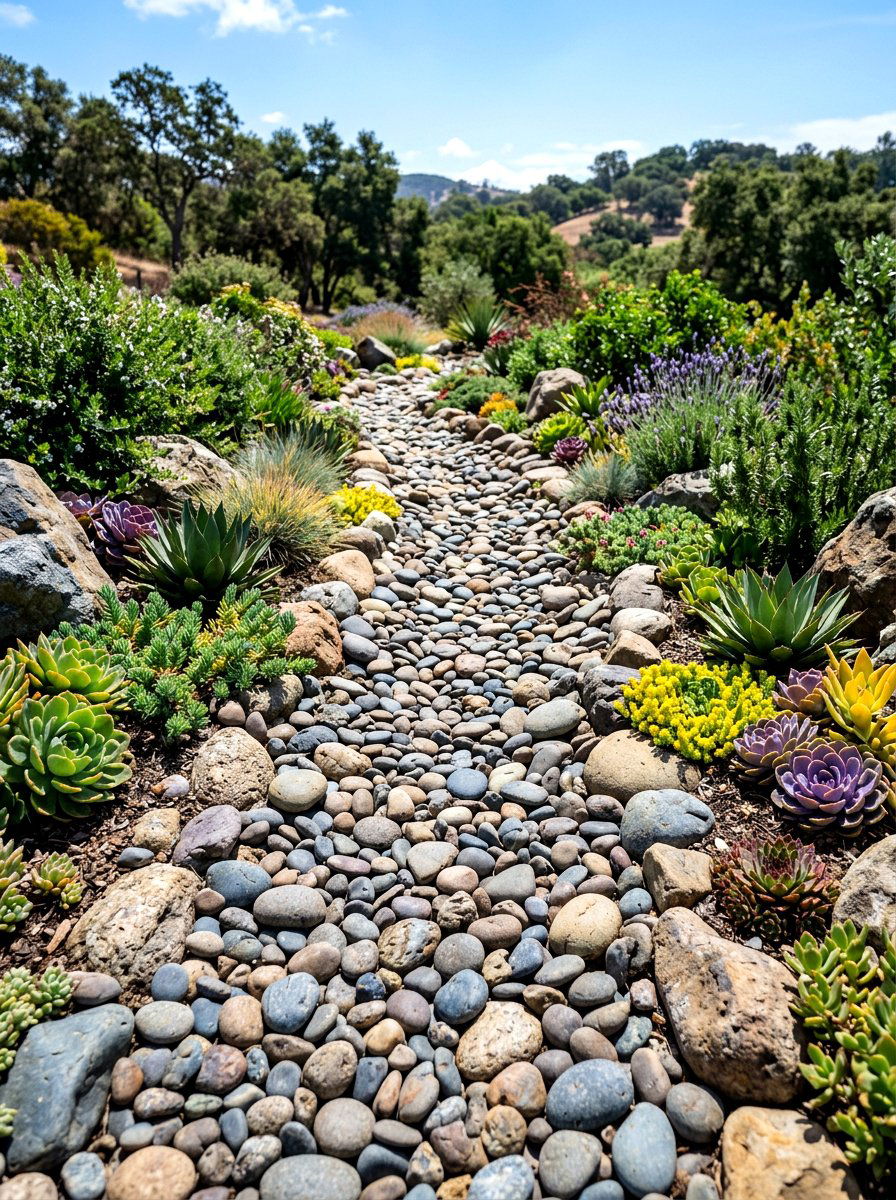
An organic river rock trail provides a tactile and visually interesting path that feels like a dry creek bed winding through your garden. This design uses a base of medium-sized smooth river stones, interspersed with larger flat "anchor" stones to provide a stable walking surface. The variety of stone sizes creates a natural look that is perfect for xeriscaping or drought-tolerant front yards. To finish the design, tuck succulents, small succulents, and drought-resistant shrubs into the edges of the rocks. This path is excellent for drainage and adds a peaceful, nature-focused element to the front of the house that requires very little long-term maintenance or water.
14. Formal Poured Concrete Path
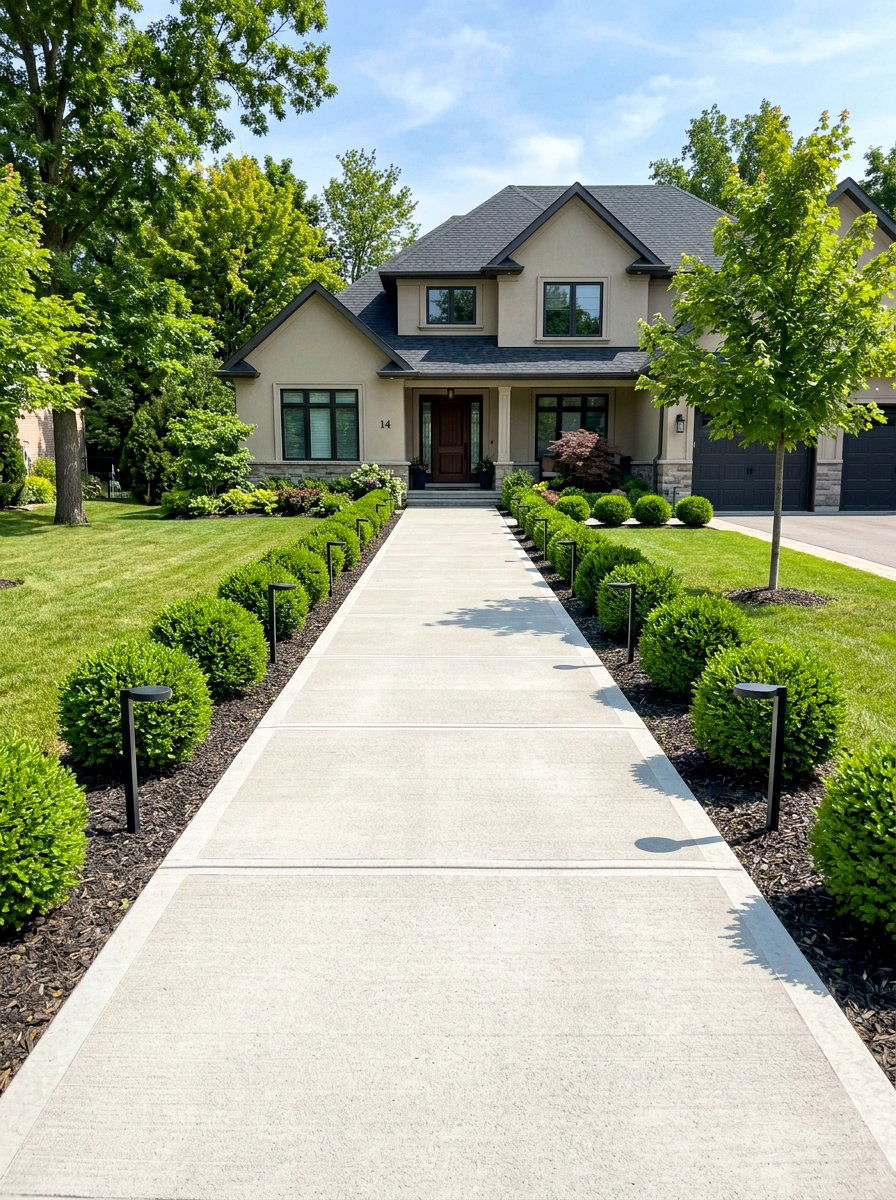
The formal poured concrete path is a classic choice for modern and suburban homes where clean lines and durability are the top priorities. Instead of a basic sidewalk, this design uses professional scoring or stamped patterns to create a custom, high-end look. You can choose a light broom finish for a non-slip surface or a polished finish for a sleek, reflective appearance. To make the design feel intentional, line the path with identical shrubs or a series of modern outdoor bollard lights to create a sense of rhythm and order. This sturdy walkway is easy to clean and provides a perfectly flat surface for guests of all ages.
15. Multi Level Stone Terrace
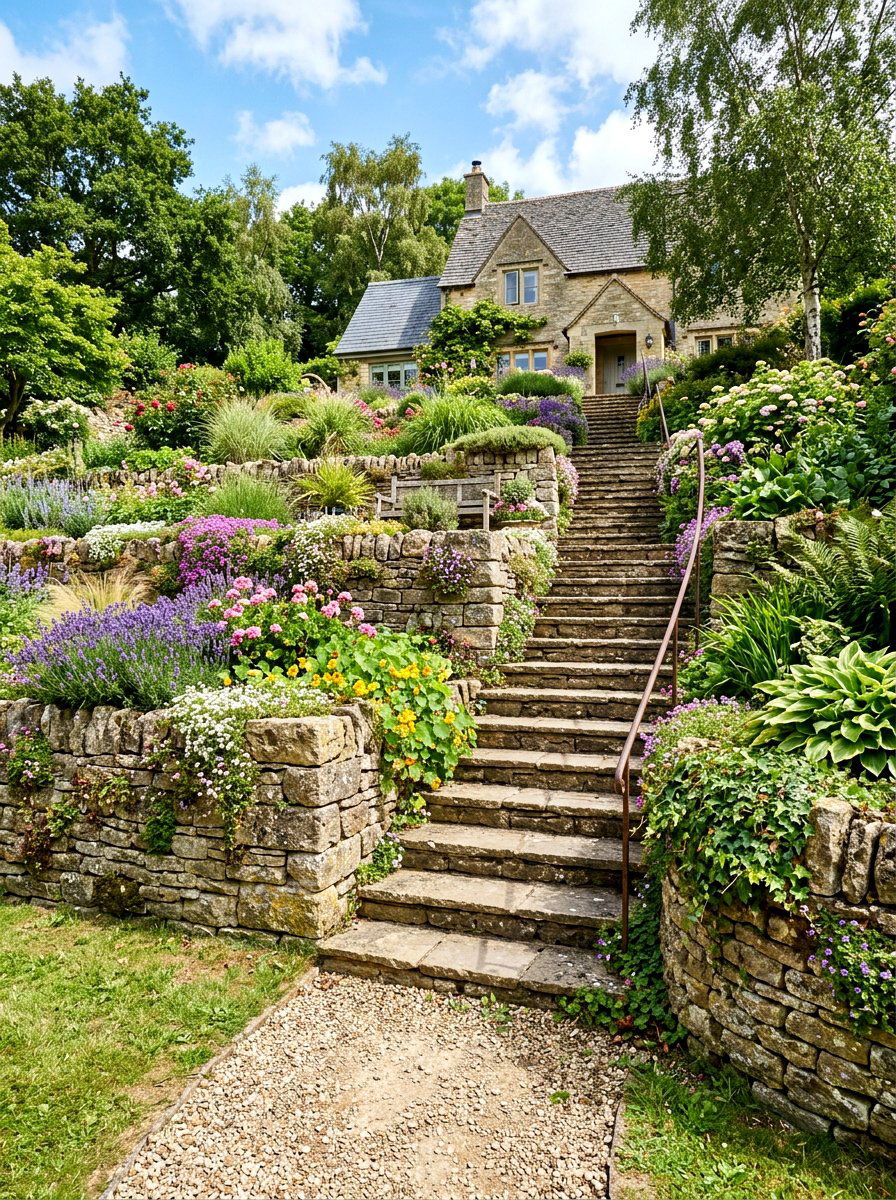
A multi-level stone terrace is the ideal solution for a front yard with a steep incline, turning a challenging slope into a grand architectural feature. This design incorporates a series of wide stone steps interspersed with flat landings or "terraces" where you can place small seating areas or decorative urns. Using large blocks of natural stone for the risers and flagstone for the treads creates a look of permanence and strength. To soften the masonry, plant cascading flowers and trailing vines that spill over the edges of the walls. This approach creates a dramatic and beautiful entrance that adds significant value and visual depth to your property.
16. Grand Granite Slab Entry
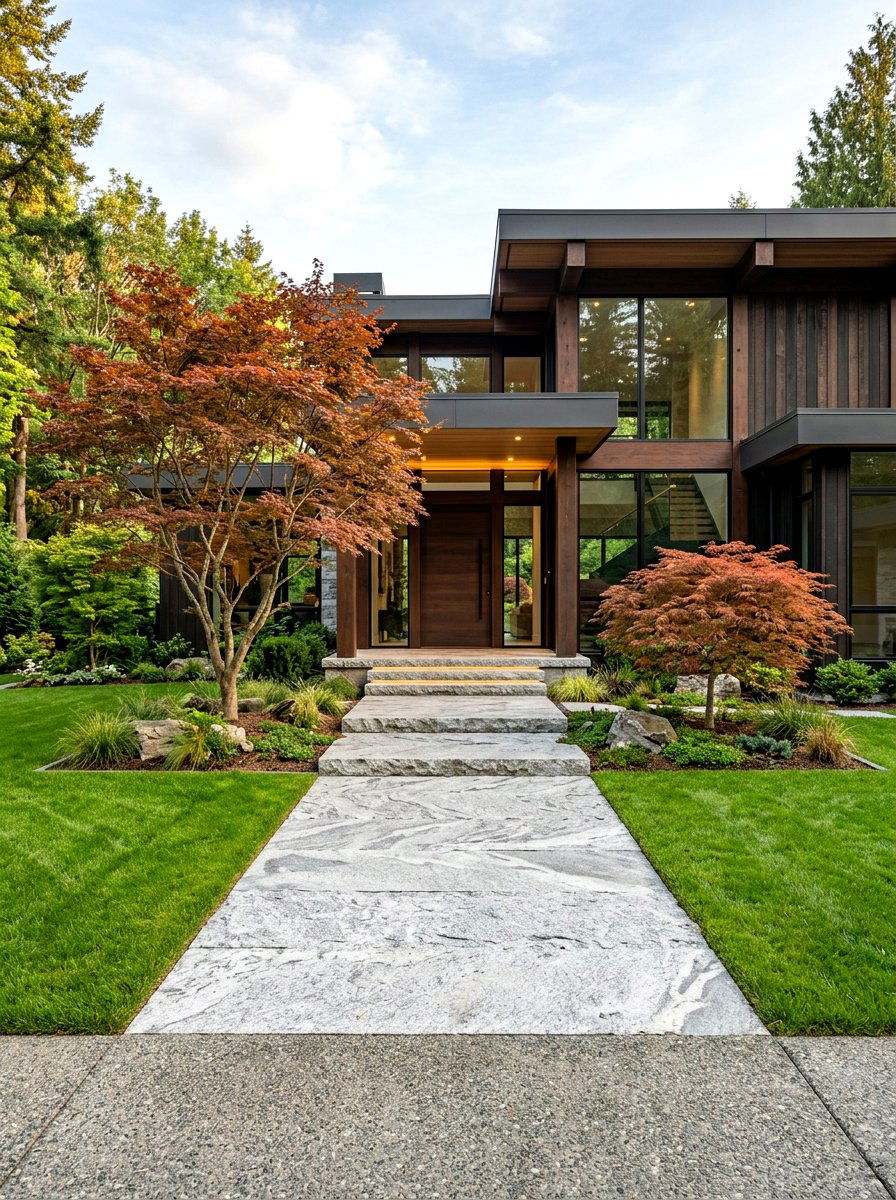
A grand granite slab entry exudes luxury and modern elegance, offering a heavy, substantial feel that makes a bold statement. Granite is incredibly durable and resistant to weather, making it a practical choice for high-traffic front entries. This design typically uses massive, oversized slabs with a flamed finish to provide a safe, non-slip texture. The cool gray or white tones of the granite look stunning against dark wood siding or black metal accents on the home. To complete the look, use minimal landscaping with clean-cut lawn edges and a few sculptural trees like a ginkgo or a Japanese maple to frame the entrance with artistic flair.
17. Minimalist Pea Gravel Path
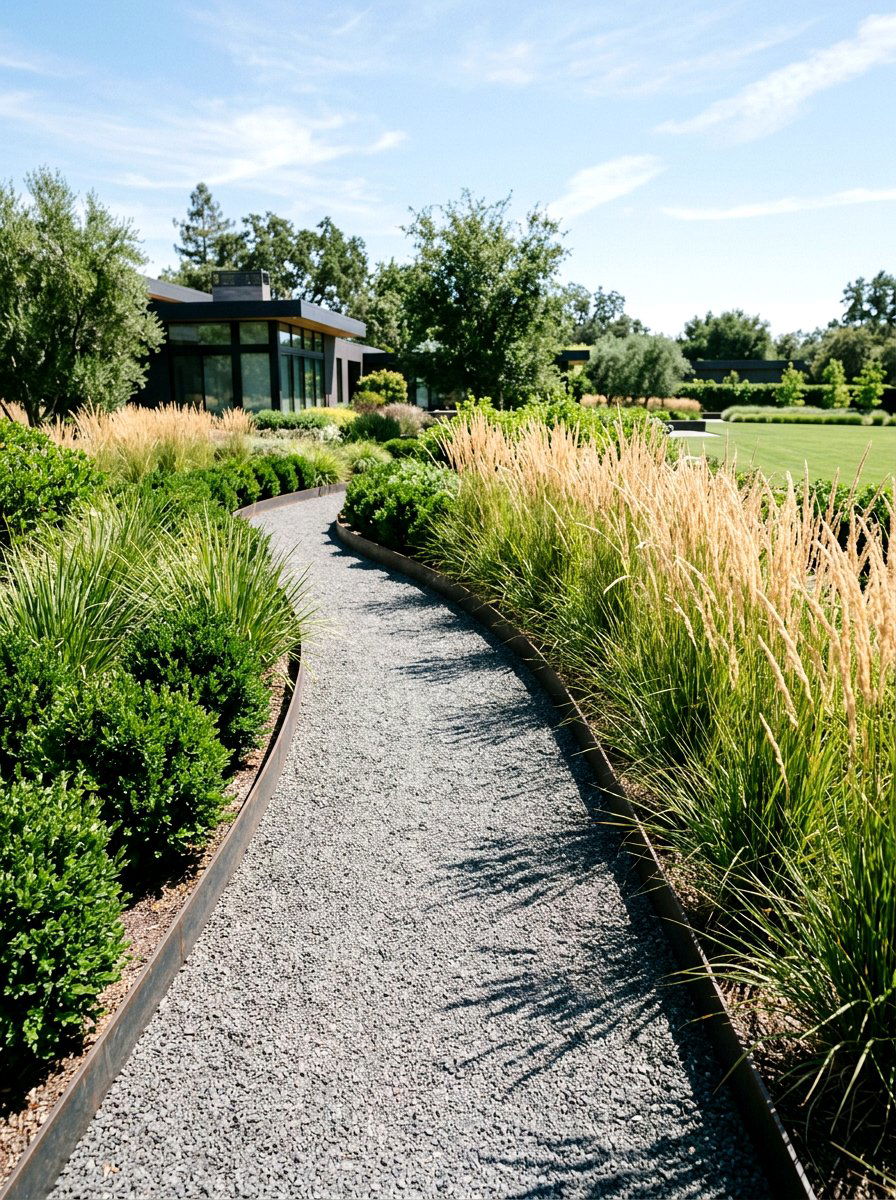
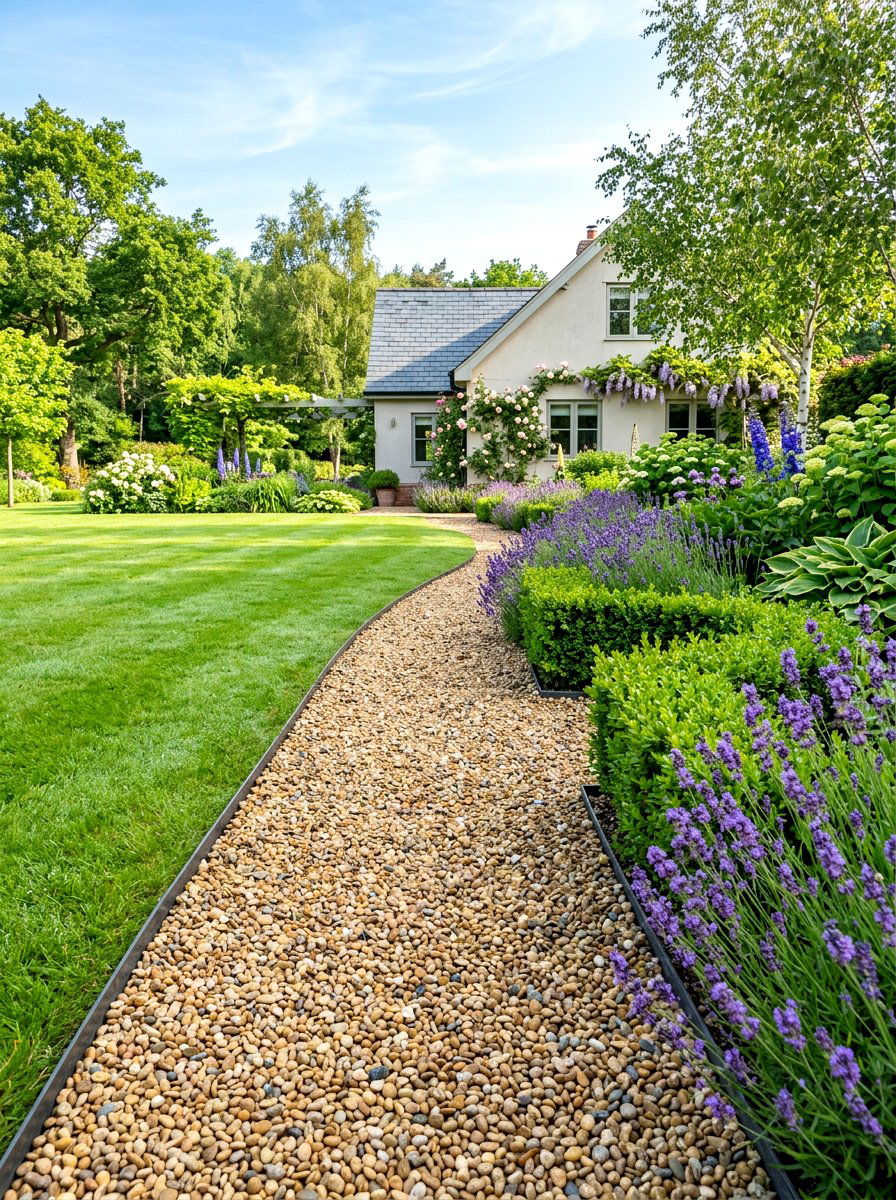
The minimalist pea gravel path is a favorite for those who love the crunching sound underfoot and a clean, understated aesthetic. This design relies on high-quality steel or aluminum edging to keep the small, rounded stones perfectly contained. The simplicity of the gravel allows the architecture of the home and the surrounding plants to take center stage. To prevent the gravel from shifting, a honeycomb stabilizer grid can be installed underneath. This path works beautifully when paired with ornamental grasses and simple evergreen shrubs. It is an affordable yet highly stylish option that offers excellent drainage and a soft, textured look for any modern front yard.
18. Victorian Checkerboard Garden Path
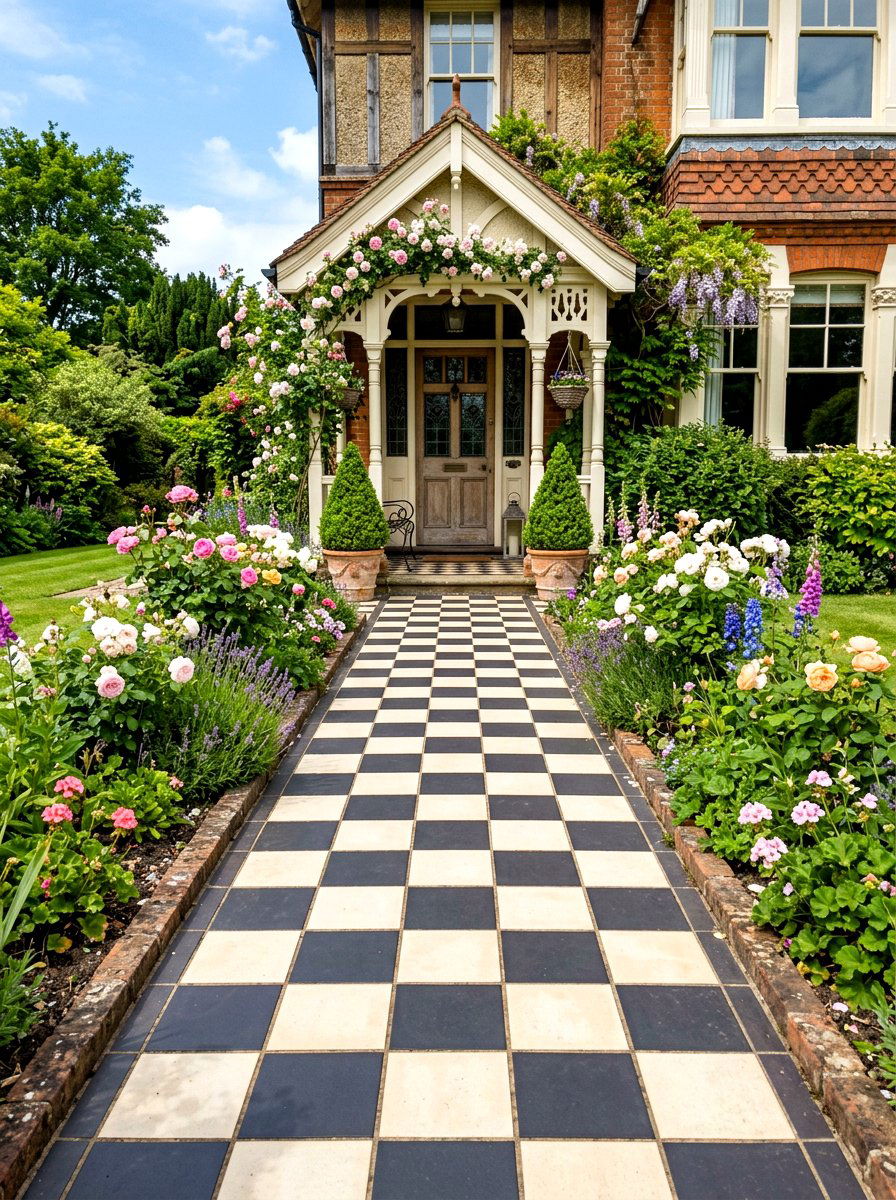
The Victorian checkerboard garden path is a nostalgic and highly decorative option that adds a playful yet formal touch to a home’s exterior. This design alternates square pavers of two different colors, such as cream and black or light and dark gray, to create a classic tile-like pattern. This walkway looks best when leading to a front porch with a similar vintage feel. To complete the design, use traditional cast-iron garden furniture and symmetrical plantings like rose bushes or topiaries. This bold pattern creates an immediate focal point, making the walk to the front door a memorable experience that celebrates traditional craftsmanship and high-contrast design.
19. Luxury Travertine Stone Walkway
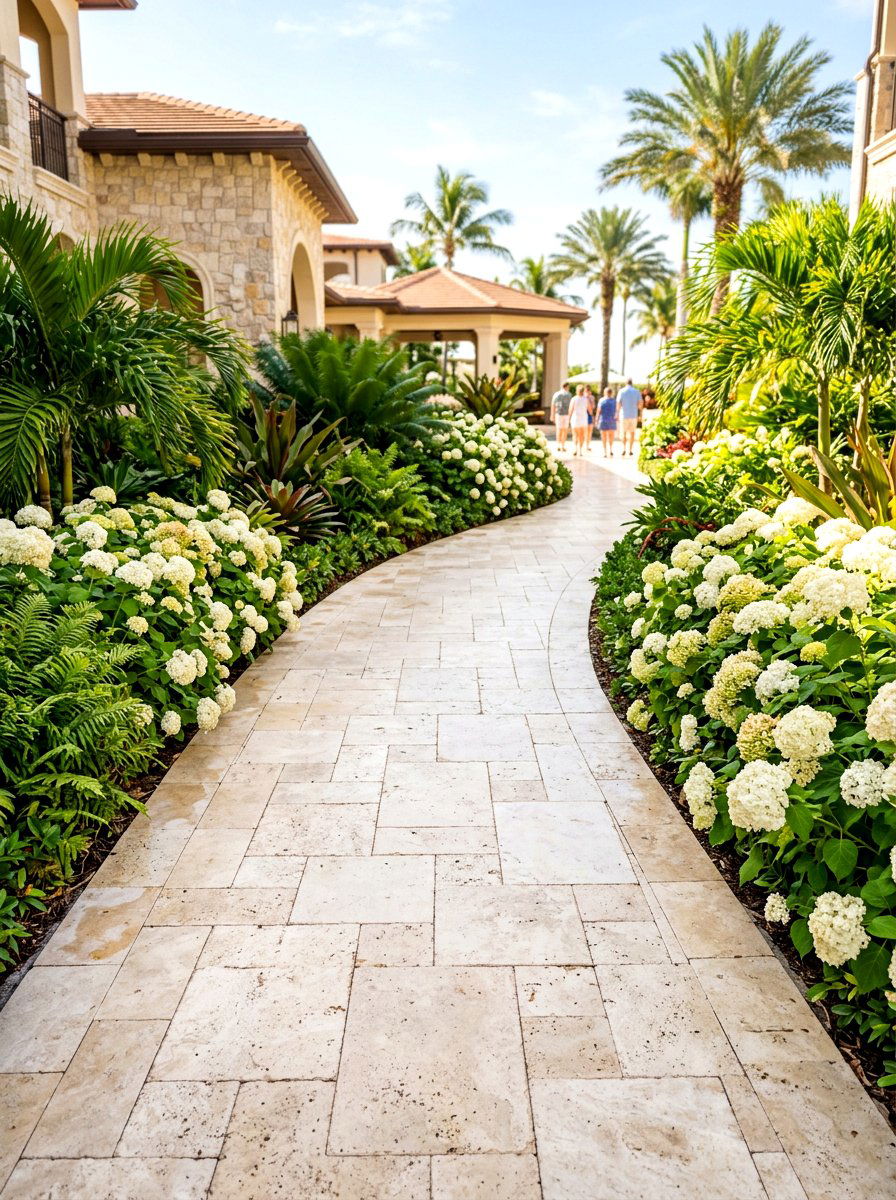
A luxury travertine stone walkway brings a bright, airy, and sophisticated feel to a front garden, often associated with high-end Mediterranean or coastal estates. Travertine is a natural limestone with a unique porous texture and a palette of warm creams, ivories, and golds. Using large tiles in a French pattern adds complexity and visual interest to the ground surface. Because travertine reflects heat, it stays cool underfoot even in direct sunlight. Surround the path with lush tropical greenery or white flowering shrubs like hydrangeas to enhance the resort-like atmosphere. This material is timeless and offers a soft, elegant glow that makes your home feel like a private getaway.
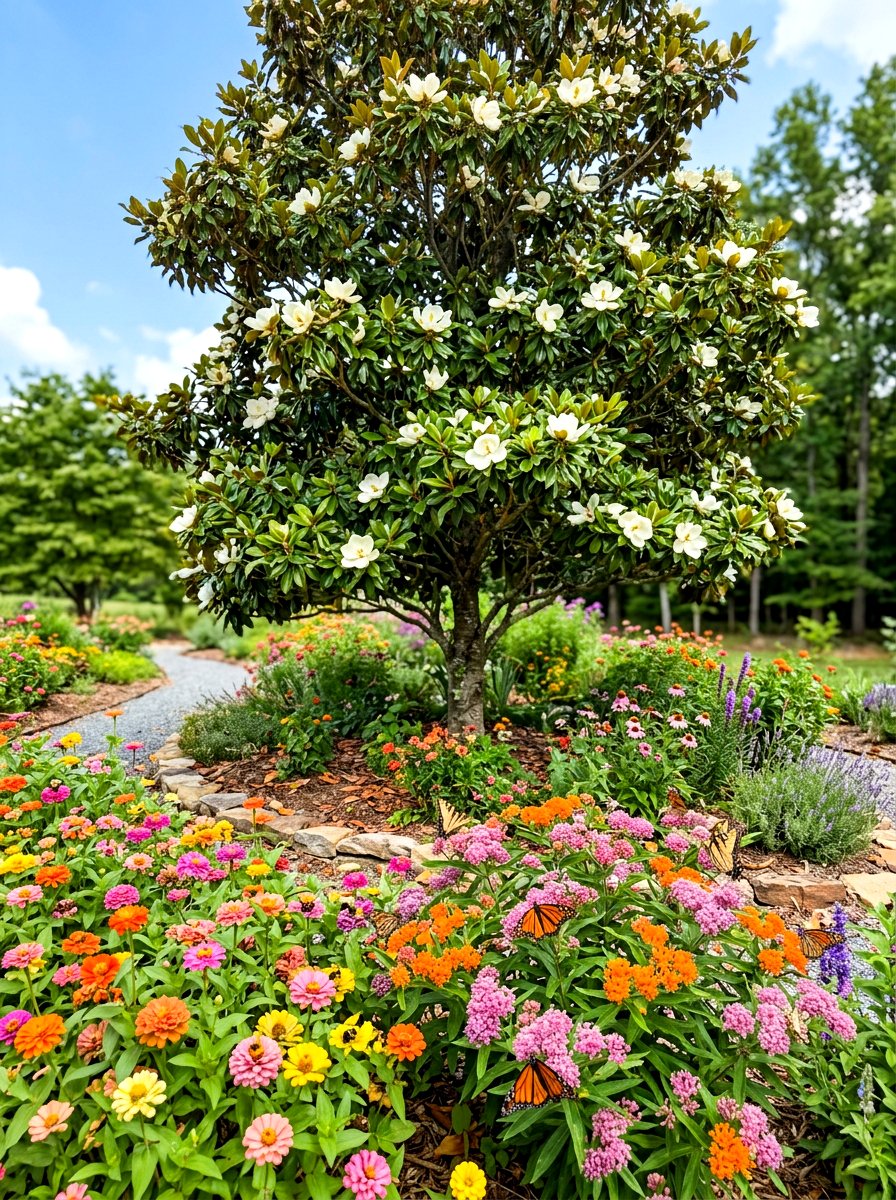
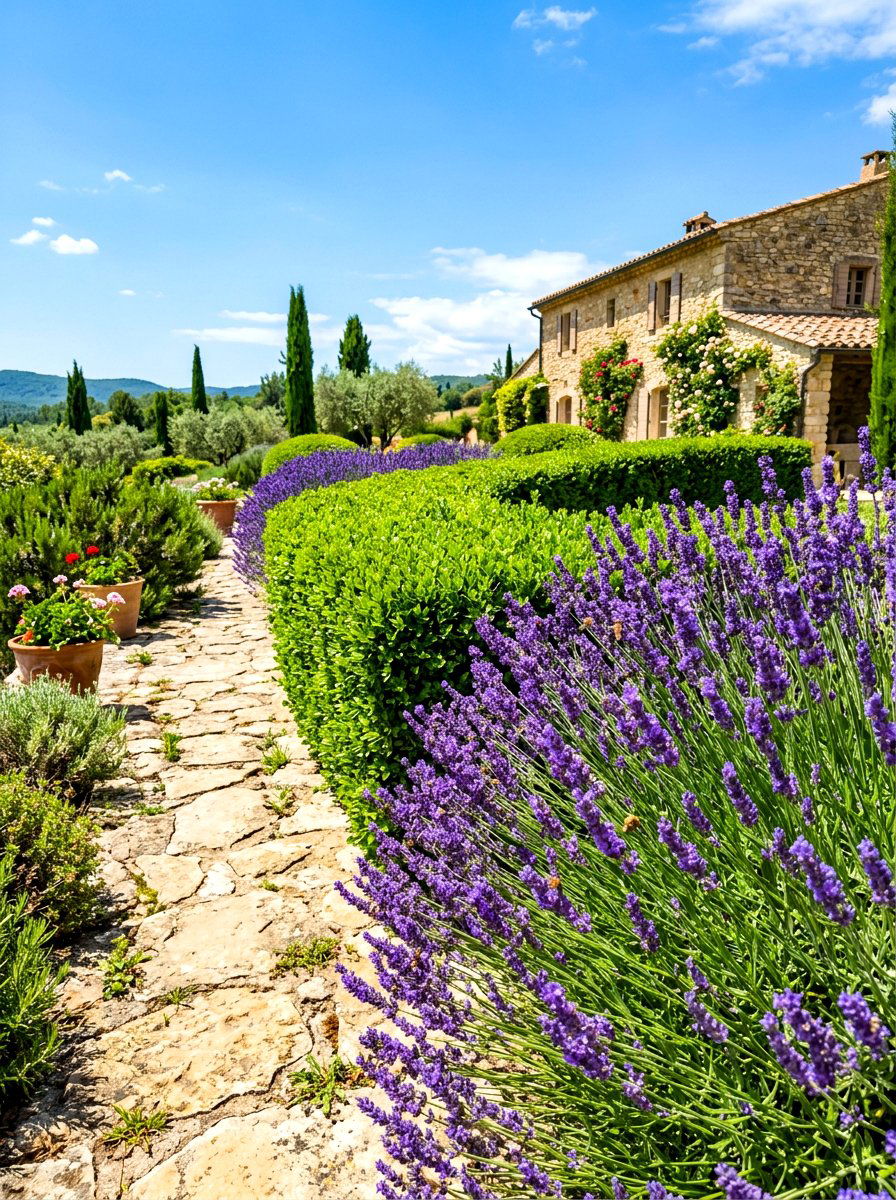
20. Woodland Bark Mulch Path
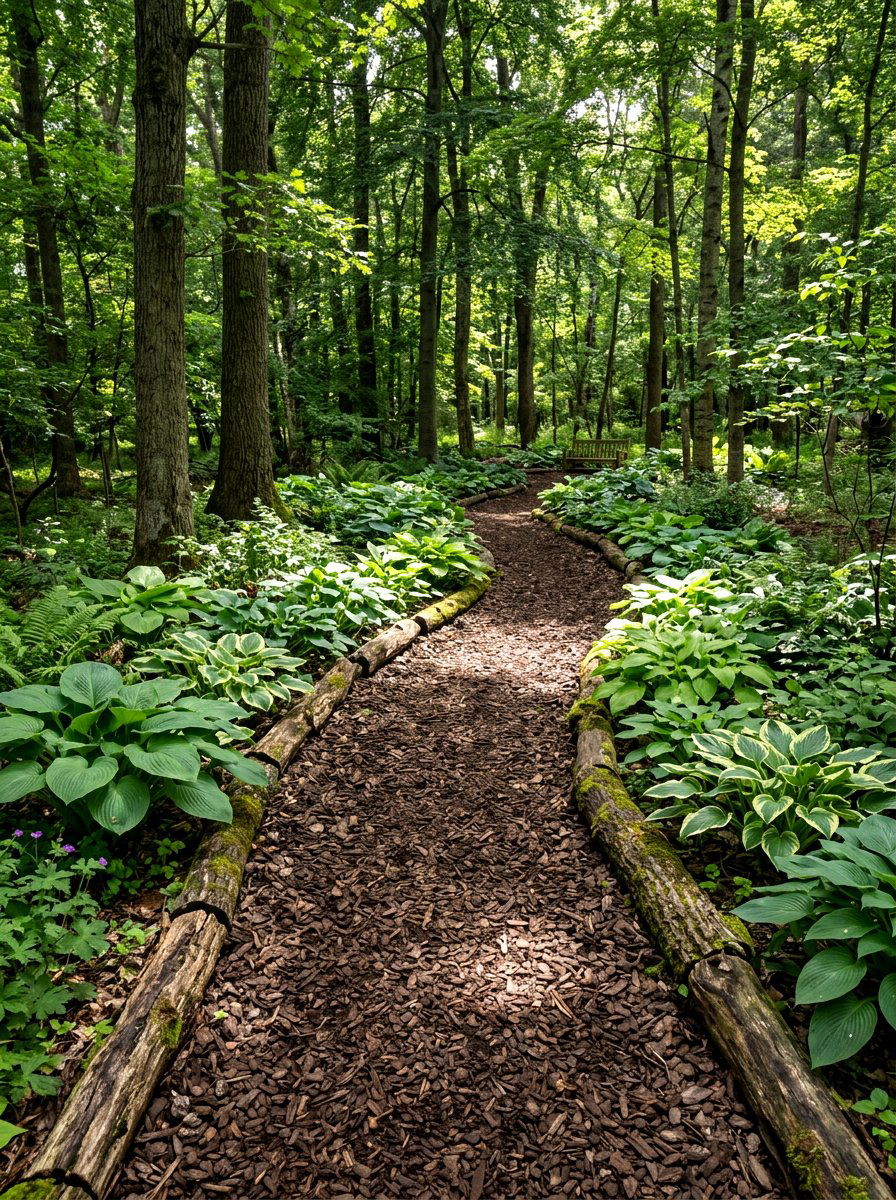
The woodland bark mulch path is a budget-friendly and natural option that feels soft underfoot and blends seamlessly into a forest-like setting. This design is perfect for homes with many trees or a more wild, untamed garden style. To make the path look intentional, use a thick layer of dark cedar or pine mulch and define the edges with natural logs or large stones found on the property. This walkway is highly permeable and provides a rich, dark background that makes the greens and whites of woodland plants like hostas and lily-of-the-valley stand out. It is a low-maintenance choice that adds an earthy fragrance to the front entry.
21. Blue Flagstone Garden Walk
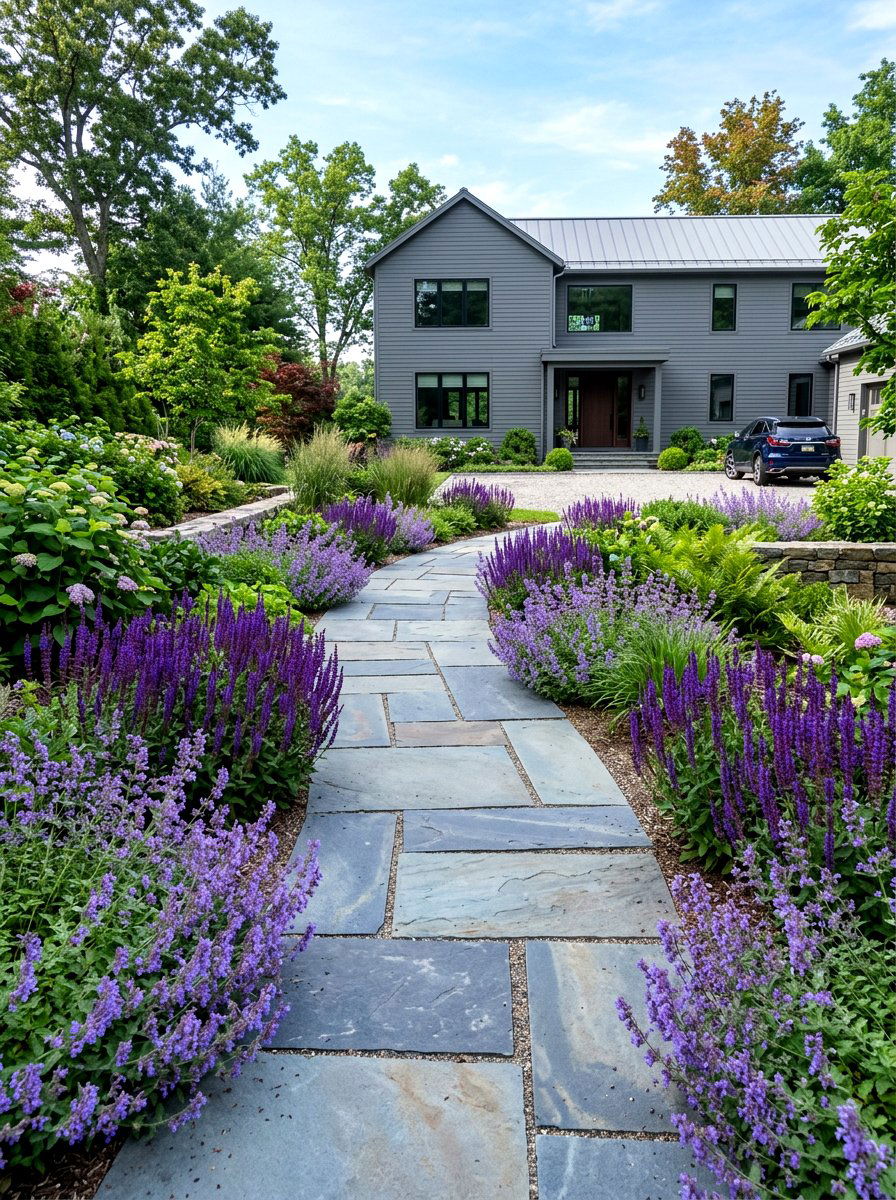
The blue flagstone garden walk utilizes the stunning natural hues of bluestone to create a cool and calming entrance. This material is prized for its consistent thickness and its range of colors, from deep navy to soft powder blue and gray. For a contemporary look, use clean-cut rectangular pieces laid in a tight pattern; for a more rustic feel, use irregular shapes with wide gaps. This full design works beautifully when bordered by purple-toned plants like salvia or catmint, which harmonize with the stone’s color. The result is a high-contrast, professional-looking path that provides a solid and durable surface for year-round use in any climate.
22. Contemporary Hexagon Paver Path
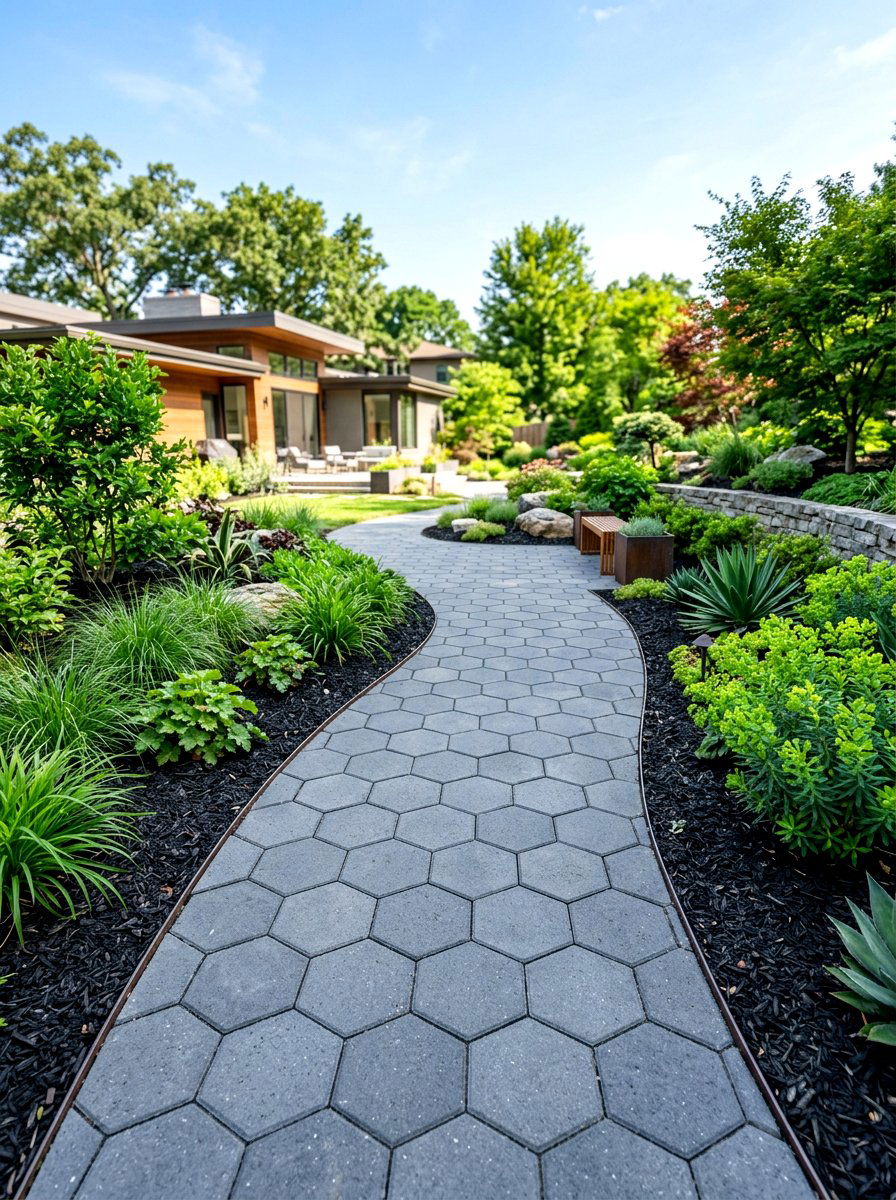
A contemporary hexagon paver path breaks away from traditional rectangular designs to offer a trendy and geometric entrance. The honeycomb pattern creates a visually stimulating surface that feels modern and artistic. You can play with color by using a mix of light and dark gray pavers to create a gradient effect or a random mosaic look. This path looks best when paired with minimalist landscaping and sharp, clean architectural lines. To ground the design, use a dark charcoal gravel or black mulch along the edges. This style is particularly effective for making a small front yard feel more dynamic and designed with a clear, intentional vision.
23. Country Railroad Tie Walkway
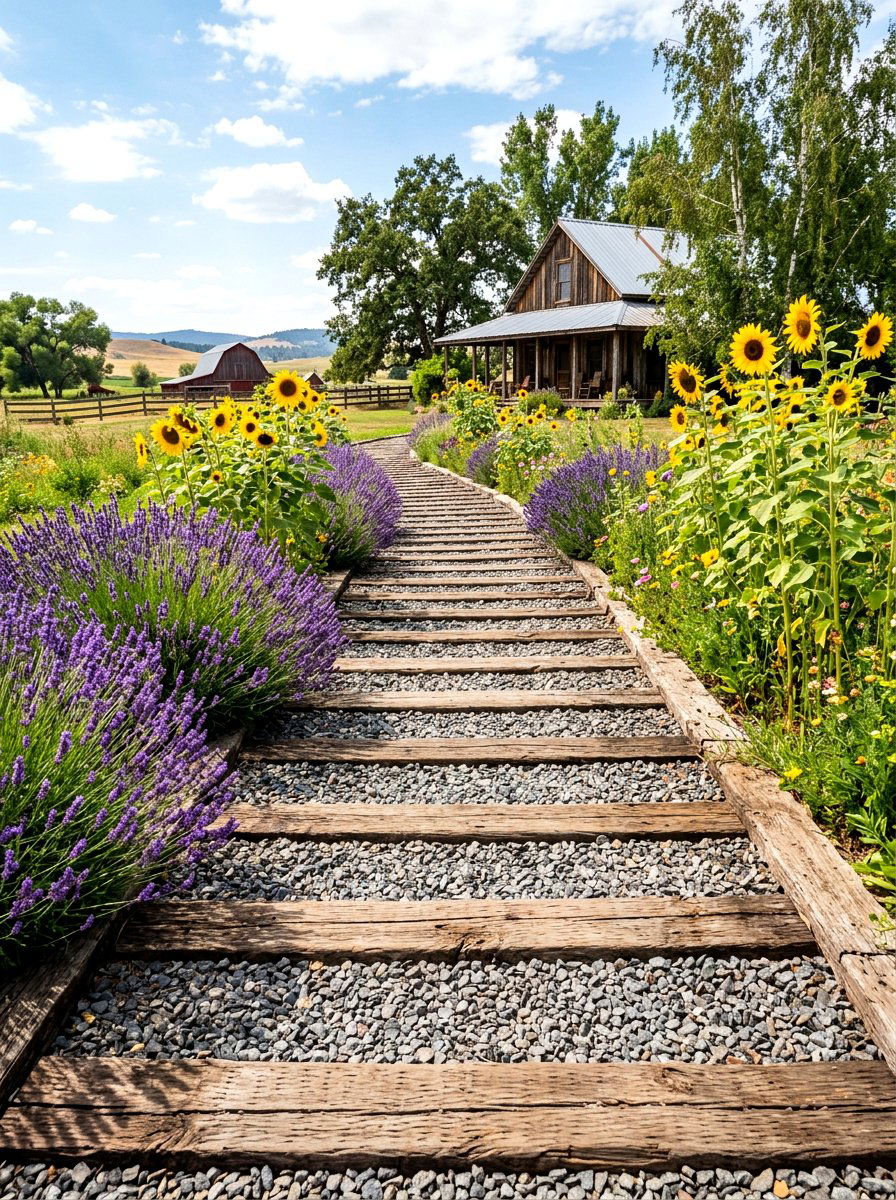
A country railroad tie walkway offers a rugged and recycled look that is perfect for farmhouse or rustic properties. By embedding large wooden beams into the earth and filling the spaces between them with crushed stone or compact soil, you create a path with a strong horizontal rhythm. This design is excellent for creating wide, shallow steps on a gentle slope. To complete the country aesthetic, line the walkway with rustic elements like galvanized metal planters, lavender, and sunflowers. The weathered texture of the wood gains more character over time, making the entrance feel like an established and permanent part of the landscape’s unique history.
24. Decorative Pebble Mosaic Path
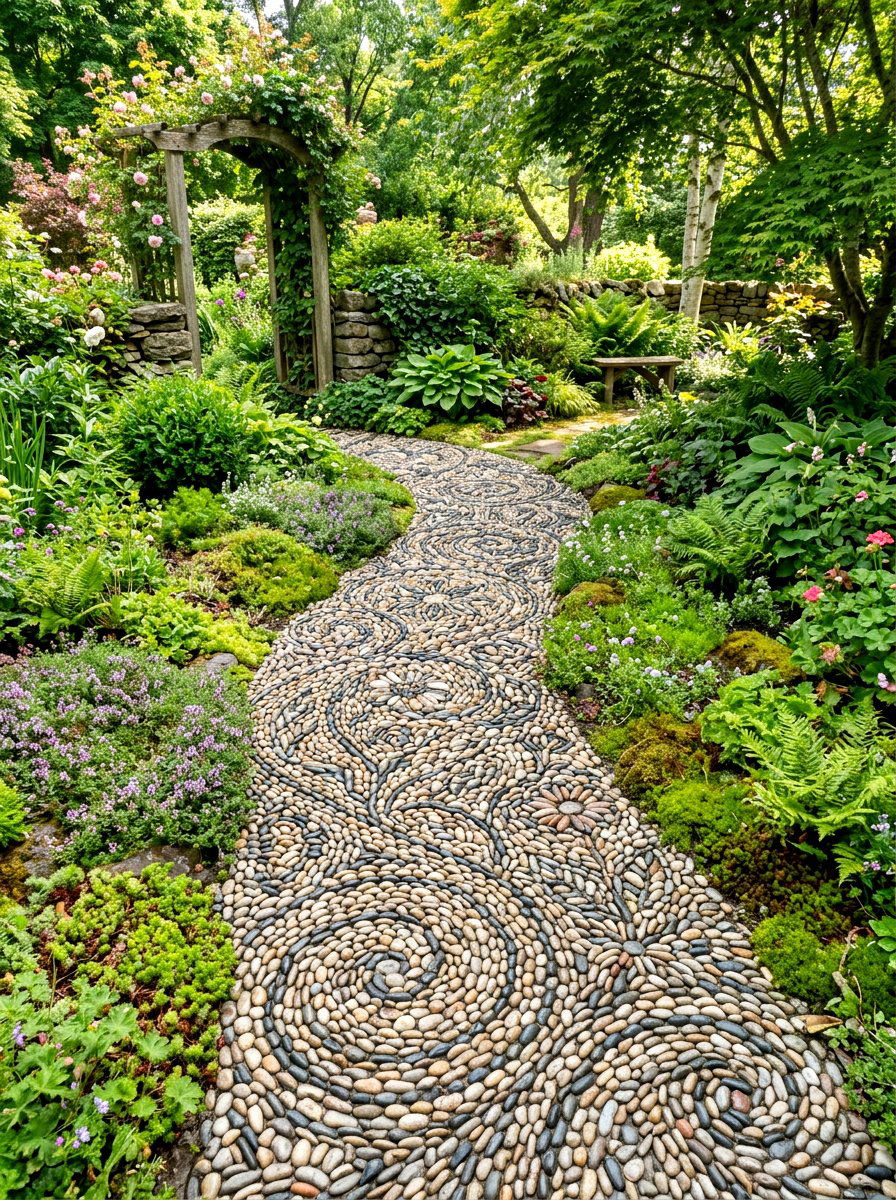
The decorative pebble mosaic path turns a standard walkway into a stunning piece of outdoor floor art. This design involves hand-setting small, smooth pebbles into a mortar base to create intricate swirls, floral patterns, or geometric borders. It is a highly labor-intensive process but results in a one-of-a-kind entrance that is sure to go viral on Pinterest. To balance the intricate detail of the mosaic, keep the surrounding landscaping simple with low-growing green groundcovers. This style is perfect for small entryways or courtyard gardens where the path can be appreciated as a central focal point, combining function with the high-level artistry of traditional stone masonry.
25. English Limestone Garden Path
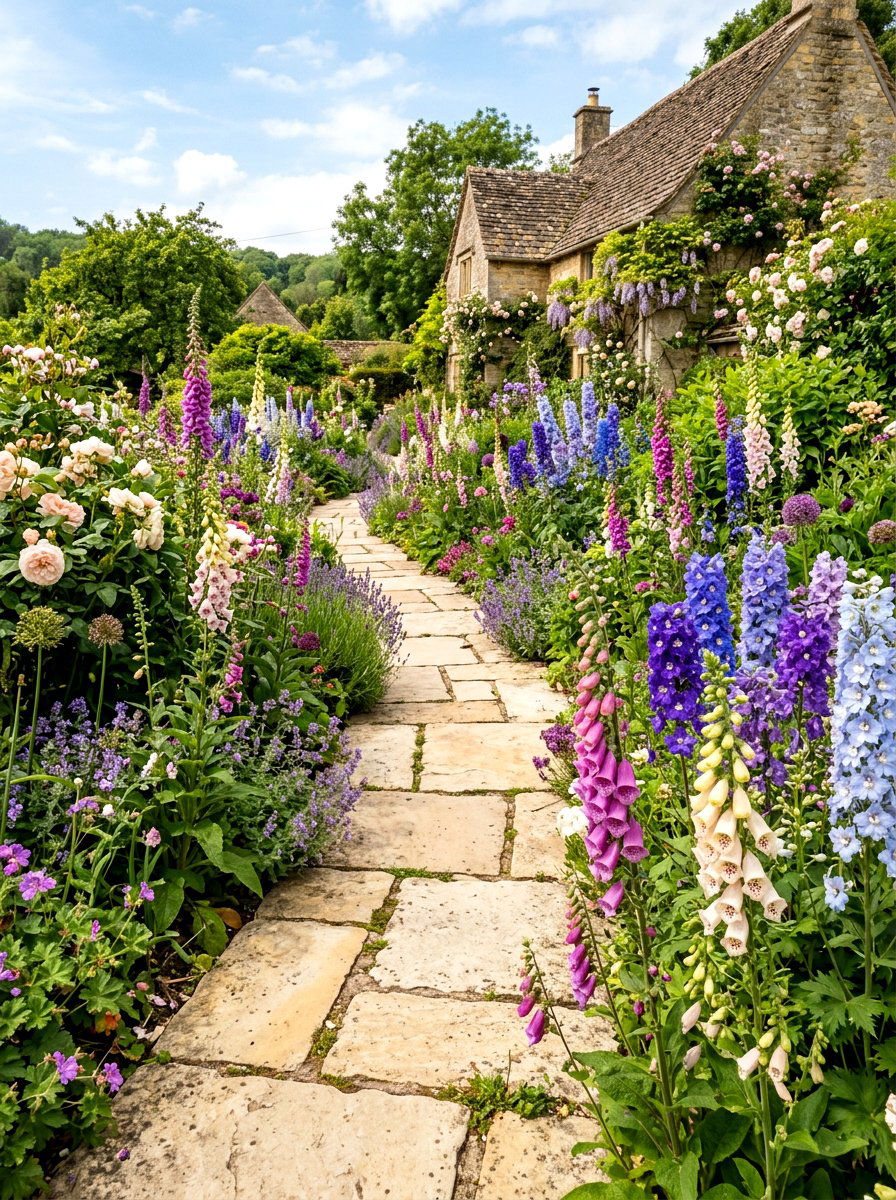
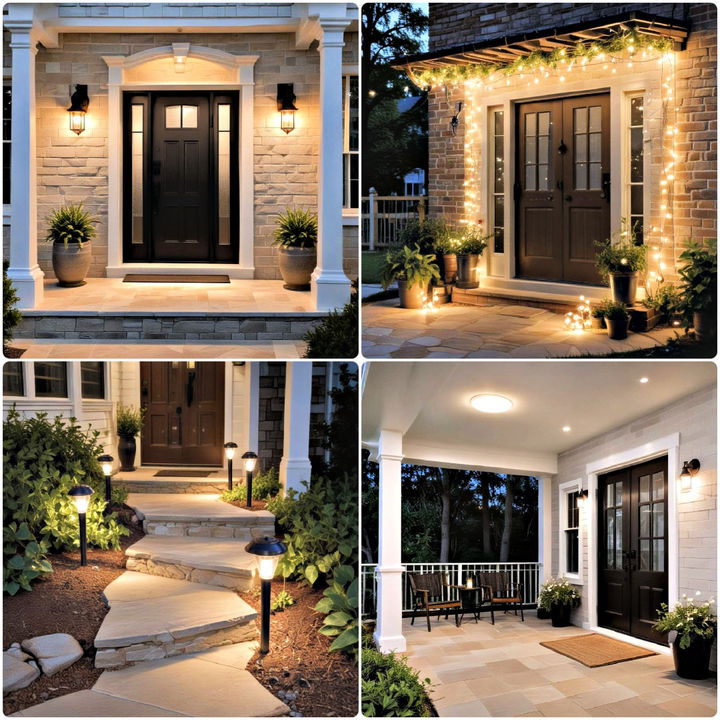
The English limestone garden path offers a bright and cheerful entrance with its characteristic creamy-yellow and pale beige tones. This material provides a soft, warm glow that makes the front of any home feel sunny and welcoming. Using rectangular slabs of various sizes in a random ashlar pattern creates a sophisticated and balanced look that is common in classic English estates. Surround the walkway with a classic herbaceous border filled with delphiniums, foxgloves, and roses to create a lush, romantic setting. The light color of the stone provides a perfect backdrop for the vibrant colors of a traditional flower garden, making every step feel like a stroll through the countryside.
26. Urban Dark Basalt Path
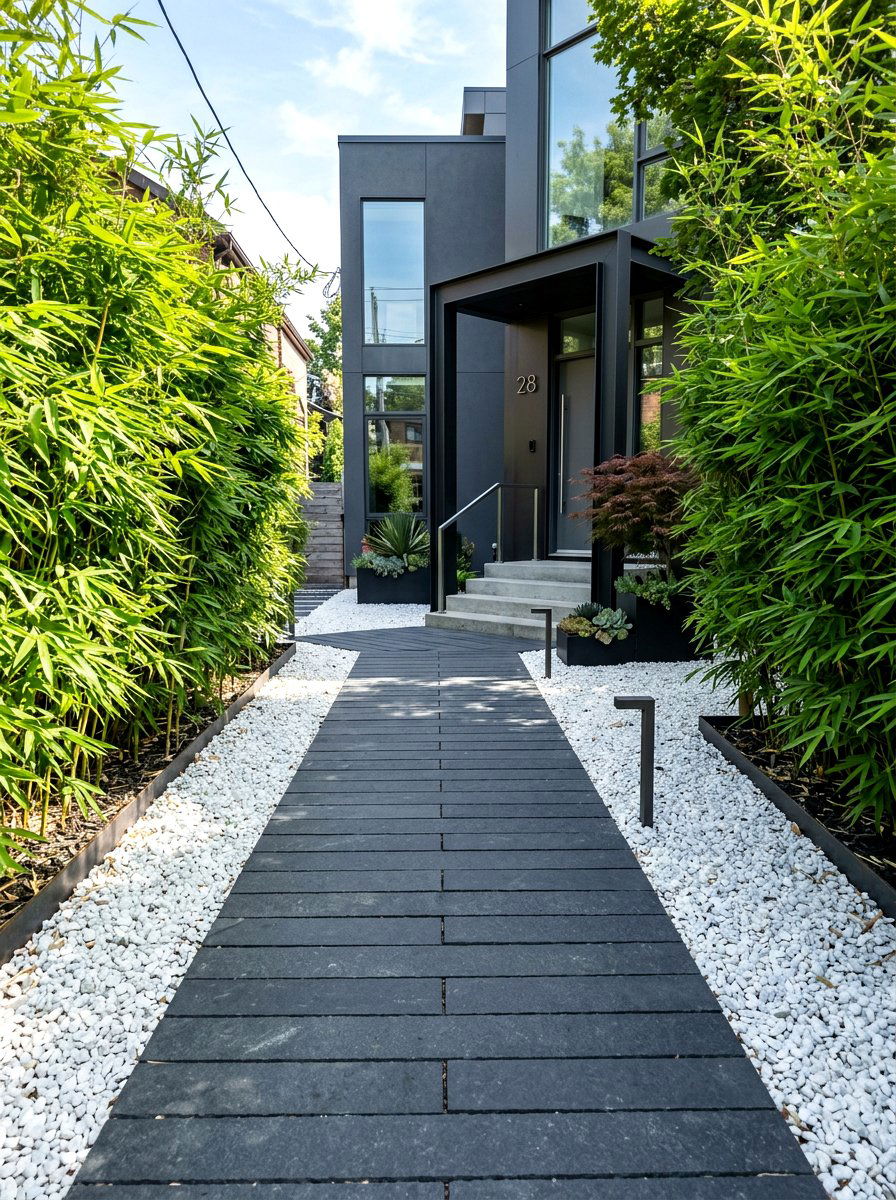
An urban dark basalt path is the pinnacle of modern landscape design, offering a moody and dramatic entrance for city homes or minimalist structures. Basalt is a volcanic rock known for its deep charcoal and black tones and its incredible density. Using long, narrow "plank-style" pavers creates a sense of movement and direction toward the front door. To make the dark stone pop, use white or light gray gravel as a bordering material and include a few pops of bright green from structural plants like bamboo or boxwood globes. This high-contrast design feels sophisticated, clean, and very expensive, providing a striking first impression in a compact urban space.
27. Formal Circular Paving Entry
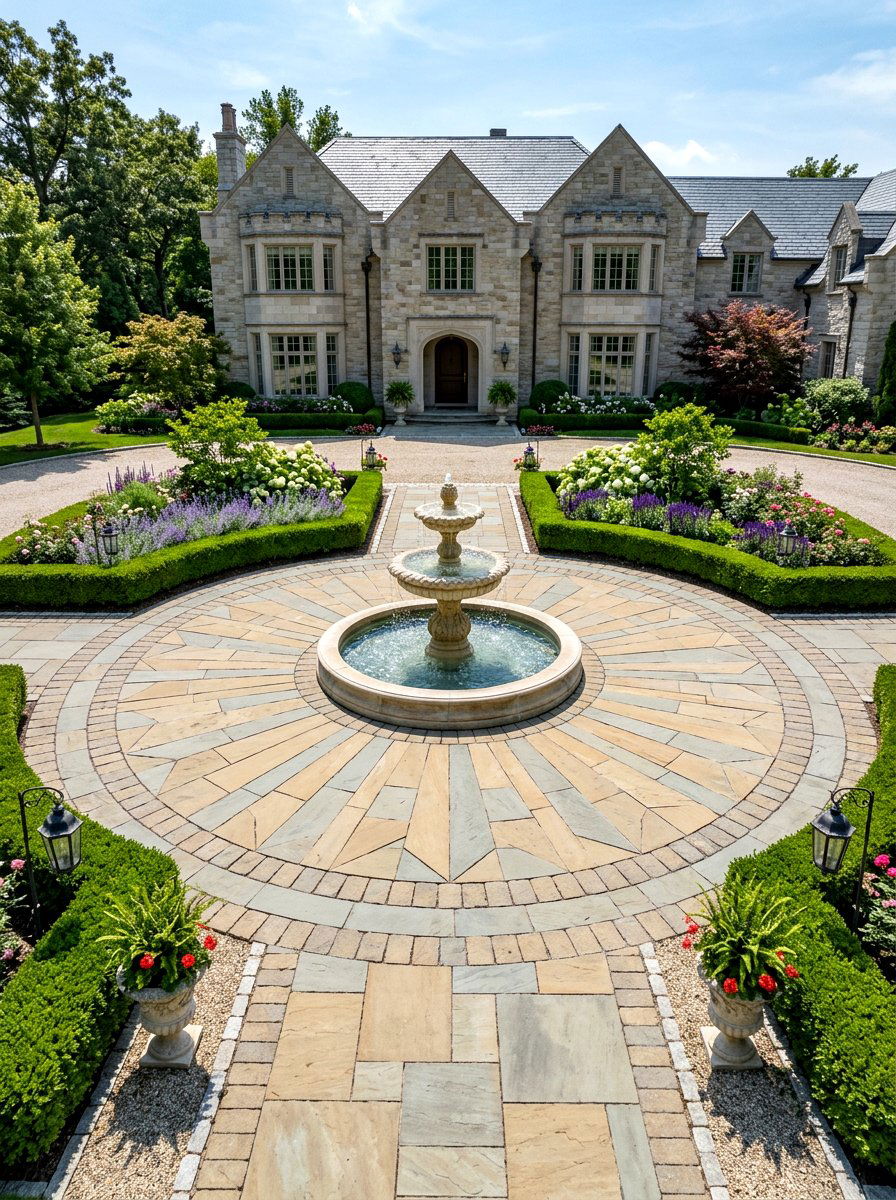
A formal circular paving entry creates a grand sense of arrival and can serve as a beautiful focal point in a larger front garden. This design features a central circular pattern made of wedge-shaped pavers, which can be used to anchor a larger courtyard or a wider section of the path. In the center of the circle, you might place a classical fountain, a large ornamental tree, or a decorative sundial. This full design emphasizes symmetry and classical proportions, making it a perfect match for stately or traditional architecture. The circular shape breaks up the straight lines of the home and provides a gracious area for guests to gather.
28. European Random Ashlar Path
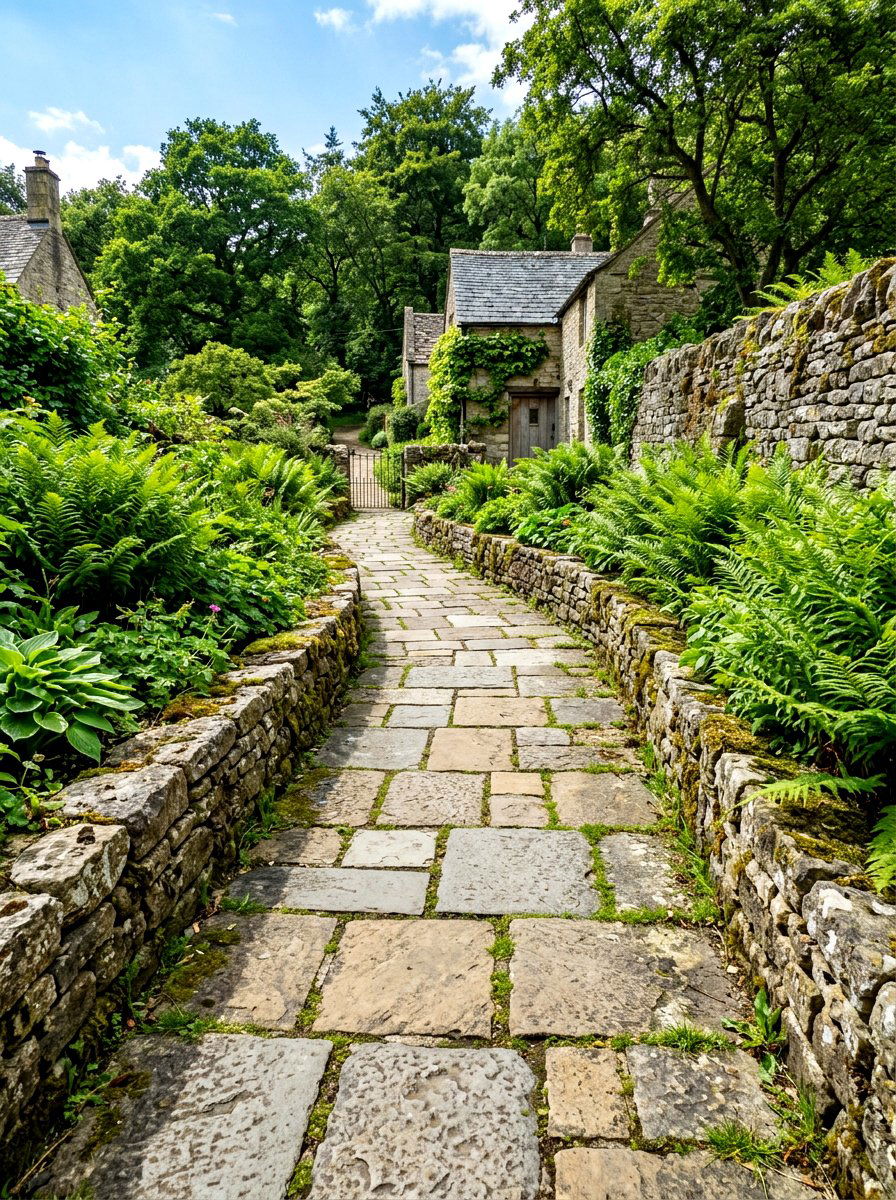
The European random ashlar path uses a mix of square and rectangular stones of different sizes to create a pattern that feels both organized and organic. This layout is common in historic European courtyards and offers a sturdy, interlocking surface that is visually interesting without being overwhelming. To complete the design, use a high-quality jointing sand that prevents weeds while allowing the stone edges to remain crisp. Border the path with low stone walls and a variety of textures, such as hostas and ferns, to create a sense of enclosure and privacy. This style provides a versatile foundation that works well with almost any type of house exterior.
29. Industrial Steel Edged Gravel
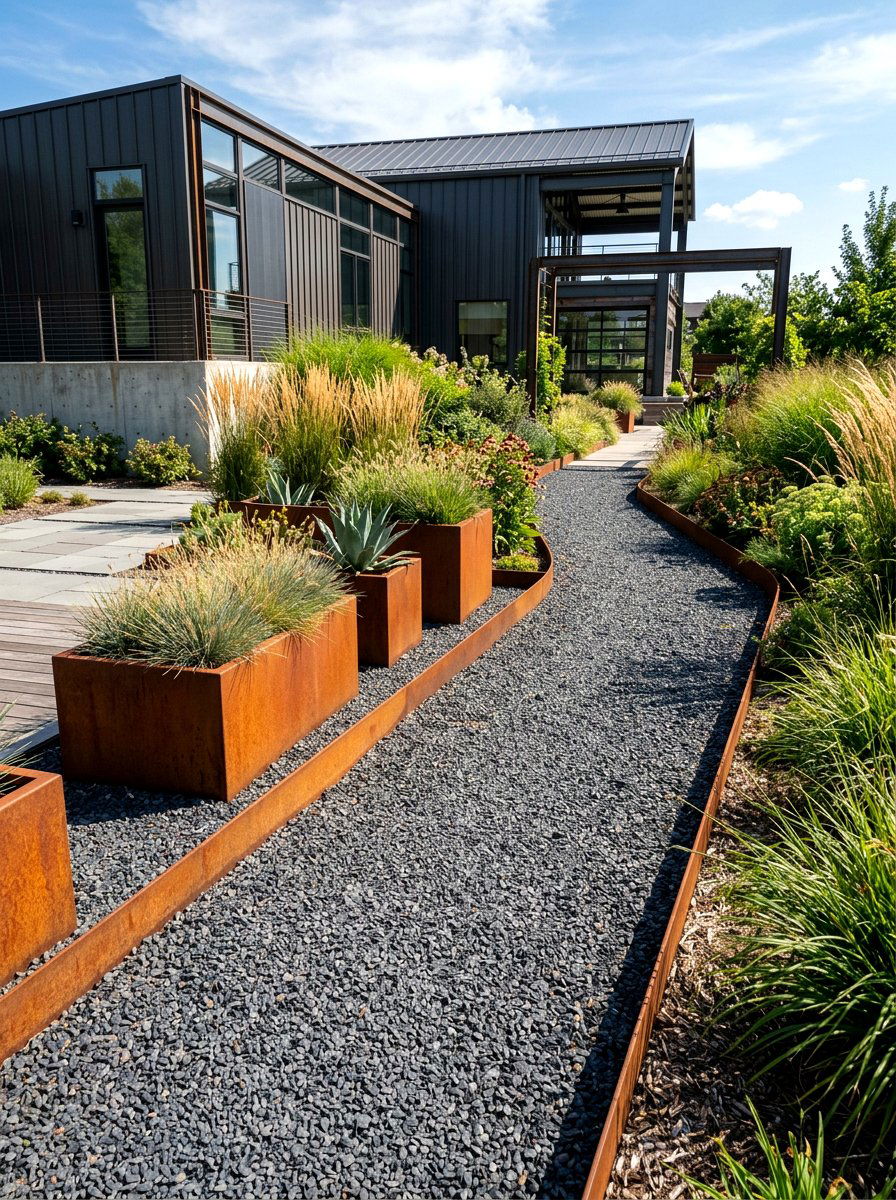
The industrial steel edged gravel path is a favorite for modern and mid-century homes that value sharp lines and raw materials. This design uses thin strips of weathering steel (Corten) to create perfectly straight or precisely curved borders for a bed of dark gravel. The steel develops a beautiful rust-colored patina over time, which provides a stunning contrast against the cool tones of the stones and the green of the plants. To finish the industrial look, incorporate oversized metal planters and architectural lighting that casts long shadows across the gravel. This path is low-cost, high-impact, and incredibly durable, offering a clean and modern entrance with minimal maintenance.
30. Desert Sandstone Block Path
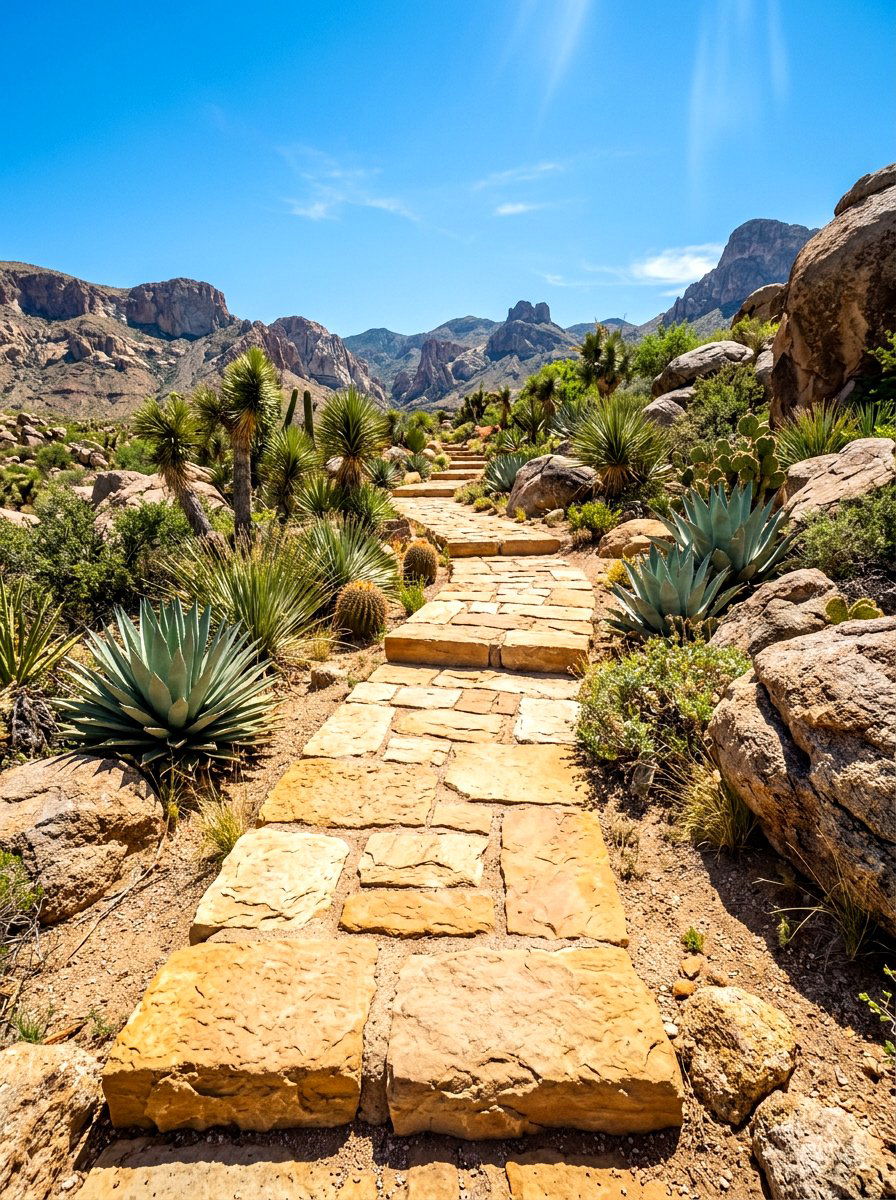
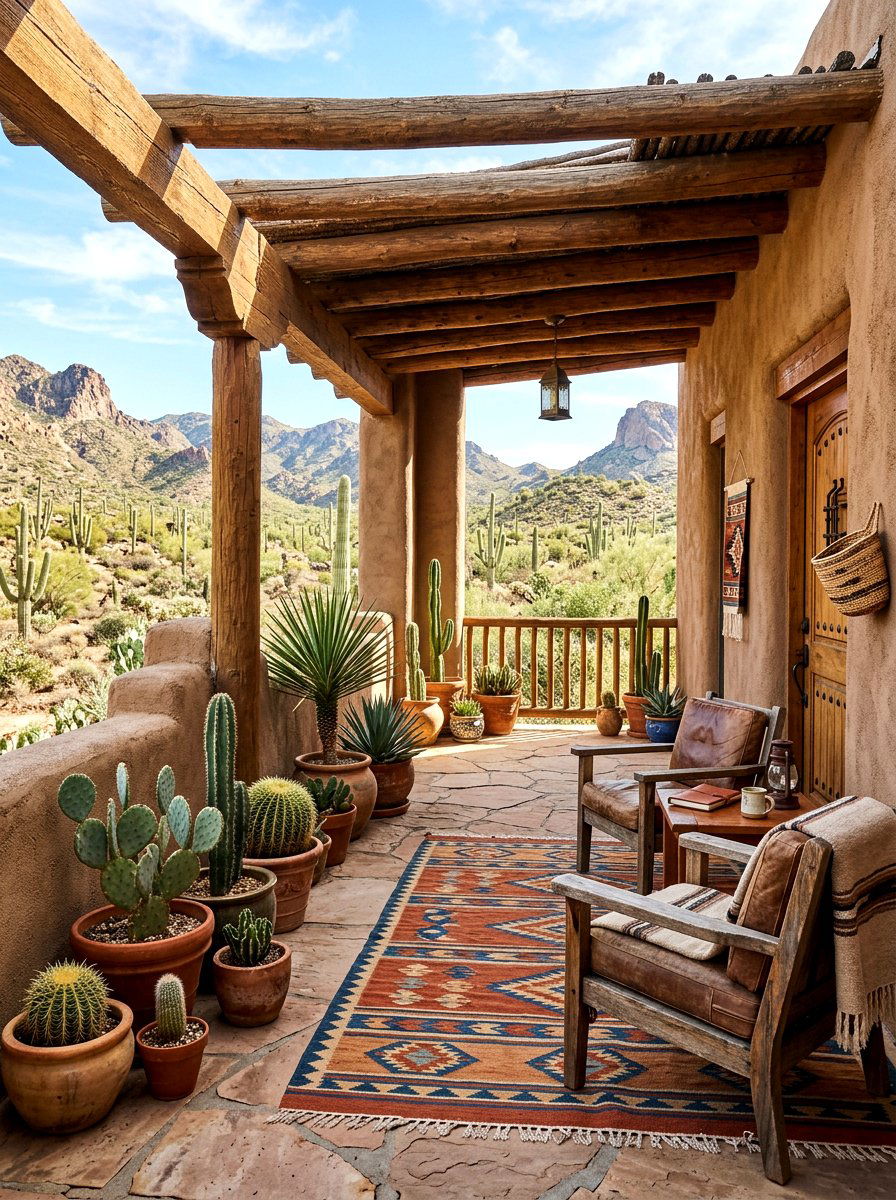
A desert sandstone block path is the perfect solution for homes in arid climates or those wanting a warm, sun-drenched aesthetic. This design uses thick blocks of sandstone in shades of gold, orange, and tan, laid in a simple and sturdy pattern. The natural texture of the sandstone is porous and slip-resistant, making it a safe choice for outdoor use. To complete the desert-inspired design, surround the path with xeriscaping elements like agave, yuccas, and decorative boulders. This walkway harmonizes with the natural landscape and requires very little water, providing a beautiful and sustainable entrance that celebrates the warmth and rugged beauty of the desert environment.
Conclusion:
Selecting the perfect front garden path is a rewarding project that significantly enhances your home's exterior appeal and functionality. From the historic charm of reclaimed brick to the sleek, architectural lines of floating concrete steps, each design offers a unique way to welcome guests and express your personal style. By considering your home’s architecture, the local climate, and your desired level of maintenance, you can create a walkway that serves as a beautiful transition into your private space. Remember that the best paths are those that harmonize with the surrounding landscaping, creating a cohesive and inviting environment. Whether you choose a simple gravel trail or a complex stone mosaic, your new garden path will provide a lasting first impression for years to come.

Related posts: