Designing a secret path within your garden is about more than just creating a walkway from one point to another. It is about crafting an immersive experience that invites curiosity and rewards exploration within your own private sanctuary. A well-placed path can transform a standard backyard into a series of enchanting outdoor rooms, each offering a unique mood and perspective. Whether you prefer the rustic charm of a woodland trail or the clean lines of a modern stone passage, these paths serve as the literal and figurative thread that weaves your landscape together. By incorporating layers of lush planting, hidden lighting, and tactile materials, you create a journey that feels deeply personal and magically secluded from the outside world.
1. Moss covered stone walkway
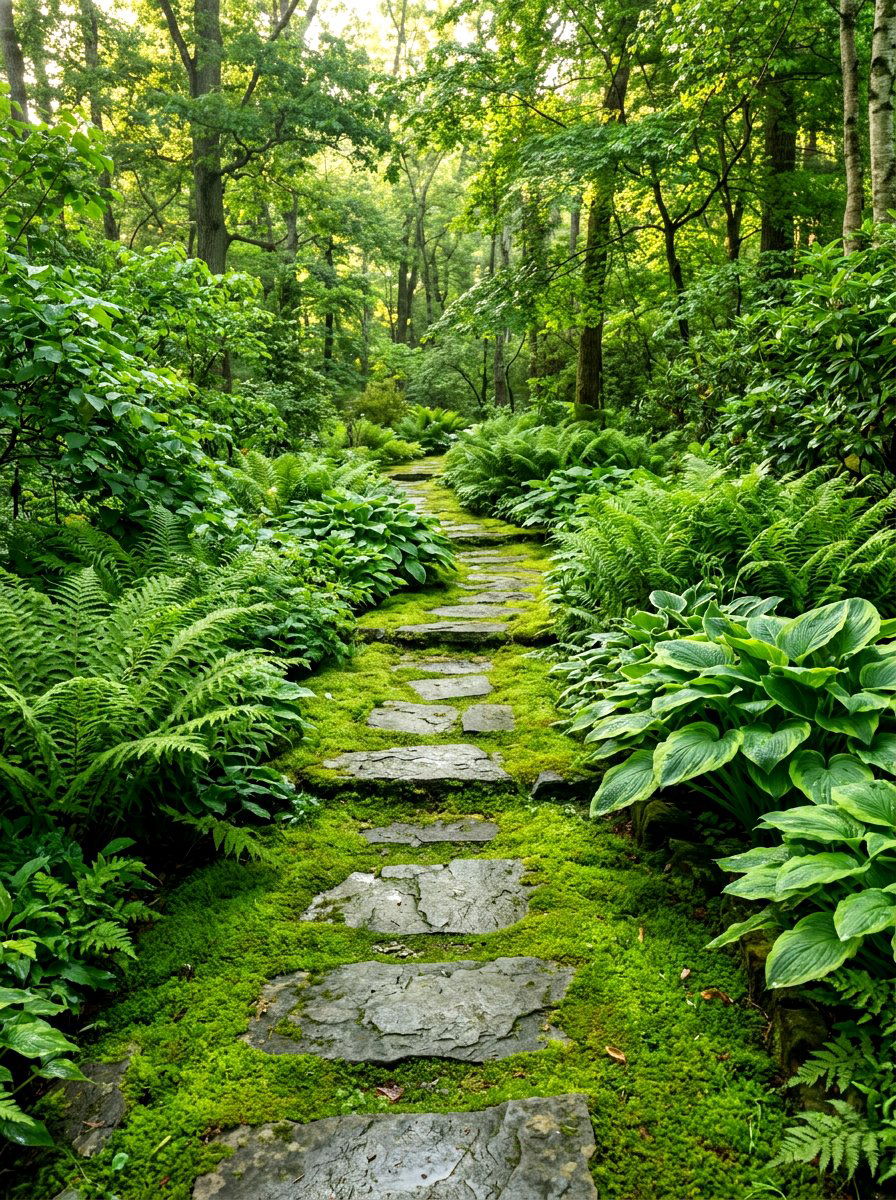
Imagine stepping into a cool, shaded corner where every surface is blanketed in soft, vibrant green. A moss-covered stone walkway creates an instant sense of age and mystery, making your garden feel like a centuries-old forest retreat. To achieve this look, place flat, irregular flagstones in a damp area under a thick tree canopy. Encourage native mosses or low-growing Irish moss to fill the gaps between the rocks. This design anchors a woodland-themed garden, surrounding the path with delicate ferns and silver-leafed hostas. The soft, cushioned texture underfoot provides a quiet, meditative walking experience that feels miles away from the busy world.
2. Curved gravel garden path
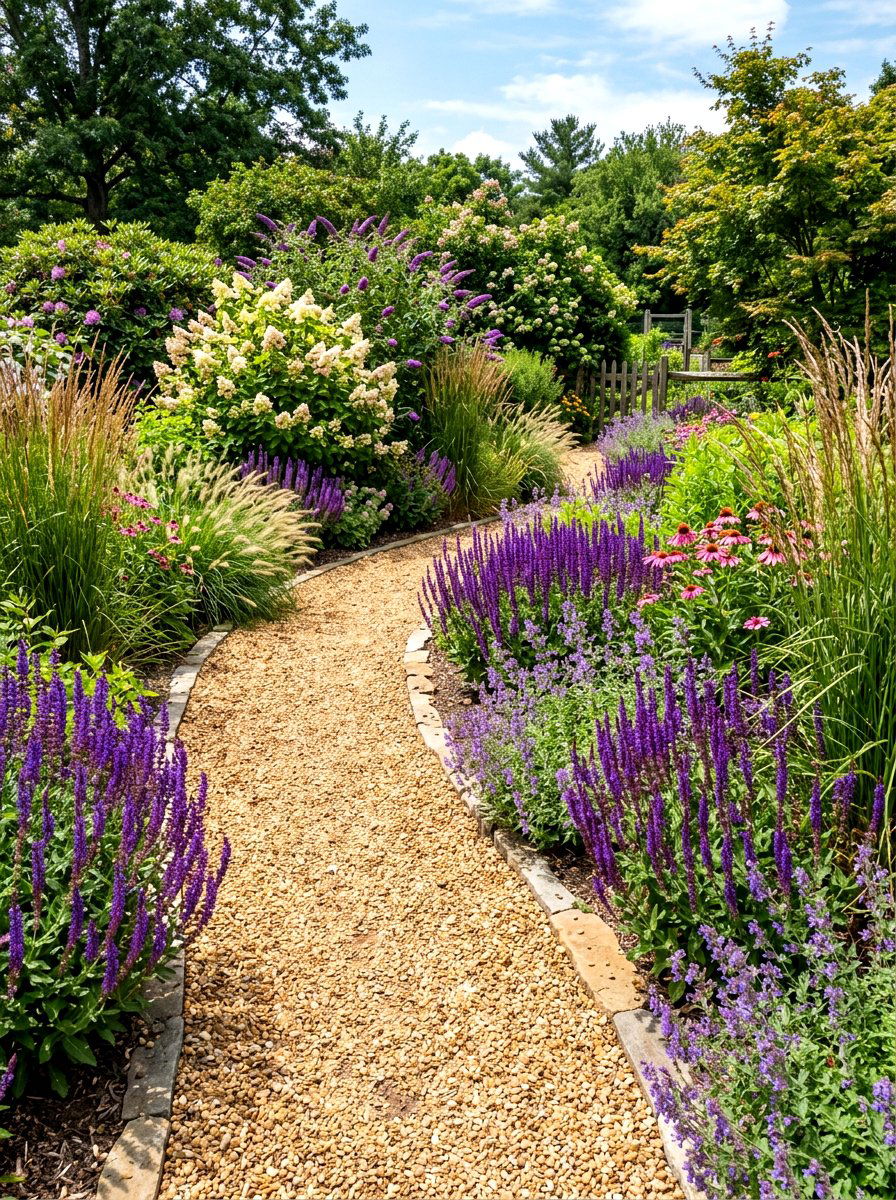
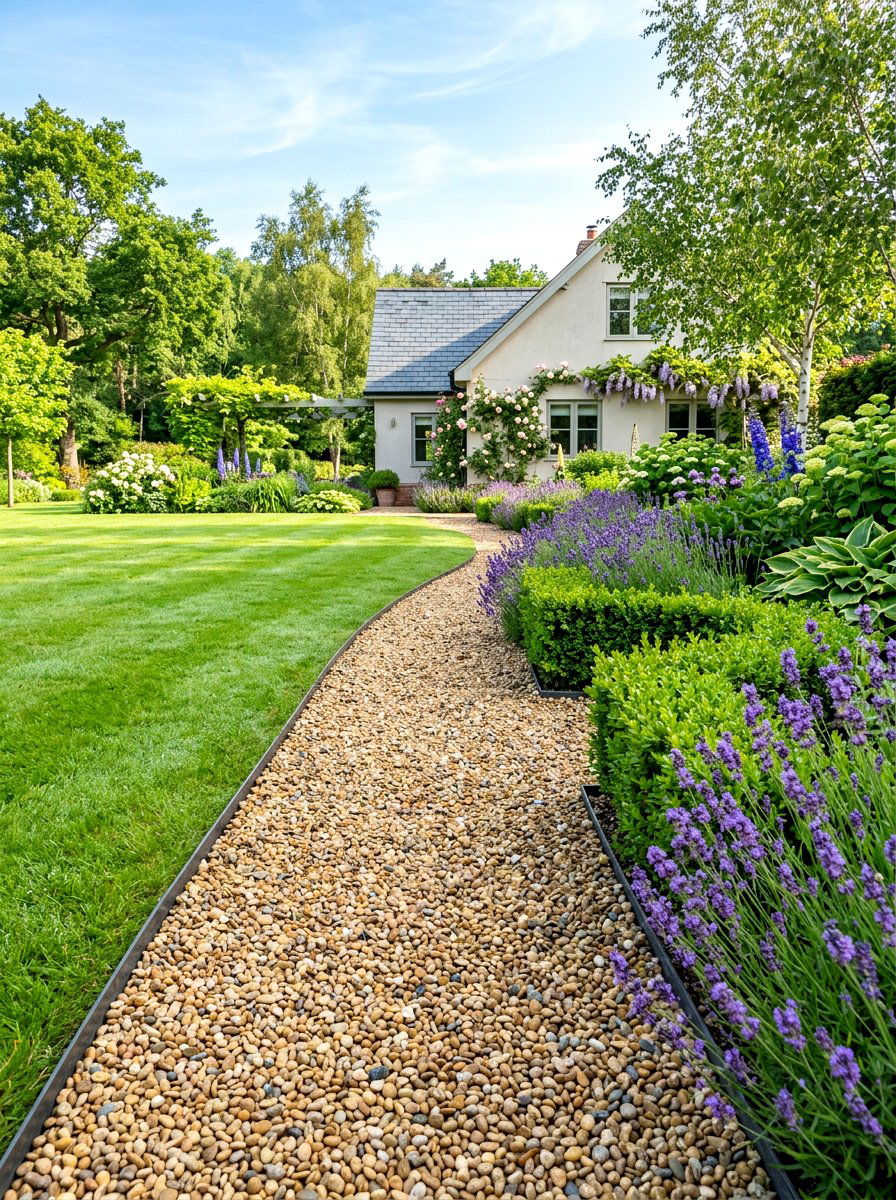
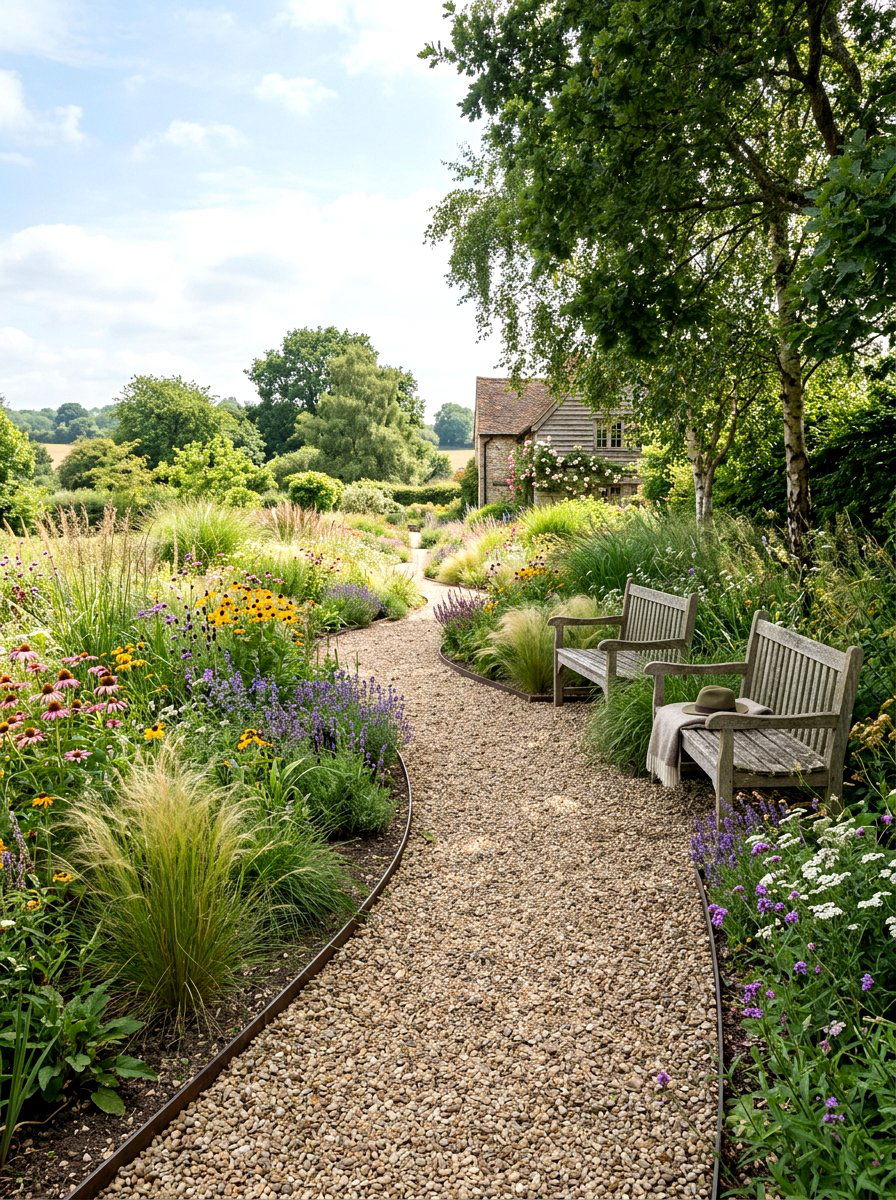
A curved gravel garden path is a classic choice for those who love the gentle crunch of stones underfoot. This design focuses on an organic, winding flow that prevents the eye from seeing the end of the journey all at once. By using fine pea gravel in warm tan or cool gray tones, you can create a versatile surface that complements almost any home style. The path should be bordered by overflowing perennial beds filled with blooming salvia and ornamental grasses. This setup encourages visitors to slow down and enjoy the shifting views as they navigate the gentle bends toward a hidden seating area.
3. Flagstone stepping stones through grass
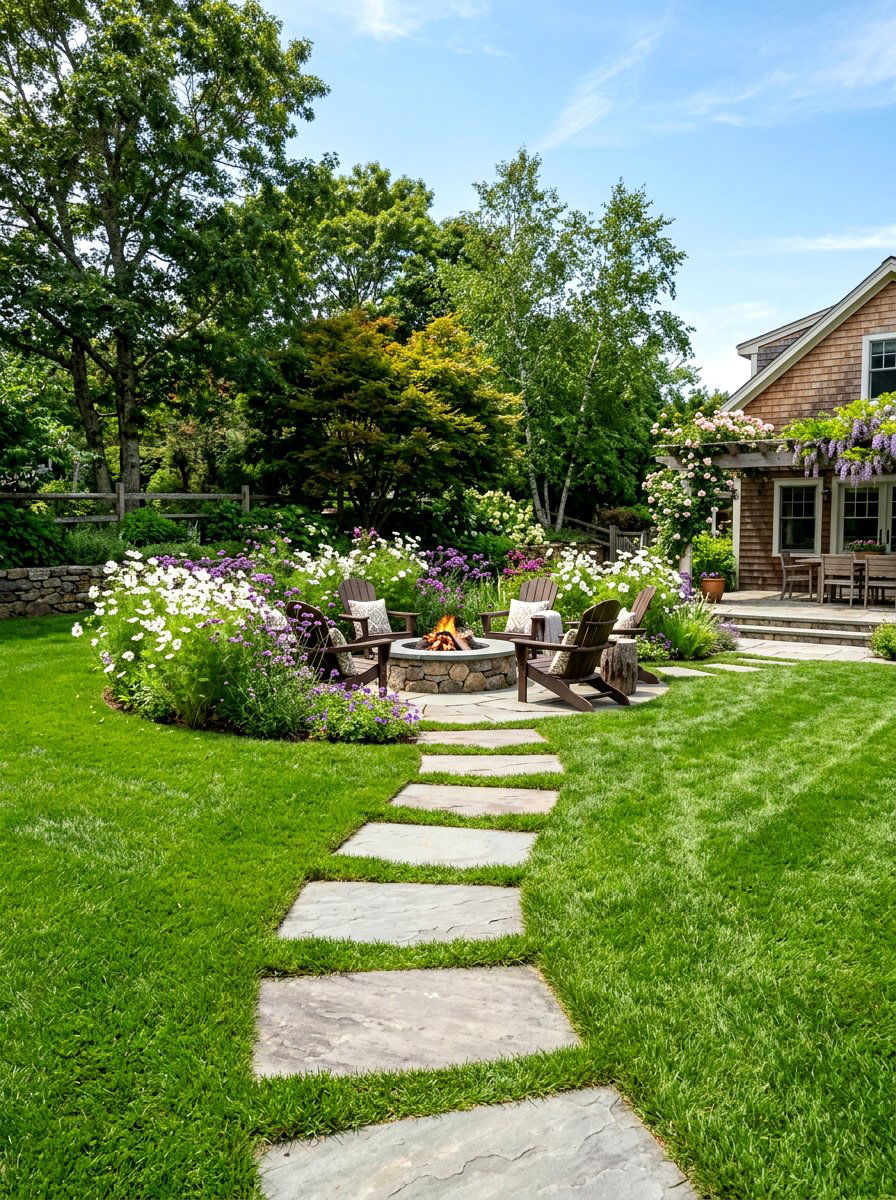
Creating a path using large, flat flagstone stepping stones set directly into a lush lawn offers a minimalist yet magical aesthetic. This design allows the greenery of the grass to remain the dominant feature while providing a clear, firm route through the landscape. The irregular shapes of the natural stone provide a rustic contrast to the manicured turf. This type of path is perfect for connecting a main patio to a distant fire pit or a quiet reading nook. Surrounding the area with tall, airy plants like verbena or cosmos adds a sense of vertical interest that frames the flat stones beautifully.
4. Wood slice woodland trail
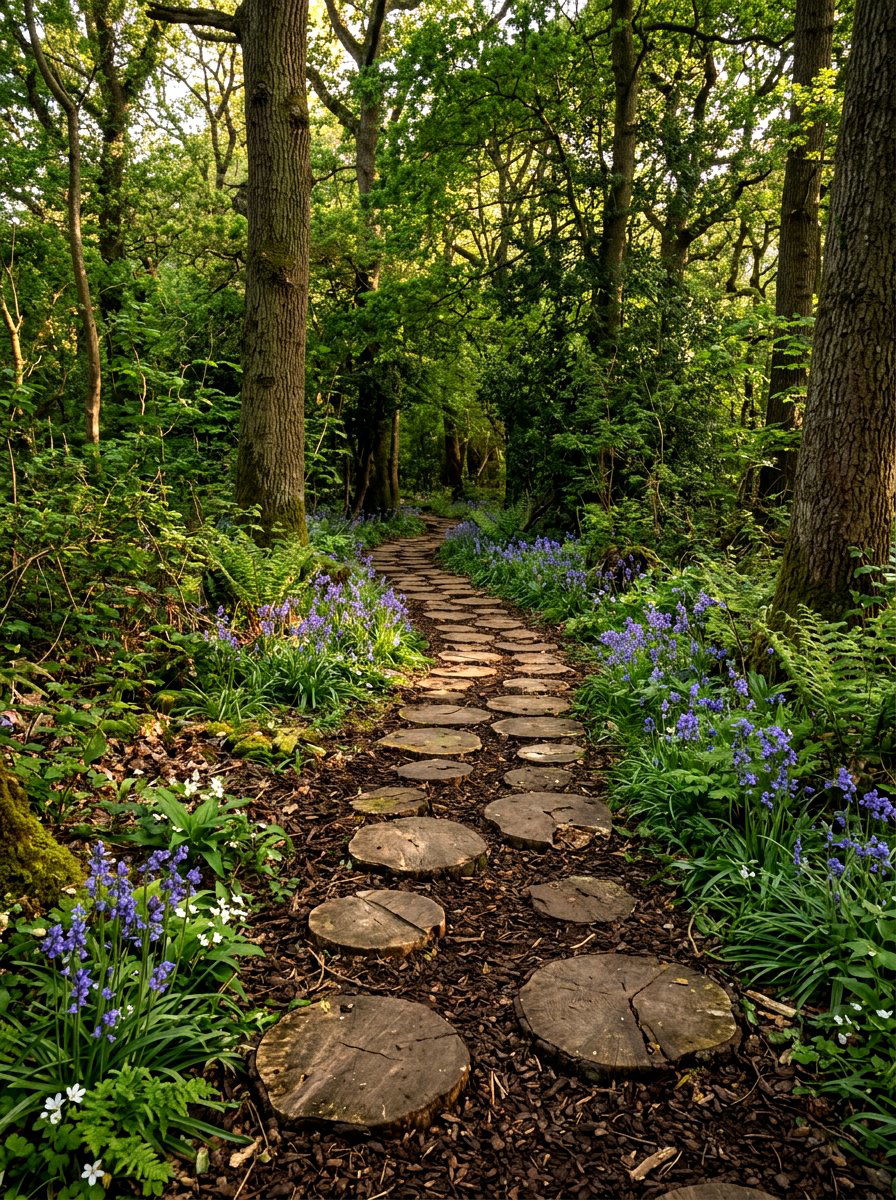
For a truly rustic and eco-friendly approach, a wood slice woodland trail utilizes cross-sections of fallen logs to create a naturalistic walkway. These "log rounds" are nestled into a bed of dark bark mulch, creating a tactile and visually interesting surface that blends seamlessly with the earth. This design works best in a wilder part of the yard where tall oaks or maples provide deep shade. The warm wood tones are highlighted by planting pops of white wood anemones or bluebells along the edges. It is a perfect way to recycle natural materials while building a path that feels entirely organic.
5. Brick herringbone garden walkway
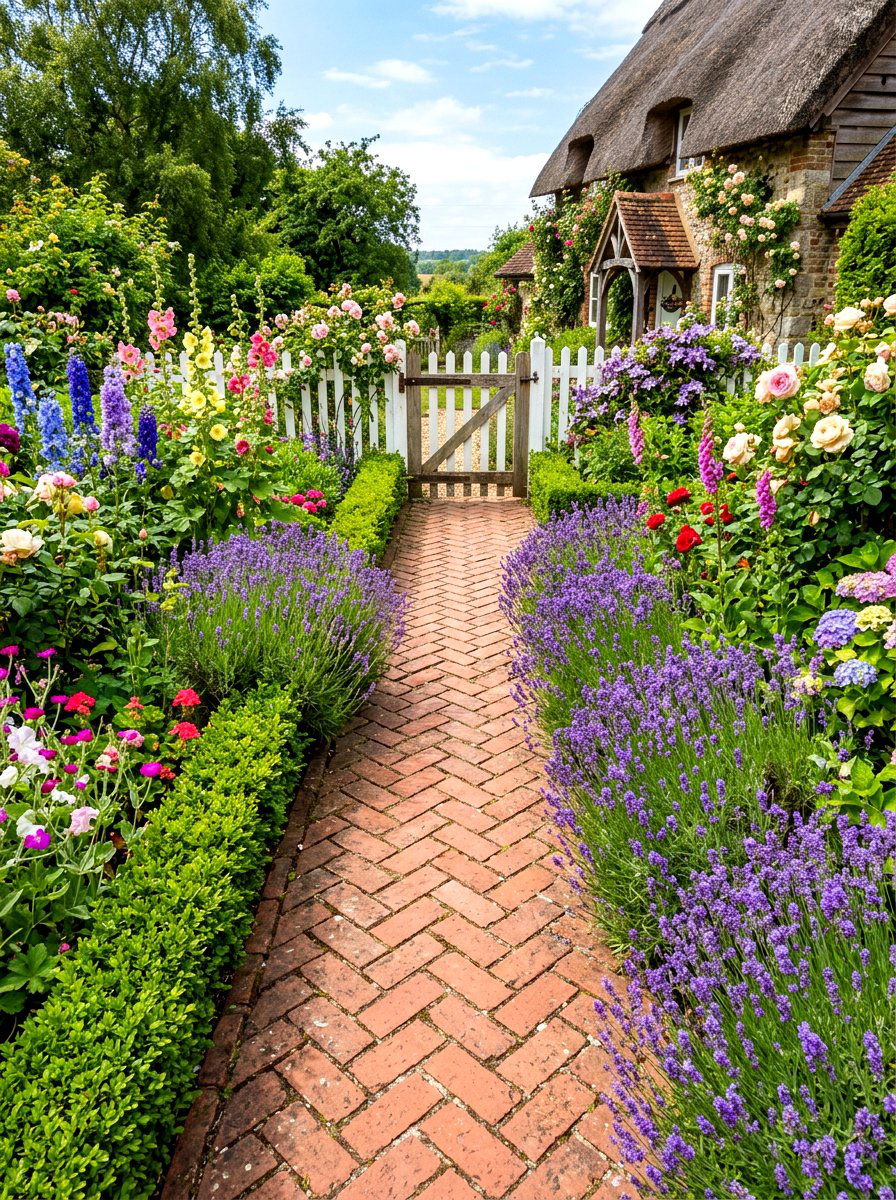
A brick herringbone garden walkway brings a sense of timeless elegance and structured beauty to your outdoor space. The intricate pattern of the bricks creates a visual rhythm that guides the eye forward with purpose. This design is ideal for cottage-style gardens or formal backyards where a defined, high-contrast path is needed. Using reclaimed or weathered bricks adds a layer of character and history to the scene. To complete the look, line the path with low boxwood hedges or neat rows of lavender. This creates a clear boundary that makes the secret path feel like a prestigious entrance to a hidden outdoor room.
6. Narrow mulch path with ferns
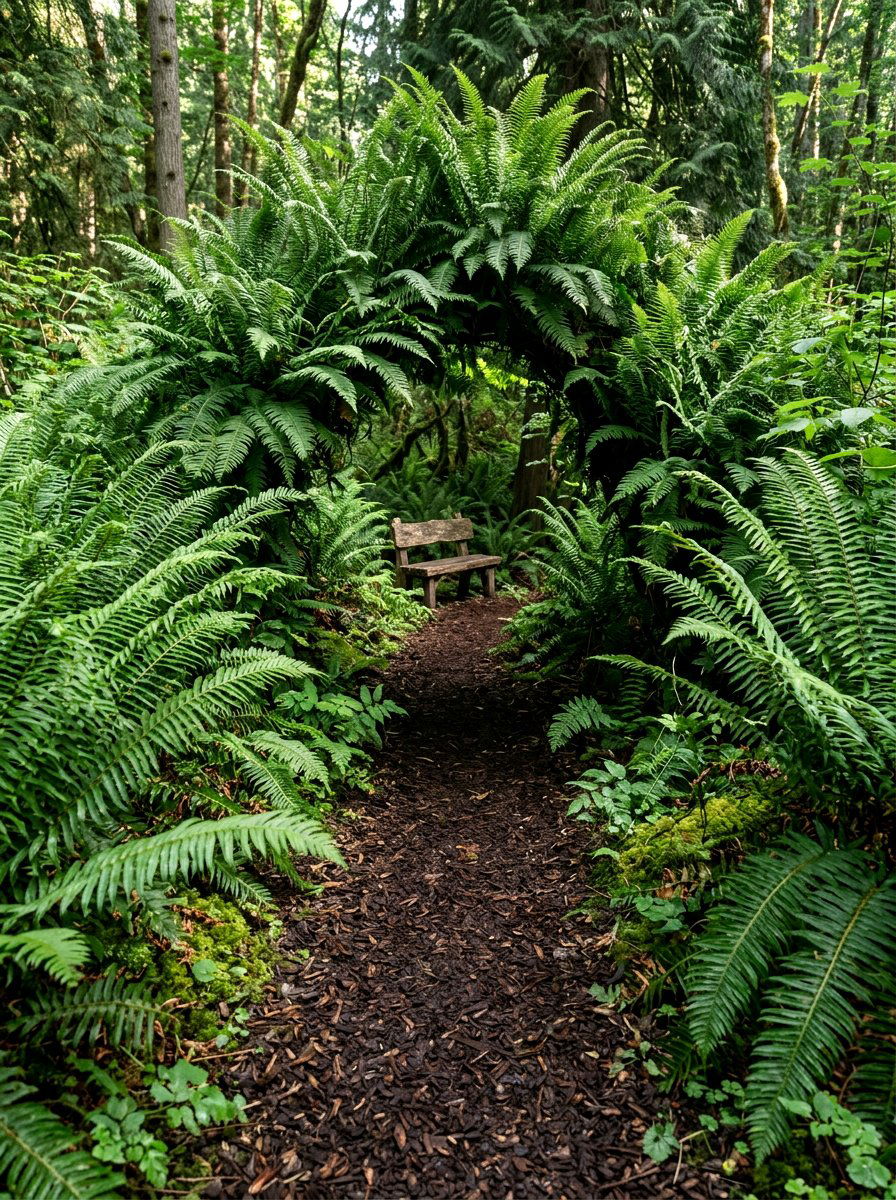
When space is limited, a narrow mulch path with ferns can turn a forgotten side yard into a lush, green corridor. Dark wood chips or shredded cedar mulch provide a soft, dark base that makes the bright green of the foliage stand out. This design prioritizes the planting, with towering ostrich ferns and delicate maidenhair ferns leaning over the edges to partially obscure the route. This creates a sense of enclosure and privacy, making the path feel like a secret tunnel through a jungle. It is an affordable and high-impact way to bring texture and life to a shady, narrow garden space.
7. Natural slate garden steps
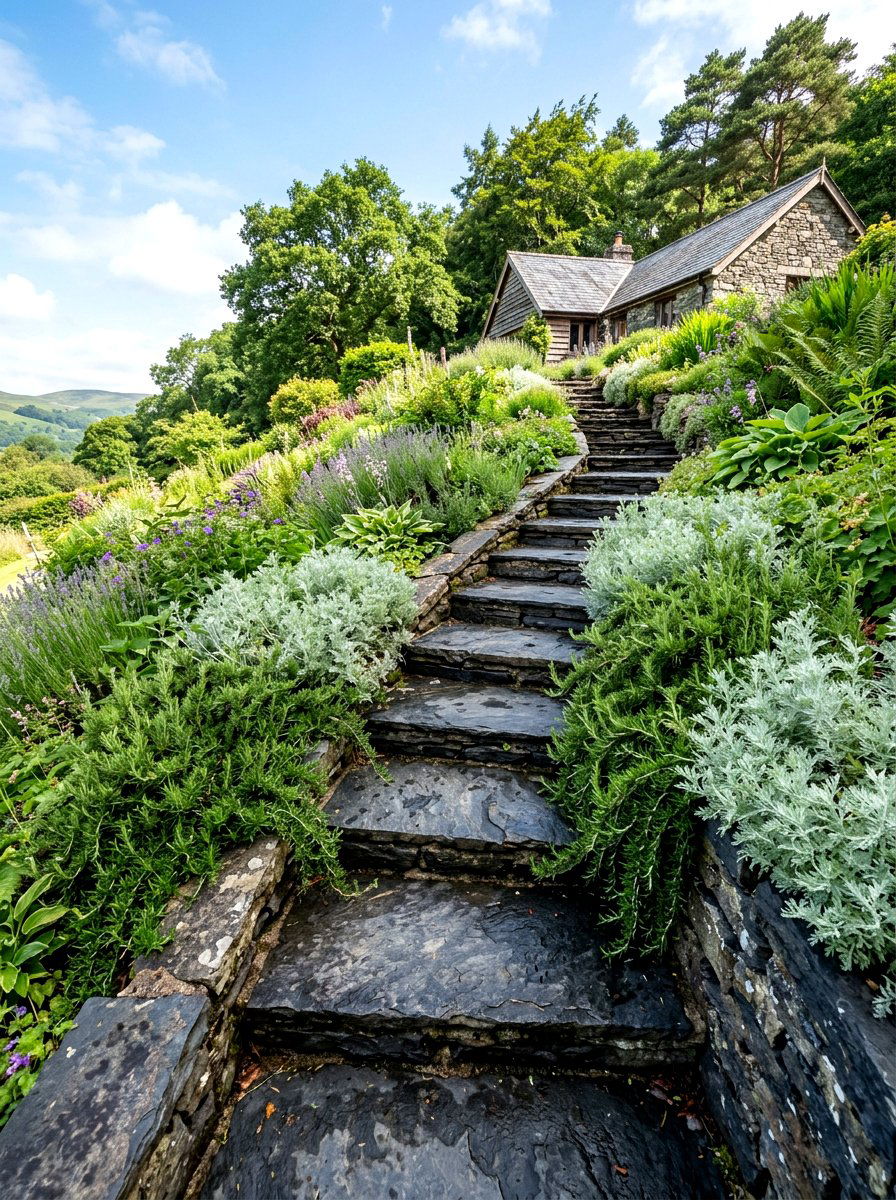
Utilizing natural slate garden steps is an excellent way to navigate sloped terrain while maintaining a sophisticated, modern aesthetic. The dark, layered texture of the slate provides a striking contrast against bright green ground covers like creeping thyme or sedum. Each step should be wide and deep, allowing for a leisurely ascent through the garden. This design anchors a hillside landscape, often accompanied by stacked stone retaining walls that hold back cascades of trailing rosemary or ivy. The result is a dramatic and functional path that turns a challenging incline into a focal point of beauty and structural interest in the garden.
8. Arched trellis over stone path
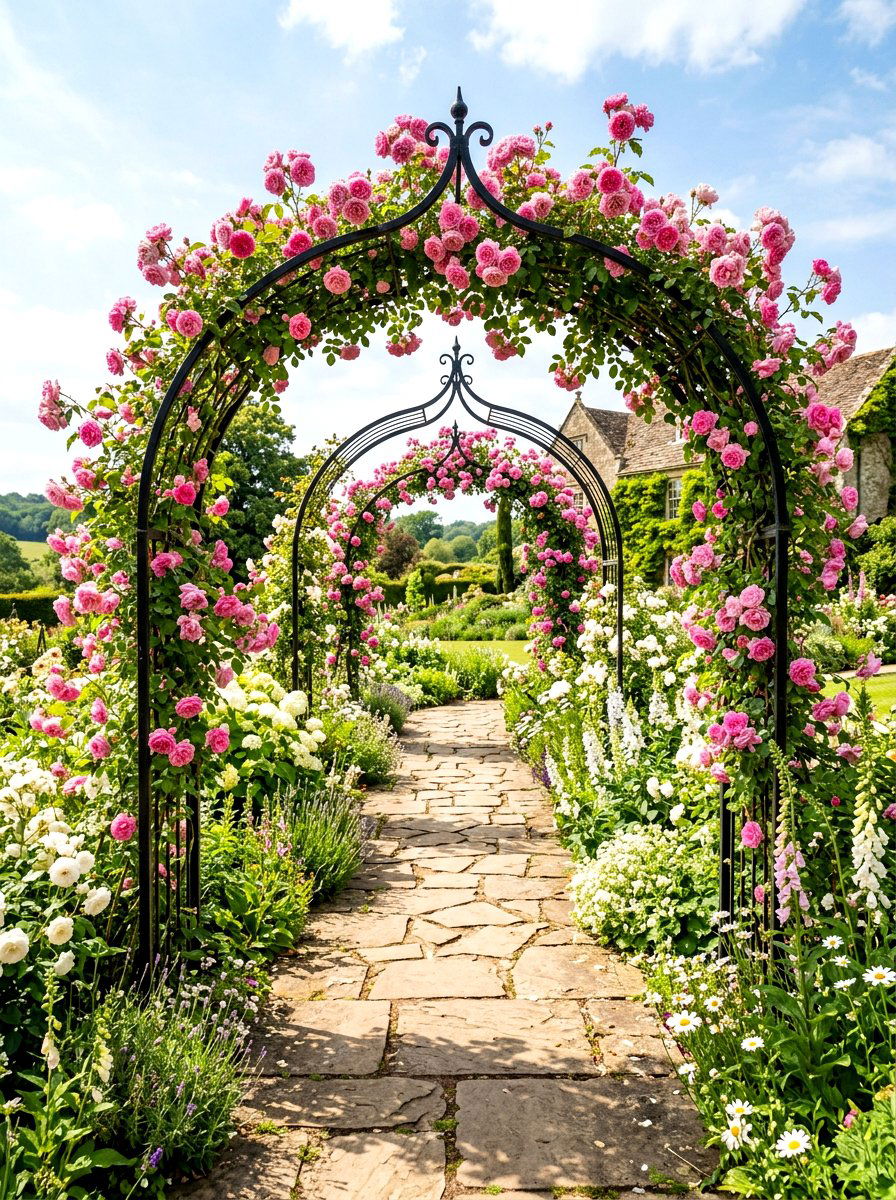
An arched trellis over a stone path adds an architectural element that creates a stunning vertical journey through your yard. By installing a series of wooden or metal arches, you provide a framework for climbing roses, clematis, or fragrant jasmine to thrive. As you walk along the flat stone walkway below, you are enveloped in a tunnel of blooms and scent. This design is perfect for creating a grand transition between different garden zones. The play of light and shadow through the climbing vines adds a dynamic layer to the experience, making every walk feel like an entry into a storybook world.
9. Secret garden gate entrance
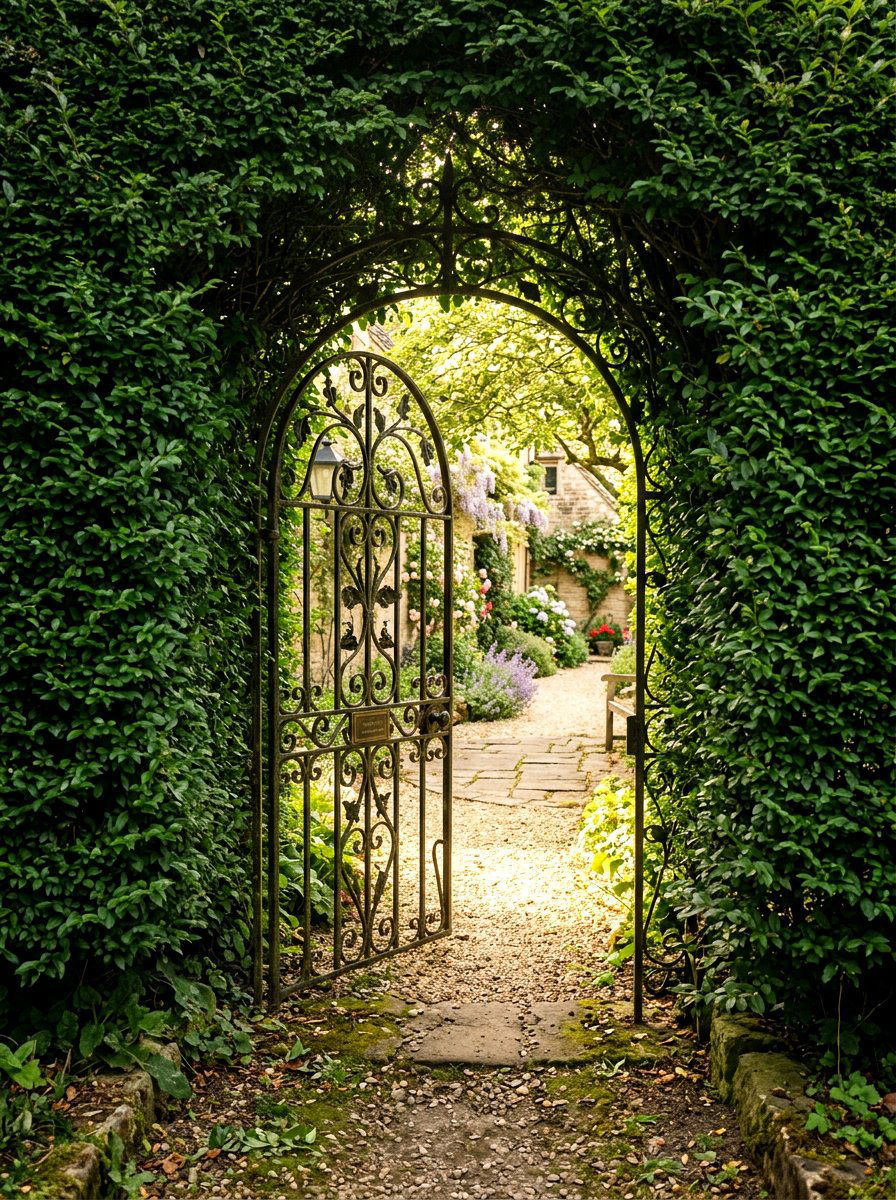
A secret garden gate entrance is the ultimate way to define the beginning of a hidden path. Choose a weathered wooden door or an ornate iron gate tucked between tall evergreen hedges like arborvitae or privet. The gate acts as a portal, signaling that you are leaving the public areas for something private and special. Beyond the gate, a simple path of crushed stone or pavers leads into a secluded courtyard. This design is all about the anticipation of what lies ahead. Surrounding the gate with climbing ivy or blooming wisteria further integrates the structure into the natural landscape for a seamless, hidden look.
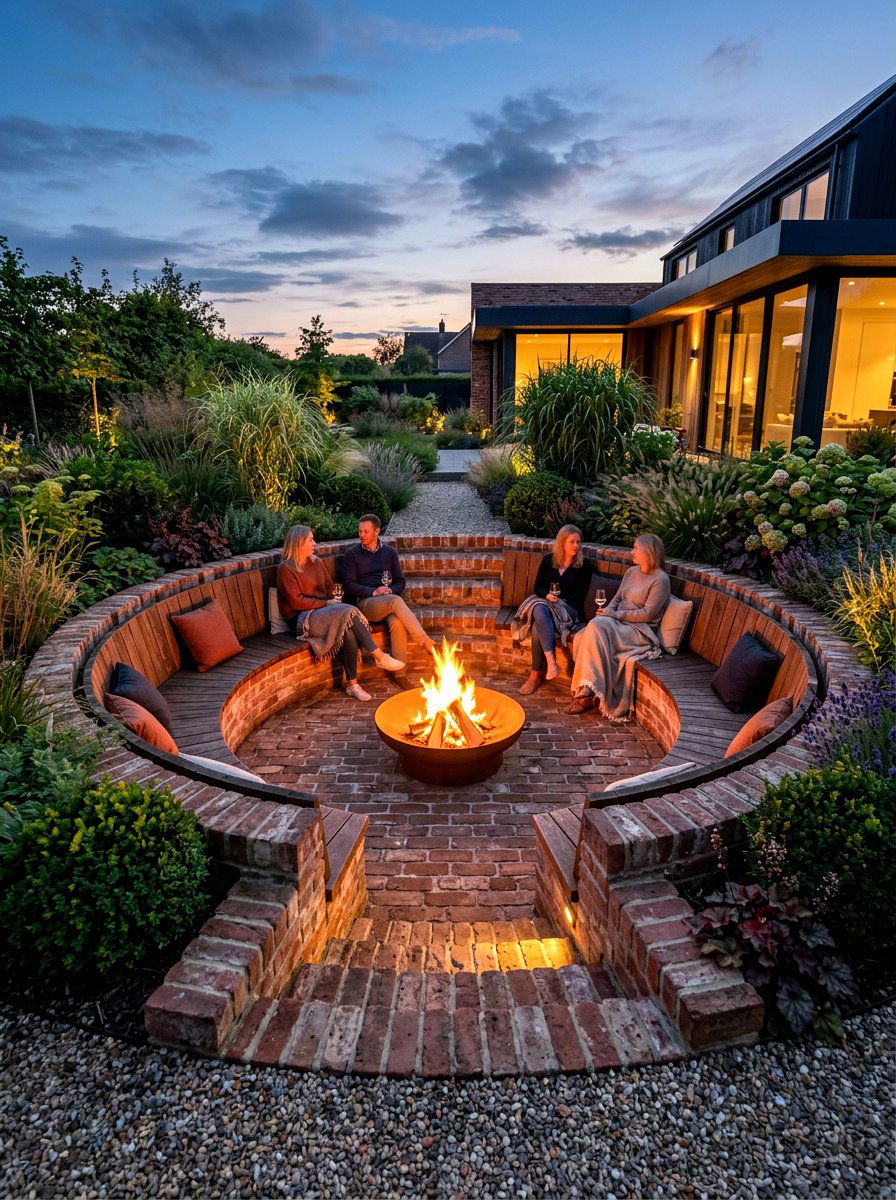
10. Cobblestone path with lavender borders
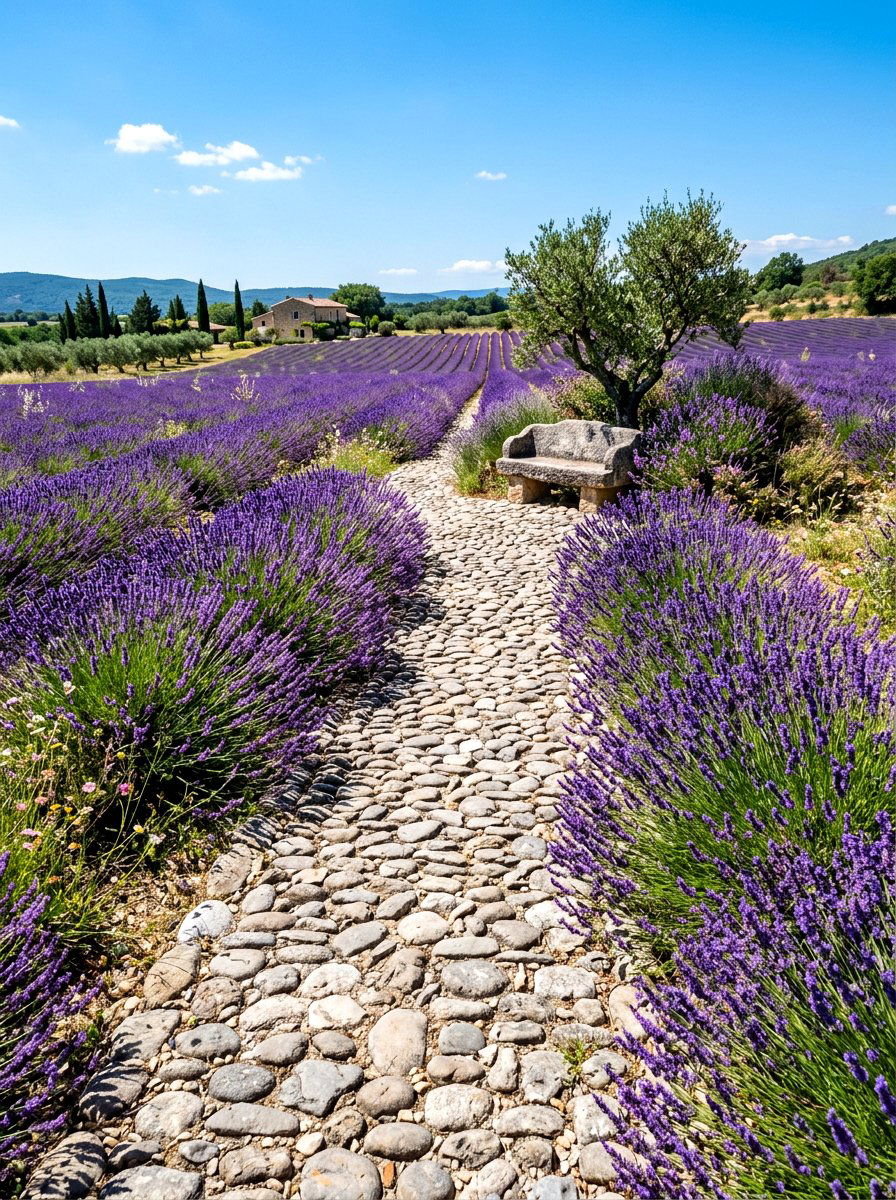
A cobblestone path with lavender borders evokes the charm of the European countryside right in your own backyard. The rounded, uneven surfaces of the cobblestones provide a historic, tactile feel that slows your pace naturally. Planting dense rows of fragrant lavender on either side ensures that every step releases a calming aroma. This design thrives in sunny spots and looks best when the path leads toward a sun-drenched stone bench or a vintage sundial. The combination of gray stones and purple flowers creates a soft, romantic color palette that remains beautiful and fragrant throughout the warm summer months of the year.
11. Reclaimed timber garden boardwalk
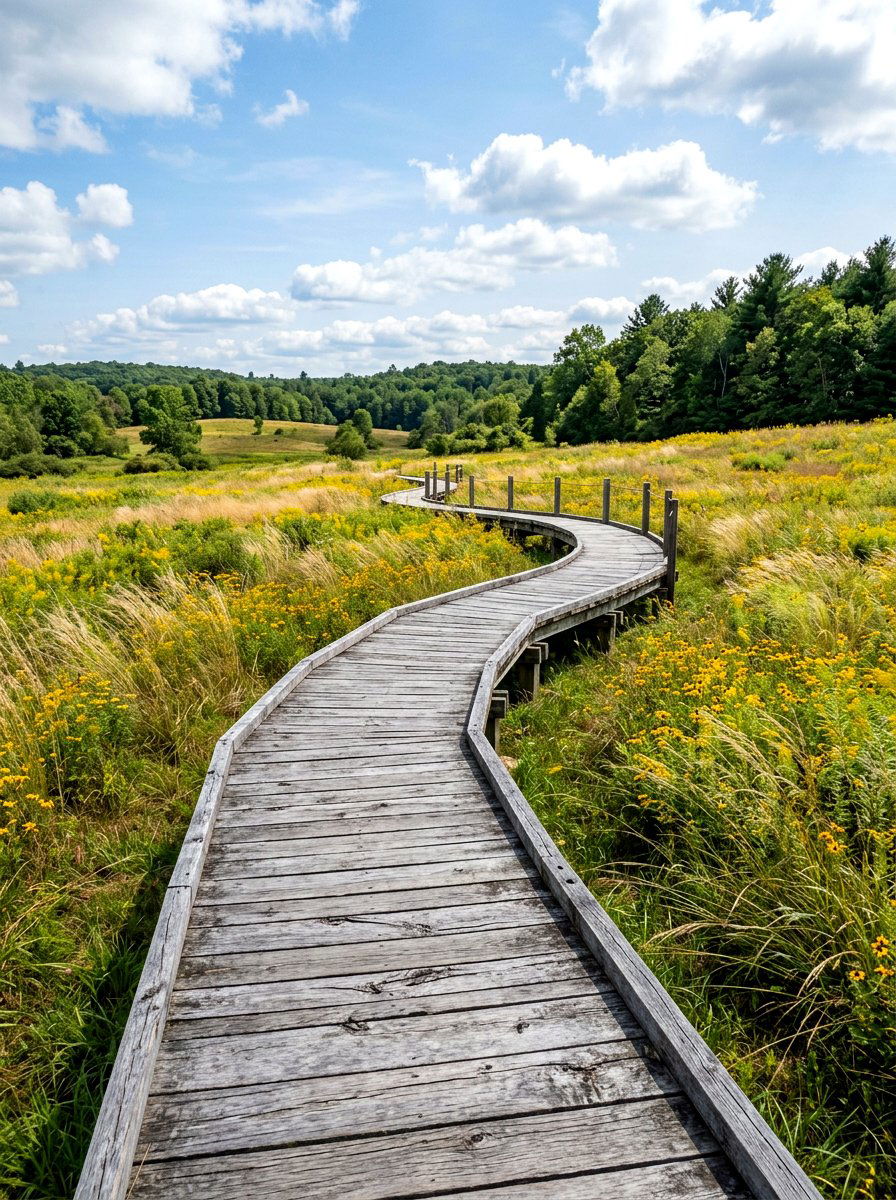
A reclaimed timber garden boardwalk is a fantastic solution for low-lying areas or gardens with uneven ground. By elevating the path on a wooden frame, you create a stable and dry walkway that feels like a pier through a sea of plants. Using weathered, reclaimed wood gives the structure a lived-in, rustic personality that pairs well with wild, ornamental grasses. This design is particularly effective when winding through a boggy area or a meadow-style garden filled with rudbeckia and echinacea. The linear lines of the planks offer a clean geometric contrast to the soft, flowing forms of the surrounding native greenery.
12. Wildflower meadow trail
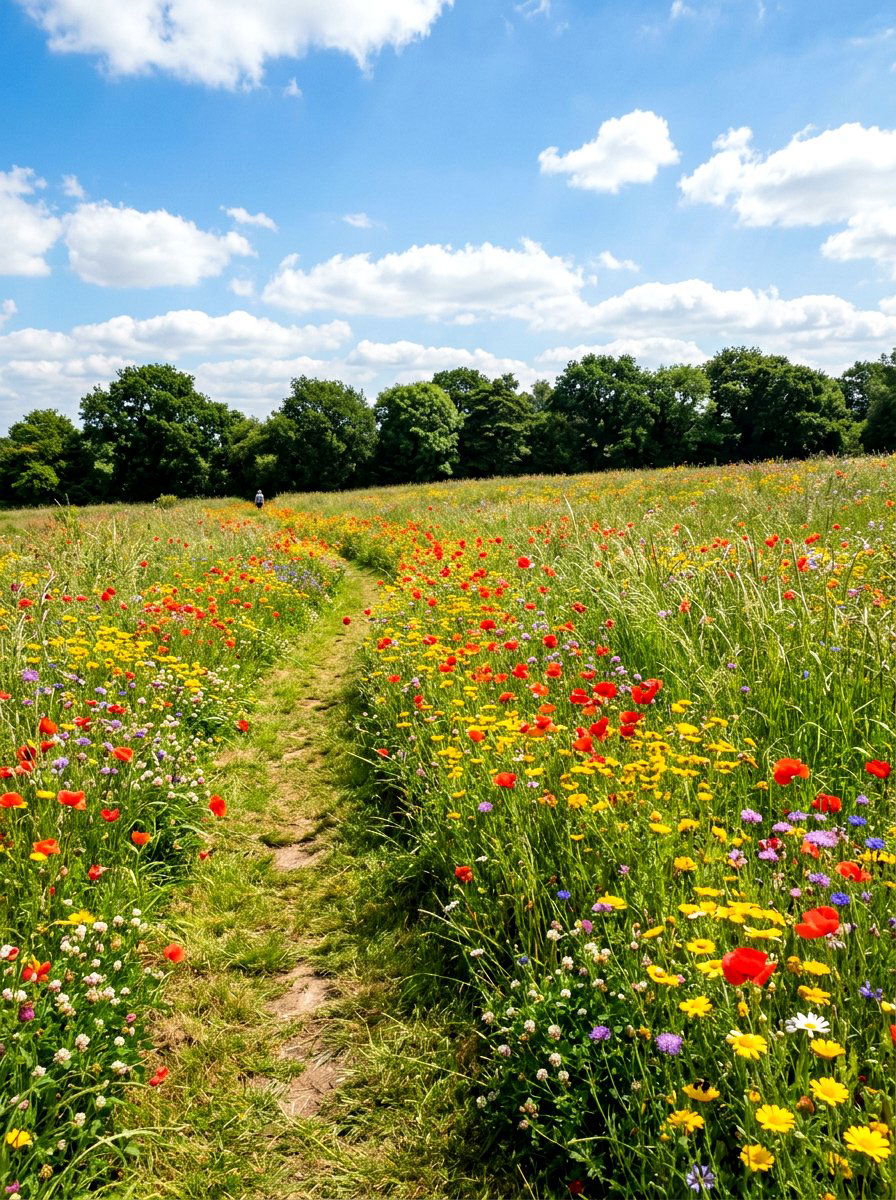
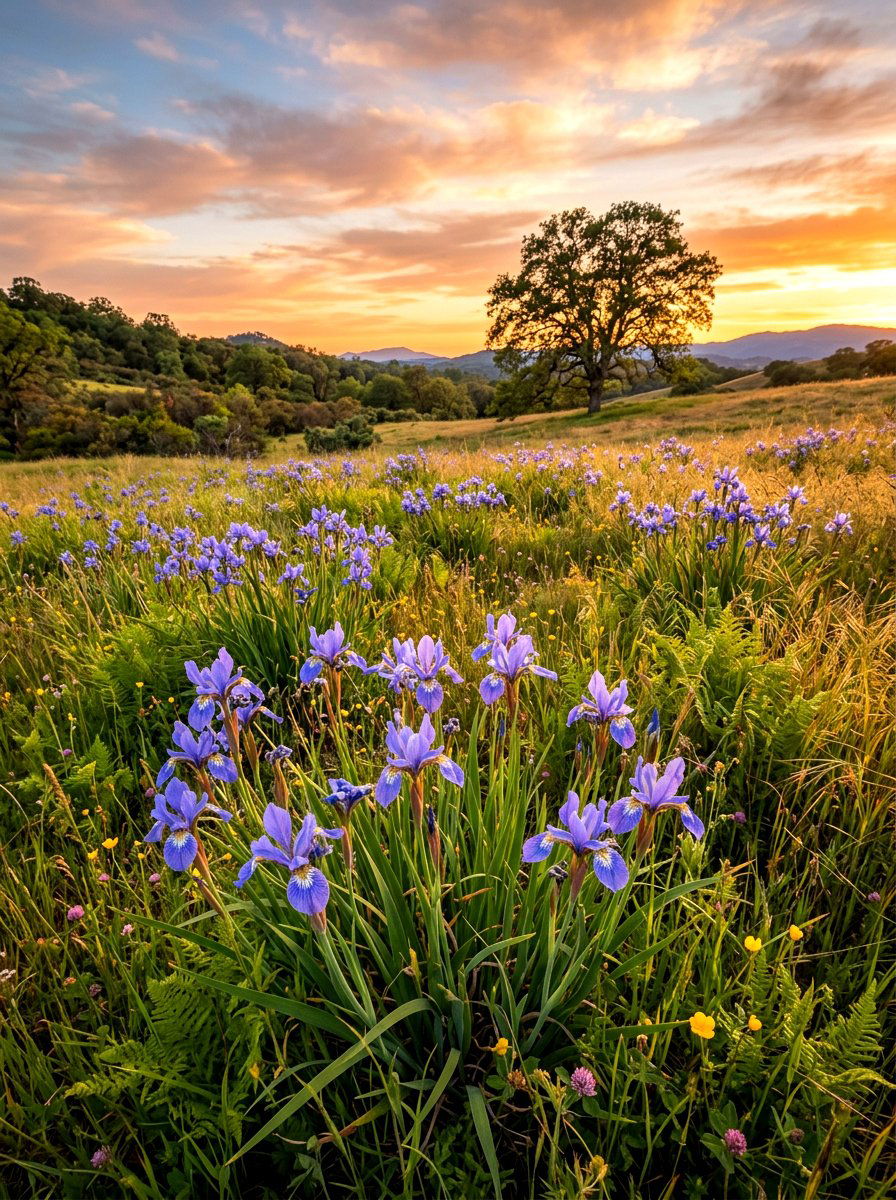
For those who prefer a more naturalistic approach, a wildflower meadow trail offers a low-maintenance and ecologically friendly design. Instead of a hard surface, the path is simply a mowed strip through a dense field of native flowers and tall grasses. This design changes with the seasons, moving from the bright yellows of spring to the deep purples of late summer. It invites pollinators like bees and butterflies to thrive right alongside your walkway. Walking through the tall blooms makes the path feel like a secret escape into the wild, providing an immersive sensory experience of buzzing life and vibrant, shifting colors.
13. Pea gravel path with steel edging
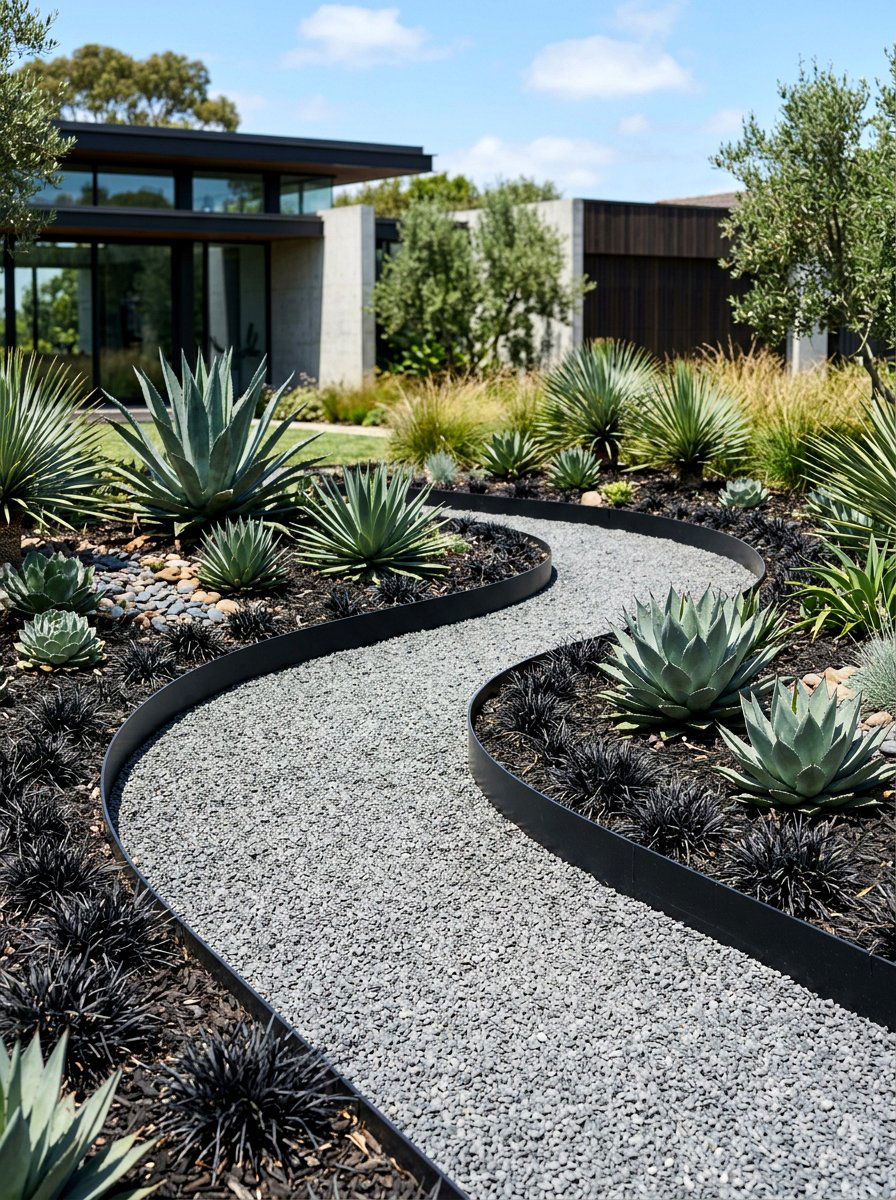
A pea gravel path with steel edging is a modern and crisp design choice that provides excellent structure for a contemporary garden. The thin, dark steel borders keep the loose gravel perfectly in place, creating sharp, clean lines that define the walkway. This design is highly versatile, allowing for precise geometric shapes or smooth, sweeping curves. To enhance the modern look, surround the path with architectural plants like yuccas, agaves, or neatly clipped boxwood spheres. The neutral tones of the gravel allow the sculptural forms of the plants to take center stage, resulting in a sophisticated and low-maintenance secret path through the yard.
14. Bamboo forest narrow walkway

Creating a bamboo forest narrow walkway is an excellent way to introduce a sense of height and vertical drama to a small garden. Bamboo grows quickly and provides a dense, whispering screen that instantly creates a private world. The path itself can be made of simple wooden planks or smooth river stones to maintain an Asian-inspired aesthetic. As the wind blows, the bamboo stalks knock together and the leaves rustle, adding a unique soundscape to your walk. This design is perfect for side yards where you want to block out neighboring views while creating an exotic, tranquil passage that leads to a hidden tea spot.



15. Japanese Zen sand and stone path

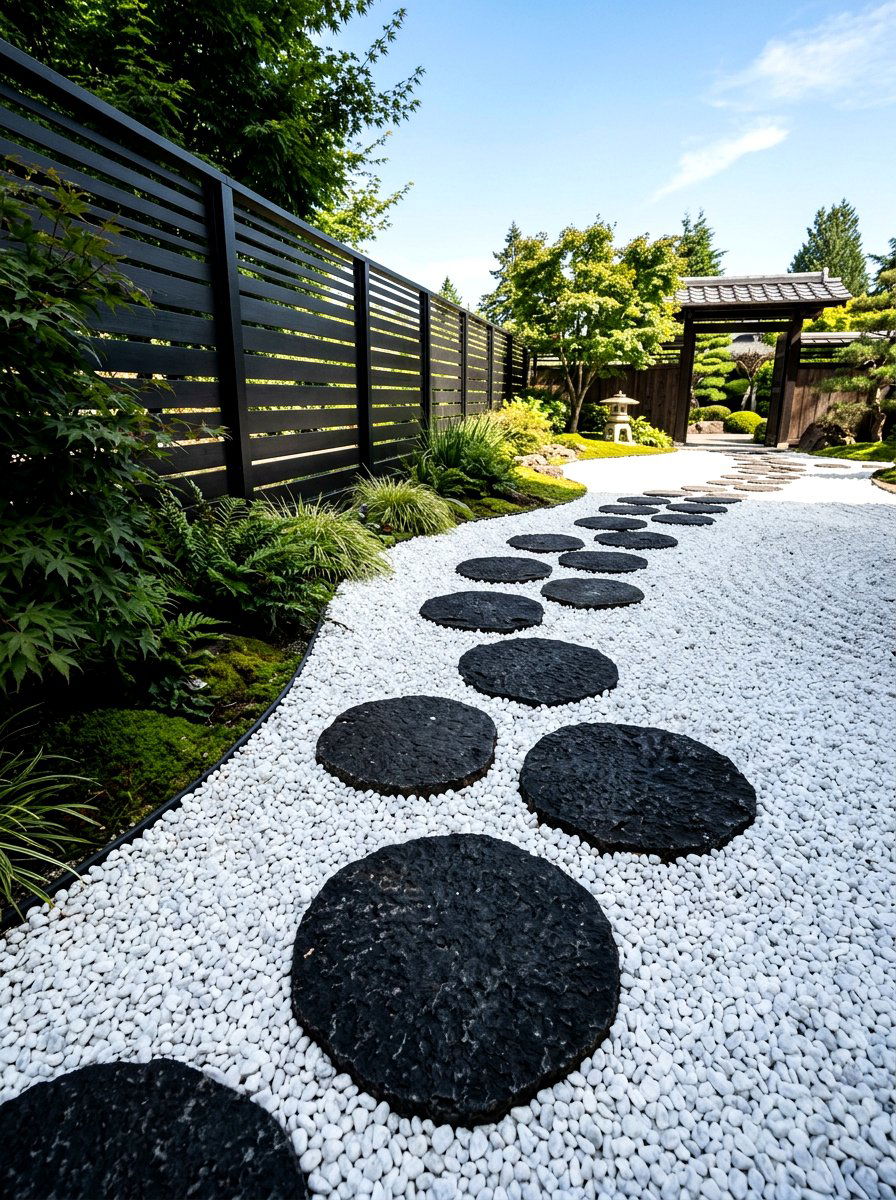
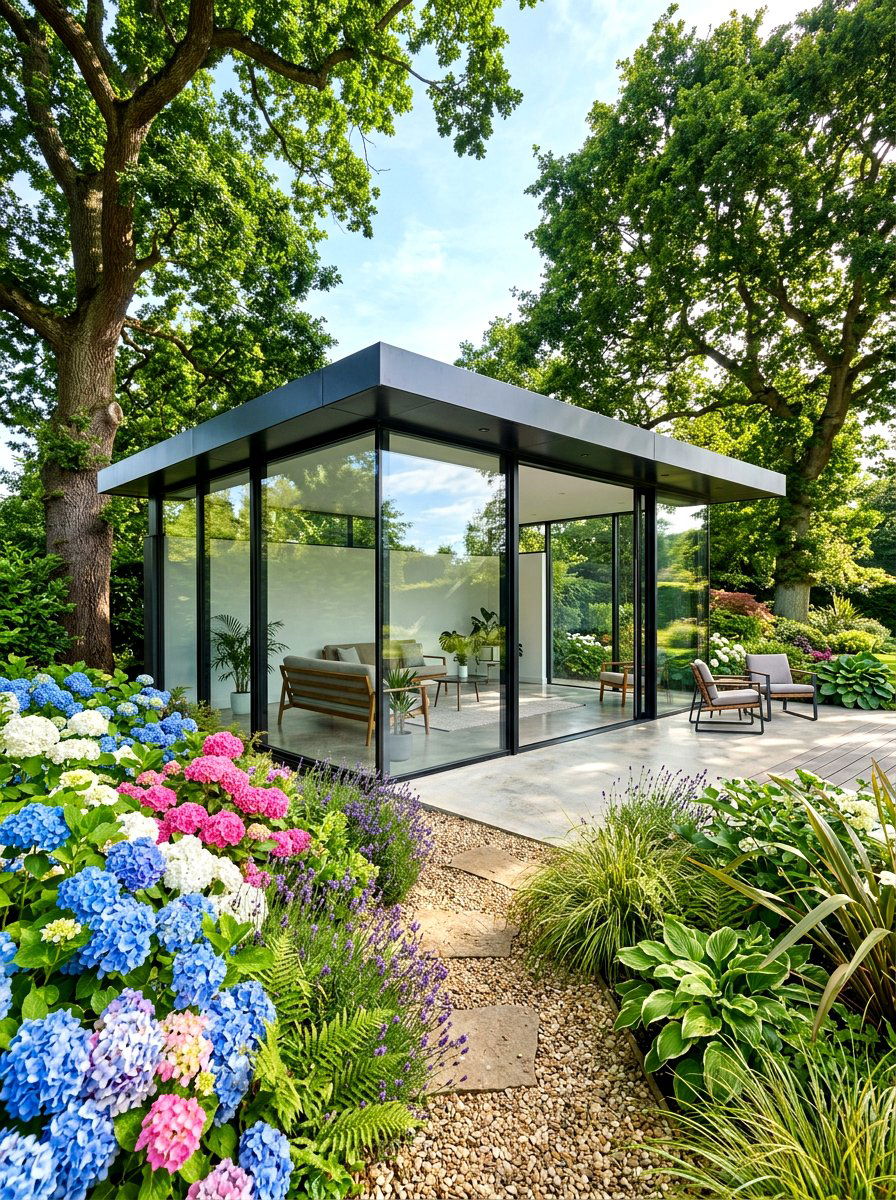
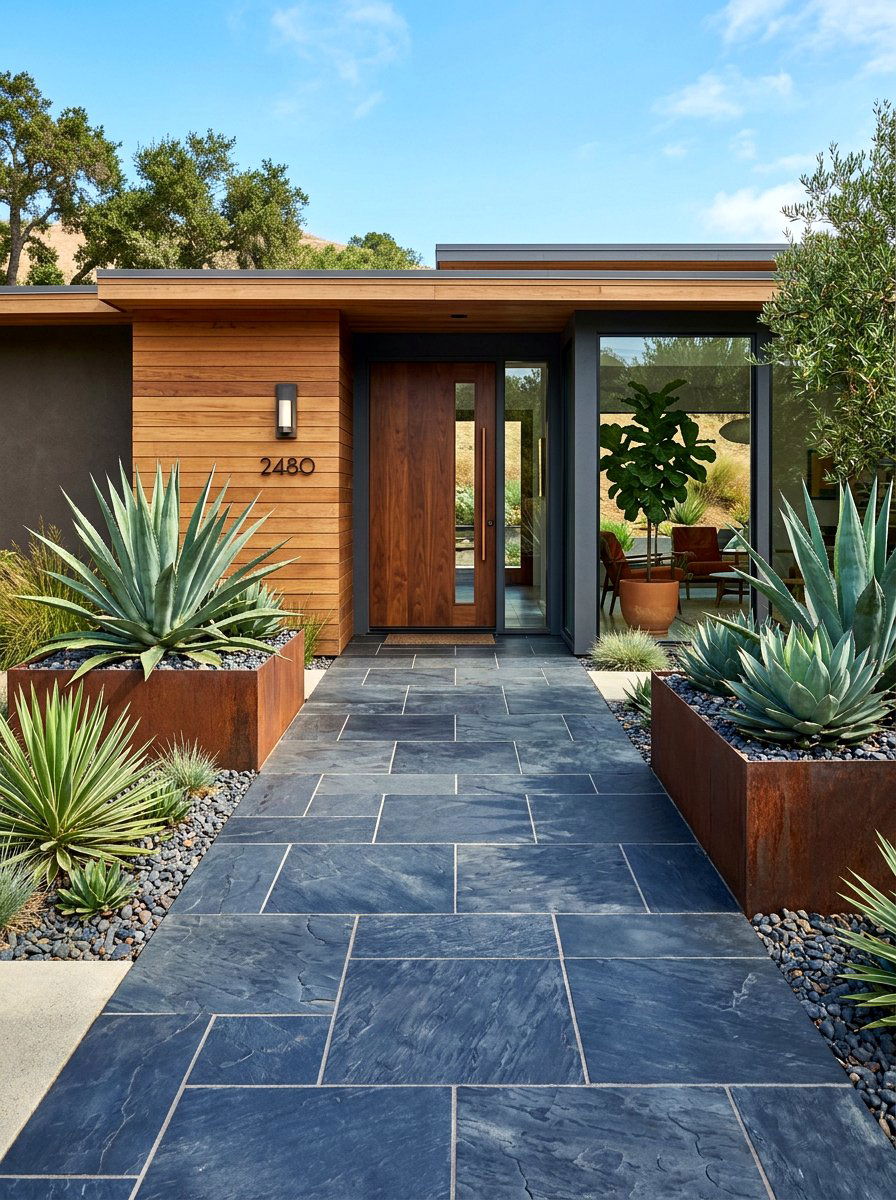
A Japanese Zen sand and stone path focuses on stillness, balance, and intentional design. This concept utilizes large, smooth stepping stones placed carefully within a bed of raked fine sand or small pebbles. The arrangement is meant to represent islands in a sea, encouraging a slow and mindful pace. Surround the area with carefully pruned maples, mossy rocks, and perhaps a small stone lantern for authenticity. This design turns a section of your garden into a place for quiet reflection and mental clarity. It is a highly stylized approach that prioritizes negative space and the natural beauty of individual stones over dense planting.
16. Shady hosta garden trail
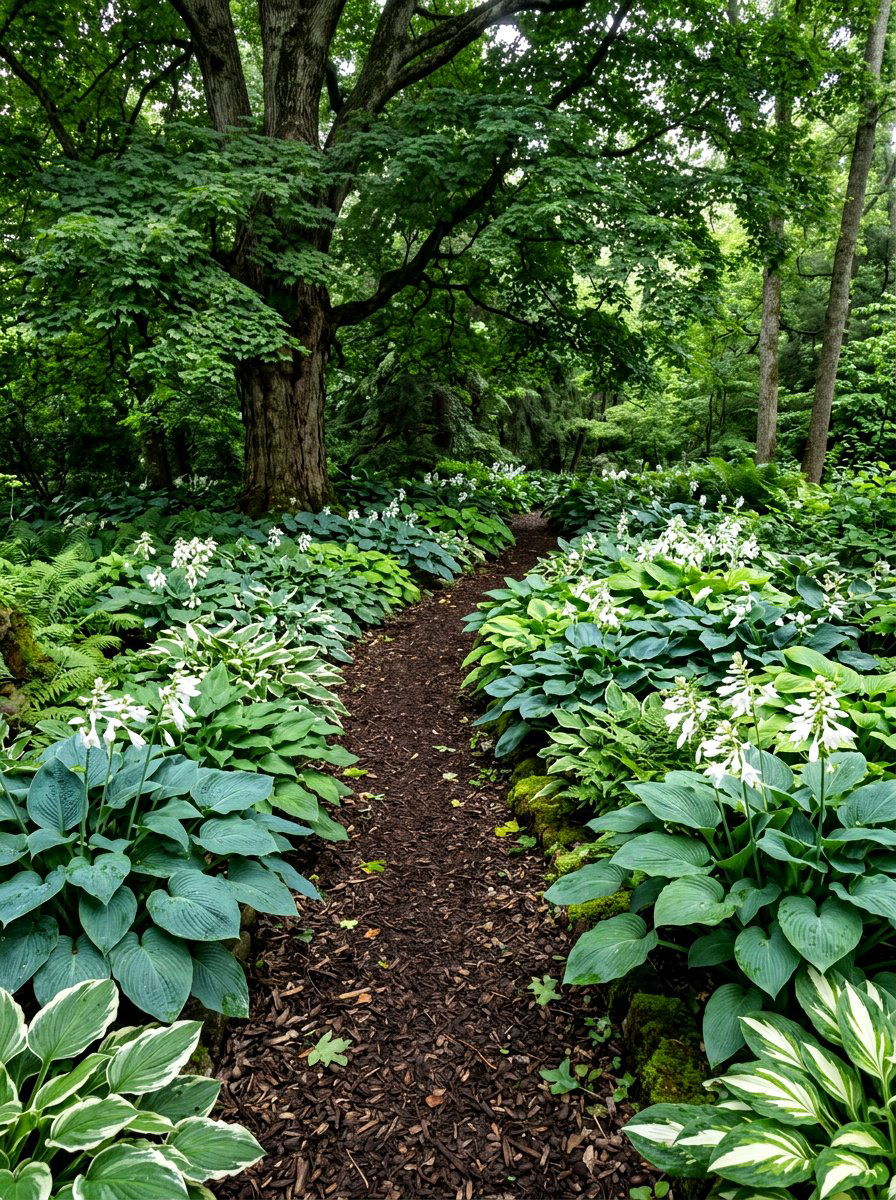
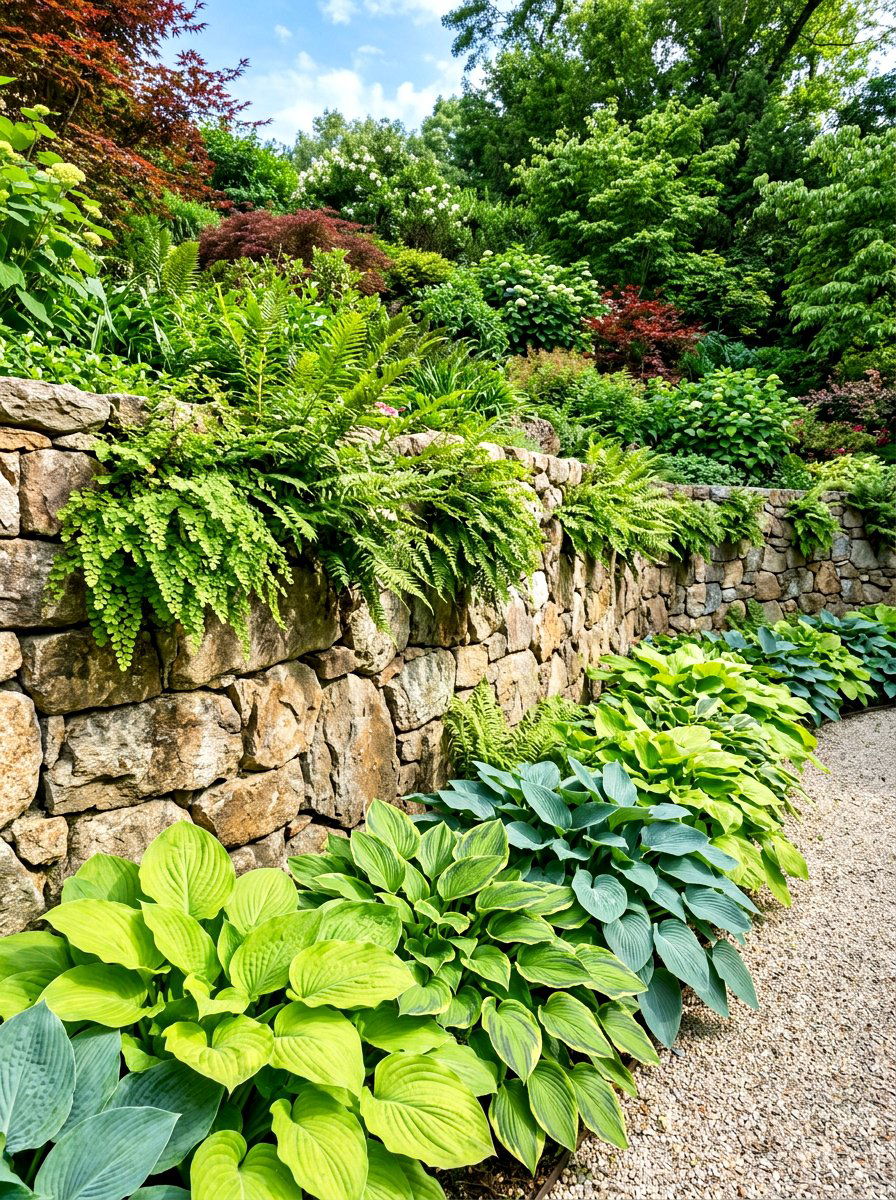
A shady hosta garden trail is the perfect way to utilize the often-neglected areas under large trees. Hostas come in an incredible variety of sizes, textures, and shades of green and blue, making them ideal for creating a rich, layered tapestry along a path. The walkway itself can be made of flat flagstones or dark bark mulch to contrast with the broad, leafy foliage. As you walk, the overlapping leaves of the hostas spill over the edges, softening the path and making it feel like a hidden discovery. This design is easy to maintain and provides a cool, lush oasis during the hot summer months.
17. Circular paver garden design
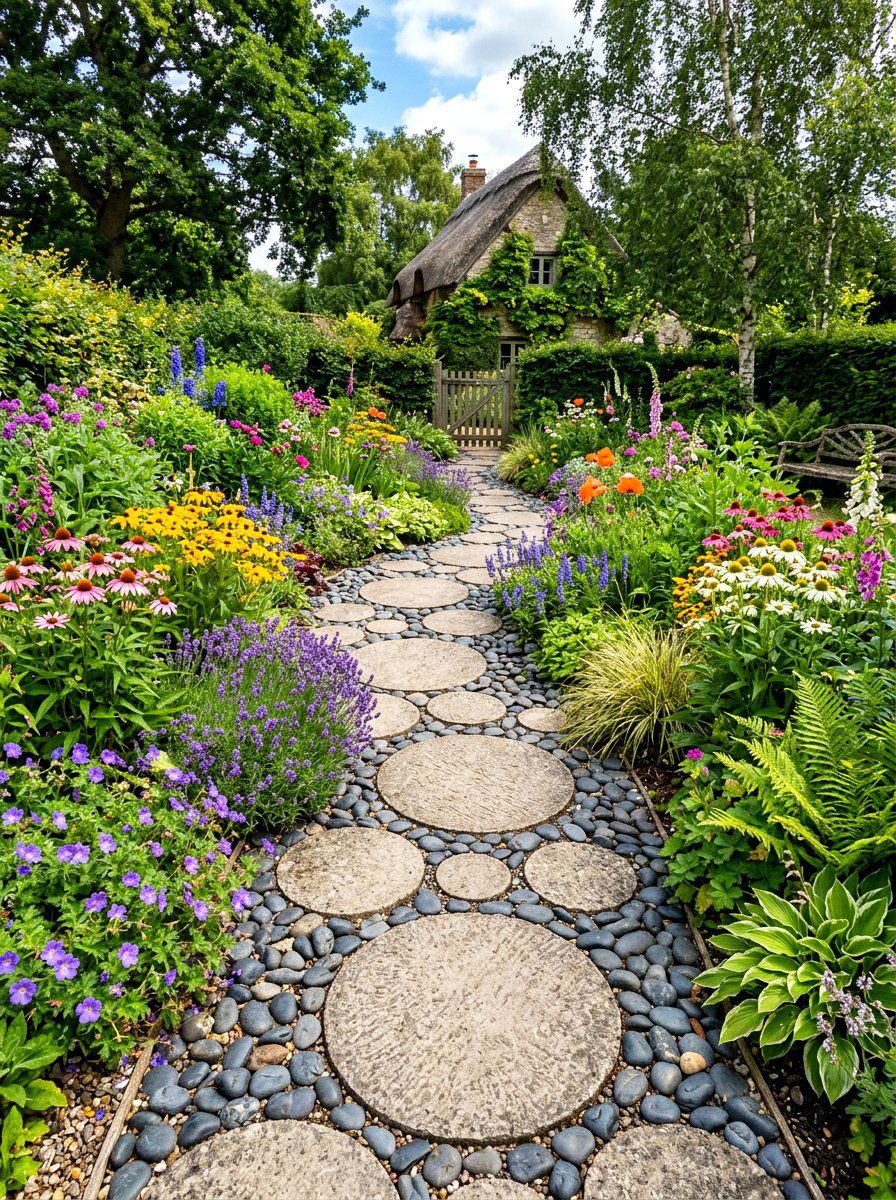
A circular paver garden design breaks away from traditional linear paths by using round concrete or stone pavers to create a playful, rhythmic journey. By varying the sizes of the circles, you can create a path that feels dynamic and artistic. This design works wonderfully in a whimsical or modern garden, especially when the spaces between the circles are filled with a contrasting ground cover like black mondo grass or white pebbles. The circular theme can be echoed throughout the garden with round flower beds or a circular stone patio at the end of the path, creating a cohesive and visually stimulating outdoor environment.
18. Hidden path with solar lanterns
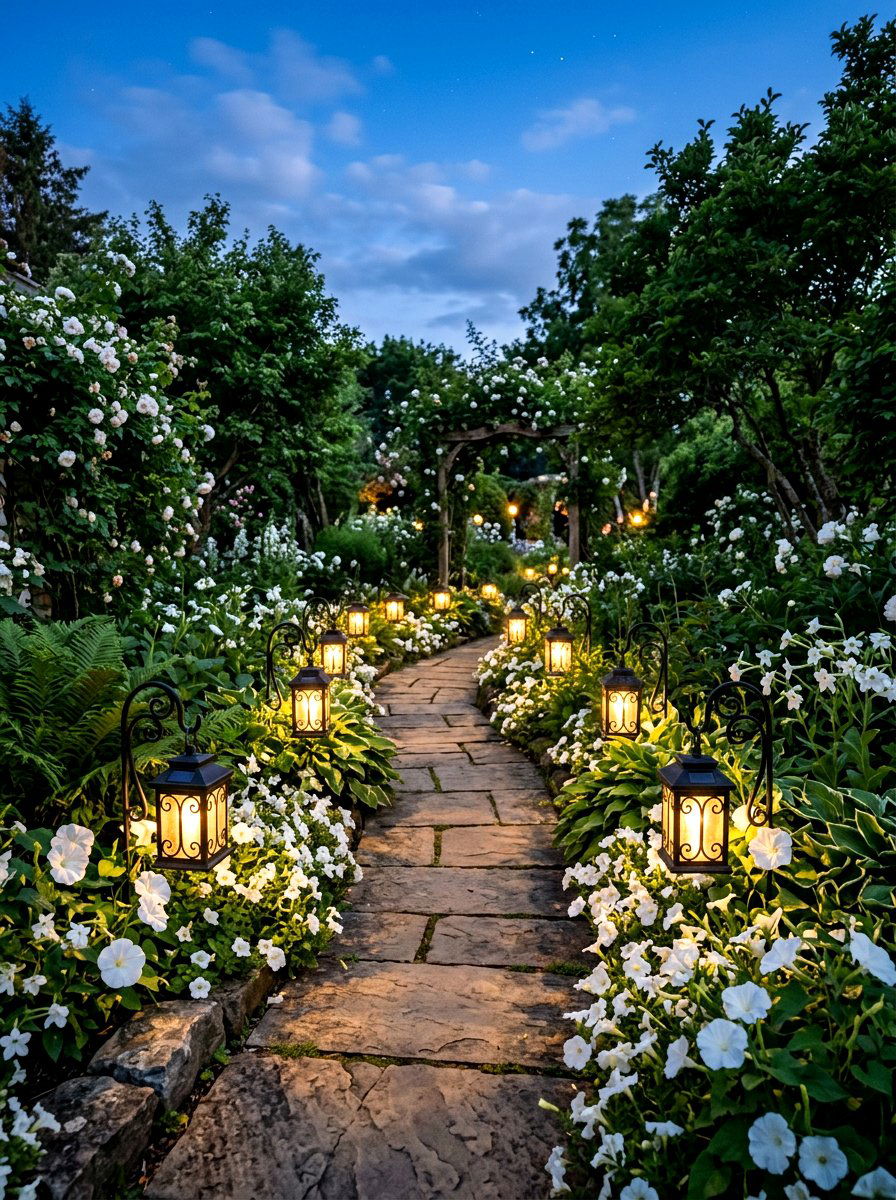
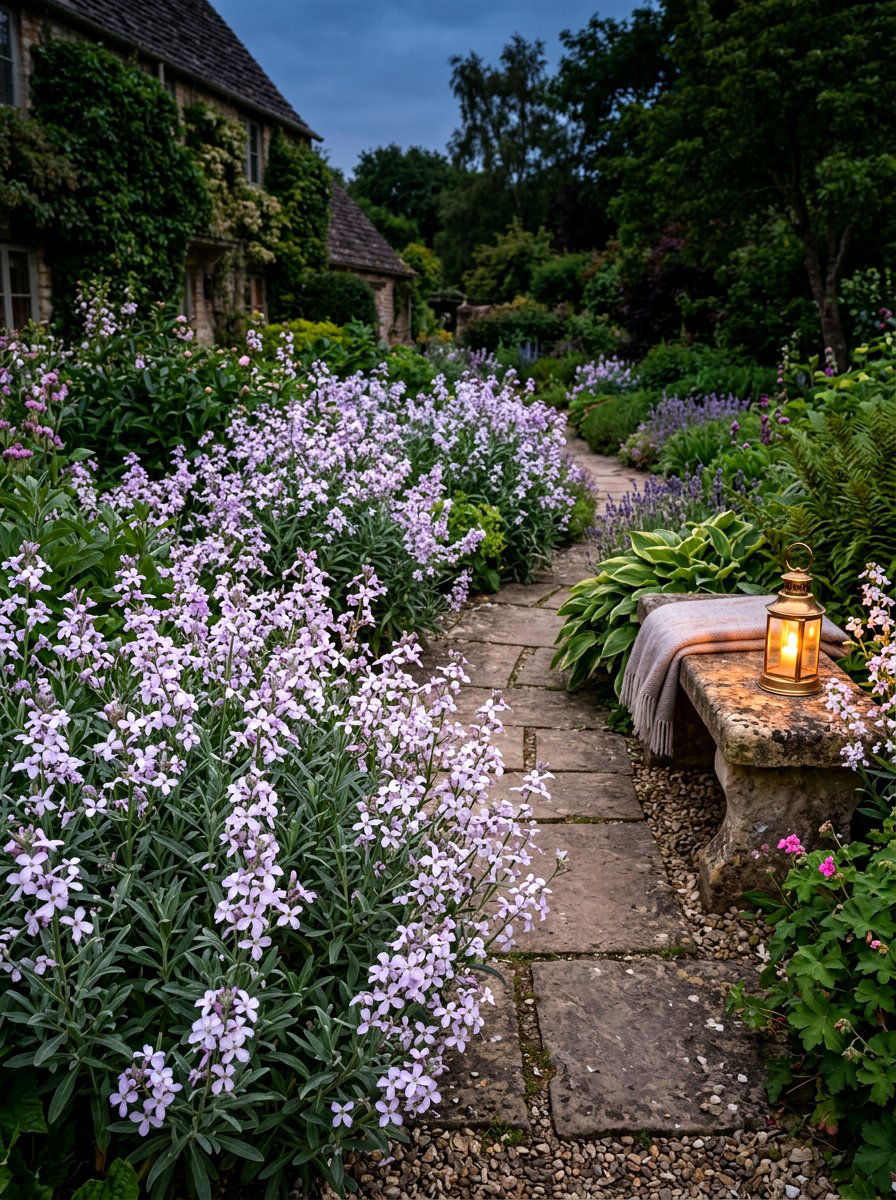
A hidden path with solar lanterns ensures that your secret garden remains a magical destination even after the sun goes down. This design focuses on the evening experience, using low-profile solar lights tucked into the foliage to cast a soft, ambient glow on the walkway. The path itself can be simple gravel or stone, but the lighting is the focal point. Use lanterns with intricate patterns to cast beautiful shadows on the ground. This creates a safe and enchanting route to a nighttime fire pit or a moonlit bench. Surrounding the path with night-blooming jasmine or evening primrose adds a layer of fragrance to the experience.
19. Crushed seashell coastal walkway

A crushed seashell coastal walkway brings a bright, beachy vibe to any landscape, especially in sun-drenched areas. The white and cream tones of the shells reflect the light, making the path glow and stand out against green foliage. This design is highly permeable and provides a unique, crunchy sound that is synonymous with the seaside. To complete the coastal theme, border the path with ornamental beach grasses, blue oat grass, and hardy seaside plants like sea lavender. This path is perfect for leading toward a pool area or a sandy fire pit, creating a vacation-like atmosphere right in your own backyard.


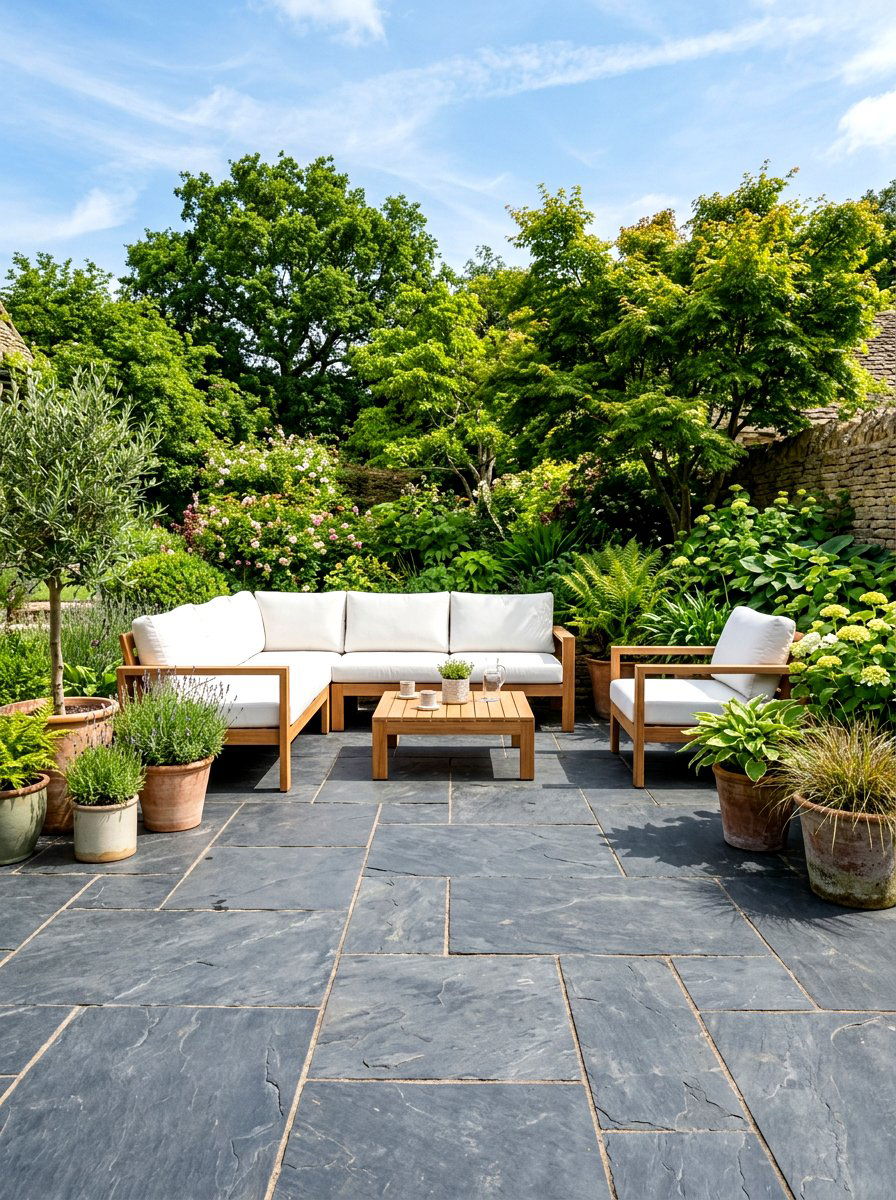
20. Herb scented garden path
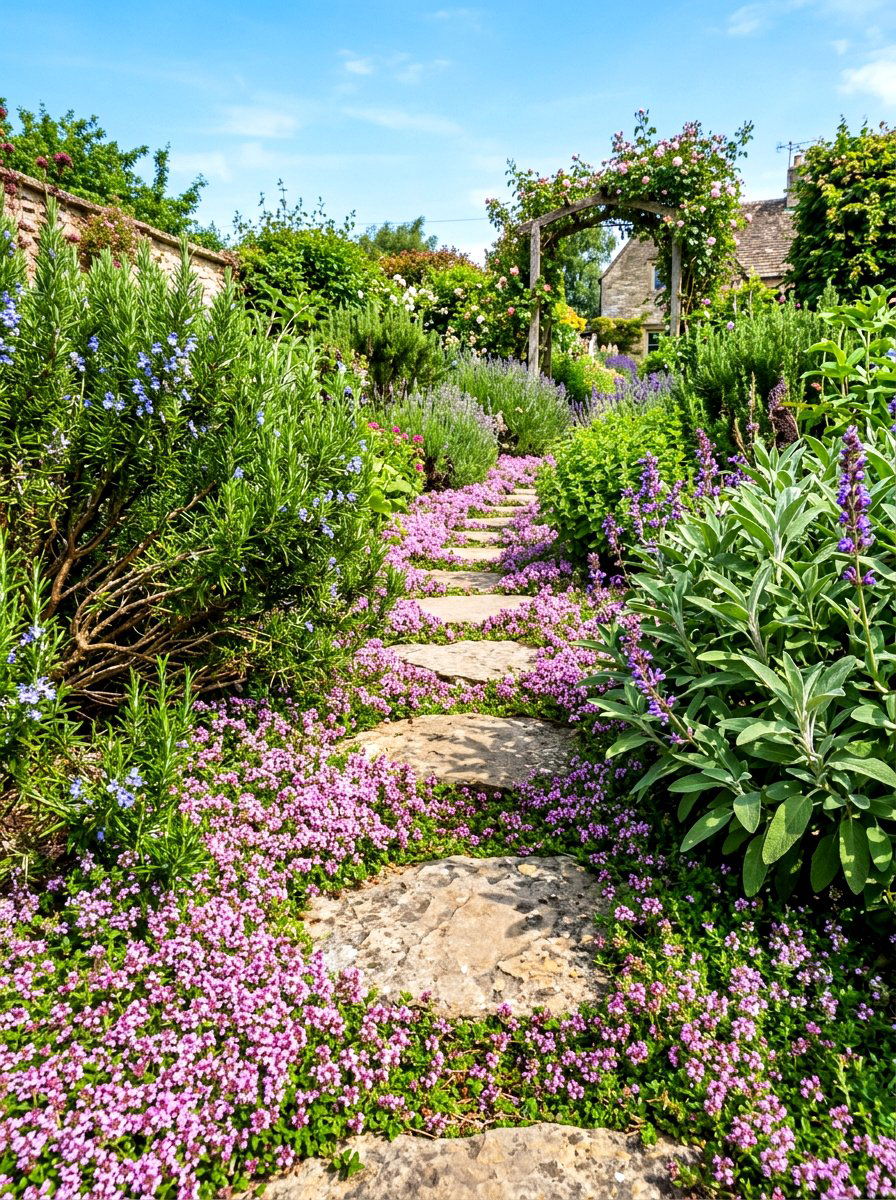
An herb scented garden path turns a simple walk into a fragrant culinary journey. By using stepping stones surrounded by low-growing, walkable herbs like creeping thyme, chamomile, or corsican mint, you release delightful scents with every footstep. This design is practical and beautiful, placing your most-used herbs within easy reach while creating a lush, green carpet. Border the path with taller herbs like rosemary, lavender, and sage to create a multi-sensory boundary. This type of secret path is ideal for leading toward a kitchen door or a vegetable garden, making the chore of harvesting ingredients a truly pleasurable and aromatic experience.
21. Stepping stones across garden pond
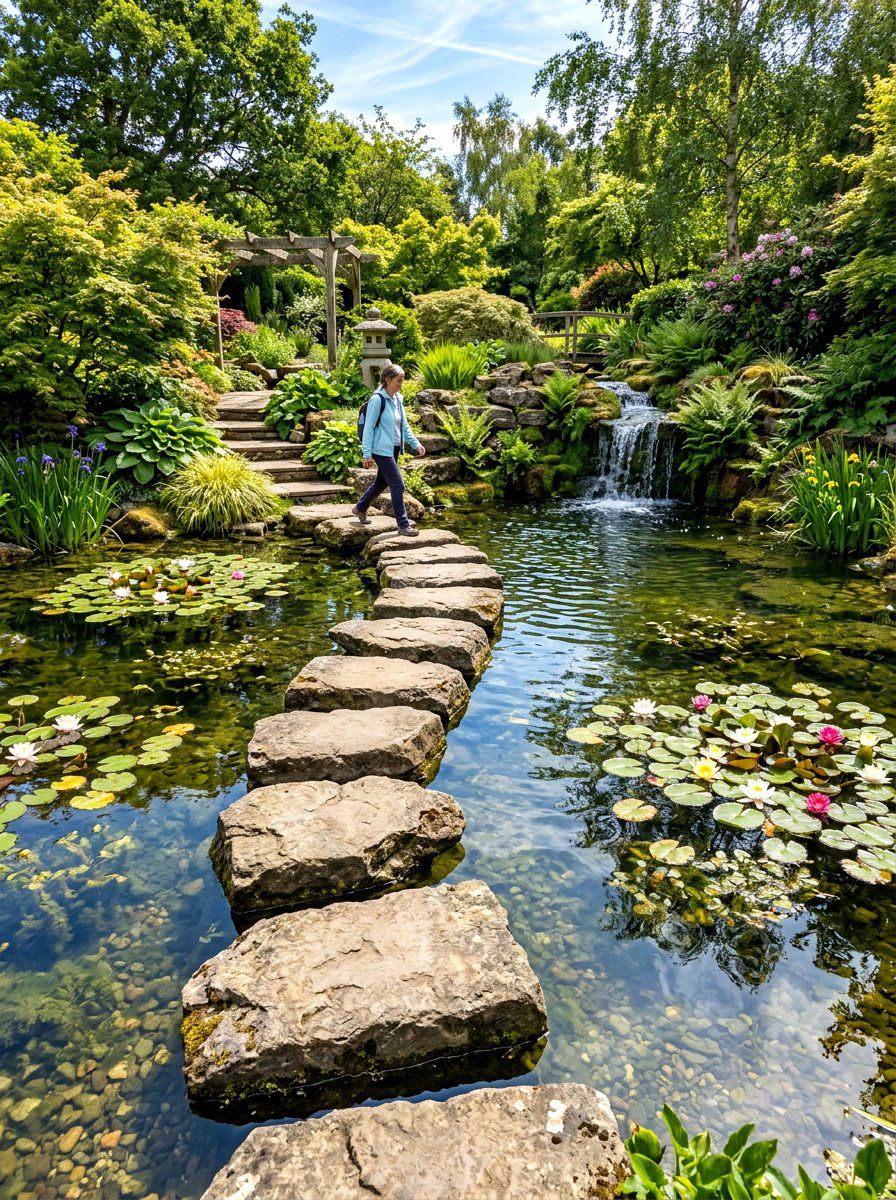
Installing stepping stones across a garden pond is a bold design choice that creates the illusion of walking on water. Large, flat-topped boulders are anchored into the pond bed, providing a sturdy and adventurous route across the water's surface. This path connects two sides of a larger garden while offering a unique perspective of aquatic plants like water lilies and lotus flowers. The sound of a nearby waterfall or fountain adds to the tranquil atmosphere. This design serves as a stunning focal point, inviting guests to slow down and observe the fish and reflections in the water as they carefully cross to the other side.
22. Pine needle forest floor path
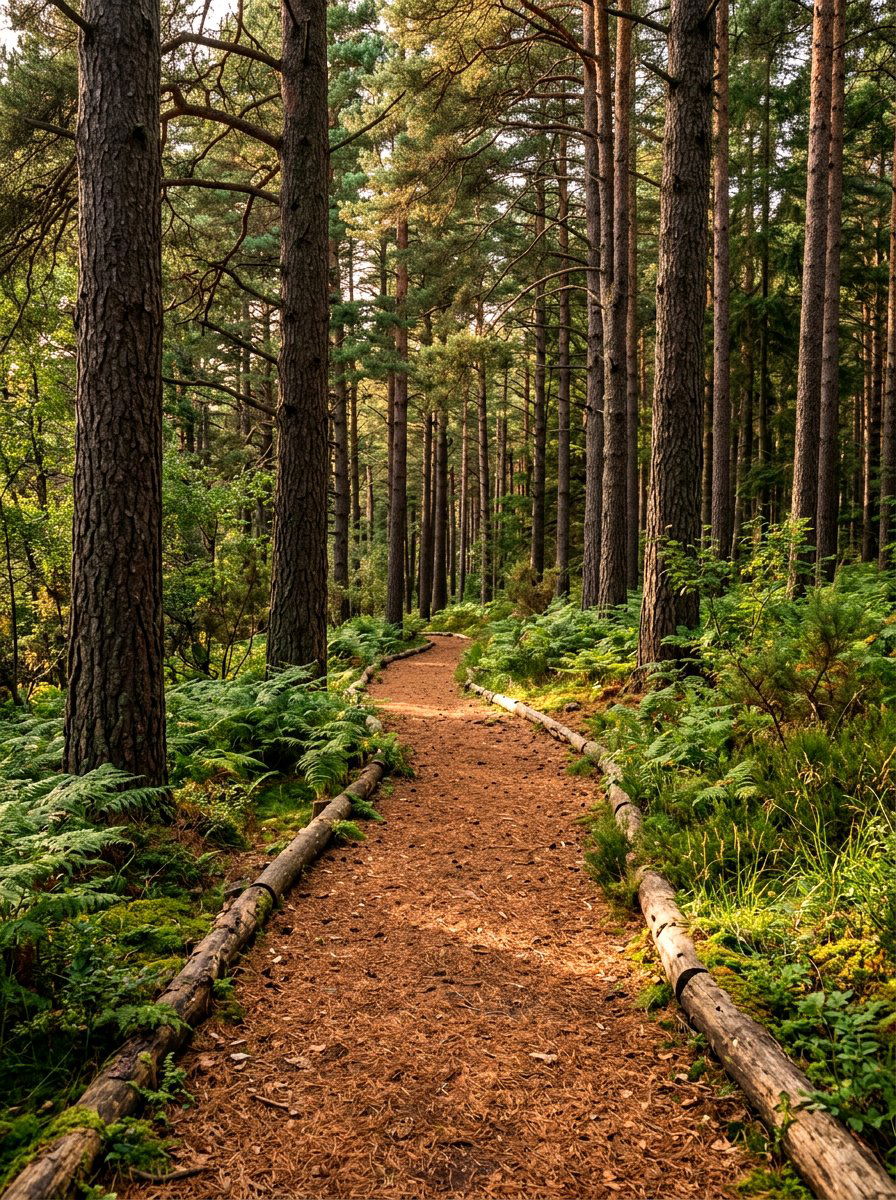
A pine needle forest floor path is an effortless and natural design for gardens located under large evergreen trees. The fallen needles create a soft, russet-colored carpet that is naturally weed-resistant and provides a pleasant, earthy scent. This path feels like a genuine trail found deep in the woods, requiring very little maintenance to keep it looking authentic. Enhance the forest vibe by placing rotting logs as natural borders and planting shade-loving wild ginger or native ferns along the edges. It is a quiet, soft-impact walkway that celebrates the natural cycle of the trees and provides a peaceful, shaded escape from the sun.
23. Concrete leaf print stepping stones
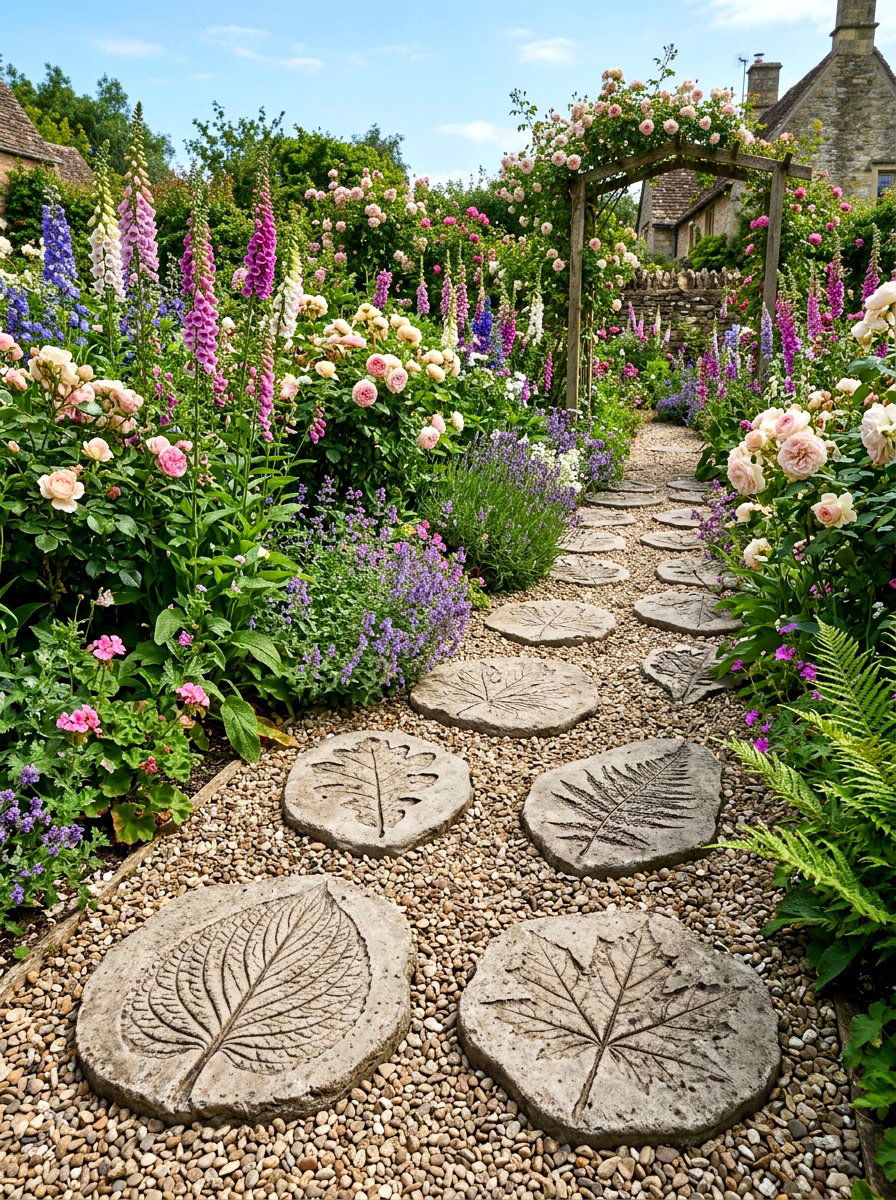
Concrete leaf print stepping stones offer a creative and personalized way to add artistic detail to a garden path. By pressing large leaves like rhubarb or hosta into wet concrete, you create durable stones with intricate, natural patterns. These custom stones can be scattered along a mulch or gravel path to add a sense of whimsy and handcrafted charm. This design works beautifully in a cottage garden or a family-friendly backyard where unique details are appreciated. Surround the stones with low-growing succulents or creeping Jenny to highlight the texture of the prints. It is a fun DIY project that results in a one-of-a-kind walkway.
24. Tumbled glass and resin walkway
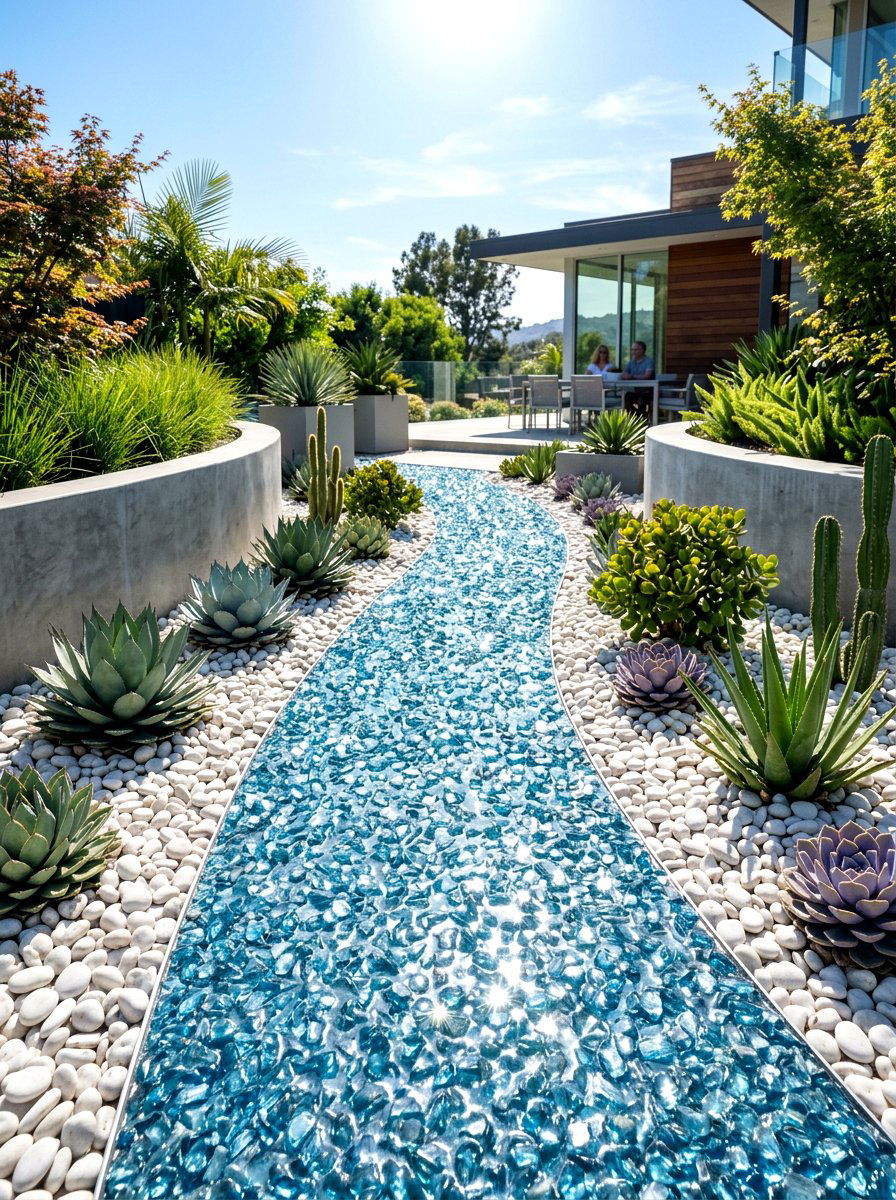
A tumbled glass and resin walkway is a high-end, modern design that introduces shimmering color and light to the landscape. The recycled glass is smoothed so it is safe to walk on, and then bound with a clear resin to create a solid, durable surface. This path can be customized with various colors, from deep ocean blues to fiery ambers, allowing you to match your garden's palette perfectly. When the sun hits the path, it sparkles like a hidden jewel in the grass. This design is perfect for a small, contemporary courtyard where you want to make a bold and sophisticated visual statement.
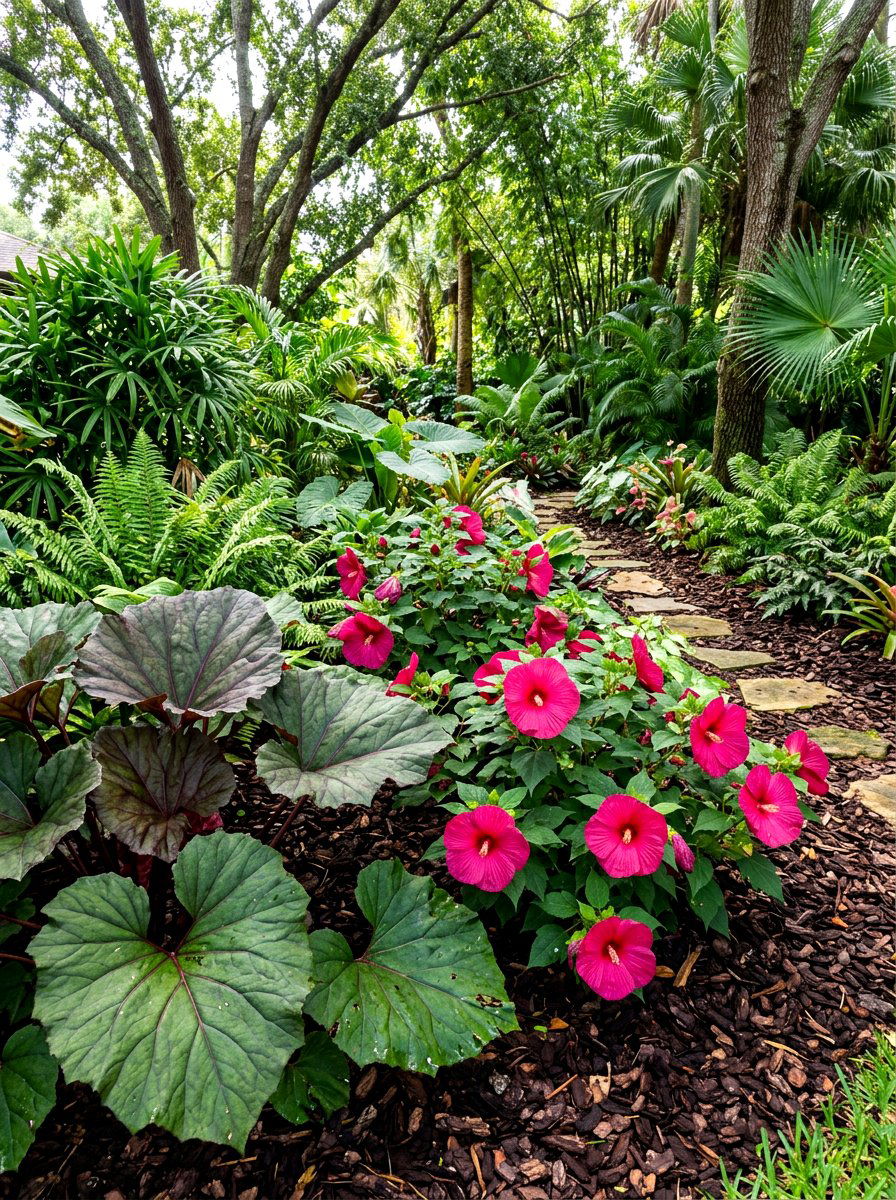
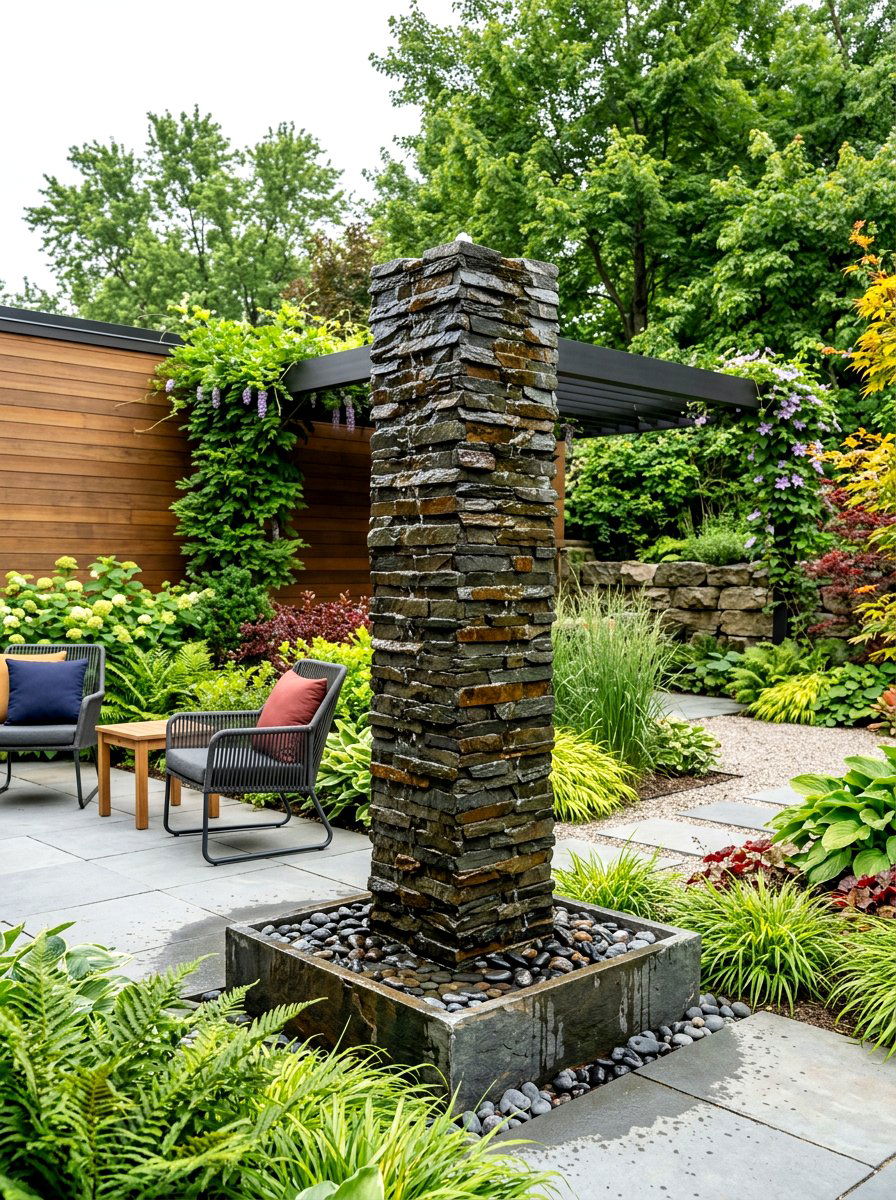
25. Winding bark mulch garden trail
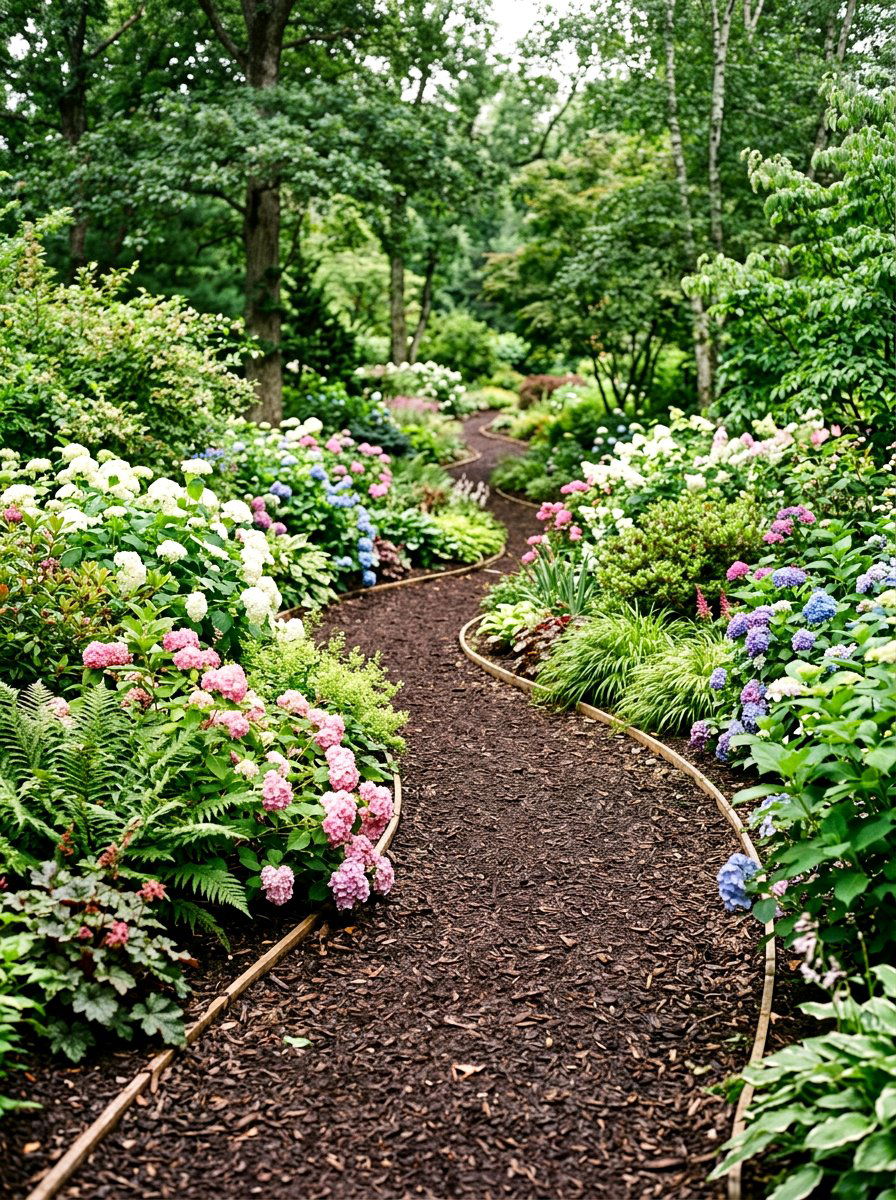
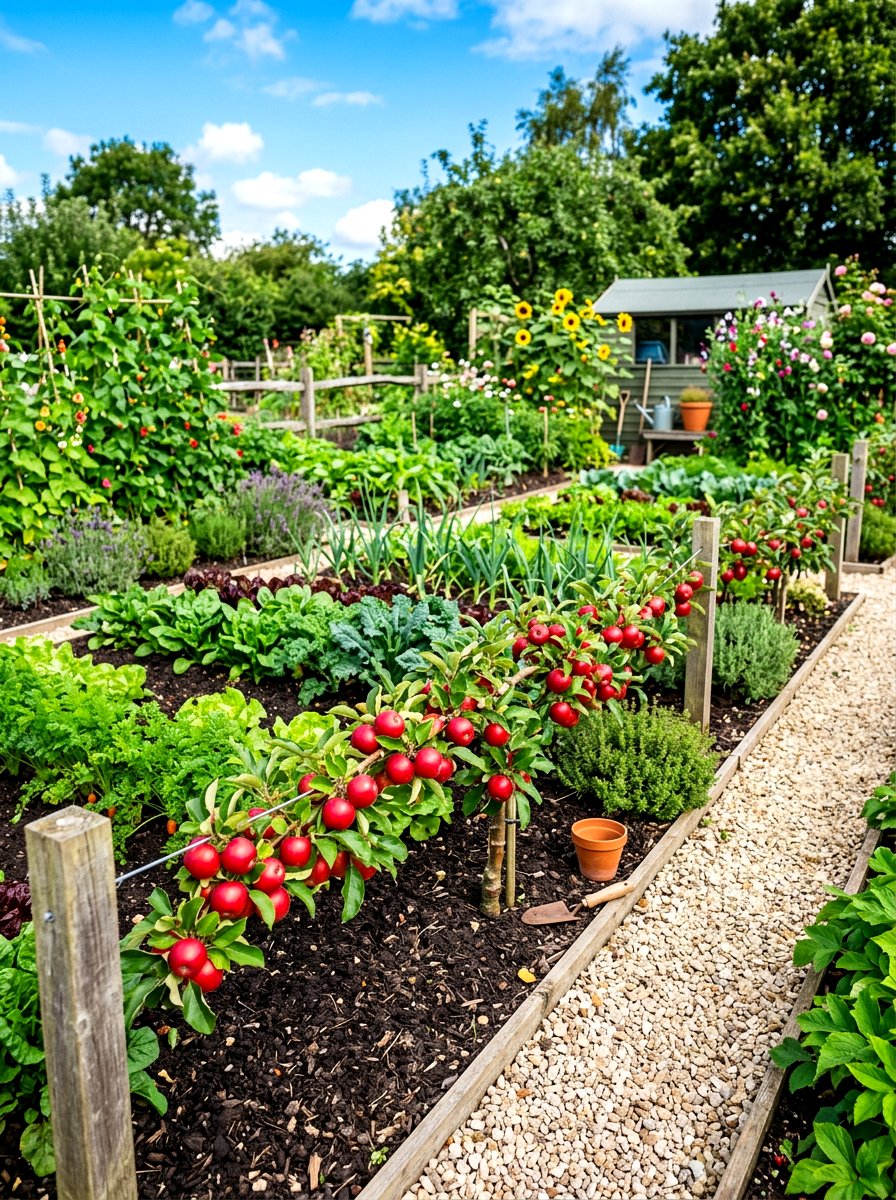
A winding bark mulch garden trail is perhaps the most approachable and versatile secret path idea for any homeowner. The natural brown or black mulch provides a clean, uniform look that instantly organizes a wild garden space. By carving a curved route through dense plantings of shrubs and perennials, you create a sense of mystery and depth. The soft surface is easy on the feet and simple to refresh each year. This design is particularly effective for connecting different utility areas of the yard, such as a compost pile or a tool shed, while making the journey through the greenery feel intentional and pleasant.
26. Victorian mosaic tile garden path
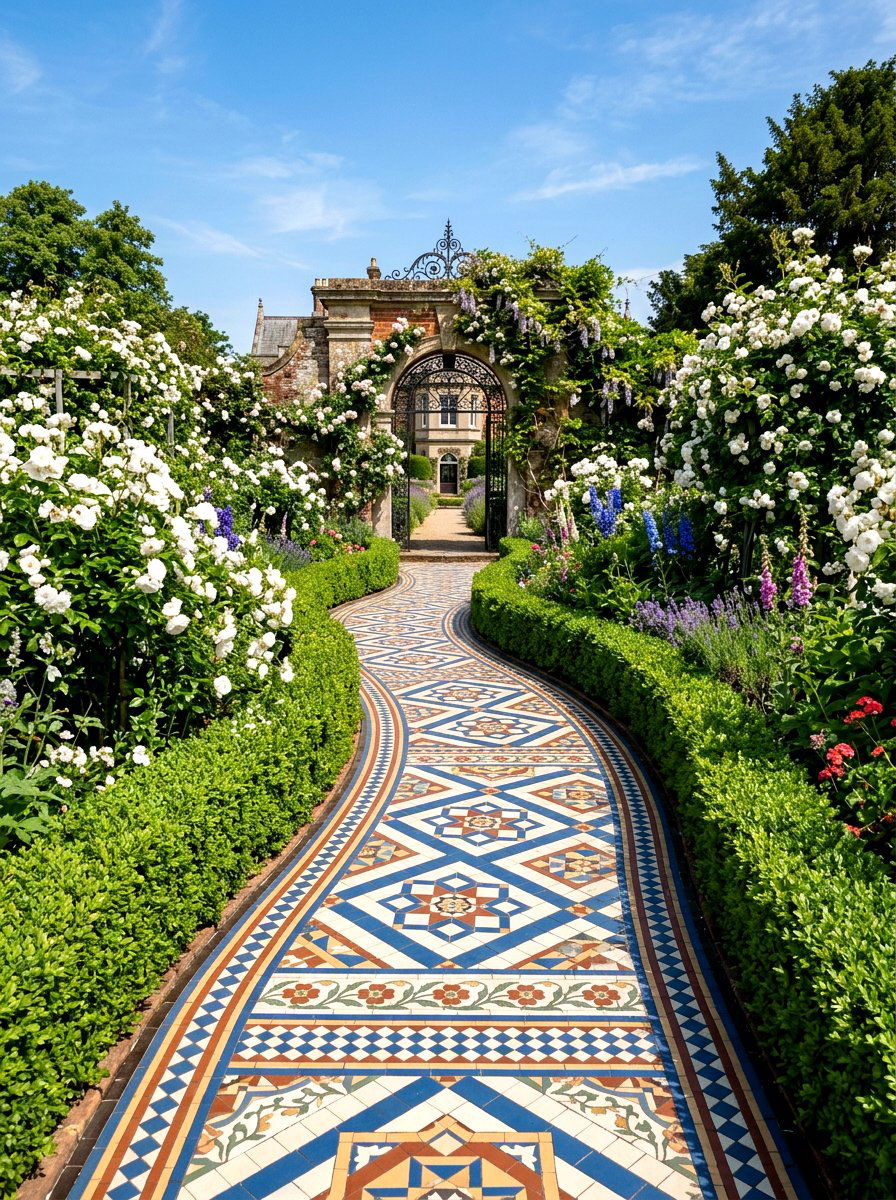
A Victorian mosaic tile garden path brings a touch of historical grandeur and intricate artistry to an outdoor space. Using geometric tiles in classic patterns like checkerboard or floral motifs, you can create a walkway that feels like a work of art. This design is ideal for front entryways or formal side gardens where you want to impress guests with a sense of tradition and style. The vibrant colors of the tiles are best complemented by classic plantings like white roses, hydrangeas, and neatly trimmed boxwood. It is a durable and eye-catching choice that adds permanent architectural interest and a pop of color.
27. Low maintenance artificial grass path
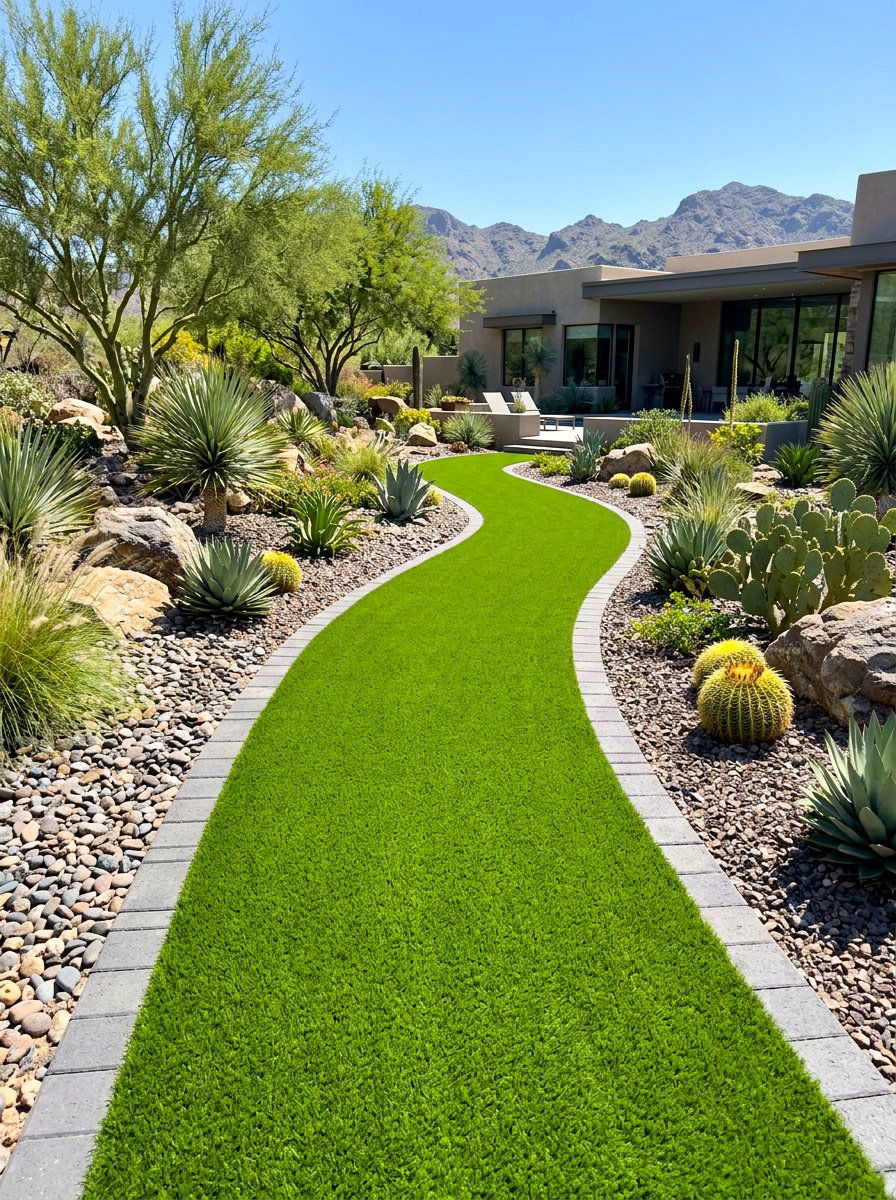
For those who desire the look of a perfect green walkway without the upkeep, a low-maintenance artificial grass path is an excellent modern solution. This design involves cutting a strip of high-quality synthetic turf to serve as a soft, evergreen path through flower beds or stone landscapes. It stays perfectly green and trimmed all year round, regardless of the weather or foot traffic. This path is ideal for busy families or shaded areas where real grass struggles to grow. Border the artificial turf with clean stone edging or modern concrete pavers to create a sharp, polished look that requires almost zero weekend maintenance.
28. Raised wooden garden walkway
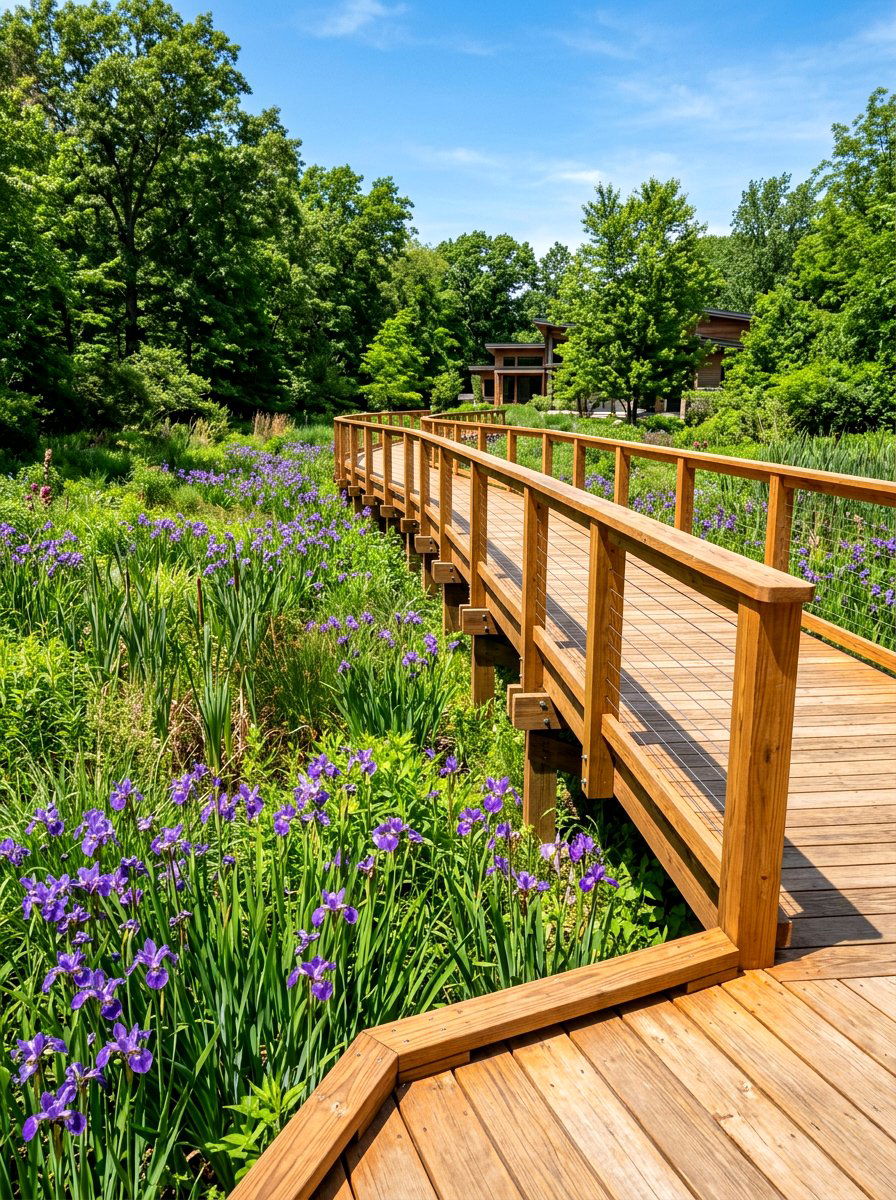
A raised wooden garden walkway is a sculptural and functional design that floats above the landscape, protecting delicate root systems or bridging uneven ground. Similar to a Japanese bridge or a forest boardwalk, this structure provides a clear, elevated perspective of the garden below. Using rot-resistant woods like cedar or redwood ensures longevity and a beautiful natural patina over time. This design is perfect for crossing a rain garden filled with moisture-loving plants like iris and sedges. The architectural lines of the wood provide a sturdy, geometric contrast to the organic shapes of the surrounding plants, creating a high-impact and professional-looking landscape.
29. River rock dry creek bed path
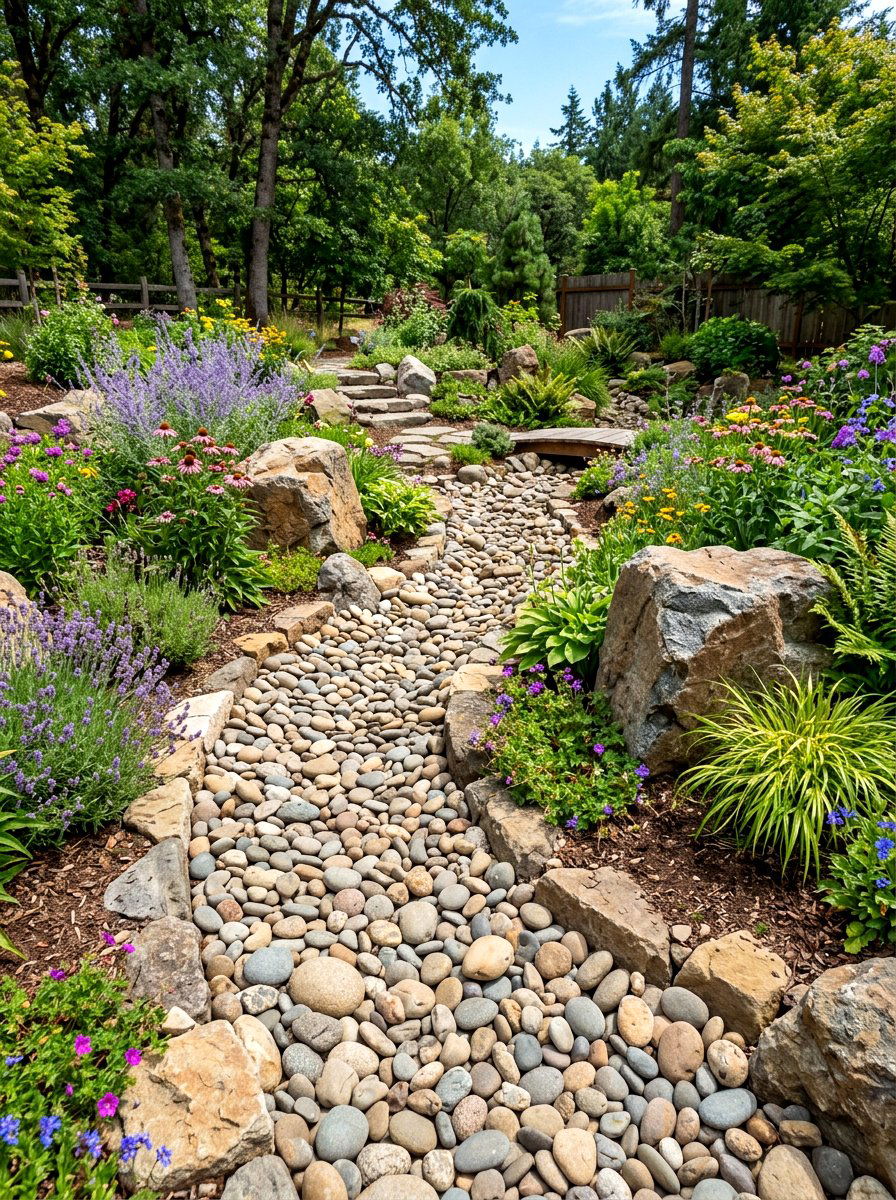
A river rock dry creek bed path serves a dual purpose as a beautiful walkway and a functional drainage solution for your yard. By using smooth, varied sizes of river stones, you can mimic the look of a natural stream that has gone dry. Large boulders placed along the edges provide structure and a sense of permanence. This design is perfect for sloping areas where water tends to pool, as it allows for natural runoff. Surround the "creek" with moisture-loving ornamental grasses and colorful perennials to complete the naturalistic look. It is a rugged and earthy path that adds texture and movement.
30. Travertine tile modern garden path
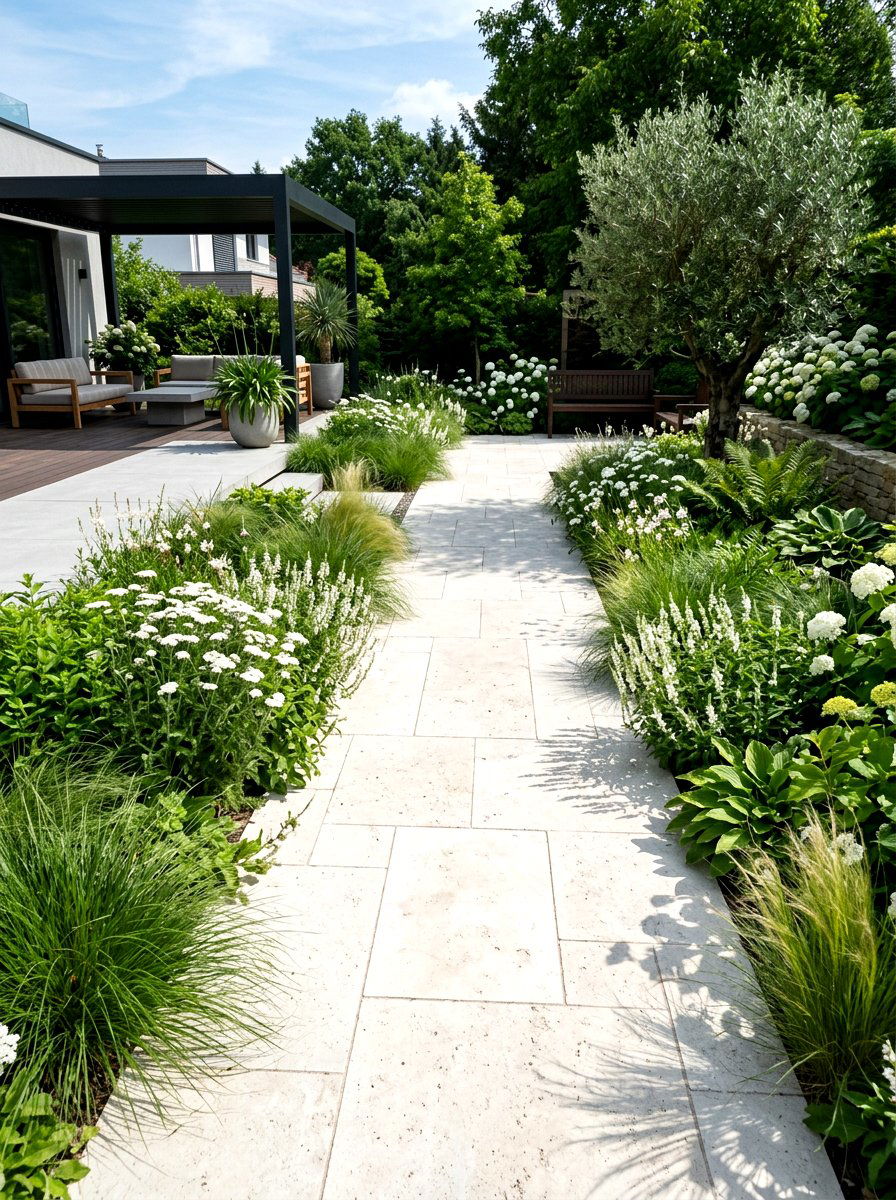
A travertine tile modern garden path offers a luxurious, resort-style aesthetic that is perfect for contemporary homes and pool areas. The light, creamy tones and natural pits of the stone provide a sophisticated and slip-resistant surface that stays cool even in direct sunlight. This design focuses on large-format tiles laid in a clean, straight or staggered pattern. Surround the path with minimalist plantings like architectural grasses or sleek, white-flowering perennials to maintain a high-end feel. This type of path creates a seamless transition between indoor and outdoor living spaces, providing a bright and elegant route through a modern, curated secret garden.
Conclusion:
Creating a secret path garden is a rewarding endeavor that adds depth, mystery, and a sense of discovery to your outdoor living space. By choosing the right materials — from natural wood slices and rustic gravel to modern travertine and mosaic tiles — you can define the character of your landscape while guiding the journey of every visitor. These paths do more than just connect two points; they craft an emotional experience that invites reflection and appreciation for nature's beauty. Whether you are working with a small urban side yard or a sprawling country estate, a well-designed secret path ensures that your garden remains an enchanting retreat for years to come.

Related posts: