Adding a curved walkway to your outdoor space transforms the entire feel of your landscape from rigid to organic. Unlike straight paths that direct the eye immediately to the destination, a gentle curve encourages exploration and movement at a slower, more mindful pace. These flowing lines can make a small yard appear much larger by creating a sense of mystery about what lies just around the bend. Whether you prefer the rustic charm of weathered flagstone or the crisp, clean lines of modern poured concrete, there is a design here for every aesthetic. In this guide, we explore thirty unique ways to integrate these beautiful transitions into your garden, focusing on materials, textures, and the overall atmosphere they create for your home.
1. Flagstone Curved Walkway
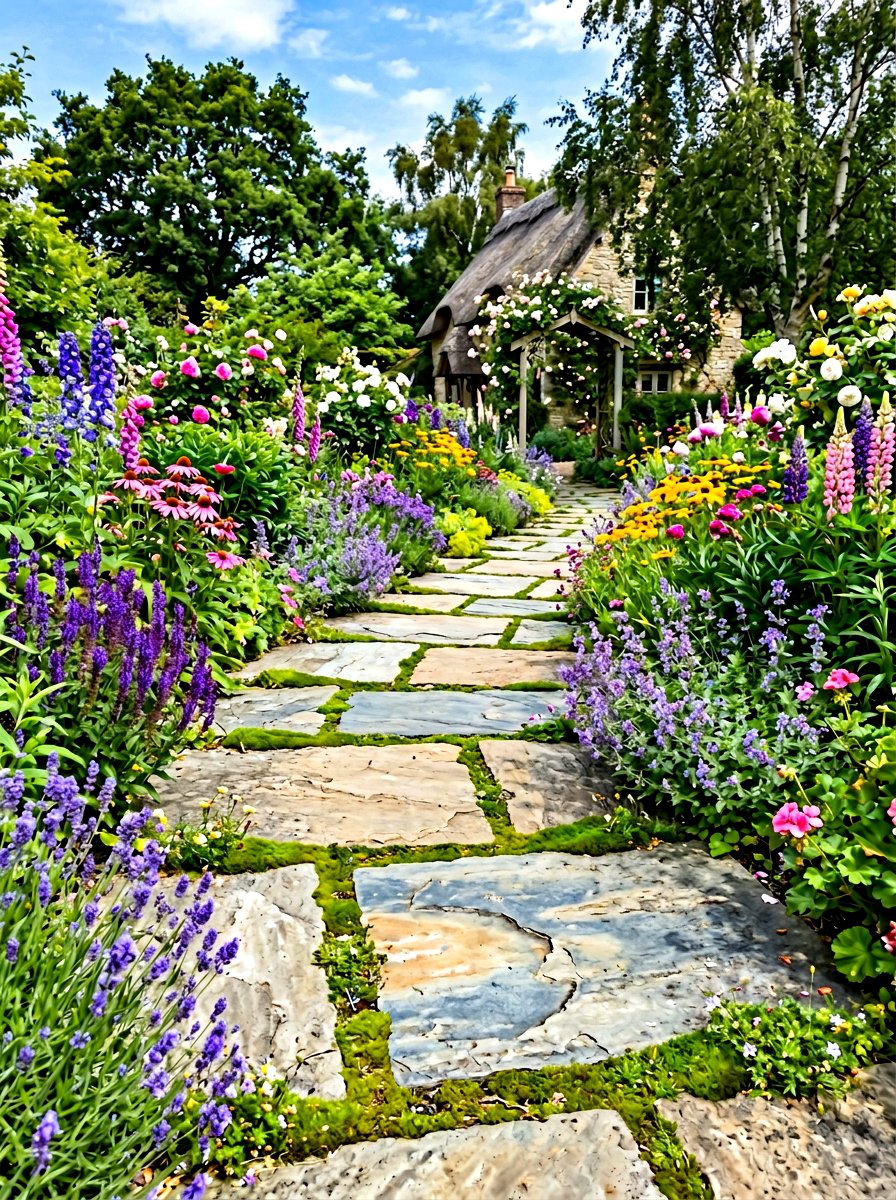
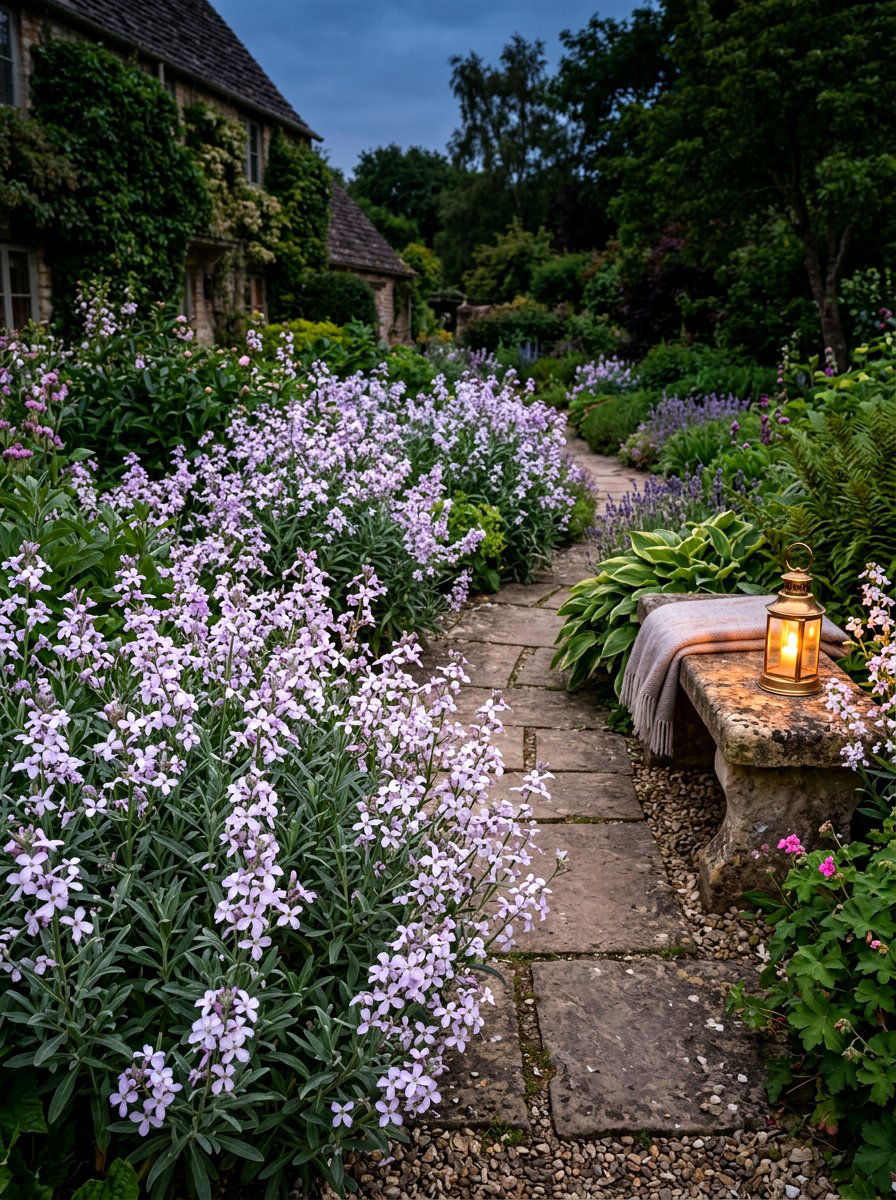
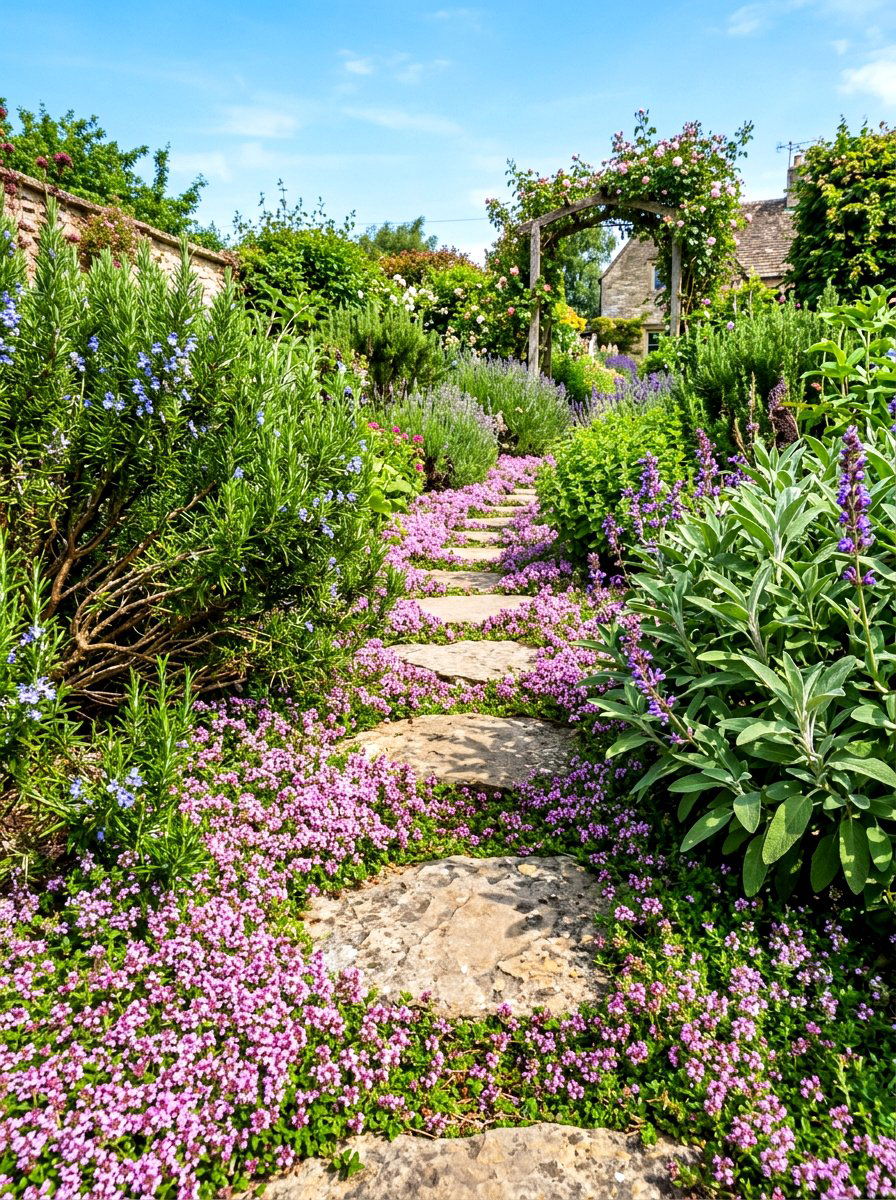
Flagstone remains a top choice for homeowners who want a natural, earthy look that blends seamlessly with the surrounding environment. These large, flat stones come in various shapes and sizes, allowing for a highly customized and organic flow through your garden beds. When laying flagstone on a curve, you can play with the spacing between the rocks to allow for groundcover like moss or thyme to grow in between. This softens the appearance even further and adds a layer of lush greenery to your hardscaping. The varied colors within the stone, ranging from cool grays to warm tans, provide a beautiful visual texture that looks stunning in any season.
2. Brick Paver Garden Path
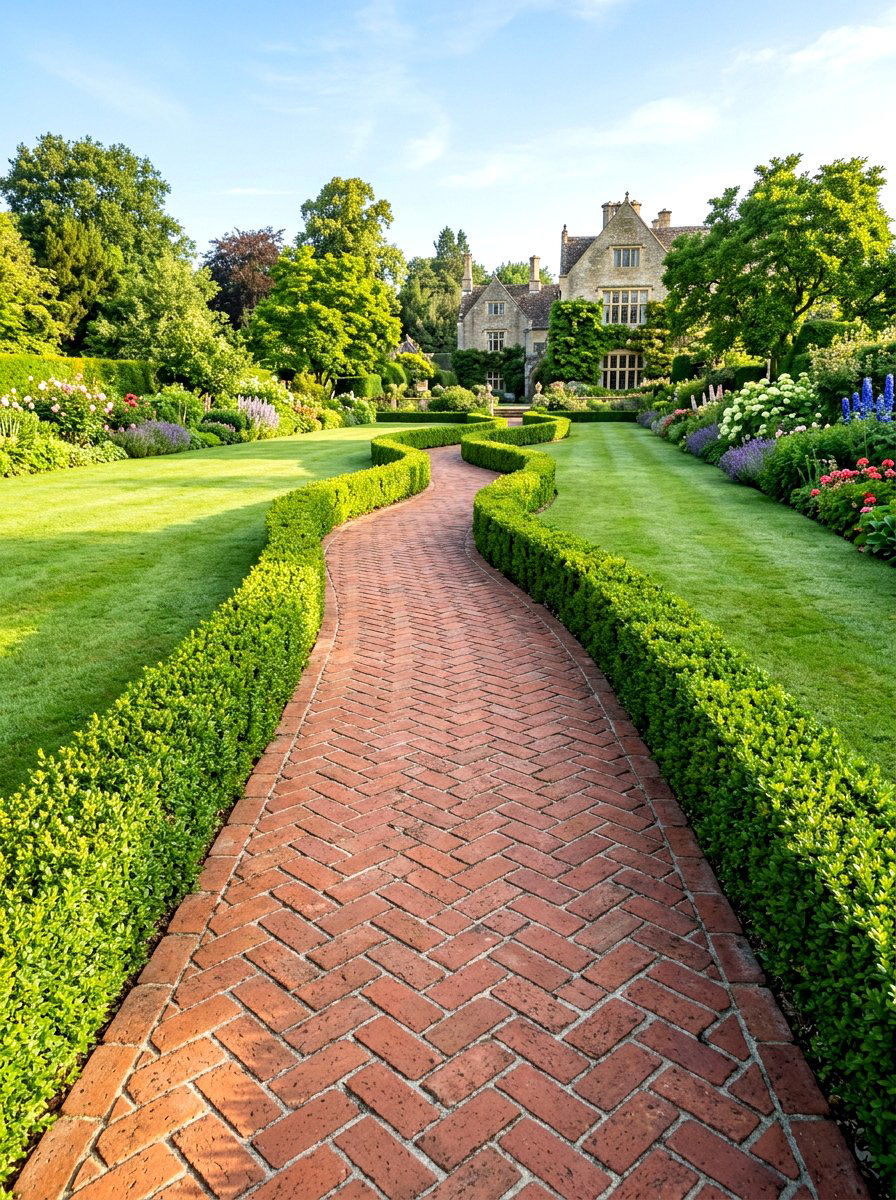
Brick pavers offer a timeless and classic aesthetic that works exceptionally well with traditional or colonial-style homes. The small, modular nature of bricks makes them surprisingly easy to arrange in sweeping arcs and tight turns without needing complex cuts. You can choose a running bond pattern to emphasize the direction of the path or a herringbone pattern for extra structural strength and visual detail. The warm red and orange tones of the clay provide a lovely contrast against the green foliage of a well-manicured lawn. Over time, brick develops a weathered patina that only adds to the character and historic feel of your outdoor garden space.
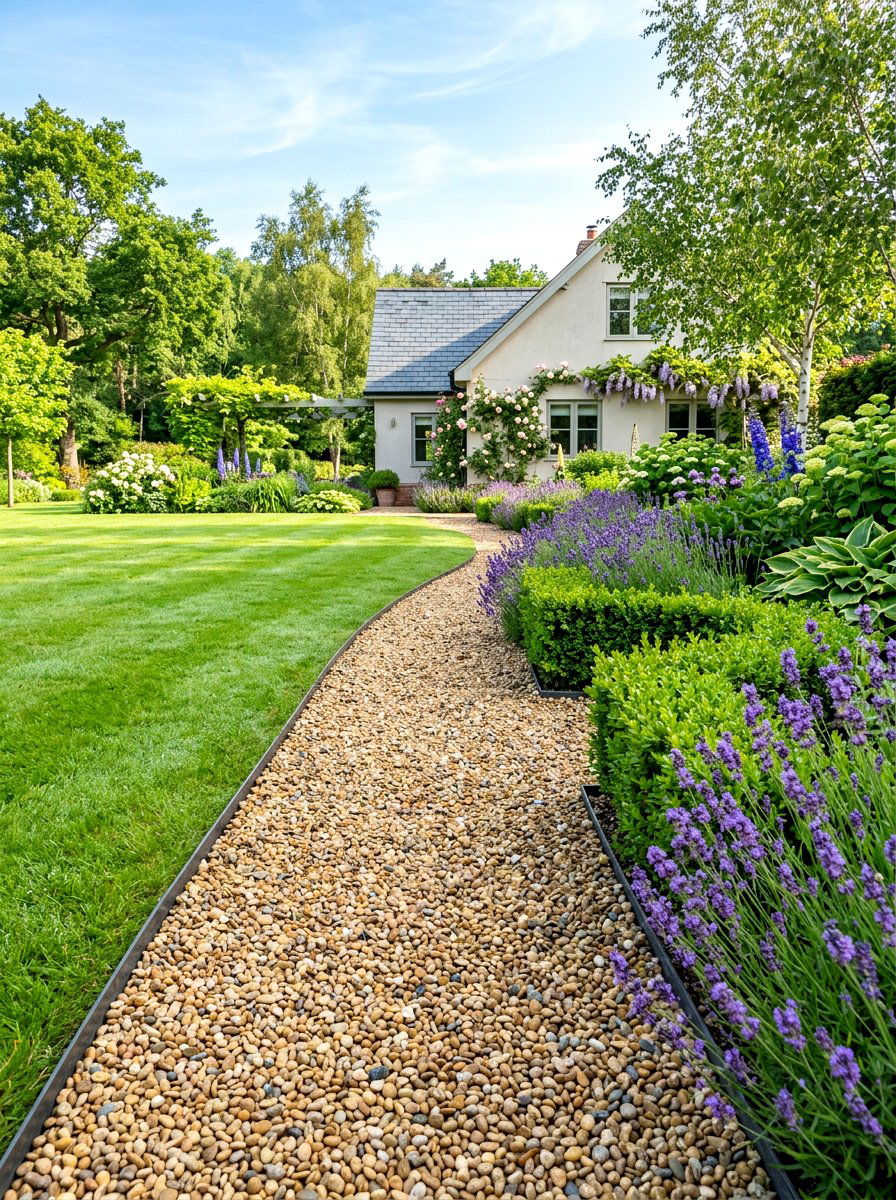
3. Pea Gravel Winding Trail
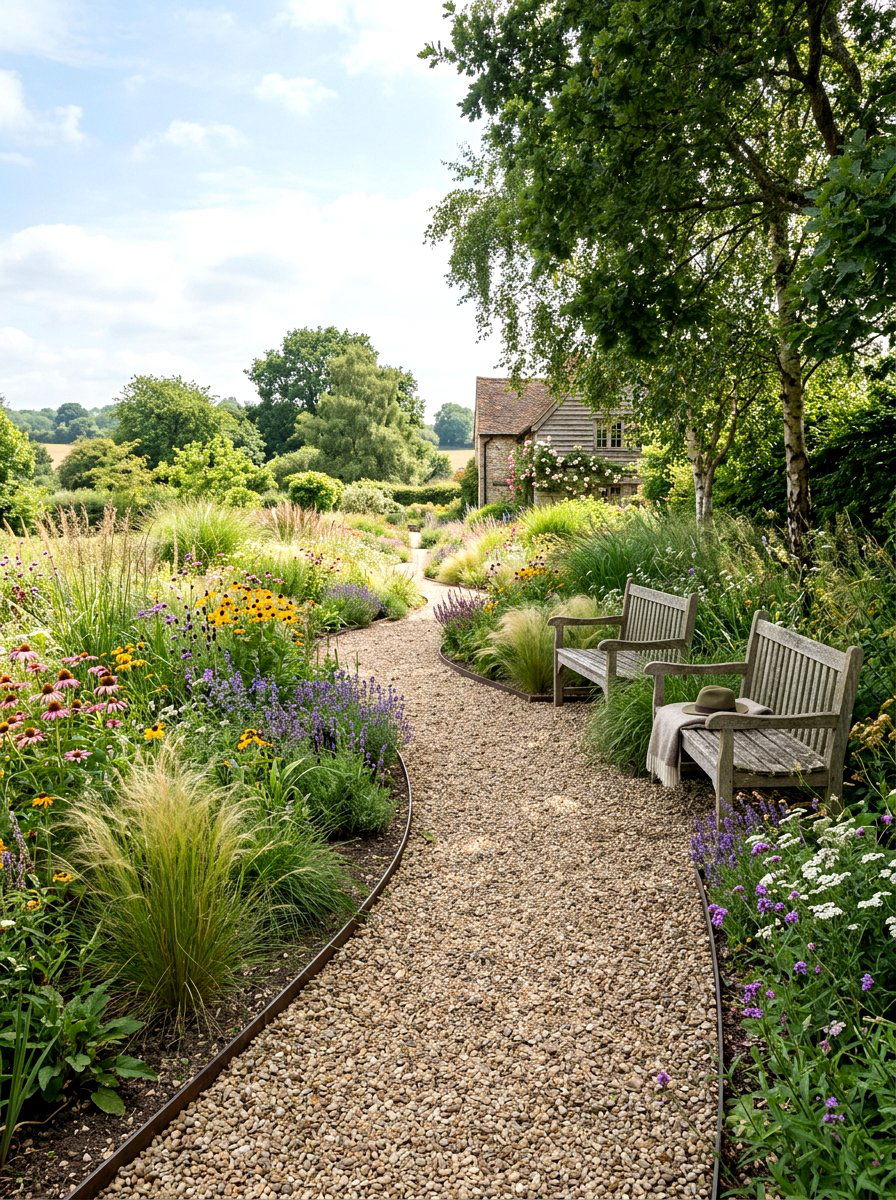
Pea gravel is an excellent choice for a budget-friendly and informal walkway that offers a satisfying crunch underfoot. Because gravel is a loose material, it can easily follow any curve you design without the need for precise masonry work. To keep the path looking neat and defined, it is essential to use a sturdy edging material like metal, plastic, or treated wood. This prevents the small stones from migrating into your lawn or flower beds over time. Gravel paths are also highly permeable, making them a sustainable choice for managing rainwater runoff. They create a relaxed, cottage-garden vibe that feels very approachable and inviting for guests.
4. Modern Poured Concrete Curve
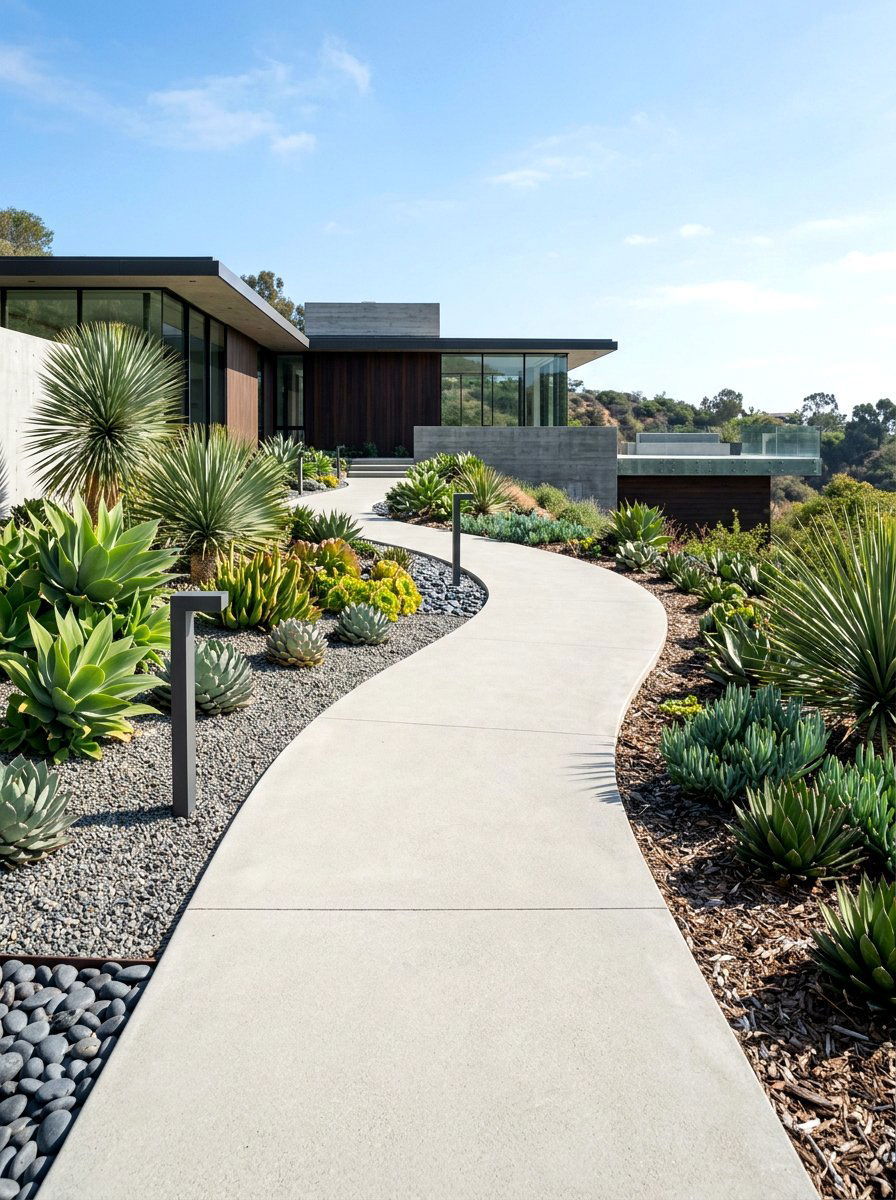
Modern architecture often calls for the clean and minimalist look of poured concrete, which can be easily shaped into sleek curves. Using flexible forms during the pouring process allows for smooth, continuous lines that look sophisticated and high-end. Concrete is incredibly durable and requires very little maintenance once it is properly sealed against the elements. You can leave it with a smooth broom finish for traction or opt for an exposed aggregate look to add more texture and color to the surface. The neutral gray tone of concrete serves as a perfect backdrop for vibrant landscaping, allowing your flowers and shrubs to truly pop against the path.
5. Natural Stone Stepping Stones
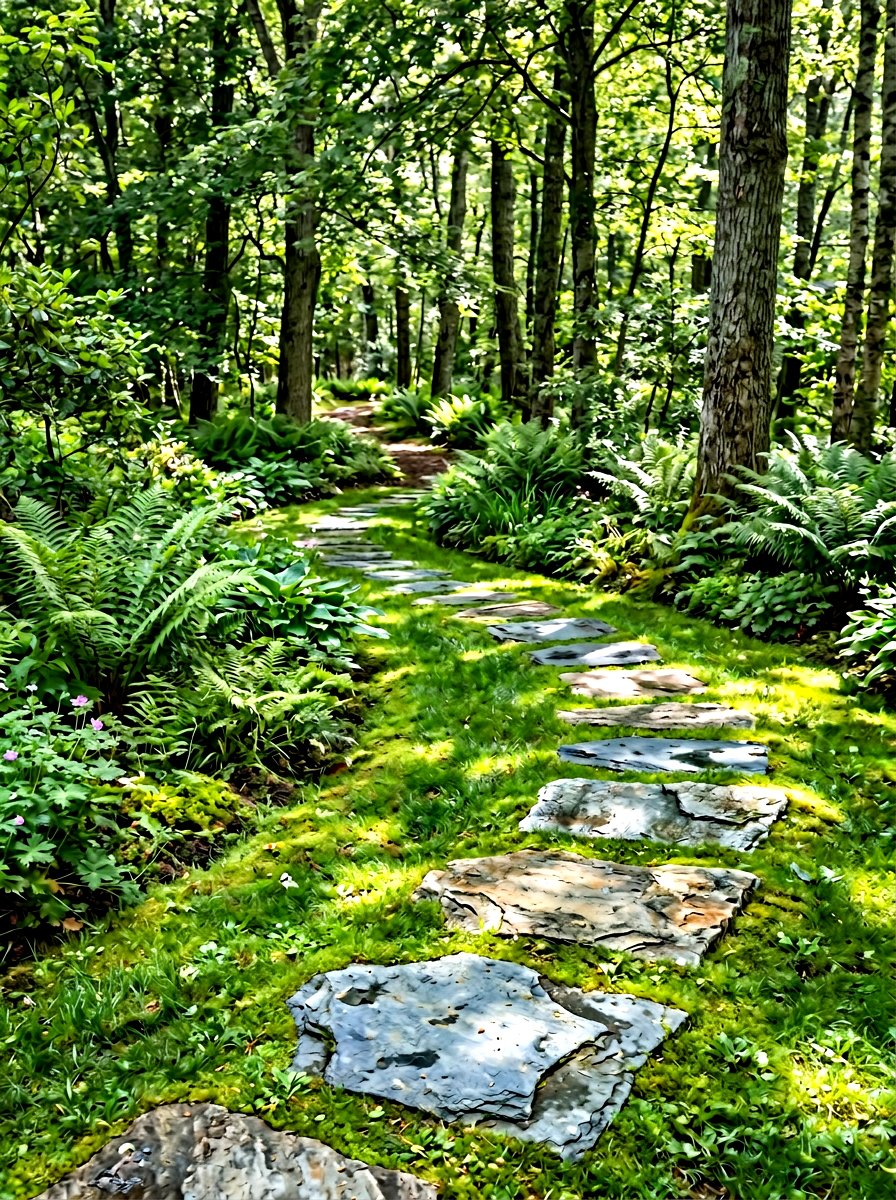
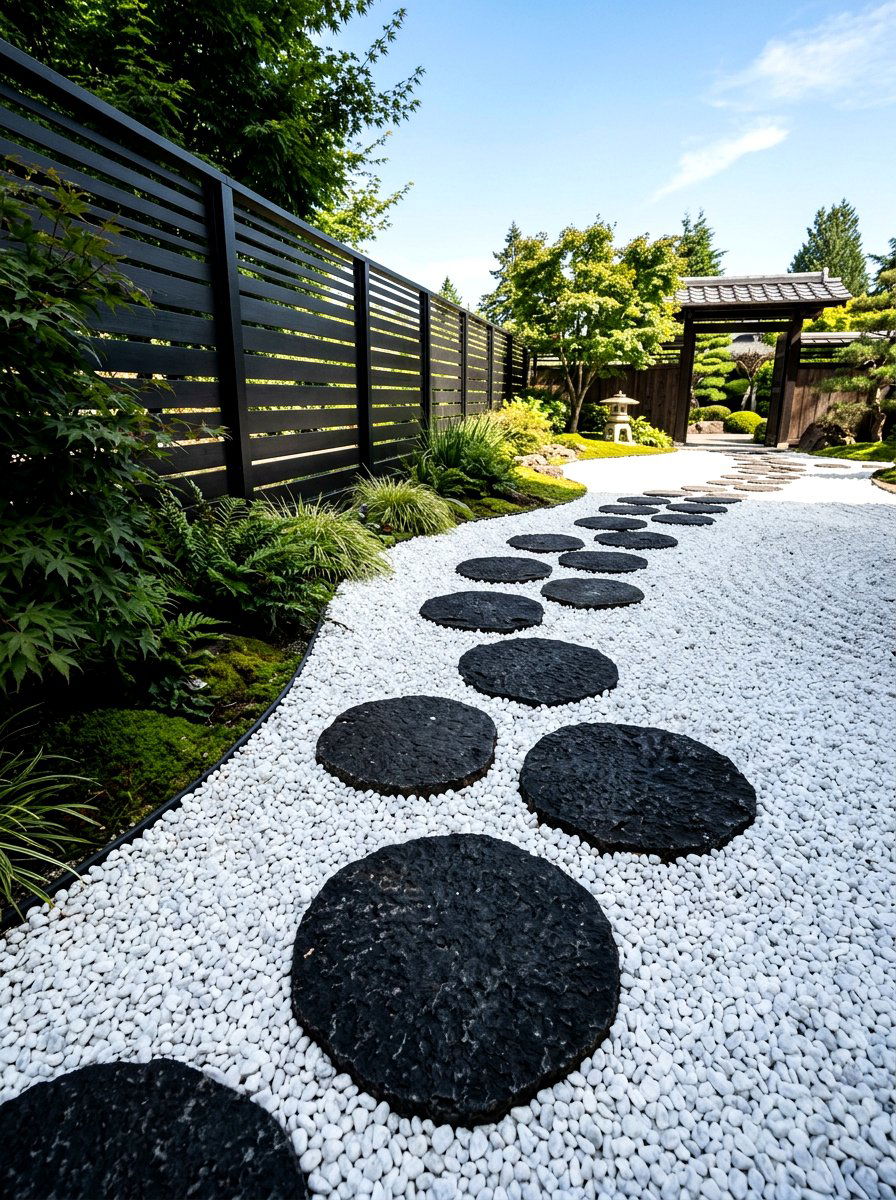
Stepping stones are a fantastic way to create a low-impact curved path that preserves much of your existing lawn. By placing large, flat stones at comfortable walking intervals, you create a journey through the yard that feels light and airy. This style is particularly effective in woodland gardens or shaded areas where a solid paved surface might feel too heavy or intrusive. You can use irregular fieldstones for a rustic look or uniform circular slabs for a more contemporary and intentional feel. The grass growing between the stones helps to integrate the walkway into the landscape, making it appear as if it has always been there naturally.
6. Cobblestone Meandering Path
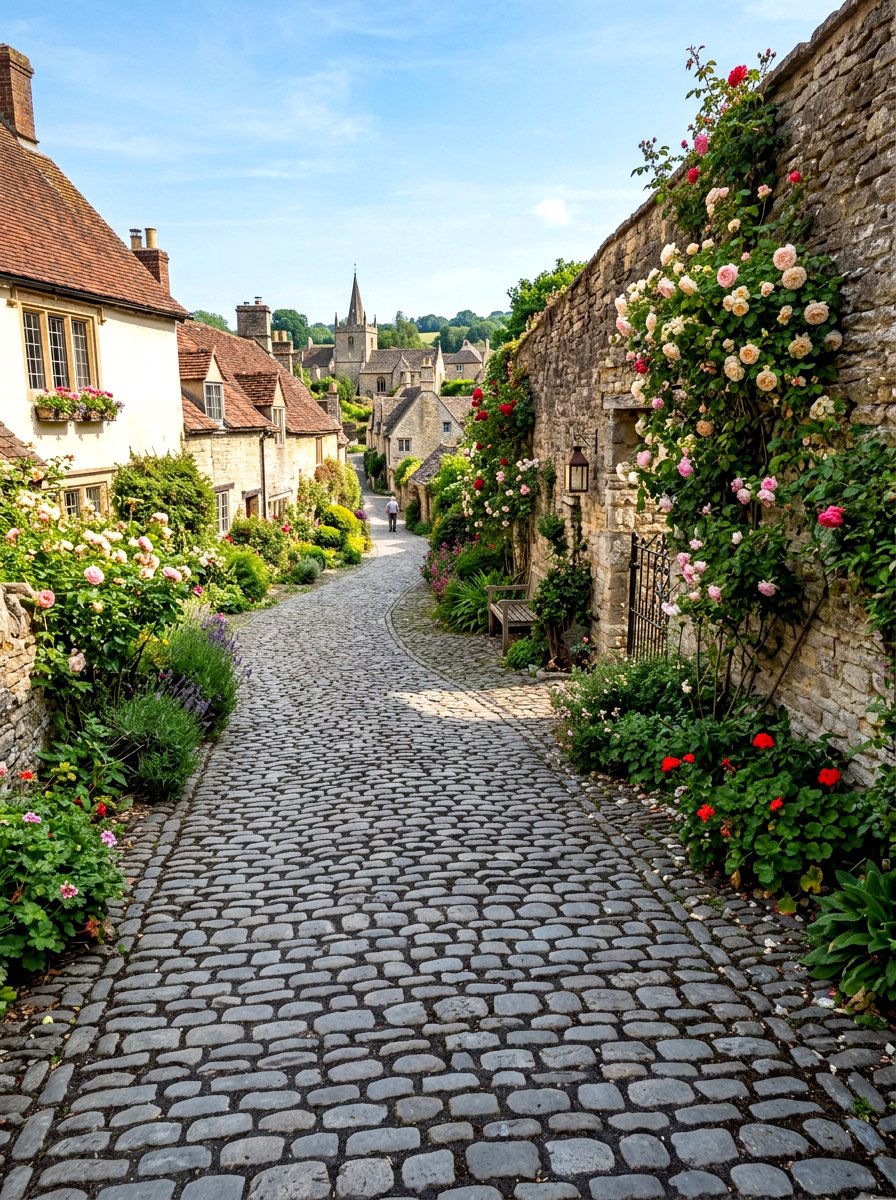
Cobblestones evoke the charm of old-world European streets and bring a wonderful sense of history to a modern garden layout. These small, rounded stones are perfect for creating tight, intricate curves that larger materials simply cannot manage as effectively. While they offer a bit of an uneven surface, their durability is unmatched, and they can withstand heavy foot traffic for decades. The deep textures and shadows created by the joints between the stones add a layer of visual complexity to your landscaping. Pairing cobblestones with low-growing lavender or boxwood hedges creates a formal yet enchanting entrance that significantly boosts your home’s curb appeal and character.
7. Wood Plank Curved Boardwalk
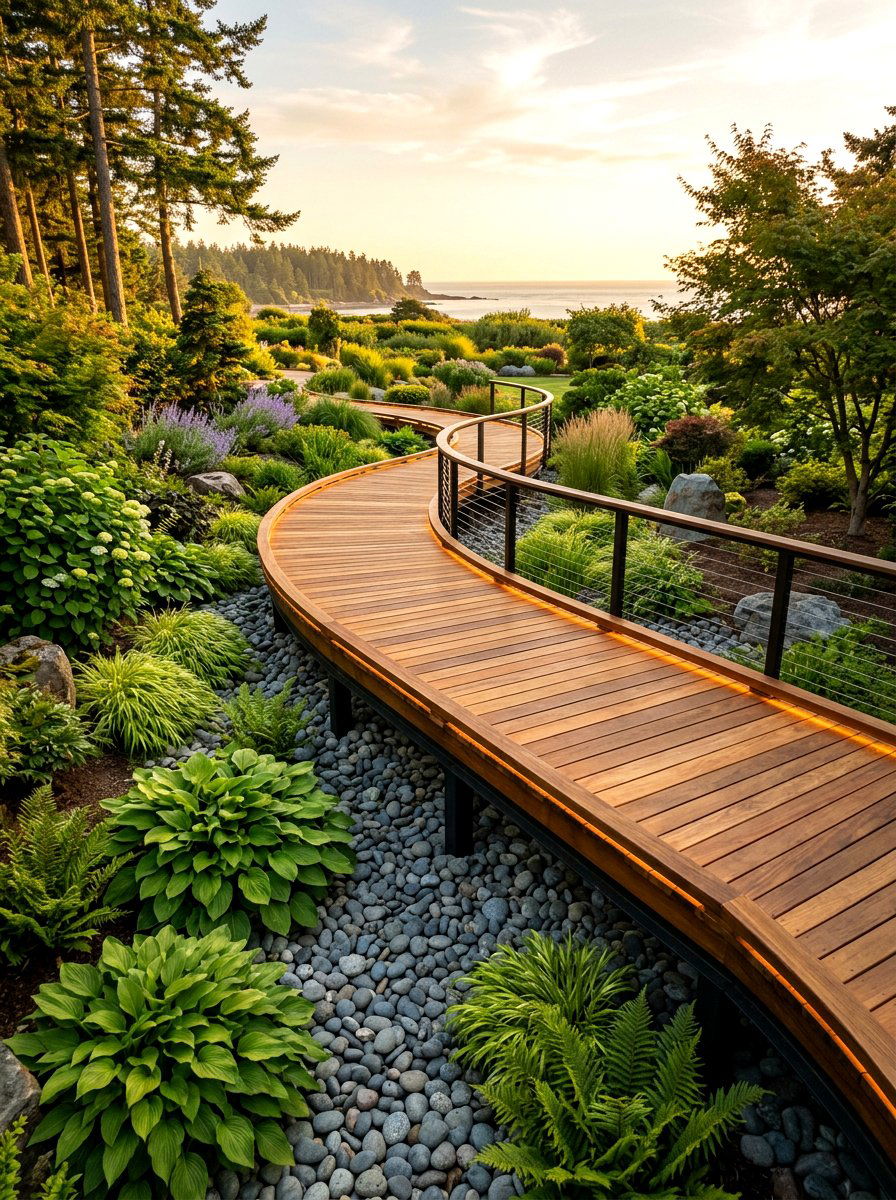
A wooden boardwalk is a unique and creative way to navigate a sloped or damp area of your yard with style. By using short, angled planks of pressure-treated lumber or naturally rot-resistant cedar, you can build a sturdy path that follows a curve. This elevated look adds a structural element to the garden and provides a clear separation between the walking area and the surrounding plants. Wood feels warm and soft underfoot compared to stone, making it a comfortable choice for barefoot summer strolls. Integrating built-in lighting along the edges of the boardwalk can create a magical, glowing trail that guides visitors safely through the landscape at night.
8. Slate Tile Outdoor Walkway
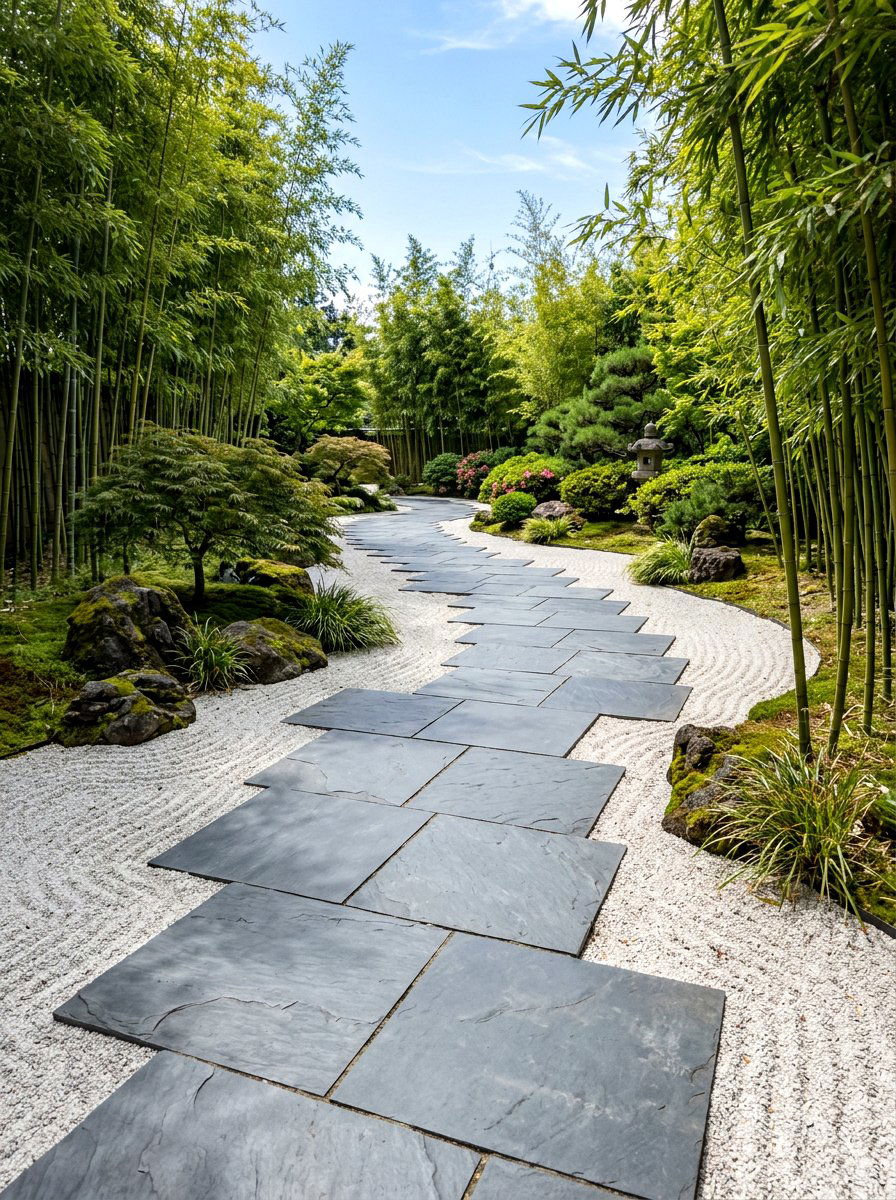
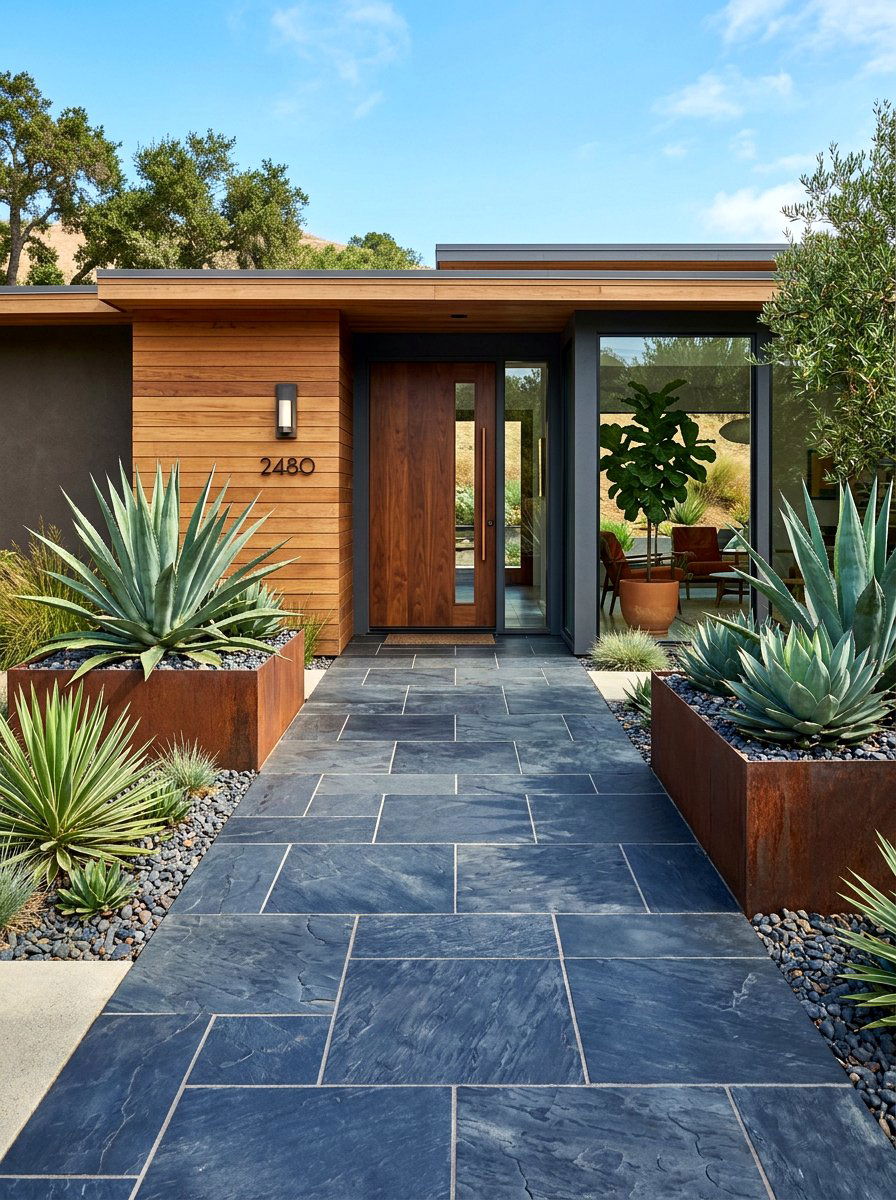
Slate tiles provide a sophisticated and sleek surface that is perfect for a modern or transitional outdoor living space. The natural cleft surface of slate offers excellent slip resistance while showcasing a beautiful array of deep blues, greens, and charcoal grays. To achieve a curved look with square tiles, you can arrange them in a slightly staggered pattern or use smaller pieces to navigate the turn. Slate is a dense and hardy material that resists fading and holds up well in various climates. Its dark, rich tones look particularly striking when paired with bright white river rocks or light-colored gravel borders, creating a high-contrast and very luxurious finish.
9. Crushed Granite Garden Path
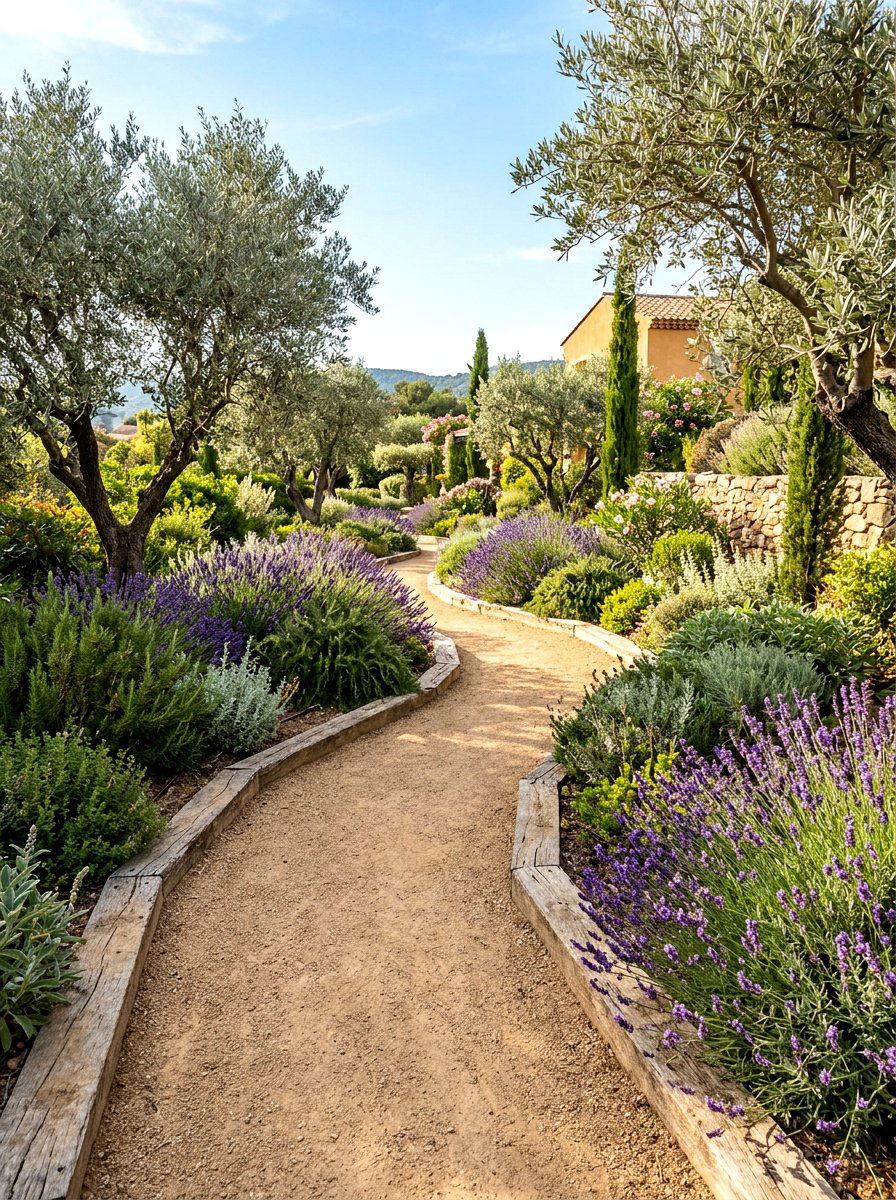
Crushed granite is a step up from traditional gravel, offering a more stable and compact surface that is easy to walk on. The jagged edges of the crushed stone lock together when compacted, creating a firm path that still allows for excellent drainage. This material comes in various shades, including tan, rose, and gray, allowing you to match it to your home’s exterior. It is an ideal choice for a winding desert landscape or a Mediterranean-style garden where water conservation is a priority. The fine texture of the granite creates a very tidy and professional look that complements both modern and rustic planting schemes quite effectively.

10. Terracotta Tile Sinuous Path
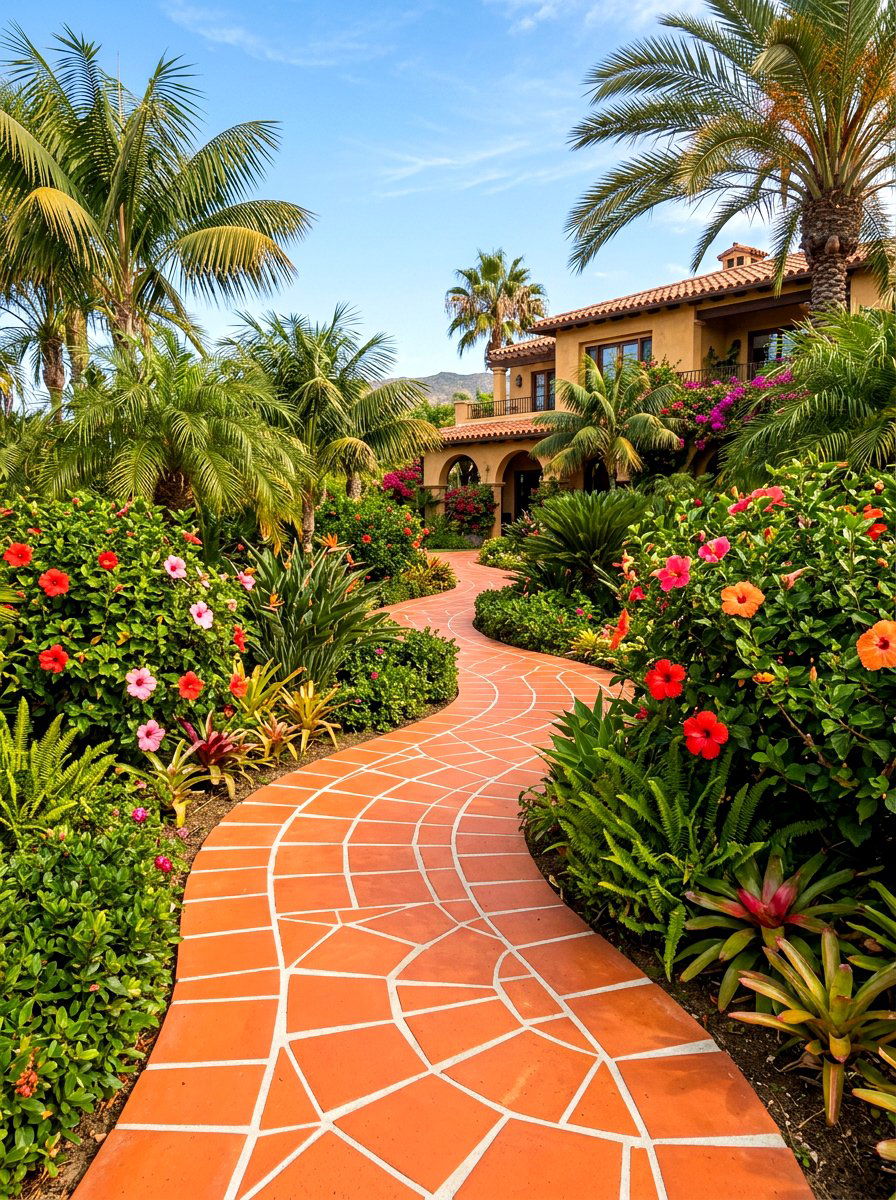
Terracotta tiles bring a warm, sun-drenched feel to any garden, especially when laid out in a graceful, sinuous curve. These clay tiles are known for their rich, earthy orange and red hues which pair beautifully with Mediterranean plants like rosemary and citrus trees. Because the tiles are usually uniform in size, creating a curve requires careful planning and perhaps some custom cuts to maintain a smooth edge. The result is a vibrant and inviting walkway that feels like a permanent vacation spot in your own backyard. Terracotta is a porous material, so applying a high-quality sealer is recommended to protect the tiles from moisture and staining over time.
11. River Rock Bordered Walkway
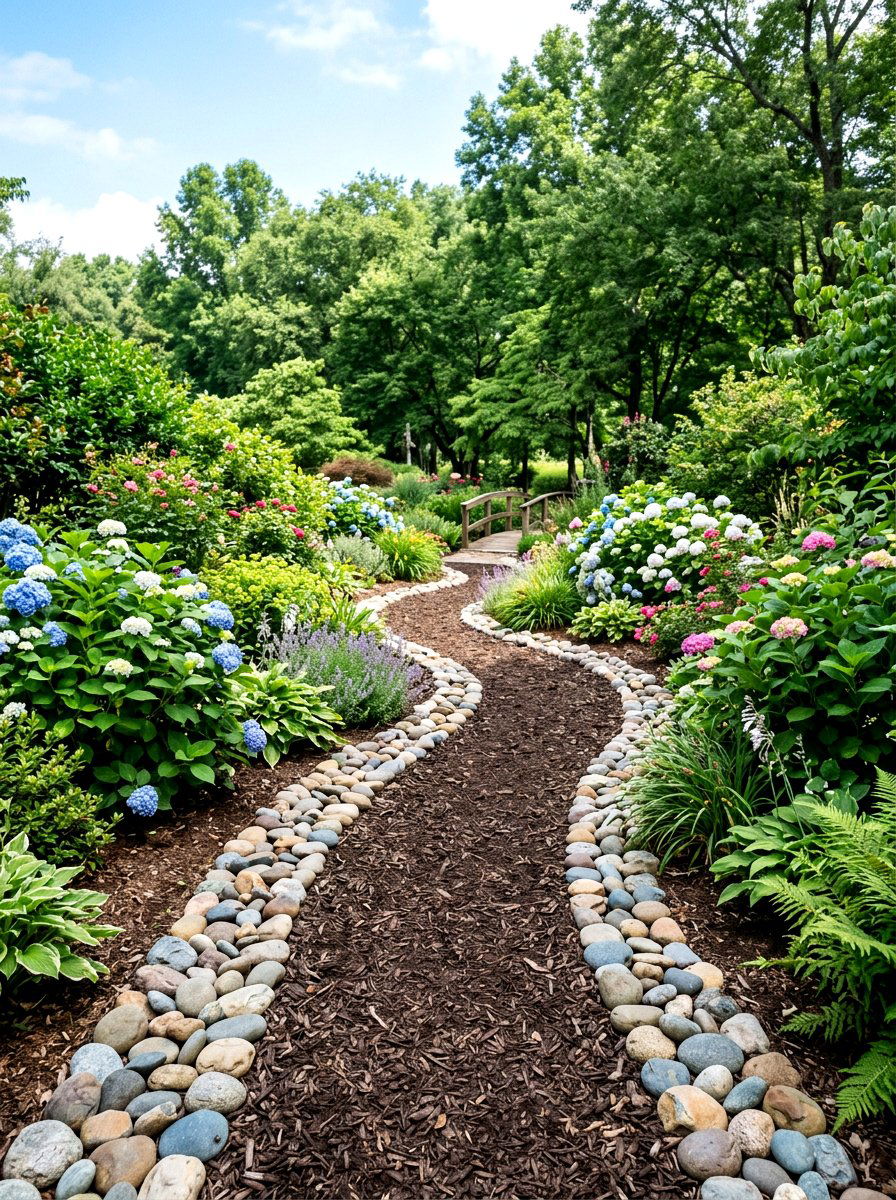
Using smooth river rocks as a border for a curved walkway adds a decorative and functional element to your landscape design. These rounded stones can be used to frame a path made of mulch, gravel, or even solid pavers to provide a clean transition. The varying sizes and colors of river rocks create a natural, water-inspired look that softens the edges of the hardscaping. This approach is excellent for areas that might experience occasional drainage issues, as the rocks help to guide water away from the path. The contrast between the central path material and the stony border creates a layered and professionally designed appearance for the yard.
12. Grass Path With Stone Edging
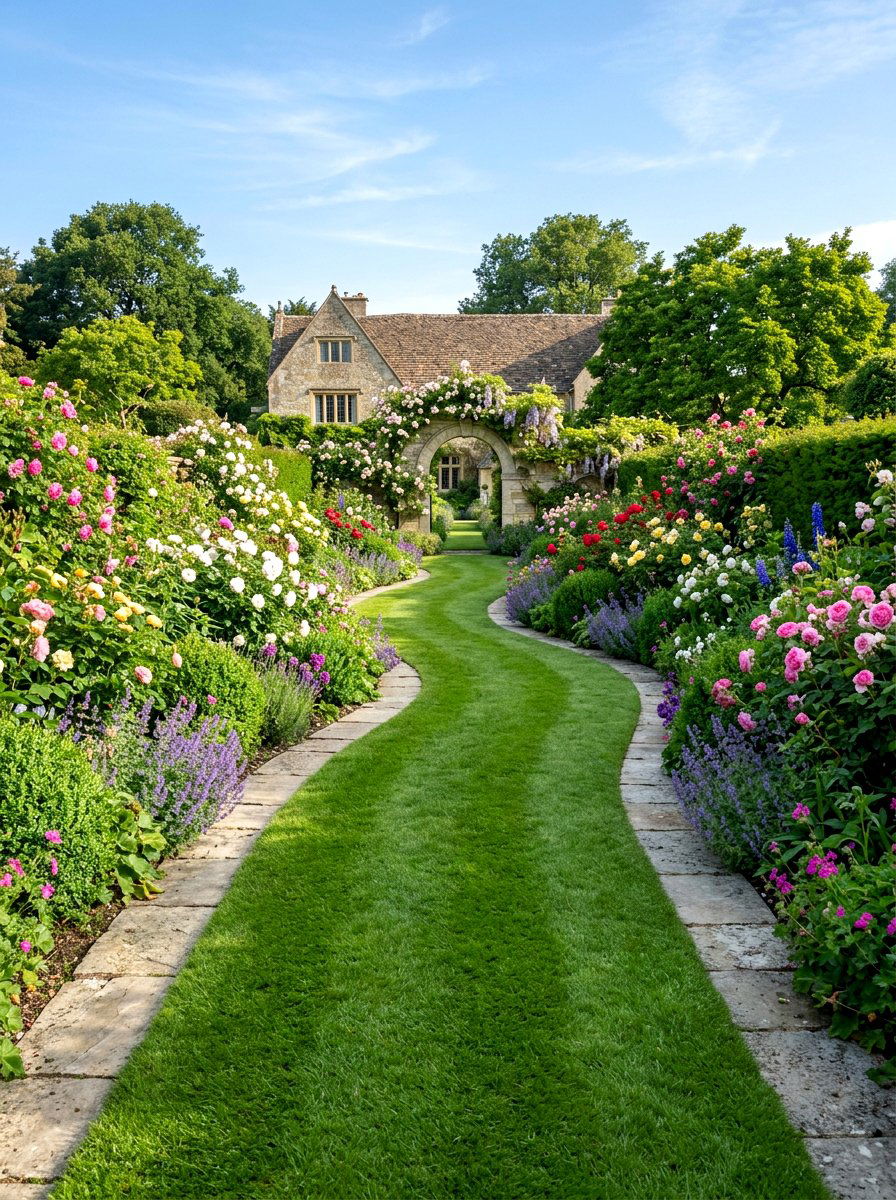
A simple grass path can be elevated to a focal point by adding a crisp, curved stone edge to define its shape. This look is perfect for large estates or backyard retreats where you want to maintain a lush, green expanse. The stone edging prevents the lawn from creeping into adjacent flower beds while providing a clear guide for the mower. This design encourages a soft, barefoot experience that feels very connected to nature. Choosing a contrasting stone color for the border makes the emerald green of the grass stand out even more. It is a low-cost yet highly effective way to add structure and elegance to a simple lawn.
13. Recycled Rubber Curved Path
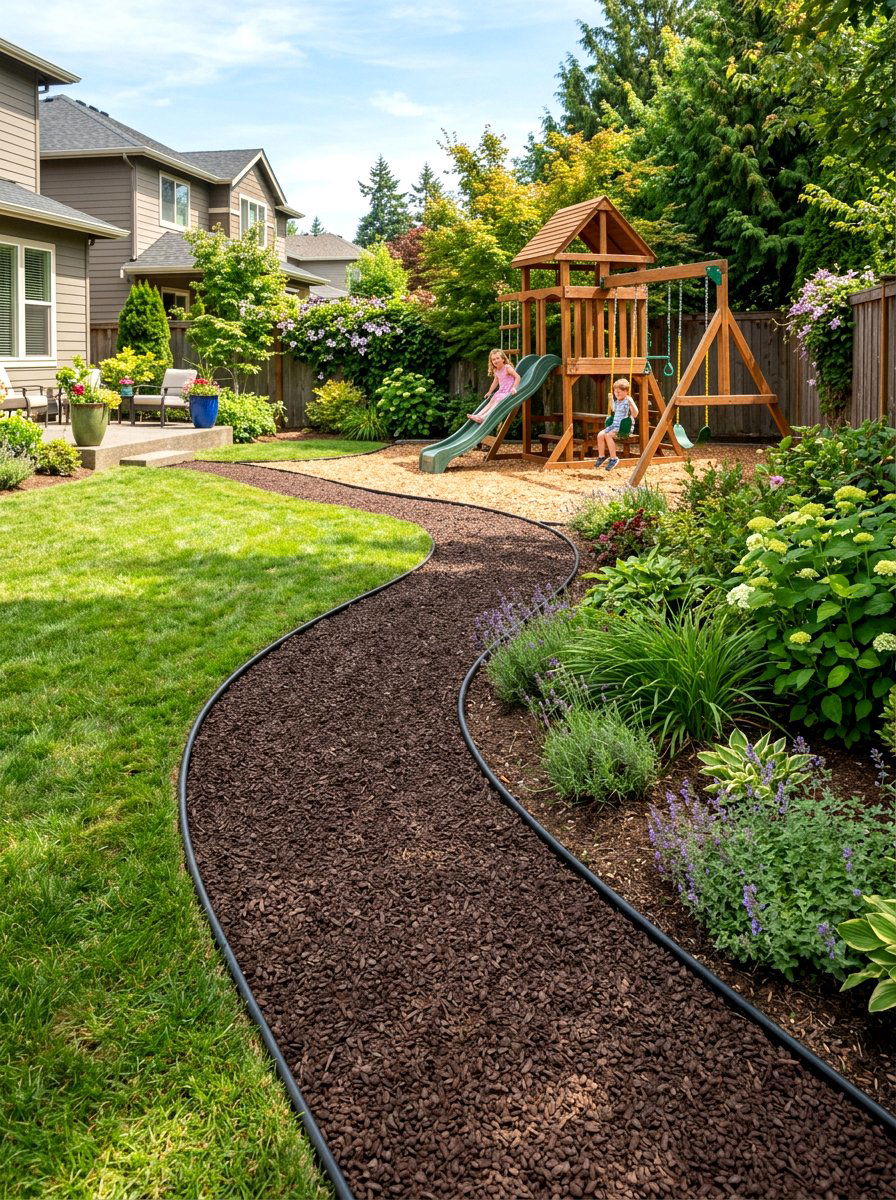
For those looking for an eco-friendly and comfortable option, recycled rubber pavers or mulch can create a durable curved walkway. This material is made from old tires and offers a soft, bouncy surface that is perfect for families with children or elderly residents. Rubber is resistant to mold and mildew and does not rot like traditional wood mulch might. It is available in various colors that mimic the look of stone or wood, providing versatility in design. The flexible nature of the rubber allows it to easily adapt to the curves of your garden without any heavy lifting or difficult installation. It is a smart and sustainable choice.
14. Decomposed Granite Winding Path
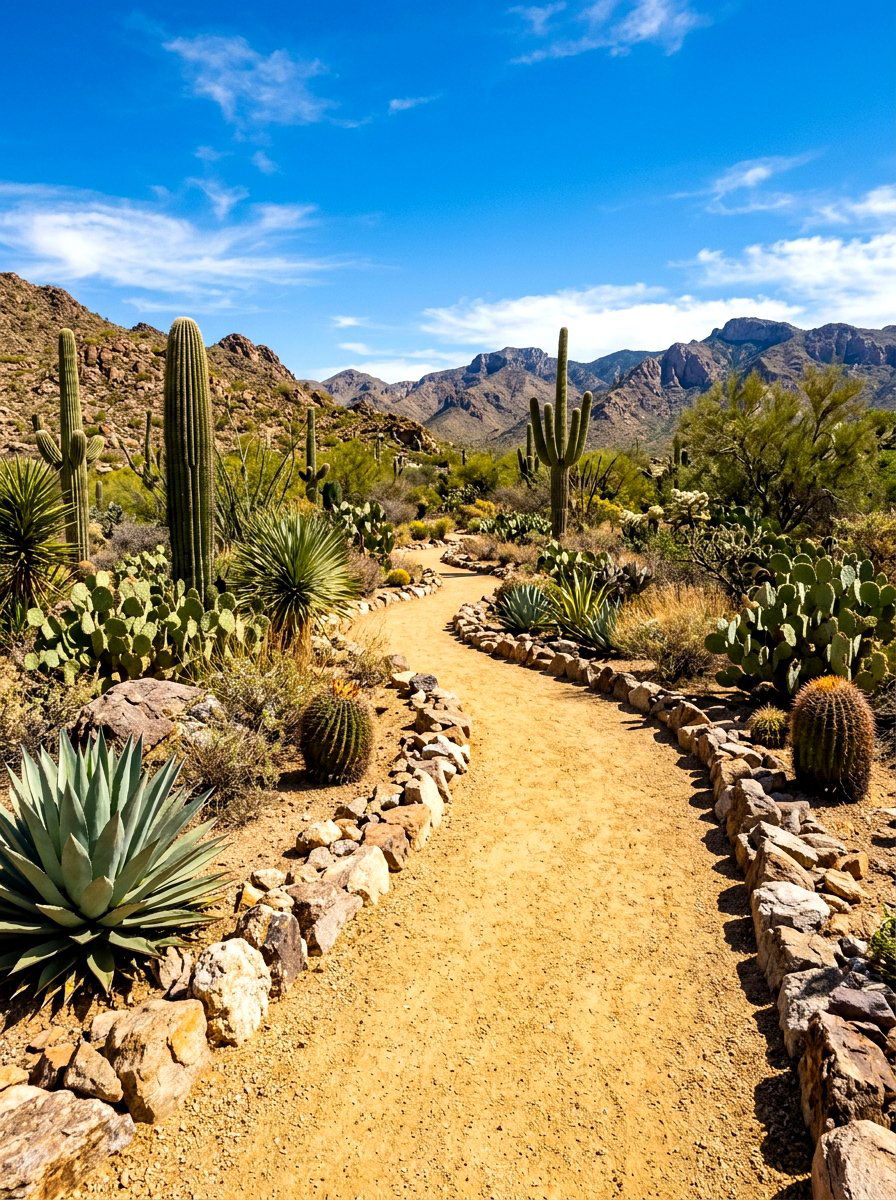
Decomposed granite, often referred to as DG, is a popular choice for creating natural-looking paths that are very stable and easy to maintain. When mixed with a stabilizer, it forms a surface that is nearly as hard as concrete but retains the look of fine sand or gravel. This material is ideal for creating long, winding trails through a large property or a simple garden entrance. It offers a rustic, southwestern aesthetic that looks great with succulents and ornamental grasses. Because it is so finely textured, it provides a very smooth walking surface that is wheelchair-friendly and easy to keep clear of weeds and debris over time.


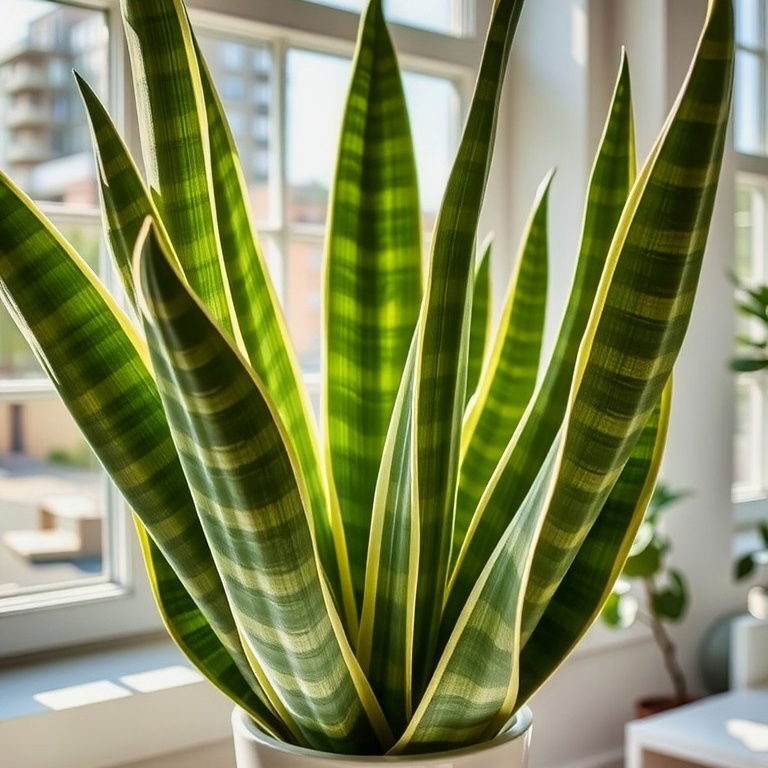
15. Travertine Paver Curved Entrance
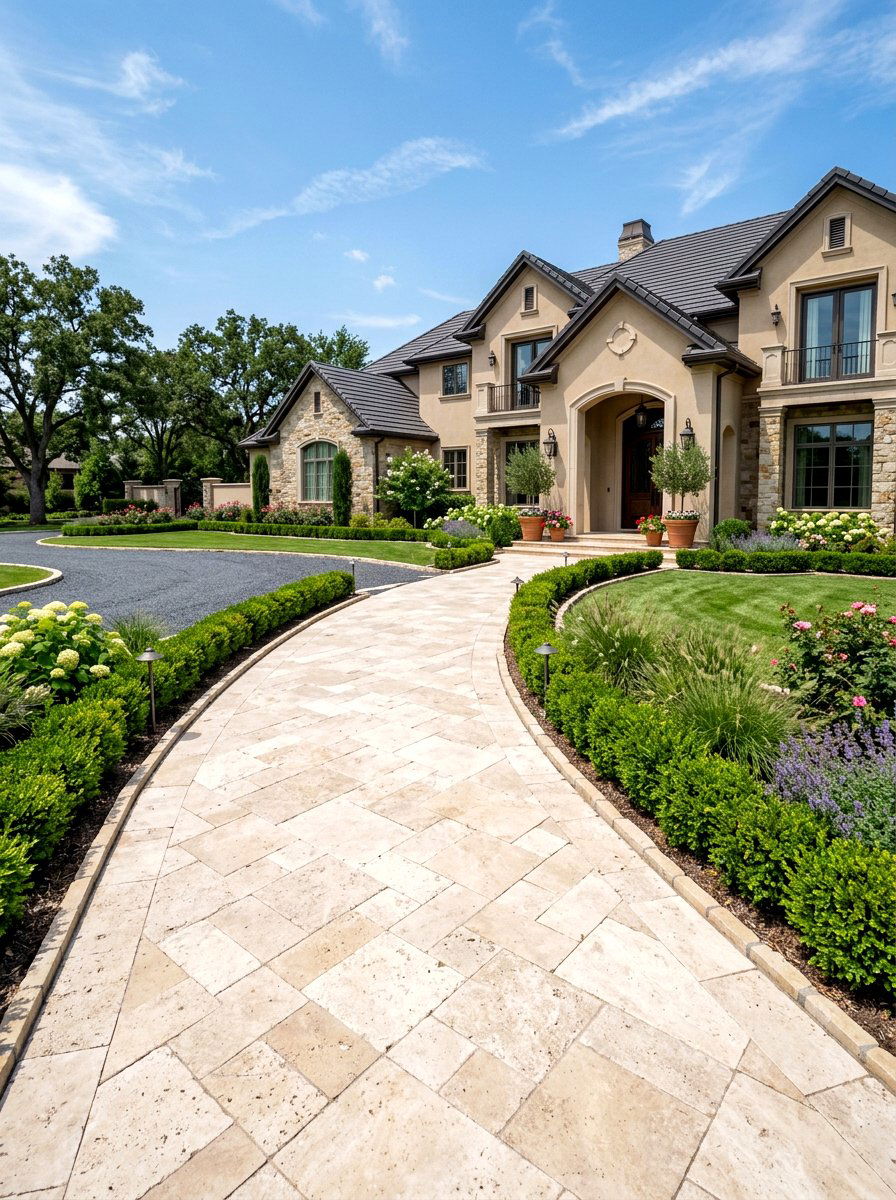
Travertine pavers are the height of luxury for an outdoor entrance, offering a cool-to-the-touch surface that feels wonderful underfoot. These natural limestone stones feature unique pits and textures that give them a high-end, timeless look. When used for a curved walkway, they provide a bright and airy feel that can make a front yard look much more expansive. Travertine is available in shades of cream, beige, and gold, which reflect the sun and brighten up shaded garden areas. While it is a premium material, its durability and the significant value it adds to your home’s curb appeal make it a worthwhile investment for many homeowners today.
16. Bark Mulch Garden Walkway
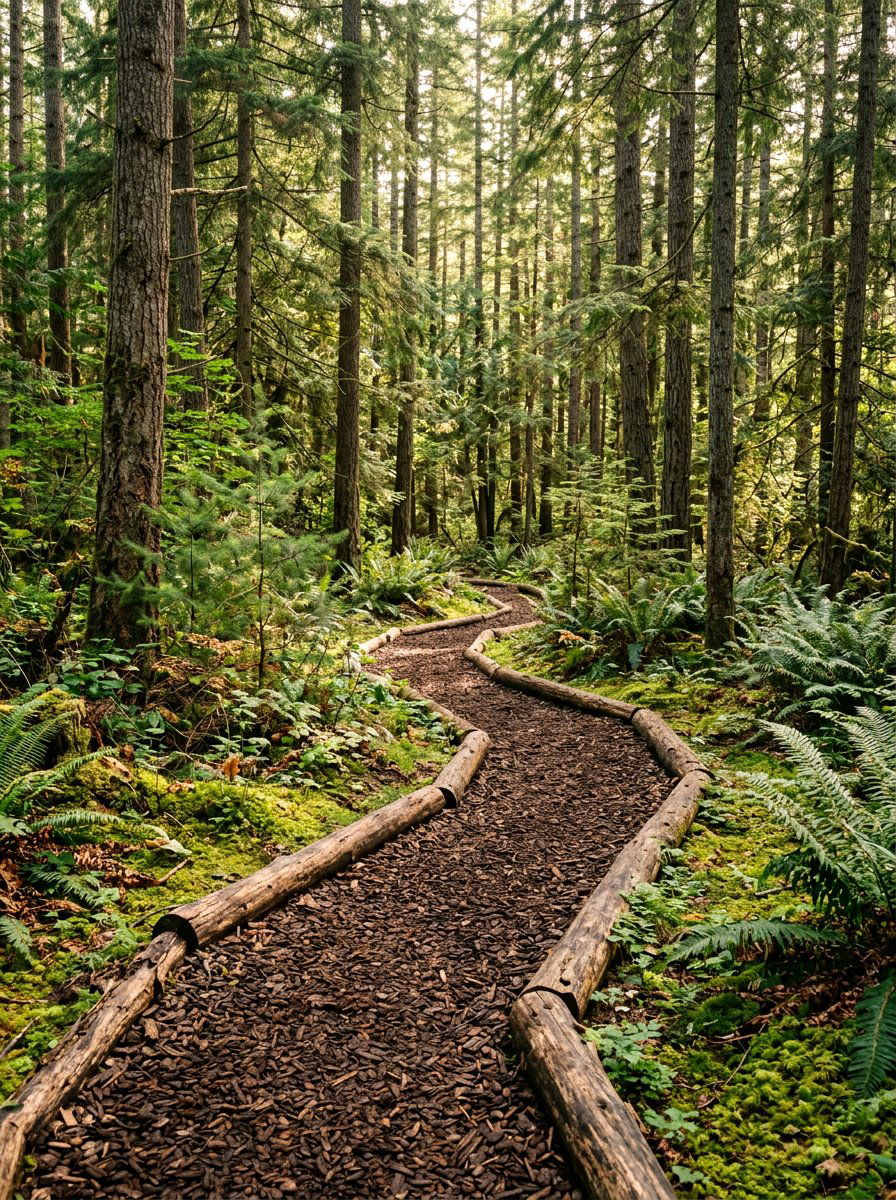
Bark mulch is perhaps the most natural and cost-effective way to create a curved path through a heavily planted area. This material blends perfectly with forest-like settings or casual backyard gardens where you want to emphasize a soft, organic atmosphere. To keep the mulch in place along the curve, using a flexible bender board or stone border is highly recommended. Mulch paths are easy to install and can be refreshed every year to keep them looking tidy and smelling fresh. They provide a soft walking surface that is gentle on the joints and helps to suppress weeds in the surrounding garden beds, making maintenance much easier.
17. Mosaic Pebble Art Path
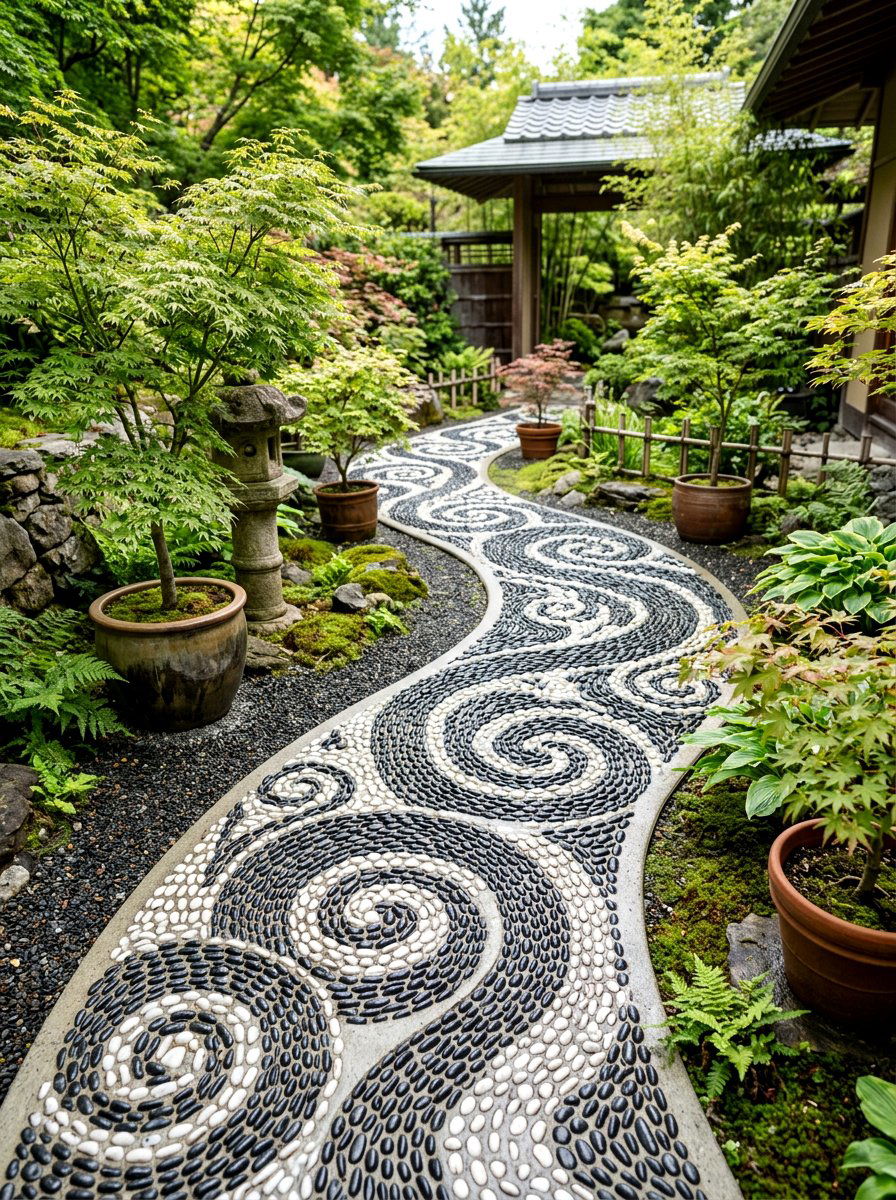
A mosaic pebble path is more than just a walkway; it is a stunning piece of outdoor art that serves as a focal point. By hand-setting small, polished pebbles into a concrete base, you can create intricate swirls, floral patterns, or geometric designs that follow a curve. This style of path is labor-intensive but results in a one-of-a-kind feature that will impress every guest who visits your home. The different colors and textures of the pebbles catch the light beautifully, especially after a fresh rain. It is a perfect choice for a Zen garden or a small courtyard where you want to add a touch of handcrafted elegance.
18. Bluestone Curved Patio Walkway
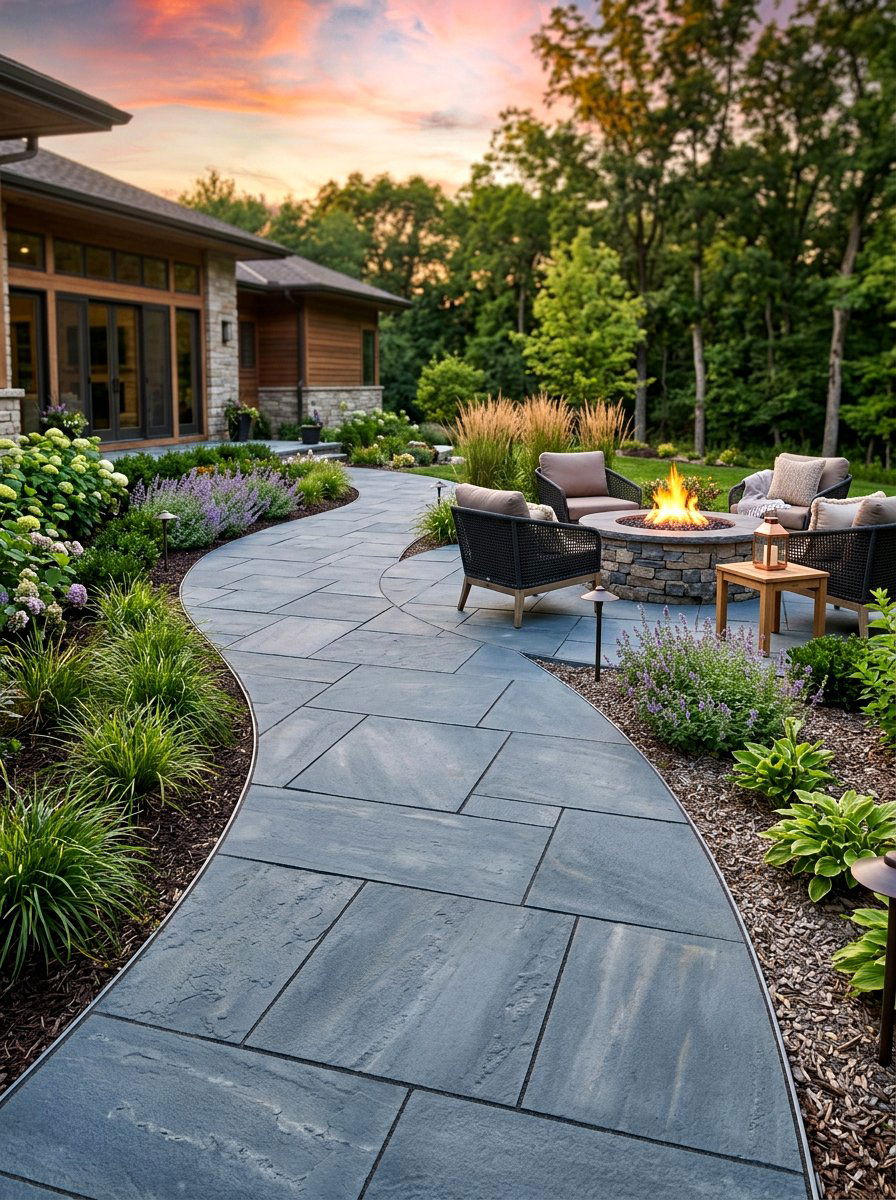
Bluestone is a dense, hard-wearing sandstone that is prized for its gorgeous deep blue and gray tones. It can be cut into uniform rectangular pavers for a structured look or left in irregular shapes for a more natural, flagstone-style path. When laid out in a curve, bluestone provides a solid and dependable surface that stands up to harsh winters and heavy use. The cool color palette of the stone complements modern home exteriors and looks particularly beautiful when surrounded by white flowers or silvery-green foliage. It is a sophisticated choice that offers a high level of durability and a professional finish for any high-traffic walkway.
19. Limestone Stepping Stone Path
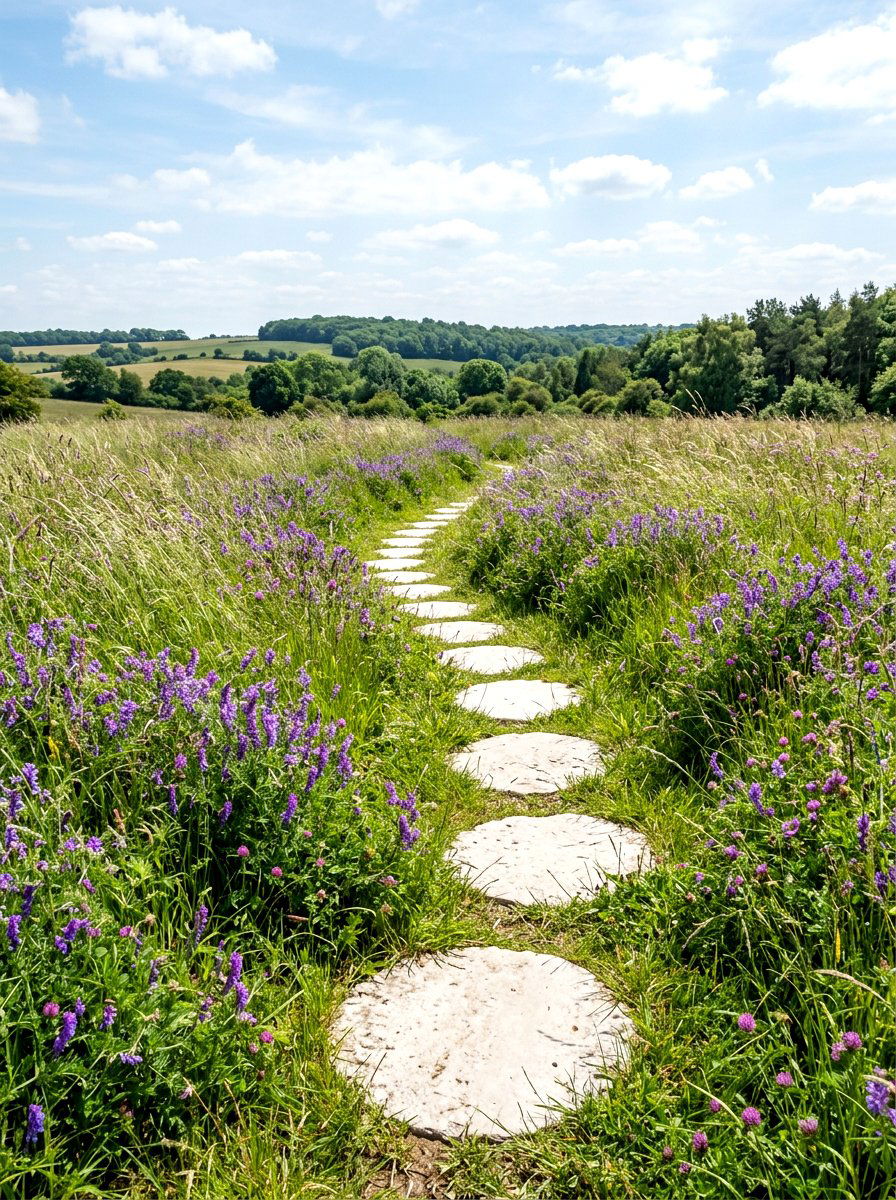
Limestone stepping stones offer a bright and clean aesthetic that works beautifully in both modern and traditional landscape designs. These large, light-colored stones can be spaced out to create a meandering path through a flower garden or a side yard. Limestone is naturally slip-resistant and stays relatively cool in the summer heat, making it a practical choice for sunny areas. The soft, neutral tones of the stone allow the colors of your garden to take center stage without competing for attention. Whether you choose rough-hewn edges for a rustic look or smooth-cut circles for a contemporary feel, limestone adds a touch of brightness and class.
20. Precast Concrete Round Pavers
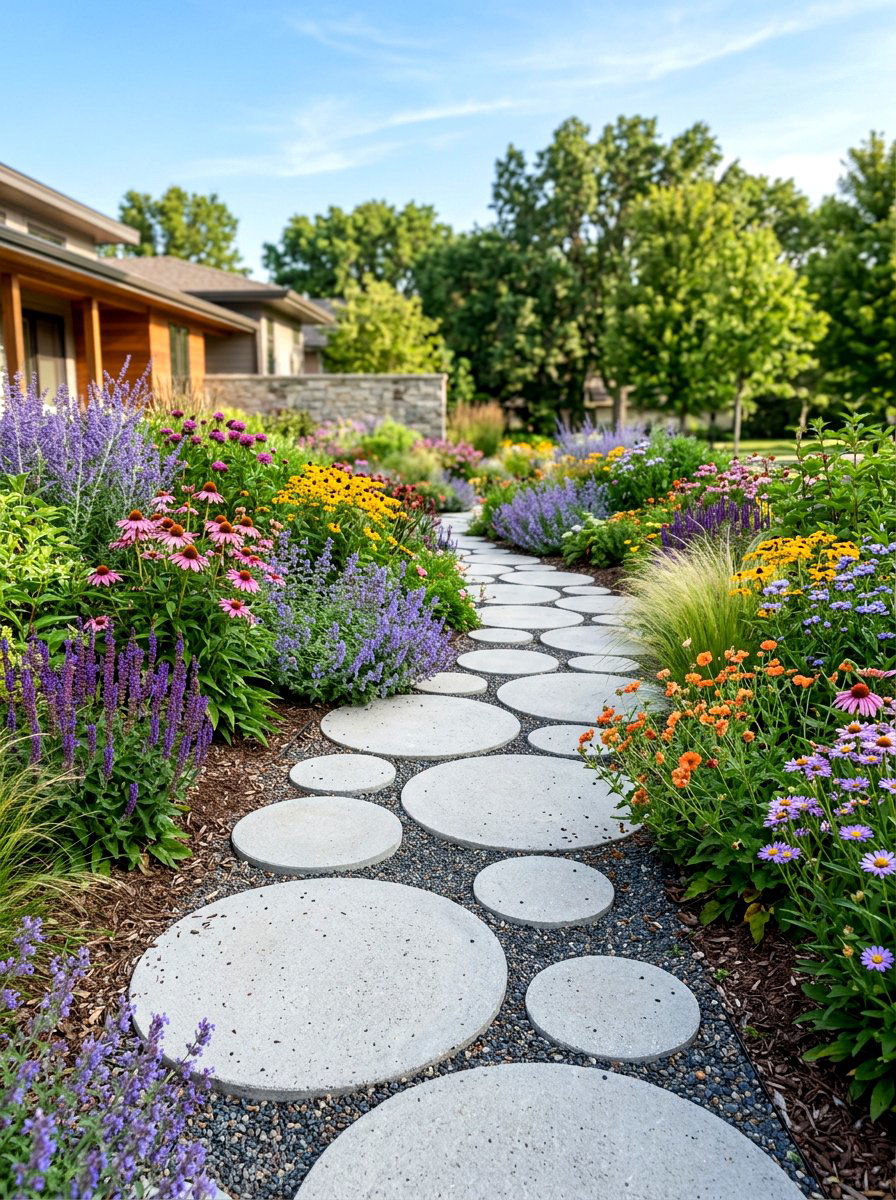
Circular precast concrete pavers are a playful and modern way to create a curved walkway that feels light and approachable. By overlapping the circles or spacing them out as stepping stones, you can easily navigate any turn in your garden. These pavers come in various sizes and colors, allowing for a creative and customized layout. They are very easy to install and provide a stable surface for walking. This design is particularly effective in small urban yards where you want to add a bit of visual interest without overwhelming the space. The rounded shapes provide a nice contrast to the straight lines of a typical house.
21. Cedar Wood Sliced Disc Path
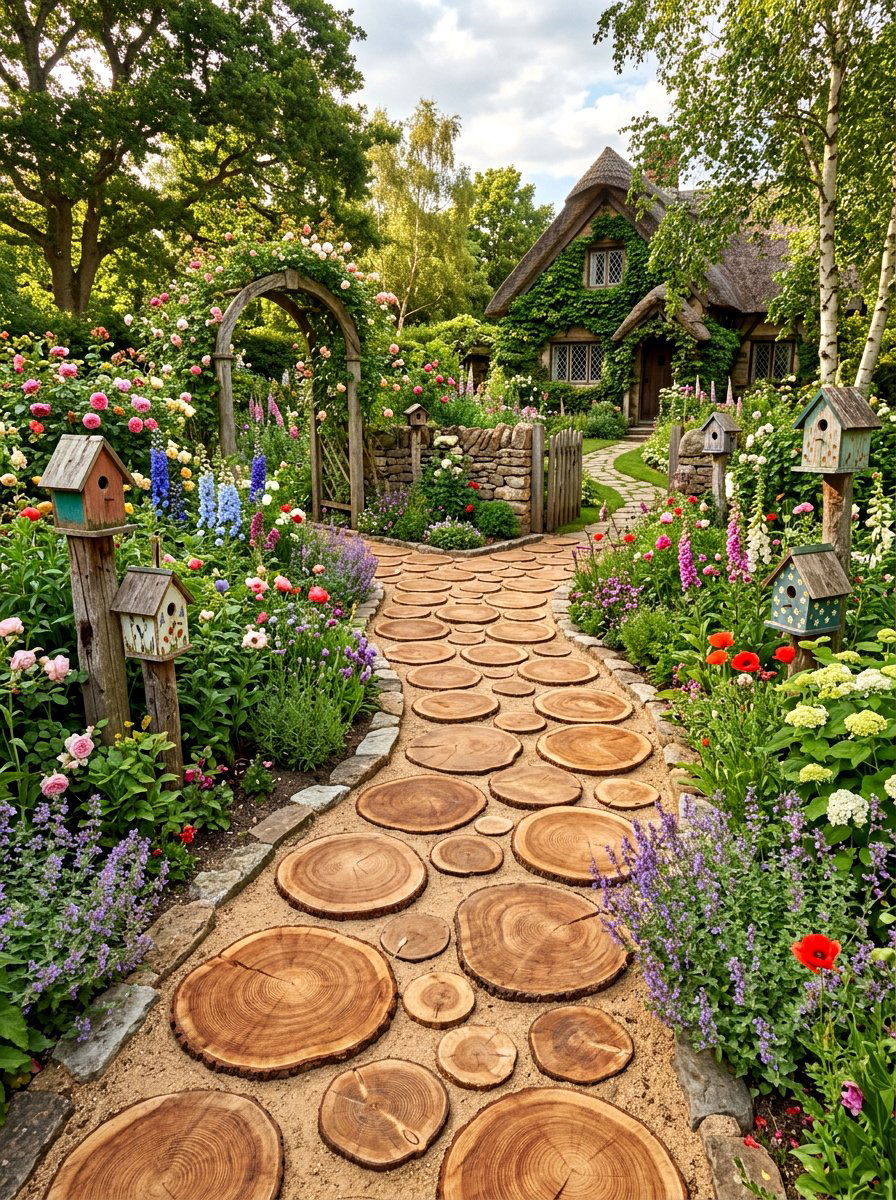
For a truly rustic and forest-like experience, using sliced logs or discs of rot-resistant cedar can create an enchanting curved path. These "wood cookies" provide a unique texture and show off the beautiful rings and grain of the timber. To ensure the path lasts, the discs should be treated and set into a base of sand or fine gravel to allow for proper drainage. This style of walkway is perfect for a children’s play area or a hidden garden path that leads to a backyard retreat. The natural aroma of the cedar adds another sensory layer to your outdoor experience, making the walk through your yard even more enjoyable.
22. Red Brick Herringbone Curve
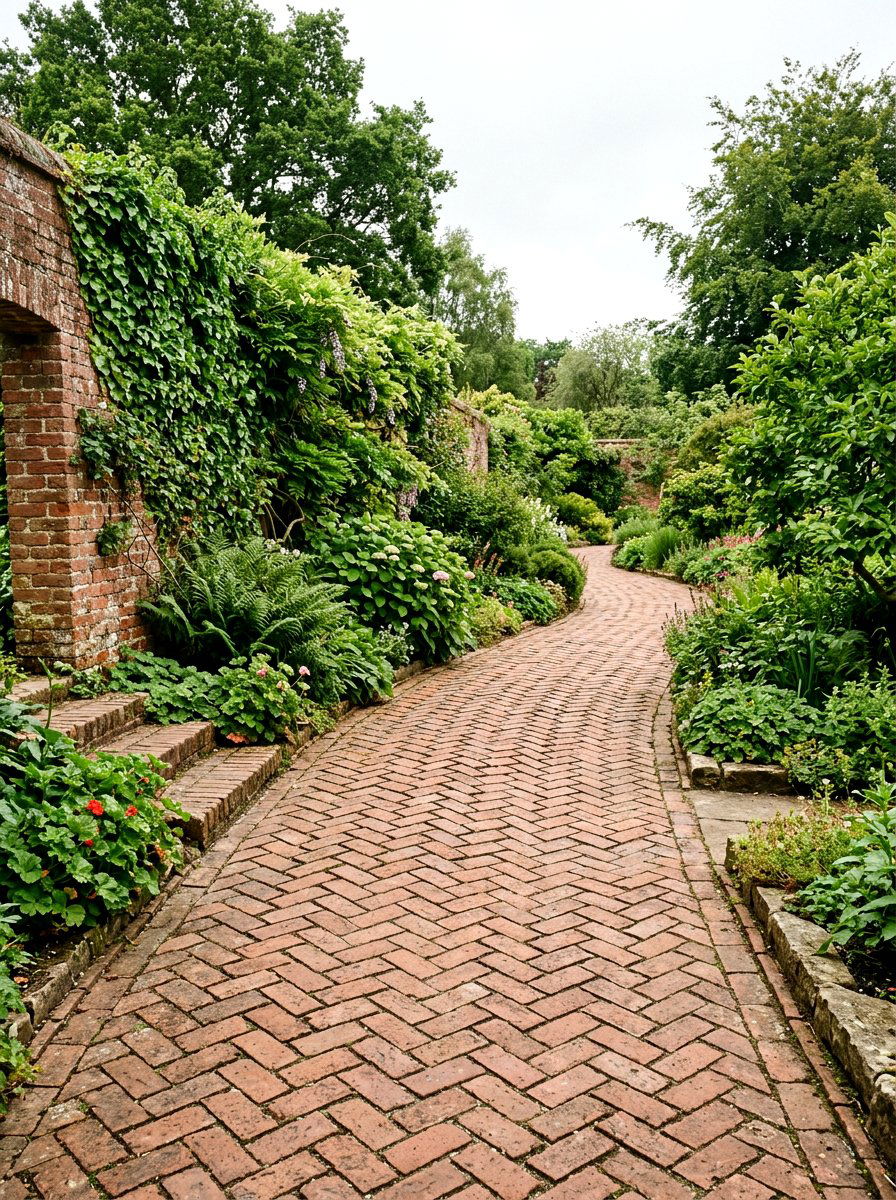
A red brick walkway laid in a herringbone pattern is a masterclass in traditional hardscaping that looks incredible on a curve. This pattern involves setting the bricks at forty-five-degree angles to one another, creating a visually dense and strong surface. When the path curves, the intricate pattern shifts slightly, creating a dynamic and eye-catching effect that leads the viewer through the space. Red brick feels very classic and warm, making it a perfect match for older homes or gardens with lots of evergreen shrubs. It is a durable choice that handles the stresses of moving soil and shifting temperatures without losing its structural integrity or beauty.
23. Basalt Column Stepping Path
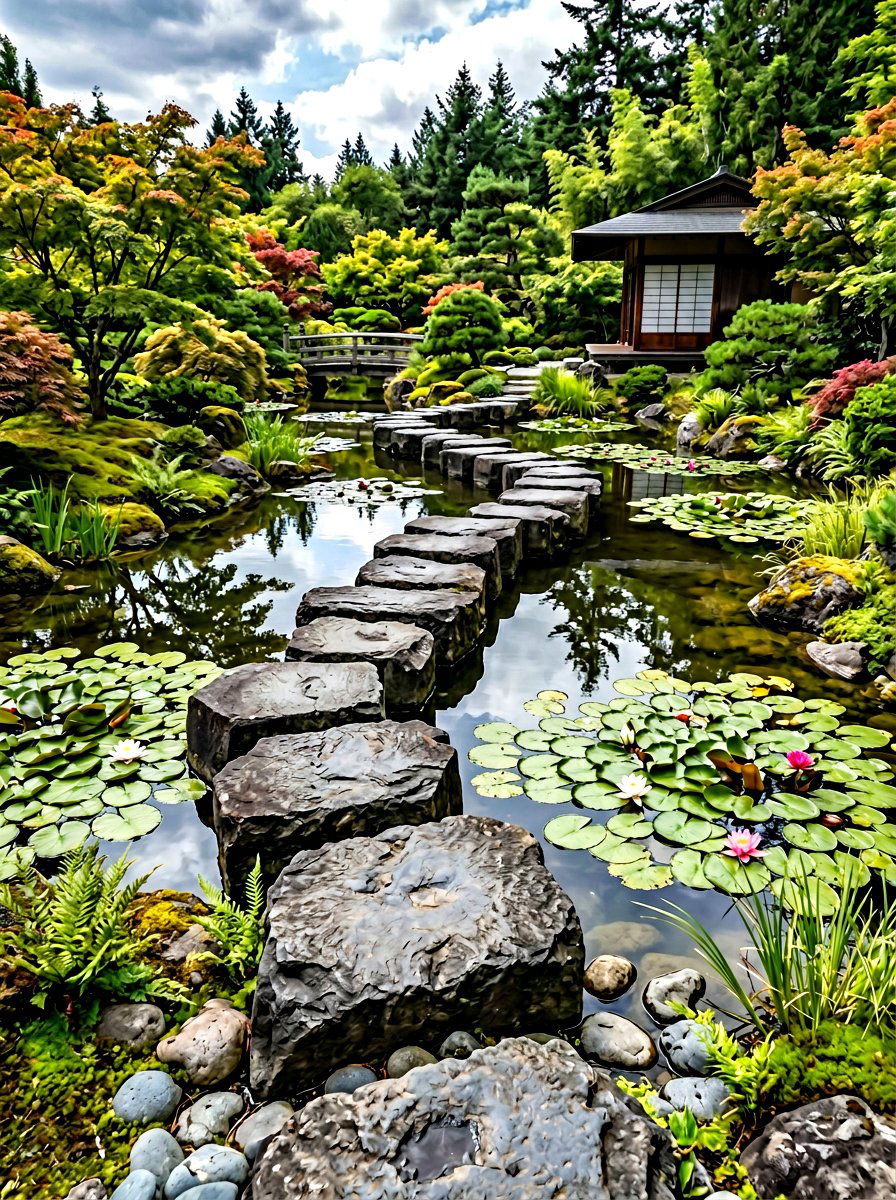
Using basalt columns or thick basalt slabs creates a dramatic and modern curved path that feels very grounded and permanent. Basalt is a dark, volcanic rock that often features interesting vertical lines and textures. When used as stepping stones, these heavy pieces provide a rugged and sophisticated look that is perfect for a Pacific Northwest-inspired garden. The dark charcoal color of the stone creates a moody and elegant atmosphere that looks stunning when paired with bright green ferns or architectural grasses. This is a bold design choice that adds a lot of weight and presence to your landscape, making the walkway feel like a permanent part of the earth.
24. Porphyry Stone Fan Pattern Path
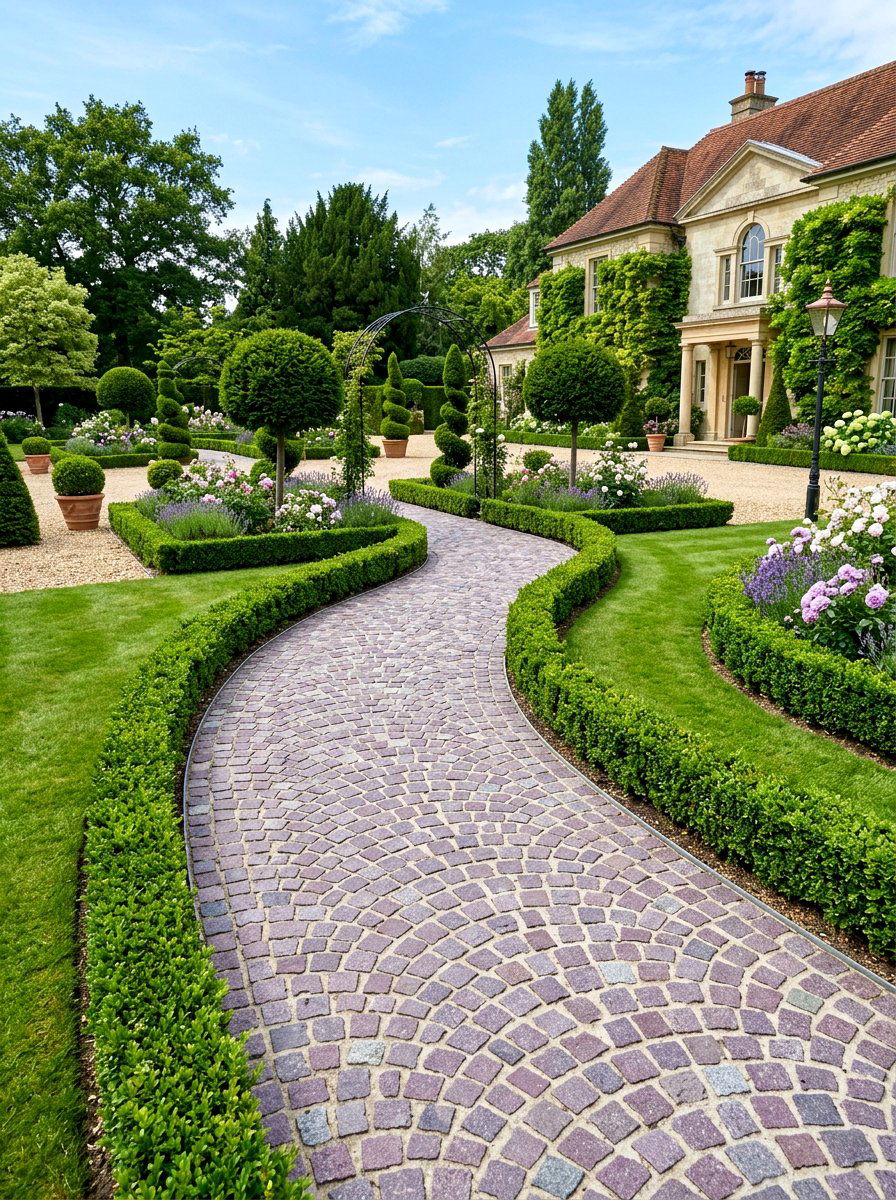
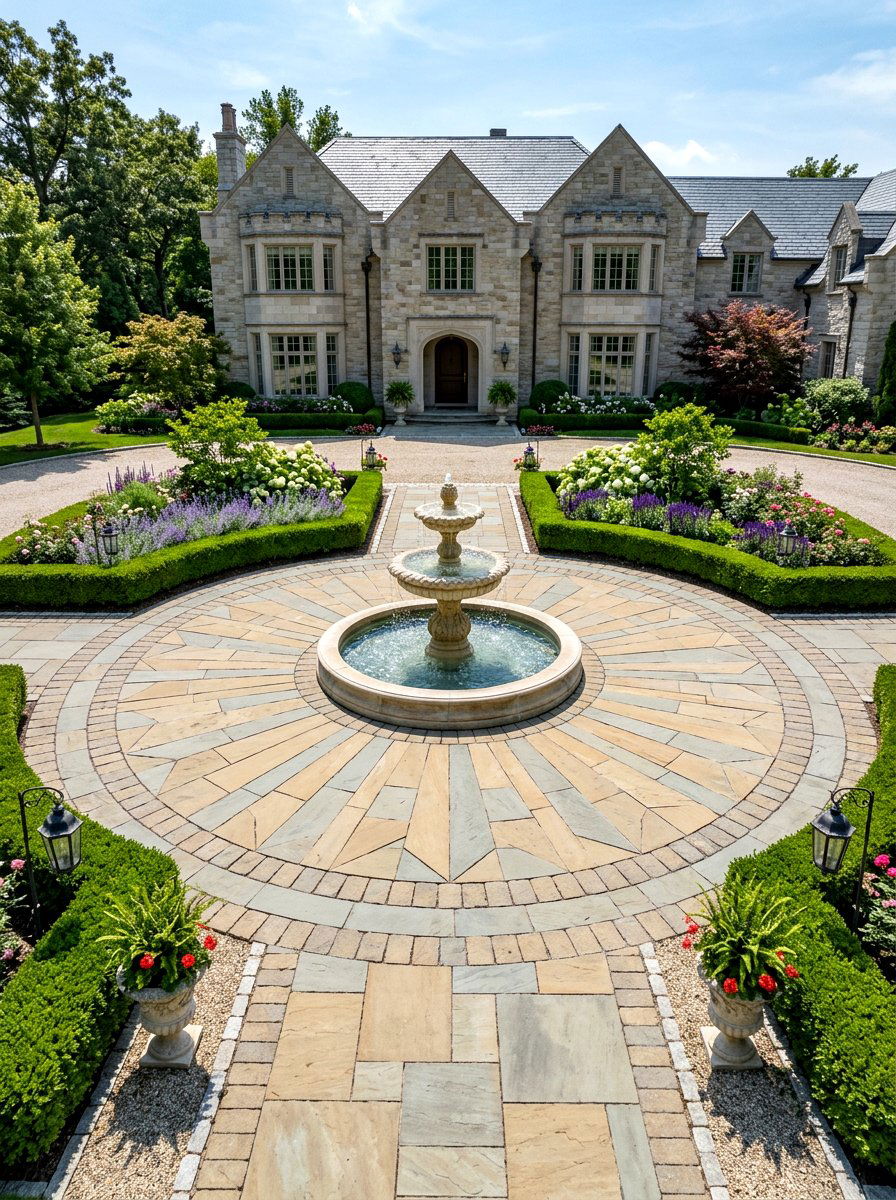
Porphyry is a beautiful and incredibly hard volcanic stone that has been used in European plazas for centuries. It can be laid in a traditional fan or arc pattern, which naturally lends itself to curved walkways and driveways. The mix of purple, gray, and reddish tones in the stone provides a rich and varied color palette that hides dirt and wear exceptionally well. This style of paving is very sophisticated and offers a high level of detail that looks great from both a distance and up close. It is a premium choice for a front entrance where you want to make a lasting impression on guests and neighbors.

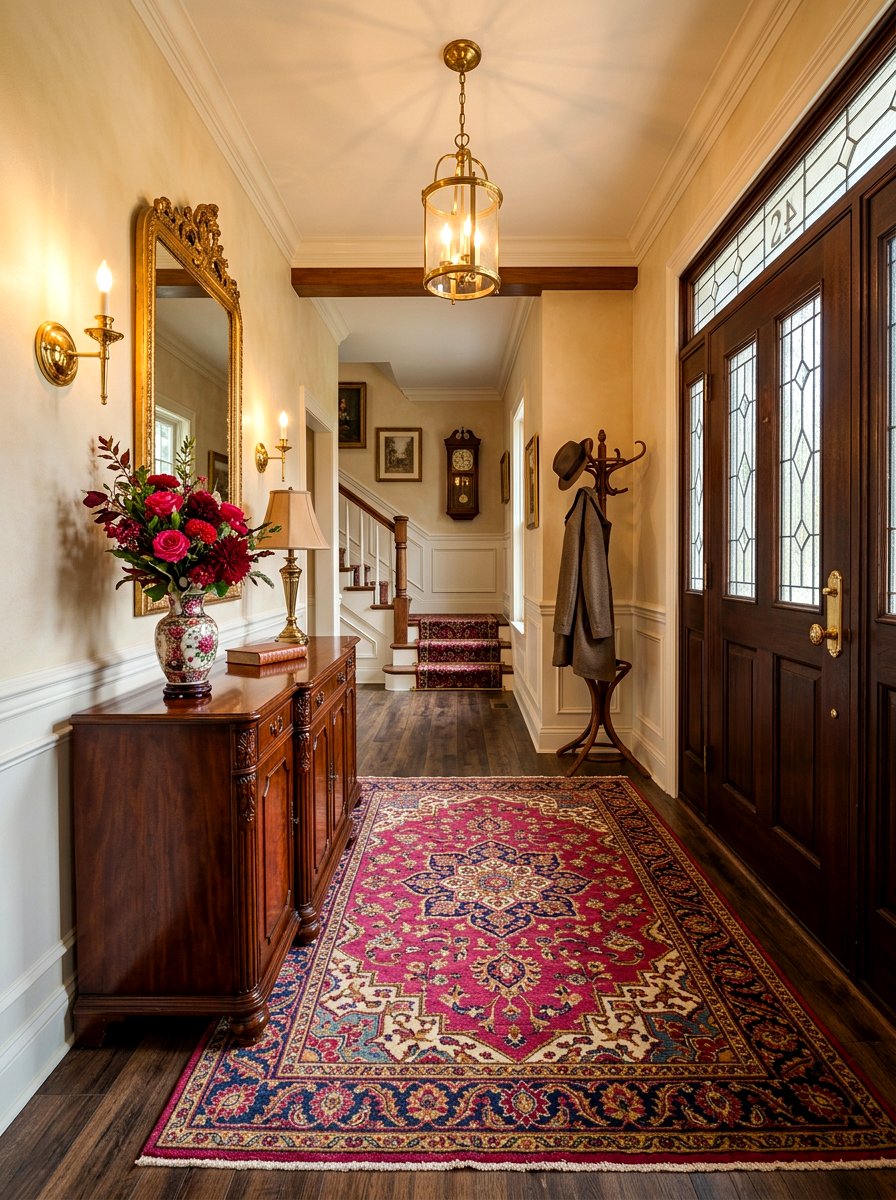
25. Sandstone Flagstone Winding Path
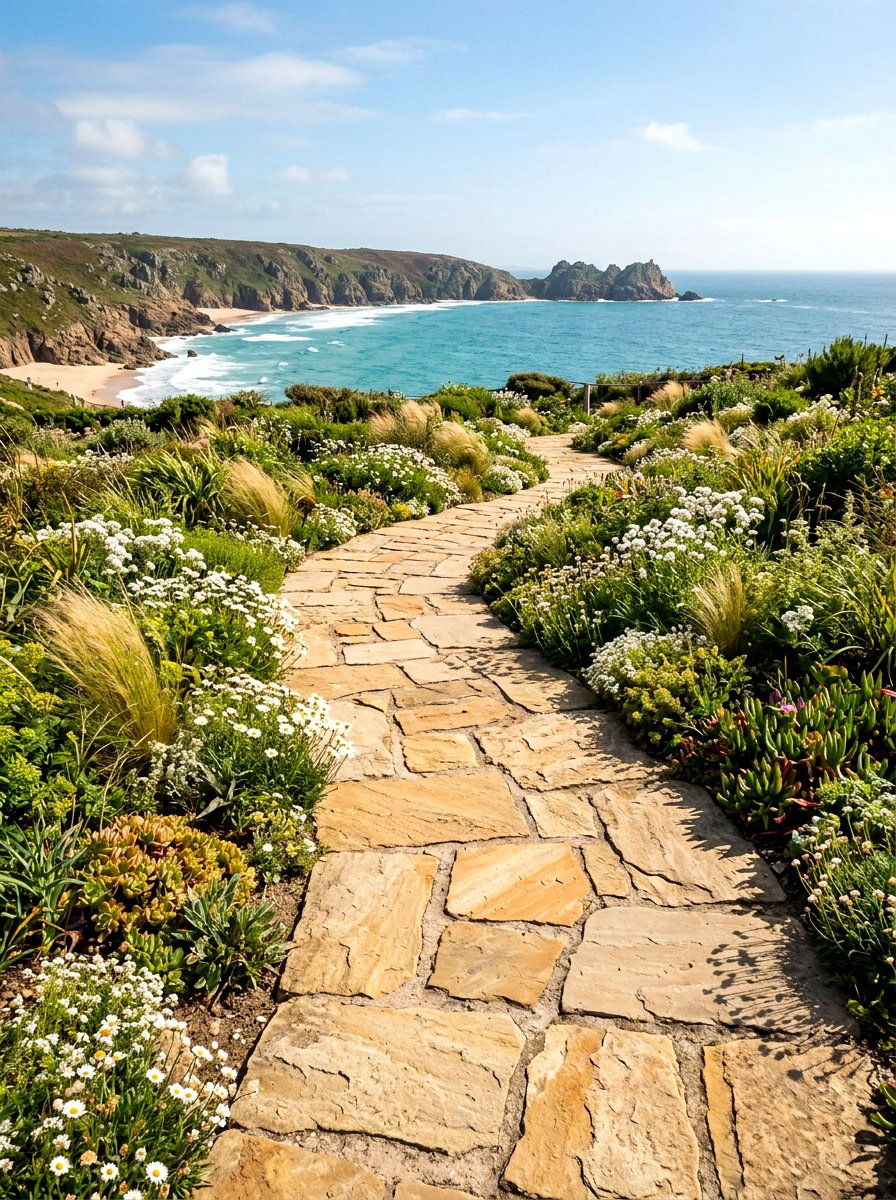
Sandstone flagstone offers a warm and inviting look with its swirls of tan, gold, and desert red. Because sandstone is relatively easy to cut and shape, it is a great material for creating a tightly curved path that follows the contours of your yard. The natural variations in the stone ensure that no two walkways look exactly the same, giving your home a unique and personalized feel. This material feels very natural underfoot and provides a great non-slip surface for wet weather. It pairs beautifully with ornamental grasses and boulders, creating a cohesive and well-balanced landscape that feels like a natural extension of the surrounding environment.
26. Quartzite Stone Garden Walkway
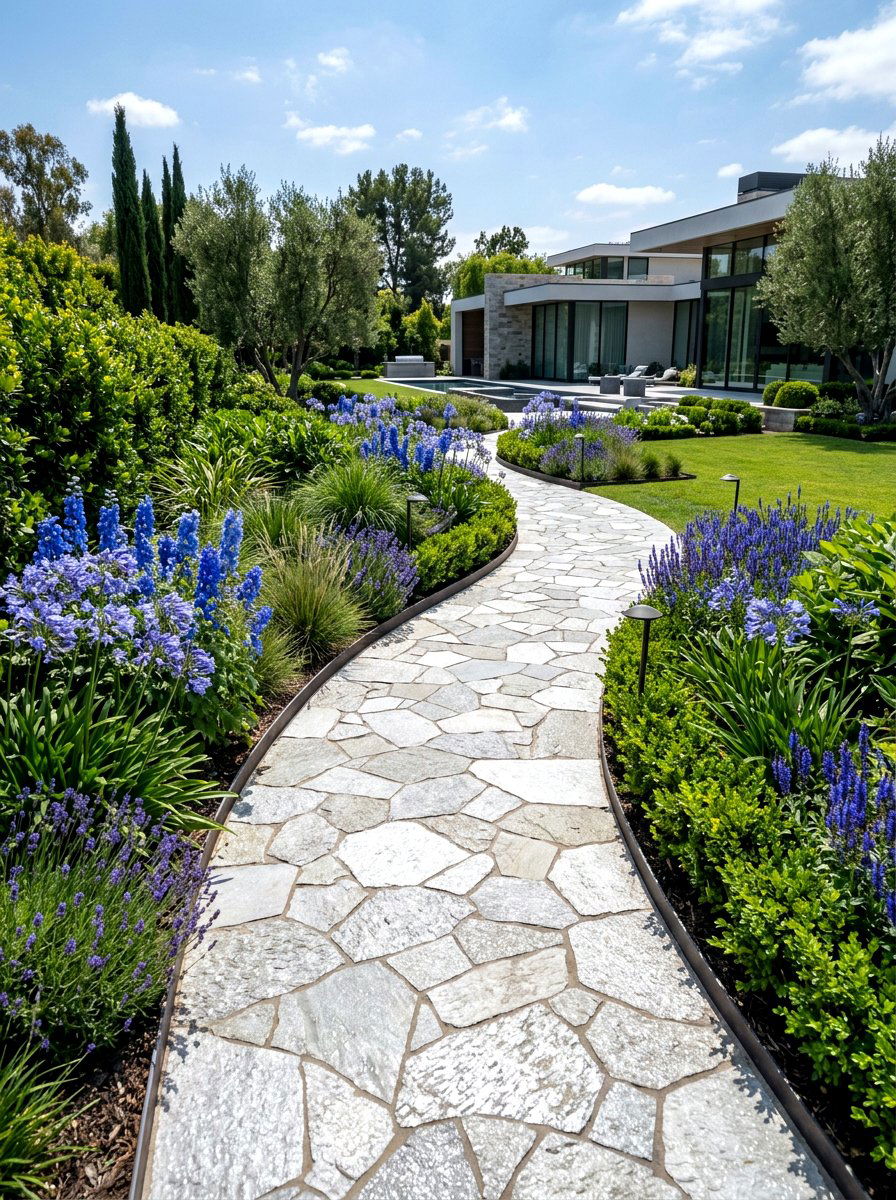
Quartzite is a hard, metamorphic rock that offers a shimmering and elegant surface for a curved garden path. It is often confused with marble because of its beautiful veining and colors, but it is much more durable and resistant to the elements. A quartzite path can range from soft whites and grays to vibrant pinks and greens, depending on the mineral content. This stone adds a touch of luxury and glamour to the garden, reflecting the sunlight and creating a bright, glowing trail. It is an excellent choice for a formal garden or a modern backyard where you want the hardscaping to be a standout feature of the design.
27. Lava Rock Edged Path
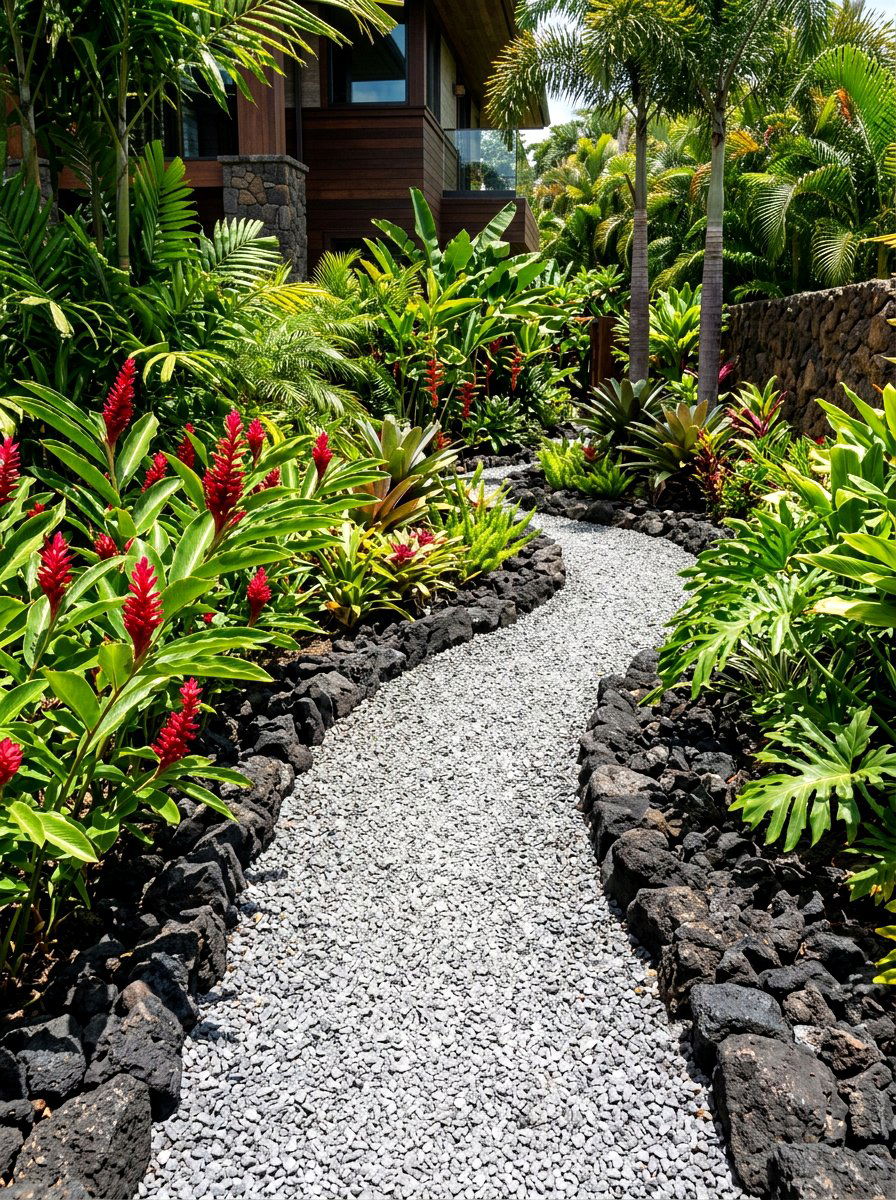
Using dark lava rock as an edging for a lighter-colored curved path creates a striking and high-contrast look for your yard. The porous and jagged texture of the lava rock provides a nice contrast to smooth pavers or fine gravel. This material is very lightweight and easy to work with, making it a simple DIY project for a weekend. Lava rock also helps to suppress weeds and retain moisture in the soil, providing benefits for the plants growing alongside your walkway. The deep black or red tones of the rock add a bit of an exotic or modern flair to the landscape, making it feel fresh and unique.
28. Porcelain Outdoor Tile Curve
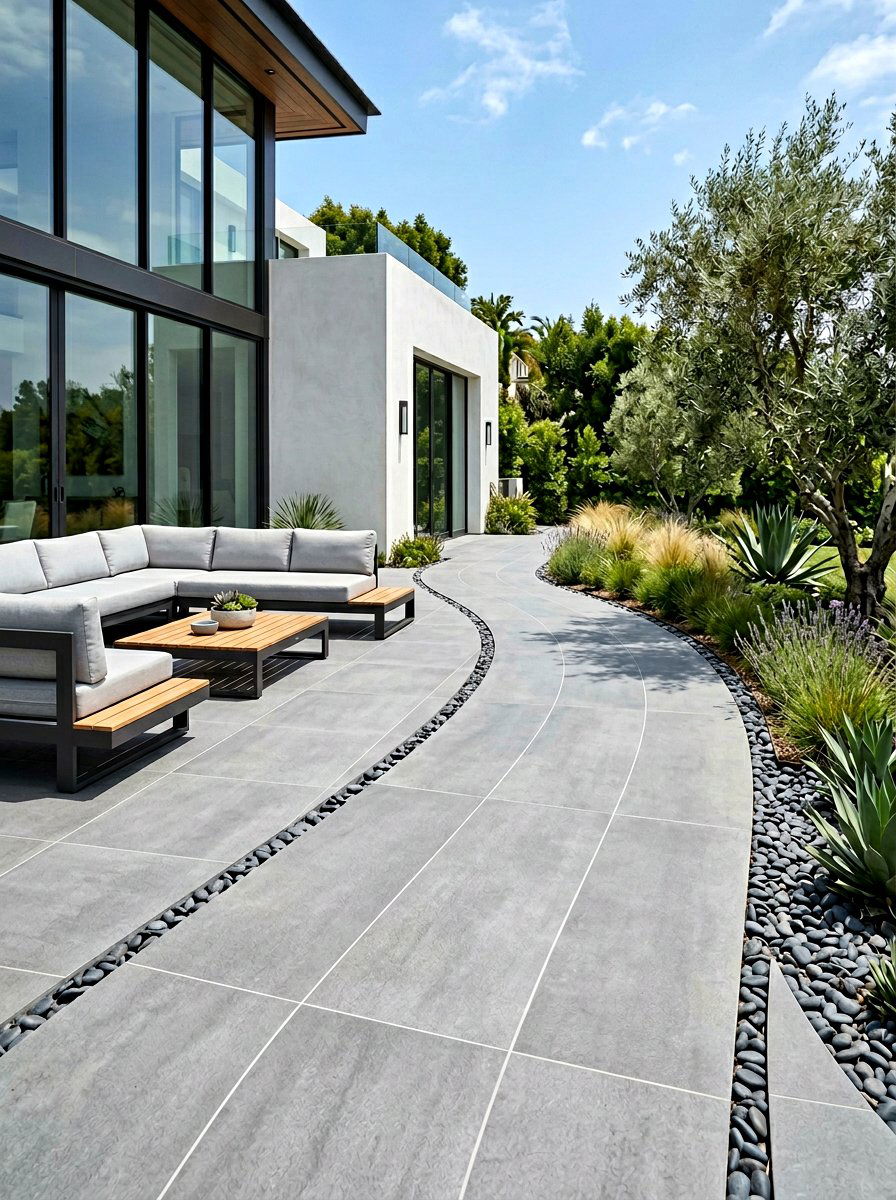
Modern porcelain tiles designed specifically for outdoor use are a game-changer for creating sleek, curved walkways. These tiles are incredibly dense and resistant to water, stains, and fading, ensuring they look new for many years. They can be manufactured to look like natural stone, wood, or even concrete, giving you total control over the aesthetic. To create a curve with large-format tiles, professional installers often use precise water-jet cutting to achieve a perfect, seamless arc. This results in a very high-end and polished look that is perfect for a contemporary home with a clean, minimalist landscape. It is the ultimate low-maintenance and high-style option.
29. Flagstone And Moss Path
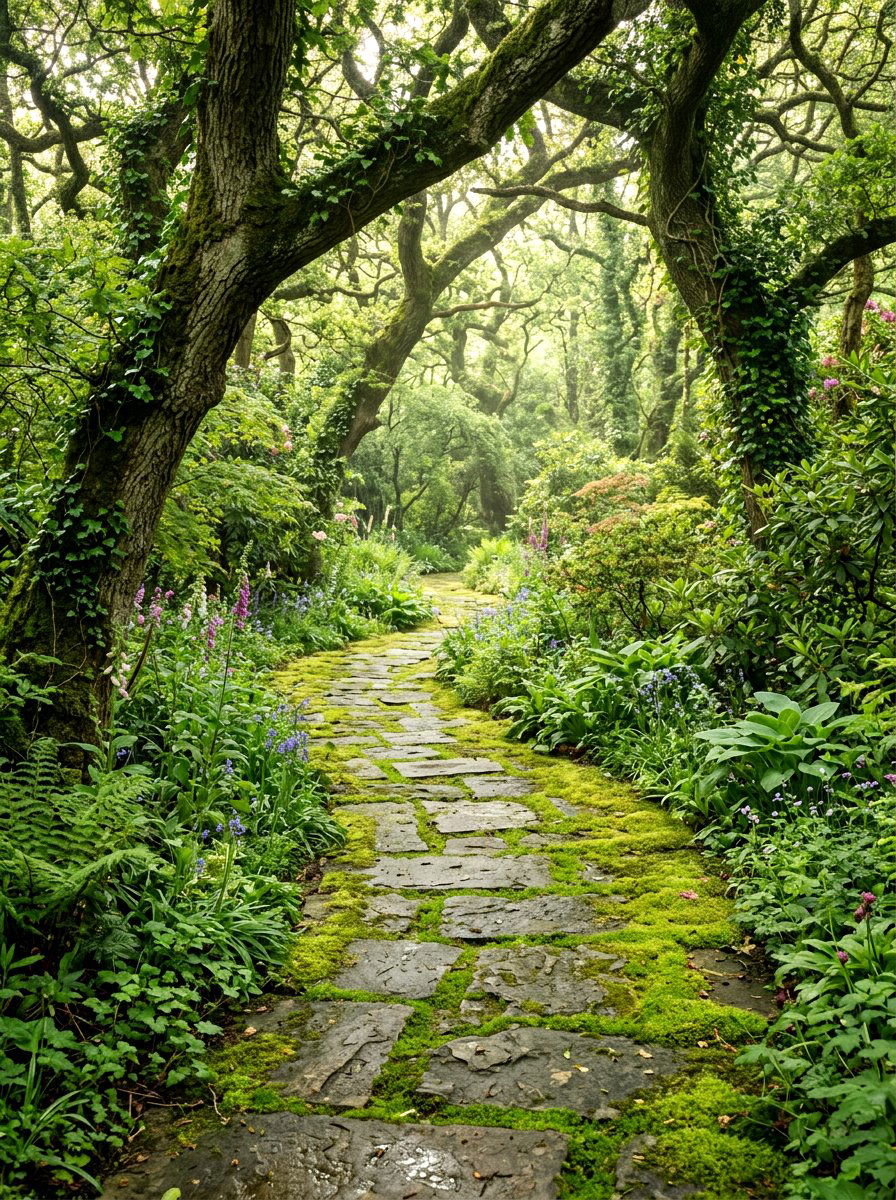
Combining large flagstone slabs with a thick carpet of green moss in the joints creates a magical and fairy-tale-like curved path. This look is ideal for shaded or damp areas of the yard where moss naturally thrives. The soft, velvety texture of the moss cushions the hard edges of the stone and adds a vibrant pop of color. This design feels very old and established, as if the path has been winding through the garden for generations. It is a perfect choice for a Japanese garden or a woodland retreat where the goal is to create a sense of peace, tranquility, and a deep connection to the natural world.
30. Granite Setts Curved Driveway Border
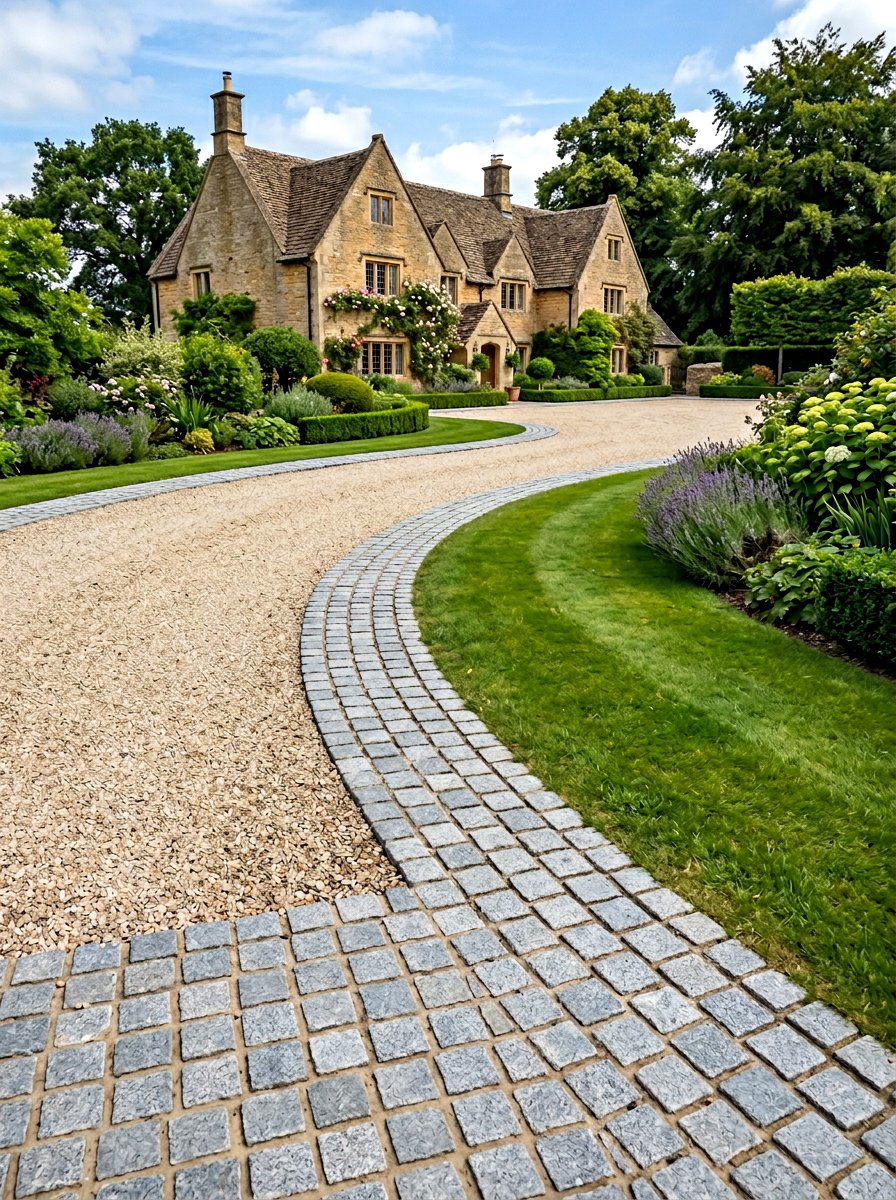
Granite setts are small, rectangular blocks of granite that are incredibly tough and provide a very structured look. Using them to border a curved driveway or a secondary path adds a layer of definition and strength to your landscaping. The light gray or salt-and-pepper color of the granite looks very professional and works well with almost any other material. These setts are perfect for handling the weight of vehicles or heavy foot traffic without shifting or cracking over time. By following the curve of your property line or garden beds, they create a clean and finished look that significantly enhances the overall value and appeal of your home.
Conclusion:
Designing a curved walkway is a rewarding way to add beauty, flow, and personality to your home's outdoor environment. Whether you choose the rustic appeal of natural stone, the classic charm of brick, or the modern simplicity of concrete, these thirty ideas offer a wealth of inspiration for any project. By carefully selecting your materials and considering how they interact with your existing plants and architecture, you can create a journey through your yard that is as functional as it is enchanting. A well-planned curve leads the way to a more inviting and harmonious landscape that you and your guests will enjoy for many years.

Related posts: