Stepping into a garden filled with blooming irises feels like entering a living watercolor painting where every petal tells a story of elegance and resilience. These breathtaking perennials are beloved by gardeners worldwide for their striking structural shapes and a color palette that literally spans the entire rainbow. Whether you are looking to create a formal border, a whimsical cottage corner, or a serene water-side sanctuary, the iris offers unparalleled versatility for any landscape style. Their unique falls and standards provide architectural interest that most other spring flowers simply cannot match. Incorporating these hardy plants into your outdoor space ensures a spectacular seasonal show that returns with even more vigor each passing year.
1. Bearded iris border
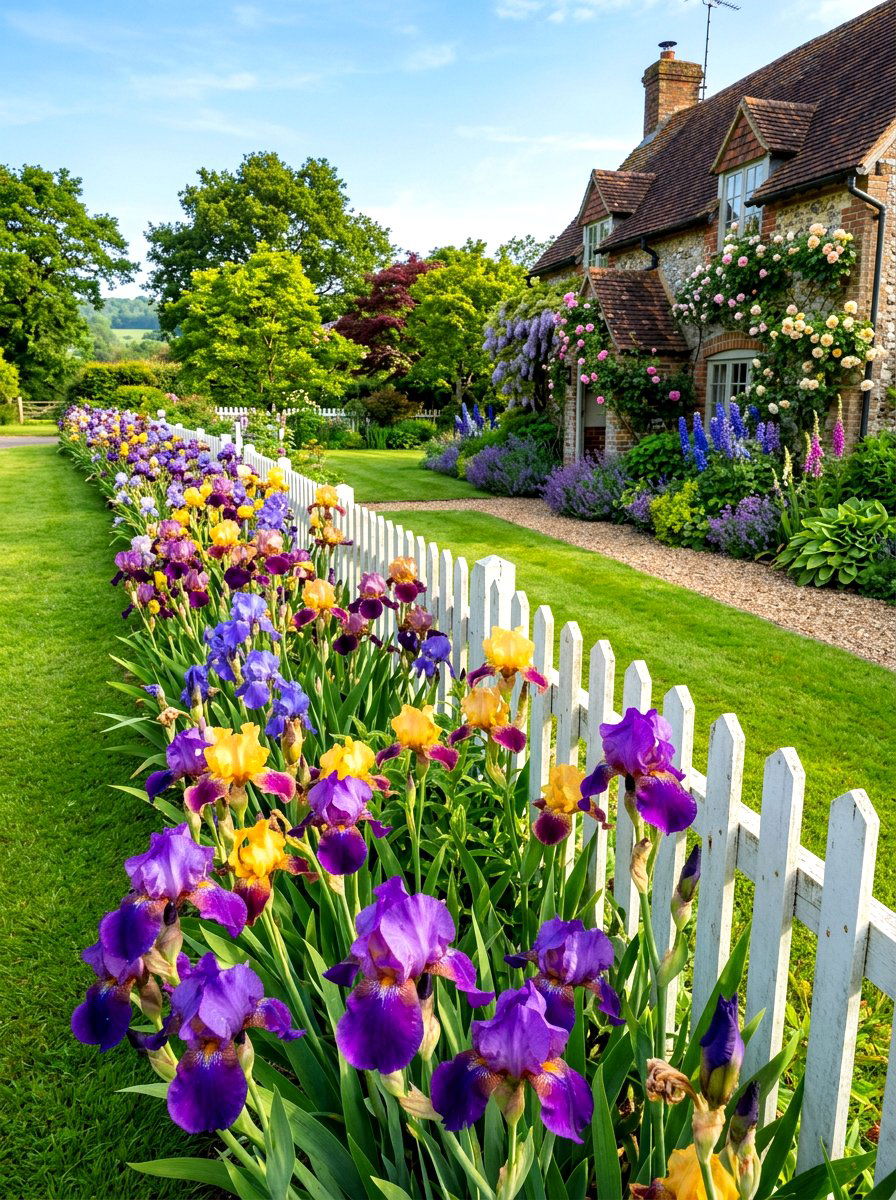
Imagine walking down a garden path flanked by towering stalks of ruffled petals that sway gently in the afternoon breeze. A bearded iris border creates a dramatic structural statement along fences or walkways, offering a vertical element that draws the eye upward. These sun-loving plants thrive in well-drained soil, making them perfect candidates for the edges of your sunny perennial beds. By grouping different heights and complementary colors together, you can create a layered effect that looks professionally designed. The thick, sword-like foliage remains attractive even after the blooms fade, providing a green backdrop for later-blooming summer favorites. This classic garden choice adds timeless charm to any home landscape.
2. Siberian iris pond edge
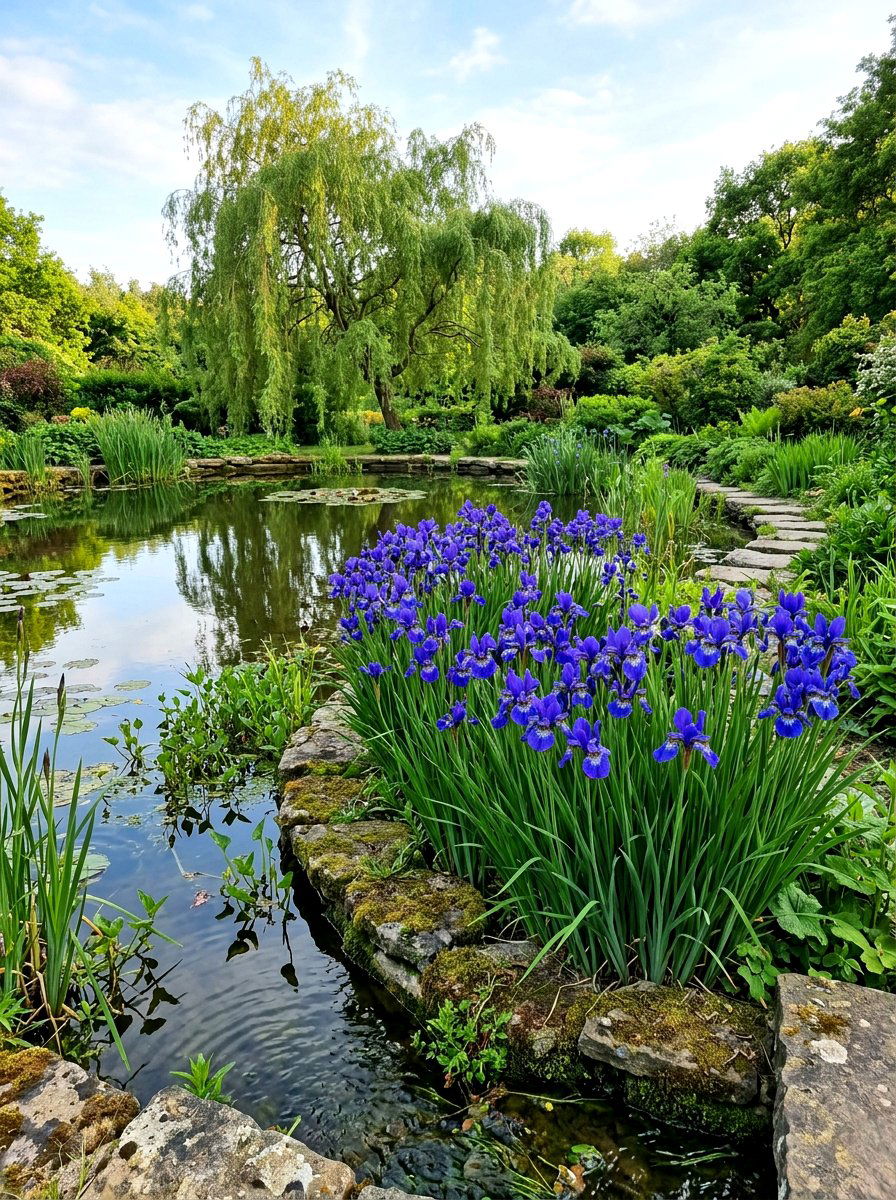
Siberian irises are the graceful dancers of the water’s edge, offering delicate blooms and grass-like foliage that stays beautiful all season. Planting these near a backyard pond or a natural stream creates a soft, organic transition between the land and water features. Unlike their bearded cousins, these irises enjoy consistent moisture and can tolerate heavier soils, making them ideal for damp low spots in your yard. When massed together, their slender leaves create a lush, meadow-like texture that provides excellent cover for local wildlife. Their deep blue, purple, or white flowers appear in late spring, creating a serene and cooling visual effect in the bright sun.
3. Japanese iris water feature
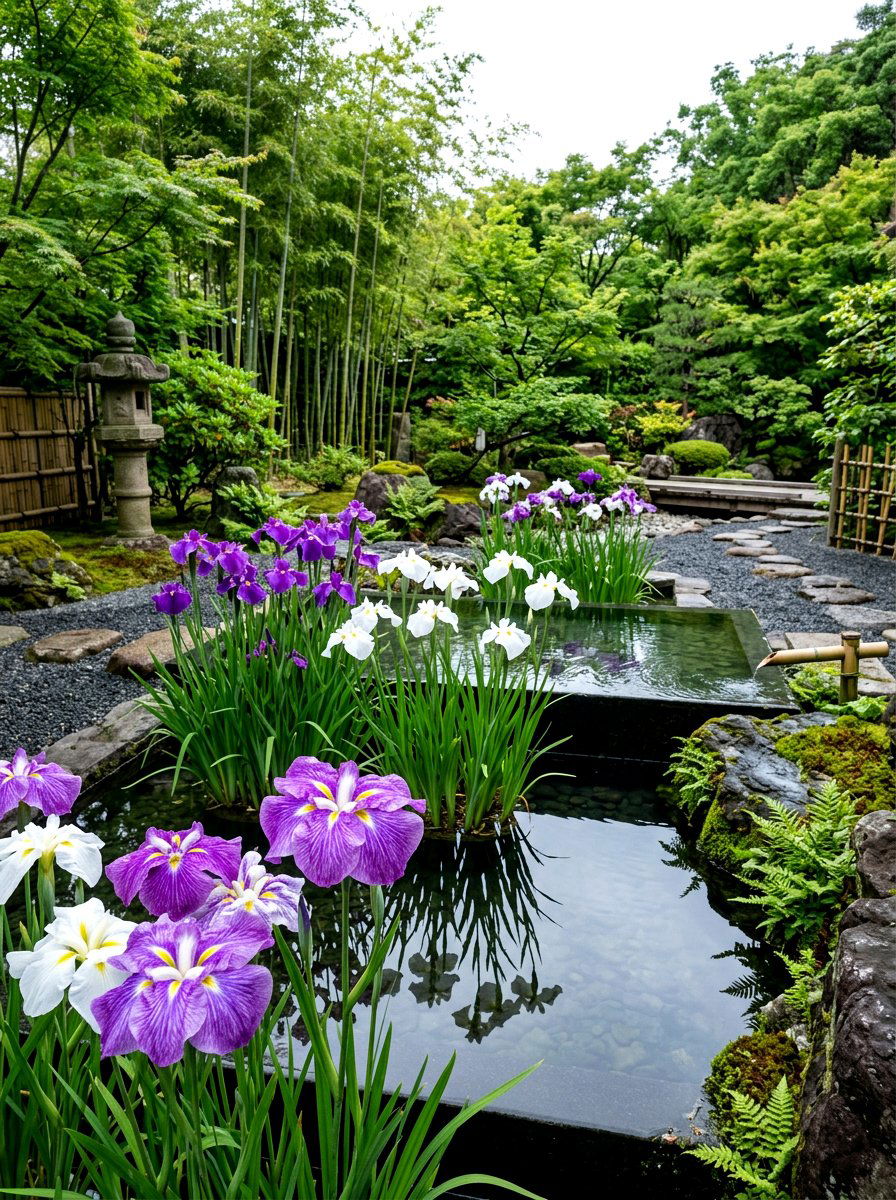
Transform a simple backyard fountain or reflecting pool into an exotic sanctuary by adding the broad, flat blooms of Japanese irises. These spectacular flowers are known for their massive size and horizontal orientation, which creates a striking contrast against the verticality of other aquatic plants. Because they prefer acidic soil and plenty of water during the growing season, they are best suited for the very edge of a water feature or even in submerged pots. The intricate veining on their large petals adds a layer of sophisticated detail that invites closer inspection. Choosing a variety of purple and white shades can evoke a peaceful, Zen-inspired atmosphere.
4. Dutch iris flower bed
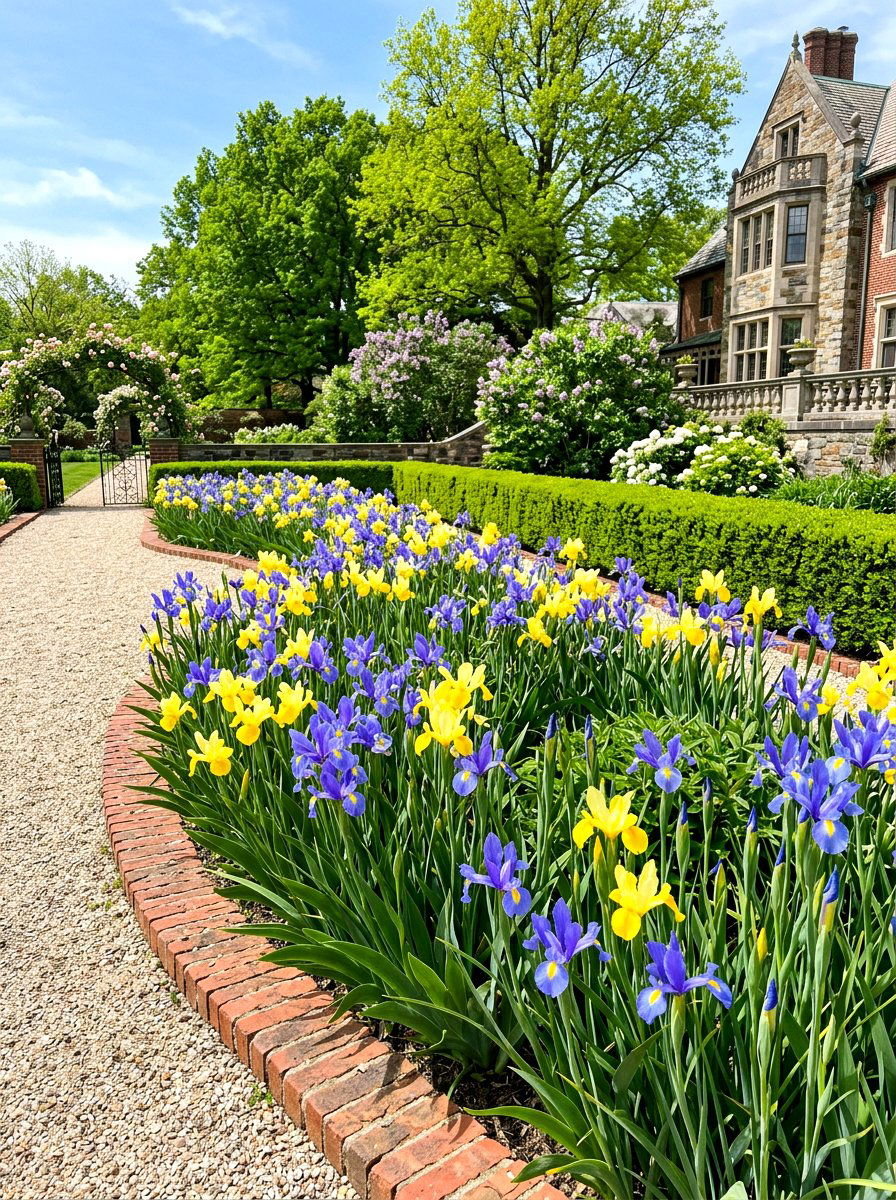
Dutch irises are the elegant aristocrats of the spring garden, often recognized for their frequent use in professional floral arrangements. These bulbous plants produce slender, sophisticated flowers that stand tall on stiff stems, making them perfect for the middle of a flower bed. They come in a stunning array of blues, yellows, and whites, often featuring a bright yellow "signal" on the falls that attracts pollinators. Because they grow from bulbs rather than rhizomes, they can be easily tucked between other perennials to provide a sudden burst of early-season color. Their thin foliage is unobtrusive, allowing them to blend seamlessly into more crowded garden designs.
5. Dwarf iris rock garden
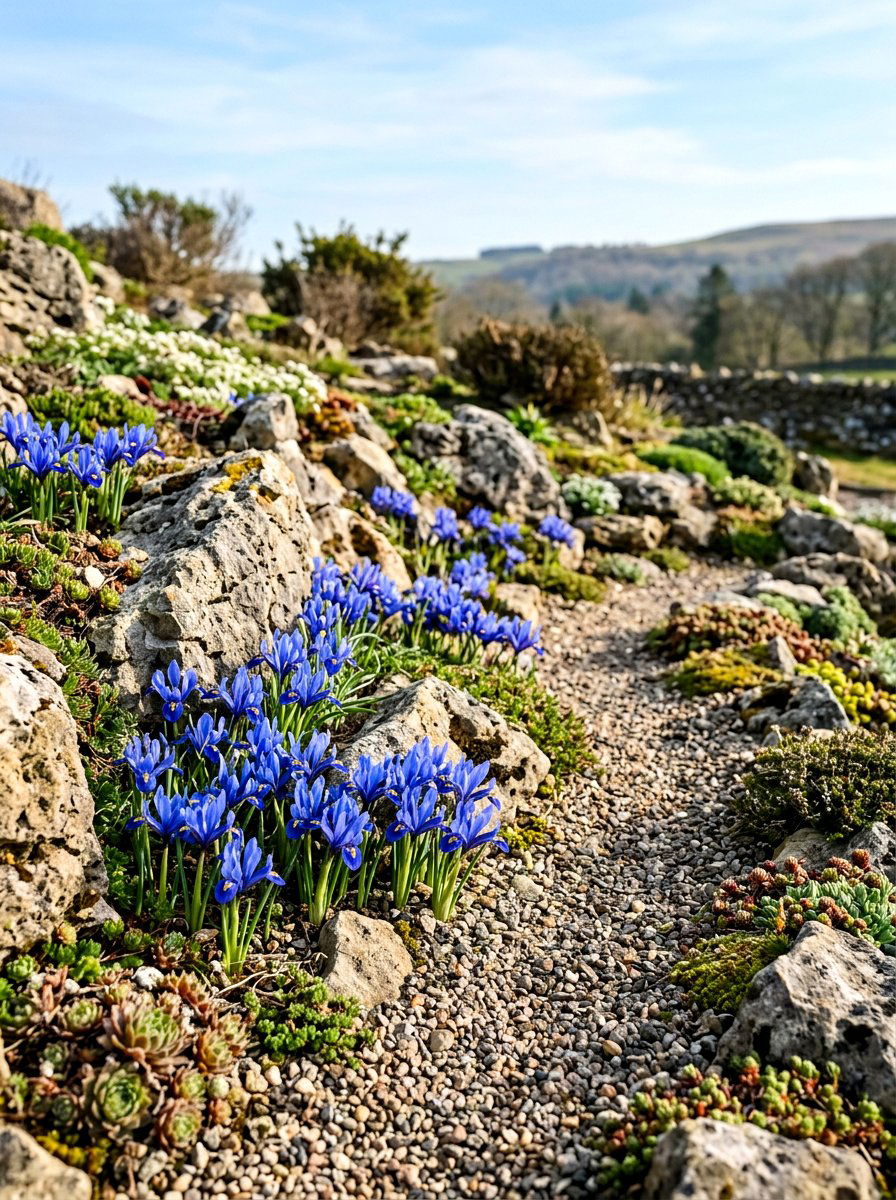
Bring miniature magic to your stone walls or gravel paths by planting early-blooming dwarf irises in the crevices. These tiny treasures are among the first flowers to emerge in the spring, often pushing through the melting snow to announce the change of season. Their small stature makes them perfect for rock gardens where larger plants might overwhelm the delicate stone textures. They require excellent drainage and a sunny spot to thrive, rewarding the gardener with intense jewel-toned colors like sapphire blue and deep amethyst. Despite their size, they pack a powerful visual punch and look best when planted in small, dense clusters among the rocks.
6. Louisiana iris bog garden
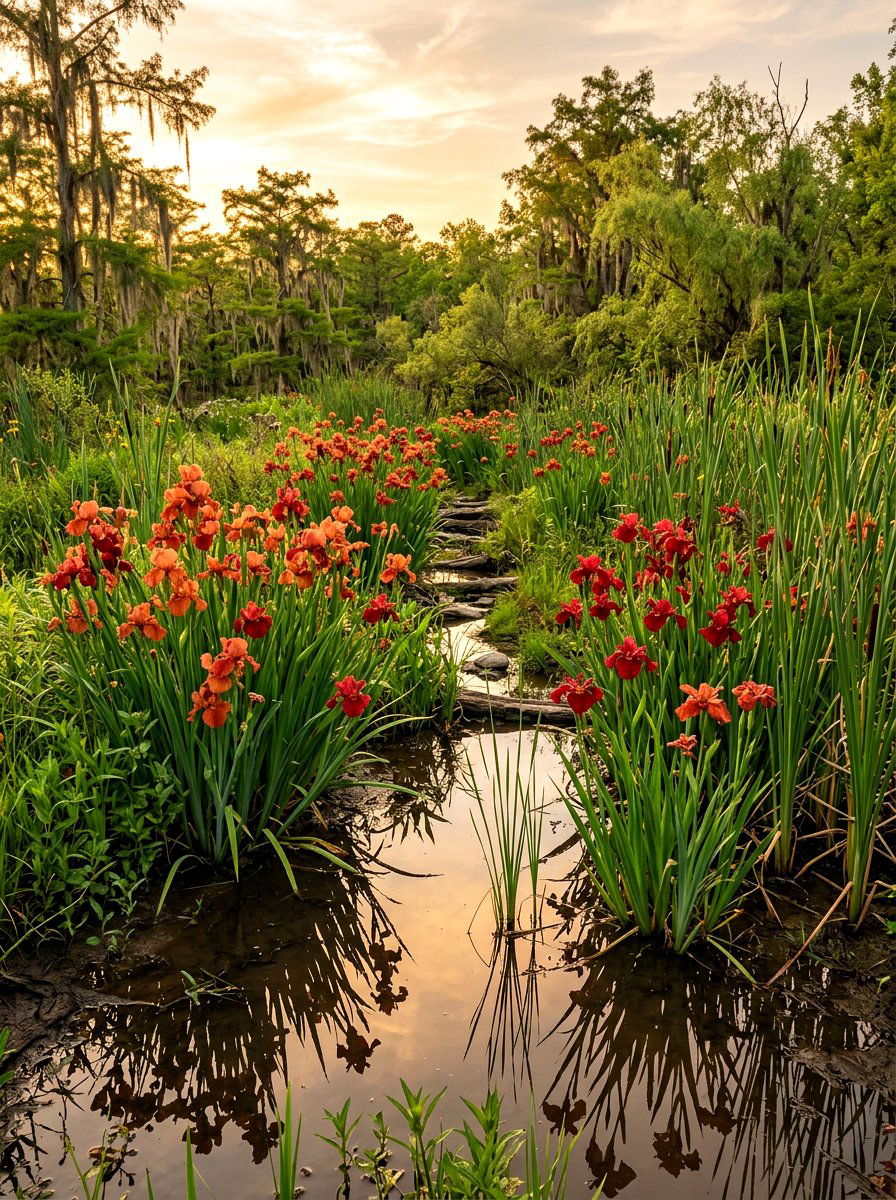
A bog garden offers a unique opportunity to grow the vibrant and moisture-loving Louisiana iris, which thrives in swampy or poorly drained conditions. These native North American plants are famous for their wide range of colors, including rare terracotta reds and sunny yellows that are hard to find in other iris species. By creating a dedicated wet area with heavy clay soil, you can enjoy these architectural beauties in a space where other plants might struggle. Their sprawling growth habit helps fill in large areas quickly, providing a lush green carpet of foliage throughout the summer. They are essential for creating a naturalistic, wild wetland look.
7. Iris and peony companion planting
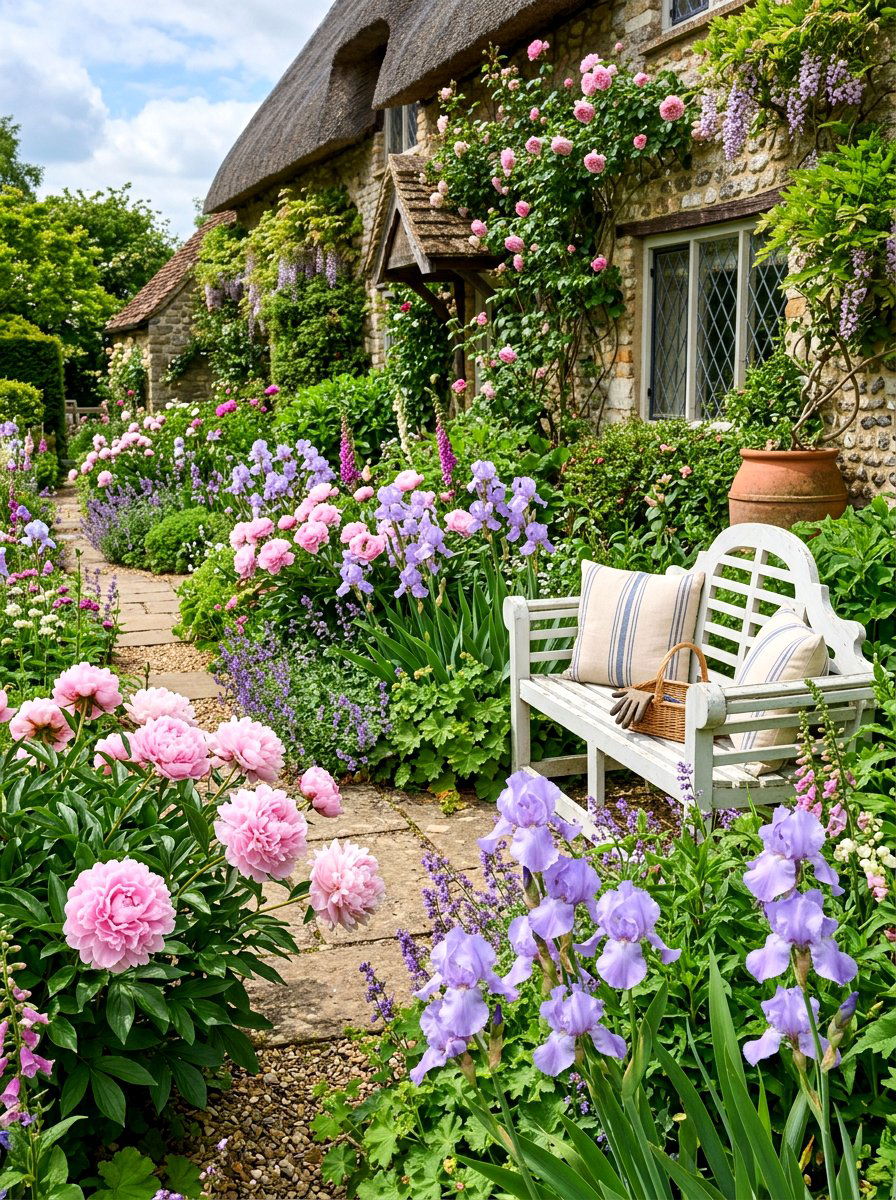
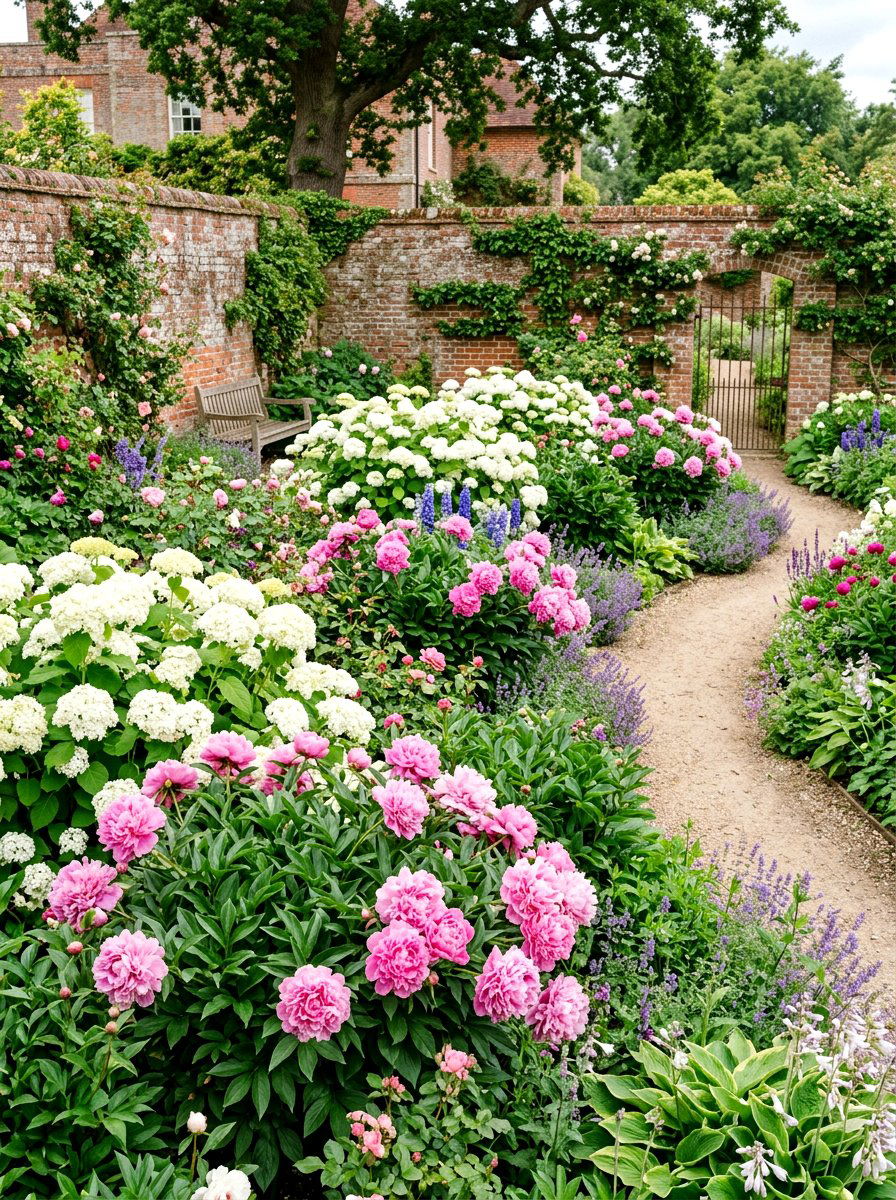
Pairing irises with peonies is a classic gardening strategy that creates one of the most romantic and fragrant displays of the spring. The upright, sword-shaped leaves of the iris provide a sturdy structural contrast to the soft, rounded mounds of peony foliage and their heavy, globose blooms. Since they typically flower around the same time, you can coordinate their colors for a harmonious pastel palette or a bold, high-contrast look. As the iris flowers begin to fade, the large peony leaves help hide the spent stems, maintaining a tidy appearance in the garden bed. This combination is a staple for traditional English cottage style.
8. Iris and allium garden
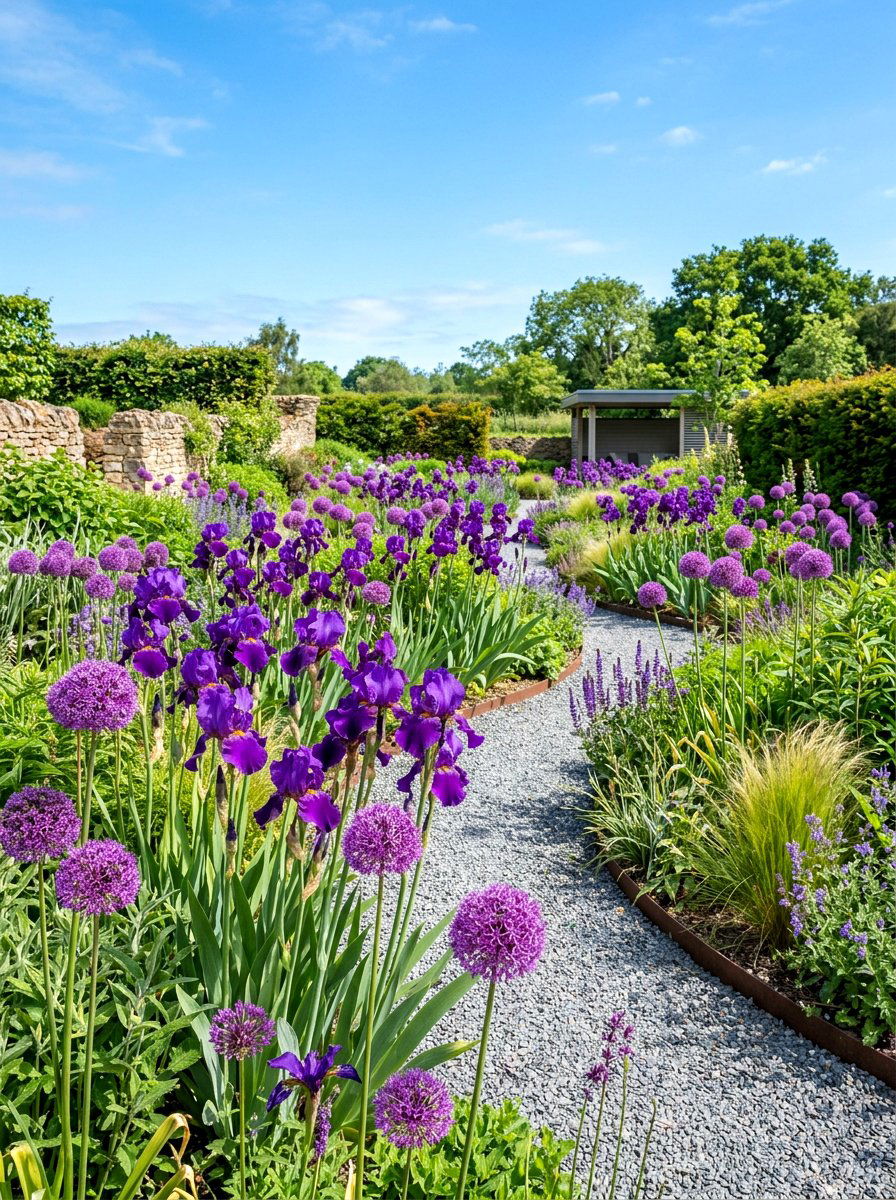
Create a whimsical, Dr. Seuss-like landscape by mixing the vertical spikes of irises with the perfectly round spheres of purple alliums. Both plants share a love for full sun and well-drained soil, making them easy and compatible bedmates for a late spring show. The contrast between the ruffled iris petals and the structured, geometric heads of the alliums adds a modern and artistic flair to any border. Because they both have minimal foliage at the base, you can underplant them with low-growing herbs or groundcovers to create a full, lush look. This pairing is especially effective for adding height and interest to a flat yard.
9. Iris and lavender walkway
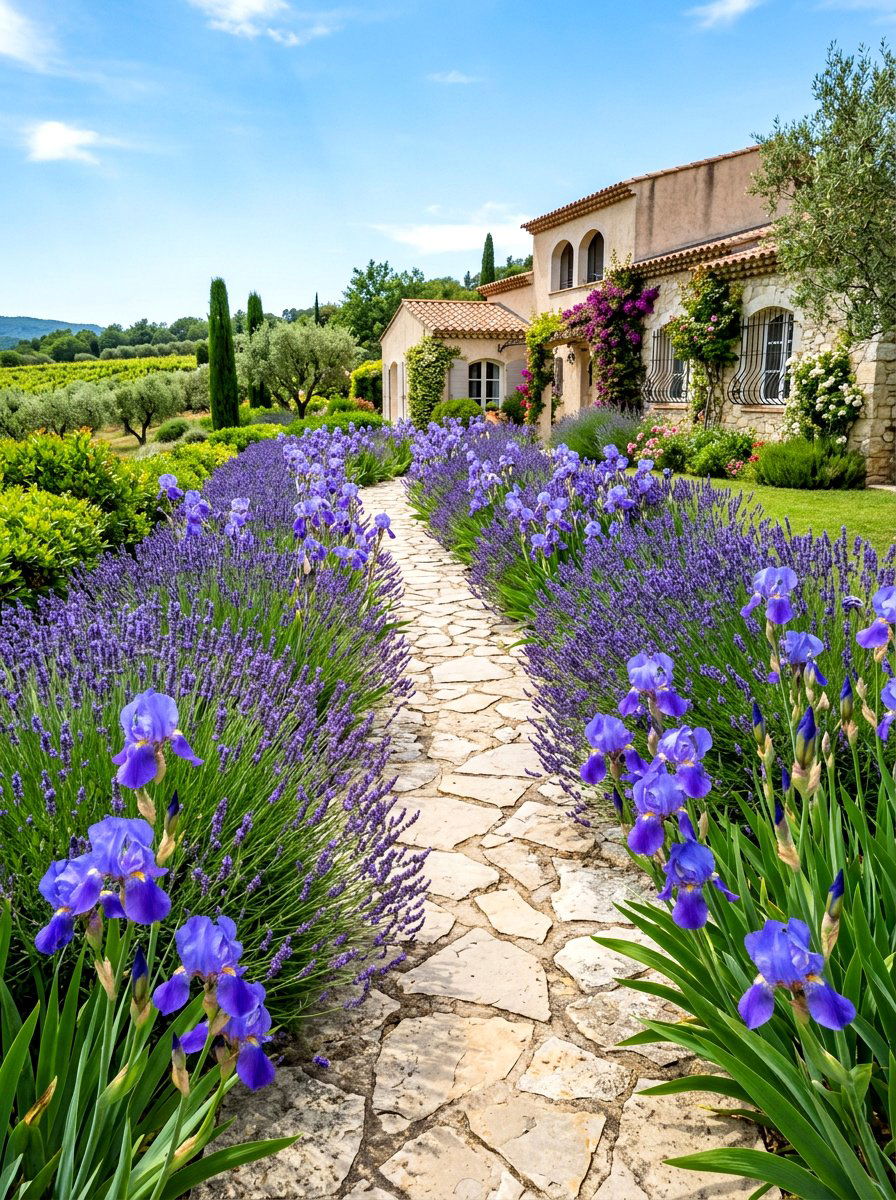
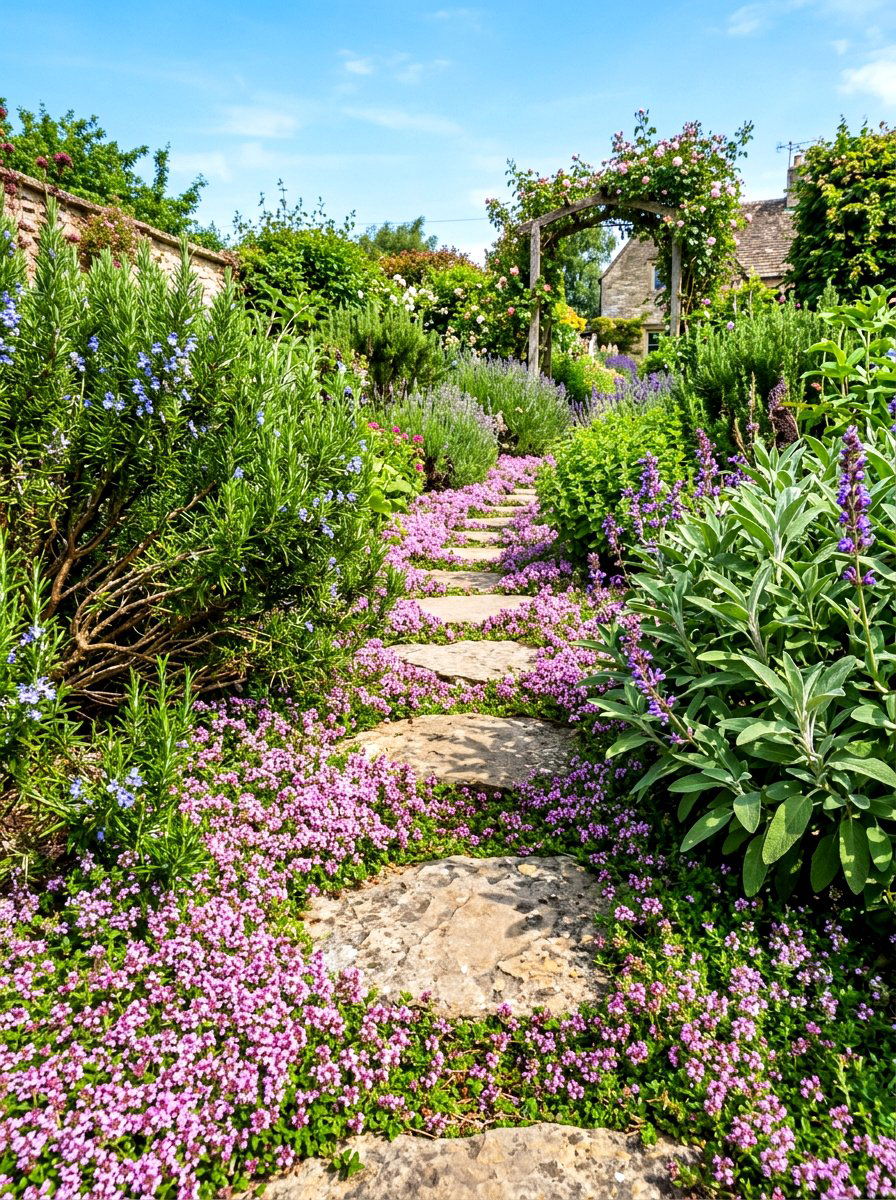
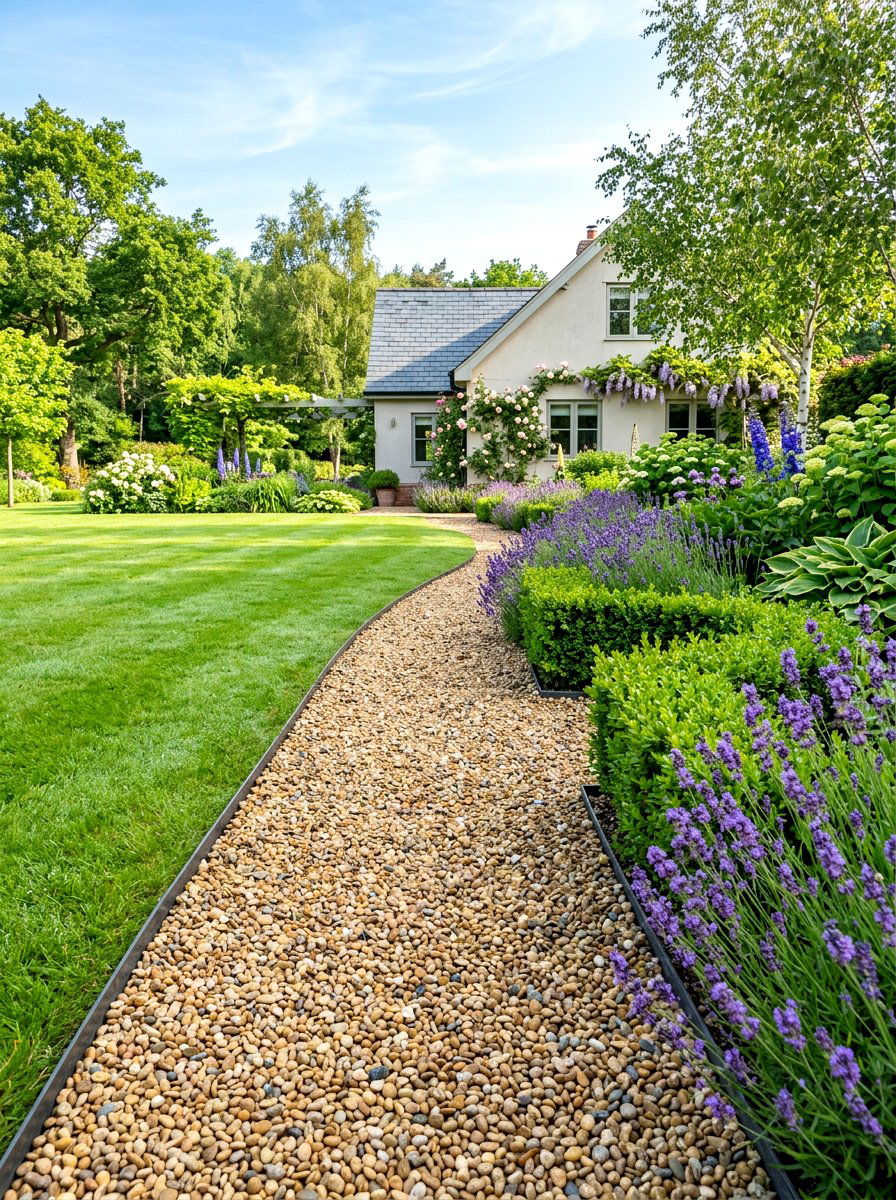
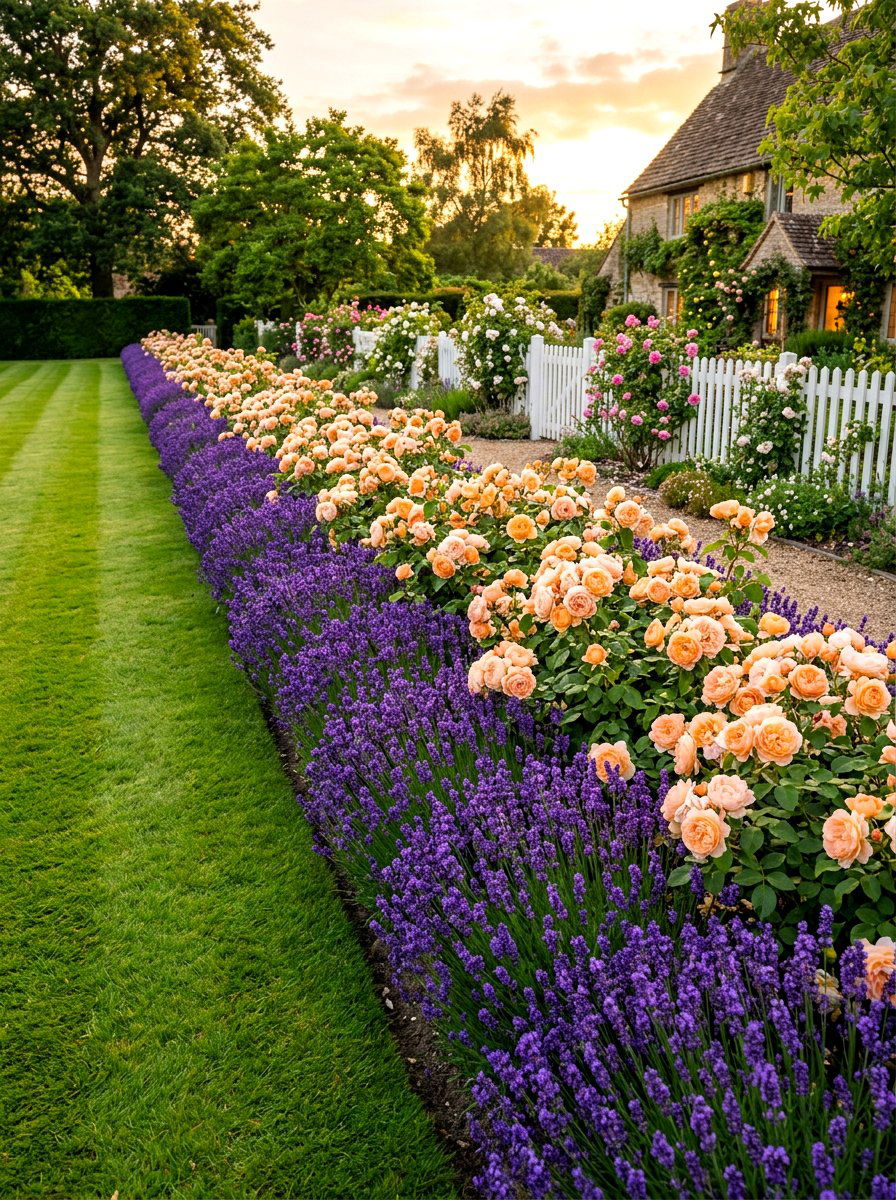
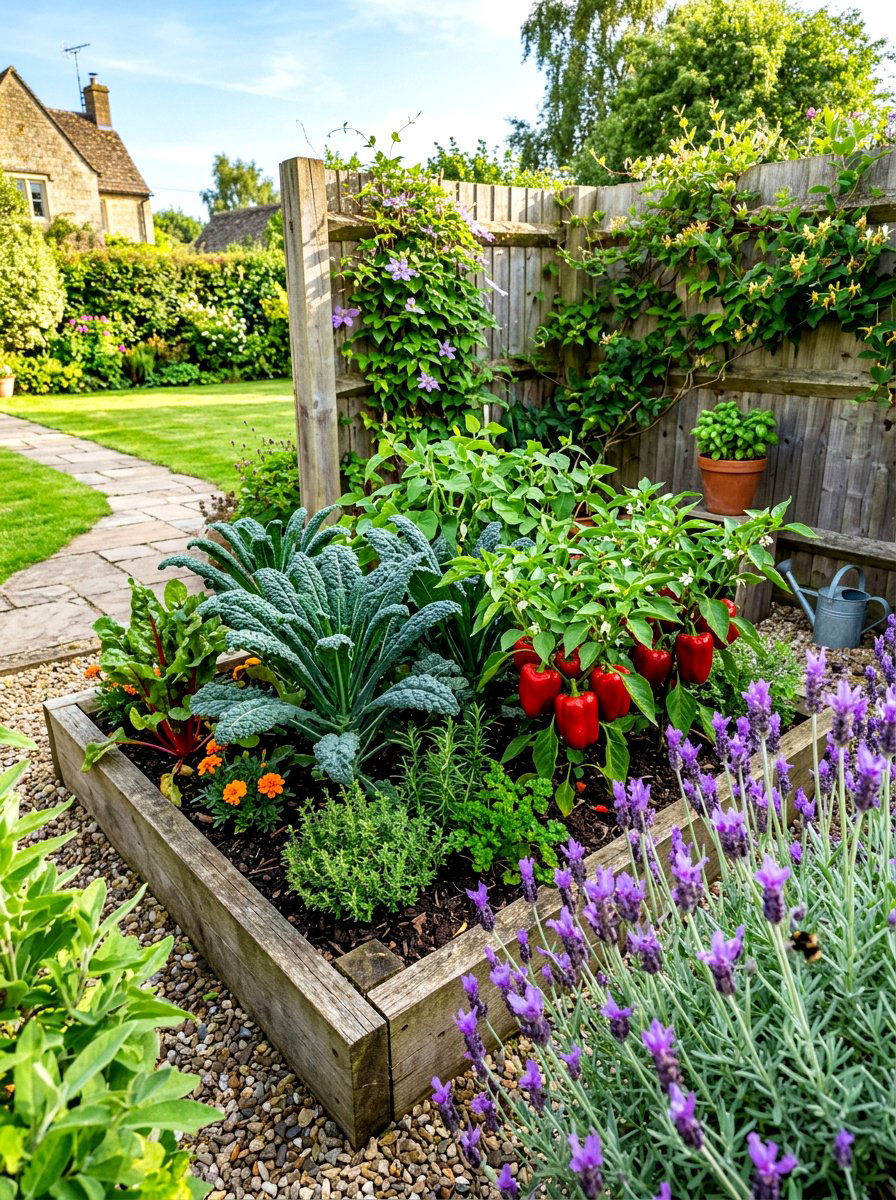
Flanking a stone walkway with a mix of irises and lavender creates a sensory experience that delights both the eyes and the nose. The silvery-green foliage of lavender provides a stunning year-round backdrop for the colorful spring iris blooms, and both plants thrive in the same dry, sunny conditions. As you walk by, the scent of the lavender mingles with the light, sweet fragrance of the irises, creating a truly inviting entrance to your home. This Mediterranean-inspired combination is not only beautiful but also highly resistant to deer and rabbits, making it a practical choice for rural or suburban gardens facing heavy wildlife pressure.
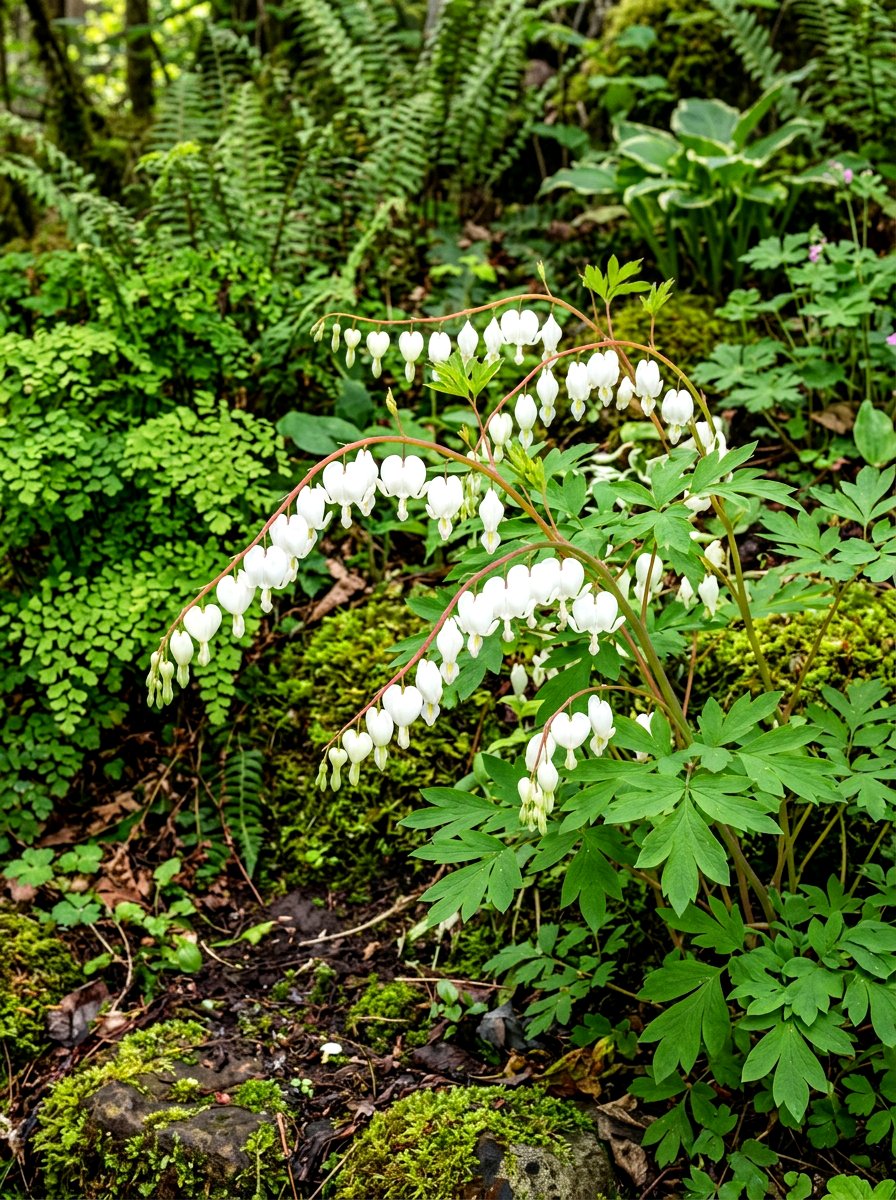
10. Iris and lupine display
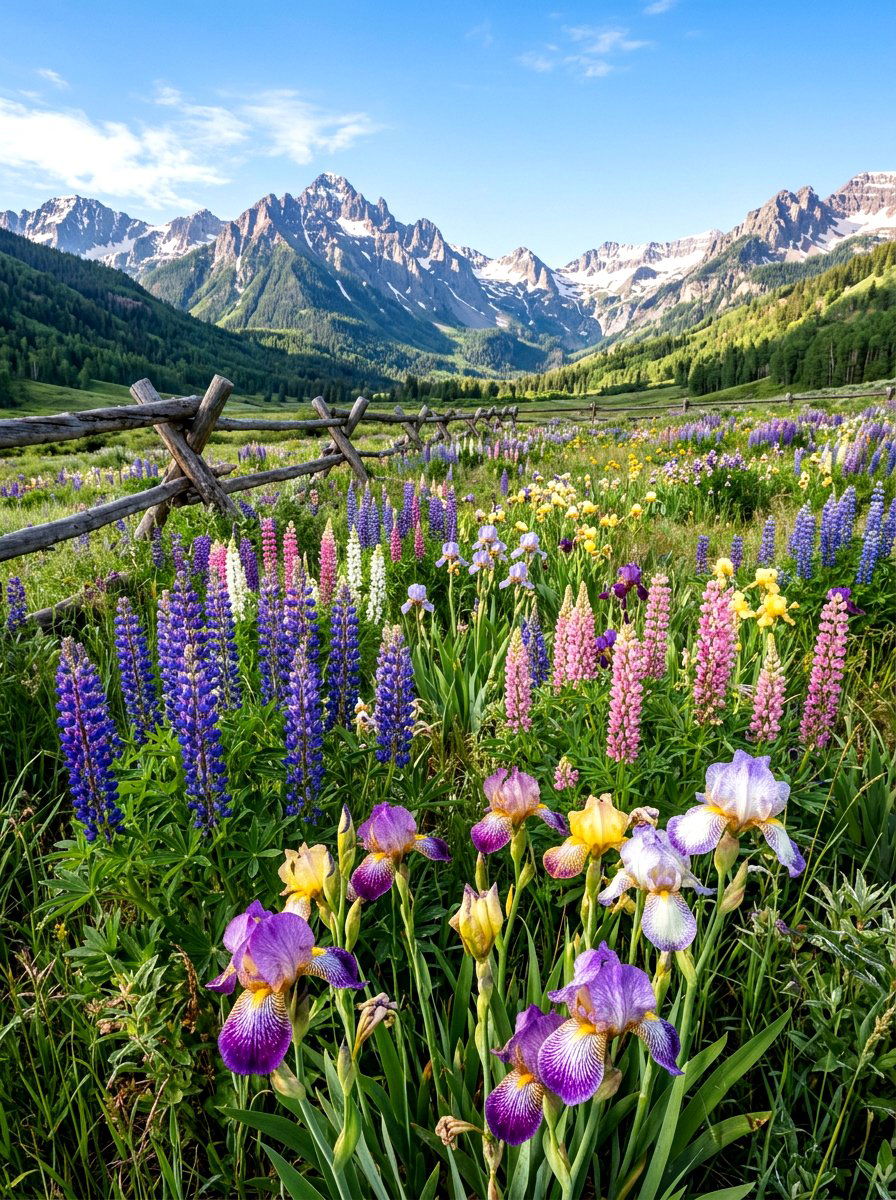
For a spectacular vertical display that captures the essence of a wild mountain meadow, consider planting irises alongside colorful lupine spikes. The heavy, textured flower towers of the lupines complement the airy, delicate form of the iris blooms, creating a rich tapestry of shape and color. This pairing works exceptionally well in informal garden designs where a sense of abundance and natural growth is desired. Both plants attract a wide variety of bees and butterflies, turning your garden into a buzzing hub of local biodiversity. Choosing a mix of blues, pinks, and purples will result in a cool-toned sanctuary that feels refreshed and peaceful.
11. White iris moon garden
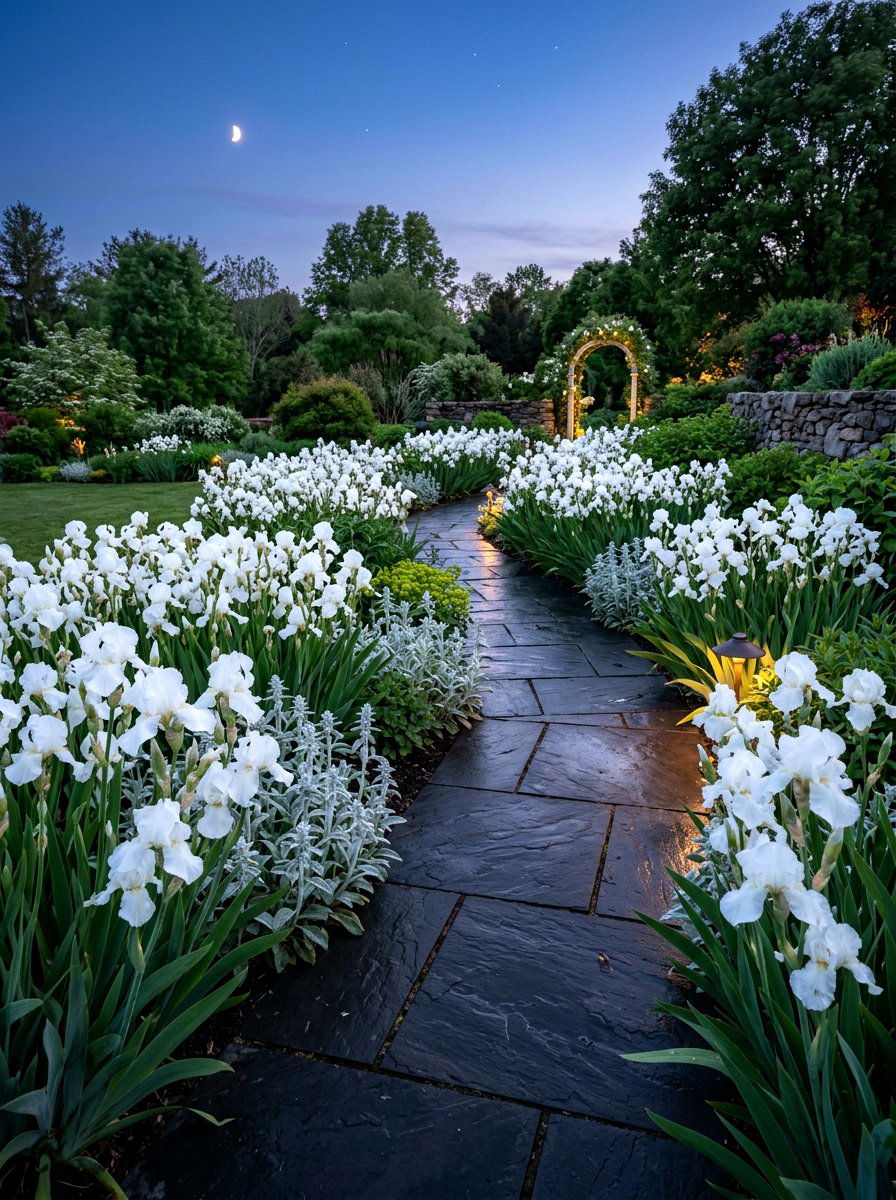
Designing a moon garden focuses on plants that shimmer and glow under the soft light of the evening sky, and white irises are a perfect candidate. Their bright, snowy petals reflect moonlight beautifully, making the garden feel luminous and magical long after the sun has set. By planting large drifts of white bearded or Siberian irises, you create a focal point that stands out against the dark shadows of the night. Pairing them with other silver-foliaged plants or night-blooming jasmine enhances the ethereal atmosphere. This garden style provides a serene place for quiet reflection and evening relaxation after a long, busy day.
12. Black iris focal point
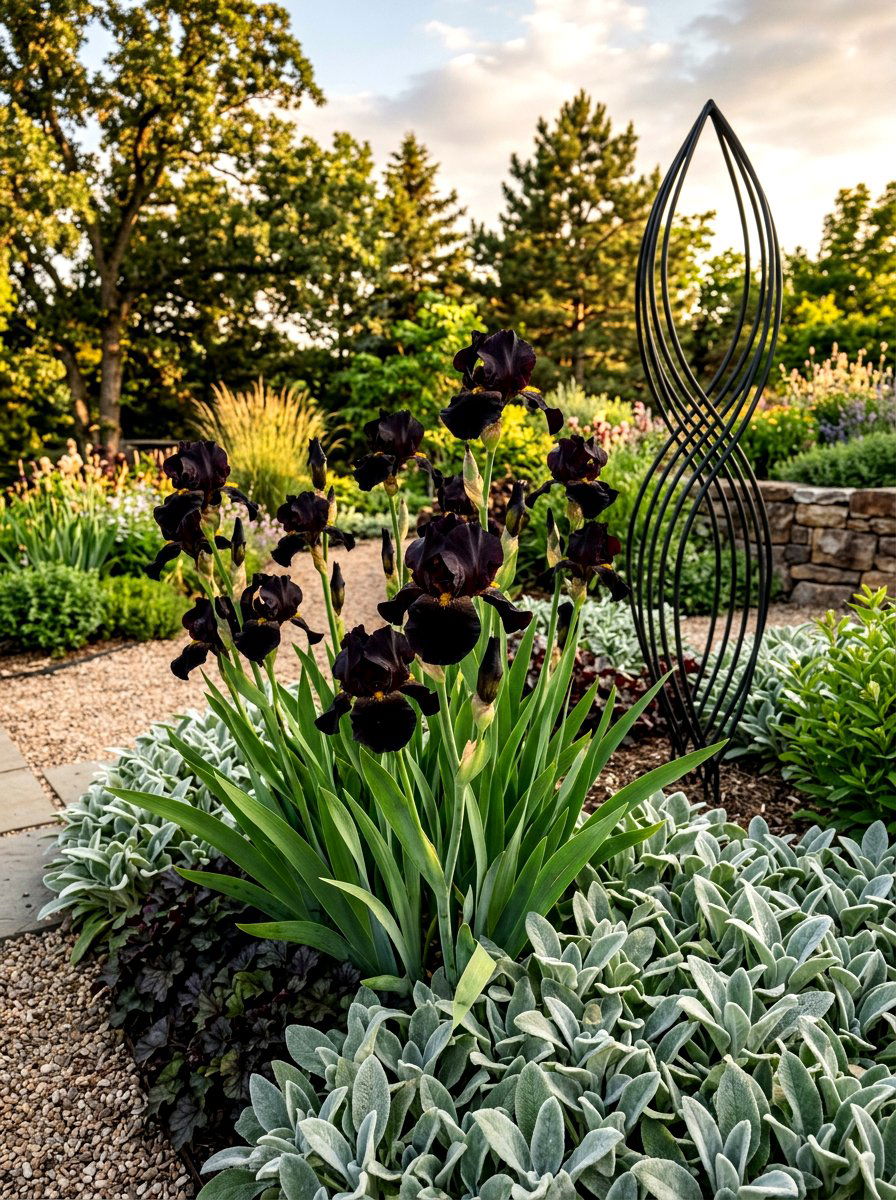
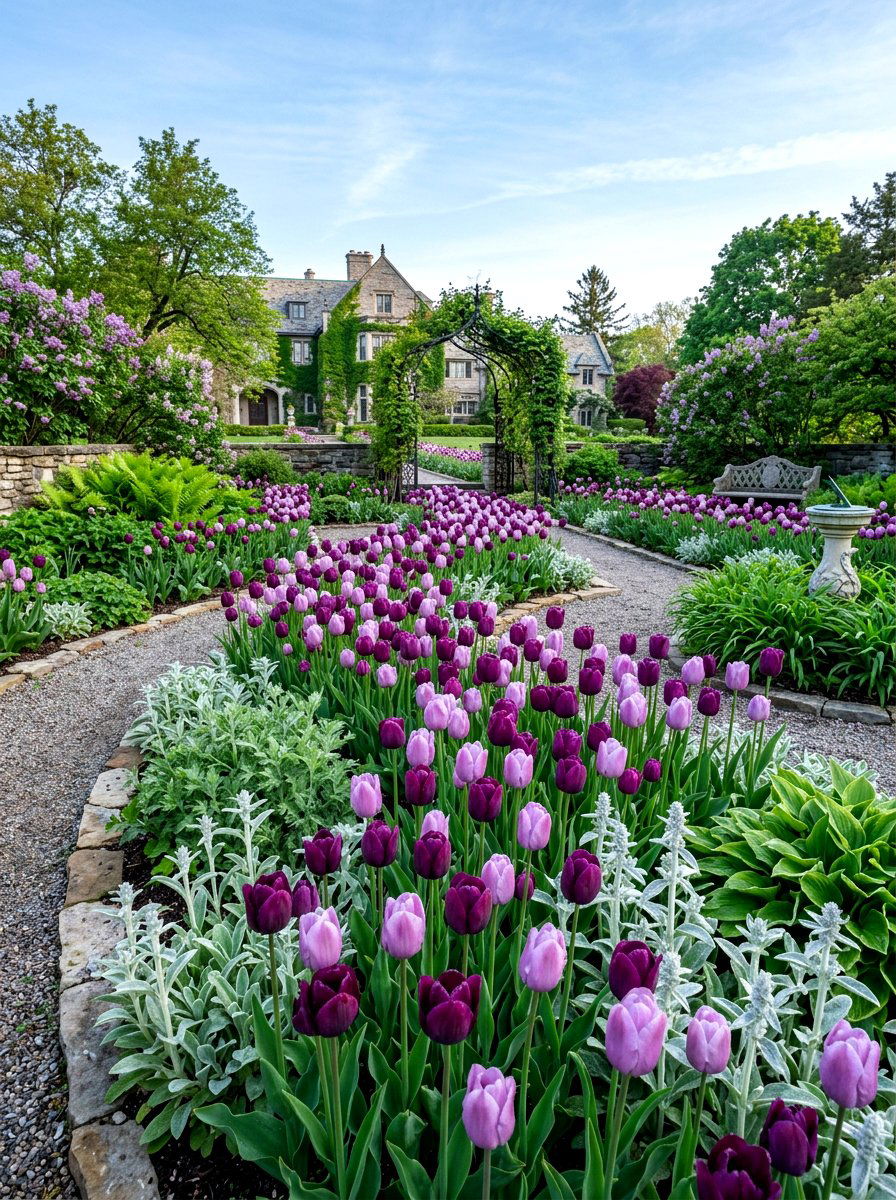
Make a bold and sophisticated statement in your garden by featuring the rare and dramatic beauty of black or deep chocolate irises. These "nearly black" varieties, which are actually a very deep shade of purple or maroon, provide a stunning focal point that commands attention. To make their dark colors pop, plant them against a backdrop of light-colored foliage or silver-toned perennials like lamb's ear. The velvety texture of the petals absorbs light, giving them a rich and mysterious appearance that is truly unique in the floral world. Using these as a centerpiece in a modern garden design adds an unmistakable touch of drama.
13. Rainbow iris mass planting
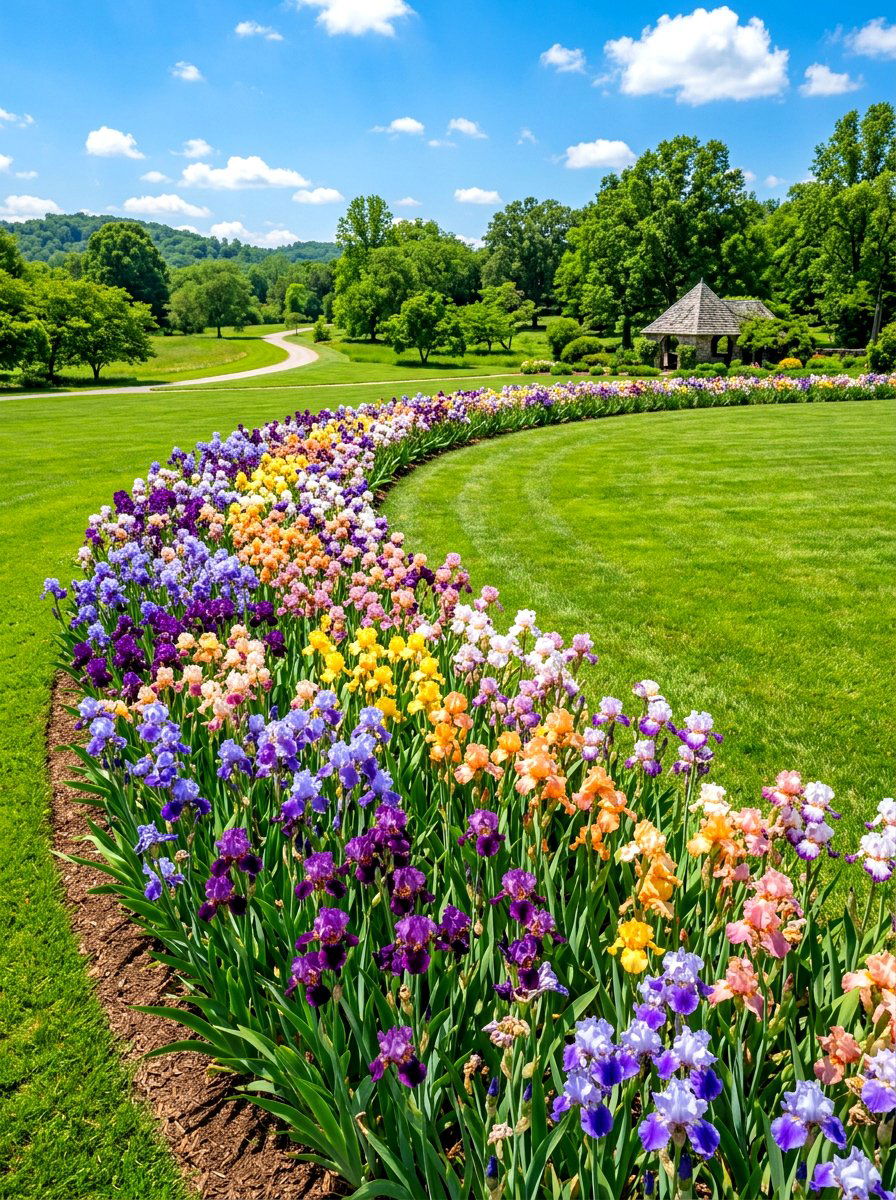
Why choose just one color when you can have the entire spectrum by creating a mass planting of different iris varieties? A rainbow-themed bed allows you to showcase the incredible diversity of this genus, from fiery oranges and sunny yellows to cool blues and deep violets. Planting them in a sweeping, curved drift mimics the natural flow of a rainbow across the landscape, creating a high-energy visual impact. This approach is perfect for large open spaces or long driveway borders where you want to make a big impression from a distance. The variety of bloom times also ensures a longer-lasting floral display for all.
14. Wild iris meadow
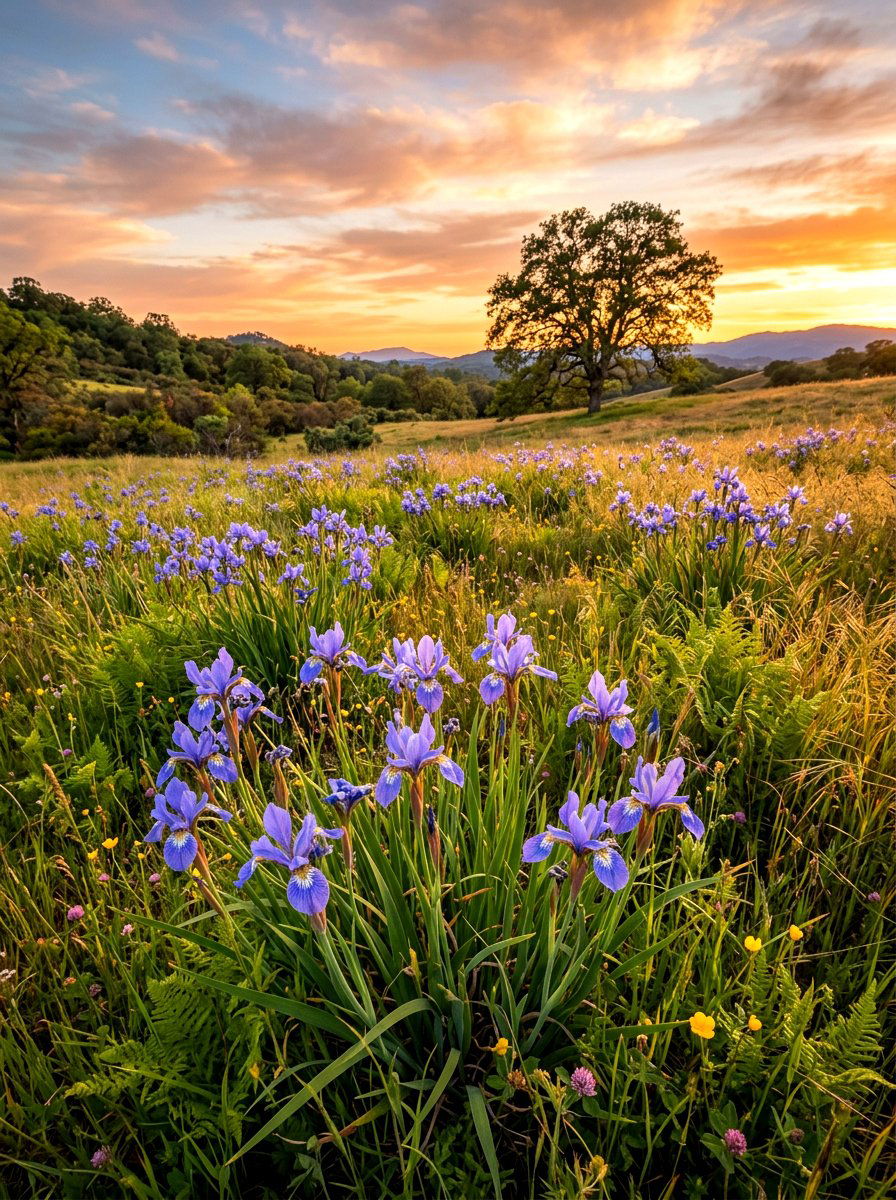
Embrace a more naturalistic and sustainable gardening approach by incorporating wild iris species into a meadow-style landscape. These native varieties often have smaller, more delicate flowers than hybrid garden types, but they offer a charming and effortless beauty that feels right at home in a casual setting. They are typically more resilient and better adapted to local weather patterns, requiring less maintenance and water once they are established. When mixed with native grasses and other wildflowers, they create a thriving ecosystem that supports local pollinators and birds. A wild iris meadow is a wonderful way to bring a piece of nature back to your property.
15. Iris and rose romantic garden
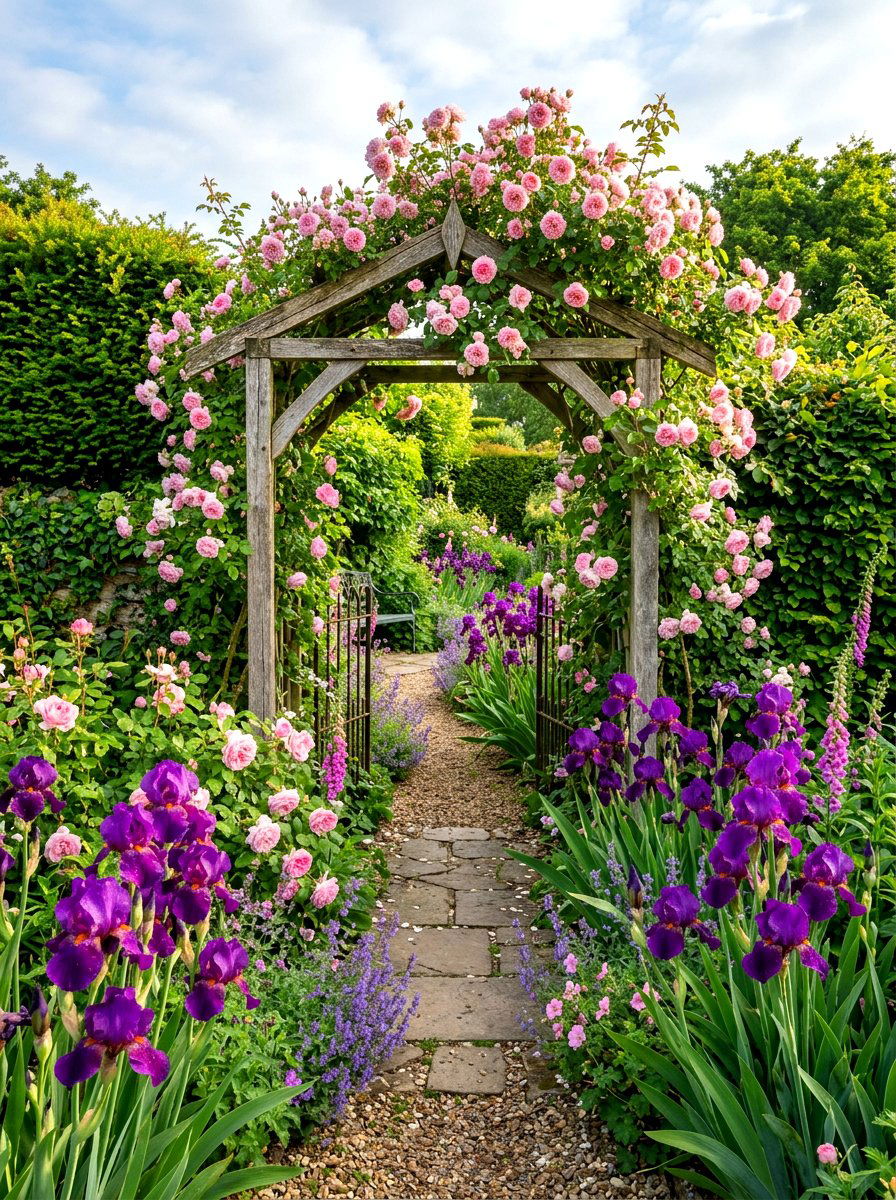
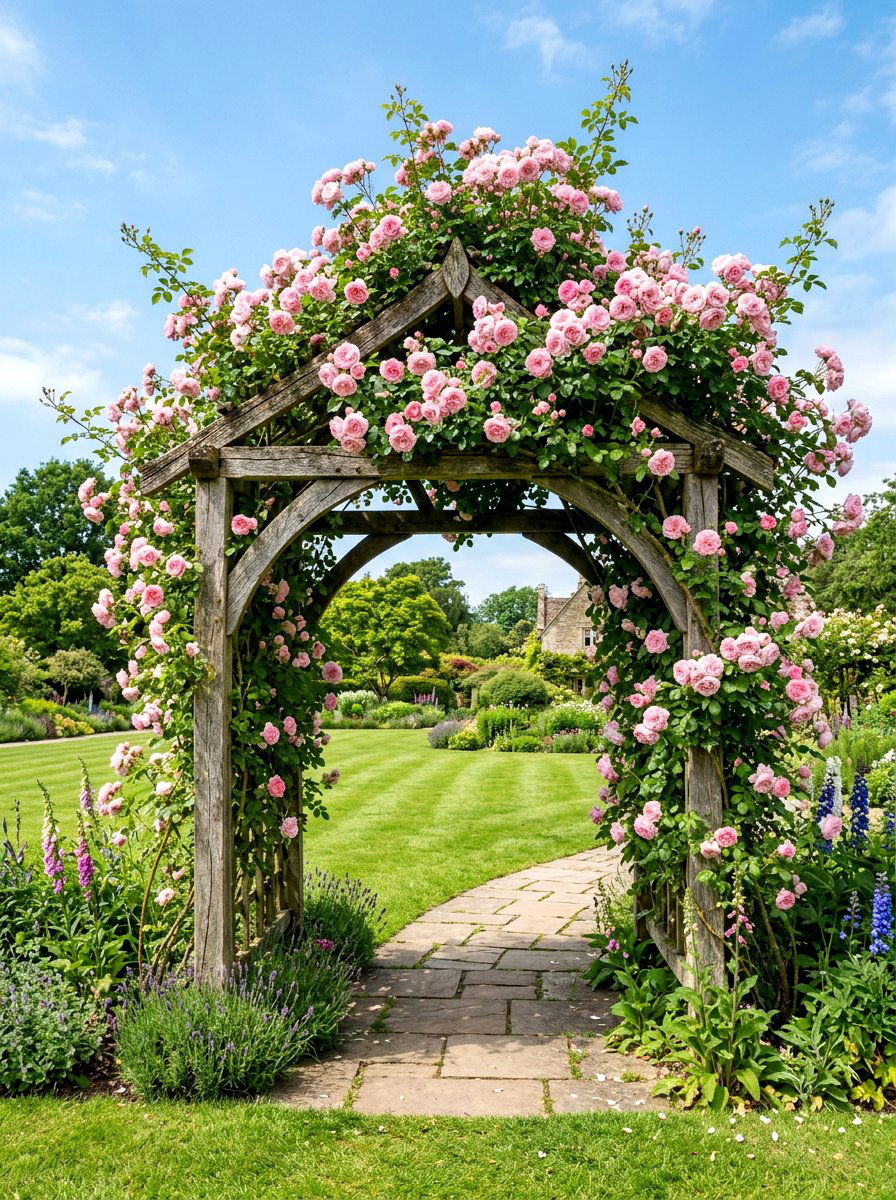
Combining the structural elegance of irises with the lush, abundant blooms of climbing or shrub roses creates a quintessential romantic garden atmosphere. The iris provides early season color and a sharp vertical contrast to the softer, arching branches of the roses as they begin to open. This pairing often results in a dense and layered look that feels like a secret garden hideaway. Many bearded irises even share similar fragrance notes with old-fashioned roses, creating a powerful aromatic experience. For the best effect, choose rose varieties that are disease-resistant to ensure the foliage remains a beautiful green backdrop for the iris flowers.
16. Container iris arrangement
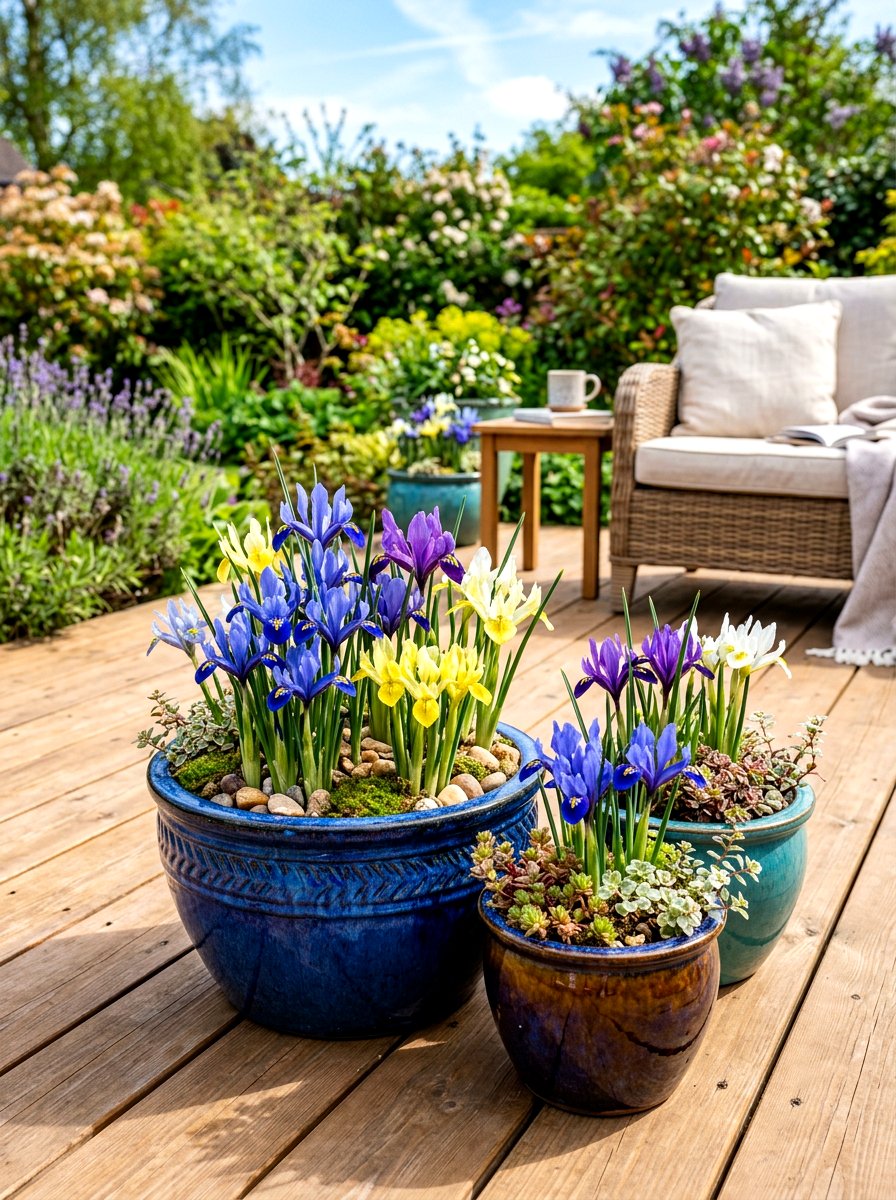
You don't need a large backyard to enjoy the beauty of irises; they can thrive in large pots and containers on a sunny patio or balcony. Dwarf bearded irises or Dutch irises are particularly well-suited for container life because their compact root systems and shorter stature prevent them from becoming top-heavy. Using a high-quality, well-draining potting mix is essential to prevent the rhizomes from rotting in excess moisture. Decorative glazed pots can complement the color of the blooms, creating a portable garden feature that you can move around as needed. This is an excellent way to bring spring color right to your doorstep or outdoor seating area.
17. Reblooming iris bed
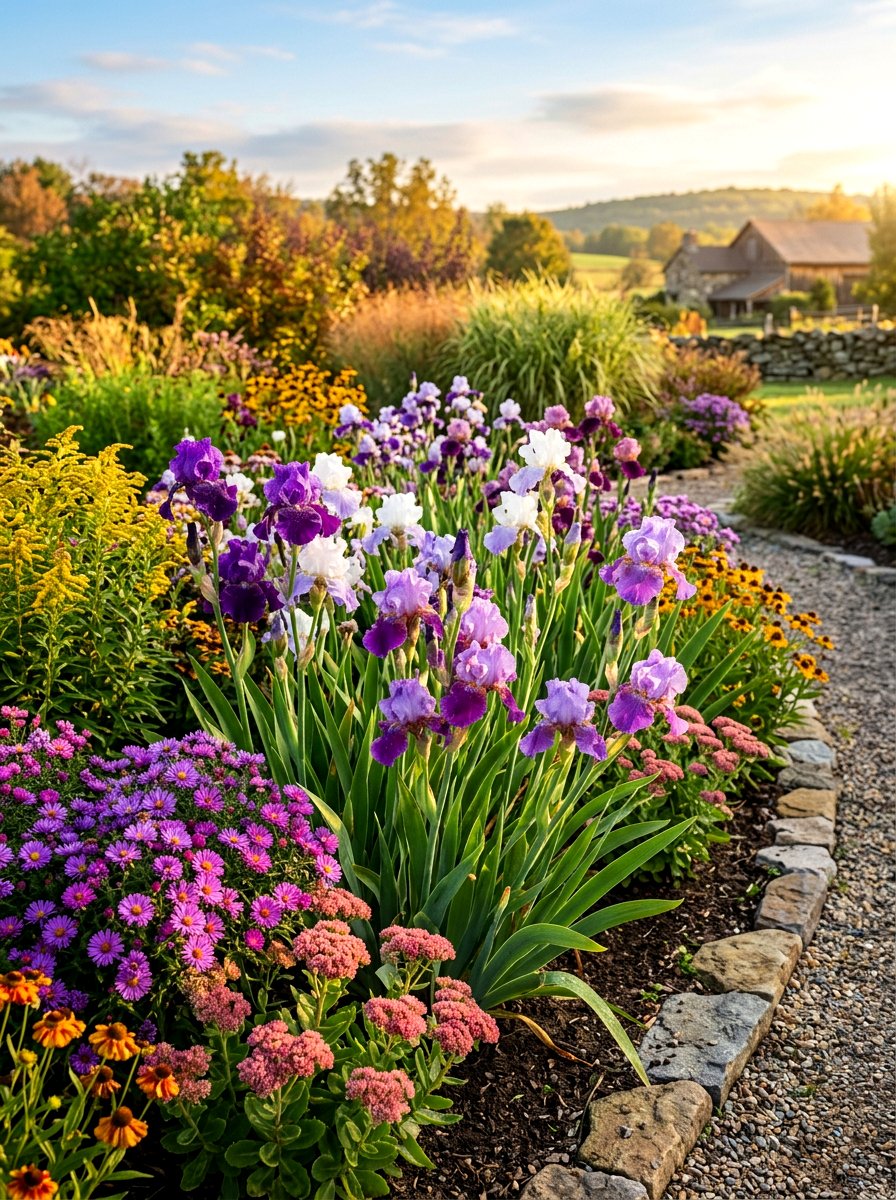
Extend the beauty of your garden into the late summer and autumn by choosing reblooming iris varieties that flower more than once a year. While most irises offer a single, spectacular show in the spring, these special cultivars are bred to produce a second flush of blooms after a short rest period. This ensures that your garden stays vibrant even when other spring perennials have long finished their season. To encourage a strong second bloom, it is important to provide consistent water and a light application of fertilizer during the hot summer months. These reliable performers provide an unexpected and welcome splash of color in the fall.
18. Tall bearded iris back border
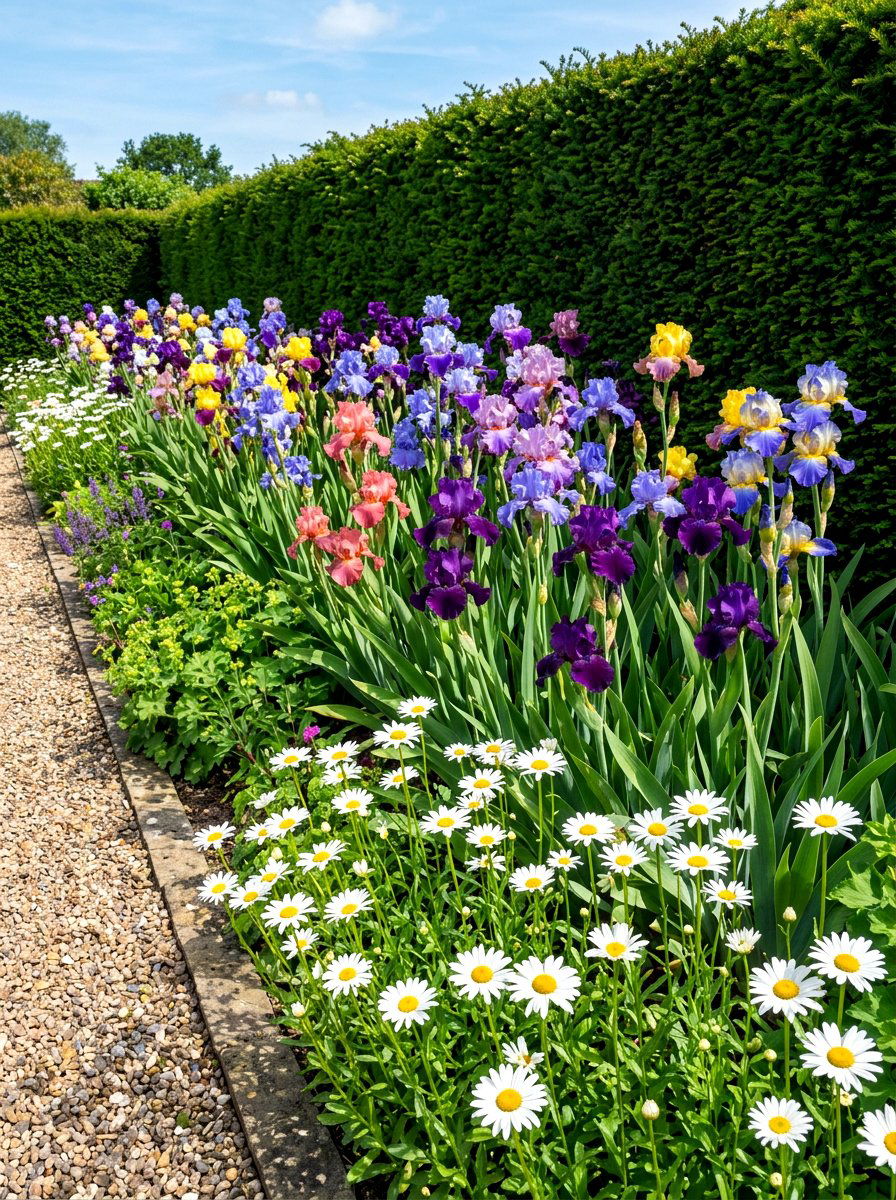
Utilize the impressive height of tall bearded irises by placing them at the very back of a mixed perennial border. Reaching heights of three feet or more, these varieties act as a colorful living wall that provides a backdrop for shorter plants in the foreground. Their sturdy stems and large, ruffled flowers create a sense of depth and scale in the garden design. To prevent them from leaning, it is best to plant them in a spot protected from strong winds or to provide subtle support with garden stakes. This tiered planting strategy ensures that every plant in your bed is visible and appreciated.
19. Iris and catmint contrast
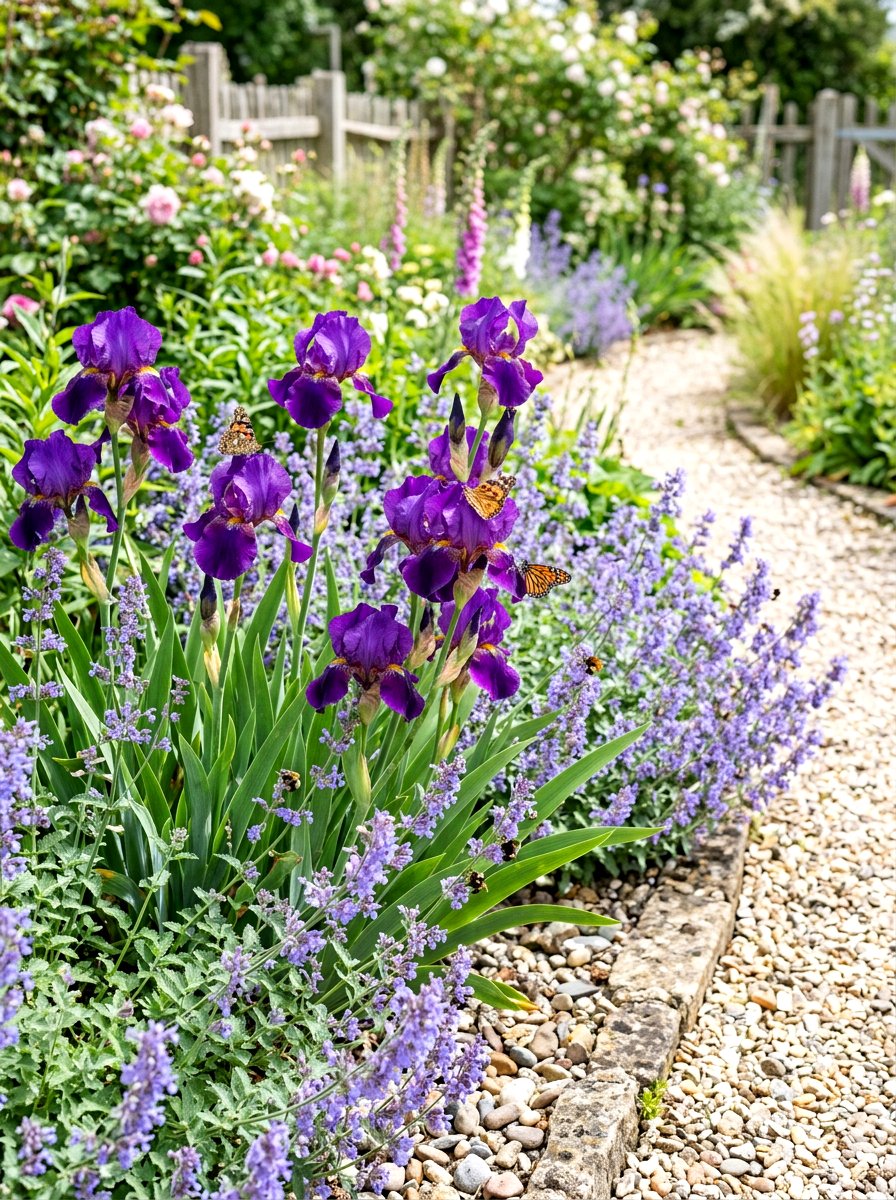
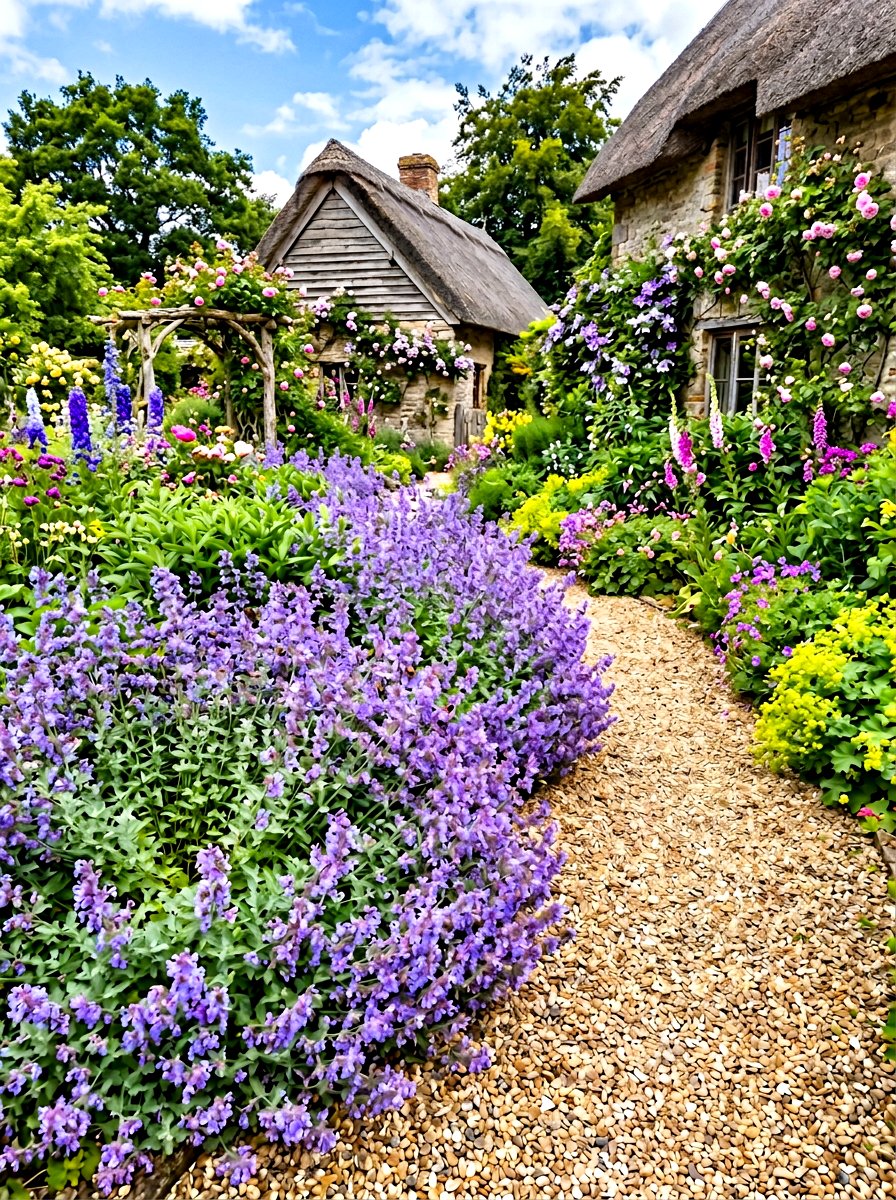
For a low-maintenance and high-impact color combination, try planting deep purple irises alongside the soft, misty blue flowers of catmint. The airy, sprawling habit of the catmint fills in the spaces between the upright iris clumps, creating a full and lush carpet of color. The cool tones of both plants work together to create a soothing and harmonious look that is perfect for a relaxed garden setting. Catmint is also famous for its long blooming season, meaning it will continue to provide beauty and attract bees long after the iris petals have fallen. This duo is exceptionally hardy and survives in many different climates.
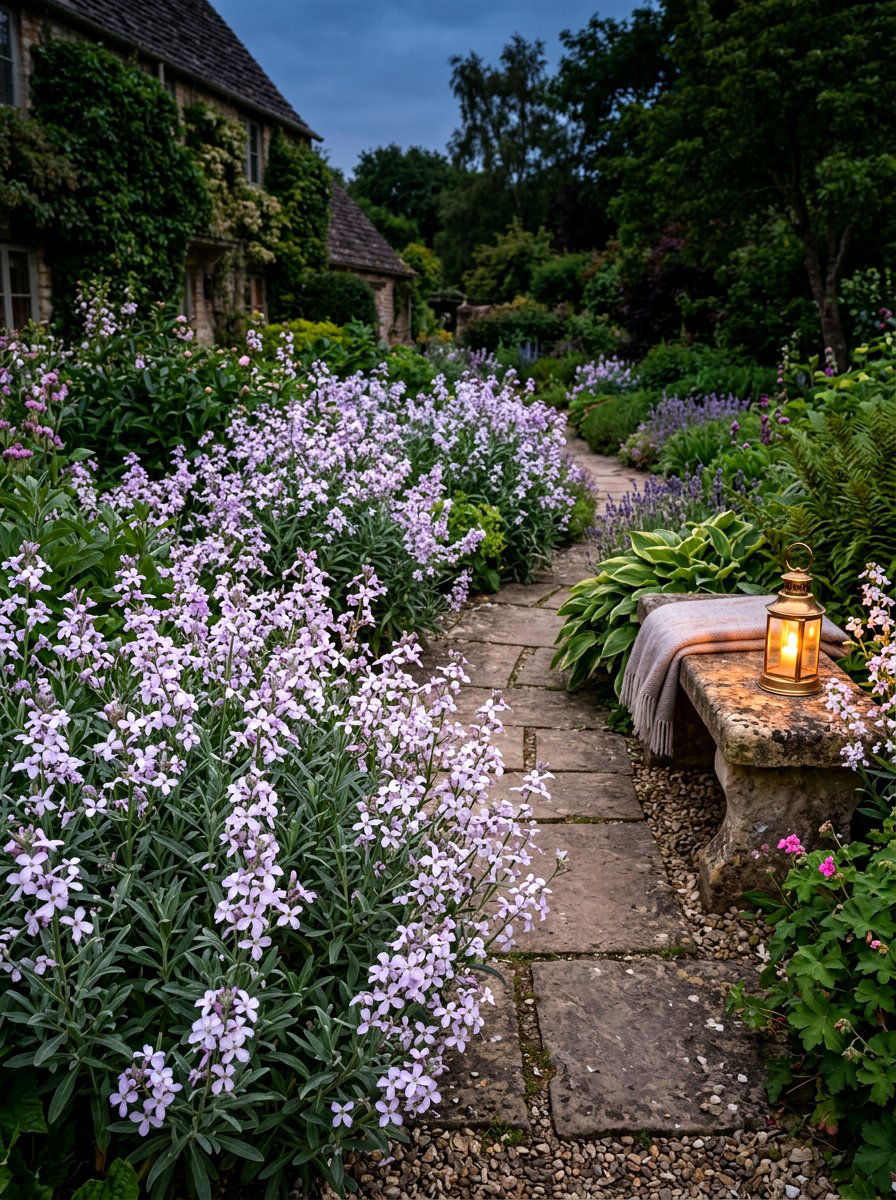

20. Reticulated iris early spring bed
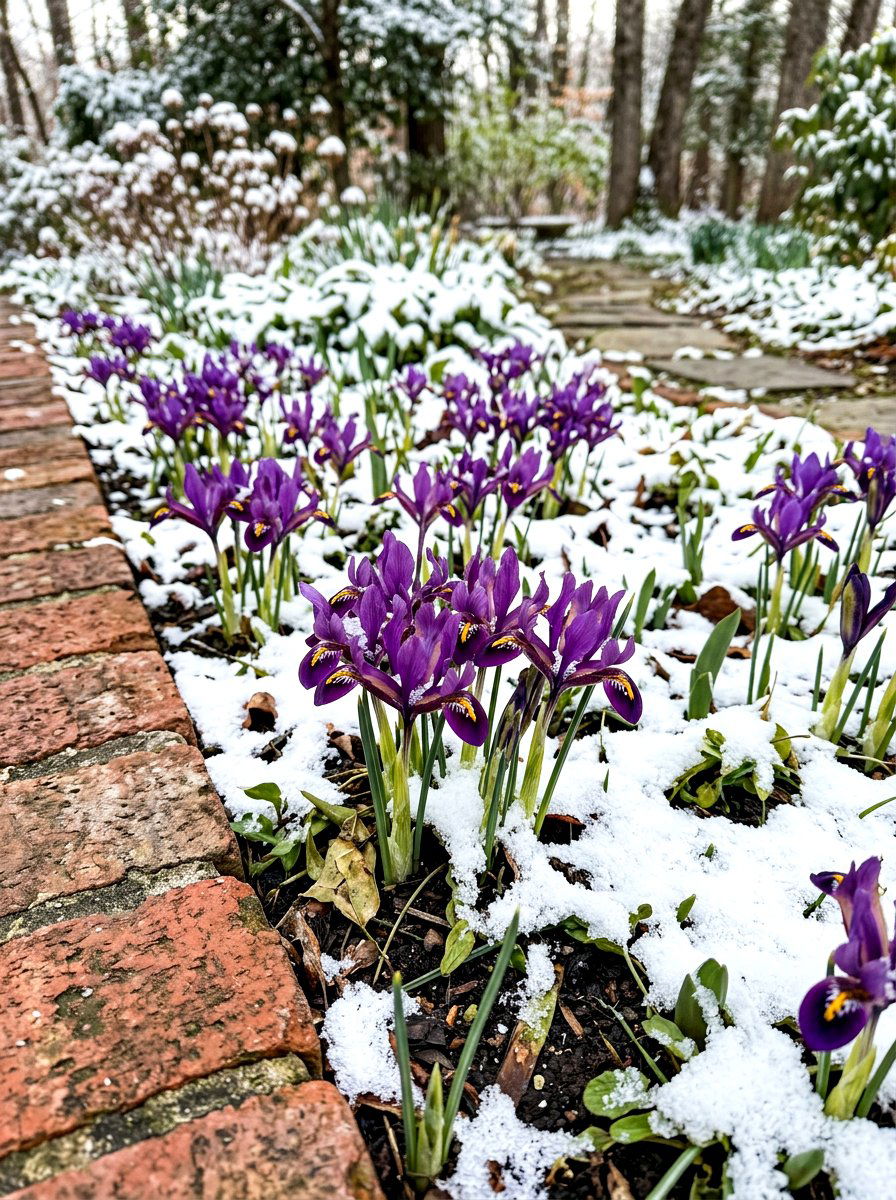
Bring your garden to life while the rest of the world is still gray by planting a dedicated bed of reticulated irises. These tiny, bulbous plants are incredibly brave, often blooming alongside crocuses and snowdrops in late winter or very early spring. Their intricate patterns and intense fragrance make them a joy to discover on a cold morning. Because they are so small, they are best planted in large groups of twenty or more to create a noticeable carpet of color. Placing them near a door or a frequently used path ensures you won't miss their brief but spectacular appearance at the start of the year.
21. Spuria iris perennial mix
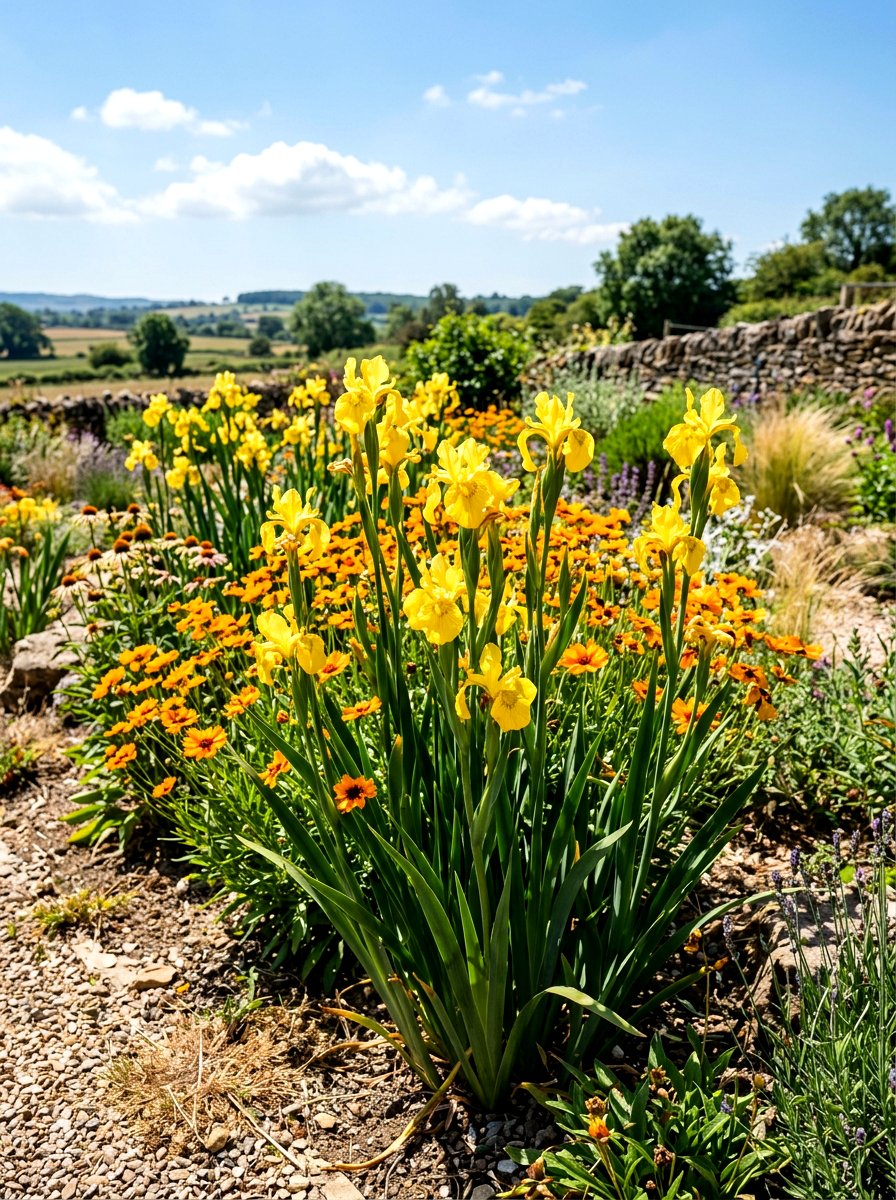
If you are looking for a tough and long-lived iris that can hold its own in a competitive perennial bed, the Spuria iris is an excellent choice. These plants are known for their impressive height and elegant, orchid-like flowers that bloom a bit later than the standard bearded types. Their foliage is particularly strong and remains upright and attractive all through the summer, unlike some other varieties that can become floppy. They are very drought-tolerant once established, making them perfect for low-water landscapes or "dry" garden designs. Mixing them with other hardy perennials like coreopsis or rudbeckia creates a resilient and beautiful summer display.
22. Flag iris swamp area
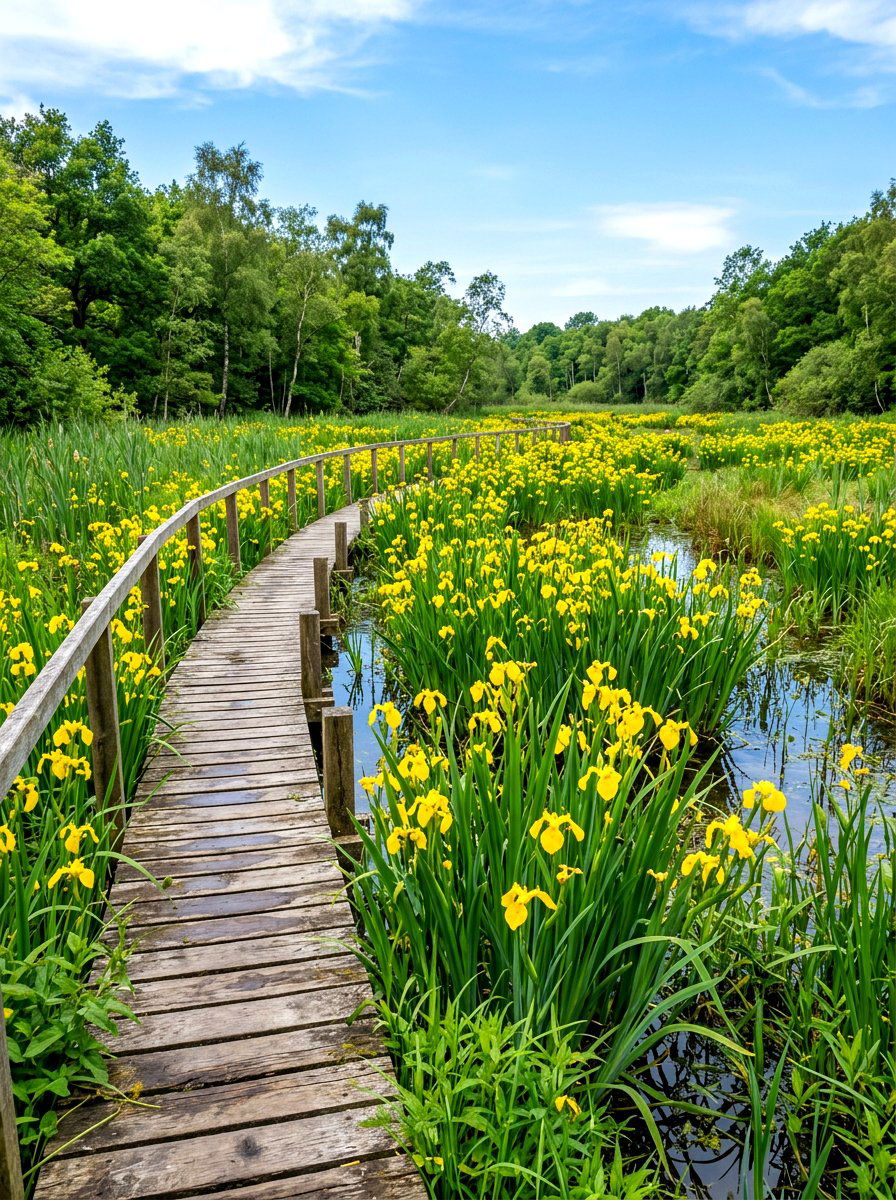
Turn a problematic, muddy part of your yard into a stunning landscape feature by planting native blue or yellow flag irises. These vigorous plants are true water-lovers and are perfectly adapted to growing in standing water or saturated soil. Their ability to filter water and prevent erosion makes them as functional as they are beautiful. The bright, cheerful flowers add a pop of color to naturalized areas, while the dense root systems provide a stable habitat for beneficial insects and amphibians. Because they can be quite expansive, they are best used in larger properties or controlled pond edges where they have room to spread naturally.
23. Iris and poppy cottage garden
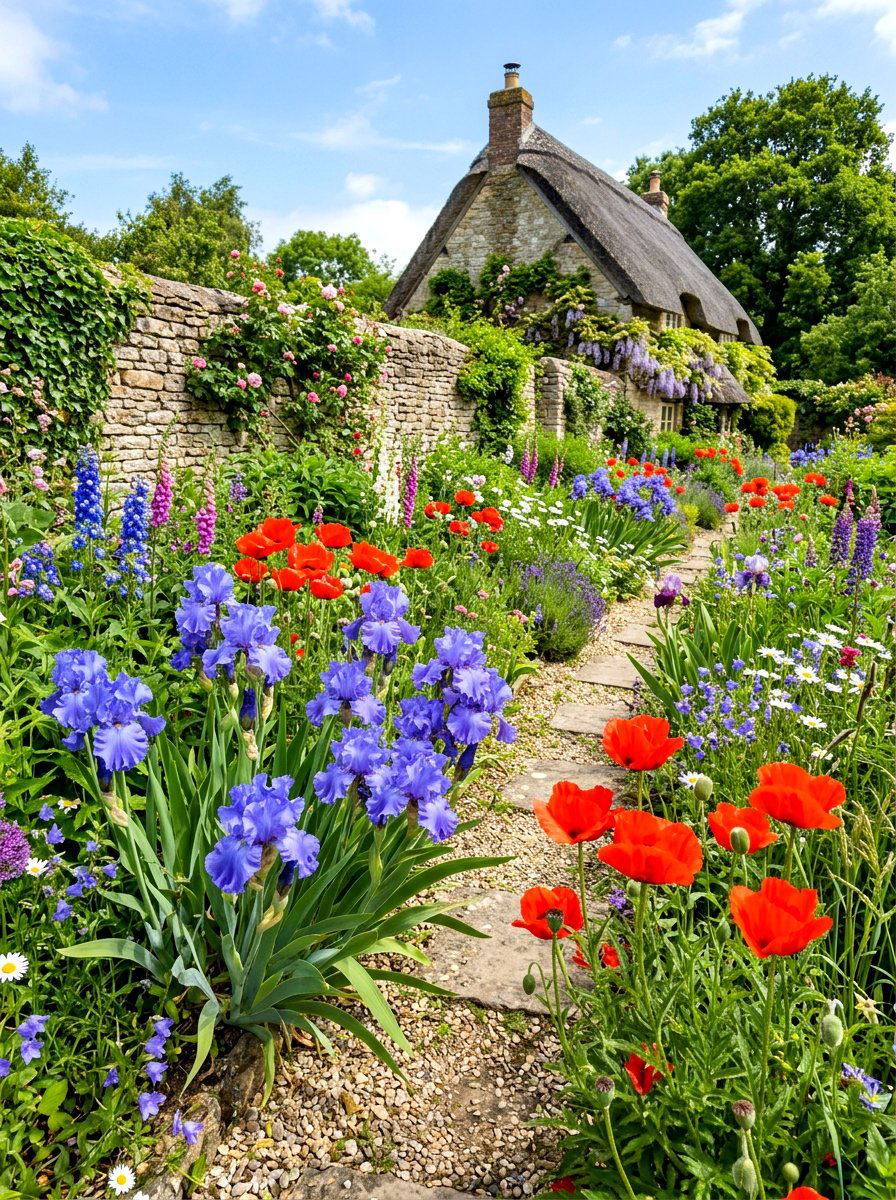
Nothing says cottage charm quite like the combination of ruffled irises and delicate, tissue-paper poppies. The bold, structured form of the iris provides a perfect anchor for the airy and somewhat wild appearance of the poppies as they sway in the wind. This pairing creates a sense of effortless beauty and abundance that is the hallmark of the cottage style. Whether you choose the vibrant orange of California poppies or the deep reds of Oriental varieties, the result is a high-energy garden that feels full of life. This combination is best suited for sunny spots where both plants can soak up the light.
24. Blue and yellow iris theme
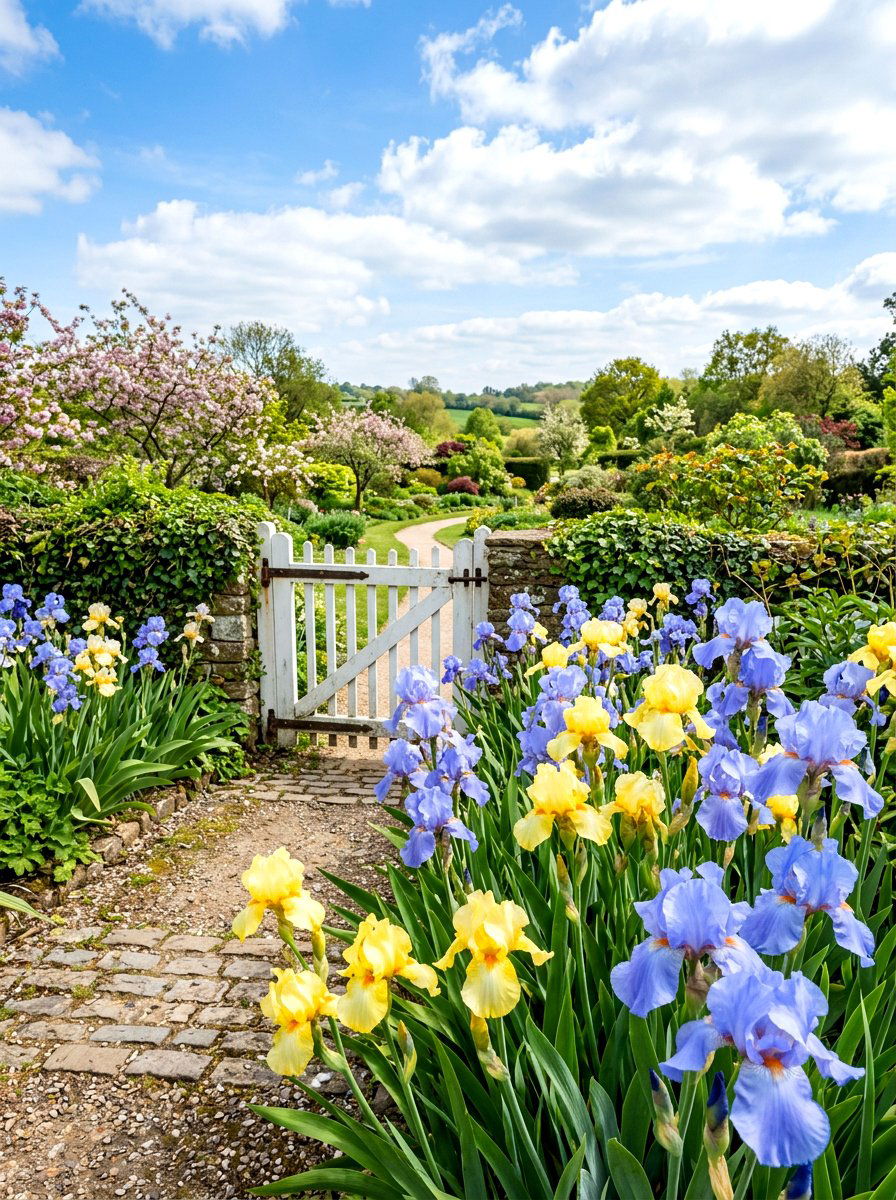
A classic blue and yellow color scheme is a foolproof way to create a bright and cheerful garden that feels like a sunny spring day. By selecting irises in shades of sky blue, navy, and buttery yellow, you can create a high-contrast display that is both energetic and pleasing to the eye. This color duo is a favorite for traditional landscapes and works well in both formal and informal settings. You can further enhance the theme by adding other yellow spring flowers like daffodils or blue grape hyacinths. This timeless palette is always a crowd-pleaser and brings a sense of joy to any outdoor space.



25. Iris and hosta shade edge
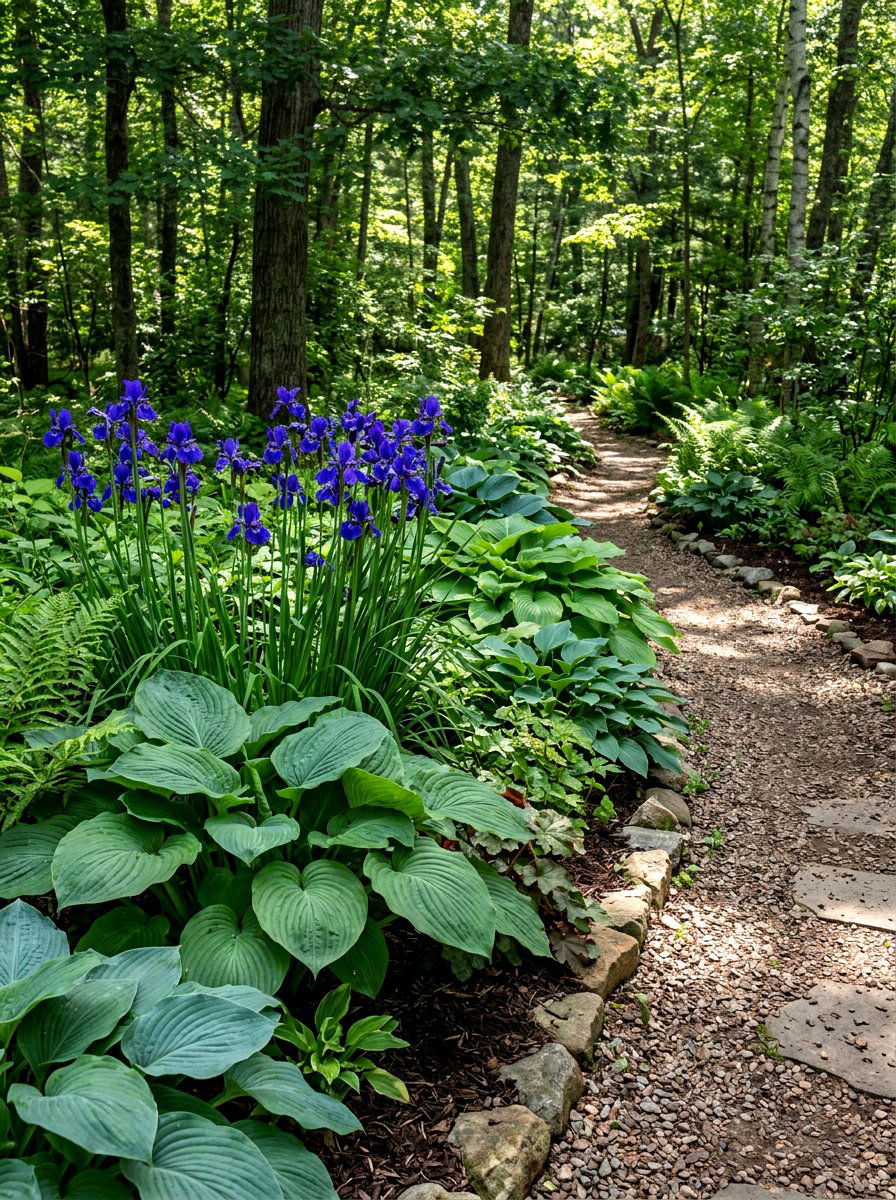
While many irises love the sun, some varieties like the crested iris or Siberian iris can tolerate the dappled light found at the edge of a woodland or shade garden. Pairing these with the broad, textured leaves of hostas creates a stunning contrast in foliage form. The slender, pointed leaves of the iris cut through the rounded, heavy hosta leaves, adding a much-needed vertical element to shady corners. This combination is perfect for the transitional areas of your yard where the sun starts to give way to deeper shade. The result is a lush, cool-toned sanctuary that feels quiet, sheltered, and very peaceful.
26. Fragrant iris walkway
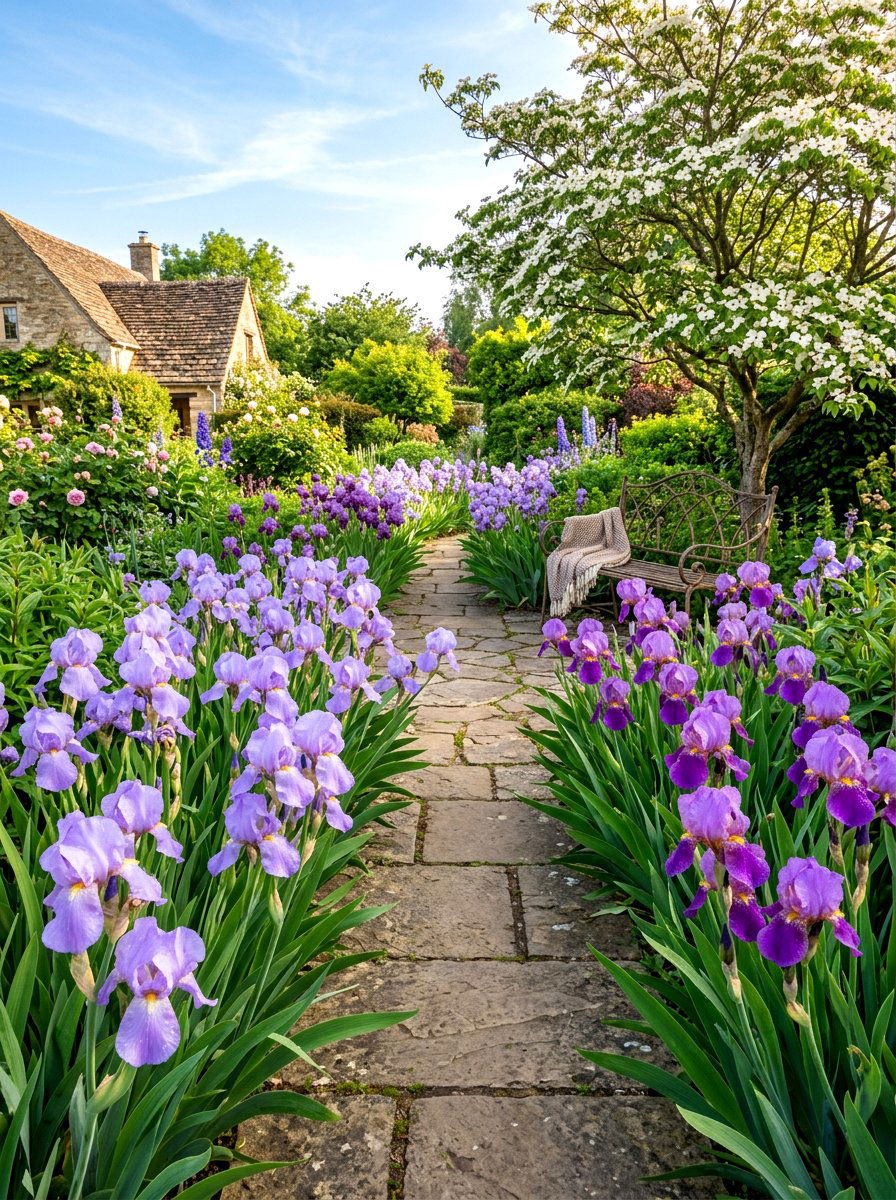
Some iris varieties are as famous for their scent as they are for their looks, often smelling like grape soda, vanilla, or delicate orange blossoms. Planting these fragrant types along a narrow garden walkway ensures that every person who passes by is greeted with a delightful puff of perfume. This intentional design choice turns a simple transition area into a memorable sensory journey through your landscape. To get the most out of the fragrance, plant them in a spot that receives some protection from the wind so the scent can linger in the air. It’s a simple way to add an extra layer of luxury to your home.
27. Iris and salvia xeriscape
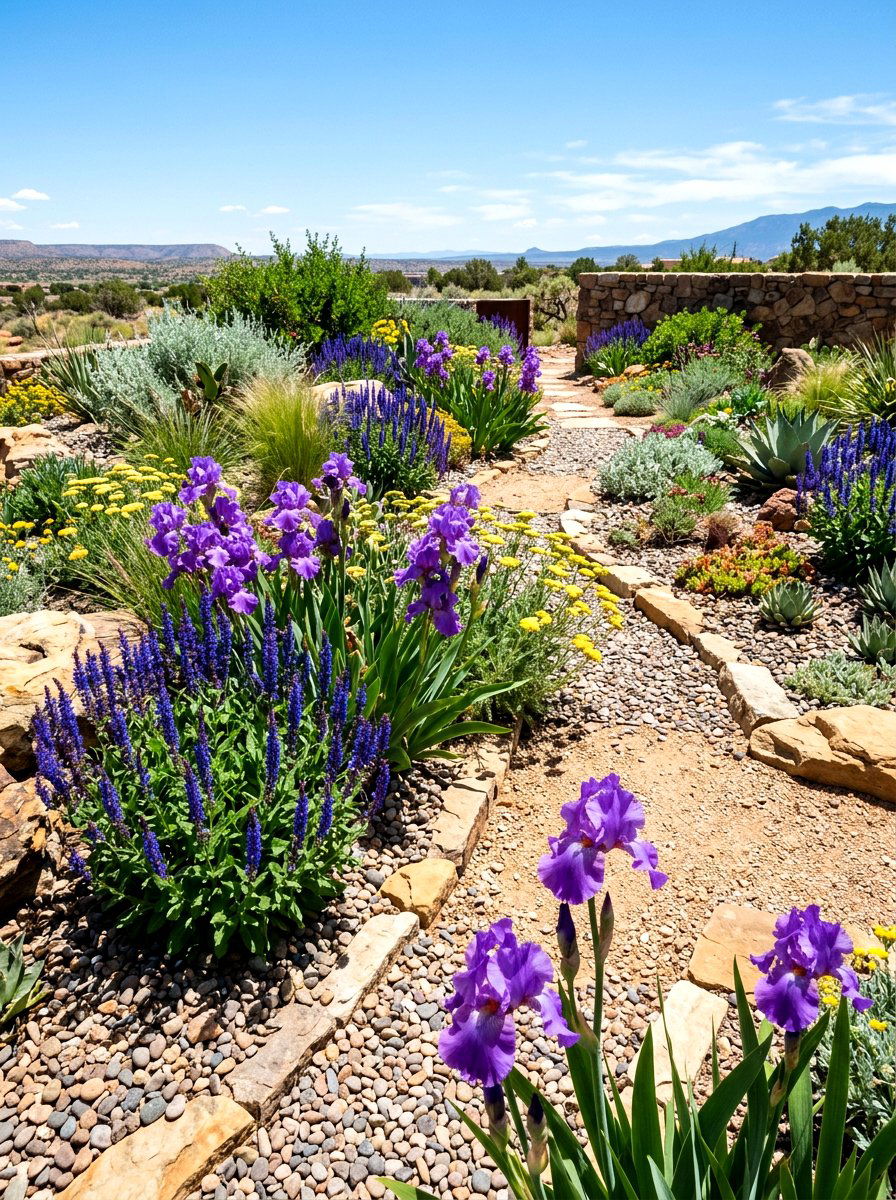
For those living in drier climates or looking to conserve water, an iris and salvia xeriscape offers a beautiful and sustainable solution. Many bearded irises are surprisingly drought-tolerant once they have established a strong root system, and they pair perfectly with the tough, heat-loving spikes of perennial salvia. Both plants offer a range of purple and blue tones that create a cohesive and cooling look in the heat of the summer. This low-maintenance duo requires very little supplemental watering and thrives in the intense sun, making it an ideal choice for south-facing slopes or open, unshaded garden beds that are difficult to reach.
28. Layered iris height planting
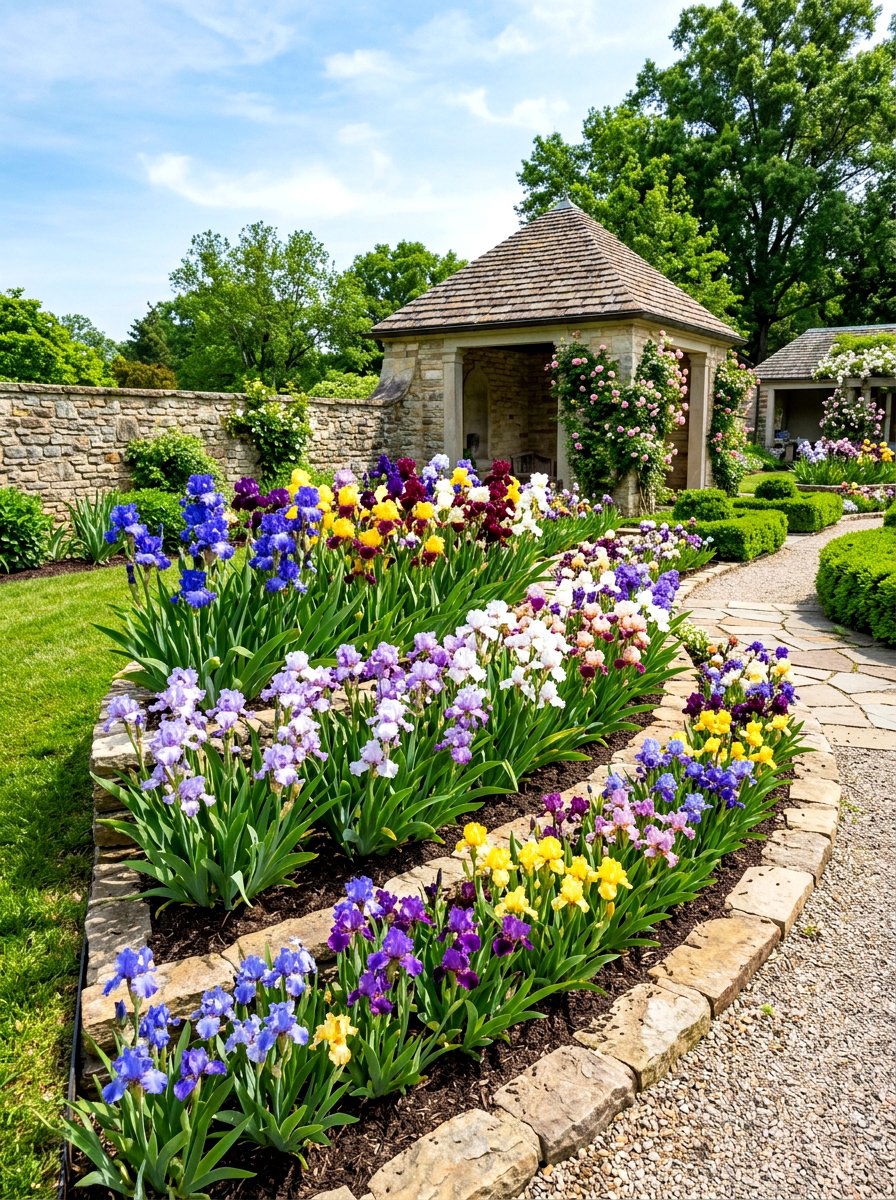
Create a sense of professional landscape design by layering different iris species based on their mature height. Start with the tiny reticulated or dwarf bearded irises at the very front of the bed, followed by intermediate varieties, and finish with the towering tall bearded irises at the back. This "stadium seating" approach ensures that every single bloom is visible and creates a dense wall of color when they are all in flower. Not only does this look visually impressive, but it also allows for better air circulation around the plants, which helps prevent diseases like leaf spot. It’s a great way to maximize color in a small space.
29. Cutting garden iris row
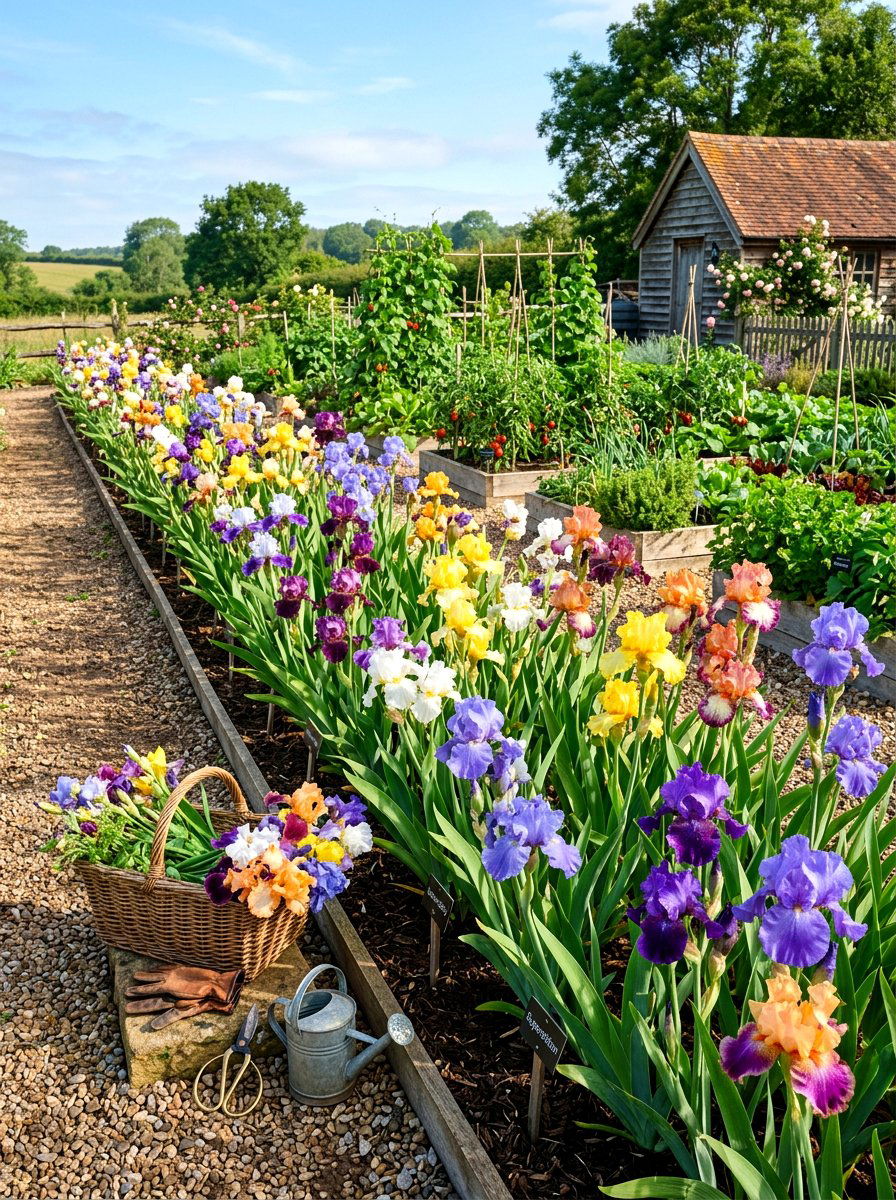
If you love having fresh flowers inside your home, a dedicated row of irises in a cutting garden is a must-have. Irises make excellent cut flowers because they often have multiple buds on a single stalk that open successively, providing a long-lasting display in a vase. By planting them in organized rows, you make it easy to access the blooms for harvesting without disturbing the rest of your landscape design. Choosing varieties with long, sturdy stems and unique color patterns will allow you to create stunning, florist-quality arrangements right from your own backyard. It’s a wonderful way to bring the beauty of the garden indoors.
30. Multi colored iris patch
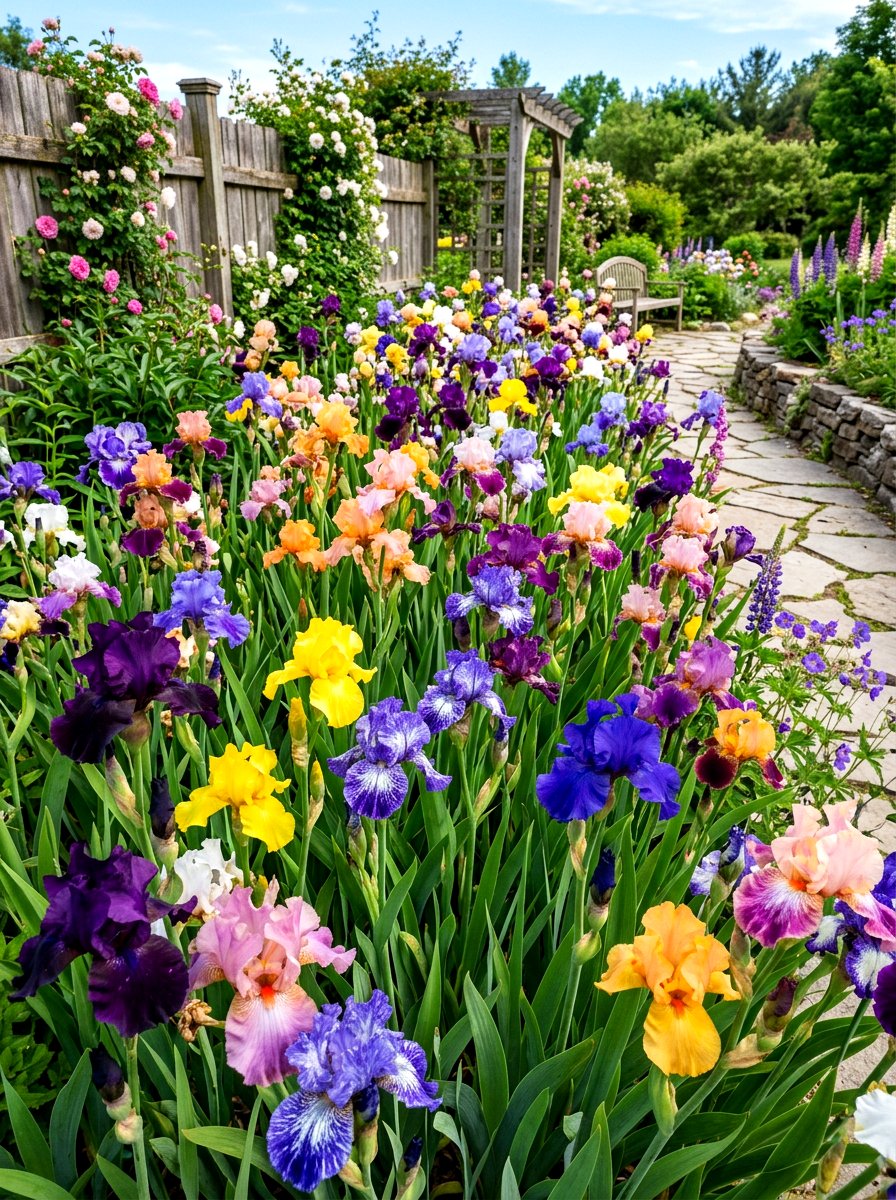
Sometimes the most beautiful garden is one that embraces a wild and unscripted mix of colors and varieties in a single dense patch. A multi-colored iris patch feels like a treasure hunt, with new and unexpected color combinations revealing themselves as each bud opens. This informal approach is perfect for a side yard or a corner that needs a burst of low-maintenance energy. Over time, the different rhizomes will knit together to create a solid mass of foliage and flowers that suppresses weeds and requires very little care. This style of planting celebrates the sheer variety and joy that the iris family brings to the world.
Conclusion:
Planning an iris garden is a rewarding journey that allows you to experiment with colors, textures, and heights in a way few other plants permit. From the early whispers of dwarf varieties in the snow to the late-season drama of reblooming giants, these perennials offer a consistent and reliable source of beauty. By understanding the specific needs of different iris types — whether they crave the sun-baked soil of a dry border or the cool moisture of a pond edge — you can create a thriving landscape that lasts for decades. Let these thirty ideas inspire you to transform your outdoor space into a personal sanctuary filled with the timeless elegance of the iris.

Related posts: