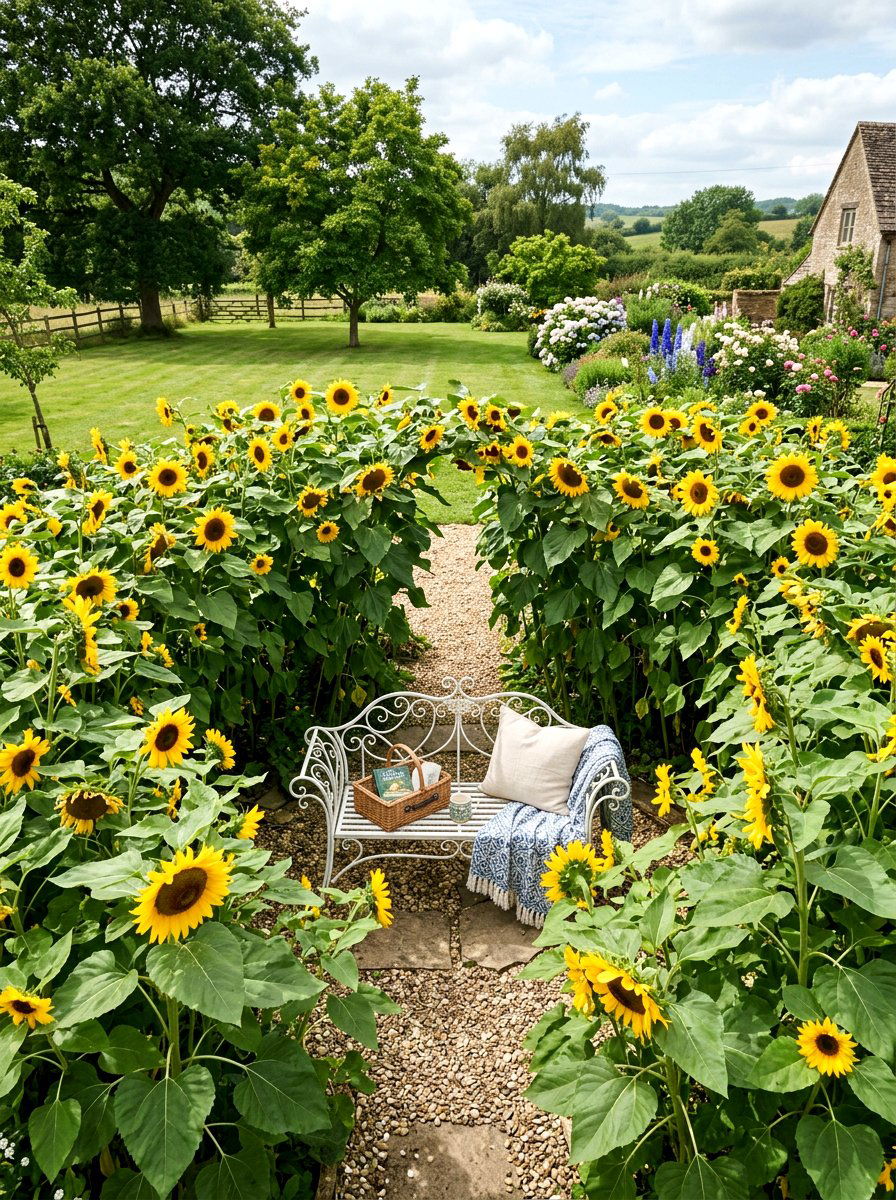
Imagine stepping into a backyard that feels like a hidden sanctuary where vibrant colors and soft scents dance in the warm breeze. Transforming your outdoor space into a blooming flower field is more than just a landscaping choice; it is a way to invite nature back into your daily life. Modern homeowners are increasingly moving away from traditional high-maintenance grass lawns in favor of wild, biodiverse meadows that support local ecosystems. These floral landscapes offer a romantic and ever-changing view that shifts with the seasons. Whether you have a sprawling estate or a tiny urban plot, creating a personalized flower field brings unmatched beauty and a sense of peaceful tranquility right to your doorstep.
1. Wildflower Meadow
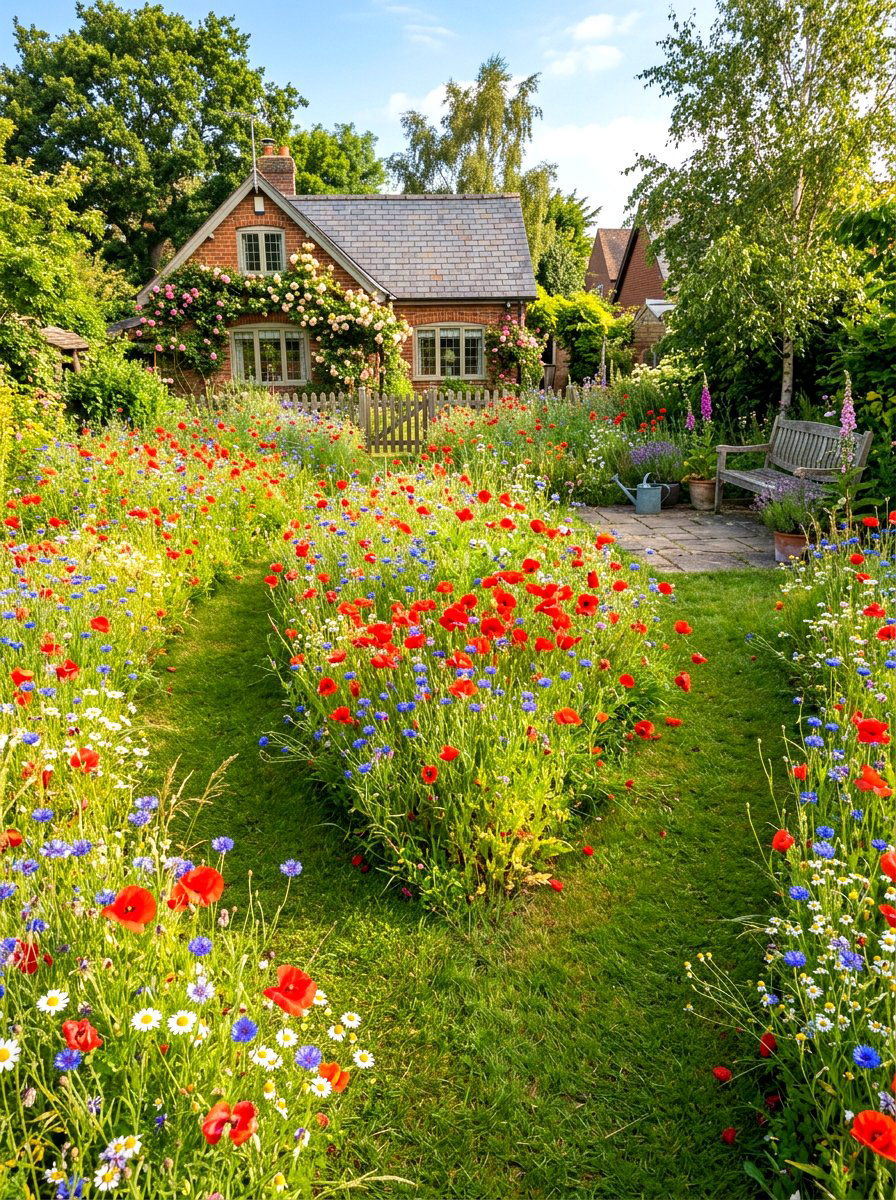
Have you ever dreamed of a backyard that looks like a painting come to life with a sea of natural colors? Creating a wildflower meadow is a perfect way to achieve a relaxed, organic look while significantly reducing the time spent on weekly lawn mowing. This style relies on a diverse mix of annual and perennial seeds that are native to your specific region. By choosing local varieties, you ensure that the plants are resilient and require minimal water once they are fully established. These meadows provide a vital habitat for local wildlife and change their appearance as different species bloom throughout the year. It is a low-maintenance solution that feels deeply connected to the wild landscape.
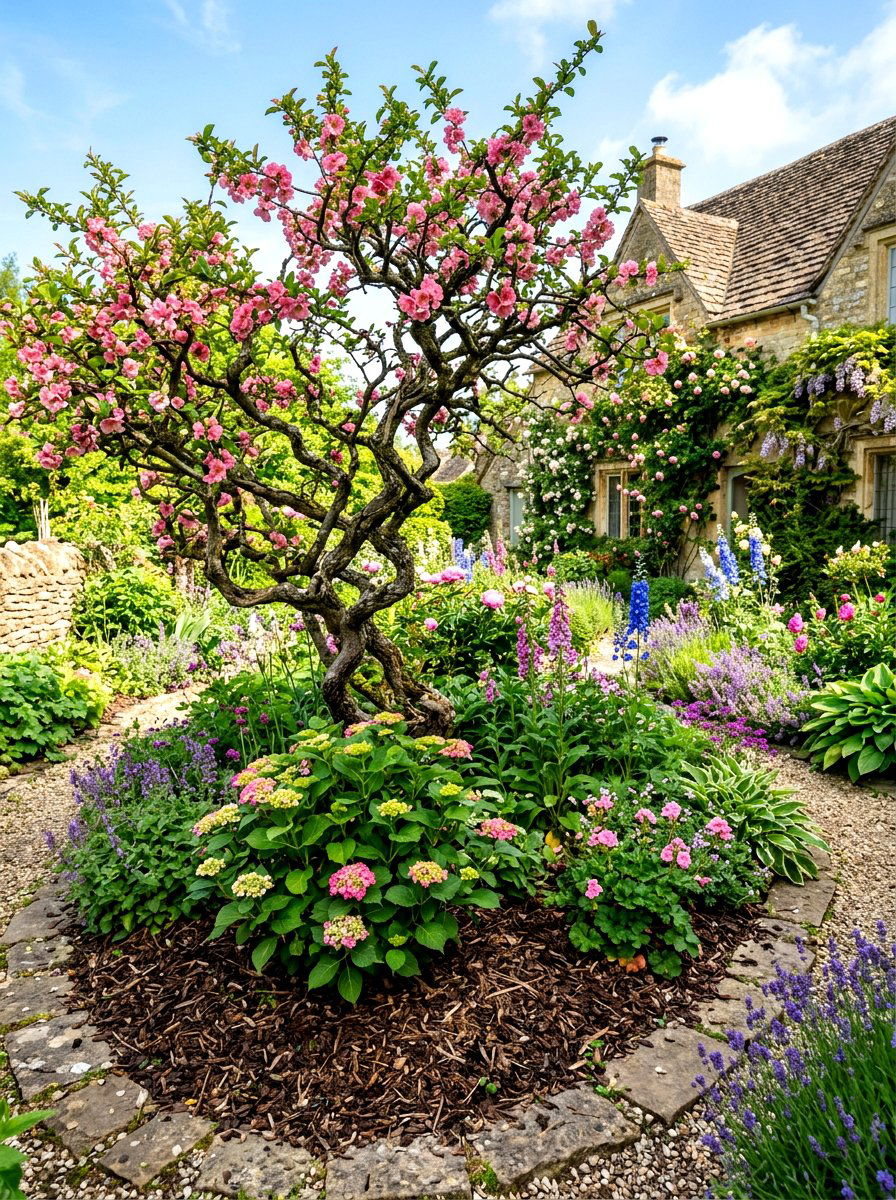
2. Cottage Garden
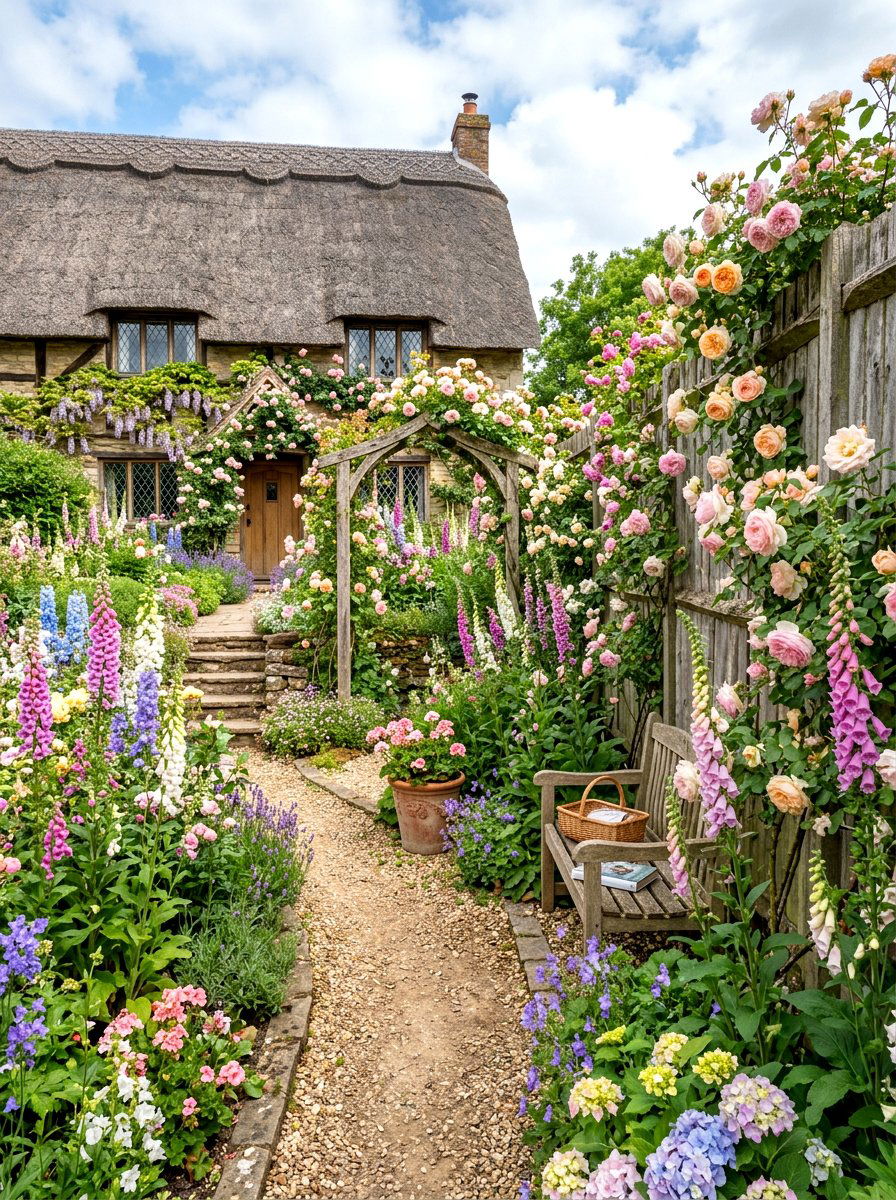
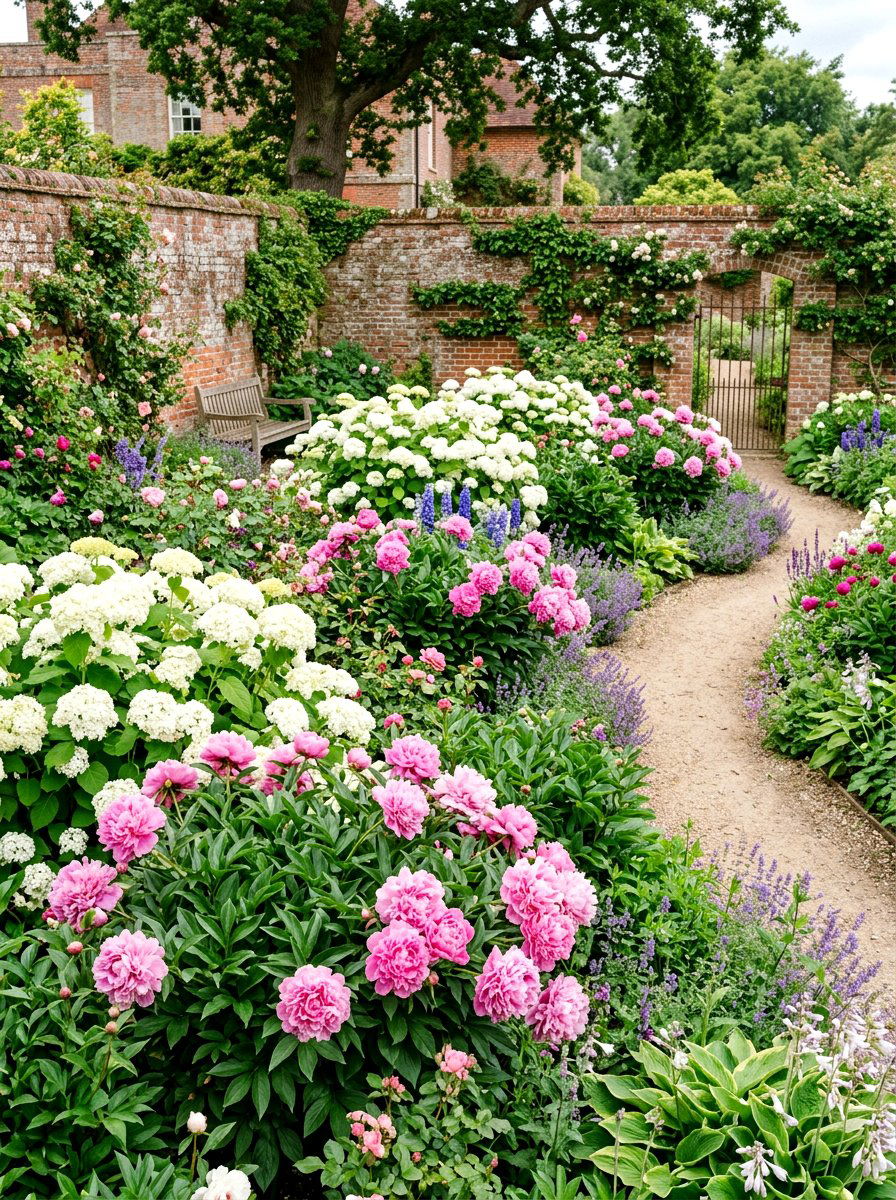
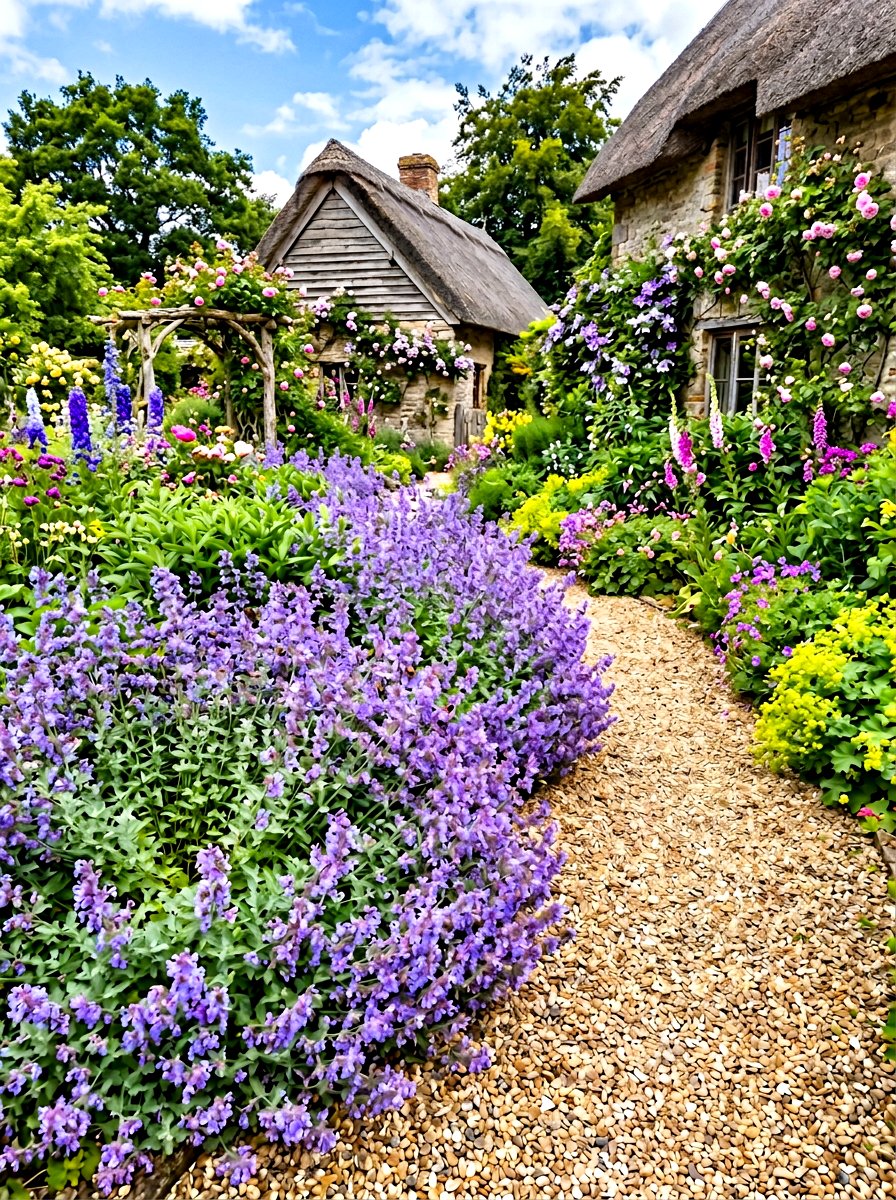
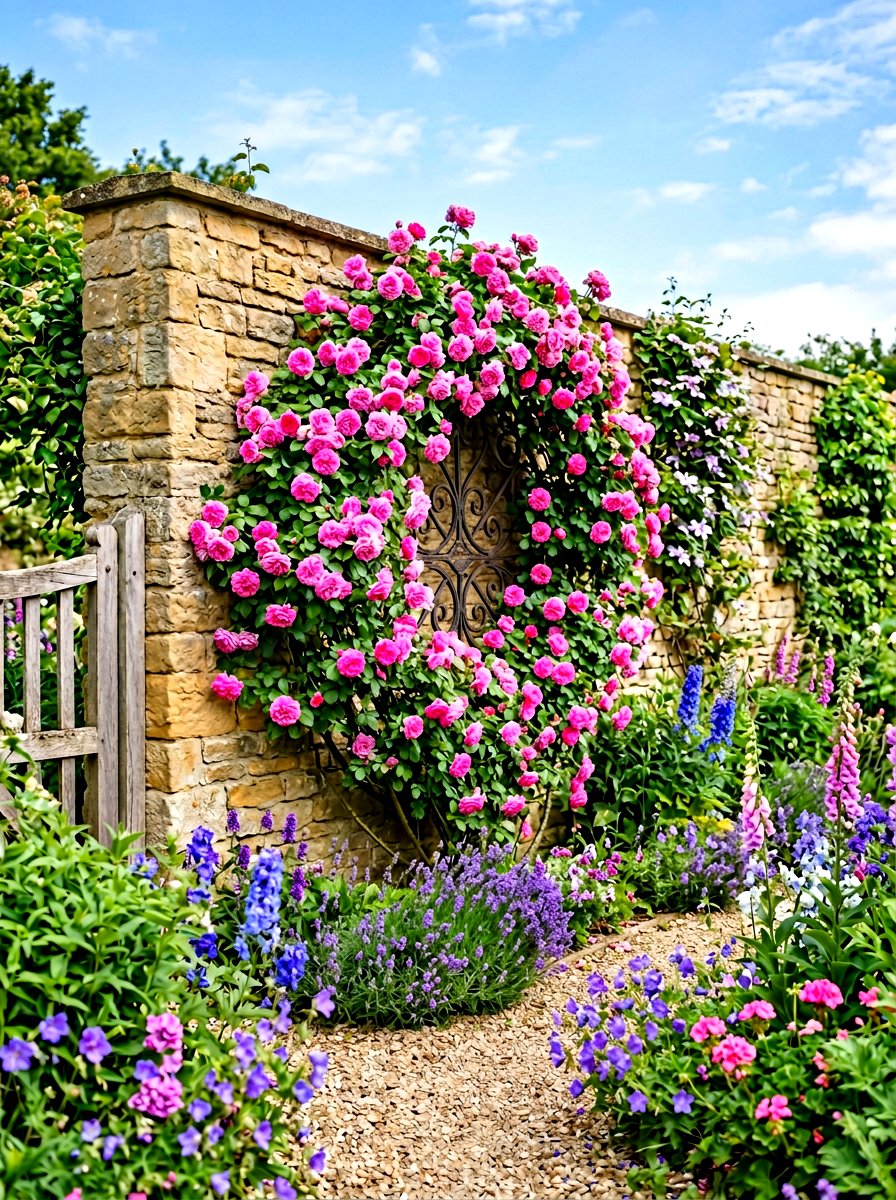
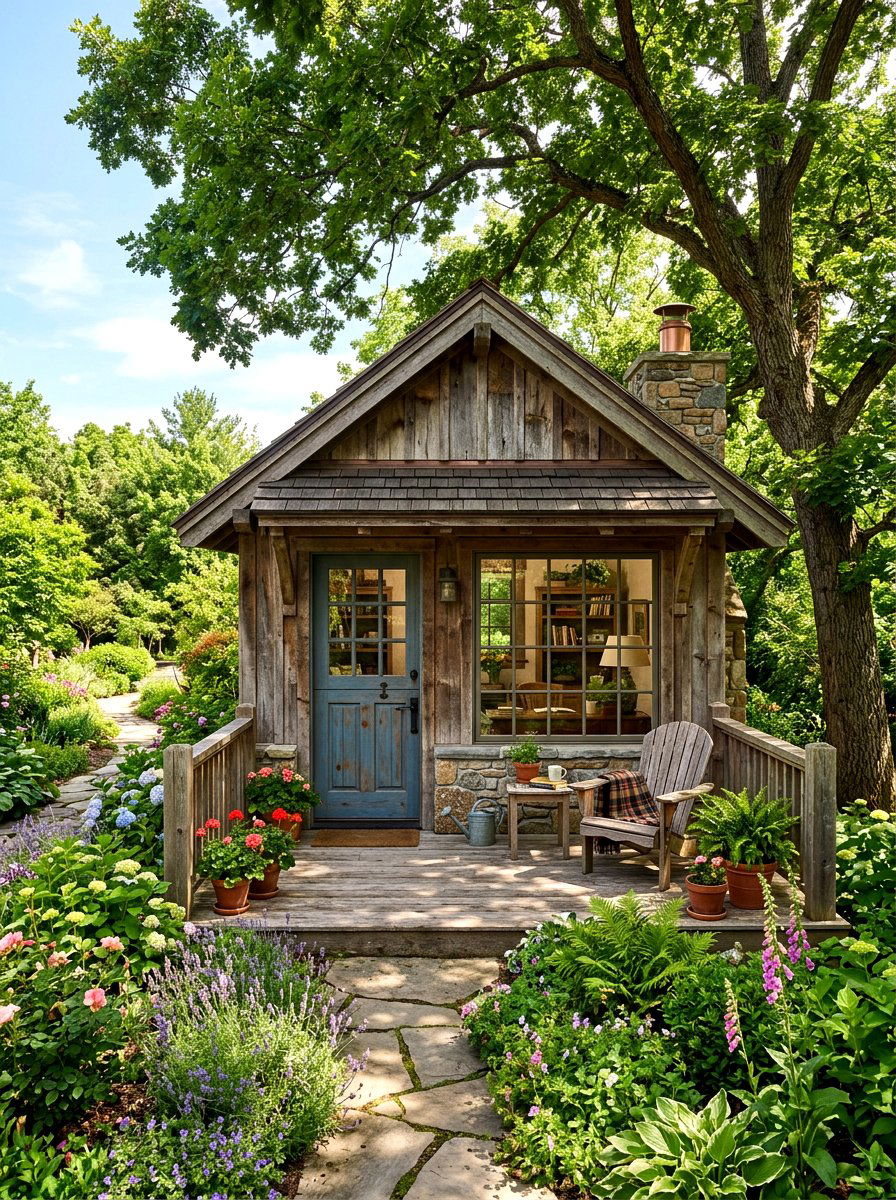
Is there anything more charming than a classic cottage garden filled with a dense, slightly messy explosion of romantic blooms? This design style focuses on abundance and layers, often featuring tall hollyhocks, delicate foxgloves, and fragrant roses all growing closely together. Unlike formal gardens, the cottage style embraces imperfection and allows plants to spill over onto stone paths or climb up weathered wooden fences. It creates an intimate and cozy atmosphere that feels like a step back into a simpler time. Mixing in various textures and heights adds a sense of depth to the backyard. This approach turns even the smallest yard into a lush, fragrant escape that delights the senses every single day.
3. Native Prairie Garden
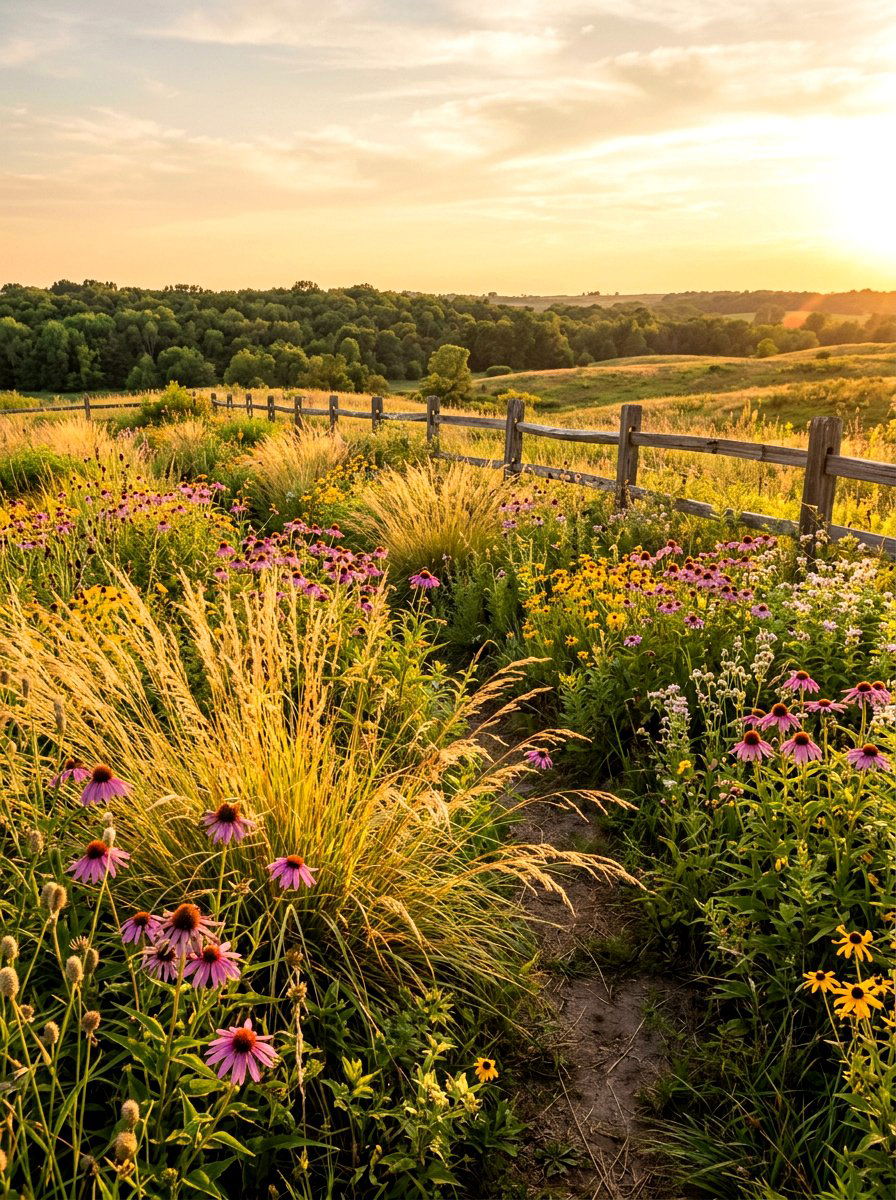
What if your backyard could mirror the expansive beauty of the natural American plains while staying drought-resistant? A native prairie garden uses a thoughtful combination of deep-rooted wildflowers and ornamental grasses to create a sustainable and hardy landscape. This design is particularly effective in areas with harsh weather, as the plants are naturally adapted to the local soil and climate conditions. Tall grasses like Little Bluestem provide a golden backdrop for bright blooms like coneflowers and black-eyed Susans. The result is a textured, golden-hued field that looks stunning even in the winter months. It is an environmentally friendly way to celebrate the local heritage of your land while enjoying a stunning outdoor view.
4. Pollinator Sanctuary
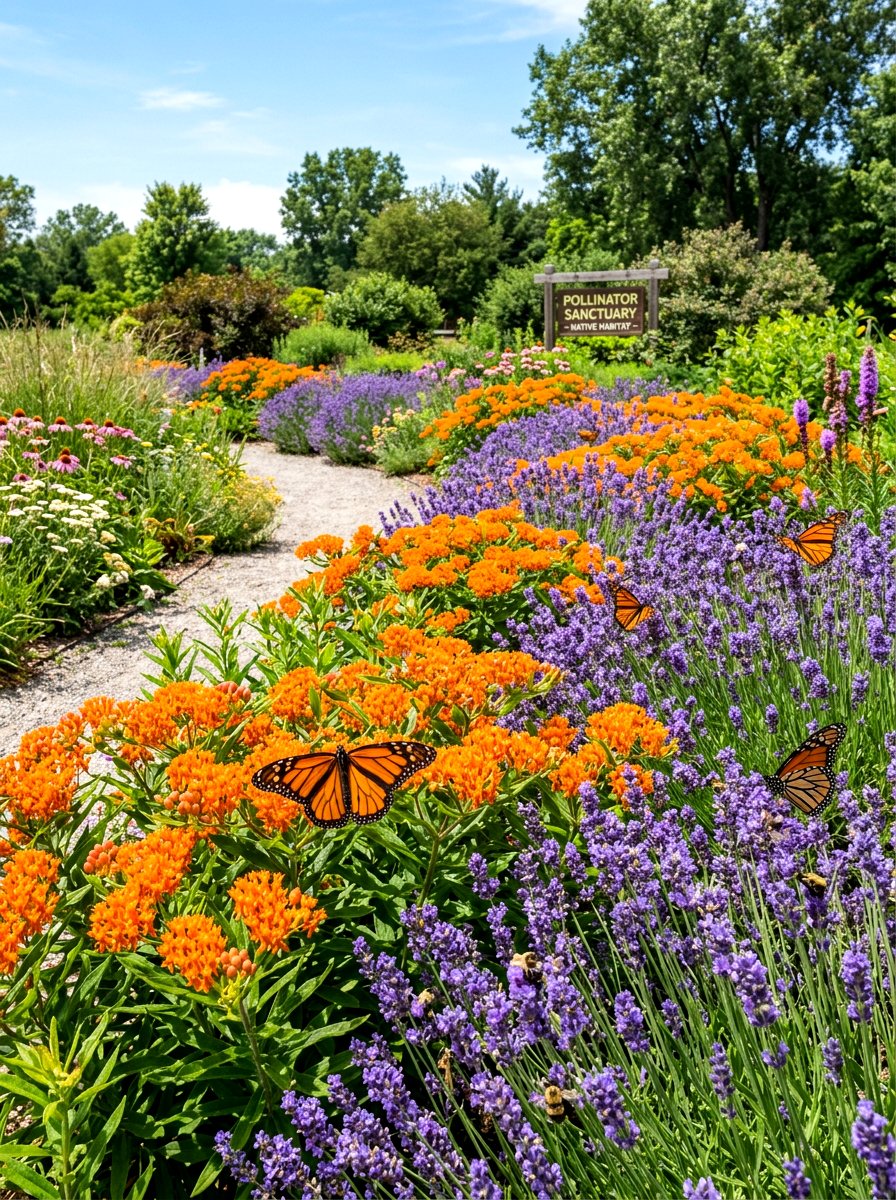
Do you want to play a part in saving the bees and butterflies while enjoying a backyard full of life? A pollinator sanctuary is a flower field specifically designed to provide food and shelter for beneficial insects throughout their entire life cycle. This involves planting large drifts of nectar-rich flowers such as milkweed, lavender, and zinnia in sunny spots. By avoiding pesticides and including plants that bloom at different times, you create a reliable food source for local pollinators. Watching a variety of colorful butterflies and busy honeybees visit your garden adds a dynamic and educational element to the space. It transforms your backyard into a functional ecosystem that looks absolutely beautiful and serves a greater purpose.
5. Cut Flower Garden
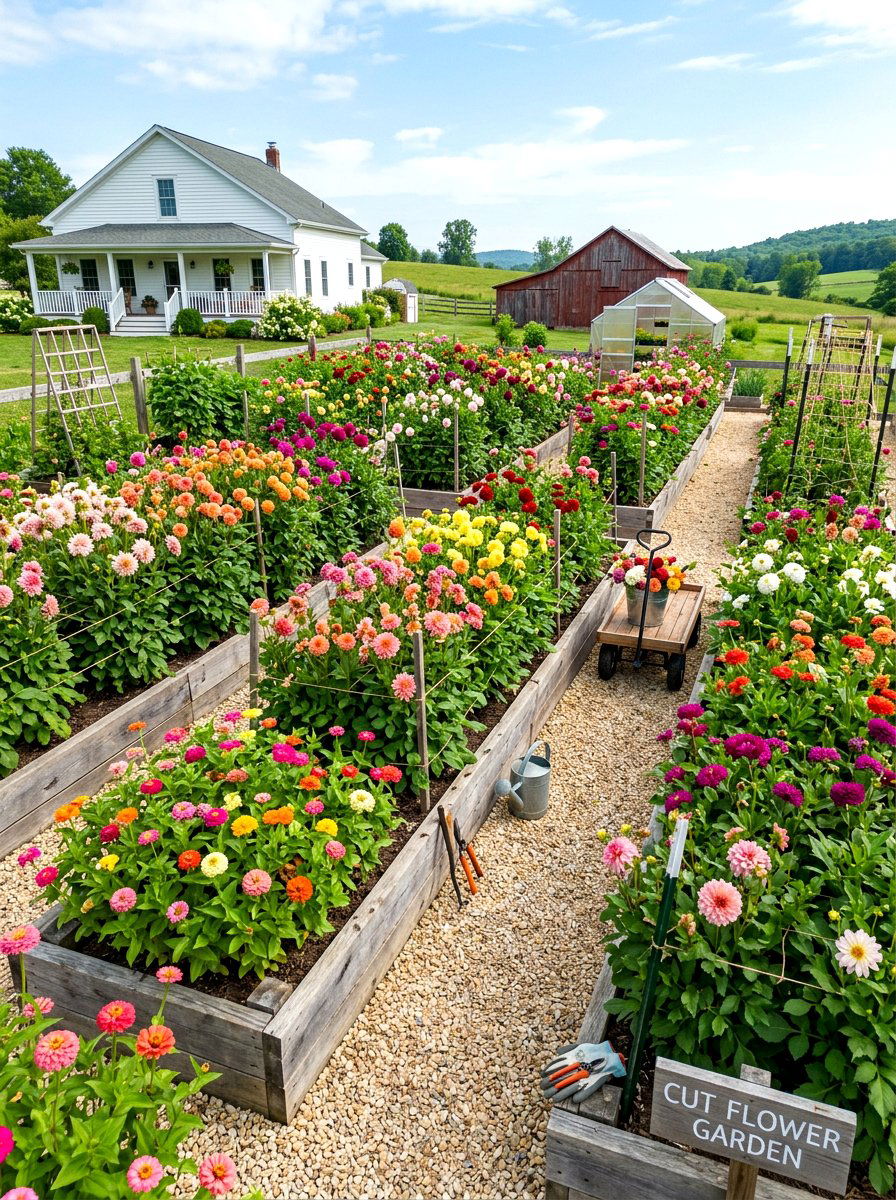
Imagine being able to walk into your backyard and harvest a fresh, colorful bouquet for your dining table whenever you like. A cut flower garden is designed for production and efficiency, often featuring long rows of productive plants like dahlias, zinnias, and snapdragons. While it functions like a small flower farm, it can still be a stunning visual feature of your landscape. Using organized beds makes it easier to manage the soil, provide support for tall stems, and harvest the blooms without damaging the plants. This functional field provides an endless supply of beauty for your home interior while keeping the exterior looking vibrant. It is a rewarding hobby that brings the joy of nature indoors.
6. Tapestry Lawn
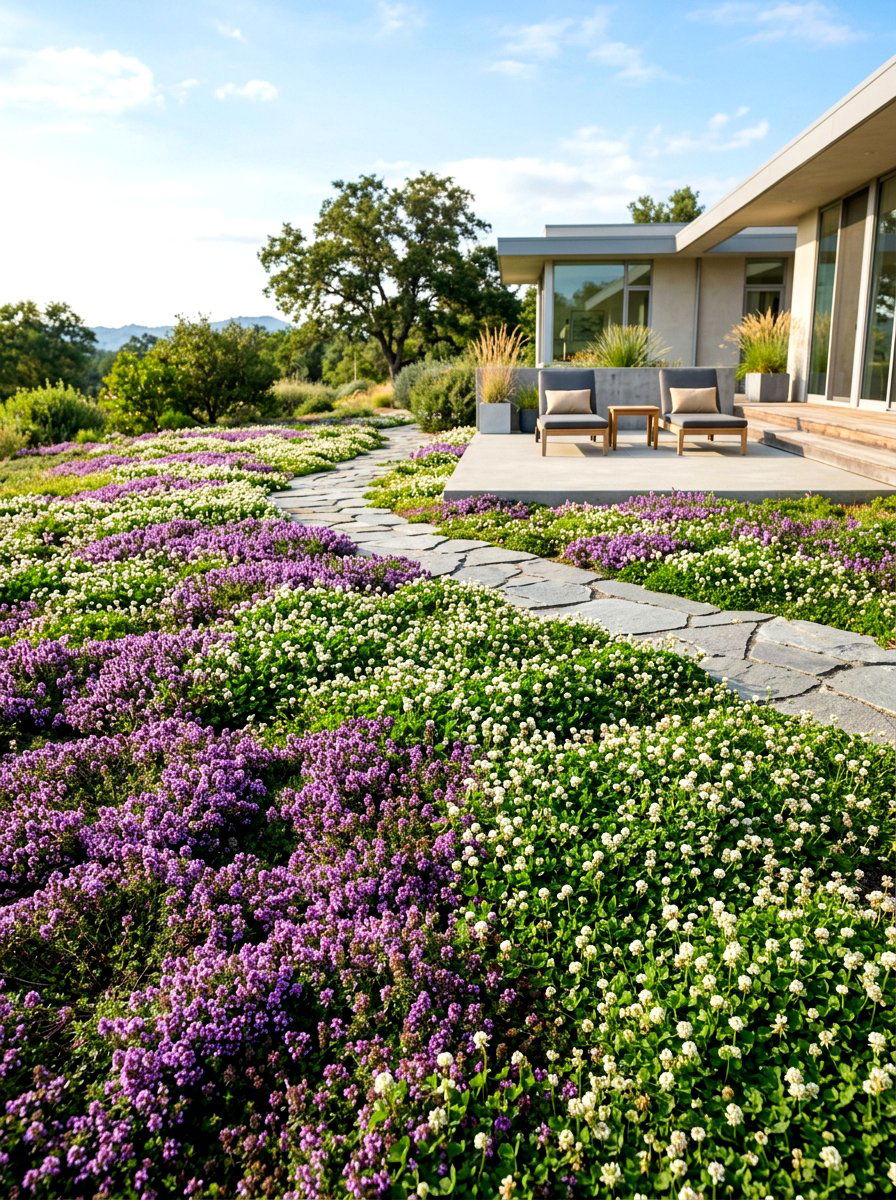
Are you tired of the boring green grass and looking for a more colorful alternative for your high-traffic backyard areas? A tapestry lawn replaces traditional turf with a variety of low-growing, mowable flowering groundcovers like creeping thyme or clover. This creates a soft, walkable surface that is dotted with tiny, fragrant flowers and remains green with much less water than a standard lawn. These low-profile plants interweave to form a rich, textured carpet that feels wonderful underfoot and supports small pollinators. It is an excellent solution for homeowners who want a usable yard space without the environmental cost of a traditional grass monoculture. This mini flower field stays neat while offering a unique visual interest.
7. English Lavender Field
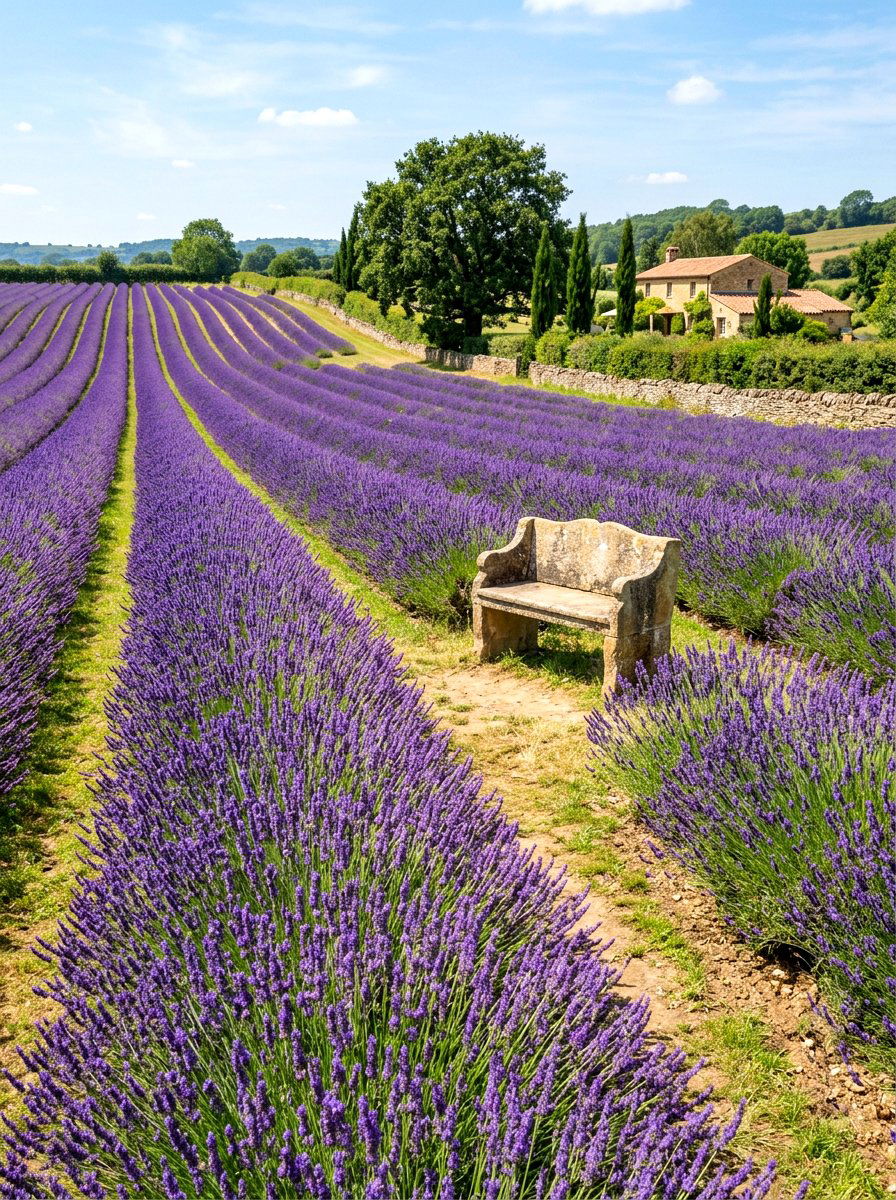
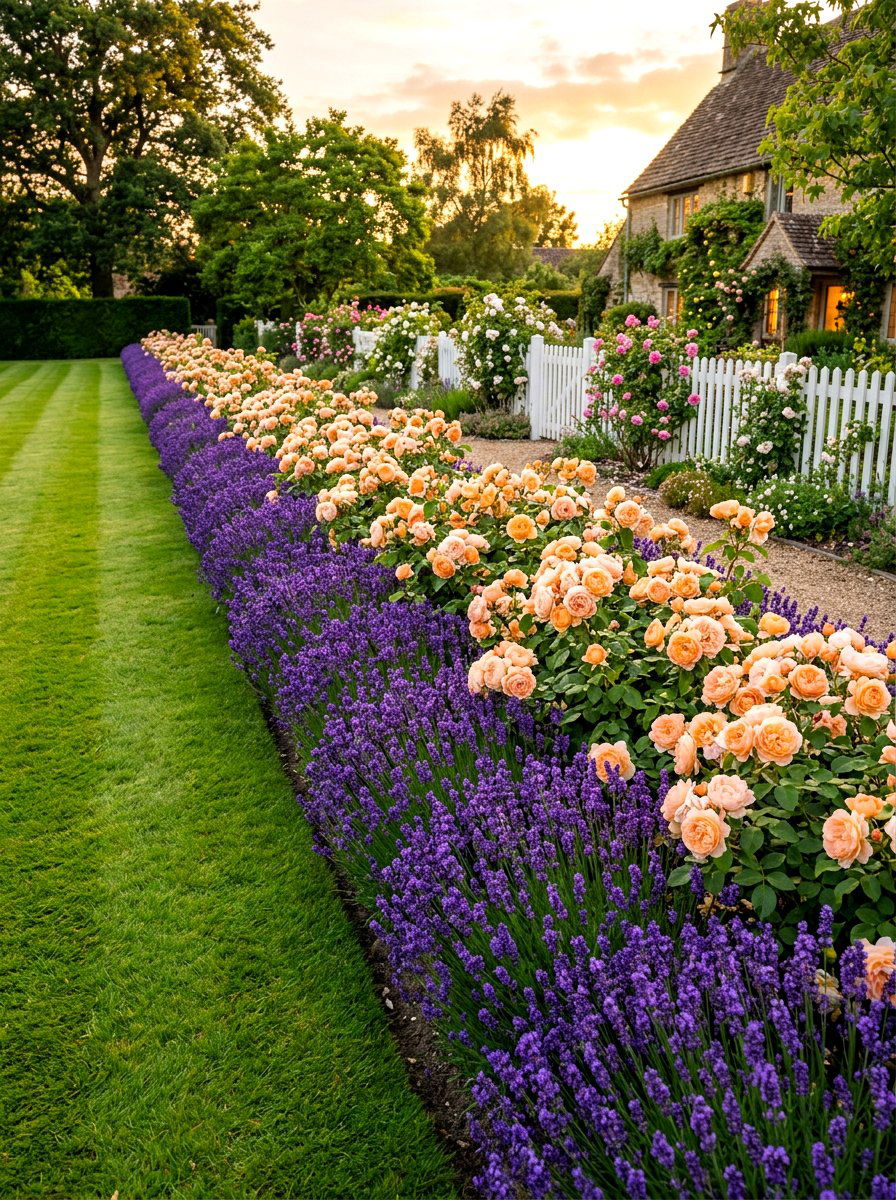
Does the thought of a purple-hued landscape filled with a calming, aromatic scent sound like the ultimate backyard luxury? Planting a dedicated field of English lavender creates a structured yet romantic look that mimics the famous gardens of Provence or the English countryside. Lavender is prized for its silvery-grey foliage and tall, vibrant purple spikes that bloom throughout the summer months. It thrives in sunny spots with well-draining soil and requires very little water once established. Beyond its beauty, the scent of lavender is known for its relaxing properties and its ability to deter unwanted pests. This monochromatic approach provides a sophisticated and timeless aesthetic that makes any backyard feel like a high-end European retreat.
8. Sunflower Privacy Screen
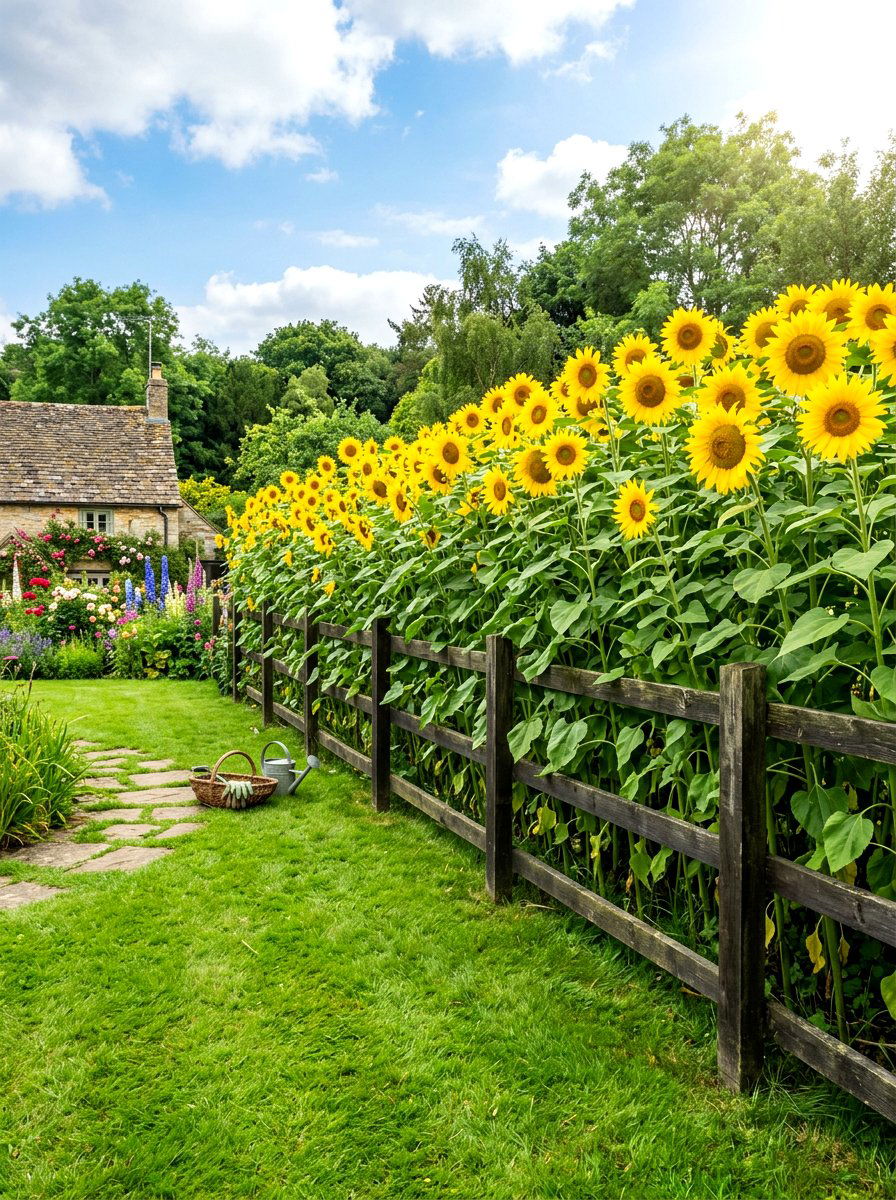
Can a garden be both a stunning floral display and a functional barrier that protects your privacy from the neighbors? Sunflowers are famous for their rapid growth and impressive height, making them an ideal choice for creating a natural, seasonal living wall. By planting a dense row of different sunflower varieties along your property line, you can block unwanted views while adding a cheerful burst of yellow. These flowers attract birds and provide edible seeds at the end of the season, adding even more value to your landscape. The giant, nodding heads of the sunflowers create a sense of whimsy and joy that few other plants can match. It is a simple and effective backyard transformation.
9. Poppy Flower Patch
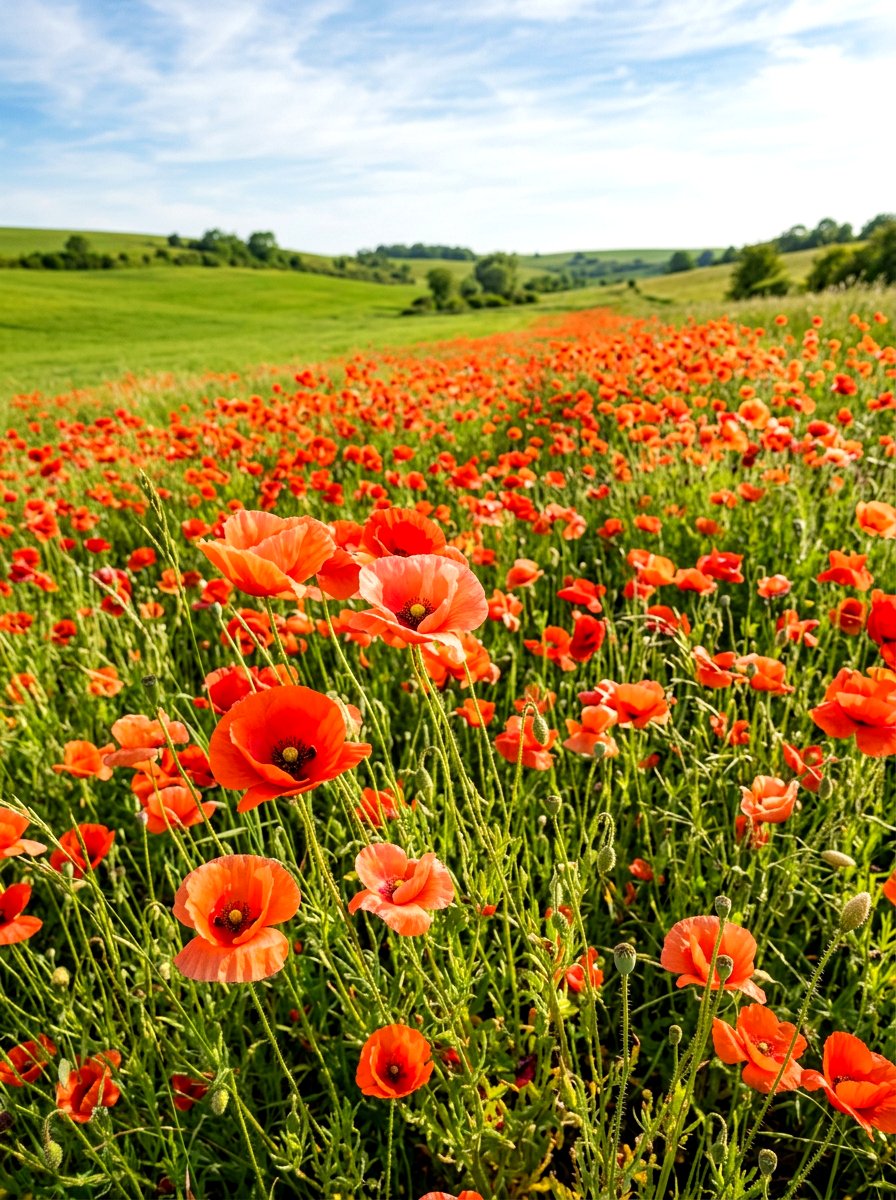
Have you ever seen the striking beauty of a bright red or orange poppy field glowing under the afternoon sun? Poppies are known for their delicate, paper-like petals and their ability to self-seed, creating a naturalized look that returns year after year. A dedicated poppy patch can transform a sunny corner of your yard into a bold focal point with very little effort. These flowers often have a short but spectacular blooming period, followed by interesting seed pods that add architectural interest to the garden. Mixing different varieties, such as California poppies and Oriental poppies, ensures a range of colors and textures. This vibrant display adds a touch of untamed elegance and dramatic color to any backyard.
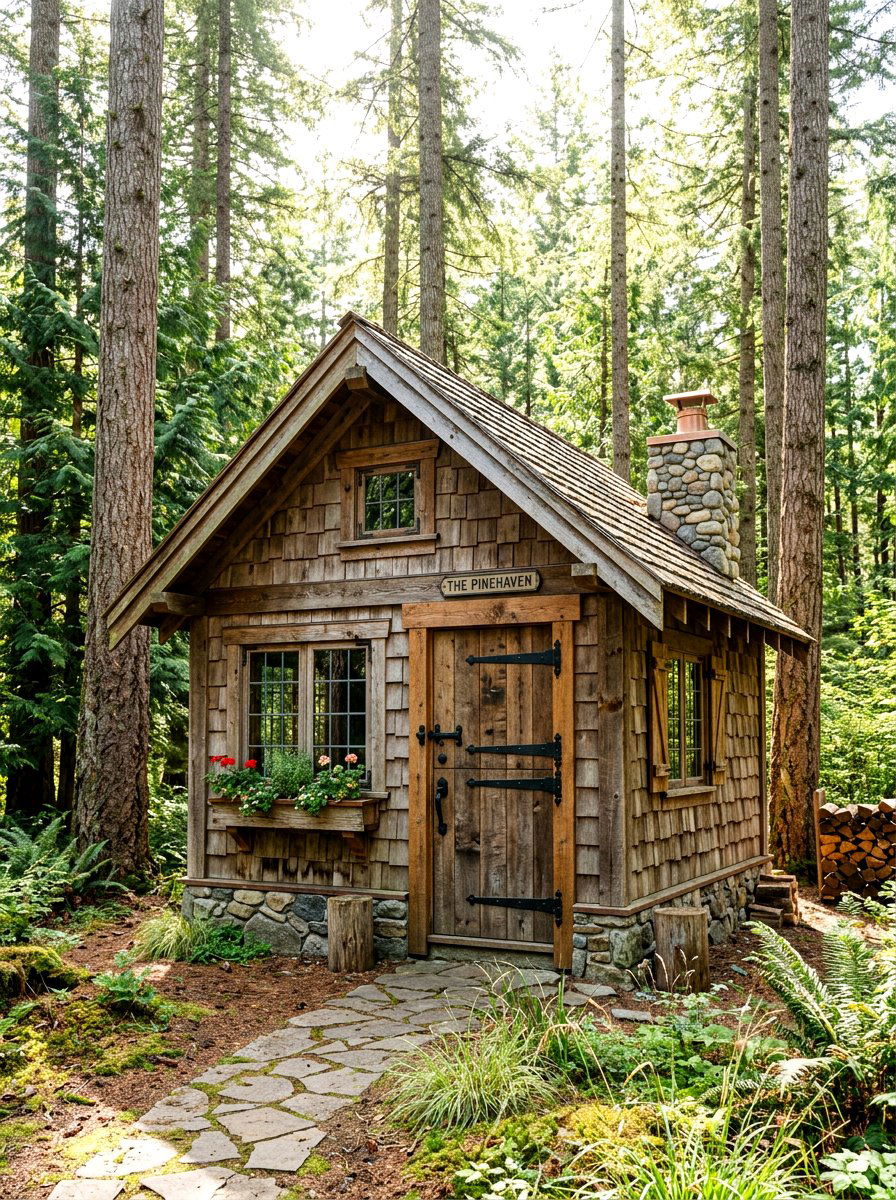
10. Woodland Shade Meadow
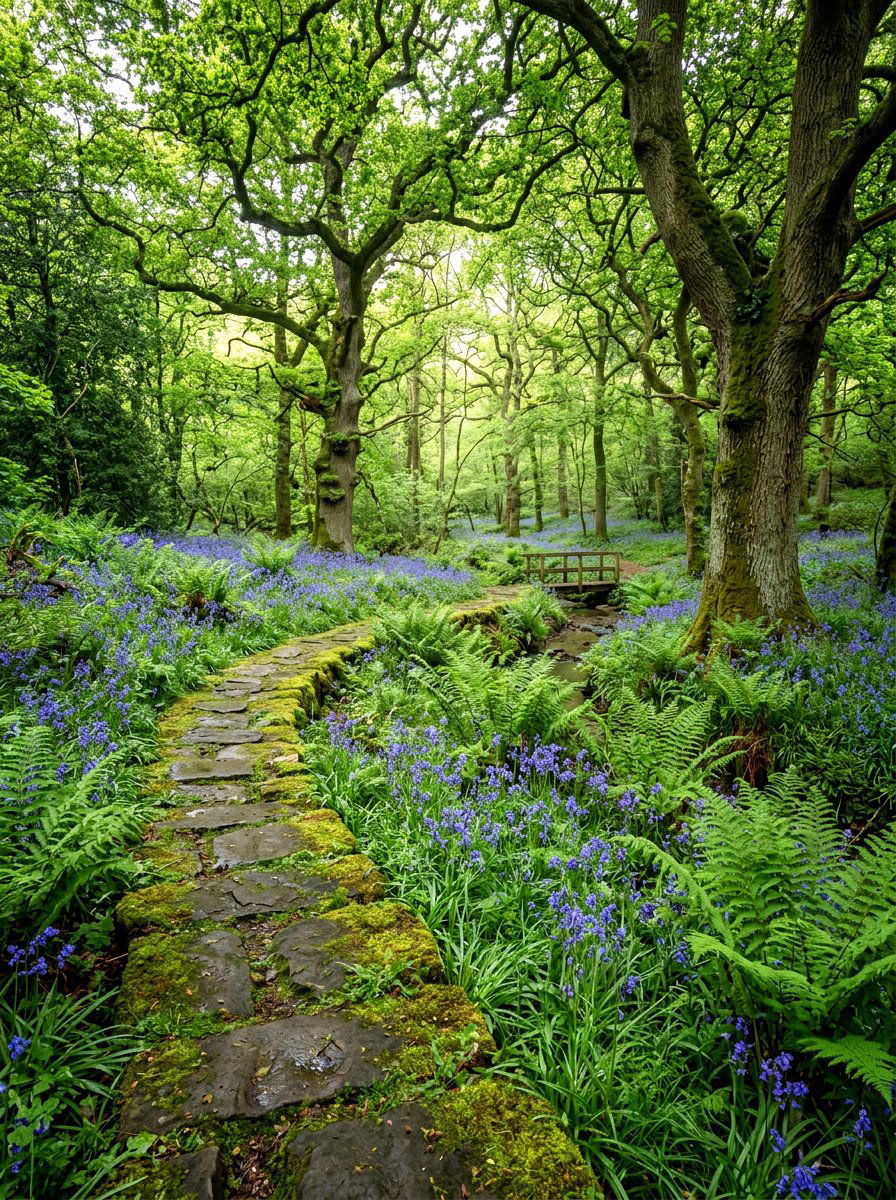
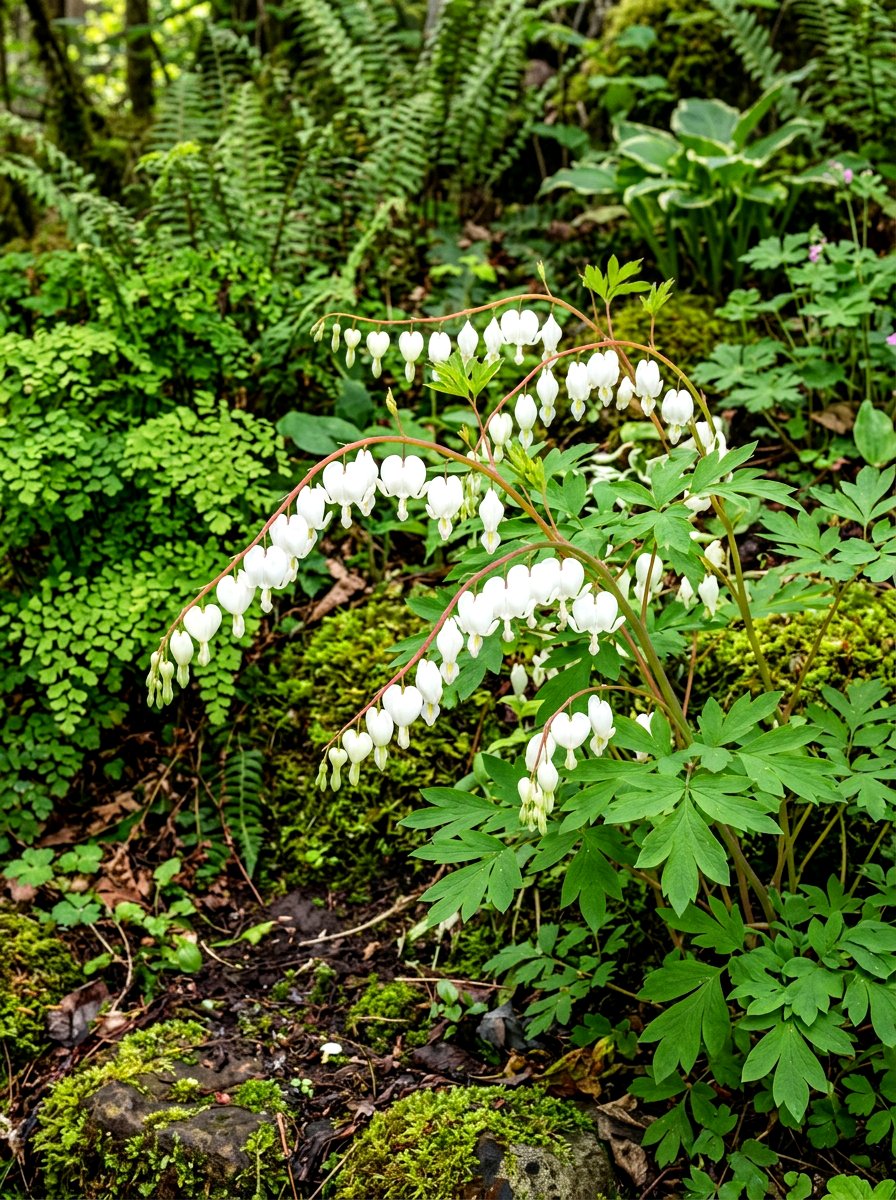
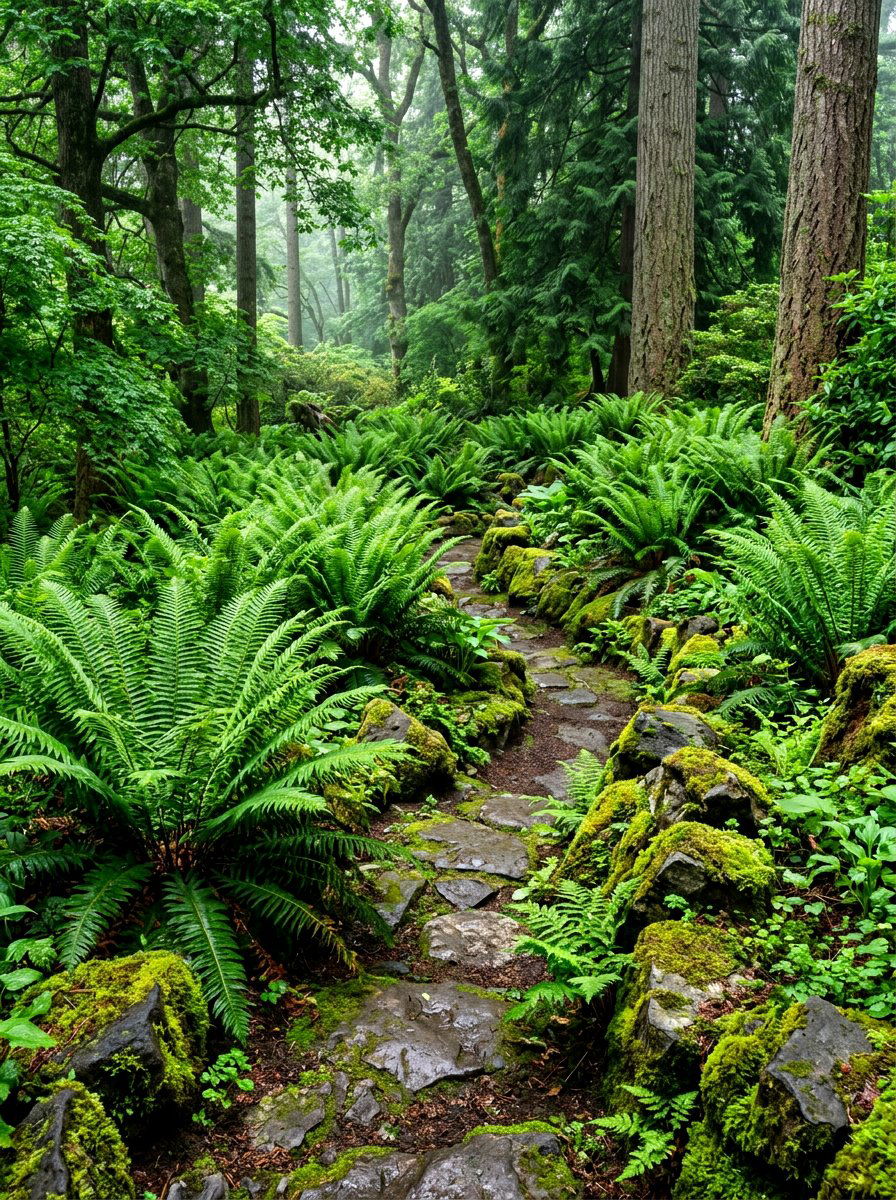
What can you do with those shady spots under large trees where grass simply refuses to grow? A woodland shade meadow uses shade-loving wildflowers and ferns to create a lush, cool sanctuary that thrives in low light. Plants like bluebells, trilliums, and hellebores are perfect for mimicking the forest floor, providing delicate color and soft textures. This type of flower field feels tranquil and mysterious, offering a quiet place to relax away from the heat of the day. Using natural materials like wood chips or mossy stones for paths enhances the forest-like atmosphere. It is a smart way to utilize every inch of your yard while creating a unique and diverse microclimate for specialized plants.
11. Tulip Spring Field
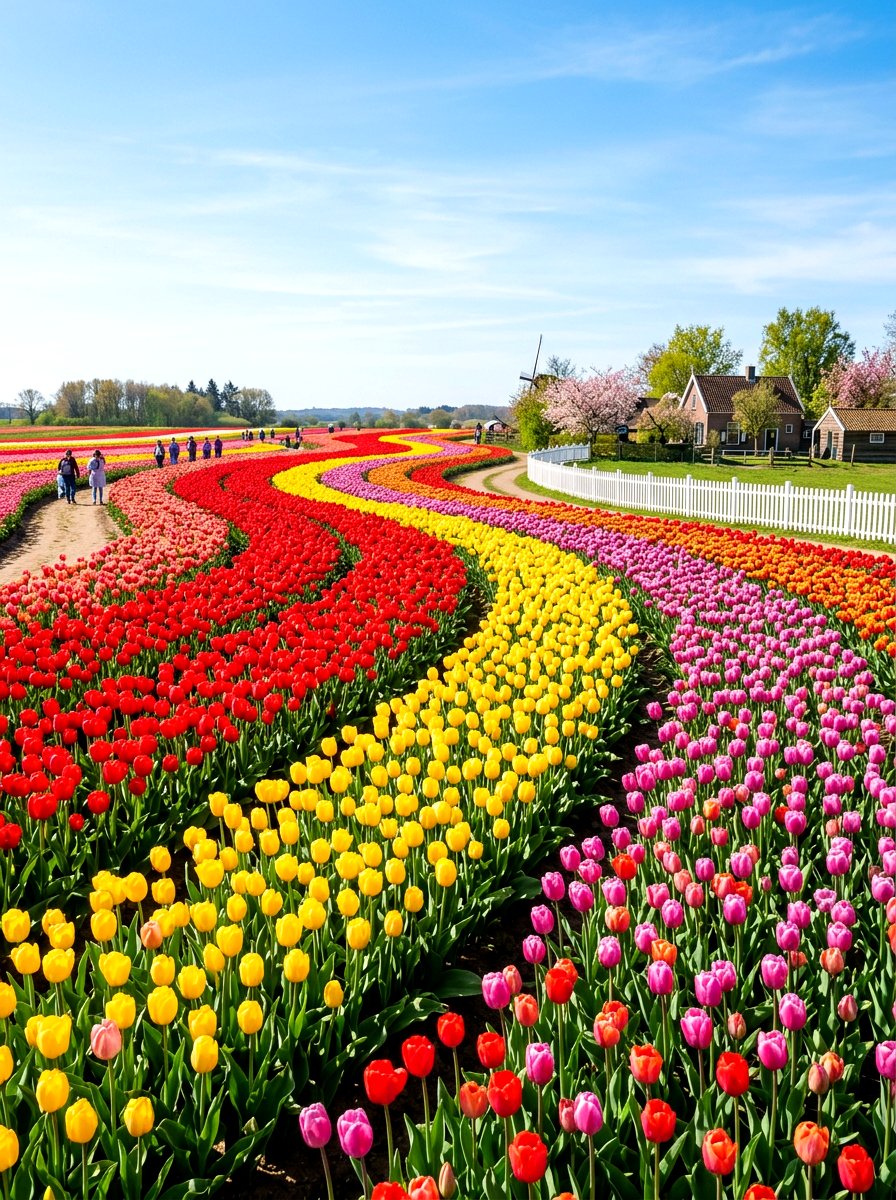
Do you find yourself longing for a massive burst of color to celebrate the end of a long, gray winter? A tulip field is the ultimate way to welcome spring, featuring thousands of bulbs planted in dense drifts for maximum visual impact. By choosing a variety of colors and bloom times, you can ensure a spectacular display that lasts for several weeks. These bulbs are easy to plant in the fall and provide a reliable, low-effort reward when the ground warms up. Pairing tulips with other spring bloomers like daffodils and hyacinths adds layers of color and fragrance. This seasonal flower field creates a joyous and celebratory atmosphere that marks the renewal of your backyard landscape.
12. Dahlia Flower Bed
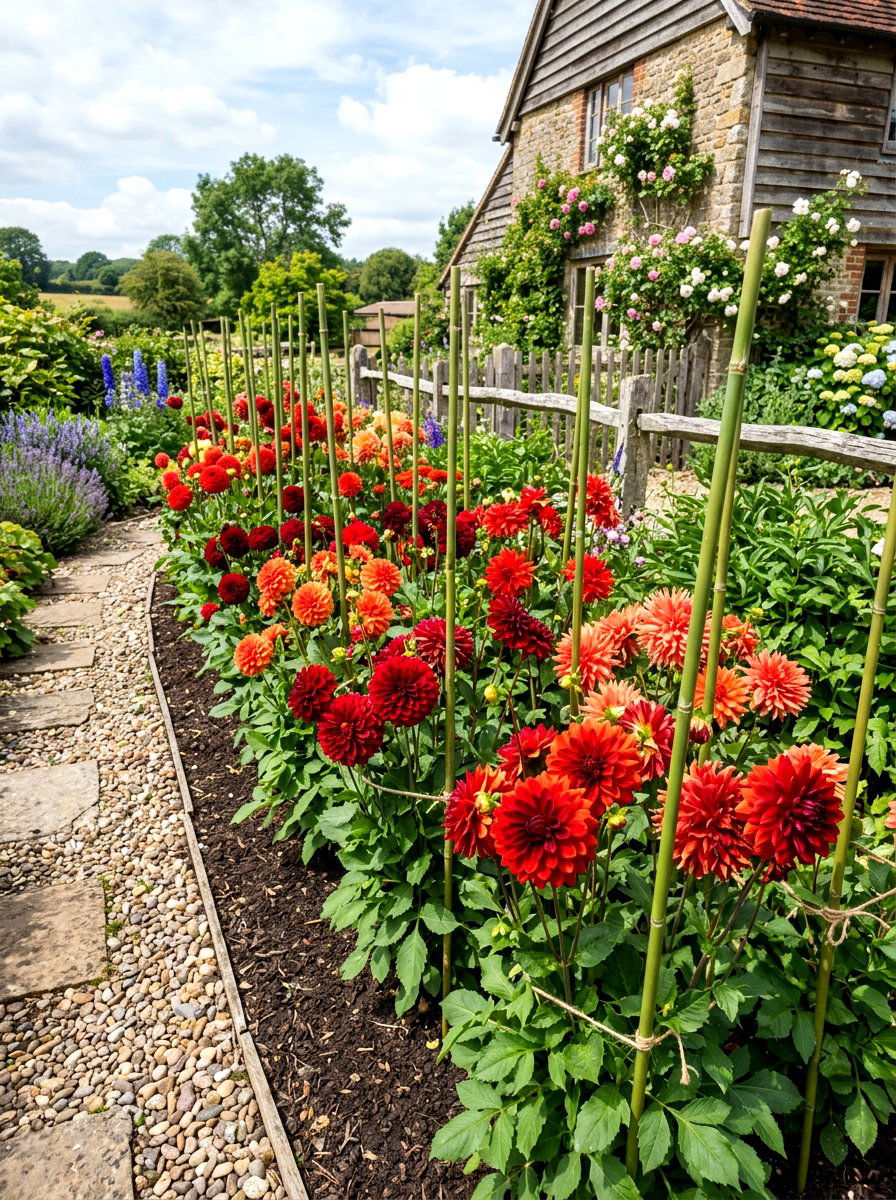
How would you like to have a late-summer backyard filled with dinner-plate-sized blooms in every imaginable color and shape? Dahlias are the stars of the late-season garden, offering incredible diversity from tiny pom-pons to massive, intricate flowers. Creating a dedicated dahlia field allows you to showcase these stunning plants in a way that feels lush and grand. Because they require stakes for support and regular deadheading, keeping them in a designated area makes maintenance much easier. These flowers continue to bloom until the first frost, providing a grand finale to the gardening year. Their complex forms and vibrant hues make them a favorite for photographers and flower lovers alike who want a high-impact backyard.
13. Meadow Path Design
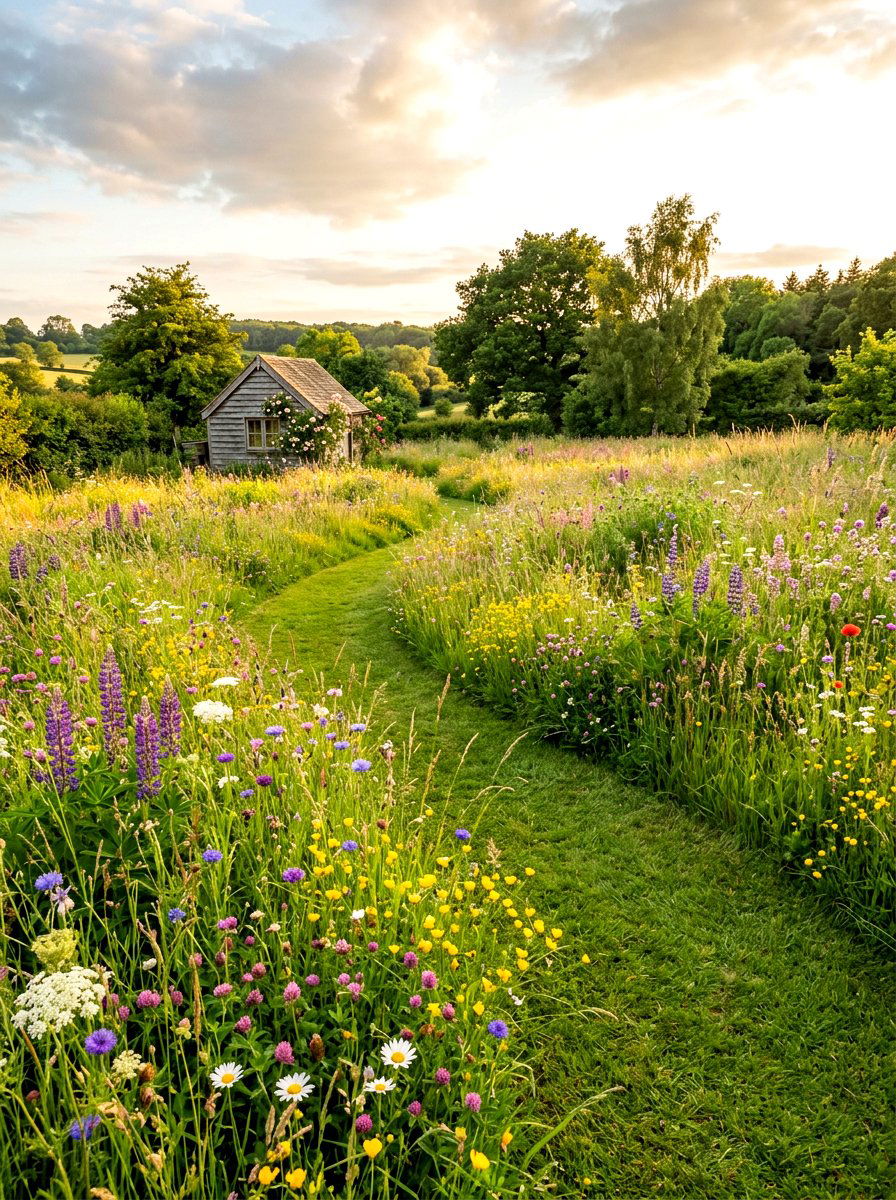
Could a simple mowed path through tall grass be the key to making your large backyard feel more organized and inviting? Instead of mowing your entire yard, try leaving large sections to grow into a natural meadow and carving out winding paths through the middle. This creates a sense of journey and exploration, allowing you to walk through the tall flowers and grasses without trampling them. The contrast between the neatly mowed grass paths and the wild, tall blooms adds a professional, designed look to a natural landscape. It provides a structured way to experience the beauty of your flower field up close while maintaining a tidy appearance. This design is both practical and visually poetic.
14. Sloped Flower Hillside
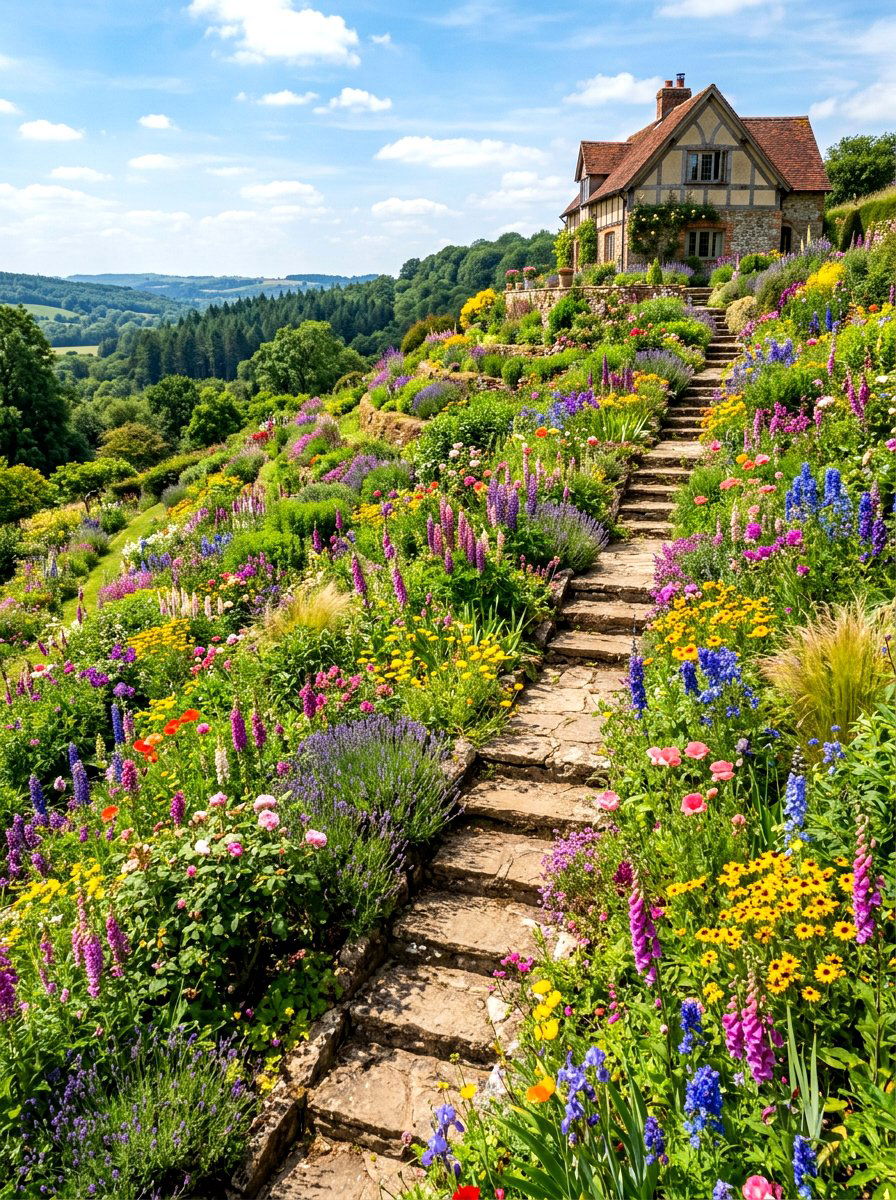
Do you have a difficult, steep slope in your backyard that is impossible to mow or keep looking decent? Transforming a hillside into a cascading flower field is a brilliant way to turn a landscaping challenge into a stunning vertical feature. Deep-rooted wildflowers are excellent for stabilizing the soil and preventing erosion on inclines. As the flowers grow, they create a colorful blanket that flows down the hill, drawing the eye upward and making the yard feel larger. Adding a few flat stone landings or a zig-zagging path allows you to navigate the slope and maintain the plants easily. This approach replaces a boring, difficult-to-manage hill with a breathtaking, tiered display of natural beauty.
15. Raised Bed Wildflowers
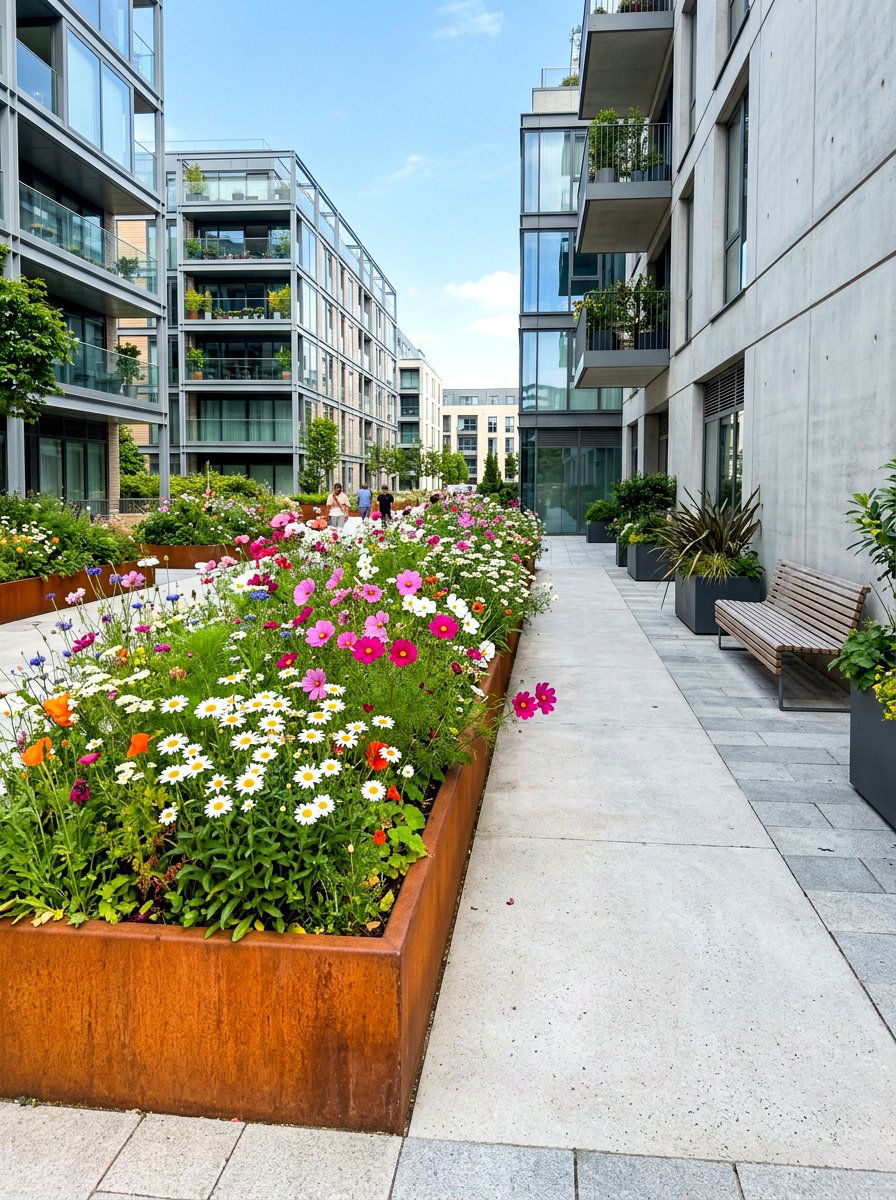
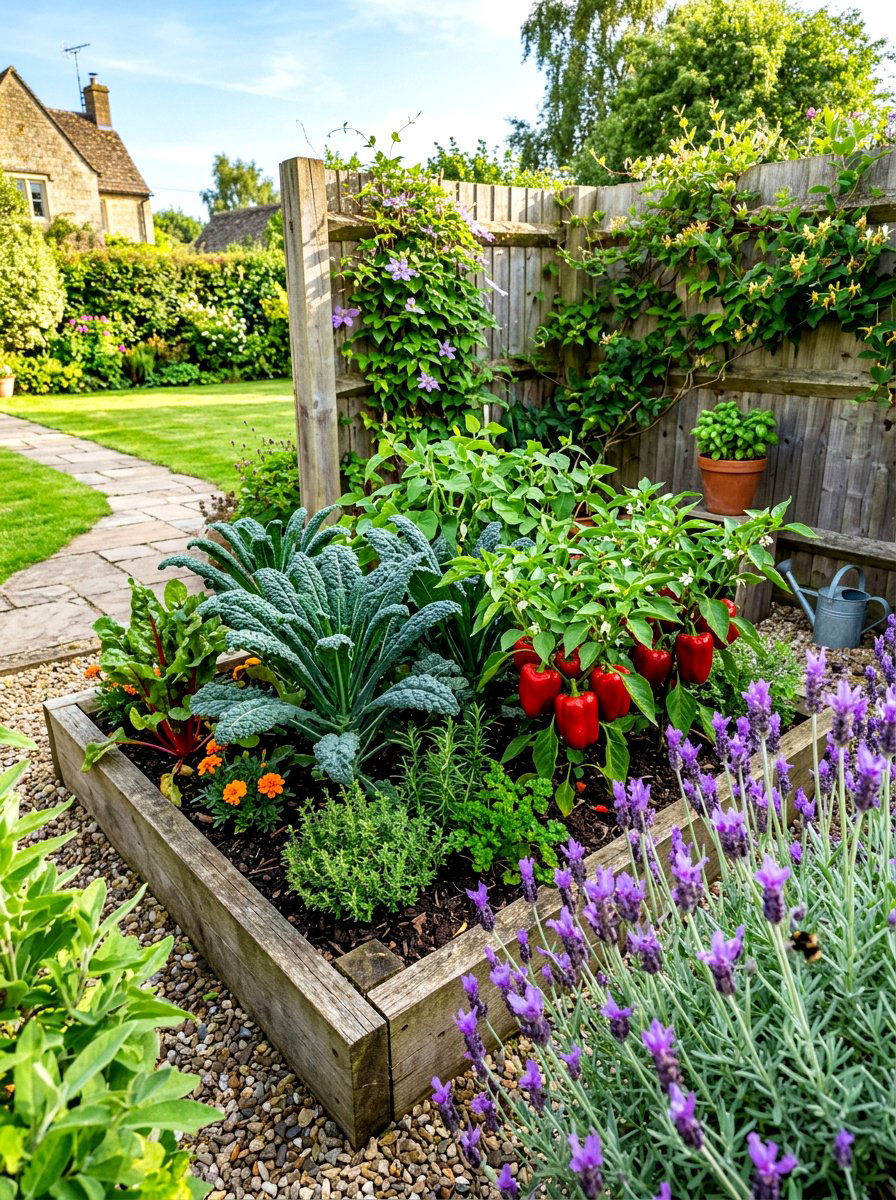
Is it possible to enjoy the wild look of a flower field even if you have poor soil or a very small paved backyard? Using raised beds to grow wildflowers allows you to control the soil quality and keep the spreading plants contained within a specific area. This is a great option for urban gardeners who want to attract pollinators but need a neater, more structured appearance. Raised beds also make it easier to reach the plants for weeding or harvesting without having to bend over too much. You can fill these containers with a dense mix of seeds to create a mini-meadow that overflows with color. It brings a touch of wild nature to a structured, modern outdoor living space.
16. Edible Flower Garden
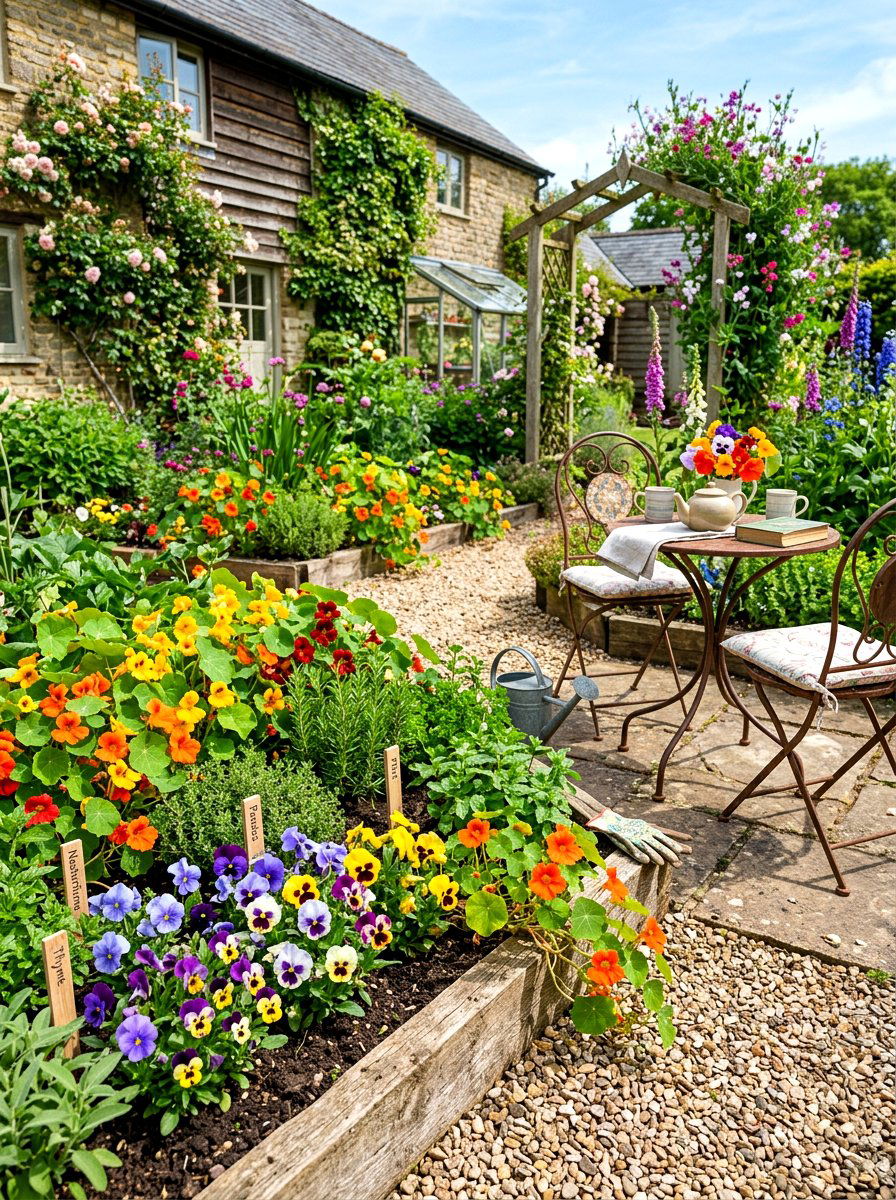
What if your backyard flower field was not just a treat for the eyes, but also a delicious addition to your kitchen? An edible flower garden combines beauty and utility by featuring plants like nasturtiums, pansies, calendula, and borage. These flowers add vibrant colors to your landscape and can be harvested to garnish salads, decorate cakes, or infuse into drinks. This multi-sensory approach makes gardening even more rewarding, as you can literally taste the results of your hard work. Many edible flowers are also very easy to grow and help to attract beneficial insects that protect your other plants. It is a creative way to integrate your love for cooking with a beautiful, productive backyard floral landscape.
17. Fragrant Flower Walkway
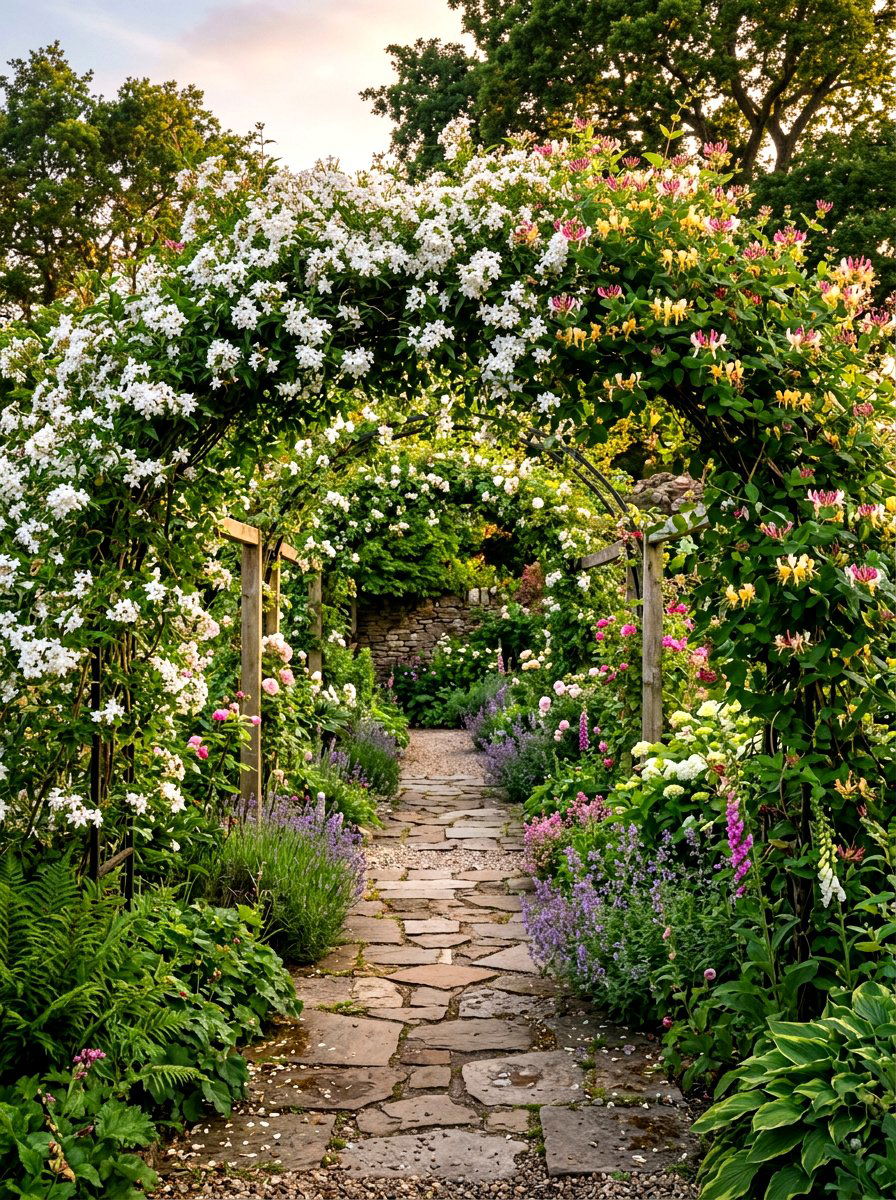
Imagine coming home every evening and being greeted by a wave of sweet, natural perfume as you walk to your door. A fragrant flower walkway focuses on plants with intense scents, such as jasmine, honeysuckle, sweet peas, and lilies. By planting these along a main path or near a seating area, you create an immersive sensory experience that relaxes the mind. The scent is often most powerful in the early morning or evening, making it perfect for those who enjoy their backyard during these times. Choosing a mix of plants ensures that there is always something fragrant in bloom throughout the growing season. This design turns a simple walkway into a luxurious and memorable journey through your yard.
18. Butterfly Habitat Garden
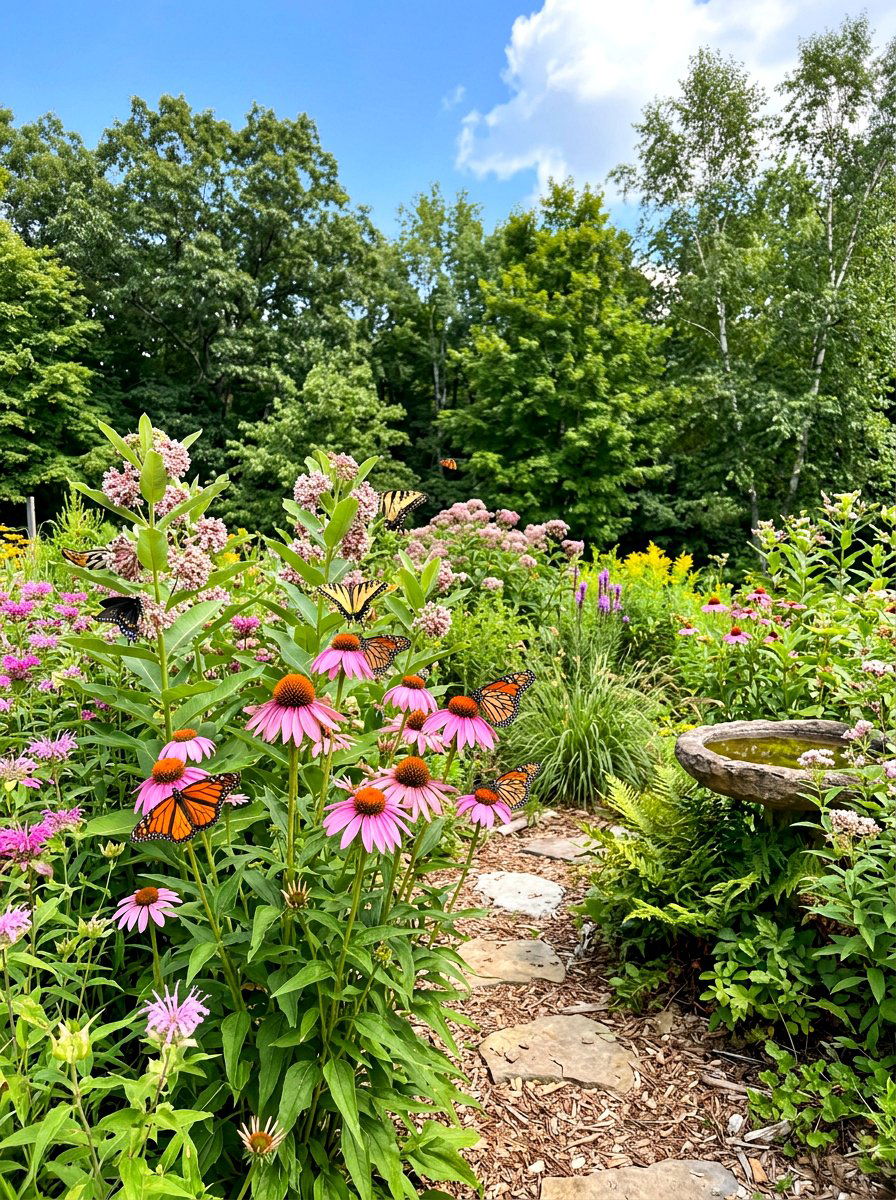
Have you ever wanted to transform your yard into a magical place where colorful butterflies flutter around you all day? A butterfly habitat is a specialized flower field that includes both nectar plants for adults and host plants for caterpillars. For example, planting milkweed is essential for monarch butterflies, while parsley and dill support swallowtails. Including flat stones for sunning and a small water source helps to meet all their needs in one place. This type of garden is not only beautiful but also serves as a vital refuge in a world where butterfly populations are declining. It provides endless opportunities for observation and a deep connection to the delicate cycles of nature in your backyard.
19. Rain Garden Flowers
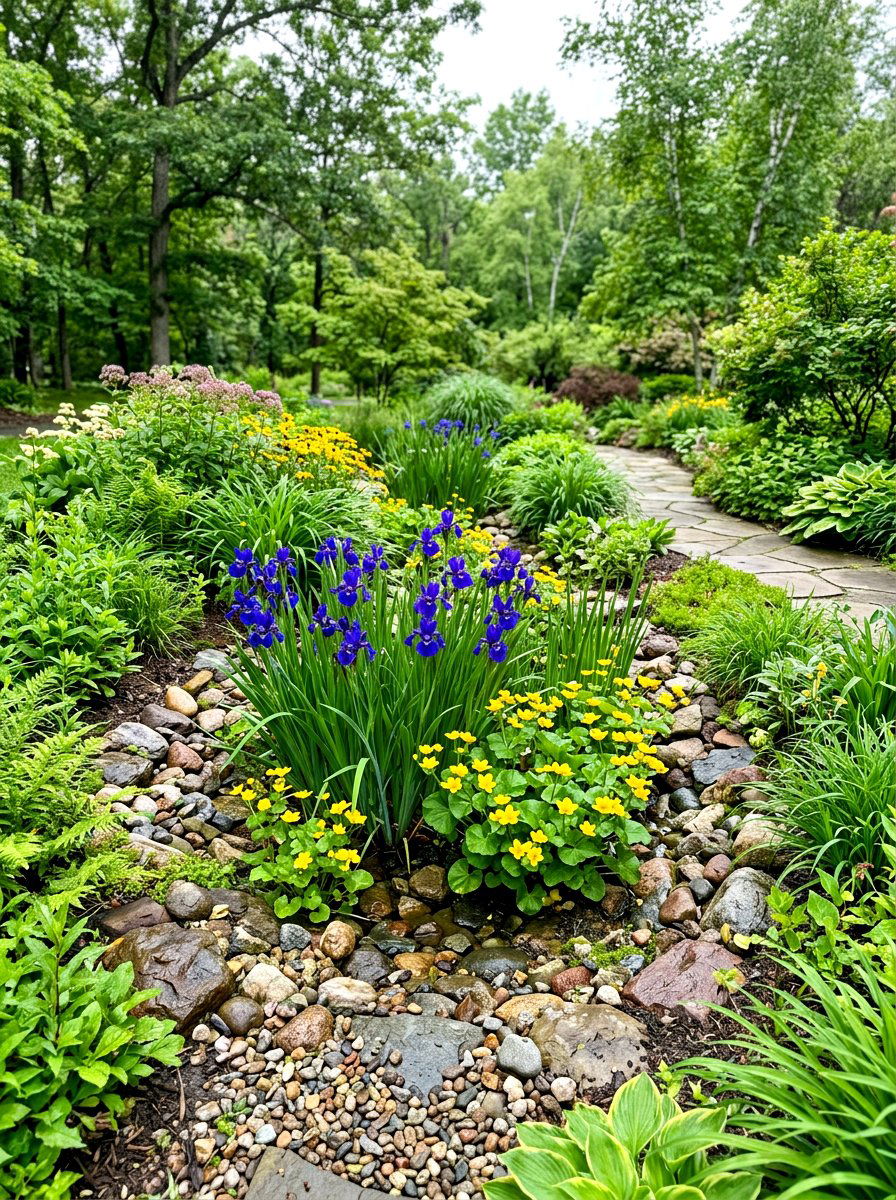
How can you manage excess rainwater in your backyard while creating a lush, flower-filled landscape at the same time? A rain garden is a shallow depression planted with water-loving wildflowers and grasses that help to absorb runoff from roofs or driveways. Plants like blue flag iris, swamp milkweed, and joe-pye weed thrive in these conditions and provide stunning blooms. This functional design helps to prevent local flooding and filters pollutants before they reach the groundwater. It turns a soggy, problematic spot in your yard into a beautiful and eco-friendly focal point. By choosing the right native plants, you create a self-sustaining system that looks like a natural wetland meadow and requires very little traditional maintenance.
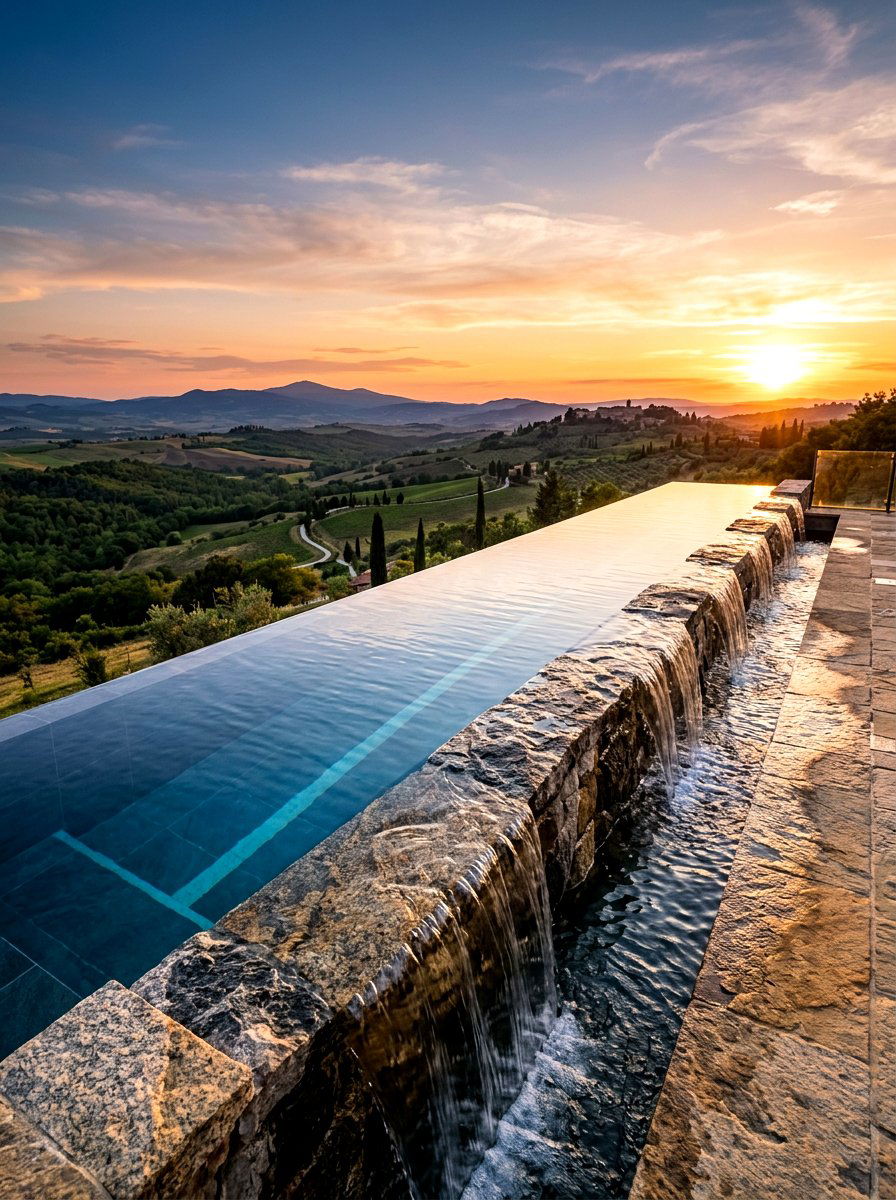
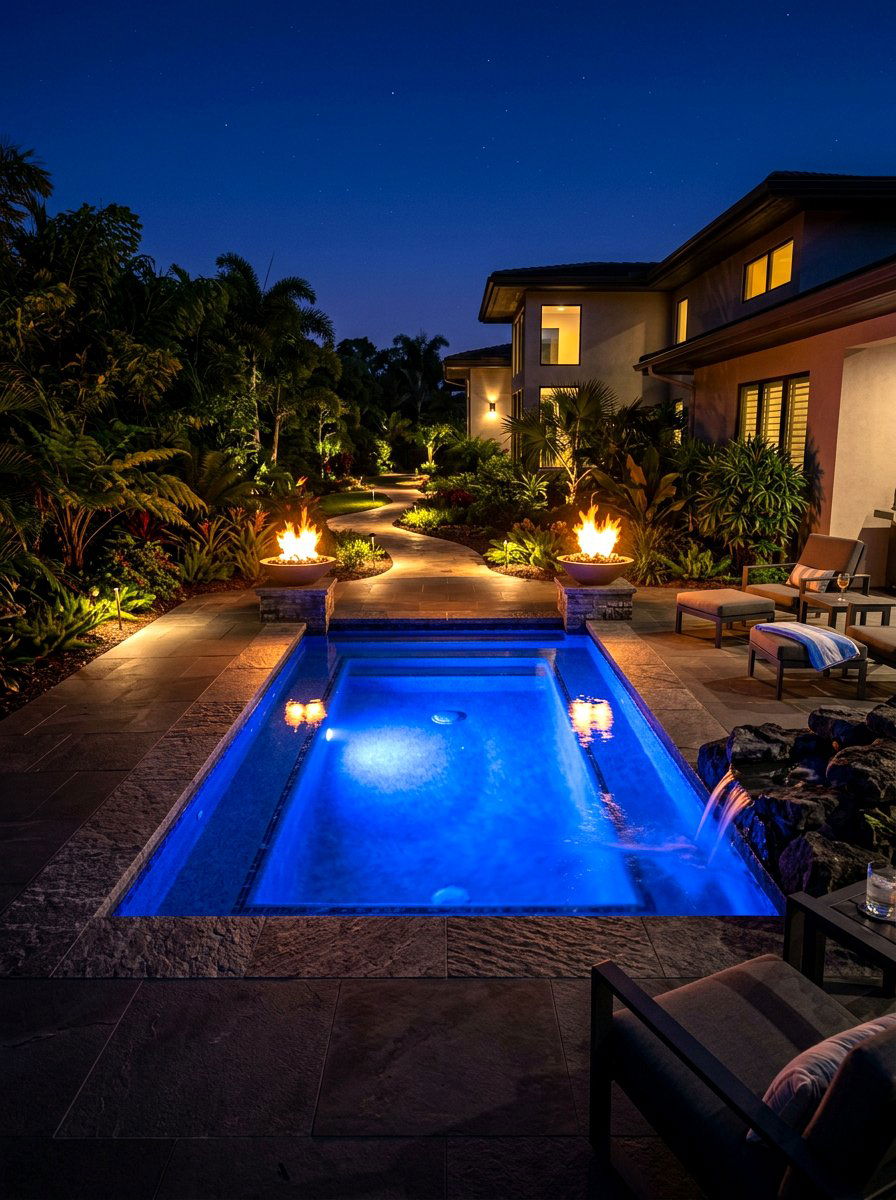
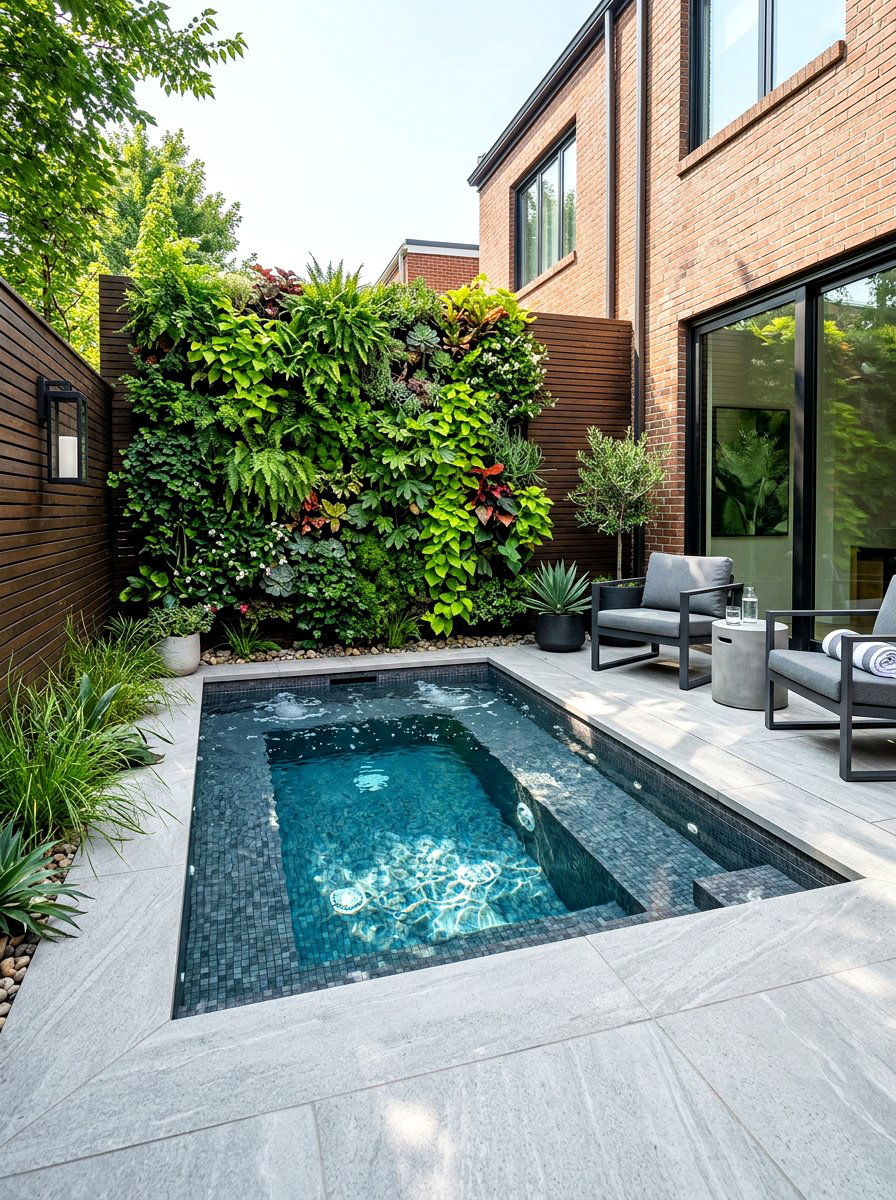
20. Farmhouse Meadow Landscape
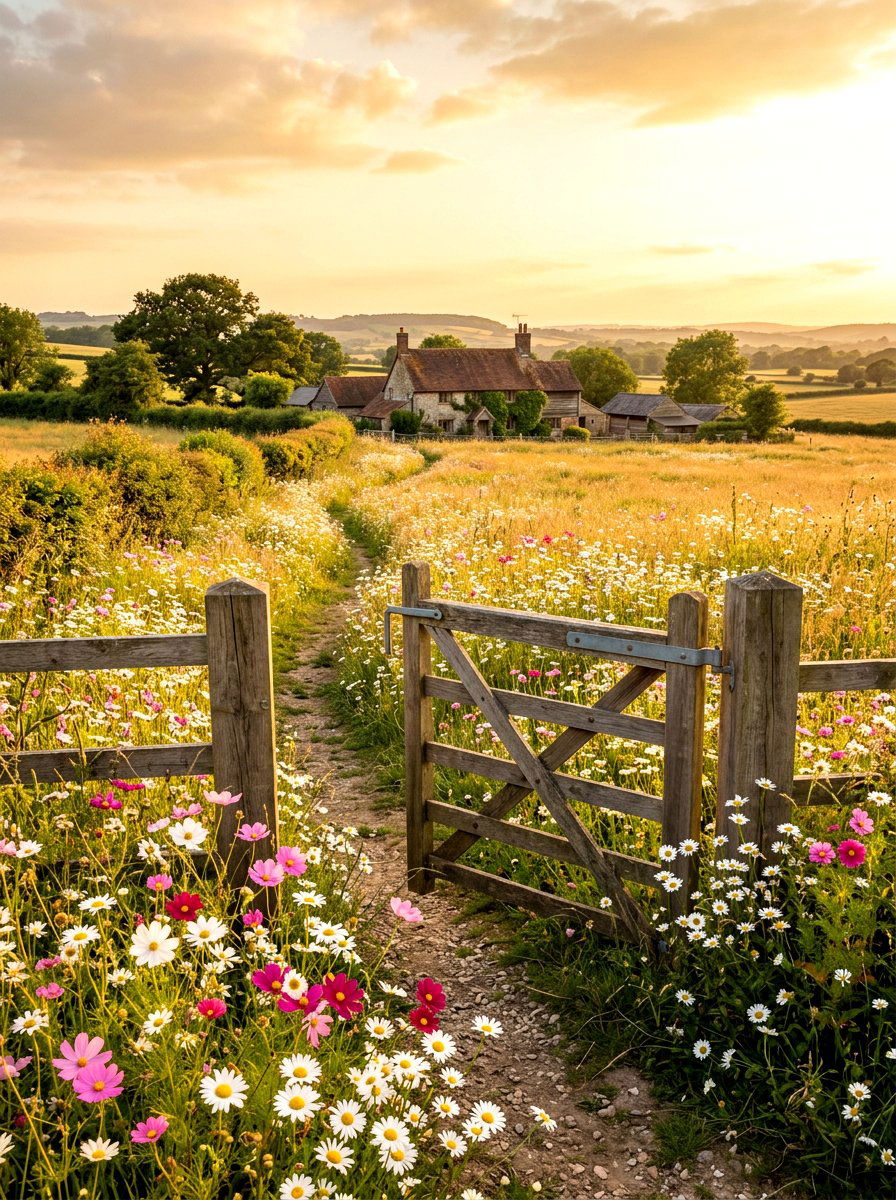
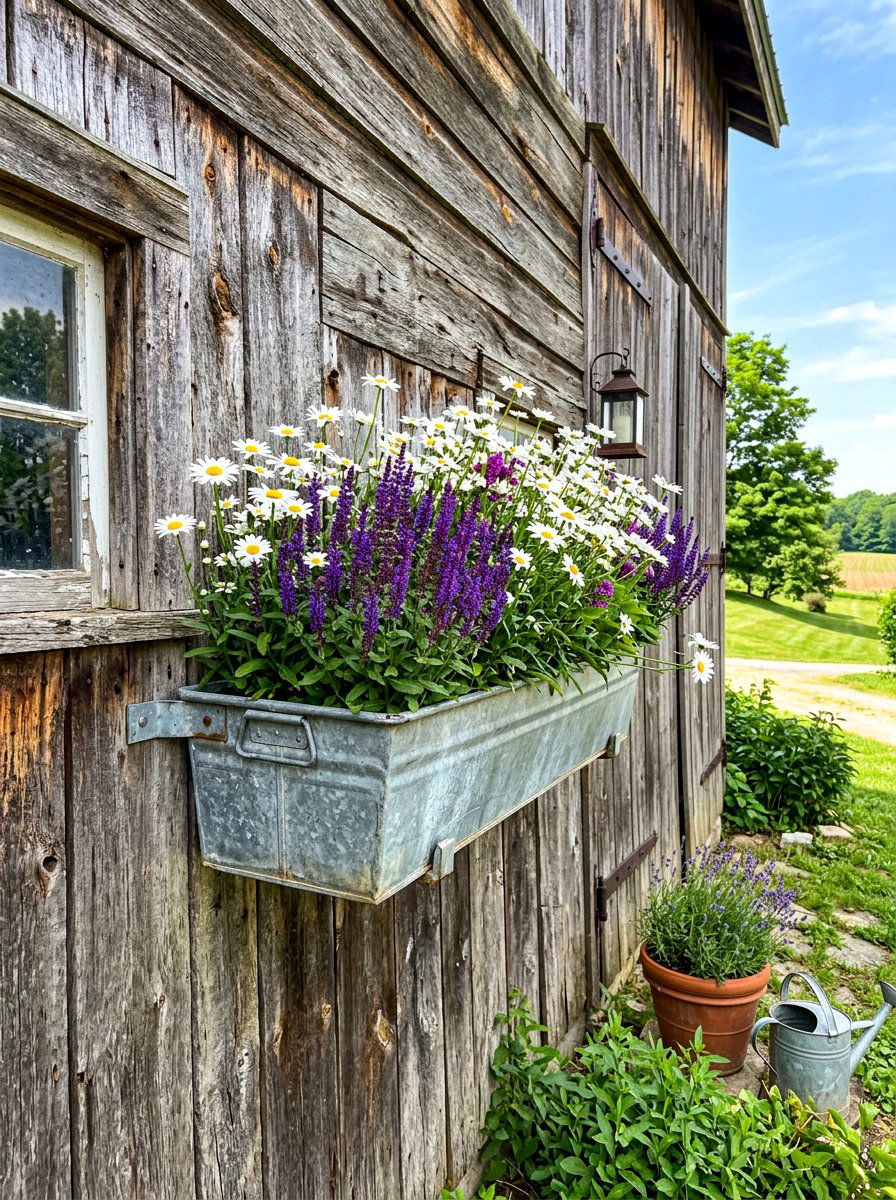
Do you love the rustic, timeless feel of an old farmhouse surrounded by wide-open spaces and simple, hardy flowers? A farmhouse meadow uses a mix of traditional favorites like daisies, sunflowers, and cosmos to create a look that is both nostalgic and refreshing. This style often incorporates rustic elements like split-rail fences, galvanized metal troughs, or vintage garden tools as decorative accents. The focus is on creating a relaxed, unpretentious atmosphere where the flowers feel like they have always belonged. It is an ideal design for larger backyards where you want to emphasize a sense of space and tranquility. This charming approach brings a touch of rural beauty to any suburban or country home with ease.
21. Small Space Flower Meadow
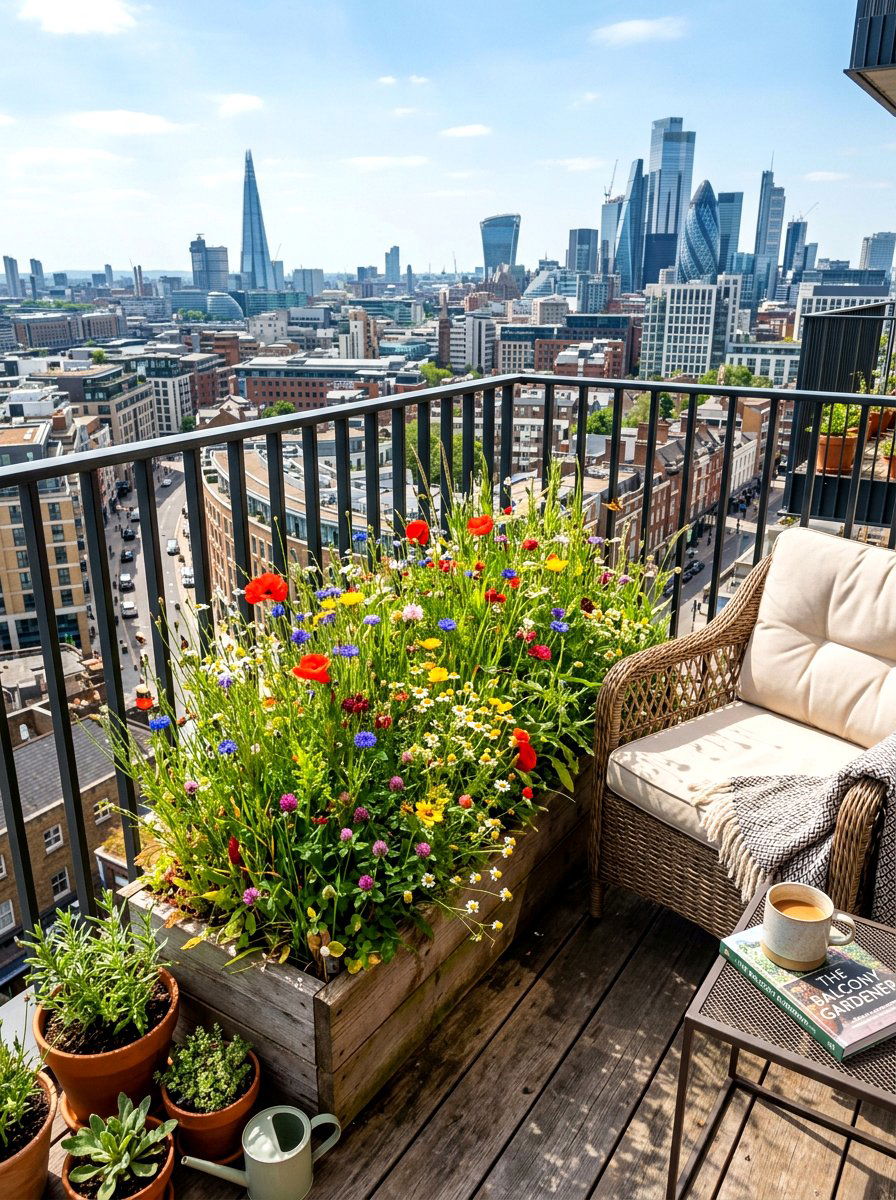
Can you really have a flower field if your backyard is just a tiny patio or a small balcony? A small space meadow uses compact varieties and clever planting techniques to create the feeling of a wide-open field in a miniature setting. By using large containers or a small dedicated border, you can plant a dense mix of dwarf wildflowers that provide a big impact without taking up much room. Focusing on vertical elements like trellises for climbing flowers helps to maximize the available space. This approach proves that you don't need acres of land to enjoy the beauty and biodiversity of a floral landscape. It is about choosing the right scale and plants for a cozy, vibrant retreat.
22. Zen Flower Garden
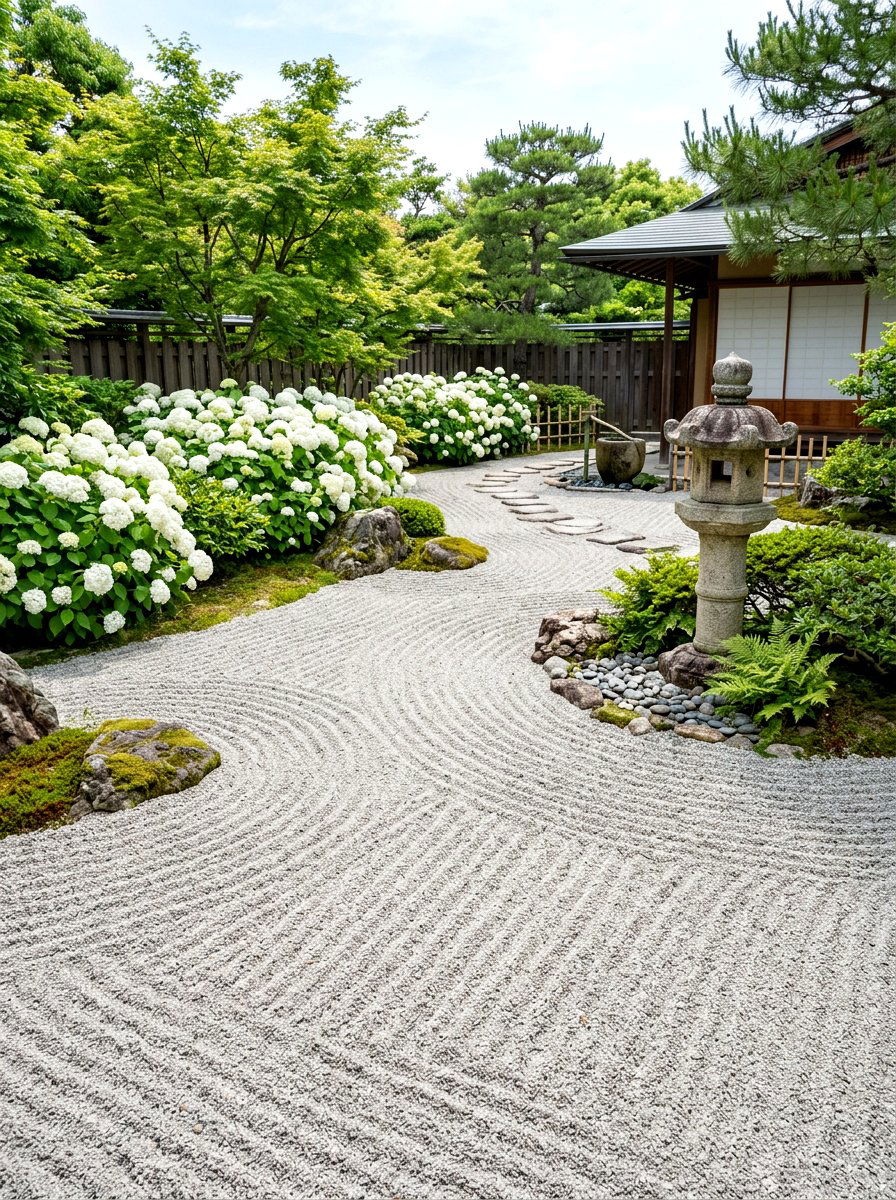
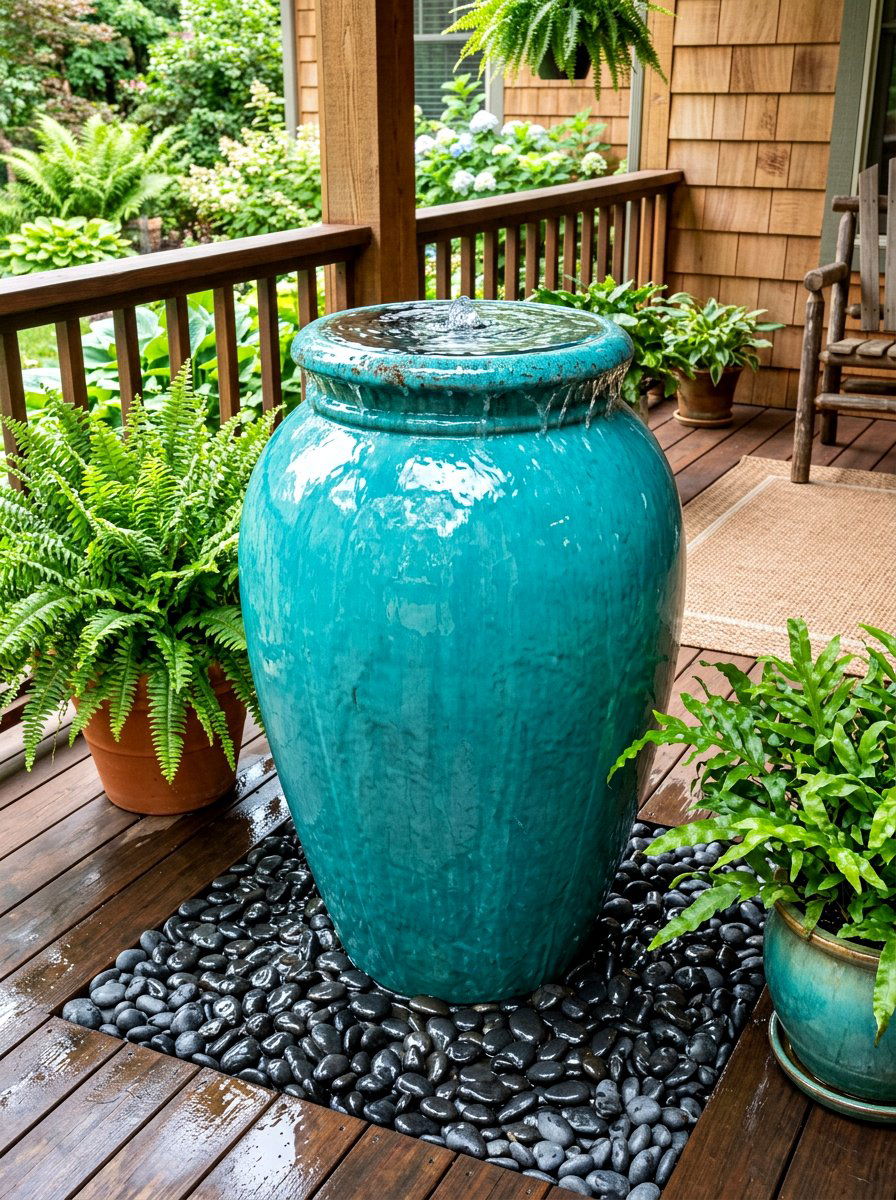
What if your flower field was designed specifically to promote mindfulness, peace, and quiet reflection after a long day? A Zen-inspired flower garden focuses on simplicity, balance, and a limited color palette to create a serene environment. Instead of a wild riot of color, this design might feature sweeps of white hydrangeas, purple irises, or soft green ornamental grasses. Incorporating elements like raked gravel, smooth river stones, and a simple water feature enhances the meditative quality of the space. The goal is to create a harmonious landscape that feels orderly yet natural. This type of backyard flower field provides a much-needed escape from the noise of modern life, offering a place for calm and mental clarity.
23. Alpine Rock Meadow
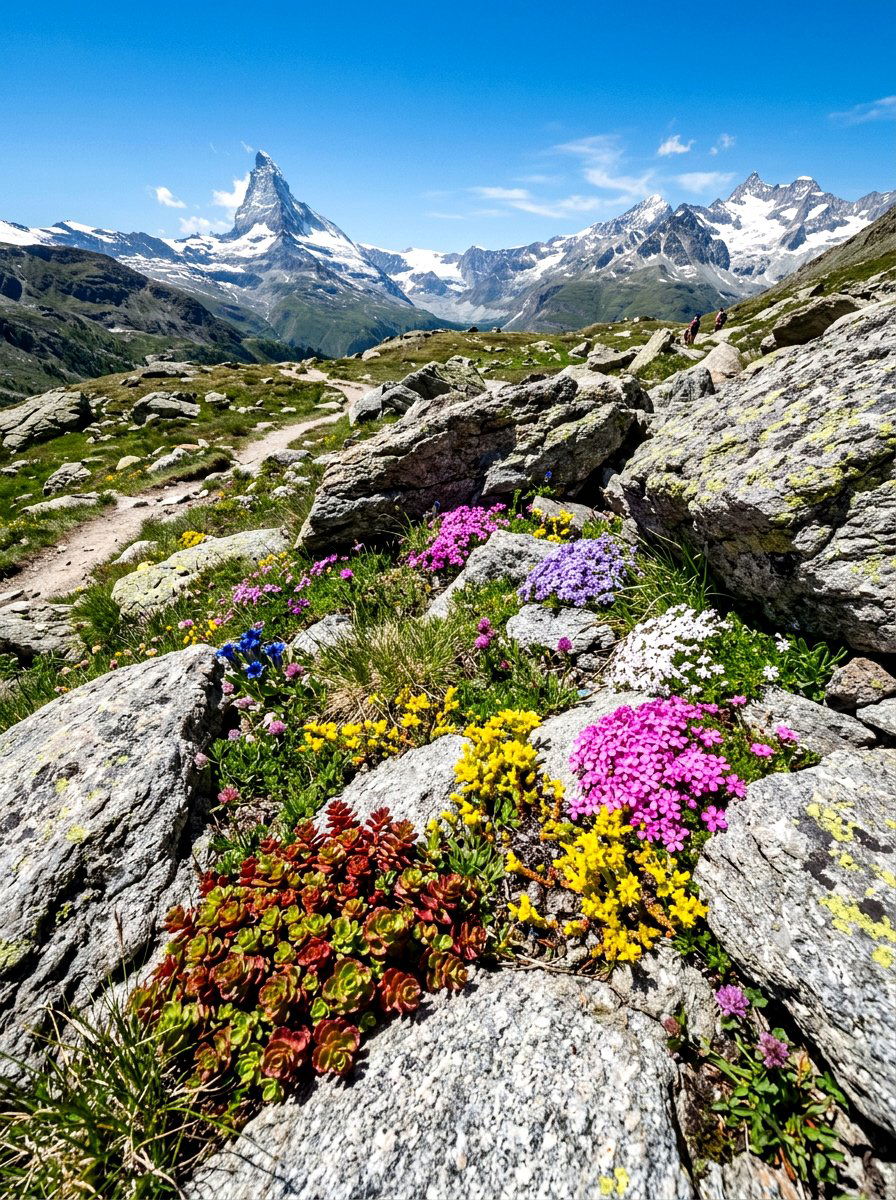
Have you ever been inspired by the rugged beauty of high-altitude mountain meadows filled with tiny, resilient flowers? An alpine rock meadow uses well-draining soil and large stones to create a specialized environment for small, hardy plants like creeping phlox, saxifrage, and sedums. These plants often have incredibly bright colors and interesting textures that look stunning when tucked into the crevices between rocks. This design is perfect for sunny, dry spots where other plants might struggle to survive the heat. The combination of hard stone and soft, colorful blooms creates a dramatic and high-contrast look. It is a unique way to bring the spirit of the mountains into your own backyard through a specialized floral display.
24. Minimalist Wildflower Strip
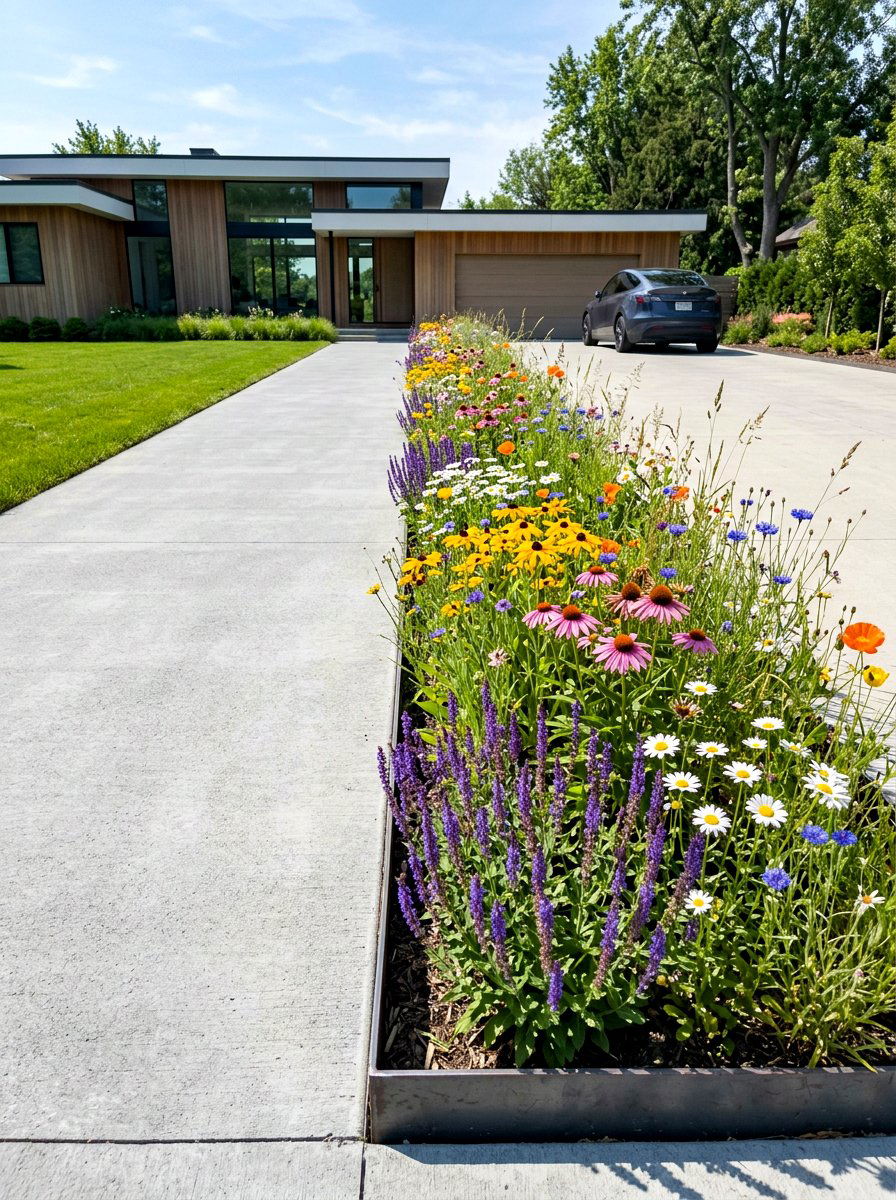
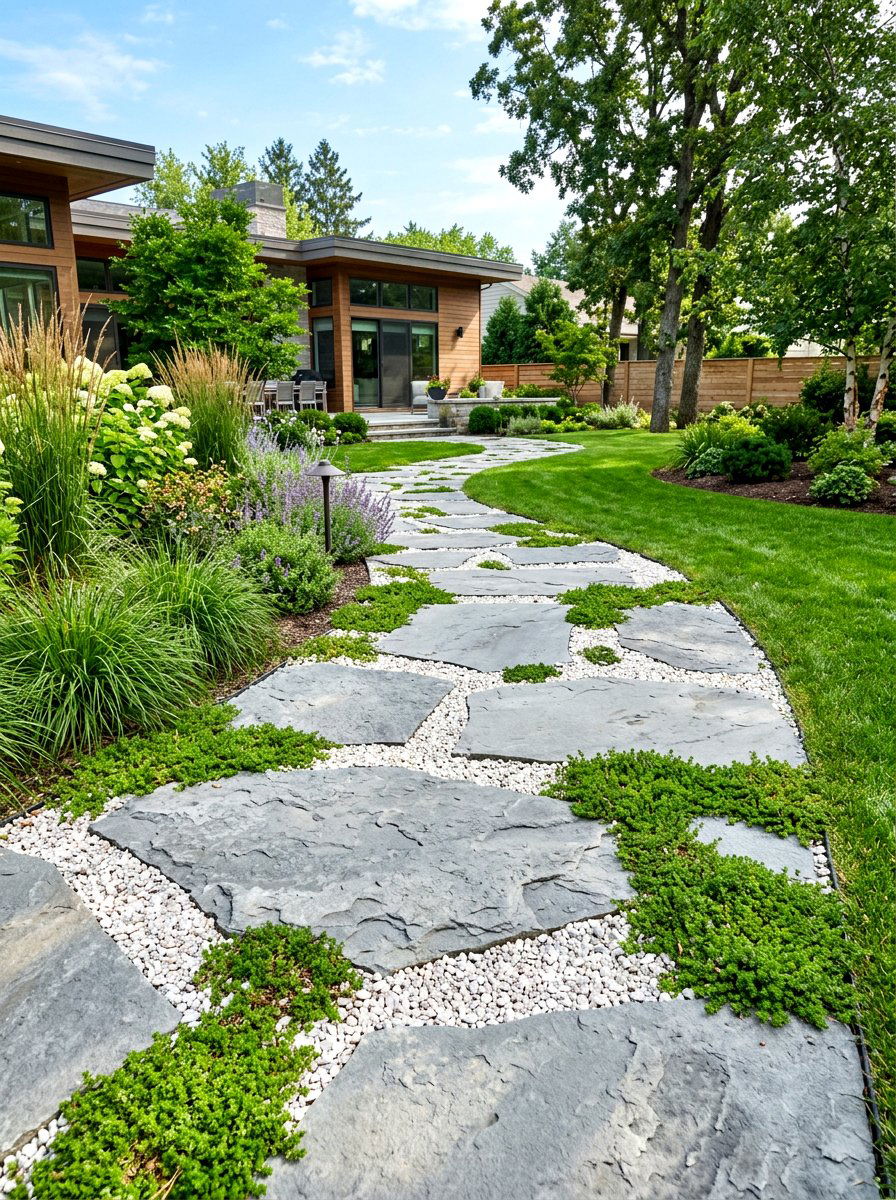
Is it possible to enjoy the benefits of a wildflower meadow without committing your entire backyard to a wild look? A minimalist wildflower strip is a narrow, intentional planting along a fence, a driveway, or the edge of a patio. This approach provides a pop of color and a home for pollinators while keeping the rest of the yard neat and manicured. Using a metal or stone border helps to define the space and prevents the wildflowers from spreading into the lawn. It is a great way for beginners to experiment with wildflower seeds and see which varieties perform best in their soil. This small but effective design adds a modern, artistic touch to any contemporary backyard landscape.
25. Orchard Understory Flowers
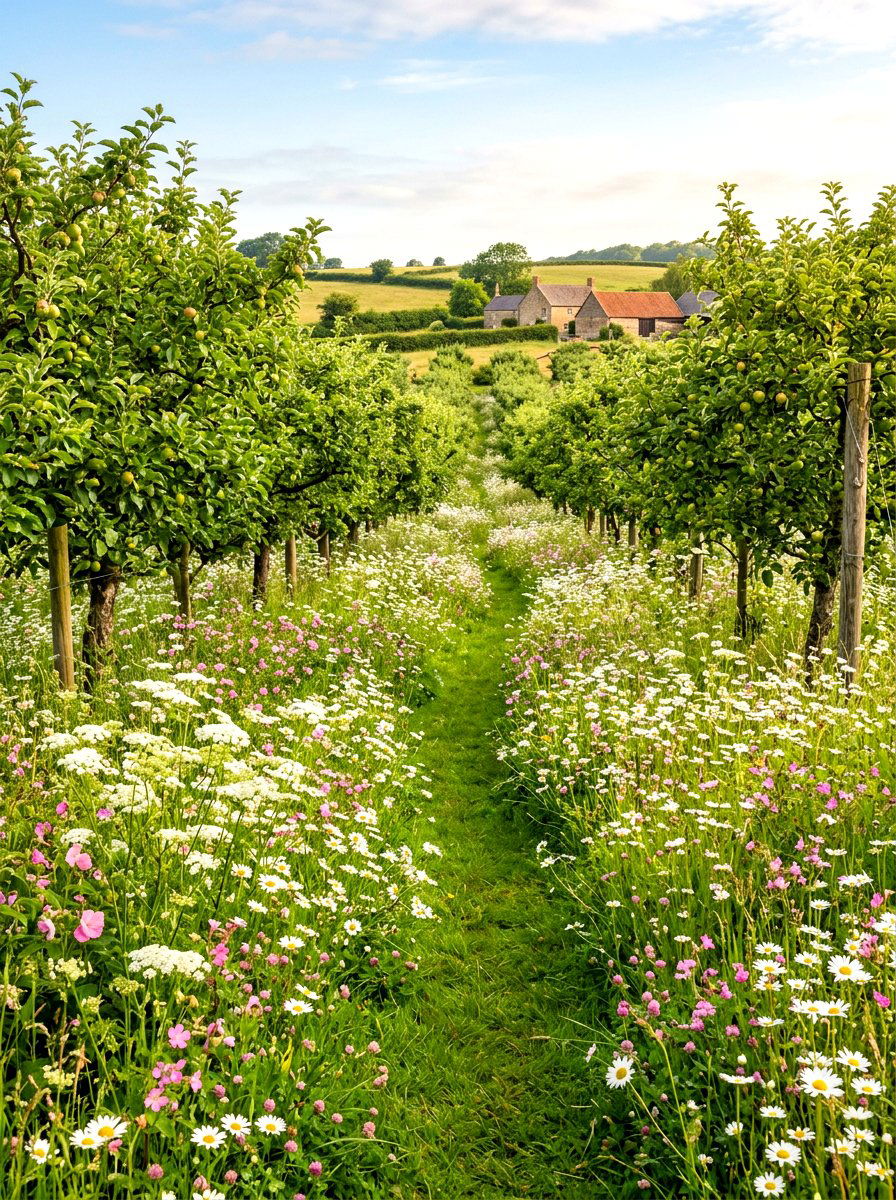
Do you have fruit trees in your backyard and wonder how to make the space beneath them more beautiful and productive? Planting a flower field as an understory for your orchard is a brilliant way to maximize your land and support your fruit production. Many wildflowers attract the specific pollinators needed for fruit trees to set a good crop. Choosing low-growing, shade-tolerant flowers ensures they won't compete with the trees for resources while providing a colorful carpet of blooms. This layering of plants creates a more complex and healthy ecosystem in your yard. It transforms a functional orchard into a romantic, multi-layered garden that feels like a scene from a classic fairytale or a rural dream.
26. Night Blooming Garden
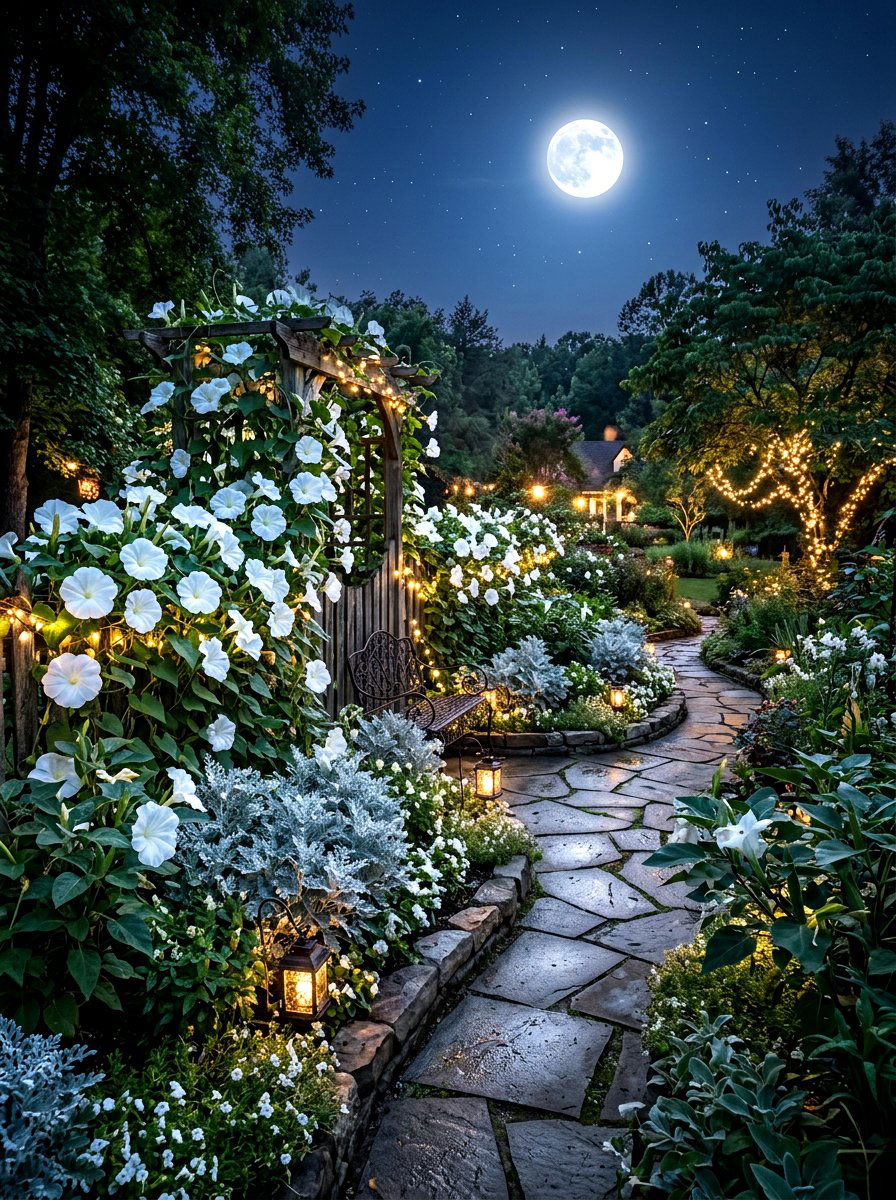
Imagine a backyard that comes alive with glowing white flowers and intoxicating scents just as the sun begins to set. A night-blooming flower field, often called a moon garden, focuses on plants like moonflowers, evening primrose, and white jasmine. These flowers reflect the moonlight and are often highly fragrant to attract nocturnal pollinators like moths. By choosing white or silver foliage, you ensure that the garden remains visible and beautiful even in the dark. This creates a magical and romantic atmosphere for evening gatherings or quiet nighttime walks. It is a thoughtful way to extend the enjoyment of your backyard long after the day has ended, offering a completely different sensory experience for the night.
27. Bird Friendly Meadow
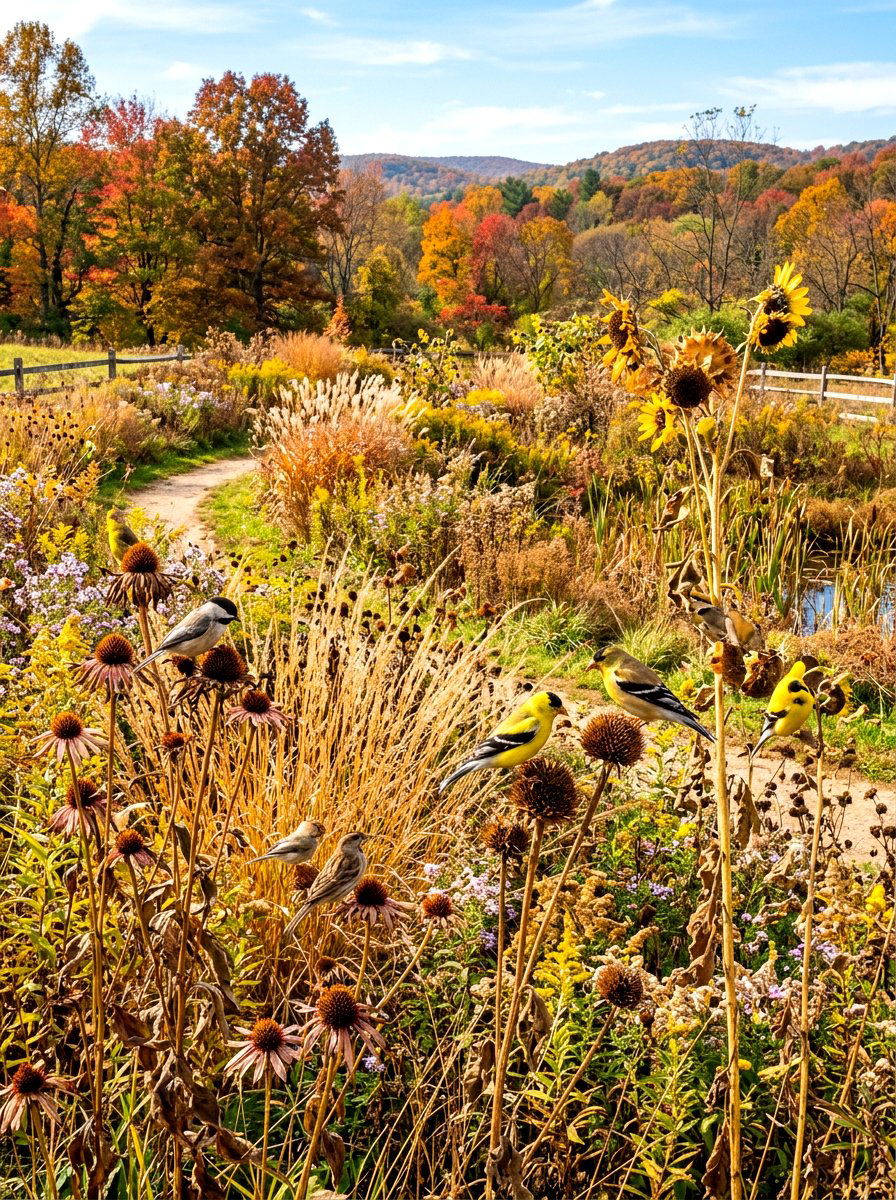
Would you like your backyard to be a lively place where songbirds gather to feed, nest, and sing throughout the year? A bird-friendly flower field focuses on plants that produce large amounts of seeds, such as sunflowers, coneflowers, and coreopsis. Instead of deadheading the flowers, you leave the spent blooms to dry, providing a natural food source for birds during the fall and winter months. Including some tall grasses provides nesting material and cover from predators. This type of landscape is constantly moving and changing as different birds visit to forage. It turns your backyard into a private nature reserve where you can enjoy the sights and sounds of local birdlife from your own back porch.
28. Romantic Flower Tunnel
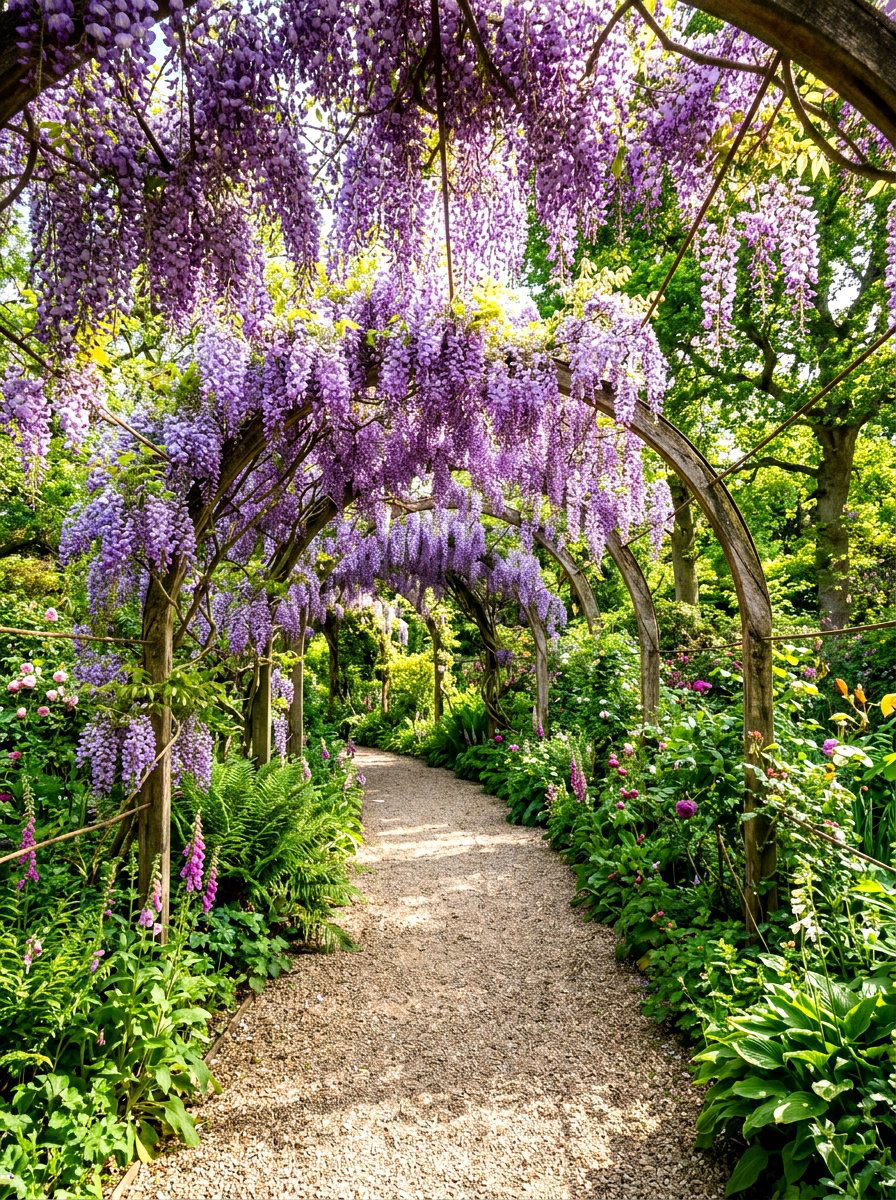
Have you ever imagined walking through a long tunnel of hanging flowers that creates a private, enchanted pathway in your yard? A flower tunnel uses a series of sturdy arches covered in climbing plants like wisteria, climbing roses, or clematis to create a living ceiling of blooms. This architectural feature adds a sense of grandeur and romance to any backyard, providing a shaded and fragrant place to walk. As the plants grow and intertwine, they create a dense canopy that feels like a separate world. This design is perfect for connecting different areas of your garden or creating a dramatic entrance to a hidden seating area. It is a high-impact way to add vertical interest and beauty.
29. Perennial Prairie Grass
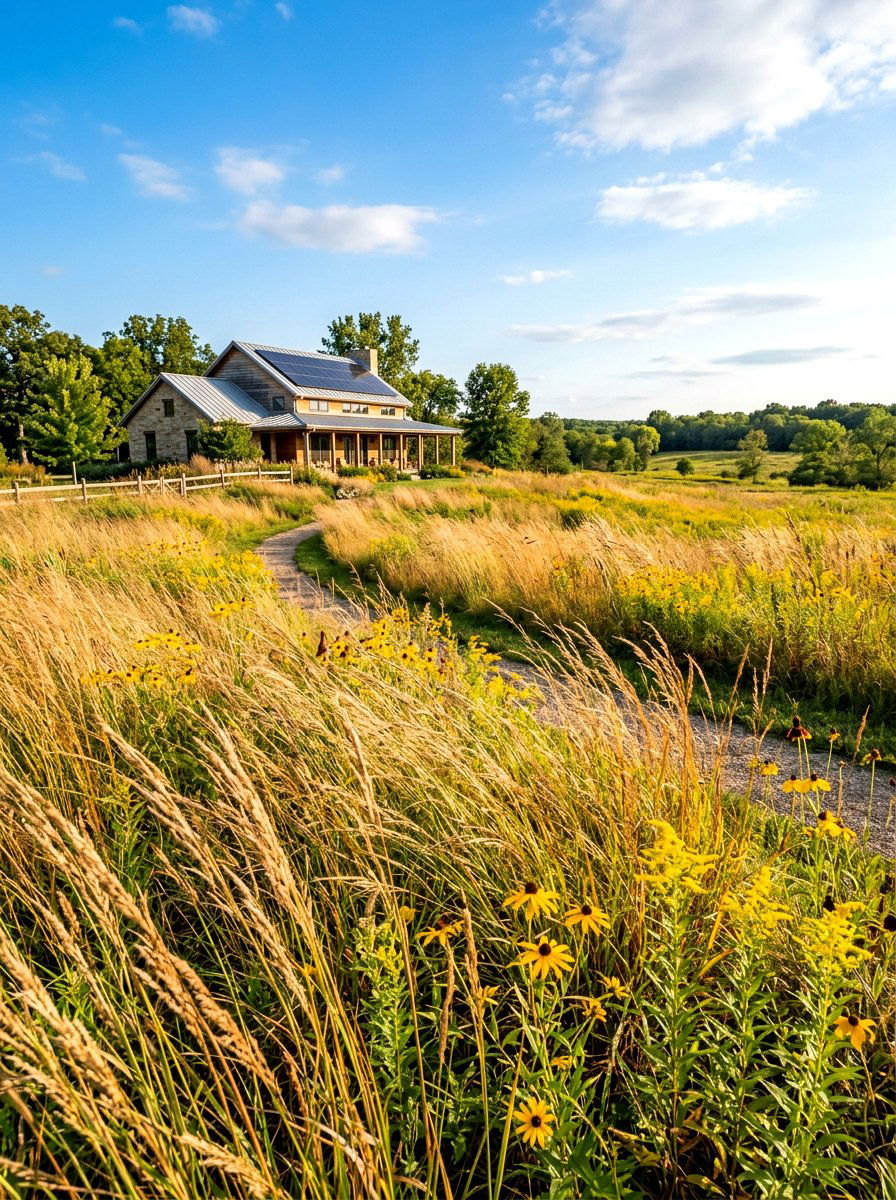
Can a flower field be beautiful even when the flowers aren't in bloom by using the unique textures of ornamental grasses? A prairie-style field that emphasizes perennial grasses like Switchgrass and Fountain Grass provides year-round interest and movement. These grasses sway beautifully in the wind and change color from vibrant greens in summer to deep bronzes and golds in the winter. Mixing in a few hardy wildflowers adds pops of color, but the grasses remain the primary focus, offering a soft and textured backdrop. This low-maintenance approach is excellent for large areas where you want a natural, prairie-like feel that requires very little water or intervention. It is a sophisticated and highly sustainable landscaping choice.
30. Dry Creek Bed Wildflowers
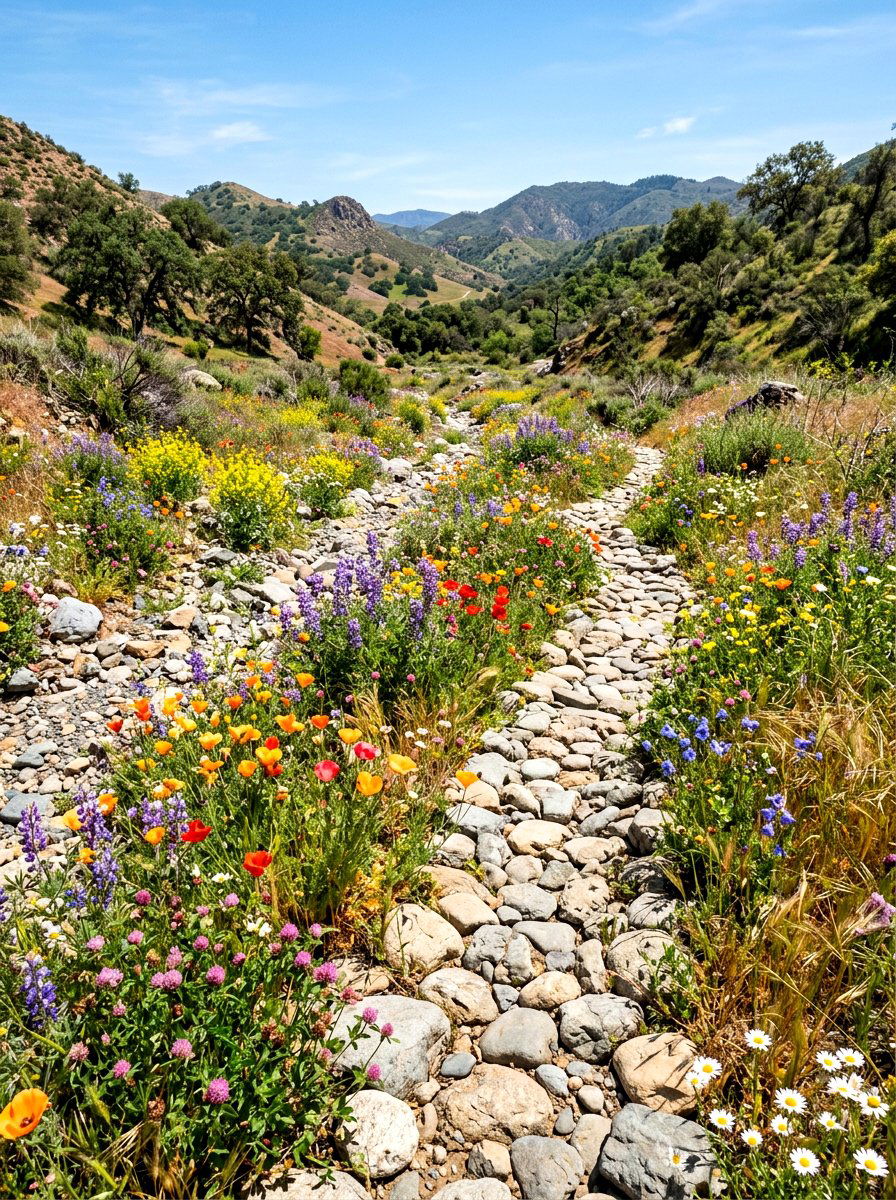
How can you turn a functional drainage area into a beautiful, naturalized feature that looks like a wild mountain stream? A dry creek bed uses a path of various-sized stones to manage water flow, surrounded by a lush border of wildflowers that thrive in rocky soil. This combination of hardscape and soft floral elements creates a rugged, natural look that adds a lot of character to a backyard. The flowers soften the edges of the stones and provide a burst of color that makes the feature look like a deliberate part of the landscape. It is a smart way to solve drainage issues while creating a unique and visually interesting flower field that feels like a piece of the wild.
Conclusion:
Creating a flower field in your backyard is a transformative journey that brings lasting beauty, environmental benefits, and a deep sense of joy to your home. Whether you choose a wild meadow, a structured lavender field, or a productive cutting garden, these floral landscapes offer a unique way to connect with the natural world. By moving away from traditional lawns, you create a space that is not only easier to maintain but also much more vibrant and alive. Every flower planted is an invitation for nature to thrive right outside your door. We hope these thirty ideas inspire you to start your own backyard floral revolution and enjoy the peace that a blooming field provides.

Related posts: