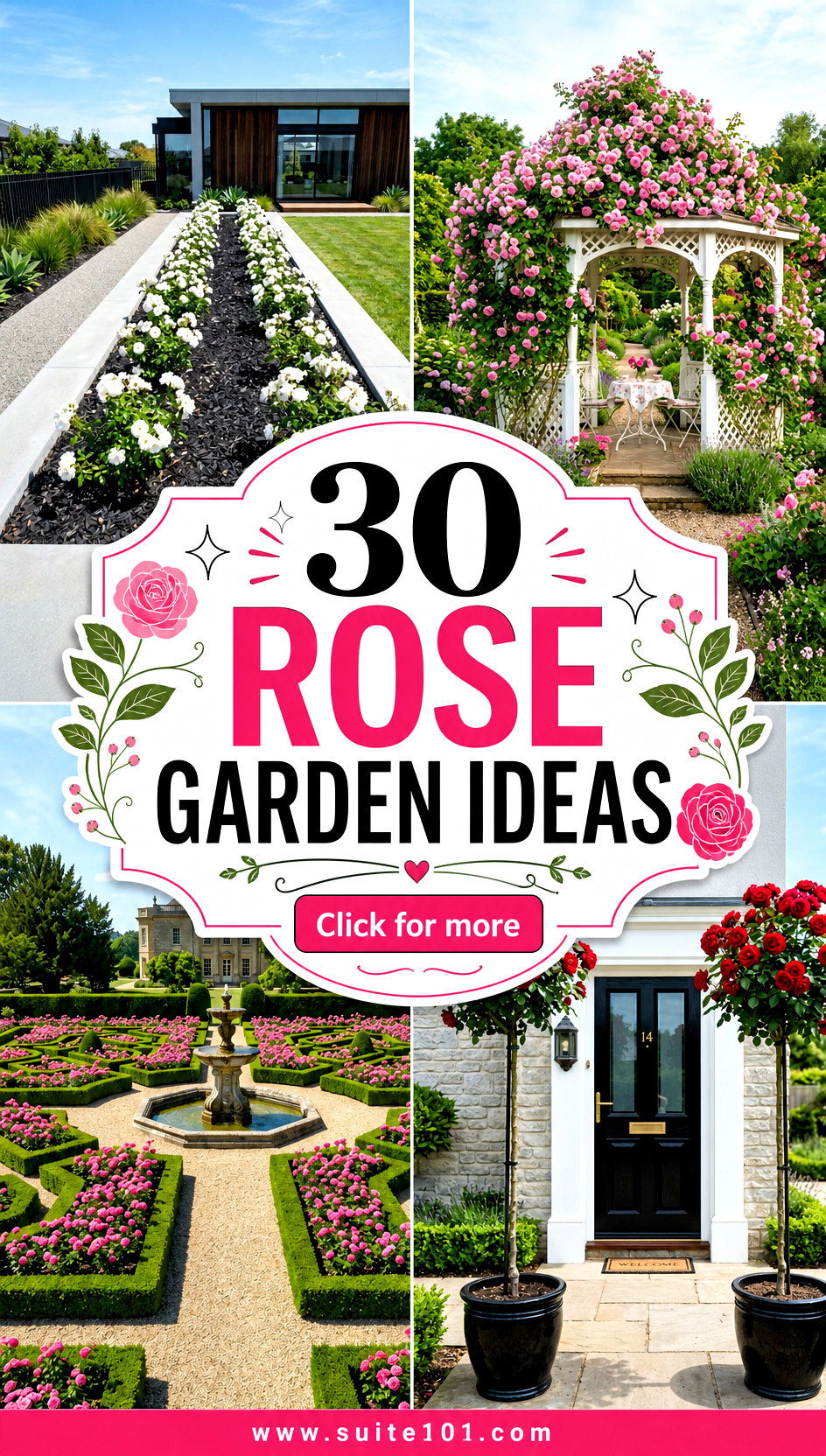
A rose garden offers a timeless way to elevate any outdoor space with beauty, fragrance, and elegance. These iconic flowers are celebrated worldwide for their diverse colors and unique growth habits. Whether you have a vast backyard or a small balcony, there is a perfect way to integrate roses into your landscape. Planning a garden involves choosing the right varieties, such as climbers for vertical interest or shrubs for dense borders. Modern rose cultivars are now bred for better disease resistance and longer blooming seasons. This guide explores creative ways to showcase these blooms effectively. You can transform your landscape into a blooming paradise that brings joy year after season with the right layout.
1. Climbing Rose Trellis
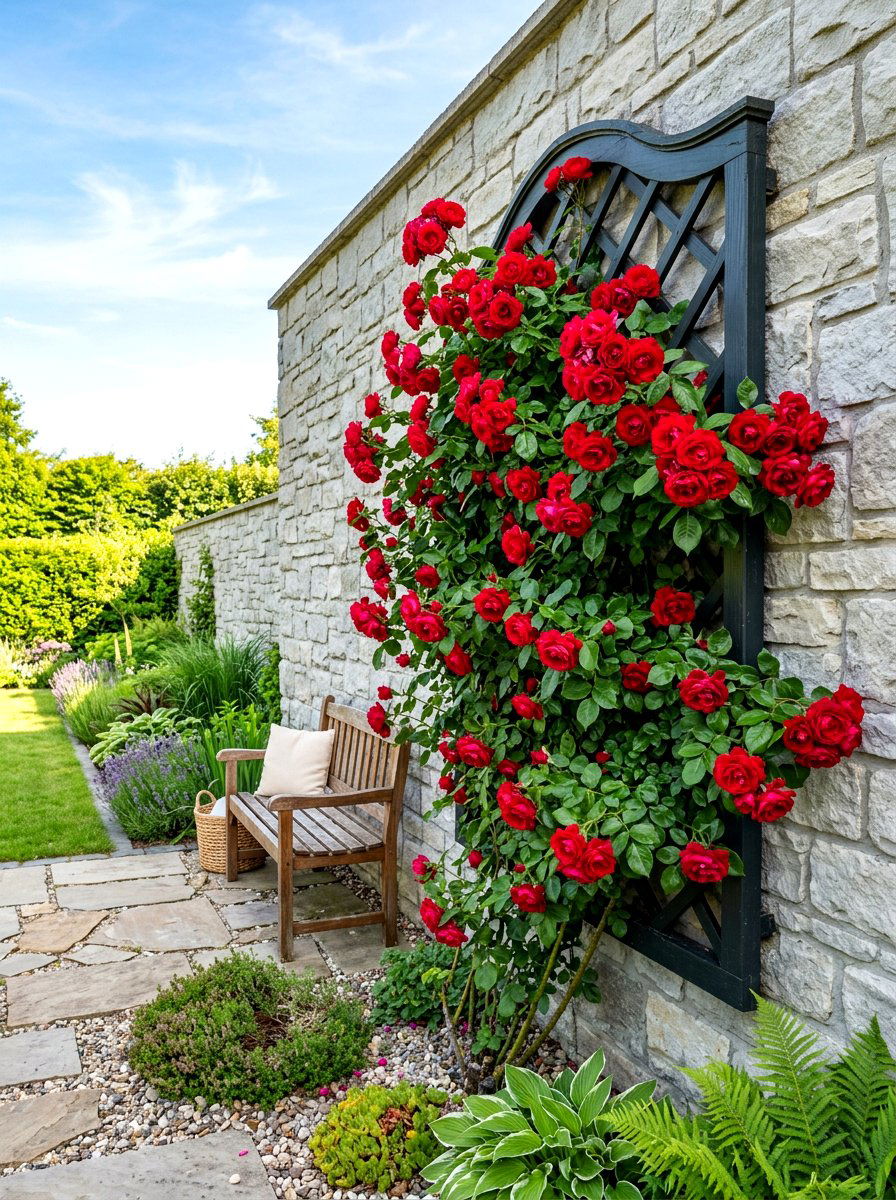
A climbing rose trellis is a fantastic way to add vertical interest to a small backyard or a blank wall. You can install a sturdy wooden or metal frame and train long canes to grow upward for a lush effect. This method maximizes your planting space without taking up too much ground area. Many people choose repeat-blooming varieties to ensure the wall remains colorful throughout the summer. Using ties to secure the stems helps the plant cover the entire structure evenly. This setup creates a stunning floral backdrop that softens hard lines in your garden. It is a simple yet effective way to bring nature closer to your home.
2. English Cottage Rose
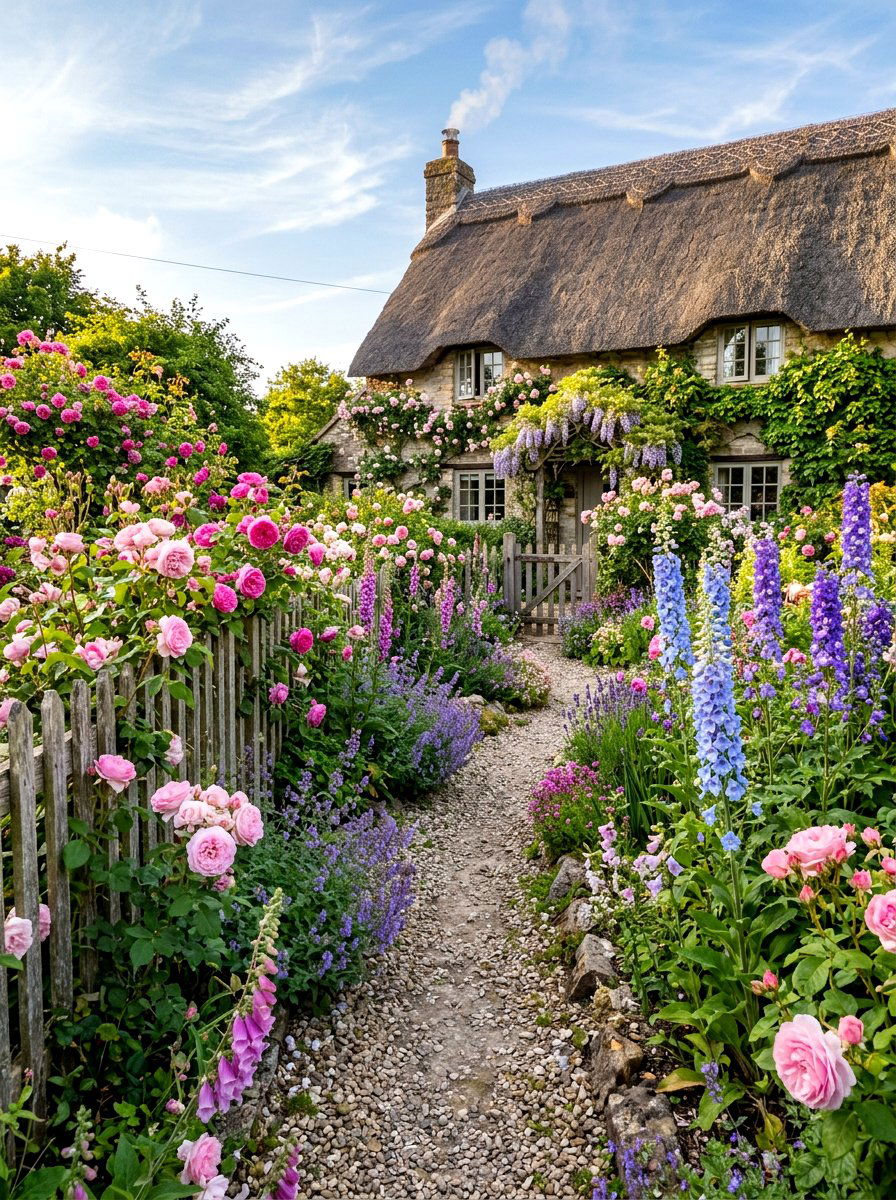
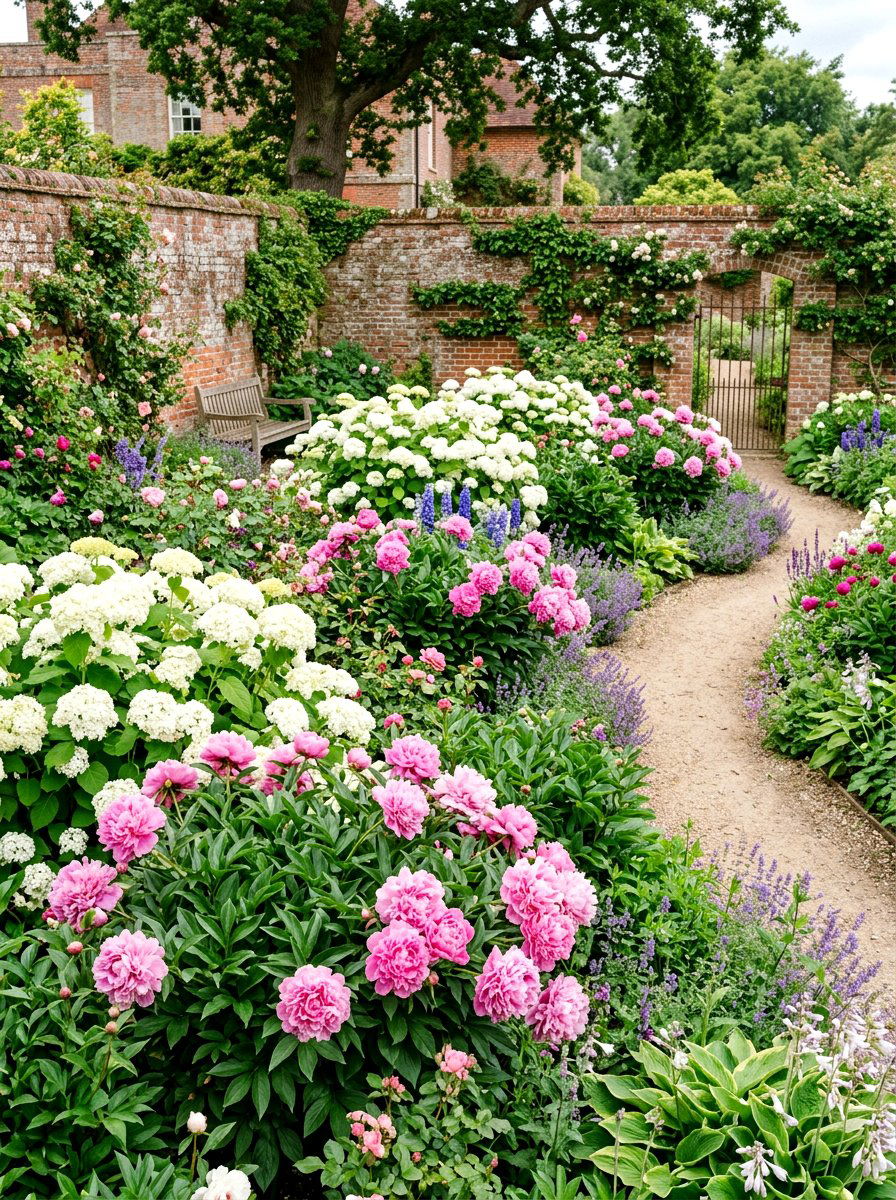
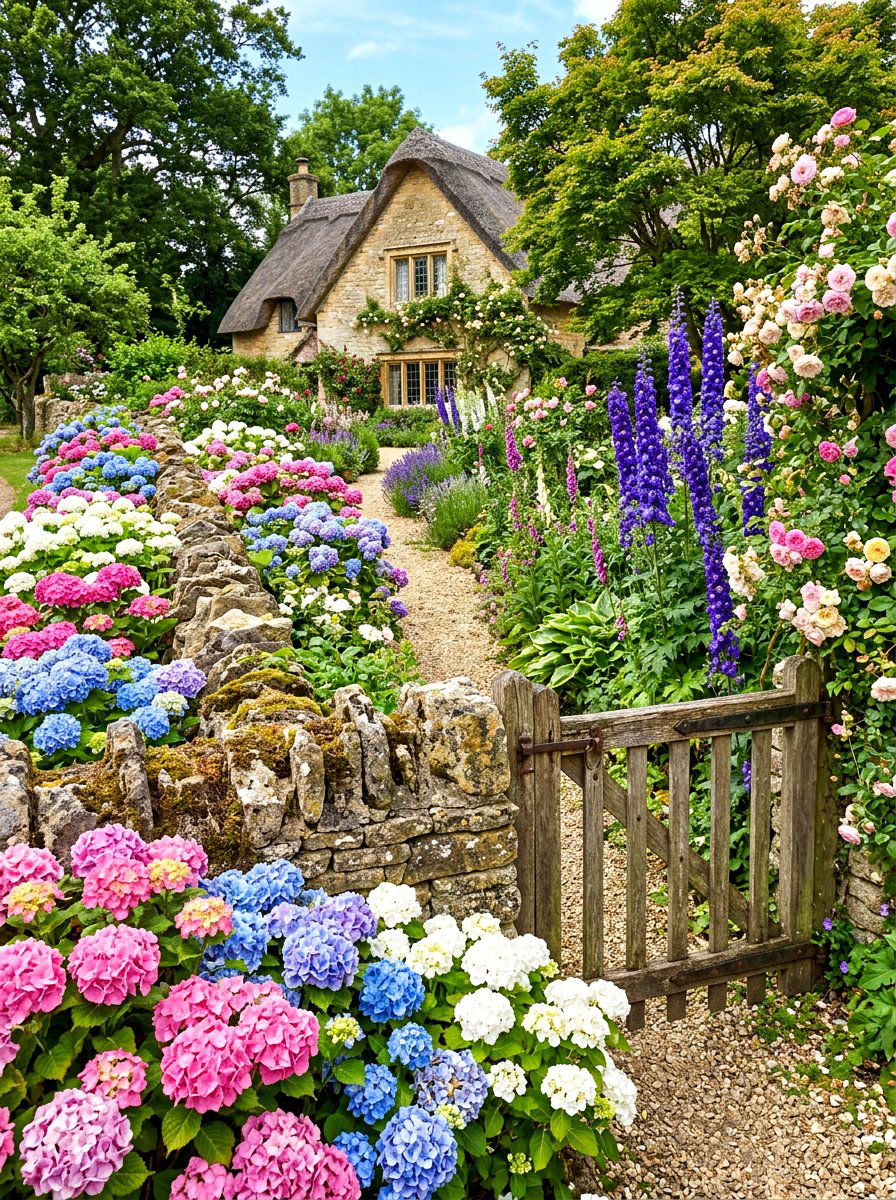
The English cottage rose style emphasizes a romantic and slightly wild aesthetic that feels very inviting. You can mix different shrub roses with traditional perennials like foxgloves and delphiniums for a layered look. This design thrives on a lack of strict formality, allowing plants to spill over paths and mingle naturally. Soft pastel colors like blush pink, peach, and cream are often the stars of this theme. Adding a small bench nearby lets you sit and enjoy the heavy fragrance these flowers provide. It is a wonderful choice for homeowners who want a garden that feels established and full of life. This style celebrates natural beauty.
3. Rose Garden Archway
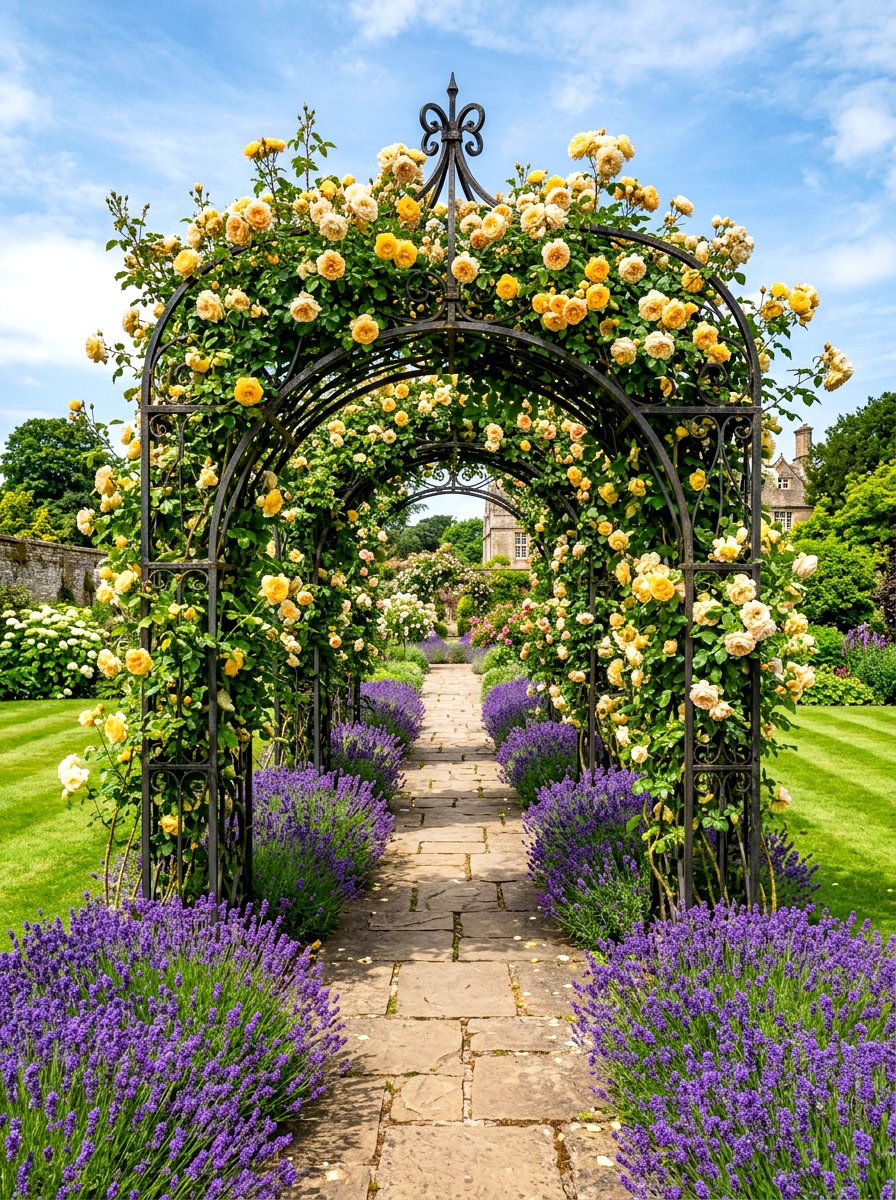
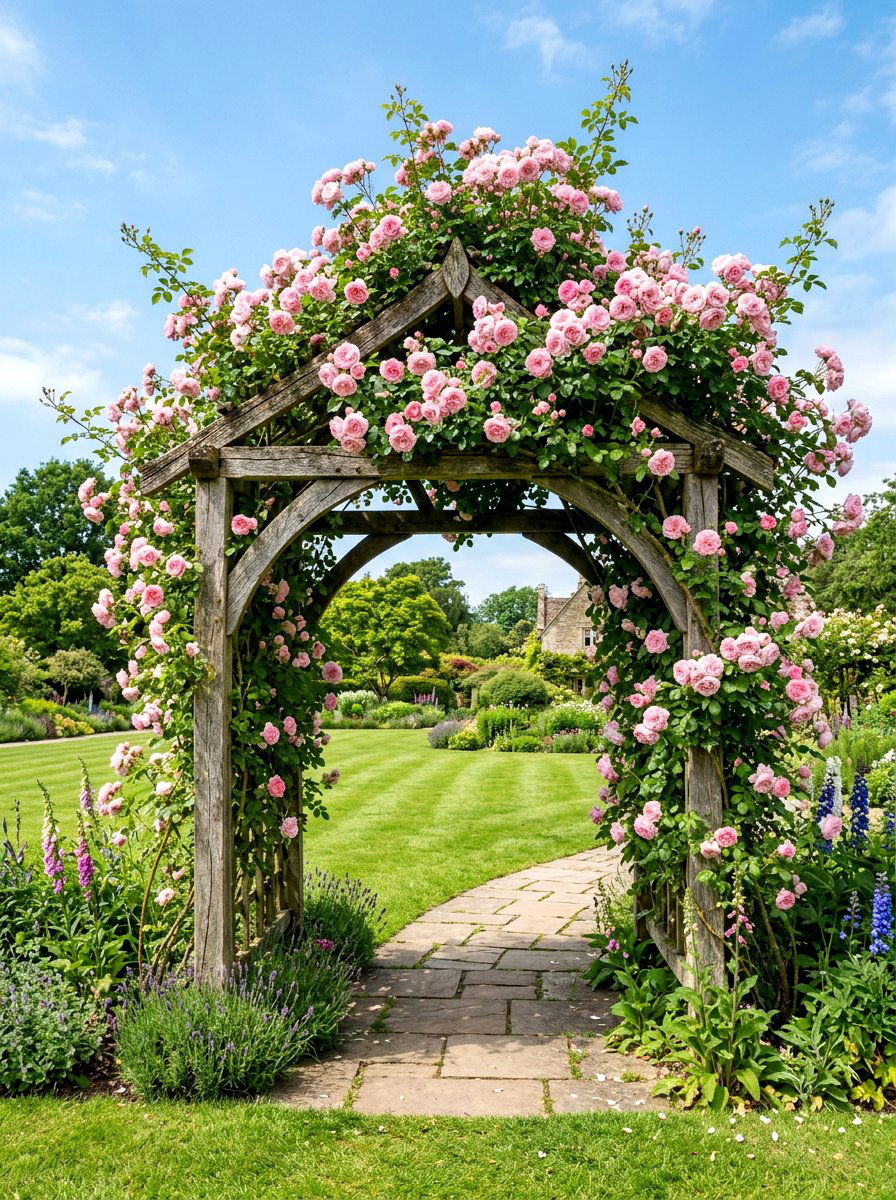
A rose garden archway serves as a magical entrance or a transition point between different outdoor rooms. You can place a metal or cedar arch over a walkway and plant vigorous climbers on both sides. Over time, the roses meet at the top to create a fragrant tunnel of blooms. This structure provides a focal point that draws the eye and encourages people to explore the yard. Choosing varieties with flexible stems makes it much easier to wrap them around the frame. The result is a picturesque feature that looks like something out of a storybook. It adds a sense of grandeur to even the simplest paths.
4. Modern Minimalist Rose
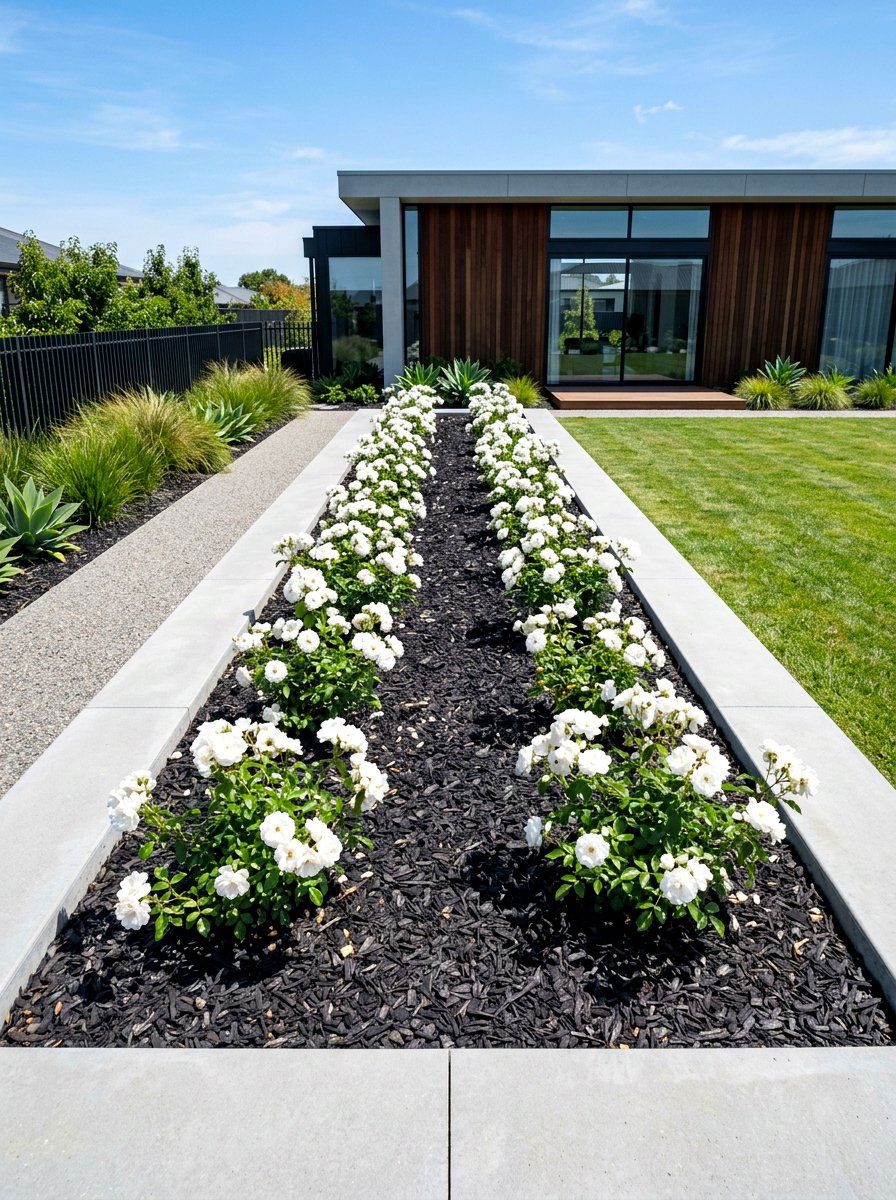
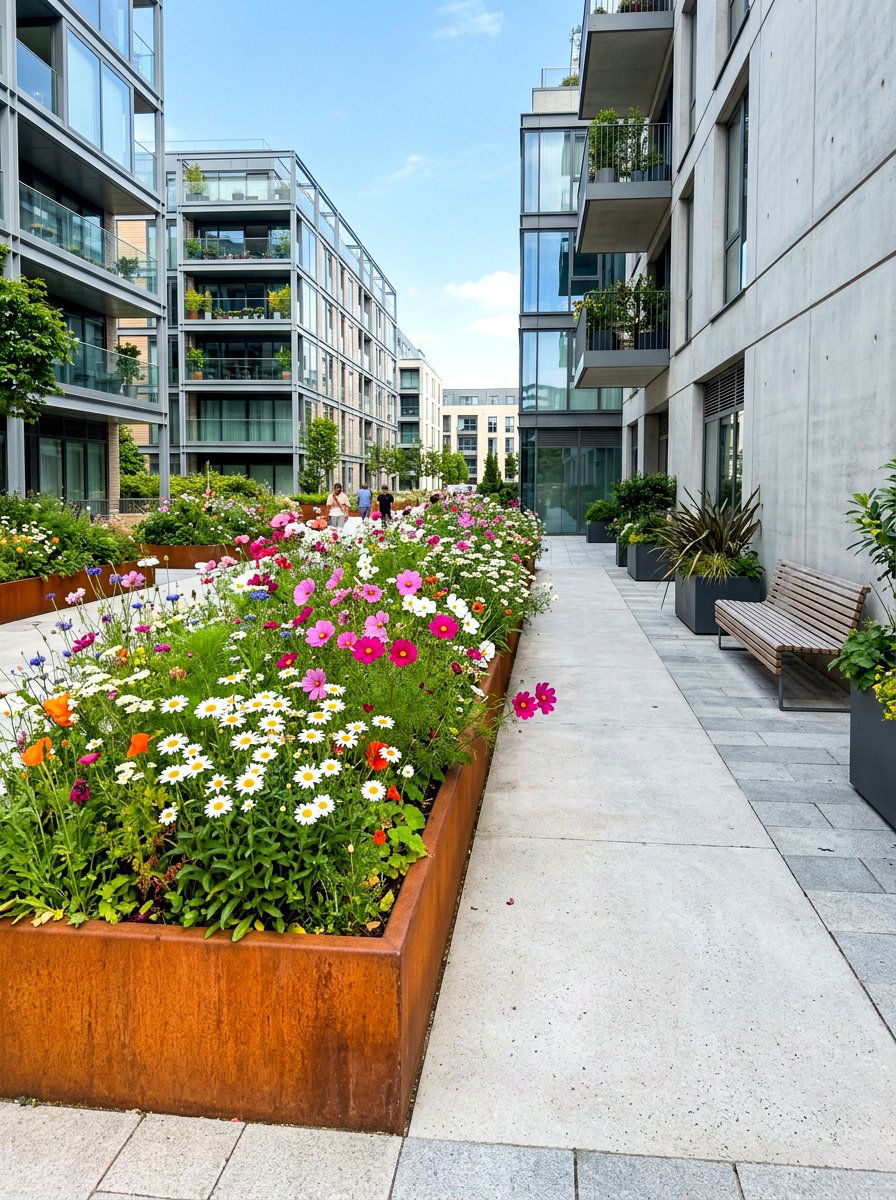
A modern minimalist rose layout focuses on clean lines and a restricted color palette for a sophisticated appearance. You might choose a single variety of rose and plant it in neat, symmetrical rows within a structured bed. Using dark mulch or grey stone chips around the base helps the vibrant colors of the flowers stand out. This approach works exceptionally well in urban settings or alongside contemporary architecture. The simplicity of the design reduces visual clutter while still providing the classic beauty of roses. It proves that you do not need hundreds of different plants to create a high-impact and very stylish outdoor environment.
5. Potted Rose Patio
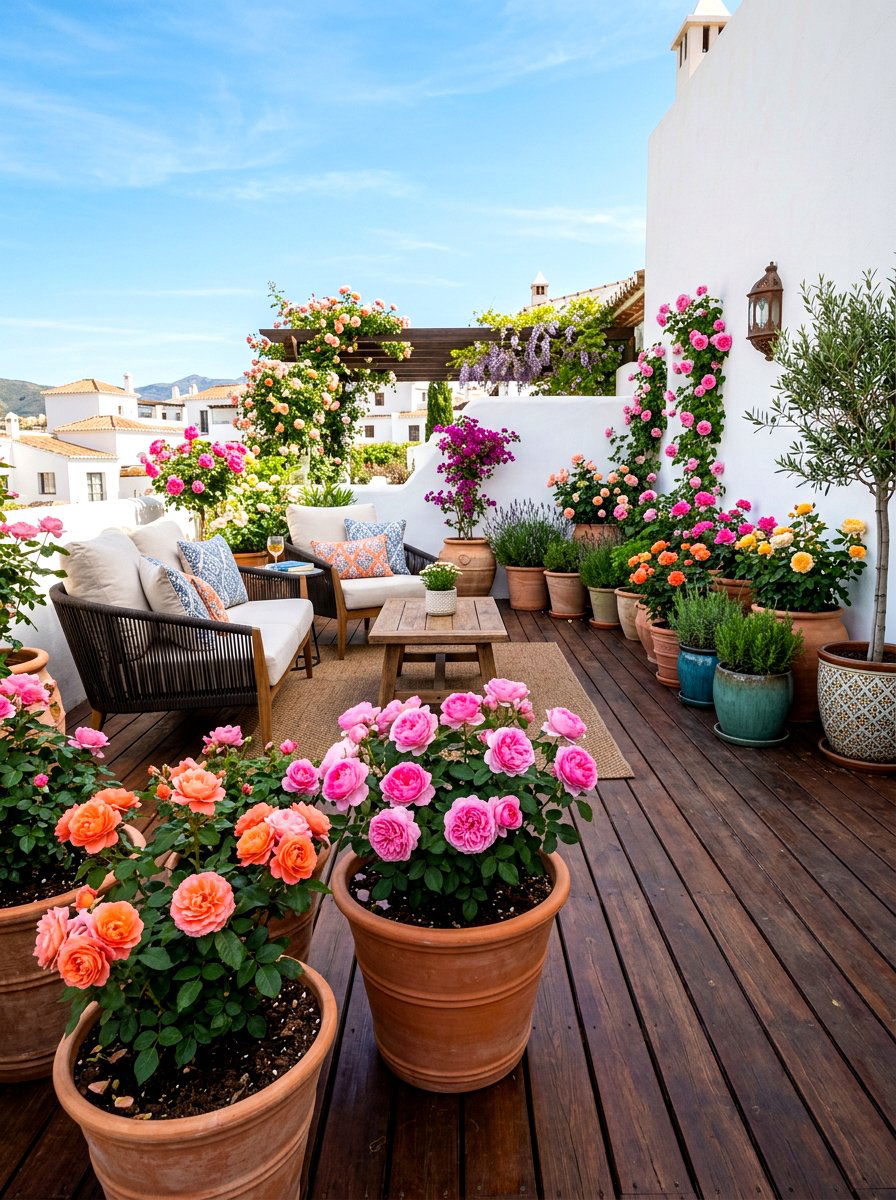
A potted rose patio is the ideal solution for people with limited ground space or those living in apartments. You can use large, decorative containers to house floribunda or miniature roses that stay compact. Placing these pots near seating areas allows you to enjoy the scent and detail of the blooms up close. It is important to choose high-quality potting soil and ensure the containers have excellent drainage for the best results. Moving the pots around lets you change the look of your patio whenever you want. This flexible gardening method brings a splash of color and elegance to any hardscaped outdoor living area.
6. Lavender And Rose
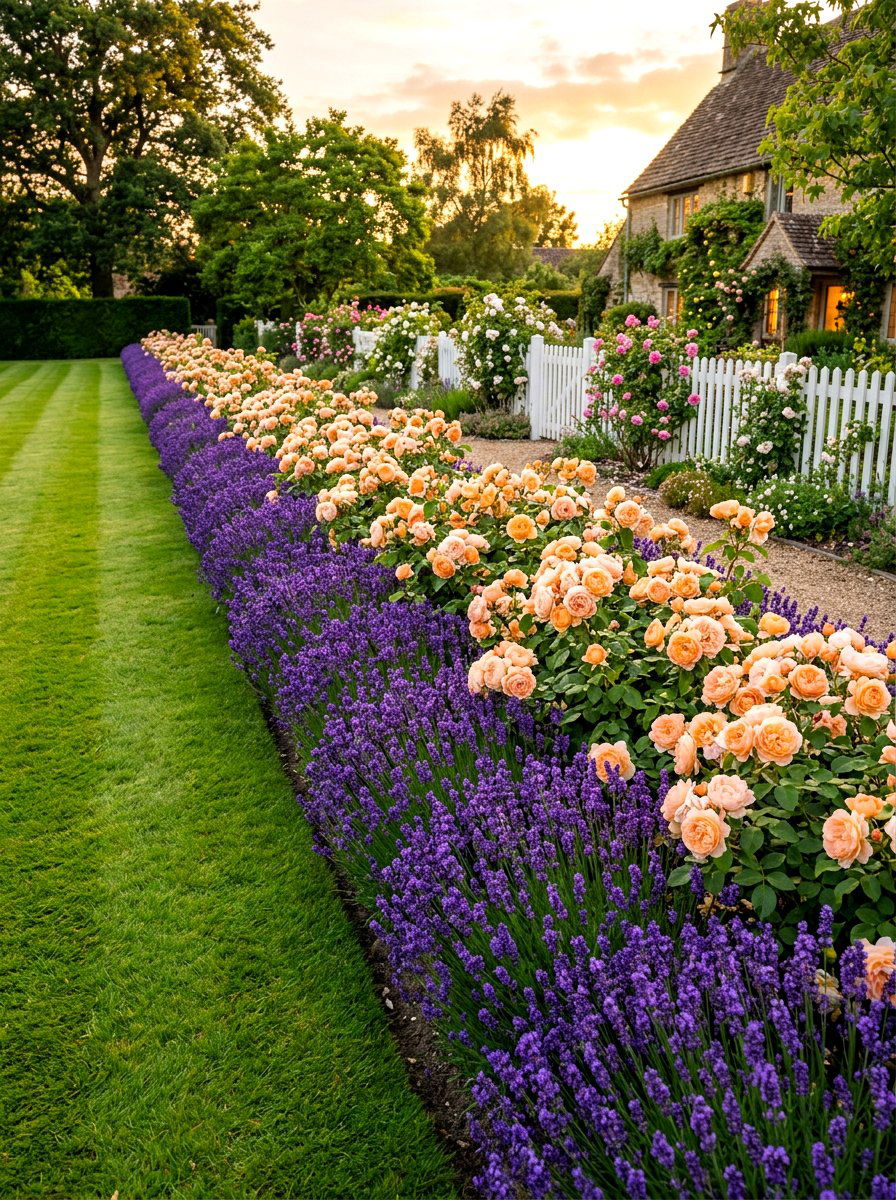
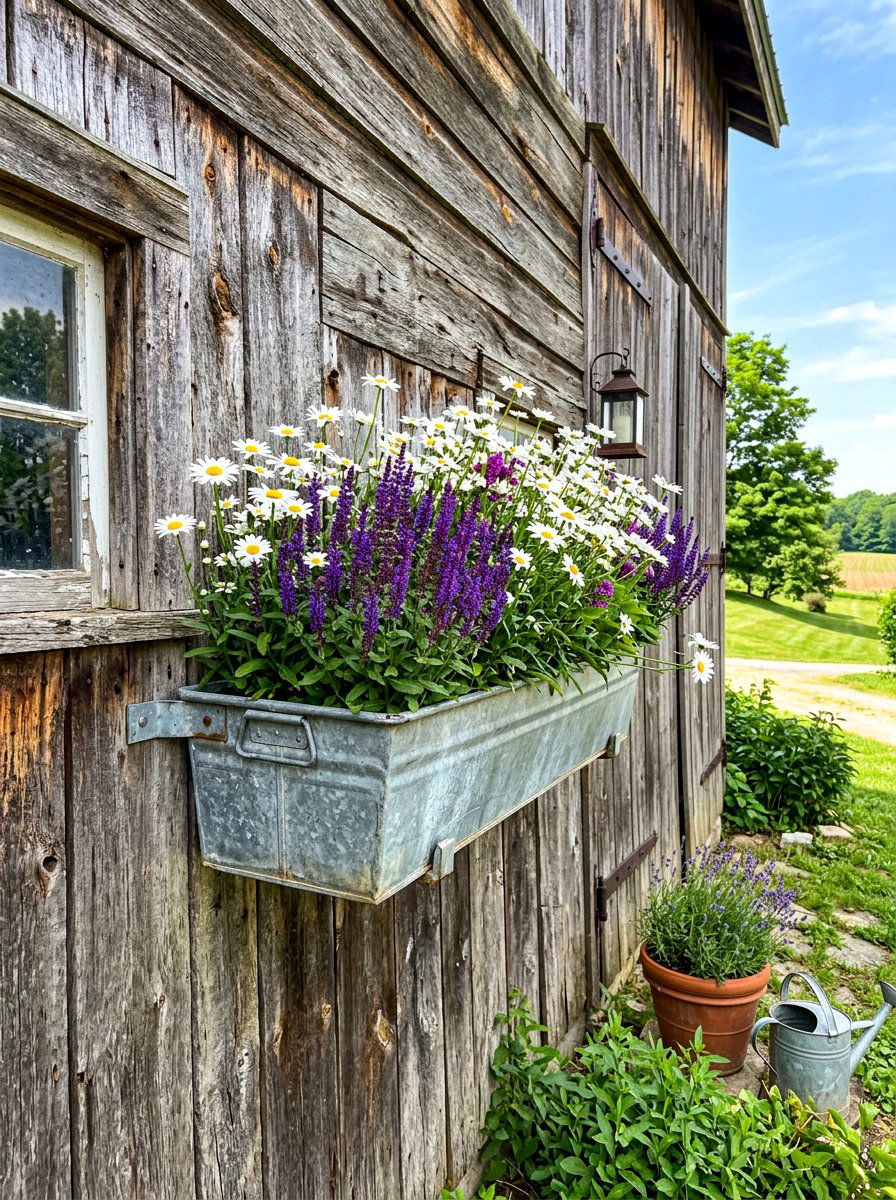
The lavender and rose combination is a classic pairing that offers both visual beauty and practical benefits. Planting aromatic lavender at the feet of your rose bushes helps to mask the bare lower stems. The silvery foliage and purple spikes of lavender provide a stunning contrast to the lush green leaves and bright rose petals. Both plants thrive in full sun and well-drained soil, making them perfect companions. This duo also attracts many pollinators like bees and butterflies to your yard. The scent profile of this mix is incredibly relaxing and sweet. It creates a Mediterranean feel that is both timeless and very easy to maintain.
7. White Rose Garden
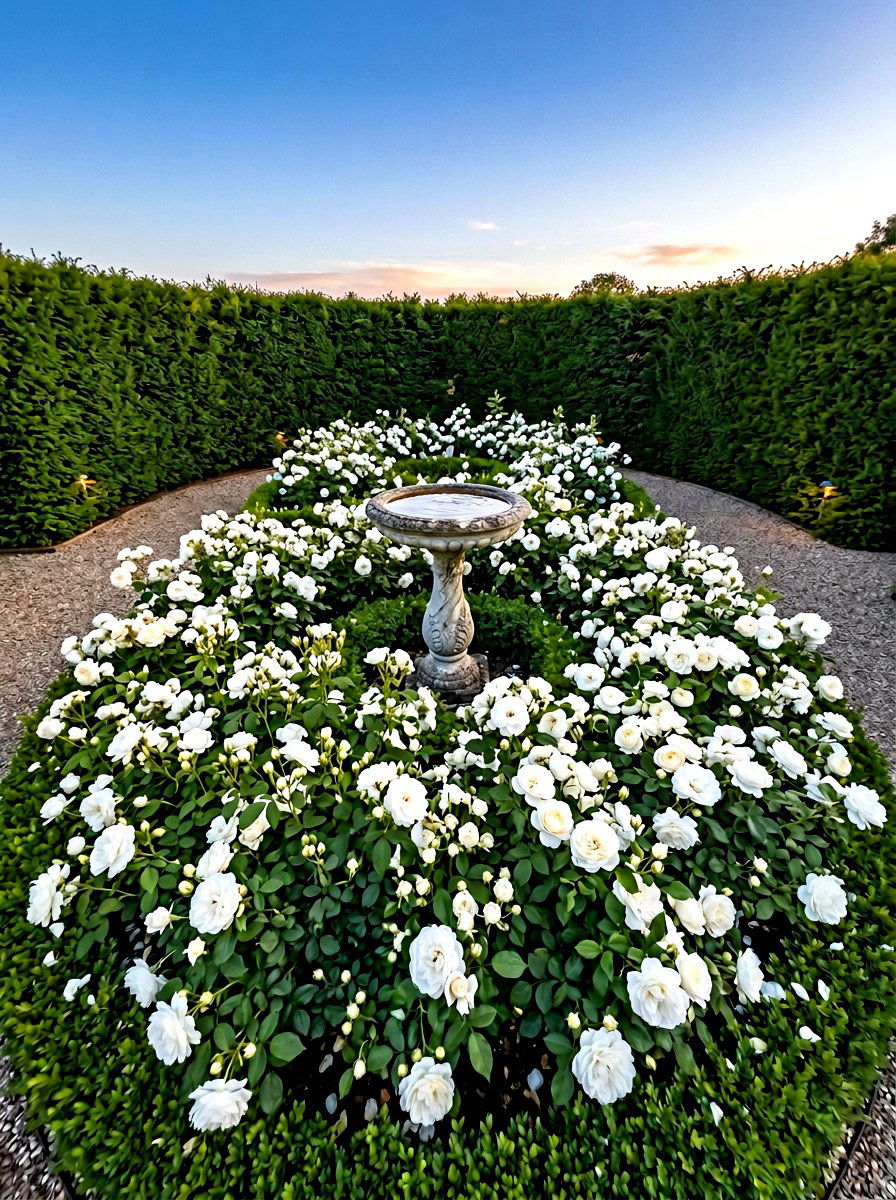
A white rose garden creates a serene and elegant atmosphere that looks especially beautiful during the evening hours. By focusing exclusively on white varieties, you can play with different flower shapes and sizes to add subtle interest. These blooms reflect moonlight, making the garden appear to glow after the sun goes down. You can use dark evergreen hedges as a backdrop to make the white petals pop even more. This monochromatic theme feels very organized and high-end. It is a popular choice for formal landscapes or for creating a peaceful "moon garden" space. The simplicity of white roses never goes out of style.
8. Rose Hedge Privacy
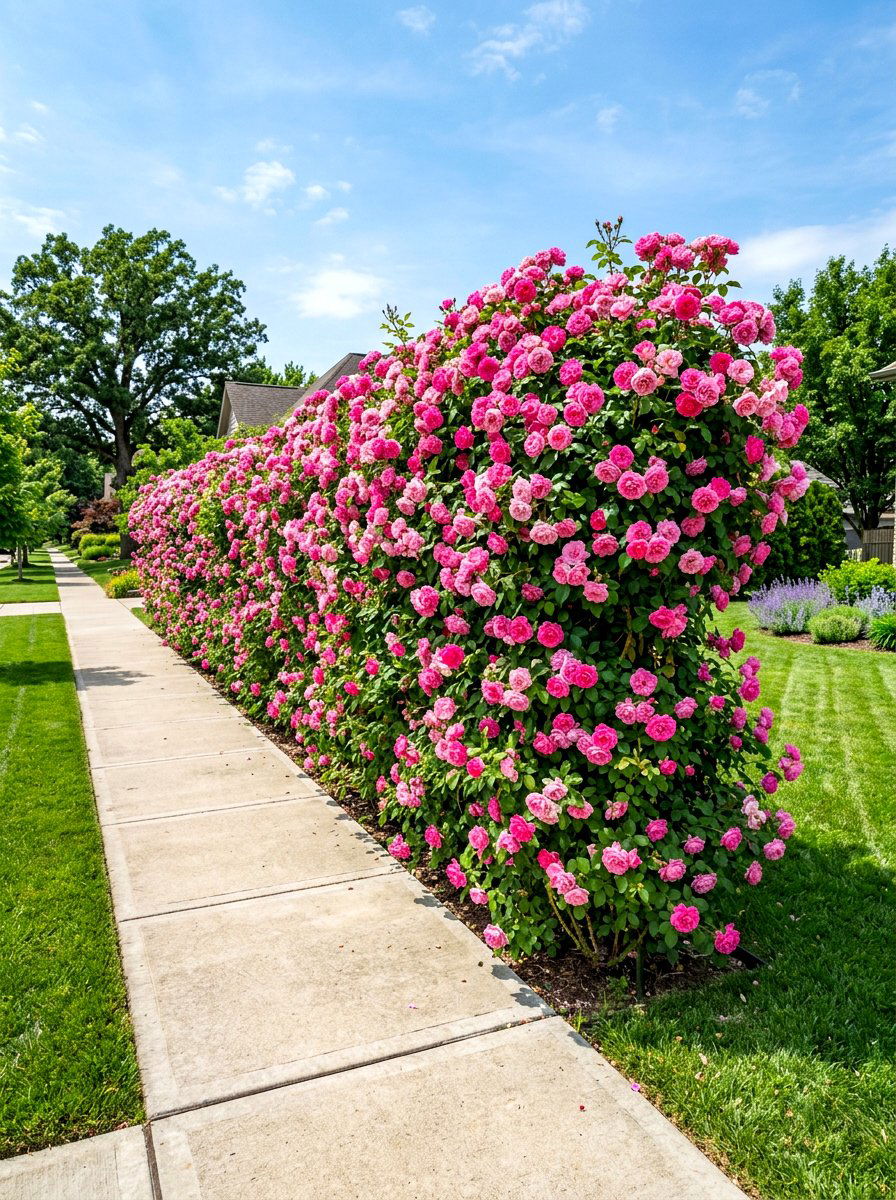
A rose hedge privacy screen is a beautiful alternative to traditional wooden fences or stone walls. You can plant upright shrub roses close together to form a dense, thorny barrier that deters intruders while looking gorgeous. These hedges provide a wall of color and fragrance during the growing season. Choosing varieties that produce decorative hips also adds interest during the winter months. Regular pruning helps to keep the hedge at your desired height and encourages more flowers to grow. This living fence supports local wildlife by providing nesting spots for birds. It is a functional and aesthetic way to define your property boundaries.
9. Circular Rose Bed
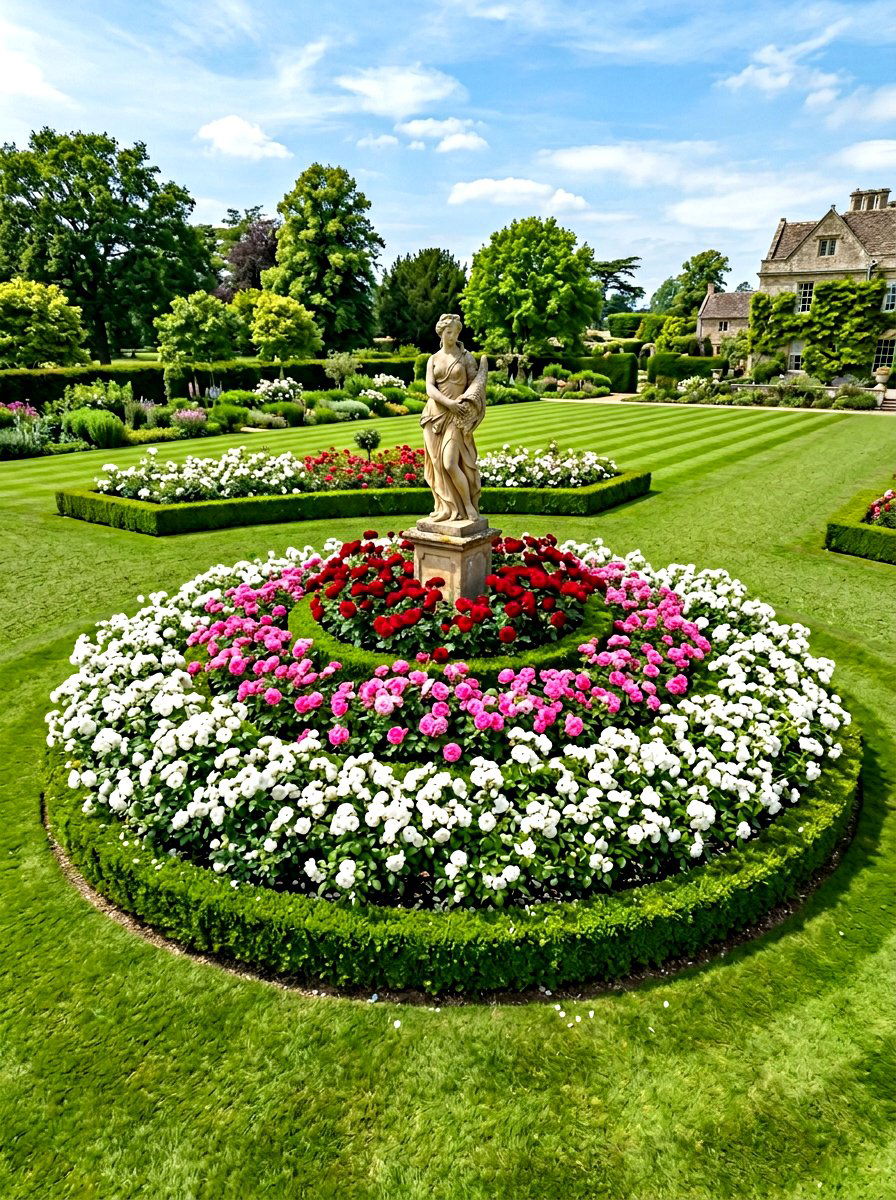
A circular rose bed acts as a stunning centerpiece in the middle of a lawn or at the end of a path. You can plant taller roses in the center and gradually use shorter varieties toward the edges for a tiered look. This shape allows you to view the blooms from every angle as you walk around it. Adding a small statue or a birdbath in the very middle can enhance the formal feel of the bed. It creates a sense of balance and harmony in the landscape. Keeping the edges neatly trimmed with a spade will make the design look professional and very well-maintained.
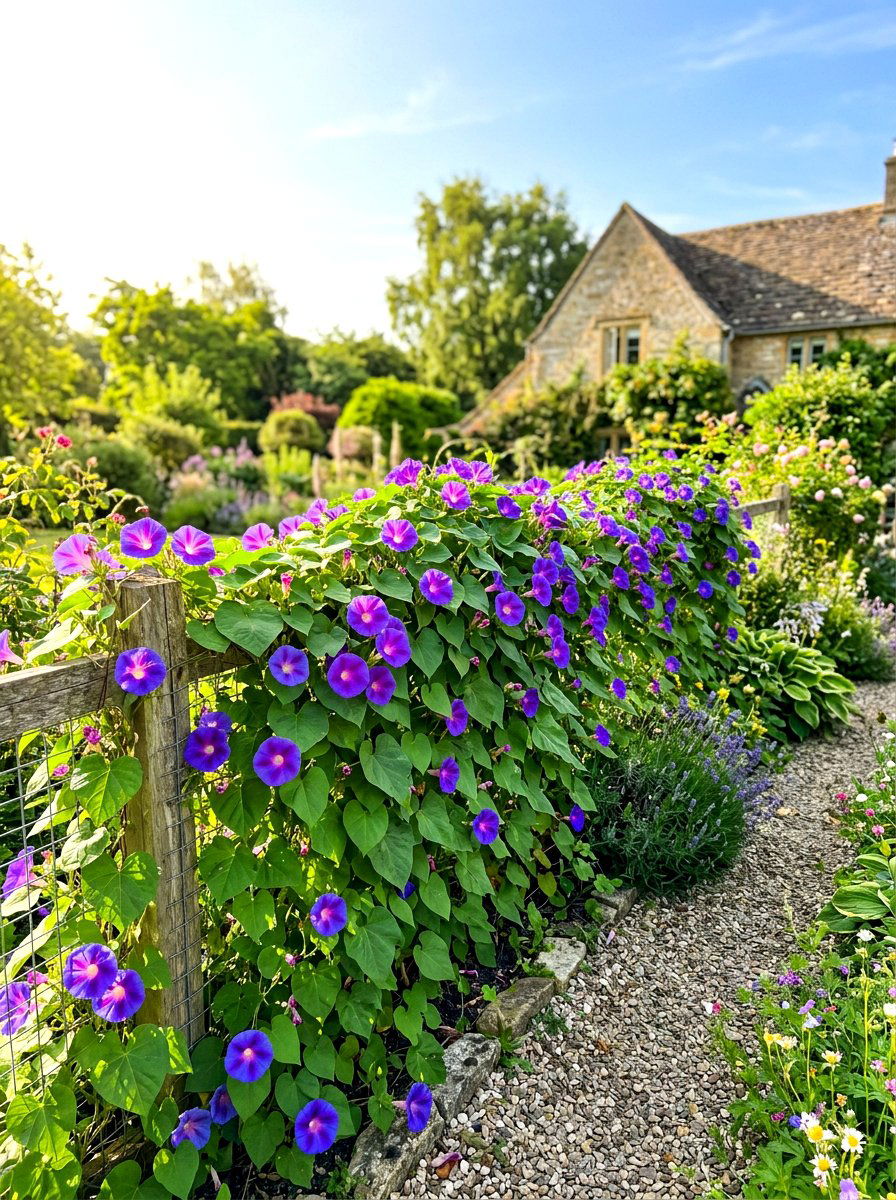
10. Miniature Rose Rockery
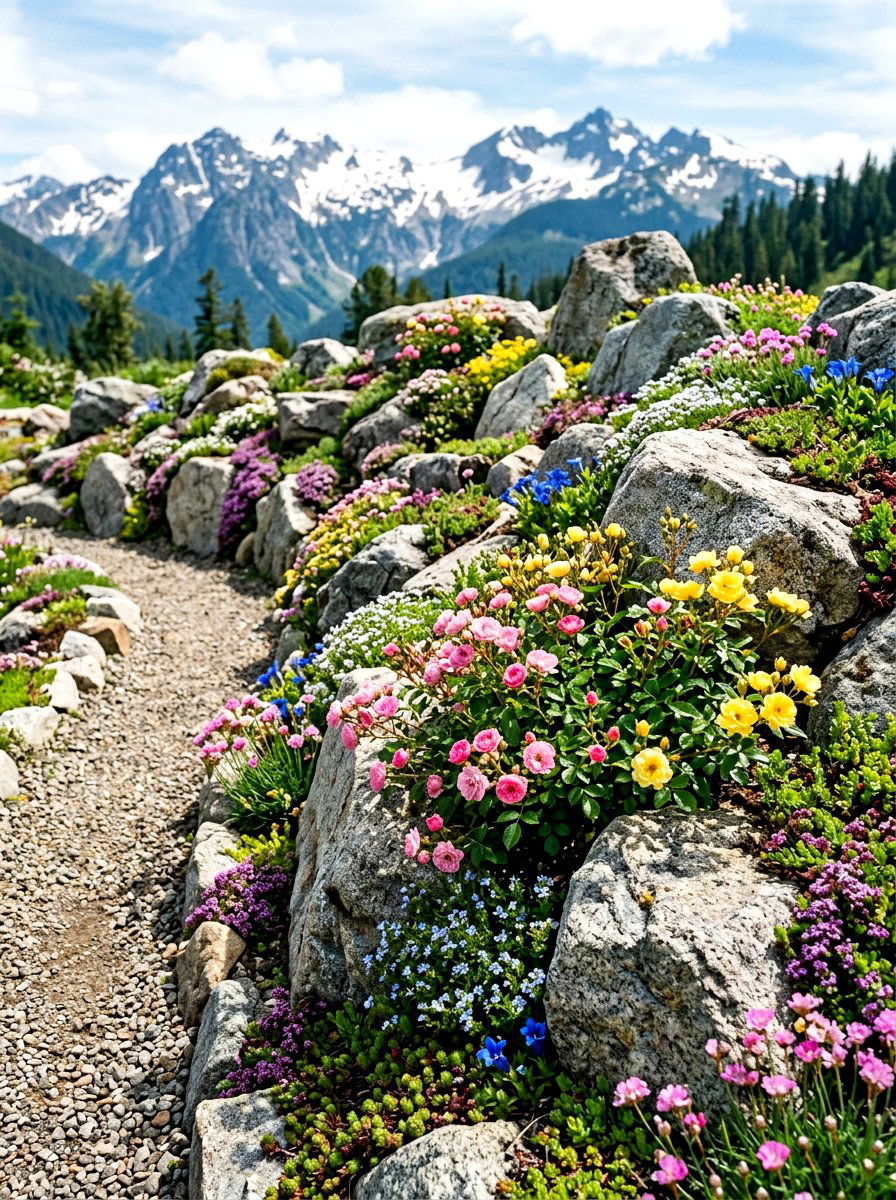
A miniature rose rockery is a creative way to use small-scale plants in a rugged, stony environment. These tiny roses are very hardy and fit perfectly into the crevices between large garden rocks. You can mix them with alpine plants or succulents for a unique textural contrast. This idea works well for front yards or sloped areas where traditional gardening might be difficult. The rocks help to retain heat, which these sun-loving flowers truly enjoy. Miniature roses come in almost every color, allowing you to create a vibrant tapestry of blooms. This low-growing design is perfect for adding detail to small, focused garden zones.
11. Front Yard Rose
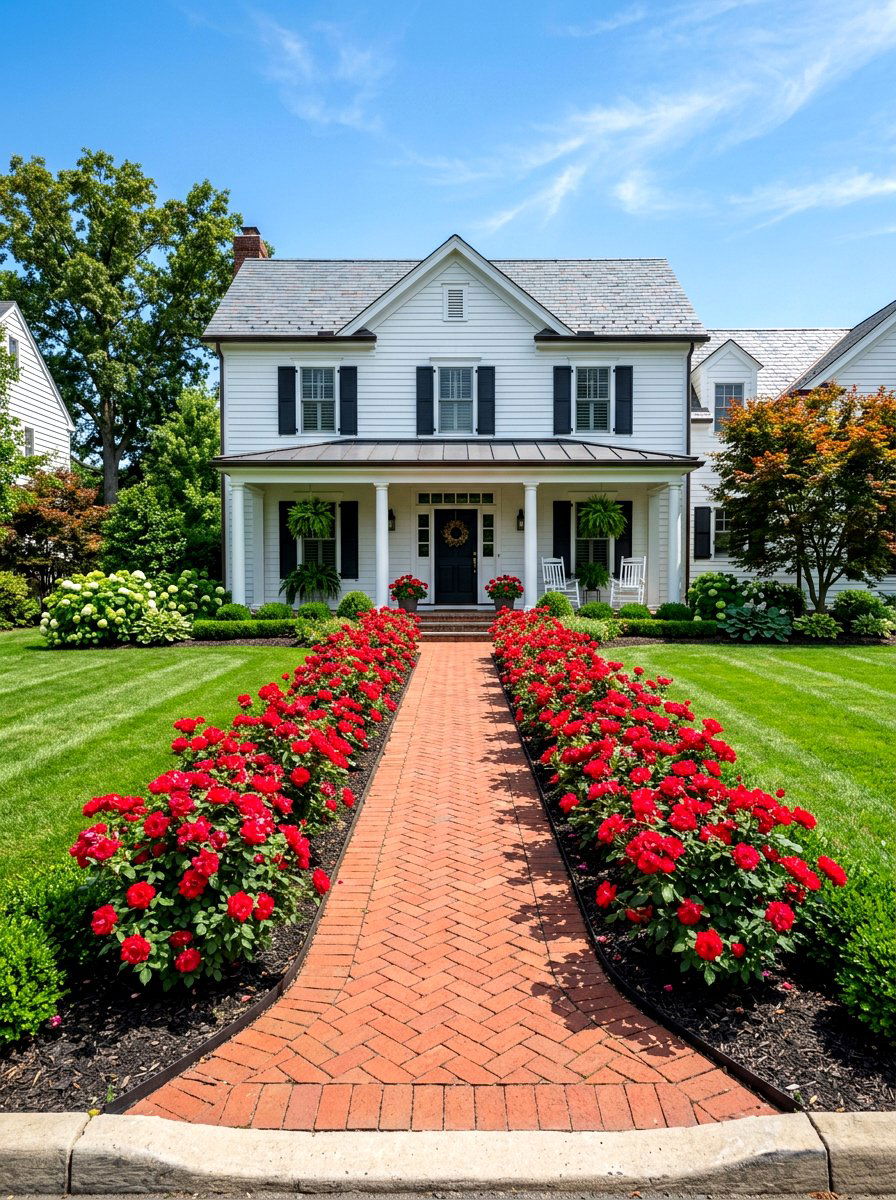
A front yard rose display significantly boosts the curb appeal of your home and creates a warm welcome. You can plant a row of colorful bushes along your front walkway or beneath your windows. This adds a layer of softness to the house's architecture and makes the property stand out. Using repeat-blooming shrub roses ensures that your home looks beautiful for several months out of the year. Many people choose bright red or deep pink varieties to make a bold statement. It is a simple way to show pride in your home while providing a lovely view for neighbors and visitors alike.
12. Rose Garden Gazebo
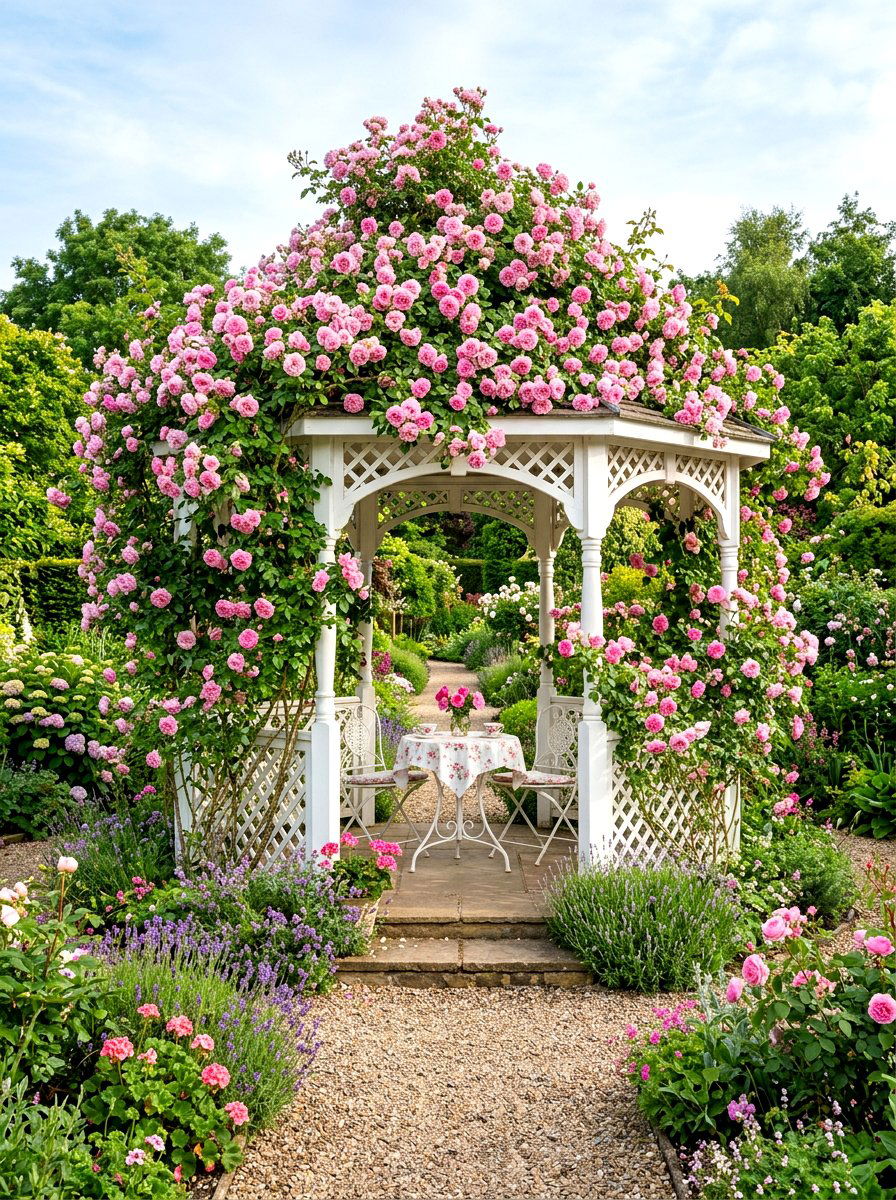
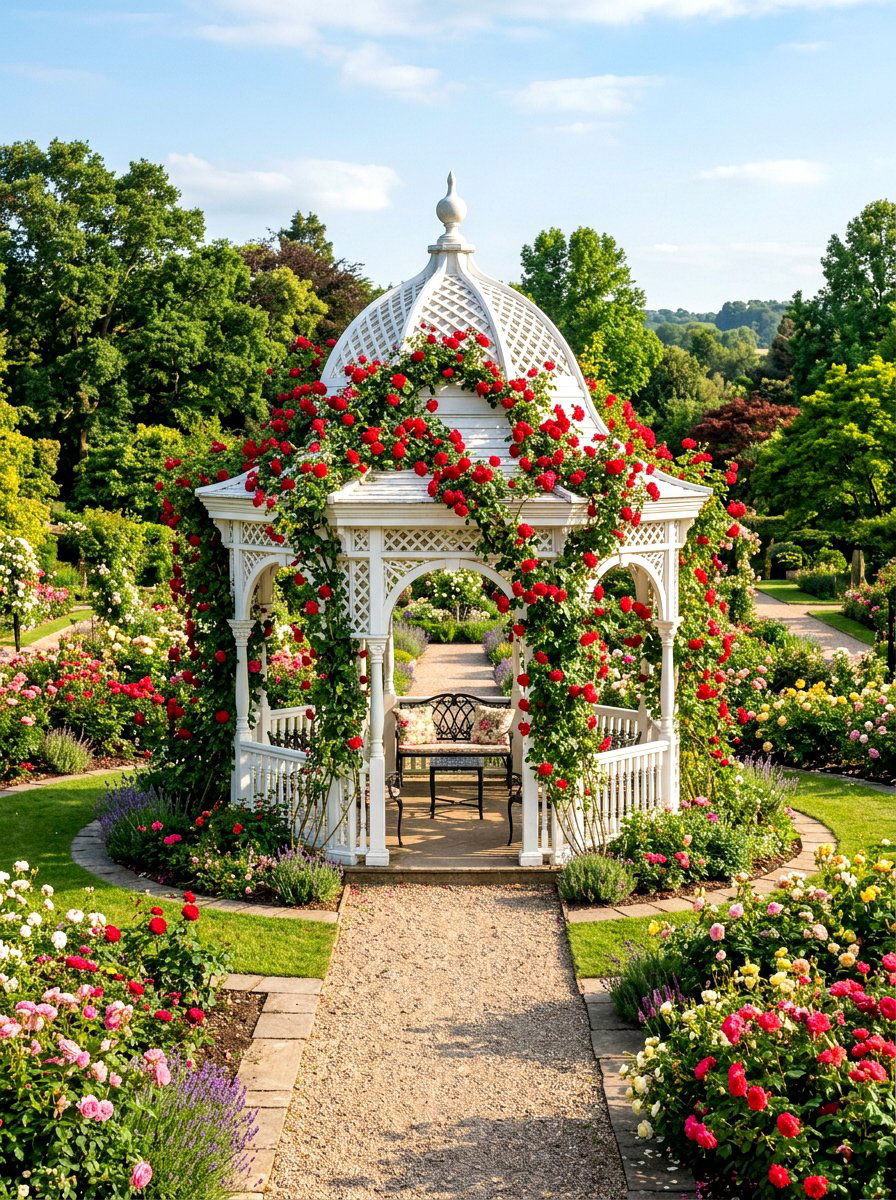
A rose garden gazebo provides a romantic and shaded retreat where you can relax surrounded by flowers. By planting climbing roses at the base of each pillar, you can encourage them to grow up and over the roof. This creates a living canopy of blooms that offers both shade and a wonderful perfume. It is the perfect spot for morning coffee or hosting a small outdoor tea party. The structure provides essential support for the roses while the roses soften the look of the wood or metal. This combination of architecture and nature creates a very peaceful and quite luxurious garden destination.
13. Shrub Rose Border
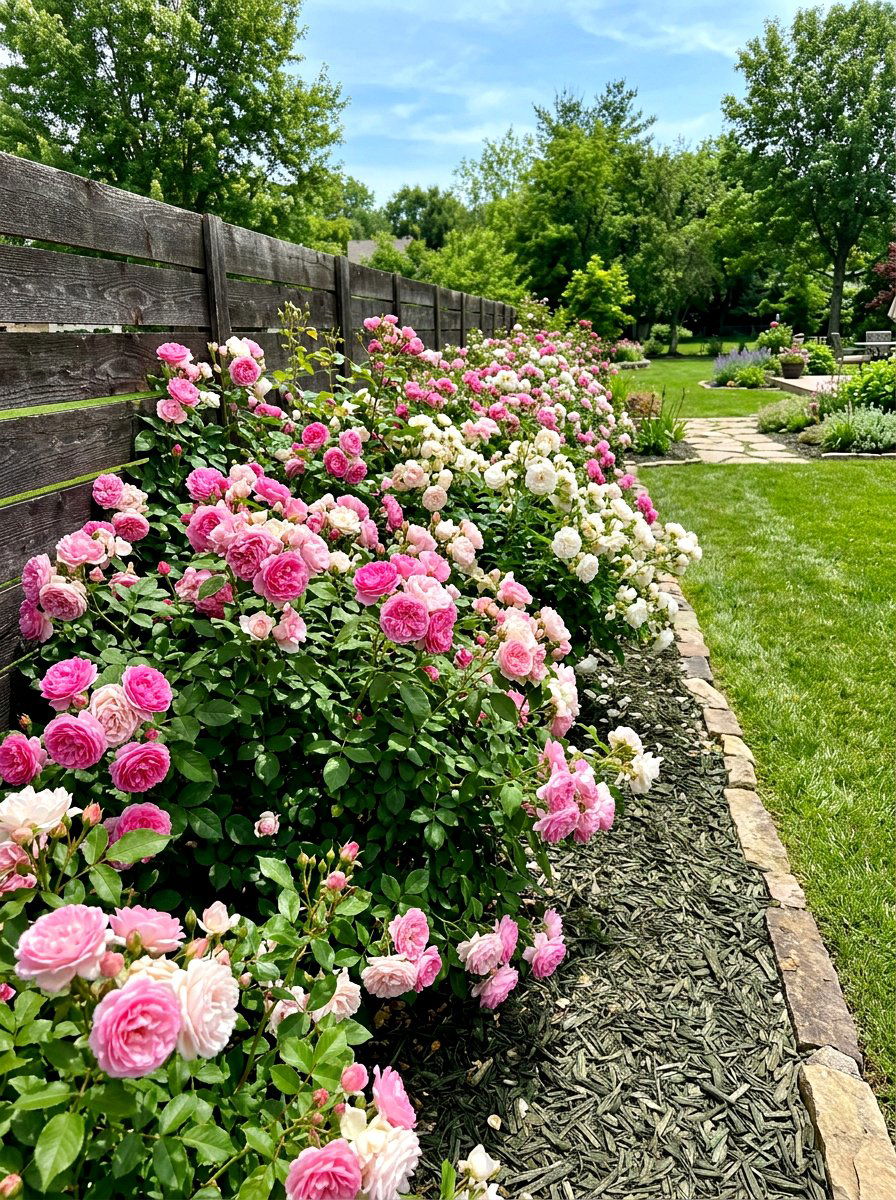
A shrub rose border is a versatile way to fill long stretches of space along a fence or driveway. These roses are known for their bushy habit and ability to produce a massive number of flowers at once. You can mix different heights and colors to create a vibrant and energetic boundary. Unlike some fussy varieties, many modern shrub roses are very easy to care for and highly disease-resistant. They provide a solid structure to the garden even when they are not in full bloom. This layout is excellent for large properties where you want to make a big visual impact.
14. David Austin Rose
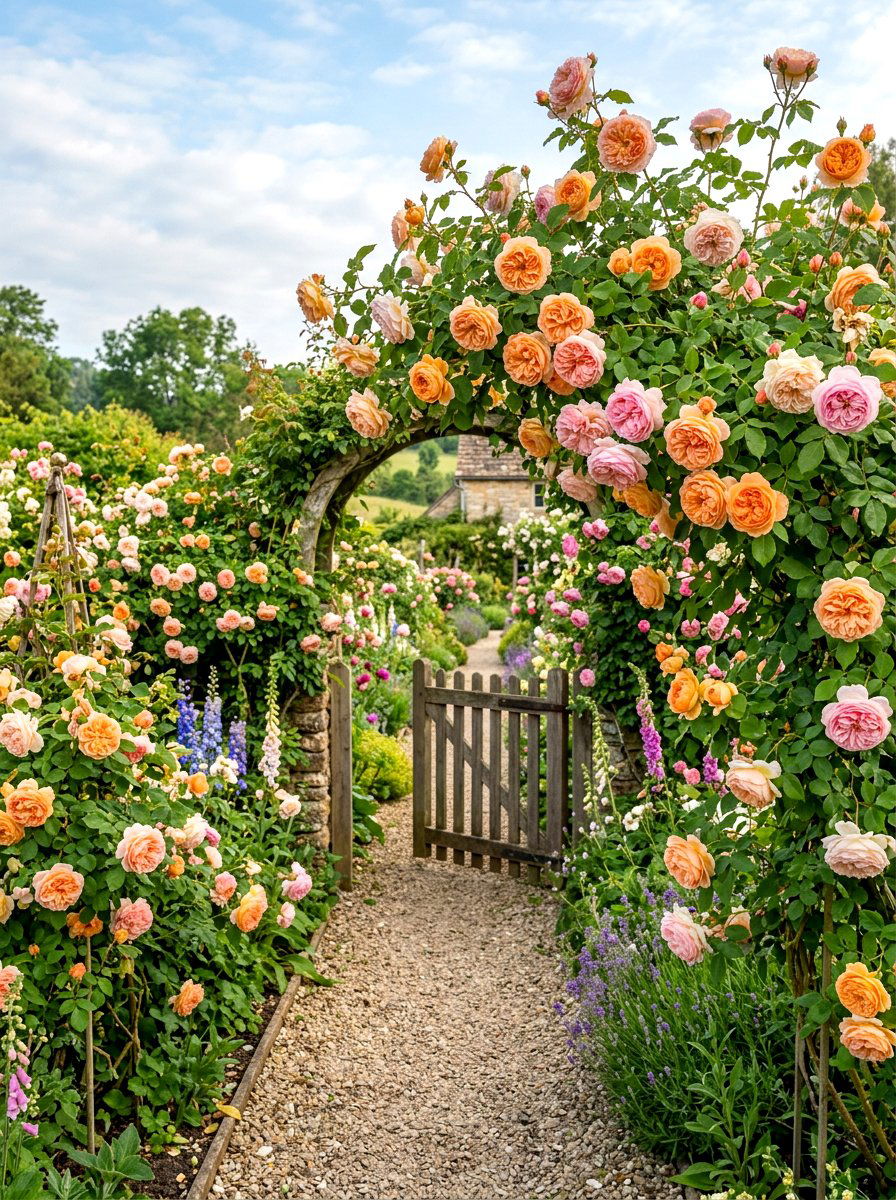
A David Austin rose garden focuses on varieties known for their exceptional fragrance and many-petaled, old-fashioned shapes. These roses combine the charm of antique flowers with the health and repeat-blooming nature of modern ones. You can create a dedicated bed to showcase their unique colors, which range from soft apricots to deep crimsons. Their bushy and often arching habit makes them ideal for creating a lush, full look in any border. Many gardeners collect these specific varieties because of their reliability and stunning beauty. Designing a space around them ensures a high-quality display that smells as good as it looks in the yard.
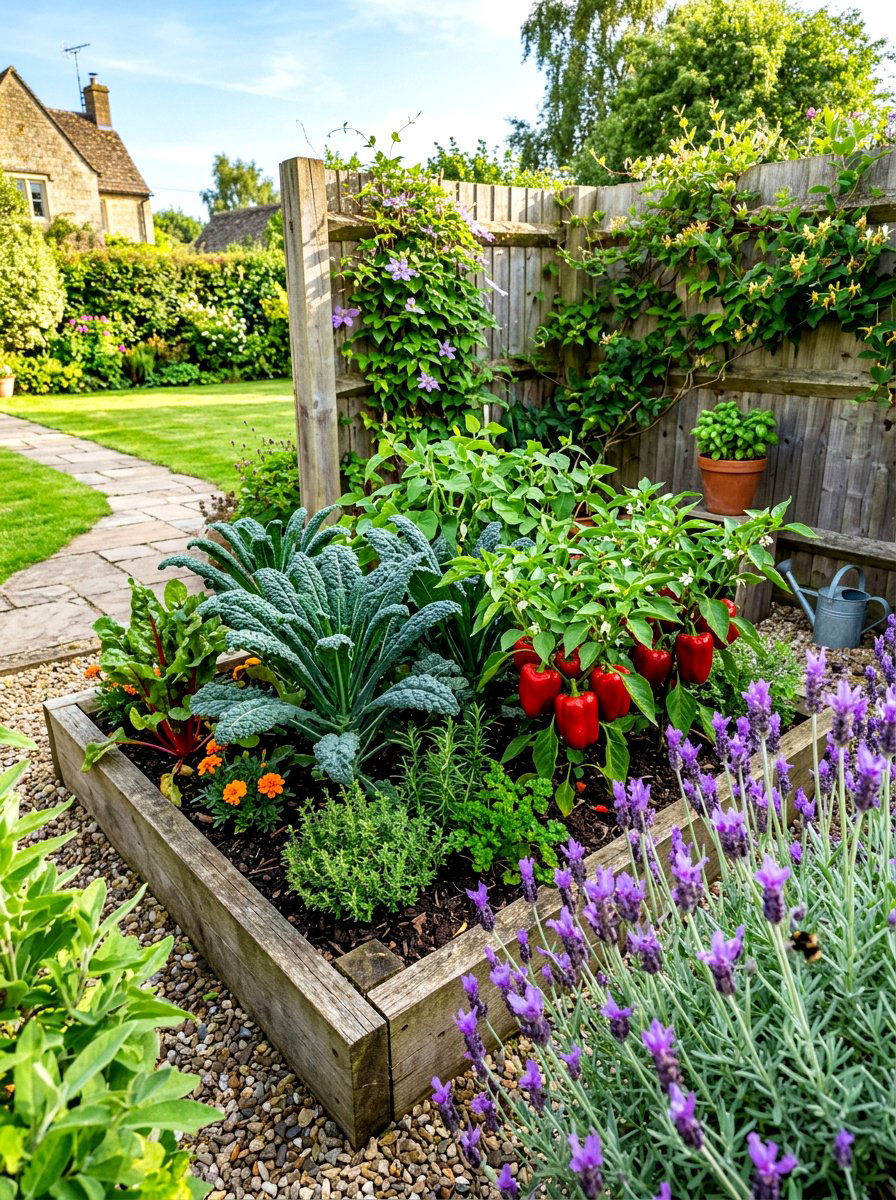
15. Climbing Rose Wall
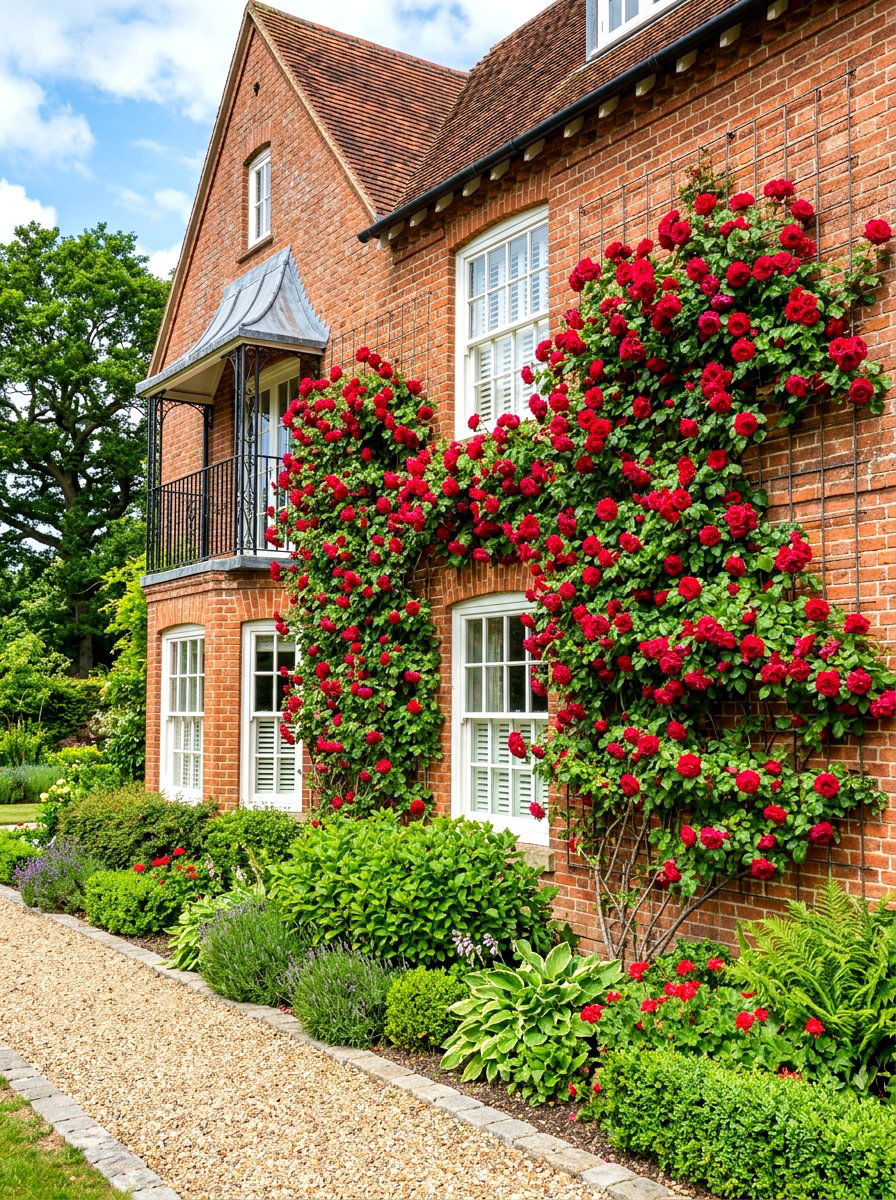
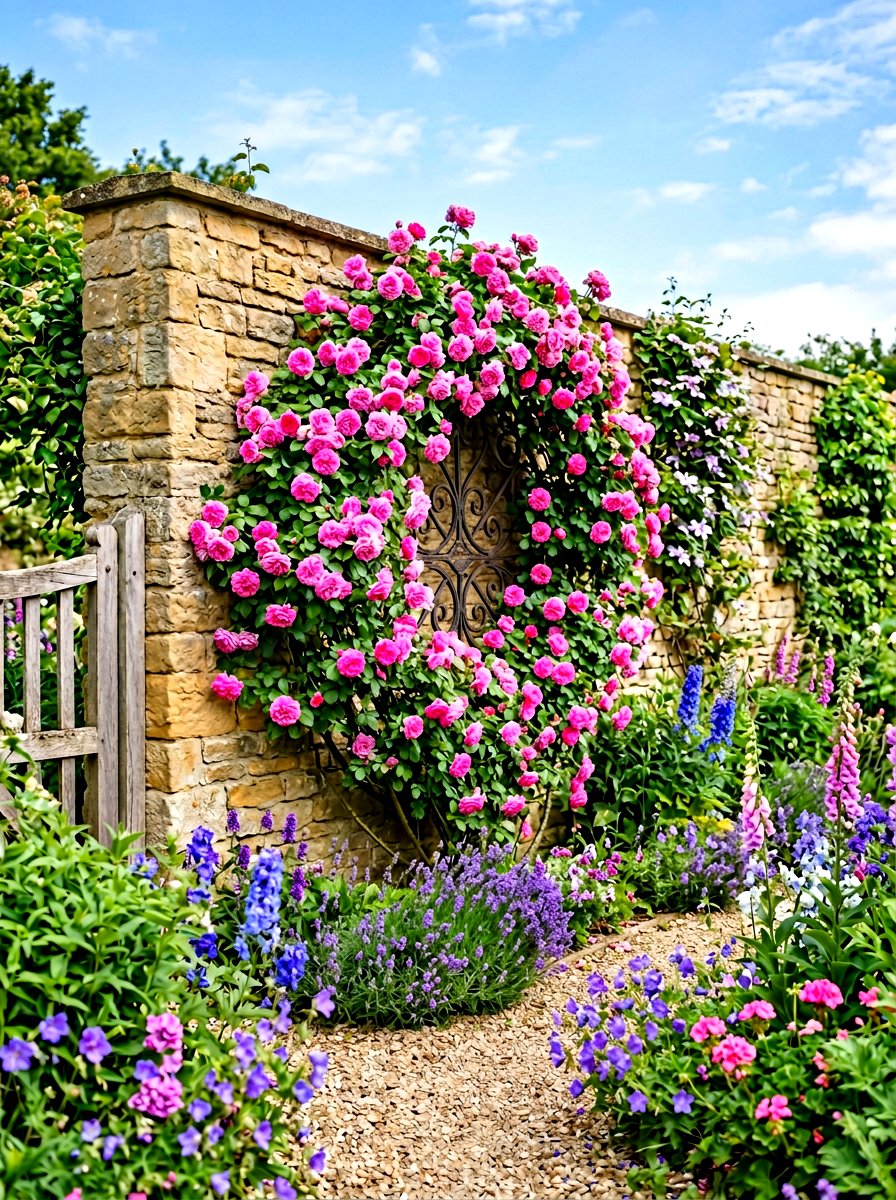
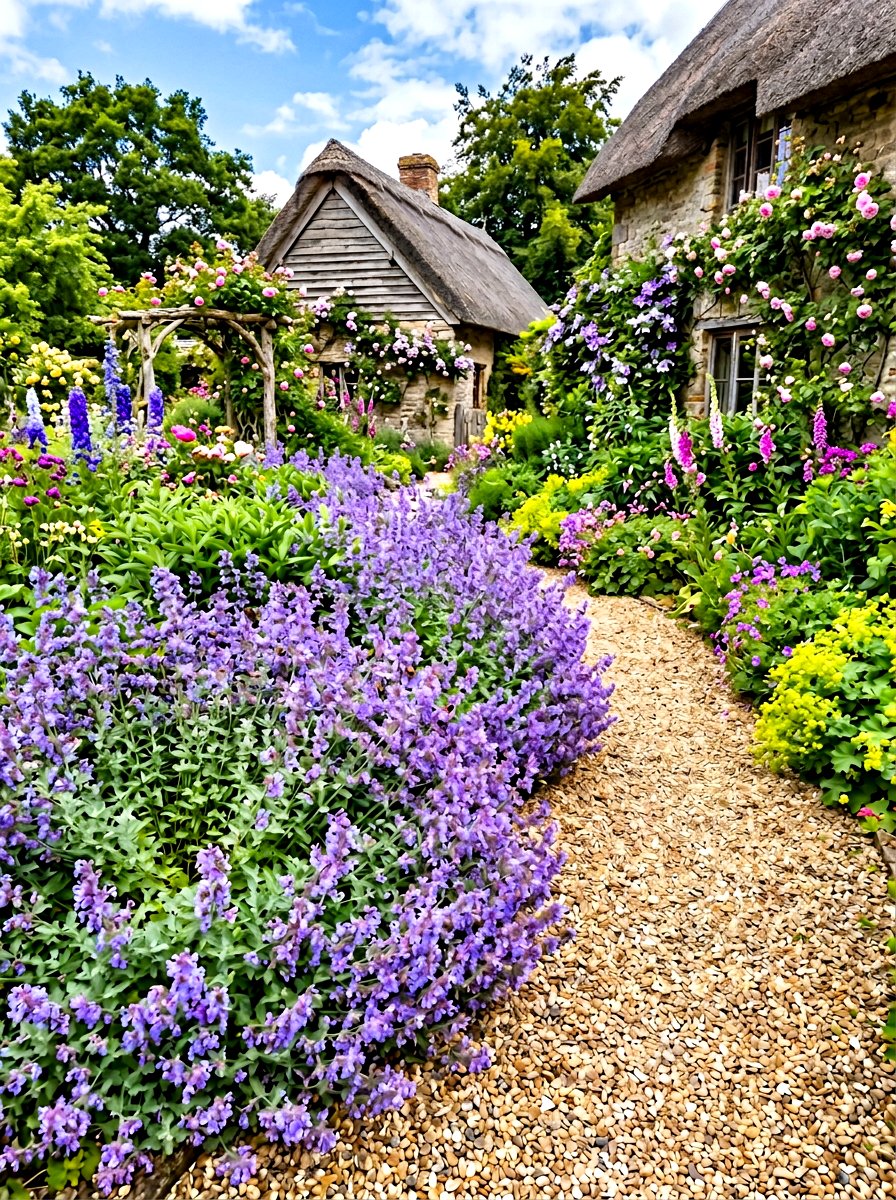
A climbing rose wall transforms a plain exterior into a vertical masterpiece of nature. You can use a wire system or a large trellis attached directly to your home or a tall brick wall. Training the roses horizontally at first encourages more flowering shoots to grow upward, covering the surface faster. This is an excellent way to camouflage an unattractive shed or to add charm to a garage. The green leaves and colorful flowers break up large expanses of masonry or wood. It is a space-saving technique that brings a high level of drama and beauty to any vertical garden area.
16. Rose Garden Path
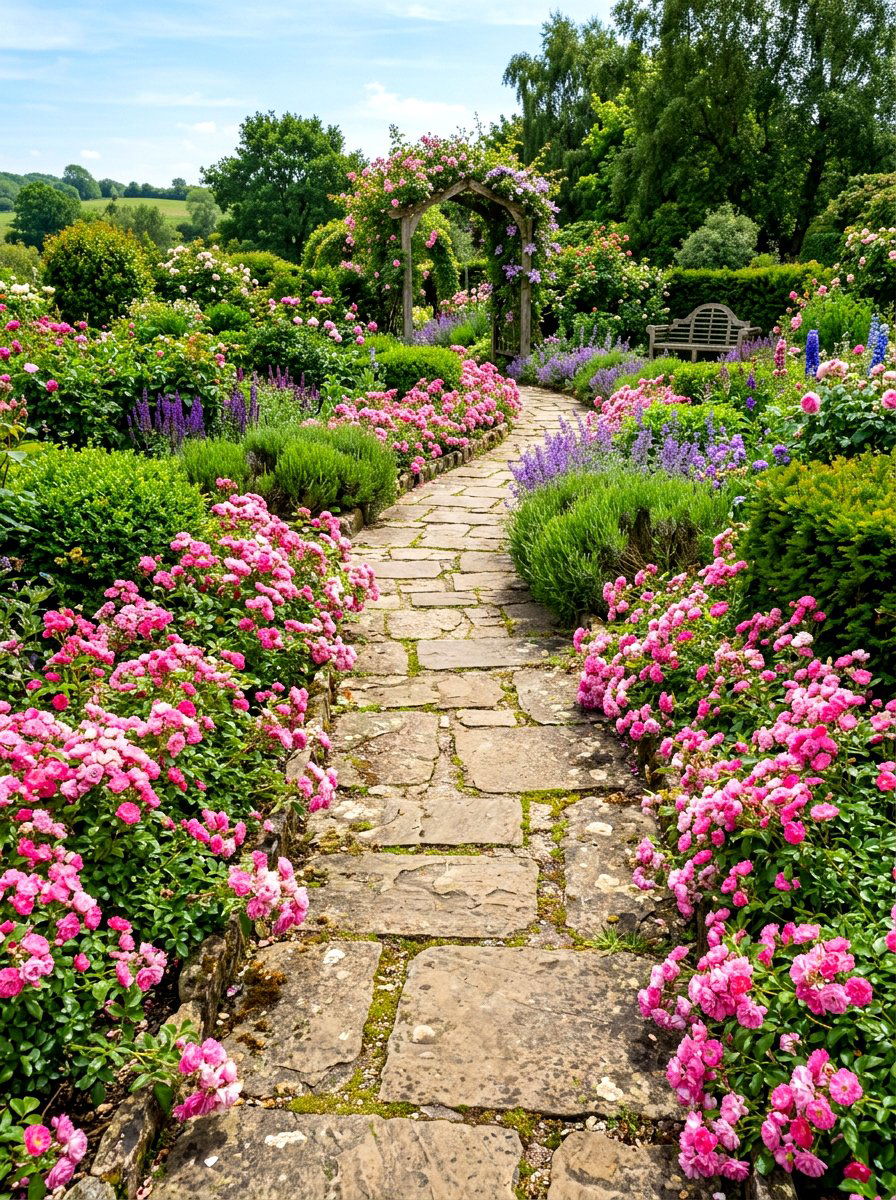
A rose garden path makes walking through your yard a sensory experience filled with color and scent. You can line a gravel or stone walkway with low-growing roses that spill slightly over the edges. This softens the hard lines of the path and makes the journey feel more intimate and romantic. Choosing fragrant varieties ensures that every step you take is accompanied by a pleasant aroma. It is a great way to connect different parts of your garden while keeping the focus on your favorite flowers. This simple layout turns a basic functional walkway into a beautiful and very memorable landscape feature.
17. Multi-Level Rose Terrace
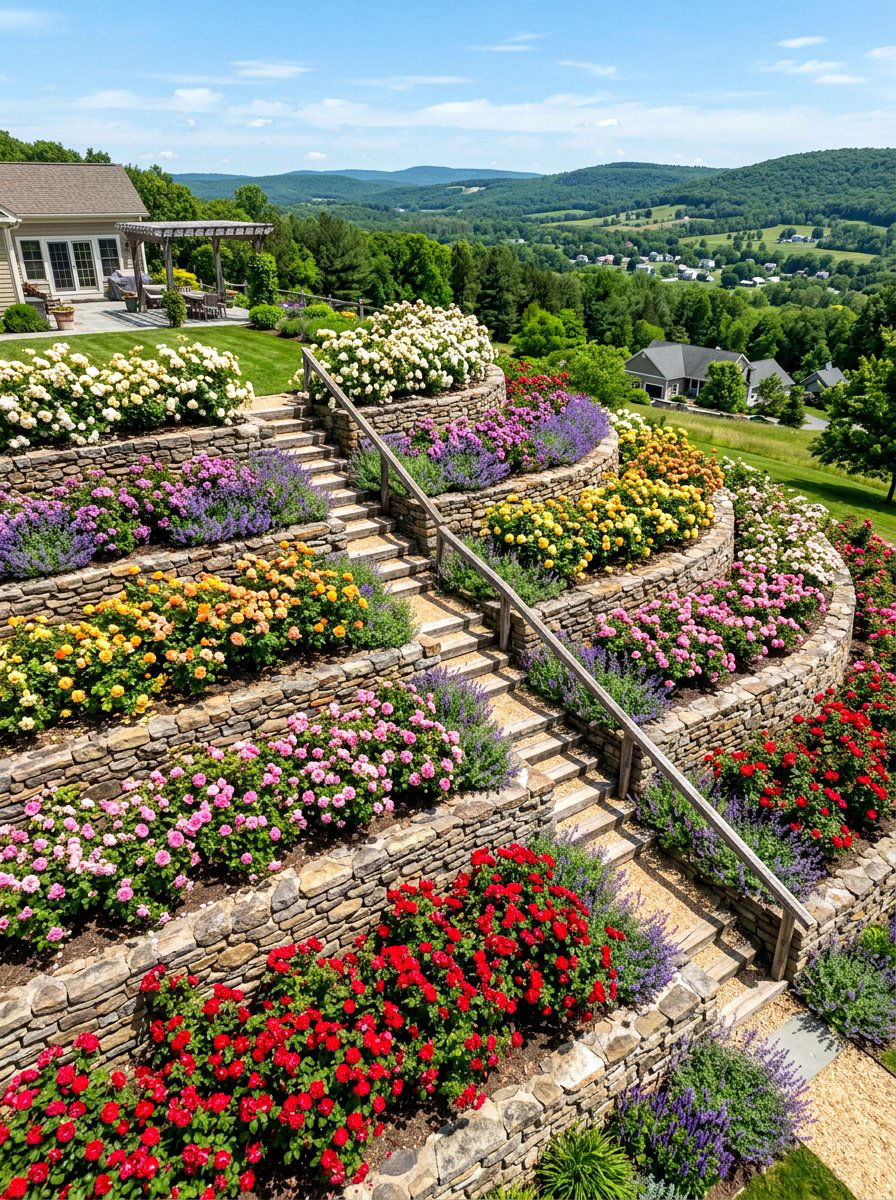
A multi-level rose terrace is the perfect solution for sloped backyards that need more structure. You can build stone or timber retaining walls and plant different types of roses on each level. This creates a cascading effect where flowers appear to flow down the hillside. Taller roses go in the back, while groundcover types can drape over the edges of the walls. This design provides excellent drainage, which is something that roses absolutely love. It turns a difficult landscape challenge into a stunning focal point. The tiered layers allow you to see many different varieties all at once from a distance.
18. Rose Pergola Structure
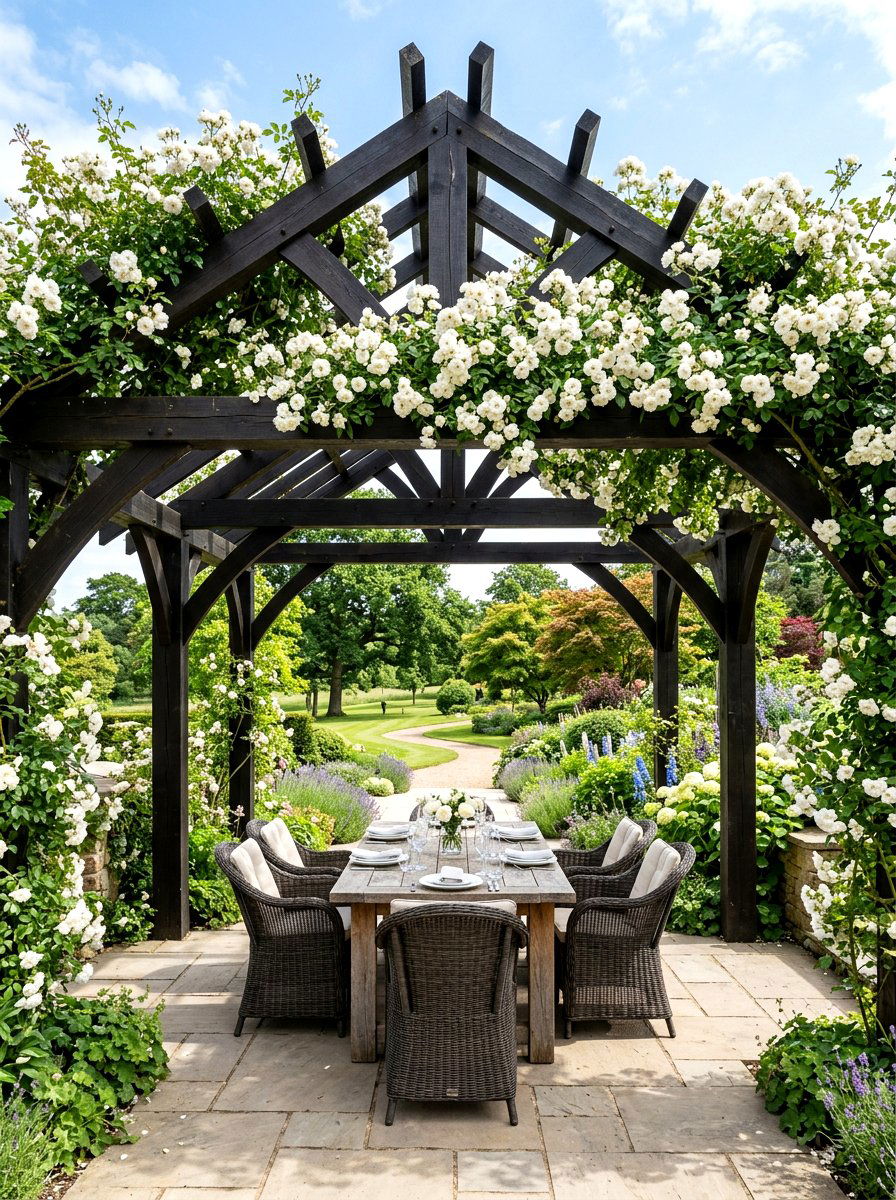
A rose pergola structure adds a sense of height and architectural beauty to any outdoor living space. You can install a large wooden frame over a dining area and train vigorous ramblers to cover the top beams. During the peak of summer, the roses create a fragrant ceiling that provides dappled shade for your guests. This setup is ideal for larger gardens where you want to create a grand statement. The roses grow quickly to fill the gaps, providing a sense of privacy and enclosure. It is a wonderful way to merge outdoor furniture with lush, blooming plants for a cohesive look.
19. Romantic Rose Arbor
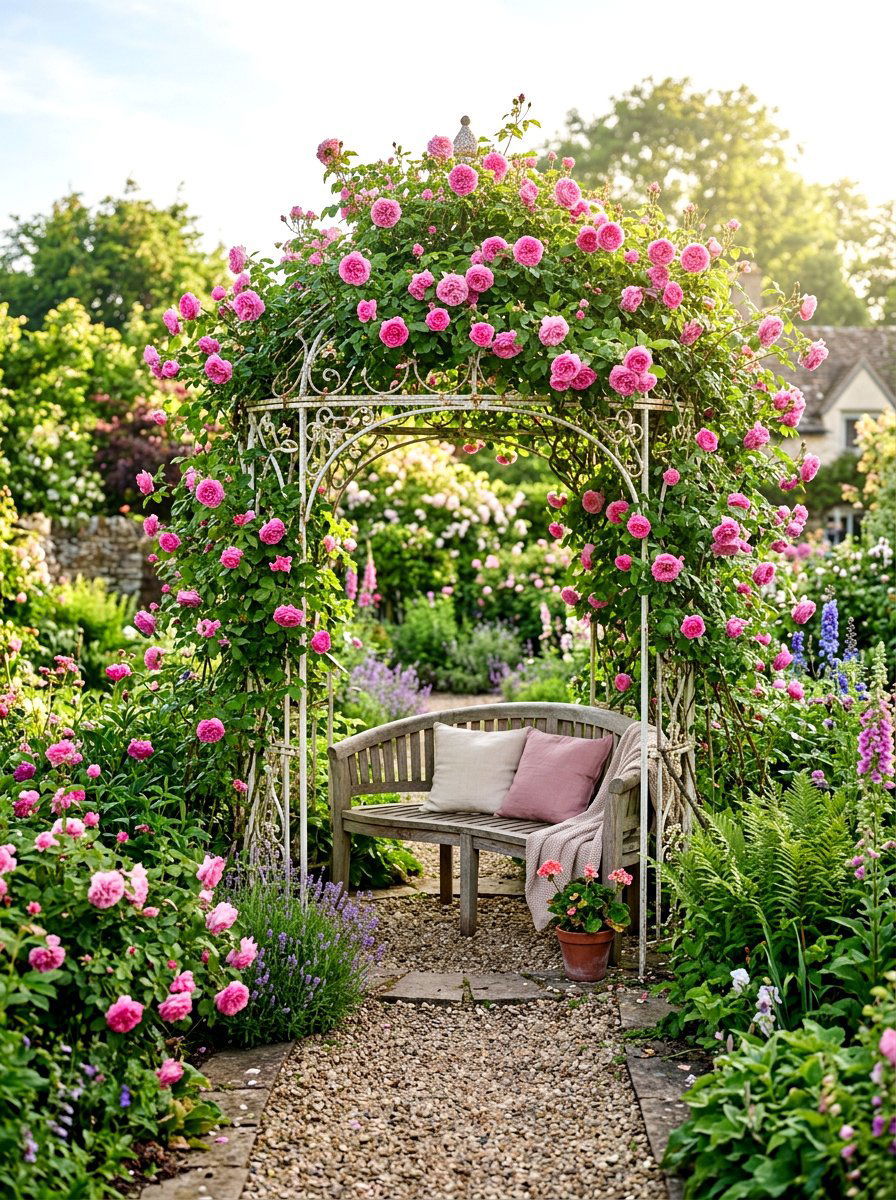
A romantic rose arbor creates a focal point that is perfect for photos or quiet reflection. You can place a small, decorative arbor over a garden bench to create a cozy nook. Planting scented climbers on the sides ensures that you are enveloped in perfume while you sit. This small-scale structure works well in even the tiniest gardens. It adds a touch of classic elegance and provides a vertical element that draws the eye upward. Many people choose soft pink or white roses for this design to enhance the romantic feel. It is a simple addition that makes any garden feel more special.
20. Hybrid Tea Rose
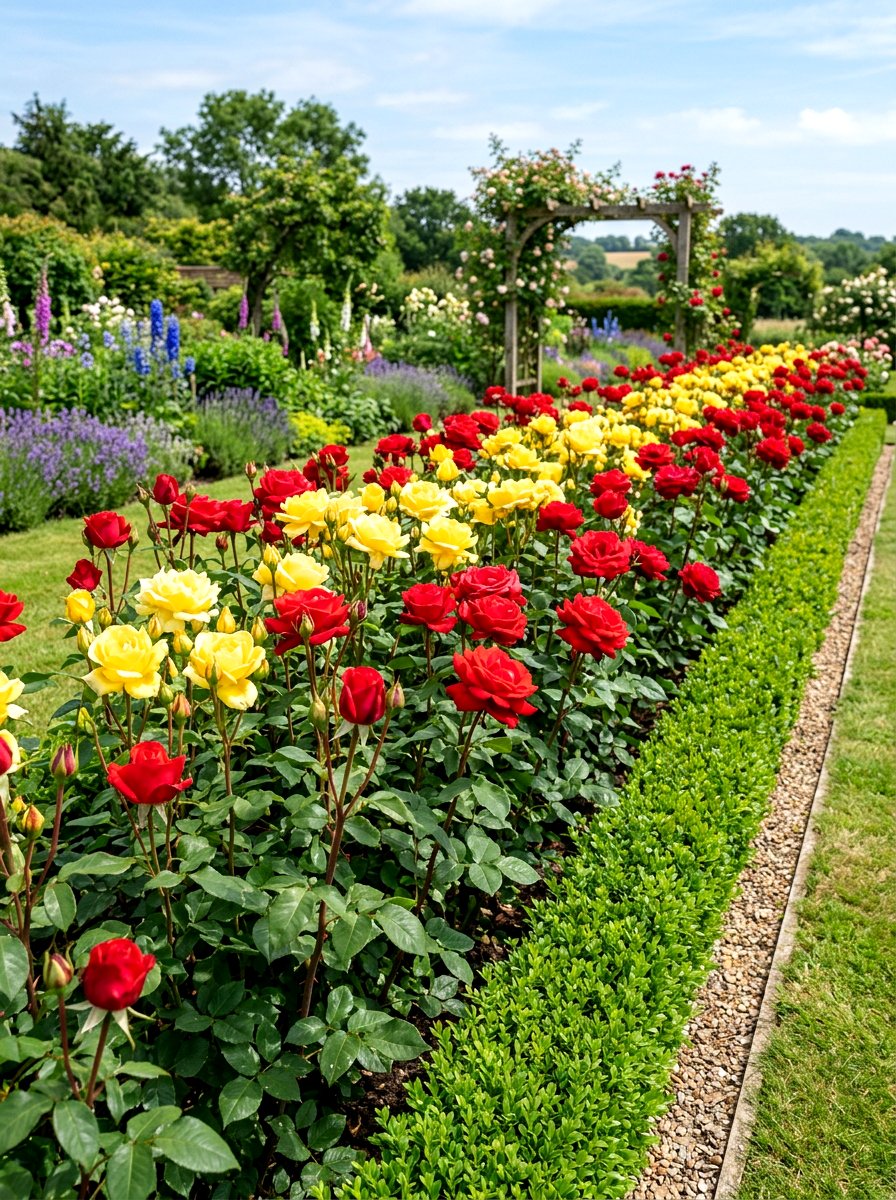
A hybrid tea rose bed is the choice for gardeners who love long stems and perfectly shaped buds. These roses are famous for their large, single blooms on tall, upright branches, making them ideal for cutting. You can plant them in a dedicated row to make maintenance and harvesting easier. Because they have a more open growth habit, they look best when grouped together or planted with low perennials at their feet. This style of garden focuses on the individual beauty of each flower. It is perfect for those who enjoy making their own floral arrangements and bouquets for the home.
21. Formal Rose Parterre
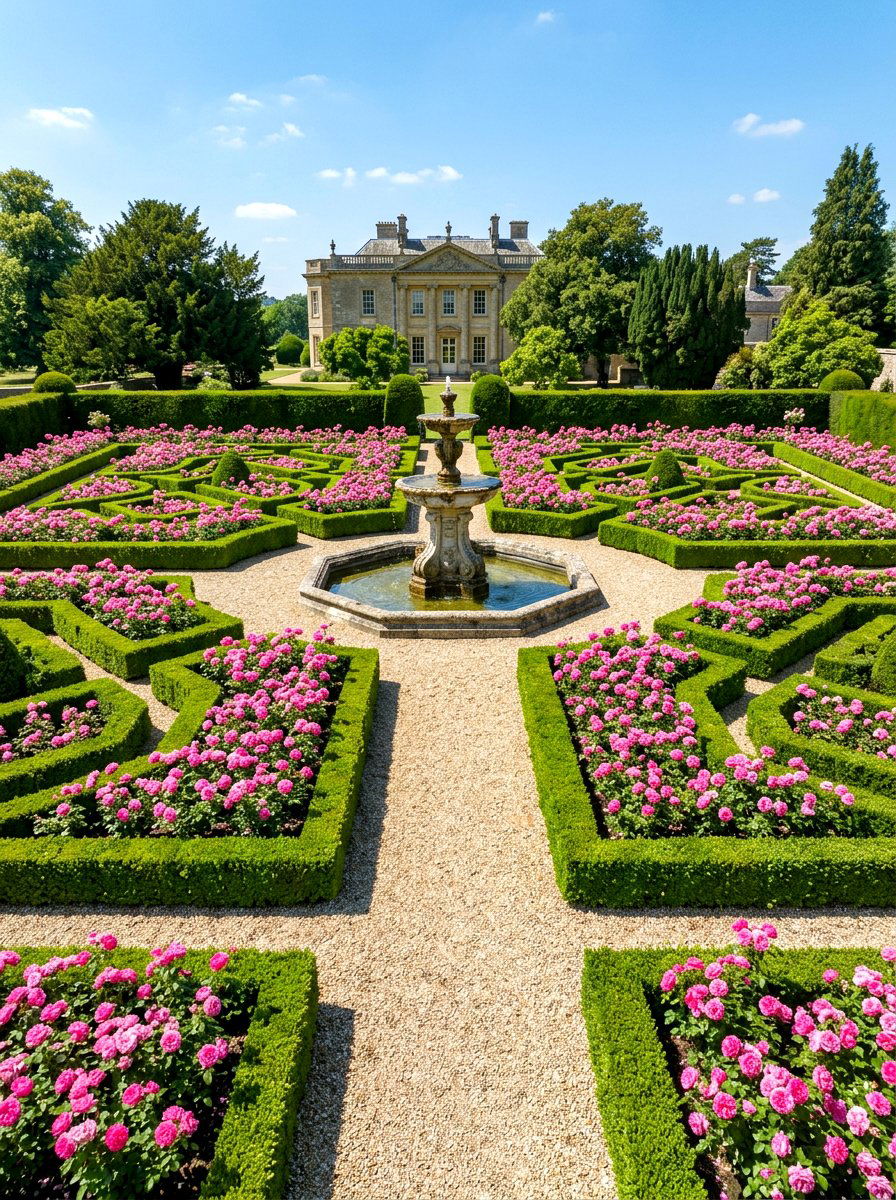
A formal rose parterre uses symmetrical patterns and low hedges to create a highly structured and traditional garden. You can use boxwood to frame small beds that are then filled with neat rose bushes. This geometric layout looks impressive from above and adds a sense of order to the landscape. It is inspired by historic European gardens and feels very sophisticated. Keeping the roses pruned to a uniform height is key to maintaining the clean look of the design. This style works best in flat areas where the pattern can be easily seen. It is a true statement of garden artistry.
22. Wild Rose Woodland
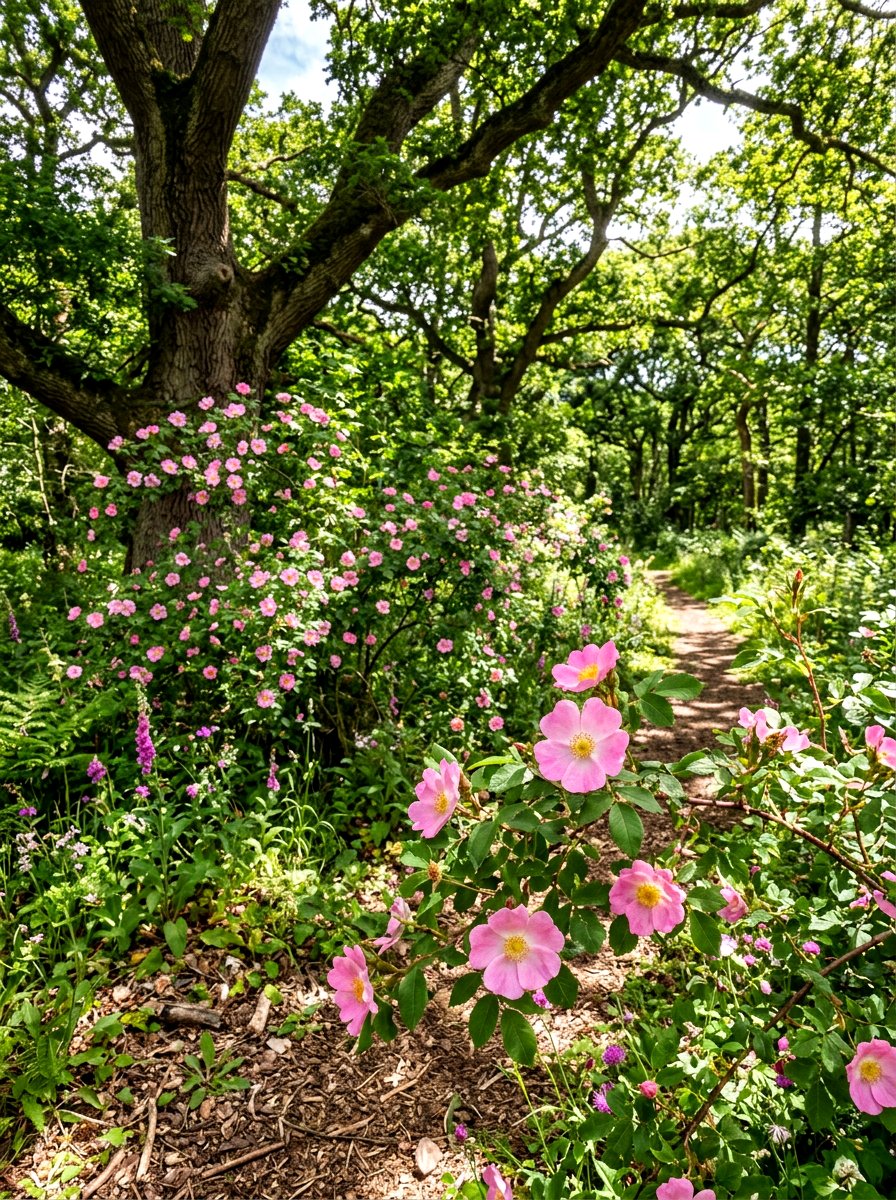
A wild rose woodland theme is perfect for the edges of a property or under large trees. You can use species roses or rambling varieties that have a more natural and rugged appearance. These roses often produce single flowers that are very attractive to pollinators and birds. They require very little maintenance and can be left to grow into large, informal thickets. This approach fits well with a more ecological and wildlife-friendly garden philosophy. The roses provide shelter and food for local animals while adding a touch of untamed beauty to the shaded corners of your yard.
23. Standard Rose Tree
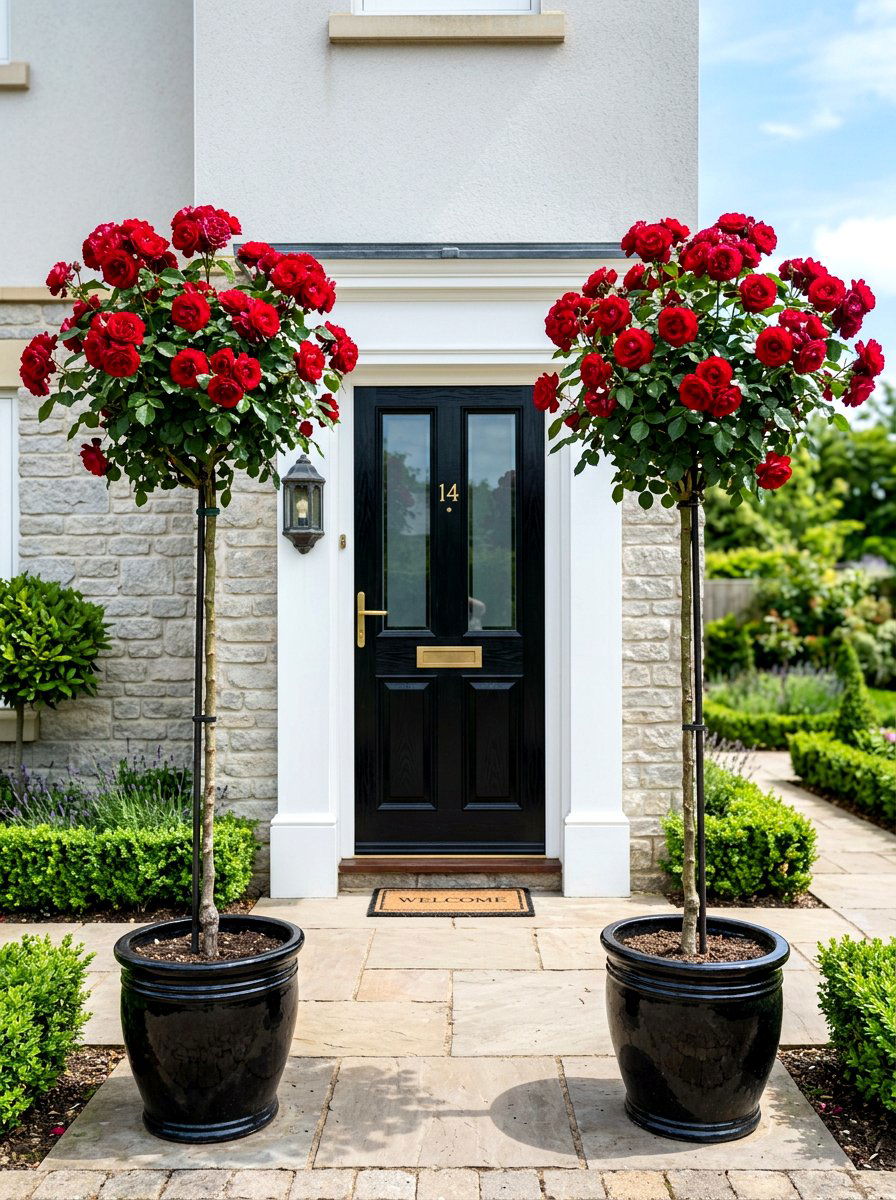
A standard rose tree, also known as a rose tree, adds instant height and a formal touch to any space. These are roses that have been grafted onto a tall, straight stem, creating a lollipop shape. You can use them to flank a doorway or to add a vertical layer to a flat flower bed. They work exceptionally well in large pots or as accents along a formal path. Because the flowers are held high, they are easy to see and smell without bending over. This design choice is very popular for adding a touch of elegance to small patios or front porches.
24. Rose And Clematis
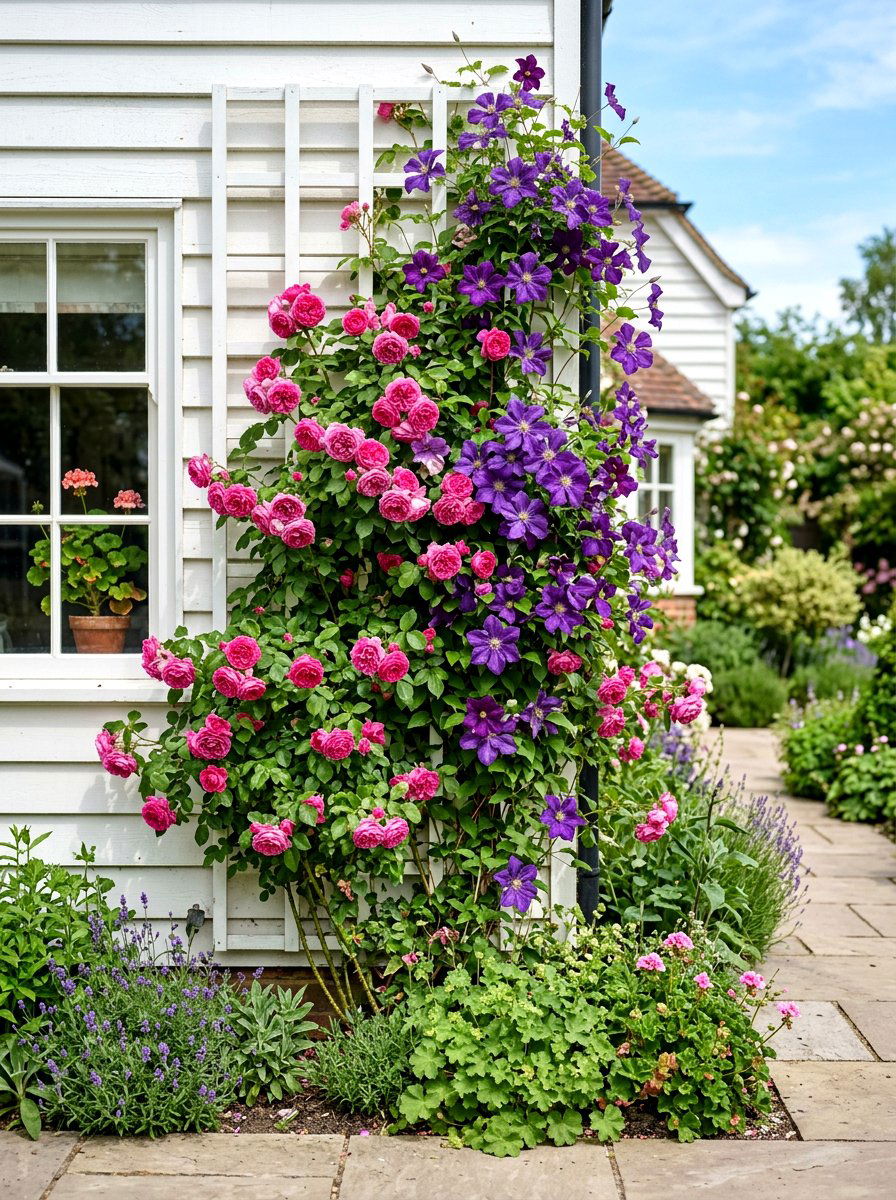
The rose and clematis combination is a favorite among vertical gardeners for its long-lasting color. You can plant both a climbing rose and a clematis vine at the base of the same trellis. The clematis will weave through the rose canes, filling in any gaps with its own distinct flowers. Choosing varieties that bloom at different times can extend the season of interest on your wall or arch. The contrasting shapes of the two flowers create a rich and textured look that is very visually appealing. This pairing is a simple way to get double the impact from a single garden structure.
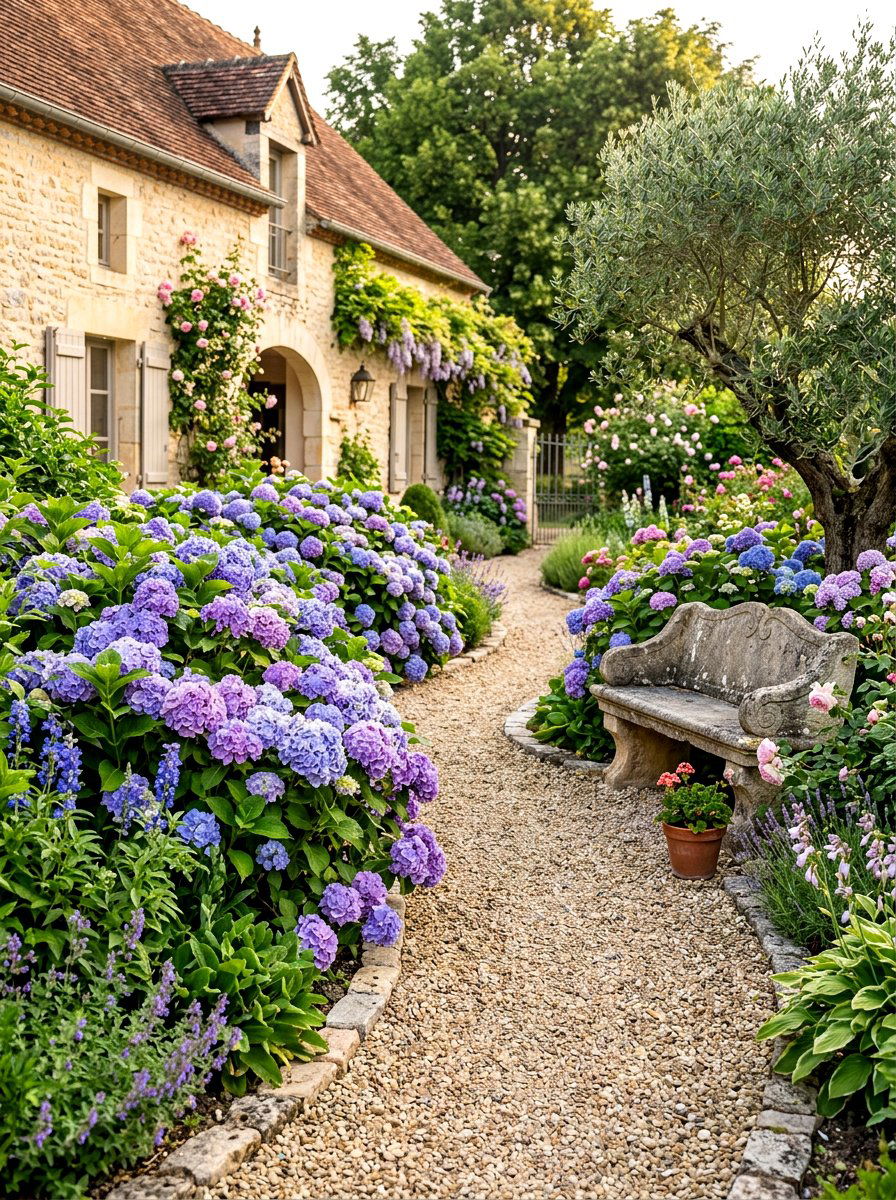
25. Raised Bed Rose
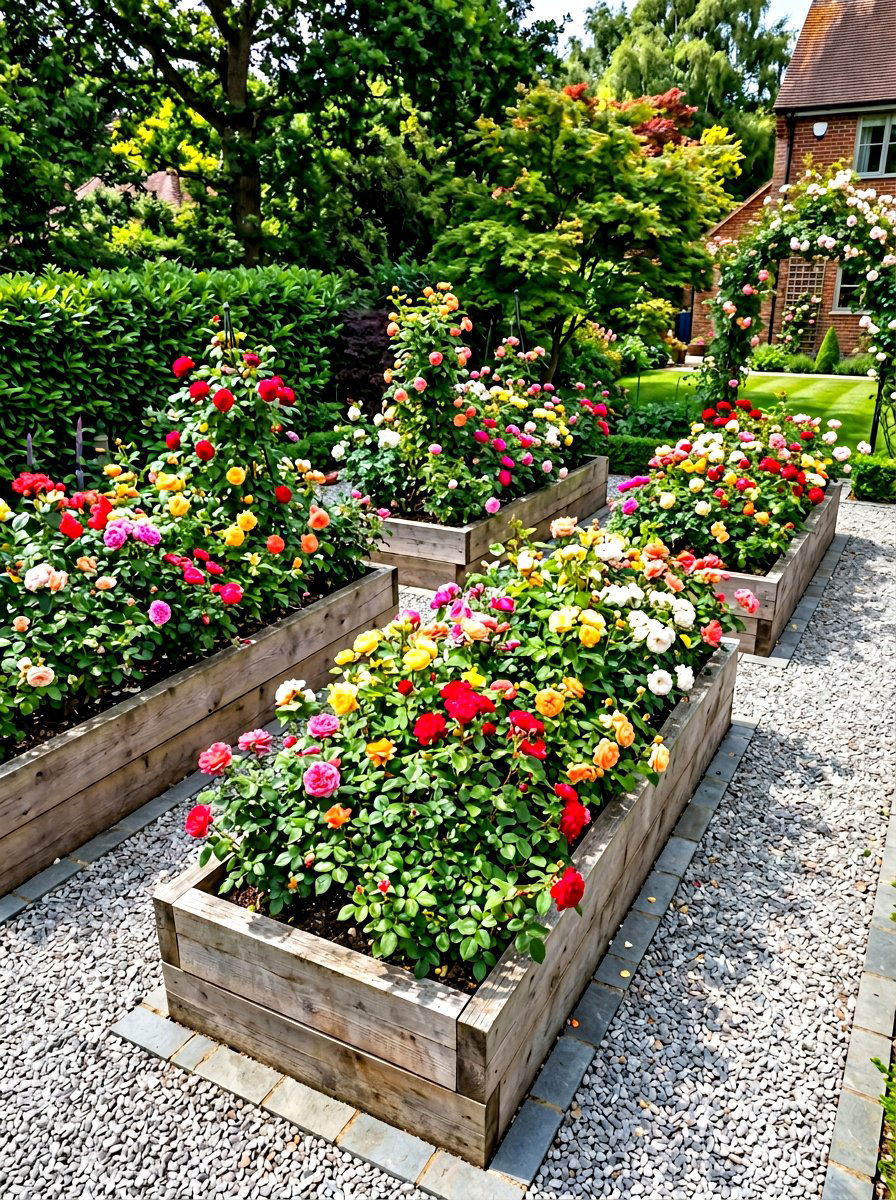
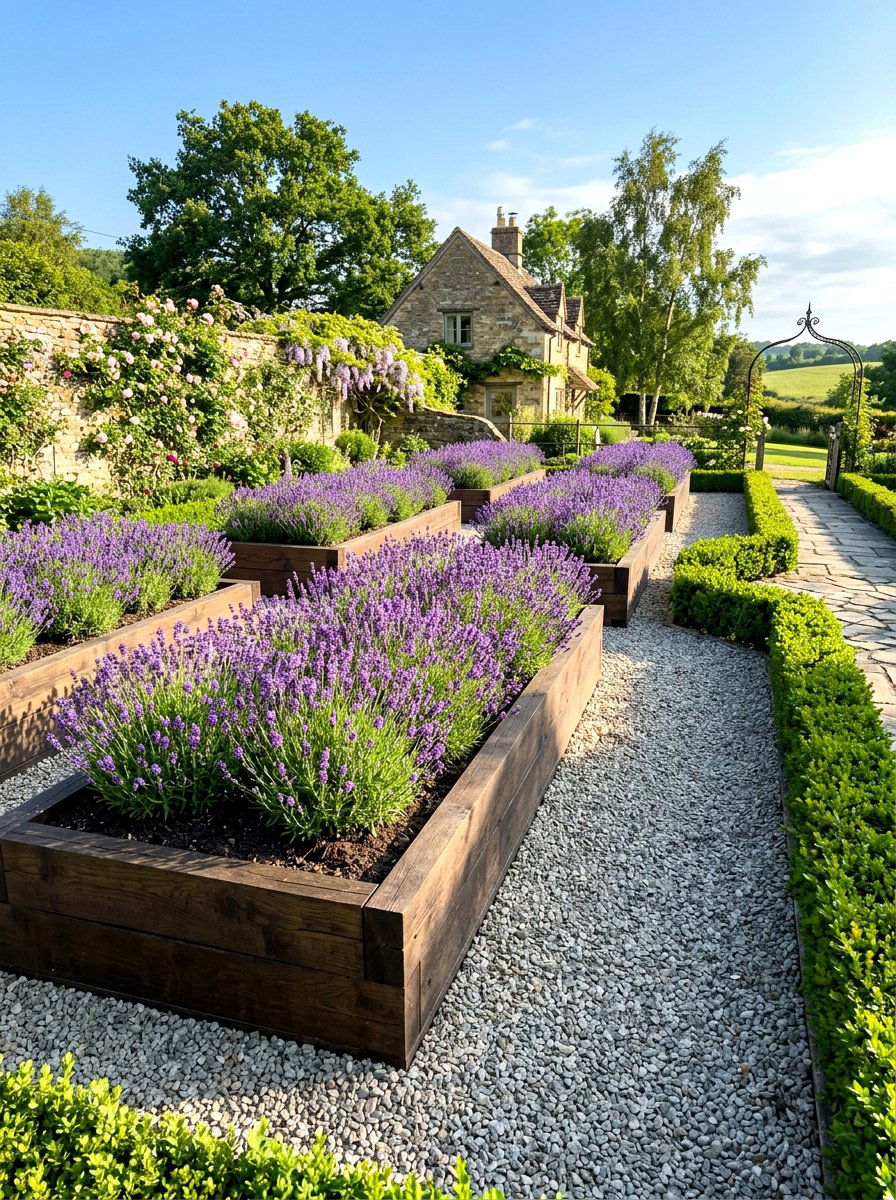
A raised bed rose layout is excellent for gardeners who want to control their soil quality perfectly. You can build wooden or stone boxes and fill them with a rich, well-draining mix that helps roses thrive. Raised beds also make it much easier to prune and deadhead without having to lean over too far. This setup keeps the garden looking neat and organized by containing the roots and mulch. You can place these beds along a patio or in the center of a backyard. It is a practical and very efficient way to grow healthy, productive rose bushes in any climate.
26. Colorful Rose Collection
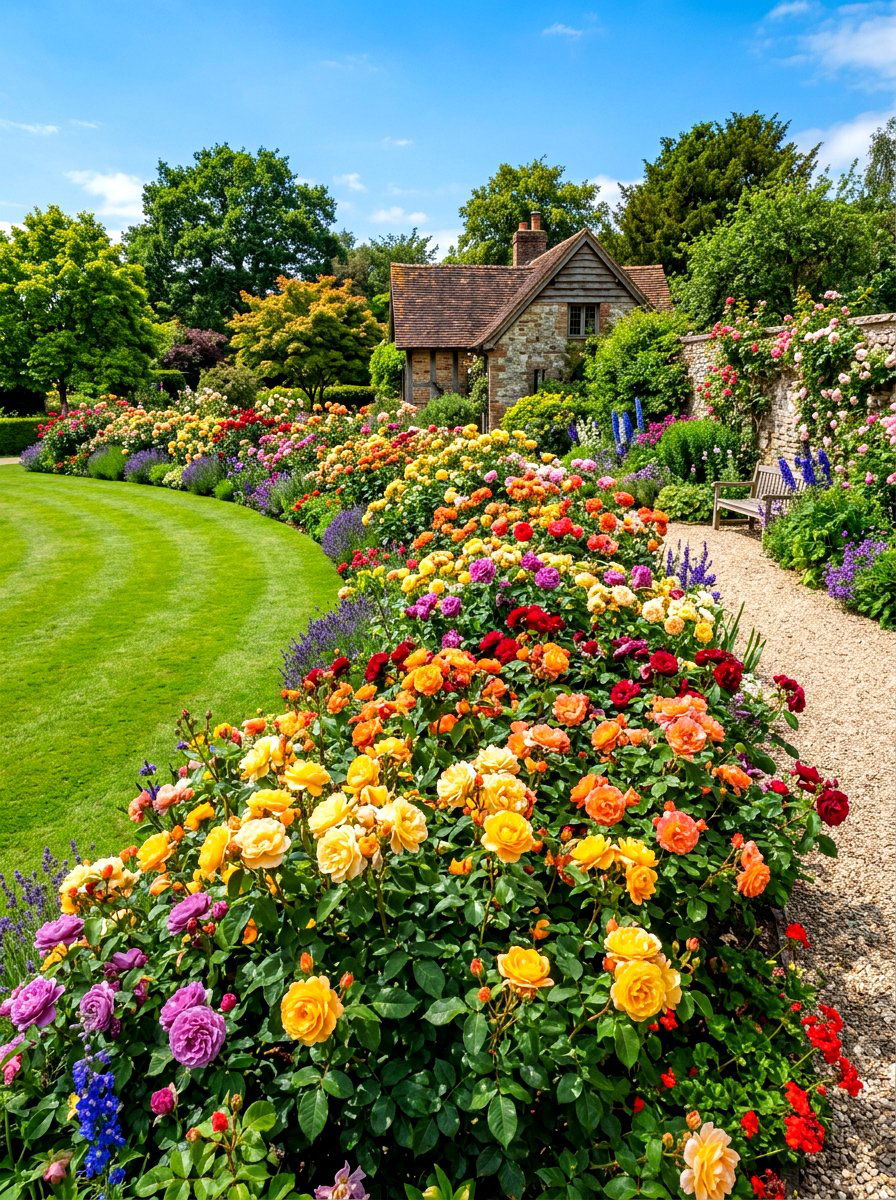
A colorful rose collection is all about celebrating the wide variety of hues available in the rose family. You can plant a rainbow of different bushes, ranging from bright yellows and oranges to deep purples and reds. This high-energy design is perfect for those who want a garden that feels cheerful and vibrant. Mixing different colors creates a tapestry effect that changes as different varieties come into bloom. It is a great way to showcase your personal favorites and experiment with bold combinations. This eclectic style turns your backyard into a living art gallery that is full of surprises and constant interest.
27. Scented Rose Layout
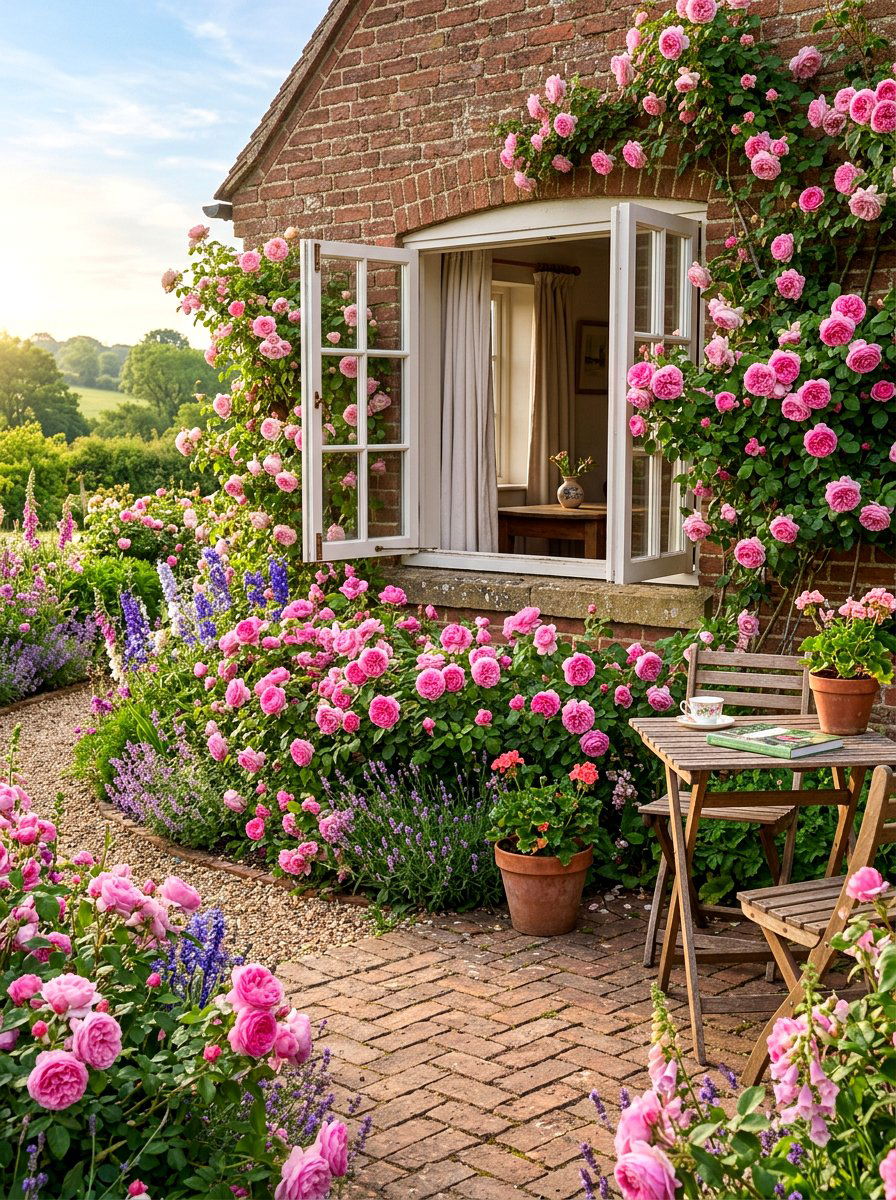
A scented rose layout prioritizes fragrance above all else to create an intoxicating outdoor environment. You can group the most aromatic varieties near windows, doors, or seating areas where the wind will carry the perfume. Choosing roses with different types of scents, such as citrus, spice, or classic damask, adds depth to the garden. This sensory approach makes spending time outdoors a truly relaxing and immersive experience. It is important to check the fragrance rating of each variety before planting to ensure a strong impact. This design turns your yard into a natural aromatherapy zone that delights everyone who visits.
28. Groundcover Rose Slope
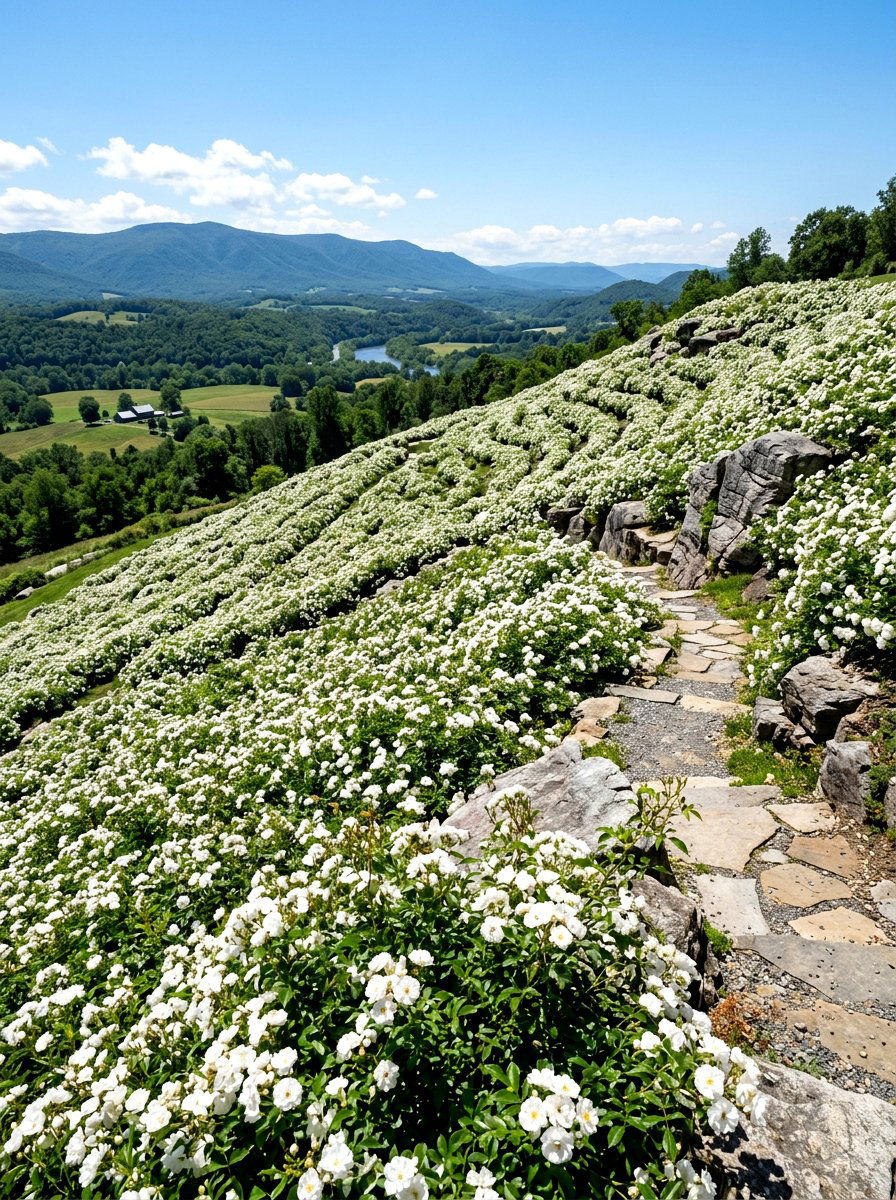
A groundcover rose slope is a functional and beautiful way to manage hillsides or prevent soil erosion. These low-growing, spreading roses form a thick carpet of flowers and foliage that smothers weeds. They are incredibly tough and require very little pruning compared to upright varieties. Planting them in large groups creates a stunning wash of color across a landscape. This is a great alternative to grass on steep banks where mowing would be difficult or dangerous. The result is a low-maintenance and very attractive feature that provides beauty year after year. It is a smart solution for large-scale landscaping projects.
29. Rambling Rose Fence
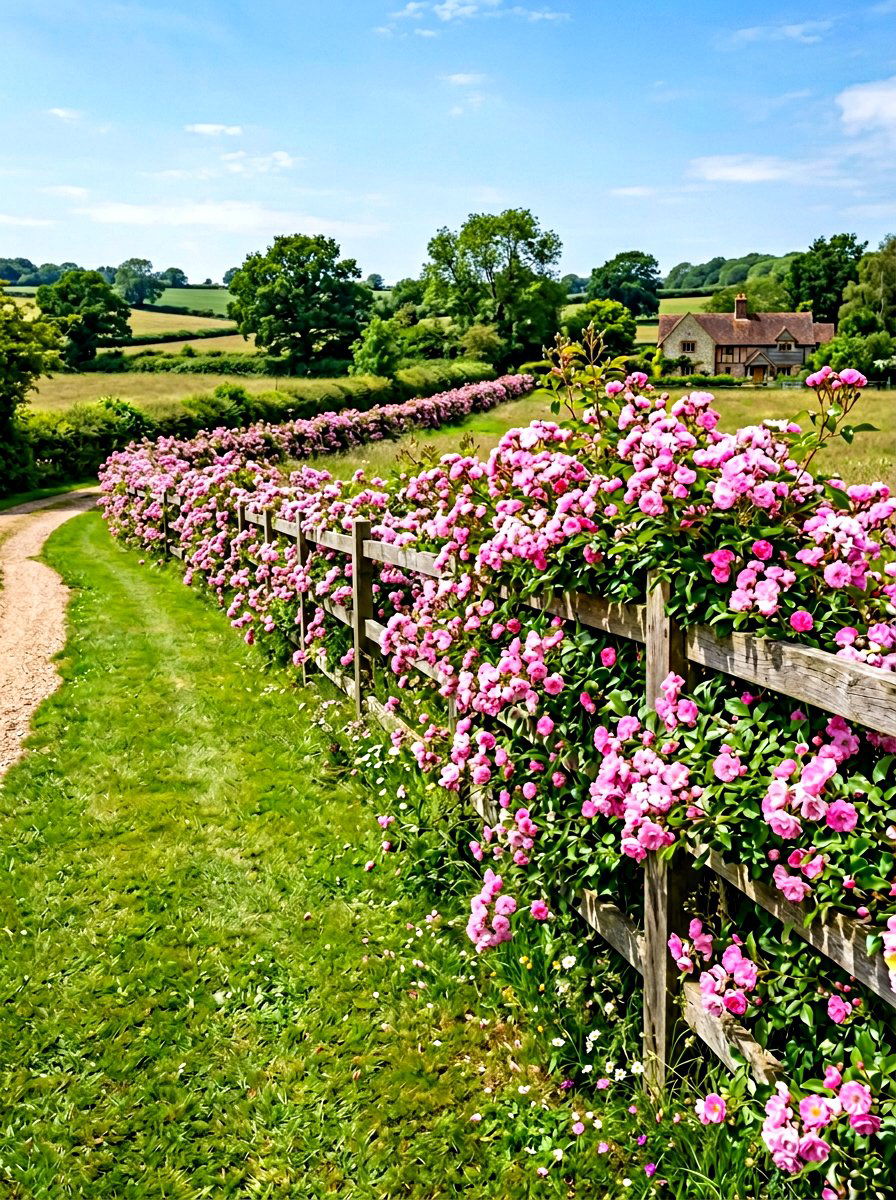
A rambling rose fence uses long, flexible stems to cover a wooden or chain-link boundary completely. Unlike climbers, ramblers often produce a massive flush of flowers once a year, creating a spectacular display. You can weave the long canes through the fence to hide the structure and add a sense of romance. This is a great way to soften the look of a property line and provide extra privacy. The dense growth also helps to block noise from the street. Many ramblers are very vigorous and can cover a large area in just a few seasons. It creates a lush, green, and blooming perimeter.
30. Modern Rose Planter
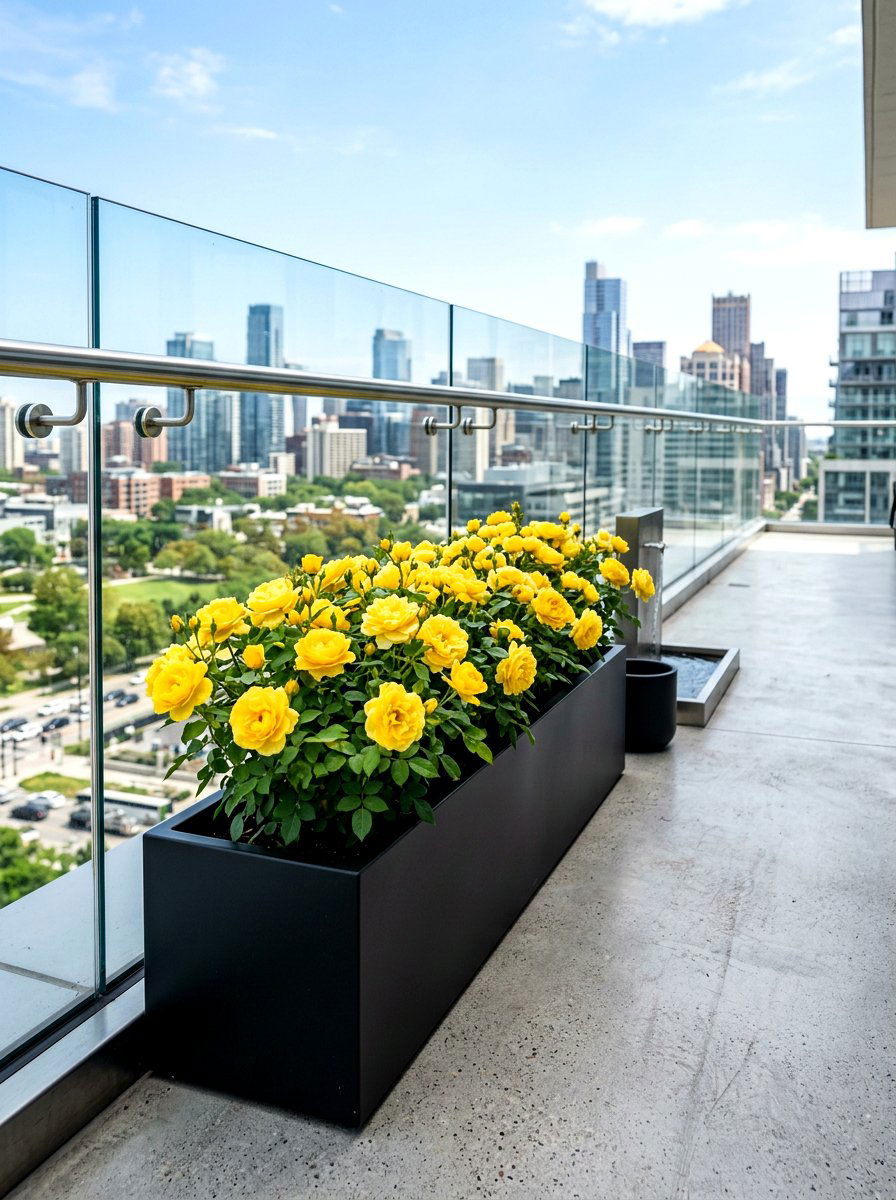
A modern rose planter box offers a sleek and contemporary way to display your favorite flowers. You can use long, rectangular troughs made of metal or composite materials to line a deck or balcony. Planting a single color of rose in these boxes creates a clean and very sophisticated architectural look. This method is perfect for urban dwellers who want to bring nature into a concrete environment. The structured nature of the planters keeps the roses contained and easy to manage. It is a high-style approach that proves roses can fit perfectly into even the most modern and minimal outdoor design schemes.
Conclusion:
A rose garden is a rewarding project that adds value and beauty to your home. By choosing the right layout and varieties, you can create a space that reflects your personal style. Whether you prefer the structure of a formal parterre or the wild charm of a cottage border, roses offer endless possibilities. These plants are durable, fragrant, and more disease-resistant than ever before, making them accessible to every gardener. Taking the time to plan your garden ensures that you will have a stunning display of color for years to come. Start your rose gardening journey today to enjoy a lifetime of blooms.

Related posts: