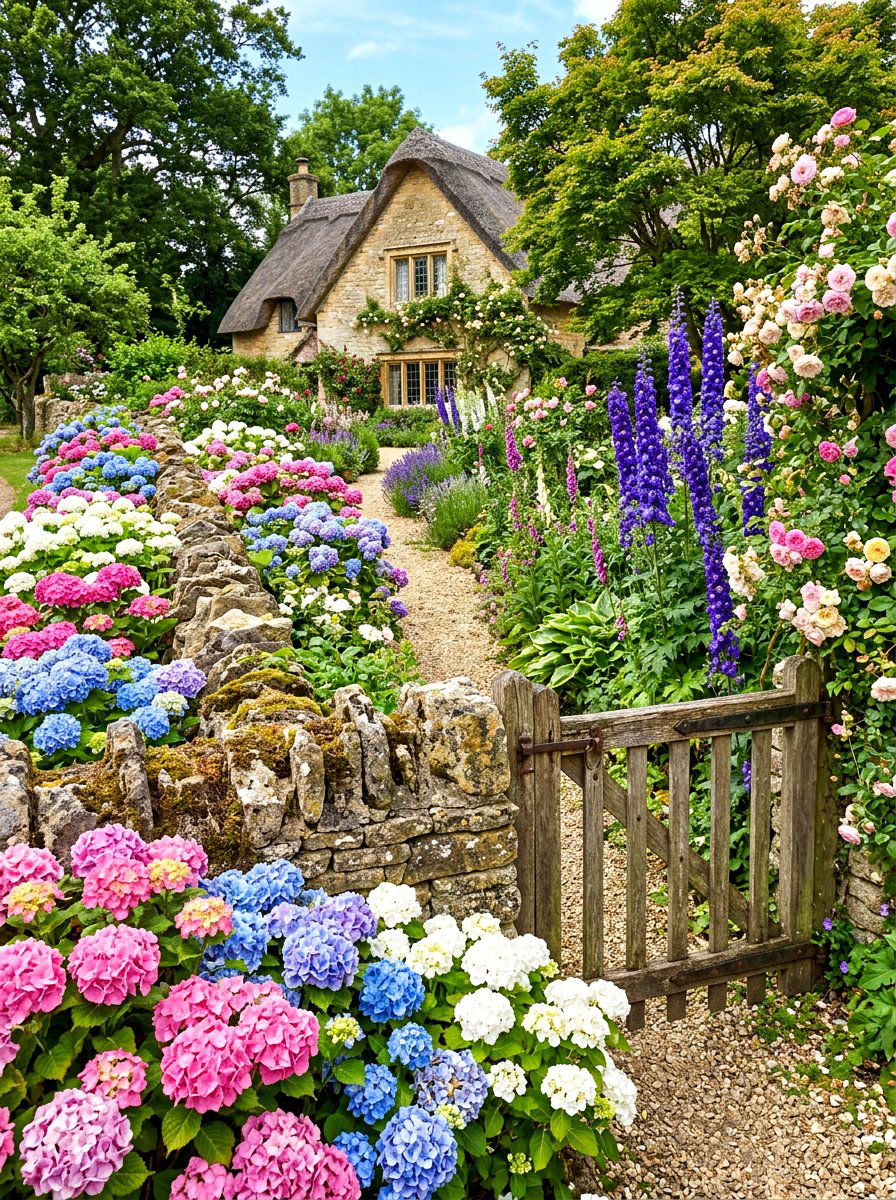
Creating a garden filled with cool tones like blue and purple can transform your outdoor space into a serene and sophisticated sanctuary. These colors are often associated with calmness, tranquility, and mystery, making them the perfect choice for a backyard retreat intended for relaxation. When you combine the ethereal quality of soft lavender with the deep intensity of royal blue, you create a visual depth that simple green landscapes often lack. These hues also have a unique way of receding in the distance, which can make a smaller garden feel much larger and more expansive than it actually is. By carefully selecting plants with varying heights and textures, you can design a cohesive and viral-worthy Pinterest garden that looks stunning throughout every season.
1. Lavender and Salvia border
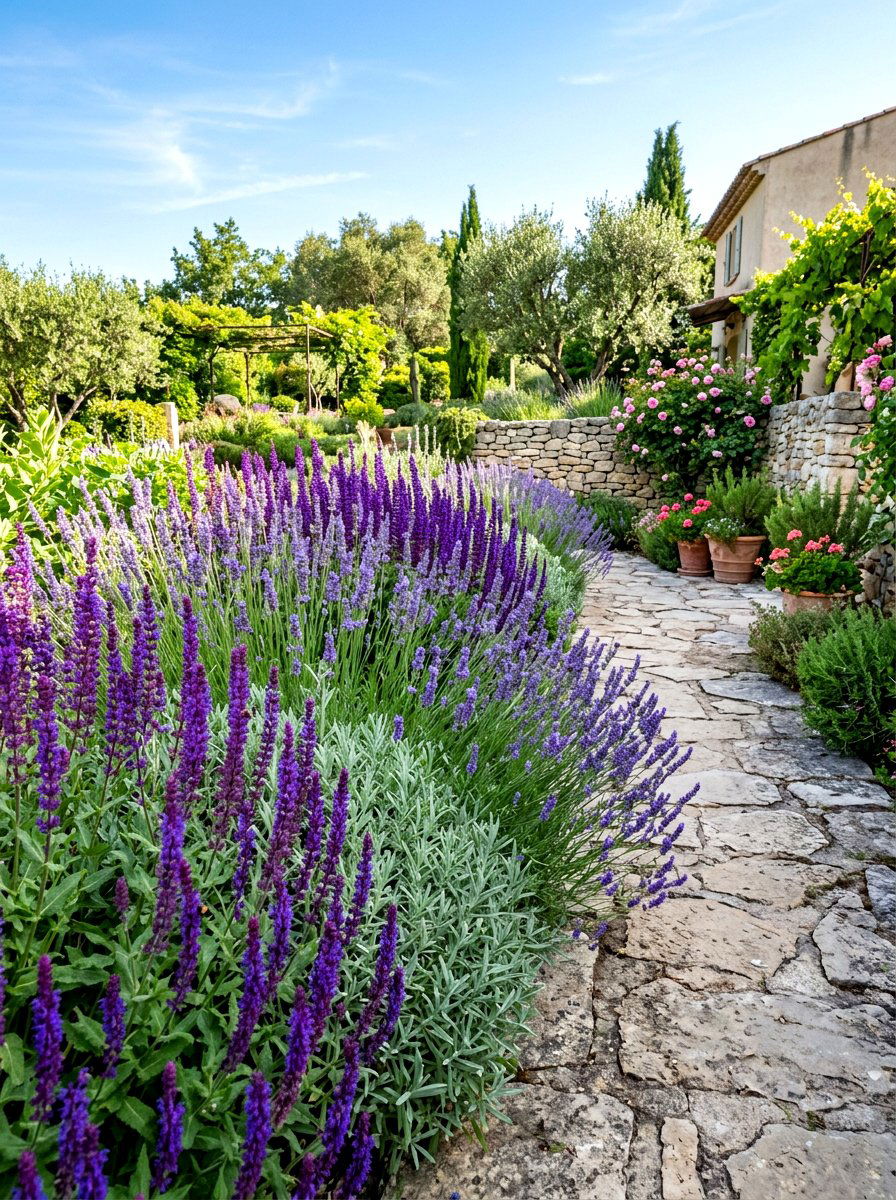
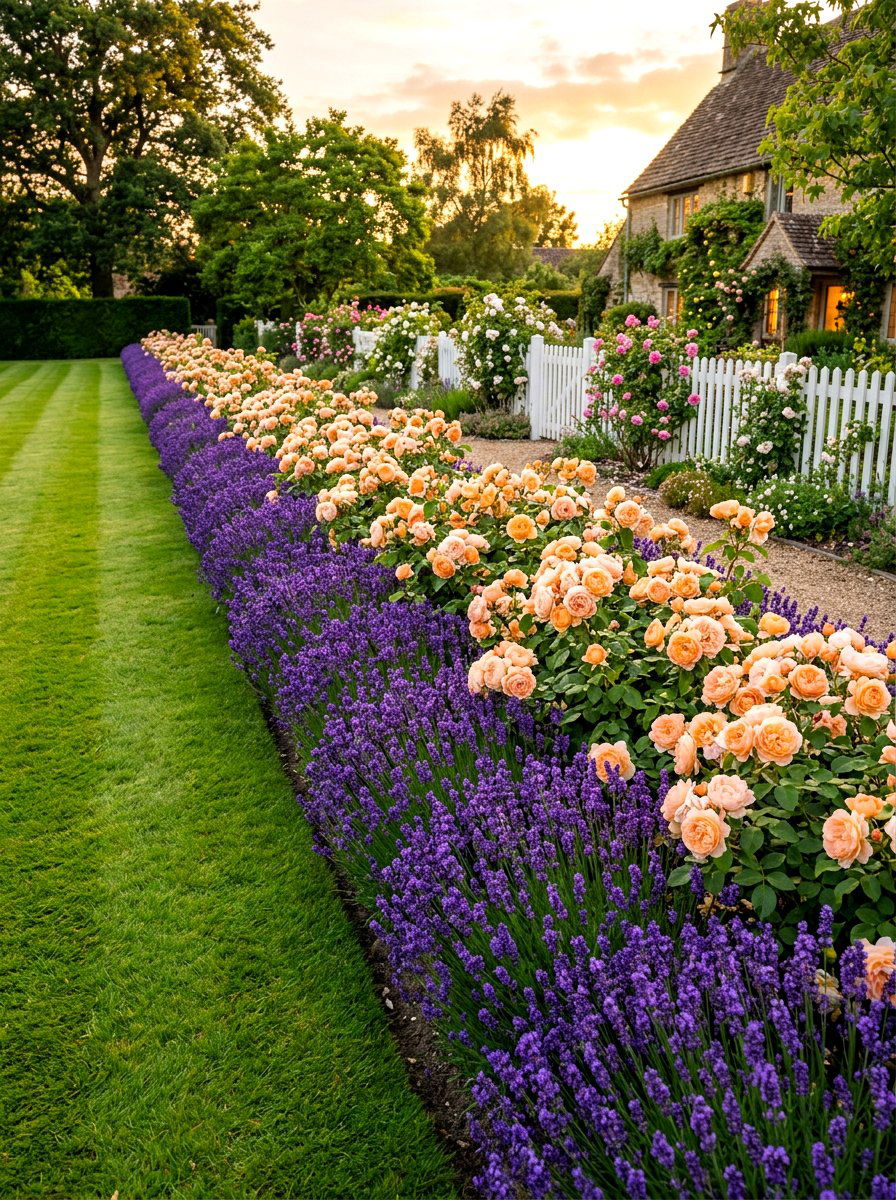
Imagine walking through a lush pathway lined with aromatic plants that soothe your senses every time you brush past them. A Lavender and Salvia border creates a stunning visual experience by blending upright purple spikes with soft, silvery foliage that shines in the sun. These plants thrive in full sun and attract plenty of helpful pollinators like bees and butterflies to your yard. You can plant them along a stone walkway to soften the hard edges of the landscape. The combination of different heights adds depth and texture to your outdoor space. It feels like a Mediterranean escape right in your own backyard. These hardy perennials require very little maintenance once they are established in well-drained soil.
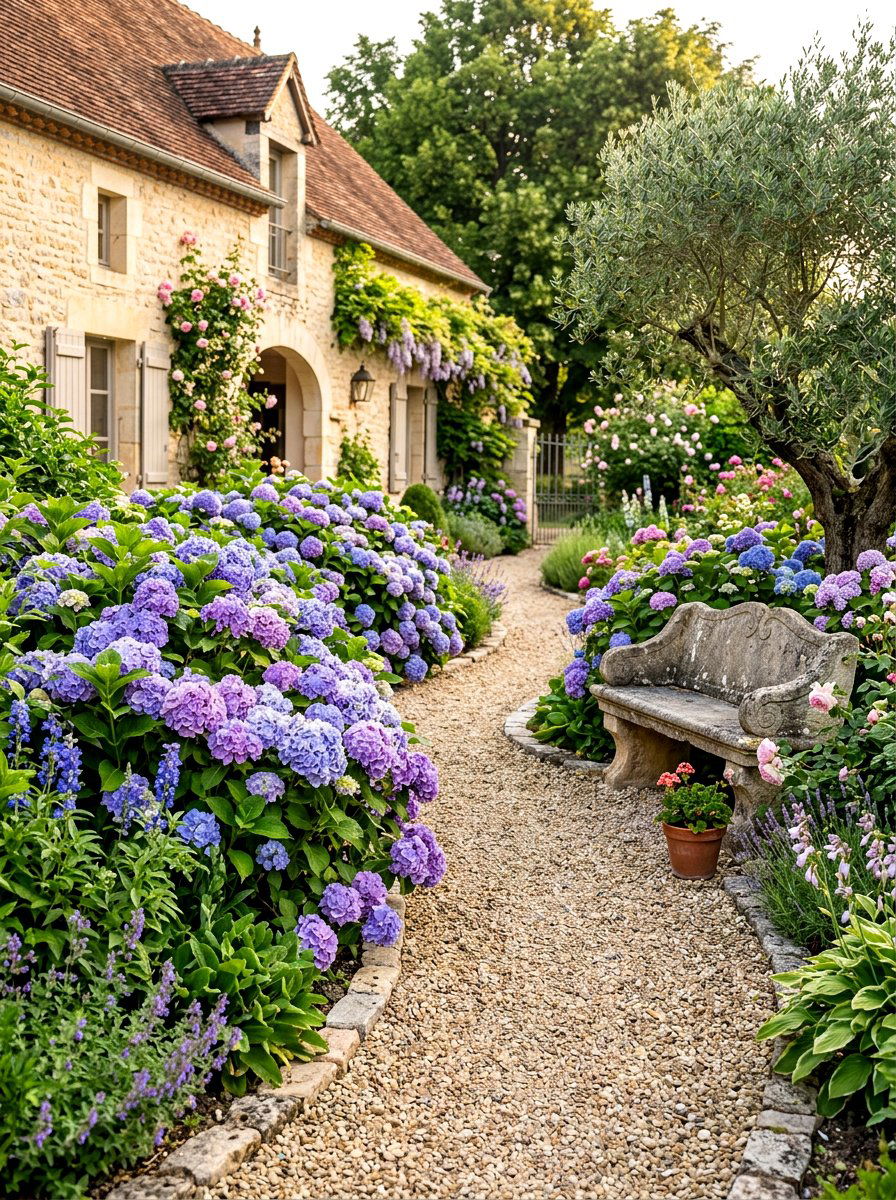
2. Blue Hydrangea walkway
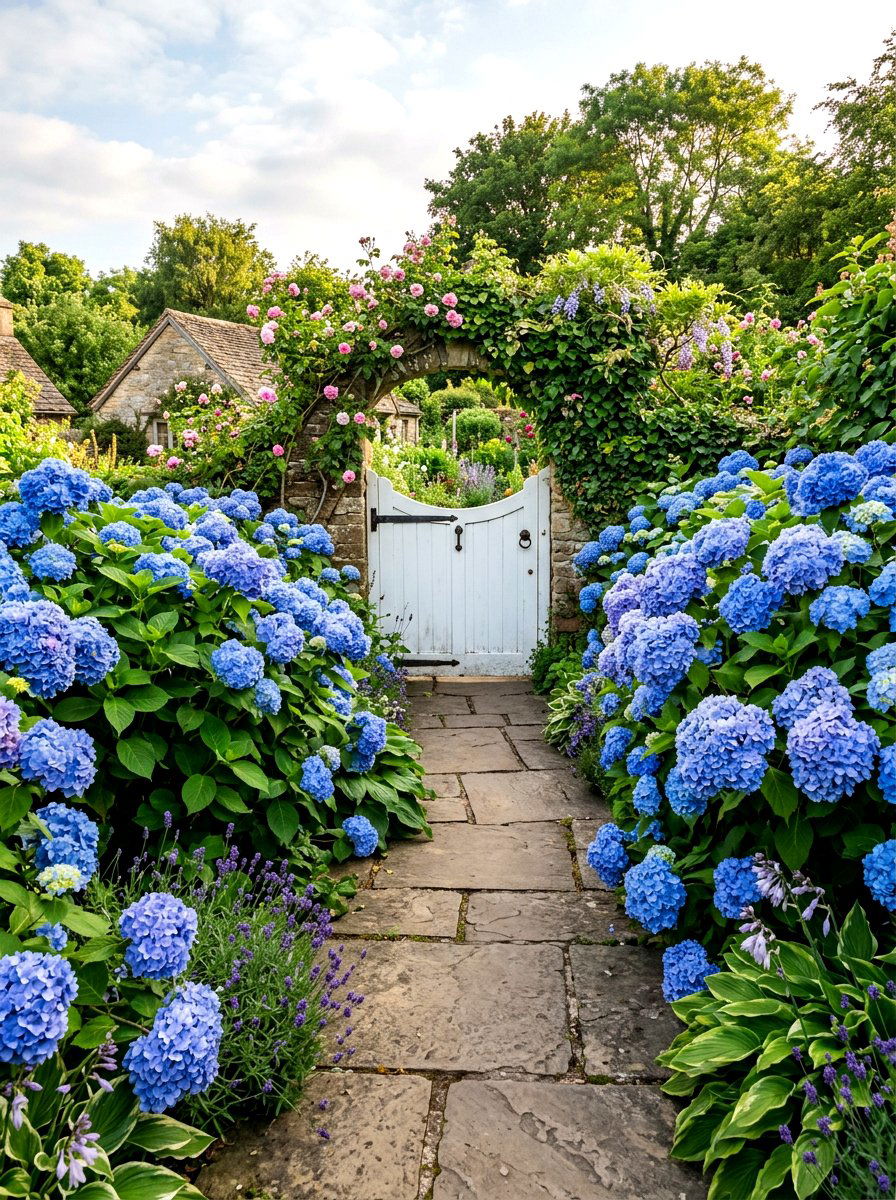
A Blue Hydrangea walkway offers a classic look that feels both grand and welcoming for any home entrance or side yard. These large, round flower heads create a massive impact when planted in a continuous row along a fence or driveway. The deep blue hues contrast beautifully against bright green leaves, making the colors pop during the summer months. You should ensure the soil acidity is correct to maintain that vibrant blue color throughout the season. They love partial shade, which makes them perfect for those spots under taller trees. This design turns a simple path into a lush, floral tunnel that captures everyone's attention. It is an ideal way to add volume and elegance.
3. Purple Iris flower bed
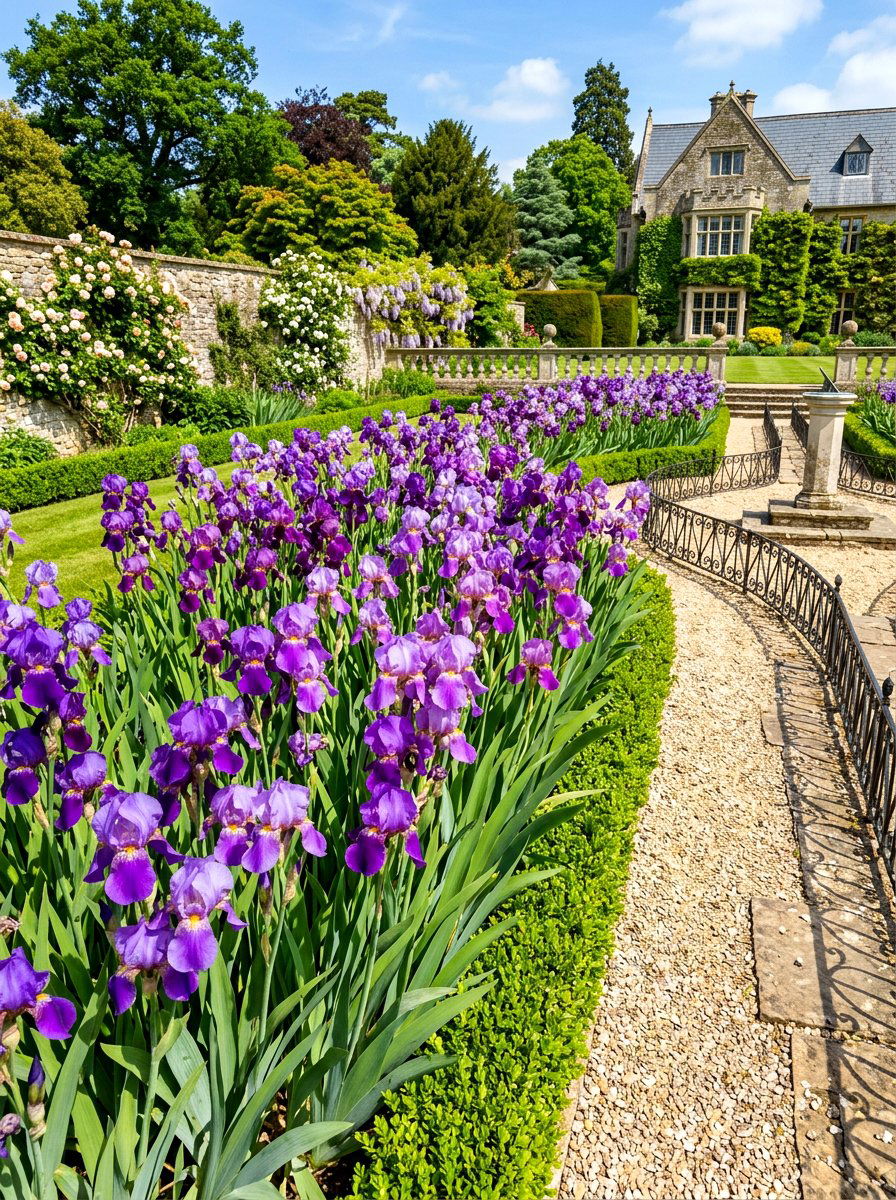
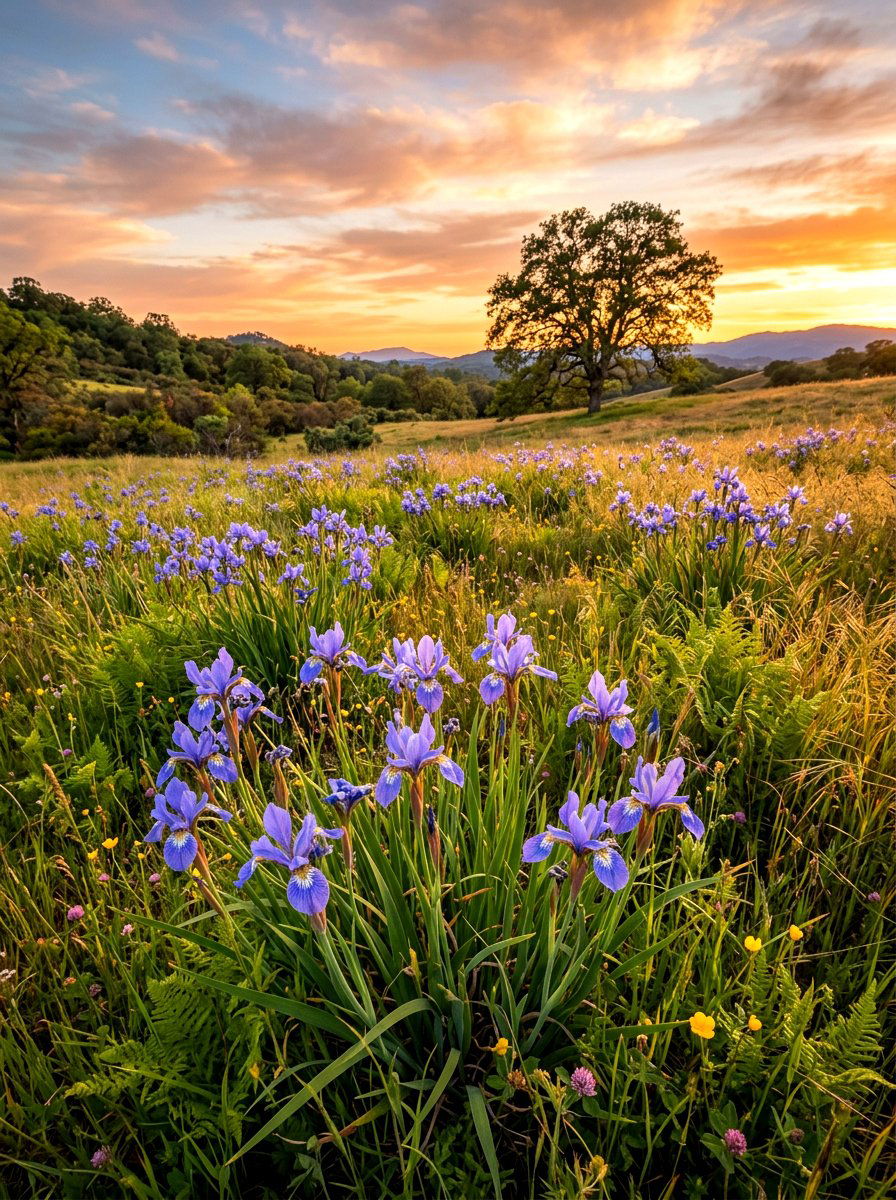
Creating a dedicated Purple Iris flower bed brings a touch of regal elegance and architectural interest to your garden landscape. These striking flowers feature intricate petals that look like delicate pieces of art standing tall on sturdy green stems. You can mix different shades of purple, from light lilac to deep violet, to create a layered effect in the bed. They bloom beautifully in the spring and provide a strong vertical element that breaks up flat areas. Planting them in large groups makes the color more impactful and creates a focal point that draws the eye. These flowers are surprisingly easy to grow and will return year after year with very minimal effort.
4. Allium and Catmint landscape
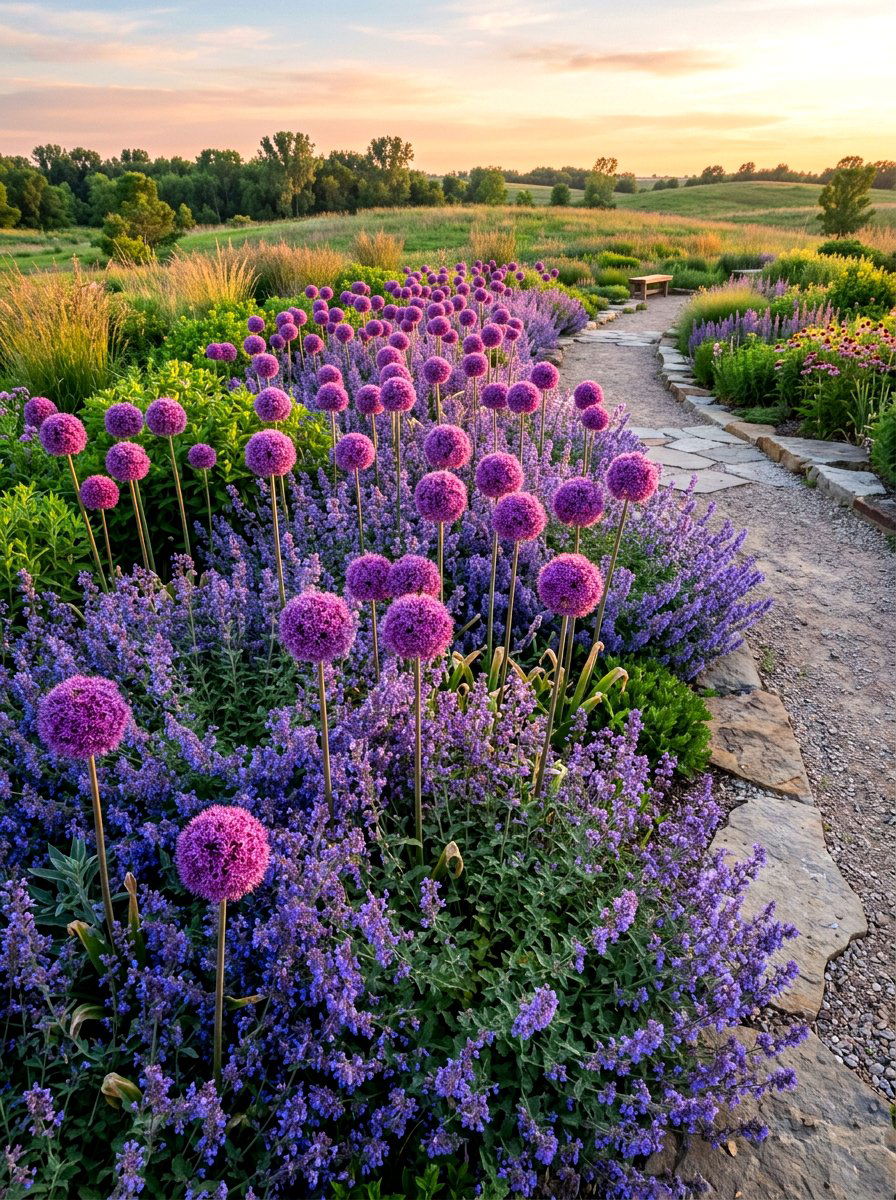
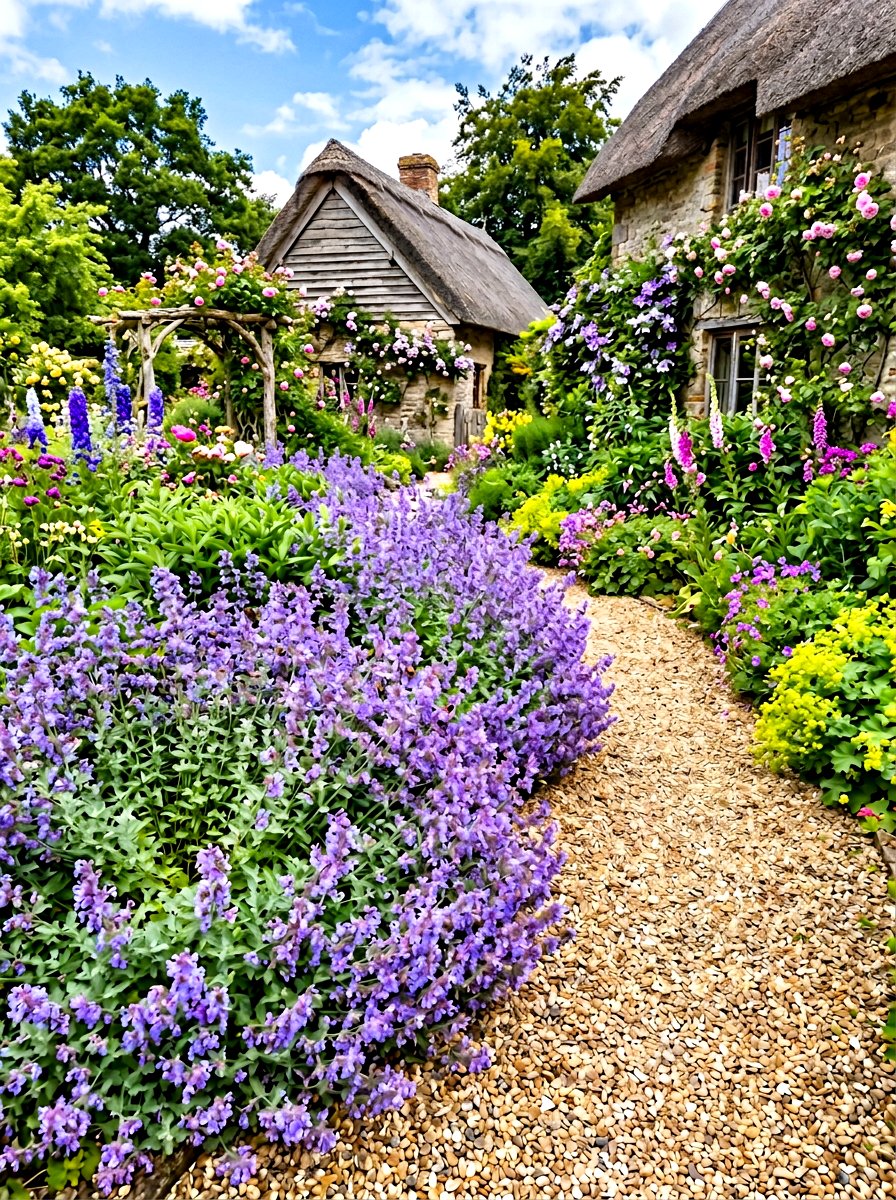
An Allium and Catmint landscape is a favorite for many modern gardeners because it combines whimsical shapes with airy, soft textures. The globe-shaped purple Allium flowers seem to float above the low-growing, misty blue foliage of the Catmint. This pairing works exceptionally well because the Catmint helps hide the fading leaves of the Allium after they finish blooming. It is a smart way to maintain a clean and beautiful look in your garden beds. Both plants are very drought-tolerant, making them a sustainable choice for areas with less rainfall. The contrast between the structured spheres and the messy, wild blue flowers creates a perfect balance of form and function.
5. Delphinium cottage garden
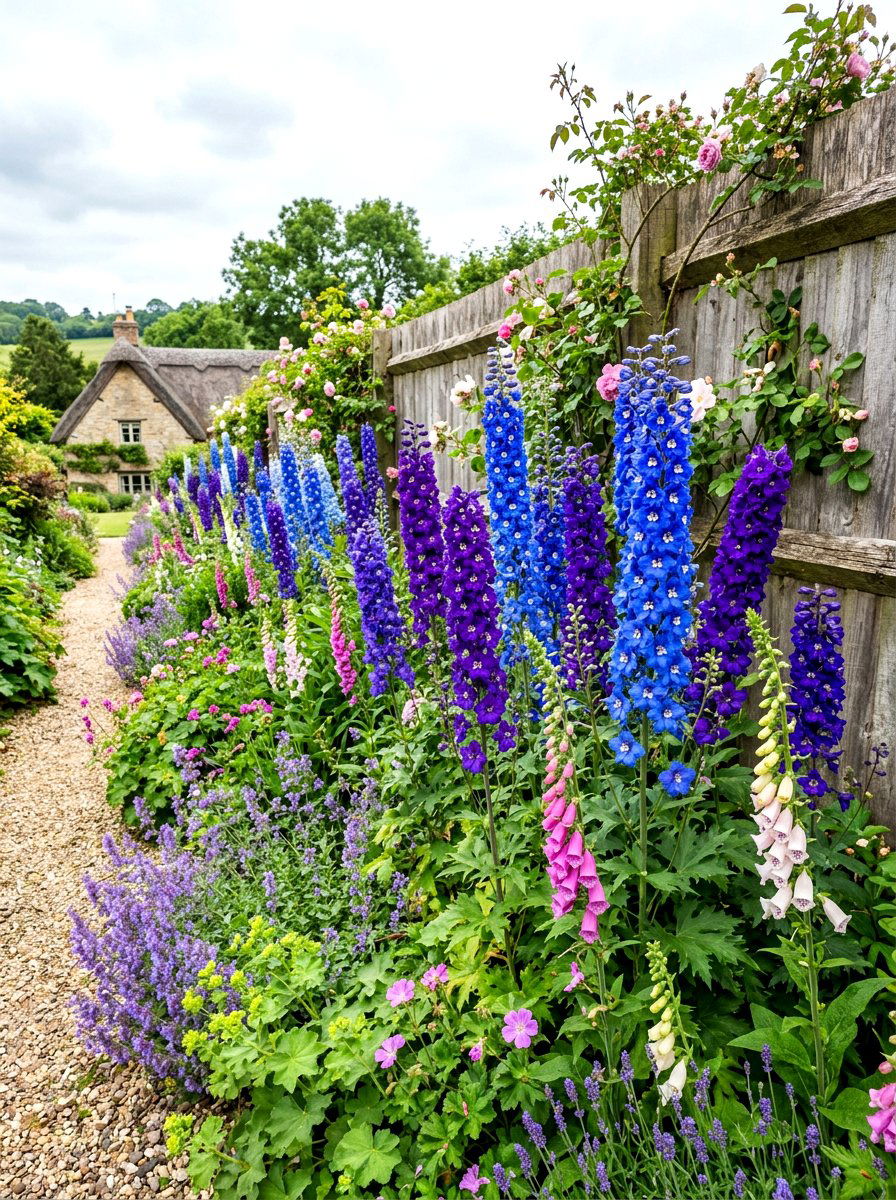
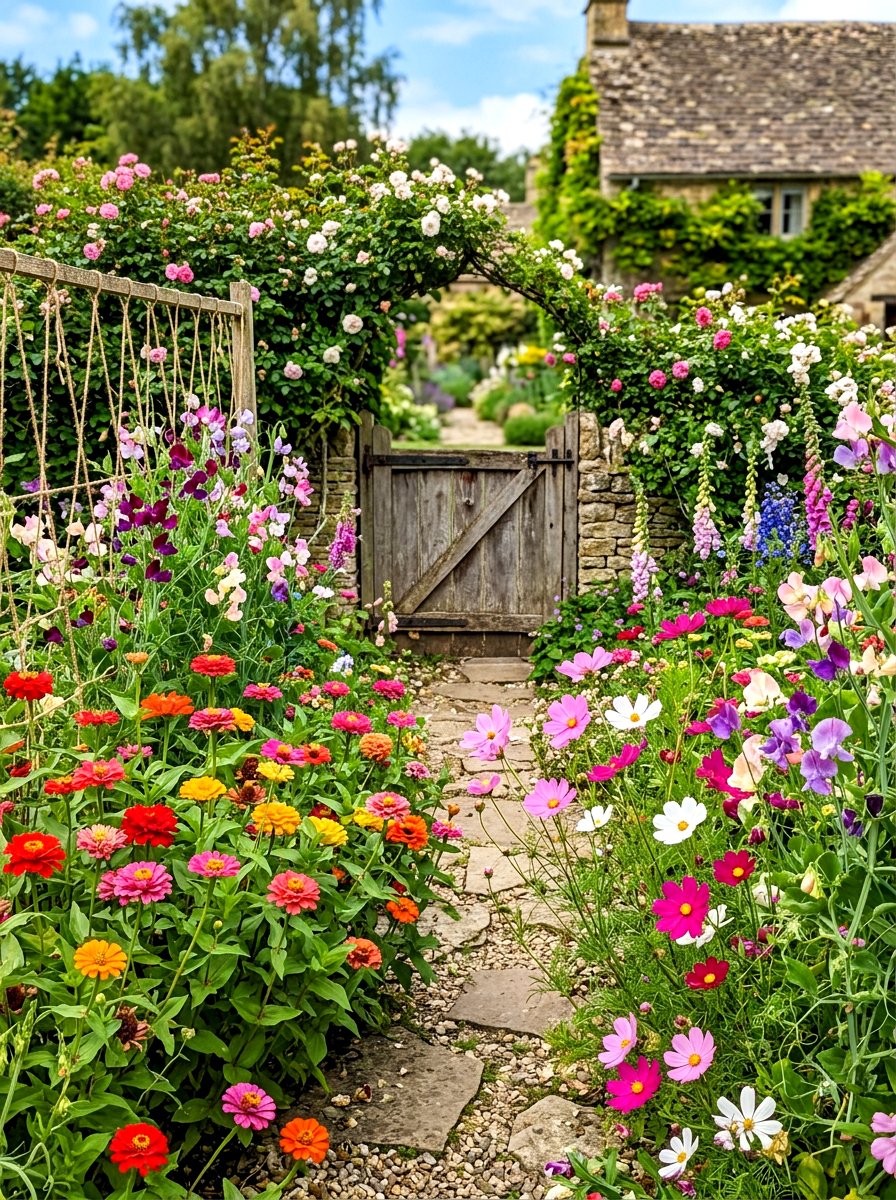
A Delphinium cottage garden is the ultimate choice for anyone who wants to achieve a romantic and tall floral display. These towering spikes of true blue and deep purple flowers create an impressive backdrop for smaller plants in your border. They give your garden a sense of history and charm that is often seen in traditional English landscapes. You should plant them at the back of the bed so they can provide height without overshadowing your shorter flowers. Because they grow so tall, they might need some staking to keep them upright during heavy rain or wind. Their vibrant colors look absolutely magical when the sun shines through the petals in the afternoon.
6. Blue Lobelia porch display
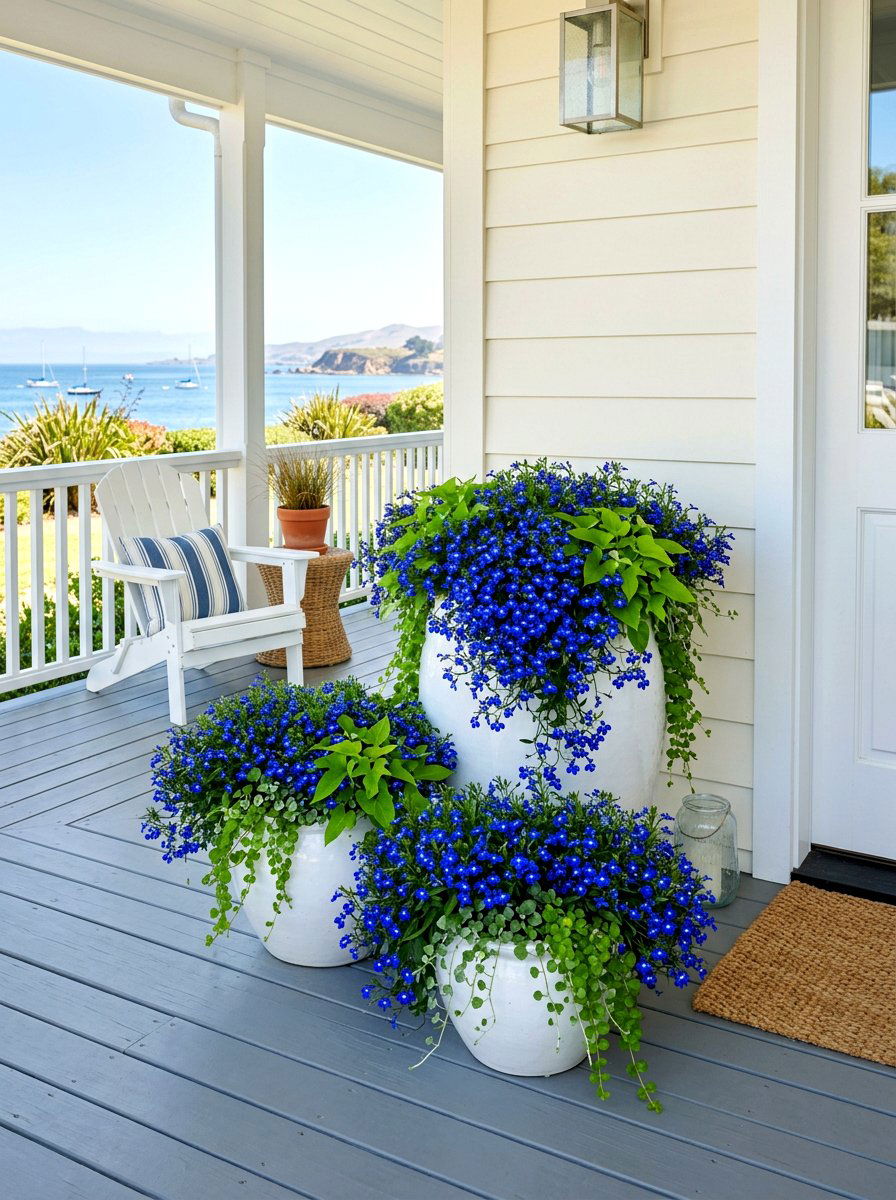
Designing a Blue Lobelia porch display is a fantastic way to bring a waterfall of color to your front entrance. These tiny, intense blue flowers grow in dense clusters that eventually spill over the edges of hanging baskets or containers. When you place multiple pots together on your steps, it creates a cohesive look that feels very inviting. The electric blue color is rare in nature and provides a sharp contrast against white or gray house siding. You should keep these plants well-watered, especially during the hot summer months, to ensure they continue blooming. This setup is perfect for small spaces where you still want to make a big visual impact.
7. Purple Clematis trellis
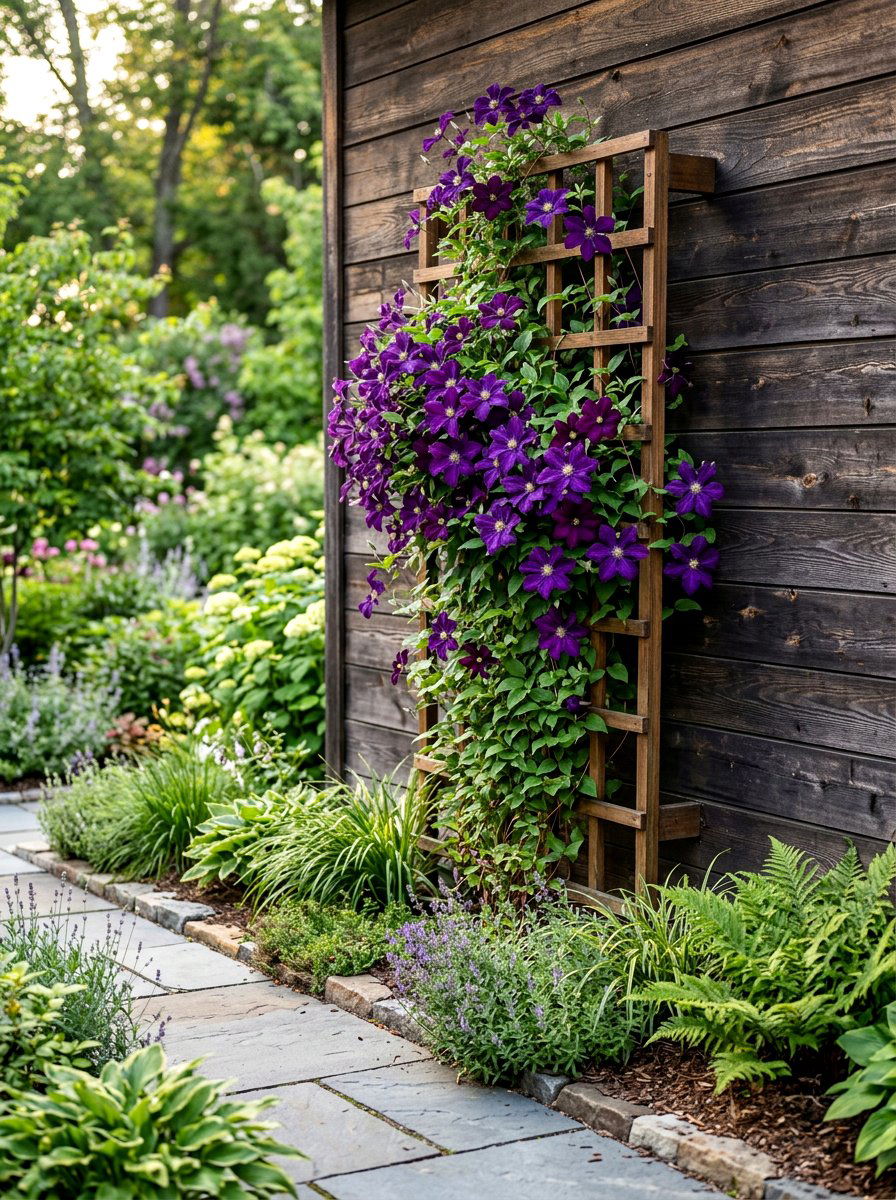
A Purple Clematis trellis transforms a flat wall or a simple wooden fence into a living vertical masterpiece. These vigorous climbing vines produce large, star-shaped flowers that can cover an entire structure in a single season. Choosing a deep purple variety creates a sophisticated look that pairs well with green foliage and dark wood. You can use this design to create privacy or to hide an unattractive part of your yard. The flowers often bloom multiple times if you prune them correctly, providing color from early summer until the fall. It is a great way to add height and interest to your garden without taking up much ground space.
8. Blue Fescue grass landscape
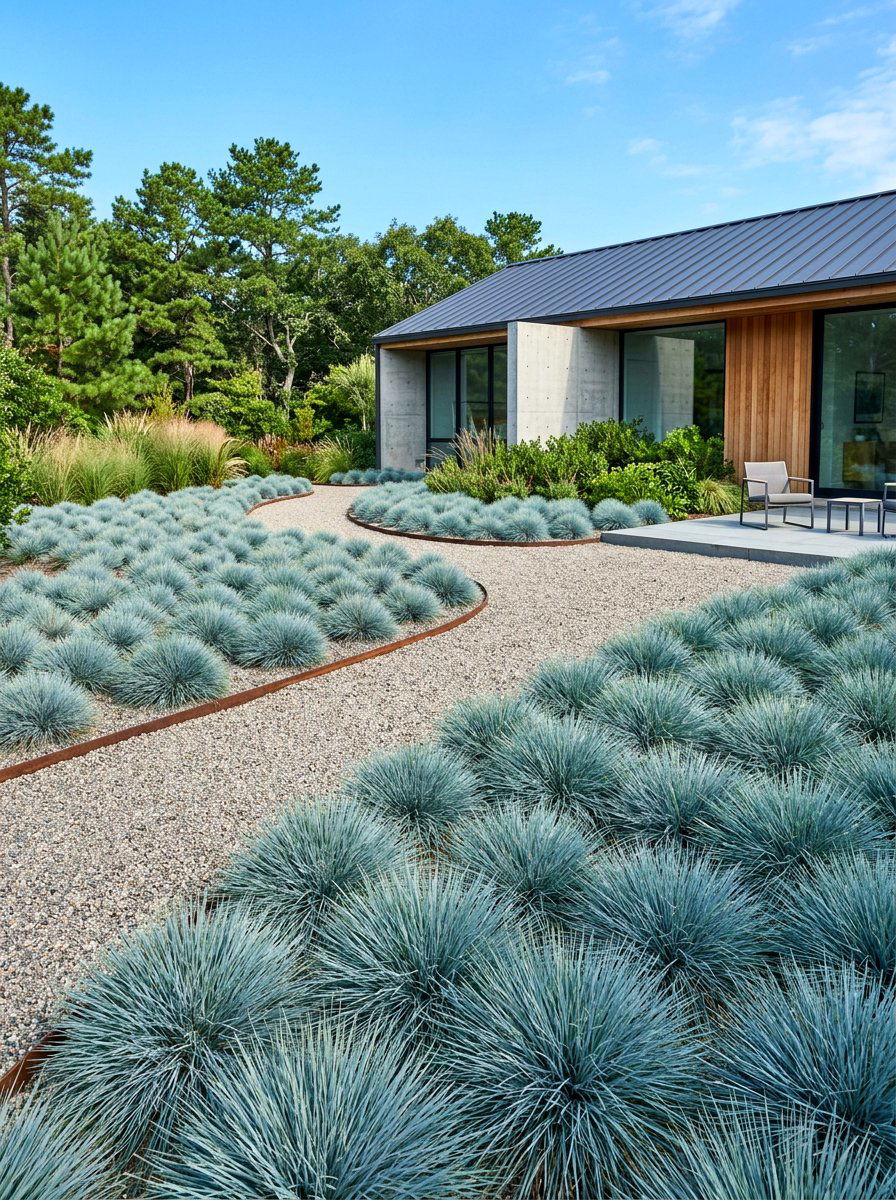
A Blue Fescue grass landscape introduces a unique texture and a cool, steely blue color that lasts all year long. This ornamental grass grows in neat, round mounds that look modern and organized when planted in rows or clusters. It is an excellent choice for rock gardens or as a border along a contemporary gravel path. The fine, needle-like blades provide a soft contrast to broader-leaved plants and colorful flowers. Because it stays low to the ground, it never blocks the view of other elements in your garden design. It is also extremely low-maintenance and can handle poor soil conditions, making it a very practical landscaping solution.
9. Wisteria patio canopy
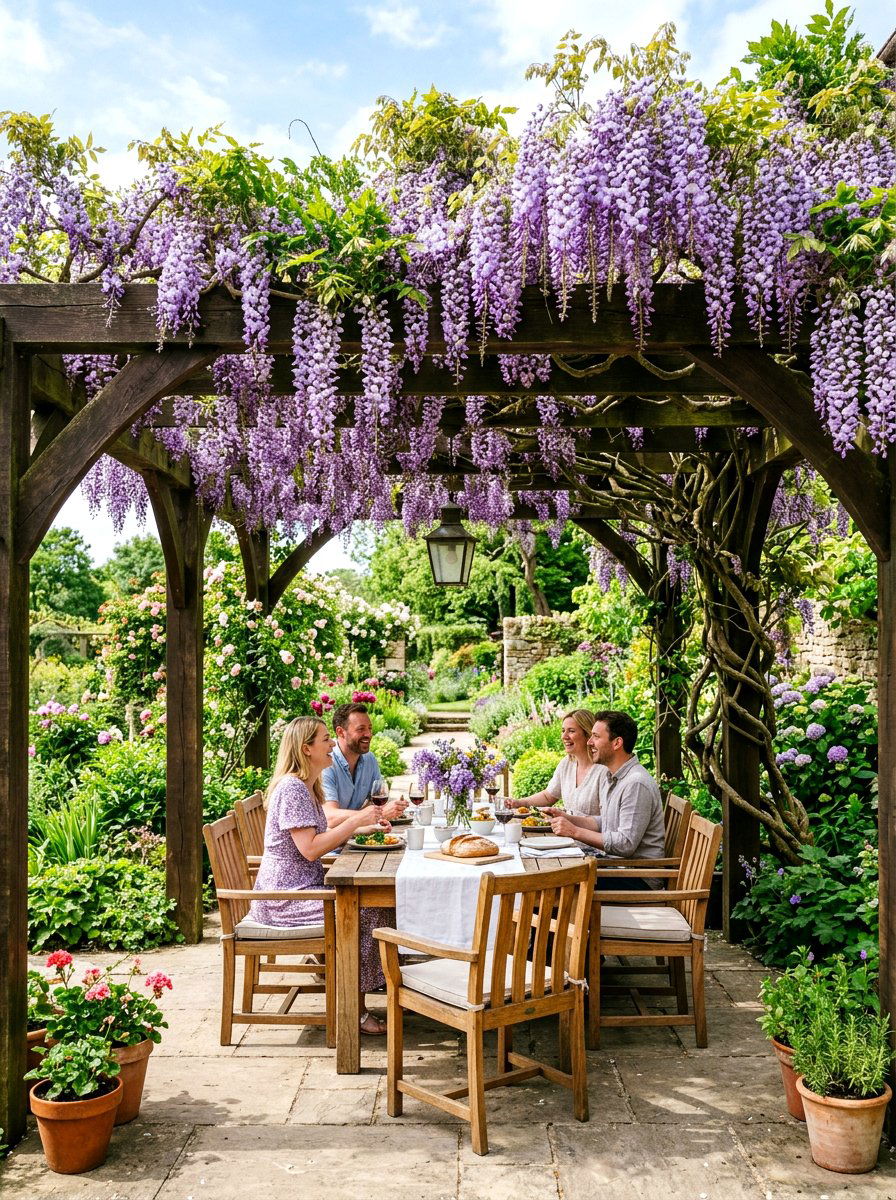
A Wisteria patio canopy is one of the most breathtaking ways to incorporate purple into your outdoor living space. When these vines are trained over a pergola or arbor, they produce long, drooping clusters of fragrant lilac flowers. Sitting under this canopy in the late spring feels like being in a fairytale as the flowers hang just above your head. The sweet scent fills the air and creates a relaxing atmosphere for outdoor dining or entertaining. While Wisteria requires a strong support structure and regular pruning, the visual reward is truly spectacular. It provides natural shade during the summer while adding an incredible amount of vertical beauty to your patio.
10. Petunia and Verbena container
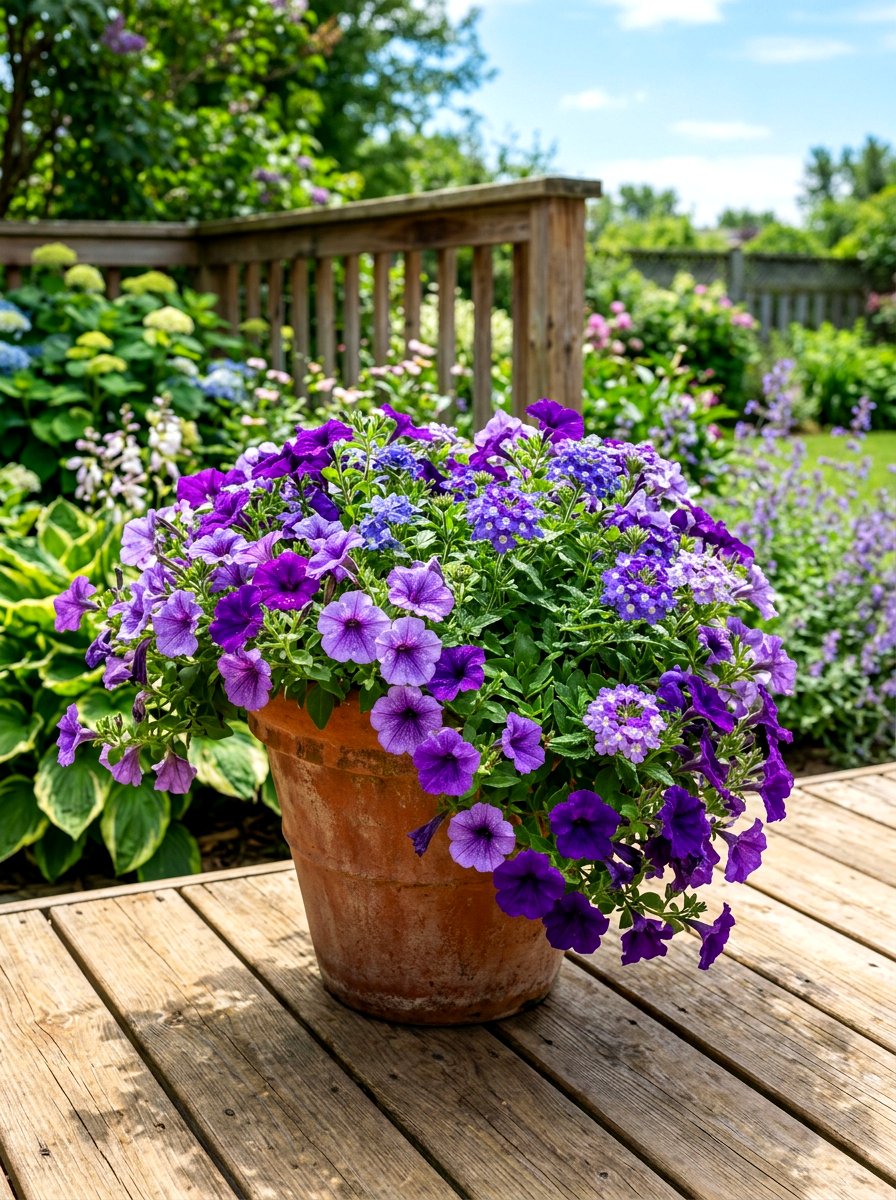
A Petunia and Verbena container garden is a versatile and easy way to add pops of blue and purple to your deck. By mixing these two types of flowers, you get a combination of large, trumpet-shaped blooms and small, dainty flower clusters. The trailing habit of both plants means they will quickly fill the pot and start cascading down the sides. You can choose different shades to create a monochromatic look or a high-contrast display. These containers are easy to move around, allowing you to change your garden layout whenever you want. Frequent deadheading will keep the flowers coming all summer long, ensuring your containers always look fresh.
11. Periwinkle ground cover garden
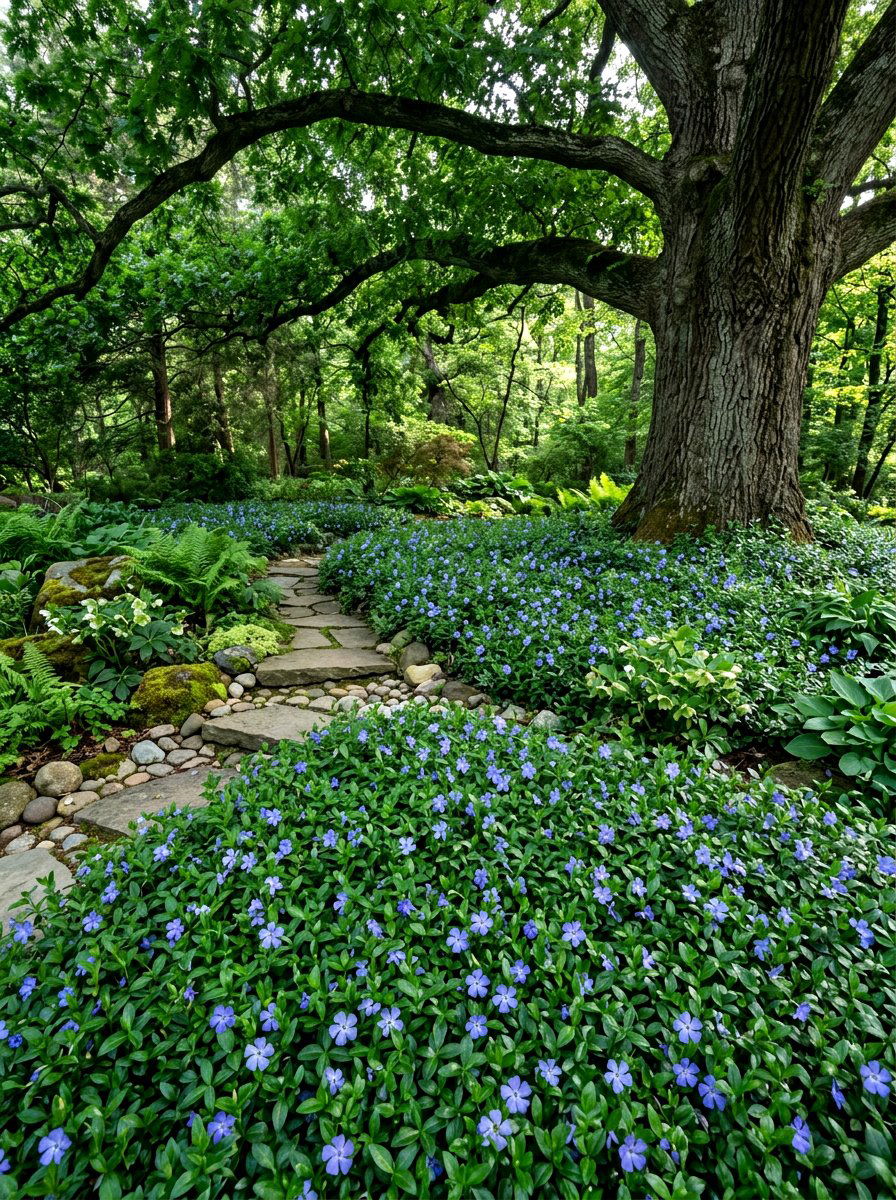
A Periwinkle ground cover garden is an excellent solution for those tricky, shady spots where grass simply refuses to grow. This low-creeping plant produces small, starry blue flowers that peek out from dark green, glossy leaves. It spreads quickly to form a thick mat that naturally chokes out weeds and covers bare soil beautifully. You can plant it under large trees or along a sloping bank to prevent erosion while adding a splash of color. The evergreen leaves ensure your garden looks good even in the winter months. It is a tough and reliable plant that requires almost no care once it takes hold in your soil.
12. Russian Sage backyard
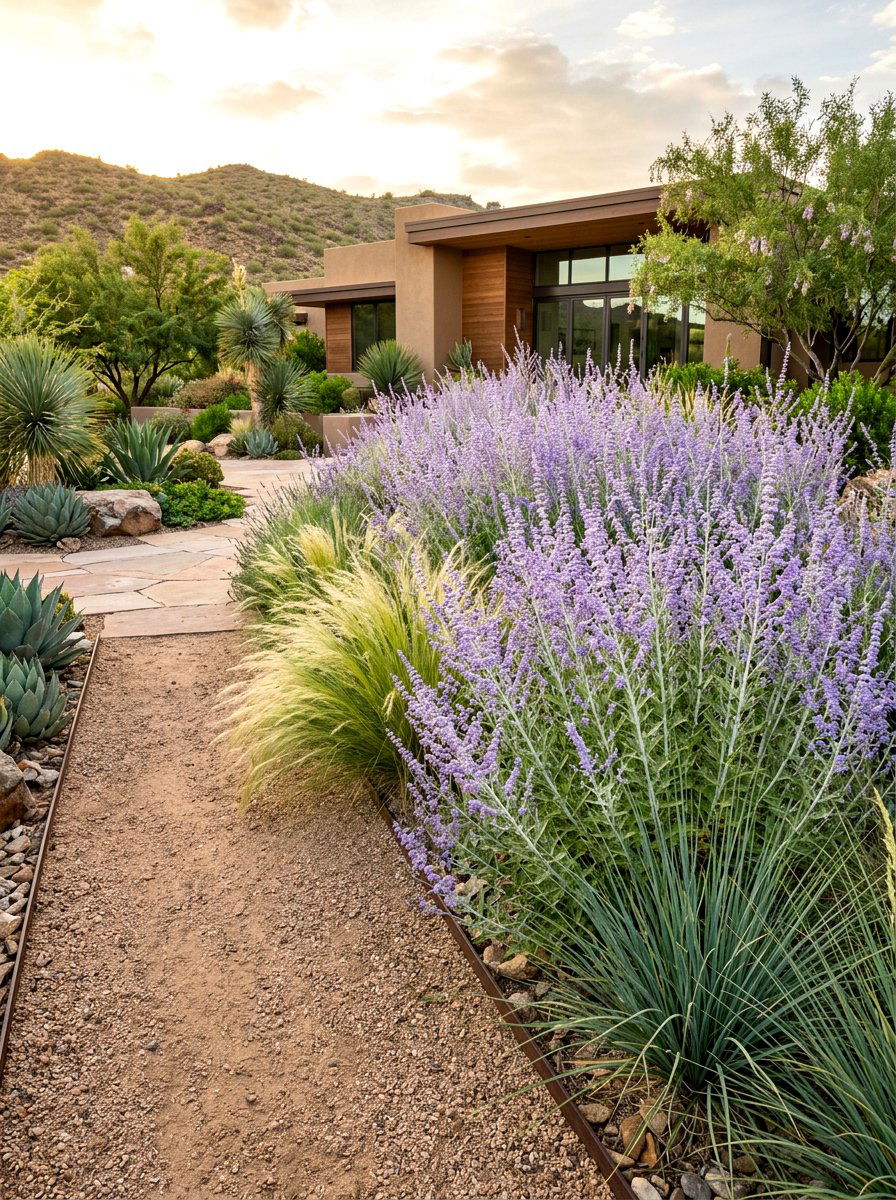
A Russian Sage backyard design brings a wild, airy feel to your landscape with its tall, silver stems and misty lavender flowers. This plant is known for its incredible durability and ability to thrive in hot, dry conditions where other plants might struggle. The tiny flowers create a hazy purple cloud effect that looks stunning when planted in large groups. It pairs perfectly with ornamental grasses or architectural plants like Agave for a modern look. The fragrance of the leaves is also a great bonus, as it releases a pleasant herbal scent when touched. It provides late-summer color when many other garden plants have already finished their blooming cycle.
13. Blue Agapanthus border
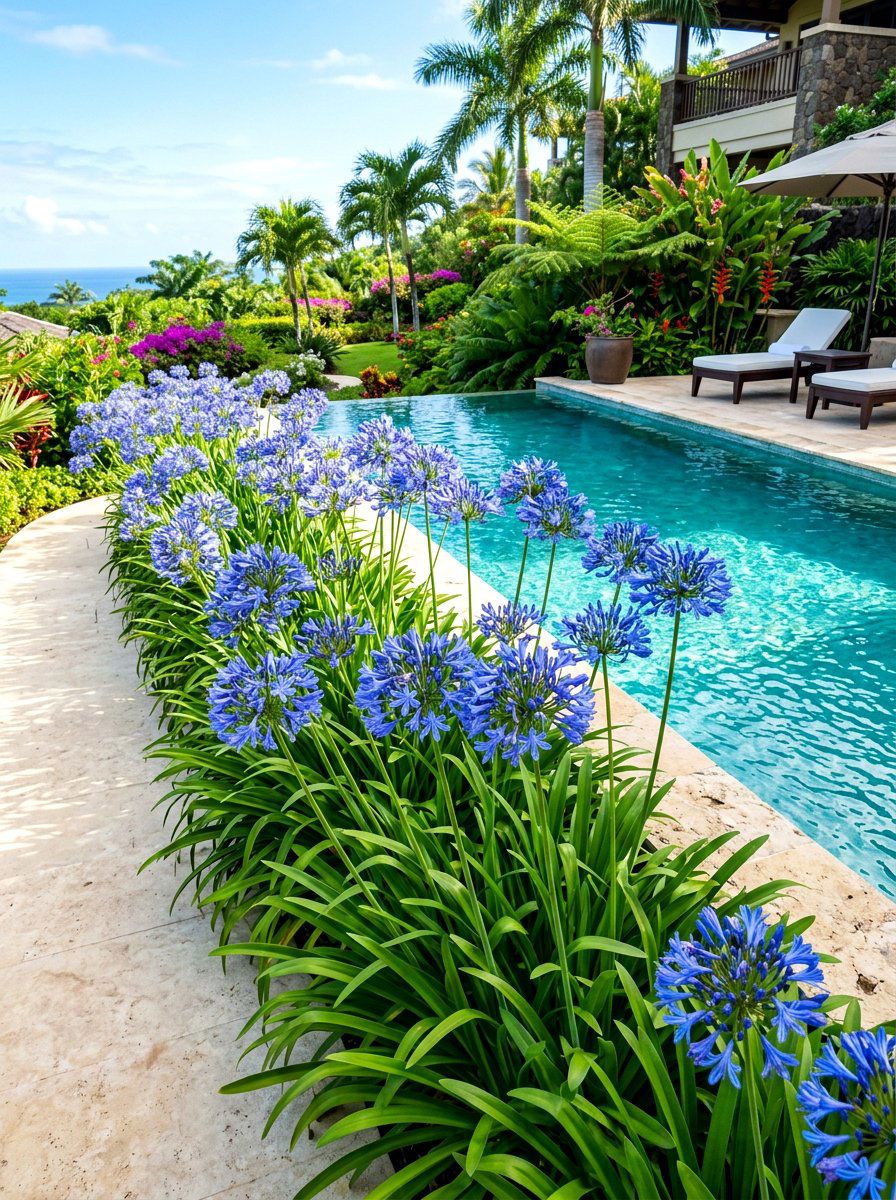
A Blue Agapanthus border adds a touch of tropical flair and structural beauty to your garden paths or pool areas. These plants feature long, strappy leaves and tall stalks topped with large, spherical clusters of bright blue flowers. They look best when planted in a straight line or a slight curve to emphasize their clean, upright form. The vibrant blue color is very eye-catching and creates a high-end, resort-like feel in any backyard. They are relatively easy to maintain and can tolerate some salt spray, making them perfect for coastal gardens. These flowers also make excellent cut blooms for bringing a bit of your garden inside your home.
14. Purple Coneflower meadow
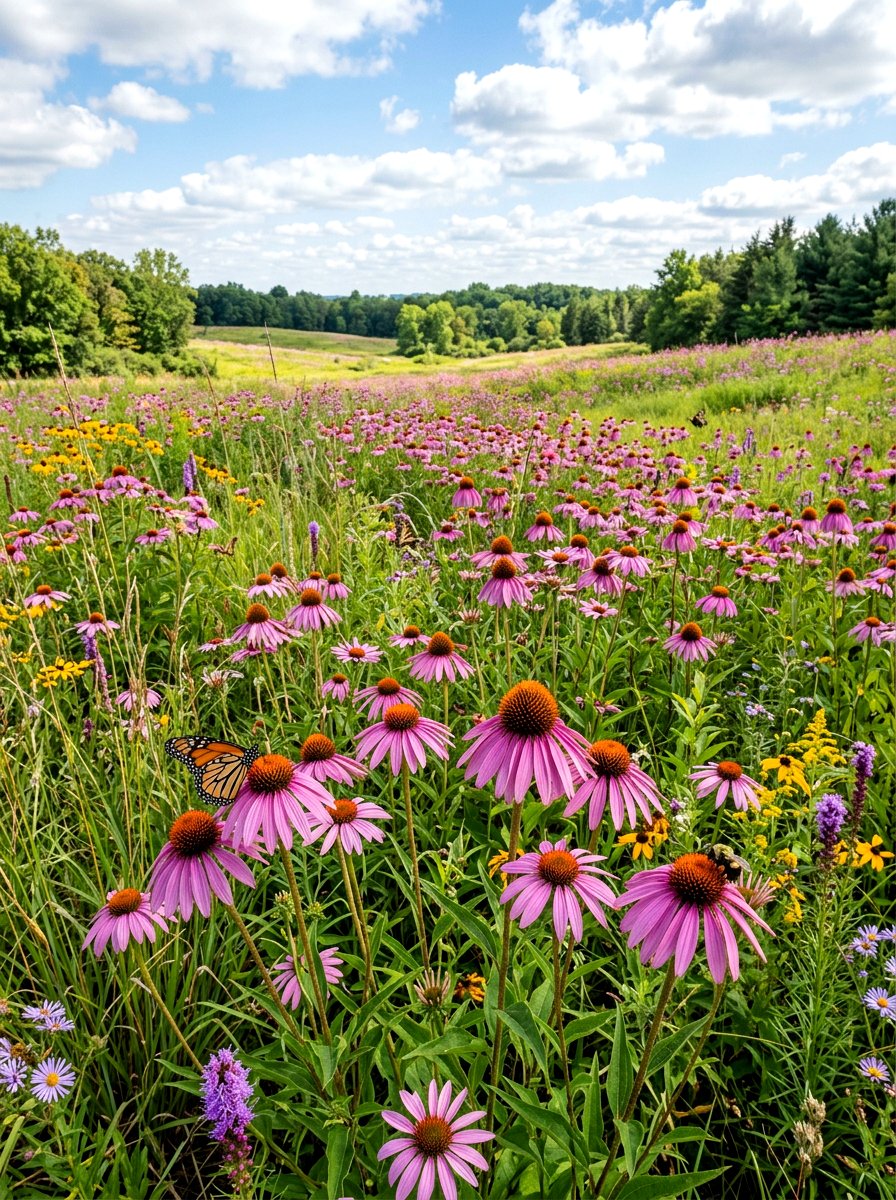
A Purple Coneflower meadow is the perfect choice for creating a naturalistic and eco-friendly garden that supports local wildlife. These hardy native plants feature large, daisy-like purple petals with a distinct orange center that attracts bees and butterflies. When you plant them in a large, informal area, they create a beautiful sea of purple that sways in the wind. This design style is very low-maintenance because the plants are adapted to the local environment and need very little extra water. They bloom for a long time in the summer and provide interest even in winter when the dried seed heads stand tall against the snow.
15. Forget Me Not woodland
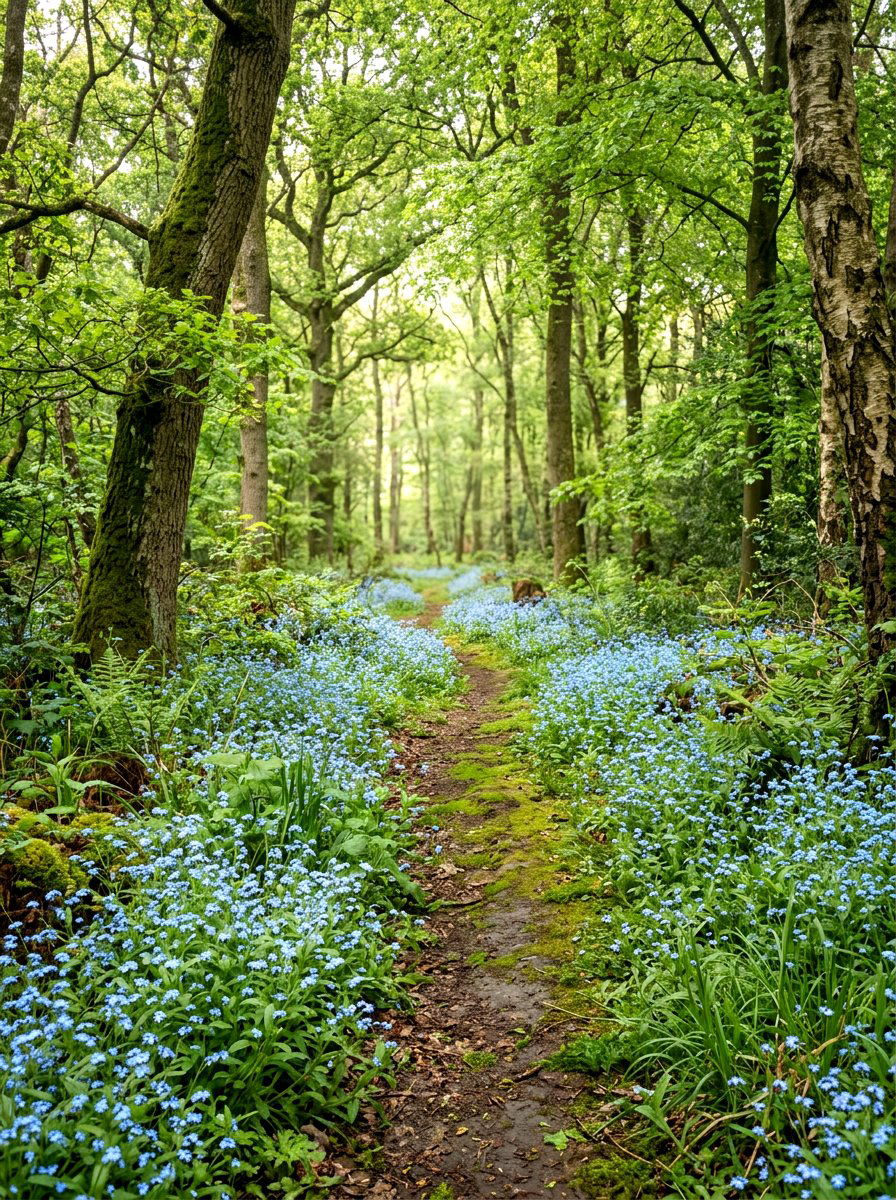
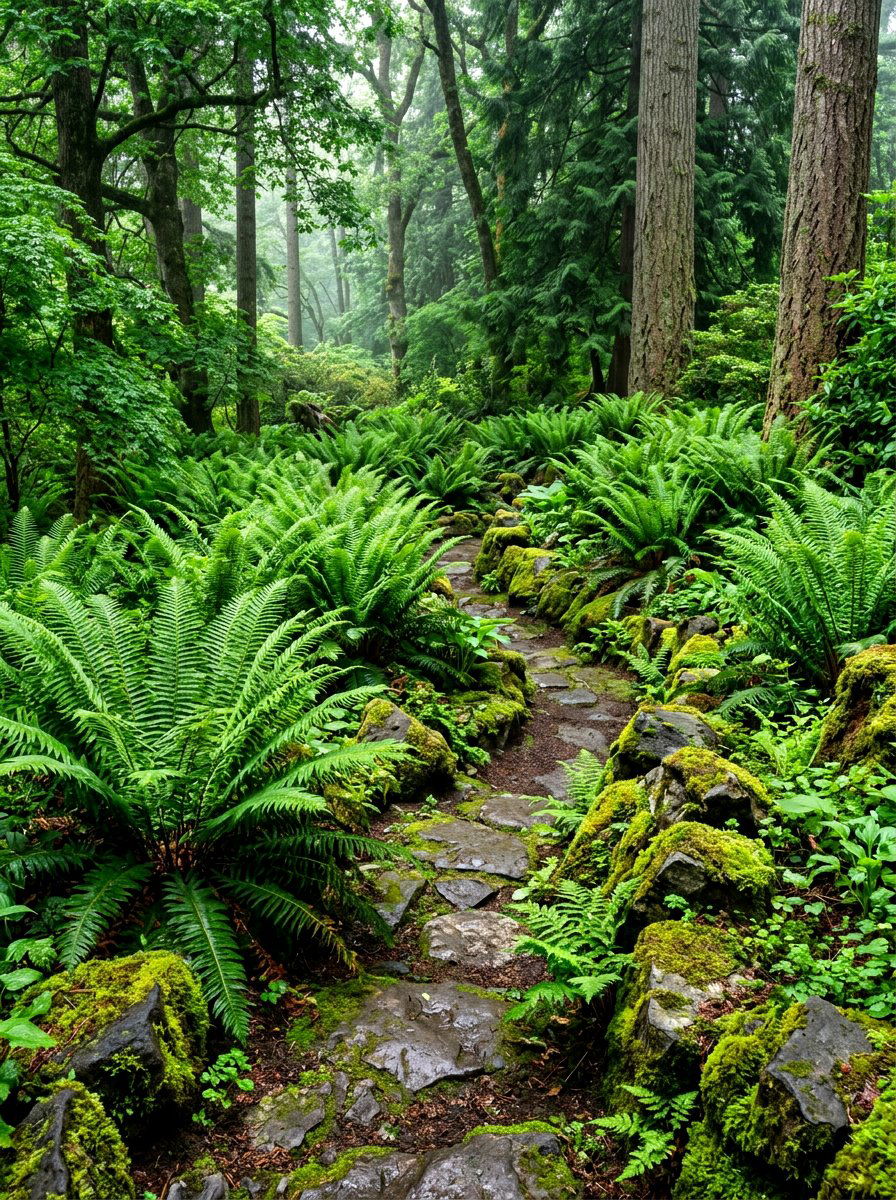
A Forget Me Not woodland garden creates a magical and soft atmosphere under the canopy of large deciduous trees. These tiny, sky-blue flowers have a charming yellow center and grow in delicate clusters that look like a blue carpet on the forest floor. They self-seed easily, meaning they will spread naturally and fill in gaps over time without any extra work. This plant thrives in the cool, moist shade where many other flowering plants might struggle to survive. The light blue color glows in the dim light of a woodland setting, making the area feel brighter and more ethereal. It is a wonderful way to bring life to shade.
16. Blue Star Creeper path
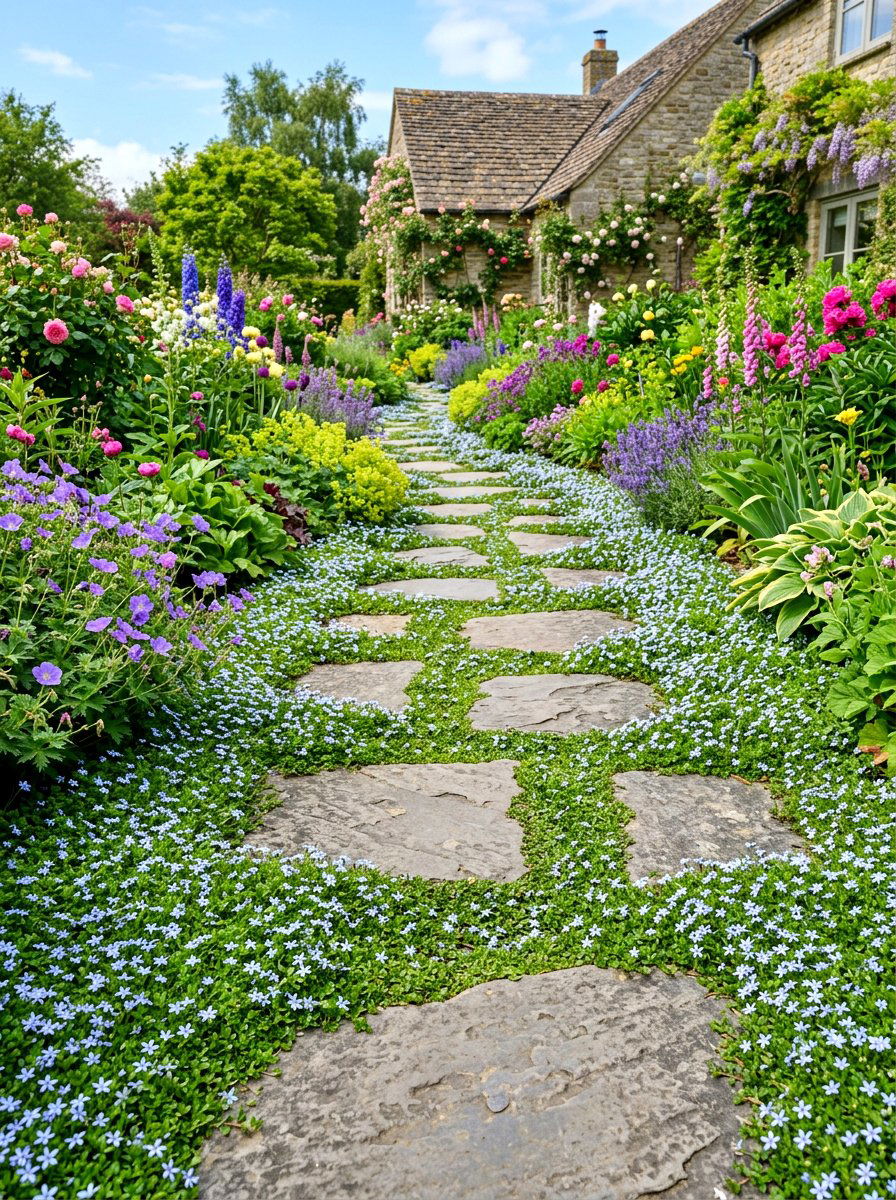
A Blue Star Creeper path is a creative and practical way to fill the spaces between large stepping stones or pavers. This tiny, flat-growing plant is covered in hundreds of pale blue, star-shaped flowers during the late spring and summer months. It is tough enough to handle light foot traffic, so you can actually walk on it without causing any damage. The low profile keeps your walkway looking neat while adding a layer of color and texture that hard surfaces lack. It is an excellent alternative to traditional mulch or gravel between stones. This design makes your garden path feel like a natural part of the landscape rather than a structure.
17. Lilac shrub garden
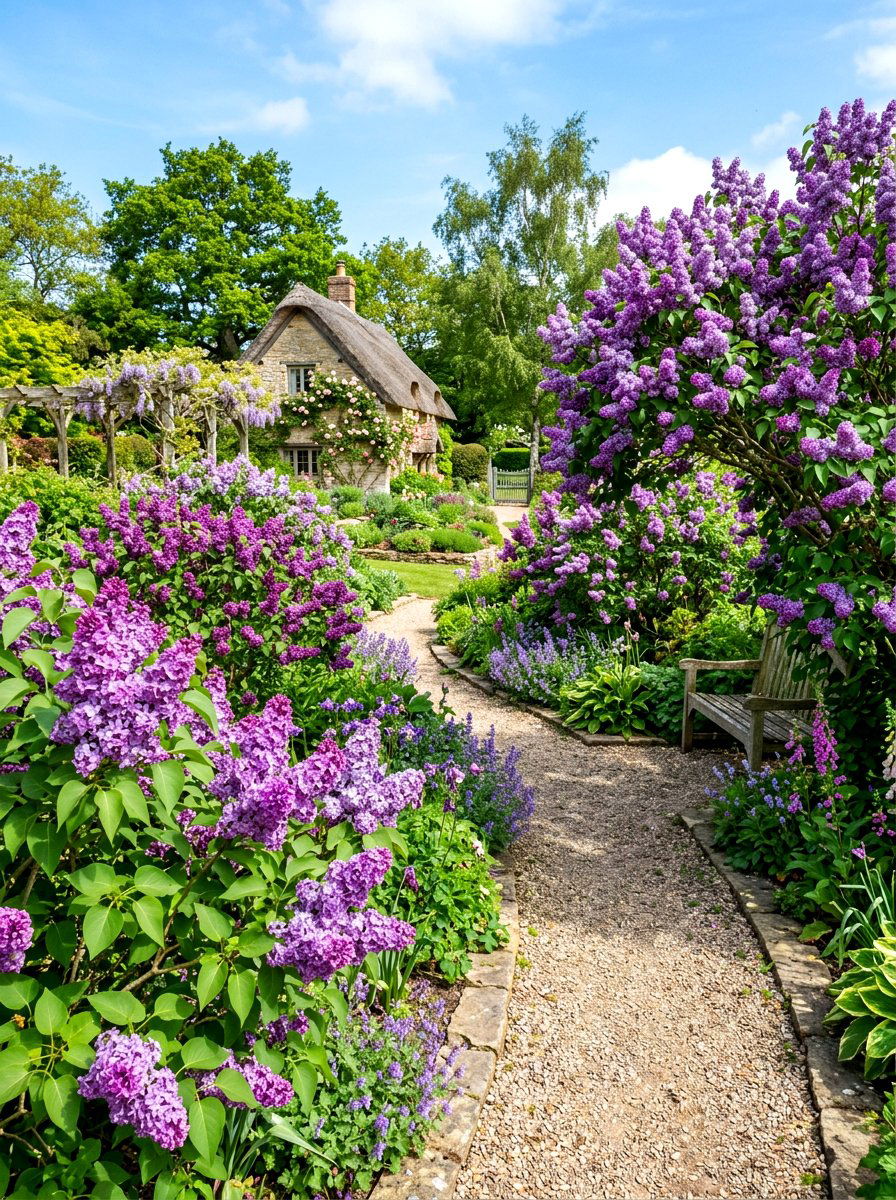
A Lilac shrub garden is a timeless addition that provides both incredible color and an iconic fragrance to your spring landscape. These large shrubs produce massive clusters of purple and lavender flowers that can perfume an entire backyard for weeks. You can plant them as a privacy screen along a property line or as a focal point in a large garden bed. There are many different varieties available, ranging from small dwarf types to very large bushes that grow over ten feet tall. The heart-shaped green leaves provide a nice backdrop for other plants even after the flowers have faded. It is a classic choice for a traditional garden look.
18. Blue Globe Thistle landscape
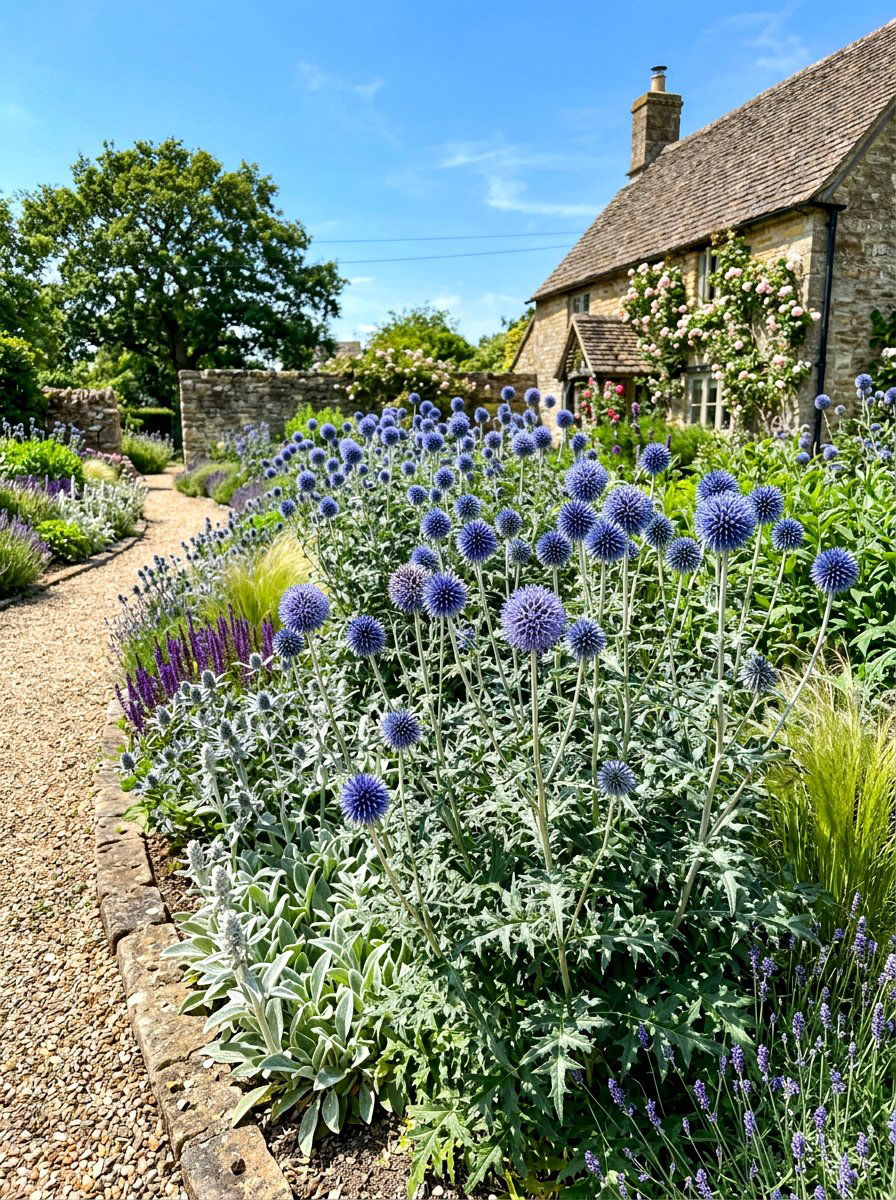
A Blue Globe Thistle landscape offers a unique and architectural look that adds a lot of interest to a sunny border. These plants produce perfectly round, spiky flower heads that start as silver and turn into a deep, metallic blue. The jagged, silvery-green leaves provide an interesting texture that contrasts well with softer flowering plants. They are very hardy and can withstand poor soil and dry conditions with total ease. Bees absolutely love these flowers, so your garden will be buzzing with life all summer long. Because the flower heads are so sturdy, they also look great when dried and used in indoor floral arrangements for your home decor.
19. Purple Campanula rockery
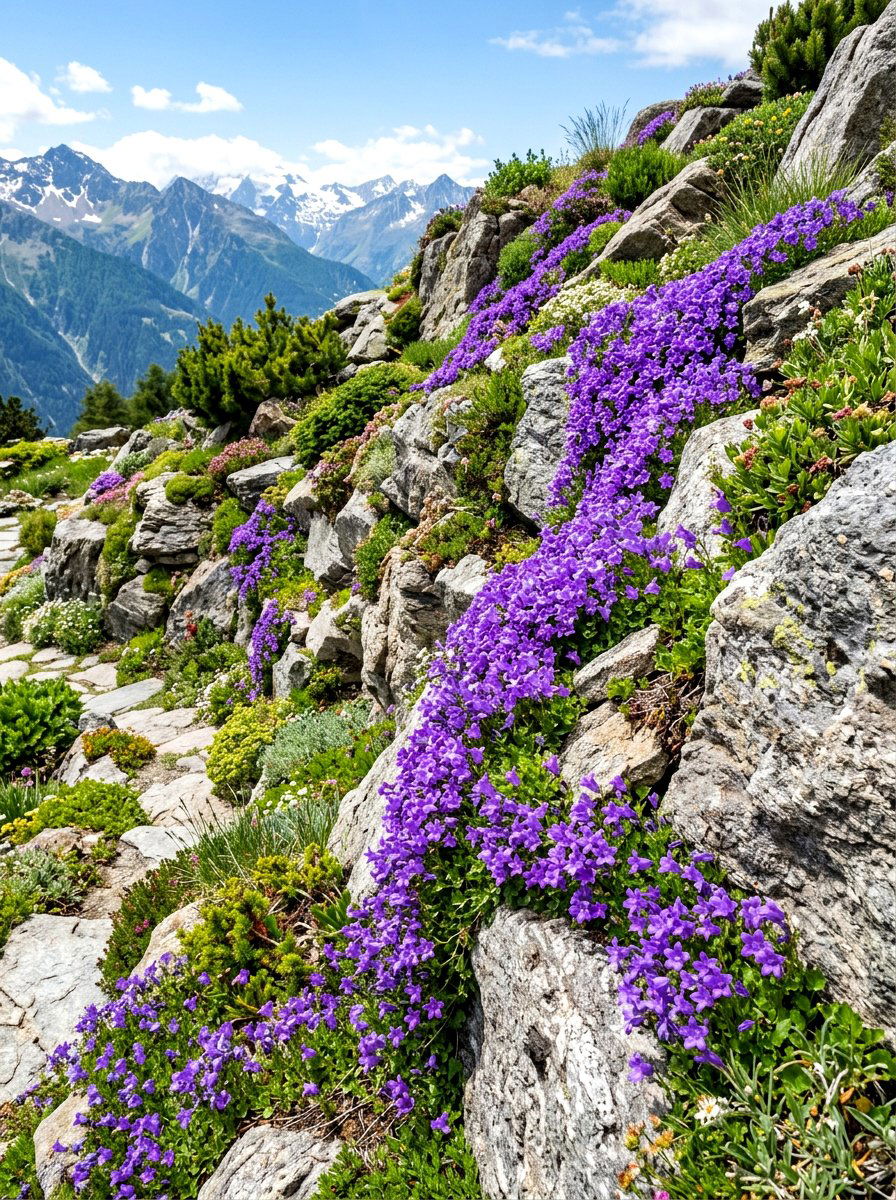
A Purple Campanula rockery is a beautiful way to add color to a sloped area or a pile of decorative stones. Also known as Bellflowers, these plants produce small, purple, bell-shaped blooms that look like they are tumbling down the rocks. They are very effective at softening the look of harsh stone surfaces and filling in small crevices where other plants cannot grow. The vibrant purple color stands out brilliantly against gray or tan rocks, creating a very natural and alpine-inspired look. These plants are generally low-growing and spread slowly to form a neat carpet of flowers. They are perfect for adding a sense of detail and charm to a small space.
20. Morning Glory fence
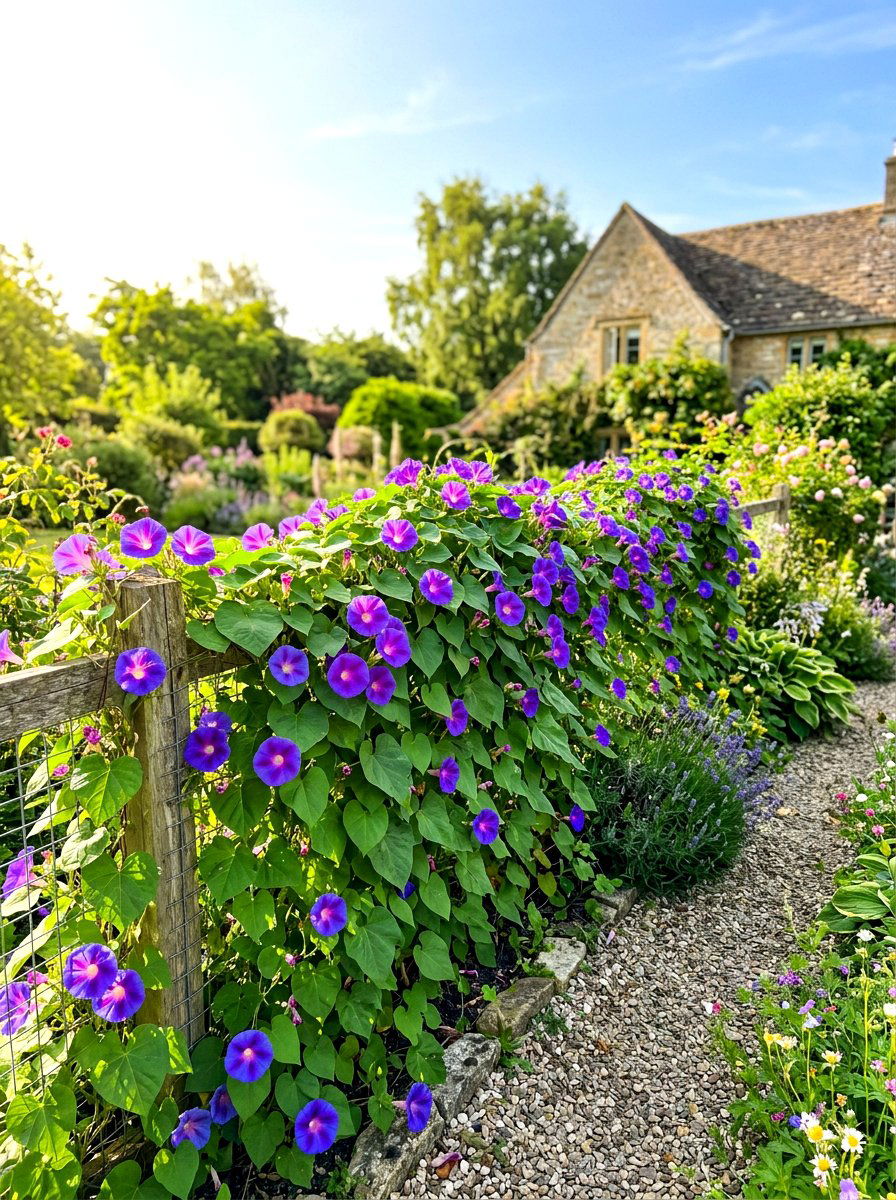
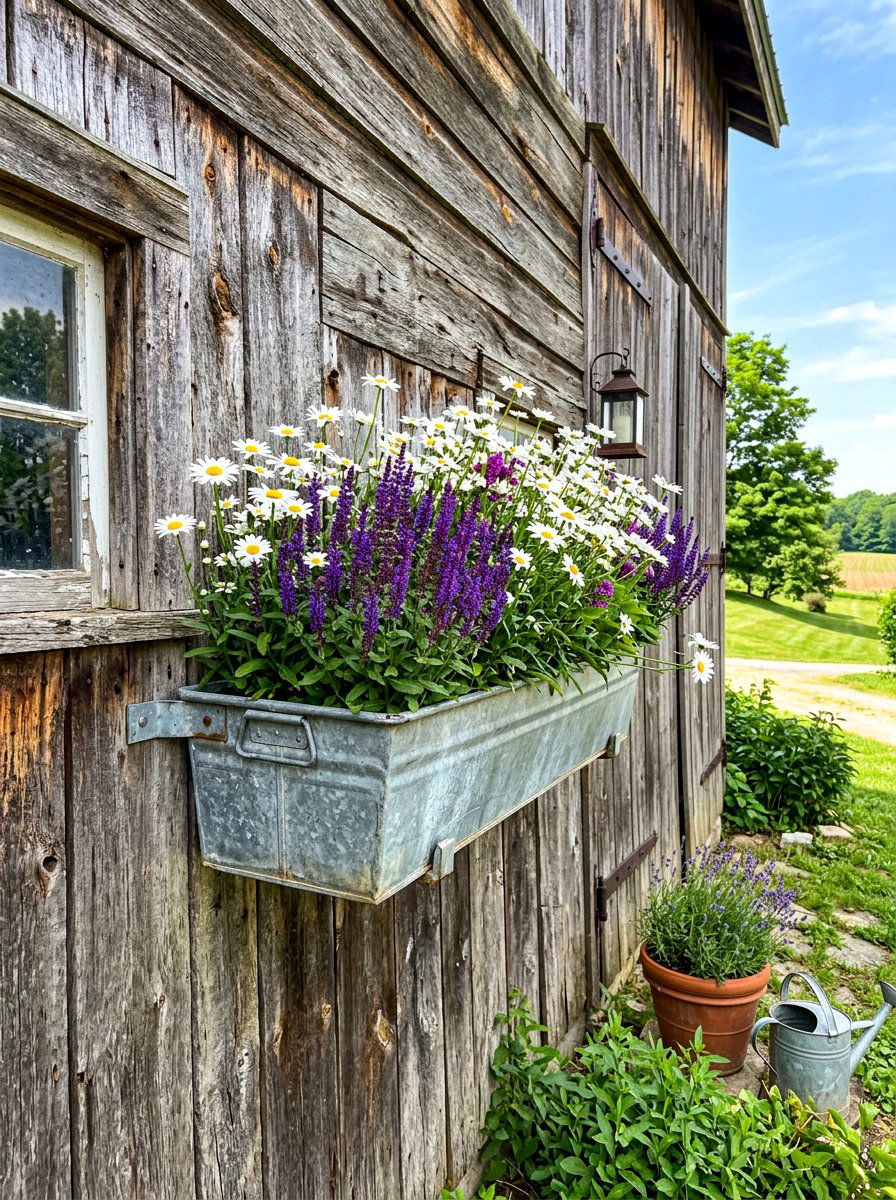
A Morning Glory fence is a fast and affordable way to add a wall of purple color to your garden. These climbing annuals can grow several feet in just a few weeks, quickly covering a chain-link fence or a wooden trellis. The large, heart-shaped leaves provide a lush green background for the vibrant, funnel-shaped purple flowers that open every morning. This is a great project for children or beginner gardeners because the seeds are very easy to plant and grow. While each individual flower only lasts for one day, the plant produces so many blooms that the fence will look full and colorful all summer long.
21. Blue Cornflower field
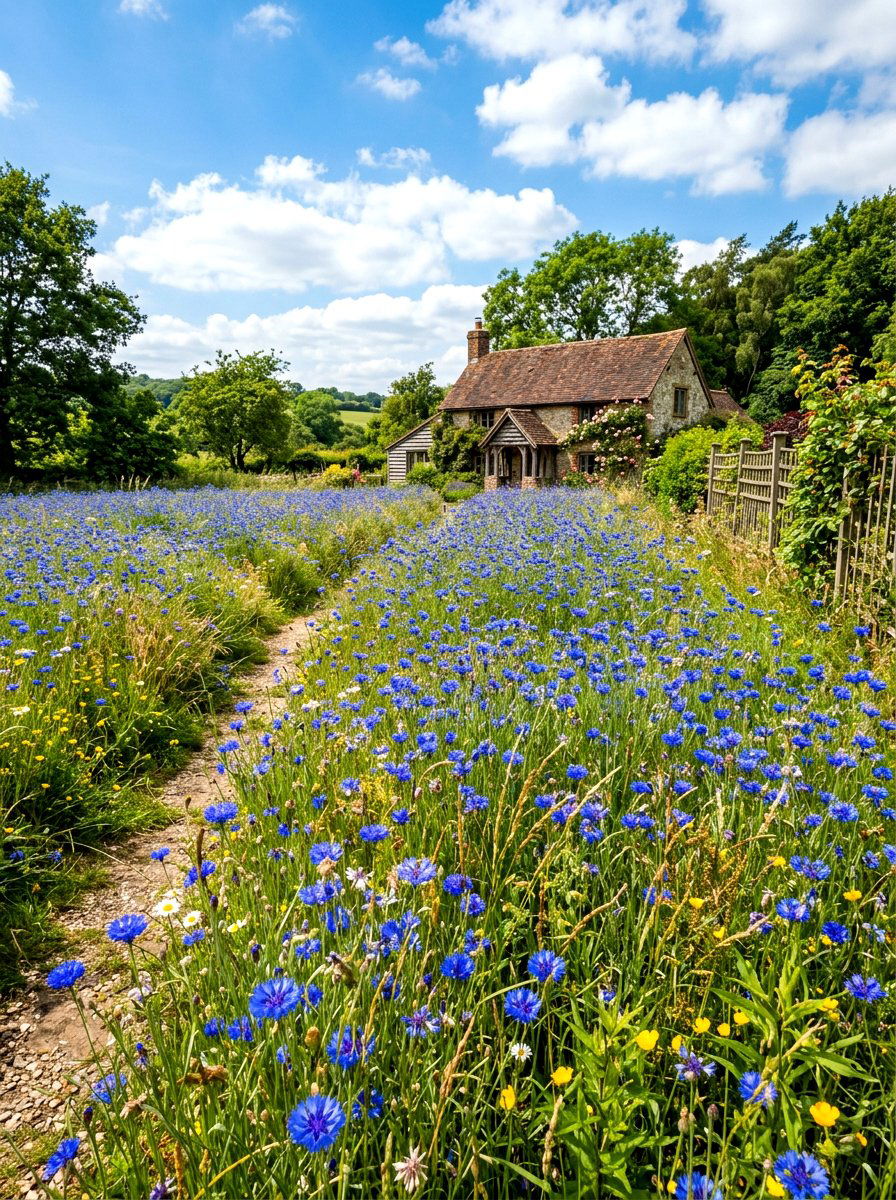
A Blue Cornflower field style brings a touch of wild, rustic beauty to any large open space in your backyard. These flowers are famous for their intense, true blue color which is quite rare in the plant world. When planted en masse, they create a vibrant blue haze that looks stunning in the bright summer sun. They have a simple, delicate form that works perfectly in a meadow or a wildflower garden setting. These flowers are very easy to grow from seed and will often self-sow for the following year. They also make excellent cut flowers, allowing you to bring that bright blue color into your house for bouquets.
22. Pansy and Viola planter
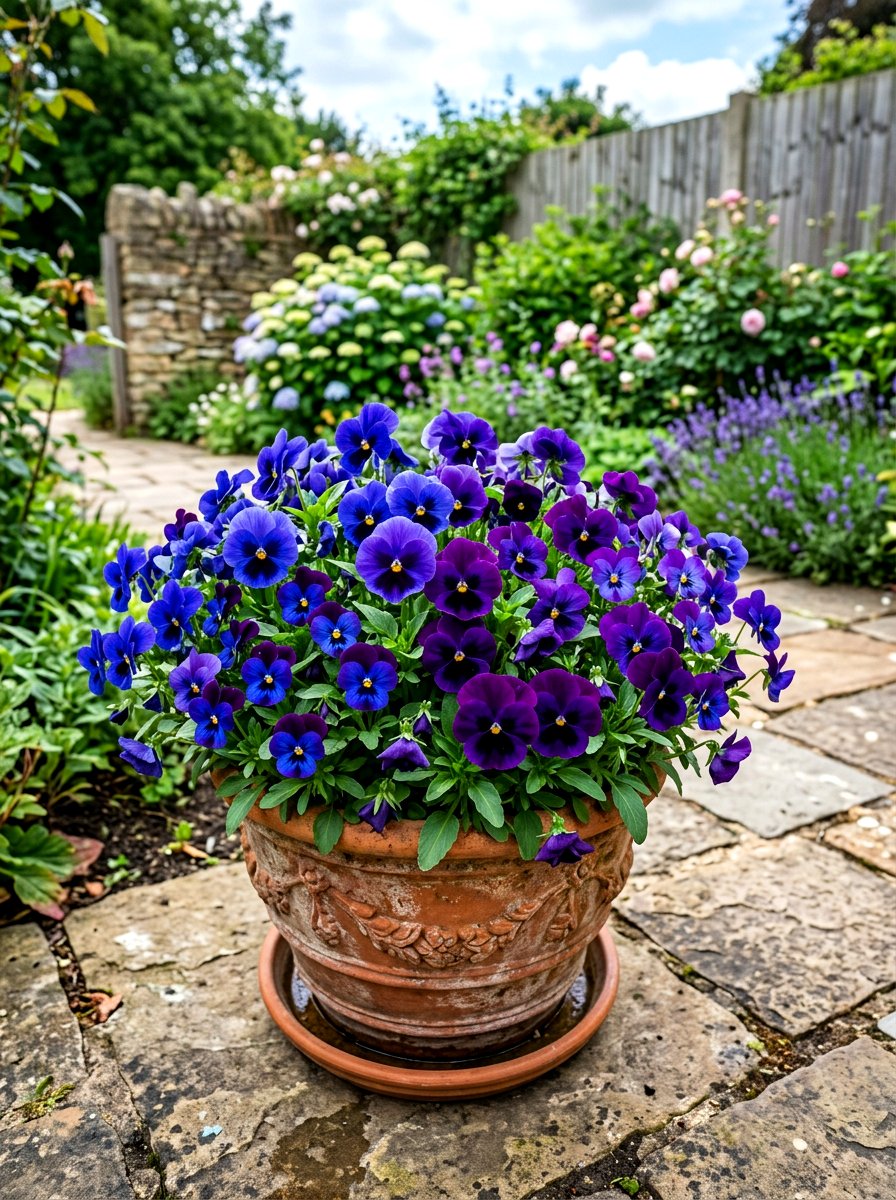
A Pansy and Viola planter is the perfect way to bring blue and purple color to your garden during the cooler months. These tough little flowers can handle light frosts, making them ideal for early spring or late autumn displays. They come in a huge range of purple and blue shades, often with interesting "faces" or patterns in the center. Planting them in a decorative pot on your patio table or near the front door provides a cheerful welcome. Because they stay small, you can pack many of them into a single container for a very dense and colorful look. They are a great way to bridge the seasons.
23. Purple Salvia pathway
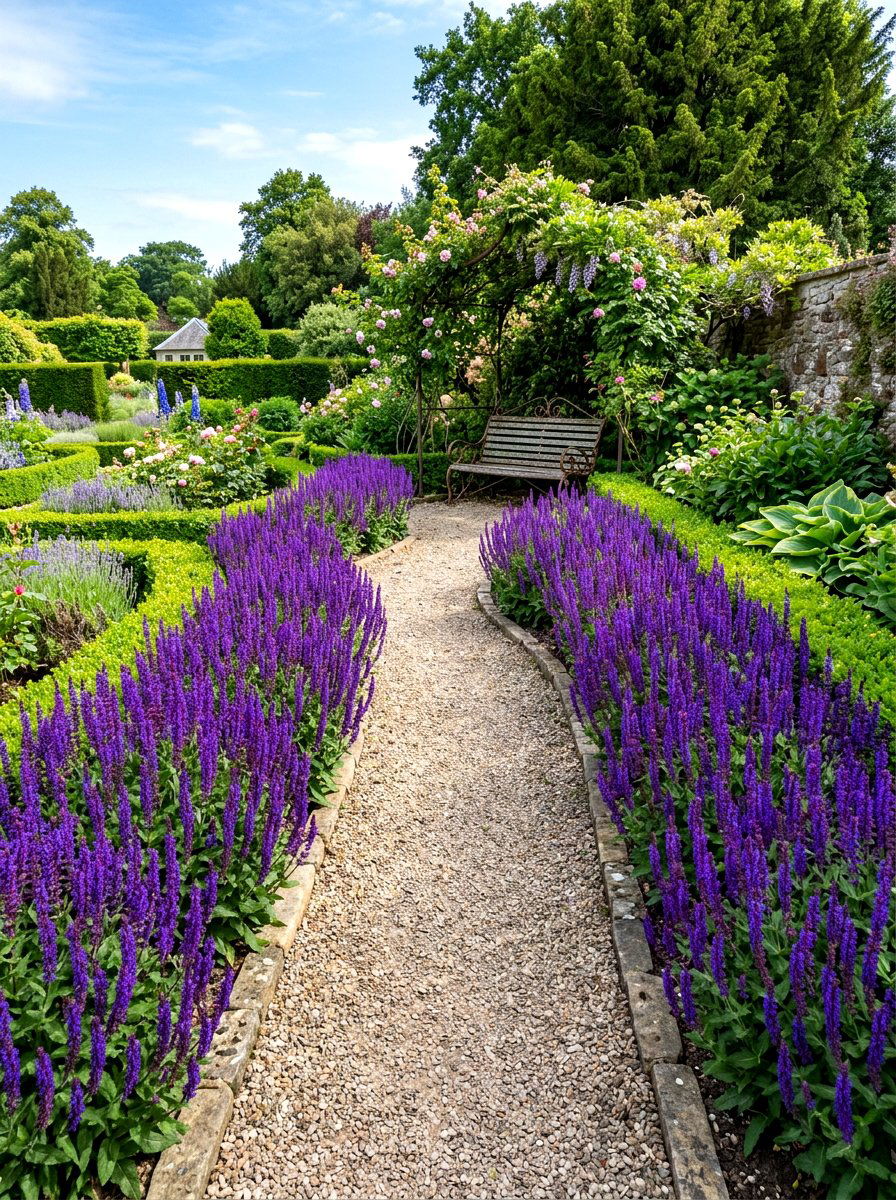
A Purple Salvia pathway creates a sense of movement and rhythm in your garden as the tall flower spikes sway in the breeze. These plants are known for their long blooming season and their ability to attract hummingbirds and butterflies. Planting them in long rows along a path creates a formal yet natural look that defines different areas of your yard. The deep purple flowers are very concentrated and provide a strong vertical line that guides the eye forward. They are very heat-tolerant and will keep blooming even during the hottest parts of the summer. This design is both functional and visually striking, making any walk through the garden feel special.
24. Blue False Indigo prairie
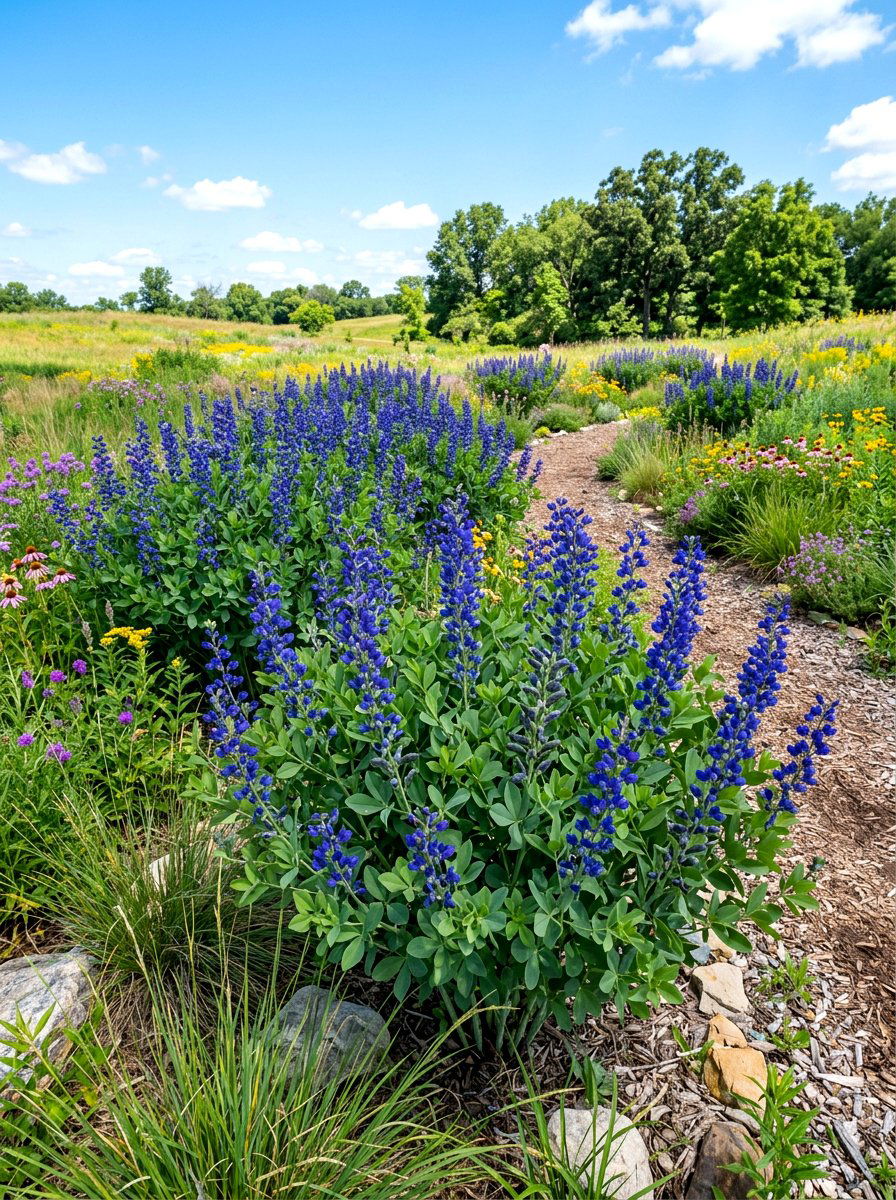
A Blue False Indigo prairie design introduces a native, shrub-like plant that offers both beautiful flowers and interesting seed pods. This plant produces tall spikes of deep blue flowers in the late spring that look somewhat like sweet peas. The blue-green foliage stays attractive all season long, providing a nice structural element even after the blooming is over. It is a very long-lived perennial that develops a deep root system, making it incredibly drought-resistant once it is established. In the autumn, the flowers turn into black seed pods that rattle in the wind, adding a unique sound and visual interest to your winter garden. It is a sustainable choice.
25. Grape Hyacinth spring garden
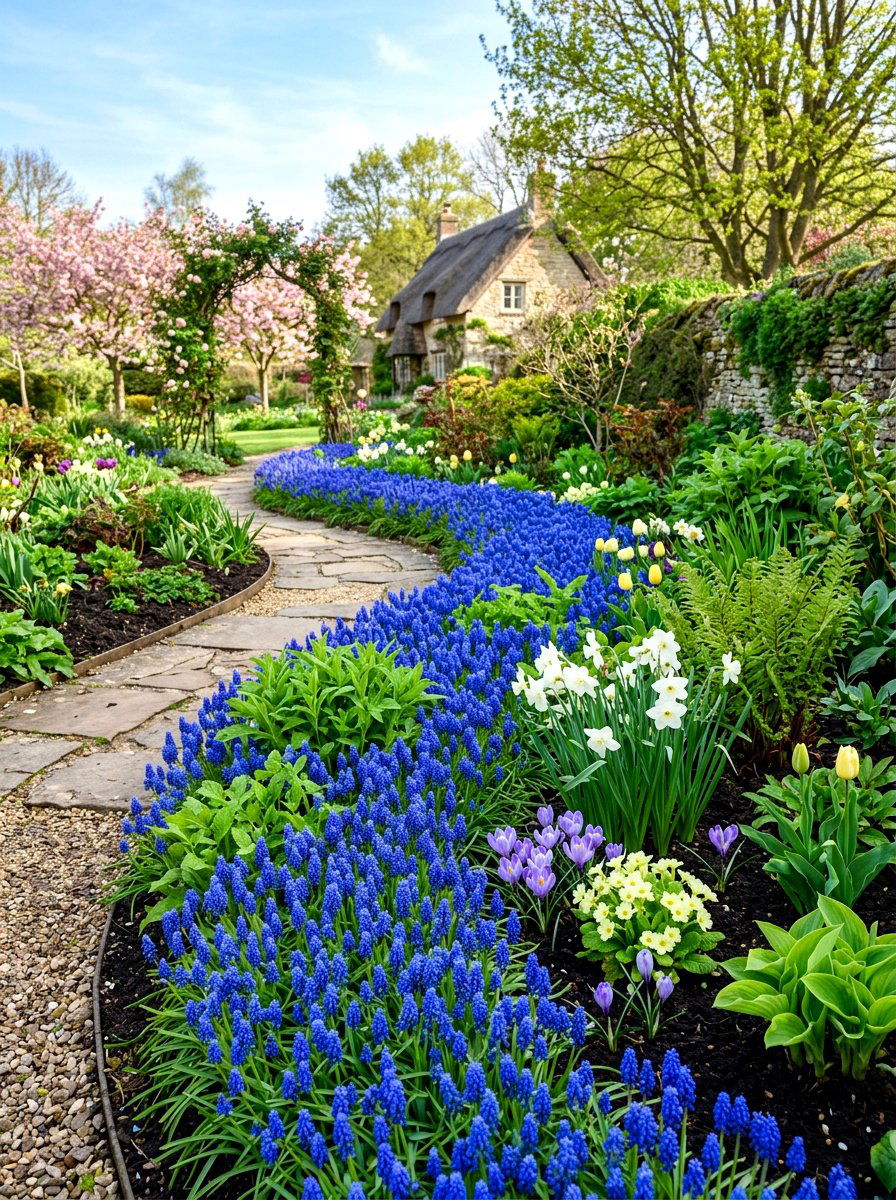
A Grape Hyacinth spring garden is a delightful way to welcome the first warm days of the year with tiny blue clusters. These small bulbs should be planted in the fall so they can pop up early in the spring. They look like tiny bunches of upside-down grapes and have a sweet, subtle fragrance. They look most effective when planted in large "rivers" or drifts that wind through your garden beds or under trees. Because they are so small, they don't take up much space and can be planted right on top of other later-blooming perennials. They are very reliable and will multiply on their own year after year.
26. Blue Spruce evergreen landscape
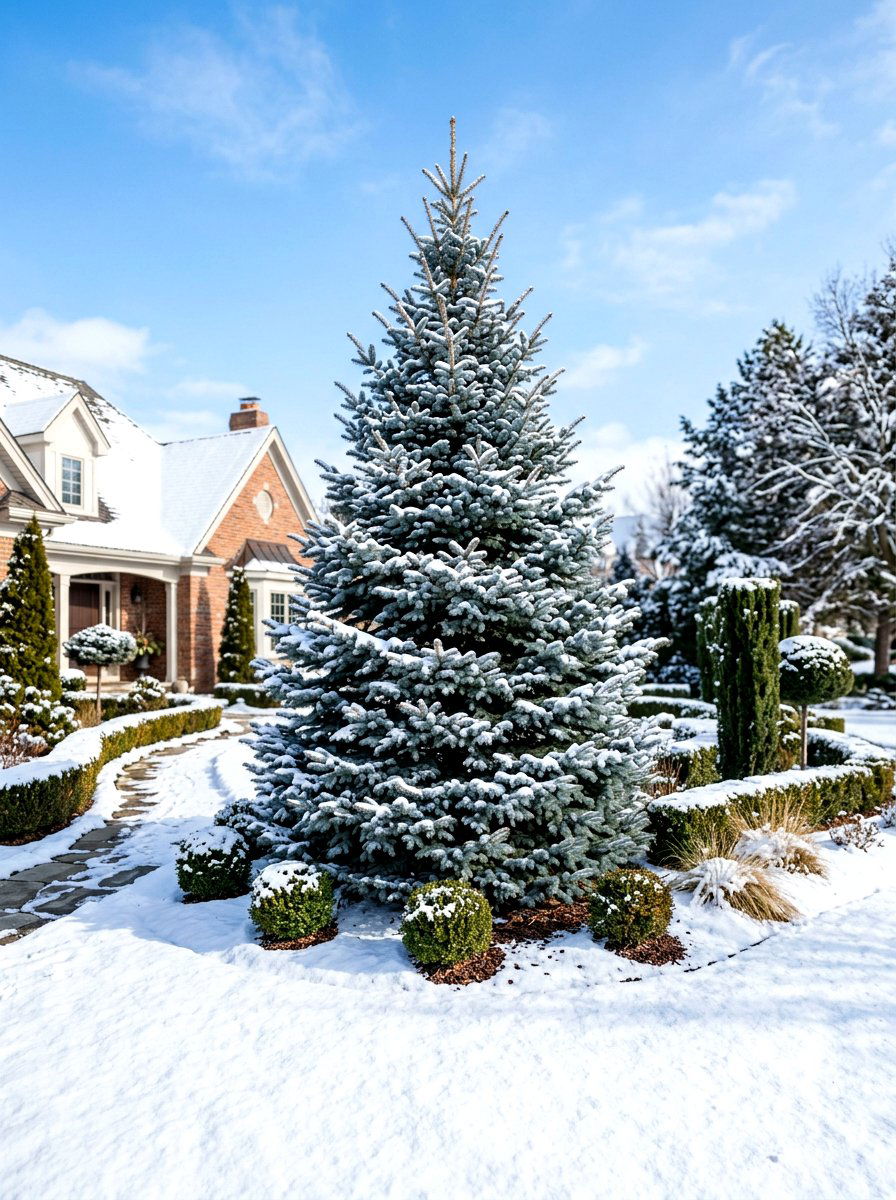
A Blue Spruce evergreen landscape provides a permanent, silvery-blue color that keeps your garden looking vibrant even in the middle of winter. These trees or shrubs have needles with a distinct blue tint that contrasts beautifully with traditional green evergreens. You can use a tall variety as a majestic focal point or a dwarf version for a smaller garden bed. The structured, conical shape adds a formal and tidy look to your property throughout the entire year. They are very hardy and can withstand harsh winds and heavy snow, making them a practical choice for many climates. This is a great way to ensure your blue theme lasts.
27. Purple Fountain Grass modern garden
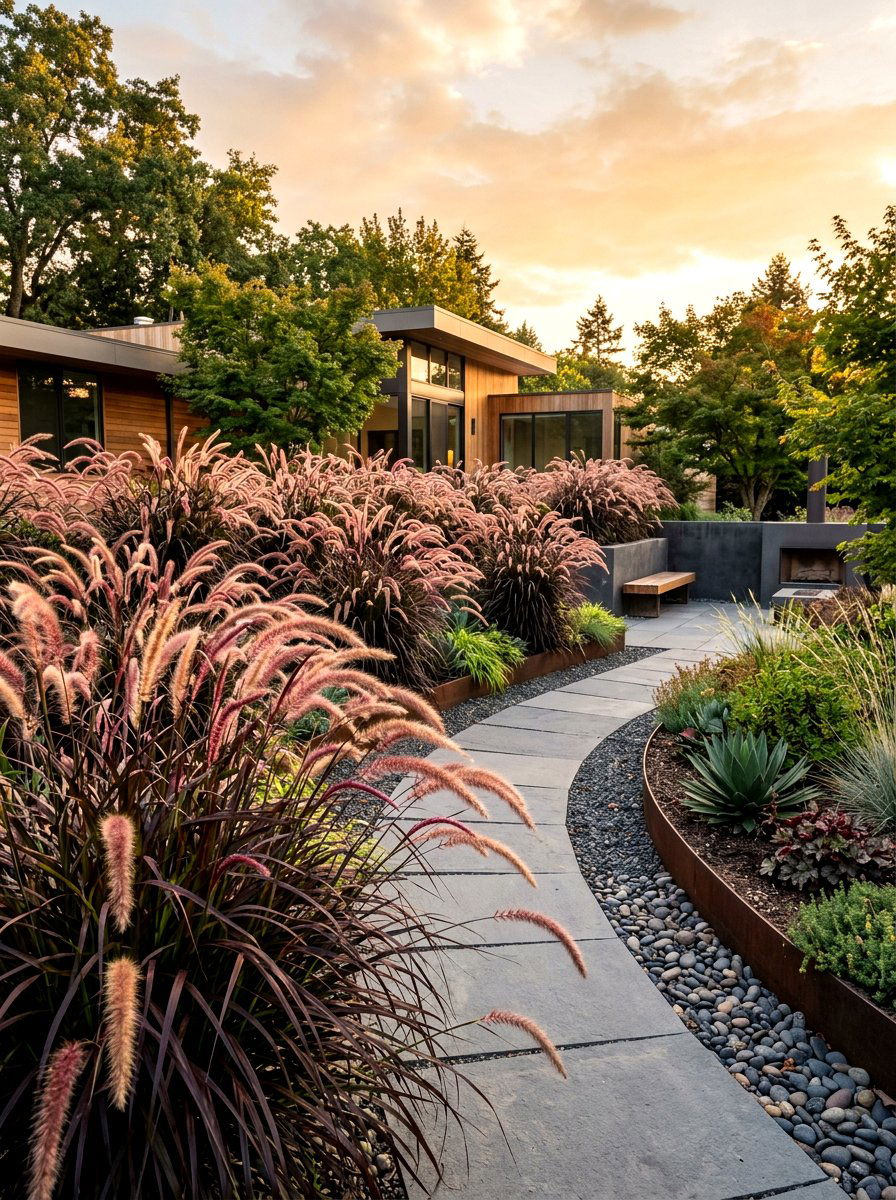
A Purple Fountain Grass modern garden utilizes dark, burgundy-purple foliage to create a dramatic and sophisticated outdoor atmosphere. This ornamental grass features long, arching blades and fuzzy, feather-like flower spikes that look like small fountains. The dark color provides a perfect backdrop for lighter blue flowers or silvery plants. It looks especially stunning when planted in modern, geometric containers or as a focal point in a minimalist landscape. While it is often grown as an annual in cooler climates, its fast growth and striking appearance make it well worth the effort. The movement of the grass in the wind adds a relaxing and dynamic element to your garden space.
28. Monkshood shade garden
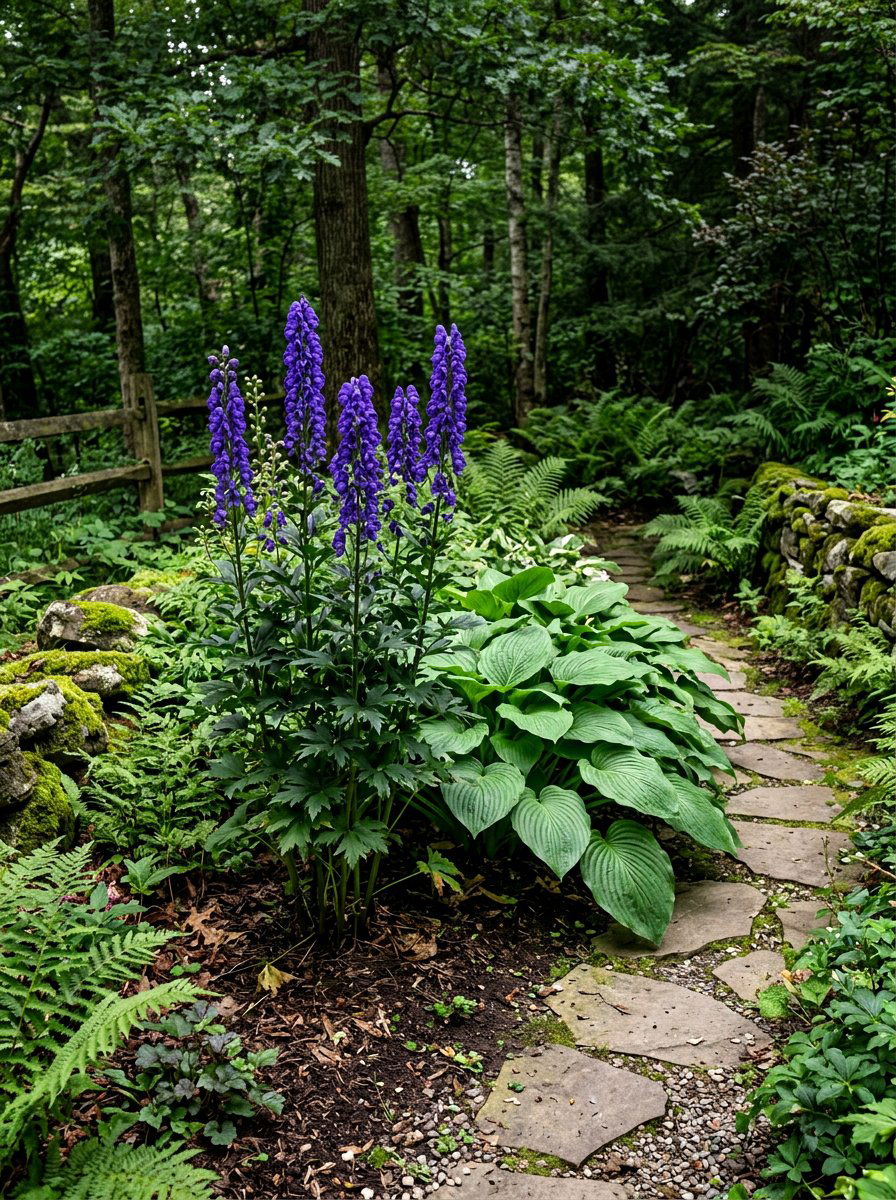
A Monkshood shade garden is a unique choice for those looking for tall, late-season purple flowers in a cooler part of the yard. These plants produce hooded, deep violet flowers on tall stems that can reach up to four feet high. They bloom in late summer or early autumn when many other flowers are starting to fade. They love moist, rich soil and partial shade, making them a great companion for hostas and ferns. You should be careful as all parts of the plant are toxic, so it is best kept away from pets and children. However, the intense color and unusual shape make it a standout in any shade garden design.
29. Scabiosa butterfly garden
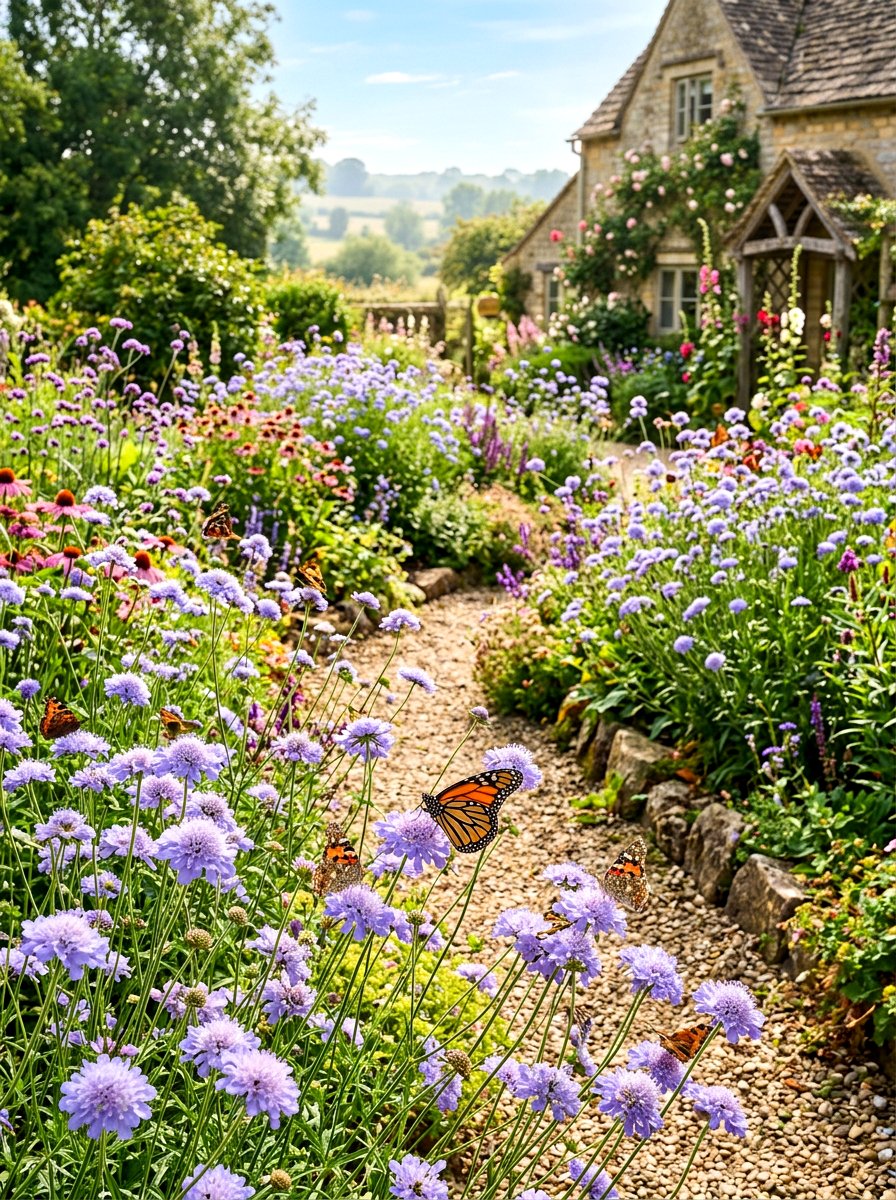
A Scabiosa butterfly garden features delicate, pin-cushion-shaped flowers in beautiful shades of lavender and sky blue. These flowers have a soft, airy appearance that looks lovely in a cottage garden or a casual border. They are famous for being absolute magnets for butterflies, who love to land on the flat, nectar-rich centers. The long stems make them perfect for cutting and using in small indoor vases. They bloom for a very long period if you keep removing the old flowers, often providing color from early summer right until the first frost. This plant adds a touch of whimsy and movement to any sunny spot in your yard.
30. Blue Hibiscus tropical garden
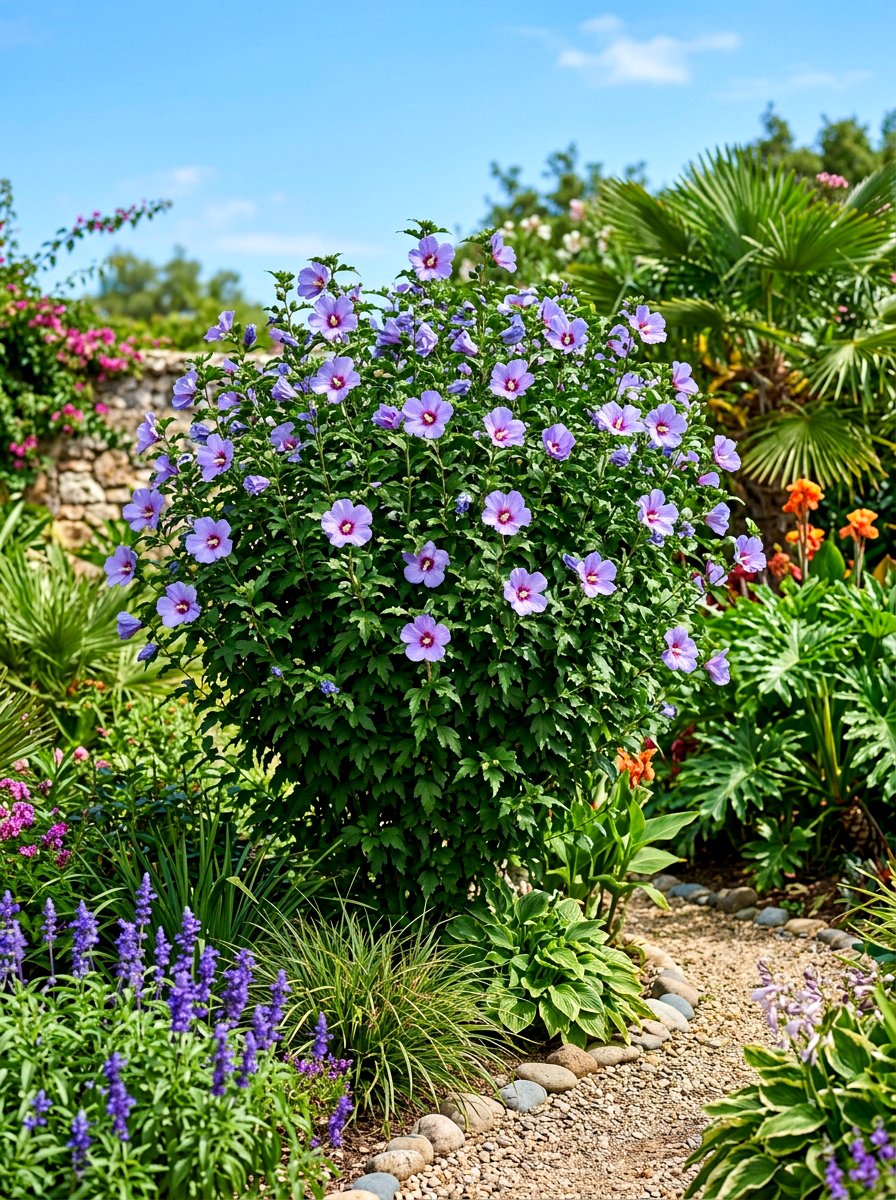
A Blue Hibiscus tropical garden brings an exotic and bold look to your outdoor space with its large, lilac-blue flowers. These shrubs feature unique, deeply lobed leaves and flowers that have a delicate, crepe-paper texture. While they are actually part of the mallow family, they provide a similar aesthetic to tropical hibiscus but are often more drought-tolerant. They love a sunny spot with well-drained soil and will reward you with a profusion of blooms throughout the summer months. This plant is a fantastic way to add a larger-scale blue element to your garden. It works well as a standalone specimen or as part of a lush, colorful flowering hedge.
Conclusion:
Designing a blue and purple garden is a rewarding way to create a peaceful and visually stunning outdoor environment that stands out. These cool-toned colors offer a sense of sophistication and tranquility that is perfect for any modern home. By mixing different textures, such as spiky salvias and soft hydrangeas, you can achieve a professional landscape look that is easy to maintain. Whether you have a large backyard or a small balcony, there are plenty of options to incorporate these beautiful hues into your space. Using these ideas will help you build a garden that not only looks viral-worthy but also provides a relaxing retreat for years.

Related posts: