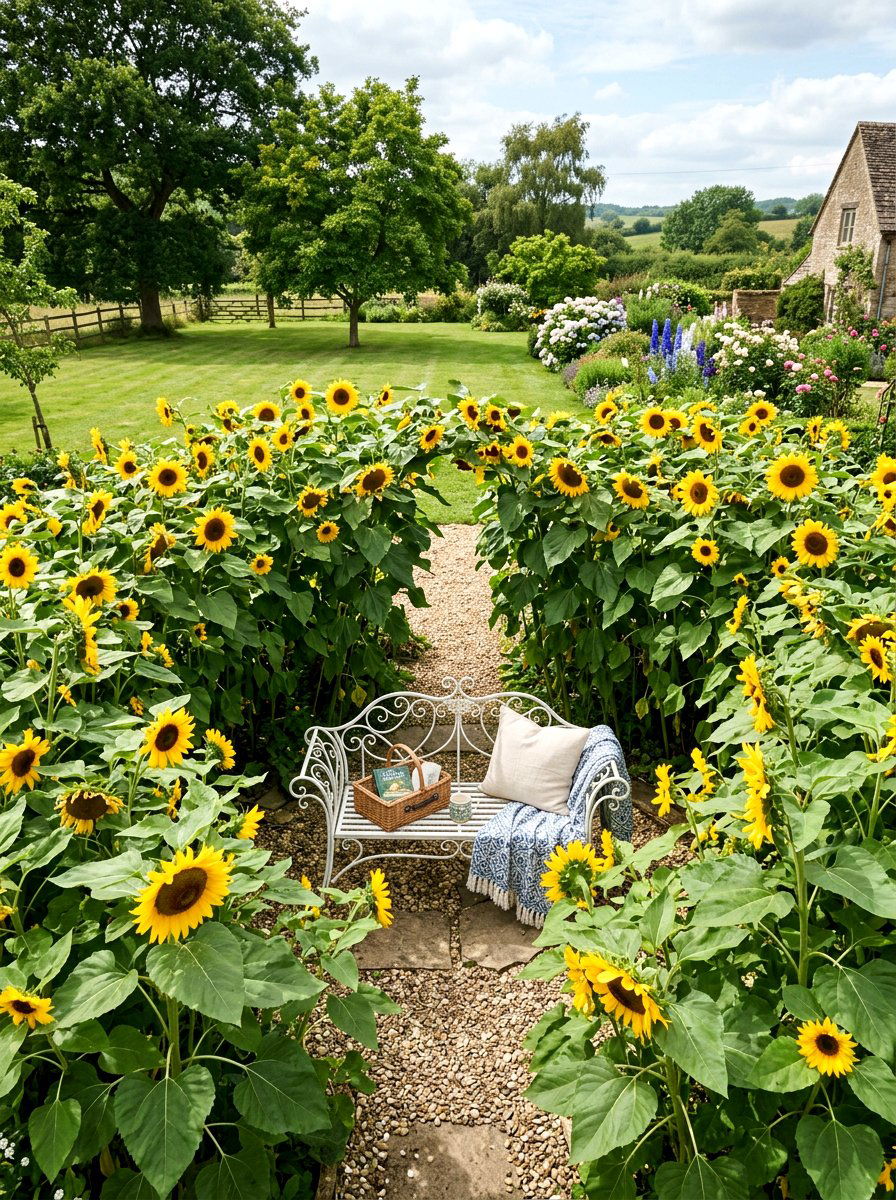
Starting a flower farm in your own backyard is a dream for many nature lovers and home decorators. It transforms a simple lawn into a productive, vibrant ecosystem that yields beautiful bouquets throughout the seasons. This journey allows you to connect with the soil while enhancing your property’s curb appeal and ecological health. Whether you have a massive plot or a small suburban patch, the principles of intensive planting and smart layout can turn any space into a floral sanctuary. We will explore various ways to organize, plant, and maintain a blooming oasis that feels both professional and personal. Get ready to dive into the wonderful world of backyard flower farming.
1. Cut flower garden layout
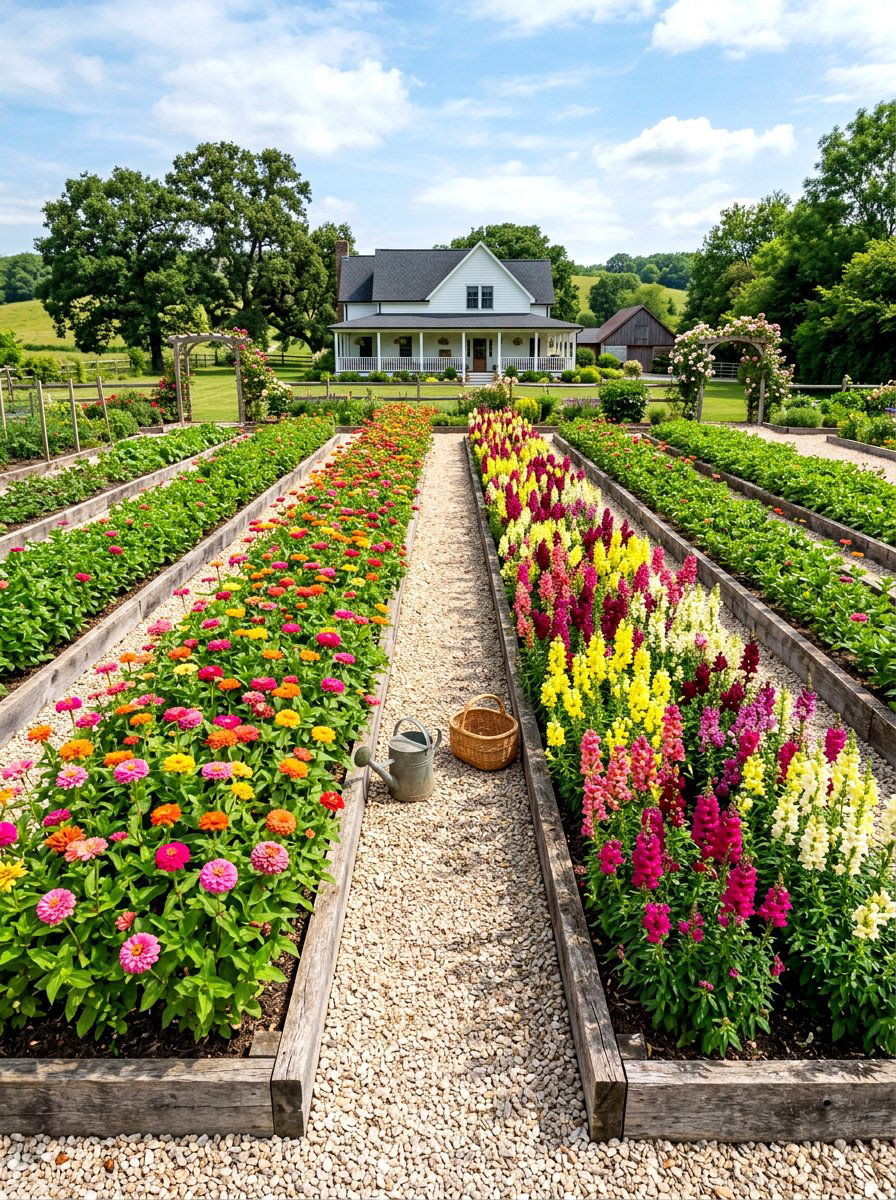
Planning a cut flower garden layout involves more than just scattering seeds in the dirt. You need to consider the height of each variety so shorter stems do not get lost behind tall ones. Creating long, narrow rows helps you reach the middle without stepping on the soil and compacting it. Most backyard farmers prefer beds that are about three to four feet wide. This allows for easy weeding and harvesting from either side. You should also think about succession planting to keep the blooms coming all summer long. A well-organized layout makes the entire backyard look like a professional nursery while remaining very functional for daily flower picking.
2. Raised garden beds
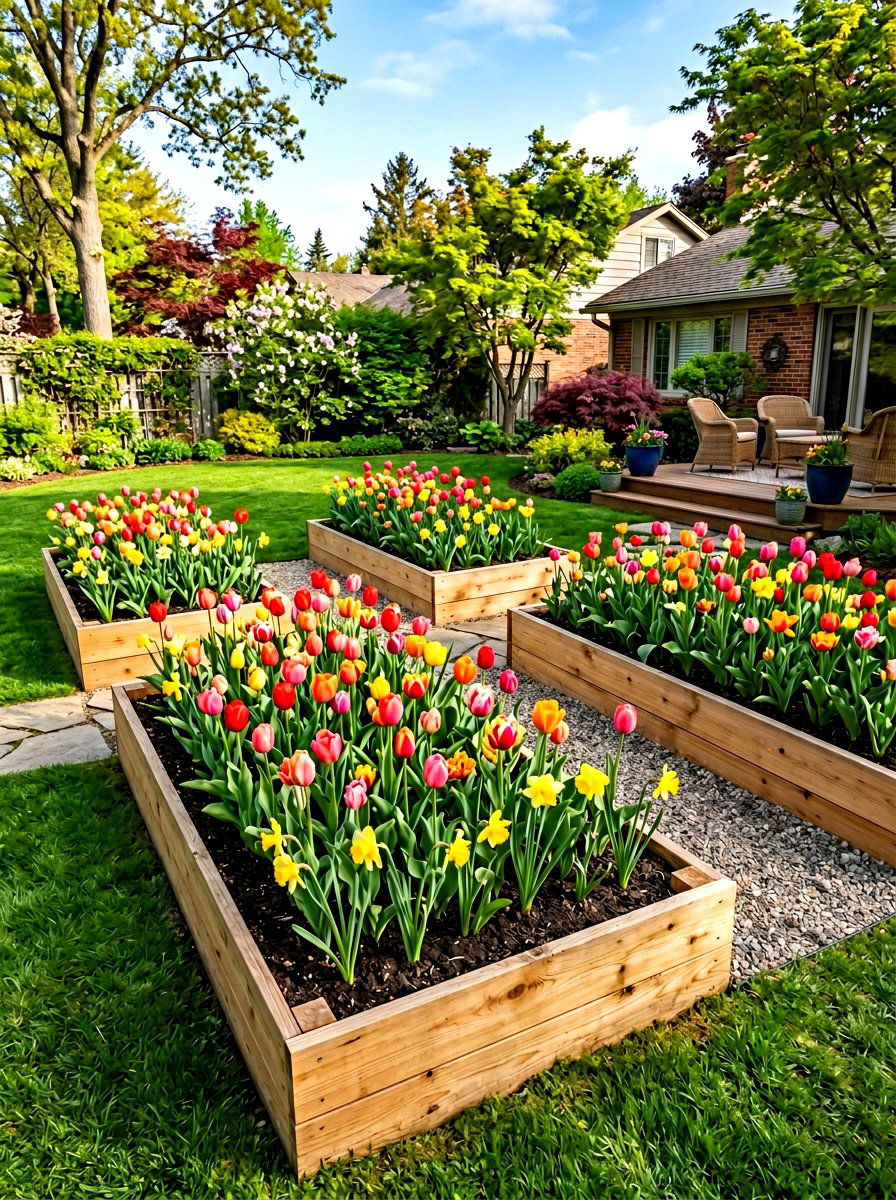
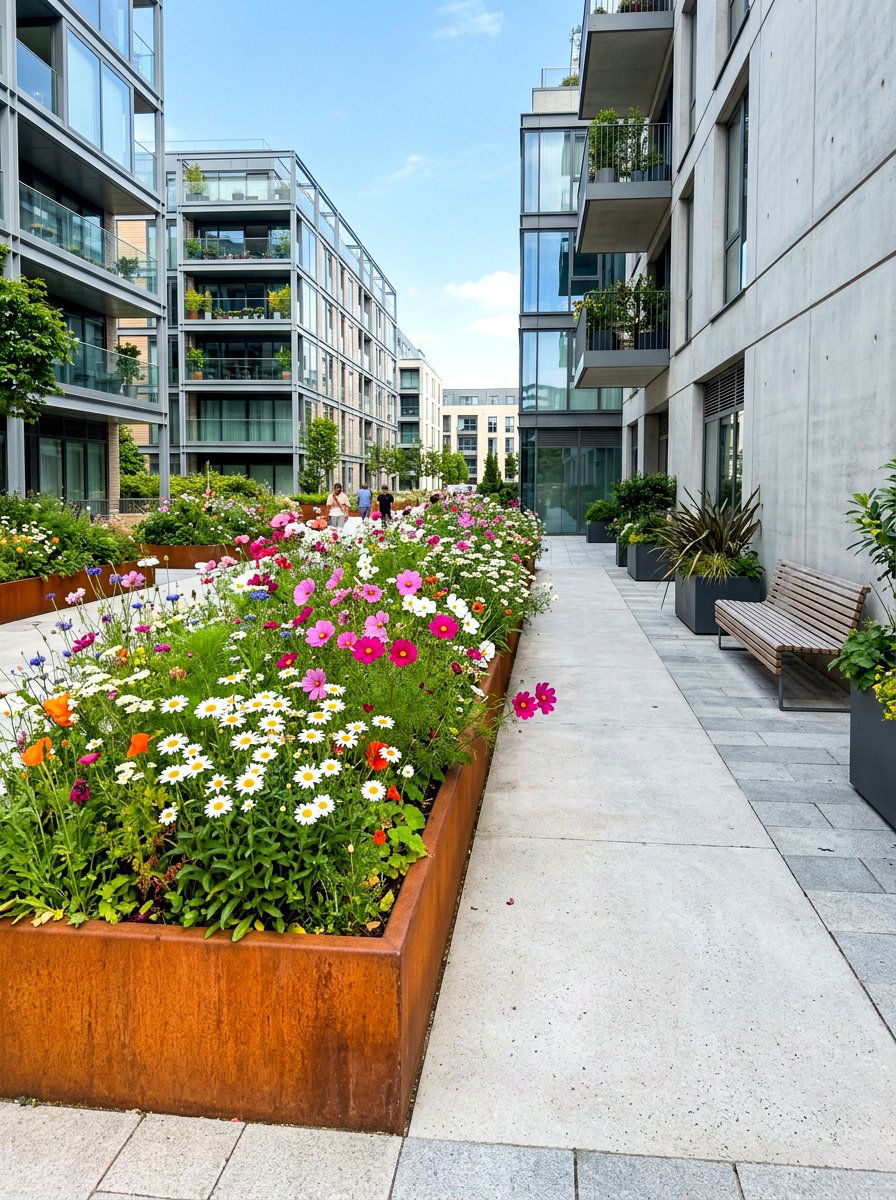
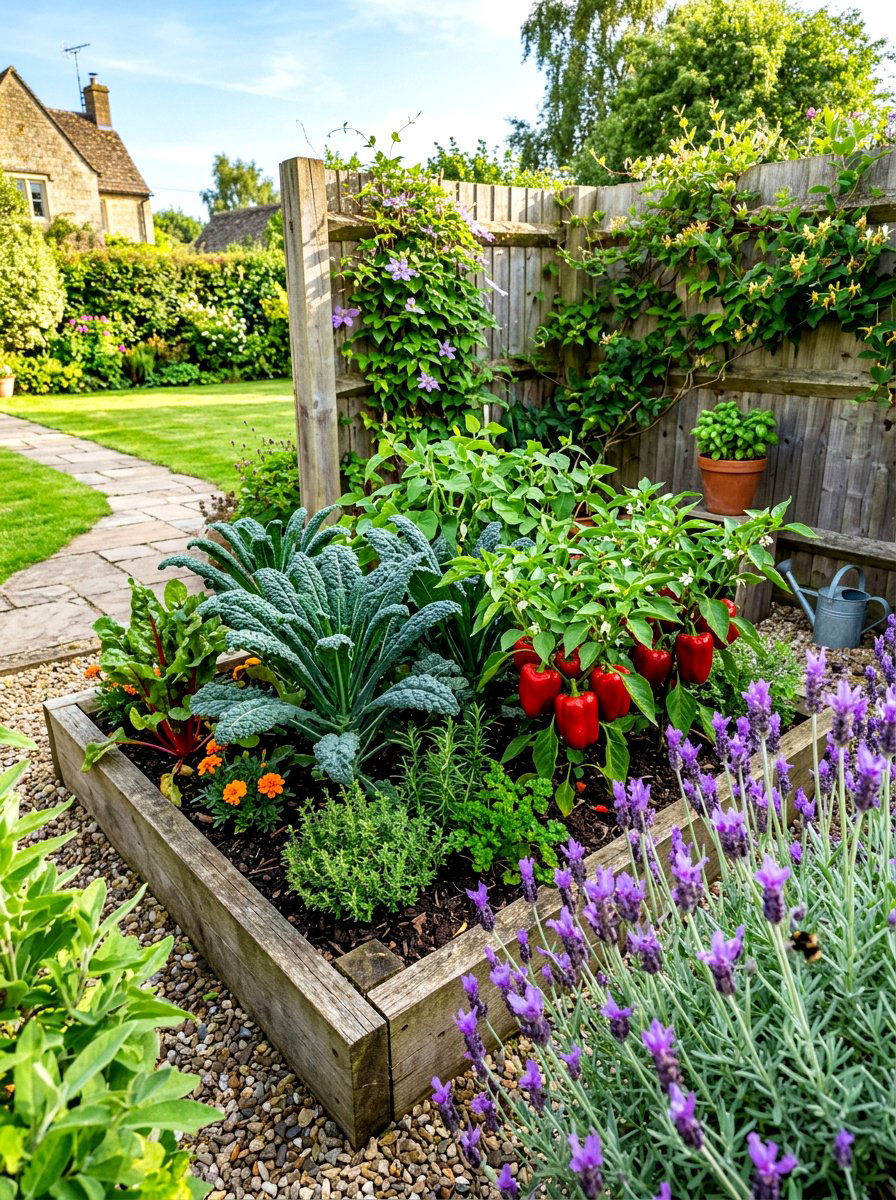
Installing raised garden beds is a fantastic way to control soil quality and improve drainage in your backyard flower farm. These structures prevent soil compaction because you never have to step inside the growing area. You can build them from cedar, stone, or even galvanized metal to match your home's aesthetic. Raised beds also warm up faster in the spring, allowing for earlier planting of cool-season flowers. They provide a neat and tidy appearance that keeps the farm looking intentional rather than overgrown. By lifting the plants higher, you also save your back from excessive bending during the long hours of planting and weeding.
3. Pollinator garden
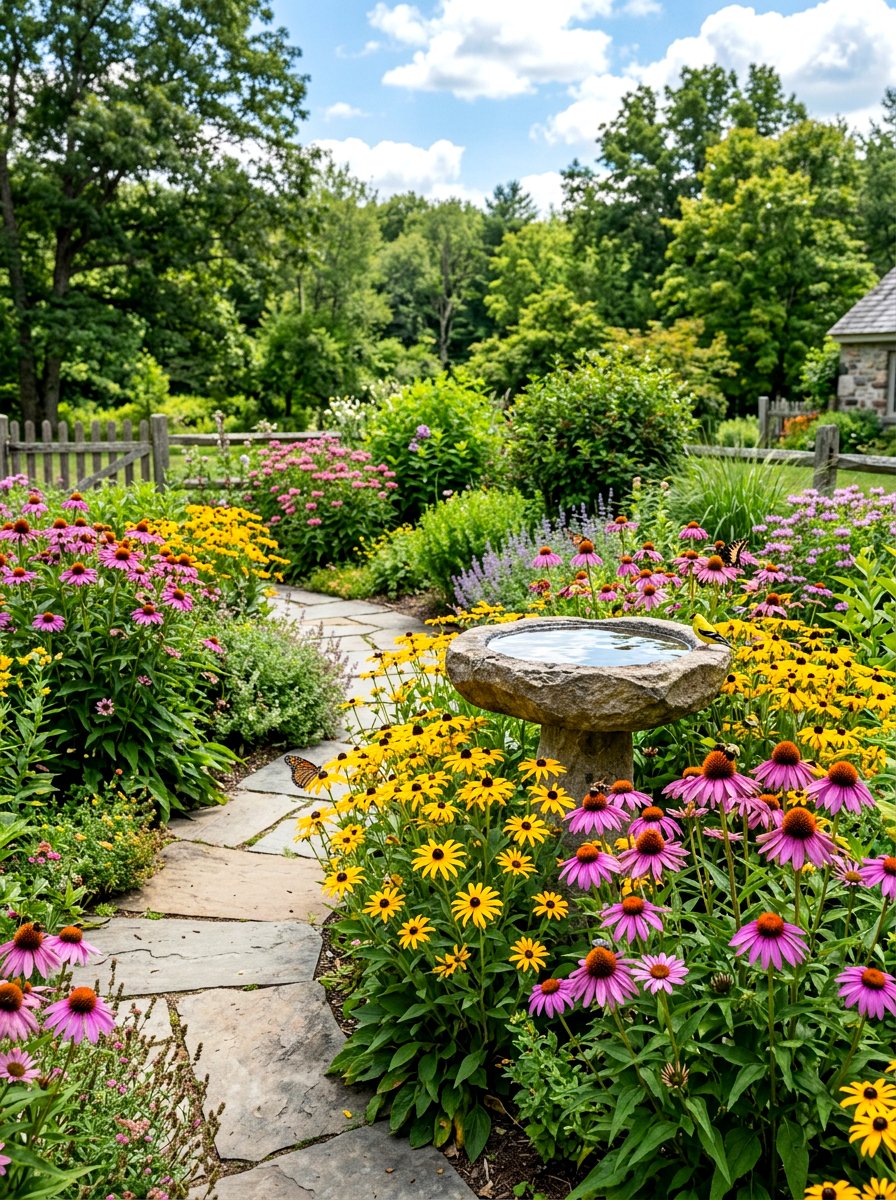
A dedicated pollinator garden is essential for any healthy backyard flower farm because it invites bees, butterflies, and hummingbirds. These visitors are crucial for the health of your flowers and the surrounding local ecosystem. You should include a variety of nectar-rich plants like bee balm, echinacea, and milkweed to provide food sources throughout the season. Mixing in native species ensures that local wildlife finds exactly what they need to thrive. A buzzing garden feels alive and helps your flower production by ensuring proper pollination across all your beds. This design choice turns your backyard into a tiny nature preserve that provides beauty and ecological support simultaneously.
4. Backyard greenhouse
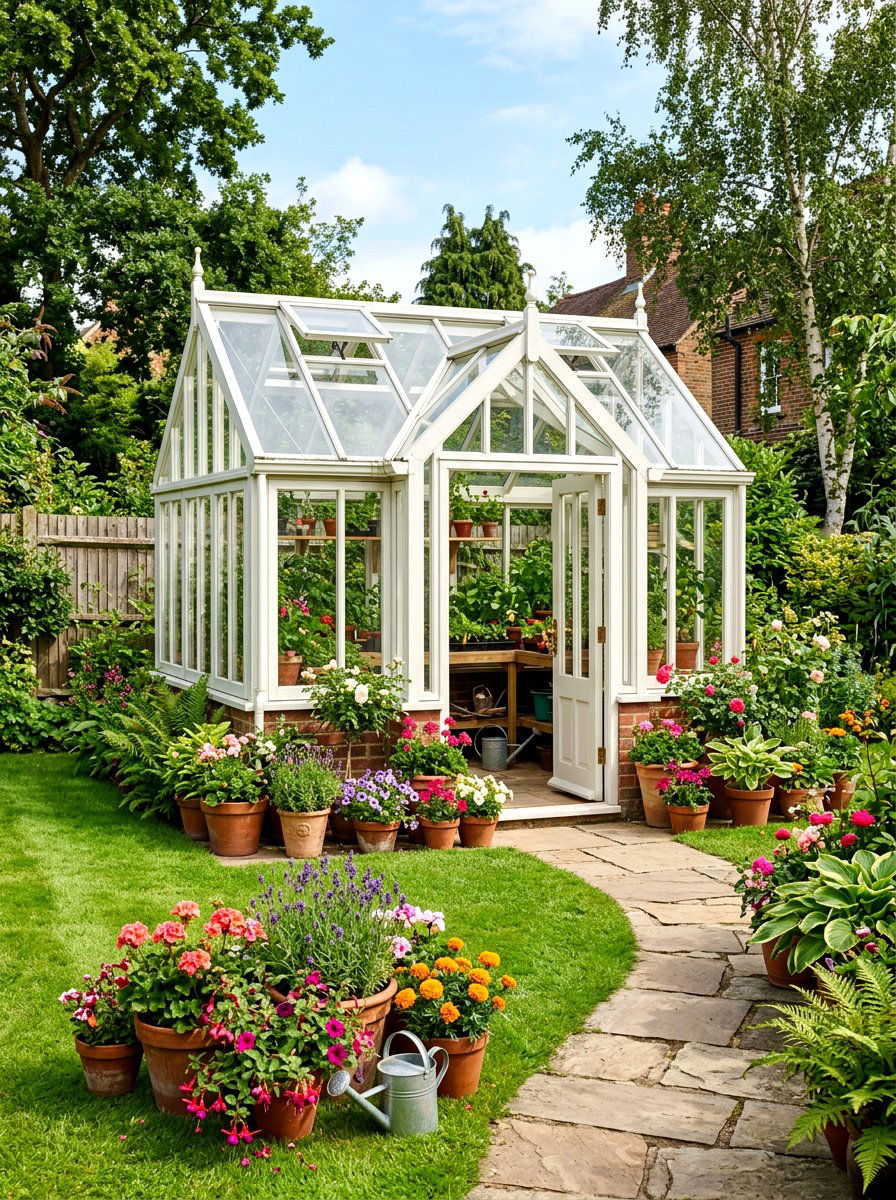
Adding a backyard greenhouse allows you to extend your growing season and protect delicate seedlings from unpredictable spring frosts. This structure becomes the heart of the farm where you can start seeds much earlier than the outdoor climate allows. You can choose a classic glass design for a traditional look or a functional polycarbonate model for better insulation. Inside, you can house tropical varieties or provide a head start for heat-loving flowers like zinnias and celosia. A greenhouse also offers a sheltered workspace for rainy days, ensuring you can keep up with your garden chores regardless of the weather. It is a major investment that pays off in blooms.
5. Garden paths
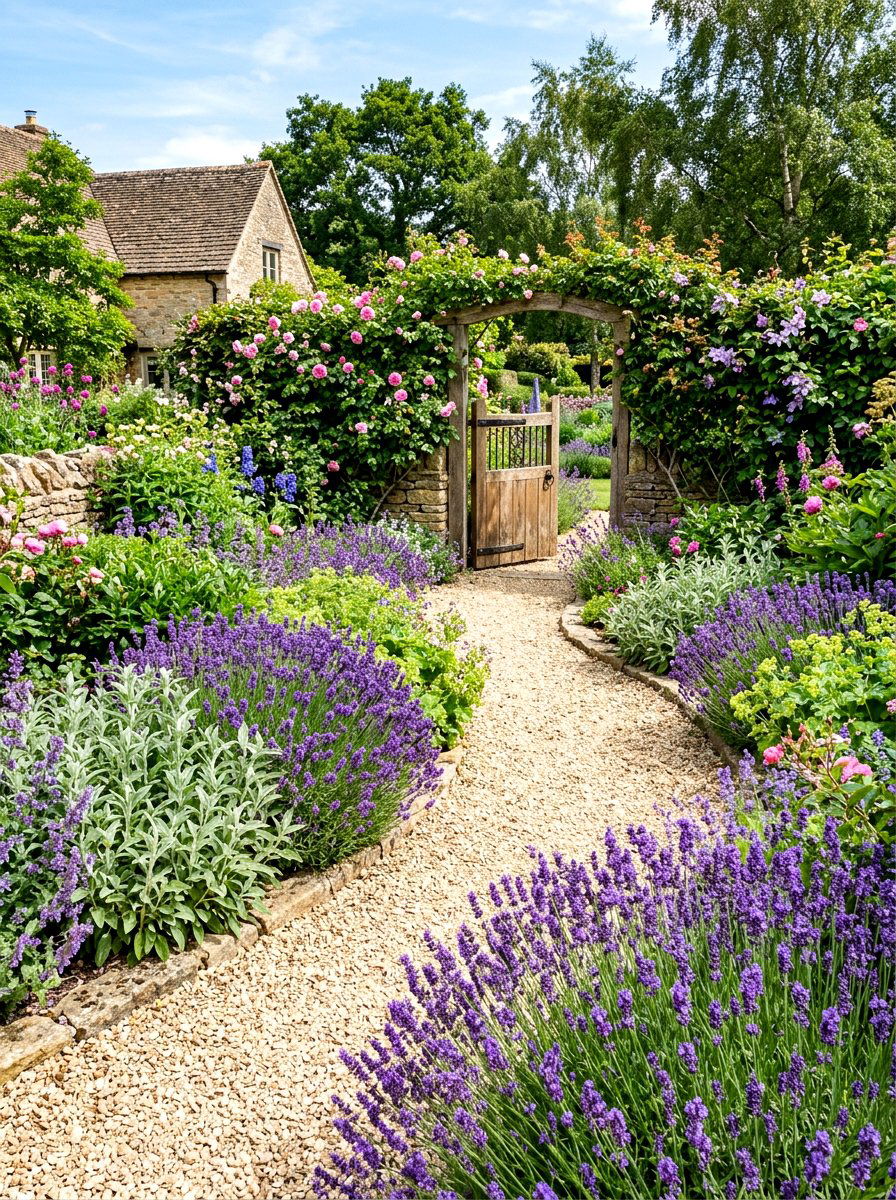
Functional garden paths are necessary to navigate your flower farm without damaging your precious plants or getting your shoes muddy. You can use materials like crushed gravel, wood chips, or stepping stones to create clear walkways between the rows. Wide paths allow for wheelbarrow access, which is vital when moving compost or heavy crates of harvested blooms. Incorporating curves into the path design can add a sense of mystery and charm to the backyard. Well-defined paths also help with weed management by acting as a barrier between beds. They provide a structural backbone to the garden, making the entire space feel organized and easy to maintain.
6. Dahlia patch
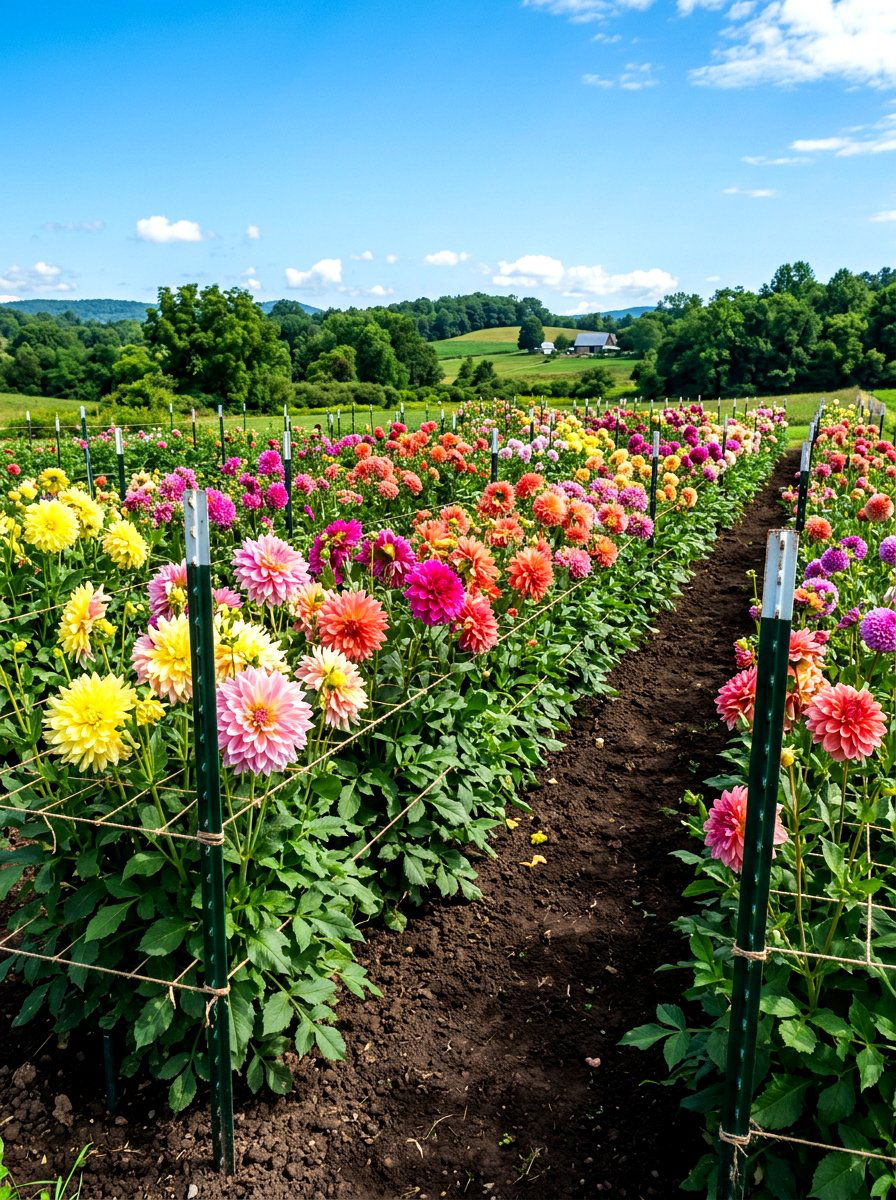
Dahlias are the stars of any late summer flower farm because they offer an incredible variety of colors and shapes. Creating a dedicated dahlia patch requires a sunny spot with very well-draining soil to prevent the tubers from rotting. You should plant them after the last frost has passed and provide sturdy support for the heavy blooms. T-posts and twine are common tools used to keep these tall plants from flopping over during summer storms. Pinching the centers when they are young encourages more branching and a higher volume of flowers. A backyard full of dinner-plate dahlias creates a dramatic and high-end look that neighbors will surely envy.
7. Perennial flower beds
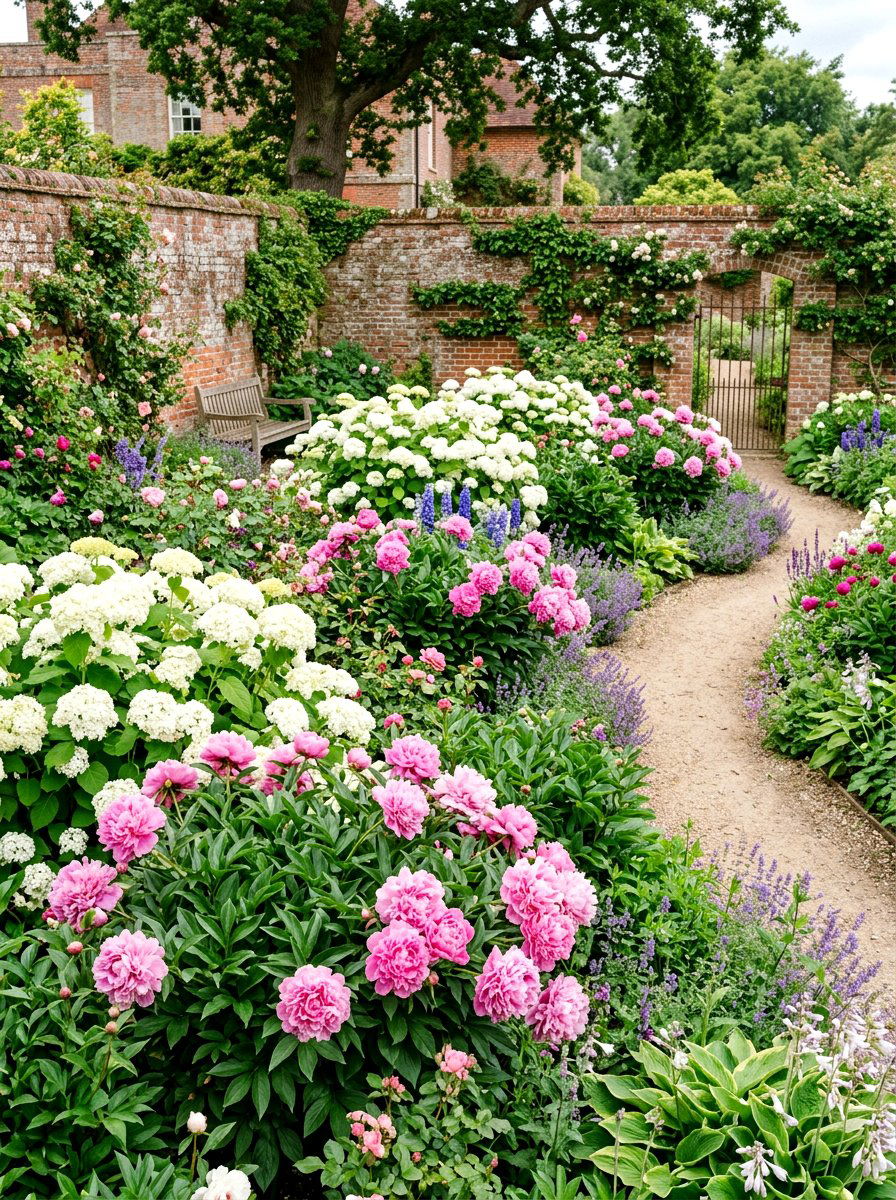
Perennial flower beds provide a reliable foundation for your backyard farm because they return year after year with minimal effort. Varieties like peonies, hydrangeas, and yarrow offer consistent foliage and blooms that anchor your garden design. You should group them by water and light needs to ensure they thrive without constant intervention. While annuals provide quick color, perennials offer long-term structure and often produce larger, more established stems for bouquets. Over time, these plants can be divided to expand your farm or shared with friends. A mix of perennials ensures your backyard has visual interest even when you are between cycles of planting your seasonal annual crops.
8. Vertical garden trellis
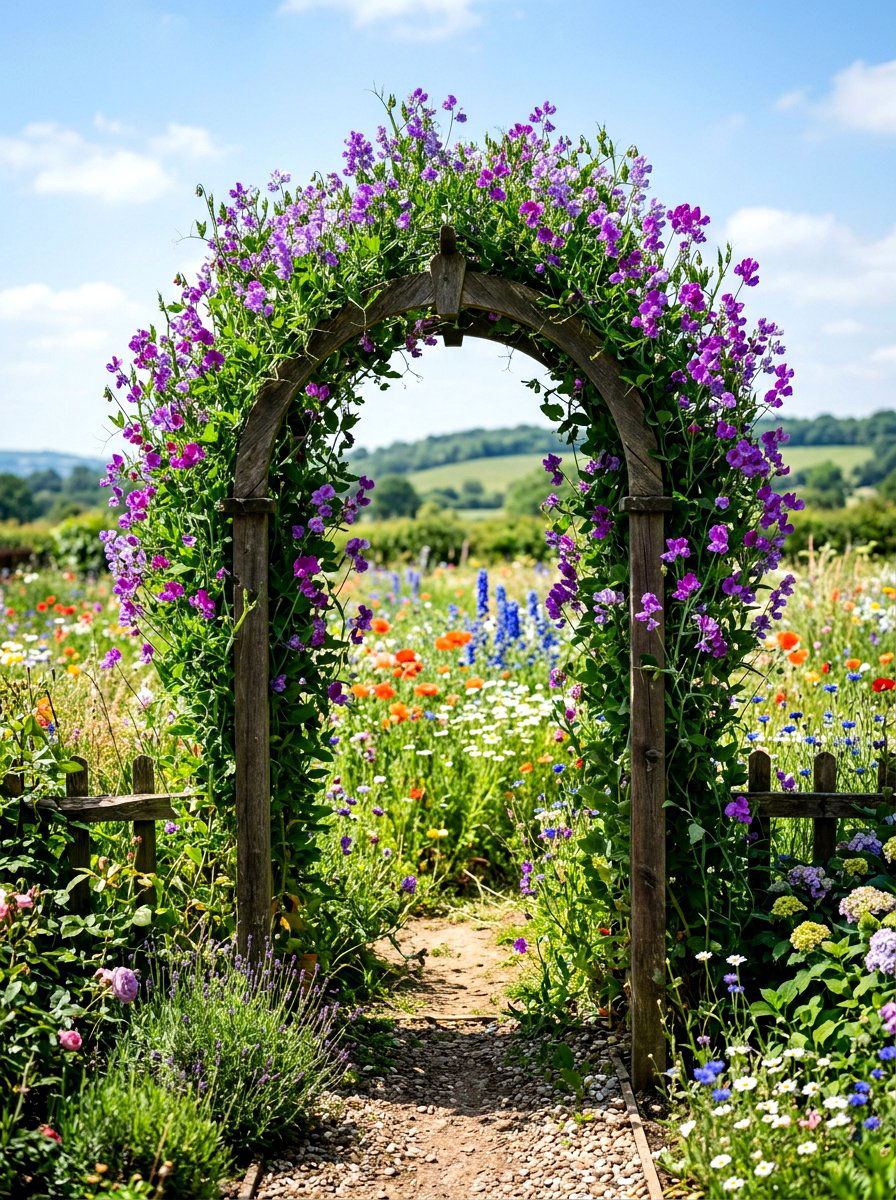
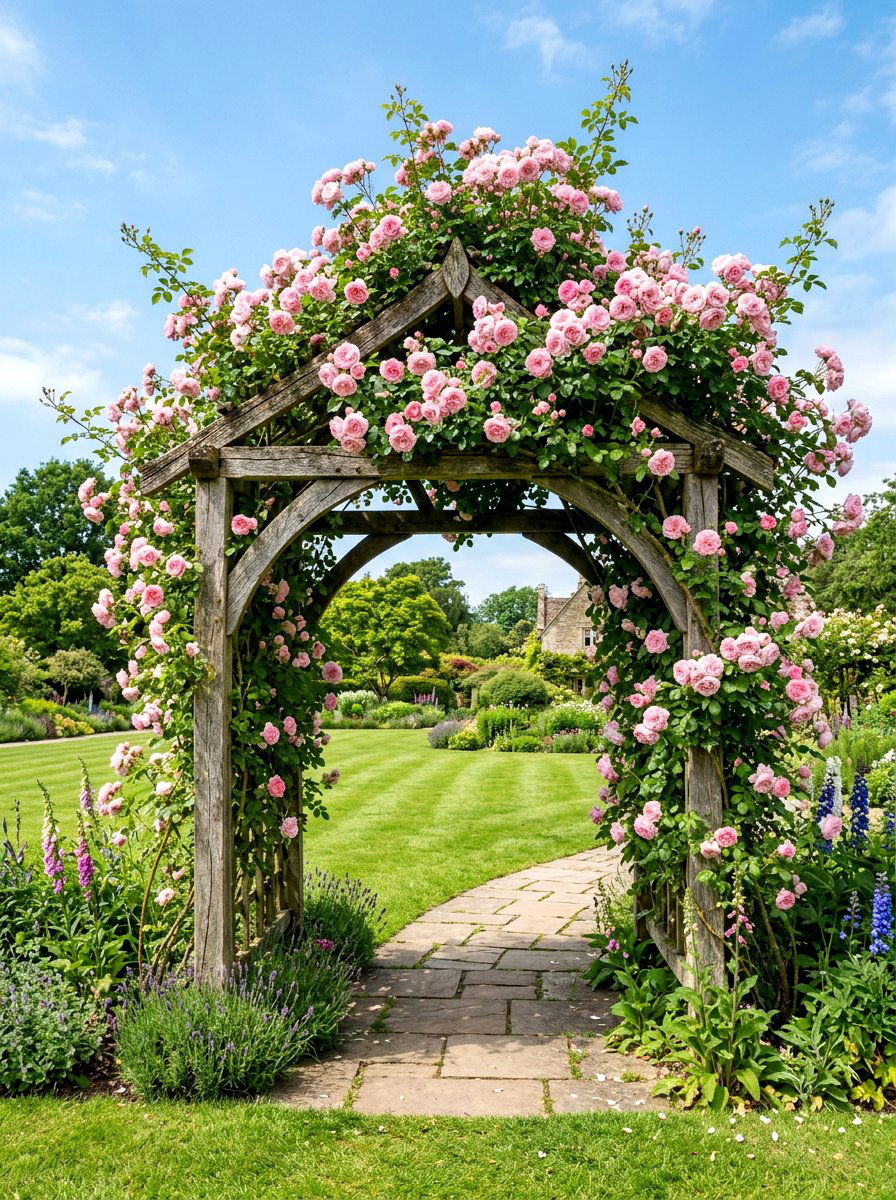
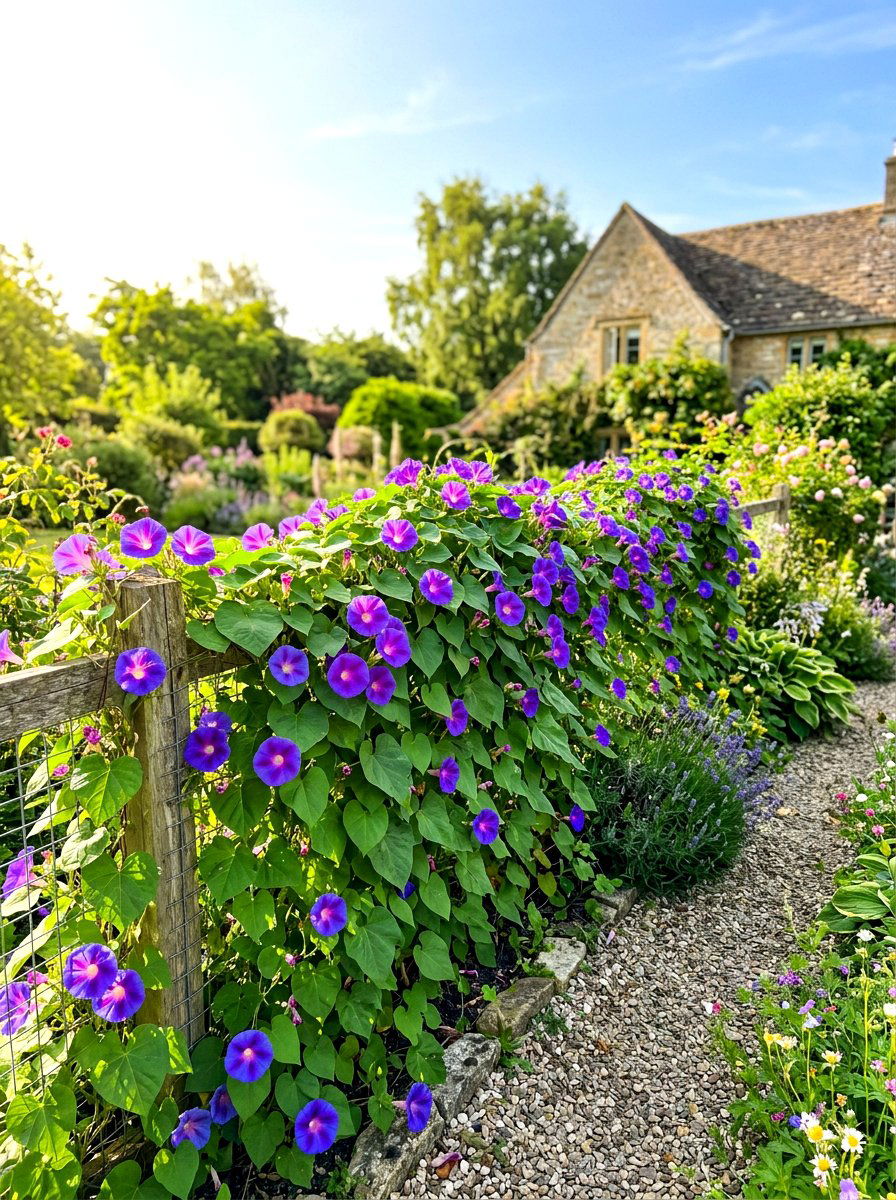
Using a vertical garden trellis is a smart way to maximize production in a small backyard flower farm. Climbing varieties like sweet peas, clematis, and morning glories can grow upwards, leaving more ground space for other plants. You can install simple wooden structures or ornate metal arches to add height and architectural interest to the yard. These vertical elements create a lush, immersive feeling as they become covered in greenery and blossoms. Growing flowers vertically also improves air circulation around the foliage, which helps prevent common fungal diseases. Trellises act as beautiful living walls that can provide privacy from neighbors while producing hundreds of long-stemmed flowers.
9. Zinnia field
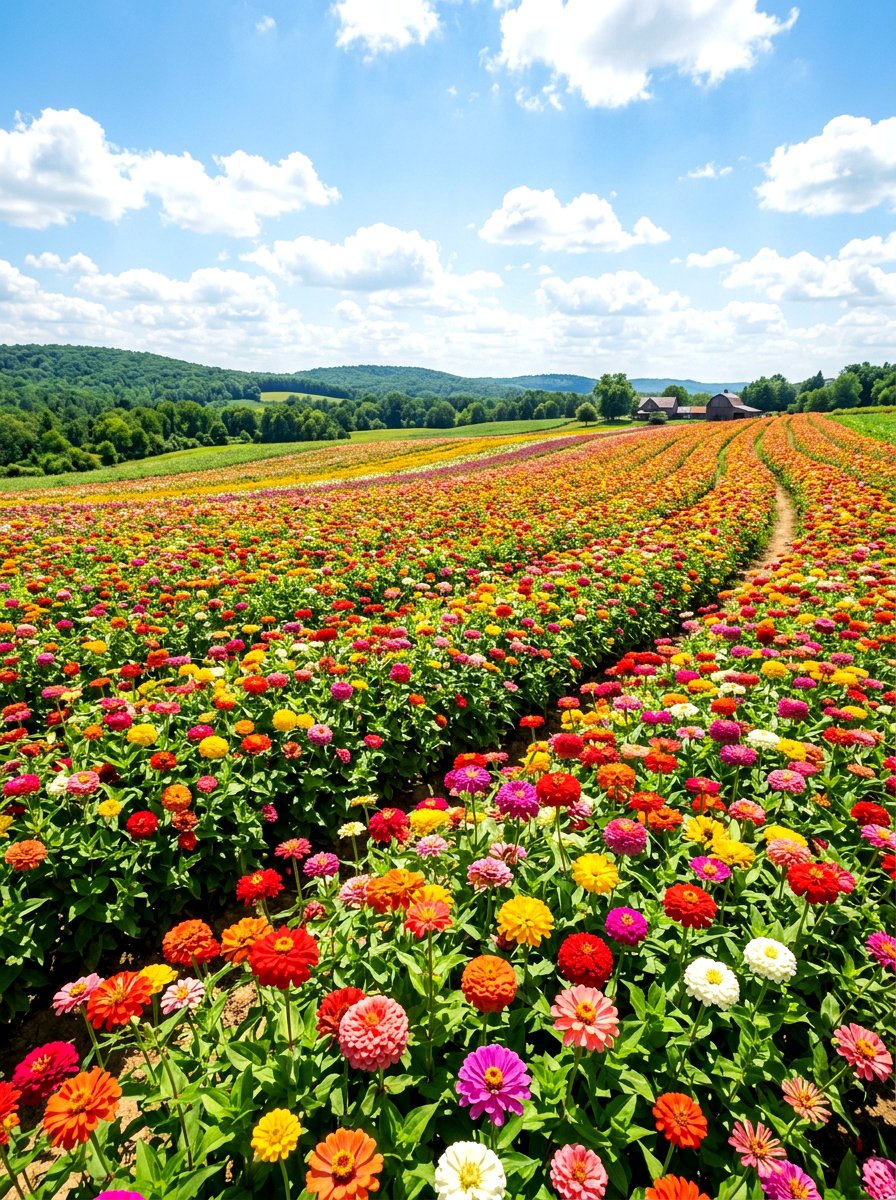
A zinnia field is perhaps the easiest and most rewarding part of a beginner backyard flower farm. These "cut and come again" flowers actually produce more blooms the more you harvest them. You can sow seeds directly into the ground once the soil is warm, and they will quickly fill the space with vibrant colors. Zinnias are incredibly heat-tolerant and come in various sizes, from tiny pom-poms to massive cactus-flowered types. They are excellent for attracting butterflies and provide a cheerful atmosphere to the entire property. A mass planting of zinnias creates a sea of color that serves as the perfect backdrop for summer garden parties.
10. Seed starting station
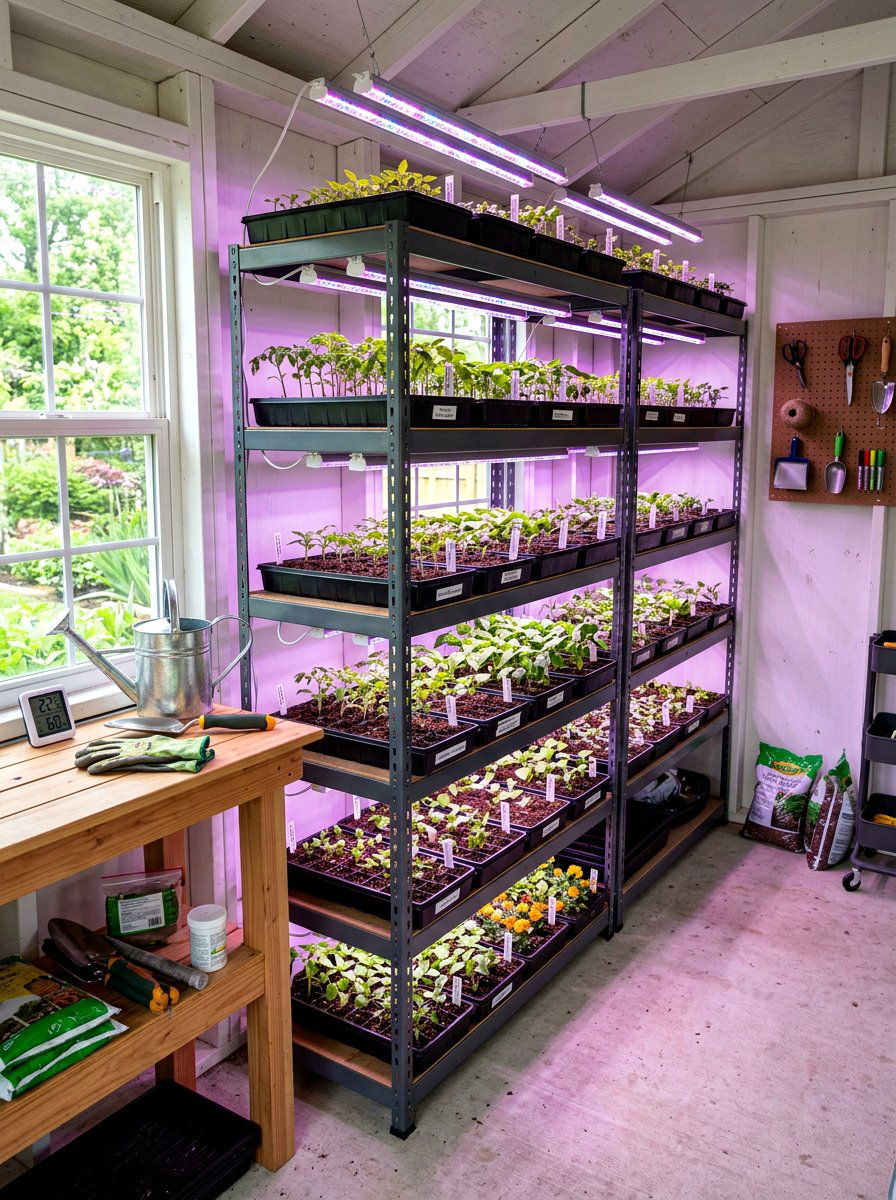
A professional seed starting station is where the magic begins for any dedicated backyard flower farmer. You can set this up in a garage, basement, or a corner of your greenhouse using shelving units and grow lights. Proper lighting and temperature control are key to growing healthy, stocky transplants that will thrive once moved outside. Using heat mats can speed up germination for stubborn seeds, while a simple fan improves air circulation to prevent damping off. Organizing your seeds in labeled bins helps you stay on track with your planting calendar. This dedicated workspace keeps your home clean and ensures you have a steady supply of new plants.
11. Dried flower garden
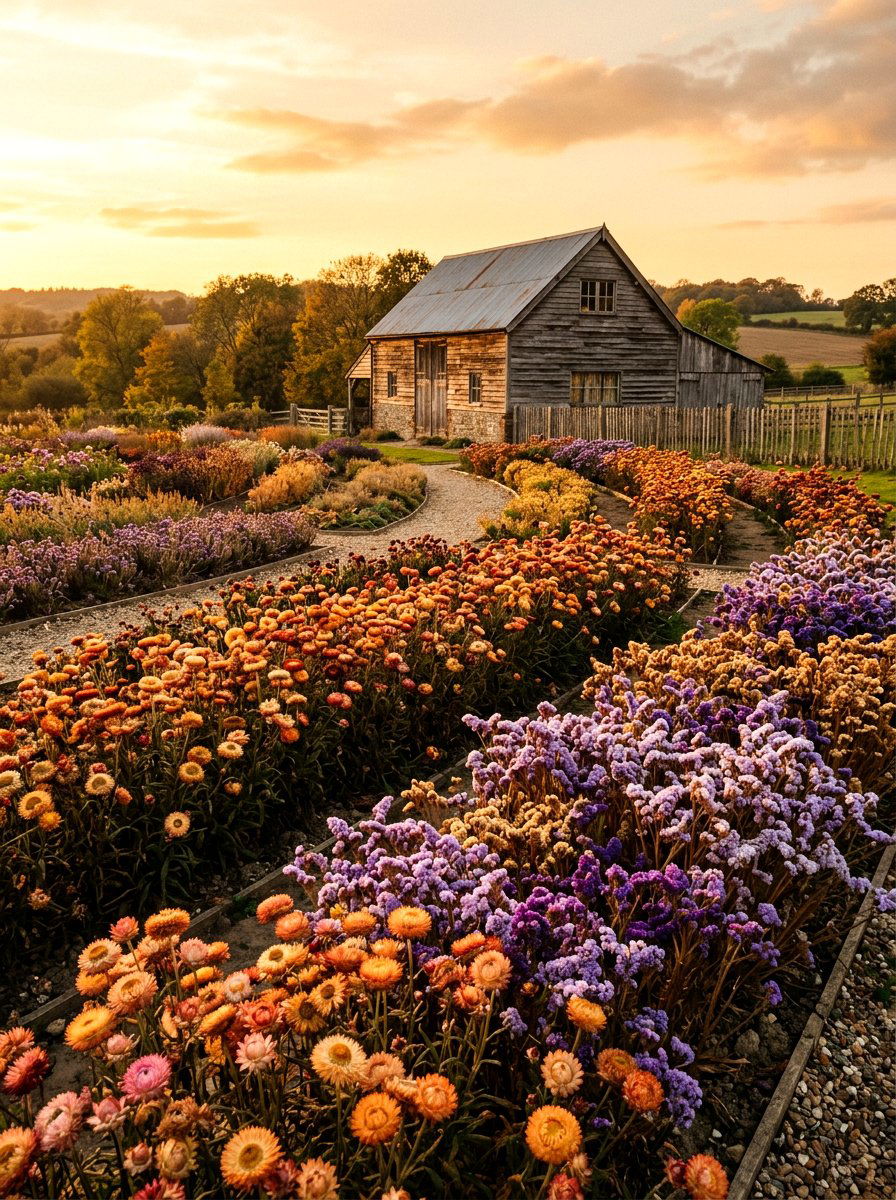
Planning a dried flower garden allows you to enjoy your backyard harvest long after the growing season has ended. Varieties such as strawflower, statice, and lavender are perfect for this because they retain their shape and color when dried. You should harvest these stems just as they begin to open to ensure the best results. Hanging them upside down in a dark, dry place preserves their beauty for wreaths and indoor arrangements. This type of garden focuses on textures and unique forms that add a different dimension to your floral designs. It is a wonderful way to create sustainable home decor that reminds you of summer all winter.
12. Cottage flower garden
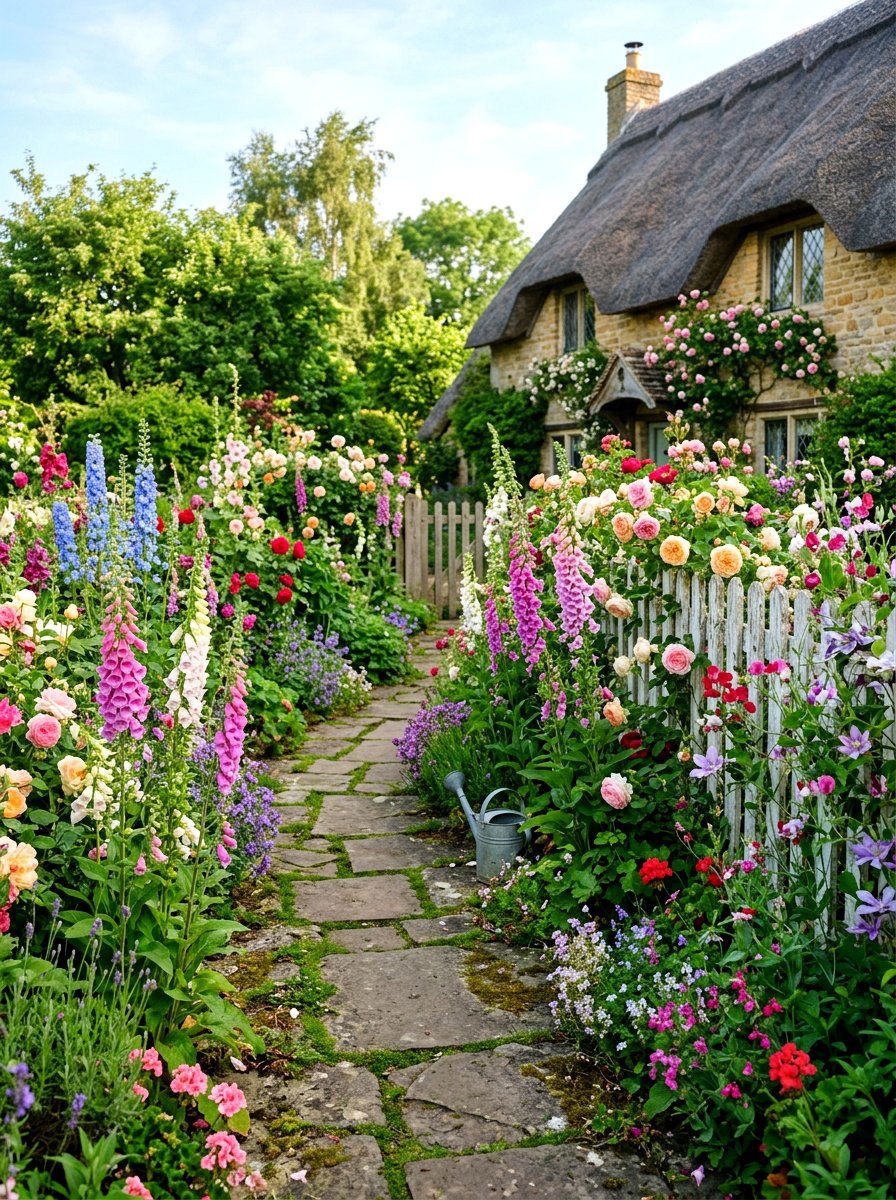
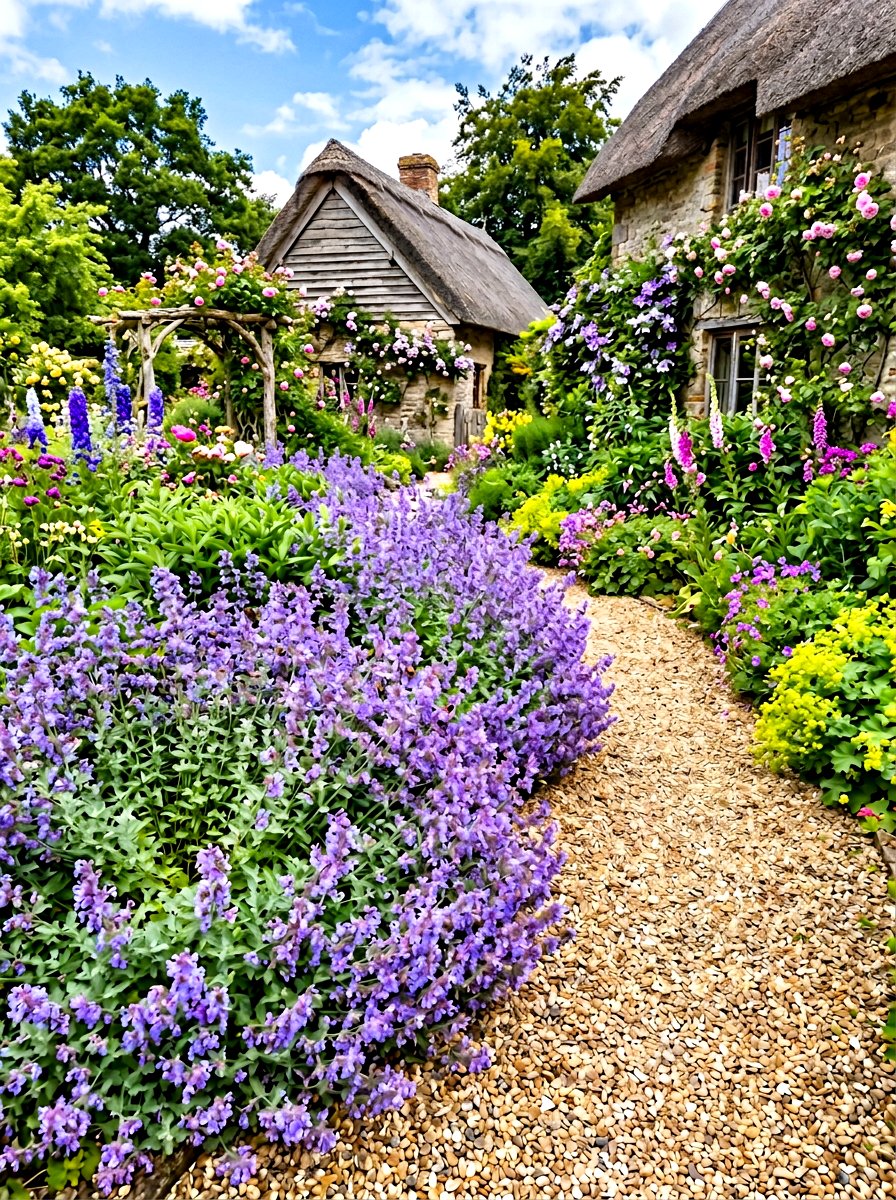
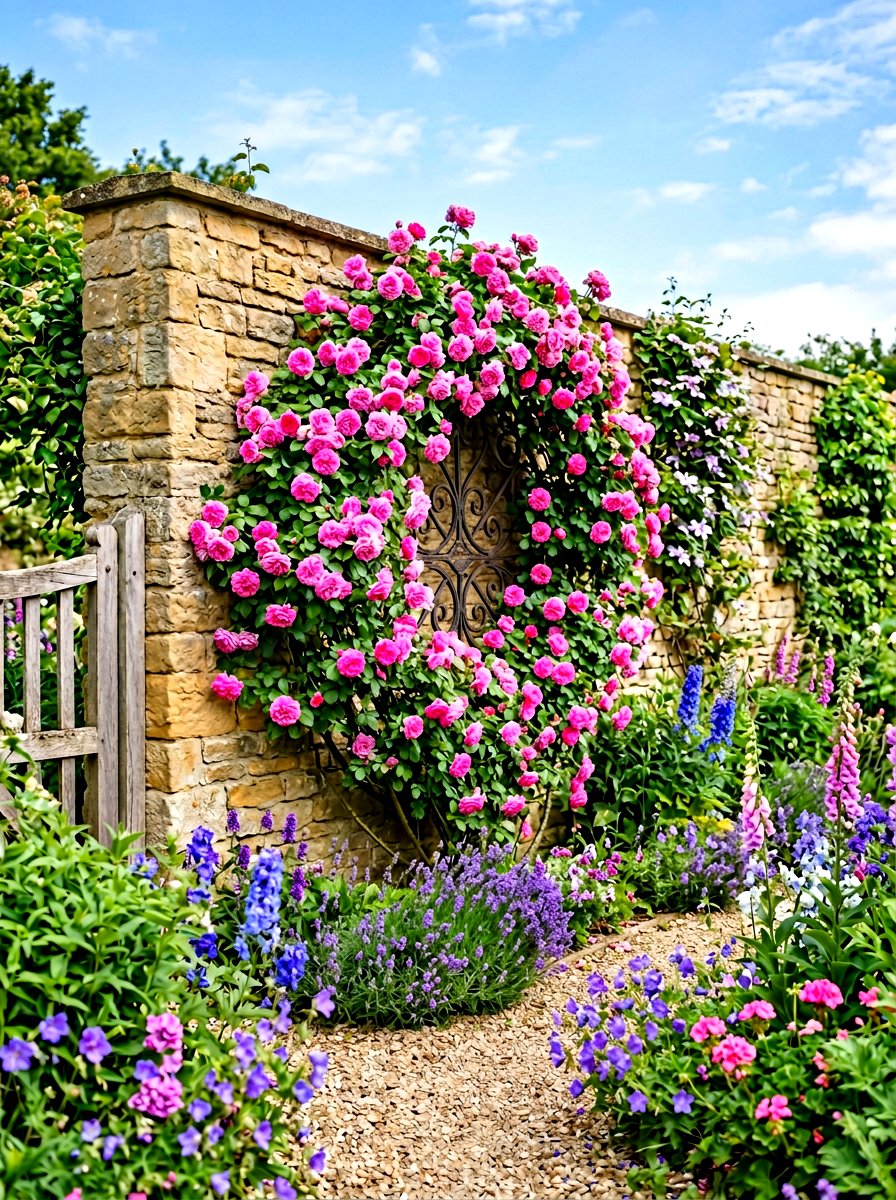
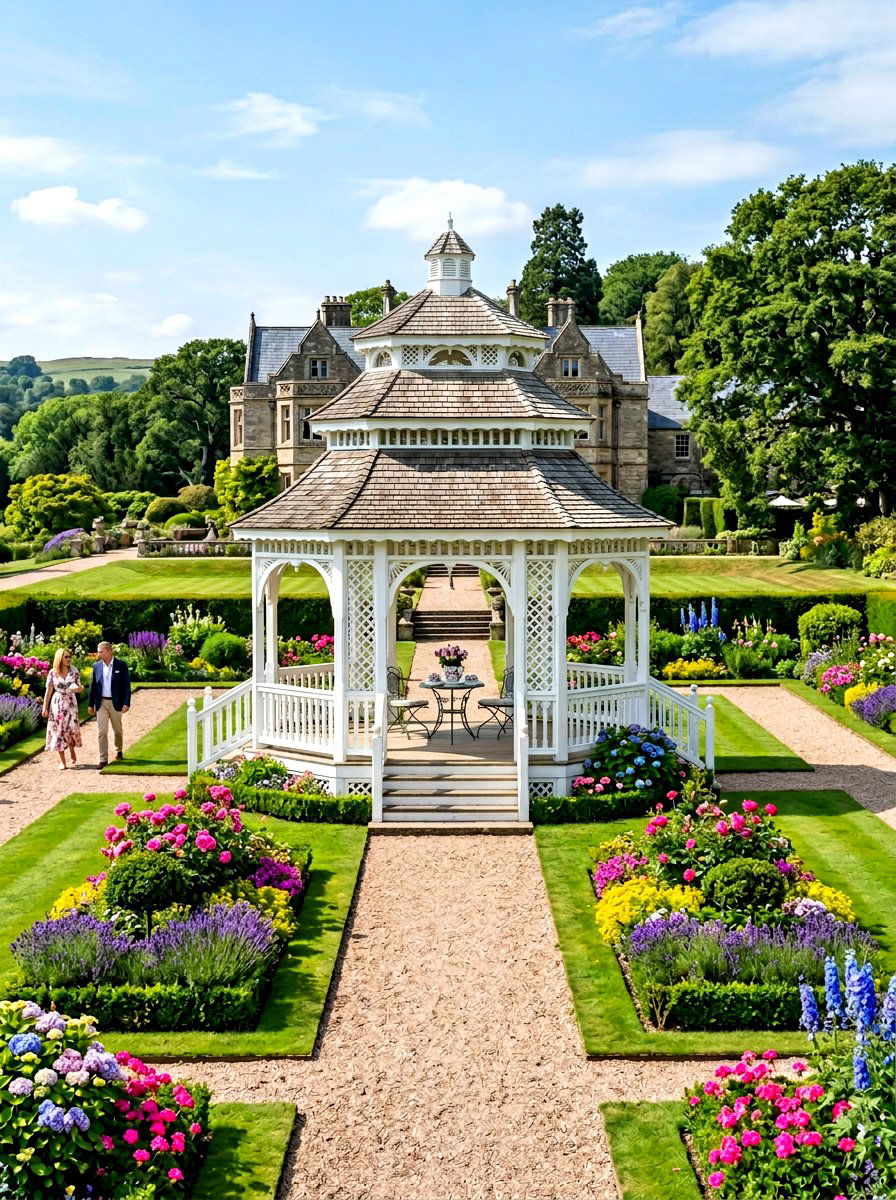
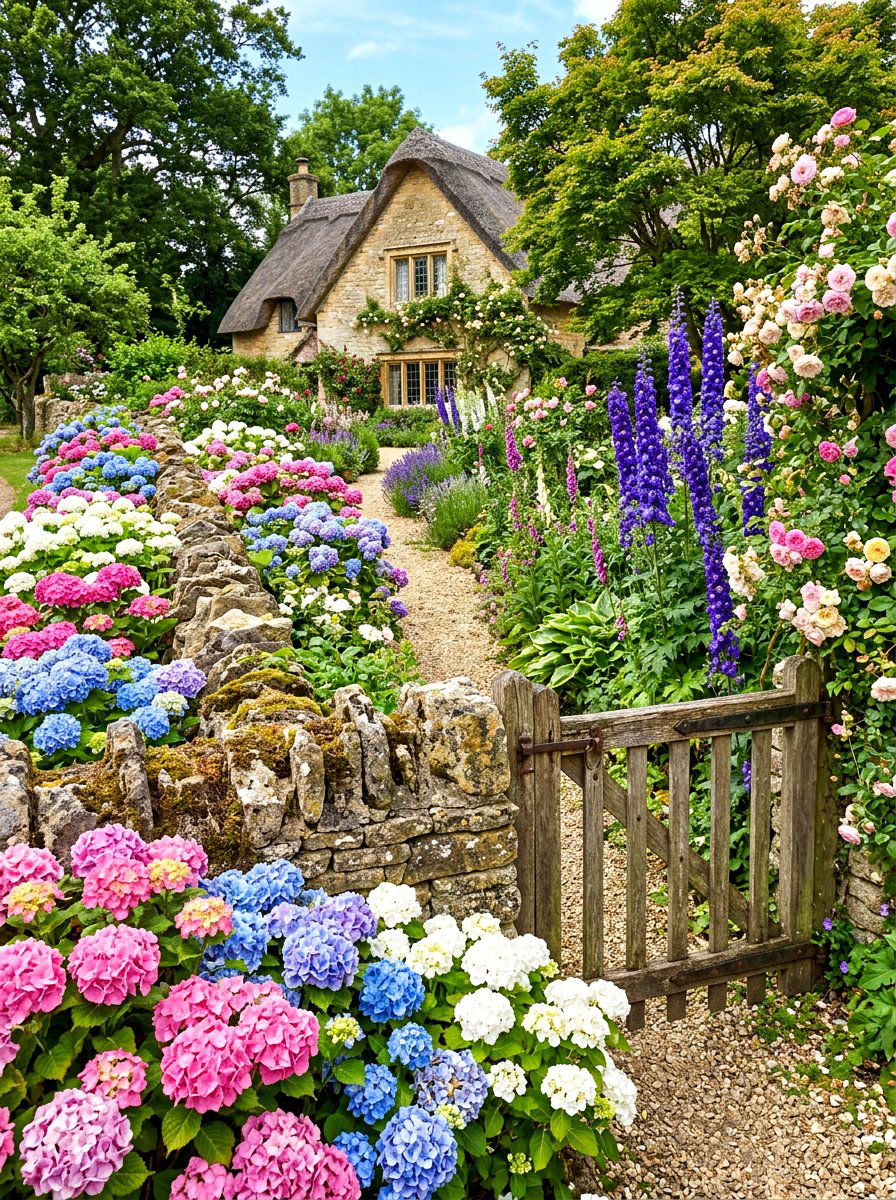
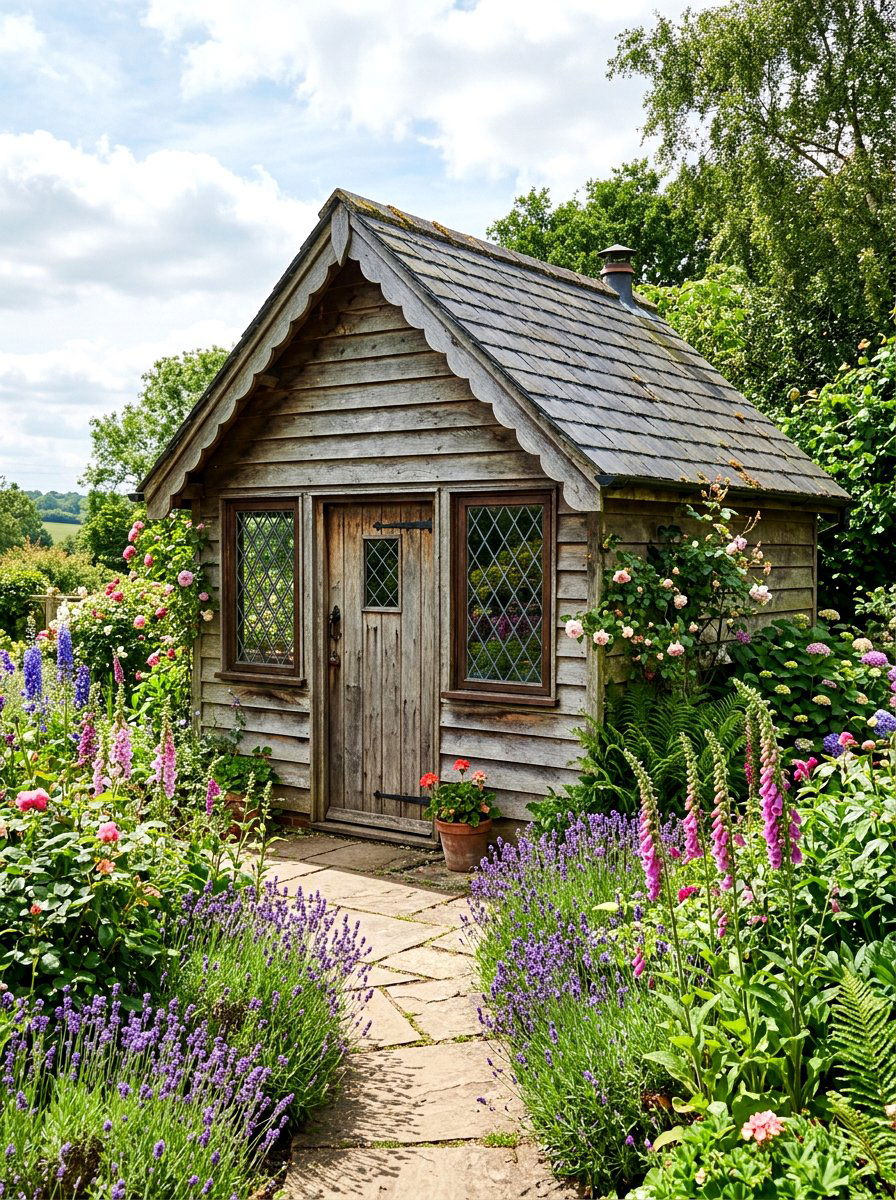
The cottage flower garden style is perfect for a backyard farm that prioritizes a romantic and informal aesthetic. This design involves packing plants closely together to create a lush, overflowing look that naturally suppresses weeds. You should mix classic favorites like foxgloves, hollyhocks, and roses for a timeless feel. This approach encourages a sense of abundance and whimsy, where flowers spill over paths and climb up fences. Incorporating vintage garden ornaments or birdbaths enhances the nostalgic charm of the space. A cottage-style farm feels less like a workplace and more like a magical retreat, providing endless inspiration for loose and airy floral arrangements that feel effortless.
13. Intensive flower planting
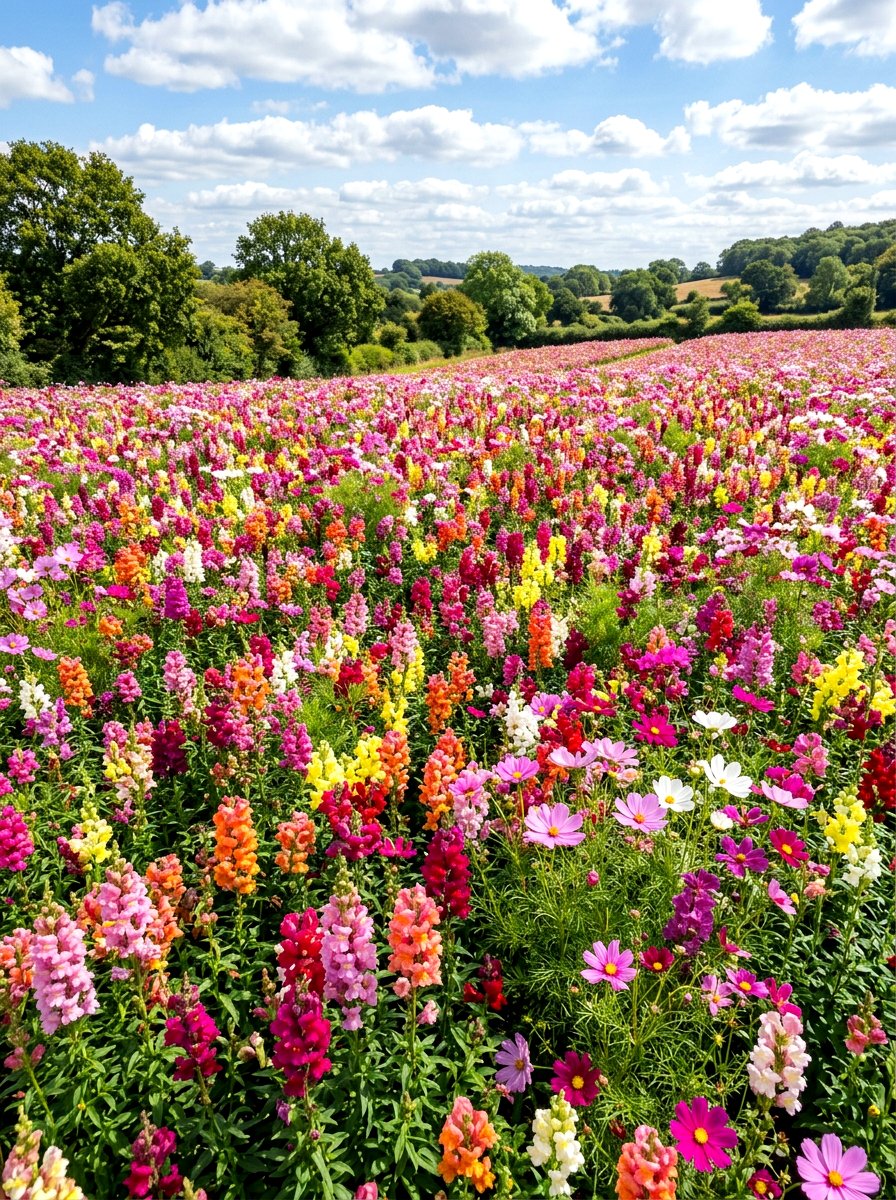
Intensive flower planting is a technique used to grow a high volume of blooms in a very small backyard. By spacing plants closer than traditional garden guides suggest, you create a dense canopy that shades the soil and retains moisture. This method is highly effective for crops like cosmos, snapdragons, and ranunculus, where you want straight, long stems. It requires rich soil and regular fertilization to support so many plants in a tight space. When done correctly, intensive planting results in a carpet of flowers that leaves no room for weeds to grow. It is the ultimate way to turn a standard lawn into a high-yielding floral production zone.
14. Spring bulb garden
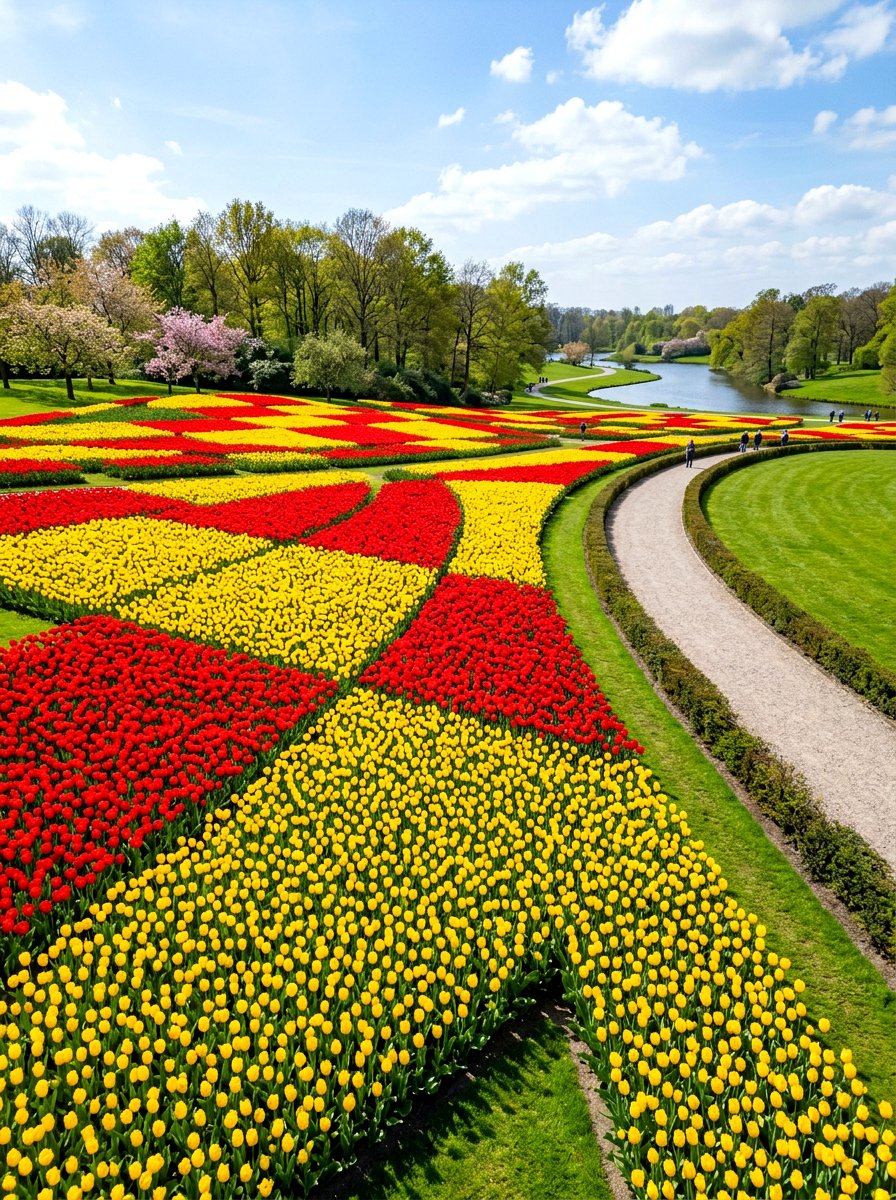
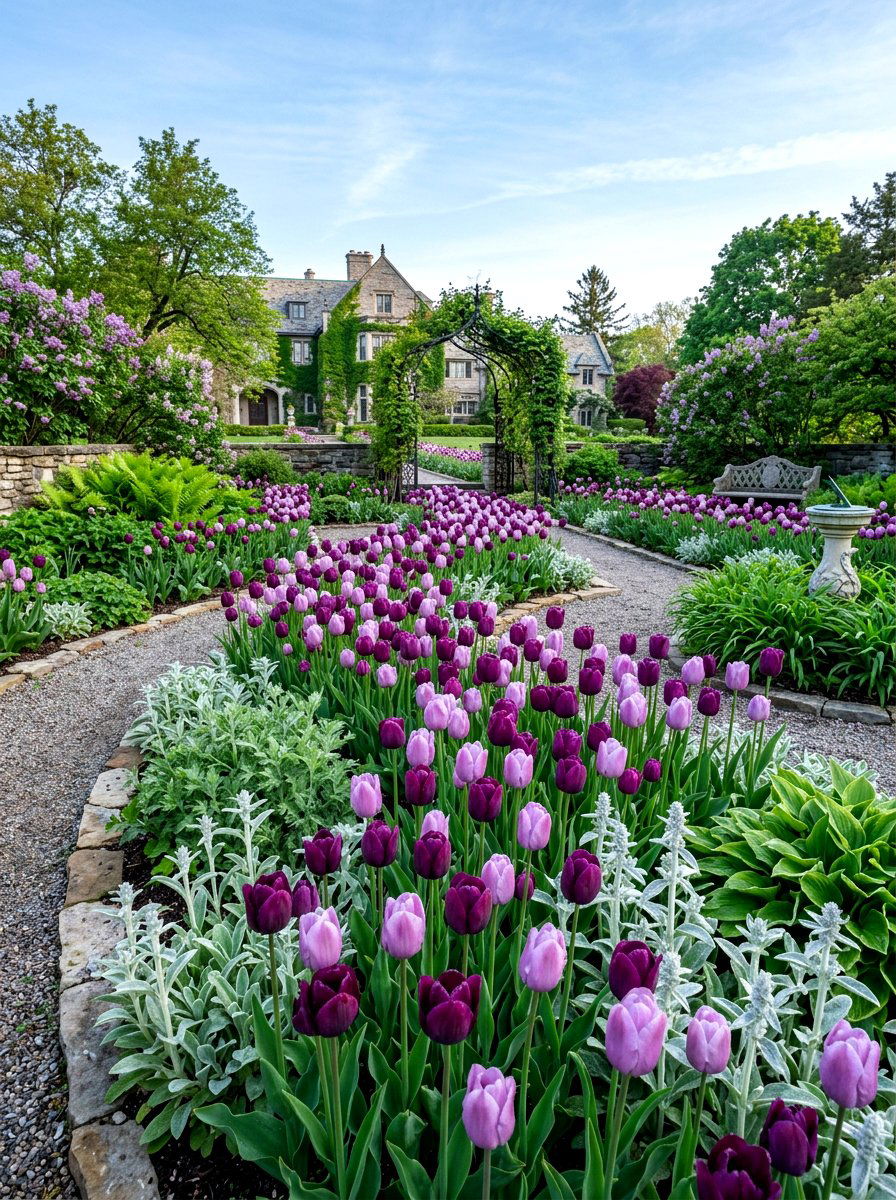
A spring bulb garden ensures that your flower farm is the first to bloom in the neighborhood after winter. Planting tulips, daffodils, and hyacinths in the fall allows them to establish roots before the ground freezes. You can arrange them in dense blocks for a high-impact color display or intersperse them with early perennials. These blooms are highly sought after for early spring bouquets and provide a much-needed boost of morale after a long winter. Using different varieties with varying bloom times can extend your bulb season for several weeks. Once they finish blooming, you can plant summer annuals in the same space to maximize your backyard productivity.
15. Wildflower meadow
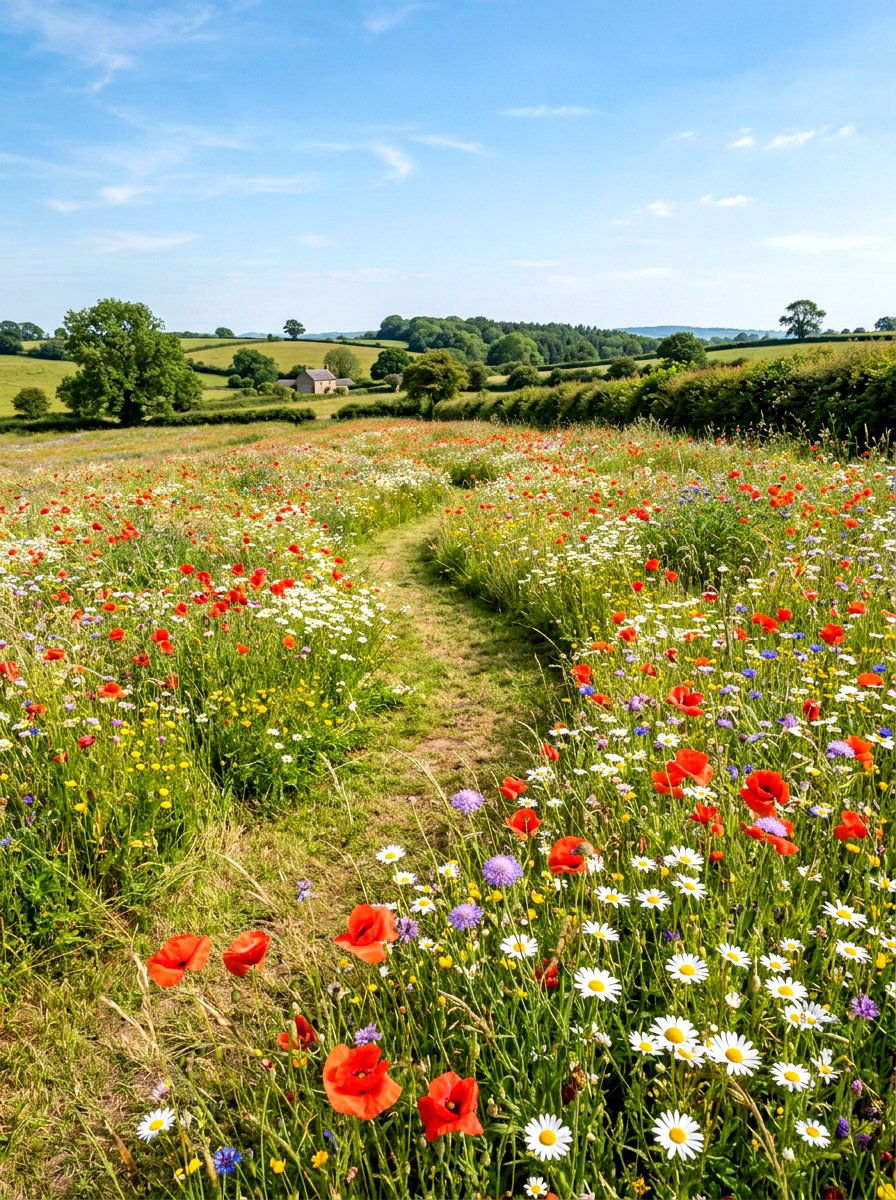
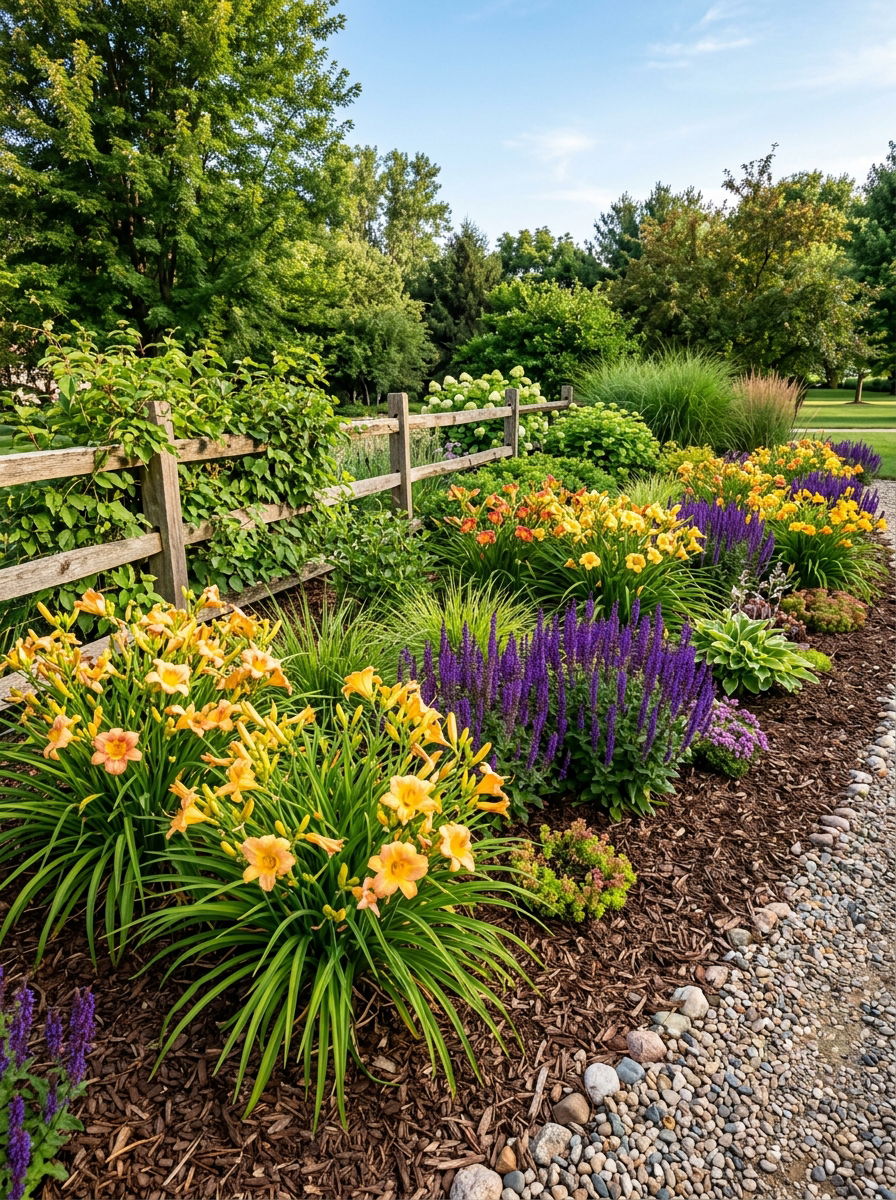
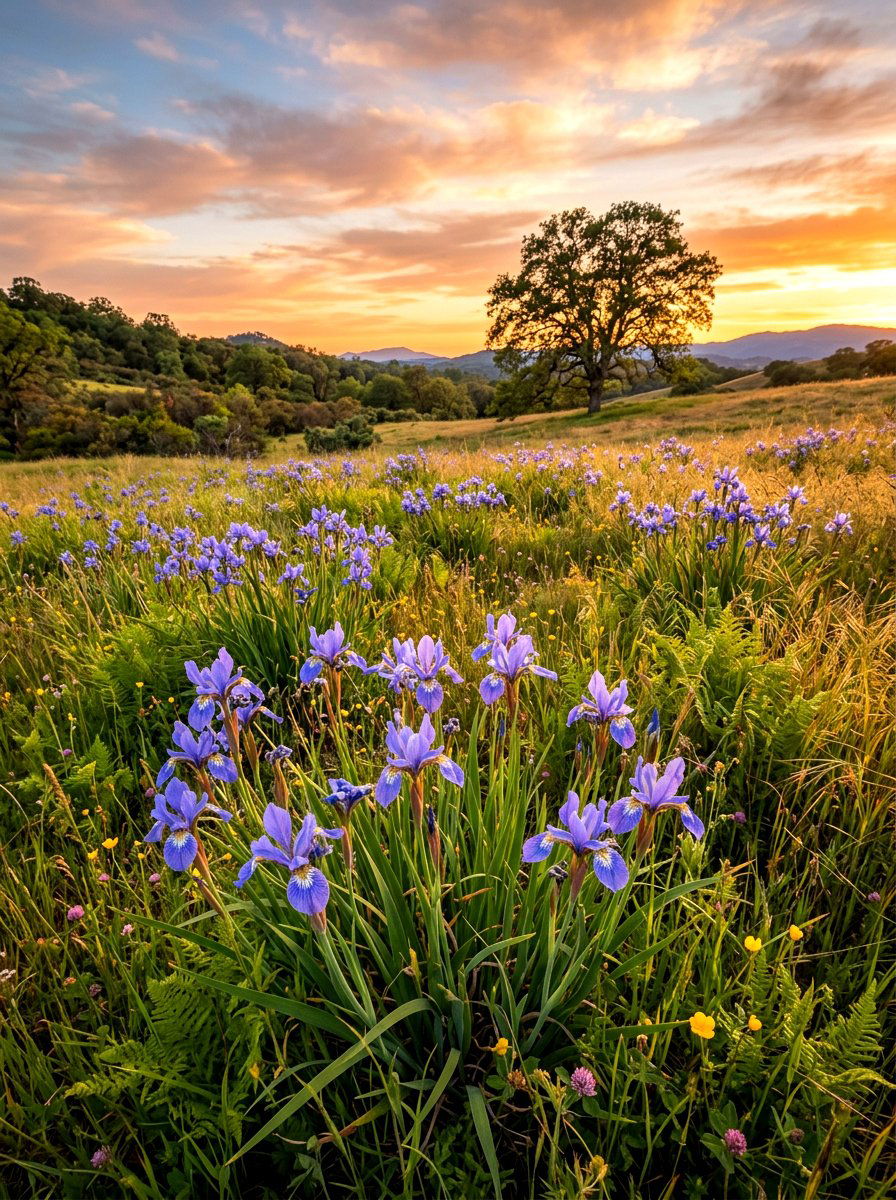
A wildflower meadow is a low-maintenance way to fill large sections of a backyard while supporting local biodiversity. This style involves sowing a mix of native seeds that grow into a naturalistic landscape of varied textures and colors. Unlike structured rows, a meadow feels wild and free, changing throughout the season as different species take turns blooming. It requires less water and mowing than a traditional lawn, making it an eco-friendly choice for sustainable farmers. You can cut narrow paths through the meadow to allow for walking and easy harvesting of delicate stems. This design brings a sense of the rolling countryside right into your private outdoor space.
16. Potting bench
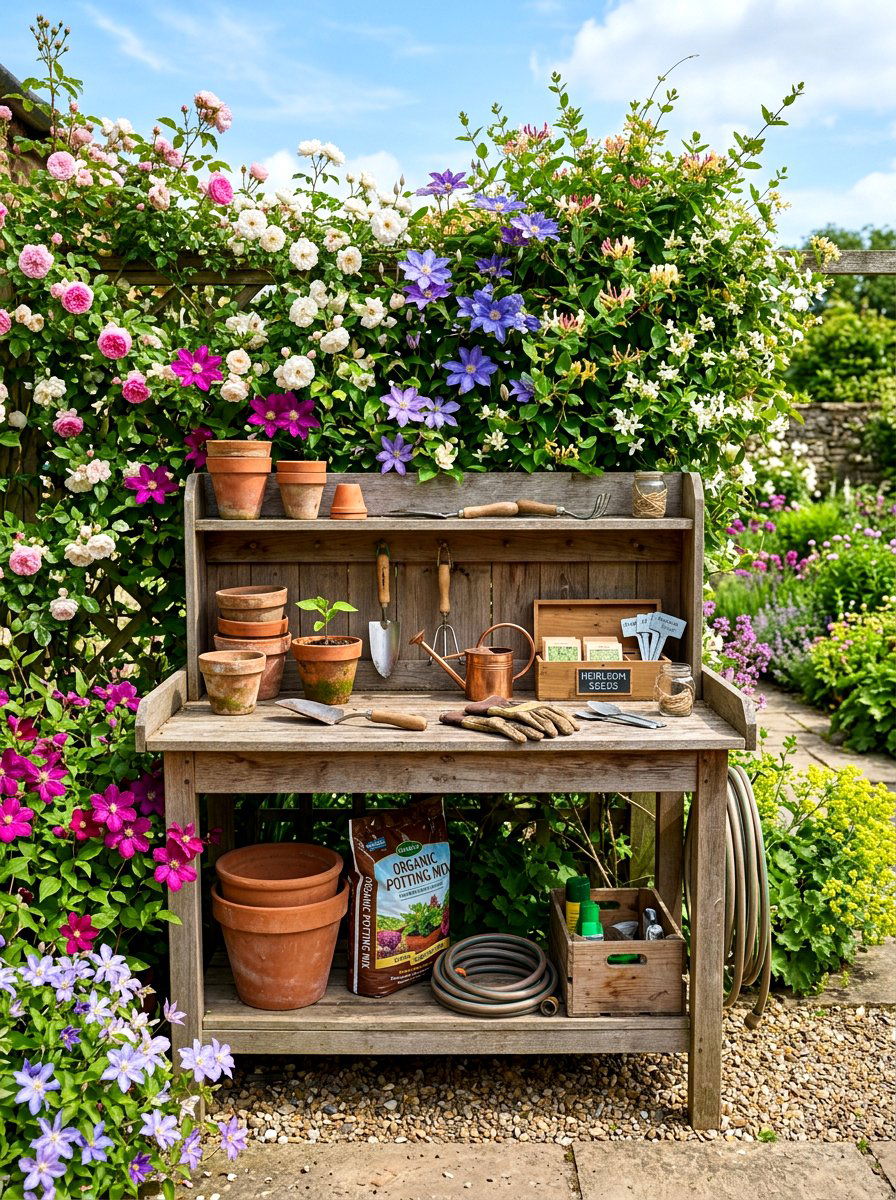
Every backyard flower farm needs a sturdy potting bench to serve as a central hub for garden tasks. This workspace provides a comfortable height for transplanting seedlings, mixing soil, and organizing your gardening tools. You can build one from reclaimed wood or repurpose an old table to add character to your yard. Having shelves and hooks nearby allows you to keep pots, trowels, and gloves within easy reach. A well-organized potting area saves time and reduces the mess associated with gardening. It also serves as a beautiful focal point where you can display small potted plants or recent harvests before they are moved into the house.
17. Full sun field
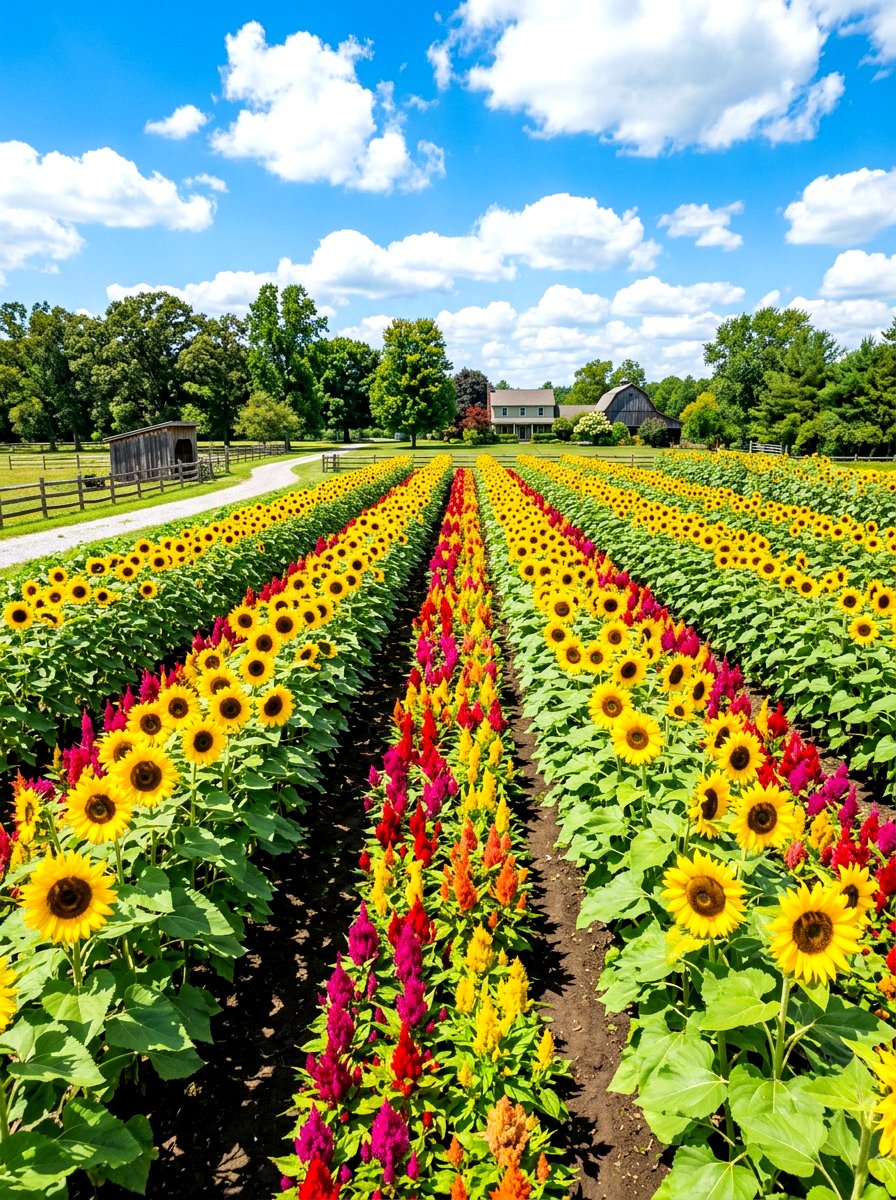
Locating your main production area in a full sun field is critical for the success of most cut flowers. Most varieties require at least six to eight hours of direct sunlight to produce strong stems and vibrant petals. This open space allows you to plant in long, efficient rows that are easy to irrigate and harvest. You should ensure there is no shade from tall trees or buildings that could stunt the growth of your sun-loving crops. Sunflowers, zinnias, and celosia thrive in these bright conditions, soaking up the energy needed for rapid growth. A sunny backyard feels warm and inviting, serving as the primary engine for your floral production.
18. Shade flower garden
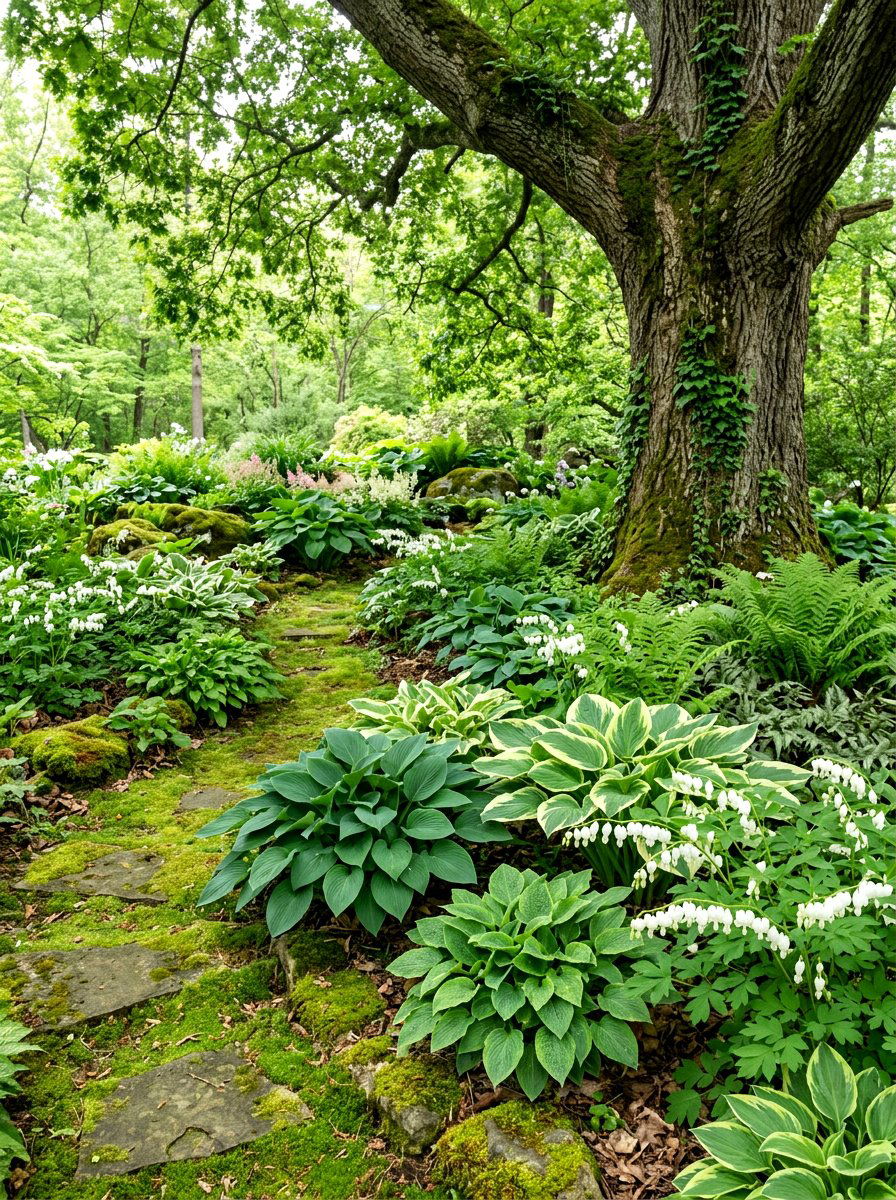
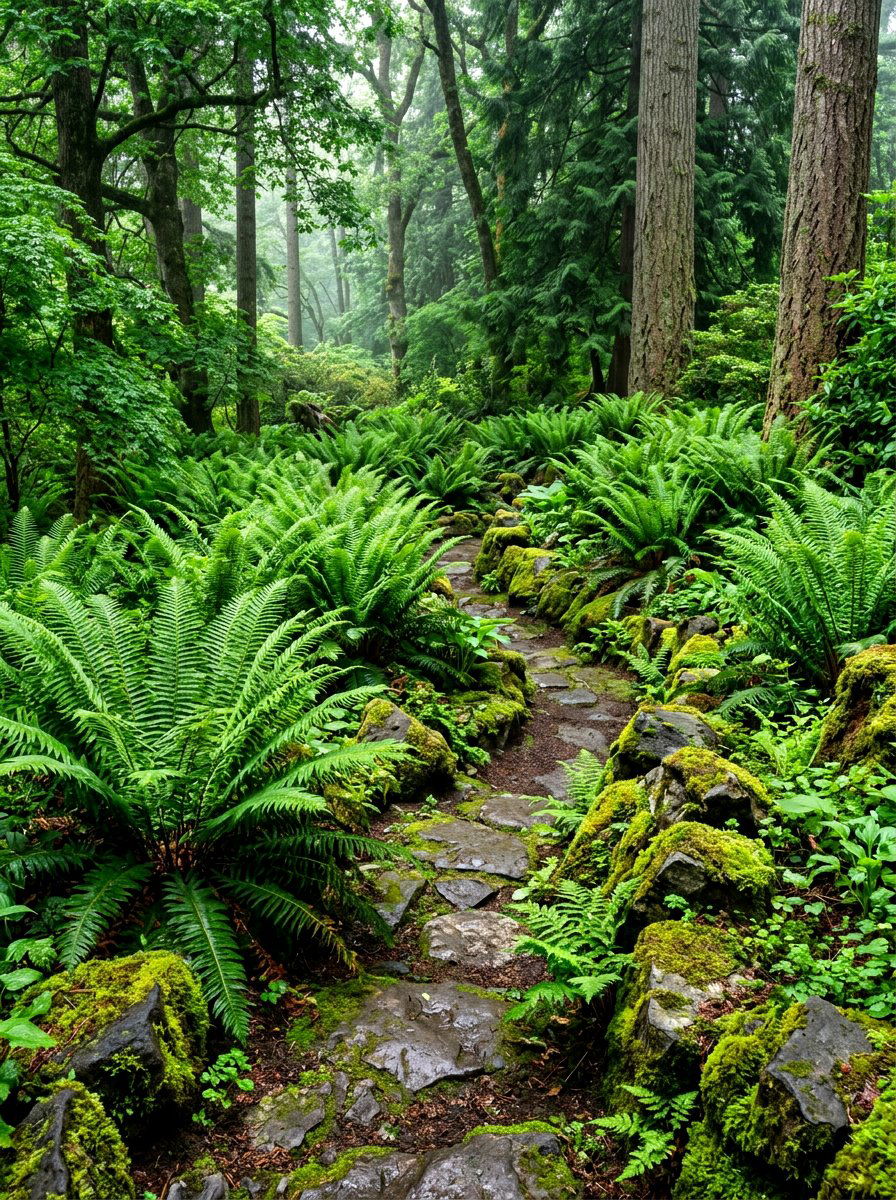
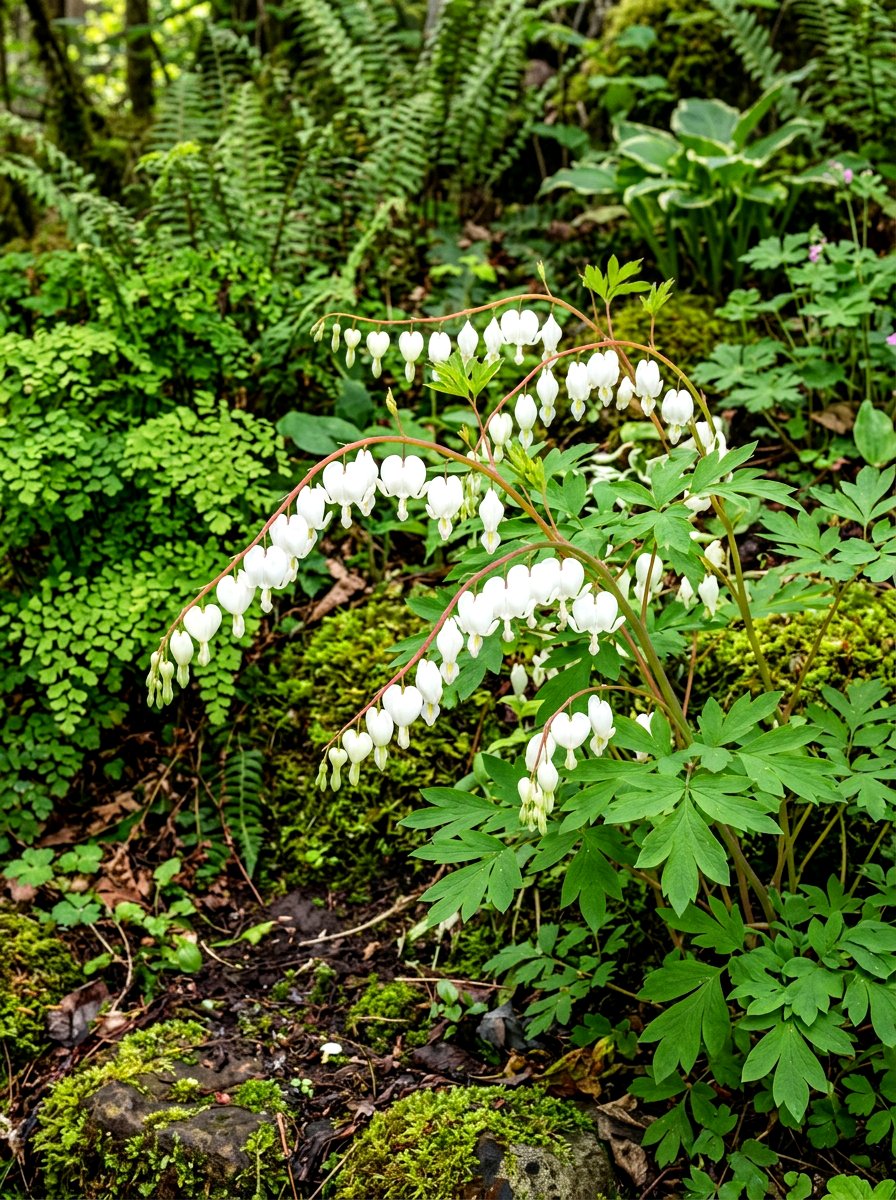
A shade flower garden allows you to utilize the cooler, darker corners of your backyard that are often overlooked. Varieties like hellebores, hydrangeas, and bleeding hearts thrive in filtered light and provide unique textures for your bouquets. These plants often have lush, interesting foliage that serves as excellent filler in floral arrangements. Designing with shade in mind requires careful plant selection, as many traditional farm flowers will struggle without enough sun. You can use light-colored mulch or white flowers to brighten up these dim areas and make them feel more integrated. A shade garden offers a peaceful, cool escape for both the gardener and the plants during the hottest summer days.
19. Drip irrigation system
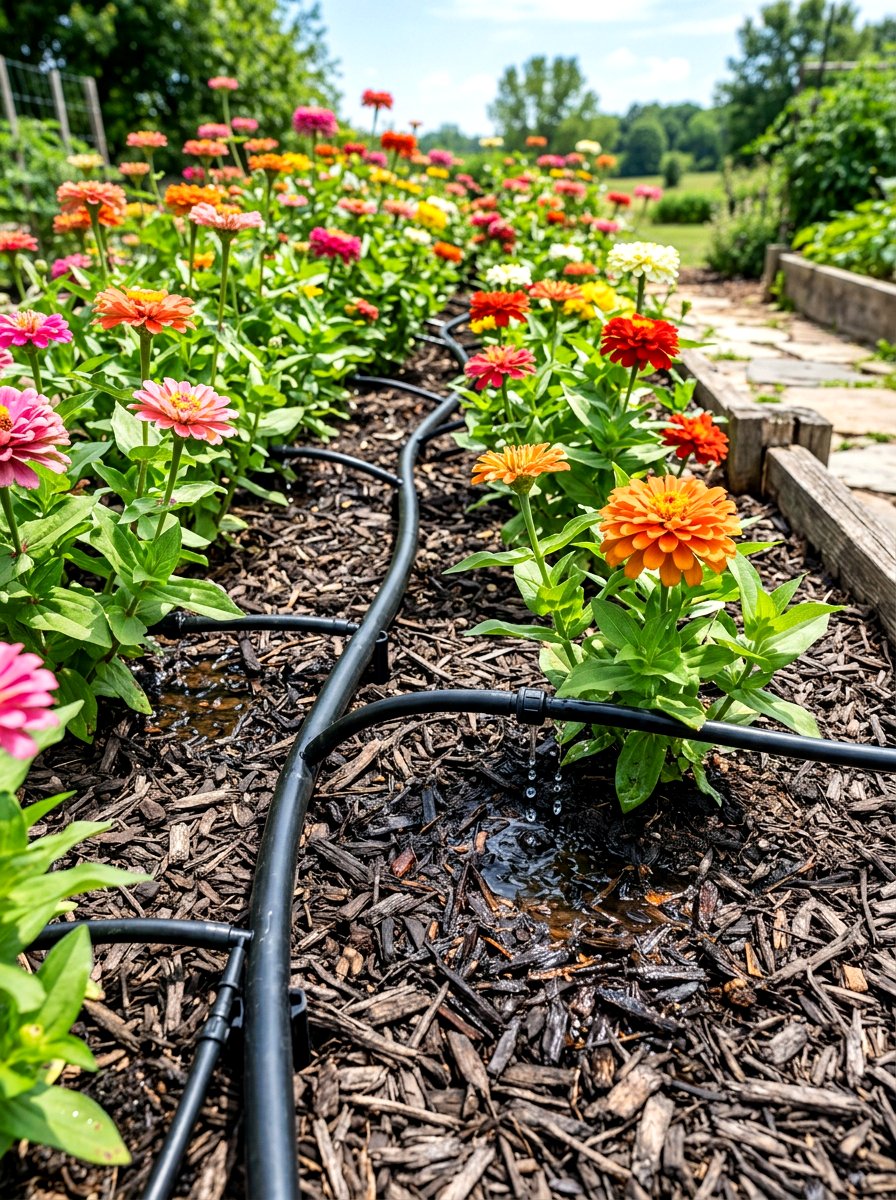
Installing a drip irrigation system is one of the best ways to ensure your backyard flower farm stays hydrated and healthy. This method delivers water directly to the base of each plant, reducing waste and keeping foliage dry to prevent disease. You can set the system on a timer so your garden gets watered consistently even when you are busy. Drip lines are easy to hide under mulch, maintaining a clean and professional look for your farm. This technology is especially helpful during heatwaves when hand-watering can become a full-time job. Investing in irrigation allows you to focus on the more creative aspects of farming like harvesting and arranging.
20. Rose garden
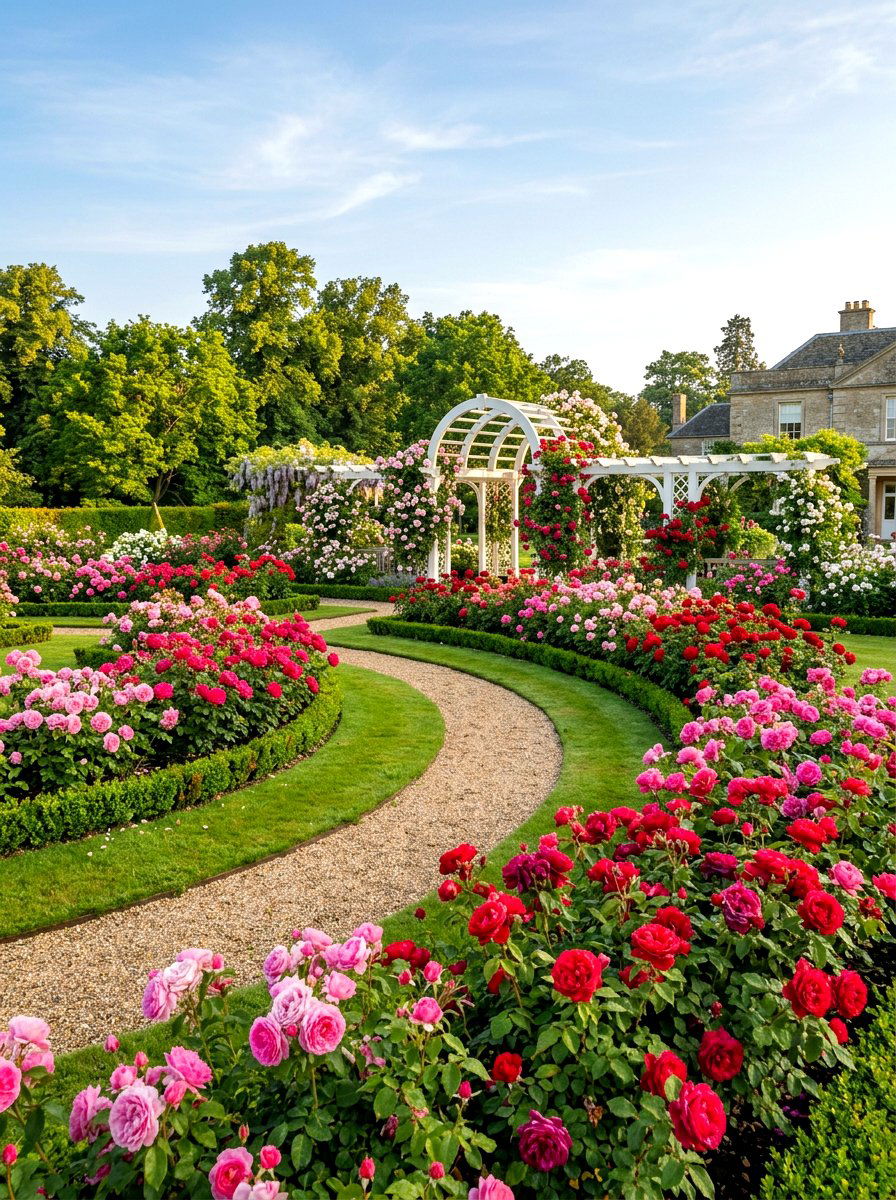
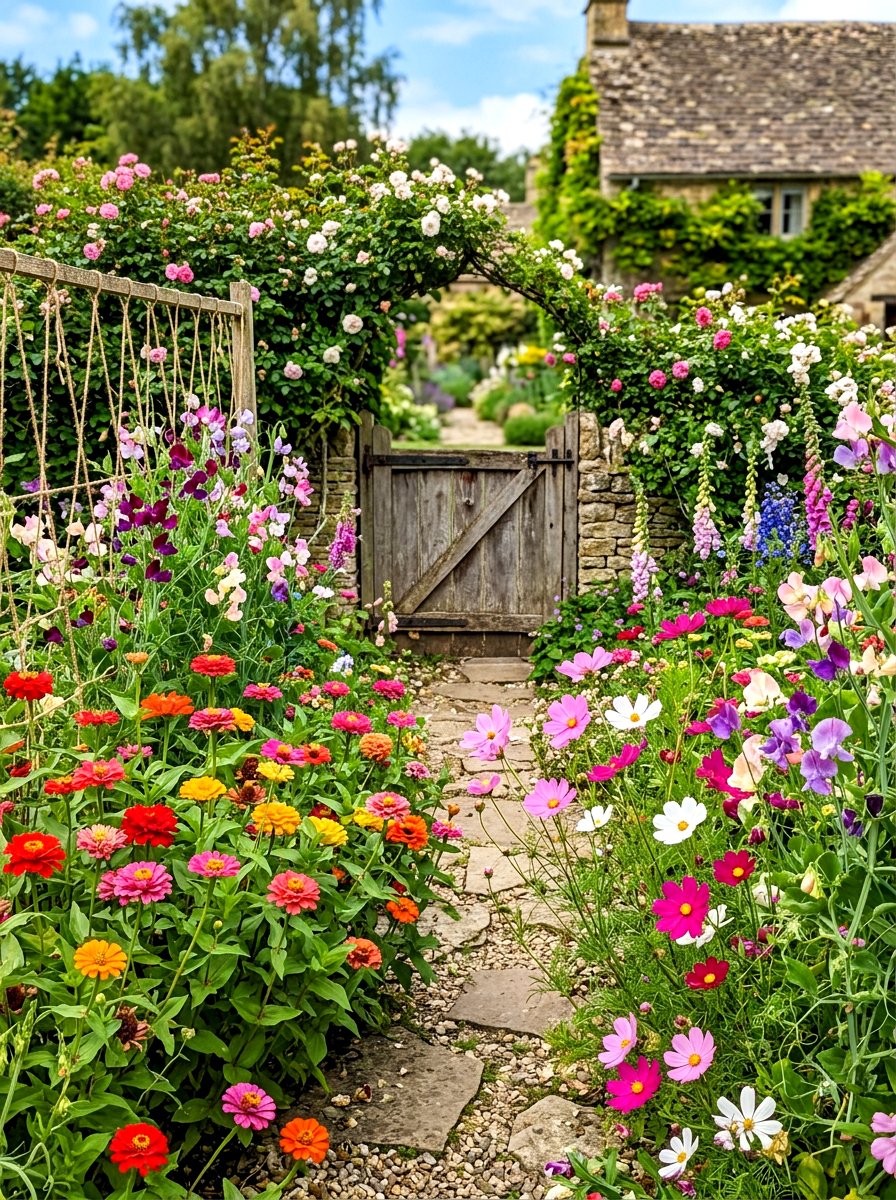
A dedicated rose garden adds timeless elegance and incredible scent to any backyard flower farm. Choosing modern "shrub" roses or classic "climbing" varieties ensures you have a steady supply of romantic blooms for high-end bouquets. Roses require plenty of sun, regular feeding, and good air circulation to stay healthy and productive. You can plant them in formal beds with boxwood borders or let them scramble over rustic fences for a more natural look. While they require a bit more maintenance than other flowers, the reward of fragrant, many-petaled blooms is unmatched. A backyard filled with roses creates a sophisticated atmosphere that feels like a professional florist’s personal sanctuary.
21. Sunflower patch
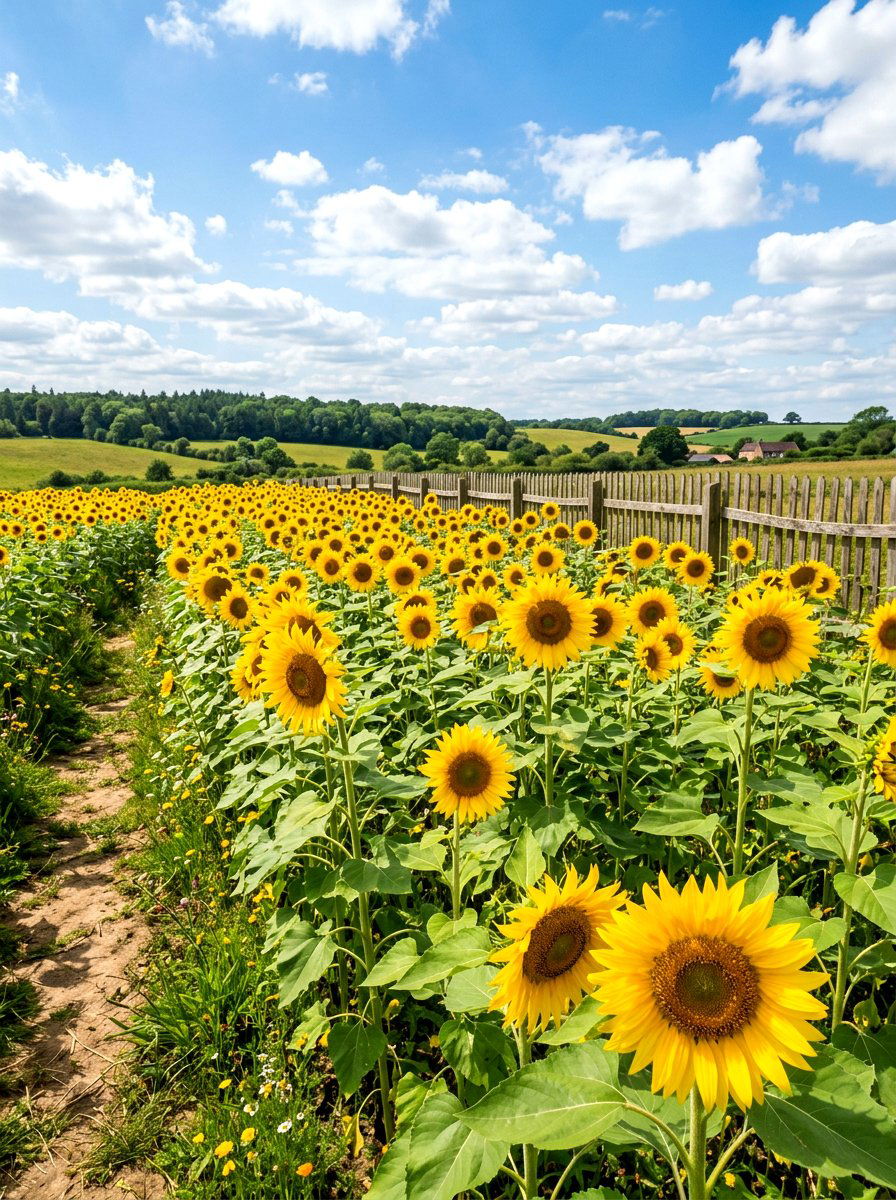
A sunflower patch is a joyful addition to any backyard that provides instant height and a bold splash of color. You can choose from "branching" varieties that produce multiple flowers per stem or "single-stem" types that are perfect for large vases. These plants grow incredibly fast and can even be used as a temporary privacy screen along your property line. Sunflowers are very easy to grow from seed and are tough enough to handle various weather conditions. Their large, cheerful faces follow the sun throughout the day, creating a dynamic and ever-changing landscape. They are also excellent for attracting birds to your garden once the seeds have fully matured.
22. Garden fence
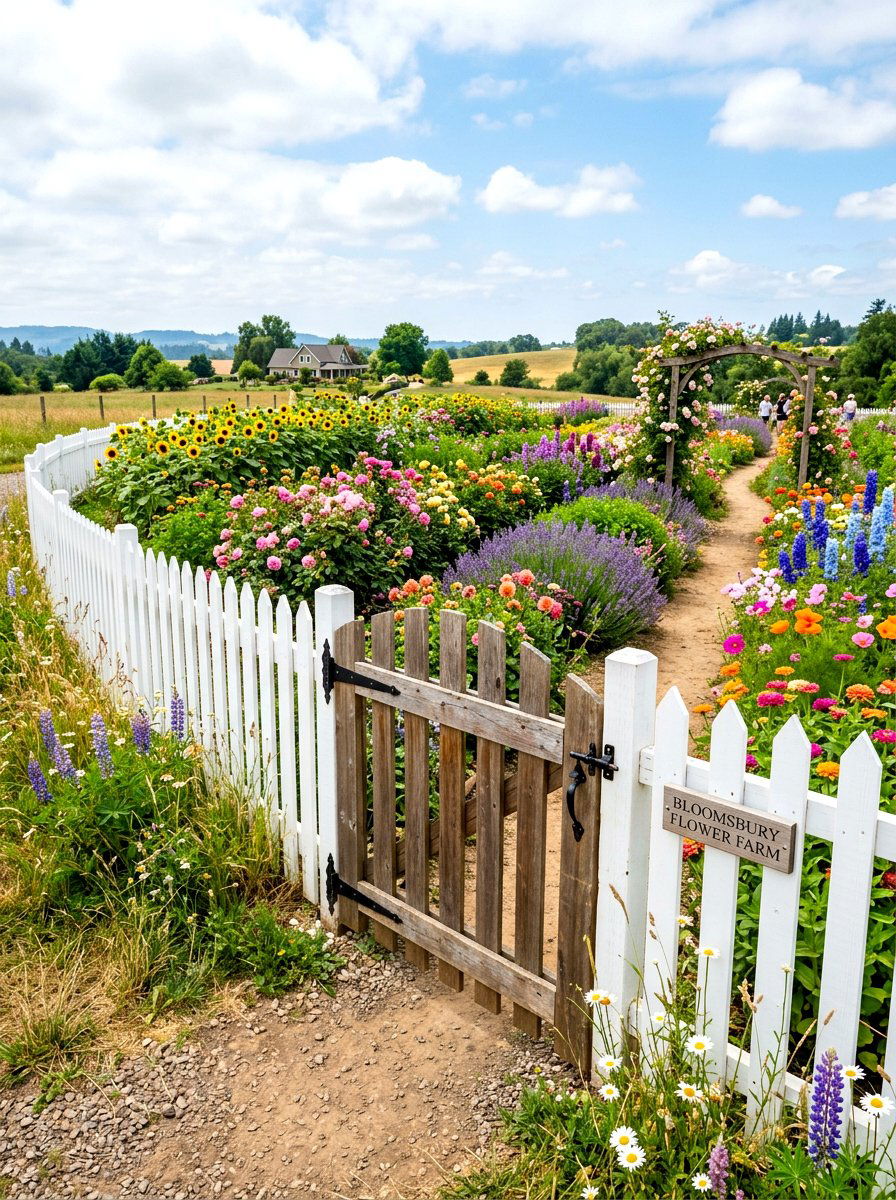
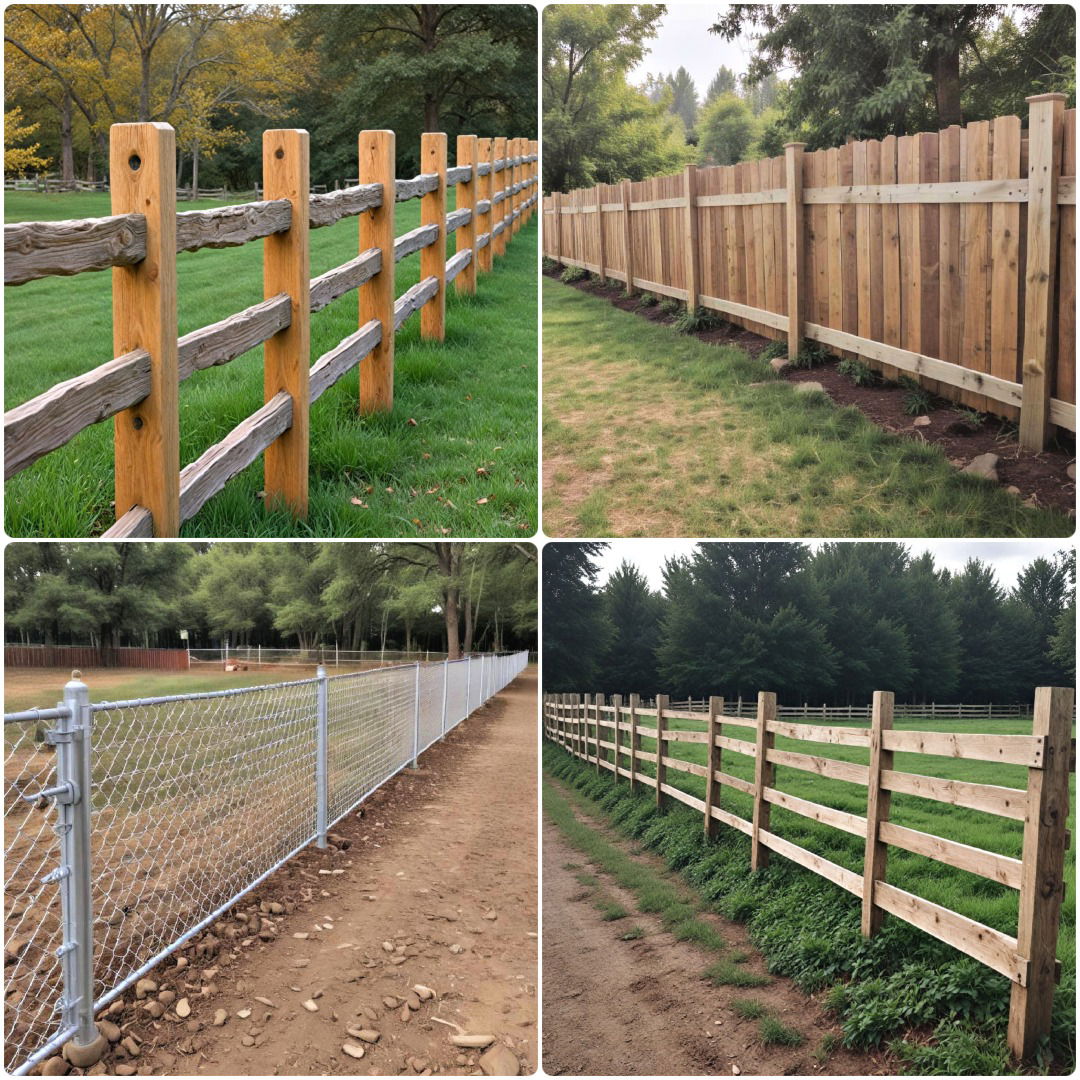
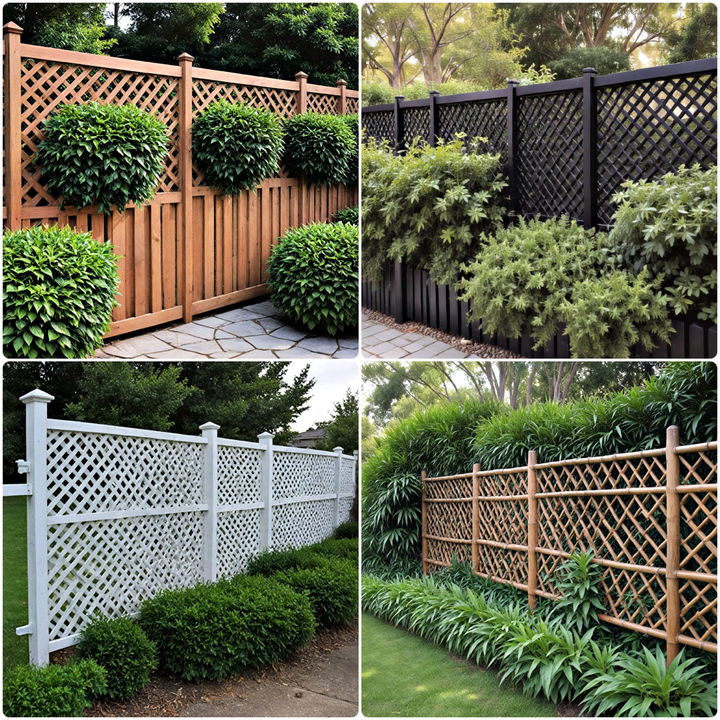
A functional garden fence is often necessary to protect your backyard flower farm from pets, children, or local wildlife like deer and rabbits. You can choose a classic white picket fence for a traditional look or a simple wire mesh design that blends into the background. A fence also provides a great structure for climbing plants and can act as a windbreak for taller, more delicate flowers. Adding a beautiful gate serves as a formal entrance to your floral sanctuary, making the space feel special and private. Beyond protection, a fence defines the boundaries of your farm, helping to keep your production area separate from the rest of your recreational lawn.
23. Fragrant flower garden
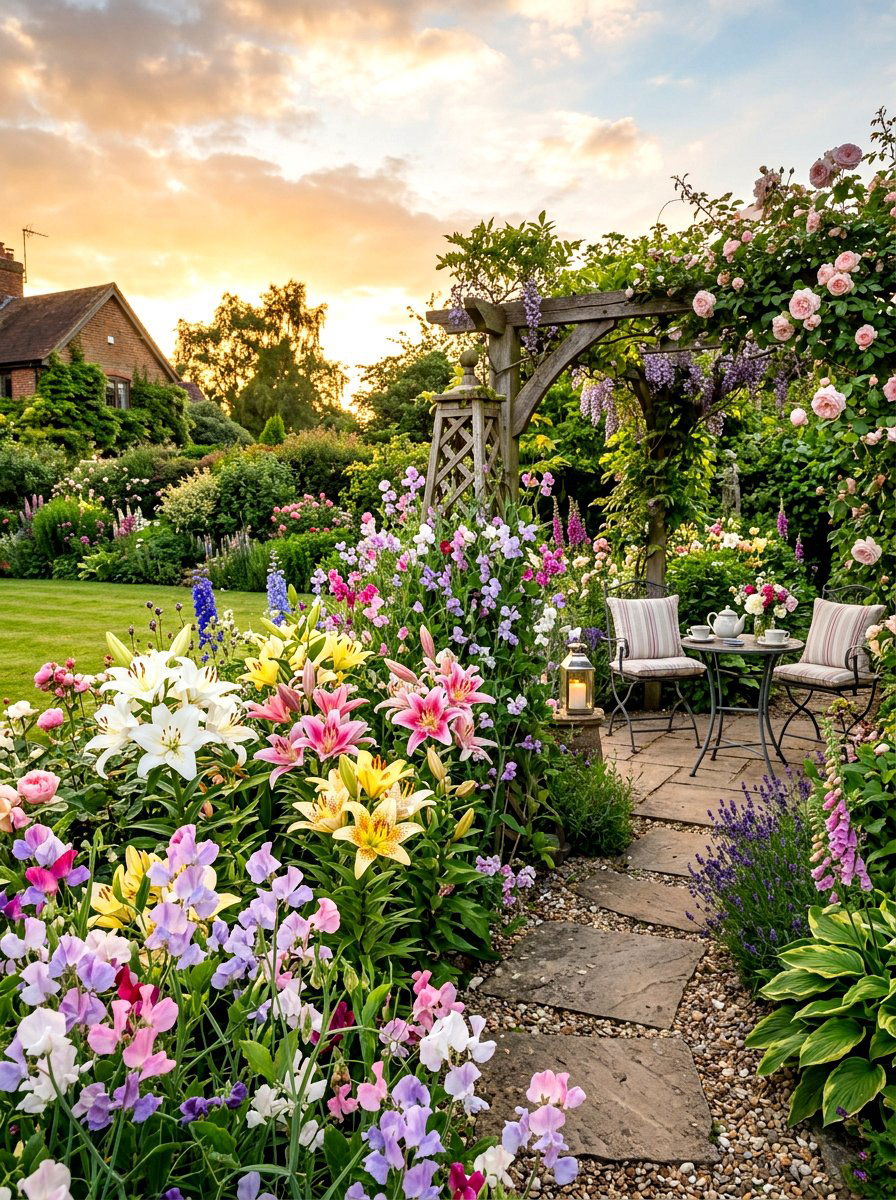
A fragrant flower garden turns your backyard farm into a complete sensory experience that delights everyone who visits. Including plants like sweet peas, lilies, and gardenias ensures that the air is filled with sweet scents throughout the day. You should place these highly scented varieties near paths or seating areas where their perfume can be enjoyed most. Fragrance is a key element in floral design, and having your own supply of aromatic stems makes your bouquets even more special. This type of garden focuses on the emotional impact of scent, creating lasting memories of summer evenings spent outdoors. It is a simple way to elevate your backyard farming experience.
24. Harvesting station
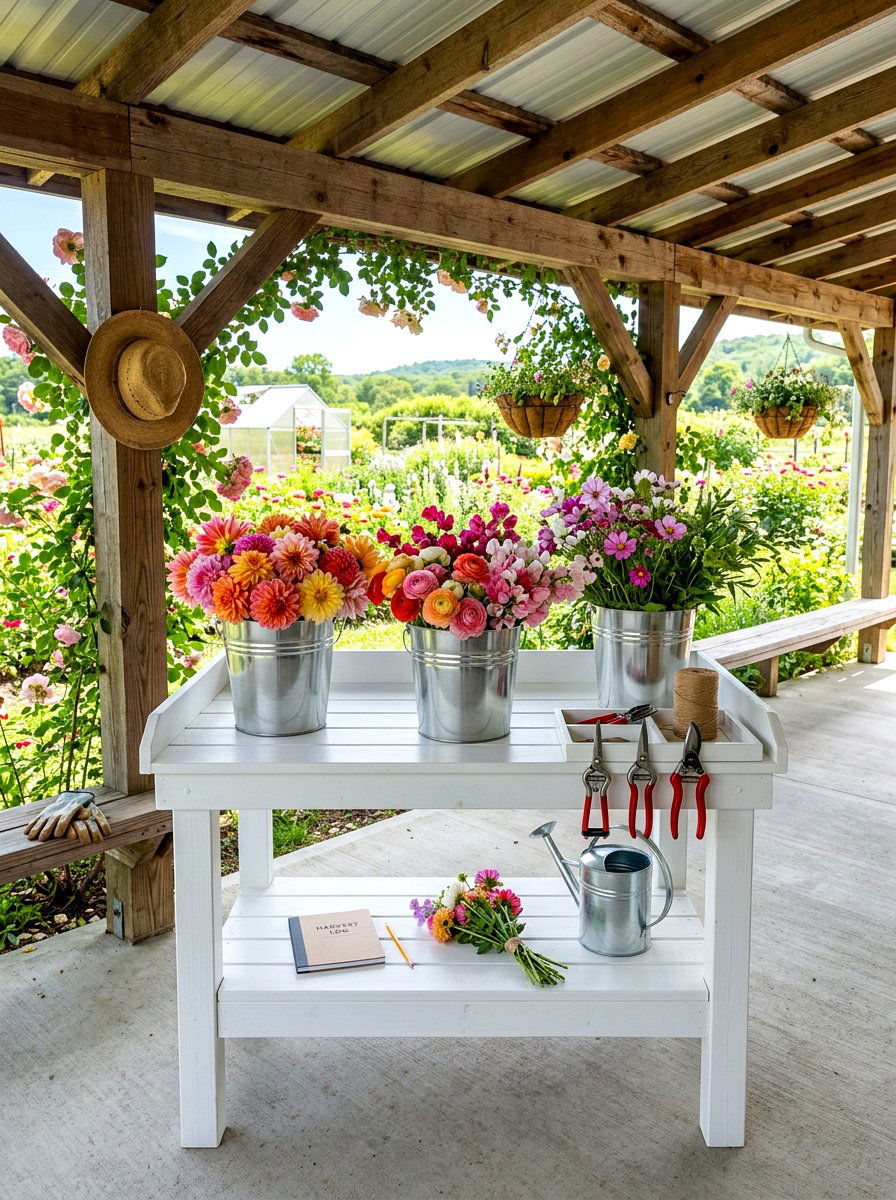
A dedicated harvesting station provides a clean and organized space to process your flowers immediately after they are cut. This area should include a clean table, sharp snips, and buckets filled with cool water to keep the stems hydrated. Proper post-harvest care is essential for extending the vase life of your flowers, and having a station nearby makes the process efficient. You can also use this space to bundle your blooms for sale or to create arrangements for your own home. Having a designated spot for processing keeps the dirt out of your kitchen and ensures that your beautiful harvests receive the professional care they deserve.
25. Lavender patch
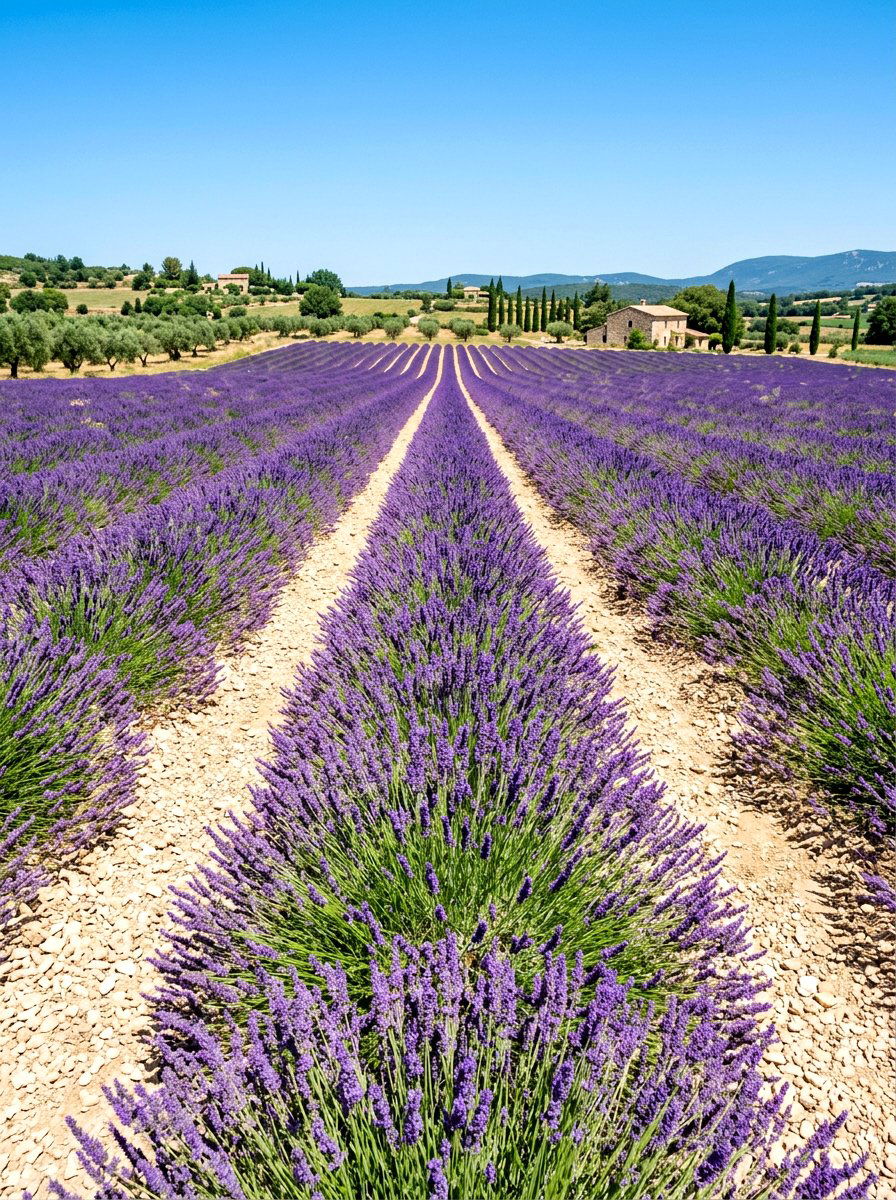
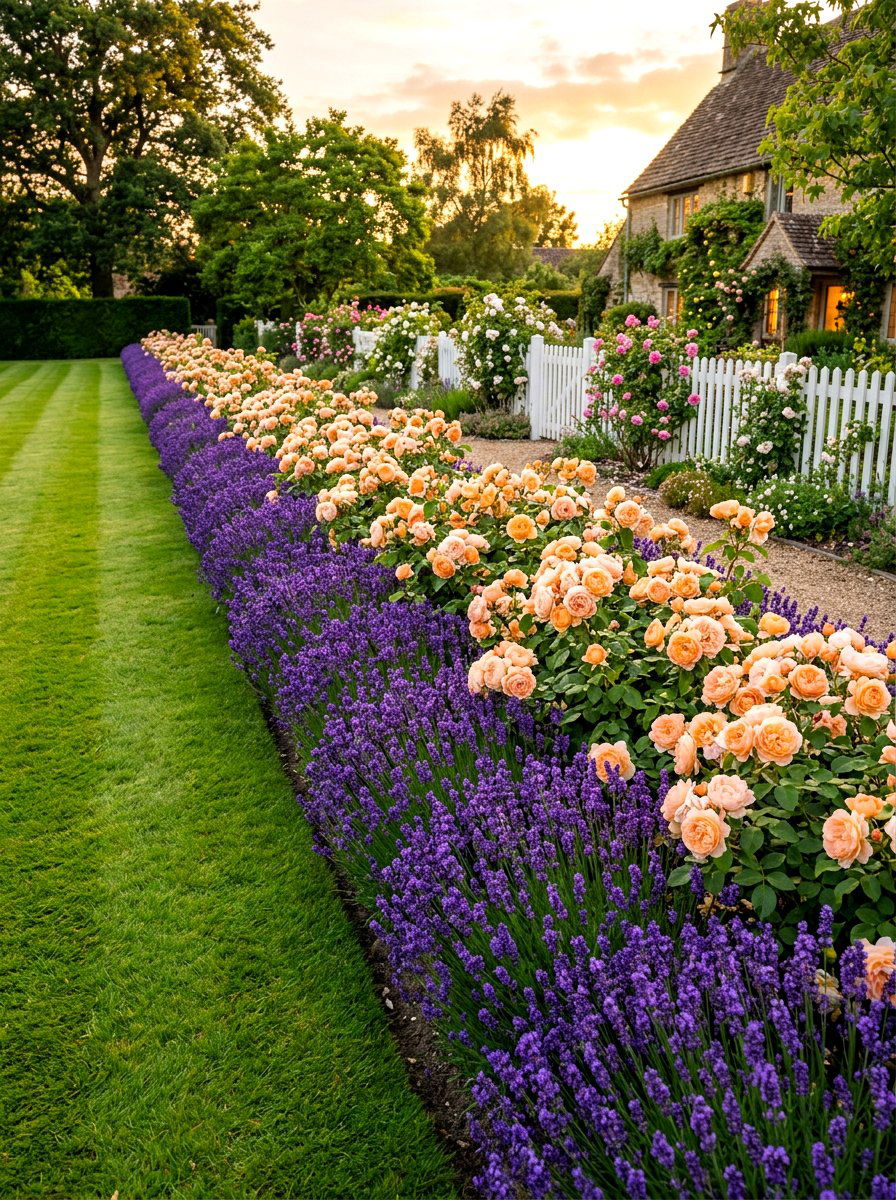
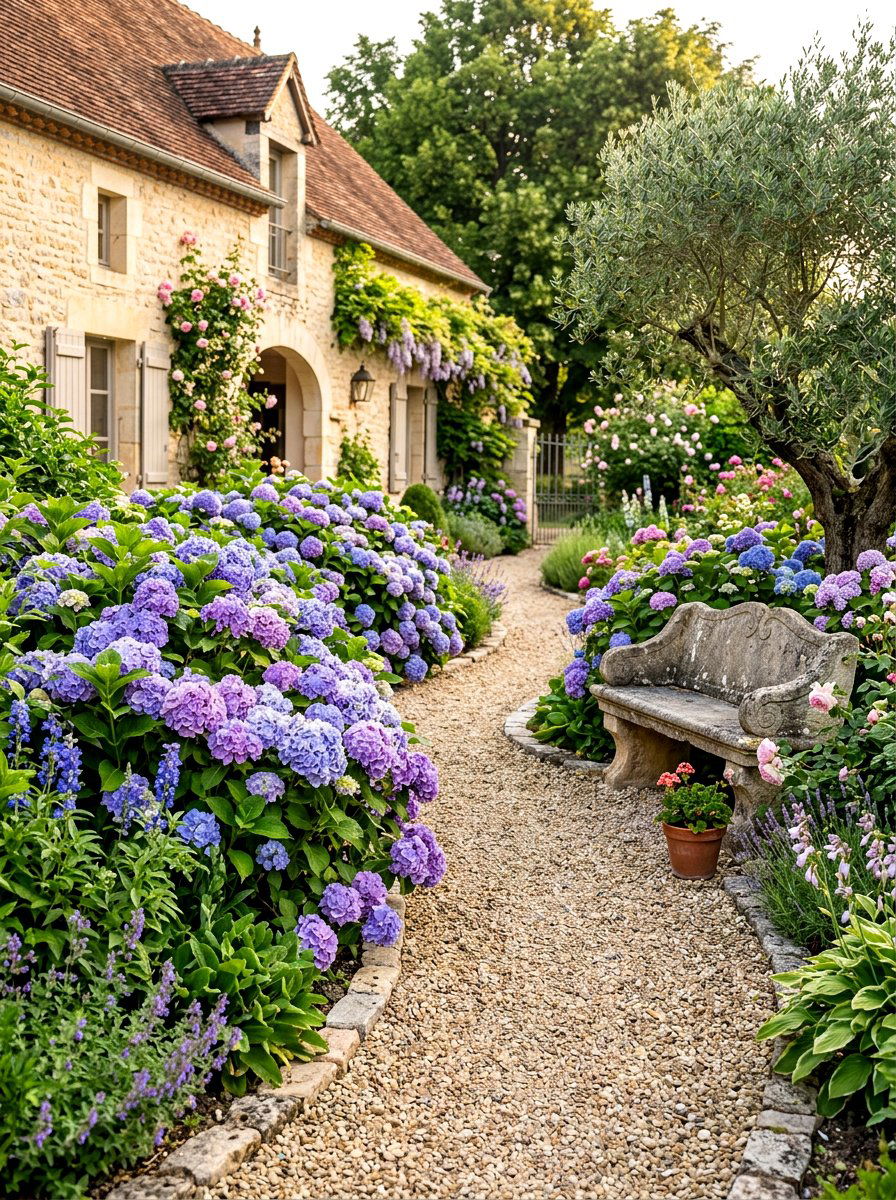
A lavender patch offers a Mediterranean feel and a calming aroma that can transform any sunny backyard. This perennial herb thrives in poor, well-draining soil and loves to soak up the heat of the summer sun. Once established, lavender requires very little water and provides beautiful silver-green foliage all year round. The purple flower spikes are excellent for fresh bouquets, dried arrangements, or even culinary uses. Planting a mass of lavender along a walkway creates a beautiful border that releases its scent every time you brush past it. It is a hardy, drought-tolerant plant that brings both beauty and utility to a sustainable backyard flower farm.
26. Garden cold frame
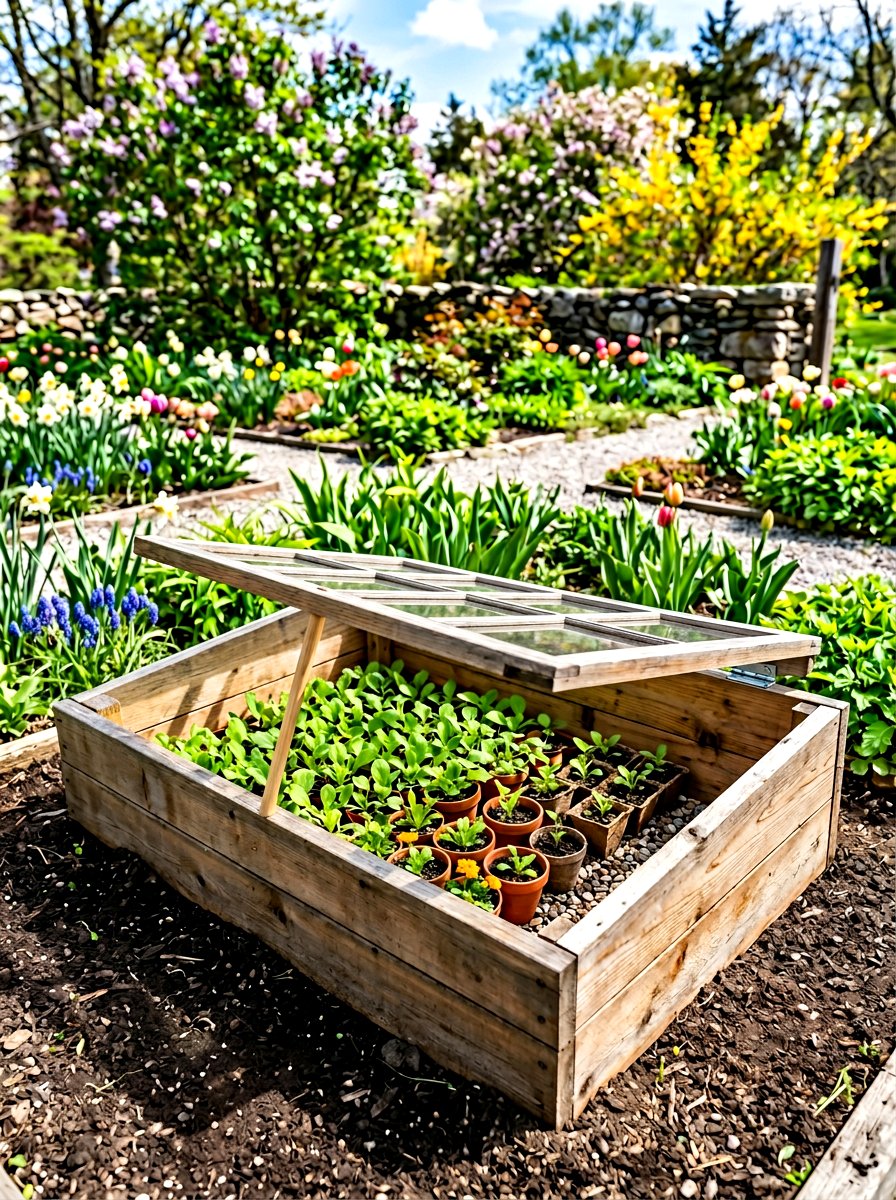
A garden cold frame is a simple yet effective tool for hardening off delicate seedlings before they move into the open garden. These low, glass-topped boxes act like mini-greenhouses, trapping heat and protecting young plants from harsh winds and late frosts. You can build them easily from scrap wood and old windows to save money on your farm setup. Using a cold frame allows you to start the transition process earlier in the spring, giving your flowers a head start on the growing season. It is a vital intermediate step that ensures your transplants are strong and healthy. This small addition significantly increases the survival rate of your most precious floral varieties.
27. Container flower farm
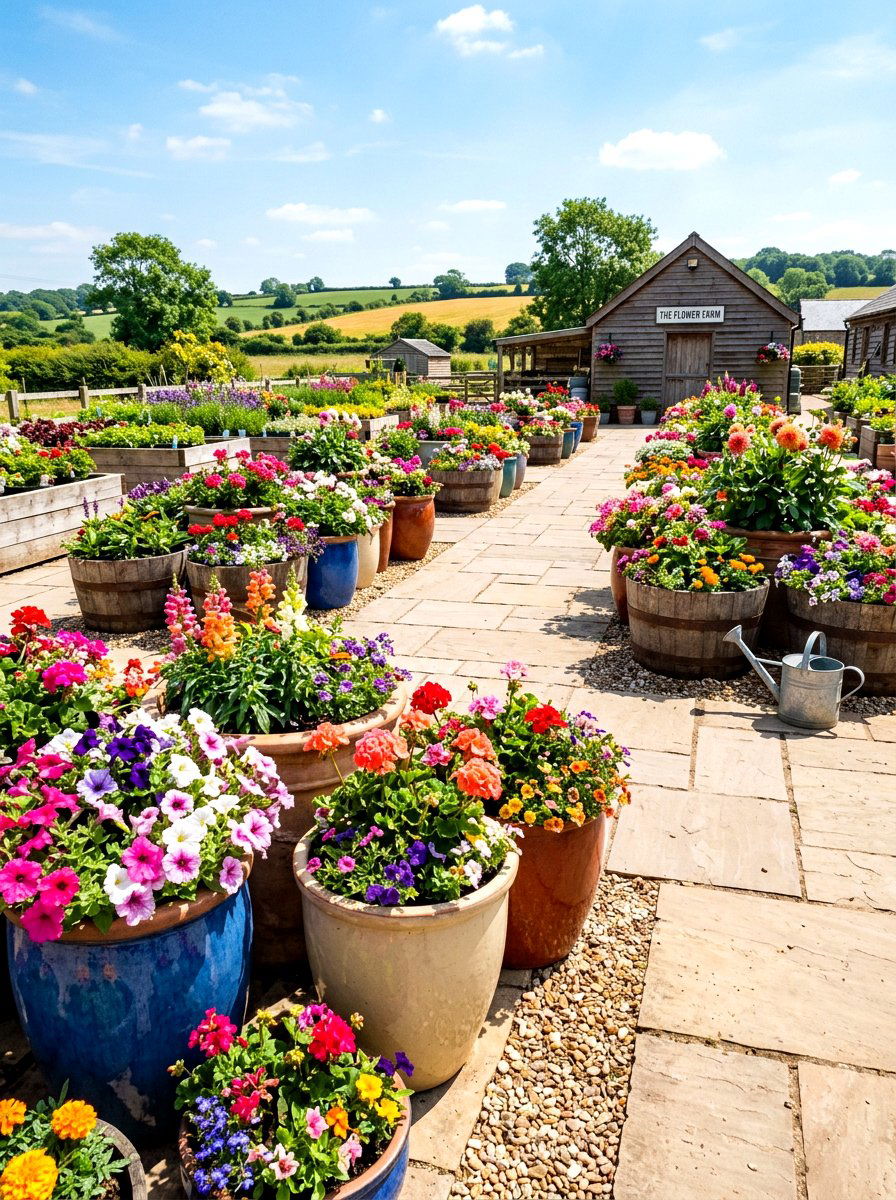
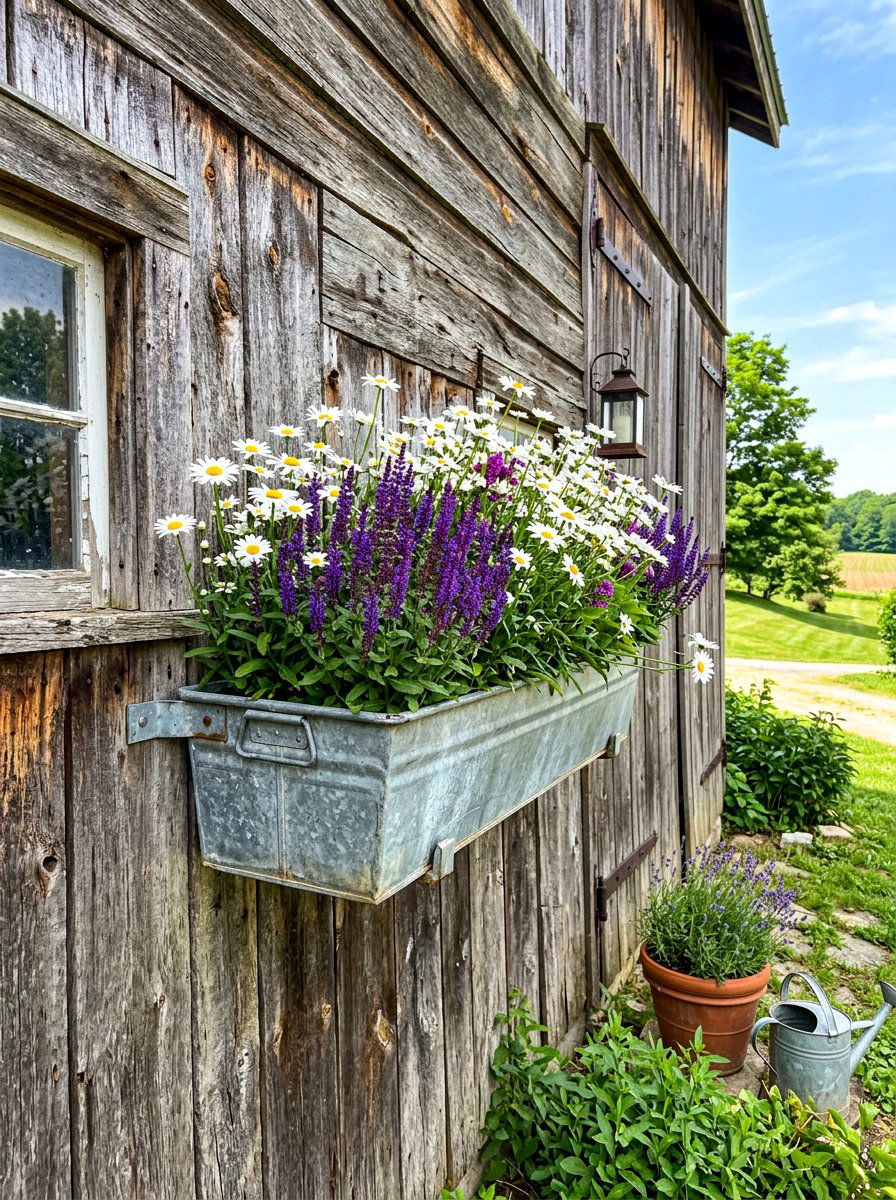
A container flower farm is the perfect solution for those with limited ground space or poor soil quality in their backyard. You can grow a wide variety of flowers in large pots, wooden crates, or even repurposed buckets. This method allows you to move your plants around to follow the sun or protect them from extreme weather conditions. Containers are also excellent for controlling invasive varieties or providing the specific soil needs of picky plants like ranunculus. By using decorative pots, you can create a beautiful and flexible garden layout that enhances your patio or deck. Container gardening proves that you do not need a massive plot to be a successful farmer.
28. Heirloom flower garden
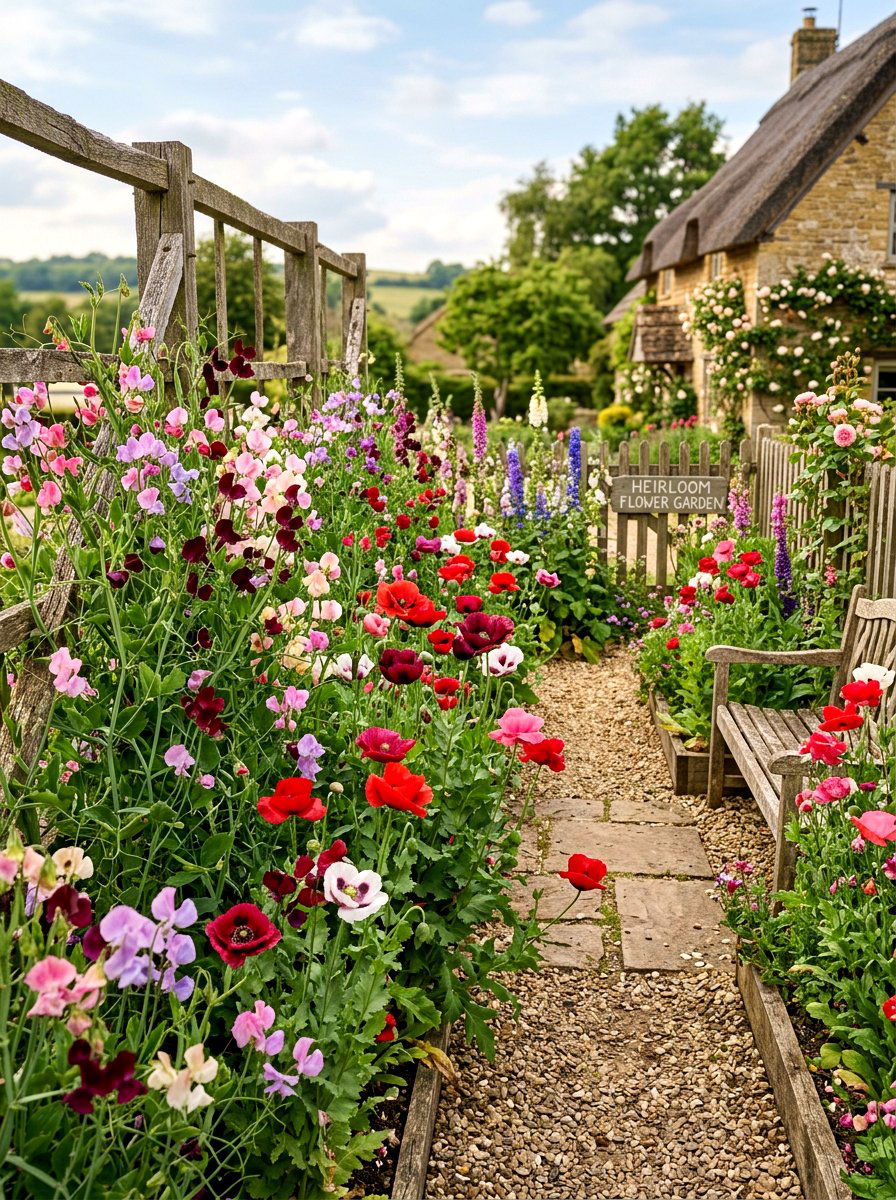
An heirloom flower garden focuses on traditional varieties that have been passed down through generations for their unique colors and scents. These plants often have a more romantic and delicate appearance than modern hybrids found in big-box stores. Growing heirlooms helps preserve genetic diversity and connects you to the history of gardening. Varieties like antique sweet peas or old-fashioned snapdragons bring a sense of nostalgia to your backyard farm. They are often more fragrant and produce more interesting seed pods for fall arrangements. A garden dedicated to these timeless treasures creates a truly unique floral collection that you cannot find anywhere else, making your backyard farm stand out.
29. Garden compost area
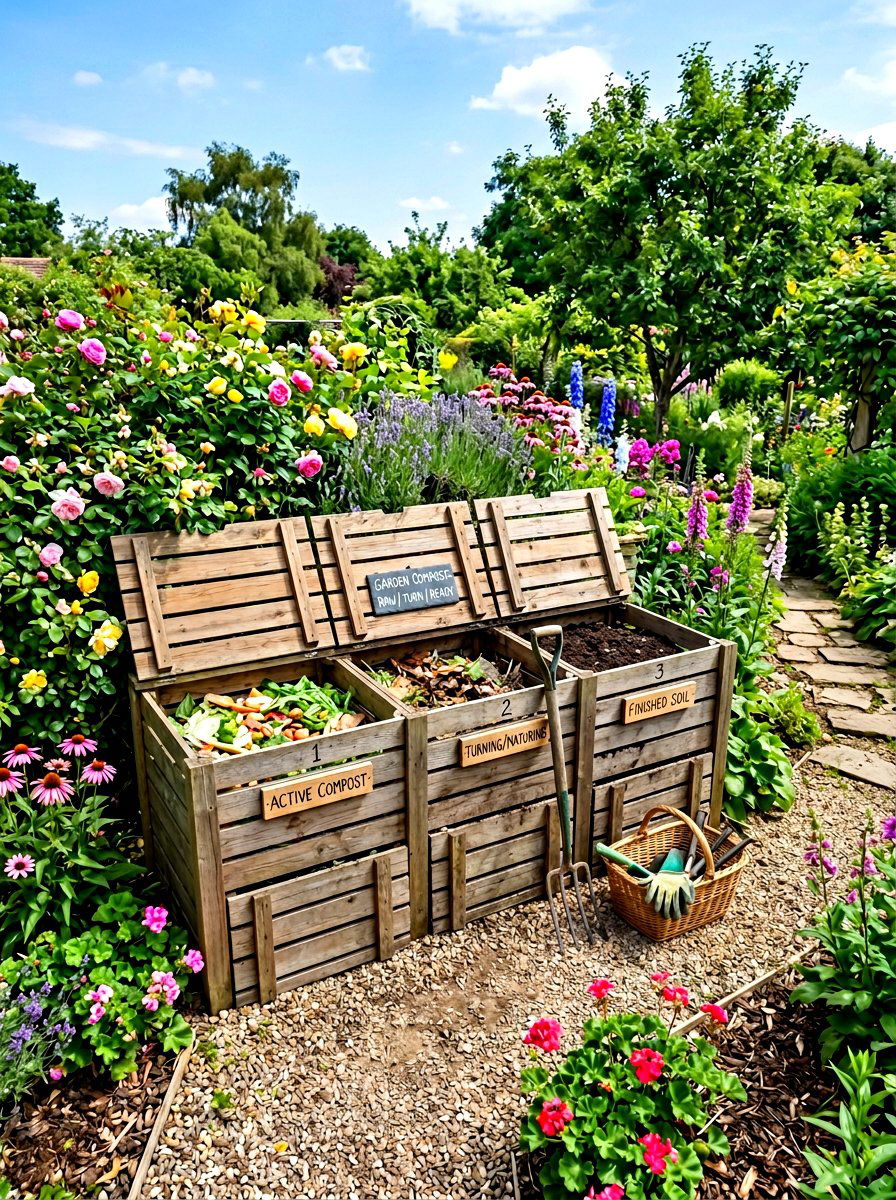
A garden compost area is the unsung hero of any productive backyard flower farm, turning waste into "black gold" for your soil. You can set up a simple bin system or a hidden pile where you collect garden clippings, leaves, and kitchen scraps. Regularly turning the compost ensures it breaks down quickly, providing a rich source of organic matter for your flower beds. Using home-grown compost reduces the need for expensive chemical fertilizers and improves the overall health of your ecosystem. It is a sustainable cycle that keeps your farm productive and environmentally friendly. A well-managed compost area is essential for maintaining the long-term fertility of your backyard soil.
30. Moon garden
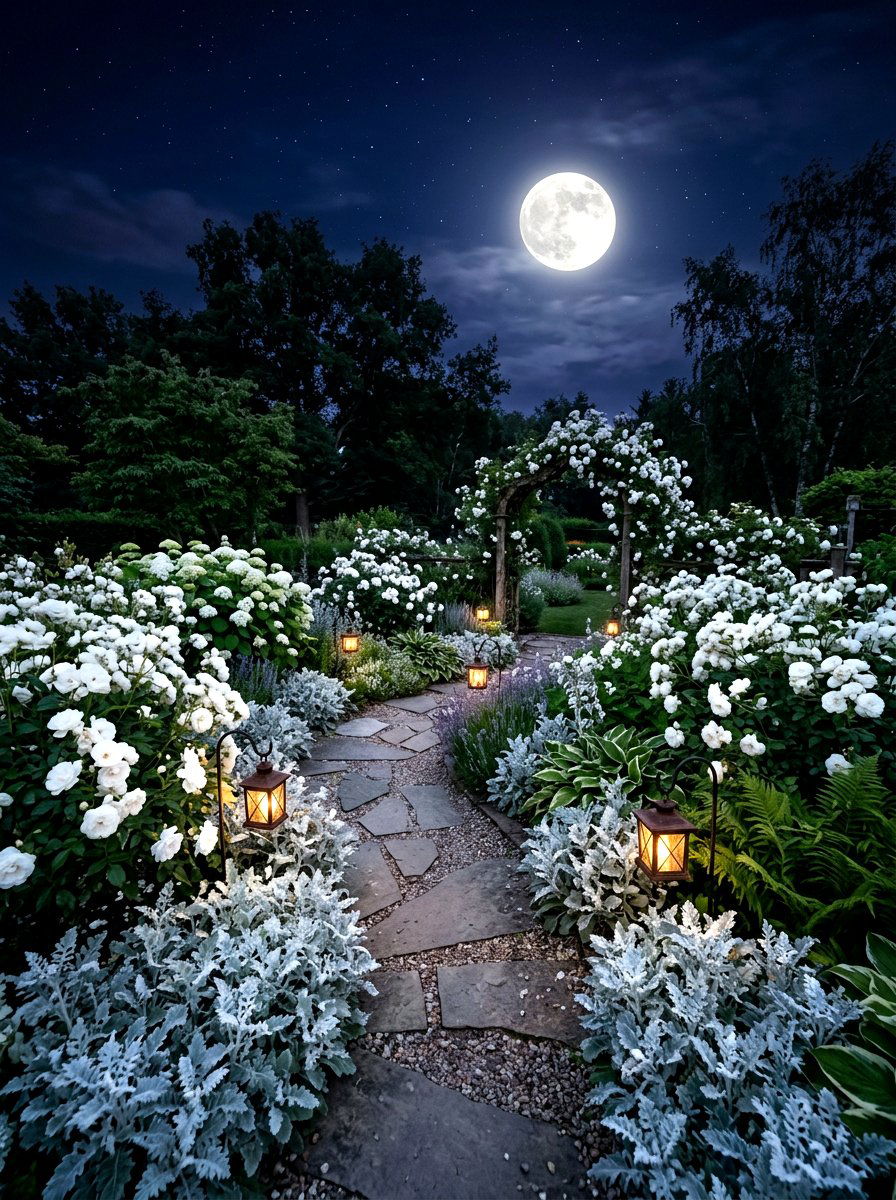
A moon garden is designed to be enjoyed after the sun goes down, featuring white flowers and silver foliage that glow in the moonlight. You should include night-blooming varieties like moonflowers and evening primrose that release their fragrance as the air cools. White roses, hydrangeas, and alyssum are perfect for reflecting the faint light of the moon and stars. This design creates a peaceful and magical atmosphere for late-night strolls through your backyard farm. It extends the time you can enjoy your garden and provides a different perspective on your floral production. A moon garden is a poetic and beautiful way to conclude your backyard flower farm design.
Conclusion:
Building a flower farm in your backyard is a deeply rewarding project that brings endless beauty and purpose to your outdoor living space. From the structured rows of a production field to the whimsical charm of a cottage garden, there are countless ways to express your creativity through flowers. These thirty ideas provide a comprehensive roadmap for anyone looking to transform their lawn into a thriving floral sanctuary. By focusing on healthy soil, smart layouts, and a variety of blooming species, you can create an environment that supports local wildlife while providing stunning harvests for your home. Enjoy the process of growing your very own backyard paradise.

Related posts: