Perennial gardens are a wonderful investment for any homeowner who wants a beautiful landscape that returns every spring. Unlike annuals that need replanting every year, perennials live for many seasons and often grow larger and more beautiful over time. Designing the perfect flower bed requires careful thought about sunlight, soil quality, and plant height. You want a mix of colors and textures that provide visual interest from early spring until the first frost of autumn. This guide explores thirty unique ways to arrange your outdoor space using reliable plants. Whether you have a sunny backyard or a shady corner, these concepts will help you create a stunning and sustainable garden retreat today.
1. Low maintenance perennial garden
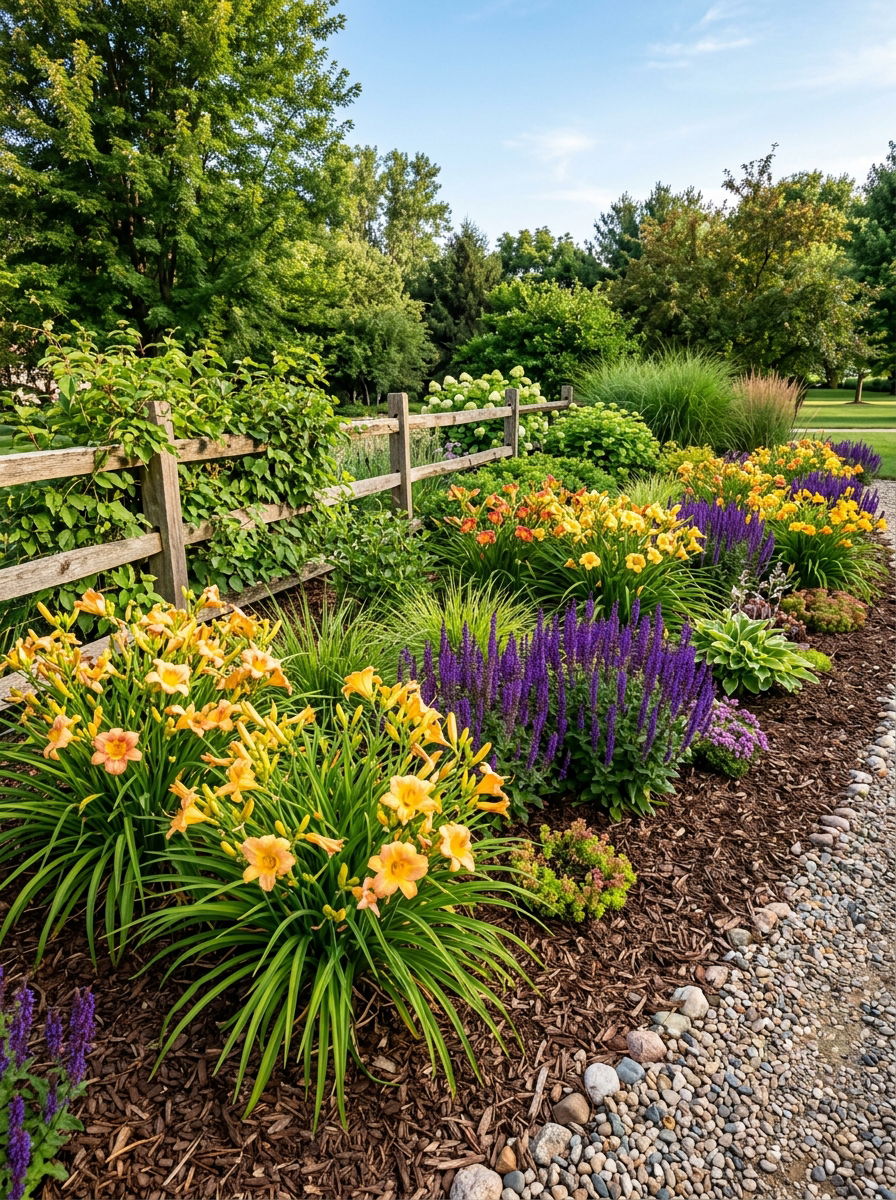
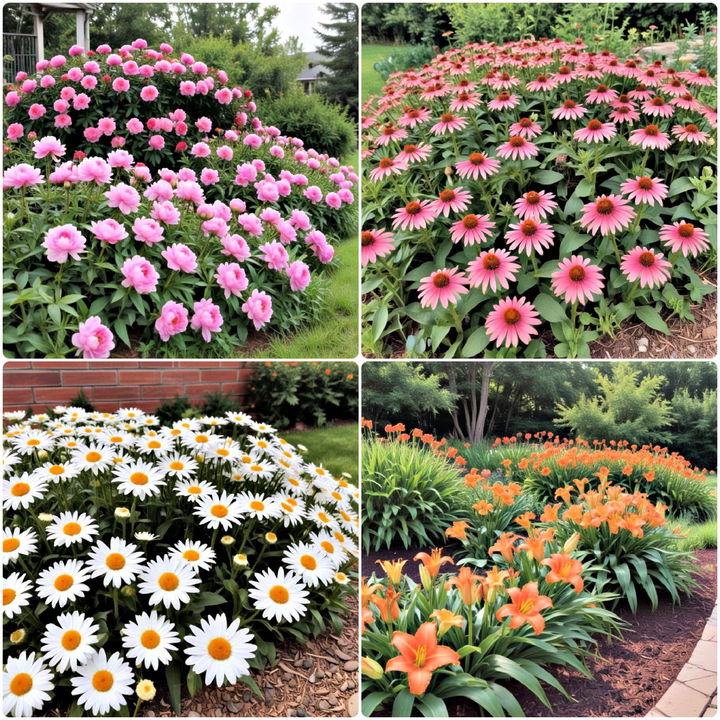
Creating a low maintenance perennial garden is the best way to enjoy a beautiful yard without spending all your free time working in the dirt. You should focus on hardy plants that can handle a bit of neglect once they are established in the ground. Good examples include daylilies, hostas, and peonies because they are very resilient. It is important to group plants with similar water needs together to make irrigation much easier. Applying a thick layer of organic mulch will help keep the weeds away and keep the roots cool during the hot summer months. This approach gives you a professional look that stays healthy and vibrant year after year.
2. Full sun perennial garden
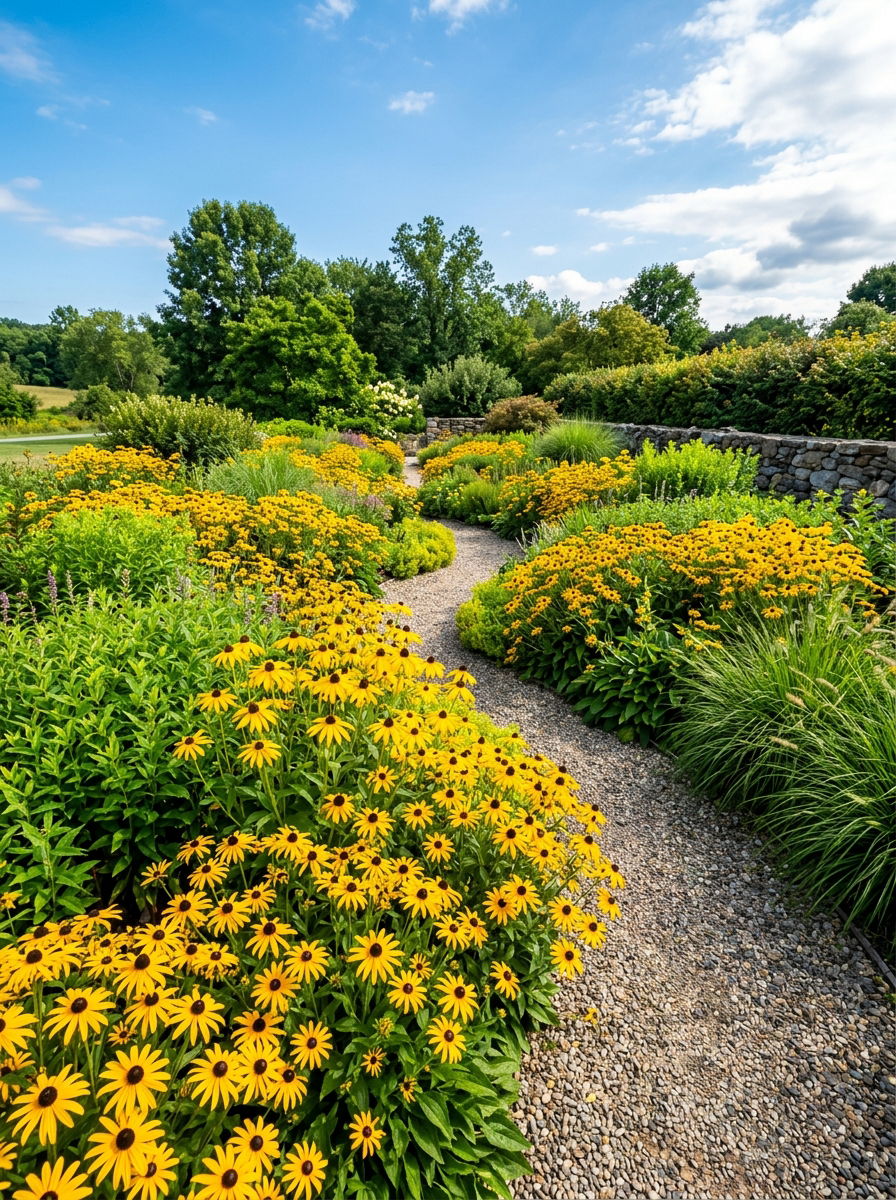
A full sun perennial garden thrives in areas that receive at least six hours of direct sunlight each day. These spaces are perfect for bright, heat-loving flowers that produce a lot of nectar for local bees and butterflies. Consider planting purple coneflowers and black-eyed Susans for a classic look that lasts all summer long. These plants are built to withstand the intense afternoon sun without wilting or losing their vibrant colors. You can also add Russian sage for its silvery foliage and airy blue spikes. Proper spacing is vital in sunny beds to ensure good airflow, which prevents common fungal diseases and keeps your plants looking their best.
3. Shade perennial garden
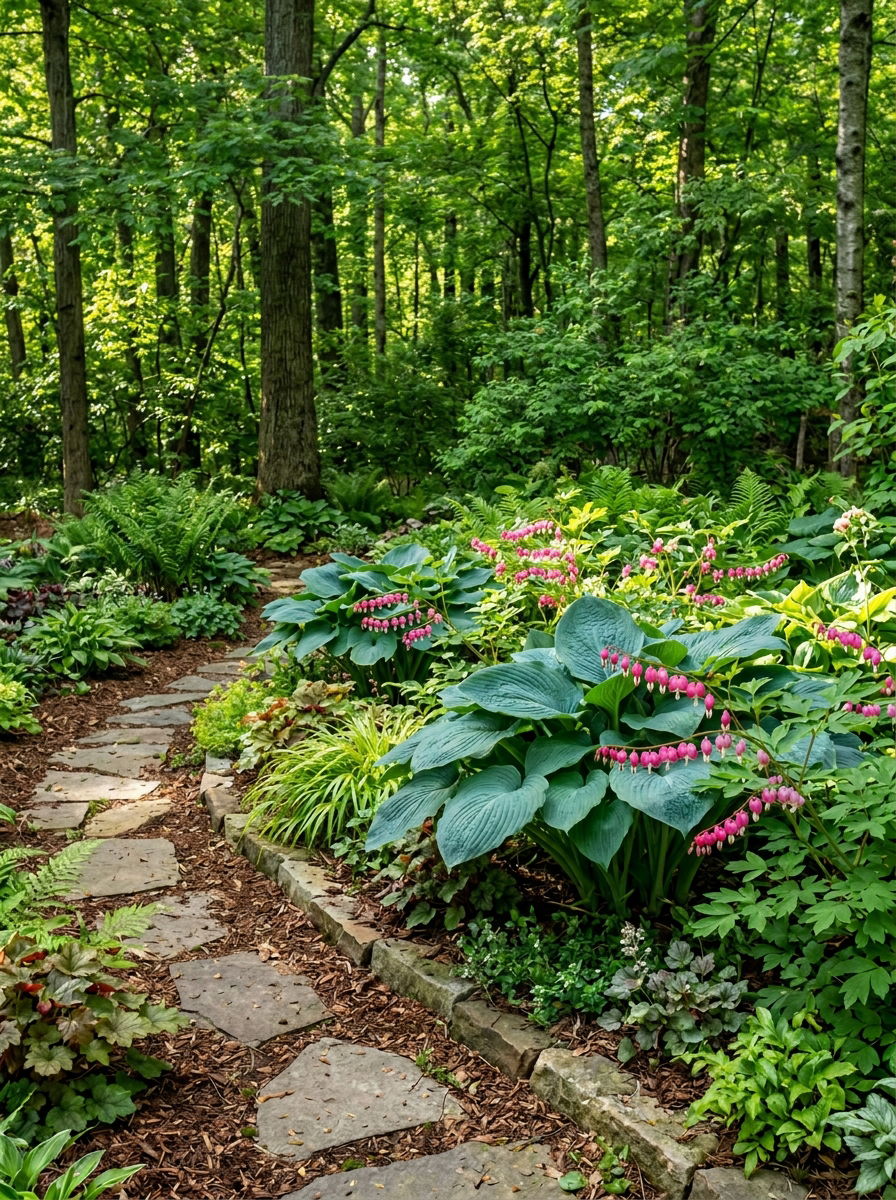
Transforming a dark corner into a shade perennial garden is a great way to add life to underutilized parts of your yard. Many plants actually prefer the protection of a tree canopy or the shadow of a house. Hostas are the stars of the shade, offering incredible leaf textures in shades of blue, green, and gold. You can mix them with delicate bleeding hearts or colorful coral bells to add visual depth to the space. Since shade gardens often stay moist longer, they create a lush and cool atmosphere that feels very relaxing. Adding light-colored foliage or white flowers can help brighten up the darkest spots effectively.
4. Cottage garden perennial border
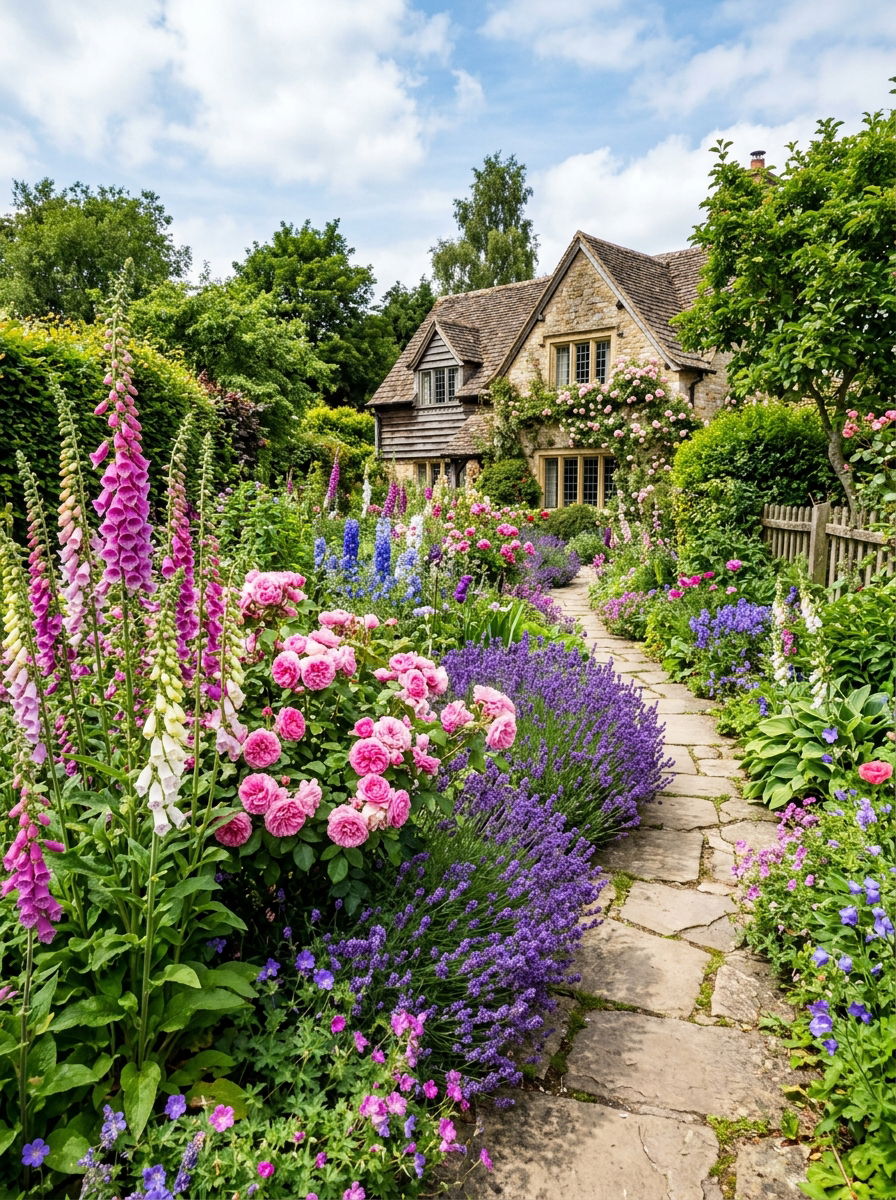
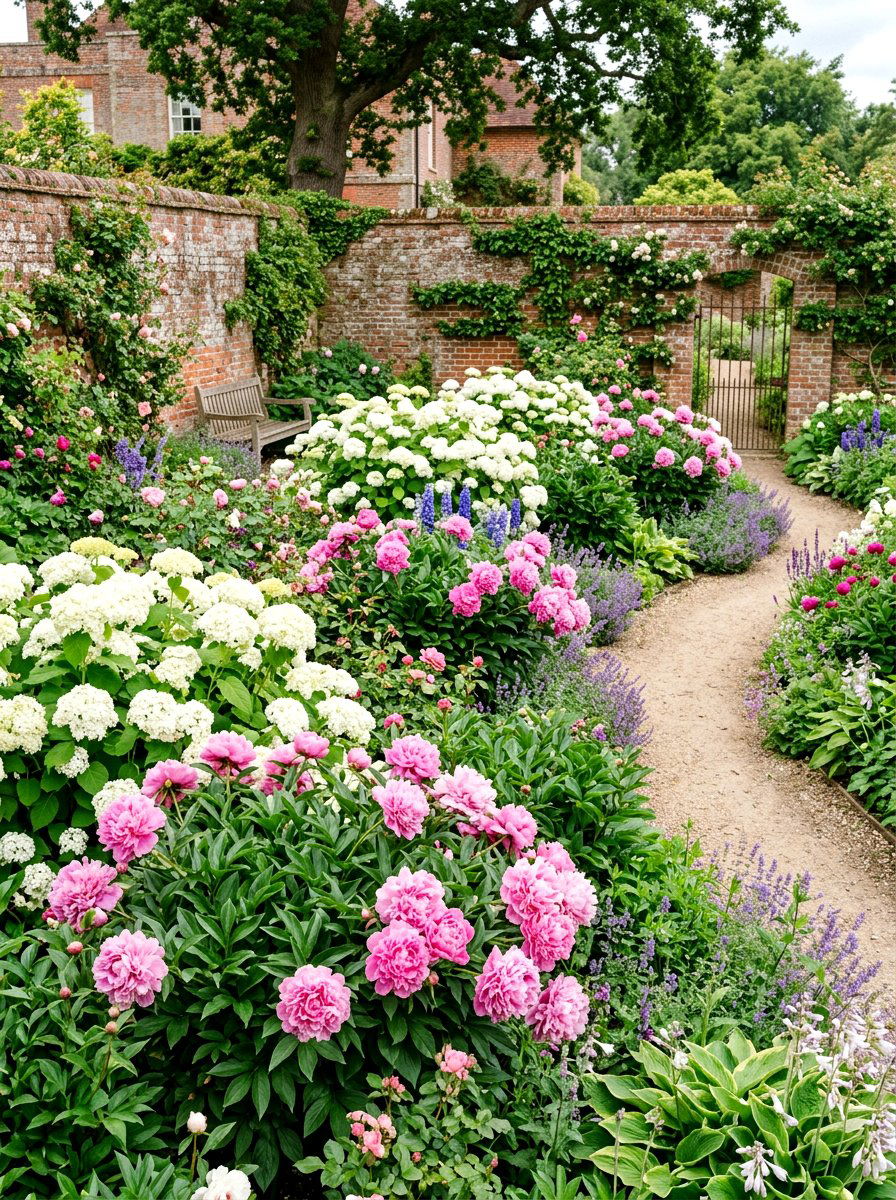
The cottage garden perennial border is famous for its romantic, slightly wild appearance that looks naturally beautiful and unforced. This style usually features a dense mix of tall flowers like foxgloves, delphiniums, and fragrant roses all growing together. The goal is to fill every inch of soil with plants so that very few weeds have room to grow. You can use classic favorites like lavender and catmint to spill over the edges of a stone path or a wooden fence. This design encourages a sense of nostalgia and provides a constant supply of fresh flowers for indoor bouquets. It is a charming way to welcome guests to your home.
5. Pollinator perennial garden
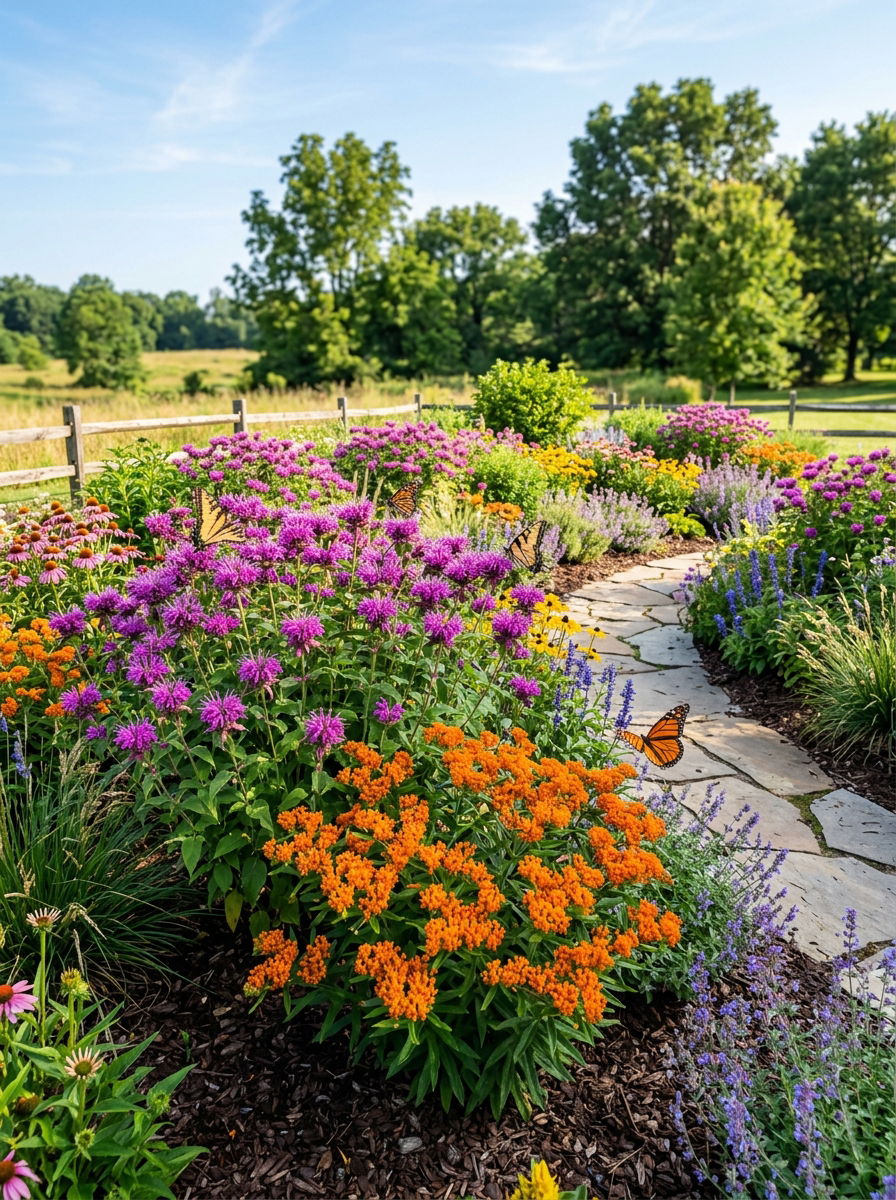
A pollinator perennial garden is a purposeful space designed to support bees, butterflies, and other essential insects in your local ecosystem. By choosing a variety of flowering plants that bloom at different times, you provide a steady food source throughout the growing season. Milkweed is essential for monarch butterflies, while bee balm and aster attract a wide variety of native bees. Avoid using chemical pesticides in this type of garden to keep the environment safe for the visitors. Watching the activity in a pollinator bed is very rewarding and educational for the whole family. It turns your backyard into a tiny, thriving nature preserve.
6. Modern perennial garden
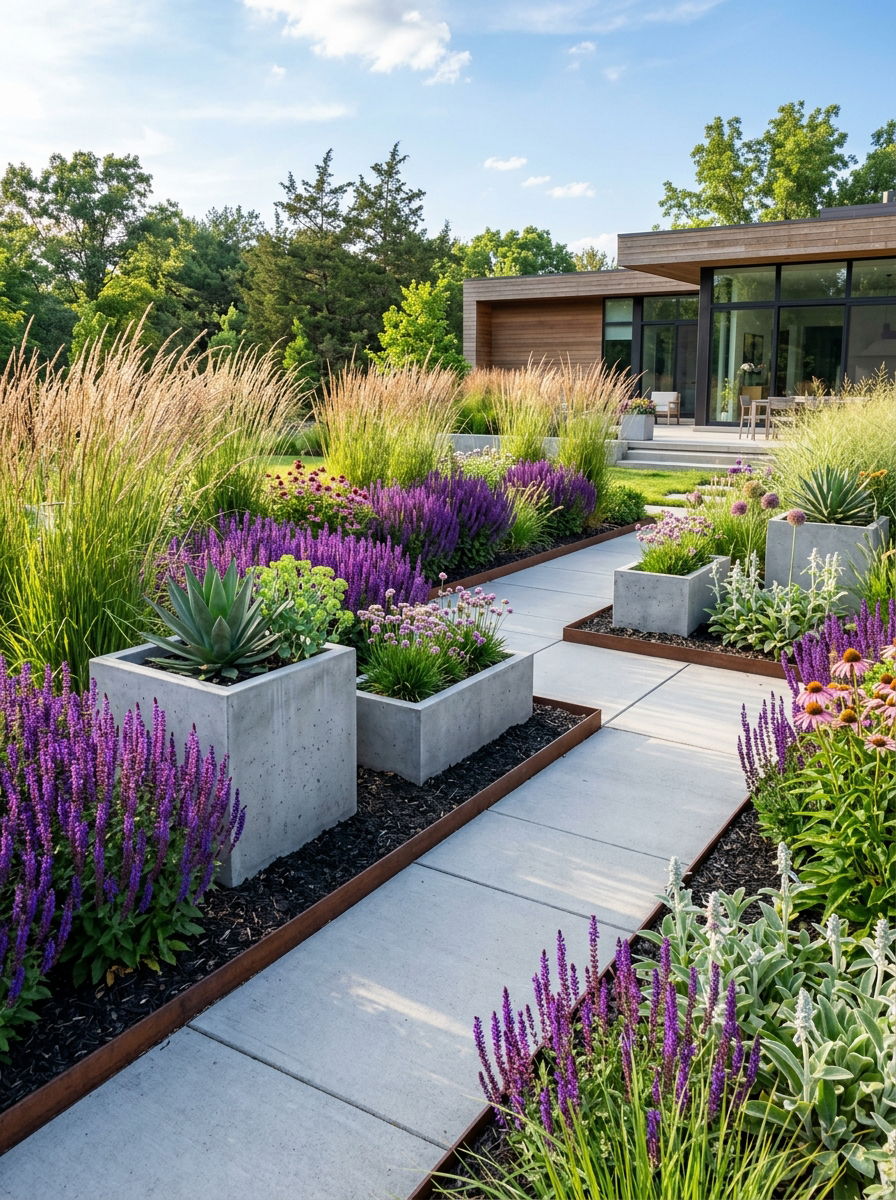
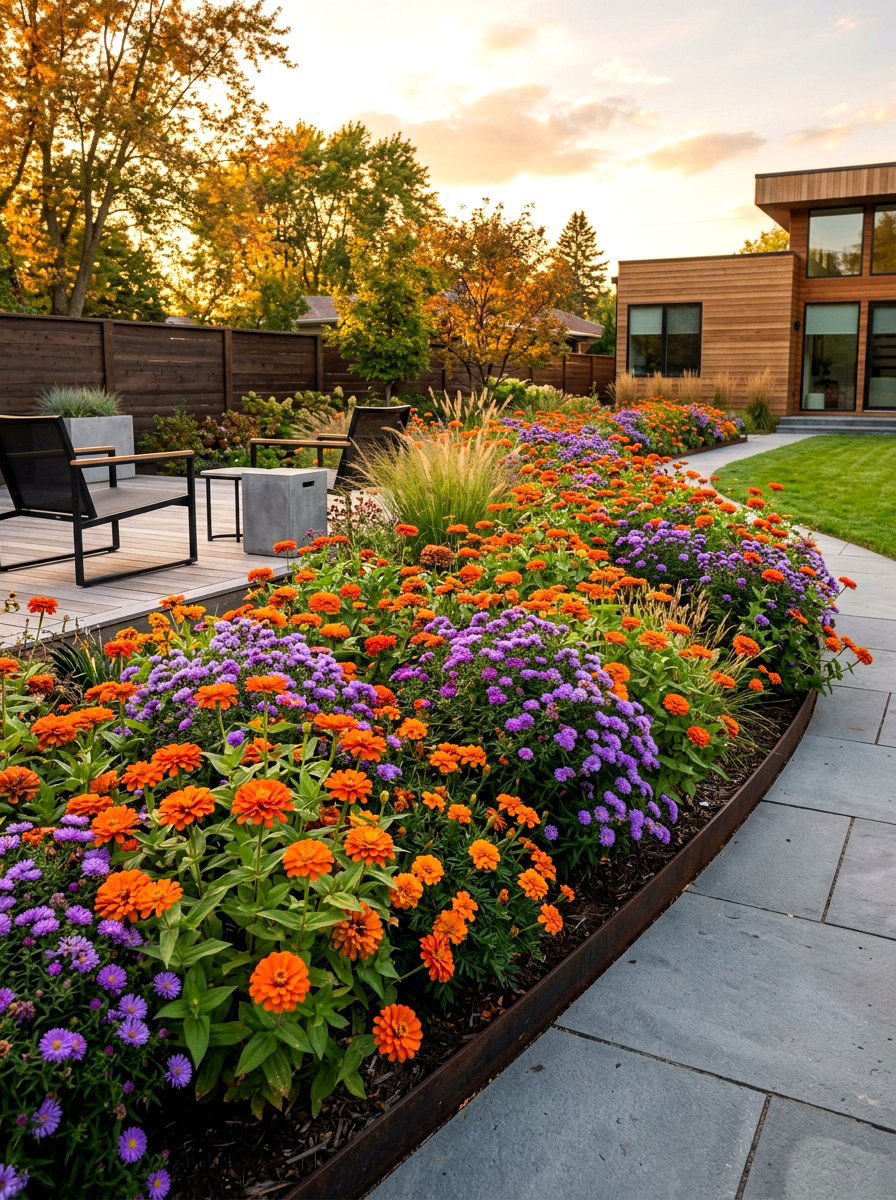
A modern perennial garden focuses on clean lines, structural plants, and a more controlled color palette for a sophisticated look. This style often uses ornamental grasses like fountain grass or switchgrass to provide vertical interest and movement in the breeze. You might group plants in large, repeating blocks rather than mixing many different species together. Using sleek materials like concrete planters or metal edging helps define the space and gives it a contemporary feel. This type of design works perfectly with minimalist architecture and requires less frequent maintenance than a traditional wild garden. It is all about creating a calm, orderly, and very stylish outdoor environment.
7. Native perennial plant bed
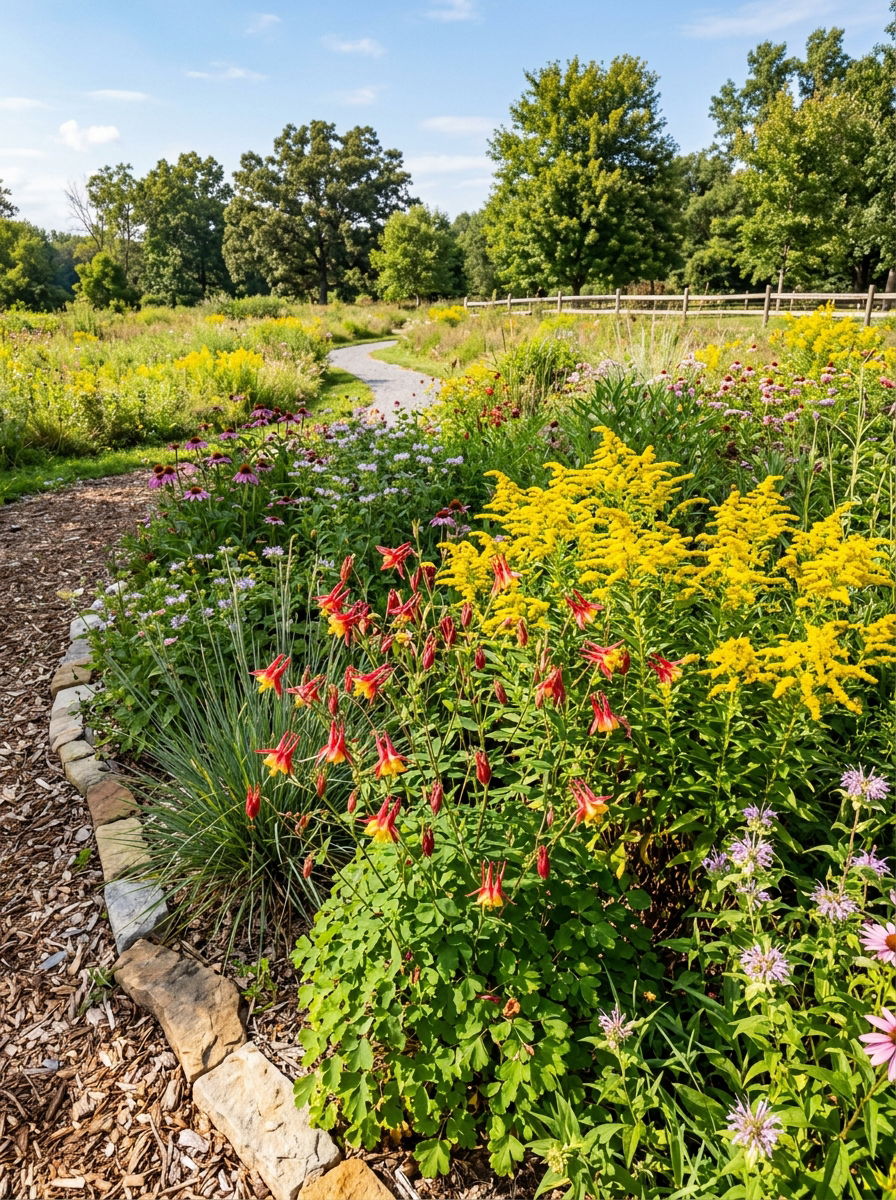
Using a native perennial plant bed is a smart choice for gardeners who want a sustainable and resilient landscape. Native plants are those that naturally occur in your region, meaning they are perfectly adapted to the local soil and weather patterns. They generally require less water and fewer fertilizers than exotic species once they are settled in. Common choices include wild columbine, coreopsis, and goldenrod, which provide familiar habitats for local wildlife. Because these plants have evolved with local pests, they are often much hardier and easier to care for. Planting native species is a wonderful way to honor the natural history of your specific geographic area.
8. Drought tolerant perennial garden
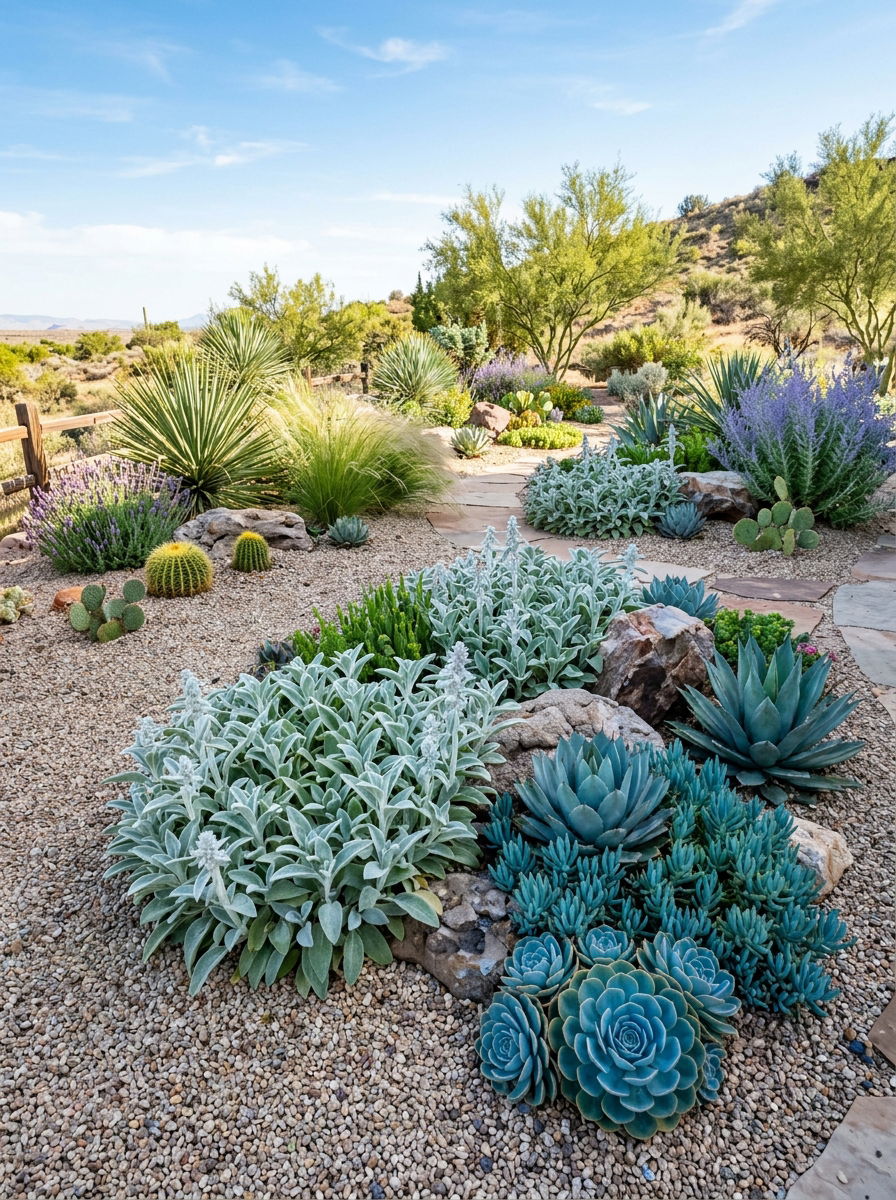
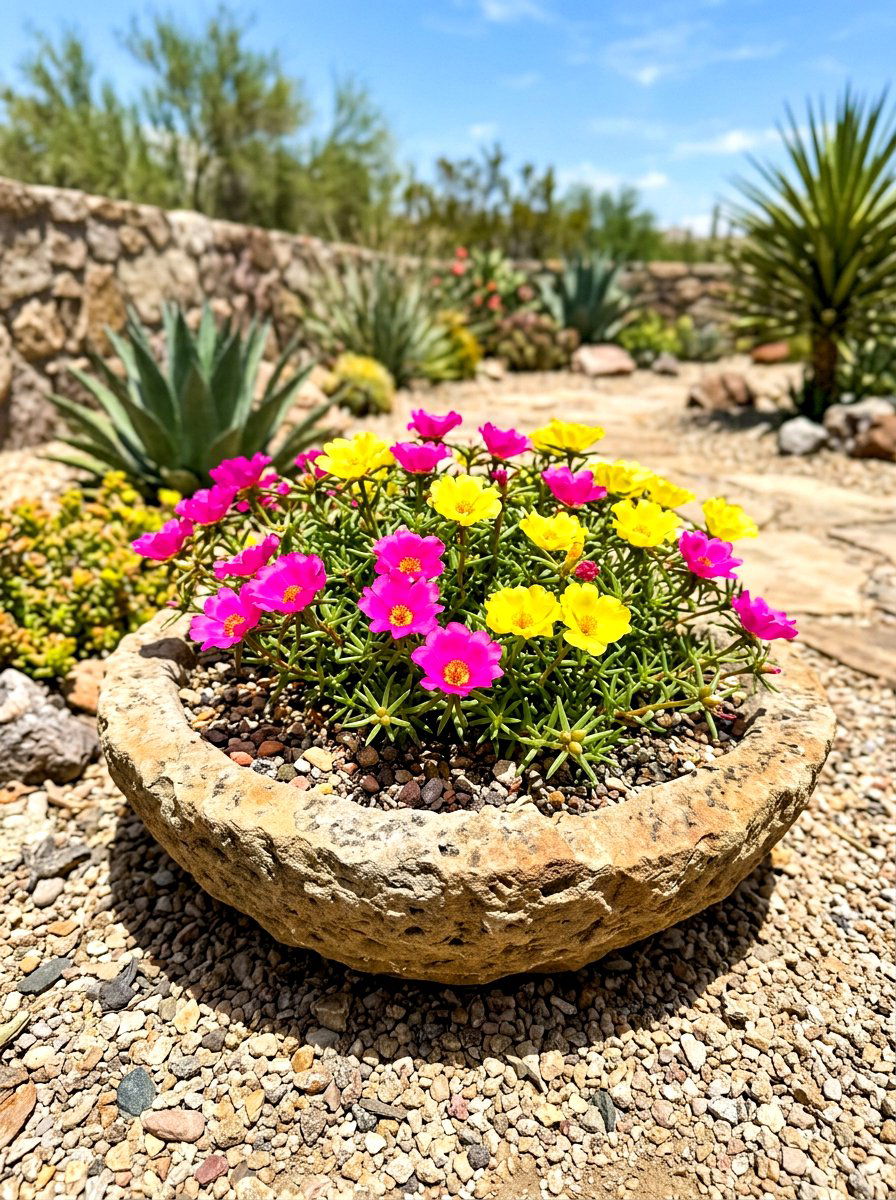
Designing a drought tolerant perennial garden is an excellent strategy for saving water and dealing with hot, dry summers. These gardens use plants that have evolved to store moisture or minimize water loss through their leaves. Succulents like sedum are perfect choices, along with silver-leaved plants like lamb's ear and lavender. These species often have deep root systems that can find water even during long dry spells. Using gravel or decorative rocks as mulch can further help retain soil moisture and give the bed a clean, xeriscaped look. This type of garden is incredibly tough and stays looking great even when water restrictions are in place.
9. Rock garden perennial plants
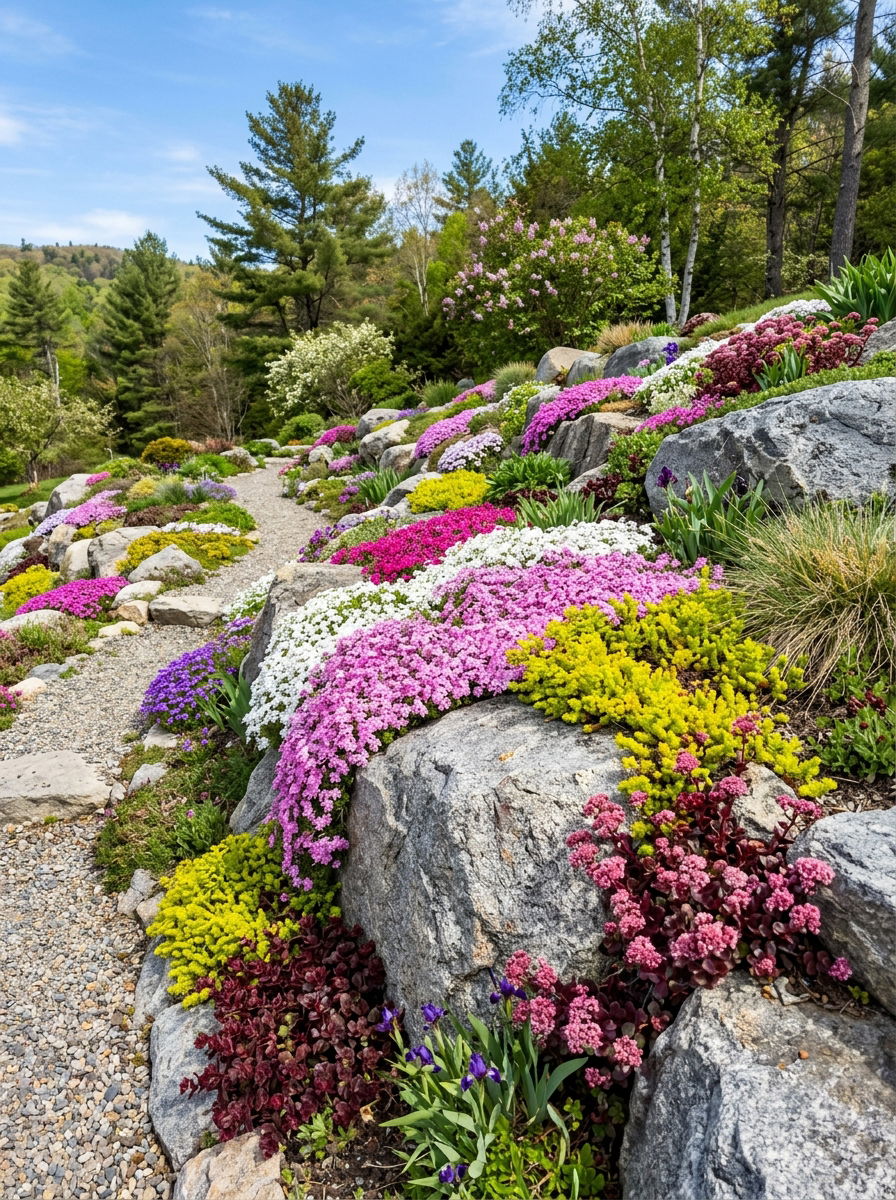
Rock garden perennial plants are ideal for sloped areas or yards with poor, rocky soil where traditional gardens struggle to grow. This design mimics high-altitude mountain environments by using low-growing, mat-forming plants tucked between large stones. Creeping phlox and stonecrop are classic choices that provide a colorful carpet of blooms in the early spring. The stones help to drain the soil quickly, which is essential for many alpine species that hate sitting in wet dirt. This type of garden adds unique texture and architectural interest to your landscape. It is a creative way to turn a difficult terrain into a beautiful and very focal point.
10. Tall perennial flower bed
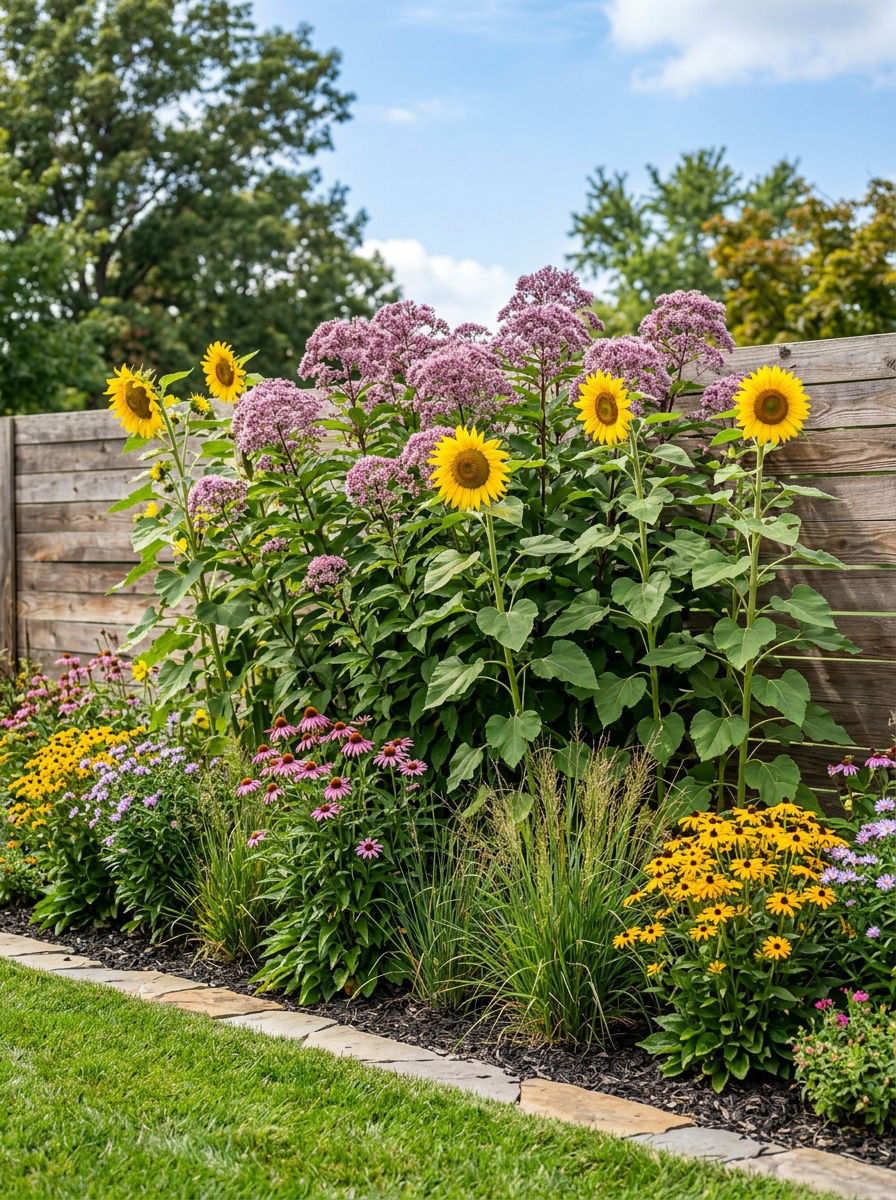
A tall perennial flower bed serves as a dramatic backdrop or a living privacy screen for your outdoor living areas. You should choose plants that reach heights of four feet or more, such as Joe Pye weed, sunflowers, or tall garden phlox. These giants provide a sense of enclosure and can hide unsightly fences or neighbors' yards effectively. To prevent the bed from looking messy, you can use sturdy stakes or decorative cages to support the heaviest bloomers. Layering shorter plants in front will create a tiered effect that leads the eye upward. This design adds significant vertical scale and makes a bold statement in any large backyard.
11. Short perennial garden border
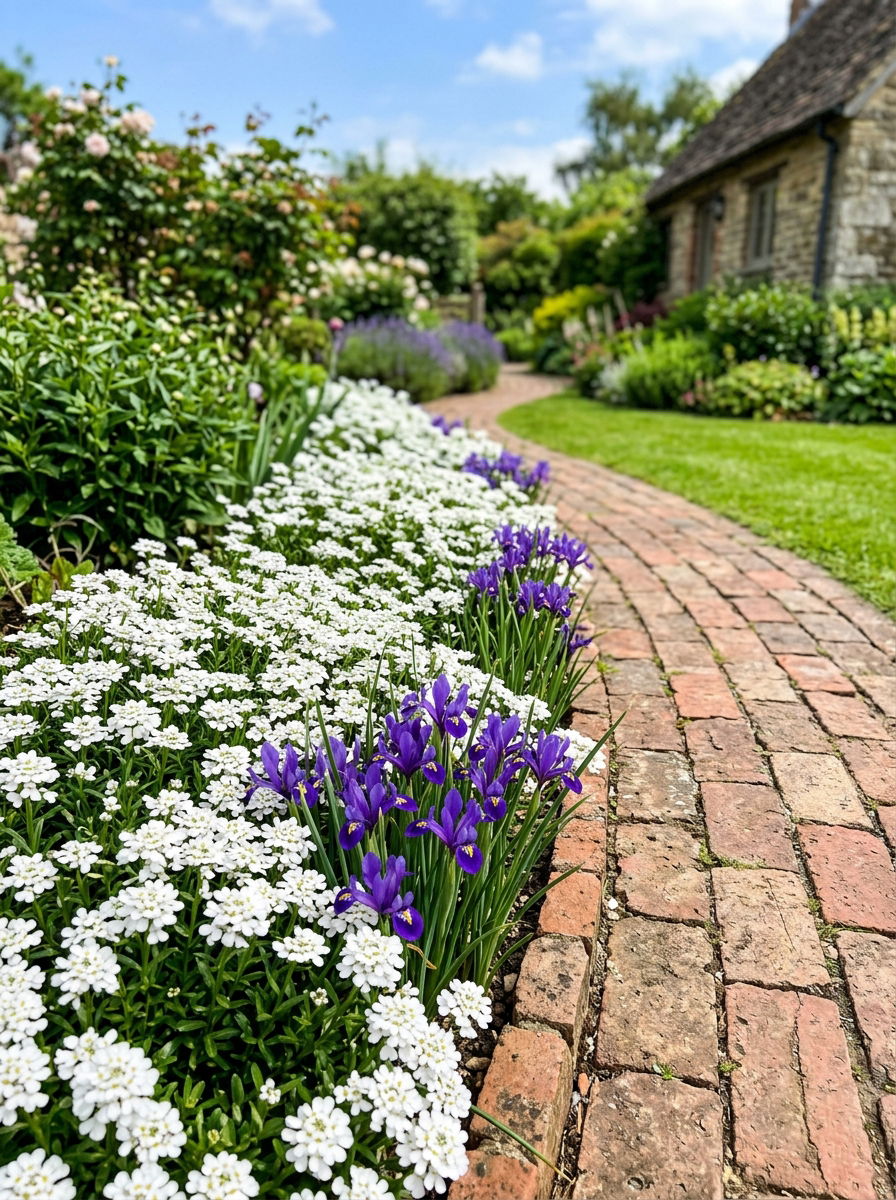
A short perennial garden border is perfect for lining walkways, framing patios, or edging larger flower beds without blocking the view. These low-growing plants typically stay under twelve inches tall and create a neat, tidy transition between the lawn and the taller garden sections. Consider using sweet alyssum, candytuft, or dwarf bearded iris for a compact and colorful display. Many of these plants are evergreen, meaning they provide some green color even during the colder winter months. Because they are at eye level when you are walking, you can really appreciate the small details of their flowers and foliage. It is a subtle but effective way to finish a landscape.
12. Monochromatic white perennial garden
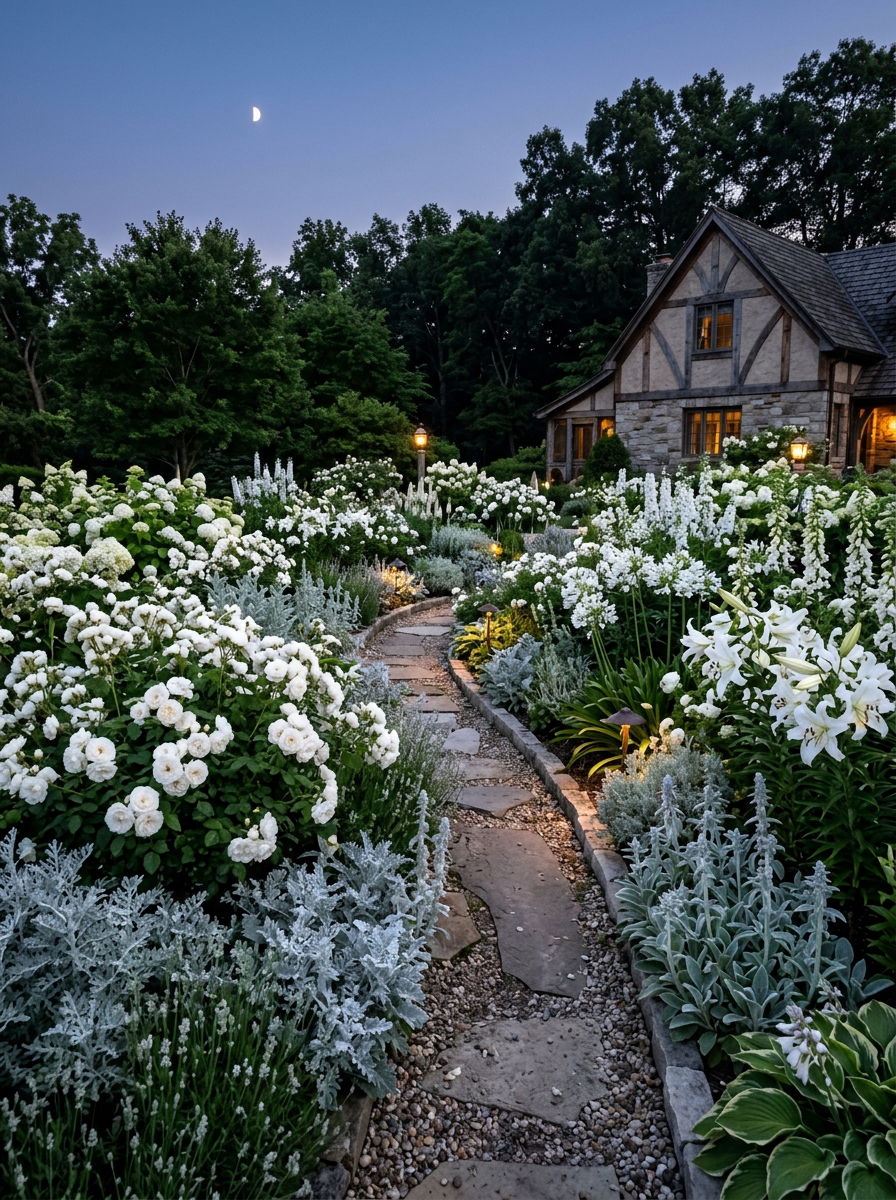
The monochromatic white perennial garden, often called a moon garden, is designed to look luminous and peaceful, especially in the evening. By using only white flowers and silver foliage, you create a space that reflects the moonlight and glows in the dark. White roses, hydrangeas, and lilies are classic choices that offer different shapes and heights. You can also include variegated plants with white edges on their leaves to add extra brightness. This sophisticated color scheme feels very elegant and can make a small garden space appear much larger. It provides a serene place to relax after a long day at work when the sun starts to set.
13. Purple perennial flower bed
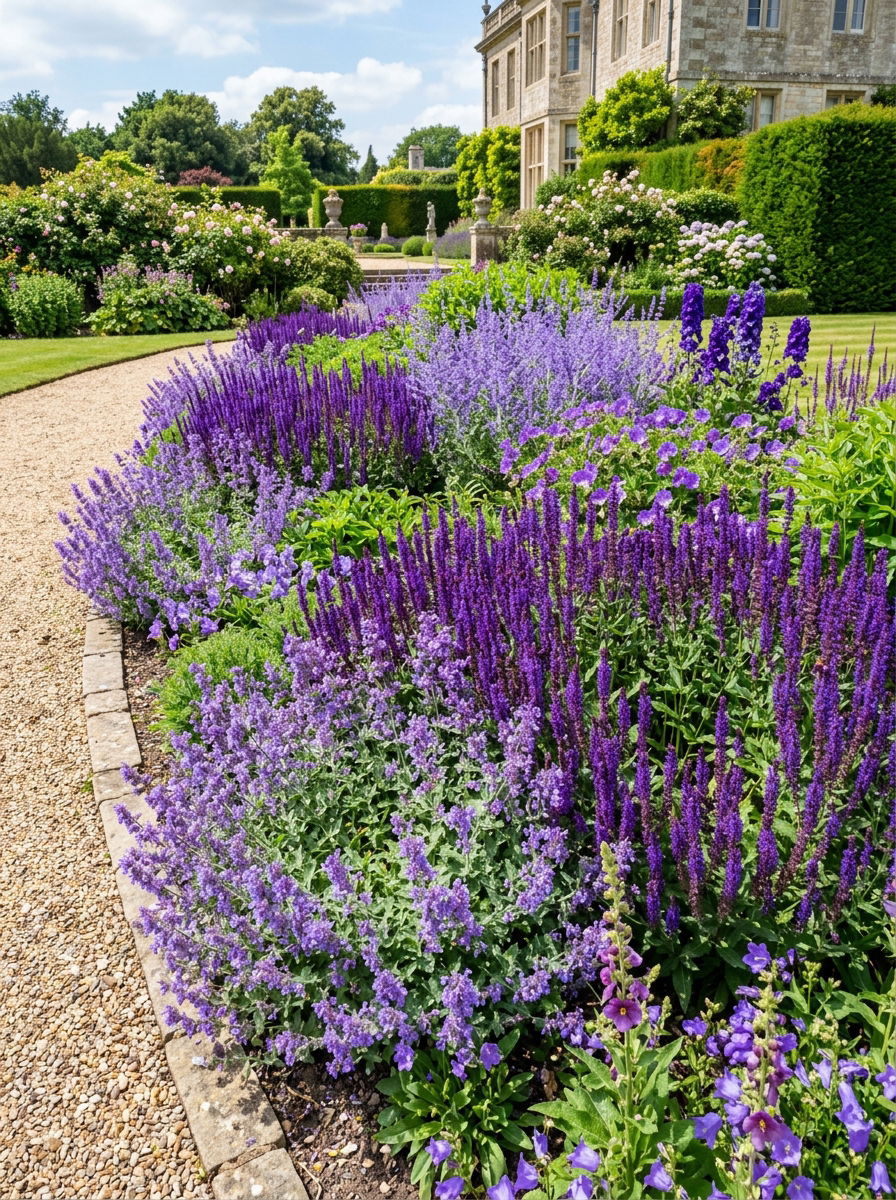
A purple perennial flower bed offers a rich and regal look that feels both calming and visually striking. Purple is a very common color in the world of perennials, making it easy to find a wide variety of plants. You can combine deep violet salvia with light lavender catmint for a beautiful layered effect. Adding some silver-foliaged plants like artemisia can help the purple tones stand out even more. This color palette is very popular because it attracts many different types of pollinators, especially bees. Whether you prefer soft pastels or bold, dark hues, a purple-themed garden is a timeless choice that always looks professional and well-coordinated.
14. Mixed perennial and shrub garden
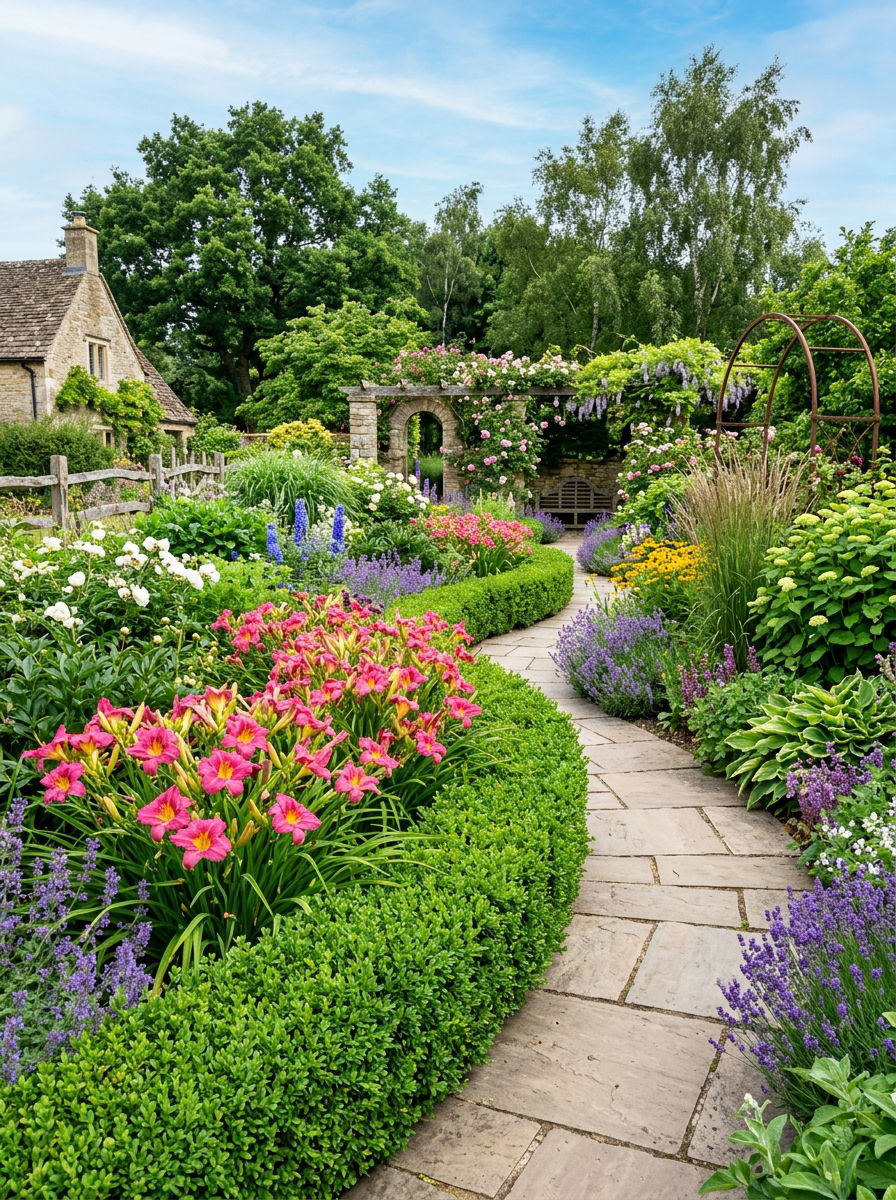
A mixed perennial and shrub garden combines the long-lasting structure of woody plants with the seasonal color of flowering perennials. Shrubs like azaleas or boxwoods provide a green framework that stays in place all year long, even in winter. You can then fill the gaps with perennials like daylilies and coral bells to add variety and blooming interest. This combination ensures that your garden never looks completely empty, even when the perennials go dormant in the fall. The different heights and textures create a very mature and balanced landscape design. It is a practical way to build a garden that offers beauty through every single season of the year.
15. Raised bed perennial garden
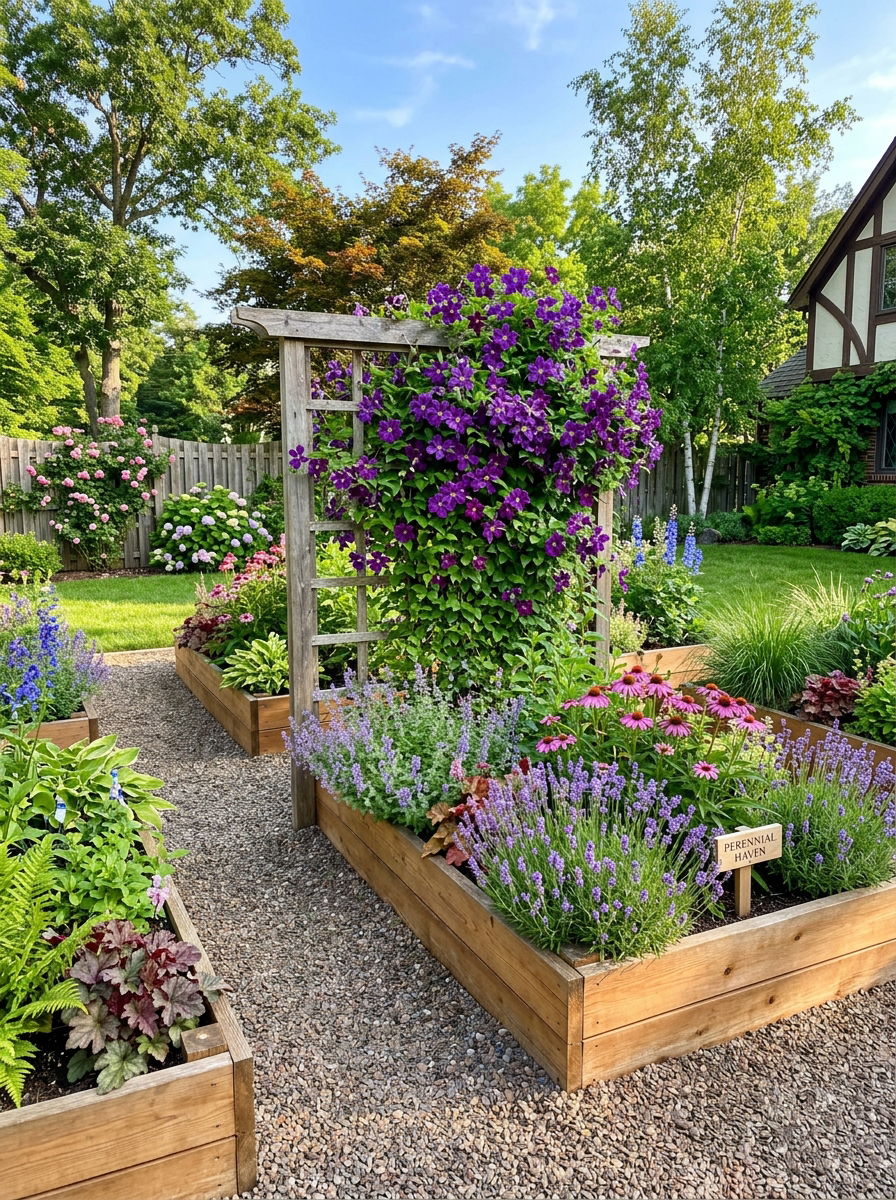
A raised bed perennial garden is a smart solution for homeowners with poor soil or those who prefer a more organized gardening experience. By building wooden or stone frames, you can fill them with high-quality potting soil tailored to your plants' specific needs. This elevated design also makes it much easier on your back and knees when you are planting or weeding. Raised beds provide excellent drainage, which many perennials need to survive cold and wet winters. You can even attach trellises to the back of the beds for climbing plants like clematis. It is a very tidy way to grow a productive and highly attractive garden.
16. Perennial garden for butterflies
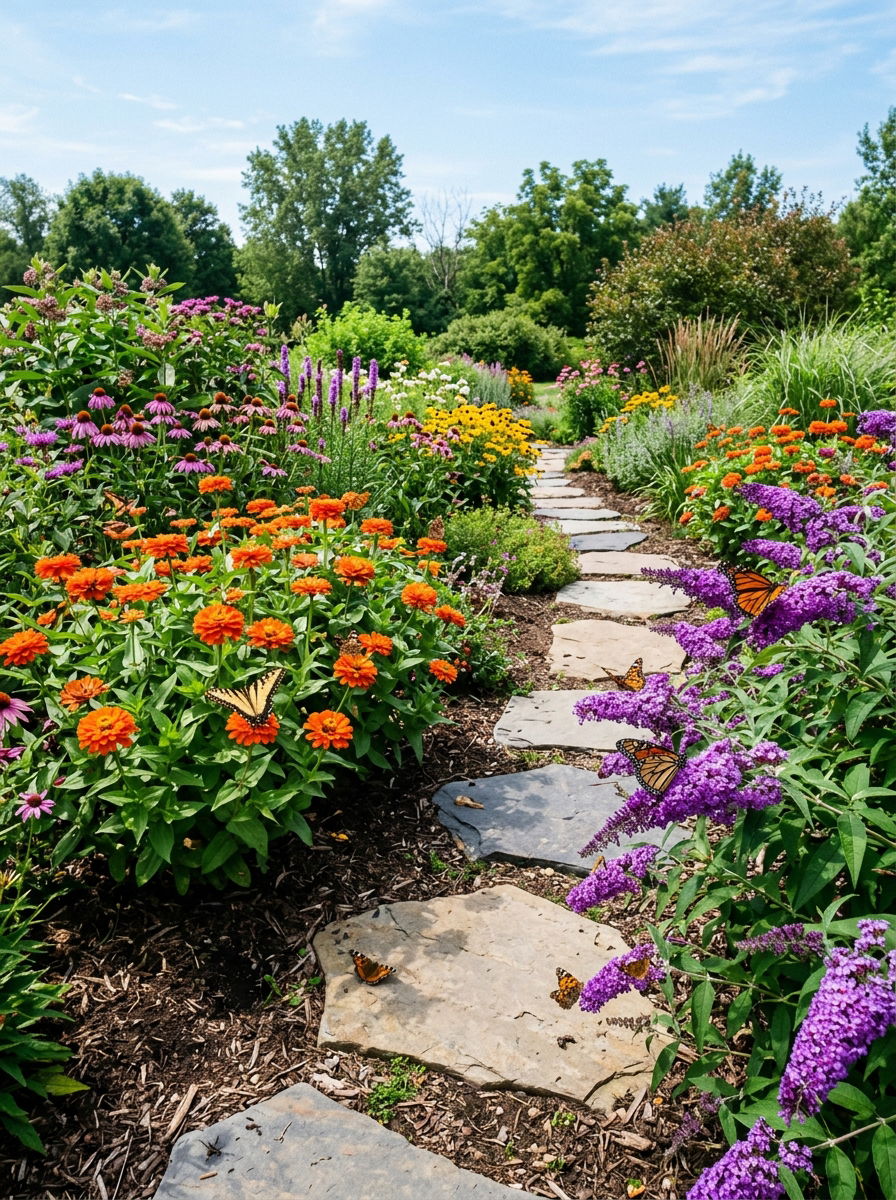
Creating a perennial garden for butterflies involves planting a specific mix of nectar-rich flowers and host plants for their larvae. Butterflies are attracted to bright colors like red, orange, and yellow, so plants like zinnia and butterfly bush are excellent additions. It is crucial to include plants like milkweed or parsley where butterflies can lay their eggs safely. Providing a flat stone in a sunny spot allows butterflies to rest and warm their wings between flights. Including a small, shallow water source or a "puddling" area will also keep them coming back to your yard. This type of garden brings life and movement to your outdoor space every day.
17. Deer resistant perennial garden
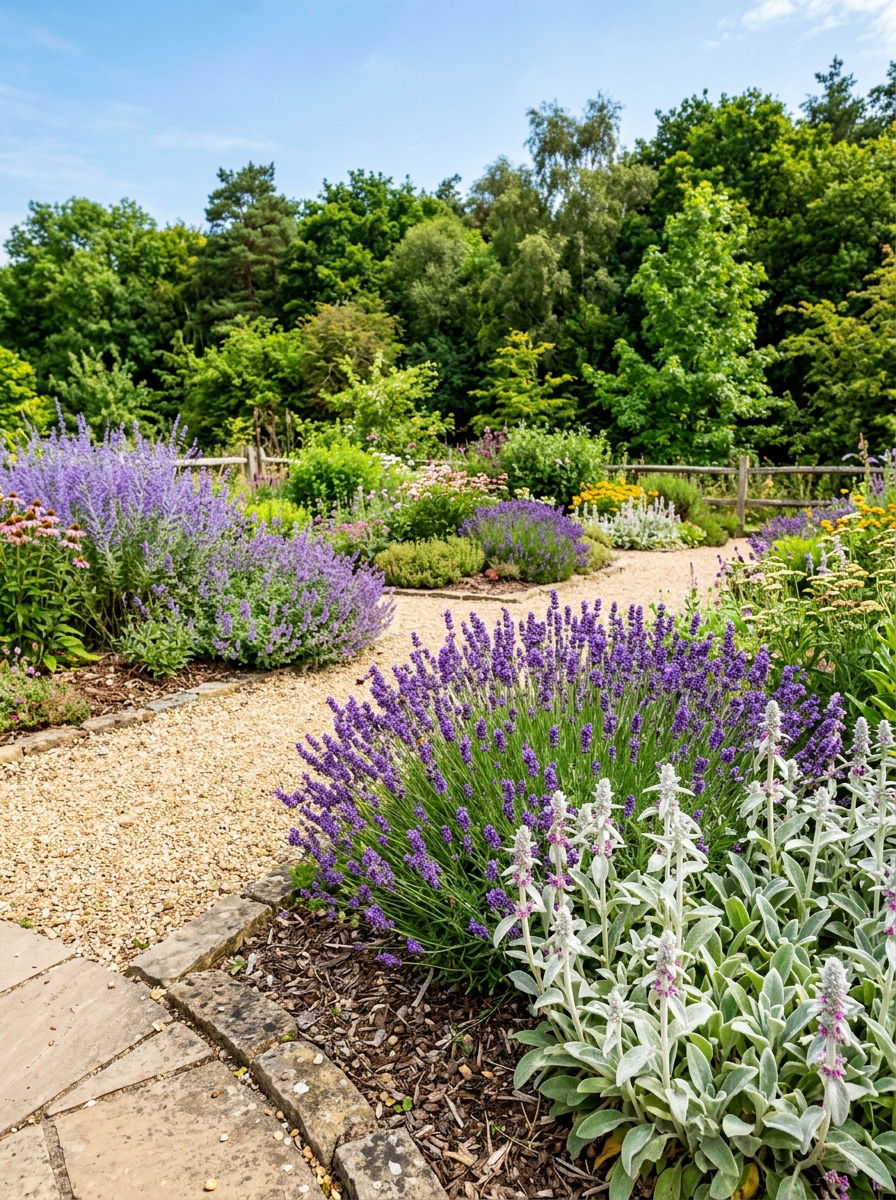
A deer resistant perennial garden is essential if you live in an area where local wildlife likes to treat your yard as a buffet. While no plant is completely deer-proof, many perennials have scents, textures, or tastes that deer naturally avoid. Herbs like lavender and sage are great choices because their strong aromas are unpleasant to deer. You can also use plants with fuzzy or prickly leaves, such as lamb's ear or globe thistle. Bleeding hearts and daffodils are also generally safe from browsing animals. By choosing the right species, you can enjoy a lush and flowering garden without the constant frustration of seeing your hard work eaten overnight.
18. Fragrant perennial garden
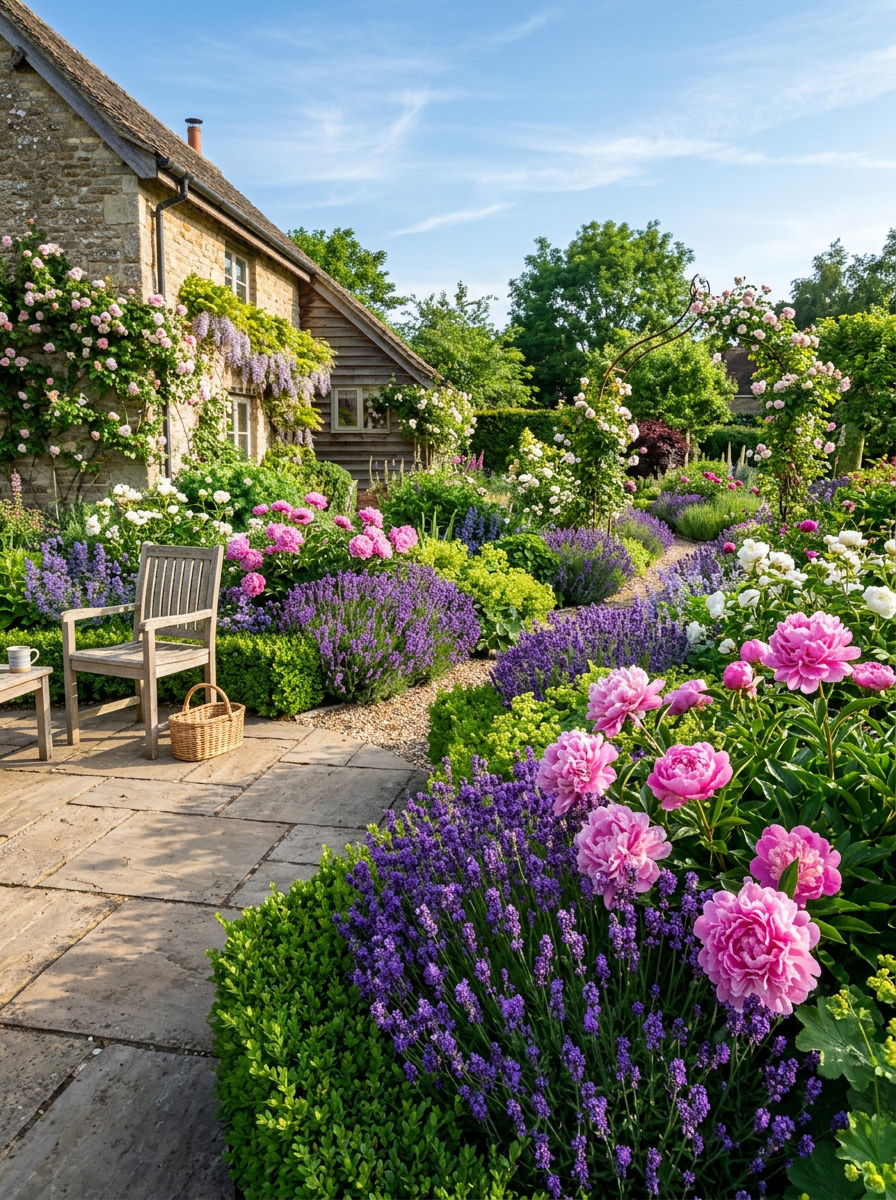
A fragrant perennial garden engages your sense of smell and creates an immersive experience that goes beyond just visual beauty. Placing aromatic plants near a patio or an open window allows you to enjoy their scents throughout the day. English lavender, peonies, and garden phlox are famous for their sweet and powerful perfumes. Some plants, like evening primrose, release their fragrance only at night, adding a magical element to your evening walks. You can also include aromatic foliage like mint or lemon balm that releases a scent when you brush against it. A fragrant garden feels like a private spa and makes your outdoor space much more memorable.
19. Edible perennial garden
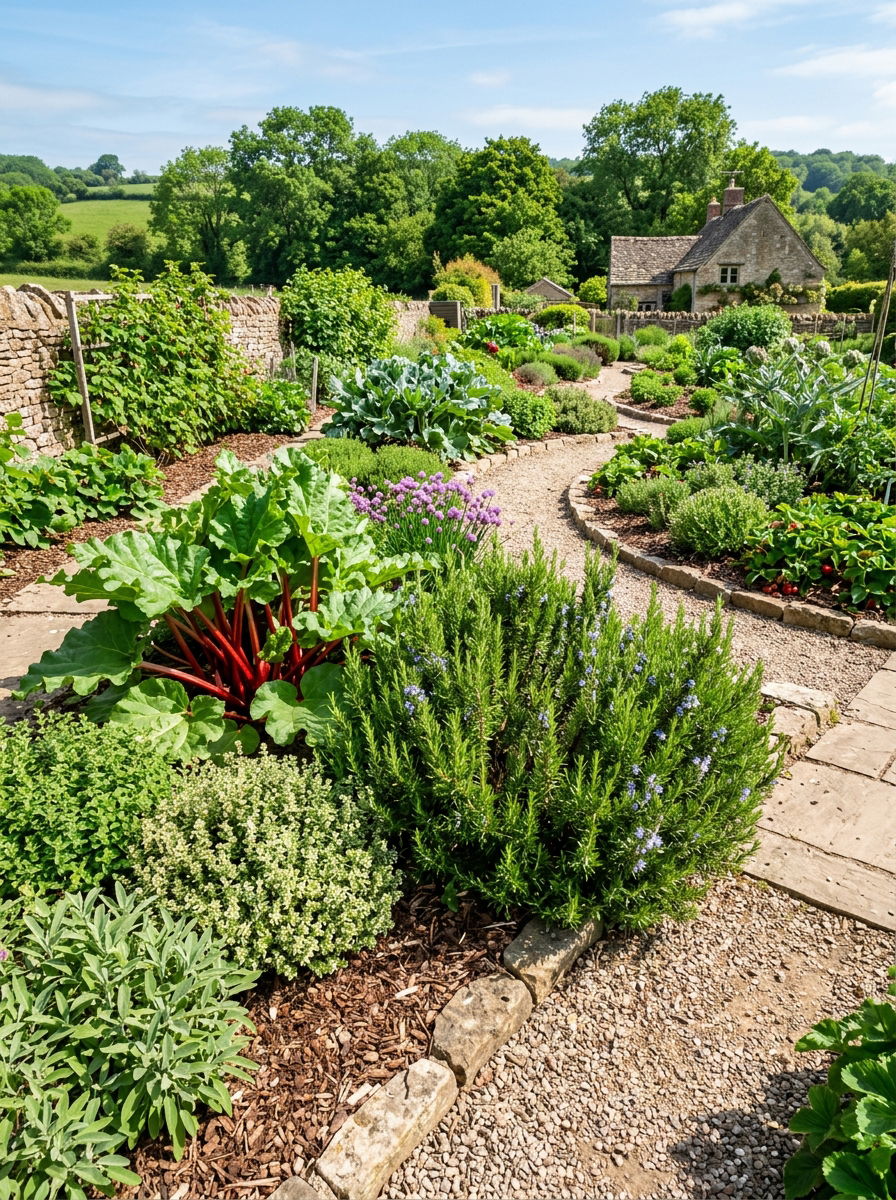
An edible perennial garden combines the beauty of flowers with the functionality of growing your own food at home. Many perennials are actually delicious and can be used in your cooking throughout the year. Rhubarb and asparagus are classic vegetable perennials that come back every spring with very little effort. You can also include edible flowers like pansies and violets to decorate your salads or desserts. Herbs like rosemary, thyme, and chives are beautiful in the garden and essential in the kitchen. This type of garden is very sustainable and rewards you with fresh, organic produce while also looking like a traditional, ornamental flower bed.


20. Perennial garden for clay soil
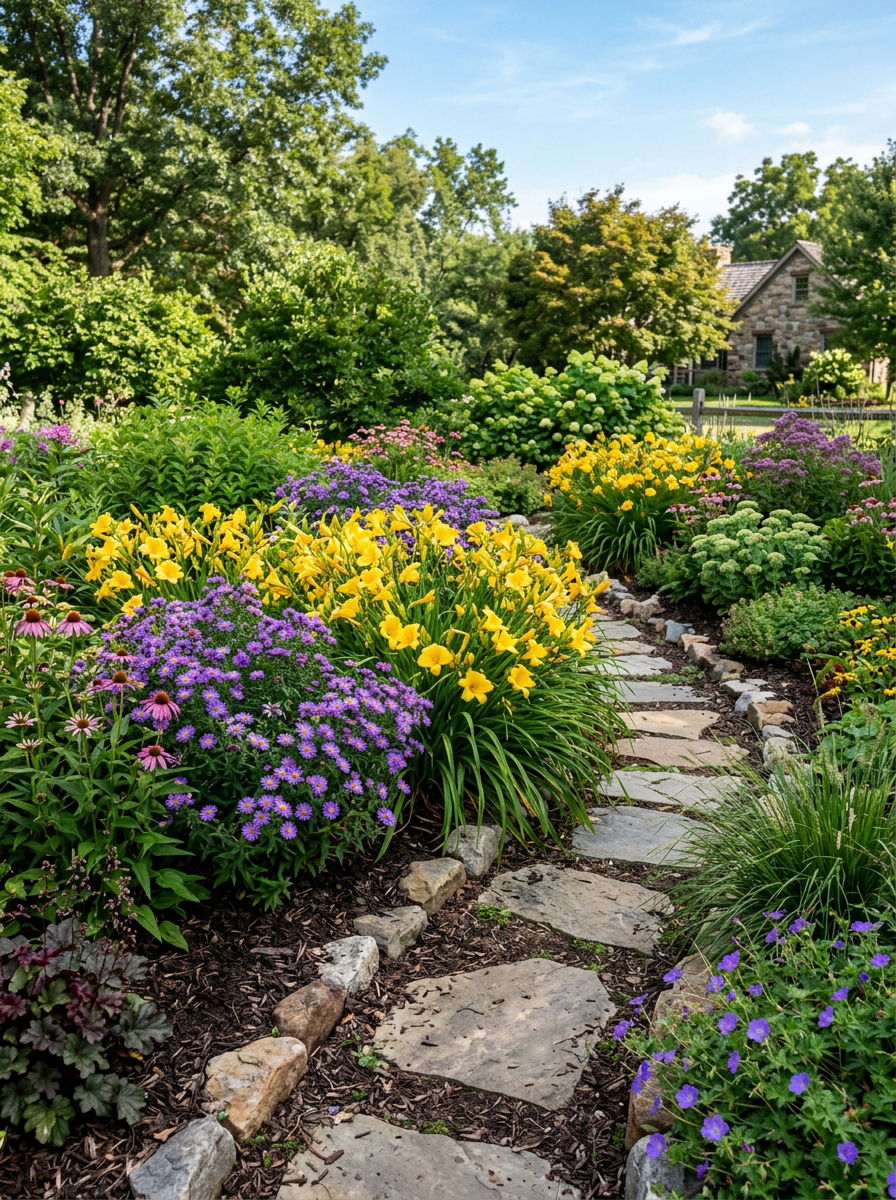
A perennial garden for clay soil focuses on plants that can handle heavy, dense ground that often stays wet for long periods. Many gardeners struggle with clay, but certain perennials like daylilies, aster, and switchgrass actually thrive in these conditions. These plants have strong root systems that can penetrate the tough soil and find the nutrients they need to grow. Adding organic matter like compost when you plant can help improve the drainage over time. You should avoid plants that need "perfect" drainage, as their roots will likely rot in heavy clay. With the right selection, you can have a beautiful garden that looks lush and very healthy.
21. Perennial garden for sandy soil
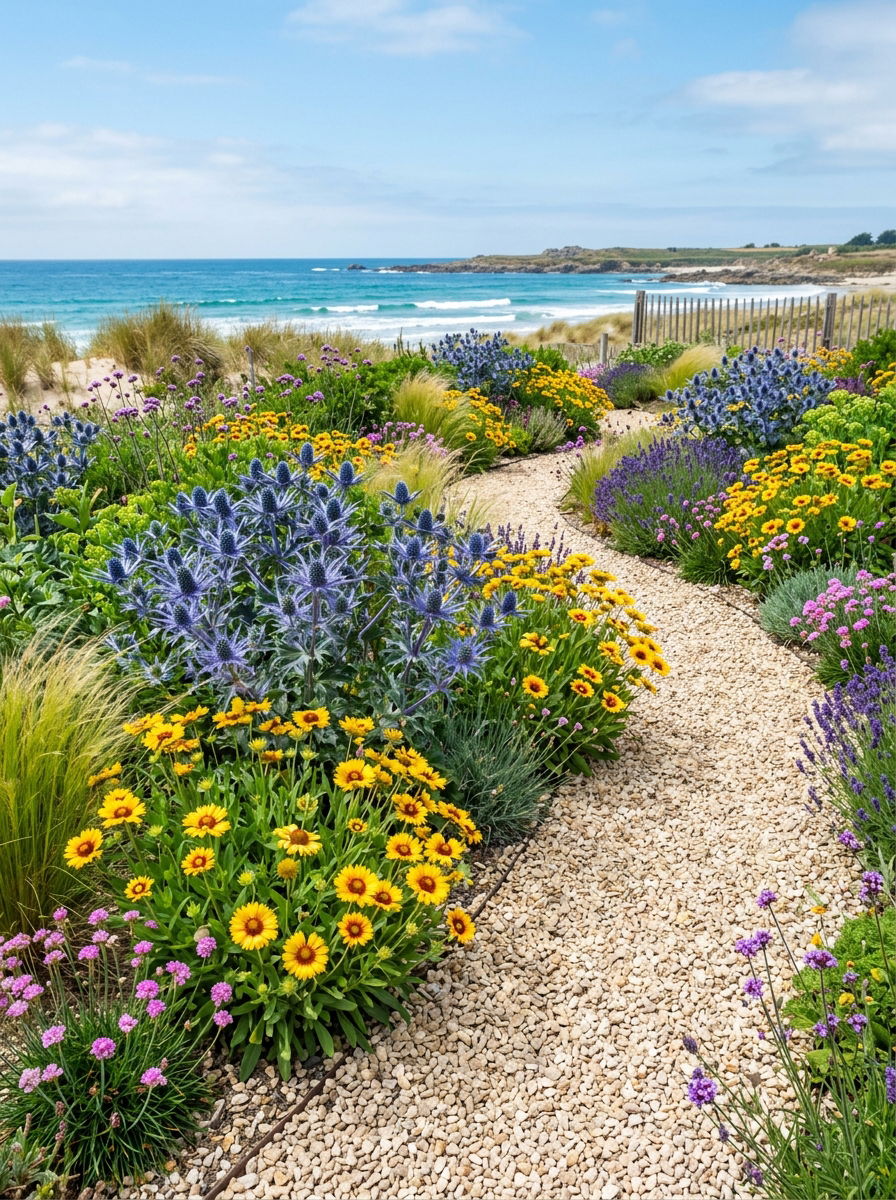
Designing a perennial garden for sandy soil requires plants that are adapted to quick drainage and low nutrient levels. Sandy soil can be challenging because it dries out very fast and doesn't hold onto water or fertilizers well. However, many Mediterranean and coastal plants like sea holly, yarrow, and blanket flower love these exact conditions. These species often have deep taproots or waxy leaves that help them survive in dry environments. Using a thick layer of mulch is particularly important in sandy beds to slow down evaporation. A sandy soil garden often has a bright, airy feel that works perfectly for a coastal or modern landscape design style.
22. Woodland perennial garden
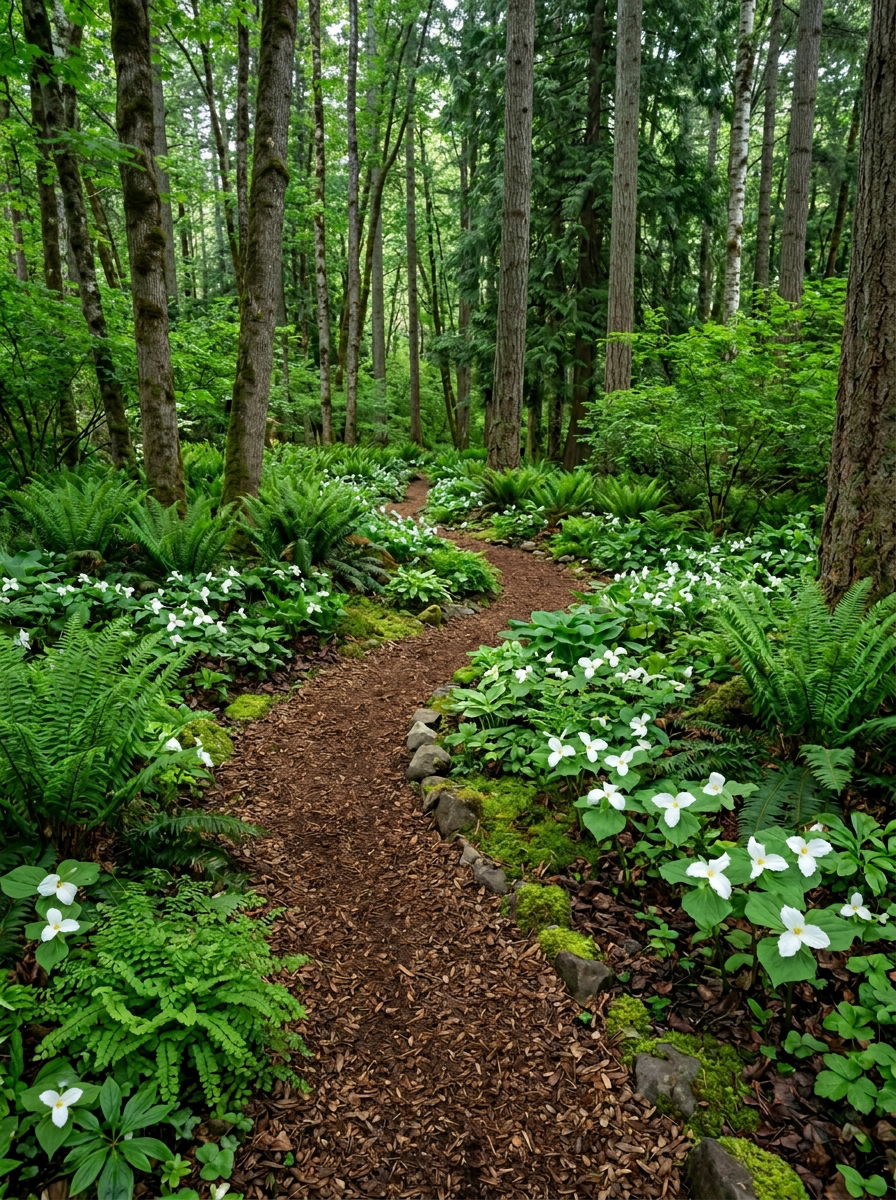
A woodland perennial garden mimics the natural beauty of a forest floor and is perfect for areas under large, mature trees. This style uses layers of plants to create a lush and green environment that feels very cool and shaded. Ferns, trilliums, and wild ginger are classic woodland species that love the dappled light and rich, leaf-mulched soil. You can add a winding bark path or a simple wooden bench to make the area feel like a hidden retreat. This type of garden is very low maintenance because it relies on the natural cycle of falling leaves to fertilize the ground. It is a peaceful and very serene escape.
23. Hummingbird perennial garden
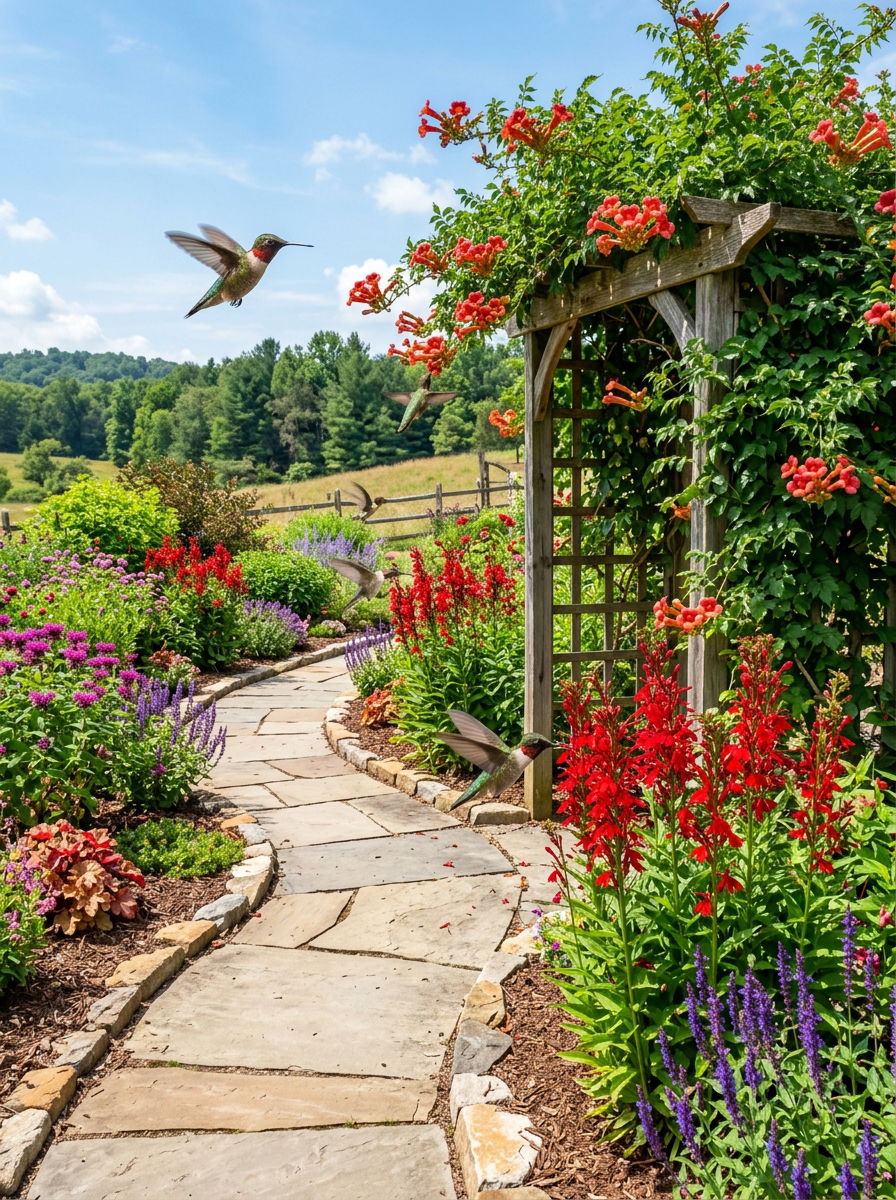
A hummingbird perennial garden is filled with bright, tubular flowers that are specifically designed to attract these tiny, fast-moving birds. Hummingbirds are particularly drawn to the color red, so plants like cardinal flower and bee balm are must-have additions. They also love trumpet vine and columbine for their high nectar content and unique flower shapes. It is important to avoid using garden chemicals that could harm the birds while they are feeding. Providing a nearby perch, like a thin branch or a wire, gives them a place to rest and watch their territory. This garden is full of energy and is a joy to watch during the summer.
24. Cut flower perennial garden
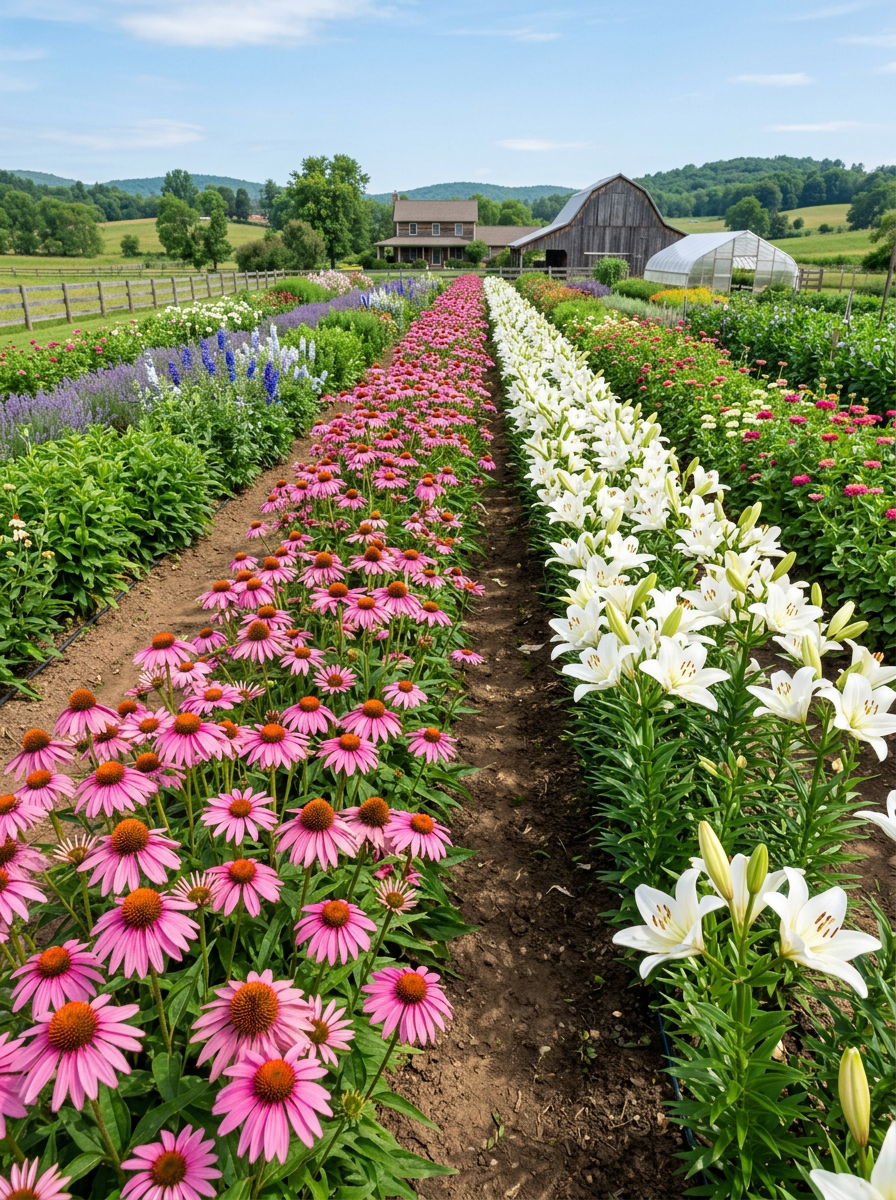
A cut flower perennial garden is designed specifically so you can harvest beautiful blooms for vases and arrangements inside your home. You should choose plants with long, sturdy stems and flowers that last a long time after they are cut. Peonies, coneflowers, and lilies are all excellent choices for a cutting garden. Planting in rows can make it easier to access the flowers without stepping on other plants. The more you cut the flowers, the more the plants are often encouraged to produce even more blooms. This type of garden allows you to bring the beauty and fragrance of your yard indoors to enjoy every single day.
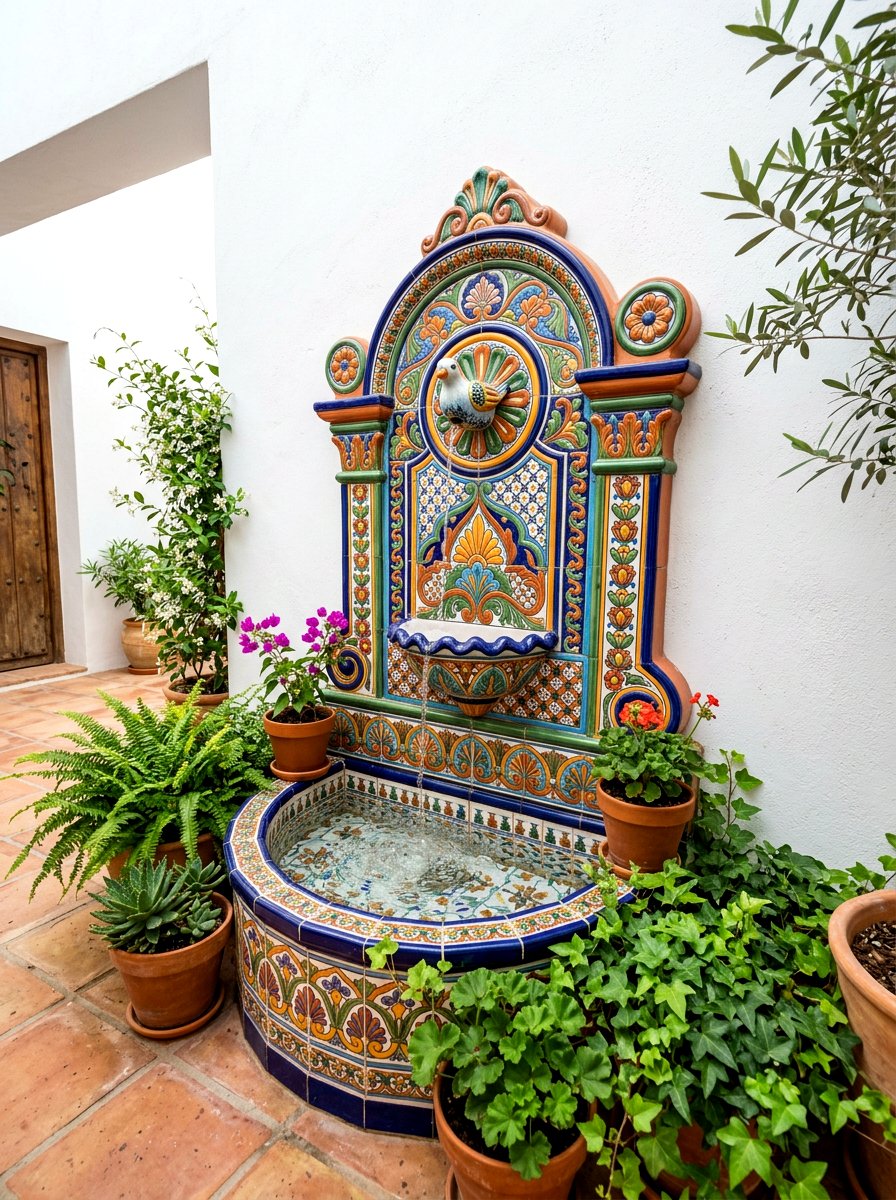
25. Layered perennial garden
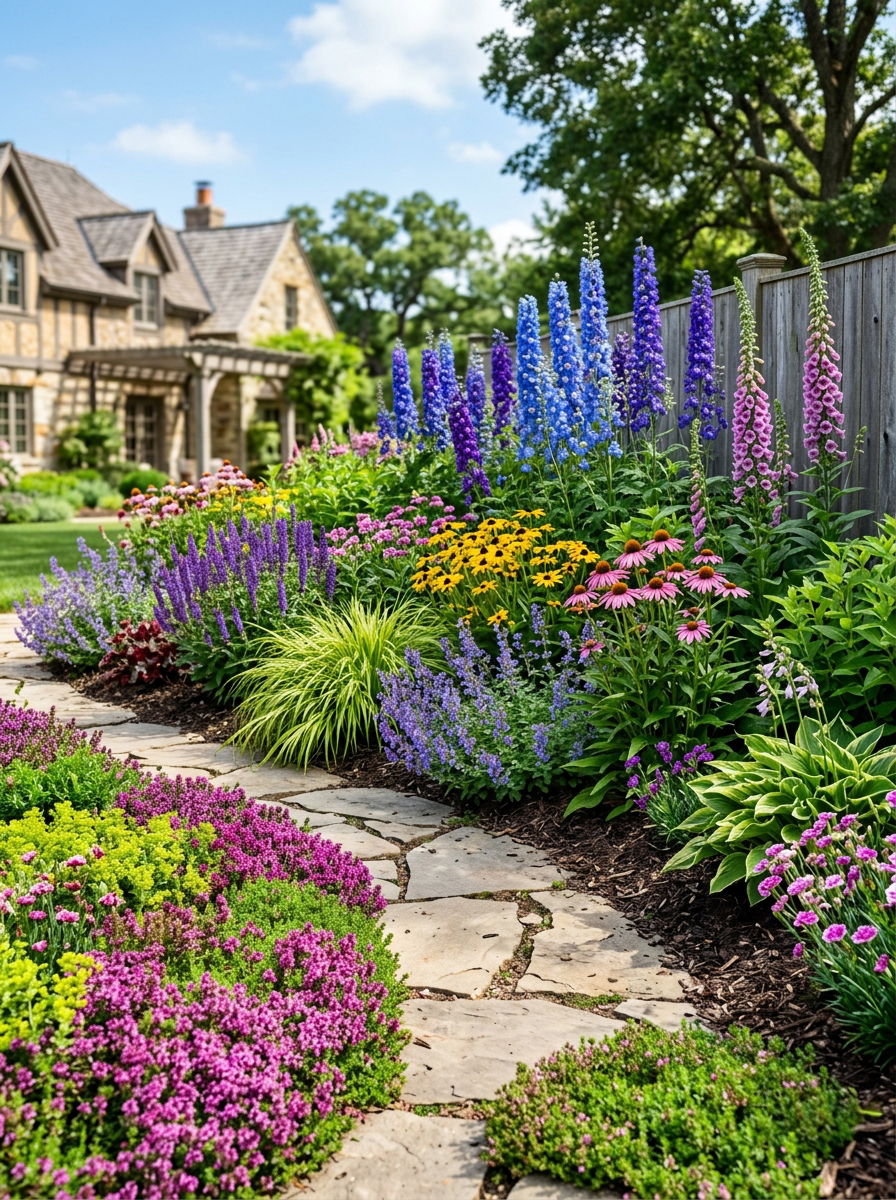
The layered perennial garden uses height to its advantage, creating a full and professional-looking display that has visual interest at every level. You place the tallest plants in the back, medium plants in the middle, and the shortest ones right at the front edge. This ensures that every plant is visible and that the bed looks dense and lush from top to bottom. Good combinations include tall delphiniums behind medium-sized black-eyed Susans and low-growing creeping thyme. This structural approach prevents the garden from looking flat and helps to maximize the space in a small yard. It is a classic design technique that works in almost any gardening style.
26. Minimalist perennial garden
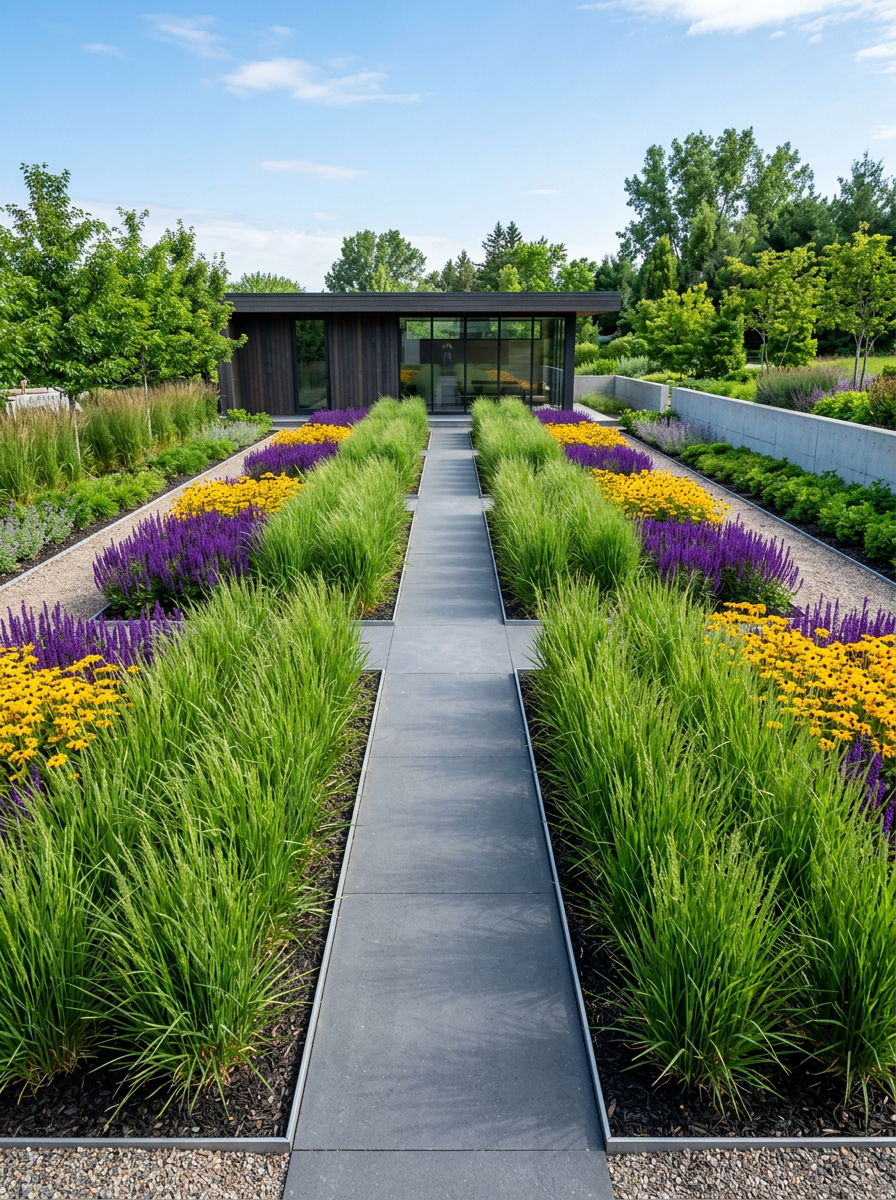
A minimalist perennial garden focuses on simplicity, using a very limited number of plant species to create a clean and impactful look. Instead of a chaotic mix of colors, you might choose just two or three types of plants and repeat them in large groups. Ornamental grasses and structural evergreens are often used to provide year-round form without the need for constant deadheading. This style is perfect for busy homeowners who want a high-end look with very little work. The focus is on the shape of the plants and the negative space around them. It creates a very calm and modern atmosphere that feels balanced and well-designed.
27. Front yard perennial garden
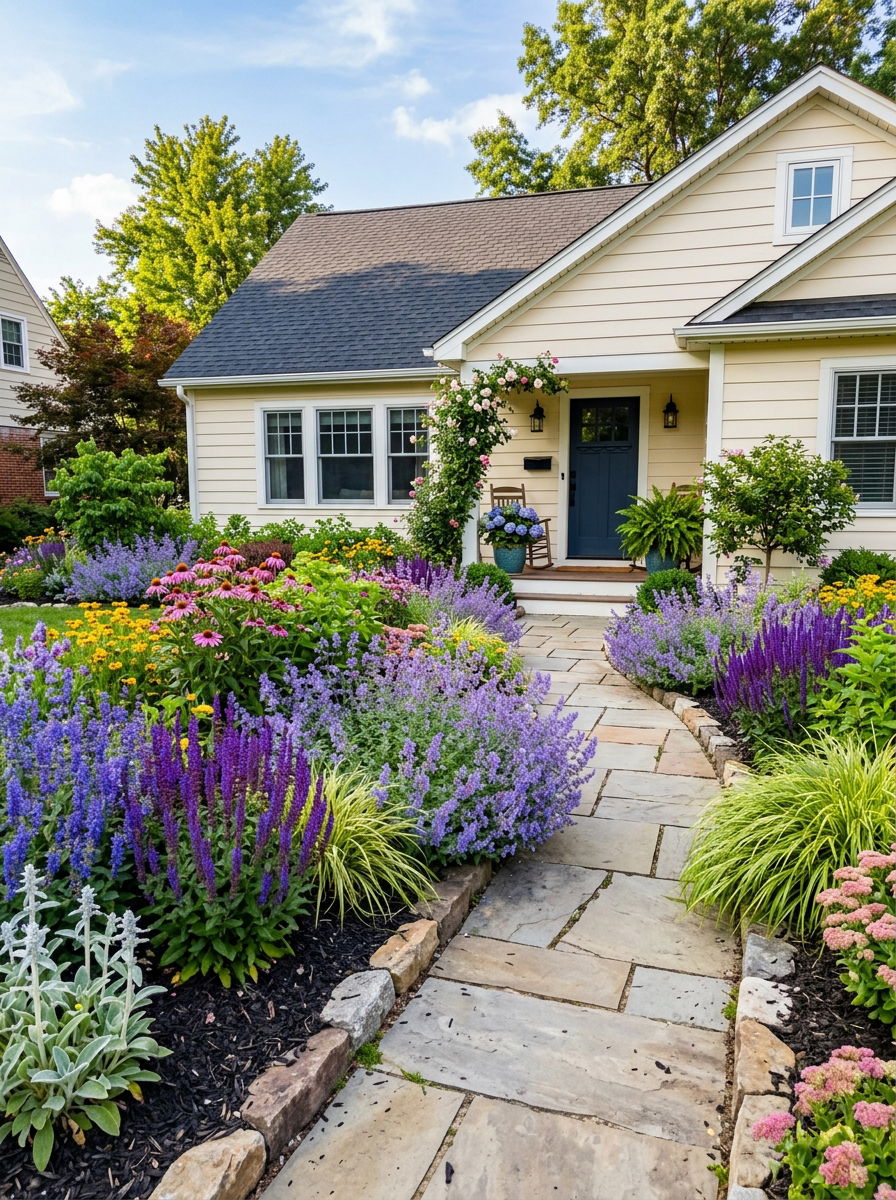
A front yard perennial garden increases your home's curb appeal and provides a warm welcome for everyone who visits. Instead of a traditional grass lawn, you can create large beds filled with colorful and inviting flowers. Choosing long-blooming plants like catmint or perennial salvia ensures that your house looks great all season long. It is a good idea to include some evergreen shrubs so the garden still has structure during the winter months. Adding a small path or a decorative birdbath can make the space feel like a curated landscape. This approach makes your home stand out in the neighborhood and shows off your personal style.
28. Backyard perennial retreat
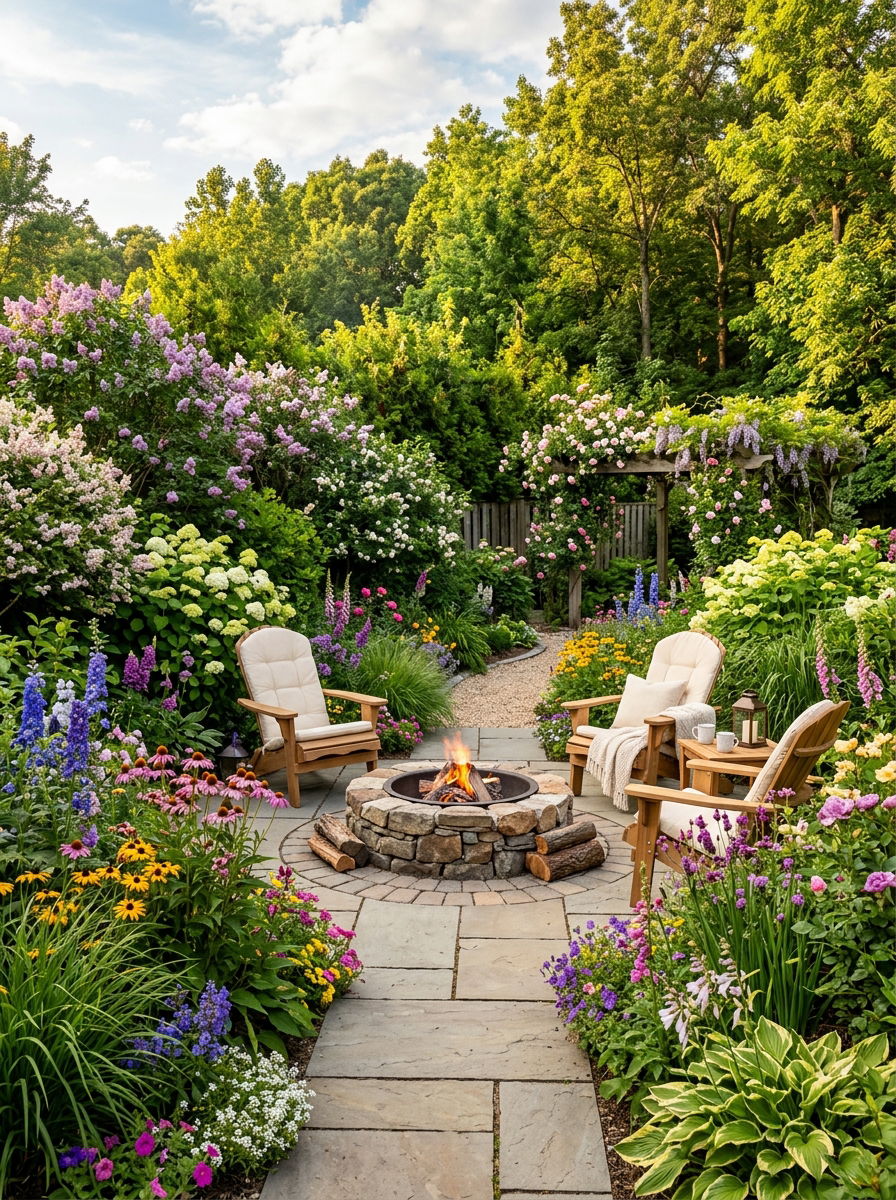
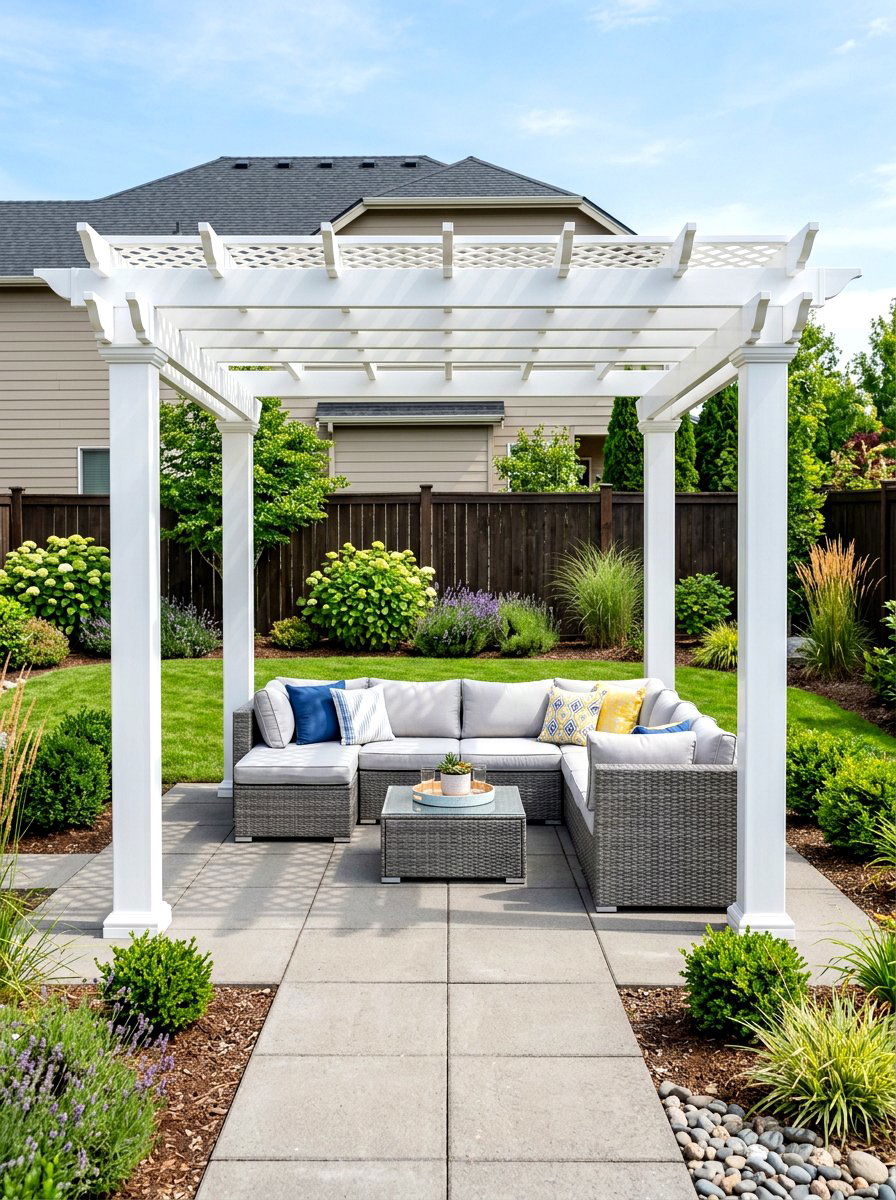
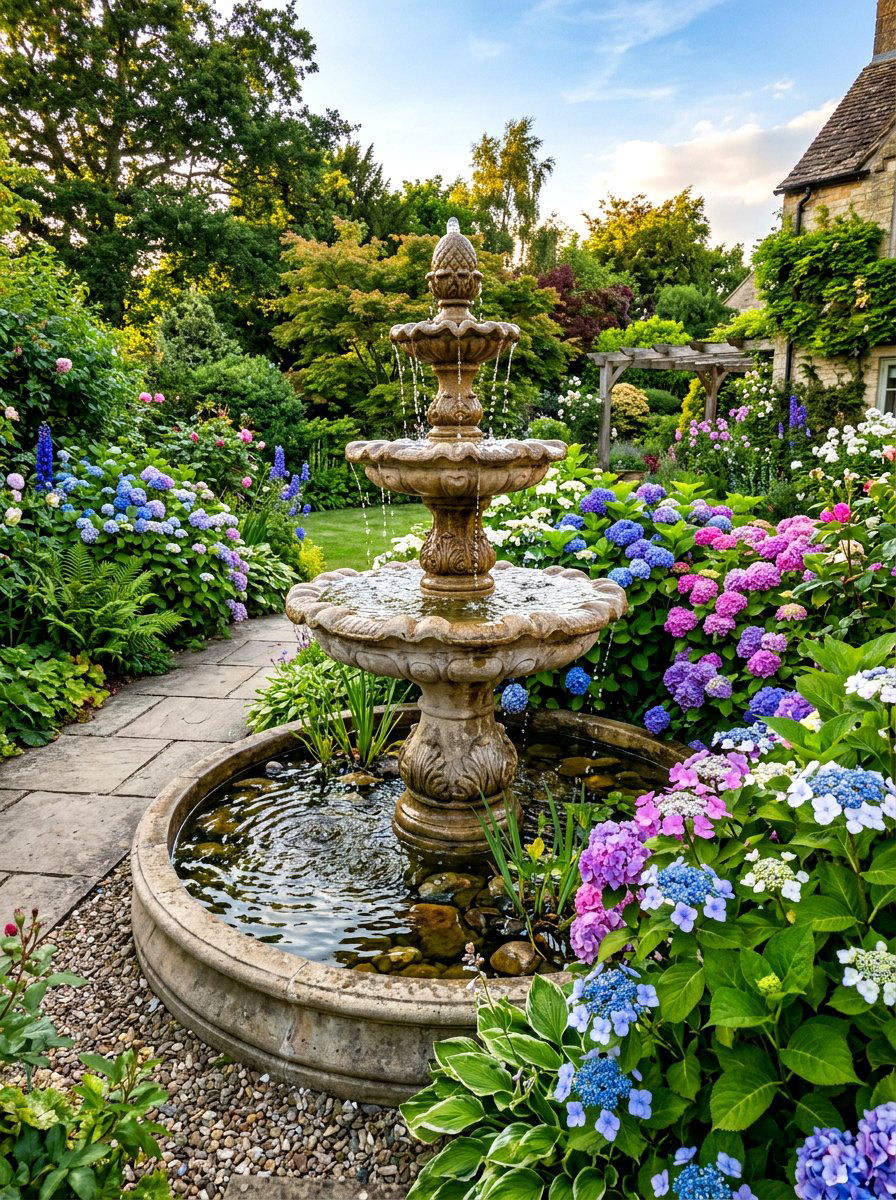
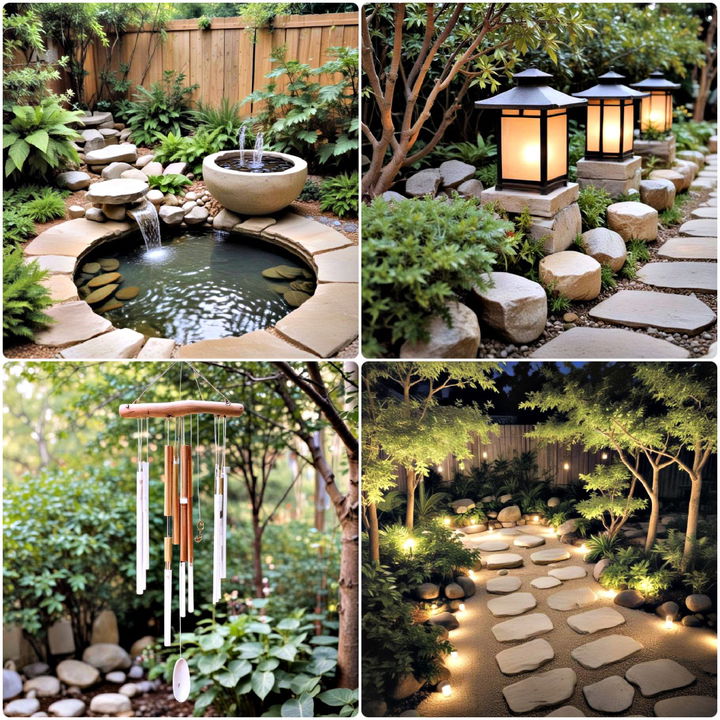
Creating a backyard perennial retreat is all about designing a private and comfortable space where you can relax and escape the world. You can use tall perennials and shrubs to create living walls that block out noise and provide a sense of seclusion. Surrounding a patio or a fire pit with fragrant flowers like jasmine or roses makes the area feel very cozy and special. Adding a small water feature, like a bubbling fountain, enhances the peaceful atmosphere of the space. This garden becomes an outdoor extension of your home where you can spend your weekends reading, resting, or entertaining friends in a beautiful setting.
29. Winter interest perennial garden
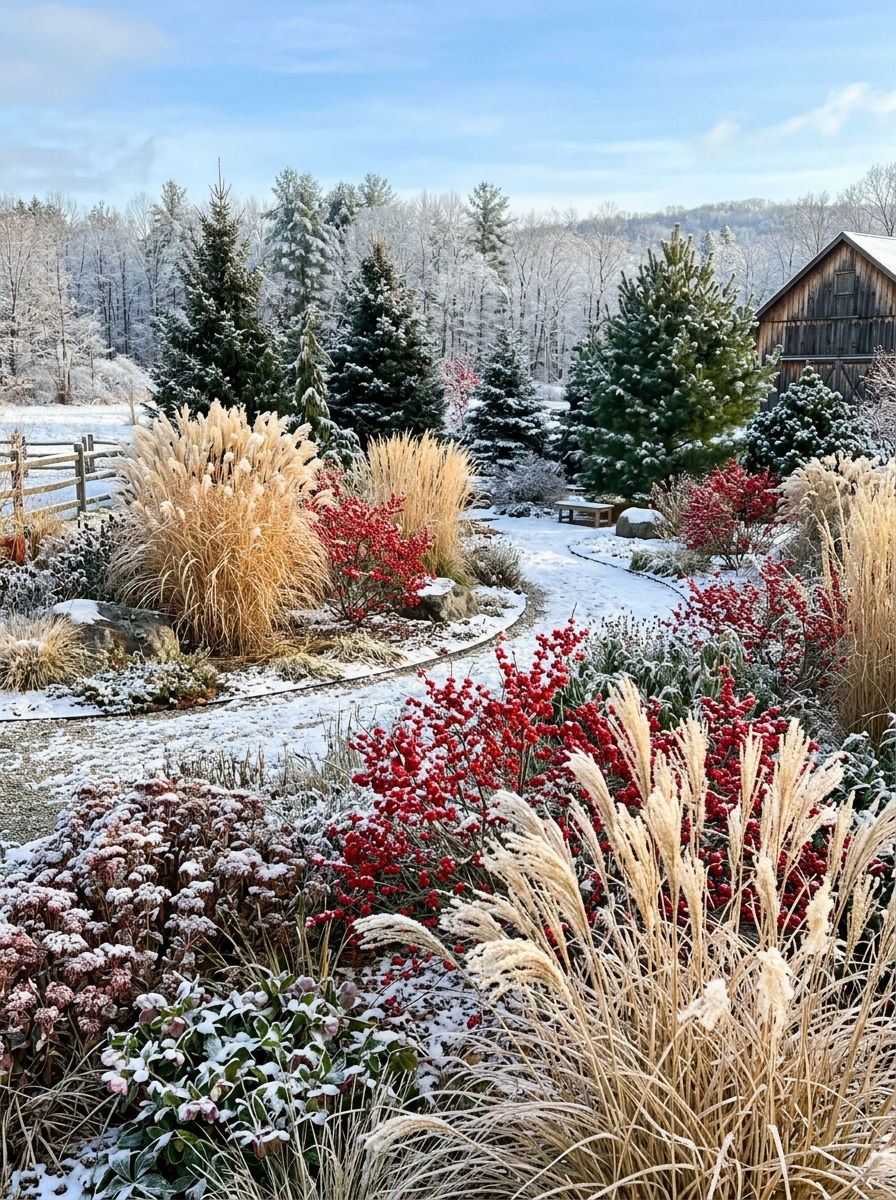
A winter interest perennial garden is designed to look good even when the colorful flowers of summer have long since faded away. You should choose plants that have interesting seed heads, colorful bark, or evergreen foliage that stands out against the snow. Ornamental grasses are perfect for this, as their dried plumes provide movement and texture all winter long. Plants like Hellebores, also known as Lenten roses, even bloom during the coldest months of the year. Sedums also leave behind sturdy stalks that look great when covered in frost. This type of garden ensures that your landscape remains attractive and full of life through the entire calendar year.
30. Mediterranean perennial garden
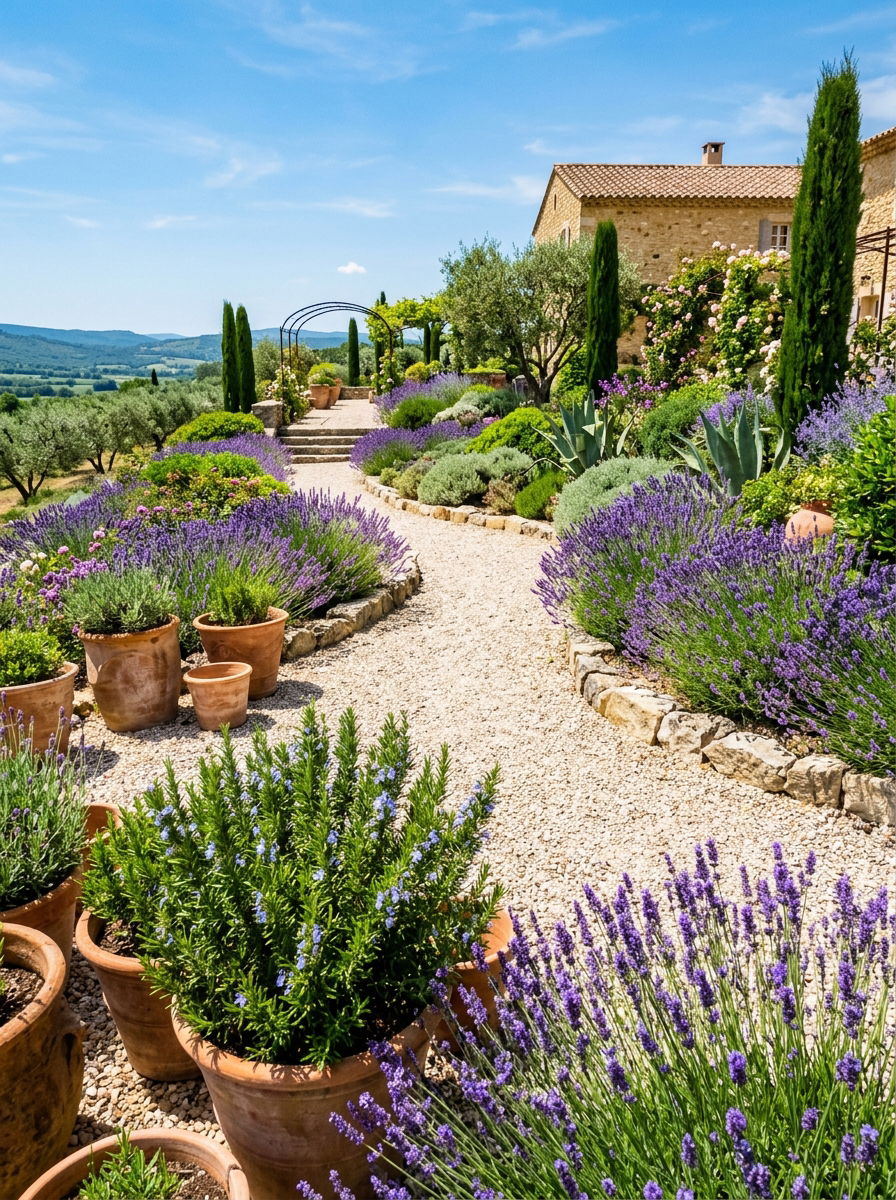
The Mediterranean perennial garden is inspired by the warm and dry climates of Southern Europe, using plants that love the sun and rocky soil. This style often features a palette of silver, blue, and purple, with plants like lavender, rosemary, and sage taking center stage. Using gravel instead of traditional mulch helps to create a sunny, well-drained environment that these plants crave. You can add terracotta pots or stone statues to enhance the authentic Mediterranean feel of the outdoor space. This type of garden is very drought tolerant and requires very little maintenance once it is established. It brings a touch of vacation vibes directly to your own backyard.
Conclusion:
Investing your time in a perennial flower bed is one of the most rewarding ways to improve your home's outdoor landscape. By choosing plants that return year after year, you save money and create a sustainable environment that grows more beautiful with time. Whether you prefer the wild look of a cottage garden or the clean lines of a modern design, there is a perennial solution for every yard. Remember to consider your local climate and soil conditions to ensure your plants thrive and stay healthy. With the right planning and care, your garden will provide endless beauty, fragrance, and joy for many seasons to come.

Related posts: