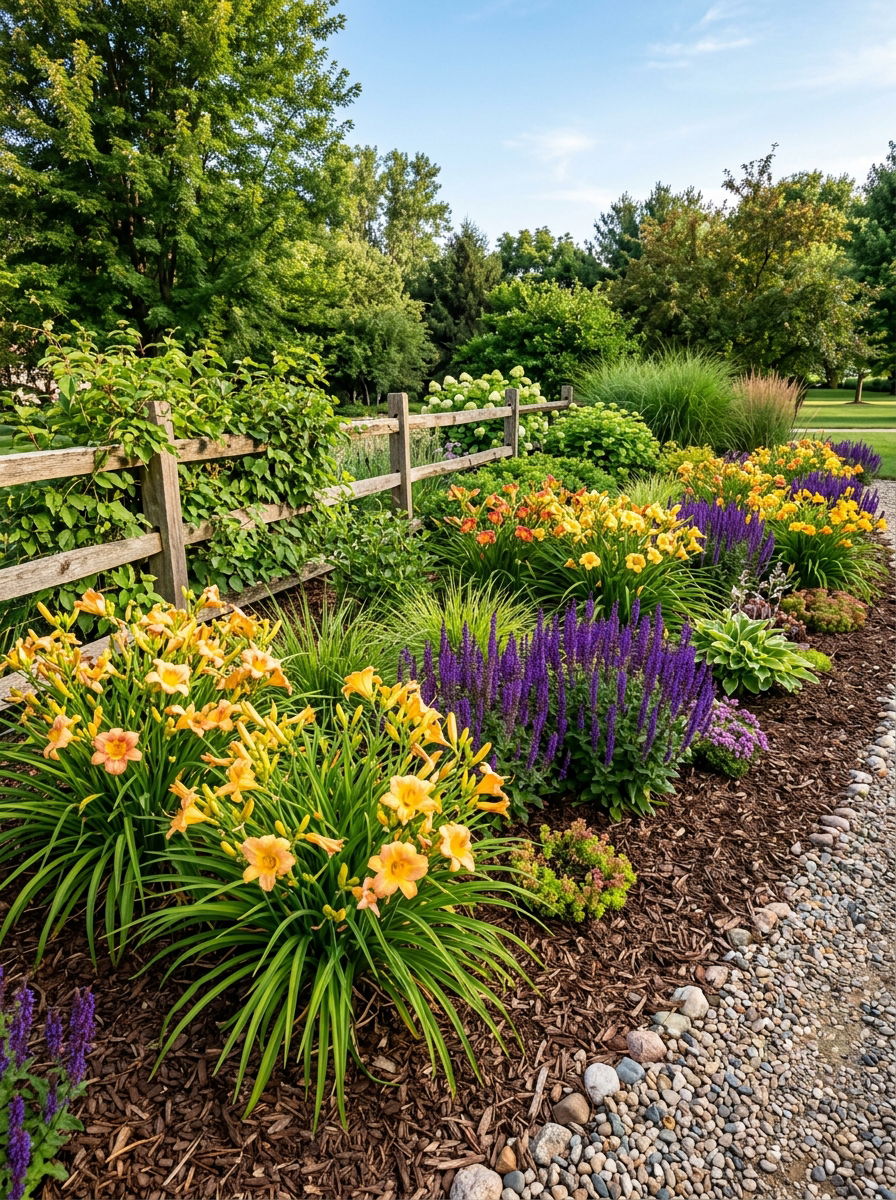
Transforming your outdoor space begins with a thoughtful approach to your garden's visual palette. When you decide to upgrade your landscape, color is the most powerful tool at your disposal to create a specific mood or aesthetic. Whether you want a tranquil retreat or a vibrant energy boost, the right combination of blooms can make all the difference. Many homeowners struggle to choose a cohesive look, often feeling overwhelmed by the sheer variety of perennials and annuals available. By understanding the principles of color theory, you can turn a messy patch of dirt into a professional masterpiece that captures attention. Let’s explore how various shades interact to bring your yard to life.
1. All White Flower Bed
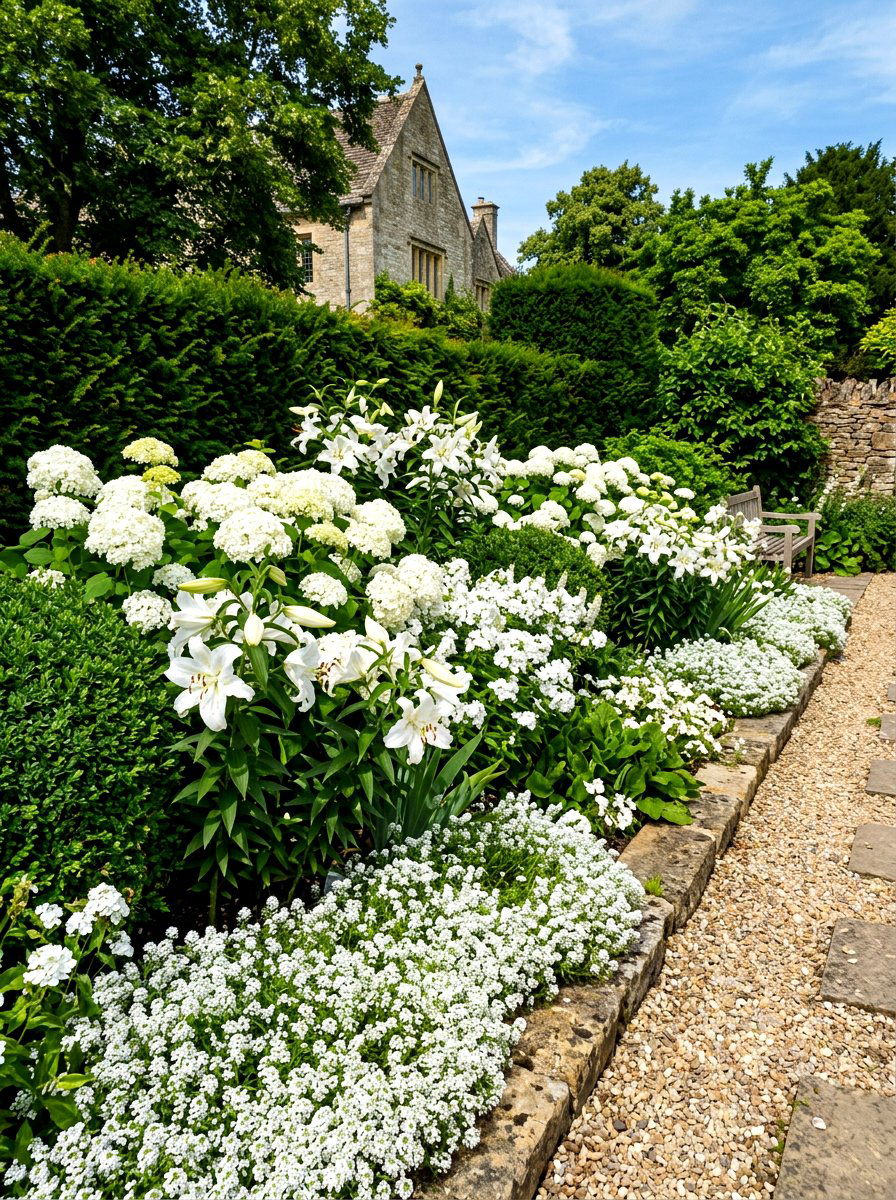
Do you ever dream of a garden that glows even after the sun goes down? An all white flower bed is the perfect solution for creating a serene and elegant outdoor environment. Often referred to as a moon garden, this color palette relies on snowy blooms like hydrangeas, lilies, and petunias to catch the faint evening light. White flowers provide a crisp and clean look that contrasts beautifully against dark green foliage. This monochromatic approach simplifies your planting choices while making a sophisticated statement. You can mix different textures and heights to keep the area visually interesting. It is a timeless choice for any homeowner looking for a classic and peaceful landscape design.
2. Purple And Yellow Flower Bed
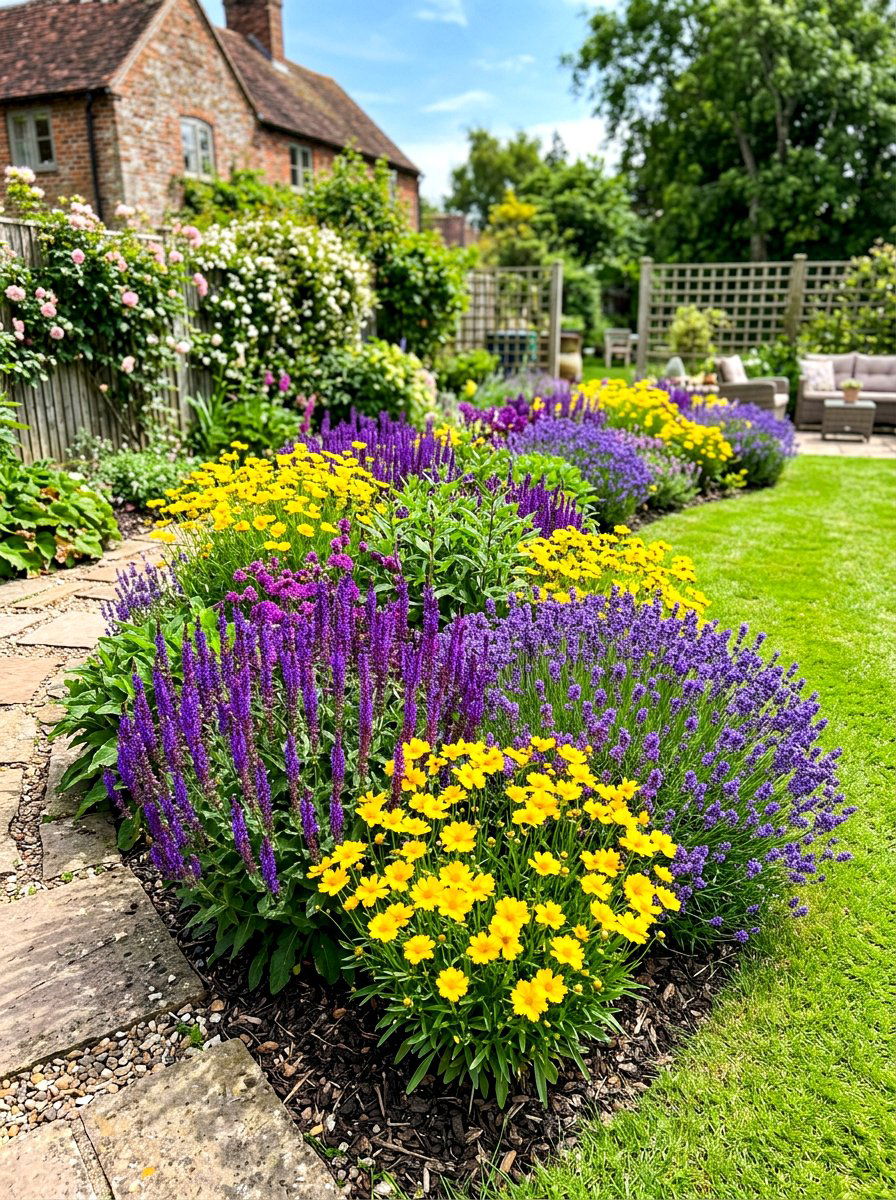
Have you noticed how some gardens seem to vibrate with energy? A purple and yellow flower bed utilizes complementary colors to create a high-contrast look that is impossible to ignore. Pairing deep purple salvia or lavender with bright yellow coreopsis or black-eyed Susans creates a dynamic visual tension. This combination is particularly effective in full sun areas where the brightness of the yellow can truly shine. These colors often attract a wide variety of pollinators, including bees and butterflies, adding movement to your garden. By balancing the cool tones of purple with the warmth of yellow, you achieve a professional and intentional design that works throughout the entire summer season.
3. Pink And Purple Flower Bed
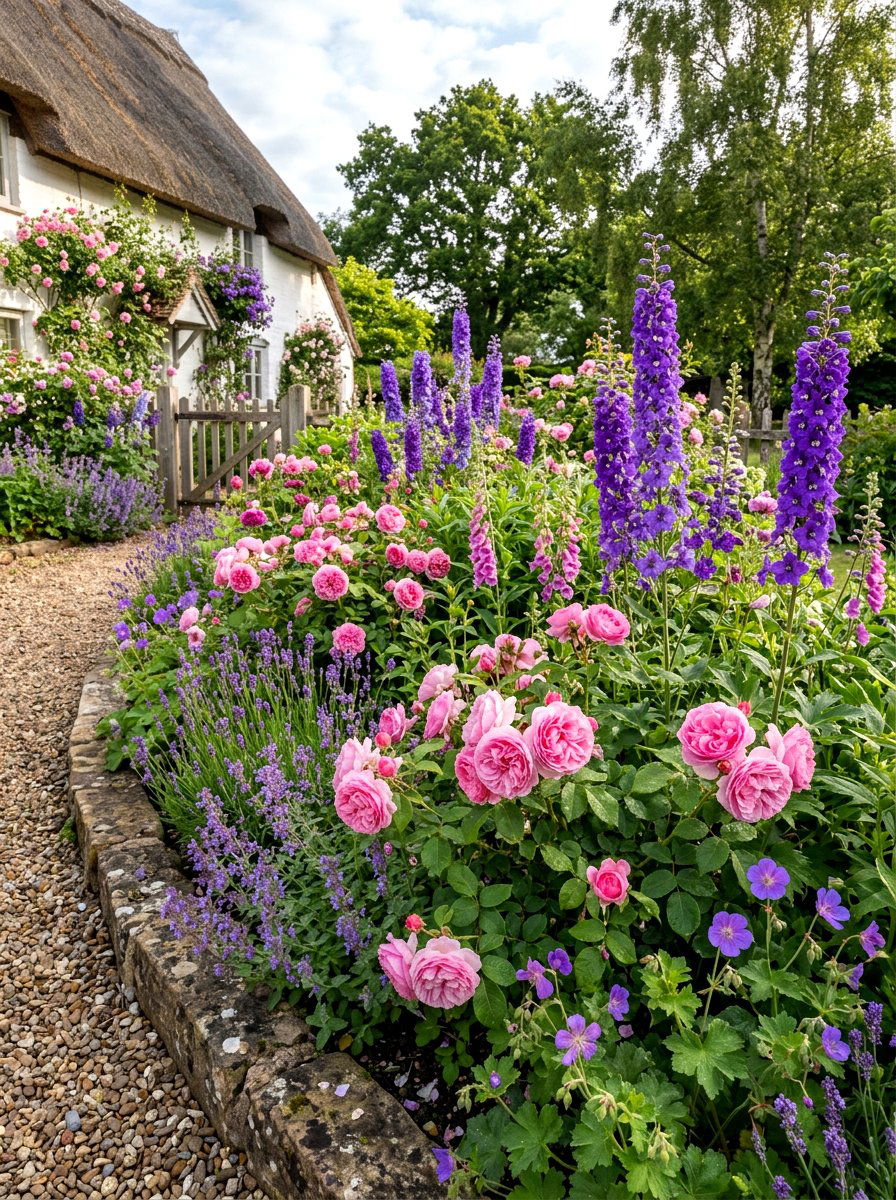
Are you looking for a romantic and soft aesthetic for your front yard? A pink and purple flower bed offers a harmonious and feminine feel that blends seamlessly into most landscapes. This analogous color scheme uses shades that sit next to each other on the color wheel, creating a soothing transition for the eye. You might combine tall purple delphiniums with soft pink roses or mounding cranesbill geraniums. This palette works exceptionally well in cottage-style gardens where a lush, overflowing look is desired. The various tints and tones available in these two colors allow for incredible depth without ever feeling jarring. It is a reliable choice for creating a gentle and inviting atmosphere.
4. Red And White Flower Bed
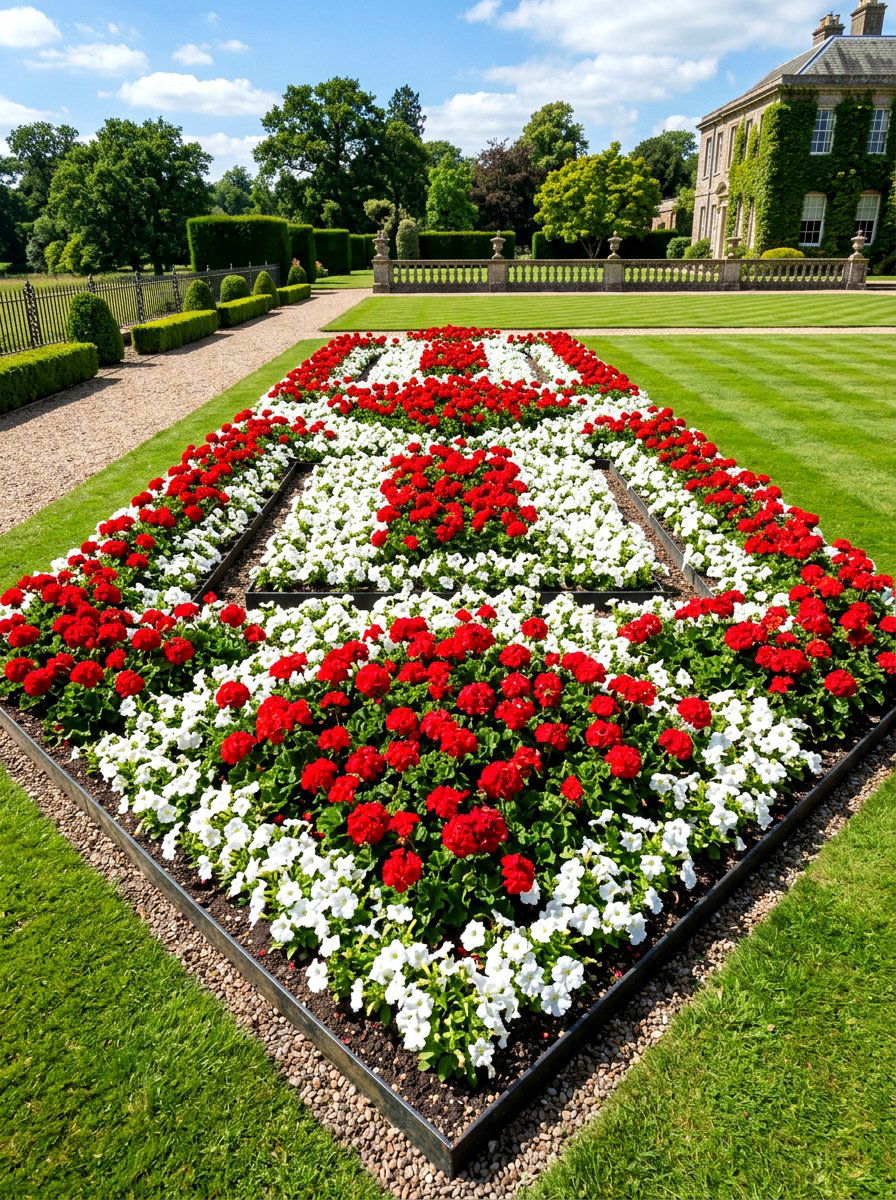
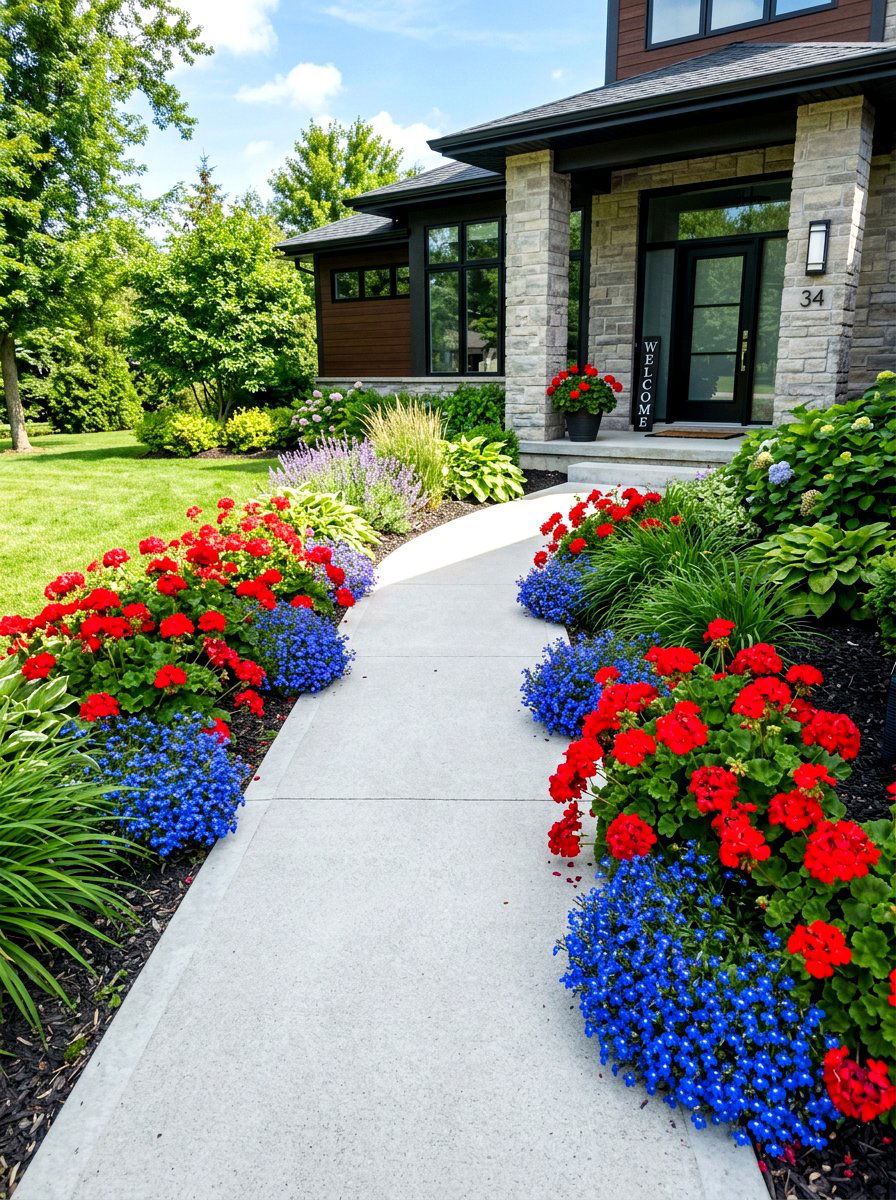
Do you want to make a bold, patriotic, or high-contrast statement in your garden? A red and white flower bed is a classic choice that offers immediate curb appeal and clarity. The stark difference between bright red geraniums or begonias and crisp white alyssum or petunias creates a very clean and organized appearance. This color scheme is often used in formal garden layouts or along walkways to provide a clear sense of direction and structure. Red is a very dominant color that draws the eye forward, while white provides a necessary visual break to prevent the red from becoming too overwhelming. It is an excellent way to add drama to small spaces.
5. Blue And Yellow Flower Bed
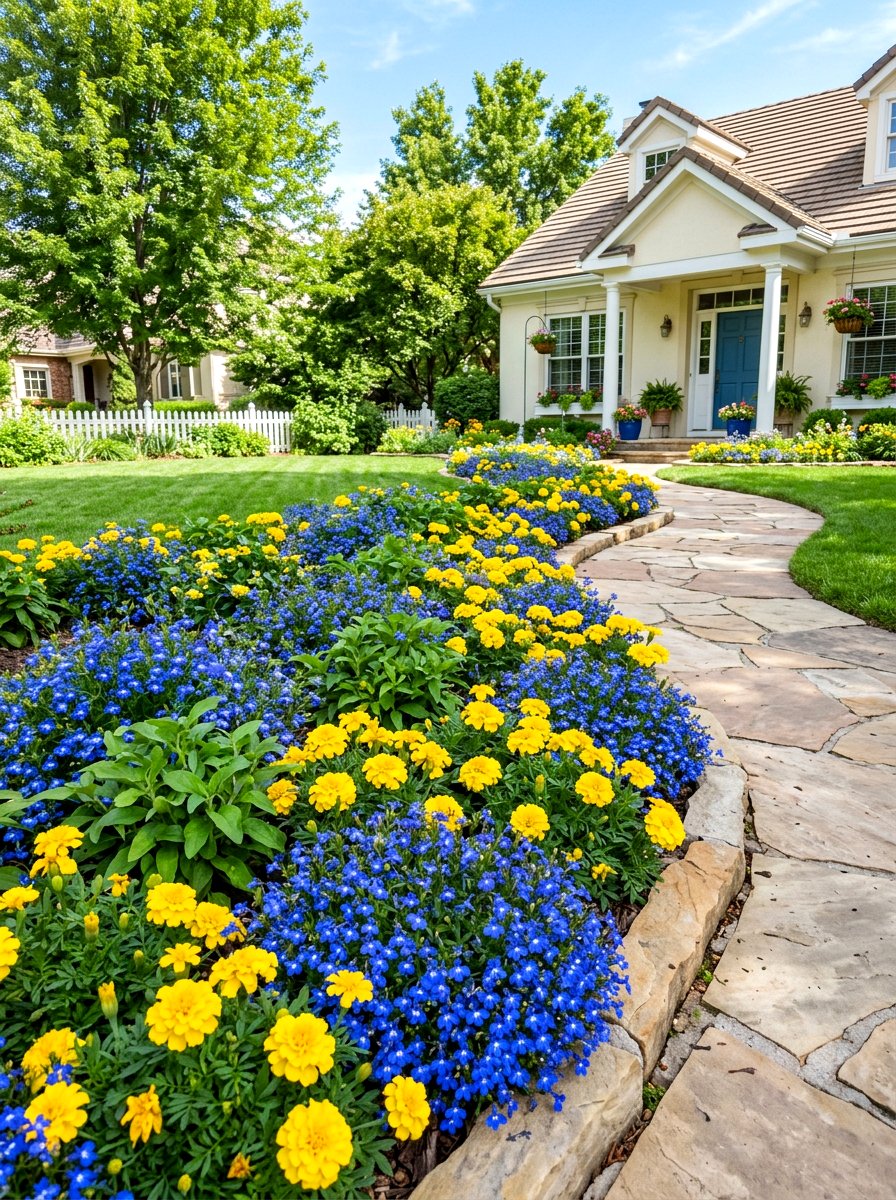
Would you like a garden that feels both cheerful and refreshing? A blue and yellow flower bed is a traditional favorite that evokes feelings of sunny skies and clear water. This combination pairs the cooling effect of true blue flowers like lobelia or forget-me-nots with the radiant energy of yellow marigolds or daffodils. Because true blue is a relatively rare color in the plant world, these beds often become a unique focal point in the neighborhood. The yellow acts as a spotlight, making the blue tones appear even more deep and saturated. This palette is perfect for spring and early summer displays when many of these specific flower varieties are in their peak.
6. Orange And Purple Flower Bed
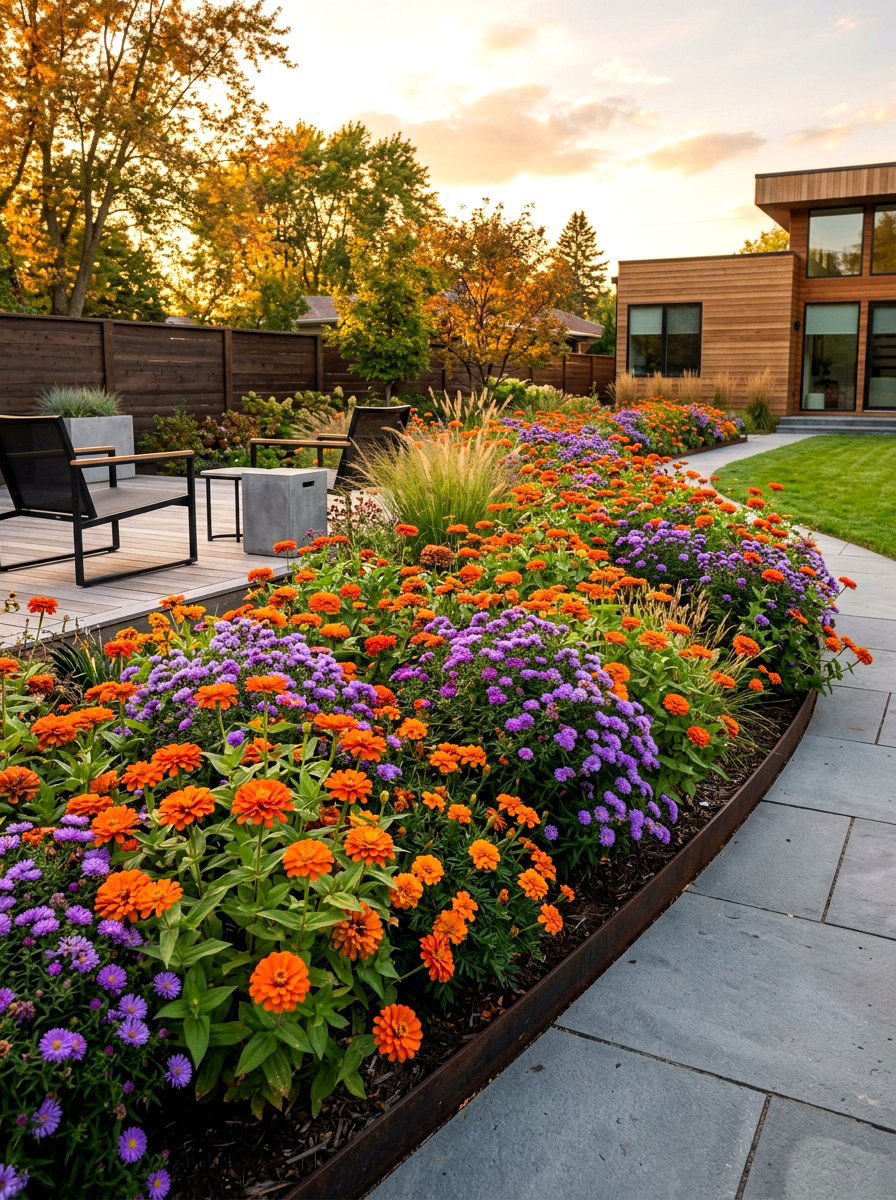
Are you brave enough to try an unexpected and modern color pairing? An orange and purple flower bed offers a sophisticated and trendy look that has become increasingly popular in contemporary landscape design. The warmth of orange zinnias or lilies provides a striking counterpoint to the cool, dark tones of purple aster or catmint. This high-energy combination is particularly stunning in the late summer and autumn months when the lighting is softer and more golden. By using these saturated colors, you create a garden that feels rich and luxurious. It is a great way to show off your personality and create a conversation piece in your backyard or patio area.
7. Monochromatic Pink Flower Bed
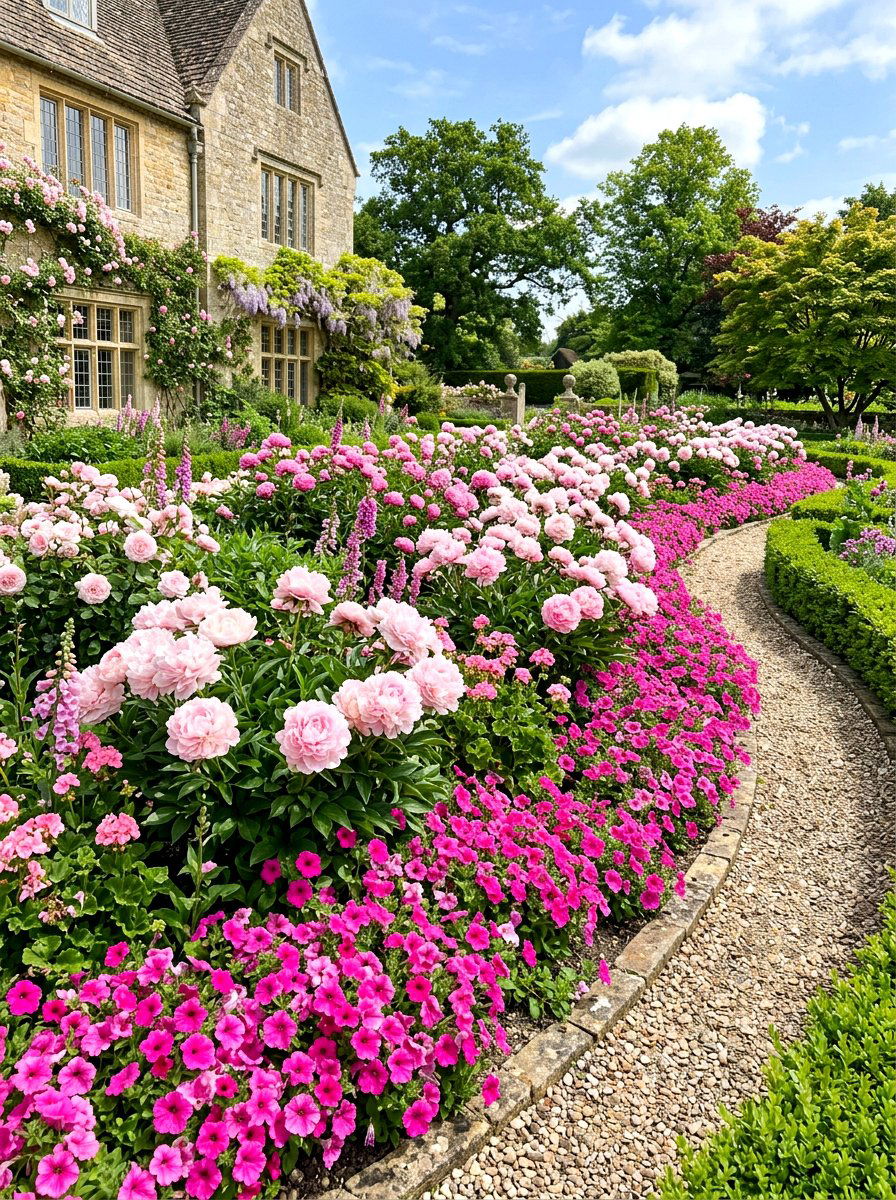
Can a single color really provide enough variety for a whole garden? A monochromatic pink flower bed proves that sticking to one hue can be incredibly diverse and visually stunning. By layering different shades from pale blush and dusty rose to vibrant magenta and hot pink, you create a tiered look with immense depth. You can use tall pink foxgloves in the back, medium-height peonies in the center, and low-growing dianthus along the border. This approach emphasizes the different shapes and textures of the petals rather than the distraction of multiple colors. It creates a very cohesive and professional appearance that feels carefully curated and high-end for any home.
8. Pastel Cottage Flower Bed
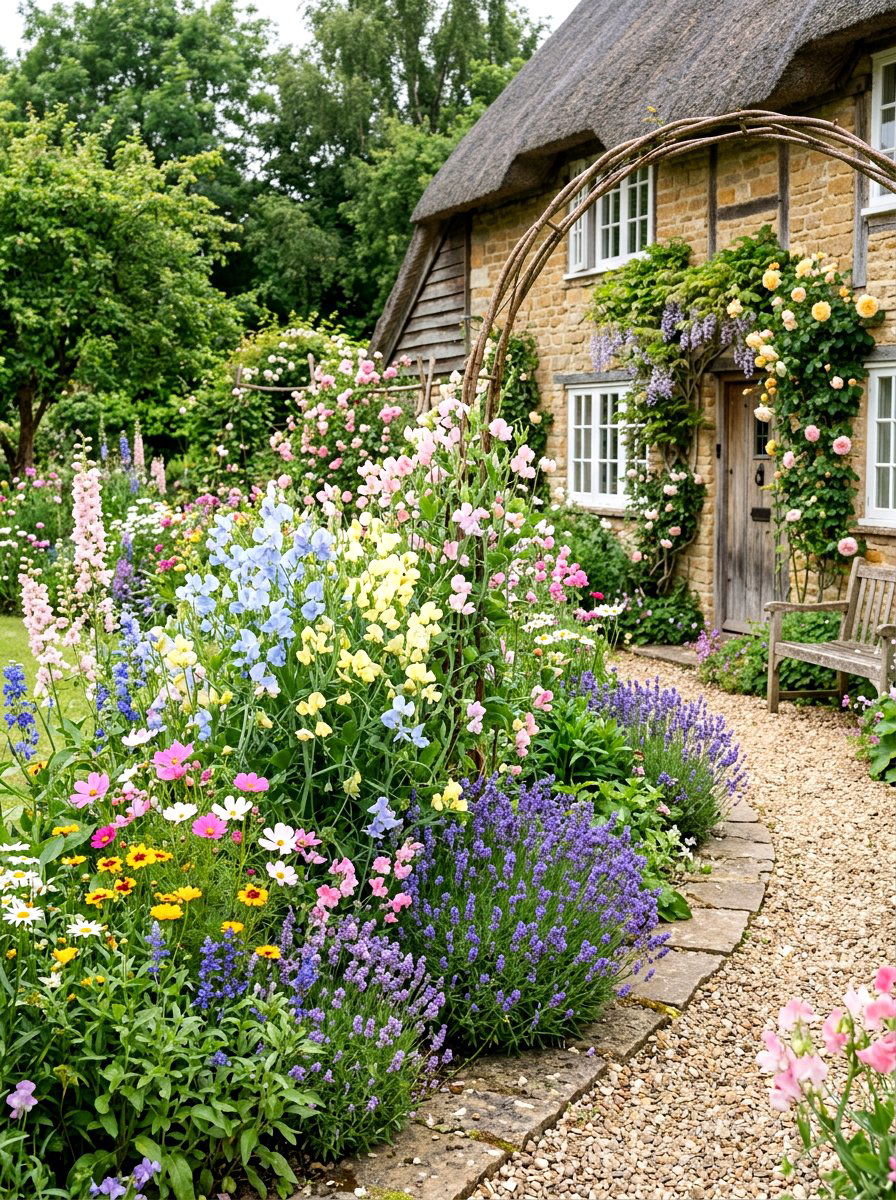
Do you want your backyard to feel like a scene from a fairytale? A pastel cottage flower bed uses soft, muted tones to create a whimsical and vintage atmosphere. This design typically incorporates a mix of pale blues, soft yellows, light pinks, and creamy whites. Think of lavender, sweet peas, and hollyhocks growing together in a relaxed, informal arrangement. These colors are less intense than primary colors, making them perfect for close-up viewing and small garden nooks. The gentle palette encourages visitors to slow down and appreciate the delicate beauty of each individual bloom. It is the ultimate choice for a peaceful retreat that feels soft and lived-in.
9. Sunset Color Flower Bed
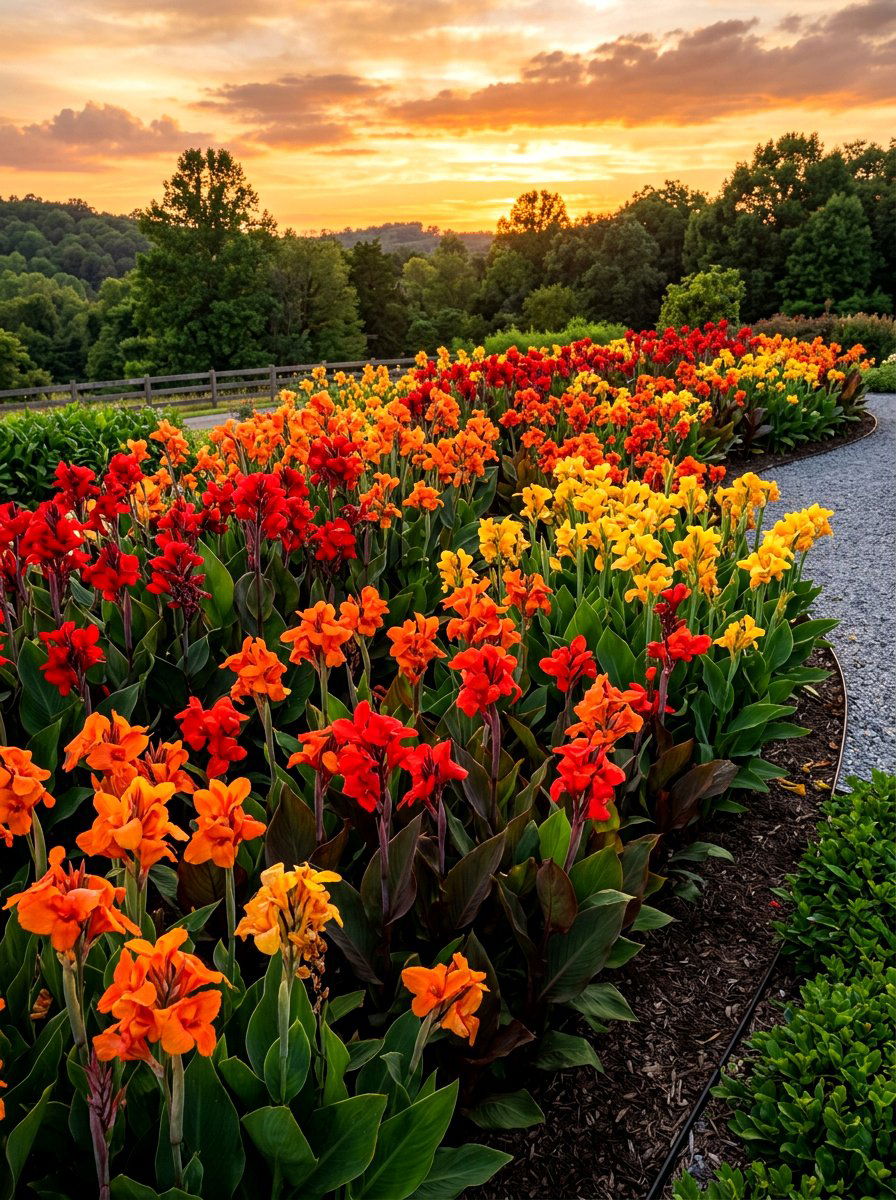
Have you ever wished you could capture the beauty of the golden hour permanently? A sunset color flower bed uses a warm palette of red, orange, and golden yellow to mimic the sky at dusk. This fiery combination brings a lot of "heat" to the landscape, making it feel energetic and vibrant even on overcast days. Planting things like canna lilies, marigolds, and red hot pokers creates a glowing effect that draws the eye from a distance. These colors are especially effective for large-scale plantings or long borders where you want to make a big impact. This palette radiates warmth and is highly attractive to hummingbirds and other nectar-seeking wildlife.
10. White And Green Flower Bed
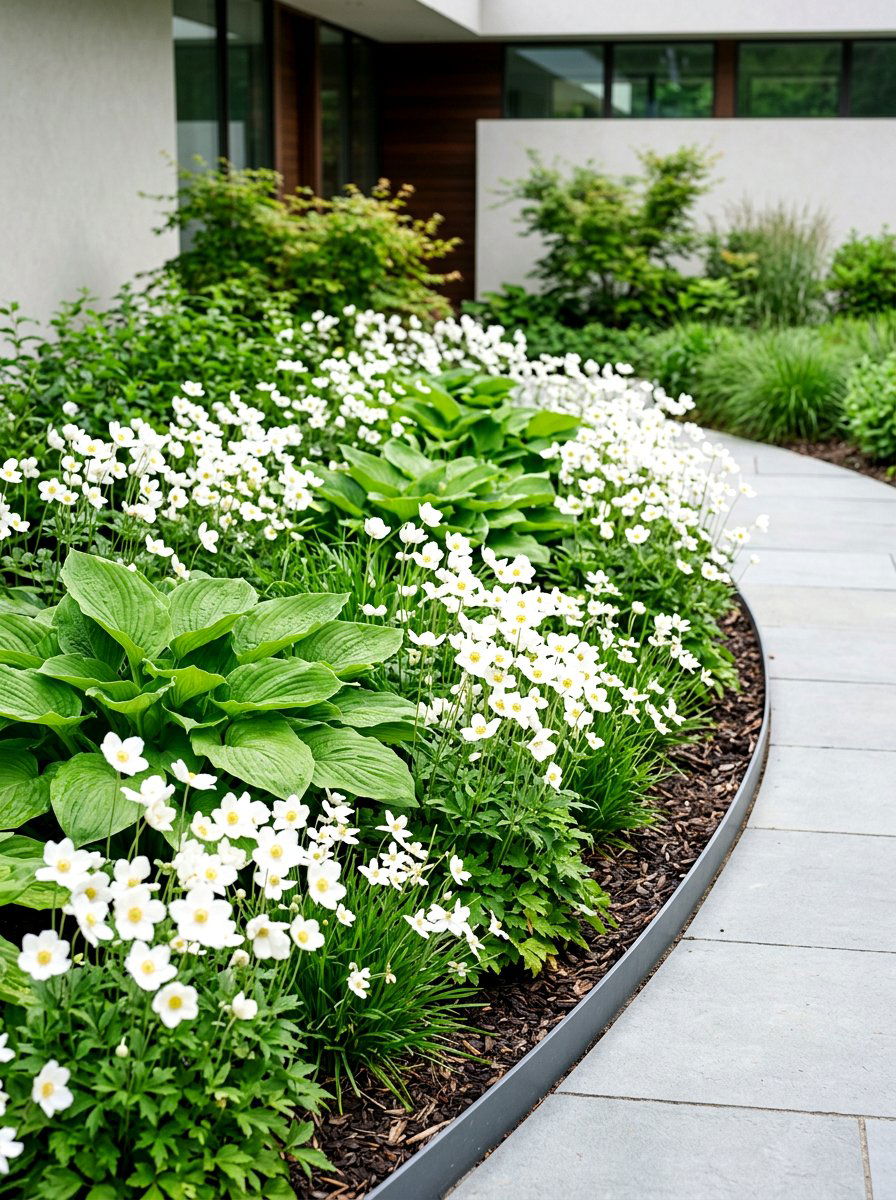
Are you a fan of minimalist and modern aesthetics? A white and green flower bed is the height of sophisticated garden design, focusing heavily on foliage and clean lines. In this scheme, the green leaves of hostas, ferns, and boxwoods are just as important as the white blooms of hydrangeas or anemones. This palette feels incredibly cool and refreshing, especially during the hot summer months. It is a very forgiving color scheme because almost any green plant will look good next to white flowers. This design works perfectly for shaded areas where bright colors might struggle, as white reflects the limited light to brighten up the entire space.
11. Purple And Silver Flower Bed
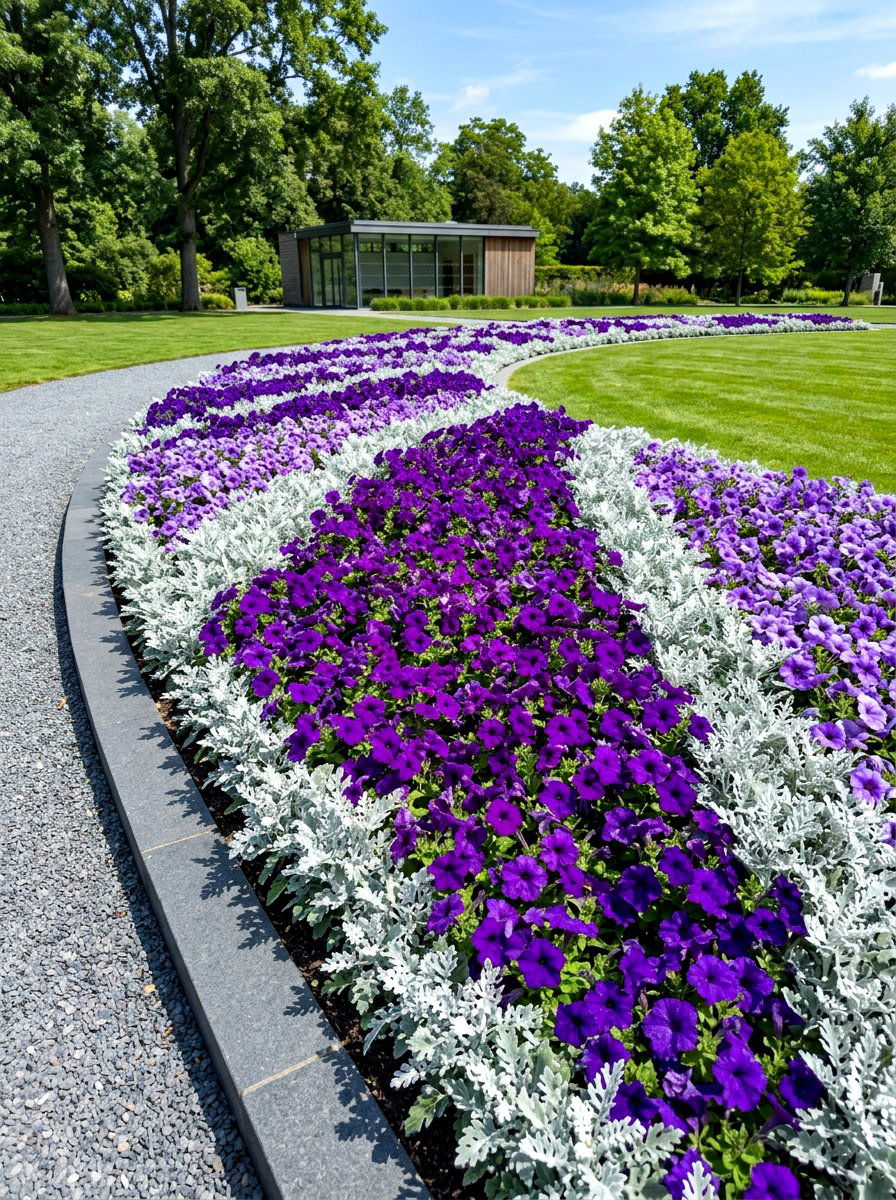
Do you want a garden that looks expensive and high-fashion? A purple and silver flower bed is a sophisticated choice that relies on the metallic sheen of certain foliage to make purple blooms pop. Plants like dusty miller, lamb's ear, or Russian sage provide a soft, silvery-gray backdrop that makes deep purple petunias or salvias look incredibly rich. This combination feels very cool to the eye and is perfect for creating a Mediterranean or modern desert look. The silver leaves often have unique textures, such as fuzziness or lace-like patterns, which add another layer of interest. It is a low-maintenance way to achieve a very high-concept and artistic garden.
12. Blue And White Flower Bed
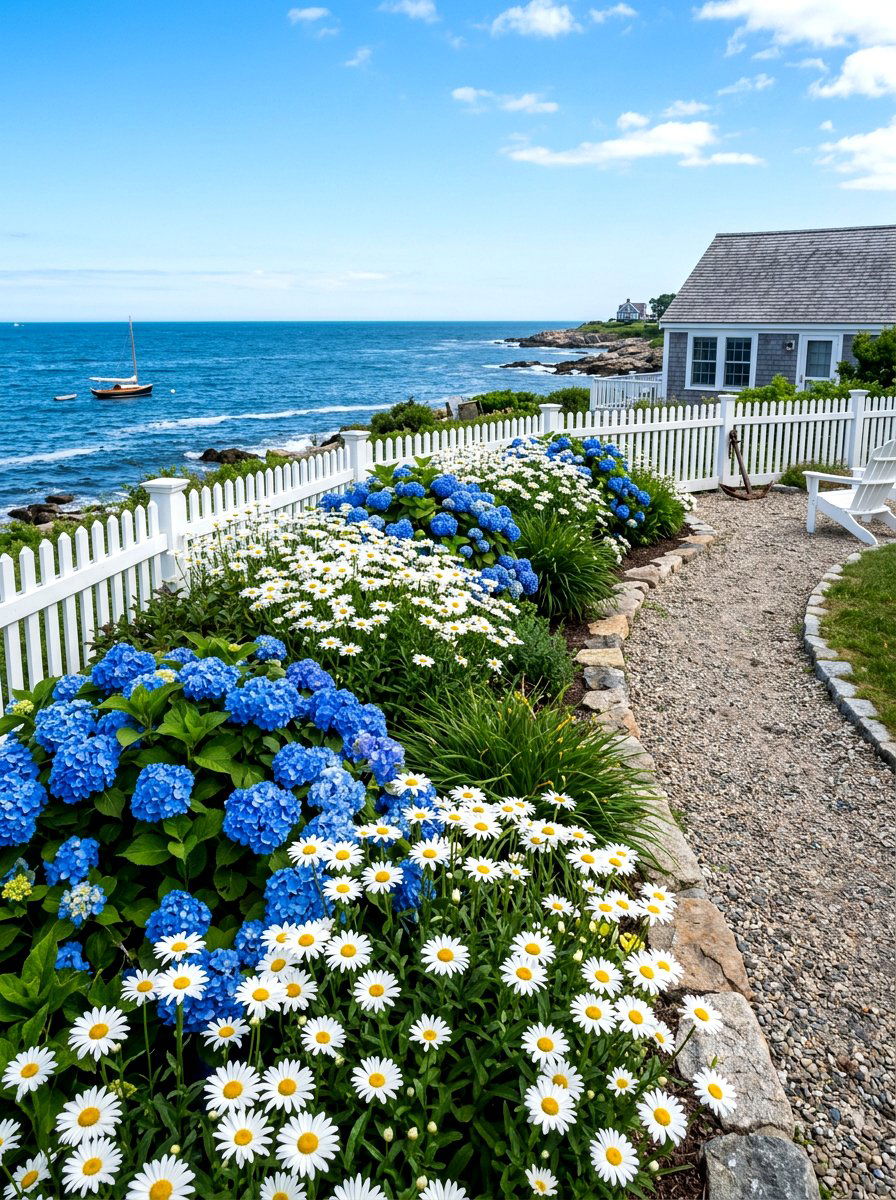
Does the thought of a coastal or nautical theme appeal to your design sensibilities? A blue and white flower bed is a crisp and clean combination that evokes the feeling of the seaside. Pairing blue hydrangeas or delphiniums with white roses or shasta daisies creates a classic look that is both traditional and refreshing. This palette is very popular for front porch gardens and entryway displays because it feels so welcoming and tidy. The white flowers act as a neutral base that allows the various shades of blue to stand out without competing. It is a timeless arrangement that works well in both formal and informal garden settings for years.
13. Yellow And Orange Flower Bed
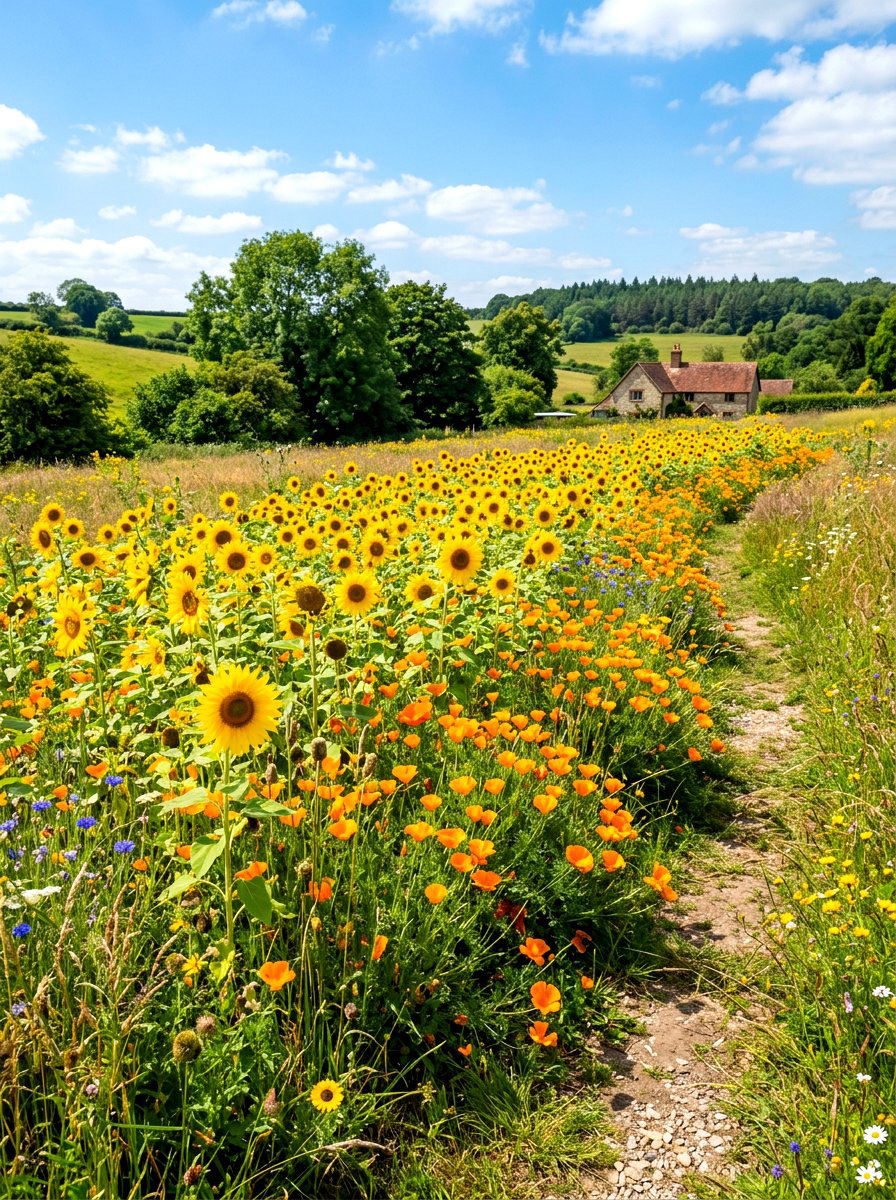
Are you looking to inject a massive dose of sunshine into a dull corner of your yard? A yellow and orange flower bed is a high-energy, analogous combination that feels incredibly cheerful and optimistic. By mixing sunny yellow sunflowers or coreopsis with vibrant orange poppies or lilies, you create a warm glow that lights up the landscape. This palette is very common in meadow-style gardens and prairie plantings because these colors are naturally abundant in wild landscapes. It is a very hardy color scheme that stands up well to the intense heat of mid-summer. This duo is guaranteed to boost your mood every time you look out the window.
14. Red And Green Flower Bed
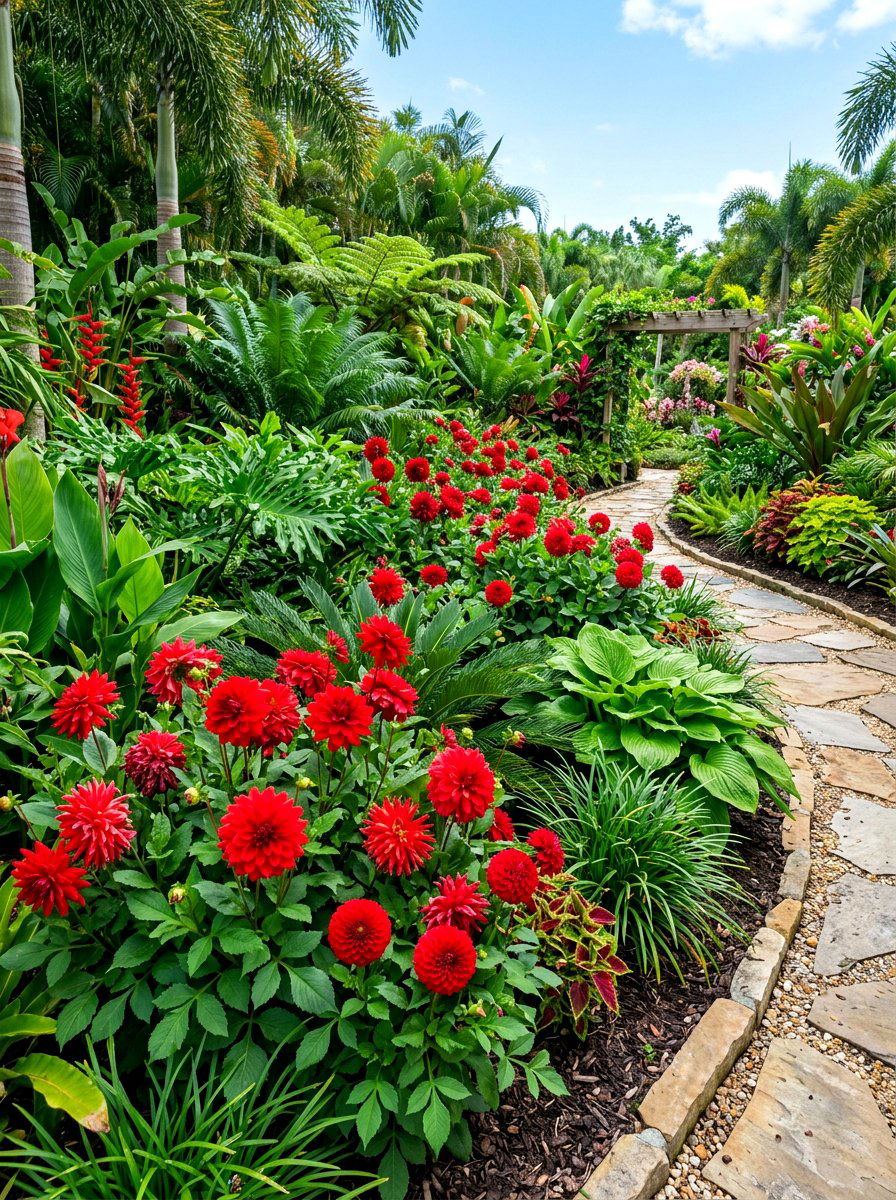
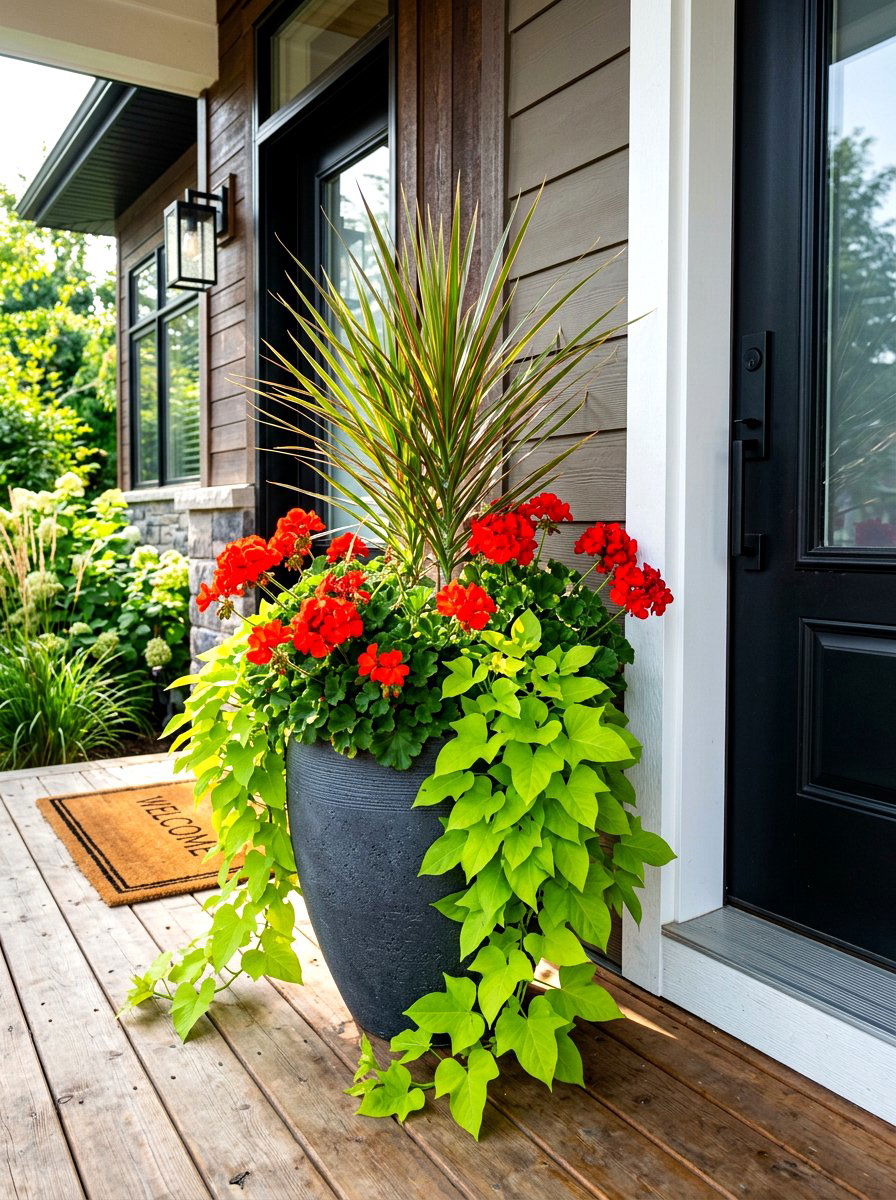
Did you know that red and green are complementary colors that can look amazing all year round, not just in December? A red and green flower bed relies on the lushness of verdant foliage to make red blooms appear more intense. Whether you are using red tulips in the spring or red dahlias in the fall, the green background provides a natural contrast that highlights the flower's shape. You can use different shades of green, such as lime or forest green, to add variety to the bed. This classic pairing is often used in tropical-themed gardens where bold red hibiscus flowers stand out against large, waxy green leaves for drama.
15. Burgundy And Pink Flower Bed
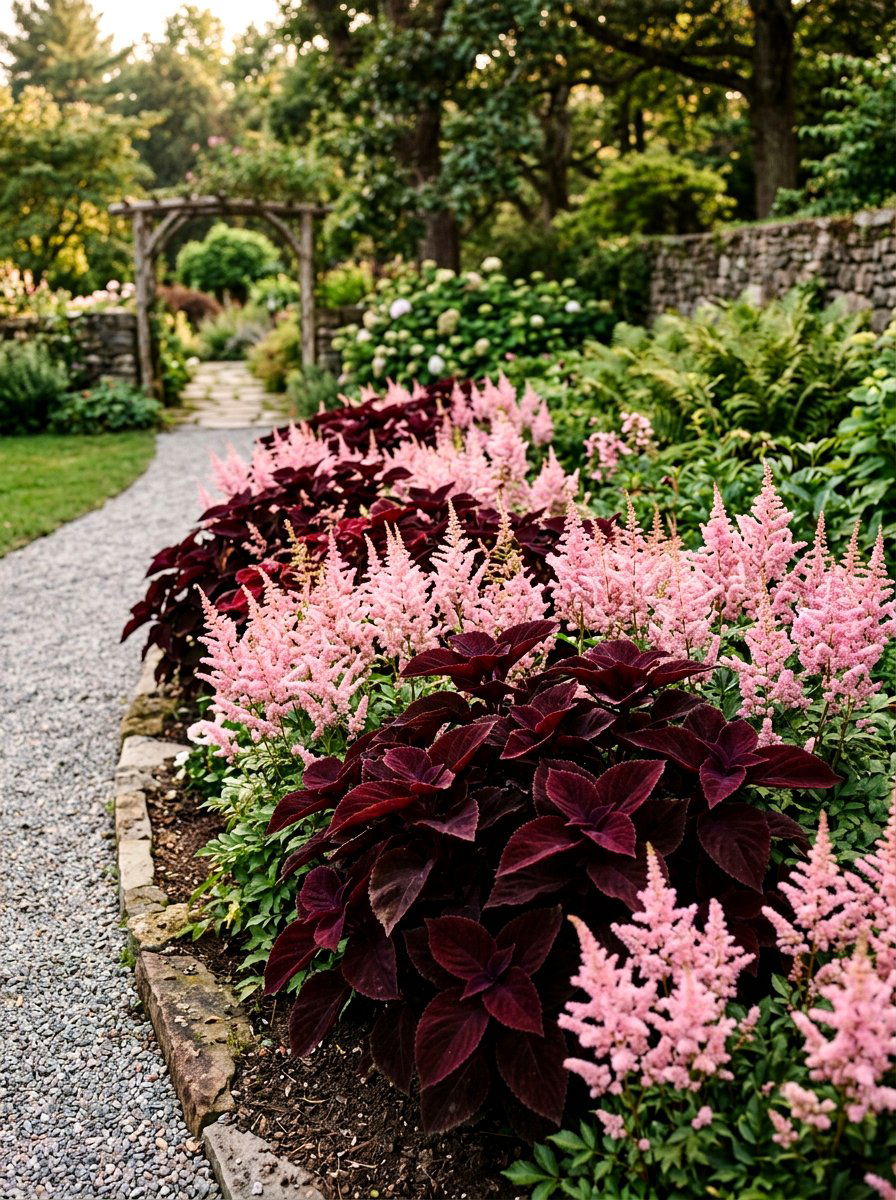
Are you searching for a color palette that feels moody, romantic, and deeply layered? A burgundy and pink flower bed is a stunning choice that uses darker, wine-colored tones to ground lighter pink blooms. Pairing deep maroon coleus or dark-leaved heuchera with soft pink astilbe or begonias creates a sophisticated and dramatic look. This combination is very popular in fall gardens but works equally well in the spring with dark tulips and pink cherry blossoms. The dark burgundy adds a sense of weight and luxury to the space, making the pink flowers feel more substantial and less sugary. It is a favorite for high-end residential landscaping.
16. Lavender And White Flower Bed
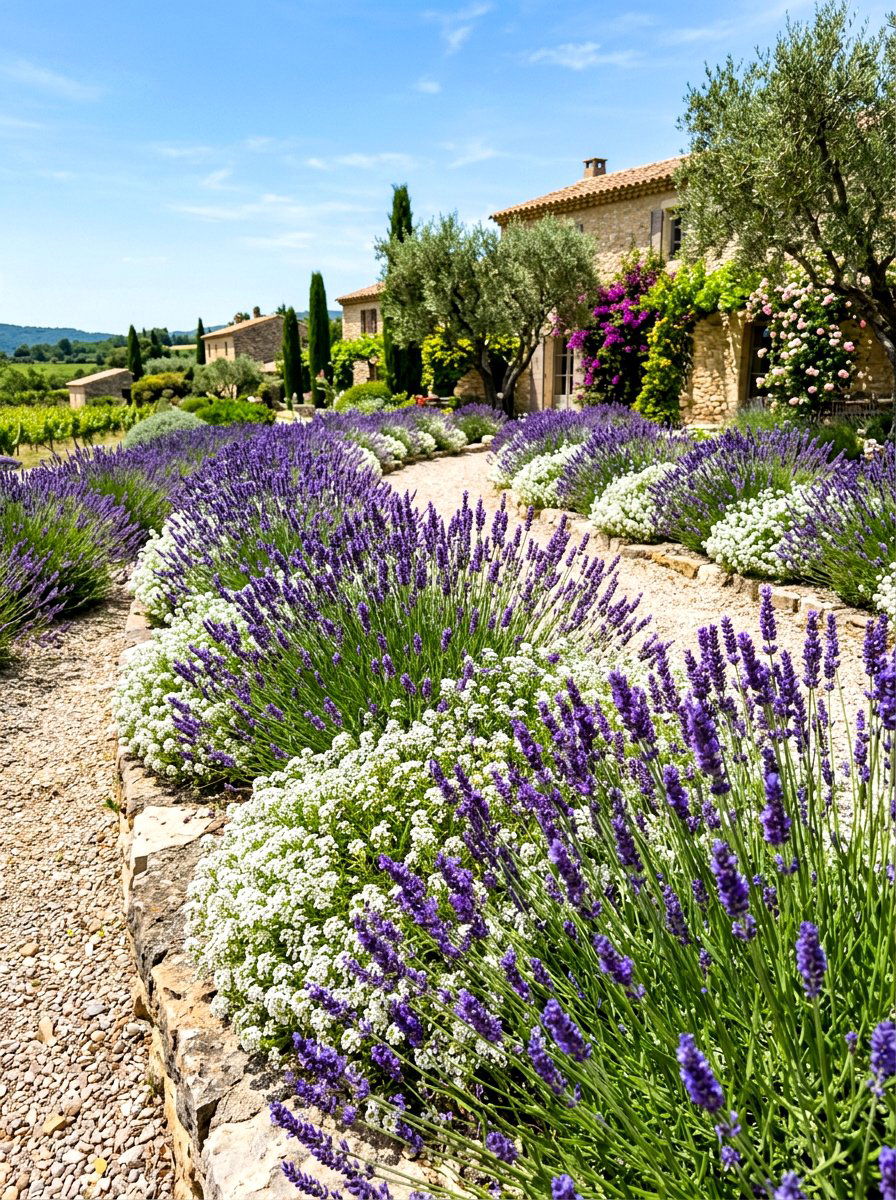
Do you want a garden that appeals to both your eyes and your sense of smell? A lavender and white flower bed is a classic Mediterranean-inspired design that feels light, airy, and incredibly fragrant. Combining the soft, dusty purple of lavender plants with the crisp white of alyssum or white roses creates a tranquil and clean aesthetic. This palette is perfect for sunny, well-drained spots near a patio or walkway where the scent can be enjoyed. The silver-green foliage of many lavender varieties also adds a subtle third color that bridges the gap between the purple and white. It is an effortless way to create a spa-like atmosphere at home.
17. Tropical Color Flower Bed
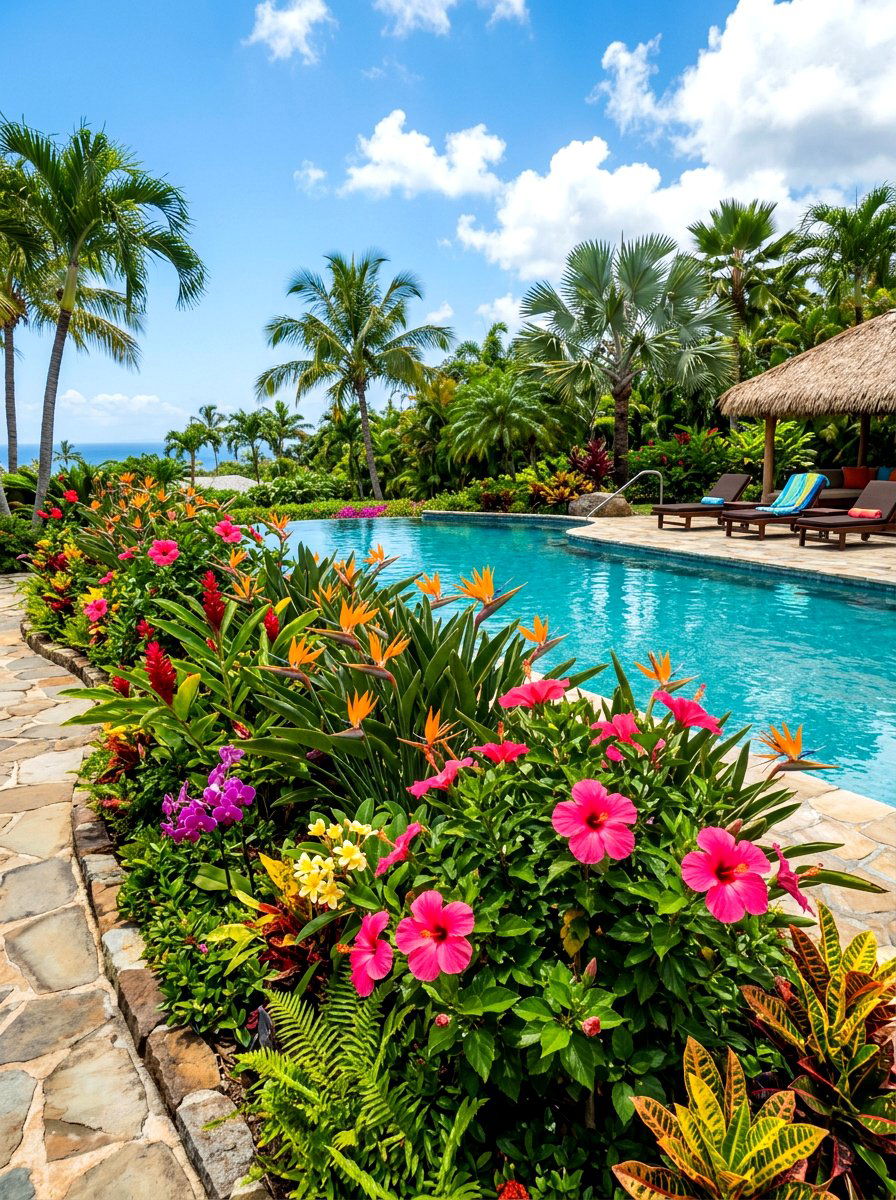
Would you like to feel like you are on vacation every time you step outside? A tropical color flower bed uses a vibrant and clashing mix of hot pink, bright orange, and electric yellow. This palette is all about maximalism and energy, often featuring large-scale plants like bird of paradise, hibiscus, and cannas. To make this work, you need plenty of large, lush green leaves to provide a backdrop for the "neon" colors. This style is perfect for poolside gardens or sun-drenched backyards where you want to create a high-impact, exotic look. It is a bold choice that celebrates the heat and intensity of the peak summer growing season.
18. Peach And Blue Flower Bed
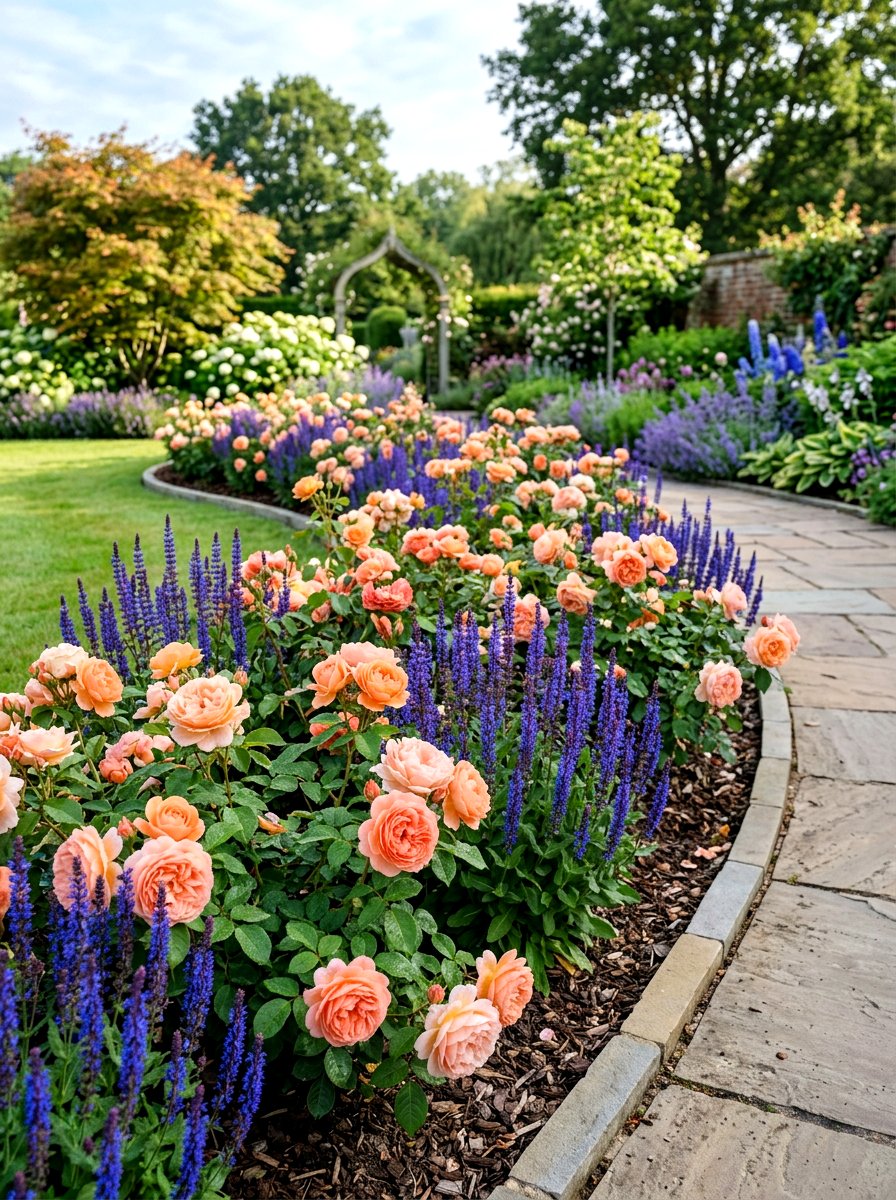
Are you looking for a color combination that feels fresh, modern, and slightly unexpected? A peach and blue flower bed is a beautiful and sophisticated pairing that offers a soft contrast. The warm, fruity tones of peach-colored roses or snapdragons are perfectly balanced by the cool, airy tones of blue salvia or bachelor 's buttons. This palette feels very current and is often seen in high-end floral arrangements and trendy wedding designs. It provides a peaceful yet interesting visual experience that isn' t as common as traditional red or yellow beds. It is an excellent choice for a side garden or a quiet corner where you want something unique.
19. Monochromatic Purple Flower Bed
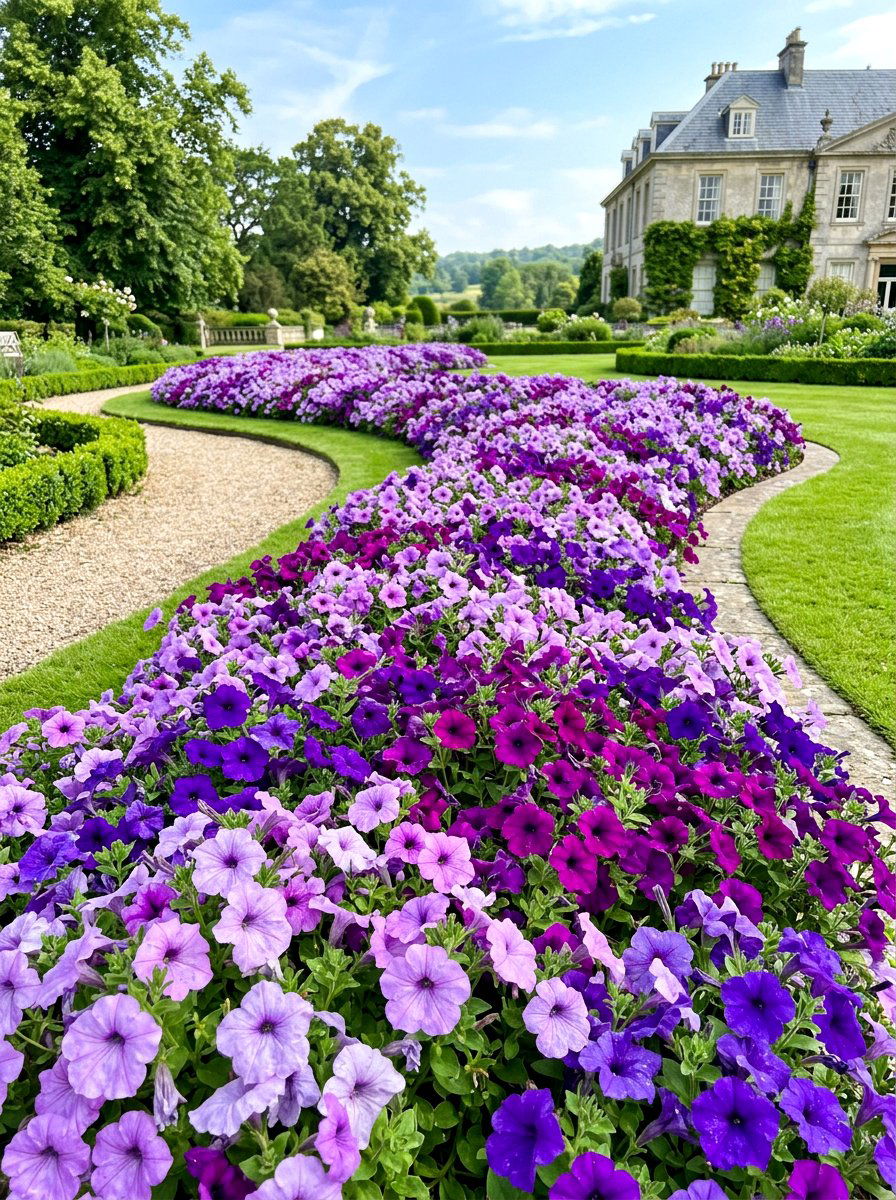
Is purple your favorite color, and do you want to see it everywhere in your garden? A monochromatic purple flower bed allows you to explore the full spectrum of this regal hue, from the palest lilac and lavender to the deepest violet and eggplant. By using plants with different bloom times, such as spring irises, summer petunias, and fall asters, you can keep the theme going all year. Mixing different flower forms — like spiky veronica and round alliums — adds necessary visual texture so the bed doesn't look like a solid mass of one thing. It is a very calming and artistic approach that feels deeply personal and expressive.
20. Magenta And Lime Flower Bed
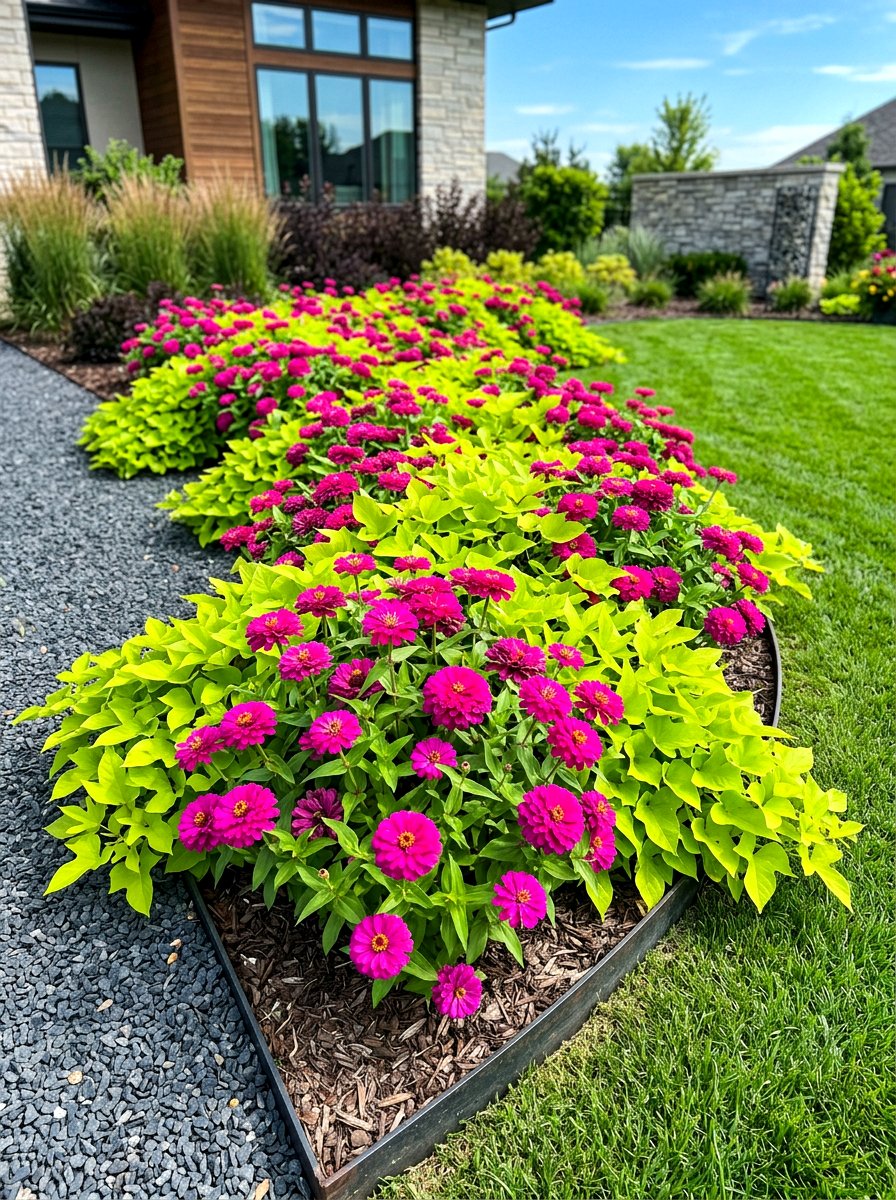
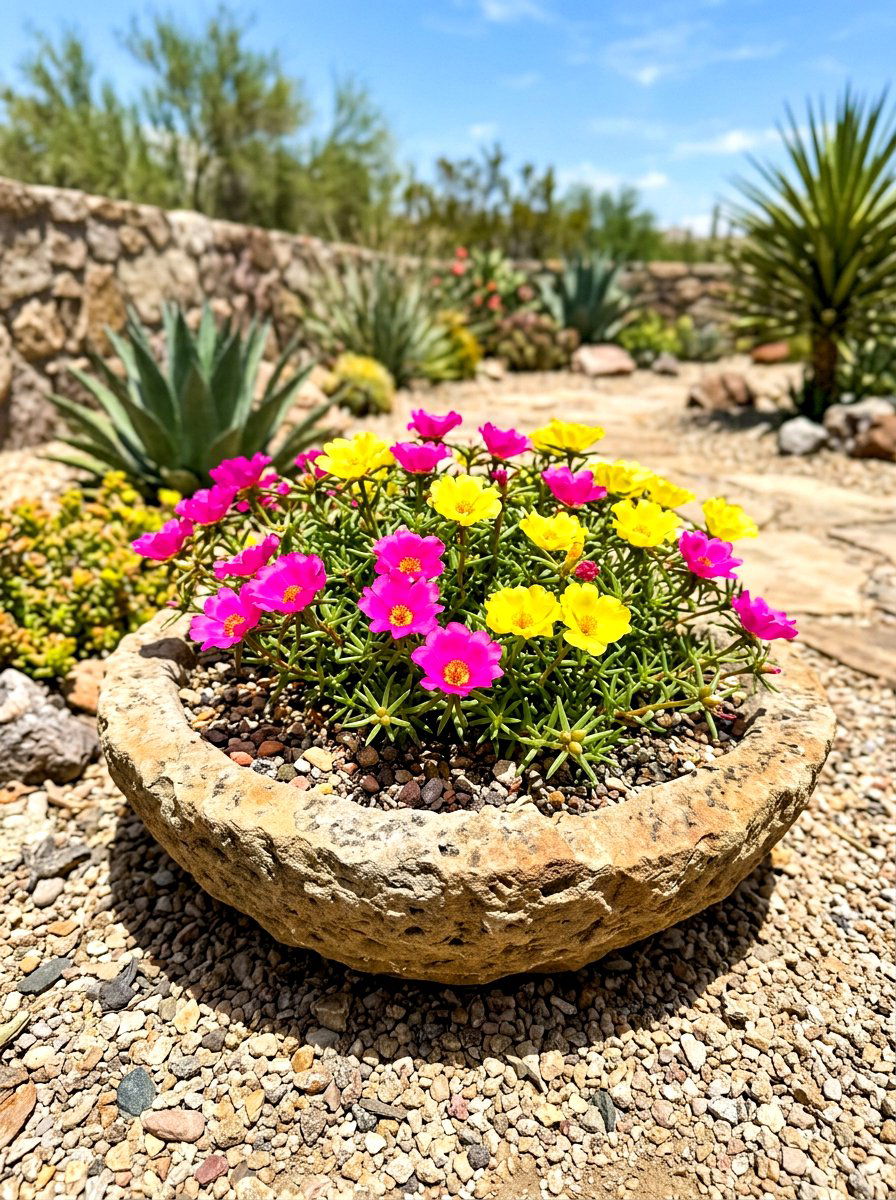
Do you want a garden that looks like it belongs on the cover of a design magazine? A magenta and lime flower bed is a high-contrast, "acidic" color pairing that feels incredibly modern and vibrant. The electric pink of magenta petunias or zinnias pops brilliantly against the chartreuse or lime green foliage of sweet potato vines or 'Lemon Ball' sedum. This combination is all about visual impact and is perfect for modern homes with clean lines. The lime green act as a bright neutral that makes the magenta appear even more neon and glowing. It is a fantastic way to brighten up a sunny patio or a front entry.
21. White And Purple Flower Bed
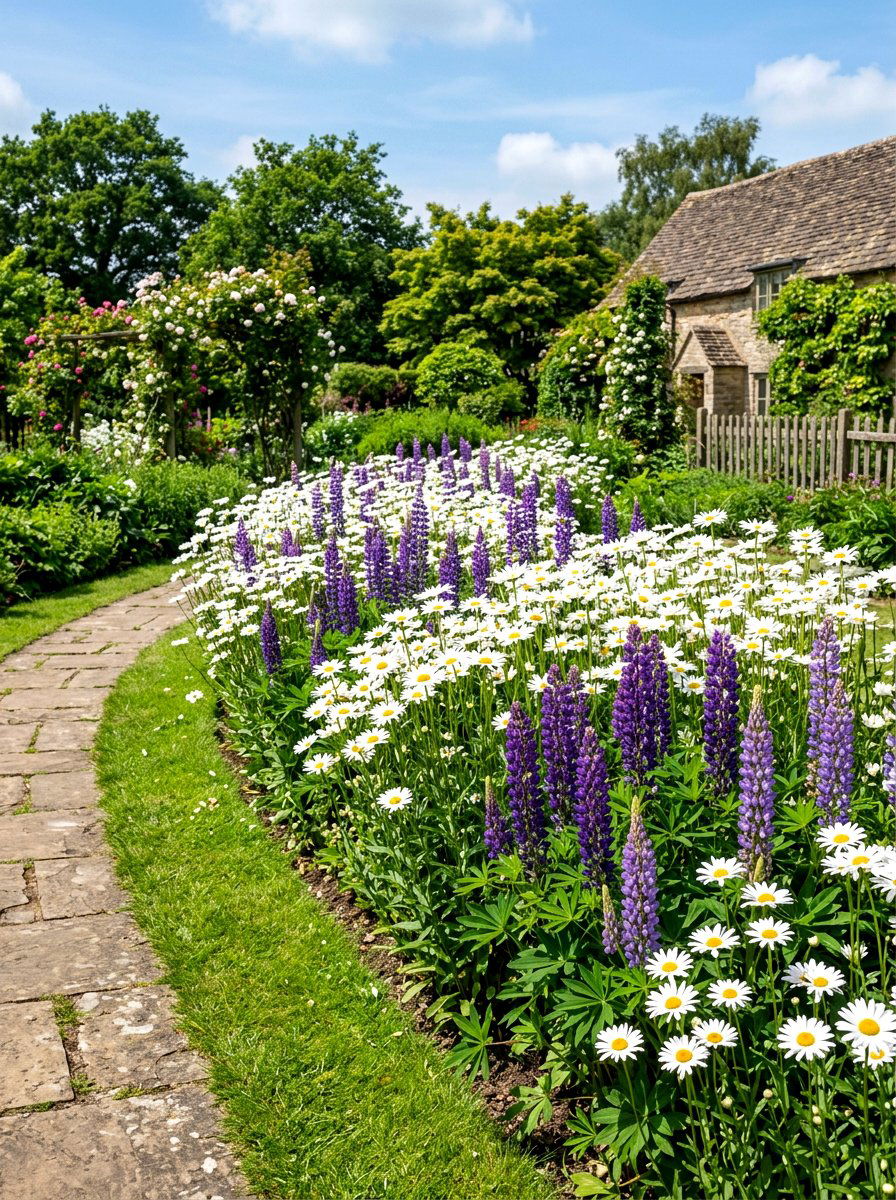
Are you looking for a color scheme that feels both royal and clean? A white and purple flower bed is a classic and sophisticated combination that works in almost any garden style. The white blooms act as a bright highlight that helps the darker purple flowers stand out, especially in the evening. You can pair tall purple lupines with white shasta daisies for a cottage look, or purple creeping phlox with white tulips for a spring border. This palette feels very organized and intentional, providing a sense of balance between a strong color and a neutral light. It is a safe but beautiful bet for enhancing your home's curb appeal.
22. Yellow And White Flower Bed
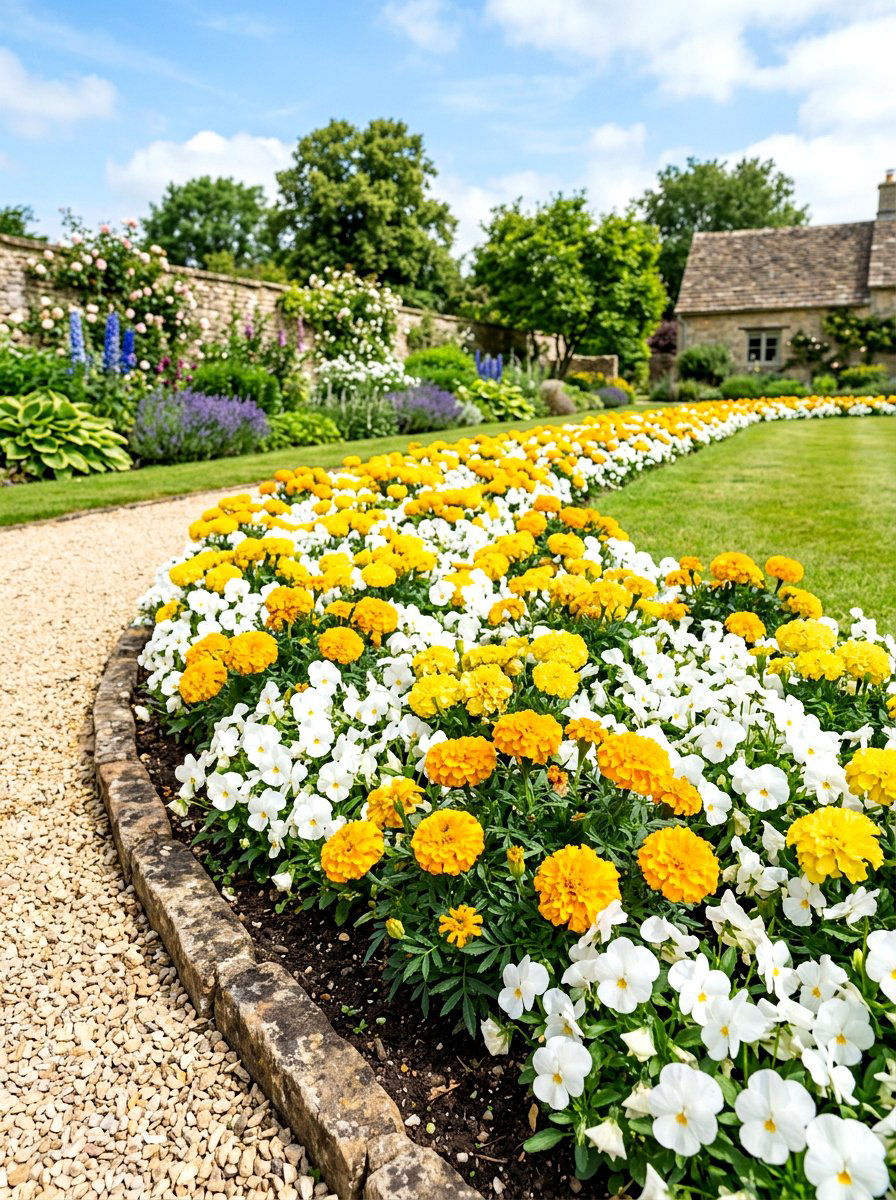
Do you want your garden to feel like a bright, sunny morning every single day? A yellow and white flower bed is an incredibly cheerful and simple combination that radiates positivity. By mixing butter-yellow marigolds or daffodils with crisp white pansies or petunias, you create a space that feels light and open. This palette is especially effective for small yards because the light colors reflect the sun and make the area feel larger than it actually is. It is a very traditional look that never goes out of style and works perfectly for window boxes, hanging baskets, or neat rows along a white picket fence or stone path.
23. Bronze And Copper Flower Bed
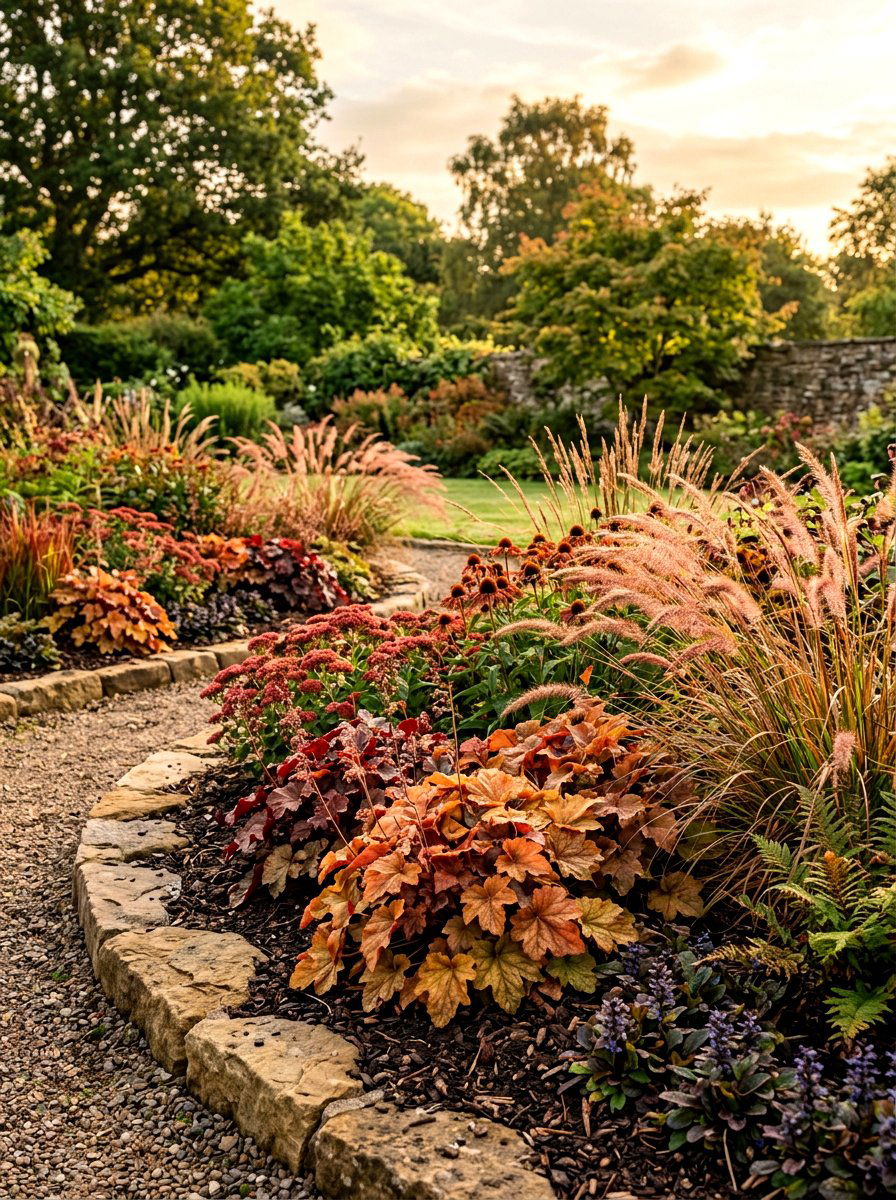
Are you interested in a garden that focuses more on interesting foliage than just bright blooms? A bronze and copper flower bed uses earthy, metallic tones to create a rich and textured landscape. This look is achieved through plants with deep orange, brownish-red, or golden-bronze leaves, such as certain varieties of heuchera, coleus, or ornamental grasses. You can tuck in small orange or cream flowers to accent the foliage. This palette feels very grounded and natural, making it perfect for woodland gardens or rustic landscapes. It is a sophisticated way to add color that lasts from early spring all the way through the first hard frost.
24. Red And Purple Flower Bed
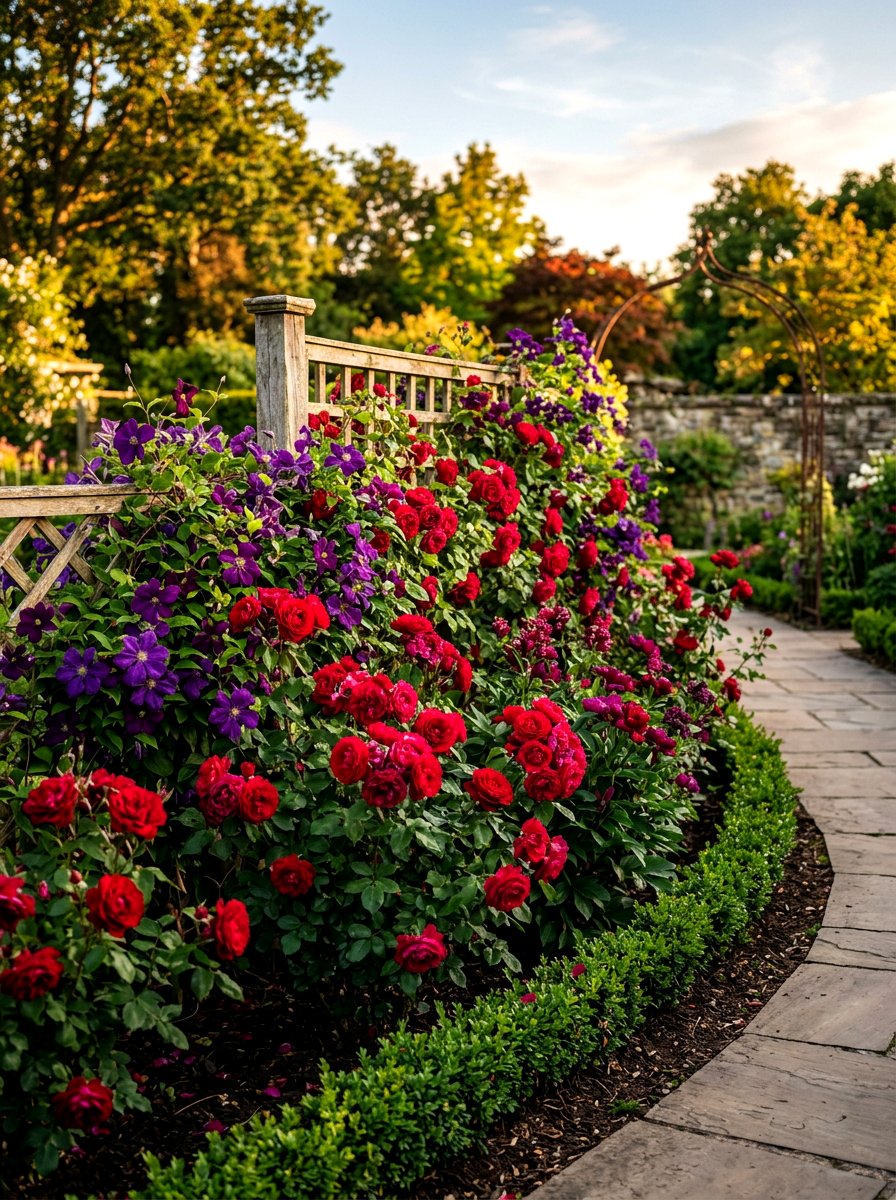
Do you want a garden that feels rich, royal, and slightly dramatic? A red and purple flower bed is a bold analogous pairing that creates a jewel-toned effect in the landscape. Combining deep red roses or dahlias with dark purple salvia or clematis creates a sense of luxury and depth. Because these are both strong, saturated colors, they work best when surrounded by plenty of dark green foliage to give the eye a place to rest. This combination is particularly stunning in the late afternoon sun, which brings out the hidden undertones in both colors. It is a sophisticated choice for a mature garden that needs a touch of elegance.
25. Blue And Lilac Flower Bed
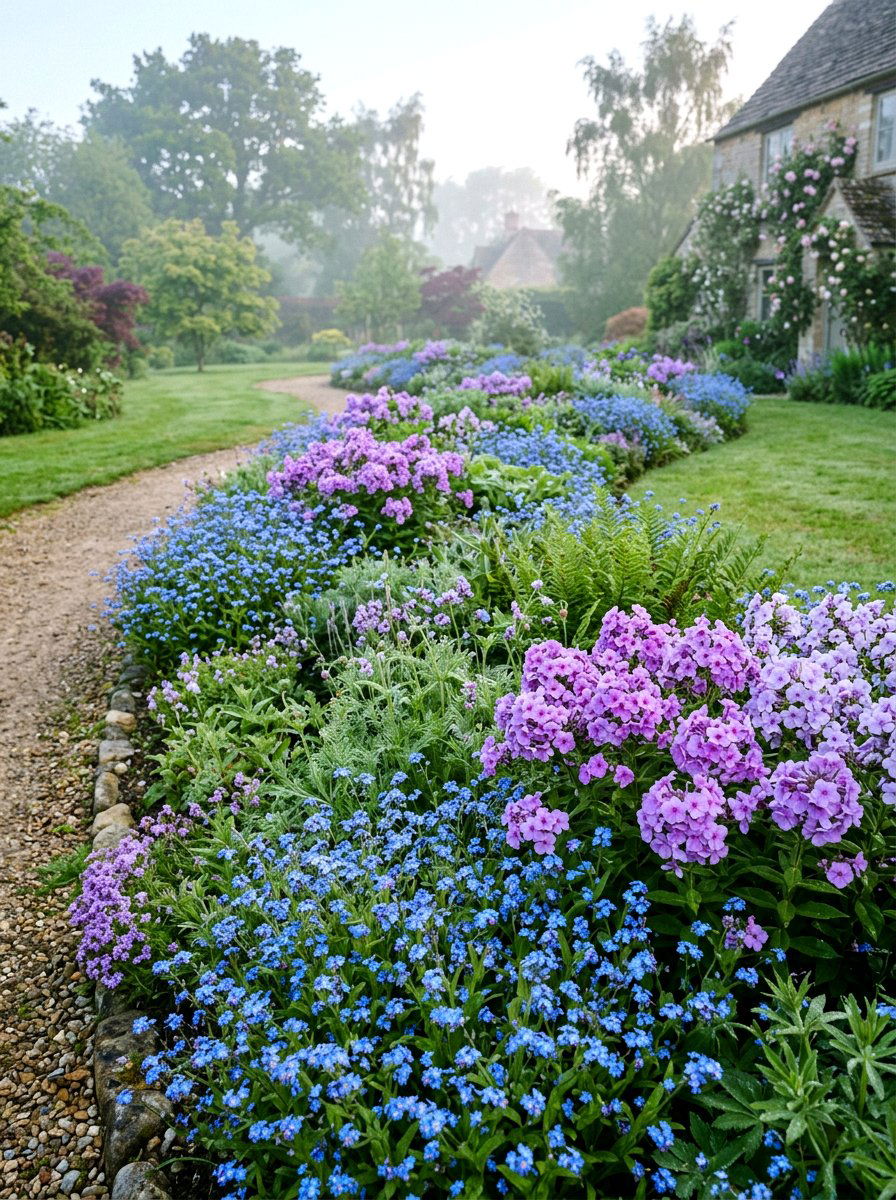
Are you searching for the most tranquil and relaxing color palette possible? A blue and lilac flower bed is a dreamlike combination that feels like a misty morning or a peaceful meadow. By pairing soft blue hydrangeas or forget-me-nots with pale lilac phlox or catmint, you create a cooling effect that is perfect for a summer sanctuary. These colors are very similar on the color wheel, so they blend together effortlessly without any harsh lines. This palette is ideal for a meditation garden or a quiet spot where you like to read. It feels very gentle on the eyes and provides a sense of endless calm and serenity.
26. Cream And Apricot Flower Bed
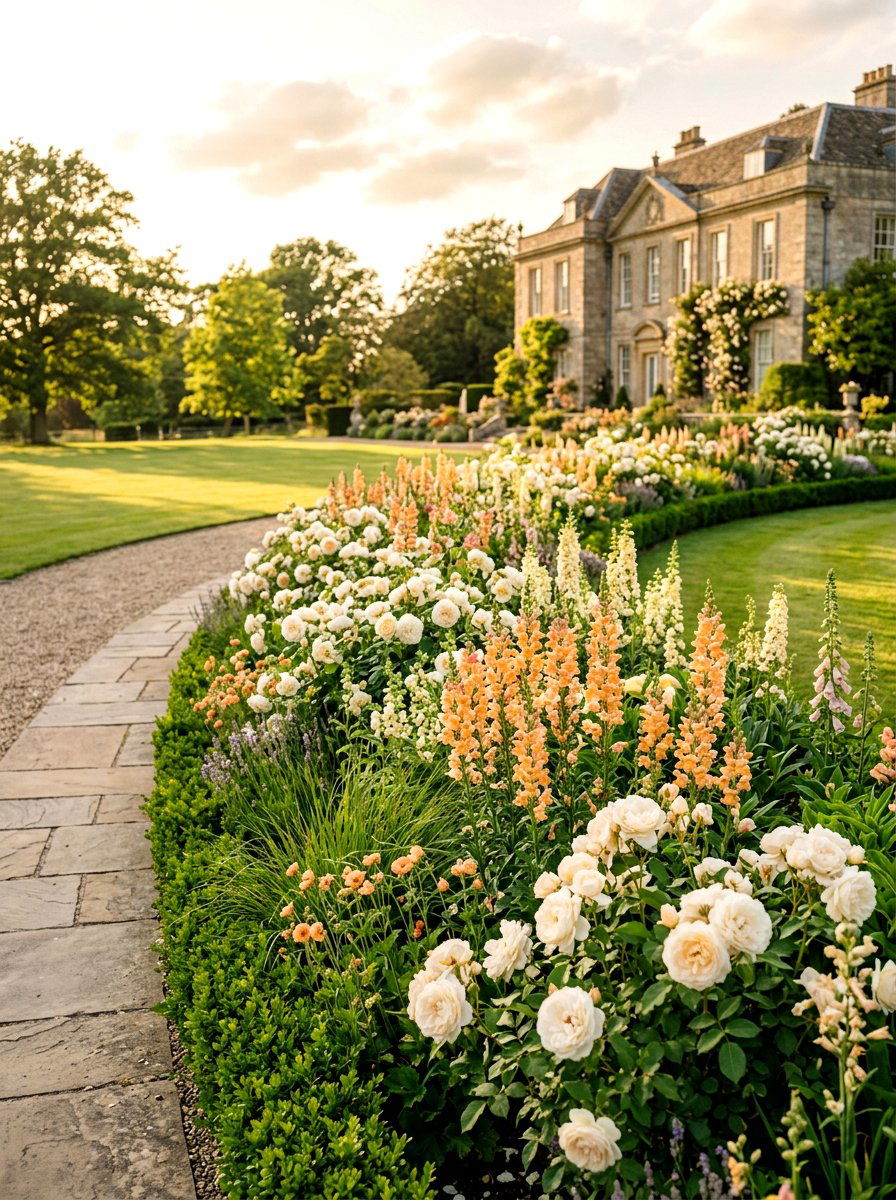
Do you prefer a garden that feels warm and inviting without being overly bright or loud? A cream and apricot flower bed is a soft, sophisticated choice that offers a subtle glow. The pale, buttery tones of cream-colored roses or snapdragons are beautifully complemented by the warm, peachy hues of apricot foxgloves or lilies. This palette feels very high-end and is often used in formal estate gardens. It is a very romantic combination that looks particularly beautiful against brick or stone walls. The softness of the colors allows you to focus on the intricate details and delicate fragrances of the flowers without being overwhelmed by visual noise.
27. Rainbow Color Flower Bed
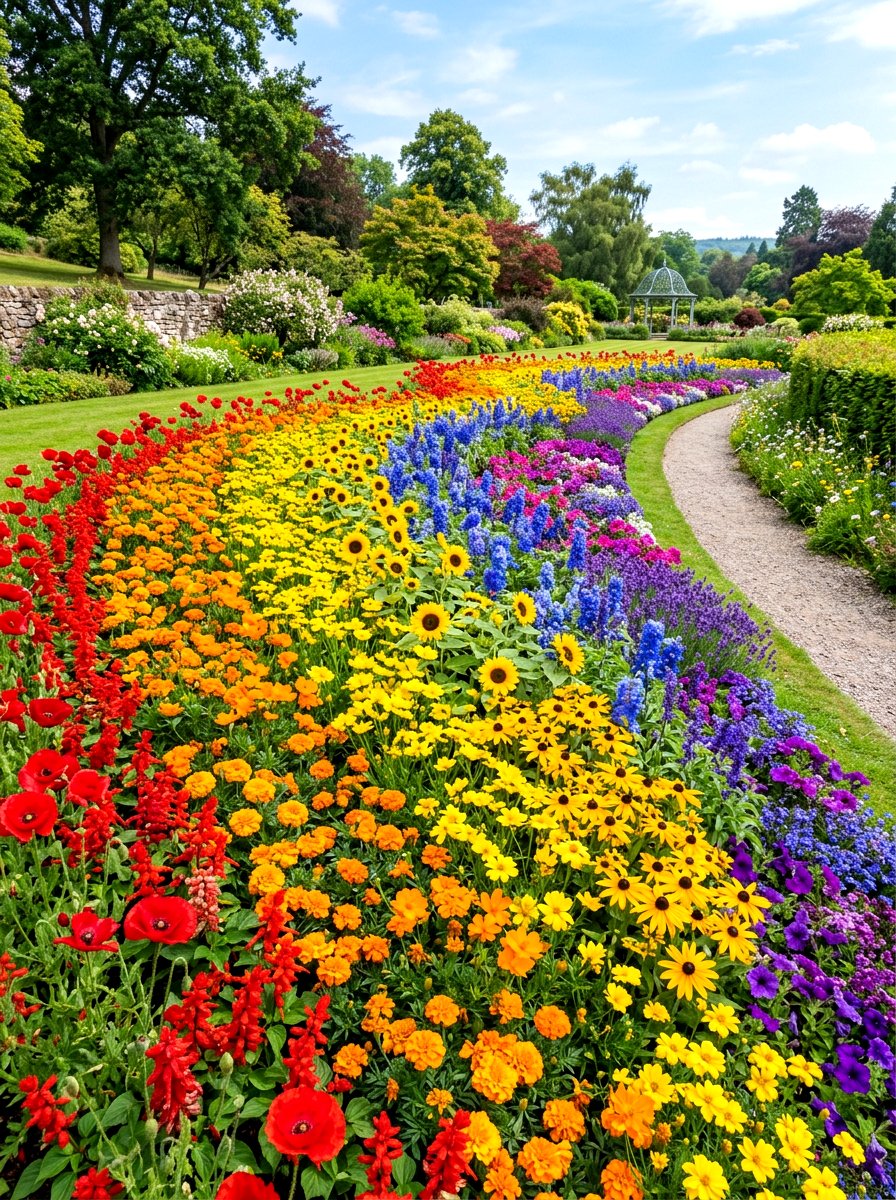
Can 't decide on just one or two colors and want to see them all? A rainbow color flower bed is a joyful and eclectic celebration of nature' s full palette. This design doesn't follow strict color theory rules but instead focuses on a balanced mix of every shade imaginable. To keep it from looking messy, you can organize the plants in a repeating pattern or a gradual gradient from red to violet. This style is perfect for a family-friendly garden or a space dedicated to cutting flowers. It brings an undeniable sense of fun and abundance to your yard, ensuring there is always something interesting and colorful to look at.
28. Dark Foliage Flower Bed
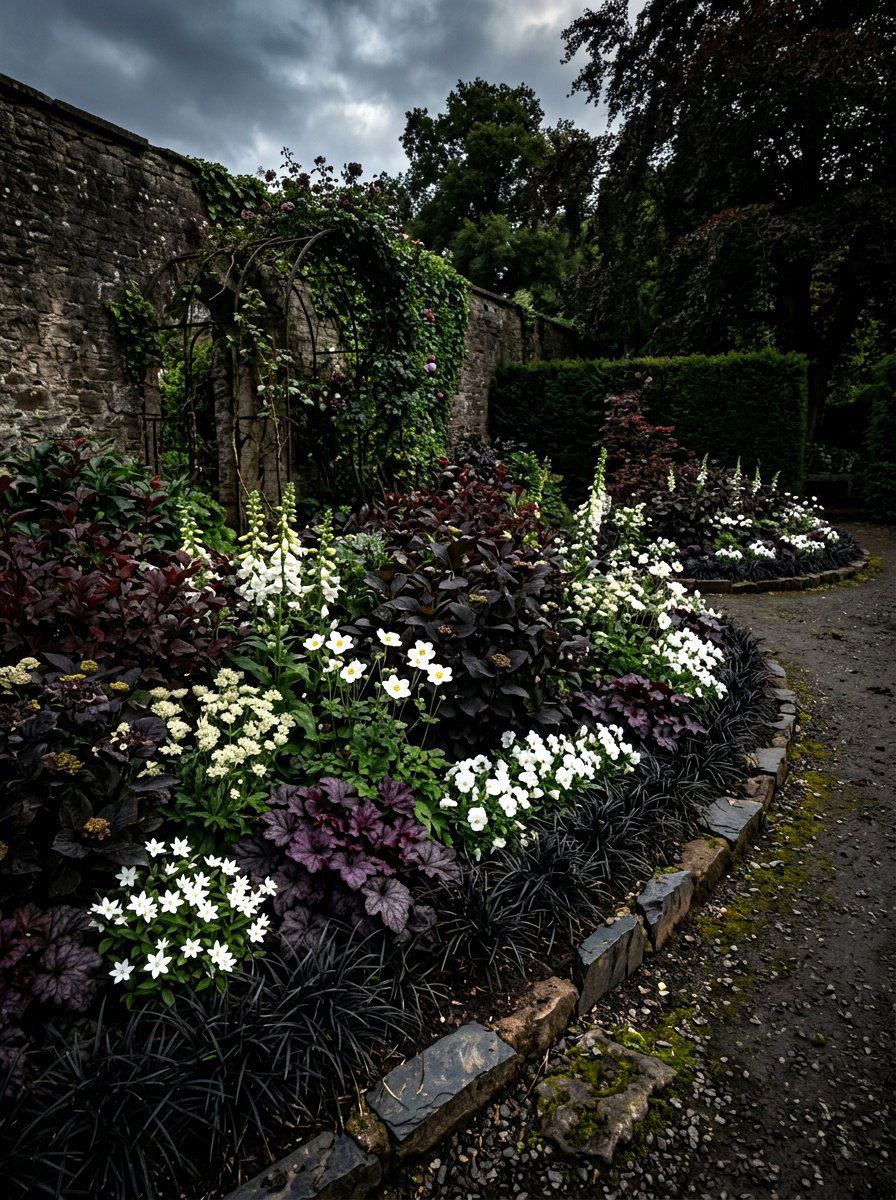
Are you a fan of the "dark academia" or gothic garden aesthetic? A dark foliage flower bed relies on plants with near-black or deep burgundy leaves to create a moody and mysterious backdrop. You can use black mondo grass, 'Obsidian' heuchera, or dark-leaved cannas to build the foundation. To make the dark colors pop, you add high-contrast accents like white or neon pink flowers. This creates a very dramatic and artistic look that feels much more intentional than a standard green garden. It is a fantastic way to experiment with shadows and light, making your garden look like a living piece of fine art or a classic painting.
29. Blue And Peach Flower Bed
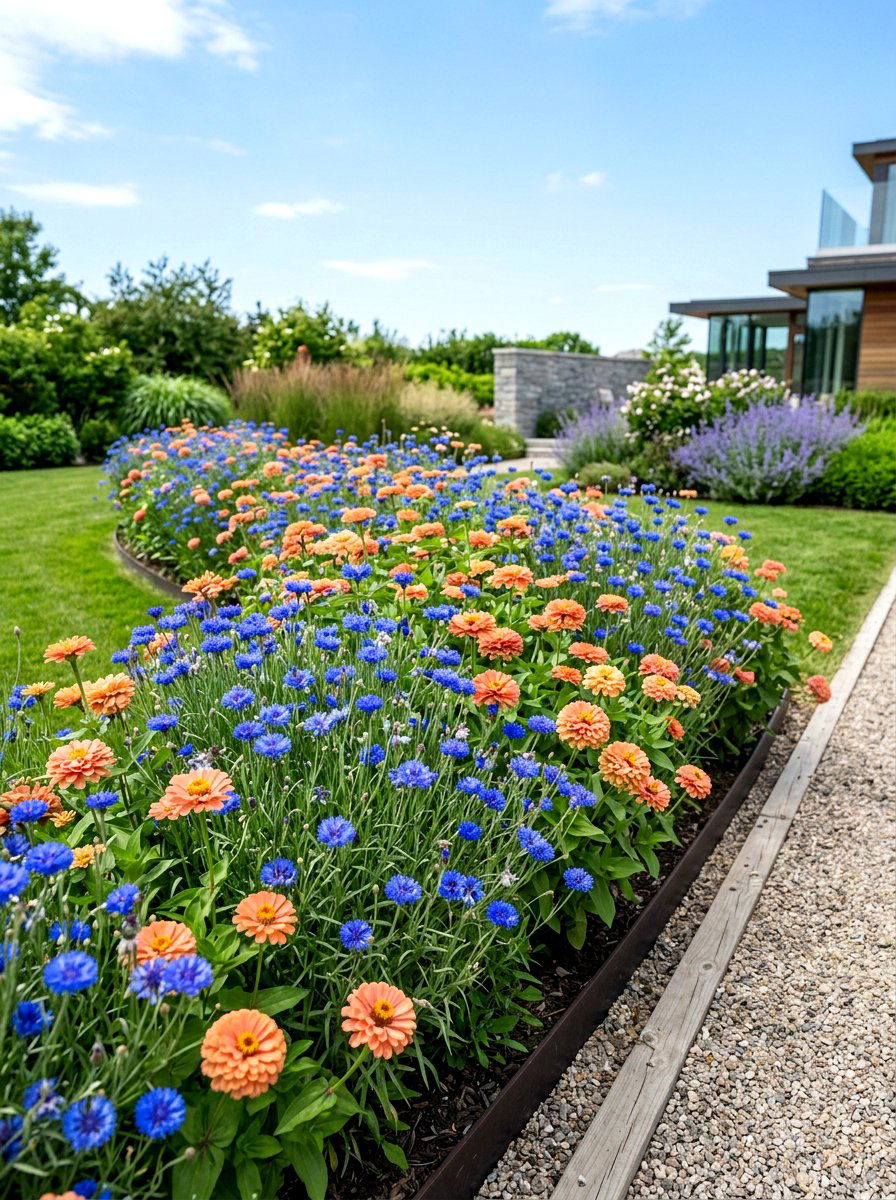
Do you want a garden that feels like a breath of fresh air? A blue and peach flower bed is a stunning and modern complementary pairing that offers a sophisticated balance of warm and cool. The airy, sky-blue tones of delphiniums or cornflowers provide a refreshing contrast to the warm, sunset hues of peach-colored zinnias or roses. This combination is often found in designer landscapes because it feels both balanced and exciting. It is a great way to add a pop of unique color to a sunny border or a large container garden. The peach tones act as a warm hug, while the blue provides a cool, calming influence.
30. Blush Pink Flower Bed
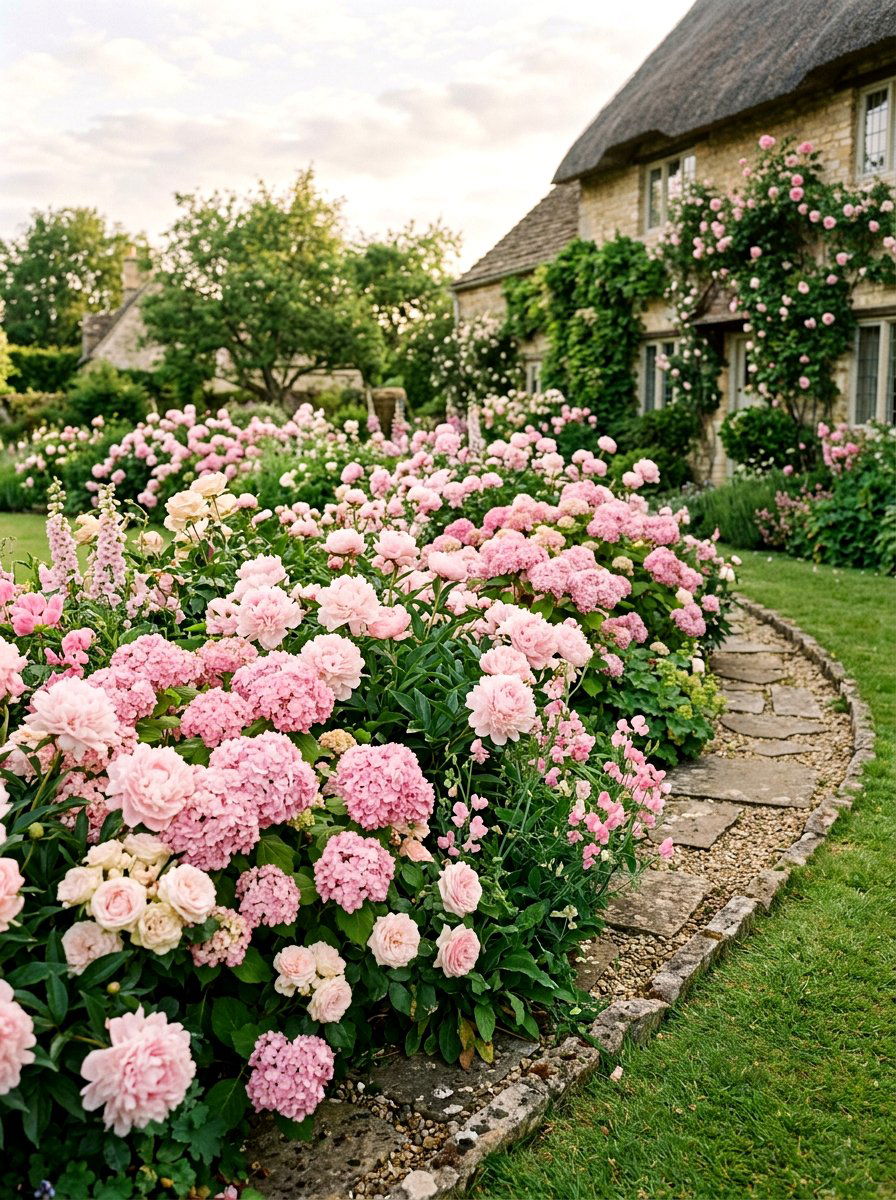
Are you looking for a garden that feels incredibly soft, feminine, and understated? A blush pink flower bed uses the palest shades of pink to create a delicate and ethereal atmosphere. By mixing soft pink peonies, hydrangeas, and roses, you achieve a look that is monochromatic but full of different textures and forms. This palette is perfect for creating a romantic focal point near a patio or bedroom window. The light color remains visible even in low light, making the garden feel like it is glowing. It is a timeless and elegant choice that provides a sense of peace and beauty without demanding too much attention.
Conclusion:
Selecting the perfect color palette for your flower beds is a journey of personal expression and creative discovery. Whether you lean toward the quiet elegance of an all-white garden or the high-energy vibration of a purple and orange display, the right shades will transform your outdoor living experience. By considering factors like lighting, bloom time, and the existing architecture of your home, you can create a cohesive landscape that looks professionally designed. Remember that gardening is an evolving art form, and you can always move plants or add new hues next season. Now is the perfect time to start planning your most colorful and vibrant garden yet.

Related posts: