Small gardens offer a unique opportunity to express your personal style without overwhelming your schedule or your budget. Even a tiny patch of land can become a vibrant focal point that breathes life into your outdoor space. By focusing on smart plant selection and thoughtful layout, you can transform a neglected corner into a stunning floral display. These small-scale projects are perfect for beginners and seasoned gardeners alike because they allow for experimentation with colors and textures. Whether you want to boost your home’s curb appeal or create a peaceful sanctuary in your backyard, a well-planned flower bed makes all the difference. Let’s explore how these compact arrangements can elevate your entire home environment effortlessly.
1. Front Yard Border
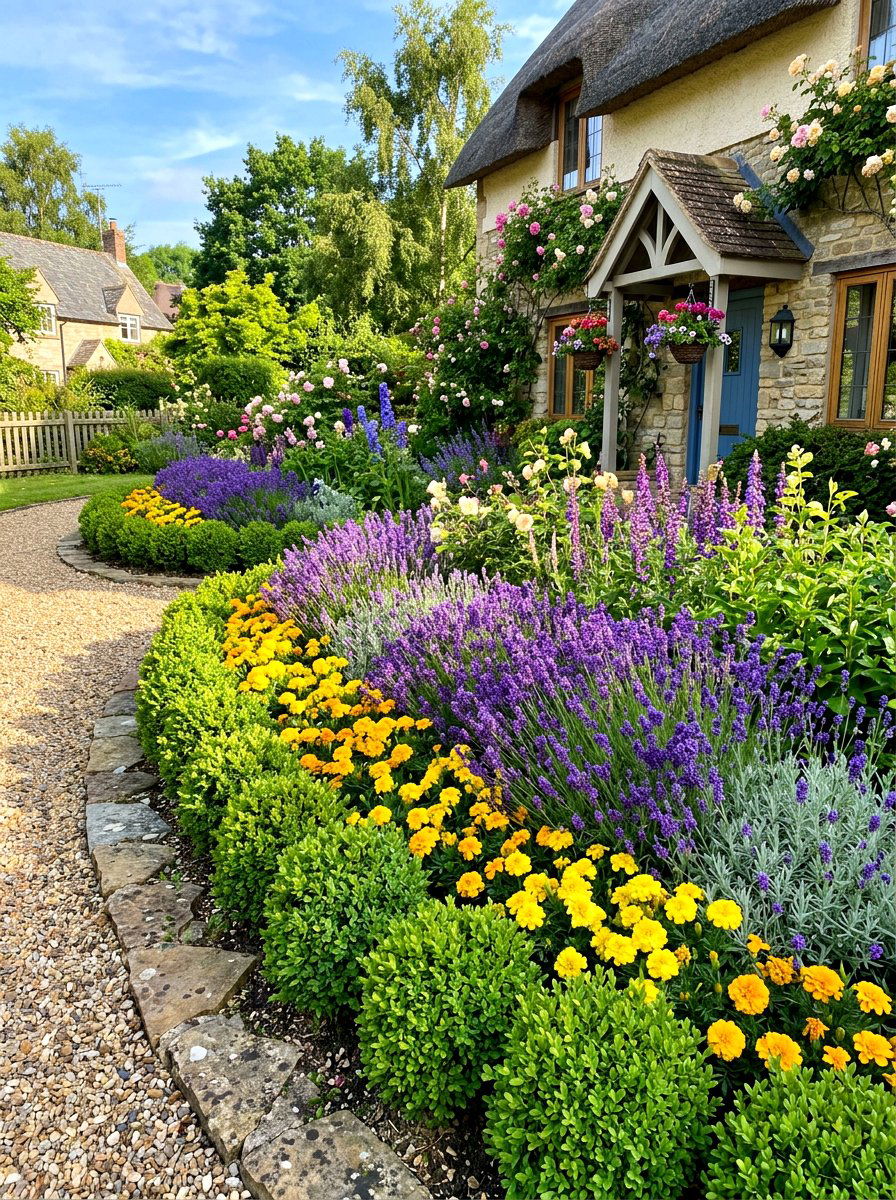
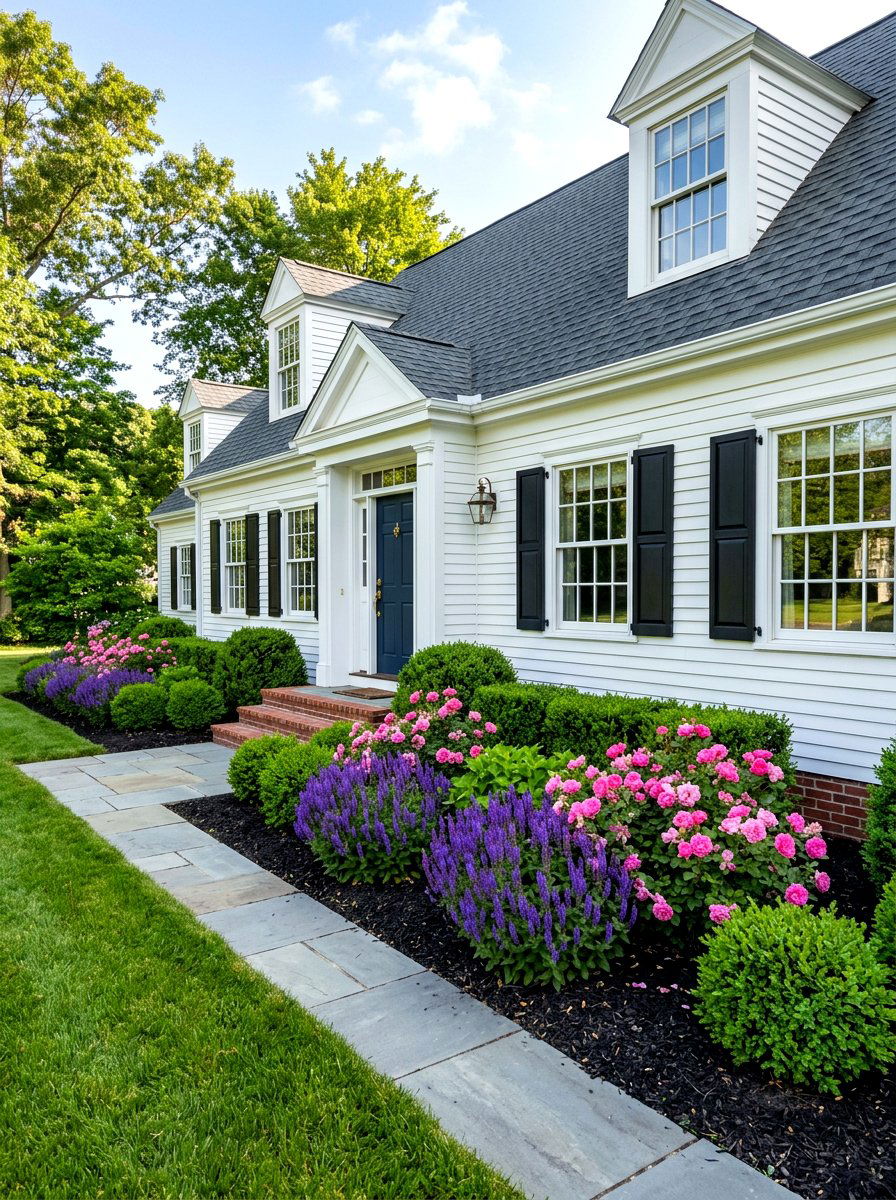
Creating a border along the front of your house is one of the most effective ways to enhance your home's exterior appearance. You should start by choosing a mix of evergreen shrubs and seasonal blooms to ensure your yard looks great throughout the year. Use taller plants in the back and shorter ones in the front to create a sense of depth and visual interest. This layered approach makes the space feel larger and more professional. Adding a clean edge with mulch or decorative stones helps define the area and keeps weeds at bay. It is a simple project that provides a huge impact for any homeowner looking to improve their curb appeal quickly.
2. Window Box Planter
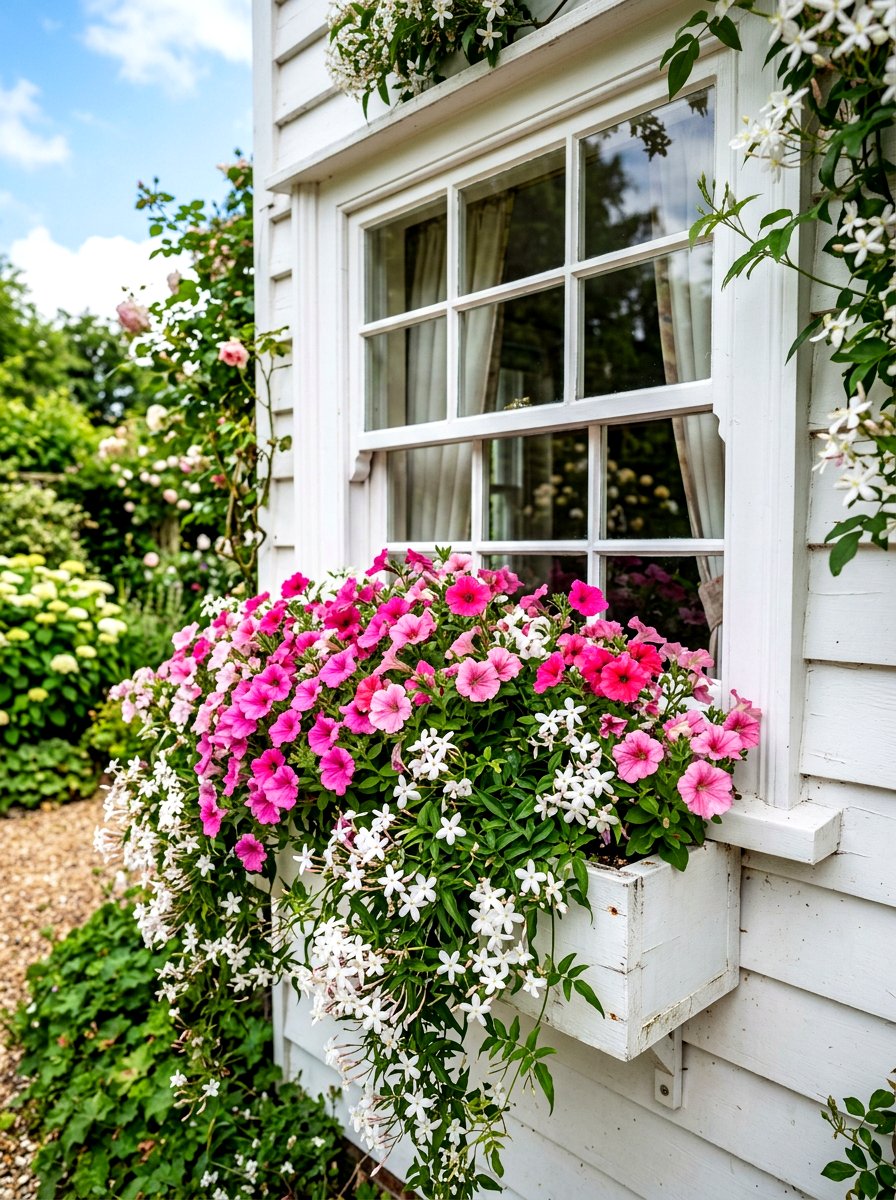
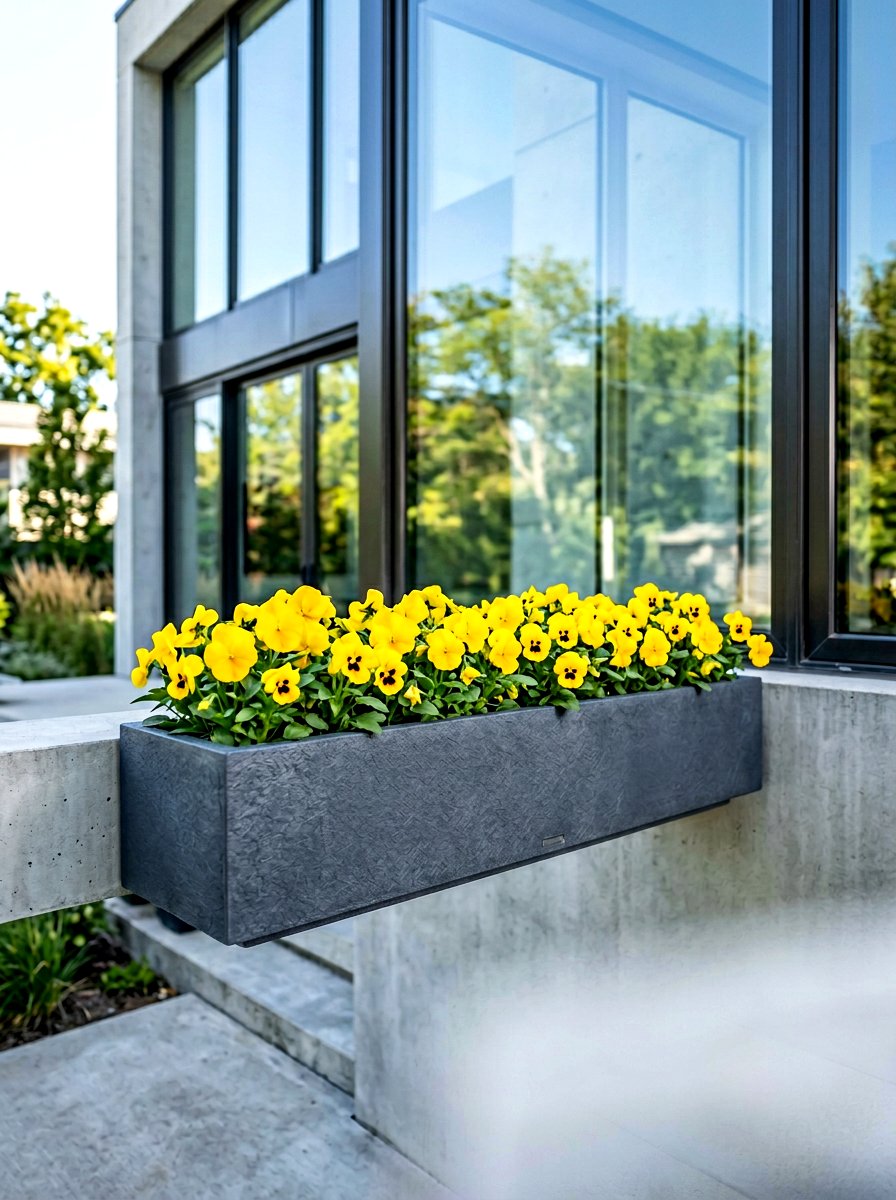
Window boxes are a fantastic way to bring nature closer to your living spaces while saving valuable ground area. These compact containers allow you to enjoy beautiful flowers right outside your window every single day. When selecting plants, consider the amount of sunlight the window receives to ensure your flowers thrive and remain healthy. You can mix trailing vines like ivy with upright blooms like petunias for a dynamic and lush look. Regularly deadheading the flowers will encourage more growth and keep the box looking vibrant all season long. It is a wonderful way to add a pop of color to your home’s facade without needing a massive garden plot.
3. Raised Wooden Bed
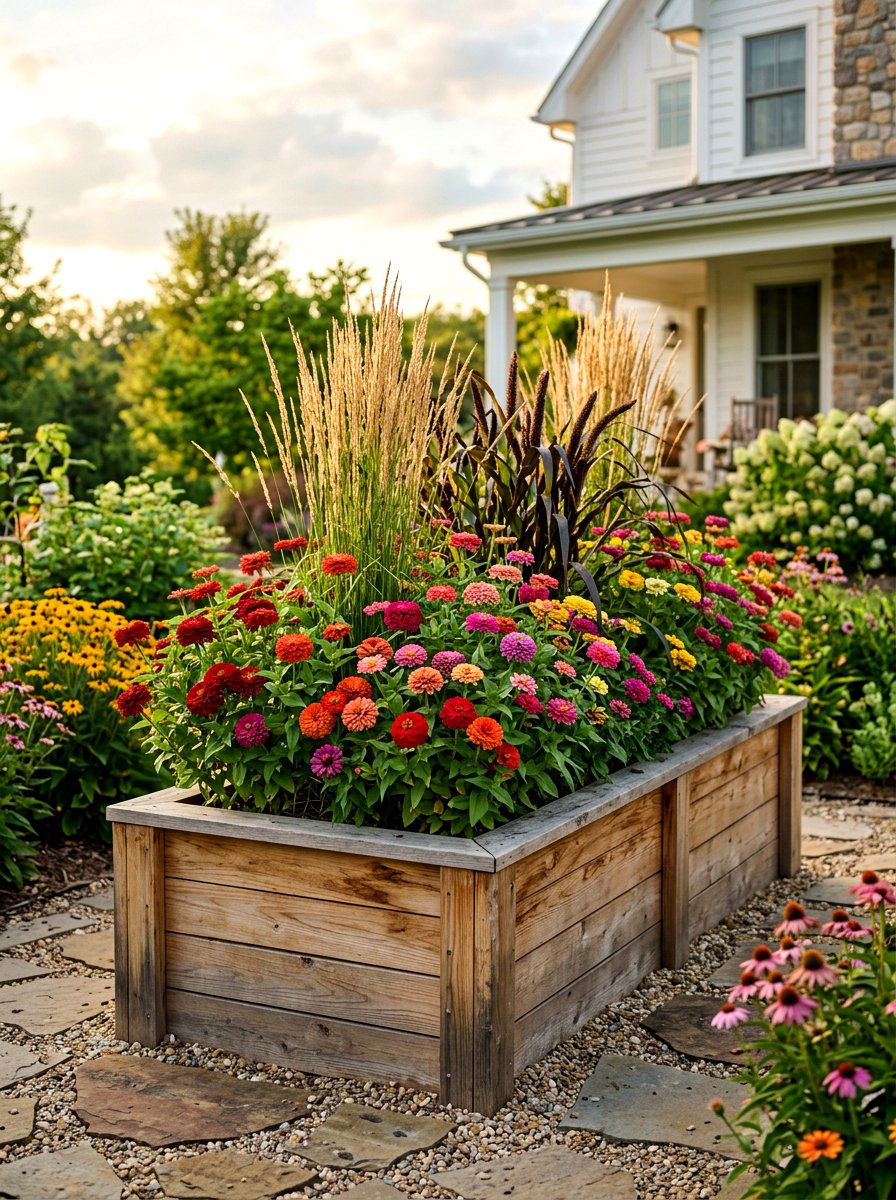
Building a raised wooden bed is an excellent solution for areas with poor soil quality or limited space. These structures provide excellent drainage and allow you to control the soil composition perfectly for your specific flowers. Using cedar or redwood is a smart choice because these materials are naturally resistant to rot and insects. You can build them at various heights to make gardening easier on your back and knees. Filling the bed with a variety of textures, such as soft ferns and spiky ornamental grasses, creates a modern and clean aesthetic. It serves as a tidy and organized way to manage a small floral collection in any backyard.
4. Stone Edged Corner
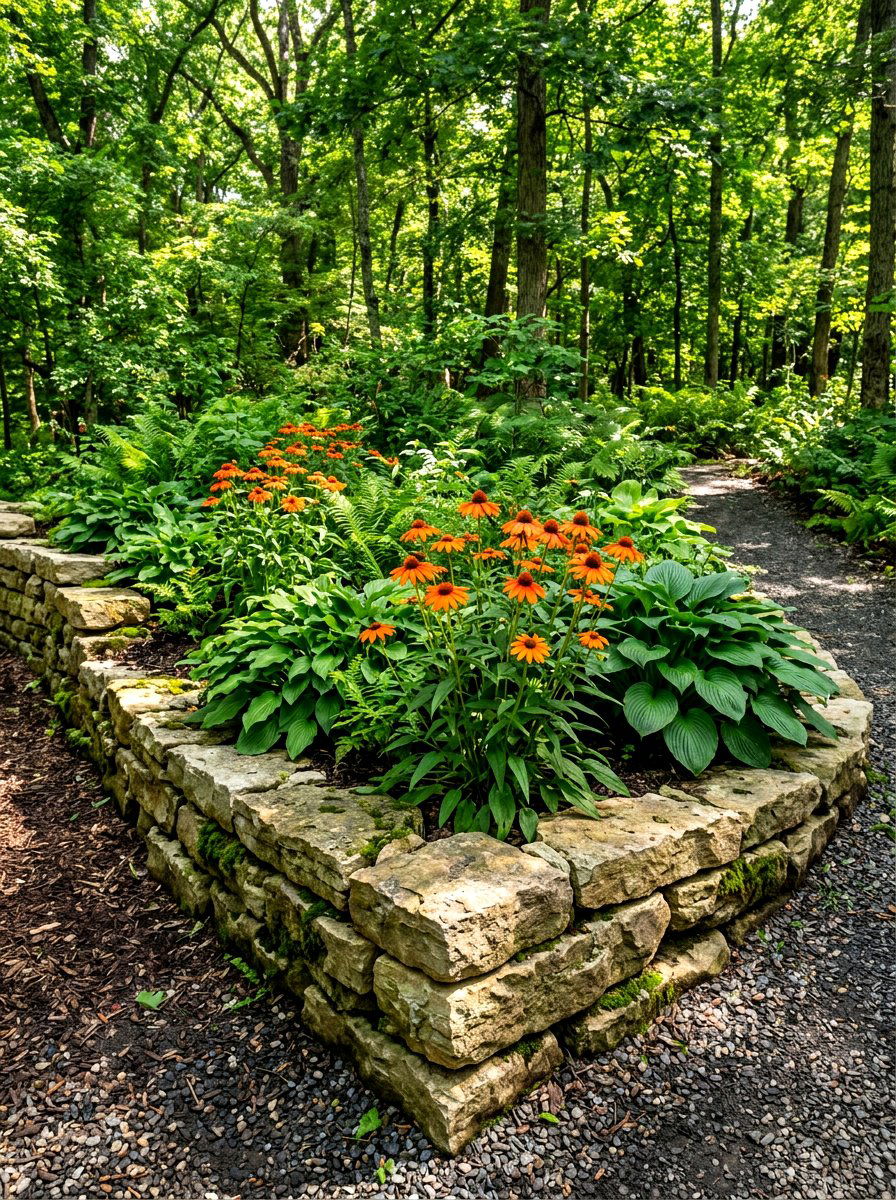
Utilizing the corners of your property with stone edging can turn a forgotten spot into a beautiful landscape feature. Natural stones like limestone or granite provide a timeless look that complements almost any home style. You can stack the stones slightly to create a mini-terraced effect for added dimension. Planting low-maintenance perennials like lavender or black-eyed Susans ensures the corner stays colorful with minimal effort. The stones also act as a physical barrier that prevents grass from creeping into your flower area. This design choice adds structure and a touch of elegance to the perimeter of your yard while maximizing every inch of available ground.
5. Mailbox Flower Surround
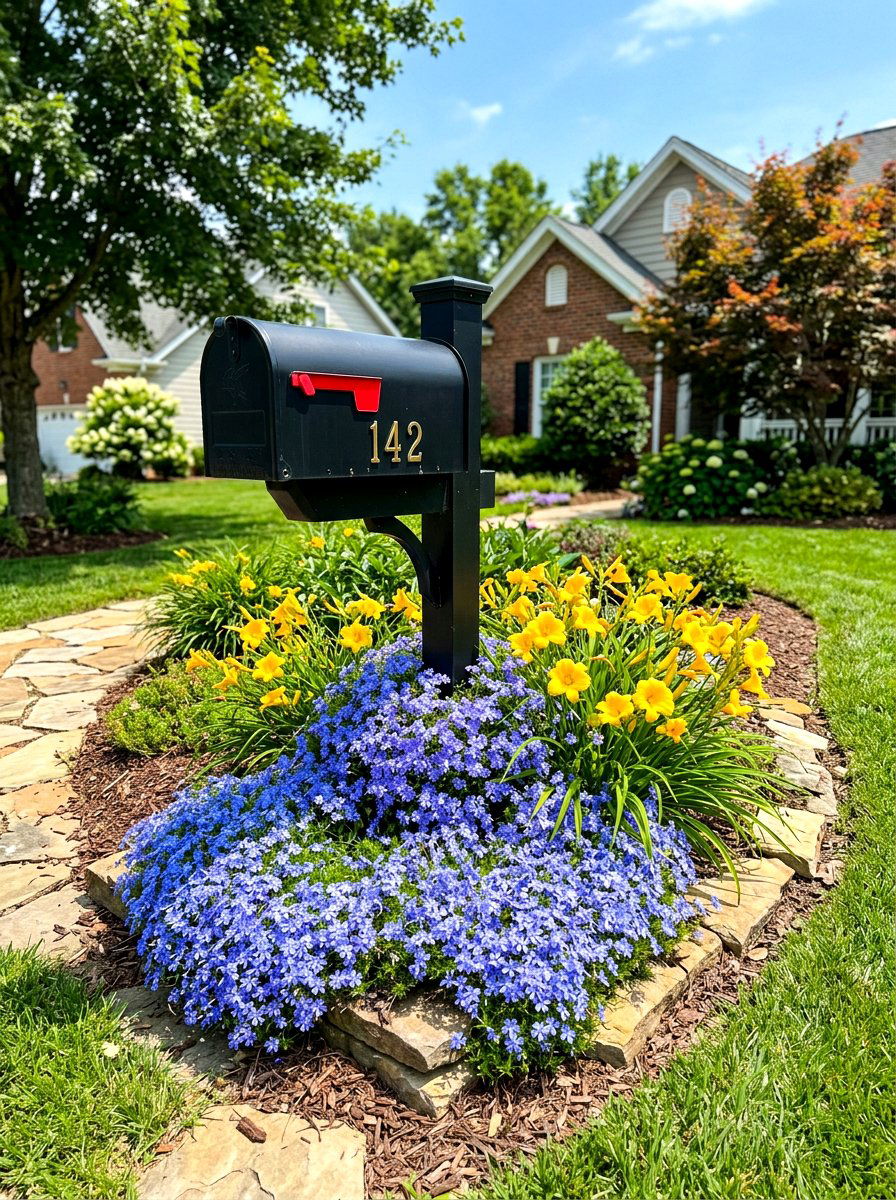
Transforming the area around your mailbox is a quick way to greet guests with a burst of color. Since this space is often small and isolated, it is the perfect spot for a concentrated floral display. Choose hardy plants that can withstand heat and road salt if you live in a colder climate. Creeping phlox or daylilies are great options because they spread easily and provide dense coverage. Adding a small layer of bark mulch helps retain moisture and gives the bed a finished, professional look. This simple upgrade makes a daily chore like checking the mail much more pleasant and significantly boosts your home's front aesthetics.
6. Circular Tree Ring
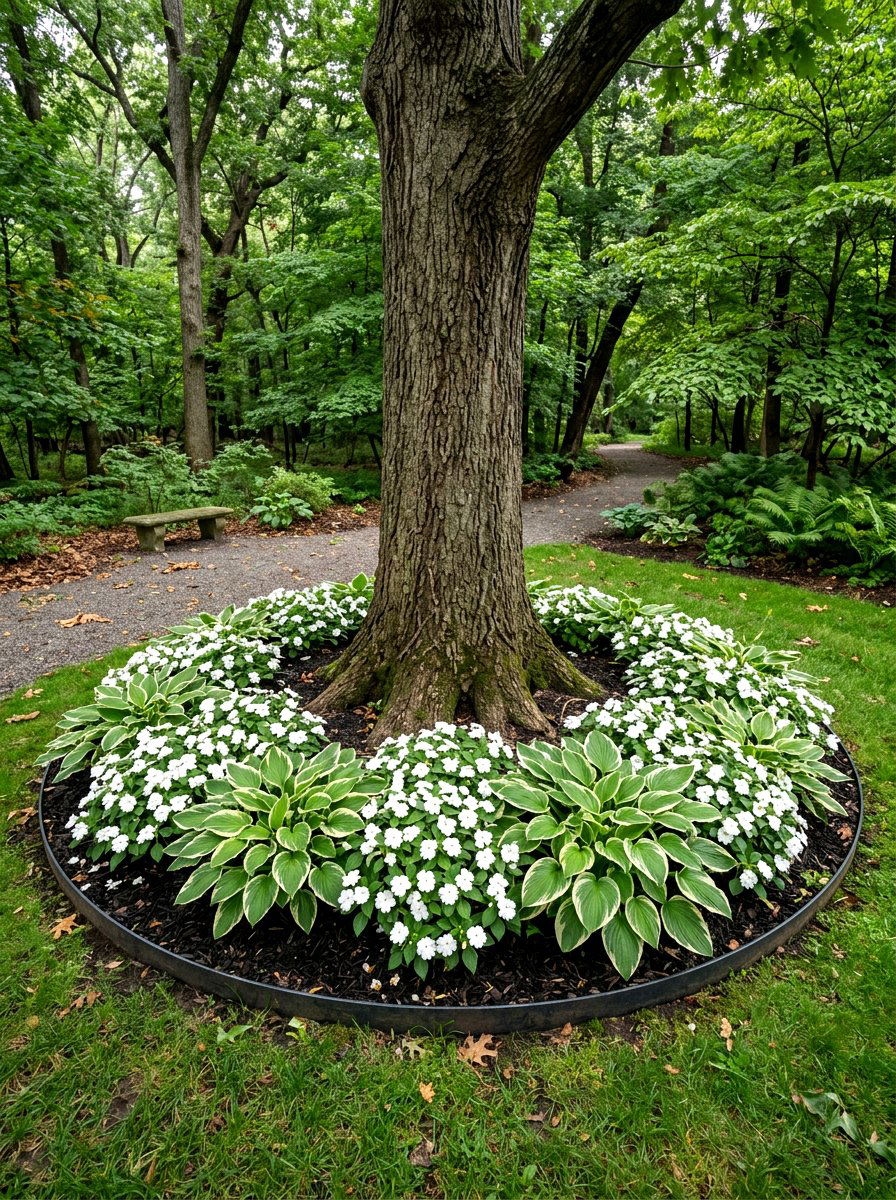
A circular flower bed around the base of a mature tree creates a natural and inviting focal point in your lawn. This method helps protect the tree trunk from mower damage while providing a dedicated space for shade-loving plants. Hostas, caladiums, and impatiens thrive in the filtered light found under large canopies. Ensure you leave a few inches of space around the trunk to prevent moisture buildup and rot. Using flexible plastic or metal edging allows you to create a perfect circle that stays neat and tidy. This design integrates your trees into the overall landscape rather than leaving them as isolated elements in a grassy field.
7. Backyard Fence Line
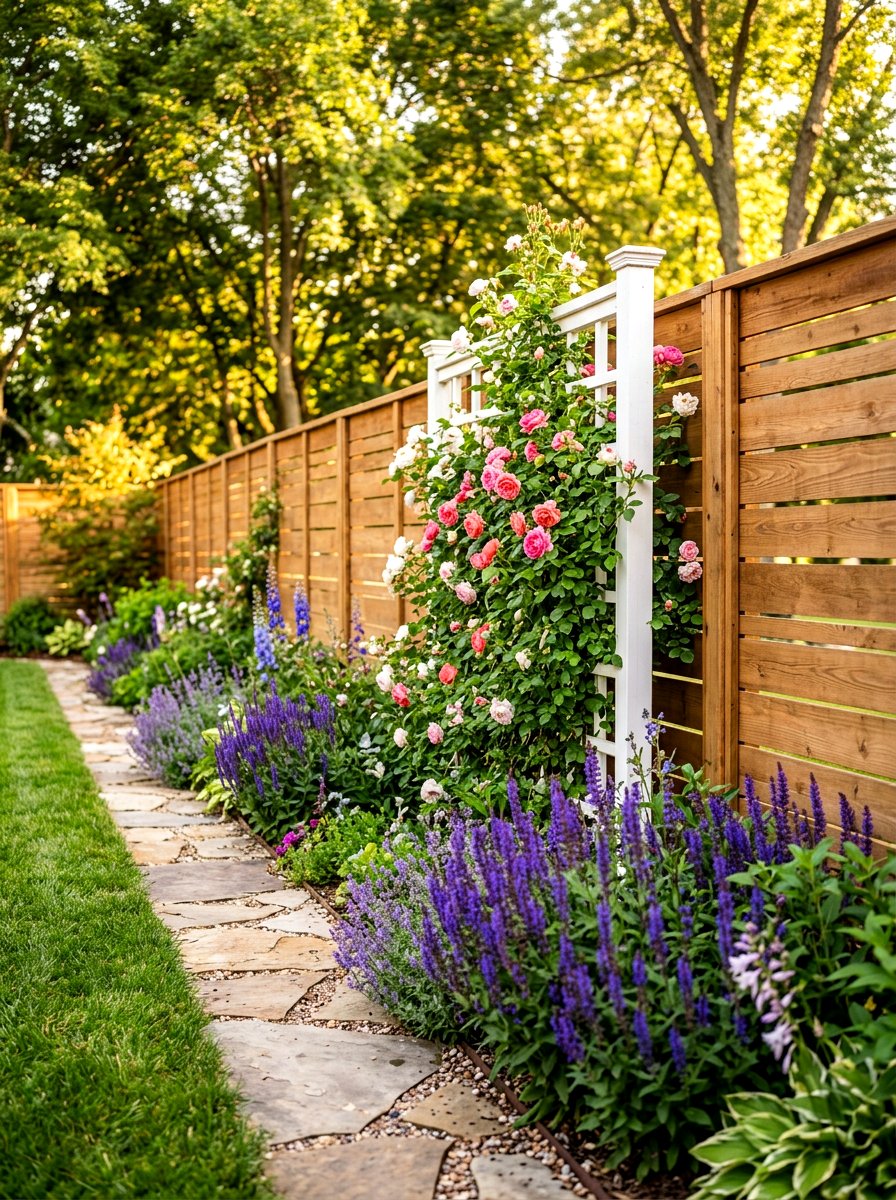
Installing a flower bed along your backyard fence line is a smart way to soften hard boundaries and add privacy. Long, narrow beds allow you to plant a variety of species without taking up much of your central lawn area. You can use climbing roses or clematis to grow upwards, utilizing the fence as a natural support system. Mixing in different heights of shrubs and flowers creates a lush, wall-like effect that feels like a secret garden. This approach is particularly effective for small backyards where you want to maximize green space. It creates a beautiful backdrop for outdoor seating areas and makes the yard feel more enclosed.
8. Vertical Wall Pocket
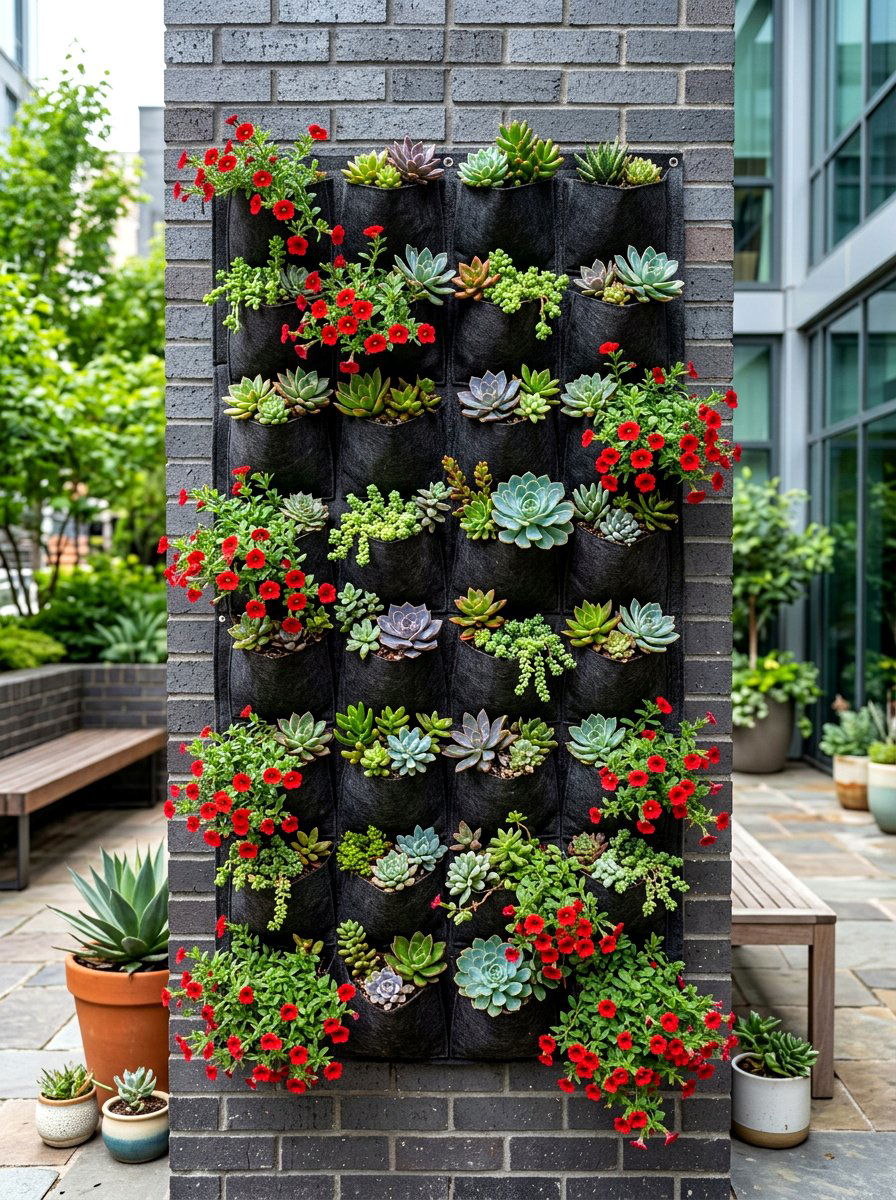
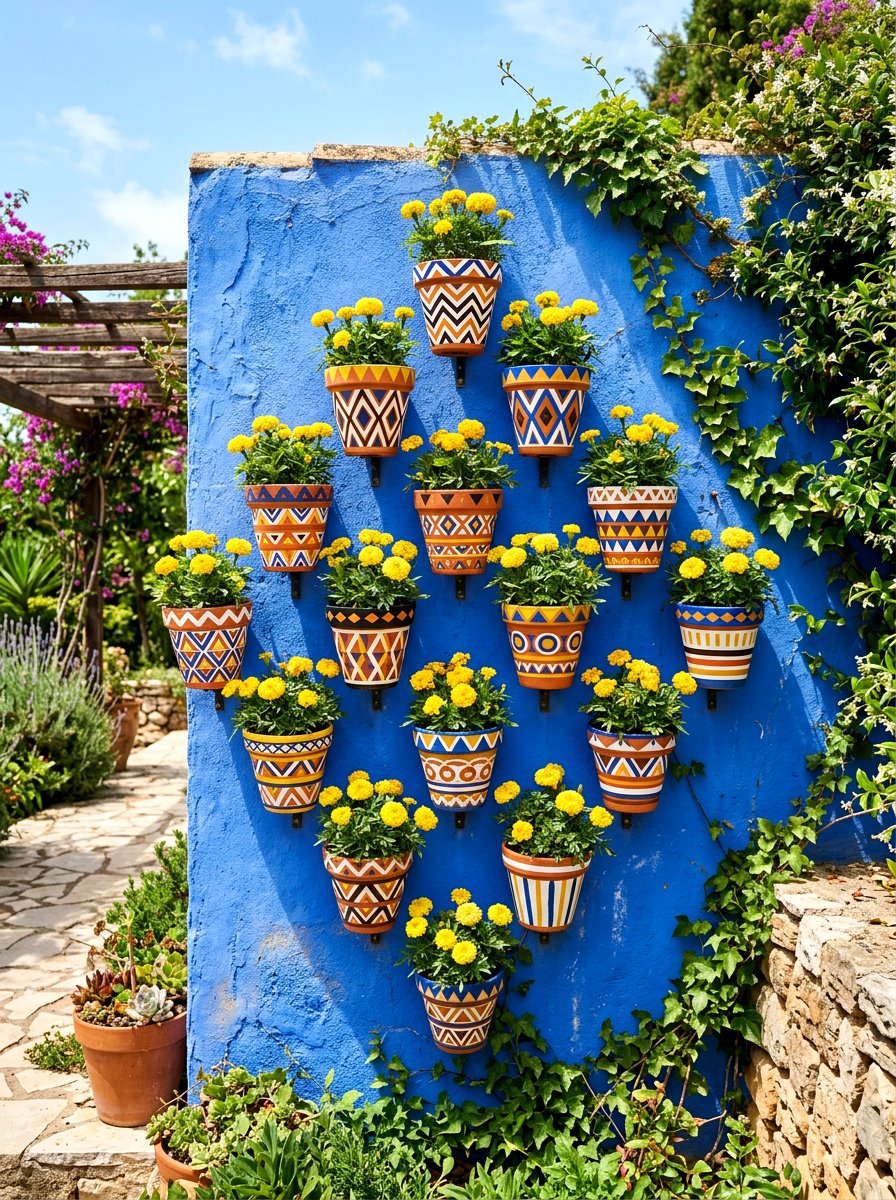
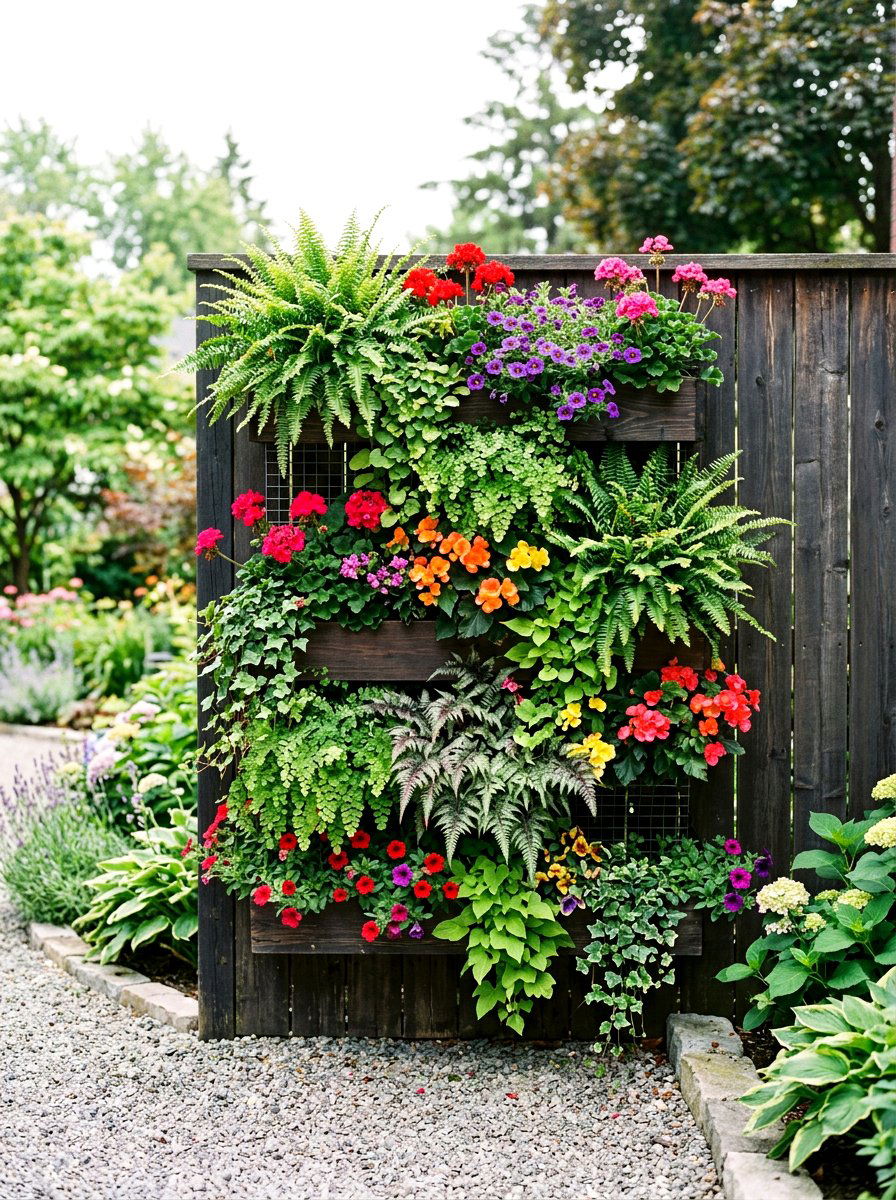
Vertical wall pockets are a game-changer for urban dwellers or those with very limited patio space. These felt or plastic pockets can be mounted directly onto a wall or fence to create a living tapestry of color. They are ideal for growing small flowering plants, succulents, or even trailing herbs that spill over the edges. Because they are elevated, they stay away from many common ground pests and are very easy to water. You can arrange multiple pockets in a grid pattern to create a large statement piece. This vertical approach turns a plain wall into a breathing piece of art that requires very little footprint on the ground.
9. Gravel Rock Garden
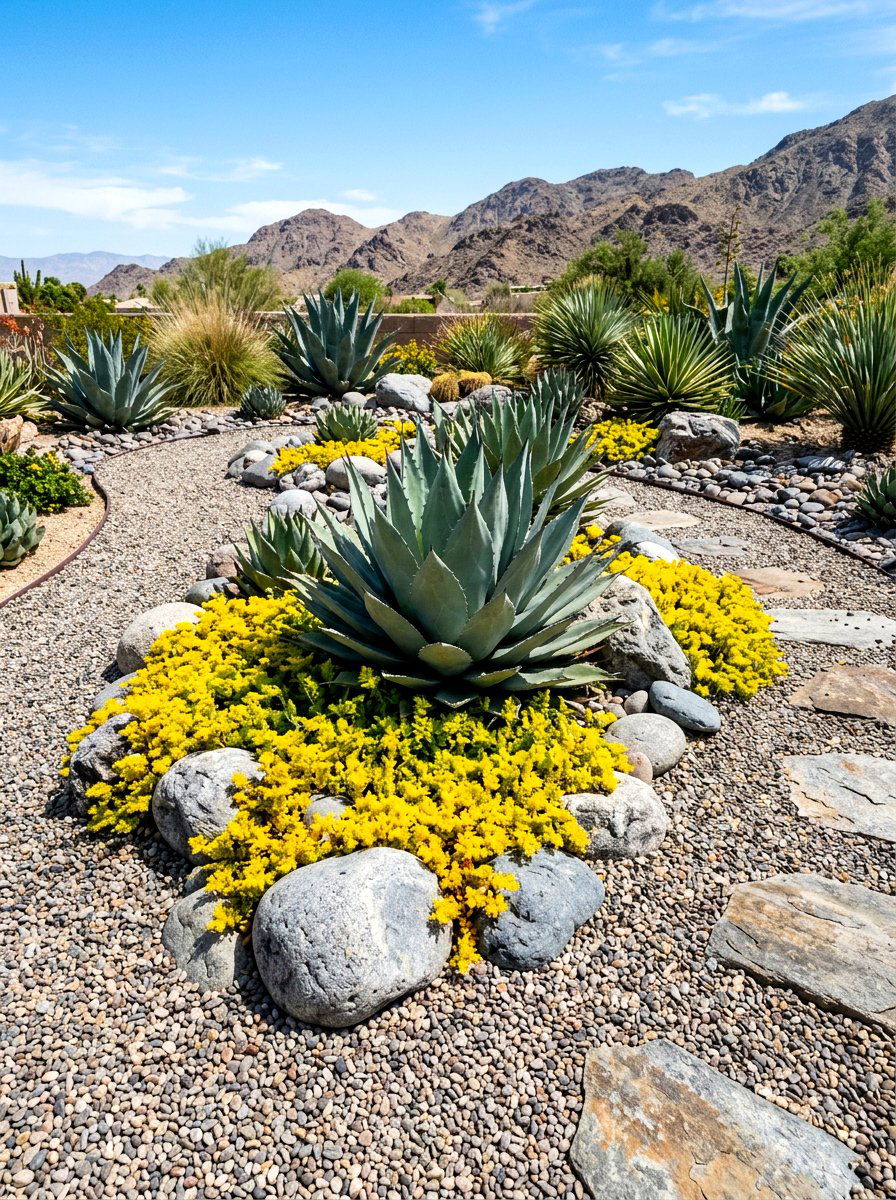
A gravel rock garden is a sophisticated and low-maintenance option for homeowners who prefer a clean, minimalist look. By combining different sizes of river rocks and gravel, you create a textured base that looks good even when plants aren't blooming. Drought-tolerant species like sedum, yarrow, and agave are perfect for this environment because they thrive in well-drained soil. The rocks help regulate soil temperature and significantly reduce the need for constant weeding. This type of bed works exceptionally well in modern landscapes or areas where water conservation is a priority. It offers a calm, zen-like atmosphere that remains attractive through every season of the year with minimal upkeep.
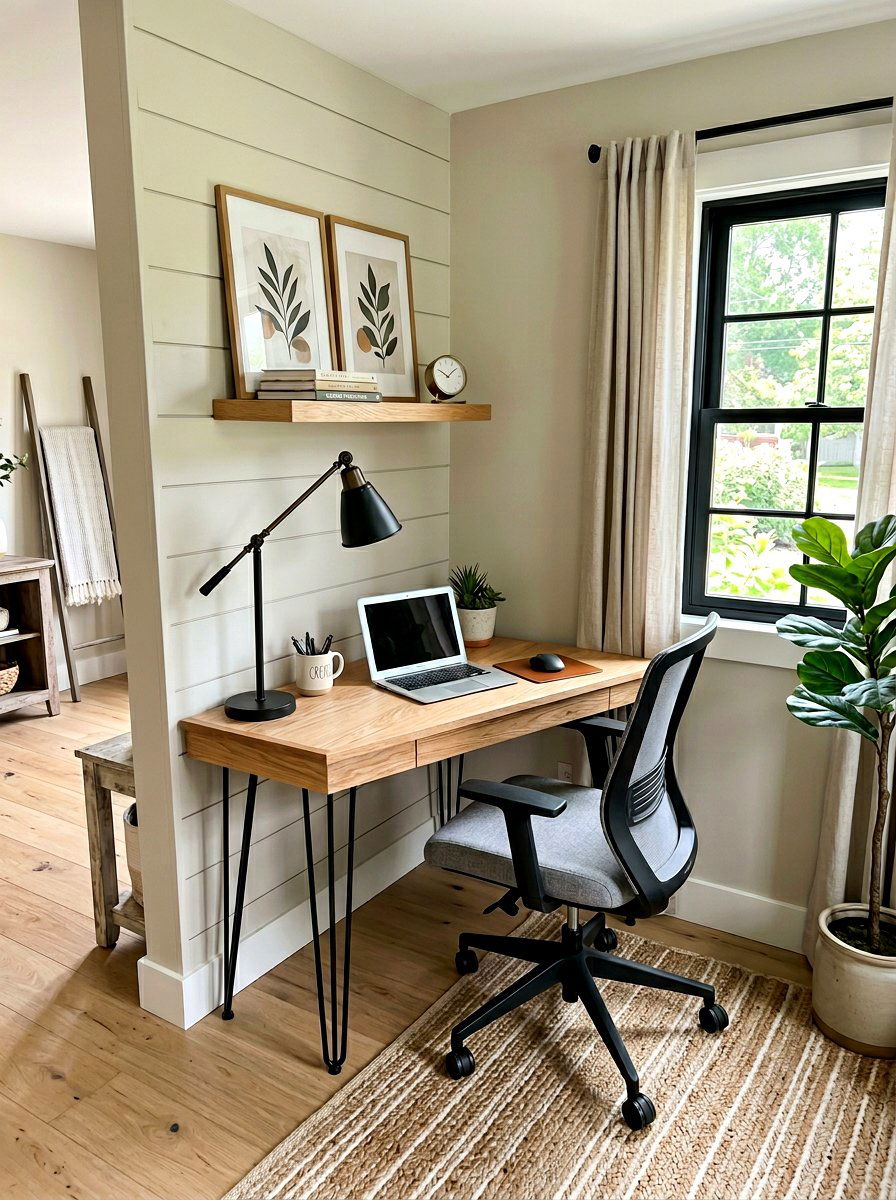
10. Brick Path Edge
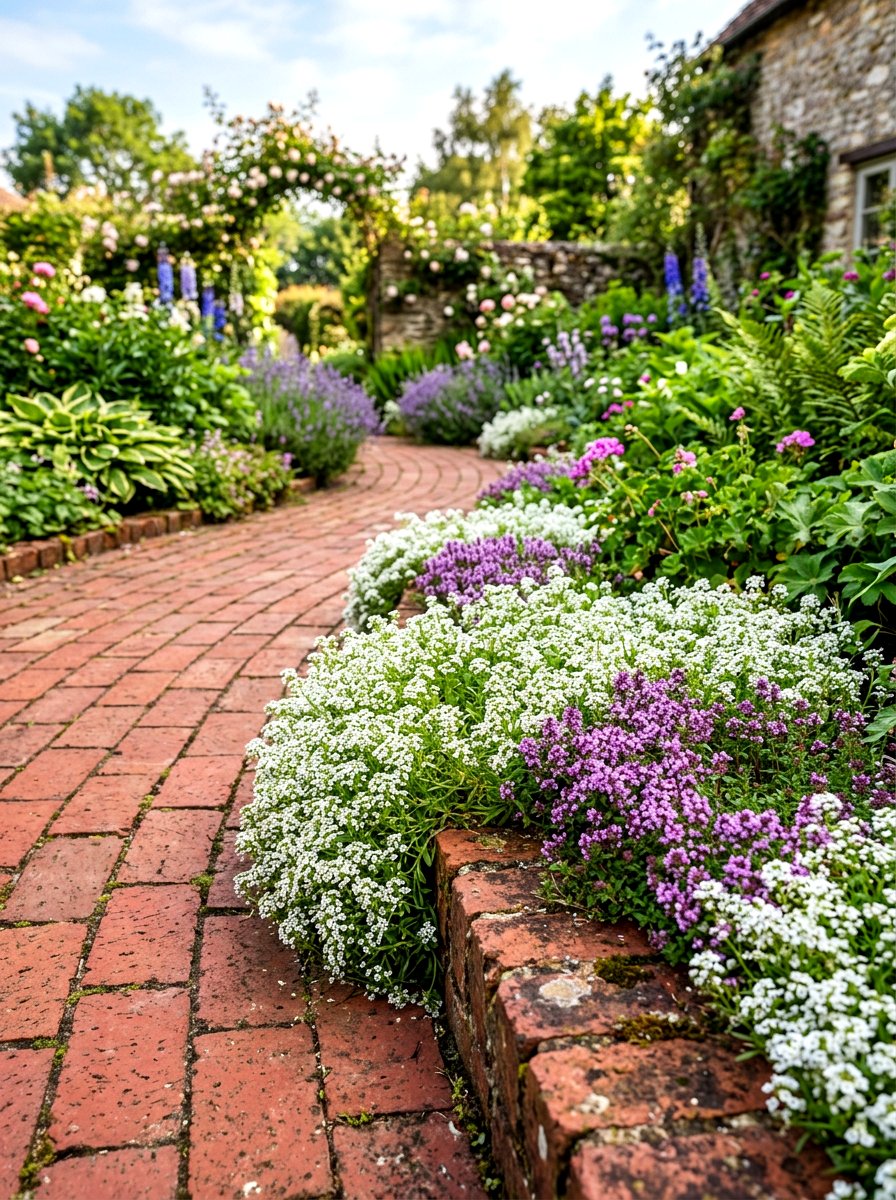
Running a thin flower bed alongside a brick pathway adds a classic charm and guides the eye through your garden. Low-growing plants like sweet alyssum or creeping thyme are ideal because they won't spill over and obstruct the walking path. The contrast between the red or orange tones of the bricks and the green foliage creates a visually striking border. It makes the transition between the hardscape and the lawn feel more natural and intentional. You can also tuck in small solar lights among the flowers to illuminate the path at night. This small detail makes your evening walks around the property much safer and more enchanting for everyone.
11. Tiered Garden Bed
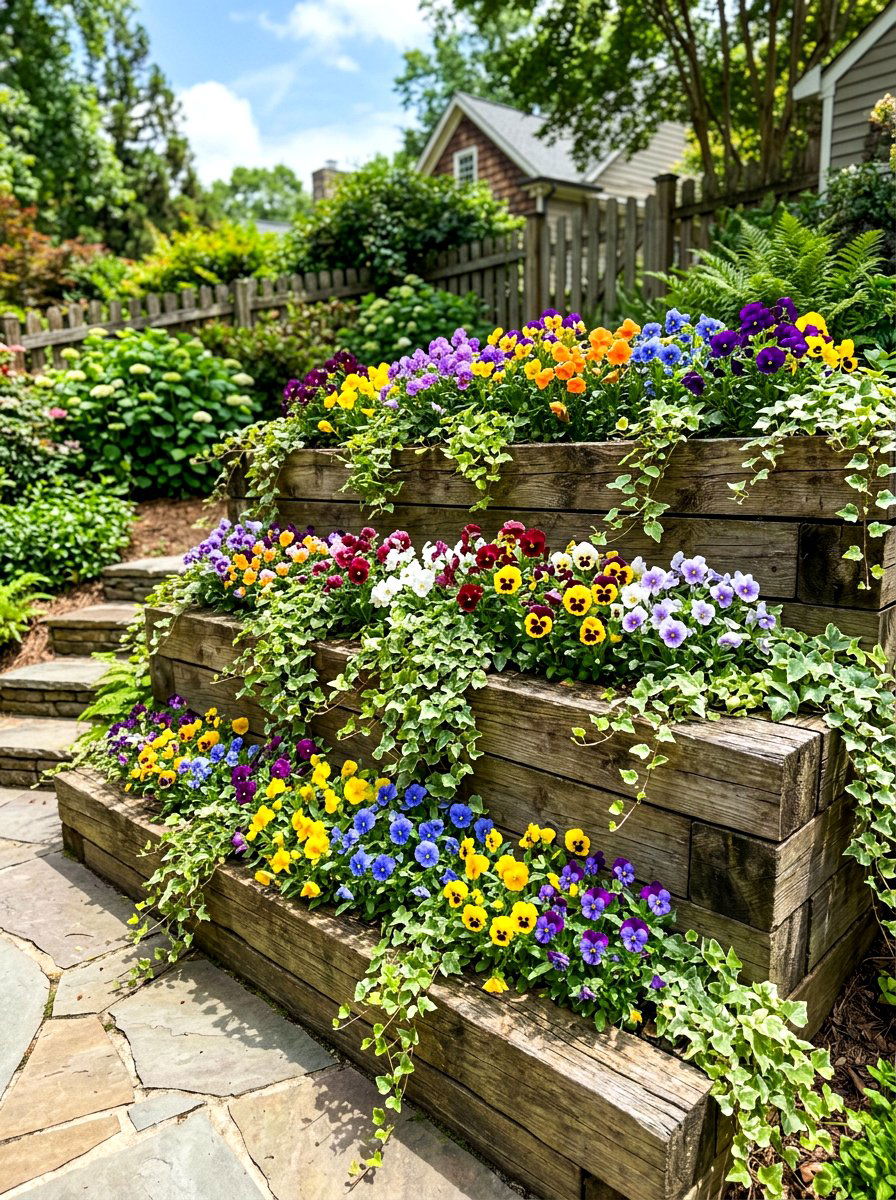
Tiered garden beds are perfect for adding vertical interest and maximizing planting space on a flat surface. By building two or three levels of varying heights, you can showcase more plants in a smaller footprint. This structure allows you to group plants with similar water needs on specific levels for easier maintenance. Use the top tier for sun-loving focal plants and the lower tiers for cascading varieties that soften the edges. Materials like stacked timber or decorative concrete blocks work well for creating these sturdy layers. Tiered beds are especially helpful for those who have trouble bending down, as they bring the garden closer to eye level for easier care.
12. Entrance Pathway Flower
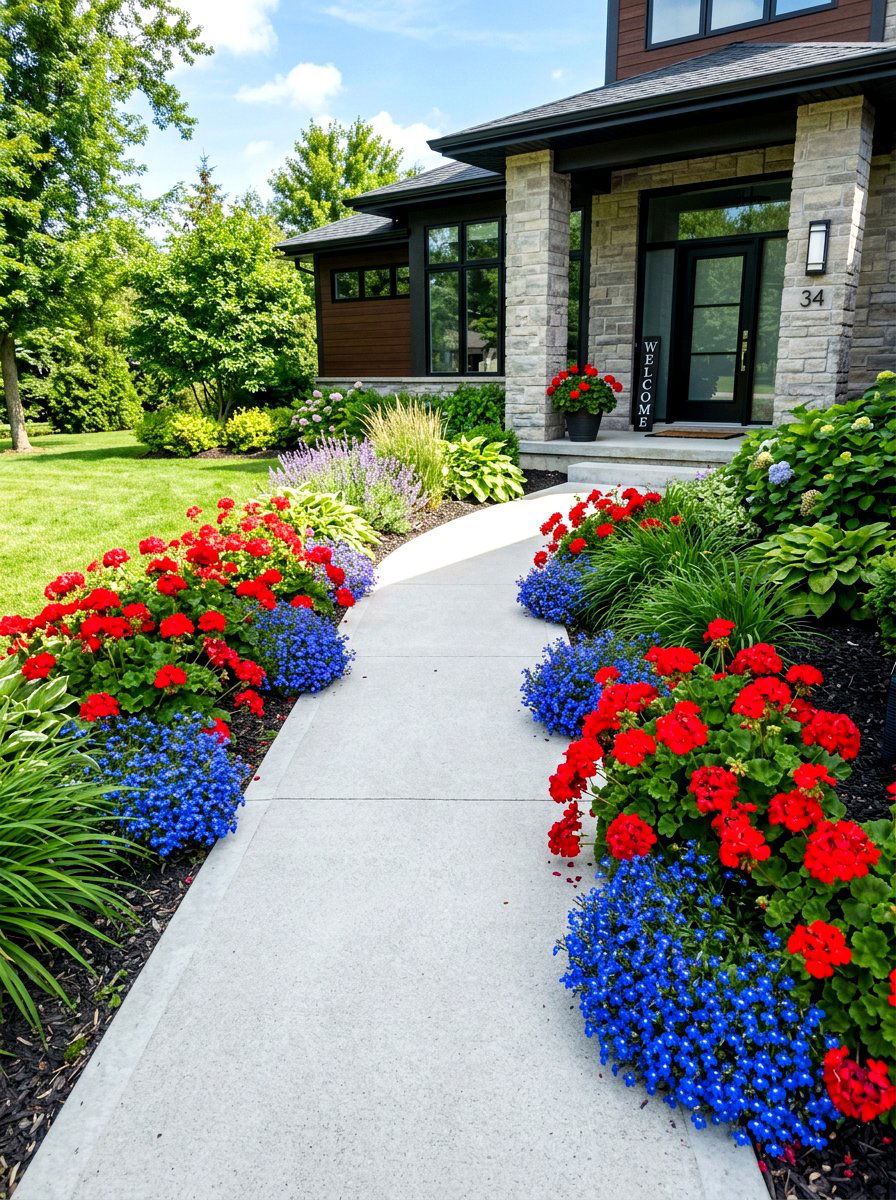
Welcoming guests with flowers along the entrance pathway sets a positive and inviting tone for the entire home. This narrow bed can be tucked between the walkway and the house or the lawn to create a clear boundary. Choose fragrant plants like jasmine or lavender so that people enjoy a pleasant scent as they approach your front door. Bright colors like yellow marigolds or red geraniums make the entrance stand out from the street. Keeping the plants neatly trimmed ensures that the walkway remains accessible and clutter-free. This small investment in landscaping pays off by making your home feel much more curated and cared for by the residents.
13. Shady Side Yard
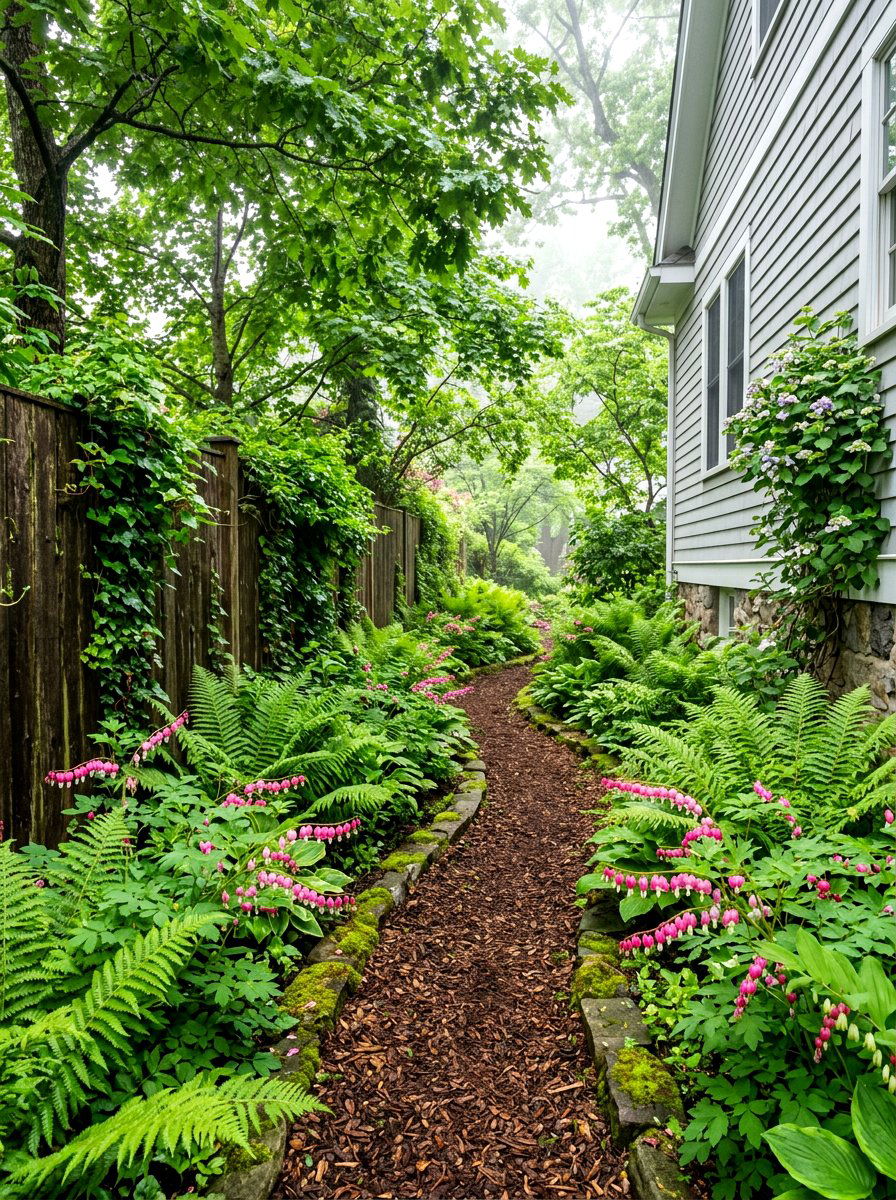
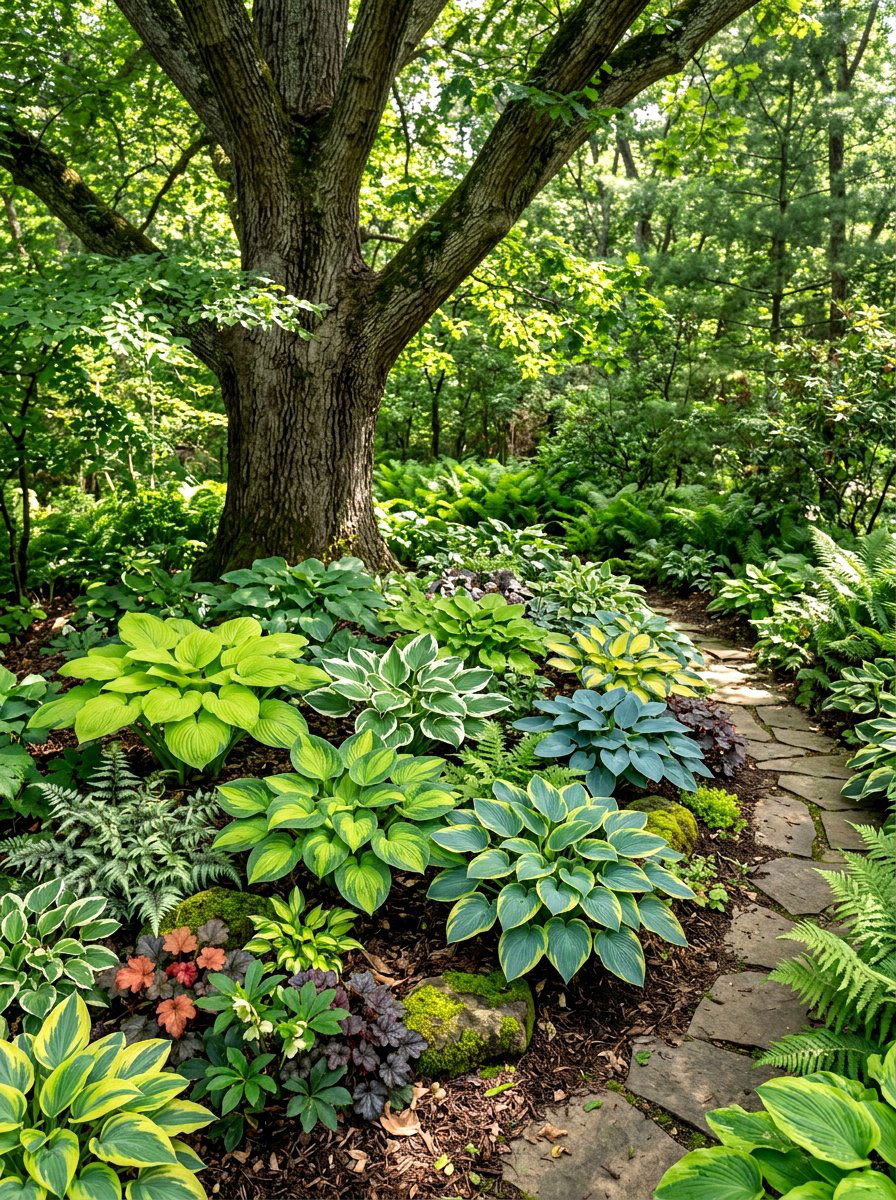
Side yards are often overlooked, but they can be transformed into lush, green sanctuaries with the right shade-tolerant plants. Since these areas typically receive limited sunlight, focus on plants that love cool, damp environments like ferns and bleeding hearts. Adding a small mulch path through the flowers makes the area feel like a destination rather than just a passage. Use light-colored flowers or variegated foliage to brighten up the darker corners and make the space feel larger. This strategy turns a functional utility area into a beautiful part of your overall landscape. It is a great way to utilize every part of your property for maximum aesthetic value and personal enjoyment.
14. Colorful Perennial Patch
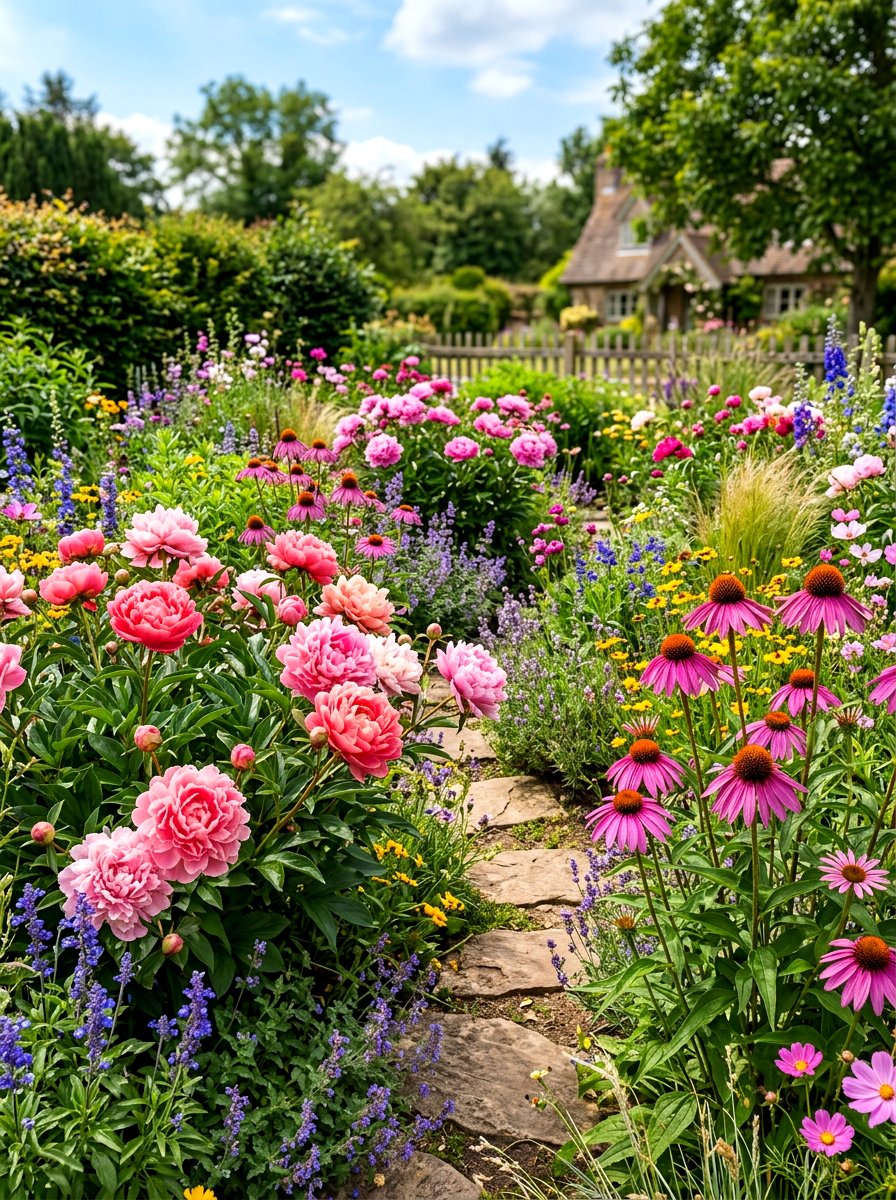
Planting a dedicated perennial patch ensures that your small flower bed returns with beauty year after year. Focus on a mix of species that bloom at different times, such as peonies in spring and coneflowers in late summer. This variety provides a continuous cycle of color without the need for replanting every single season. Perennials often have deeper root systems, making them more resilient to weather changes once they are established in the soil. Grouping them by color can create a bold, monochromatic look or a wild, cottage-like feel depending on your preference. It is a cost-effective and sustainable way to maintain a vibrant garden with less annual labor and expense.
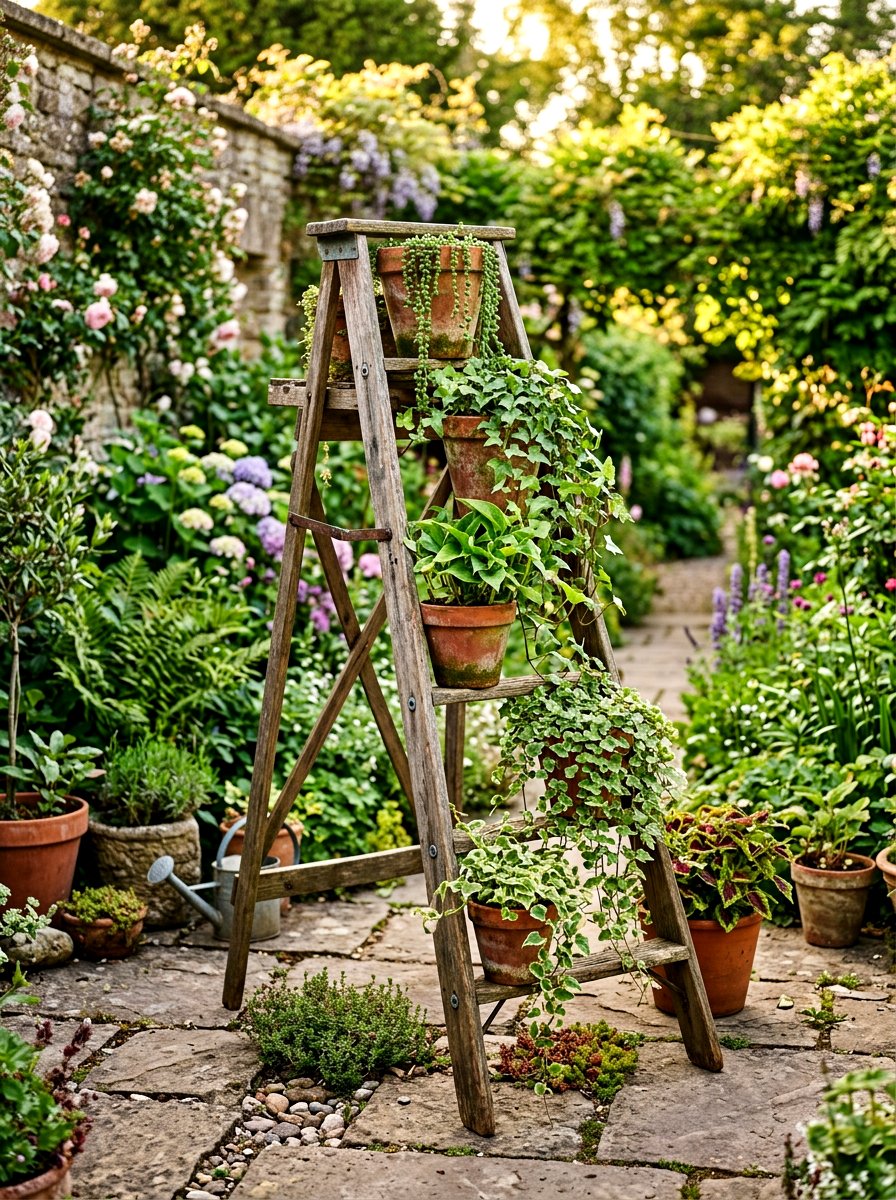
15. Low Maintenance Succulent
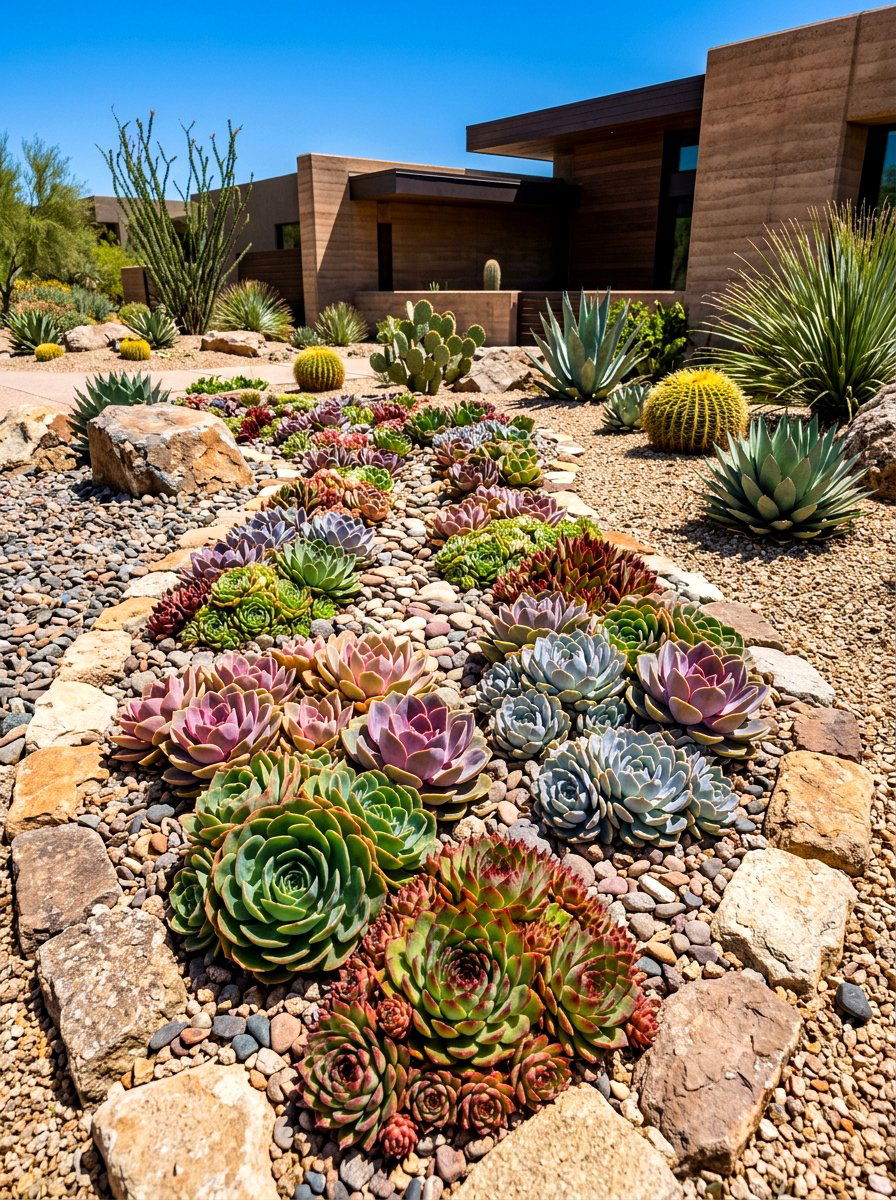
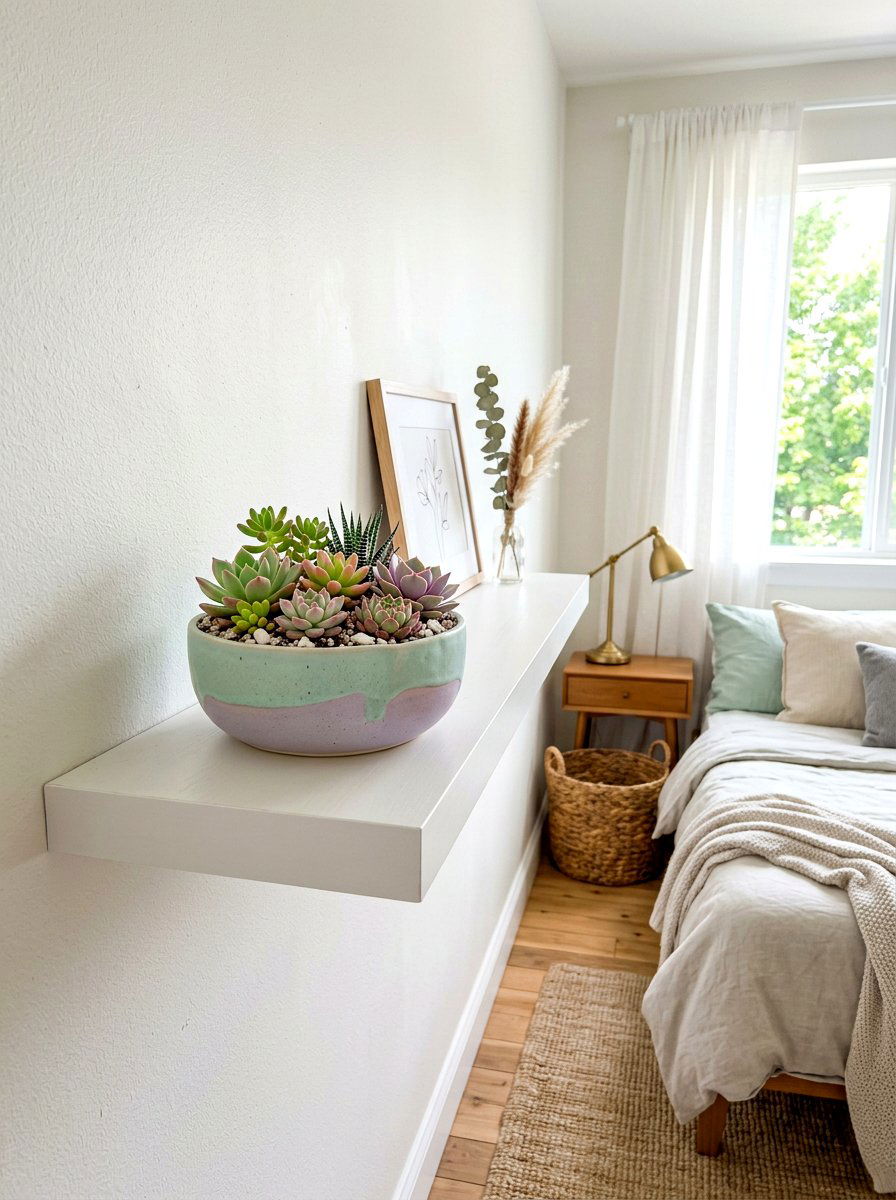
Succulent beds are an excellent choice for busy homeowners or those living in arid climates where water is scarce. These plants store water in their leaves, allowing them to survive long periods of neglect while still looking plump and healthy. You can arrange different varieties like echeveria and hens-and-chicks in a tight pattern to create a mosaic-like effect on the ground. Using a sandy soil mix and topping it with small pebbles ensures proper drainage and prevents rot. Succulents come in a surprising range of colors, from deep purples to bright oranges, adding unique visual interest. This modern garden style is incredibly durable and requires very little pruning or specialized care to look its best.
16. Cottage Style Border
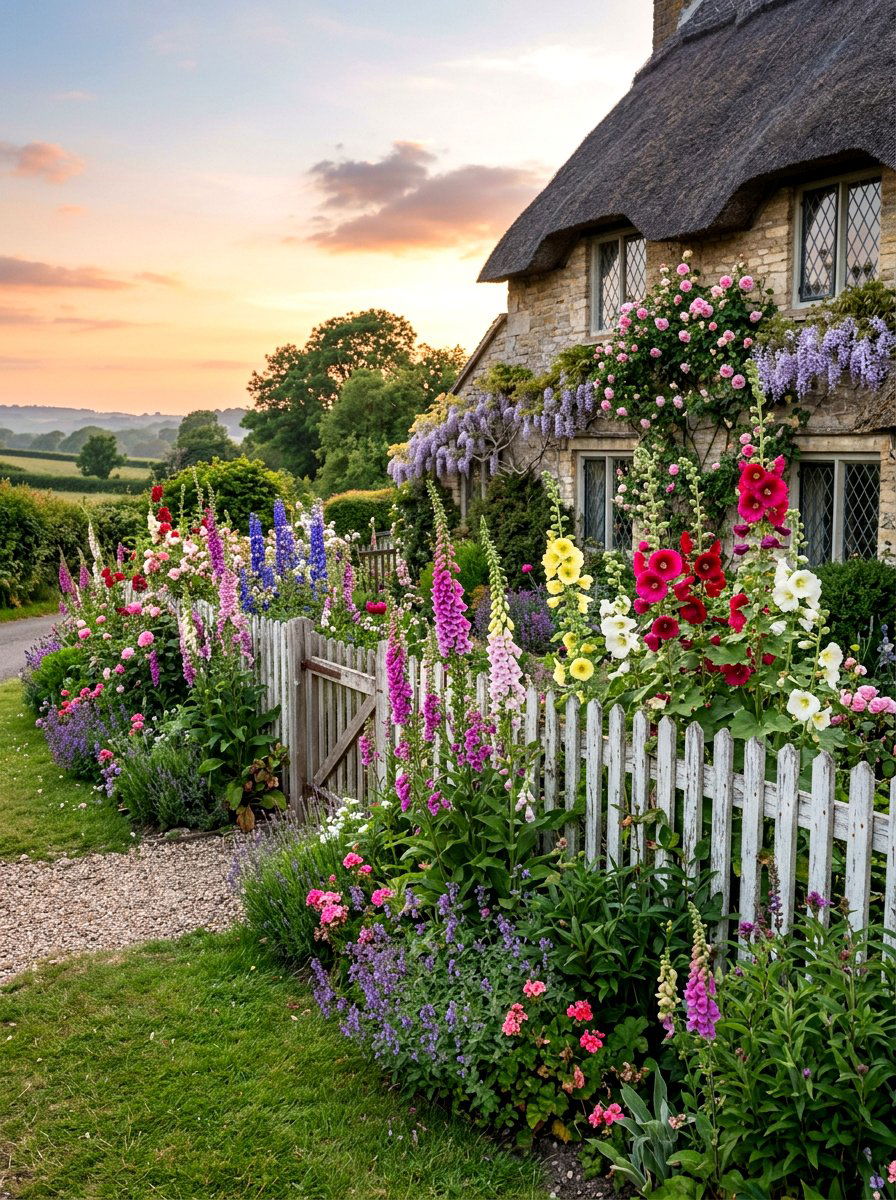
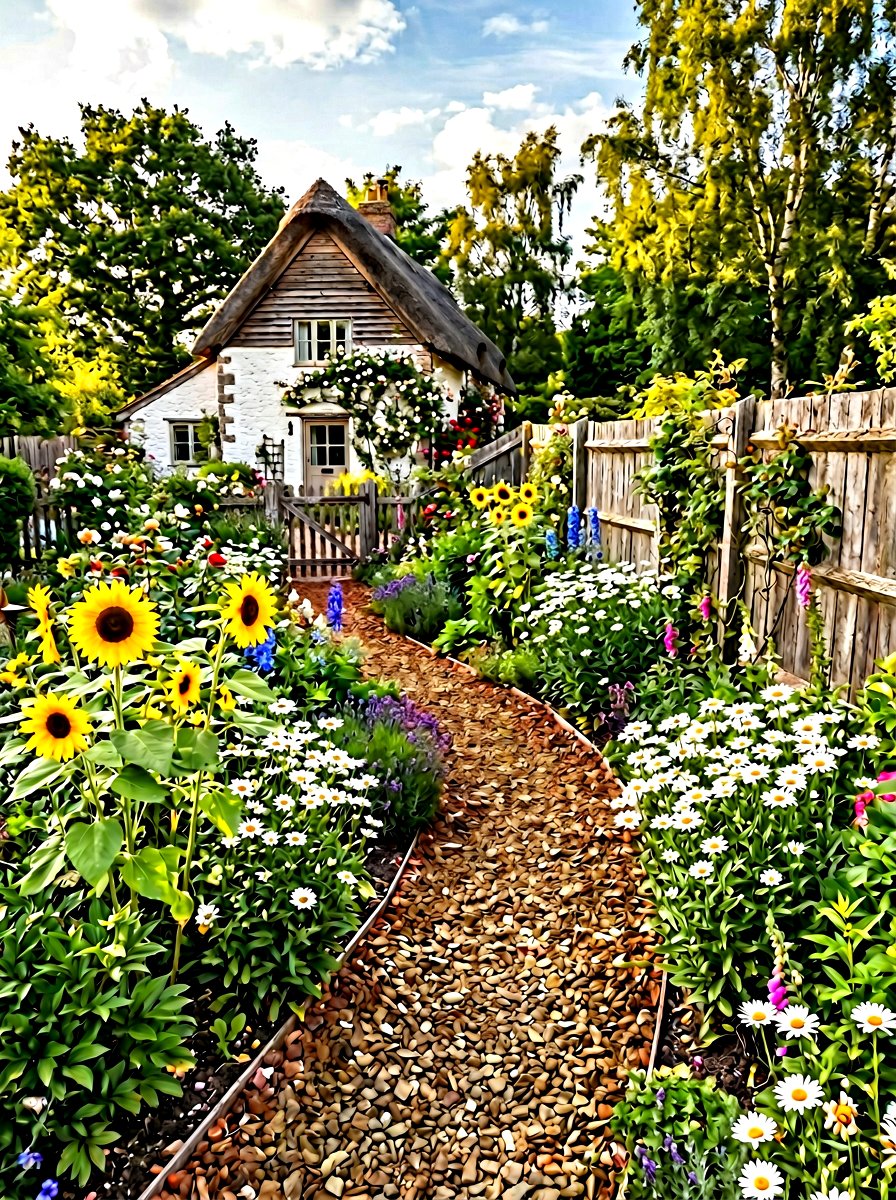
A cottage style border embraces a casual and slightly wild aesthetic that feels romantic and traditional. This look is achieved by densely planting a mix of traditional favorites like foxgloves, delphiniums, and hollyhocks in a relaxed arrangement. There is no need for strict rows or perfect symmetry; instead, let the plants mingle and grow into each other. This density helps naturally suppress weeds and creates a lush, abundant feel even in a very small space. Adding a simple white picket fence behind the flowers can further enhance the charming cottage vibe. It is a wonderful way to bring a touch of old-world charm to a modern suburban backyard or a small city lot.
17. Concrete Paver Bed
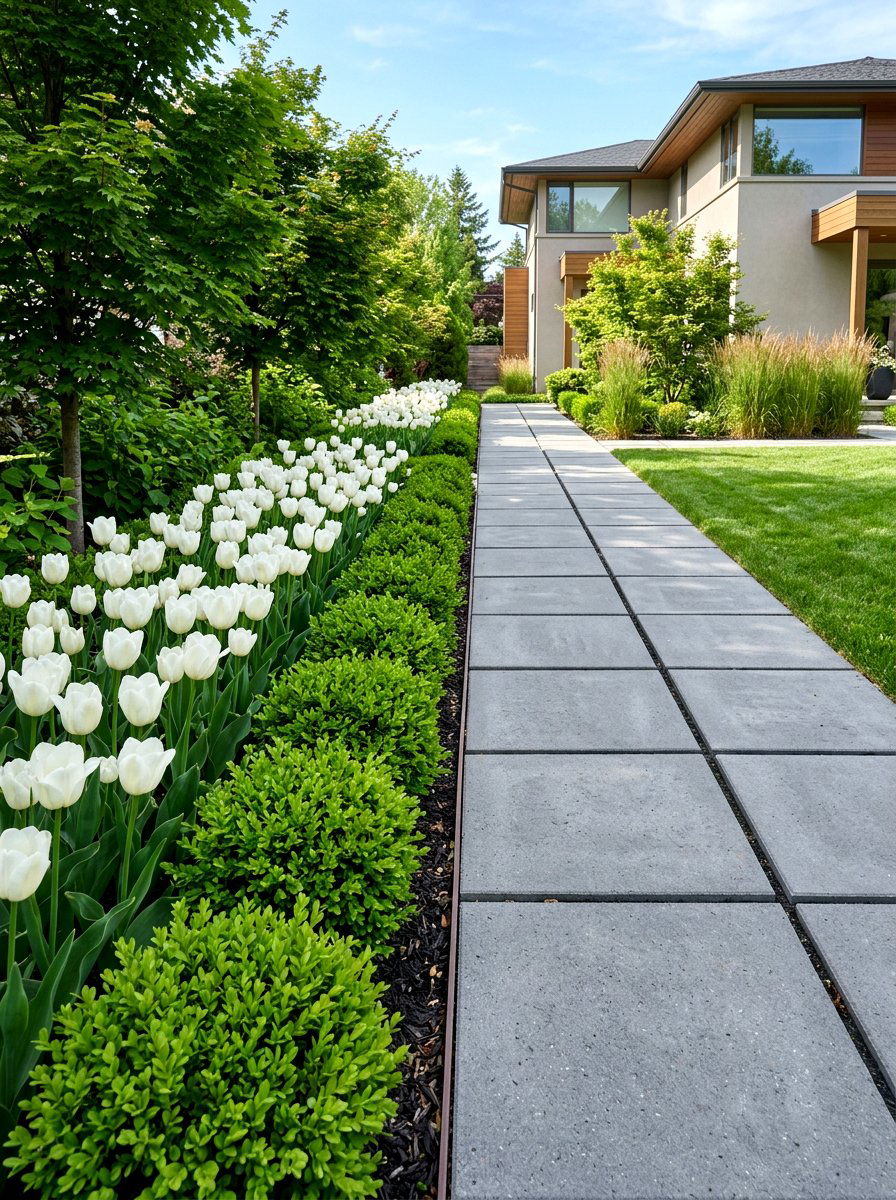
Using large concrete pavers to define your flower bed creates a sleek and contemporary look that is very easy to maintain. You can leave gaps between the pavers and the lawn to plant low-profile ground covers like moss or sedum. The heavy weight of the concrete keeps the edges straight and prevents soil erosion during heavy rains. This style works perfectly with minimalist architecture and neutral color palettes common in modern home designs. It provides a clean contrast to the organic shapes of the flowers and shrubs growing inside the bed. The result is a highly structured and polished garden area that looks professional and well-maintained throughout the entire year.
18. Round Concrete Planter
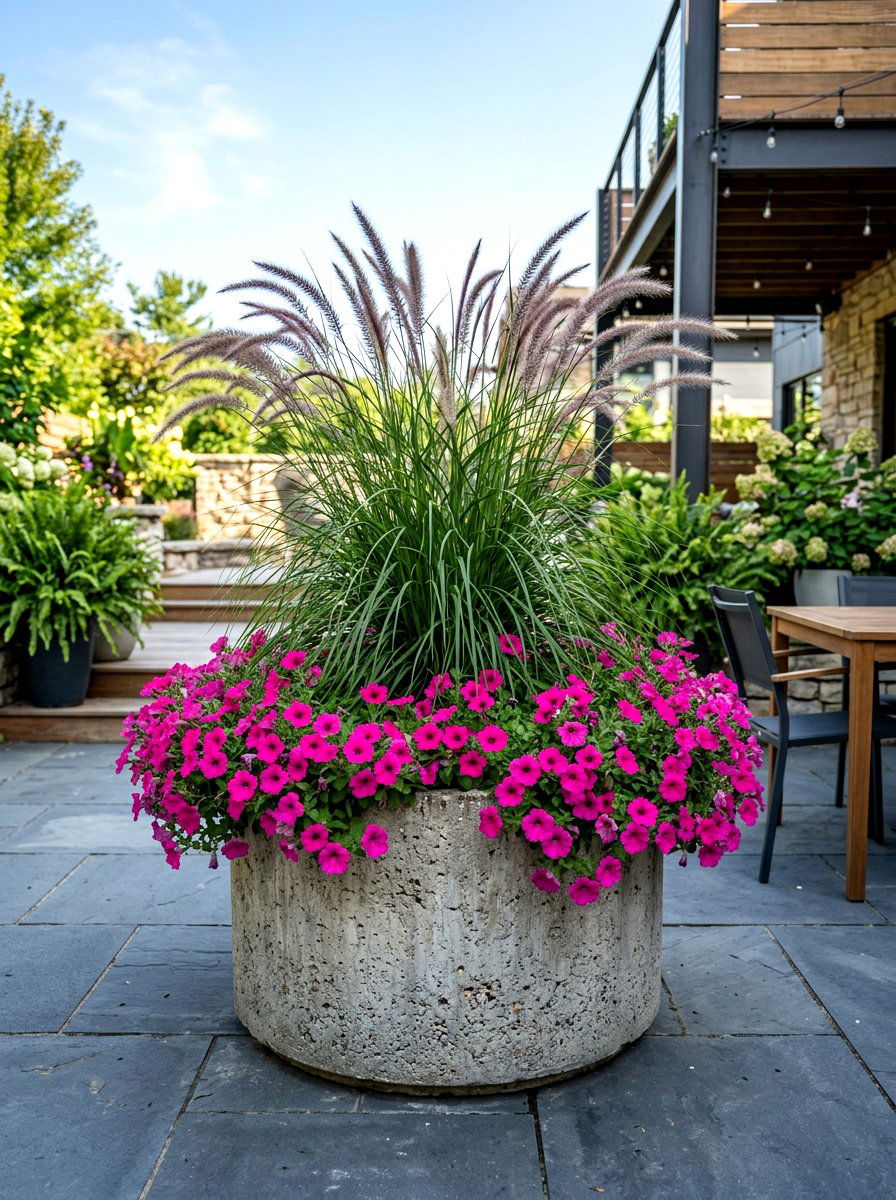
A large round concrete planter serves as a mobile flower bed that can be placed on a patio or at the end of a driveway. These heavy-duty containers provide a controlled environment for your plants and protect them from lawn pests. You can create a "thriller, filler, spiller" arrangement by placing a tall focal plant in the center and surrounding it with smaller blooms and trailing vines. The neutral gray of the concrete makes the colors of the flowers pop and adds an industrial-chic touch to your decor. It is an ideal solution for renters or people who want the flexibility to move their garden as the seasons or sunlight patterns change.
19. Modern Minimalist Bed
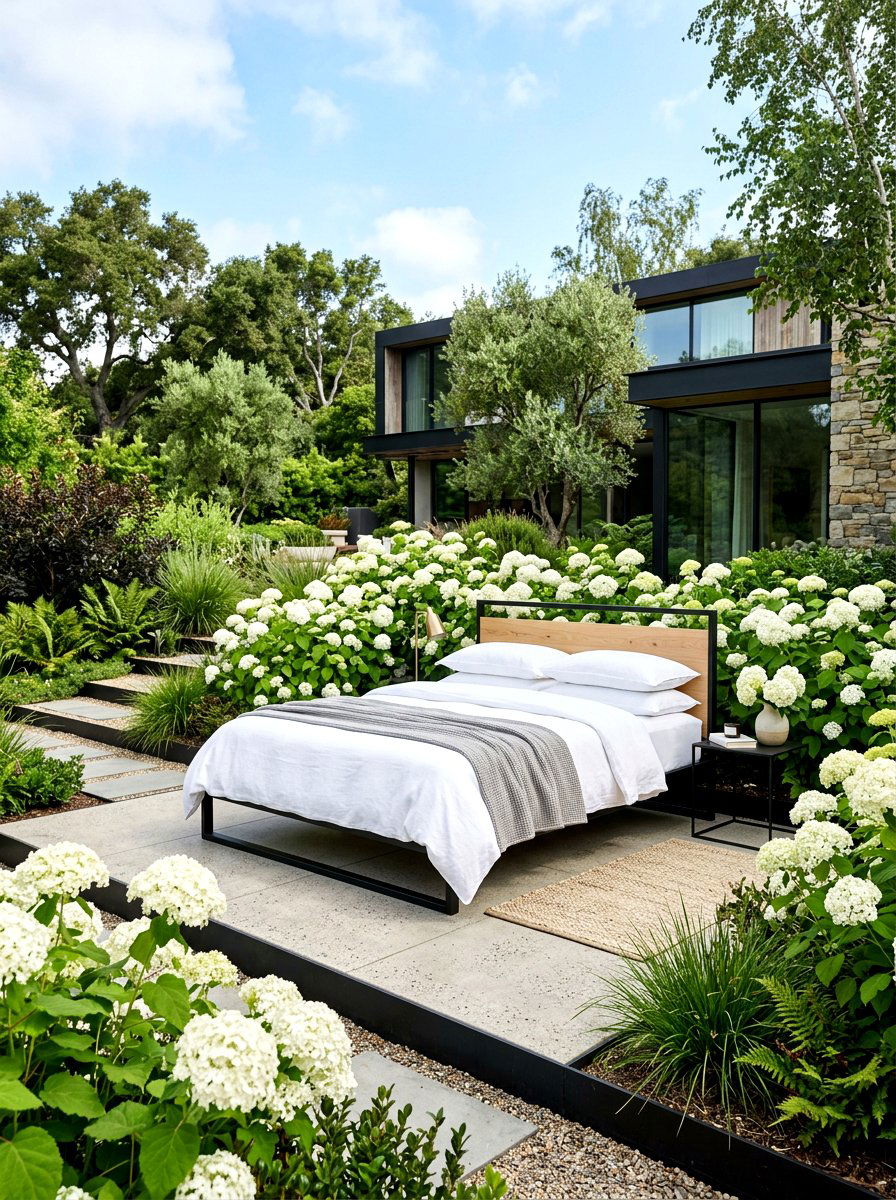
The modern minimalist bed focuses on clean lines, a limited color palette, and high-impact plants like ornamental grasses or structural shrubs. Instead of a riot of different colors, choose two or three complementary shades to create a sophisticated and calm atmosphere. Sharp metal edging or smooth poured concrete borders help define the geometric shapes of the bed. This style relies on the contrast between textures rather than a high volume of different flowers. It is perfect for homeowners who want a high-end look that doesn't require hours of deadheading and pruning every weekend. The simplicity of the design makes the small space feel much more open, airy, and contemporary.
20. Native Wildflower Strip
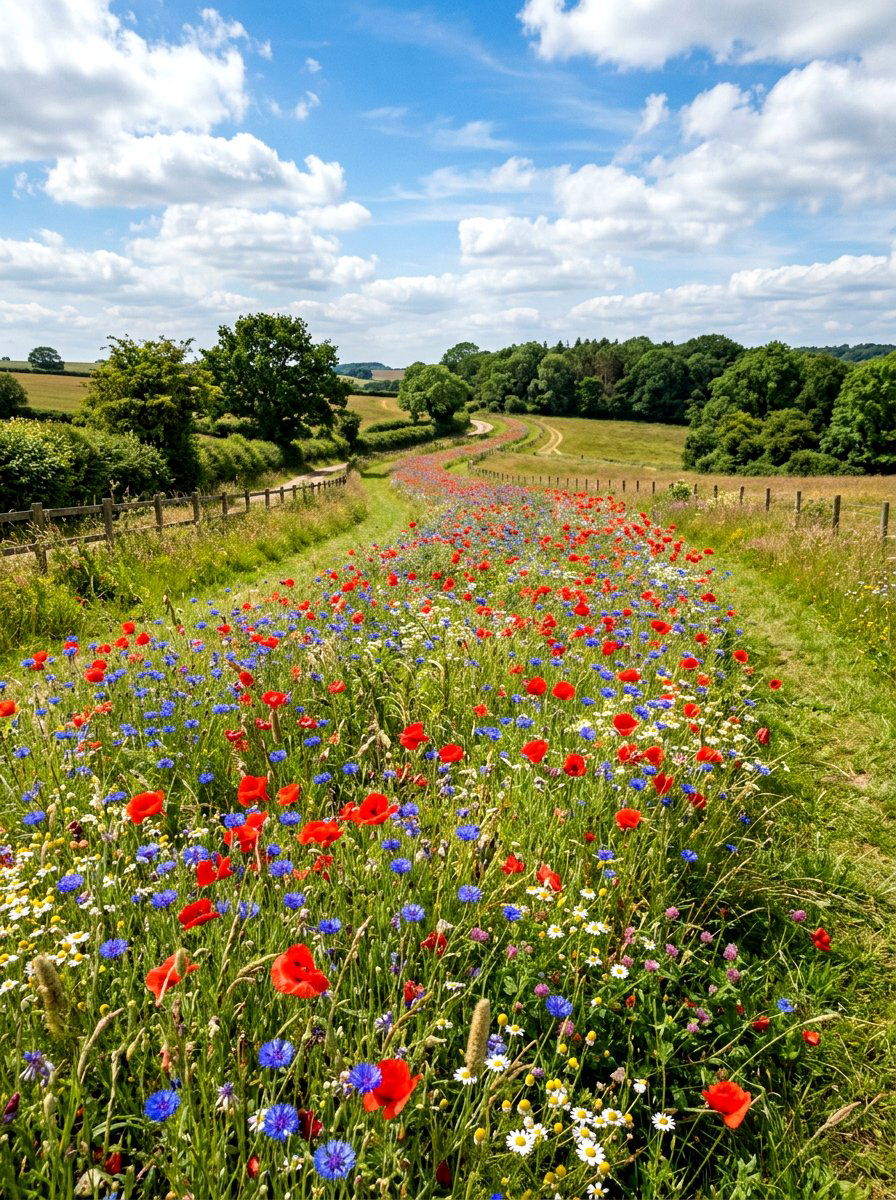
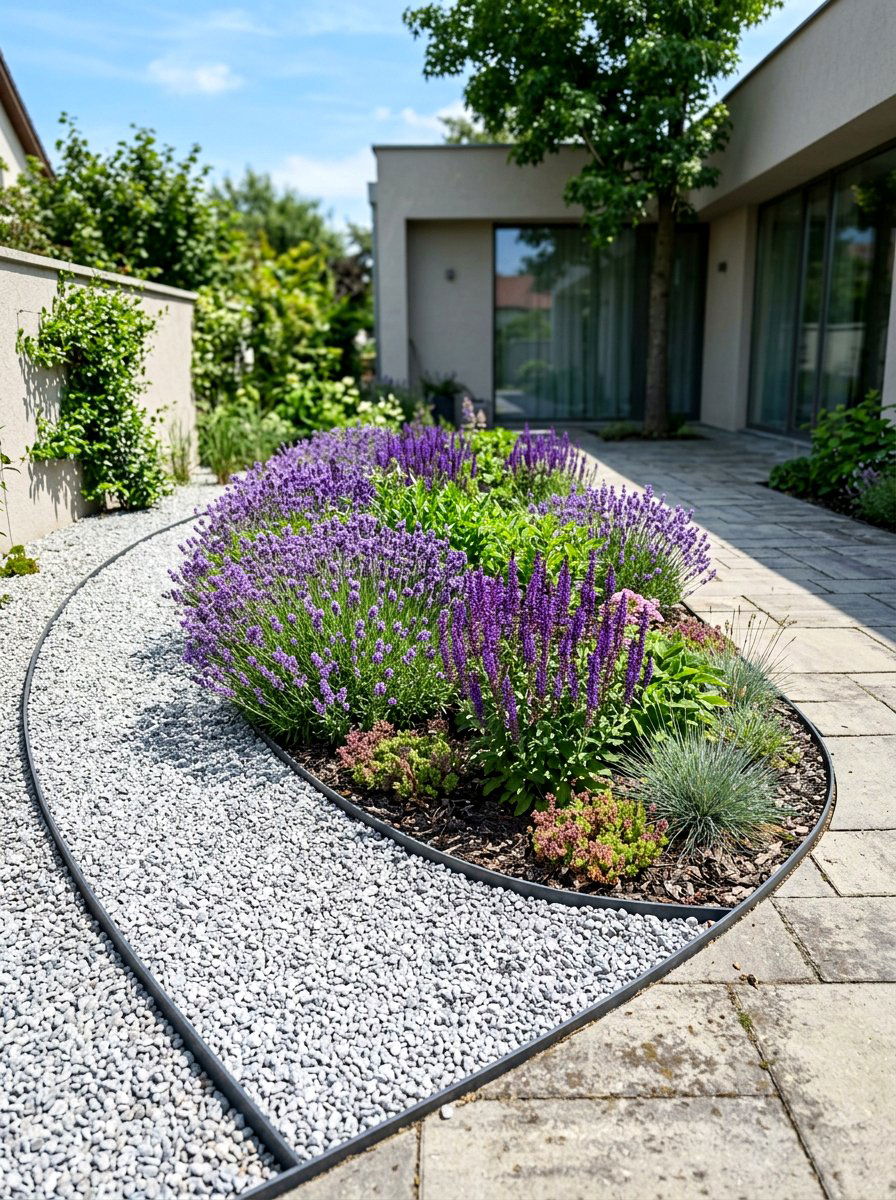
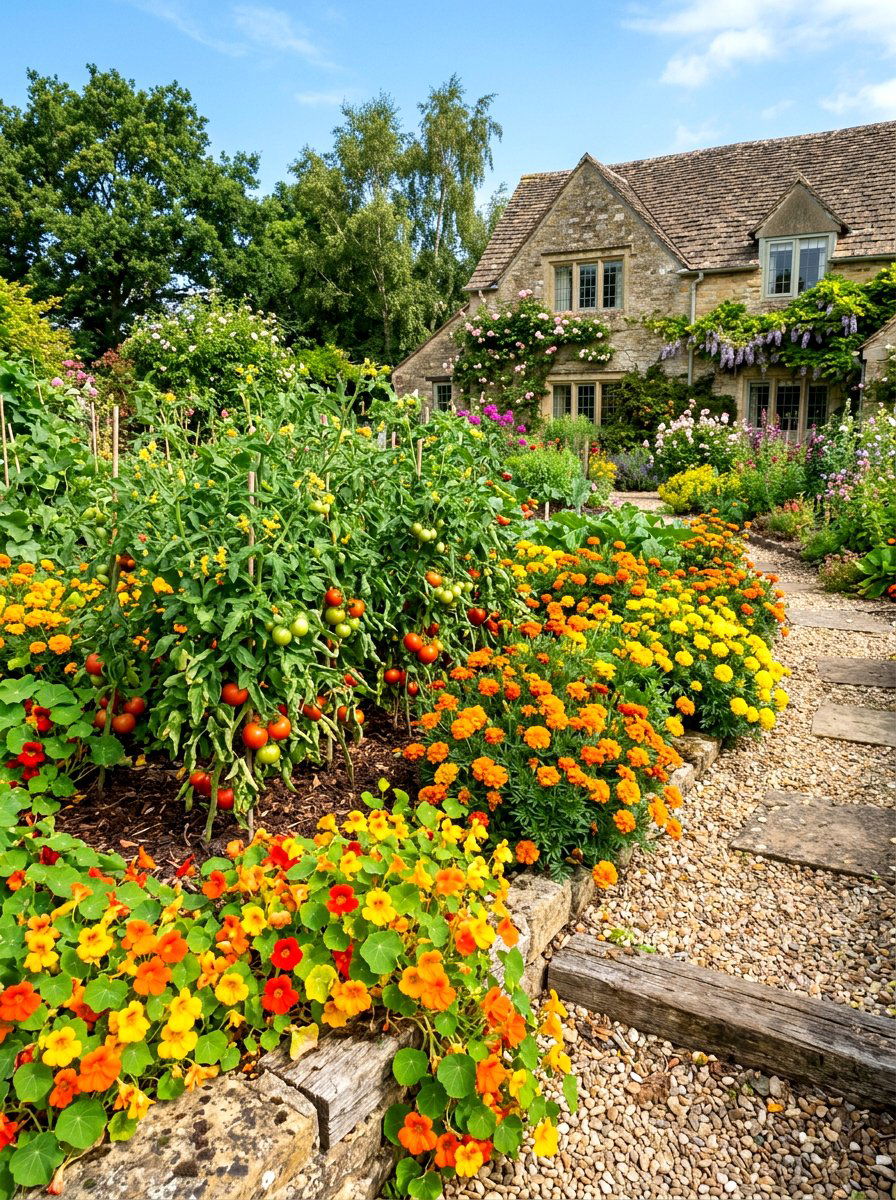
Creating a strip of native wildflowers is a wonderful way to support local biodiversity while enjoying a beautiful, naturalistic garden. Native plants are adapted to your local climate and soil, which means they require significantly less water and fertilizer than exotic species. These beds attract vital pollinators like bees and butterflies, bringing your garden to life with movement. You can simply sow a mix of seeds and watch as they create a vibrant and ever-changing display of colors and shapes. It is an eco-friendly choice that reduces your environmental footprint while providing a low-maintenance floral solution. This wild look adds a refreshing and honest touch of nature to any suburban or urban landscape.
21. Porch Railing Box
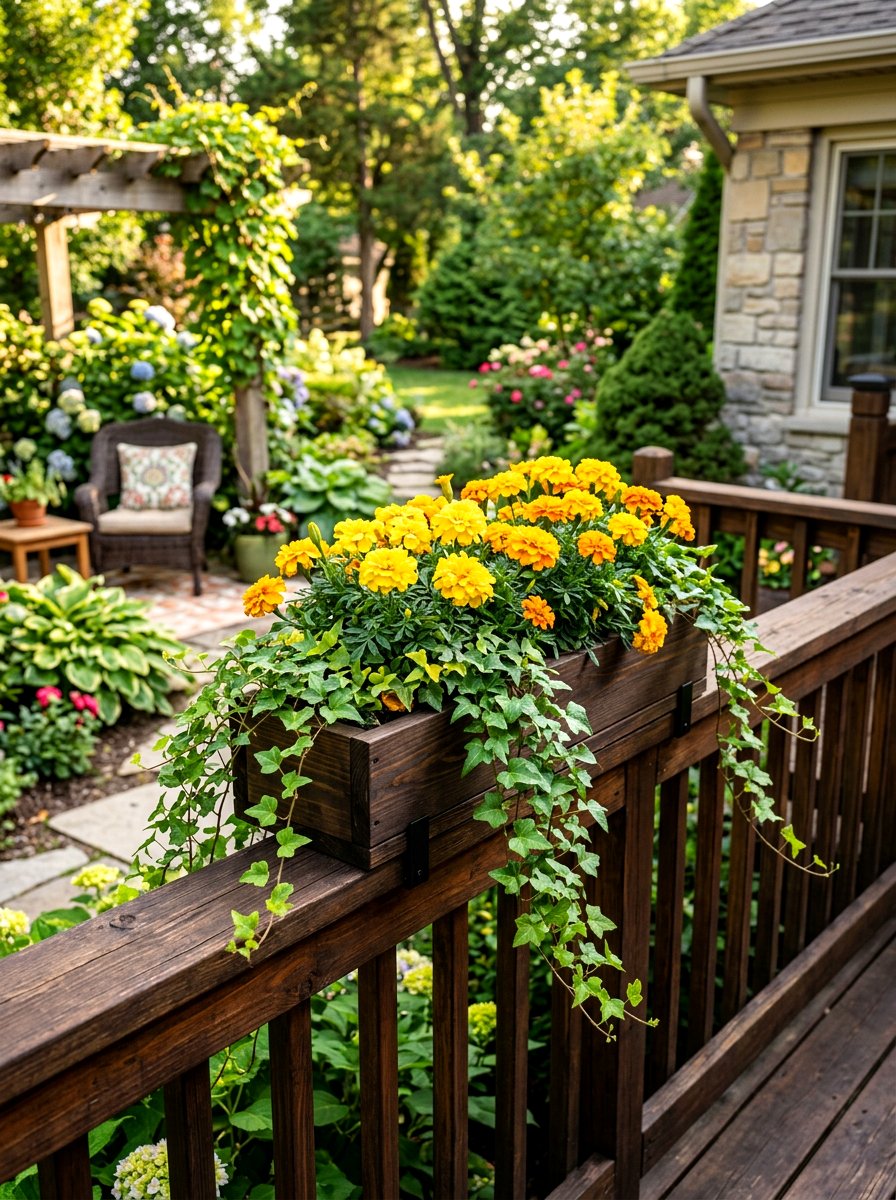
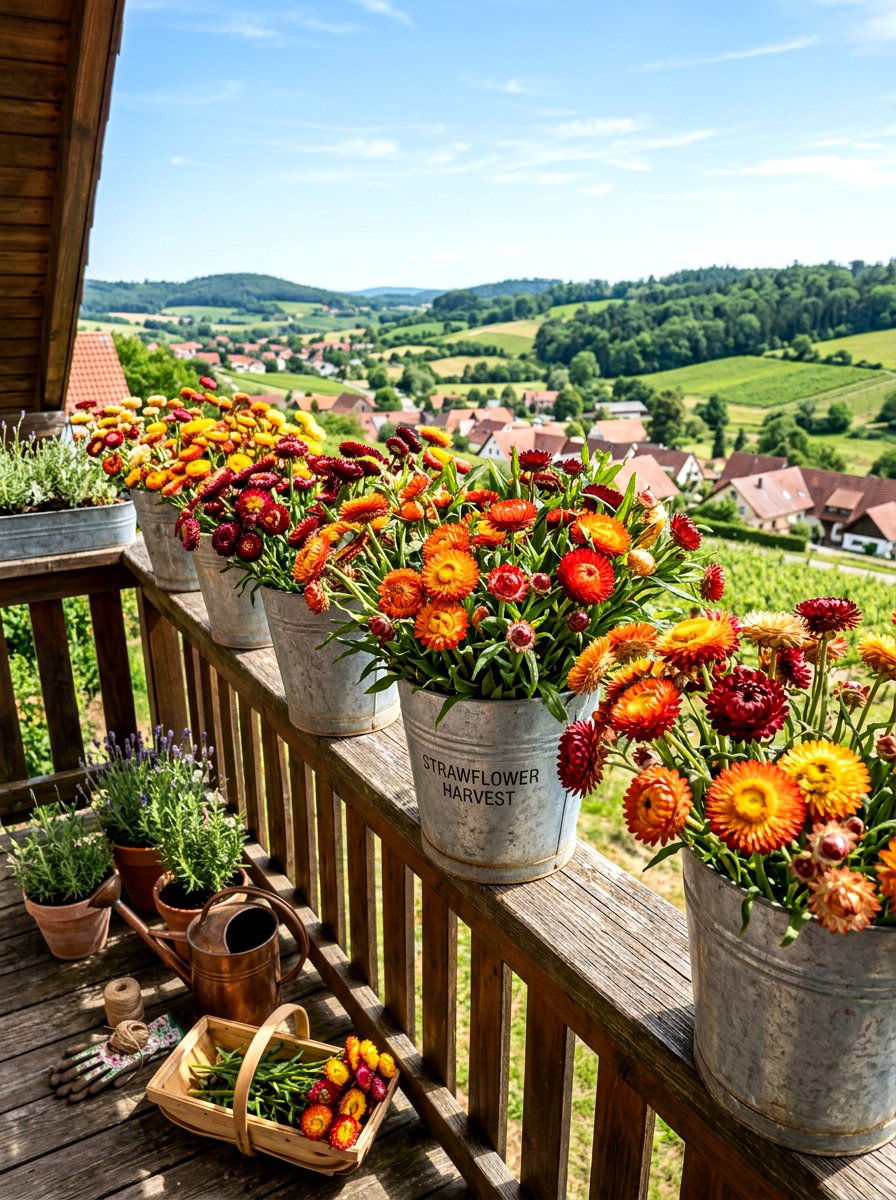
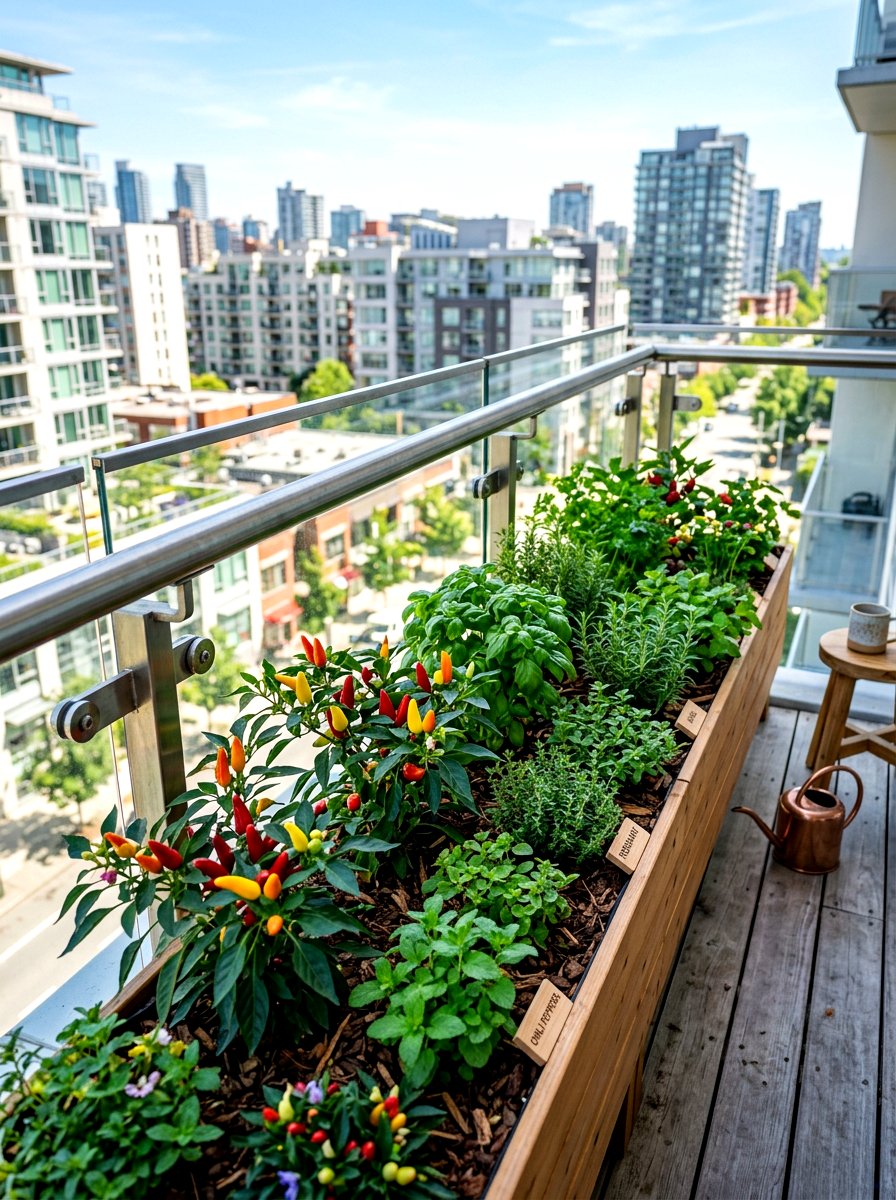
Porch railing boxes allow you to enjoy your flowers at eye level while you relax on your deck or porch. These containers securely clip onto the railing and can be filled with a variety of sun-loving annuals like geraniums or verbena. They are perfect for adding privacy and a splash of color to a small balcony or elevated outdoor area. Because they are close to the house, they are easy to water and maintain throughout the summer months. You can change the plants seasonally to keep the look fresh and relevant to the time of year. It turns a functional safety feature like a railing into a beautiful and productive gardening space for everyone.
22. Stepside Flower Display
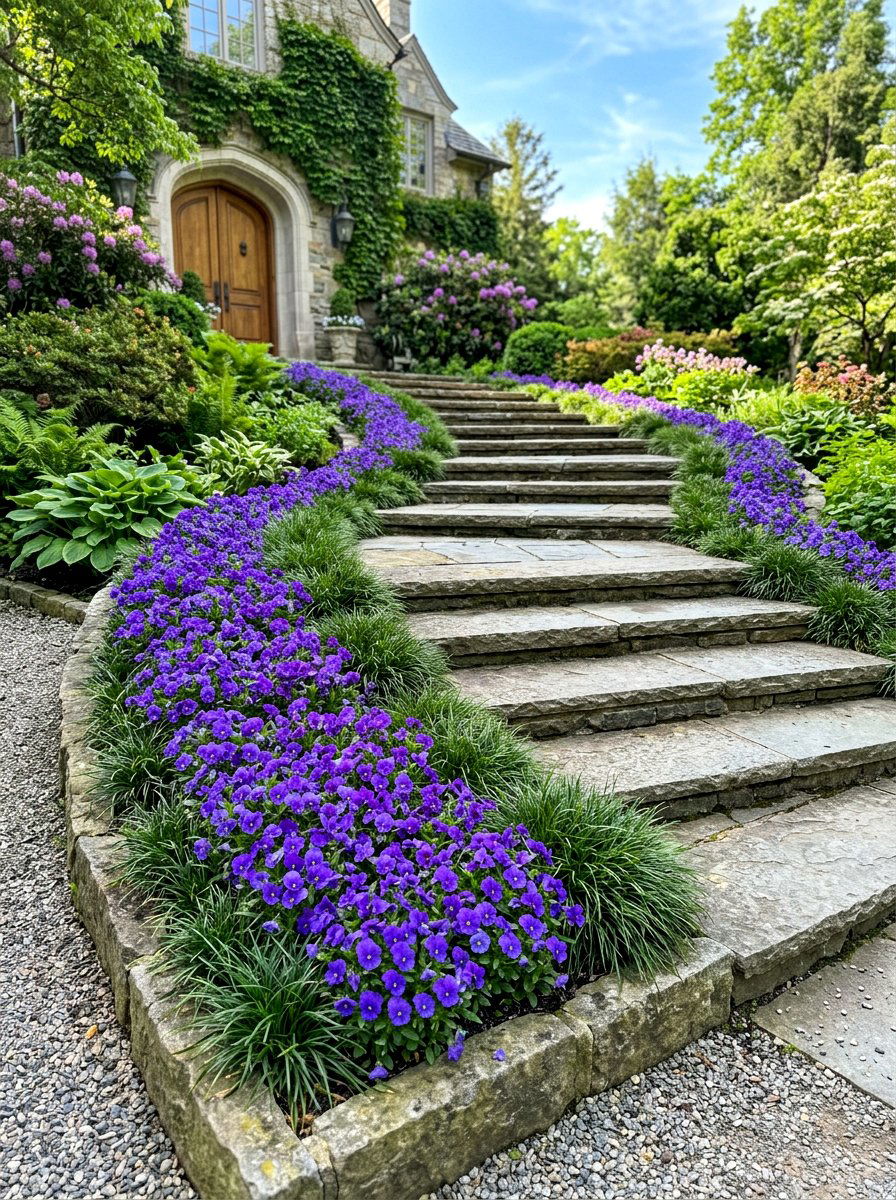
Adding small flower beds along the sides of your outdoor steps makes the transition between levels feel more integrated and scenic. This area is often narrow, so choose compact plants that won't spill over and create a tripping hazard for people using the stairs. Small shrubs or tufts of ornamental grass can provide year-round structure, while seasonal pansies add pops of temporary color. Using the same materials for the bed edges as the steps themselves creates a cohesive and high-end look. This small detail elevates the architectural interest of your home and makes every trip up or down the stairs a much more pleasant and visually engaging experience.
23. Barrel Garden Planter
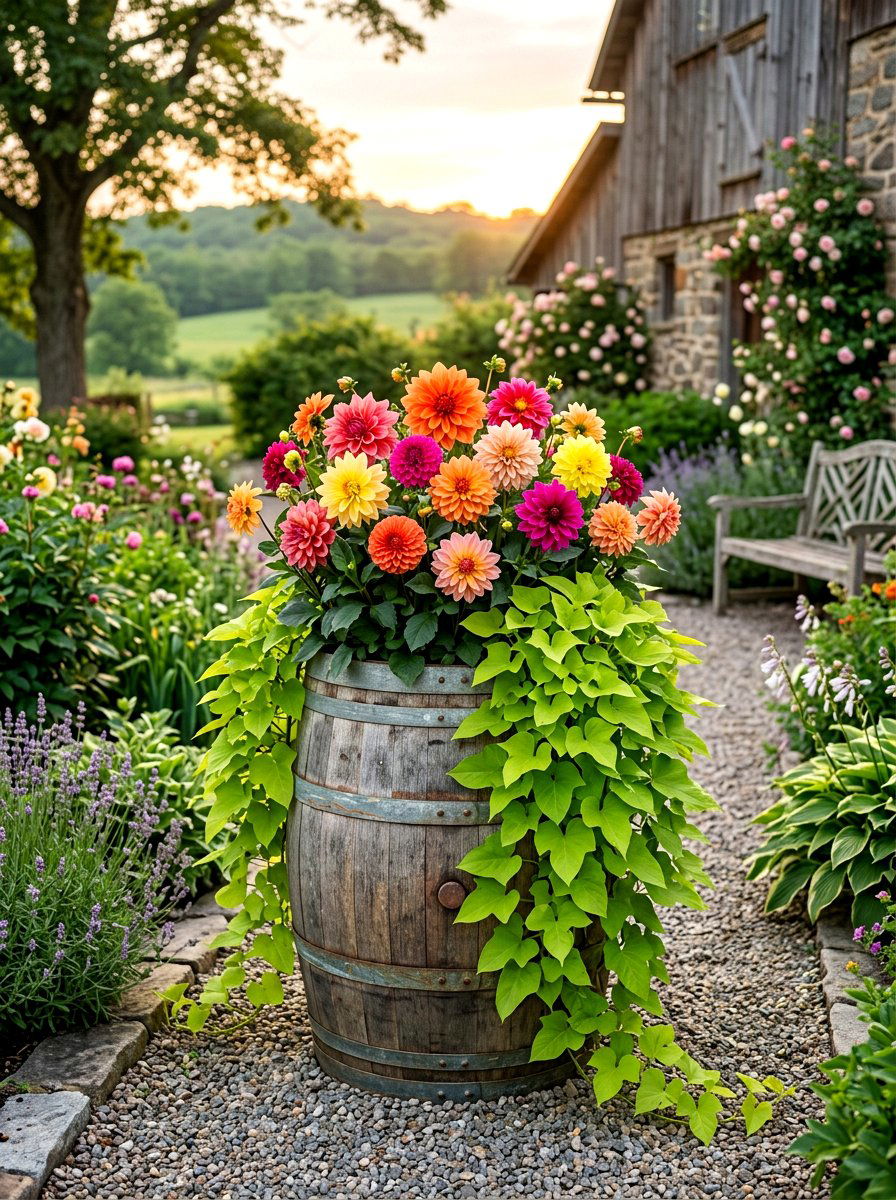
A barrel garden planter offers a rustic and charming way to house a variety of flowers in a self-contained unit. Half-barrels made of wood provide ample space for deep-rooted plants that might struggle in smaller pots or thin soil. You can group several barrels together to create a multi-level garden effect on a patio or a flat patch of lawn. The weathered wood texture adds warmth and a sense of history to your outdoor space, making it feel more established. They are incredibly sturdy and can last for many years with proper drainage and occasional sealing. This is an excellent way to add a farmhouse or vintage aesthetic to your small garden layout.
24. Terraced Hillside Garden
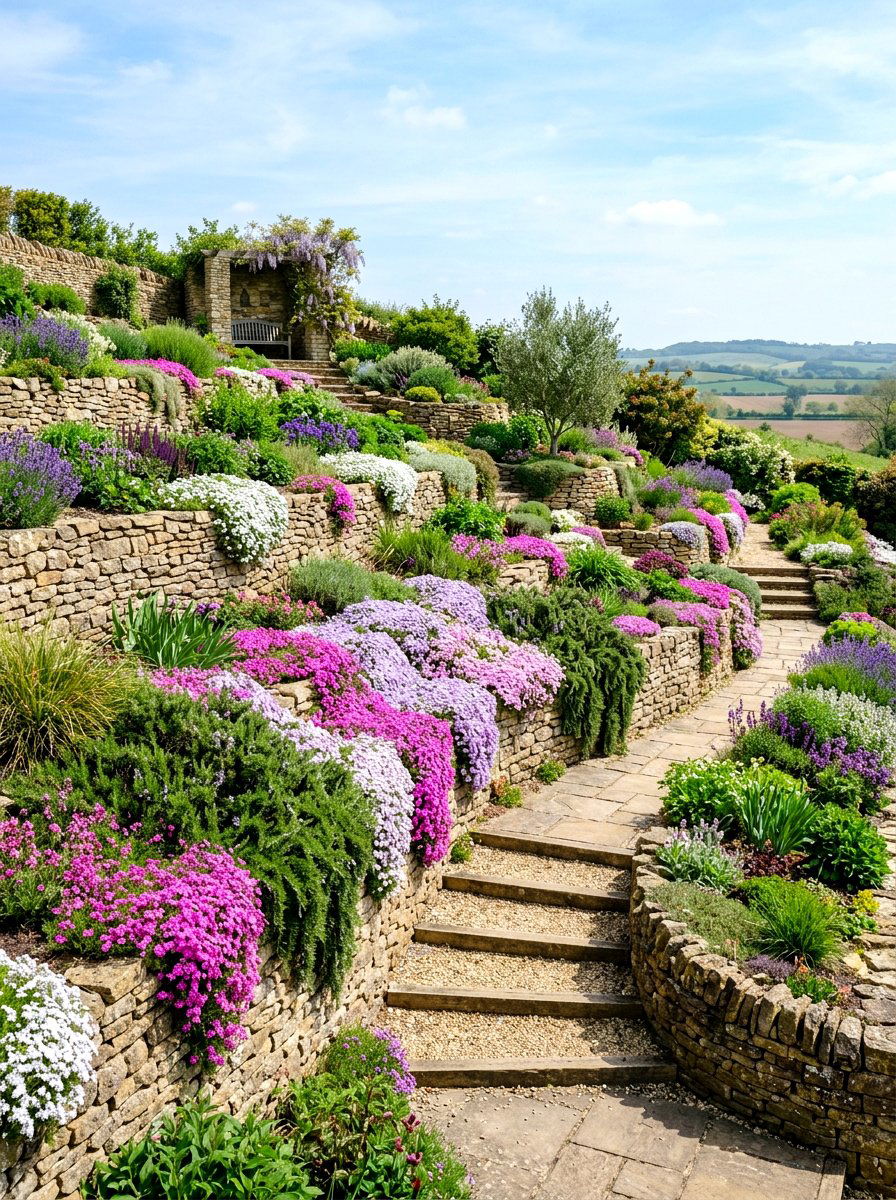
If your yard has a slope, a terraced hillside garden is the best way to prevent erosion while creating beautiful planting pockets. By using retaining walls made of stone or timber, you create flat levels that are much easier to plant and maintain. Each level can host a different theme, such as a succulent tier and a flowering perennial tier, for added variety. The steps created by the terraces allow water to soak in rather than running off the surface. This design transforms a difficult-to-mow hillside into a stunning vertical display of colors and textures. It makes a challenging landscape feature one of the most attractive parts of your entire property.
25. Compact Butterfly Garden
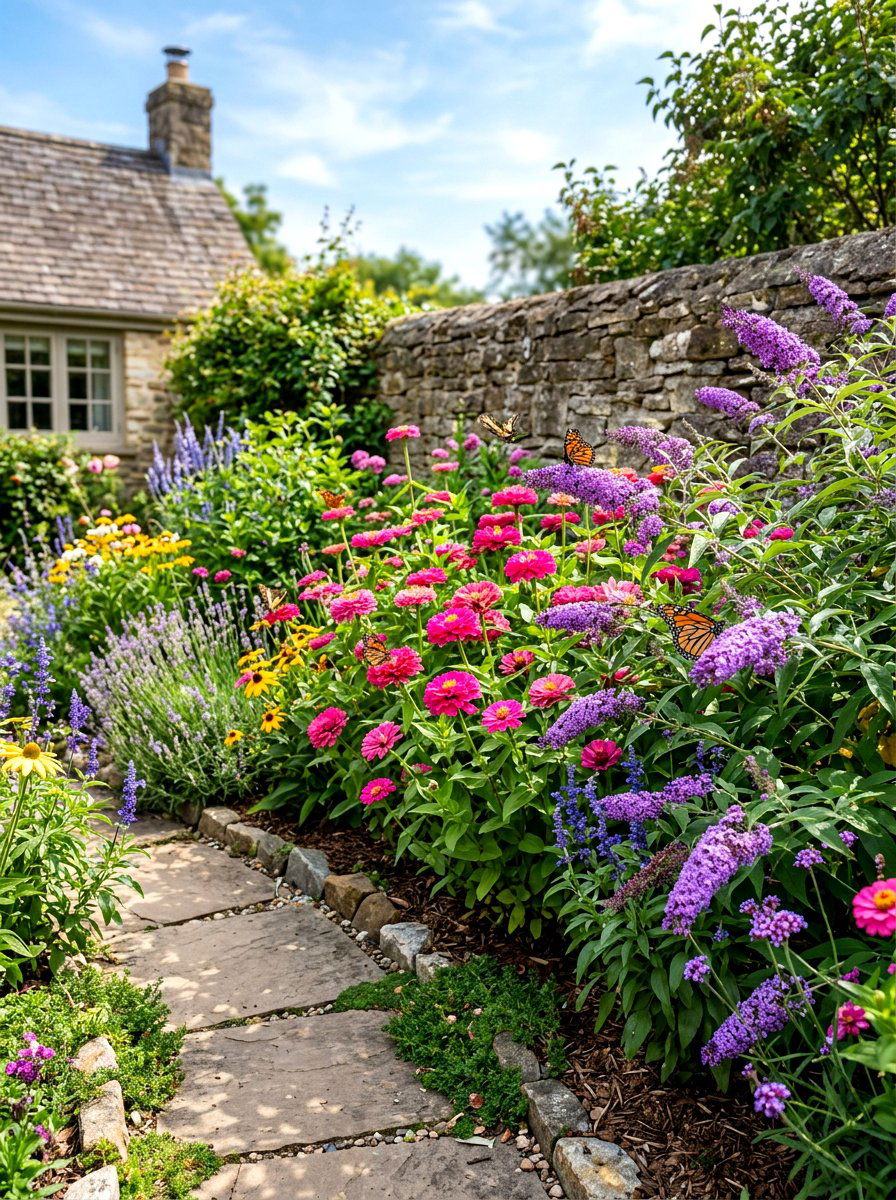
A compact butterfly garden is designed specifically to attract and nourish beautiful winged visitors in a small area. Focus on planting host plants like milkweed and nectar-rich flowers like buddleia or zinnias in a sunny spot. Butterflies are attracted to bright colors and grouped plantings, so keep your flower clusters dense and vibrant. Providing a small flat stone for them to sun themselves and a shallow water source will make your garden even more inviting. This type of bed offers a wonderful educational opportunity for children and a peaceful way to connect with nature. It turns a small patch of land into a thriving ecosystem that benefits the local environment significantly.
26. Hanging Basket Cluster
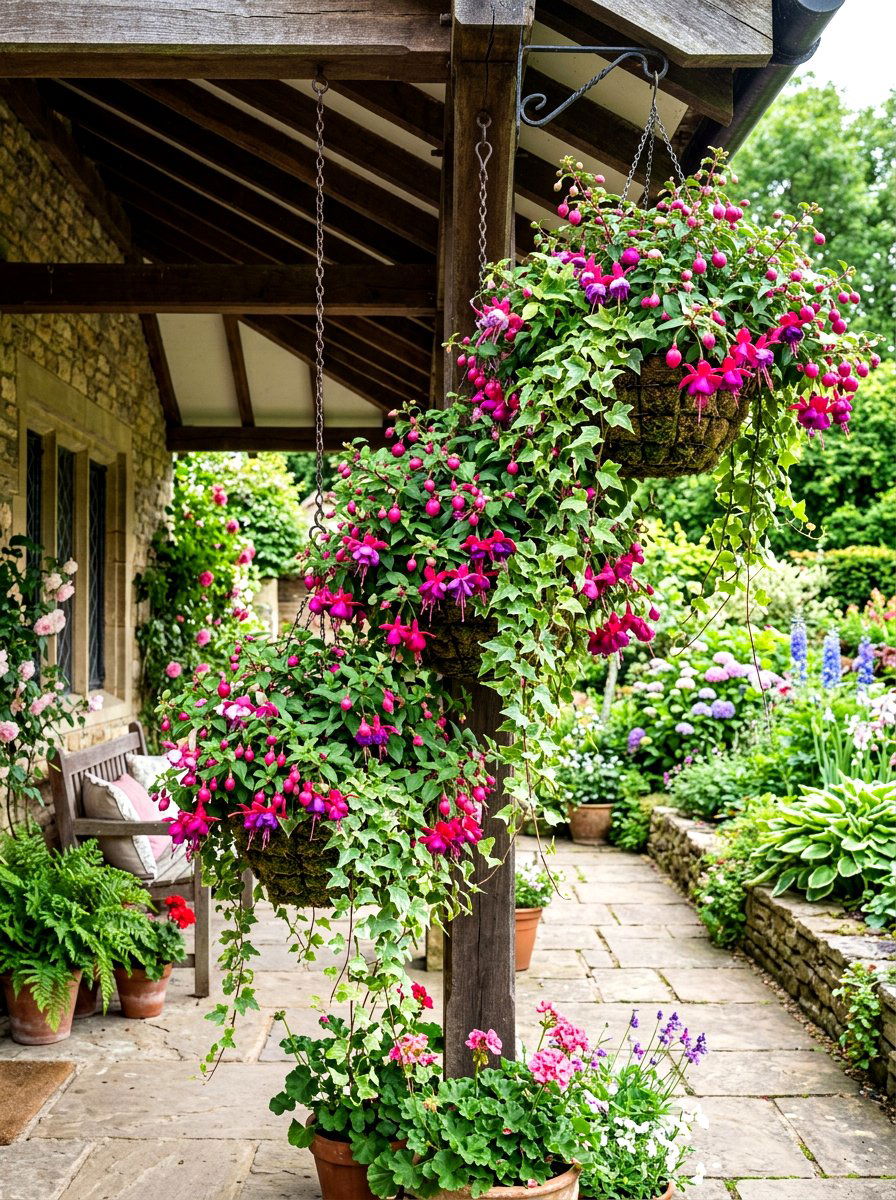
While not a traditional ground bed, a cluster of hanging baskets can act as an elevated flower display for small spaces. Hanging them at different heights from a porch ceiling or a dedicated garden post creates a three-dimensional floral experience. You can choose trailing varieties like fuchsias or wave petunias that spill over the sides in a waterfall of color. This approach keeps the ground clear for furniture or foot traffic, making it ideal for tiny balconies and narrow patios. Regularly rotating the baskets ensures they receive even sunlight and grow symmetrically. It is a simple and effective way to add lush greenery to your outdoor living area without using any floor space.
27. Ornamental Grass Bed
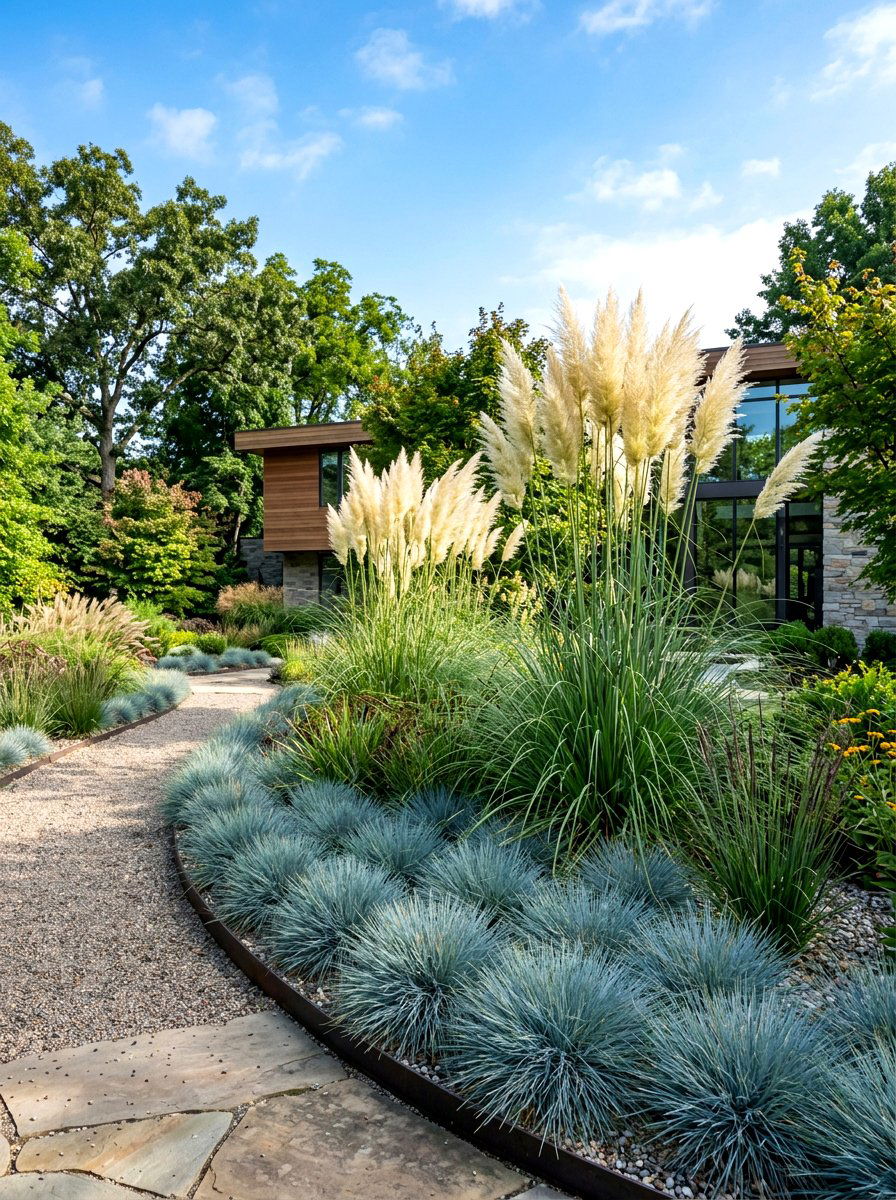
An ornamental grass bed provides a unique texture and movement that traditional flowers simply cannot match. Varieties like fountain grass or blue fescue offer a soft, airy look that dances in the breeze and adds a sense of calm. These plants are generally very hardy and require very little water once they are established in the soil. You can mix them with a few blooming perennials to add pops of color among the swaying green or gold blades. Grasses also provide visual interest during the winter months when most other plants have gone dormant or died back. It is a sophisticated and modern choice for homeowners who want a serene and low-maintenance landscape.
28. Small Urban Patio
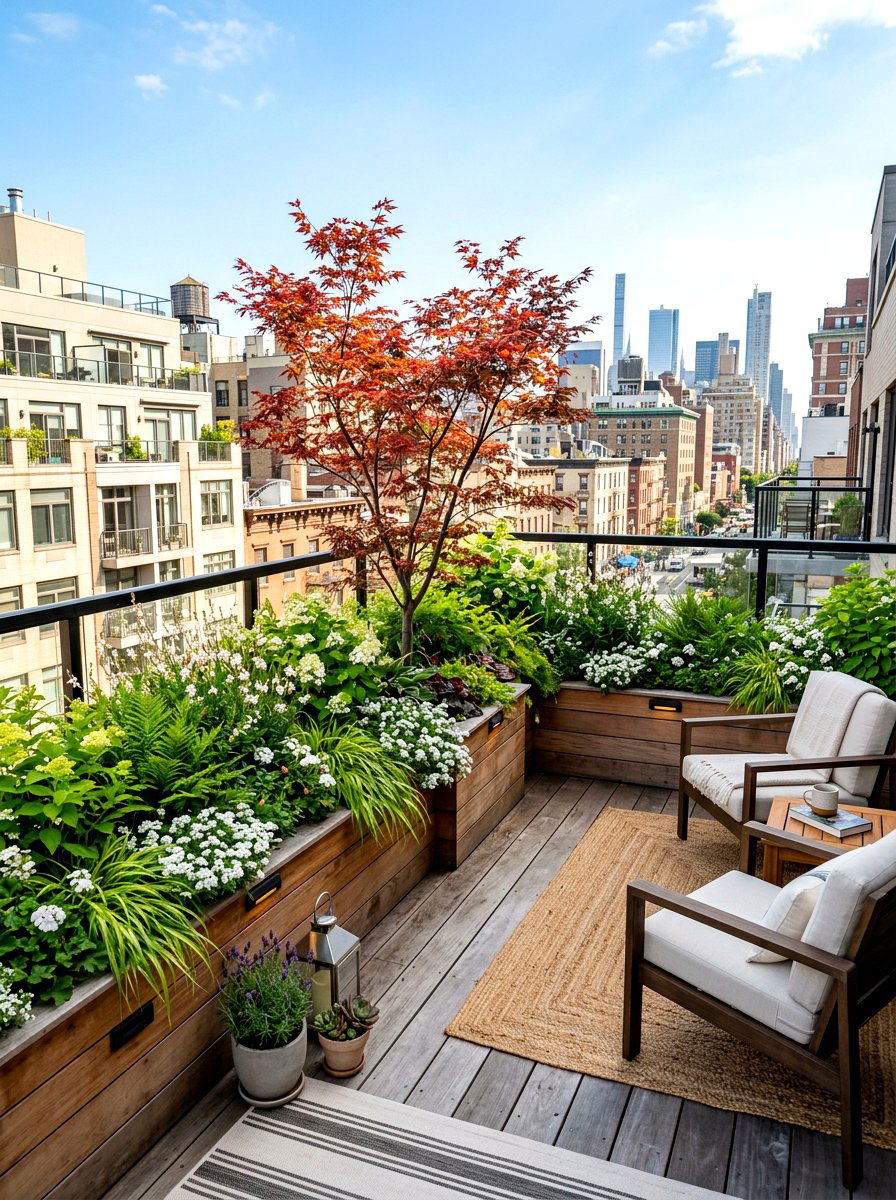
Creating a flower bed integrated into a small urban patio turns a hard surface into a soft and welcoming retreat. You can leave out a few pavers during installation to create built-in planting pockets for small trees or shrubs. This helps break up the monotony of the stone and adds much-needed shade and privacy in a city environment. Use vertical trellises nearby to encourage vines to grow upwards, making the patio feel like a lush, enclosed room. This strategy maximizes the available space by blending the living area with the garden seamlessly. It is the perfect solution for creating a private oasis in a busy and crowded metropolitan setting.
29. Herb and Flower
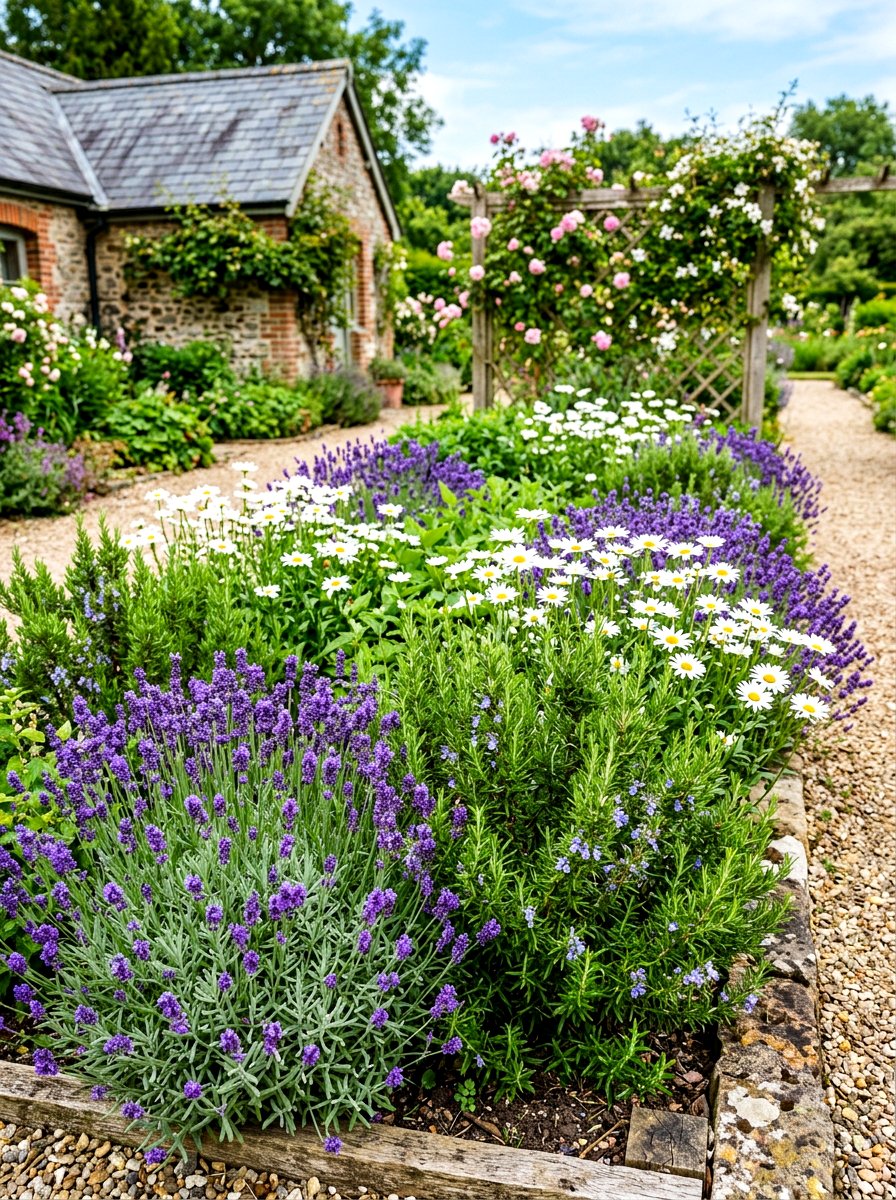
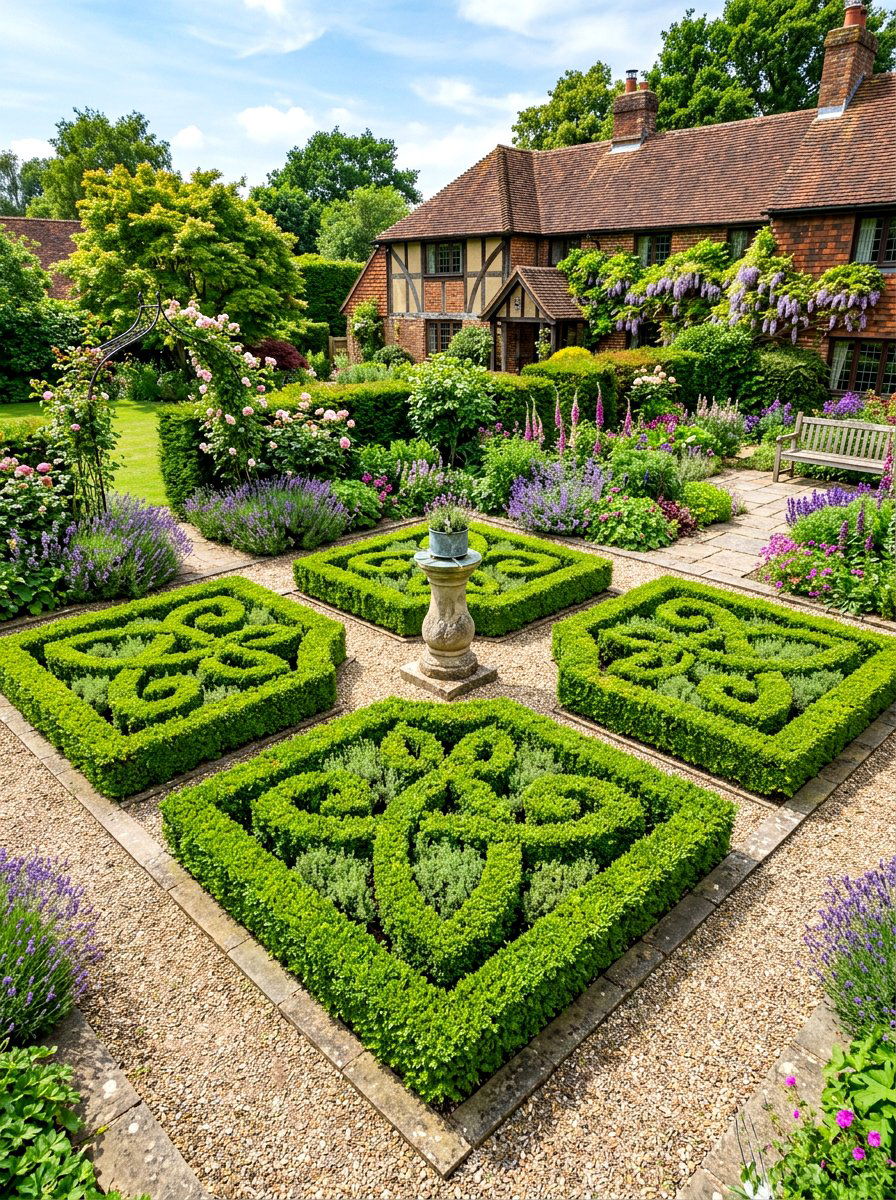
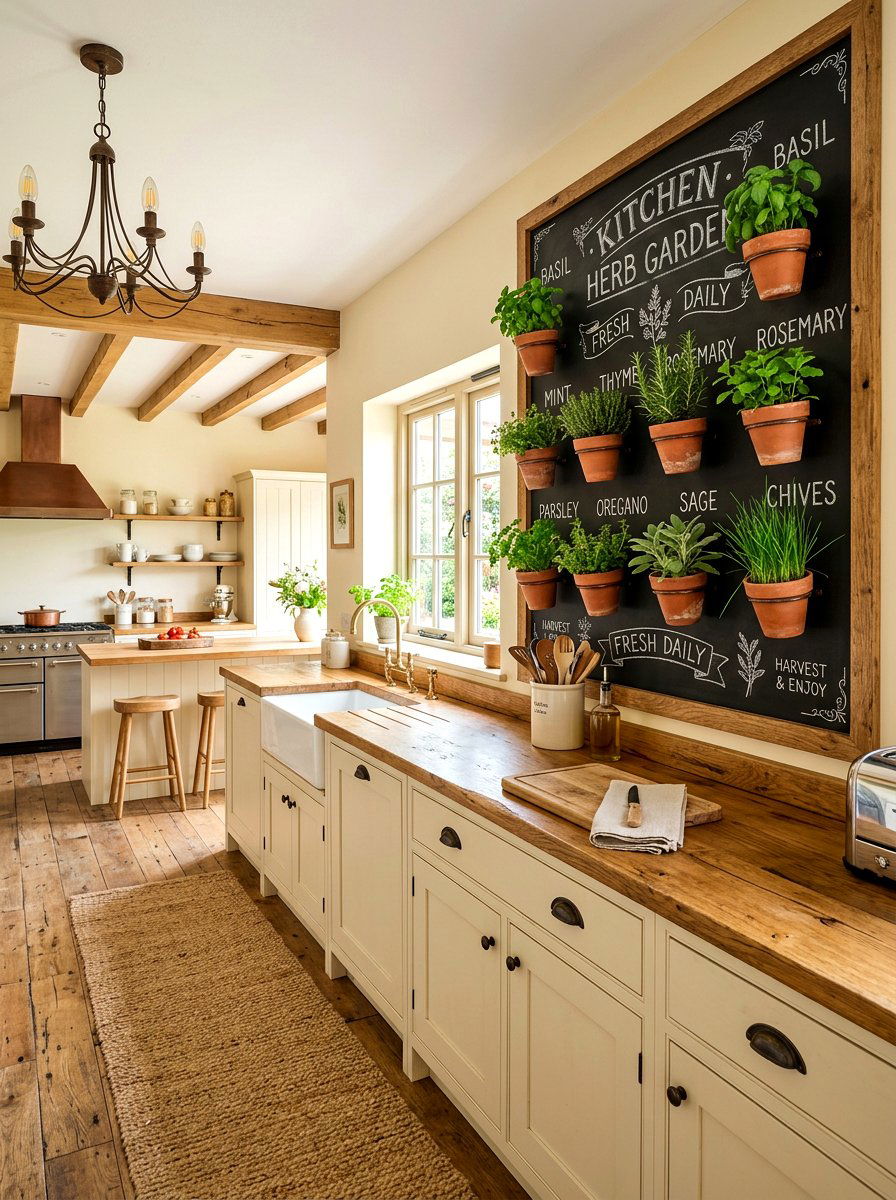
Mixing herbs and flowers in a single small bed is a practical and beautiful way to maximize your garden's utility. Many herbs, like lavender, rosemary, and chives, produce stunning blooms that are just as attractive as traditional ornamental flowers. This combination creates a sensory experience with a mix of vibrant colors and delicious fragrances throughout the season. You can harvest the herbs for cooking while enjoying the aesthetic beauty of the surrounding blossoms in your yard. This "edimental" approach is becoming increasingly popular for small spaces where every plant needs to earn its keep. It provides a functional and visually appealing garden that serves multiple purposes for the modern homeowner.
30. Small Water Feature
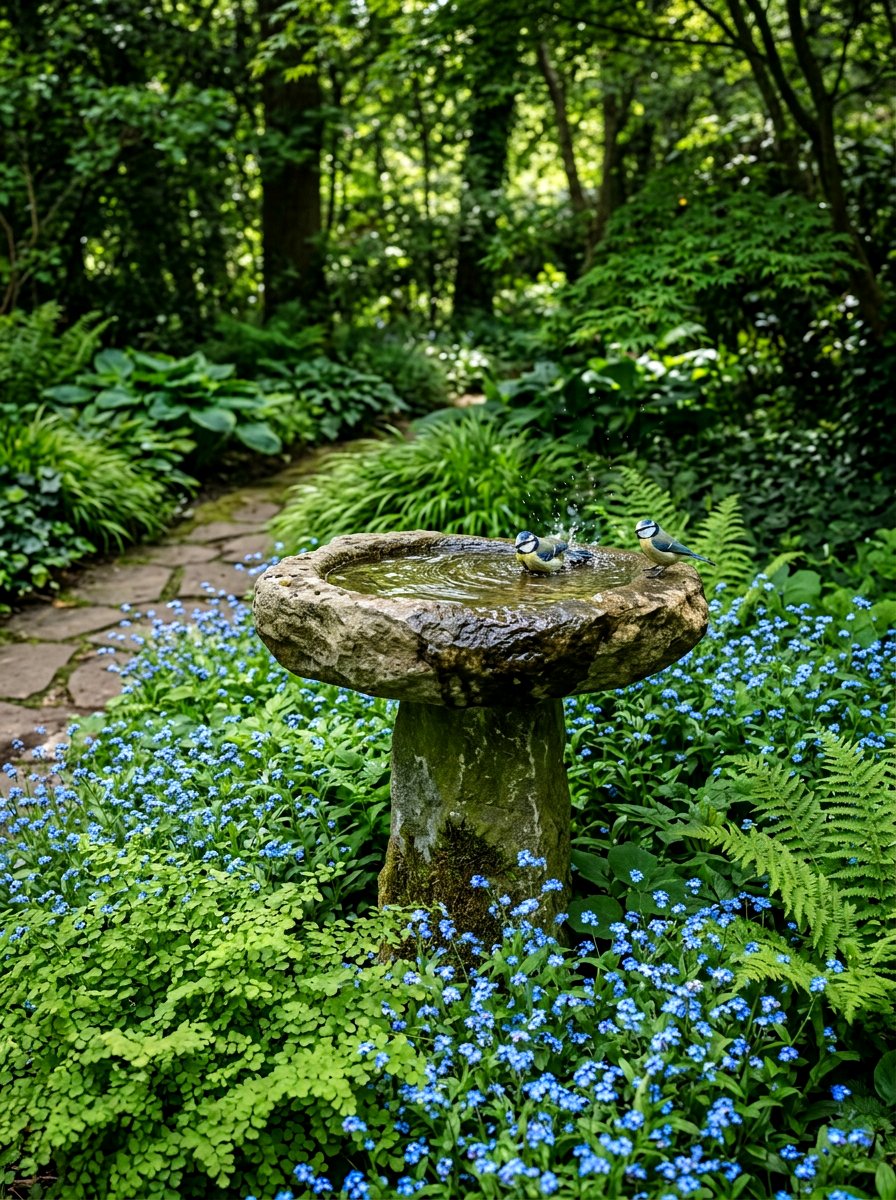
Incorporating a small water feature as the centerpiece of a flower bed adds a soothing sound and a sense of tranquility. A simple stone birdbath or a solar-powered fountain can be surrounded by moisture-loving plants like ferns and marsh marigolds. The water attracts local birds and beneficial insects, adding life and movement to your small garden space. Choose a feature that matches the scale of your bed so it doesn't overwhelm the surrounding plants or look out of place. This focal point grounds the design and creates a destination spot in your yard where you can relax and unwind. It is a luxurious touch that makes a small garden feel like a high-end spa retreat.
Conclusion:
Small flower beds are the perfect way to transform your outdoor space into a personalized haven without needing vast amounts of land. Whether you choose a modern minimalist look or a charming cottage border, these compact gardens provide endless joy and visual appeal. By selecting the right plants and structures for your specific environment, you can ensure a thriving and low-maintenance display year-round. Remember that even the smallest project, like a window box or a mailbox surround, can significantly boost your home's character and value. We hope these diverse concepts inspire you to pick up a shovel and start creating your own beautiful floral oasis today.

Related posts: