Vertical gardening has become a transformative trend for homeowners who want to maximize their outdoor spaces while adding a lush, vibrant layer of natural beauty. Whether you are dealing with a cramped city balcony or a sprawling suburban backyard, growing upward allows you to cultivate a stunning variety of flora without sacrificing valuable floor space. These creative arrangements not only serve as living pieces of art but also provide practical benefits like improved air quality and natural privacy screening. By utilizing walls, fences, and freestanding structures, you can turn any plain vertical surface into a cascading masterpiece of colors and textures that feels truly immersive and refreshing.
1. Balcony Flower Wall
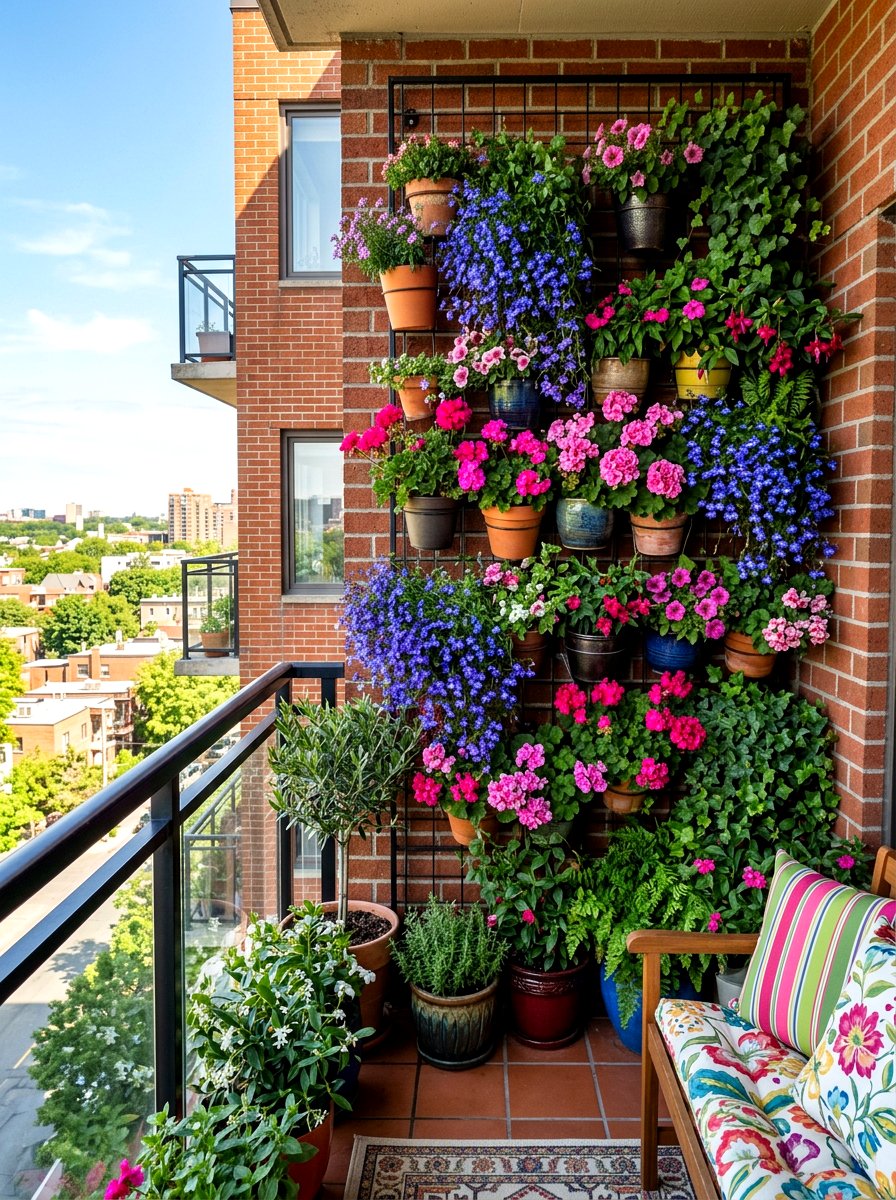
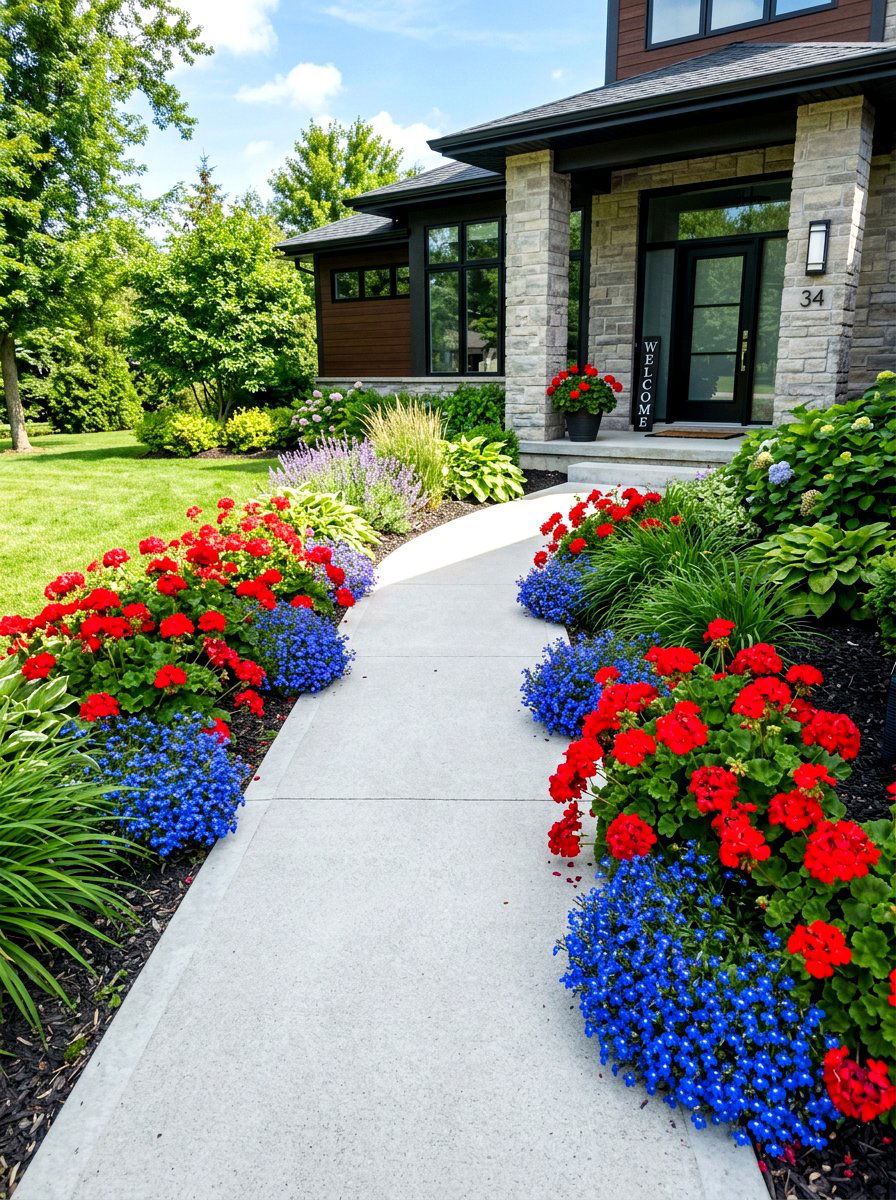
Imagine walking out onto your small apartment balcony and being greeted by a lush explosion of colors climbing right up the brickwork. Creating a balcony flower wall is one of the smartest ways to maximize limited outdoor square footage while adding a massive dose of curb appeal. You can use specialized mounting hardware or grid panels to secure various pots at different heights. This setup allows you to layer trailing lobelia with upright geraniums for a truly dynamic look. It transforms a cold, concrete space into a private sanctuary that feels cozy and tucked away from the busy world outside. It is perfect for modern urban dwellers who want a garden.
2. Wooden Pallet Planter
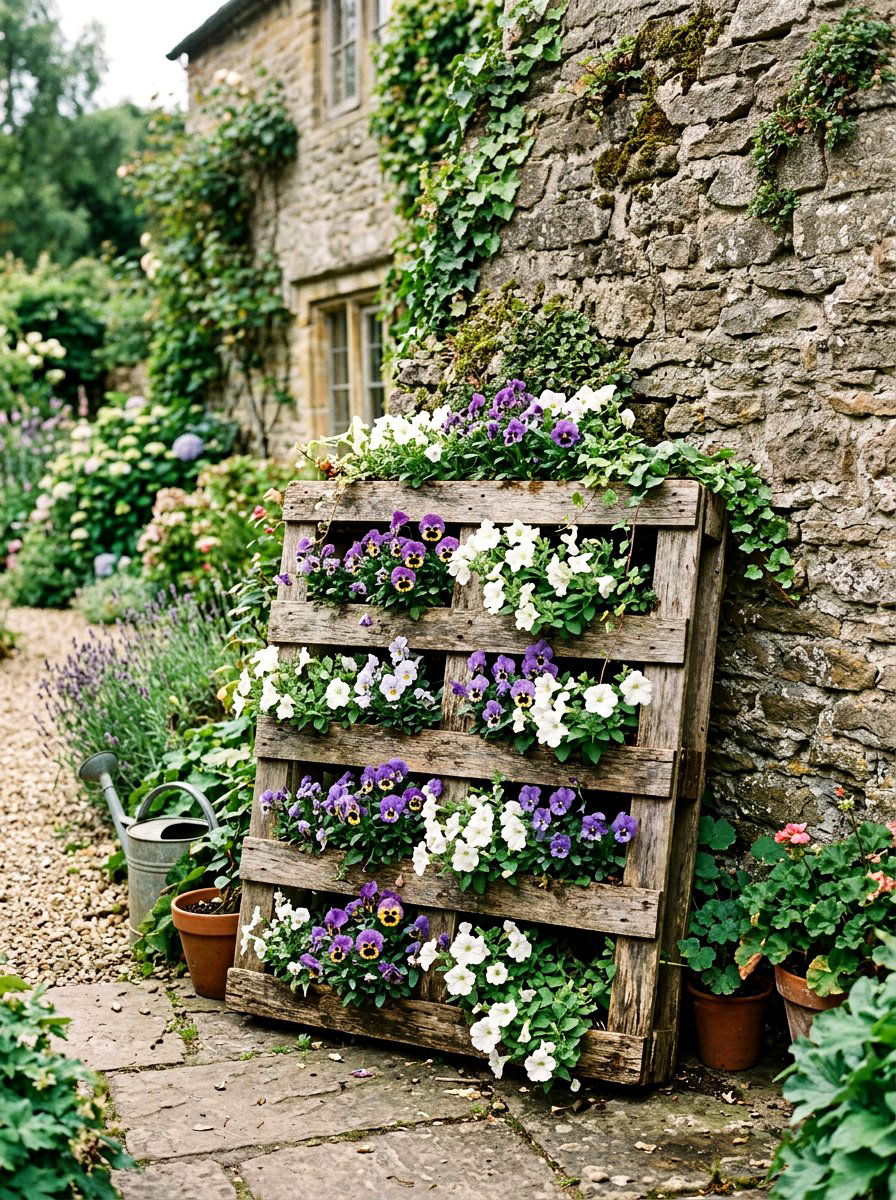
Have you ever looked at a discarded wooden shipping pallet and seen a potential masterpiece for your backyard? Upcycling pallets into vertical flower displays is a budget-friendly project that packs a huge visual punch in any rustic or farmhouse setting. By sealing the wood and adding landscape fabric to create pockets, you can plant rows of vibrant pansies or delicate petunias. This vertical arrangement keeps your plants off the ground, protecting them from some pests while making watering a breeze. The natural wood grain provides a beautiful, earthy contrast against the bright green foliage and colorful petals, making your garden look professionally designed and environmentally friendly.
3. Hanging Flower Baskets
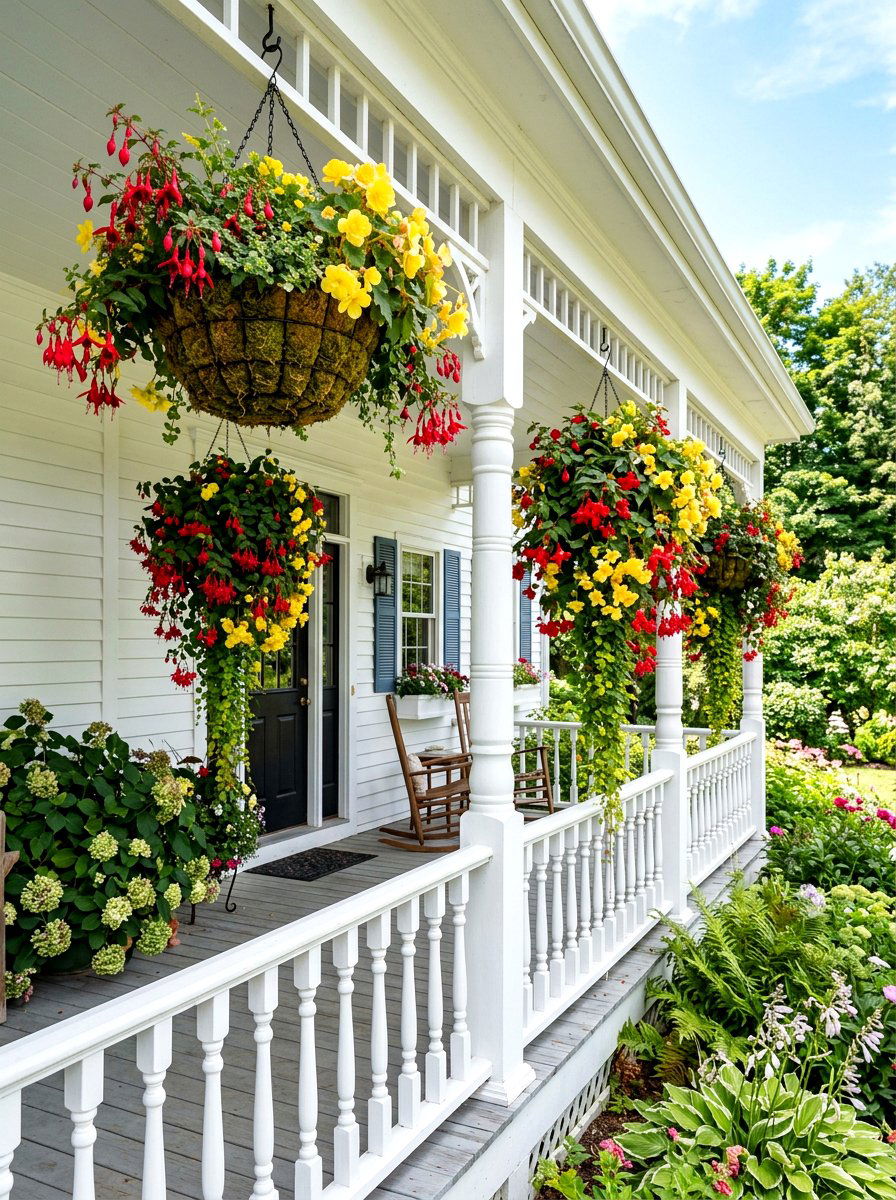
Suspended beauty often catches the eye more effectively than ground-level beds because it brings nature directly into your line of sight. Utilizing hanging flower baskets at staggered heights can turn a plain porch or a sturdy garden arch into a cascading floral waterfall. Fuchsias, petunias, and trailing begonias are classic choices that thrive in these elevated environments. This method is particularly effective for people who have limited floor space but plenty of overhead room to spare. Not only do they look stunning, but they also improve air circulation around your plants, which helps prevent many common fungal diseases that often occur in crowded garden beds.
4. Wall Mounted Terra Cotta Pots
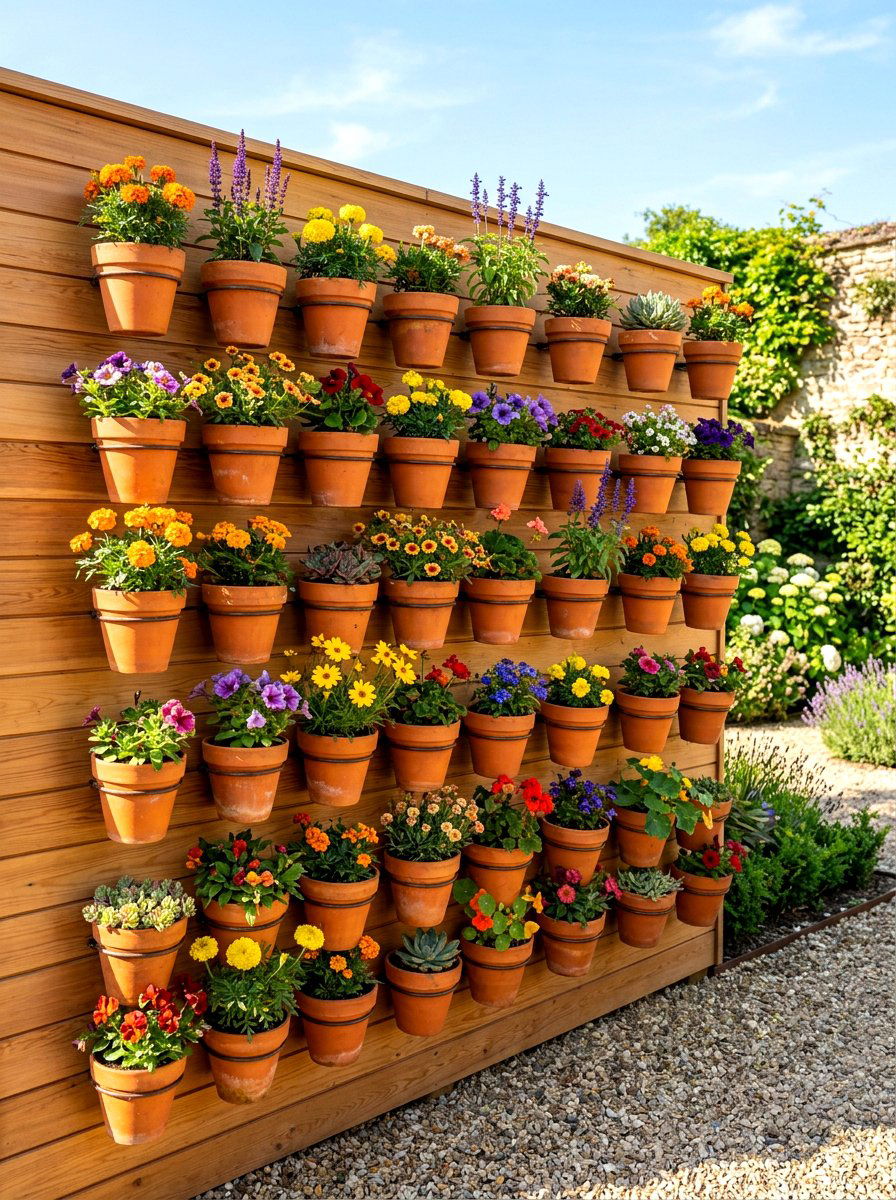
Classic clay pots have a timeless charm that never goes out of style, especially when they are arranged in a neat grid on an exterior wall. By using simple metal rings or specialized clips, you can mount terra cotta pots directly onto a wooden fence or a brick siding. This vertical layout allows you to grow a wide variety of individual flower species without them competing for root space in a single large container. The warm, orange hue of the clay beautifully complements almost any flower color, from deep purple salvia to bright yellow marigolds. It creates a very organized and clean aesthetic for modern residential homes.
5. Ladder Plant Stand
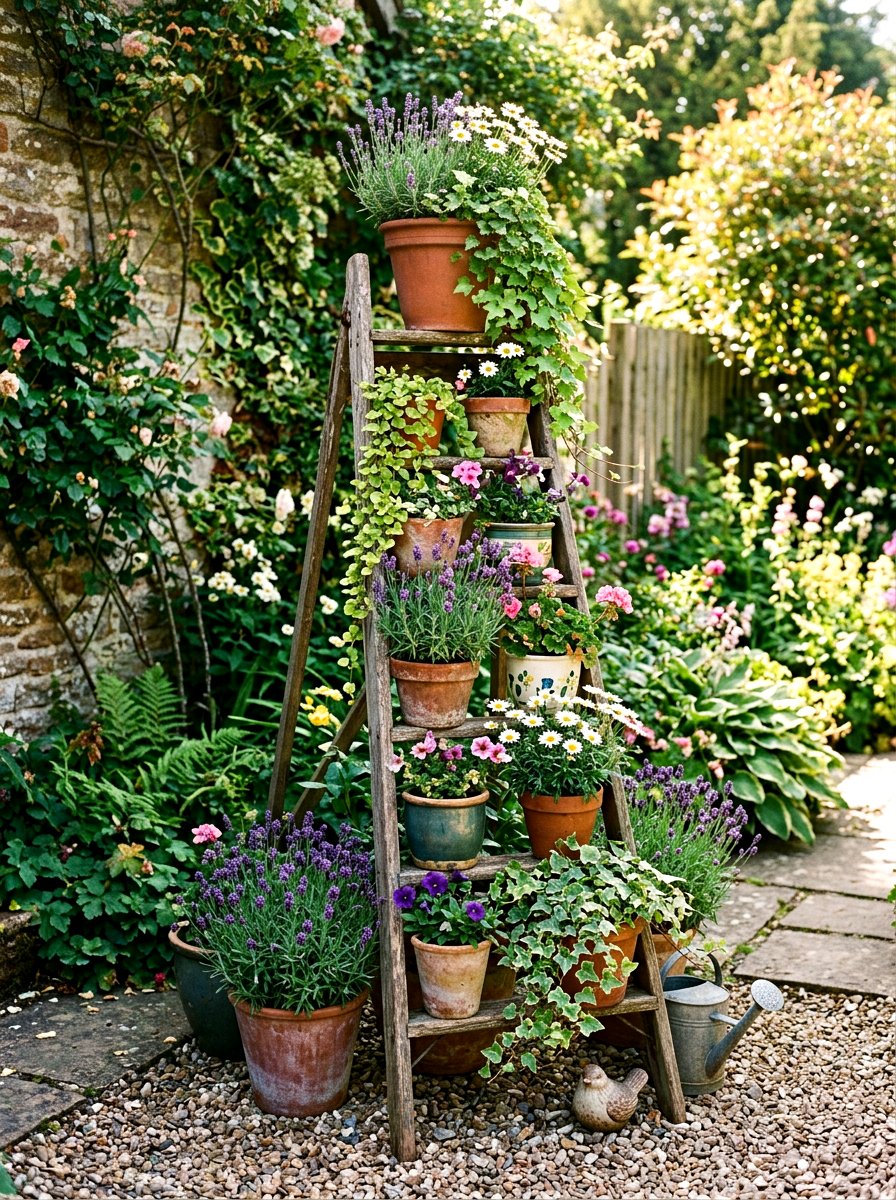
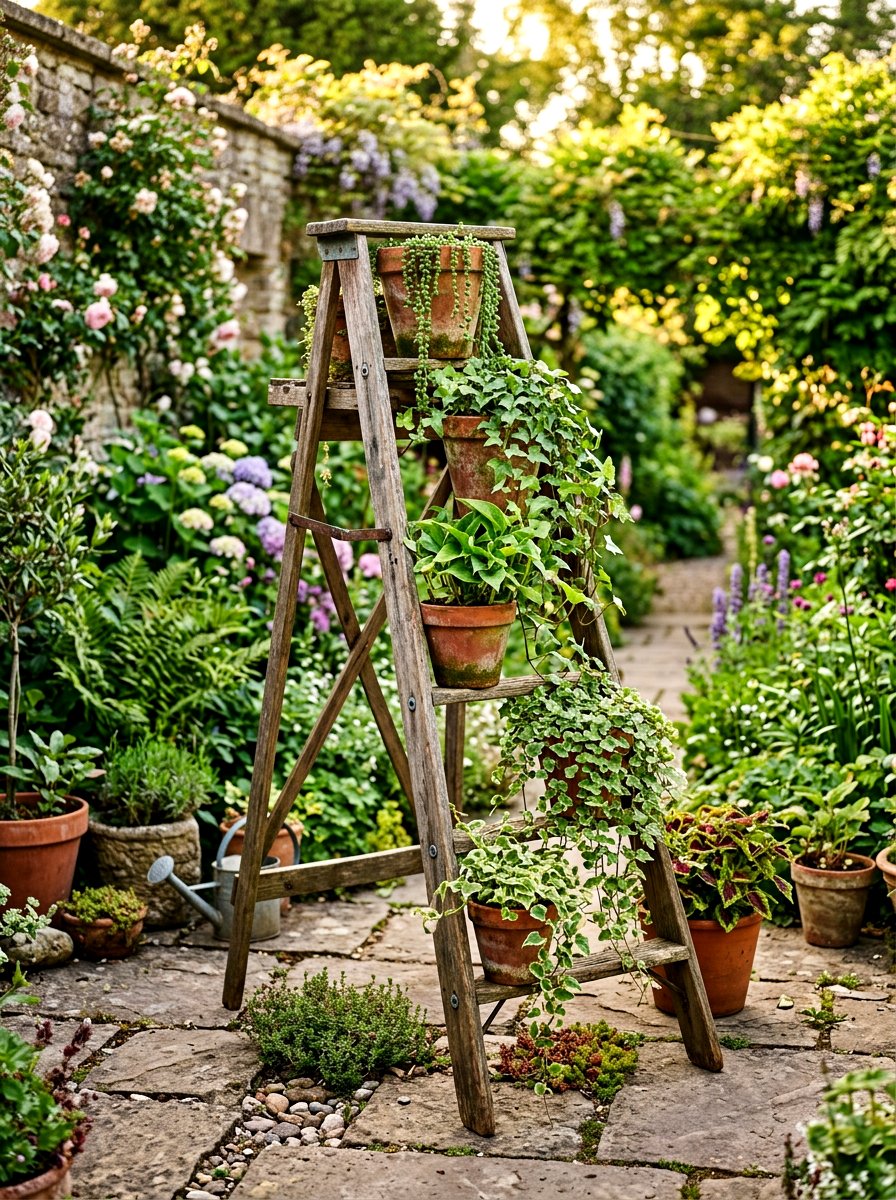
Repurposing an old wooden or metal ladder is a fantastic way to create a tiered vertical garden without needing to drill holes into your walls. Each step of the ladder acts as a shelf for different sized pots, allowing you to create a high-impact focal point in minutes. You can place larger, bushier plants on the bottom rungs and trailing varieties near the top so they can drape elegantly downward. This mobile solution is perfect for renters who want a vertical look but need to be able to move their garden easily. It adds a lovely vintage touch to any patio or garden corner quite effortlessly.
6. Trellis Climbing Vines
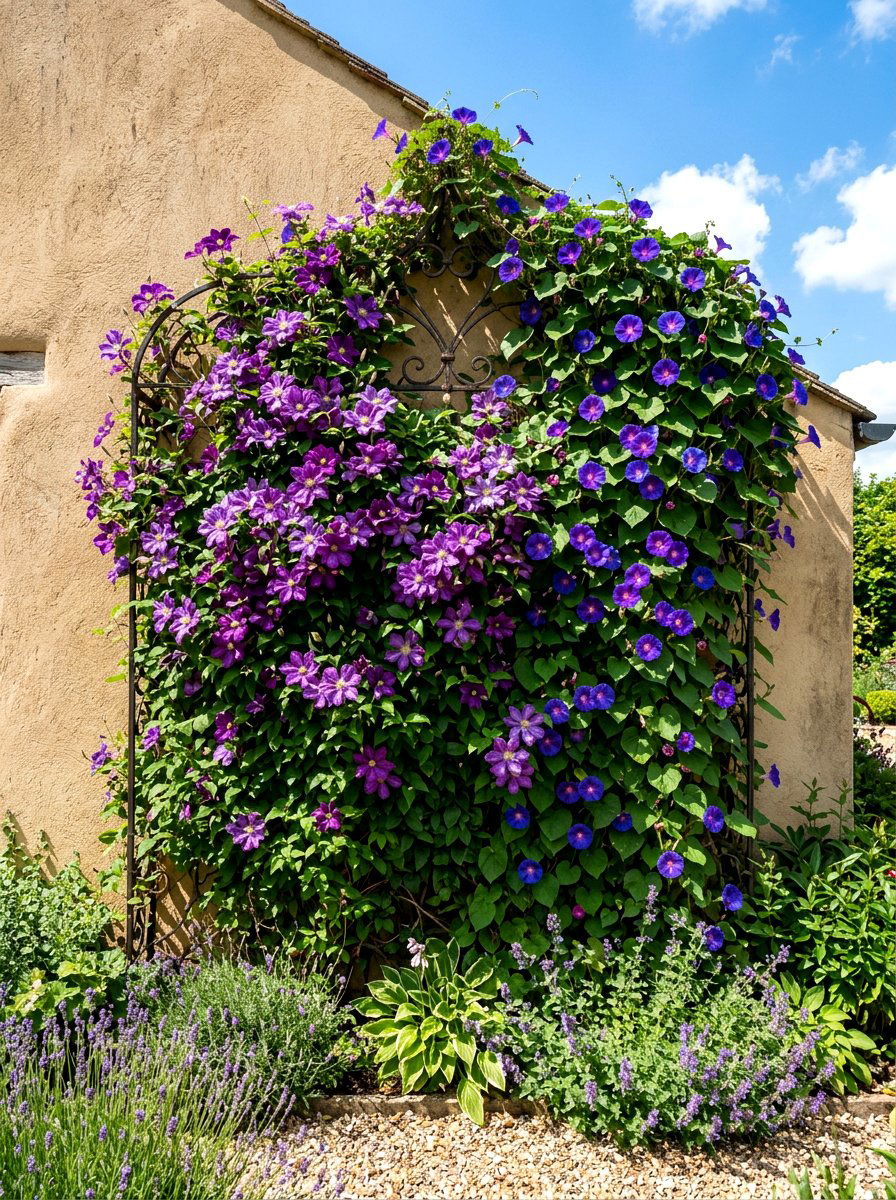
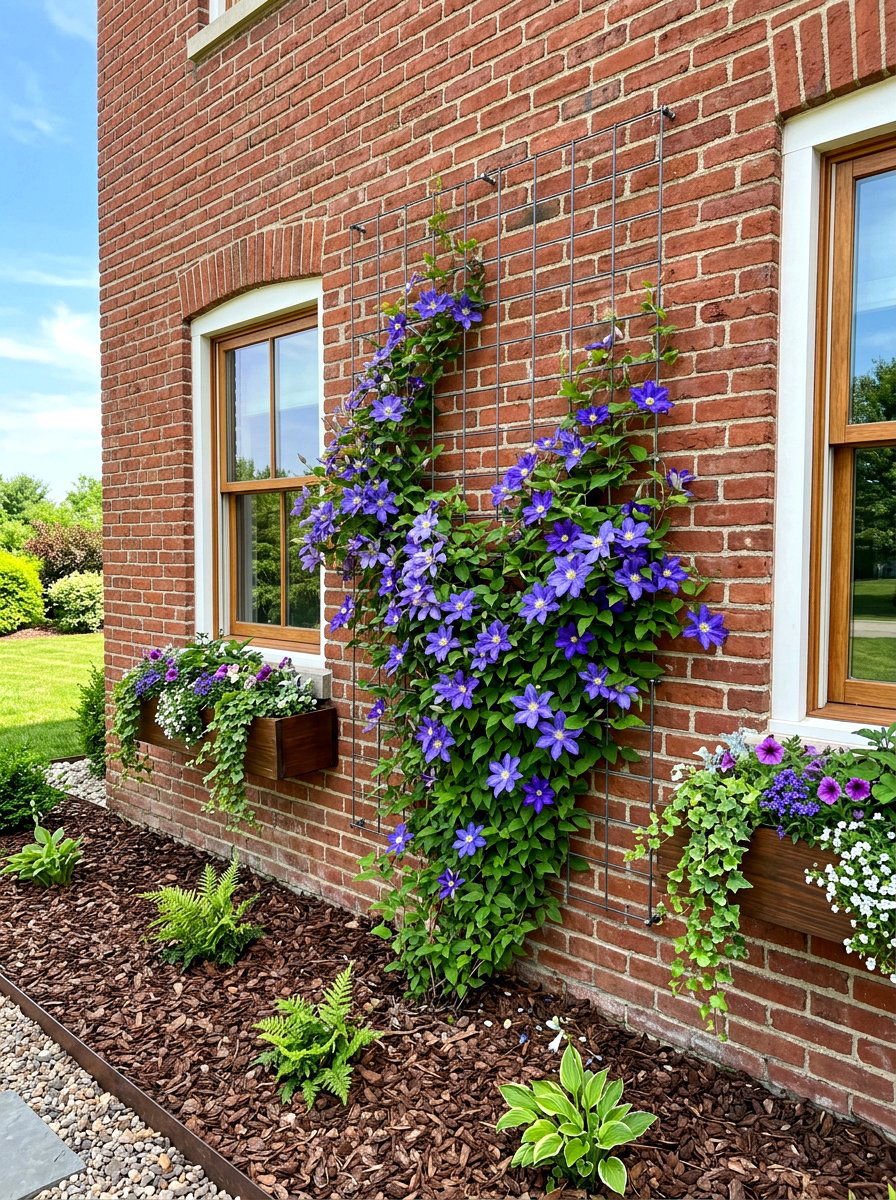
Installing a tall trellis against a sunny wall provides the perfect skeletal structure for nature’s most ambitious climbers to reach for the sky. Fragrant sweet peas, morning glories, and clematis are wonderful choices that will quickly wrap around the lattice, creating a living tapestry of blooms. This vertical approach not only adds height to your landscape but also provides a natural privacy screen from neighbors. As the vines mature and cover the structure, they create a dense wall of greenery that cools the area during hot summer days. It is a traditional yet highly effective way to bring vertical interest to any outdoor garden.
7. Pocket Wall Planter
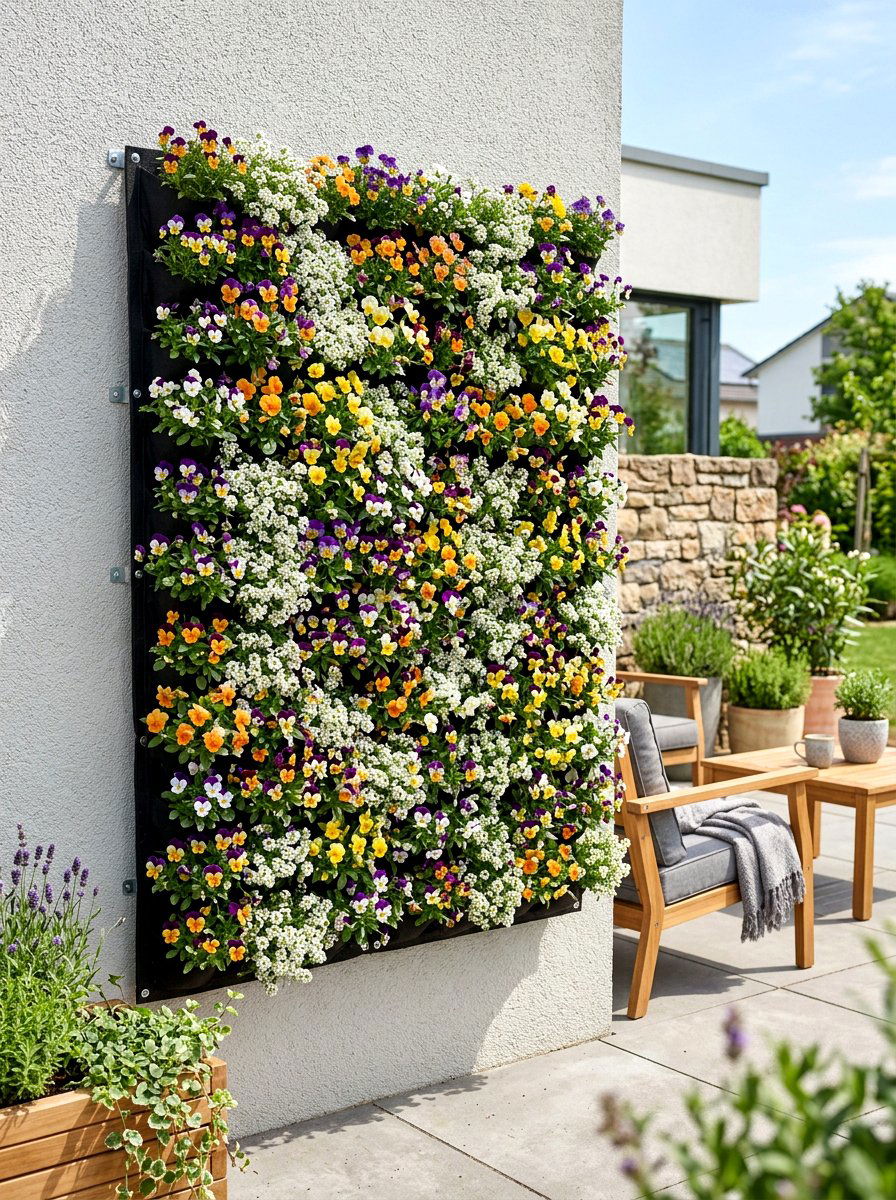
Soft-sided pocket planters made from breathable felt or heavy-duty fabric are becoming a staple in modern vertical gardening for very good reason. These lightweight systems can be easily attached to any vertical surface, providing dozens of individual pockets for small flowering plants like violas or alyssum. The fabric allows the roots to breathe and prevents them from becoming root-bound, which leads to much healthier and more vibrant flowers over time. Because the pockets are close together, the foliage quickly grows to hide the backing, resulting in a seamless wall of flowers that looks like it belongs in a high-end, professional botanical garden display.
8. Tiered Garden Boxes
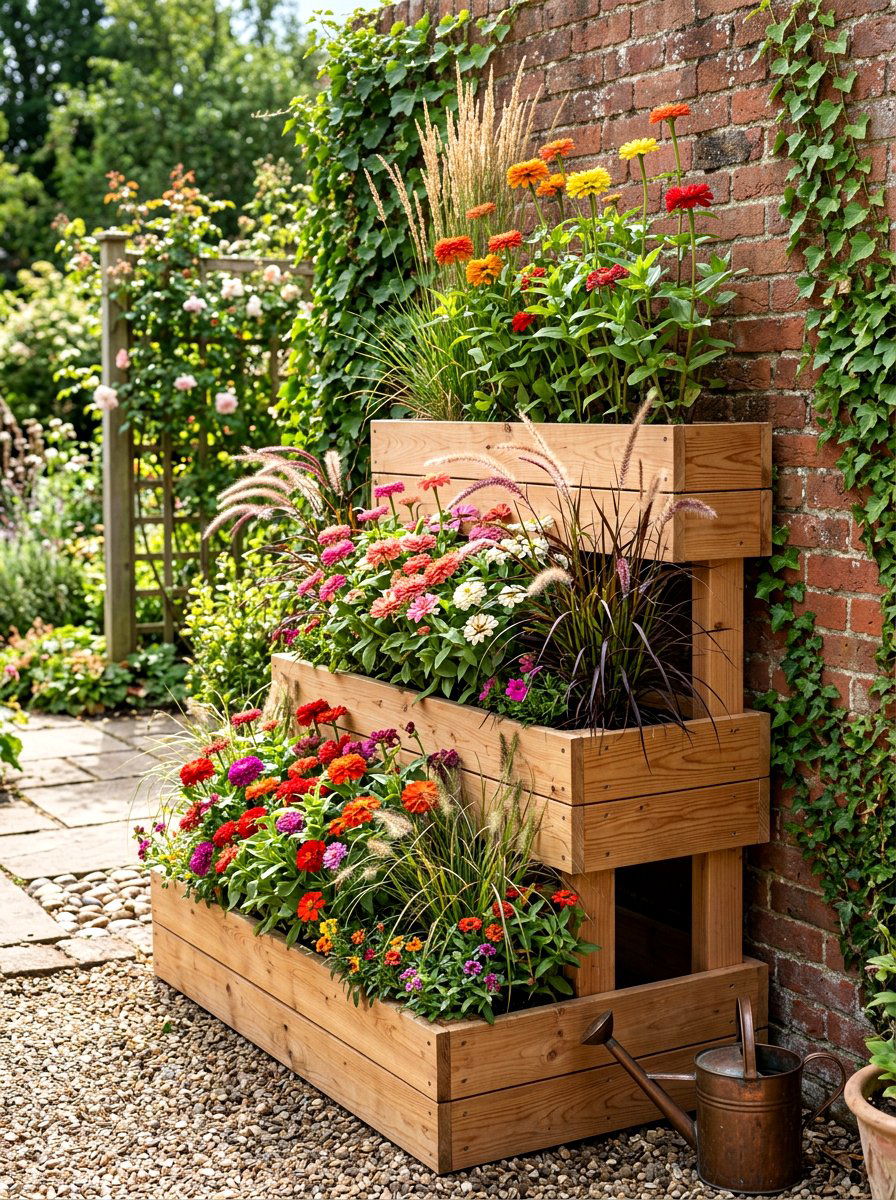
Building a series of stacked wooden boxes is an excellent weekend project for those who want a permanent and sturdy vertical garden feature. These boxes can be designed to lean back slightly against a wall or stand independently as a beautiful floral tower in the center of a yard. By filling each tier with high-quality potting soil, you provide a stable environment for perennials and annuals alike to thrive throughout the seasons. This setup is particularly useful for creating a dramatic height transition in a flat backyard. The structured lines of the boxes provide a modern feel that coordinates well with contemporary outdoor patio furniture.
9. Recycled Bottle Garden
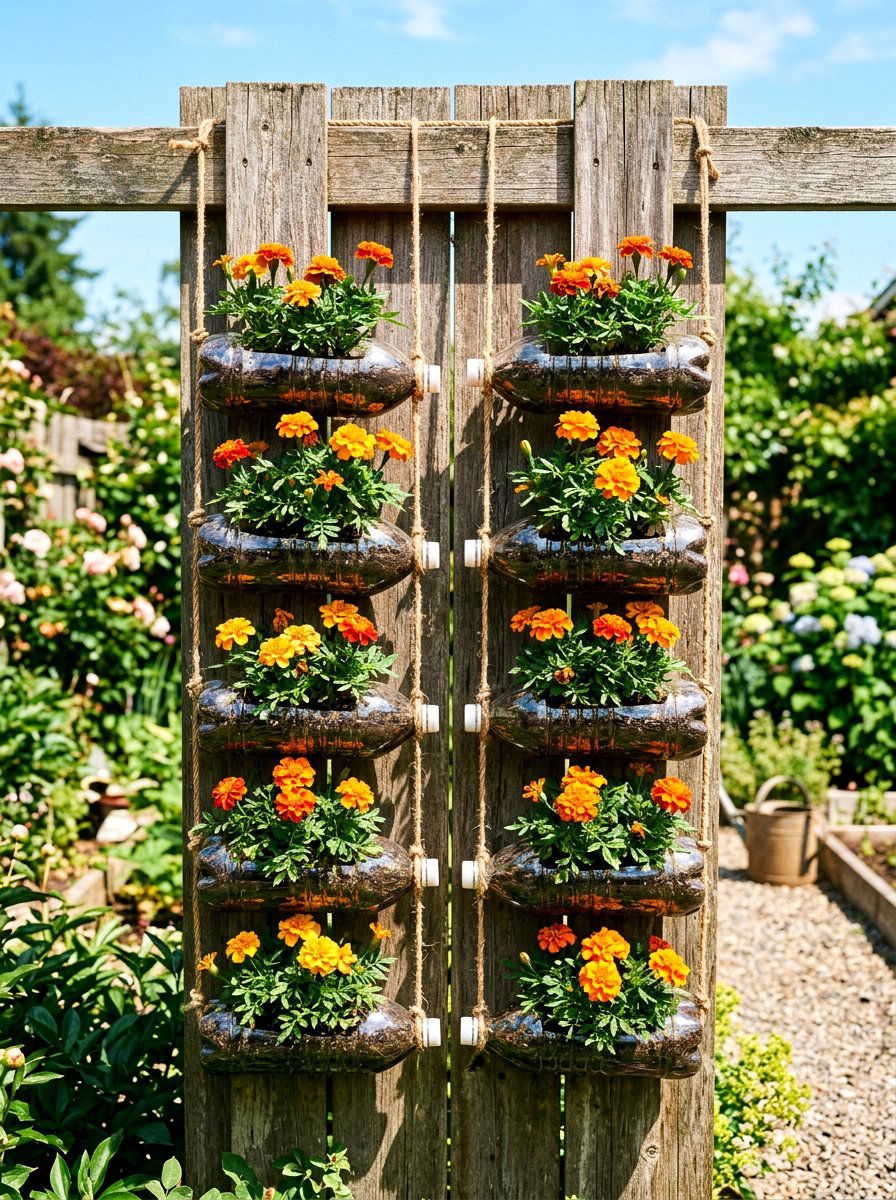
Sustainability meets creativity when you transform old plastic soda or water bottles into a clever vertical irrigation system for your favorite flowers. By cutting openings in the sides of the bottles and stringing them together vertically, you can create a unique hanging garden that costs almost nothing to make. This is a wonderful educational project for kids, teaching them about recycling while they watch small flowers like marigolds or snapdragons grow. It works best in a sheltered area where the wind won't toss the light bottles around too much. It is an innovative way to reduce waste while beautifying a small, sunny corner.
10. Vertical Succulent Wall
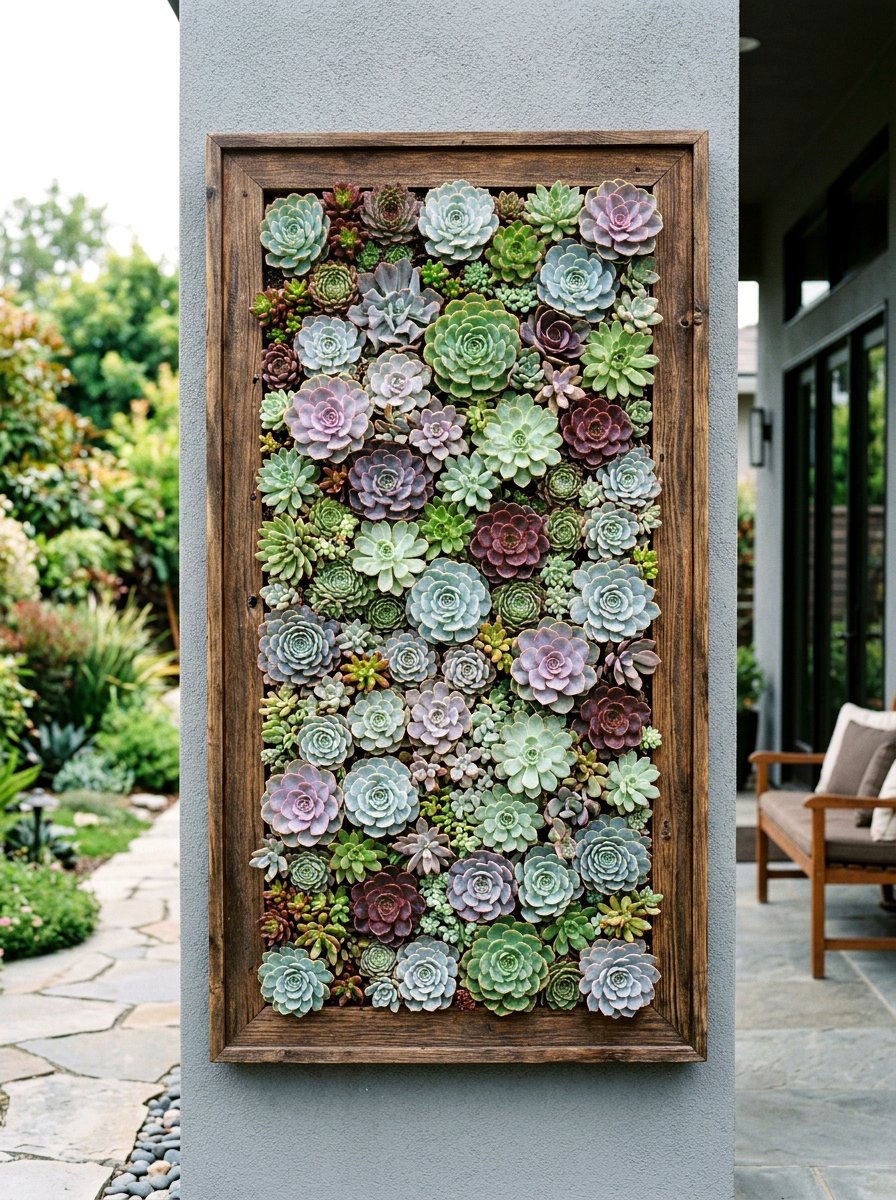
Succulents are the perfect candidates for a vertical display because they require very little water and have shallow root systems that stay put. Creating a living picture frame filled with various hens and chicks, echeveria, and sedum provides a stunning textural contrast that looks like organic art. These walls are typically built using a shadow box frame with a wire mesh front to hold the plants and soil in place. Once established, the succulents will fill in the gaps, creating a lush, low-maintenance mosaic of greens, purples, and blues. It is a sophisticated way to add greenery to an indoor or outdoor living space.
11. Floating Flower Shelves
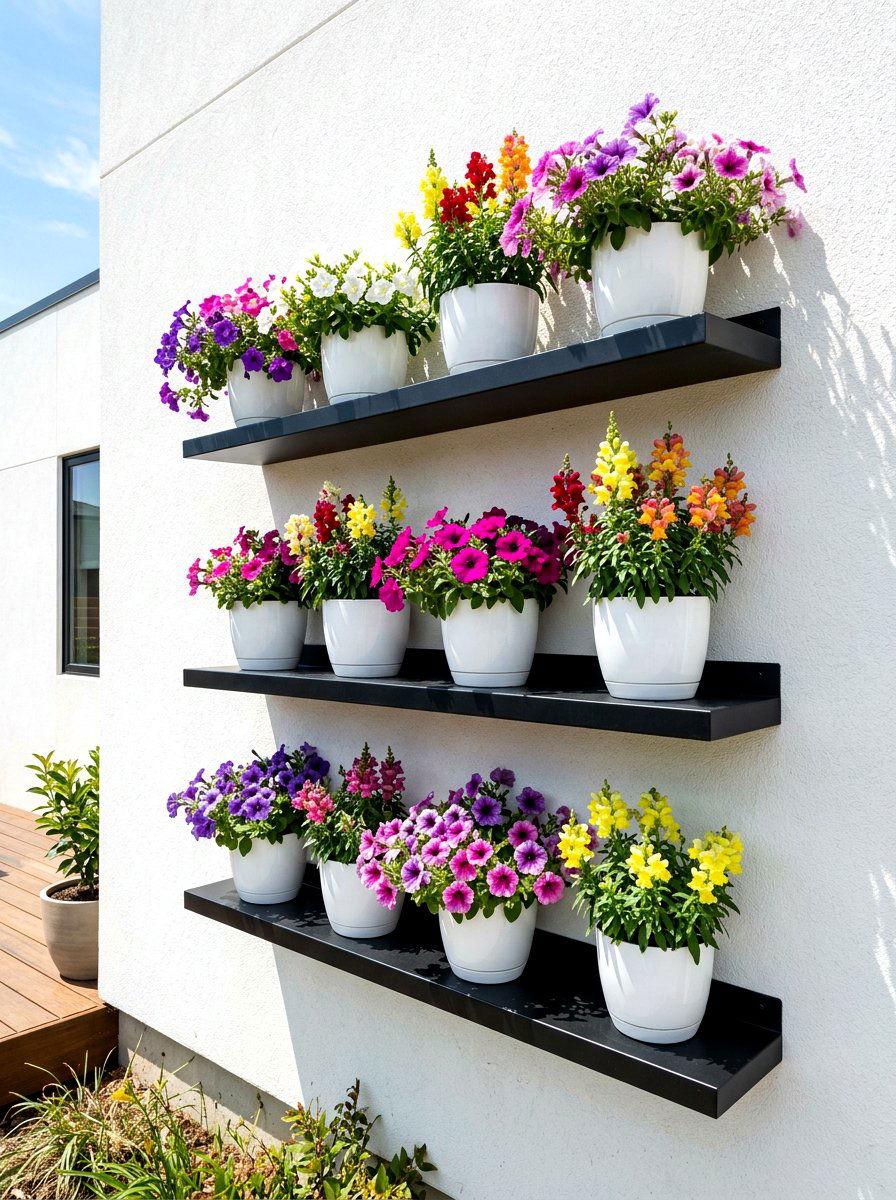
Clean lines and minimalist design come together when you install floating shelves on an exterior wall to hold your potted flower collection. This approach allows you to change out your floral display seasonally without any heavy lifting or complicated replanting. You can choose sleek metal shelves for an industrial look or warm wood planks for a more traditional feel. By spacing the shelves at different intervals, you can accommodate both tall, spiky flowers and low, mounded varieties. It keeps the ground clear for foot traffic or furniture while bringing the beauty of the garden up to eye level for everyone to enjoy.
12. Fence Mounted Planters
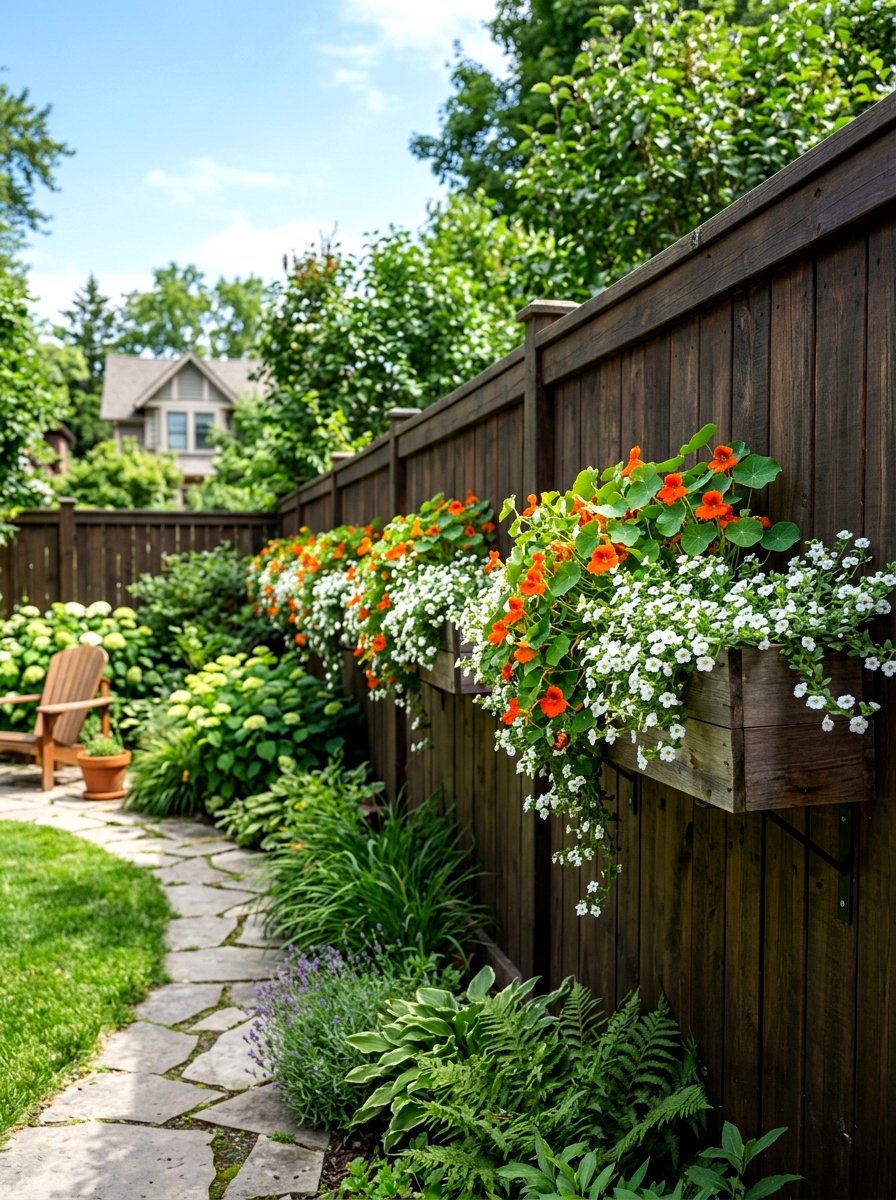
Transforming a boring wooden fence into a vibrant boundary is easy when you attach long, horizontal planters directly to the horizontal rails. This method allows you to wrap your entire yard in a ribbon of color that softens the hard lines of the property boundary. Choosing trailing flowers like bacopa or nasturtiums will allow the blooms to spill over the edges, partially hiding the containers and making the flowers look like they are growing out of the fence itself. It is a fantastic way to create a more intimate and enclosed feeling in your backyard while maximizing every single inch of available growing space.
13. Gutter Flower Garden
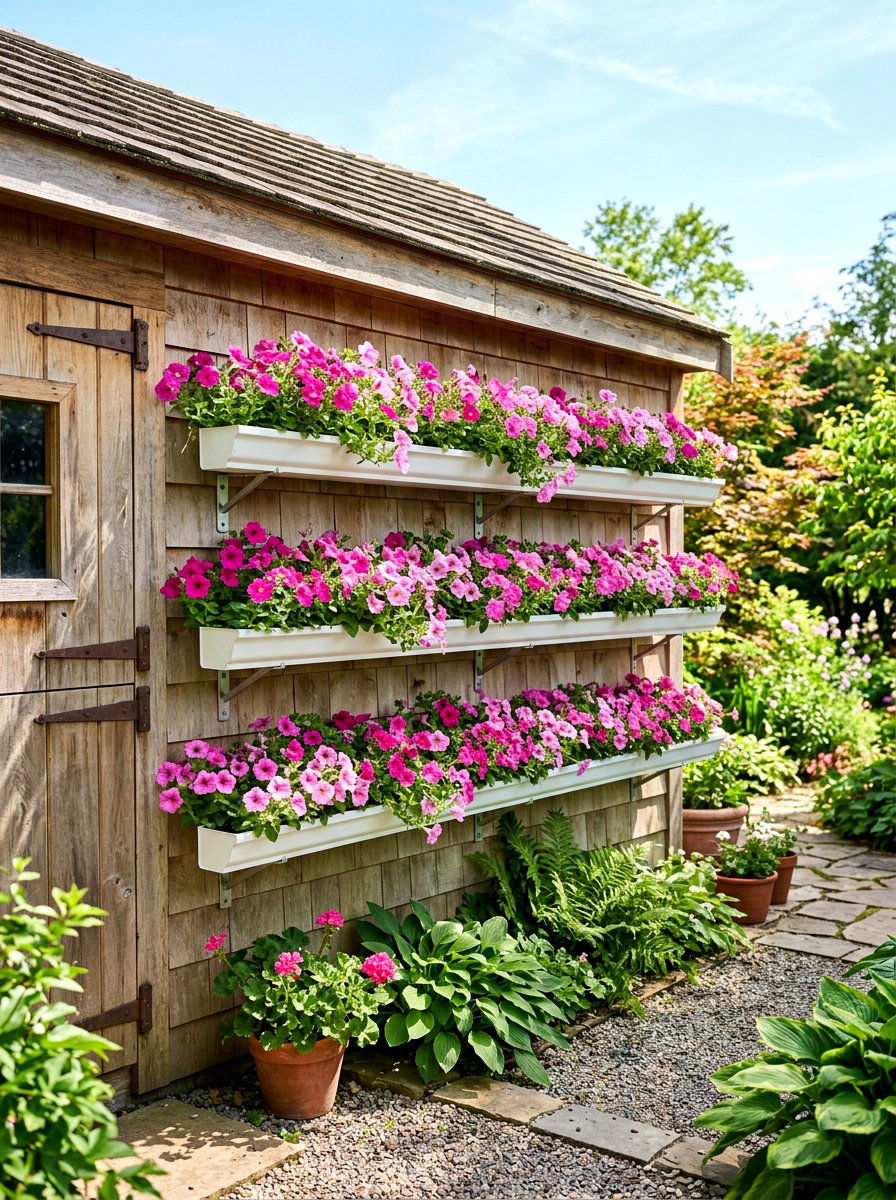
Standard rain gutters can be repurposed into surprisingly effective and stylish long-form planters that are perfect for shallow-rooted annuals. By mounting several rows of gutters one above the other on a sunny wall, you create a sleek, modern vertical garden that is incredibly space-efficient. These narrow troughs are ideal for planting rows of colorful petunias or creeping phlox that will eventually spill over the sides in a colorful display. Ensure you drill plenty of drainage holes in the bottom to prevent the soil from becoming waterlogged. This budget-friendly solution provides a clean, architectural look that fits perfectly on narrow side yards.
14. Tiered Galvanized Buckets
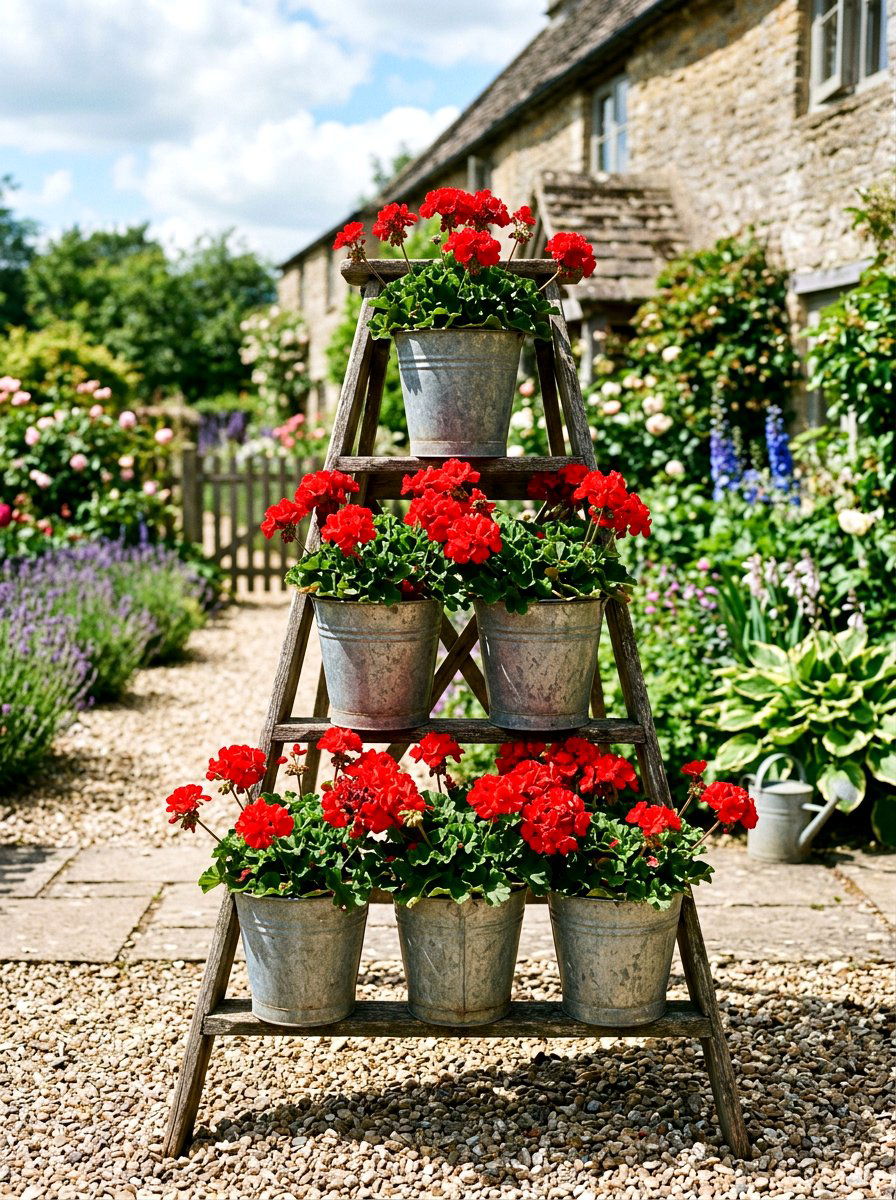
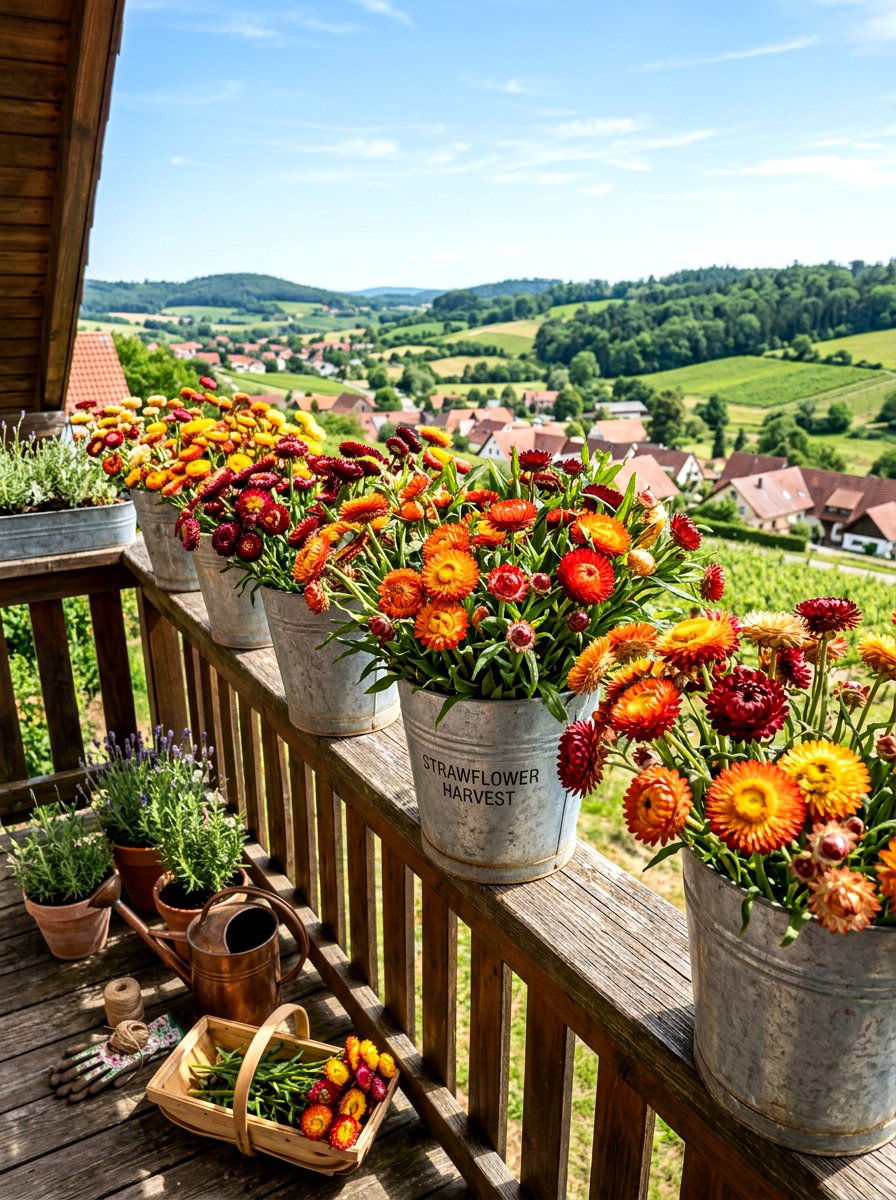
For those who love the rustic, farmhouse aesthetic, using galvanized metal buckets as vertical planters is a durable and stylish choice. You can hang these buckets from a series of hooks on a wooden wall or stack them on a custom-built A-frame stand. The metallic finish provides a wonderful neutral backdrop that makes the vibrant colors of zinnias or geraniums really pop. Over time, the metal develops a slight patina that adds character and a sense of history to your garden space. This setup is very rugged and can withstand harsh weather conditions much better than many plastic or ceramic alternatives available.
15. Copper Pipe Plant Hanger
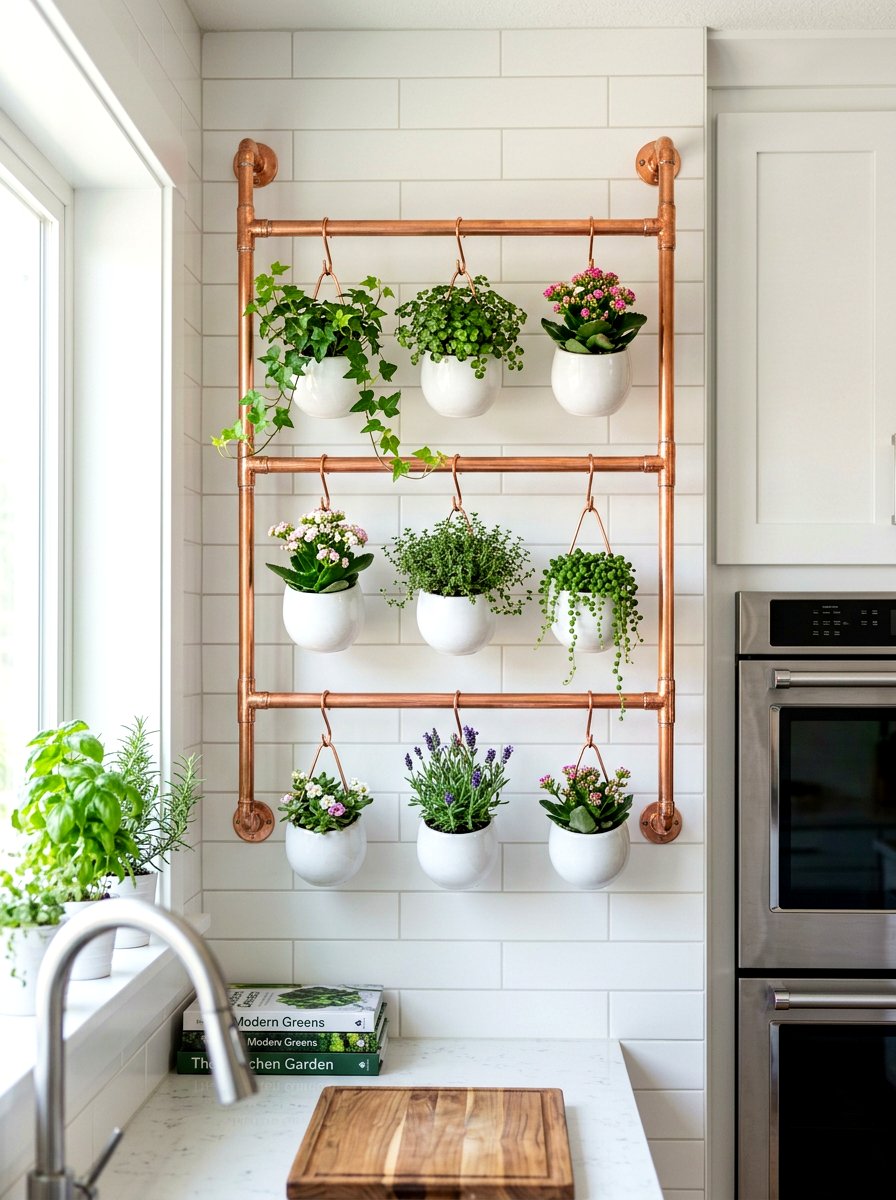
If you want to add a touch of industrial elegance to your indoor or outdoor garden, consider building a frame from copper piping. This shimmering material looks stunning against green foliage and provides a sturdy structure for hanging small pots with simple S-hooks. As the copper ages, it can either be polished to keep its shine or allowed to turn a beautiful verdigris green. This vertical solution works exceptionally well in modern kitchens or on sleek patios where you want a garden feature that looks like a piece of high-end furniture. It is a sophisticated way to display air plants or small flowers.
16. Vertical Rose Trellis
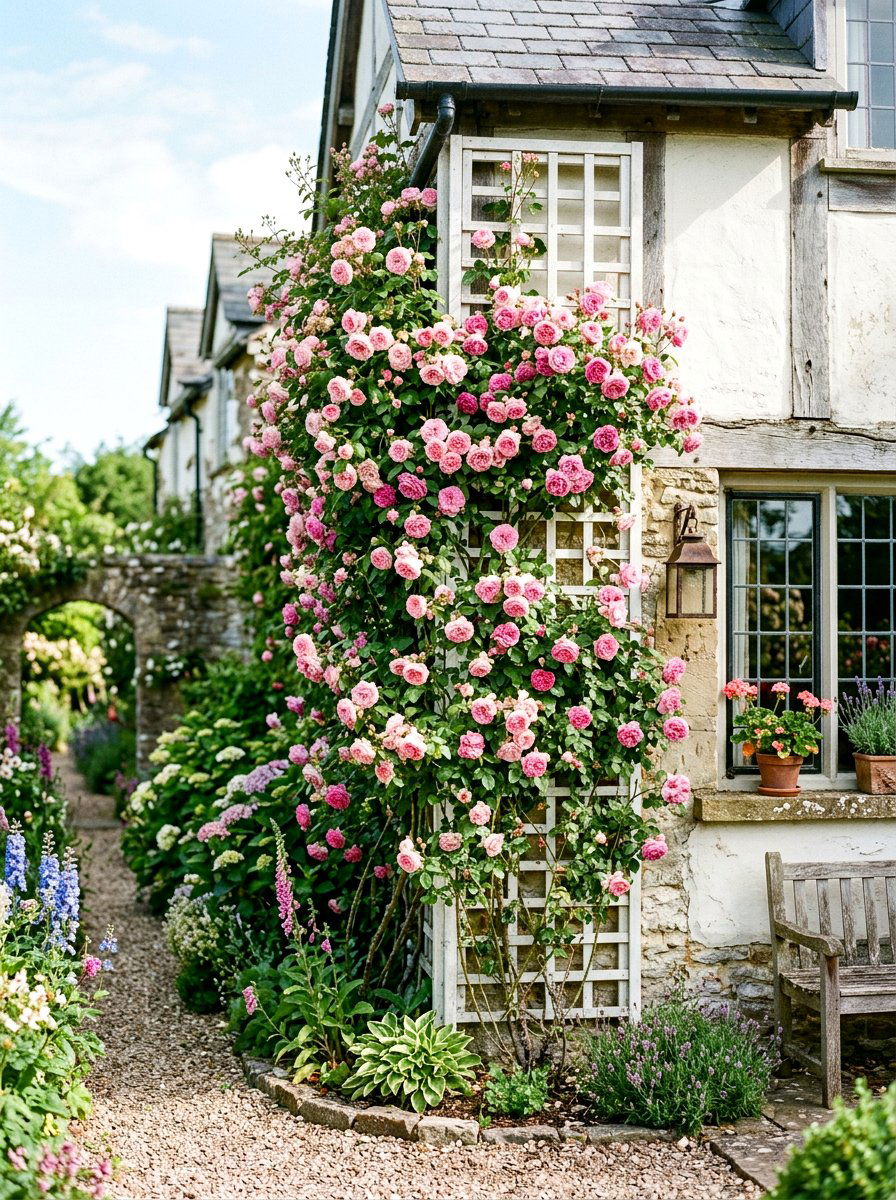
Climbing roses are perhaps the most romantic addition you can make to a vertical garden, offering both height and an incredible fragrance. By installing a sturdy, oversized trellis, you give these vigorous plants the support they need to reach several feet high, covering your walls in classic blooms. Training the canes horizontally as they grow will encourage more flower production along the entire length of the plant. This creates a dense wall of roses that can transform a plain house exterior into a cottage-style dream. The visual impact of a vertical rose garden is unmatched, especially when the flowers are in full seasonal bloom.
17. Indoor Living Wall
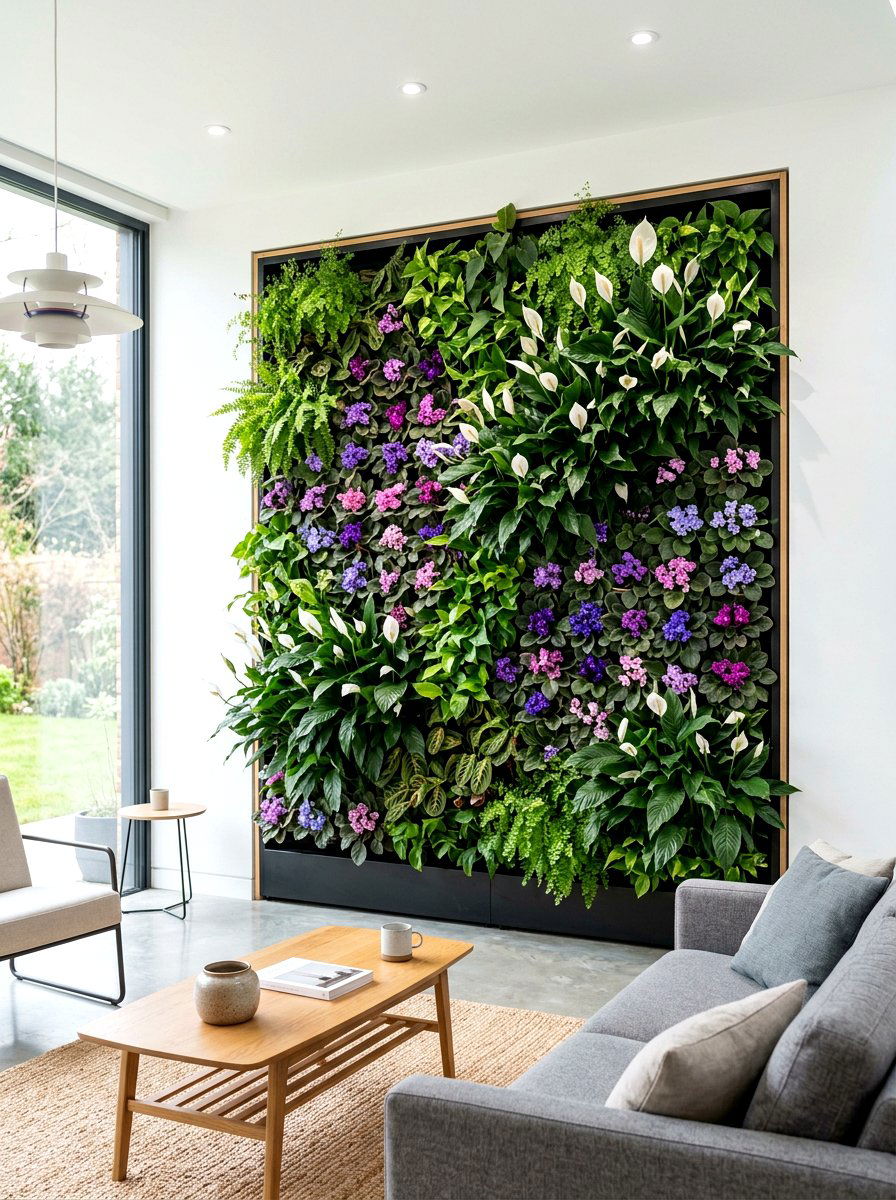
Bringing the outdoors inside has never been easier than with a dedicated indoor living wall system designed for flowering houseplants. These specialized kits often include built-in irrigation to keep your indoor flowers like African violets or peace lilies hydrated without making a mess. A vertical indoor garden acts as a natural air purifier while serving as a breathtaking focal point in a living room or office. The constant presence of blooming flowers can significantly boost your mood and create a calming atmosphere during the long winter months. It is a high-tech solution for people who want a lush, tropical feel inside their home.
18. Shoe Organizer Garden
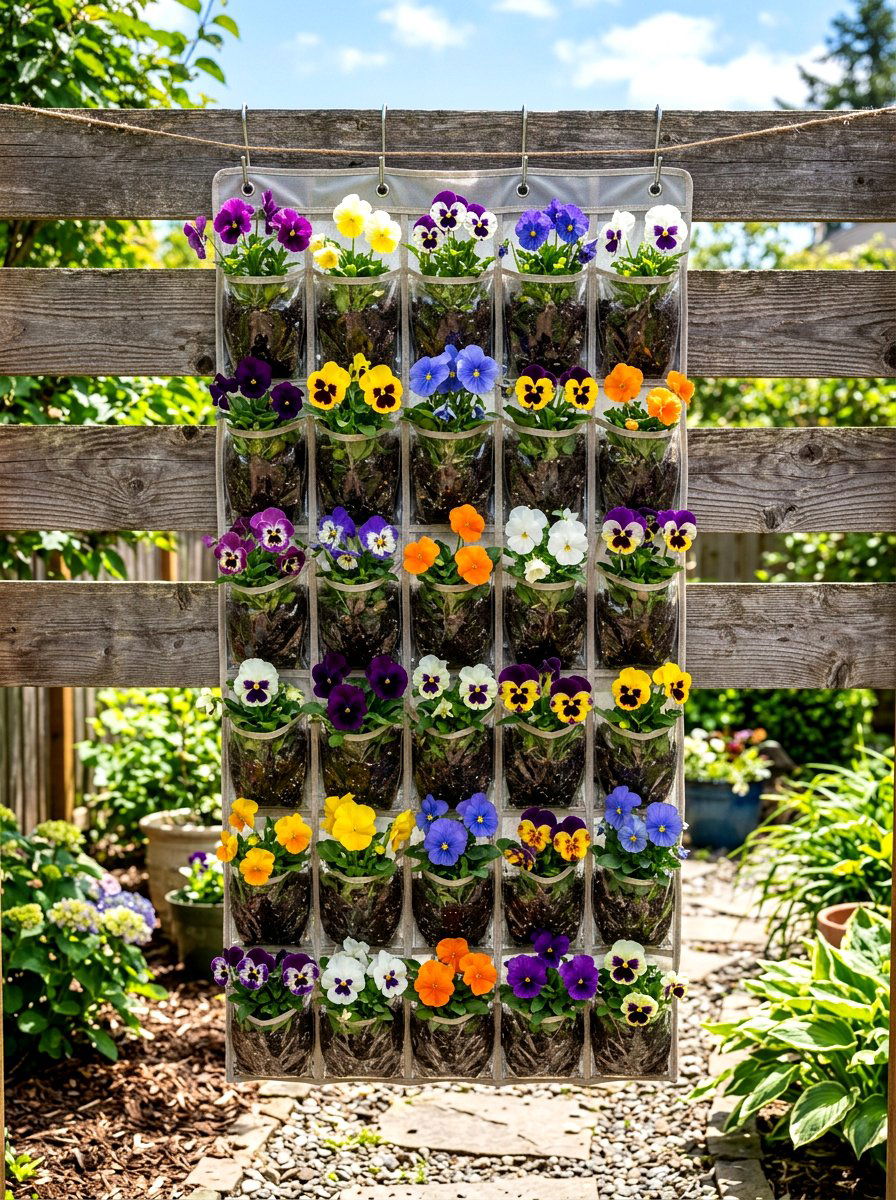
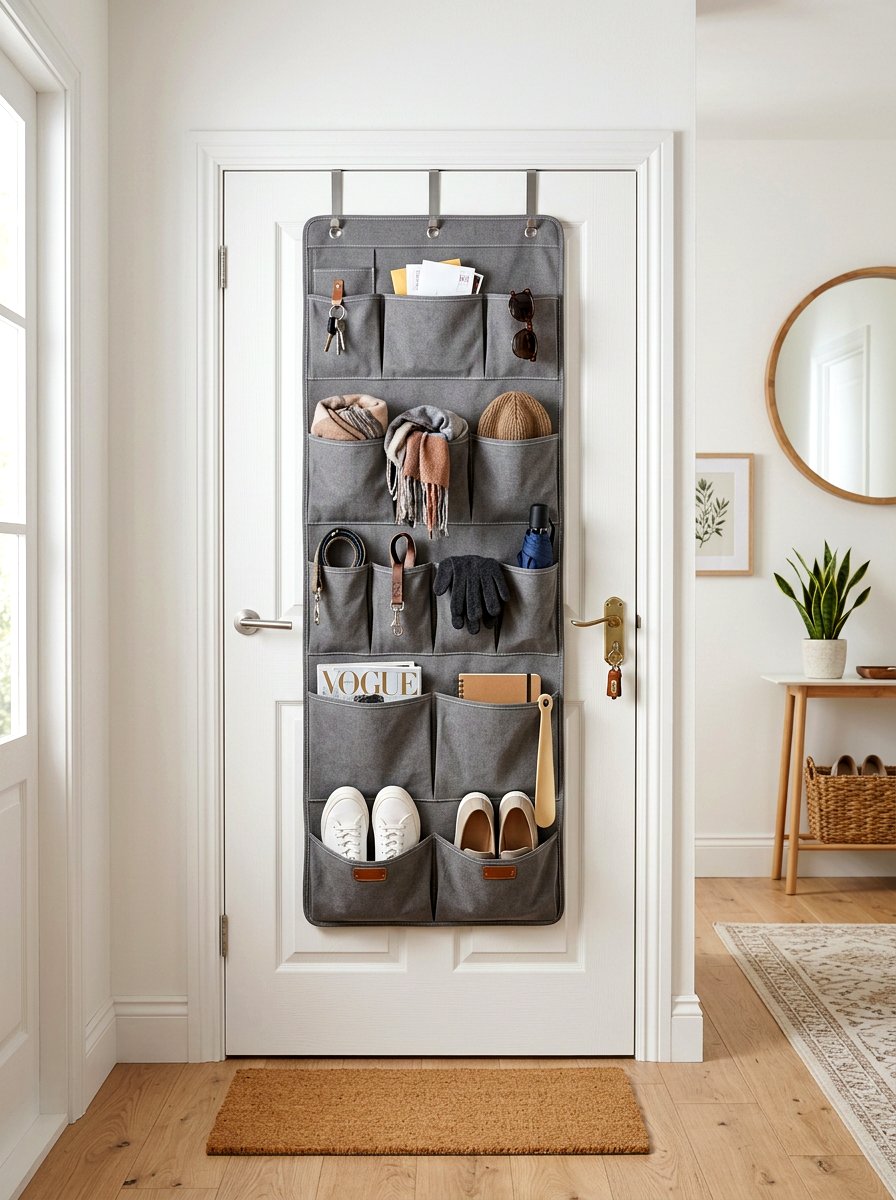
A clear plastic or fabric over-the-door shoe organizer is a surprisingly versatile tool for creating an instant vertical flower garden on a budget. Each pocket is the perfect size for a single small flowering plant, such as a pansy or a primrose, allowing you to create a grid of thirty or more plants. This method is incredibly easy to set up on a sunny fence or a back door, and it allows for excellent drainage through the fabric. It’s an ideal solution for temporary garden displays or for people living in rental properties who need a lightweight and non-permanent way to add some floral color easily.
19. Wrought Iron Plant Rack
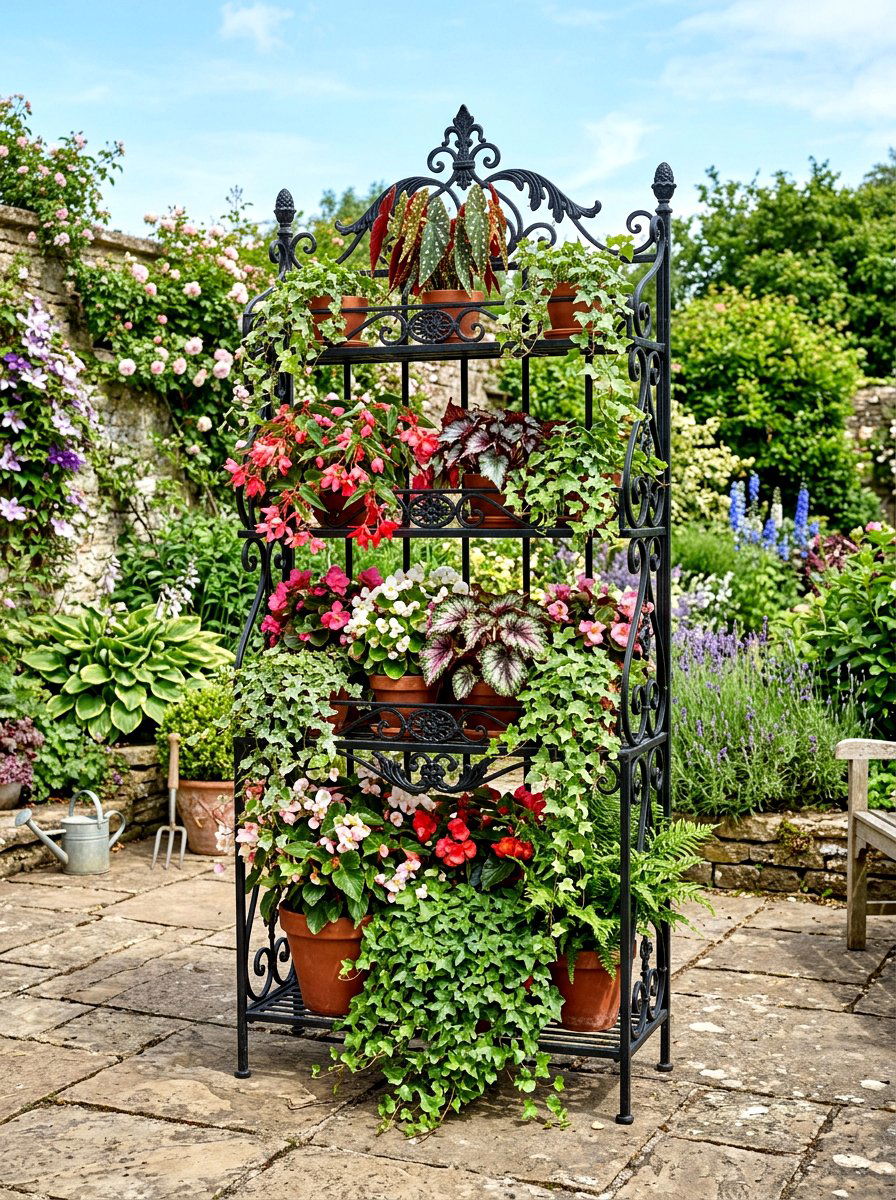
Wrought iron has a heavy, traditional feel that brings a sense of permanence and classic beauty to any vertical garden arrangement. A tall, multi-tiered iron rack can hold dozens of potted flowers, creating a dense tower of color that looks beautiful from every angle. The intricate scrolls and patterns of the ironwork add an extra layer of visual interest even before the flowers fully bloom. Because iron is so heavy and stable, these racks are perfect for windier areas where lighter plastic stands might tip over. This is a great way to showcase a curated collection of specialty begonias or rare geranium varieties.
20. Wooden Crate Tower
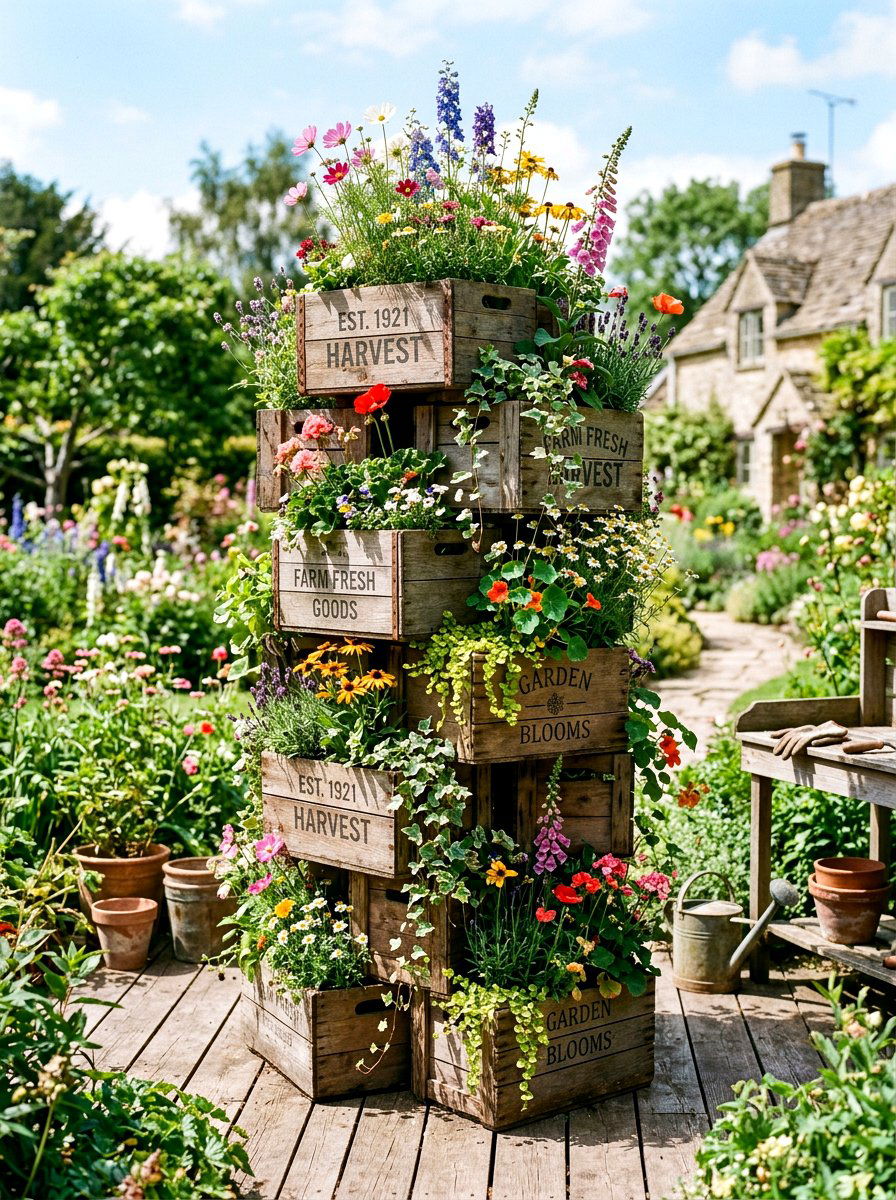
Stacking vintage-style wooden crates in a staggered formation creates a playful and dynamic vertical garden that feels both casual and intentionally designed. You can bolt the crates together for stability and fill each open "window" with a mix of upright flowers and trailing vines. This arrangement allows you to create a 360-degree garden that looks great from all sides, making it a perfect room divider for a large patio. The different depths of the crates provide plenty of space for larger root systems, allowing you to grow sturdier perennials alongside delicate annuals. It is a charming way to recycle old shipping materials.
21. Window Box Vertical Stack
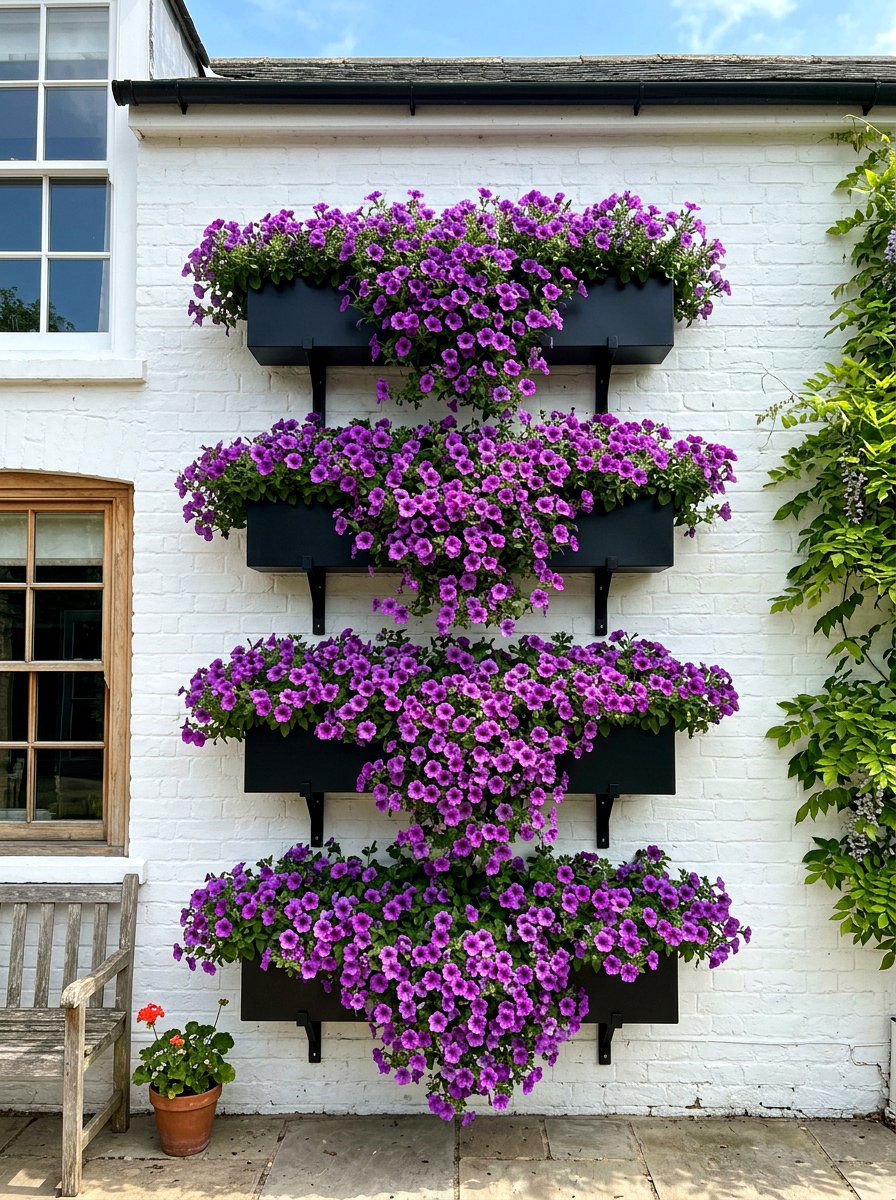
Why settle for just one window box when you can stack three or four of them vertically for a massive wall of color? By mounting several traditional window boxes one above the other on a plain wall, you create a structured and very lush floral display. This setup is particularly effective for growing cascading flowers like wave petunias or million bells, which will eventually grow long enough to touch the box below. The result is a solid curtain of flowers that hides the containers entirely. It’s a very clean and organized look that adds significant value and beauty to the exterior of any home.
22. Metal Mesh Wall Garden
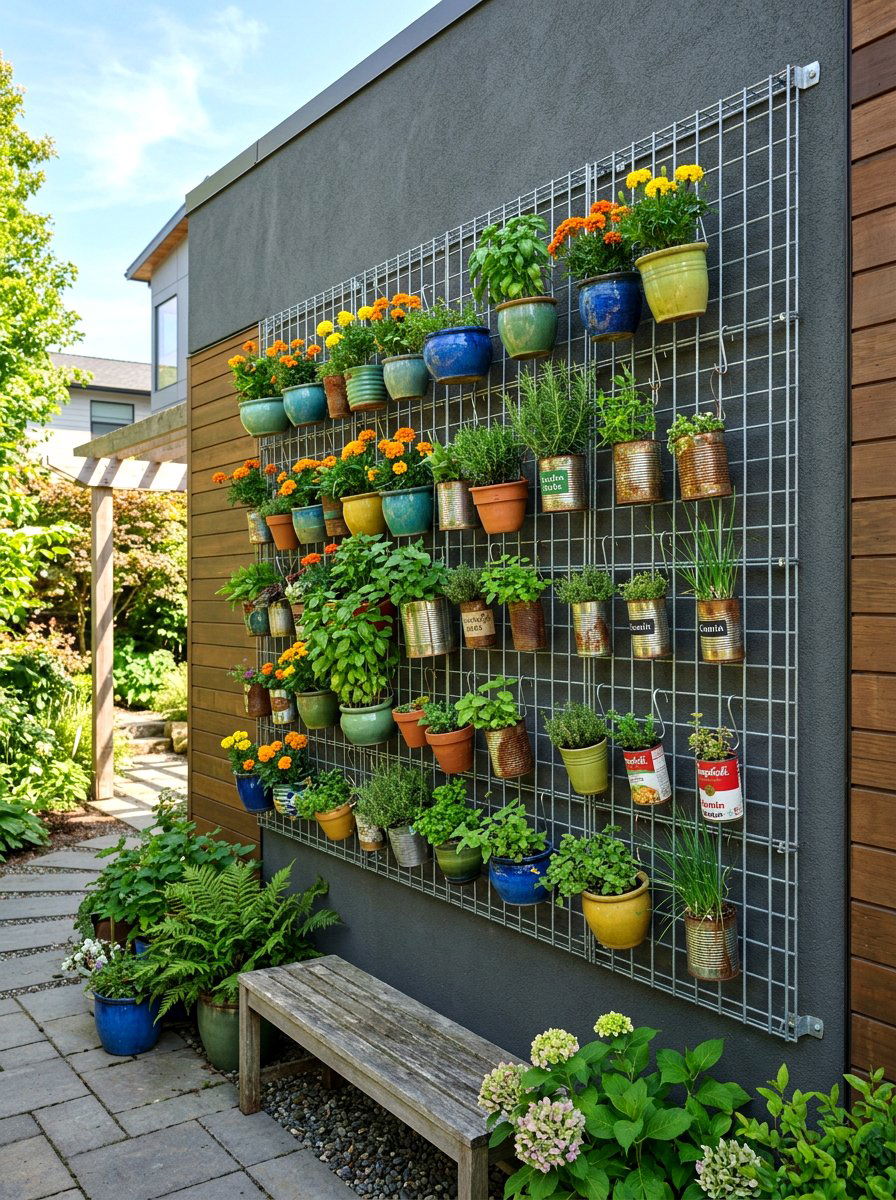
Using a large sheet of galvanized metal mesh or cattle fencing attached to a wall creates a modern and industrial-style vertical garden base. You can use simple wire or hooks to attach a variety of pots, cans, or even air plants directly to the mesh in any pattern you choose. This system is incredibly flexible, allowing you to move plants around as they grow or as the light changes throughout the seasons. The open grid of the mesh ensures excellent airflow around the foliage, which keeps your flowers healthy and vibrant. It’s a perfect DIY project for someone who wants a customizable garden.
23. Picture Frame Plant Display
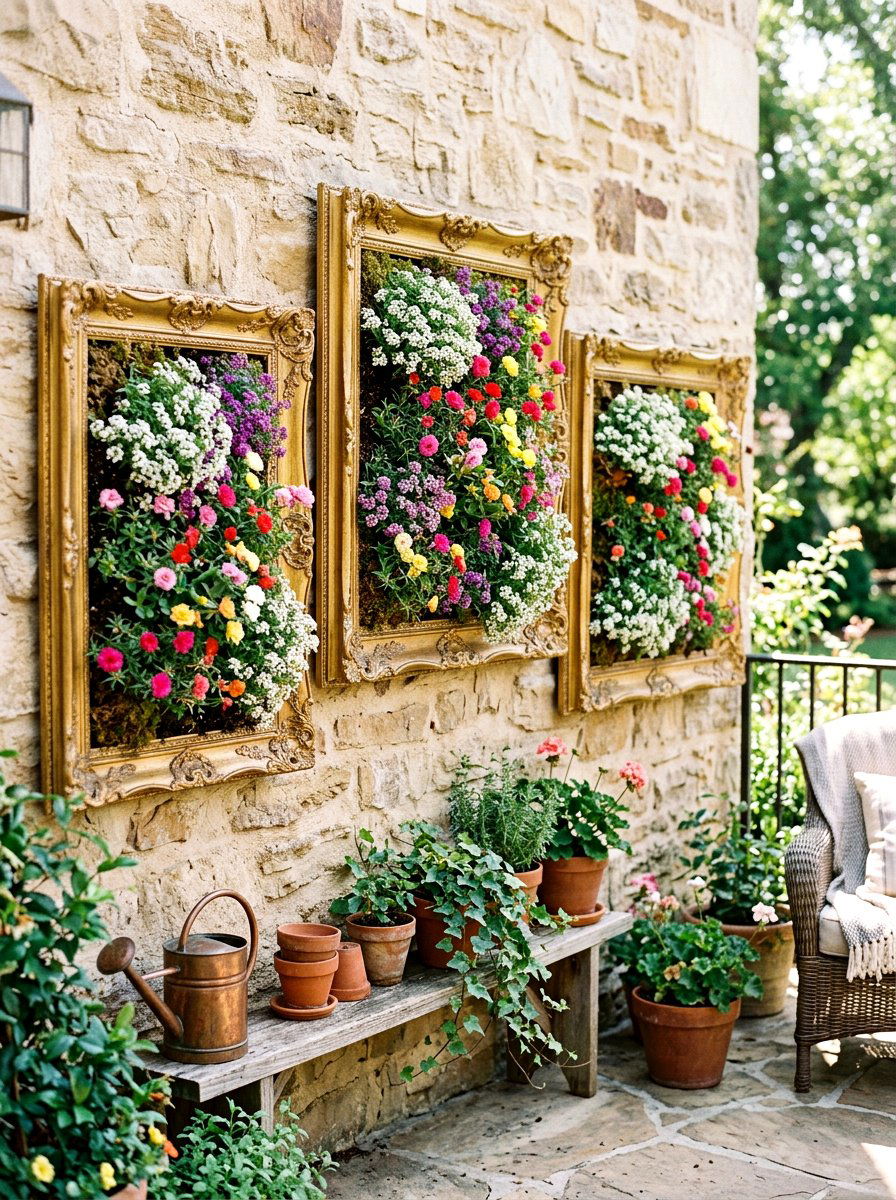
Treating your flowers like living art is easy when you use deep-set picture frames as the borders for your vertical garden. By adding a backing and a layer of mesh, you can plant low-growing flowers like moss rose or alyssum into the frame, creating a beautiful floral "painting. " These frames can be hung individually or in a gallery wall style on an outdoor patio or a bright sunroom. The contrast between the formal frame and the wild, organic growth of the flowers creates a sophisticated and artistic look. It’s a conversation starter that brings a high-end designer feel to even small garden spaces.
24. Felt Pocket Vertical Garden
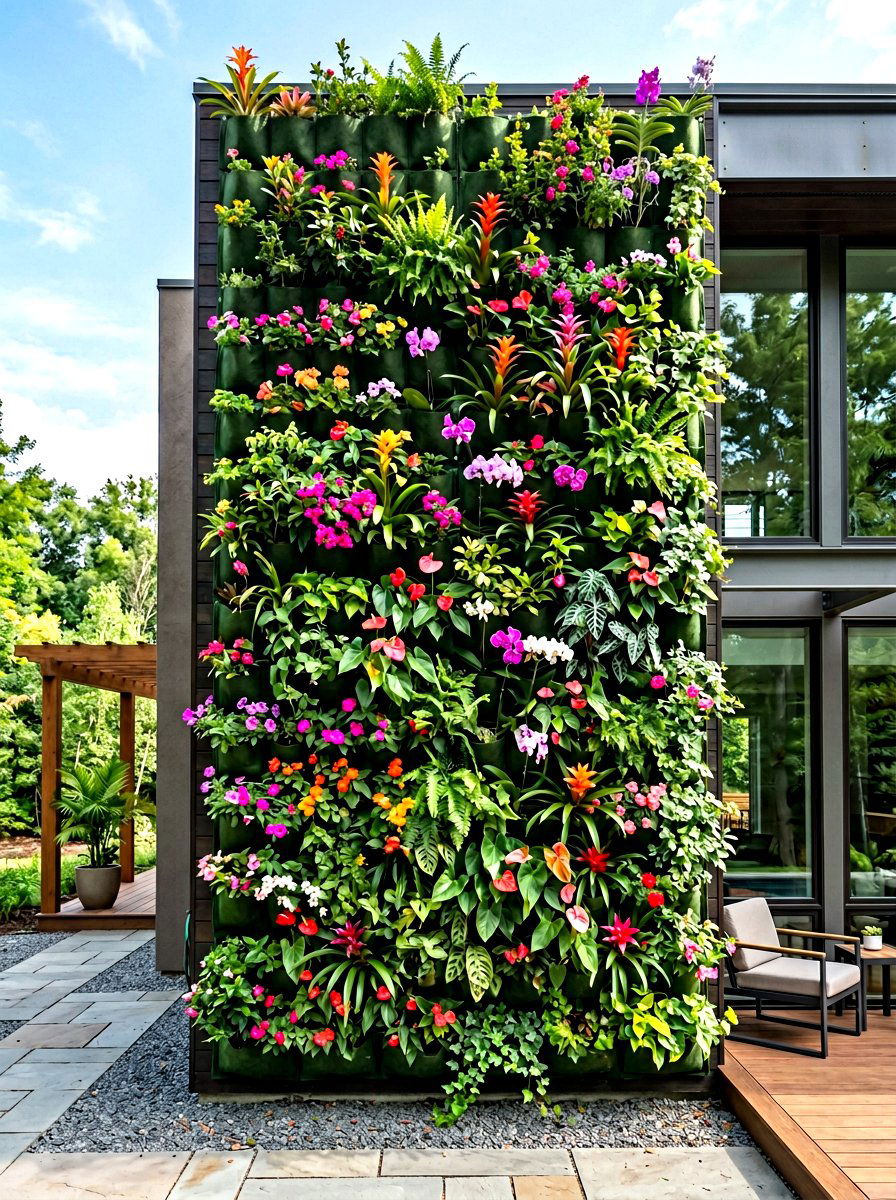
Felt pocket systems are specifically engineered to provide the perfect growing environment for vertical plants while remaining lightweight and easy to install. The breathable material encourages air pruning of the roots, which leads to a more robust root system and larger, more frequent flower blooms. You can find these felt panels in various sizes to fit everything from a tiny balcony wall to a massive building exterior. Because the felt absorbs some moisture, it helps maintain a consistent humidity level for the plants, which is especially beneficial for tropical flowering species. It is a very efficient and modern way to grow a jungle.
25. Tiered Deck Rail Planter
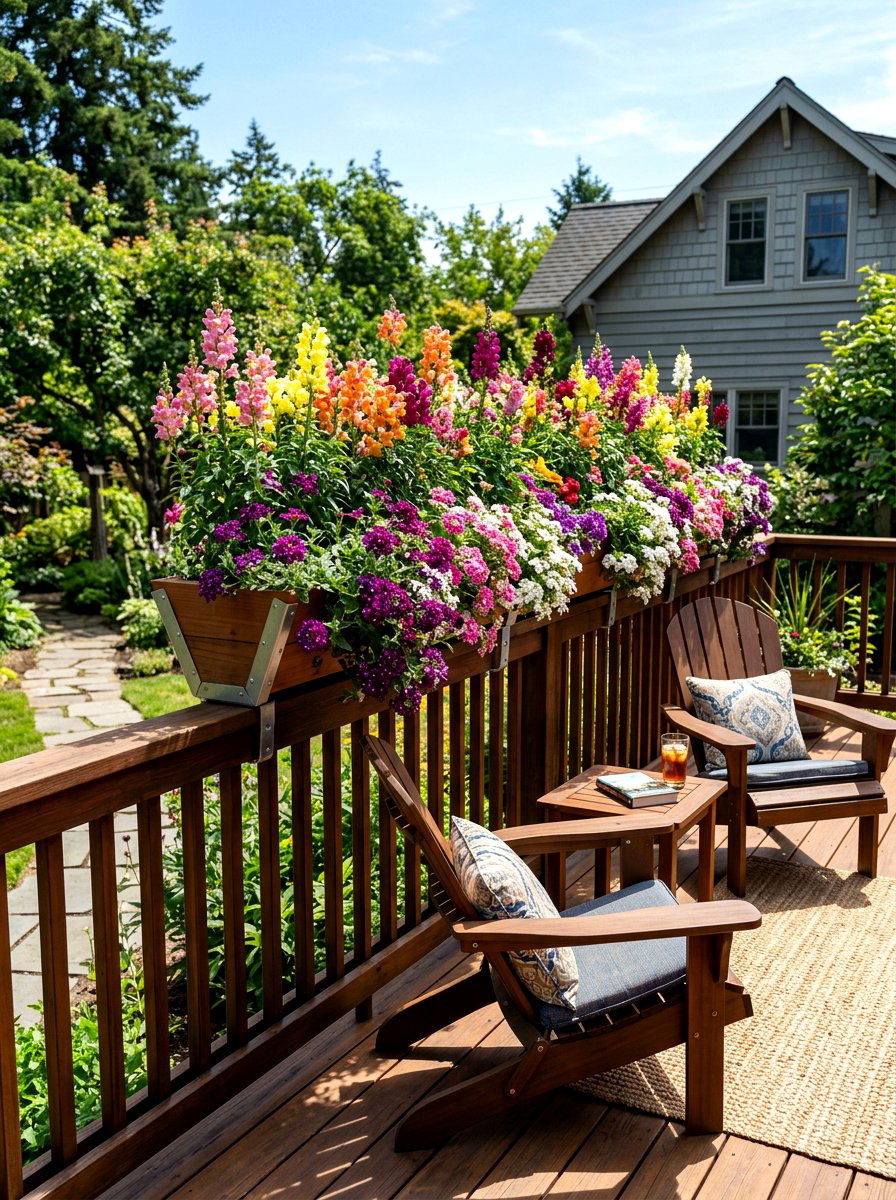
Maximizing the space on your deck railing is a smart way to bring flowers closer to where you sit and relax outdoors. Specialized tiered planters are designed to sit securely on top of or hang from standard railings, providing multiple levels of growing space without using any floor area. This allows you to surround your seating area with a wall of fragrance and color at eye level. Planting a mix of upright snapdragons and trailing verbena creates a balanced and full look that makes your deck feel like a high-end resort. It’s an easy way to add privacy and beauty to your area.
26. Birdhouse Flower Pole
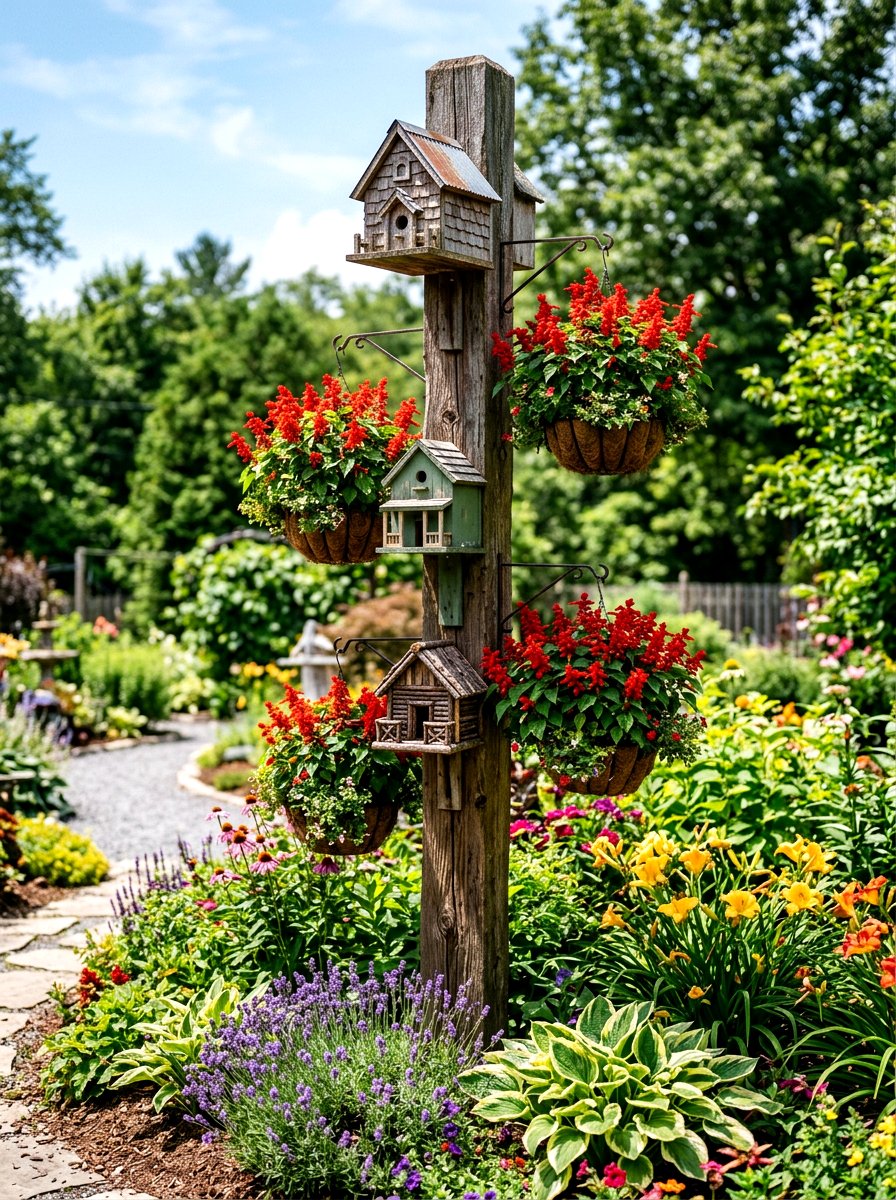
For a whimsical and tall garden feature, consider a vertical pole that combines traditional birdhouses with several tiers of flower baskets. This creates a multi-functional garden element that attracts pollinators and birds while providing a vertical burst of color in the middle of a yard. You can mount three or four circular planters at different heights on a sturdy wooden post. Planting bright red salvia or tubular flowers will help attract hummingbirds to the houses as well. This charming vertical idea works perfectly as a centerpiece in a wildflower garden or as a fun addition to a child-friendly backyard play area.
27. Cascading Flower Tower
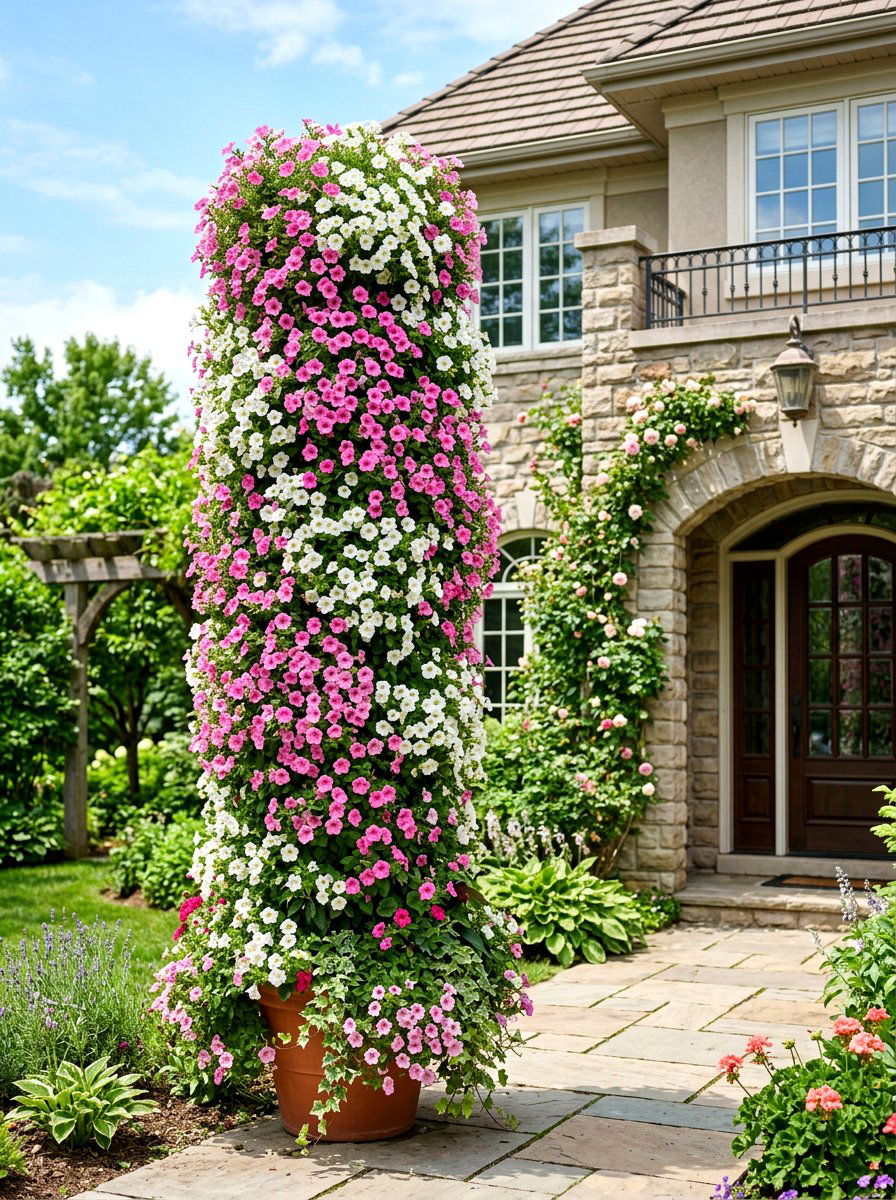
A flower tower is a specialized vertical planter designed to create a solid 360-degree pillar of blooming flowers that can stand several feet tall. These towers usually feature a hollow center for easy watering and dozens of planting holes along the sides for individual seedlings. As the plants mature, they spread out to cover the entire structure, resulting in a breathtaking column of color that looks like a professional floral installation. They are perfect for placing at the end of a driveway or on either side of a front door to create a grand and welcoming entrance for guests.
28. Bamboo Vertical Planter
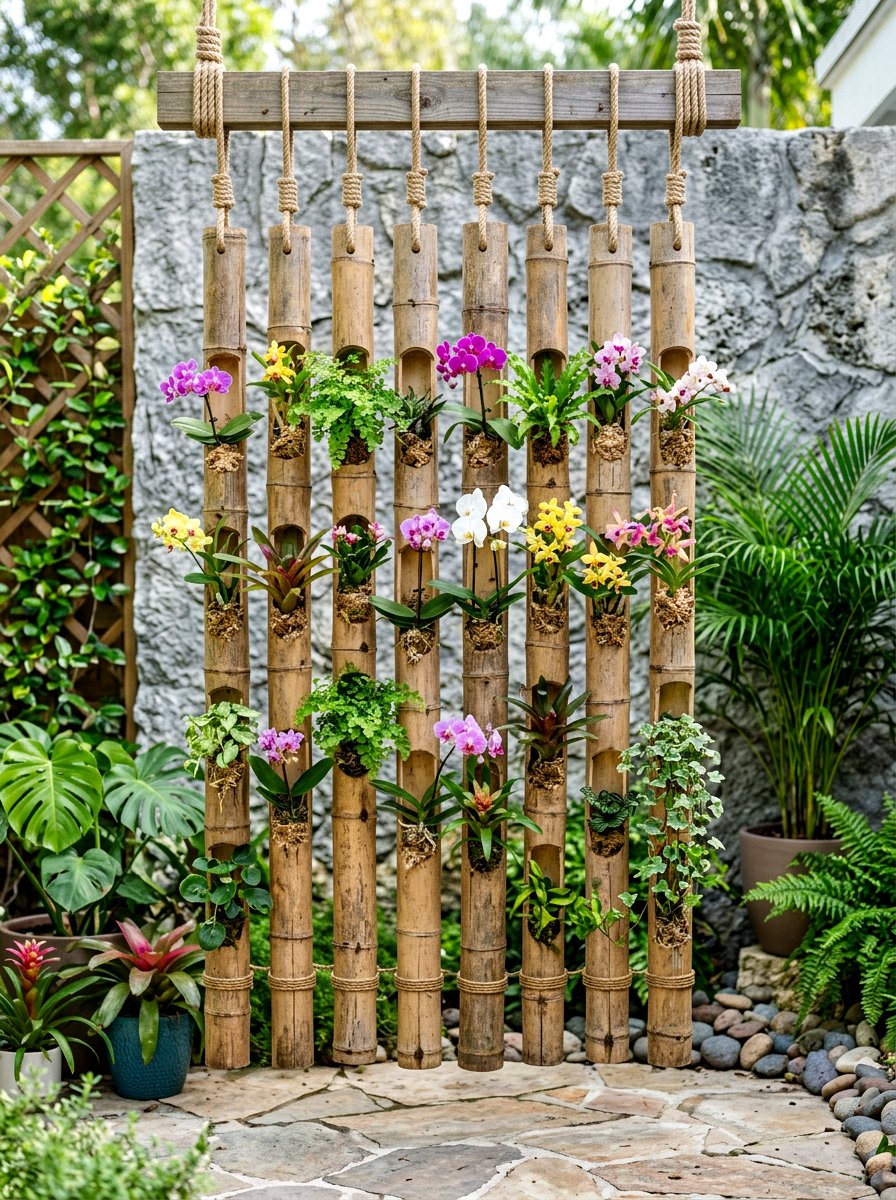
Using thick bamboo stalks to create a vertical garden adds a wonderful zen or tropical aesthetic to your outdoor space. By cutting large notches into the horizontal bamboo segments and hanging them vertically with sturdy rope, you create a series of natural troughs for small flowers. Bamboo is naturally water-resistant and very durable, making it an excellent material for an outdoor vertical garden that will last for several seasons. The light tan color of the bamboo looks beautiful when paired with bright tropical flowers like hibiscus or orchids. It is a unique and eco-friendly way to add vertical interest to any yard.
29. Stencil Painted Wall Pots
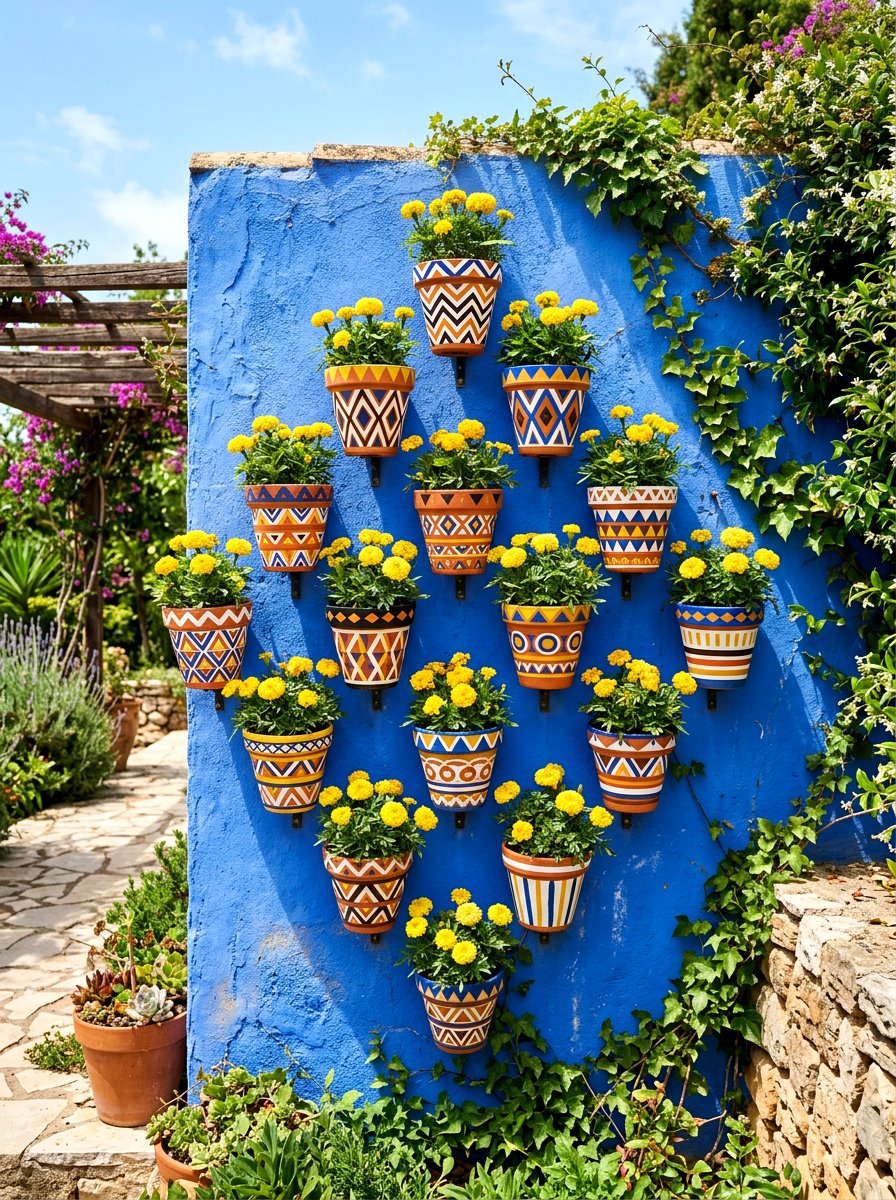
Sometimes the container is just as important as the plant itself when it comes to creating a stylish vertical garden on a plain wall. By painting your wall-mounted pots with bold colors or intricate stenciled patterns, you can create a decorative feature that looks great even when the flowers aren't in bloom. Arrange these decorated pots in a geometric pattern on a brightly painted wall for a high-contrast, modern look. This method allows you to express your personal style while providing a home for your favorite annuals. It’s a great way to turn a functional garden element into a piece of decor.
30. Vertical Herb and Flower Mix
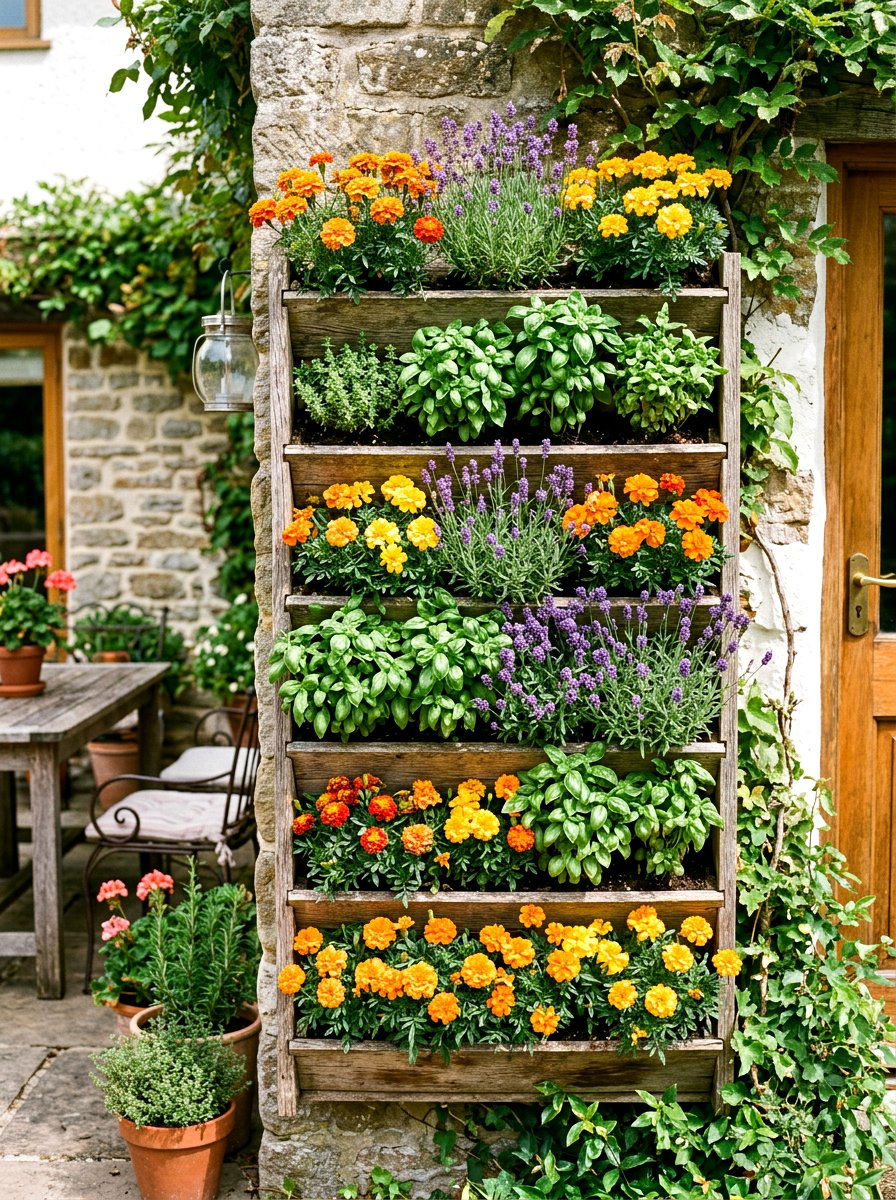
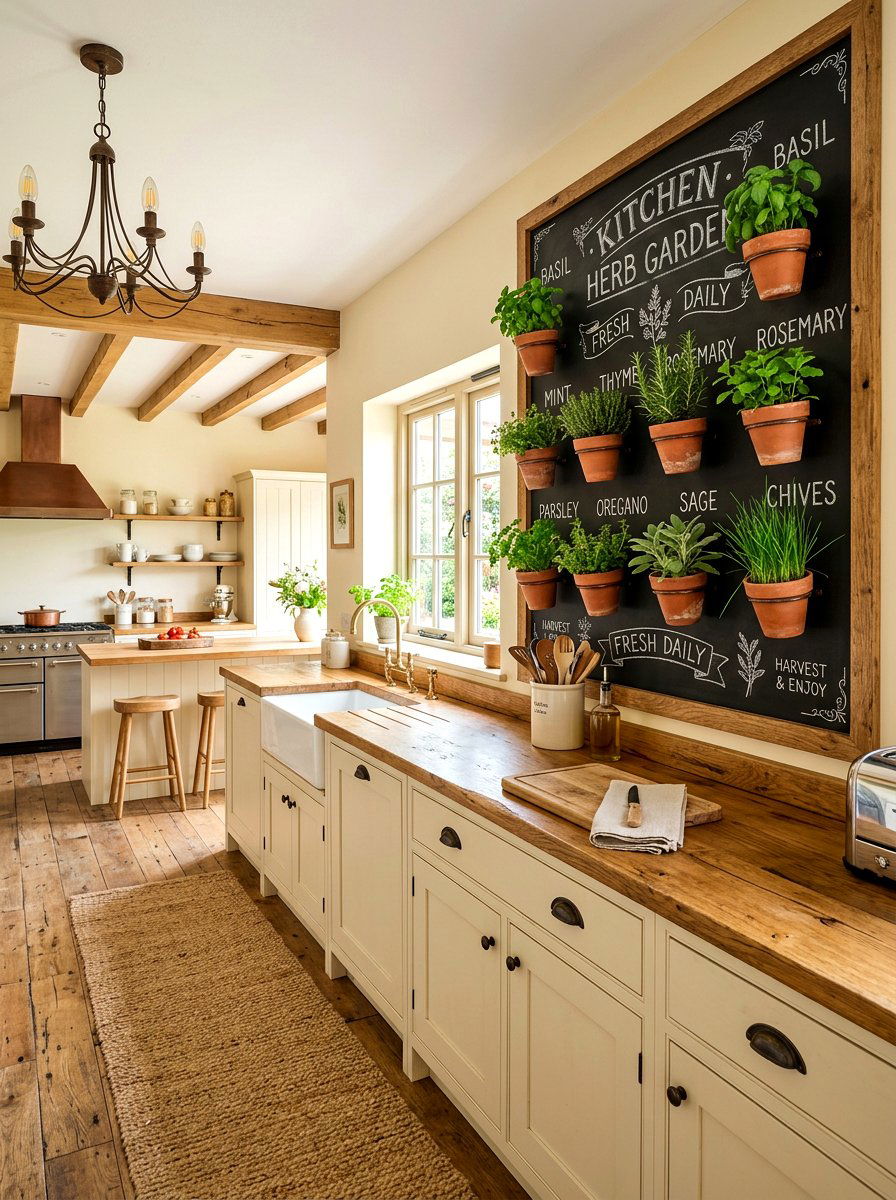
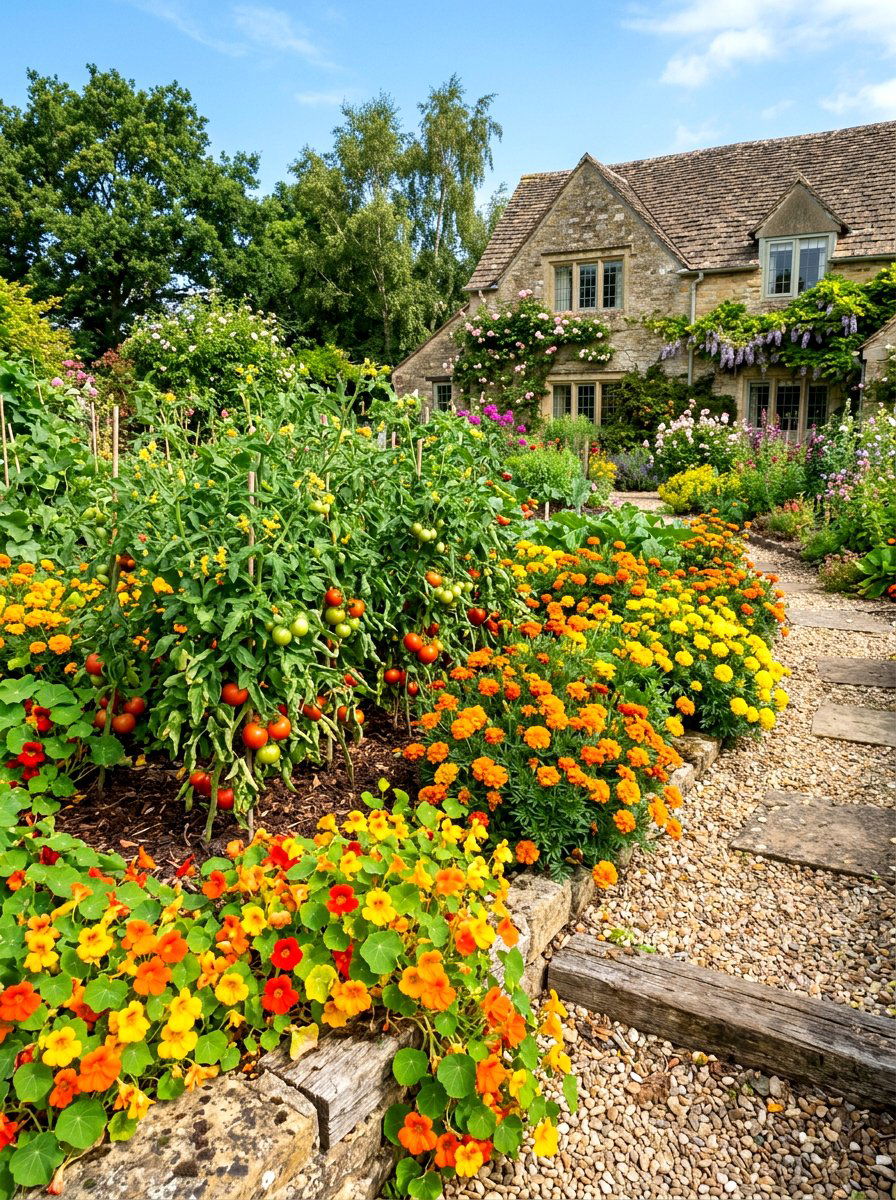
Combining beauty and utility is the hallmark of a successful vertical garden that mixes vibrant flowers with edible herbs. By planting rows of bright marigolds alongside green basil or purple lavender, you create a visual feast that also provides fresh ingredients for your kitchen. The flowers help to attract beneficial insects that protect your herbs, while the different textures of the foliage create a rich and interesting vertical tapestry. This "edimentals" approach is perfect for small kitchen gardens or balconies where space is at a premium. It provides a sensory experience that includes beautiful sights and wonderful smells in one compact area.
Conclusion:
Embracing vertical flower gardening is a fantastic way to elevate your home's aesthetic while making the most of every square foot available. From rustic upcycled pallets to sophisticated indoor living walls, the possibilities for creative expression are truly endless and accessible for every skill level. By choosing the right structure and plant varieties for your specific light conditions, you can enjoy a thriving, elevated oasis all year round. These vertical solutions not only beautify your surroundings but also create a peaceful environment that connects you more deeply with nature. Start small and watch your vertical garden grow into a stunning masterpiece of floral art.

Related posts: