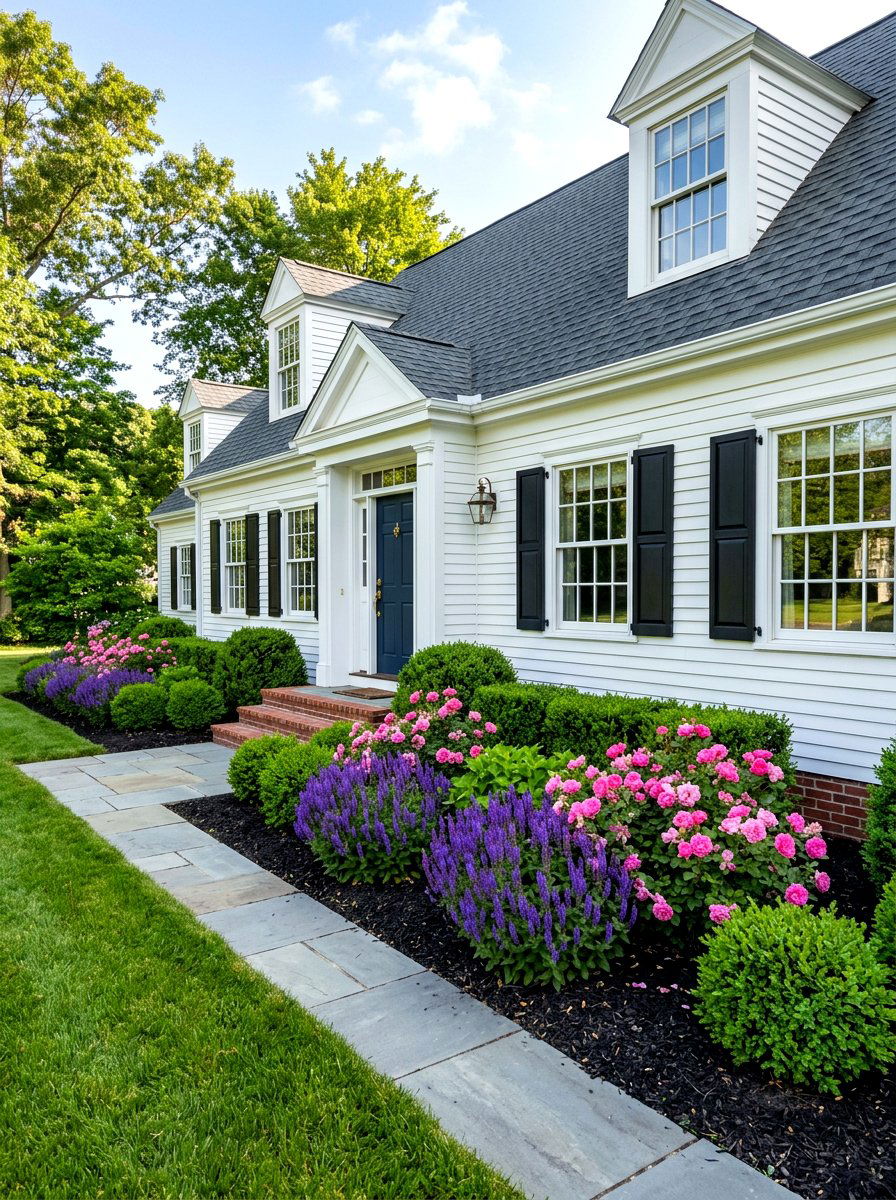
Transforming your outdoor space with stone and flora creates a stunning, low-maintenance environment that lasts for many years. Rock flower beds offer a unique blend of natural textures and structural permanence that traditional mulch beds simply cannot match. Whether you are dealing with a steep slope, a shaded corner, or a sun-drenched front yard, incorporating various types of stone can solve drainage issues while providing a beautiful backdrop for your favorite plants. From smooth river rocks to rugged boulders, the versatility of these materials allows you to express your personal style while significantly reducing the time spent on weeding and seasonal maintenance chores.
1. River Rock Edging
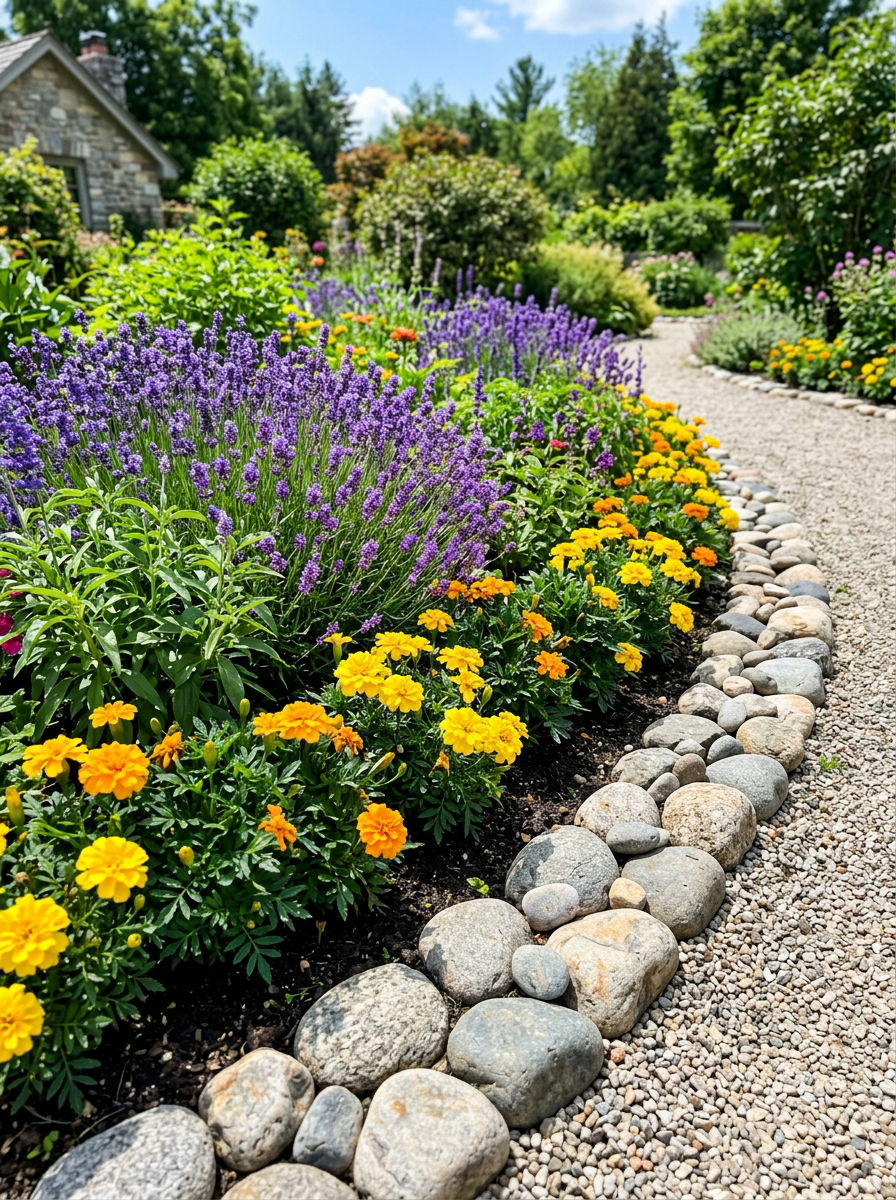
Have you ever noticed how a simple line of smooth stones can instantly elevate your entire lawn? River rock edging serves as a durable and visually appealing boundary between your green grass and colorful blooms. Unlike plastic or wood borders, these natural stones withstand harsh weather without rotting or fading over time. You can choose various sizes and shades of grey, tan, or blue-hued stones to complement your home’s exterior. This technique keeps mulch contained while providing a clean, finished look that requires almost zero maintenance. It is an excellent choice for homeowners who want a timeless aesthetic that blends seamlessly with the natural landscape.
2. Large Boulder Accents
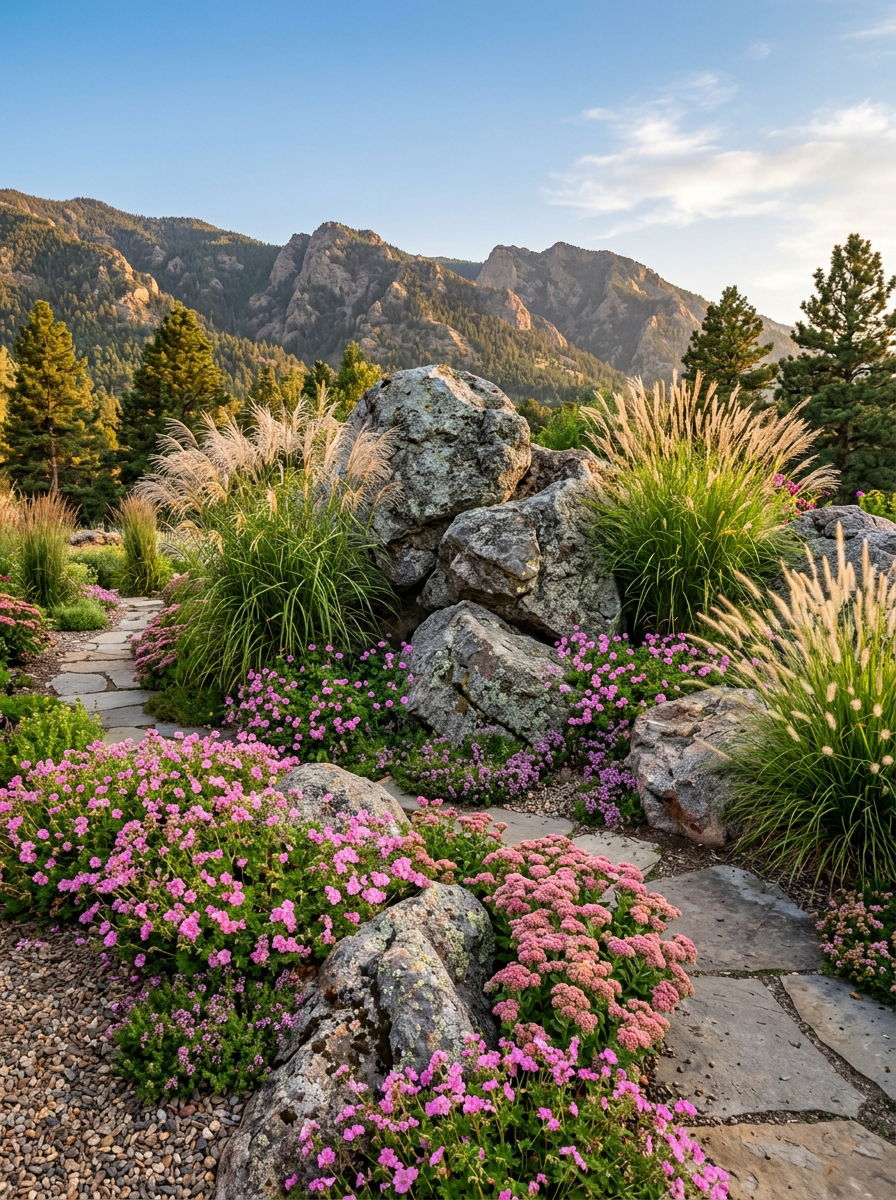
Creating a focal point in your yard is easy when you incorporate massive natural stones into the landscape. Large boulder accents provide a sense of age and permanence to a new garden, making it feel established and grounded. You should partially bury the boulders to make them look like natural outcroppings rather than rocks just dropped onto the soil. Surround these giants with low-growing perennials or ornamental grasses to soften their rugged edges and create a professional, tiered appearance. These heavy elements stay in place for decades, providing a permanent structure that anchors your overall design and adds significant value to your home.
3. Dry Creek Bed
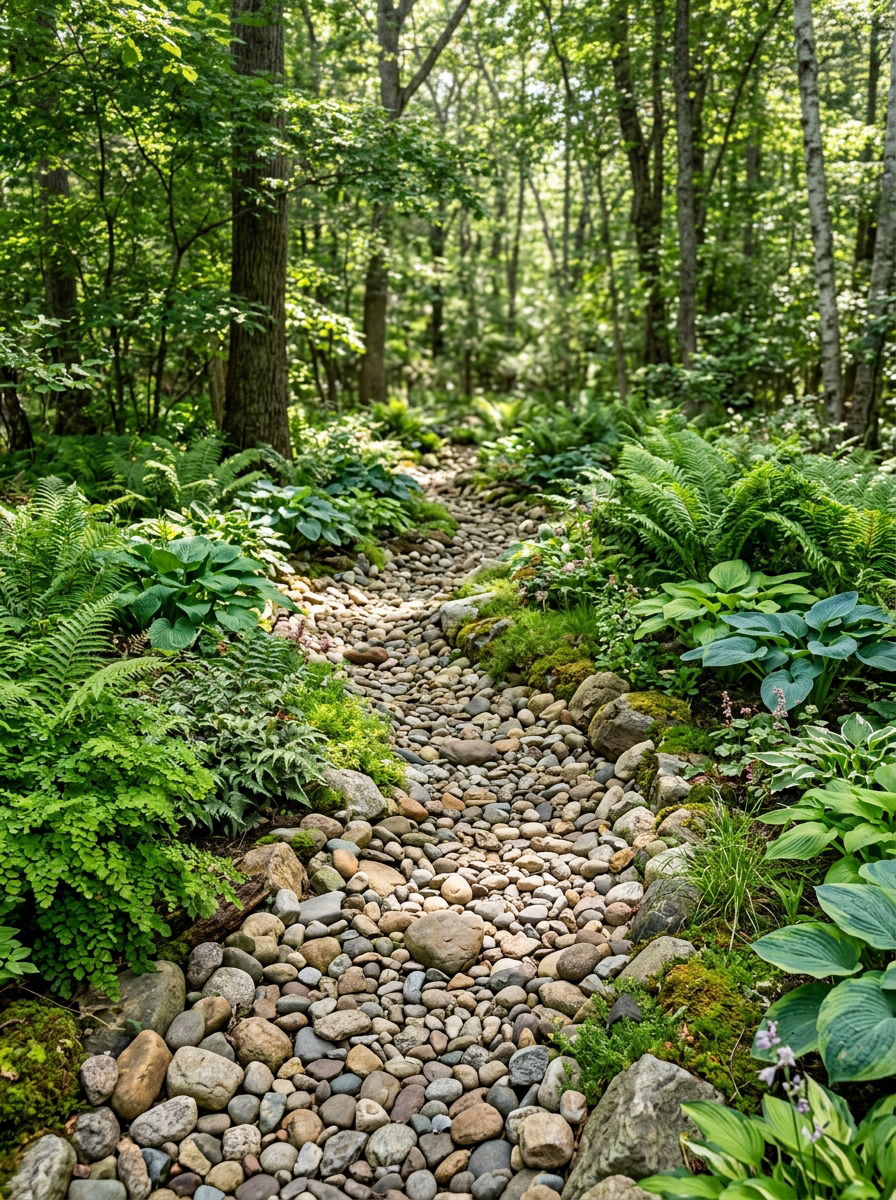
Are you looking for a creative way to manage rainwater while adding a beautiful feature to your garden? A dry creek bed mimics the look of a natural waterway using various sizes of river stones and cobbles arranged in a winding path. This design is perfect for areas of your yard that suffer from poor drainage or erosion during heavy storms. By layering smaller pebbles at the bottom and lining the sides with larger stones, you create a functional drainage system that looks like a peaceful stream even when dry. Surround the "banks" with moisture-loving plants to complete the naturalistic and serene look.
4. Flagstone Garden Paths
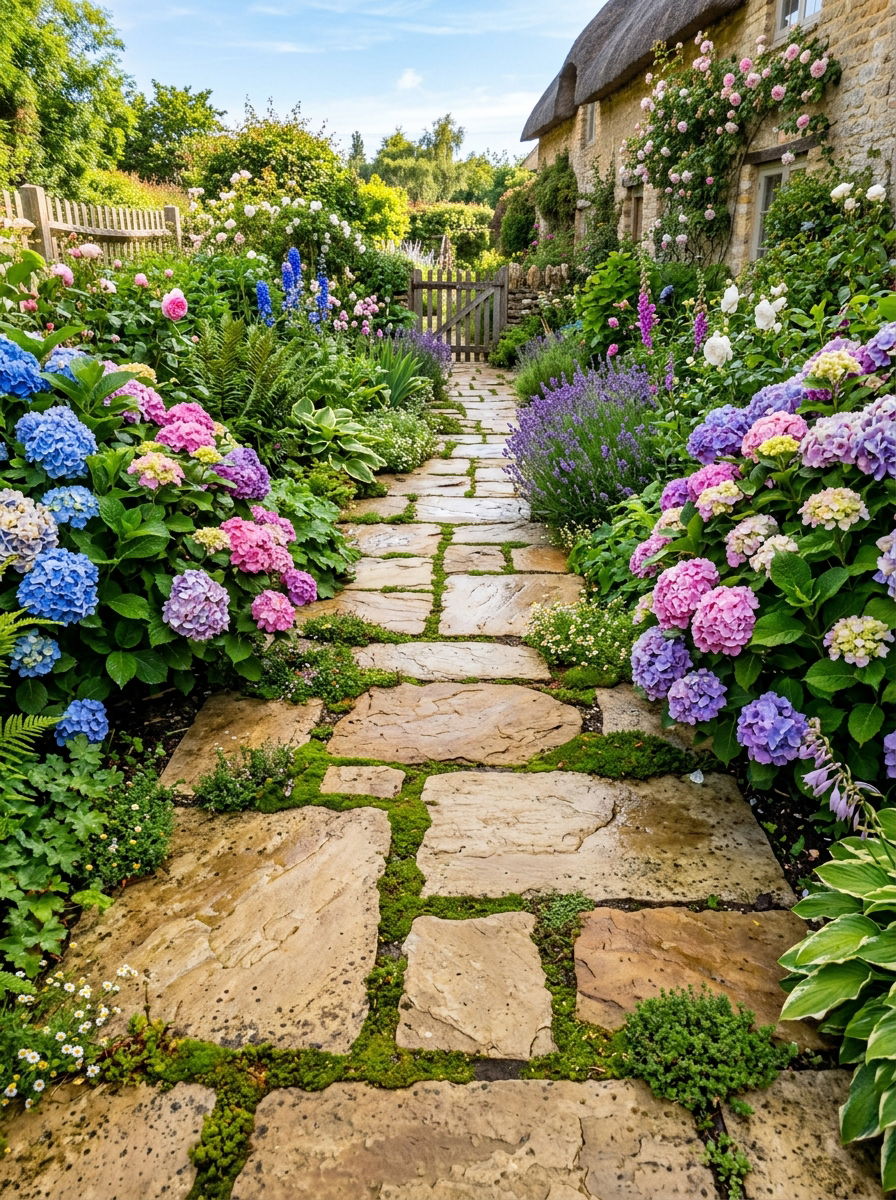
Walking through your garden should be an experience that feels solid and intentional under your feet. Flagstone garden paths offer a rustic yet sophisticated way to navigate your flower beds without stepping on delicate plants. These large, flat stones come in various shapes and earthy tones, allowing you to create a mosaic-like pattern that winds through your greenery. You can fill the gaps between the stones with creeping groundcovers like thyme or moss to soften the look and prevent weeds. This design creates a charming, old-world feel that makes even a small backyard feel like an expansive and carefully curated estate.
5. Succulent Rockery
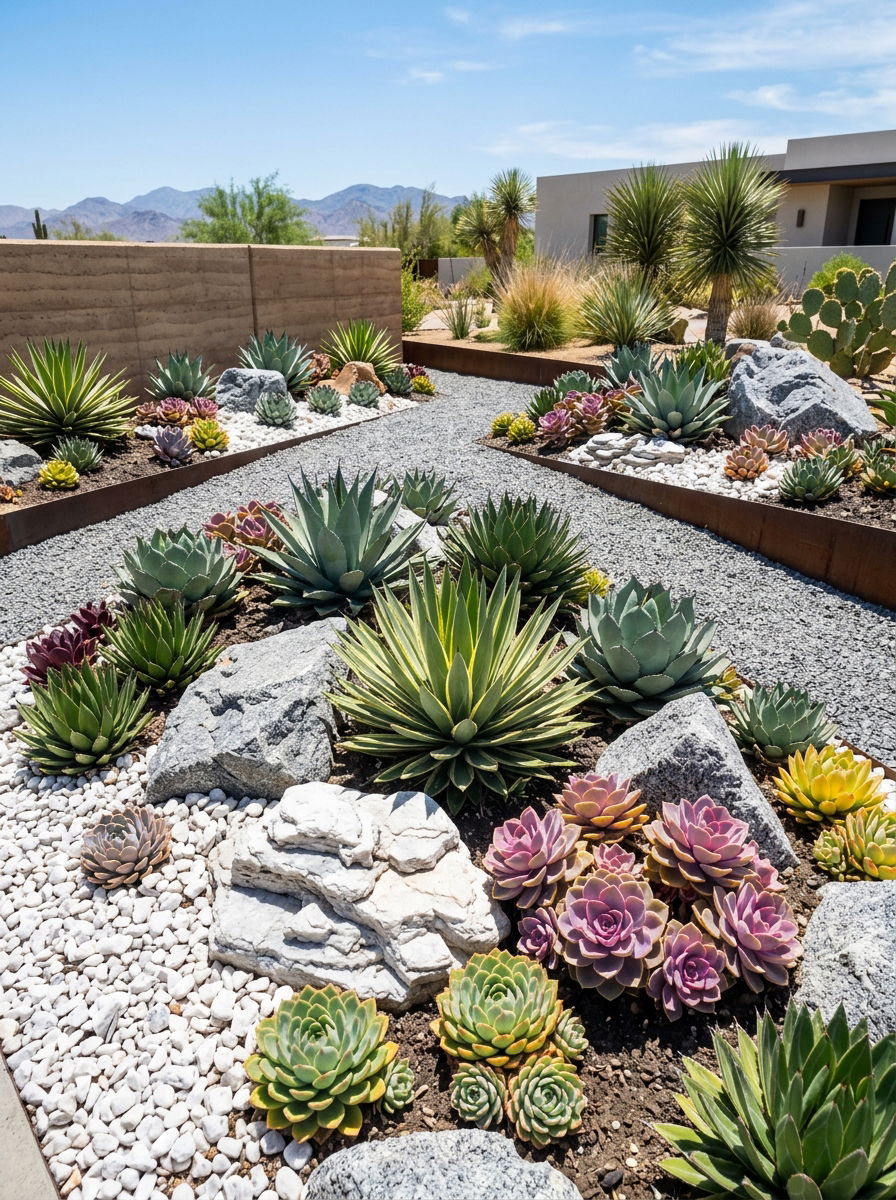
Drought-tolerant landscaping does not have to be boring or barren when you utilize a dedicated succulent rockery. This design combines various species of hardy succulents with small stones and gravel to create a high-texture, low-water environment. The rocks help retain heat during the day and provide essential drainage that succulents need to thrive without rotting. You can play with different colors of stones, such as white quartz or dark lava rock, to make the vibrant greens and purples of the plants pop. It is an ideal solution for sunny spots where traditional flowers might struggle to survive the summer heat.
6. Multi Level Retaining Wall
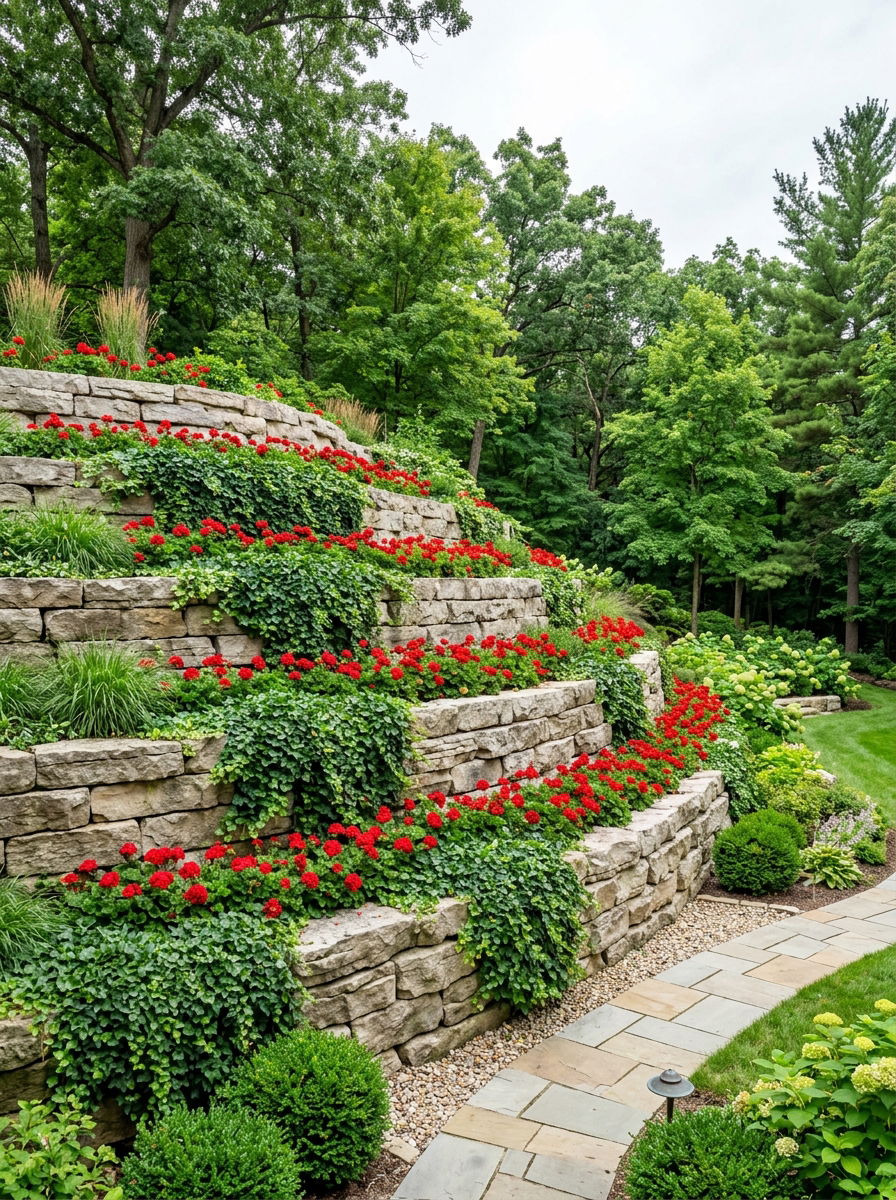
Dealing with a sloped yard can be a challenge, but a multi level retaining wall built from natural stone turns that obstacle into a stunning feature. By creating different tiers, you can organize your plants by height and color, making each section visible from the house. Stacked fieldstone or limestone blocks provide the necessary strength to hold back soil while offering a beautiful, textured surface. These walls also create deep planting pockets where you can grow cascading flowers that spill over the edges. This architectural approach adds depth to your property and makes your outdoor living area feel much more organized and professional.
7. White Pebble Ground Cover
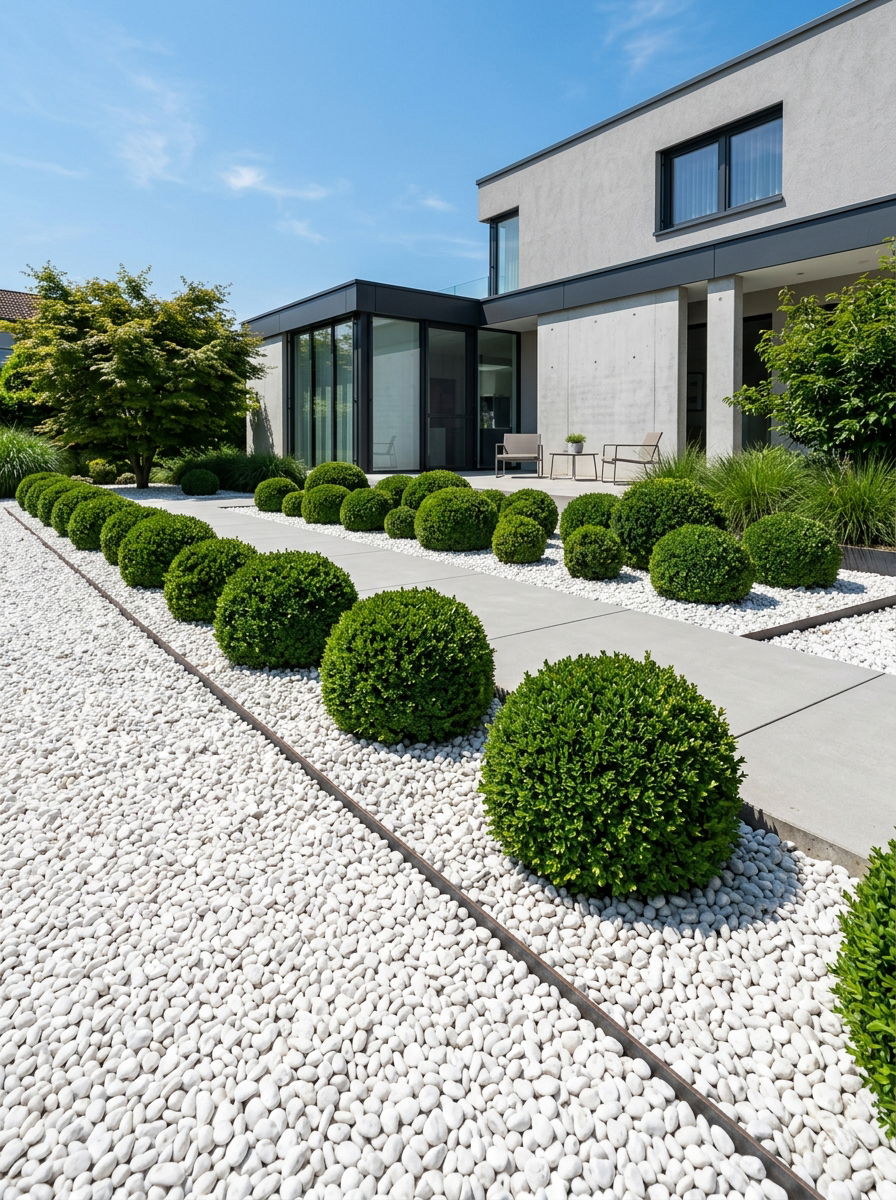
If you want a bright and modern look for your landscape, white pebble ground cover is a fantastic choice. These small, bright stones reflect sunlight and make shaded areas of your garden appear much more luminous and inviting. They provide a crisp contrast against dark green foliage and colorful flowers, creating a clean aesthetic that fits perfectly with contemporary home designs. Unlike organic mulch, white pebbles do not break down over time, so you won’t need to replace them every spring. This durable ground cover also helps suppress weed growth while maintaining a consistent and polished appearance throughout the entire year.
8. Sloped Terrace Garden
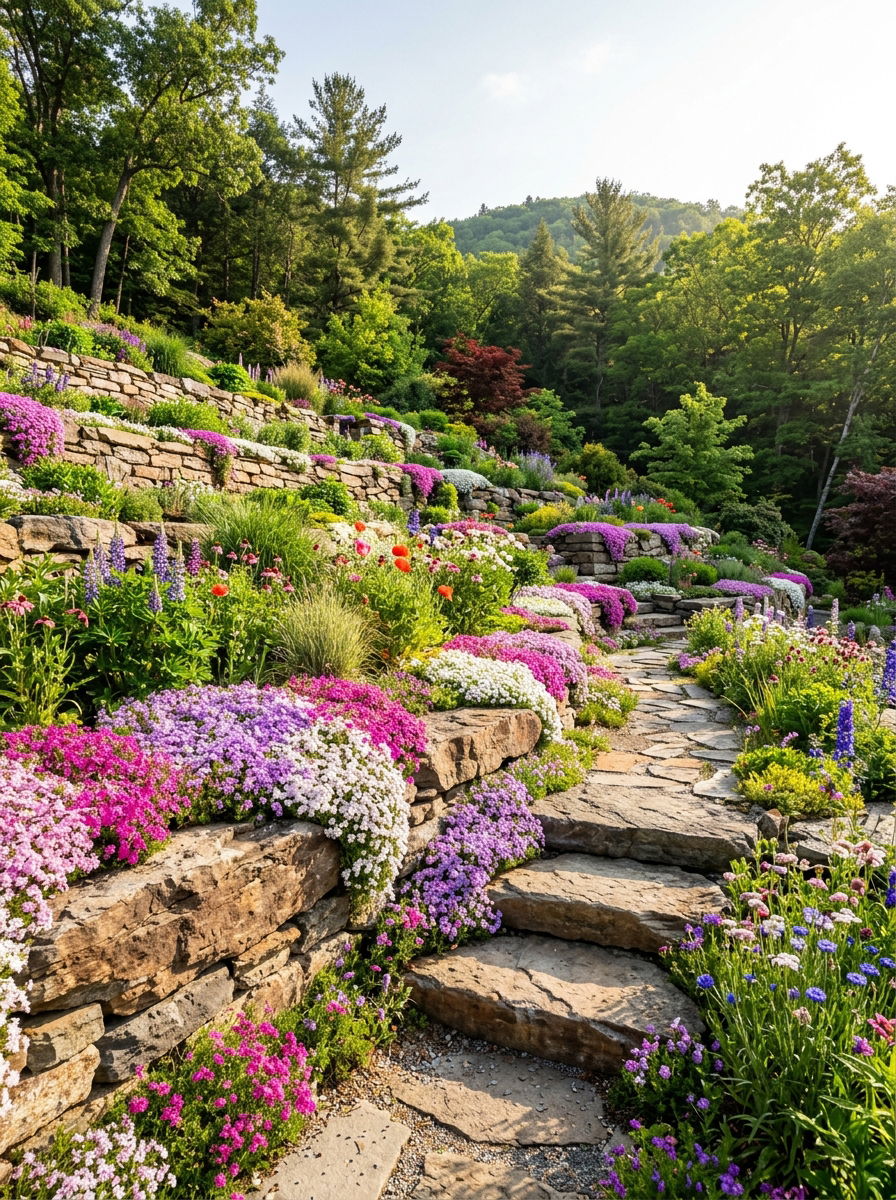
Taming a steep hill in your backyard becomes a rewarding project when you design a sloped terrace garden using heavy stones. By building a series of flat steps into the hillside, you create manageable planting areas that prevent soil erosion and water runoff. Use large, flat rocks to create the "risers" of your terraces and fill the levels with nutrient-rich soil for your flowers. This design allows you to plant a variety of species that wouldn’t normally grow on a slope. The result is a lush, tiered amphitheater of color that transforms a difficult patch of land into the most beautiful part of your yard.
9. Zen Stone Sanctuary
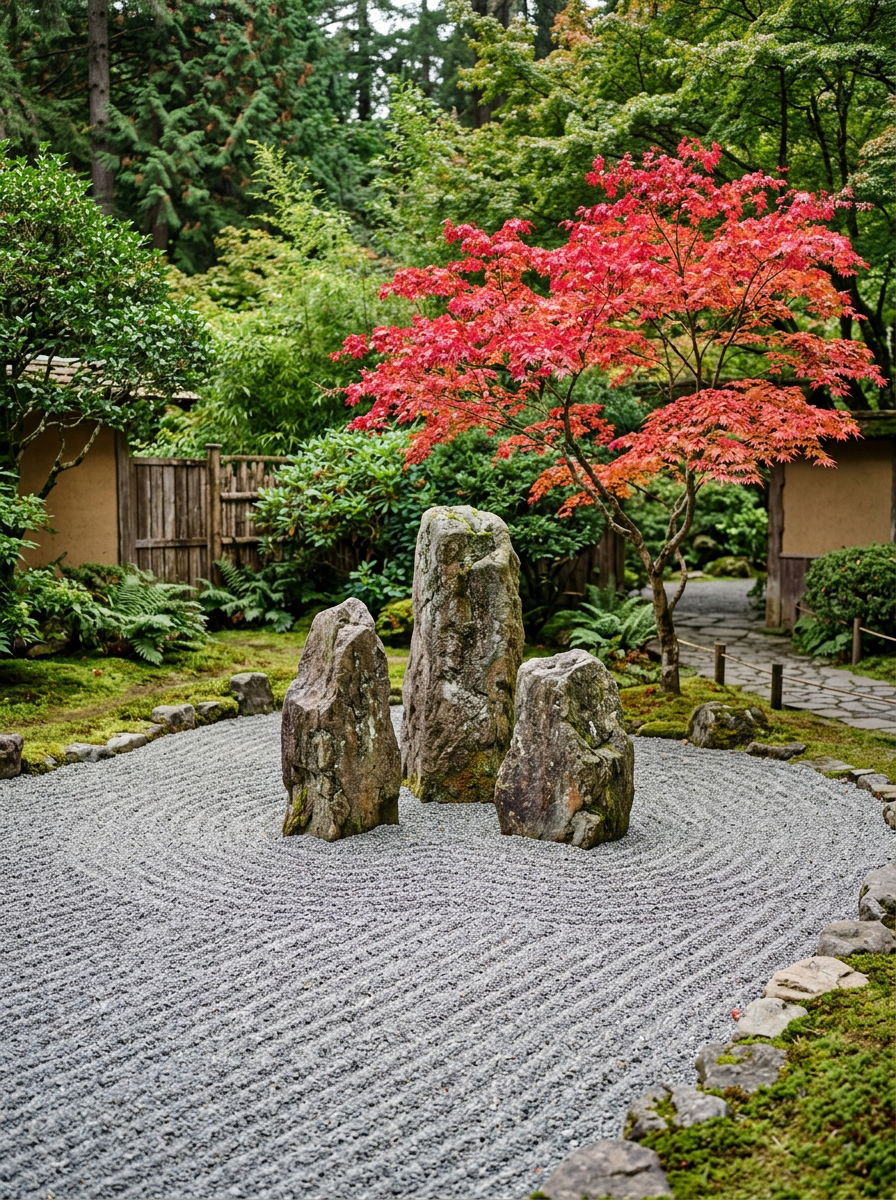
Finding peace in your own backyard is easy when you incorporate elements of a traditional Zen stone sanctuary. This design style focuses on simplicity, balance, and the use of fine gravel or raked sand alongside carefully placed boulders. The rocks represent mountains or islands, while the smooth gravel mimics the movement of water. You can add a few minimalist plants like Japanese maples or dwarf conifers to provide subtle color without cluttering the space. This type of rock bed is perfect for small, enclosed areas where you want to create a quiet spot for meditation and reflection away from the busy world.
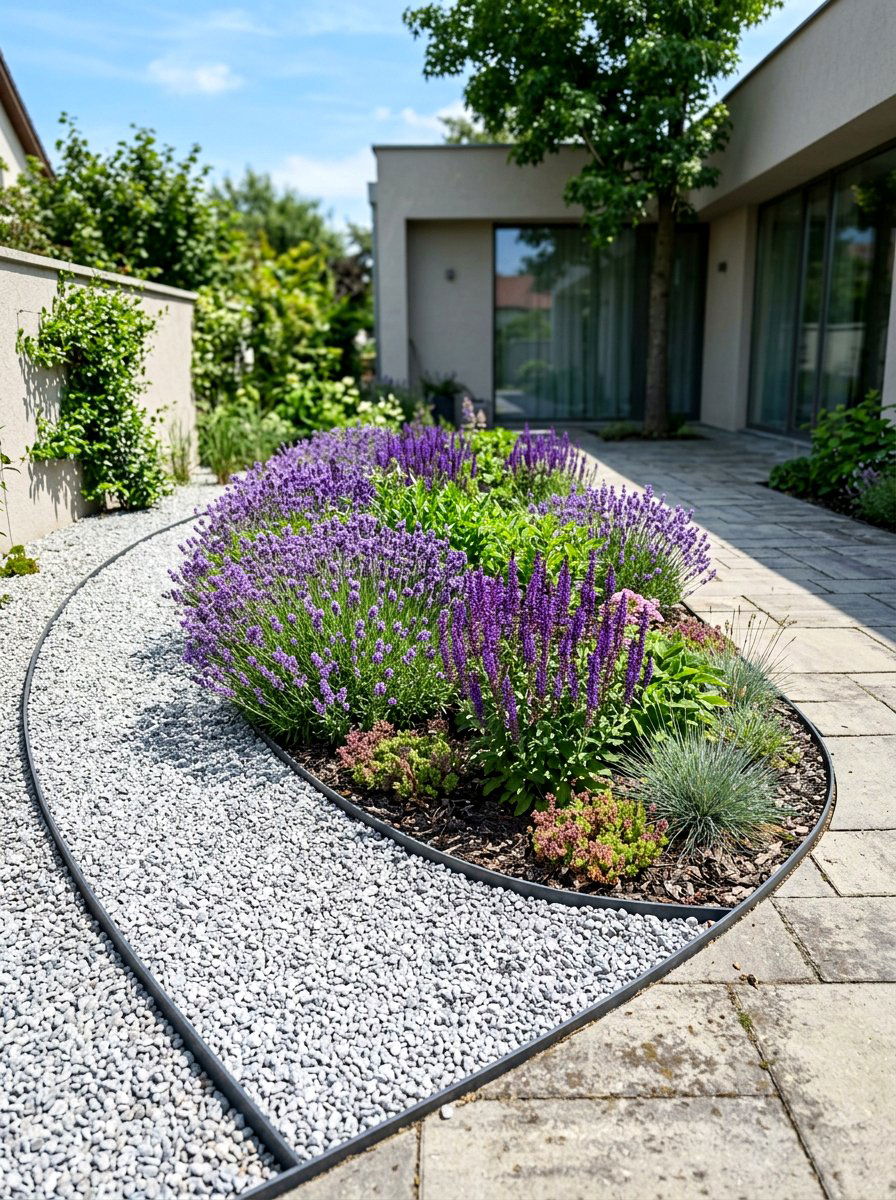
10. Rustic Fieldstone Border
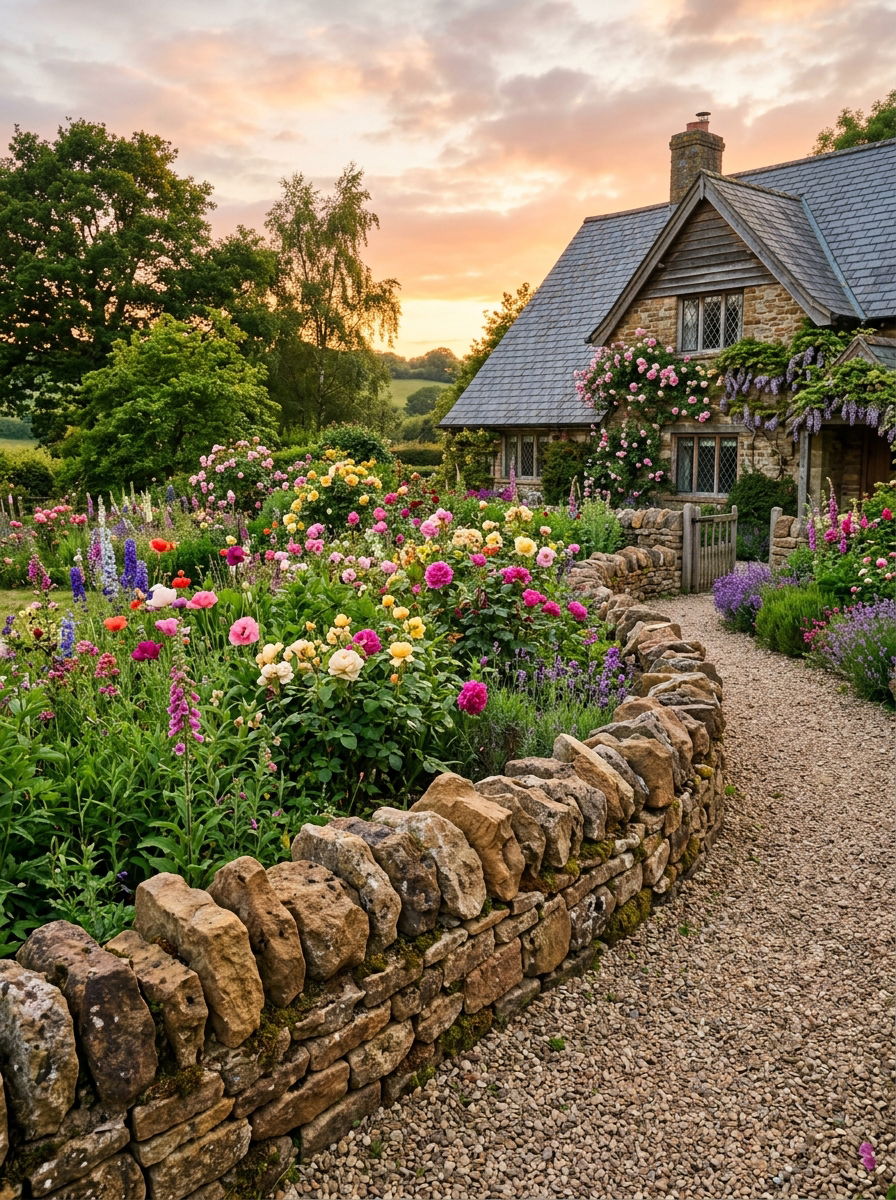
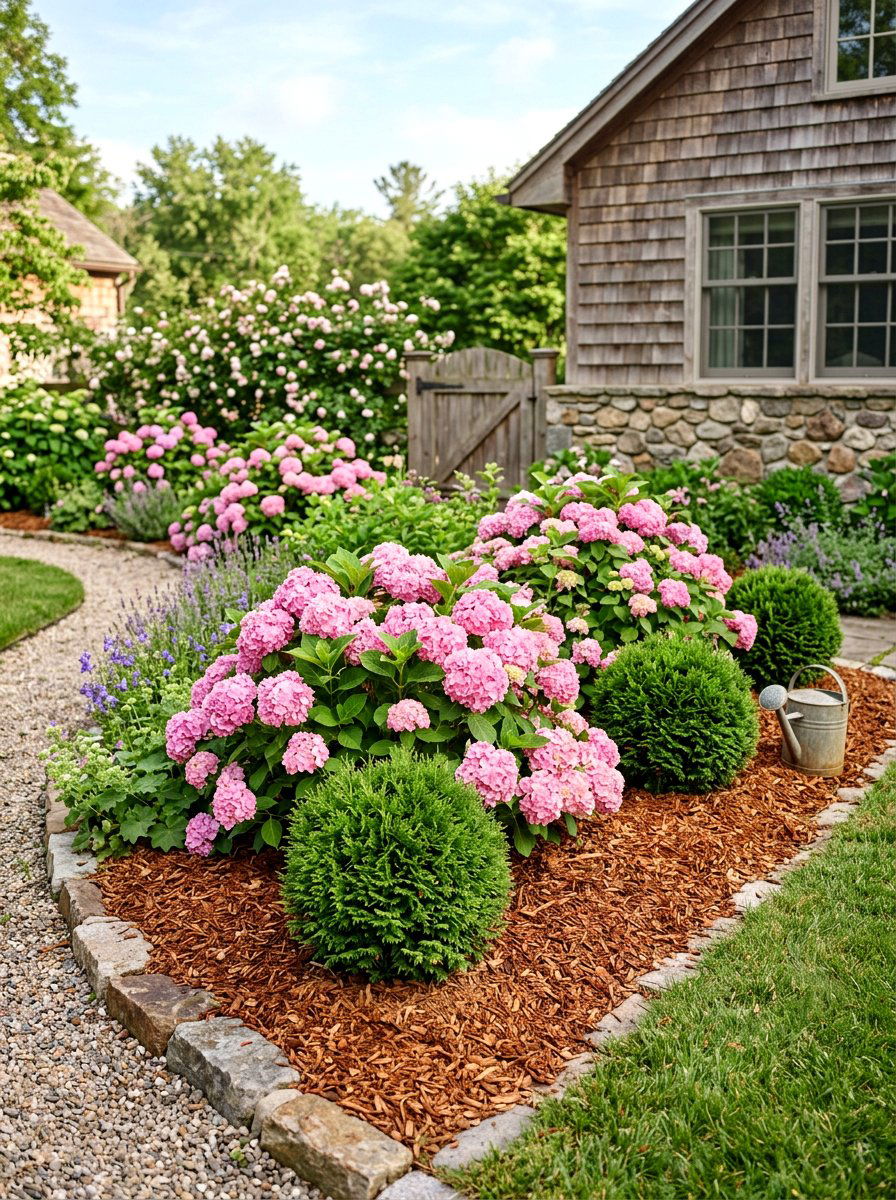
For a cozy and traditional look, nothing beats the charm of a rustic fieldstone border surrounding your flower beds. These stones are often irregular in shape and come in a mix of earthy browns, tans, and grays, giving your garden a very natural and unpretentious feel. You can stack them loosely for a "dry stack" appearance or set them into the ground for a more permanent edge. This style works exceptionally well with cottage-style gardens filled with wildflowers and sprawling shrubs. The irregular textures of the fieldstone provide a beautiful contrast to the soft, flowing lines of the plants inside the bed.
11. Modern Minimalist Bed
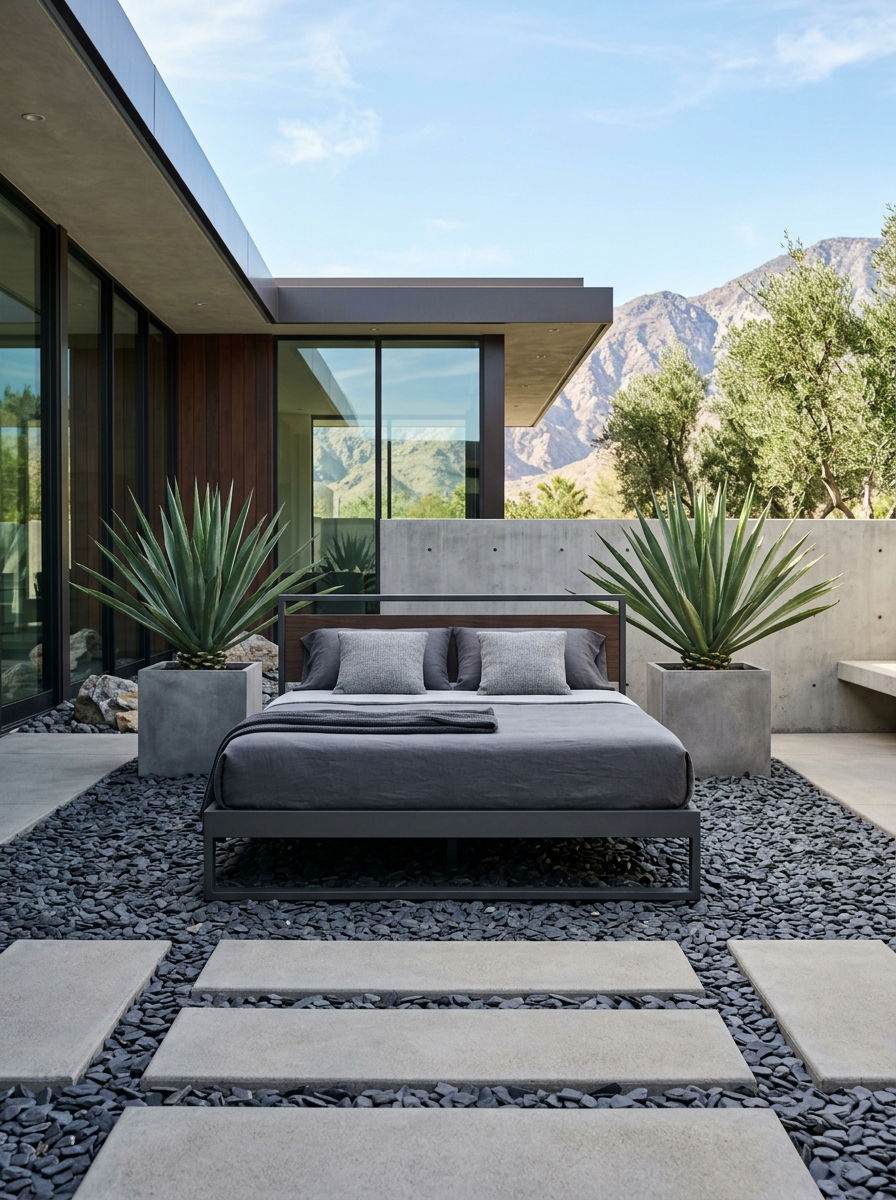
Clean lines and high contrast are the hallmarks of a modern minimalist bed design. This approach typically uses a single type of stone, such as dark grey slate chips or smooth black river pebbles, to create a uniform and sleek appearance. Instead of overcrowding the space with many different plants, choose a few architectural specimens like agaves or boxwood spheres to act as living sculptures. The simplicity of the rock bed emphasizes the shape and color of the plants, creating a sophisticated look that complements modern architecture. This design is incredibly low-maintenance and stays looking sharp and professional with very little effort.
12. Natural Limestone Outcropping
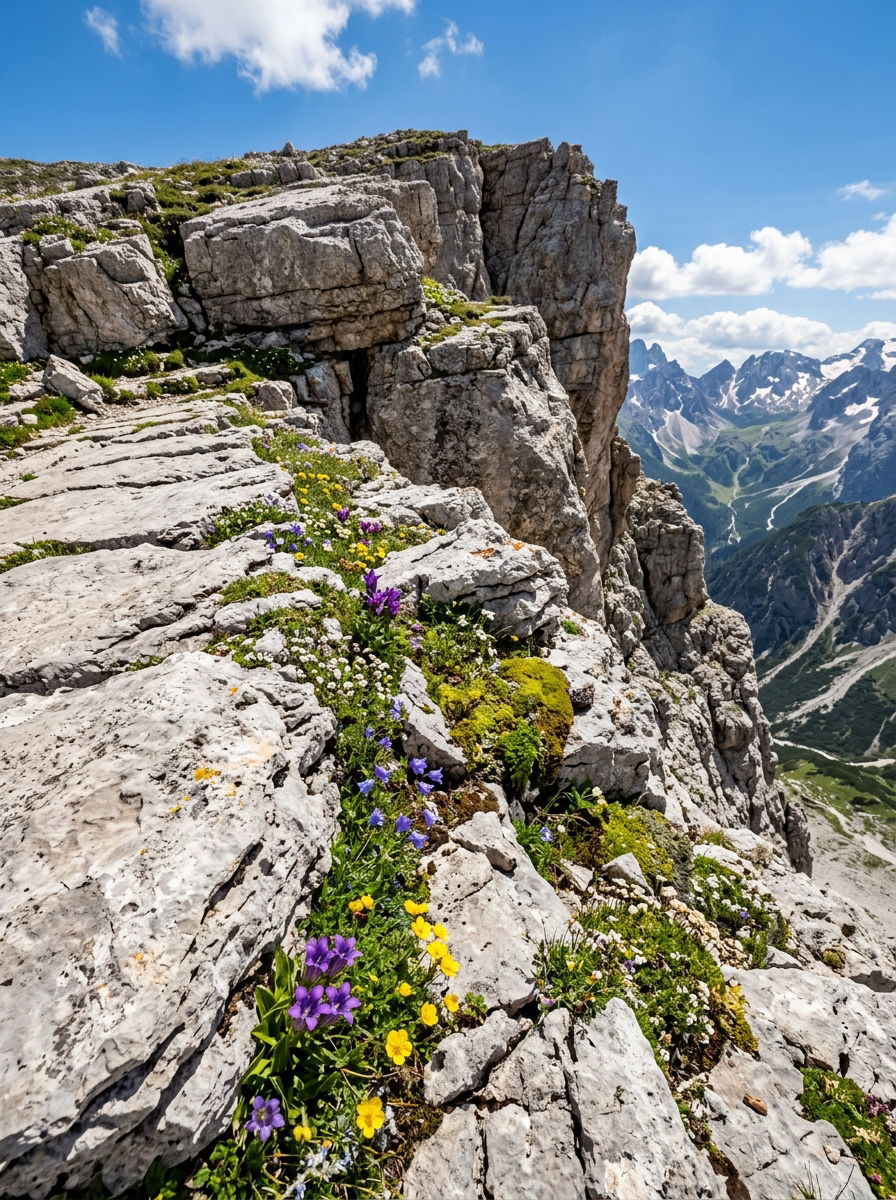
Mimicking the look of a natural cliffside is possible by using limestone outcroppings in your garden design. Limestone has a beautiful, weathered texture and light color that brightens up the landscape while providing a rugged, organic feel. You can stack large, flat slabs of limestone to create natural-looking ledges where alpine plants and moss can grow in the crevices. This design style is perfect for creating a sense of height and drama in a flat yard. The alkaline nature of the stone also creates a unique microclimate that certain specialty plants love, allowing you to grow a wider variety of flora.
13. Pea Gravel Mulching
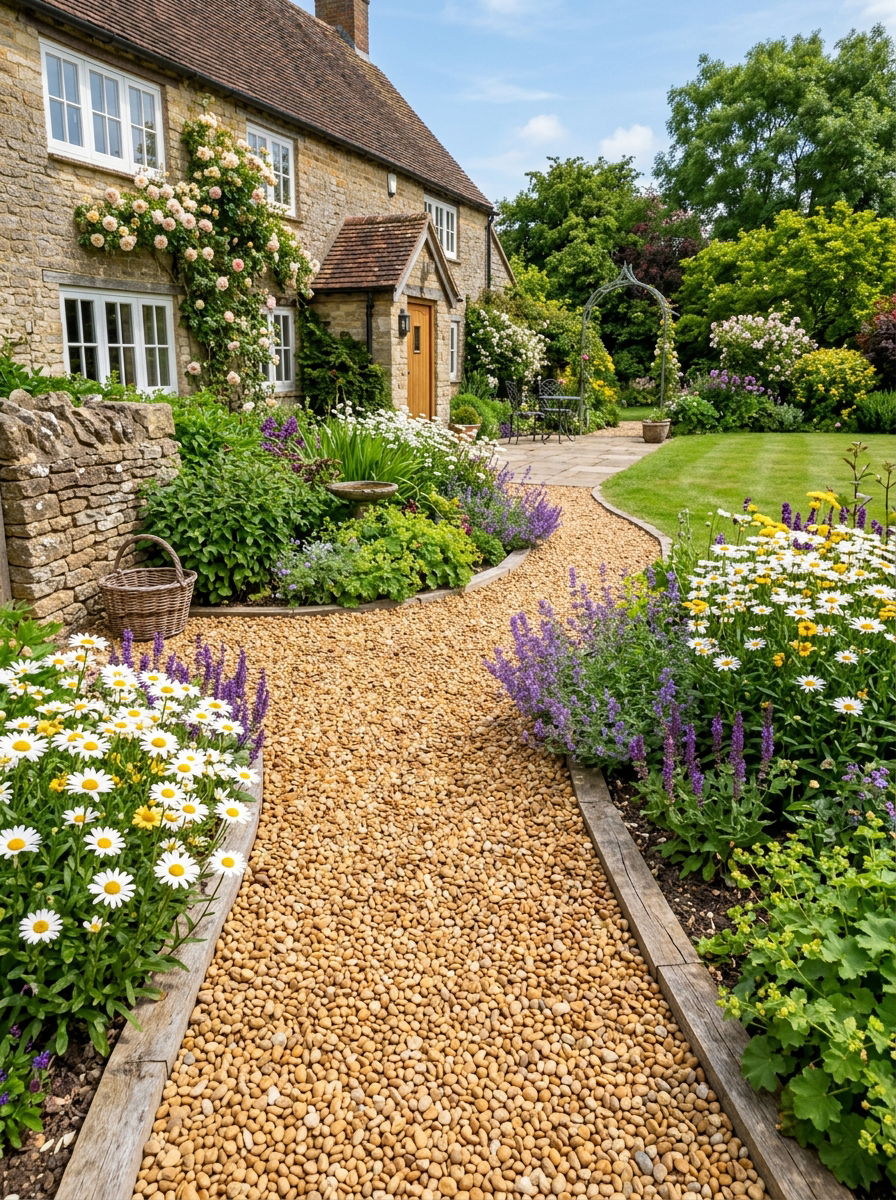
Using pea gravel as a mulch substitute is a practical and stylish way to protect your plants while improving the look of your garden. These tiny, rounded stones are comfortable to walk on and provide excellent drainage, making them ideal for areas around delicate perennials. Pea gravel comes in various natural shades that blend well with any garden theme, from rustic to formal. It effectively keeps the soil cool and moist, which is essential for plant health during hot summer months. Because it is a heavy material, it won't blow away in the wind or wash away during heavy rain like wood mulch.
14. Lava Rock Contrast
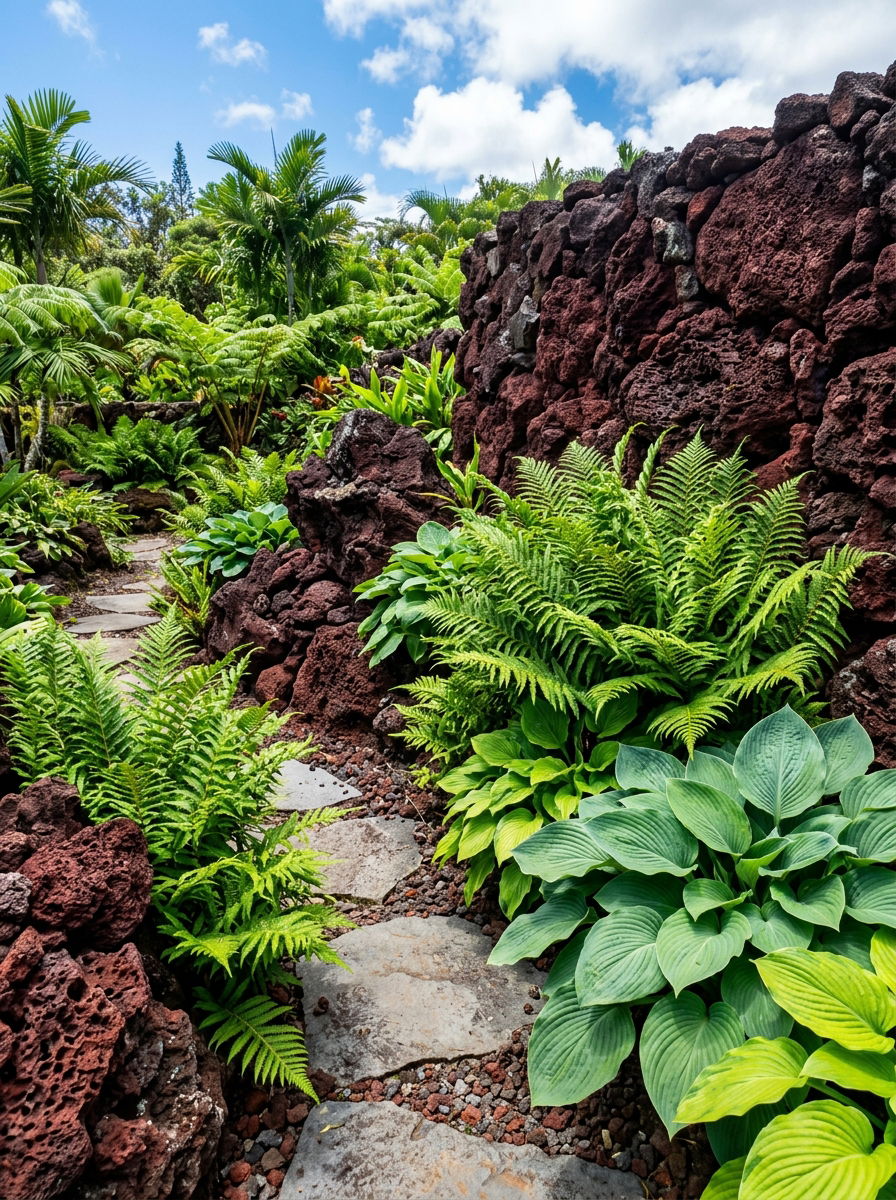
If you want to make a bold statement, consider using red or black lava rock to create a high-impact contrast in your flower beds. Lava rock is porous and lightweight, making it easy to handle during installation while providing excellent insulation for your plant roots. Its rough, jagged texture adds a unique architectural element that catches the eye and provides a dramatic backdrop for vibrant green foliage. This material is particularly effective at suppressing weeds and retaining soil moisture. The deep, rich colors of lava rock stay vibrant for years, ensuring that your garden looks striking and well-kept through every single season.
15. Circular Stone Feature
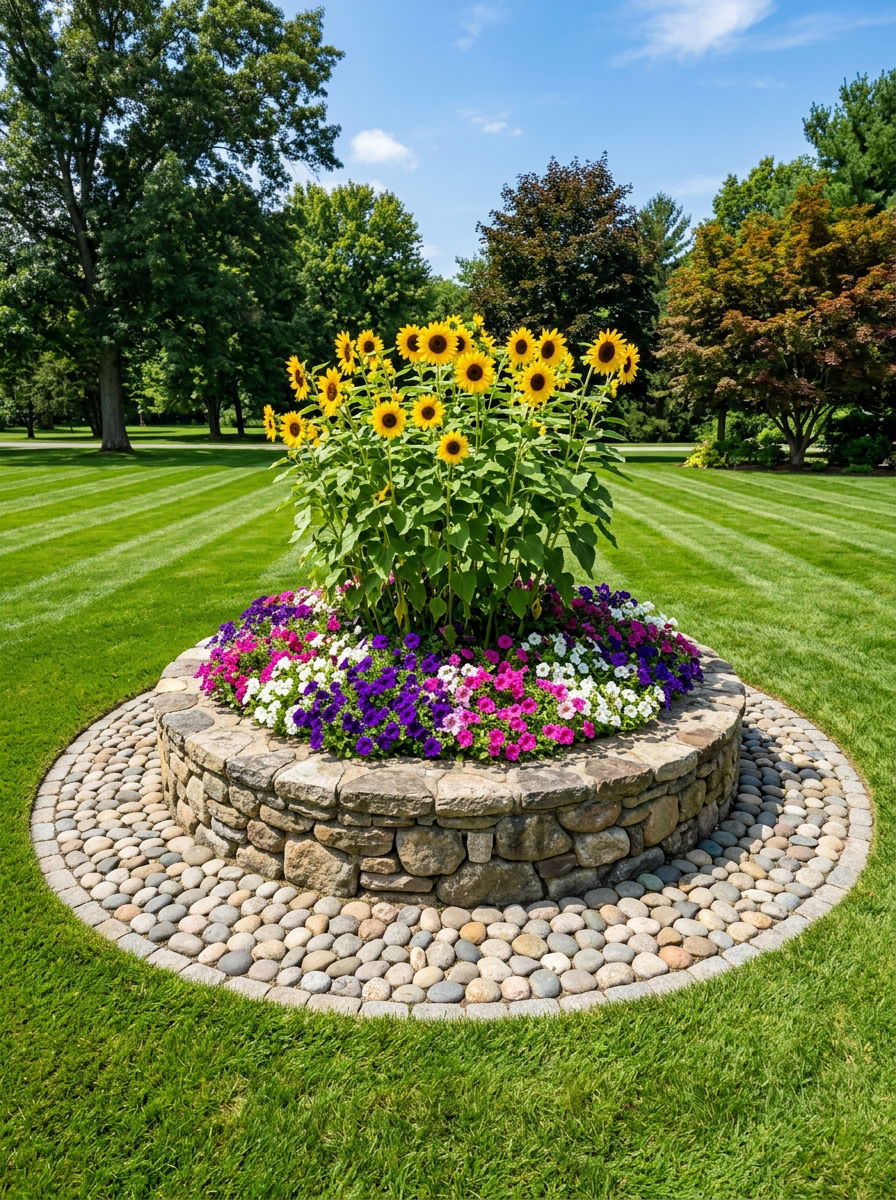
Creating a focal point in the center of your lawn is simple with a circular stone feature that houses a variety of colorful blooms. By outlining a perfect circle with medium-sized cobbles or bricks, you create a contained and organized space that draws the eye. You can fill the interior with a mix of stones and soil, using taller plants in the center and shorter ones near the edge to create a mounded effect. This design adds symmetry to your landscape and is a great way to break up a large expanse of green grass. It feels like a miniature island of beauty in your yard.
16. Desert Landscape Bed
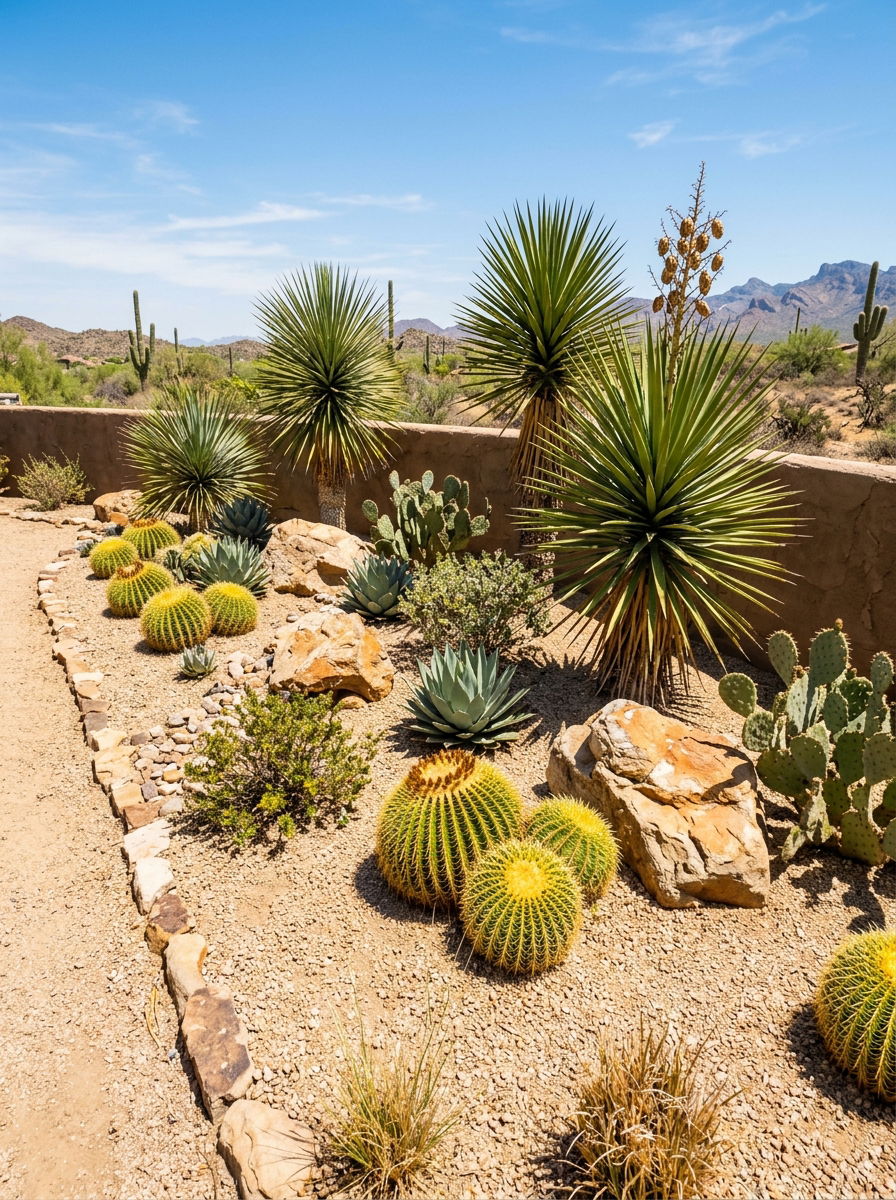
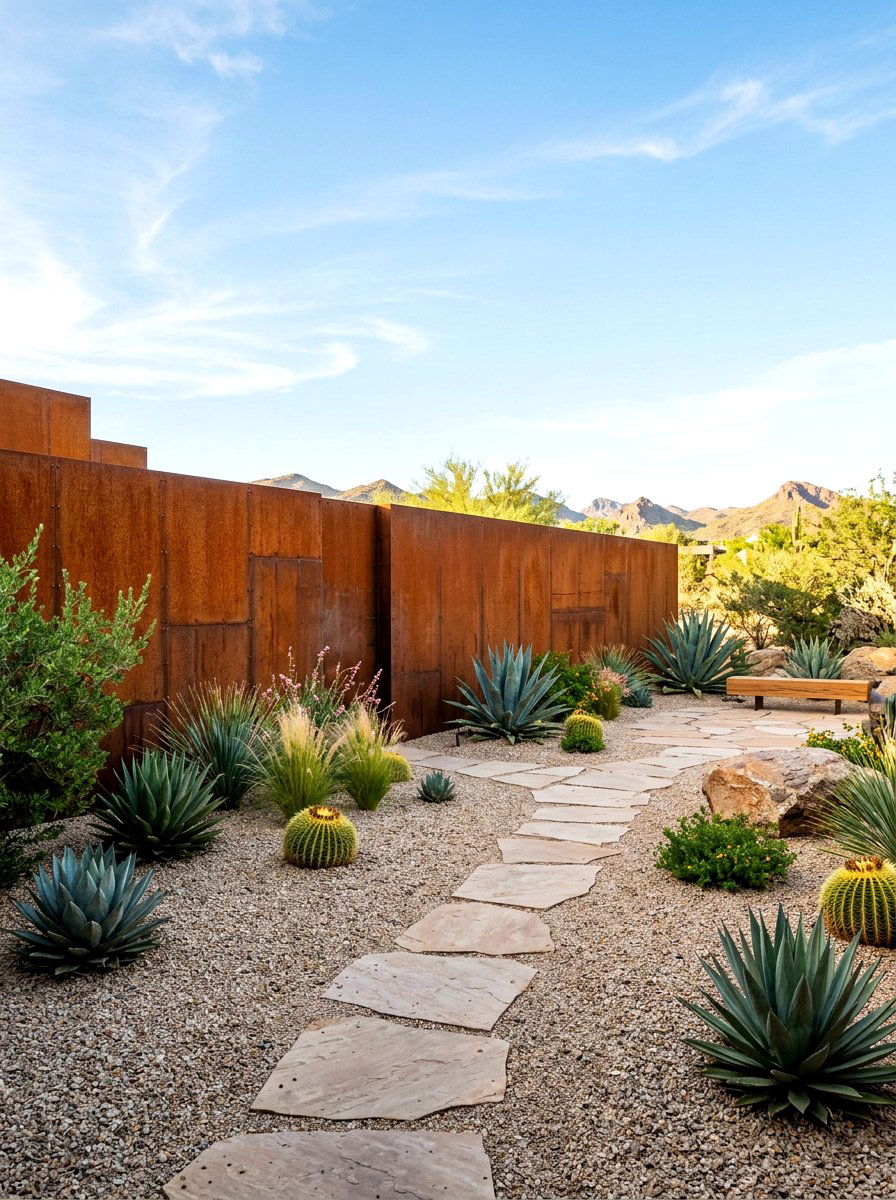
Embracing an arid aesthetic is easy with a desert landscape bed that utilizes sand-colored gravel and large, sun-bleached boulders. This style is perfect for homeowners in dry climates or those who want a water-wise garden that still looks lush and interesting. Use stones of varying sizes to mimic the floor of a desert wash, and plant hardy specimens like cacti, yucca, and desert sage. The rocks provide the necessary heat and drainage these plants require while creating a beautiful, low-maintenance environment. This design looks particularly stunning under the bright midday sun, highlighting the different textures and tones of the earth.
17. Paver and Rock Combination
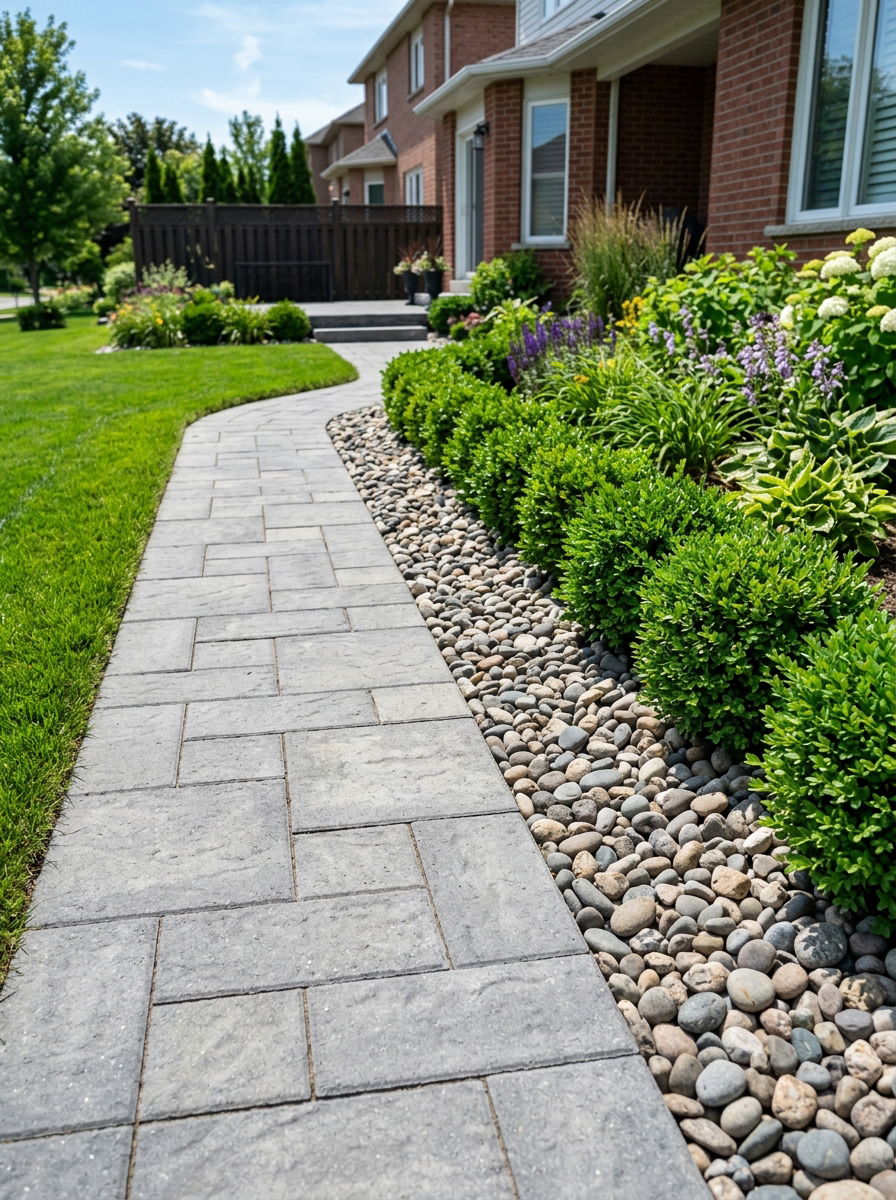
Mixing different types of hardscaping materials can create a complex and interesting look for your flower beds. A paver and rock combination uses structured bricks or concrete pavers for the main borders and paths, while filling the planting areas with loose river stones or gravel. This technique allows you to create very clean, straight lines or perfect curves that define the space. The contrast between the smooth, uniform pavers and the irregular, natural stones adds a professional touch to any front yard. It is a highly durable design that handles foot traffic well while keeping your garden beds looking pristine and tidy.
18. Stacked Slate Wall
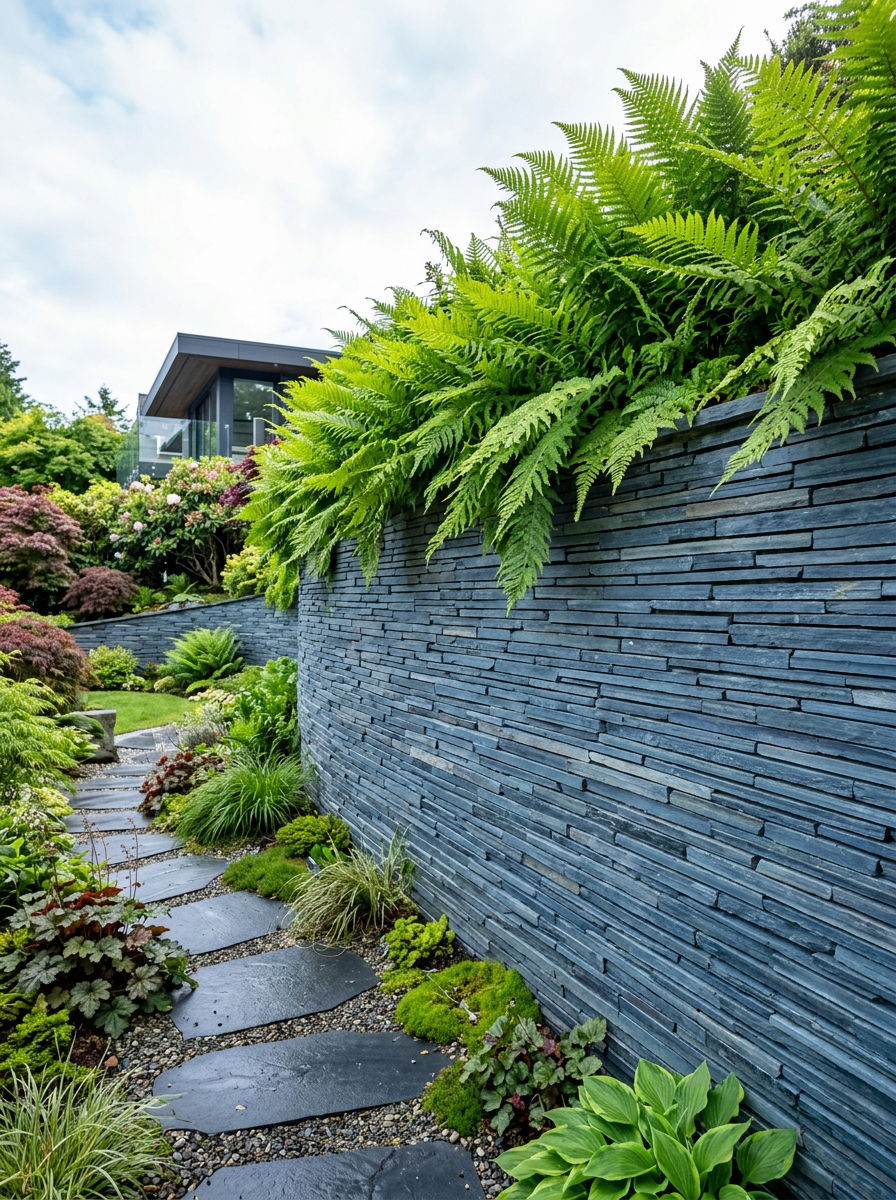
For a look that is both modern and organic, consider building a low wall using thin pieces of stacked slate. Slate has a unique, layered appearance and comes in beautiful shades of blue, charcoal, and deep green. These low walls can be used to border a raised flower bed, providing a sleek and sophisticated frame for your plants. The horizontal lines of the stacked slate create a sense of movement and rhythm in the garden. This design is particularly effective when paired with bright green ferns or silvery succulents, as the dark stone makes the plant colors appear much more vivid and saturated.
19. Corner Rock Pocket
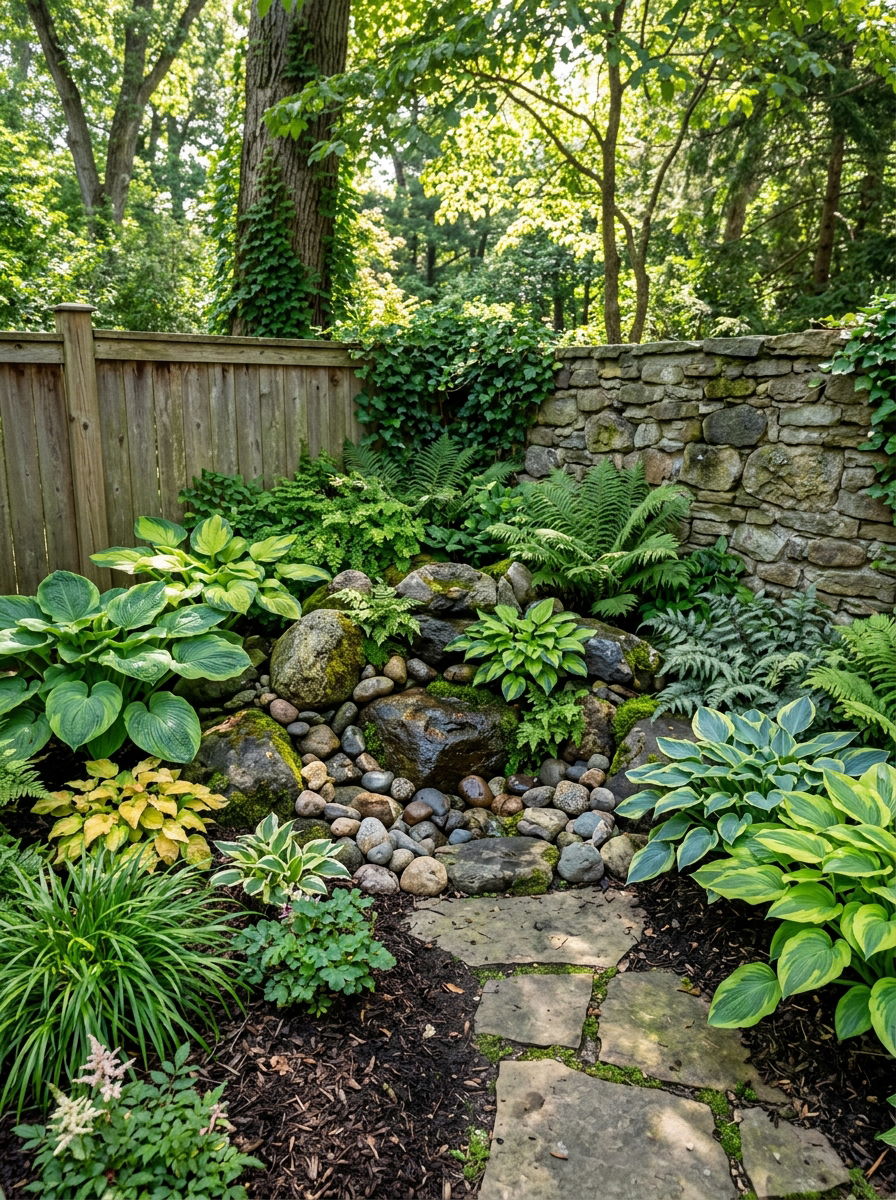
Oftentimes, the corners of a yard or the areas next to a fence become neglected and overgrown. A corner rock pocket is a smart way to transform these awkward spaces into beautiful focal points. By layering a mix of boulders and smaller pebbles into the corner, you create a tiered planting area that adds depth to the perimeter of your yard. You can plant shade-loving species if the corner is under a tree, or bright sun-lovers if it's an open spot. This design effectively hides ugly fence lines and turns a "dead zone" into a lush and interesting part of your outdoor living space.
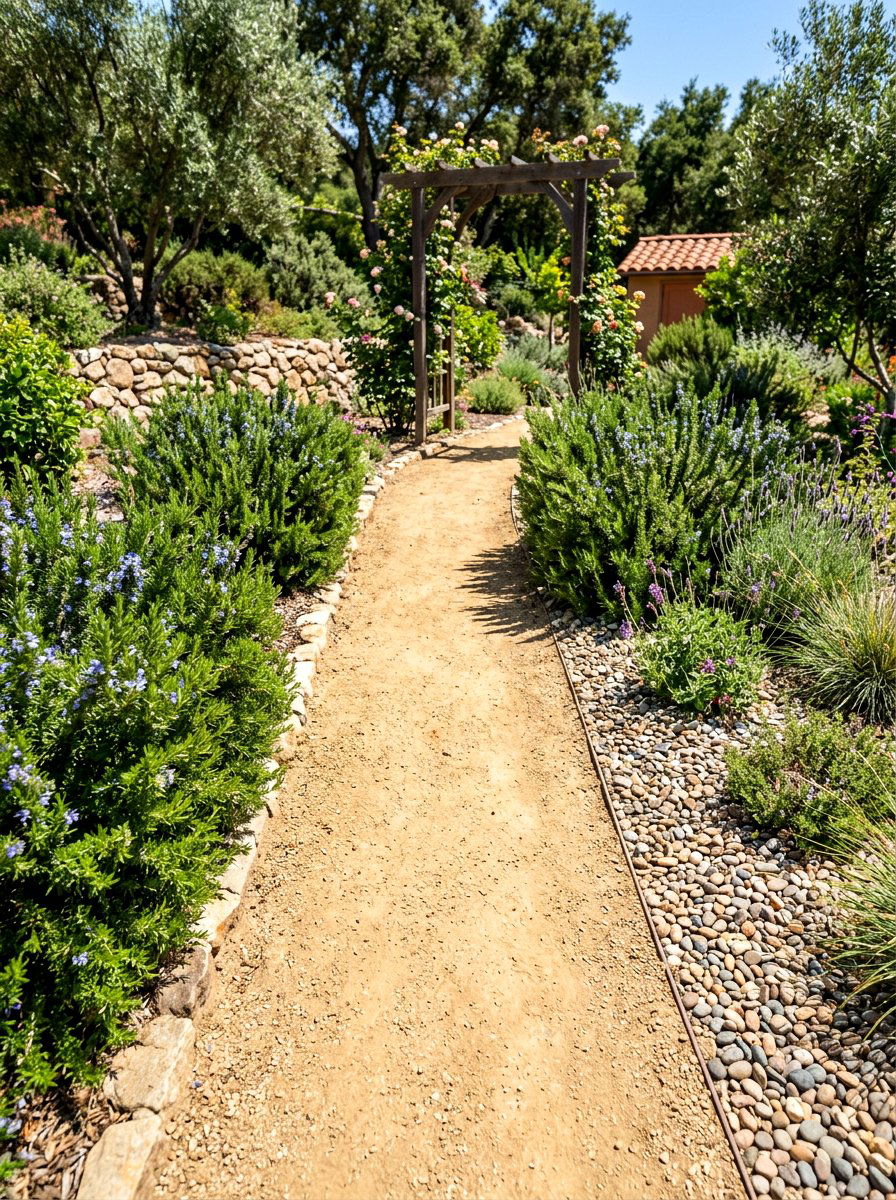
20. Front Yard Curb Appeal Bed
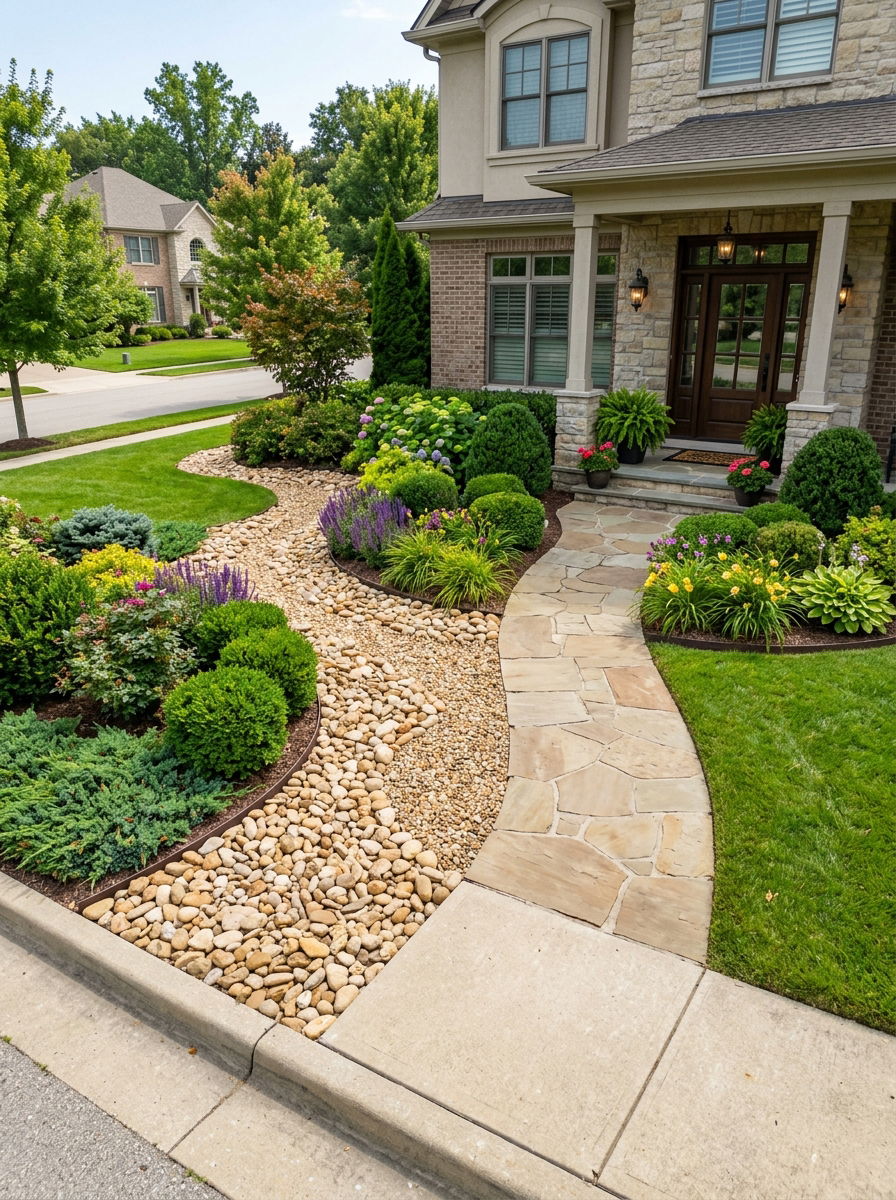
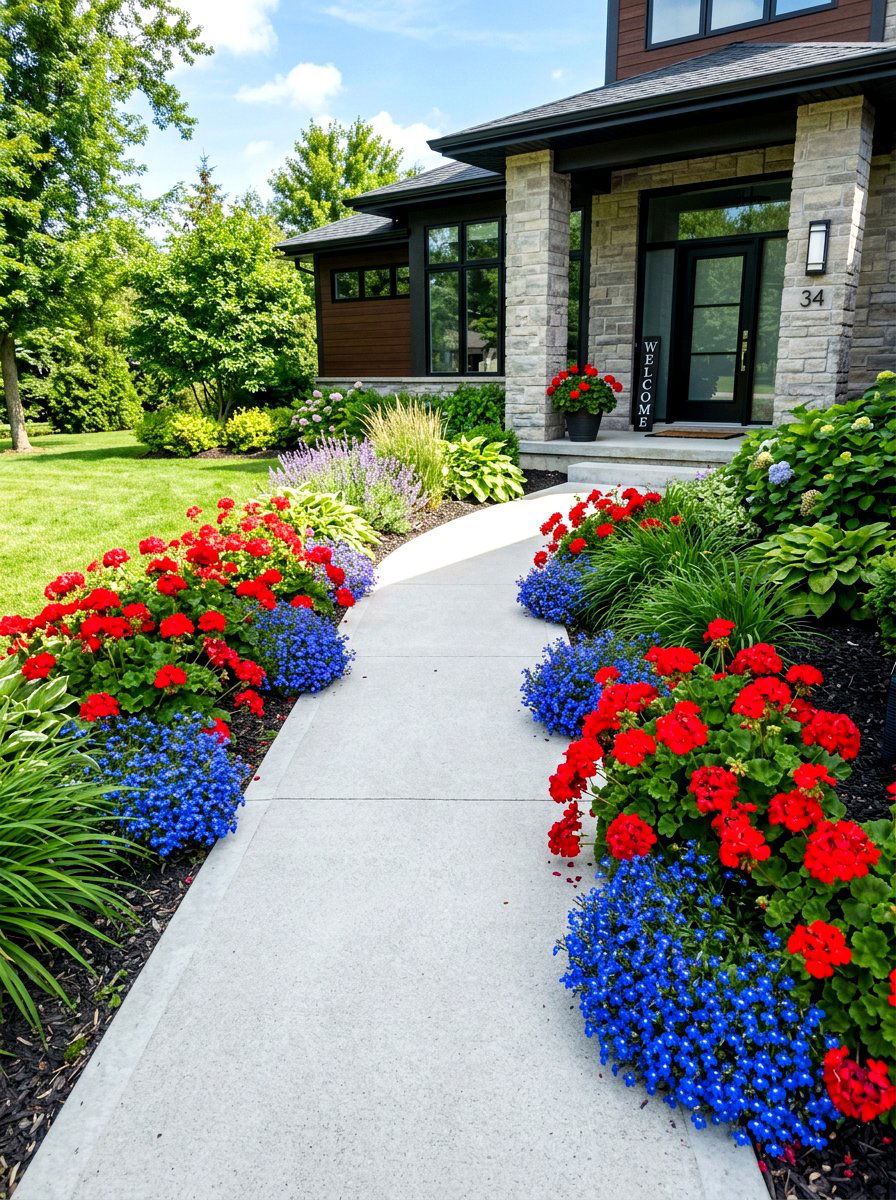
First impressions are everything, and a well-designed front yard rock bed can significantly boost your home's curb appeal. Instead of a traditional grass lawn, consider creating a large, flowing flower bed filled with decorative stones and low-maintenance shrubs. Use large flat rocks to create a natural-looking border that guides visitors toward your front door. This type of landscaping looks professional and expensive but actually saves you money on water and lawn care in the long run. By choosing a mix of evergreen plants and colorful stones, you ensure that your home looks inviting and well-maintained throughout the entire year.
21. Backyard Waterfall Feature
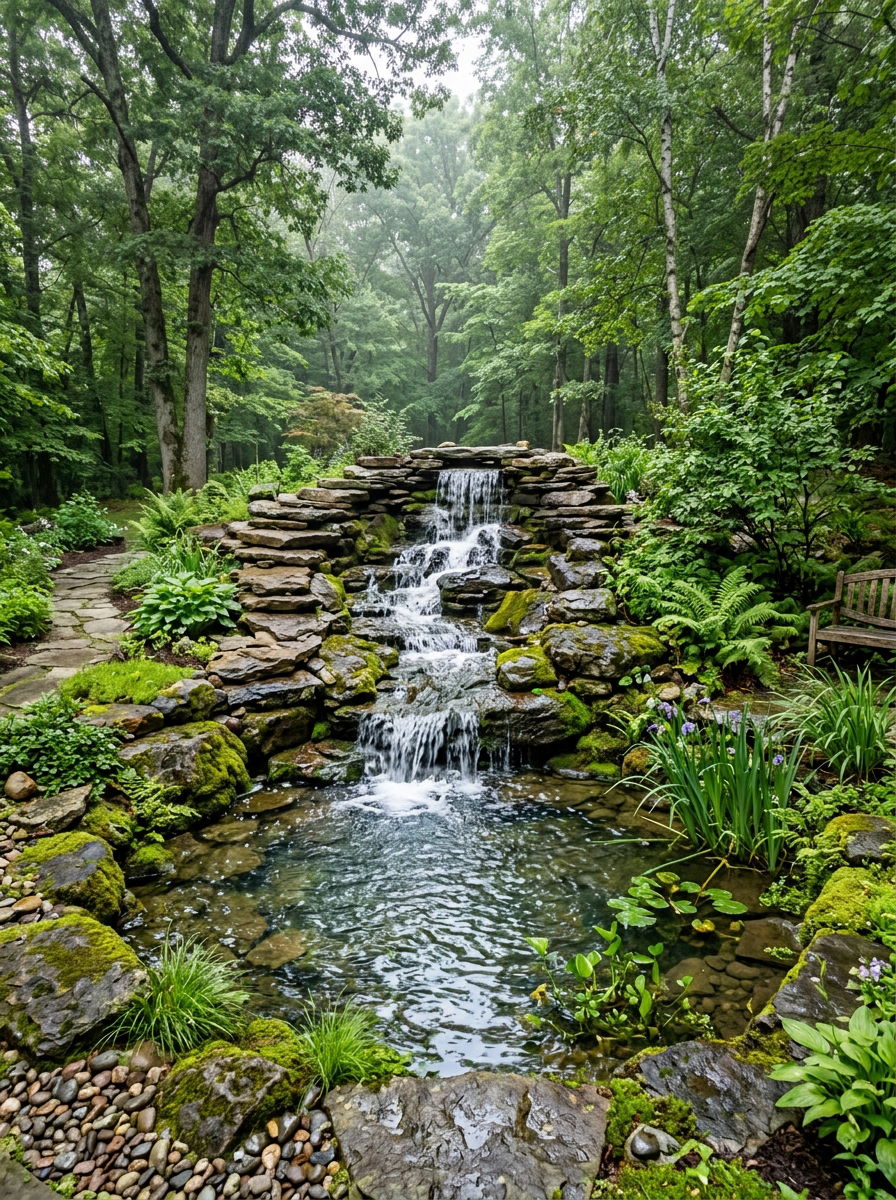
Nothing adds tranquility to a garden like the sound of moving water, and a rock-based waterfall feature is the ultimate backyard luxury. By stacking large, flat stones to create a series of ledges, you can guide a small stream of water into a hidden basin or pond. The rocks not only provide the structure for the waterfall but also help naturally filter the water and provide a home for beneficial aquatic plants. Surround the feature with mossy stones and moisture-loving flowers to create a lush, woodland atmosphere. This design becomes the heart of your backyard, attracting birds and providing a peaceful retreat for you.
22. Woodland Stone Garden
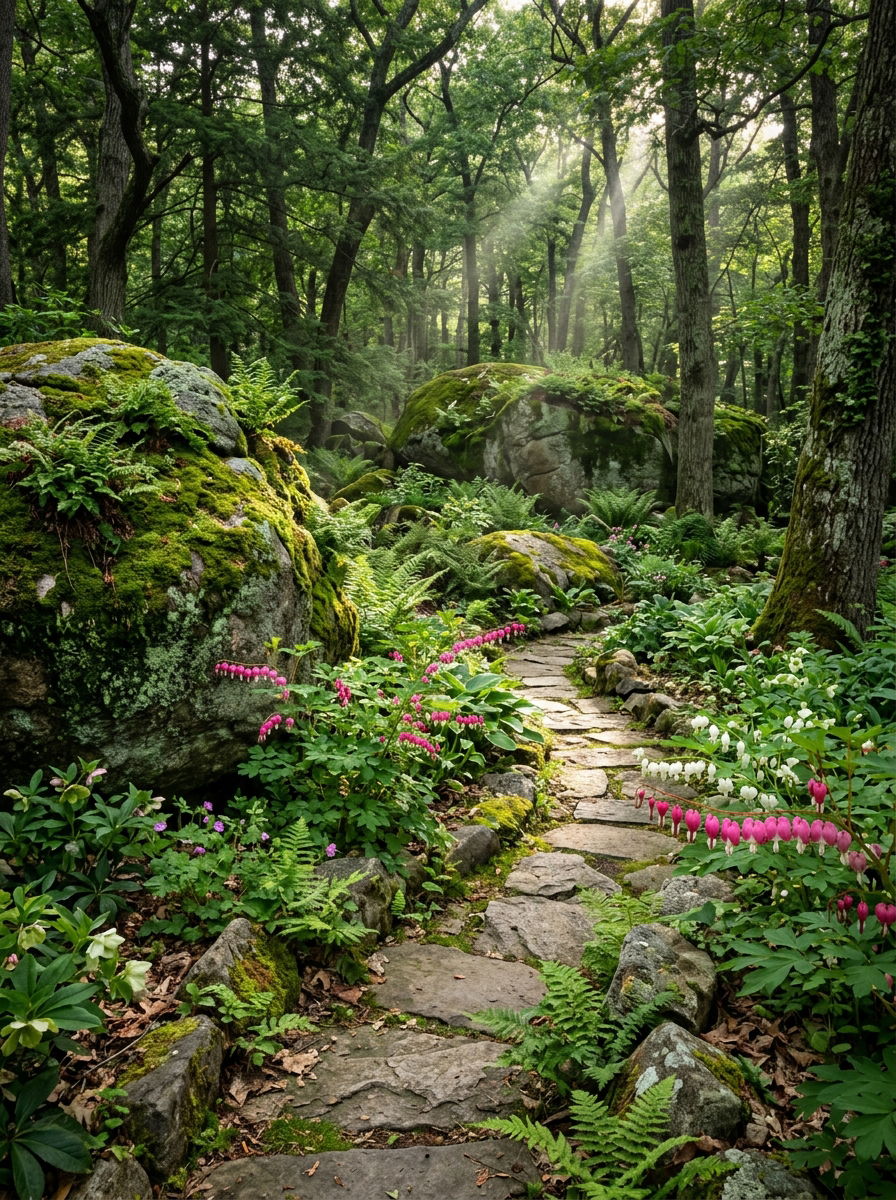
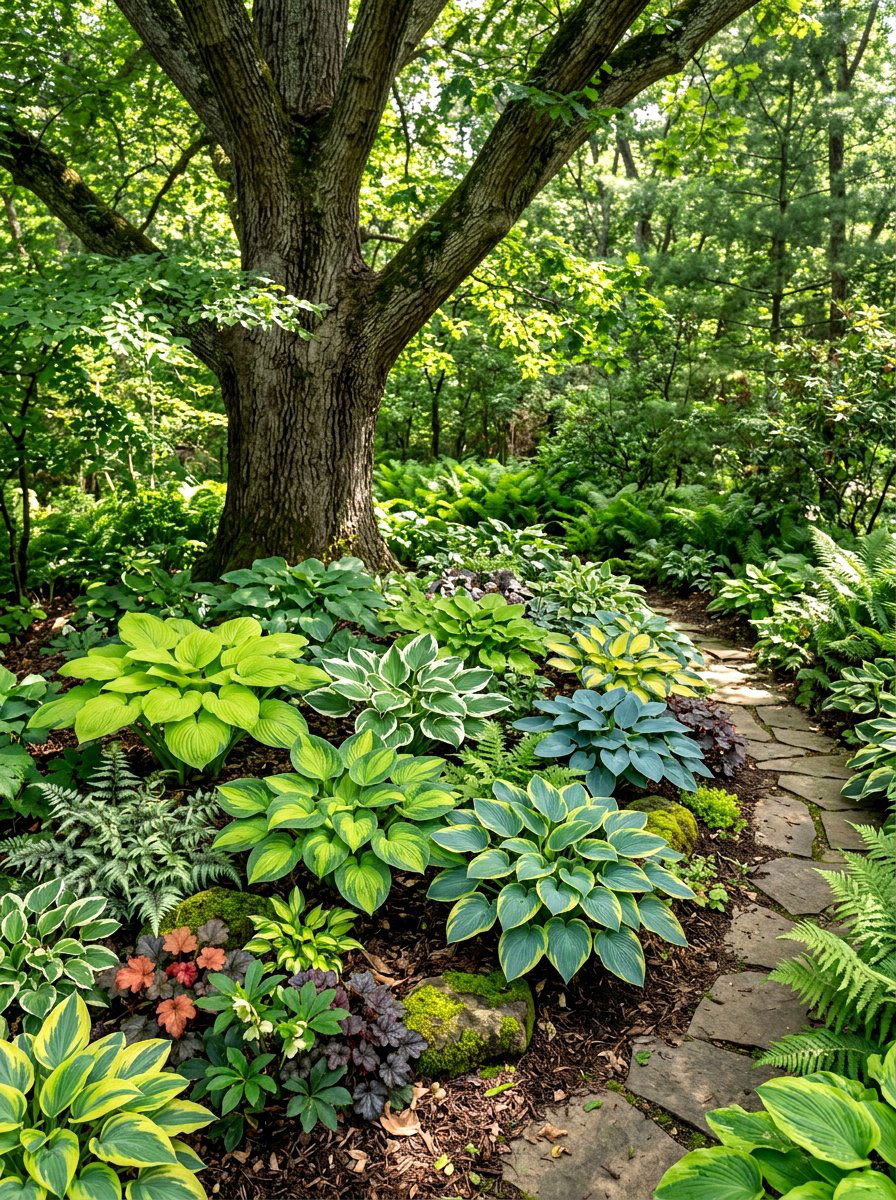
If you have a shaded area under large trees, a woodland stone garden is the perfect way to bring life to the shadows. This style uses weathered, moss-covered rocks and organic-looking stone paths to mimic the floor of a deep forest. You can plant ferns, hostas, and bleeding hearts in the cool crevices between the stones. The rocks help keep the soil cool and moist, which is ideal for these types of shade-loving plants. This design feels very natural and serene, providing a cool escape during the hot summer months. It is a low-stress way to landscape an area where grass refuses to grow.
23. Ornamental Grass Bed
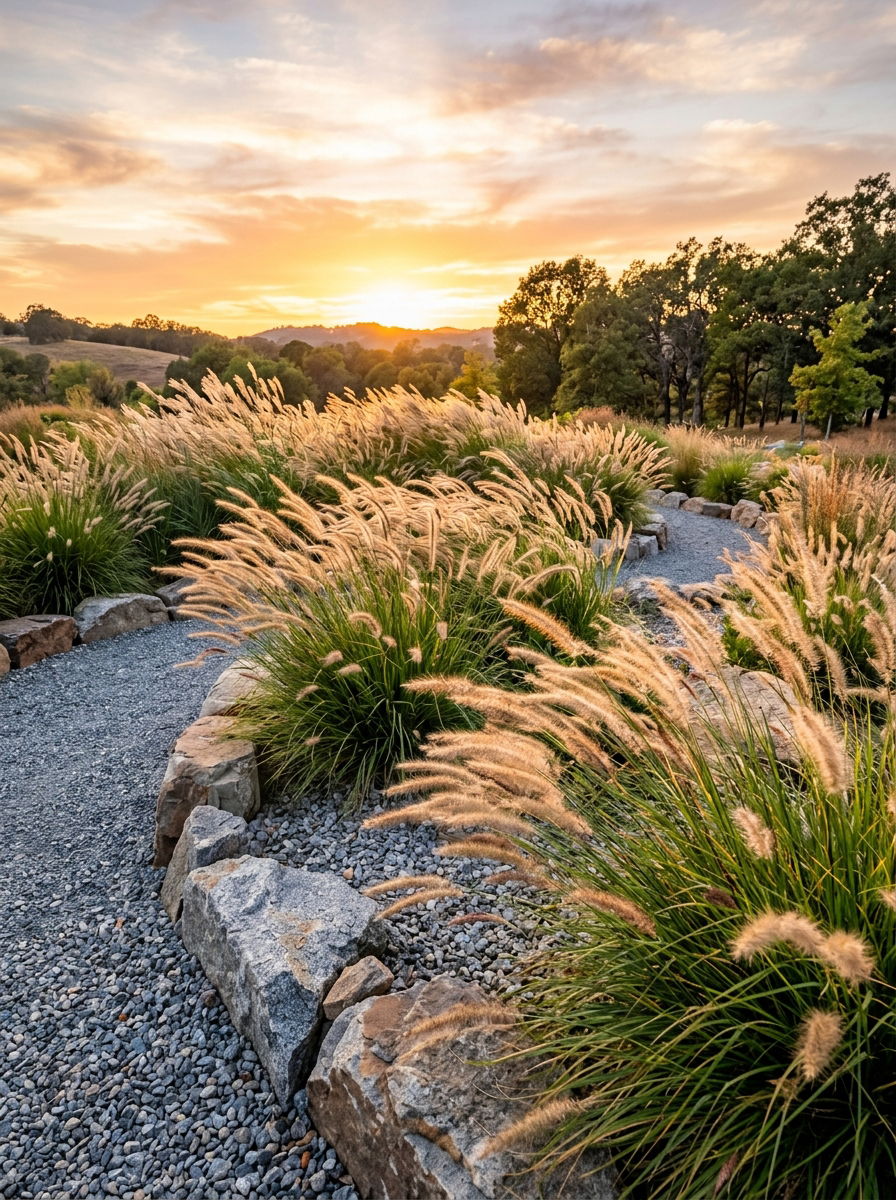
The movement and texture of ornamental grasses are beautifully complemented by the solid, unmoving presence of large rocks. In an ornamental grass bed, you can use gravel as a clean ground cover and place a few large boulders as "anchors" for the tall, swaying stalks. This design creates a very dynamic landscape that changes with the wind and the seasons. In the fall, the golden hues of the grass look stunning against the grey and tan tones of the stone. This type of rock bed is extremely hardy and requires very little water or maintenance, making it perfect for busy homeowners who want beauty.
24. Shaded Moss and Rock Garden
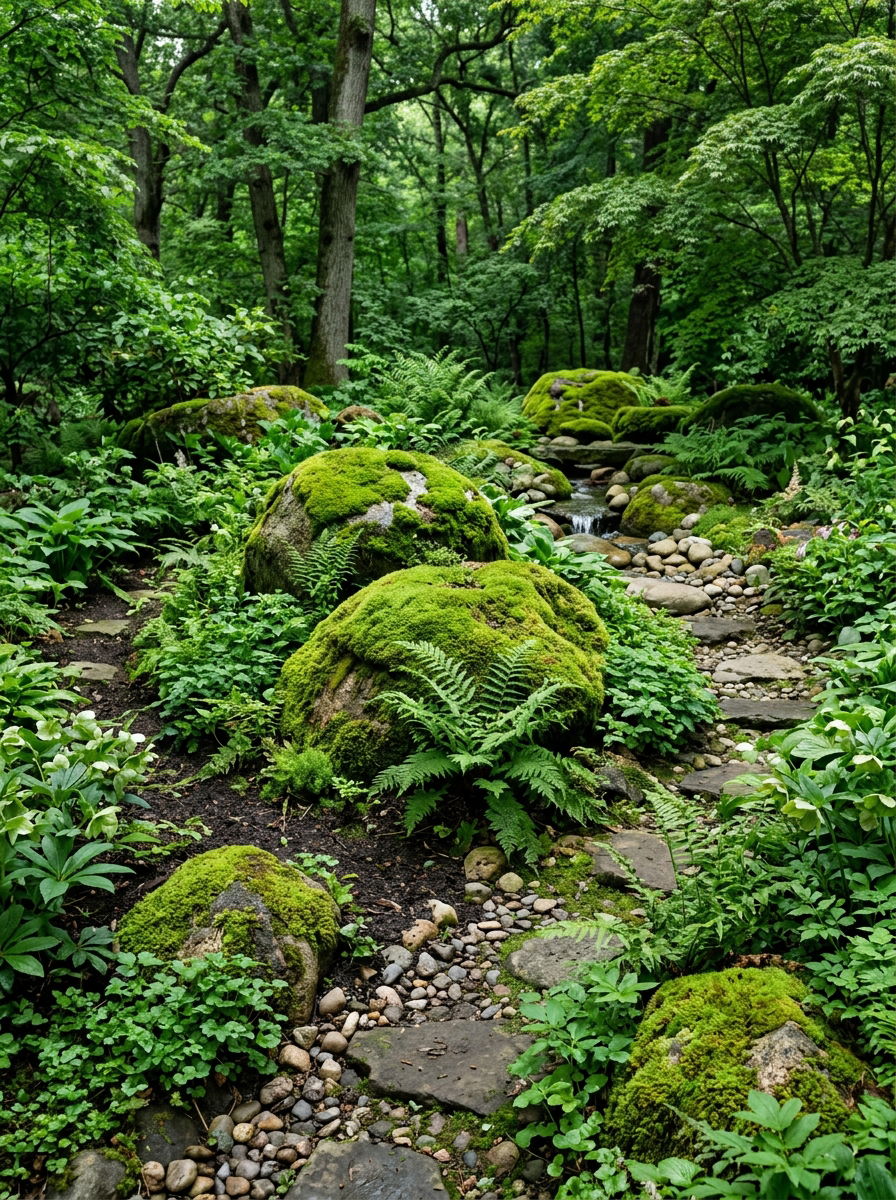
In the damp and shaded parts of your yard, you can create a magical environment using moss-covered stones and small pebbles. Instead of fighting the shade, embrace it by encouraging velvet-green moss to grow over large, rounded boulders. This design creates a very soft and ancient look that feels like a hidden corner of an old English garden. You can add a few delicate woodland flowers for pops of color, but the primary focus is the rich texture of the moss against the hard stone. This type of bed is very low-maintenance and stays green and lush even during the winter months.
25. Decorative Rainbow Rock Bed
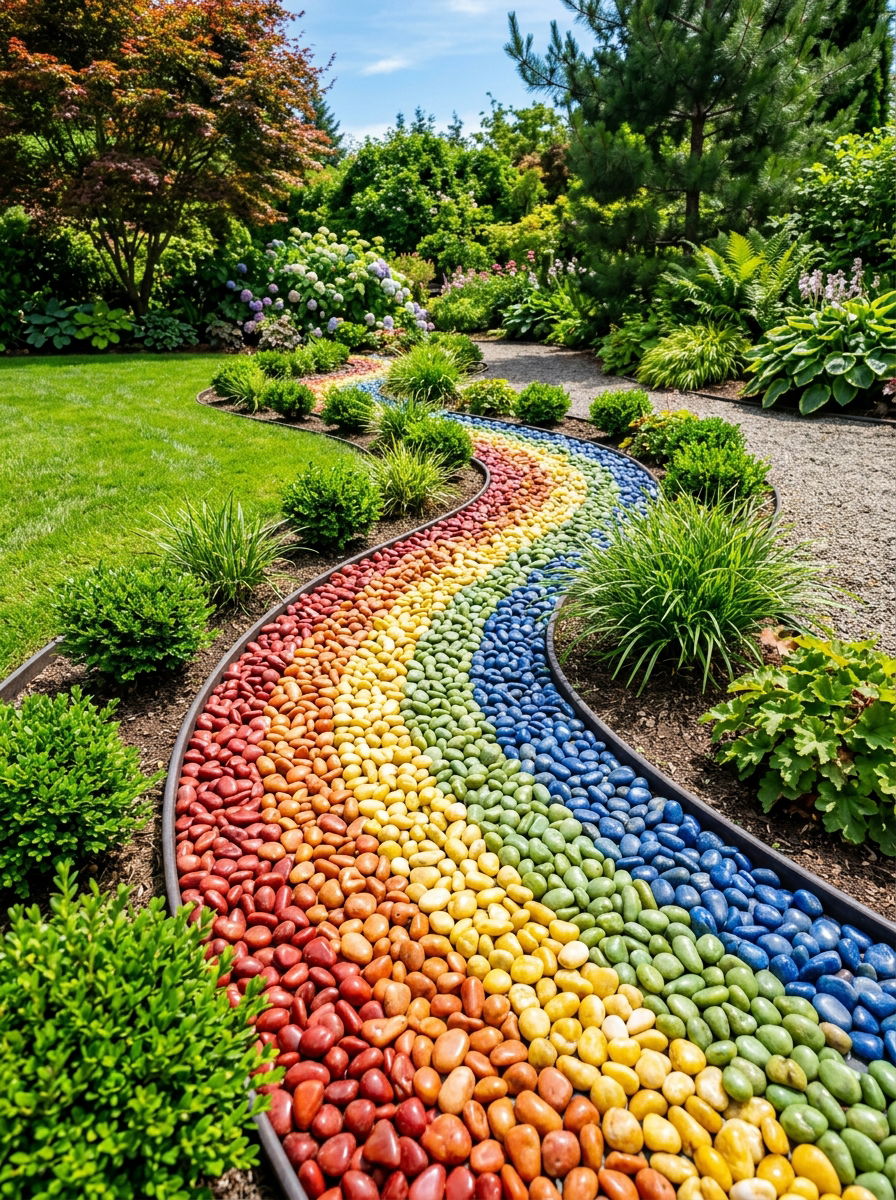
For those who love color but want to avoid the work of seasonal flowers, a decorative rainbow rock bed is a creative solution. This design uses a variety of naturally colored stones — including reds, greens, yellows, and purples — to create a vibrant mosaic on the ground. You can arrange the different colors in patterns or mix them for a more random, "rainbow" effect. This type of bed provides a constant splash of color that never fades or wilts, regardless of the weather. It is a great way to add personality to your landscape and works well in both large areas and small container gardens.
26. Alpine Rockery
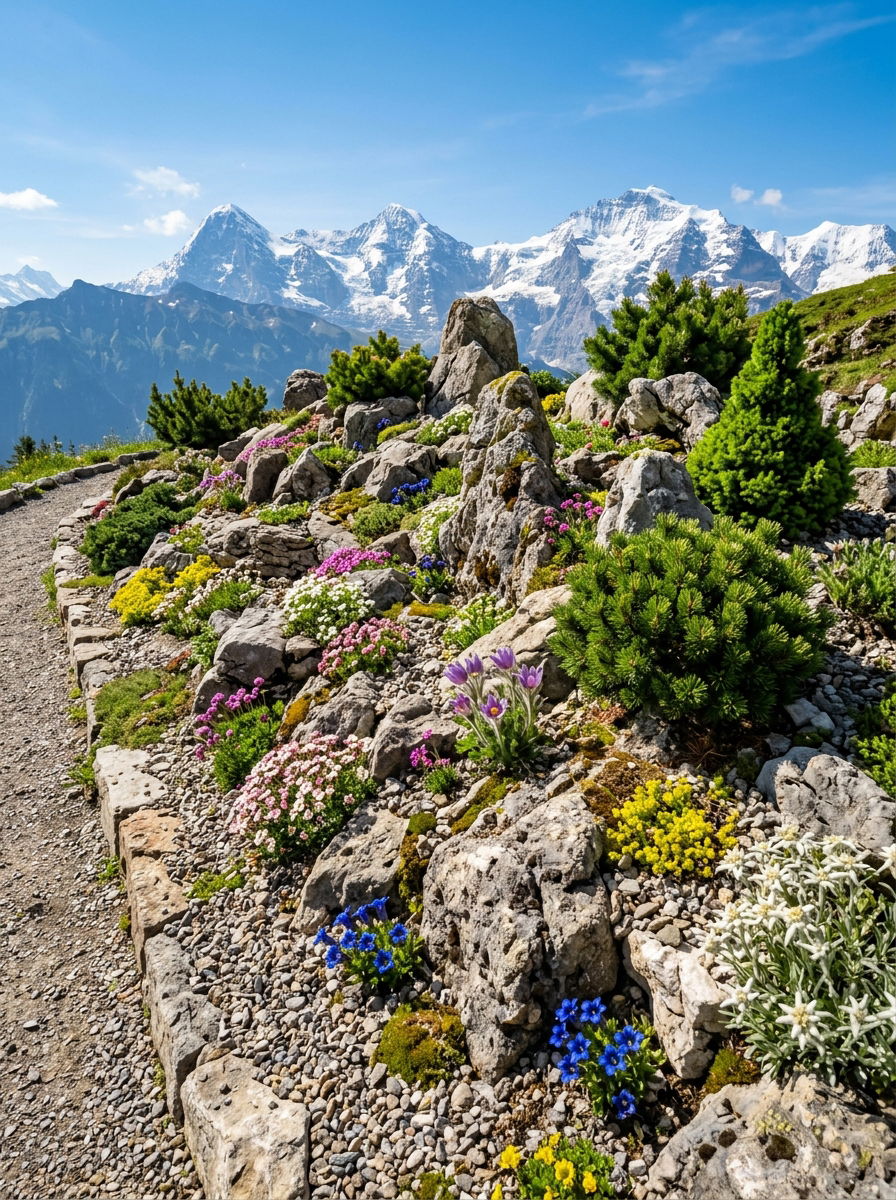
An alpine rockery is designed to mimic the harsh, rocky conditions of high mountain slopes. This style uses craggy, irregular rocks and very well-draining soil to support specialty plants like saxifrage, sedum, and dwarf conifers. The plants are often small and hug the stones for protection, creating a miniature world that is fascinating to observe up close. This design is perfect for rock collectors who want to showcase unique specimens they’ve found. The combination of tiny, intricate flowers and massive, rugged stones creates a beautiful sense of scale that adds a touch of adventure to any backyard or front walkway.
27. Coastal Pebble Garden
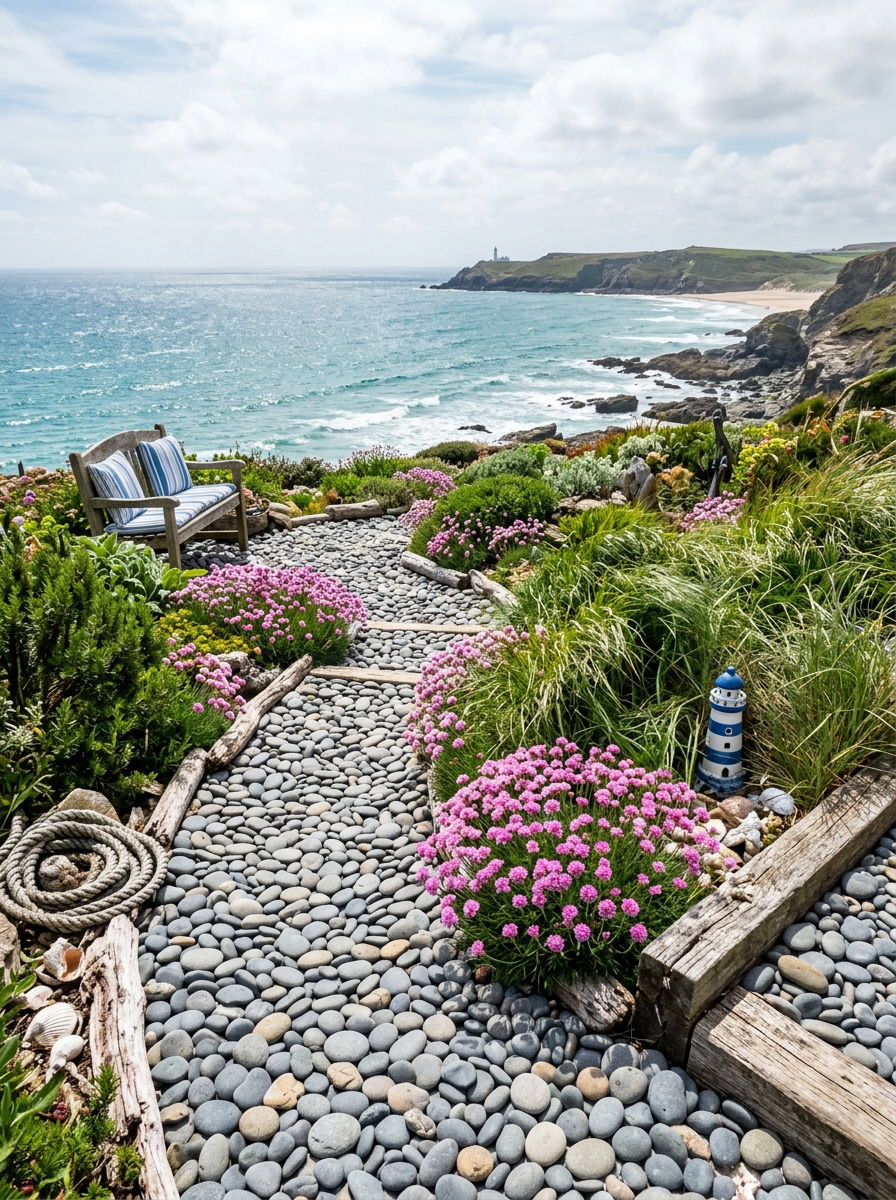
Bringing a beachy vibe to your home is easy with a coastal pebble garden that utilizes smooth, water-worn stones and sandy-colored gravel. This style is inspired by the shores of the ocean and looks best when paired with seaside plants like sea thrift or ornamental grasses that look like dune vegetation. Use large pieces of driftwood or grey, weathered boulders to complete the nautical theme. This design is very relaxing and feels like a vacation spot in your own yard. It is especially effective in sunny locations and requires almost no watering once the initial plants are established.
28. Crushed Granite Border
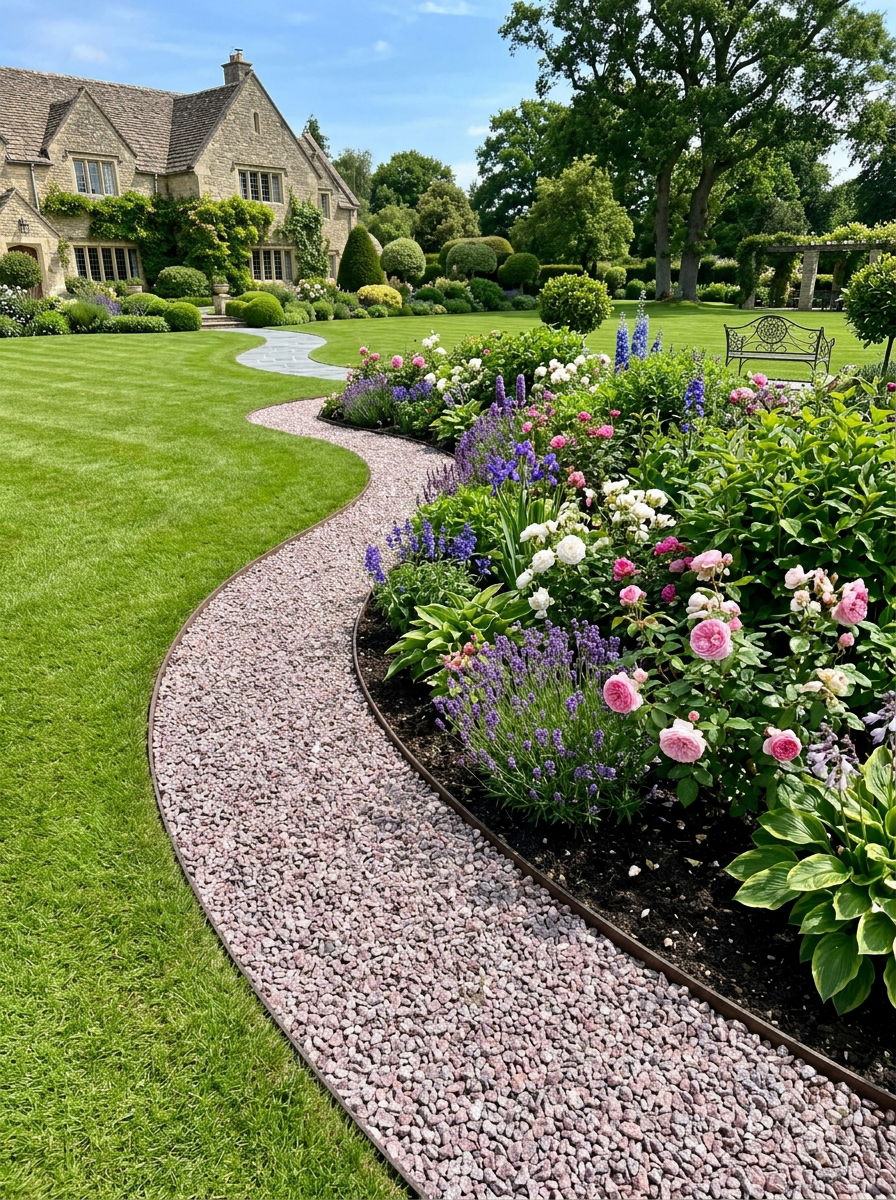
For a sophisticated and upscale look, consider using crushed granite to border your garden paths and flower beds. Crushed granite has a refined, crystalline appearance that sparkles slightly in the sun, adding a touch of elegance to your outdoor space. It packs down tightly to create a firm surface that is easy to walk on but still allows water to drain through to the soil. You can choose from various shades of pink, grey, or white to perfectly match your home’s color palette. This material provides a very professional finish that makes your entire landscaping project look cohesive and expensive.
29. Terraced Rock Layers
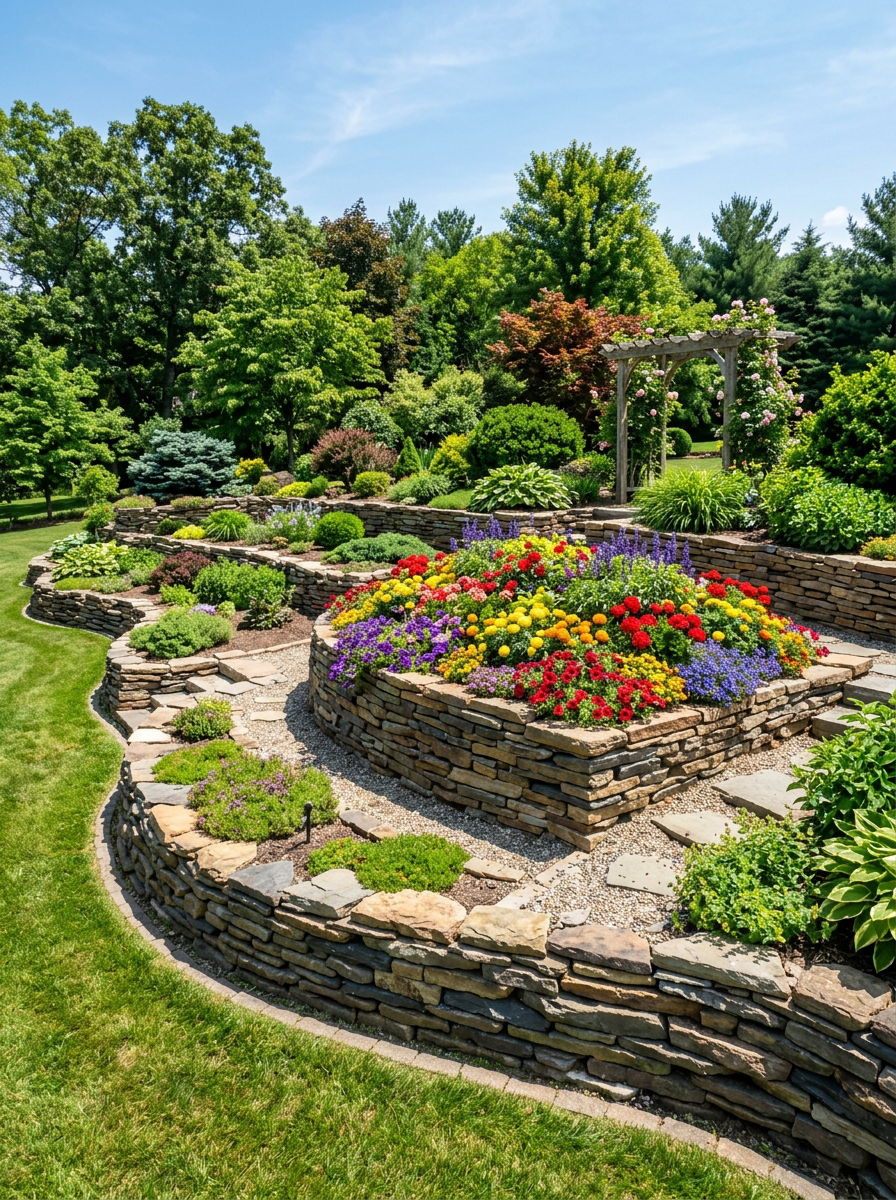
Creating depth in a flat yard is possible through the use of terraced rock layers that build upward rather than into a hill. You can create a raised bed using several layers of flat stones, creating a platform for your favorite flowers to sit above the rest of the lawn. This design adds architectural interest and allows you to use different types of soil for specific plants. The stacked stones provide a beautiful, textured edge that looks much more natural than a wooden garden box. This approach is perfect for creating a dramatic focal point in the middle of a backyard or along a patio.
30. Tropical Rock Arrangement

You can create a lush, tropical feel in your garden by combining dark, volcanic rocks with large-leafed plants and bright exotic flowers. The dark stone helps retain heat, which tropical plants love, and provides a stark background that makes the vibrant greens and hot pinks of the foliage really stand out. Use large, smooth boulders to define the space and smaller lava rocks to fill in the gaps and suppress weeds. This design feels very rich and luxurious, turning your backyard into a private island getaway. It is a great way to enjoy a vacation atmosphere every day of the year.
Conclusion:
Investing in a rock flower bed is one of the smartest ways to enhance your home’s landscape while ensuring long-term durability and ease of care. By carefully selecting the right types of stone — whether it be smooth river rocks for a serene look or rugged boulders for a dramatic statement — you can create an outdoor sanctuary that reflects your personal taste and lifestyle. These designs provide year-round structure, effectively manage drainage, and reduce the need for constant maintenance, allowing you more time to actually enjoy your garden rather than just working in it. Your home will benefit from the increased curb appeal and timeless beauty of these natural elements.

Related posts: