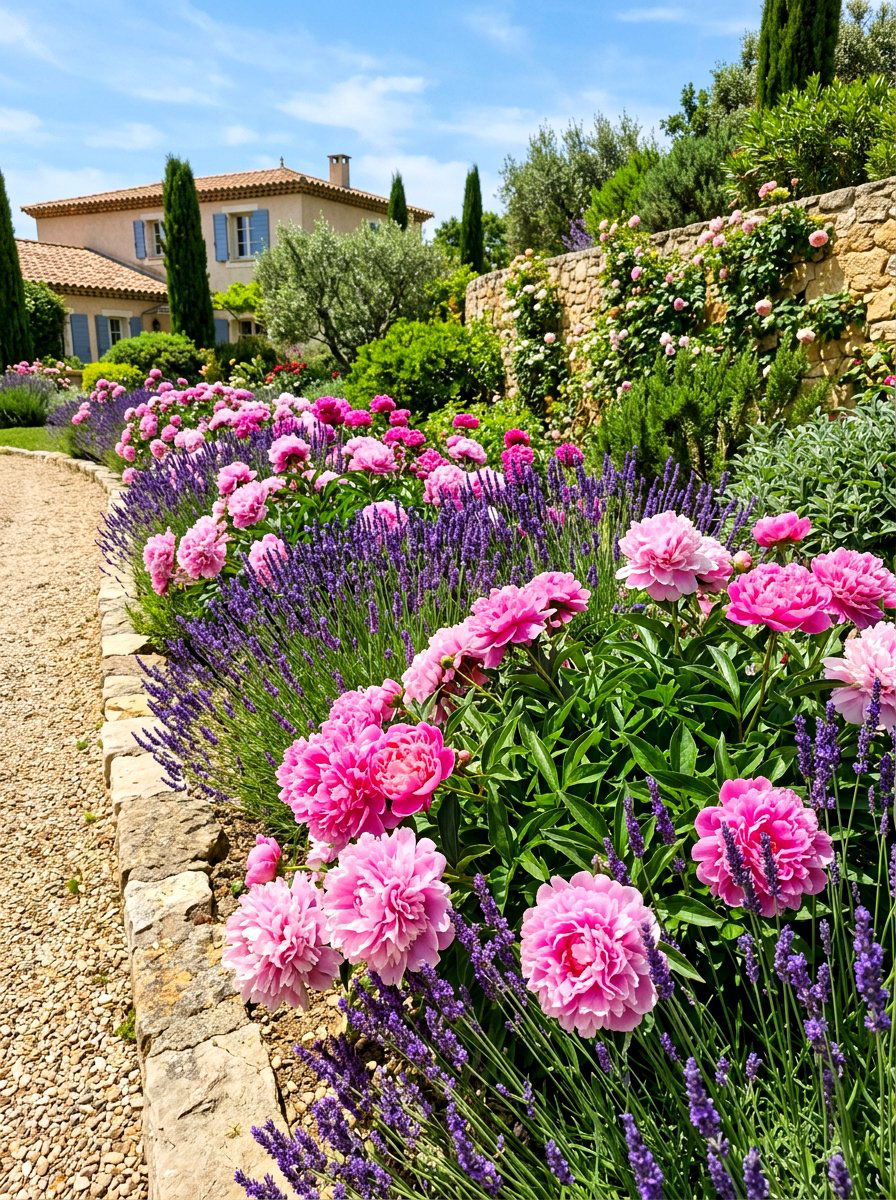
Layering flower bulbs is one of the most rewarding gardening techniques you can master for a vibrant spring display. Also known as lasagna planting, this method involves stacking different bulb varieties at various depths within the same container or garden bed. By carefully selecting bulbs with sequential bloom times, you create a continuous explosion of color that lasts for several weeks instead of just a few days. This approach is perfect for small spaces like patios and balconies where you want maximum visual impact from a single pot. It also works beautifully in large garden borders to ensure your landscape looks lush and full from early winter until the heat of early summer.
1. Spring bulb lasagna pot
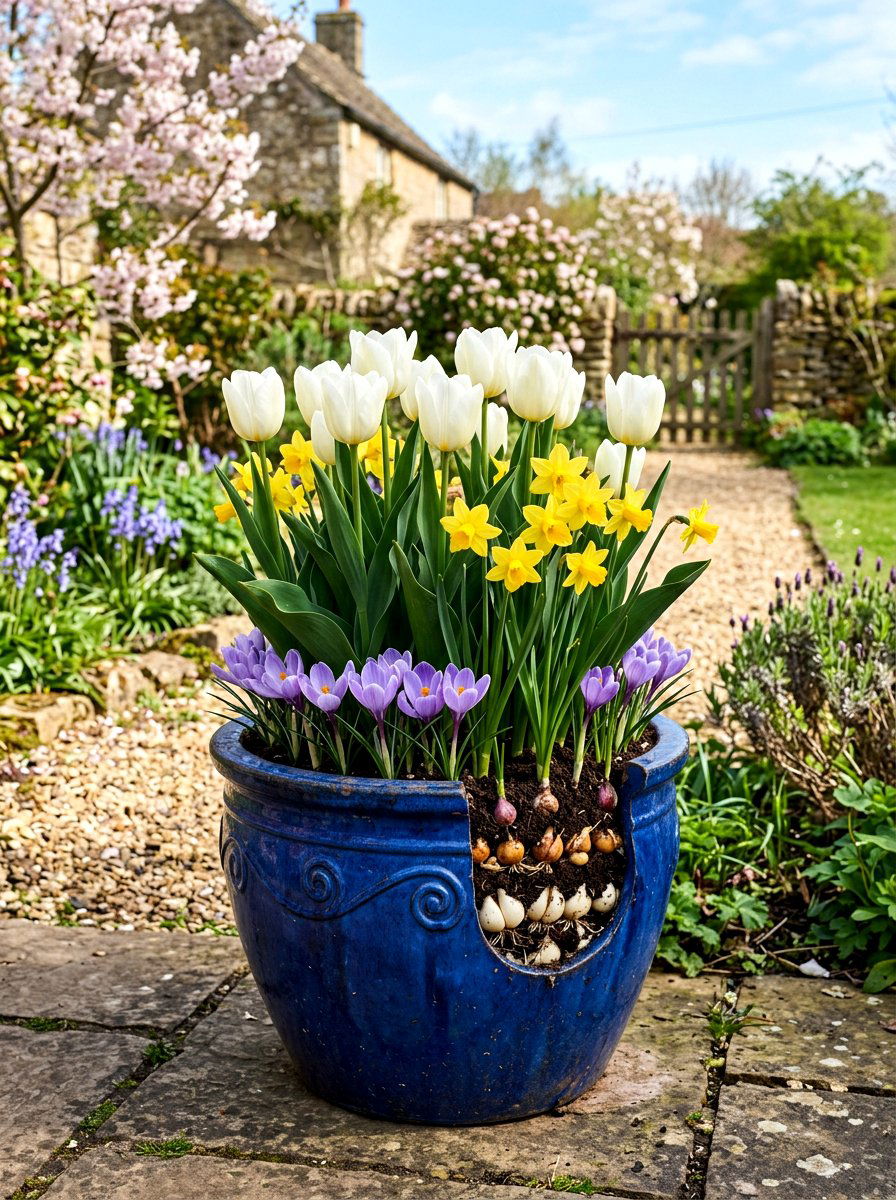
Creating a spring bulb lasagna pot is an easy way to ensure your patio stays colorful for months. You start by placing the largest, latest-blooming bulbs like tulips at the bottom layer of a deep container. Cover them with a few inches of high-quality potting soil before adding mid-season bloomers such as daffodils or hyacinths. The final top layer should consist of small, early-flowering gems like crocuses or snowdrops. This vertical arrangement allows each flower to emerge through the soil without disturbing its neighbors. It is a fantastic project for any gardener looking to maximize their floral output in a limited footprint. Choosing a deep, frost-resistant pot is essential for success.
2. Tulip and daffodil combination
A classic tulip and daffodil layering combination offers a timeless look that signals the arrival of peak spring. These two species are perfect partners because their heights and textures complement each other so well. When you plant them together, place the taller tulips deeper in the soil and the sturdier daffodils just above them. As the daffodils begin to fade, the tulips will rise through the foliage to take center stage. This transition keeps your garden beds looking intentionally designed and avoids the awkward gaps that often occur between bloom cycles. Using contrasting colors like bright yellow and deep purple creates a very striking visual effect for your outdoor space.
3. Hyacinth and crocus planter
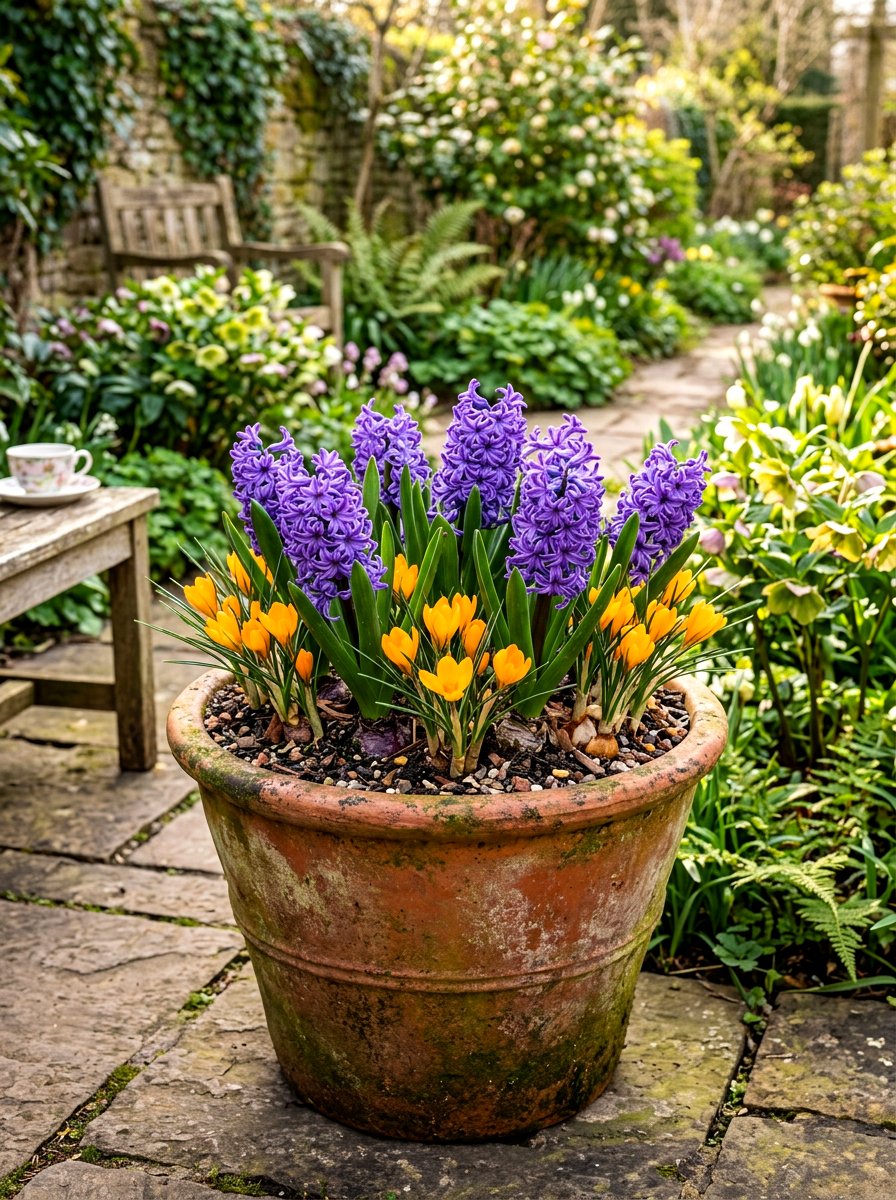
Focusing on fragrance and early color, a hyacinth and crocus planter is perfect for placing near entryways or seating areas. Hyacinths provide a heavy, sweet scent that fills the air, while crocuses offer the first signs of life after a long winter. Plant the larger hyacinth bulbs about six inches deep and the tiny crocus bulbs just two inches below the surface. Because crocuses finish their bloom cycle quickly, the emerging hyacinths will soon cover the spent foliage, keeping the container looking tidy. This duo is especially effective in smaller terracotta pots where you can appreciate the intricate details and wonderful aroma of the flowers up close.
4. Layered woodland bulb garden
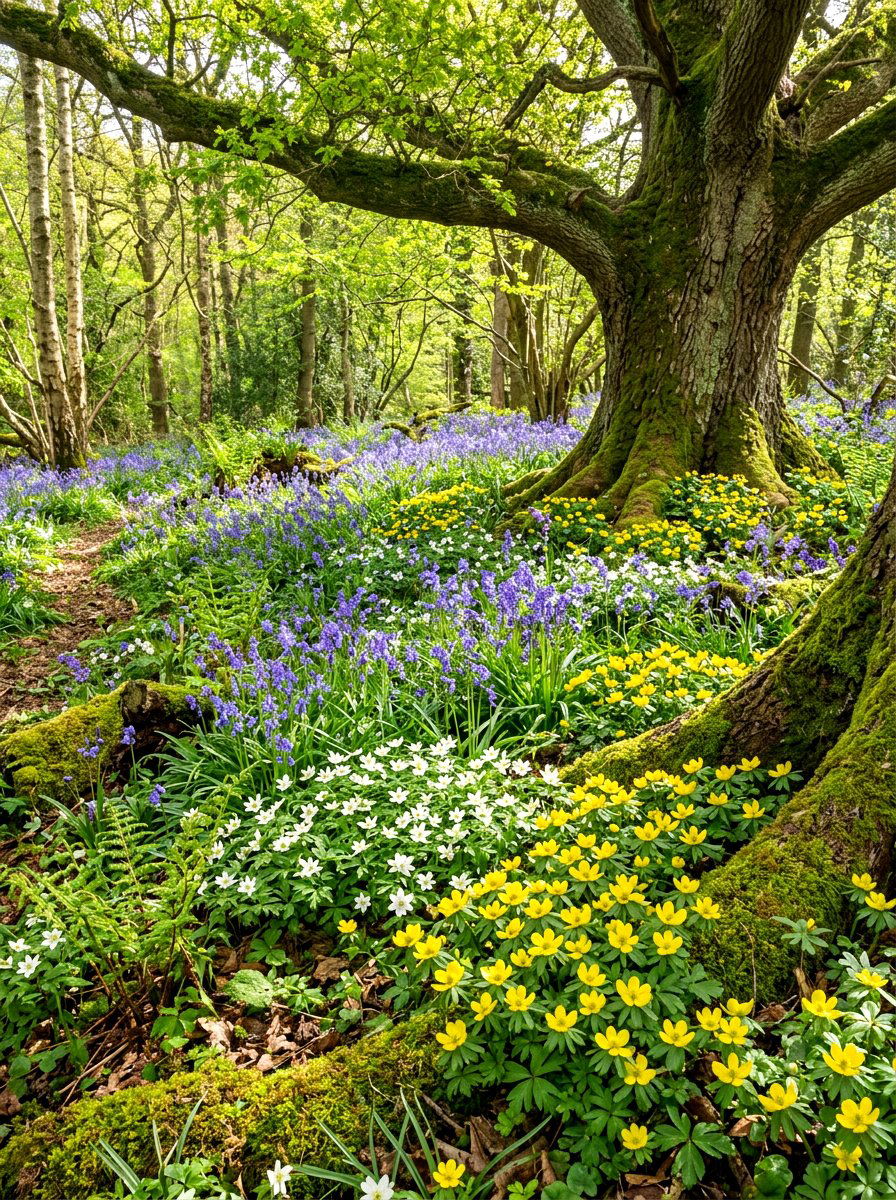
If you have a shaded area under trees, a layered woodland bulb garden can transform it into a magical retreat. This design uses bulbs that thrive in dappled light, such as bluebells, wood anemones, and winter aconites. Start by planting the taller bluebells at the deepest level to provide a vertical backdrop later in the season. Above them, place mid-sized species like scilla or glory-of-the-snow. The top layer should feature the earliest bloomers like snowdrops or aconites. This layering mimics the natural floor of a forest, creating a lush, carpet-like effect that looks incredibly organic. It is a low-maintenance way to bring life to dark garden corners.
5. Allium and tulip mix
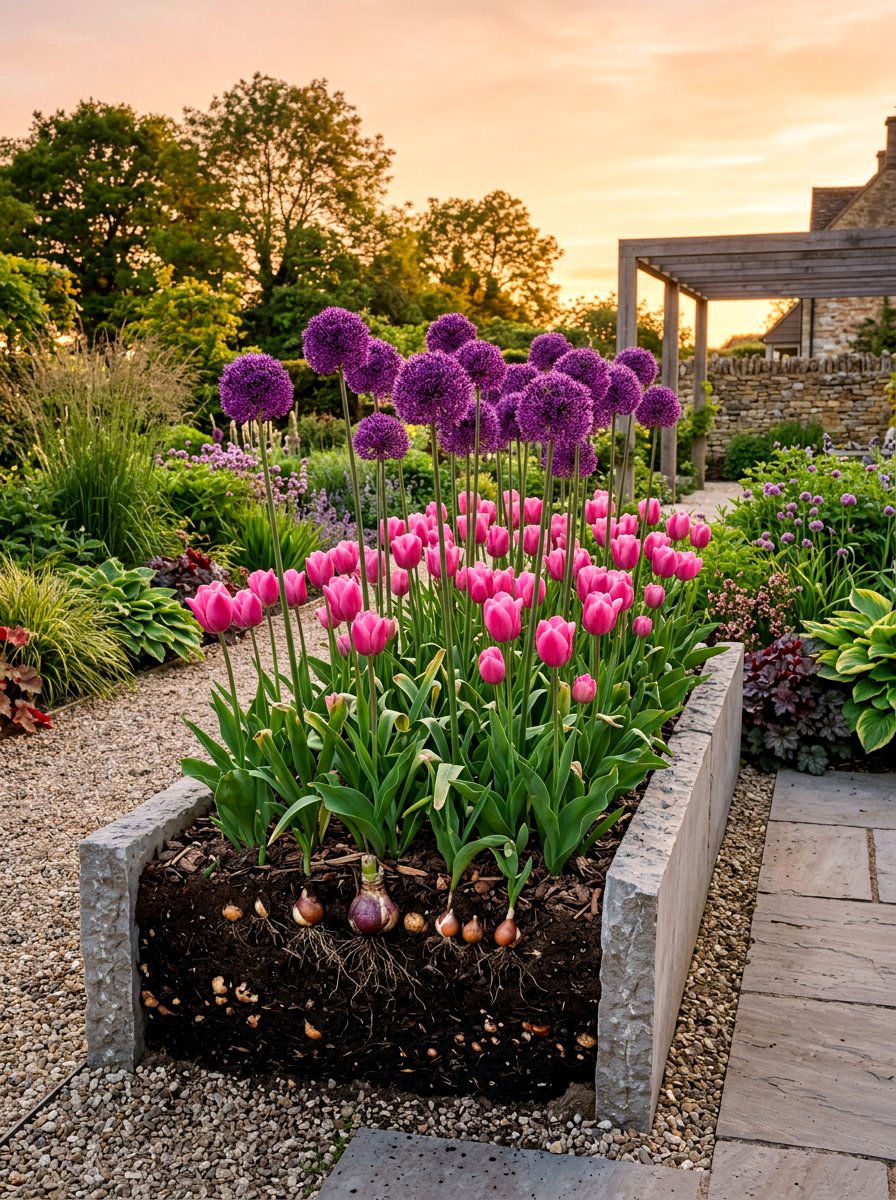
An allium and tulip mix is ideal for gardeners who want a high-drama display that extends into late spring. Alliums are known for their architectural globe shapes, which look stunning when paired with the cup-shaped blooms of traditional tulips. Place the large allium bulbs at the very bottom of the planting hole, as they need significant depth and space for their tall stems. Layer mid-season tulips directly above them to fill the space while the alliums are still growing. By the time the tulips begin to lose their petals, the giant purple allium heads will tower over the remaining green foliage, providing a second wave of interest.
6. Blue grape hyacinth display
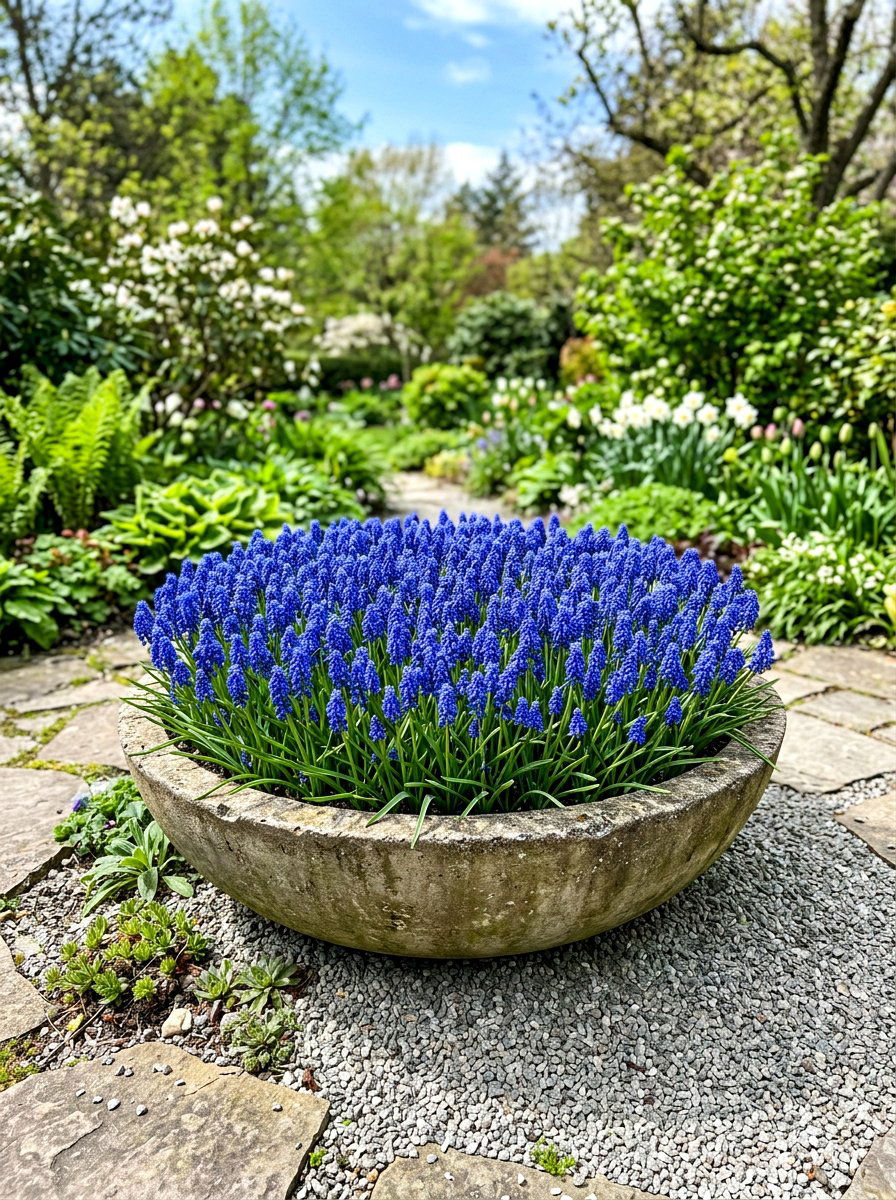
A dedicated blue grape hyacinth display utilizes the layering technique to create a thick, dense carpet of cobalt color. Known as muscari, these bulbs are small but mighty when planted in large quantities. You can layer different varieties of muscari, such as the classic dark blue and a pale sky-blue type, to add depth to the arrangement. Plant them in two distinct levels within a wide, shallow bowl or along a garden path. Because they are so compact, they also work well as the top layer for taller bulbs, but a solo performance creates a modern, monochromatic look that is very popular in contemporary garden designs today.
7. Snowdrop and winter aconite layer
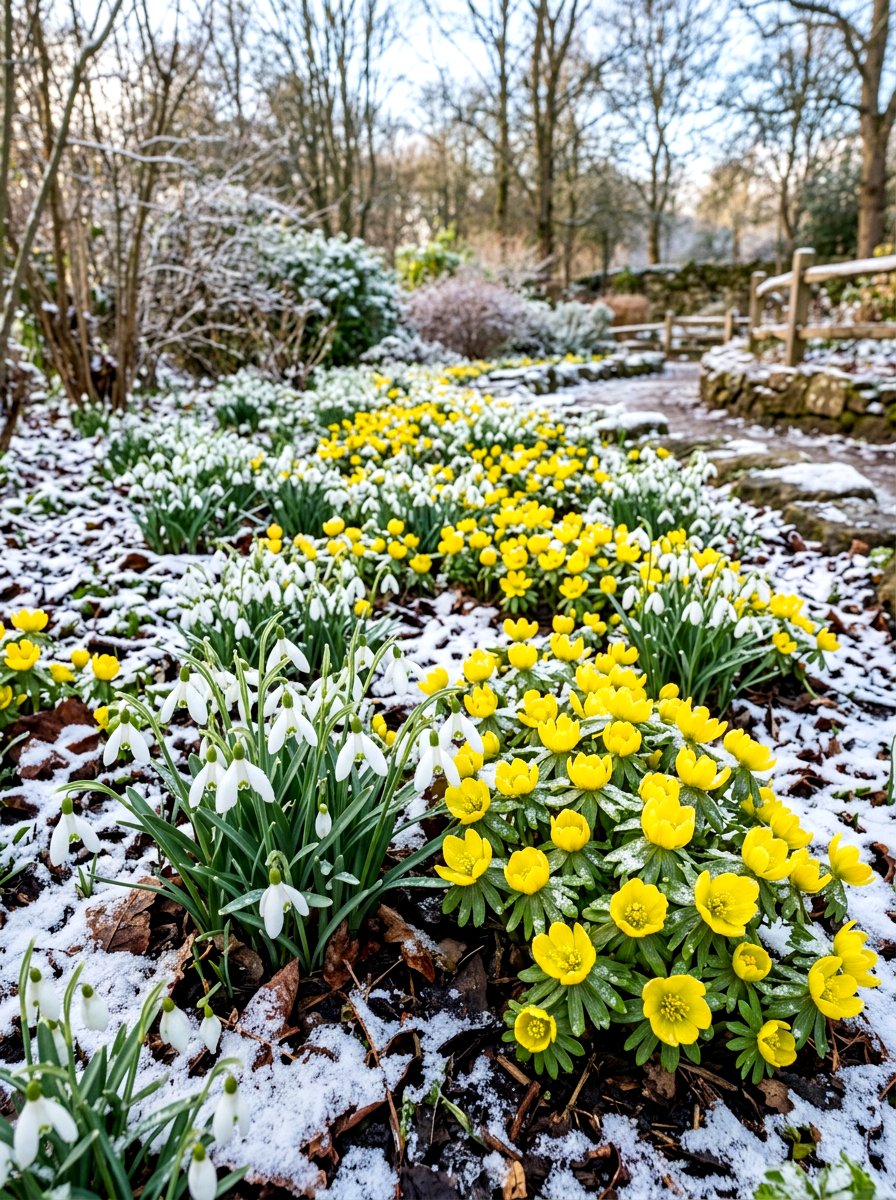
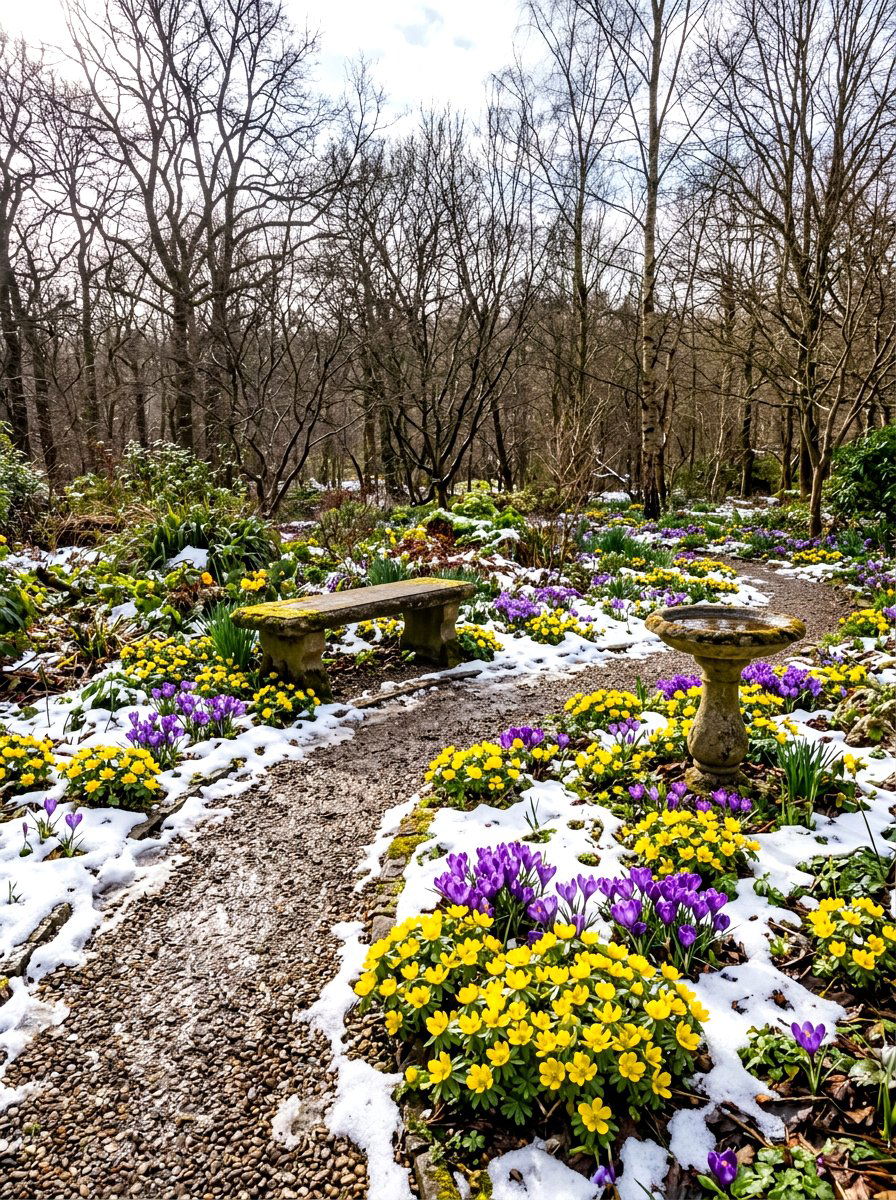
For the earliest possible blooms, a snowdrop and winter aconite layer is the perfect choice for a cold-weather garden. These bulbs often push through the snow, providing a much-needed burst of white and yellow in late January or February. Because both species are quite small, you can layer them closely together in a small pot or a specialized rock garden bed. Plant the snowdrops slightly deeper than the aconites to ensure a slightly staggered appearance as they emerge. This combination is highly resilient and reliable, making it a favorite for northern climates where spring takes its time to arrive. It brings a sense of hope.
8. Fragrant spring bulb arrangement
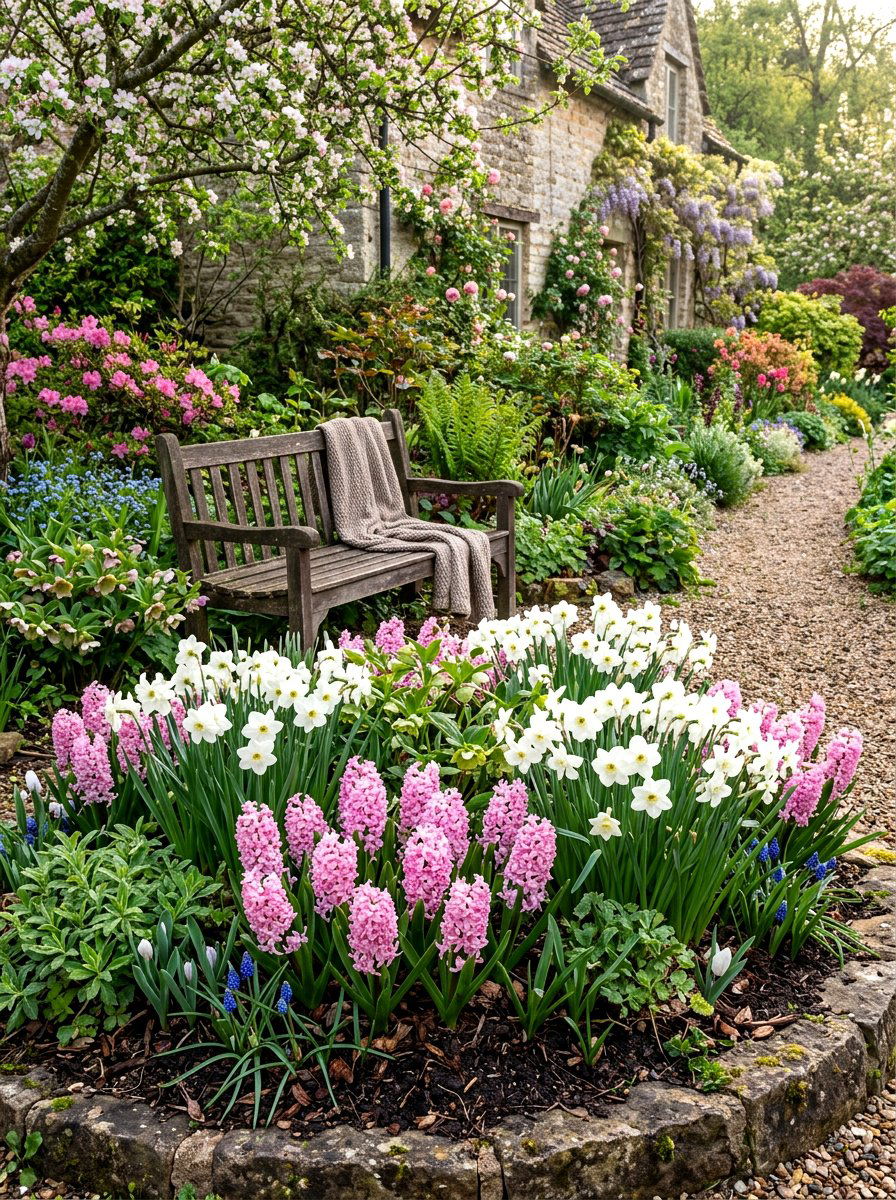
A fragrant spring bulb arrangement prioritizes the sensory experience of the garden by combining the most aromatic varieties. This design typically features layers of hyacinths, fragrant narcissus like 'Paperwhites' , and sweet-smelling tulips. To achieve the best results, place the tulips at the base, the narcissus in the middle, and the hyacinths near the top. As each layer blooms, the scent profile of the container will shift and evolve, providing a constant perfume for your outdoor living area. Placing these pots near windows or doors allows the fragrance to drift indoors on a breeze, enhancing your home environment with the natural scents of a blooming spring.
9. Miniature iris and crocus pot
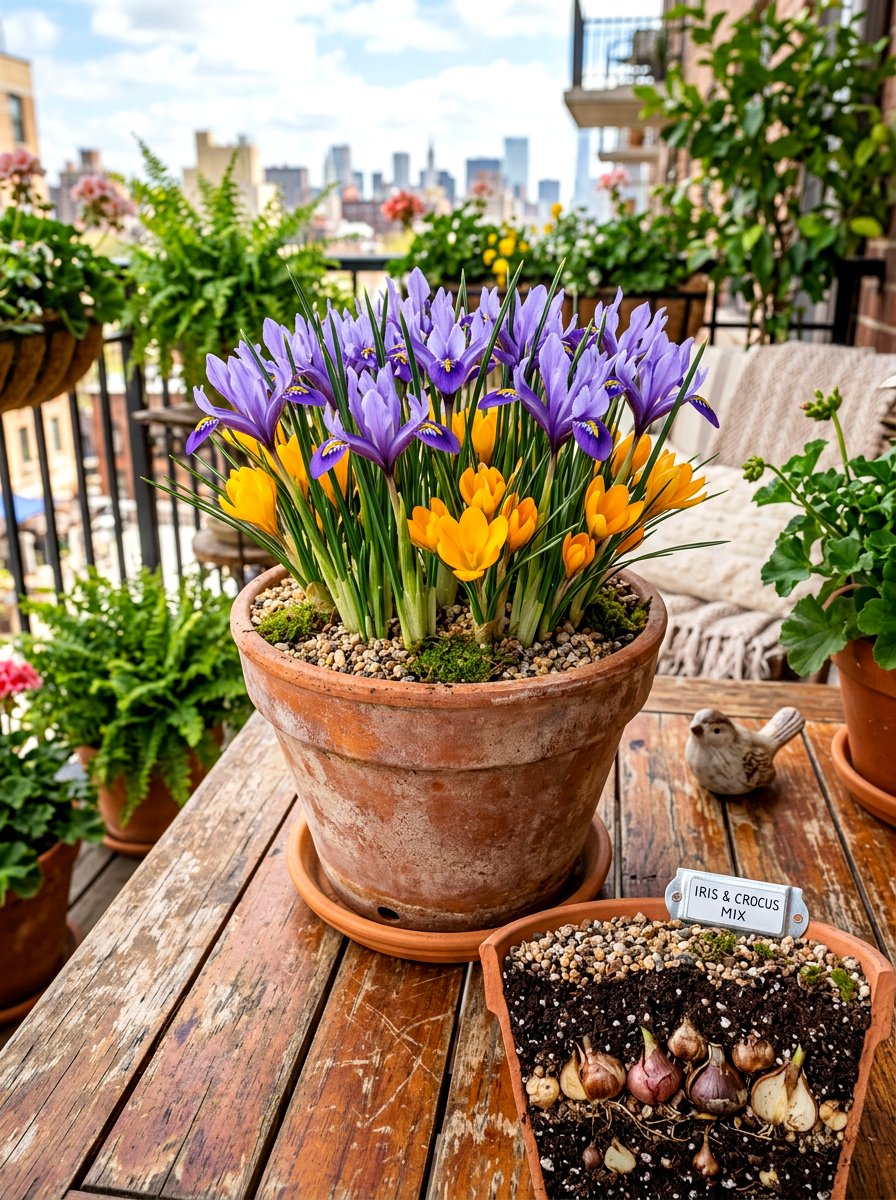
A miniature iris and crocus pot is a delightful way to showcase the intricate beauty of smaller bulb species. These tiny flowers are often overlooked in large landscapes, but they shine when layered in a tabletop container. Plant the dwarf irises, such as Iris reticulata, in the middle layer and the crocuses on the top. Their similar bloom times mean they will often overlap, creating a jewel-toned display of purples, blues, and golds. This combination is particularly effective for urban gardeners with limited space, as it provides a lot of visual interest in a very small area without requiring deep soil or large garden beds.
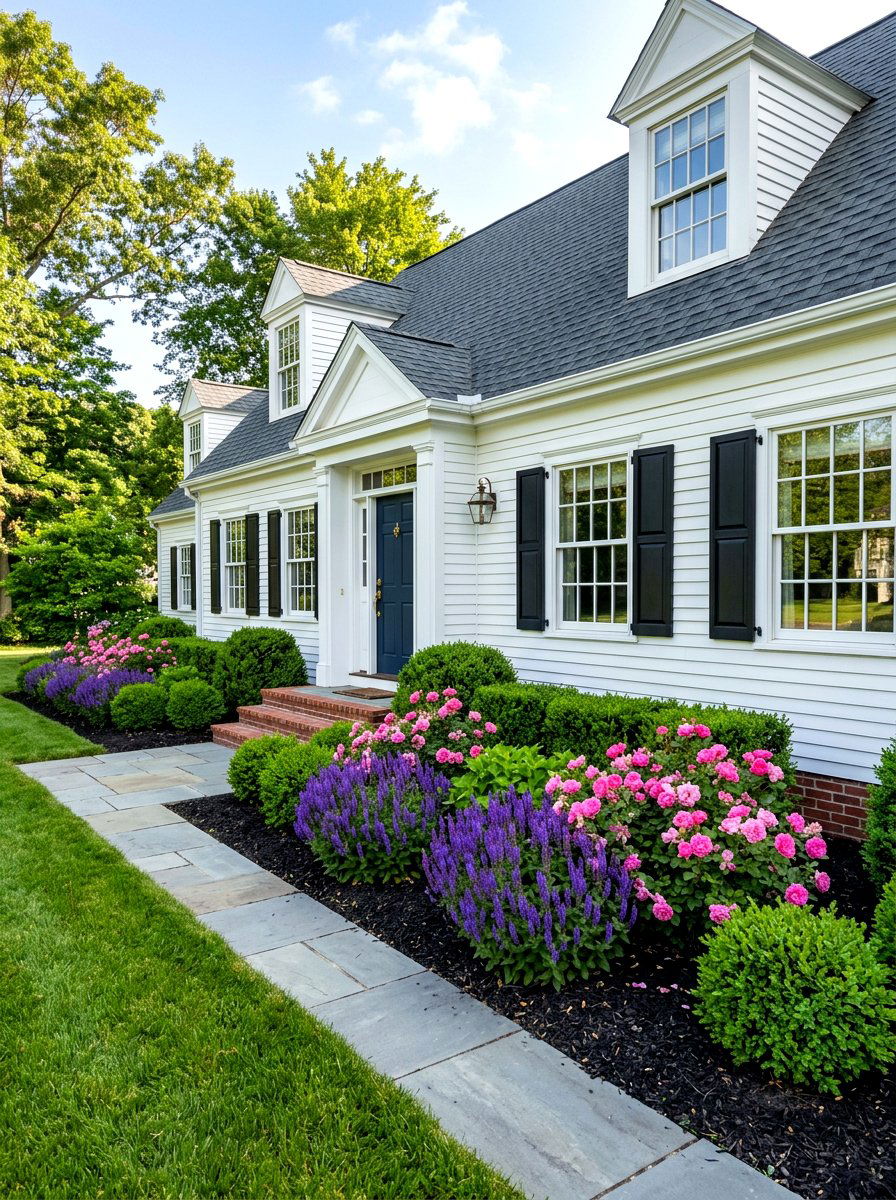
10. White spring bulb theme
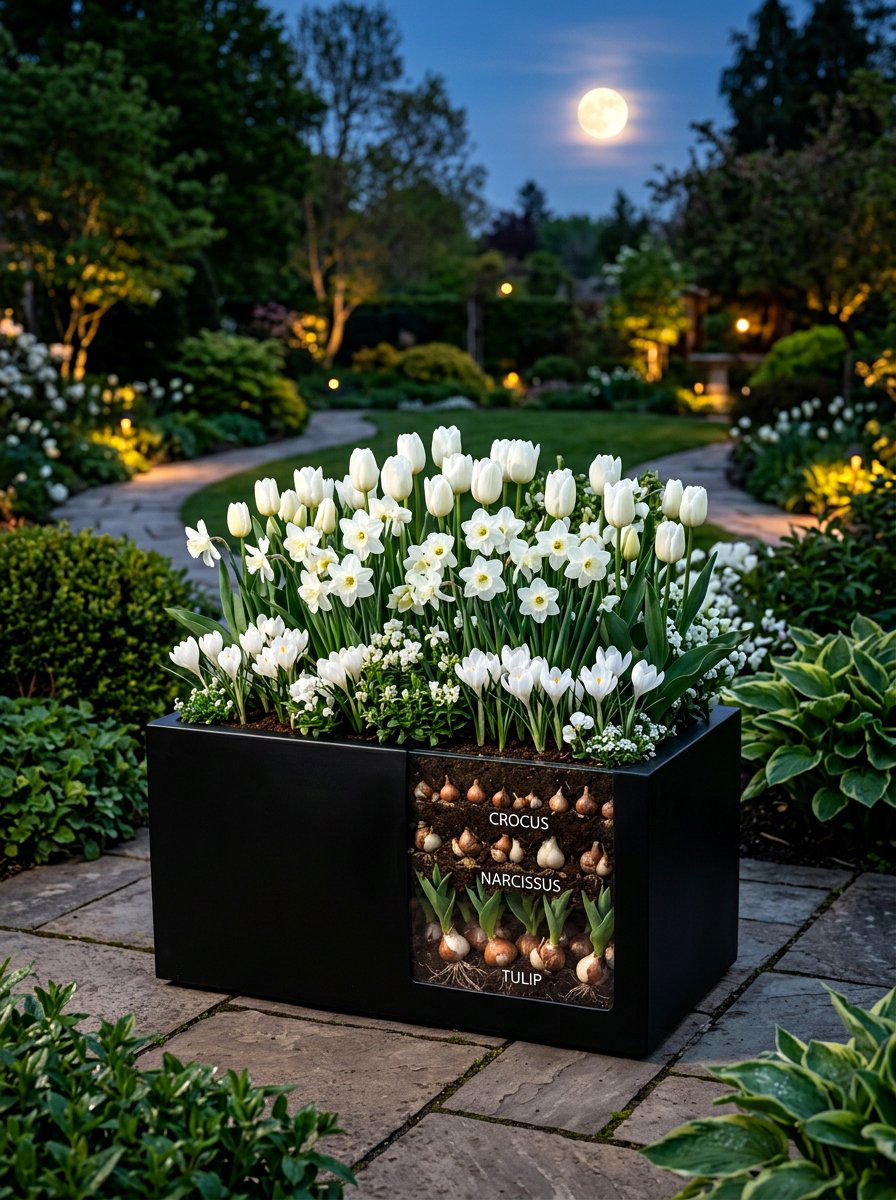
The white spring bulb theme offers an elegant and sophisticated look that brightens up any garden space. By layering white tulips, white daffodils, and white crocuses, you create a "moonlight garden" effect that glows in the evening. Start with large 'Mount Tacoma' tulips at the bottom, add 'Thalia' daffodils in the middle, and finish with 'White Pearl' crocuses on top. This monochromatic approach emphasizes the different textures and shapes of the flowers rather than their colors. It looks exceptionally clean and modern when paired with dark green foliage or placed in a sleek grey or black container for a high-contrast, professional garden finish.
11. Red and yellow tulip layer
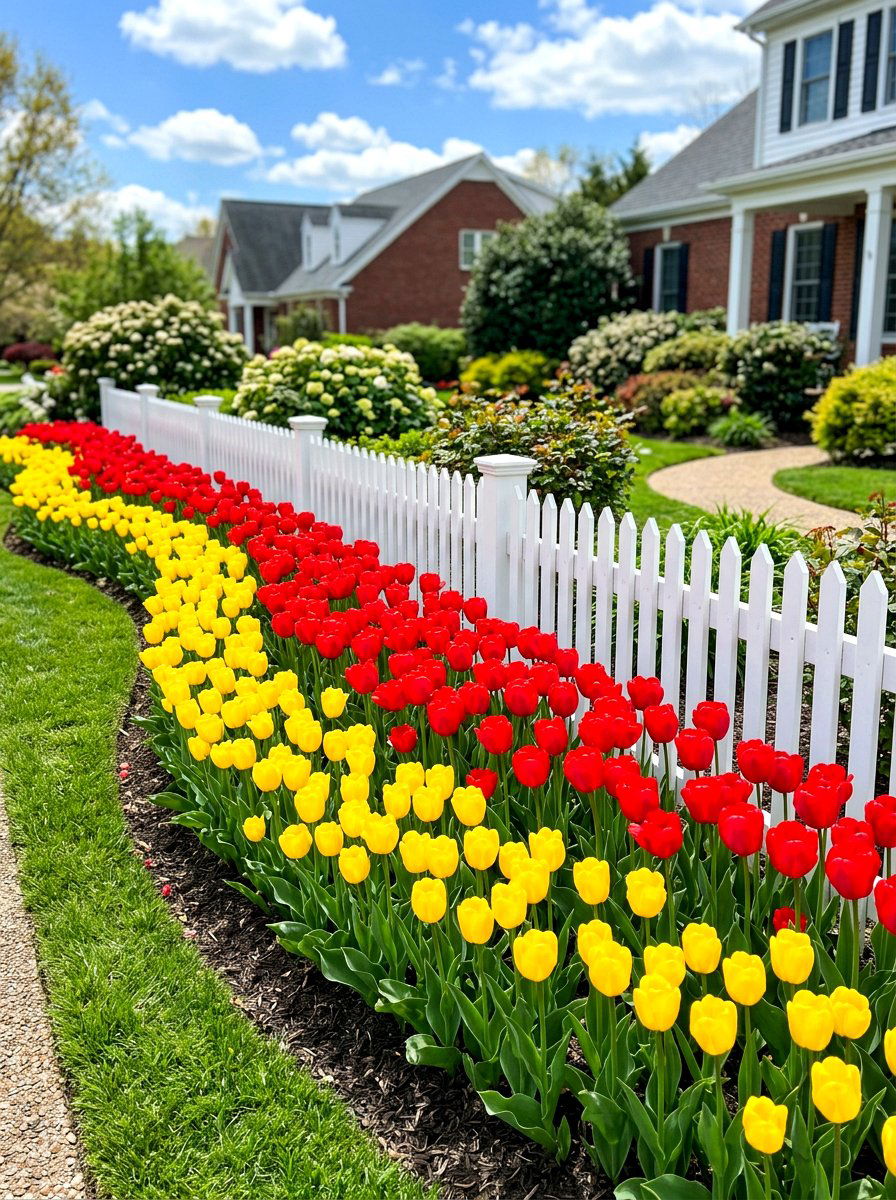
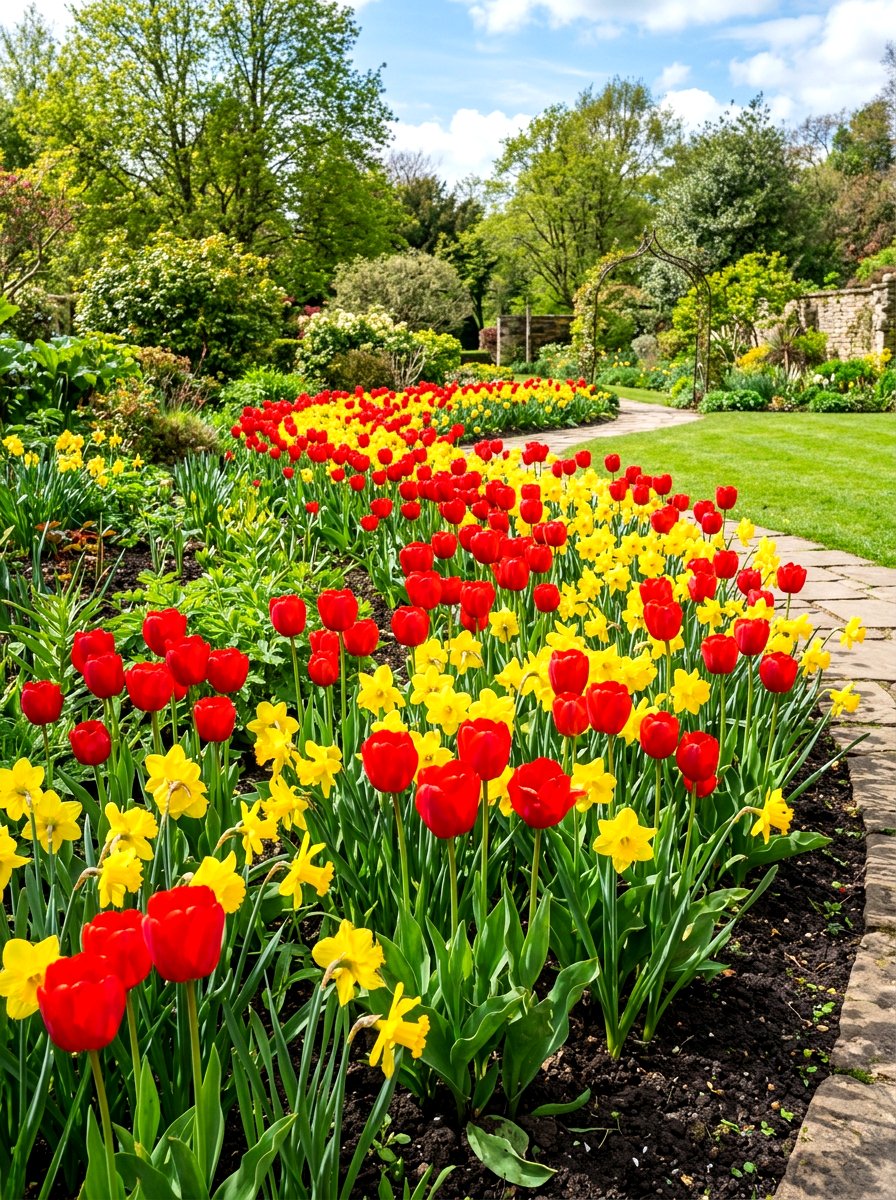
A red and yellow tulip layer creates a fiery and energetic display that demands attention from a distance. This combination is perfect for front yards or curb-side plantings where you want to make a bold statement. Use two different types of tulips with slightly different bloom times to extend the show. Layer late-blooming red parrot tulips at the bottom and early-blooming yellow triumph tulips on top. As the yellow flowers begin to fade, the dramatic red tulips will emerge to take over the space. This high-energy color palette is classic and traditional, bringing a sense of warmth and excitement to the early spring garden landscape.
12. Purple and pink bulb collection
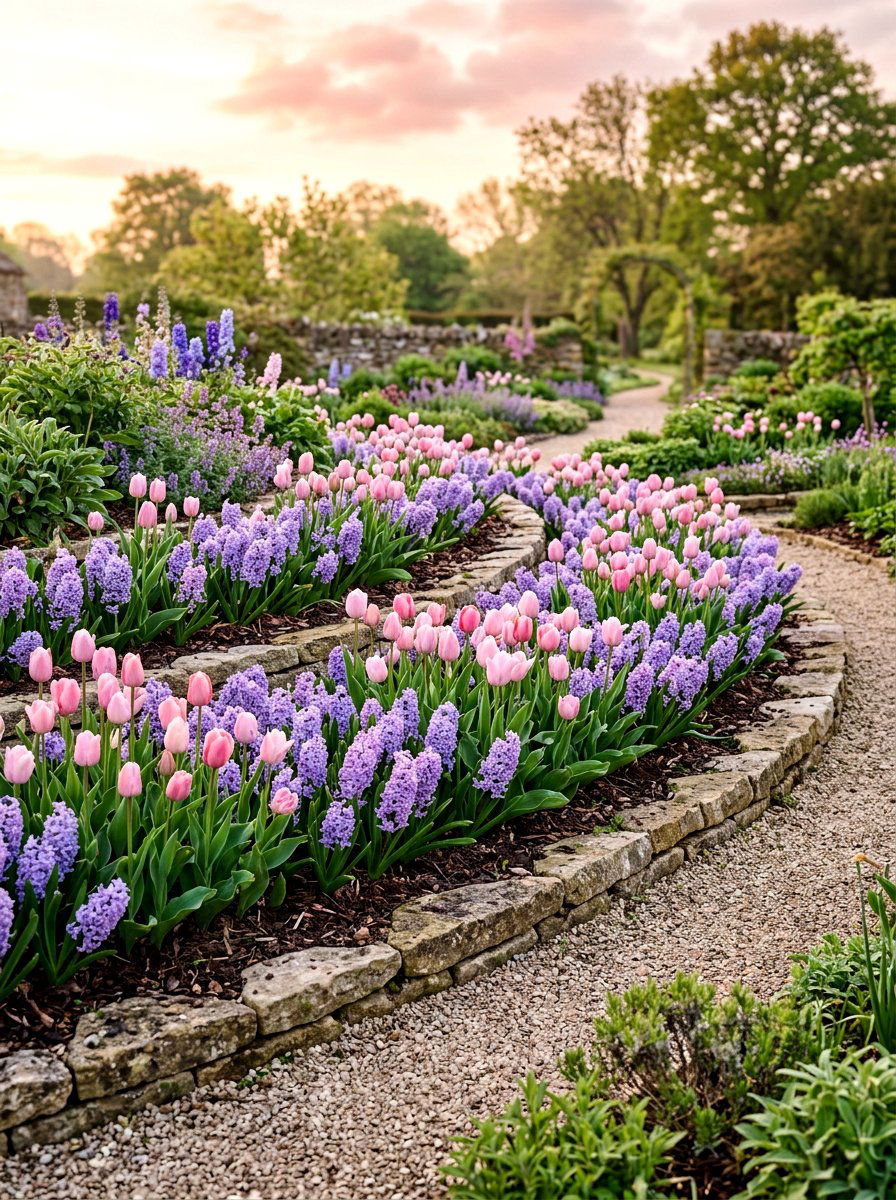
The purple and pink bulb collection is a romantic and soft design that works well in cottage-style gardens. This theme uses layers of deep purple alliums, soft pink tulips, and lavender-colored hyacinths. The varying shades of these cool tones create a harmonious and calming atmosphere. Plant the alliums at the deepest level, followed by the tulips, and finish with the hyacinths. The result is a lush, multi-textured display that feels very intentional and professionally designed. This color scheme is also highly attractive to early-season butterflies and bees, making it a functional choice for those who want to support local wildlife while enjoying a beautiful view.
13. Early spring bulb container
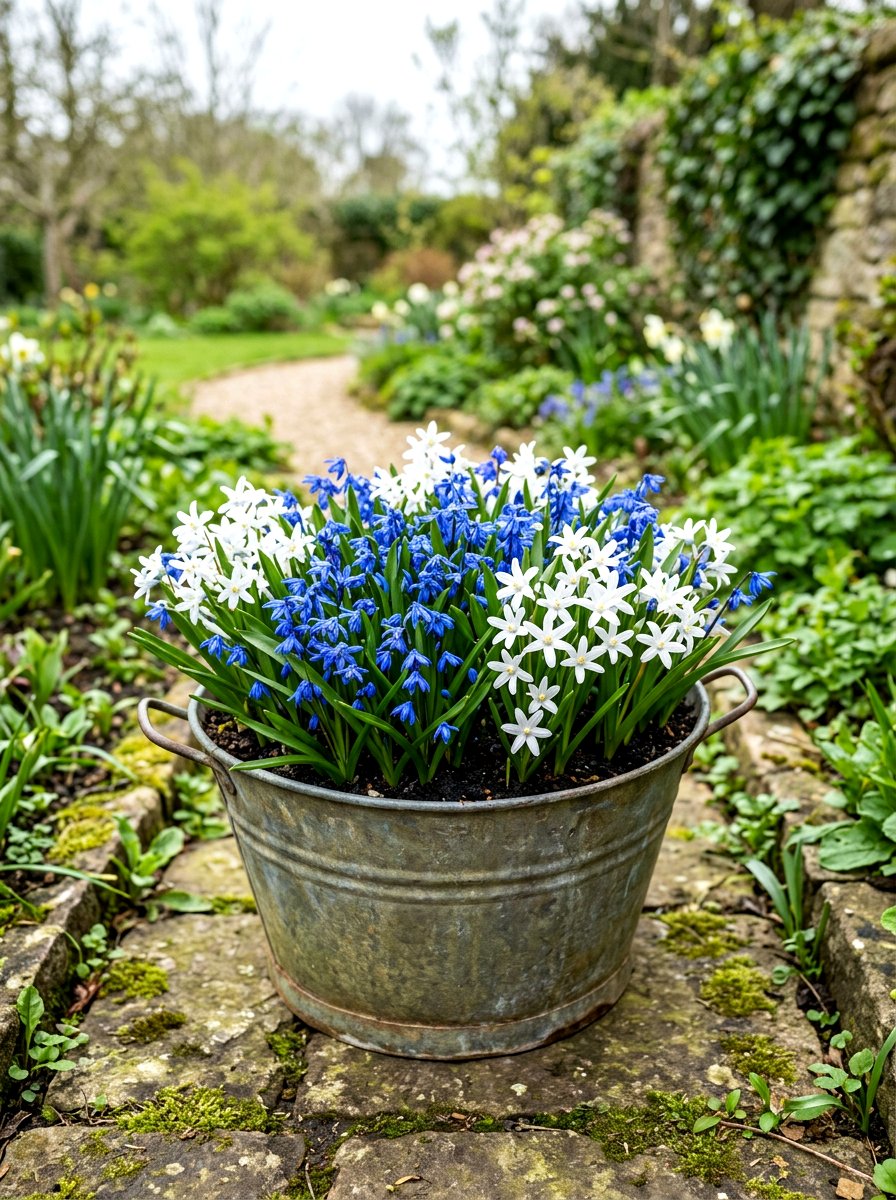
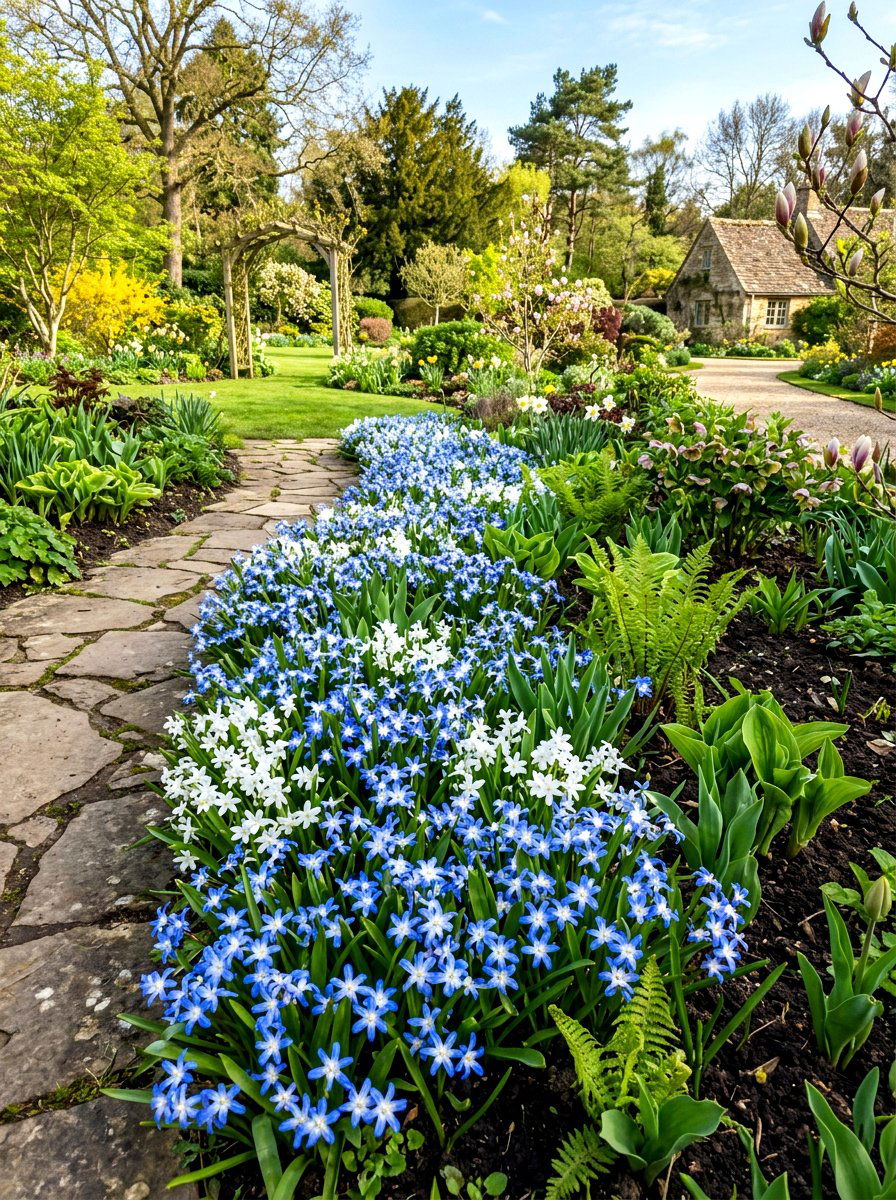
An early spring bulb container is designed specifically to bridge the gap between winter and the full bloom of spring. This layer focuses on "minor bulbs" that are small but very cold-tolerant. Combine species like glory-of-the-snow, scilla, and early crocus varieties in a single pot. By layering them at slightly different depths, you ensure that as soon as the ground thaws, you have a continuous flow of color. This is an excellent choice for northern regions where the growing season is short. These bulbs are generally very affordable, allowing you to plant them in large quantities for a dense and impressive floral display every year.
14. Late season bulb layering
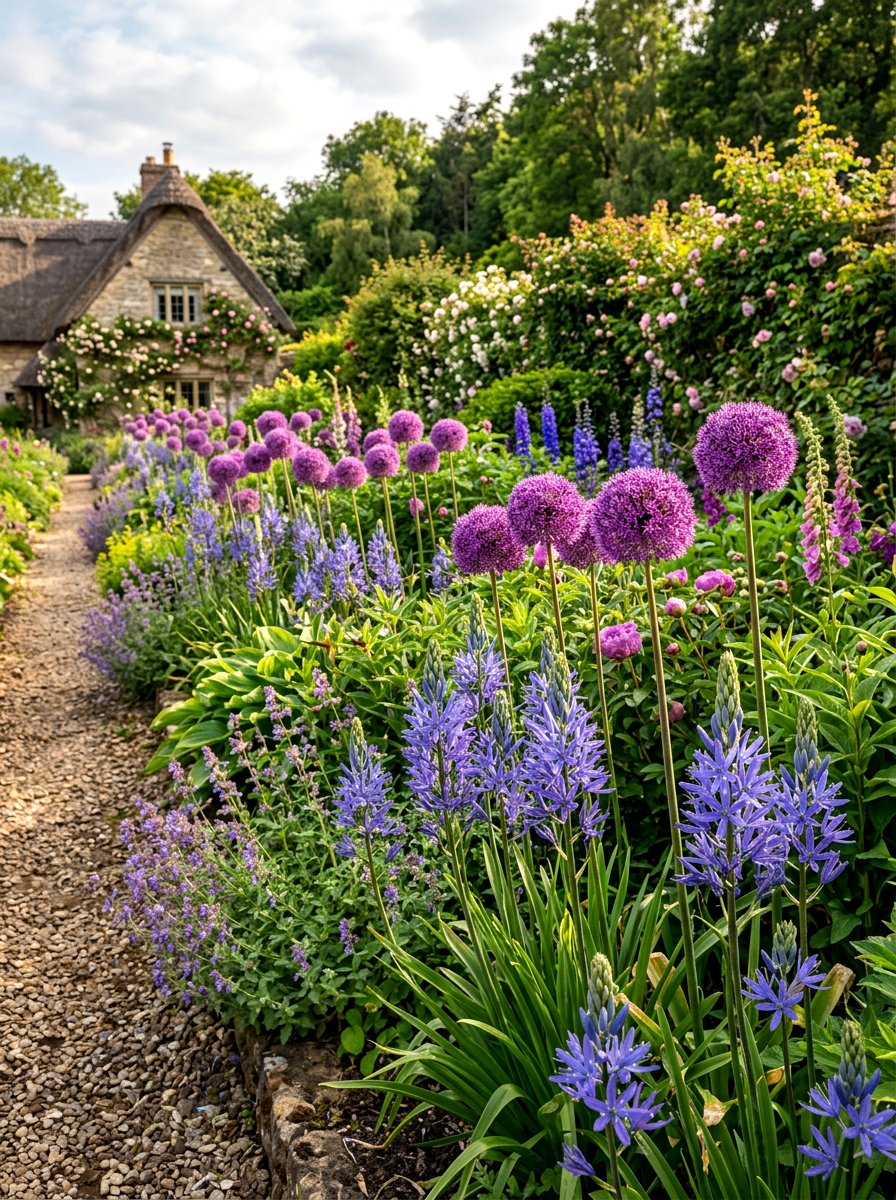
Late season bulb layering focuses on the flowers that bloom as spring transitions into summer. This usually includes late-flowering tulips, giant alliums, and camassia. By planting these larger bulbs in layers, you can create a towering display of color that stands tall above the emerging perennial foliage in your garden beds. The depth required for these bulbs is greater than for early spring varieties, so ensure you have a deep planting hole or a very large pot. This design is perfect for filling the "June gap" when many spring flowers have finished but summer perennials have not yet reached their peak. It keeps the garden lively.
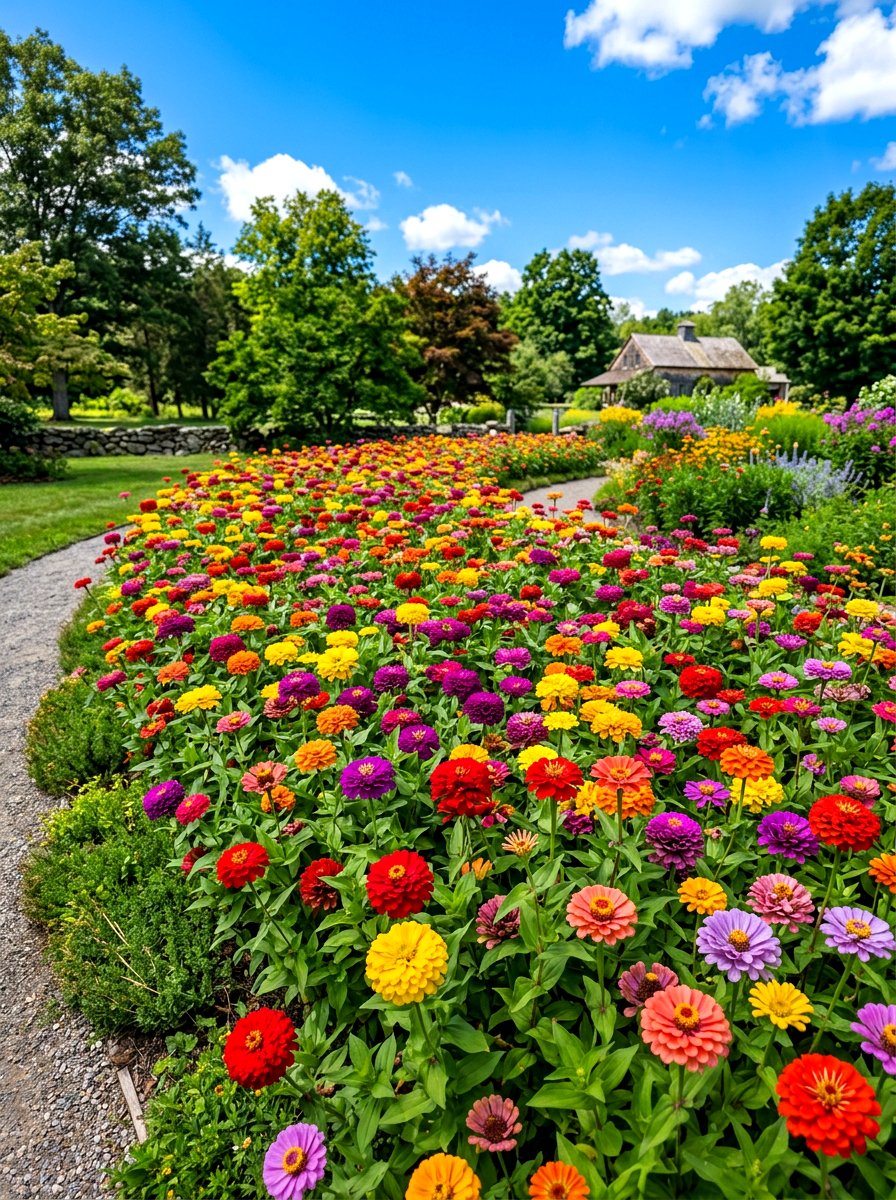
15. Pollinator friendly bulb garden
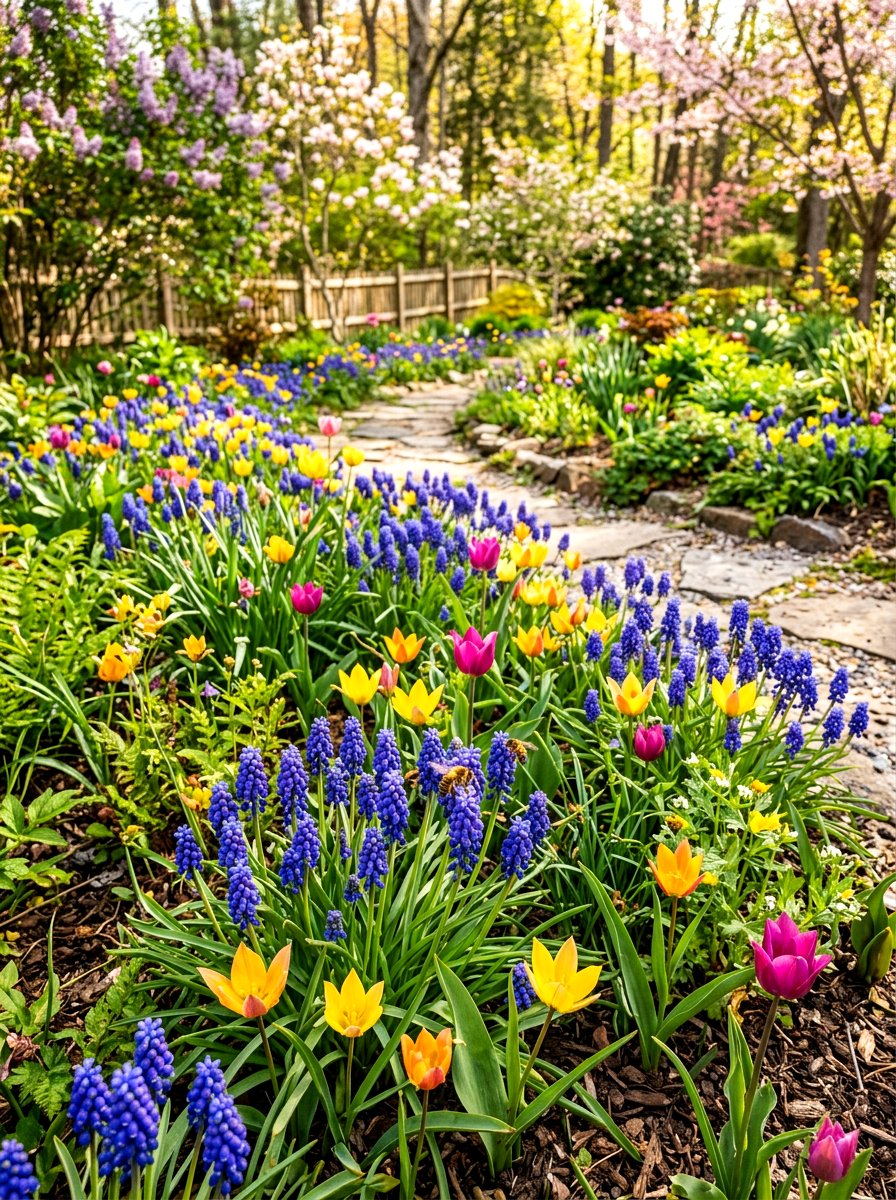
A pollinator friendly bulb garden uses the layering technique to provide a steady source of nectar for bees and butterflies. Select bulbs like single-flowered crocuses, grape hyacinths, and wild-type tulips which are easier for insects to access. Layering these ensures that there is always something in bloom for the pollinators as they emerge from hibernation. Plant the tulips at the base, the muscari in the middle, and the crocuses on top. This approach not only looks beautiful but also plays a vital role in the local ecosystem. It is a wonderful way to combine environmental responsibility with a passion for beautiful, well-designed home garden spaces.
16. Dwarf narcissus and scilla
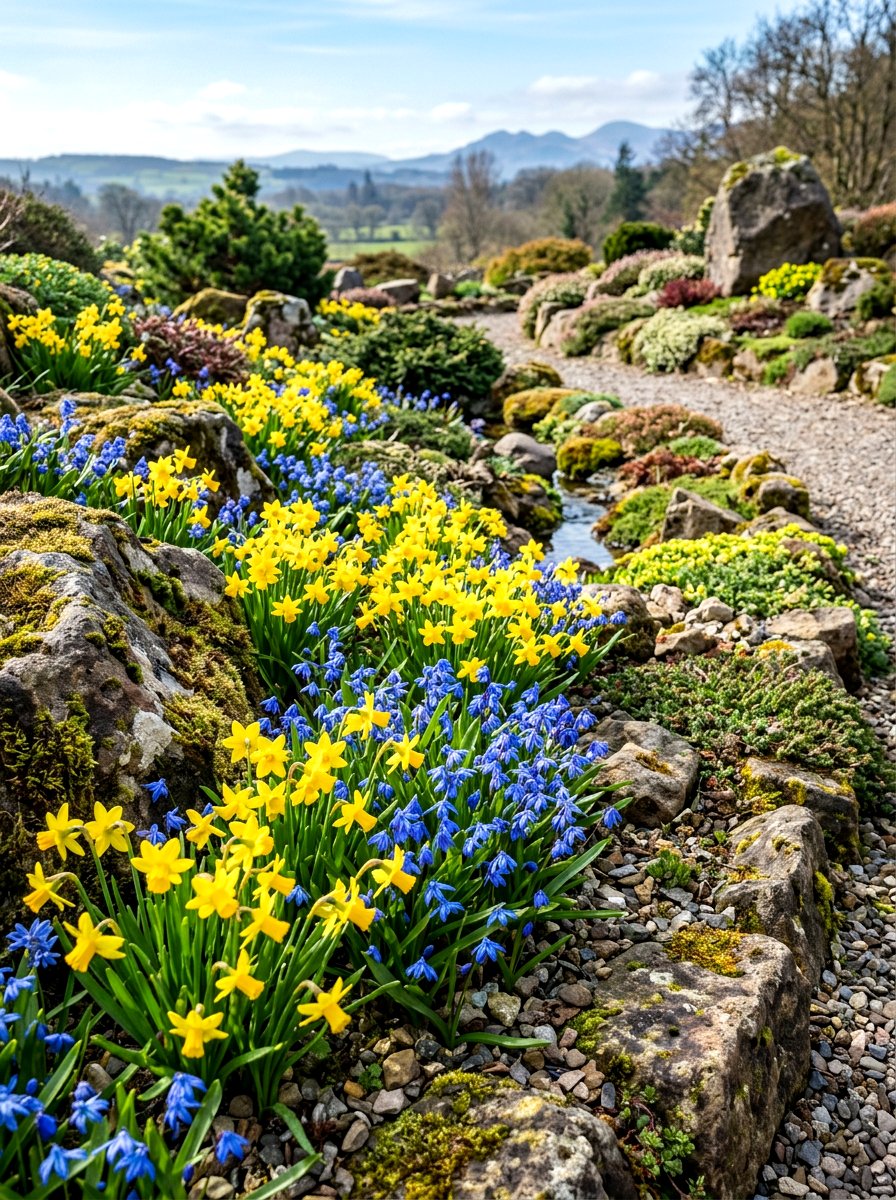
The dwarf narcissus and scilla combination is a charming duo that creates a sea of yellow and blue. These bulbs are much smaller than their full-sized relatives, making them ideal for layering in rock gardens or along the edges of pathways. Plant the 'Tete-a-Tete' daffodils about five inches deep and the Siberian squill (scilla) about three inches deep. The bright yellow trumpets of the daffodils contrast beautifully with the nodding blue bells of the scilla. Because both are relatively low-growing, they won't flop over in the wind, making them a sturdy and reliable choice for exposed garden locations or windy balconies.
17. Giant allium and camassia bed
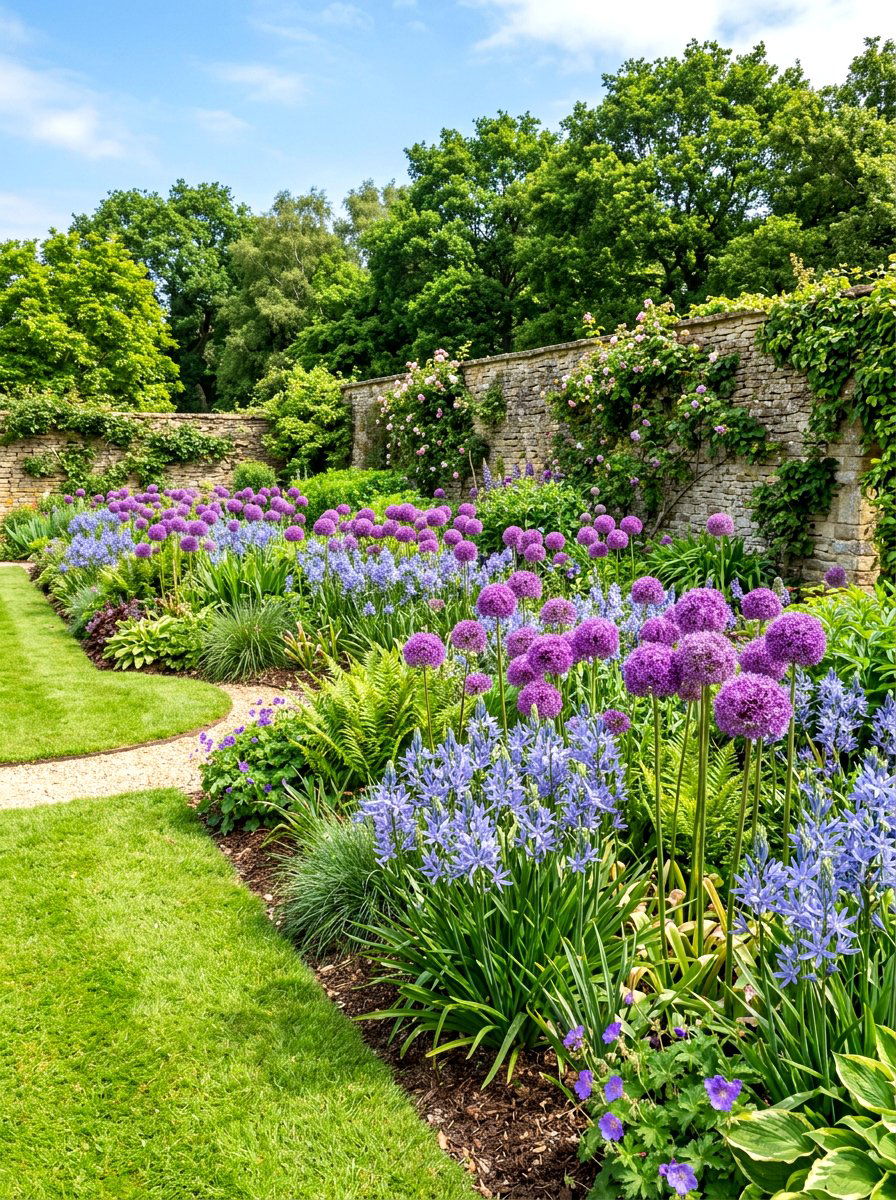
For a truly architectural look, try a giant allium and camassia bed. Both of these bulbs produce tall, striking flower spikes that add height and structure to the back of a border. Layer them by planting the alliums at the very bottom and the camassia just above them. The camassia will typically bloom first with its starry blue flowers, followed closely by the massive purple globes of the allium. This vertical layering ensures that your garden has a strong focal point during the late spring months. The spent flower heads of the alliums can even be left in place as a decorative element throughout the summer.
18. Pastel mixed bulb planter
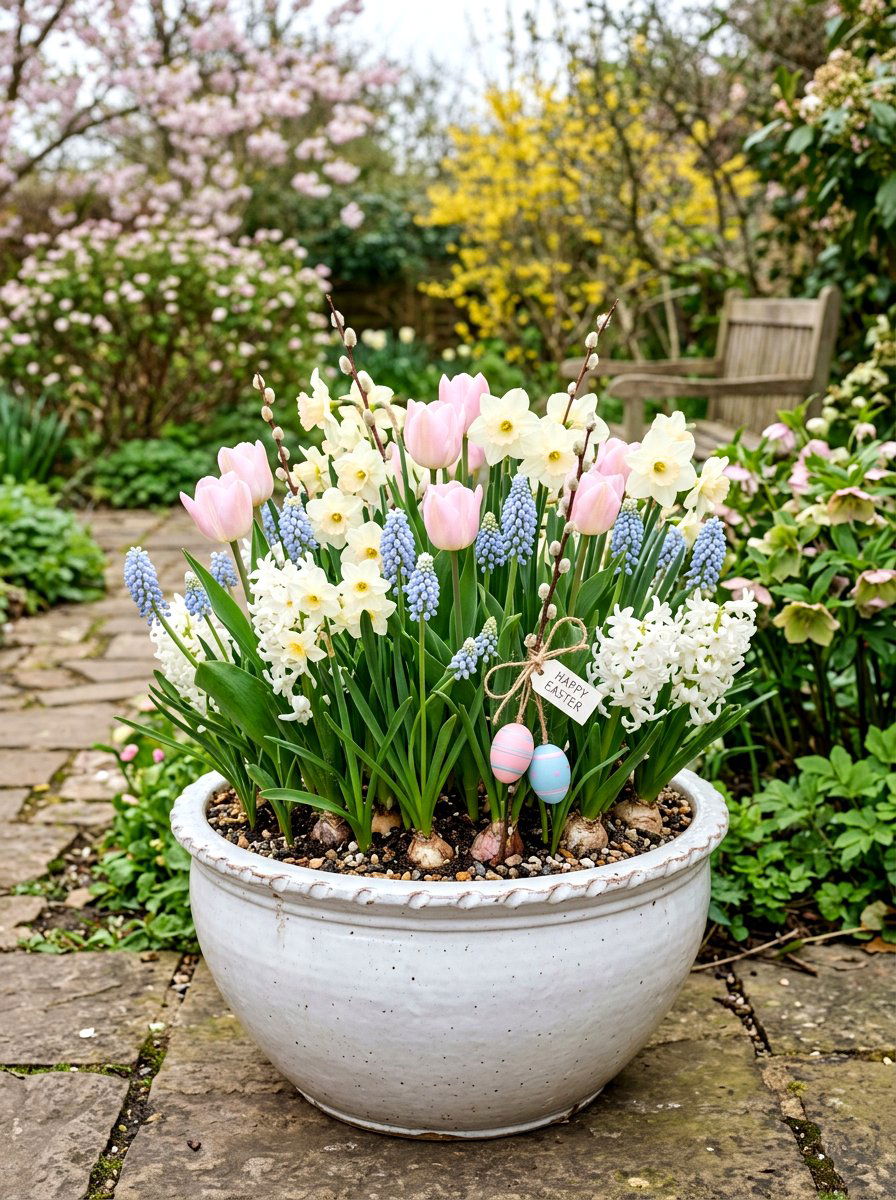
A pastel mixed bulb planter offers a soft, dreamy aesthetic that is perfect for celebrating the arrival of Easter or the early days of spring. Use layers of pale pink tulips, light blue hyacinths, and creamy white crocuses. This color palette is very popular on Pinterest because it looks clean, fresh, and inviting. To get the best look, ensure the different layers are packed tightly together so that the resulting display is thick and lush. This design works exceptionally well in light-colored containers like white ceramic or light grey stone, which help to emphasize the delicate hues of the flowers and the soft green stems.
19. Naturalized lawn bulb layer
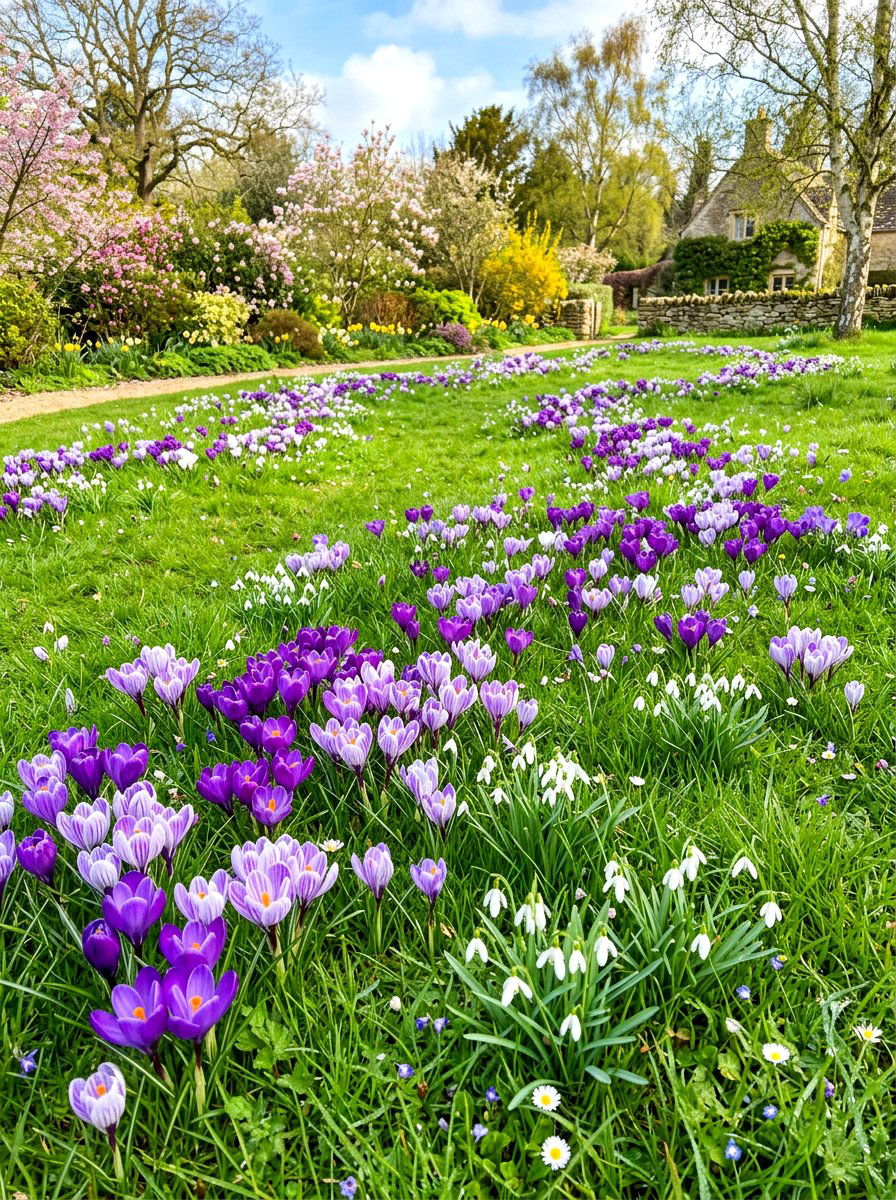
Naturalizing bulbs in a lawn is a unique way to apply the layering technique directly into your landscape. You can layer small bulbs like crocuses and snowdrops under the turf to create a wildflower meadow effect in early spring. Simply lift a small piece of sod, plant the bulbs at two different depths, and replace the grass. The bulbs will grow through the grass and bloom before the first mowing is necessary. This approach is perfect for low-maintenance areas or for adding a touch of whimsy to a traditional suburban yard. It creates a surprising and delightful burst of color right under your feet.
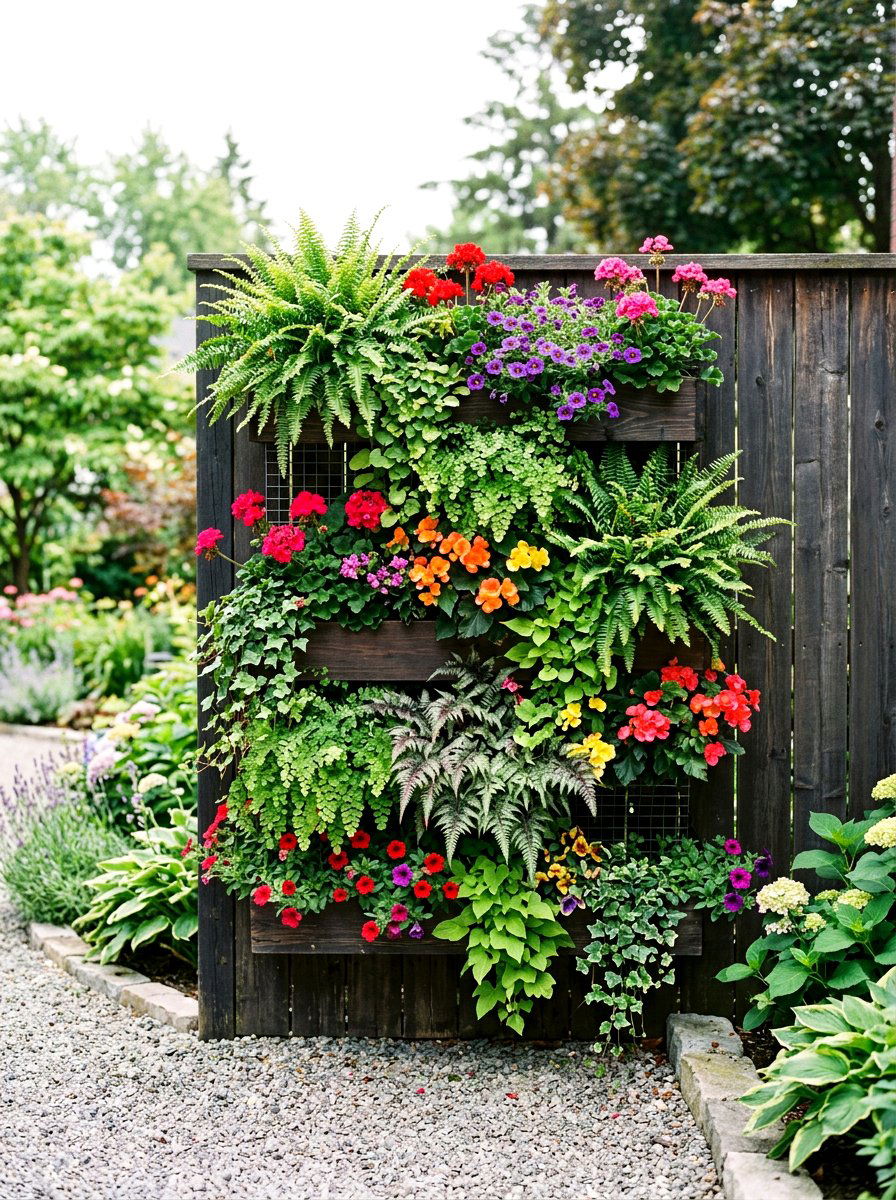
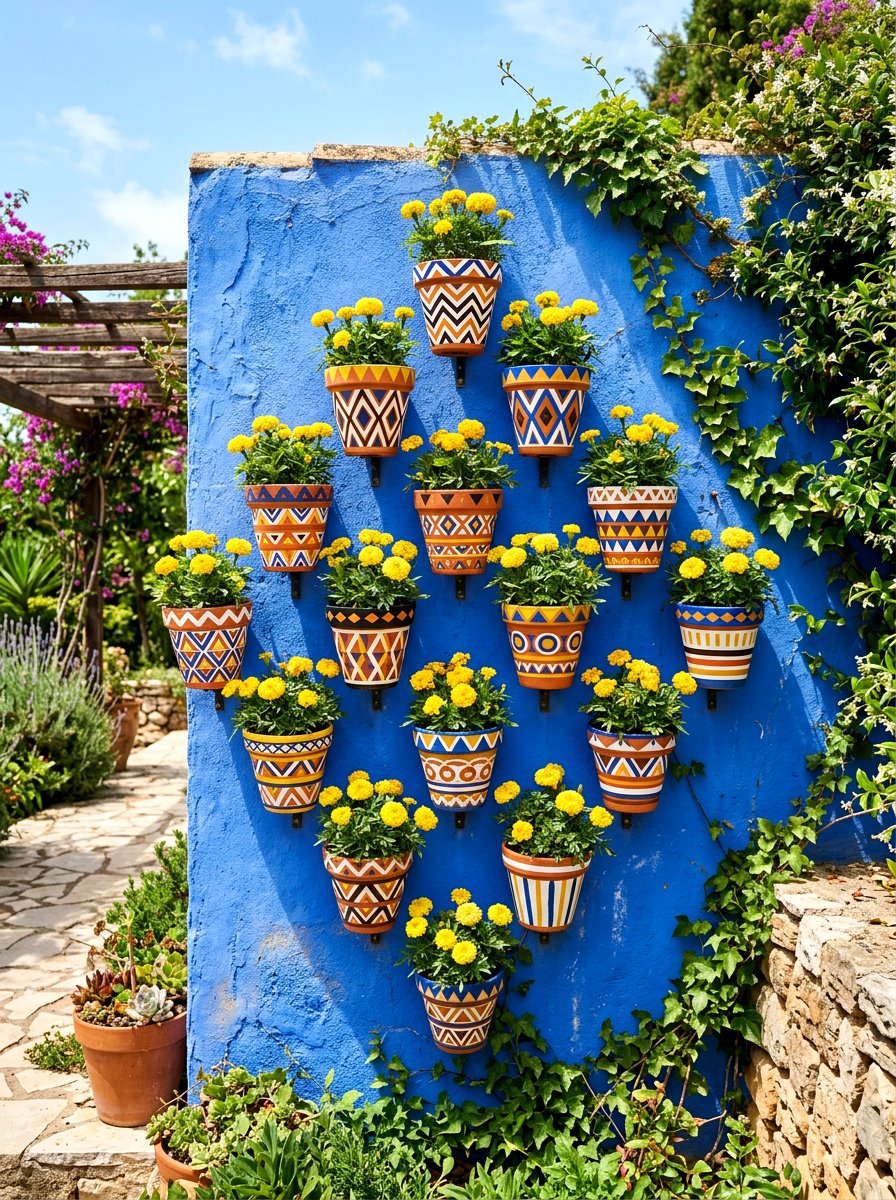
20. Terracotta pot bulb project
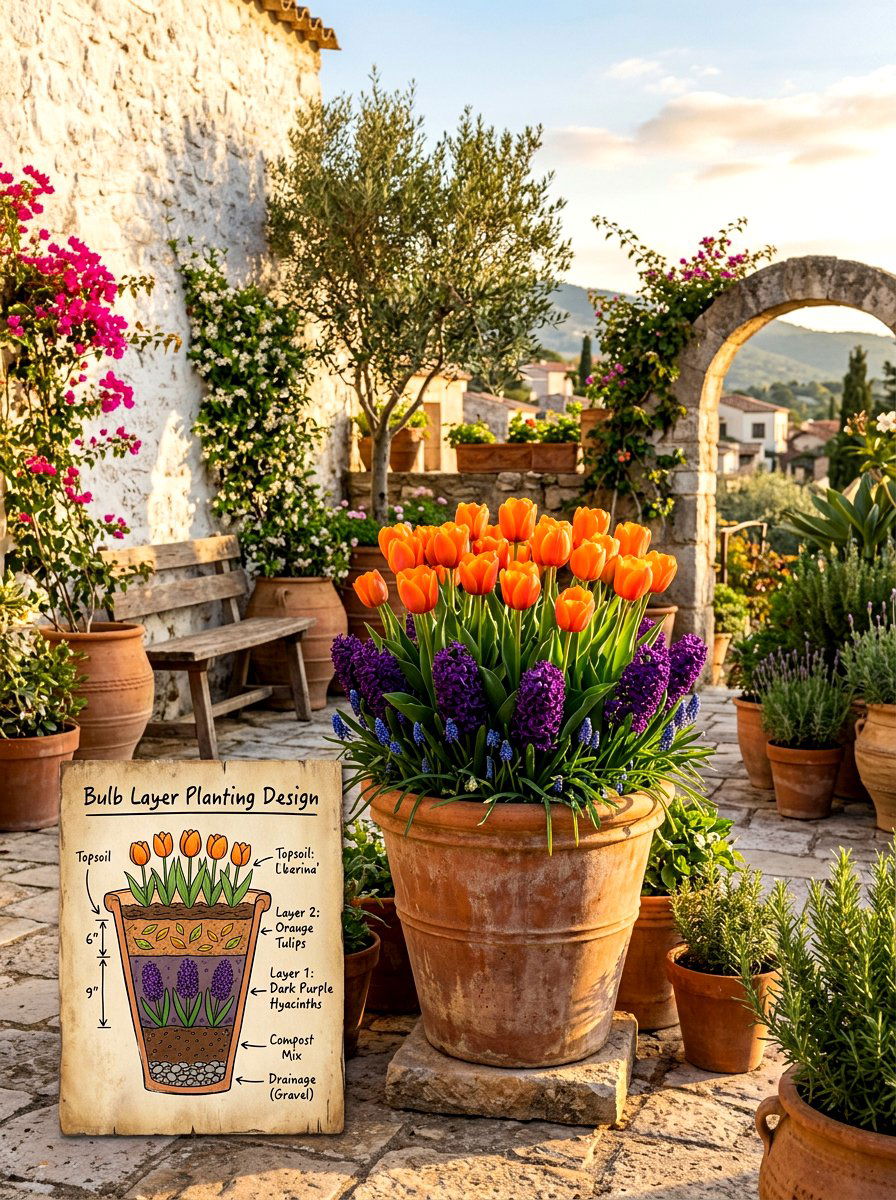
A terracotta pot bulb project focuses on the traditional and rustic look of clay containers paired with classic spring flowers. Terracotta is breathable, which is excellent for bulb health as it prevents the soil from becoming waterlogged. Layer a mix of orange tulips and dark purple hyacinths for a high-contrast, Mediterranean-inspired look. The warm tones of the clay complement the vibrant flower colors beautifully. This project is a great way to practice the lasagna technique because you can easily see the different soil levels as you work. These pots look wonderful grouped together on a sunny patio or lined up along a garden wall.
21. Shady garden bulb mix
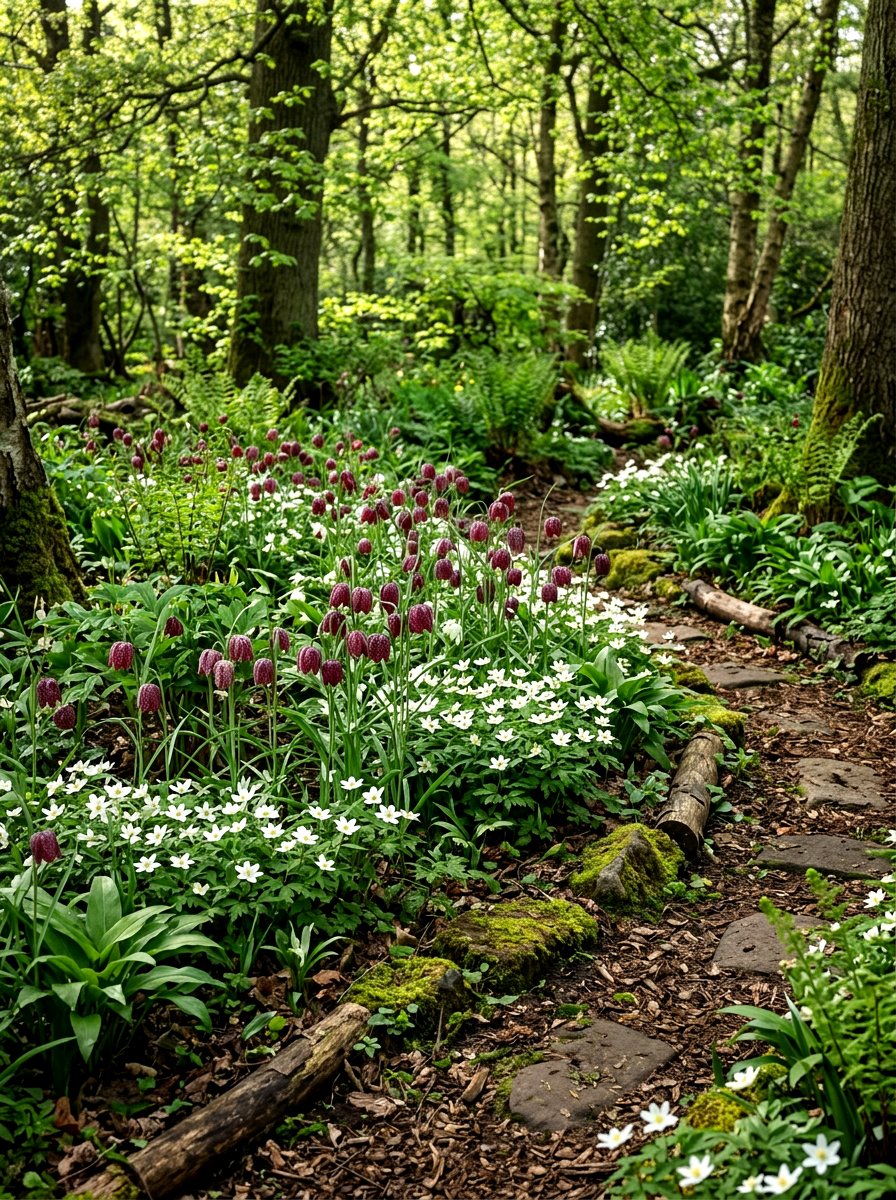
Finding flowers for shade can be difficult, but a shady garden bulb mix solves this problem with layered woodland species. Combine erythronium (dog’s tooth violet) , fritillaria meleagris (snake’s head fritillary) , and anemone blanda. These bulbs are specifically adapted to low-light conditions and offer unique shapes and patterns. Layer the fritillaria at the bottom, the erythronium in the middle, and the anemones on top. The result is a subtle and intricate display that rewards close inspection. This design is perfect for those "problem areas" under large shrubs or on the north side of a house where traditional sun-loving spring bulbs often fail to bloom.
22. Sunny border bulb pairing
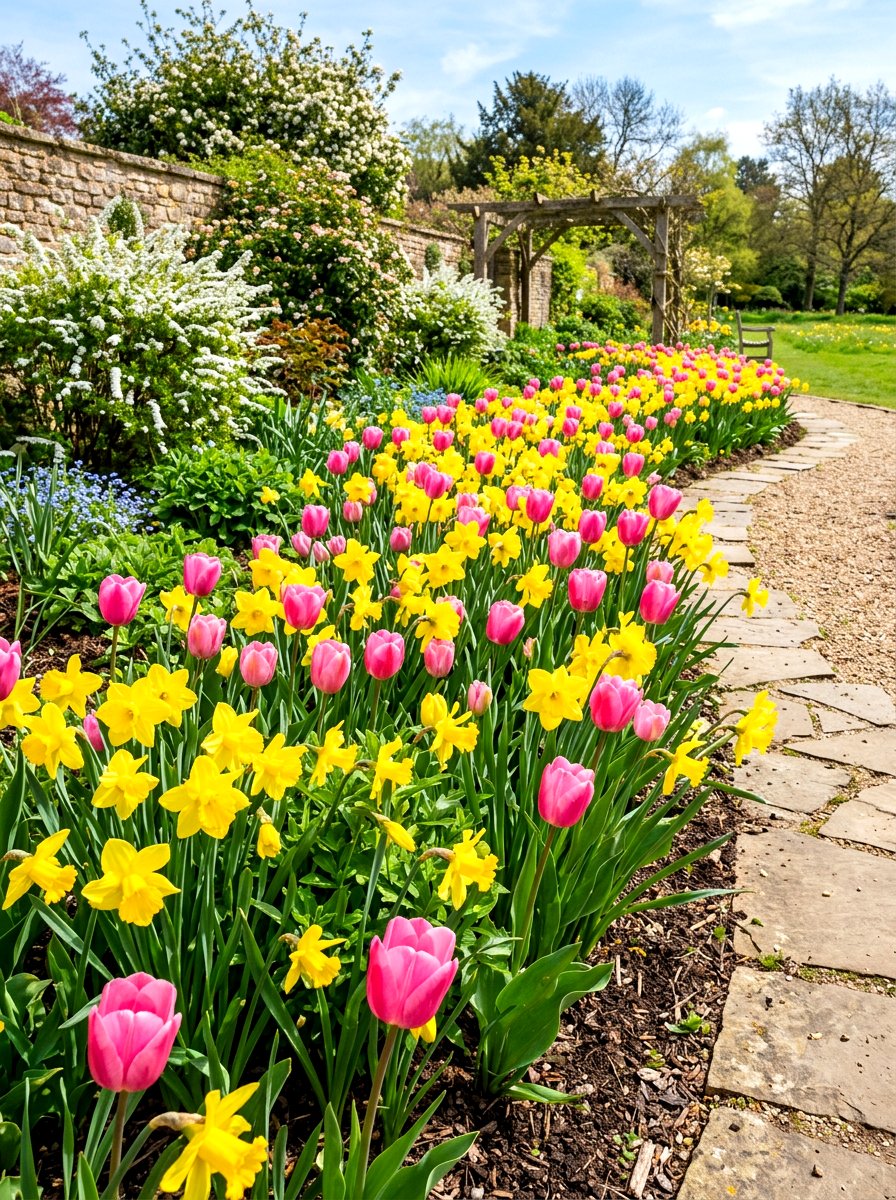
A sunny border bulb pairing takes advantage of the bright light to grow the most vibrant and sun-loving varieties. This design often features layers of 'Darwin Hybrid' tulips and large-cupped daffodils. These bulbs require at least six hours of direct sunlight to perform their best. Plant them in large drifts along the front of your house or near a sunny fence line. By layering them, you ensure that the border remains full and colorful even as individual flowers fade. This is a great way to create a professional-looking landscape that enhances the curb appeal of your home with minimal effort during the planting season.
23. Window box bulb layering
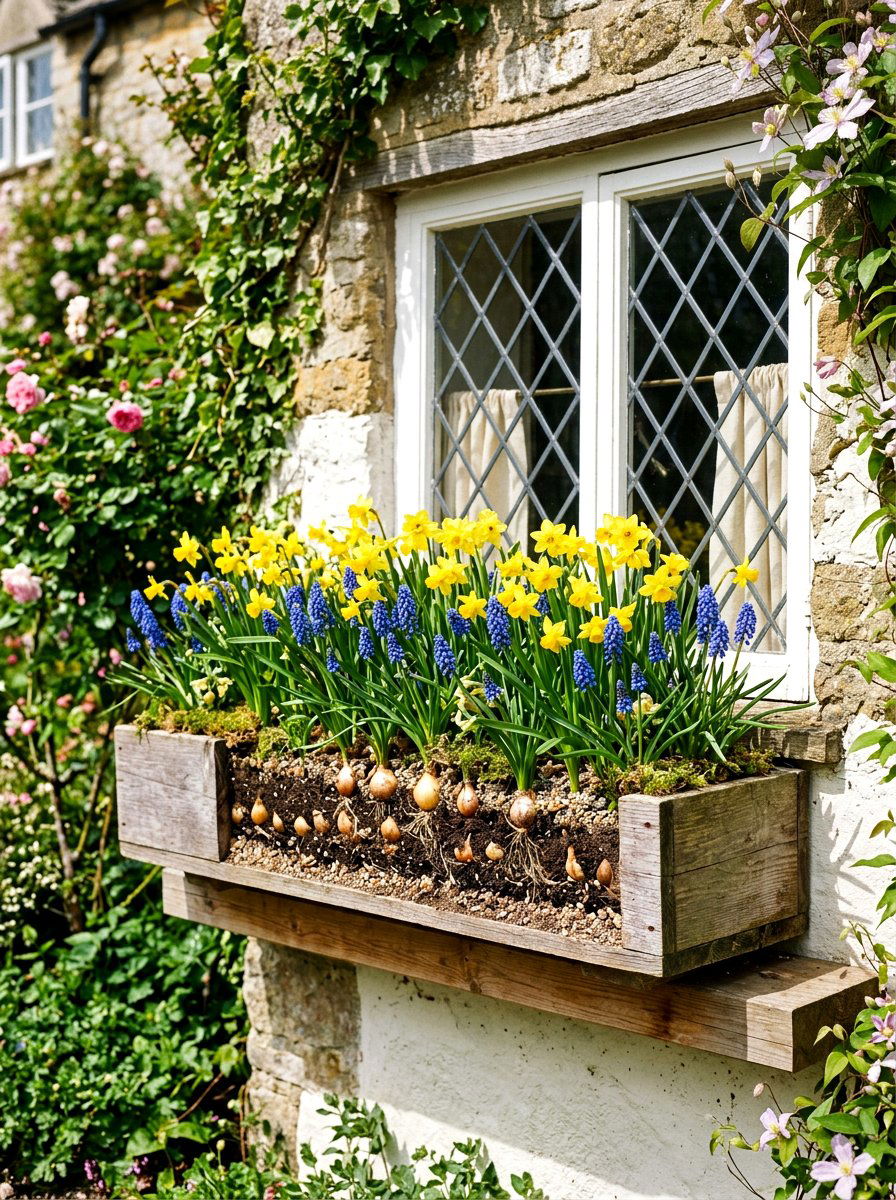
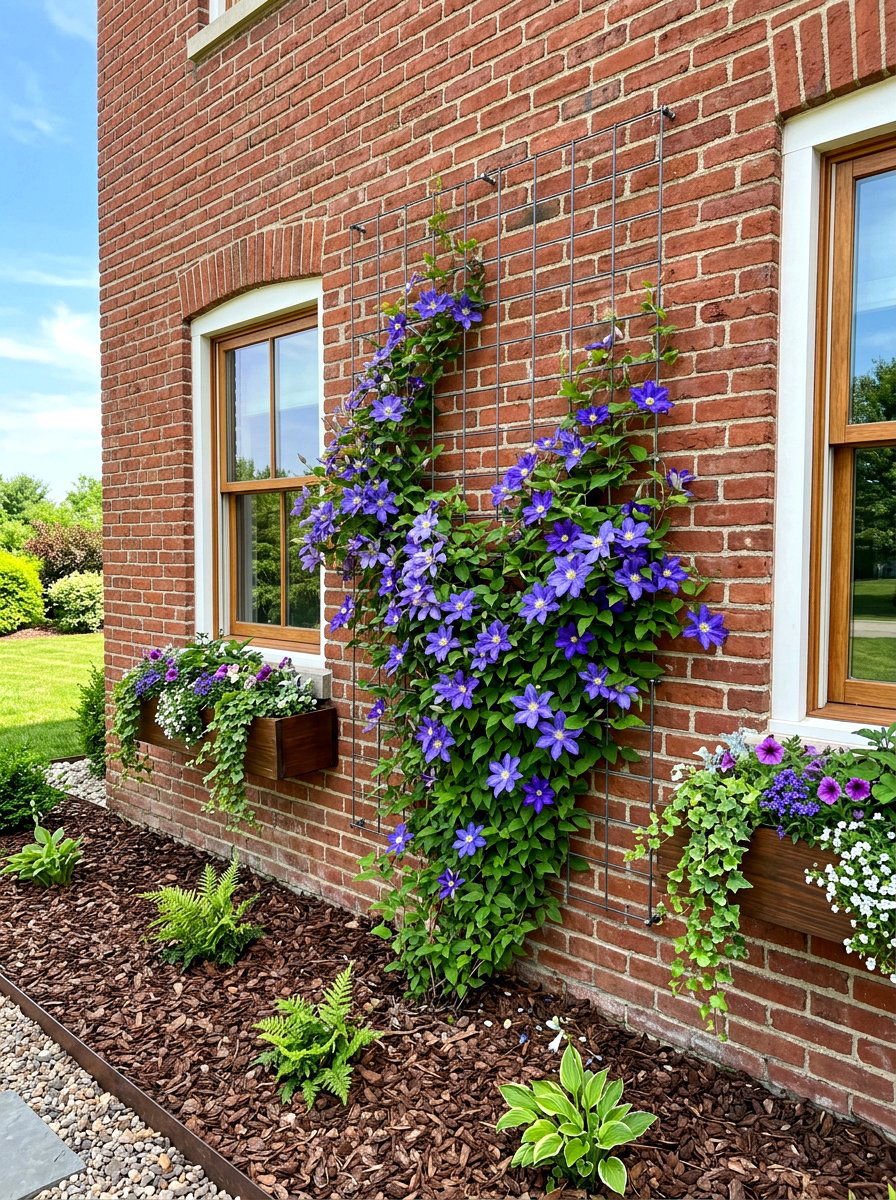
Window box bulb layering is a fantastic way to bring the beauty of spring right to your eye level. Because window boxes are typically shallower than ground beds, you should choose smaller bulb varieties. Combine miniature daffodils, muscari, and dwarf tulips for a three-layer "mini lasagna. " This concentrated burst of color will be the first thing you see when you look out your window in the morning. Ensure the window box has excellent drainage, as the soil in smaller containers can dry out or become saturated quickly. This design adds a charming, cottage-like feel to any home exterior and is very easy to maintain.
24. Monochromatic white bulb arrangement
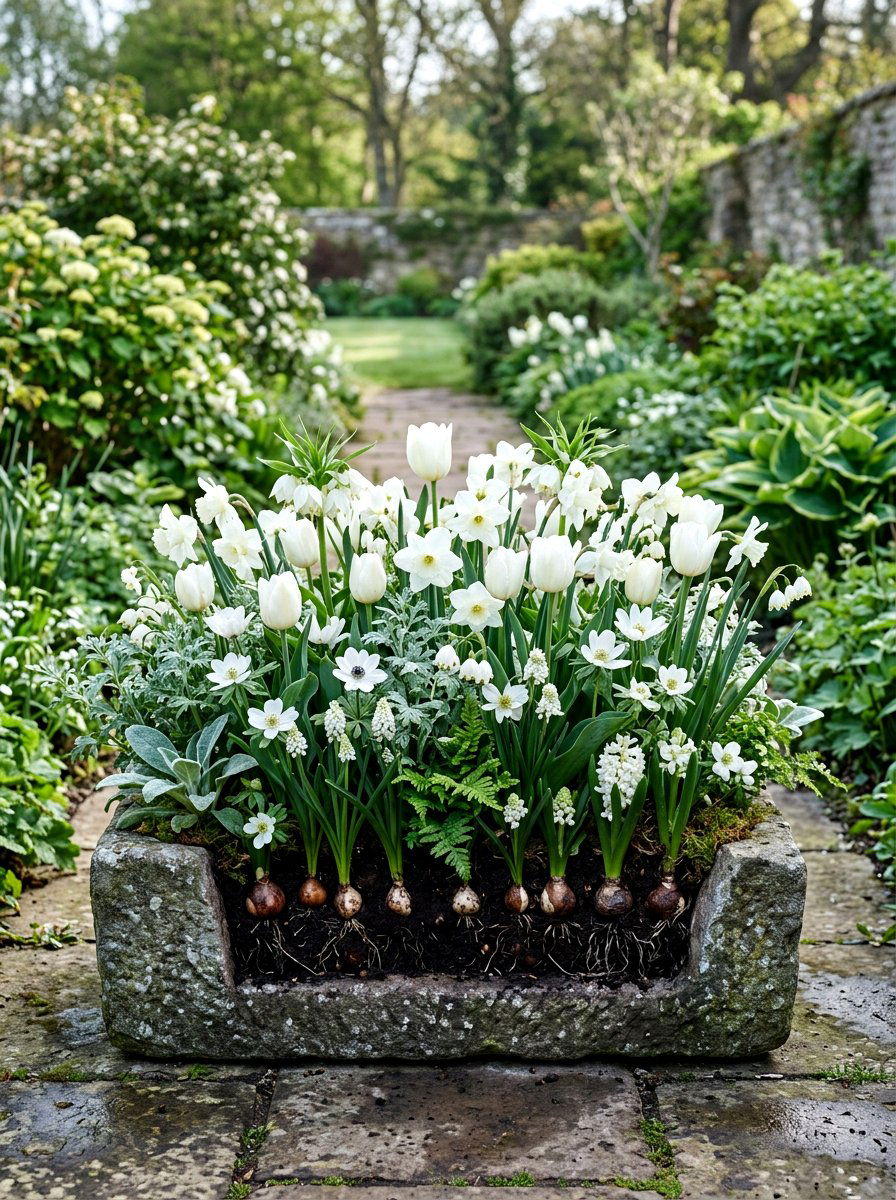
The monochromatic white bulb arrangement is a masterclass in texture and form. By using only white flowers, you highlight the differences between the ruffled petals of a parrot tulip, the smooth trumpet of a narcissus, and the delicate bell of a snowdrop. Layer these three types in a large, dark-colored pot to make the white blooms "pop" against the background. This clean look is incredibly versatile and fits into both modern and traditional home styles. It creates a sense of peace and tranquility in the garden, making it a perfect choice for a quiet corner or a dedicated meditation space outdoors.
25. Tall tulip and muscari mix
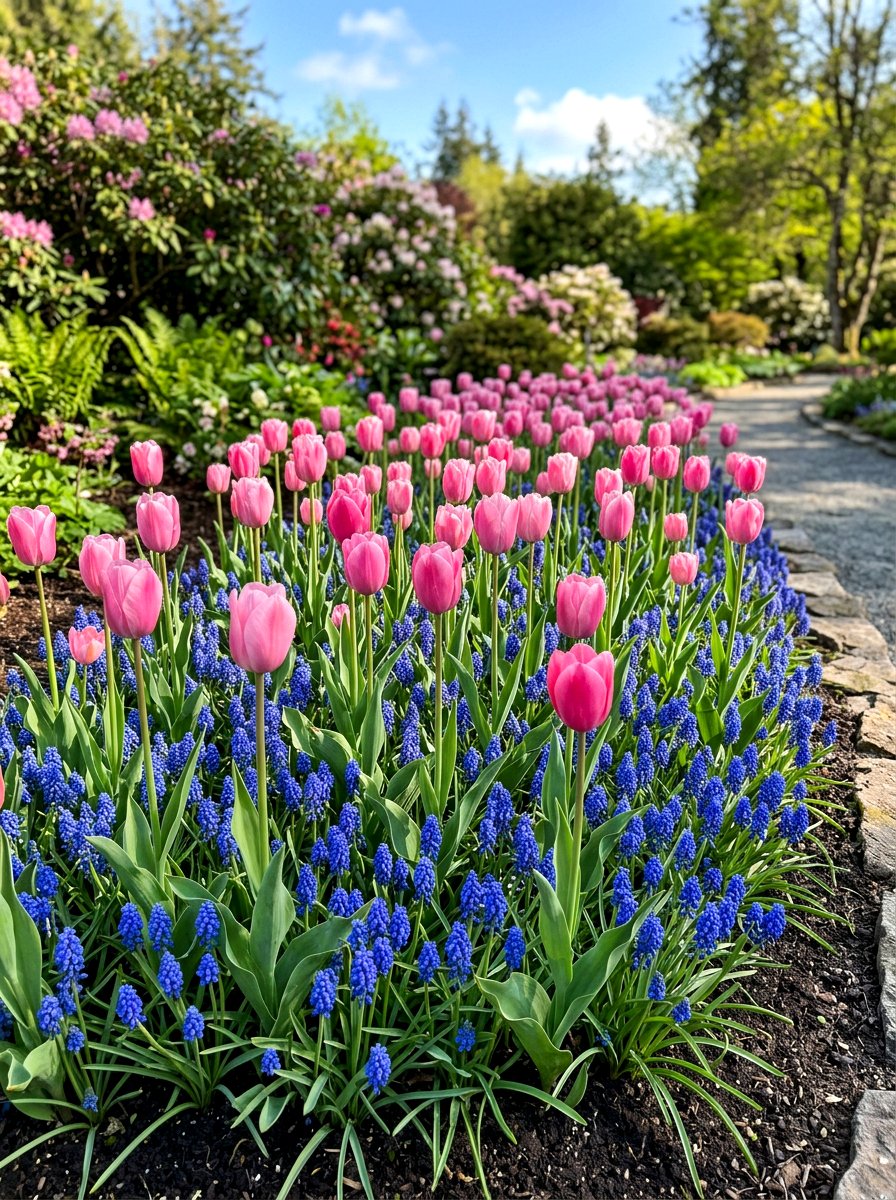
A tall tulip and muscari mix is a classic example of using height differences to create a dynamic layered look. Plant a dozen tall, late-blooming tulips at the bottom of a container and cover them with soil. Then, plant a thick layer of blue grape hyacinths (muscari) on top. In early spring, the blue flowers will create a dense base of color. A few weeks later, the tall tulip stems will rise through the blue carpet, creating a stunning "flowers within flowers" effect. This is one of the most popular combinations for spring because it is visually balanced and relatively easy for beginners to achieve.
26. Fritillaria and daffodil layer
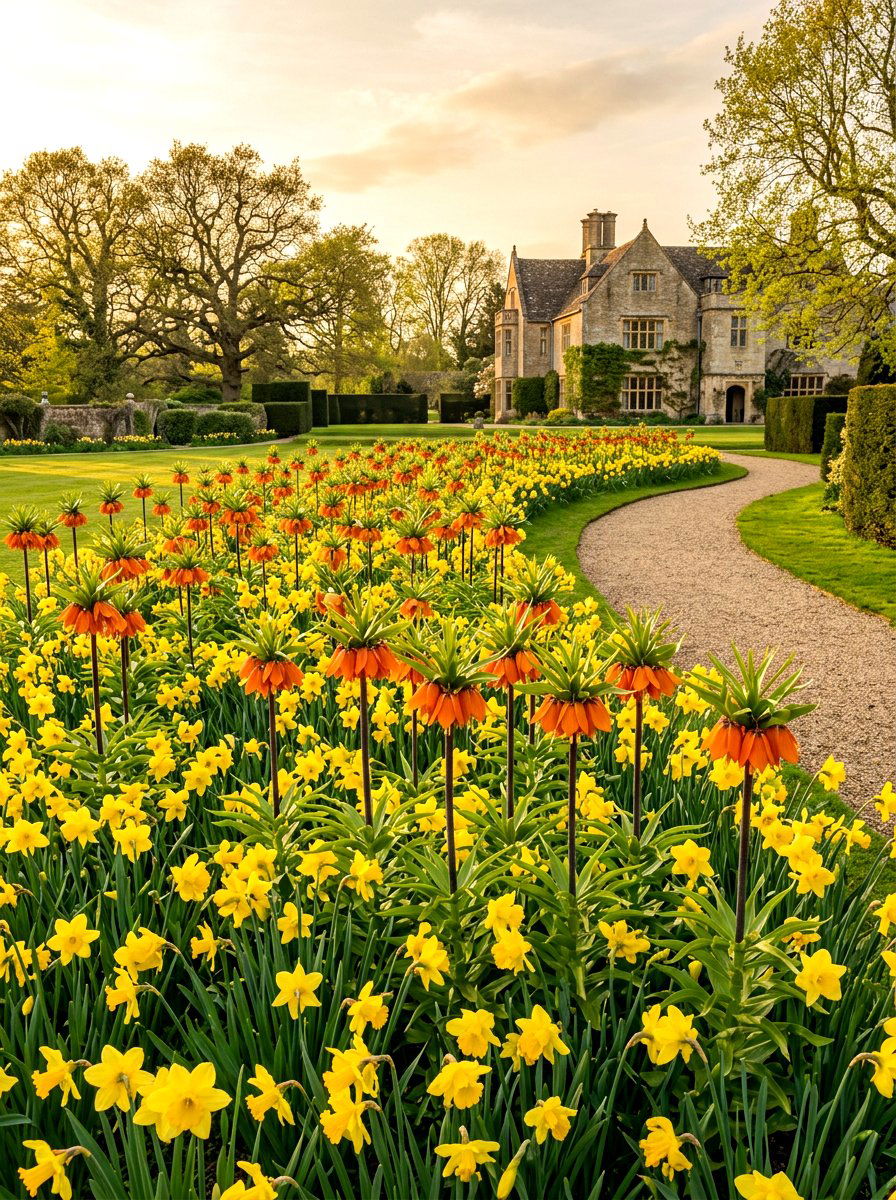
A fritillaria and daffodil layer offers a more exotic and unusual look for your spring garden. Fritillaria imperialis, or Crown Imperial, is a large and dramatic bulb that should be planted at the base. Layer mid-sized yellow daffodils around it to create a lush, full base for the tall fritillaria stems to emerge from. The hanging, bell-shaped flowers of the fritillaria contrast beautifully with the upright trumpets of the daffodils. This combination is best suited for a large garden bed where the scale of the plants can be fully appreciated. It adds a touch of the extraordinary to a traditional spring landscape design.
27. Double tulip and hyacinth pot
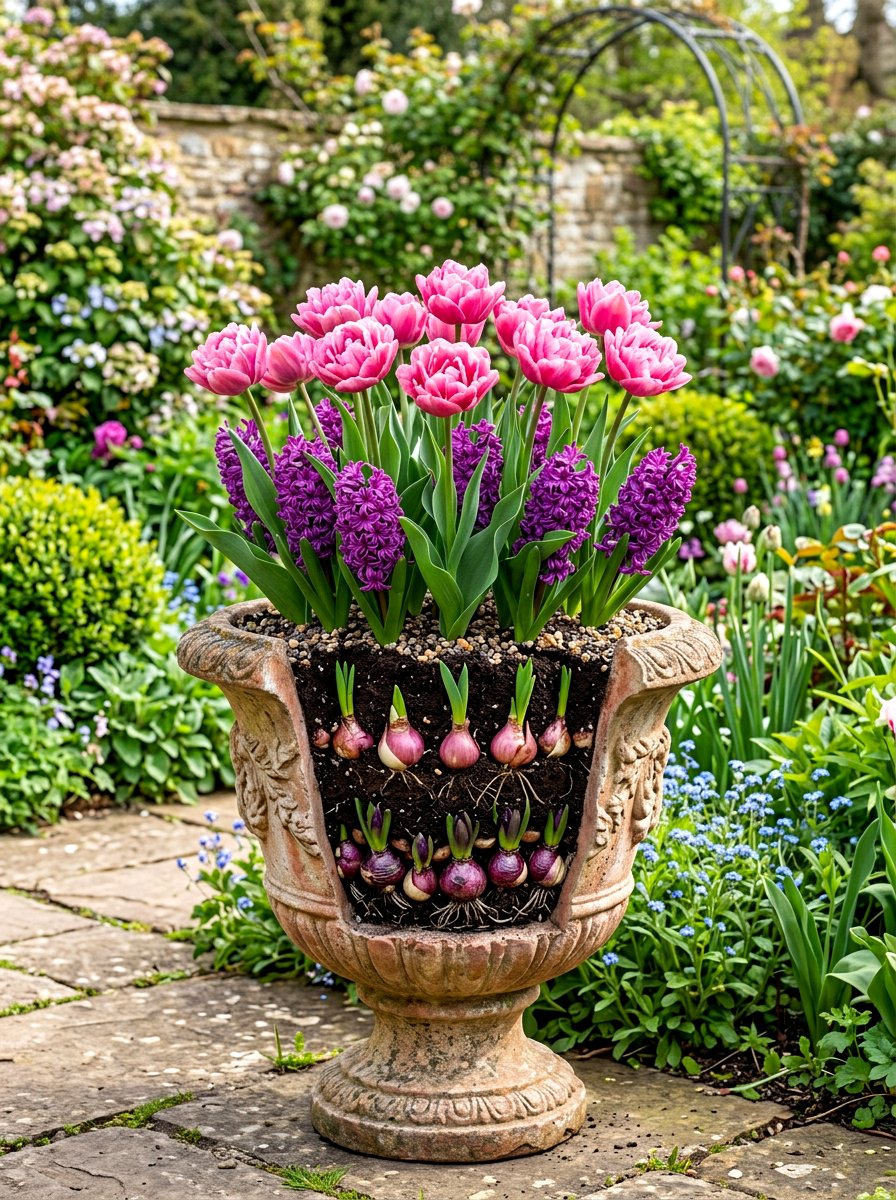
The double tulip and hyacinth pot is all about volume and luxury. Double tulips are often called "peony tulips" because they have so many petals, making them look very full and lush. When layered with fragrant hyacinths, the result is a container that feels incredibly opulent. Plant the heavy double tulips at the bottom and the sturdy hyacinths on the top layer. The hyacinths will bloom first, providing fragrance and color, while the tulips develop slowly underneath. By the time the tulips open, they will provide a second, even more dramatic wave of floral beauty that lasts well into the mid-spring season.
28. Wildflower style bulb layer
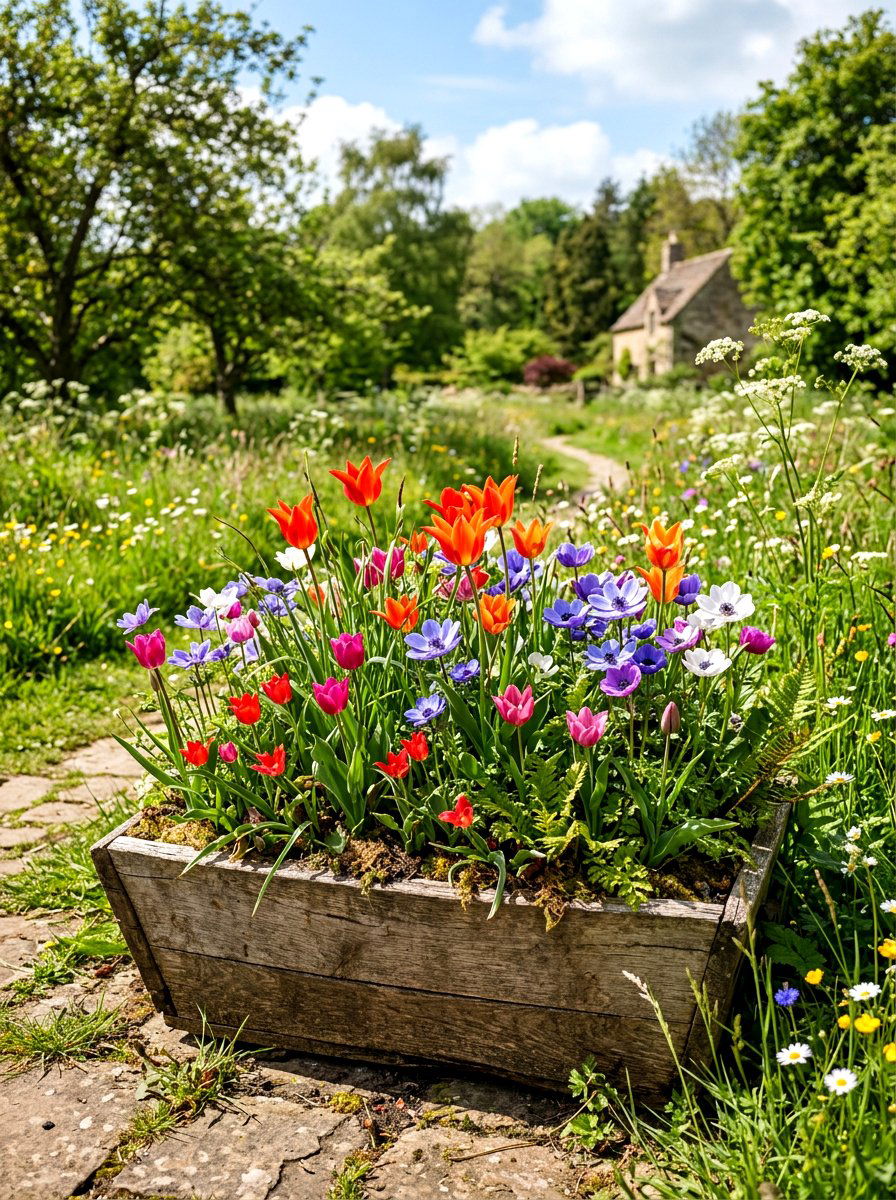
A wildflower style bulb layer aims for a loose, naturalistic appearance rather than a structured or formal one. This design uses species tulips, botanical crocuses, and windflowers (anemones). These bulbs are often smaller and more delicate than their hybridized cousins, and they tend to naturalize and spread over time. Layer them randomly in a large container or a grassy area to mimic the look of a wild meadow. This approach is perfect for gardeners who prefer a more relaxed aesthetic and want to create a garden that feels like it has been there for decades. It is a very charming and low-maintenance option.
29. Compact balcony bulb planter
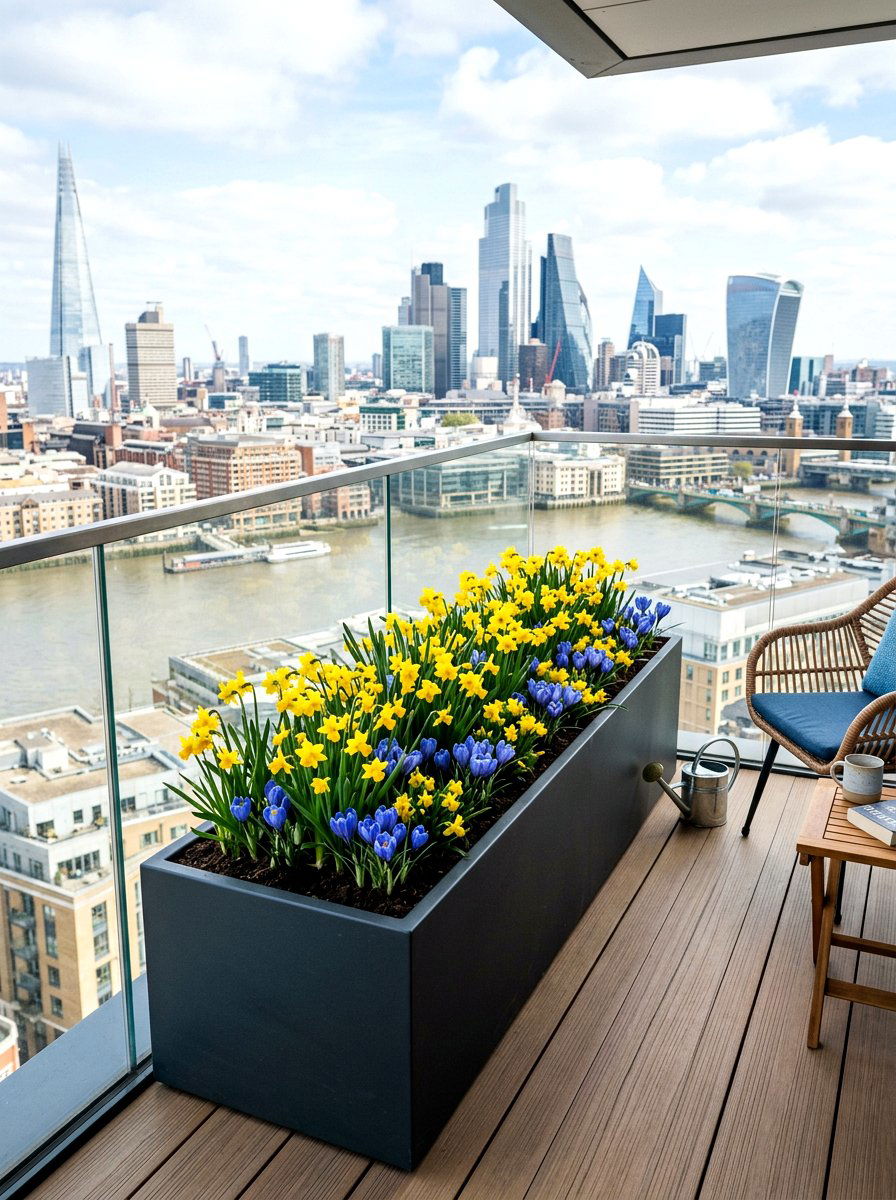
A compact balcony bulb planter is specifically designed for apartment dwellers or those with very limited outdoor space. This design uses smaller pots but maximizes the bulb count by using multiple thin layers. Combine 'Tete-a-Tete' daffodils, blue crocuses, and scilla. Because you are viewing these plants from a short distance, the small details and vibrant colors are very impactful. This is a great way to bring the joy of gardening to an urban environment. Using lightweight plastic or resin pots makes it easy to move the display around to catch the sun or to make room for outdoor seating.
30. Summer blooming bulb layer
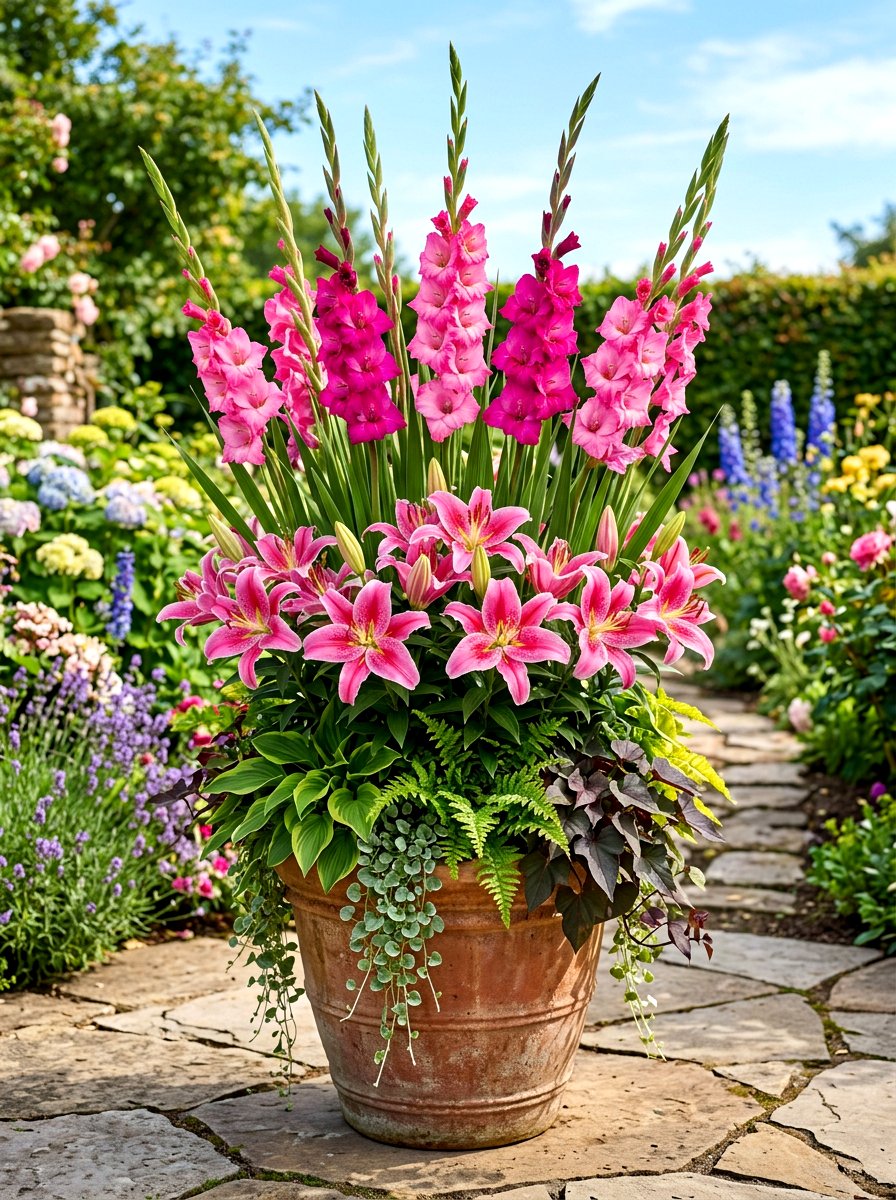
While most lasagna planting is done for spring, a summer blooming bulb layer is a great alternative for later in the year. Combine lilies, gladioli, and acidanthera for a tropical and fragrant summer display. Plant the large lily bulbs at the bottom, the gladioli in the middle, and the smaller acidanthera on top. This ensures a succession of tall, colorful blooms throughout the hottest months of the year. This technique works best in very large, deep pots that can support the height of these summer giants. It is a fantastic way to keep your patio looking lush and vibrant long after the spring flowers have faded.
Conclusion:
Bulb layer planting is a transformative technique that allows any gardener to create professional-quality displays with minimal effort. By understanding the growth habits and bloom times of different varieties, you can design a garden that evolves beautifully throughout the season. Whether you prefer the classic look of tulips and daffodils or the exotic appeal of fritillarias, the lasagna method offers endless possibilities for creativity. This approach is particularly valuable for those with limited space, as it maximizes every square inch of soil. With a little planning in the autumn, you can look forward to a spectacular and long-lasting spring show that will be the envy of your neighborhood.

Related posts: