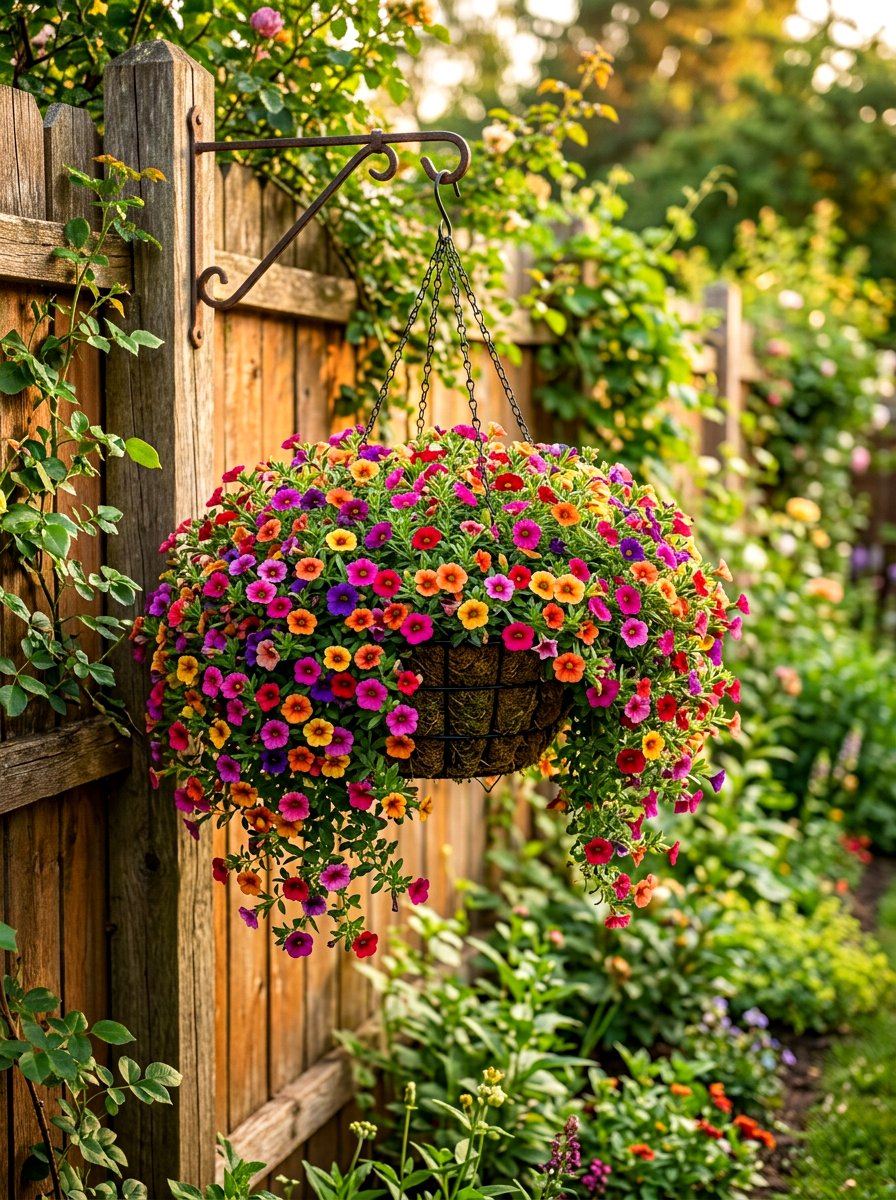
Spring is the season of ultimate transformation and fresh beginnings for every homeowner with a patch of dirt. As the weather warms up, the urge to get outside and start planting becomes nearly impossible to resist. Gardening is not just about aesthetics; it is a fulfilling hobby that connects you with the natural rhythm of the earth. From choosing vibrant flower palettes to planning productive vegetable patches, there are endless ways to revitalize your outdoor living space this year. By focusing on specific themes and layouts, you can create a cohesive look that thrives throughout the season. Let these diverse concepts inspire you to dig deep and grow something truly spectacular.
1. Spring Cottage Garden
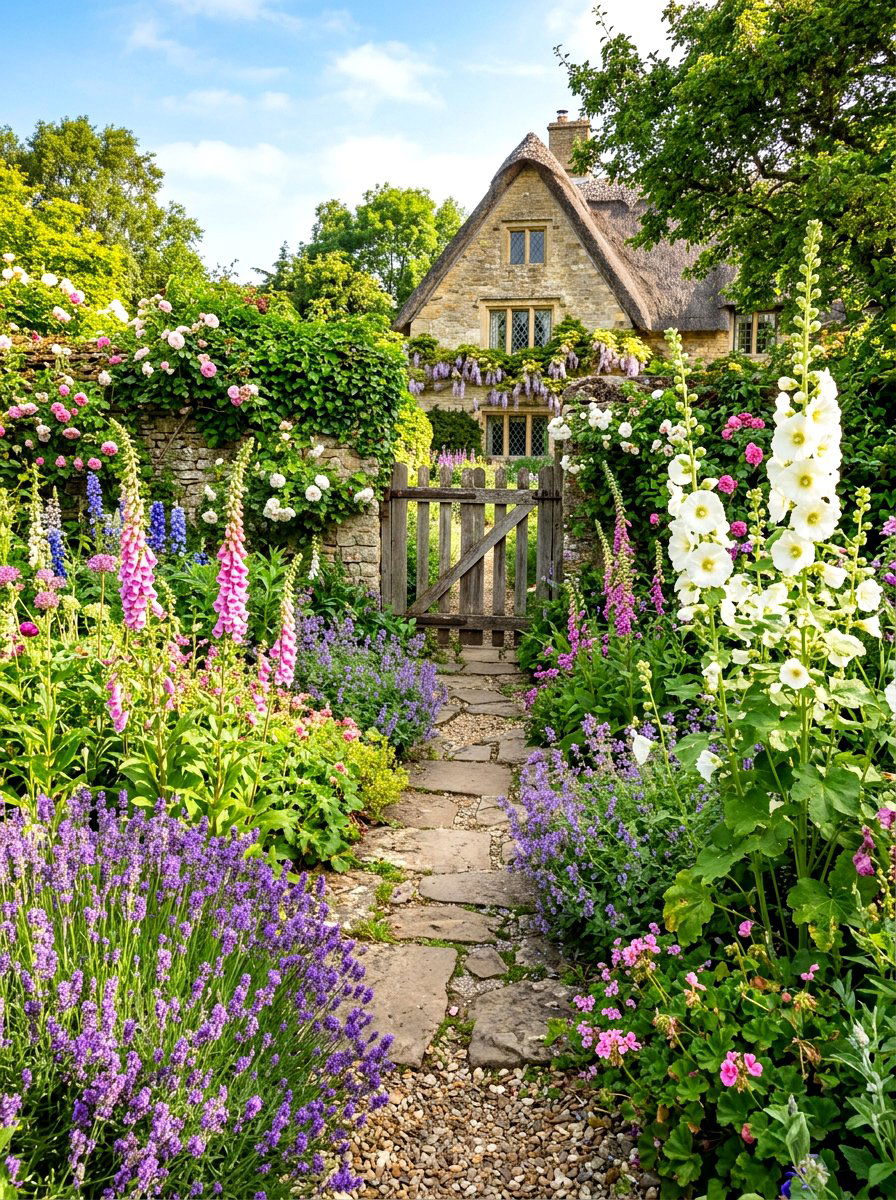
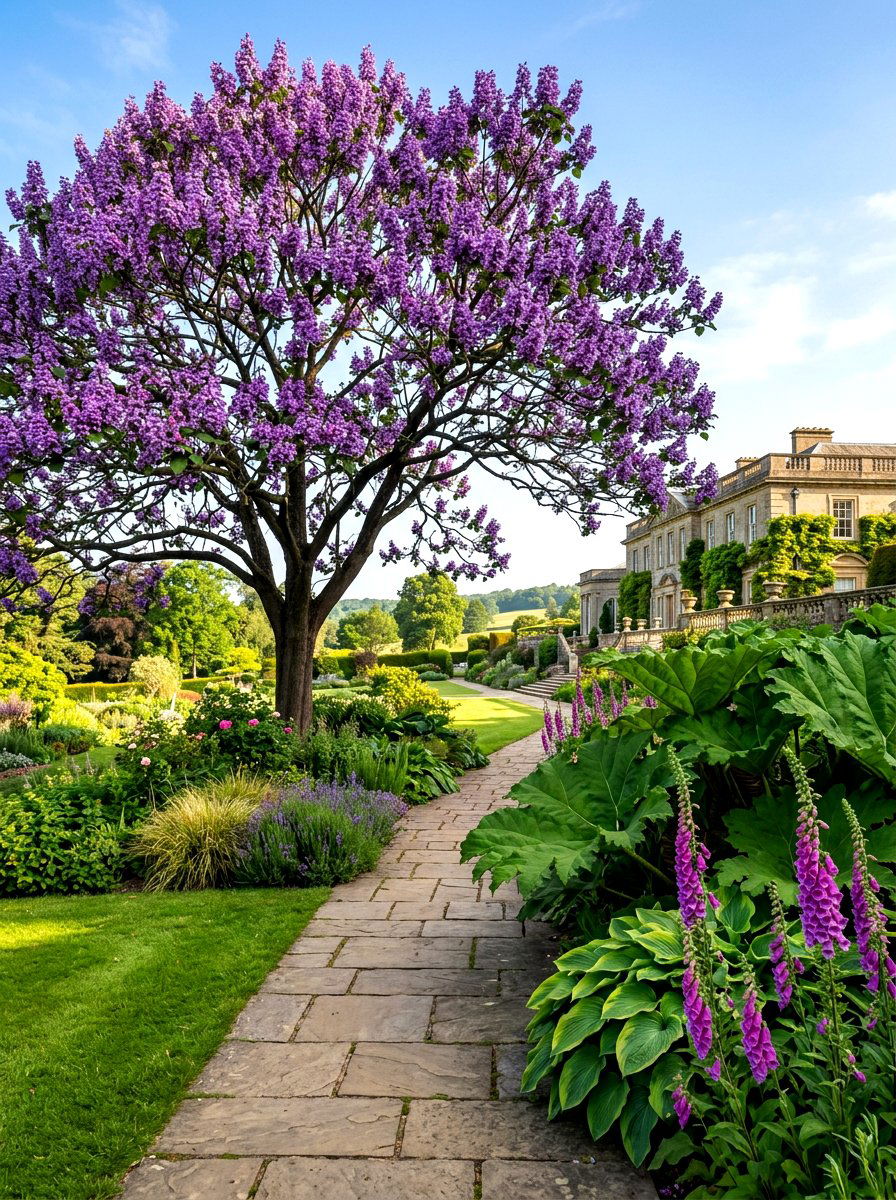
A spring cottage garden embraces a sense of organized chaos that feels both romantic and timeless. You can achieve this look by planting a dense variety of flowering perennials like lavender, foxgloves, and hollyhocks together. The goal is to minimize bare soil and create a soft, overflowing appearance that invites local bees and butterflies. Adding traditional elements like a white picket fence or a stone pathway helps to ground the vibrant colors of the blooms. This style is perfect for those who prefer a less rigid structure and want a yard that feels like a natural escape. It truly captures the essence of spring beauty in every corner.
2. Spring Raised Bed Garden
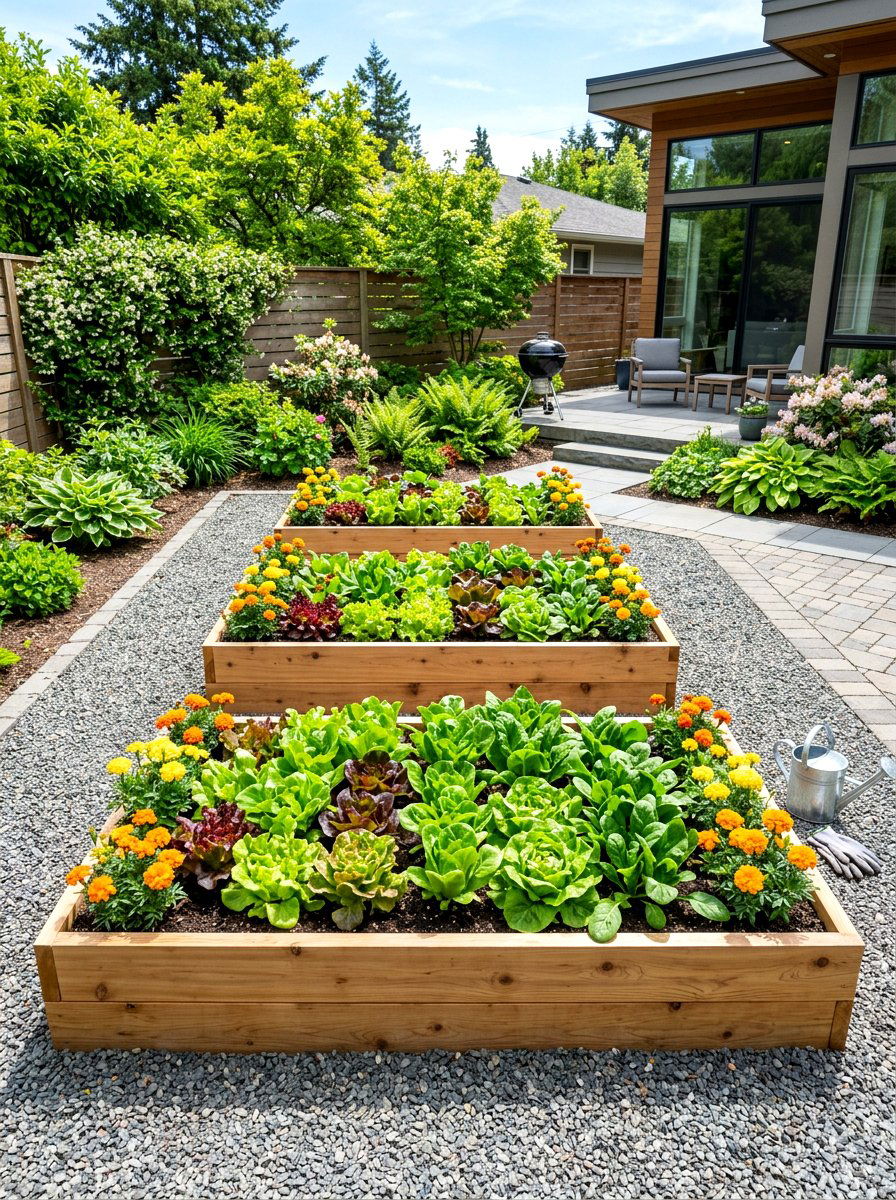
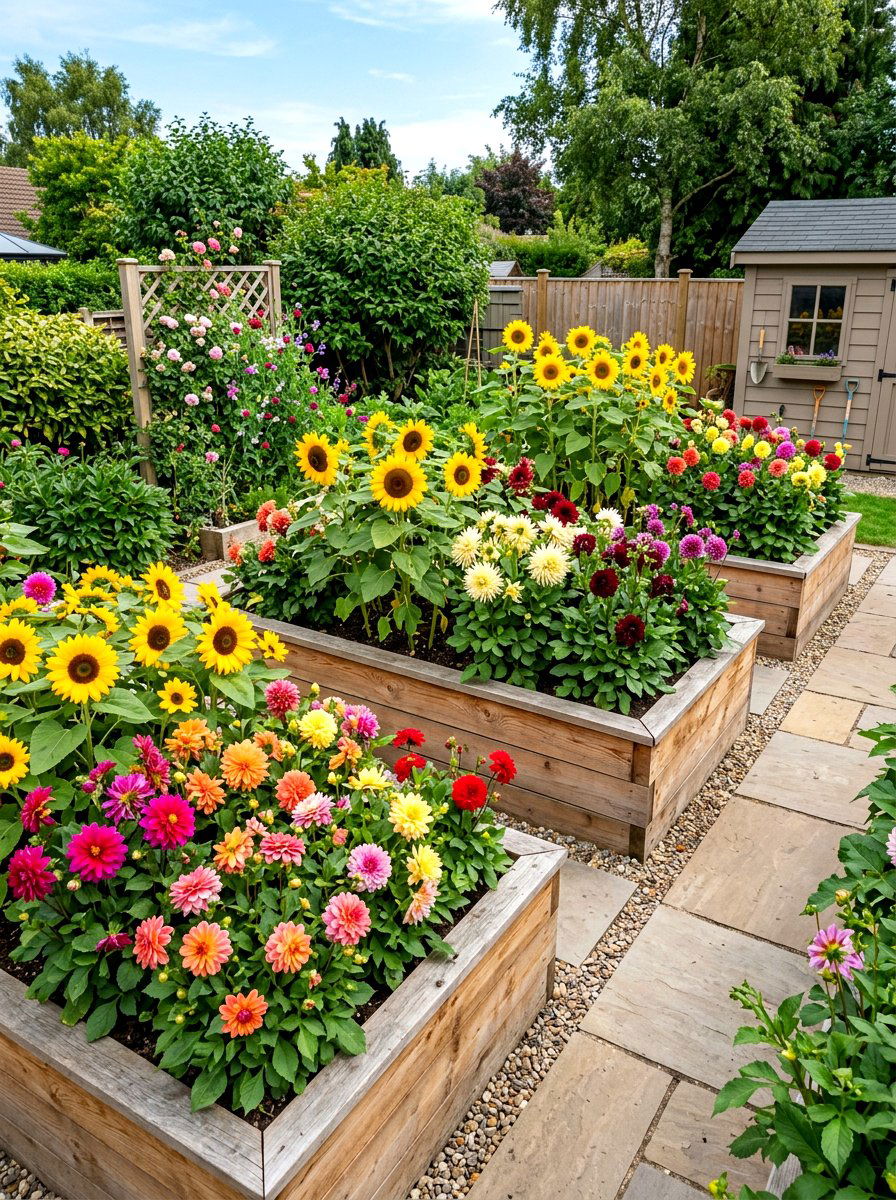
Installing a spring raised bed garden is a fantastic way to control your soil quality and improve drainage. These elevated structures are perfect for growing both ornamental flowers and edible crops in a neat, contained space. You can build them from cedar wood, stone, or even recycled materials to match your existing backyard aesthetic. Raised beds also make gardening easier on your back by reducing the amount of bending required during planting and weeding. By arranging several beds in a grid pattern, you create a professional and organized look that maximizes your growing area. It is a highly efficient choice for any modern home landscape.
3. Spring Container Garden
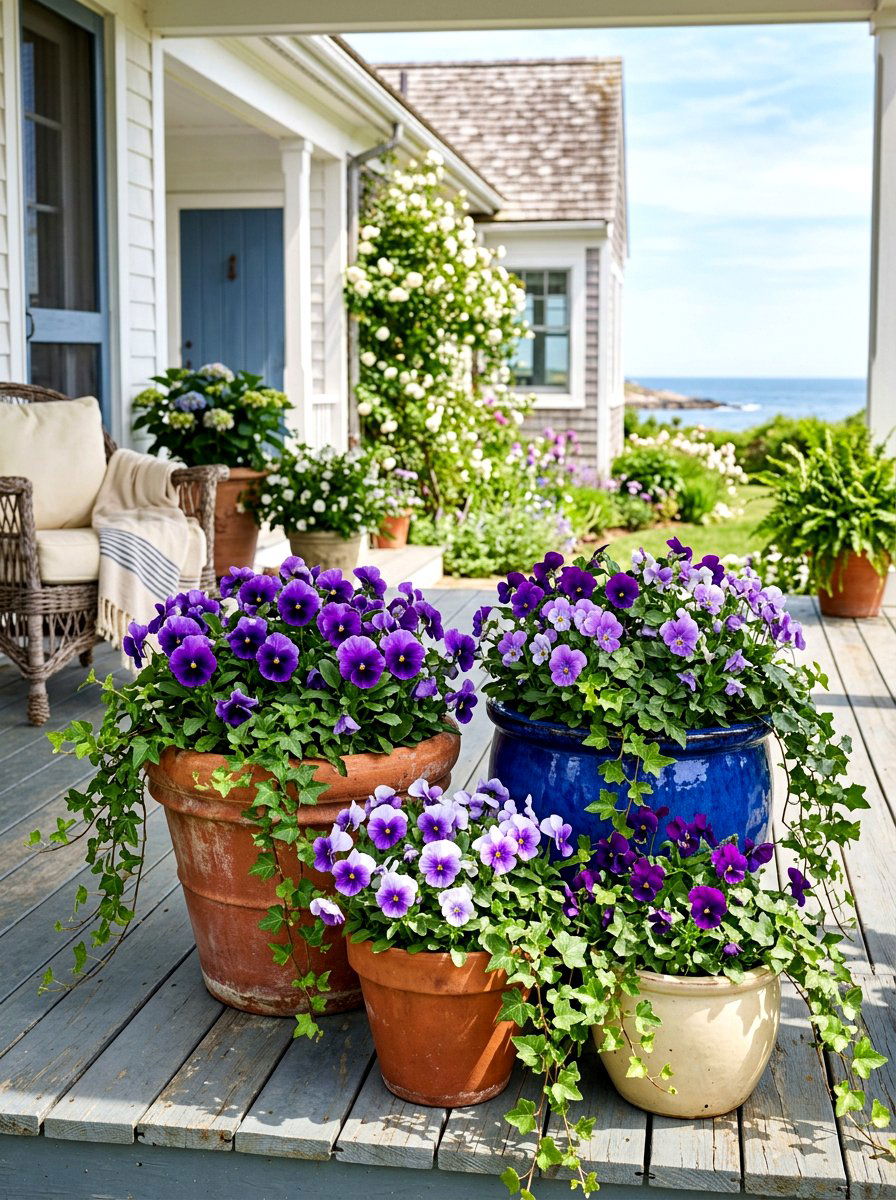
A spring container garden offers incredible flexibility for those with limited space or a desire for movable decor. You can use a variety of pots, from glazed ceramic to rustic terracotta, to showcase bright pansies and trailing ivy. Clustering containers of different heights on a patio or porch creates a lush, layered effect that instantly boosts curb appeal. This method allows you to swap out plants easily as the season progresses and temperatures change. It is also an ideal solution for renters who want to enjoy gardening without making permanent changes to the property. With proper drainage, your potted displays will flourish beautifully all season.
4. Spring Pollinator Garden
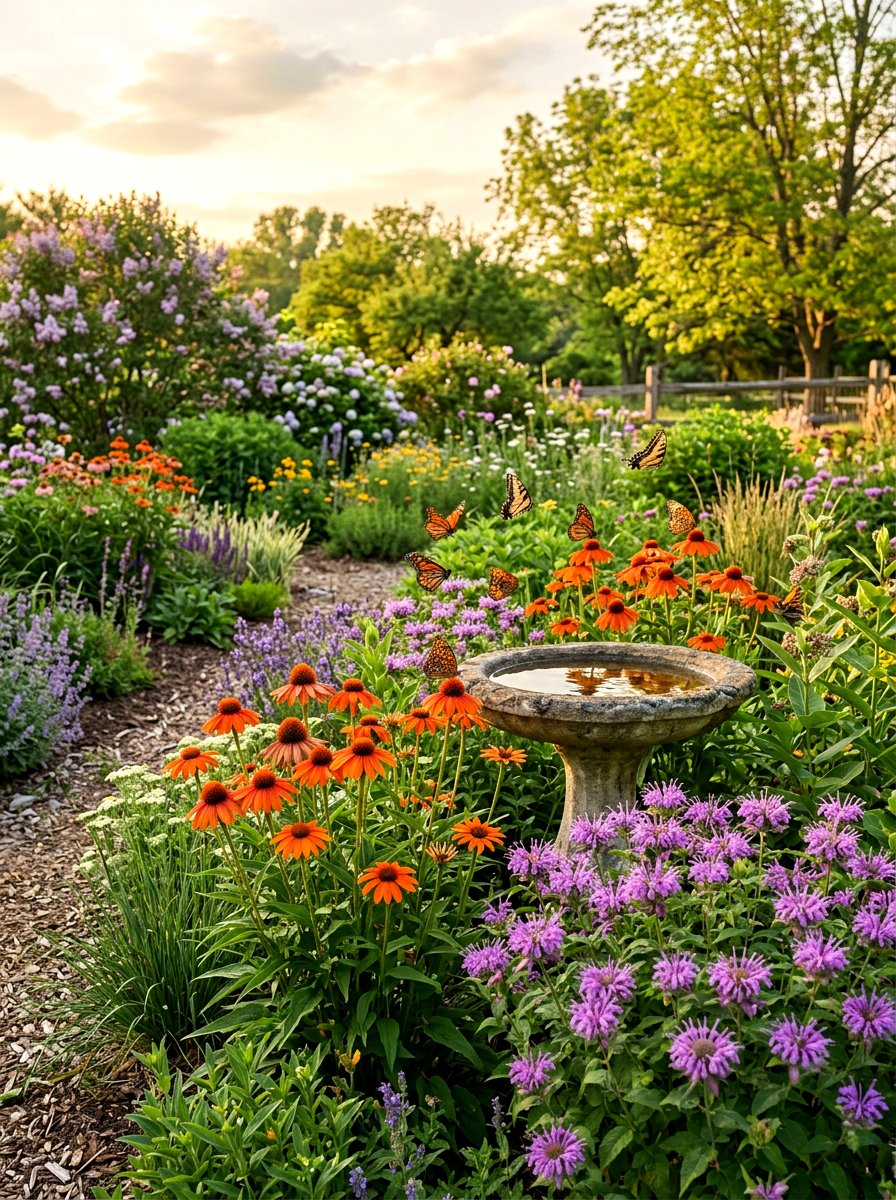
Creating a spring pollinator garden is a wonderful way to support local wildlife like honeybees, butterflies, and hummingbirds. Focus on planting nectar-rich flowers such as bee balm, coneflowers, and milkweed to provide essential food sources. This type of garden not only looks vibrant but also plays a critical role in maintaining a healthy local ecosystem. You should aim for a variety of bloom shapes and colors to attract different types of beneficial insects throughout the months. Adding a small birdbath or a shallow water dish provides a place for these visitors to rest and drink. It turns your backyard into a buzzing, lively sanctuary.
5. Spring Vertical Garden
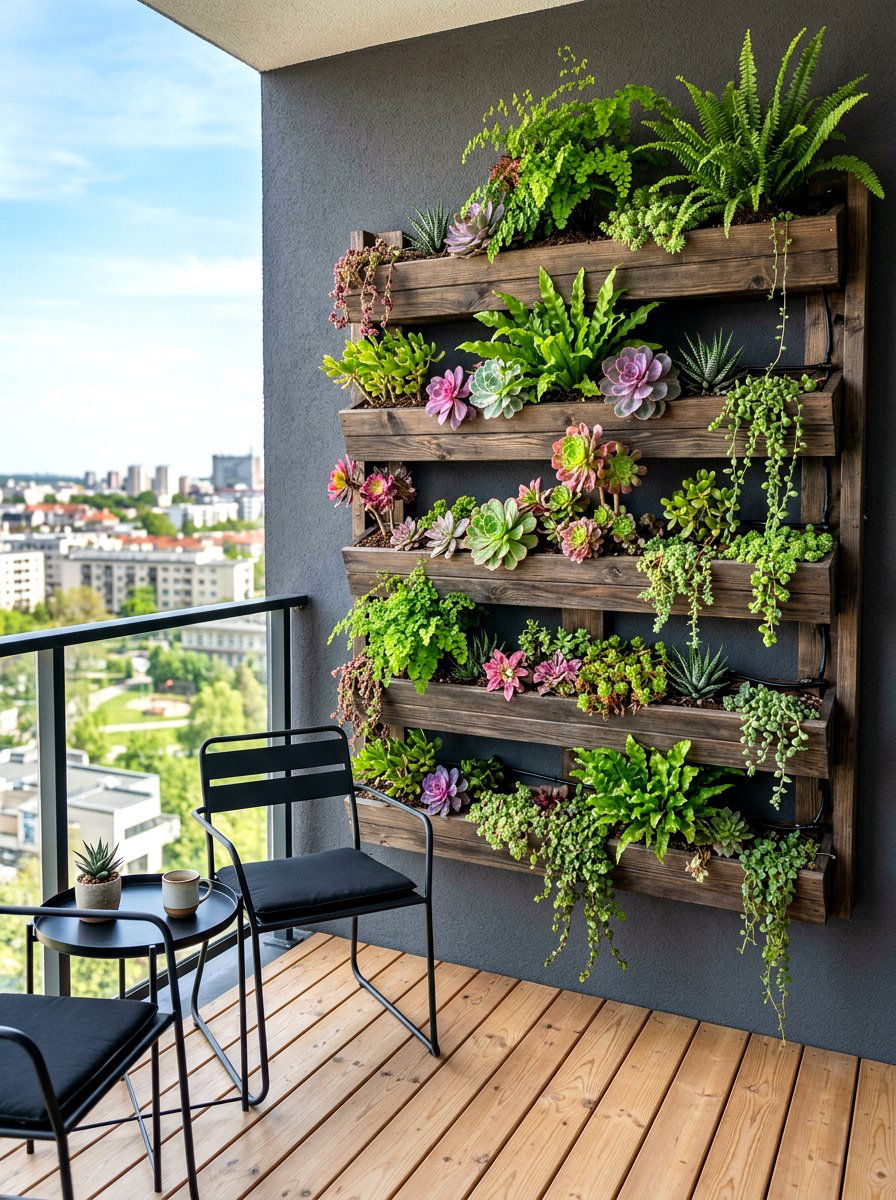
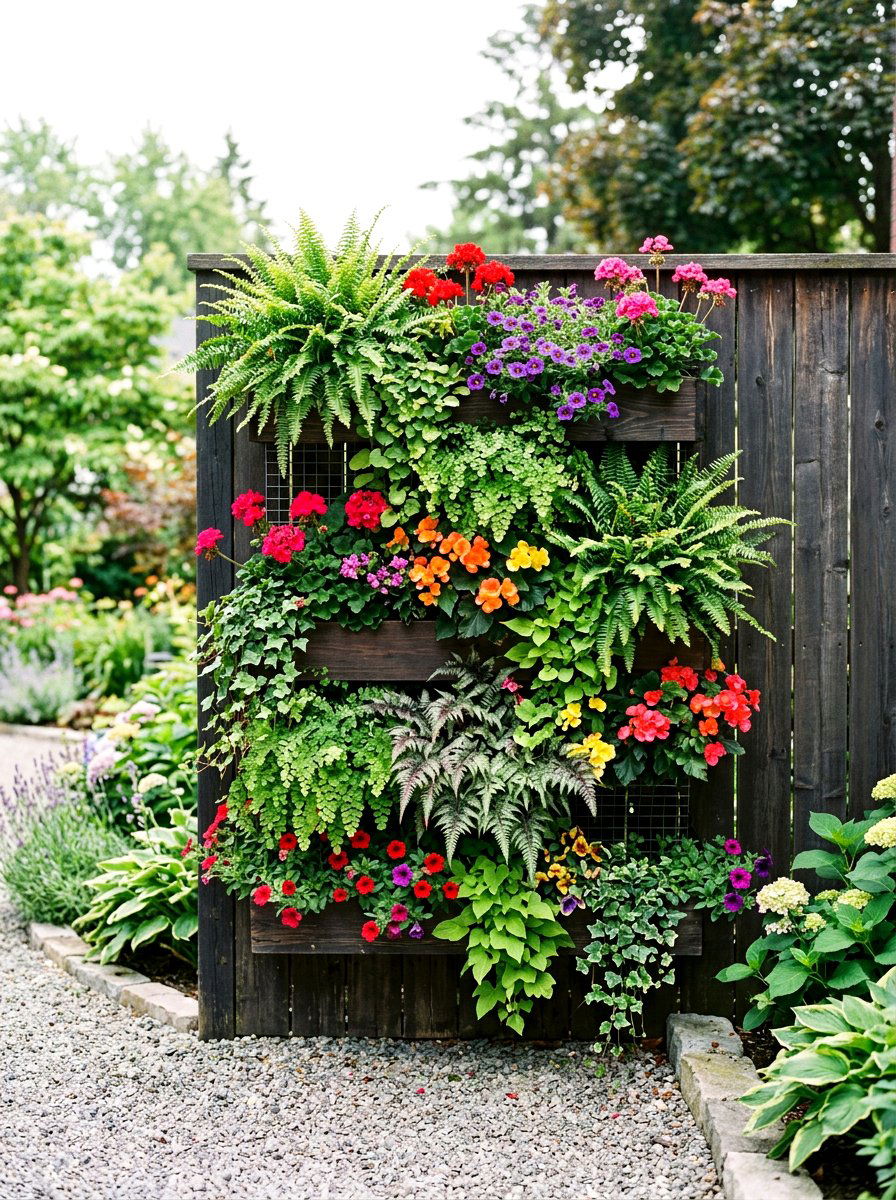
A spring vertical garden is the ultimate space-saving solution for small urban yards or apartment balconies. You can utilize wall-mounted planters, trellises, or even repurposed wooden pallets to grow greenery upward instead of outward. This approach is perfect for climbing vines like clematis or even vertical herb gardens featuring mint and basil. Not only does it maximize your planting area, but it also creates a stunning living wall that acts as a natural privacy screen. Vertical gardening adds a modern architectural element to your outdoor space while keeping your plants at eye level for easy maintenance. It is a creative way to decorate blank walls.
6. Spring Bulb Garden
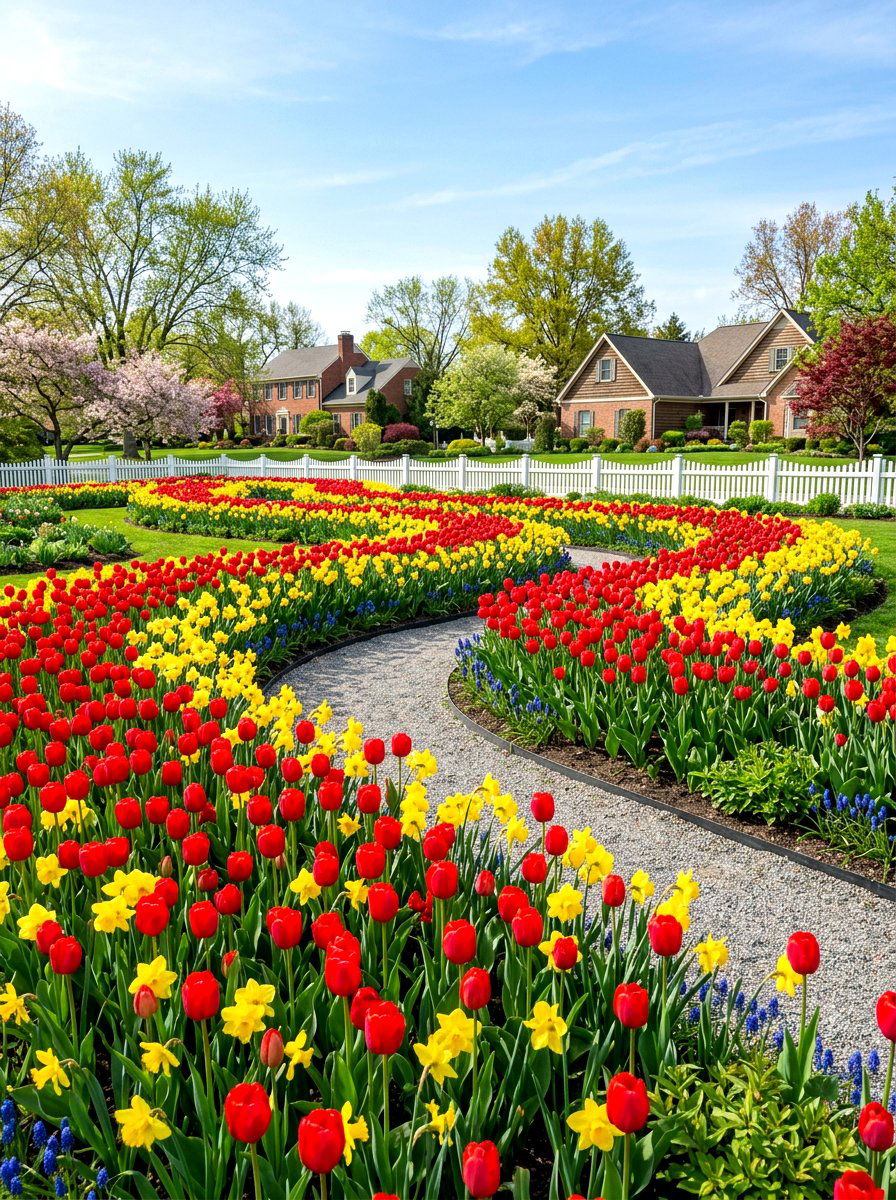
A spring bulb garden is the classic way to welcome the first signs of life after a long, cold winter. Planting tulips, daffodils, and hyacinths in large clusters creates a powerful visual impact with very little effort. These hardy plants come in almost every color imaginable, allowing you to design a custom palette that suits your style. For the best results, you should plant them in well-draining soil where they can receive plenty of early morning sunlight. Their reliable return each year makes them a cost-effective and low-maintenance choice for any homeowner. They provide that quintessential springtime look that everyone recognizes and loves.
7. Spring Vegetable Garden
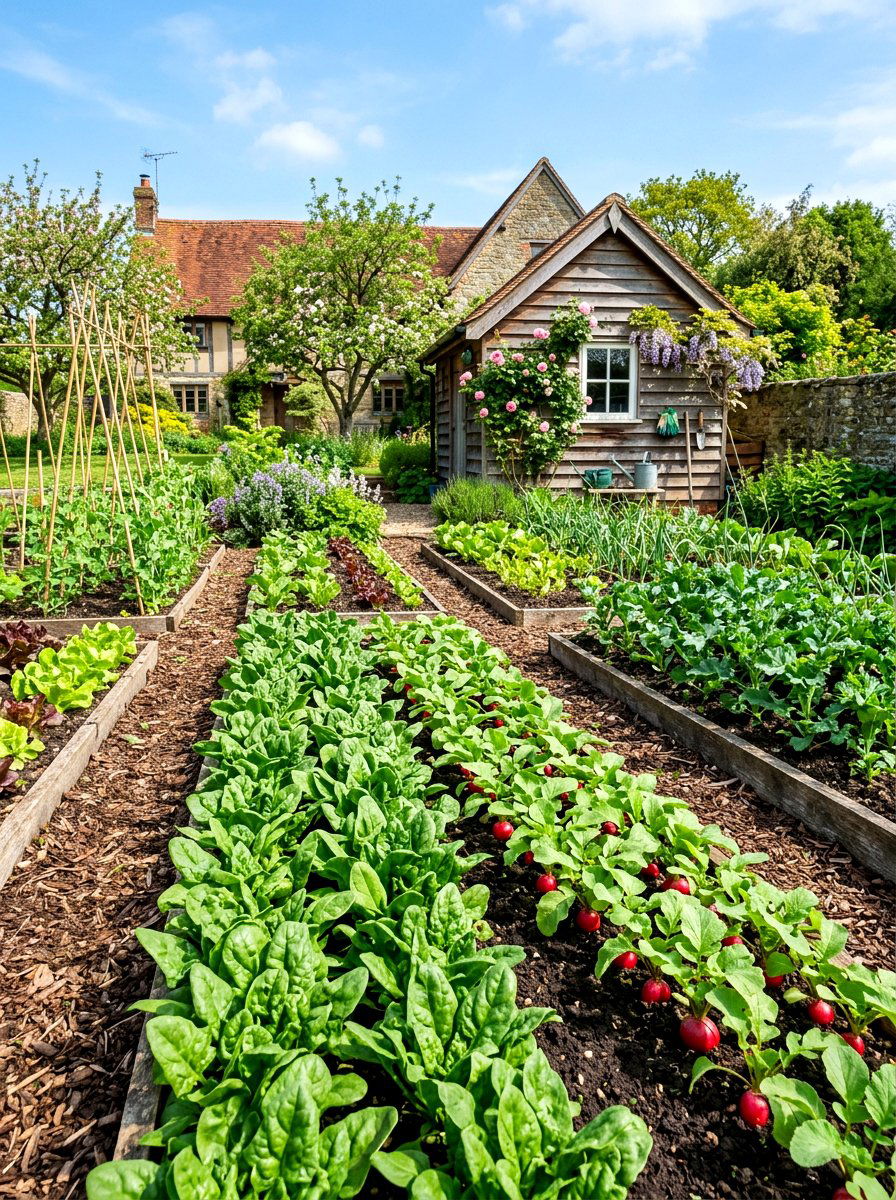
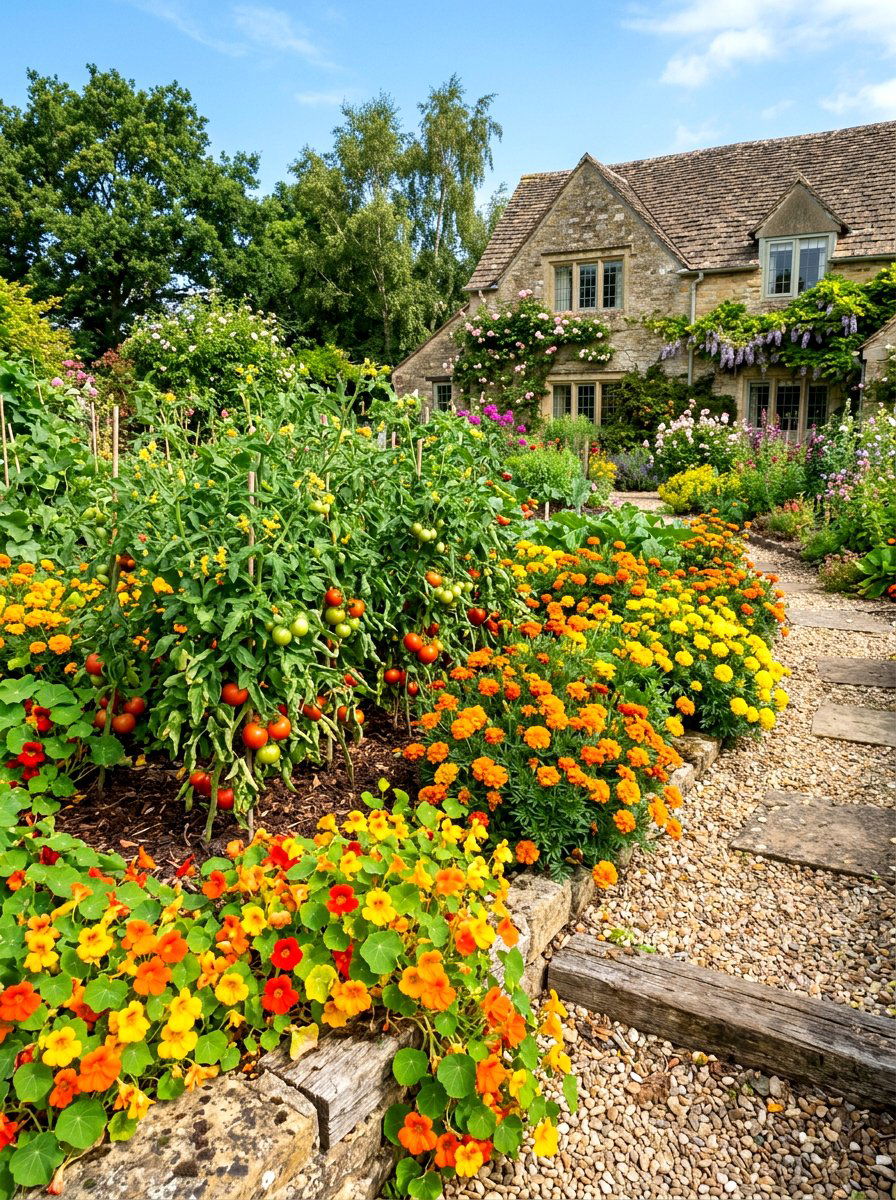
Starting a spring vegetable garden allows you to enjoy the unparalleled taste of fresh, homegrown produce right from your backyard. Focus on cool-weather crops like lettuce, spinach, radishes, and peas that thrive in the milder temperatures of early spring. Arranging your vegetables in tidy rows or interplanting them with marigolds helps to deter pests while keeping the space looking attractive. Gardening for food is a rewarding experience that encourages healthy eating and provides a great sense of self-sufficiency for the whole family. Even a small dedicated patch can yield a surprising amount of food. It is a practical and productive way to spend your time outdoors.
8. Spring Shade Garden
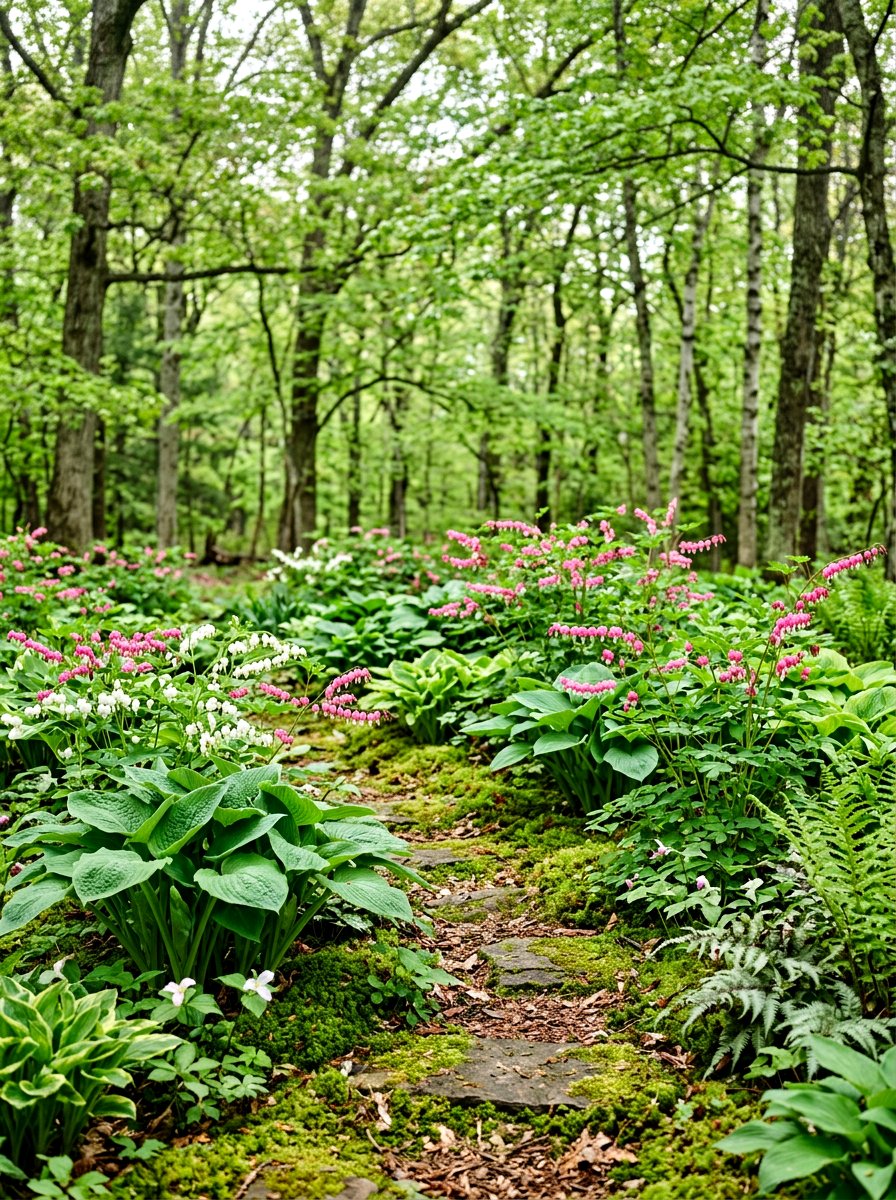
A spring shade garden proves that you do not need full sun to create a lush and inviting outdoor area. You can transform dark corners under large trees or along the north side of your house with shade-loving plants. Hostas, ferns, and bleeding hearts are excellent choices that offer beautiful textures and soft colors. These plants thrive in cooler, moist environments and provide a serene, forest-like atmosphere that feels very relaxing. Using light-colored mulch or decorative white stones can help brighten up the space and make the greenery pop. It is a sophisticated way to utilize every inch of your property effectively.
9. Spring Rock Garden
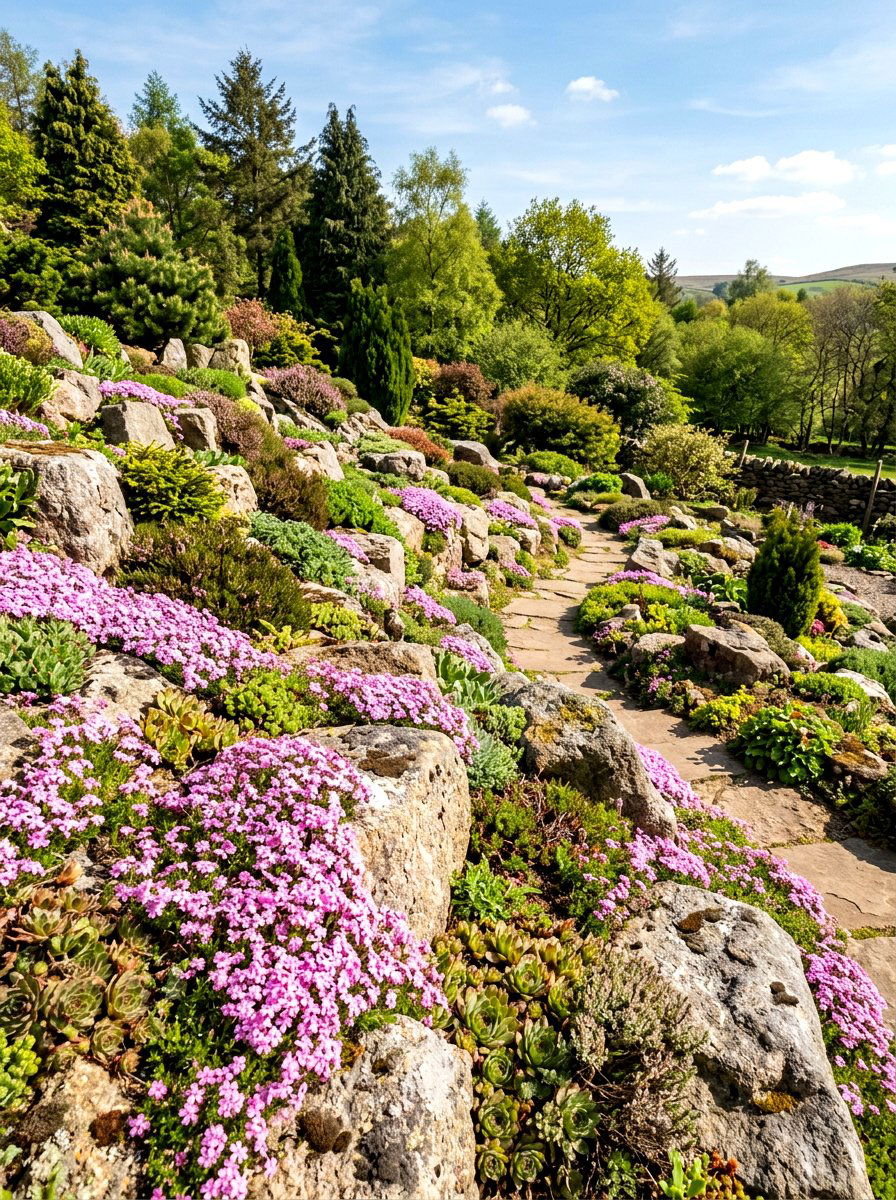
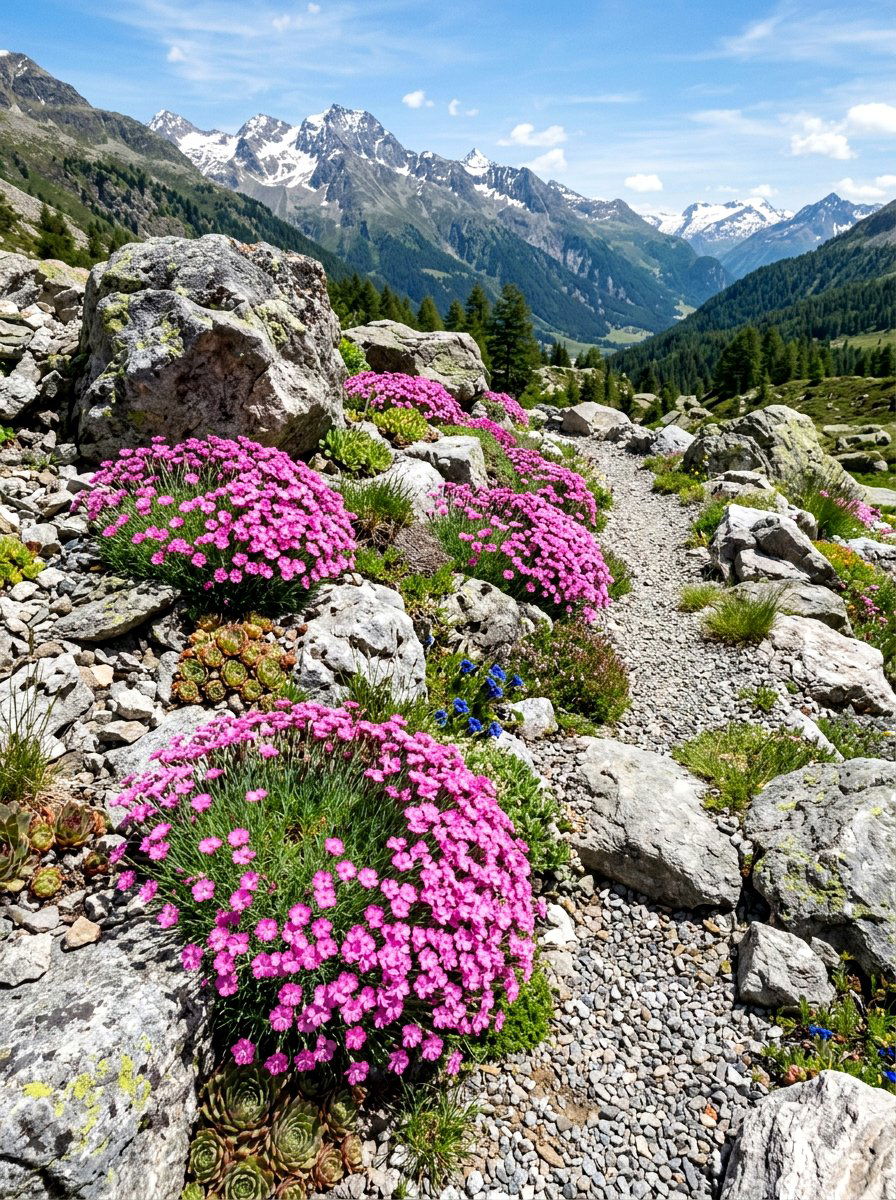
A spring rock garden is a low-maintenance and visually striking option that works perfectly for sloped areas or sandy soil. By combining various sizes of natural stones with drought-tolerant alpines and succulents, you create a rugged yet beautiful landscape. These gardens require very little water once established, making them an eco-friendly choice for many different climates. Small flowering plants like creeping phlox can grow between the rocks, adding soft cushions of color to the hard surfaces. This style of gardening mimics high-altitude natural environments and brings a unique, textural element to your home. It stays looking great with minimal intervention from you.
10. Spring Herb Garden
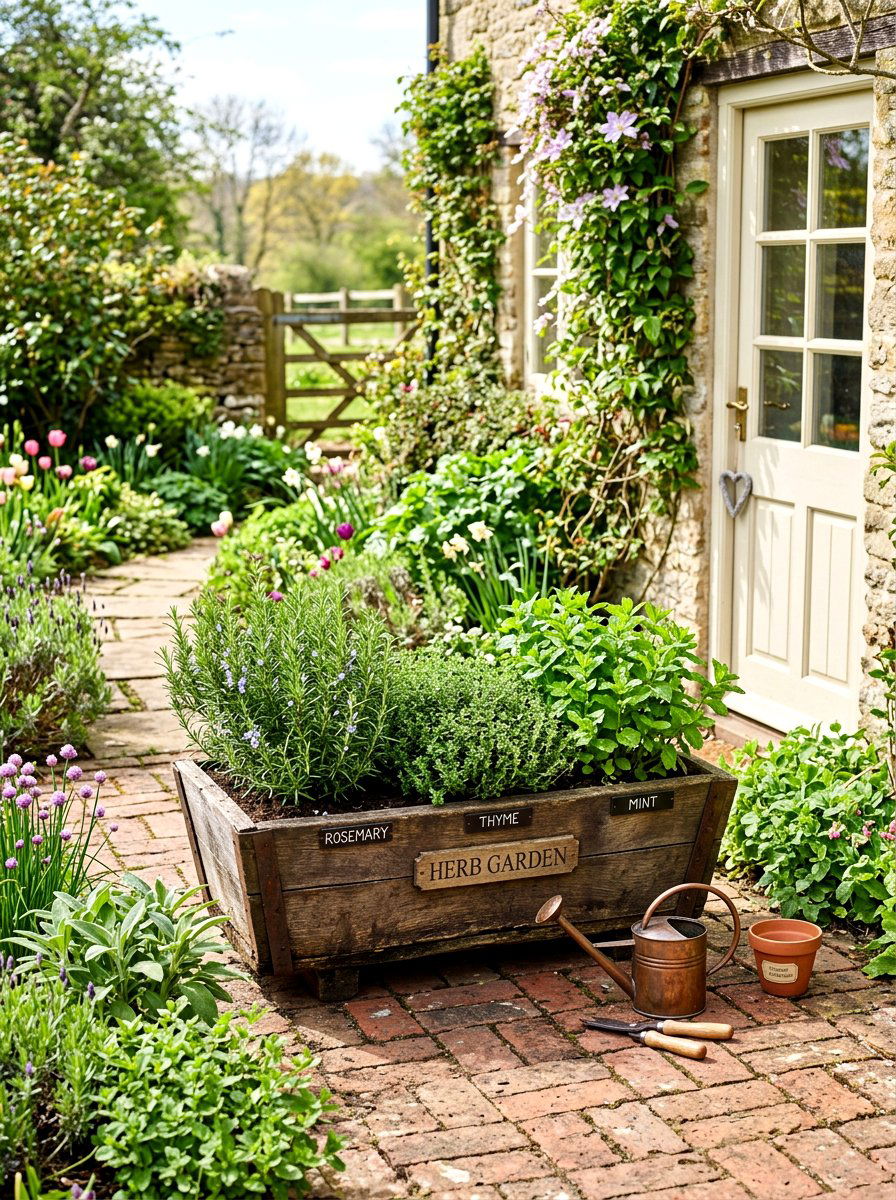
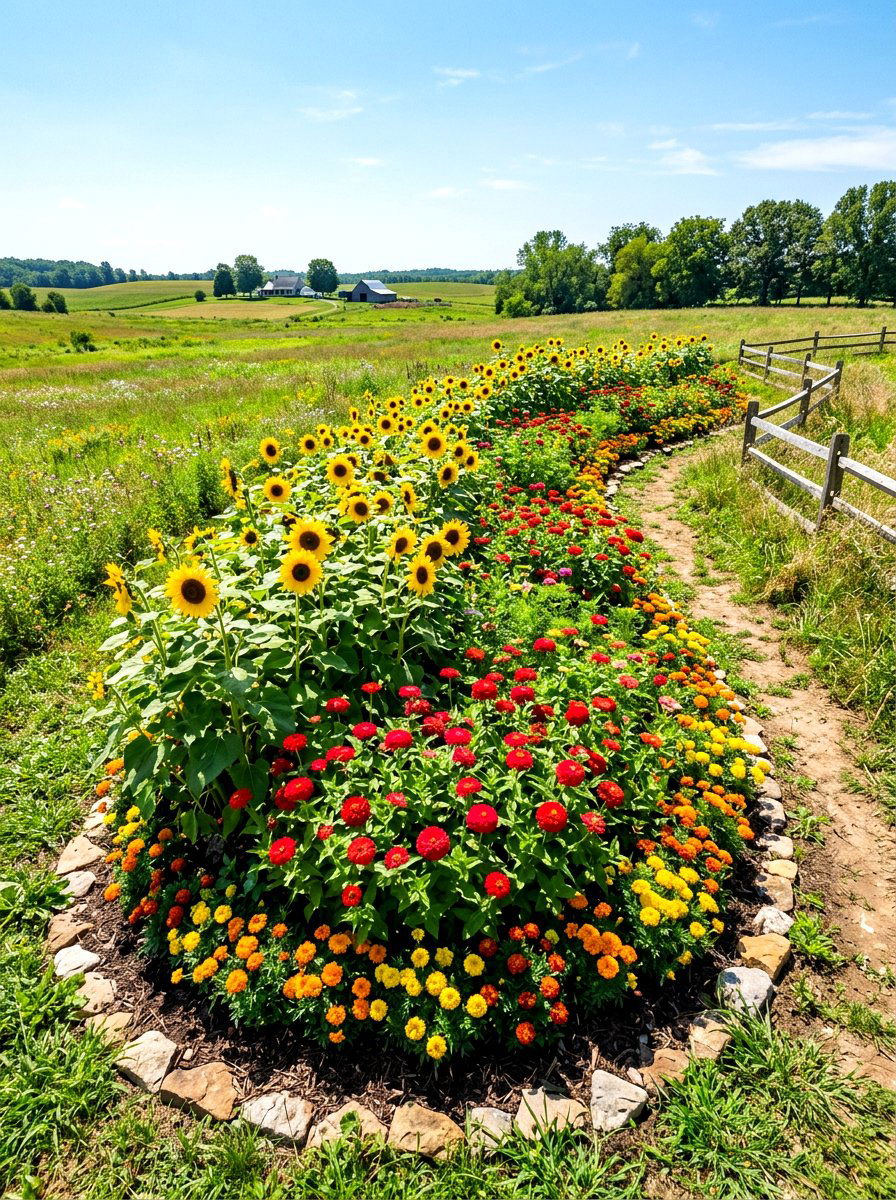
A spring herb garden is a functional and fragrant addition that can be placed right outside your kitchen door. Growing culinary staples like rosemary, thyme, parsley, and chives provides you with fresh ingredients for all your favorite seasonal recipes. You can plant them in a dedicated wooden trough or in individual clay pots for a charming, rustic look. Most herbs are very easy to grow and release a wonderful aroma whenever you brush against them. This type of garden is perfect for beginners because many herbs are quite hardy and require very little specialized care. It combines beauty and utility in one small, manageable package.
11. Spring Wildflower Garden
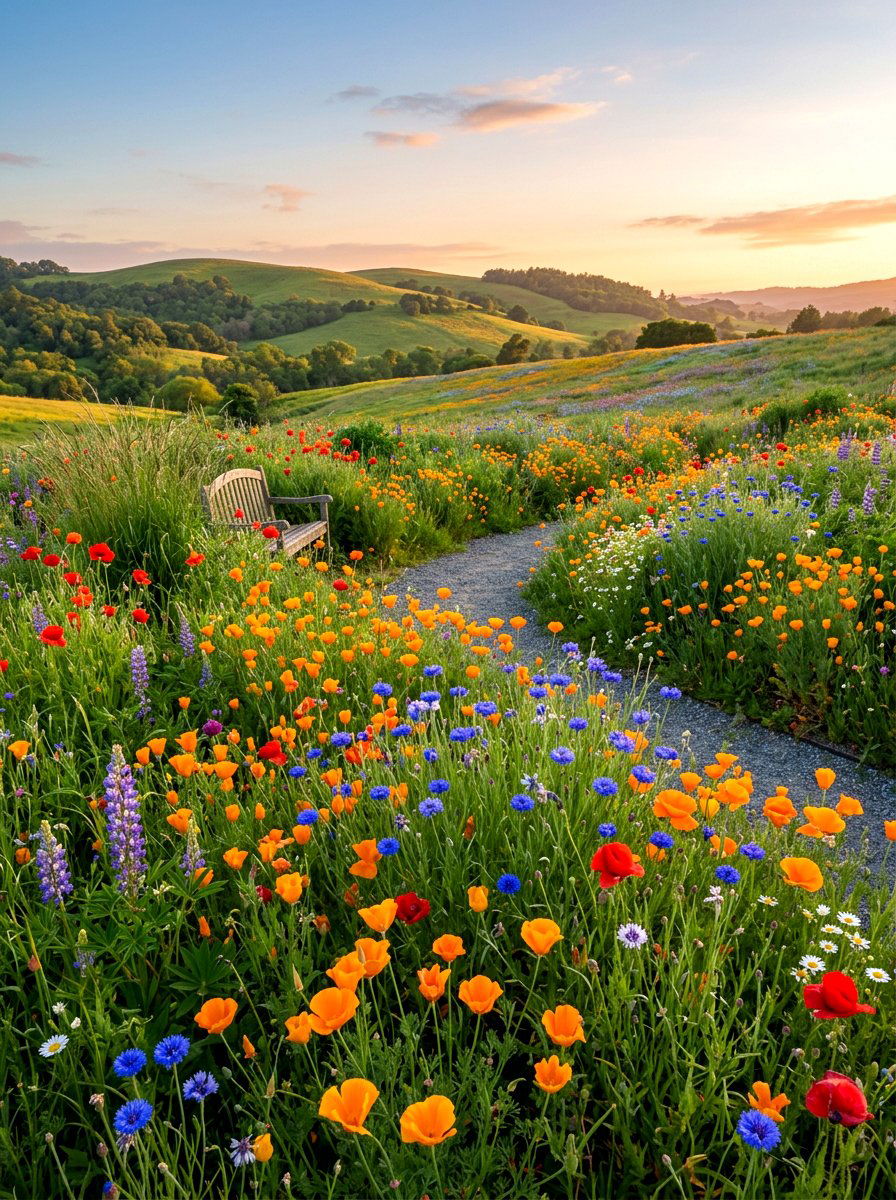
A spring wildflower garden offers a naturalistic and carefree look that celebrates the local flora of your specific region. By sowing a mix of native seeds, you can create a meadow-like area that requires very little mowing or heavy maintenance. These gardens are excellent for biodiversity and provide a changing tapestry of colors throughout the warmer months. They have a whimsical, untamed feel that works well in larger backyards or along the edges of a property. Wildflowers are generally very resilient and can thrive in various soil types without the need for chemical fertilizers. It is a beautiful way to embrace a more sustainable lifestyle.
12. Spring Flower Border
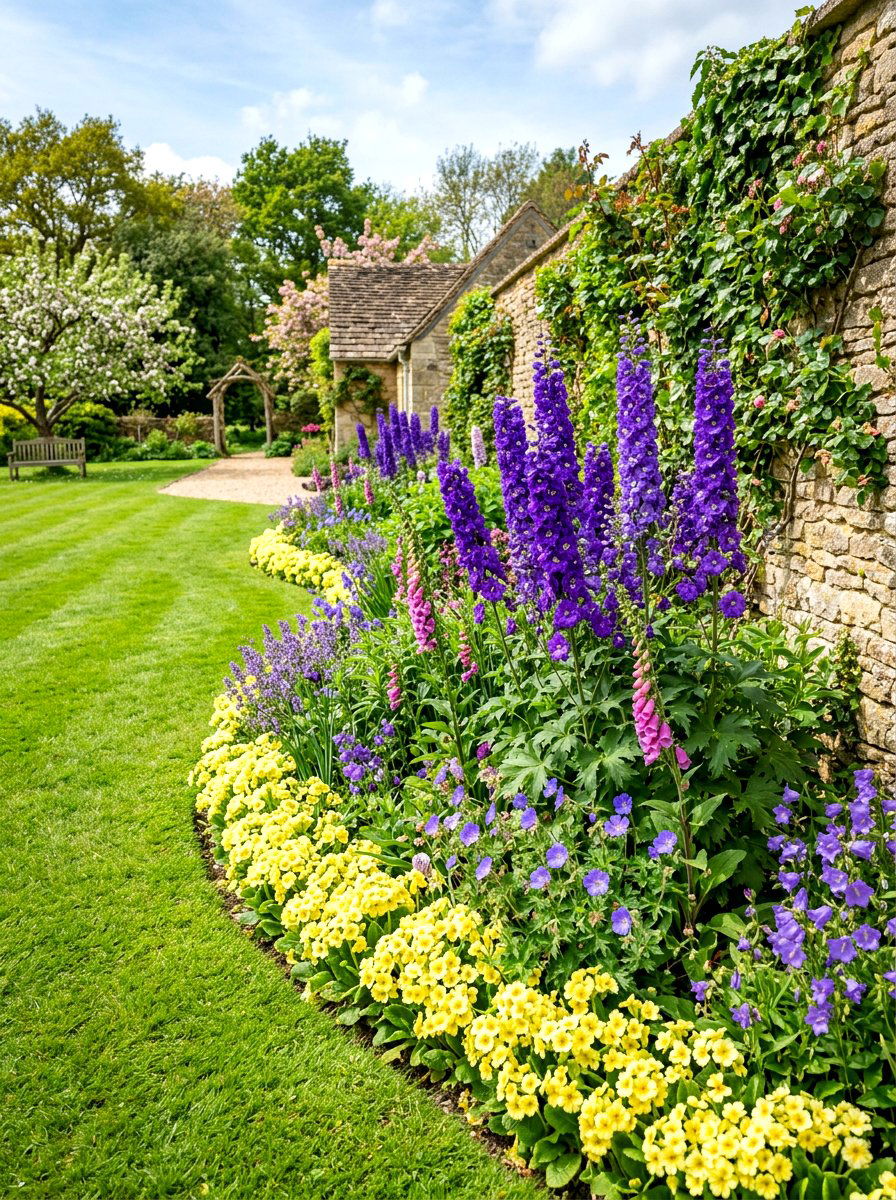
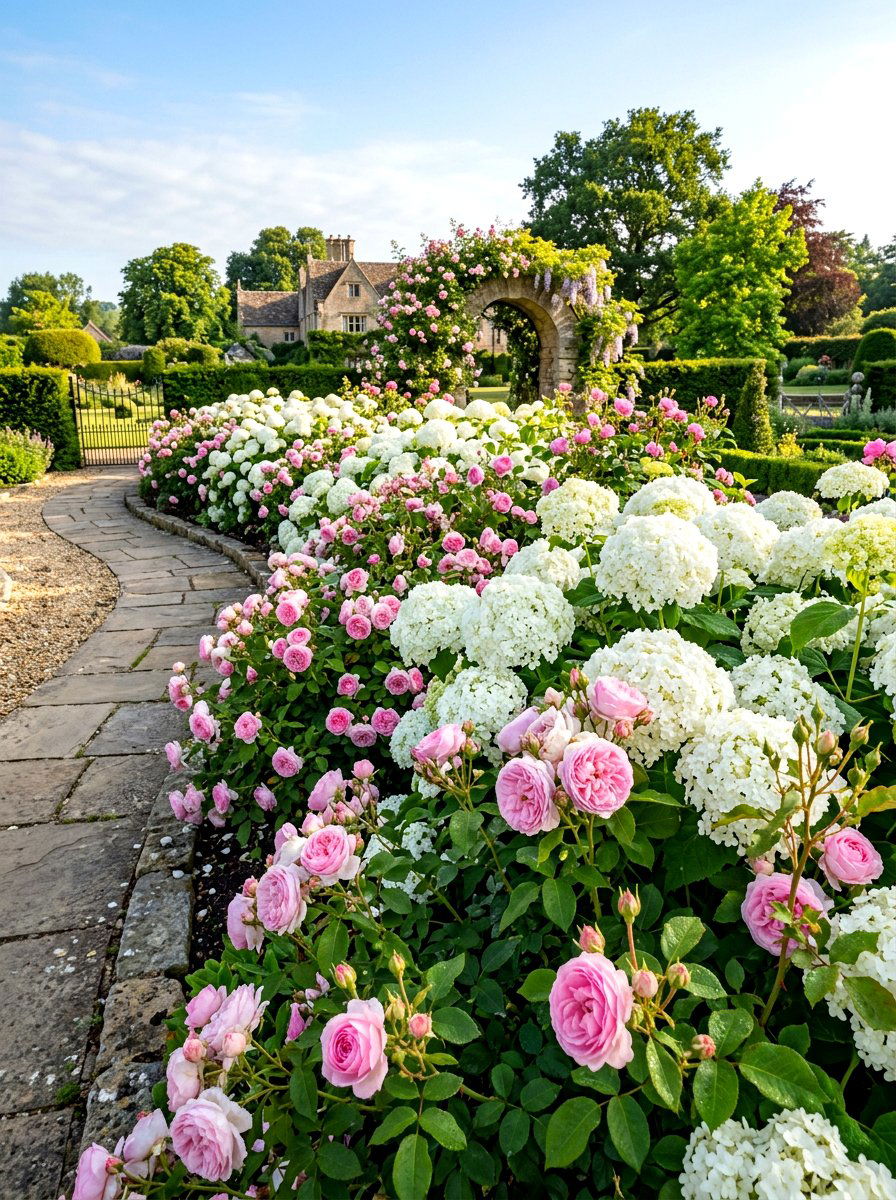
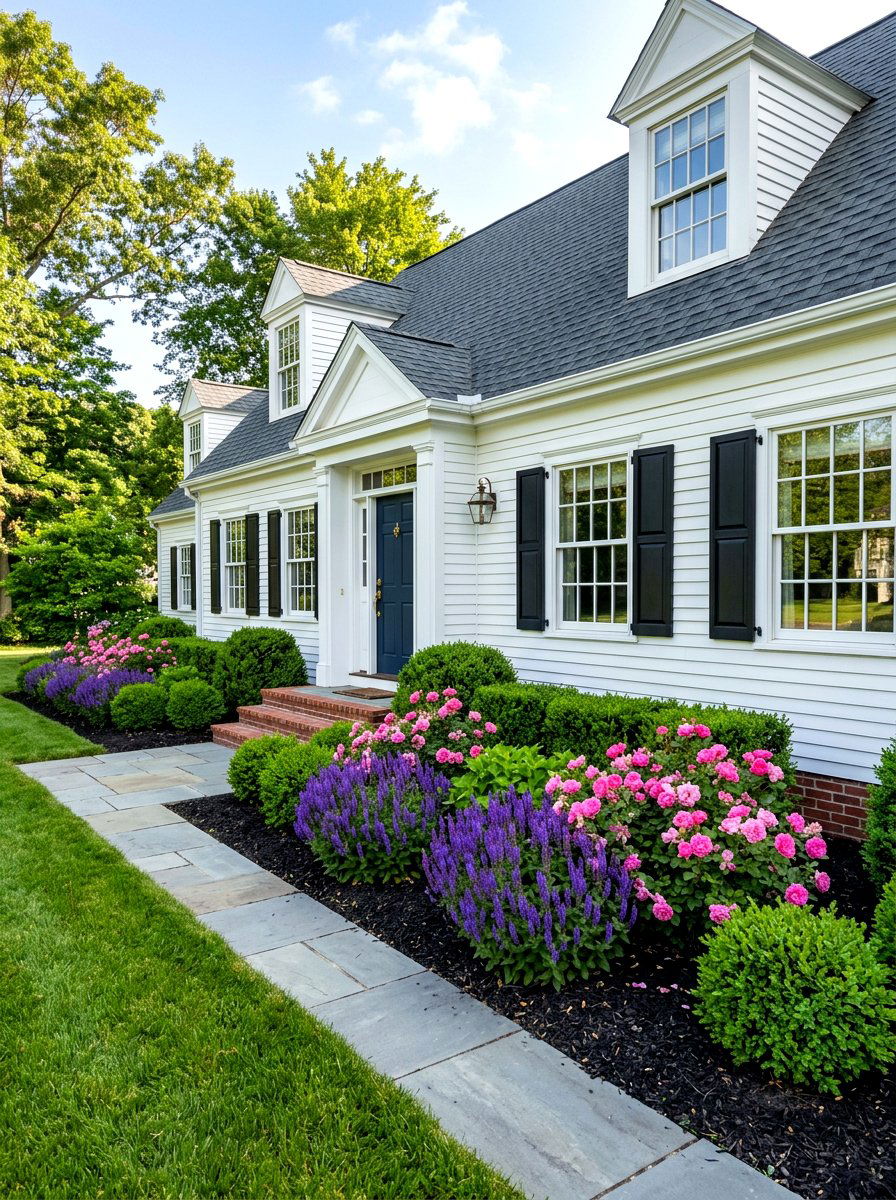
Creating a spring flower border is a professional landscaping technique that defines the edges of your lawn and walkways. You can use a mix of perennials and annuals to create a layered effect with different heights and textures. Planting taller species like delphiniums in the back and shorter primroses in the front ensures that every plant is visible. A well-designed border adds structure to your yard and guides the eye through the different zones of your outdoor space. Using a consistent color theme can make the entire garden feel more unified and polished. It is the perfect way to frame your home with natural beauty.
13. Spring Gravel Garden
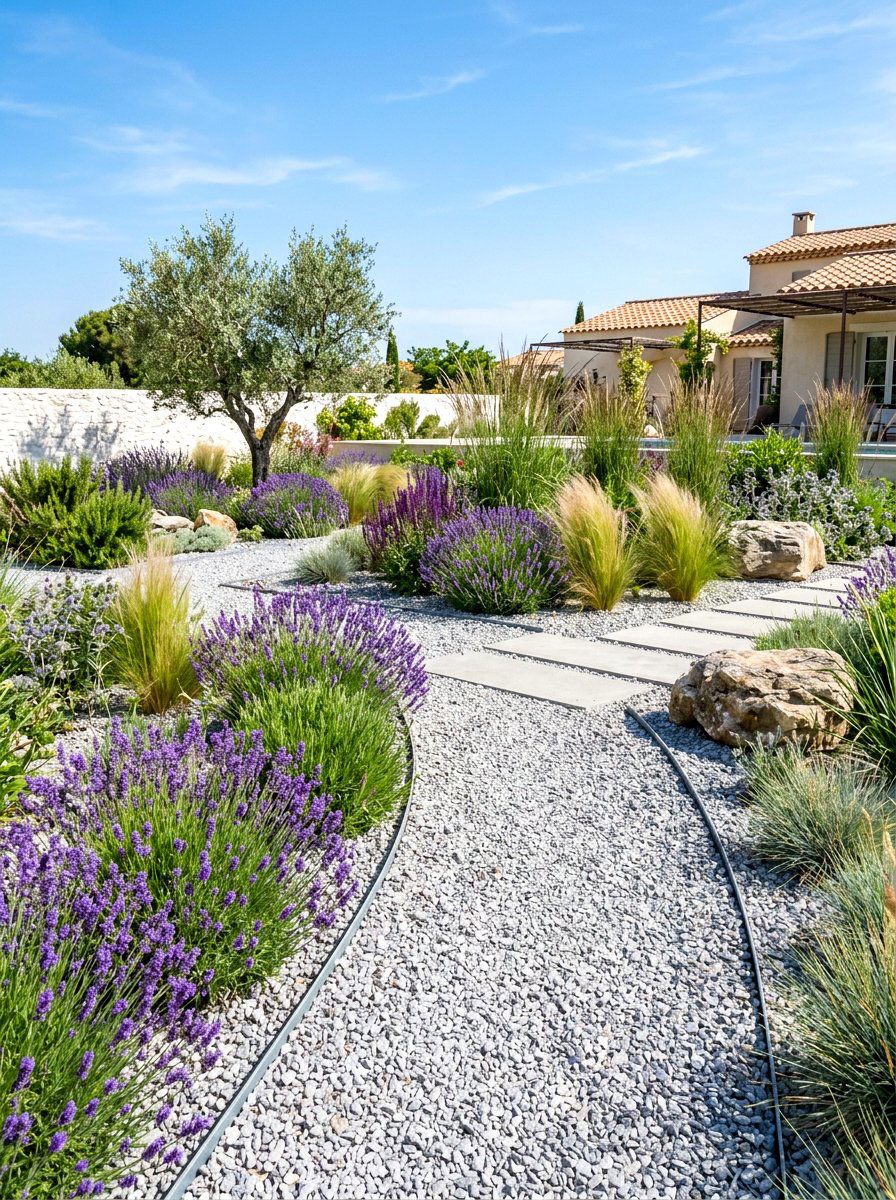
A spring gravel garden is a modern and water-wise alternative to traditional grassy lawns or heavy soil beds. Using decorative gravel as a base helps to suppress weeds and retain moisture for the plants you choose to include. This style works exceptionally well with Mediterranean plants like lavender and ornamental grasses that enjoy excellent drainage. It creates a clean, minimalist aesthetic that looks great even during the early stages of the season. Gravel paths also make it easy to navigate your garden without getting muddy after a spring rain. It is a smart choice for homeowners looking for a contemporary and sustainable landscape design.
14. Spring Small Garden
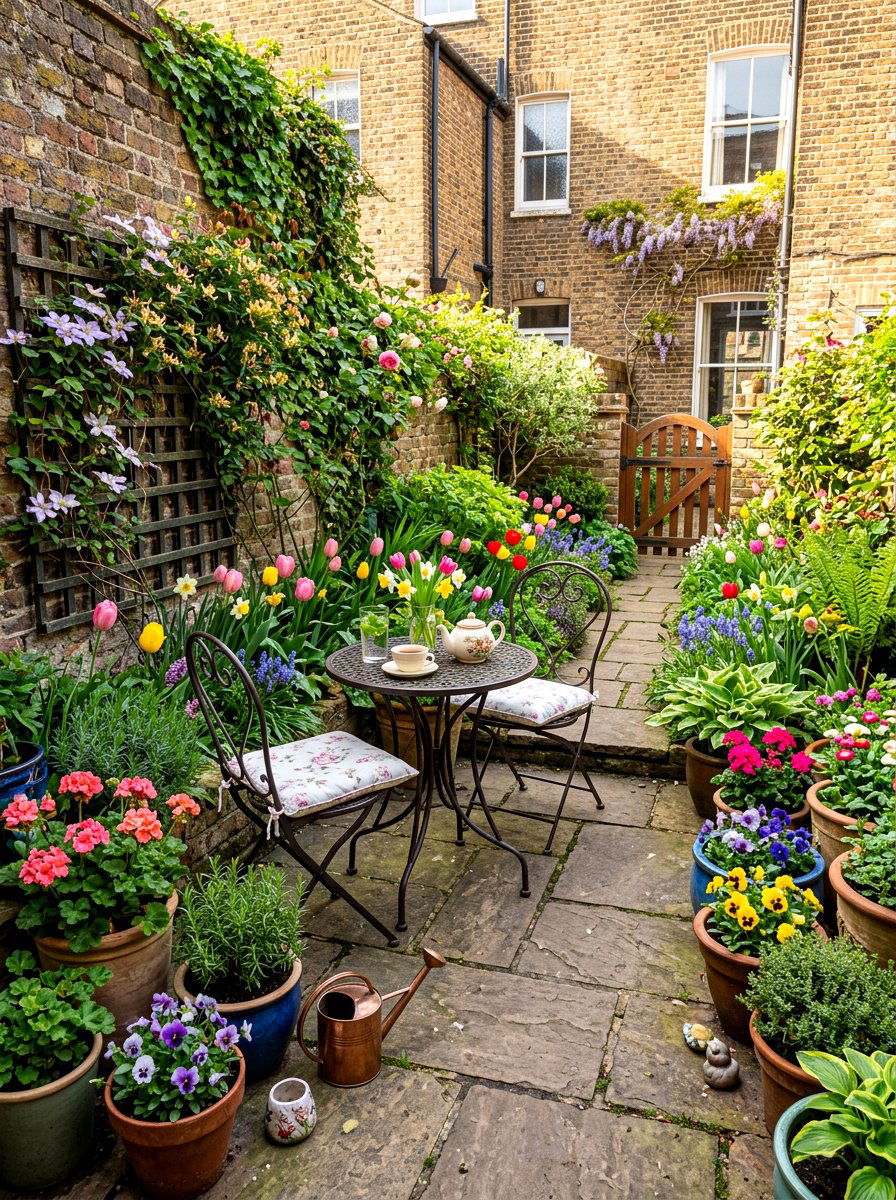
Designing a spring small garden requires a focus on scale and multi-functional elements to make the most of every foot. You can use light colors and mirrors to create the illusion of more space in a tiny courtyard or patio. Choosing compact plant varieties that do not grow too large ensures that the area never feels overcrowded or messy. Incorporating built-in seating or folding furniture allows you to enjoy the greenery without sacrificing floor space for movement. Even the smallest outdoor area can become a lush oasis with the right planning and creative plant placement. It proves that size is never a limit.
15. Spring Water Garden
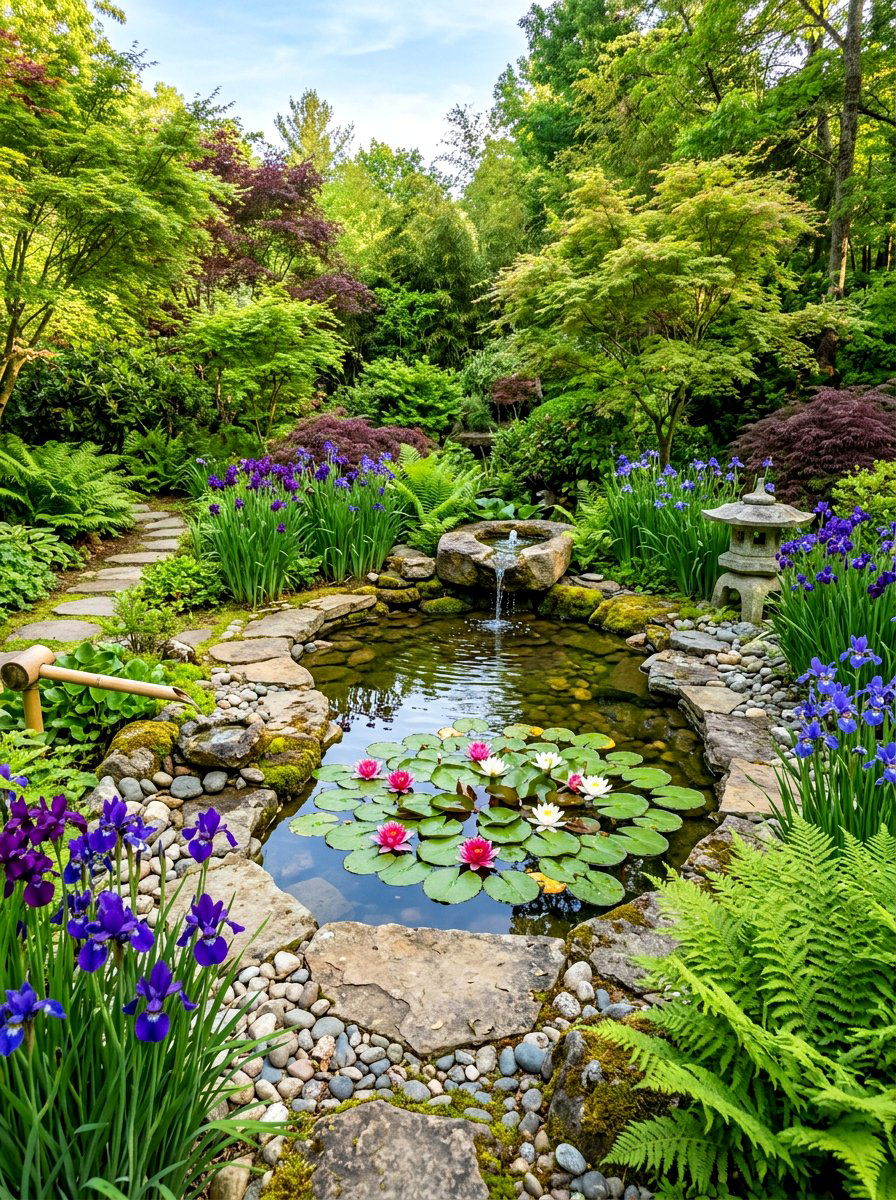
A spring water garden brings a sense of tranquility and movement to your yard through the use of ponds or fountains. The sound of trickling water is incredibly soothing and helps to drown out neighborhood noise for a peaceful experience. You can surround a small pond with moisture-loving plants like iris and marsh marigolds to create a natural look. Water features also attract birds and dragonflies, adding another layer of life to your outdoor sanctuary. Whether it is a simple birdbath or a large koi pond, water elements serve as a stunning focal point. It elevates the entire atmosphere of your spring landscape design.
16. Spring Modern Garden
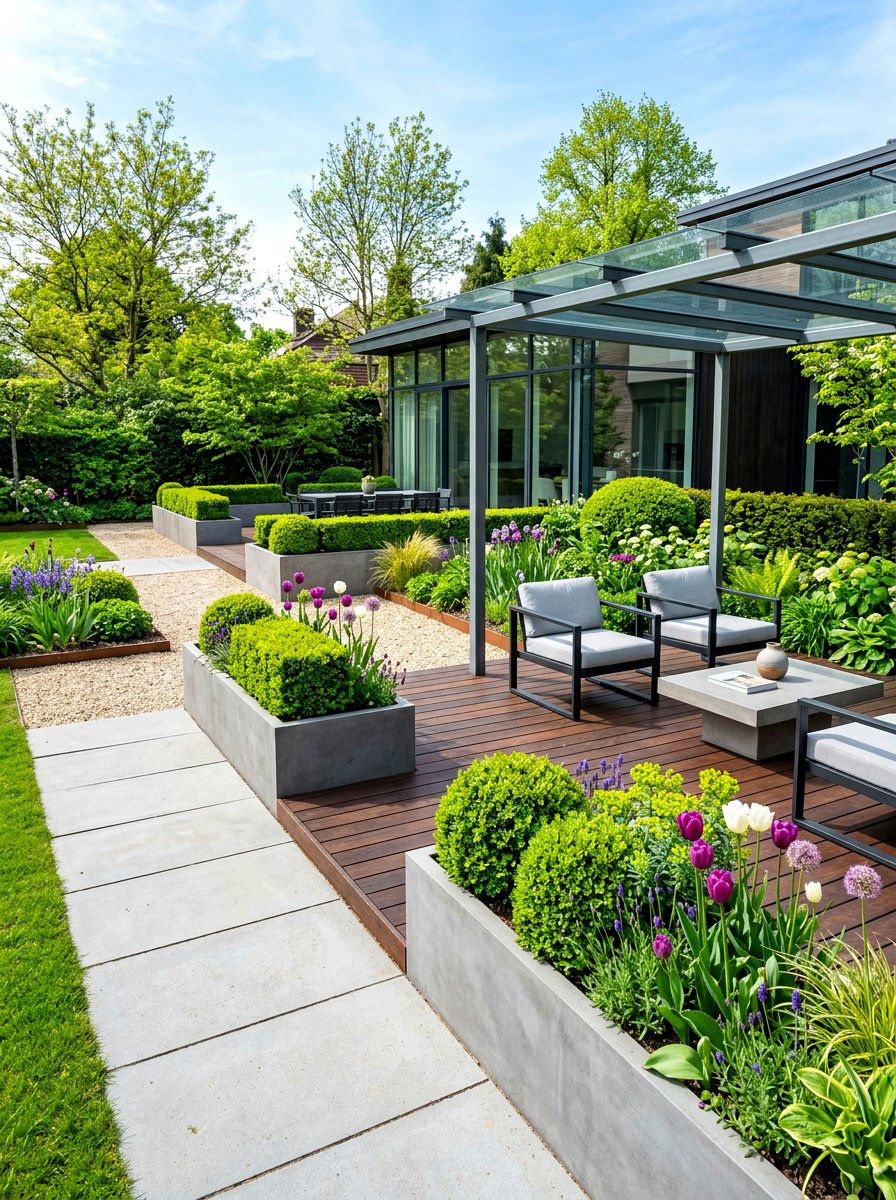
A spring modern garden is characterized by clean lines, geometric shapes, and a limited color palette for a sophisticated look. You can use materials like concrete, steel, and dark wood to create a structured environment that feels like an extension of your home. Focus on architectural plants with bold foliage, such as ornamental grasses or structural boxwood hedges, to maintain the minimalist vibe. This style of gardening prioritizes form and function, making it easy to maintain while still looking incredibly stylish. It is perfect for contemporary homes where the outdoor space needs to feel uncluttered and intentionally designed. It offers a very high-end aesthetic.
17. Spring Succulent Garden
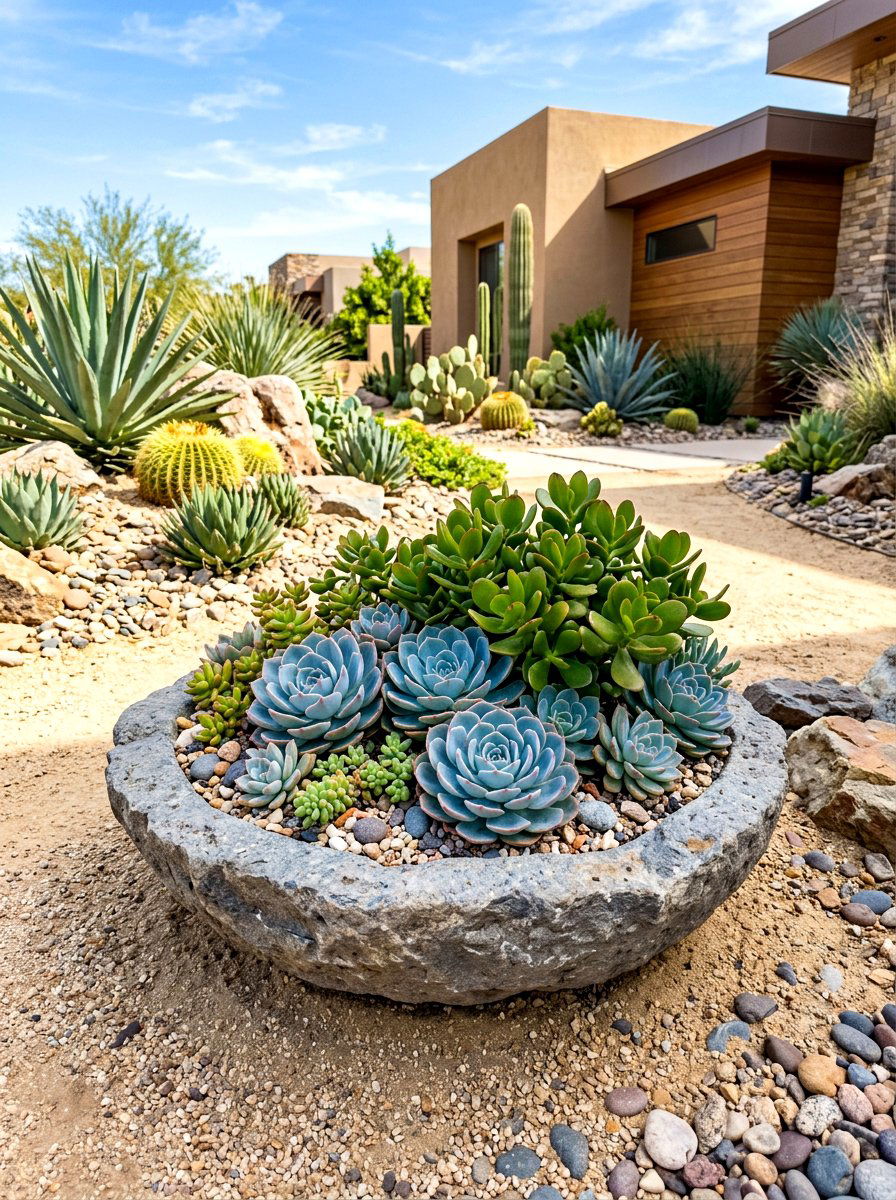
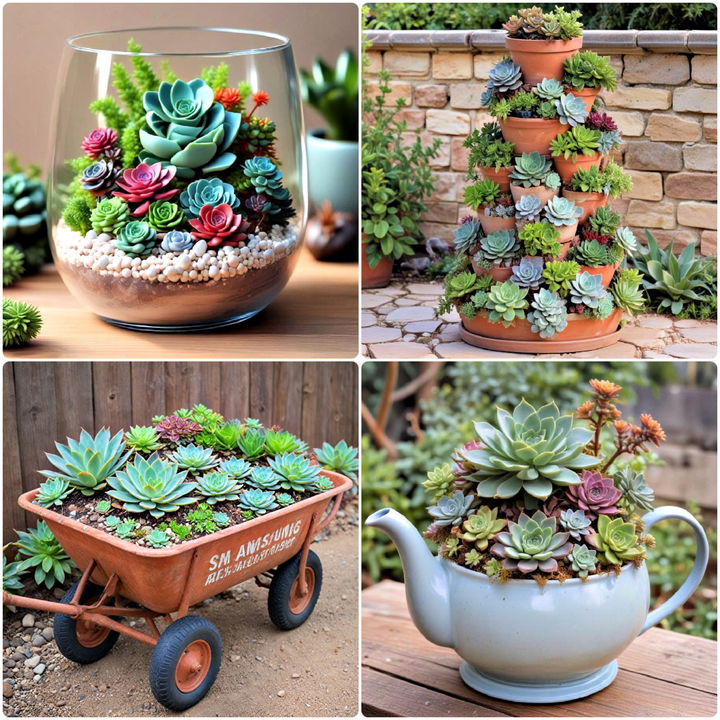
A spring succulent garden is a fantastic choice for those who want a desert-inspired look that is extremely low-maintenance. These fleshy plants store water in their leaves, allowing them to thrive in sunny spots with very little supplemental irrigation. You can arrange different varieties like echeveria, sedum, and aloe in a shallow stone planter or a sandy garden bed. Their unique shapes and subtle colors provide a modern, sculptural quality that looks interesting all year long. Succulents are also very easy to propagate, so you can grow your collection over time with almost no extra cost. They are a resilient and trendy addition.
18. Spring Rose Garden
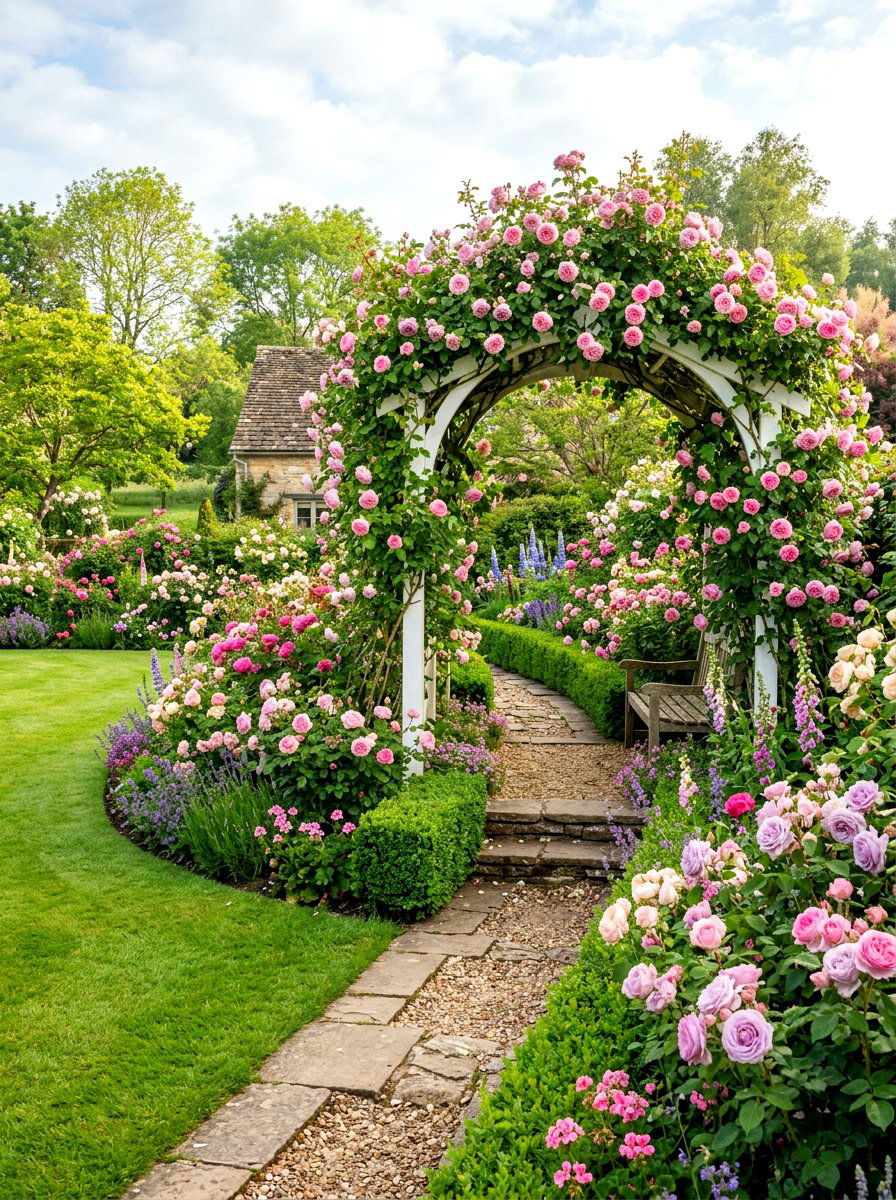
Starting a spring rose garden is a classic way to add elegance and a deep, sweet fragrance to your property. While roses have a reputation for being difficult, many modern varieties are bred to be disease-resistant and easy for beginners to grow. You can choose from climbing roses to cover an arbor or shrub roses for a thick, flowering hedge. Planting them in a sunny spot with plenty of airflow ensures they will produce beautiful blooms throughout the season. The timeless beauty of a rose garden never goes out of style and adds significant value to your home. It creates a truly romantic atmosphere.
19. Spring Fairy Garden
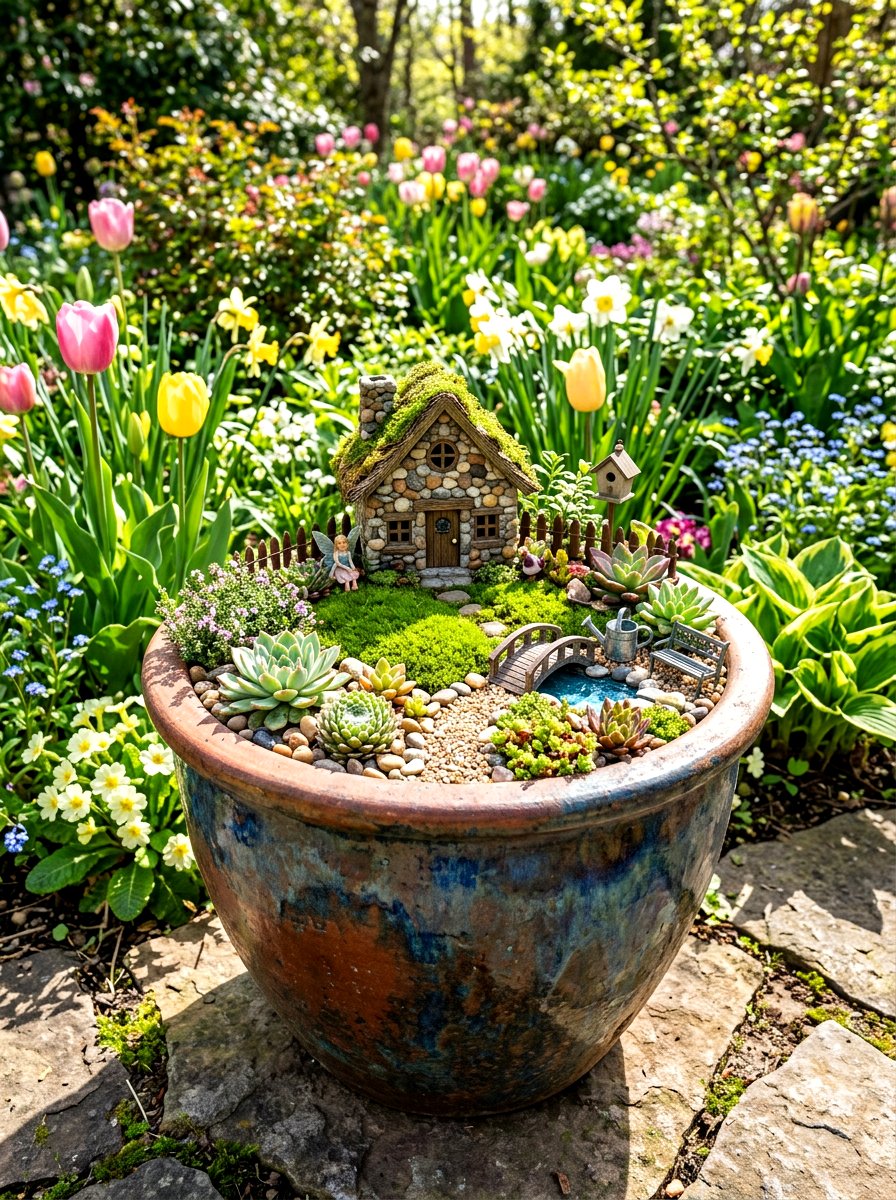
A spring fairy garden is a whimsical and creative project that is fun for both adults and children to build together. These miniature landscapes use tiny plants, small pebbles, and scale-model accessories like houses and benches to create a magical scene. You can set them up in a large planter, at the base of a tree, or even inside an old hollow log. Using ground covers like Irish moss or baby’s tears helps to simulate a tiny lawn for the imaginary residents. It is a wonderful way to express your creativity and add a touch of playful mystery to your outdoor space.
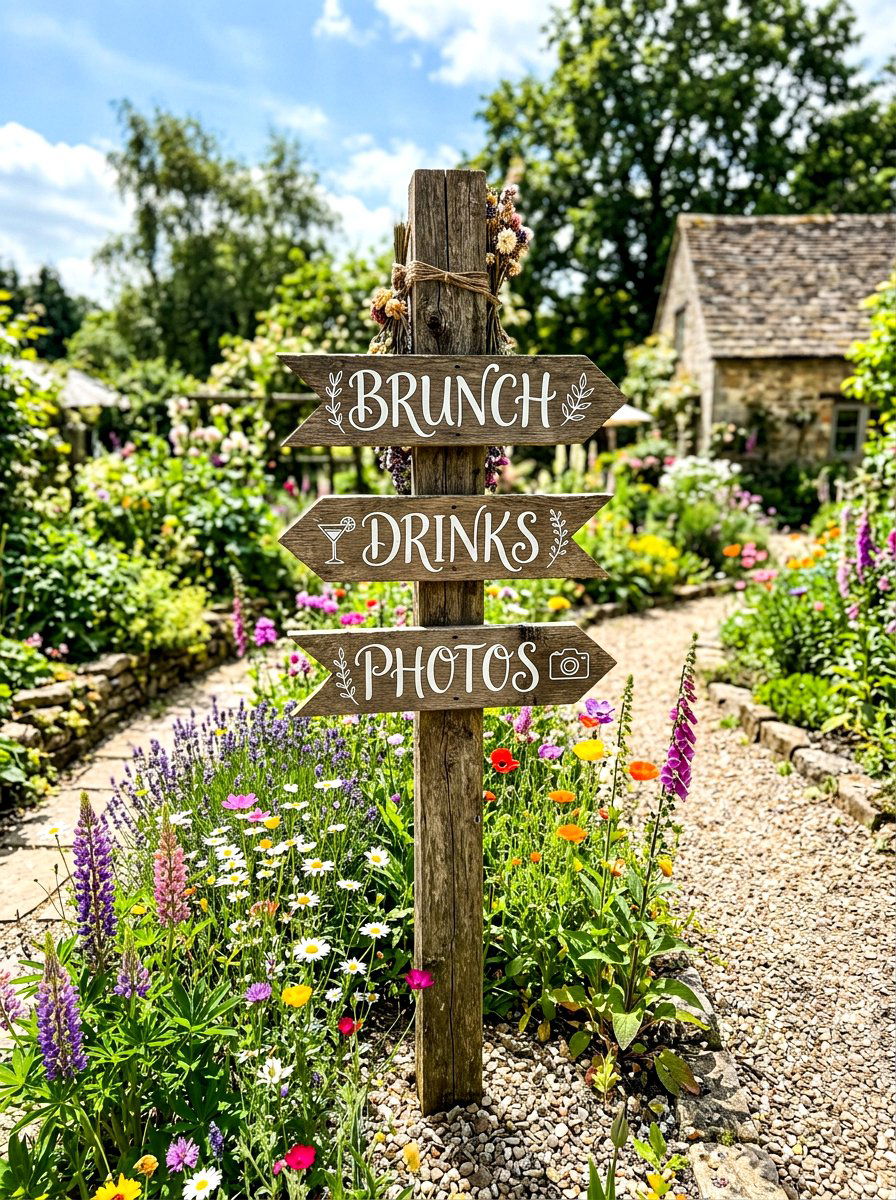
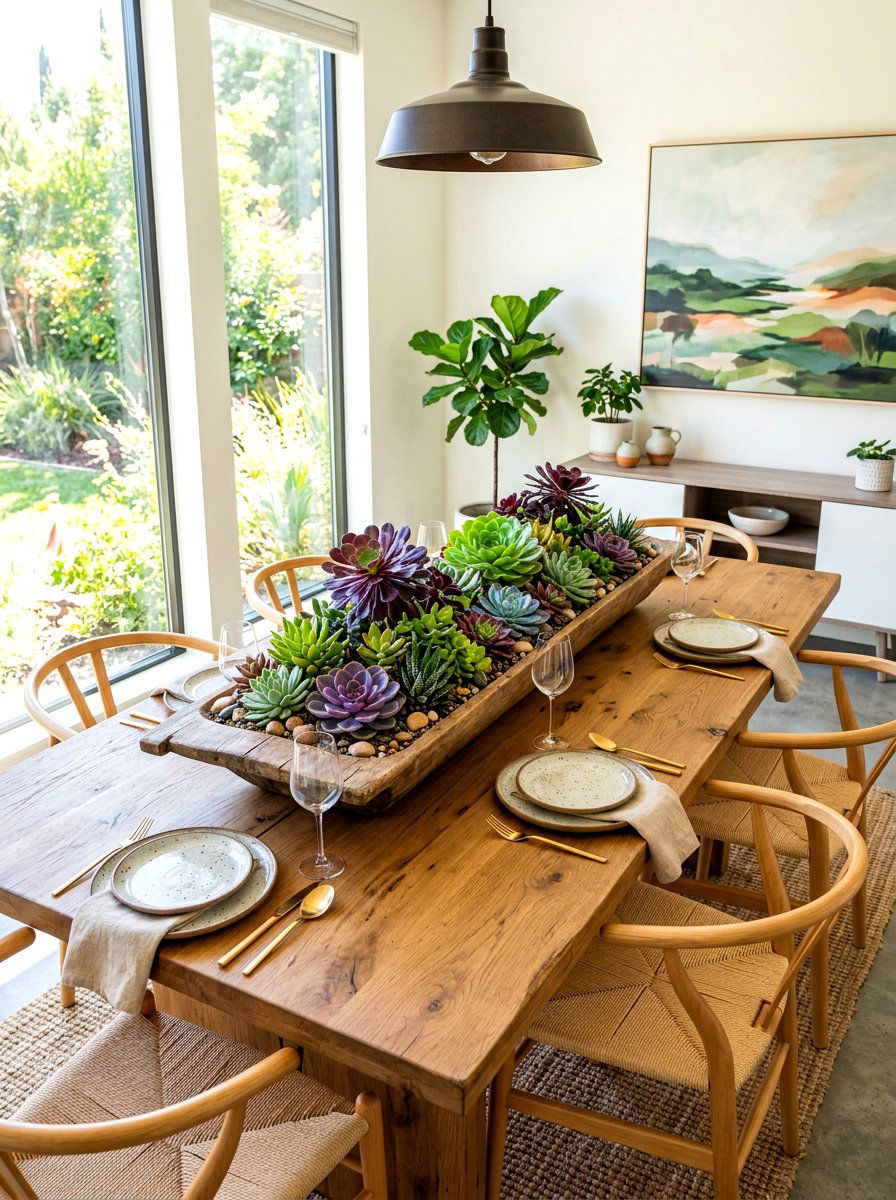
20. Spring Zen Garden
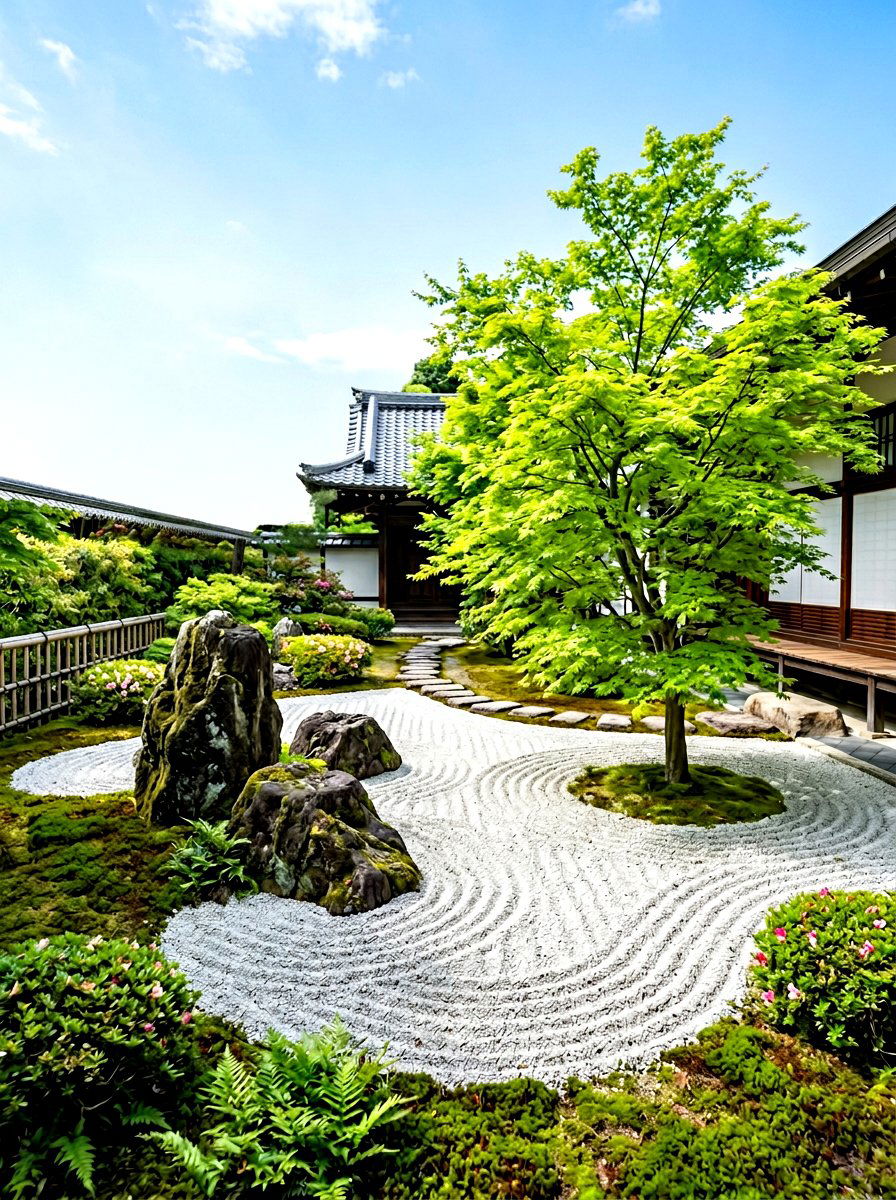
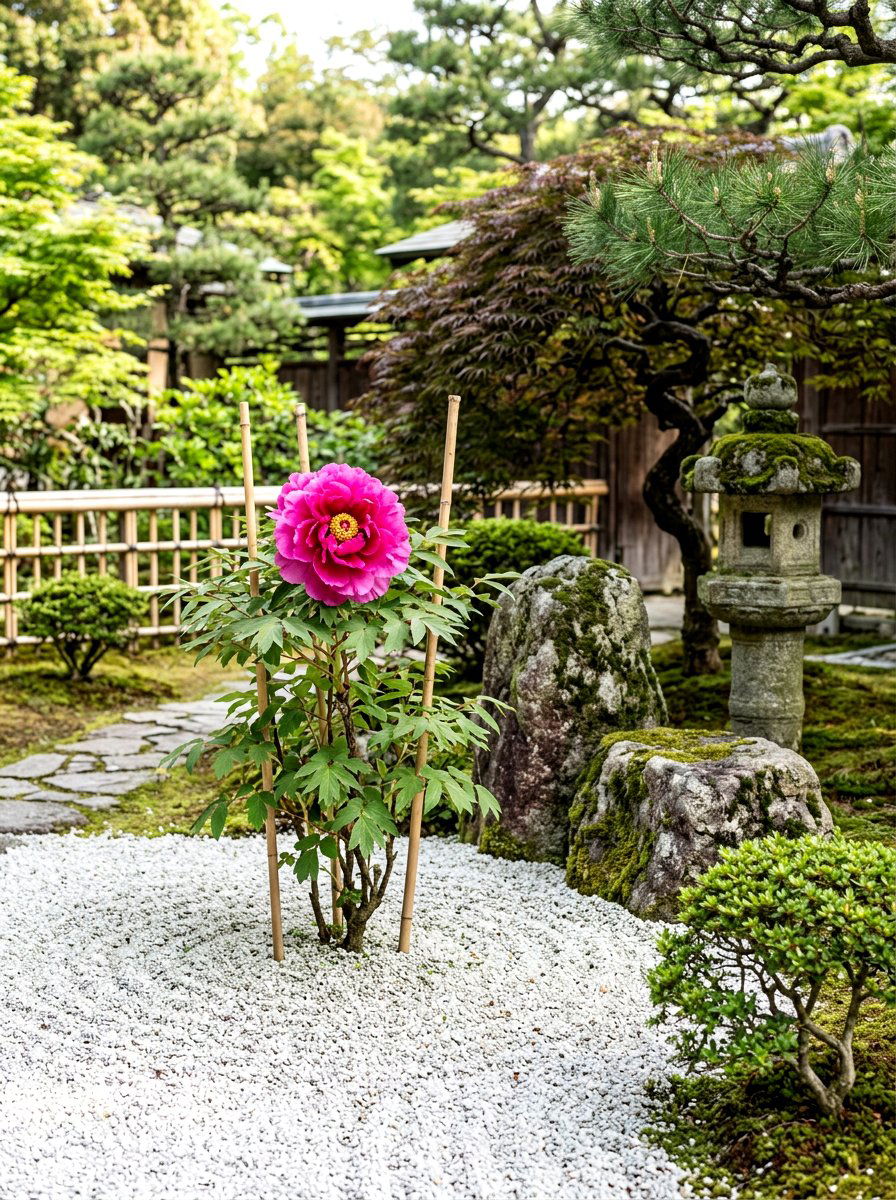
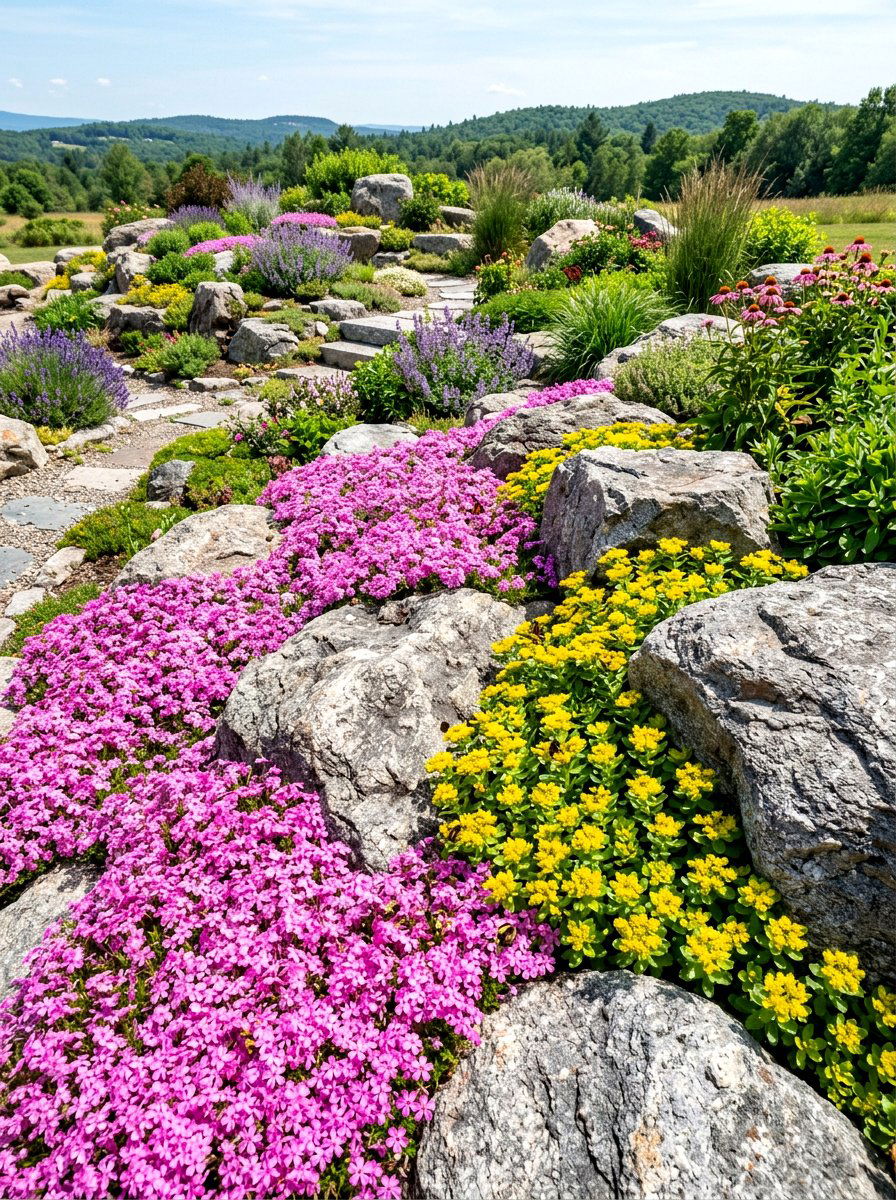
A spring zen garden is designed to promote meditation and relaxation through the use of sand, gravel, and carefully placed rocks. This Japanese-inspired style often includes a small bridge or a stone lantern to enhance the peaceful and balanced aesthetic. You can use a wooden rake to create swirling patterns in the gravel, which represents the movement of water. Minimalist plantings like moss or a single Japanese maple tree add a touch of greenery without overwhelming the simplicity of the design. It is the perfect garden style for anyone looking to create a quiet retreat for stress relief and mindful reflection.
21. Spring Window Box Garden
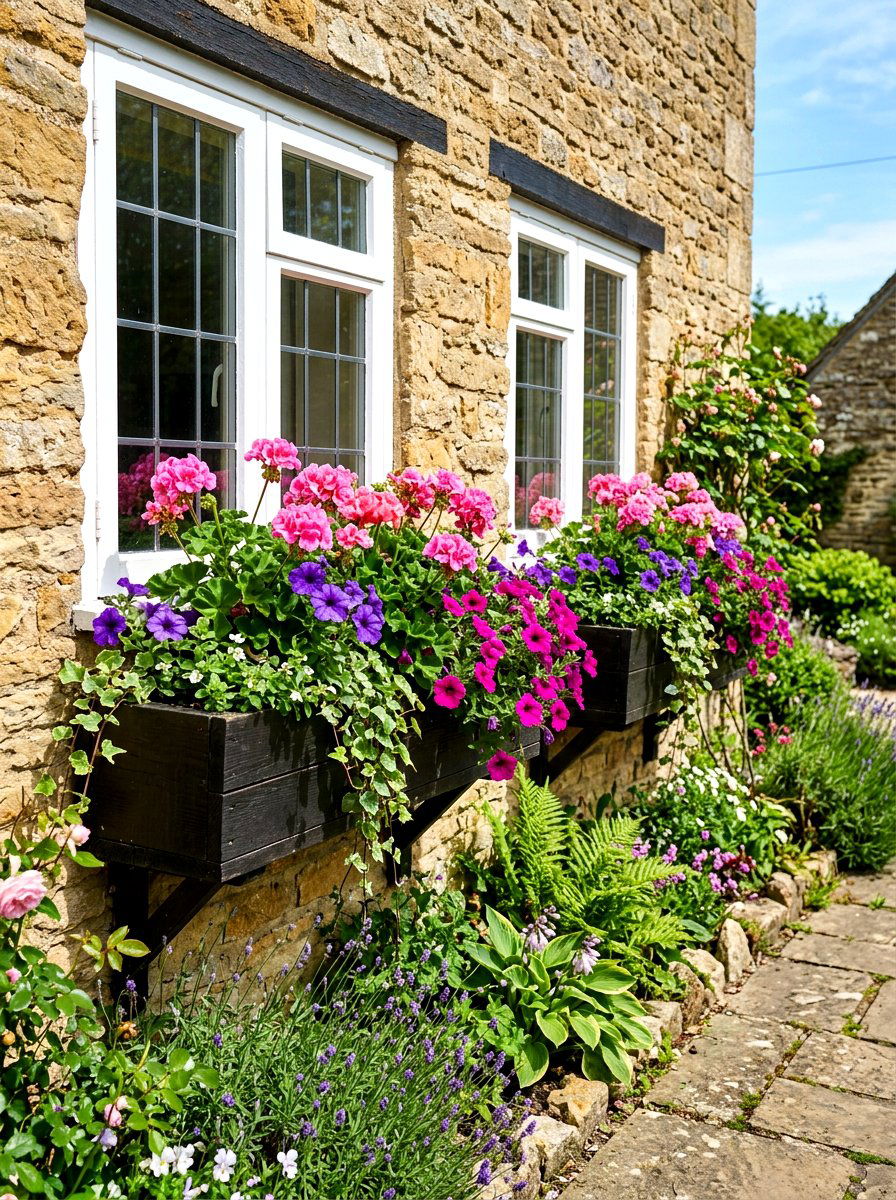
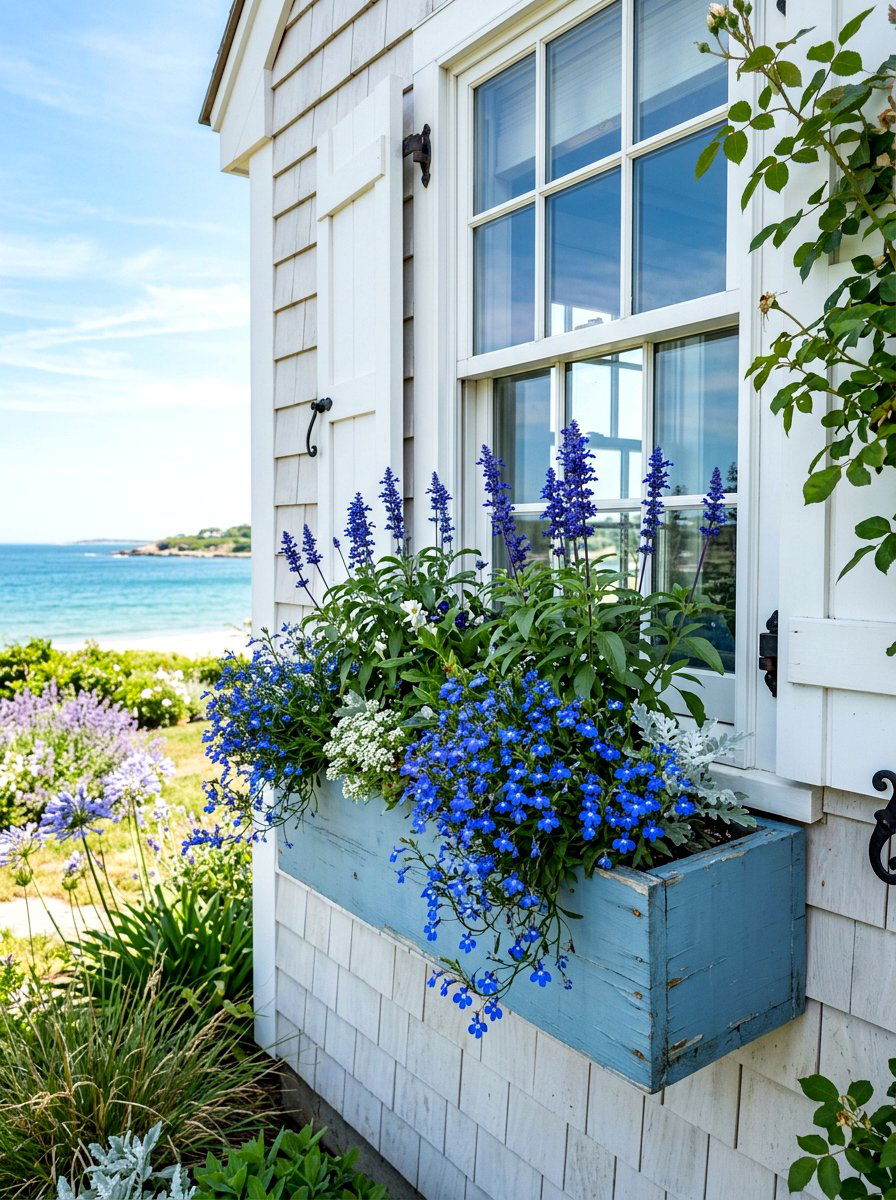
A spring window box garden is an easy way to bring color and life directly to the exterior of your home. These compact planters are attached below windows, allowing you to enjoy the view from both inside and outside. You can fill them with a mix of upright flowers like geraniums and trailing plants like lobelia for a balanced look. Window boxes are excellent for adding curb appeal to a house with a small front yard or no garden at all. They allow you to change your decor with the seasons quickly and affordably. It is a charming and classic way to decorate.
22. Spring Cut Flower Garden
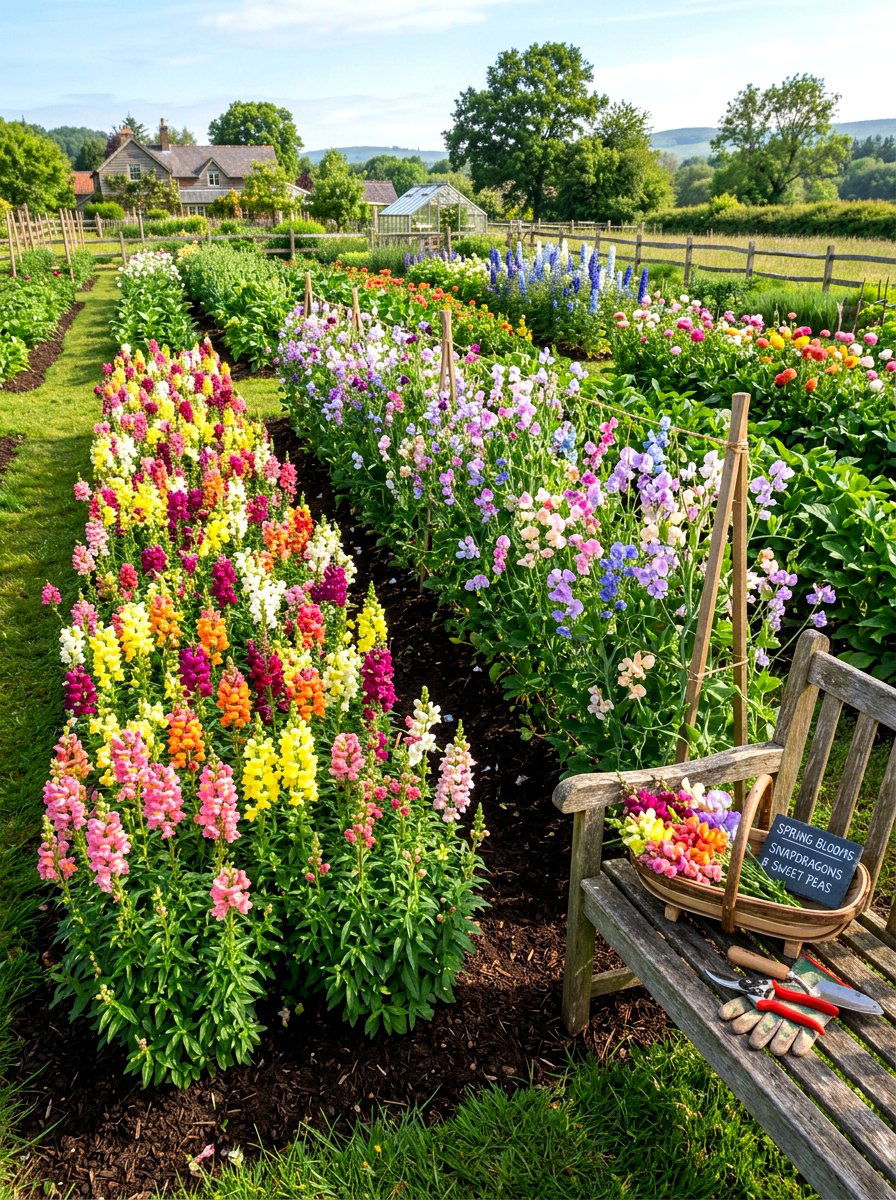
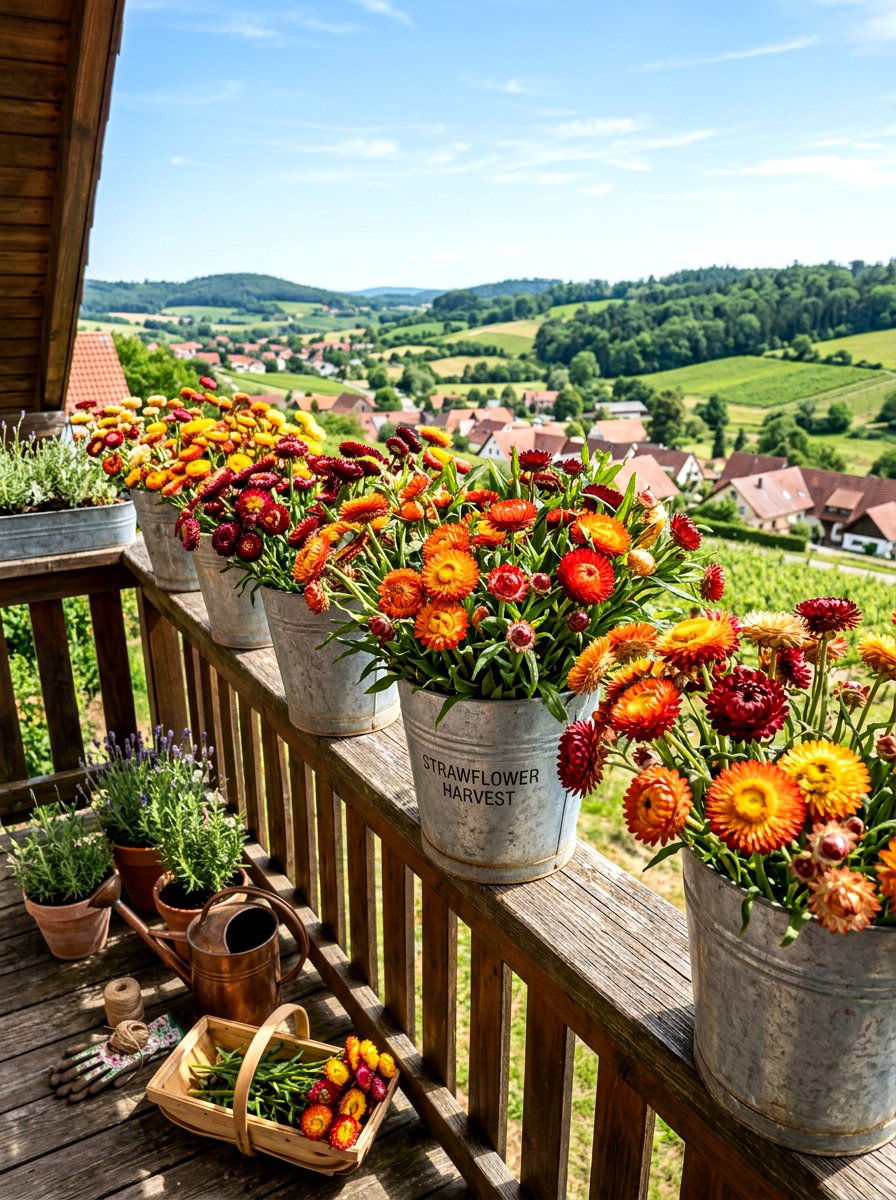
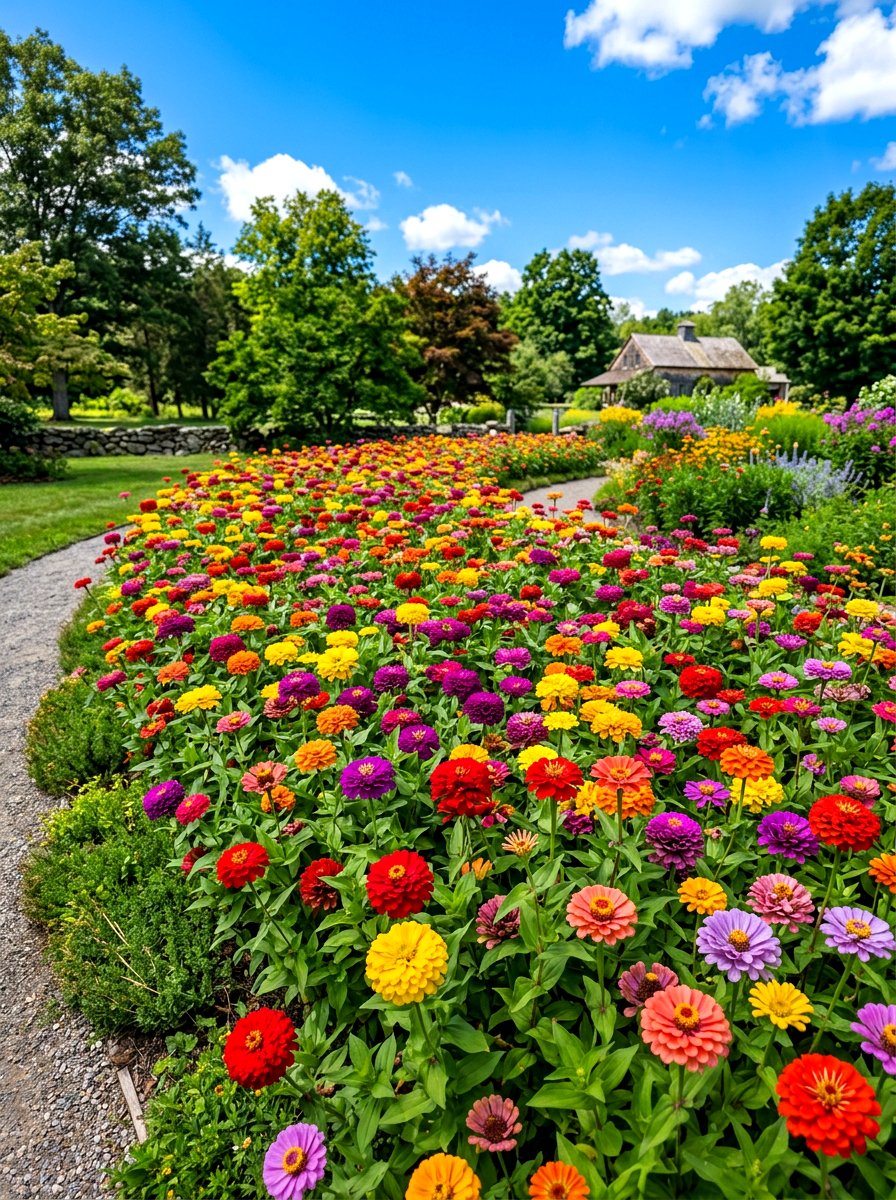
Planning a spring cut flower garden ensures that you always have fresh, beautiful bouquets to display inside your home. Focus on planting flowers with long, sturdy stems like snapdragons, zinnias, and sweet peas that hold up well in vases. By dedicating a specific area for cutting, you can harvest flowers without ruining the look of your main decorative beds. This type of garden is highly rewarding and allows you to share the beauty of your yard with friends and neighbors. Growing your own flowers is much more sustainable and cost-effective than buying them from a store. It brings nature indoors.
23. Spring Butterfly Garden
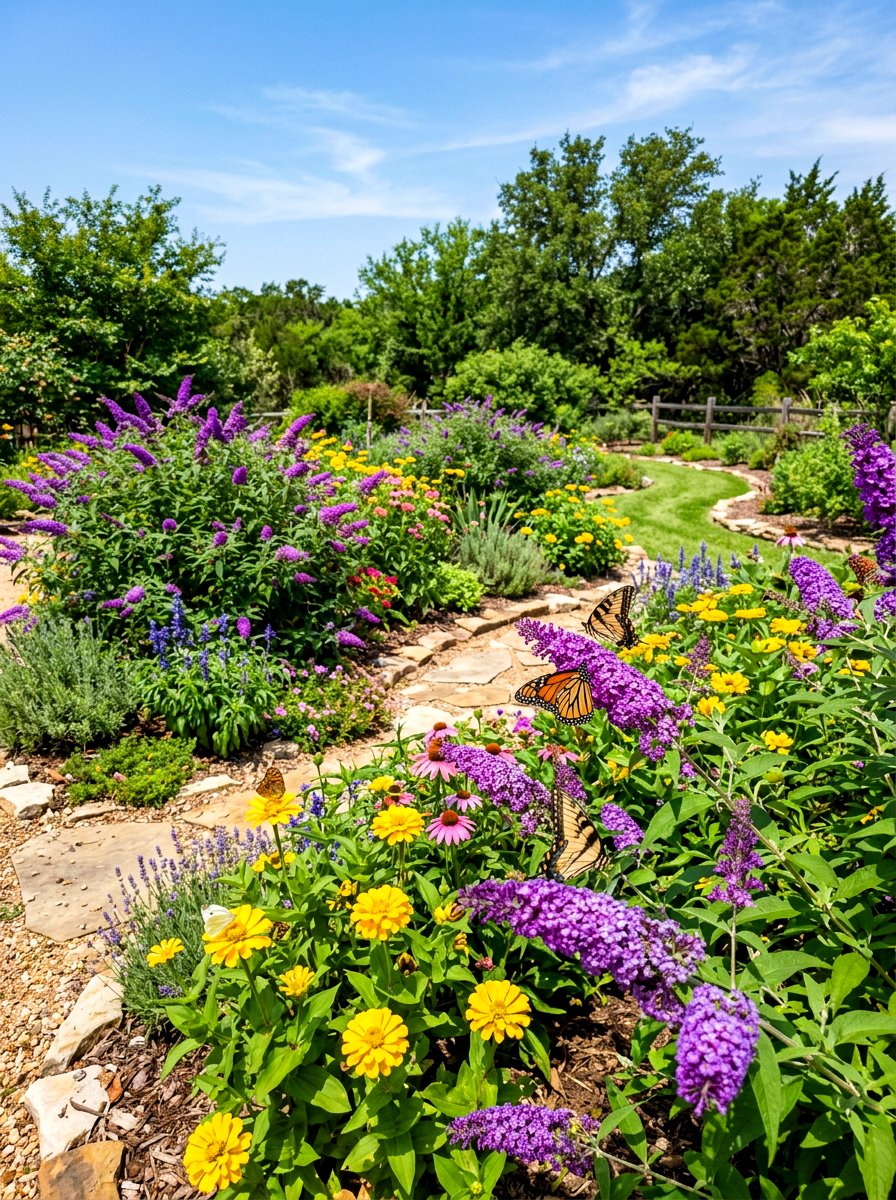
A spring butterfly garden is specifically designed to attract and nourish these beautiful insects at every stage of their life cycle. You should include host plants like dill and parsley for caterpillars to eat, as well as nectar-rich flowers for the adults. Brightly colored blooms like buddleia and zinnias are known favorites that will keep butterflies coming back to your yard daily. Providing a flat stone in a sunny spot gives them a place to warm their wings in the morning. Watching the colorful visitors fly through your garden adds a sense of magic and vitality that is hard to beat.
24. Spring Tropical Garden
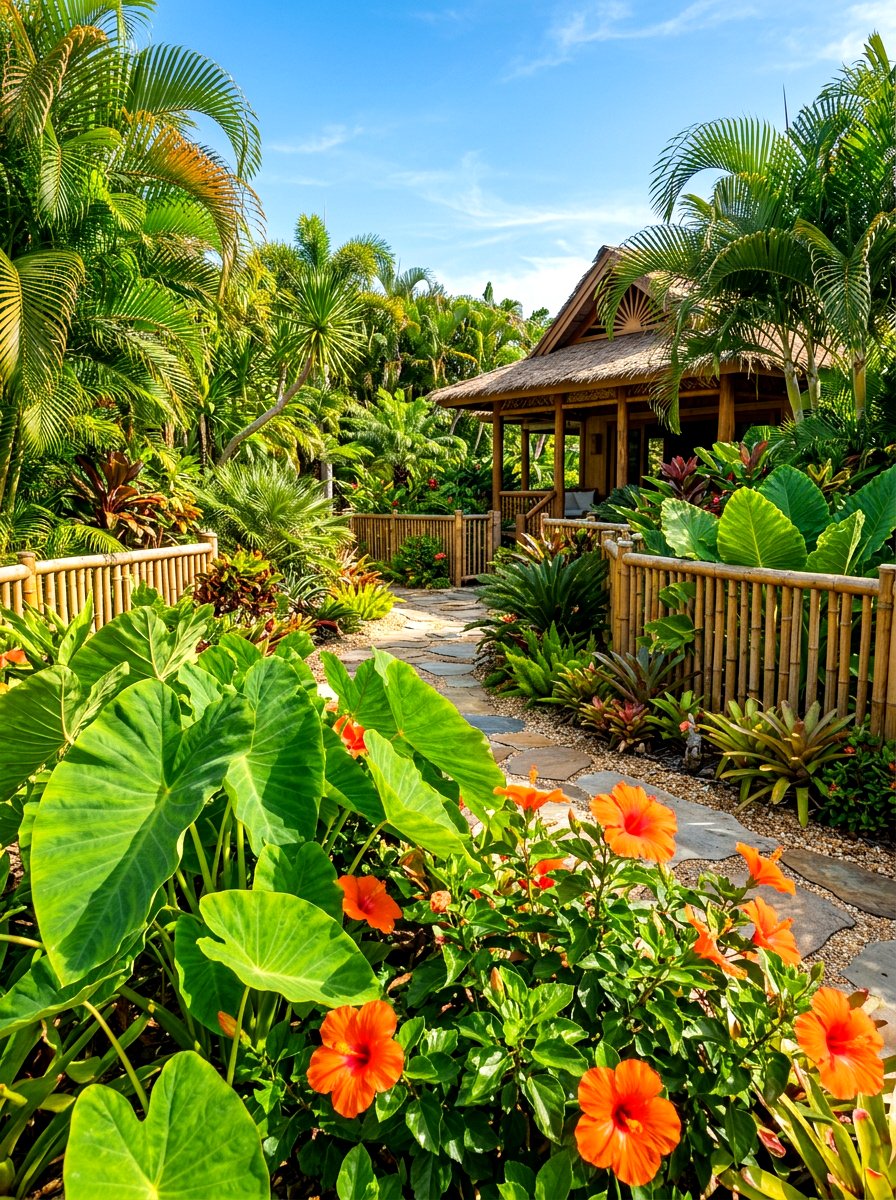
A spring tropical garden uses bold foliage and bright, exotic-looking flowers to create a lush, vacation-like vibe in your own backyard. Even in cooler climates, you can achieve this look by using large-leafed plants like canna lilies, elephant ears, and hardy palms. These plants grow rapidly in the spring and provide a dense, jungle-like canopy that feels private and secluded. Using vibrant colors like hot pink, orange, and deep red helps to complete the tropical theme. It is a daring and energetic style that makes a big statement and turns your outdoor space into a high-energy retreat for summer entertaining.

25. Spring Woodland Garden
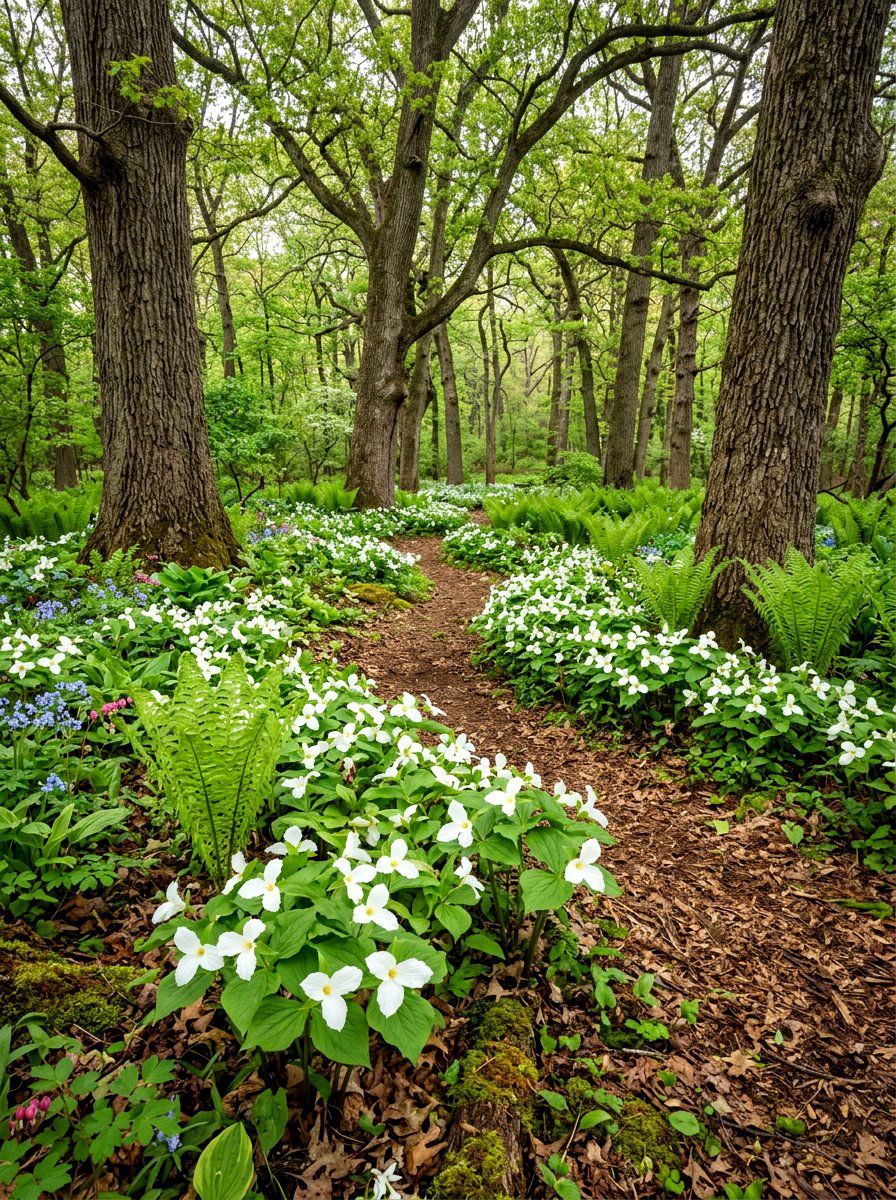
A spring woodland garden mimics the natural beauty of a forest floor, making it ideal for shady areas under mature trees. Focus on using organic mulch and planting native woodland species like trilliums, wild ginger, and various ferns. This style of garden thrives on a "layers" approach, starting with the tree canopy and moving down to smaller shrubs and ground covers. The result is a cool, damp environment that feels incredibly peaceful and natural. It requires very little formal pruning or tidying, as the goal is to look like a part of the local landscape. It is a very sustainable and low-effort option.
26. Spring Formal Garden
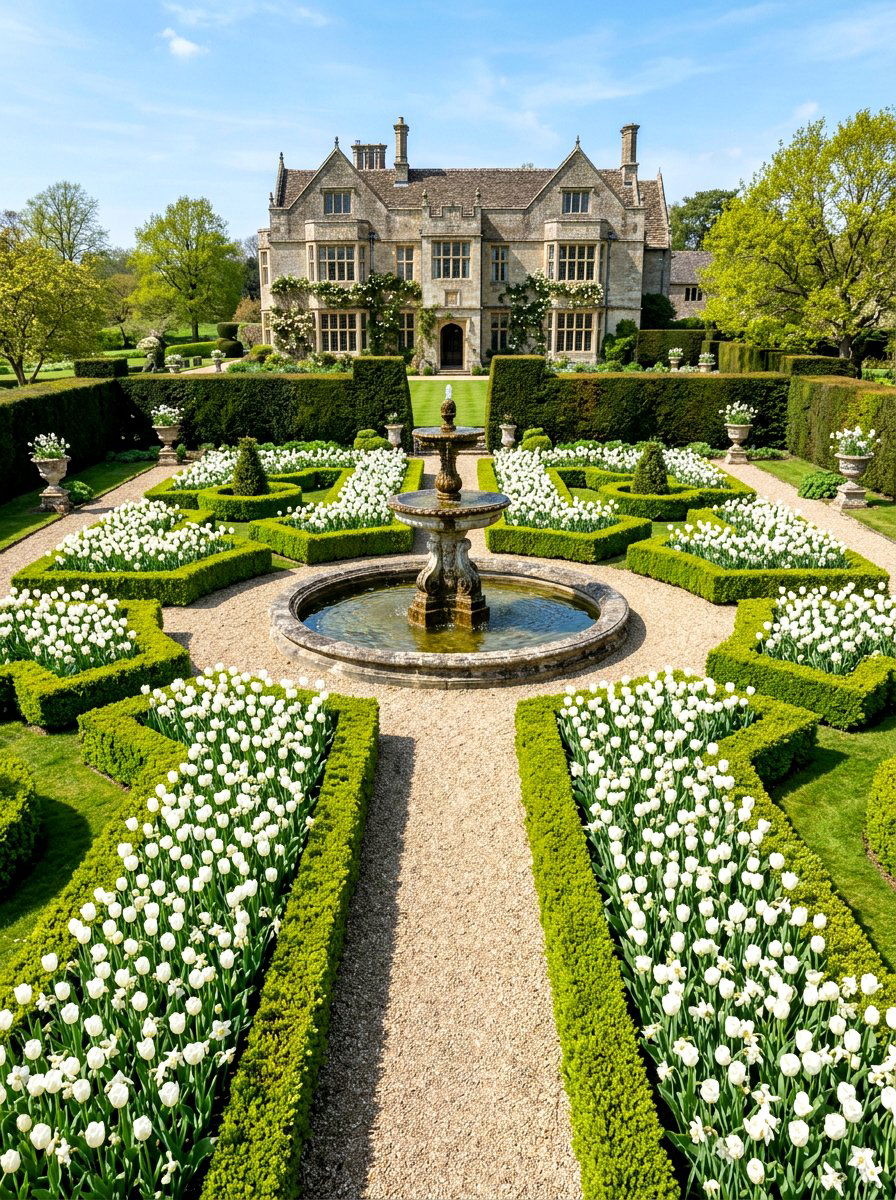
A spring formal garden is based on symmetry, straight lines, and neatly trimmed hedges for a stately and organized appearance. This classic European style often features a central focal point, such as a sundial or a fountain, with identical beds on either side. You can use boxwood or privet to create low evergreen borders that keep the garden looking structured all year long. Planting flowers in solid blocks of color reinforces the tidy and intentional feel of the space. It is a sophisticated choice for traditional homes and provides a very clean, professional look that impresses every visitor who walks through.
27. Spring Hanging Basket Garden
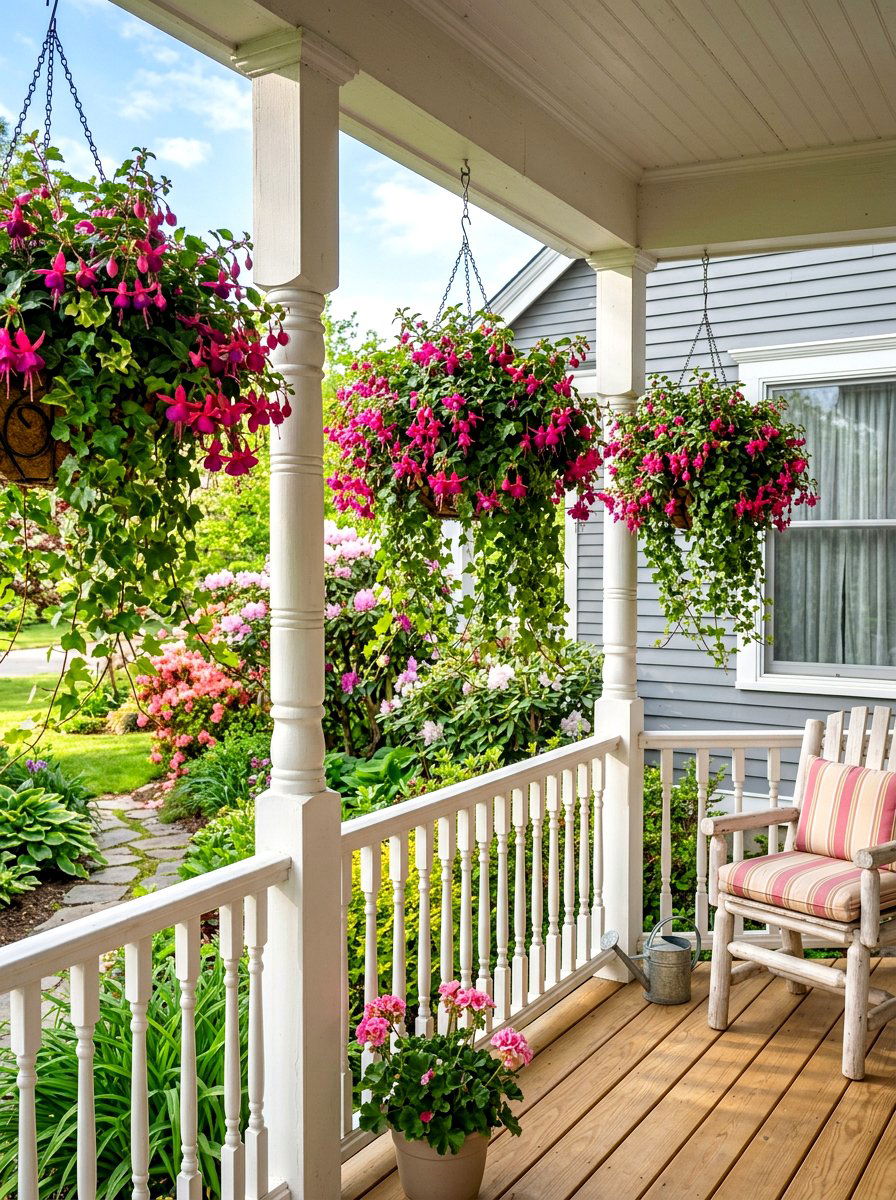
A spring hanging basket garden is a brilliant way to utilize vertical space on a porch, pergola, or balcony. These aerial displays are perfect for trailing plants like fuchsias, petunias, and ivy that spill beautifully over the edges of the pot. Because they are elevated, they are safe from many ground-dwelling pests and are very easy to water and maintain at chest height. You can hang multiple baskets at different levels to create a wall of color that frames your seating area. They add a festive and welcoming touch to any home entrance. It is a quick and effective way to add instant spring charm.
28. Spring Native Plant Garden
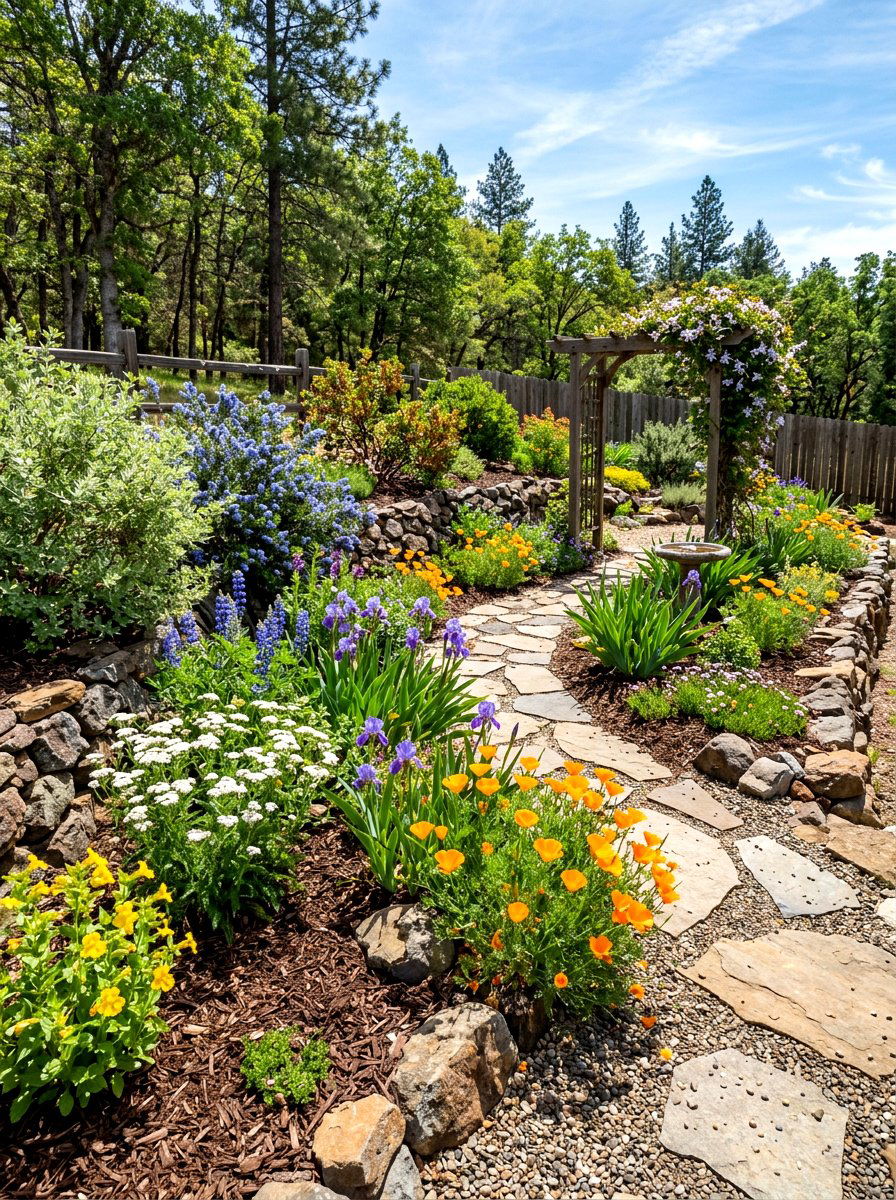
Choosing a spring native plant garden is the most eco-friendly way to landscape because these species are perfectly adapted to your local climate. Native plants generally require less water, fewer fertilizers, and almost no pesticides to thrive in your specific soil. They provide the best habitat for local birds and insects, helping to restore the natural balance of your neighborhood. This type of gardening celebrates the unique beauty of your region and often results in a very hardy and resilient yard. It is a responsible choice that looks beautiful while also doing something good for the planet. It is gardening with a clear purpose.
29. Spring Fragrant Garden
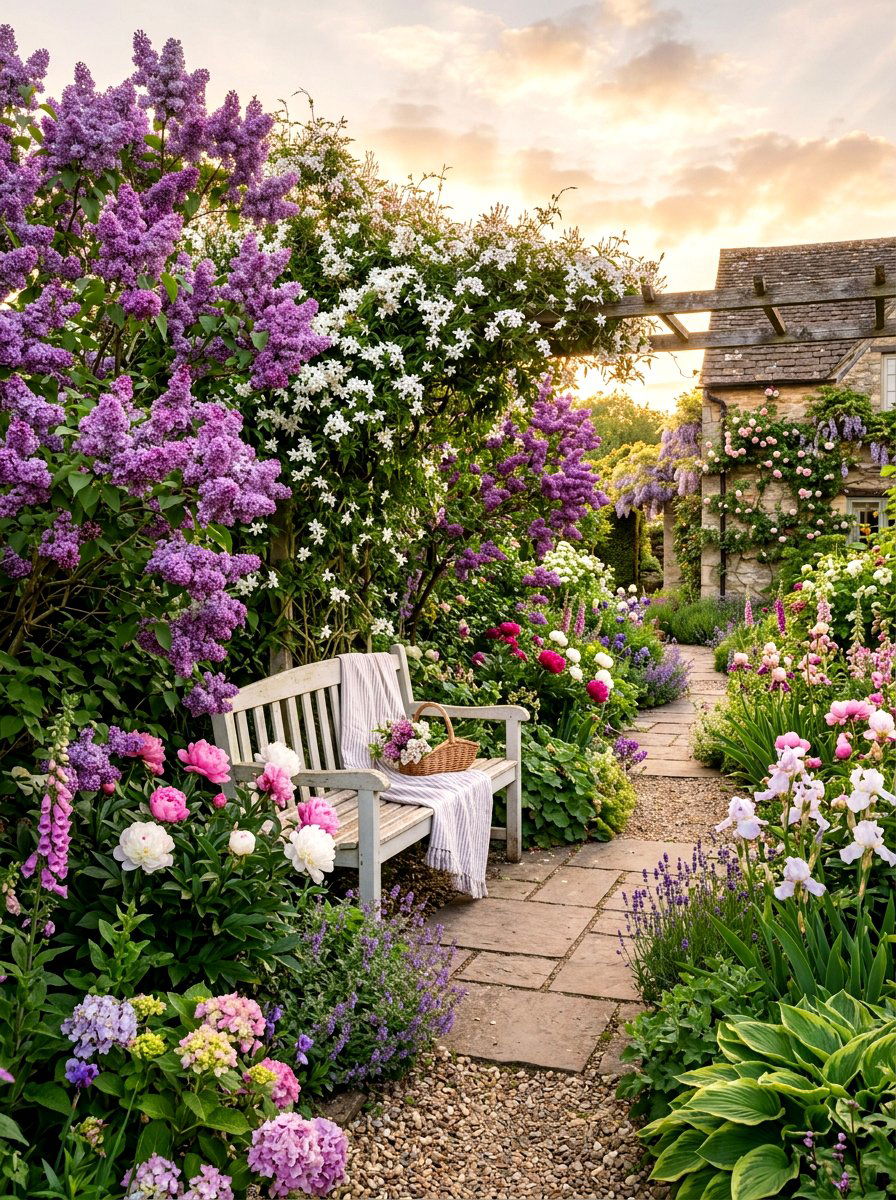
A spring fragrant garden is designed to delight the sense of smell as much as the sense of sight. By choosing scented plants like lilac, jasmine, and hyacinth, you create an outdoor space that smells like a floral paradise. Placing these plants near windows, doorways, or seating areas ensures that you can enjoy the aroma whenever you are nearby. Evening-scented flowers like stocks can also be included to make the garden pleasant after the sun goes down. A fragrant garden provides a multi-sensory experience that makes your backyard feel much more luxurious and inviting. It is a treat for the senses every day.
30. Spring Moon Garden
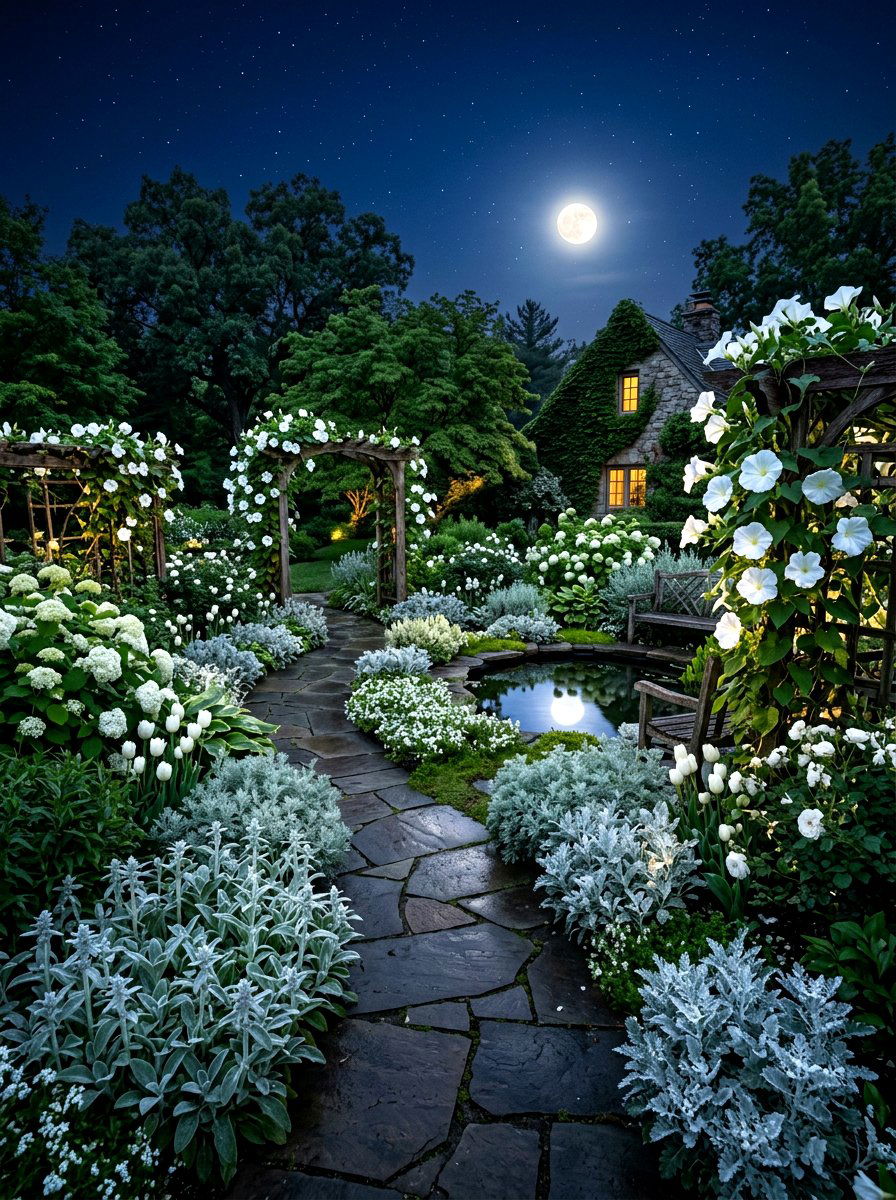
A spring moon garden is a unique concept designed to be enjoyed at night, featuring plants that glow under the moonlight. You should focus on white flowers like moonflowers and silver-foliage plants like dusty miller that reflect the dim light beautifully. These gardens often include night-blooming species that release their strongest fragrance after dark, creating a mysterious and romantic atmosphere. Adding soft white outdoor lighting or solar lanterns can enhance the effect and make the space safe to navigate. It is the perfect solution for busy professionals who only have time to enjoy their outdoor sanctuary during the late evening hours.
Conclusion:
Spring gardening is a journey of discovery that allows you to express your personality through the natural world. Whether you choose a structured formal layout or a wild meadow of native flowers, the act of planting brings joy and renewal. By understanding the specific needs of your space, you can select the right themes that will flourish and provide beauty for months to come. These thirty concepts offer a wide range of possibilities to suit any home, climate, or lifestyle. As you step outside this season, remember that every seed planted is a promise of a more vibrant and peaceful future for your home.

Related posts: