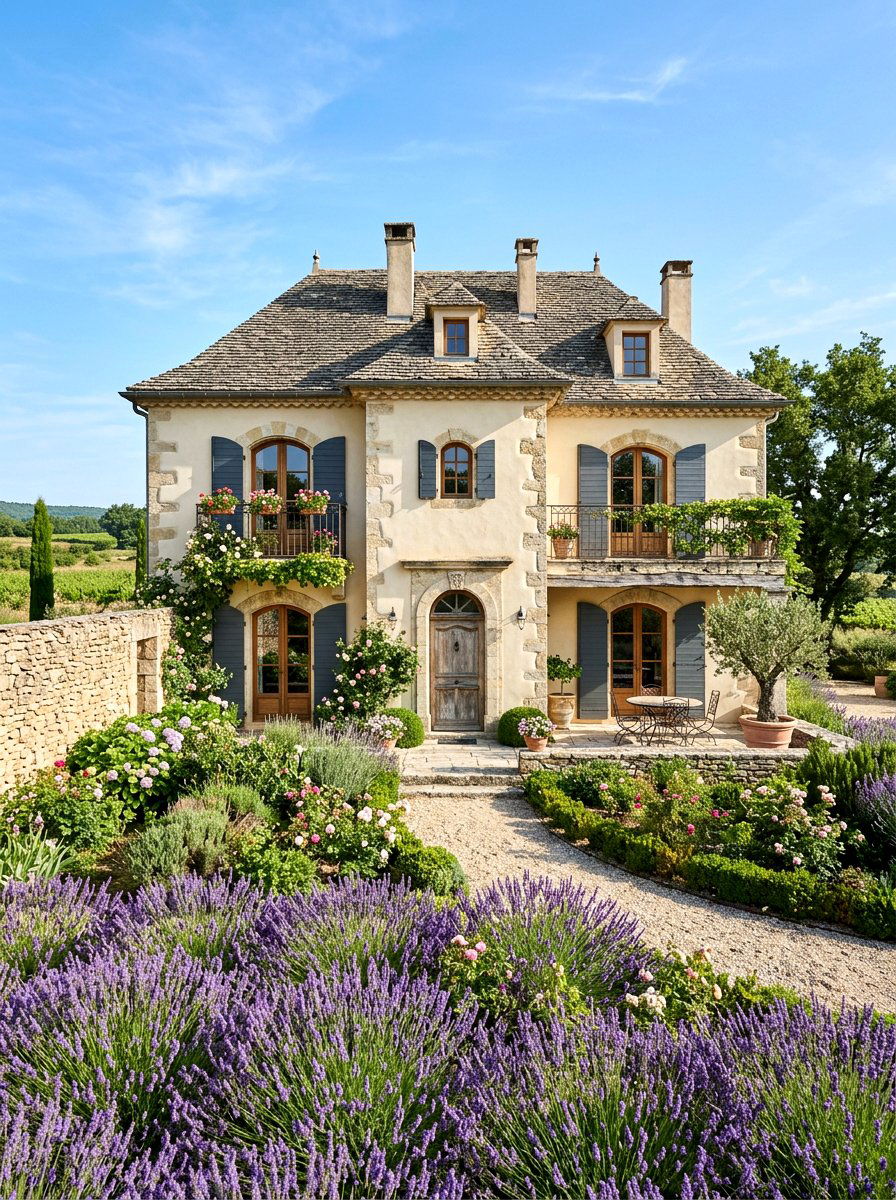
Choosing the right color for your home can feel overwhelming because it sets the entire mood for your property. Green has become a top choice for homeowners who want to blend their architecture with the natural environment. From soft sage to deep forest hues, these shades offer a sense of tranquility and timeless elegance that stands out in any neighborhood. Whether you are looking for a bold statement or a subtle earthy tone, green provides a versatile palette that works with wood, stone, and brick. This guide explores thirty unique ways to use green on your house exterior to boost curb appeal and create a welcoming, organic aesthetic for your residential space.
1. Dark Forest Green Siding
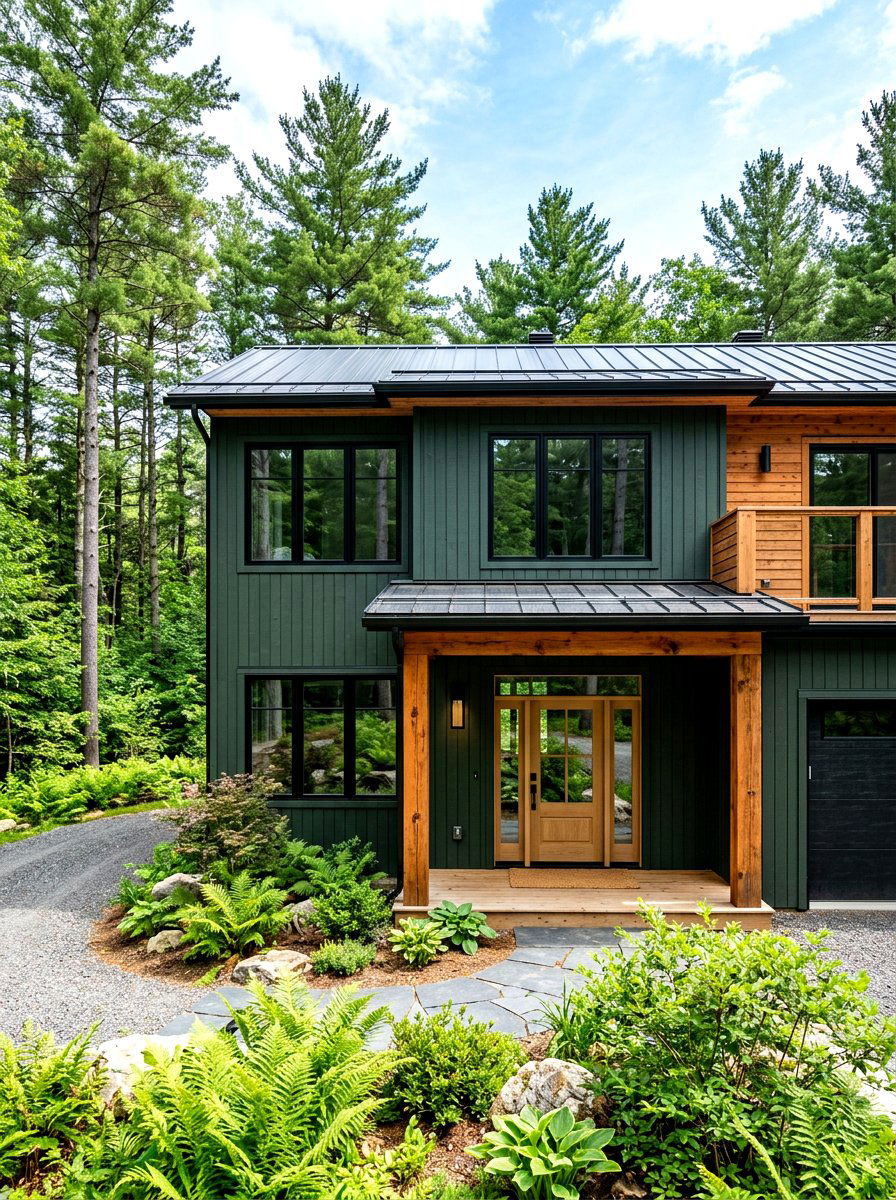
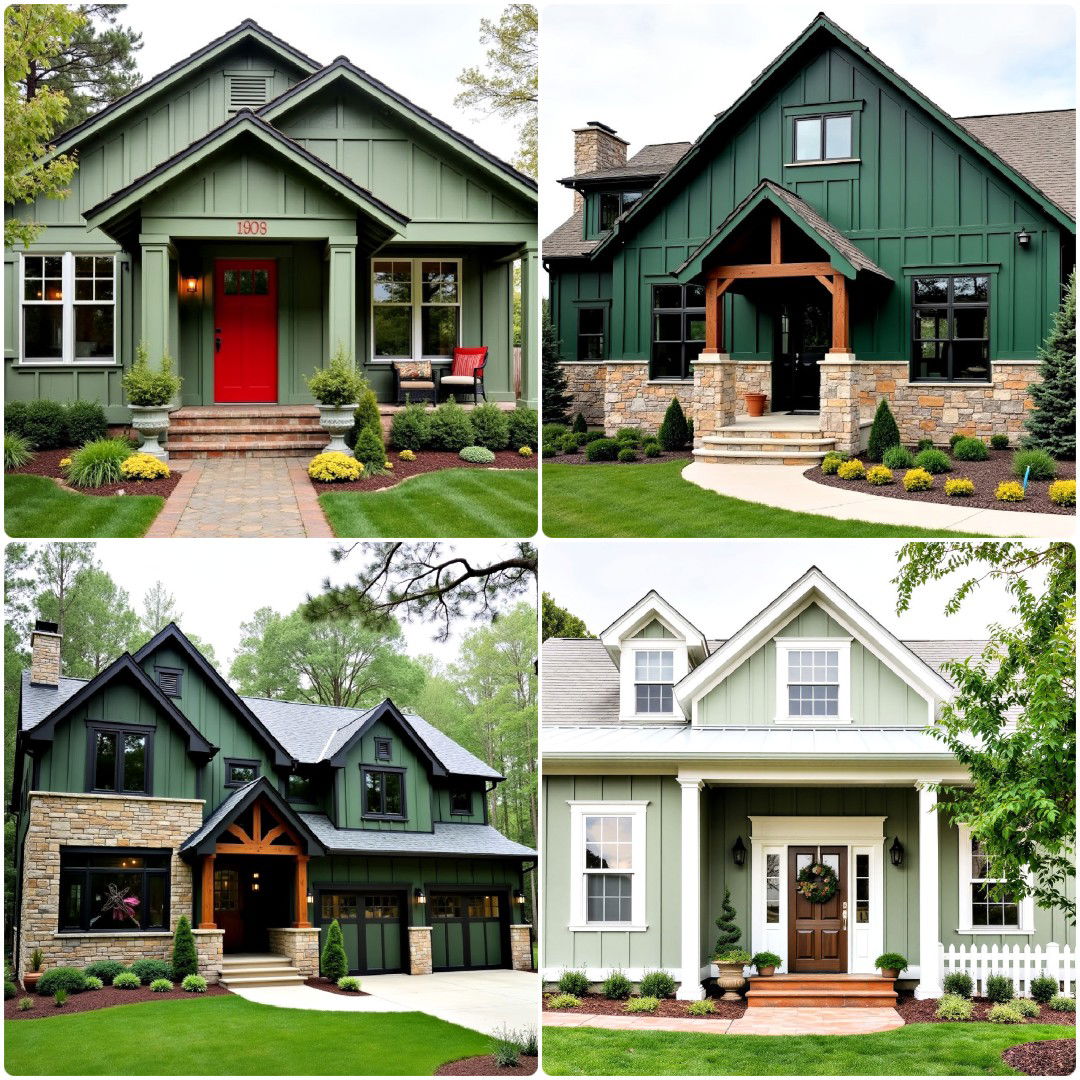
Choosing a dark forest green for your home siding creates a moody and sophisticated atmosphere that feels deeply rooted in nature. This saturated hue works exceptionally well for homes nestled among mature trees or located in mountainous regions where the landscape is lush. To prevent the dark color from feeling too heavy, designers often pair it with natural wood accents like cedar porch pillars or a light oak front door. High-contrast white trim can offer a traditional look, while black window frames push the aesthetic toward a more modern, industrial vibe. This shade is perfect for those who want their home to make a strong architectural statement while maintaining a quiet, earthy elegance.
2. Sage Green Farmhouse
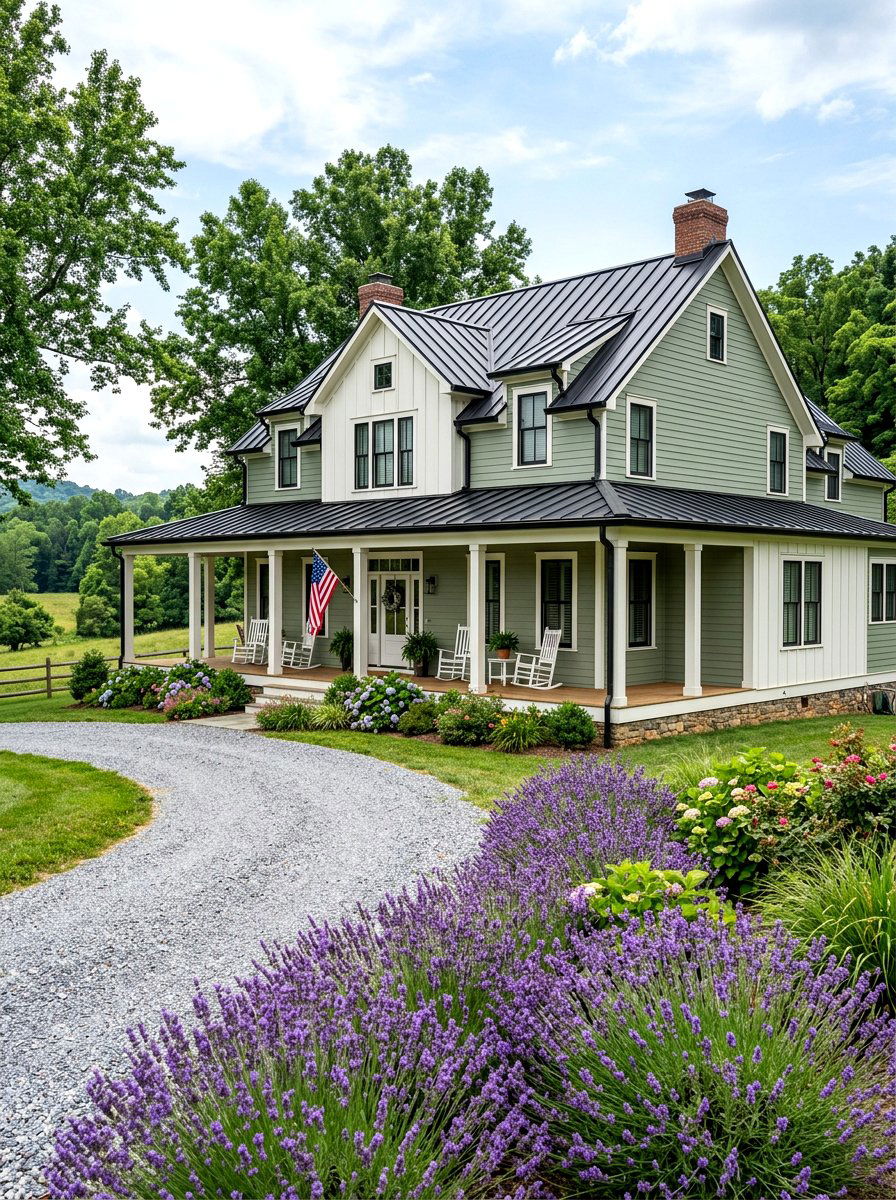
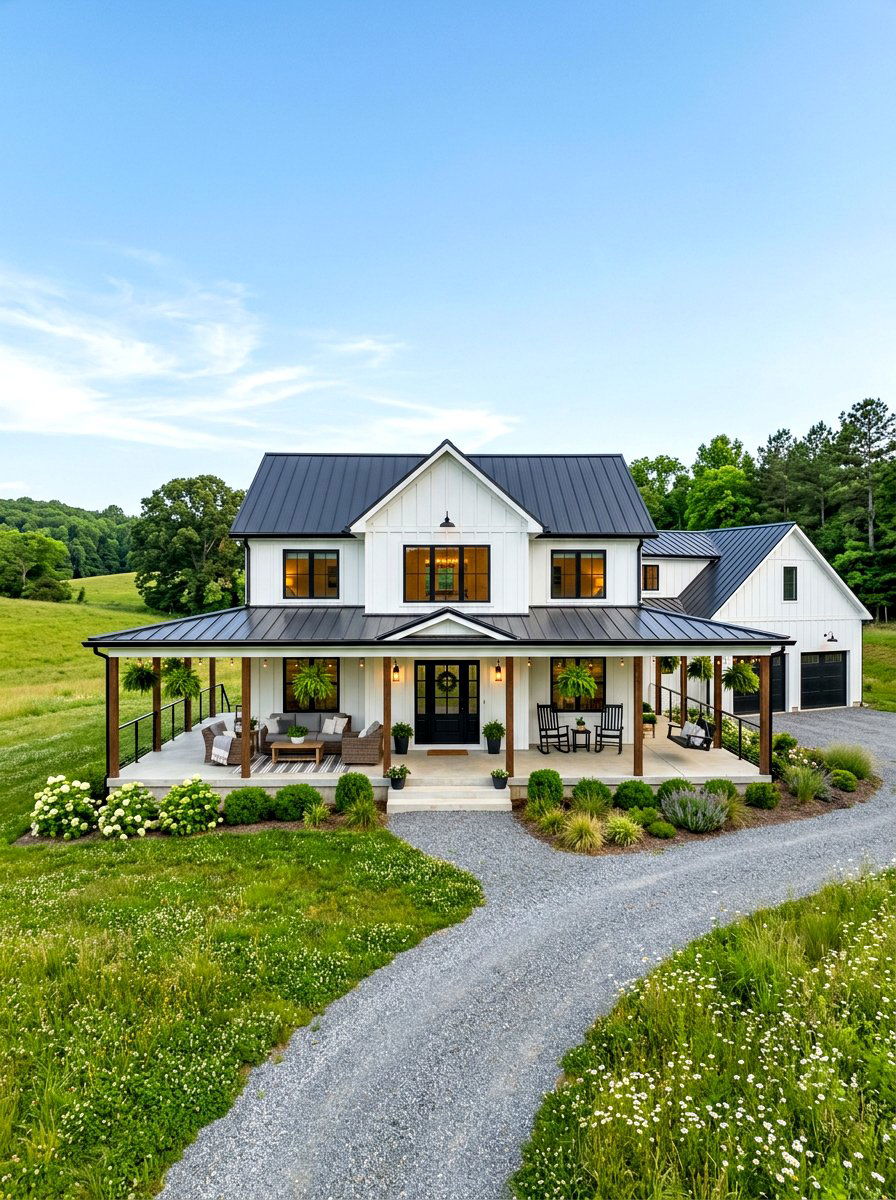
Modern farmhouse style has embraced sage green as a softer alternative to the classic white or charcoal palettes seen in recent years. This muted, gray-green tone offers a calming presence that feels both contemporary and historic simultaneously. It pairs beautifully with black metal roofing and creamy white board-and-batten accents to create a layered, textured exterior. Sage green is particularly effective at hiding dust and pollen, making it a practical choice for rural properties where maintenance is a priority. Adding a wrap-around porch with light-colored flooring further enhances the airy feel of this design, ensuring the house looks bright even on overcast days while blending into the garden landscape effortlessly.
3. Olive Green Stucco
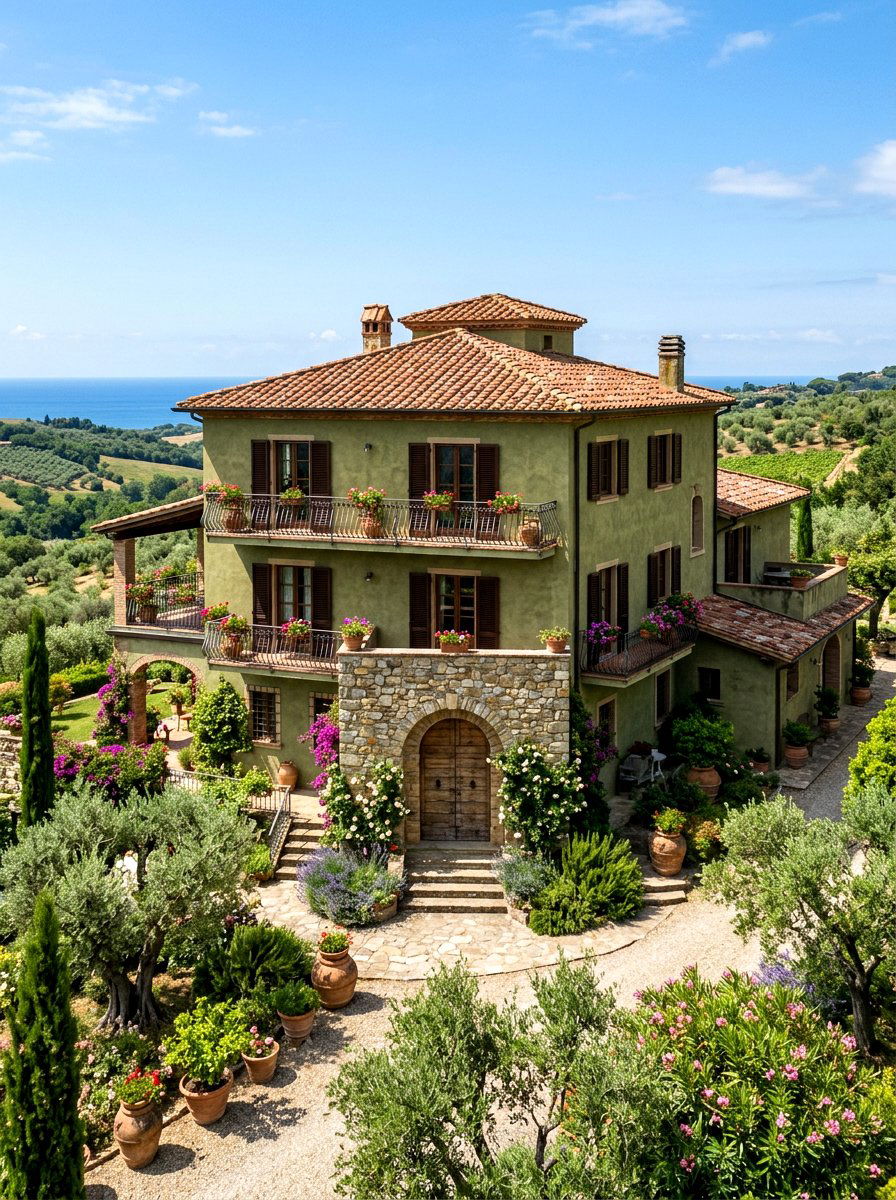
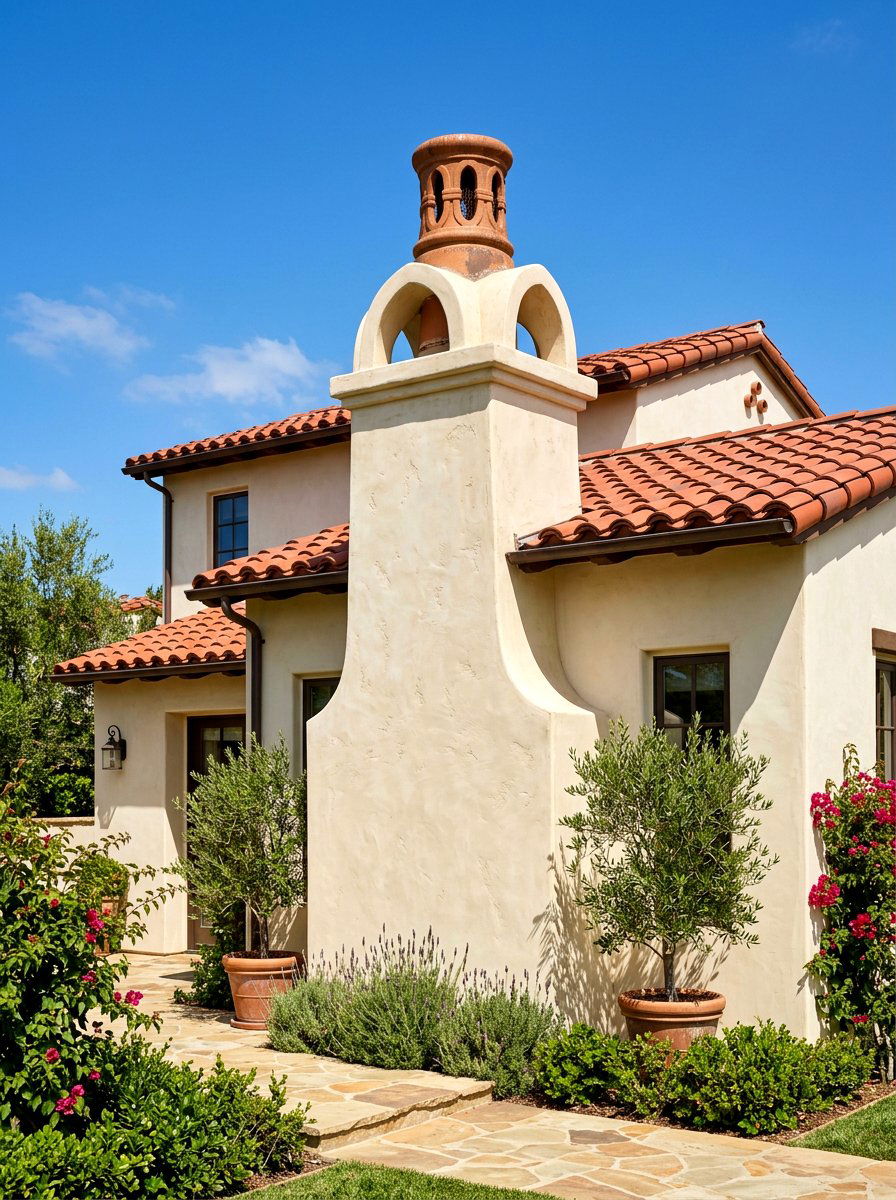
Olive green is a classic choice for Mediterranean or Spanish-style homes where stucco is the primary exterior material. This warm, medium-toned green provides an understated elegance that feels grounded and historic. It looks stunning when paired with terracotta roof tiles and wrought iron light fixtures, creating a cohesive European-inspired aesthetic. Because olive green often has yellow or brown undertones, it complements natural stone masonry and dry-stacked walls perfectly. This color choice is ideal for sunny climates because the intensity of the sun softens the pigment, preventing it from looking too dark. It creates a high-end look that feels established and sophisticated without appearing overly trendy or fleeting.
4. Mint Green Cottage
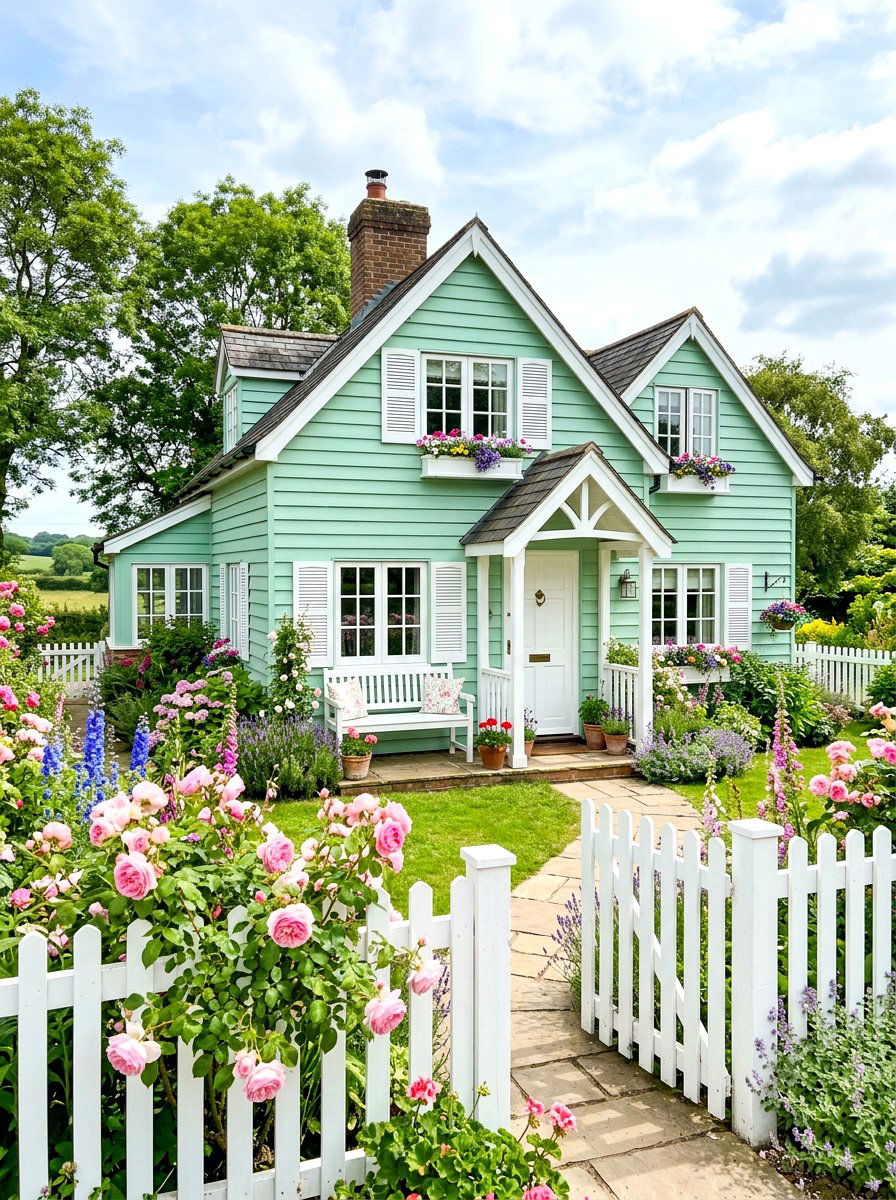
For a whimsical and charming look, mint green is a fantastic option that works best on smaller cottages or coastal bungalows. This light and airy shade brightens the facade and gives the home a cheerful, inviting personality. To maximize the charm, many homeowners use crisp white trim and shutters to emphasize the playful nature of the color. Mint green reflects a lot of light, which can make a small house appear larger and more prominent on its lot. It pairs wonderfully with colorful flower gardens, particularly those featuring pink or purple blooms. This refreshing hue evokes a sense of vintage nostalgia while still feeling clean and modern for a beachside residence.
5. Hunter Green Brick
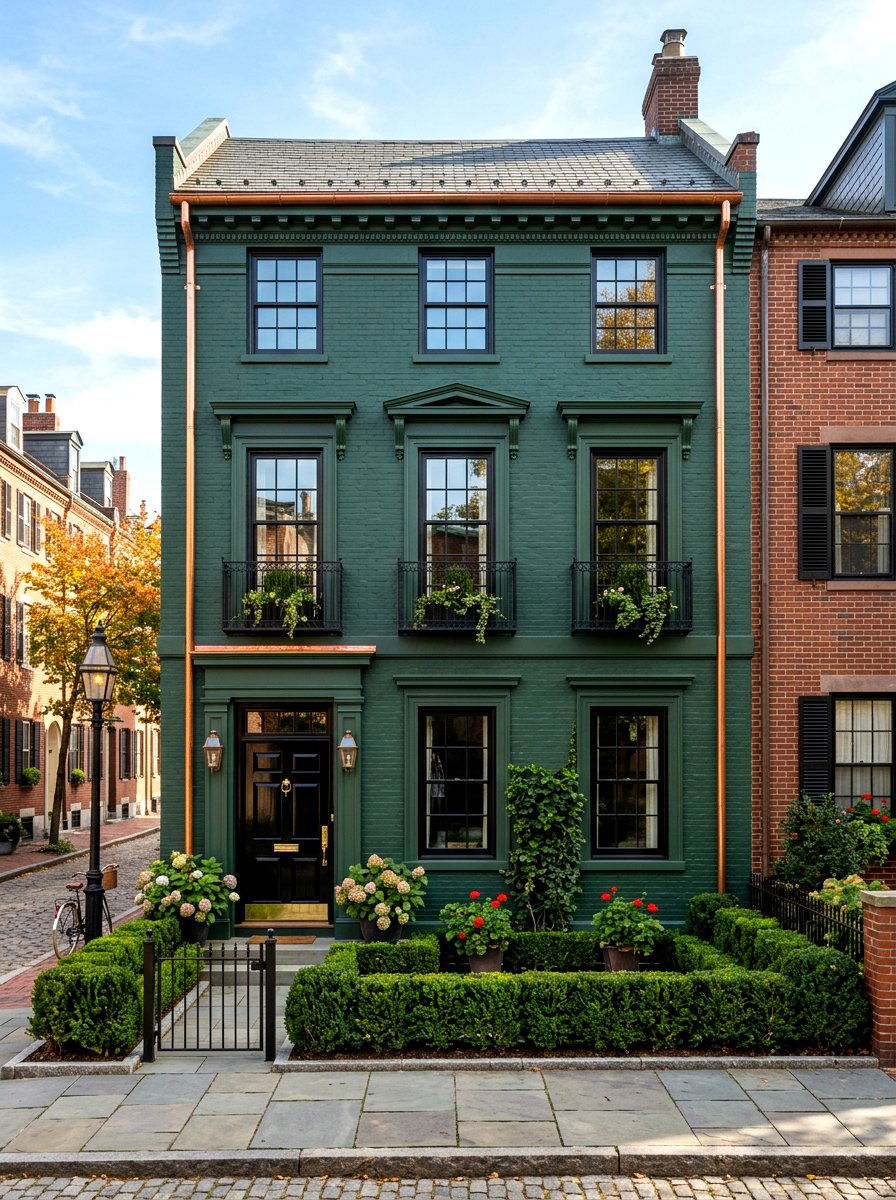
Painting exterior brick in a deep hunter green can transform a dated or mundane structure into a bold architectural masterpiece. This rich, traditional color adds a level of depth that red brick often lacks, providing a formal and stately appearance. Hunter green is highly effective at highlighting the texture of the masonry, especially when finished with a slight sheen or satin luster. It pairs beautifully with brass hardware and copper gutters, which will develop a green patina over time to match the house. This choice is excellent for urban townhomes where you want to stand out from the brick-heavy neighborhood while still respecting the traditional materials used in the surrounding city area.
6. Emerald Green Victorian
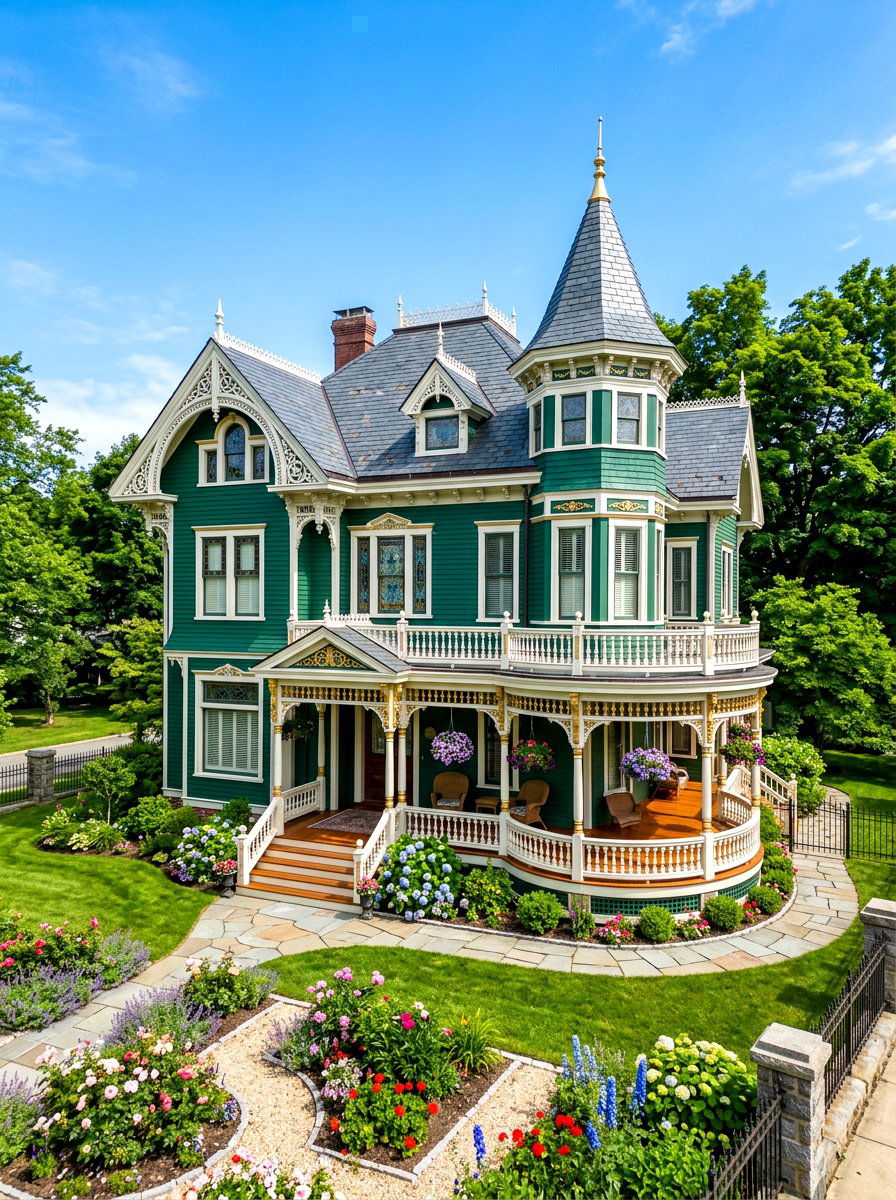
Victorian architecture is known for its intricate details, and a rich emerald green helps those features pop with historical drama. This jewel-toned exterior works best when used in a multi-tonal palette, perhaps combined with darker trim and gold or cream accents. Emerald green conveys a sense of luxury and heritage that fits the grand scale of a classic Queen Anne or Italianate home. Because this shade is so vibrant, it captures the eye and highlights the "gingerbread" trim and decorative shingles typical of the era. It provides a regal look that feels expensive and well-maintained, especially when paired with a high-gloss black front door and well-manicured, formal landscaping designs.
7. Seafoam Green Beach House
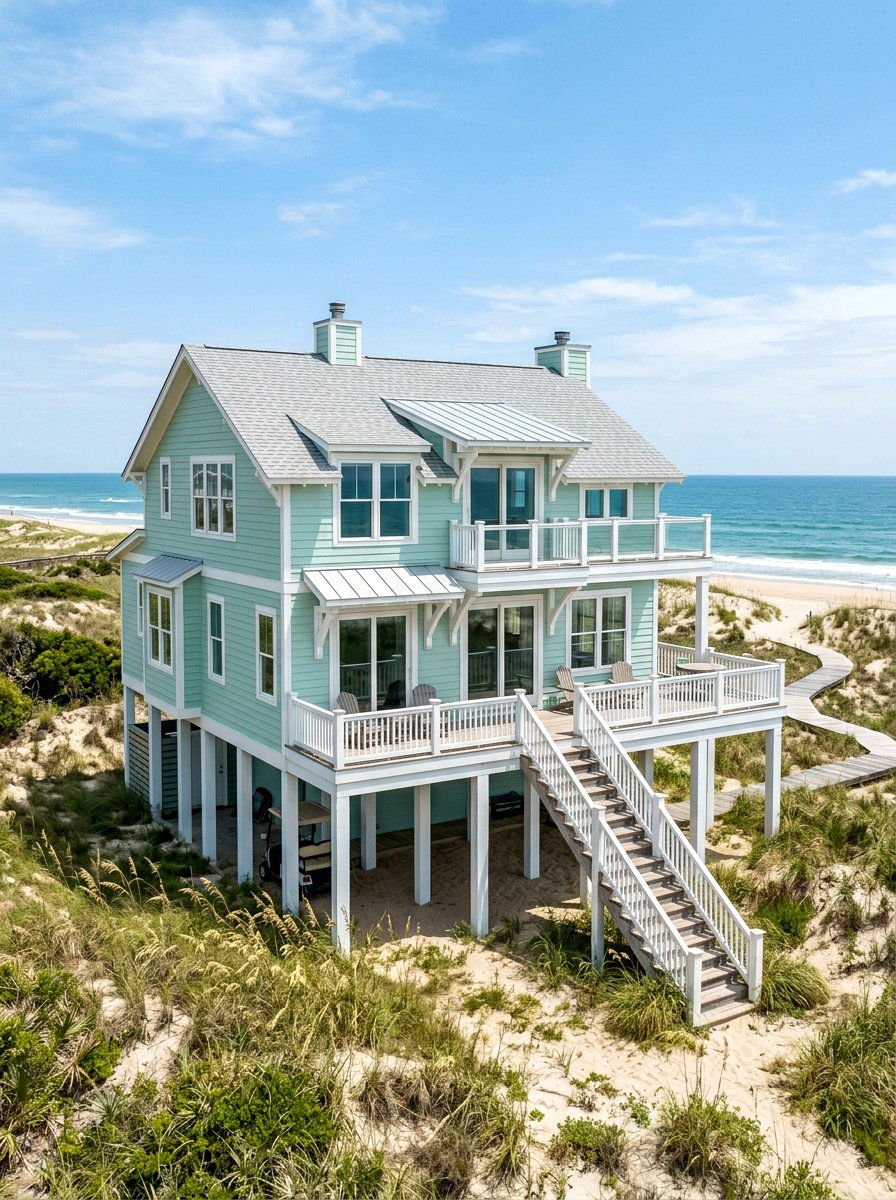
Coastal living calls for colors that reflect the ocean and sky, making seafoam green a perfect candidate for a beach house. This soft, blue-toned green feels breezy and relaxed, capturing the essence of seaside life. It looks best on horizontal lap siding or cedar shakes that have been painted or stained to show some texture. To complete the coastal aesthetic, use white trim and light gray roofing to keep the overall look bright and sun-bleached. This color is incredibly forgiving in bright, direct sunlight, where it takes on a luminous quality. It creates a serene environment that encourages relaxation, making your home feel like a permanent vacation retreat for all visitors.
8. Moss Green Shingles
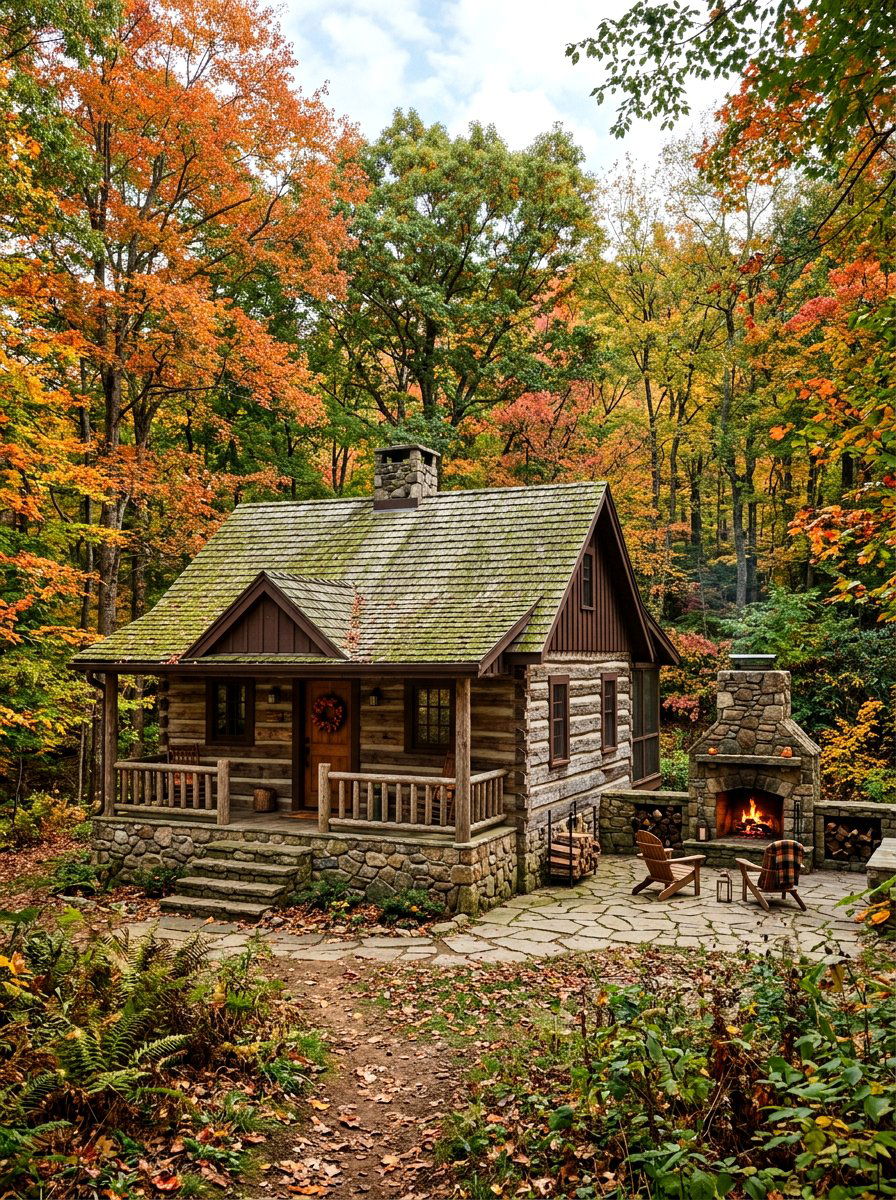
Moss green is a highly organic shade that looks incredibly natural on homes with textured wood shingles or shake siding. This color mimics the tones found on a forest floor, making it an excellent choice for cabins or woodland retreats. The uneven texture of the shingles allows for beautiful shadows and highlights within the green paint, giving the house a living, breathing appearance. Pairing moss green with dark brown trim or natural stone foundations reinforces the earthy theme of the design. It is a subtle choice that prioritizes harmony with the environment over making a loud statement, resulting in a timeless look that never goes out of style for rustic homes.
9. Lime Green Modern Home
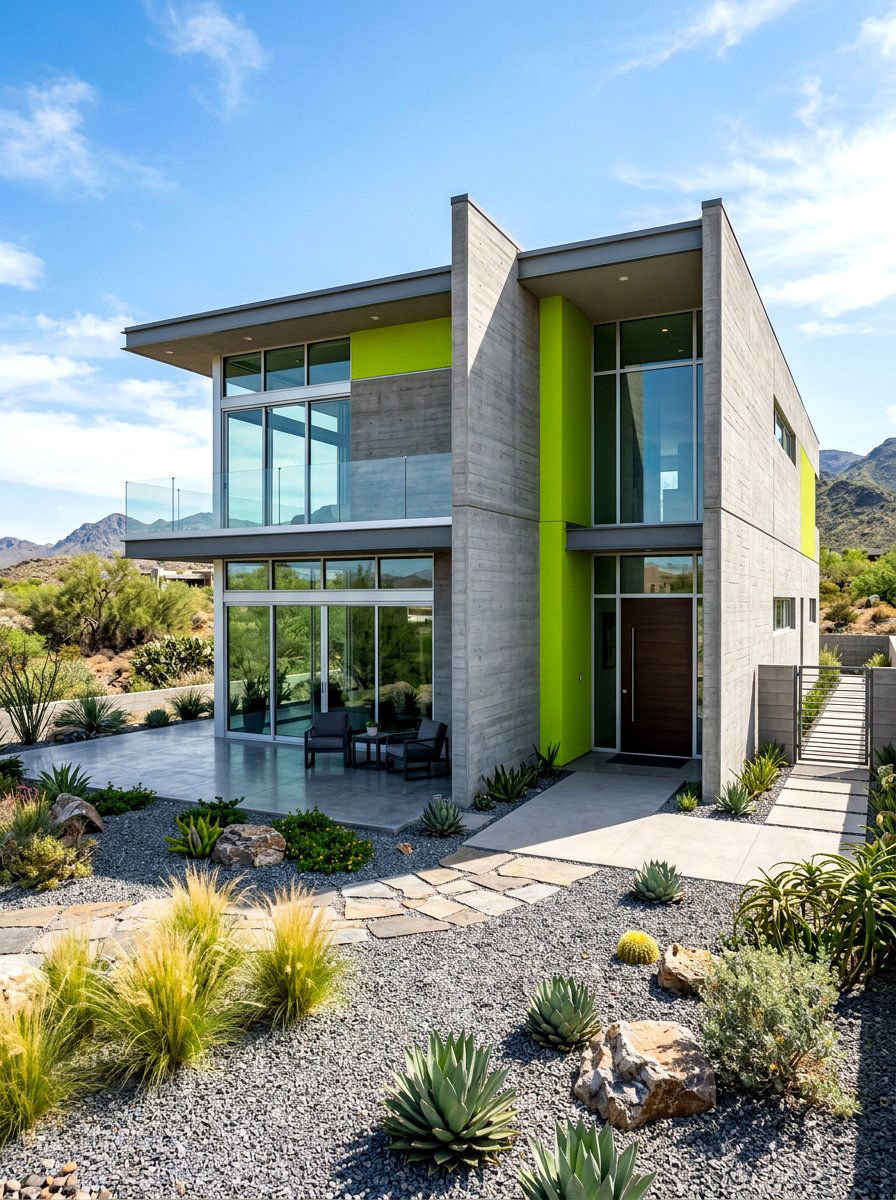
If you want to create a high-impact contemporary look, a lime green accent wall or section can be a game-changer. Modern architecture often relies on bold geometry, and a vibrant green can emphasize the sharp lines and flat roofs of a minimalist structure. While you might not paint the entire house this color, using it on specific panels or near the entrance creates a focal point. It pairs perfectly with cool grays, smooth concrete, and large expanses of glass. This energetic shade signals a forward-thinking design philosophy and works well in urban environments where a pop of color can break up the monotony of steel and stone structures.
10. Deep Teal Exterior
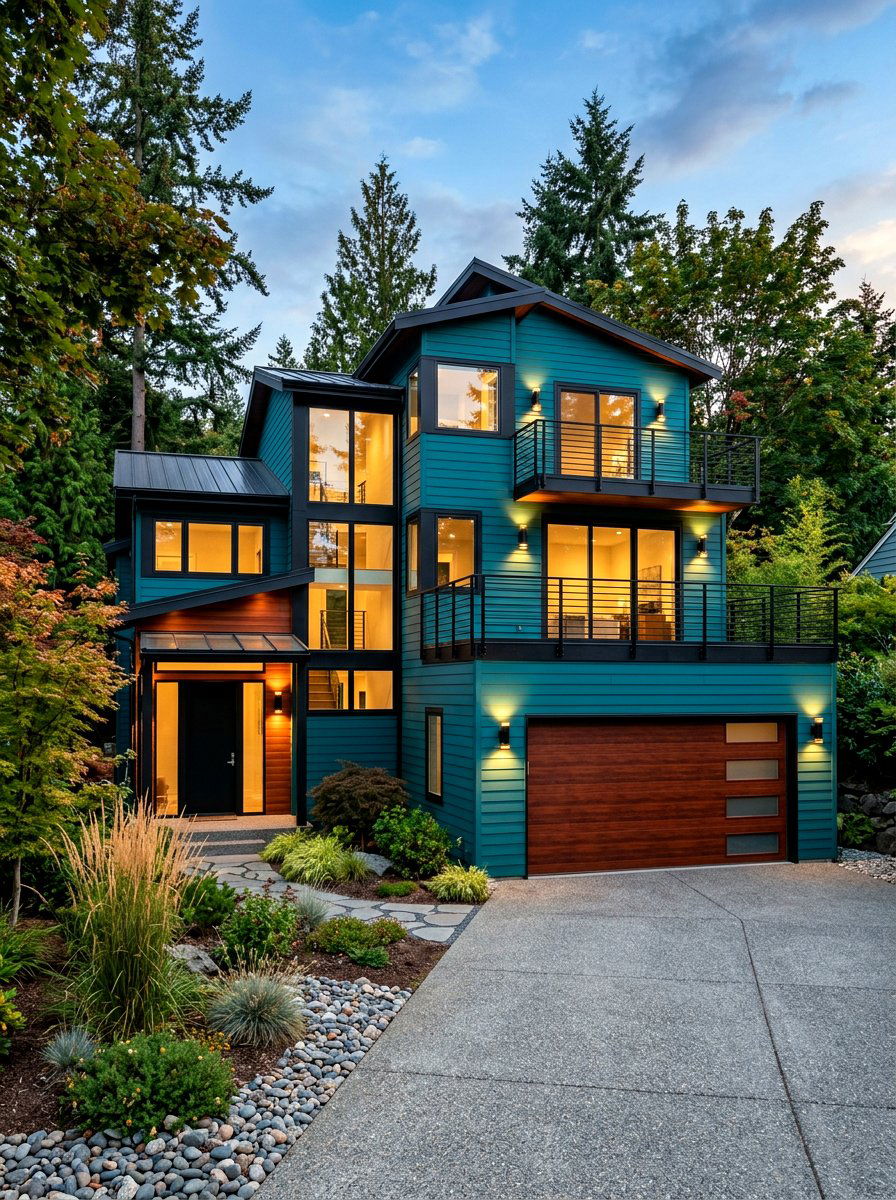
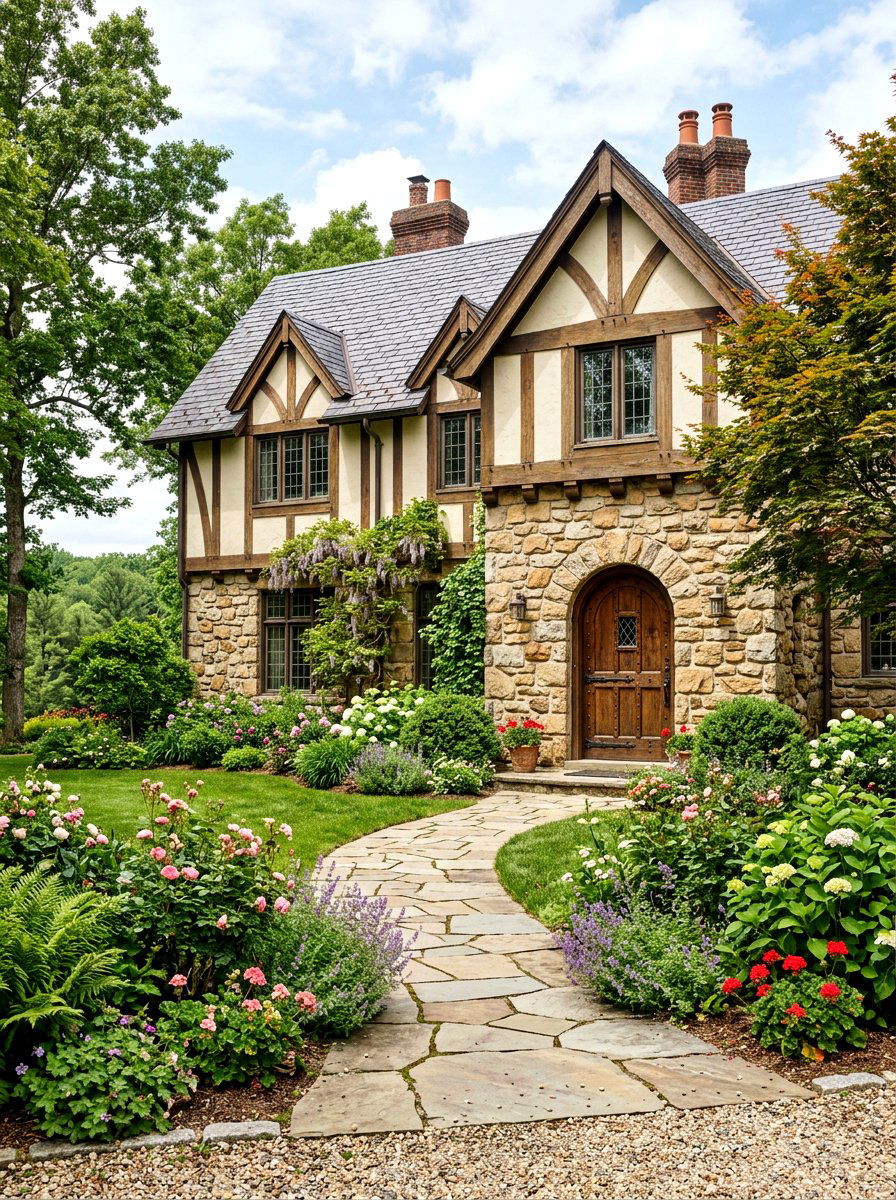
Deep teal is a sophisticated blend of green and blue that offers a rich, oceanic feel to any home exterior. This color is versatile enough to work on both modern and traditional architectures, providing a sense of depth and mystery. It looks particularly striking when paired with natural wood finishes, such as a mahogany garage door or Ipe decking. The blue undertones in the teal help the green feel cooler and more contemporary than a traditional forest green. This shade is excellent for creating a high-contrast look against light-colored stonework or white window casings. It is a bold but tasteful choice for those who want a unique house color that remains elegant.
11. Pastel Green Bungalow
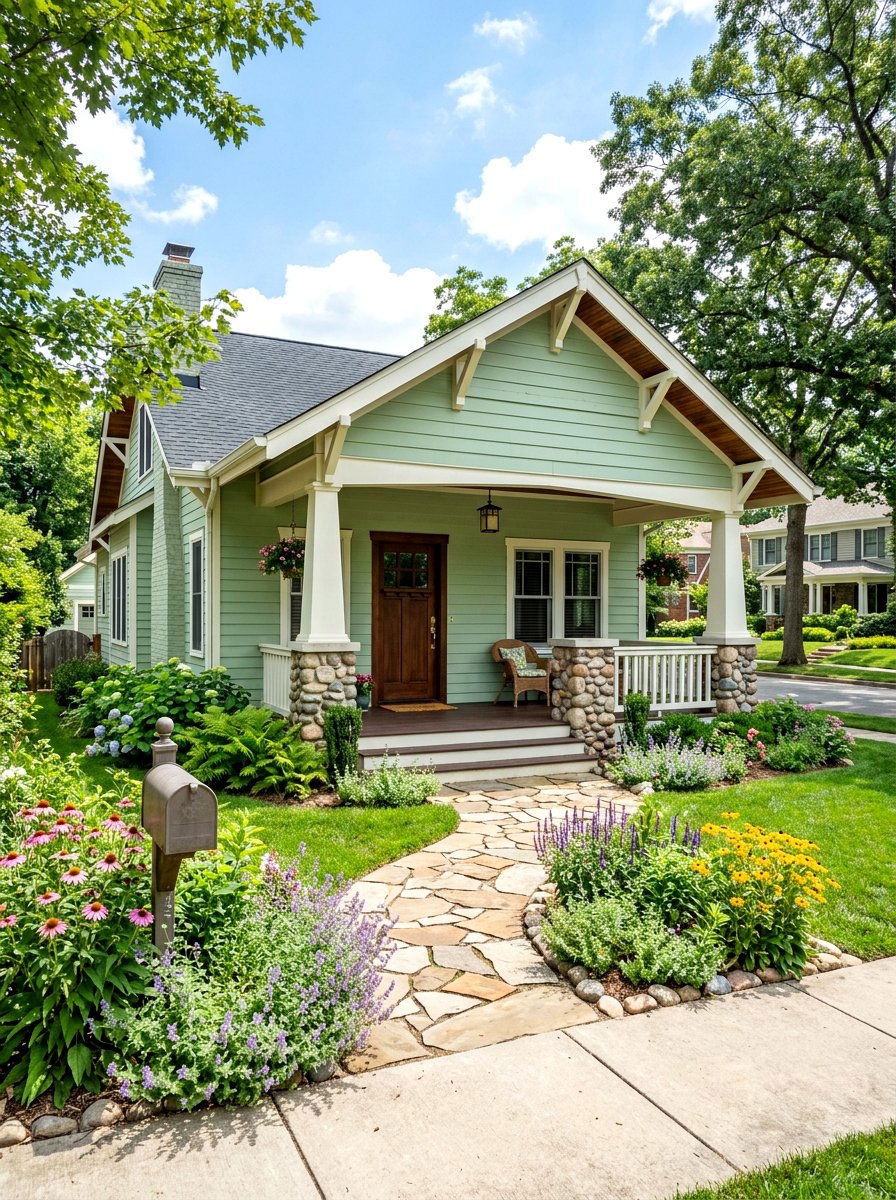
A soft pastel green, often referred to as "celadon, " is a gentle way to introduce color to a classic bungalow. This shade is light enough to act as a neutral while still providing a distinct personality that sets the home apart. It works beautifully with Craftsman-style details like tapered porch columns and exposed rafters. Because the color is so light, it doesn't absorb as much heat, which is beneficial for homes in warmer climates. Pairing pastel green with a dark gray roof and cream-colored trim creates a balanced and harmonious look. It feels approachable and friendly, making the house seem like a welcoming part of a quiet, established suburban neighborhood.
12. Army Green Metal Siding
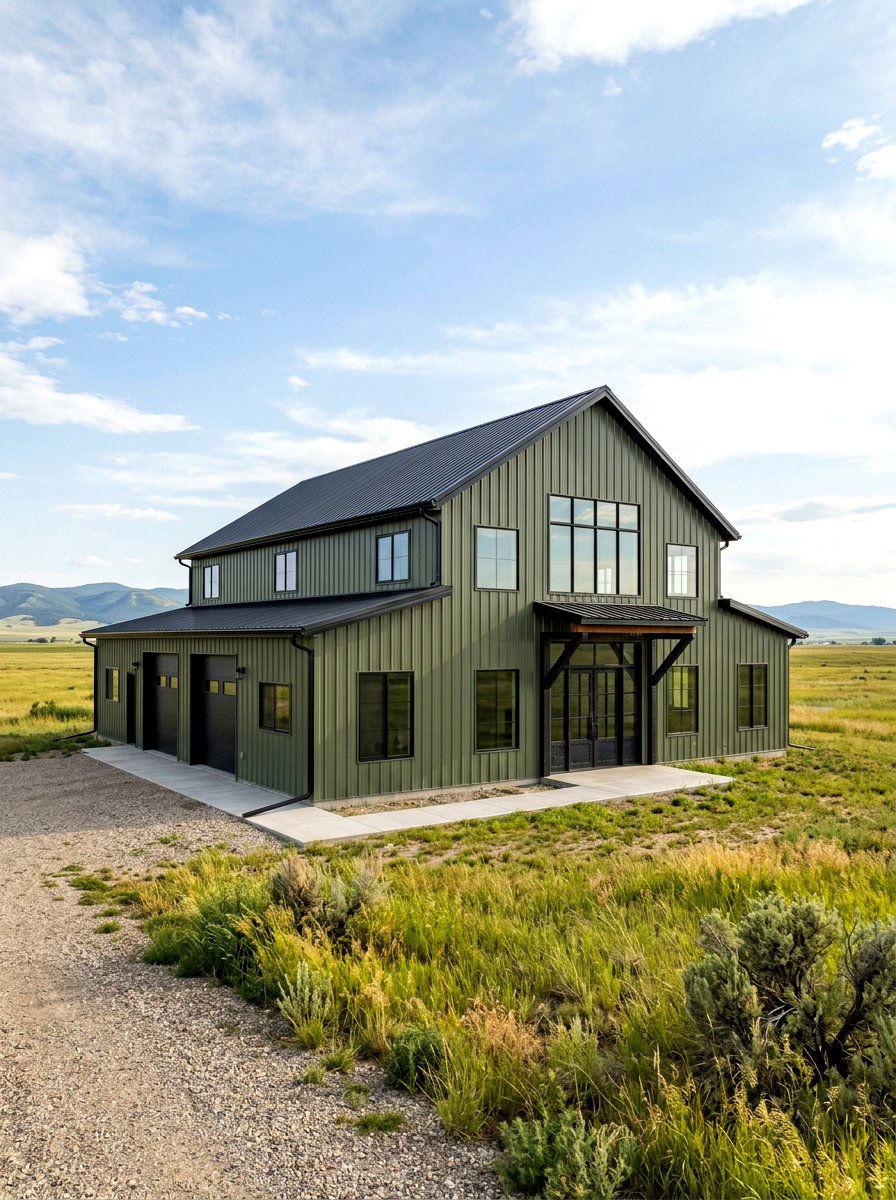
Industrial-style homes or modern barndominiums look fantastic with army green metal siding. This matte, olive-toned shade provides a rugged and durable appearance that fits the utilitarian nature of metal construction. Army green is an excellent choice for large-scale buildings because it breaks up the massive surface area without being overwhelming. It pairs well with black metal accents and large industrial windows, creating a sleek yet earthy aesthetic. The flat finish of army green helps to hide the reflections often seen on metal panels, ensuring the house looks solid and grounded. This color choice is perfect for those seeking a modern-industrial look that still feels connected to the outdoors.
13. Chartreuse Modern Architecture
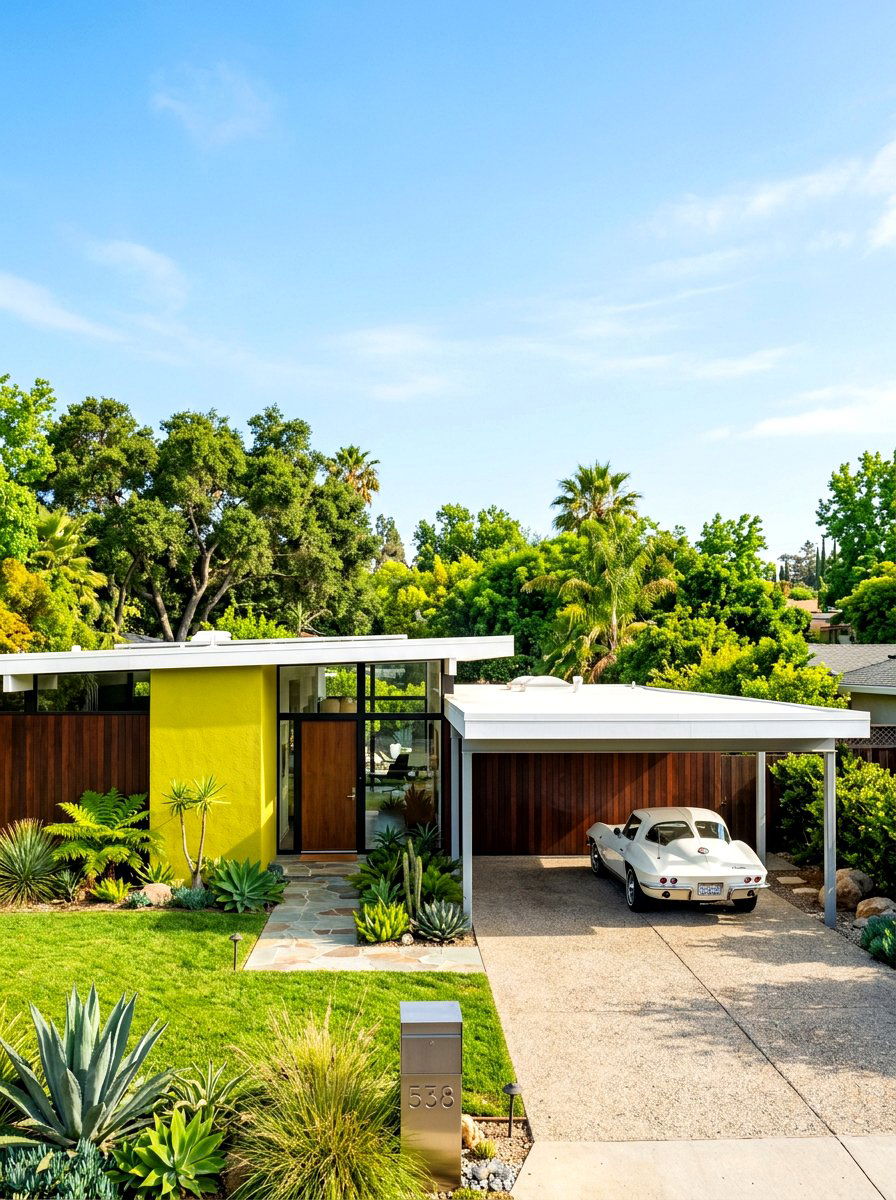
Chartreuse is a bold, yellow-green that can turn a modern home into a stunning piece of art. Using this color on structural elements or a front facade panel creates an immediate sense of energy and creativity. It is most effective when used as a highlight against a backdrop of charcoal gray or dark wood siding. The brightness of chartreuse can liven up a shady lot or a north-facing house that doesn't get much direct sunlight. This shade is popular in mid-century modern restorations where bold color choices were originally celebrated. It demonstrates a confident design sense and ensures that your home will be the most memorable property on the entire street.
14. Eucalyptus Green Shake Siding
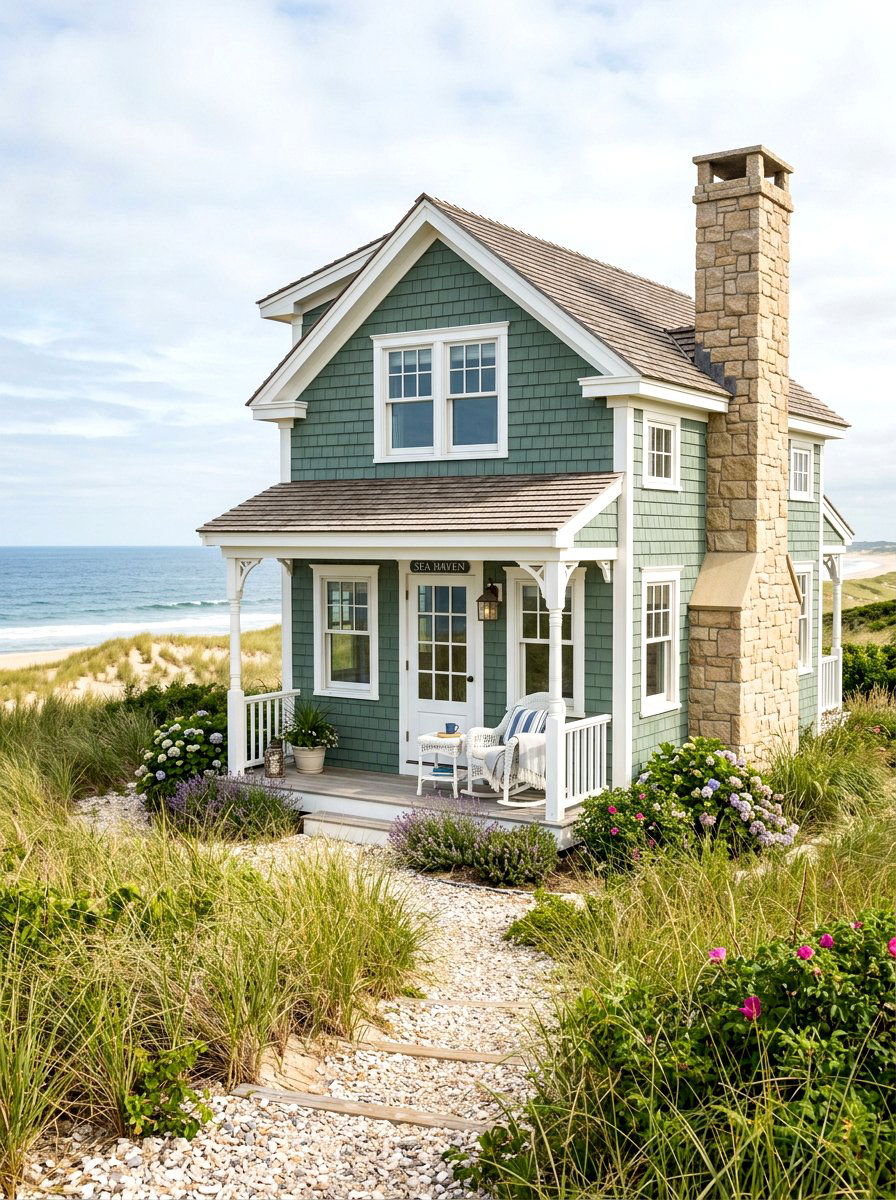
Eucalyptus green is a trendy, silvery-green that offers a sophisticated and calming exterior for homes with shake siding. This color has a natural, weathered quality that makes the house look like it has been part of the landscape for decades. It is a more refined version of sage green, with slightly more blue and gray influences that keep it looking fresh. This shade pairs beautifully with white trim for a clean look or with light tan accents for a more monochromatic, organic feel. It is particularly effective at reflecting the colors of the sky, making it a dynamic choice that changes throughout the day as the sun moves across the sky.
15. Juniper Green Cedar Siding
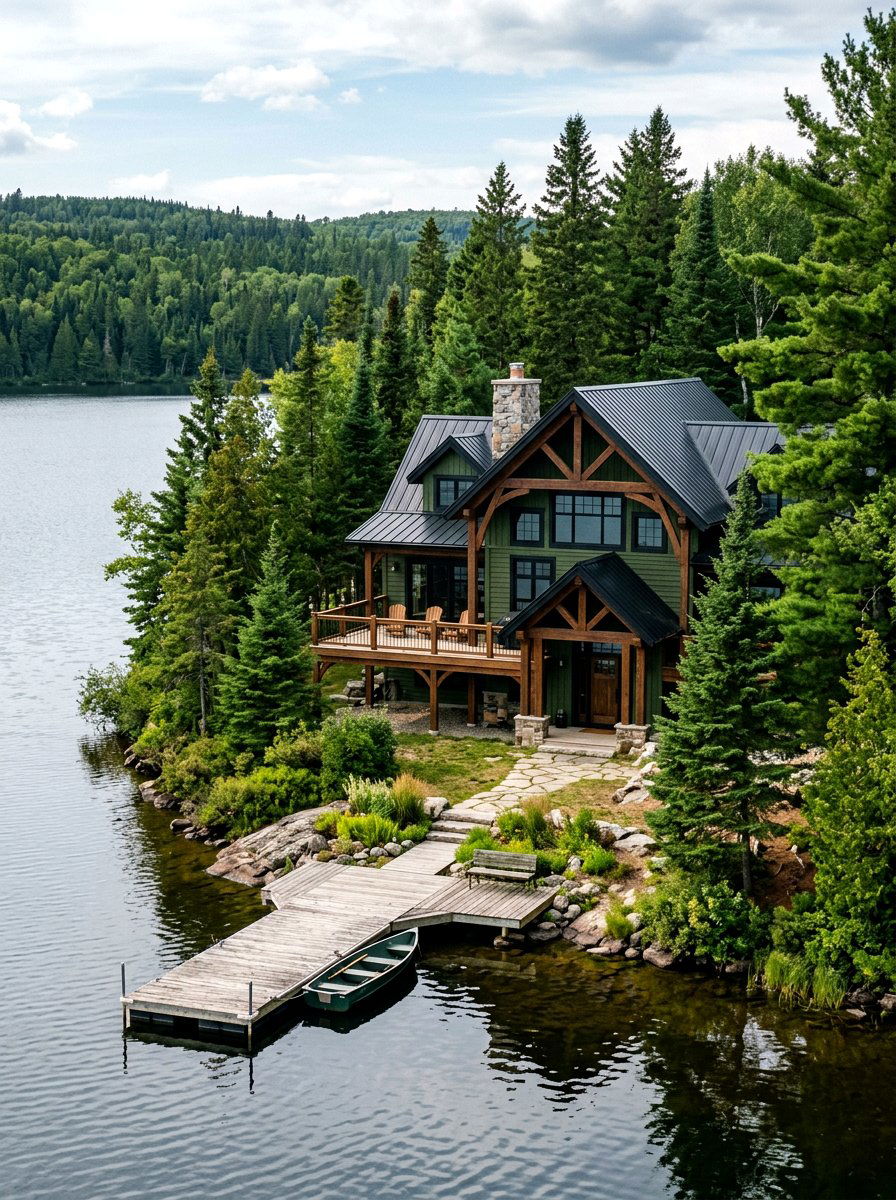
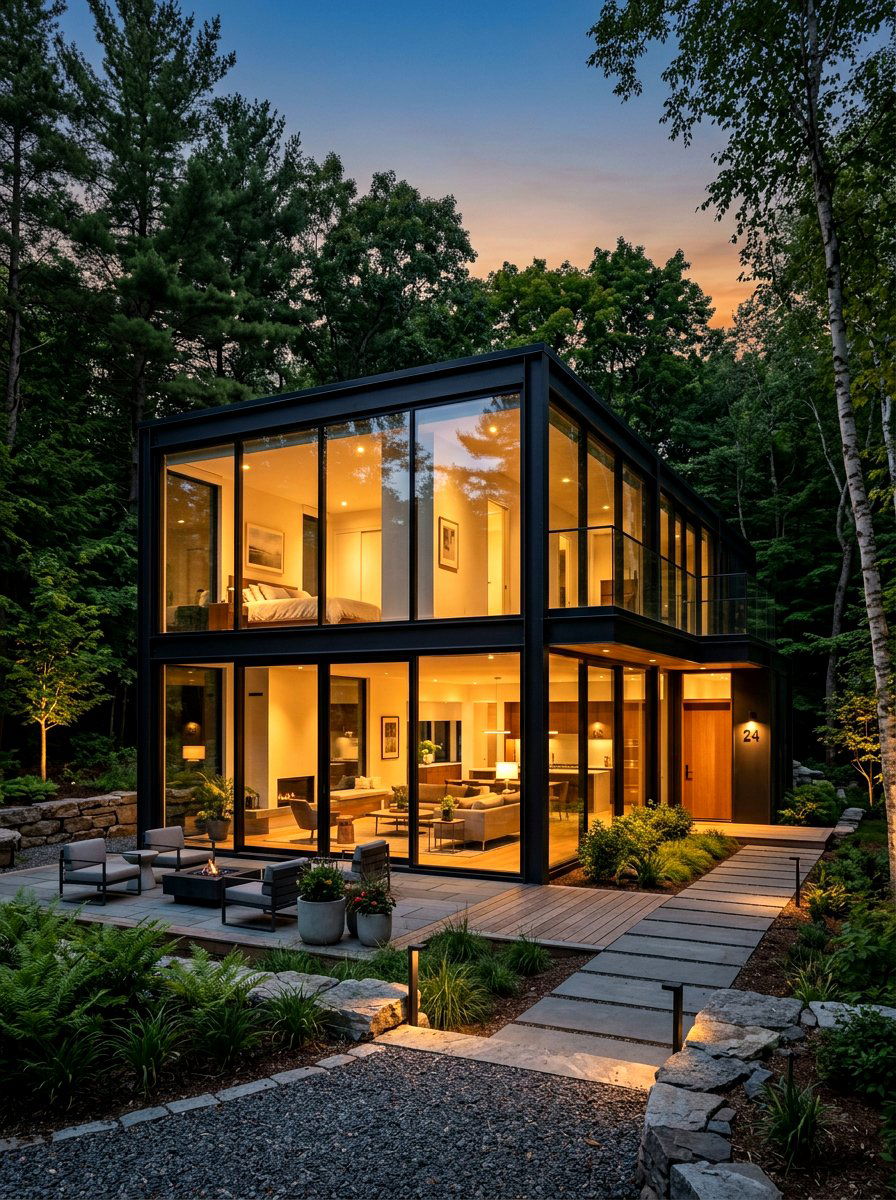
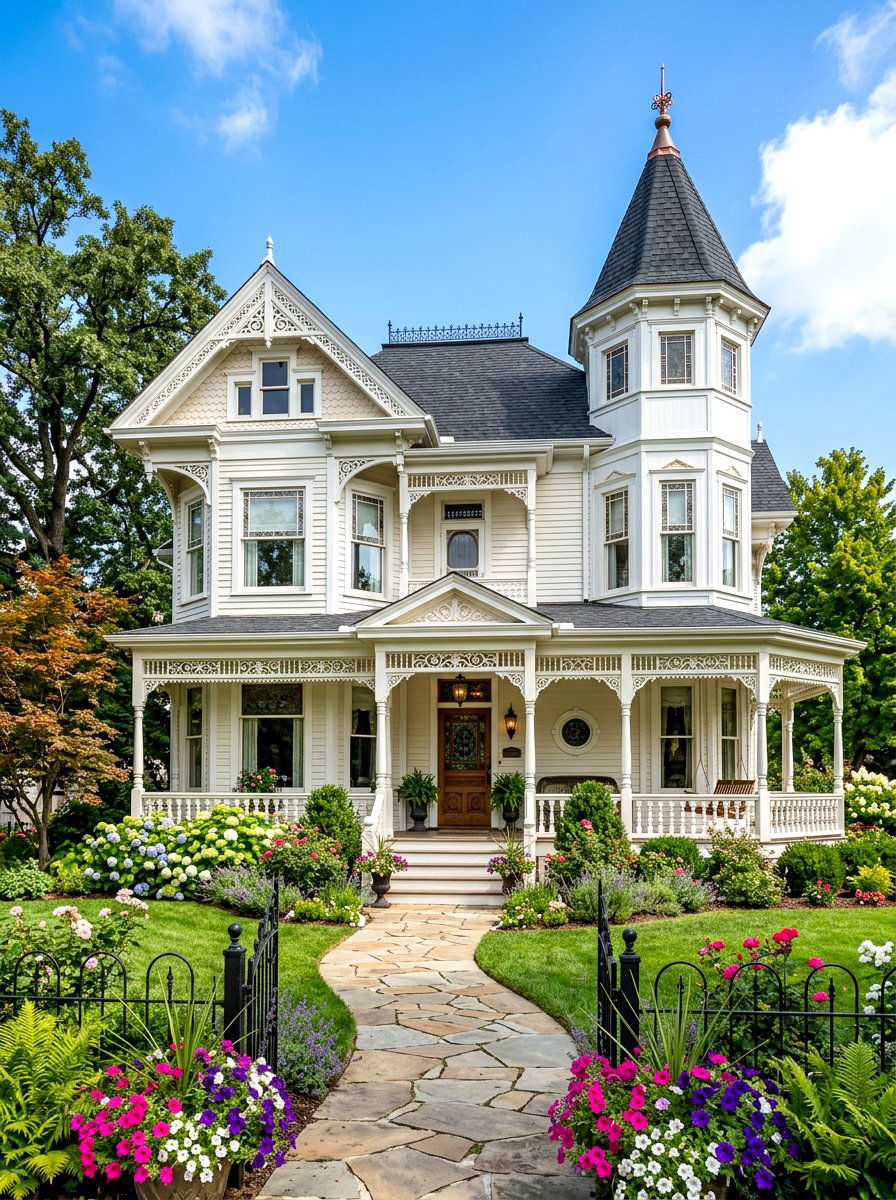
Juniper green is a rich, blue-toned green that mimics the needles of evergreen trees, making it a natural fit for cedar siding. This color allows the natural grain and texture of the wood to remain the star of the show while providing a deep, protective coat of pigment. It is a classic "cabin in the woods" color that feels cozy and protective against the elements. Pairing juniper green with dark brown or black trim creates a masculine, sturdy look that is perfect for mountain escapes or lakefront properties. This shade feels timeless and traditional, offering a sense of permanence and reliability that many homeowners find very comforting and attractive.
16. Pale Green Ranch
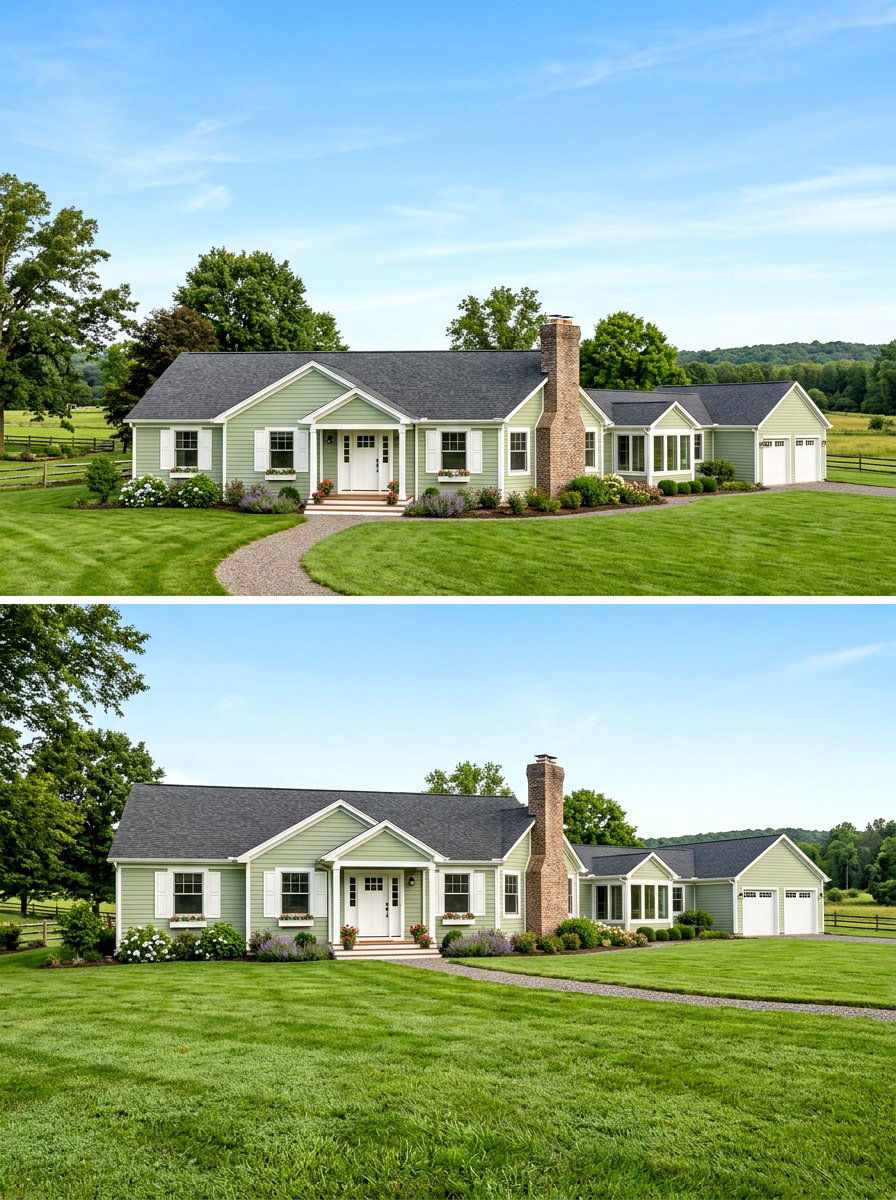
A ranch-style house can be refreshed with a coat of pale green paint to give it a more modern and expansive feel. Ranch homes are often long and low, and a light green can help the structure blend into the horizontal lines of the yard and landscaping. This shade works well with mid-century modern details like breeze blocks and large picture windows. By using a light color, you can make the sprawling footprint of the house feel less imposing and more integrated with its surroundings. Pairing pale green with a light-colored stone chimney or a white front door creates a crisp, clean aesthetic that is perfect for a bright, sunny suburban lot.
17. Pine Green Cabin
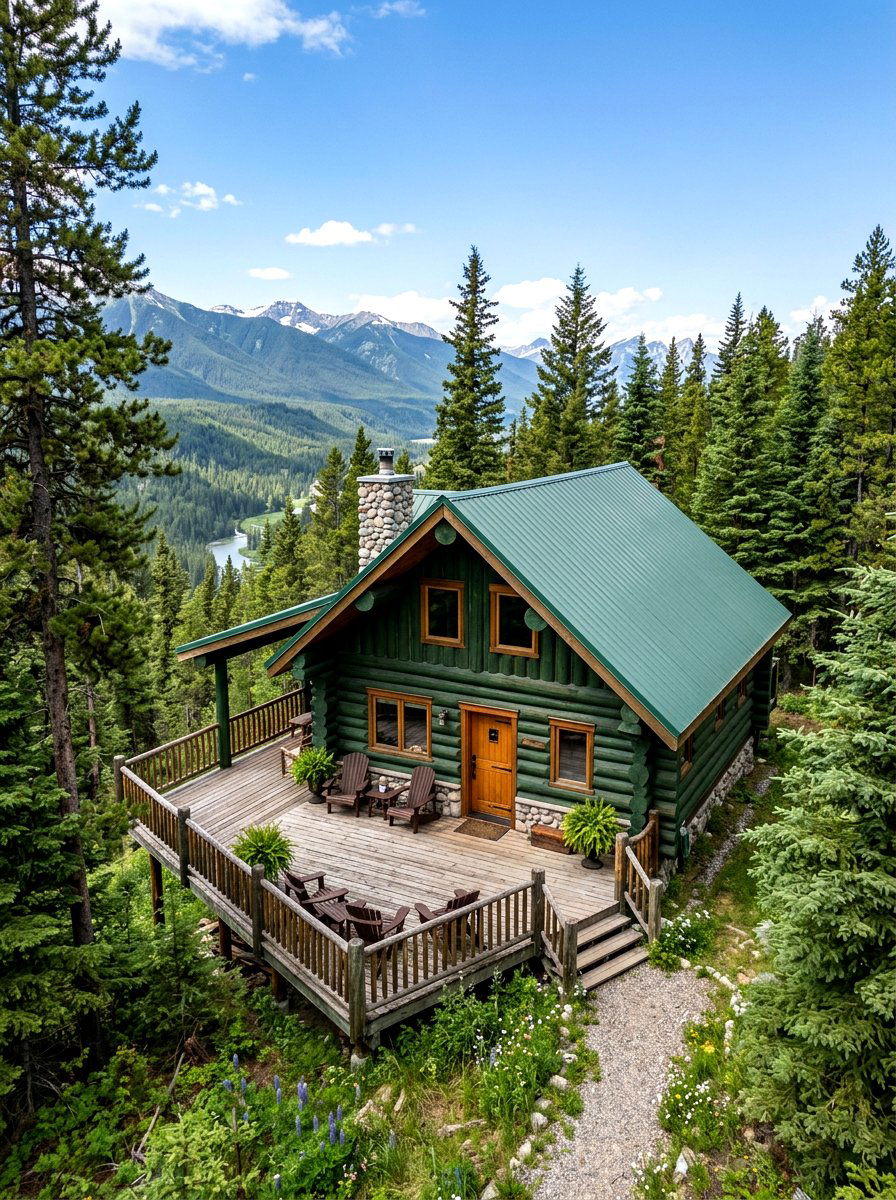
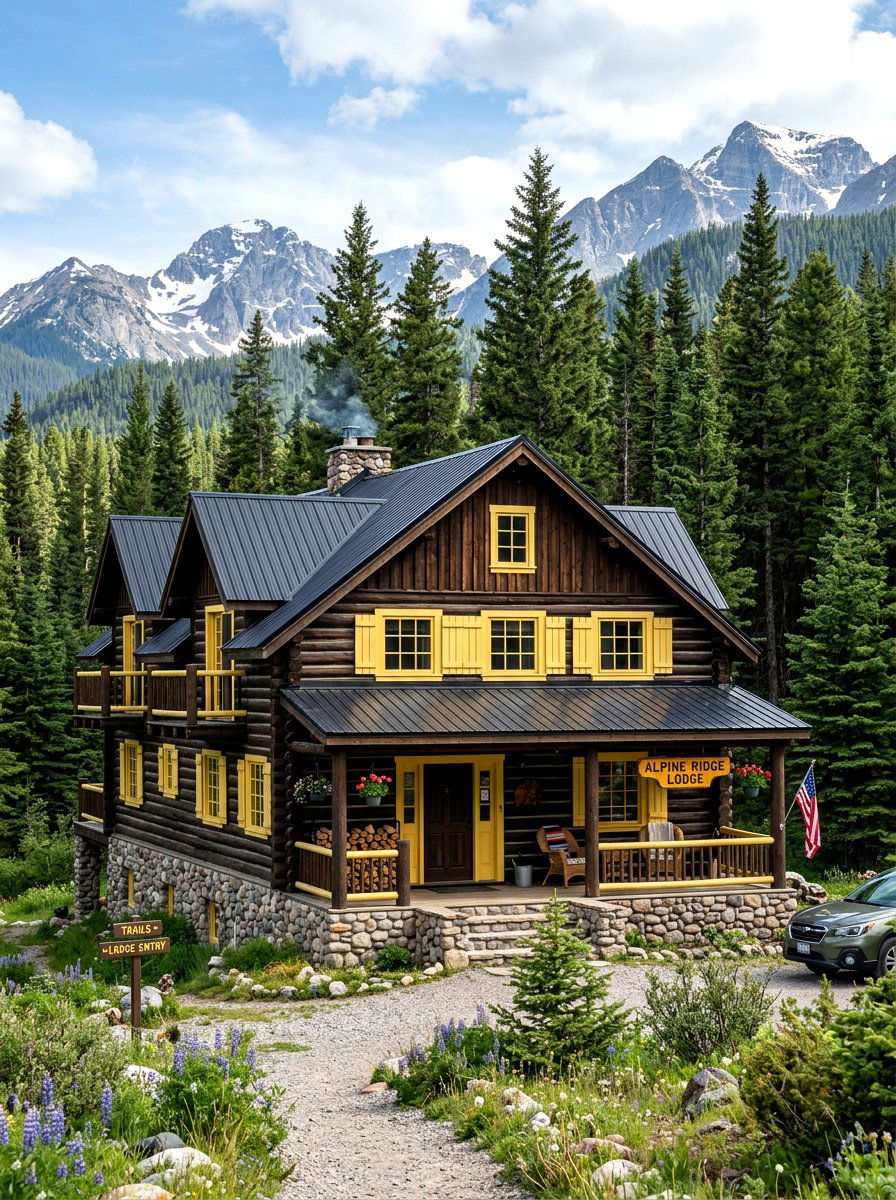
For those who want the ultimate forest retreat look, pine green is the go-to color for an exterior cabin finish. This deep, saturated green is the quintessential color of the Great Outdoors, providing a sense of seclusion and peace. It works best on log siding or heavy timber construction where the scale of the building matches the intensity of the color. Pine green is very effective at making a large cabin disappear into a dense forest, which is often the goal for vacation properties. Pairing it with a green metal roof or heavy stone accents reinforces the rustic theme and creates a durable exterior that can withstand harsh mountain weather.
18. Pistachio Green Villa
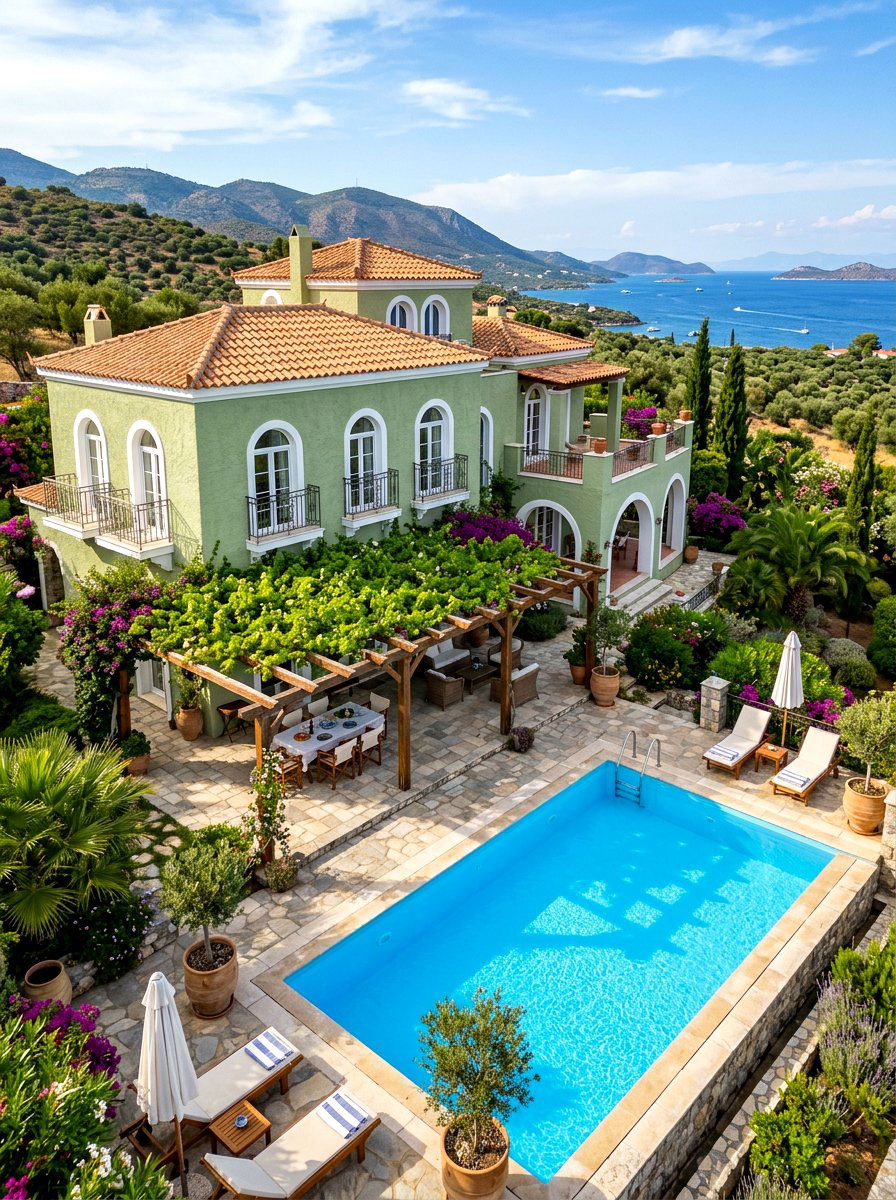
Pistachio green is a light, warm shade that works beautifully on European-style villas or stucco homes with a romantic flair. This color feels fresh and Mediterranean, especially when paired with white arched windows and a clay tile roof. It is a cheerful color that looks wonderful under the golden light of sunset, where the yellow undertones really begin to glow. Pistachio green is often used on homes with extensive garden terraces and pergolas, as it complements the vibrant greens of climbing vines and potted plants. This shade offers a softer, more inviting alternative to stark white or yellow, providing a unique and stylish curb appeal for luxury properties.
19. Gray Green Contemporary
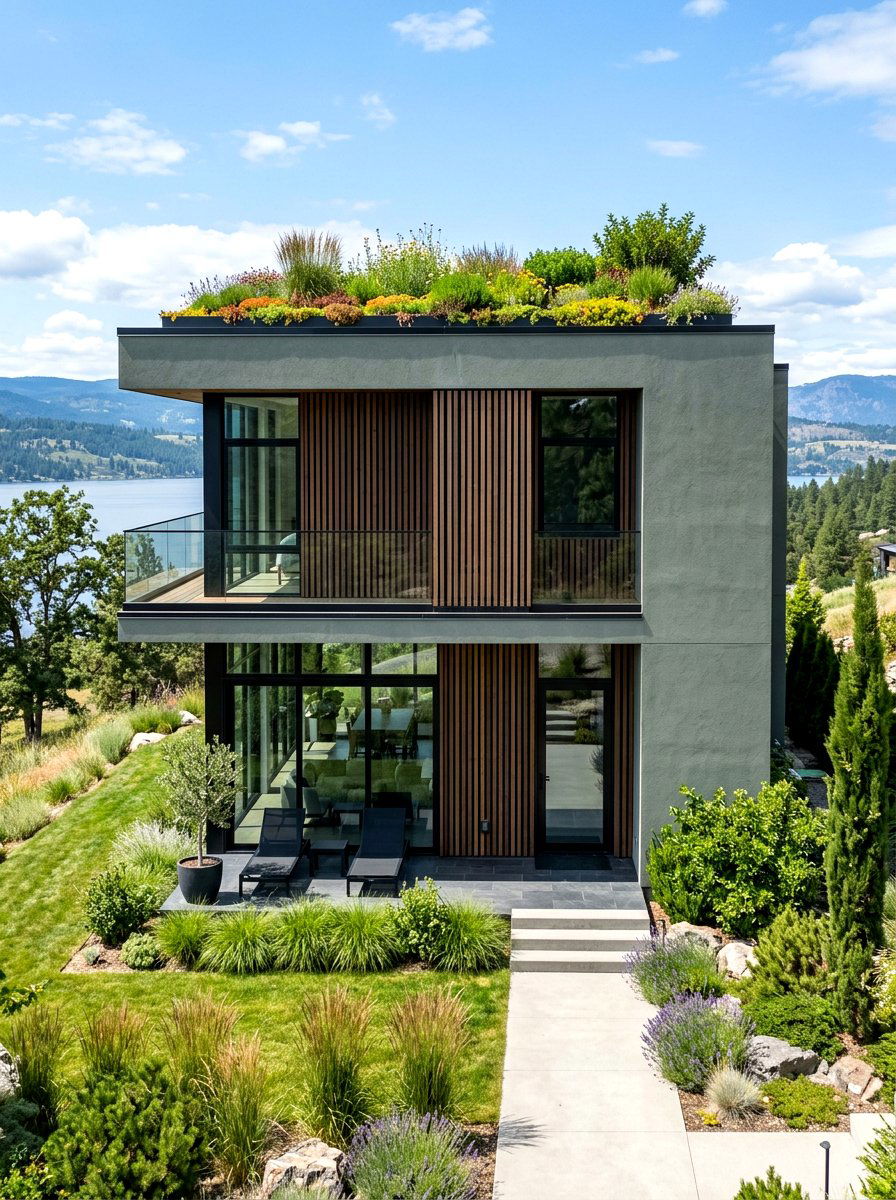
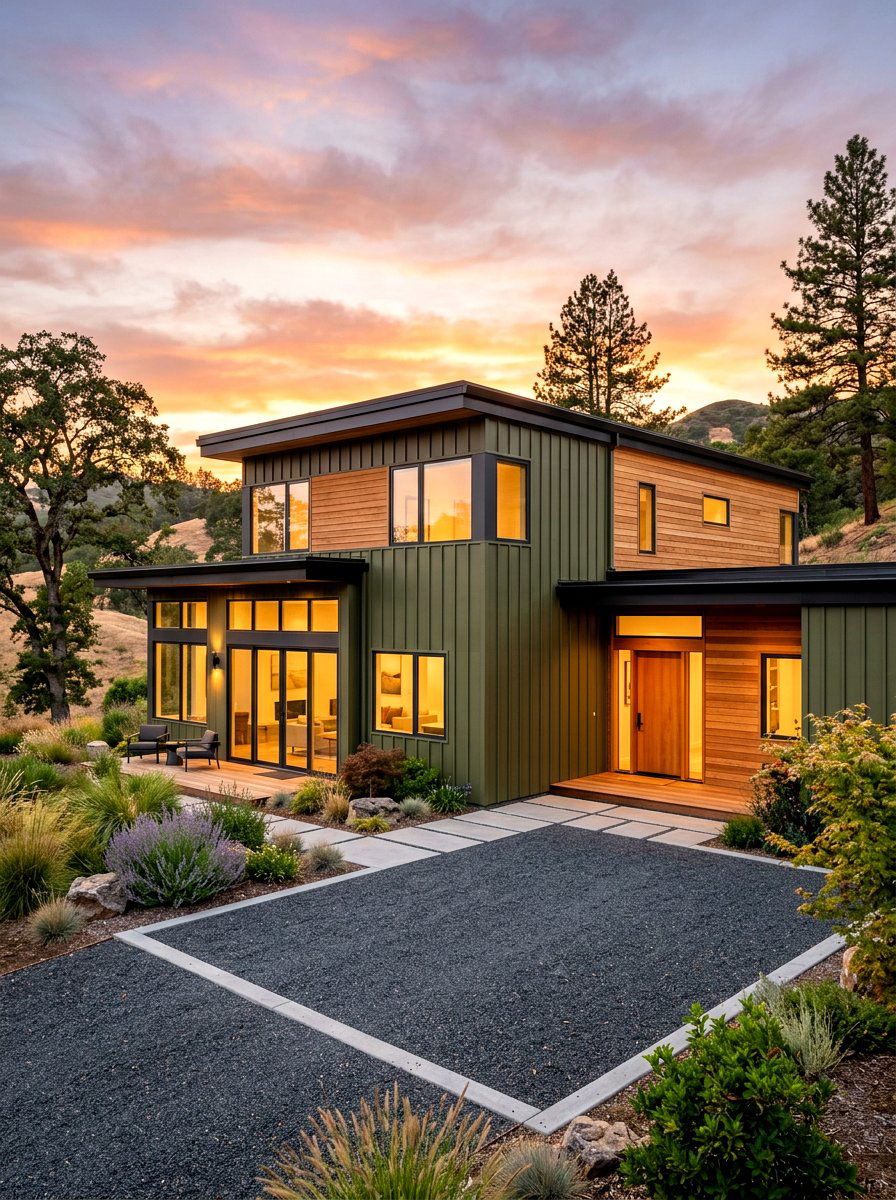
Contemporary homes often utilize a gray-green palette to achieve a neutral look that isn 't as cold as standard gray. This "greige" alternative offers a subtle hint of nature that softens the hard angles and flat roofs of modern architecture. It is an incredibly versatile color that looks different depending on the light, appearing more green on sunny days and more gray when it' s cloudy. This shade works perfectly with black window frames and natural wood soffits, providing a sophisticated and understated backdrop. It is an excellent choice for homeowners who want a modern look that feels warm, approachable, and highly integrated with the surrounding residential landscape and neighborhood.
20. Verdigris Green Accents
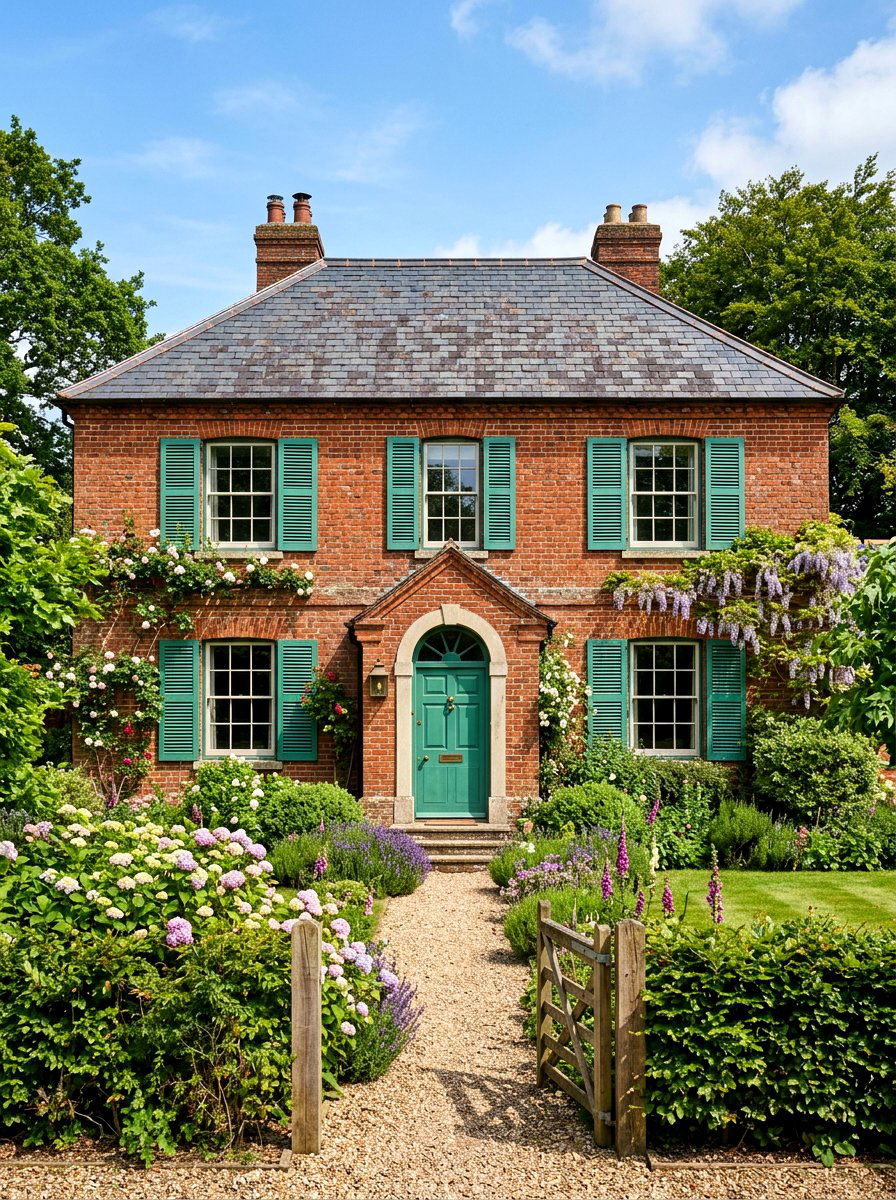
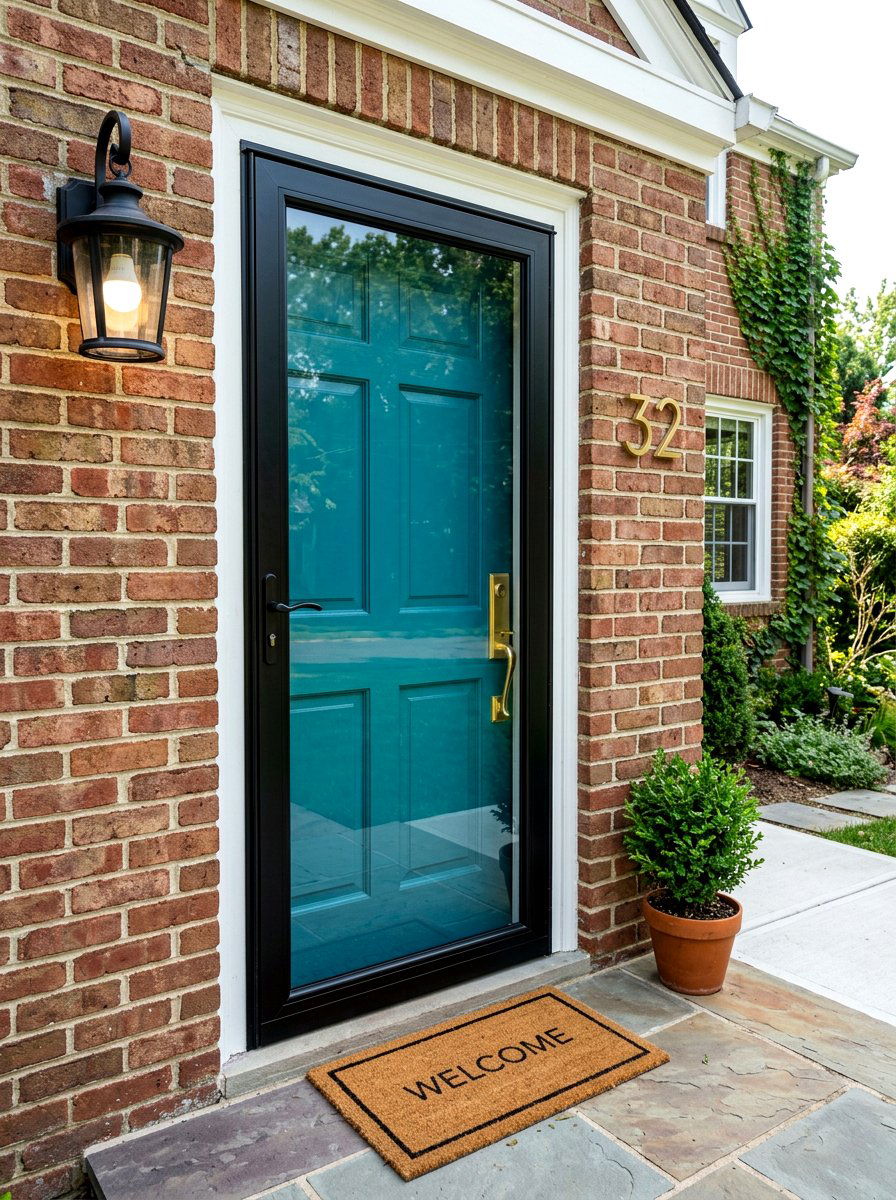
While not usually used for the entire house, verdigris green — a color mimicking weathered copper — is a stunning choice for exterior accents. Using this shade on window shutters, front doors, or decorative trim adds a sense of history and craftsmanship to a home. It pairs beautifully with red brick or dark stone, providing a complementary color scheme that is naturally pleasing to the eye. Verdigris green suggests a high level of detail and a commitment to quality materials, making even a newer home feel more established and classic. It is a sophisticated way to introduce green into your exterior design without committing to a full green paint job on the siding.
21. Kelly Green Exterior Paint
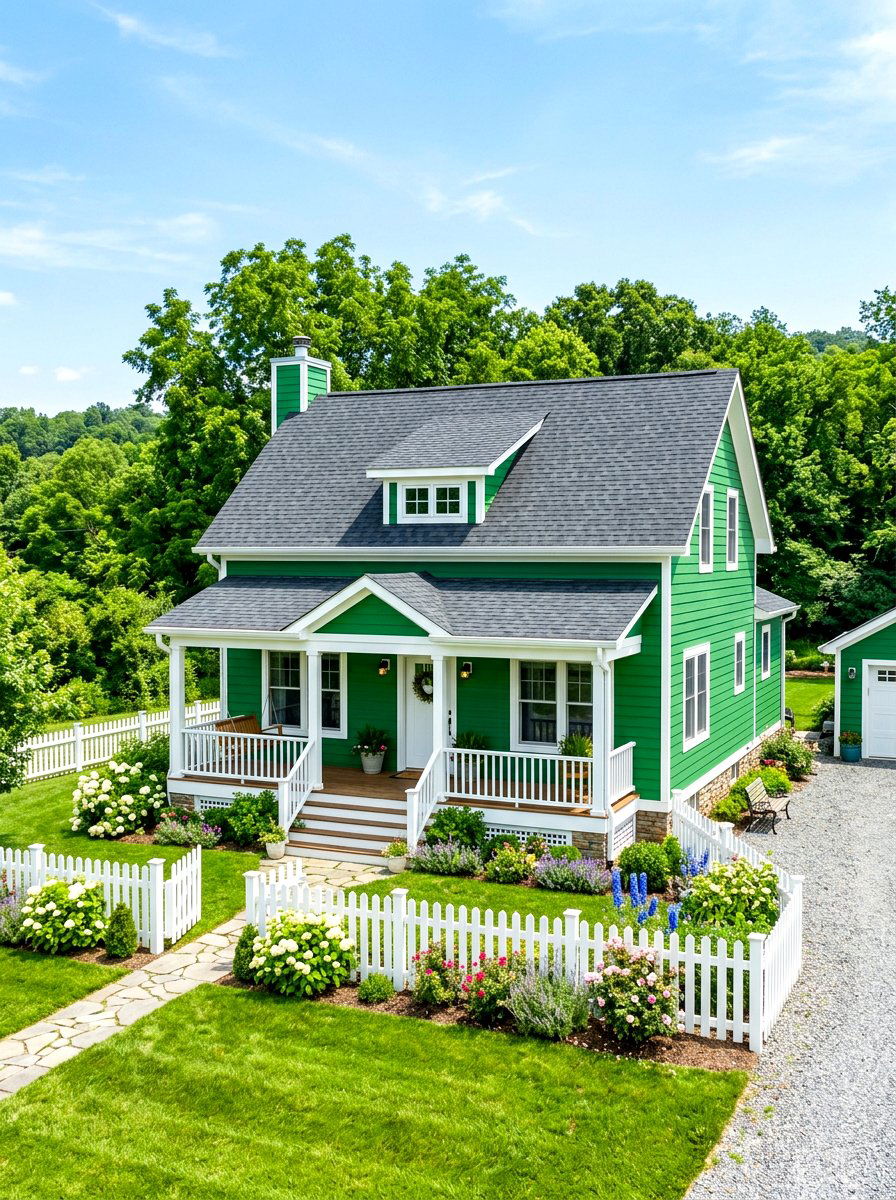
For the homeowner who loves bold, saturated color, Kelly green is a vibrant and energetic choice for a house exterior. This "true" green is bright and unapologetic, making it perfect for modern cottages or unique urban residences. It looks best when used with high-contrast white trim and a black or gray roof to ground the intensity of the color. Kelly green is a statement-making shade that works well on homes with simple silhouettes, as the color itself provides all the visual interest needed. It evokes a sense of joy and vitality, ensuring that your home stands out as a landmark of creativity and personality within the local community.
22. Fern Green Board And Batten
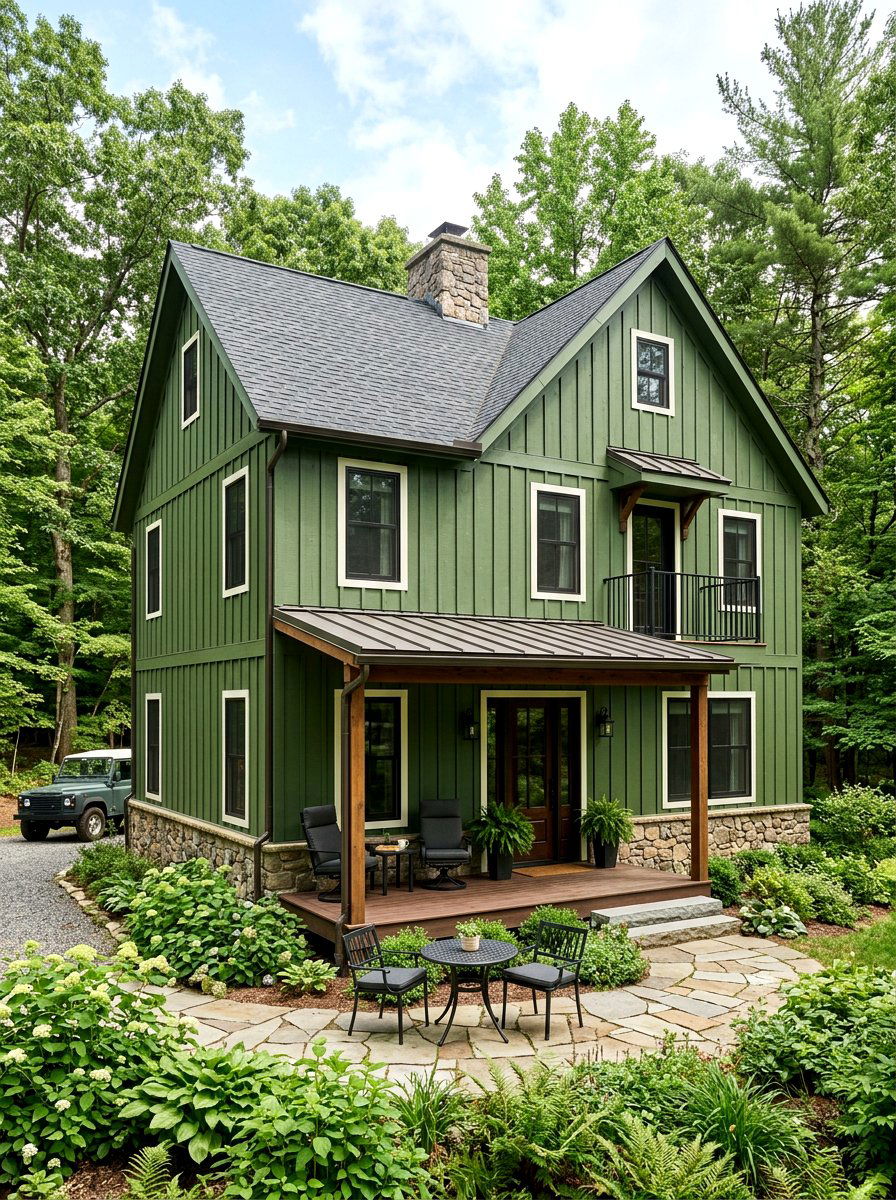
Fern green is a medium-toned, earthy shade that highlights the vertical lines of board-and-batten siding perfectly. This combination is popular for modern farmhouse or craftsman designs where texture and pattern are key elements of the exterior. Fern green provides a balanced look that is neither too dark nor too light, making it suitable for a wide variety of climates and lighting conditions. It pairs wonderfully with natural stone foundations and dark gray roofing, creating a layered and professional appearance. The vertical shadows created by the batten strips give the fern green a sense of movement and depth, making the facade feel more dynamic and architecturally interesting to passersby.
23. Soft Avocado Green Trim
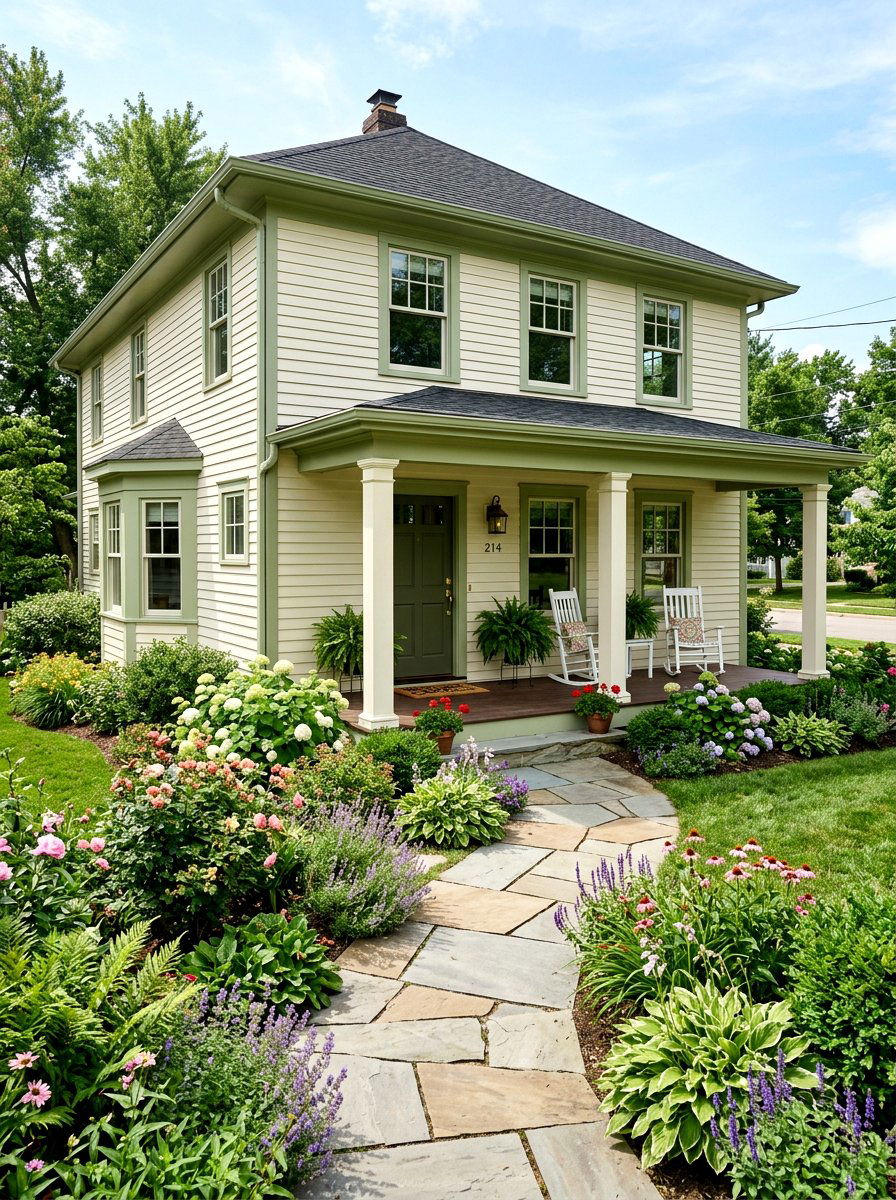
Using a soft avocado green for trim and accents is a subtle way to incorporate the green trend into a more traditional home. This shade, which has a warm and slightly yellowish undertone, looks fantastic when paired with cream-colored siding or light brown brick. It is a much more interesting choice than standard white or tan trim, adding a layer of custom design to the house. Soft avocado green is particularly effective at highlighting decorative window casings, gables, and porch railings. It provides a cohesive and polished look that feels connected to the garden, especially when used on homes with a lot of surrounding greenery and landscaping features.
24. Teal Green Mid Century Modern
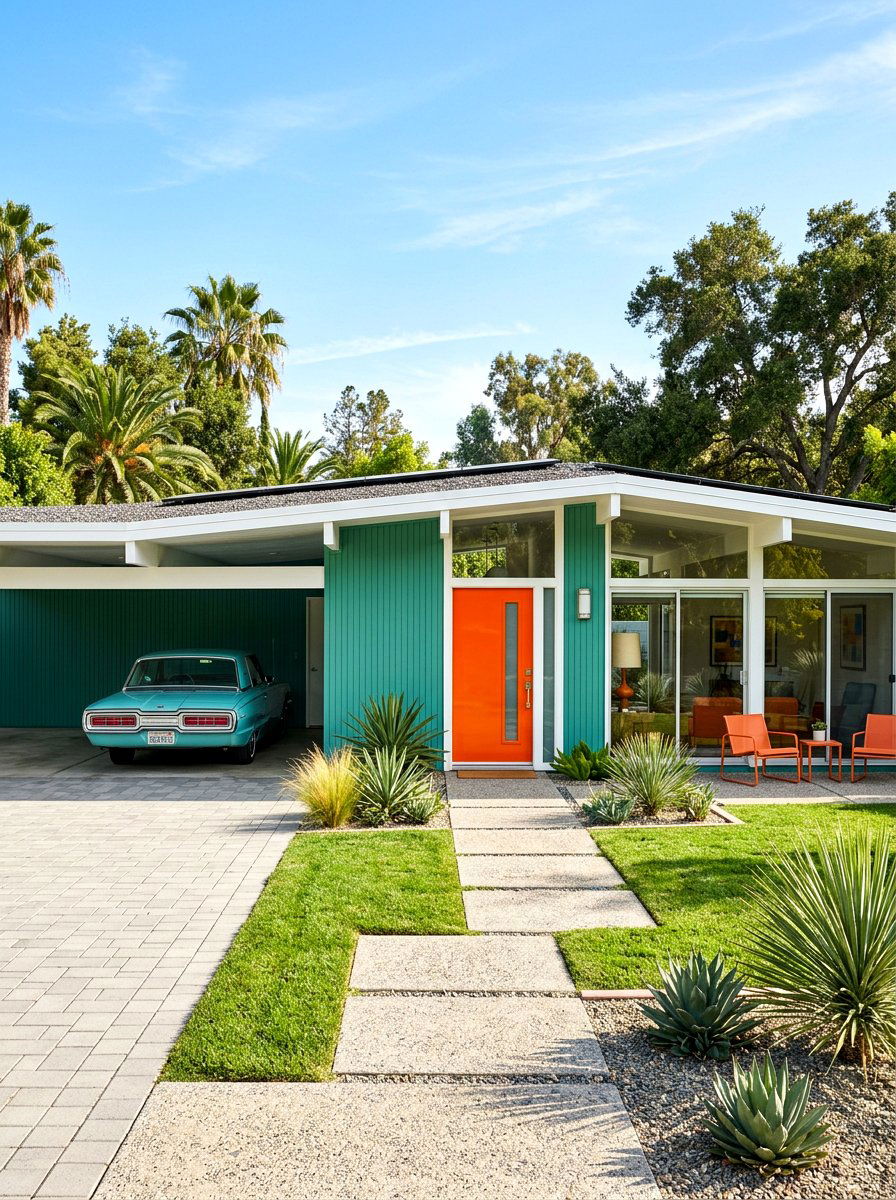
Mid-century modern homes are famous for their experimental use of color, and teal green is a classic choice for this architectural style. This vibrant, blue-green hue emphasizes the low profiles and large glass walls typical of the era. It looks particularly striking when used on the main body of the house, paired with bright white trim and perhaps a pop of orange or yellow on the front door. Teal green captures the optimistic and playful spirit of the 1950s and 60s while still feeling remarkably fresh and modern today. It is a great way to respect the history of an MCM home while giving it a bold, updated look.
25. Dark Moss Green Colonial
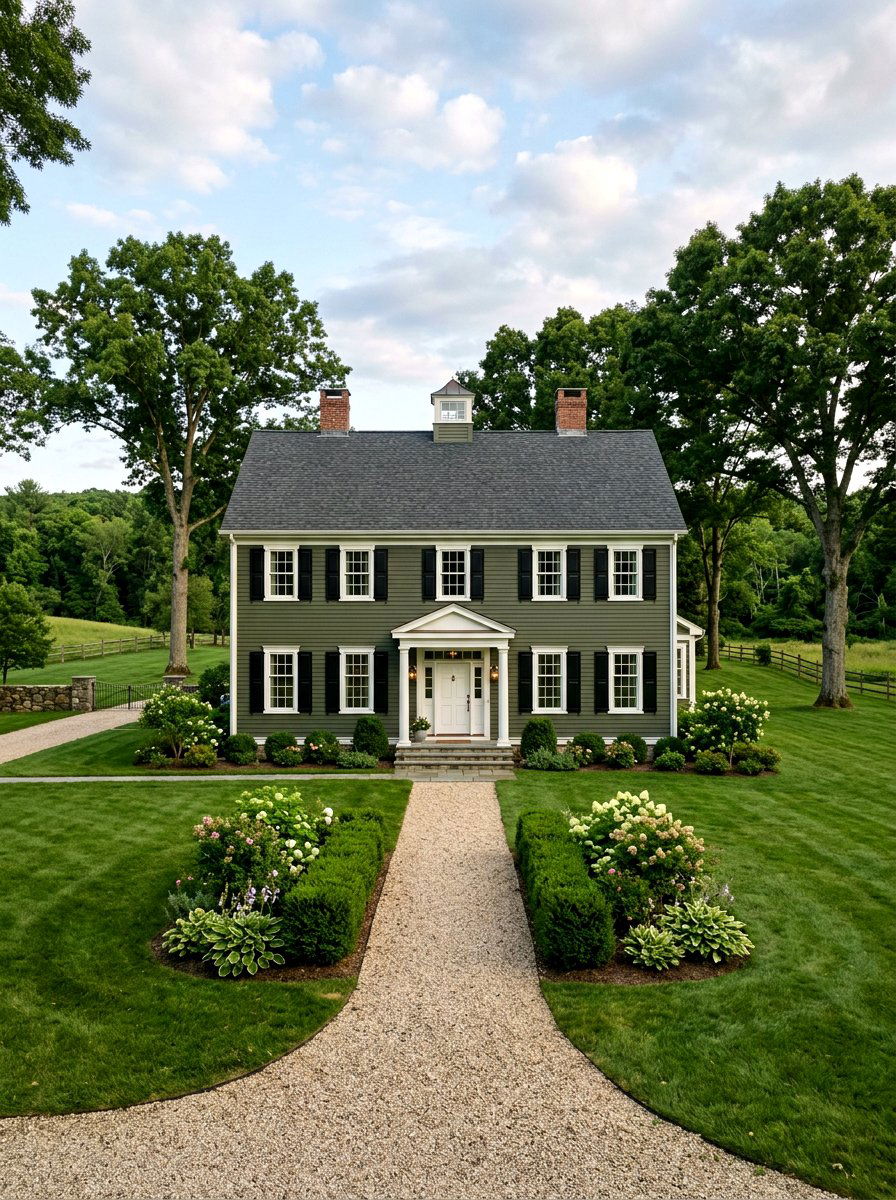
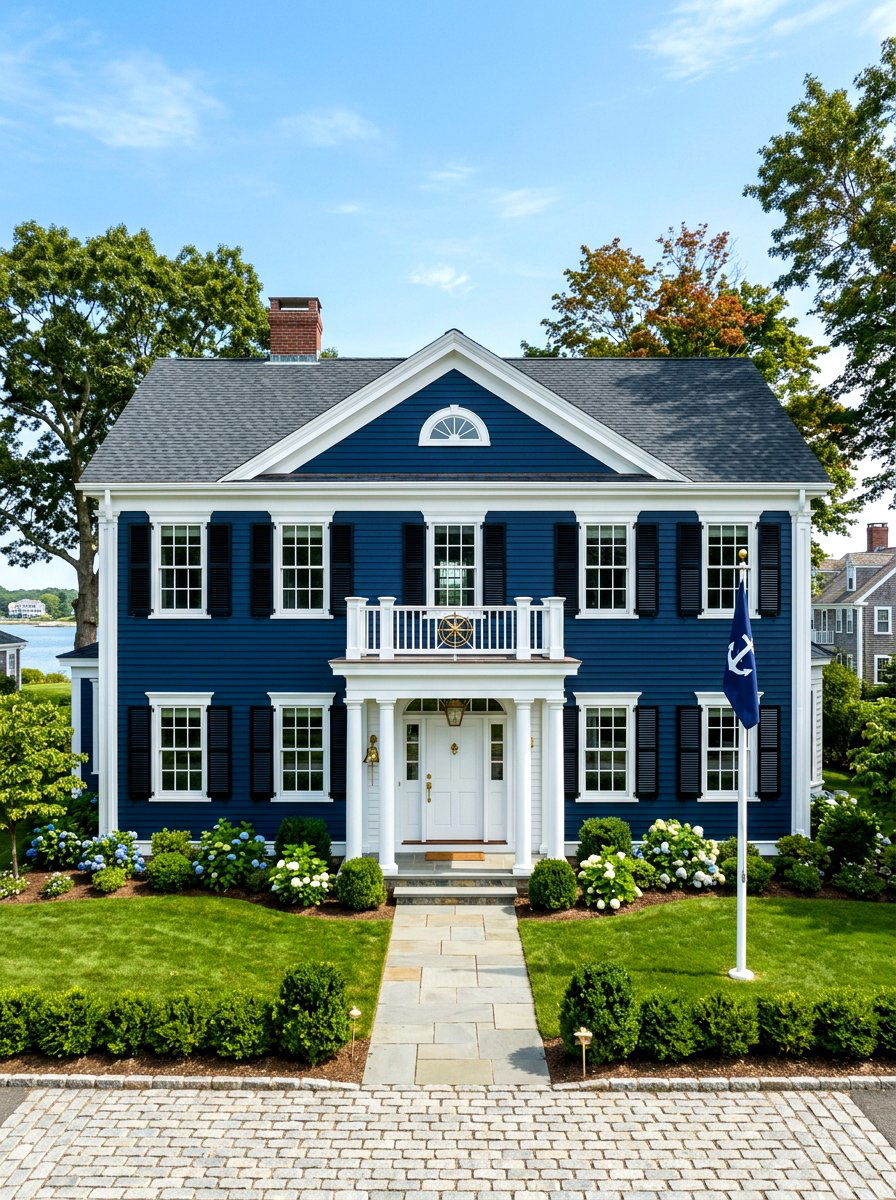
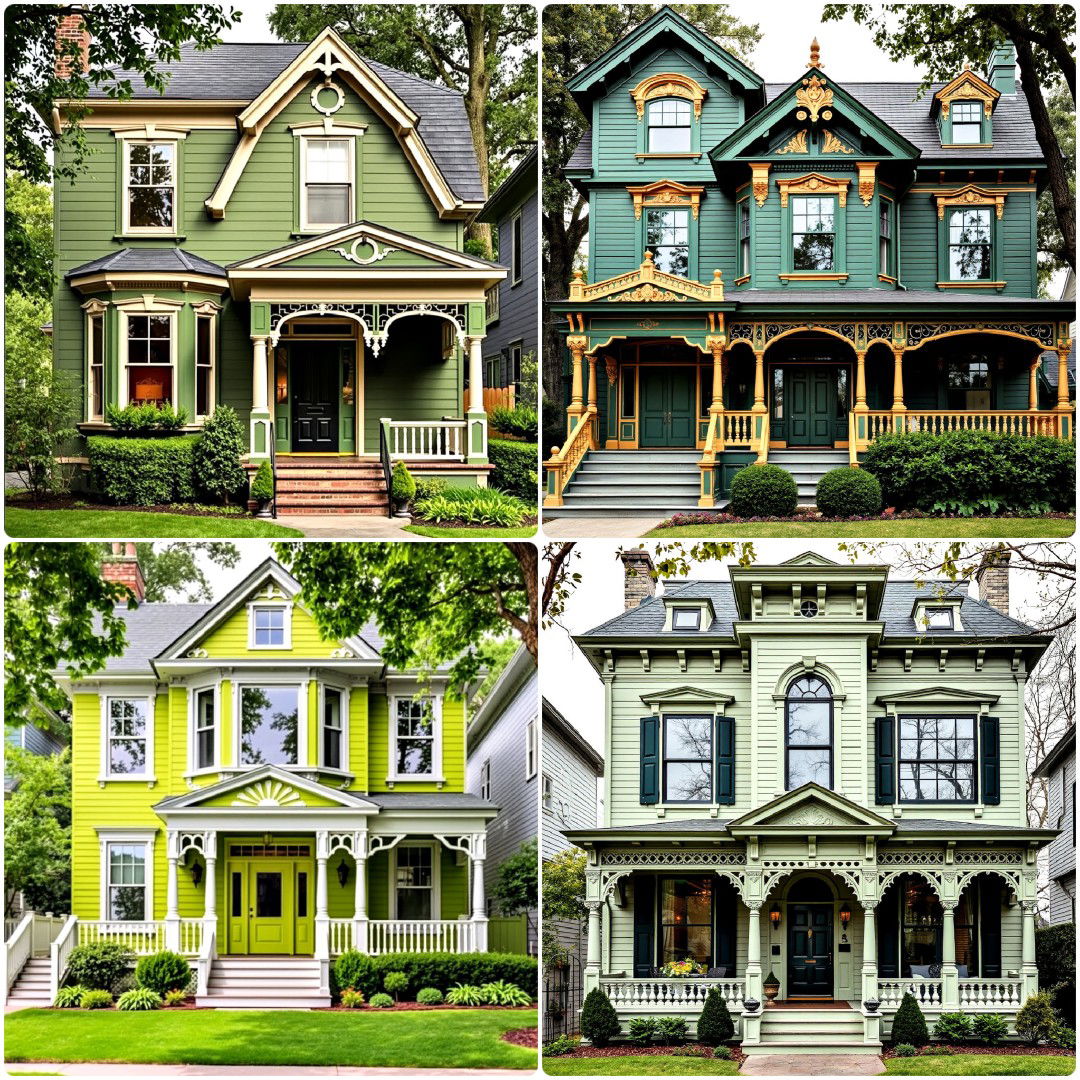
Colonial-style homes, with their symmetrical windows and formal layouts, look stately and impressive in a dark moss green. This deep, earthy shade provides a sense of gravity and history that complements the traditional architecture perfectly. Pairing dark moss green with black shutters and a white front door creates a classic "New England" look that is both sophisticated and timeless. The color helps the large, square footprint of a Colonial home feel more settled into the landscape rather than sitting on top of it. It is a refined choice for homeowners who want a traditional look that isn't the standard white or blue often seen in historic districts.
26. Light Sage Green Craftsman
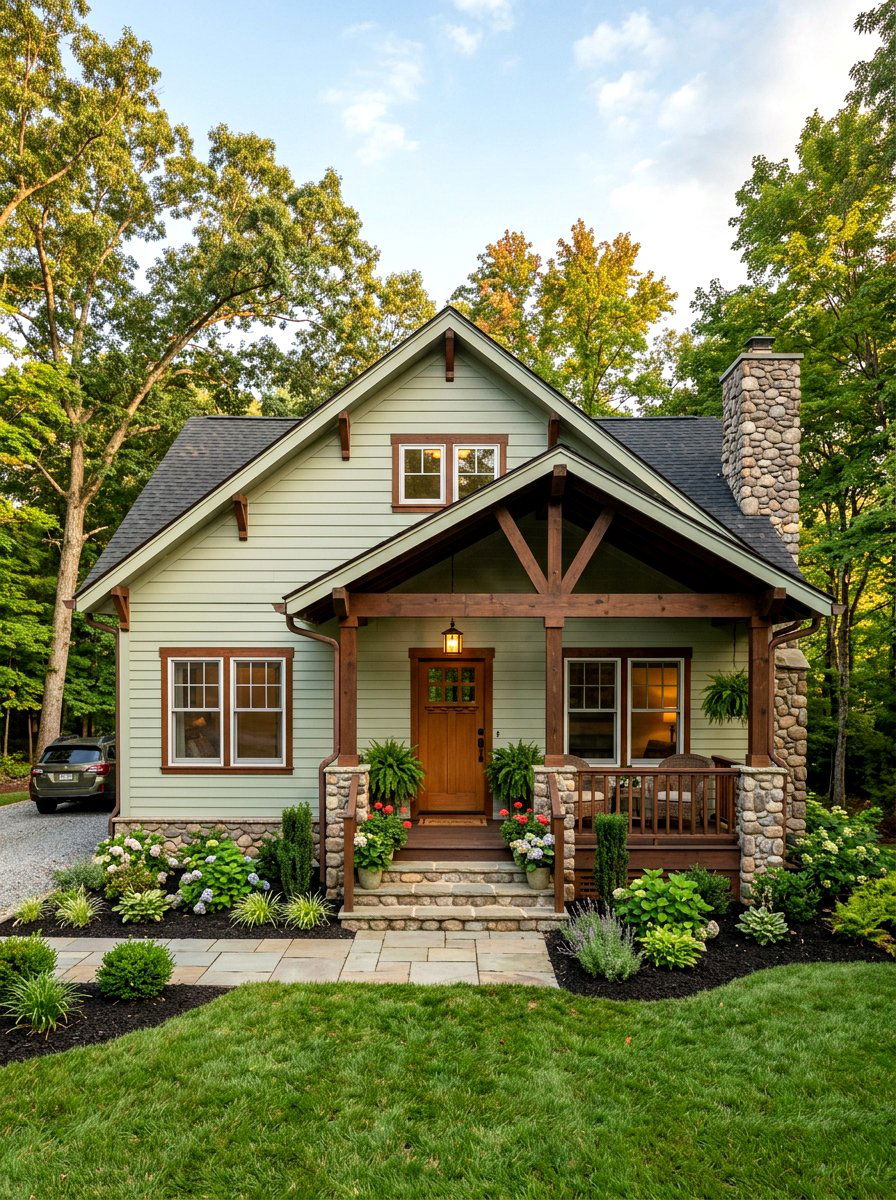
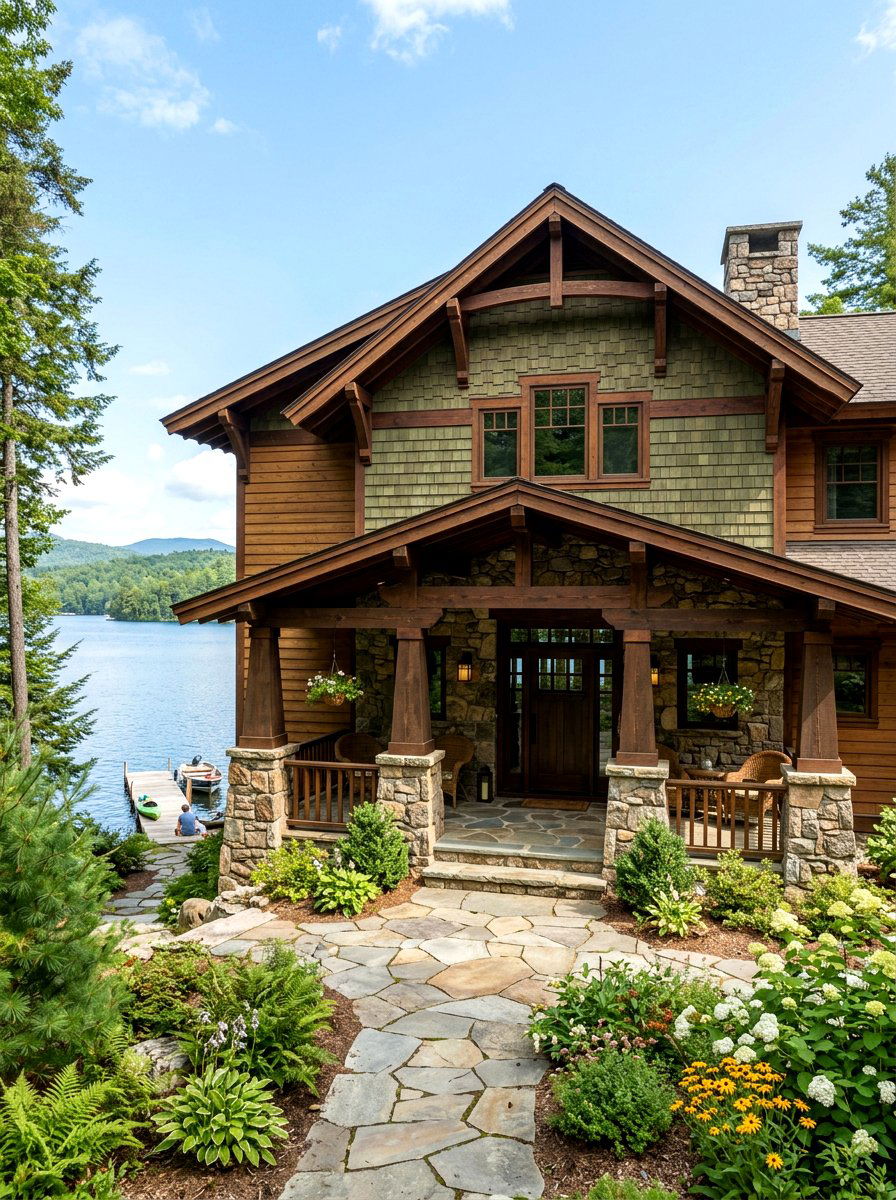
Craftsman homes are all about natural materials and earthy colors, making light sage green an ideal choice for this style. This soft, muted shade highlights the intricate woodwork, such as tapered columns, exposed rafters, and decorative brackets, without overwhelming them. It pairs beautifully with a medium-brown wood stain on the front door and porch ceiling, creating a warm and inviting entrance. Light sage green also looks fantastic alongside a stone chimney or foundation, reinforcing the home's connection to the earth. It is a peaceful and understated color that enhances the cozy, hand-built feel that makes Craftsman-style houses so popular among families and design enthusiasts.
27. Evergreen Traditional Siding
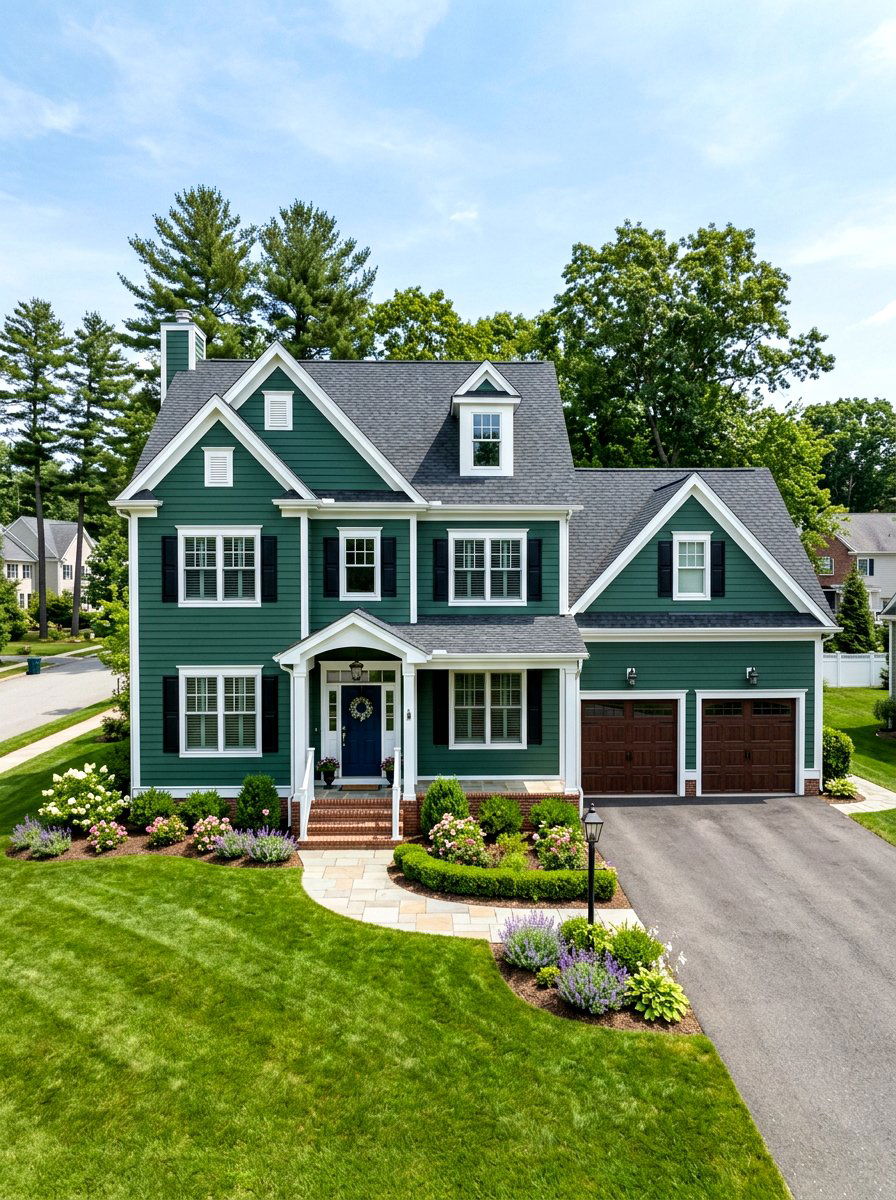
Evergreen is a classic, dark green that provides a timeless and professional look for traditional suburban homes. This color is saturated and deep, offering a high level of curb appeal that suggests a well-maintained and expensive property. It works well with a variety of roofing colors, including black, dark gray, and even brown. To keep the look from feeling too somber, most designers use a crisp white or a very light cream for the trim and shutters. This creates a sharp, high-contrast aesthetic that makes the architectural lines of the house stand out. Evergreen is a "safe" bold choice that is almost universally liked and respected by neighbors.
28. Celadon Green Garden Cottage
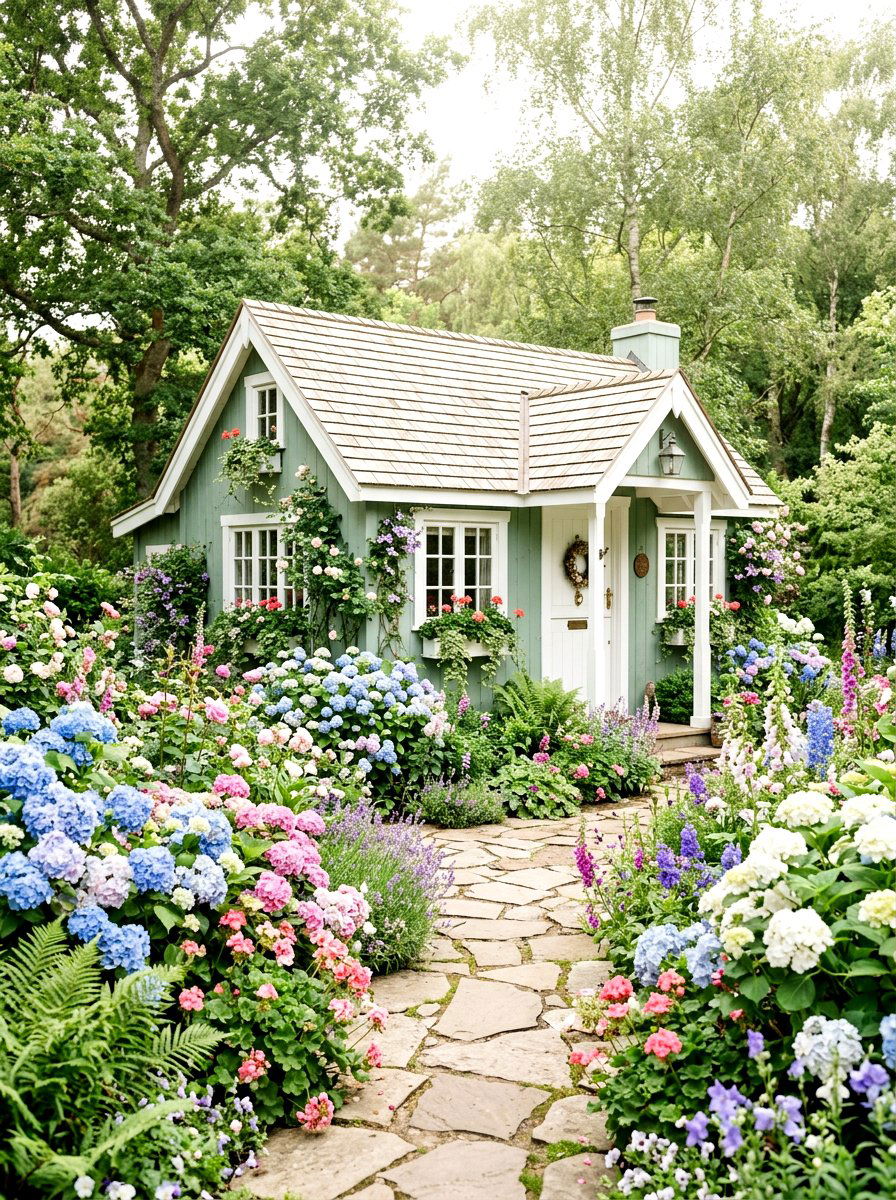
Celadon is a pale, grayish-green that feels incredibly light and airy, making it perfect for a garden cottage. This color is inspired by classic pottery and has a sophisticated, artistic quality that feels very high-end. It works best on homes surrounded by lush flower beds, as it acts as a soft neutral backdrop for colorful roses, hydrangeas, and peonies. Pairing celadon green with a light-colored wood roof and white trim creates a fairy-tale aesthetic that is both charming and refined. It is a great choice for small properties where you want to create a sense of space and light while still providing a distinct and beautiful color.
29. Bottle Green Window Frames
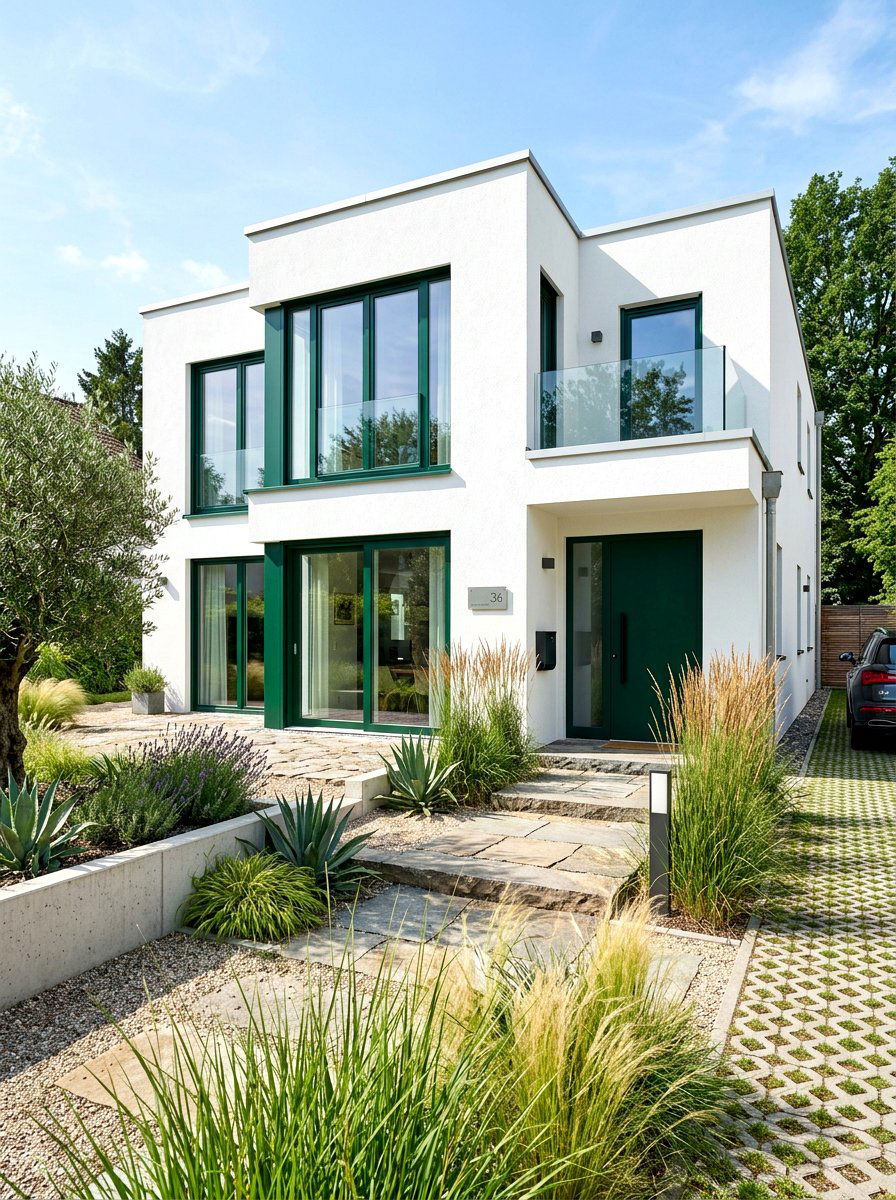
For a unique and high-end look, consider painting your window frames in a deep bottle green. This is a common feature in European city homes and adds a touch of historical class to any exterior. Bottle green is so dark it can almost look black from a distance, but in the sun, it reveals a rich, glassy depth. This accent color works beautifully on white stucco homes or light-colored brick houses, providing a sophisticated frame for the views inside. It suggests a high level of attention to detail and can make a standard house look like a custom architectural project with very little effort or expense.
30. Muted Olive Wood Siding
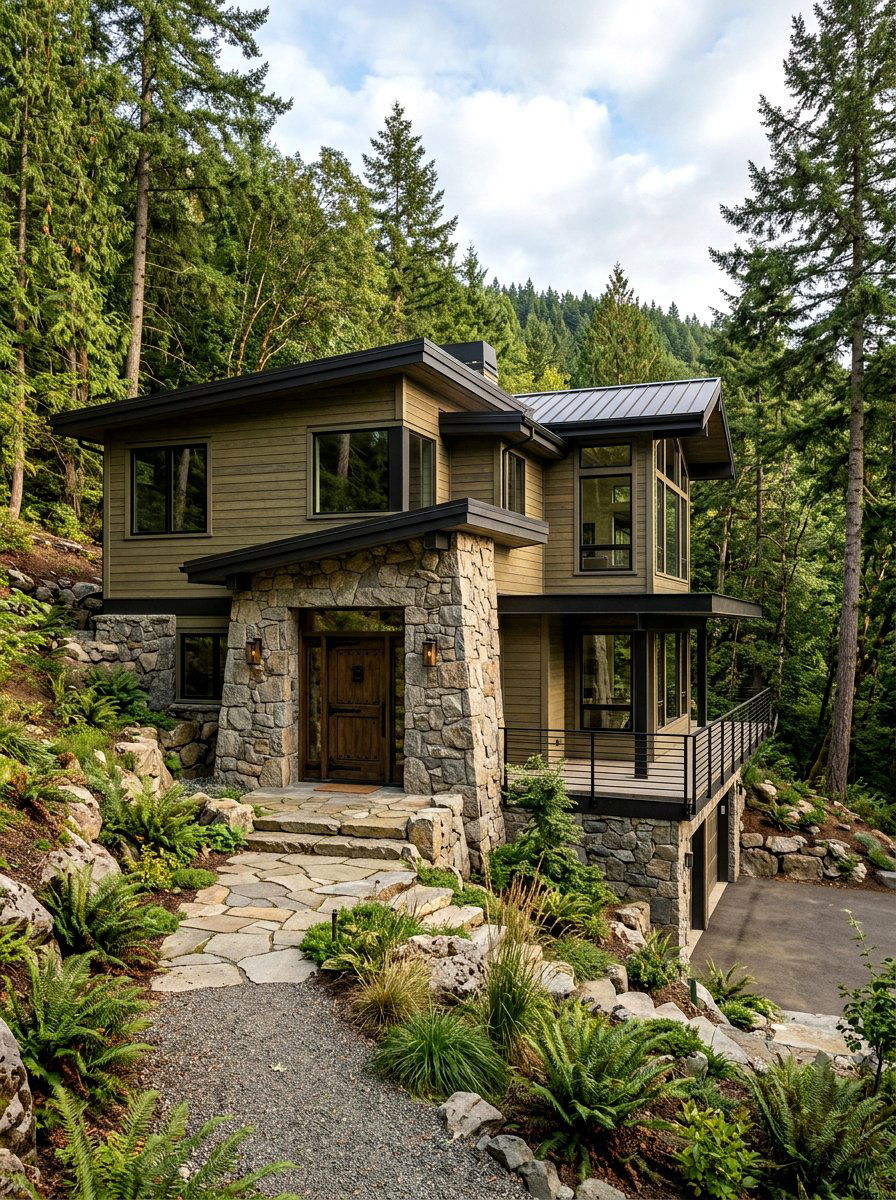
Using a muted olive stain on natural wood siding is a wonderful way to achieve a green exterior while maintaining the organic beauty of the wood. This approach allows the wood grain to show through, creating a textured and multi-tonal look that is incredibly rich. Muted olive is a fantastic choice for contemporary rustic homes or modern cabins where the goal is to disappear into the trees. It pairs perfectly with black hardware and stone accents, providing a rugged yet sophisticated exterior. Because it's a stain rather than a solid paint, the color feels more integrated into the material, resulting in a facade that looks like it grew directly out of the forest.
Conclusion:
Choosing a green exterior for your home is one of the most effective ways to create a timeless, nature-inspired look that boosts curb appeal. Whether you prefer the moody depth of forest green or the airy lightness of sage, there is a shade of green that perfectly complements every architectural style. By considering your home's surrounding landscape, the existing materials like brick or stone, and the amount of natural sunlight your lot receives, you can select a palette that feels both intentional and harmonious. Green is more than just a color trend; it is a classic choice that offers lasting beauty and a welcoming atmosphere for years to come.

Related posts: