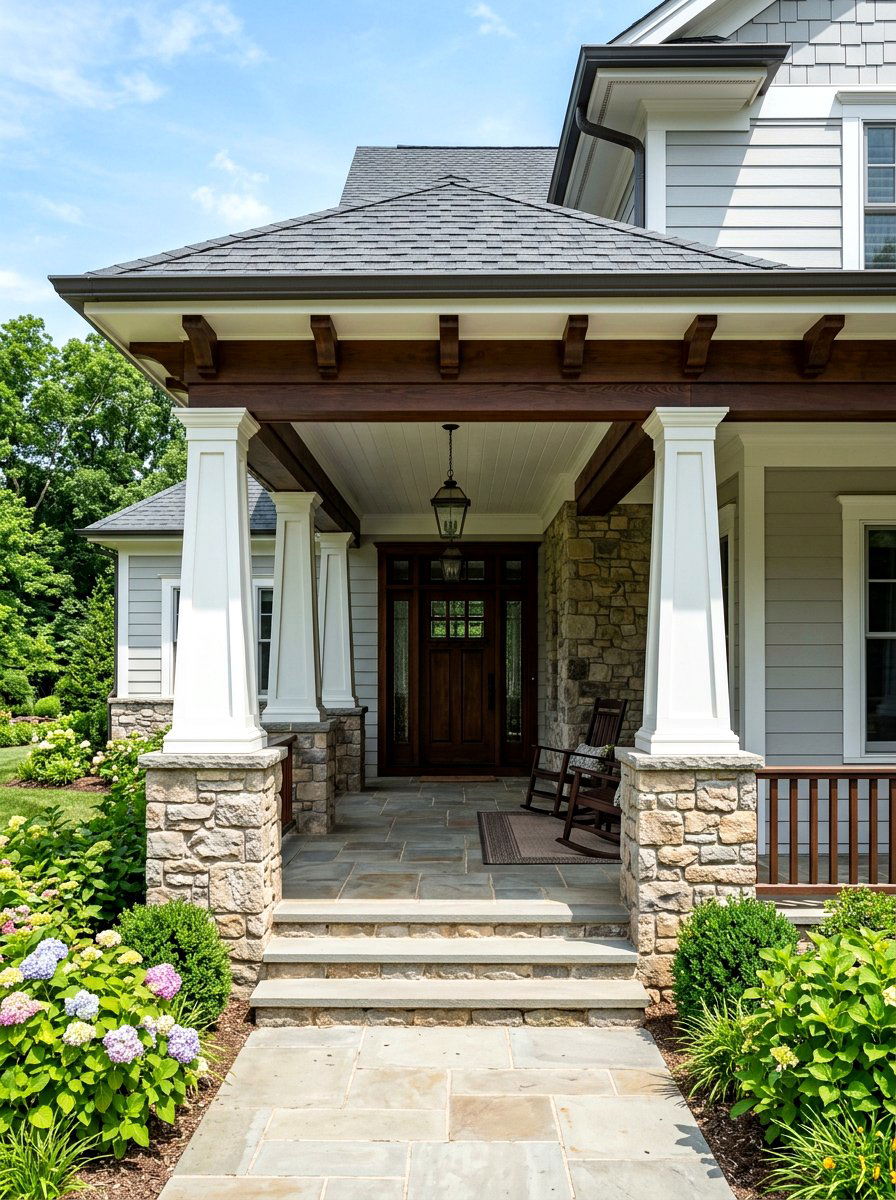
Stucco has long been a favorite choice for homeowners looking for a durable and versatile exterior finish that stands the test of time. This material offers a unique combination of energy efficiency, fire resistance, and aesthetic flexibility that few other siding options can match. Whether you are aiming for a traditional Mediterranean look or a sleek modern masterpiece, stucco provides a seamless canvas that works beautifully in various climates and architectural styles. In this guide, we will explore a wide range of inspiring stucco applications. You will discover how different textures and colors can completely transform your home’s curb appeal while providing a protective and long-lasting shell.
1. White Stucco Black Trim
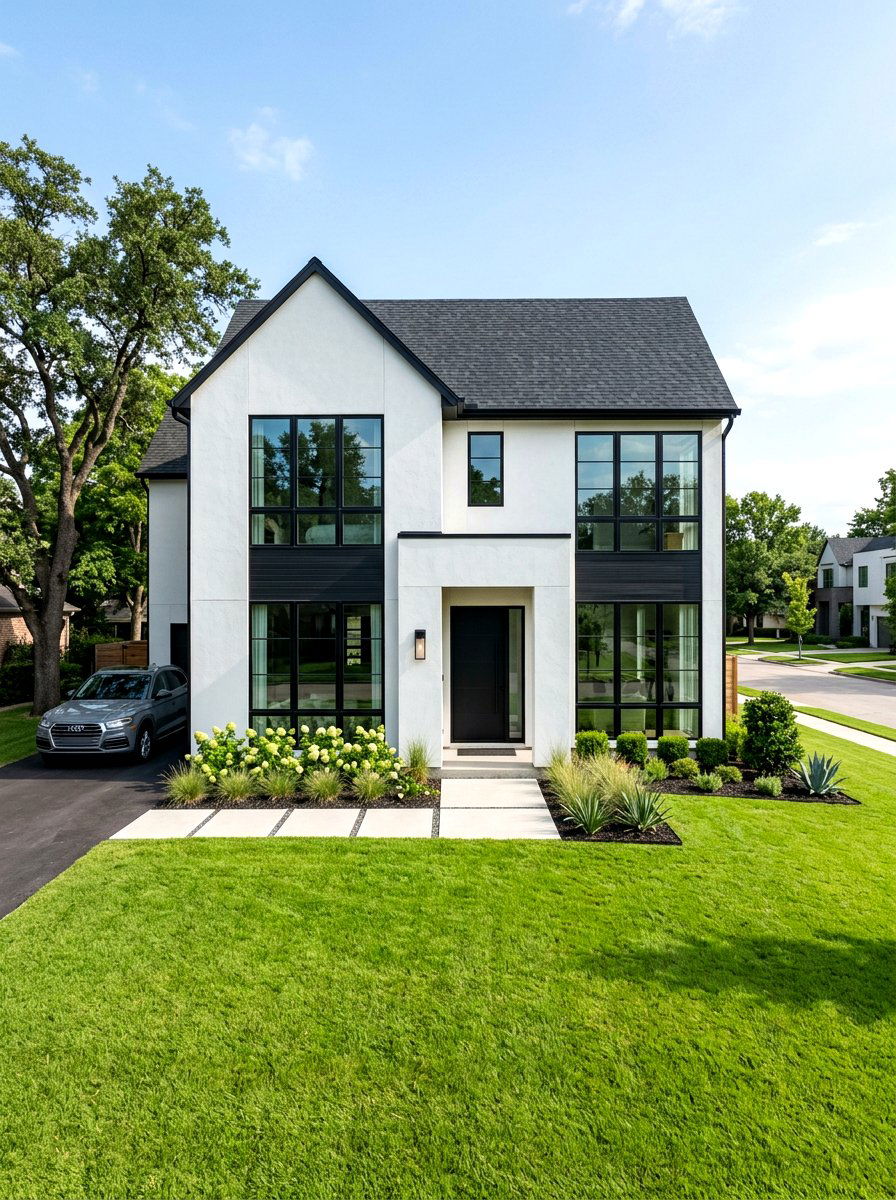
Have you ever noticed how a simple color contrast can make a home look instantly more sophisticated and expensive? The combination of bright white stucco with deep black trim is a timeless choice that dominates modern architectural trends today. This high-contrast look highlights the clean lines of the building while providing a fresh and airy feel that never goes out of style. It works exceptionally well for modern farmhouse styles or contemporary minimalist structures. By keeping the main body of the house neutral, you allow the architectural details like windows and doors to pop. This design creates a striking visual impact that looks clean and very well-maintained.
2. Modern Smooth Finish Stucco
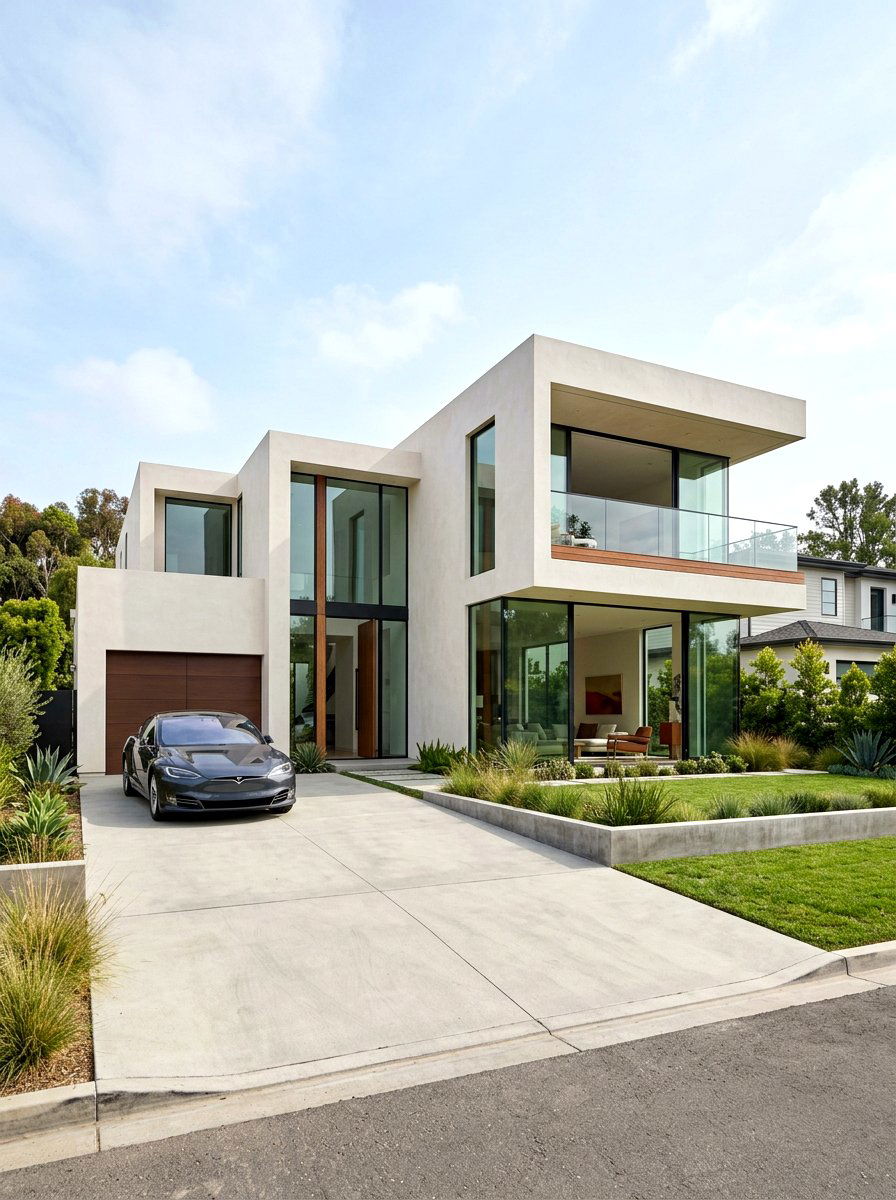
Smooth finish stucco offers a velvety and refined surface that turns any building into a piece of contemporary art. Unlike traditional rough textures, this sleek application requires expert craftsmanship to ensure a perfectly flat and even appearance across large wall sections. This style is particularly popular for minimalist homes where the focus is on geometric shapes rather than surface details. The lack of texture allows light and shadow to play across the facade in a way that emphasizes the home’s physical structure. It provides a very upscale and polished look that feels incredibly modern. Homeowners love this finish for its clean aesthetic and high-end residential appeal.
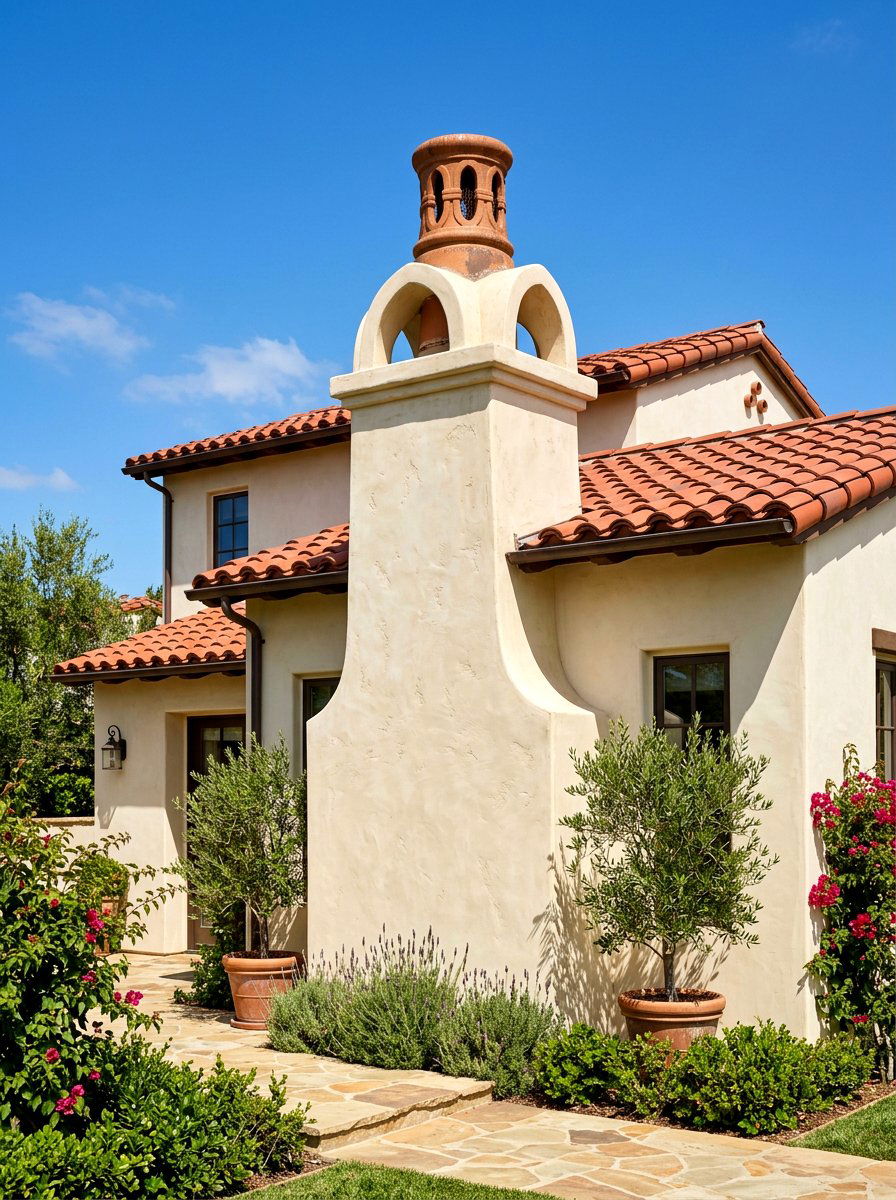
3. Spanish Revival Stucco Home
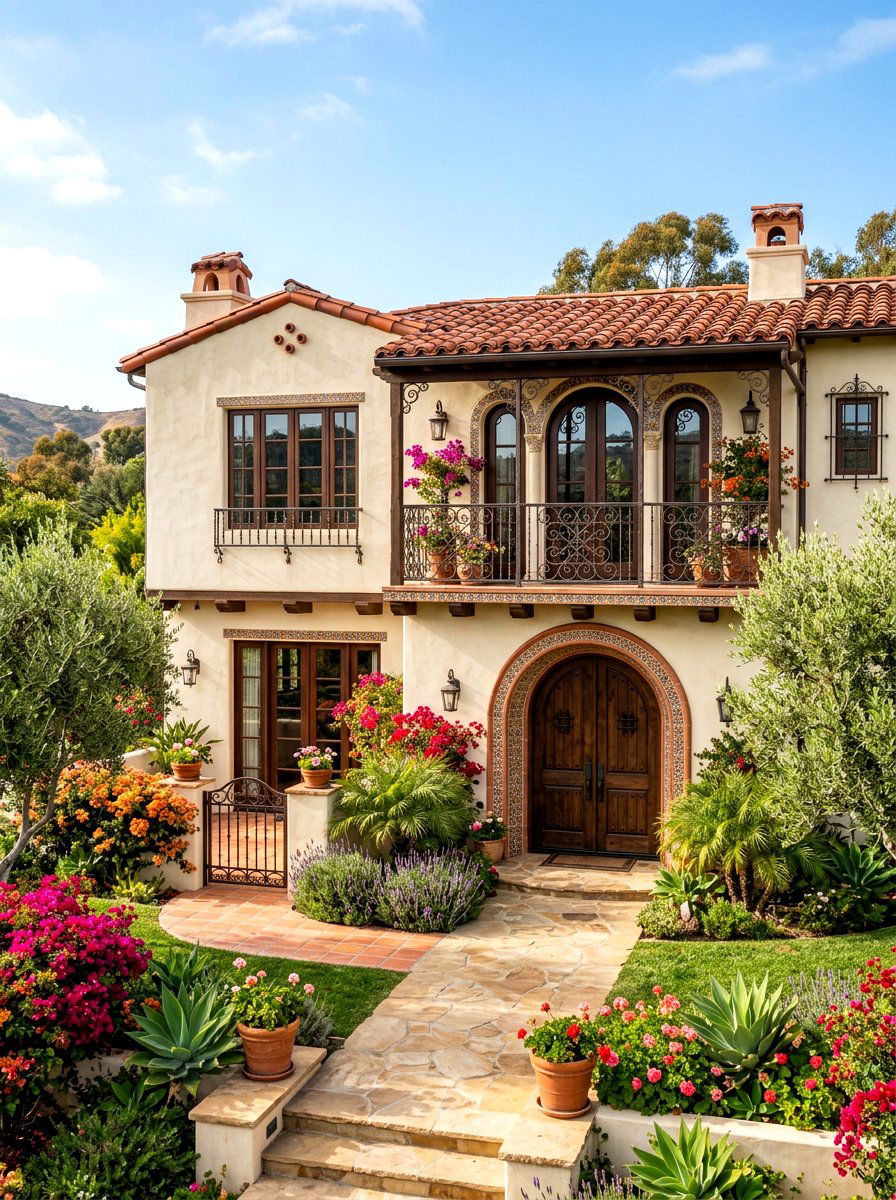
Stepping into a property with a Spanish revival theme often feels like being transported to a sunny Mediterranean coastal town. This classic style typically features heavy textured stucco walls paired with beautiful red clay roof tiles and ornate wrought iron details. The walls are often finished in warm whites or soft creams to reflect the sunlight and keep the interior cool. You might see arched doorways and thick walls that give the home a sense of history and permanence. This architectural direction celebrates craftsmanship and traditional materials. It creates a romantic and inviting atmosphere that remains a top choice for luxury homes in warmer southern climates.
4. Stucco And Wood Siding Mix
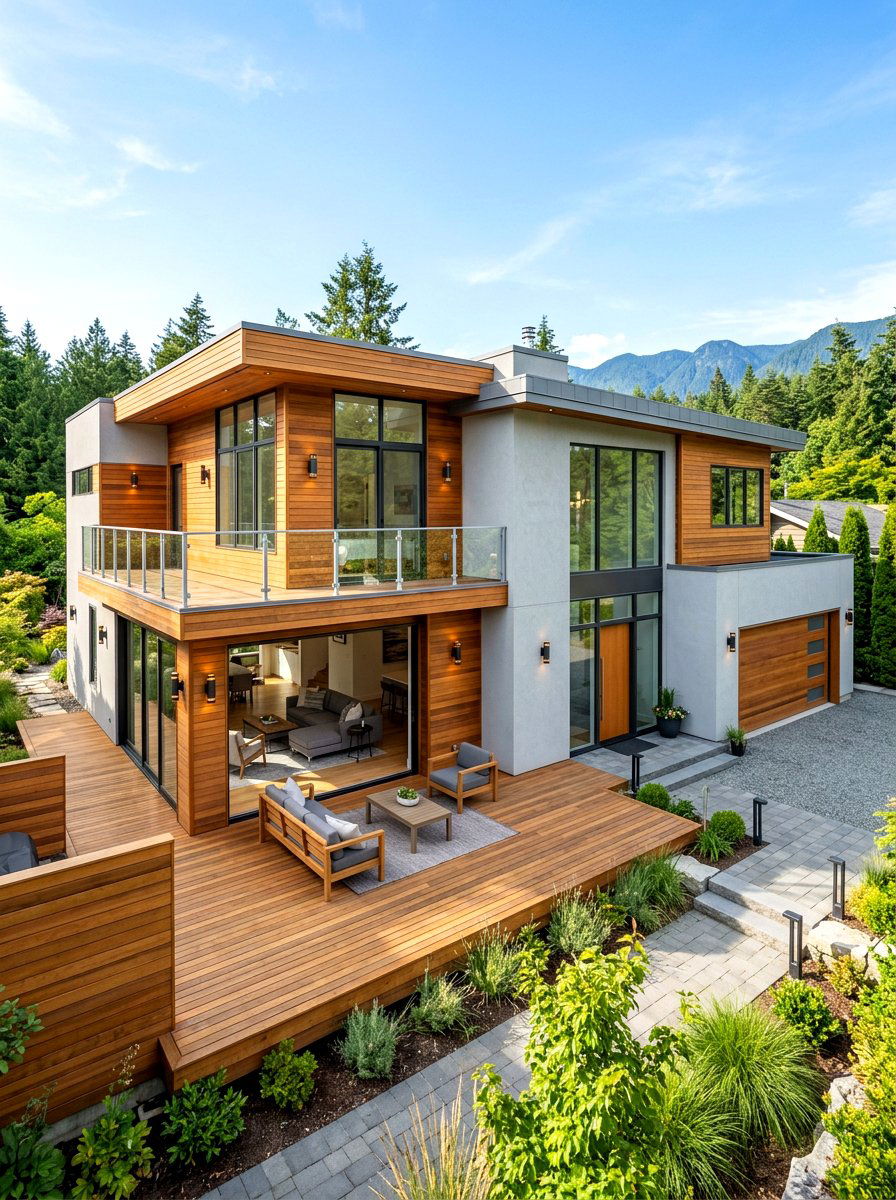
Mixing different materials is one of the best ways to add visual depth and organic warmth to a home's exterior. Pairing cool-toned stucco with warm natural wood siding creates a balanced look that feels both modern and grounded in nature. Many designers use vertical wood slats or horizontal cedar planks to accent specific sections of the house like the entryway or a cantilevered second floor. This technique breaks up the solid mass of the stucco and introduces a tactile element that changes over time. The contrast between the hard plaster and the soft wood grain makes the architecture feel more approachable and visually interesting.
5. Charcoal Grey Stucco House
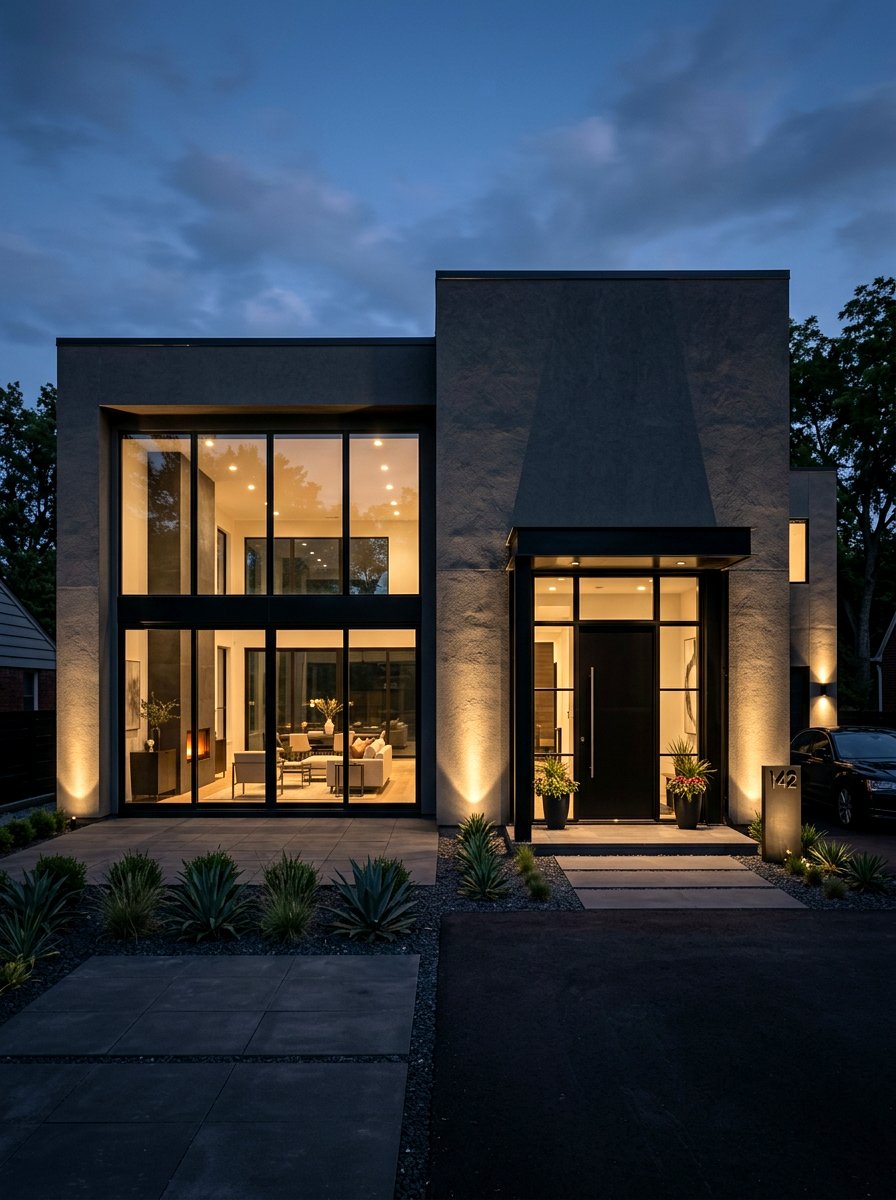
If you want your home to make a bold and moody statement, choosing a deep charcoal grey for the stucco is a fantastic move. Darker tones have become increasingly popular for contemporary residences because they exude a sense of luxury and mystery. This color choice works beautifully when paired with large glass windows and metallic accents like steel or aluminum. It creates a solid and grounded appearance that stands out against green landscaping. While dark colors can absorb more heat, modern stucco formulations are designed to be reflective and durable. This color palette is perfect for those who want a sophisticated and very edgy look.
6. Mediterranean Style Stucco Villa
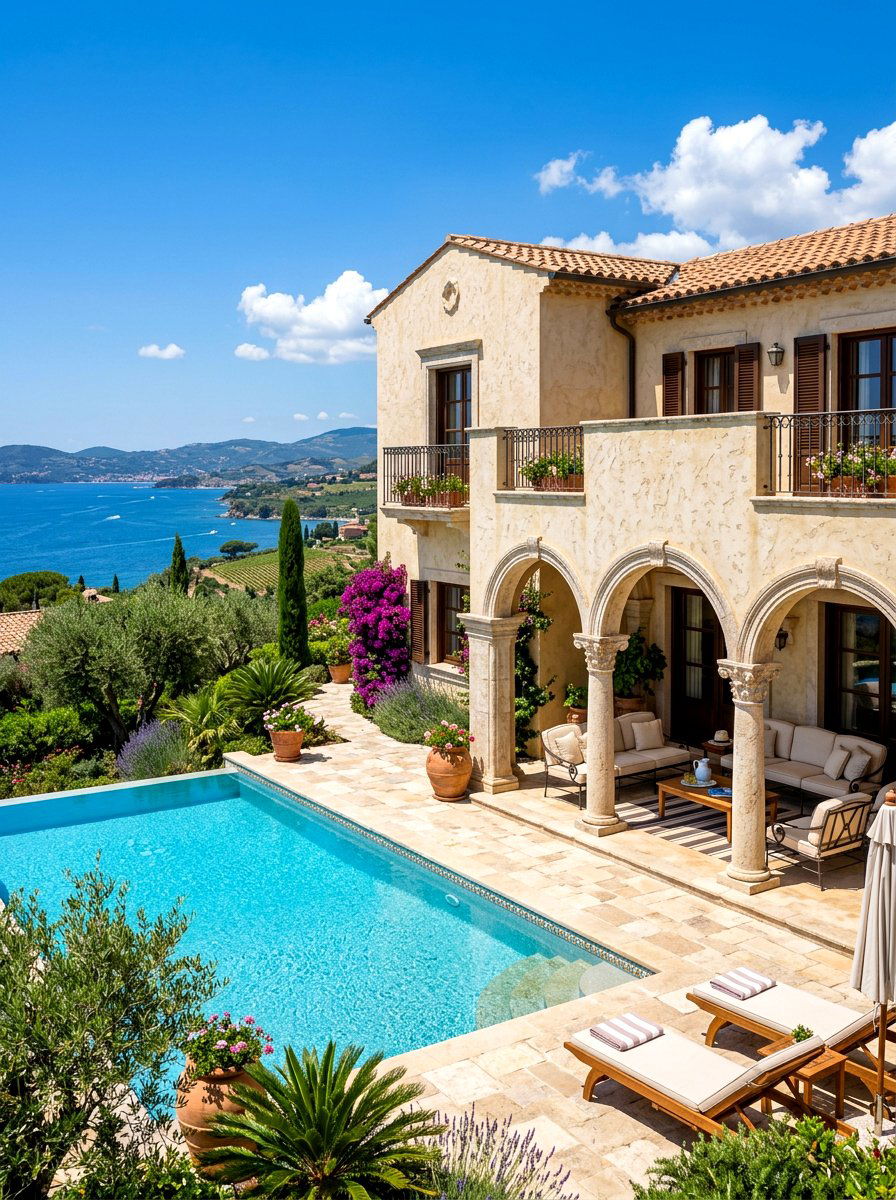
A Mediterranean villa often relies on thick stucco walls to create a sense of grandeur and old-world elegance. This style usually incorporates soft earthy tones like sand, ochre, or pale terracotta to blend with the natural environment. You will often see decorative elements like stone columns, arched loggias, and intricate tile work that complement the plastered surfaces. The texture of the stucco in these homes is often slightly irregular to give it a hand-crafted and authentic feel. This design approach is all about creating a seamless indoor-outdoor living experience. It feels incredibly relaxed yet luxurious, making it a favorite for vacation homes and expansive estates.
7. Stucco House With Stone Accents
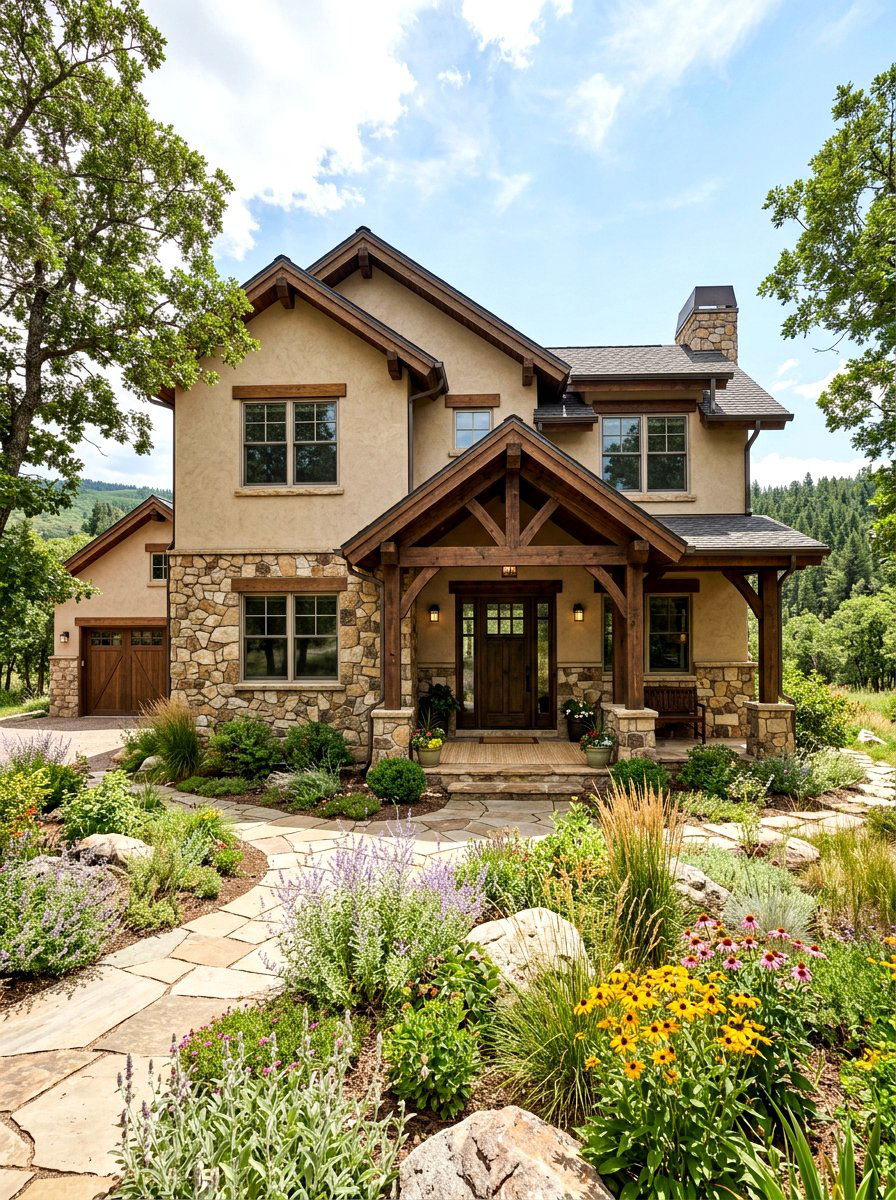
Combining stucco with natural stone is a brilliant way to ground a house and add a layer of rugged sophistication. Many homeowners choose to use stone veneer on the lower half of the walls or around the main entrance to create a solid foundation. The smooth or slightly textured stucco above provides a clean contrast to the irregular shapes and colors of the masonry. This mix of materials adds a lot of character and prevents the house from looking too flat or one-dimensional. It works well for various styles, from traditional mountain lodges to modern suburban homes. The stone adds a very tactile and expensive-looking finish.
8. Two Tone Stucco Exterior
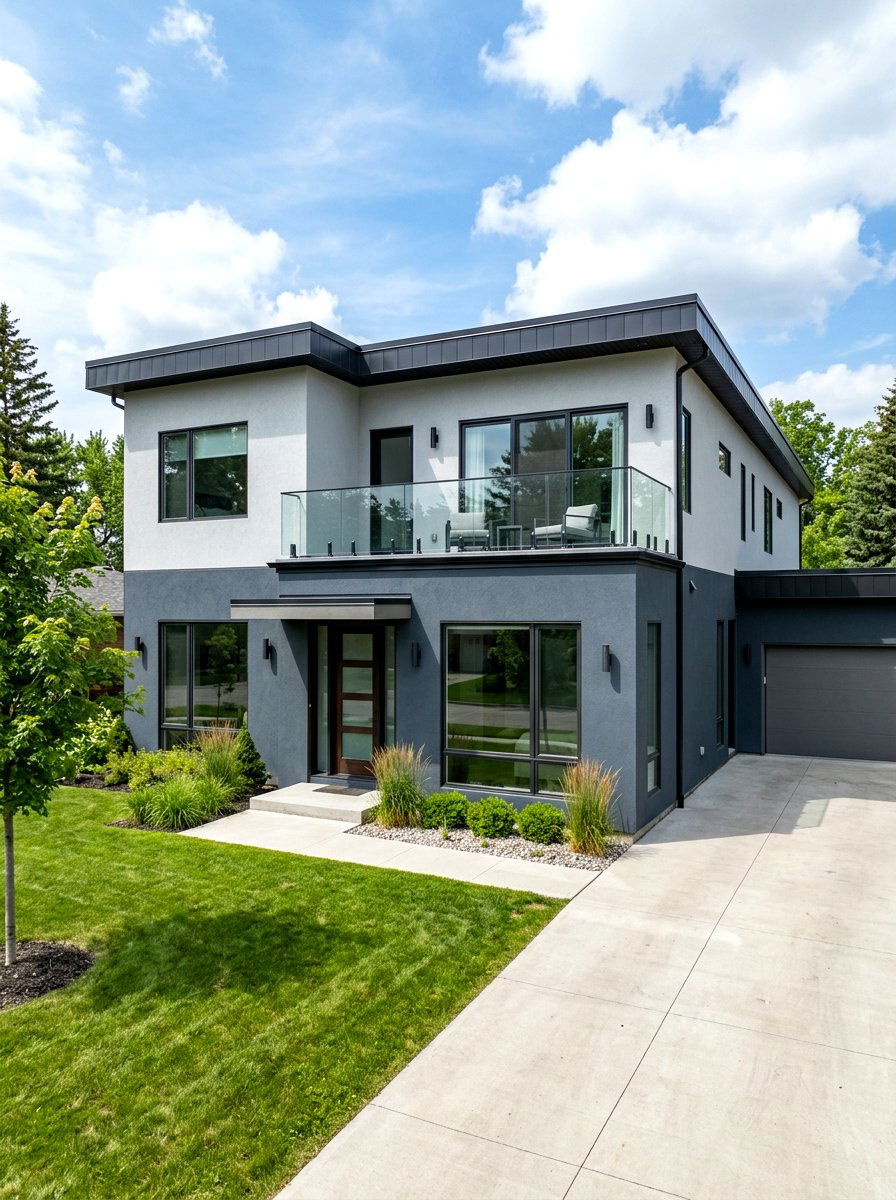
Using two different shades of stucco can help define the different levels or sections of a house without needing multiple materials. This design strategy is excellent for large homes that might otherwise look like a giant monolith if painted in a single color. You might choose a darker grey for the first floor and a lighter off-white for the second story to create a sense of height. This technique can also be used to highlight specific architectural features like bump-outs or recessed sections. By staying within the same color family, you maintain a cohesive look while adding a subtle and very effective visual hierarchy.
9. Warm Beige Stucco Home
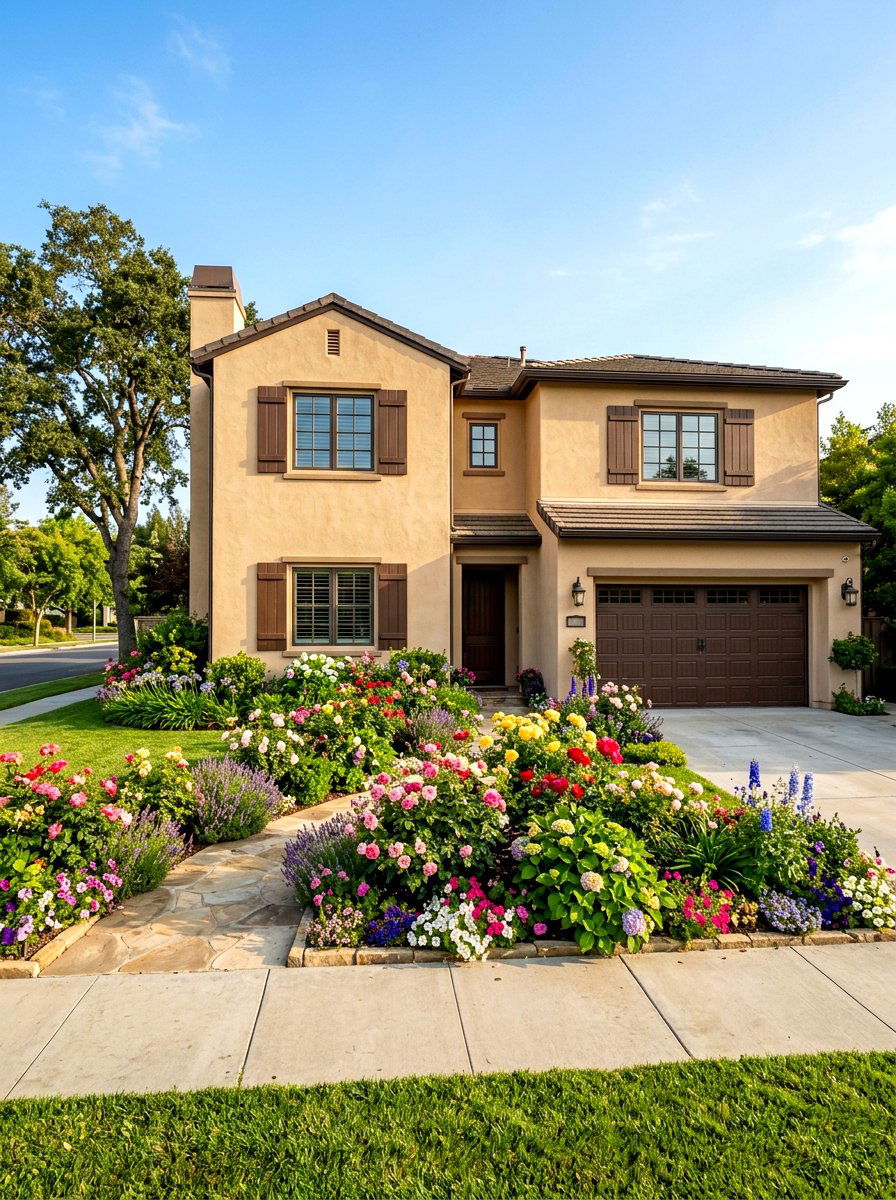
Warm beige remains one of the most versatile and inviting colors for a stucco exterior because it feels natural and soft. This hue reflects a good amount of sunlight without being as stark or bright as a pure white finish. It pairs beautifully with almost any roof color, from dark grey shingles to traditional brown tiles. Many people find that beige hides dust and minor imperfections better than very light or very dark colors. This makes it a practical choice for families who want a low-maintenance but beautiful home. It creates a welcoming and cozy vibe that works well in almost any neighborhood or environment.
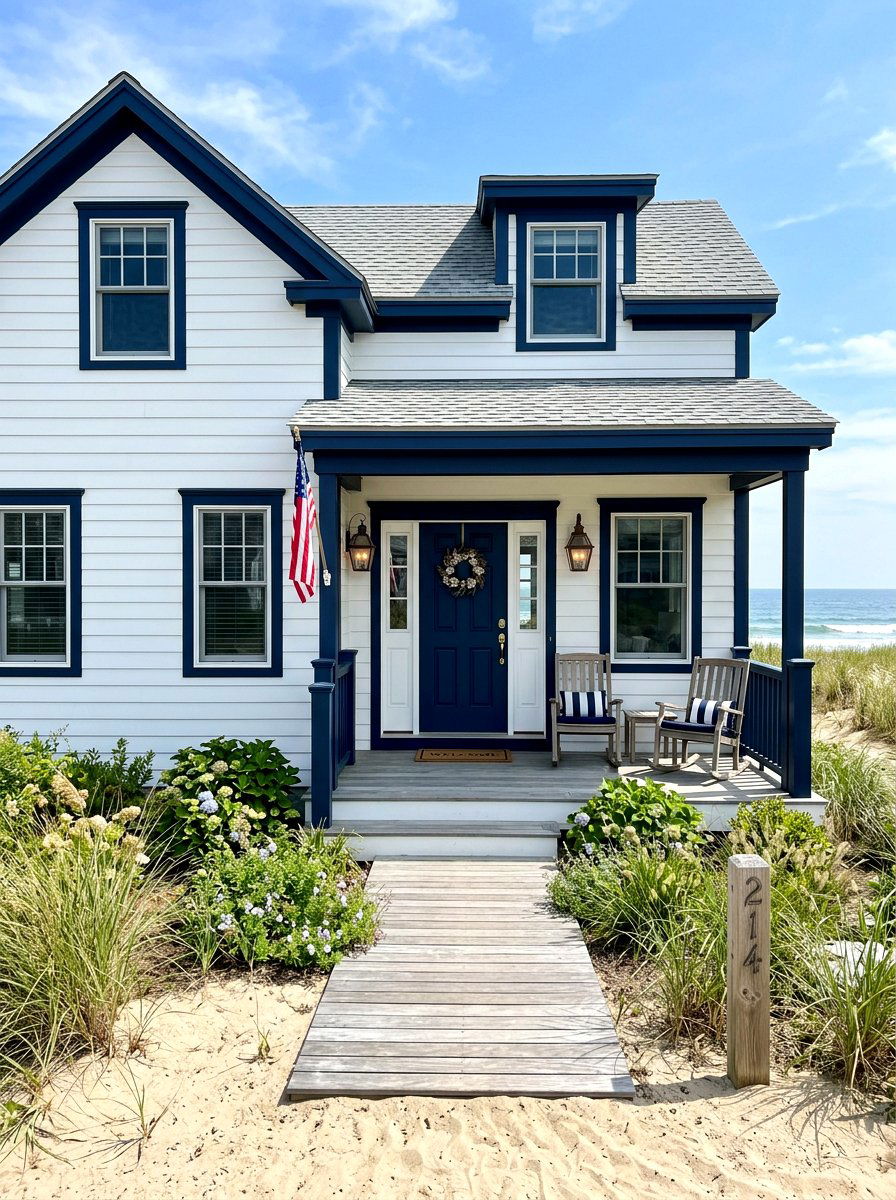
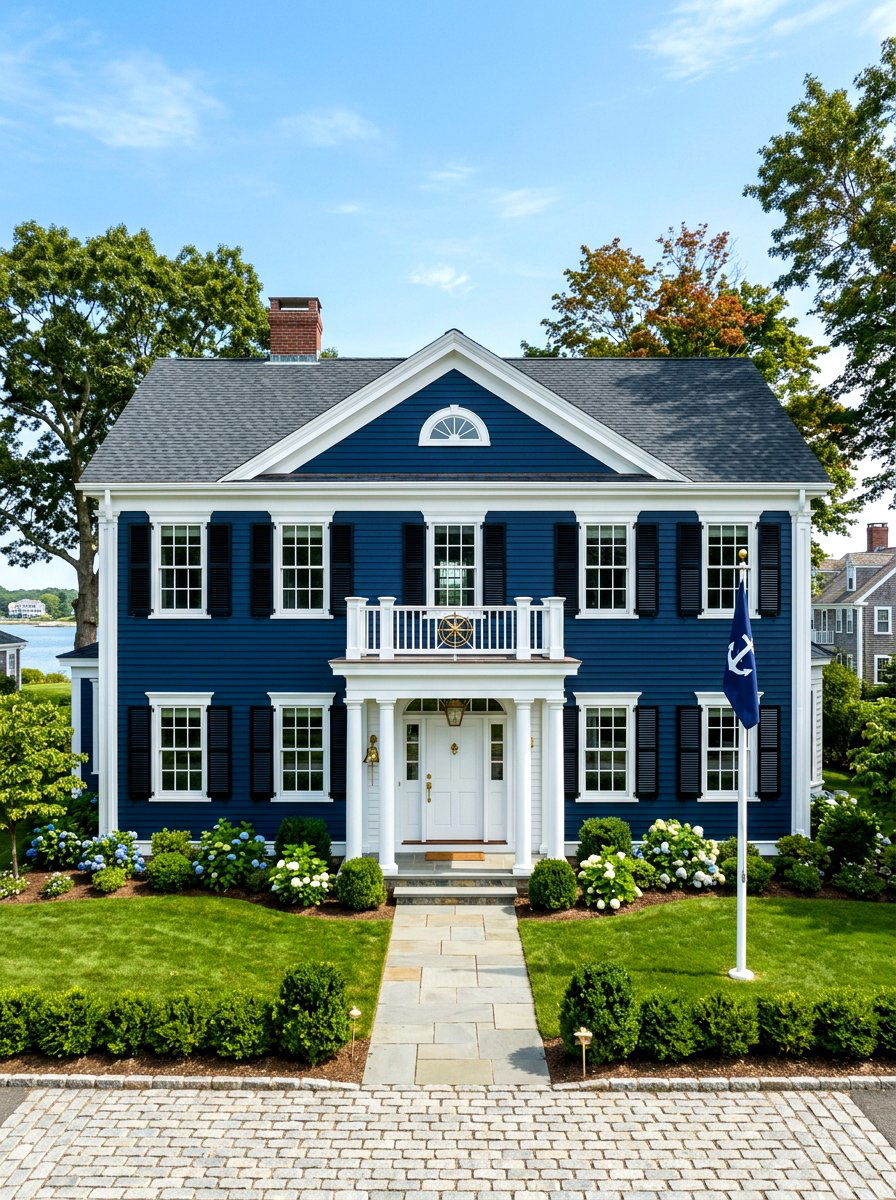
10. Navy Blue Stucco Exterior
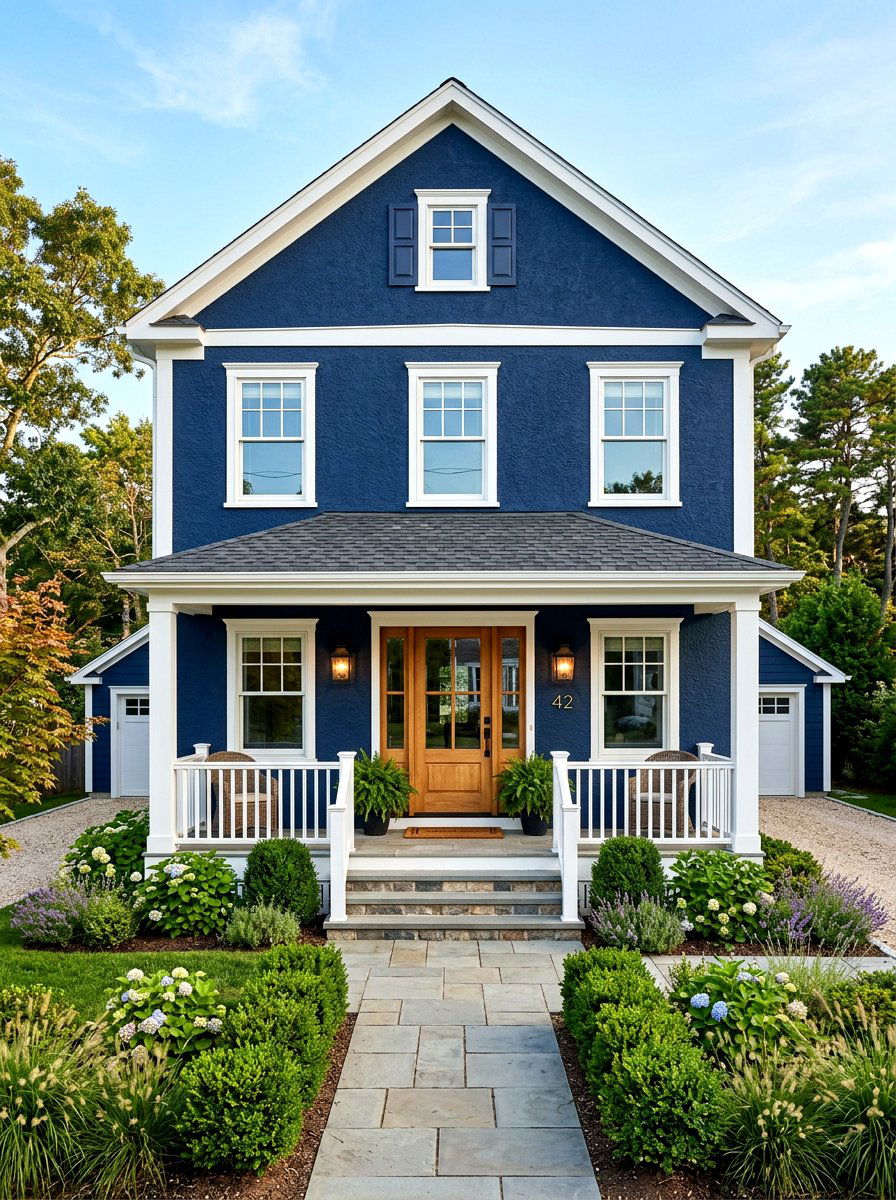
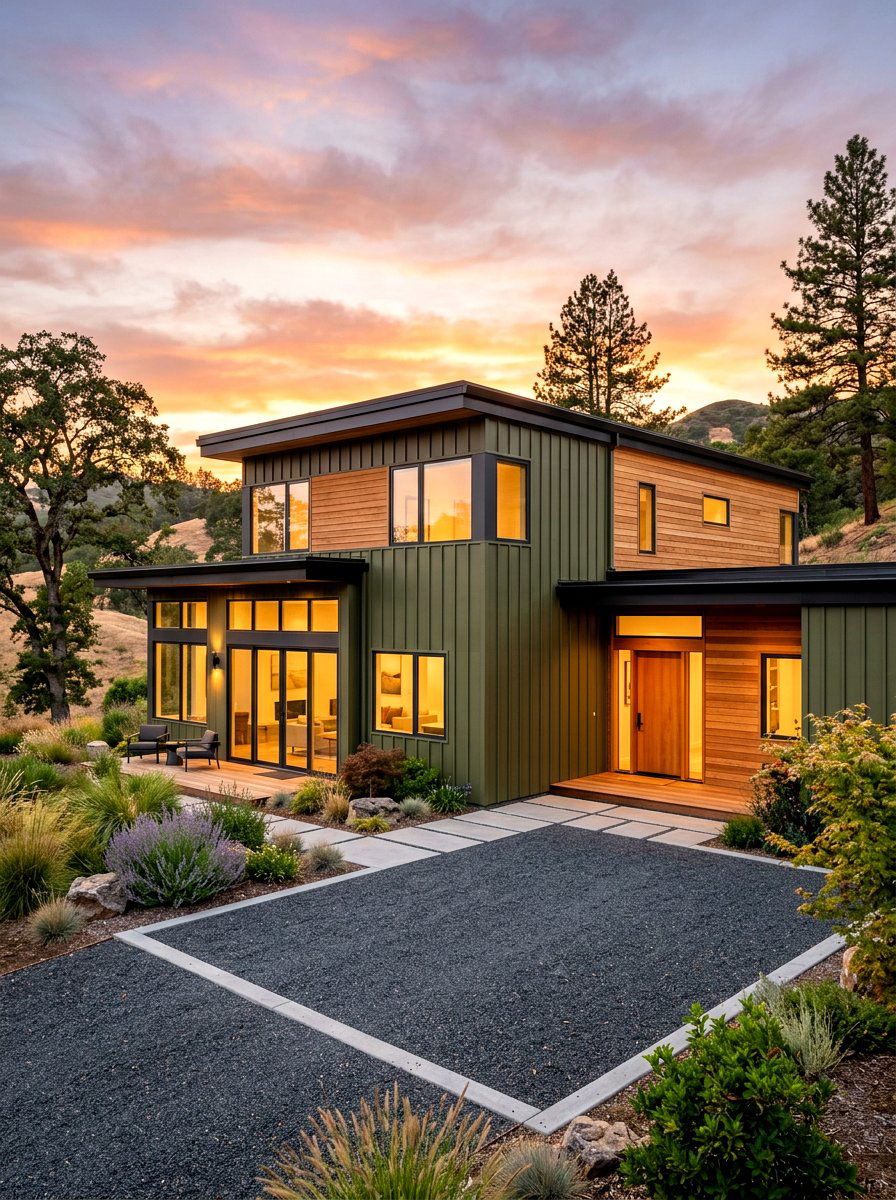
Choosing a deep navy blue for a stucco exterior is a courageous design choice that results in a stunning and unique look. This rich color provides a coastal and sophisticated feel that differentiates a house from the sea of neutrals in a typical neighborhood. When paired with bright white window frames and a natural wood door, the navy stucco creates a nautical yet modern aesthetic. This color is excellent for highlighting the texture of the plaster, as the shadows fall differently on dark surfaces. It feels very high-end and can make a smaller home look more significant and much more architecturally interesting.
11. Sage Green Stucco House
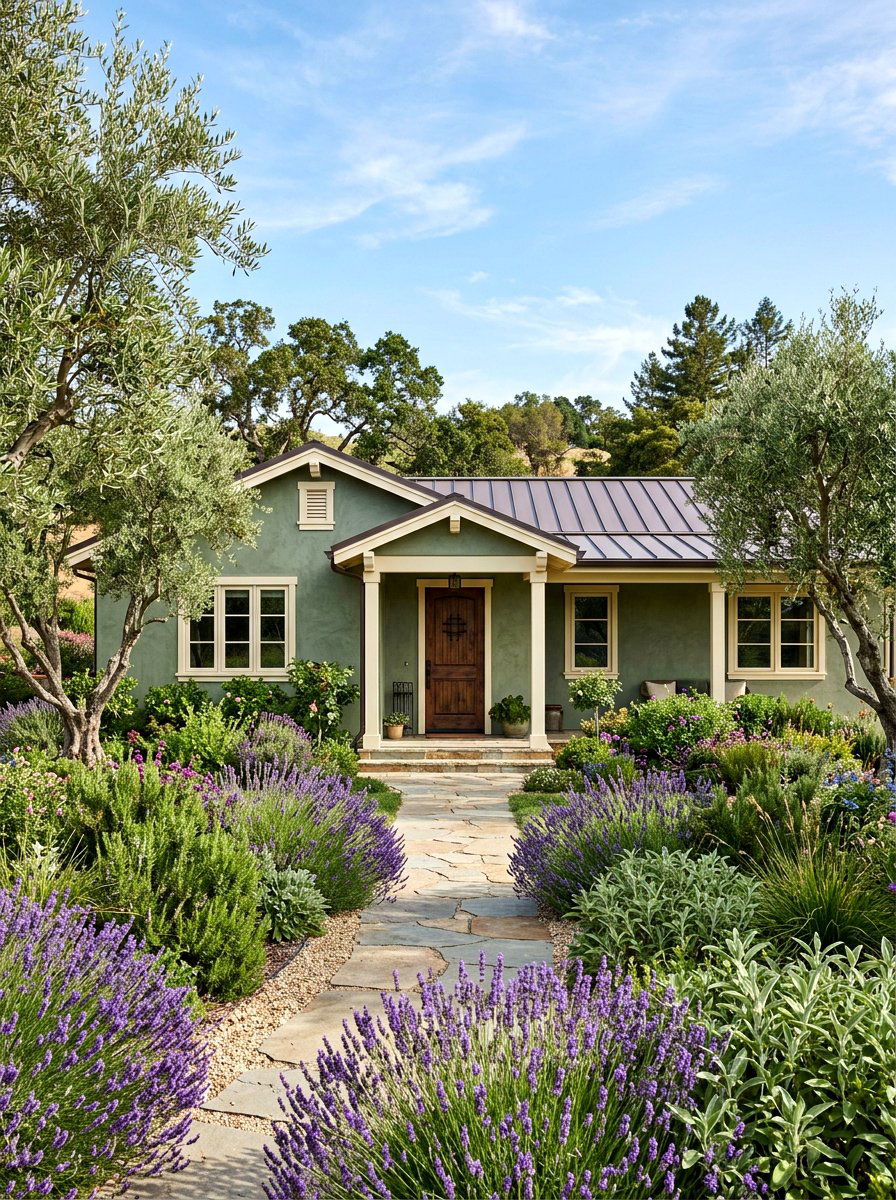
Sage green is a wonderful choice for homeowners who want their property to feel like an extension of the surrounding garden. This muted and earthy green tone is incredibly soothing and helps the house blend into a lushly landscaped lot. It provides a organic look that feels less industrial than grey but more modern than traditional beige or tan. Sage green stucco looks fantastic when paired with cream-colored trim and dark bronze hardware. This color palette is particularly effective for bungalow or cottage-style homes where a friendly and approachable look is desired. It creates a peaceful and very harmonious exterior atmosphere.
12. Terracotta Stucco Wall Finish
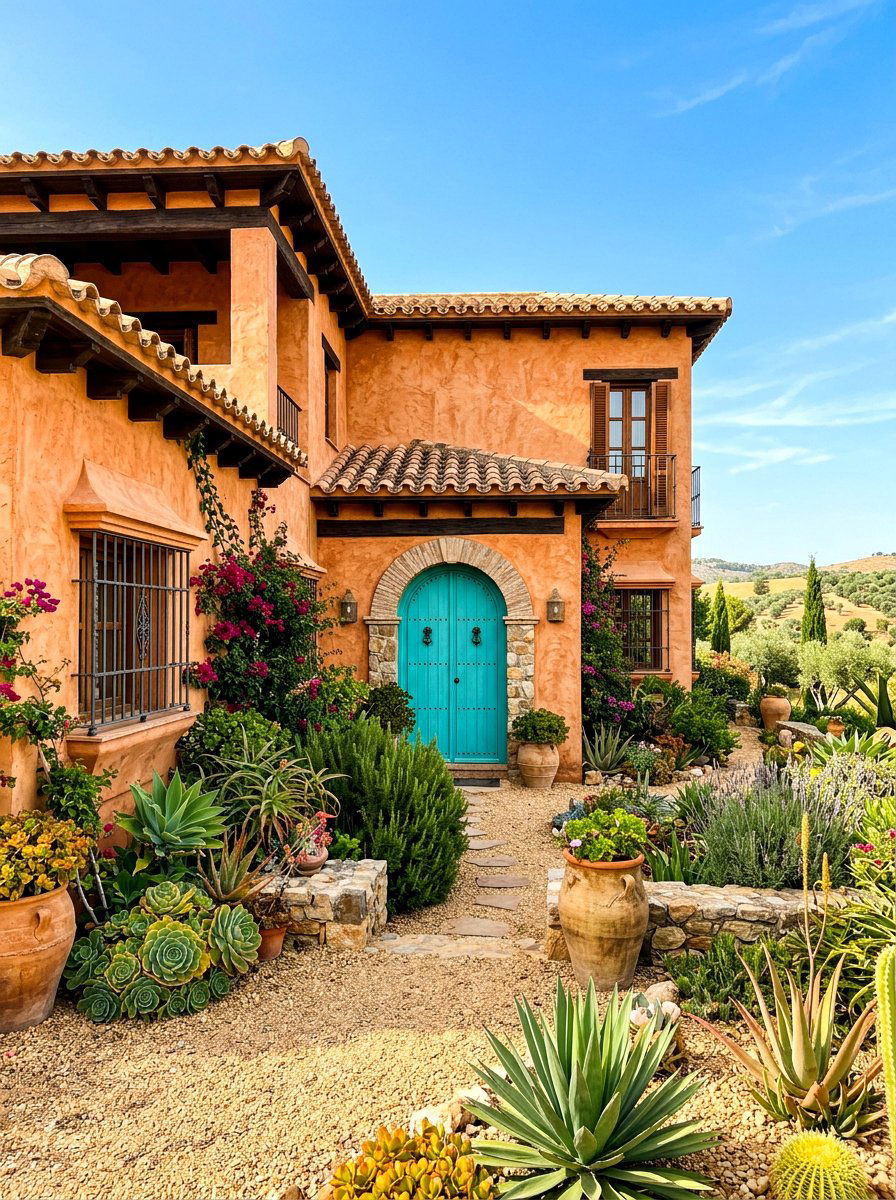
Terracotta stucco brings a sense of warmth and sun-baked charm to a home, reminiscent of traditional adobe or southwestern architecture. This vibrant earthy tone works best in sunny climates where the light can really make the orange and red undertones glow. It is often applied with a bit of texture to enhance the rustic and handmade feel of the material. This look is frequently paired with dark wood beams and desert-inspired landscaping like succulents and gravel. It creates a very strong sense of place and heritage. Homeowners who choose this style often want their house to feel grounded, warm, and full of unique character.
13. Soft Pastel Stucco Cottage
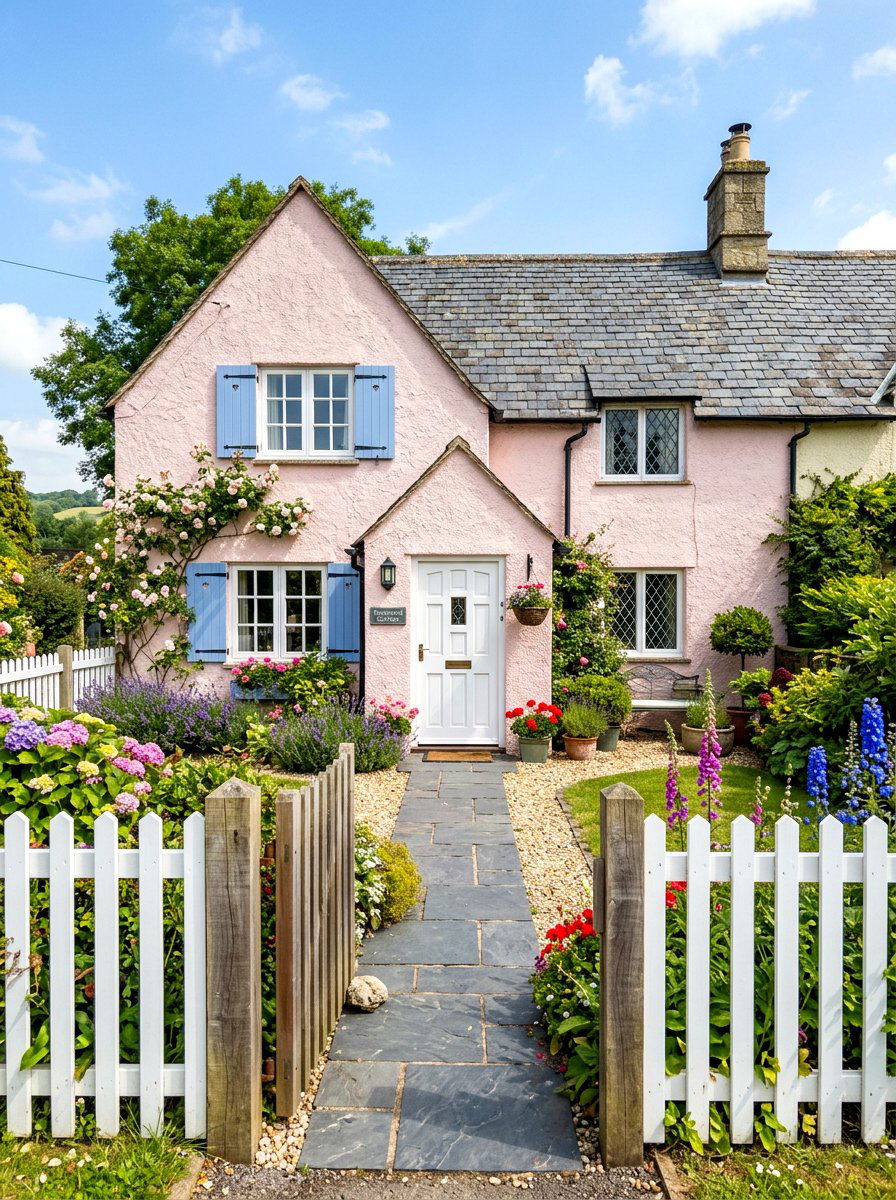
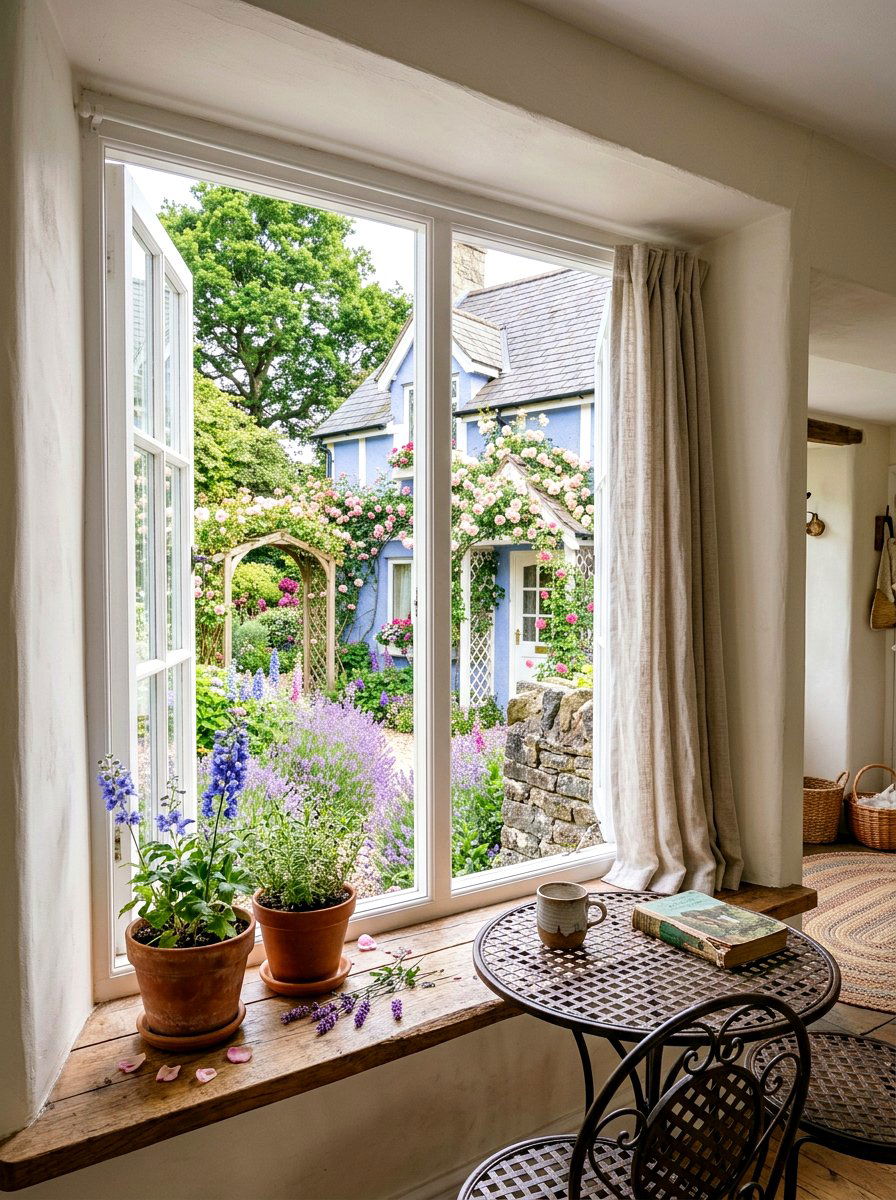
For a whimsical and charming look, soft pastel colors like pale pink, light blue, or buttery yellow can be applied to stucco. This style is often seen in coastal towns or historic neighborhoods where a bit of color is encouraged. Pastels give the home a lighthearted and airy feel that is perfect for smaller cottages or beach houses. When paired with white shutters and flowering window boxes, the result is an incredibly inviting and picturesque exterior. This approach proves that stucco doesn't always have to be serious or modern; it can also be used to create a very sweet and playful architectural statement.
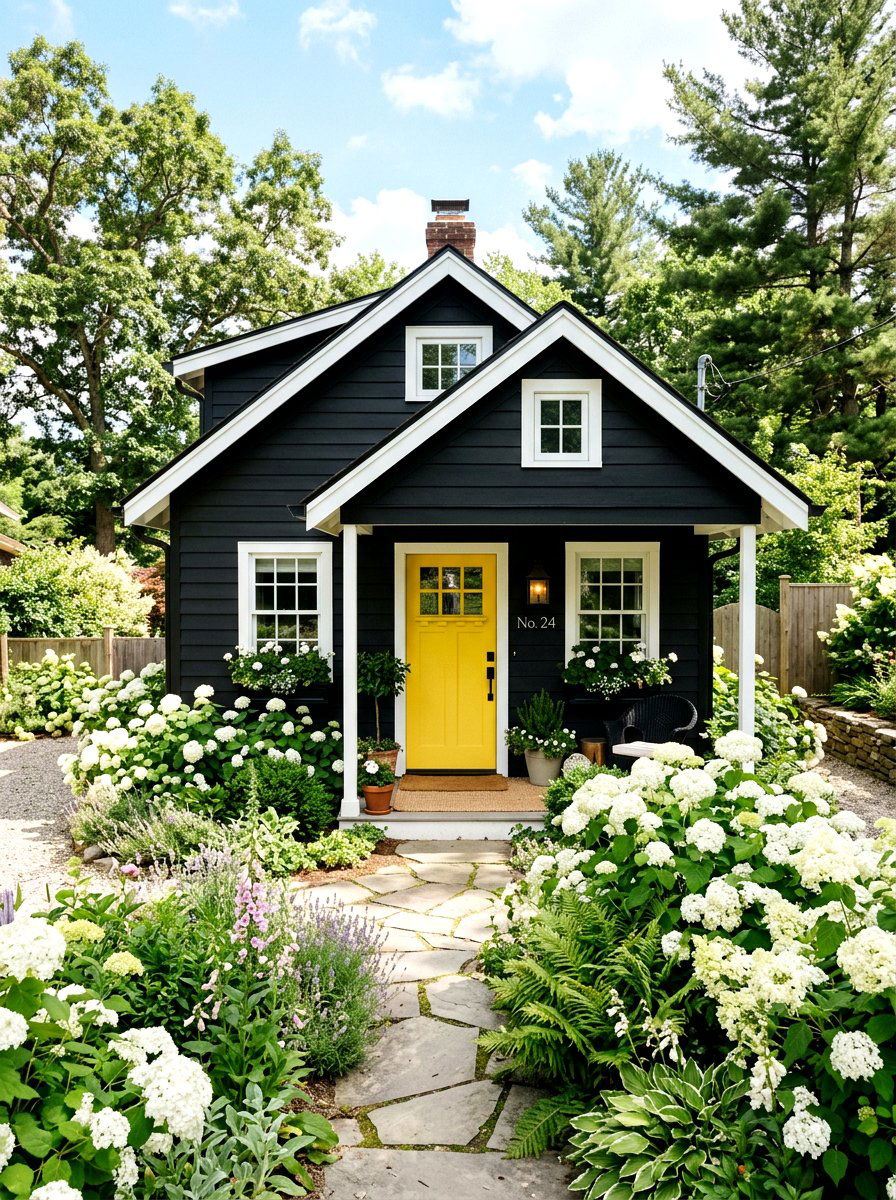
14. Dark Stucco With White Trim
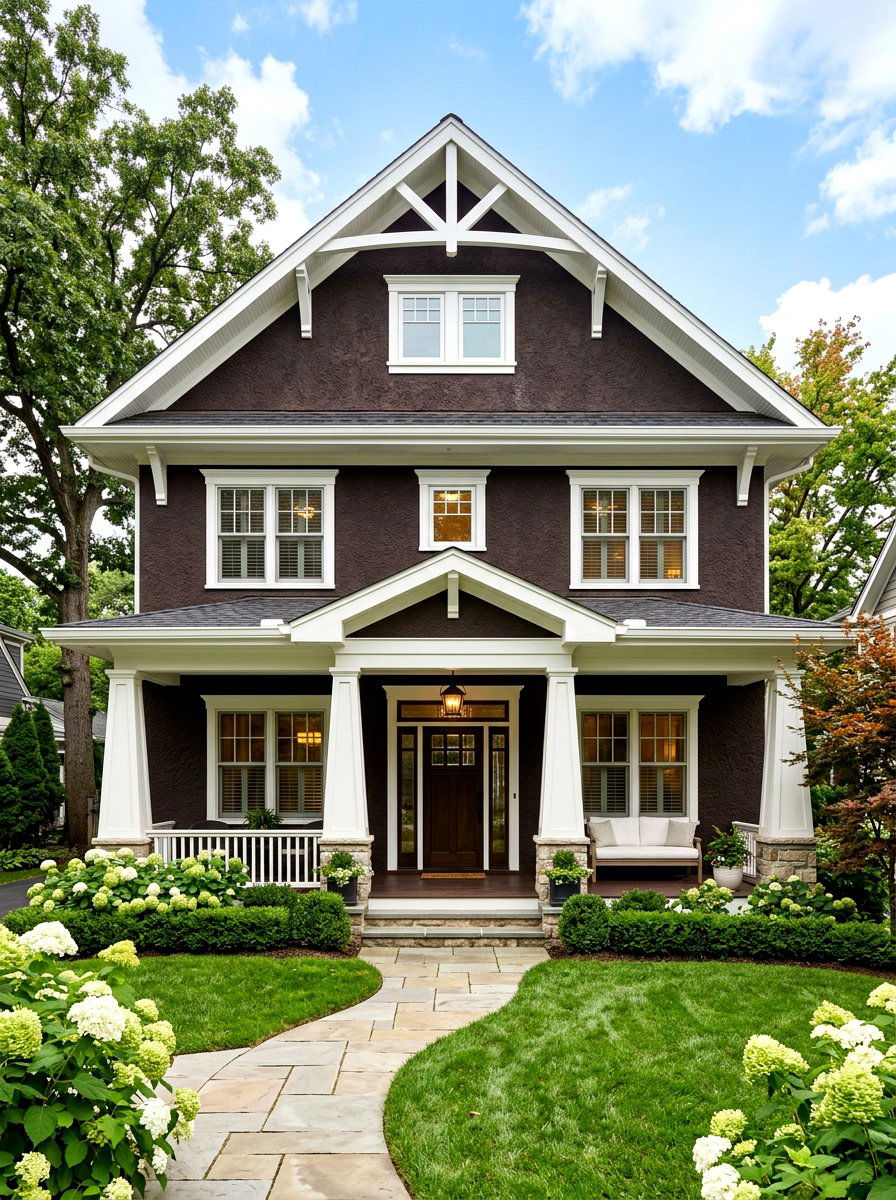
Creating a high-contrast look with dark stucco and bright white trim is a modern way to emphasize a home 's structural silhouette. A charcoal or deep chocolate brown body provides a dramatic backdrop that makes white windows and doors stand out with sharp precision. This design is excellent for contemporary homes with clean lines and flat roofs. The dark walls absorb light, which can create interesting shadows and highlights throughout the day. This combination feels very intentional and bold, suggesting a homeowner who isn' t afraid to experiment with color. It delivers a very clean and striking look that has significant curb appeal.
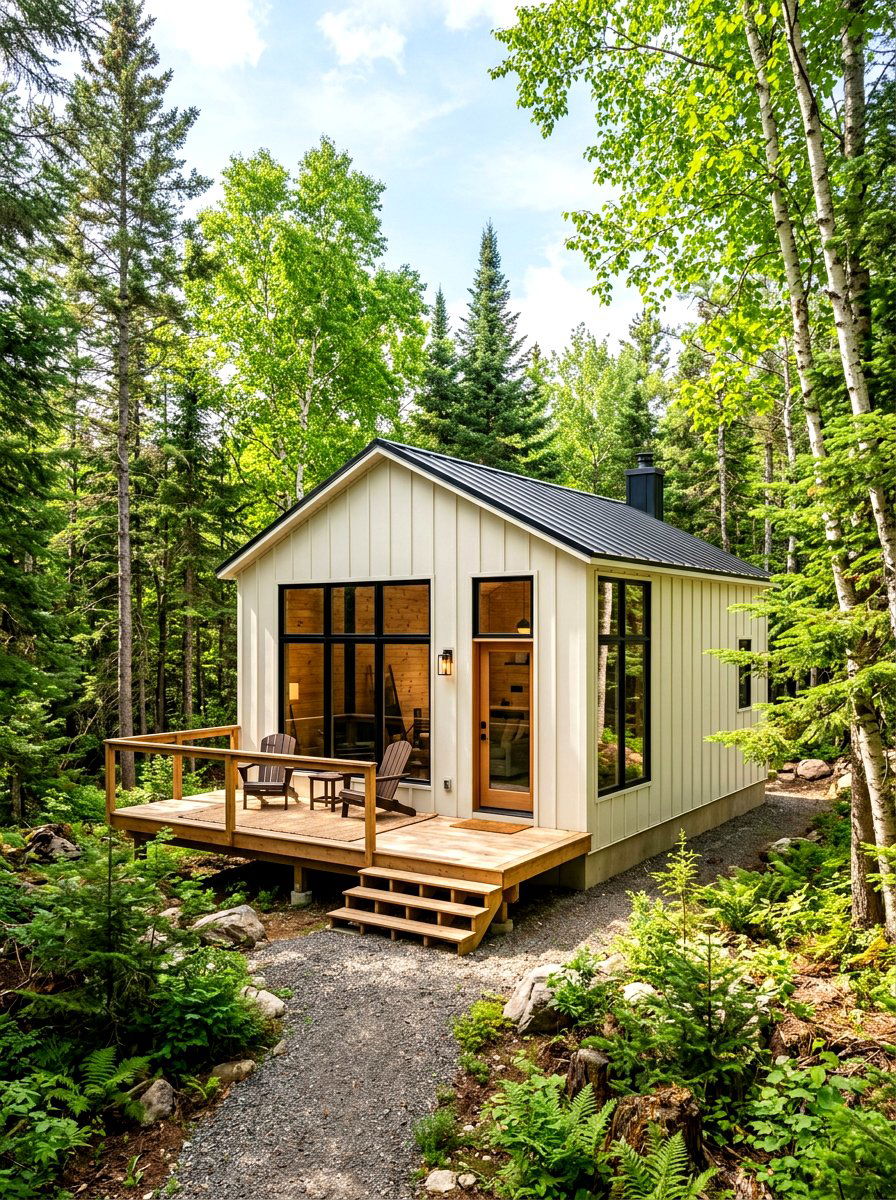
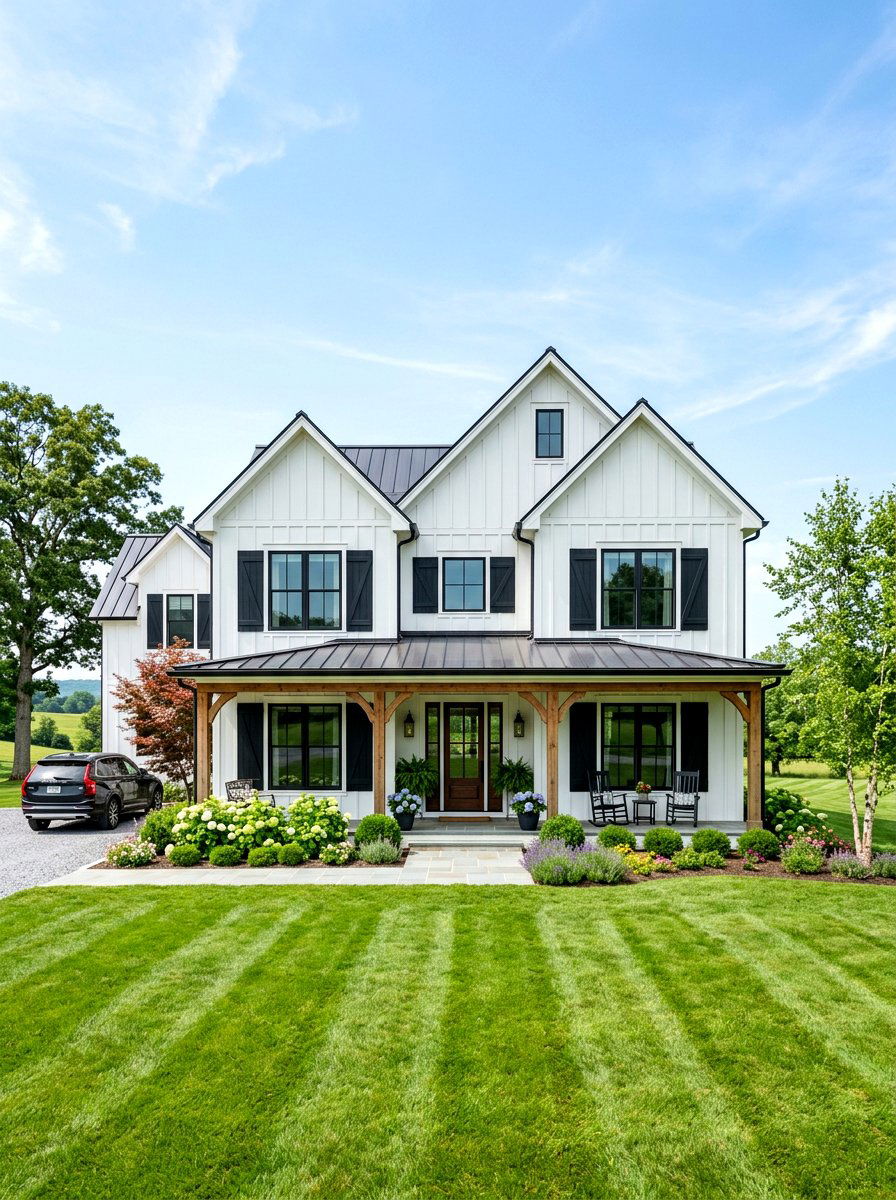
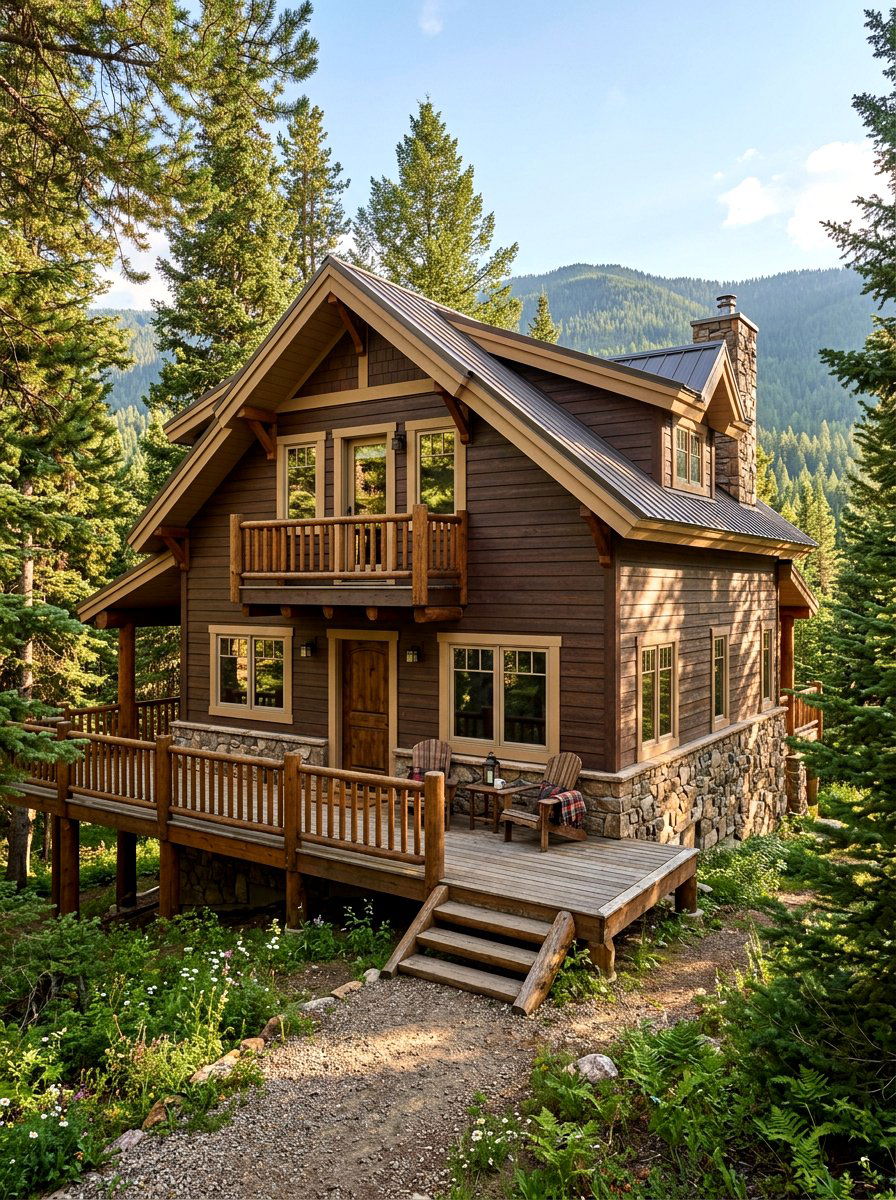
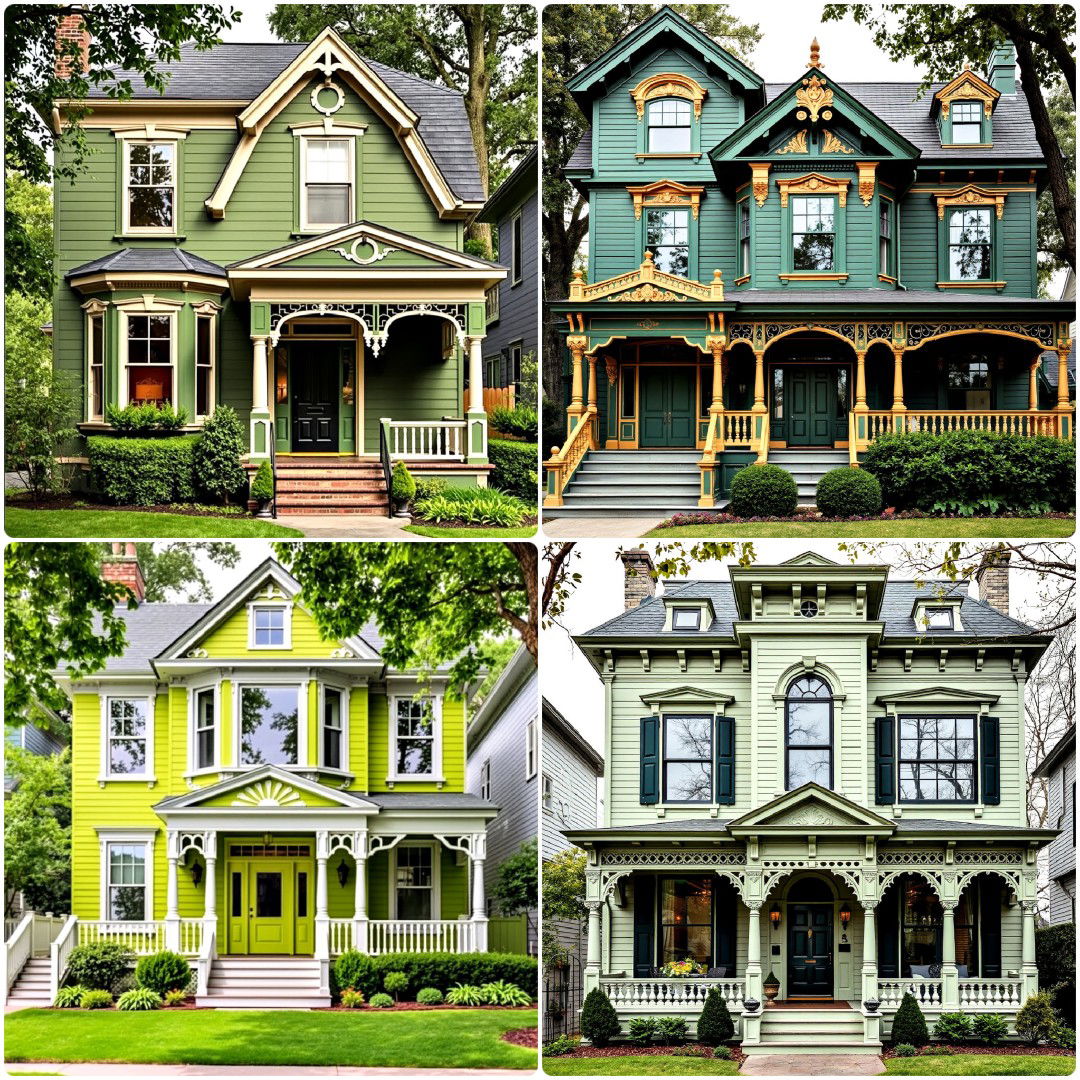
15. Earthy Red Stucco Exterior
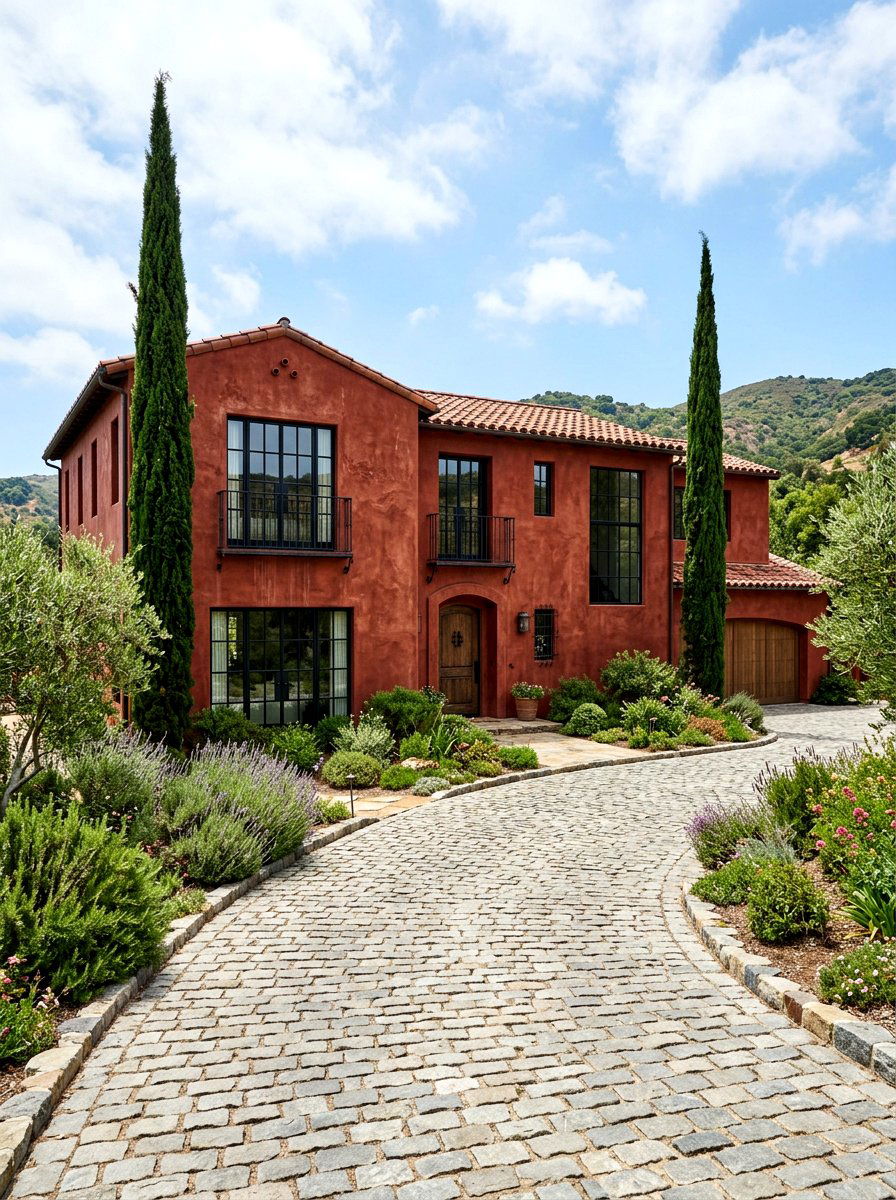
Earthy red or rust-toned stucco is a powerful way to add a sense of history and warmth to a building. This color is deeply connected to natural clay and can give a home a very grounded and permanent feeling. It works exceptionally well on homes with traditional Mediterranean or Spanish influences, especially when paired with dark wood and wrought iron. The deep red hue provides a beautiful contrast against a bright blue sky or green foliage. This color choice is often associated with luxury and can make a large estate feel more intimate and cozy. It is a bold yet very classic architectural choice.
16. Monochromatic Black Stucco House
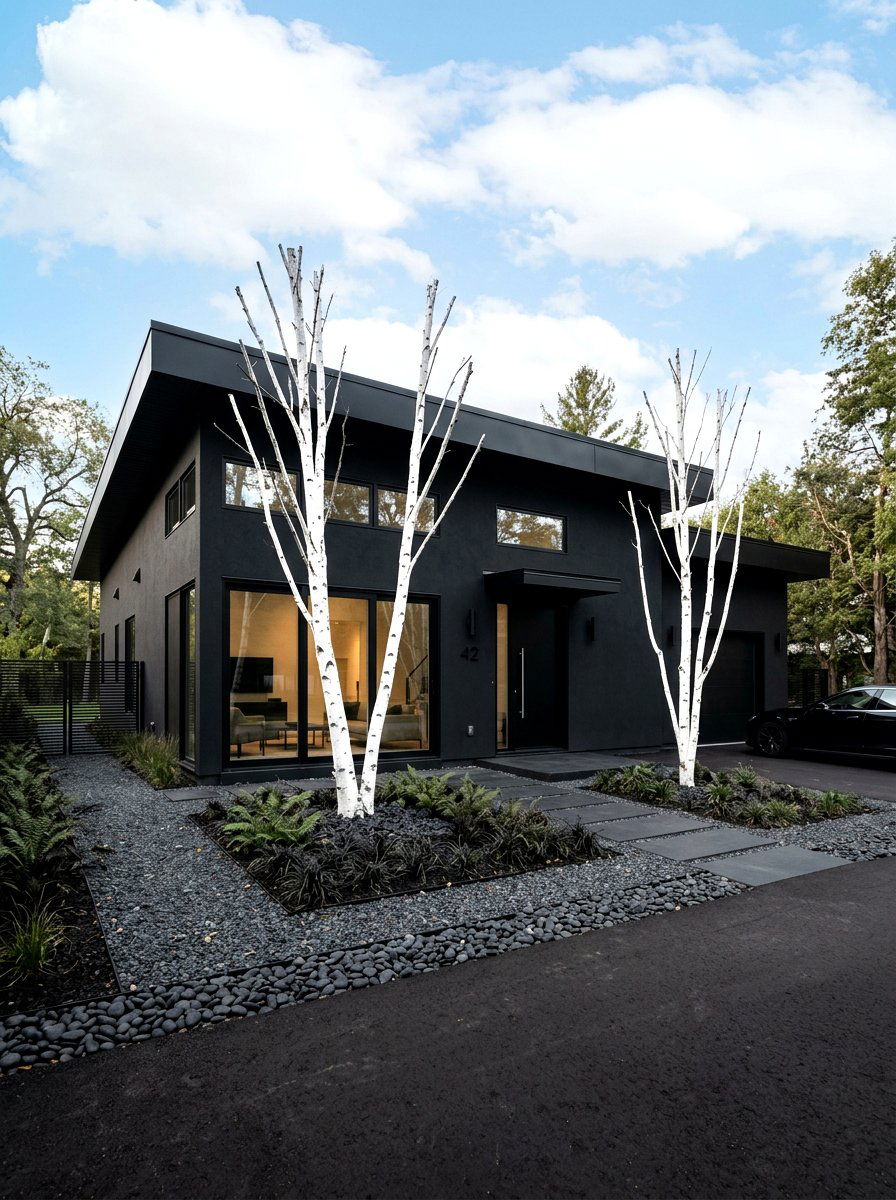
The all-black house trend has reached stucco design, creating some of the most dramatic and modern homes in the world. Using a single black or very dark grey shade for the walls, trim, and even the roof creates a sleek monochromatic look. This style emphasizes the form and shape of the house rather than the individual details. It looks incredibly high-end and serves as a perfect backdrop for minimalist landscaping and sculptural outdoor lighting. While it is a bold move, the result is a home that feels like a piece of modern art. It is sophisticated, edgy, and very memorable to everyone passing by.
17. Stucco And Natural Stone Facade
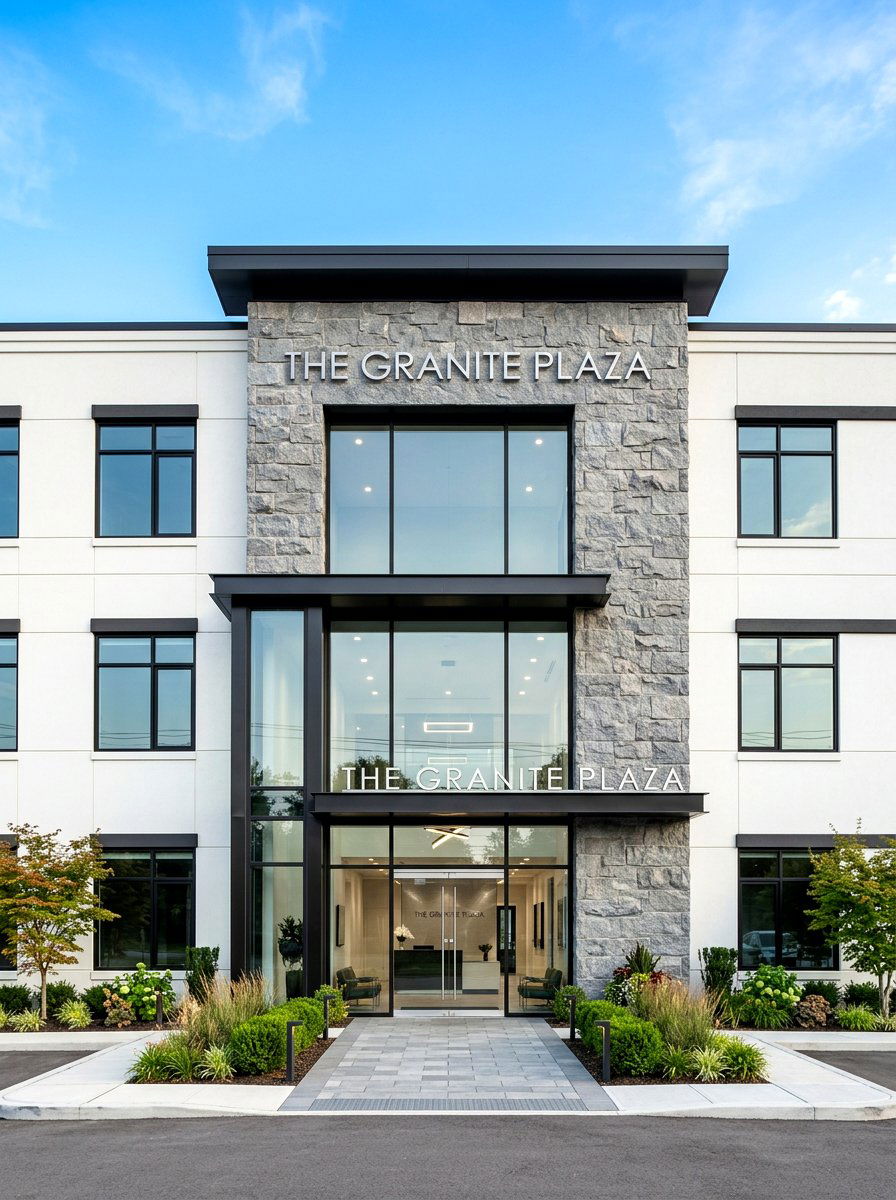
Using a blend of stucco and large-scale natural stone creates a facade that feels incredibly solid and connected to the earth. This look is perfect for modern mountain homes or luxury suburban residences that want to bridge the gap between contemporary and traditional styles. The stone is often used for chimneys, entry towers, or large accent walls, while the stucco covers the remaining areas. This variation in texture and color prevents the exterior from feeling monotonous. It provides a sense of luxury and durability that is hard to achieve with other materials. The result is a multi-dimensional and very impressive home exterior.
18. Stucco And Brick Exterior Mix
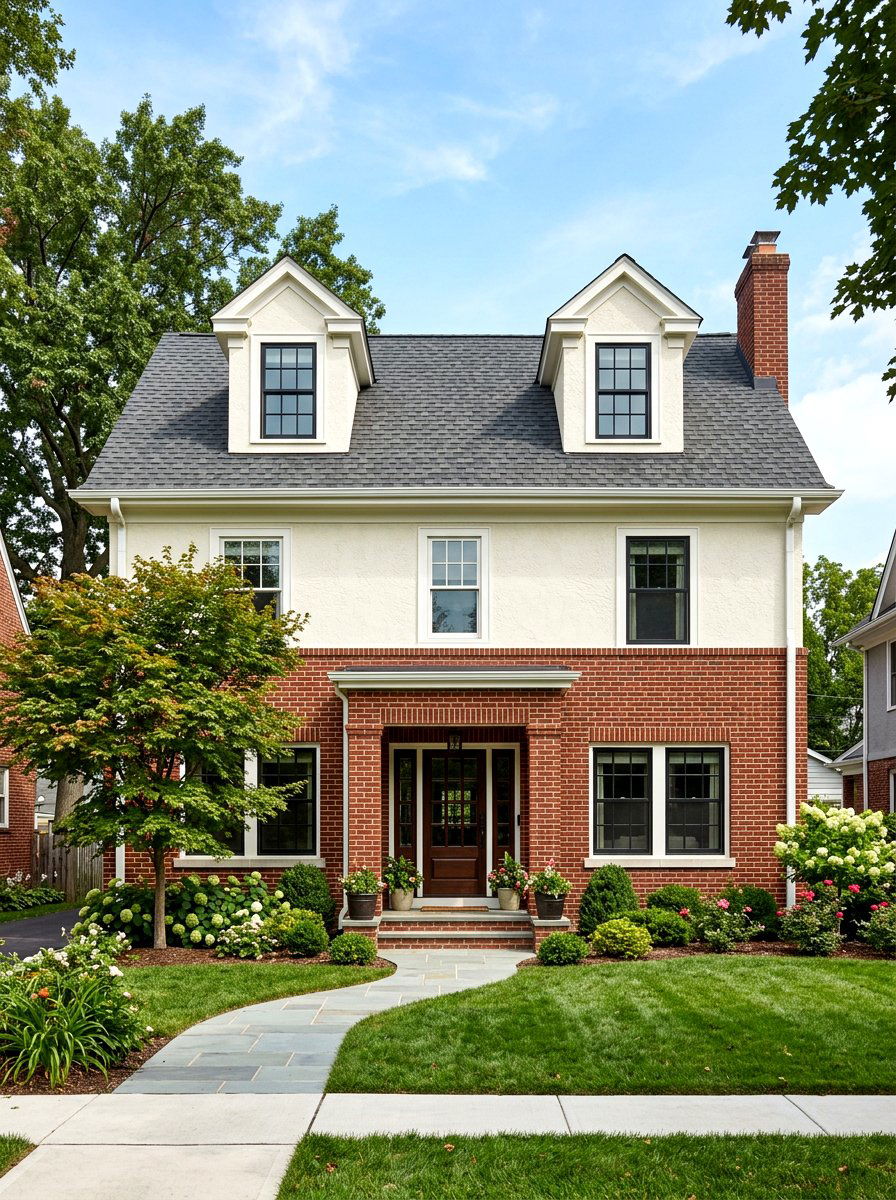
Brick and stucco are a classic combination that offers a sense of stability and timeless design. By using brick for the first floor and stucco for the second, you can mimic traditional European architectural styles. This mixture allows you to play with different colors and textures, such as a red clay brick paired with a creamy white plaster. The brick adds a structured and repetitive pattern that contrasts nicely with the smooth or sandy finish of the stucco. This design approach is very popular for traditional or transitional homes. It creates a layered and very high-quality appearance that enhances the overall value.
19. Modern Farmhouse Stucco Style
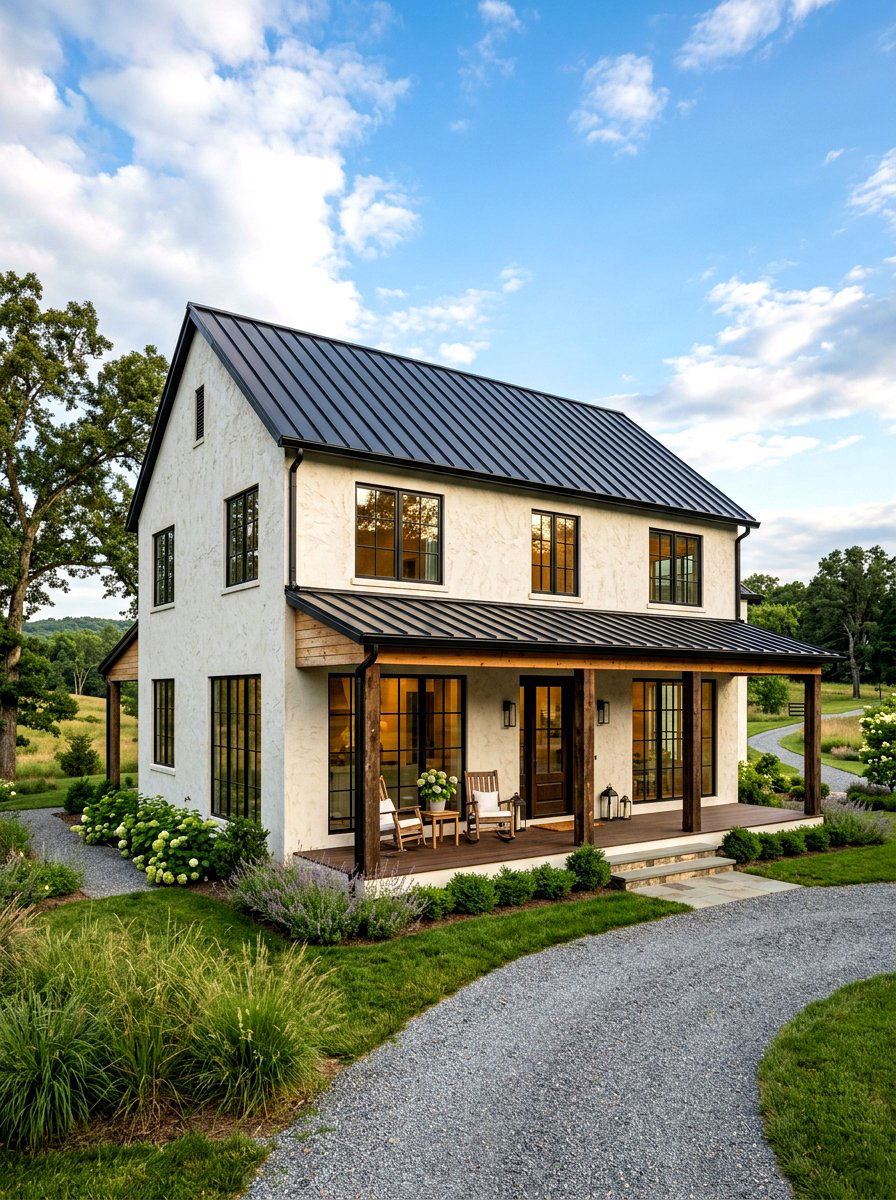
The modern farmhouse aesthetic often swaps traditional siding for off-white stucco to create a cleaner and more updated look. This version of the style maintains the classic gabled rooflines and black windows but uses the plaster to provide a seamless and monolithic surface. This switch makes the farmhouse look more contemporary and less rustic. The white stucco acts as a bright canvas for natural wood accents on the porch or garage doors. It is an excellent way to combine the cozy feeling of a farm with the crisp lines of modern design. This look is extremely popular for its bright and welcoming curb appeal.
20. Desert Modern Stucco Architecture
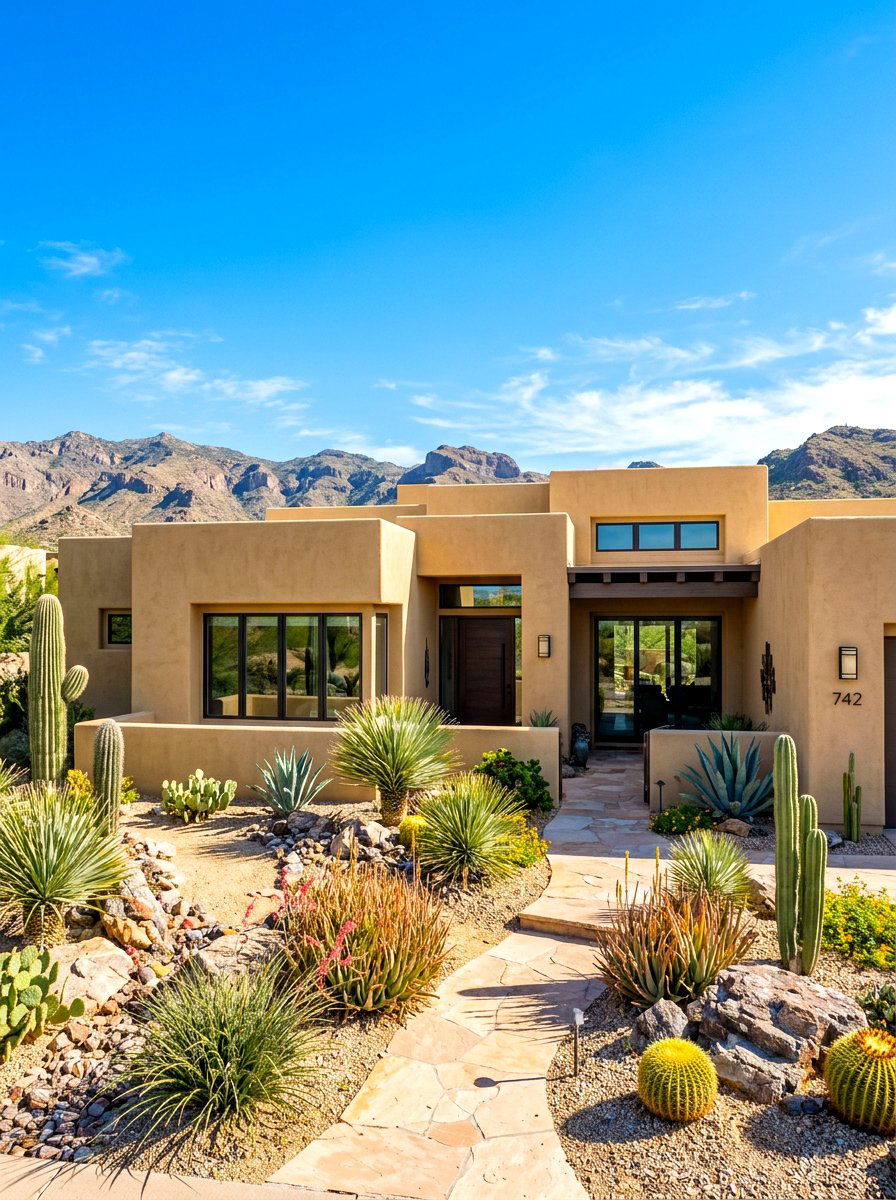
In arid environments, stucco is the king of materials because it handles the heat perfectly and blends into the sandy landscape. Desert modernism uses low-profile, flat-roofed structures with thick stucco walls in colors like tan, sand, or light taupe. These homes often feature large recessed windows and deep overhangs to provide shade. The stucco is usually finished very smooth to match the clean and minimalist aesthetic of the desert. This style celebrates the harsh beauty of the environment by using materials that reflect the natural colors and textures of the earth. It feels incredibly peaceful, organic, and very well-integrated with nature.
21. Contemporary Flat Roof Stucco
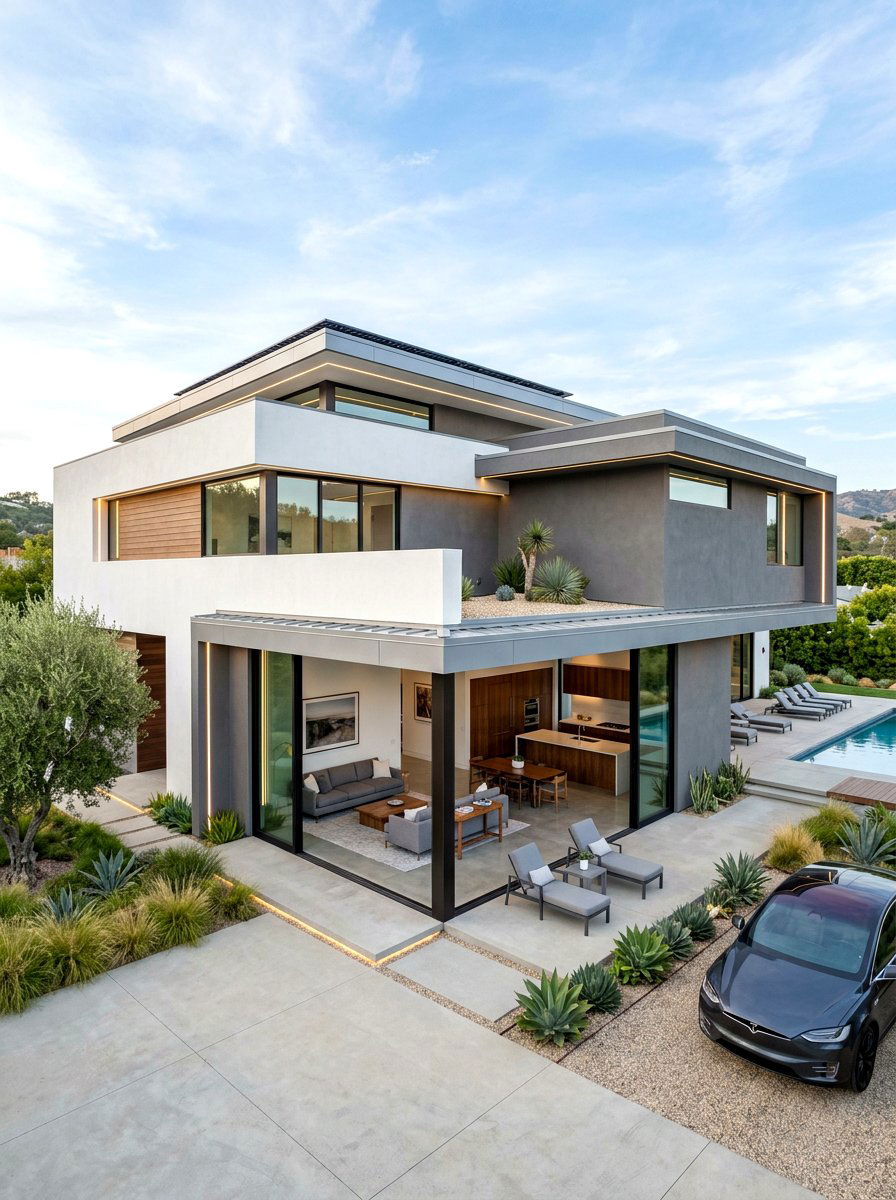
Flat-roofed houses are the perfect candidates for a smooth stucco finish because the material can wrap around corners without visible seams. This creates a "box-like" or sculptural appearance that is a hallmark of contemporary design. Designers often use different colors of stucco to distinguish between various blocks of the house, adding visual complexity to the simple shapes. The absence of traditional roof eaves allows the stucco walls to extend all the way to the top, creating a very clean and uninterrupted vertical line. This architectural style feels very progressive and bold. It is a favorite for urban infill projects and modern coastal homes.
22. Industrial Stucco And Metal Accents
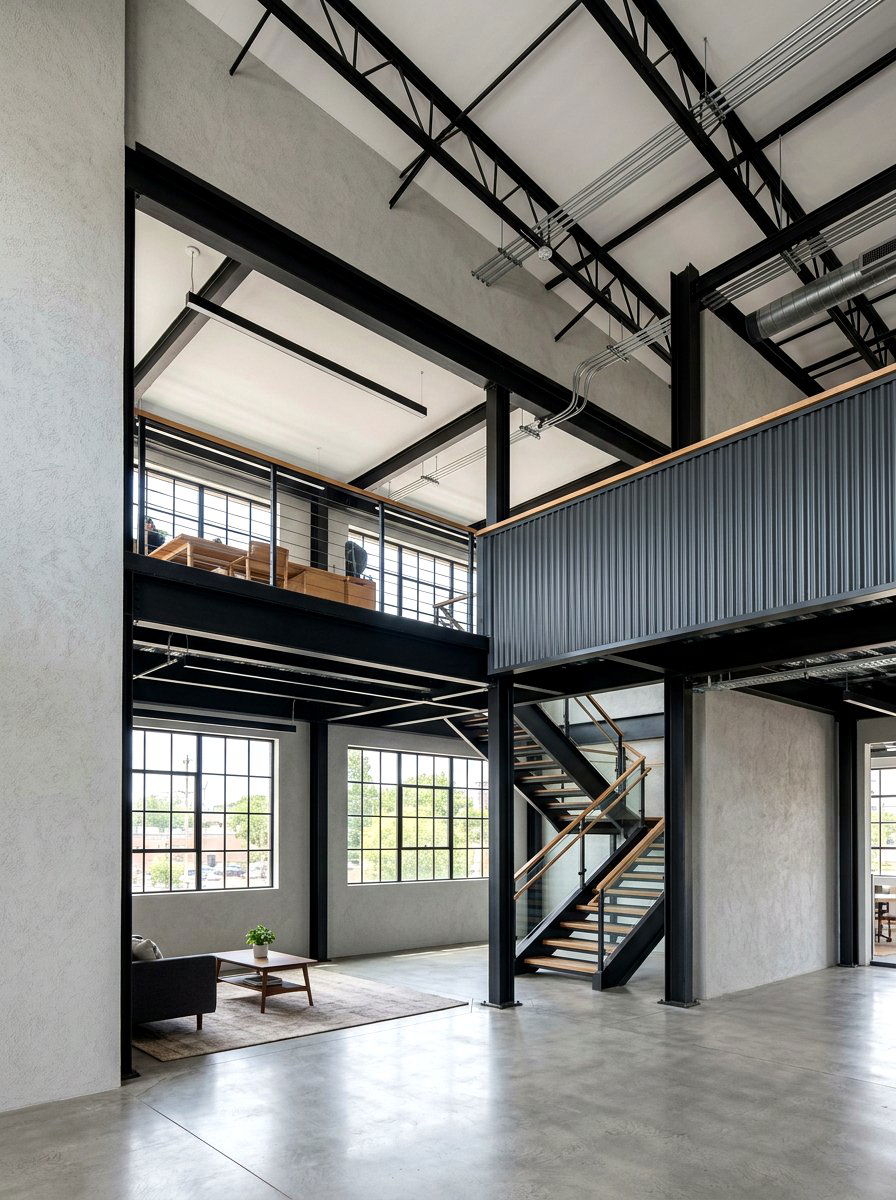
For a more rugged and urban look, stucco can be paired with industrial materials like corrugated metal or steel beams. This combination works well for lofts or modern homes that want to showcase an honest use of building materials. The soft, neutral surface of the stucco provides a nice counterpoint to the hard and shiny properties of the metal. You might see a house with light grey stucco and black metal window frames or a galvanized metal roof. This mix of textures creates a very dynamic and interesting exterior that feels incredibly durable and modern. It is an excellent choice for a low-maintenance home.
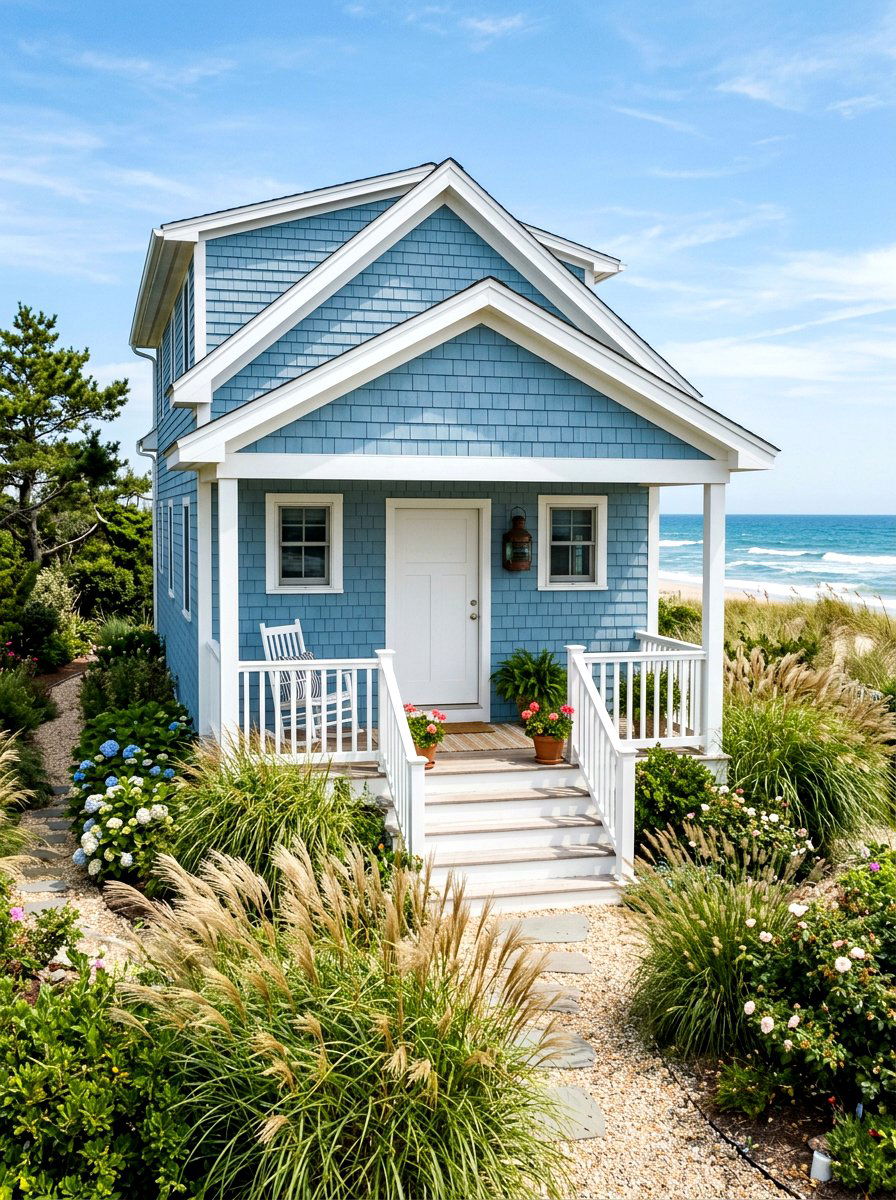
23. Coastal Blue Stucco House
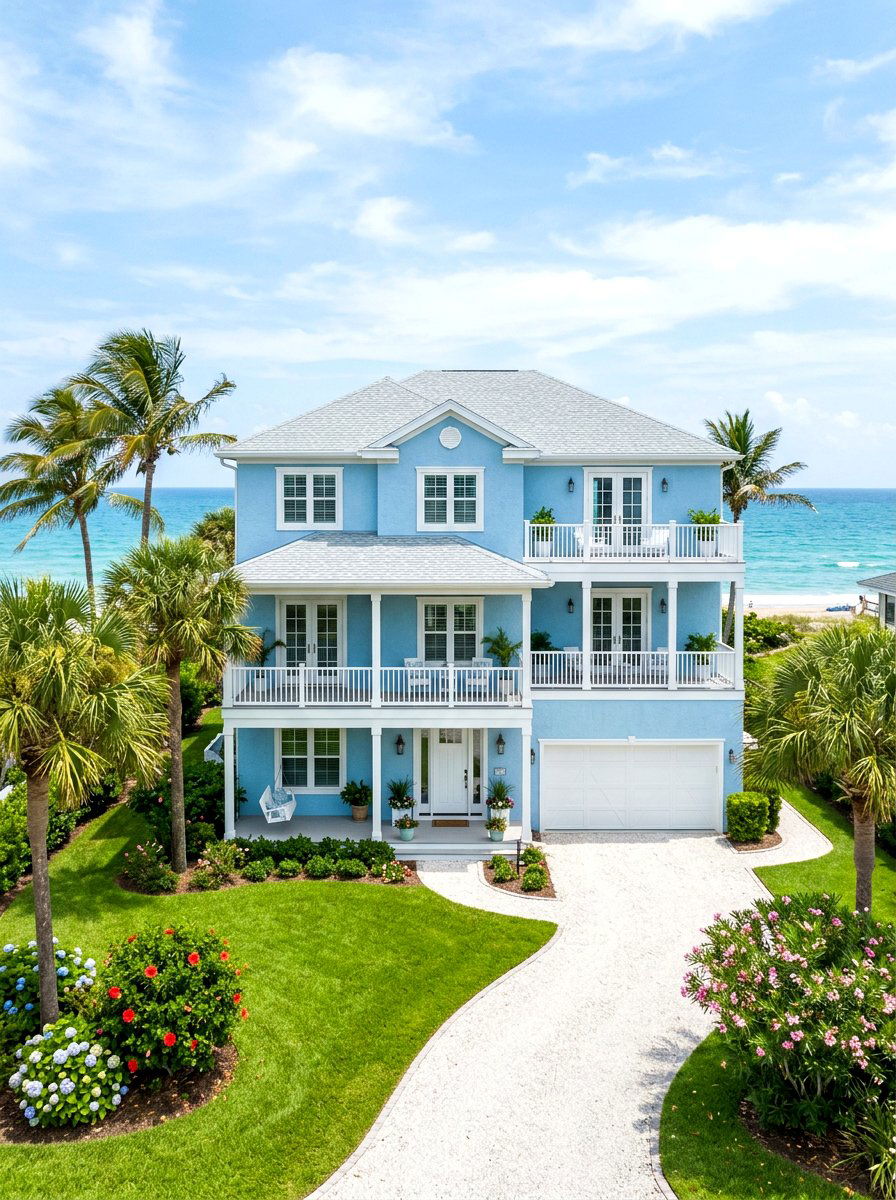
Light blue stucco is a refreshing and airy choice for homes located near the water or in sunny vacation spots. This color mimics the sky and sea, creating a relaxed and serene atmosphere right from the curb. When paired with white trim and sandy-colored stone, the house feels perfectly in tune with its surroundings. This coastal palette is great for making a large house feel less imposing and more welcoming. It looks fantastic under a bright sun and provides a cheerful vibe that never fails to impress. It is a timeless way to give your home a permanent vacation feel and style.
24. Mid Century Modern Stucco Home
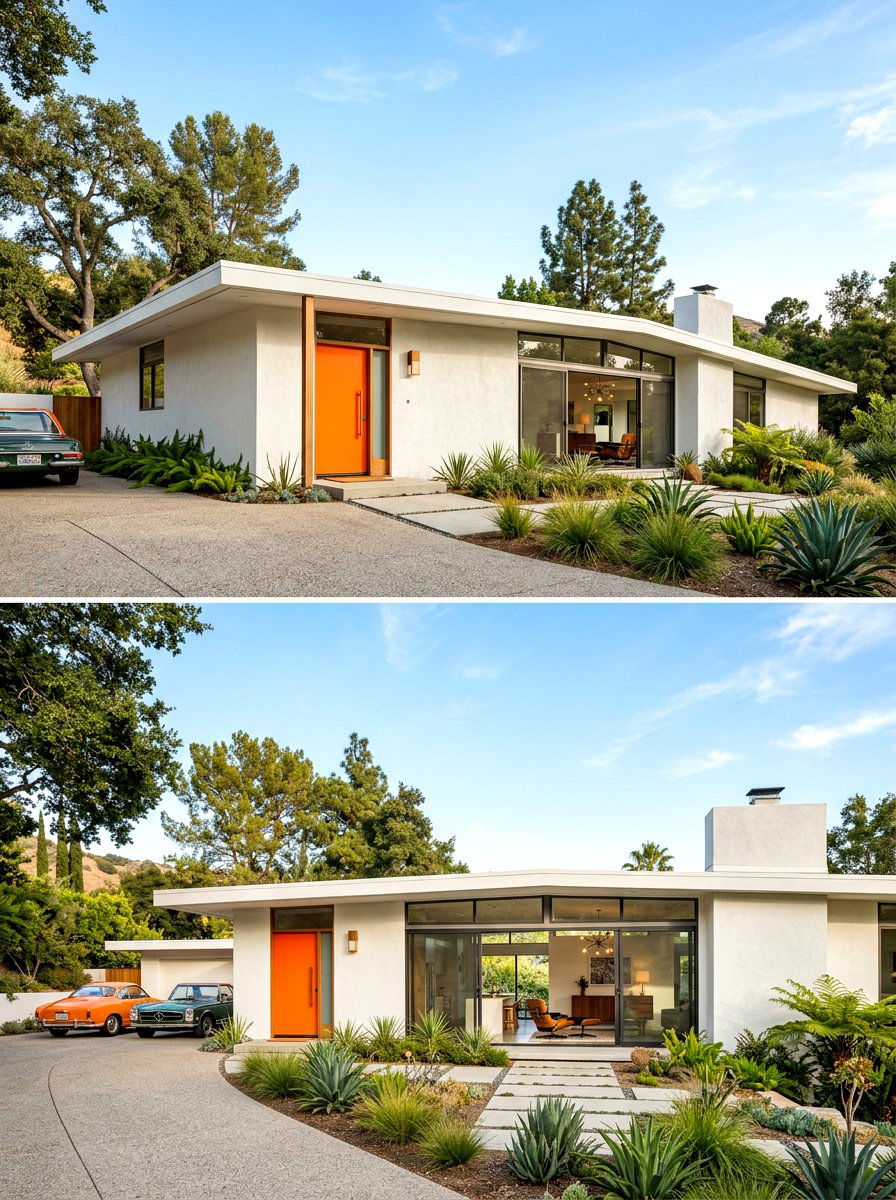
Mid-century modern homes often use stucco to highlight their unique geometric shapes and asymmetrical designs. This style might feature a long, low-slung roofline with a mix of stucco and large expanses of glass. The color palette for these homes often includes neutrals like grey or cream, sometimes with a bright pop of color on the front door. Stucco allows the architectural form to take center stage without the distraction of busy patterns or textures. This minimalist approach is what makes mid-century design so enduring and popular today. It feels very sophisticated and tailored, offering a look that is both historic and very contemporary.
25. Santa Fe Style Stucco Residence
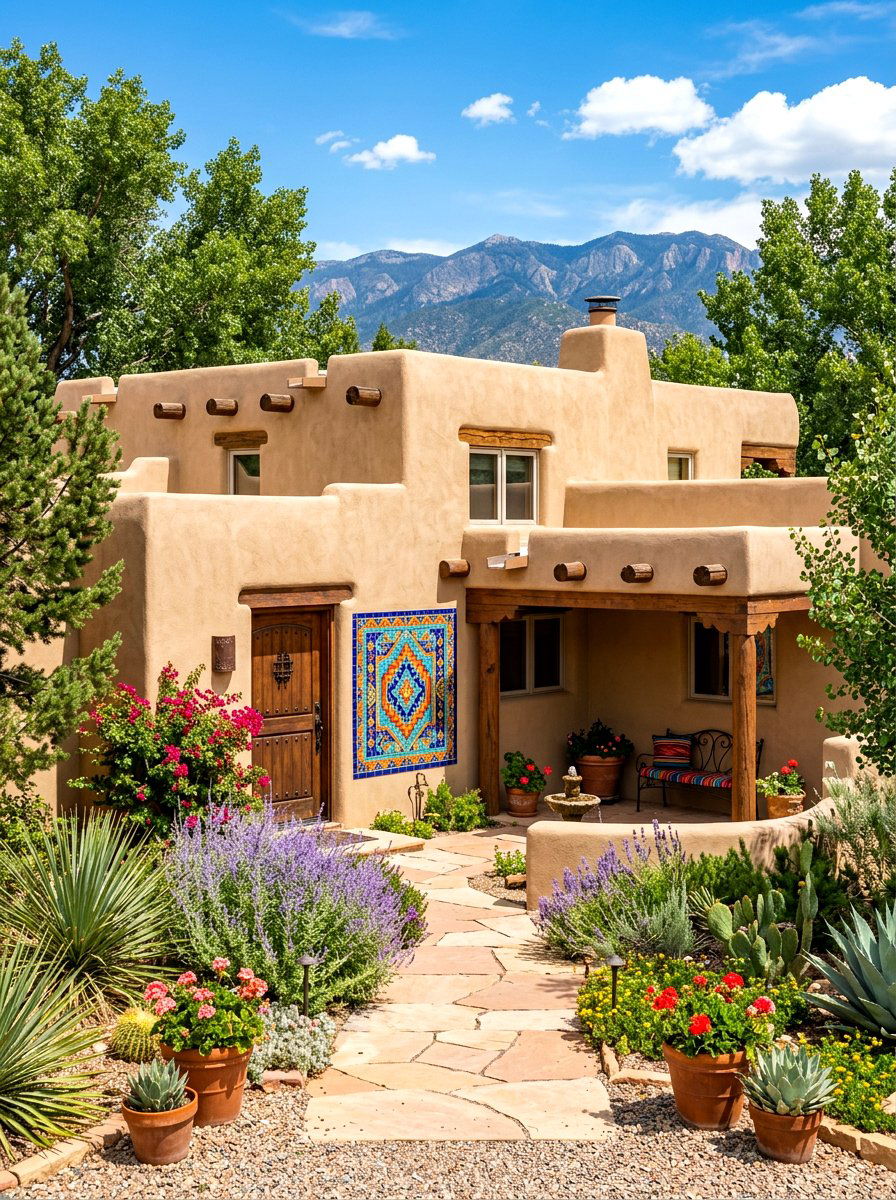
The Santa Fe style is defined by its rounded edges, flat roofs, and thick stucco walls that mimic traditional adobe construction. These homes are almost always finished in earthy browns, tans, or deep terracottas to match the high desert environment. You will often see wooden "vigas" or beams poking through the stucco walls, adding a rustic and structural element to the design. The stucco is typically applied with a soft, hand-troweled texture that gives the building a very organic and human feel. This style is deeply rooted in Southwestern culture and offers a home that feels cozy, protected, and very unique in its character.
26. French Country Stucco Exterior
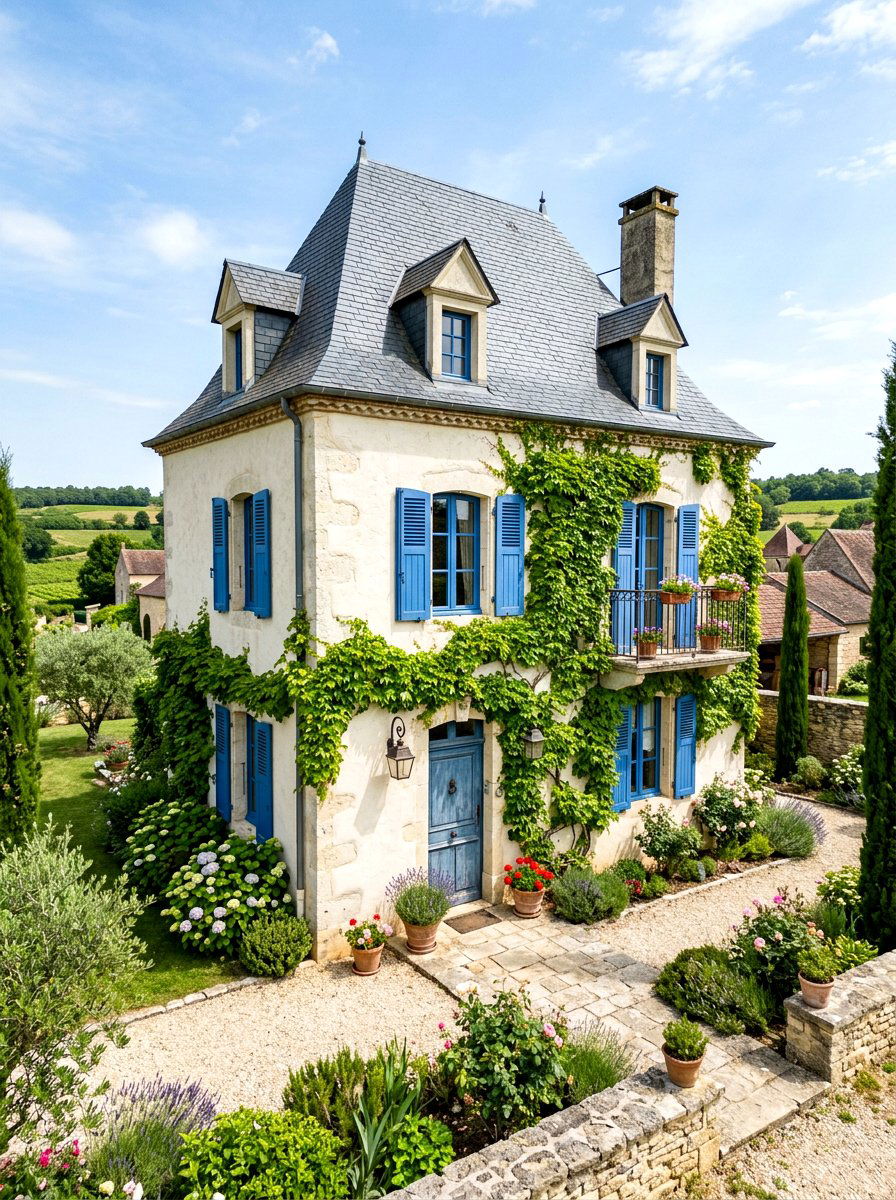
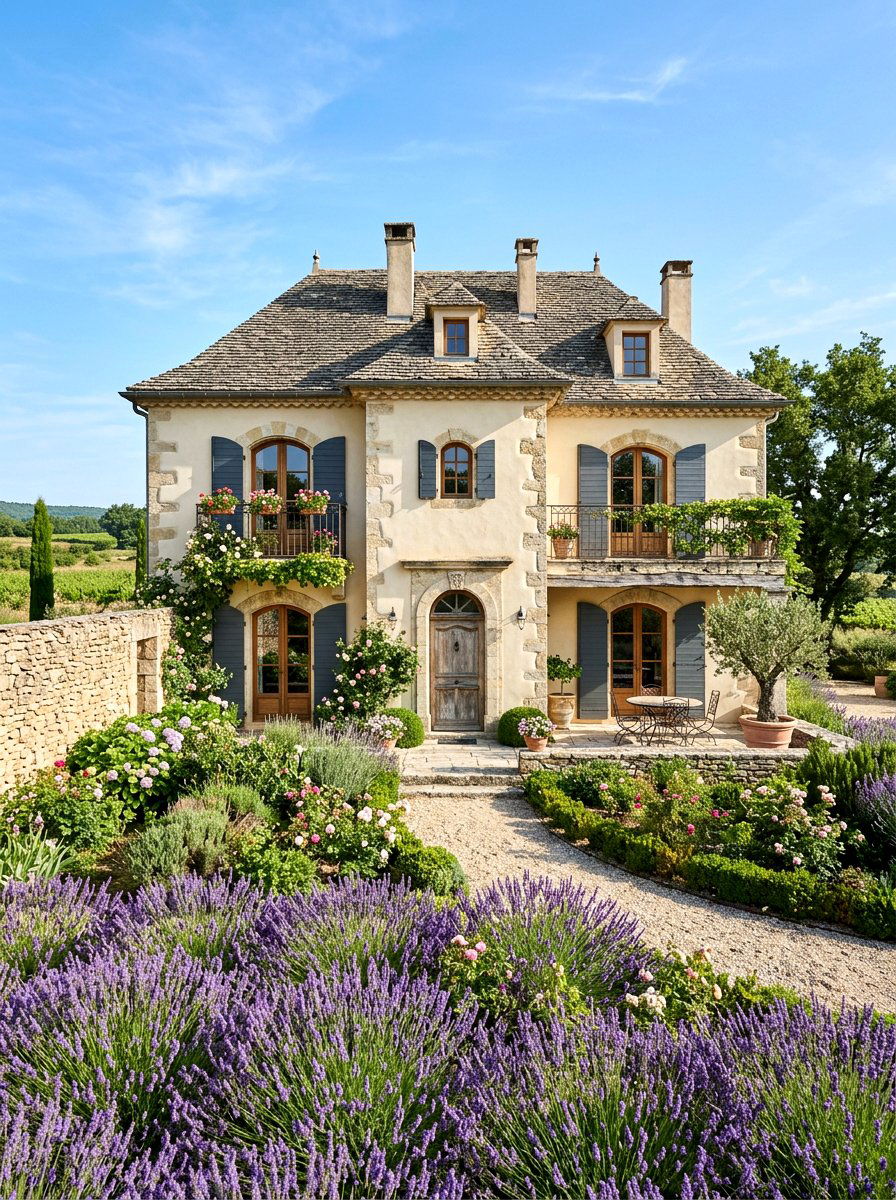
French country architecture uses stucco to create a look that is both elegant and charmingly rustic. These homes often feature steep hipped roofs, tall windows, and a soft, creamy stucco finish. Sometimes, the stucco is applied over stone to create a "weathered" look that suggests the house has been there for centuries. This style often incorporates shutters in soft blues or greens to add a touch of color to the neutral walls. The result is a home that feels very romantic and sophisticated. It is a perfect choice for those who want a classic European look that feels substantial, high-quality, and very inviting.
27. Minimalist White Stucco Box
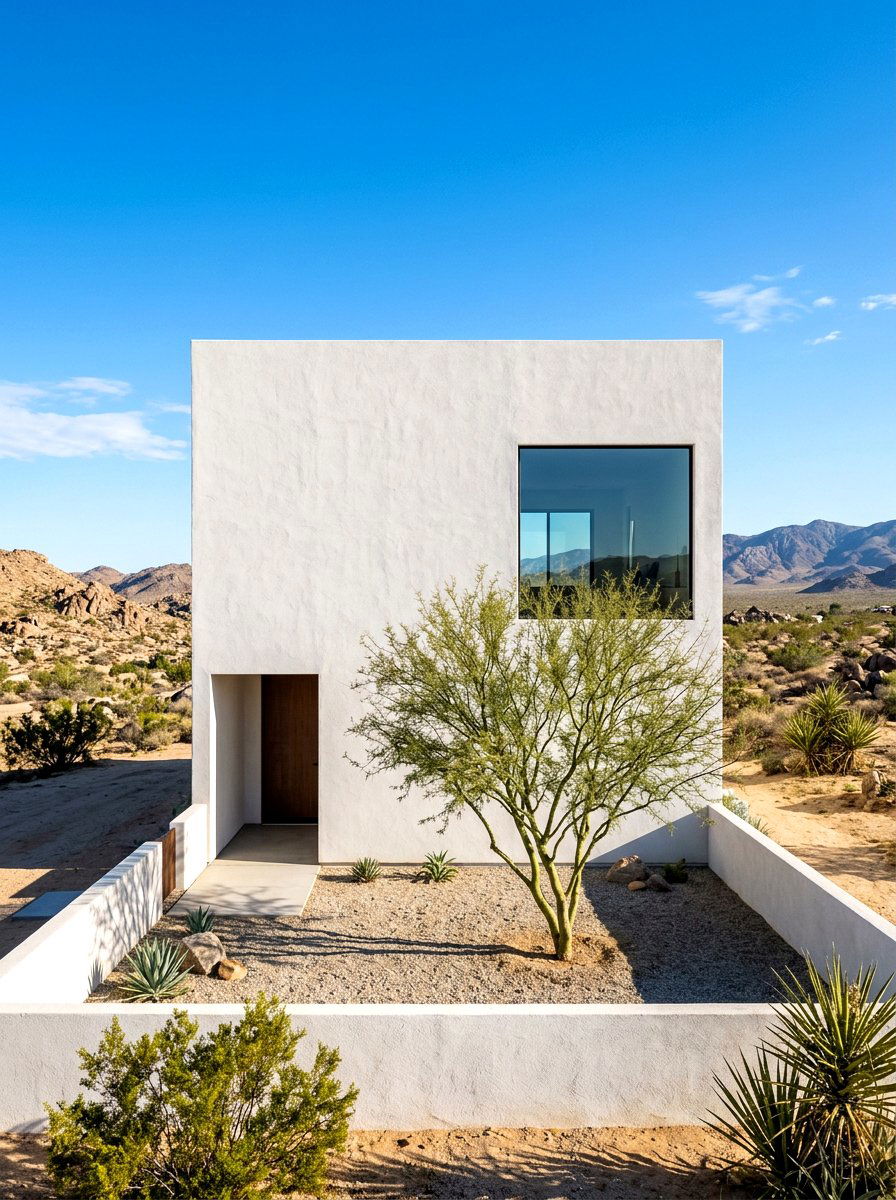
A minimalist white stucco box is the ultimate expression of modern architectural purity. This design focuses on a single, unadorned material and a simple geometric shape to create a powerful visual impact. There are no decorative trims or busy details; just the clean white walls and the shadows created by the sun. This style requires a very smooth and high-quality stucco finish to maintain its sleek appearance. Inside-outside transitions are usually handled with large floor-to-ceiling glass walls. This approach creates a home that feels incredibly calm and organized. It is a bold statement of "less is more" that looks stunning in any landscape.
28. Stucco Archway Entry Portico
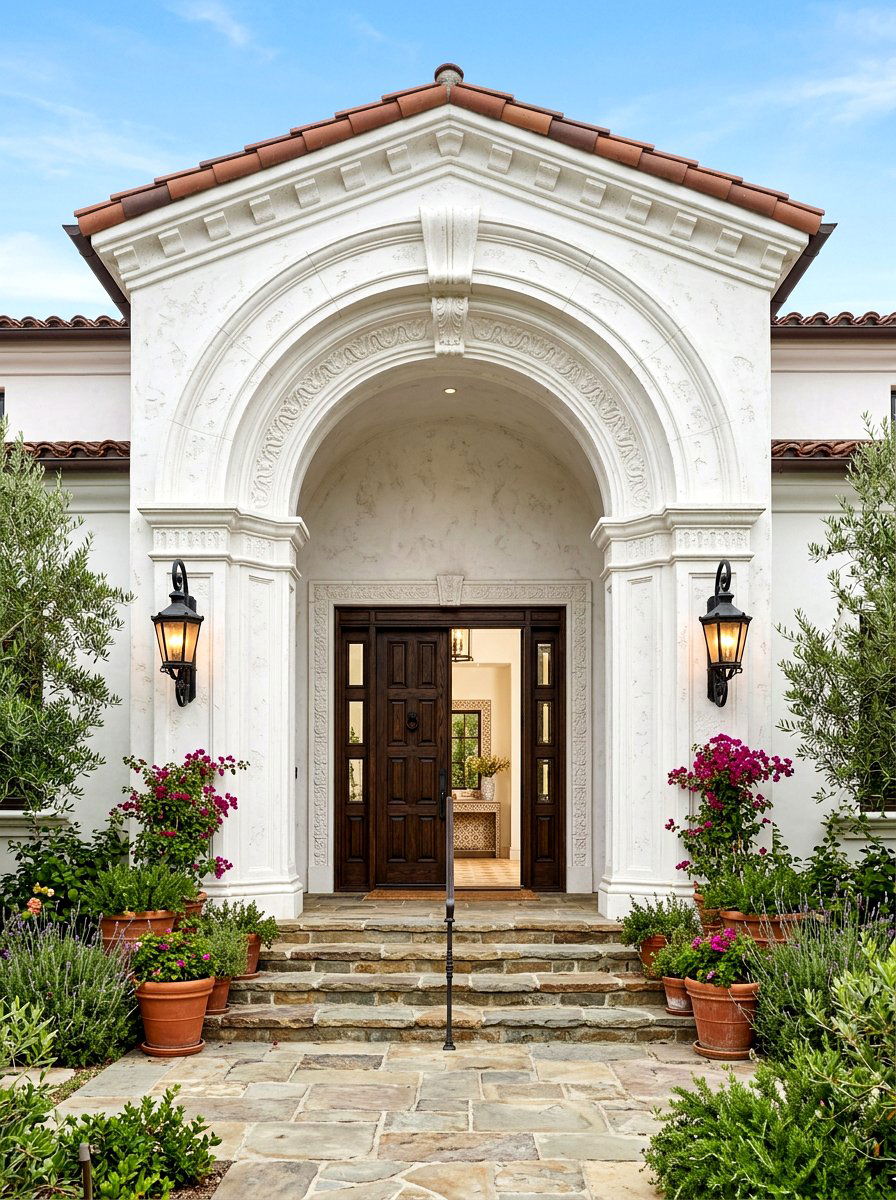
Using stucco to create a grand arched entryway is a classic way to add architectural interest to the front of a house. Unlike wood or metal, stucco can be easily molded into smooth curves, making it the perfect material for beautiful entry porticos. An arched entrance adds a sense of formality and elegance to the home, drawing the eye toward the front door. This feature works well with Mediterranean, Spanish, and even some modern styles. It provides a sheltered space for guests and creates a strong first impression. The smooth lines of the arch contrast beautifully with the straight lines of the rest of the house.
29. Stucco House With Cedar Accents
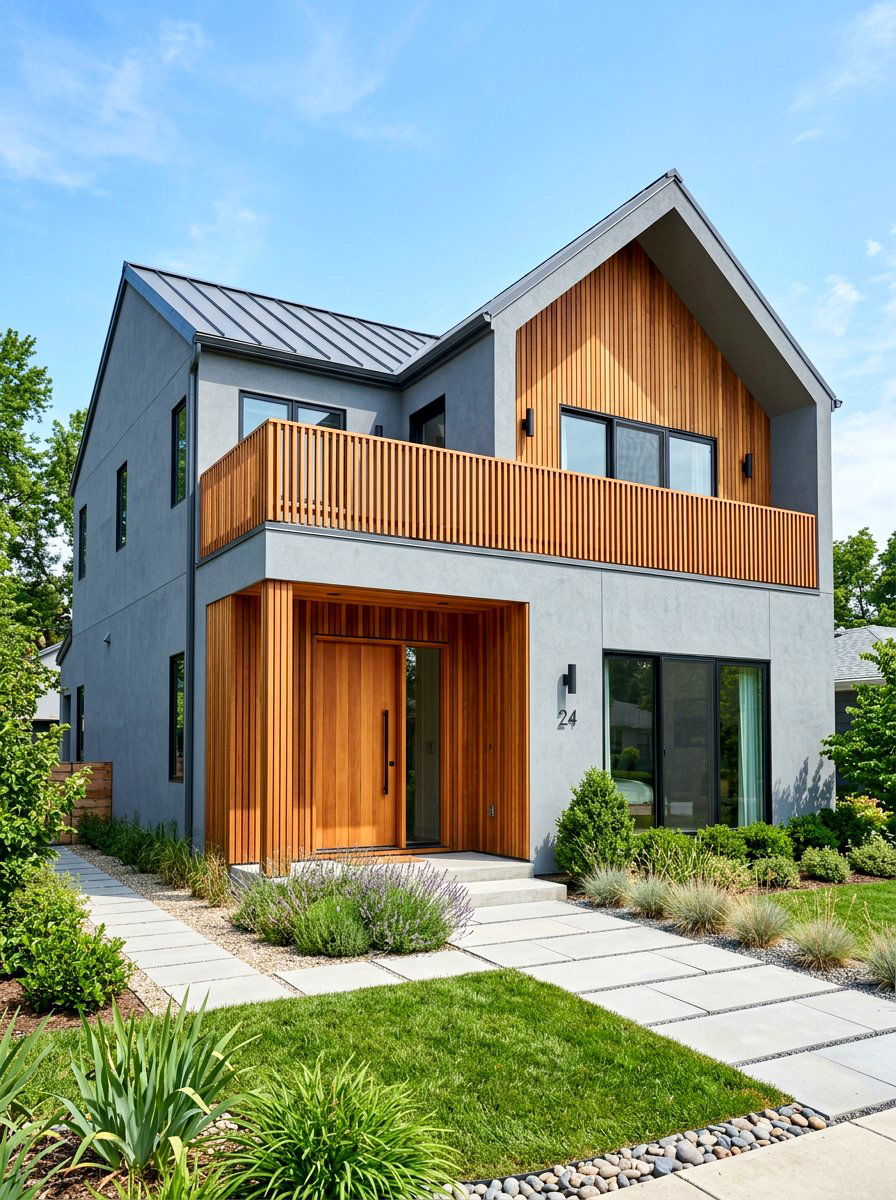
Cedar is a popular choice for accenting stucco homes because its natural oils make it durable and its warm color is very appealing. Many modern designs use cedar planks for the underside of roof overhangs or to clad a specific section of the house like a balcony. The orange and brown tones of the cedar provide a beautiful organic warmth that softens the look of the plastered walls. This combination is very effective for creating a "modern rustic" or "warm contemporary" aesthetic. It makes the house feel more connected to the natural world while still maintaining a clean and very high-end architectural look.
30. Stucco Retaining Wall Landscaping
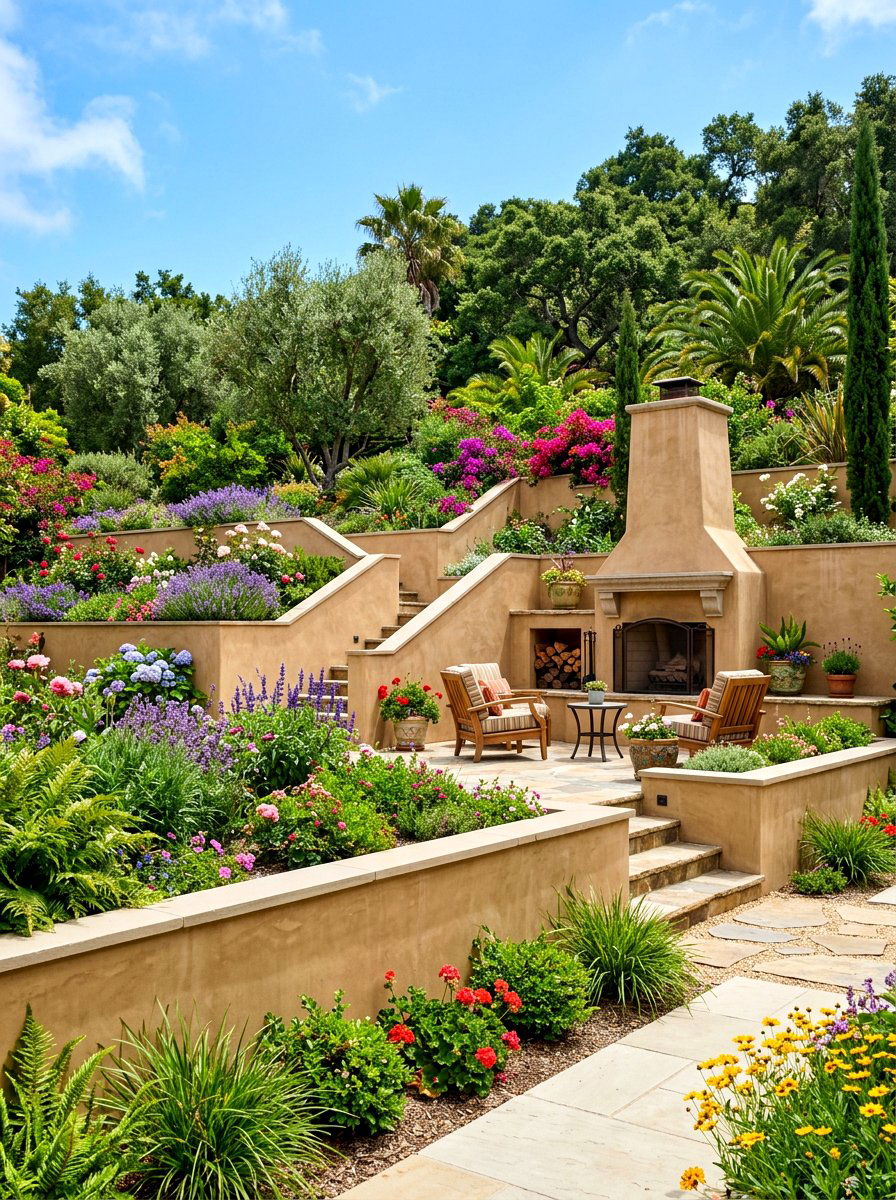
Extending your stucco material into the landscape through retaining walls or planters creates a very cohesive and intentional look for your property. By using the same color and finish as the house, you make the outdoor living spaces feel like an extension of the interior architecture. Stucco walls are great for creating terraced gardens or defining the boundaries of a patio. They provide a clean and solid backdrop for colorful plants and sculptural trees. This integrated design approach enhances the overall curb appeal and makes the entire lot feel more expensive and well-designed. It is a professional touch that really ties everything together beautifully.
Conclusion:
Choosing stucco for your home’s exterior is a smart investment that combines long-lasting durability with incredible design flexibility. As we have seen, this material can adapt to almost any architectural vision, from the historic charm of a Spanish villa to the sharp lines of a minimalist modern box. By carefully selecting the right texture and color, you can create a unique facade that reflects your personal style and enhances the value of your property. Stucco remains a top choice for its energy efficiency and ability to protect your home in various climates. We hope these thirty diverse ideas have inspired you to explore the beautiful possibilities of stucco for your own dream home project.

Related posts: