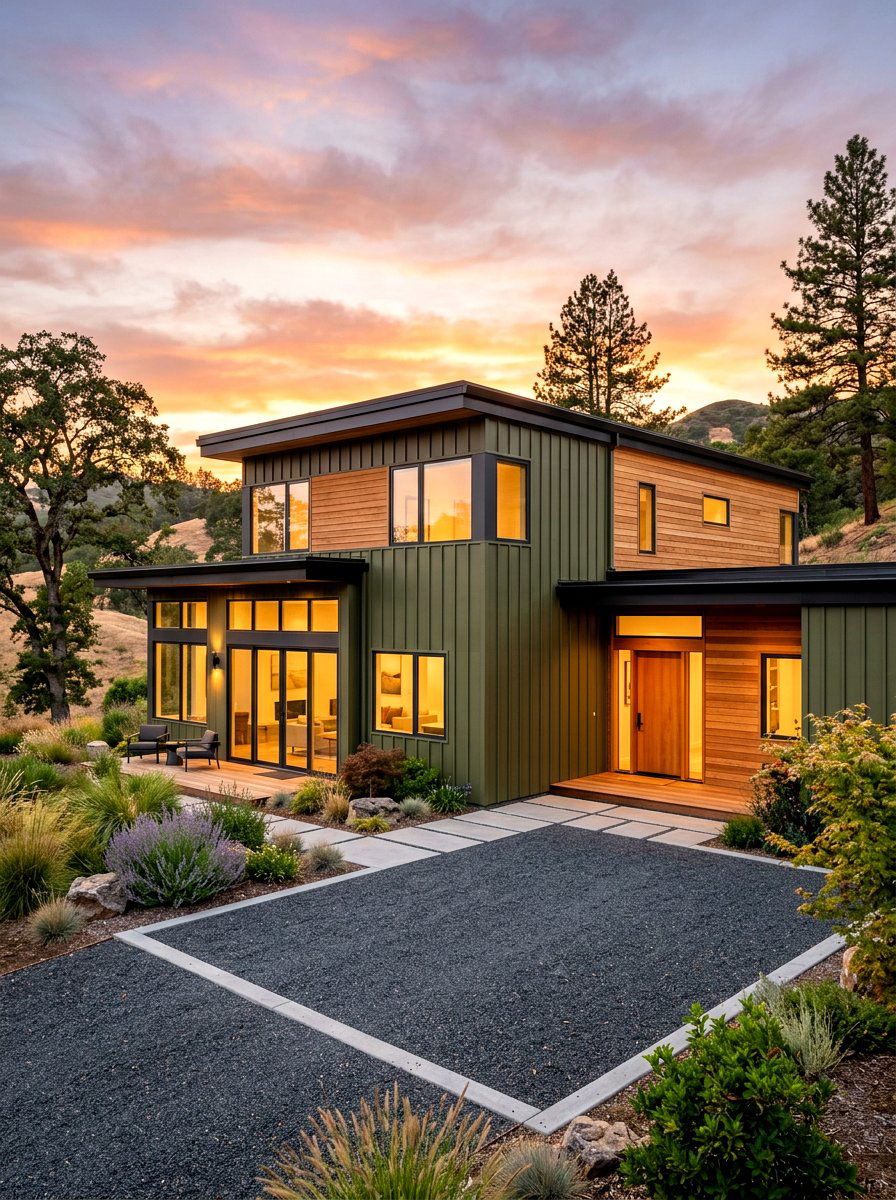
The Craftsman style remains one of the most beloved architectural designs because it focuses on natural beauty and hand-crafted details. Originally emerging from the Arts and Crafts movement, these homes celebrate simple forms and high-quality materials like wood and stone. You will often notice wide front porches, tapered columns, and low-pitched rooflines that create a grounded and welcoming feel. This design philosophy emphasizes a deep connection to the surrounding environment through earthy color palettes and organic textures. Whether you are building a new home or renovating an old one, these timeless elements offer incredible curb appeal. Let us explore the best ways to enhance your home exterior with these classic features.
1. Blue Craftsman House
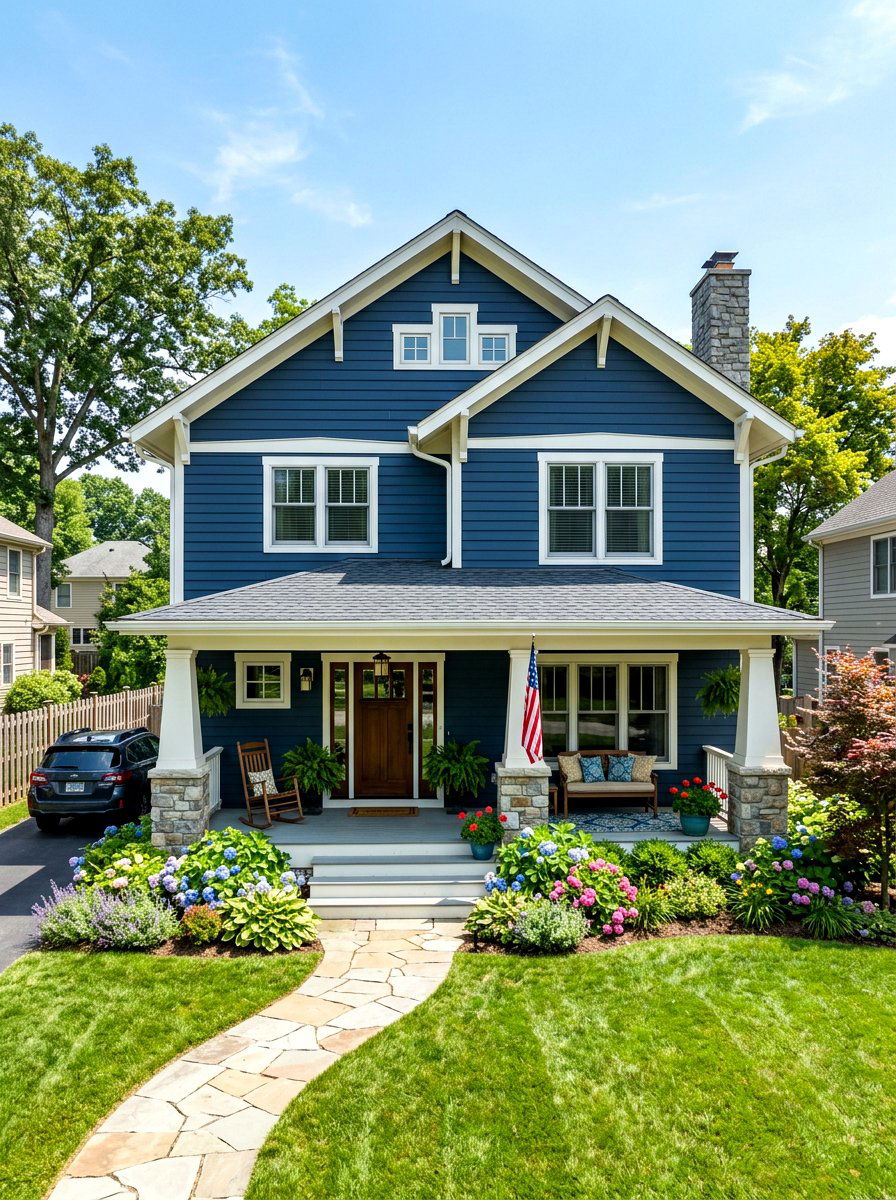
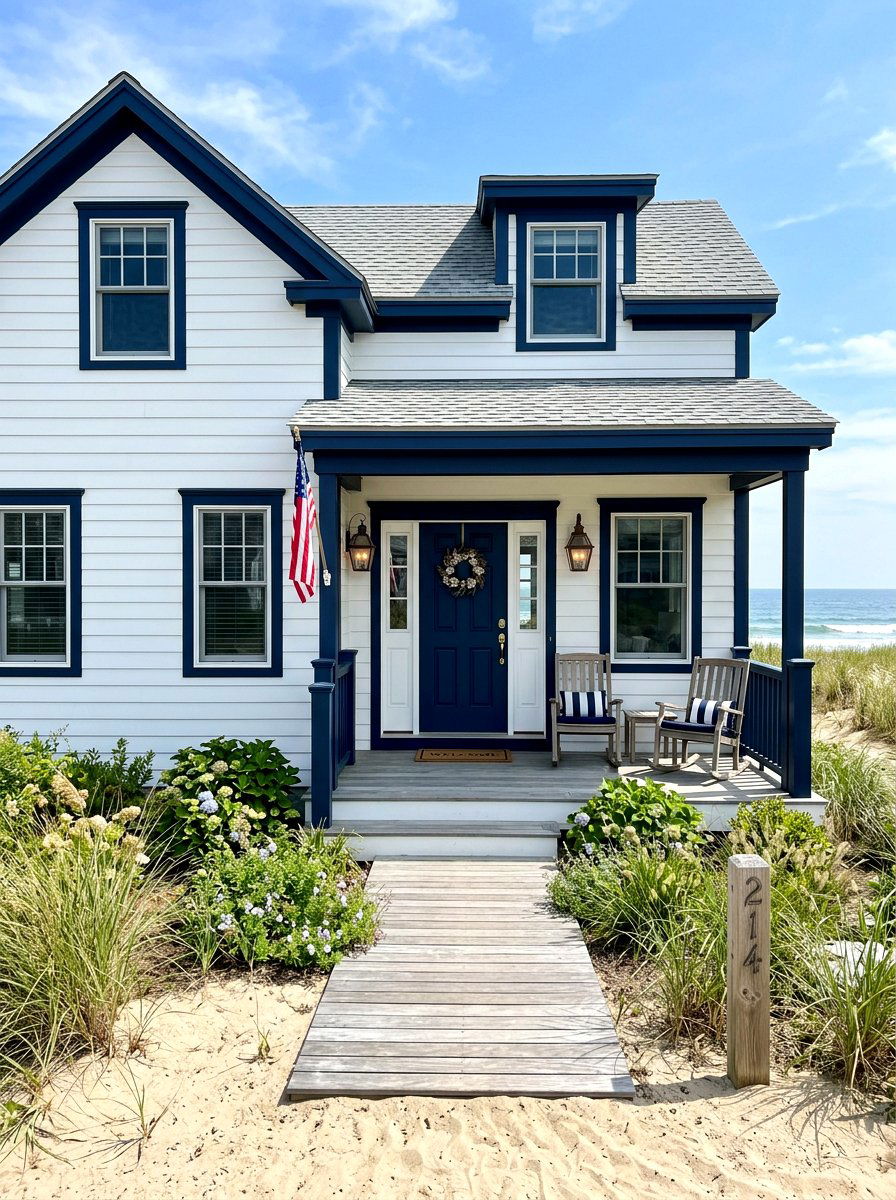
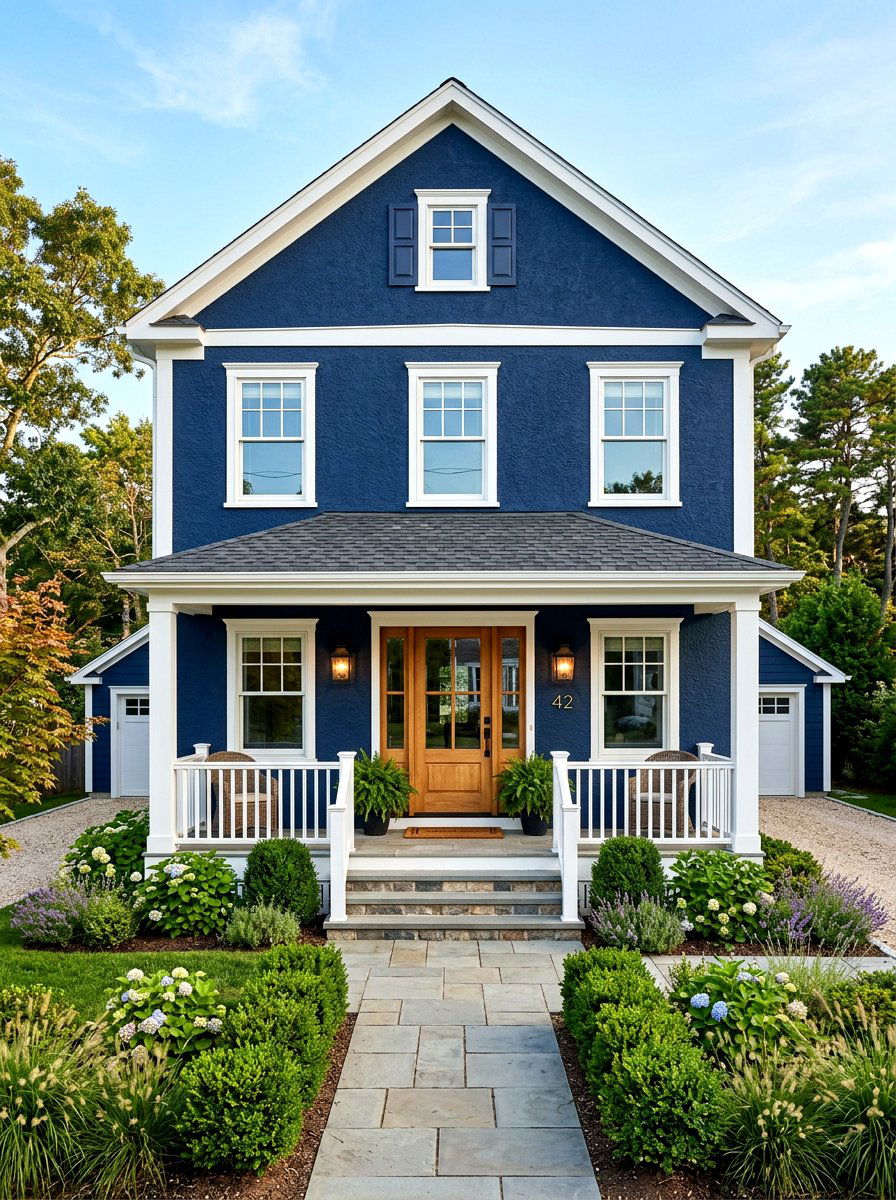
Choosing a deep blue shade for your home provides a stunning contrast against natural stone and crisp white trim. This color choice has become incredibly popular for its timeless yet bold appeal in modern neighborhoods. It works exceptionally well on horizontal lap siding or cedar shingles common in this architectural style. You can pair it with creamy white columns to make the porch pop visually. This specific palette highlights the intricate wood details and structural brackets found on the eaves. A dark blue exterior feels sophisticated and provides a beautiful backdrop for lush green landscaping. It adds a refreshing sense of depth to the property while maintaining a classic, high-end neighborhood feel.
2. Tapered Porch Columns
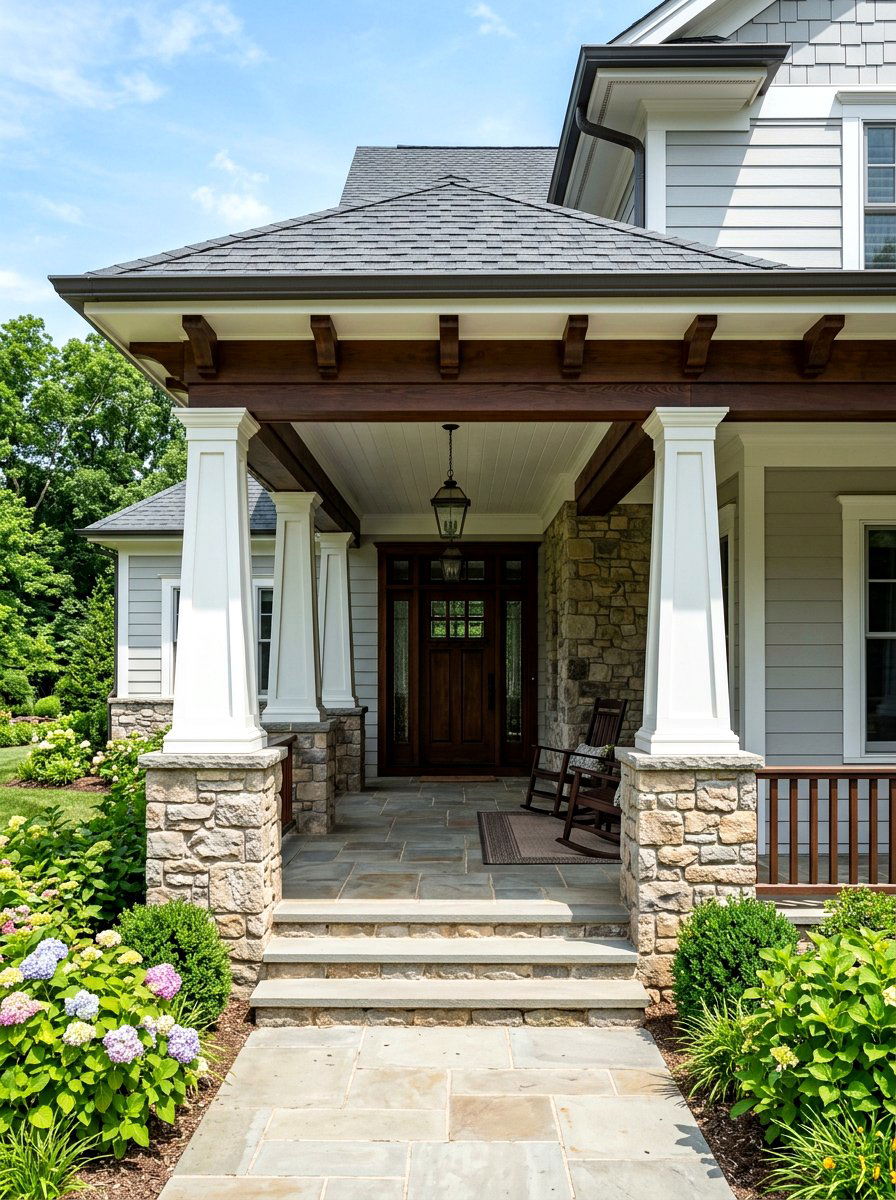
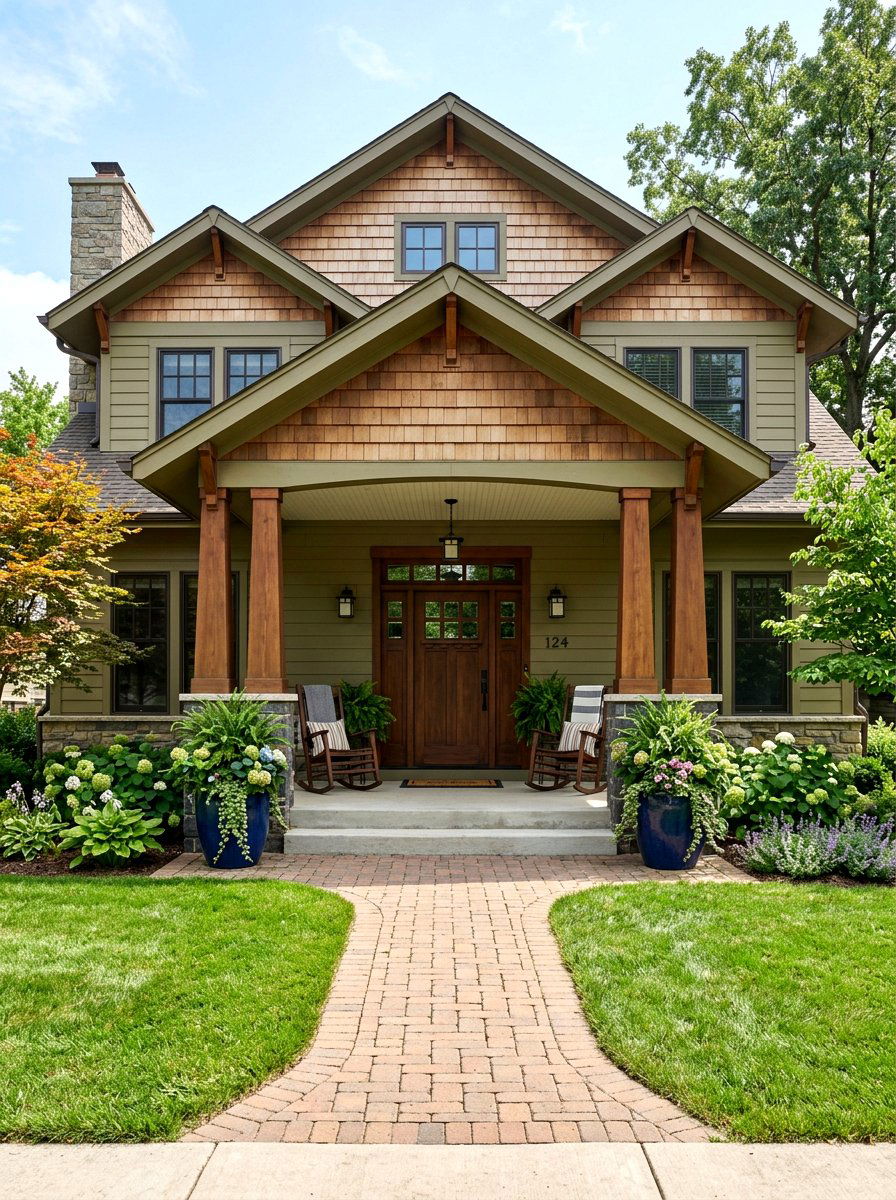
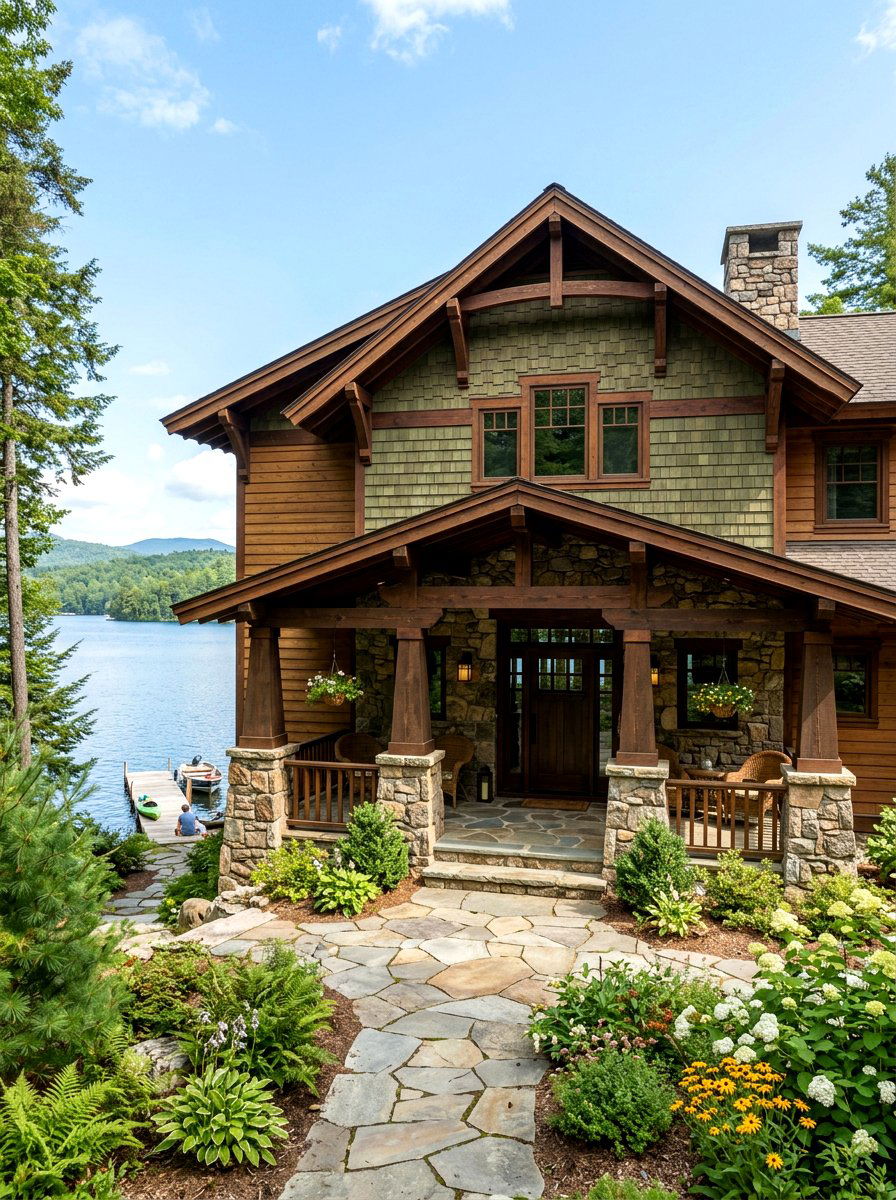
Tapered columns are a signature hallmark of the Craftsman aesthetic and provide a sturdy, historical look to any front entryway. These pillars are typically wider at the base and narrow as they reach the porch roof. They are often set atop heavy stone or brick pedestals to emphasize stability and craftsmanship. Using natural materials for the base adds a rugged texture that complements the smooth finish of the wooden upper column. You can paint the wood a contrasting color to highlight the unique geometric shape. This architectural detail instantly elevates the home's character. It creates a powerful first impression for guests while supporting the weight of a wide, welcoming porch.
3. Stone Foundation Siding
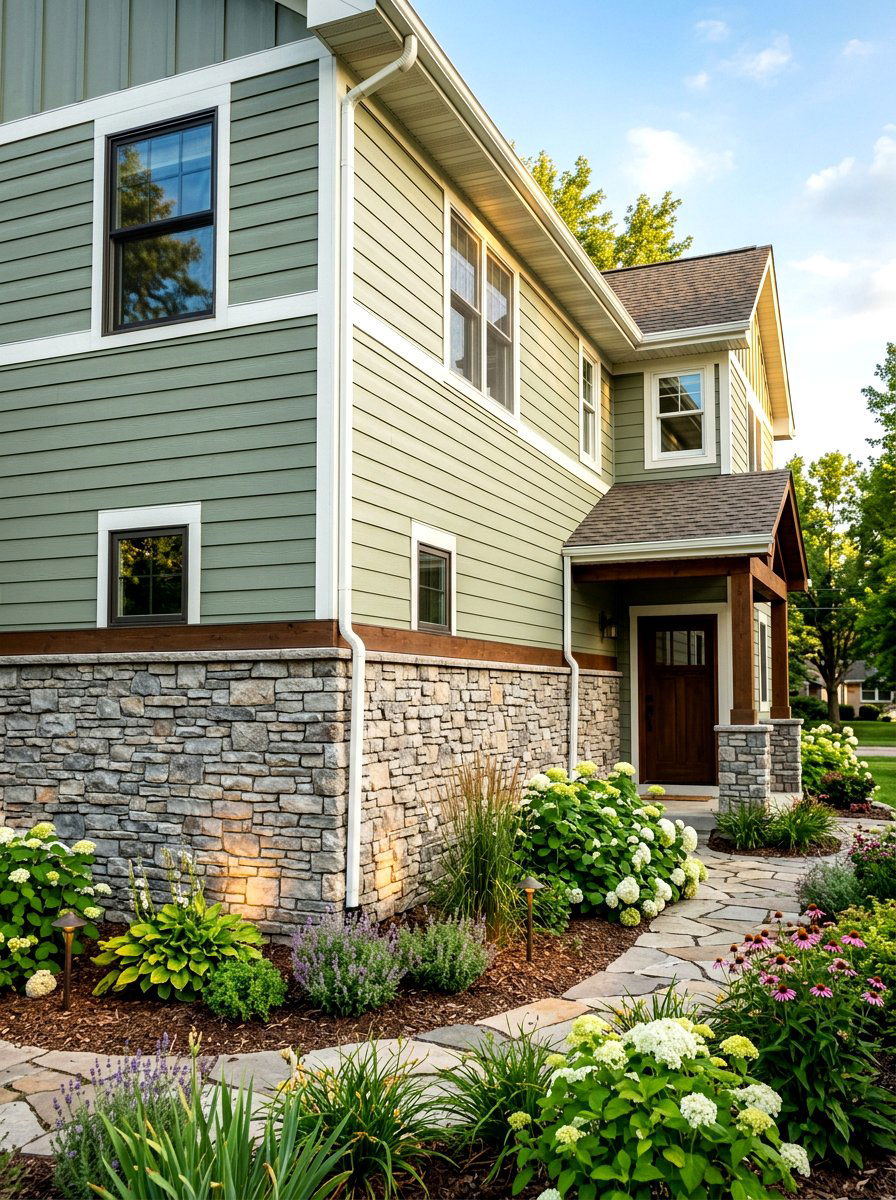
Integrating stone veneer along the foundation of your home adds a layer of rustic elegance and structural permanence. This material mimics the look of traditional river rock or stacked ledge stone used in early twentieth-century builds. It grounds the house and creates a beautiful transition between the earth and the siding above. Many homeowners choose a mixture of gray and tan stones to coordinate with various paint colors. This textured element protects the lower walls while providing a premium, high-quality finish to the exterior. Adding stone to the base of your home creates a sense of history. It ensures the building feels like it has always been part of the natural landscape.
4. Sage Green Exterior
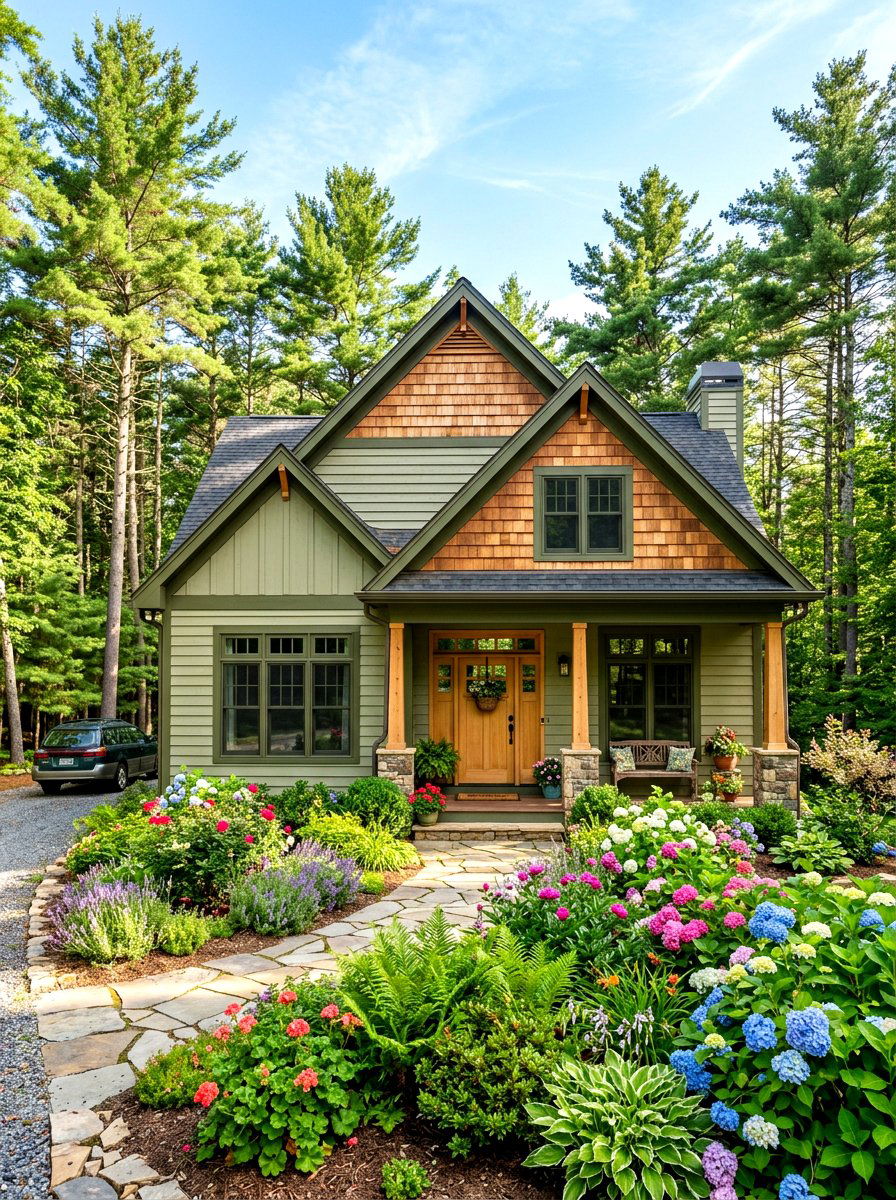
Sage green is a classic choice for Craftsman homes because it mimics the natural colors found in forests and gardens. This muted tone blends perfectly with dark wood accents and copper rain gutters for a cohesive look. It feels calm and inviting, making your home a peaceful retreat from the busy world outside. You can use a darker olive green for the window sashes to add subtle definition and architectural interest. This color palette is particularly effective when surrounded by tall trees and organic flower beds. It captures the essence of the Arts and Crafts movement's love for nature. A green exterior ensures your home looks harmonious and perfectly settled.
5. Double Front Doors
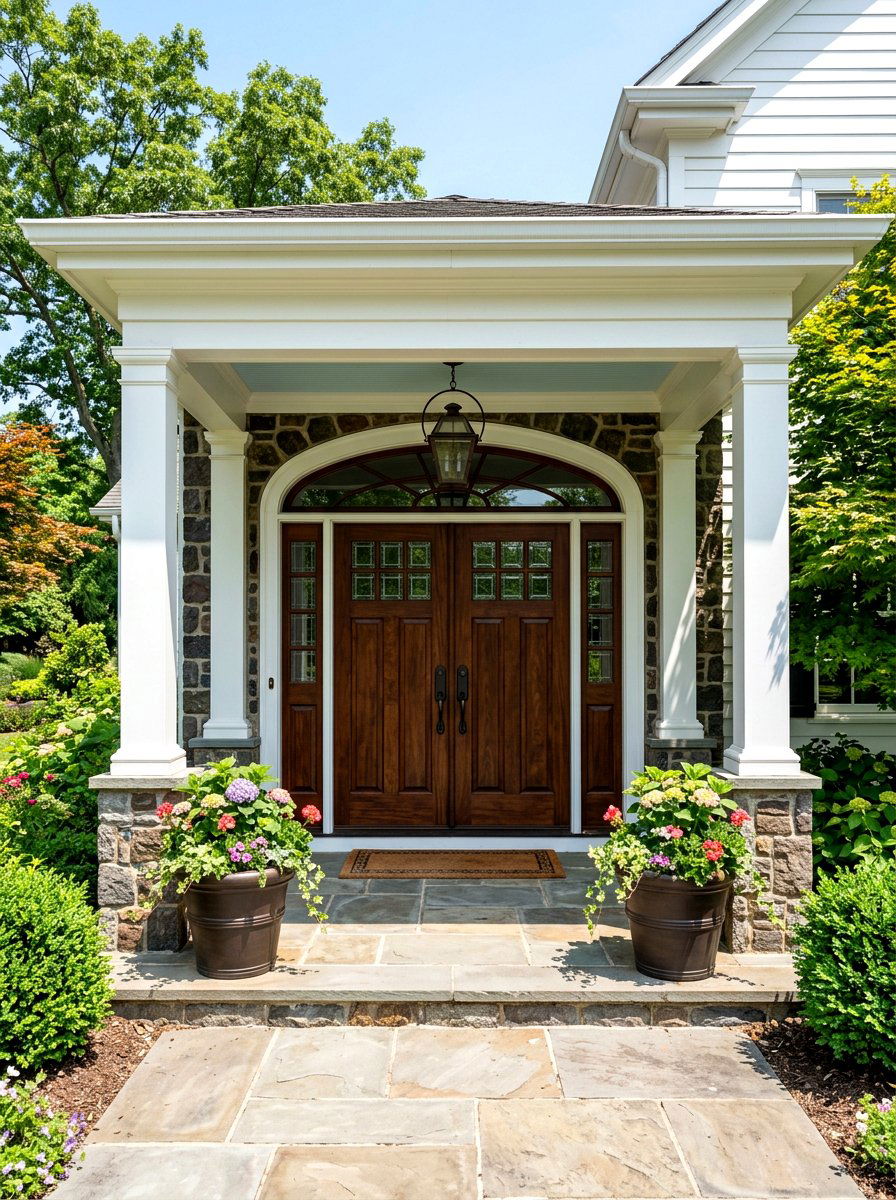
Installing a set of double front doors creates a grand and symmetrical entrance that draws the eye immediately. Craftsman doors often feature high-quality wood like oak or mahogany with small glass panes at the very top. These windows allow natural light to enter the foyer while maintaining privacy for the residents. You can use oil-rubbed bronze hardware to add a touch of vintage charm to the heavy wooden frames. Double doors make the entryway feel more spacious and accommodating for guests entering the home. They provide a sense of luxury and solid construction that is typical of this style. This upgrade significantly improves the overall curb appeal and resale value.
6. Cedar Shingle Siding
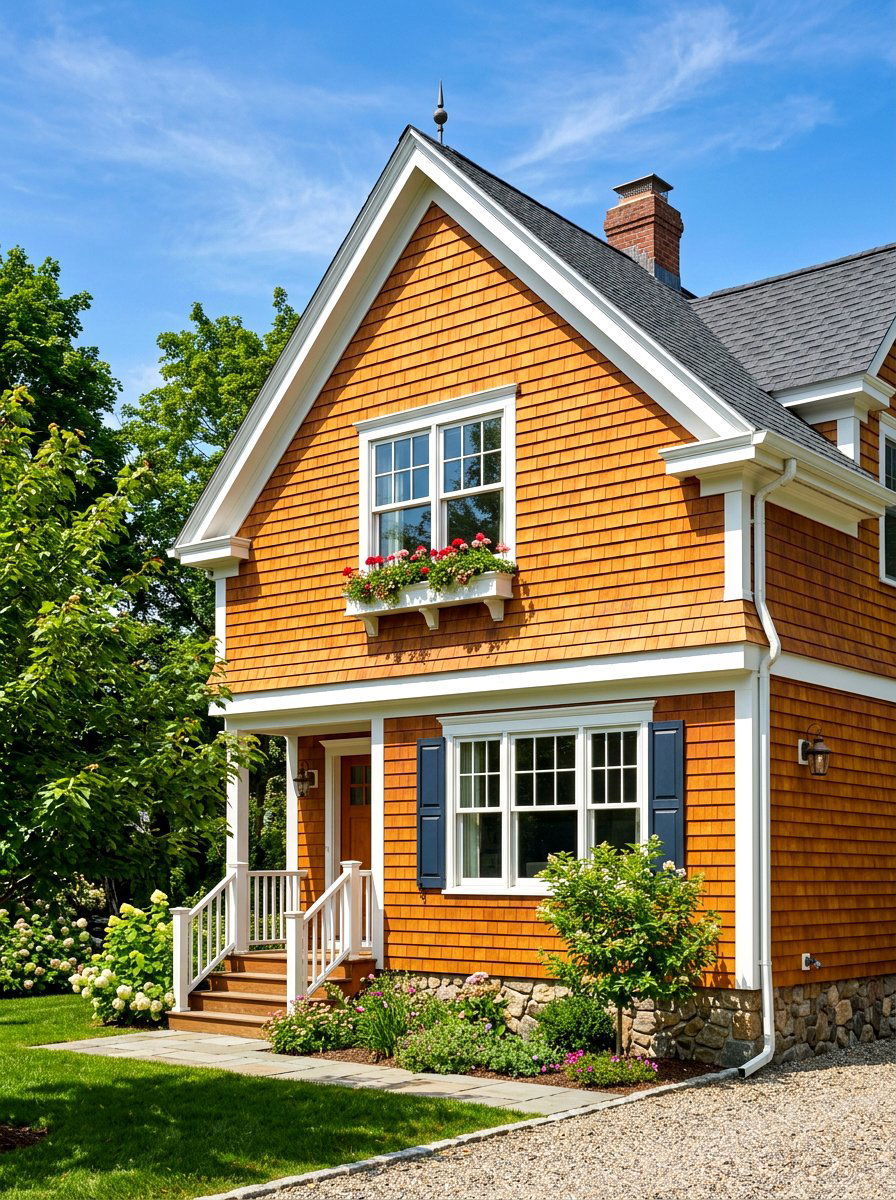
Cedar shingles provide a rich, organic texture that is a defining characteristic of high-end Craftsman exteriors across the country. These individual wood pieces create a layered look that adds depth and visual interest to the gables or upper floors. You can leave the cedar natural to weather into a beautiful silvery gray over time. Alternatively, staining the shingles in a warm honey or cherry tone preserves the wood 's natural grain and glow. This siding material is durable and offers a traditional aesthetic that feels both cozy and sophisticated. It works beautifully when paired with smooth lap siding on the lower levels. Shingles bring a tactile quality to the home' s facade.
7. Craftsman Window Trim
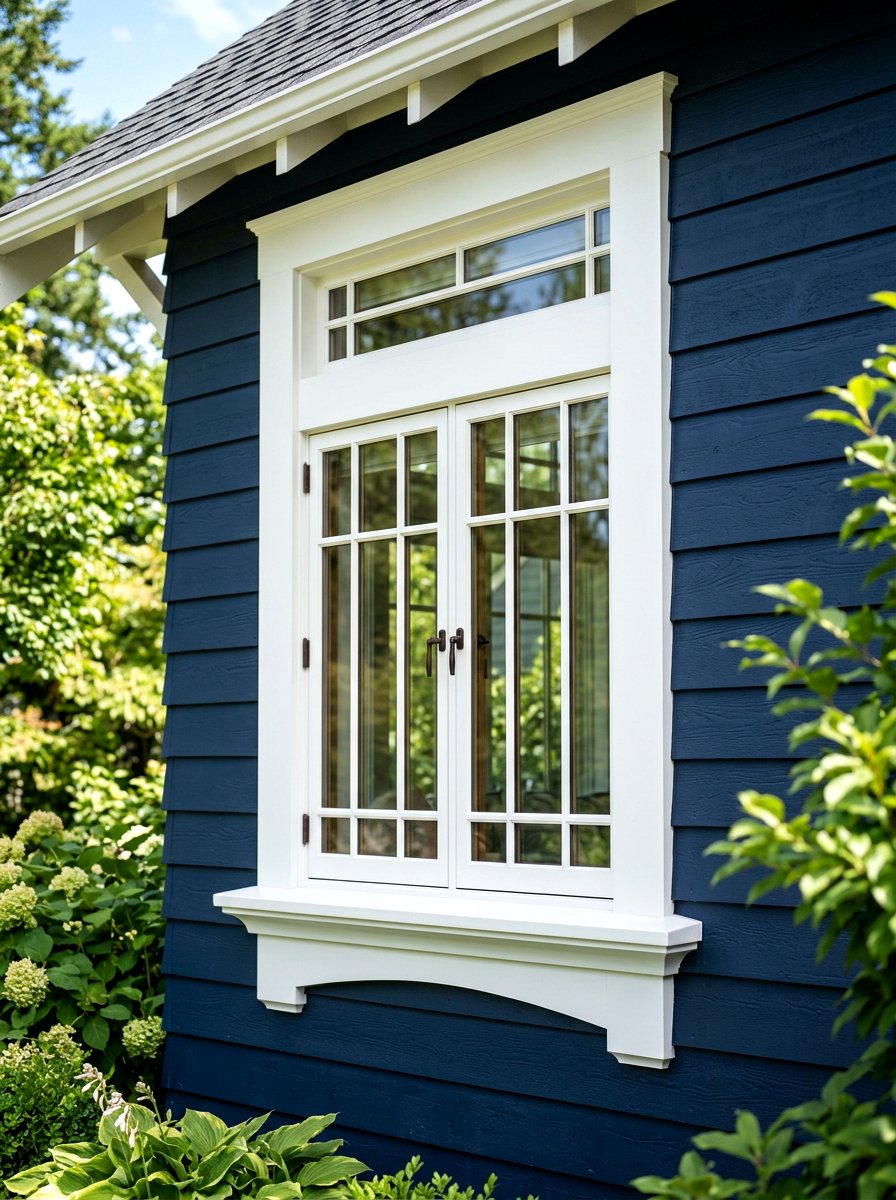
Thick and flat window trim is essential for achieving the clean lines associated with this specific architectural design style. The trim is usually painted in a contrasting color, such as off-white or dark charcoal, to frame the glass. This detail makes the windows appear larger and more substantial from the street. You might notice a small decorative ledge, known as a window sill cap, at the top of the frame. This simple addition adds a bit of shadow and dimension to the flat exterior walls. Using high-quality trim ensures the home looks finished and well-constructed. It emphasizes the geometry of the house and ties all the different materials together.
8. Exposed Roof Rafters
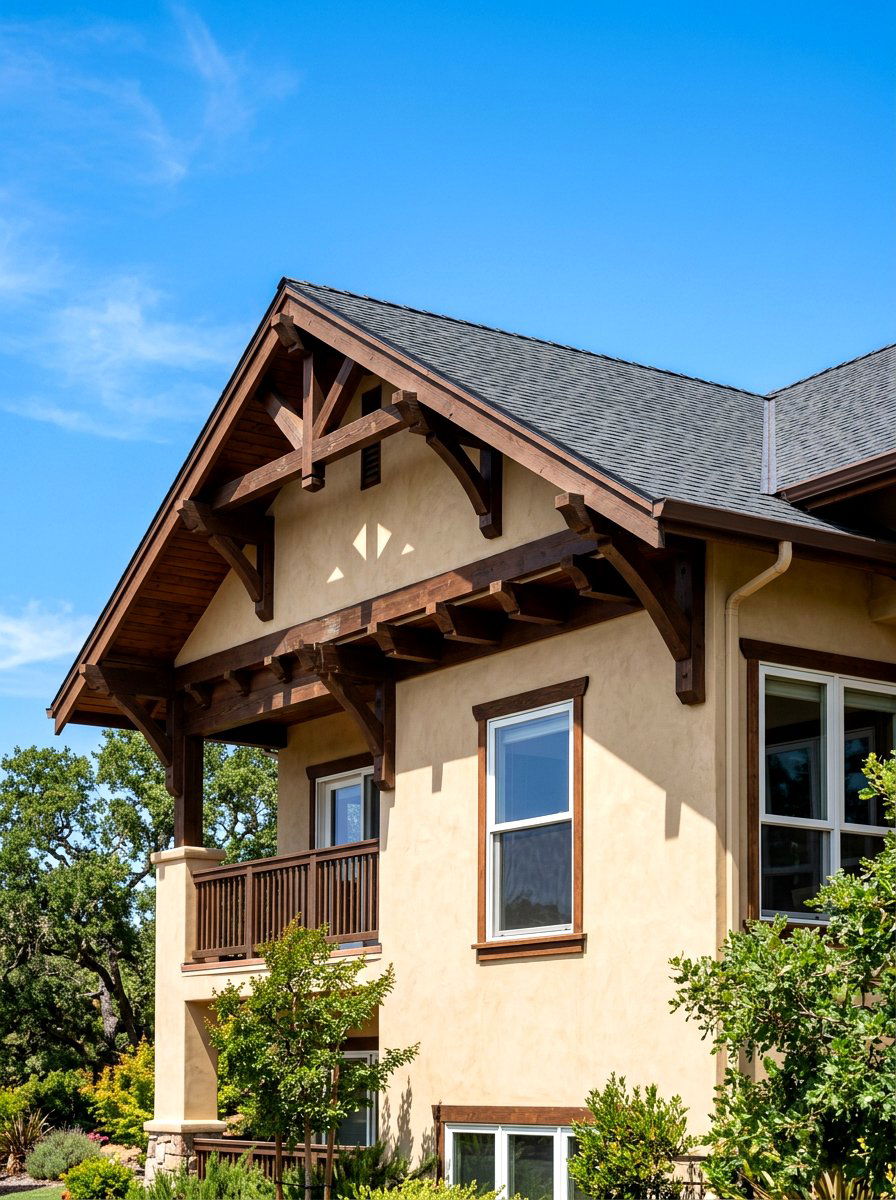
Exposed rafter tails are a functional and decorative feature that showcases the structural honesty of the Craftsman building method. These wooden beams extend past the roofline and are visible under the wide eaves of the house. They add a rhythmic pattern to the roofline and emphasize the hand-built nature of the architecture. You can paint them the same color as the trim or leave them in a natural wood finish. This detail provides a sense of craftsmanship that mass-produced modern homes often lack. It creates interesting shadows on the siding during the day. Exposed rafters are a subtle way to honor the history of the original design movement.
9. Modern Craftsman Facade
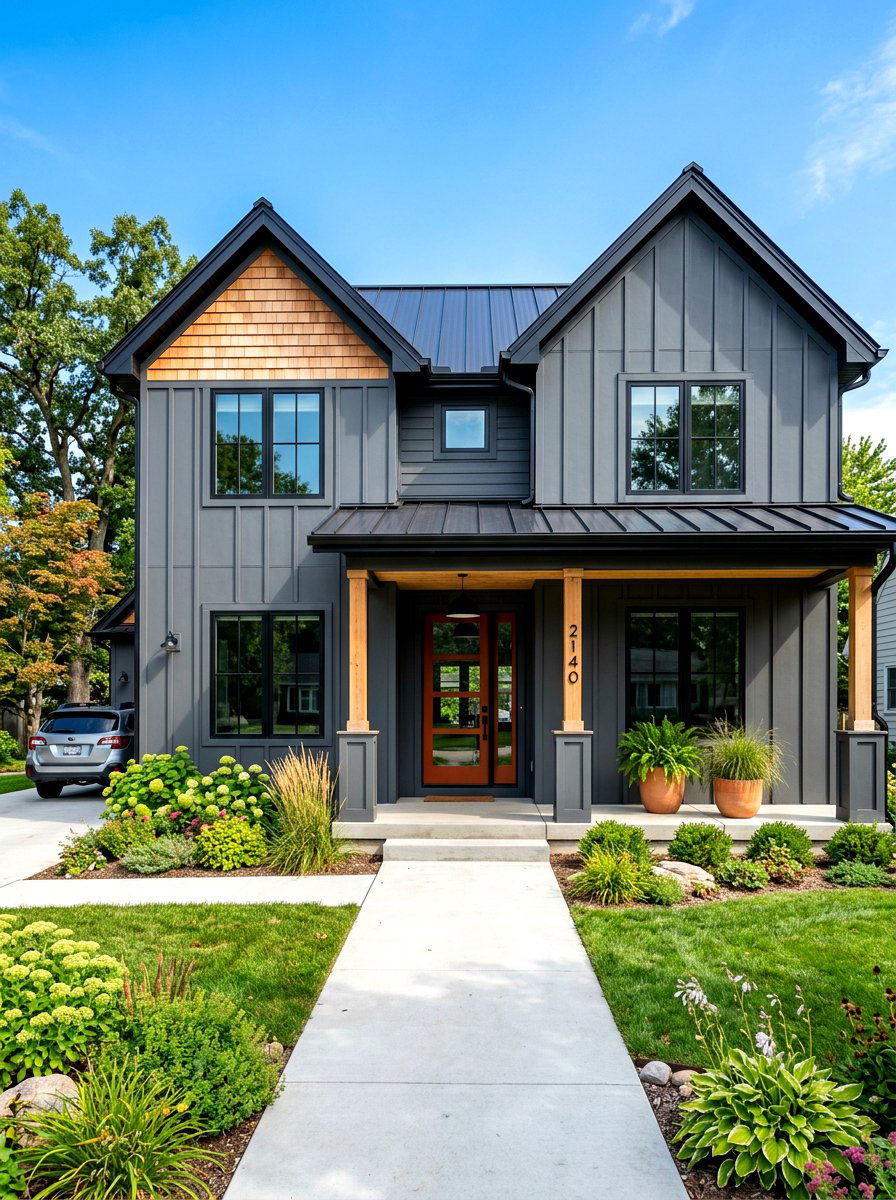
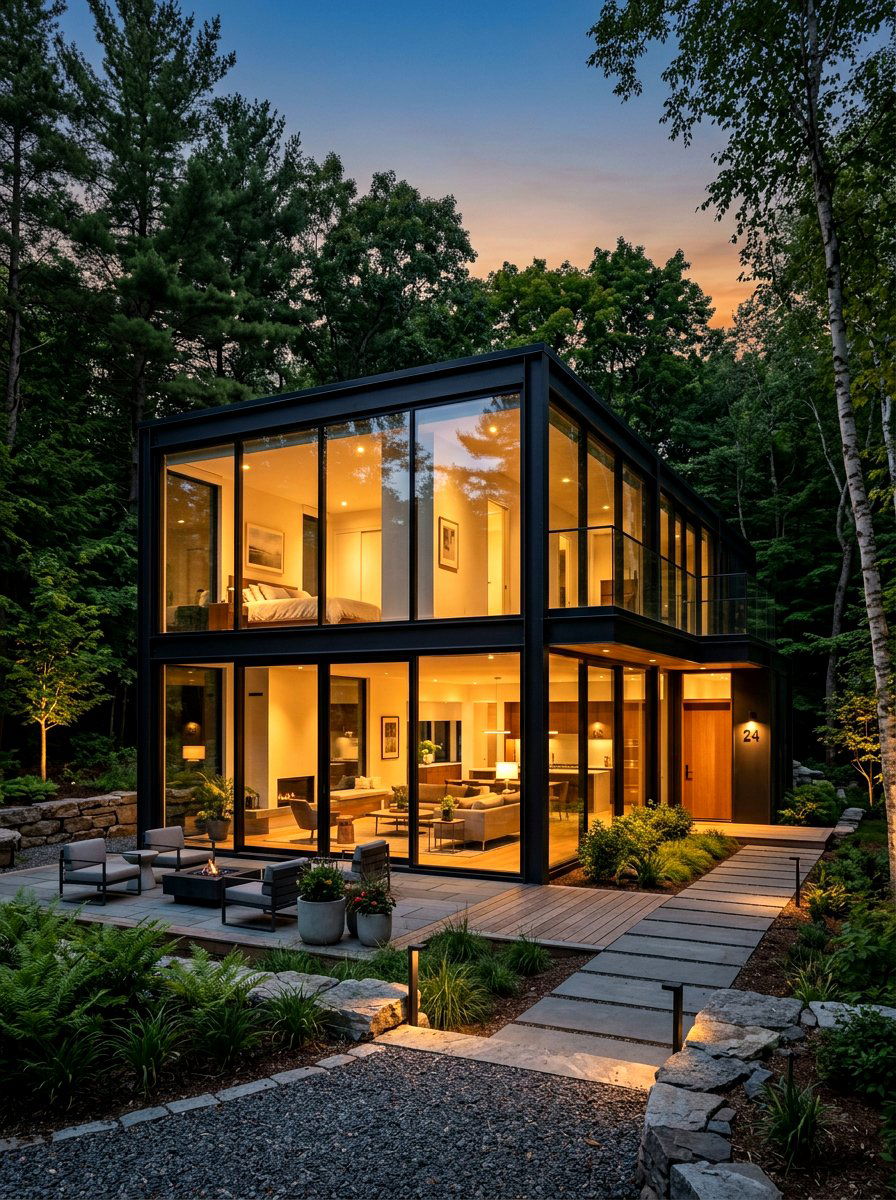
A modern take on this style often involves using darker color palettes and cleaner, more minimalist architectural lines. You might see charcoal gray siding paired with black metal roofing for a sleek and updated appearance. Large expanses of glass and simplified columns replace some of the more ornate traditional details. This look maintains the heavy proportions of the original style while feeling fresh and contemporary. It is perfect for homeowners who love the sturdy feel of a Craftsman but prefer a neutral aesthetic. Incorporating industrial materials like steel and smooth concrete adds a unique twist. This hybrid style bridges the gap between historic charm and modern living beautifully.
10. Small Front Porch
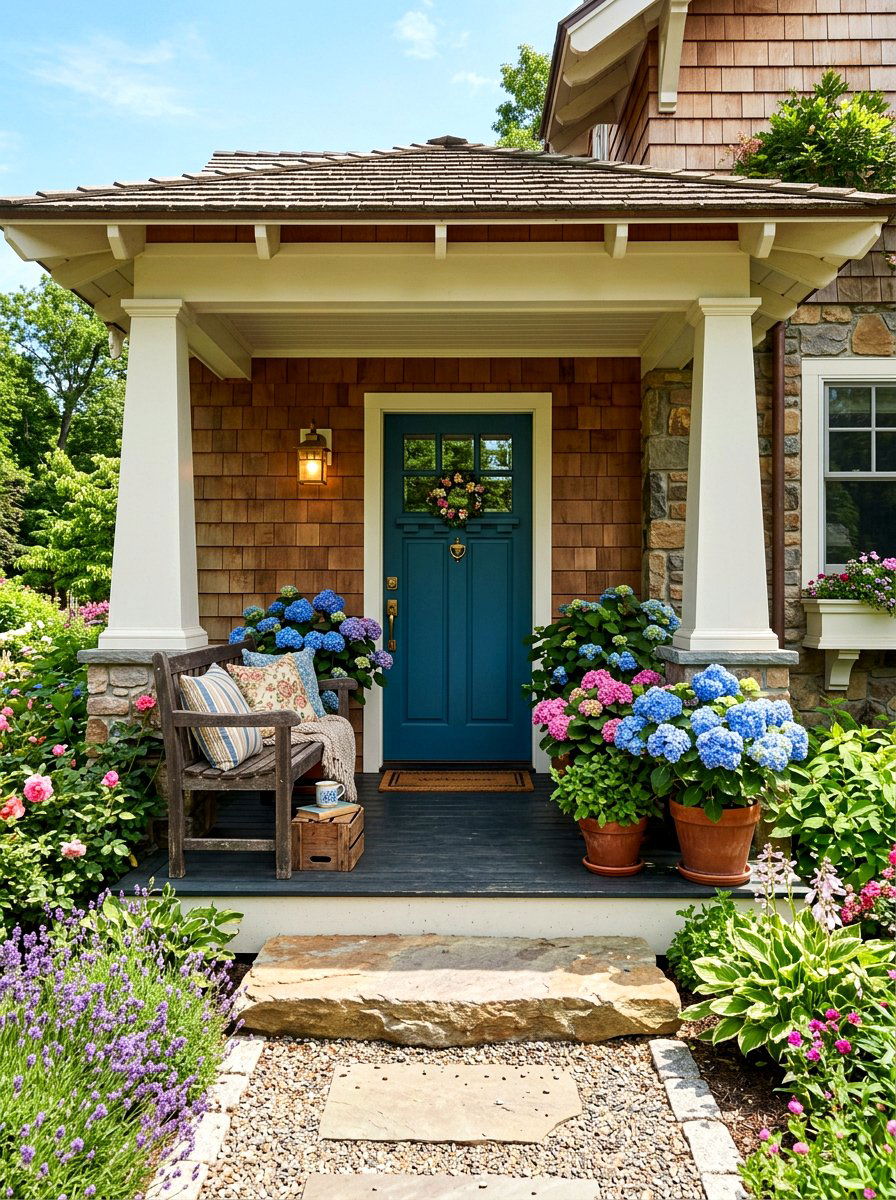
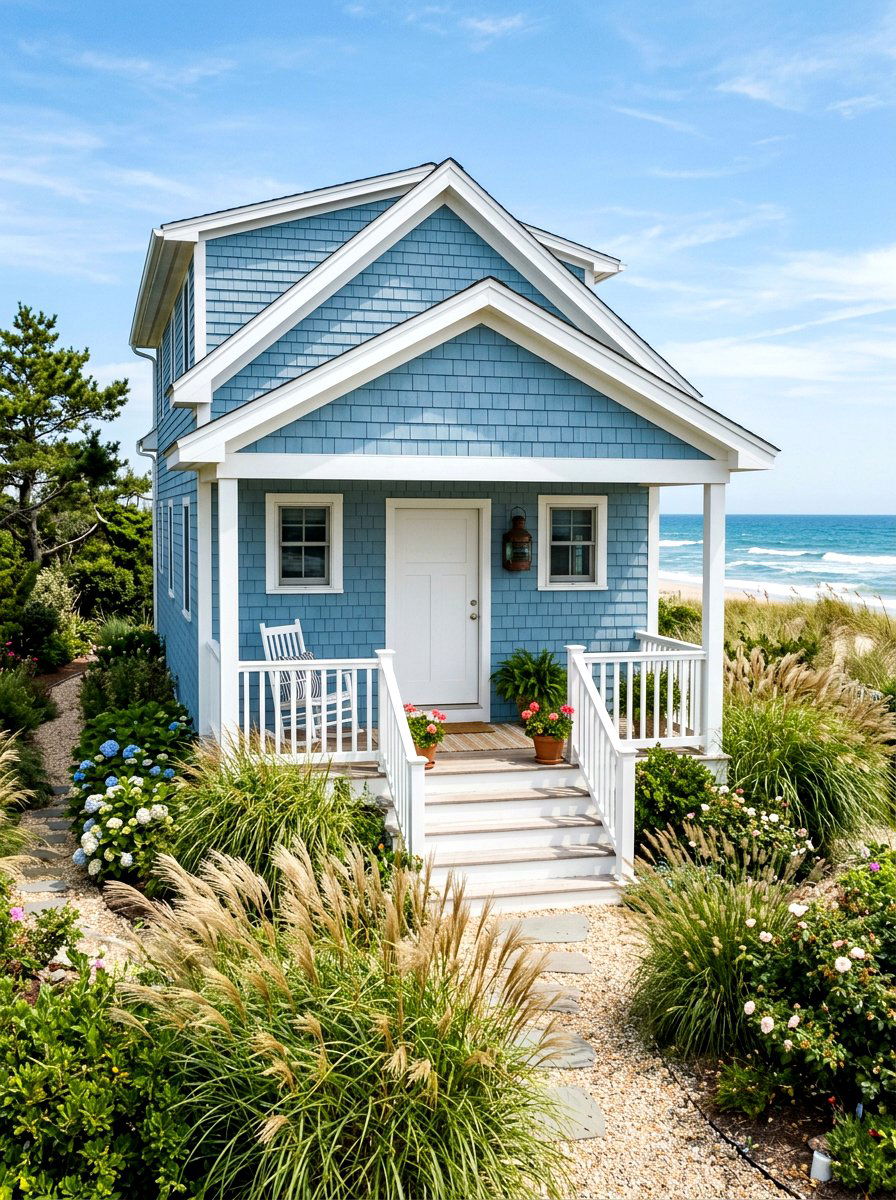
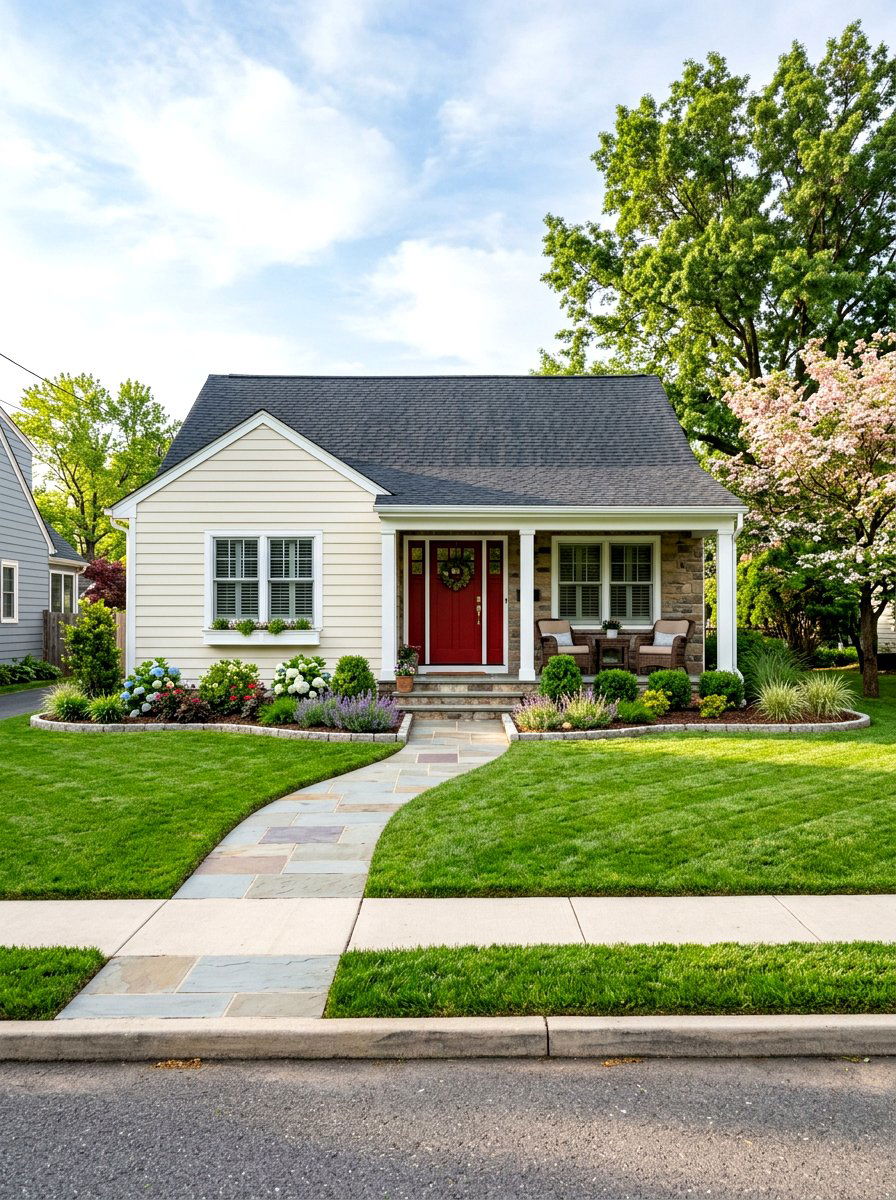
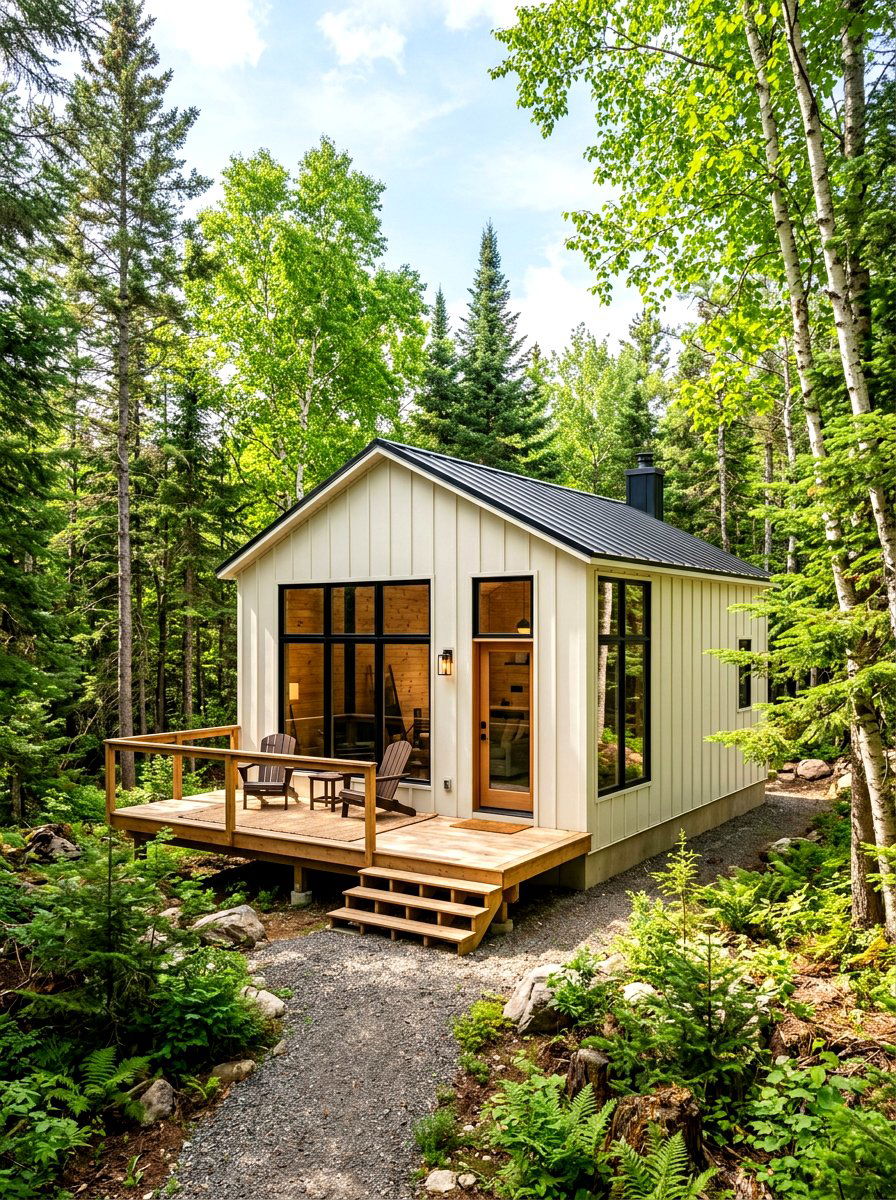
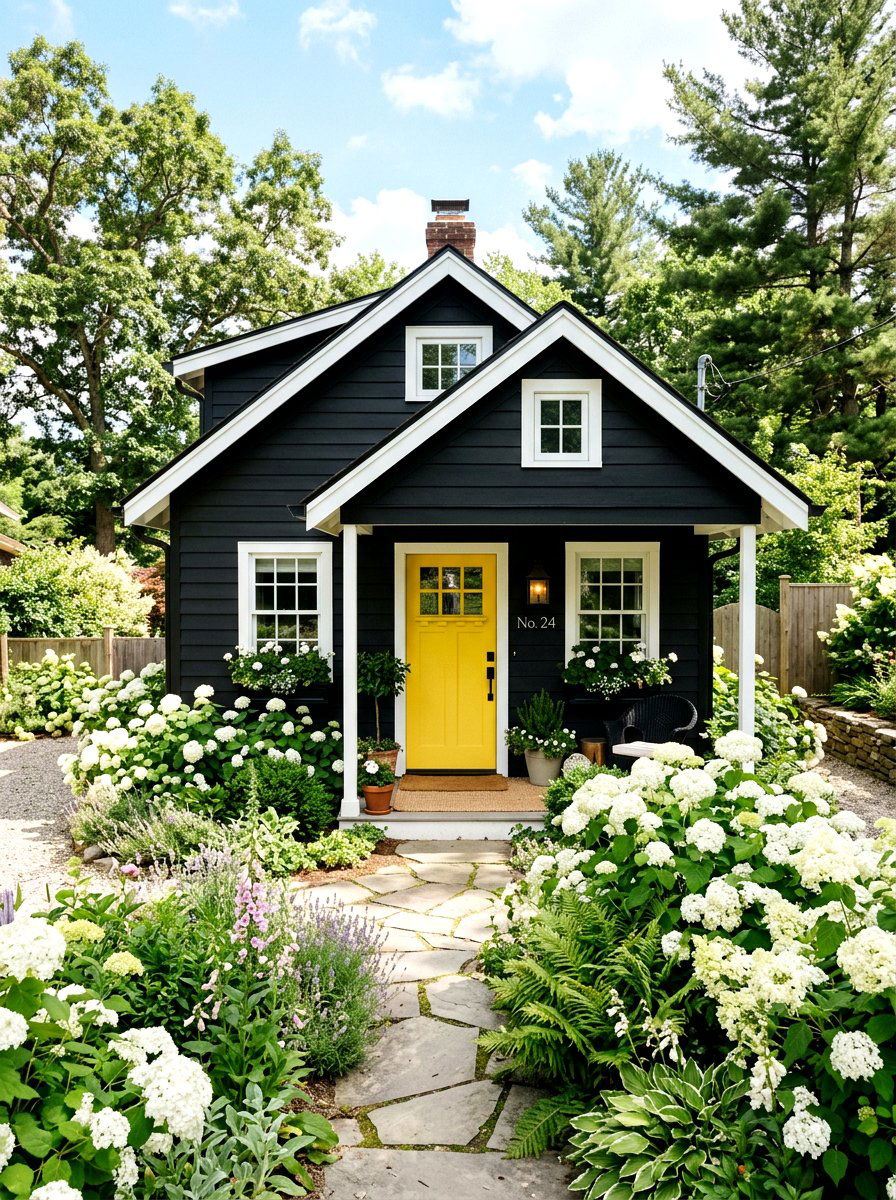
Even a small porch can pack a lot of Craftsman character if you use the right materials and proportions. Focus on including a single wide step and a solid wooden door with glass inserts to maximize impact. You can use compact tapered columns to support the roof without overwhelming the smaller facade. Adding a simple wooden bench or a few potted plants creates a cozy and functional outdoor space. This approach is ideal for urban bungalows or cottages where space might be limited. A well-designed small porch makes the home feel much more inviting and approachable. It serves as a perfect transition between the sidewalk and your private interior living space.
11. Dark Gray Siding
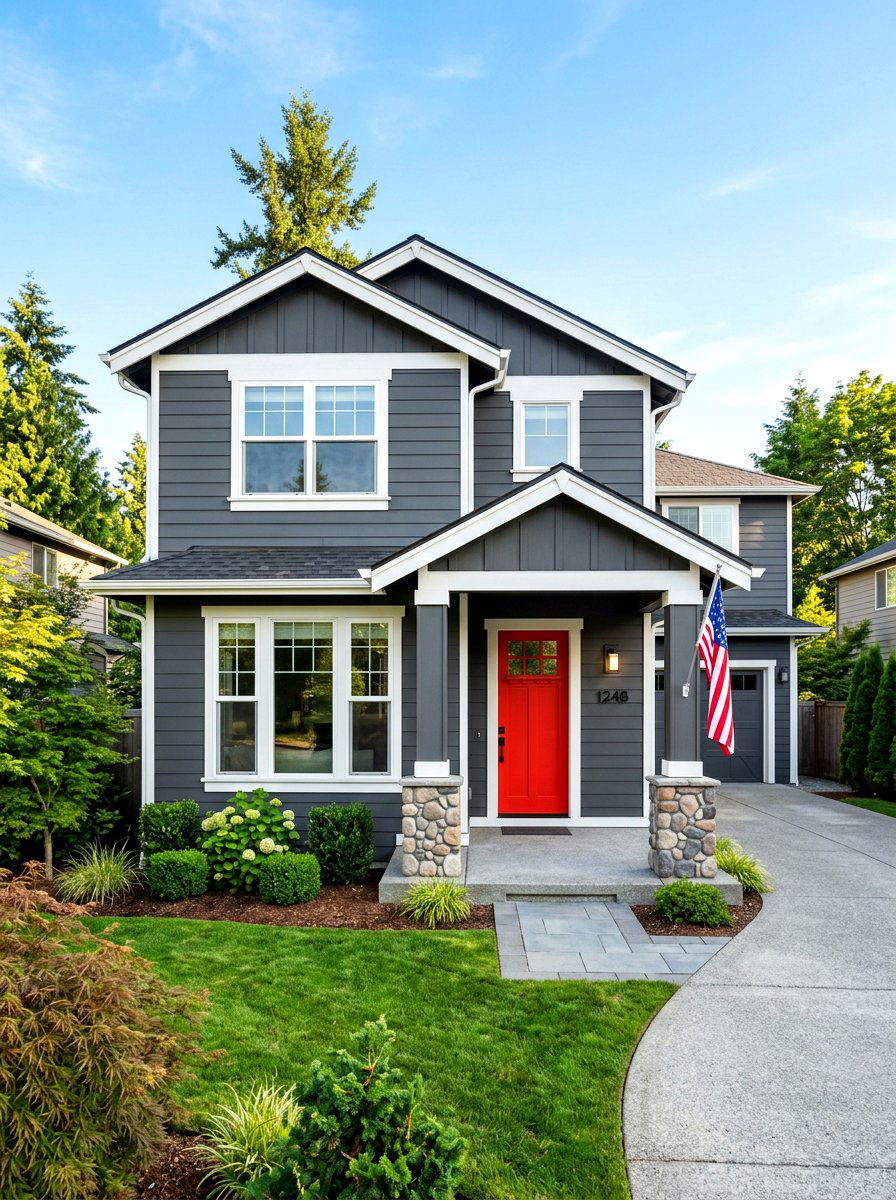
Dark gray siding offers a moody and sophisticated look that has become a major trend for luxury home exteriors. This color provides a neutral backdrop that allows white trim and stone accents to stand out vividly. It looks particularly striking when paired with a bright red or natural wood front door for a pop of color. The deep tones hide dirt well and give the home a solid, permanent feeling in any landscape. You can use different siding textures, like vertical boards or horizontal planks, to add variety. This color works well in both coastal and wooded environments. It is a versatile choice that feels modern while respecting traditional Craftsman shapes.
12. Craftsman Style Shutters
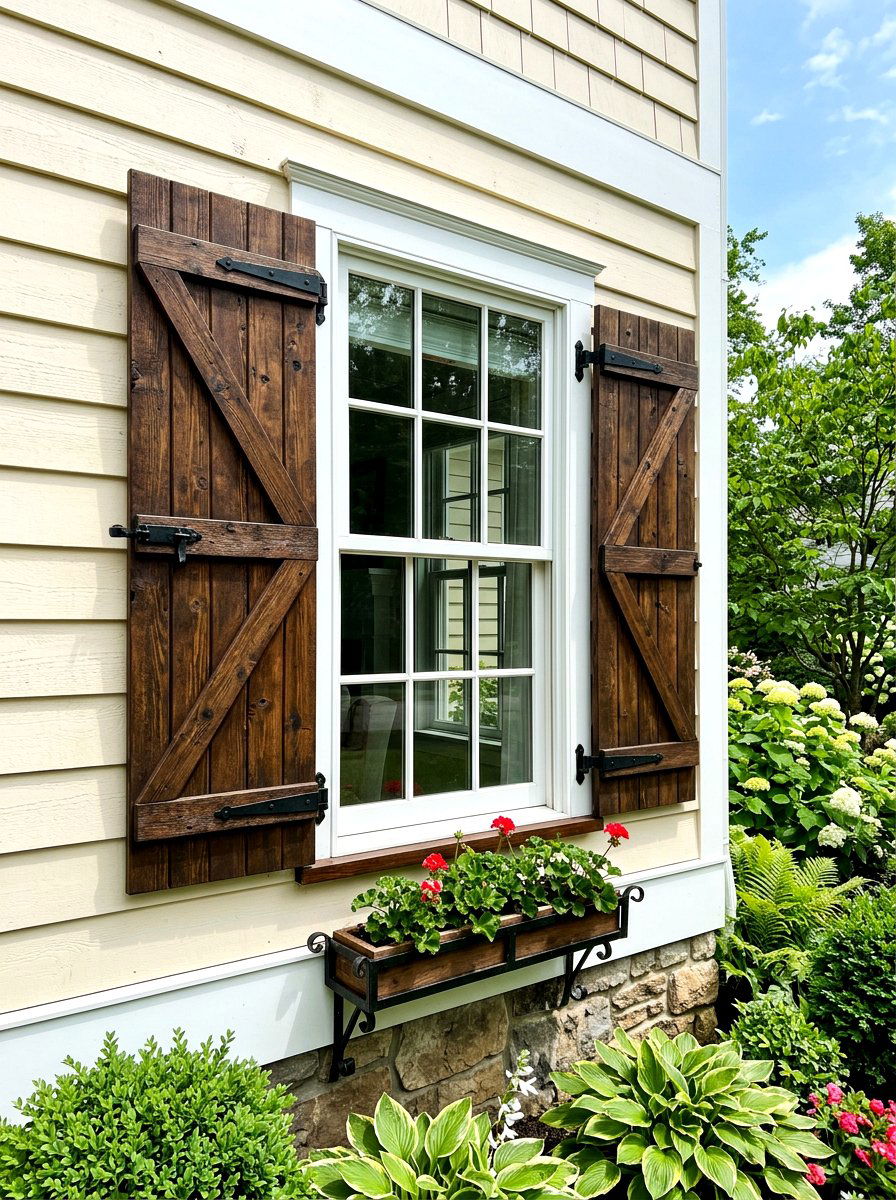
Board and batten shutters are the perfect addition to windows on a Craftsman home to add a rustic touch. These shutters are made from vertical wooden planks held together by horizontal crossbeams, giving them a sturdy look. They provide a sense of old-world charm and craftsmanship that complements the overall theme of the house. You can choose a color that is a few shades darker than your siding for a subtle, tiered effect. These decorative elements help to fill empty wall space and make windows feel more grounded. They are a simple way to add character without performing a major renovation. Shutters enhance the cozy, cottage-like feel of the property.
13. Front Porch Swing
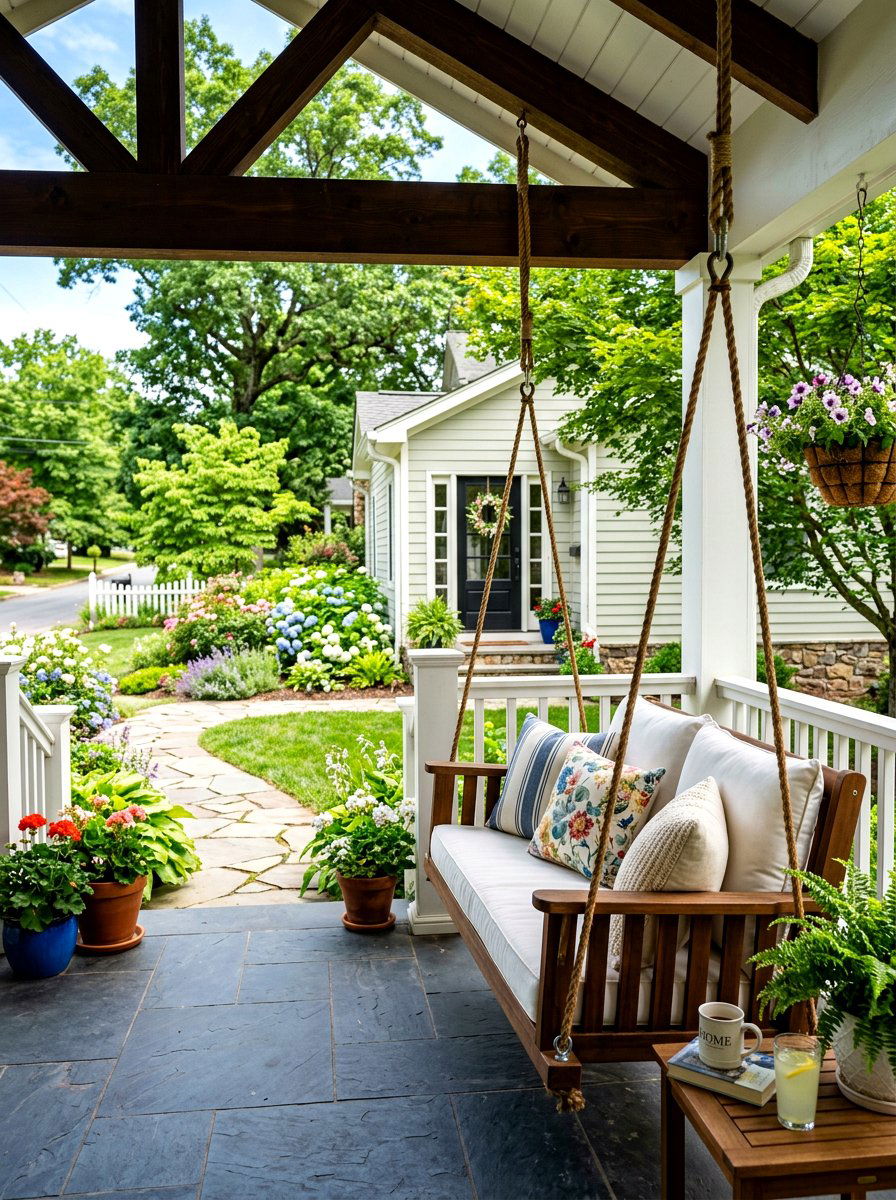
Adding a wooden porch swing is a classic way to make your Craftsman exterior feel like a welcoming family home. These swings are often built with clean lines and slatted backs to match the architectural style of the house. Hanging a swing from the heavy porch rafters provides a perfect place to relax and enjoy the outdoors. You can add comfortable cushions in earthy tones to coordinate with the home's paint colors. This feature encourages a slower pace of life and enhances the neighborly vibe of the front yard. It serves as a charming focal point that emphasizes the importance of outdoor living spaces. A swing makes any porch feel complete.
14. Stone Pillar Base
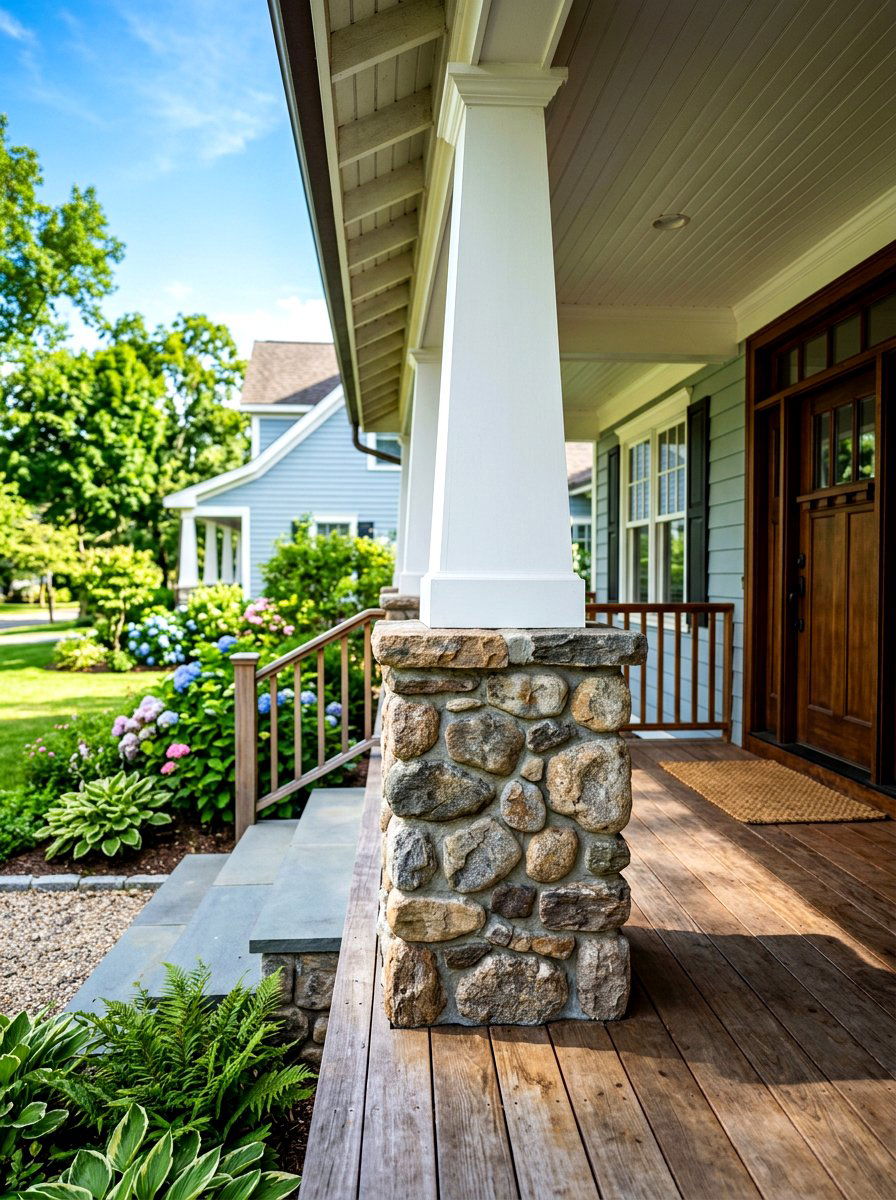
Using heavy stone bases for porch pillars is a fundamental design choice that adds a sense of weight and history. These pedestals are often built from fieldstone or thick granite to provide a rugged, natural texture. They create a visual anchor for the home and connect the structure directly to the surrounding land. The contrast between the rough stone and the smooth wooden column above is visually pleasing and architecturally sound. This detail is very durable and requires little maintenance over the many years of the home's life. It prevents the wood from touching the ground, which helps protect against rot. Stone bases are a hallmark of authentic Craftsman quality.
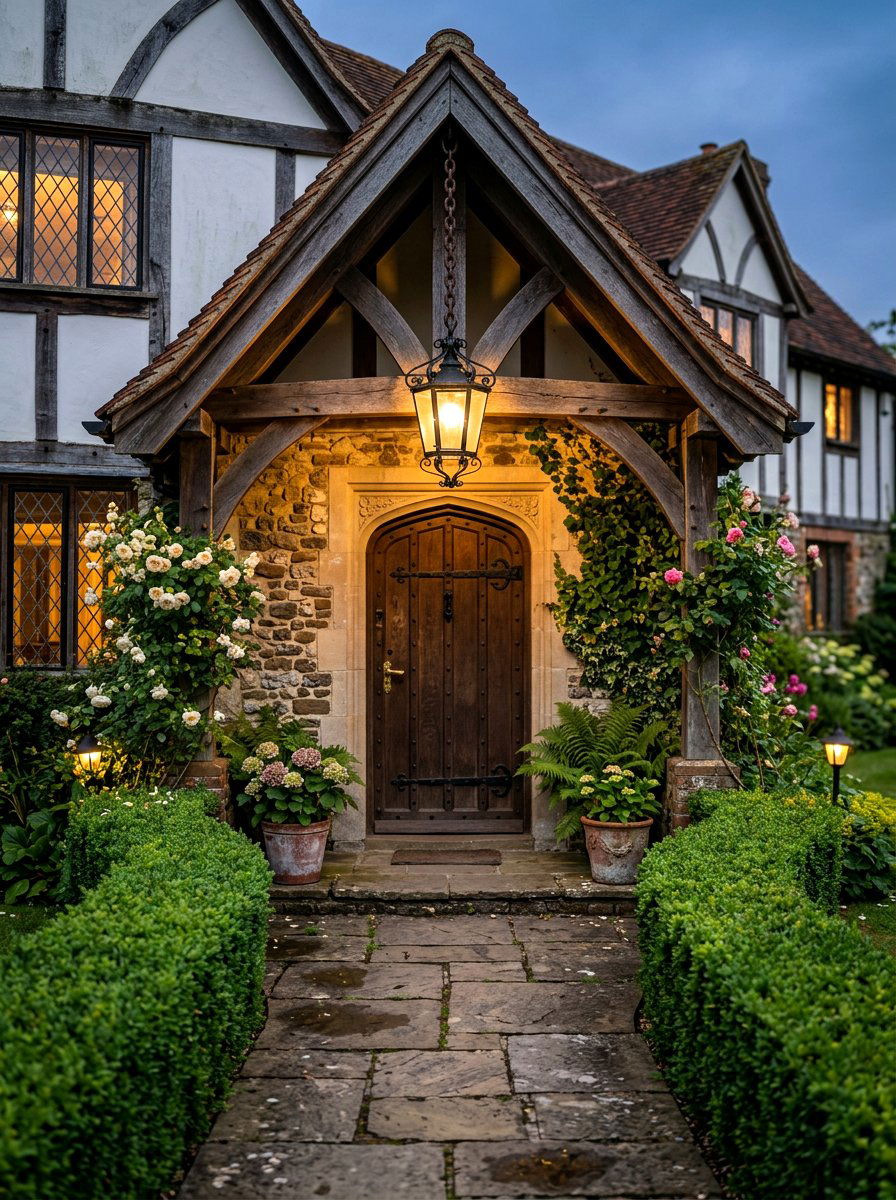
15. Earth Tone Palette
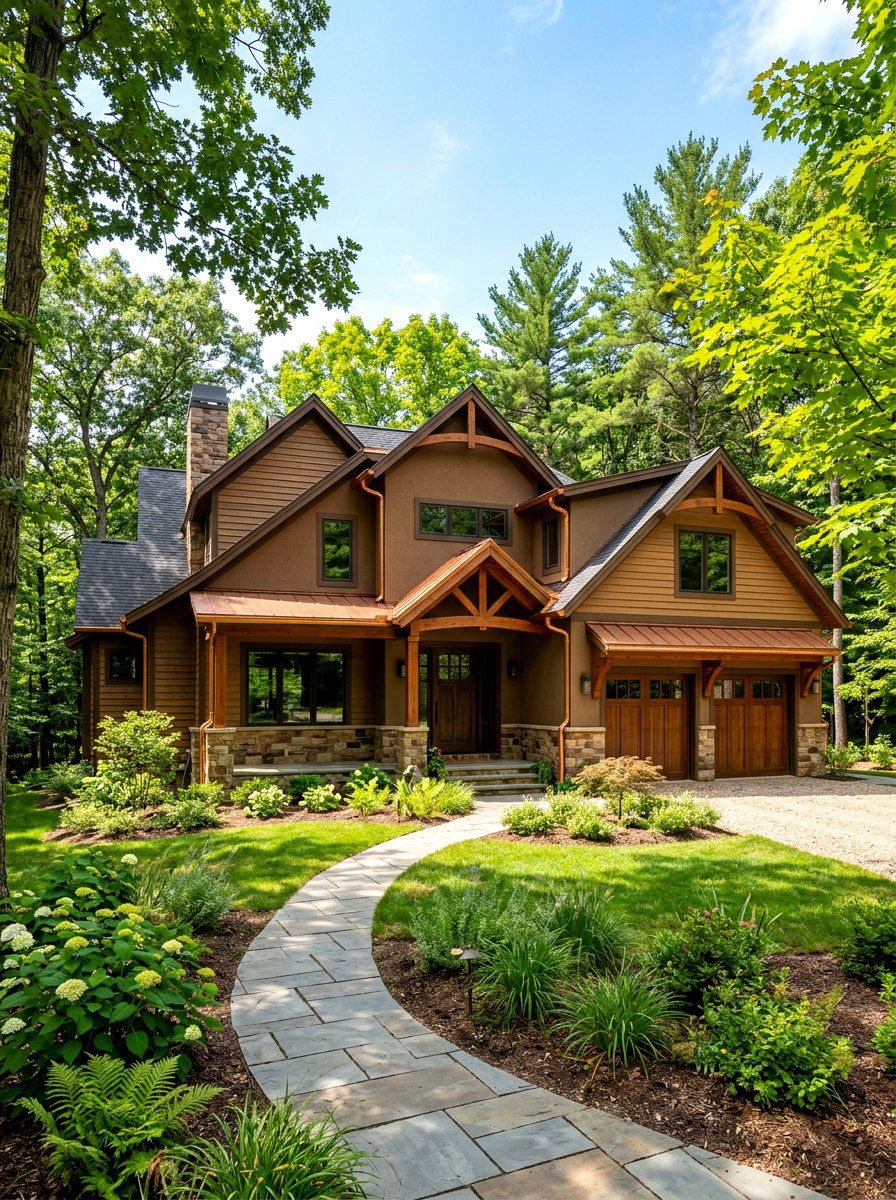
An earth tone palette focuses on colors like warm browns, deep tans, and muted terracottas to create a natural look. These colors are inspired by the landscape and help the home sit quietly and beautifully in its environment. Using multiple shades of brown can highlight different architectural levels, such as the gables and the main walls. This color scheme feels incredibly grounded and timeless, ensuring the house never looks dated or out of place. It pairs perfectly with natural wood doors and copper accents for a rich, layered appearance. Homeowners who want a cozy and organic feel often choose these warm, inviting shades. It creates a very harmonious exterior.
16. Craftsman Garage Doors
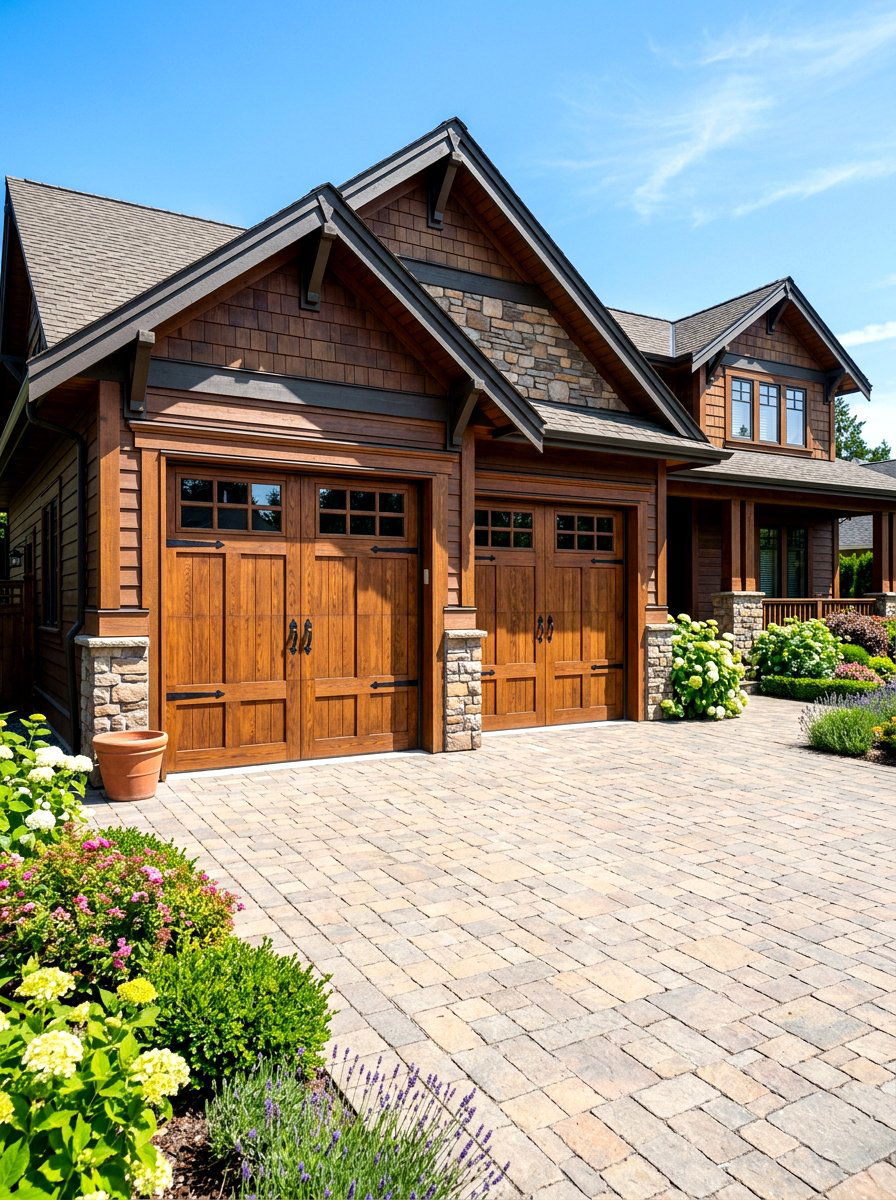
Garage doors in this style often feature "carriage house" details, such as decorative hinges and small window panes at the top. These windows often mimic the design of the front door to create a cohesive look across the entire facade. Using stained wood or high-quality painted steel that looks like wood adds a premium feel to the driveway. These doors turn a functional necessity into a major design feature that enhances the home's beauty. The vertical panels and cross-bracing add a sense of handcrafted quality to the garage area. Choosing a color that matches the trim helps the large doors blend into the overall architecture. This detail improves curb appeal significantly.
17. Brick And Siding Mix
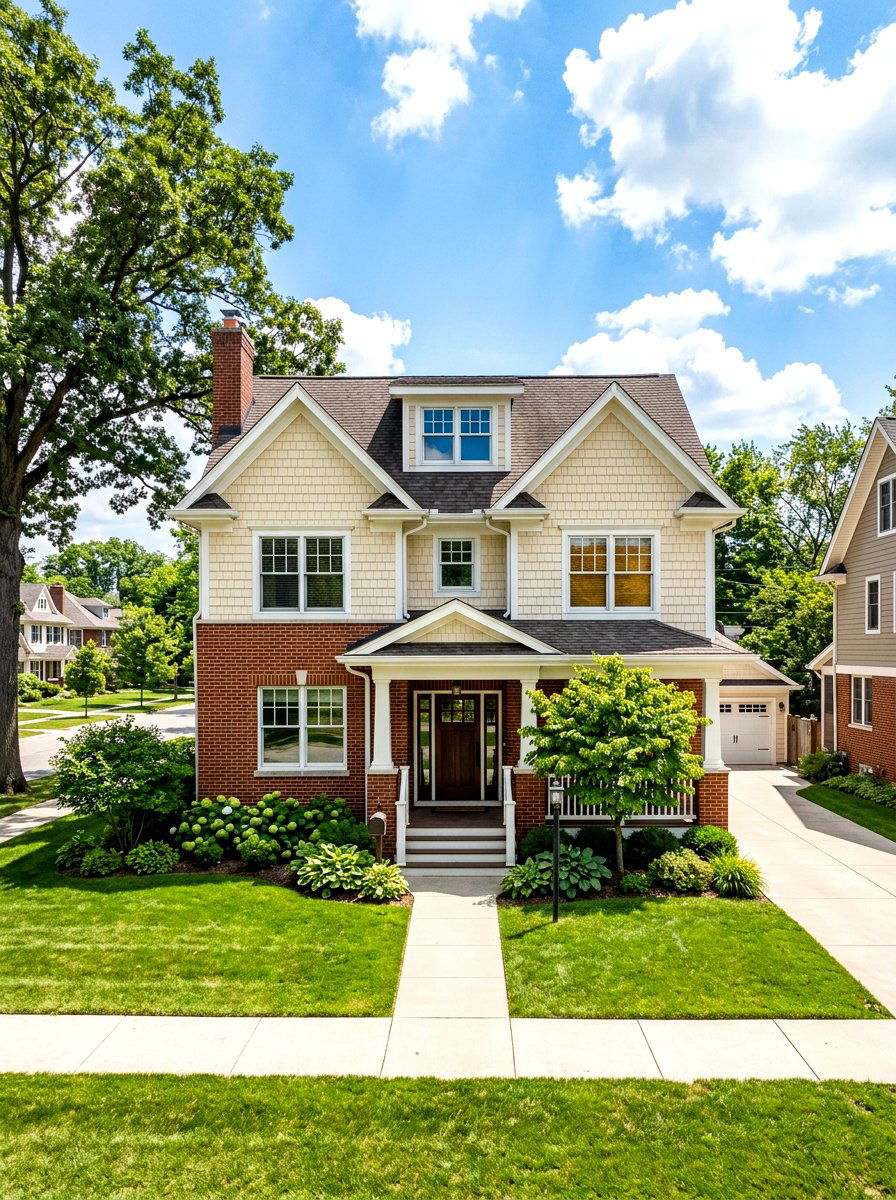
Combining brick on the lower level with siding on the upper gables creates a textured and visually interesting exterior. This mix of materials was very common in original Craftsman homes to provide variety and architectural depth. The brick adds a sense of permanence and strength, while the siding allows for a softer color application. You can use a neutral mortar color to keep the brick looking clean and modern against the painted boards. This design choice breaks up large wall surfaces and makes the house appear more custom and high-end. It allows homeowners to play with different colors and textures in a single, balanced design. The result is a rich, layered look.
18. Decorative Gables Brackets
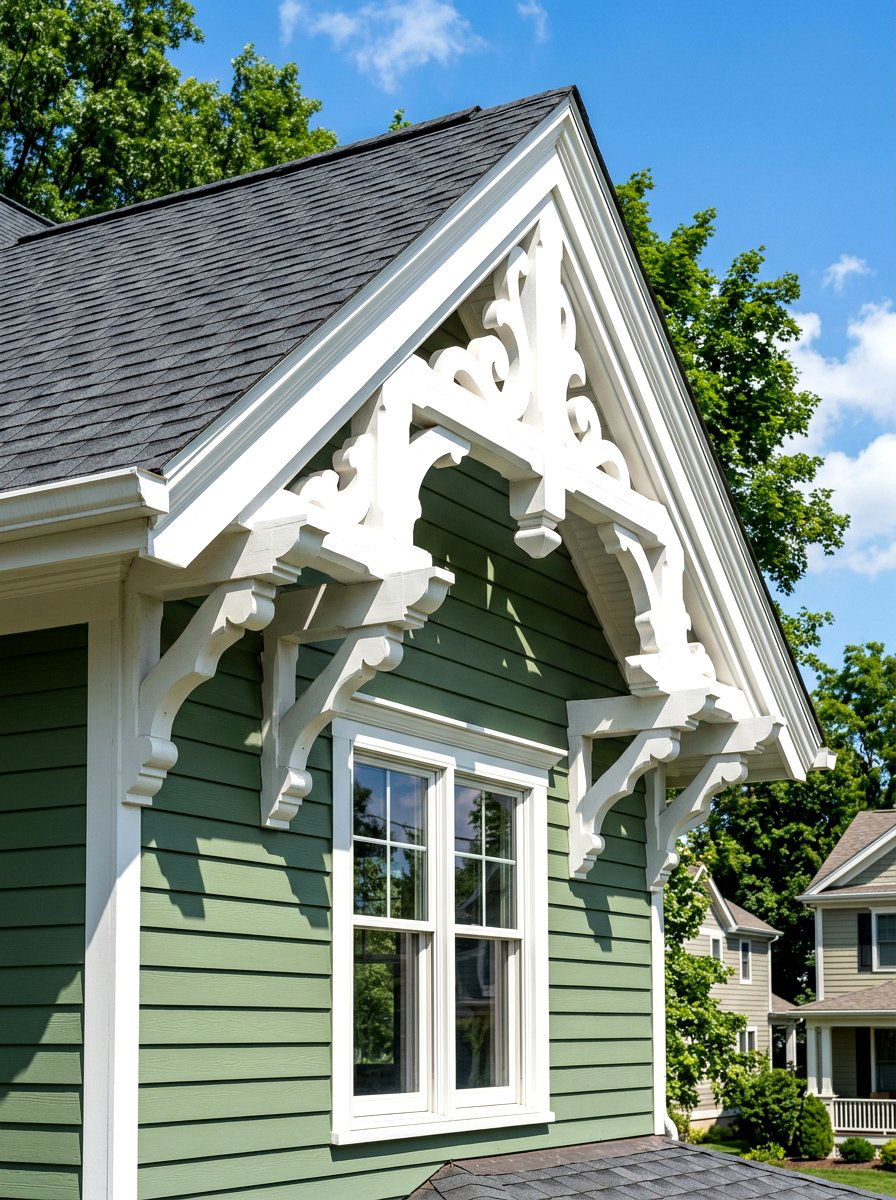
Decorative brackets, also known as corbels, are placed under the roof peaks to add architectural interest and support. These wooden accents are usually chunky and feature simple, geometric shapes that define the Craftsman aesthetic. They fill the empty space in the gables and provide a sense of detail that is visible from the street. You can paint them a contrasting color to the siding so they become a focal point of the roofline. These brackets are a small detail that makes a huge difference in the perceived quality of the home. They honor the tradition of visible joinery and structural decoration. This feature adds a finished, professional look to any gable.
19. White Trim Accents
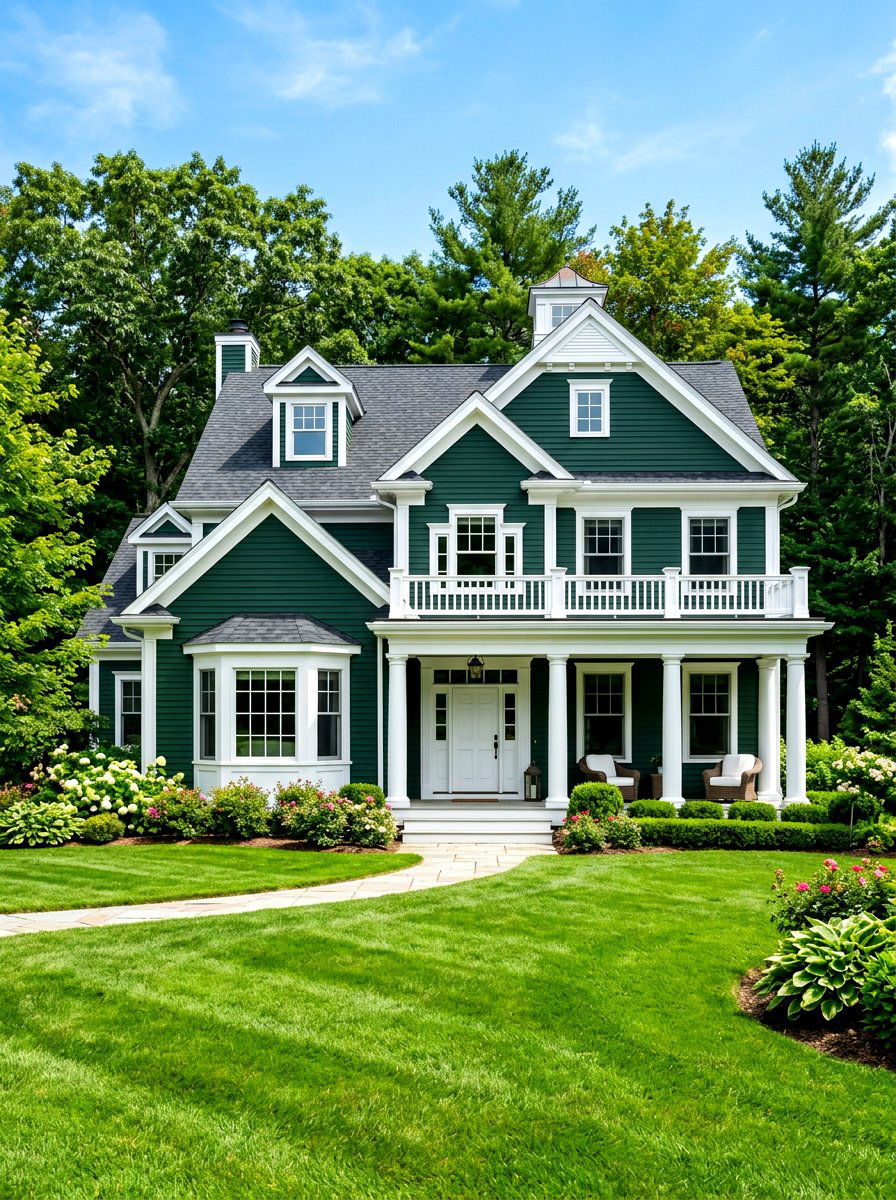
Using bright white trim against a darker siding color creates a crisp and clean look that defines the home's shape. The white paint highlights the windows, columns, and rooflines, making the entire house pop against the green lawn. It provides a classic and traditional feel that is very popular in suburban neighborhoods across the country. White trim helps to brighten up the overall appearance of the home, especially on cloudy days or in shaded areas. It coordinates well with almost any siding color, from deep navy to soft sage green. This high-contrast look is timeless and easy to maintain over the years. It gives the exterior a fresh, polished finish.
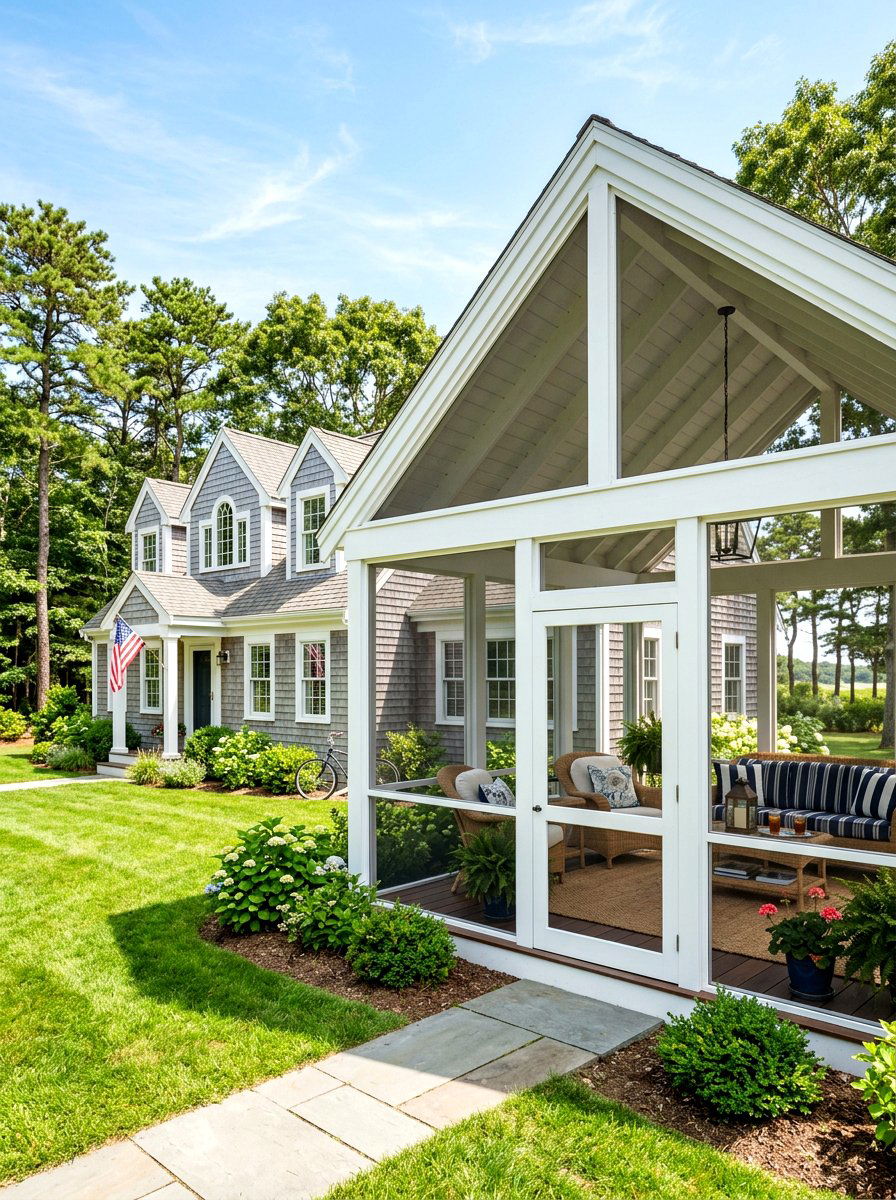
20. Shed Dormer Windows
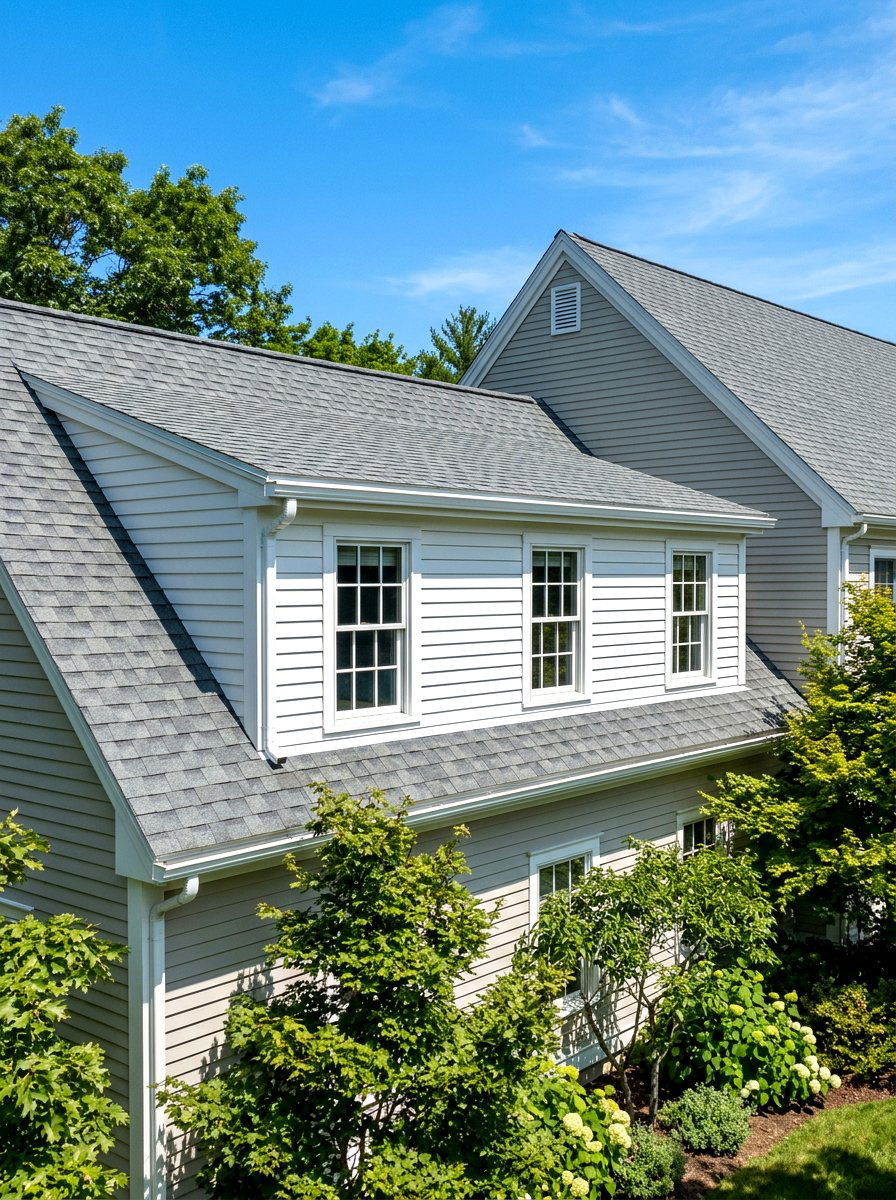
Shed dormers are long, horizontal windows that protrude from a sloping roof to add light and space to the upper floor. These dormers feature a single roof plane that slopes in the same direction as the main roof but at a shallower angle. They are a classic Craftsman feature that helps break up a large roof surface and adds visual height. Inside, they create cozy window nooks or extra head space in attic bedrooms or office spaces. From the outside, they add a sense of complexity and character to the home's silhouette. Using multi-pane windows in the dormer maintains the historic charm. This architectural element is both functional and very beautiful.
21. Natural Wood Accents
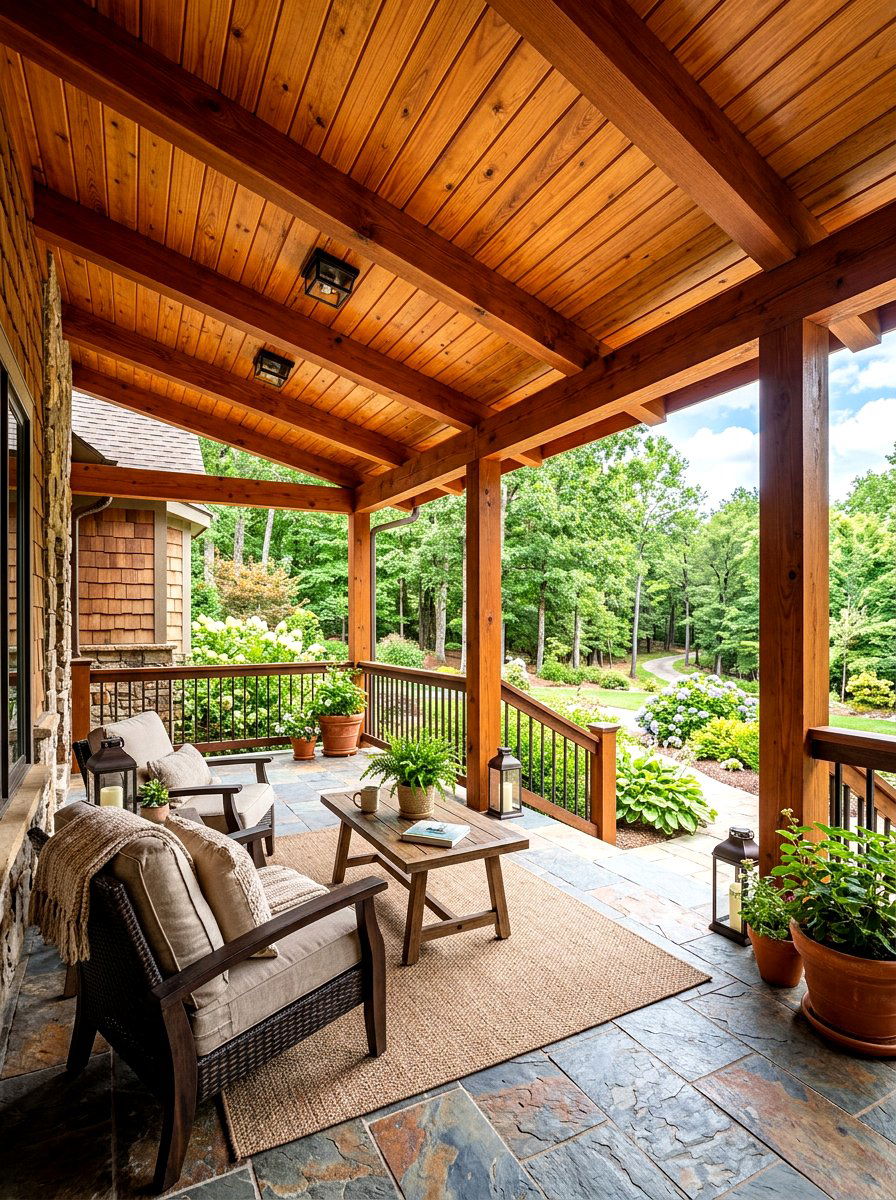
Incorporating natural wood elements, such as a stained ceiling on the porch or wood beams, adds warmth to the exterior. The visible grain of the wood provides an organic texture that paint simply cannot replicate. Using clear-coated cedar or redwood ensures these features stand out as high-quality, custom additions to the home. These accents work beautifully when paired with stone and metal for a balanced, mixed-material look. They create a luxury lodge or cottage feel that is very inviting for guests and residents alike. Natural wood requires a bit more maintenance, but the visual reward is well worth the extra effort. It brings a touch of nature directly to your front door.
22. Craftsman Style Lanterns
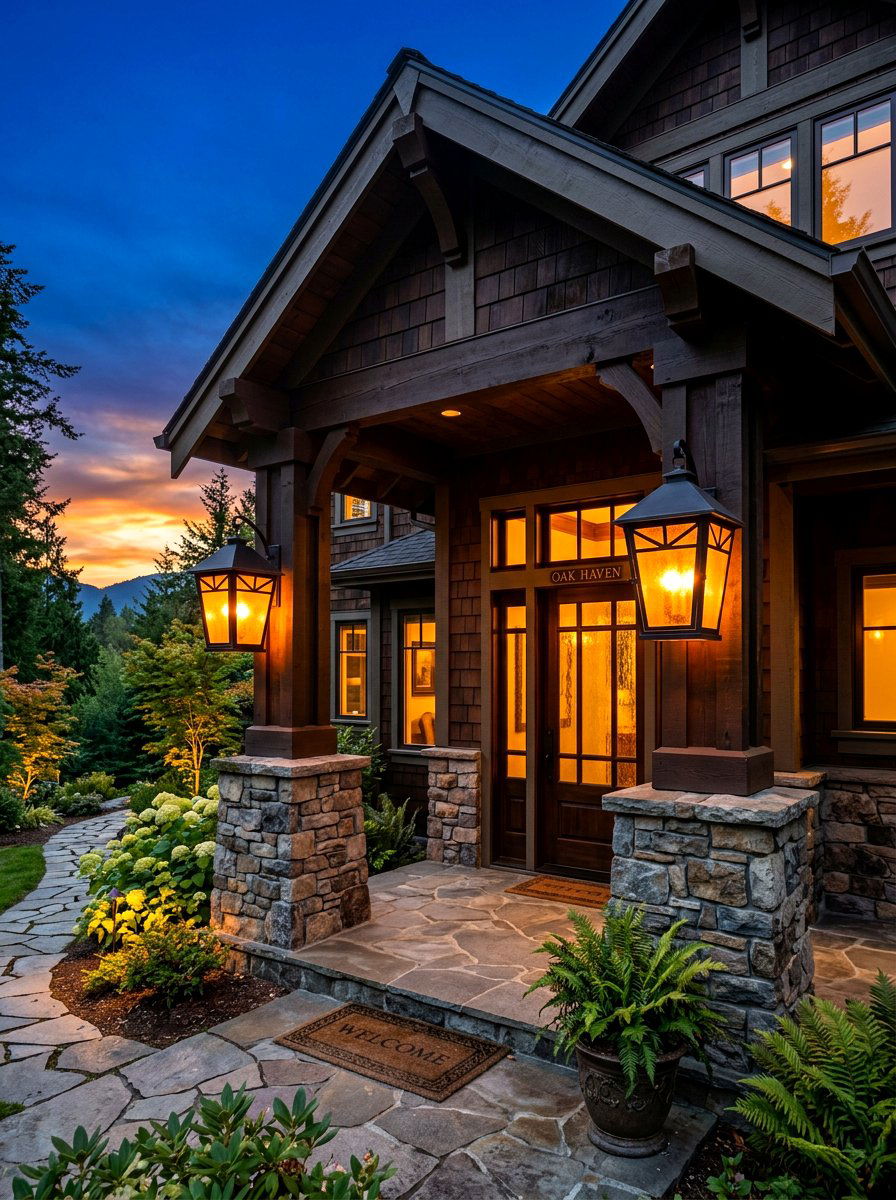
Exterior lighting should feature clean lines and geometric shapes, often made from dark metals like bronze or wrought iron. Craftsman lanterns often have square or rectangular frames with frosted or seeded glass to diffuse the light softly. Placing these lanterns on either side of the front door or on porch pillars provides a warm, welcoming glow. This specific style of lighting complements the heavy wood and stone materials used throughout the exterior. The fixtures act as jewelry for the home, adding a final touch of detail and historical accuracy. Proper lighting ensures the house looks just as beautiful at night as it does during the day. It enhances safety and charm.
23. Navy Blue Exterior
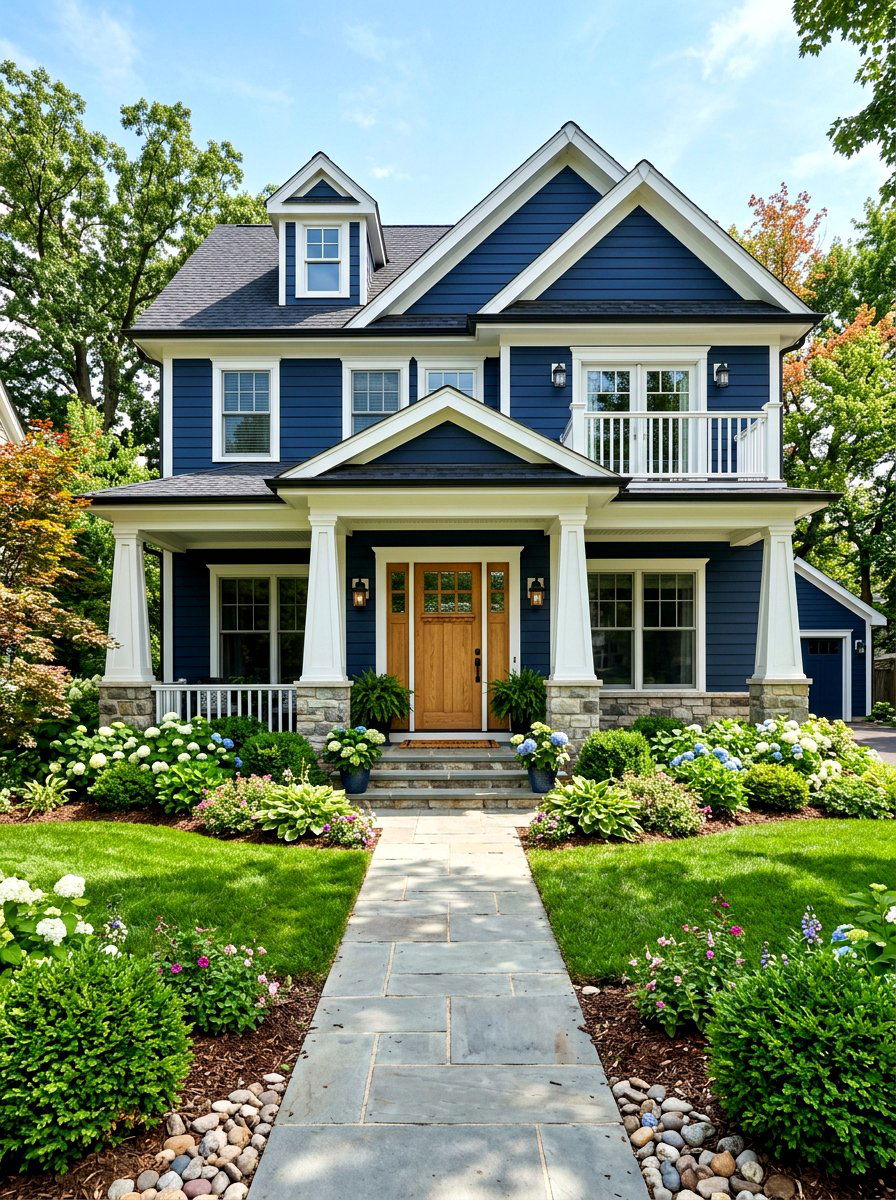
Navy blue is a sophisticated and bold choice that gives a Craftsman home a very regal and modern appearance. This deep color looks stunning when paired with natural stone and bright white or cream-colored trim. It provides a strong contrast that makes the architectural details, like the eaves and columns, stand out clearly. Navy blue is a versatile color that works well in coastal, urban, or woodland settings. It feels grounded and solid, which perfectly aligns with the sturdy nature of this architectural style. You can use a natural wood door to add warmth to the cool blue tones of the siding. This combination is a favorite for high-end curb appeal.
24. Wrap Around Porch
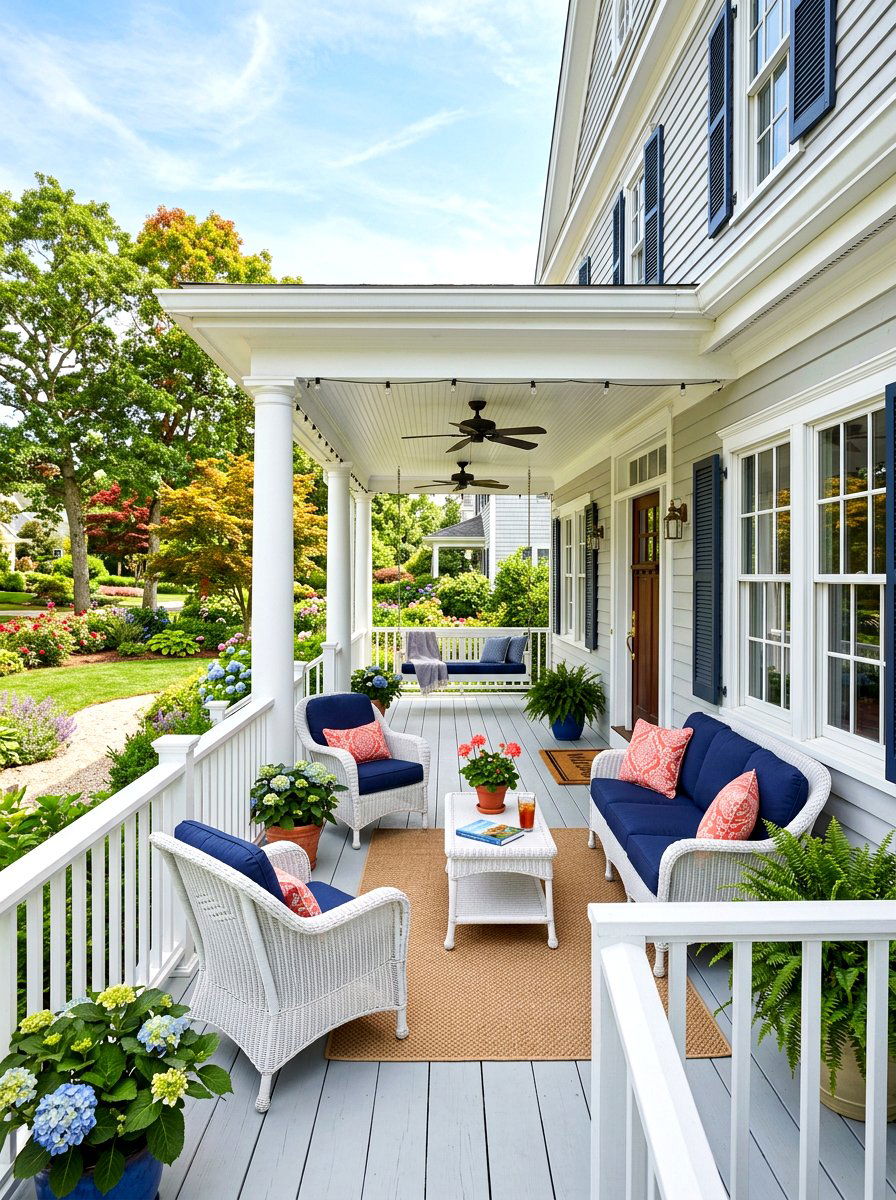
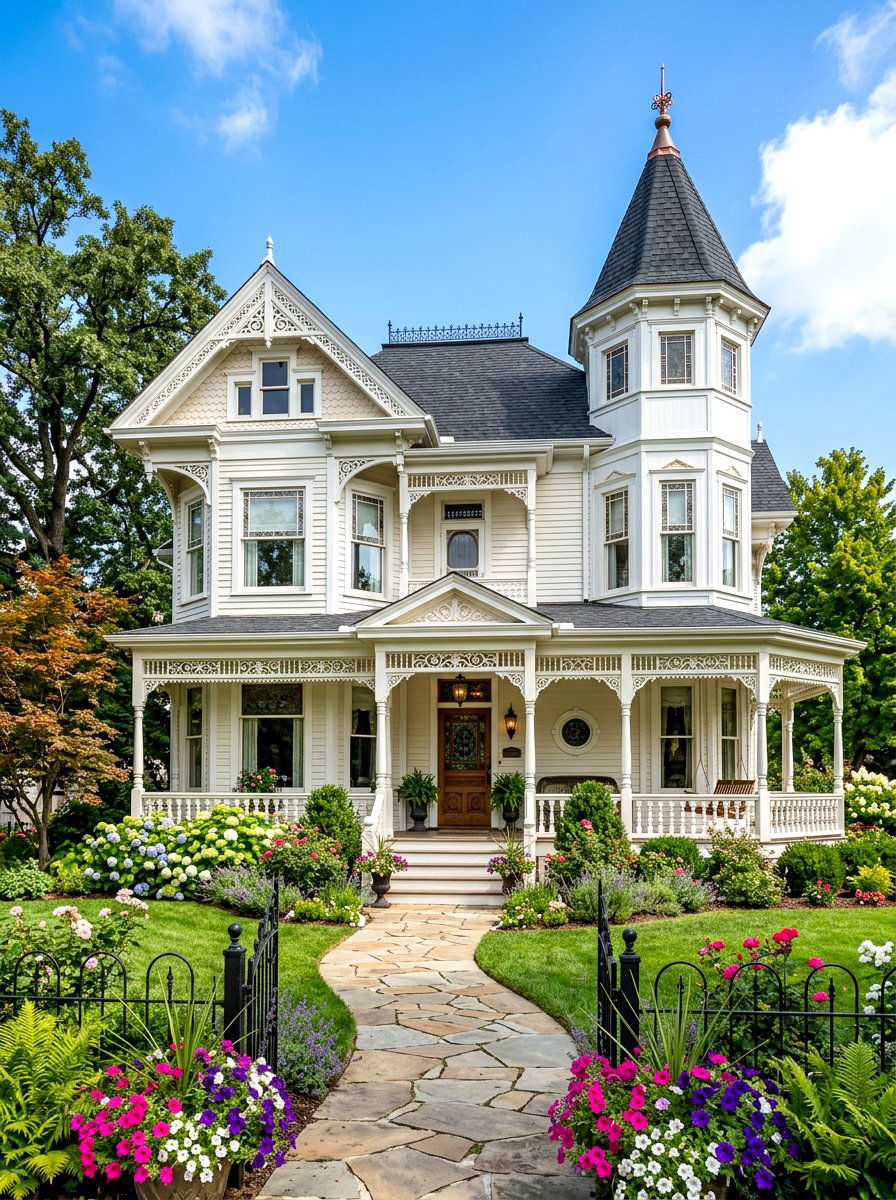
A wrap-around porch is the ultimate luxury for a Craftsman home, providing ample space for outdoor living and relaxation. This feature extends the porch from the front of the house around to one or both sides. It creates a deep shadow line that adds architectural depth and interest to the entire structure. You can set up multiple seating areas, such as a dining space and a lounge area with a swing. This large porch encourages spending time outdoors and connecting with the neighborhood. It also helps to keep the interior of the home cooler by shading the windows from direct sunlight. A wrap-around porch is a dream feature for many homeowners.
25. Craftsman Entryway Landscaping
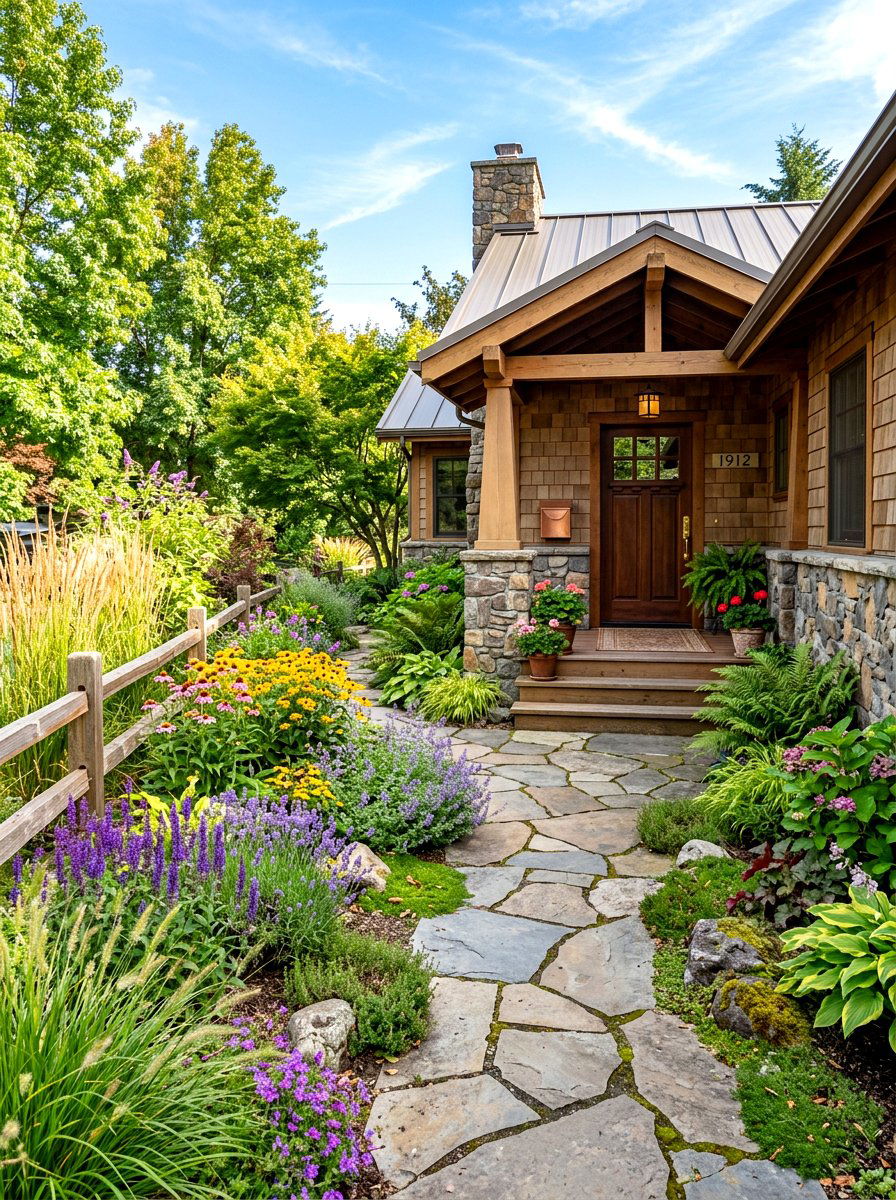
The landscape surrounding a Craftsman home should feel natural and slightly informal to match the organic architecture. Use a mix of native plants, ornamental grasses, and flowering shrubs to create a lush and layered garden look. Incorporating stone pathways and wooden garden beds ties the yard directly to the materials used on the house. Avoid overly manicured or symmetrical hedges, as they can feel too stiff for this relaxed and earthy style. Adding a few large boulders or a small water feature can enhance the sense of a forest retreat. This approach ensures the home feels perfectly integrated into its environment. Good landscaping completes the overall vision of the Craftsman lifestyle.
26. Board And Batten Siding
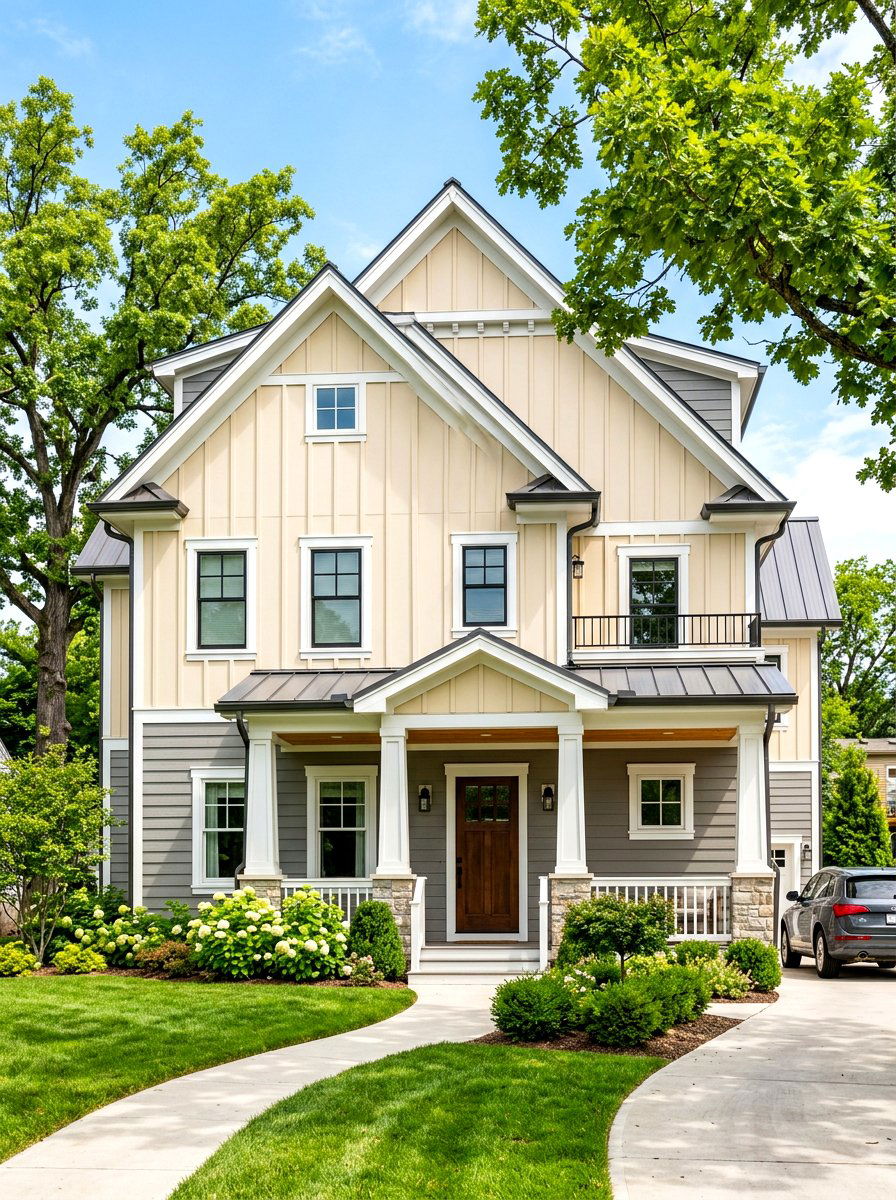
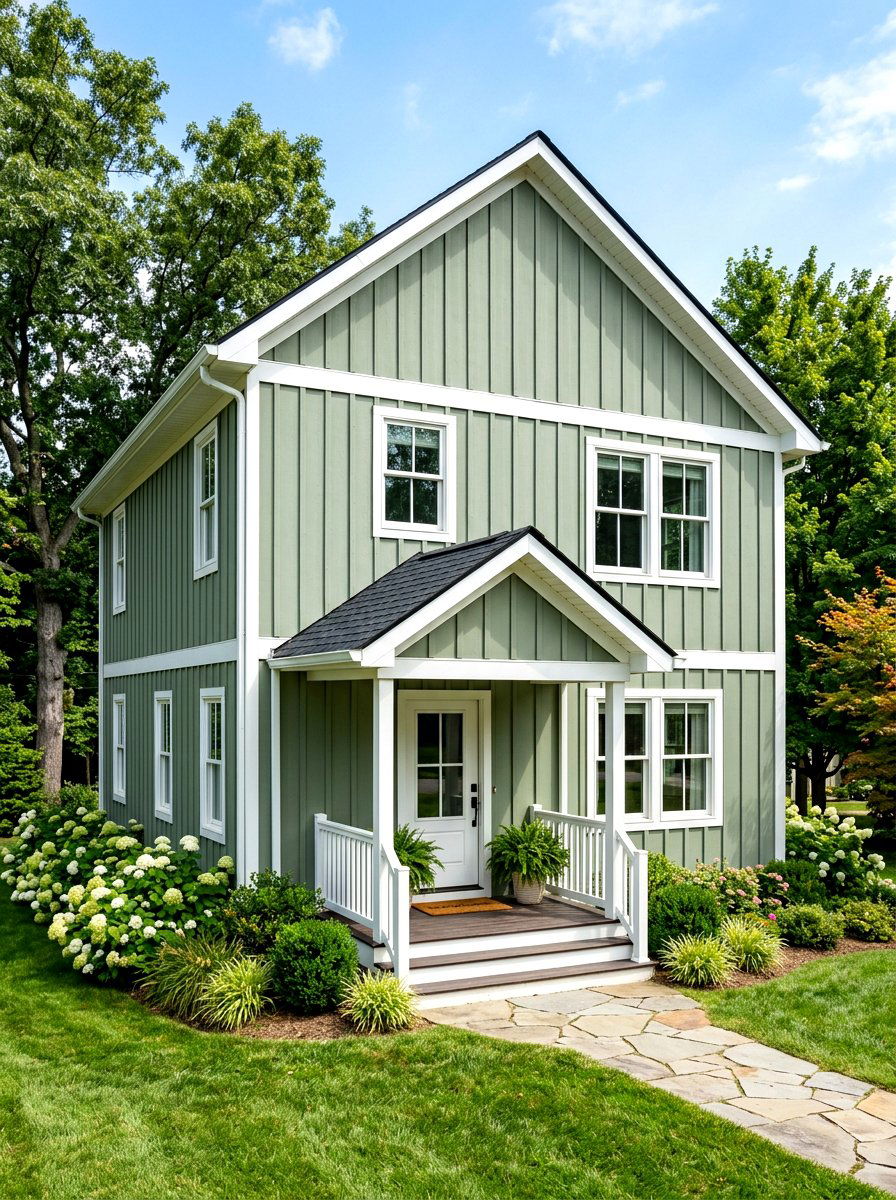
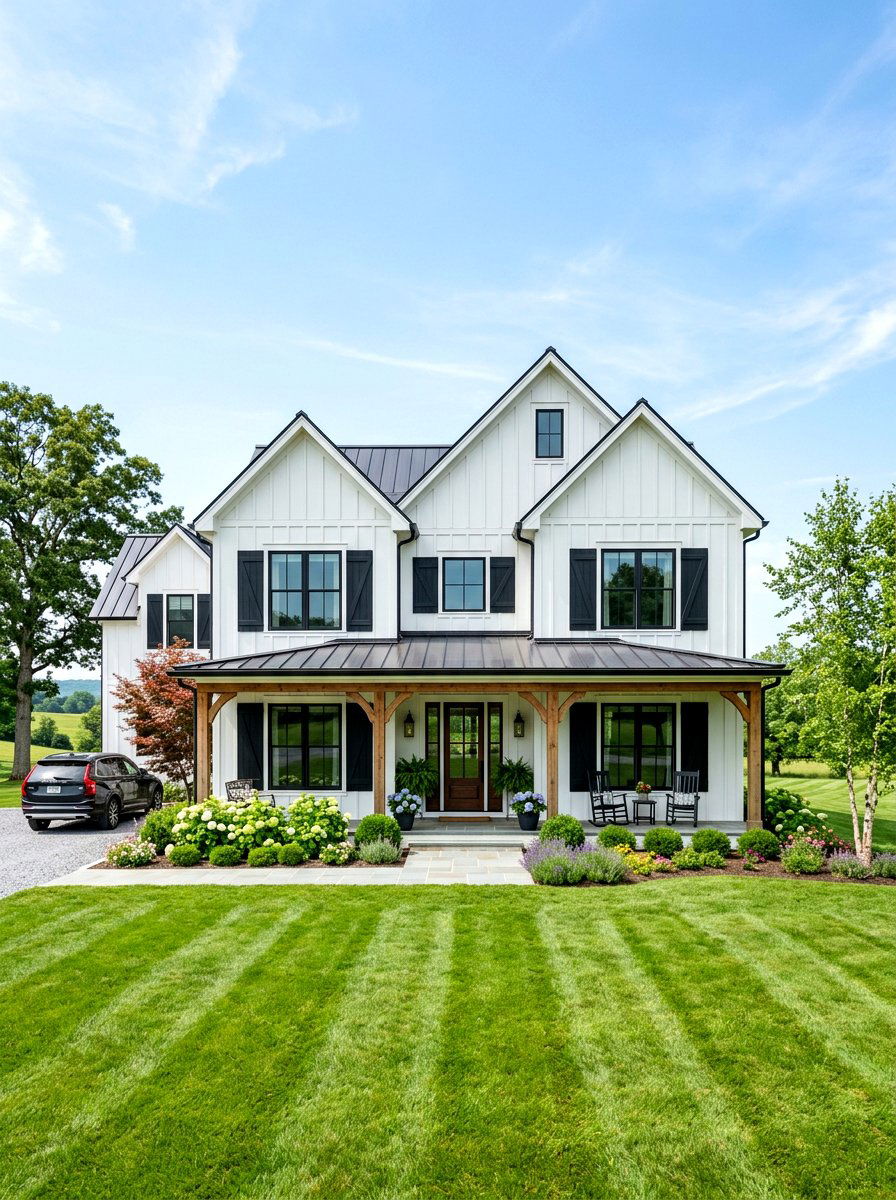
Board and batten siding consists of wide vertical planks with thin strips covering the seams for a textured look. This style adds verticality to the home, making it appear taller and more substantial from the curb. It is often used in the gables or on the entire second story to provide a contrast with horizontal lap siding. This material has a rustic, farmhouse-inspired feel that blends seamlessly with the Craftsman aesthetic. You can paint it in a neutral tone like cream or light gray for a soft and welcoming appearance. The shadow lines created by the battens add a unique architectural rhythm to the walls. It is a durable and stylish choice.
27. Stained Wood Door
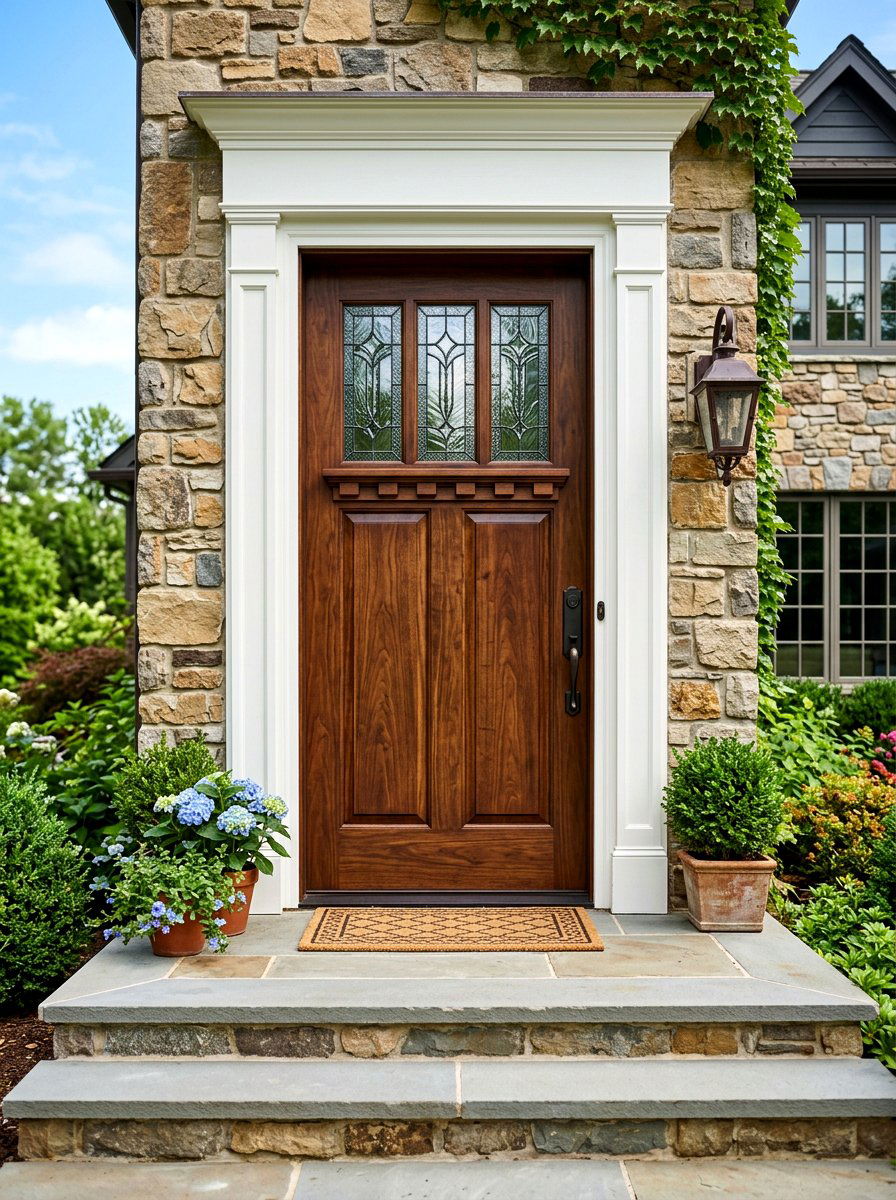
A heavy, stained wood door is often the focal point of a Craftsman entryway and sets the tone for the entire home. These doors are usually made from solid oak, cherry, or mahogany to showcase the natural beauty of the wood grain. They often feature a "dentil" shelf, which is a small decorative ledge with tooth-like blocks underneath. Incorporating a few panes of leaded or stained glass allows light into the home while adding artistic flair. A rich stain color, like walnut or chestnut, provides a warm and expensive look that paint cannot match. This door serves as a high-quality handshake between the home and every visitor who arrives.
28. Multi Pane Windows
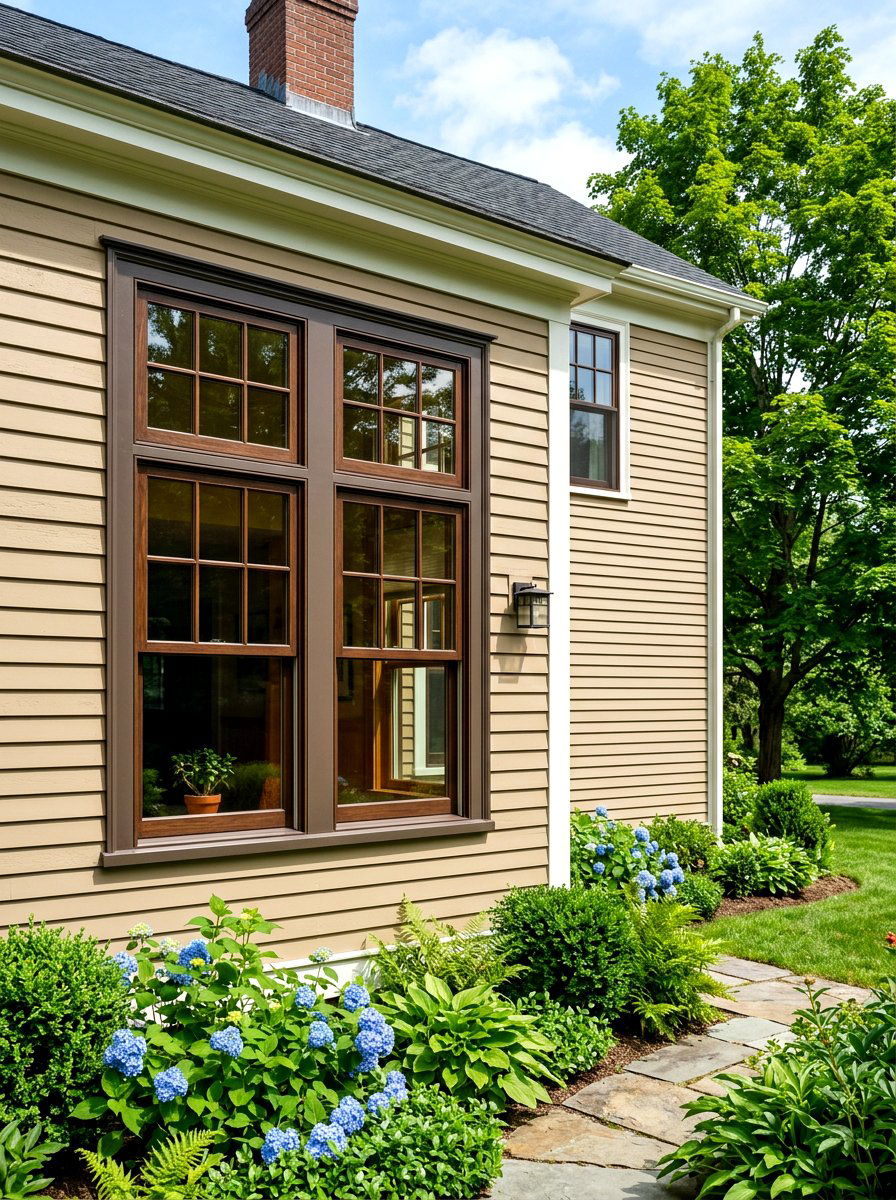
Windows in this style typically feature a "six-over-one" or "four-over-one" pattern, where the top sash has multiple small panes. These divided light windows add a sense of history and fine detail to the home 's exterior facade. They prevent the glass from looking like a large, flat void and instead add character and visual texture. Using black or dark brown frames for these windows can provide a modern and updated look. This window design is a core element of the original Arts and Crafts movement' s focus on handcrafted quality. They look beautiful both from the street and from inside the rooms. Multi-pane windows are essential for an authentic and cohesive Craftsman look.
29. Craftsman Porch Railing
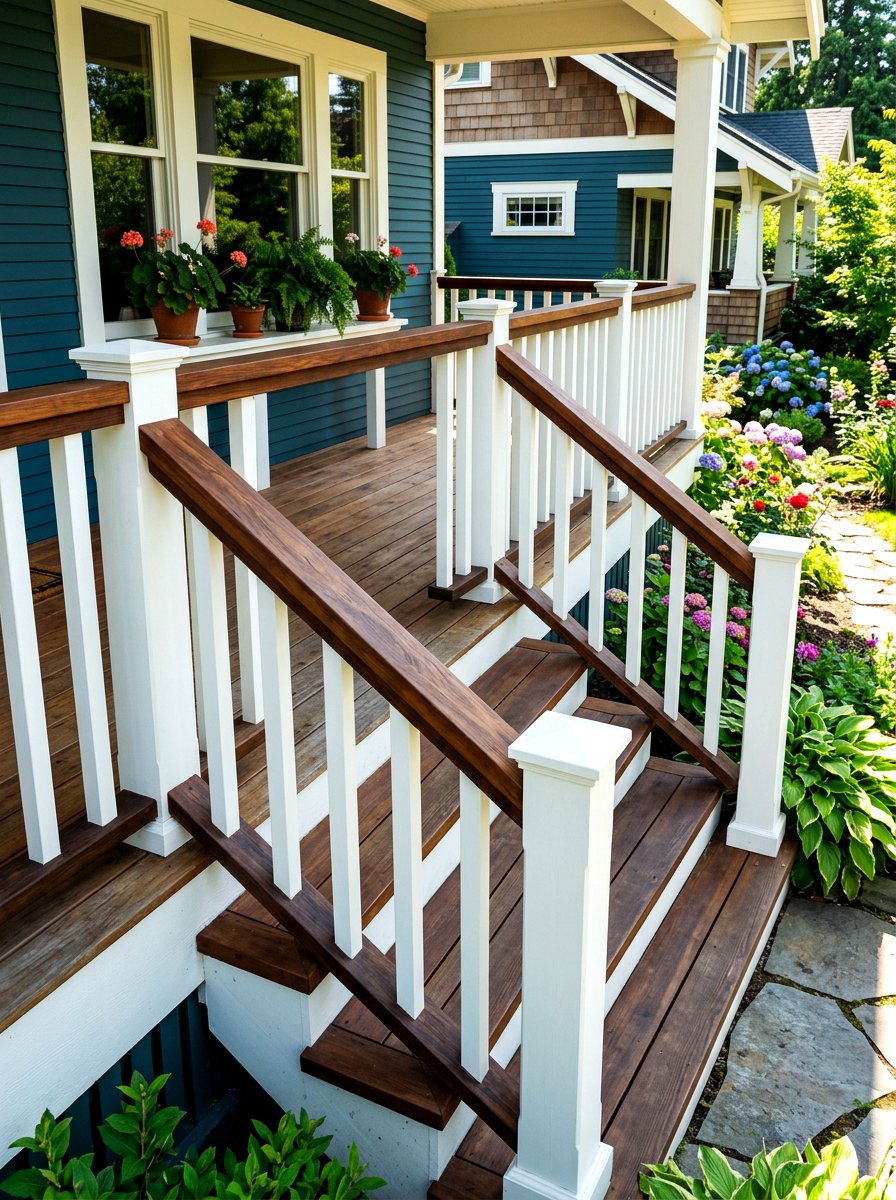
The railing on a Craftsman porch should be sturdy and simple, usually featuring square wooden balusters. These railings provide safety while reinforcing the clean, straight lines of the overall architectural design. You can paint the railing to match the trim or leave it stained to coordinate with a natural wood front door. This detail encloses the porch and creates a defined outdoor room that feels private and secure. Using a wide top rail provides a convenient place to set down a drink or a small potted plant. The solid construction of the railing reflects the durability and quality inherent in this style of home. It is a functional and aesthetic necessity.
30. Two Tone Siding
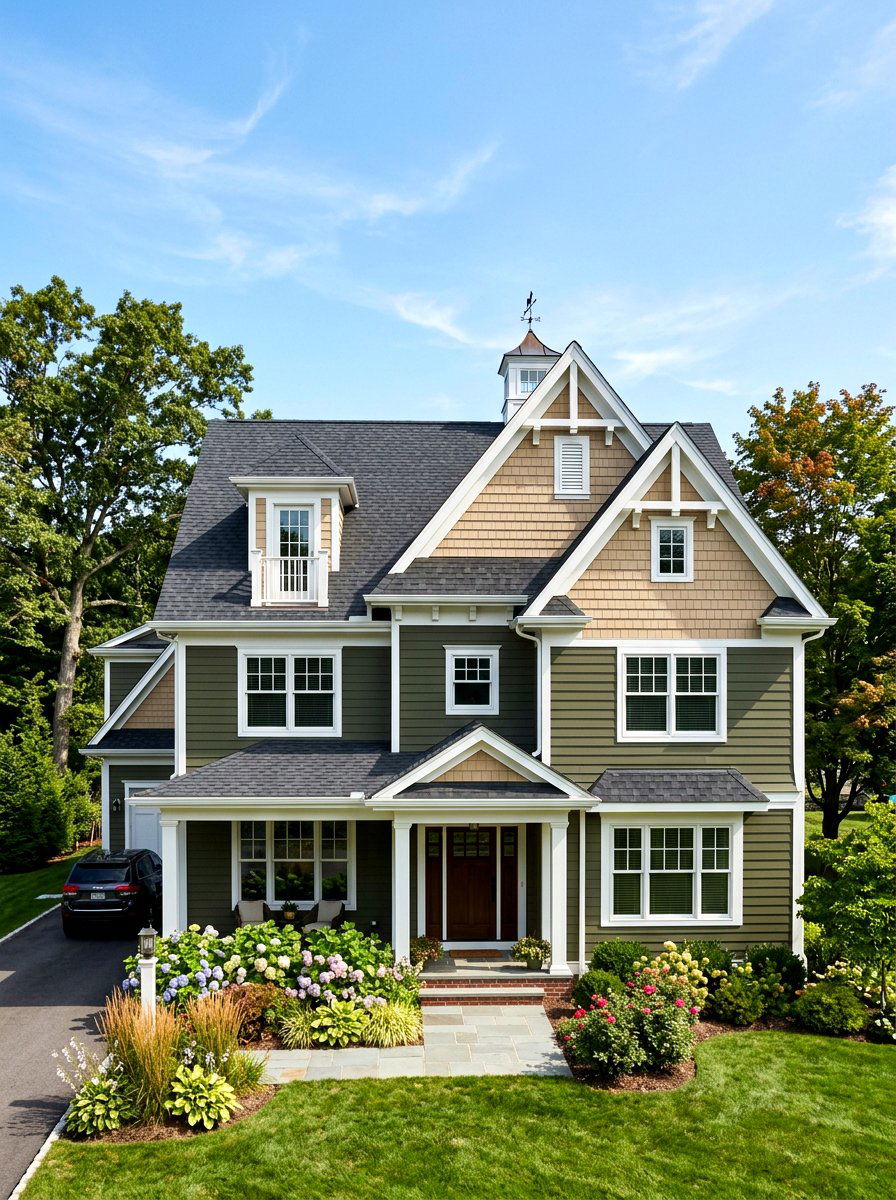
Using two different colors for the siding can help to define the various levels and architectural sections of the home. For example, you might use a darker color on the main floor and a lighter shade in the gables above. This technique adds visual interest and prevents a large house from looking too monotonous or overwhelming. It highlights the unique shapes of the roofline and the transitions between different building materials. You can choose colors that are close in shade for a subtle look or high-contrast colors for a bolder statement. This approach allows for a customized and professional appearance that really stands out. It brings a sophisticated sense of design.
Conclusion:
The Craftsman style continues to be a top choice for homeowners who value quality, natural beauty, and a welcoming atmosphere. By incorporating these thirty ideas, you can create an exterior that feels both historic and perfectly suited for modern living. From the sturdy tapered columns to the rich textures of cedar shingles and stone foundations, every detail matters. These homes are designed to age gracefully and provide a sense of permanence in any neighborhood. Choosing a thoughtful color palette and high-quality materials ensures your home remains a source of pride for many years. We hope these concepts inspire you to build a beautiful and timeless sanctuary.

Related posts: