Transforming your outdoor landscape often begins with the simple yet profound addition of a well-defined path. Gravel walkways offer an incredibly versatile and cost-effective solution for homeowners looking to enhance their curb appeal or create a serene backyard retreat. These pathways do more than just connect two points; they provide texture, sound, and a sense of movement through your garden. Whether you prefer the crunch of fine pea gravel underfoot or the sleek look of modern crushed stone, the options are truly endless. By selecting the right materials and edging, you can perfectly align your outdoor space with your home’s architectural style. Exploring various layouts will help you discover how a simple stone path can redefine your entire exterior atmosphere while remaining low-maintenance and beautiful.

1. Pea Gravel Walkway
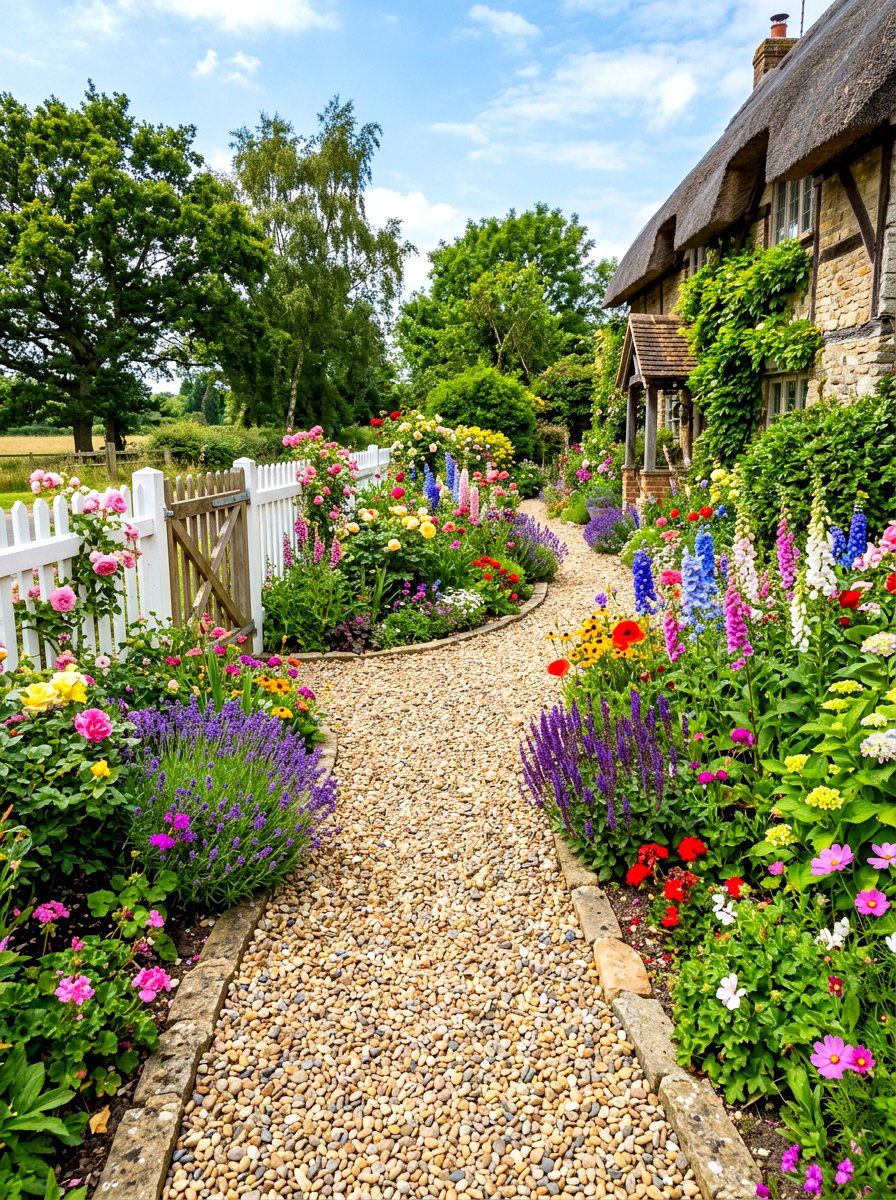
Pea gravel remains a quintessential choice for homeowners who want a soft, rounded texture that feels comfortable underfoot. These small, multi-colored stones provide a classic look that fits perfectly in traditional gardens or alongside cozy cottage exteriors. Because the stones are naturally smoothed by water, they lack the sharp edges found in crushed stone, making them safer for pets and children. To keep this material from wandering into your lawn, you should always install a sturdy border or edging. The sound of shifting pea gravel creates a wonderful auditory experience that alerts you to guests arriving. It is also highly permeable, ensuring that rainwater drains quickly and prevents puddles from forming in your yard.
2. Crushed Granite Path
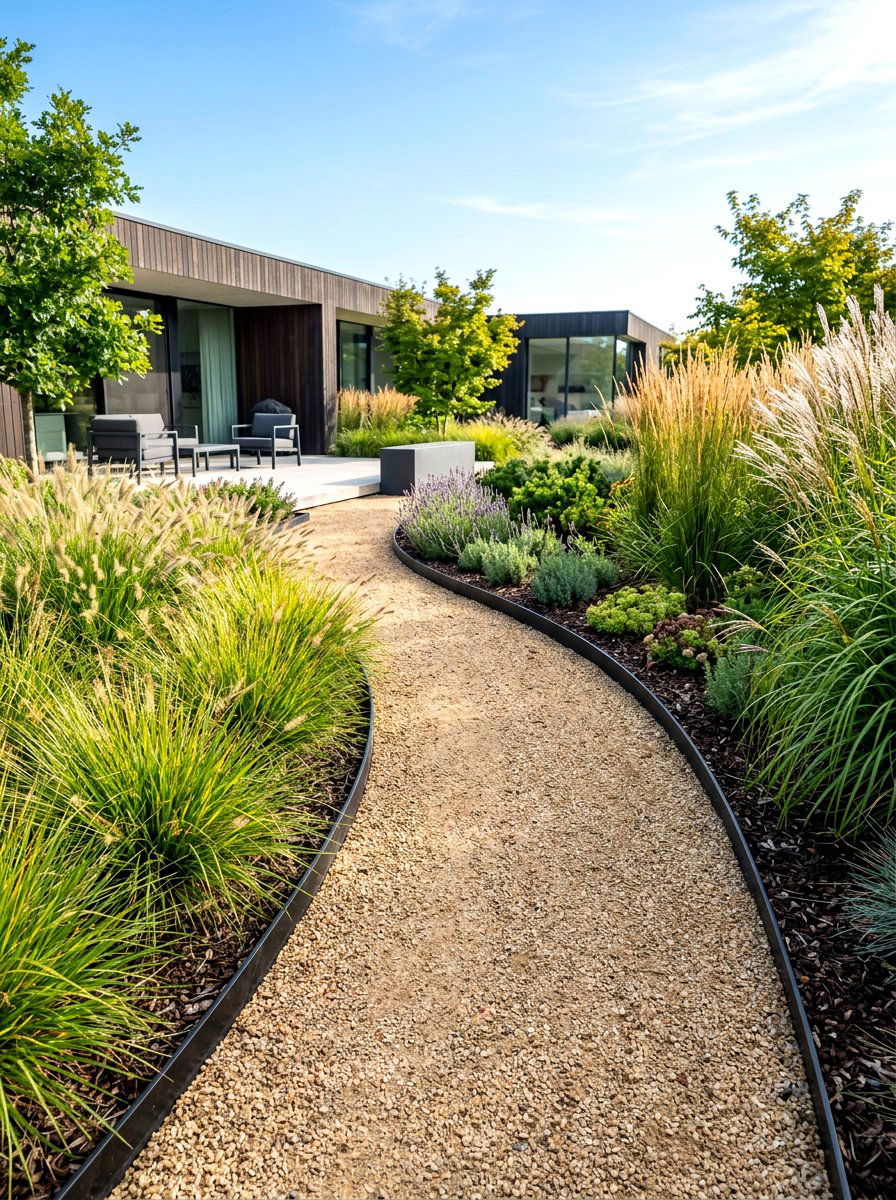
Crushed granite offers a much more stable and compact surface compared to rounded pea gravel because its jagged edges lock together under pressure. This material is excellent for high-traffic areas where you need a firm footing that won't shift as easily when you walk on it. The fine texture provides a sophisticated, matte finish that works beautifully in contemporary landscape designs. You can find crushed granite in various earthy tones, ranging from warm tans to cool grays, allowing for perfect color matching with your home’s siding. It is incredibly durable and holds up well against heavy rain. Using a plate compactor during installation ensures the tightest possible fit for a long-lasting, professional-grade outdoor trail.
3. Flagstone Gravel Combo
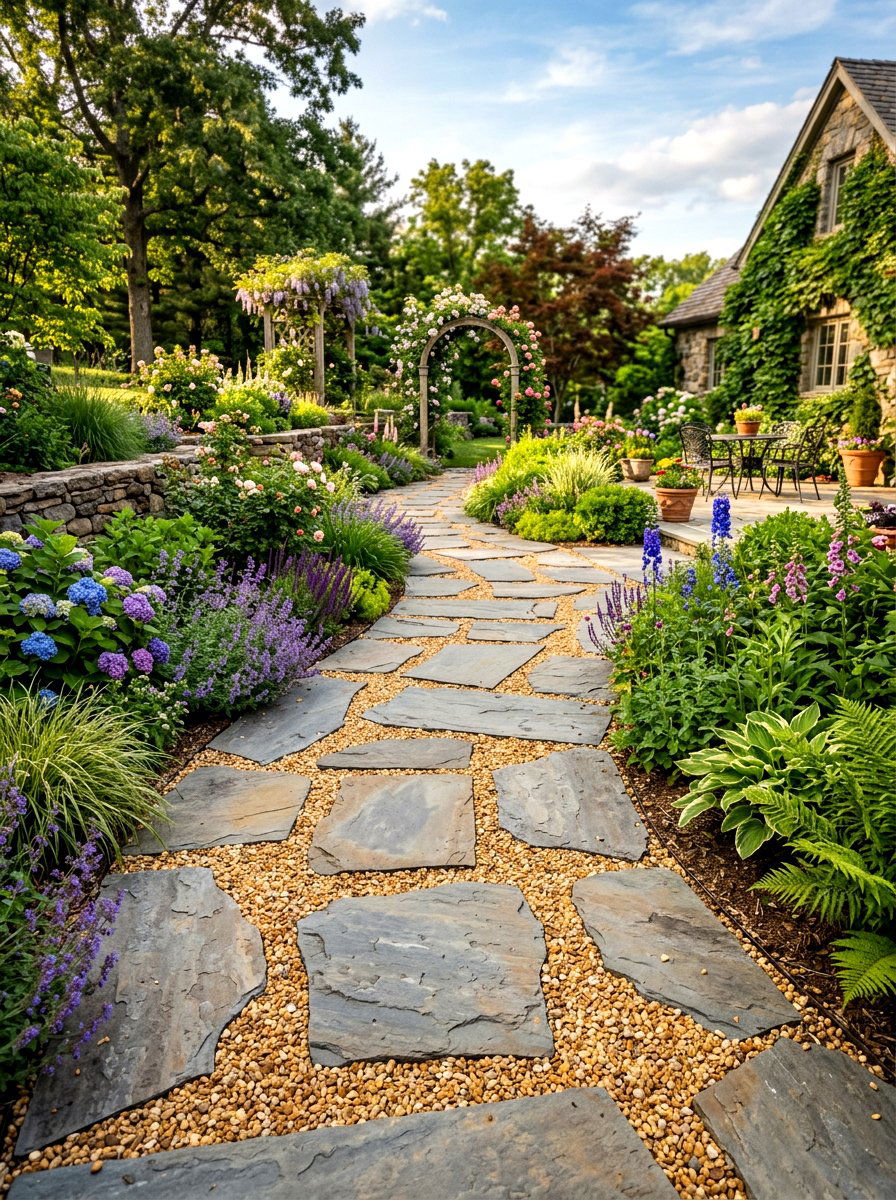
Combining large flagstone slabs with a gravel infill creates a visually striking contrast that adds both structure and organic charm to your landscape. This design allows you to enjoy the solid, flat surface of the stones while the gravel fills the irregular gaps for a textured look. It is an ideal way to bridge the gap between a formal patio and a more relaxed garden area. The flagstones act as stable landing points for your feet, while the gravel ensures excellent drainage across the entire span of the walkway. You can experiment with different stone colors to create a unique mosaic effect. This style also reduces the amount of expensive stone needed, making it a budget-friendly alternative.
4. River Rock Walkway
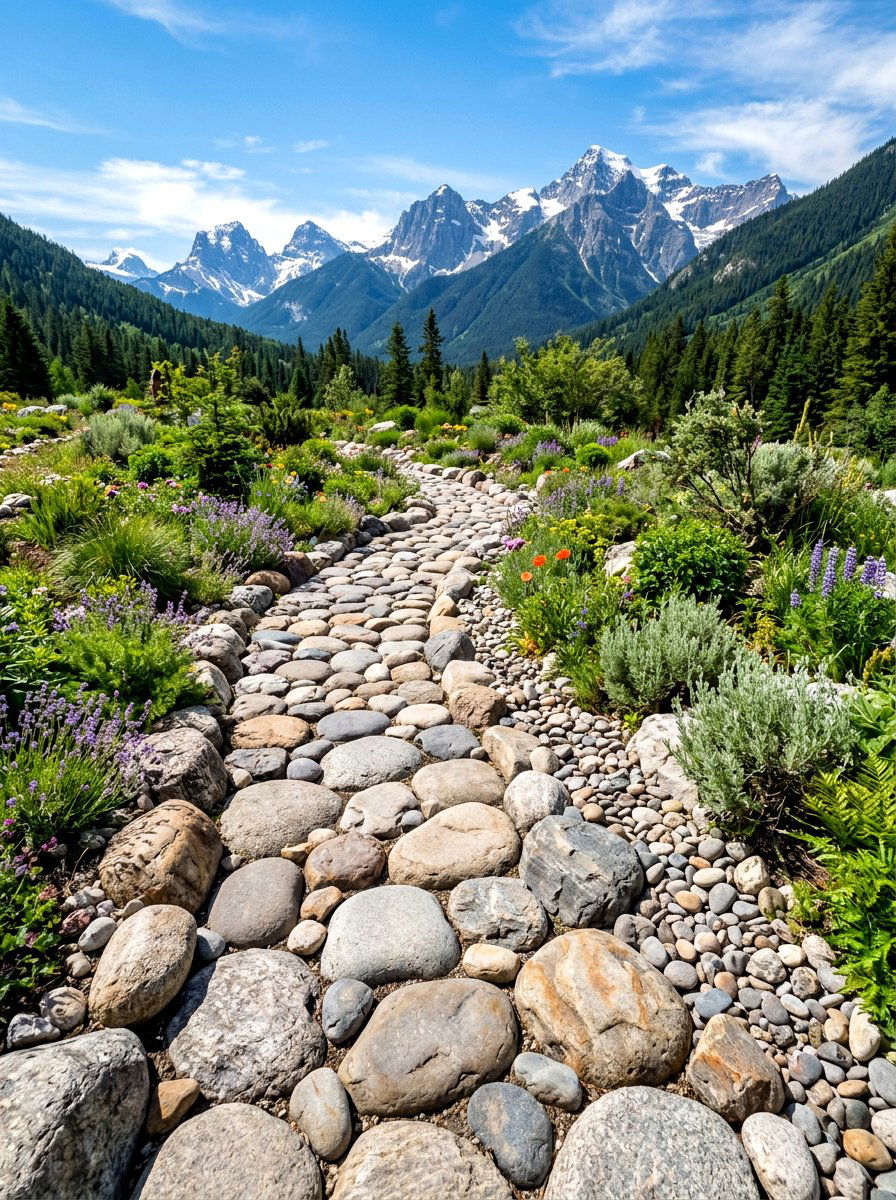
River rocks are larger and more varied in size than typical gravel, offering a rugged and natural aesthetic that mimics a dried creek bed. This type of walkway is perfect for sloped areas or gardens that incorporate water features and native plantings. The smooth, weathered appearance of the rocks brings a sense of calm and Zen to your outdoor environment. While larger rocks might be harder to walk on directly, they serve as excellent decorative borders or accents for a finer gravel center. The natural color variations in river stones — including blues, grays, and browns — provide a deep visual interest. These heavy stones stay in place during storms, making them a very low-maintenance landscaping option.
5. Modern Paver Gravel
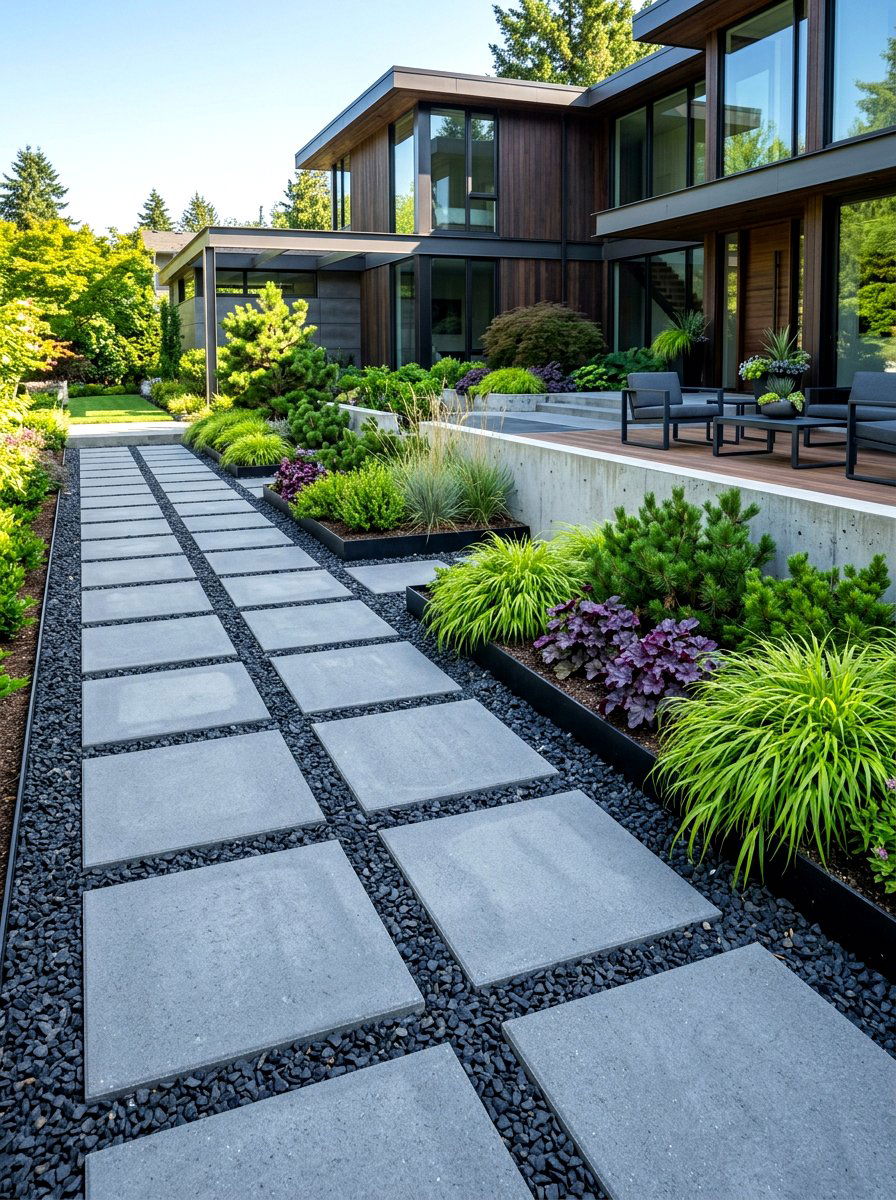
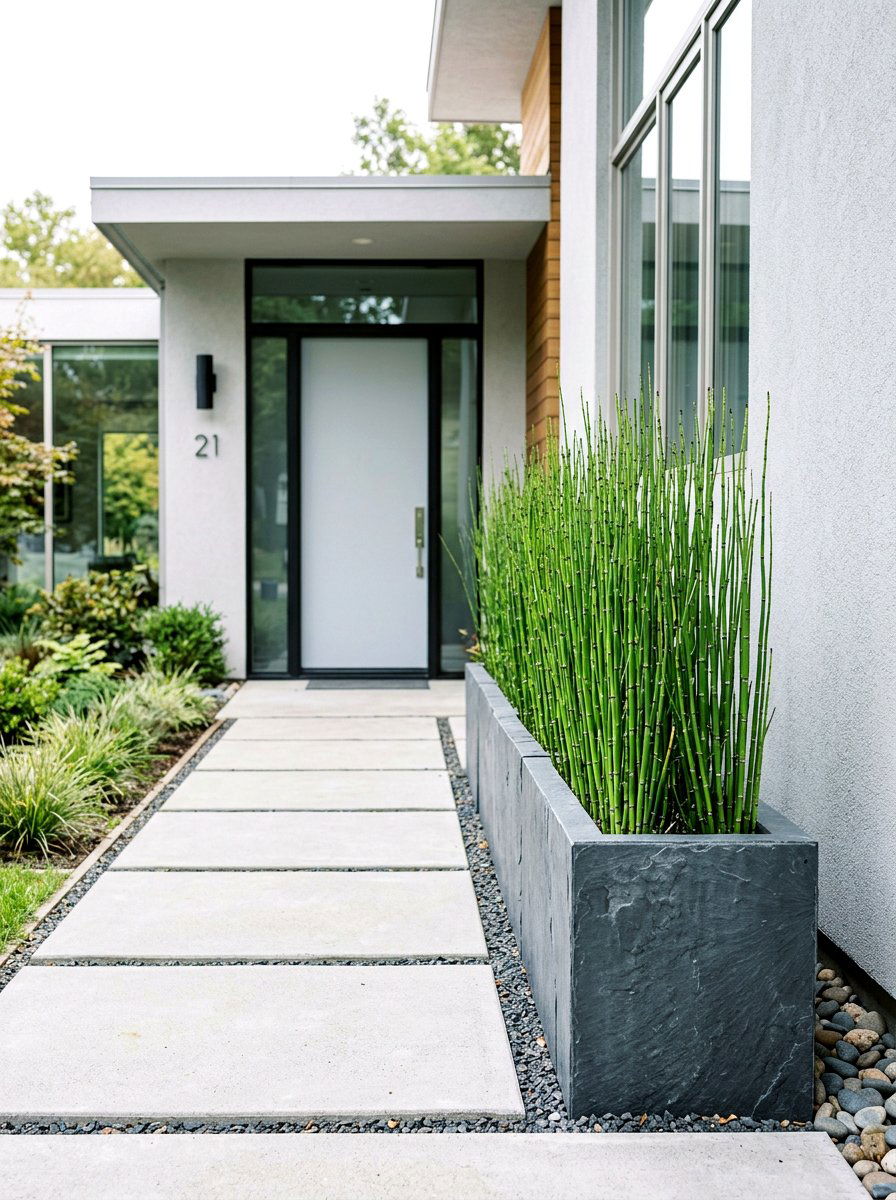
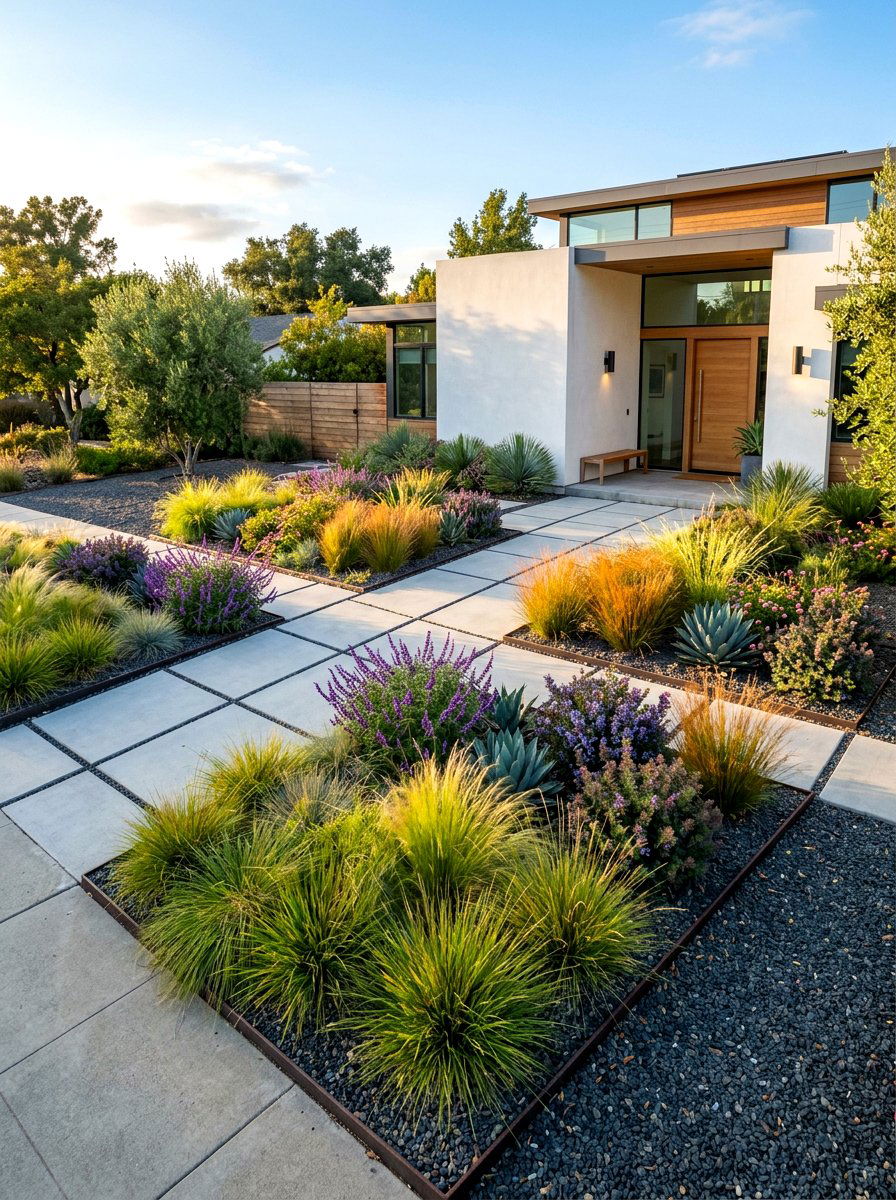
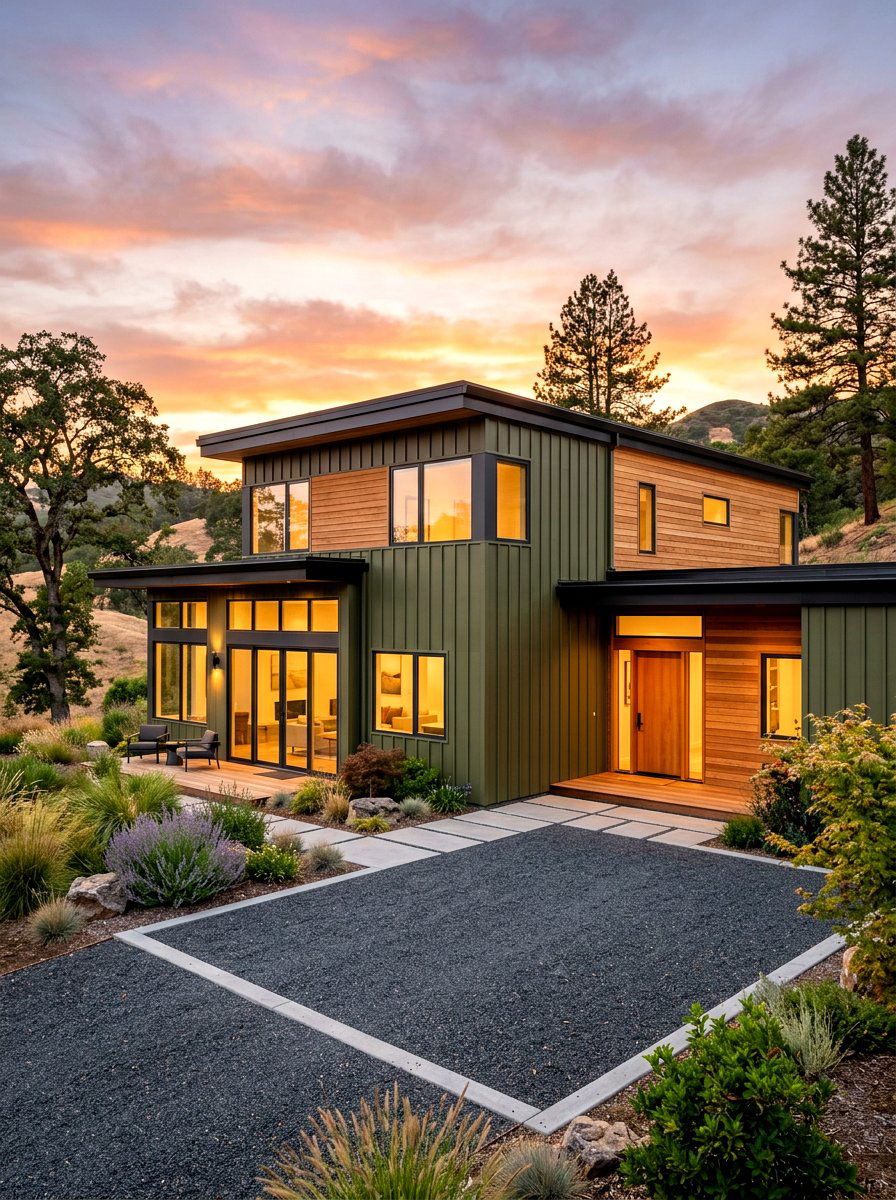
Modern landscape design frequently utilizes oversized concrete pavers set into a bed of fine gravel to create a sleek, geometric pattern. This "floating" look is highly popular for contemporary homes because it emphasizes clean lines and negative space. By spacing the pavers evenly, you create a rhythmic walking experience that feels both intentional and artistic. The gravel serves as a permeable joint filler that prevents weed growth and allows water to seep into the ground effortlessly. Choosing a dark gravel, like charcoal or black basalt, against light gray pavers can make the entire walkway pop with high-contrast beauty. It is a sophisticated way to guide visitors toward your front entrance or a backyard lounge area.
6. Timber Edged Path
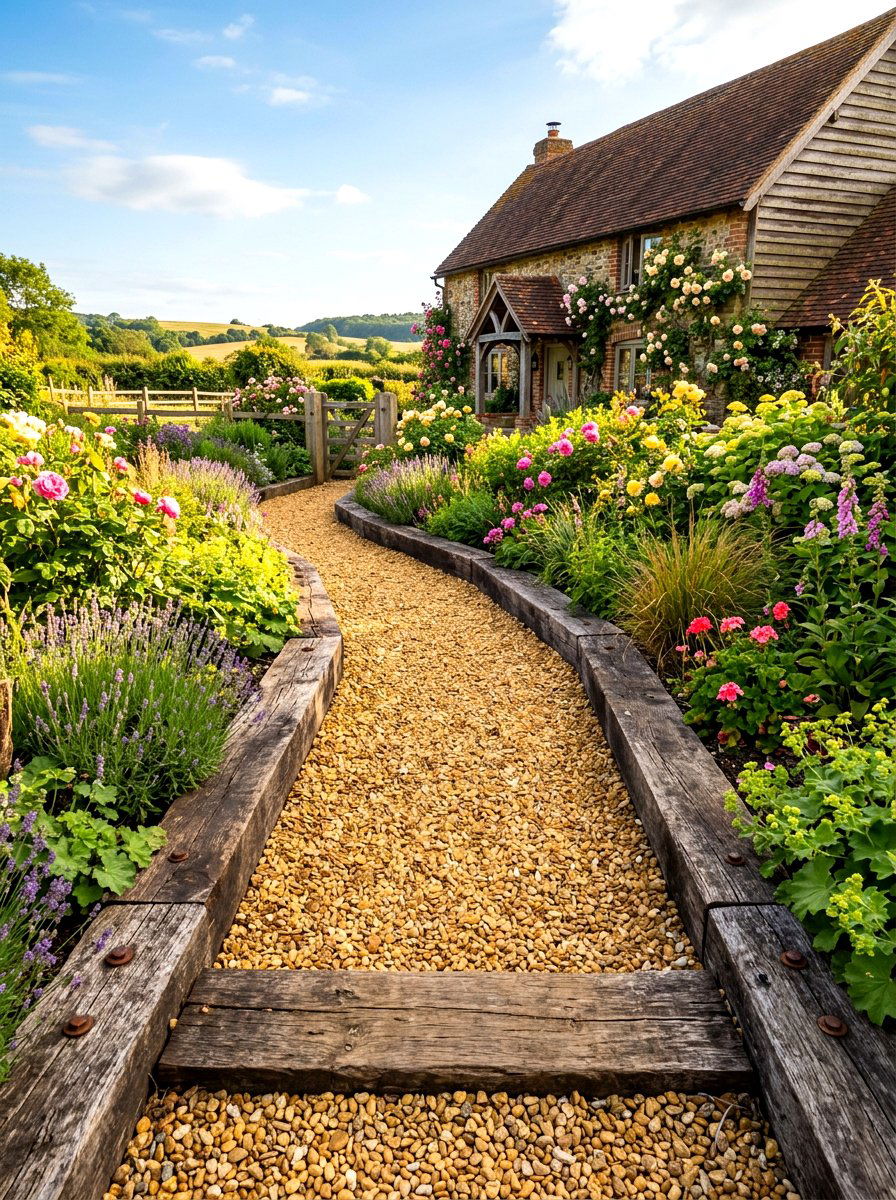
Using natural wood timbers to frame your gravel path adds a rustic and grounded feel to any backyard or woodland garden. This method is particularly effective for creating straight lines or gentle angles that define the transition between your lawn and the walkway. Pressure-treated lumber or naturally rot-resistant woods like cedar or redwood are the best choices for longevity in outdoor settings. The timber provides a substantial barrier that keeps the gravel contained, even in areas with heavy foot traffic. You can secure the timbers with rebar or wooden stakes to ensure they remain level over time. This design choice pairs exceptionally well with traditional farmhouse styles and naturalistic planting schemes that feature tall ferns.
7. Steel Edging Walkway
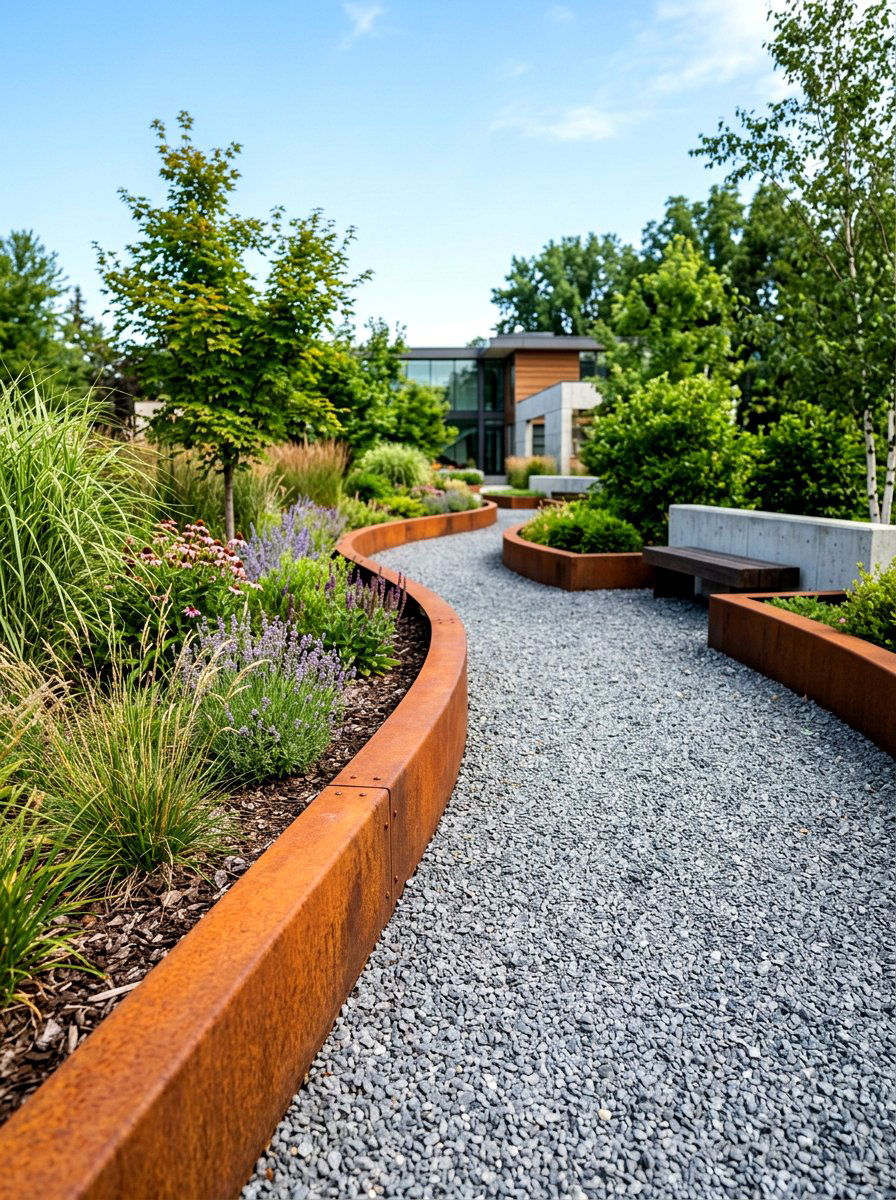
Steel edging provides the slimmest and most discreet border possible for a gravel path, allowing the stones to take center stage. This material is favored by professional landscapers for its ability to hold tight curves and create crisp, sharp lines that last for decades. Over time, many homeowners opt for weathering steel, which develops a beautiful rusty patina that complements autumnal garden colors. It is nearly invisible once installed, giving your walkway a "built-in" look that feels very high-end. Steel borders are excellent for keeping gravel out of flower beds while maintaining a minimal footprint. This approach works best for those who want a clean, modern aesthetic without the bulk of stone or wood.
8. Brick Border Path
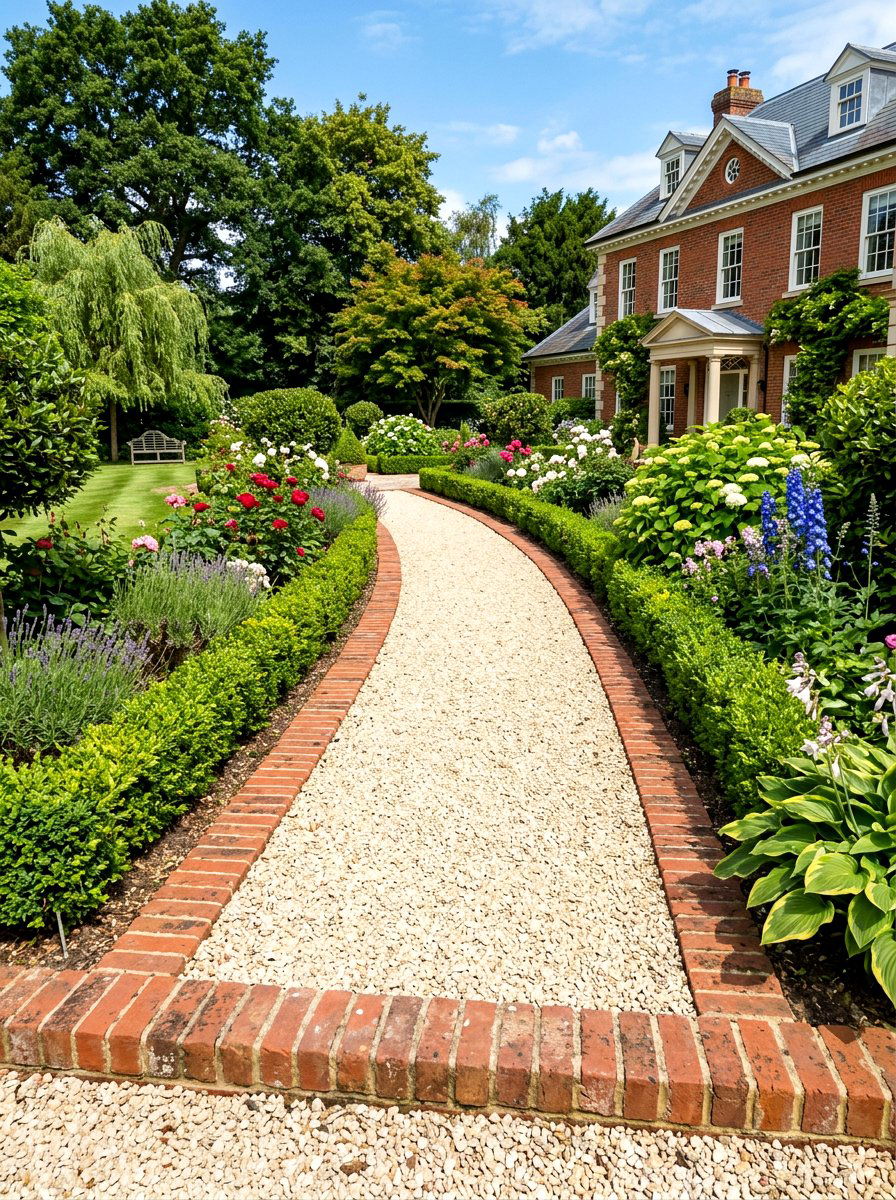
A brick-bordered gravel path offers a timeless, traditional look that evokes the charm of historic estates and formal English gardens. The warm red or orange tones of the bricks provide a beautiful frame for neutral-colored gravel, such as tan or cream. You can lay the bricks in various patterns, such as a simple soldier course or a more complex herringbone, to add architectural detail. Bricks are incredibly durable and provide a solid edge that prevents the gravel from migrating into your grass. This style is perfect for front yard walkways where you want to boost curb appeal with a classic, structured appearance. It also pairs wonderfully with blooming flower beds and manicured evergreen shrubs.
9. Curved Gravel Walkway
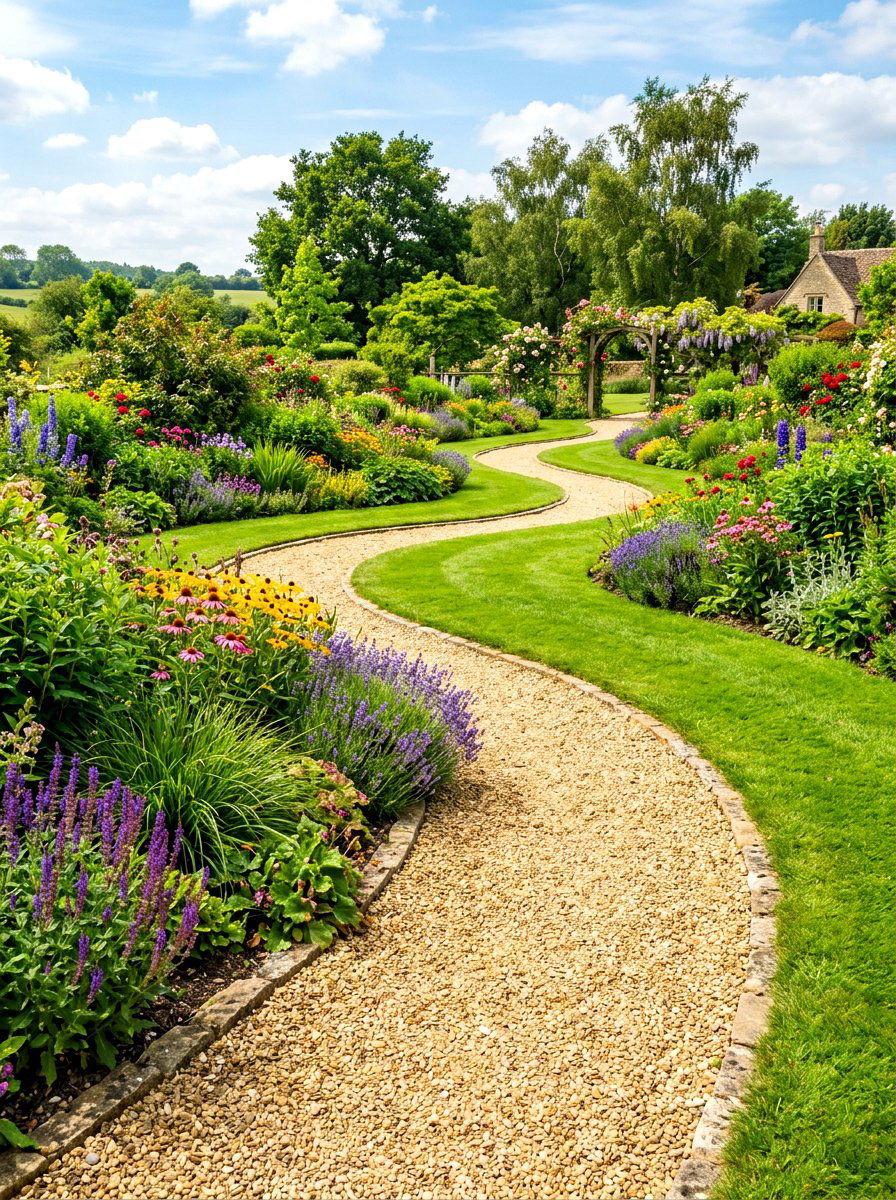
Curved walkways are designed to mimic the flowing lines found in nature, encouraging guests to slow down and enjoy the surrounding garden. Instead of a direct route, a meandering path creates a sense of mystery and exploration as it disappears behind a bush or tree. This layout is perfect for larger yards where you want to create distinct "rooms" or zones within the landscape. Using flexible edging materials like plastic or thin metal allows you to achieve smooth, graceful bends without any harsh breaks. A curved path can also help to make a small backyard feel much larger by leading the eye on a longer journey. It softens the hard angles of a typical rectangular lot.
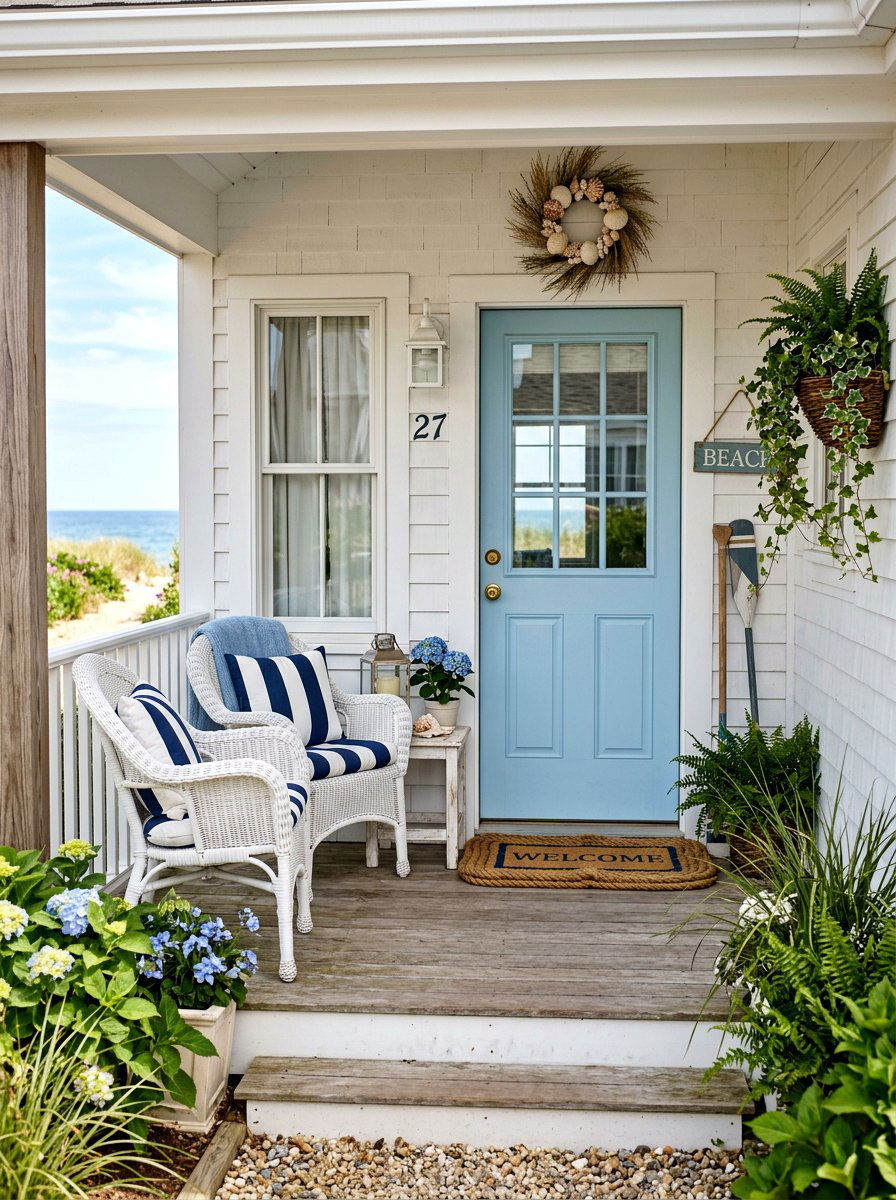
10. Straight Gravel Path
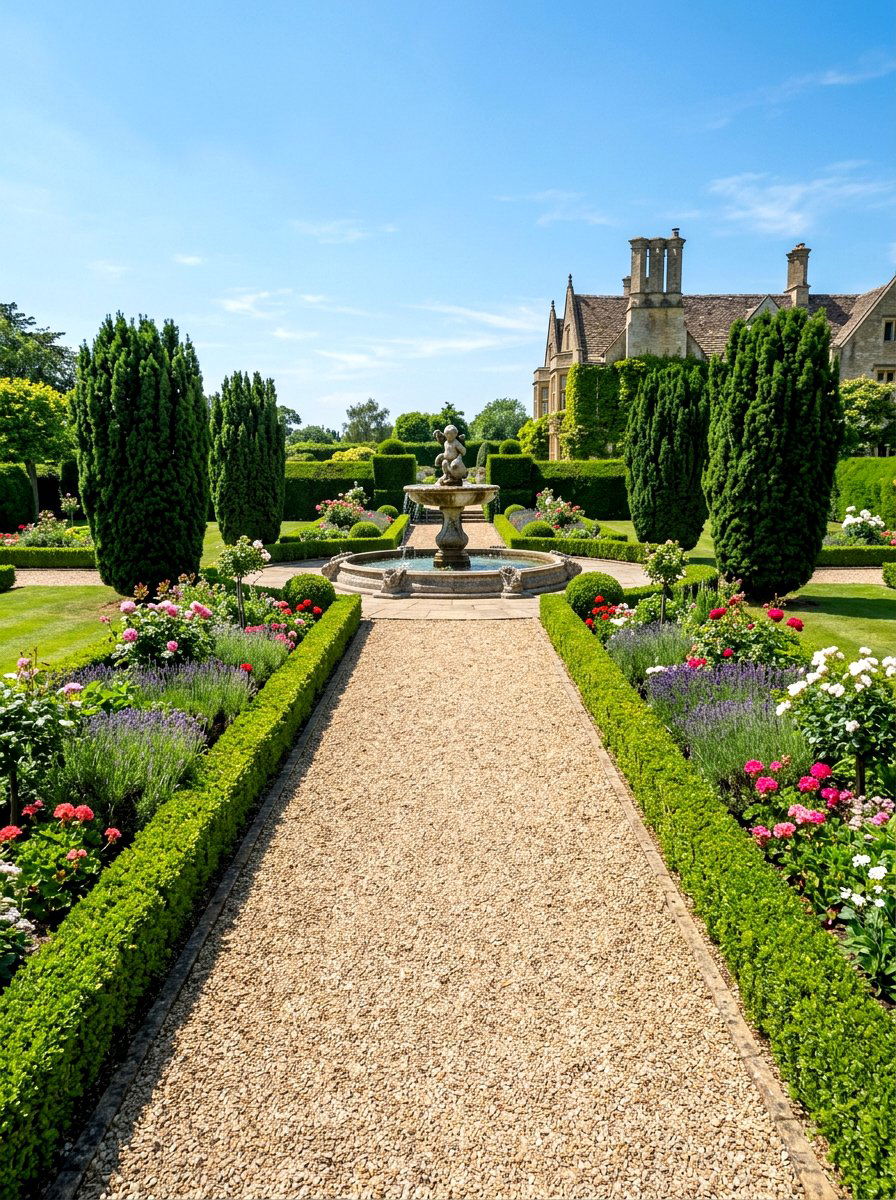
A straight gravel path provides a sense of order, symmetry, and purpose, making it the perfect choice for minimalist or formal landscapes. This linear design naturally draws the eye toward a specific focal point, such as a garden bench, a fountain, or a beautiful doorway. It is often the most practical choice for side yards or narrow spaces where efficiency is key. By keeping the lines perfectly straight, you create a professional and organized look that feels very intentional. To avoid a boring appearance, you can use high-contrast gravel colors or bold edging materials like large stone blocks. A straight path is also much easier to measure and install for DIY enthusiasts during a weekend project.
11. Japanese Garden Gravel
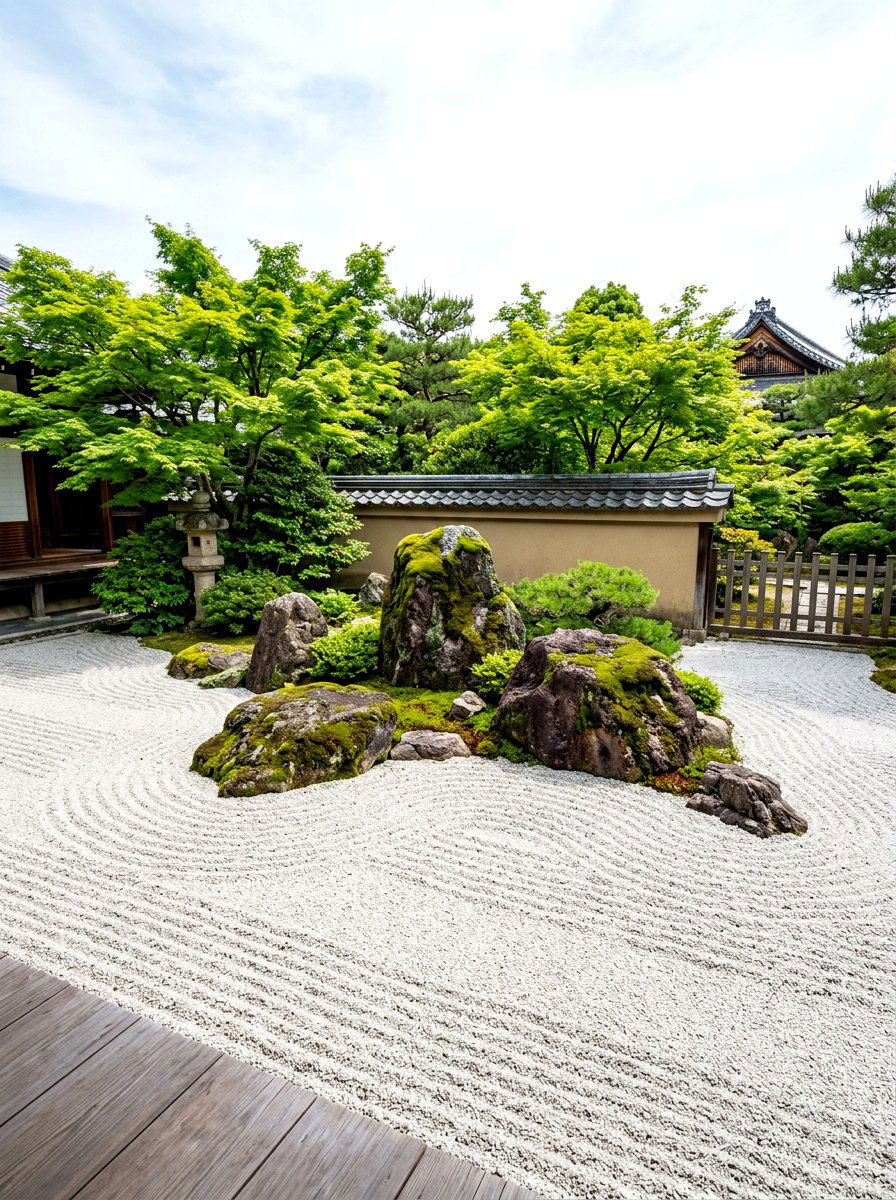
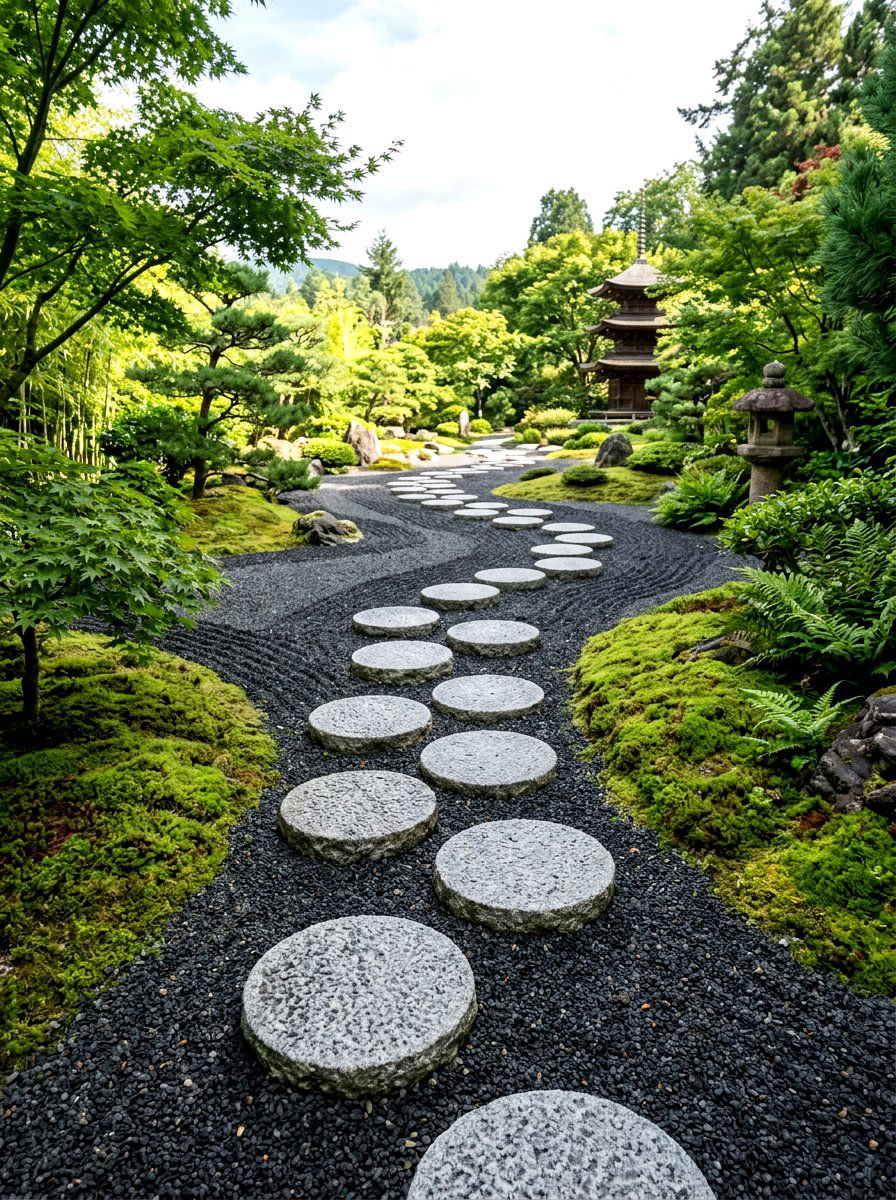
In Japanese landscape design, gravel is often used to represent water, with raked patterns creating a sense of ripples and waves. A Japanese-style gravel walkway focuses on tranquility, using muted colors and natural stone accents to foster a meditative environment. Incorporating large "island" stepping stones allows for a stable walk while keeping the surrounding gravel pristine and artistic. This approach often features fine granite or small pebbles that are meticulously maintained with a garden rake. Surrounding the path with moss, bamboo, and carefully pruned evergreens completes the serene look. It is an ideal design for a quiet corner of the yard where you want to escape the stress of daily life and enjoy nature.
12. Mediterranean Gravel Walkway
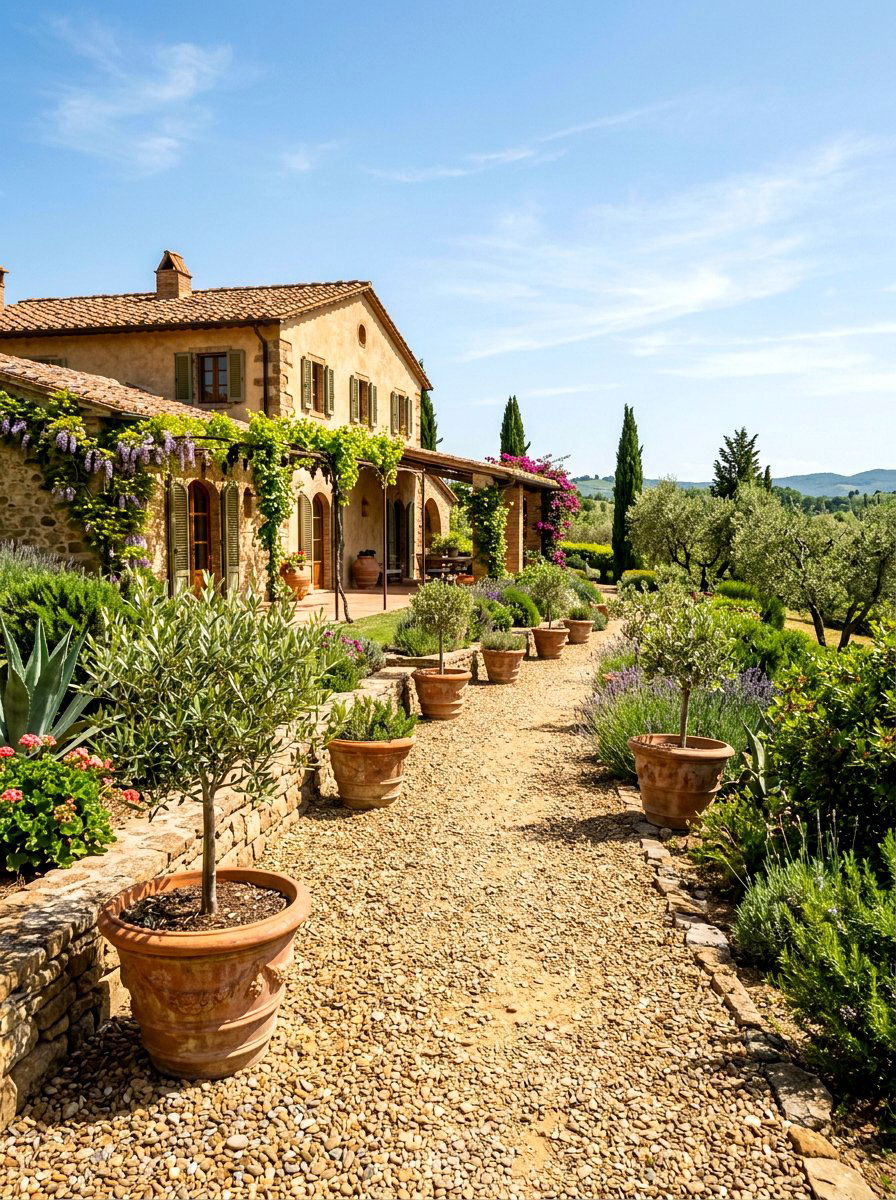
Capturing the essence of a sun-drenched villa, a Mediterranean gravel path often features warm-toned stones like honey-colored pea gravel or crushed limestone. This style is frequently paired with terracotta pots, olive trees, and fragrant herbs like rosemary or lavender. The gravel provides a heat-resistant and drought-tolerant surface that thrives in sunny climates with minimal water. Large, weathered stone slabs can be integrated into the path to add a sense of history and permanence. The overall mood is relaxed and inviting, making it perfect for a path that leads to an outdoor dining area or a backyard pergola. Using a light-colored gravel also helps reflect sunlight, keeping the walkway cooler during the hot summer months.
13. Lavender Gravel Path
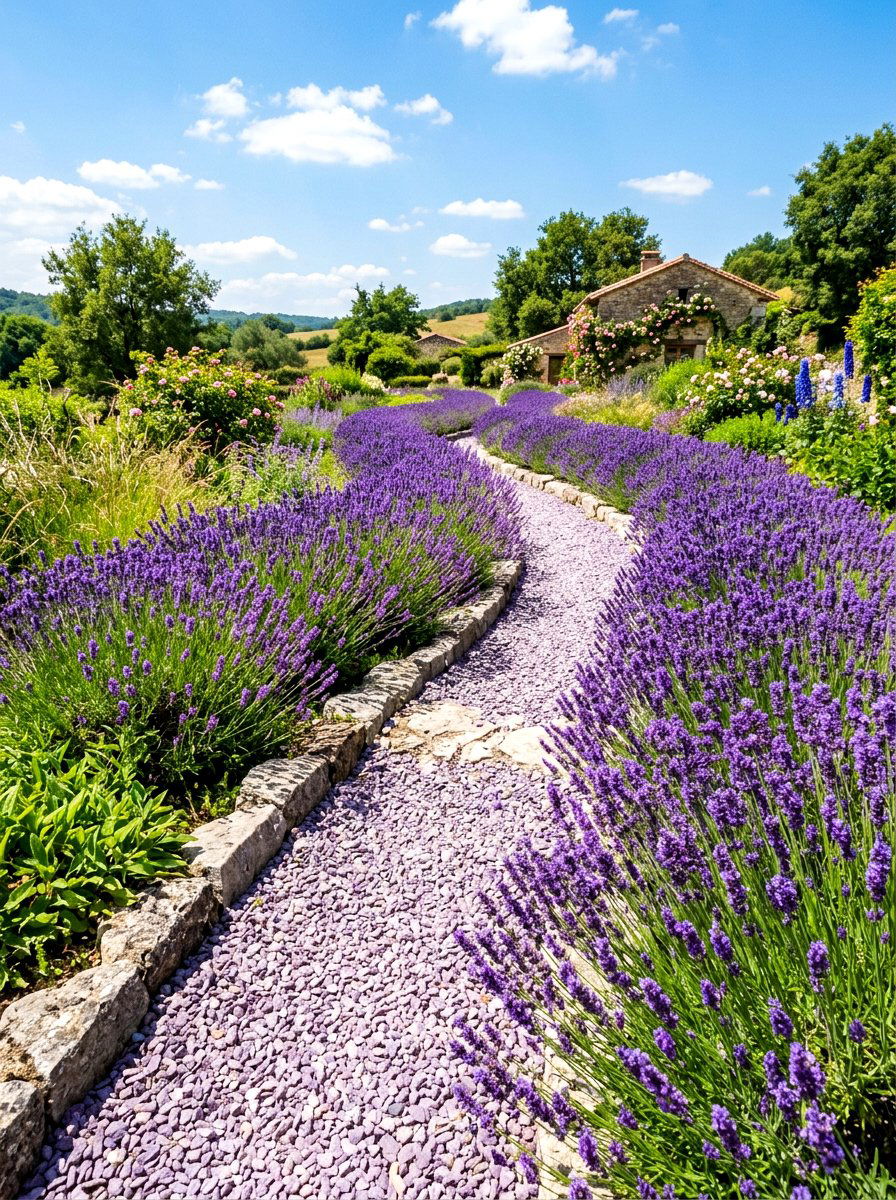
Planting lavender along the edges of a gravel walkway creates a multisensory experience that combines visual beauty with a soothing fragrance. As you walk down the path, your clothes might brush against the blooms, releasing a wonderful floral scent into the air. Lavender thrives in the well-draining environment that gravel provides, making it a perfect companion for this type of hardscape. The soft purple hues of the flowers look stunning against light gray or cream-colored stones. This design is particularly popular in cottage gardens or French-inspired landscapes. Beyond its beauty, lavender attracts pollinators like bees and butterflies, bringing your garden to life. It is a simple way to add luxury and charm to a functional path.
14. Grass Bordered Walkway
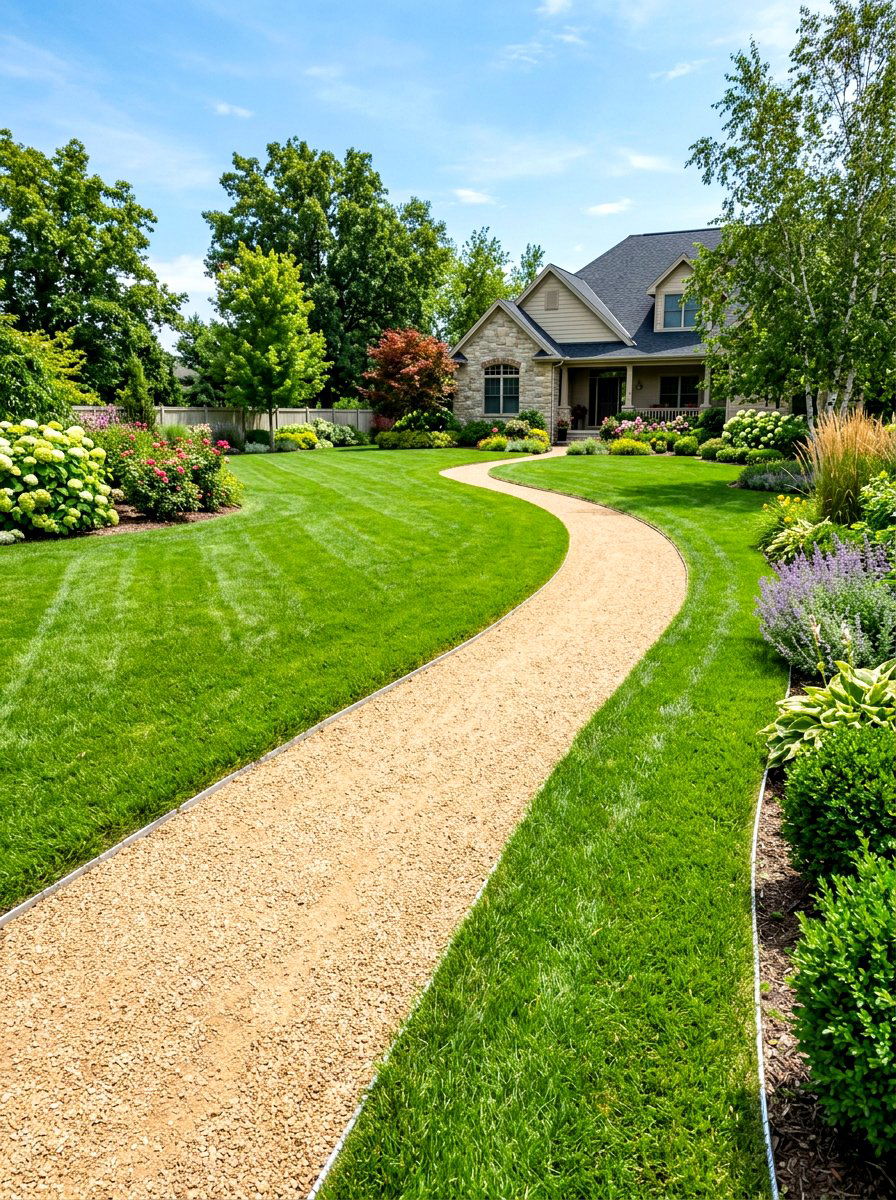
A gravel path framed by lush green grass creates a clean and vibrant contrast that makes the walkway stand out. This design is common in large suburban lawns where a clear path is needed to connect the driveway to the backyard. Using a hidden or flush-mounted edging ensures that the transition between the grass and the gravel looks seamless. The bright green of a well-maintained lawn makes the texture of the gravel appear even more detailed and interesting. This approach is very practical for families, as it keeps the walking area well-defined and tidy. To keep it looking sharp, you will need to trim the edges of the grass regularly to prevent blades from overhanging the stone.
15. Woodland Gravel Trail
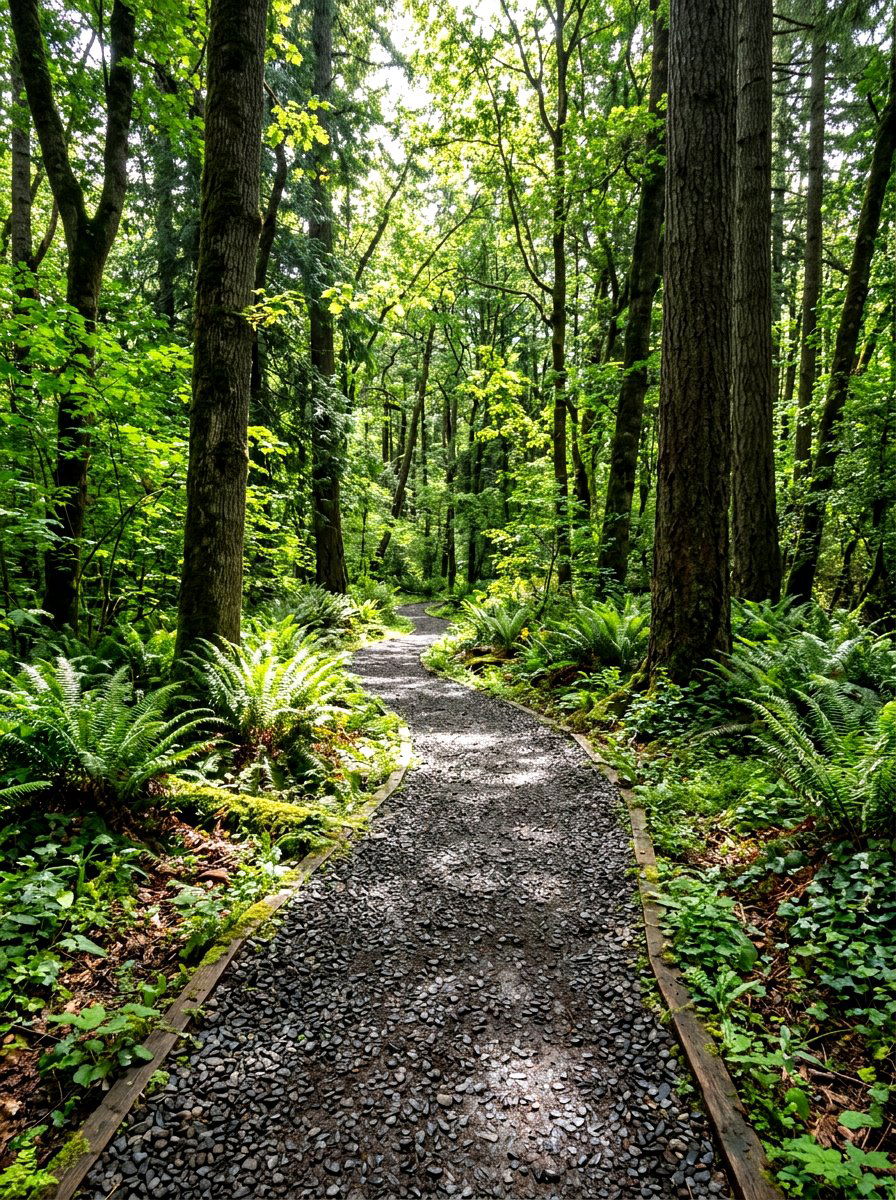
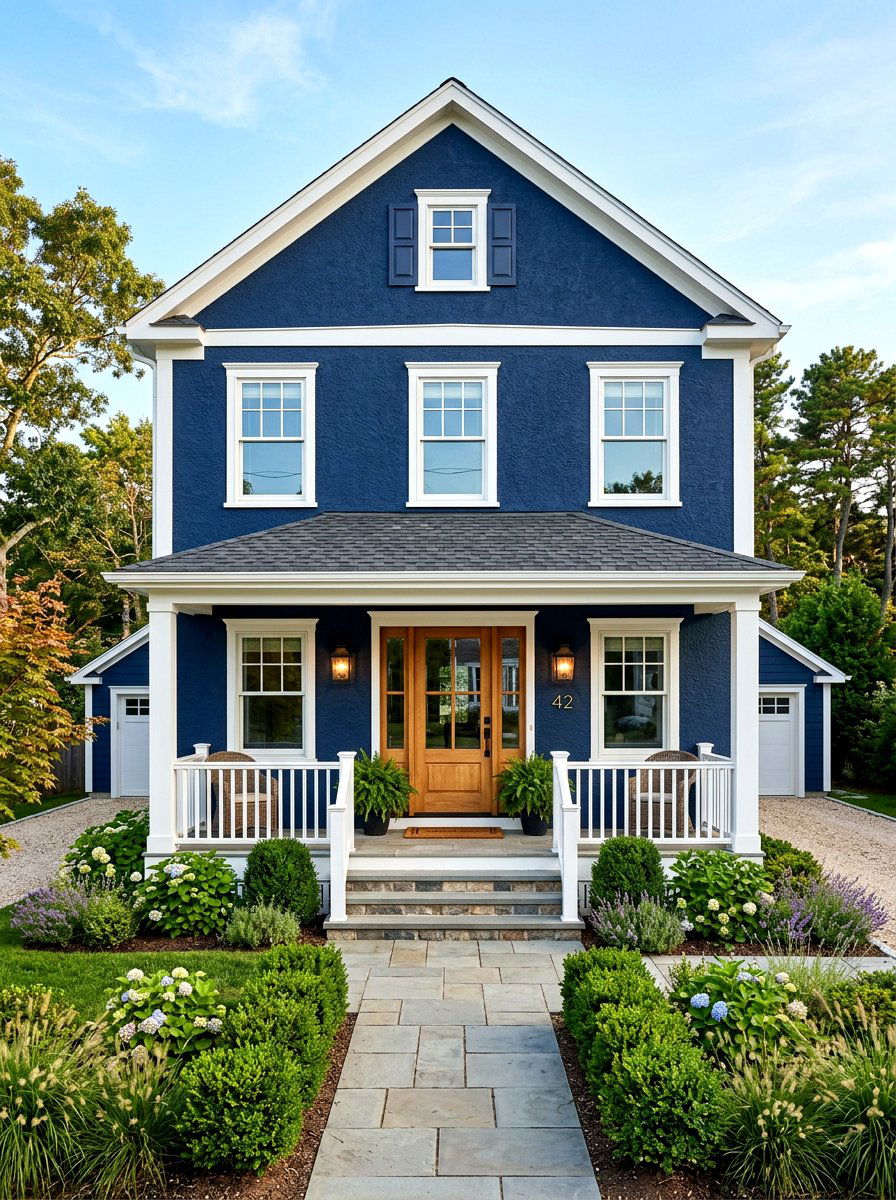
For homes nestled in the trees, a woodland-style gravel trail uses darker, earthy tones to blend into the natural environment. This design often incorporates crushed slate or dark river rocks that mimic the forest floor. Instead of rigid borders, you might use fallen logs or large mossy stones to define the path’s edge. This creates a wilder, more organic look that feels like a natural part of the landscape rather than an addition. Planting ferns, hostas, and shade-loving perennials along the trail enhances the forest atmosphere. It is a wonderful way to navigate a wooded lot while protecting the delicate soil and plant roots. The dark gravel stays looking clean even when covered in fallen leaves.
16. Decomposed Granite Path
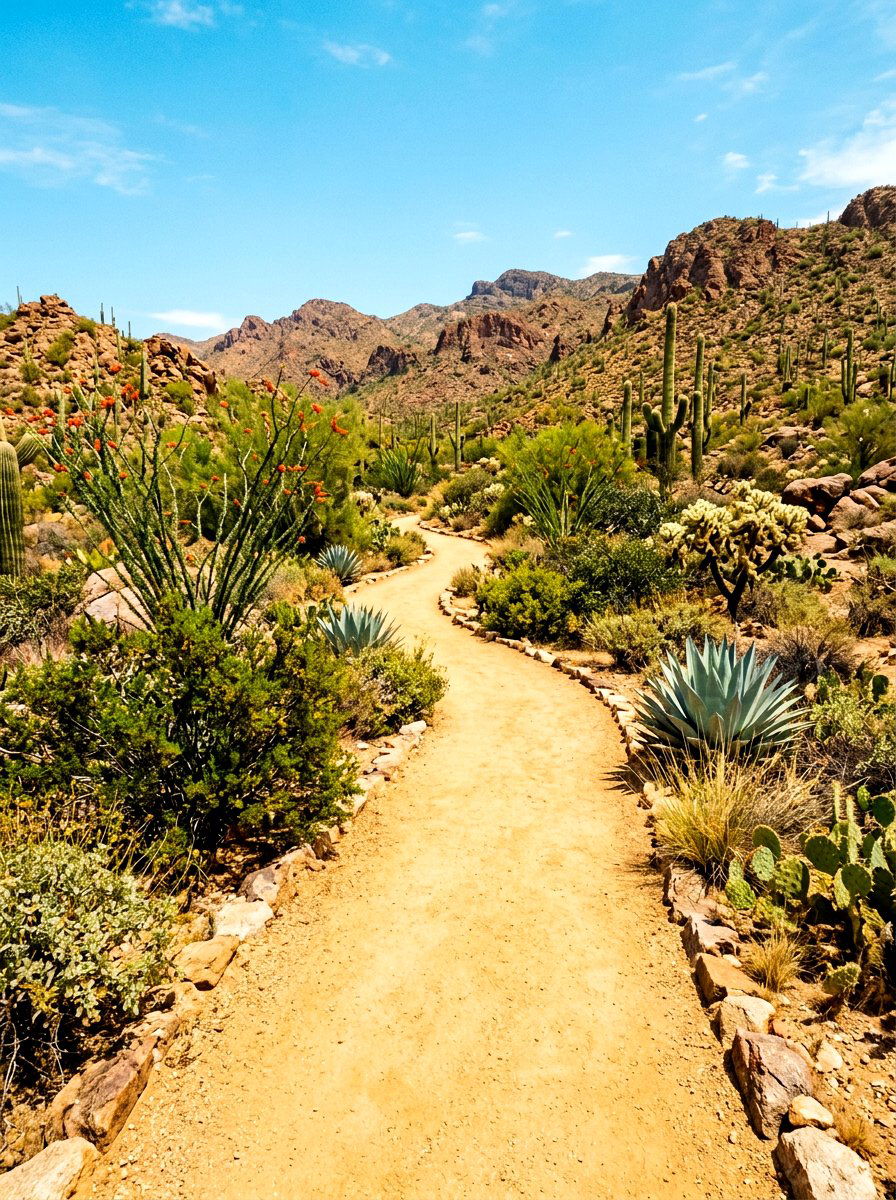
Decomposed granite, often called DG, is a very fine material that compacts into a nearly solid surface that is very easy to walk on. It provides a natural, desert-inspired look that is extremely popular in Southwestern landscapes. Because the particles are so small, it creates a smooth finish that feels more like a firm trail than loose gravel. You can add a stabilizer to the mix to prevent the material from washing away during heavy rains or sticking to your shoes. It comes in beautiful shades of gold, tan, and brown, making it a warm addition to any yard. It is one of the most cost-effective ways to cover a large area while maintaining a polished and professional appearance.
17. Circular Gravel Intersections
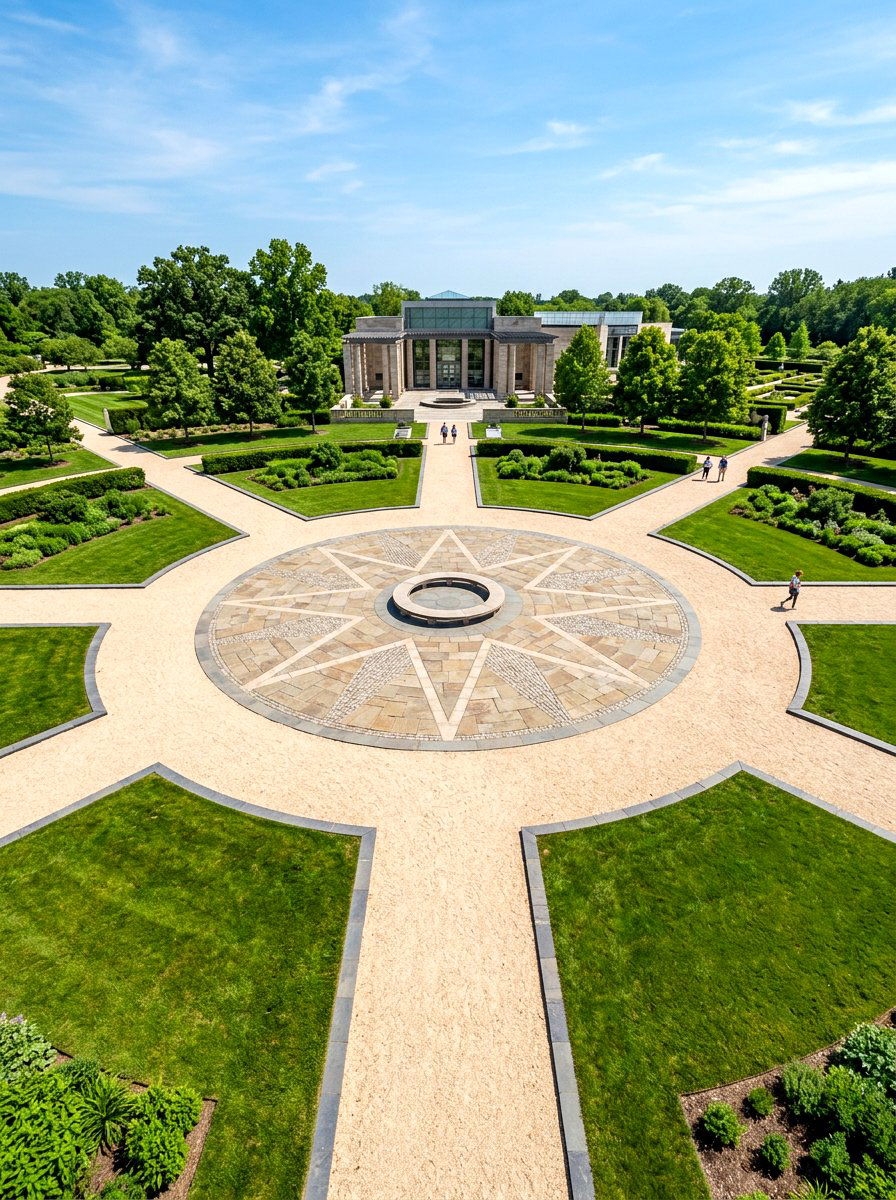
In larger garden layouts, a gravel walkway can expand into a circular intersection to create a sense of arrival and space. This design is often used at the center of a garden where multiple paths meet, providing a perfect spot for a fountain or a statuesque tree. The circular shape breaks up the monotony of long paths and adds a sophisticated architectural element to the yard. You can use different colors of gravel within the circle to create a target or sunburst pattern. This layout encourages visitors to pause and take in the view from every angle. It is a grand way to organize a complex garden and makes the entire landscape feel more interconnected and well-planned.
18. White Gravel Walkway
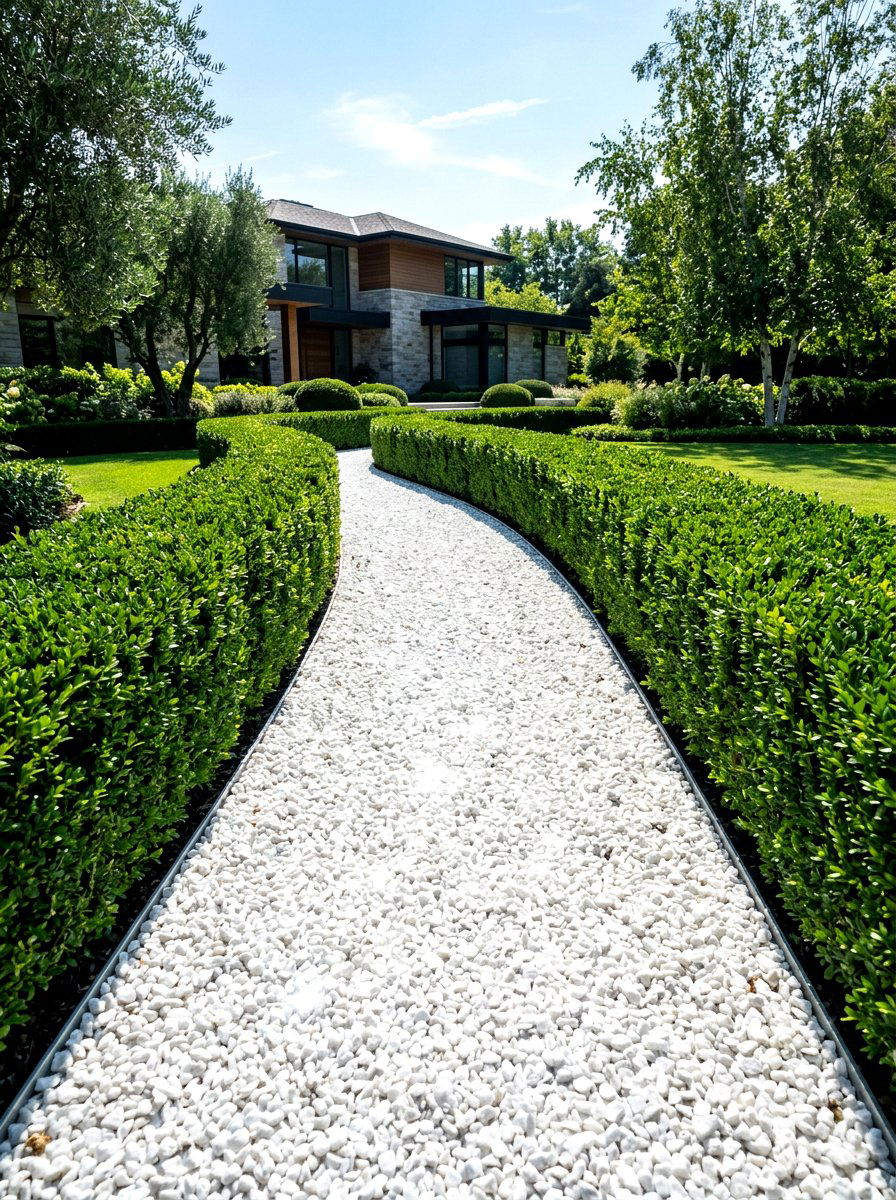
White gravel or marble chips offer a bright, clean, and striking look that can instantly modernize any outdoor space. This high-contrast material is excellent for shaded areas of the yard because it reflects light and makes dark corners feel much more welcoming. It looks particularly stunning when paired with dark green foliage or black architectural features. While white gravel requires a bit more maintenance to keep it free of leaves and debris, the visual impact is well worth the effort. It creates a crisp, "resort-style" vibe that feels very luxurious and fresh. Using a heavy-duty landscape fabric underneath is essential to prevent soil from mixing with the white stones and dulling their brilliant, snowy appearance.
19. Black Gravel Path
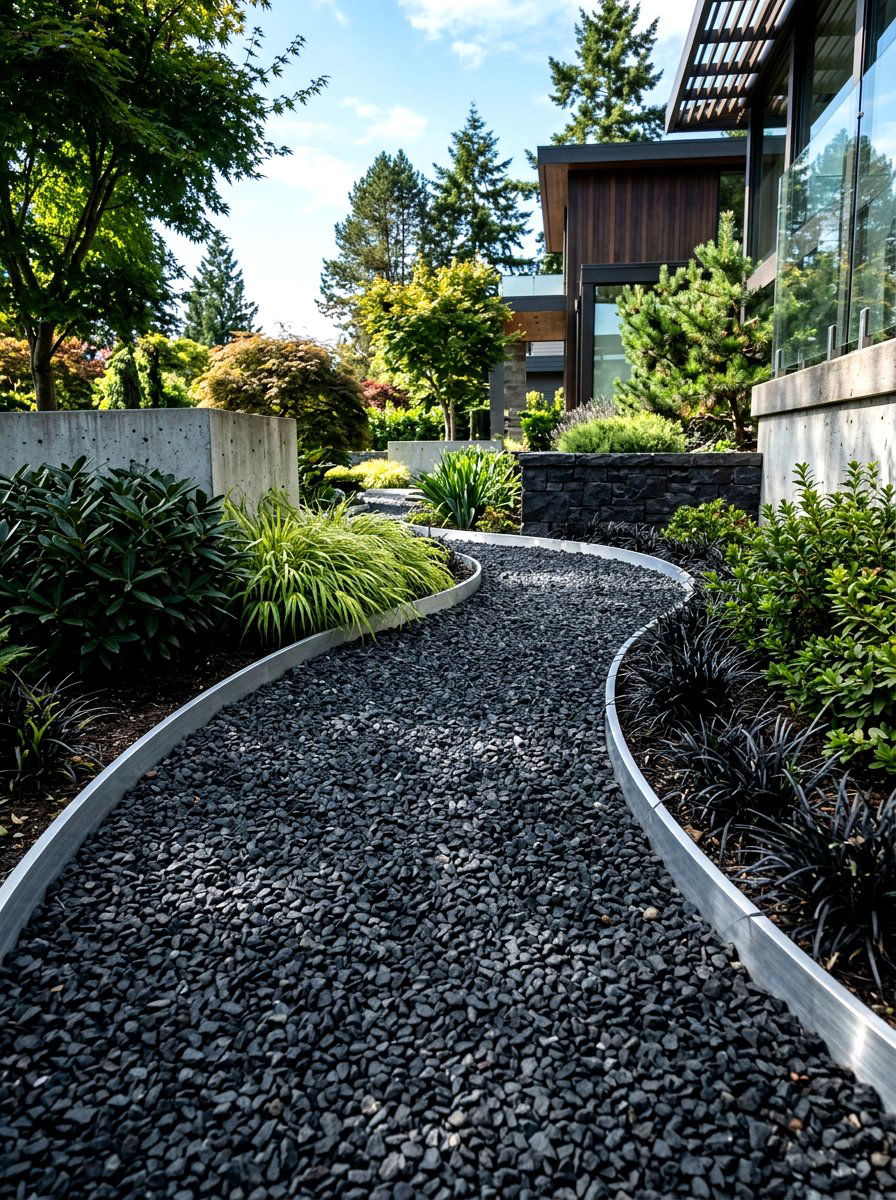
A black gravel path made from basalt or charcoal-colored stone offers a bold and moody aesthetic that is perfect for ultra-modern homes. This dark material provides a sophisticated backdrop for colorful plants, making the greens and reds of your garden appear much more vibrant. Black gravel also has the practical benefit of hiding dirt and stains better than lighter options. It creates a grounded and permanent feel that works well in minimalist designs where simplicity is the main focus. When wet, black stones take on a deep, glossy appearance that looks incredibly elegant after a rain shower. Using silver or aluminum edging against black gravel can create a very high-end, industrial-chic look for your exterior walkway.
20. Stepping Stone Gravel
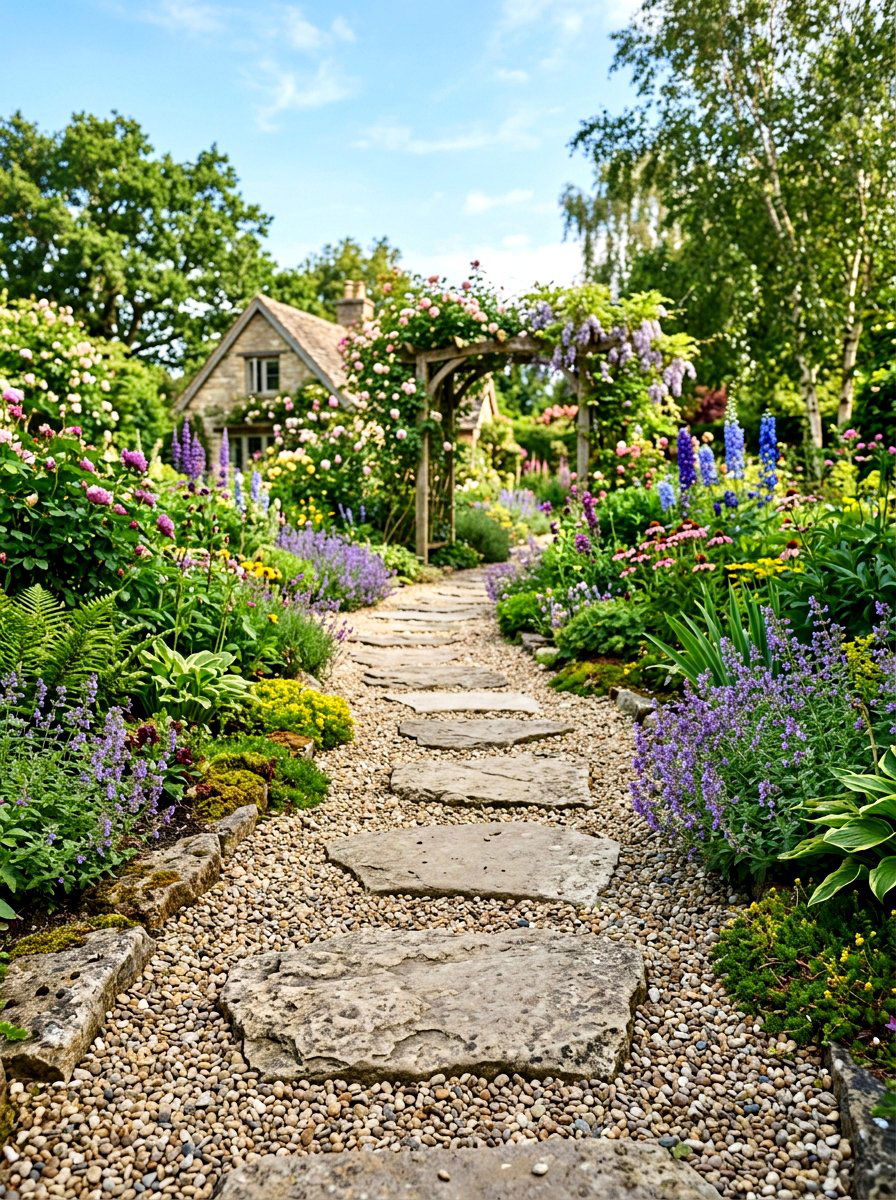
Integrating large, flat stepping stones into a gravel bed creates a whimsical and rhythmic walking experience. This design allows you to use a looser or larger gravel that might otherwise be difficult to walk on, as the stepping stones provide a solid foundation. It is a great way to add visual height and texture to a flat part of the yard. You can choose irregular, natural stones for a rustic look or perfectly square pavers for a modern feel. The spacing between the stones can be adjusted to match a natural walking stride, making the path feel very comfortable. This style is particularly effective in side yards where you want to add character to a narrow, forgotten space.
21. Lighted Gravel Walkway
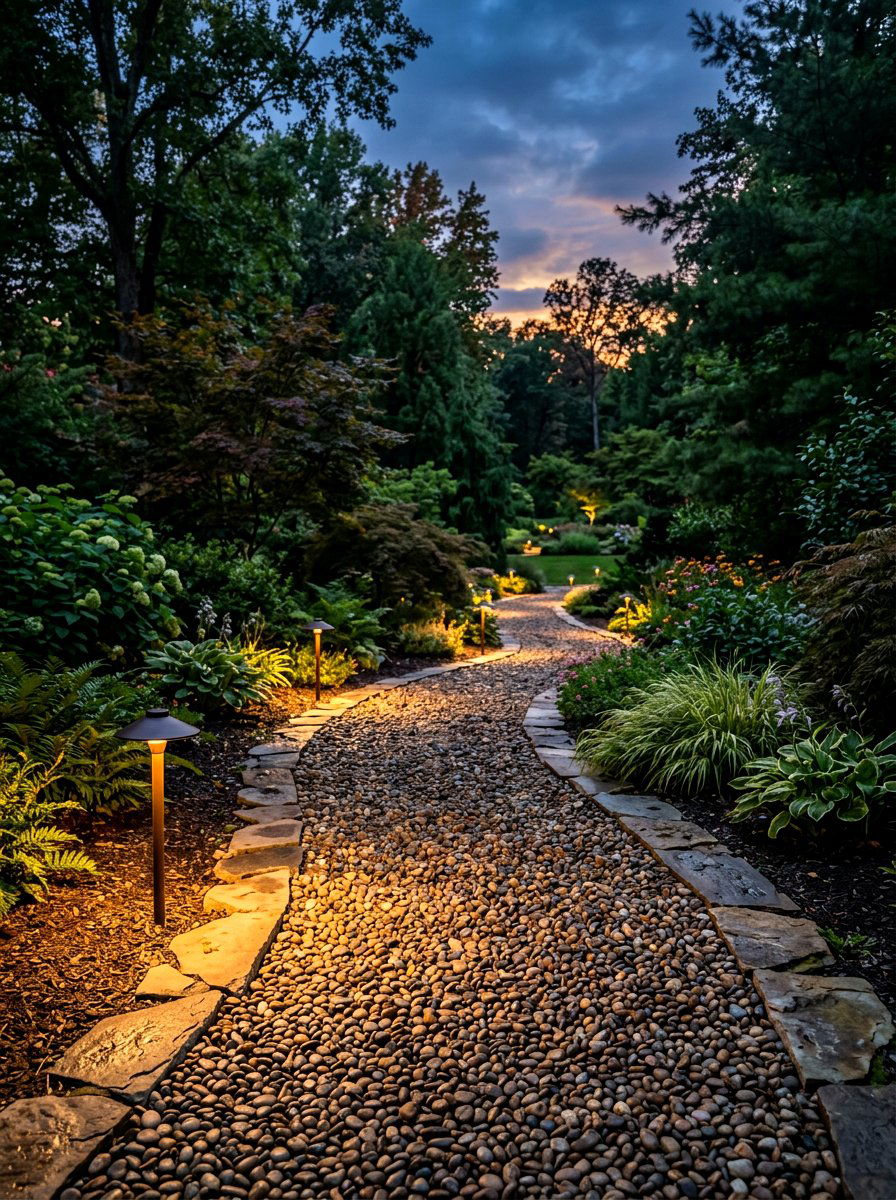
Adding low-voltage lighting along your gravel walkway transforms the space into a magical evening destination while improving safety for nighttime walks. Small path lights or solar-powered lanterns placed at regular intervals highlight the unique texture of the gravel and guide the way. You can also use recessed "well" lights that sit flush with the ground for a cleaner, more contemporary look. The light reflecting off the stones creates a soft glow that makes your backyard feel much more expansive and inviting after dark. Lighting also accentuates the edges of the path, preventing guests from accidentally stepping into your flower beds. It is an essential upgrade for anyone who enjoys hosting outdoor dinners or late-night garden strolls.
22. Hedge Lined Gravel
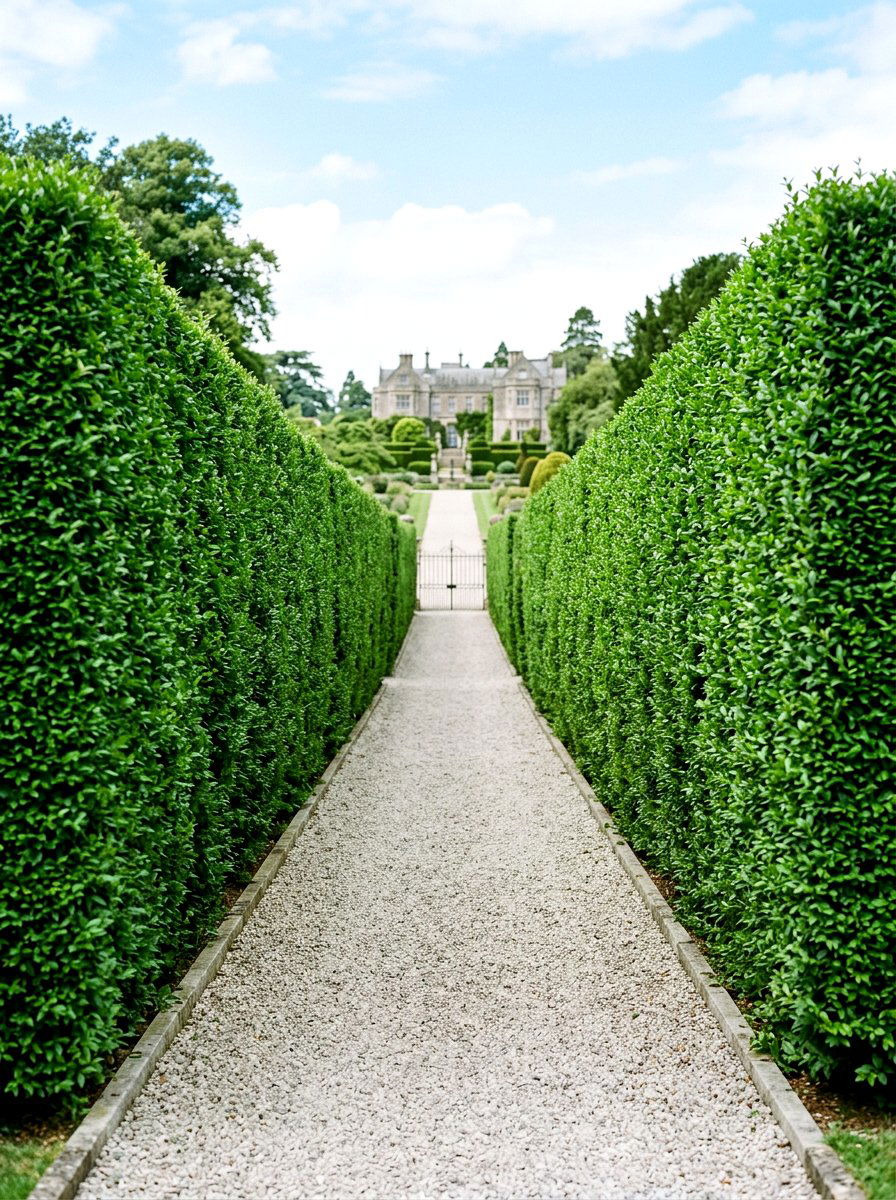
A gravel path bordered by a neatly trimmed hedge provides a formal and grand entrance to any part of your property. Common choices like boxwood or privet create a living wall that emphasizes the direction and structure of the walkway. This design is a staple of European estate gardens and adds a significant amount of curb appeal to a home’s front yard. The dense green of the hedge provides a perfect vertical contrast to the horizontal texture of the gravel. It also helps to block wind and create a private, secluded feel as you walk. To maintain this look, regular pruning is required to keep the lines crisp and ensure the hedge doesn't grow over the path.
23. Mixed Aggregate Path
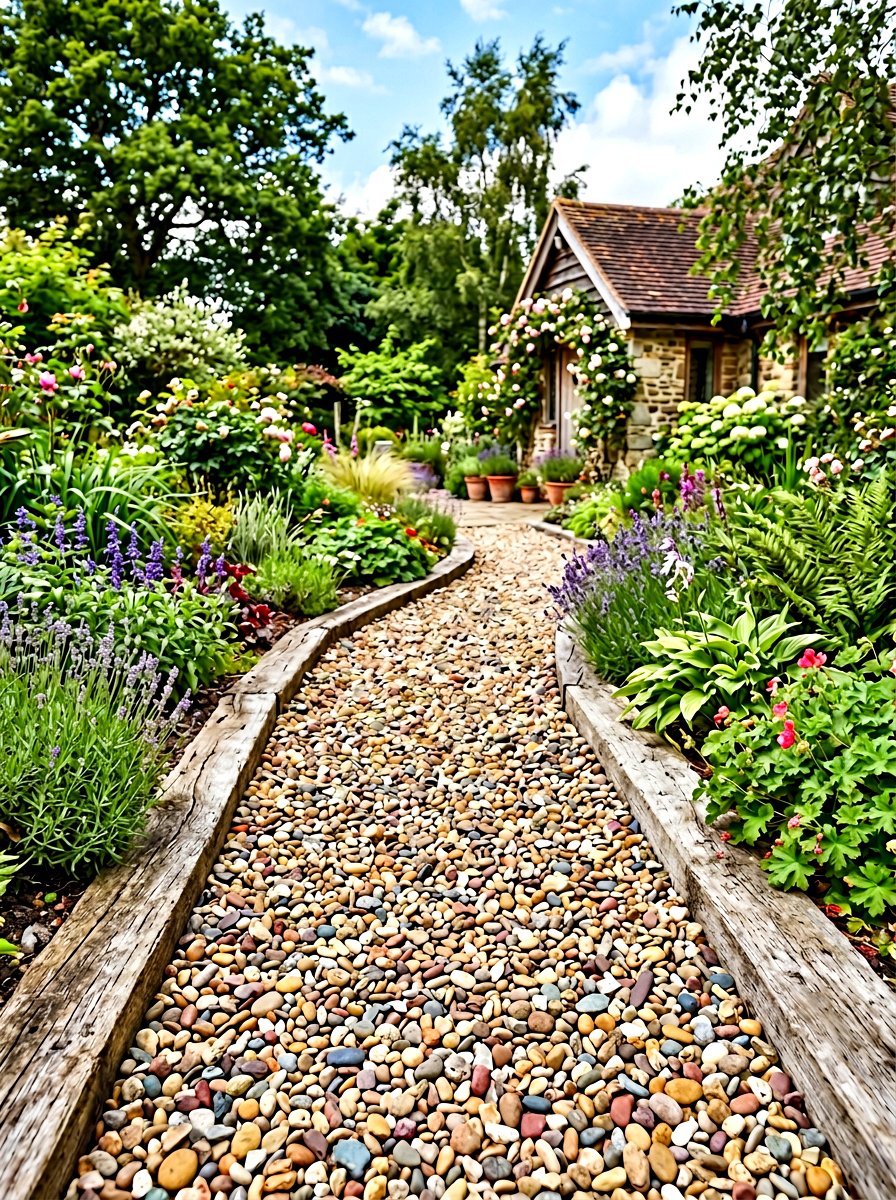
Using a mix of different gravel sizes and colors can create a highly textured and unique look that feels very custom. This "salt and pepper" effect is achieved by blending various types of stone, such as pea gravel, crushed granite, and small river rocks. The variation in size helps the stones lock together more effectively, creating a surface that is both stable and visually interesting. This approach is great for hiding small pieces of debris like twigs or leaves, making it a very low-maintenance choice. It works well in casual or eclectic gardens where you want to avoid a look that is too "matchy-matchy. " The result is a natural-looking trail that feels like it has been there for years.
24. Recycled Glass Gravel
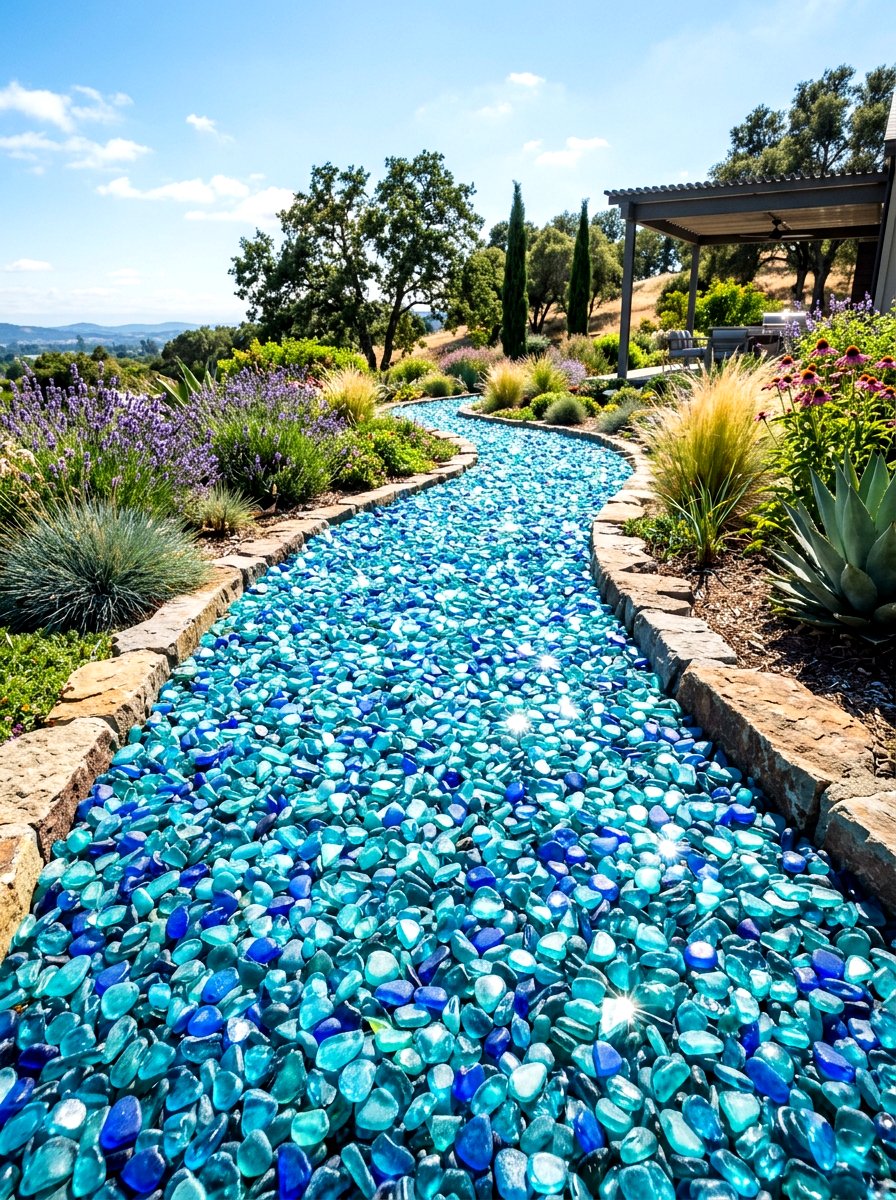
For the eco-conscious homeowner, recycled glass gravel offers a stunning and sustainable alternative to traditional stone. The glass is tumbled to remove all sharp edges, making it perfectly safe to touch and walk on. It comes in a wide array of brilliant colors, including blues, greens, and ambers, which can catch the sunlight and sparkle like jewels in your garden. This material is non-porous and incredibly durable, ensuring that the colors will never fade over time. Using glass gravel as an accent or as the main material for a small path adds a modern and artistic flair to your landscape. It is a great way to repurpose materials while creating a one-of-a-kind outdoor feature.
25. Bridge Gravel Walkway
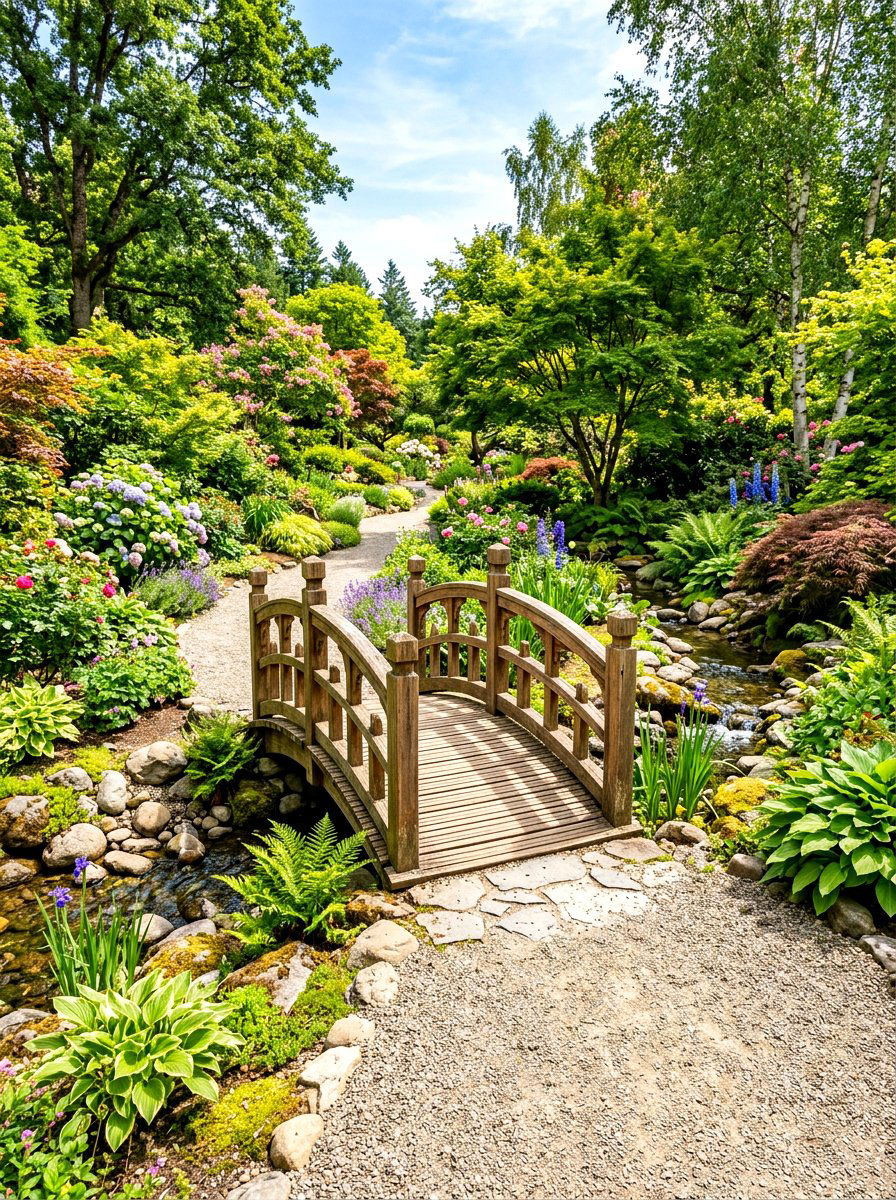
Adding a small wooden or stone bridge over a section of your gravel path can create a beautiful architectural focal point. This is especially effective if your path crosses a low-lying area, a dry creek bed, or a small garden pond. The bridge provides a change in elevation and texture, making the walk through your garden feel like a true journey. Even a simple, low-profile bridge can add a lot of character and a sense of luxury to a standard walkway. This design element works perfectly in Japanese-inspired or rustic cottage gardens. It invites guests to pause and enjoy the view, making the path more than just a functional route but a destination in itself.
26. Desert Gravel Landscaping
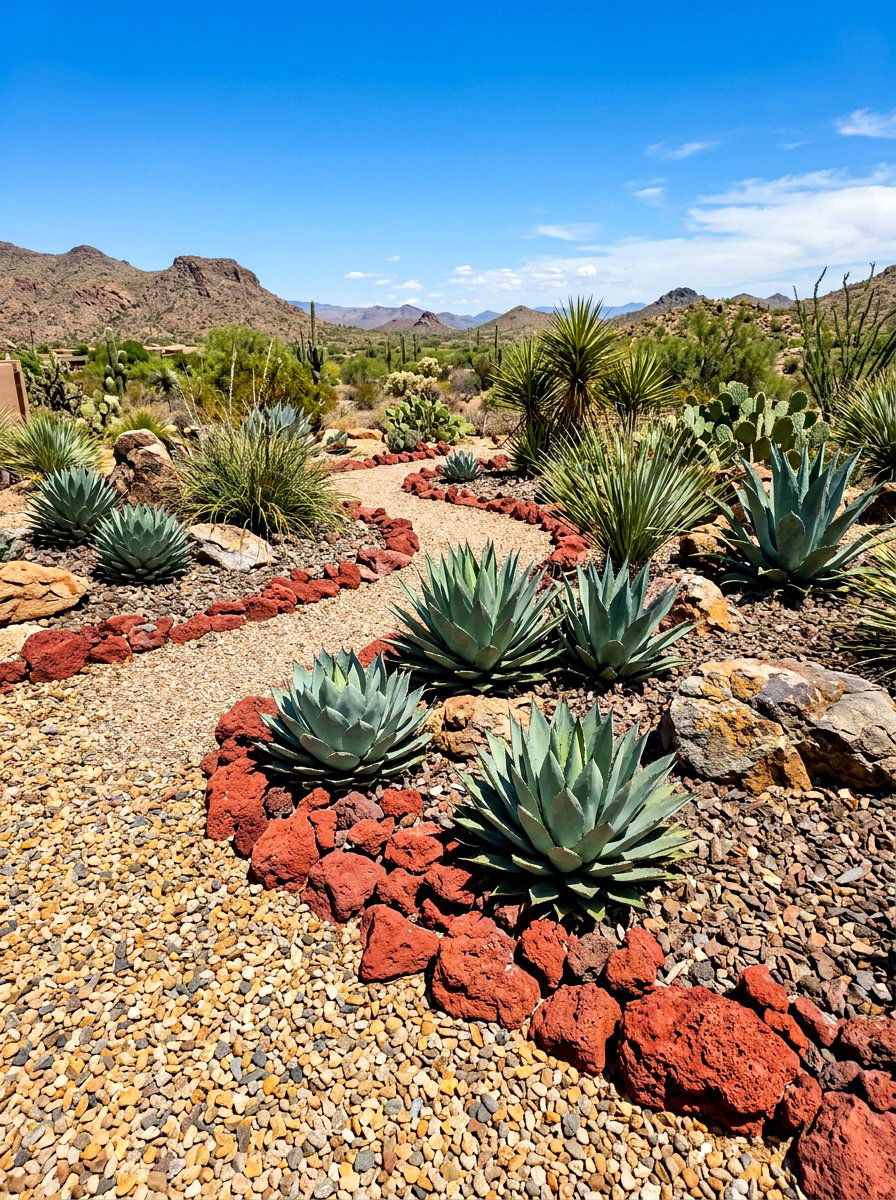
In arid climates, a gravel walkway is an essential part of xeriscaping, providing a beautiful path that requires absolutely no water. This style often uses local crushed stones in shades of terracotta, ochre, or sand to match the natural desert landscape. Pairing the gravel with succulents, cacti, and large boulders creates a low-maintenance and high-impact front yard. The gravel acts as a mulch, keeping the soil cool and preventing evaporation around your drought-tolerant plants. This design is not only environmentally friendly but also very stylish, reflecting a modern appreciation for natural desert beauty. It is a practical and attractive solution for homeowners in dry regions who want a beautiful garden without the high water bill.
27. Tropical Gravel Path
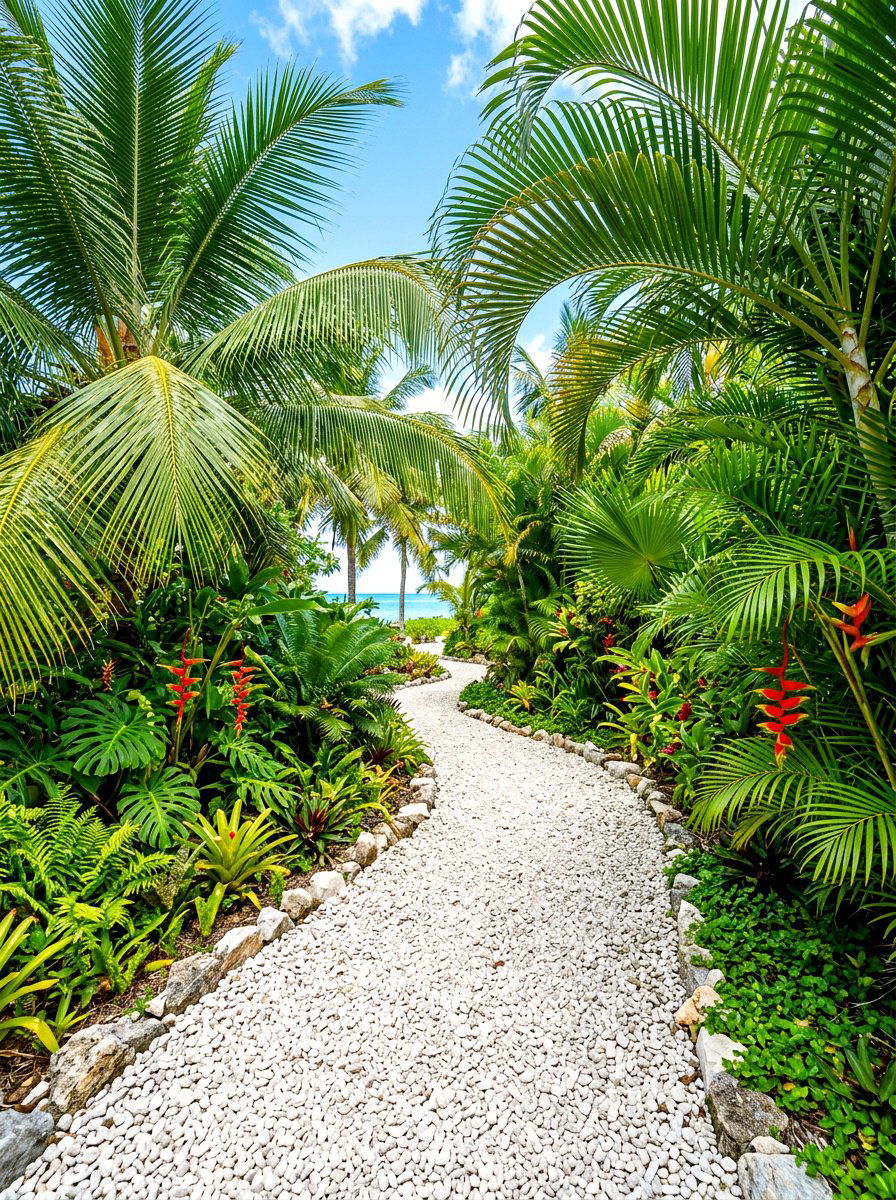
A tropical-style gravel path uses lush greenery and large-leafed plants to create a private jungle oasis in your backyard. This design often features light-colored gravel to contrast with the deep, saturated greens of monsteras, palms, and ferns. The gravel provides excellent drainage, which is crucial for the heavy rains often found in tropical climates or simulated garden environments. You can add large, smooth river stones along the edges to enhance the natural, island-inspired feel. Walking down a path surrounded by dense foliage and the soft crunch of stones creates a sense of total immersion in nature. It is an ideal way to turn a side yard or a small patio area into a relaxing vacation-like retreat.
28. Cottage Garden Gravel
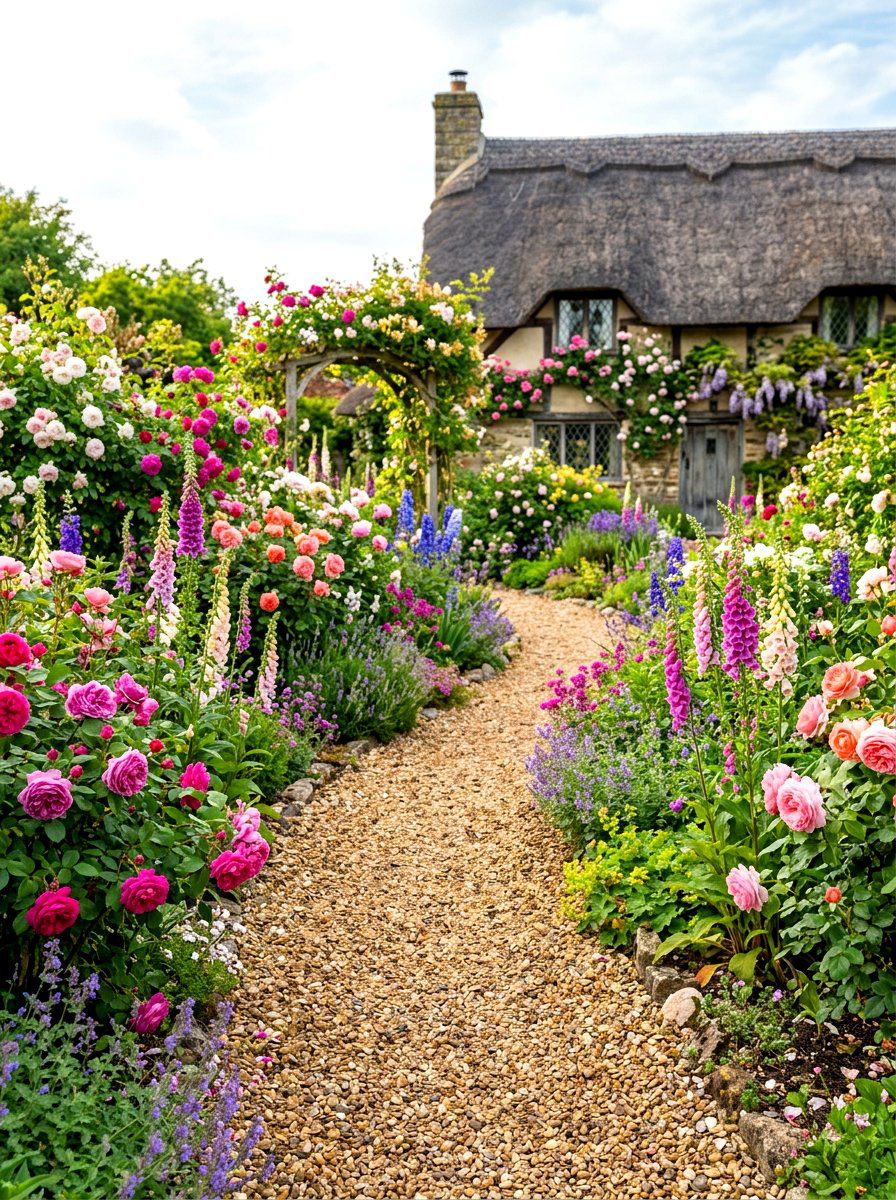
Cottage gardens are known for their informal and overflowing beauty, and a gravel path is the perfect way to navigate through the chaos of blooms. This design often features winding paths that are partially obscured by tall flowers like hollyhocks, peonies, and foxgloves. The gravel provides a neutral and practical surface that doesn't compete with the vibrant colors of the plants. Using natural stone or weathered brick edging keeps the look soft and approachable rather than stiff and formal. A cottage-style path often has a bit of "charming imperfection, " with a few stray flowers spilling over the edges. It evokes a sense of nostalgia and warmth, making your outdoor space feel like a cozy, lived-in sanctuary.
29. Permeable Gravel Grid
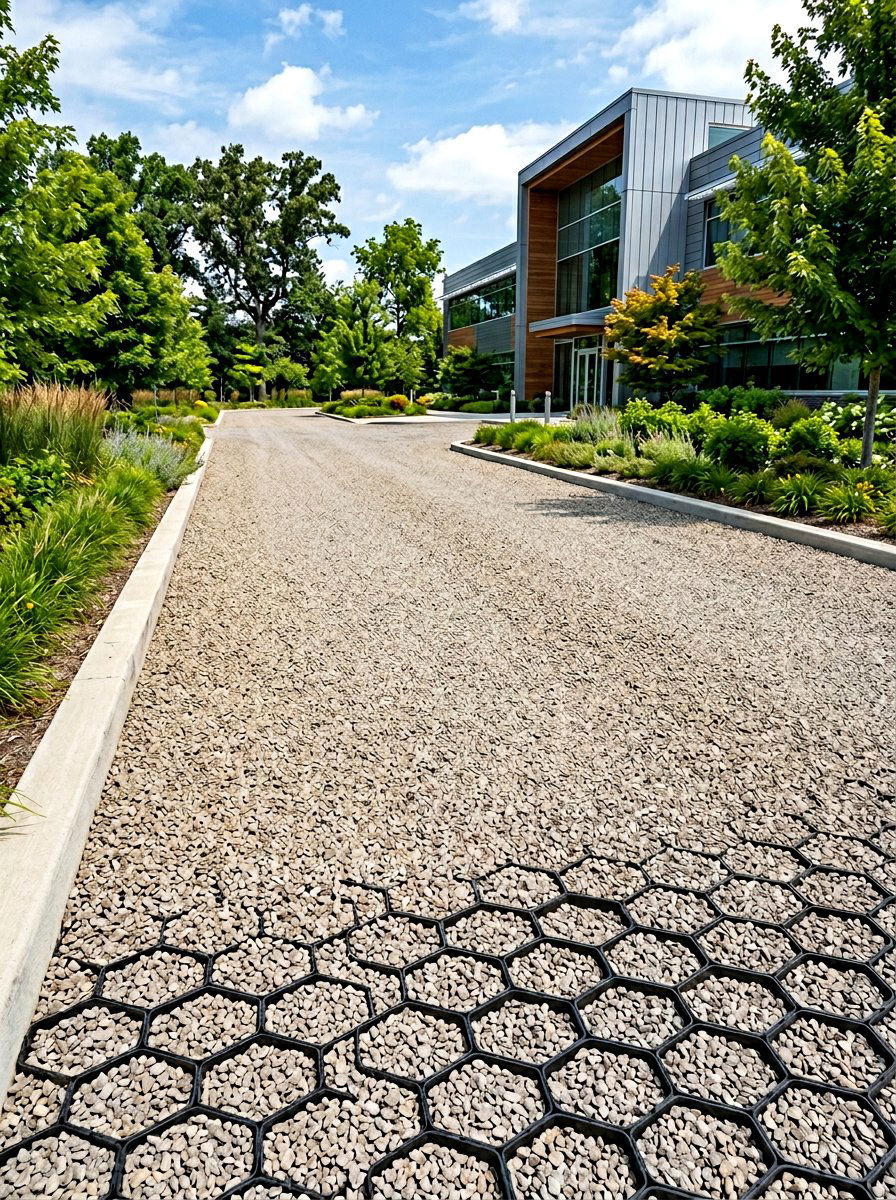
If you are worried about gravel shifting or sinking, using a permeable grid system is the ultimate functional solution. These plastic honeycomb grids are laid down before the gravel, providing a stable structure that keeps the stones in place even under the weight of a car or heavy garden equipment. The gravel fills the cells of the grid, creating a surface that is 100% permeable while remaining as flat and firm as a paved sidewalk. This is an excellent choice for long driveways or paths that need to be wheelchair accessible. Because the stones are contained, you will rarely need to rake them back into place. It is a hidden engineering marvel that keeps your walkway looking perfect for years.
30. Pebble Mosaic Walkway
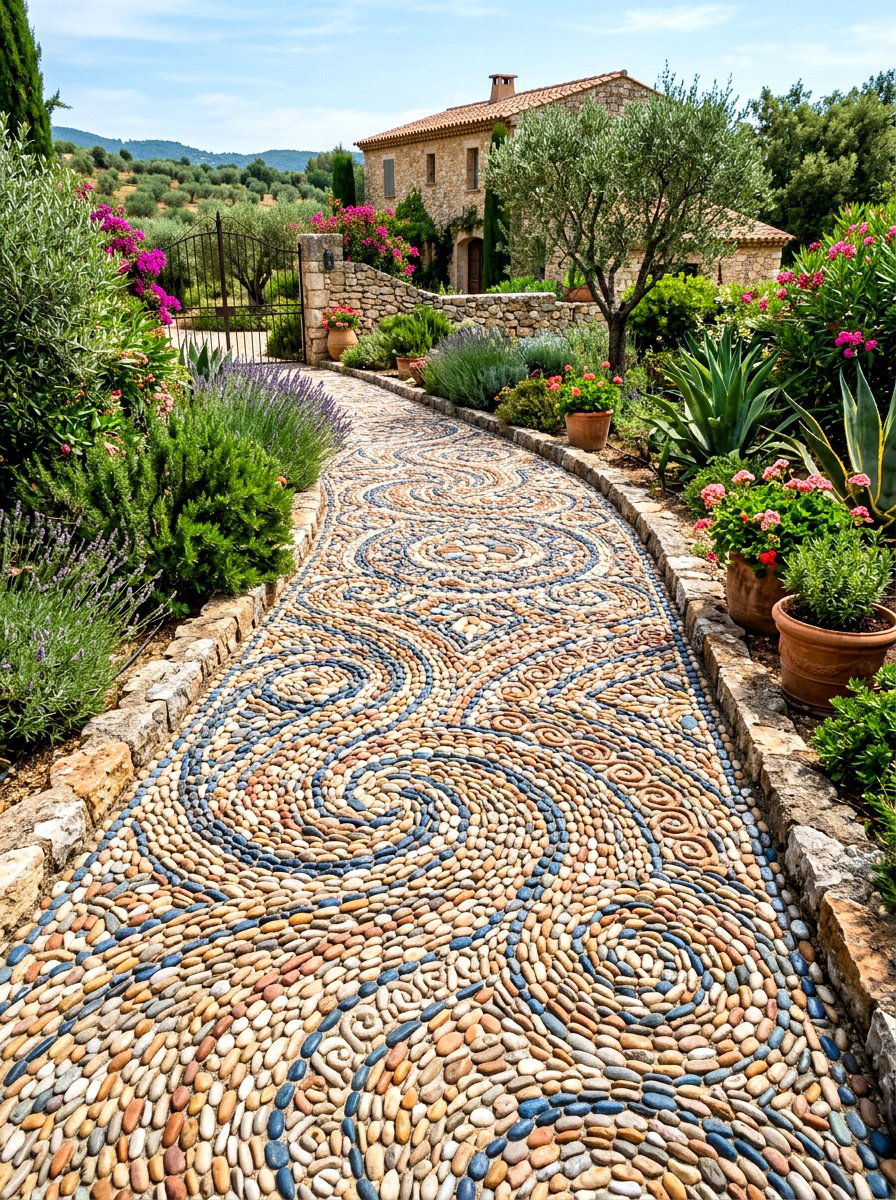
A pebble mosaic walkway turns a simple path into a permanent work of art. This technique involves embedding small, smooth stones of different colors into a mortar base to create intricate patterns, swirls, or pictures. While it requires more effort to install than loose gravel, the result is a breathtaking and durable feature that will last for generations. You can use pebble mosaics as small "rug" accents within a larger gravel path or cover the entire walkway for a grand statement. This style is often found in Mediterranean and formal European gardens. It adds a high level of craftsmanship and personality to your landscape, ensuring that your walkway is a unique conversation piece for every visitor.
Conclusion:
A well-designed gravel walkway is much more than just a practical solution for navigating your yard; it is a fundamental element of landscape architecture. By carefully selecting your stone type, color, and edging material, you can transform a simple transit route into a stunning visual feature that enhances your home’s overall aesthetic. From the modern sophistication of crushed black basalt to the rustic charm of timber-edged pea gravel, there is a design to suit every personal style and budget. These pathways offer the perfect blend of low maintenance, high durability, and timeless beauty. Whether you are starting a complete garden renovation or a simple weekend DIY project, a gravel path will provide a lasting foundation for outdoor enjoyment.

Related posts: