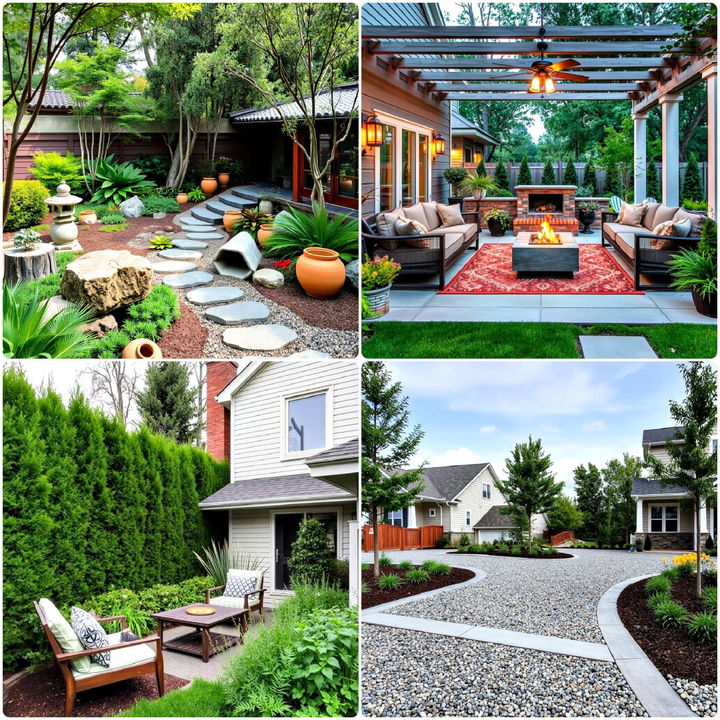
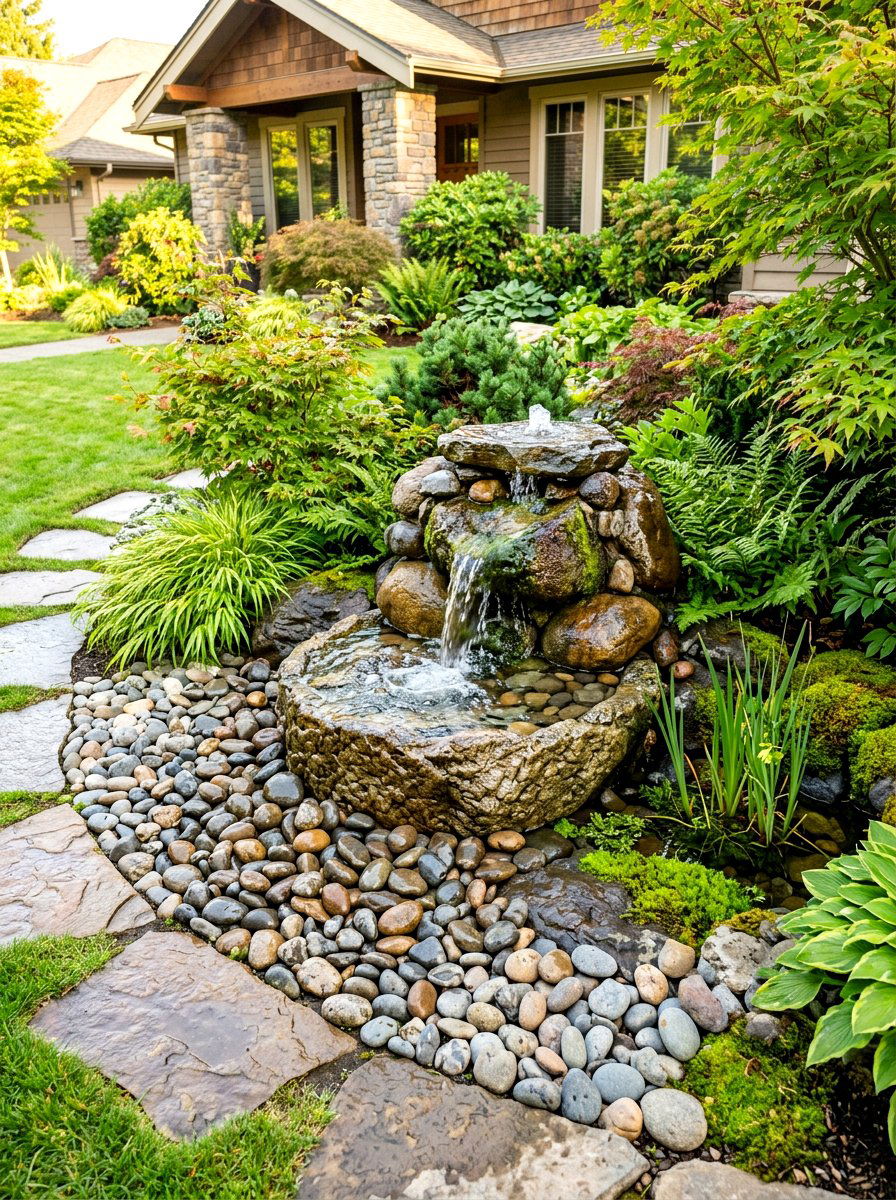
Creating a beautiful entrance to your home or a winding trail through your backyard starts with choosing the right materials. A stone walkway offers a timeless appeal that blends durability with natural elegance, making it a favorite for many homeowners looking to boost curb appeal. Whether you prefer the rugged look of natural fieldstone or the clean lines of modern pavers, there are countless ways to arrange these elements to suit your landscape. Stone paths provide a solid foundation for walking while adding texture and visual interest to your garden beds. In this guide, we will explore various styles that can transform your outdoor living space into a functional masterpiece with lasting beauty.
1. Flagstone Path With Moss
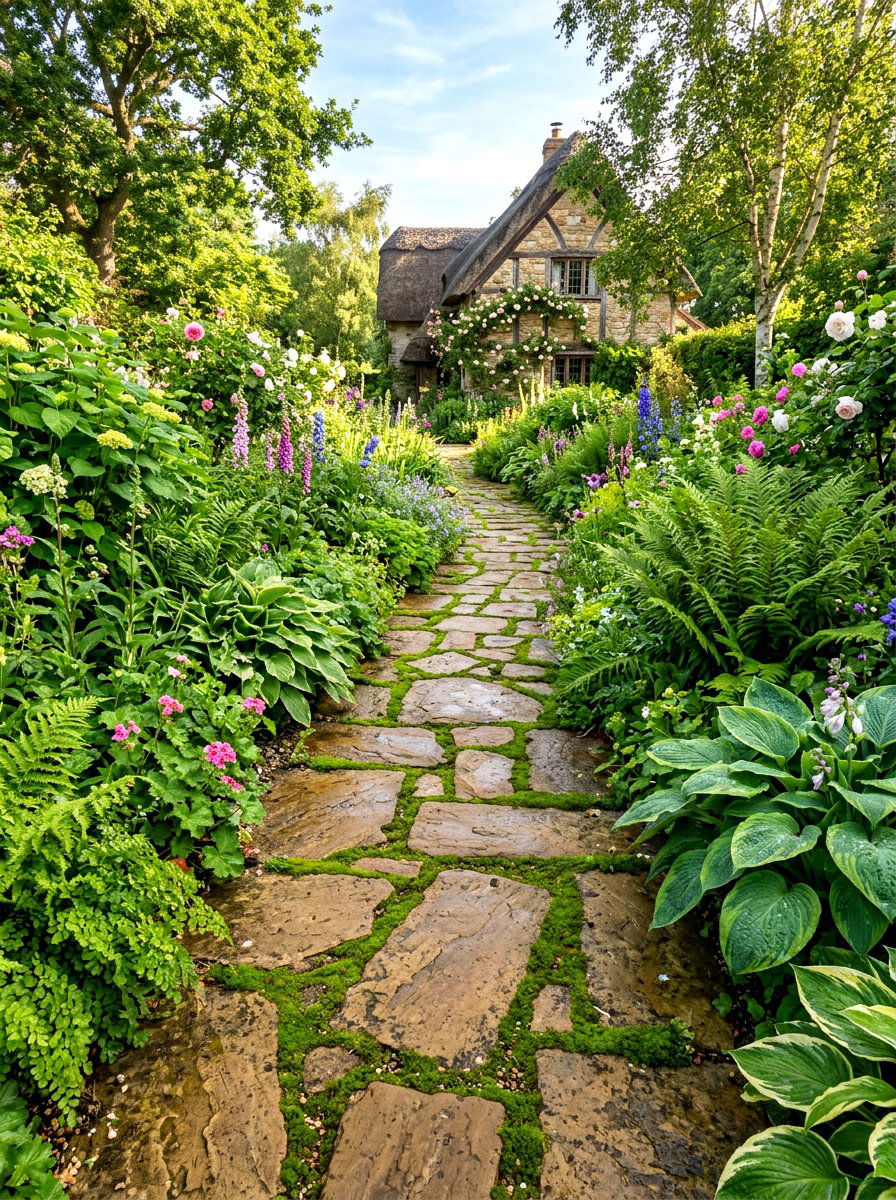
Have you ever dreamed of a garden that looks like it belongs in a storybook? A flagstone path with moss is one of the most enchanting ways to bring a touch of old-world charm to your outdoor space. This style uses irregular pieces of flat stone, leaving generous gaps where soft, green moss can thrive. It feels incredibly soft underfoot and creates a seamless transition between your hardscaping and the natural environment. The contrast between the cool gray or earthy tan stones and the vibrant greenery makes the entire walkway pop. This design works best in shaded areas where moisture helps the moss stay lush and healthy throughout the year.
2. Slate Stepping Stones
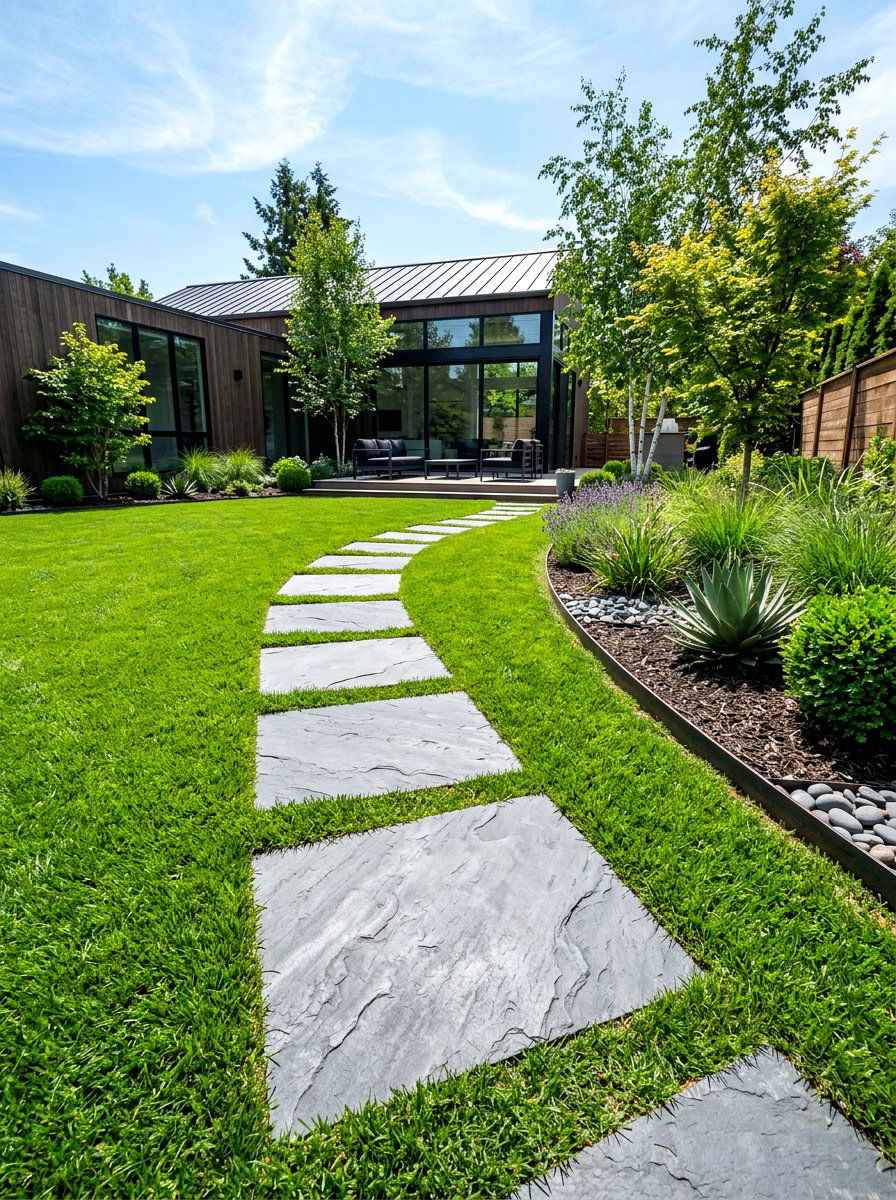
If you are looking for a sleek and modern way to navigate your yard, slate stepping stones are an excellent choice. Slate is known for its beautiful, layered texture and sophisticated dark tones, ranging from charcoal gray to deep purple and blue. These stones are usually cut into large, uniform squares or circles and placed directly into the lawn or a bed of fine gravel. Because they are spaced apart, they create a minimalist look that does not overwhelm the landscape. Slate is also naturally slip-resistant, making it a safe option for areas near pools or in climates that receive frequent rain during the spring.
3. Cobblestone Garden Walkway
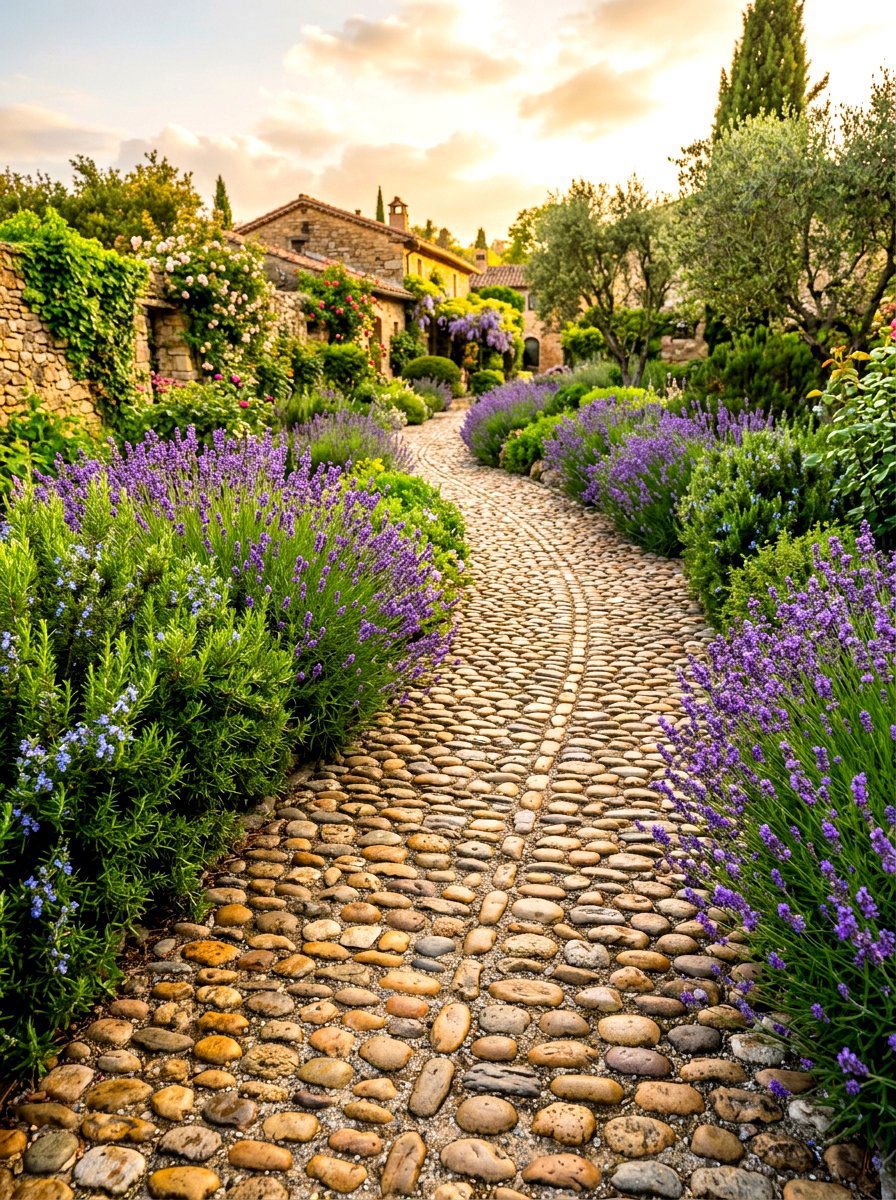
For homeowners who appreciate a classic European aesthetic, a cobblestone garden walkway provides a sense of history and permanence. These small, rounded stones are often set in mortar or sand to create a textured, durable surface that can handle heavy foot traffic. Cobblestones are perfect for traditional homes or cottage-style gardens where a rugged yet organized appearance is desired. You can arrange them in straight lines for a formal look or follow the natural curves of your flower beds for a more relaxed feel. Their varied colors and tumbled edges give the path a unique character that only gets better as it ages.
4. River Rock Path
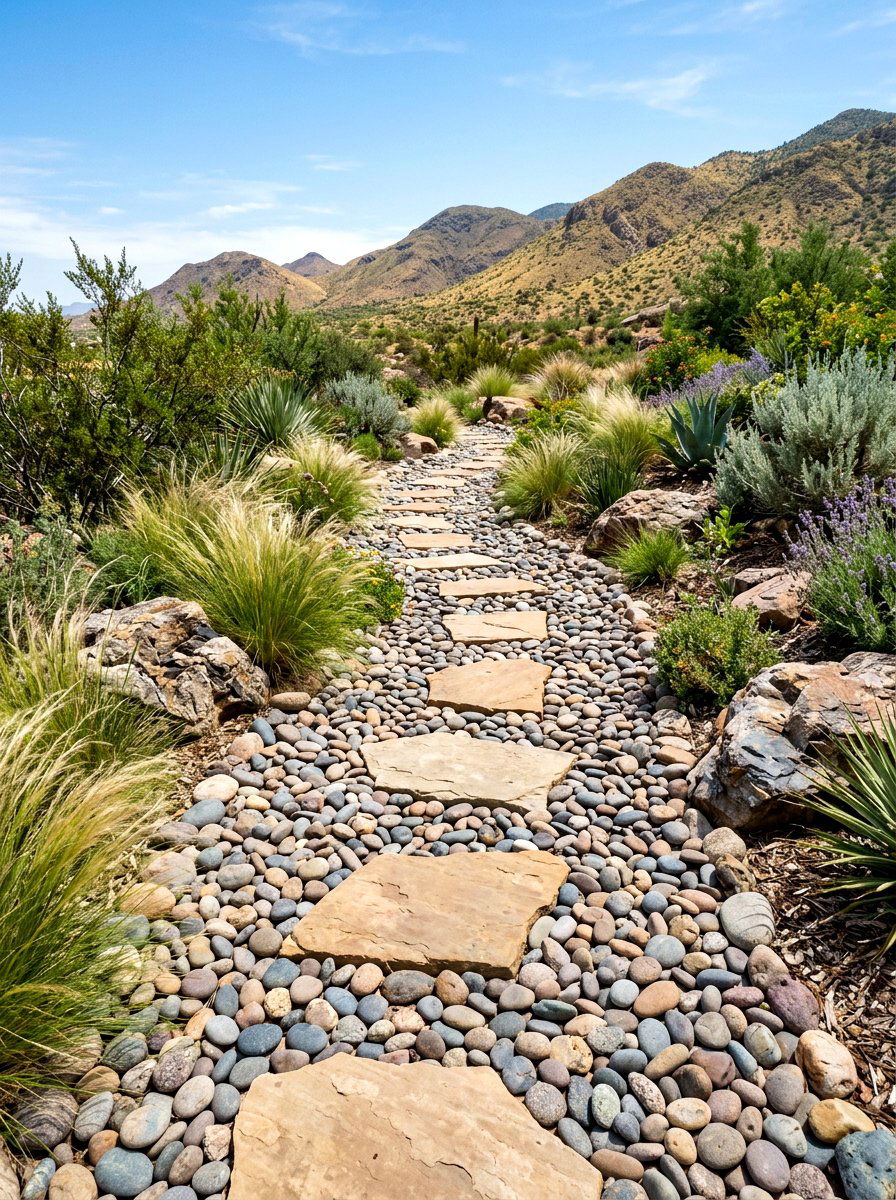
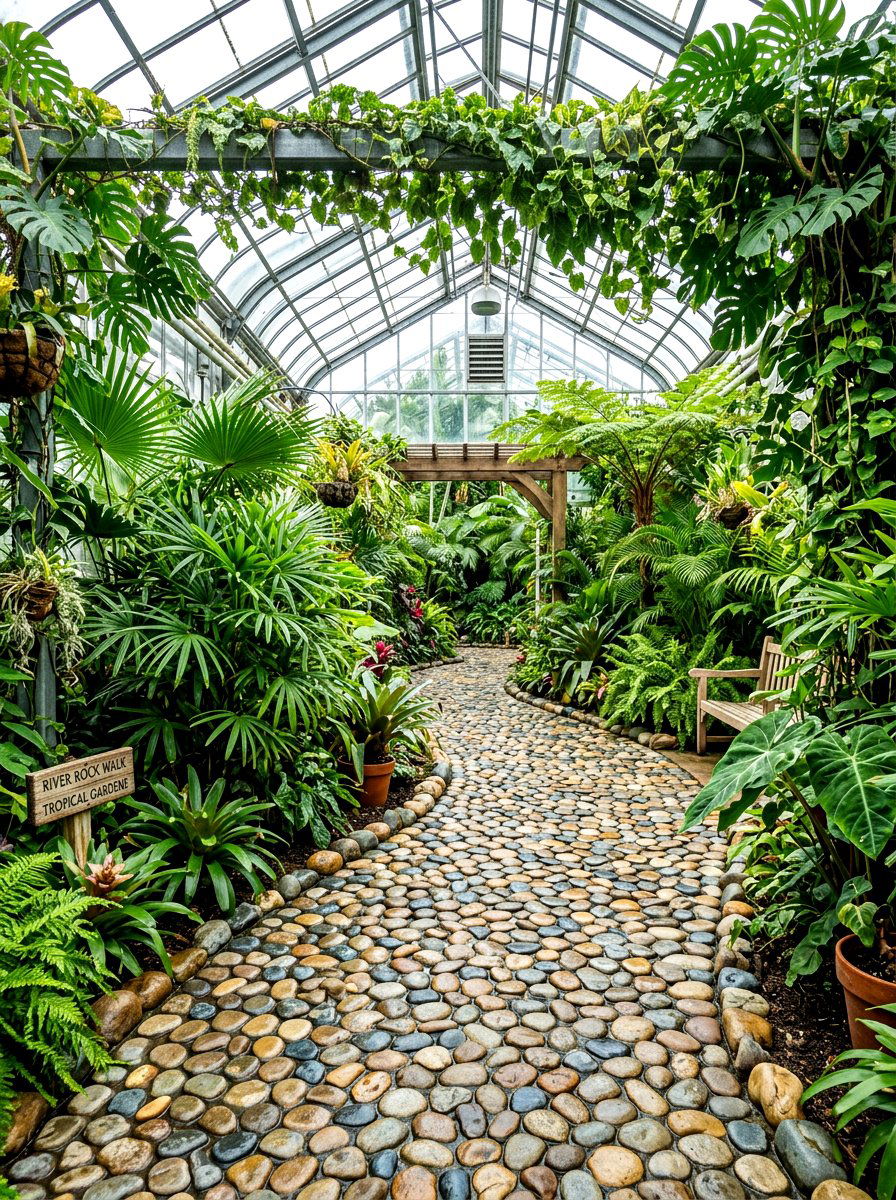
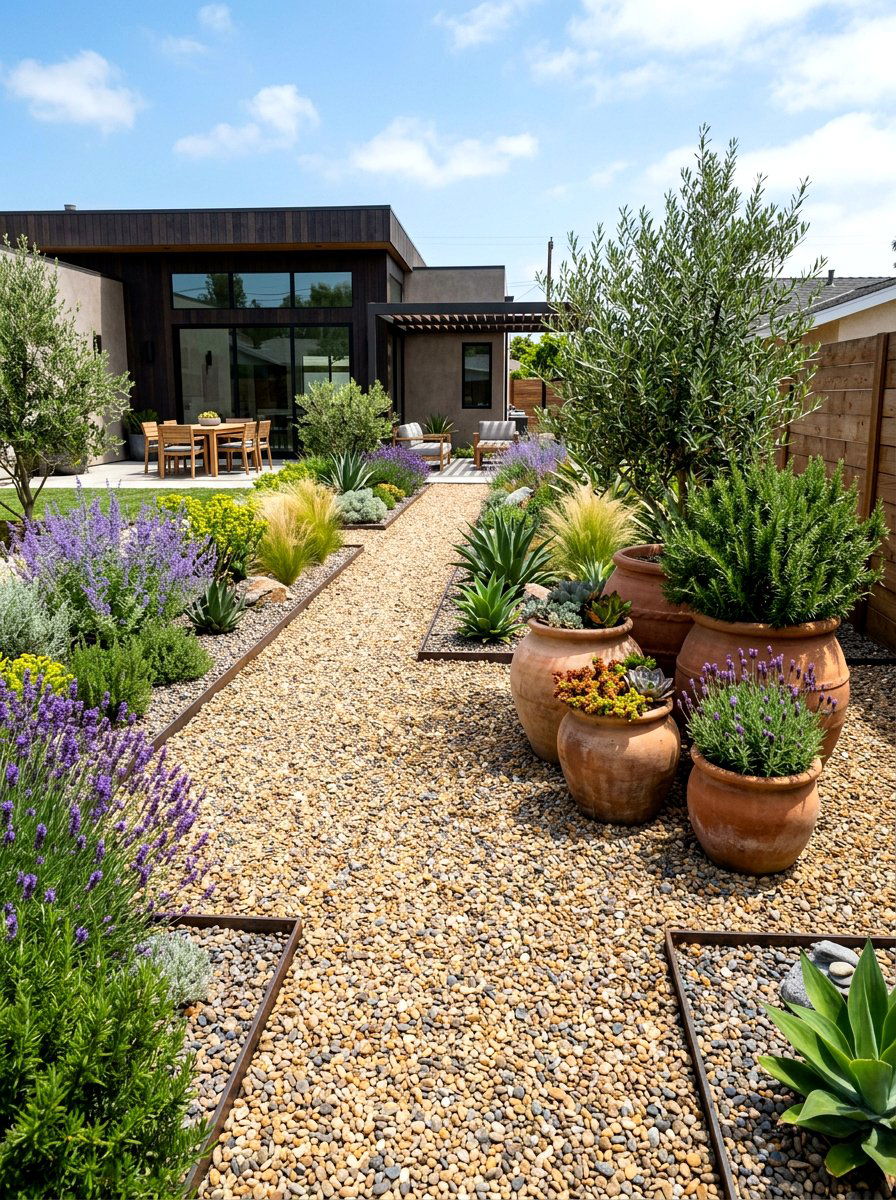
A river rock path offers a highly natural and organic look that works perfectly in xeriscapes or water-themed gardens. This design typically involves using smooth, rounded stones of various sizes to create a dry creek bed appearance. You can embed larger flat stones within the river rock to serve as stable landing spots for your feet. This approach is excellent for areas with drainage issues, as the loose rocks allow water to permeate easily into the soil. The combination of different earthy shades, like tan, gray, and brown, adds depth to the landscape and complements many different types of native ornamental grasses.
5. Limestone Walkway
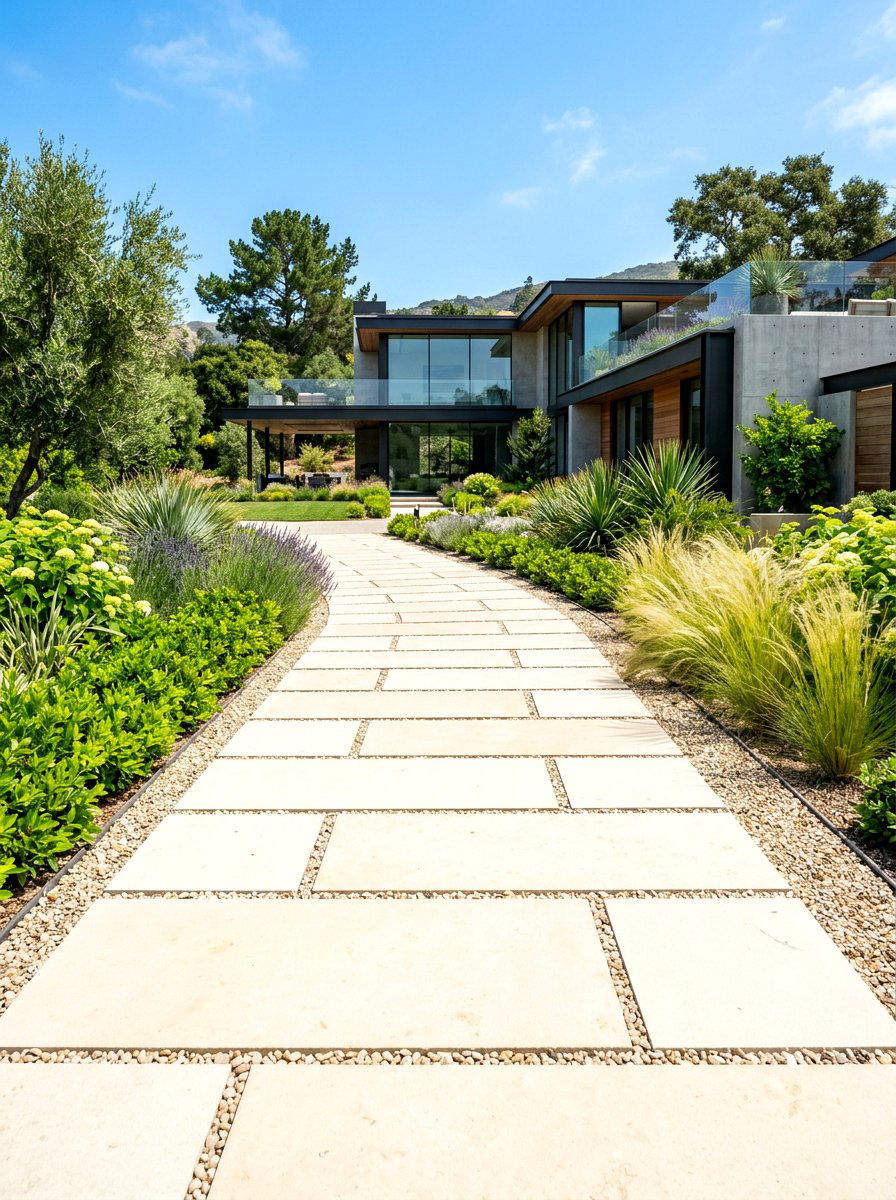
Limestone is a versatile material that brings a bright and airy feel to any outdoor space. Because it is often found in lighter shades of cream, beige, and light gray, a limestone walkway can make a small garden feel much larger and more open. These stones can be cut with sharp, clean edges for a contemporary look or tumbled for a softer, more rustic appearance. One of the best benefits of limestone is that it stays relatively cool in the sun compared to darker stones. This makes it a very practical choice for sunny backyards where you might want to walk barefoot during the hot summer months.
6. Fieldstone Path
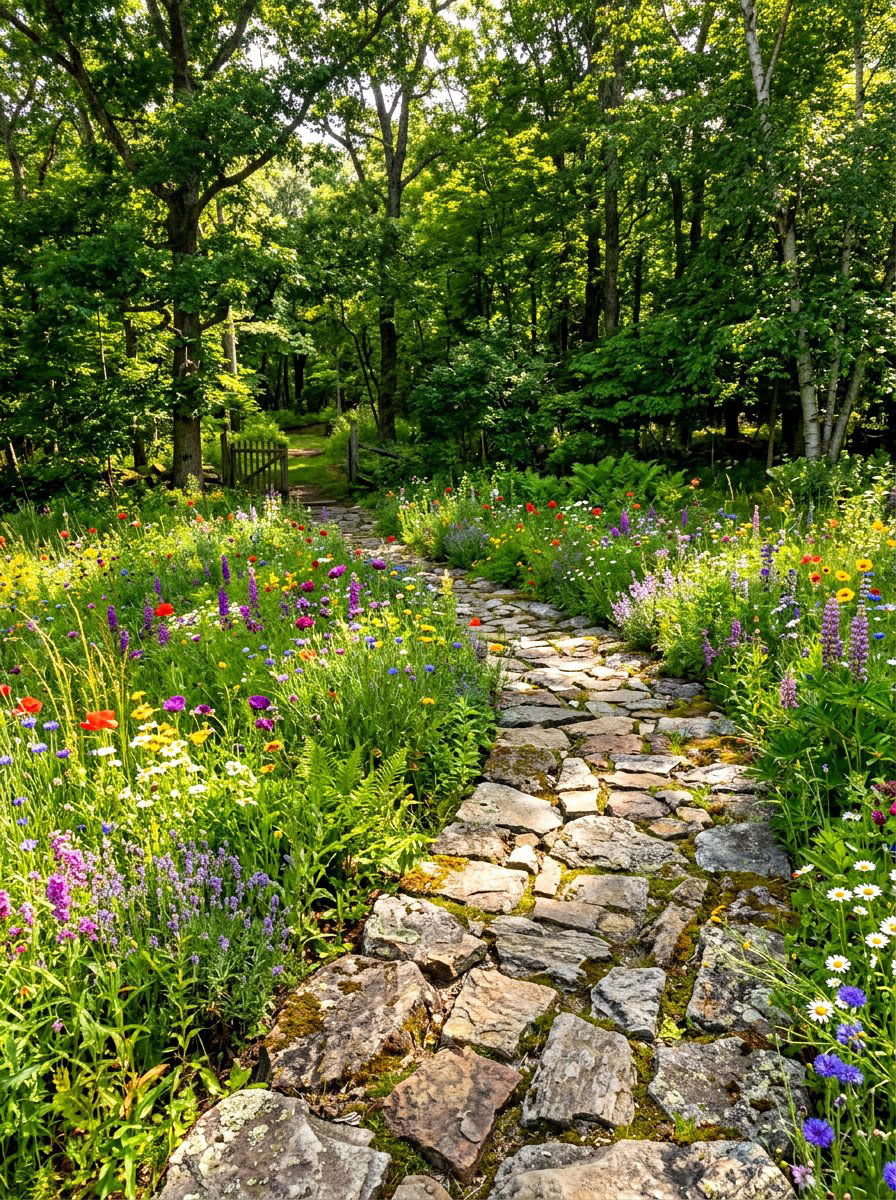
A fieldstone path is the ultimate choice for a rustic, "found in nature" look that blends perfectly with a wooded or informal landscape. These stones are usually used in their raw, unrefined state, featuring varying thicknesses and jagged edges that provide a lot of visual interest. Laying a fieldstone path is like putting together a giant puzzle, as you must fit the unique shapes together to create a walkable surface. This style looks best when surrounded by wilder plantings, such as ferns or wildflowers, which help soften the rugged edges of the stone. It is a cost-effective option if you have access to local stone.
7. Geometric Stone Walkway
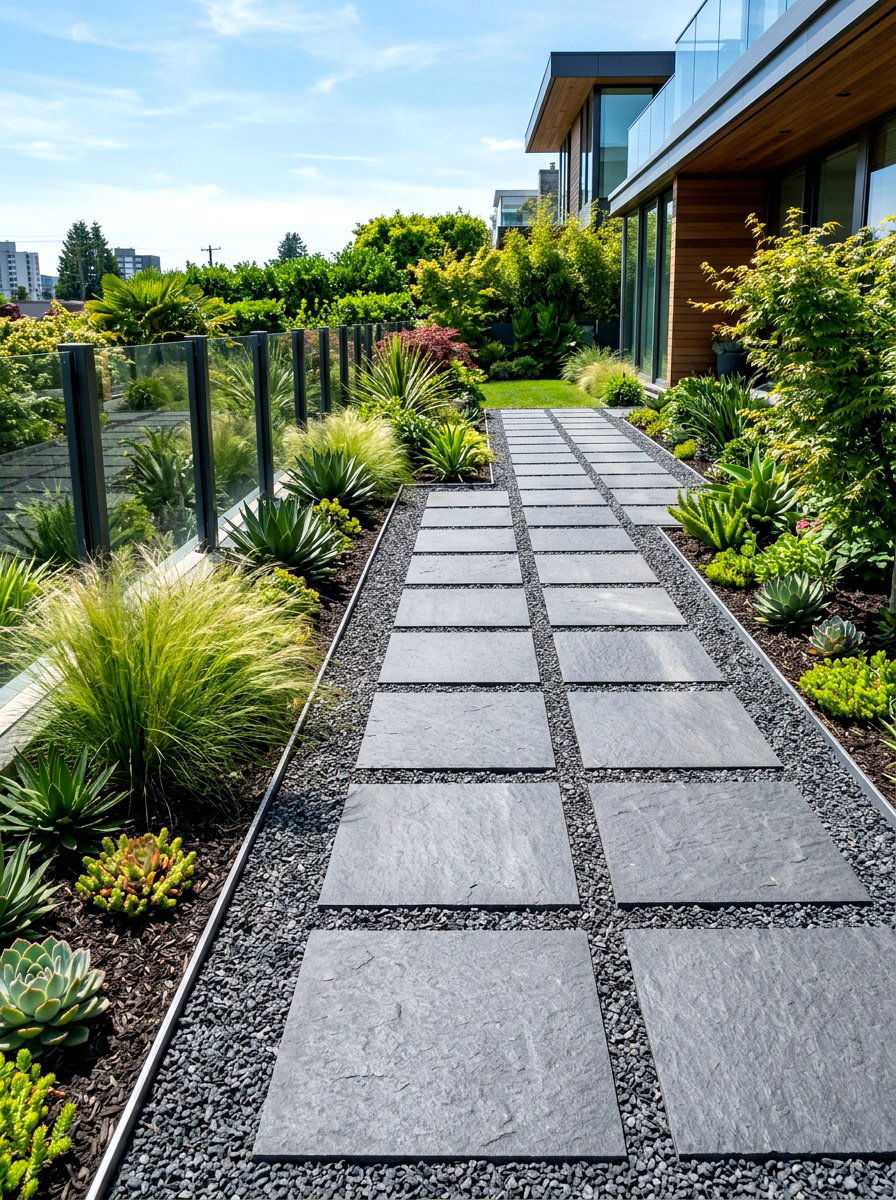
For a high-end, architectural feel, a geometric stone walkway uses precisely cut pavers to create a sense of order and symmetry. This design often features large rectangular or square slabs of granite or basalt arranged in a structured grid pattern. To keep the look modern, you can fill the gaps between the stones with very small, dark pebbles or a low-growing ground cover like creeping thyme. The sharp lines of the stone contrast beautifully with the organic shapes of nearby plants, making the walkway a striking focal point. This style is perfect for modern homes with minimalist landscaping and very clean architectural lines.
8. Gravel And Stone Path
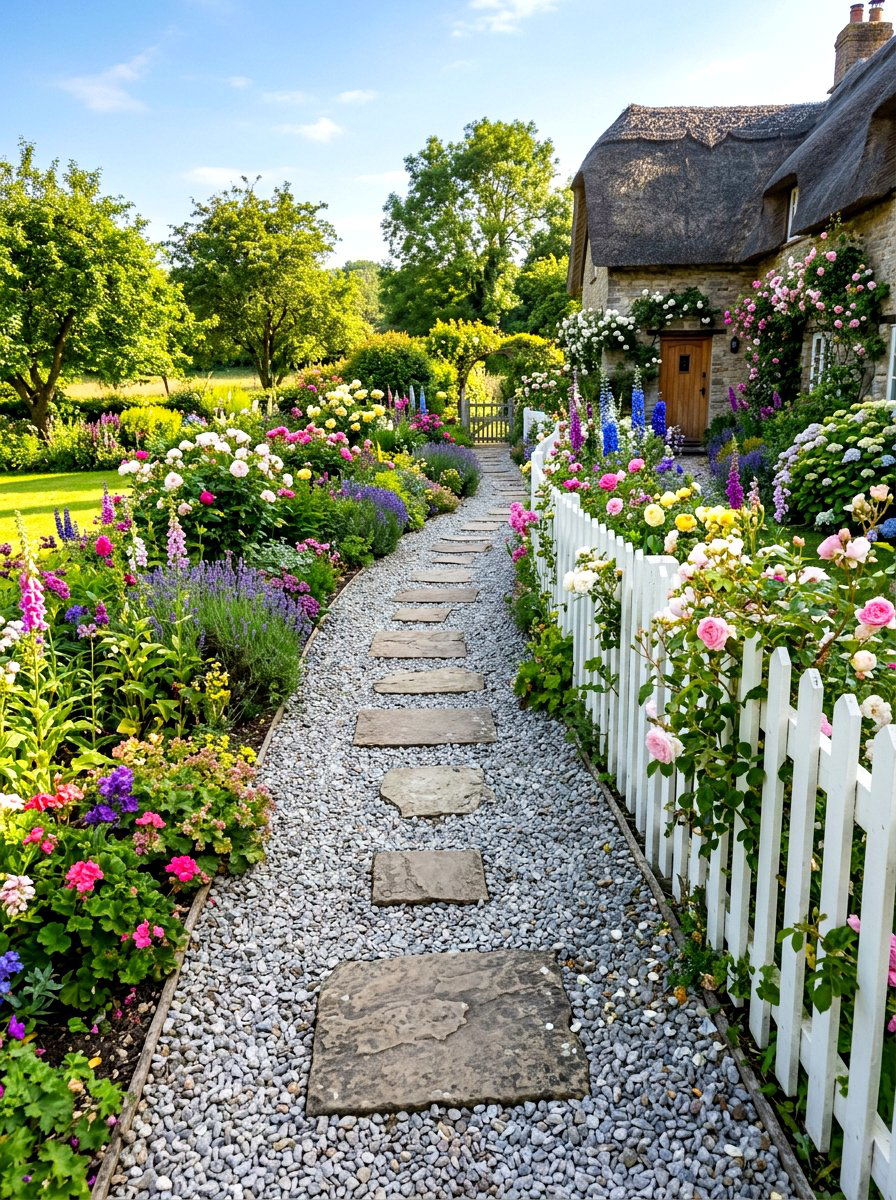
Combining loose gravel with larger flat stones creates a textured and budget-friendly walkway that offers a satisfying crunch underfoot. The gravel serves as a permeable base that prevents weeds from growing while providing excellent drainage for the entire area. You can place large flagstones or concrete pavers into the gravel at a comfortable walking distance to create a stable path. This style is highly flexible and can easily be adjusted to fit narrow side yards or wide open spaces. Choosing a gravel color that matches the tones in your stepping stones will create a cohesive and professional look for your garden.
9. Curved Stone Path
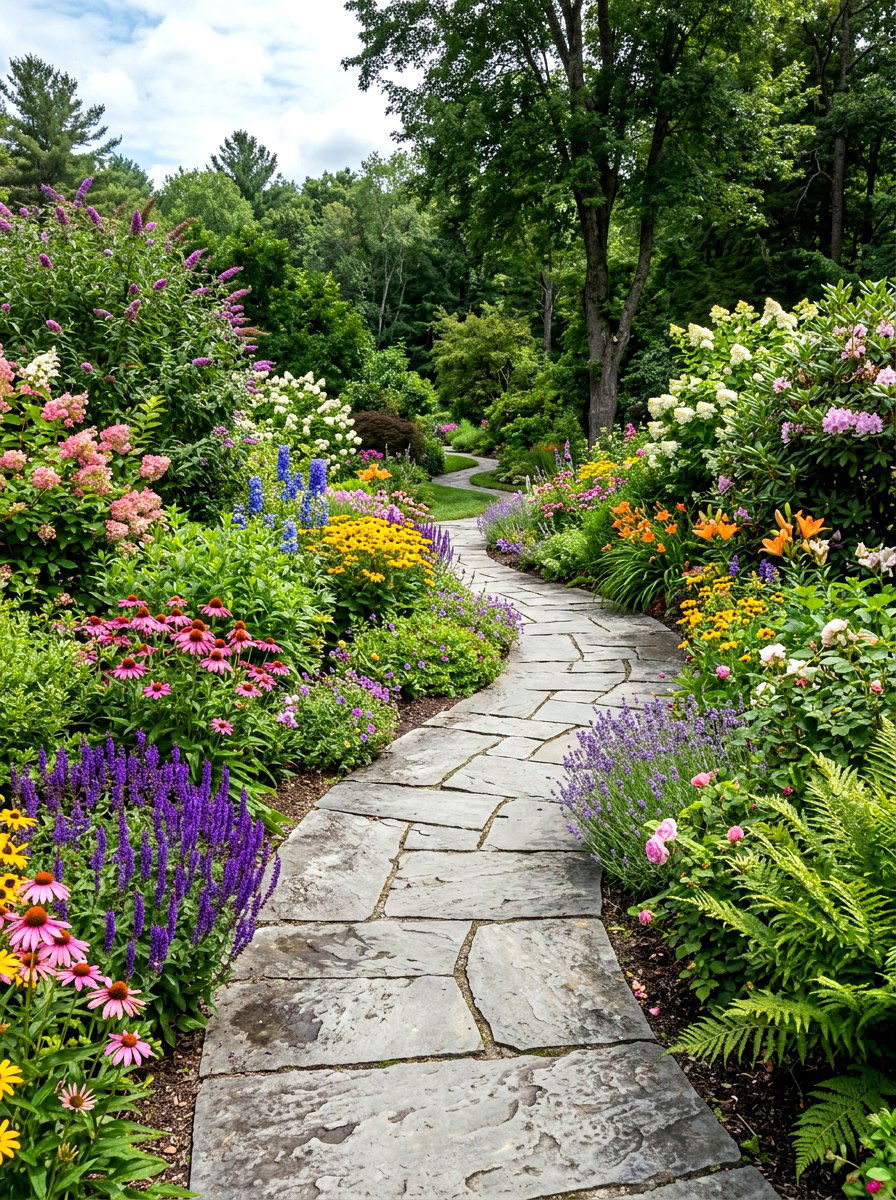
A curved stone path is a wonderful way to add a sense of mystery and exploration to your backyard. Instead of moving in a direct line, a winding path encourages guests to slow down and enjoy the different sections of your garden as they turn each corner. You can use irregular stones to enhance the natural feel of the curves, making the path look like it has been there for decades. This design technique is especially useful for making small yards appear larger by breaking up the sightlines. It creates a soft, inviting flow that leads the eye toward a destination like a bench or fountain.
10. Blue Stone Walkway
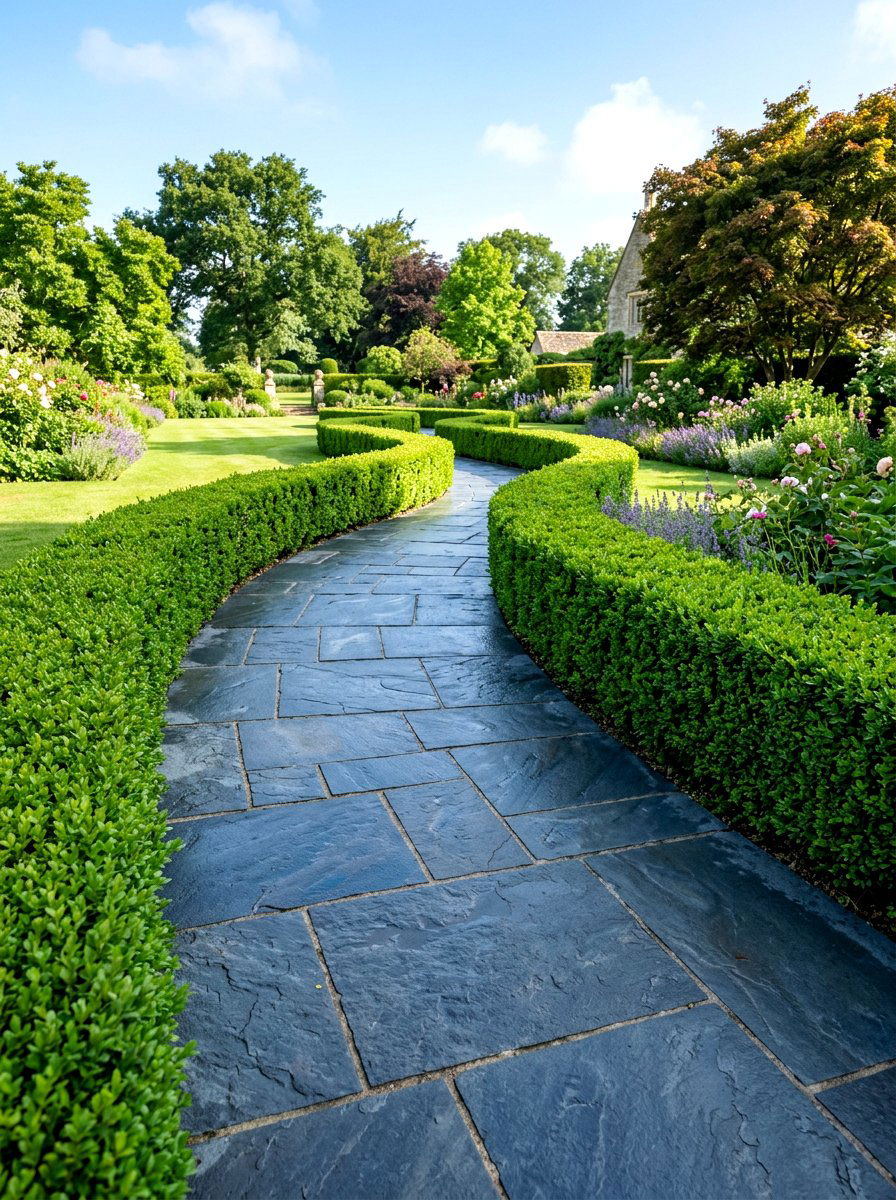
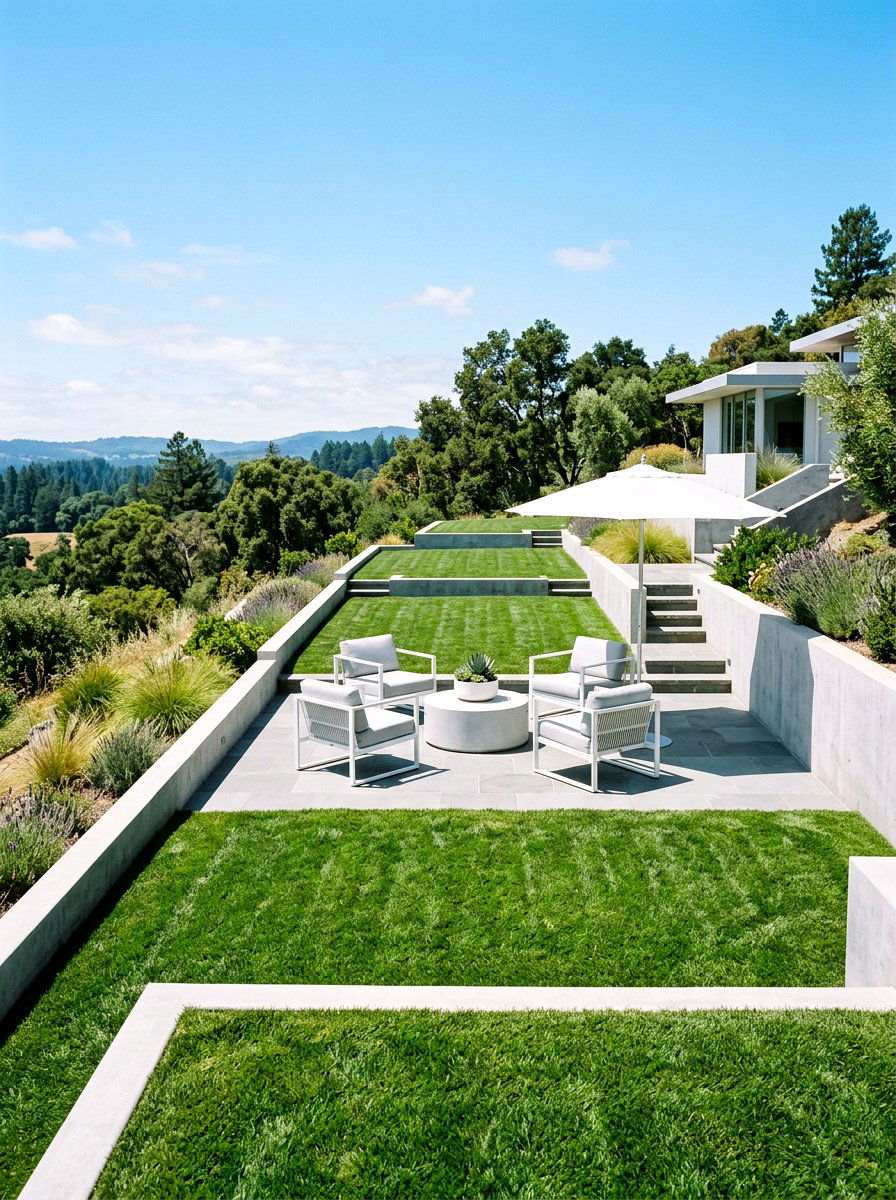
Bluestone is a popular variety of sandstone that is prized for its stunning deep blue and gray hues. A bluestone walkway adds a touch of luxury and sophistication to any landscape, whether it is used in a formal or informal setting. The stone can be purchased in "natural cleft" form for a textured surface or "thermal" for a completely smooth and uniform finish. Because bluestone is incredibly dense and durable, it can withstand harsh winter freezes without cracking or shifting. Its cool color palette pairs beautifully with white flowering plants and dark green shrubbery, creating a classic look that never goes out of style.
11. Travertine Path
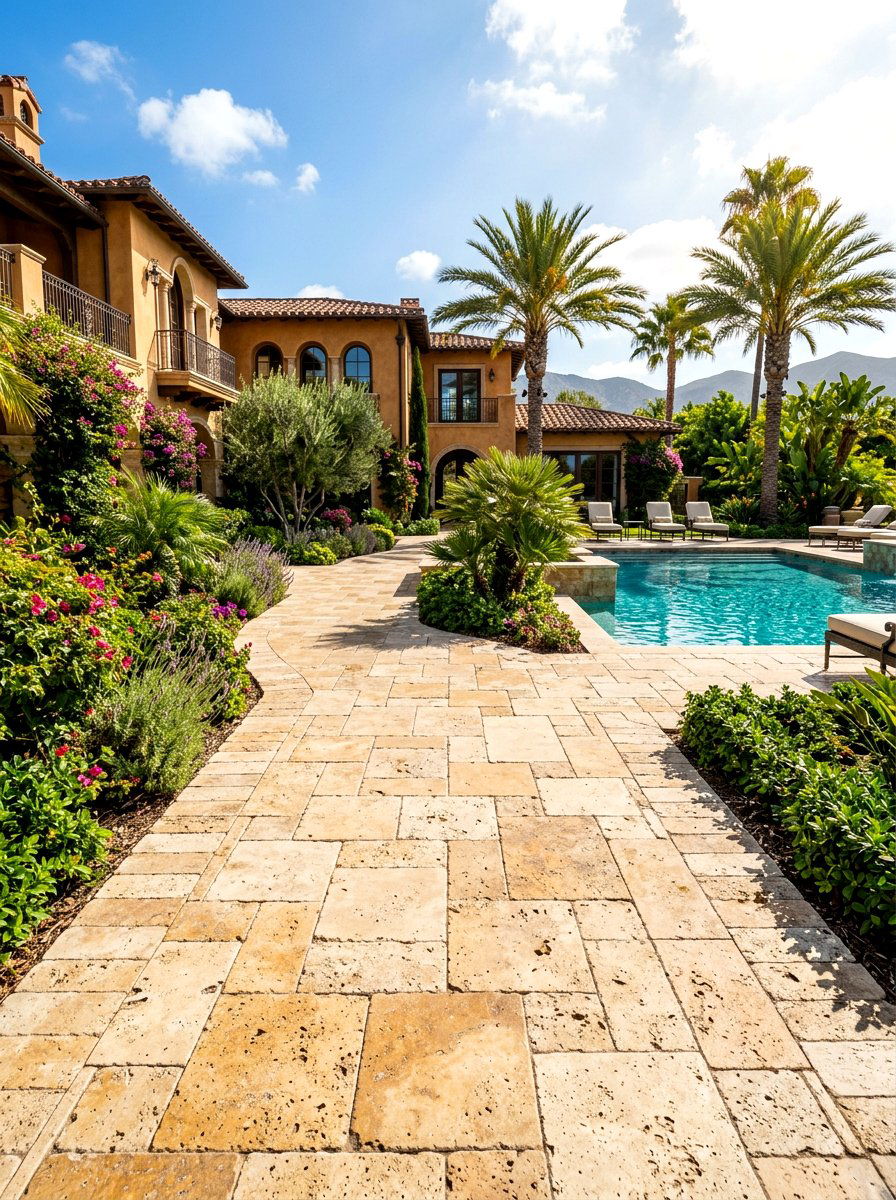
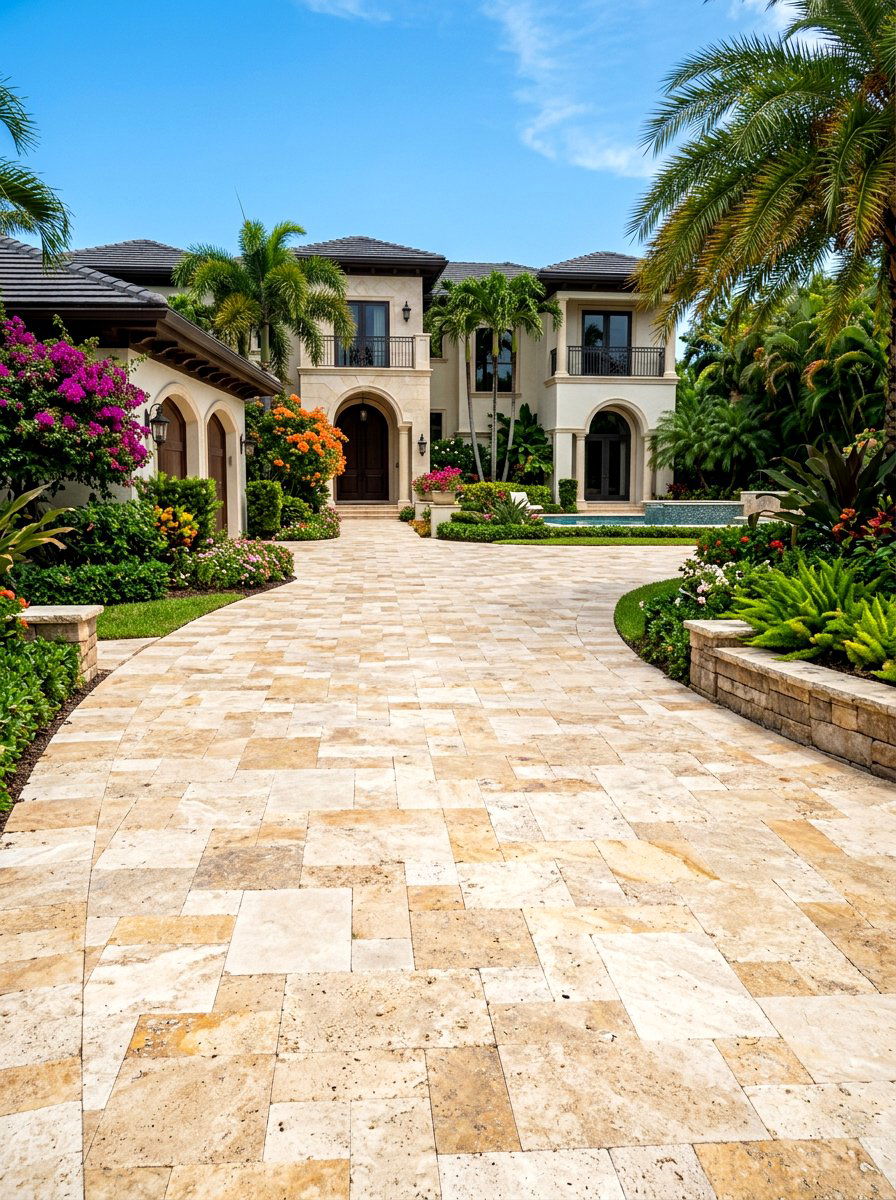
If you want to create a resort-style atmosphere in your own backyard, a travertine path is the perfect material to use. Travertine is a type of limestone that features unique pits and textures, giving it a high-end, antique appearance. It is commonly used around pools because it is naturally slip-resistant and stays remarkably cool under the hot sun. You can find travertine in warm tones like gold, ivory, and walnut, which help create a sunny and inviting Mediterranean vibe. Whether laid in a traditional French pattern or a simple running bond, this stone adds a layer of elegance that elevates the entire outdoor living area.
12. Sandstone Walkway
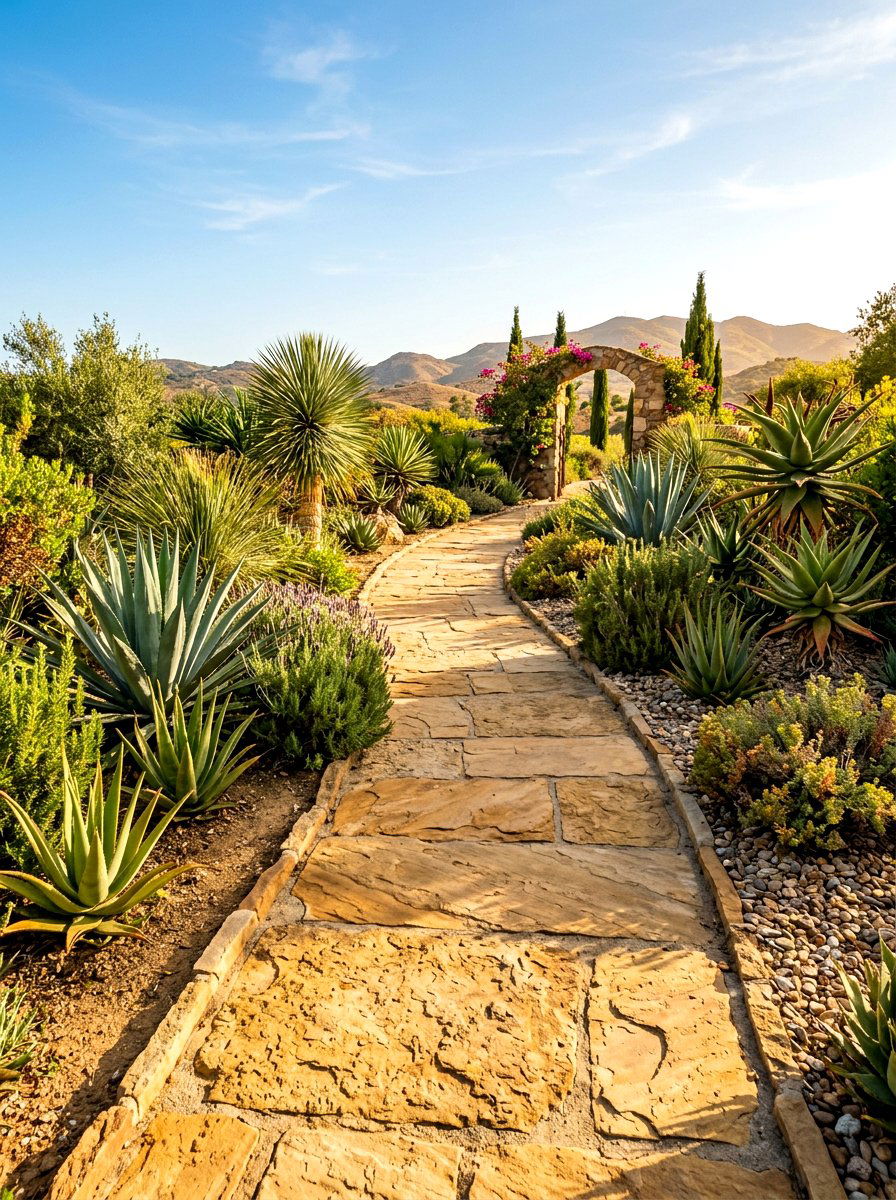
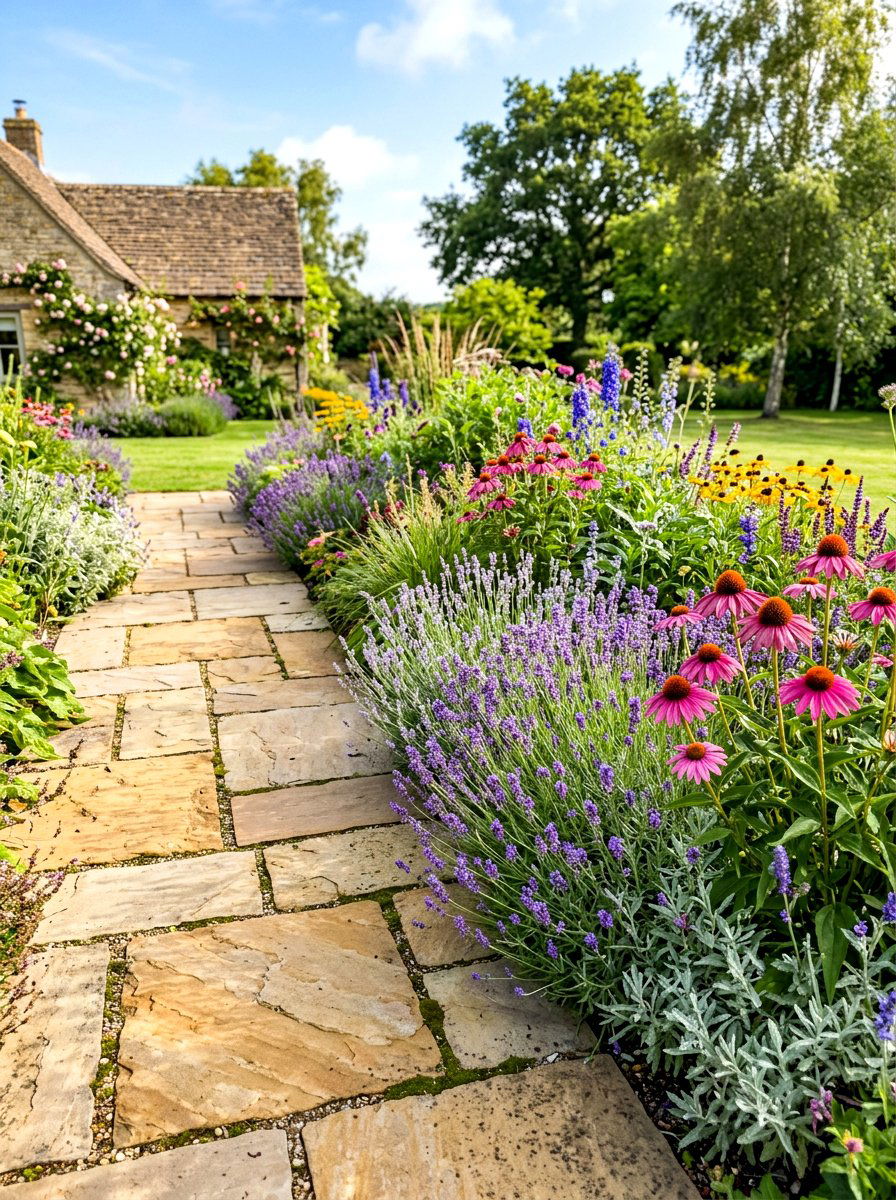
Sandstone is a fantastic choice for homeowners who want a warm and earthy color palette in their landscape. This stone comes in beautiful shades of tan, red, and gold, which can make a garden feel cozy and sun-drenched even on a cloudy day. Sandstone is relatively easy to cut, allowing for a variety of shapes and sizes to be used in your walkway. It has a natural, grainy texture that provides excellent grip, making it a safe choice for sloped areas in the yard. Over time, sandstone weathers beautifully, developing a soft patina that helps it blend in even more naturally with the surrounding soil.
13. Granite Path
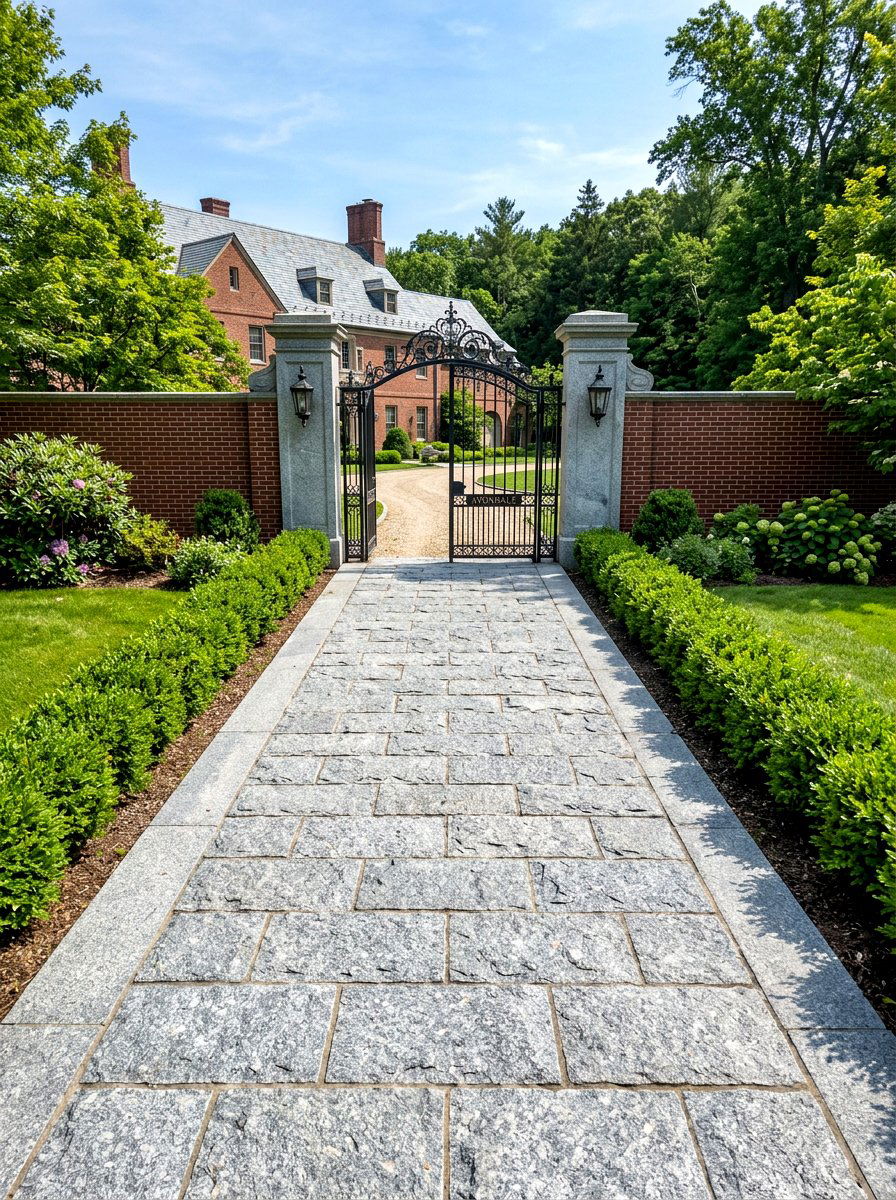
Granite is one of the hardest and most durable stones available, making a granite path a permanent investment for your home. It is virtually impervious to the elements and can handle very heavy use without showing any signs of wear or tear. While granite is often associated with formal architecture, it can also be used in more natural settings when the stones are left with a rough, split-face finish. The subtle speckles of quartz and mica within the stone catch the light, adding a hint of sparkle to your garden walk. It is an ideal choice for front walkways that see a lot of daily traffic.
14. Pebble Path
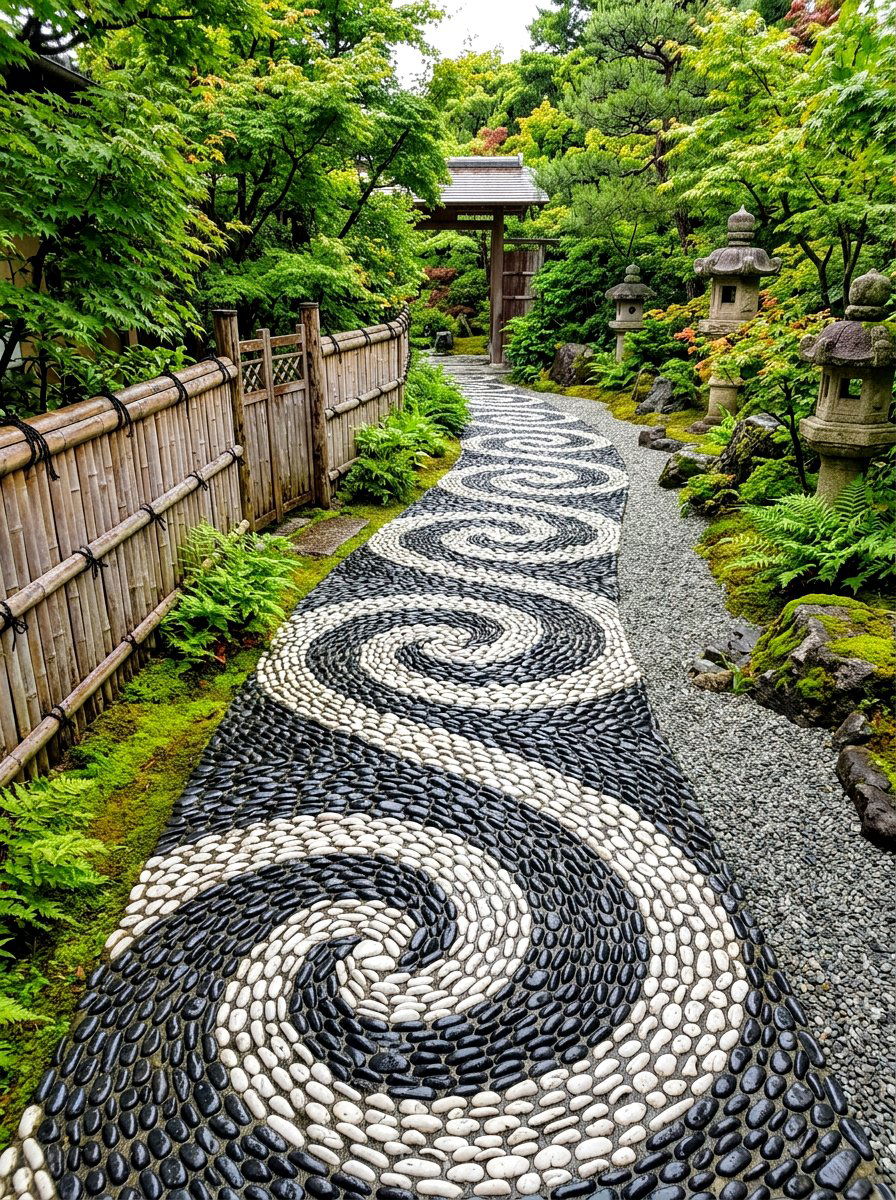
A pebble path created from small, smooth stones is a great way to introduce a unique texture and a coastal or Zen feel to your garden. This design often involves embedding the pebbles into a mortar base to create intricate patterns or mosaics, or simply using them as a loose filler between larger stones. Pebble paths are visually interesting because of the vast array of colors and sizes available, from polished black river stones to white beach pebbles. They work exceptionally well in small courtyard gardens or as a decorative border along a more traditional stone walkway, providing a soft and detailed aesthetic.
15. Rectangular Stone Walkway
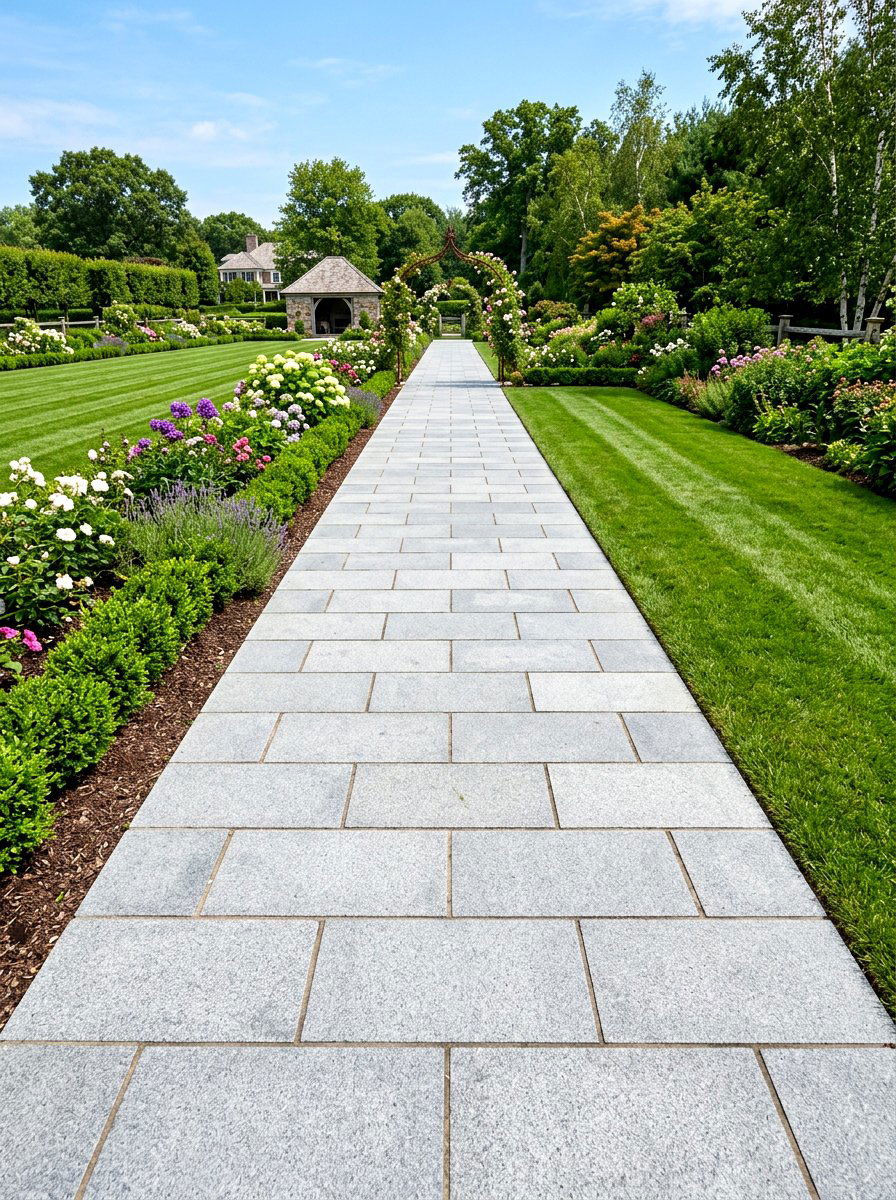
A rectangular stone walkway provides a clean and structured look that complements traditional and transitional home styles perfectly. By using stones that are all cut to the same rectangular dimensions, you can create a very orderly and professional appearance. This design allows for various patterns, such as a staggered brick-like layout or a more formal grid. The uniform edges make it easy to install a crisp border or edging material, which helps keep the walkway looking neat and contained. Using a darker grout or sand between the light-colored rectangular stones can add a modern touch to this very classic and timeless design.
16. Irregular Flagstone Path
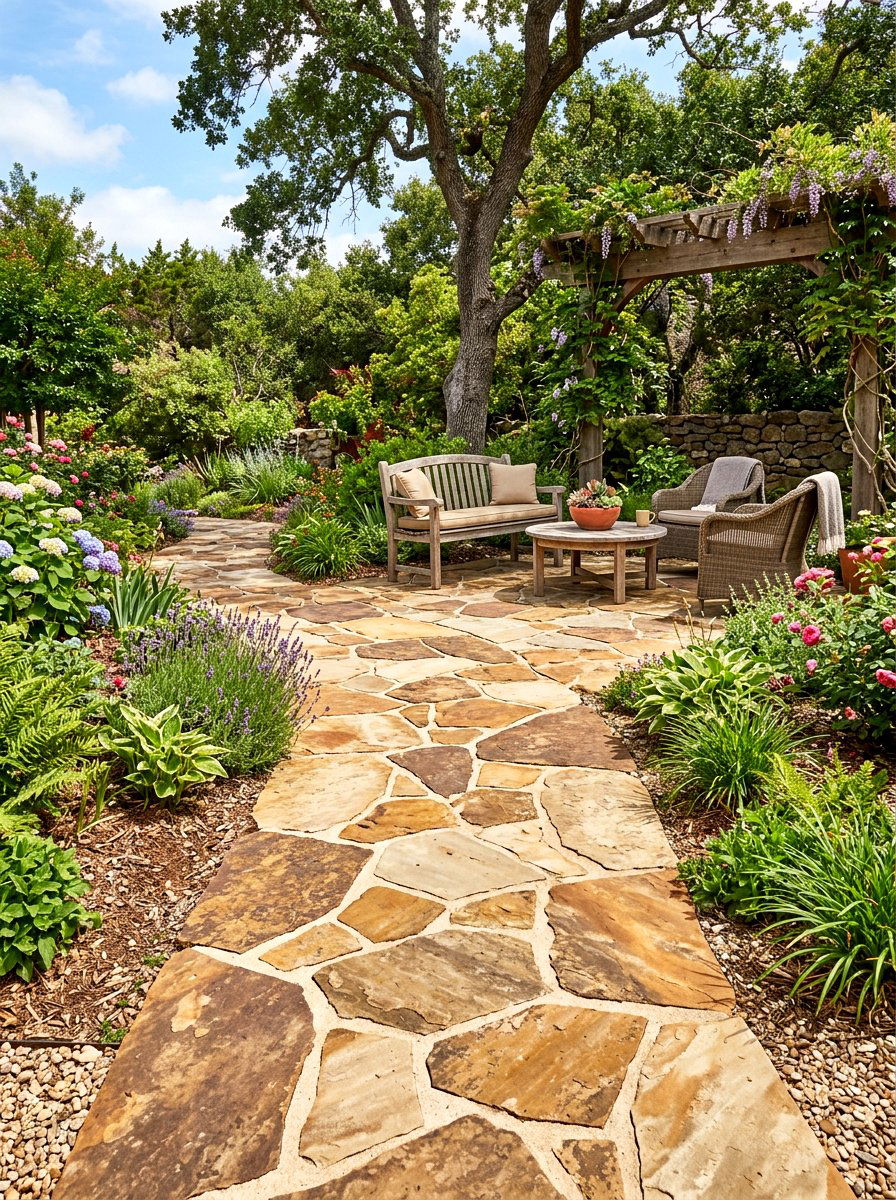
Embracing the natural beauty of imperfection, an irregular flagstone path uses stones of all different sizes and shapes to create a unique mosaic. This is one of the most popular choices for backyard paths because it feels relaxed and unpretentious. Because no two stones are the same, the path has a handcrafted quality that adds a lot of charm to the landscape. You can fill the wide joints with gravel, ground cover, or even simple dirt to let the stones be the main attraction. It is a very forgiving design to install yourself, as there is no need for perfect measurements or straight lines.
17. Stone Pavers With Grass
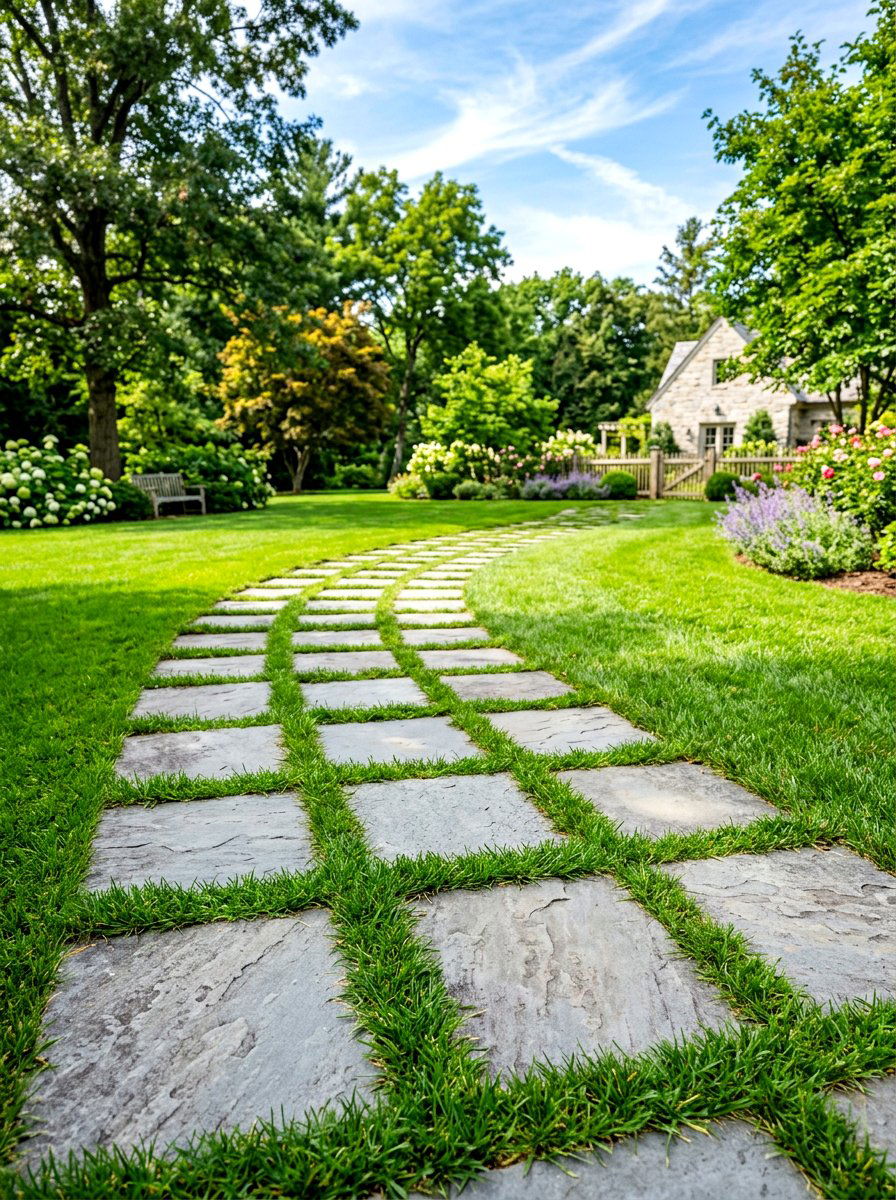
For a look that perfectly balances hardscaping and greenery, consider a walkway made of stone pavers with grass growing in between. This "living" walkway is created by spacing large, flat stones several inches apart and planting durable grass or clover in the gaps. It provides a solid place to step while maintaining the lush, green look of a full lawn. This style is excellent for reducing the amount of heat reflected from the ground and helps with water absorption during heavy rain. It works best in areas that receive enough sun to keep the grass healthy and creates a soft, romantic garden vibe.
18. Mulch And Stone Path
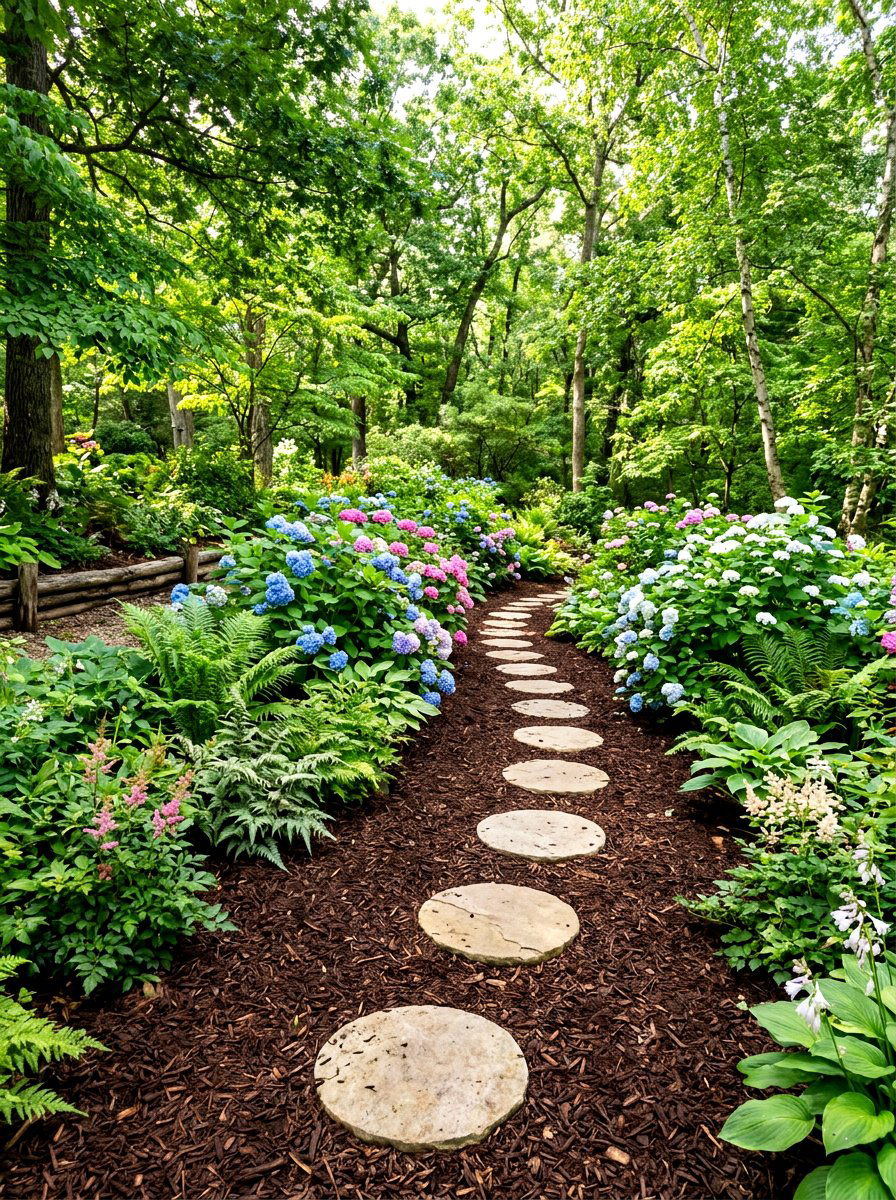
A mulch and stone path is a practical and budget-friendly solution for creating a walkway through a heavily planted garden bed. The mulch provides a soft, organic base that suppresses weeds and retains moisture for nearby plants, while the stones offer a firm and stable surface for walking. You can use large, flat stepping stones in a variety of colors to create a clear path through the dark brown or black mulch. This combination looks very natural and is easy to maintain, as you only need to refresh the mulch every year or two to keep the entire walkway looking fresh and well-kept.
19. Edged Stone Walkway
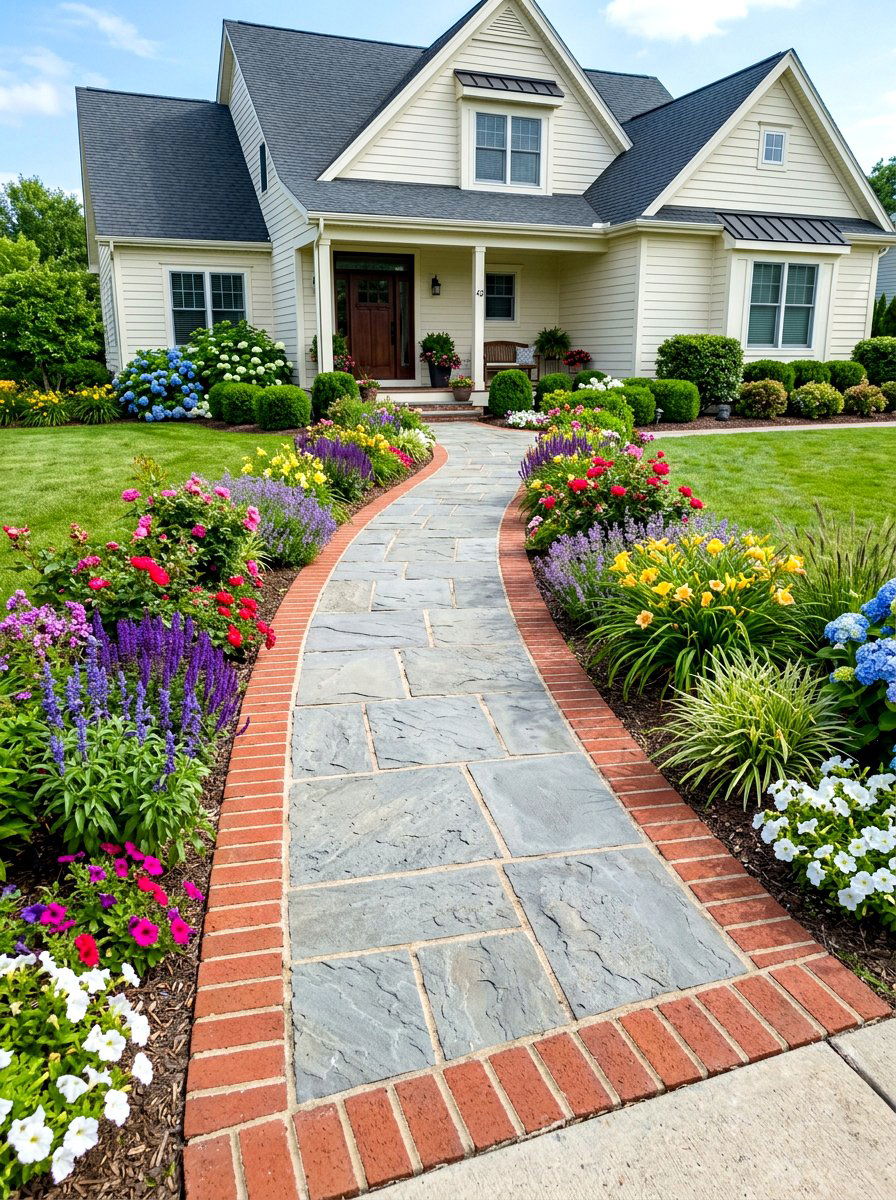
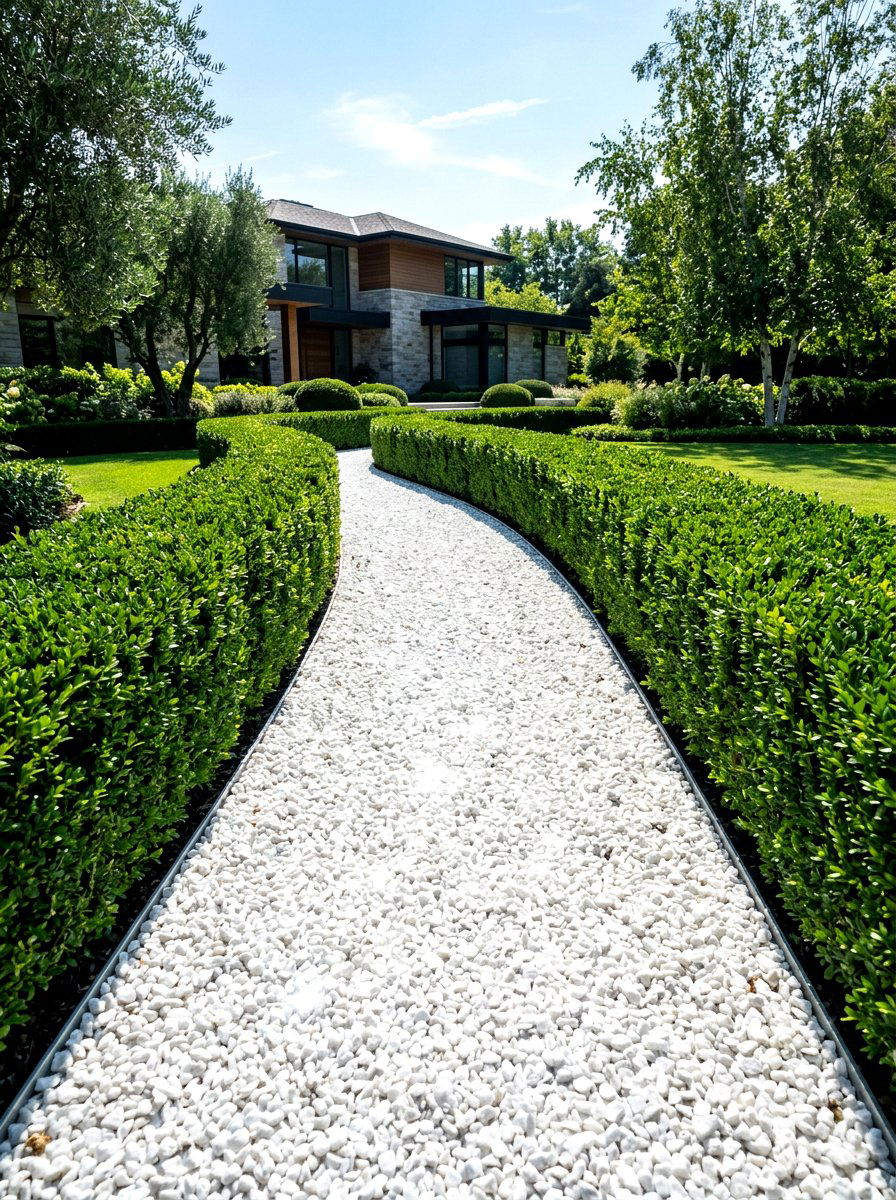
An edged stone walkway is all about definition and neatness, making it a great choice for front yards where curb appeal is the priority. This design features a central stone path that is framed by a distinct border made of bricks, smaller stones, or metal edging. The border serves a dual purpose: it keeps the walkway stones from shifting over time and prevents the surrounding soil or grass from encroaching on the path. You can choose a contrasting color for the edging to make the walkway stand out, or use a matching stone for a more subtle and integrated look that feels very refined.
20. Raised Stone Path
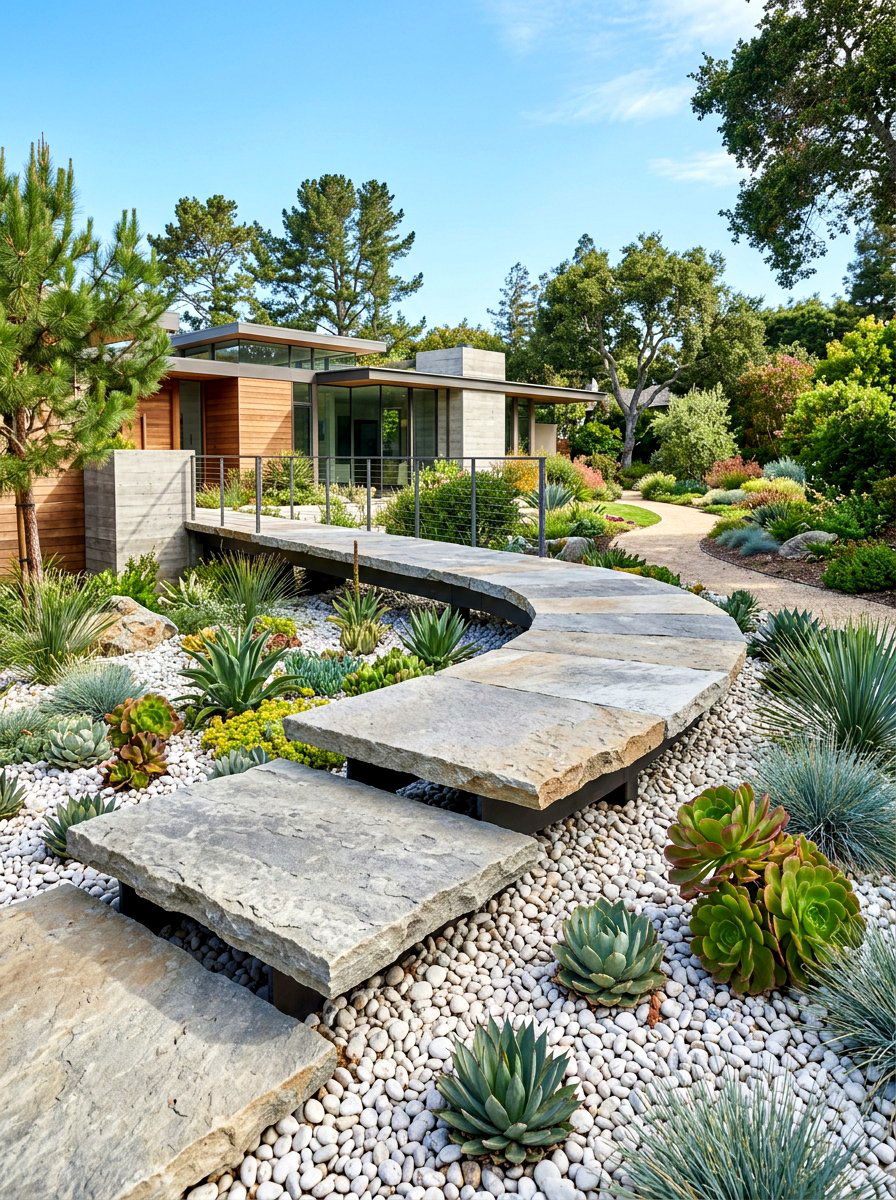
If your yard has uneven terrain or is prone to getting muddy, a raised stone path can solve these problems while adding architectural interest. This style involves building a slight sub-base to elevate the stones above the surrounding ground level. It creates a very clear and intentional path that feels like a dedicated bridge through your landscape. You can use large slabs of thick stone to create a sturdy, elevated surface that stays dry and clean regardless of the weather. A raised path also provides a great opportunity to tuck small solar lights along the sides, making the walkway safe and beautiful during the evening.
21. Stone Steps
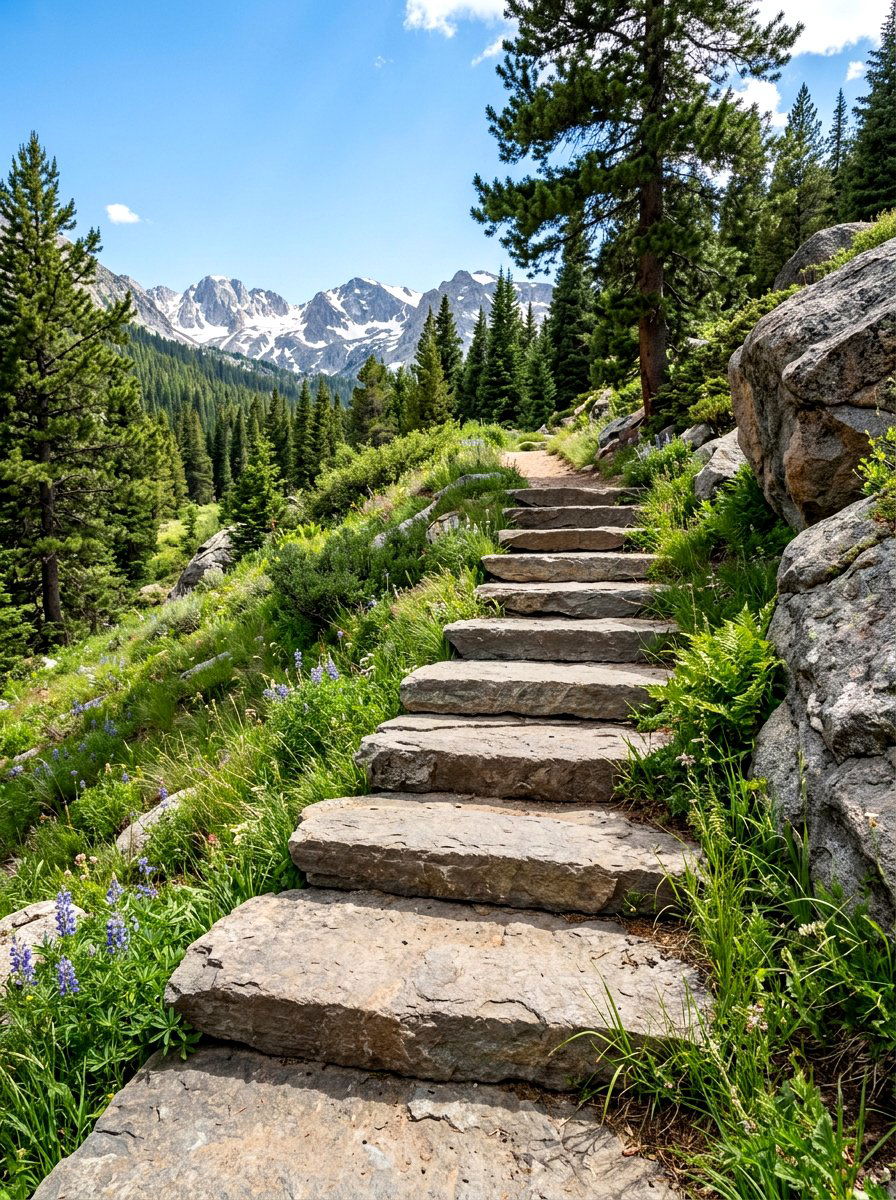
Incorporating stone steps into a sloped yard is both a functional necessity and a beautiful design feature. Instead of a steep, slippery grass hill, you can install wide, flat stones to create a safe and gradual transition between different levels of your property. Using thick, natural stone treads provides a sense of permanence and strength that complements the natural environment perfectly. You can surround the steps with lush plantings like creeping phlox or dwarf evergreens to soften the edges and make the stones look like they have always been part of the hill. These steps become a focal point that draws people into the yard.
22. Herringbone Stone Walkway
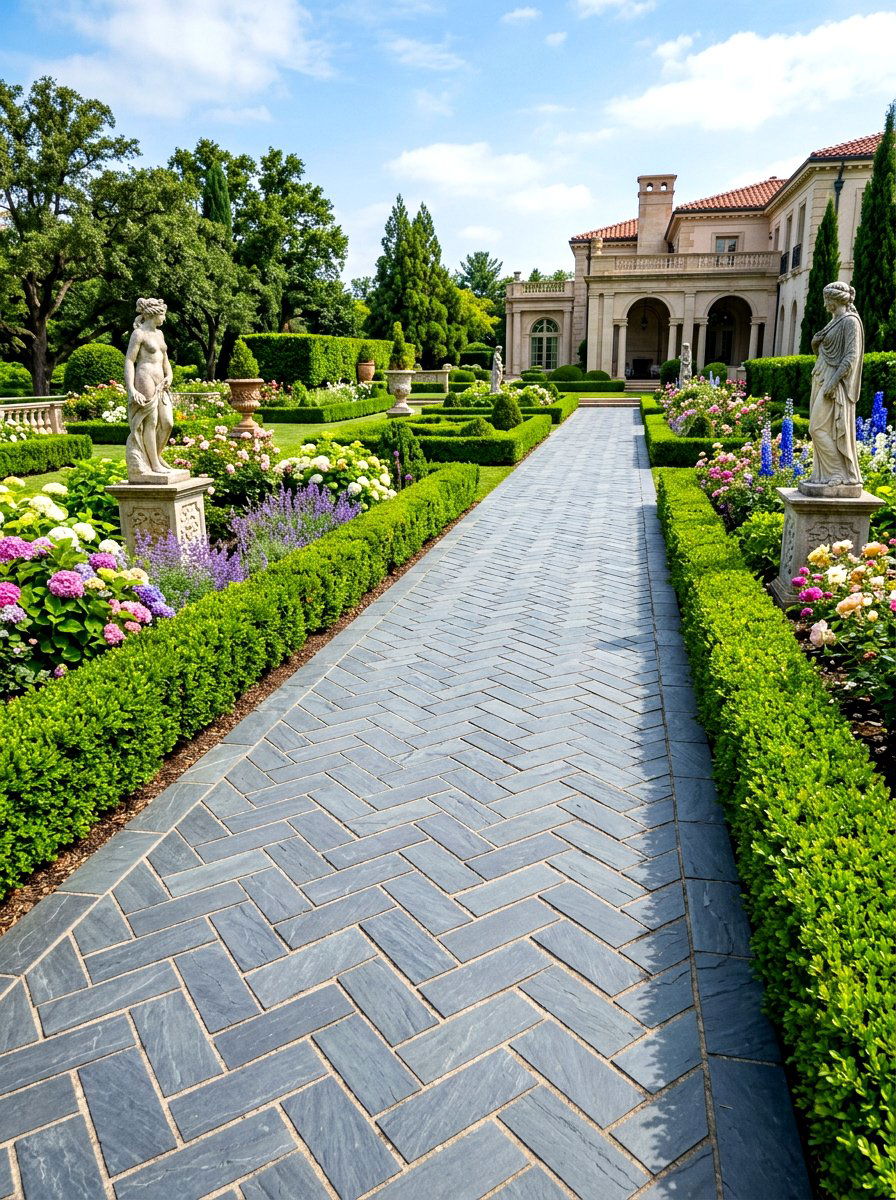
A herringbone stone walkway uses a classic zig-zag pattern that adds a lot of dynamic movement and visual energy to your outdoor space. While this pattern is often seen with bricks, it looks incredibly sophisticated when done with long, narrow stone pavers. The interlocking nature of the herringbone layout makes it one of the strongest patterns available, as the stones support each other and resist shifting under pressure. This makes it a great choice for long walkways or paths that lead to a driveway. The complex pattern looks beautiful from every angle and adds a high-end, custom-designed feel to your home’s exterior.
23. Round Stepping Stones
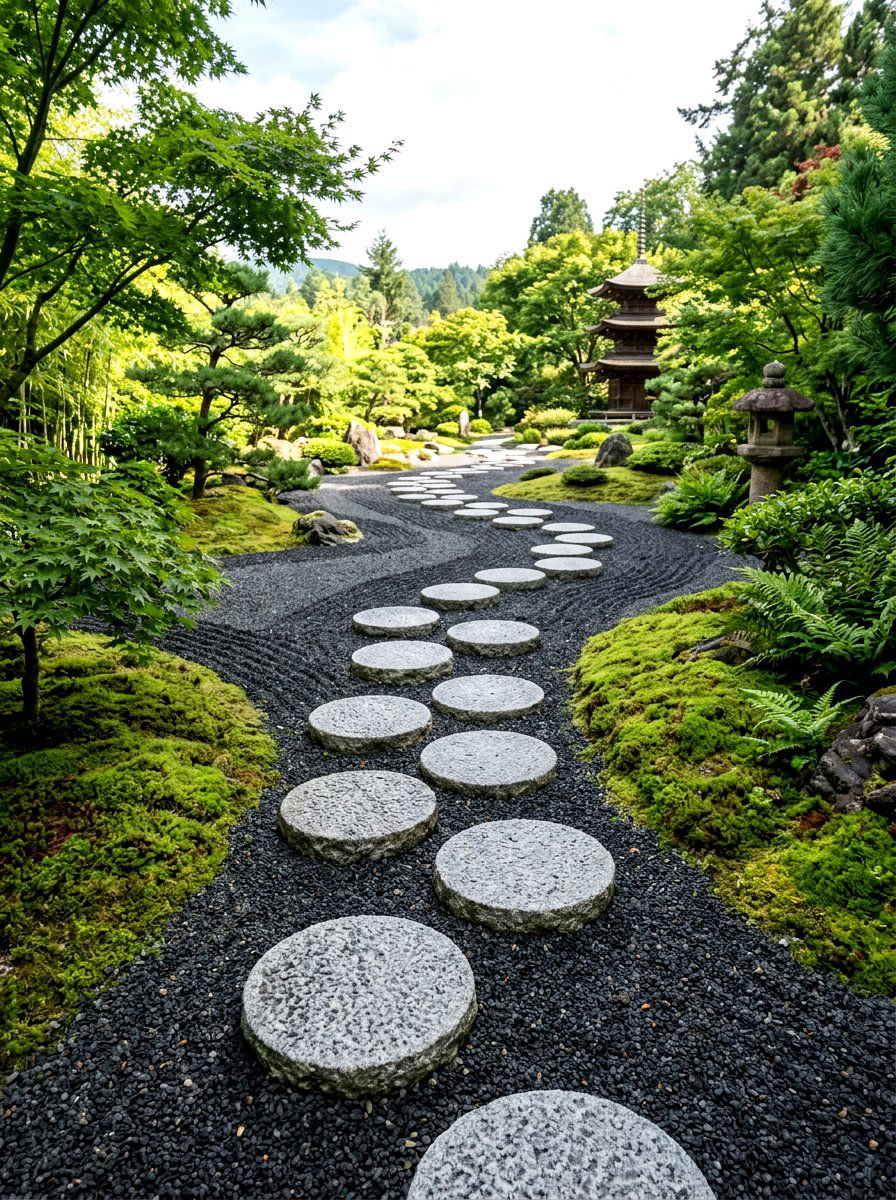
Round stepping stones offer a playful and whimsical alternative to traditional square or irregular shapes. These circular stones can be arranged in a straight line for a modern look or in a meandering, staggered pattern for a more natural feel. They look especially striking when placed in a bed of dark river rock or bright white gravel, where their circular silhouette can really stand out. Round stones are often associated with Japanese garden design, providing a sense of calm and balance. They are an easy way to add a unique geometric element to your yard without the need for a complex and difficult installation process.
24. Zen Garden Path
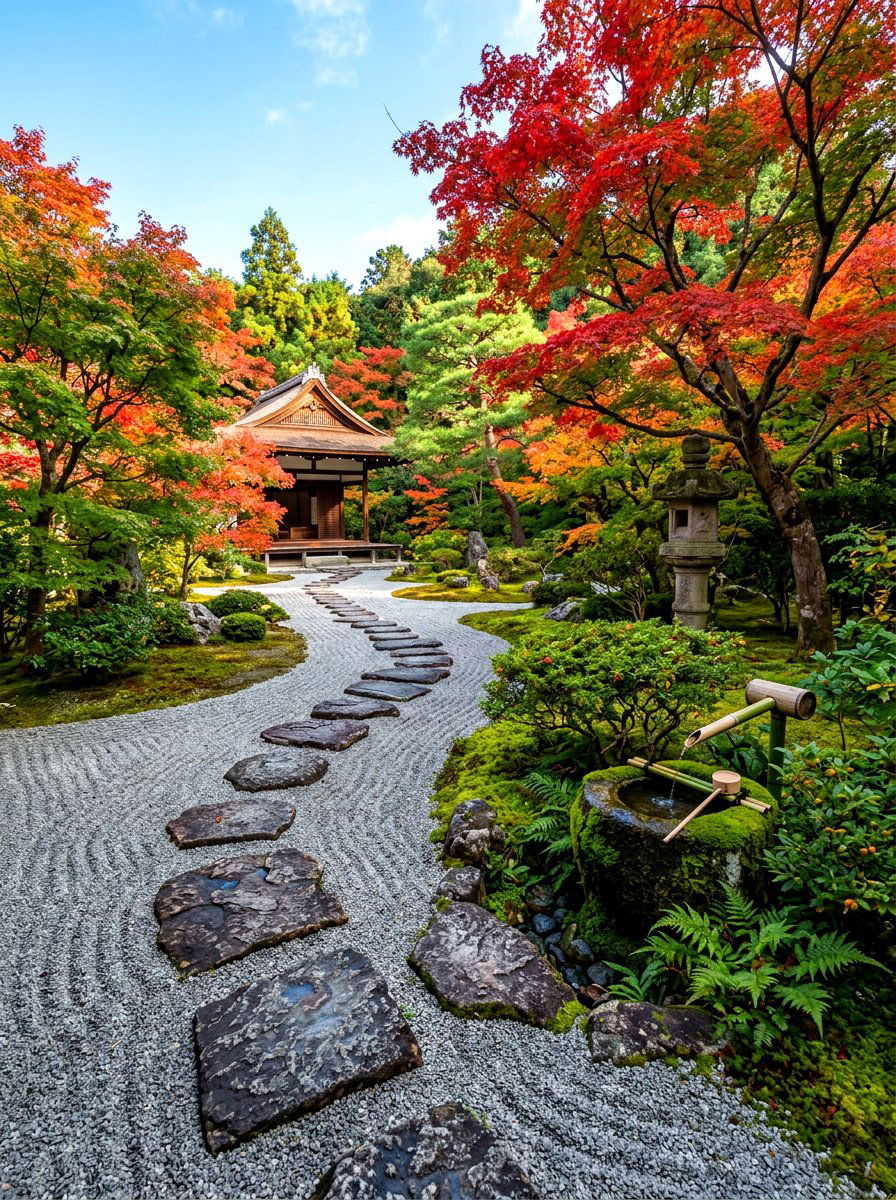
A Zen garden path is designed to promote a sense of peace and mindfulness as you move through your outdoor space. This style often uses smooth, dark stones arranged in a very intentional way, often surrounded by raked sand or fine gravel. The path may include occasional larger boulders or unique stone sculptures to serve as points of contemplation. The goal is to create a minimalist environment where every element has a purpose and contributes to a quiet, serene atmosphere. Using natural materials like bamboo edging or mossy accents can further enhance the meditative quality of a Zen-inspired stone walkway in your backyard.
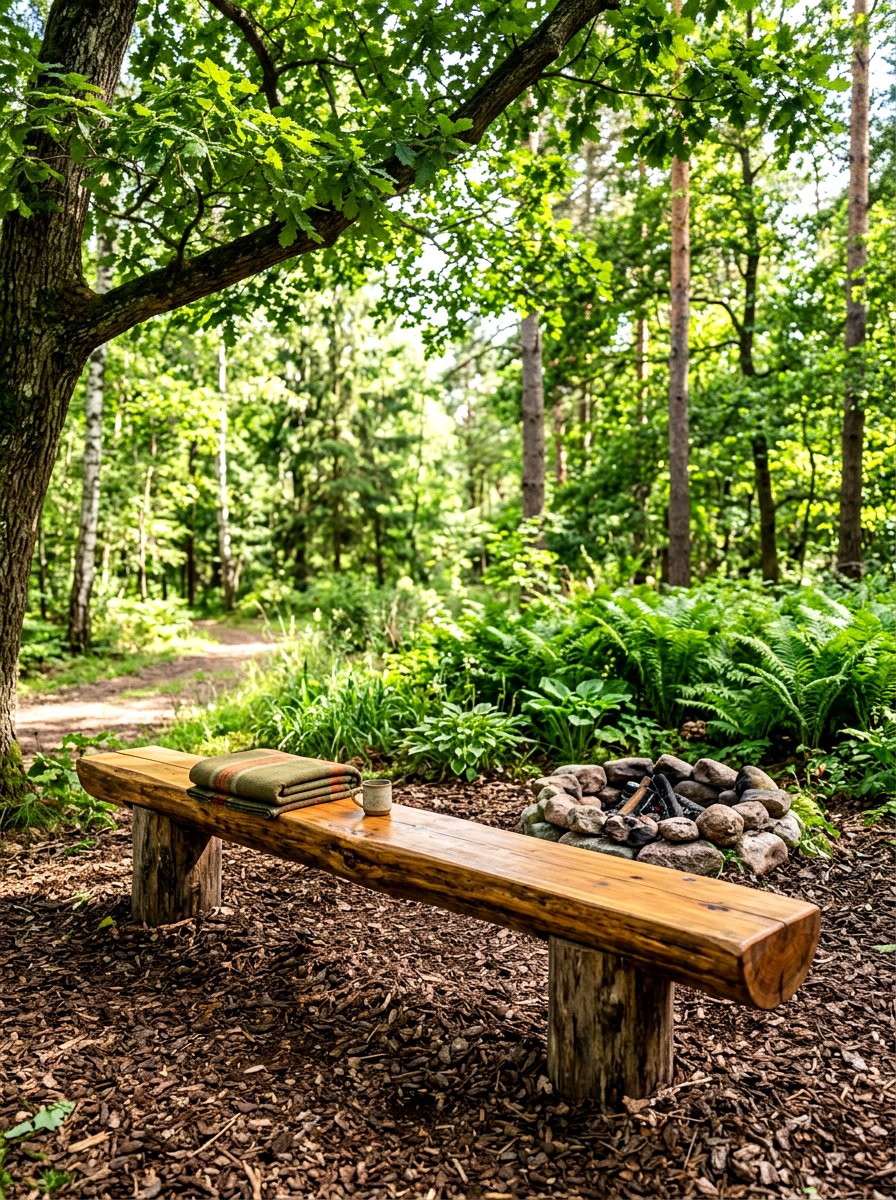
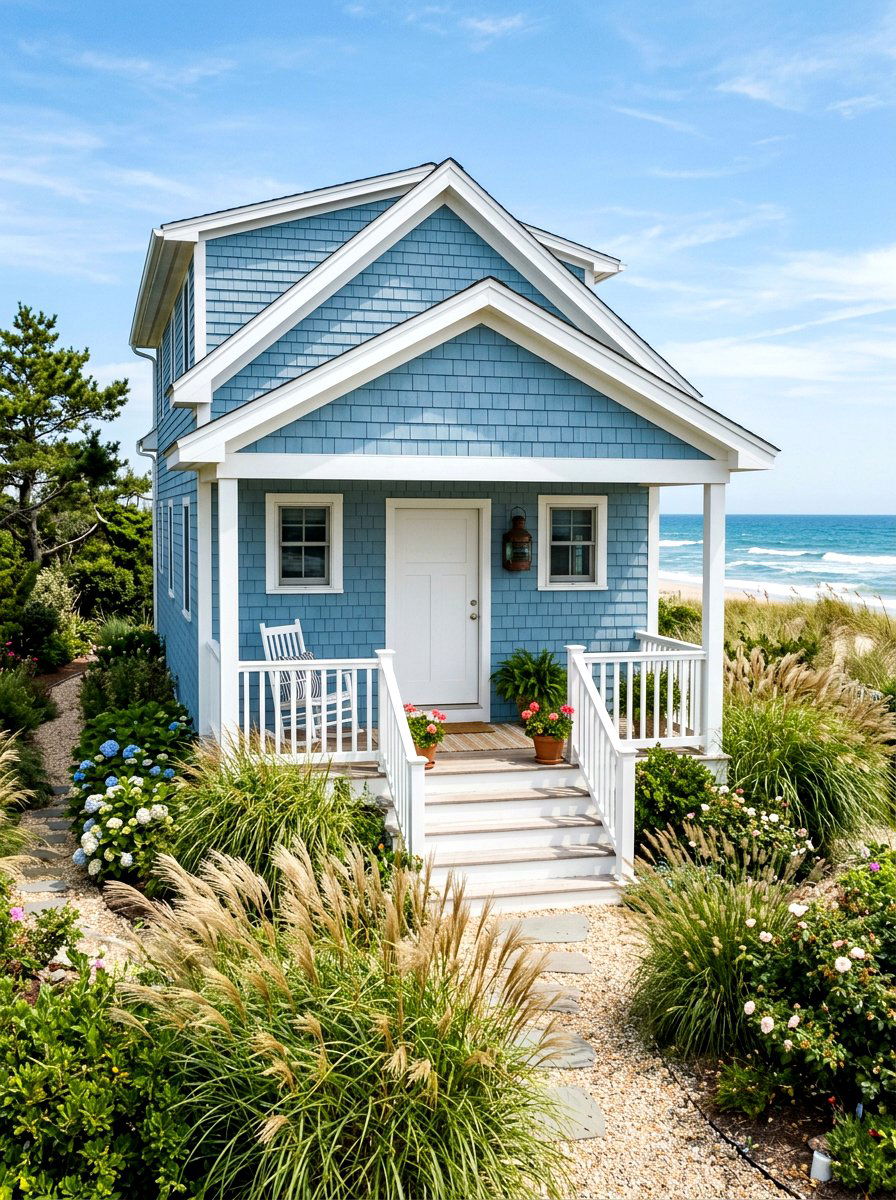
25. Desert Stone Path
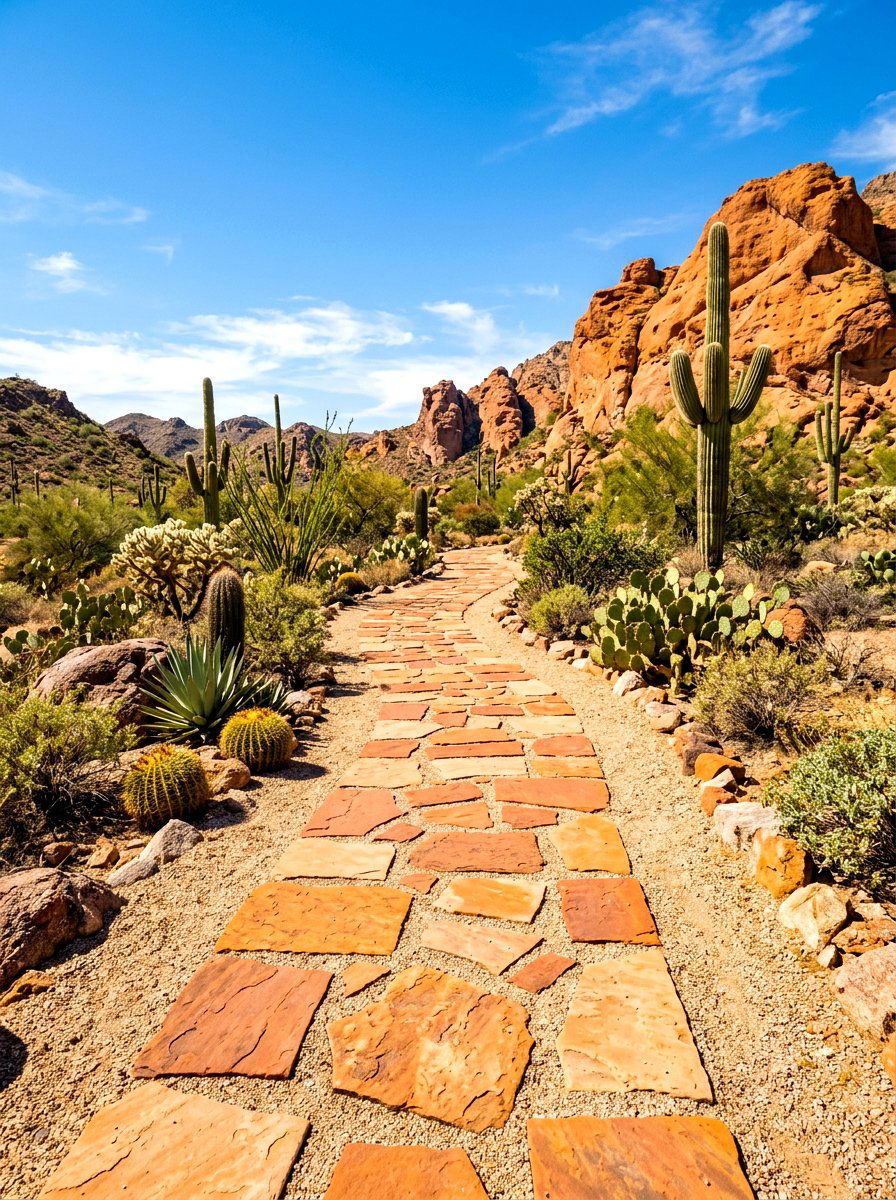
A desert stone path is an ideal choice for dry climates or for homeowners who want a low-maintenance, drought-tolerant landscape. This design features stones in warm, sun-baked colors like terra cotta, orange, and light tan, which complement succulents and cacti beautifully. Instead of grass, the gaps between the stones are usually filled with decomposed granite or crushed desert rock. This creates a very stable and permeable surface that doesn't require any water to stay looking great year-round. The rugged texture of the stones reflects the natural beauty of arid environments, making the entire garden feel cohesive and well-adapted to its surroundings.
26. Forest Stone Path
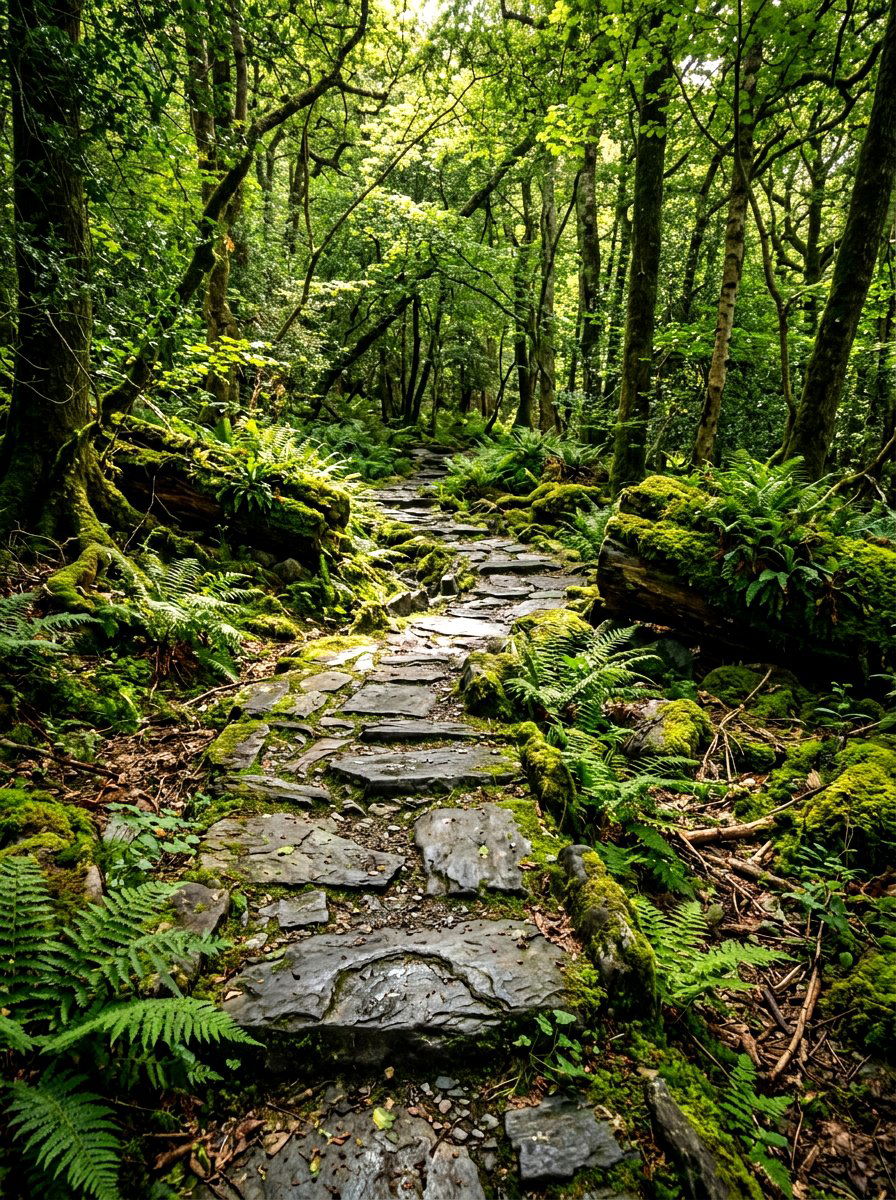
Walking through a shaded, wooded area of your property can be a magical experience with a forest stone path. This style uses dark, earthy stones like slate or deep gray flagstone that blend in with the shadows of the trees. The path is often lined with shade-loving plants like hostas, ferns, and bleeding hearts, which create a lush and cool environment. To keep the look organic, you can allow fallen leaves or needles to settle naturally around the stones. This type of walkway feels like a secret trail, providing a quiet escape from the rest of the world and a way to explore the cooler corners of your yard.
27. Front Yard Walkway
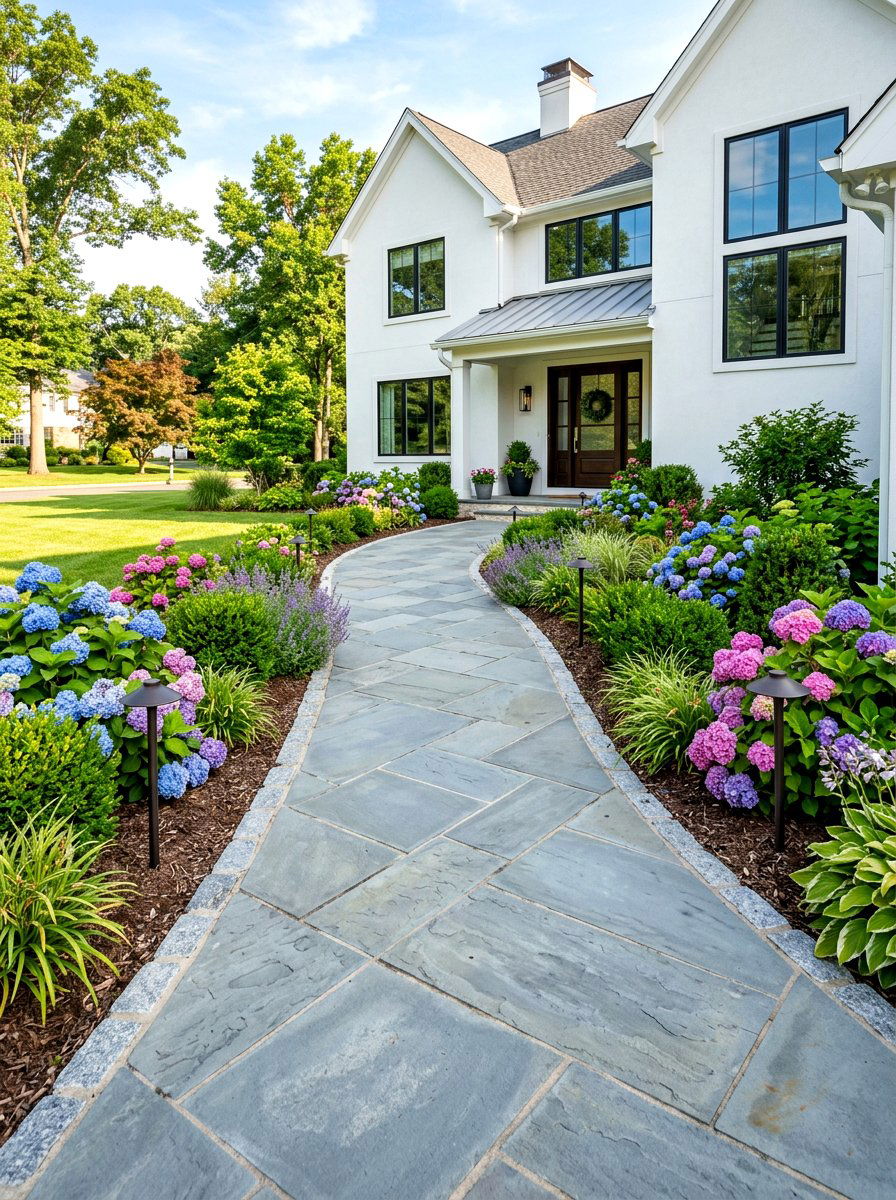
The front yard walkway is the first thing guests see, so it needs to be both inviting and highly functional. Using high-quality stone like bluestone or granite can instantly boost your home’s value and make a great first impression. A wide, straight path leading to the front door feels formal and welcoming, while a slightly curved path can add a touch of elegance and soften the home’s facade. You can use matching stone for the front porch or steps to create a seamless look. Adding low-voltage lighting along the edges ensures that the path is safe and beautiful for guests arriving after sunset.
28. Patio Connection Path
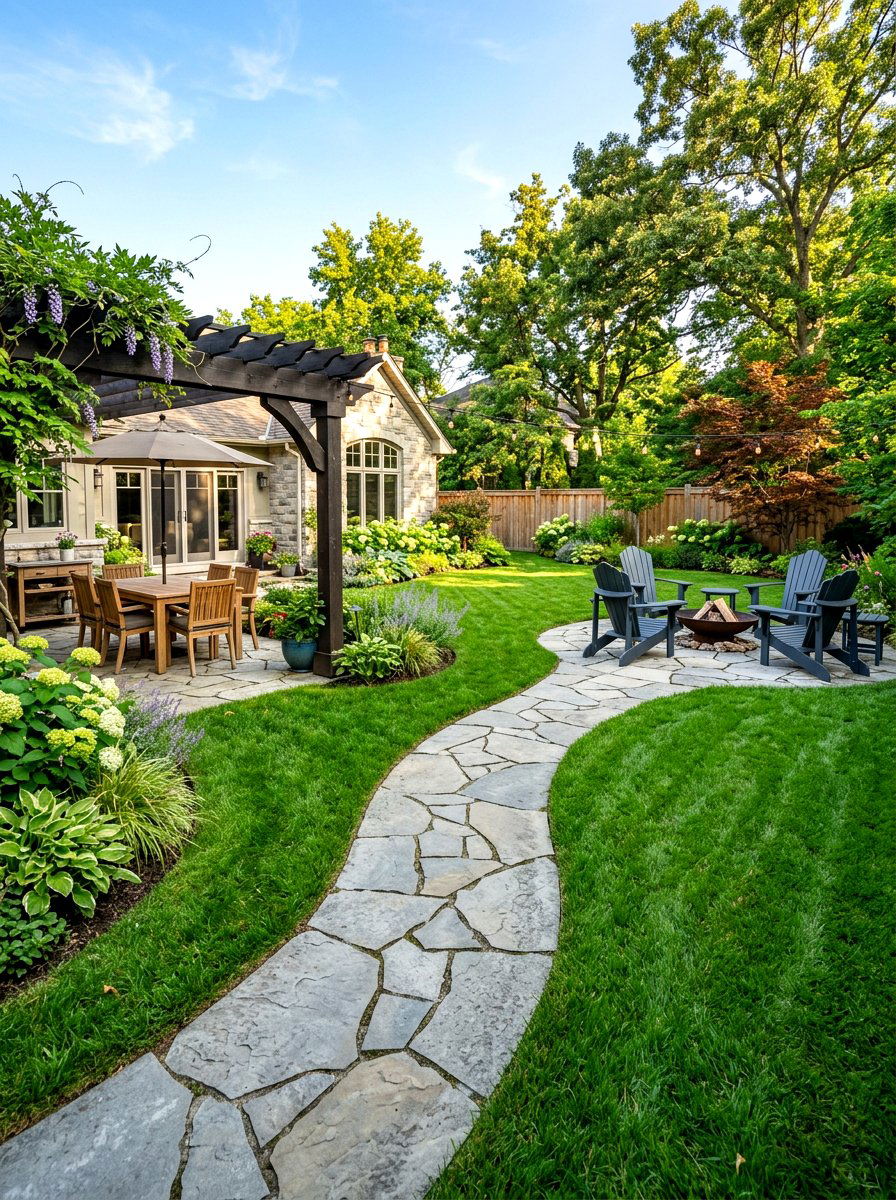
Connecting a patio to a garden shed, pool, or fire pit area is easy and stylish with a dedicated stone path. This walkway acts as a visual bridge that ties the different zones of your backyard together into one cohesive design. You can use the same stone material as your patio for a unified look, or choose a contrasting stone to clearly define the transitions between spaces. A wide path allows for two people to walk side-by-side, making it more social and functional for entertaining. This design keeps people off the grass during parties and ensures that your backyard feels organized and well-planned.
29. Wide Stone Walkway
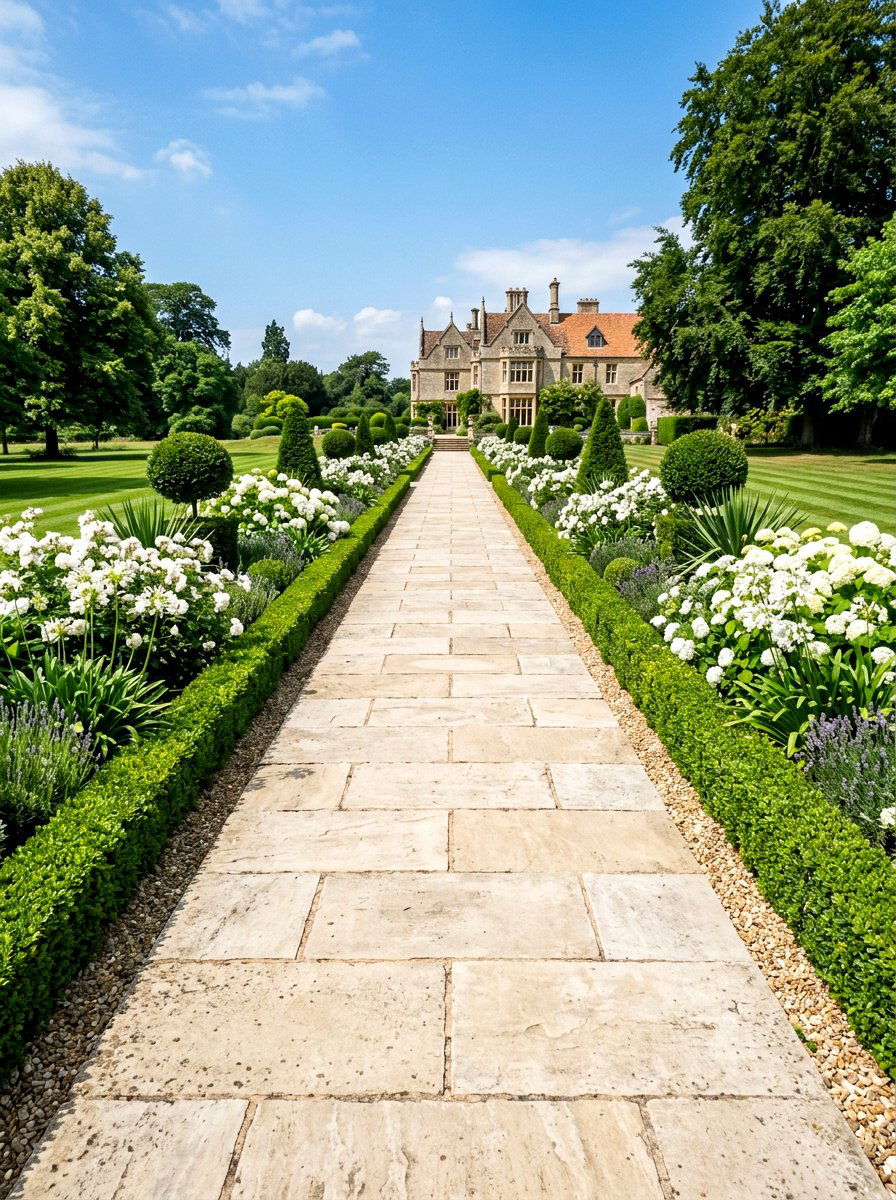
A wide stone walkway provides a sense of grandeur and luxury that can transform a standard backyard into a sophisticated estate. Typically measuring four to six feet across, these paths offer plenty of room for walking and can even accommodate small benches or planters along the sides. Using large-format stone slabs in a wide walkway makes the space feel solid and expensive. This design is particularly effective for long stretches of property where a narrow path might look lost or out of scale. The generous width creates a clear and confident statement, leading the way to a significant destination like a pool or gazebo.
30. Lighted Stone Path
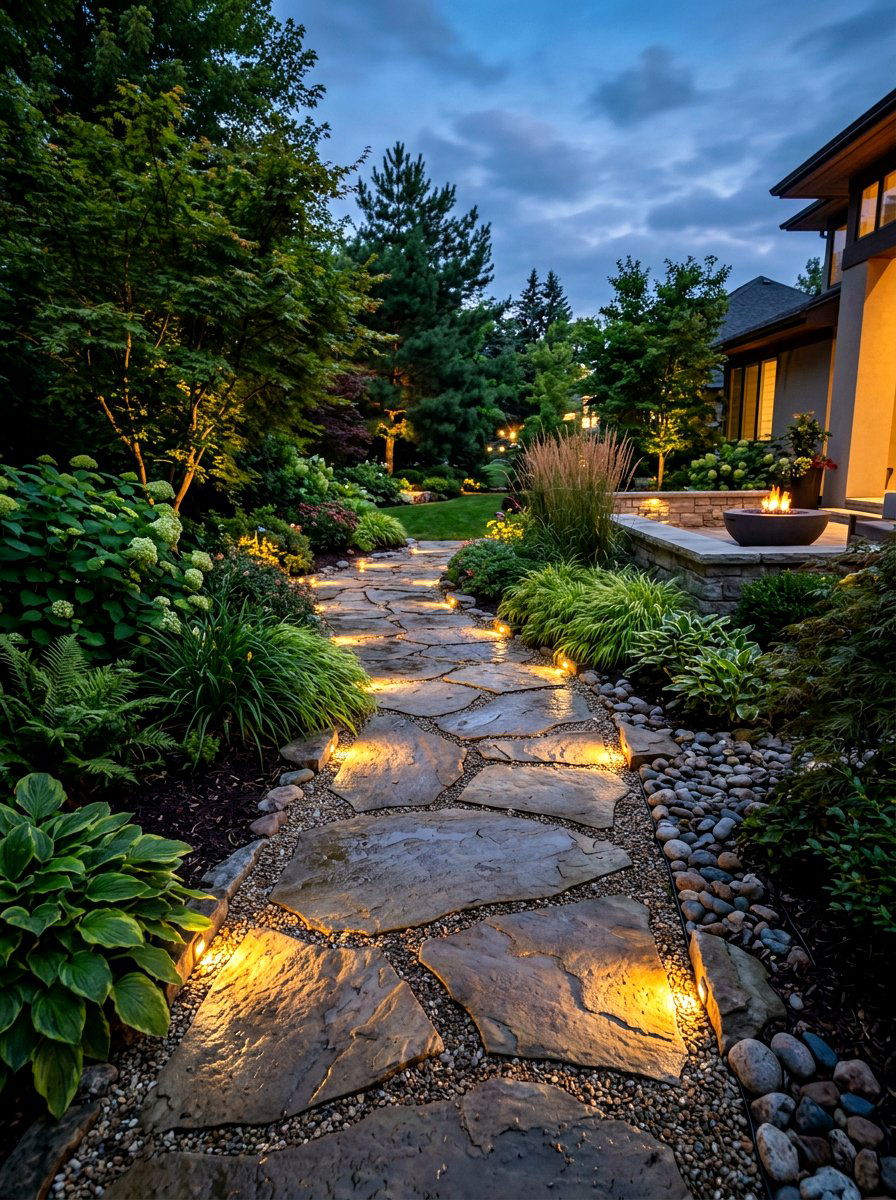
A lighted stone path ensures that your garden remains a beautiful and usable space even after the sun goes down. By integrating small LED lights directly into the stones or placing solar-powered stakes along the edges, you can create a magical glowing trail. Lighting helps highlight the natural textures and colors of the stone, adding a new dimension to your landscaping at night. Beyond aesthetics, a well-lit walkway is essential for safety, preventing trips and falls in dark areas. You can choose warm white lights for a cozy feel or cool blue tones to complement a modern and sleek stone design.
Conclusion:
A well-designed stone walkway is more than just a path; it is a vital element that defines the flow and character of your outdoor space. From the rustic charm of irregular flagstones to the sleek sophistication of geometric granite pavers, the right choice of stone can enhance your home’s architecture and landscape beautifully. These pathways offer a permanent and low-maintenance solution that stands up to the elements while providing a safe and inviting way to explore your garden. By choosing materials and patterns that reflect your personal style, you can create a lasting feature that adds both value and enjoyment to your home for many years.

Related posts: