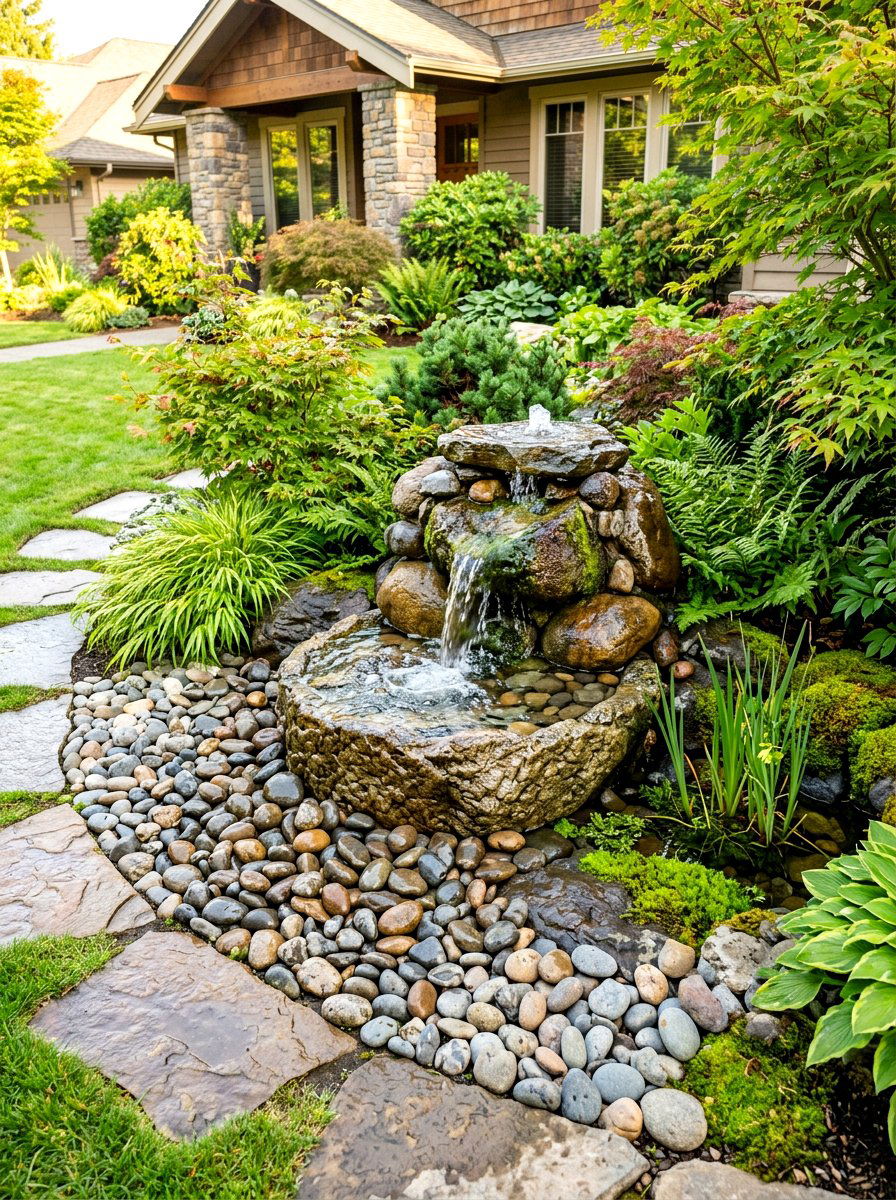
Landscaping is more than just planting a few flowers; it is about creating a cohesive outdoor environment that reflects your personal style while enhancing the curb appeal of your home. Whether you have a sprawling backyard or a tiny urban plot, thoughtful landscaping can transform an ordinary space into a sanctuary of beauty and relaxation. By integrating elements like stone, water, and varied foliage, you can build a multi-dimensional area that thrives throughout the seasons. This guide explores thirty unique concepts that prioritize both aesthetics and functionality. From sustainable gardening practices to modern hardscaping techniques, these ideas provide the inspiration needed to elevate any outdoor setting into a stunning masterpiece that invites exploration and provides peace.
1. Modern Front Yard Landscaping
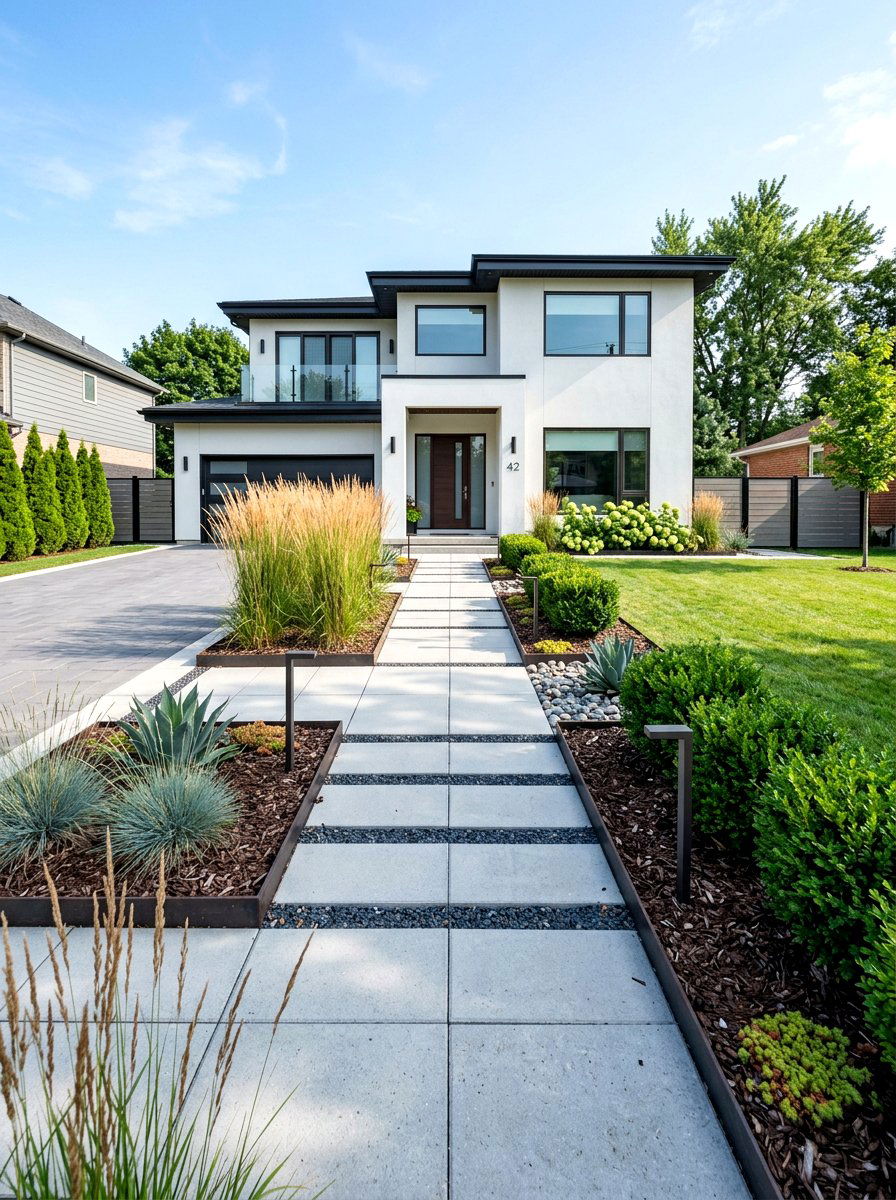
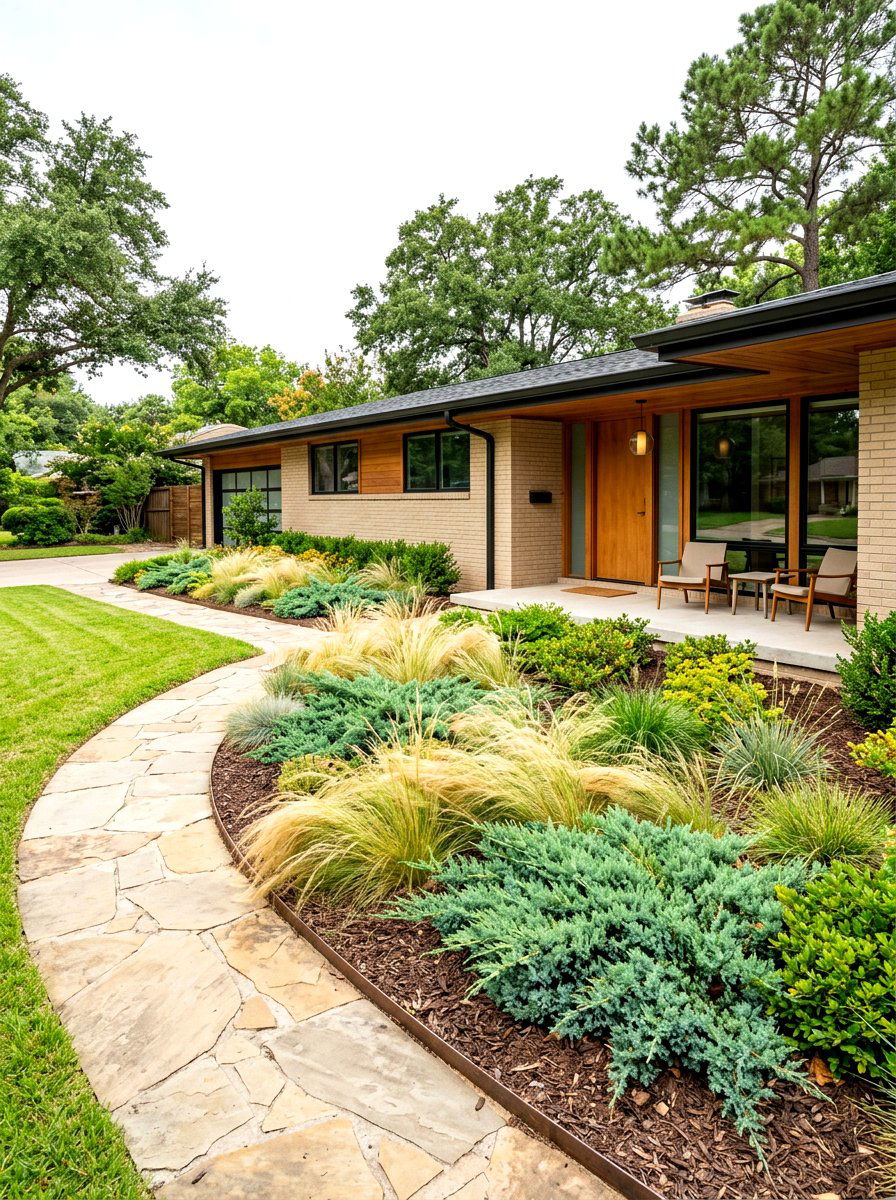
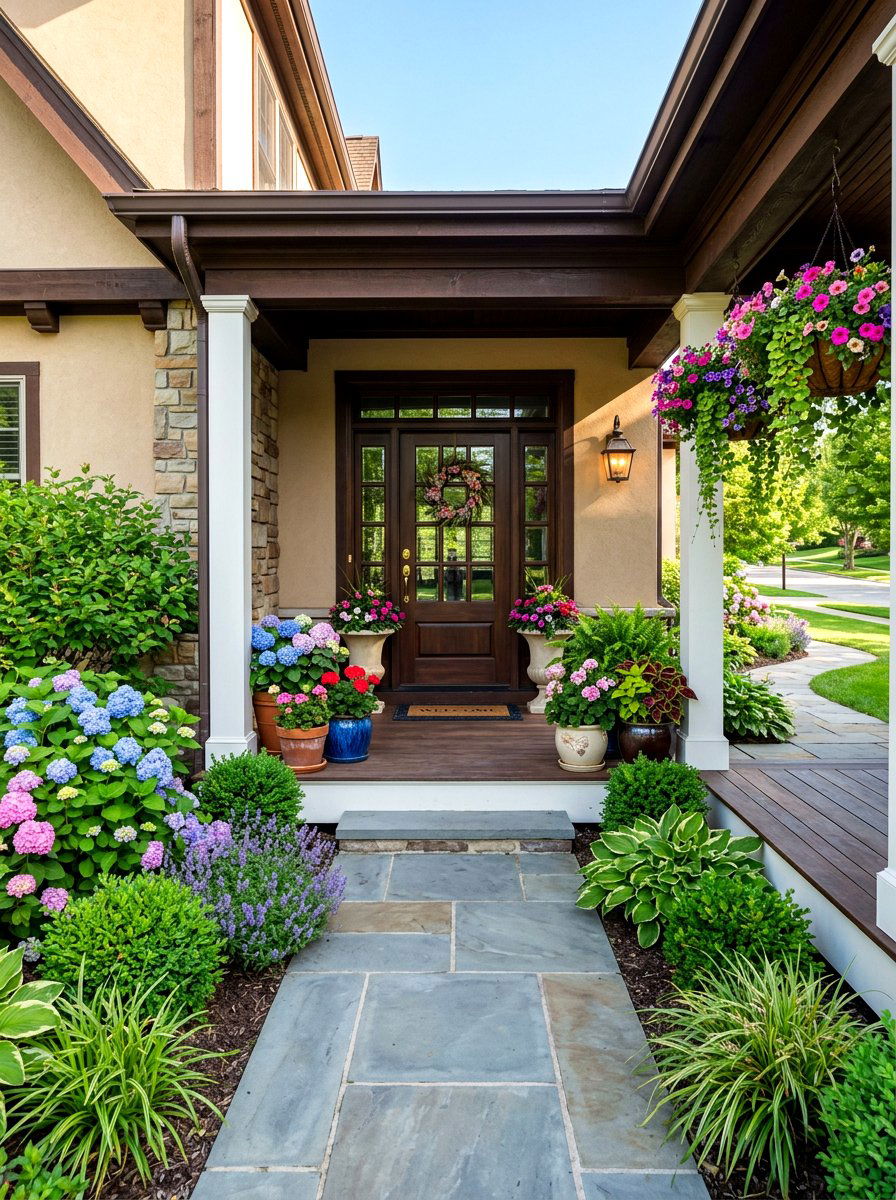
How can you make a lasting first impression with your home's exterior? Modern front yard landscaping often focuses on clean lines, geometric shapes, and a balanced mix of textures. Instead of a traditional cluttered garden, this approach uses minimalist plantings and structured hardscaping to create a sleek look. You might see large concrete pavers separated by grass or dark mulch to highlight specific architectural features of the house. Incorporating architectural plants like ornamental grasses or structural shrubs adds a sophisticated touch. This style is perfect for homeowners who want a tidy, high-impact appearance that complements contemporary architecture while remaining relatively easy to maintain throughout the year.
2. Small Backyard Garden Layout
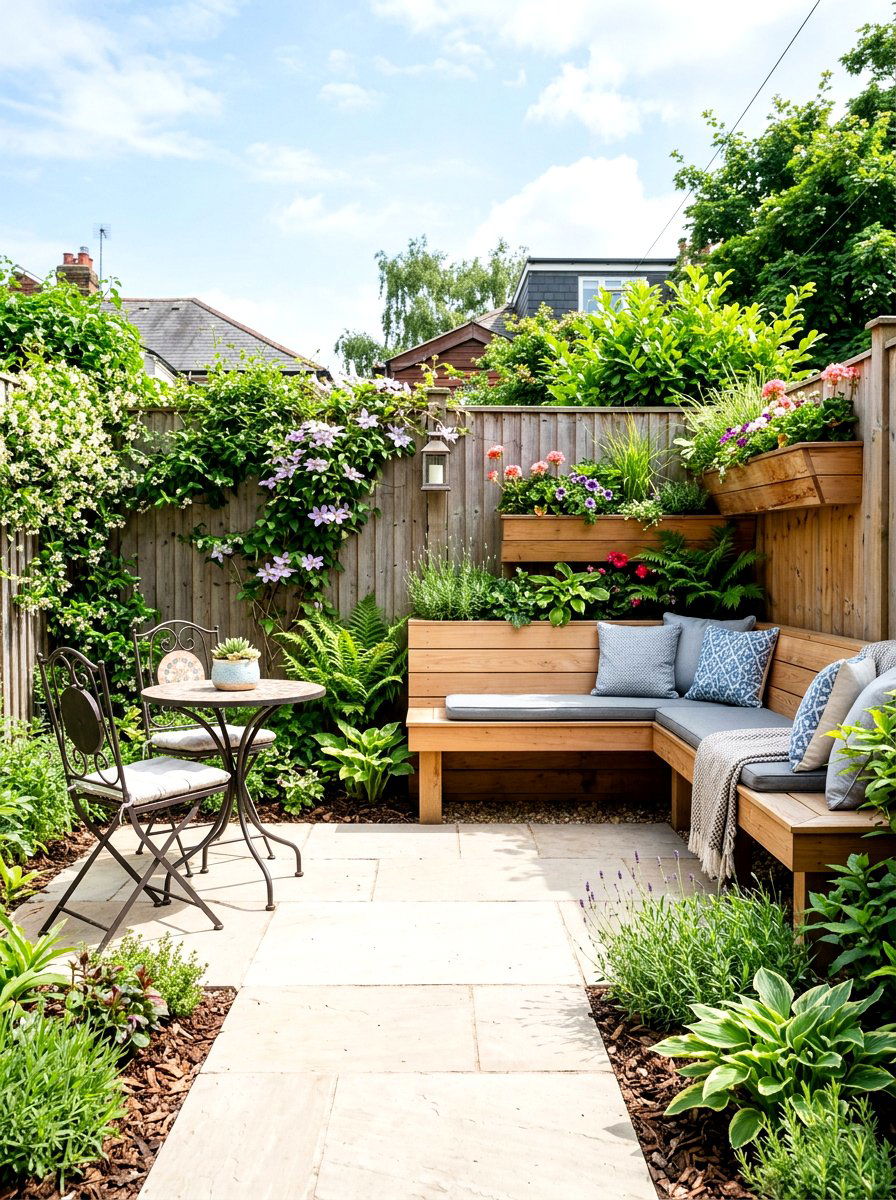
Designing a functional space in a limited area requires careful planning and a bit of creativity. A small backyard garden layout should focus on maximizing every square inch without making the space feel crowded. Using tiered planters or built-in seating can help save valuable floor space while providing plenty of room for greenery and relaxation. Consider using a light color palette for your paving and furniture to make the area feel larger and more open. Strategic placement of mirrors or focal points like a small bistro set can also create the illusion of depth, turning a cramped yard into a cozy and inviting outdoor retreat.
3. Low Maintenance Xeriscaping
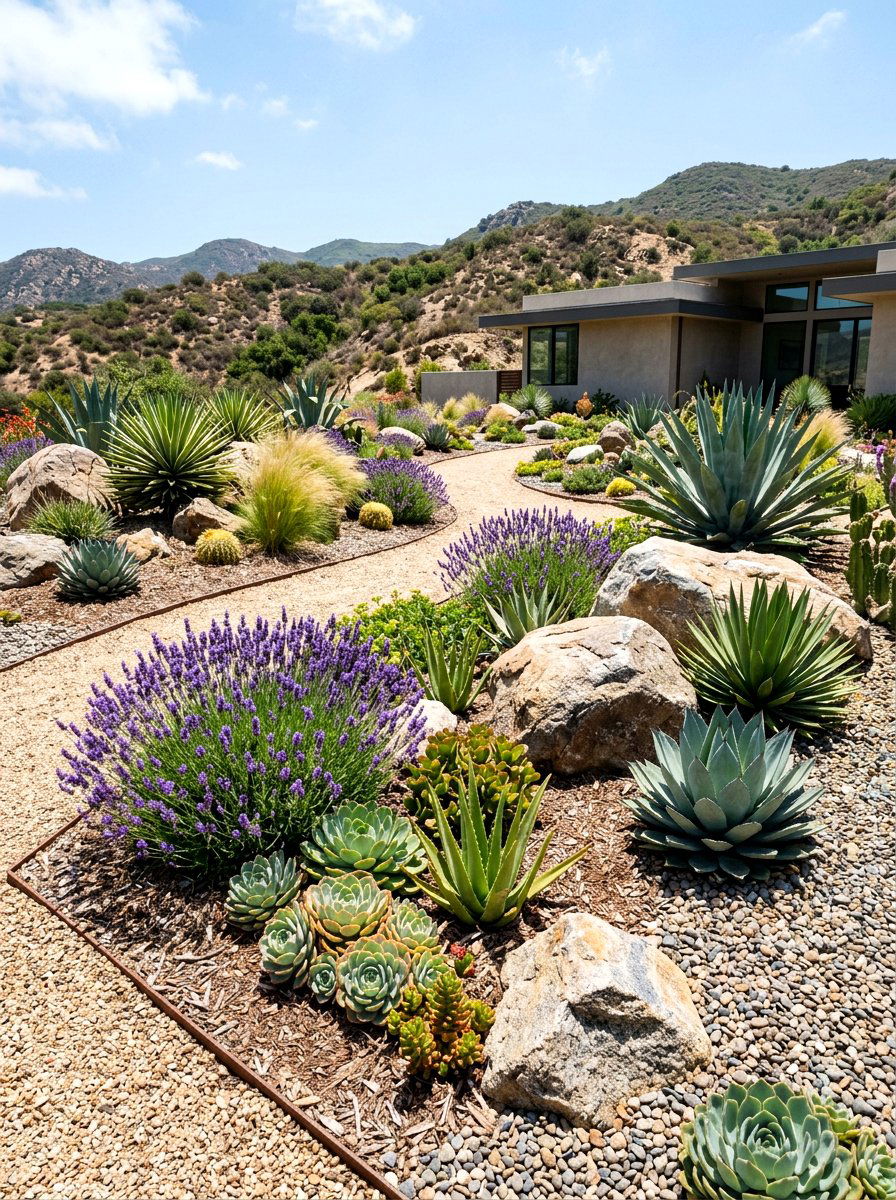
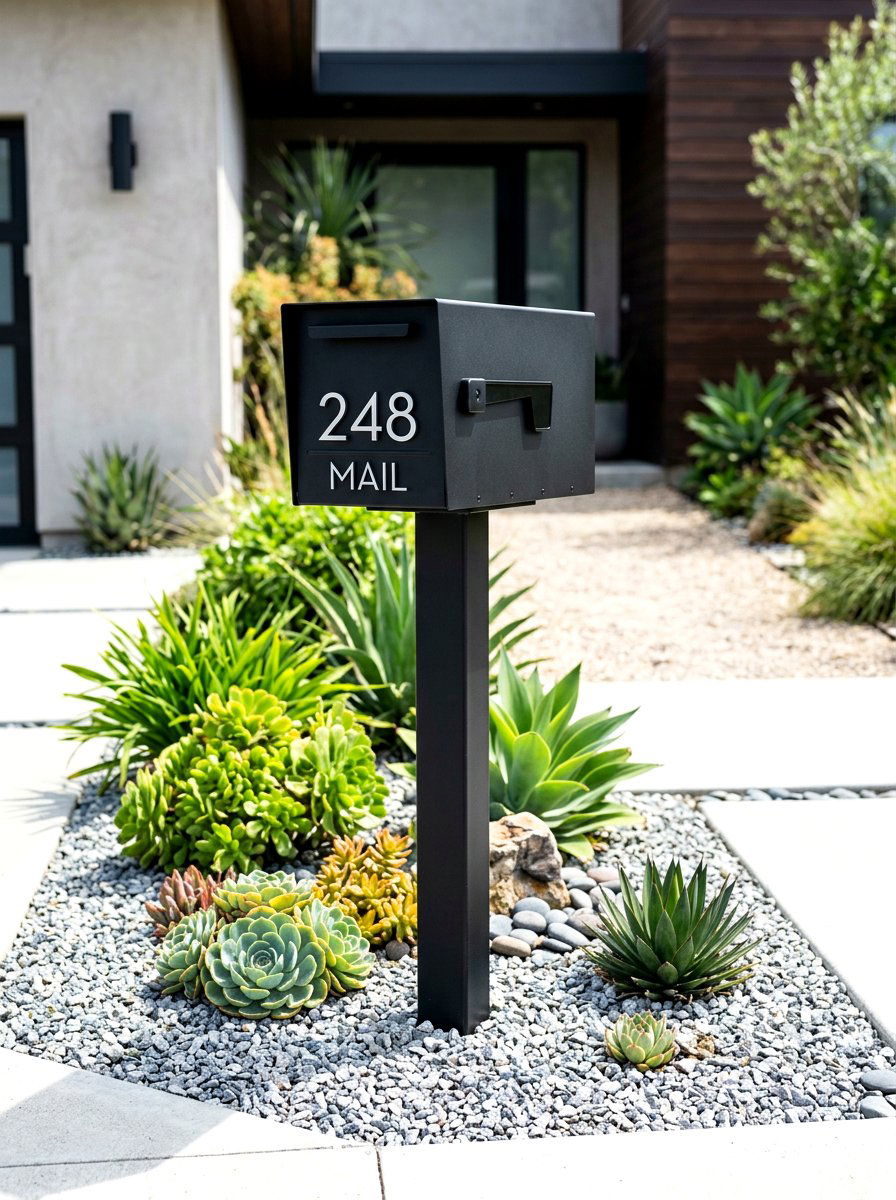
If you live in a dry climate or simply want to save water, low maintenance xeriscaping is an excellent choice. This design philosophy emphasizes the use of drought-tolerant plants and natural materials like gravel, rocks, and mulch. By choosing plants that are adapted to your local environment, you can significantly reduce the need for supplemental watering and chemical fertilizers. Succulents, lavender, and agave are popular choices that offer beautiful textures and colors without requiring constant care. Xeriscaping not only benefits the environment but also gives you more time to enjoy your garden rather than spending every weekend performing tedious chores.
4. Modern Stone Walkway Design
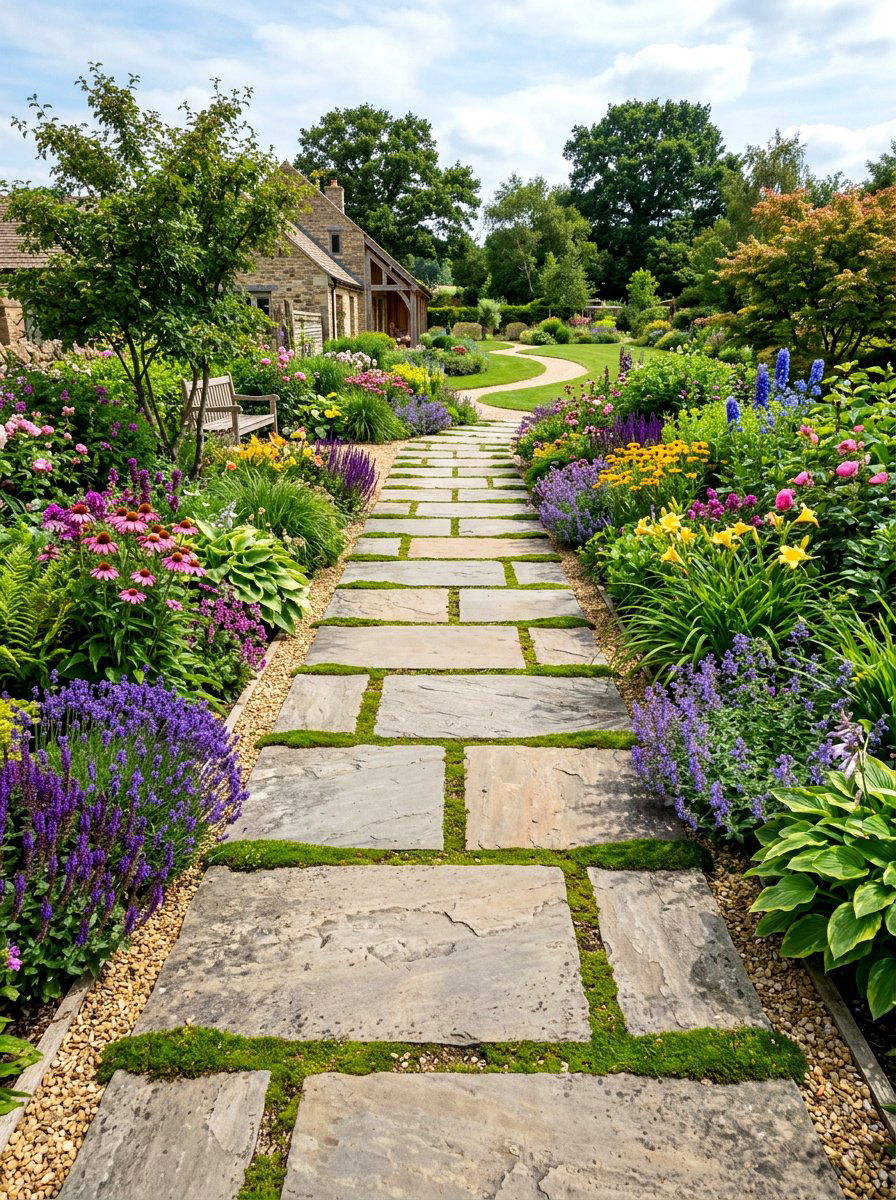
A well-designed path does more than just lead guests to your door; it sets the tone for your entire landscape. Modern stone walkway designs often feature large, flat flagstones or oversized concrete slabs arranged in a clean, linear fashion. You can fill the gaps between the stones with pea gravel, moss, or creeping groundcover to add visual interest and soften the hard edges. This type of walkway works beautifully in both front and backyards, providing a stable surface that looks intentional and artistic. The contrast between the solid stone and the delicate surrounding plants creates a dynamic look that enhances any property.
5. Backyard Fire Pit Area
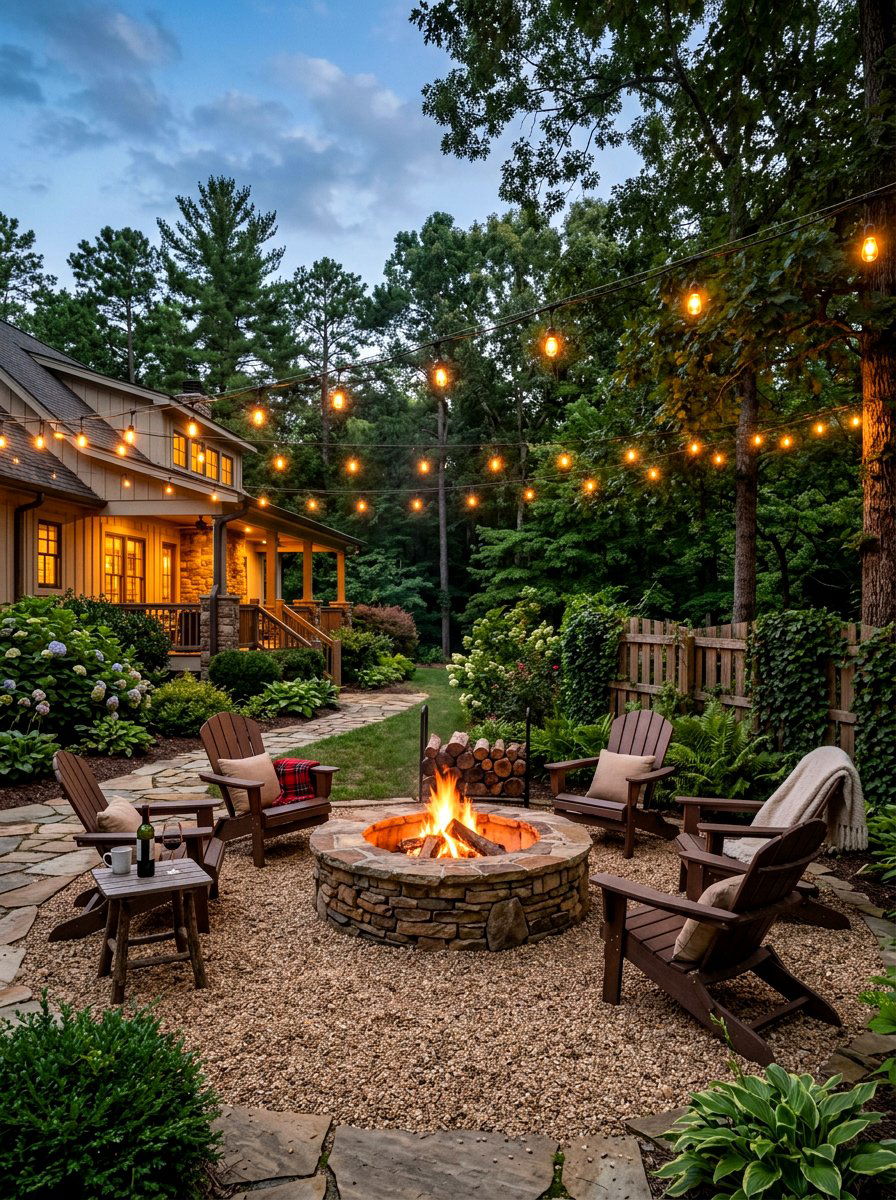
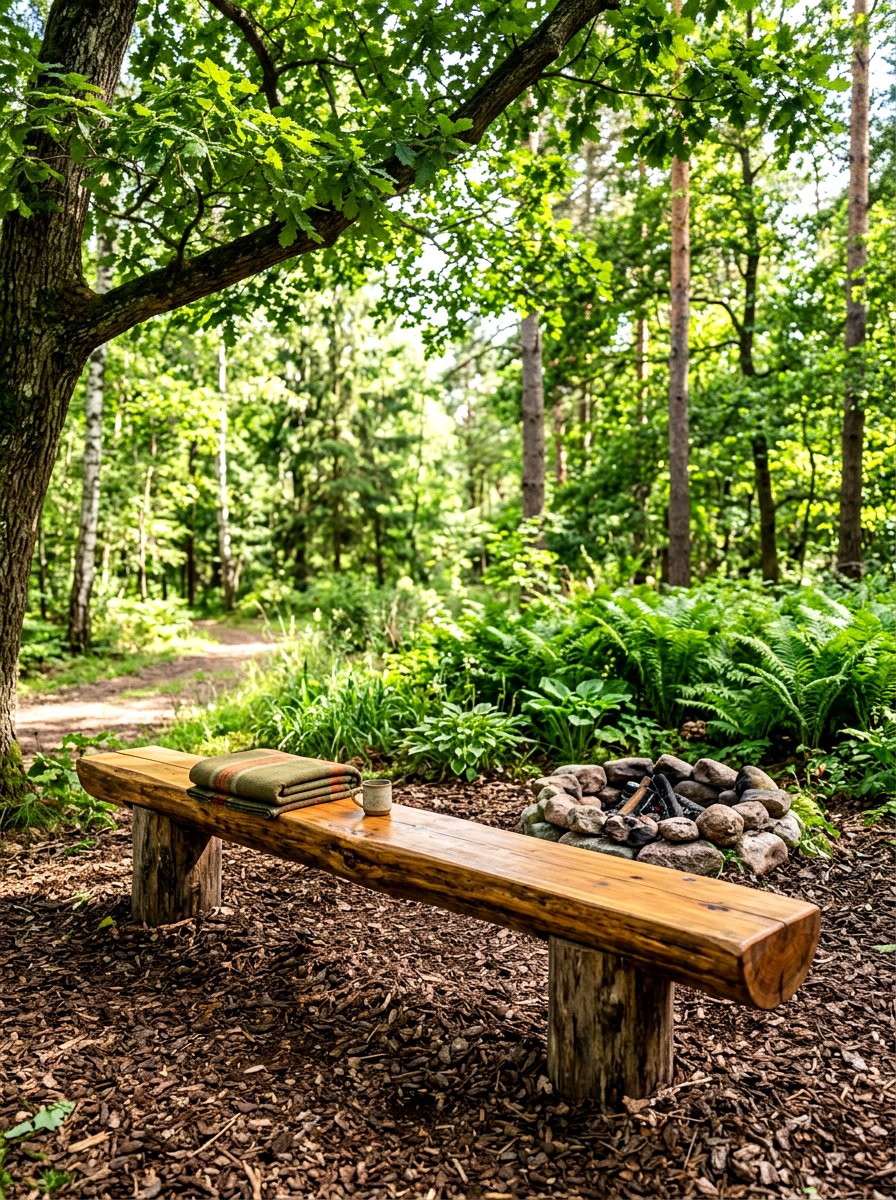
Creating a dedicated spot for a fire pit is one of the best ways to extend the usability of your outdoor space into the cooler months. A backyard fire pit area should be designed with safety and comfort in mind, featuring a level base made of gravel, stone, or pavers. Arrange comfortable seating like Adirondack chairs or a built-in stone bench around the fire to encourage conversation and relaxation. Adding ambient string lights or low-voltage landscape lighting nearby can further enhance the atmosphere. This cozy focal point becomes a natural gathering spot for family and friends, perfect for roasting marshmallows or enjoying a quiet evening.
6. Native Plant Garden
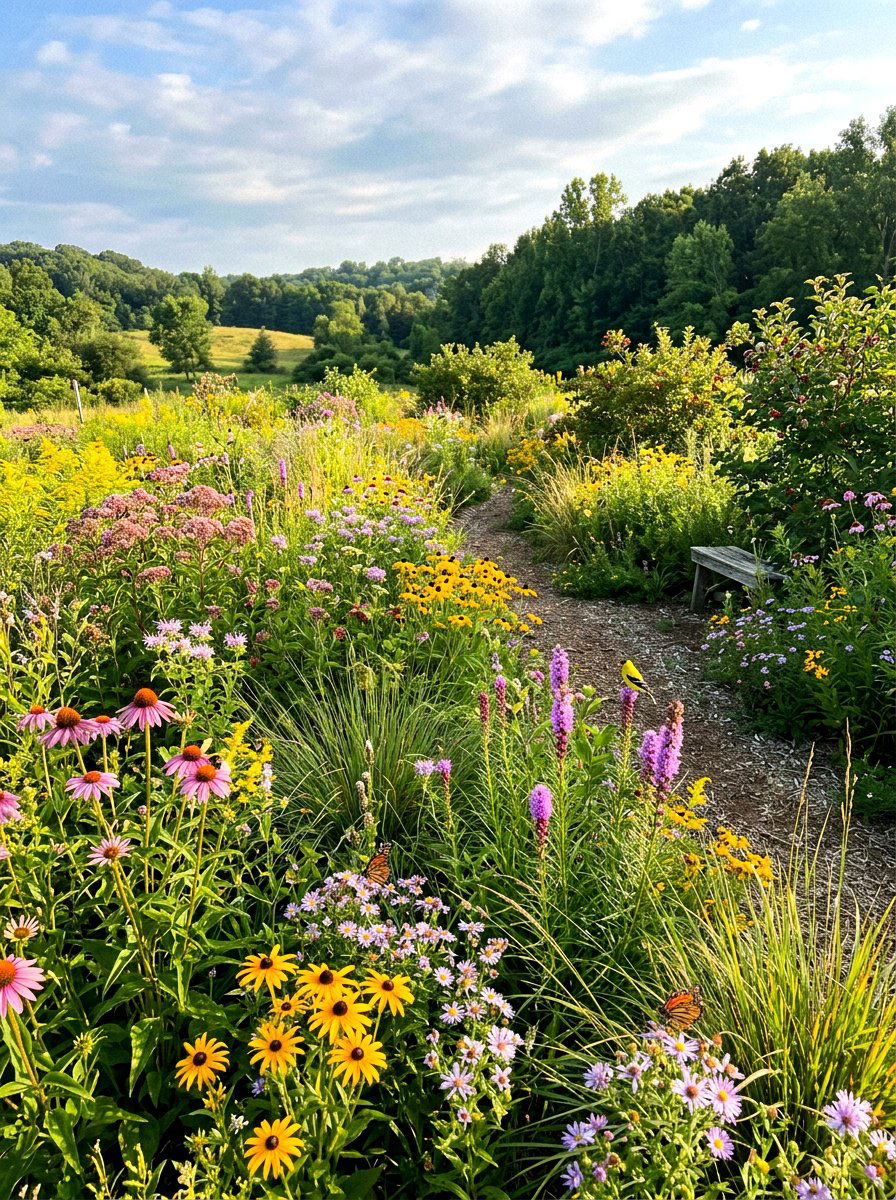
Embracing the natural beauty of your region is easy when you start a native plant garden. Native species are already acclimated to your local soil and weather conditions, which means they generally require less intervention to thrive. These gardens are incredibly beneficial for local wildlife, providing essential food and habitat for bees, butterflies, and birds. Instead of a uniform lawn, a native garden offers a rich tapestry of colors and textures that change with the seasons. By choosing local flora, you support your regional ecosystem while enjoying a garden that feels authentic and deeply connected to the landscape around your home.
7. Vertical Garden For Small Spaces
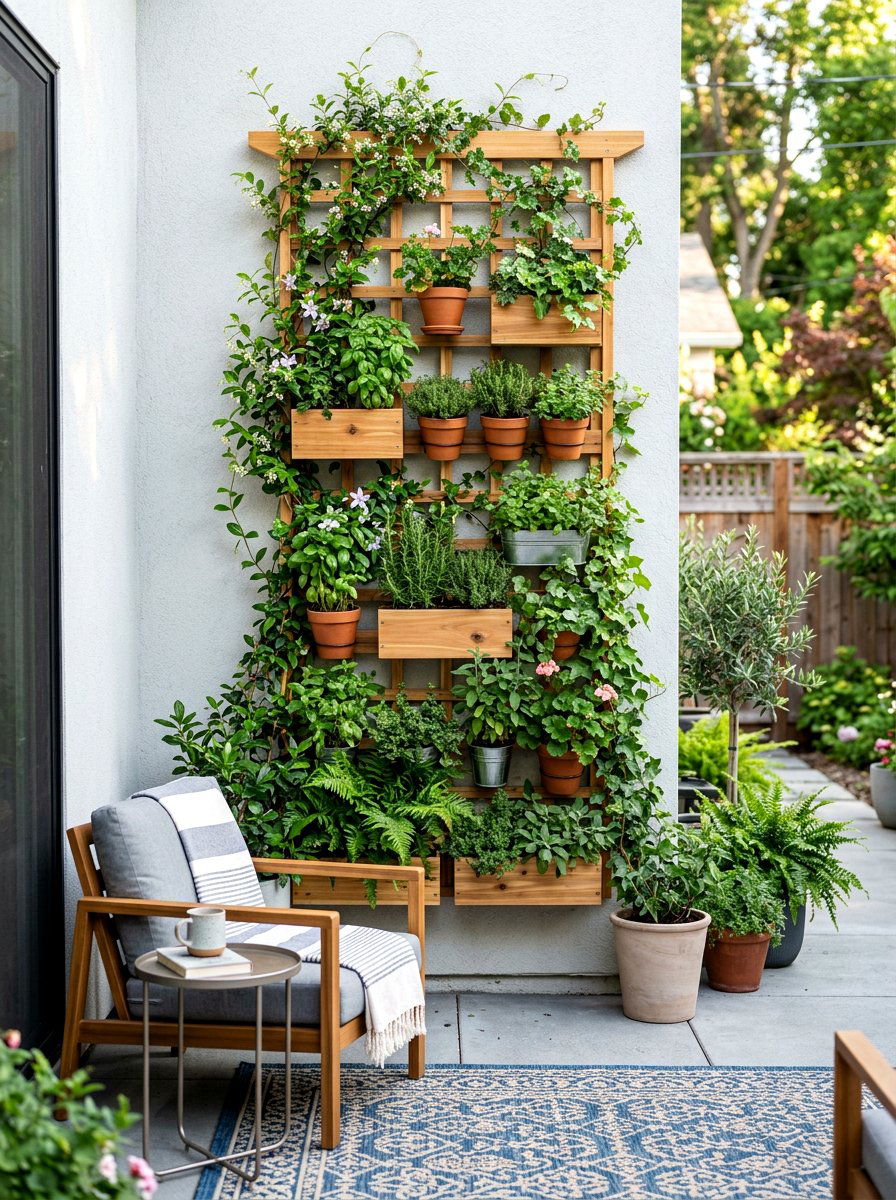
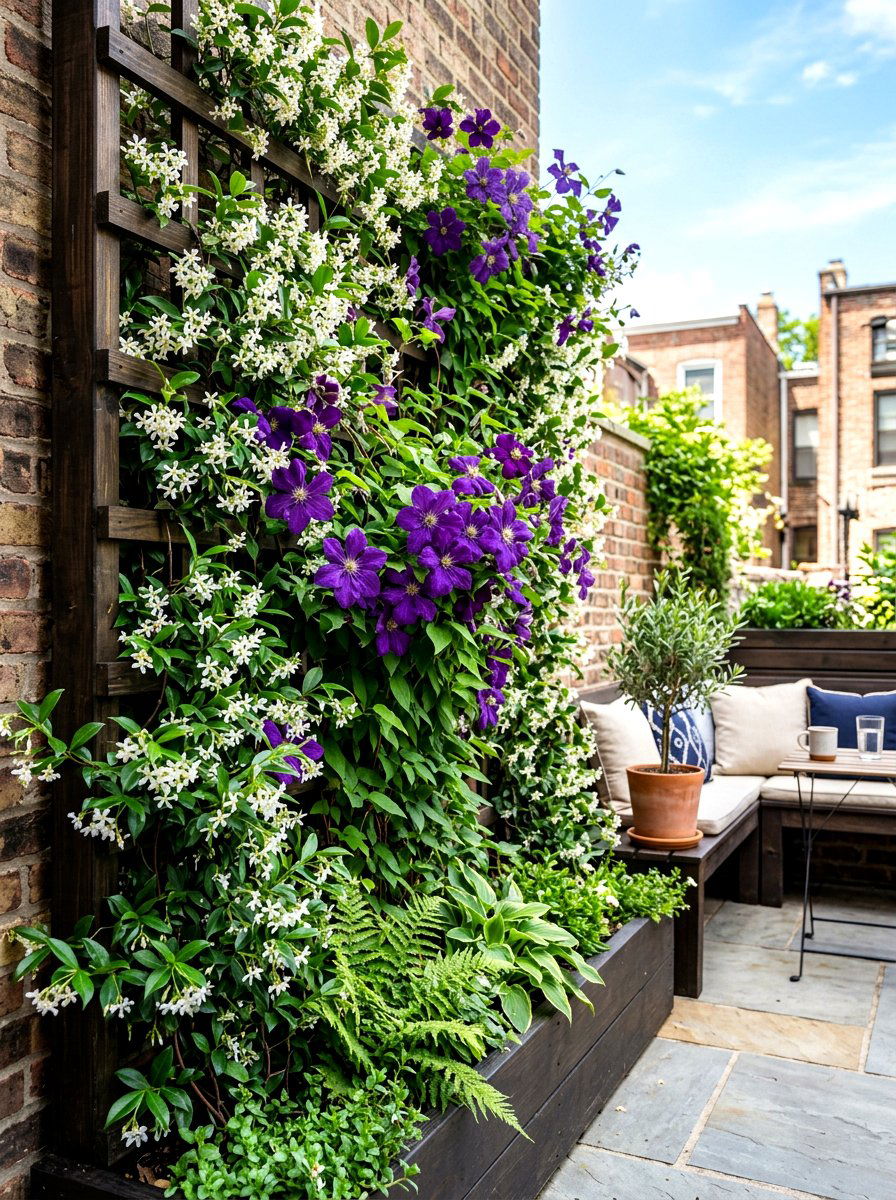
When you lack horizontal ground space, the only way to grow is up. A vertical garden for small spaces allows you to cover walls, fences, or balconies with a lush layer of greenery. You can use wall-mounted planters, hanging baskets, or even a simple wooden trellis to support climbing vines and flowers. This technique is perfect for urban dwellers who want to grow herbs, succulents, or decorative plants without sacrificing their patio floor. Beyond their aesthetic appeal, vertical gardens can also act as natural insulation for your home and help dampen noise from the street, creating a quieter environment.
8. Outdoor Lighting For Walkways
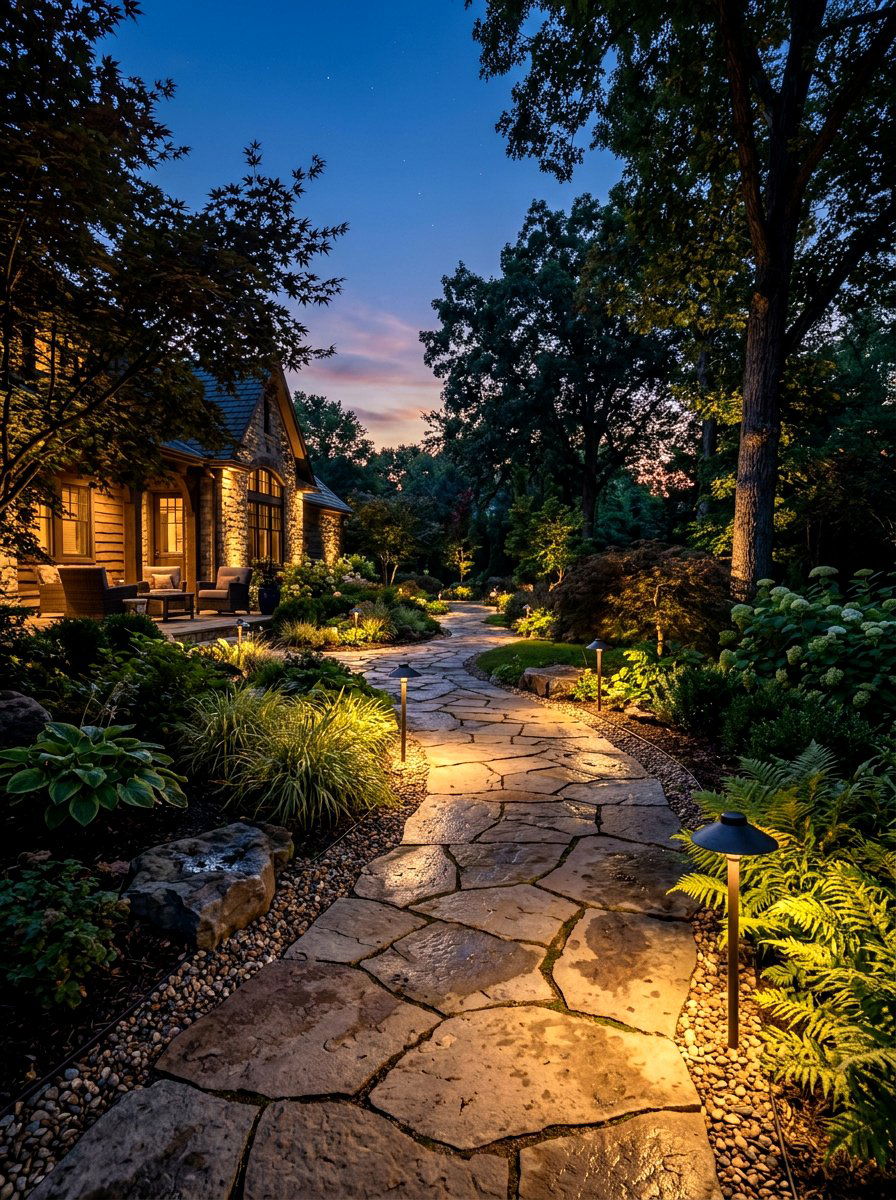
Illuminating your paths is essential for both safety and nighttime aesthetics. Outdoor lighting for walkways can take many forms, from solar-powered stakes to sophisticated hardwired LED systems. Path lights should be spaced evenly to guide the way without creating a "runway" effect; instead, aim for a soft, overlapping glow. You can also use well lights to highlight nearby trees or architectural features, adding depth to the landscape after the sun goes down. High-quality lighting transforms your yard into an enchanting space at night, allowing you to navigate safely while showcasing the beauty of your garden design long after dark.
9. Gravel Garden Design
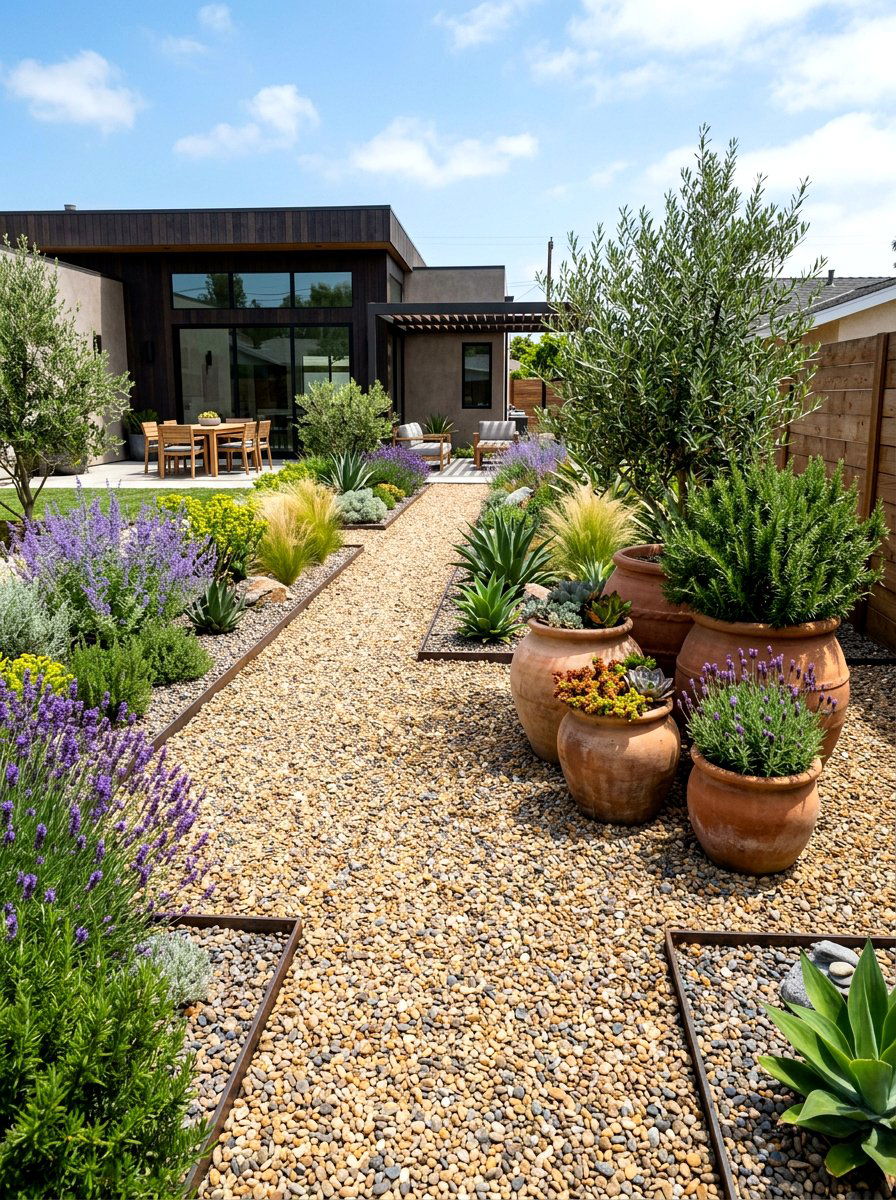
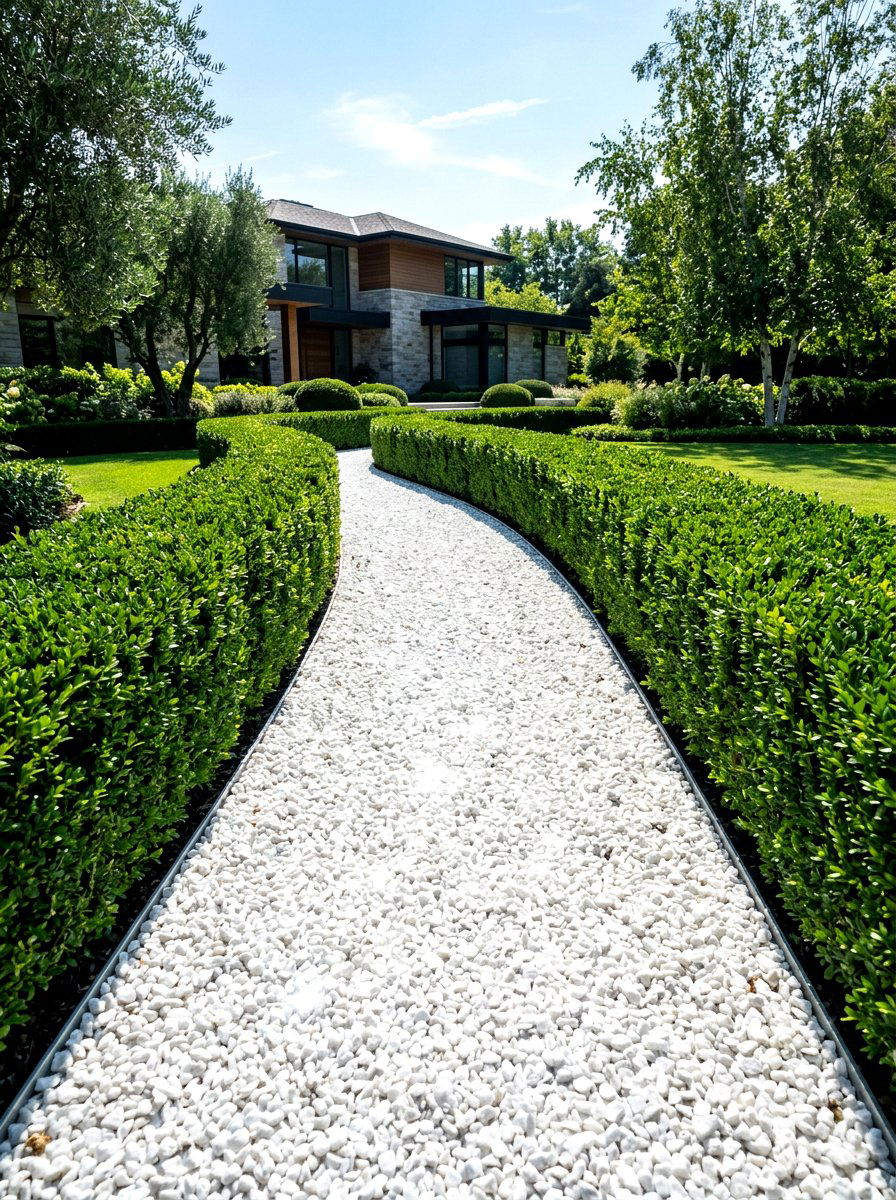
Gravel garden design is gaining popularity as a chic and sustainable alternative to traditional mulch or grass. Using various sizes and colors of gravel creates a textured surface that suppresses weeds and retains moisture for your plants. This style is often paired with Mediterranean or desert-themed plants that enjoy excellent drainage. To keep the look organized, use metal or stone edging to define the boundaries of the gravel area. A gravel garden is incredibly versatile, working well for seating areas, pathways, or even as a base for large potted plants, providing a clean and contemporary look with very minimal upkeep.
10. Privacy Hedge For Backyard
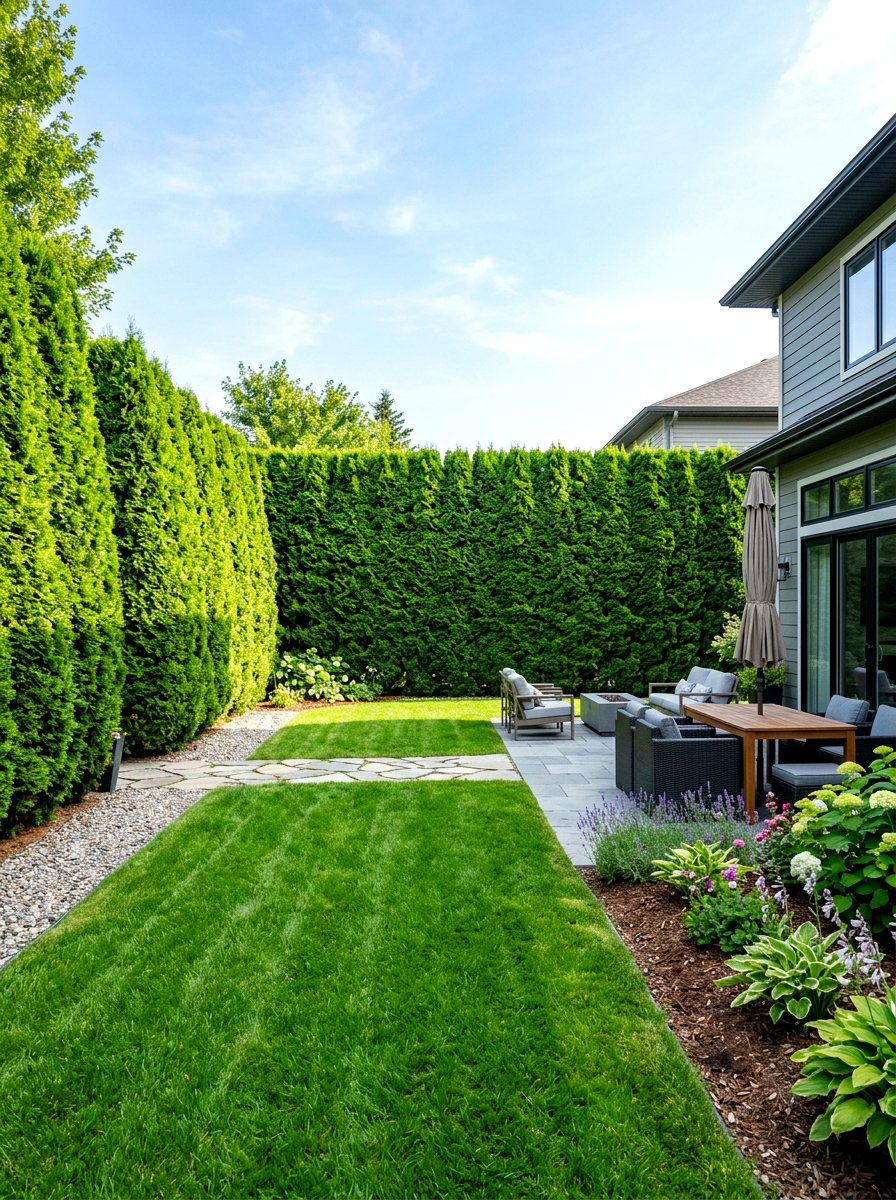
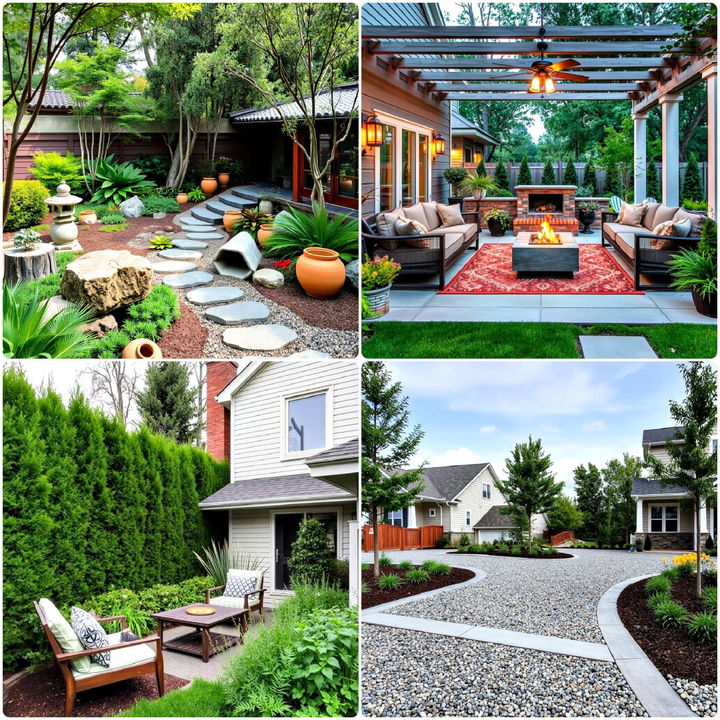
Creating a sense of seclusion in your yard is often a top priority for homeowners. A privacy hedge for the backyard is a living alternative to a wooden fence, offering a softer and more natural boundary. Fast-growing evergreens like arborvitae or privet are classic choices that provide year-round coverage. For a more modern look, you might choose tall ornamental grasses or bamboo planted in sleek containers. A well-maintained hedge not only blocks the view from neighbors but also acts as a windbreak and a sound barrier. This green wall adds life to your perimeter while ensuring your outdoor space feels like a private oasis.
11. Raised Garden Bed Layout
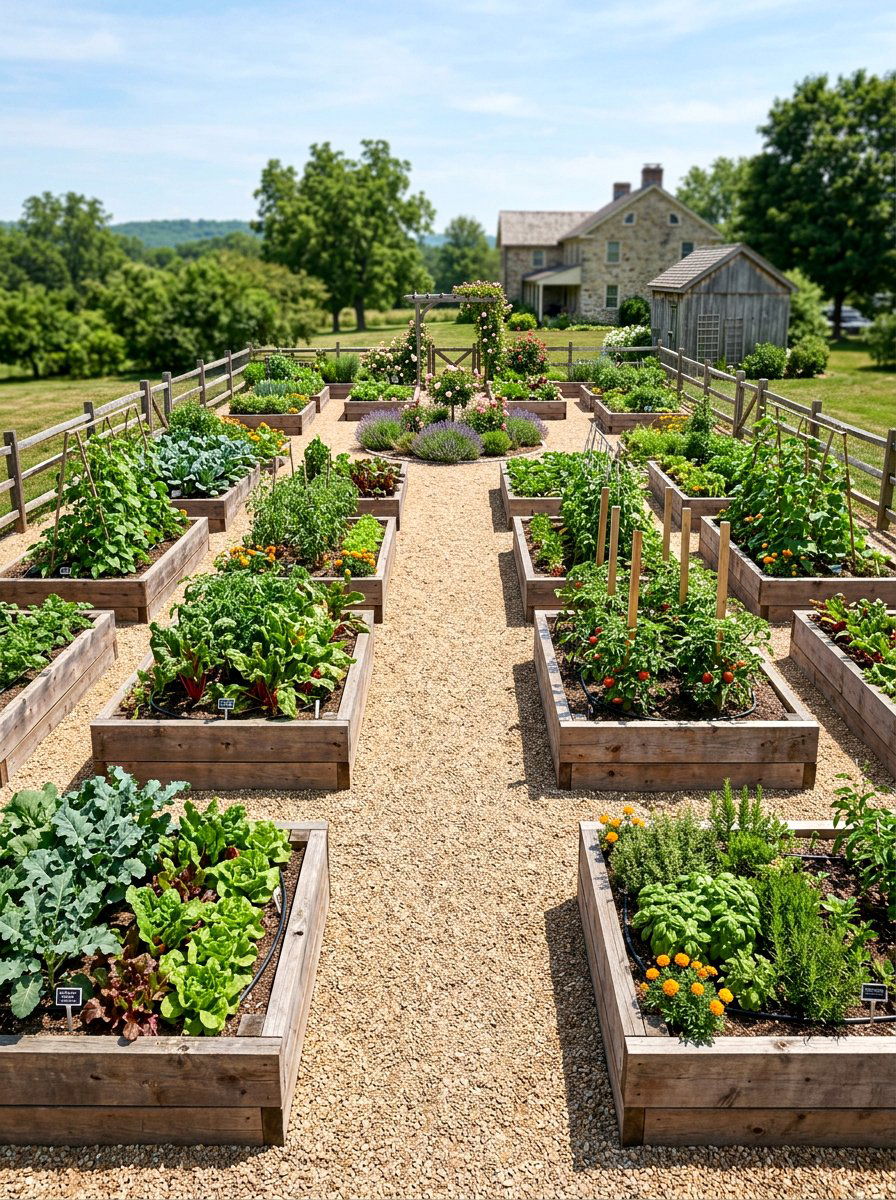
Raised garden beds are a fantastic way to organize your plantings while making maintenance much easier on your back. A raised garden bed layout allows for better soil control, improved drainage, and a longer growing season. You can build these beds from cedar, stone, or even galvanized steel to match the style of your home. Arranging multiple beds in a symmetrical pattern creates a clean and purposeful look, especially in a vegetable or herb garden. Adding gravel or woodchip paths between the beds ensures easy access and keeps the area looking tidy, turning a functional garden into a beautiful landscape feature.
12. Backyard Water Feature
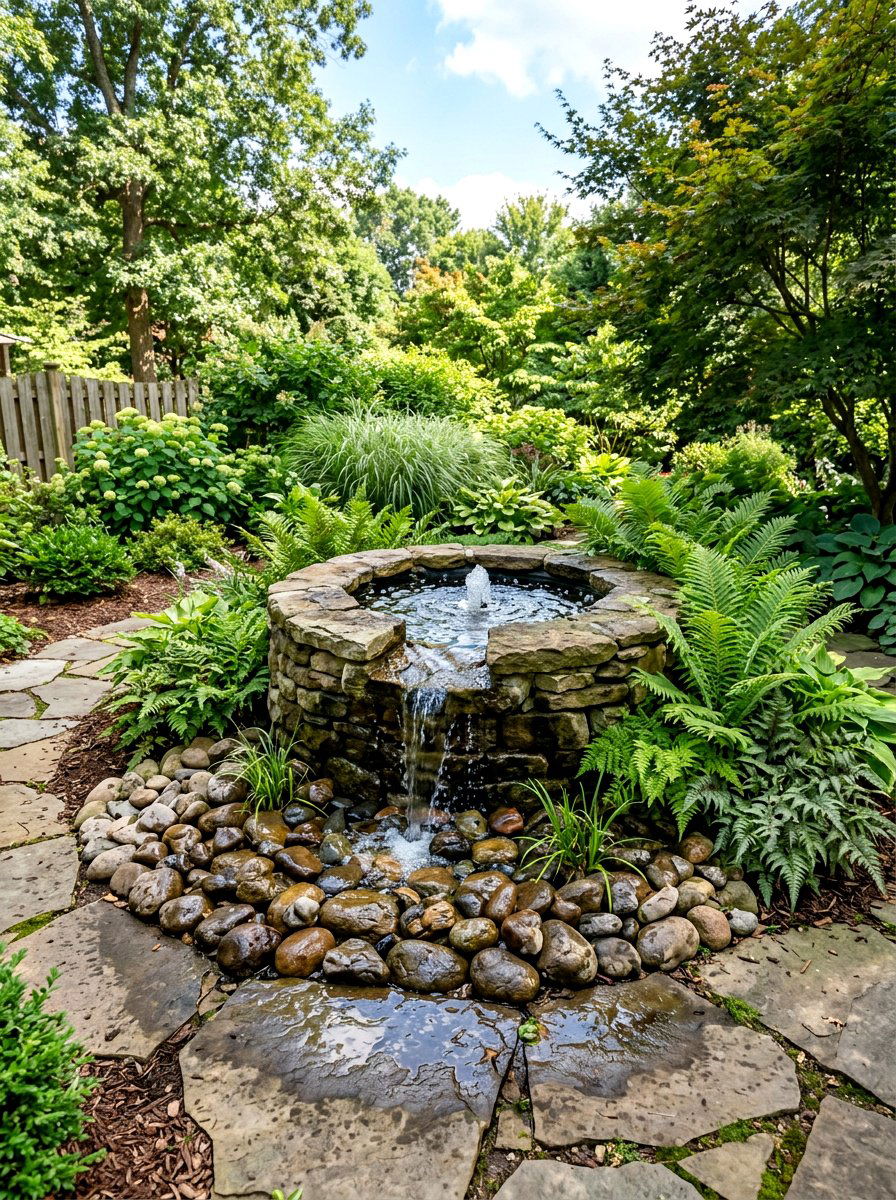
The sound of trickling water can instantly turn a stressful day into a peaceful one. A backyard water feature can be as simple as a stone bubbling fountain or as elaborate as a multi-tiered waterfall cascading into a pond. When choosing a design, consider the scale of your yard; a large pond might overwhelm a small patio, whereas a wall-mounted fountain could be the perfect fit. Water features attract birds and beneficial insects, adding a layer of movement and life to your garden. With modern pump technology, these features are easier to install and maintain than ever, providing a luxurious focal point for your yard.
13. Tropical Landscape Design
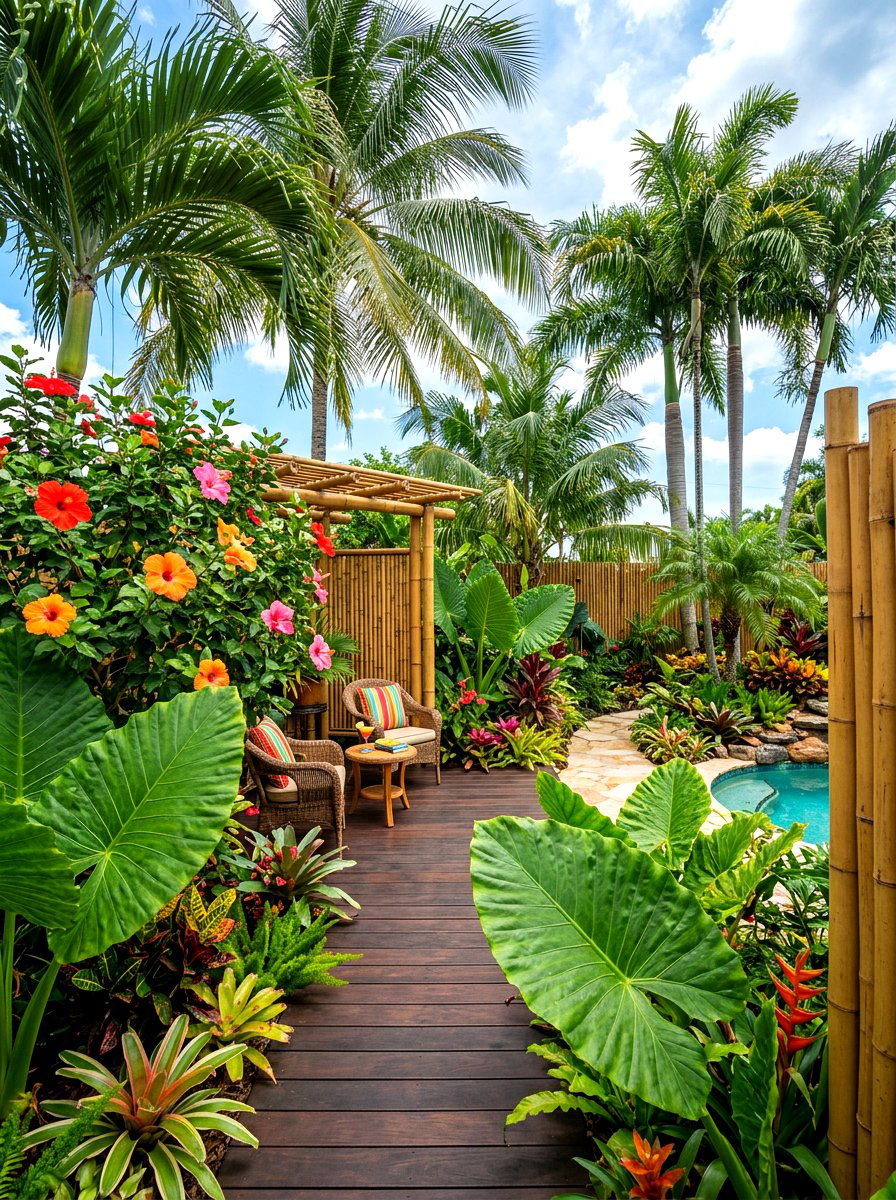
You don't have to live in the tropics to enjoy a lush, island-inspired garden. Tropical landscape design focuses on large, dramatic foliage and vibrant, exotic-looking blooms. Plants with oversized leaves, such as elephant ears, palms, and canna lilies, create a sense of abundance and mystery. To achieve this look in cooler climates, you can use hardy hibiscus or move tender potted plants indoors during the winter. Incorporating natural materials like bamboo fencing, thatched umbrellas, and dark wood decking enhances the vacation-like vibe. This style is perfect for creating a bold, energetic space that feels like a private getaway right in your backyard.
14. Perennial Flower Bed
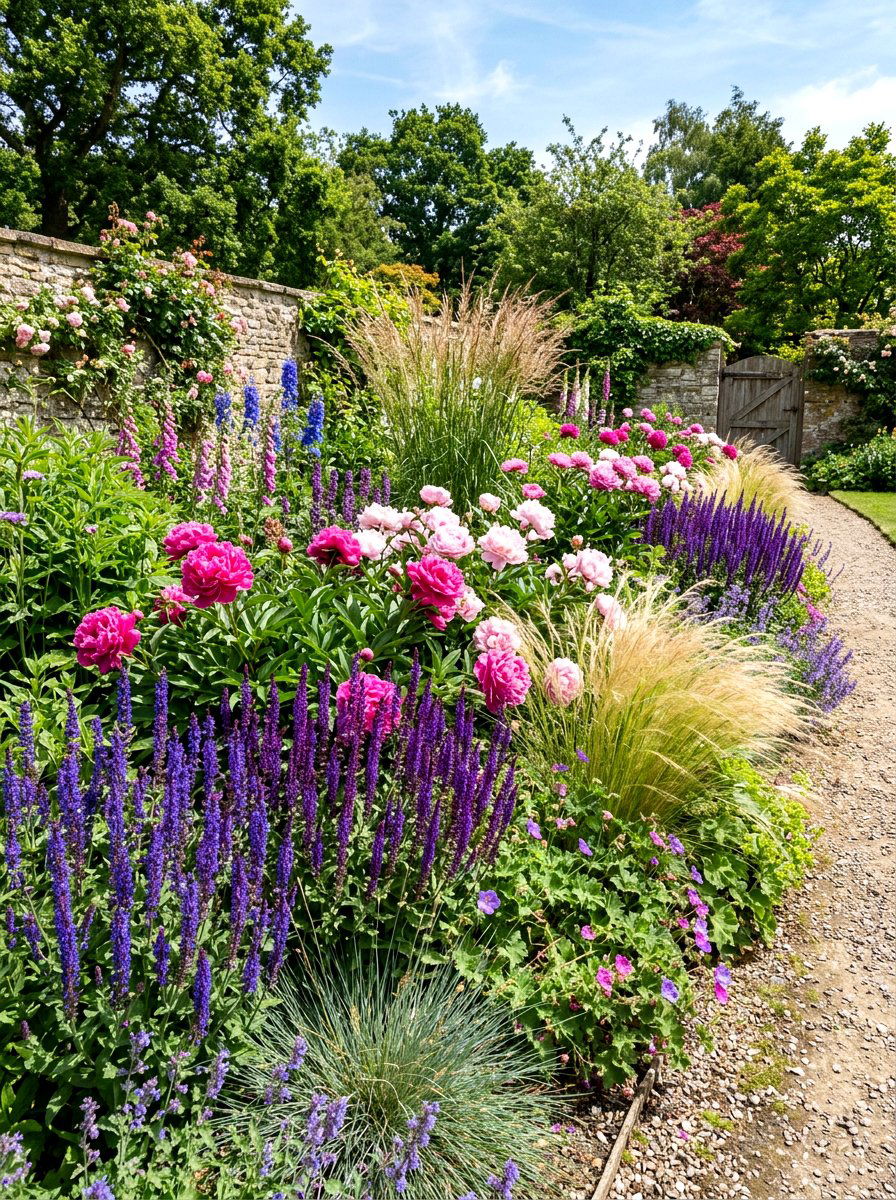
A perennial flower bed is a long-term investment that rewards you with beautiful blooms year after year. Unlike annuals, perennials come back every spring, saving you the time and money of replanting your entire garden each season. When designing your bed, consider the bloom times and heights of various plants to ensure a continuous display of color from early spring through late fall. Mixing different textures, such as spiky lupines with rounded peonies, adds visual interest even when the flowers aren't in peak bloom. A well-planned perennial border provides a classic, timeless look that grows more beautiful and established with each passing year.
15. Modern Deck Landscaping
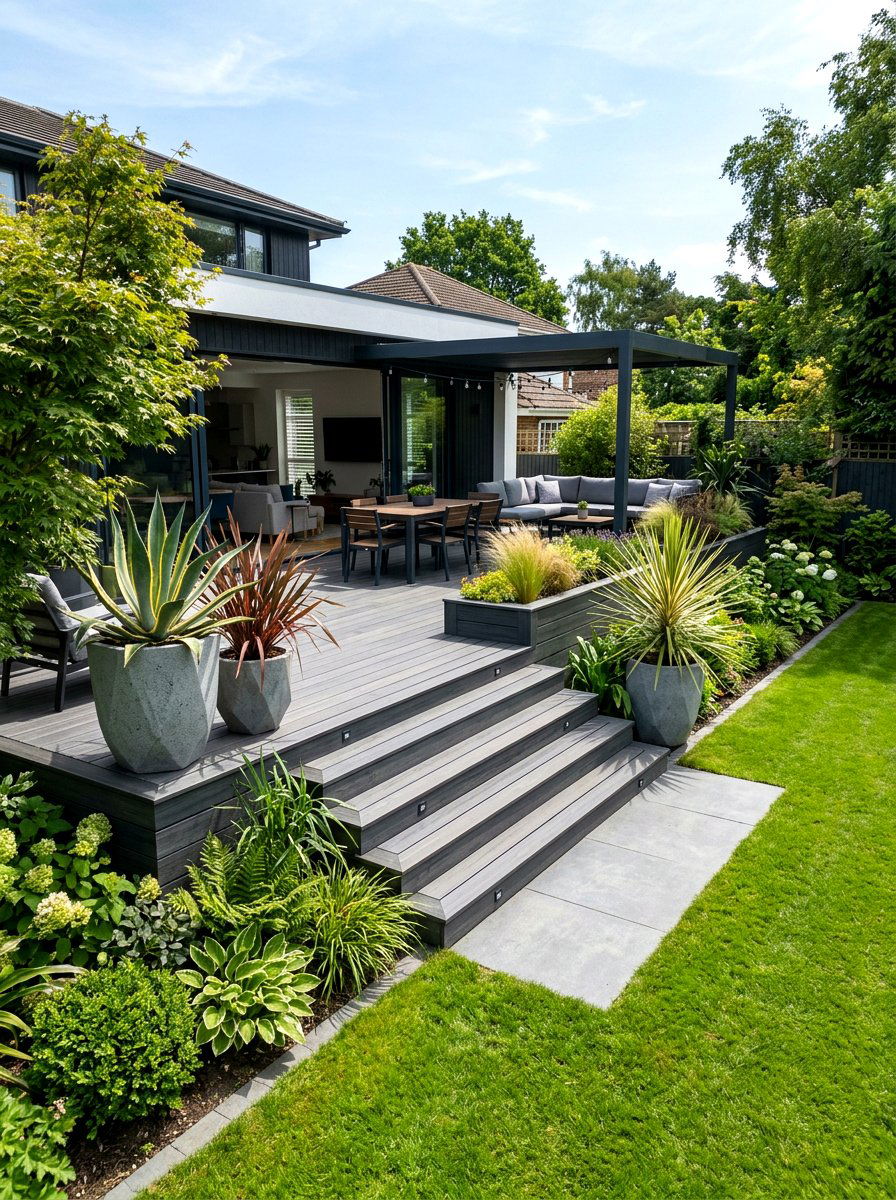
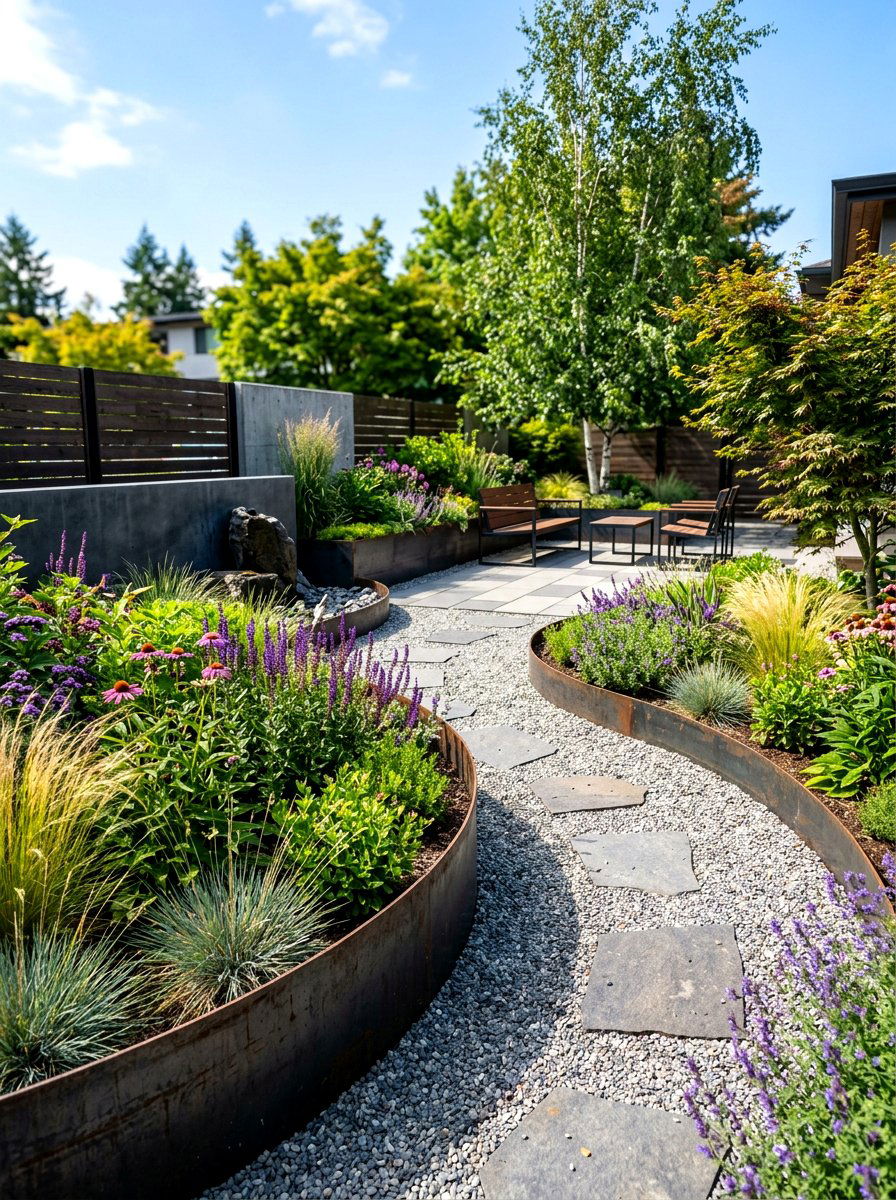
Integrating your deck into the surrounding landscape creates a seamless transition between your indoor and outdoor living areas. Modern deck landscaping often involves built-in planters that bring greenery right up to the seating area, softening the transition from wood or composite to the garden. You might also include a series of wide steps that double as extra seating or lead directly into a manicured lawn. Using a consistent color palette for your furniture, cushions, and planters helps unify the design. Adding oversized pots with architectural plants at the corners of the deck provides a sense of structure and helps define the boundaries of the living space.
16. Rock Garden Design
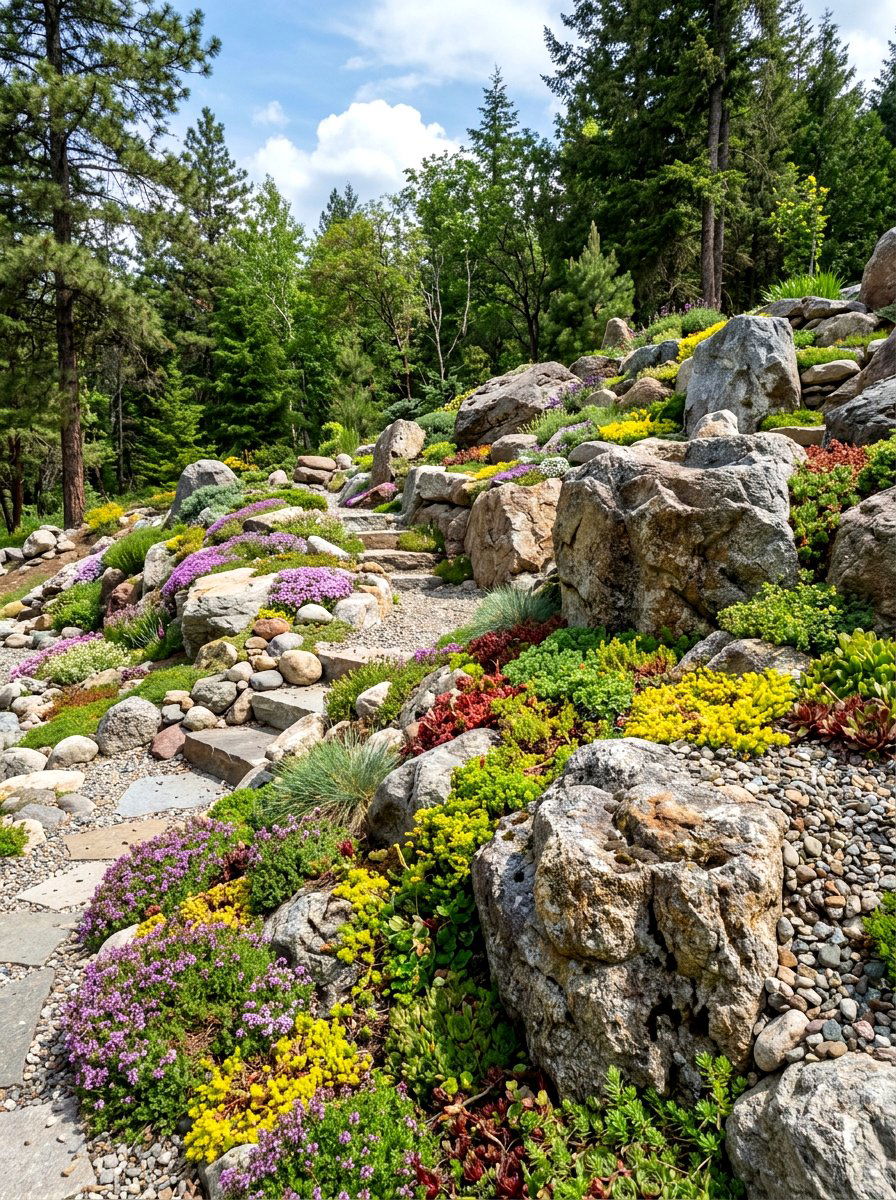
Rock garden design utilizes the natural beauty of stones to create a rugged and low-maintenance landscape. This style is particularly effective on sloped terrain where traditional grass might be difficult to grow. You can use a mix of large boulders, medium stones, and fine gravel to mimic a natural mountain or desert environment. Small alpine plants or hardy groundcovers tucked into the crevices between rocks add splashes of color and life to the stony surface. Rock gardens are incredibly durable and require very little water, making them an environmentally friendly choice that provides year-round visual interest through varied shapes and earth tones.
17. Sustainable Rain Garden
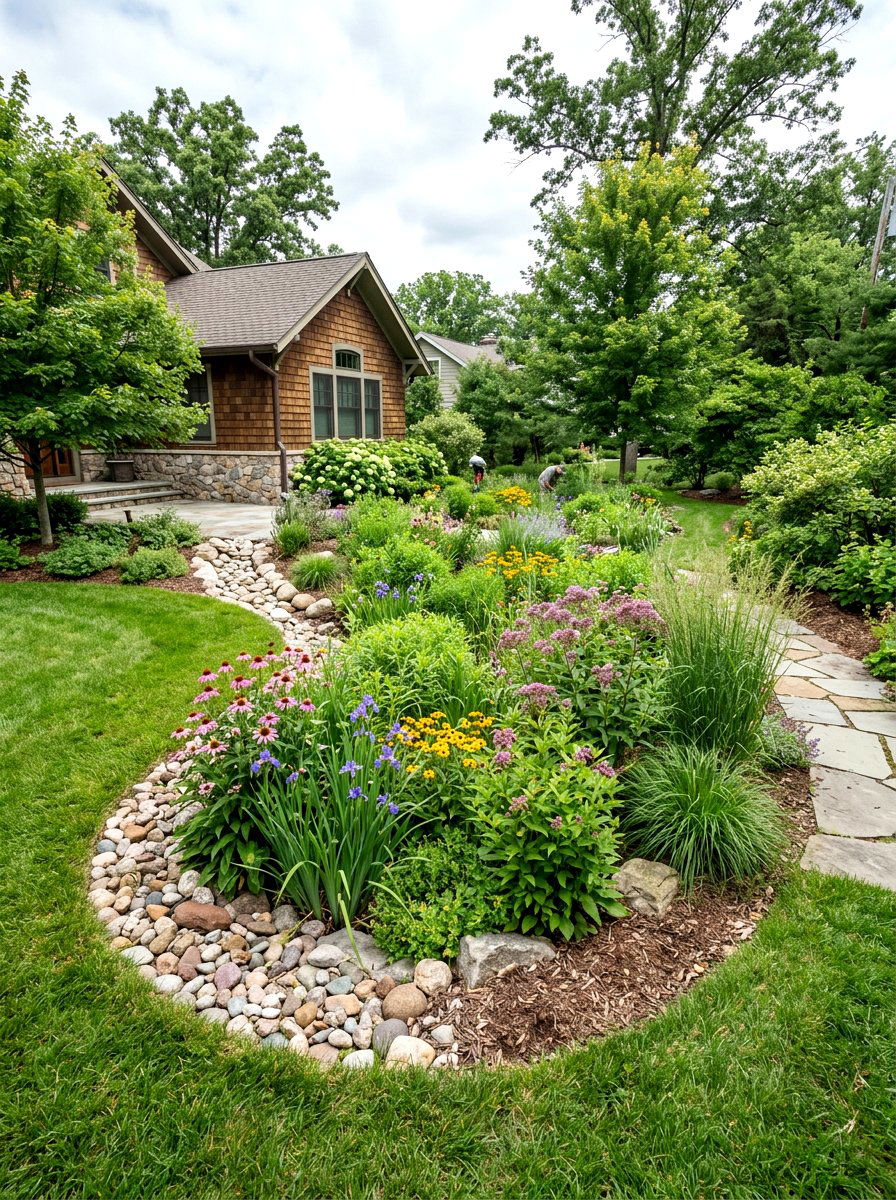
A sustainable rain garden is both a beautiful landscape feature and a functional tool for managing stormwater. By creating a shallow depression in your yard and planting it with moisture-loving native species, you can capture runoff from your roof or driveway. This allows the water to slowly soak into the ground instead of flowing into the storm drains, which helps prevent erosion and filters out pollutants. Rain gardens are typically filled with hardy perennials and grasses that can handle both wet soil and brief dry spells. This eco-friendly approach turns a potential drainage problem into a thriving habitat for local pollinators and birds.
18. Outdoor Kitchen Landscaping
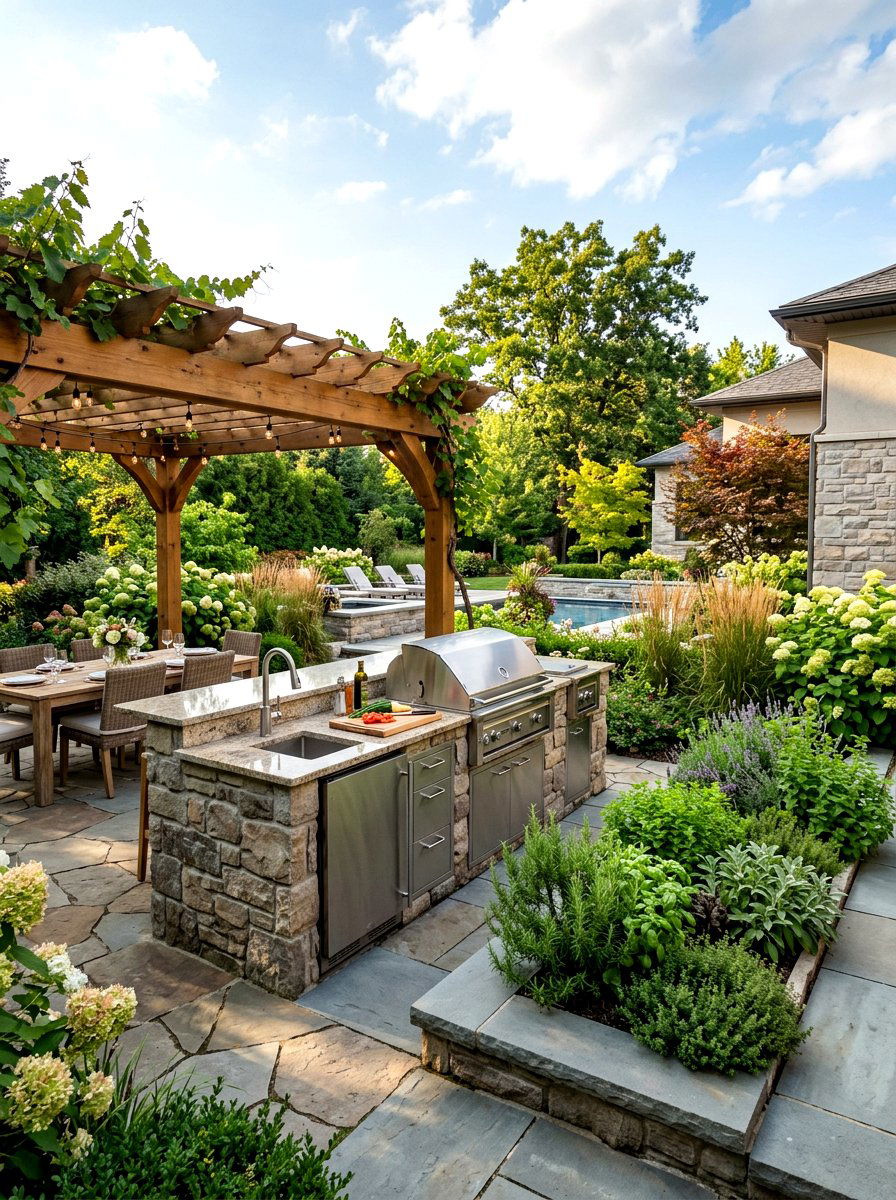
Cooking and dining outdoors has become a staple of modern home life, and a dedicated kitchen area can be a true luxury. Outdoor kitchen landscaping should focus on creating a functional workspace that feels connected to the rest of the yard. Using durable materials like stone, stainless steel, and weather-resistant cabinetry ensures the space lasts for years. Surround the kitchen with aromatic herb gardens or tall privacy plantings to create a cozy, enclosed feel. Proper lighting and a nearby dining table allow you to entertain guests from sunset into the evening. This setup turns your backyard into the ultimate destination for hosting dinner parties and family gatherings.
19. Japanese Zen Garden
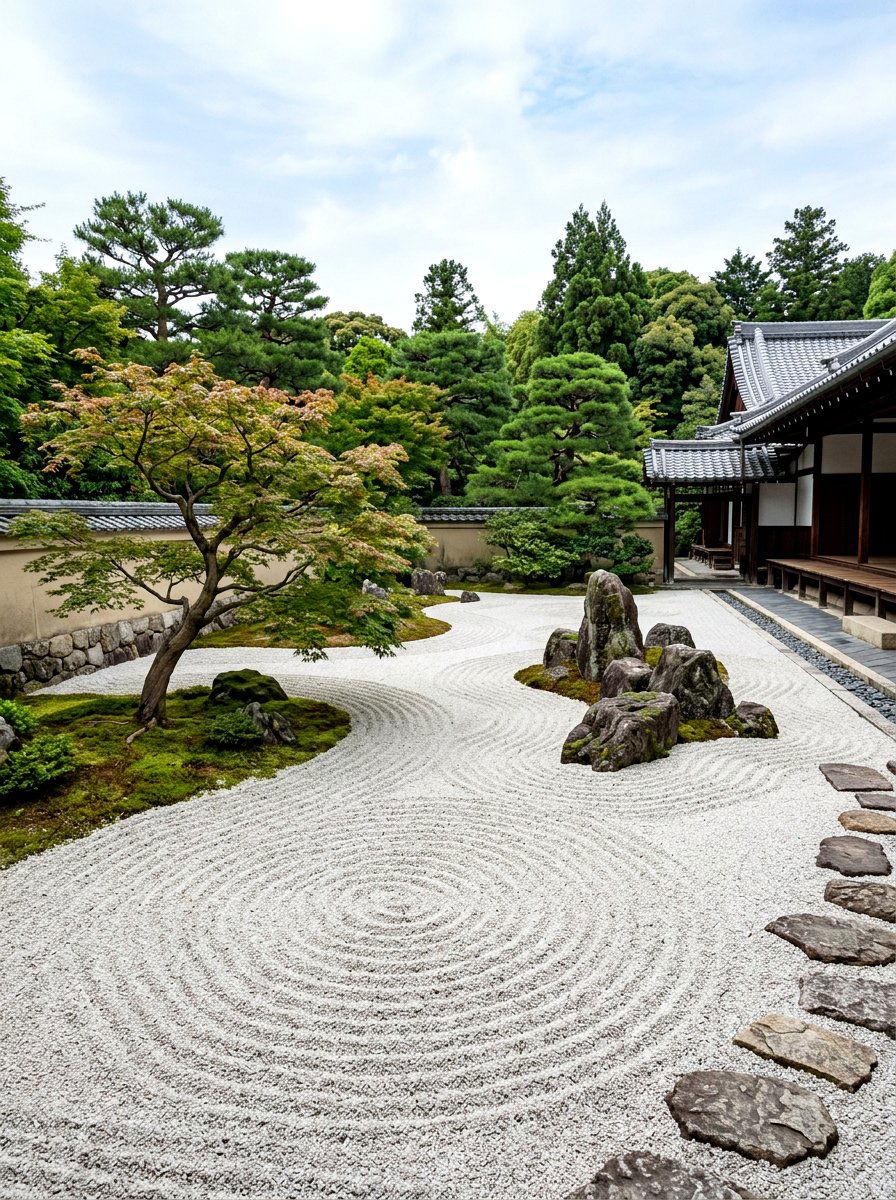
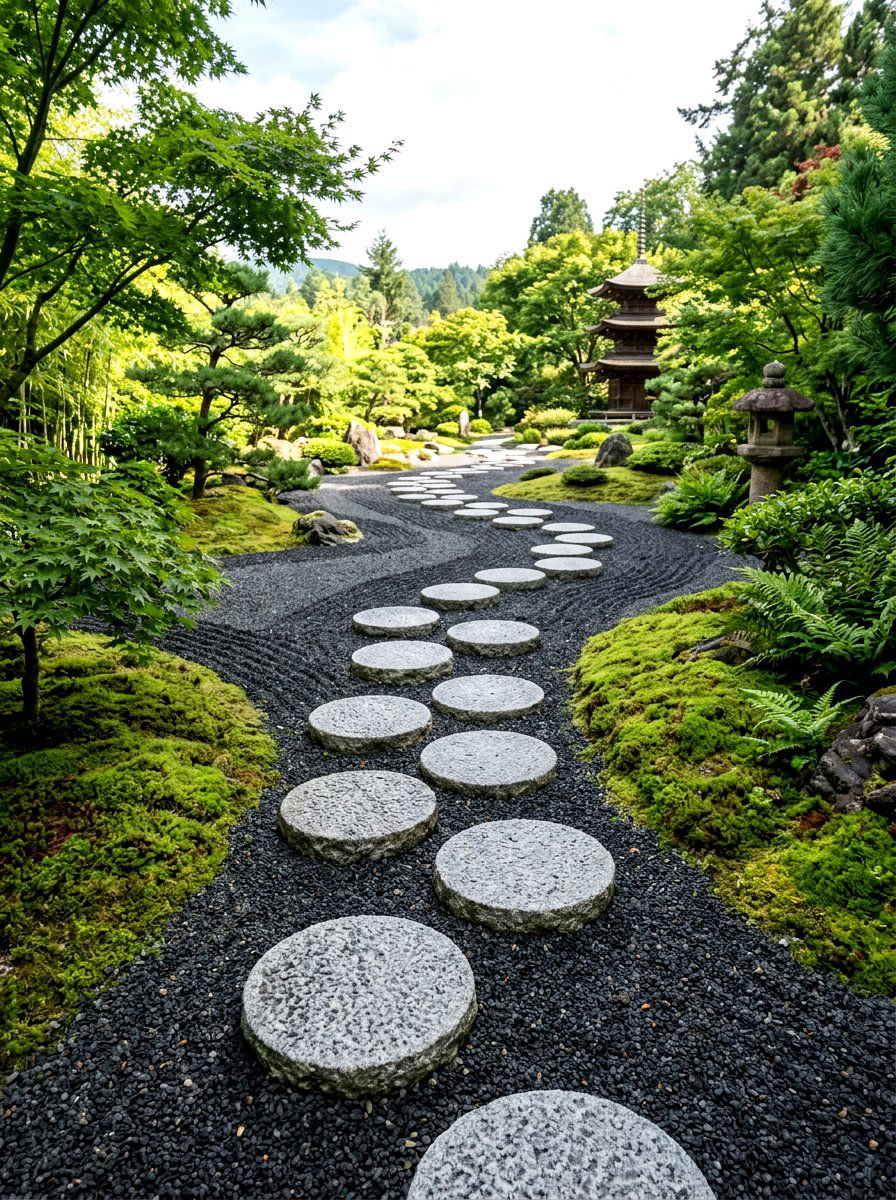
If you are looking for a place of quiet reflection, a Japanese zen garden might be the perfect addition to your landscape. These gardens often use minimal elements like sand, gravel, rocks, and a few carefully pruned evergreens to represent natural landscapes like mountains and oceans. The act of raking the gravel into swirling patterns is meant to be a meditative practice. Zen gardens emphasize simplicity and the beauty of empty space, providing a stark contrast to the busy world outside. By keeping the design uncluttered and focused on natural textures, you can create a peaceful sanctuary that promotes mindfulness and relaxation every day.
20. Cottage Style Garden
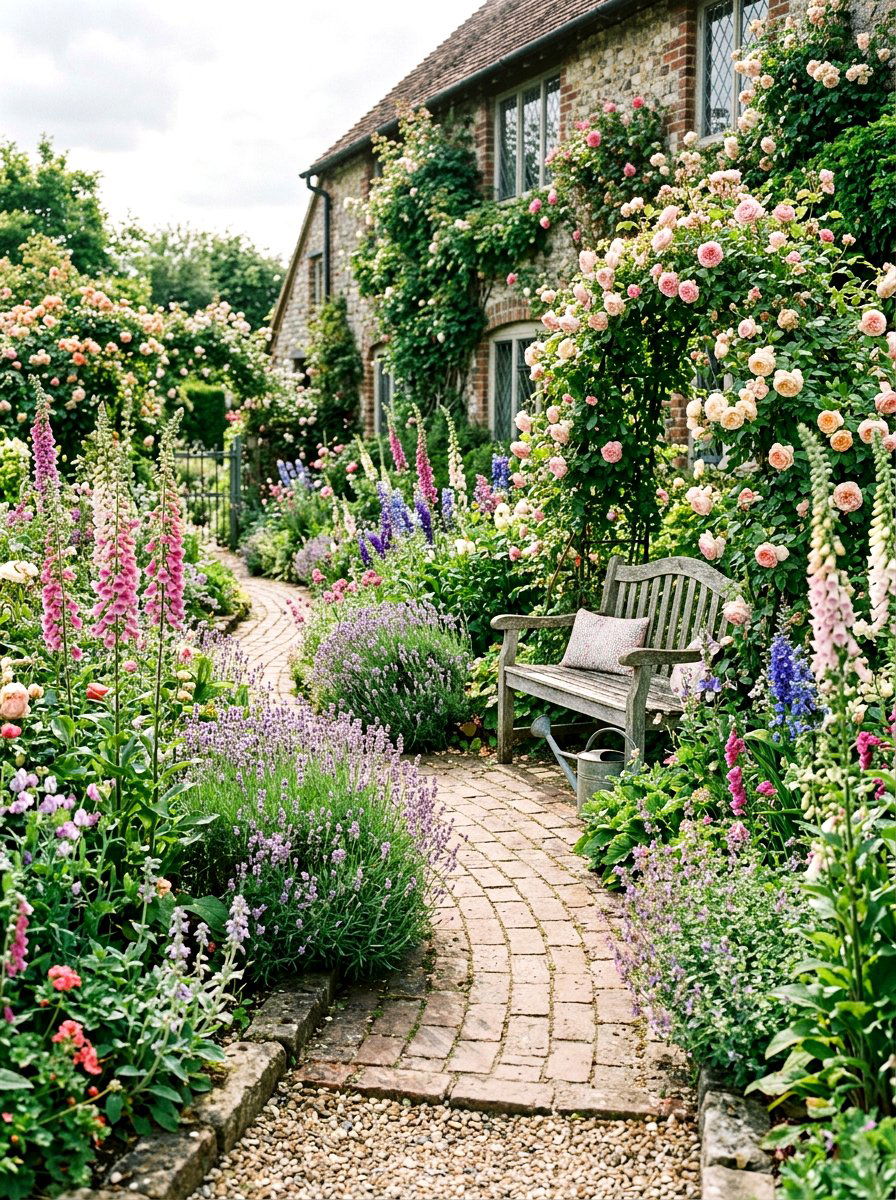
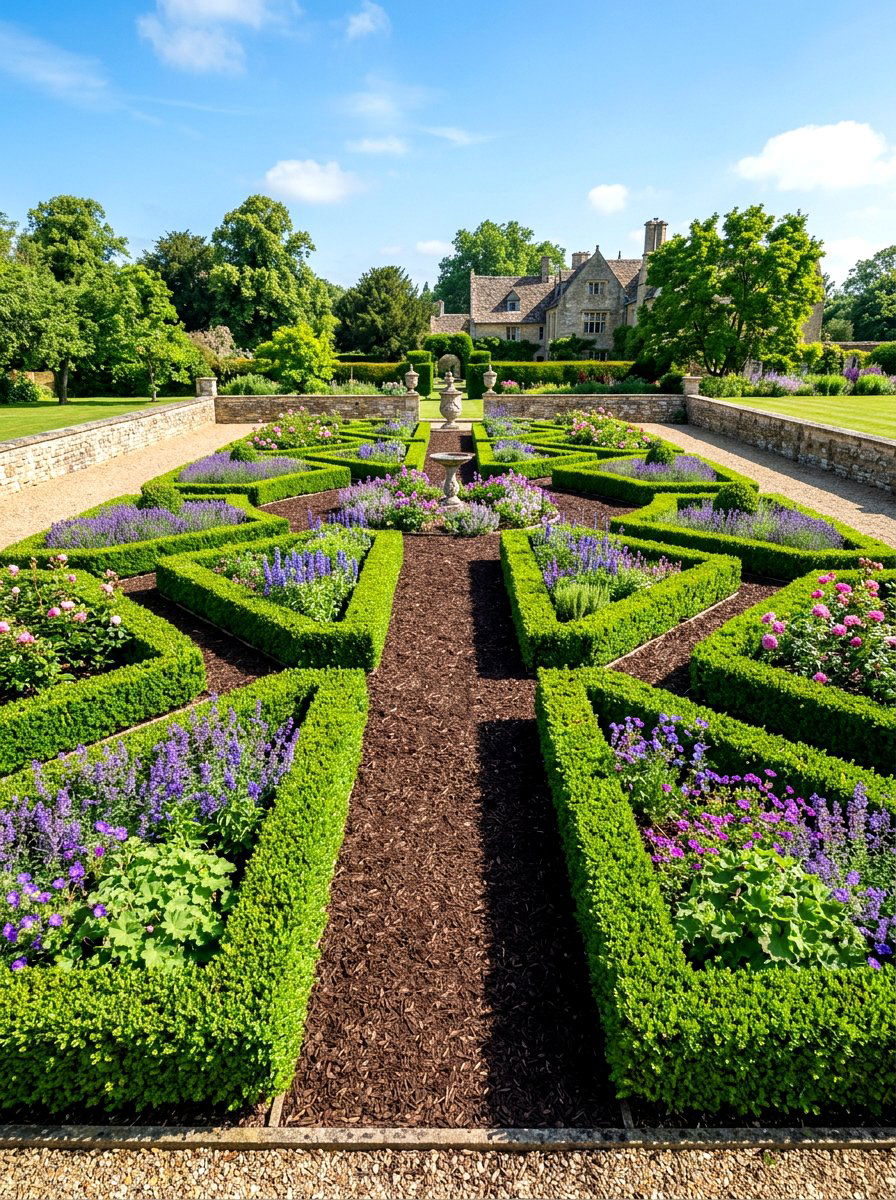
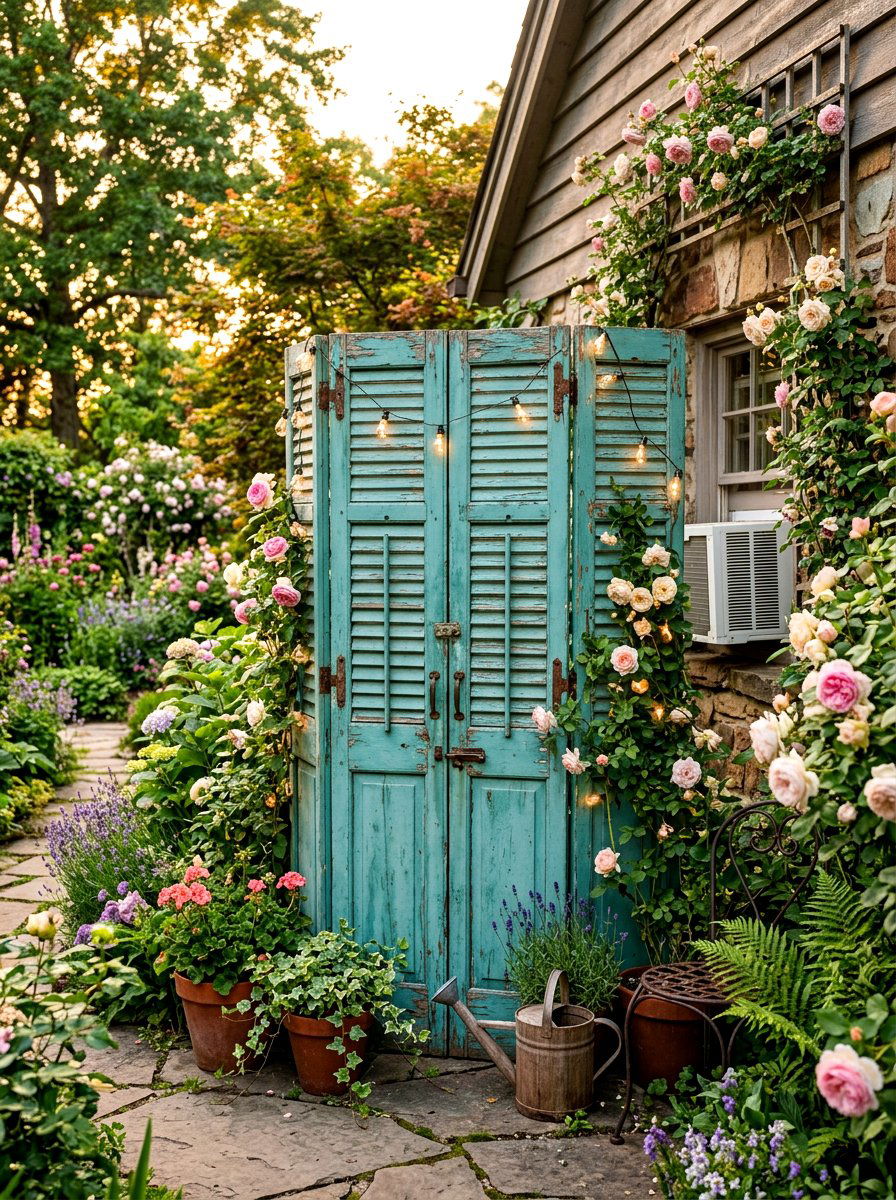
The cottage style garden is all about organized chaos and romantic charm. Characterized by dense plantings of traditional flowers like roses, foxgloves, and lavender, this design ignores strict lines in favor of a soft, overflowing look. Winding paths made of brick or aged stone lead visitors through the fragrant blooms, often punctuated by a rustic wooden bench or a birdbath. This type of garden is meant to feel informal and lived-in, with plants allowed to spill over the edges of the paths. It is a wonderful way to showcase a wide variety of your favorite flowers while creating a whimsical and inviting atmosphere.
21. Backyard Paver Patio
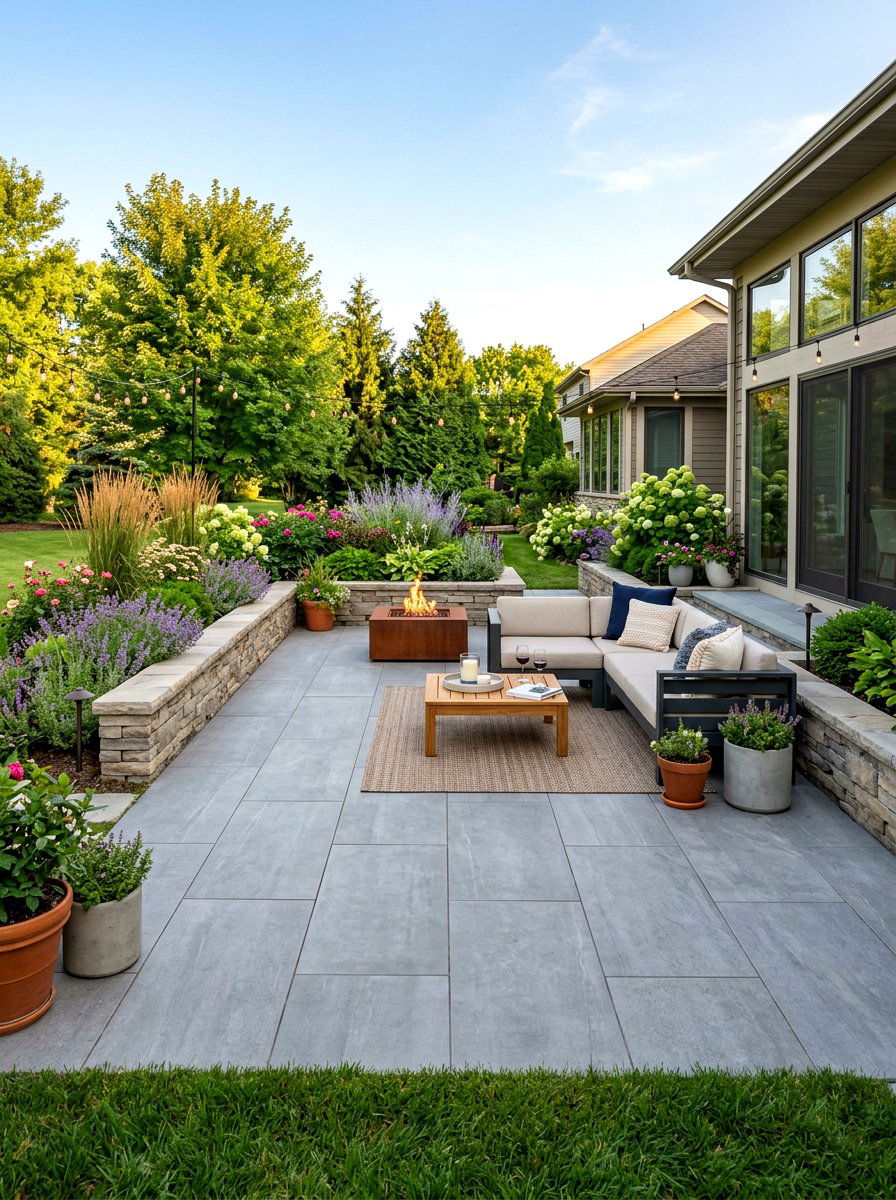
A backyard paver patio provides a solid, versatile foundation for outdoor living. Pavers come in an endless variety of materials, colors, and shapes, allowing you to create a custom look that matches your home’s architecture. Whether you prefer the rustic look of tumbled stone or the clean aesthetic of modern porcelain, a well-installed patio is durable and easy to maintain. You can use different paver patterns to define separate zones for dining and lounging. Surrounding the patio with lush flower beds or a low stone wall helps anchor the space into the landscape, making it feel like a natural extension of your home.
22. Edible Landscape Design
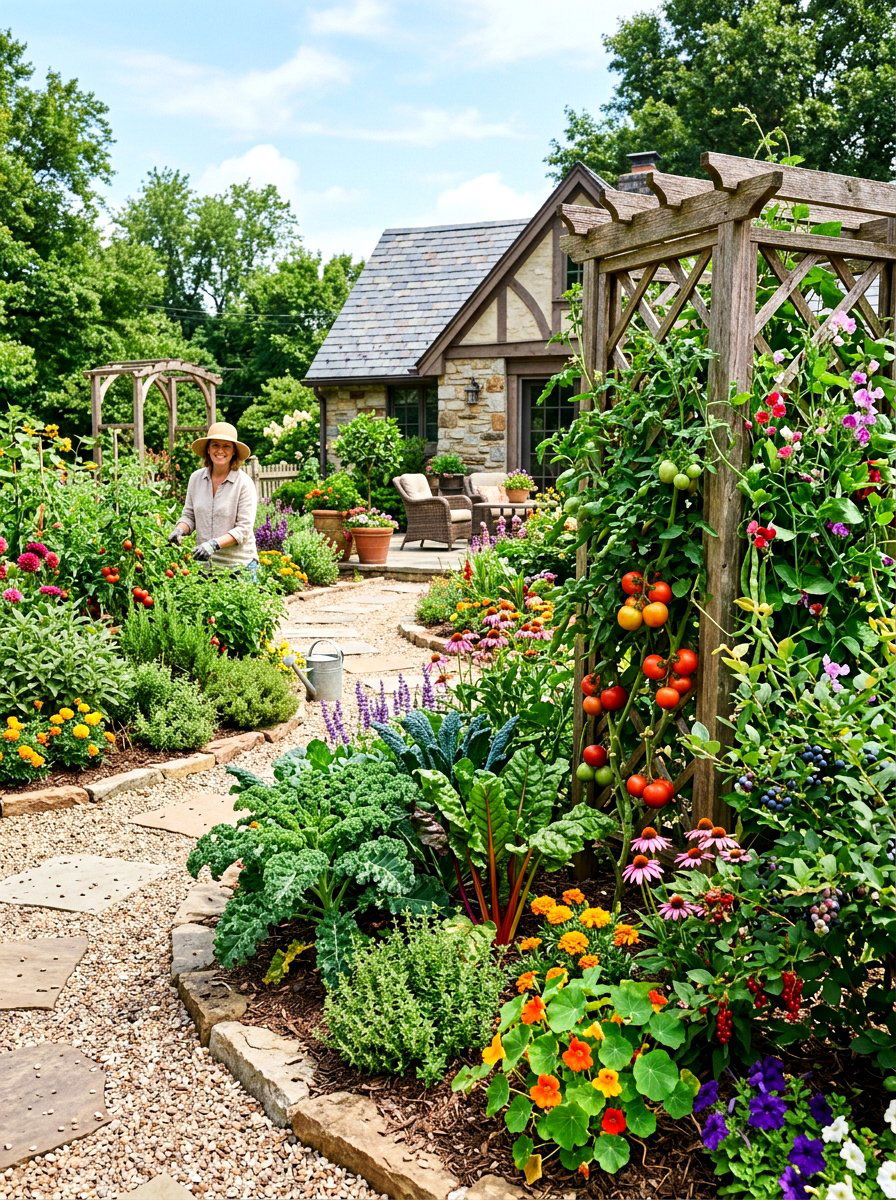
Why choose between a pretty garden and a productive one when you can have both? Edible landscape design, also known as foodscaping, integrates fruits, vegetables, and herbs into your ornamental garden beds. You might plant kale for its beautiful purple leaves, use blueberry bushes as a fruiting hedge, or grow climbing beans on a decorative trellis. This approach maximizes your yard's potential by providing fresh produce while maintaining a high level of curb appeal. It is an excellent way to teach children about where their food comes from and ensures that even the smallest yard can contribute to a more sustainable lifestyle.
23. Mediterranean Style Landscaping
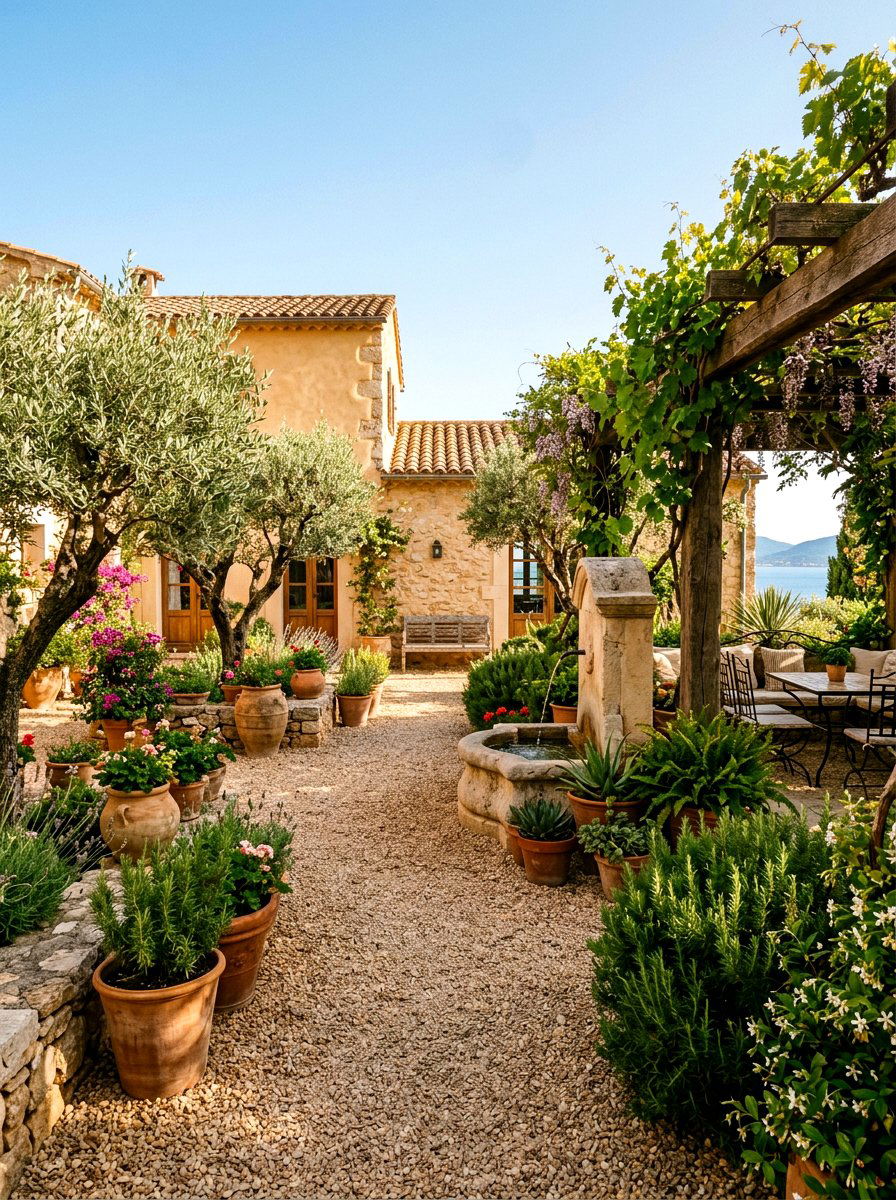
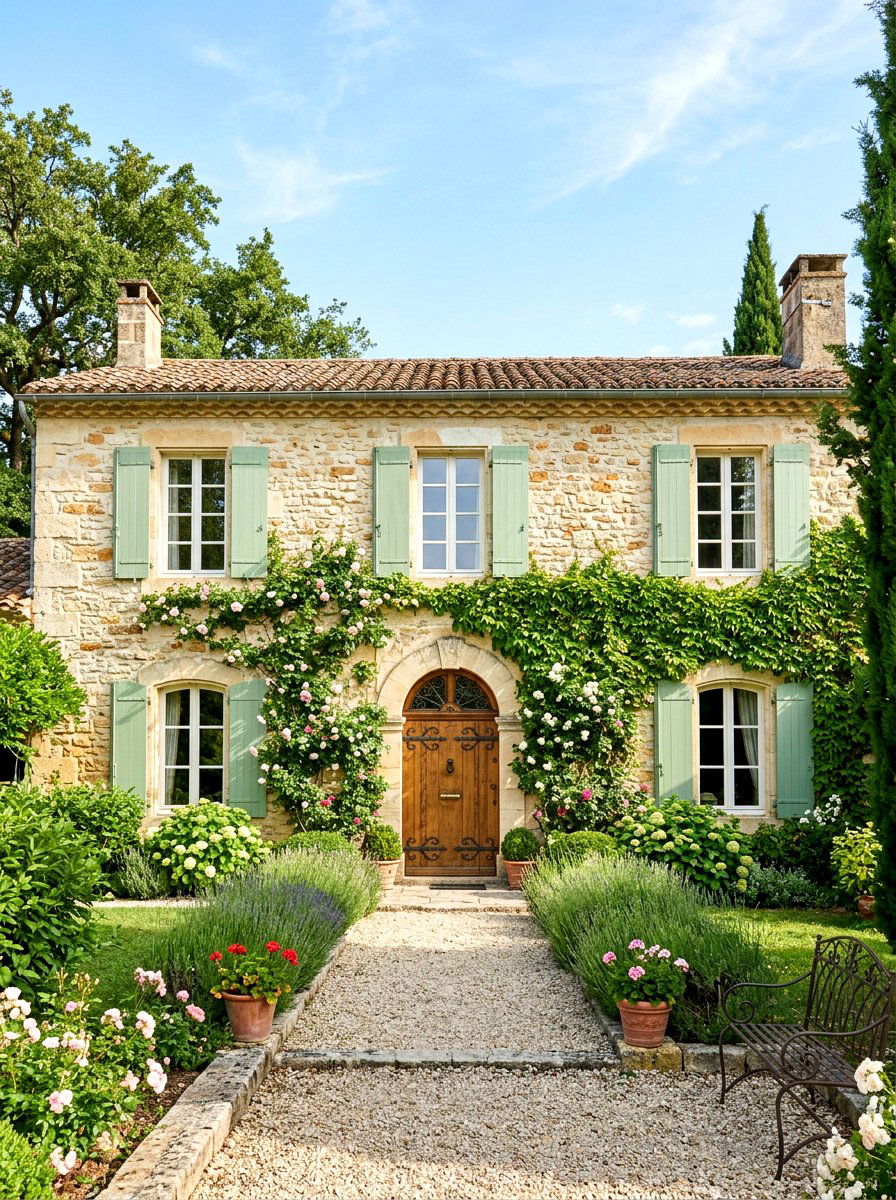
Inspired by the coastal regions of Italy, Spain, and Greece, Mediterranean style landscaping is known for its timeless elegance and warmth. This design often features terracotta pots, gravel paths, and drought-tolerant plants like olive trees, lavender, and rosemary. Elements like stone fountains, shaded pergolas, and bright flowering vines like bougainvillea help create a sun-drenched, relaxed vibe. The focus is on creating a comfortable outdoor space that stays cool in the heat while offering plenty of texture and fragrance. This style is perfect for those who want a garden that feels classic yet incredibly durable in warmer, drier climates where water conservation is key.
24. Sloped Yard Landscaping
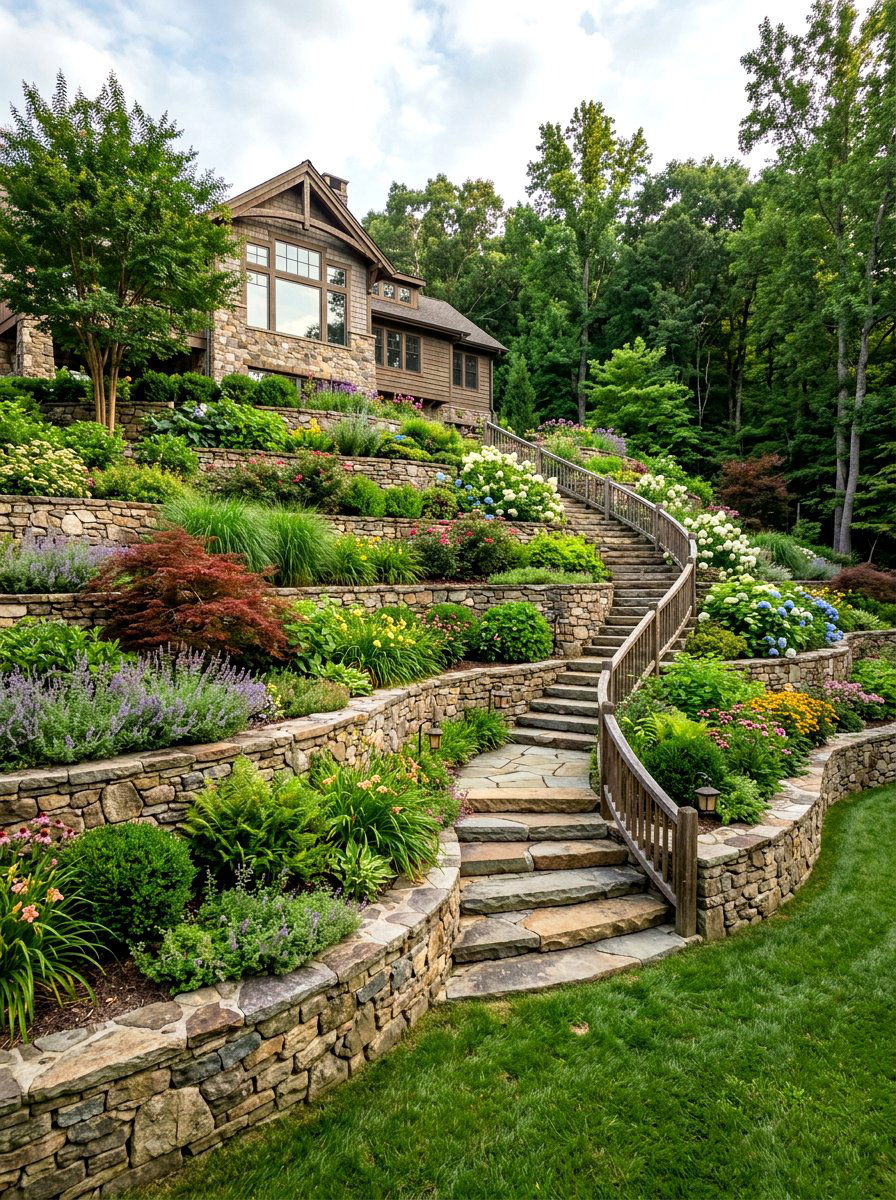
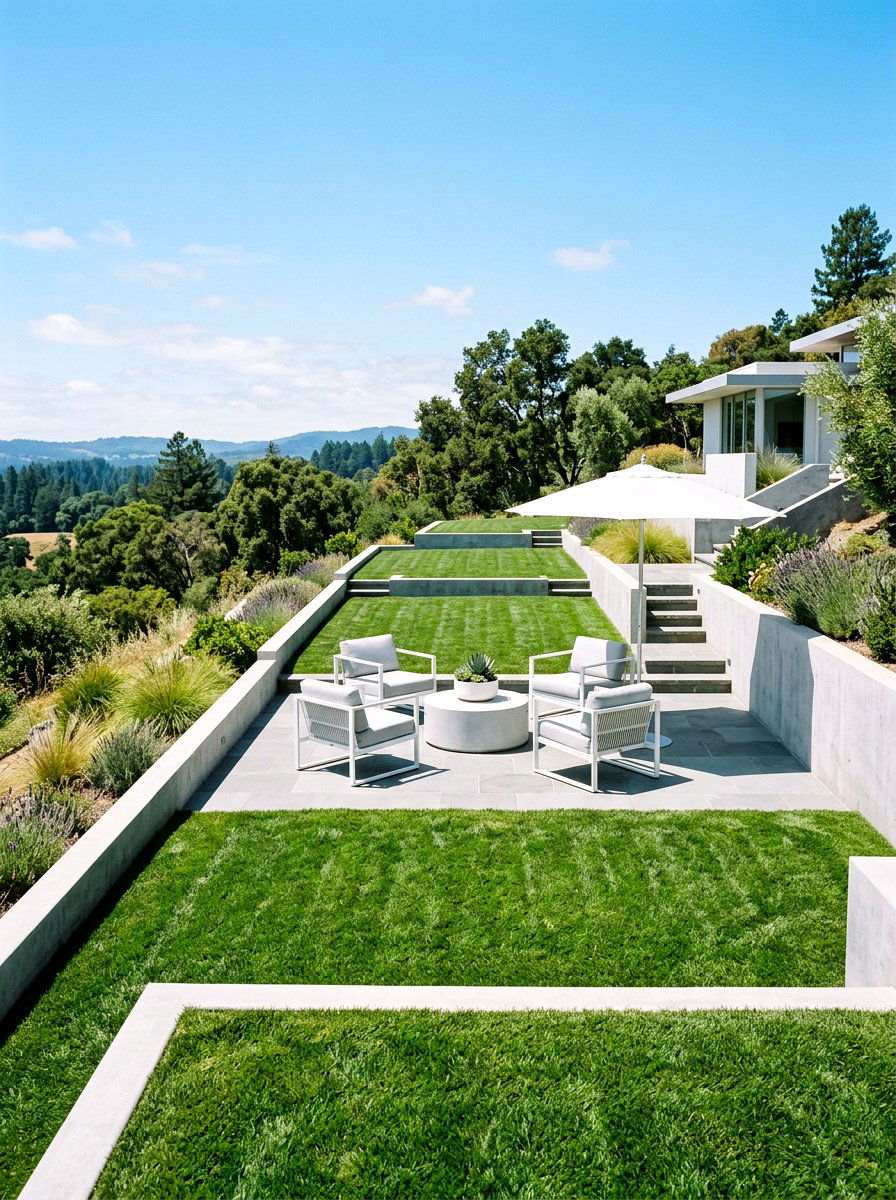
Dealing with a hill or an uneven terrain can be a challenge, but sloped yard landscaping offers many creative solutions. Terracing the slope with stone or timber retaining walls can create flat levels for planting, seating, or even a lawn. This not only prevents soil erosion but also adds architectural interest to the yard. Alternatively, you can plant the slope with deep-rooted groundcovers and shrubs to create a lush, natural look that requires no mowing. Incorporating a stone staircase or a winding path allows you to navigate the different levels easily, turning a difficult landscape feature into a dynamic and multi-layered outdoor environment.
25. Artificial Grass Lawn
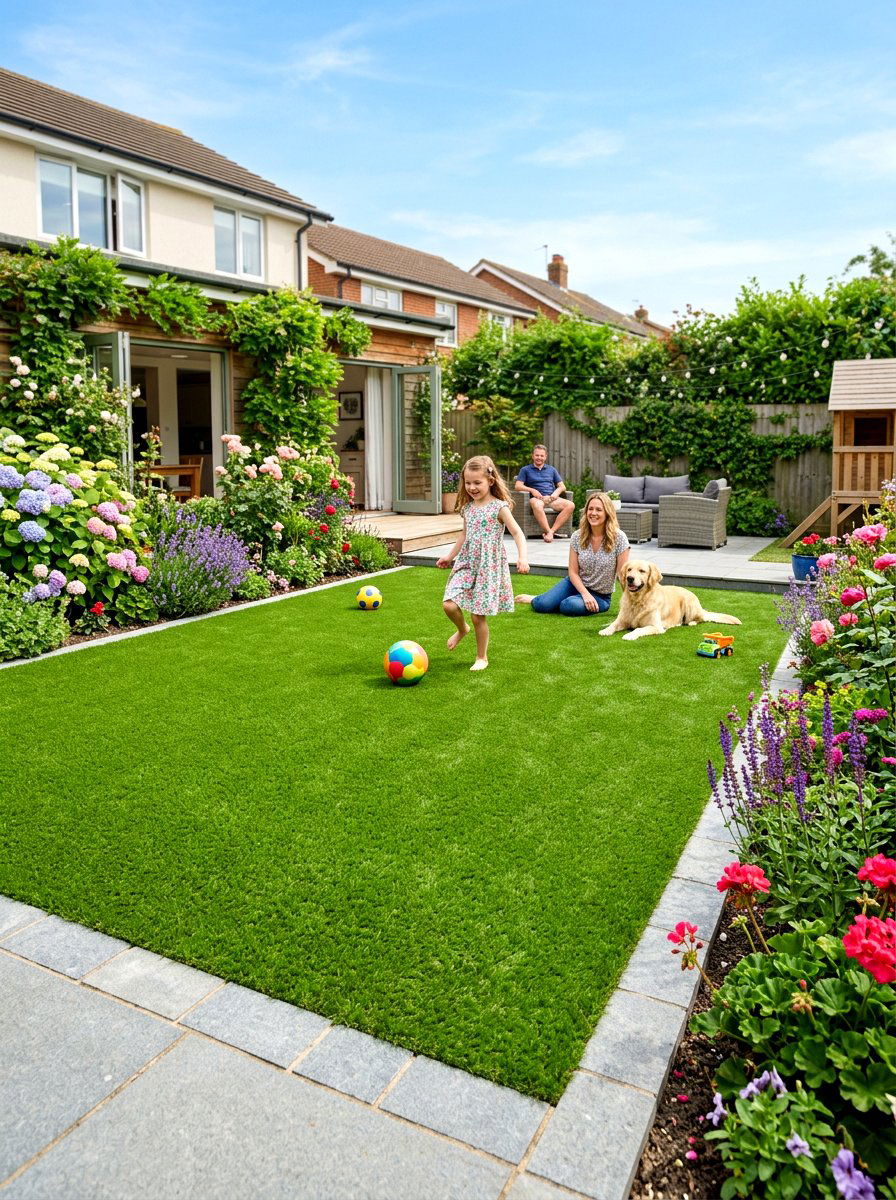
For those who want a green lawn without the constant need for mowing, watering, and fertilizing, an artificial grass lawn is a practical solution. Modern synthetic turf looks incredibly realistic and provides a soft, durable surface that stays perfect regardless of the weather. It is an ideal choice for pet owners or families with children who need a consistent area for play. Because it doesn't require chemicals or heavy machinery to maintain, it can be a more environmentally friendly option in certain climates. Pairing artificial grass with natural stone borders or living flower beds ensures the yard still feels organic and well-integrated.
26. Wildflower Meadow Garden
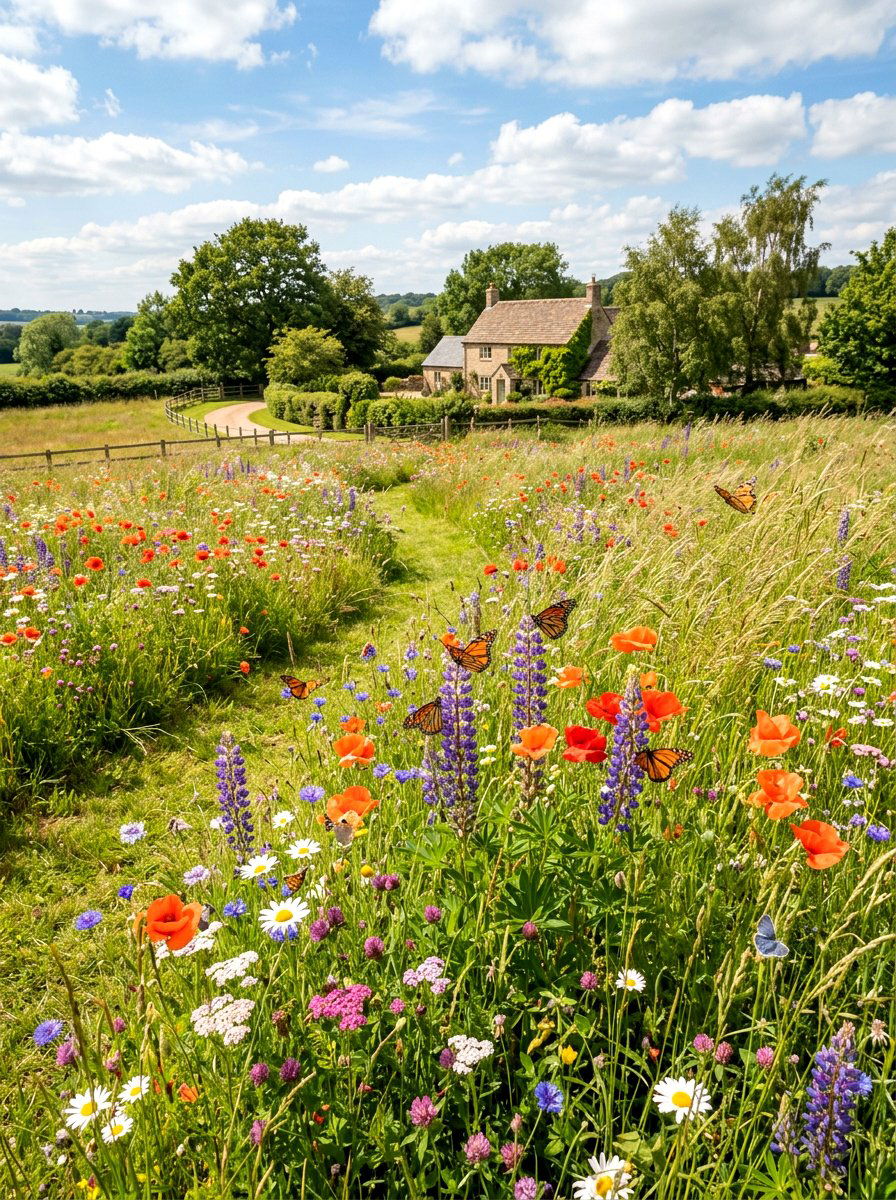
Replacing a high-maintenance lawn with a wildflower meadow garden is a wonderful way to support local biodiversity. This style involves planting a mix of native grasses and flowering plants that thrive with very little intervention. Once established, a meadow provides a changing display of colors and attracts a wide variety of butterflies and beneficial insects. It is a more "rewilded" approach to landscaping that celebrates the natural growth patterns of plants. This type of garden is particularly effective in large backyards or on the outskirts of a property, offering a low-effort way to create a stunning, eco-friendly landscape that feels like a natural escape.
27. Modern Pergola Landscaping
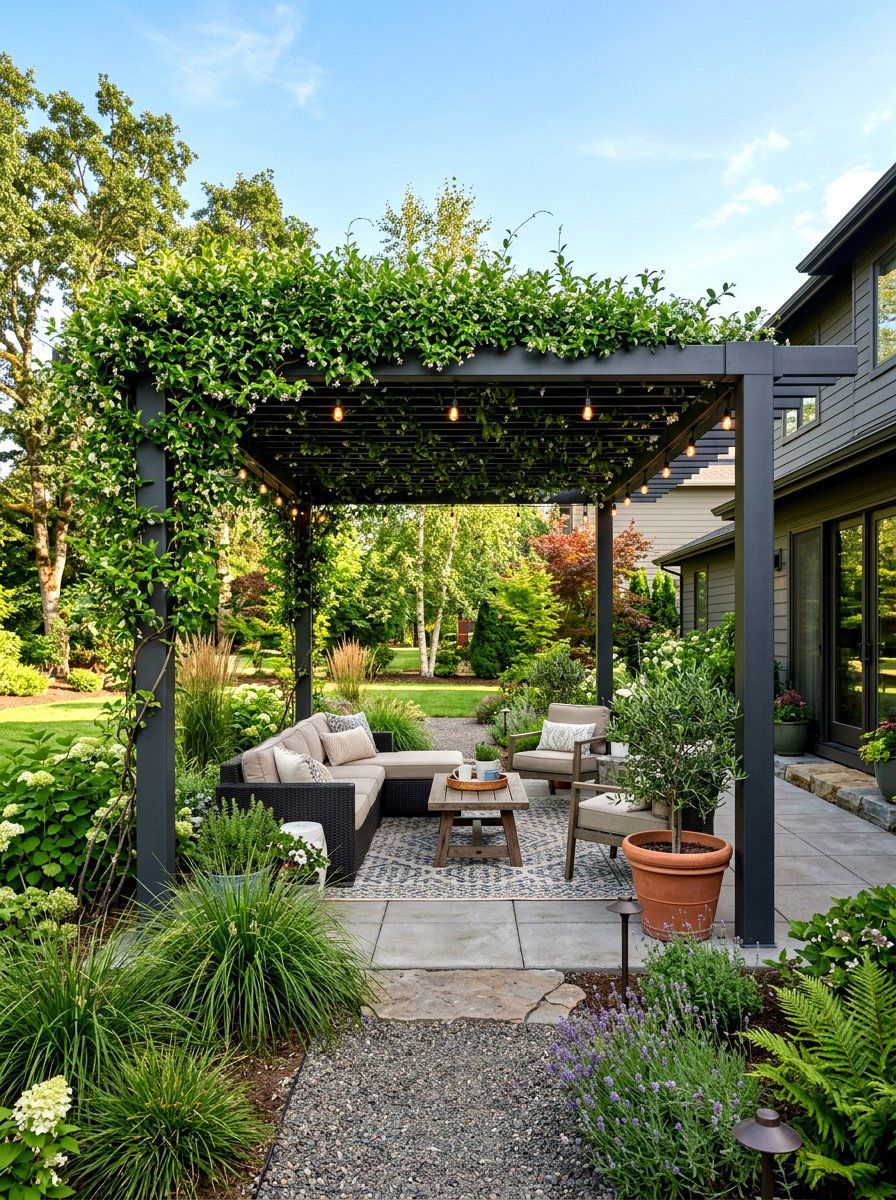
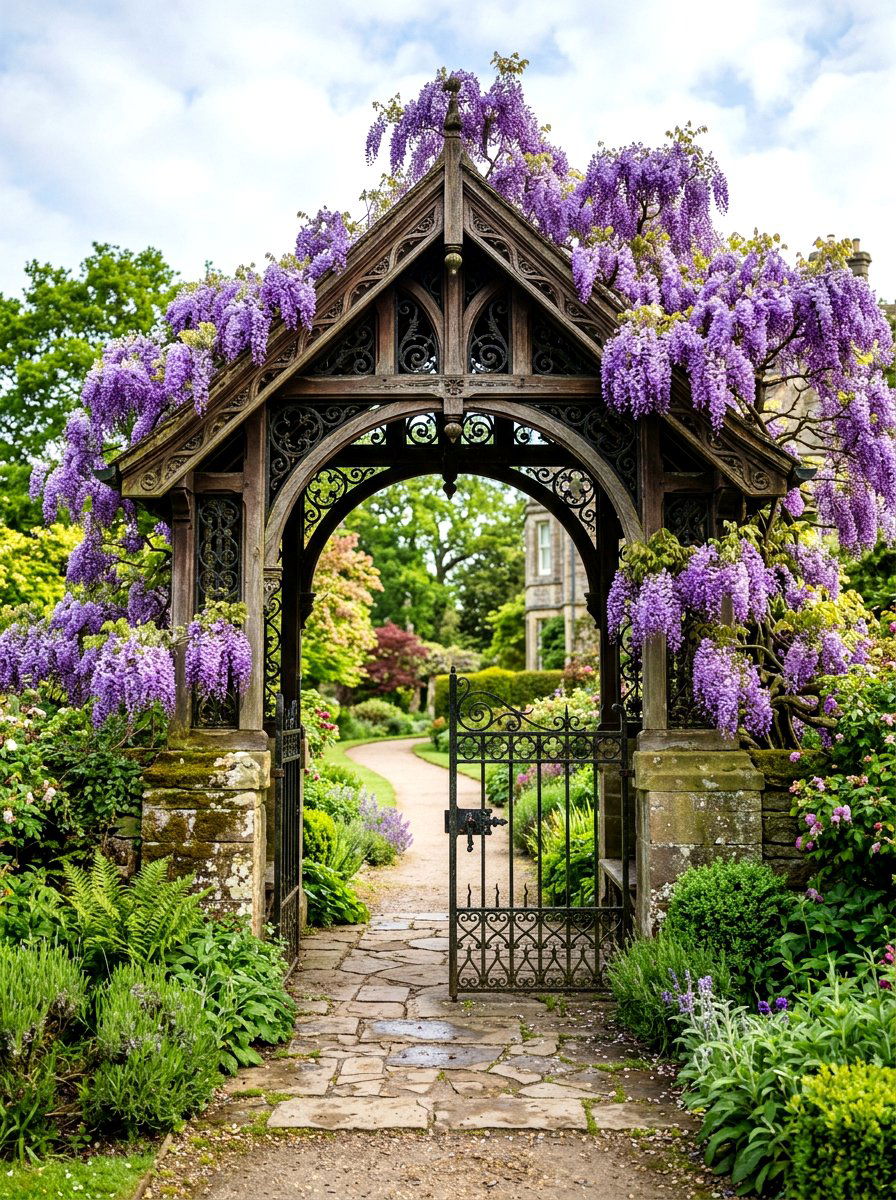
A pergola provides structure and shade, making it a favorite element in many backyard designs. Modern pergola landscaping often features clean, dark frames made of wood or metal, sometimes with adjustable slats to control the amount of sunlight. To soften the structure, you can grow climbing plants like jasmine or wisteria over the top, creating a fragrant green canopy. Placing the pergola over a seating area or an outdoor kitchen helps define the space as a distinct room. Adding string lights or outdoor curtains can further enhance the privacy and ambiance, making it the perfect spot for morning coffee or evening cocktails with friends.
28. Swimming Pool Landscaping
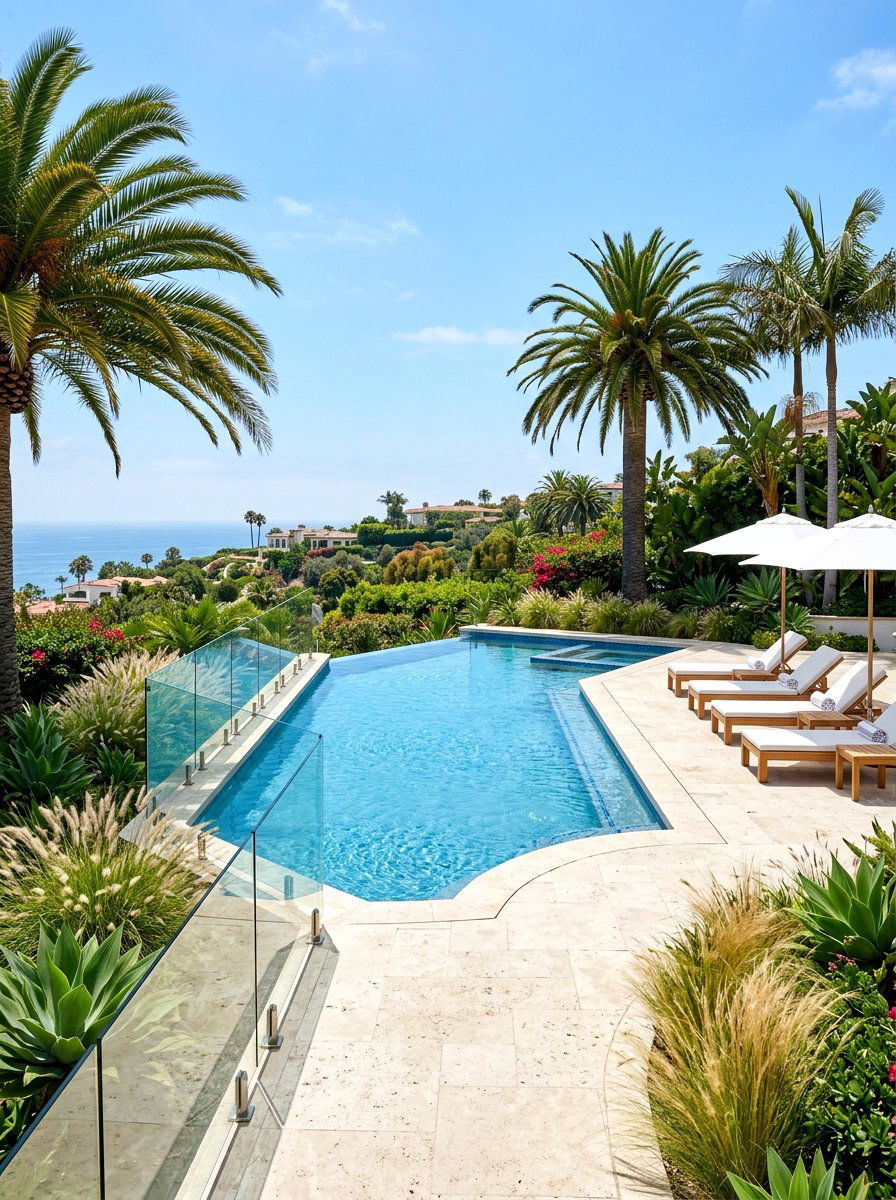
The area surrounding a pool should be as beautiful as the water itself. Swimming pool landscaping needs to balance aesthetics with practical concerns like slip resistance and plant debris. Using large-format stone pavers or non-slip decking creates a safe and stylish surround. For plantings, choose species that are hardy and don't drop many leaves or needles into the water, such as ornamental grasses, palms, or succulents. Incorporating a mix of tall privacy plants and low-profile flowers helps create a resort-like atmosphere. Proper lighting around the pool deck and in the water ensures the space remains a stunning focal point even when night falls.
29. Shade Garden Design
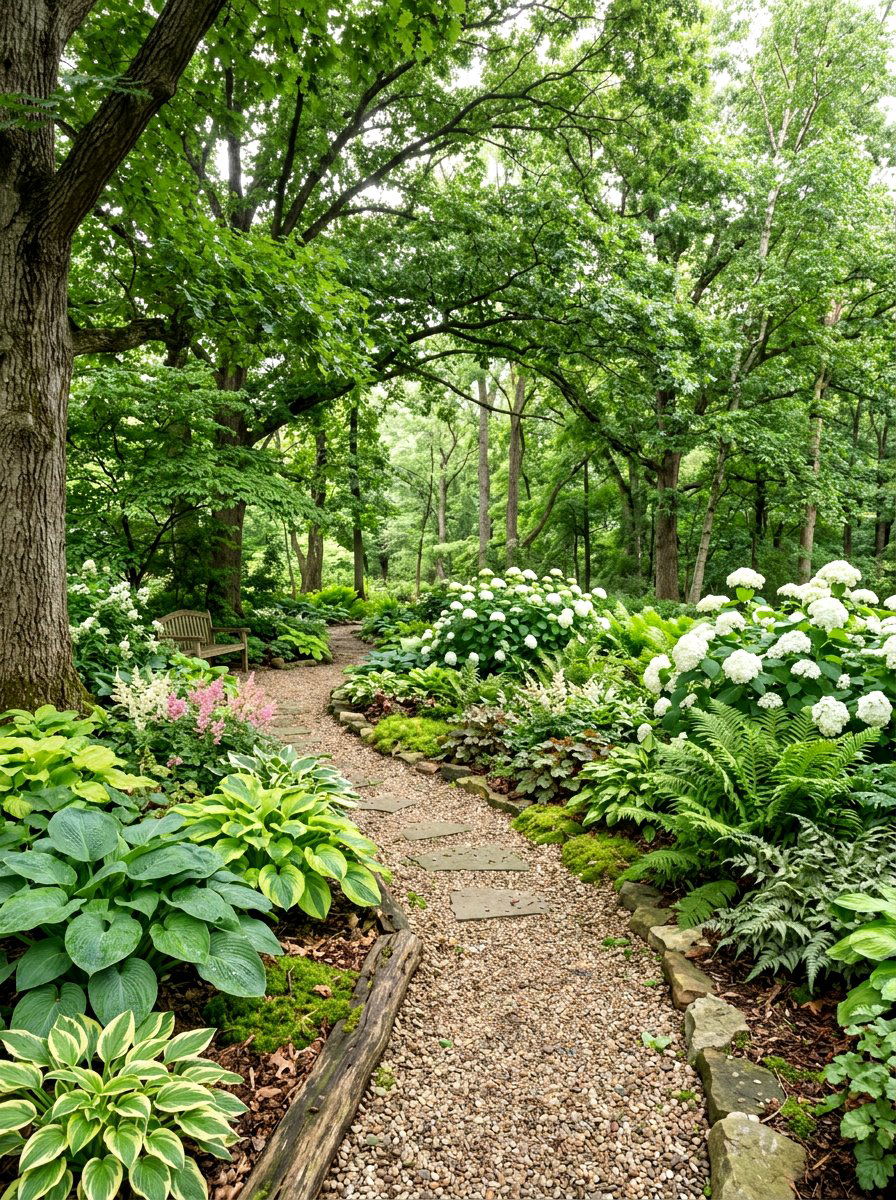
If you have a yard with lots of mature trees or north-facing walls, shade garden design is your best friend. Instead of struggling to grow sun-loving grass, embrace the lush world of hostas, ferns, and bleeding hearts. These plants often feature beautiful foliage in various shades of green, silver, and gold, providing interest even without bright blooms. Using light-colored gravel or white-flowered plants like hydrangeas can help brighten up a dark corner. Shade gardens are naturally cooler and more humid, making them a perfect place to retreat during the heat of the summer while enjoying the delicate textures of woodland plants.
30. Contemporary Driveway Landscaping
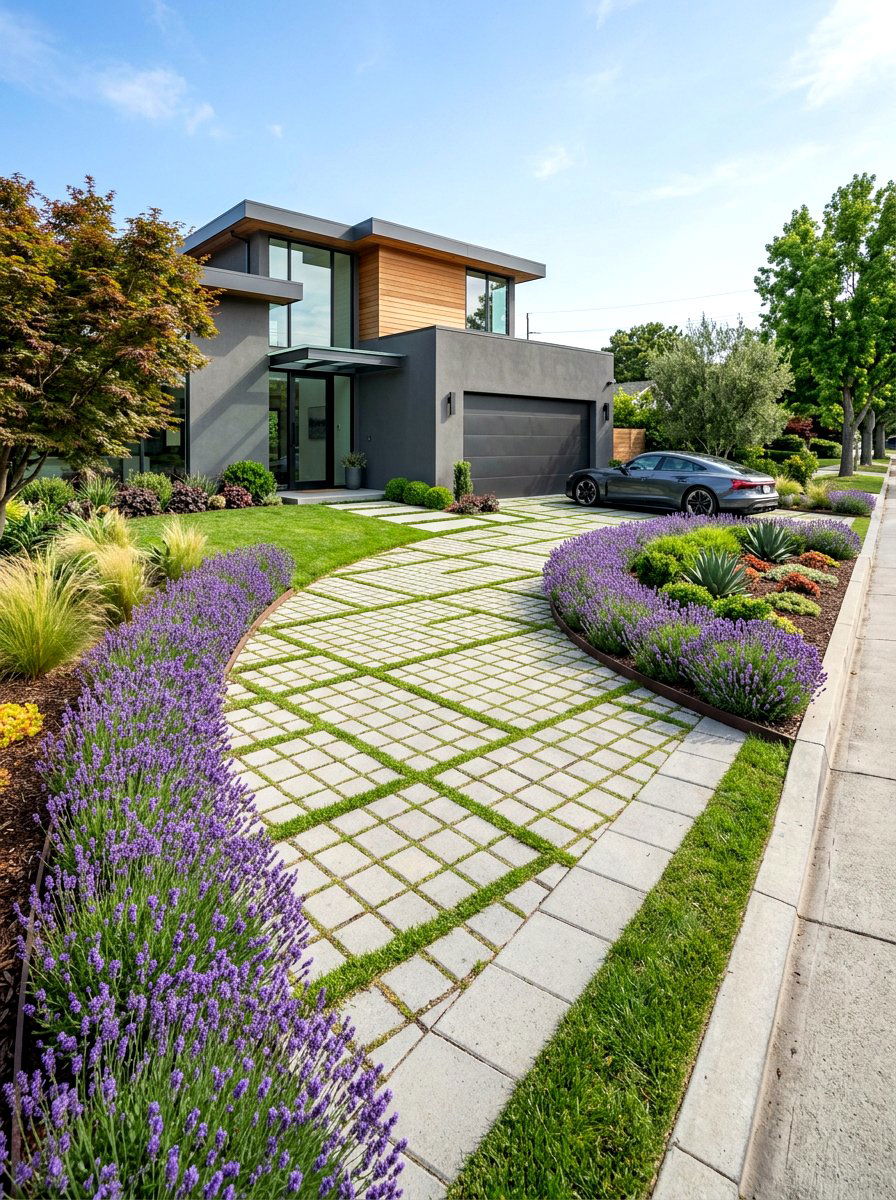
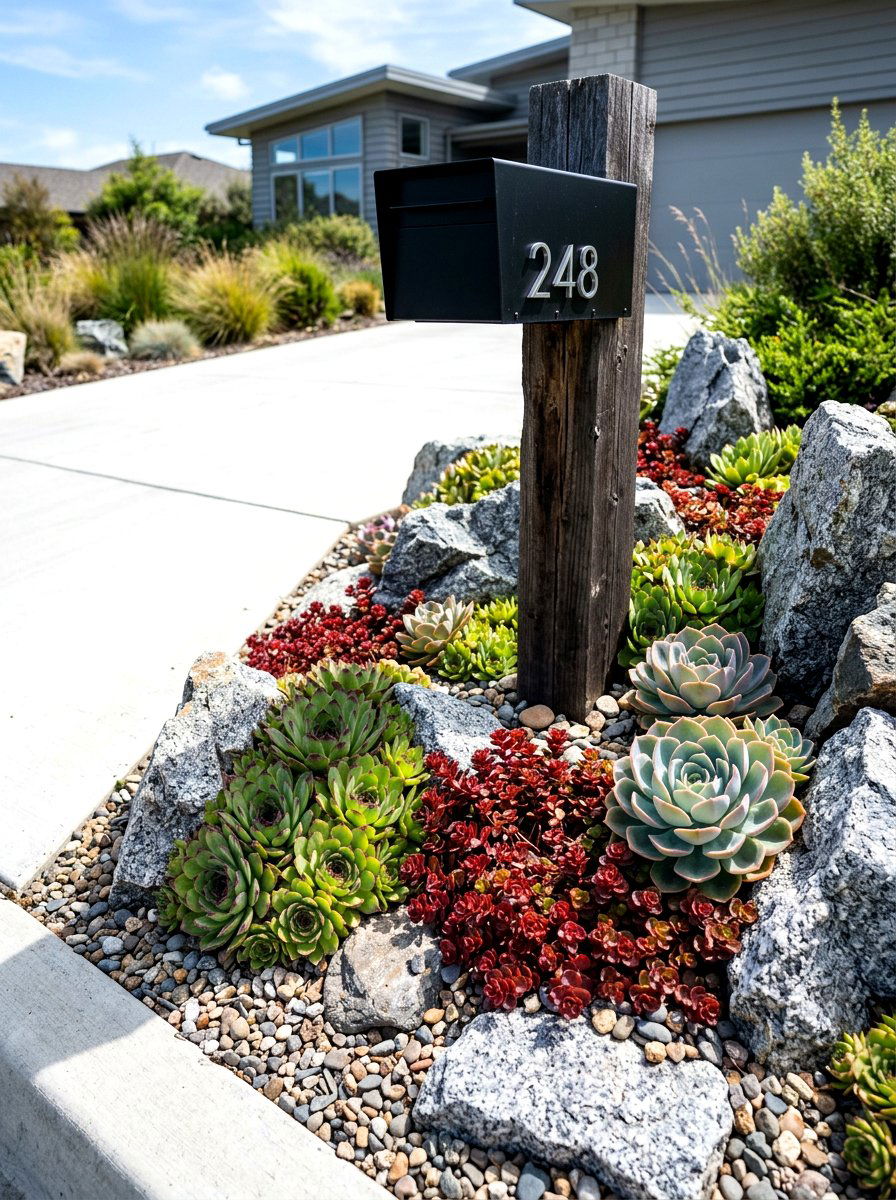
Your driveway is often the largest hardscape feature of your property, so it deserves thoughtful design. Contemporary driveway landscaping uses materials like permeable pavers, stained concrete, or gravel to create a look that is both functional and stylish. You can break up a large expanse of pavement with strips of grass or low-growing groundcover for a modern, geometric effect. Lining the edges of the driveway with architectural shrubs or uniform rows of lavender adds a polished and welcoming feel to the entrance of your home. A well-landscaped driveway improves curb appeal significantly and ensures the entire front yard looks cohesive and intentionally designed.
Conclusion:
Investing in high-quality landscaping is one of the most effective ways to increase your home's value and improve your daily quality of life. Whether you choose to focus on sustainable native plants, modern hardscaping, or cozy outdoor living areas, the key is to create a space that feels personal and functional. A well-designed yard provides a sanctuary where you can connect with nature, entertain friends, or simply enjoy a quiet moment of peace. By taking the time to plan your outdoor environment, you ensure that every tree, stone, and flower contributes to a beautiful and harmonious home that you will love for many years.

Related posts: