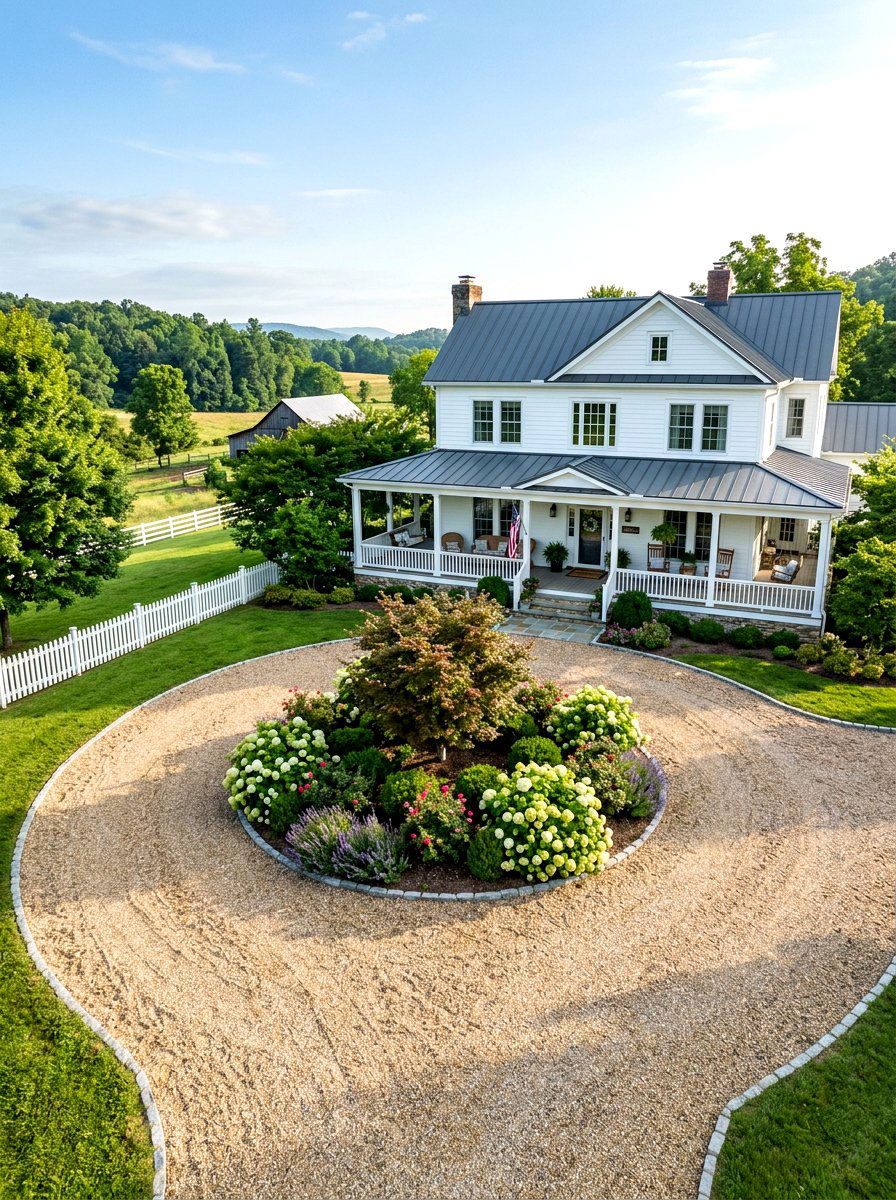
Creating a cottage landscape transforms your outdoor space into a lush, romantic sanctuary that feels both timeless and personal. Unlike formal gardens that rely on strict symmetry and rigid lines, the cottage aesthetic celebrates a beautiful sense of "ordered chaos. " This style is characterized by dense plantings, winding pathways, and a delightful mix of flowers, herbs, and vegetables. It invites nature to take the lead, encouraging self-seeding blooms and a soft, blurred boundary between the home and the surrounding environment. Whether you have a sprawling backyard or a tiny urban courtyard, these principles bring warmth, texture, and a nostalgic charm that makes every corner feel like a hidden retreat.
1. English Cottage Garden
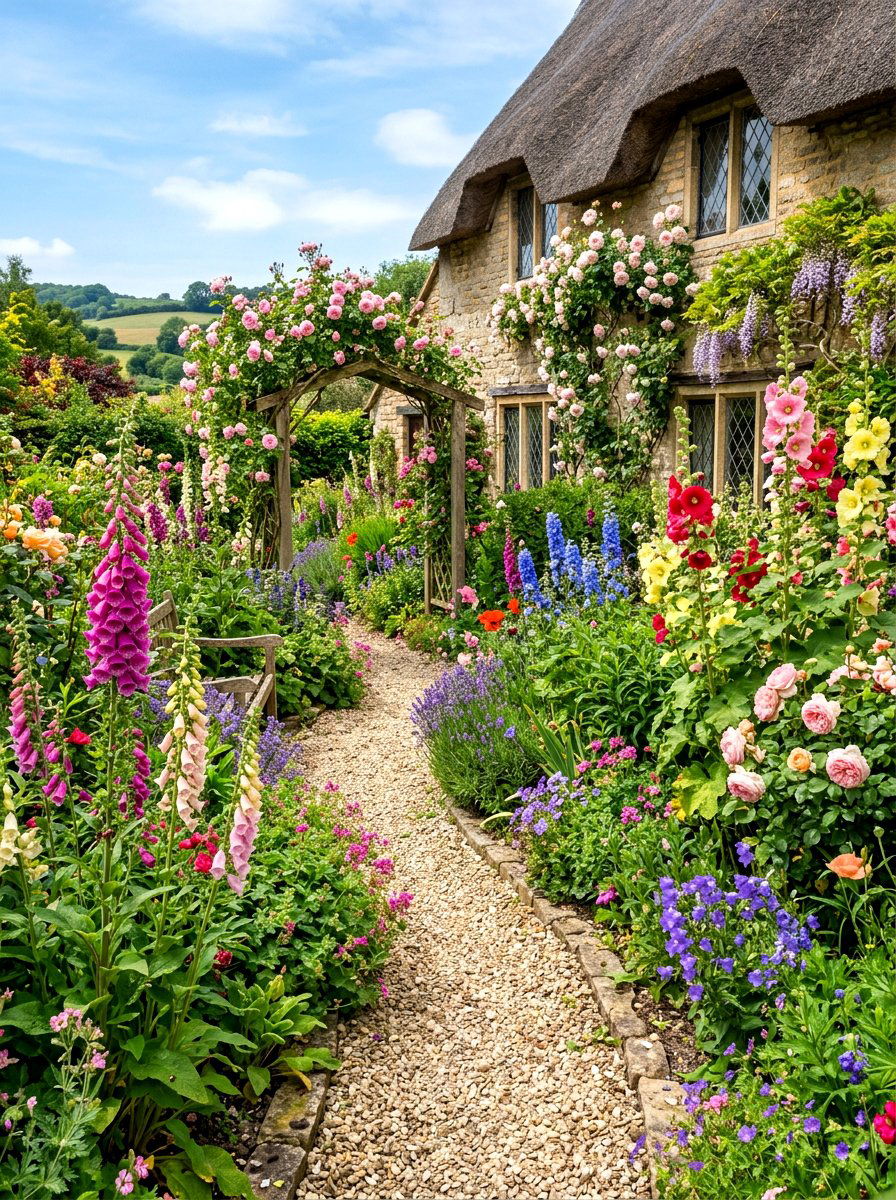
The traditional English cottage garden is defined by its abundant and informal planting style that fills every available inch of soil. You should focus on layering tall spires like foxgloves and hollyhocks behind mounding perennials such as geraniums and lady's mantle. This dense arrangement helps suppress weeds naturally while creating a vibrant tapestry of colors and scents throughout the growing season. By choosing a mix of annuals and perennials, you ensure that the garden evolves and changes from spring until the first frost. This approach prioritizes a lived-in feel over perfection, allowing plants to lean over pathways and intermingle freely for a truly romantic and whimsical outdoor atmosphere.
2. White Picket Fence
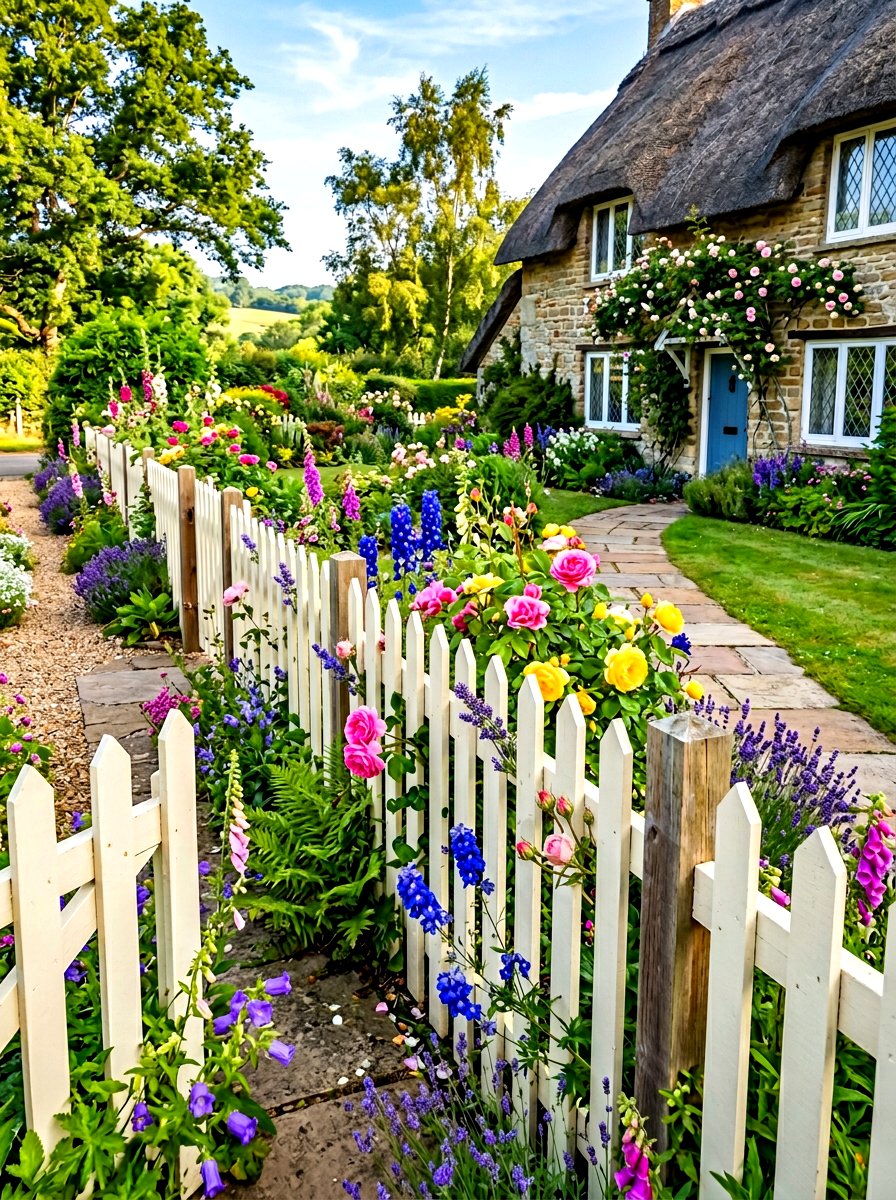
A white picket fence is perhaps the most iconic element of cottage curb appeal, providing a classic backdrop for colorful blooms. This structure serves as a charming boundary that manages to feel open and welcoming rather than closed off from the neighborhood. You can soften the look of the wood by planting tall perennials like delphiniums or climbing roses that peek through the slats. The crisp white paint provides a high-contrast background that makes the greens of the foliage and the bright colors of the flowers pop. It creates a nostalgic frame for your home, instantly giving the landscape a sense of history and traditional storytelling that is highly inviting.
3. Flagstone Walkway
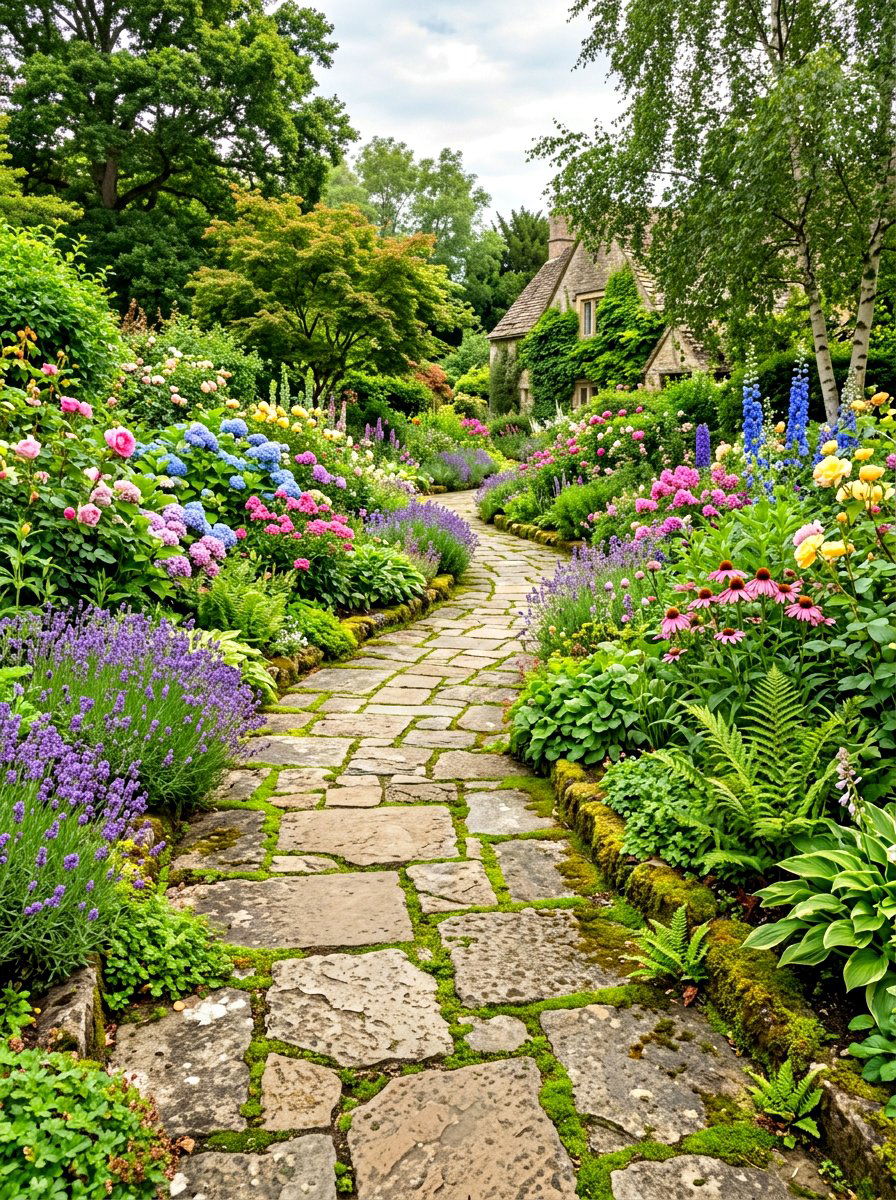
Installing a flagstone walkway adds an organic, earthy texture to your garden while providing a clear path through dense planting beds. The irregular shapes of the natural stone create a relaxed and informal look that perfectly complements the cottage aesthetic. You can plant low-growing groundcovers like creeping thyme or moss in the crevices between the stones to soften the hard edges. This technique makes the path look as though it has been part of the landscape for decades. A winding or curved layout is much more effective than a straight line, as it encourages visitors to slow down and enjoy the various plant groupings as they move.
4. Climbing Rose Trellis
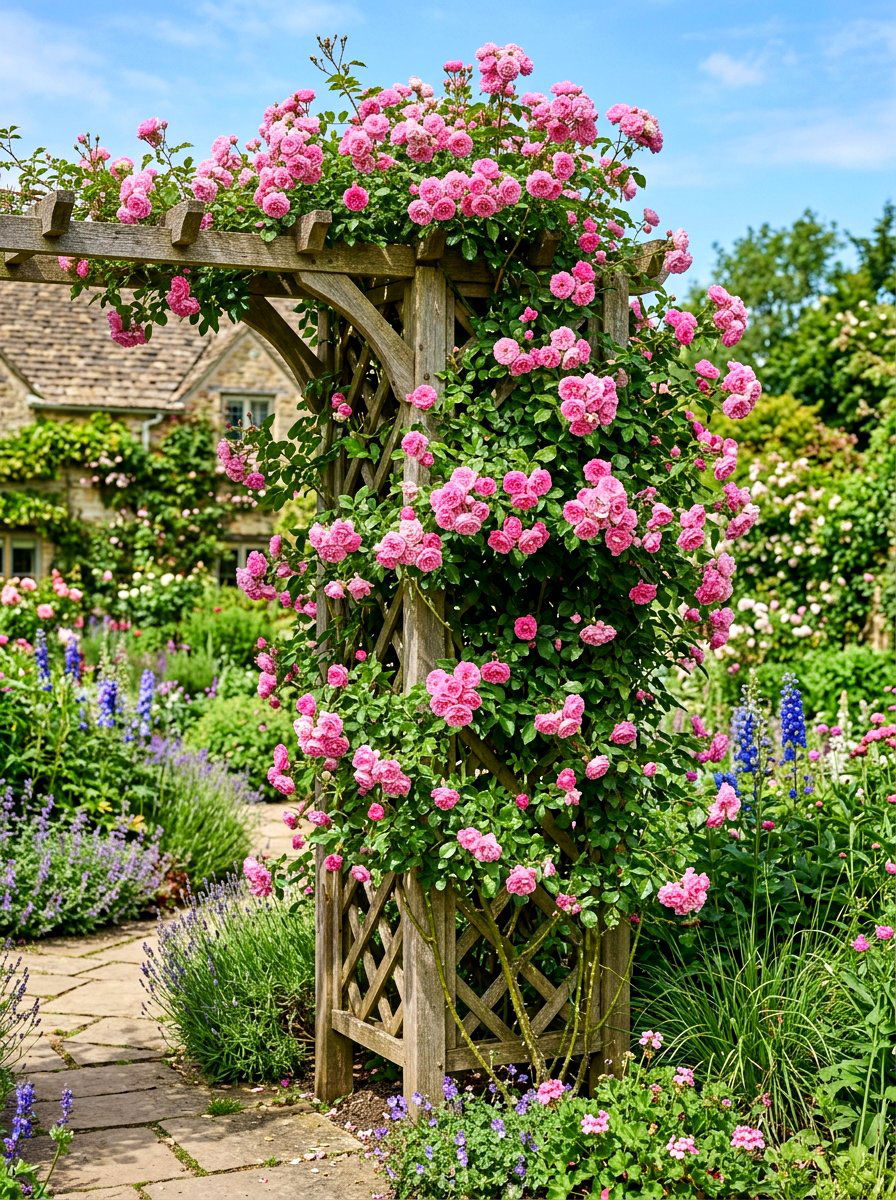
Climbing roses are essential for adding vertical interest and a sense of classic romance to any cottage-themed outdoor area. Training these vigorous plants onto a sturdy wooden or metal trellis allows you to bring blooms up to eye level and beyond. You should select fragrant varieties like "New Dawn" or "Eden" to enhance the sensory experience of walking through your yard. The trellis provides necessary support while also acting as a decorative architectural feature even during the winter months when the leaves have fallen. This vertical element helps to draw the eye upward, making even a small garden feel much more expansive and layered with lush greenery.
5. Lavender Border

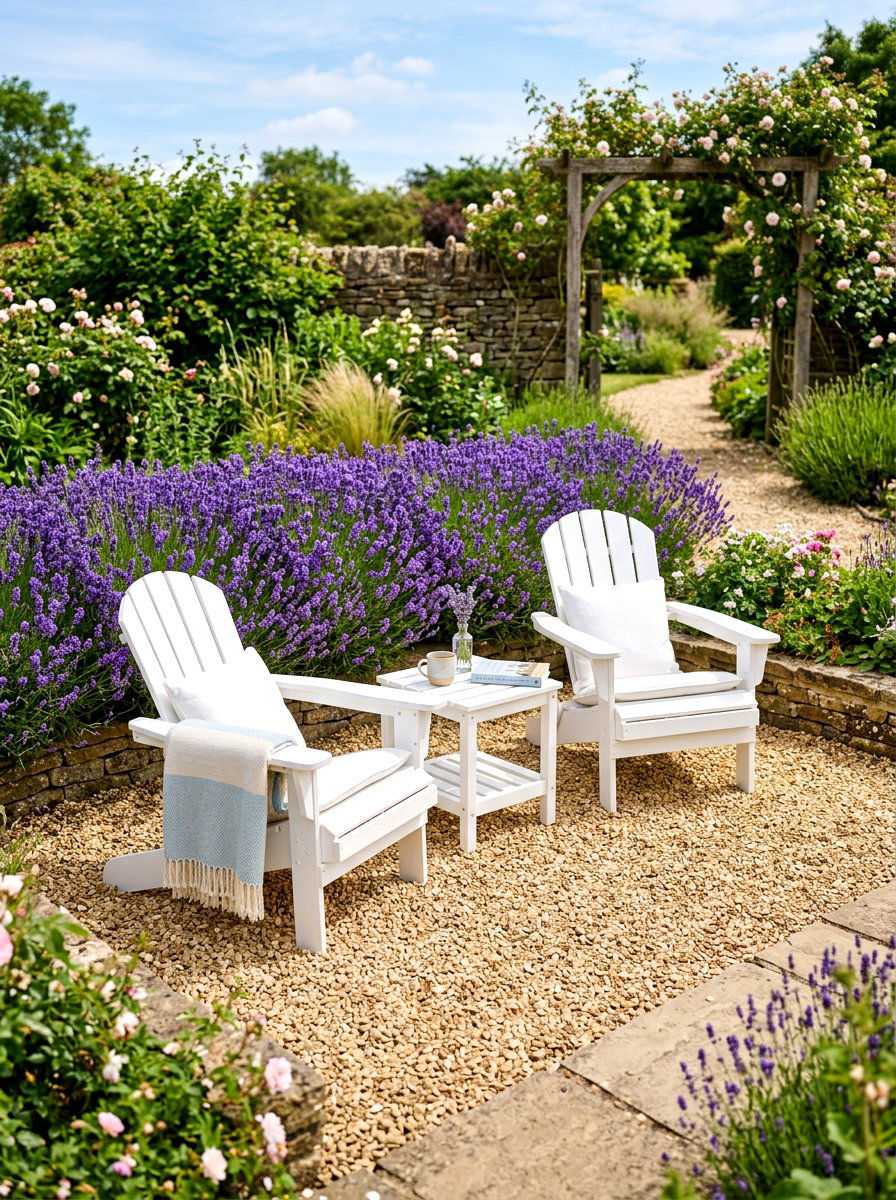
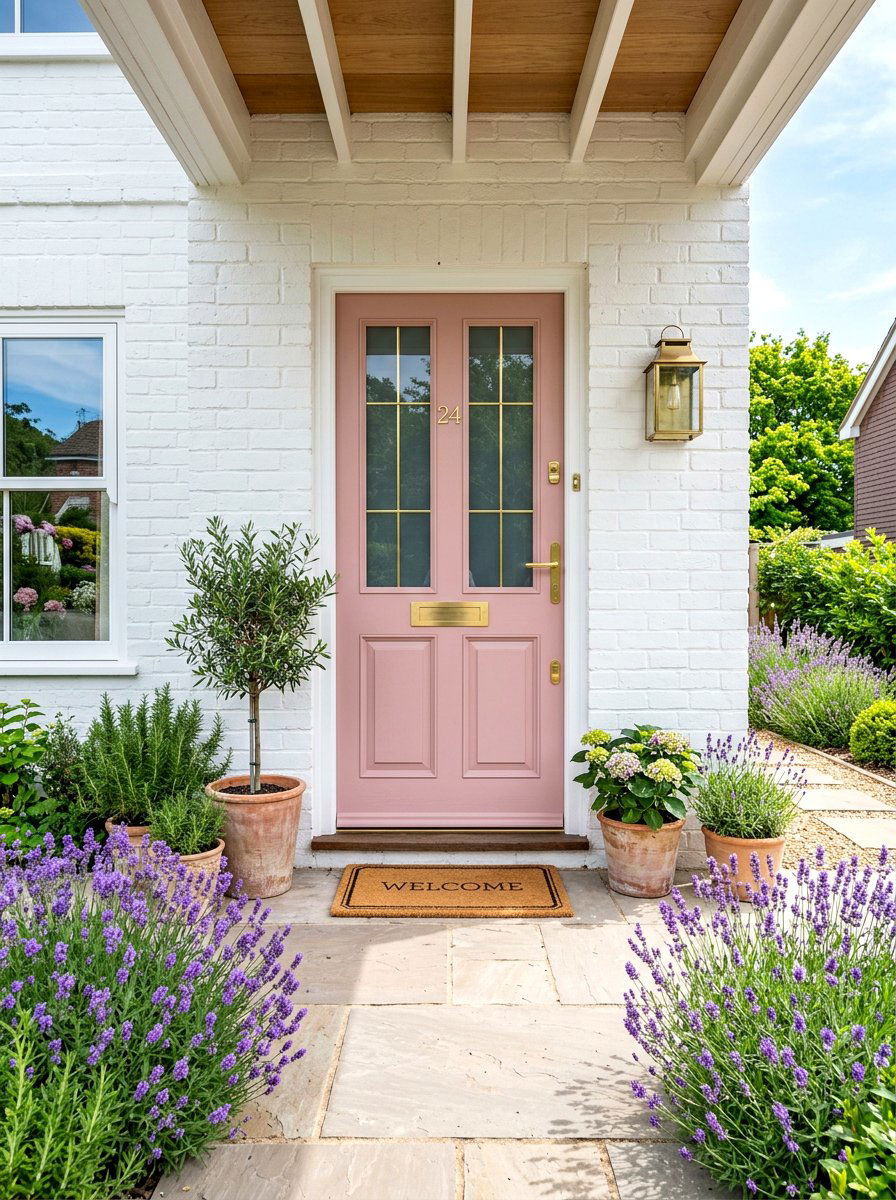
A lavender border is a functional and beautiful way to define the edges of your garden paths or flower beds. The silver-green foliage and upright purple spikes provide a structured contrast to the more unruly plants typically found in a cottage setting. When planted along a walkway, the fragrance is released every time someone brushes past the plants, creating a delightful sensory greeting. Lavender is also highly attractive to pollinators like bees and butterflies, which adds movement and life to your landscape. This hardy perennial thrives in sunny spots and well-drained soil, making it a reliable choice for a low-maintenance but high-impact floral edge.
6. Wildflower Meadow
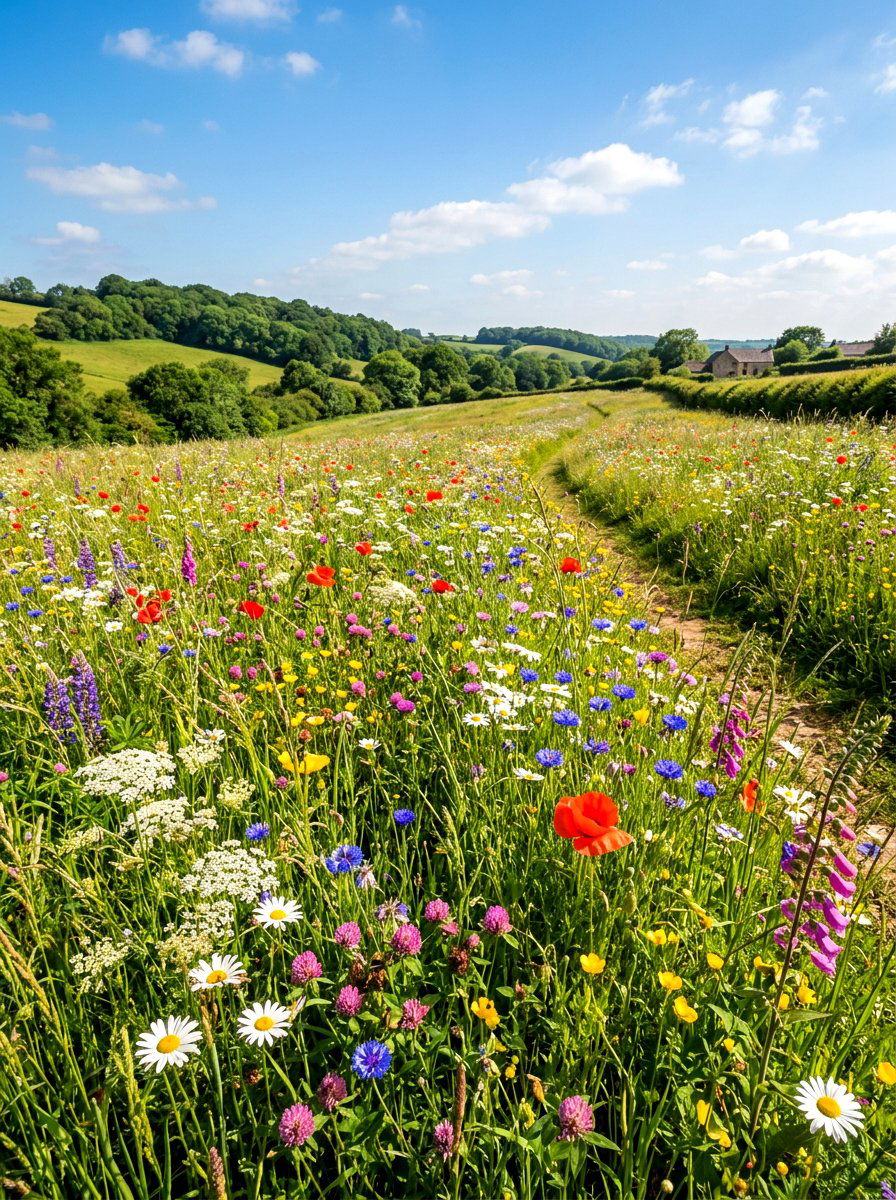
Incorporating a wildflower meadow into your landscaping is a brilliant way to embrace biodiversity and a relaxed, naturalistic aesthetic. This area can replace traditional lawn grass with a mix of native flowers and grasses that require very little mowing or watering. You will enjoy a changing display of colors as different species bloom at various times throughout the summer months. Wildflowers provide essential habitat for local wildlife, turning your backyard into a thriving ecosystem. This approach works particularly well in larger spaces or on sloped areas where traditional gardening might be difficult. It offers a soft, blurred look that perfectly transitions your garden into the surrounding natural environment.
7. Stone Retaining Wall
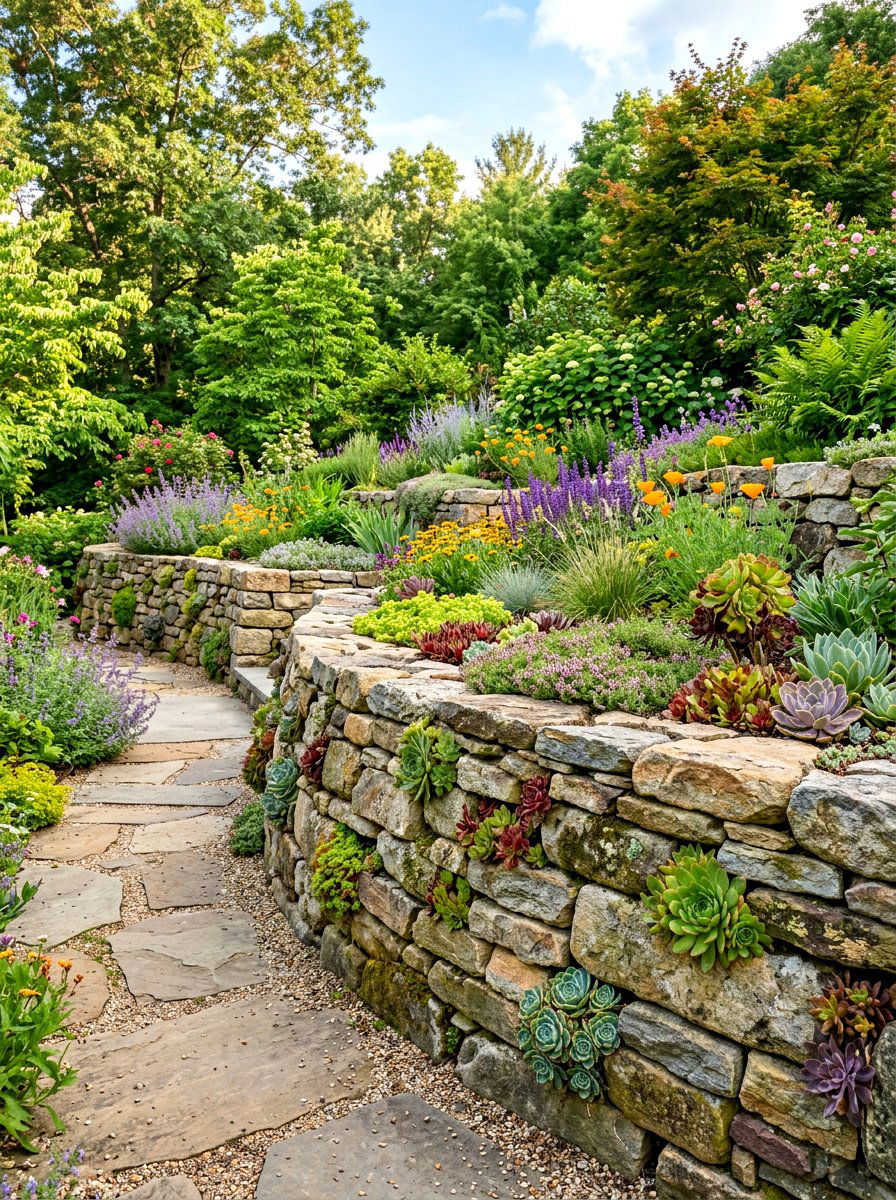
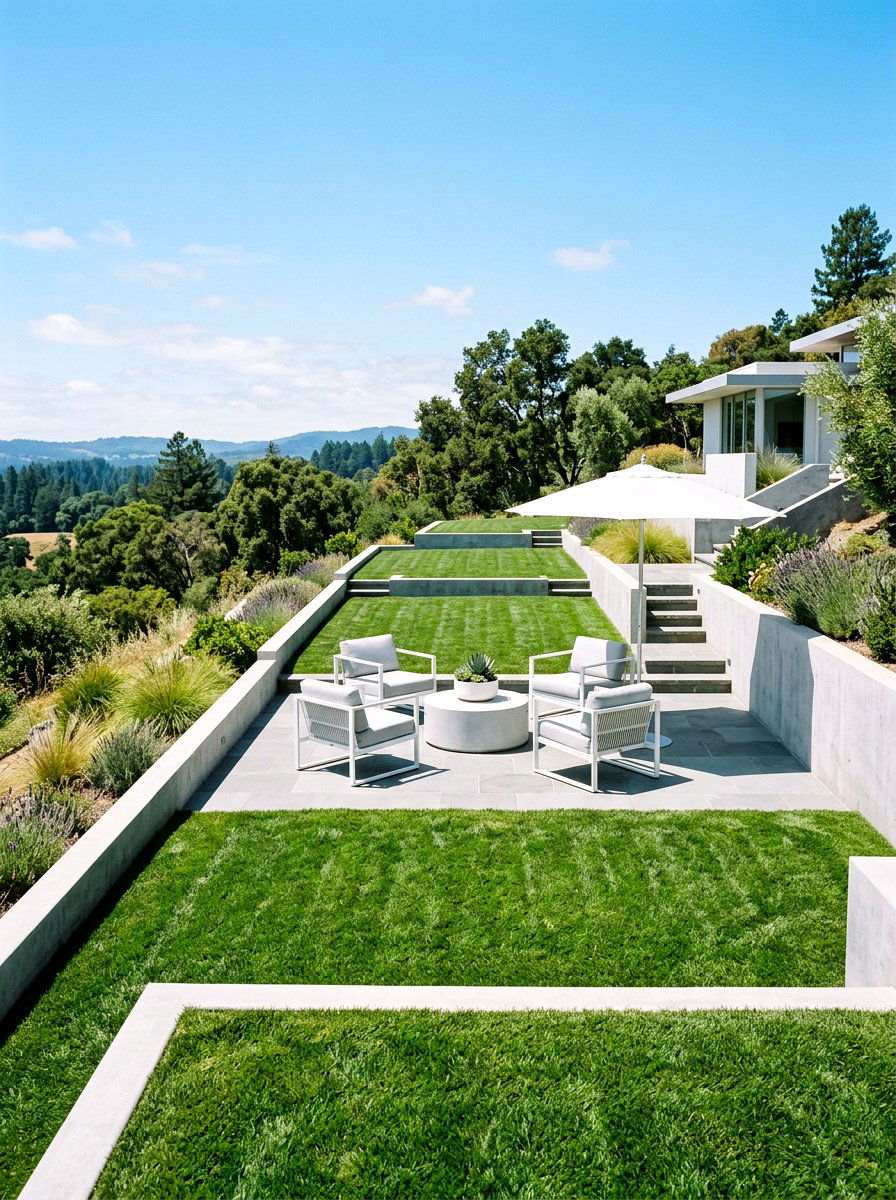
A stone retaining wall built from local fieldstone or weathered blocks adds a sense of permanence and structure to a sloped cottage garden. These walls are excellent for creating terraced planting levels, which allows you to showcase different varieties of flowers at varying heights. Using a "dry stack" method without mortar gives the wall a rustic, aged appearance that feels very authentic to the cottage style. You can tuck small succulents or alpine plants into the nooks and crannies to further soften the appearance of the stone. This functional feature not only prevents erosion but also provides a beautiful, textured backdrop for your favorite low-growing perennials and spilling vines.
8. Birdbath Focal Point
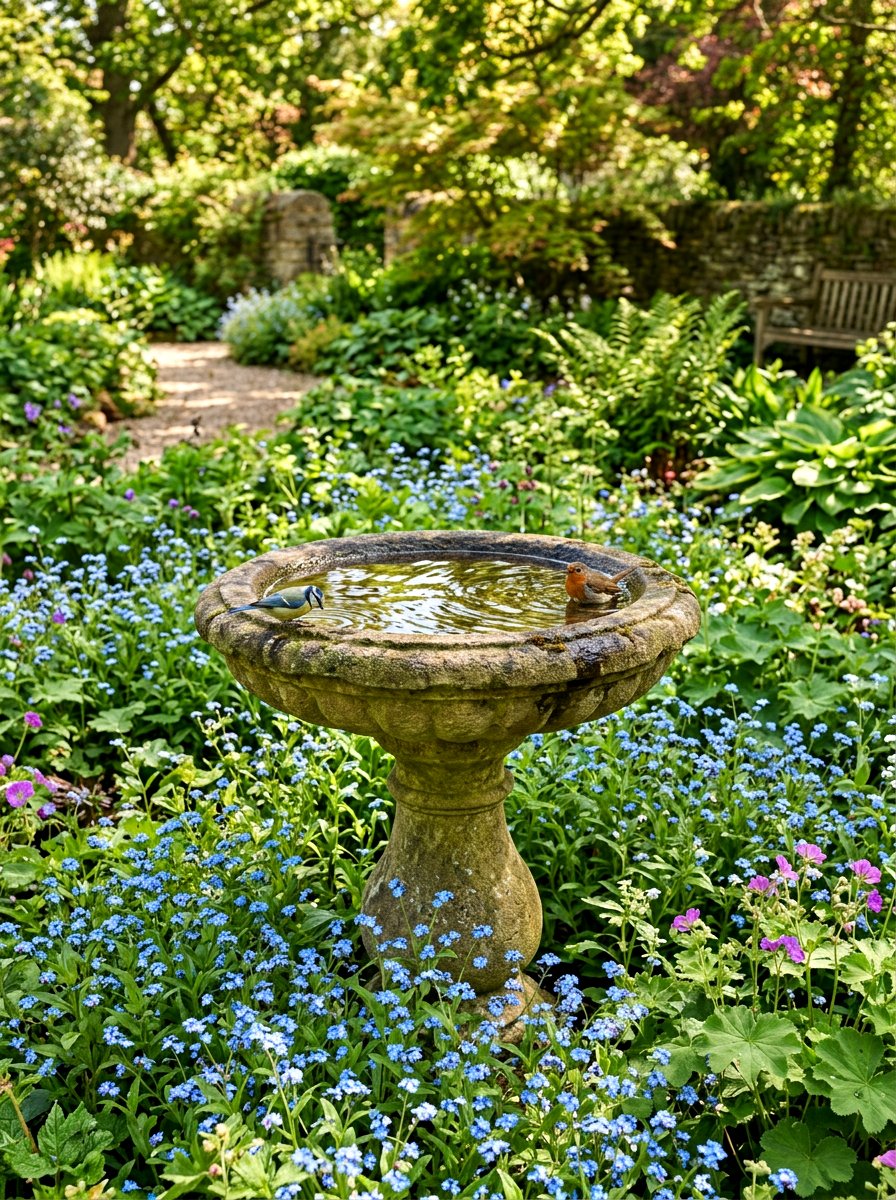
Adding a birdbath creates a charming focal point that draws both the eye and local wildlife into your cottage-style landscape. Placing a weathered stone or ceramic basin in the center of a circular flower bed provides a sense of quiet reflection and purpose. The sound of birds splashing in the water adds a layer of tranquility to the outdoor experience. You can surround the base of the birdbath with low-growing flowers like pansies or forget-me-nots to ground the feature within the garden. This simple addition transforms a plain patch of greenery into a destination, encouraging you to sit quietly and observe the natural activity in your own backyard.
9. Gravel Path
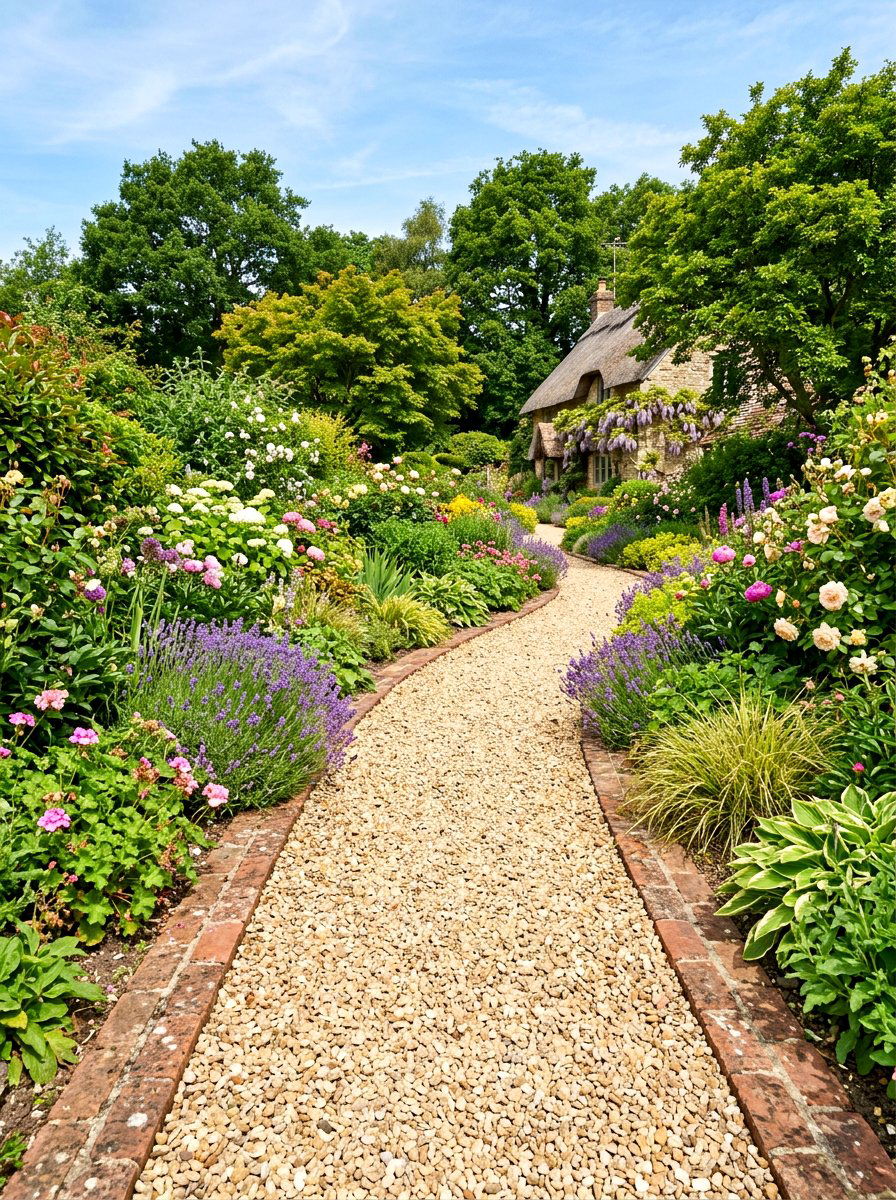
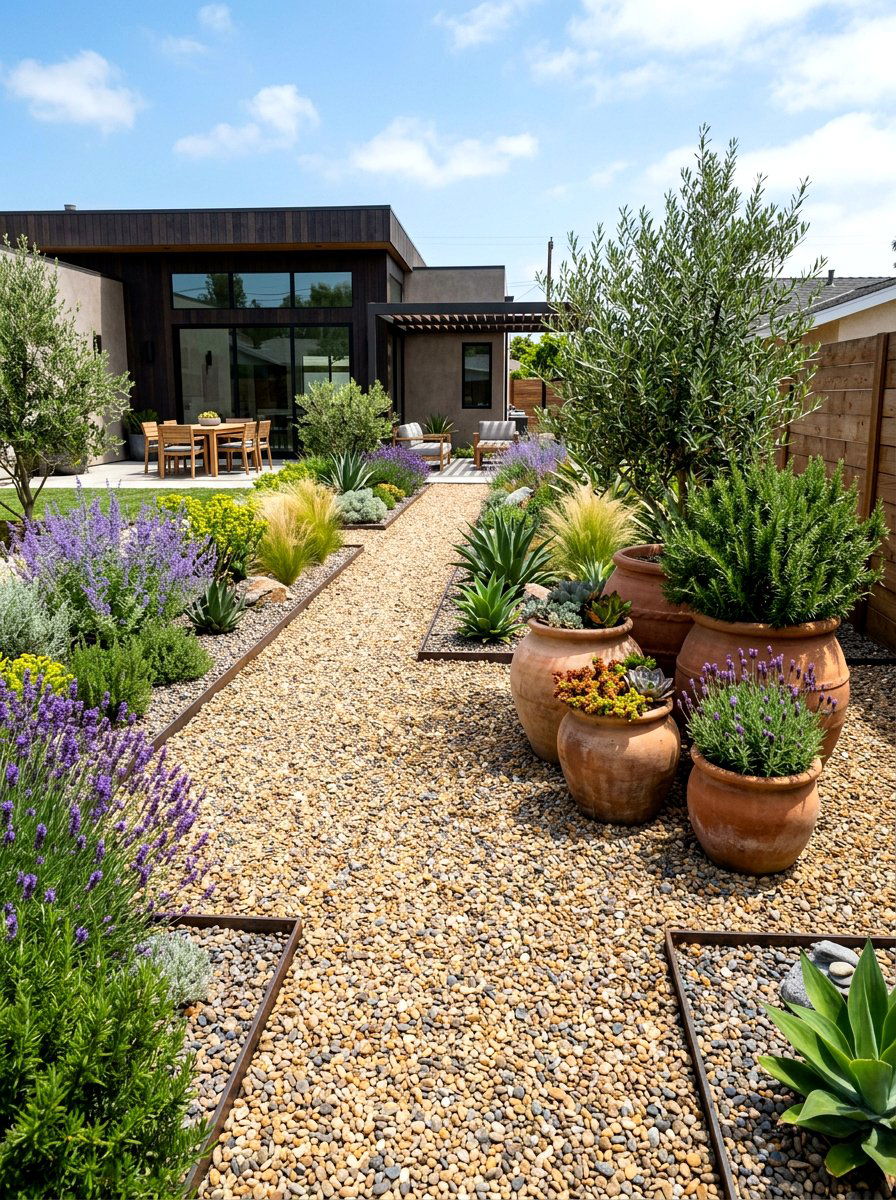
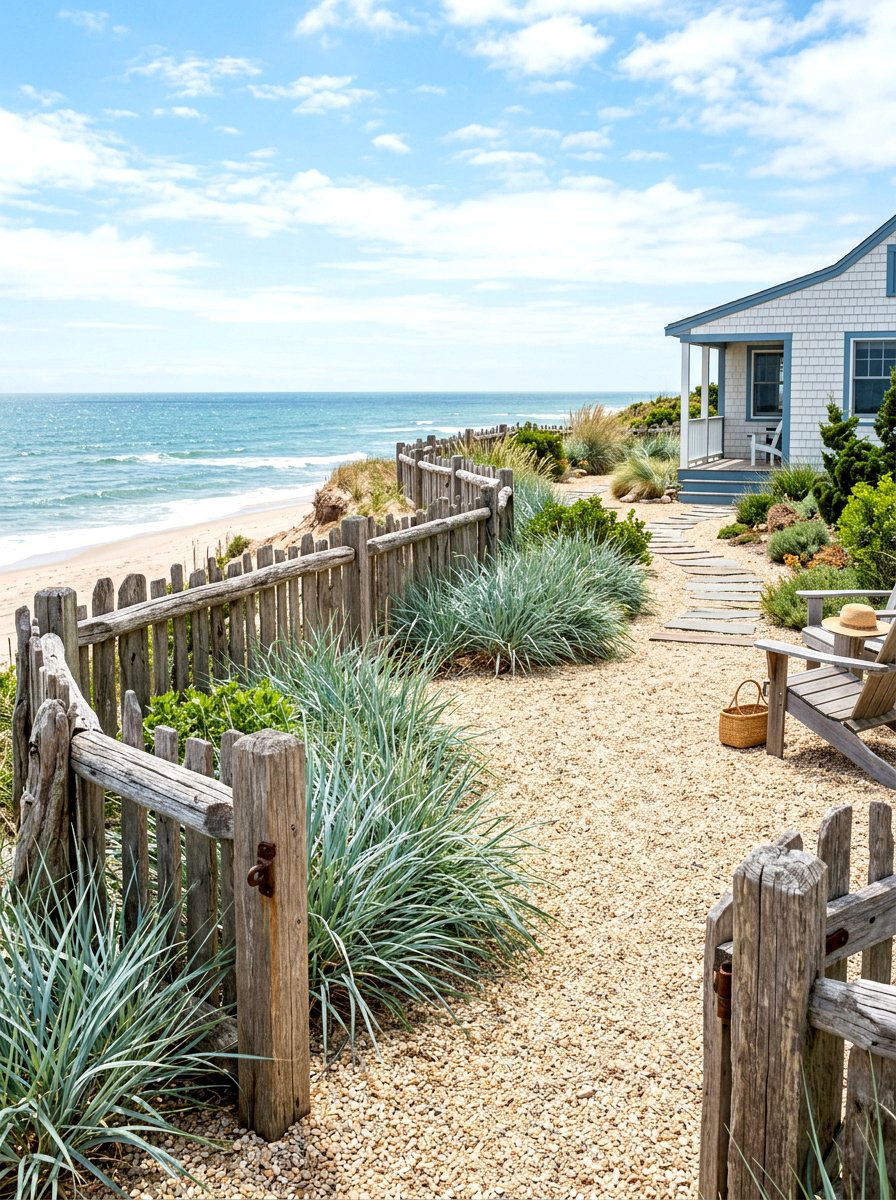
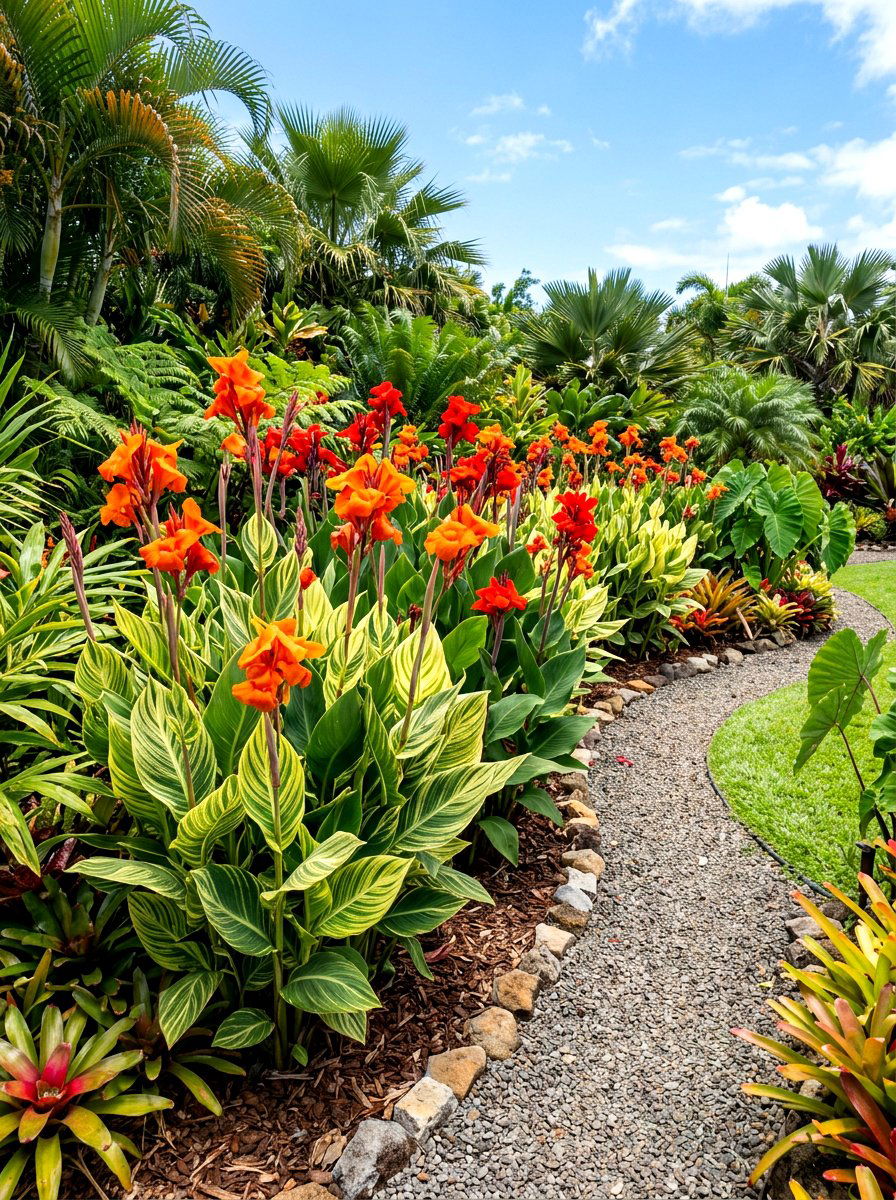
A gravel path offers a budget-friendly and tactile way to navigate your garden while maintaining a very casual, European-inspired look. The crunch of footsteps on the small stones provides a satisfying auditory element as you walk through your lush plant beds. You should use a sturdy edging material like brick or metal to keep the gravel contained and prevent it from migrating into the soil. Light-colored stones can brighten up shaded areas, making the entire garden feel more open and airy. This type of pathway is also highly permeable, allowing rainwater to soak into the ground rather than running off, which supports a healthy garden ecosystem.
10. Perennial Flower Bed
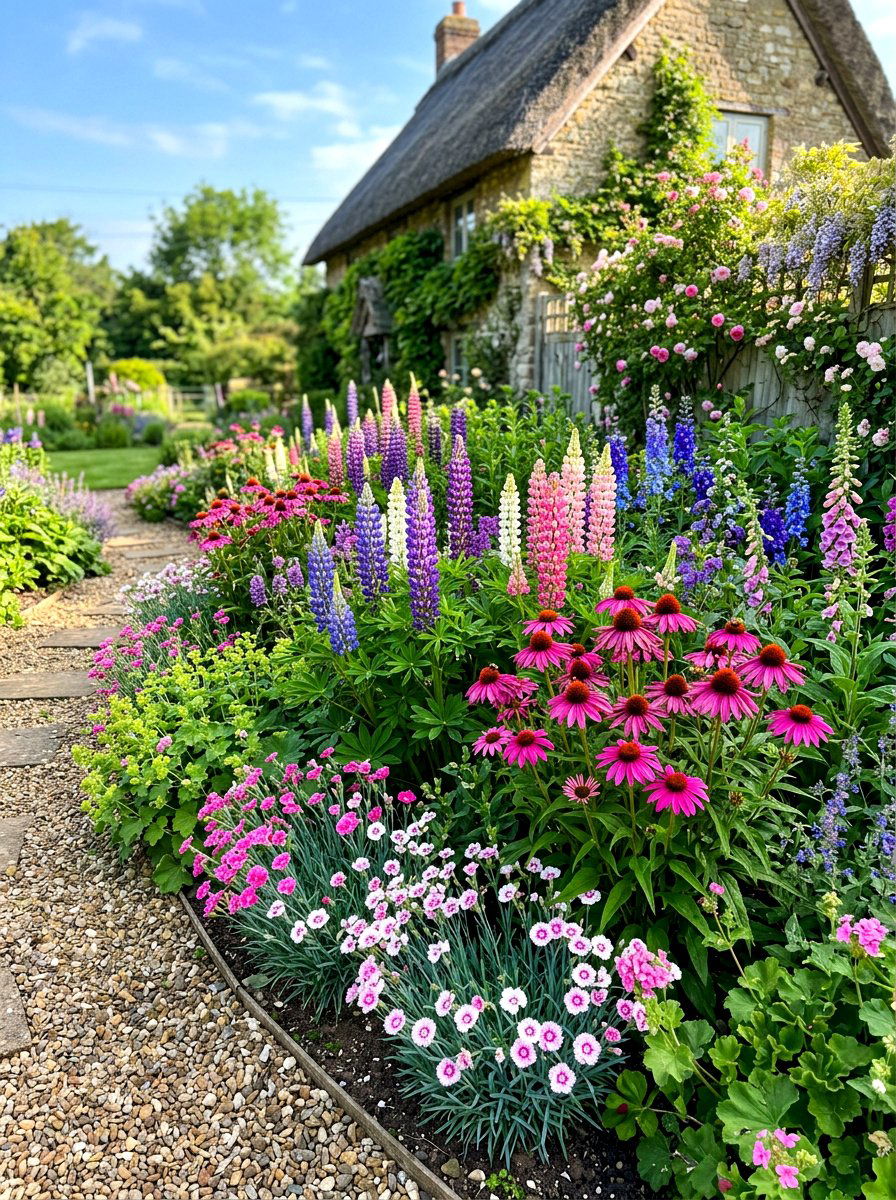
A dedicated perennial flower bed is the backbone of cottage landscaping, providing reliable color and texture year after year. You should group plants with similar water and light needs together to ensure they thrive with minimal intervention from you. Mixing different heights, such as tall lupins with mid-sized coneflowers and low-growing pinks, creates a dynamic and visually interesting display. Choosing a variety of bloom shapes, from spikes to daisies, adds to the charmingly mismatched look that defines this style. Because perennials return every spring, your garden will feel more established and mature with each passing season, requiring less replanting than a garden filled only with annuals.
11. Rustic Garden Bench
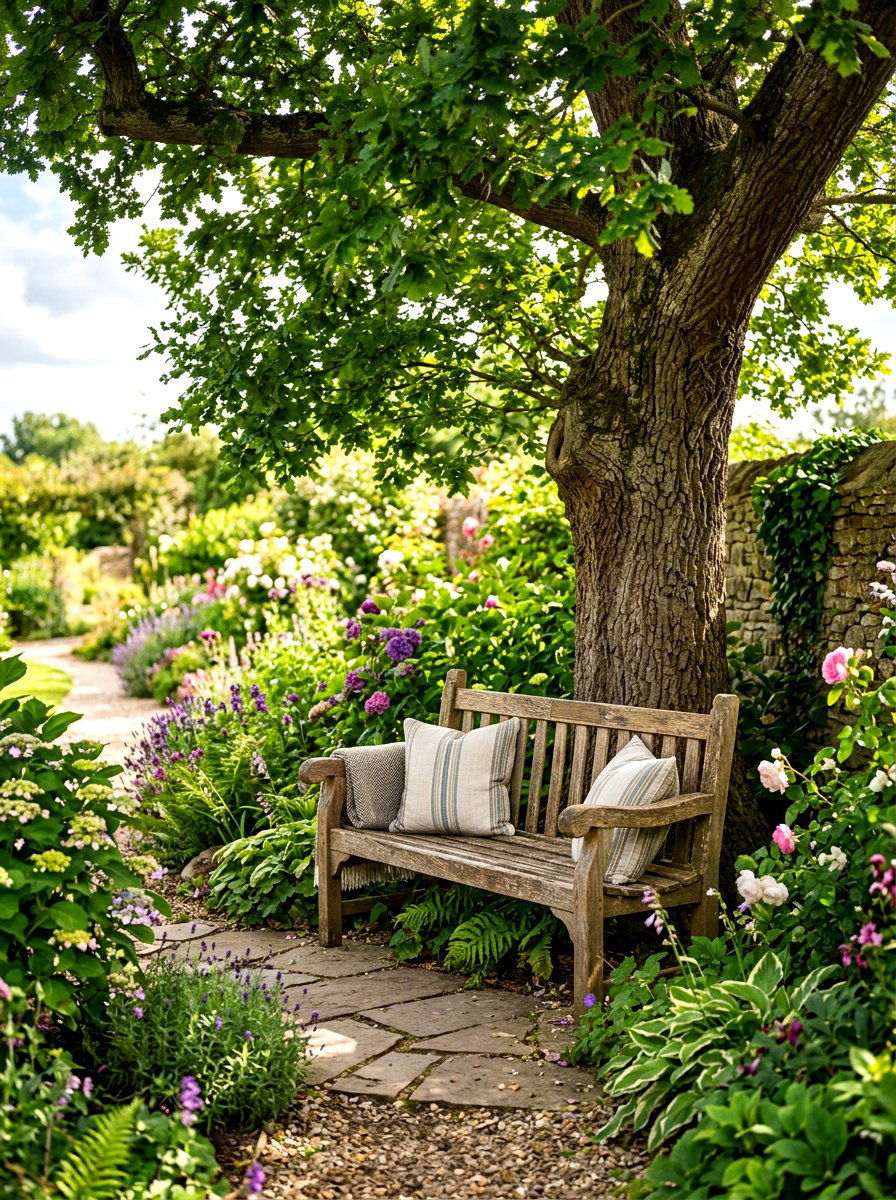
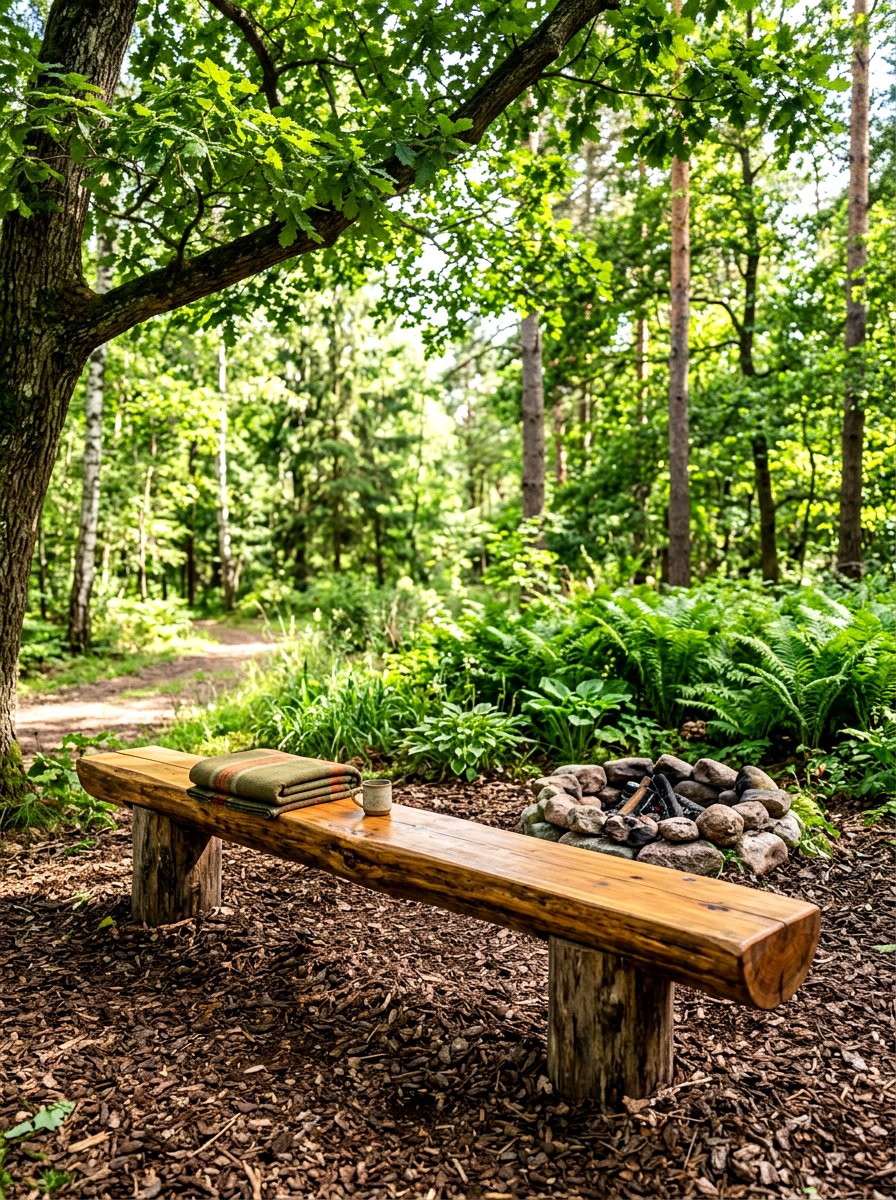
A rustic garden bench made of weathered wood or wrought iron provides a perfect spot to rest and admire your handiwork. Tucking the seating area into a quiet corner or under a large tree creates a sense of "outdoor room" that feels private and cozy. You can surround the bench with fragrant plants like jasmine or roses to enhance the relaxation experience for anyone sitting there. The bench itself acts as a sculptural element, adding a touch of human presence and history to the natural surroundings. This addition encourages you to spend more time outdoors, turning your landscape into a functional living space where you can enjoy a morning coffee.
12. Kitchen Herb Garden
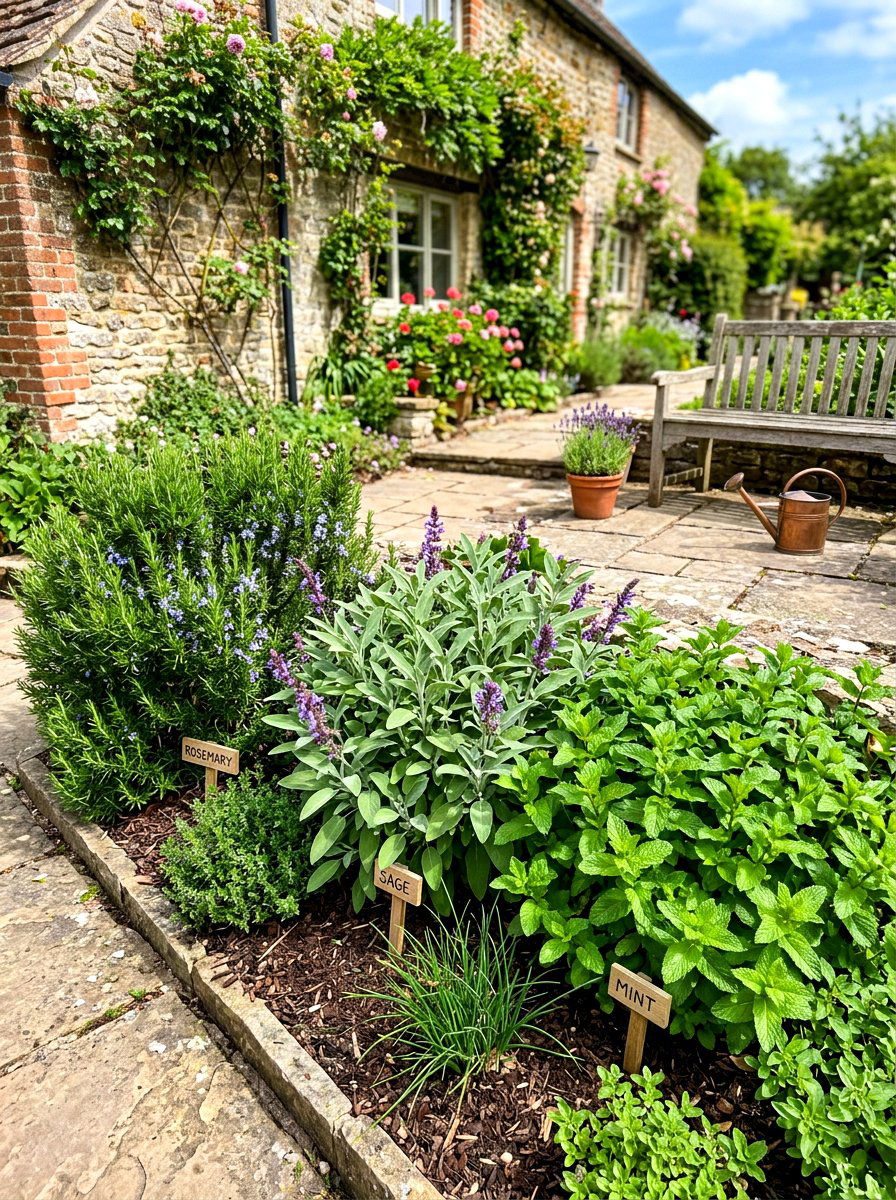
A kitchen herb garden is a practical and aromatic addition that embodies the "useful and beautiful" philosophy of cottage design. You can plant a mix of rosemary, sage, thyme, and mint in a sunny spot close to your back door for easy access while cooking. Using a variety of leaf textures and colors, such as purple basil or variegated sage, makes the herb bed as visually appealing as any flower border. Herbs are often very hardy and produce small, delicate flowers that attract beneficial insects to your yard. This functional landscape feature provides fresh flavors for your meals while contributing to the lush, fragrant atmosphere of your cottage retreat.
13. Arched Garden Arbor
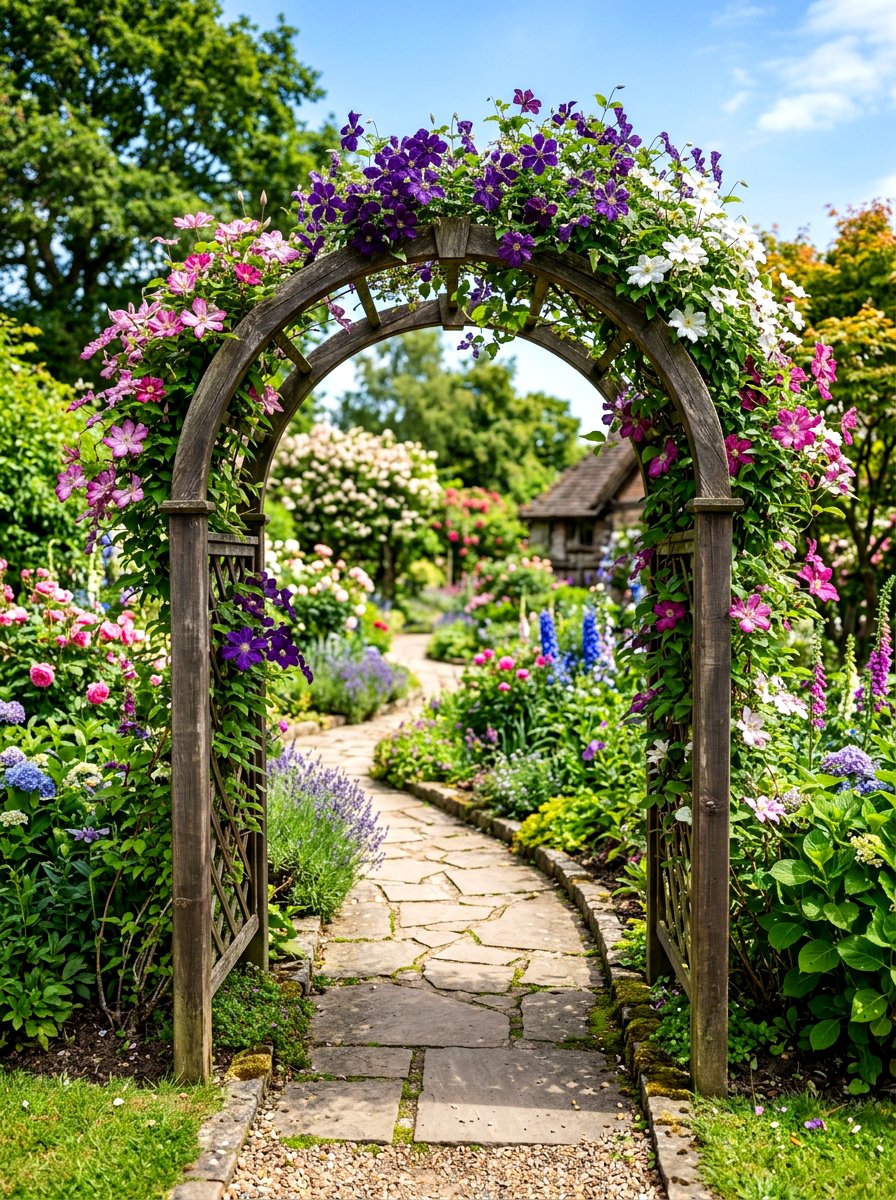
An arched garden arbor serves as a dramatic transition point that leads visitors from one area of the landscape to another. Whether placed at the entrance to the backyard or over a central path, it creates a sense of mystery and invitation. You can train fast-growing vines like clematis or honeysuckle to climb over the structure, eventually covering it in a thick blanket of green leaves and colorful blooms. The arbor adds much-needed height to the garden, breaking up the horizontal lines of fences and low-growing beds. It functions as a living doorway, framing views of the rest of your garden and making the space feel more curated.
14. Hydrangea Bush Planting
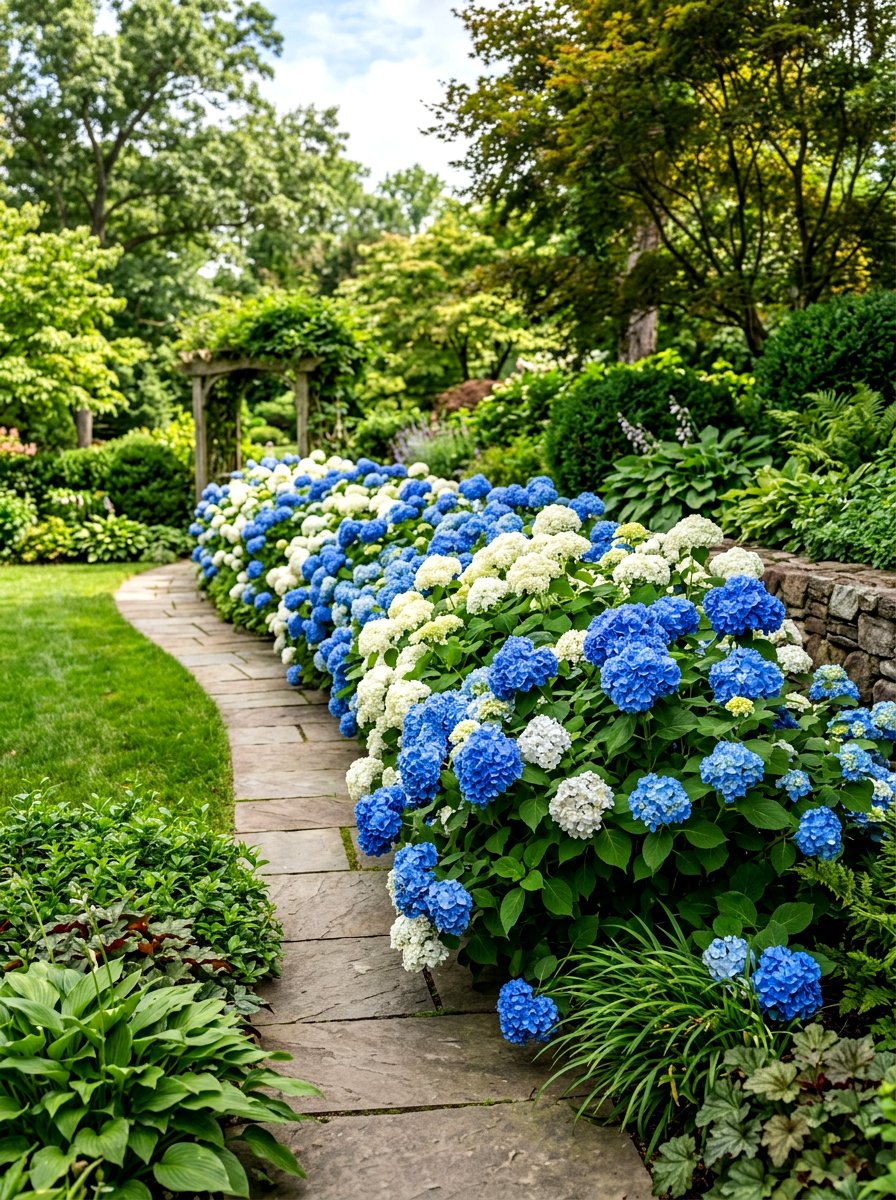
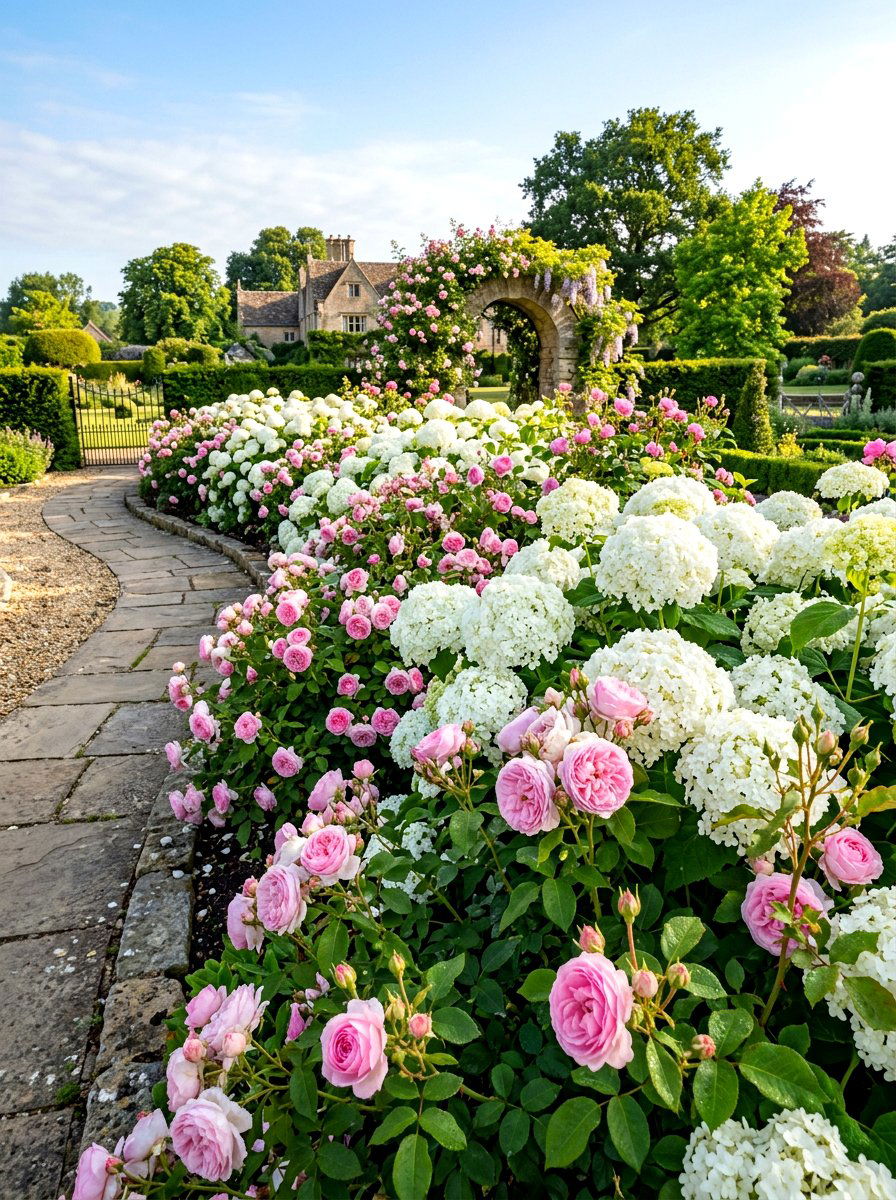
Hydrangeas are beloved cottage garden staples known for their massive, billowy blooms and lush, green foliage that fills large spaces beautifully. You can plant them as a flowering hedge to create a soft, living privacy screen or use them as standout specimens in a mixed border. Their ability to change color based on soil acidity adds an element of magic and surprise to the landscape. Varieties like "Annabelle" or "Limelight" offer a clean, classic look that stays attractive from early summer well into the autumn months. These hardy shrubs provide a lot of visual "weight, " helping to ground the lighter, airier perennials that typically surround them in a cottage setting.
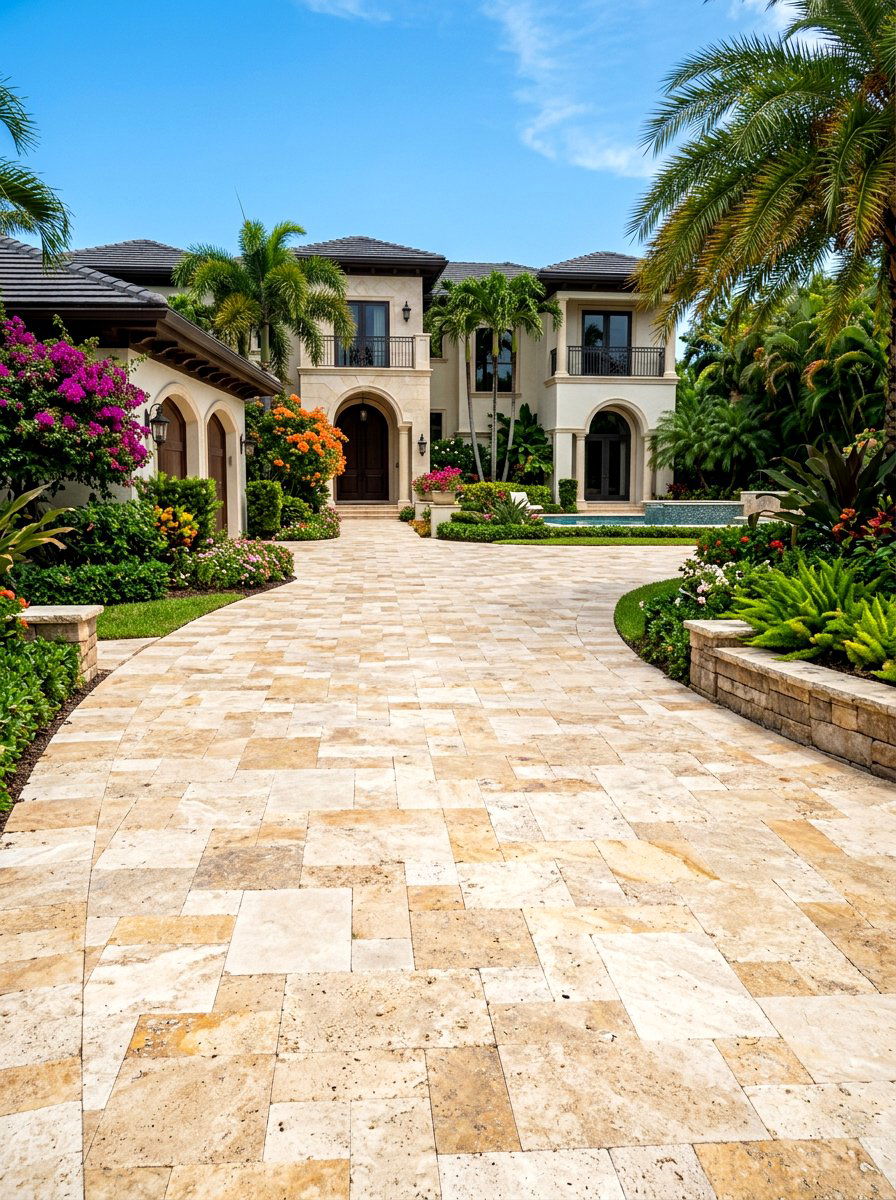
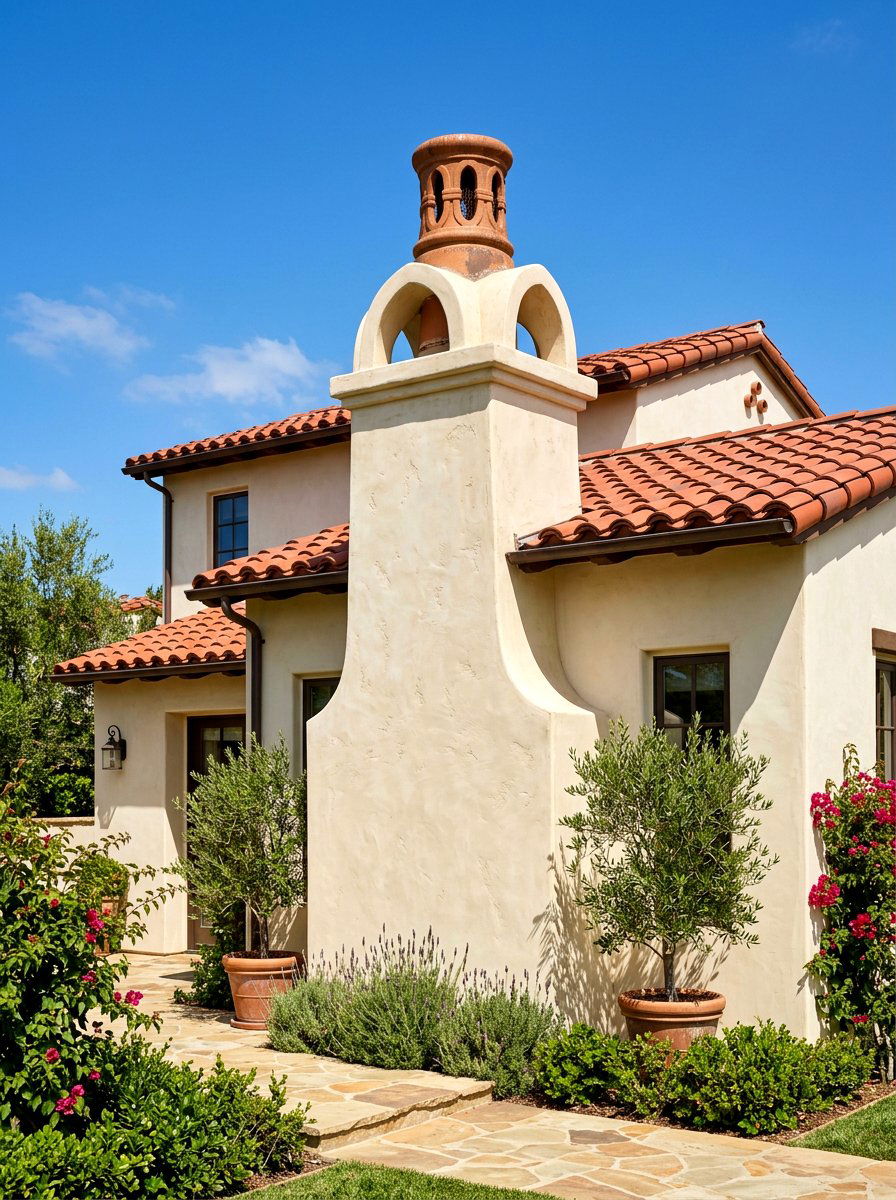
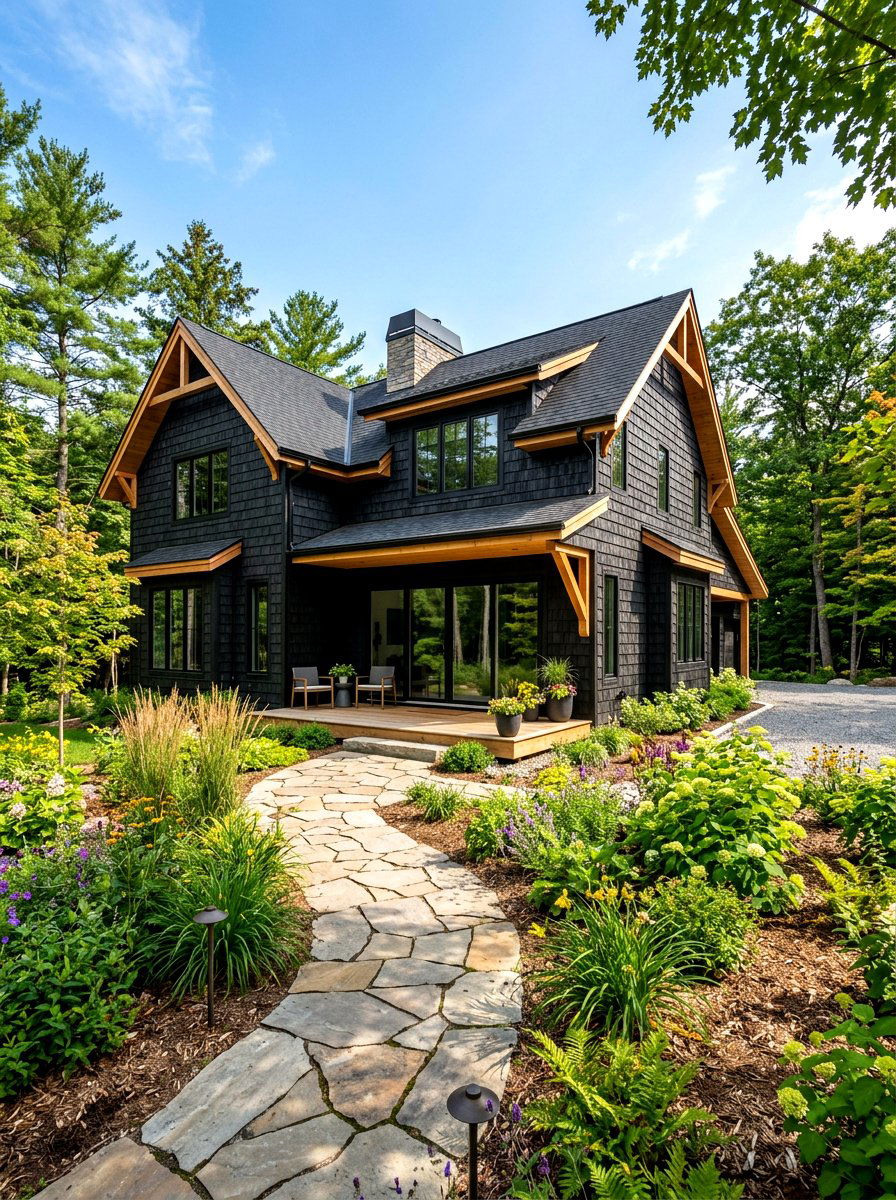

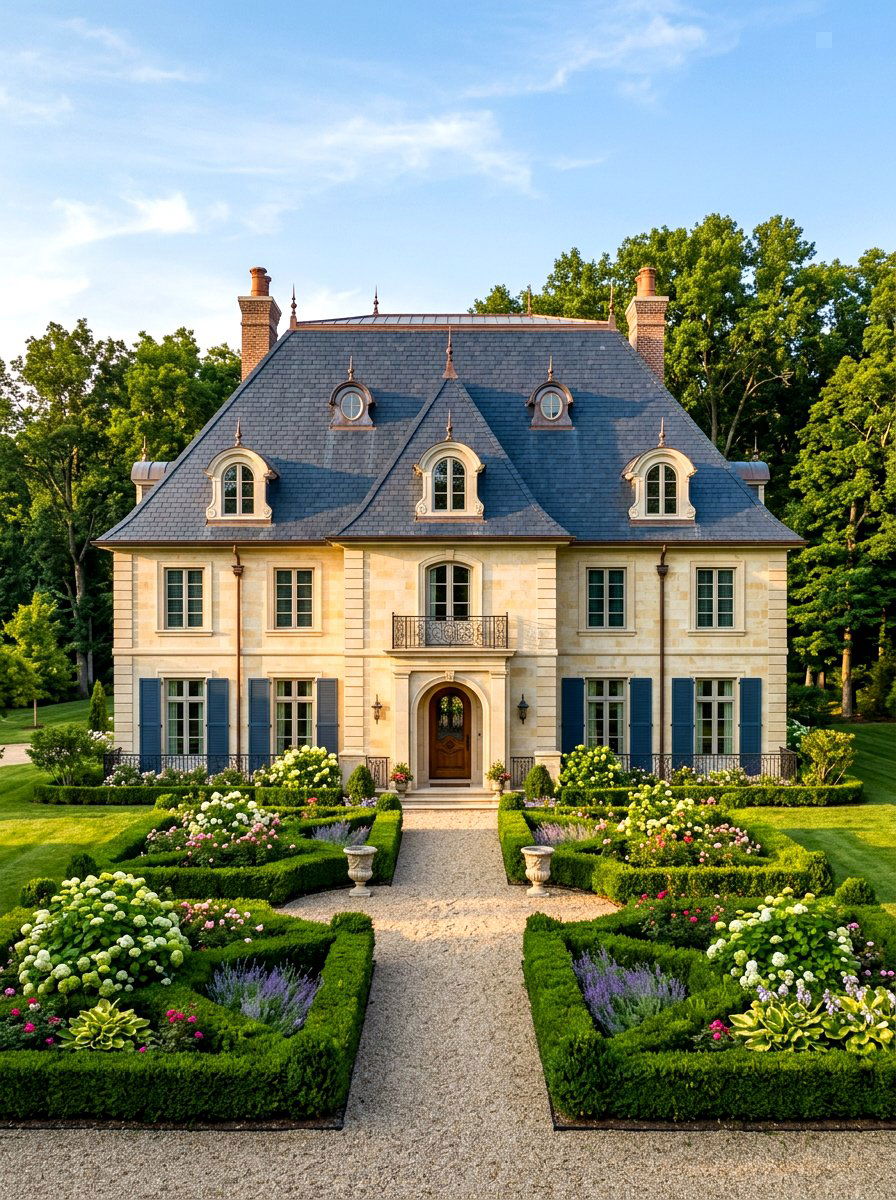
15. Boxwood Hedge Border
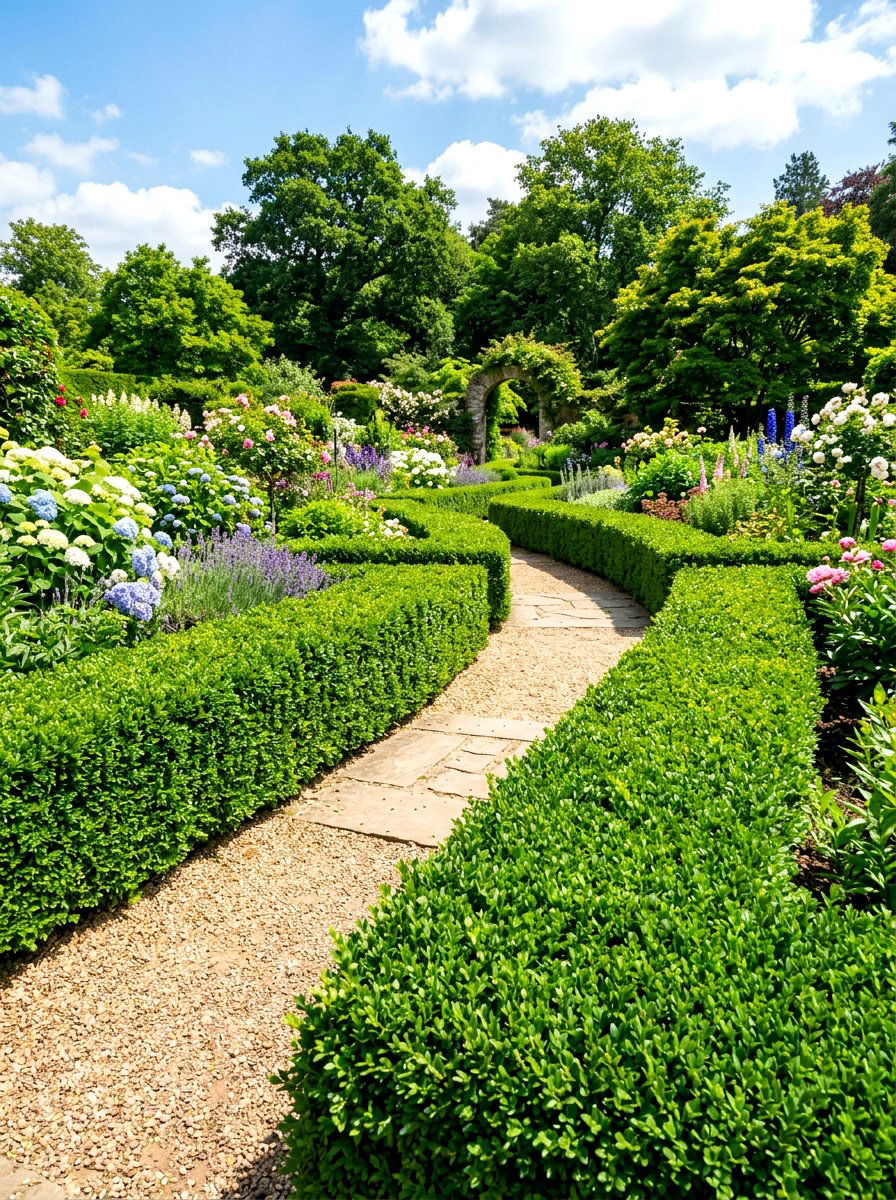
A low boxwood hedge border provides a touch of structure and "neatness" that helps to contain the exuberance of a wilder cottage garden. These evergreen shrubs can be clipped into soft mounds or straight lines to define the edges of paths and formal flower beds. The deep green foliage stays vibrant all year long, providing essential winter interest when other plants have gone dormant. This contrast between the tidy hedge and the overflowing flowers creates a sophisticated "formal-meets-informal" look that is very popular in modern cottage design. It acts as a visual anchor, ensuring the garden feels intentionally designed even when the perennial plantings are at their most unruly.
16. Window Box Planter
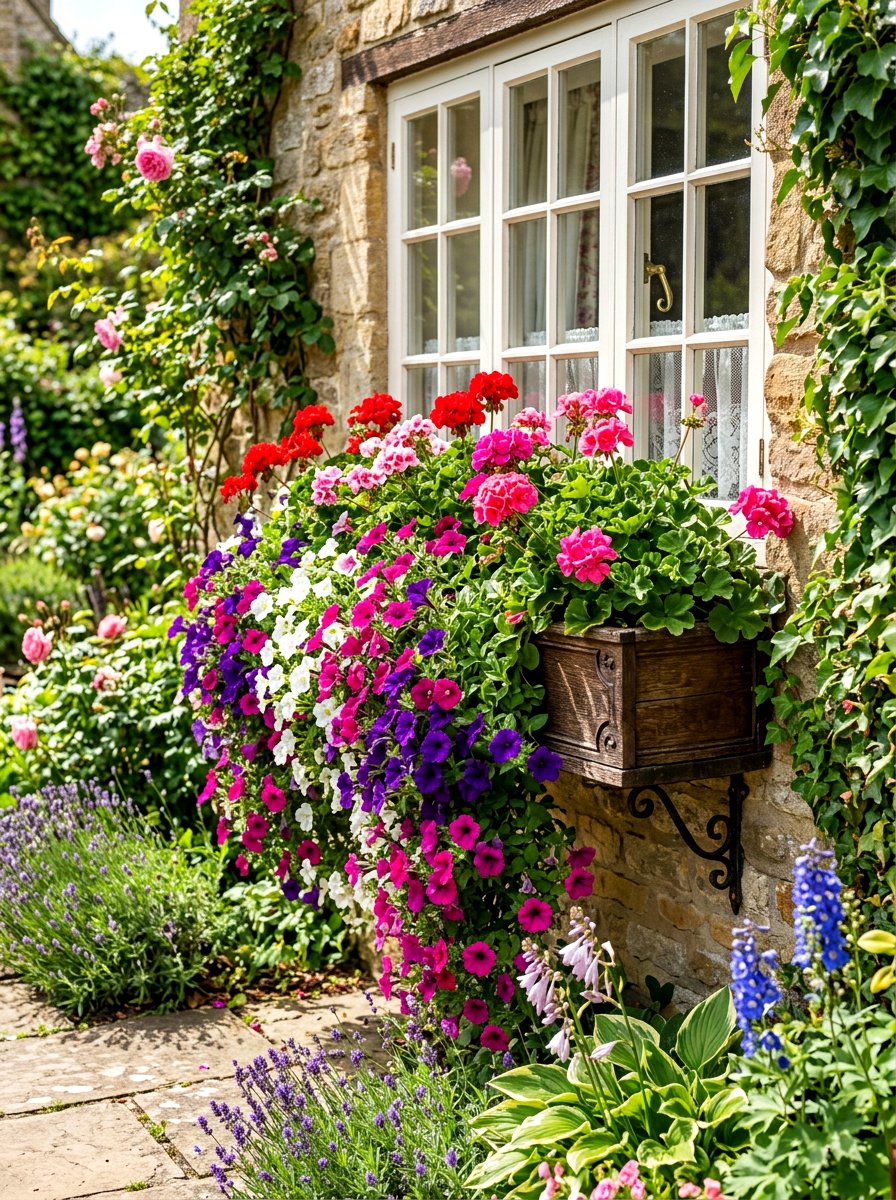
Window box planters are a fantastic way to bring the cottage garden aesthetic right up to the walls of your home. You can fill these containers with a cascading mix of petunias, ivy, and geraniums to create a lush, overflowing display of color. This addition softens the transition between the house and the garden, making the architecture feel more integrated with the natural landscape. Choosing flowers that coordinate with your front door or shutter colors creates a cohesive and well-thought-out look. Window boxes are also easy to update seasonally, allowing you to swap out summer blooms for pansies in the spring or decorative evergreens and berries during the winter.
17. Brick Patio
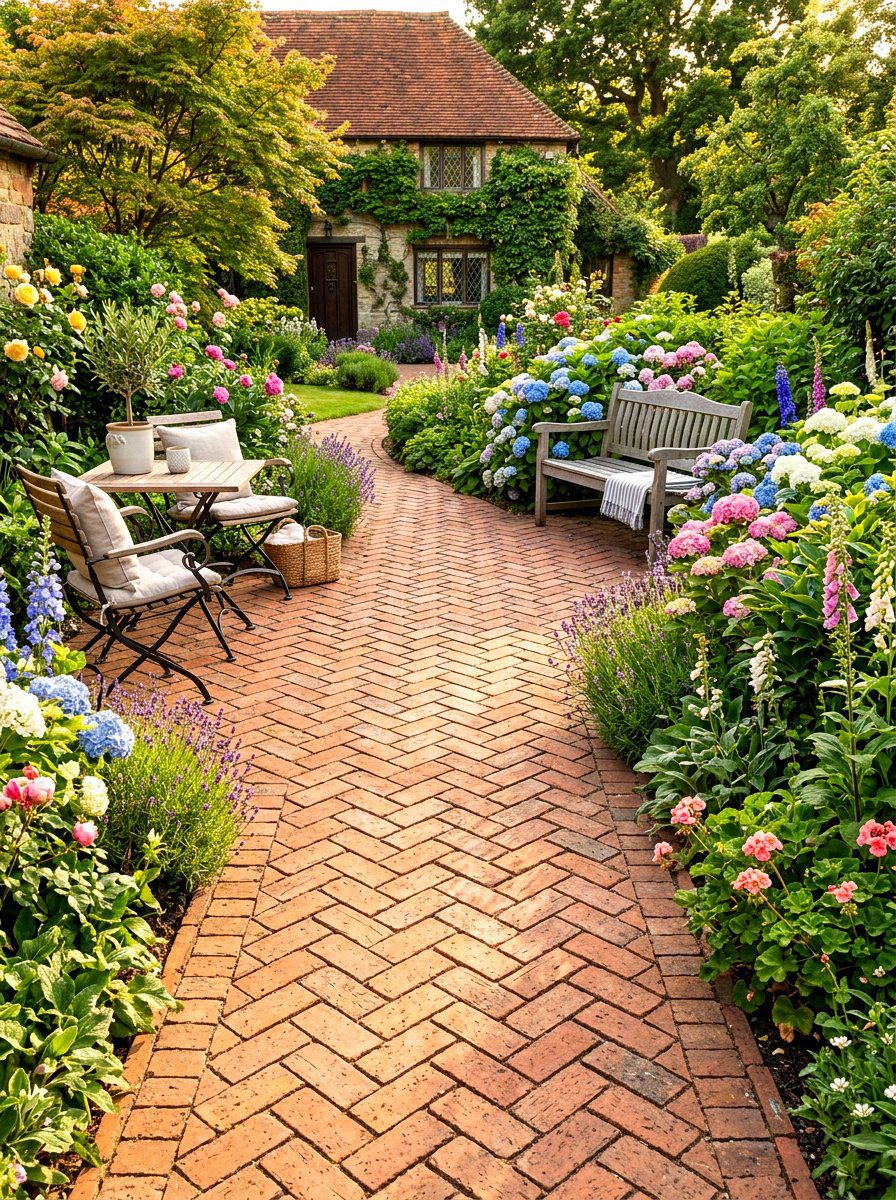
A brick patio provides a warm, classic foundation for outdoor living that perfectly matches the historic feel of a cottage-style home. Laying the bricks in a herringbone or basketweave pattern adds subtle architectural interest to the ground level of your landscape. Over time, the bricks will weather and may even grow a bit of moss, which only enhances the aged charm of the space. You can leave small gaps at the edges of the patio to plant creeping herbs or tiny flowers that will spill over the hard surface. This approach creates a cozy, enclosed area that is ideal for a small table and chairs, making it your favorite outdoor nook.
18. Peony Garden
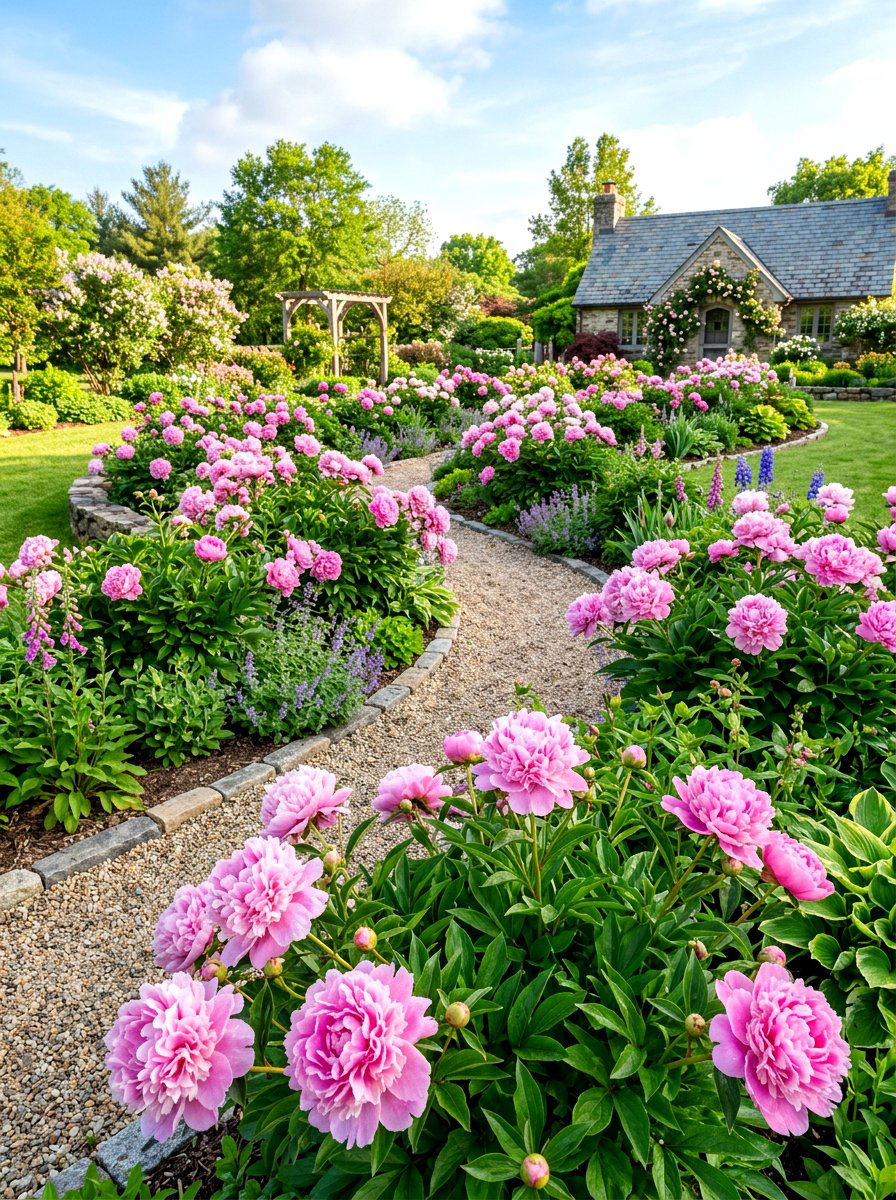
Peonies are the ultimate romantic flower for a cottage landscape, offering massive, fragrant blooms and attractive deep green foliage. These long-lived perennials become a focal point every spring when their heavy heads of petals start to open in shades of pink, white, and red. While their blooming season is relatively short, the plants themselves provide a sturdy, leafy backdrop for other summer flowers for the rest of the year. You should plant them in a sunny spot where they have plenty of room to expand over time. Their nostalgic scent and opulent appearance make them a must-have for anyone looking to create a garden that feels like a vintage dream.
19. Ornamental Grass
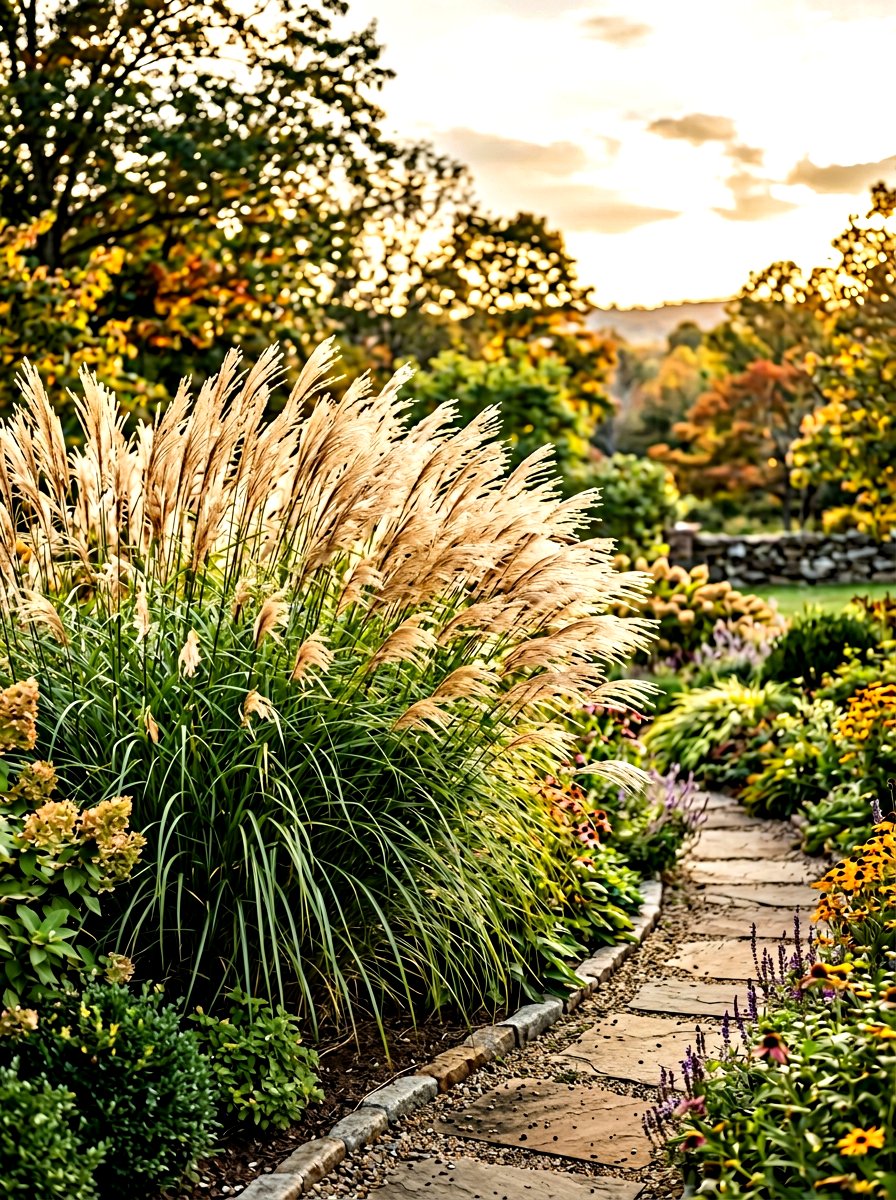
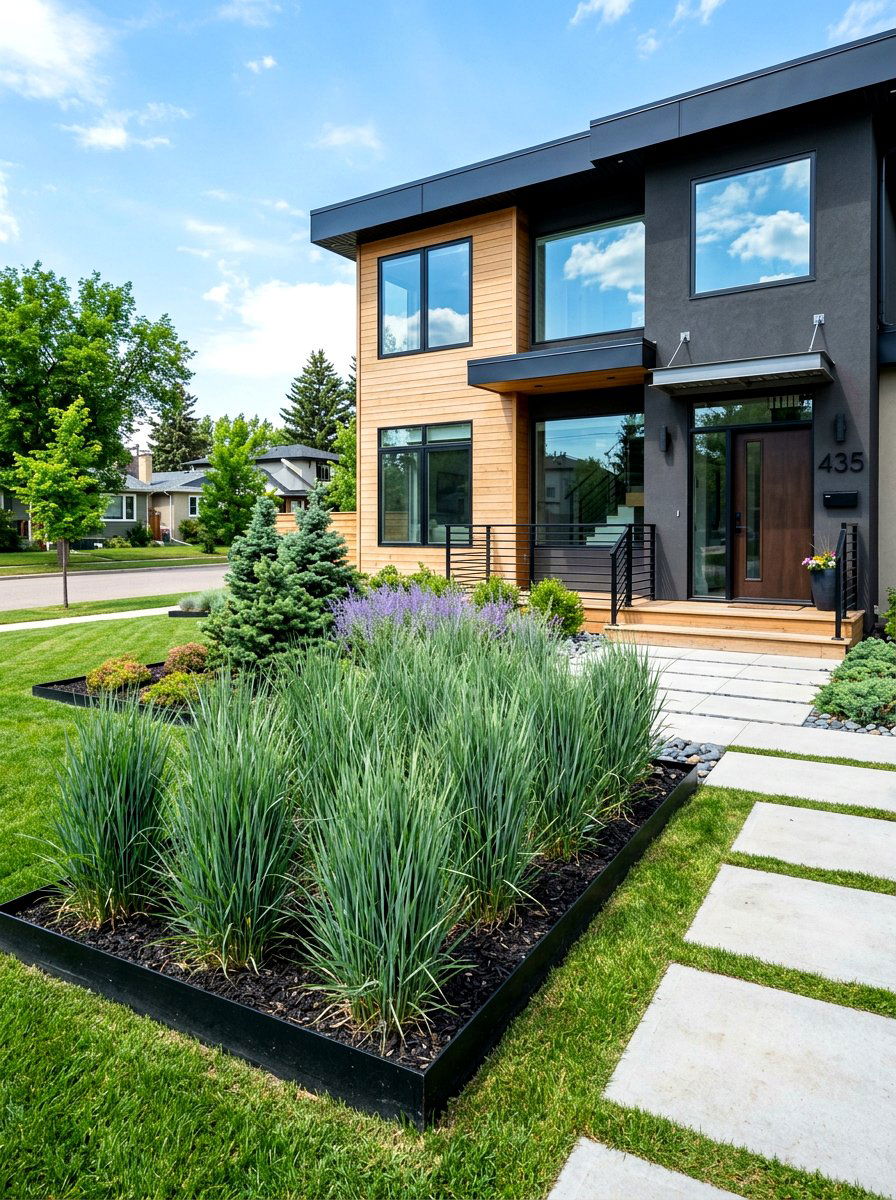
Incorporating ornamental grasses into your cottage garden adds movement, sound, and a modern textural contrast to traditional broad-leafed flowers. Tall varieties like feather reed grass or miscanthus sway beautifully in the breeze, creating a dynamic element that changes throughout the day. In the late summer and autumn, the seed heads provide a soft, hazy glow that looks stunning when backlit by the setting sun. Grasses are excellent for filling gaps between perennials and adding structure that lasts through the winter months. Their fine texture helps to soften the overall appearance of the garden, making the space feel more connected to the wilder, natural meadows found in the countryside.
20. Garden Gate Entrance
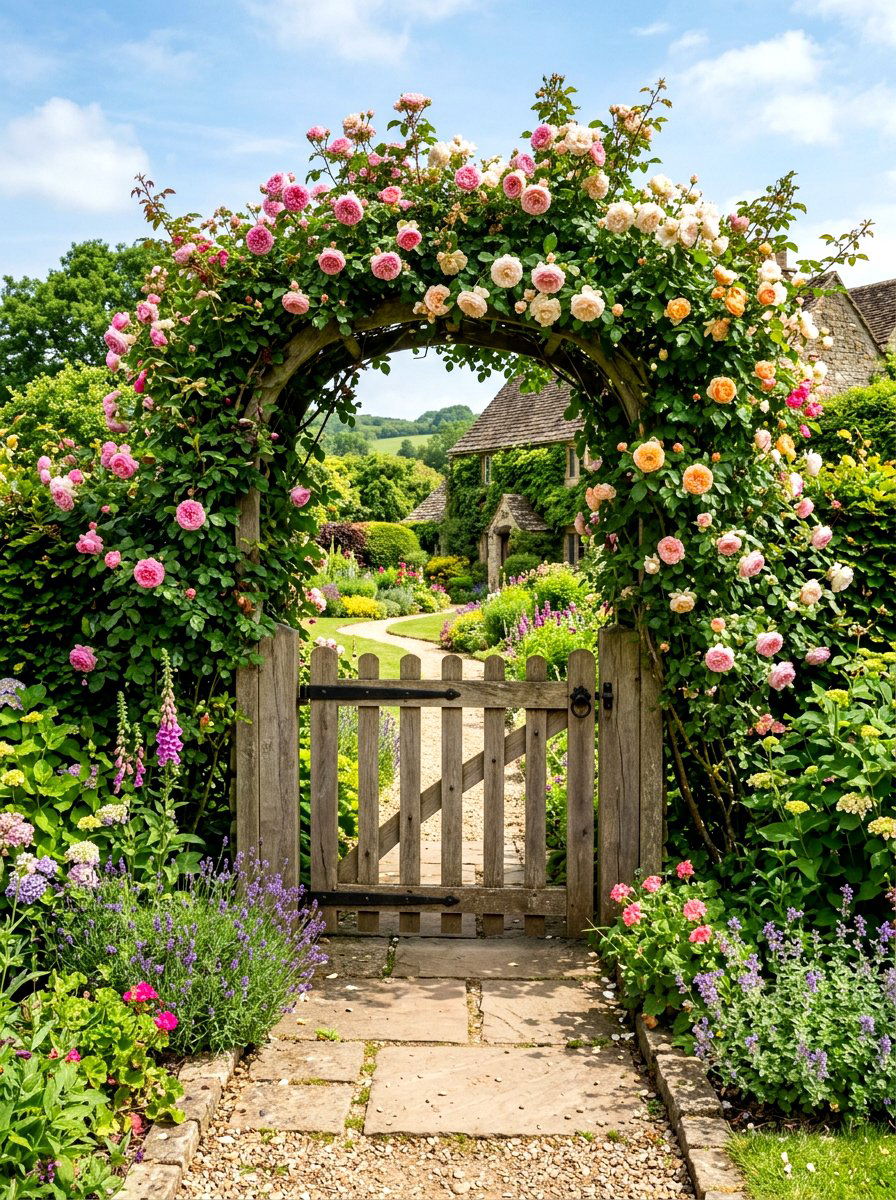
A garden gate entrance is more than just a functional entry point; it is a symbolic doorway into your private sanctuary. Choosing a wooden gate with a simple latch or a decorative wrought-iron design adds immediate character to your front or back yard. You can paint the gate a bold color like sage green or soft blue to make it a standout feature against a white fence. Flanking the gate with tall shrubs or climbing vines makes the act of entering the garden feel like a special event. This small detail sets the tone for the entire landscape, signaling that what lies beyond is a place of beauty, peace, and personal expression.
21. Shade Garden
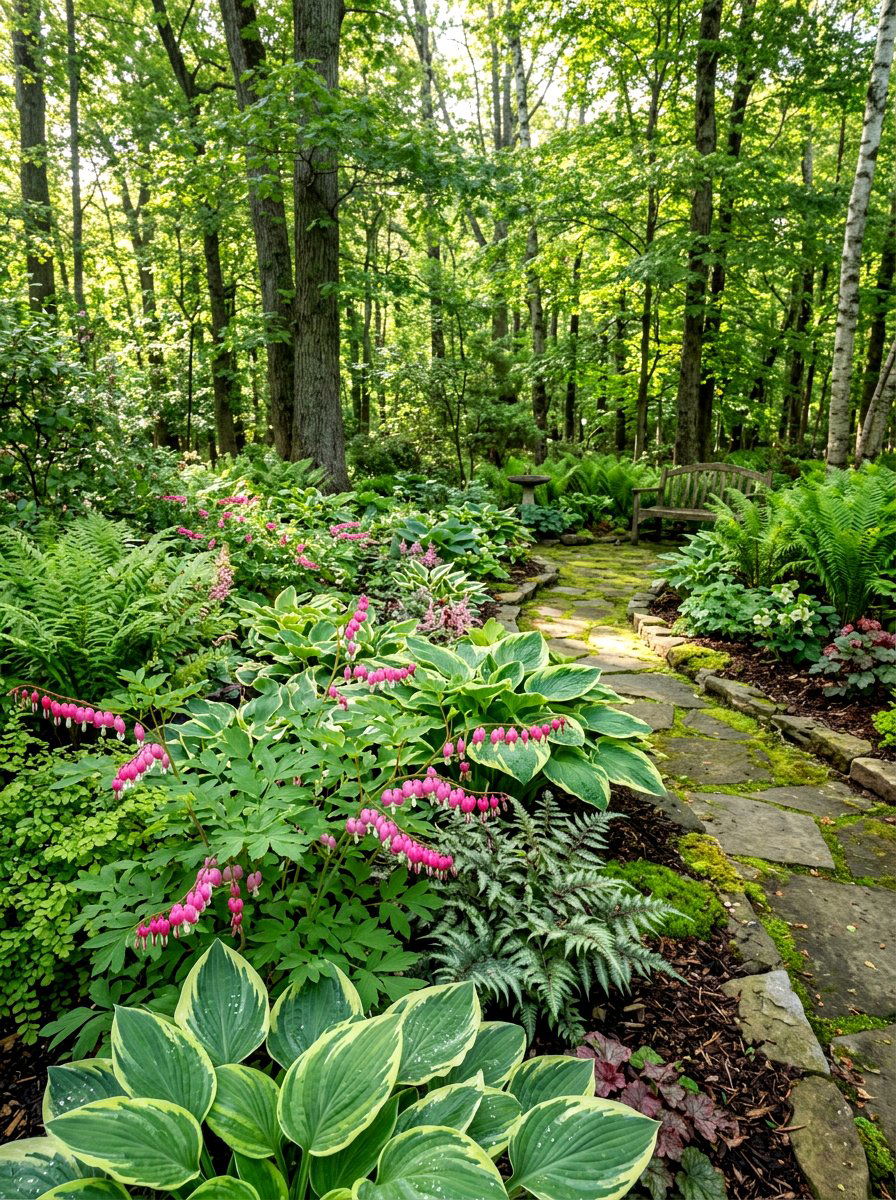
A shade garden allows you to bring the cottage aesthetic to those cooler, darker corners of your yard where sun-loving flowers might struggle. By focusing on plants with interesting foliage, such as hostas, ferns, and bleeding hearts, you can create a lush and tranquil retreat. These plants often feature a variety of textures, from the broad, waxy leaves of hostas to the delicate, lacy fronds of ferns. Splashes of white or variegated leaves can help to brighten up the shadows and make the space feel more expansive. A shade garden offers a quiet, mossy atmosphere that feels incredibly refreshing and secretive during the heat of a bright summer afternoon.
22. Vegetable Patch
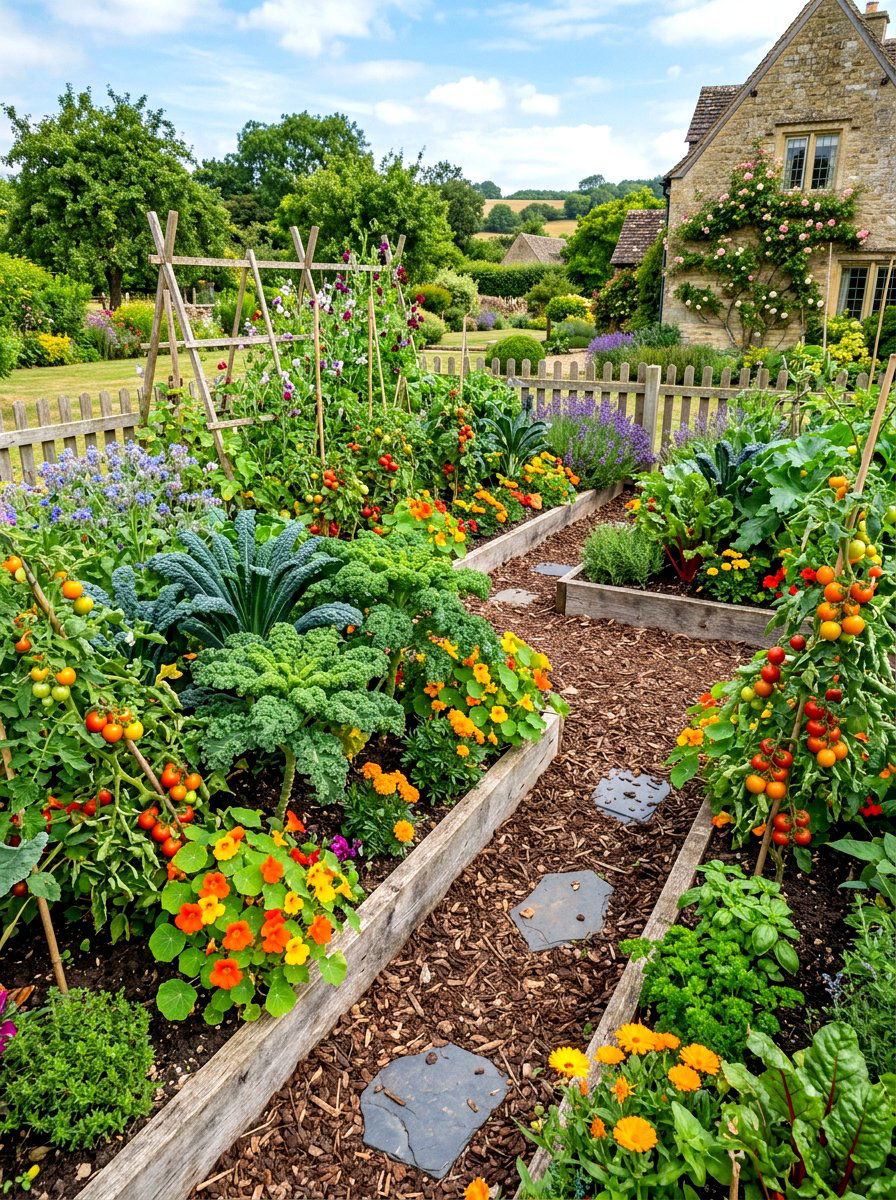
A cottage-style vegetable patch should be as beautiful as it is productive, often featuring a mix of food crops and ornamental flowers. Instead of long, industrial rows, you can plant your kale, lettuce, and tomatoes in a patchwork pattern that mimics a flower border. Interspersing marigolds or nasturtiums among the vegetables helps to deter pests while adding bright pops of color to the edible landscape. Using rustic supports like bamboo teepees or wooden stakes for climbing beans adds height and visual interest. This integrated approach to gardening celebrates the traditional cottage idea of a "working garden" that provides both sustenance and visual joy for the homeowner throughout the year.
23. Rock Garden
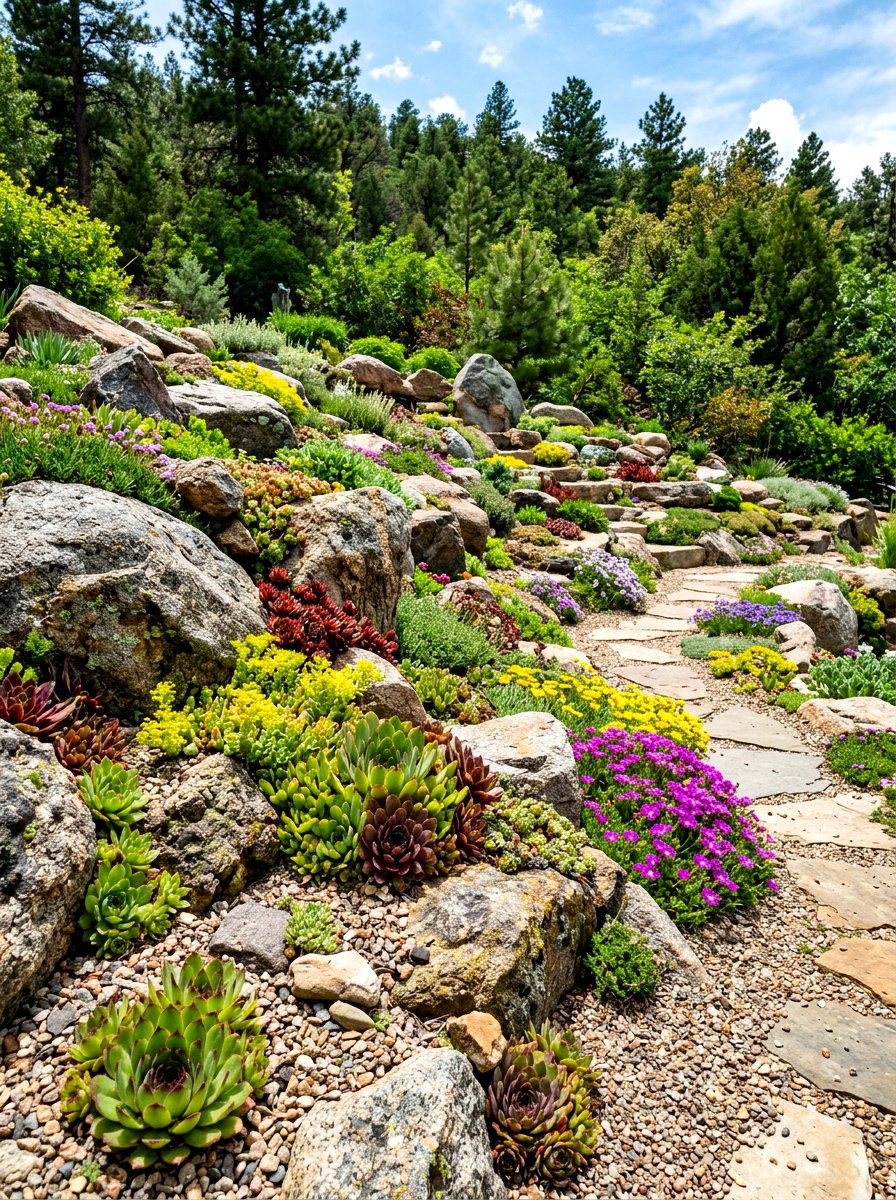
A rock garden is a low-maintenance way to introduce varied elevations and interesting textures into a sunny, well-drained part of your landscape. By placing large, weathered boulders and smaller stones in a naturalistic arrangement, you create a rugged backdrop for alpine plants and succulents. These hardy species often grow in tight cushions or spill over the edges of the rocks, creating a miniature landscape that is fascinating to look at closely. You can use stone finials or moss-covered statuary to add a sense of history and whimsy to the arrangement. This feature works particularly well on slopes or in areas where the soil is too poor for more demanding perennial flowers.
24. Flowering Fruit Tree
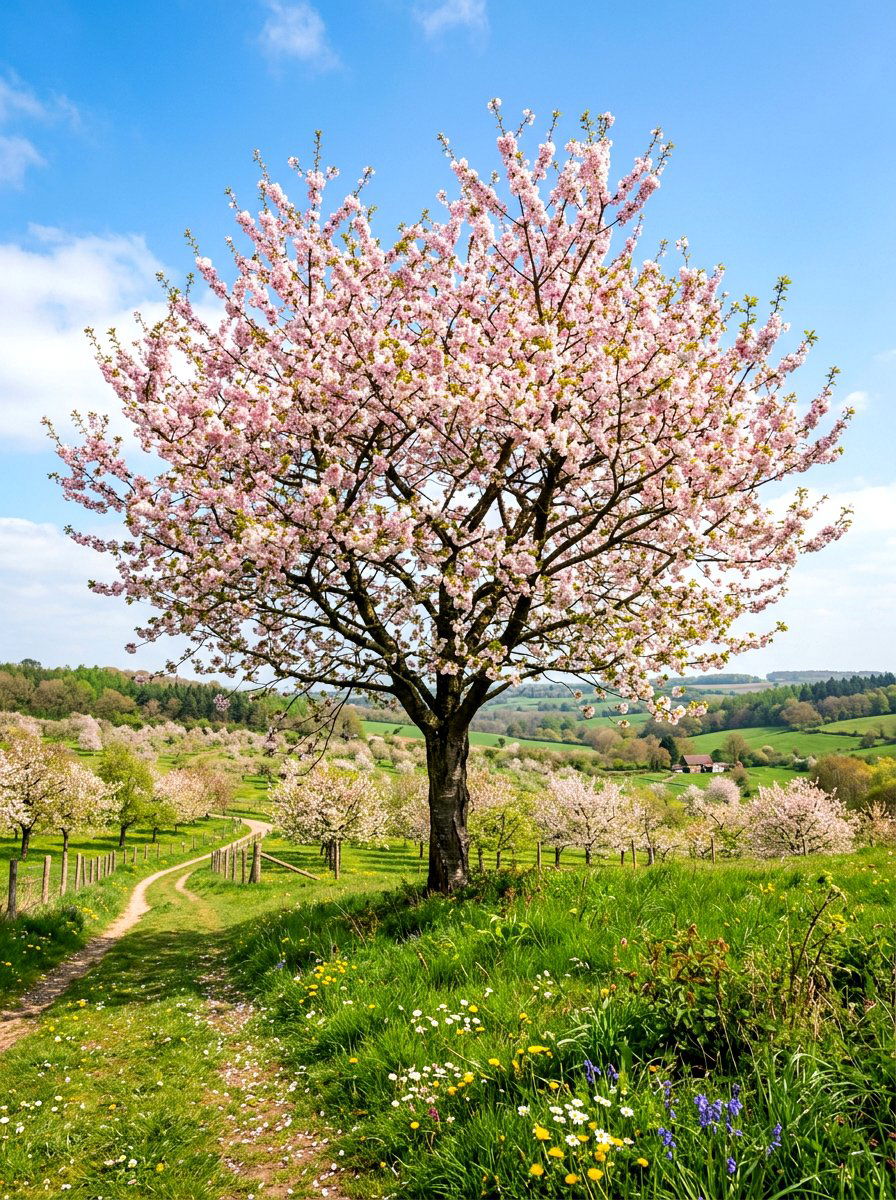
Planting a flowering fruit tree, such as an apple, cherry, or crabapple, provides a stunning seasonal highlight and a sense of bounty in your garden. In the spring, the canopy is covered in a cloud of delicate blossoms that fill the air with a sweet, light fragrance. As the seasons progress, the ripening fruit adds a decorative and edible element that appeals to both humans and local birds. If space is limited, you can choose dwarf varieties or train the tree against a sunny wall in the "espalier" style. This traditional technique creates a living piece of art that offers architectural structure while producing a surprisingly large amount of fresh, homegrown fruit.
25. Backyard Water Feature
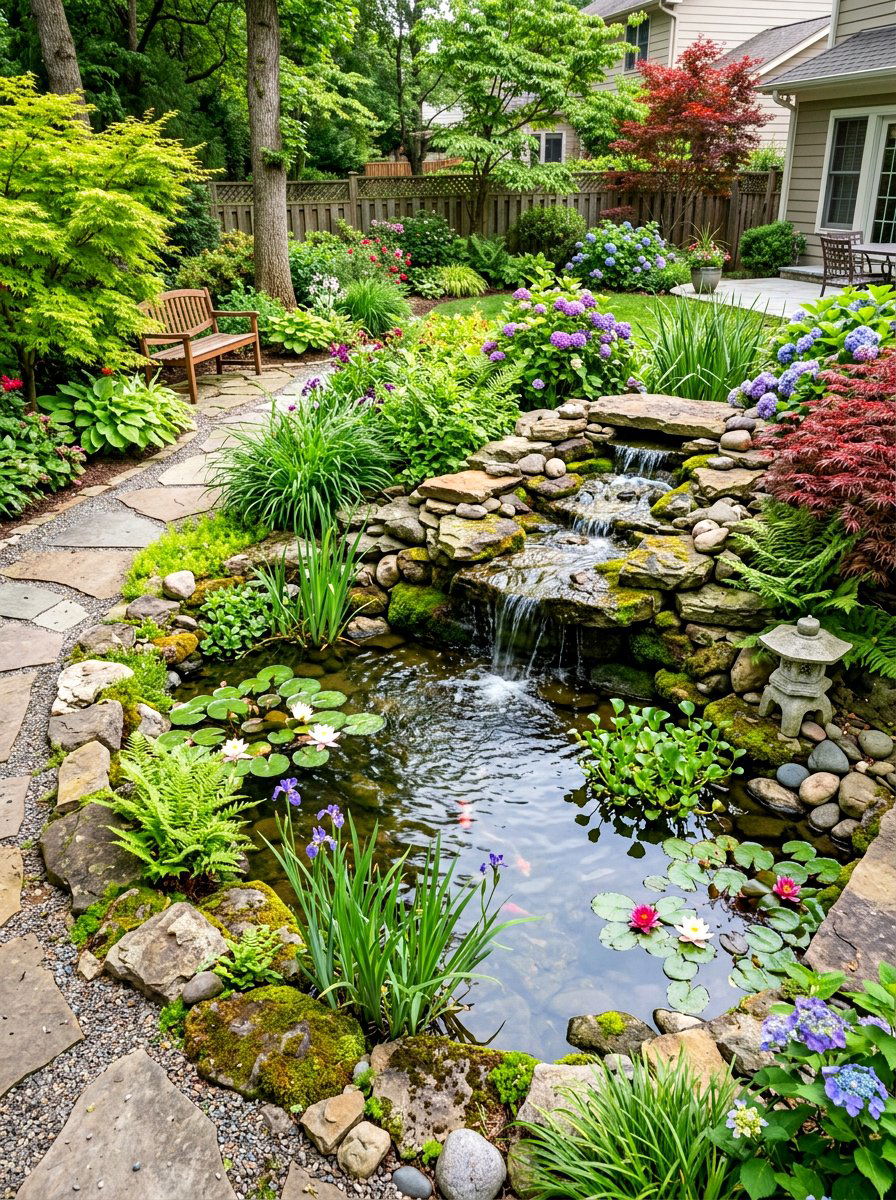
A backyard water feature, such as a small stone fountain or a naturalistic pond, adds sound and serenity to your cottage landscape. The gentle trickle of water masks neighborhood noise, making your outdoor space feel more secluded and peaceful. You can surround the water with moisture-loving plants like irises and sedges to help the feature blend seamlessly into the surrounding garden. A small pond also attracts dragonflies and frogs, which helps to naturally manage the insect population in your yard. Whether it is a simple birdbath or a more complex stream, the presence of water creates a calming focal point that enhances the overall sensory experience of your garden.
26. Outdoor Dining Area
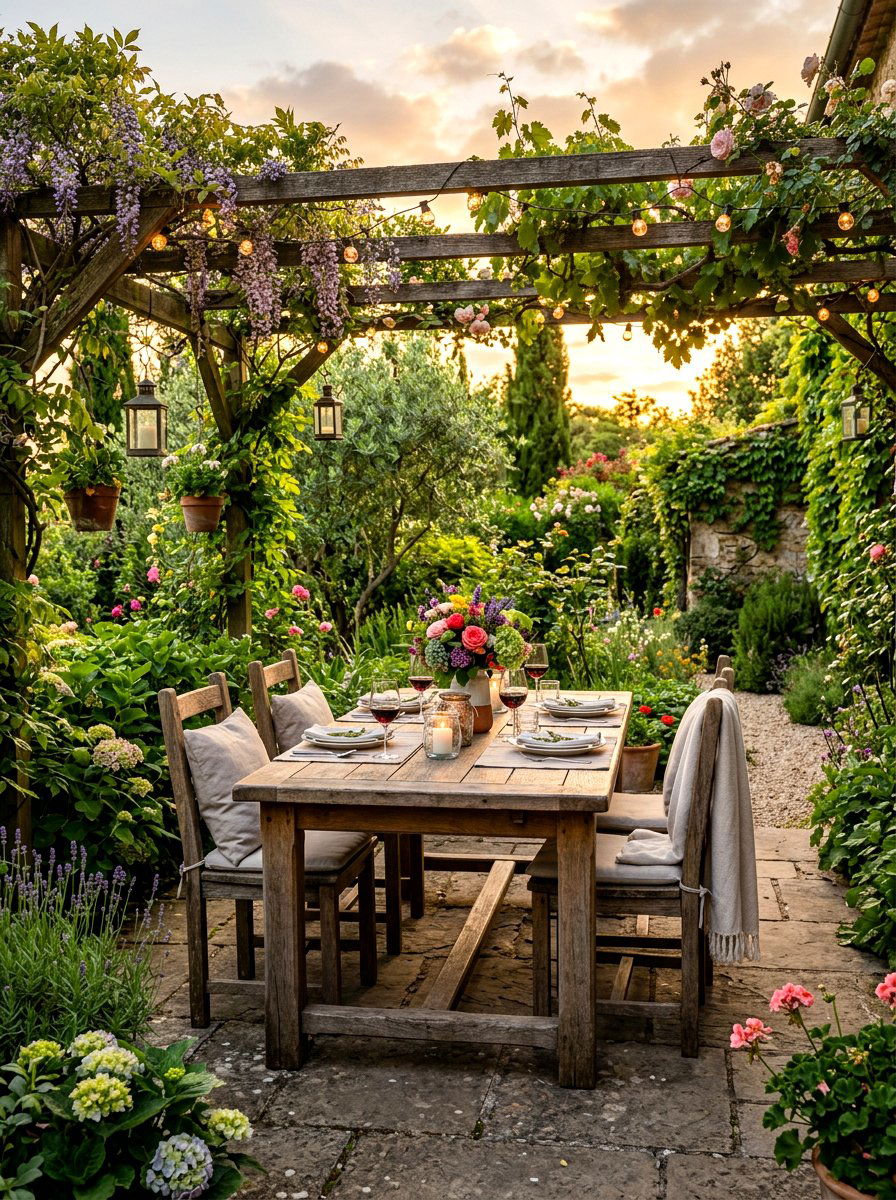
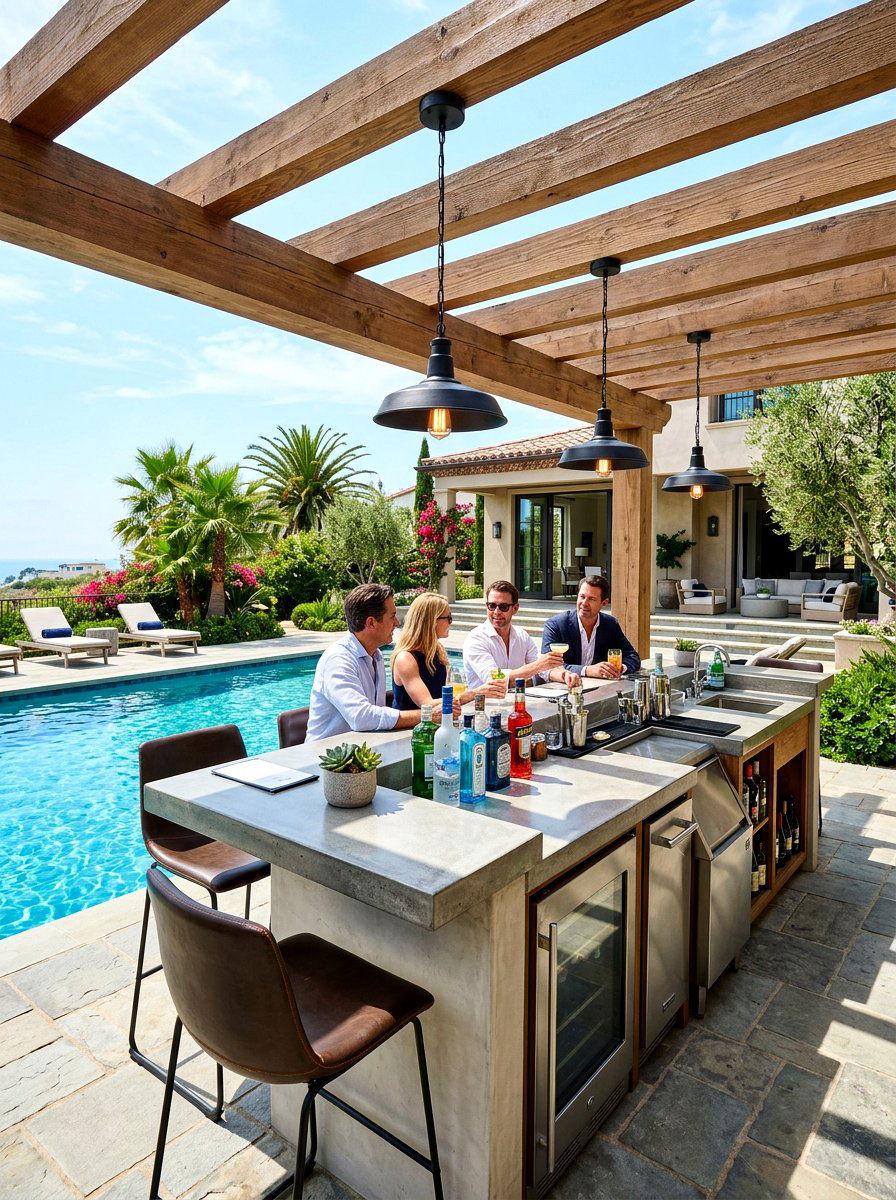
Creating an outdoor dining area allows you to fully immerse yourself in the beauty of your cottage garden while sharing meals with friends. A simple wooden table and chairs placed on a brick or gravel patio can be softened with comfortable cushions in floral or checked patterns. To make the space feel like a private outdoor room, you can surround it with tall perennial borders or a low hedge. Hanging a few lanterns from nearby tree branches or a pergola adds a magical, soft glow for evening gatherings. This functional area turns your landscaping into an extension of your home, encouraging a slower pace of life focused on nature and hospitality.
27. Front Porch Landscaping
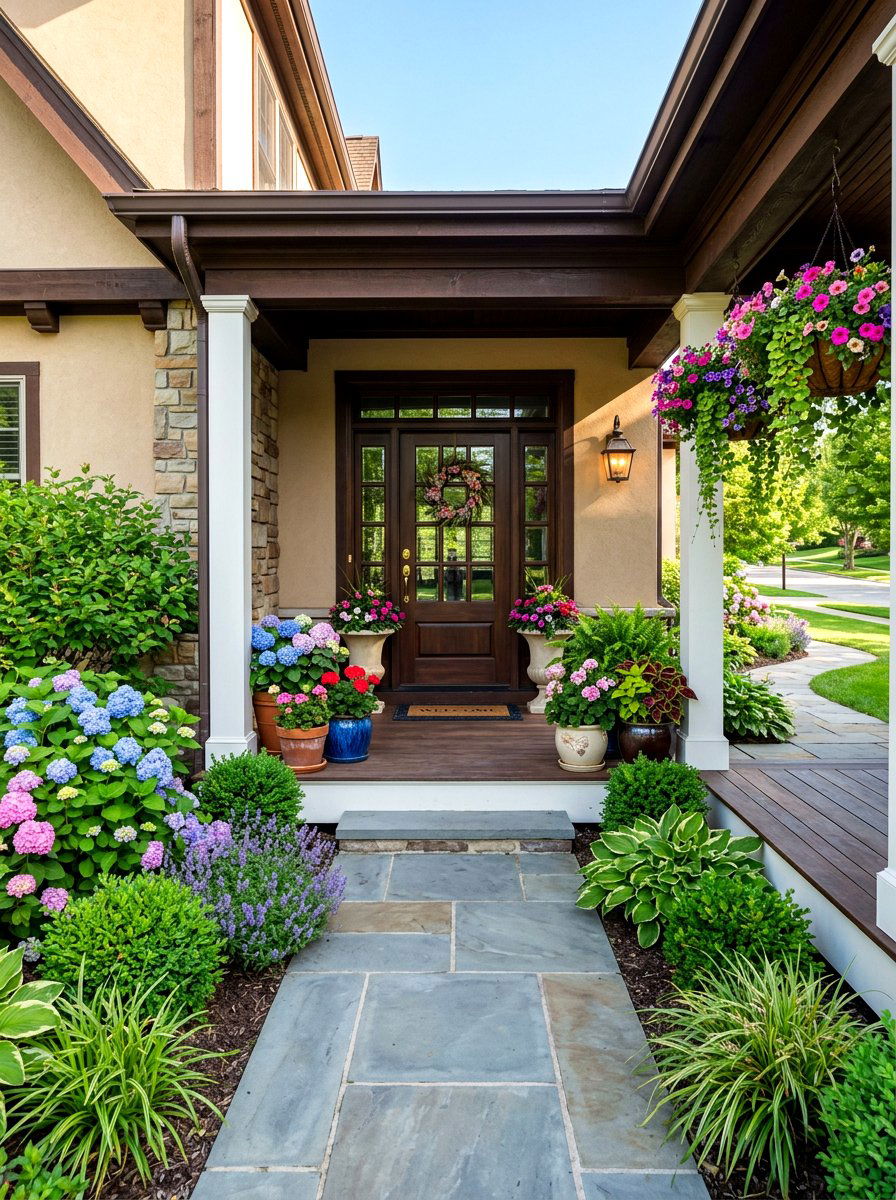
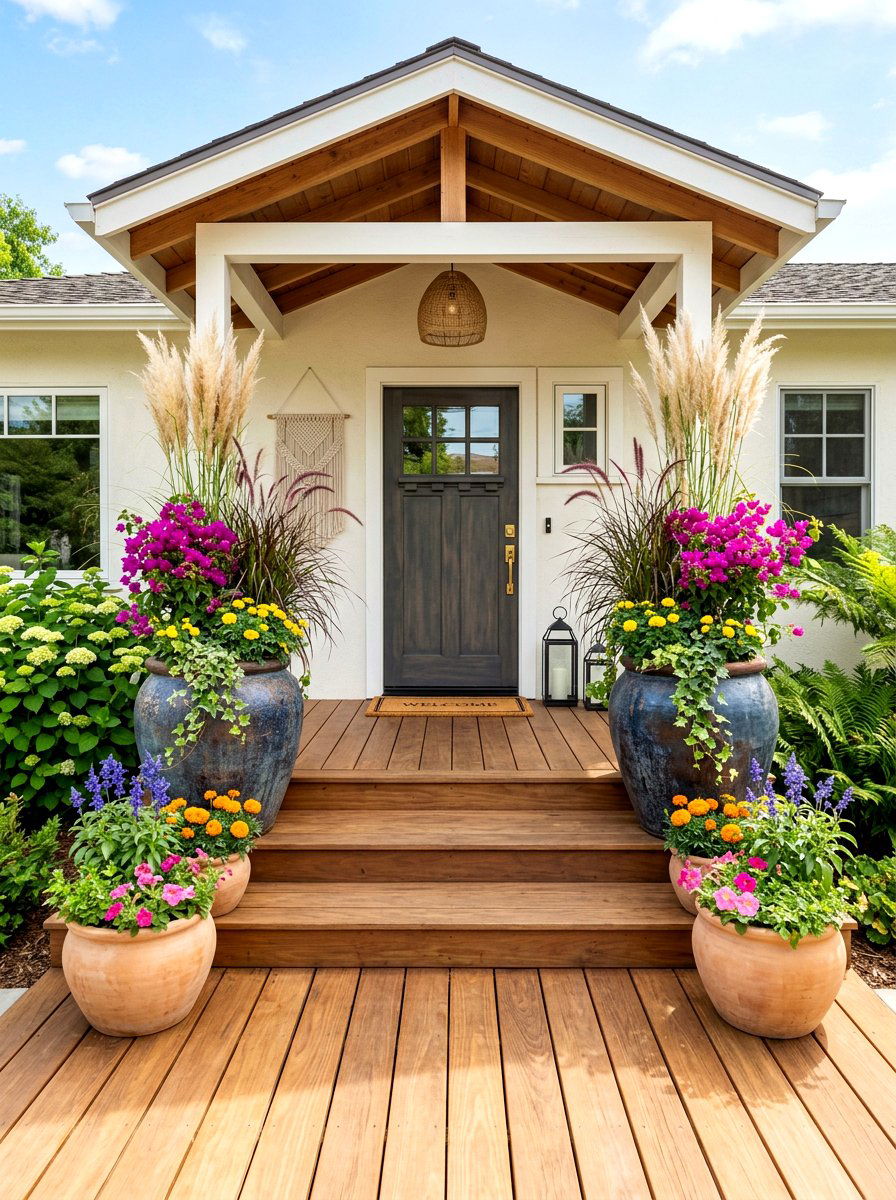
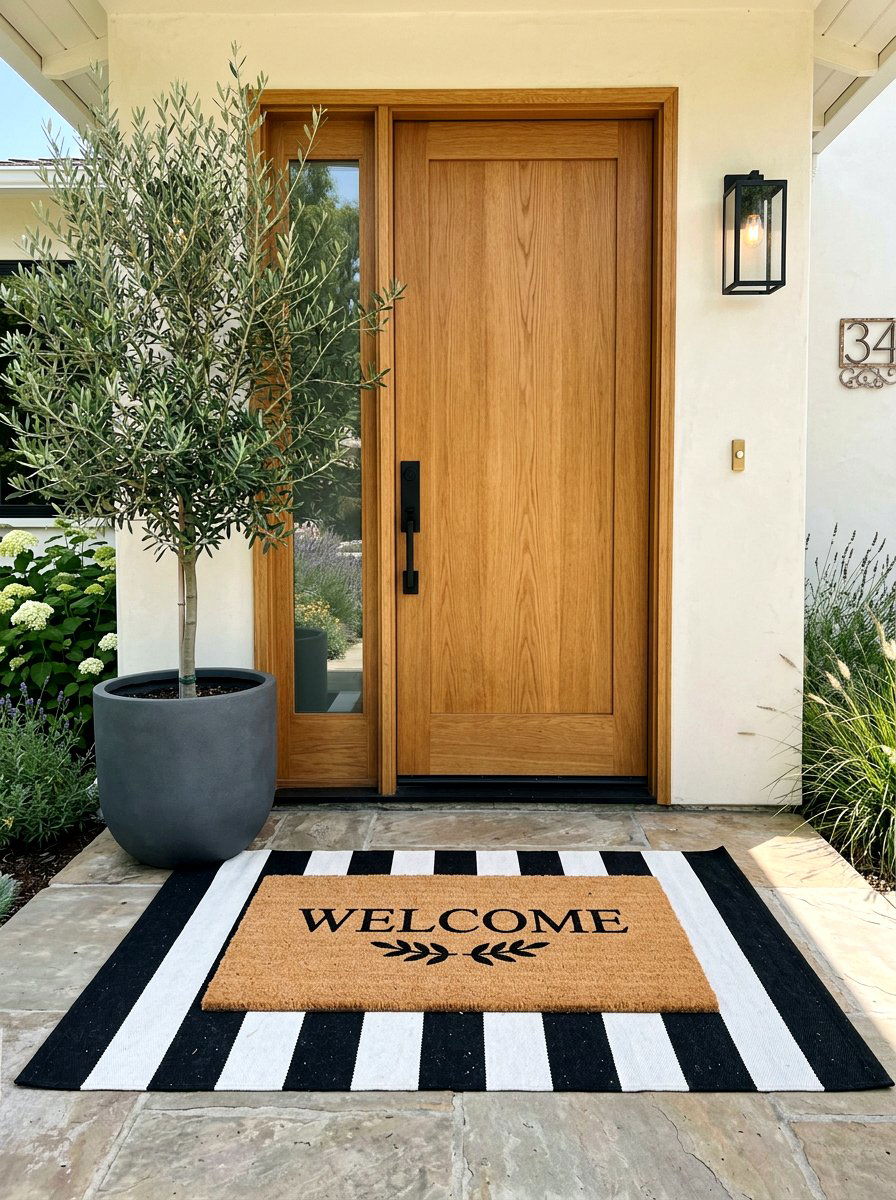
Front porch landscaping is essential for creating a warm and welcoming first impression that reflects the cottage charm found throughout the rest of your yard. You can use a mix of large pots, hanging baskets, and climbing vines to bring greenery up onto the porch itself. Choosing a variety of textures and colors that complement your home's exterior creates a cohesive and inviting look from the street. Scented plants like jasmine or lavender are particularly effective when placed near the front door, greeting you with a pleasant aroma every time you arrive home. This layered approach makes the entrance to your house feel like a natural part of the surrounding garden.
28. Winding Garden Path
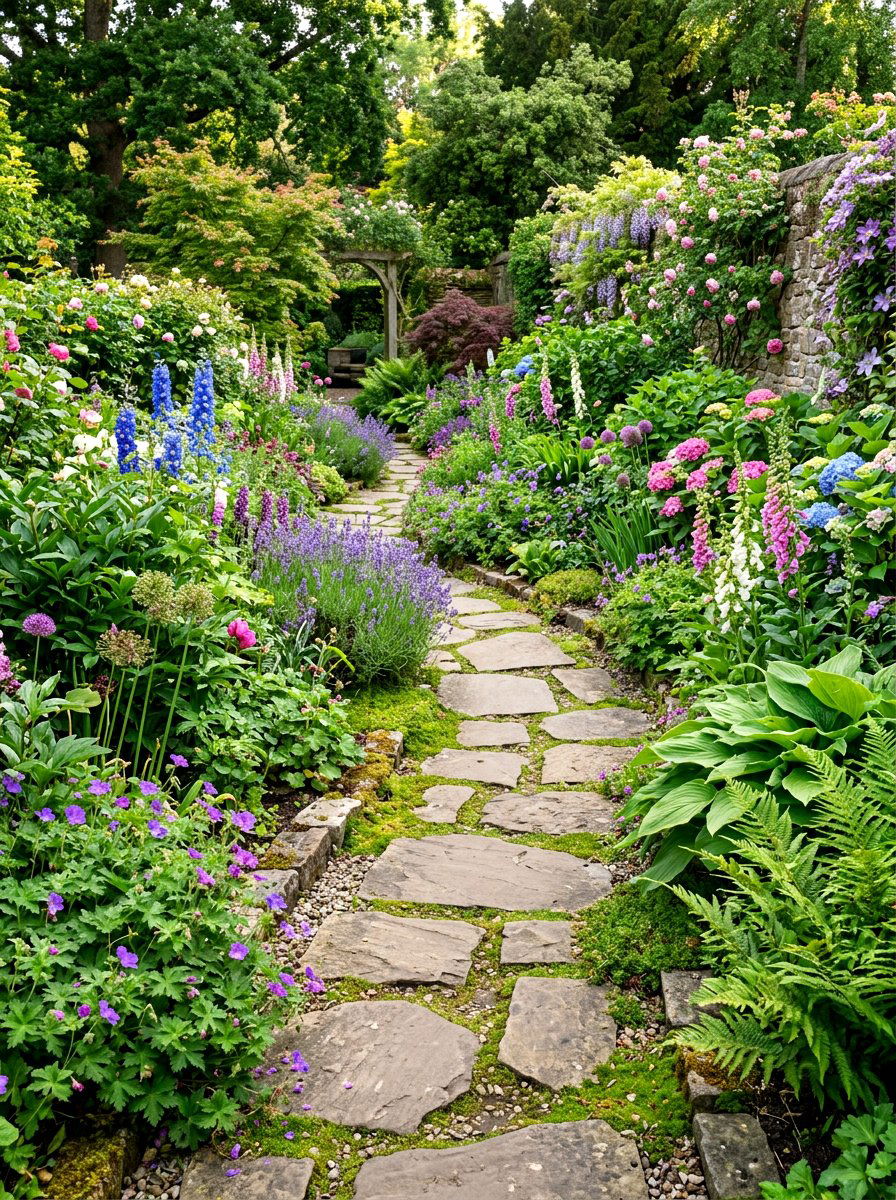
A winding garden path is a key design element that encourages exploration and makes even a small yard feel much larger and more mysterious. By curving the walkway around large shrubs or clusters of flowers, you hide parts of the garden from view, creating a sense of "reveal" as you walk. This informal layout is much more relaxing than a straight line and fits perfectly with the organic, wilder feel of a cottage landscape. You can use materials like stepping stones, wood chips, or crushed shells to create a path that feels grounded and natural. The path acts as a guide, leading you through different "rooms" and highlighting your favorite plant groupings.
29. Picket Gate
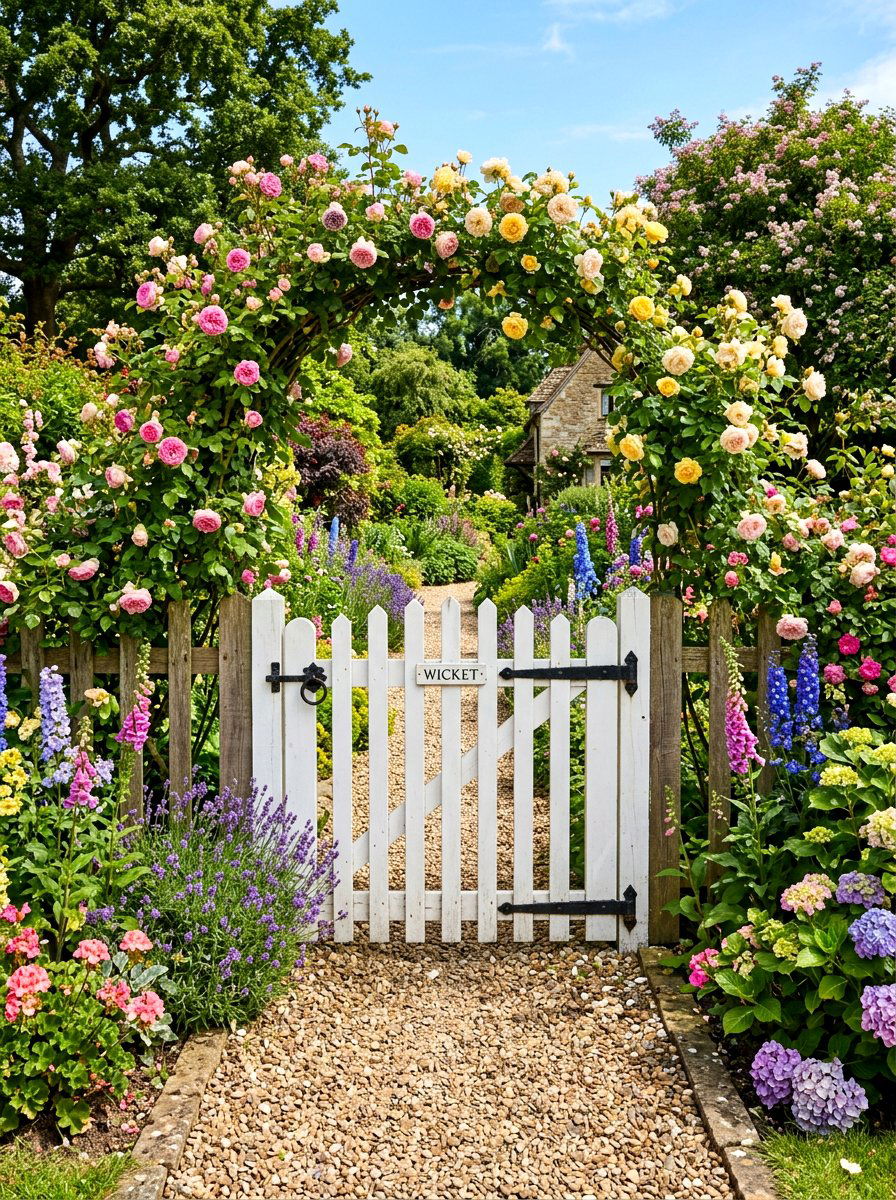
A picket gate serves as a charming and decorative entrance that marks the transition between the public world and your private garden oasis. This simple structure can be enhanced with an overhead arch or arbor covered in climbing roses to create a truly iconic cottage look. Painting the gate a soft, weathered color helps it to blend into the landscape, while a bright, contrasting color makes it a bold focal point. The sight of a gate nestled among overflowing flower beds instantly evokes feelings of nostalgia and home. It provides a sense of enclosure and security while still feeling airy and connected to the beauty of the surrounding outdoor environment.
30. Potager Garden
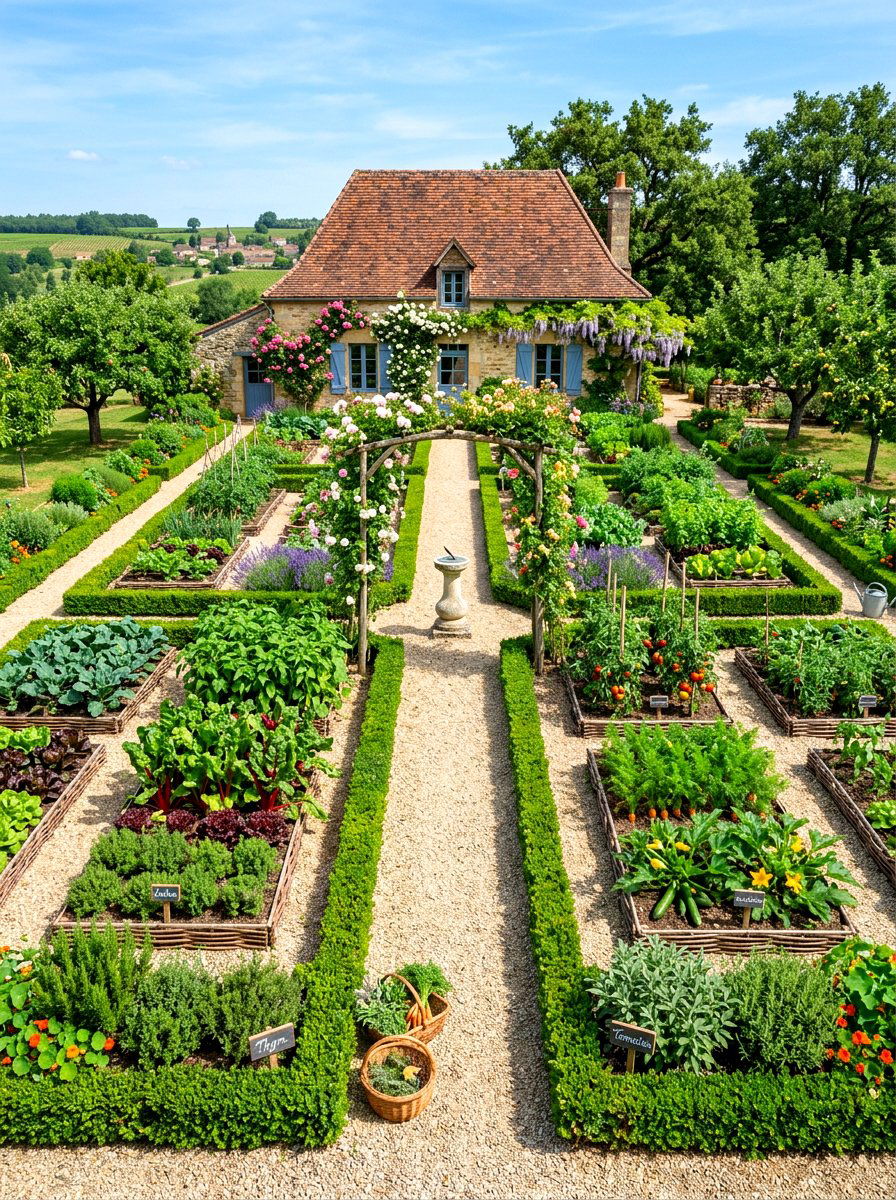
A potager garden, or French-style kitchen garden, combines beauty and utility by mixing vegetables, fruits, and flowers in a decorative, structured layout. Often designed with a central focal point and symmetrical beds, this style adds a touch of order to the otherwise wild cottage aesthetic. You can use low boxwood hedges or brick edging to define the growing areas, keeping the space organized and productive. Interplanting edible crops with colorful flowers like zinnias and marigolds creates a stunning visual display that is also highly functional. The potager garden celebrates the art of growing your own food, turning a simple vegetable patch into a centerpiece of your home's landscape design.
Conclusion:
Cottage landscaping is a beautiful way to express your personality and love for nature through a relaxed and romantic outdoor design. By embracing the principles of dense planting, varied textures, and organic pathways, you create a space that feels both timeless and deeply personal. This style is not about following strict rules but about choosing plants and features that bring you joy and encourage biodiversity in your own backyard. Whether you are adding a simple birdbath or planting a full wildflower meadow, these ideas help to transform any ordinary yard into a lush, inviting sanctuary. The result is a landscape that grows more beautiful and character-filled with every passing season.

Related posts: