Exploring heritage exterior ideas allows homeowners to connect with historical craftsmanship while significantly boosting the aesthetic value of their property. Heritage homes represent a unique blend of architectural integrity and timeless beauty that stands out in any modern neighborhood. Whether you are looking to restore a centuries-old Victorian or simply want to infuse a new build with classic character, understanding traditional materials is essential. From the sturdy columns of a Greek Revival to the intricate shingle patterns of a Queen Anne, these elements provide a sense of history. Focusing on the complete exterior design ensures a cohesive look that respects the original vision of the architect while offering enduring appeal.
1. Victorian House Colors
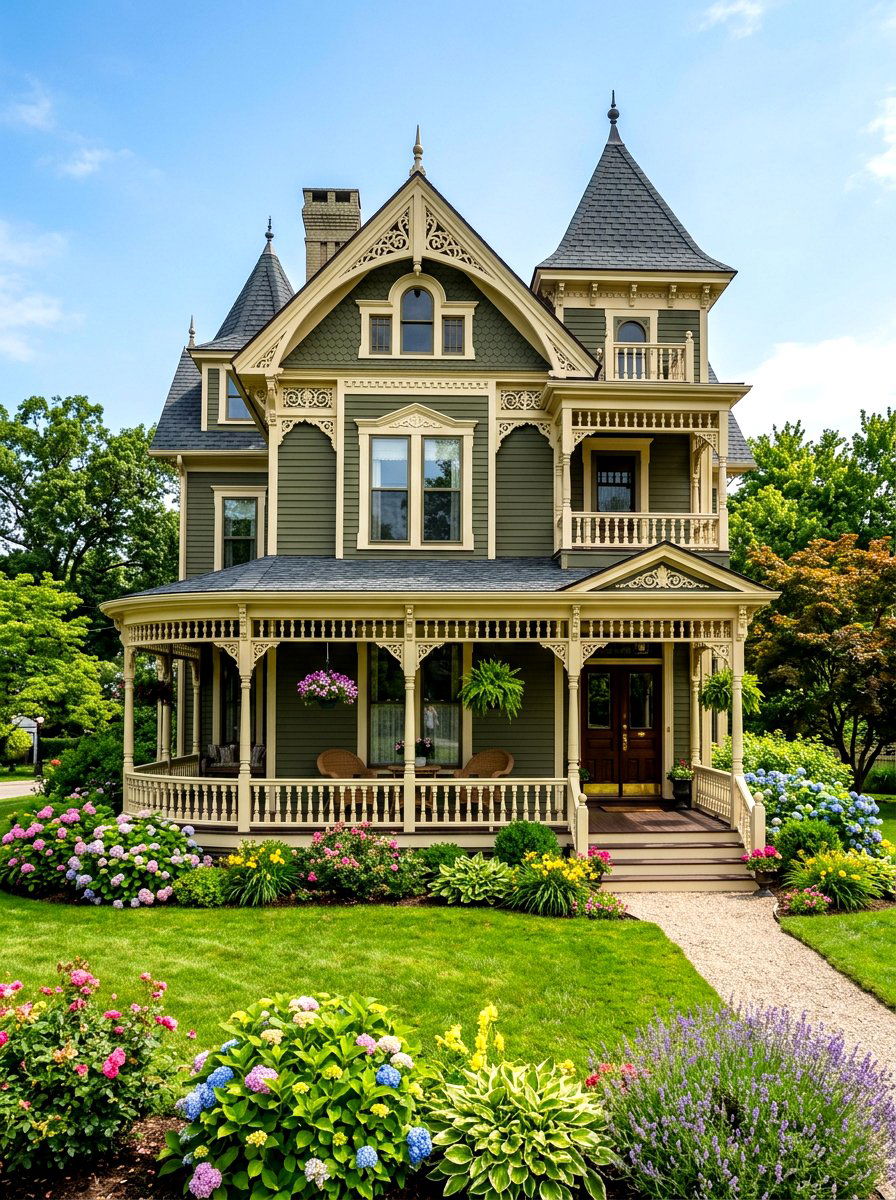
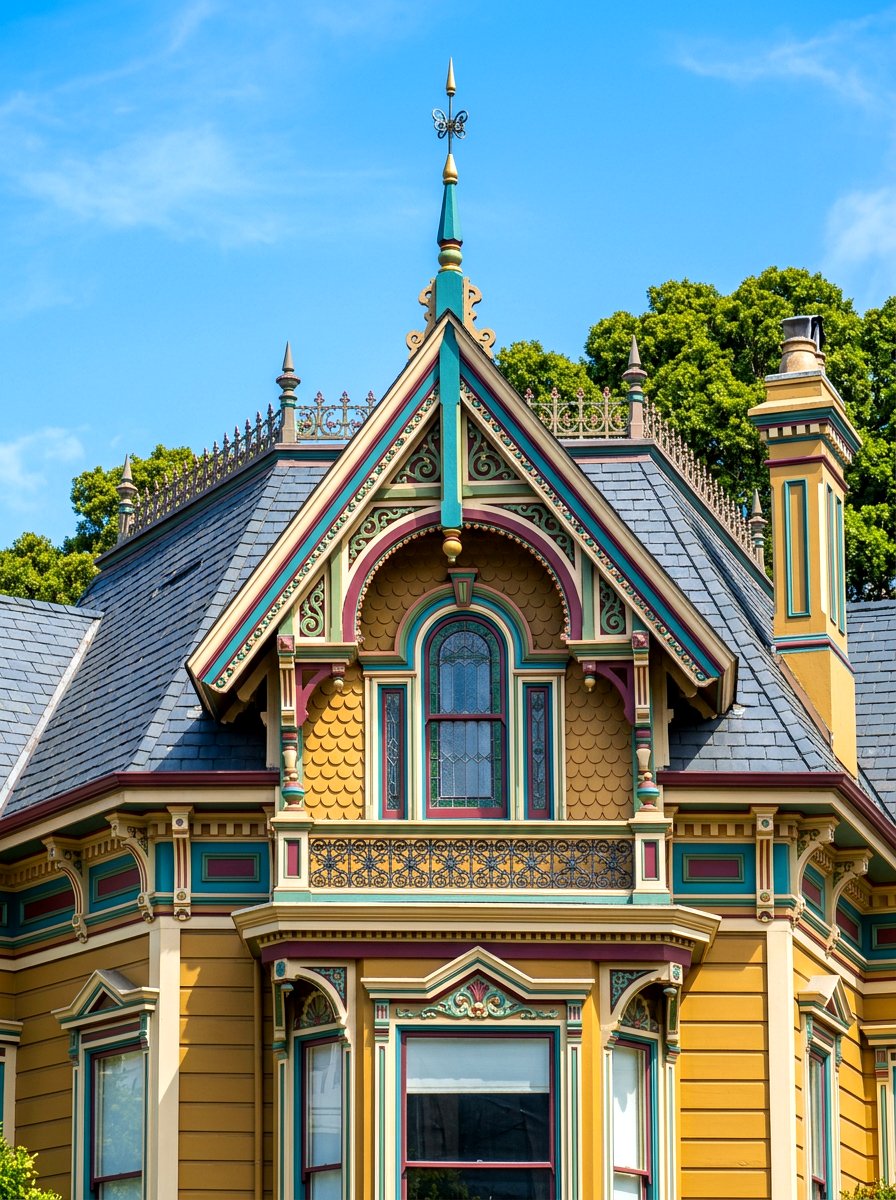
Victorian house colors often define the entire character of these ornate properties, showcasing a range of historical palettes that emphasize architectural complexity. Traditionally, these homes utilized a mix of three to five different shades to highlight detailed gingerbread trim and scalloped shingles. Deep forest greens, rich burgundies, and warm ochre tones were standard, creating a sense of luxury and depth. In a modern context, homeowners might choose more subtle combinations like slate gray with white trim to provide a clean yet historical look. Carefully selecting your paint scheme ensures that every bracket and spindle is visible, turning the entire facade into a beautifully coordinated masterpiece of heritage design.
2. Craftsman Porch Pillars
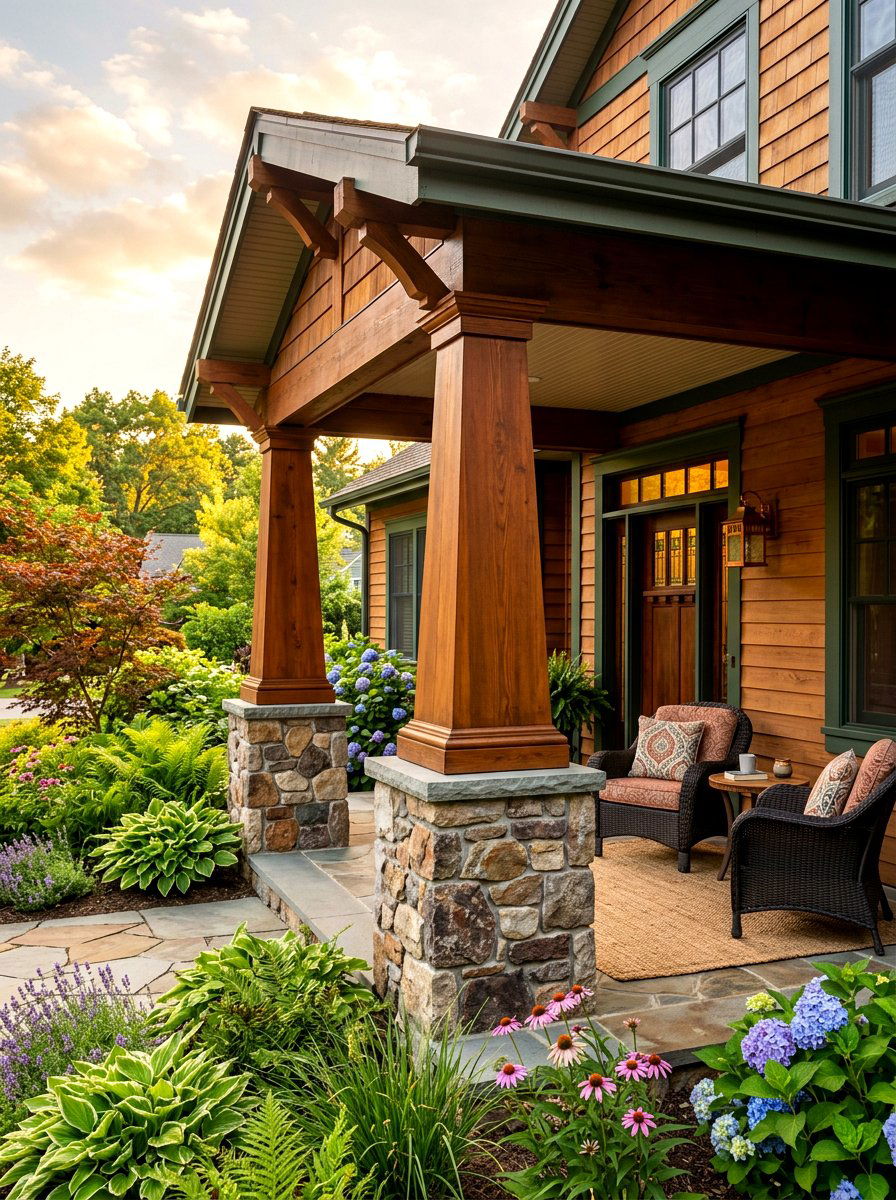
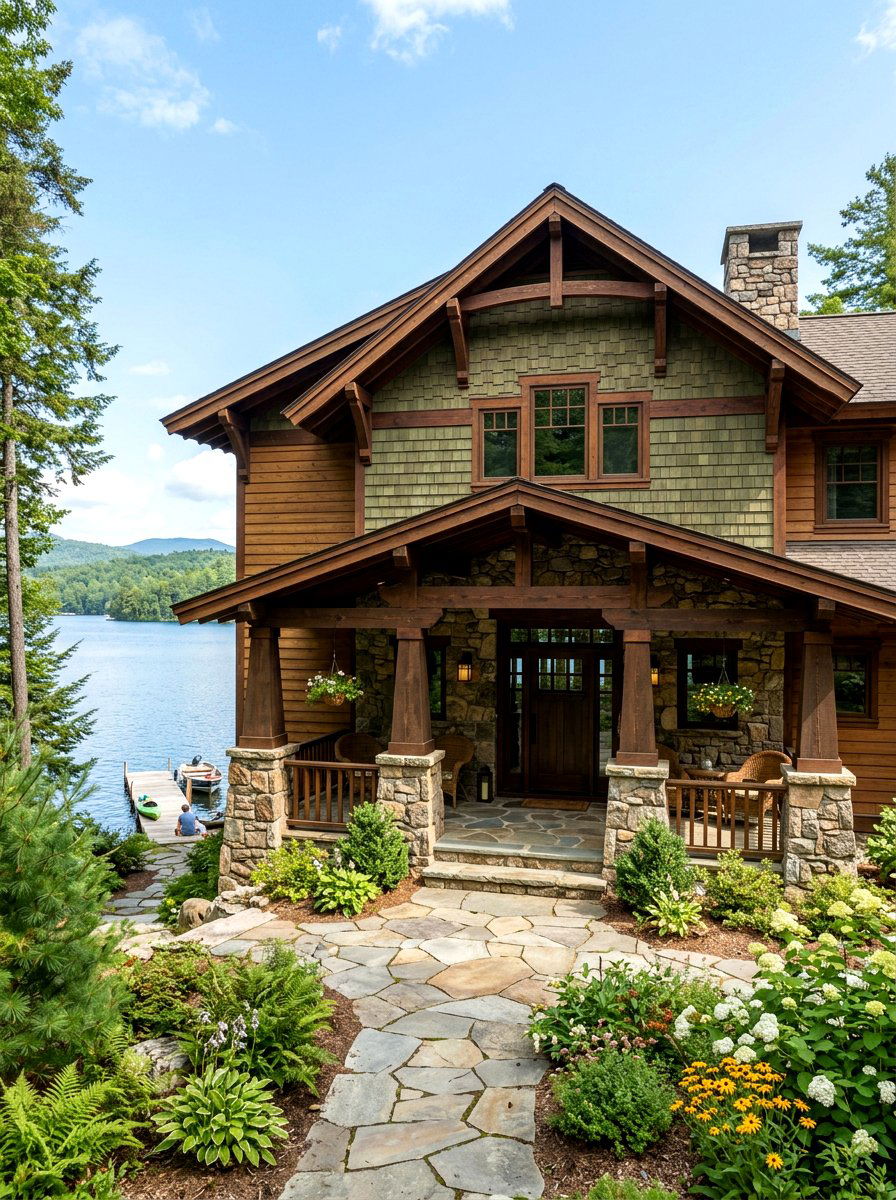
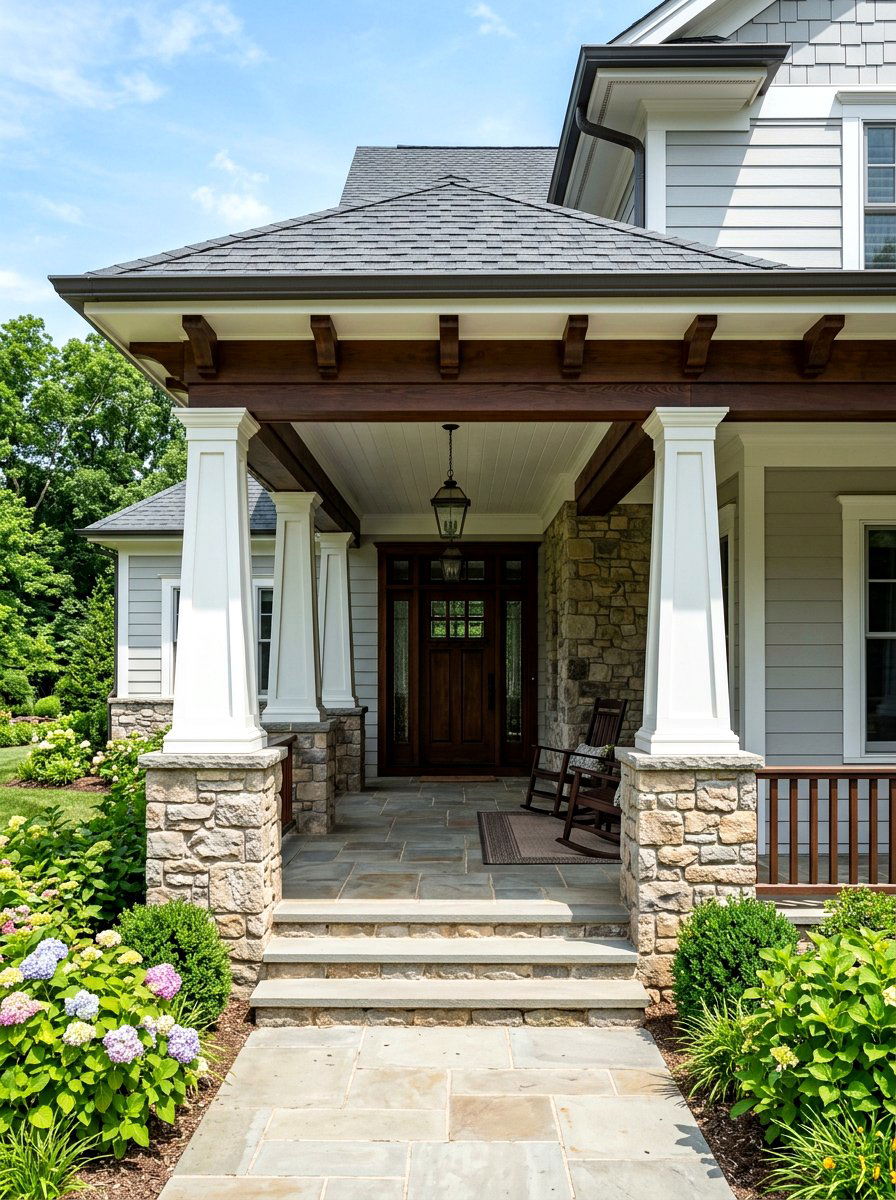
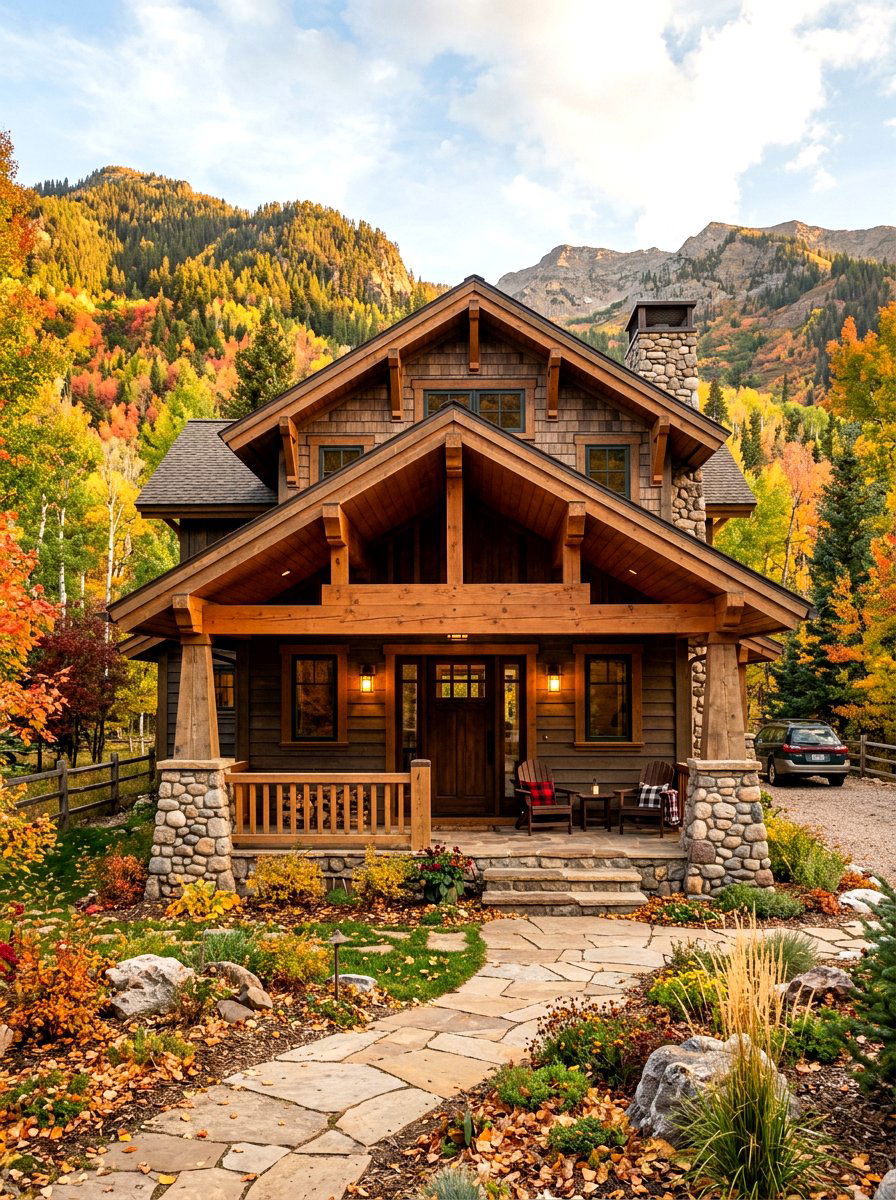
Craftsman porch pillars are foundational elements that ground the home and provide a sturdy, welcoming atmosphere typical of the Arts and Crafts movement. These pillars are often tapered, sitting atop heavy stone or brick pedestals that extend from the ground or the porch floor. The use of natural materials like cedar wood and fieldstone emphasizes the connection between the home and its environment. These structural features do more than support the roof; they frame the entryway and provide a sense of security and permanence. When designed correctly, these pillars anchor the entire front elevation, creating a balanced and harmonious look that is both functional and visually striking.
3. Tudor Half Timbering
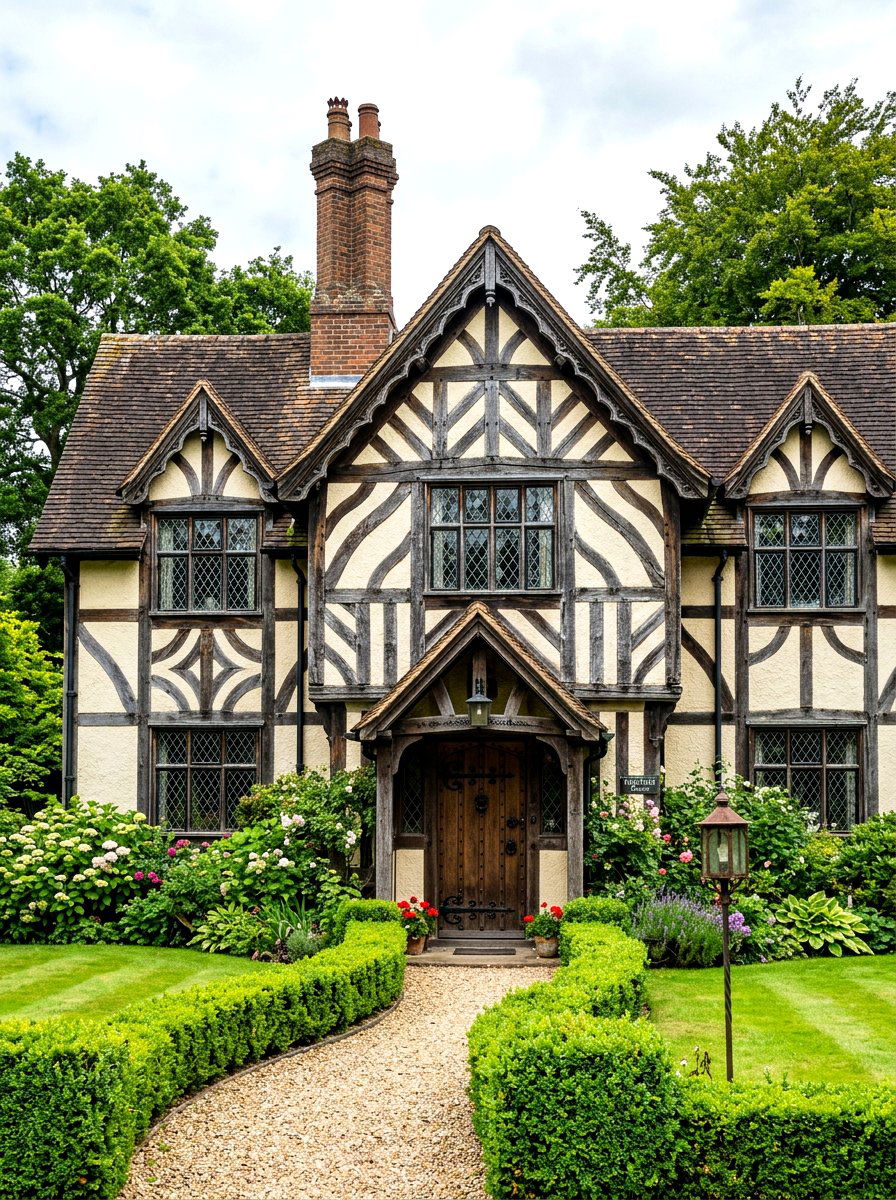
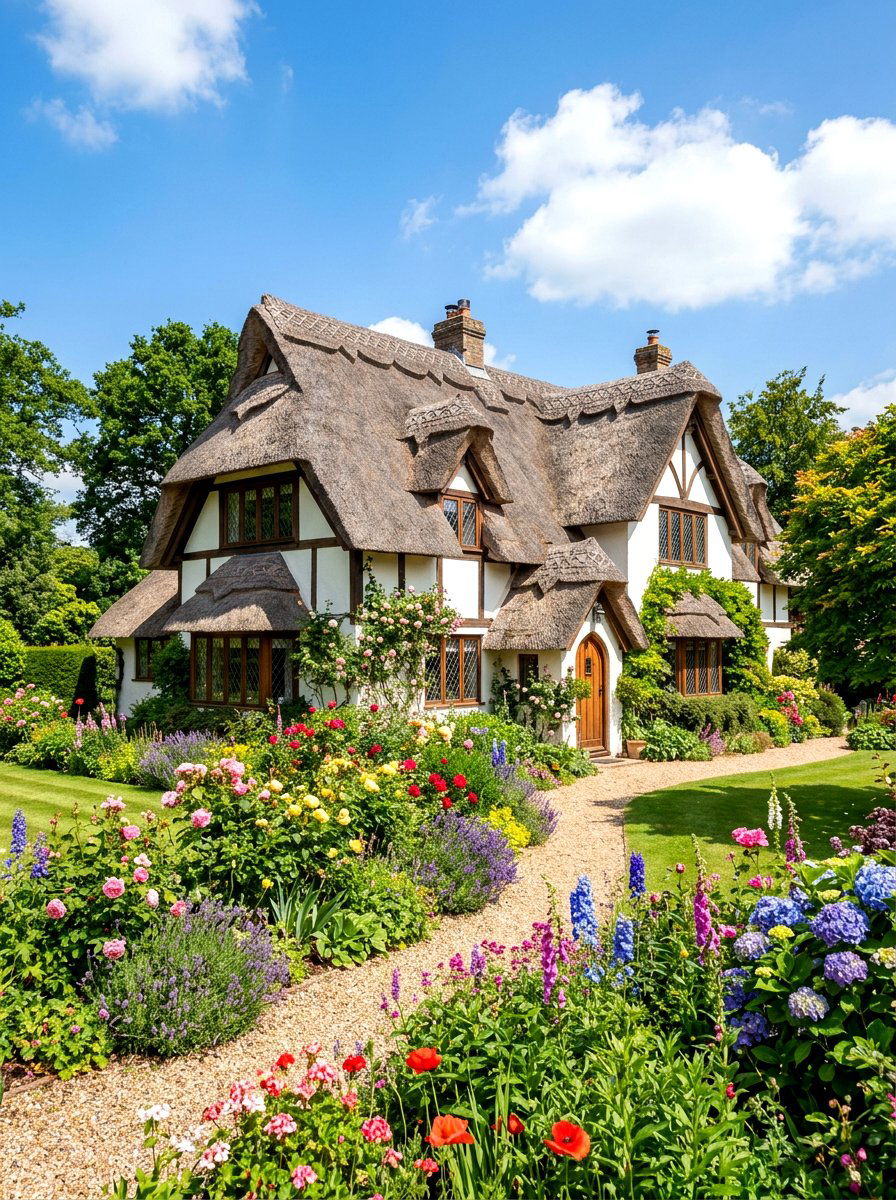
Tudor half timbering is a hallmark of this English-inspired style, featuring dark wooden beams set against light-colored stucco or brick infill. This structural and decorative technique creates a striking geometric pattern across the upper stories of the home, evoking a medieval aesthetic. The contrast between the dark oak timbers and the pale plaster highlights the unique gables and steeply pitched roofs characteristic of Tudor architecture. Integrating this feature requires careful attention to the spacing and orientation of the beams to ensure an authentic appearance. When executed well, half timbering transforms a simple exterior into a rich, textured facade that feels like a historic European manor.
4. Colonial Window Shutters
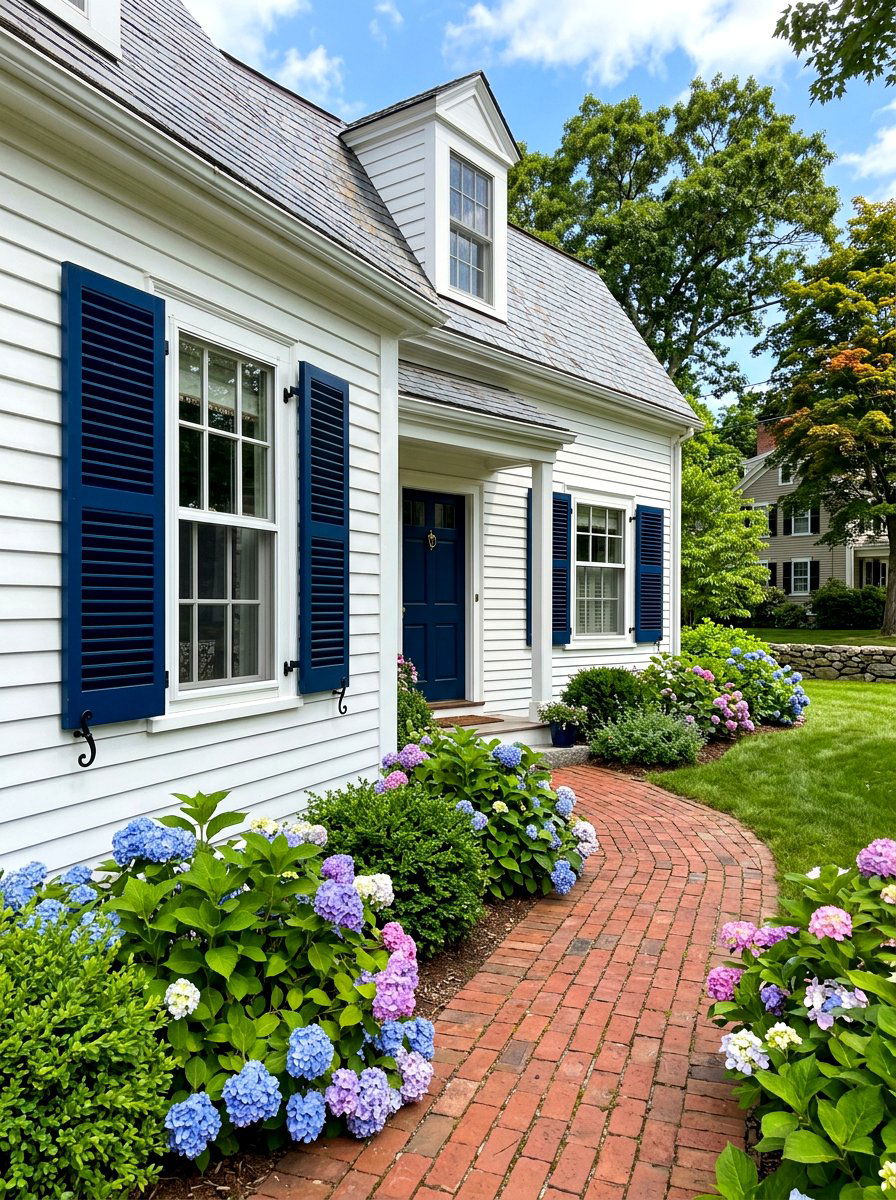
Colonial window shutters serve as both a functional and decorative necessity for this traditional American architectural style, offering classic symmetry and charm. Historically, these shutters were used for protection against the elements, but today they primarily provide a pop of color and architectural interest. Raised panel or louvered designs are the most common, usually painted in dark tones like black, forest green, or navy blue to contrast with light siding. Ensuring the shutters are properly sized to cover the windows creates a sense of authenticity and historical accuracy. They frame the windows perfectly, adding a layer of detail that completes the timeless look of a colonial exterior.
5. Edwardian Brick Facade
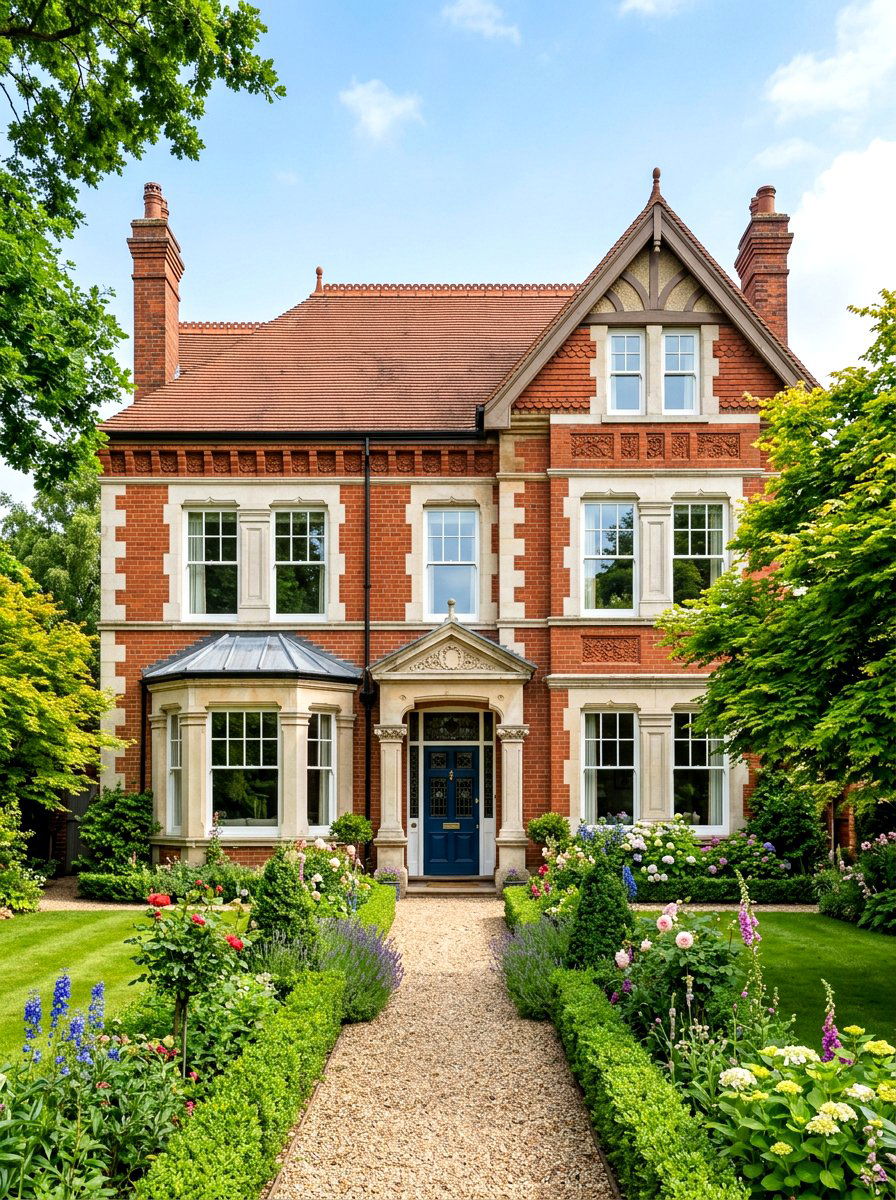
An Edwardian brick facade emphasizes elegance and simplicity compared to its more ornate Victorian predecessors, often featuring high-quality red brickwork and stone dressings. This heritage style focuses on clean lines and large windows that allow plenty of natural light to fill the interior spaces. The use of contrasting white or cream stone for window sills and lintels creates a sophisticated look that highlights the craftsmanship of the masonry. Carved stone details around the front door or along the roofline add a touch of luxury without being overwhelming. This approach to exterior design results in a stately and refined appearance that remains popular in many historic urban neighborhoods.
6. Greek Revival Portico
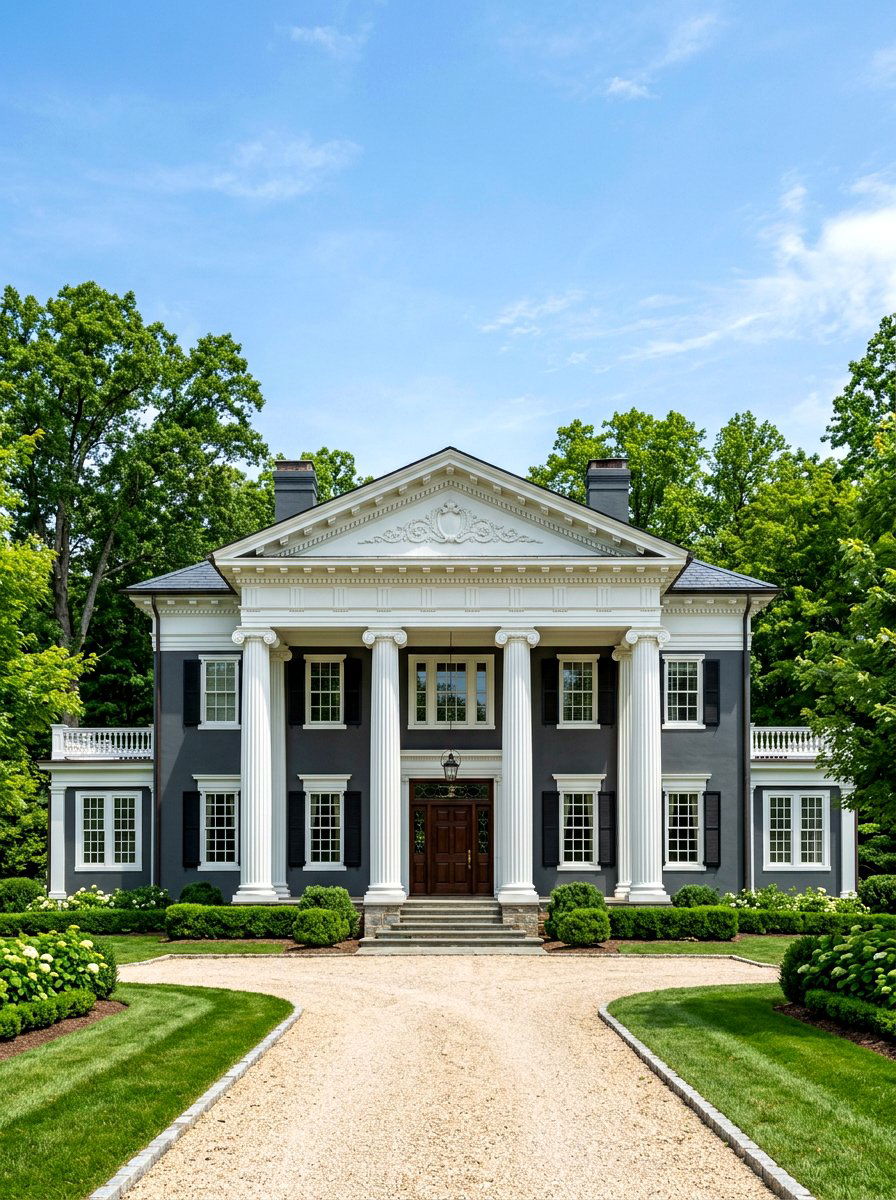
The Greek Revival portico is a grand architectural feature that brings a sense of monumental scale and classical beauty to a heritage home exterior. Dominated by tall, majestic columns — often in the Doric or Ionic style — the portico supports a heavy pediment that crowns the main entrance. This design creates a formal and imposing entryway that reflects the democratic ideals of ancient Greece. Painted almost exclusively in bright white, the portico stands out against the darker body of the house, drawing the eye immediately to the front door. It serves as a sheltered transition space that adds significant curb appeal and a dignified presence to the property.
7. Farmhouse Lap Siding
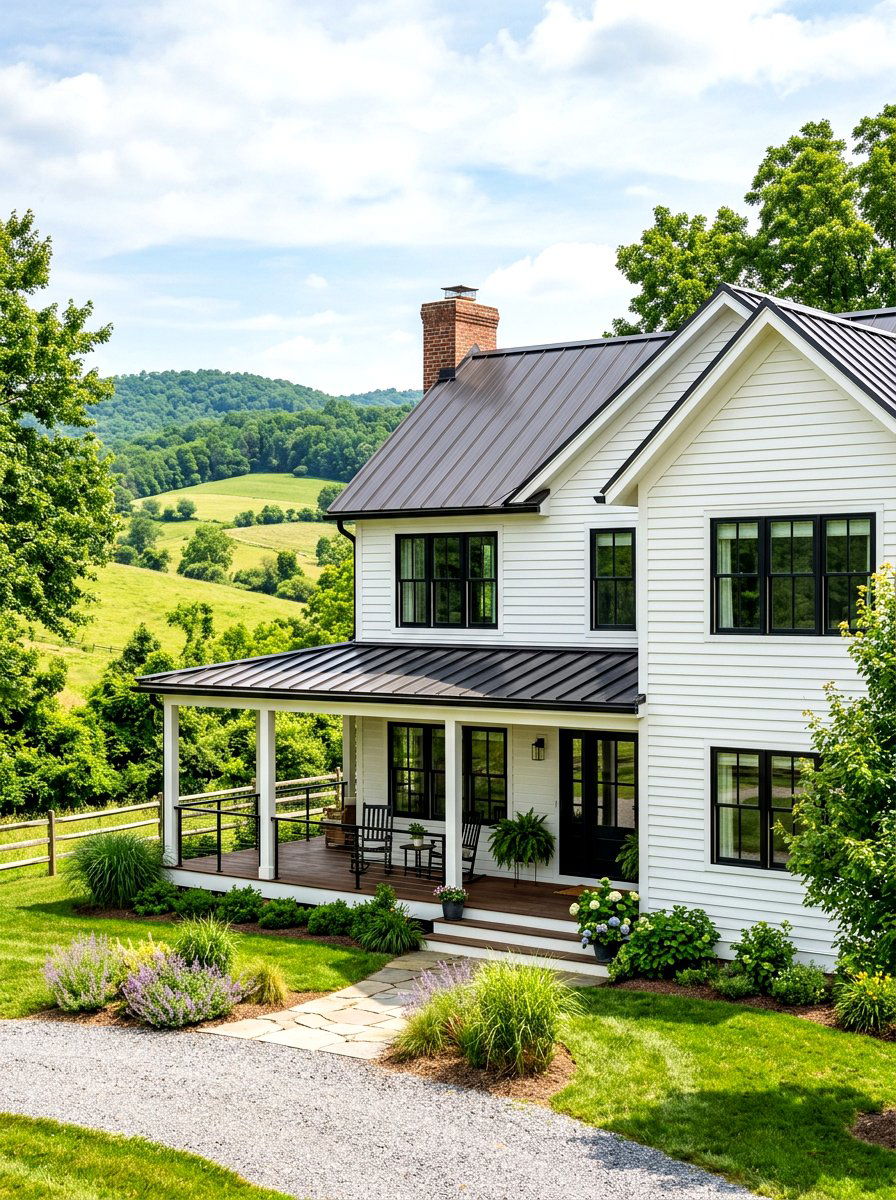
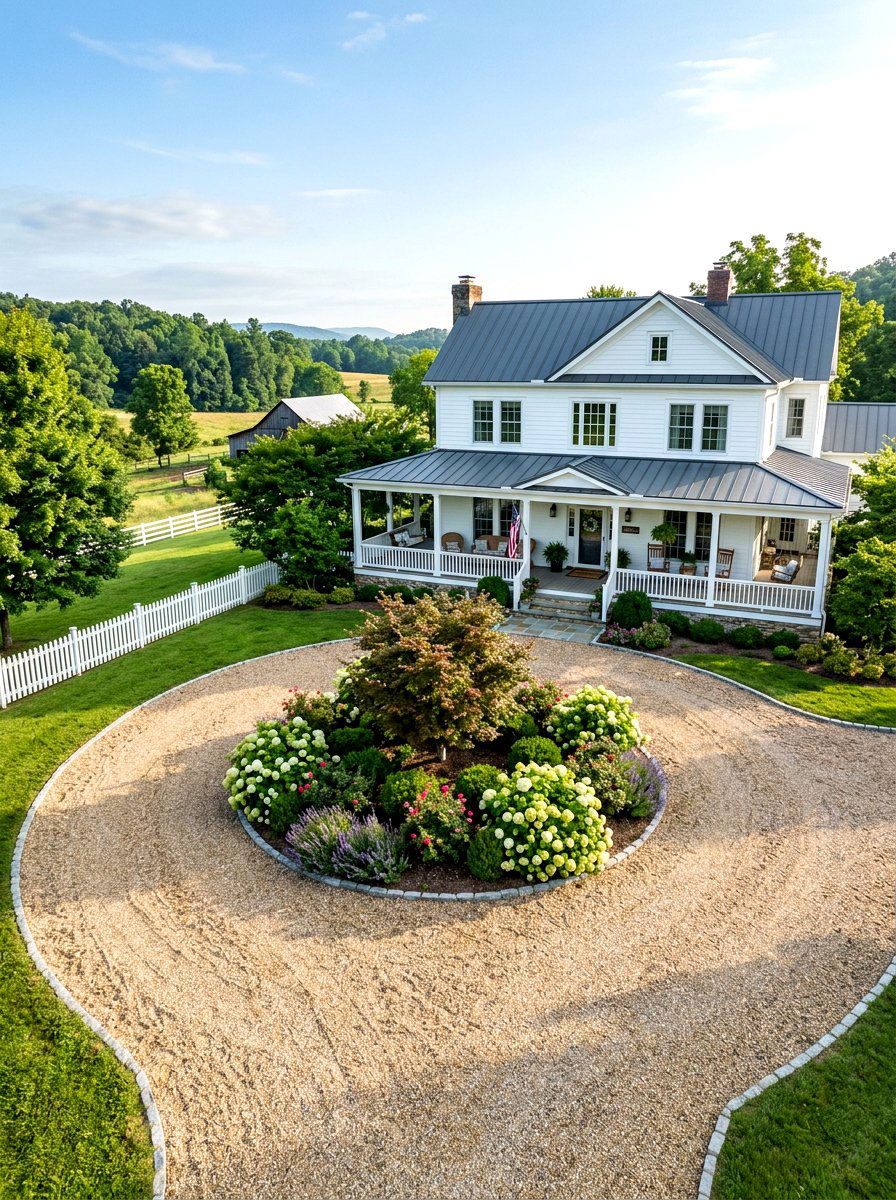
Farmhouse lap siding provides a clean, horizontal aesthetic that is essential for achieving an authentic and rustic heritage look on rural or suburban homes. Traditionally made from long wooden planks, this siding is installed with an overlap to shed water effectively while creating subtle shadow lines. While white is the most iconic color for this style, modern heritage updates often include soft grays or sage greens for a contemporary twist. The simplicity of the siding allows other features, like wrap-around porches and black-trimmed windows, to shine. This material choice offers a durable and timeless finish that celebrates the humble yet beautiful roots of classic American farmhouses.
8. Italianate Roof Brackets
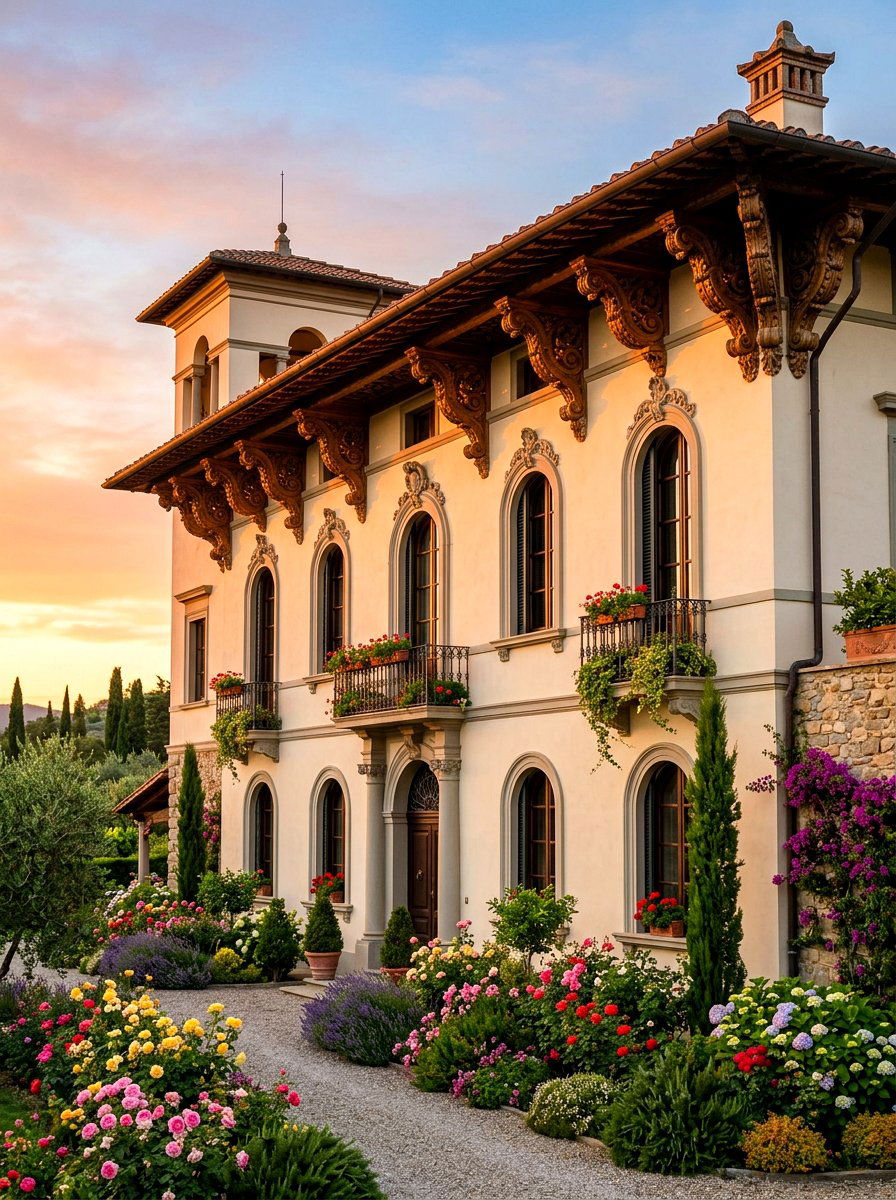
Italianate roof brackets are decorative supports located under the wide, overhanging eaves that give this style its distinctive, romantic, and villa-like appearance. These brackets are often elaborately carved into scrolls or acanthus leaf patterns, providing a sense of verticality and artistic flair to the roofline. They are typically painted in a contrasting color to the eaves to ensure they are visible from the street, adding intricate detail to the house. The presence of these brackets creates a rhythmic pattern around the entire perimeter of the home. By focusing on these small but impactful details, homeowners can successfully recreate the ornate and sophisticated charm of nineteenth-century Italianate architecture.
9. Gothic Revival Windows
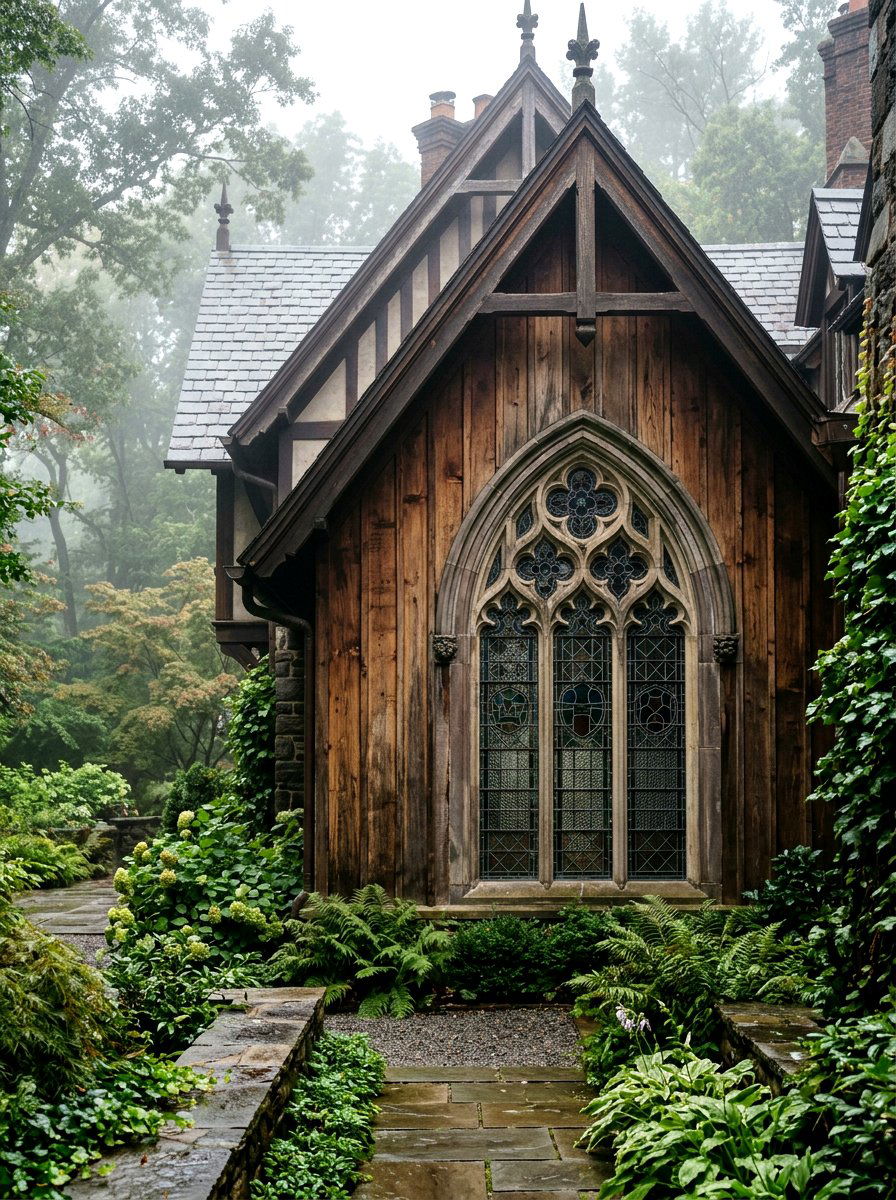
Gothic Revival windows are easily identified by their pointed arches and intricate tracery, which lend a sense of drama and mystery to the exterior. These windows often feature vertical proportions and are frequently grouped in pairs or triplets to emphasize the height of the building. Decorative leaded glass or colorful stained glass inserts can be used to add further detail and character to the facade. The stone or wood framing around these windows is often carved with trefoils or other medieval-inspired motifs. When integrated into a heritage home, these windows act as stunning focal points that elevate the entire design, making the house feel like a historic cathedral.
10. Mid Century Modern Siding
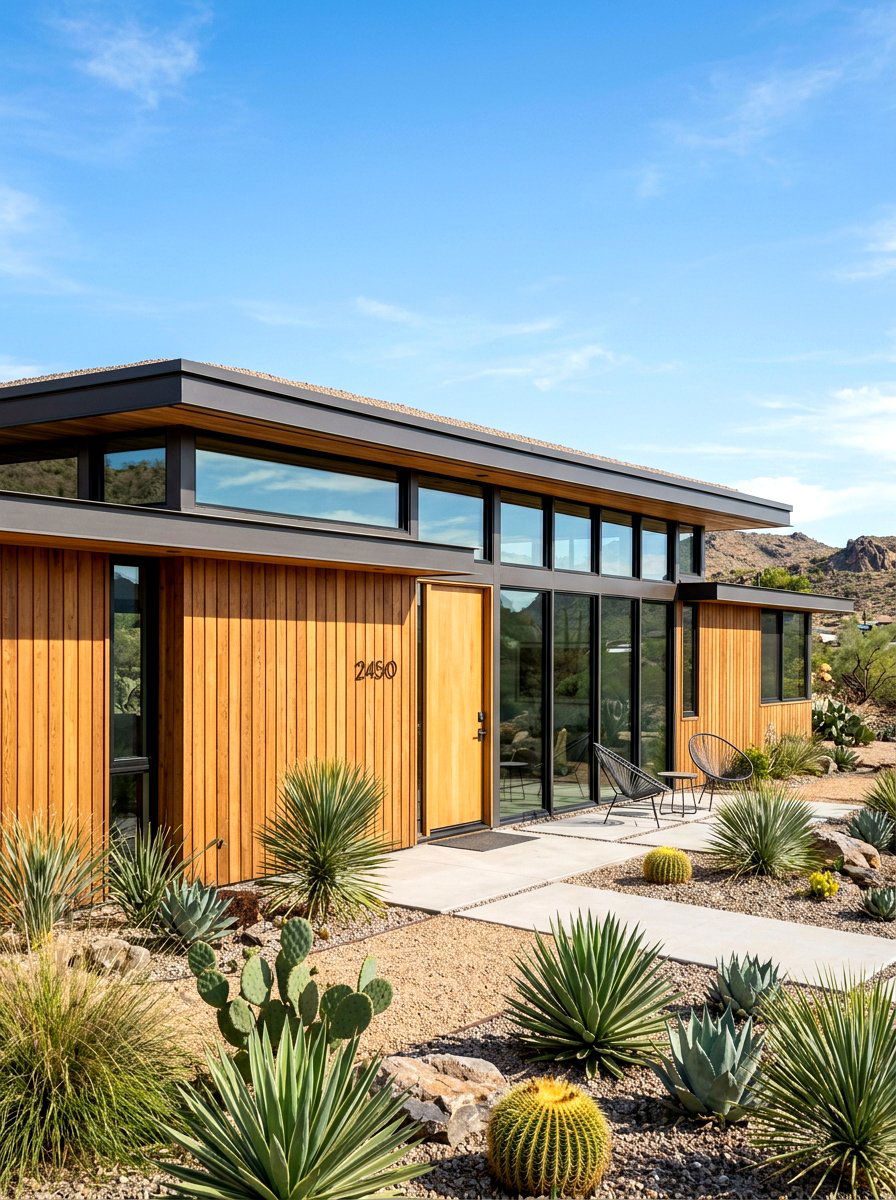
Mid century modern siding focuses on clean, horizontal lines and the use of natural materials like redwood, cedar, or stone to create a sleek look. This heritage style often utilizes vertical tongue-and-groove planks or large panels of stained wood to emphasize the geometric shapes of the architecture. The goal is to blend the house seamlessly with its natural surroundings through the use of organic textures and earthy color palettes. Large expanses of glass are often framed by this minimalist siding, creating a strong visual connection between the indoors and outdoors. This approach results in a sophisticated exterior that celebrates the innovative spirit of twentieth-century design.
11. Cape Cod Shingles
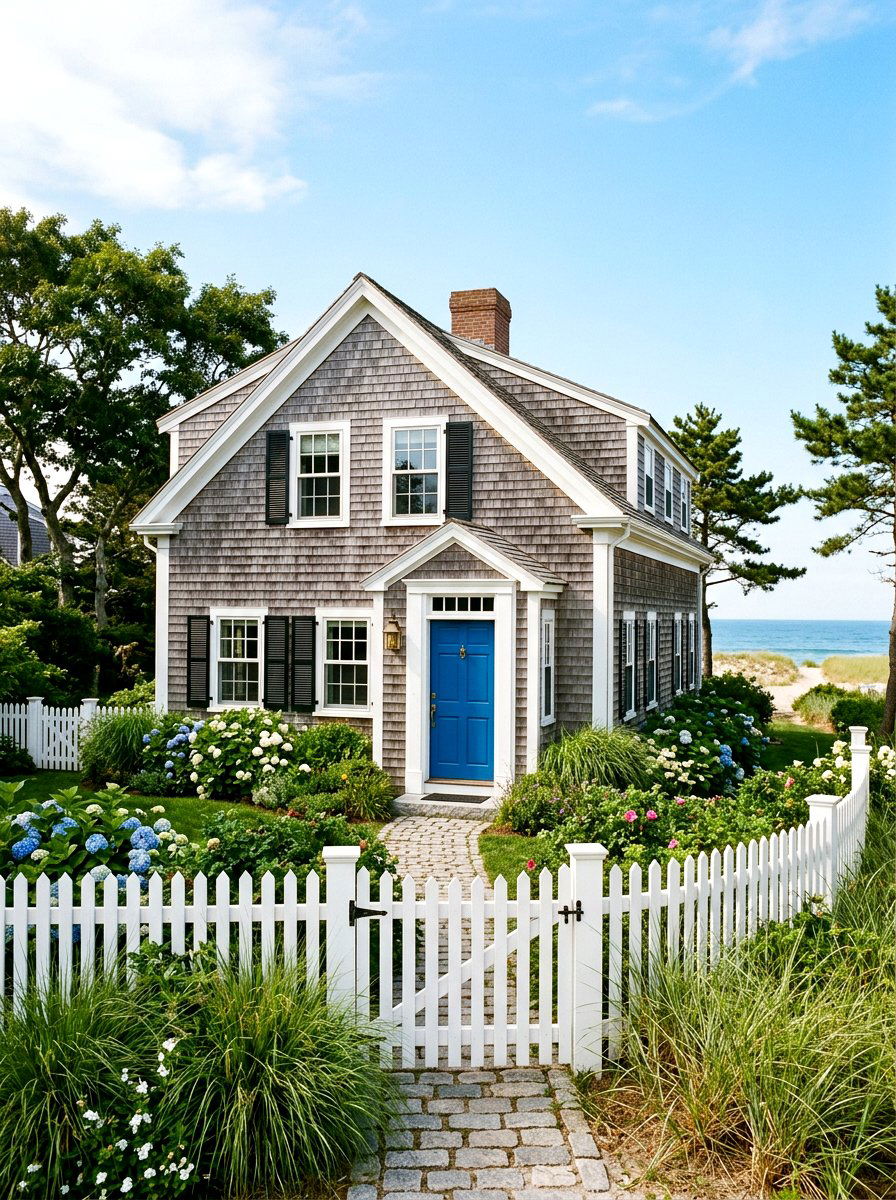
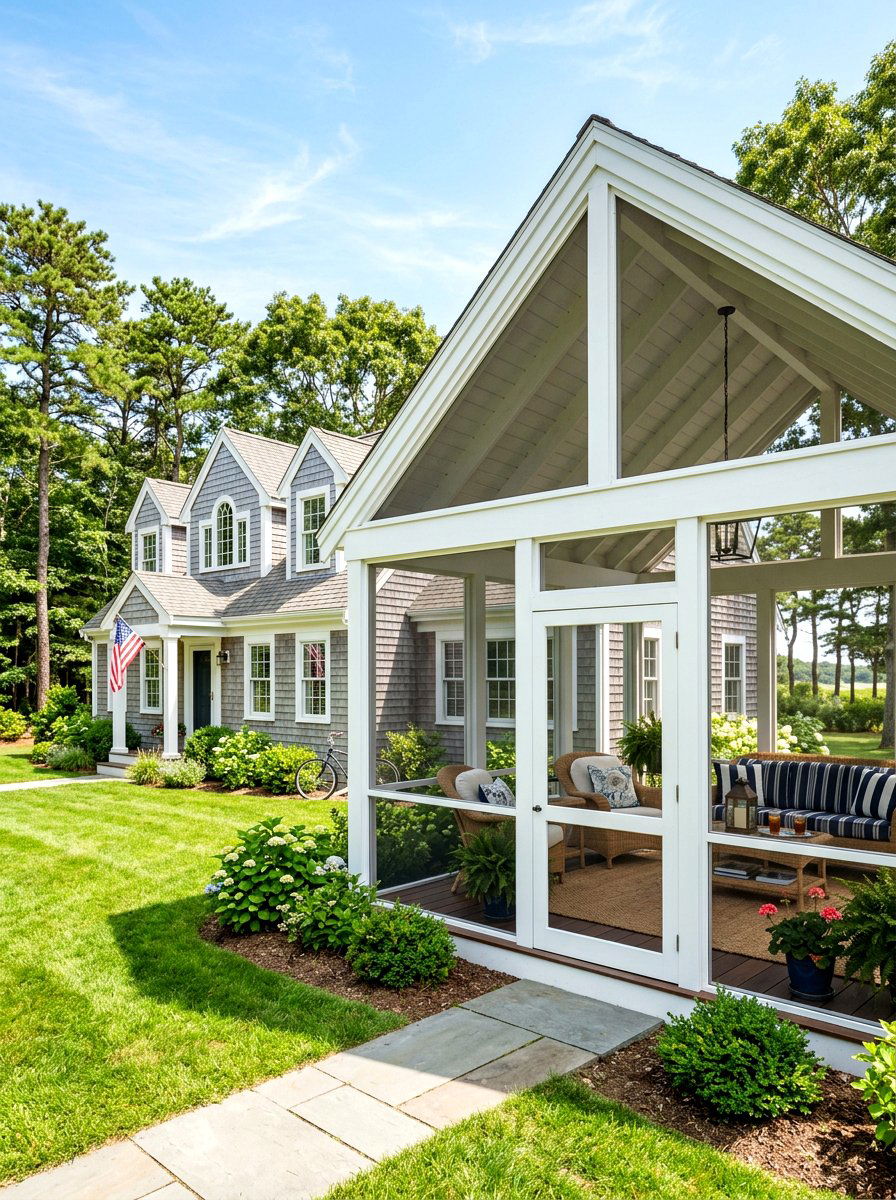
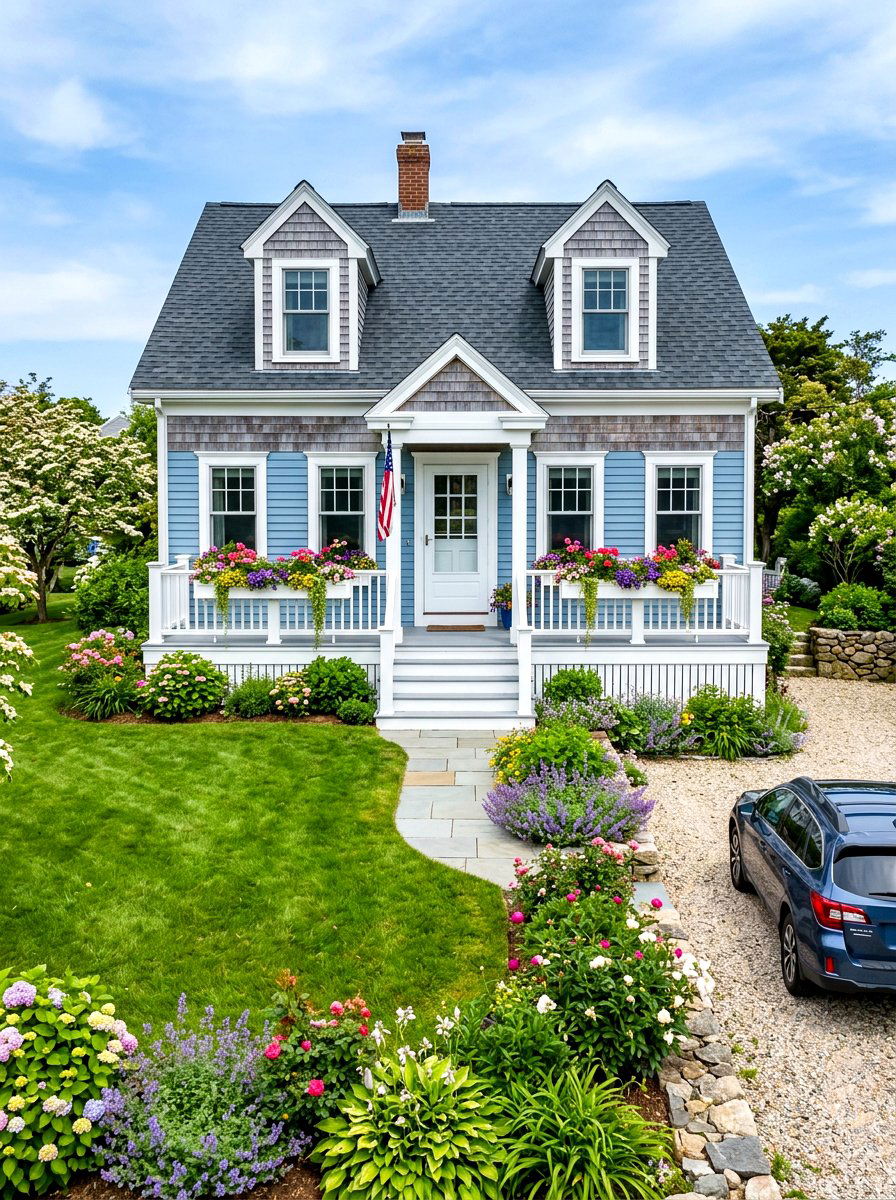
Cape Cod shingles define the rugged, coastal aesthetic of this classic New England style, offering a weathered look that improves with age and exposure. Traditionally made from Atlantic white cedar, these shingles turn a beautiful silvery gray over time when left untreated, reflecting the seaside environment. The uniform texture of the shingles across the walls and sometimes the roof creates a cohesive and cozy appearance for these compact homes. Often paired with crisp white trim and a brightly colored front door, the shingle siding provides a durable and low-maintenance exterior. This heritage choice ensures the home feels integrated into a coastal landscape while maintaining its historical charm.
12. Queen Anne Turret
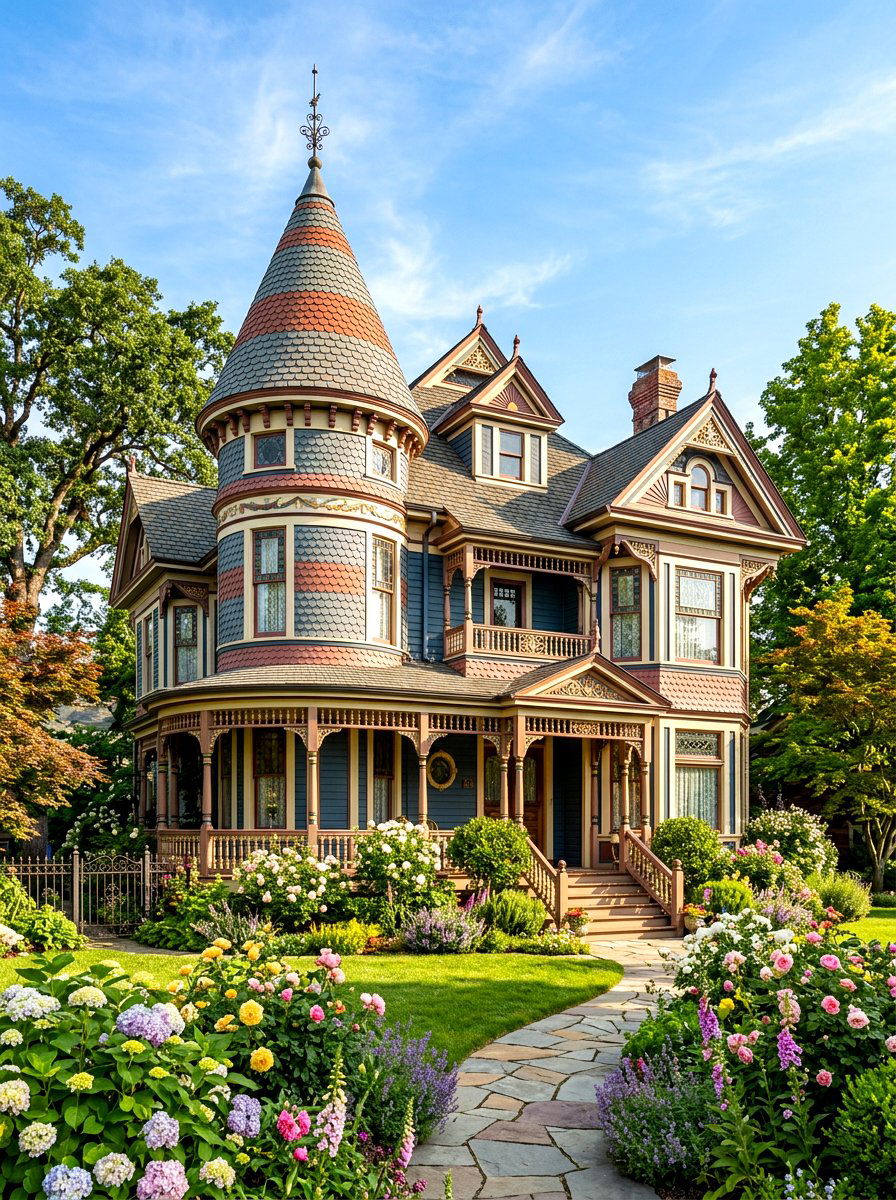
A Queen Anne turret is a dramatic architectural feature that adds a sense of whimsy and grandeur to the corner of a heritage home. These circular or polygonal towers often feature conical roofs, sometimes topped with decorative metal finials for an extra touch of elegance. The turret creates unique interior spaces while breaking up the massing of the exterior with its vertical orientation and curved surfaces. Clad in varying textures like fish-scale shingles or smooth clapboard, the turret serves as a primary focal point. It embodies the eclectic and adventurous spirit of the late Victorian era, making the entire house look like something from a storybook.
13. Spanish Colonial Stucco
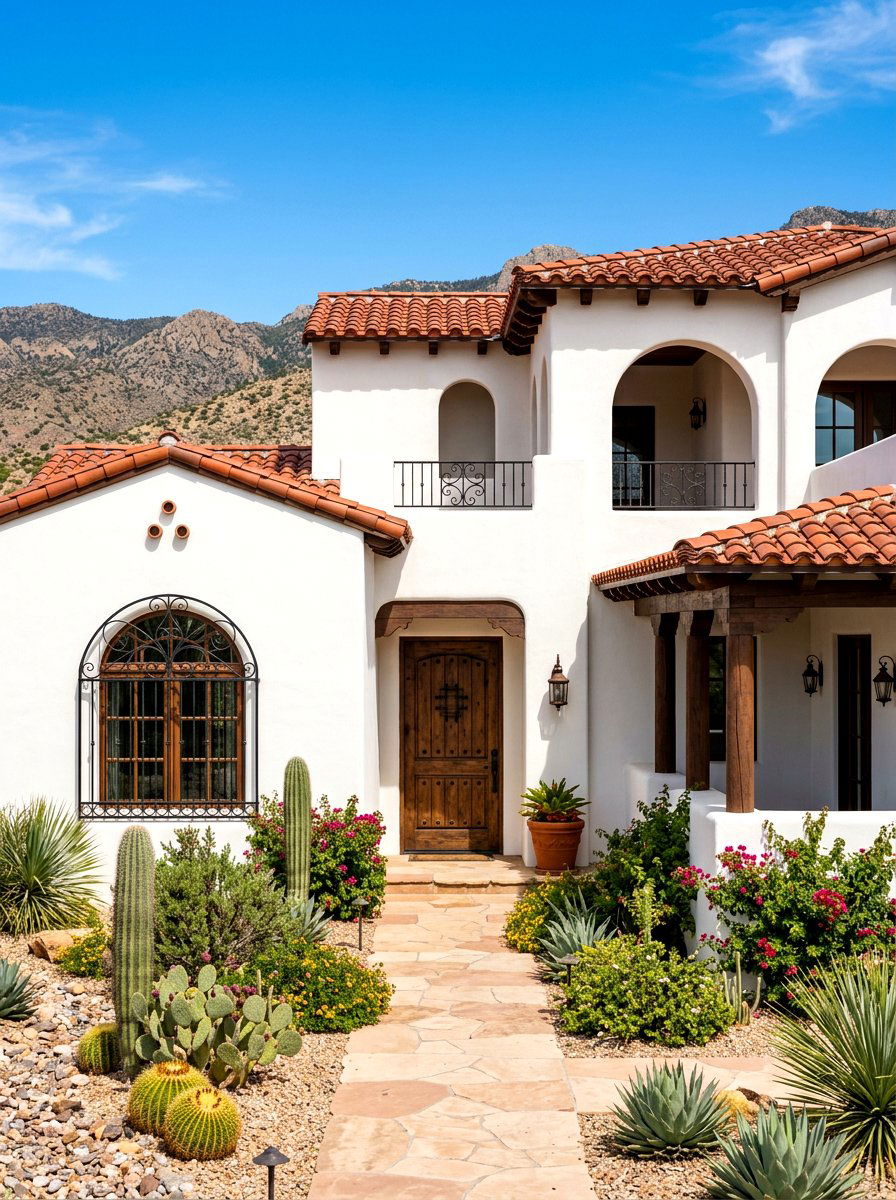
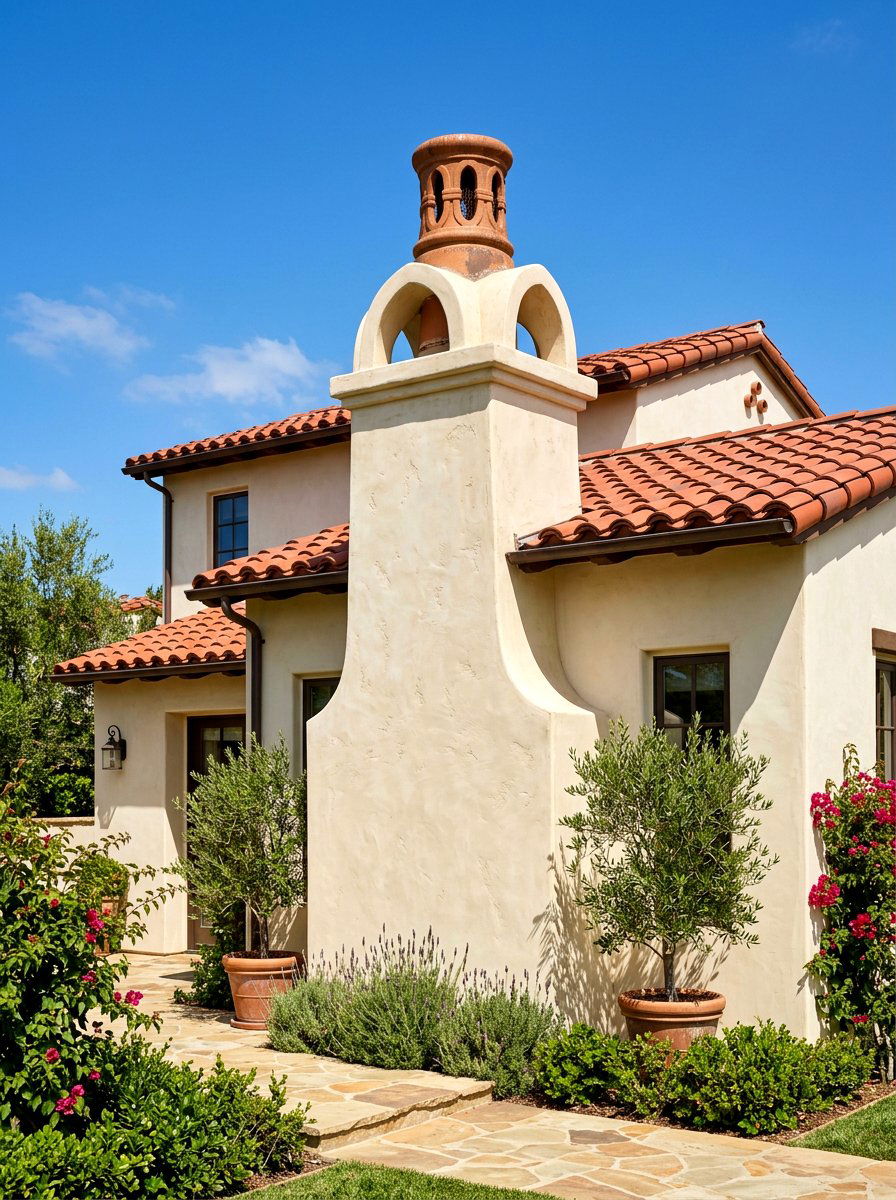
Spanish Colonial stucco provides a smooth, thick-walled appearance that is central to the Mediterranean and Southwestern heritage aesthetic found in warmer climates. The exterior walls are typically finished in shades of white, cream, or terracotta, which help reflect sunlight and keep the interior spaces cool. This monolithic surface is often accented by vibrant decorative tiles around doorways or heavy timber beams that protrude from the walls. The contrast between the plain stucco and the ornate wrought iron details on balconies or windows creates a visually interesting and historically rich facade. This style emphasizes simplicity, durability, and a strong connection to the historical Spanish influence in architecture.
14. French Provincial Roof
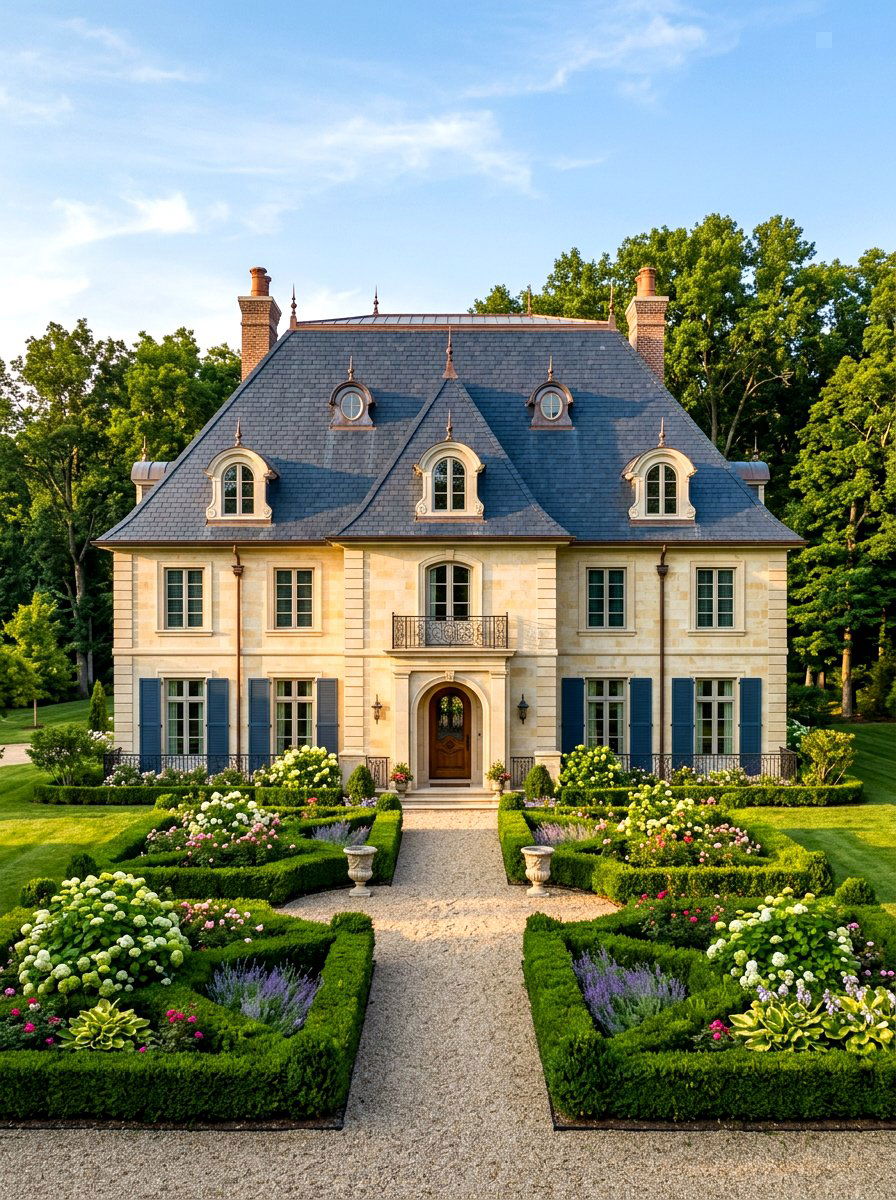
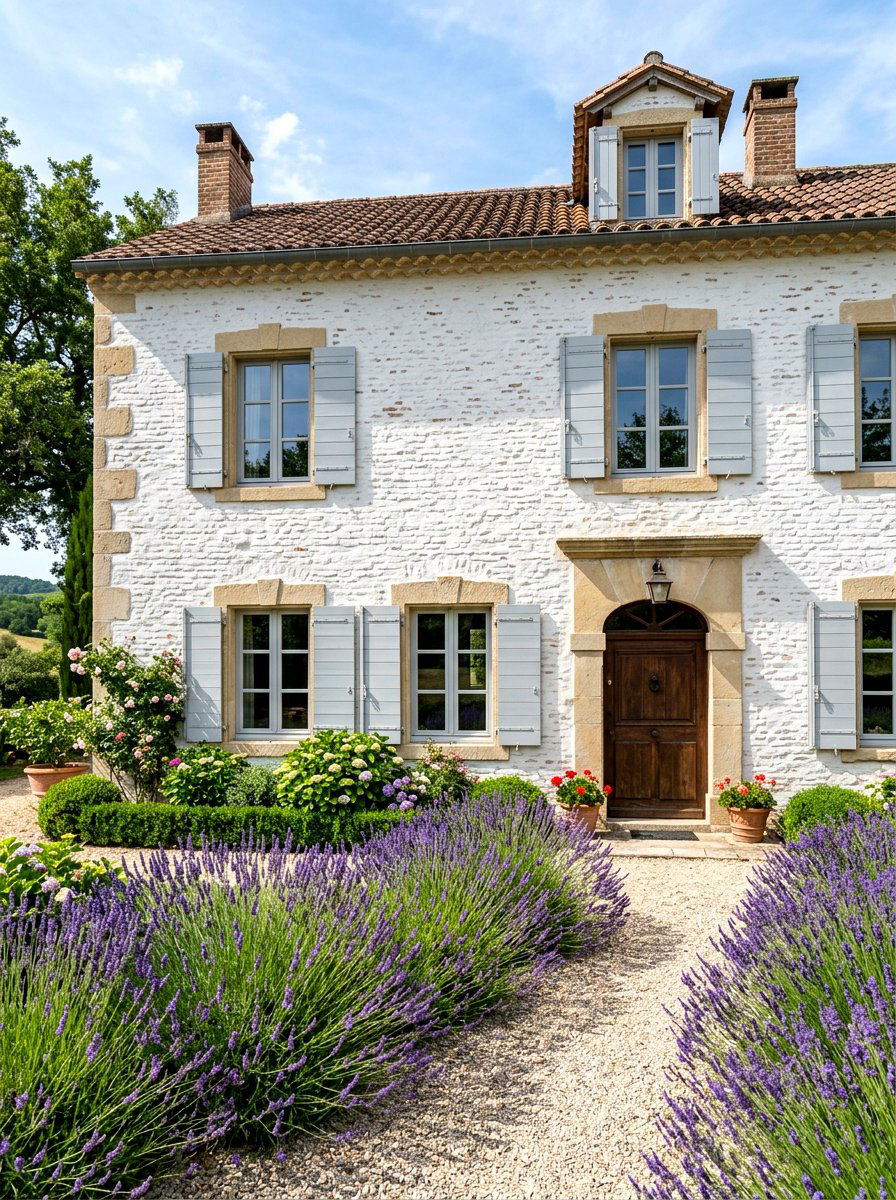
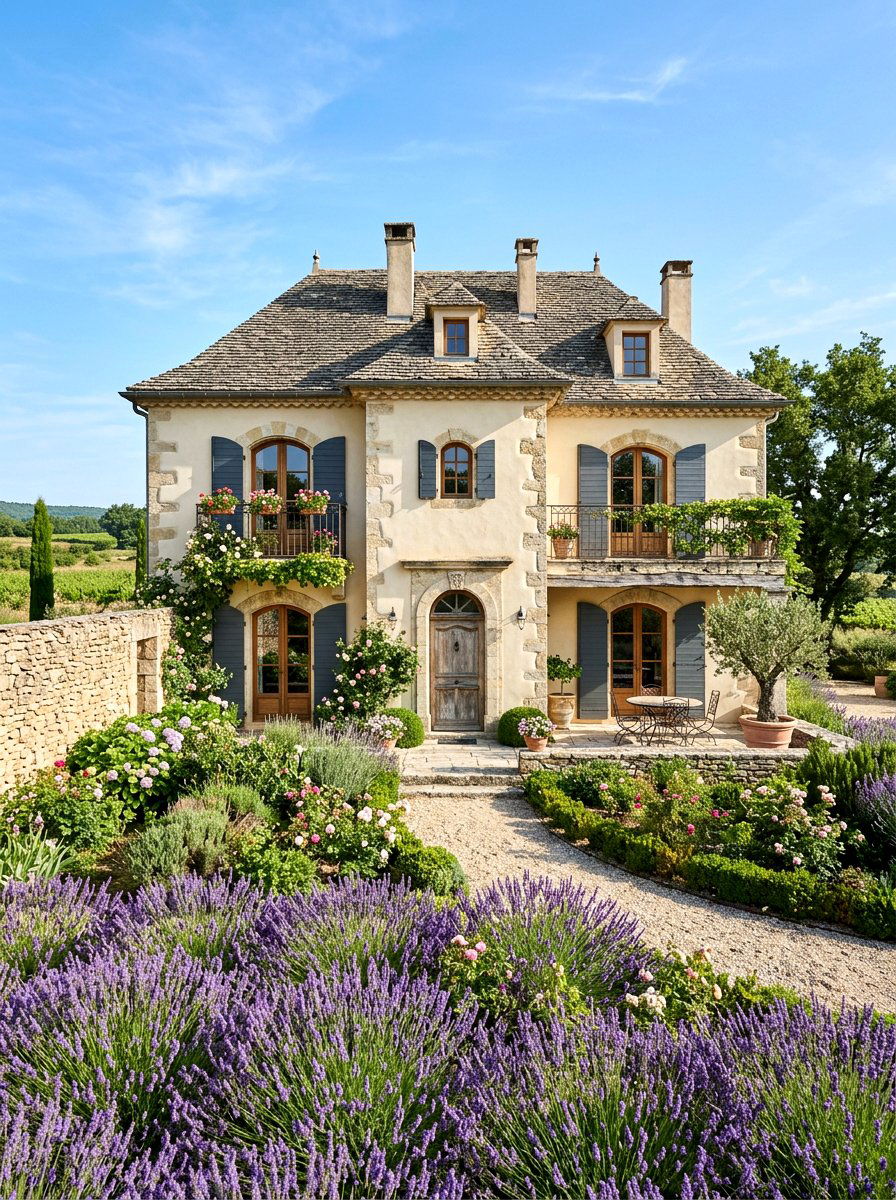
A French Provincial roof is characterized by its high-pitched, hipped design, often featuring steep slopes that add a sense of height and majesty to the home. These roofs are frequently clad in natural slate or high-quality clay tiles, providing a textured and durable surface that lasts for generations. Dormer windows with curved tops often break the roofline, adding light to the upper floors while contributing to the elegant silhouette. The symmetrical nature of the roof reflects the formal and balanced design of the entire house. This heritage element creates a stately, chateau-like appearance that conveys a feeling of old-world European luxury and permanent architectural quality.
15. Georgian Front Door
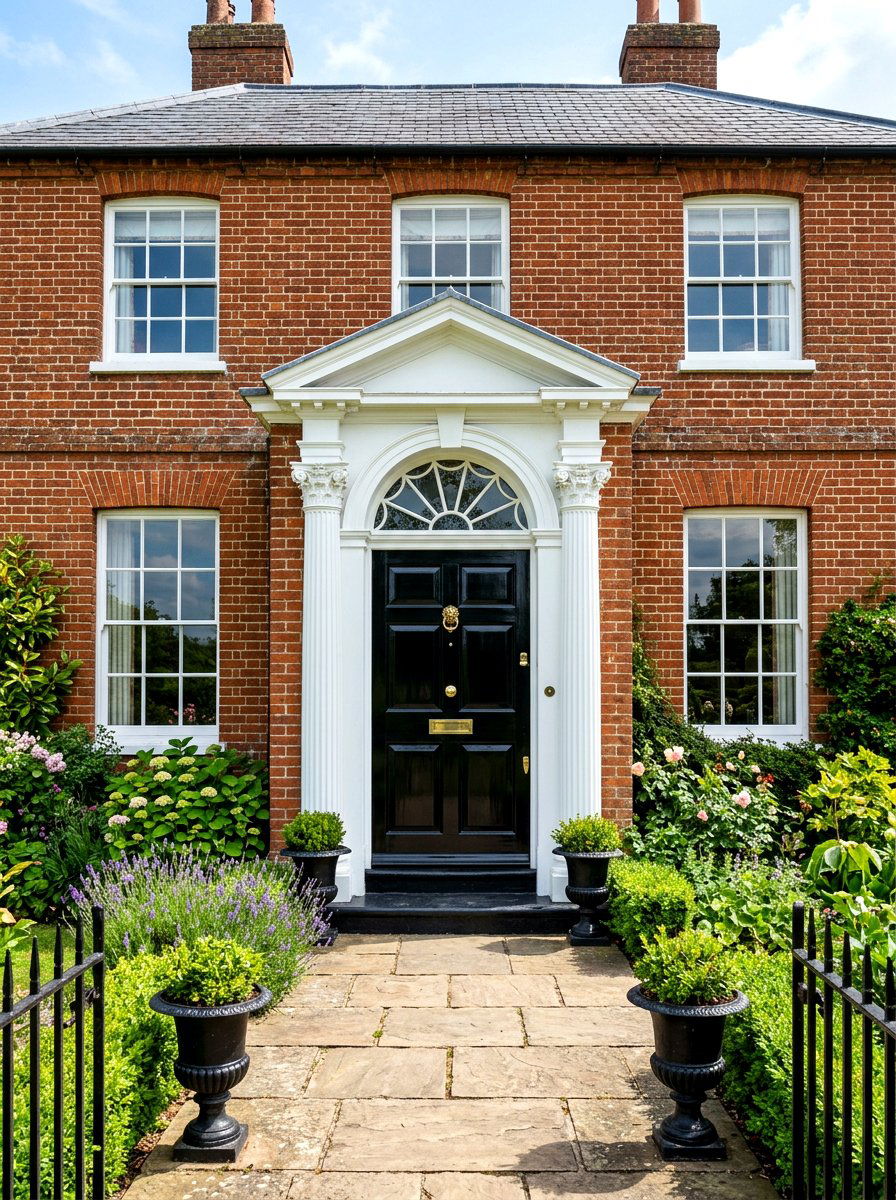
The Georgian front door is the centerpiece of a symmetrical and formal facade, often featuring a paneled design and a semi-circular fanlight above. This entryway is usually flanked by classical pilasters or columns that support a small decorative pediment, creating a sense of importance and order. The door itself is traditionally painted in bold, dark colors like deep red, black, or royal blue to contrast with the surrounding brickwork or stone. High-quality brass hardware, including a central knocker and a polished handle, adds a final touch of sophistication. This focus on the entryway ensures a welcoming and prestigious first impression that defines the Georgian heritage style.
16. Federal Style Entryway
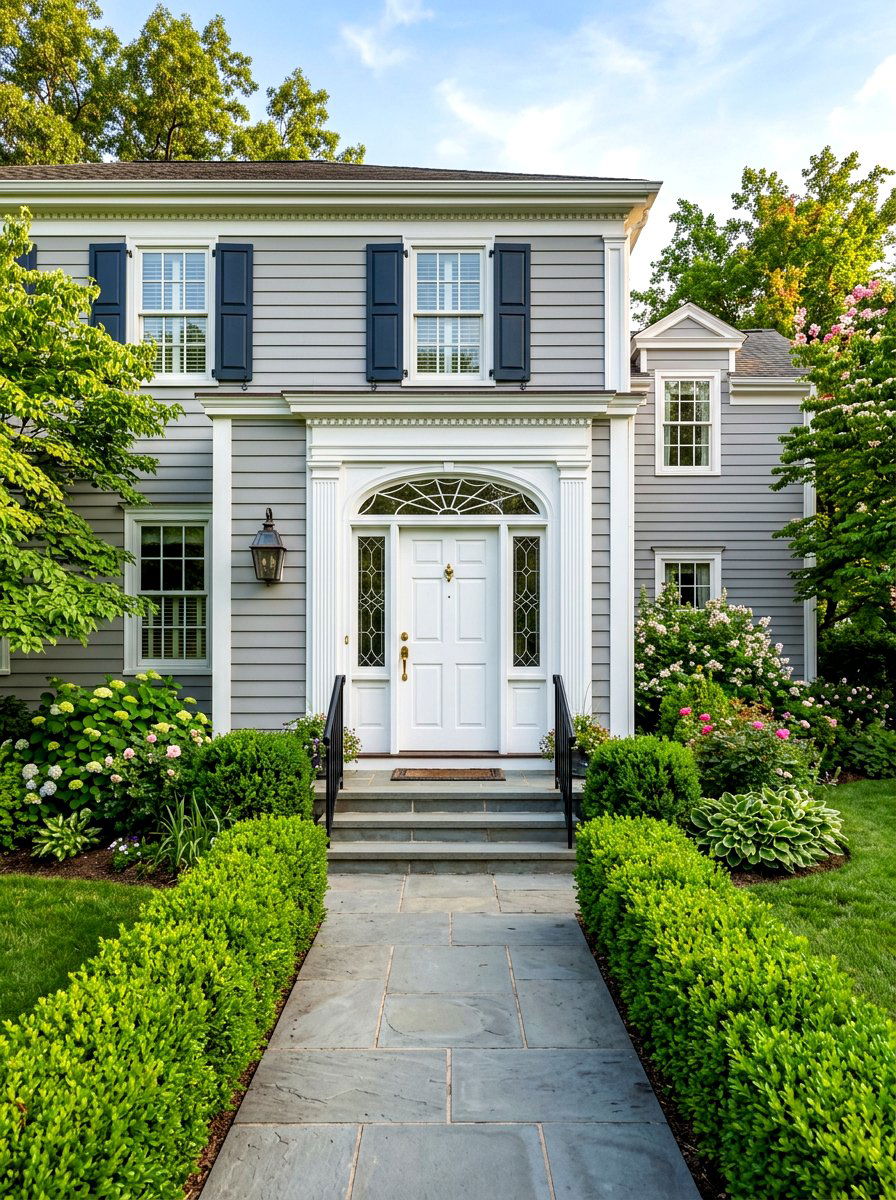
A Federal style entryway is known for its delicate and refined details, often featuring a slender fanlight and narrow sidelights that frame the door. This design allows natural light to pour into the interior hallway while creating a light and airy appearance on the exterior facade. The architectural trim around the door is usually understated yet elegant, with thin moldings and classical motifs that reflect the influence of ancient Roman design. Often painted in soft, muted tones, the entryway provides a graceful transition into the home. This style represents the early American republic’s desire for sophistication and balance, making it a timeless choice for a heritage-inspired exterior.
17. Dutch Colonial Roof
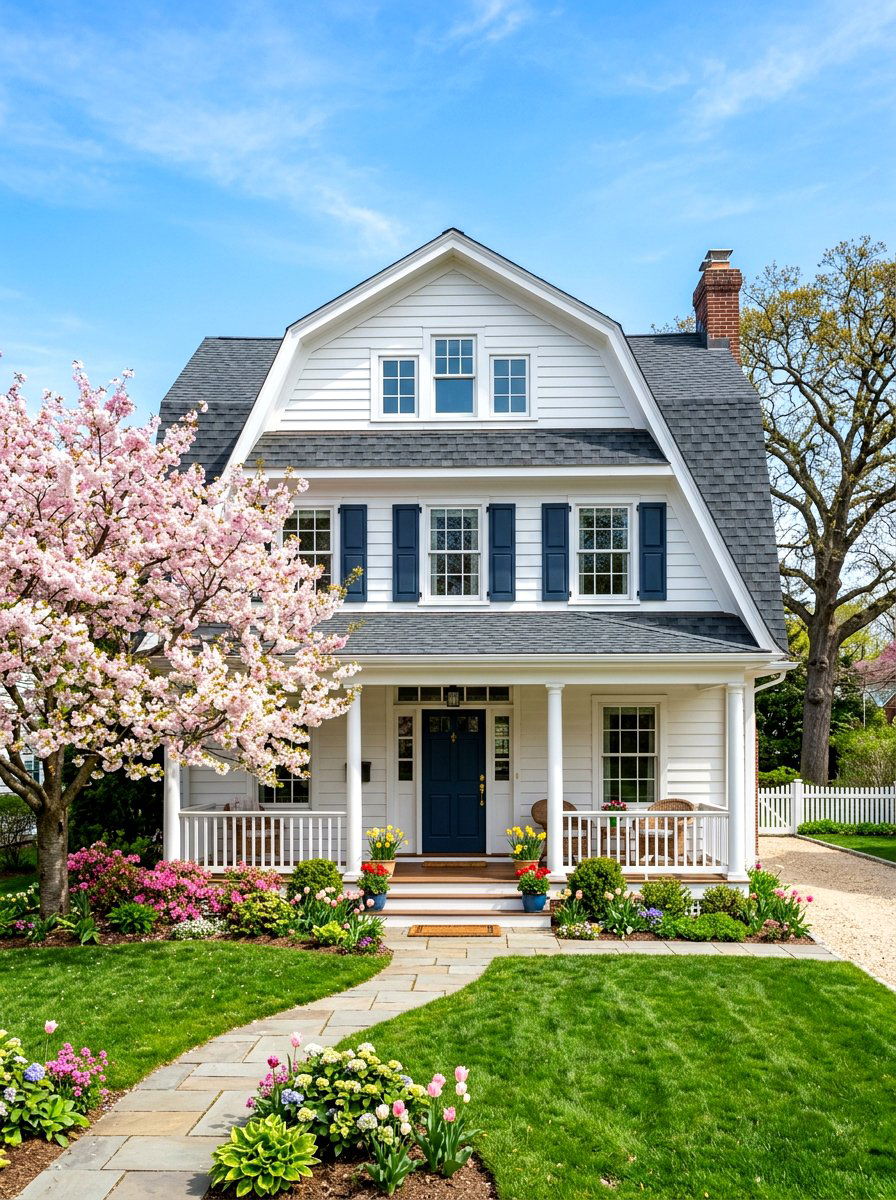
The Dutch Colonial roof, also known as a gambrel roof, is easily recognized by its double slope on each side, which creates more interior space. This heritage feature gives the home a unique barn-like silhouette that is both charming and practical, offering a cozy and traditional aesthetic. The lower slope is often steeper than the upper one, and flared eaves frequently extend over the front and back of the house to protect the walls. This roof style is often paired with dormer windows that provide light and ventilation to the second floor. It remains a popular choice for those seeking a heritage look that feels grounded and historically significant.
18. Arts and Crafts Stone
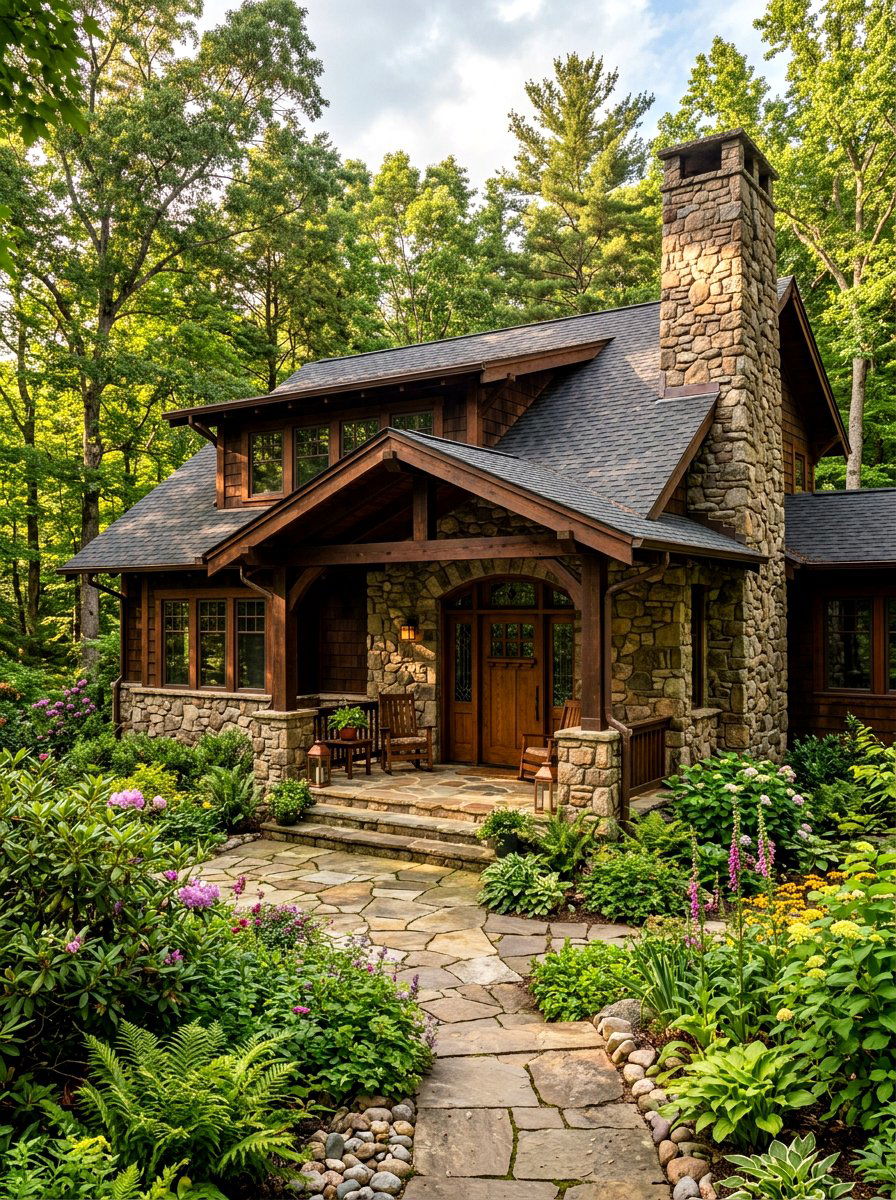
Arts and Crafts stone features emphasize the use of local, natural materials to create a home that feels like an extension of the landscape. Fieldstone or river rock is often used for the foundation, chimneys, and porch supports, providing a rugged and textured appearance that celebrates manual labor. The irregular shapes and varied colors of the stones add a unique, organic character to the exterior, ensuring no two homes look exactly alike. This focus on "honest" materials reflects the movement's rejection of mass-produced industrial products. When combined with dark wood trim, the stonework creates a warm, inviting, and sturdy heritage exterior that feels incredibly permanent.
19. Stick Style Trim
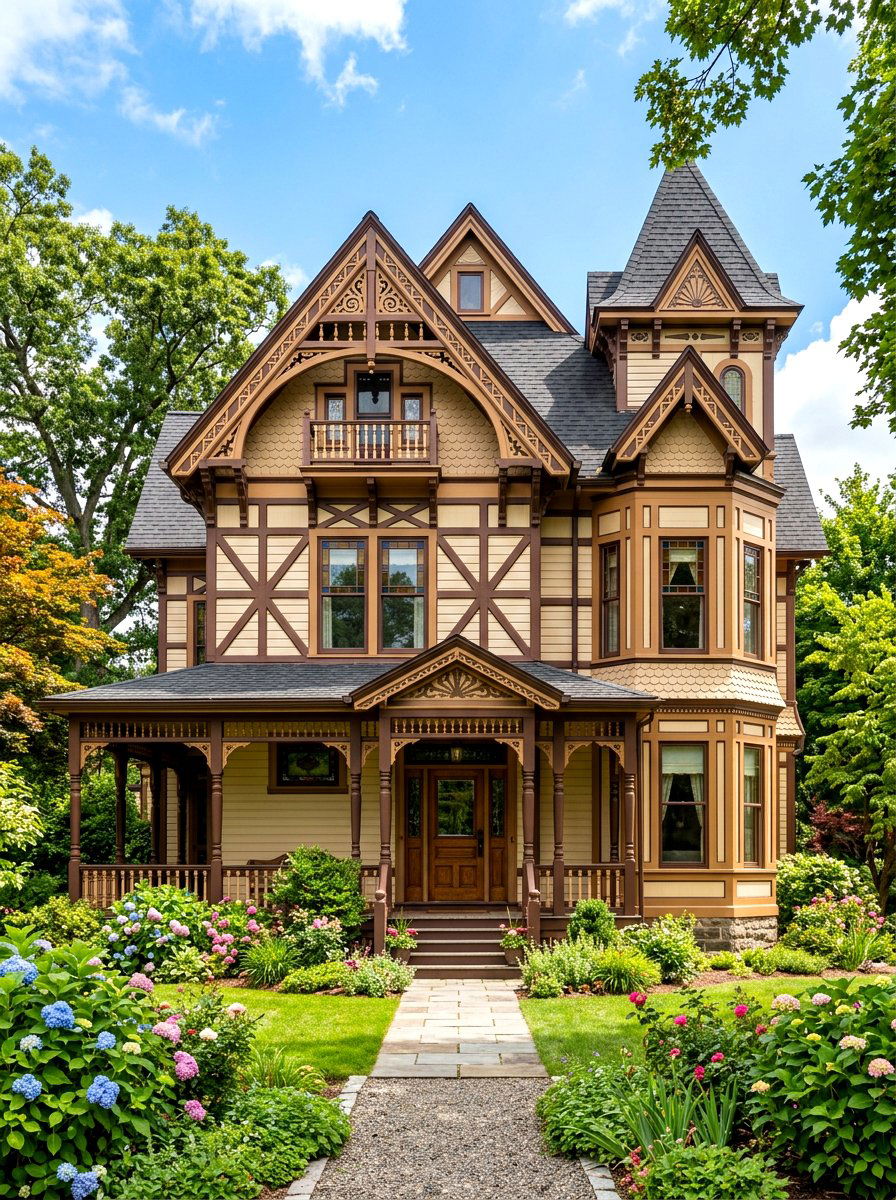
Stick style trim is a decorative technique that uses vertical, horizontal, and diagonal wooden boards to mimic the internal skeleton of the house on the exterior. This creates a grid-like pattern across the walls, adding visual interest and a sense of structural expression to the facade. Often found on Victorian-era homes, this trim is typically painted in a contrasting color to the siding to make the patterns pop. It is frequently paired with steep gables and overhanging eaves, enhancing the verticality of the design. This intricate woodwork gives the home a textured, handcrafted quality that is synonymous with the eclectic and experimental nature of nineteenth-century heritage architecture.
20. Shingle Style Exterior
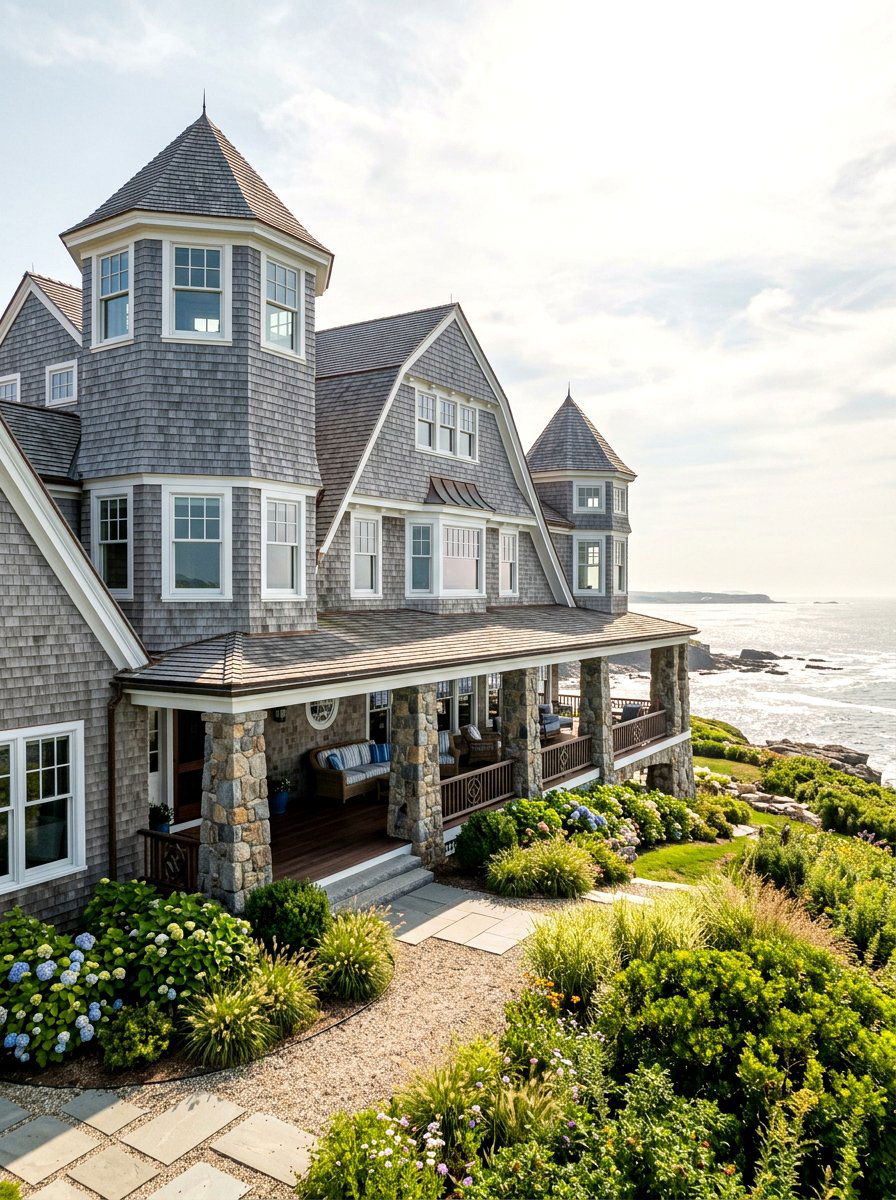
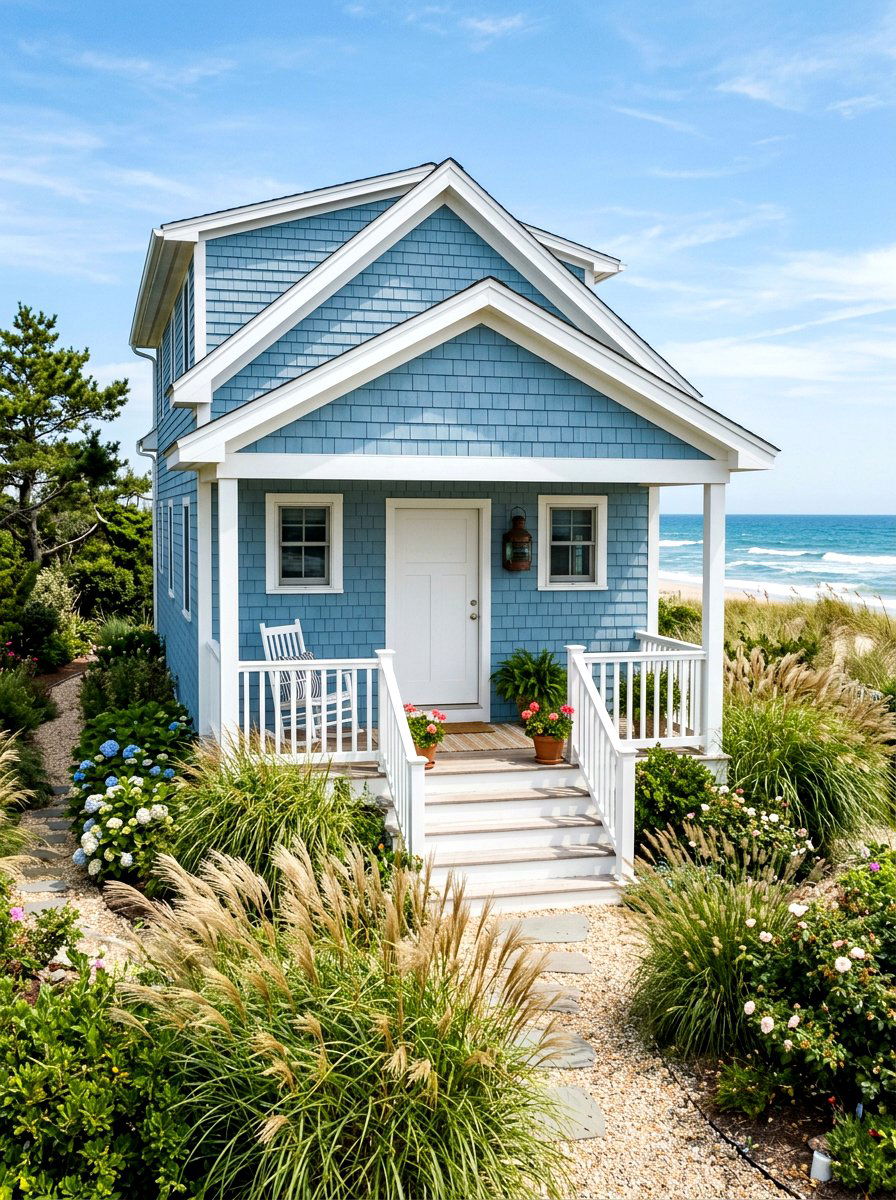
A Shingle style exterior is defined by its continuous skin of wooden shingles that wrap around the entire building, including walls, roofs, and even turrets. This design creates a unified and sculptural appearance that emphasizes the overall volume of the house rather than individual decorative details. Often found in coastal regions, these homes feature wide porches, asymmetrical massing, and large windows that take advantage of natural views. The shingles are typically left to weather to a natural gray, allowing the house to blend quietly into its surroundings. This heritage style offers a relaxed yet sophisticated aesthetic that feels both expansive and protective against the seaside elements.
21. Second Empire Roof
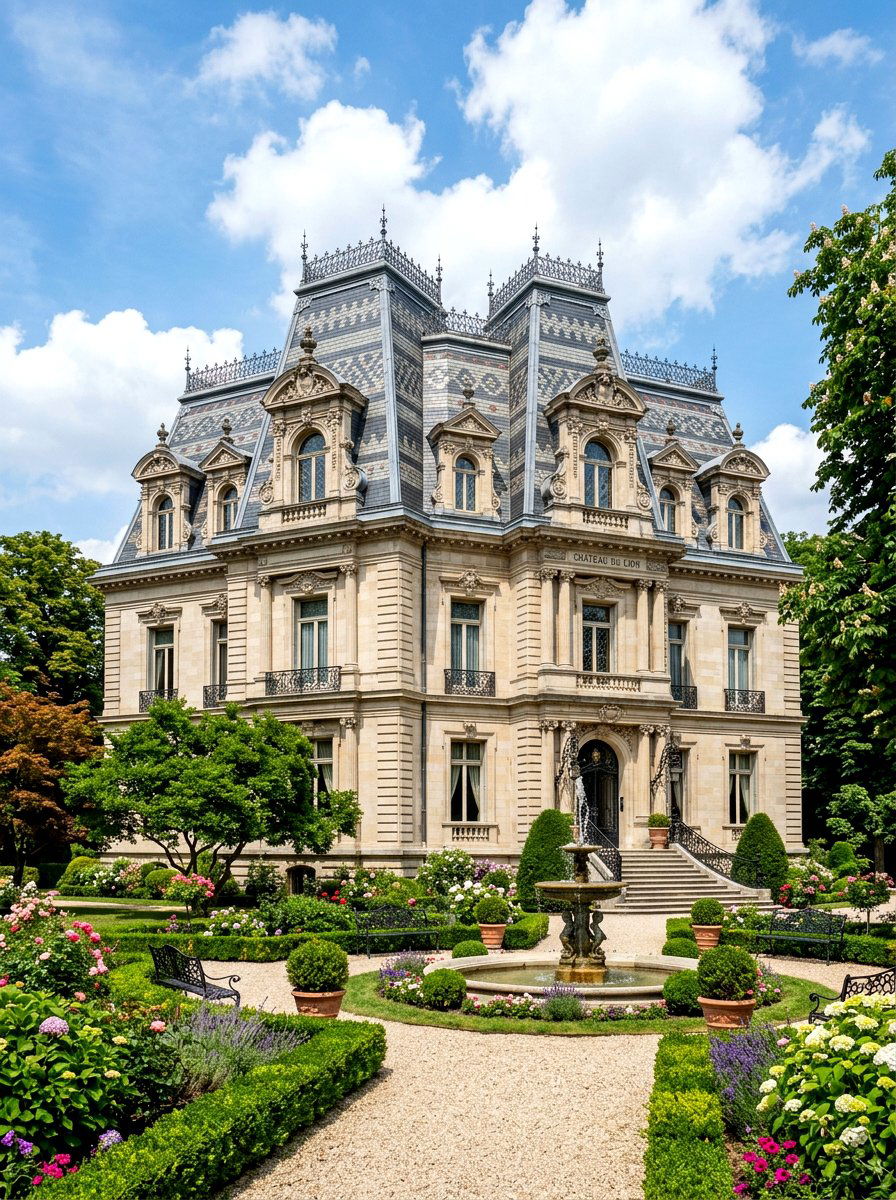
The Second Empire roof, also known as a mansard roof, is a distinctive feature that provides a full extra story of living space behind a steep slope. This roof style is often covered in decorative slate patterns and features ornate dormer windows with carved surrounds that add a French flair. The top of the roof is often flat or slightly pitched and may be finished with a decorative wrought iron cresting or "fencing. " This architectural choice gives the house a stately, mansard-style silhouette that was incredibly popular during the Victorian era. It creates a grand and imposing presence, making the home feel like a prestigious Parisian townhouse.
22. Richardsonian Romanesque Stone
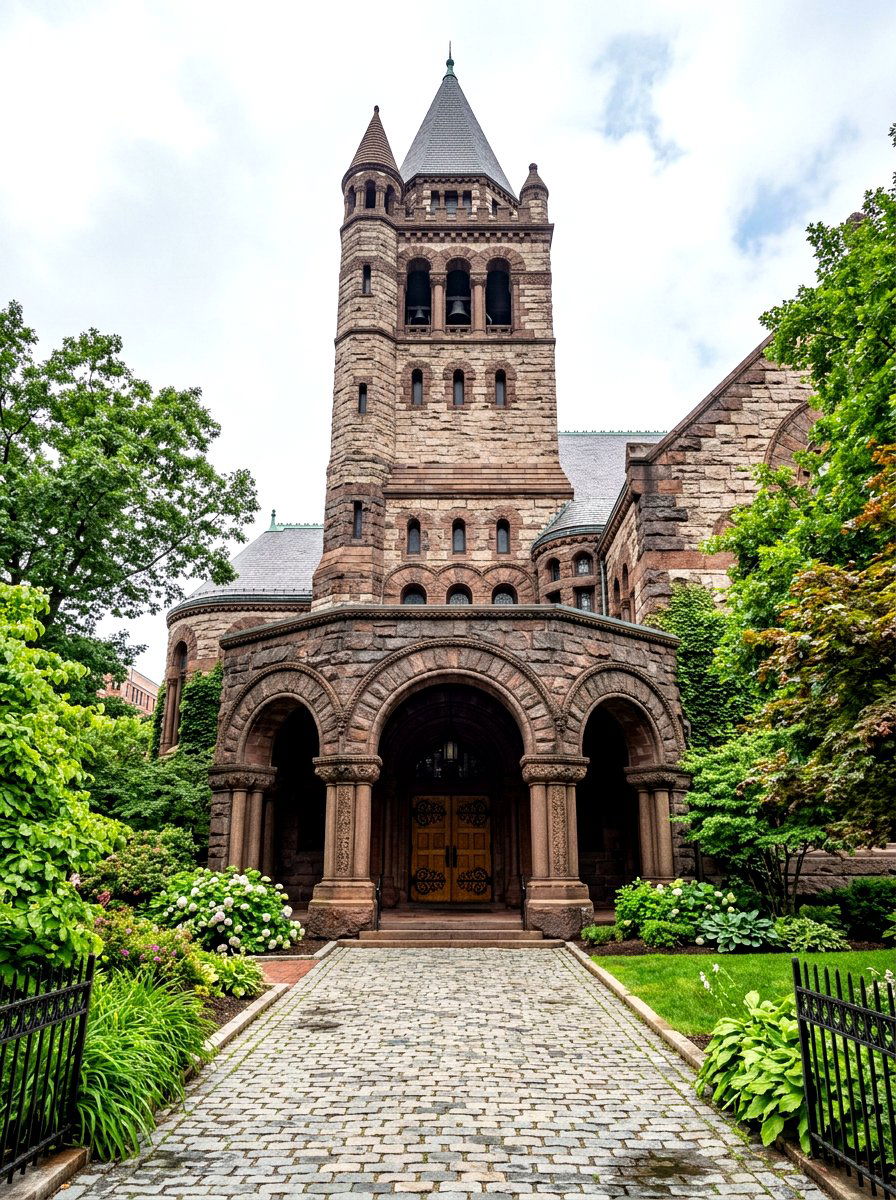
Richardsonian Romanesque stone exteriors are characterized by their heavy, rough-hewn masonry and massive, rounded arches that convey a sense of strength and ancient history. This style utilizes large blocks of granite or sandstone, often in contrasting colors, to create a textured and imposing facade. Deep-set windows and heavy towers with conical roofs add to the fortress-like appearance of the home. The craftsmanship required to carve the intricate stone details around entrances and capitals is a hallmark of this heritage style. Choosing this design results in a home that feels incredibly durable and significant, standing as a permanent landmark within its architectural and neighborhood context.
23. Pueblo Revival Wall
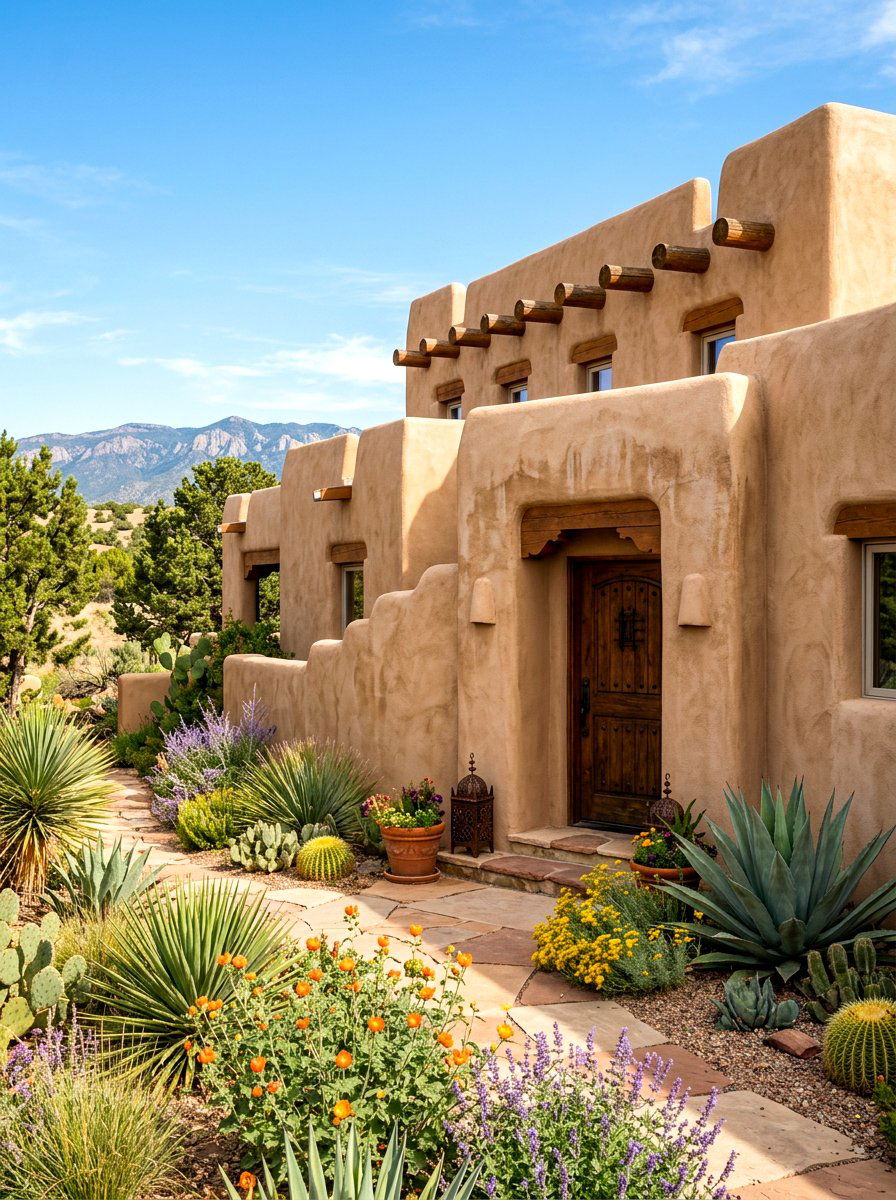
Pueblo Revival walls are made of thick, rounded adobe or stucco that mimics the traditional sun-dried mud brick construction of the American Southwest. The edges of the walls are softened and blunt, creating an organic and hand-molded appearance that feels deeply connected to the earth. Deep window recesses and flat roofs with protruding wooden beams, known as vigas, are essential elements of this heritage style. The earthy color palette of tans, browns, and soft reds ensures the house blends seamlessly with the desert landscape. This exterior design prioritizes natural textures and thermal mass, offering a unique and historically rich aesthetic that is both cool and inviting.
24. Monterey Colonial Balcony
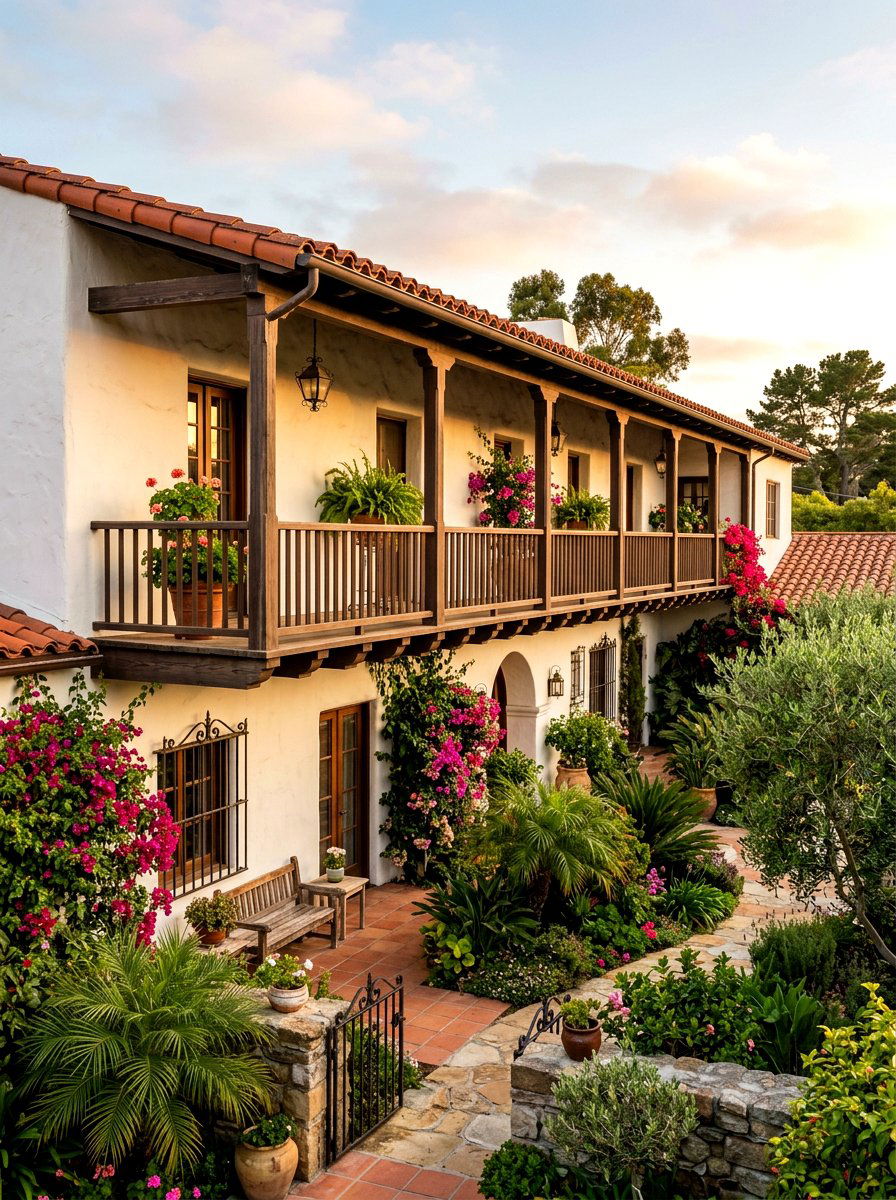
The Monterey Colonial balcony is a defining feature of this California heritage style, typically consisting of a long, cantilevered wooden balcony that runs across the front. Supported by heavy timber beams and featuring simple wooden railings, the balcony provides a shaded outdoor space that connects the upper-floor rooms to the exterior. This design combines elements of Spanish adobe construction with New England colonial wood framing, creating a unique regional aesthetic. The balcony often overlooks a central courtyard or a lush garden, emphasizing an indoor-outdoor lifestyle. This architectural feature adds a sense of romance and functional elegance to the exterior, making the home feel relaxed yet historically grounded.
25. Saltbox House Exterior
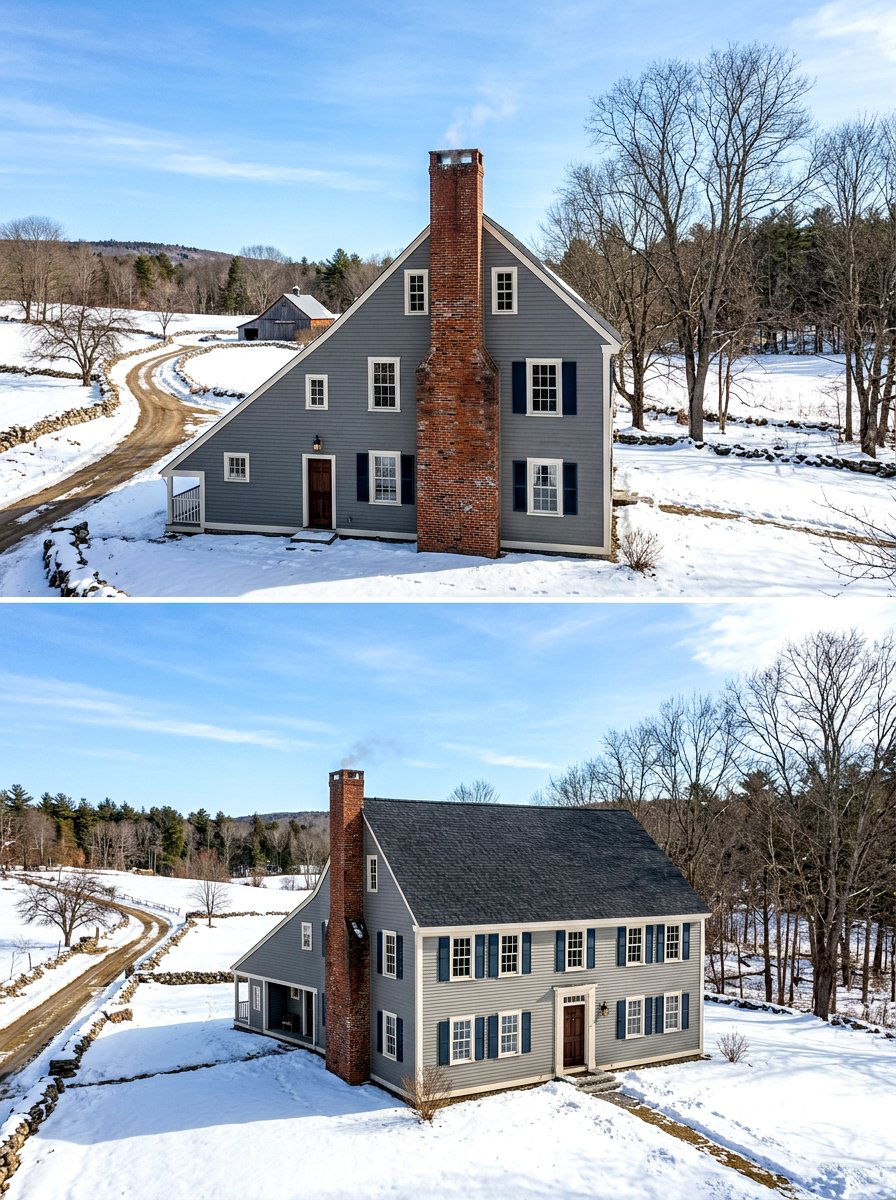
The saltbox house exterior is a classic New England heritage design recognized by its long, sloping roofline that drops down to the first floor in the back. This asymmetrical shape was originally designed to provide extra space while minimizing taxes and shedding heavy snow effectively. The front of the house is typically two stories high with a flat, symmetrical facade featuring simple windows and a central doorway. Clad in traditional wooden clapboards or shingles, the saltbox has a clean and functional appearance that reflects the practical spirit of early American settlers. Its iconic silhouette remains a beloved symbol of colonial history and simple, enduring architectural design.
26. Neoclassical House Columns
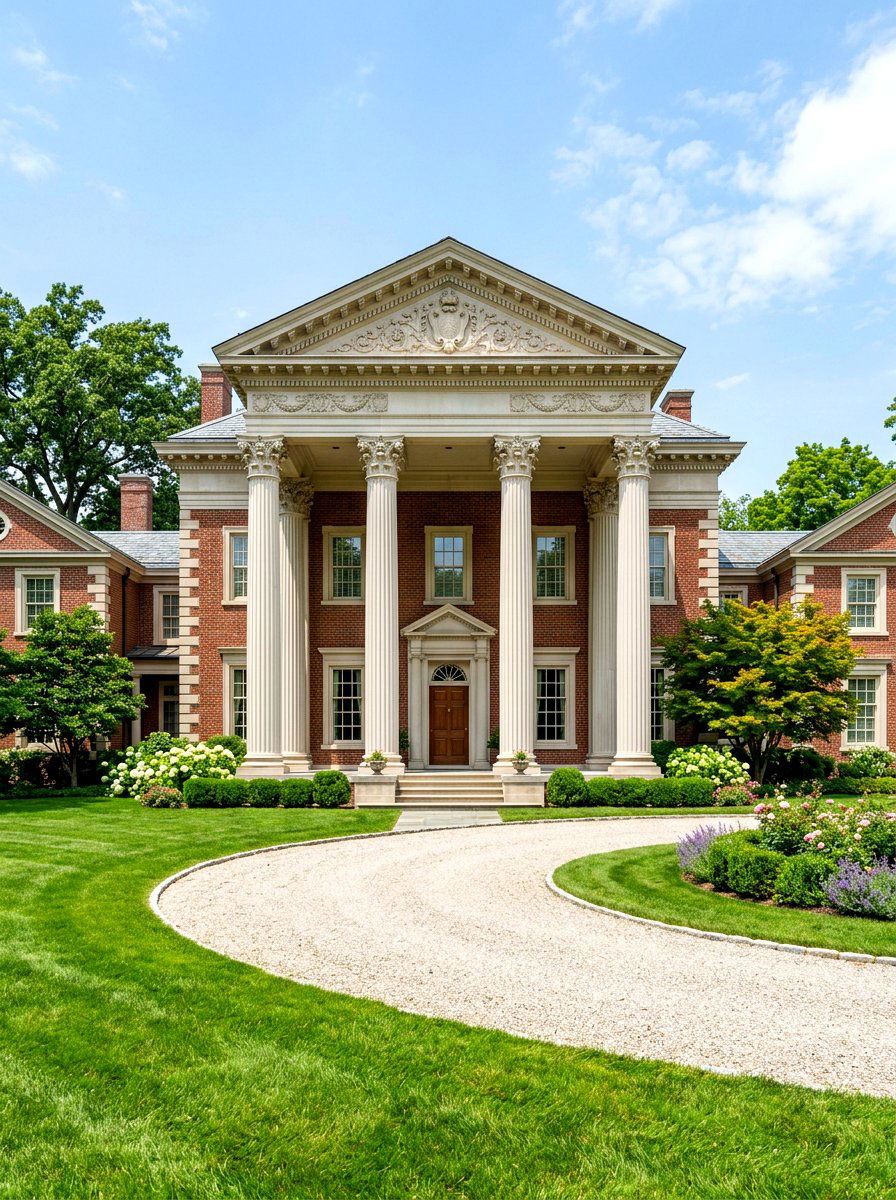
Neoclassical house columns are used to create a grand, temple-front appearance that exudes elegance and a deep appreciation for classical antiquity. These columns are usually full-height, spanning two stories, and are topped with ornate capitals in the Ionic, Corinthian, or Composite styles. They support a large pediment or an expansive portico that dominates the front elevation of the home. Painted in a crisp, bright white, the columns provide a striking contrast against red brick or dark stone walls. This heritage feature creates a formal and prestigious look that suggests wealth and cultural sophistication, making the home a true architectural statement in any high-end residential neighborhood.
27. Bungalow Exterior Woodwork
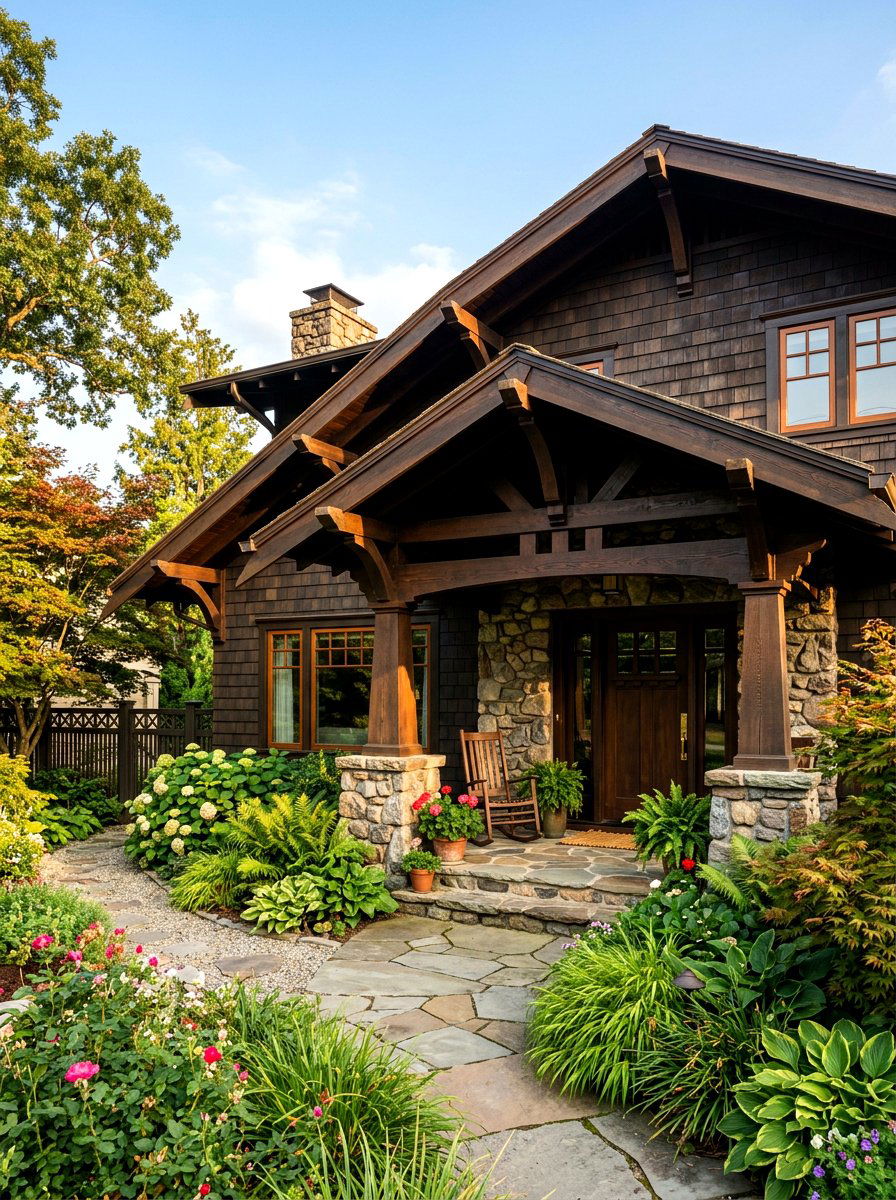
Bungalow exterior woodwork focuses on exposed structural elements and high-quality craftsmanship, often featuring decorative rafter tails and knee braces under wide, overhanging eaves. These details highlight the construction process and the beauty of natural wood, which is typically stained in dark, earthy tones to emphasize its grain. The use of shingles, lap siding, and stone accents creates a multi-textured facade that feels warm and approachable. Porches are often supported by thick, square wooden columns, providing a comfortable transition between the house and the street. This heritage style celebrates the "honest" use of materials and a cozy, handcrafted aesthetic that remains incredibly popular.
28. Regency Style Plaster
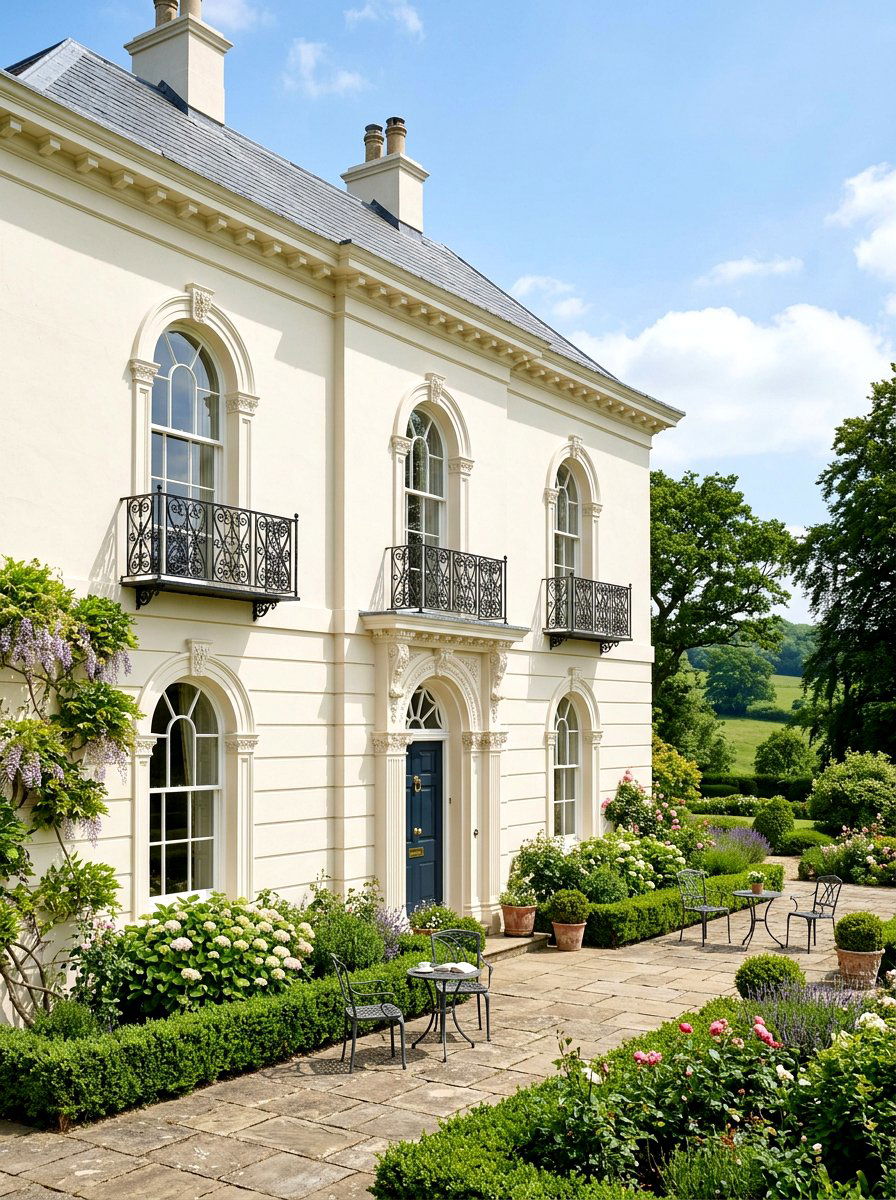
Regency style plaster exteriors are known for their smooth, refined finish and the use of delicate decorative moldings that create an air of light, airy elegance. The walls are typically finished in a pale cream or white stucco, which provides a clean backdrop for arched windows and slender balconies with wrought iron railings. This heritage style often features a symmetrical facade with a central entrance and a shallow-pitched roof hidden behind a small parapet. The overall effect is one of understated luxury and sophisticated charm, reminiscent of the fashionable townhouses of early nineteenth-century London. It is a perfect choice for achieving a graceful and timeless exterior look.
29. Beaux Arts Ornamentation
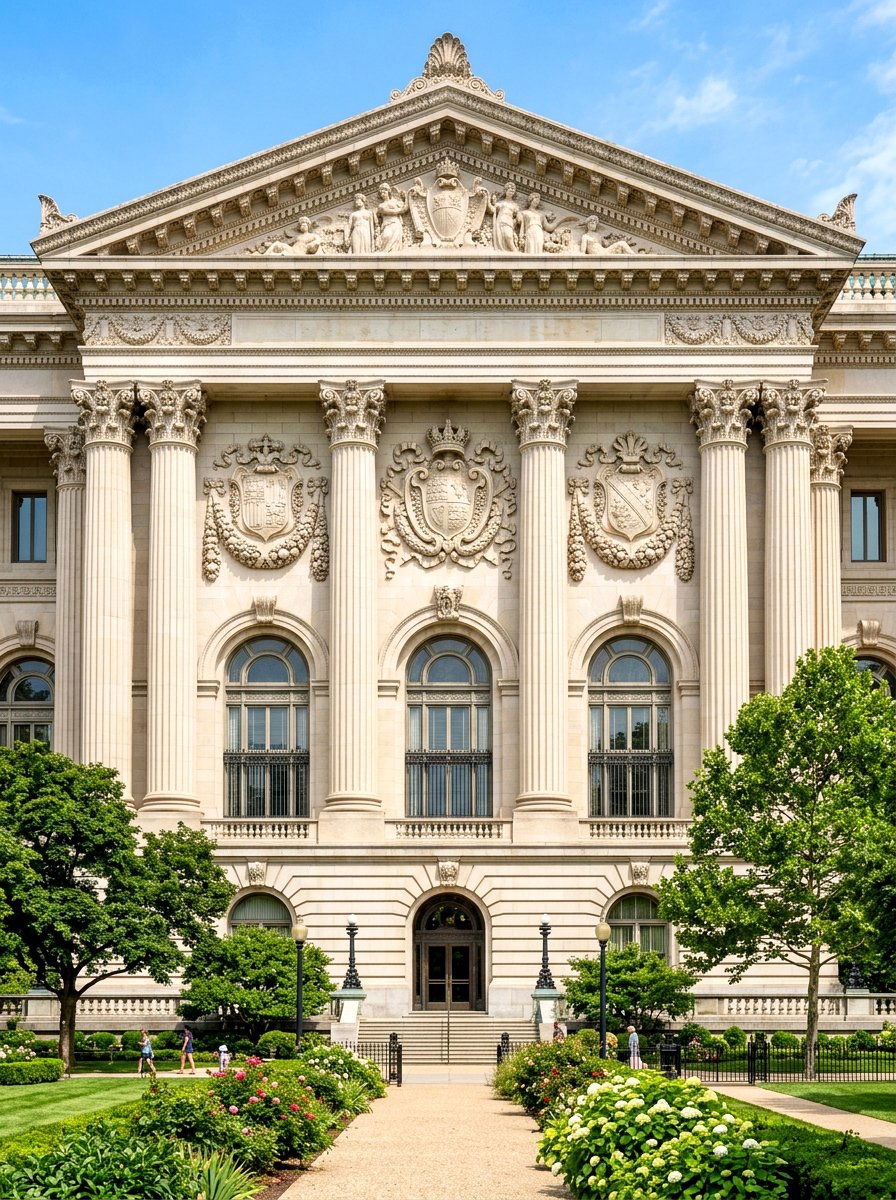
Beaux Arts ornamentation brings a high level of decorative detail and classical grandeur to the exterior, featuring carved stone garlands, shields, and elaborate cartouches. This style is characterized by its formal symmetry and the use of high-quality materials like limestone or marble to create a palace-like appearance. Grand staircases, massive columns, and arched openings are common features that contribute to the monumental scale of the architecture. Every element is designed to impress, from the ornate window surrounds to the sculpted figures that may adorn the roofline. This heritage approach results in a highly sophisticated and artistic facade that reflects the peak of classical architectural training.
30. Mission Style Architecture
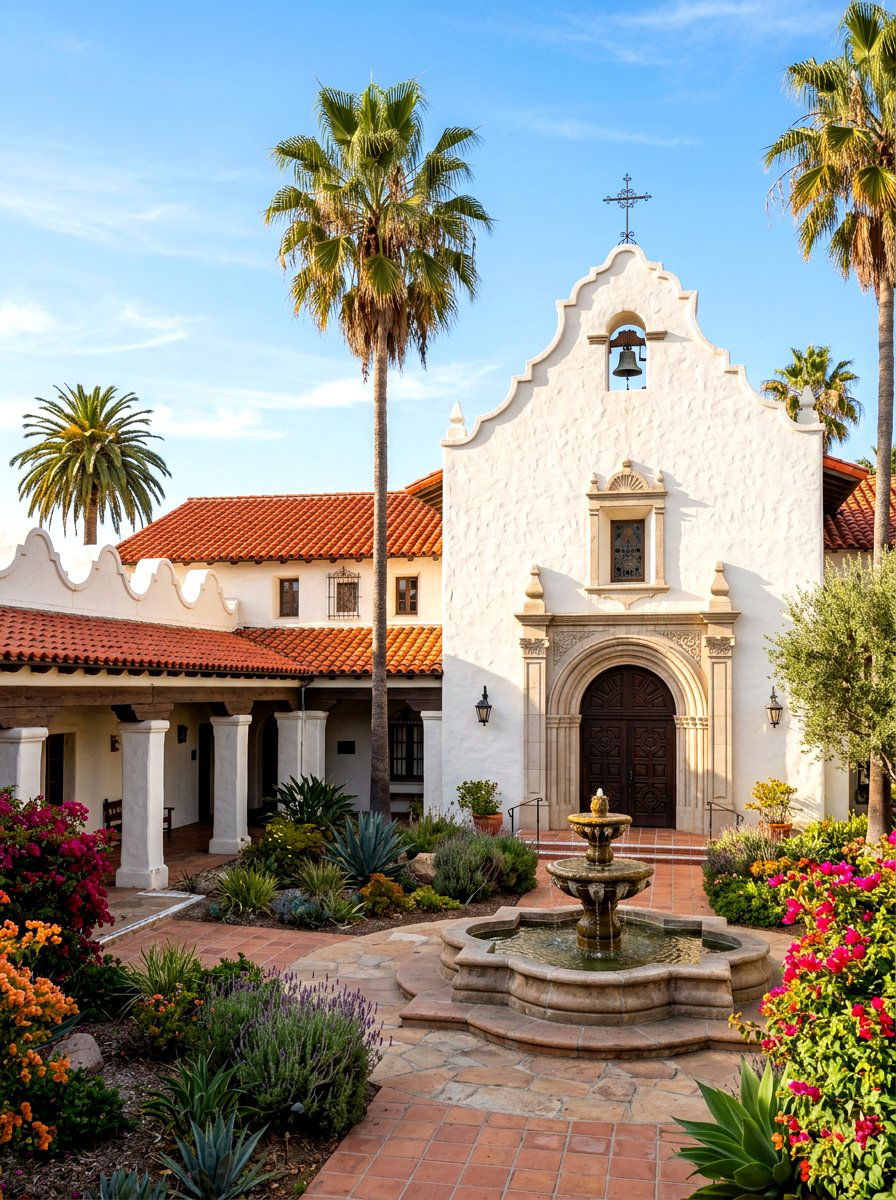
Mission style architecture is inspired by the historic Spanish missions of California, featuring thick stucco walls, red clay tile roofs, and distinctive parapets. The exterior is often defined by its simple, geometric forms and the use of wide, rounded arches for doorways and covered walkways. Scalloped rooflines and decorative bell towers add a sense of history and religious heritage to the design. The contrast between the white or tan stucco and the vibrant red of the roof tiles creates a visually striking and warm aesthetic. This style emphasizes durability and a strong regional identity, offering a peaceful and historically grounded look for a heritage-inspired home exterior.
Conclusion:
Investing in heritage exterior ideas is a wonderful way to preserve architectural history while creating a home that feels unique and full of character. By focusing on specific styles like Victorian, Craftsman, or Colonial, you can ensure that every detail — from the paint colors to the structural pillars — works together harmoniously. These traditional designs offer a level of craftsmanship and aesthetic depth that modern mass-produced housing often lacks. Whether you are performing a full restoration or just adding a few historical touches, heritage elements provide lasting value and timeless beauty. Ultimately, a well-executed heritage exterior honors the past while providing a beautiful environment for the future.

Related posts: