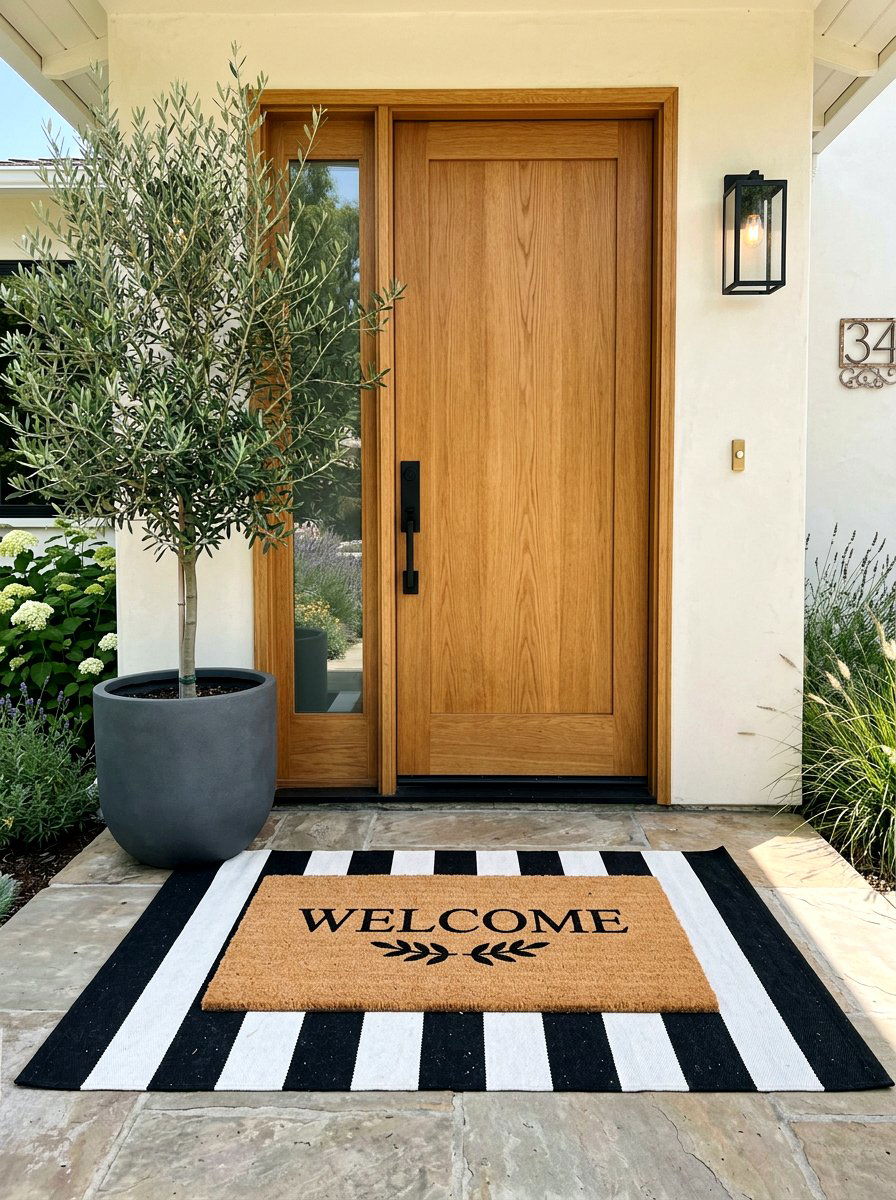
Choosing the right combination of materials for your home exterior can transform a standard property into a stunning architectural masterpiece. Mixed siding is a powerful design tool that adds depth, texture, and visual interest to your house. By blending different profiles like board and batten, lap siding, and stone veneer, you can highlight specific architectural features and break up large, flat surfaces. This approach is perfect for modern farmhouses, contemporary builds, or traditional renovations. It allows you to create a custom, high-end look that stands out in the neighborhood. Whether you prefer a bold contrast or a subtle, monochromatic texture mix, these versatile ideas provide endless inspiration for your next project.
1. White Board And Batten With Gray Stone
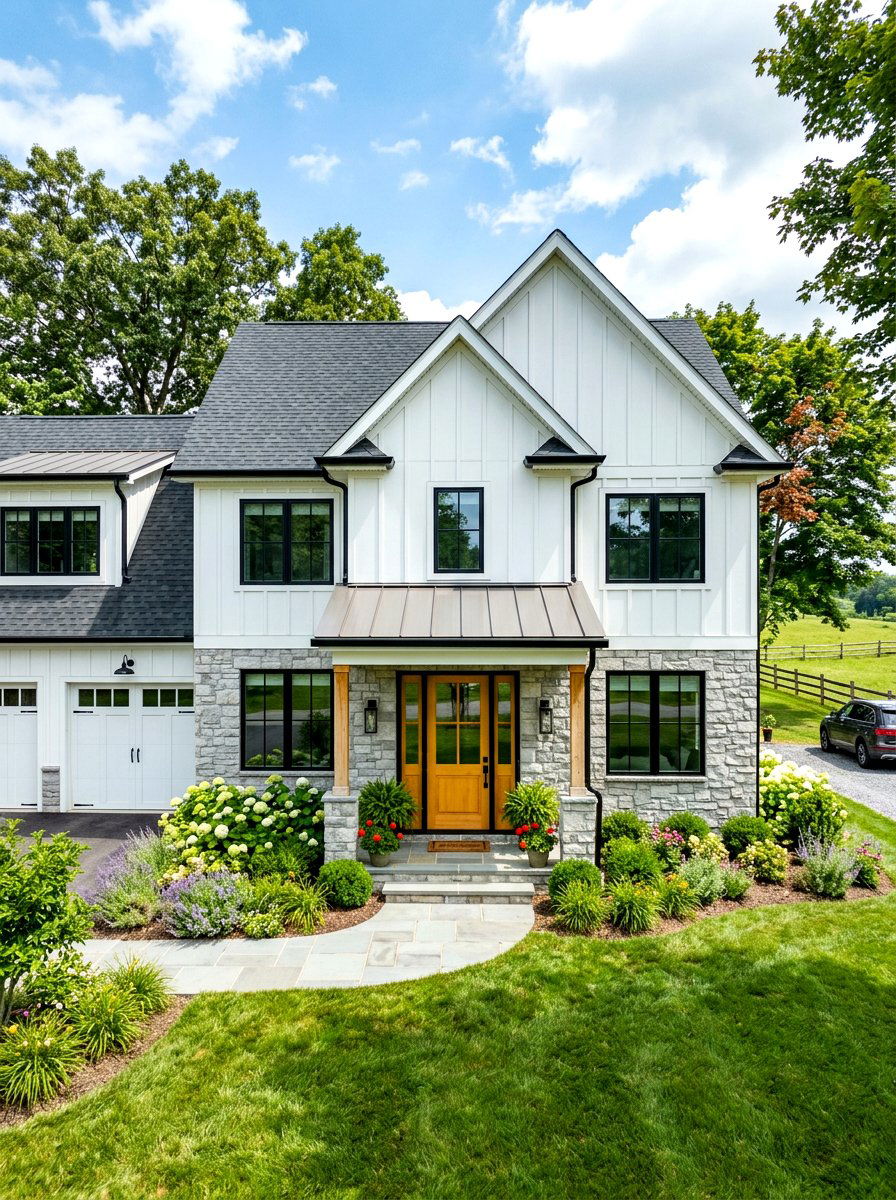
Combining white board and batten with gray stone creates a classic modern farmhouse look that is incredibly popular right now. The vertical lines of the siding draw the eye upward, making the home appear taller and more spacious. When paired with a rugged gray stone foundation or entryway, the house feels grounded and permanent. This mix of smooth wood-like surfaces and natural textures provides a sophisticated contrast that works well in both suburban and rural settings. To finish the design, consider adding black window frames and industrial light fixtures to anchor the bright white palette and provide a sharp, clean finish.
2. Black Vertical Metal And Natural Wood
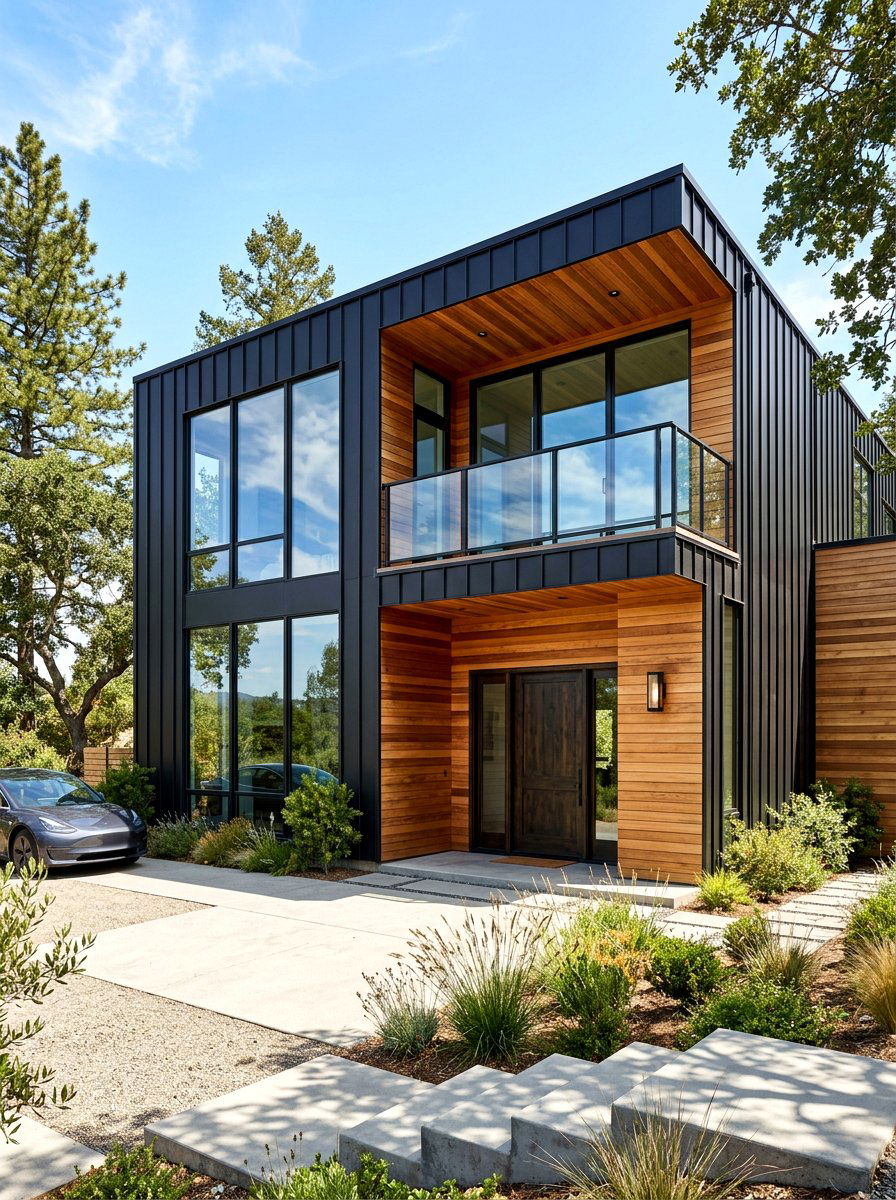
Mixing black vertical metal panels with natural wood accents offers a sleek, industrial-chic aesthetic that feels very contemporary. The dark, matte finish of the metal provides a bold backdrop that allows the warm tones of the wood to really pop. This combination is often used on modern homes to emphasize geometric shapes and clean architectural lines. You can use wood siding for the entryway or under porch ceilings to create a welcoming, organic feel amidst the more structural metal. The result is a high-contrast exterior that balances the cold, hard feel of metal with the inviting warmth of natural timber materials.
3. Horizontal Lap Siding With Cedar Shake
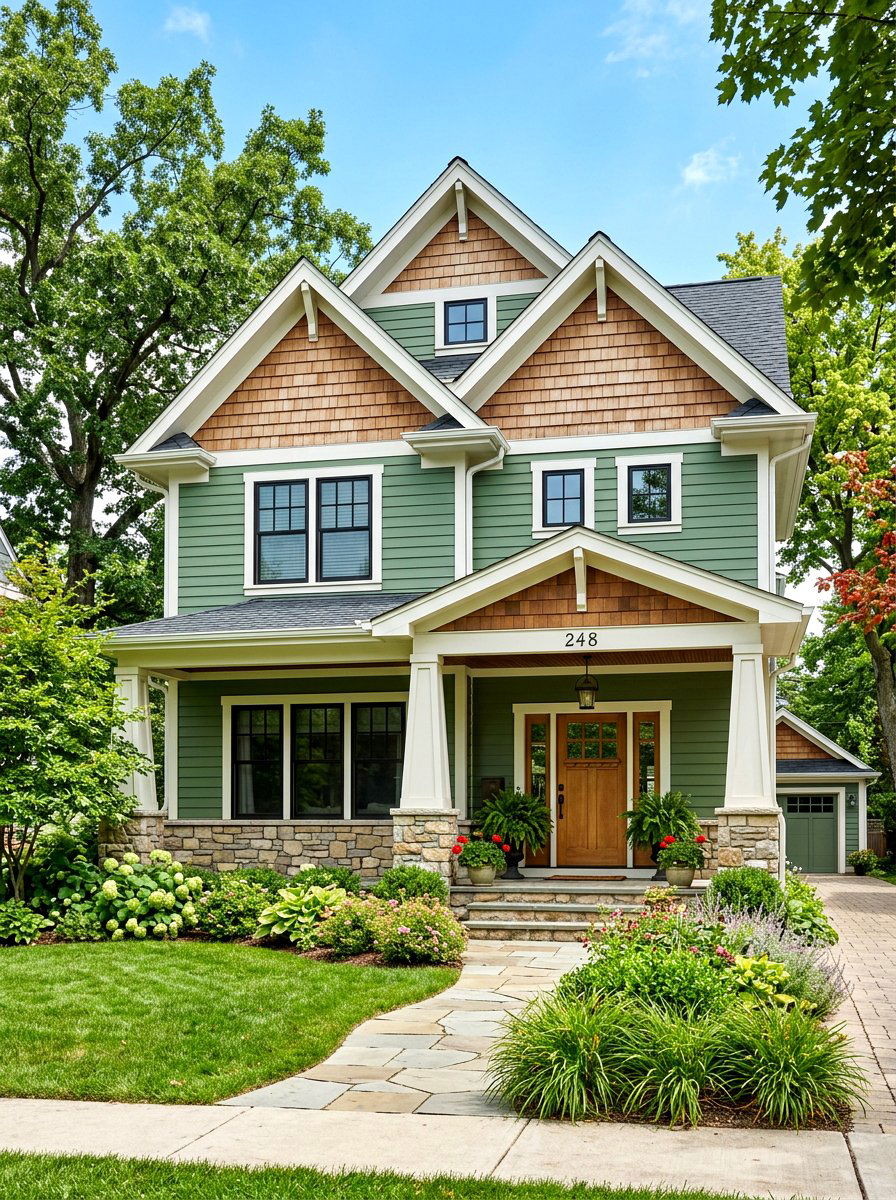
Using horizontal lap siding as your primary material while adding cedar shake accents in the gables is a timeless design choice. This pairing is frequently seen on Craftsman and cottage-style homes because it adds a layer of intricate detail. The repeating pattern of the shakes creates a beautiful texture that breaks up the long, straight lines of the lap siding. You can choose to stain the cedar for a natural look or paint it a slightly different shade than the main walls for a subtle, monochromatic effect. This approach adds a hand-crafted feel to any home and boosts its overall curb appeal.
4. Dark Blue Siding With Light Stone Veneer
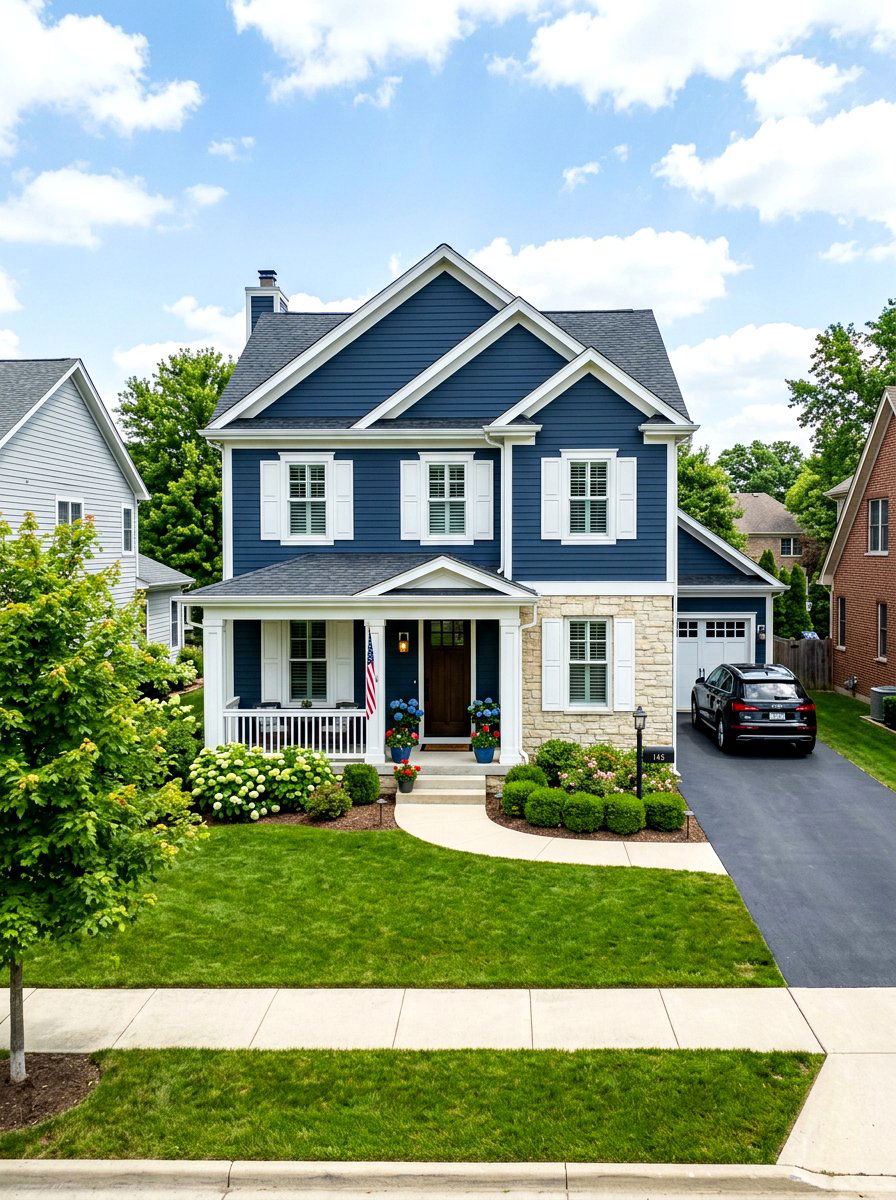
Dark blue siding paired with light-colored stone veneer offers a crisp and sophisticated look that has immense visual impact. The deep, saturated blue serves as a dramatic canvas, while the cream or light gray stone provides a bright, refreshing contrast. Using the stone around the base of the home or on a prominent chimney helps to ground the design and adds a sense of luxury. This combination works particularly well for coastal-inspired homes or traditional two-story residences. Adding white trim around the windows and doors will further enhance the clean, nautical vibe and make the blue siding appear even more vibrant.
5. Modern Charcoal Siding With Warm Wood Accents
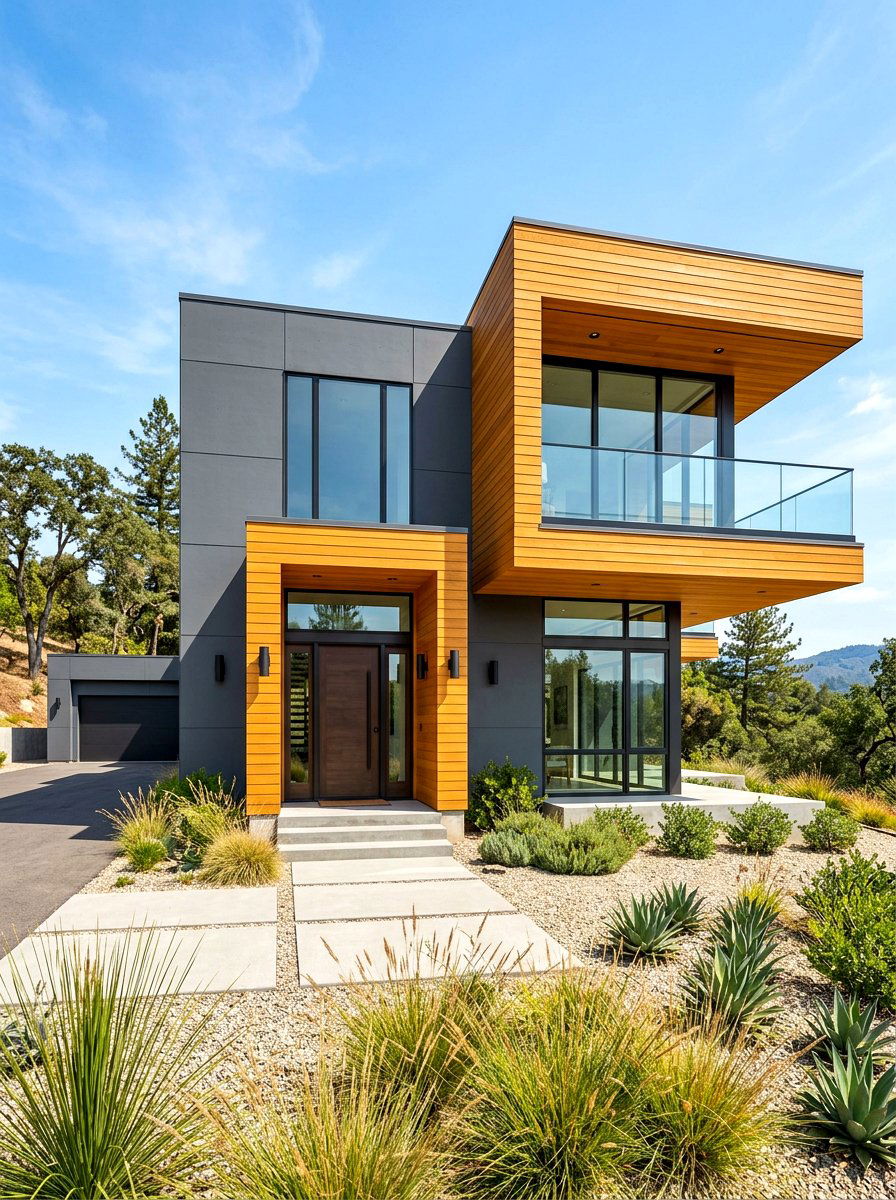
Charcoal gray siding mixed with warm wood accents is a top trend for modern residential architecture. The dark gray provides a moody and elegant base, while the wood brings in much-needed warmth and organic character. This pairing is often seen on homes with flat roofs or large windows, where the wood is used to highlight specific sections like the front door area or a second-story cantilever. The interplay between the cool charcoal and the golden or reddish tones of the wood creates a balanced, high-end aesthetic. It is a perfect choice for homeowners who want a sophisticated and nature-inspired home.
6. Light Gray Siding With Red Brick Foundation
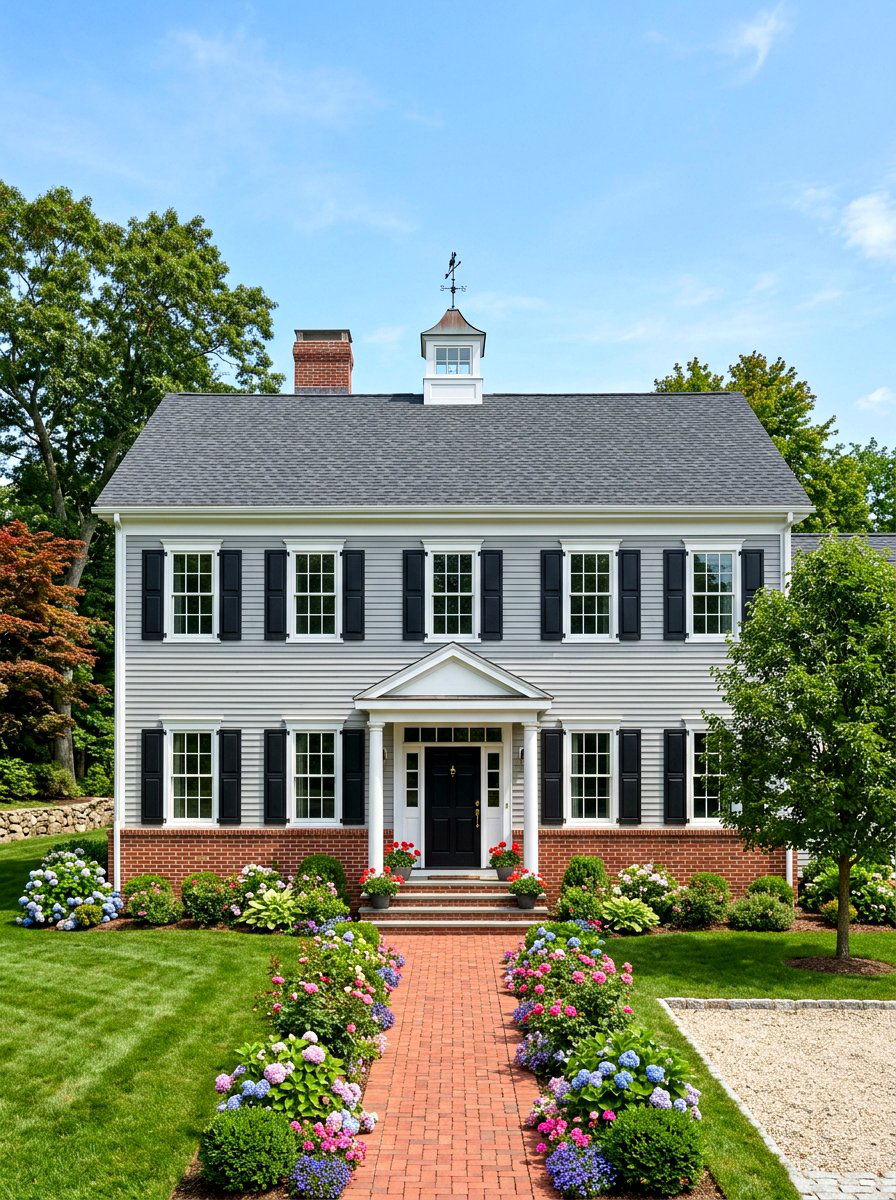
A light gray siding mixed with a traditional red brick foundation is a classic pairing that offers a sense of history and stability. The brick provides a sturdy, grounded appearance at the base of the house, while the light gray siding keeps the upper levels feeling airy and fresh. This combination is a staple for traditional and colonial-style homes. The red in the brick adds a splash of warm color that prevents the gray from looking too flat or cold. White trim and shutters can be used to tie the two materials together, resulting in a clean and very well-balanced exterior design.
7. Sage Green Siding With Beige Stone Accents
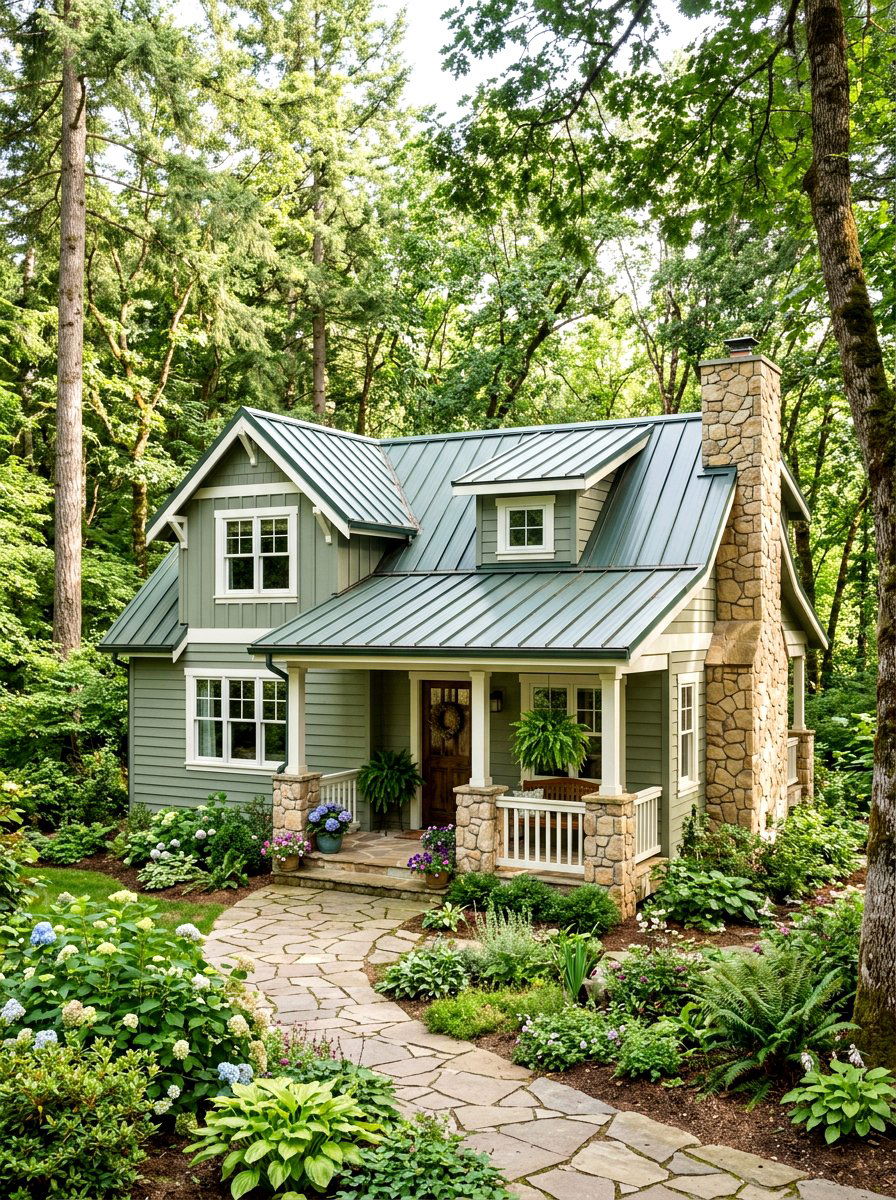
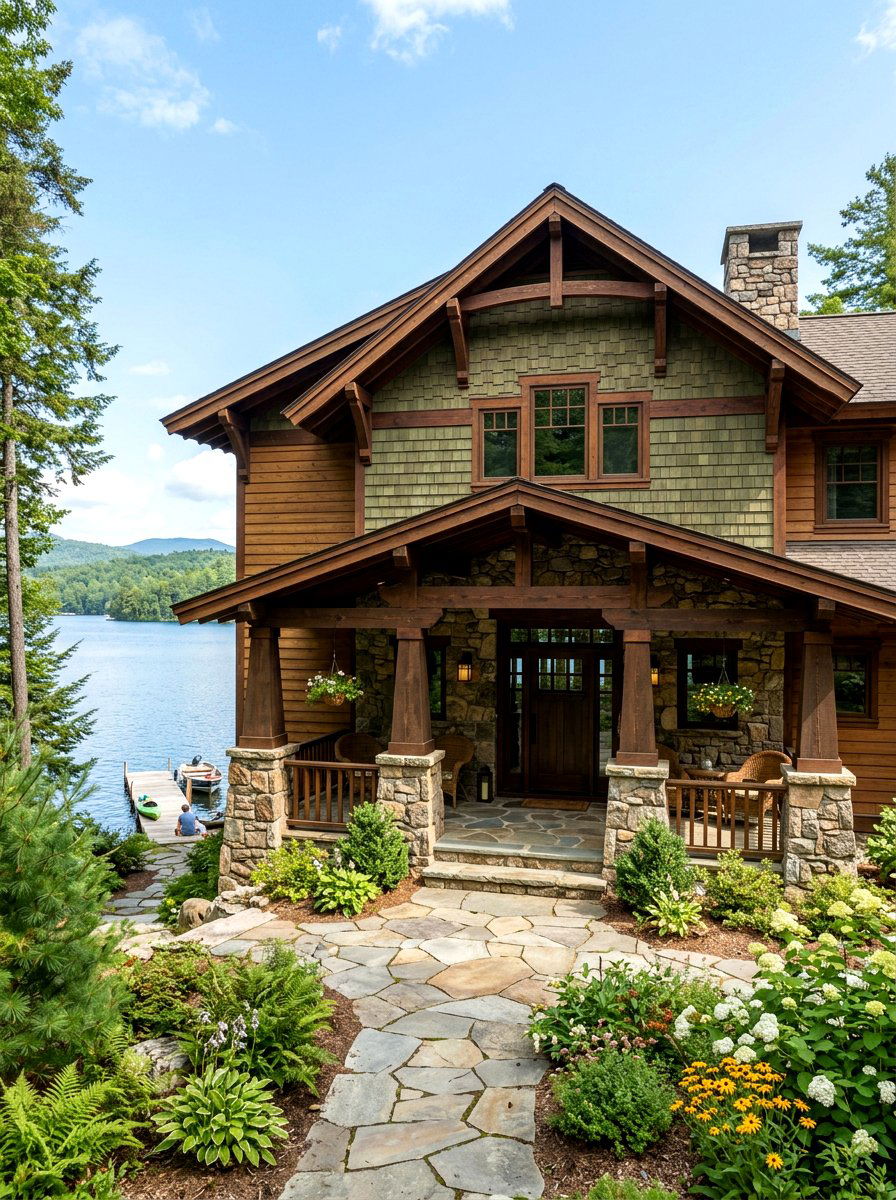
Sage green siding combined with beige stone accents creates a harmonious, earth-toned look that blends seamlessly with natural landscapes. The soft, muted green is calming and sophisticated, while the beige stone adds a rugged, organic texture. This design is ideal for homes tucked into wooded lots or those with extensive gardens. The stone can be used for porch pillars or as an accent wall near the entrance to draw visitors in. Because both colors are found in nature, they work together perfectly without competing for attention. It is an excellent choice for a serene and inviting home exterior.
8. Tan Horizontal Siding With Brown Stone Pillars
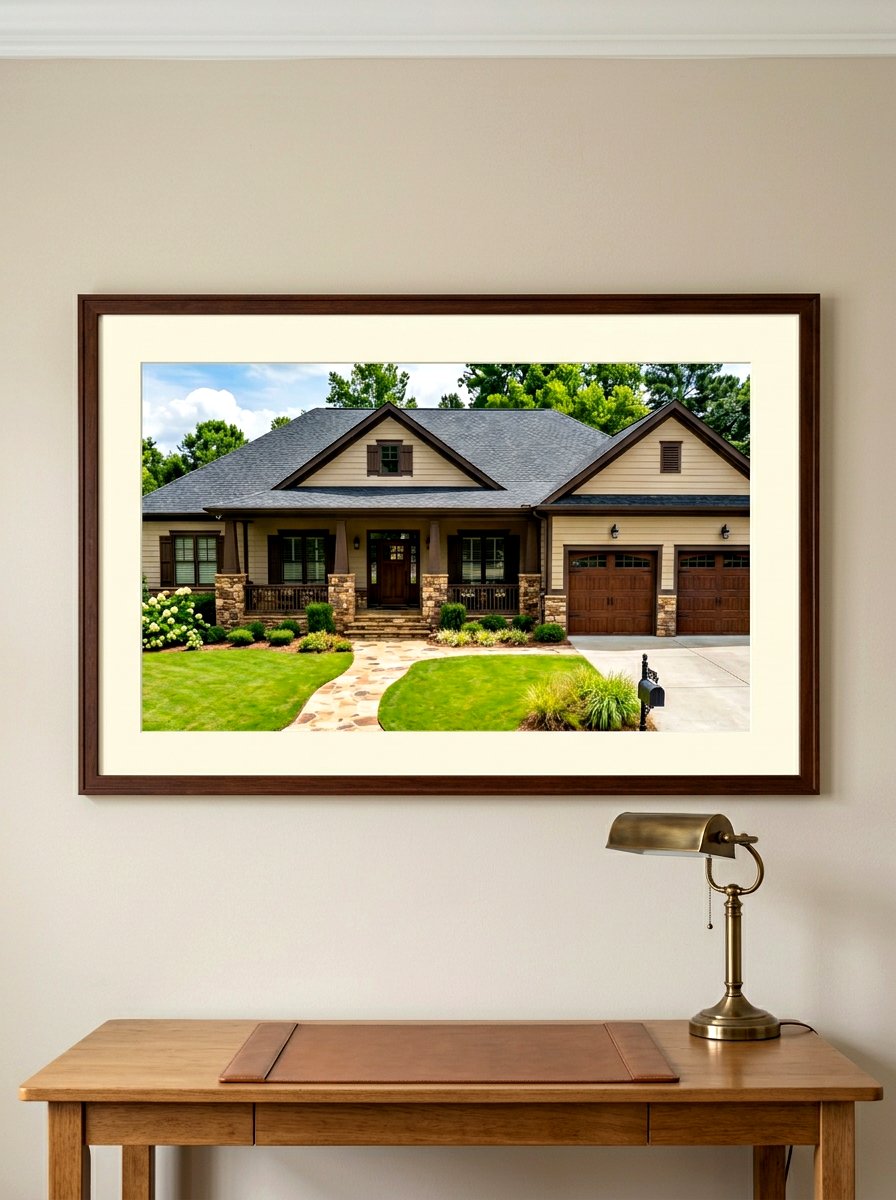
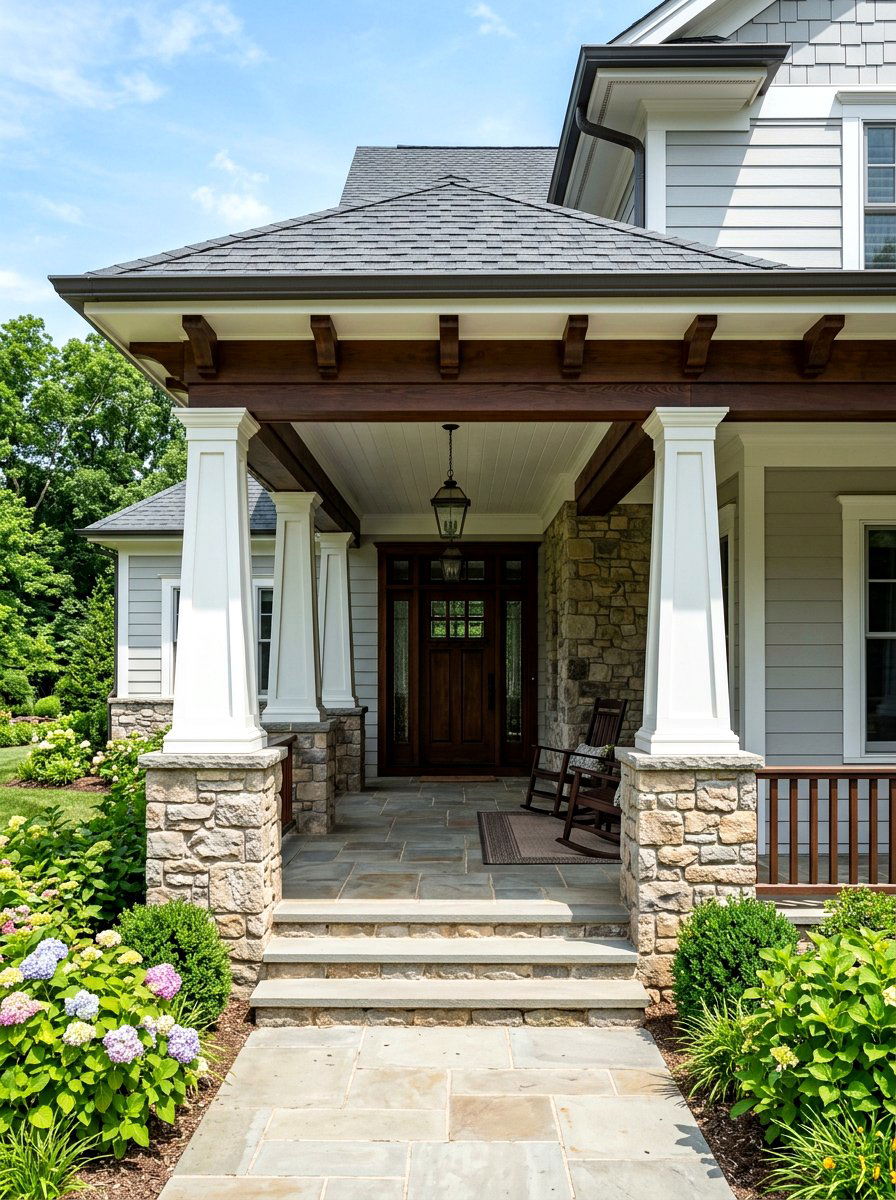
Tan horizontal siding paired with brown stone pillars provides a warm and traditional aesthetic that feels very welcoming. The neutral tan color is a versatile choice that works well on many different architectural styles. Adding thick, stacked stone pillars in shades of brown and tan adds significant architectural weight and visual interest to the porch or entryway. This mix of materials emphasizes the structural elements of the home while maintaining a soft and approachable color palette. It is a durable look that stays stylish for years, making it a safe yet beautiful investment for any homeowner looking to upgrade.
9. Navy Siding With White Board And Batten Gables
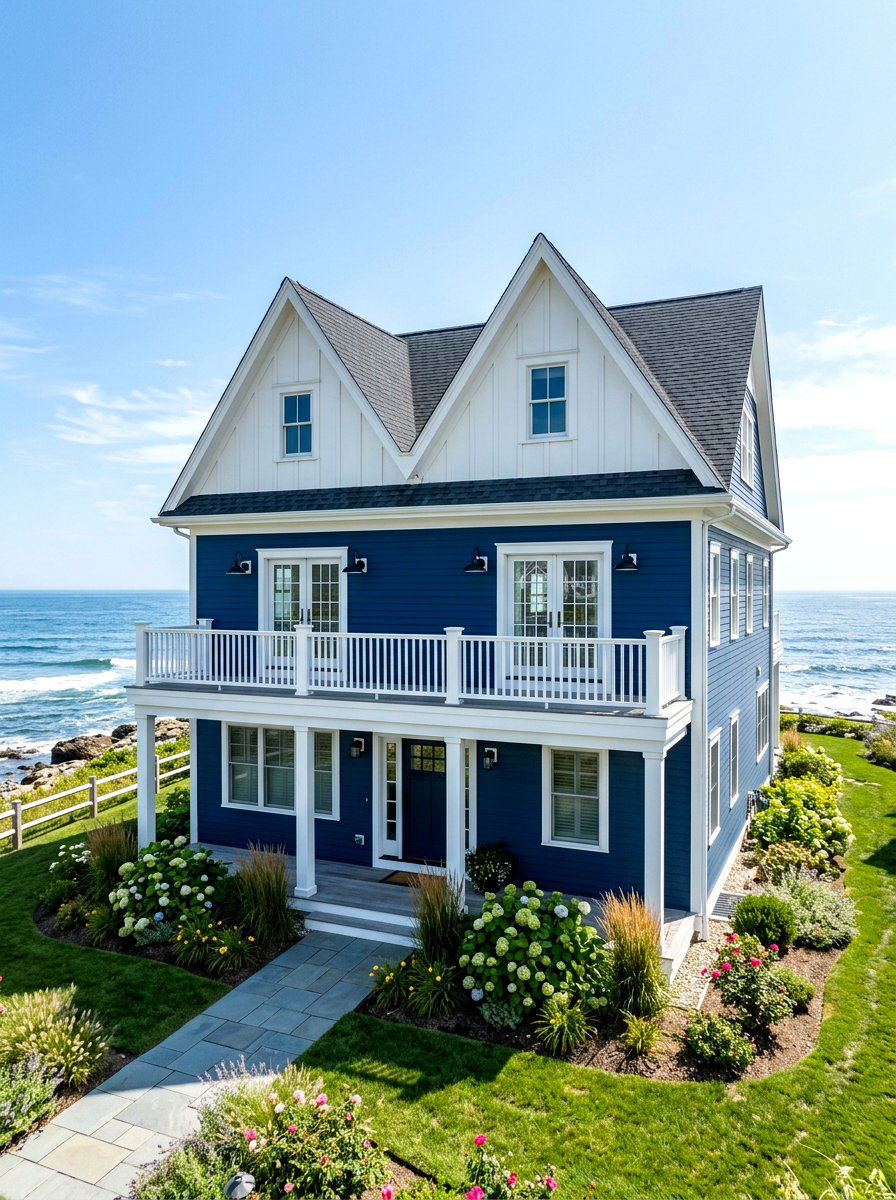
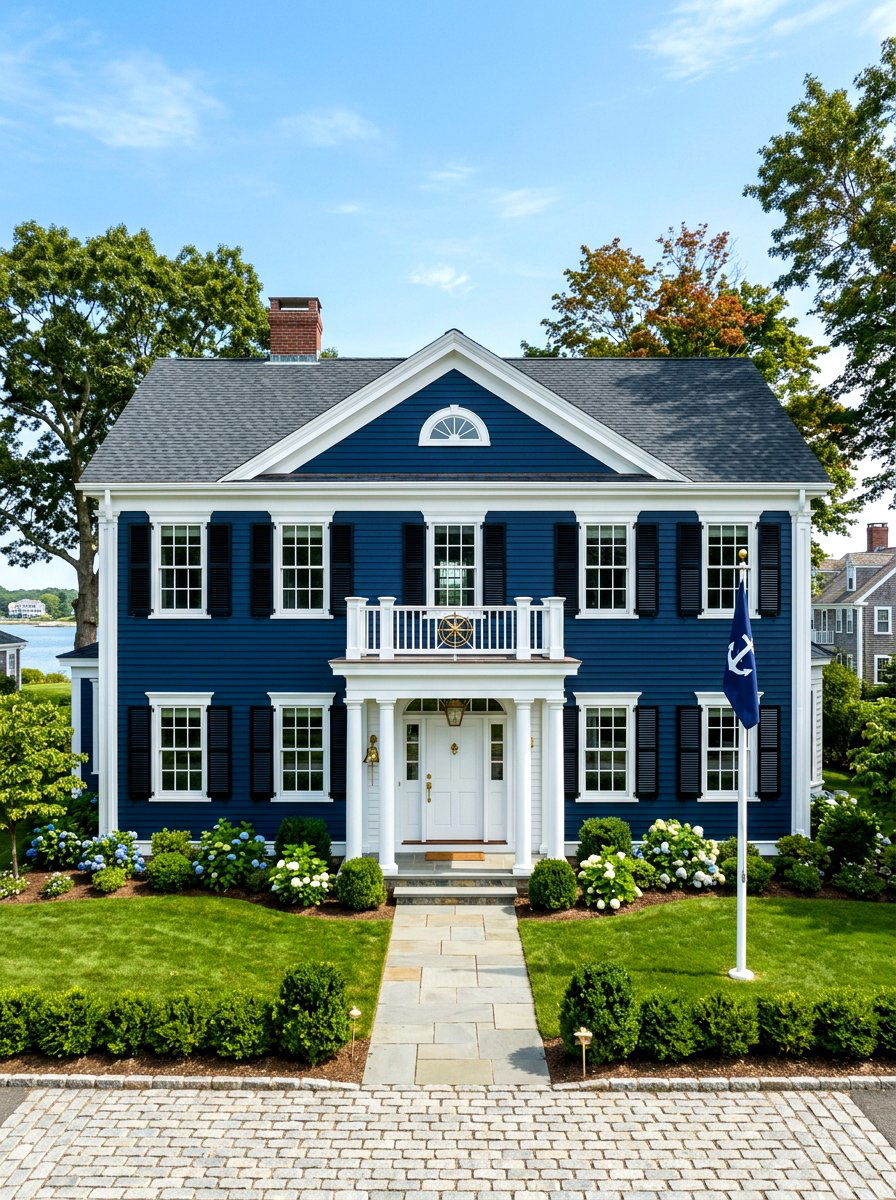
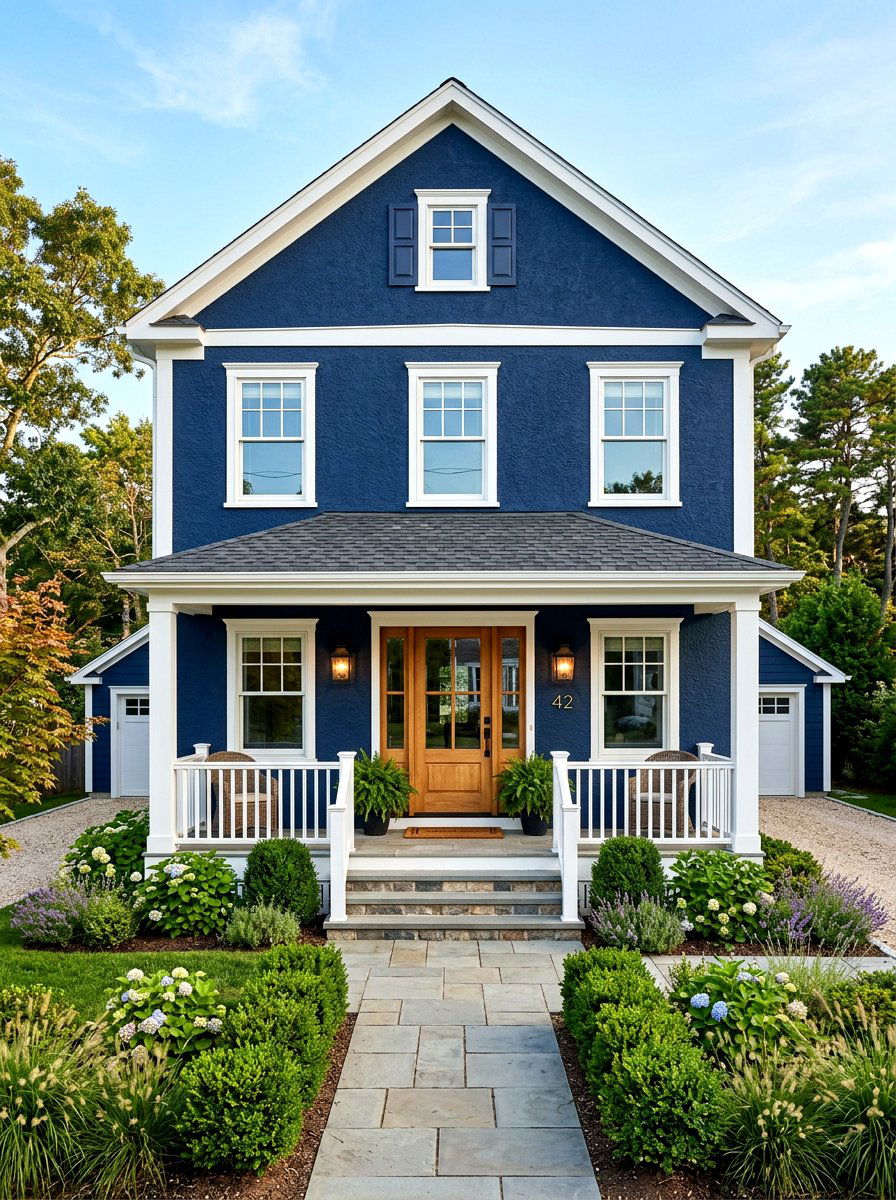
Navy blue siding mixed with white board and batten gables offers a high-contrast, nautical look that is both bold and elegant. Using the white vertical siding in the peak of the house helps to draw the eye upward and adds a decorative flourish to the roofline. The dark navy main body provides a solid, sophisticated base that feels very modern. This combination is often accented with bright white trim and a pop of color on the front door, such as yellow or red. It is a fantastic way to make a smaller home appear larger and more architecturally interesting.
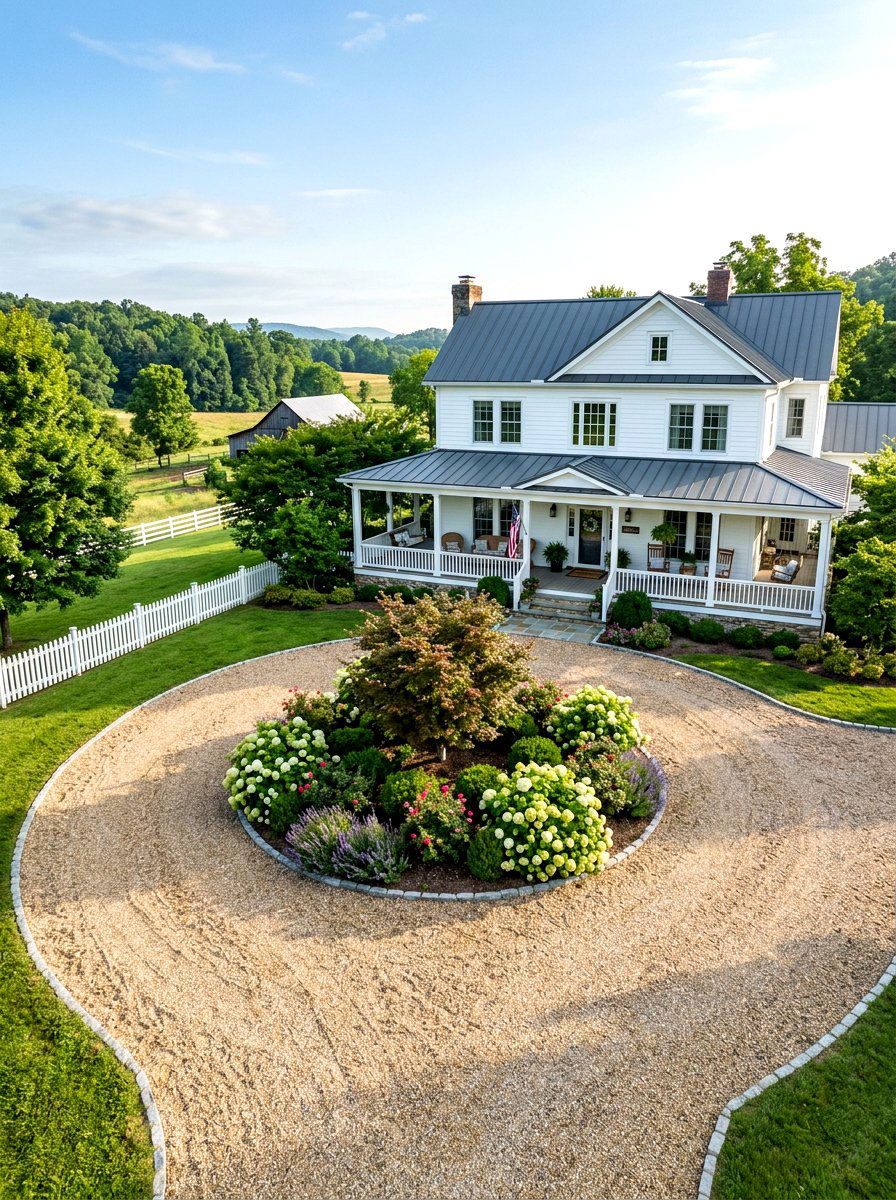
10. Metal Siding Mixed With Smooth Stucco Finish
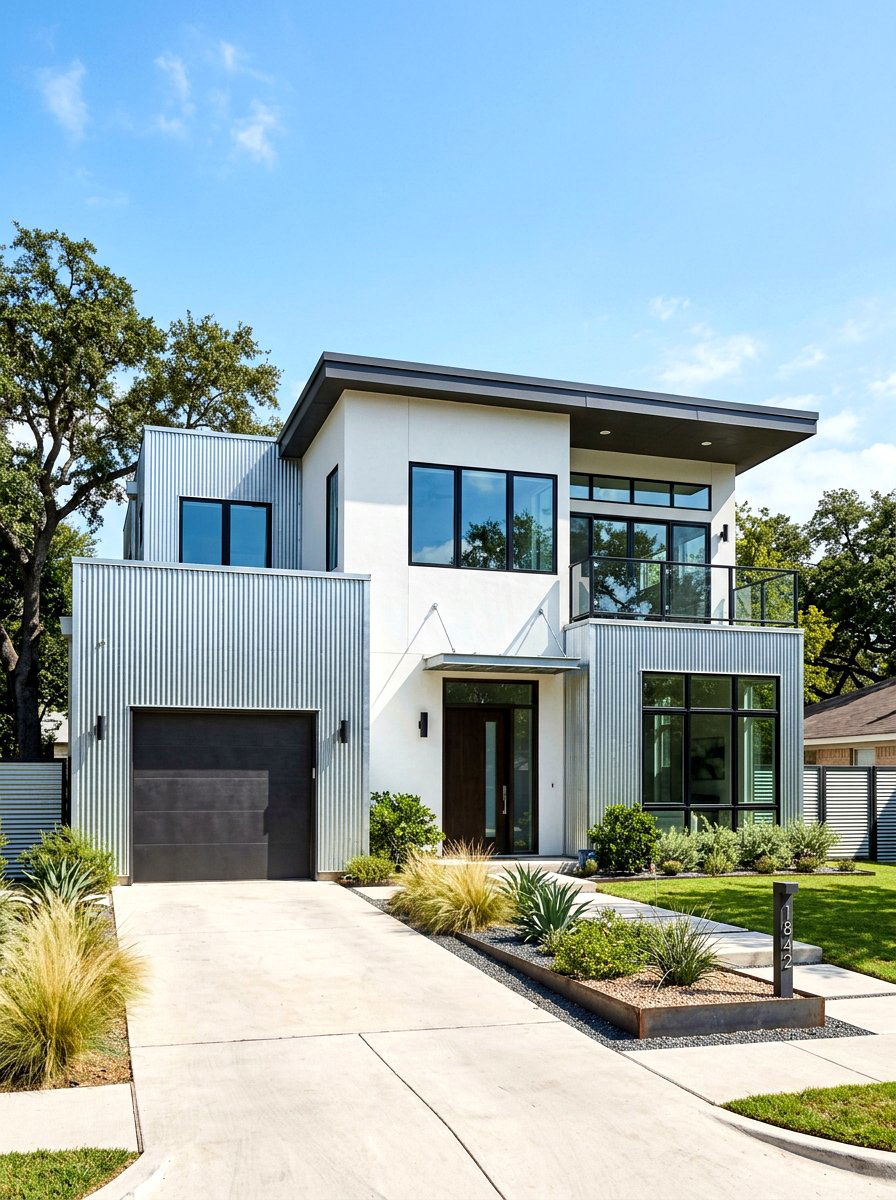
Combining corrugated metal siding with a smooth stucco finish results in a unique, industrial-modern aesthetic. The texture of the metal panels provides a sharp contrast to the flat, minimalist surface of the stucco. This look is common in urban infill projects and high-end contemporary homes. Usually, the metal is used as an accent on bump-outs or garage doors, while the stucco covers the larger wall sections. This allows for a play on light and shadow that changes throughout the day. It is a durable, low-maintenance choice for homeowners who want a cutting-edge design that feels both artistic and very functional.
11. Wood Look Metal Siding With Black Trim
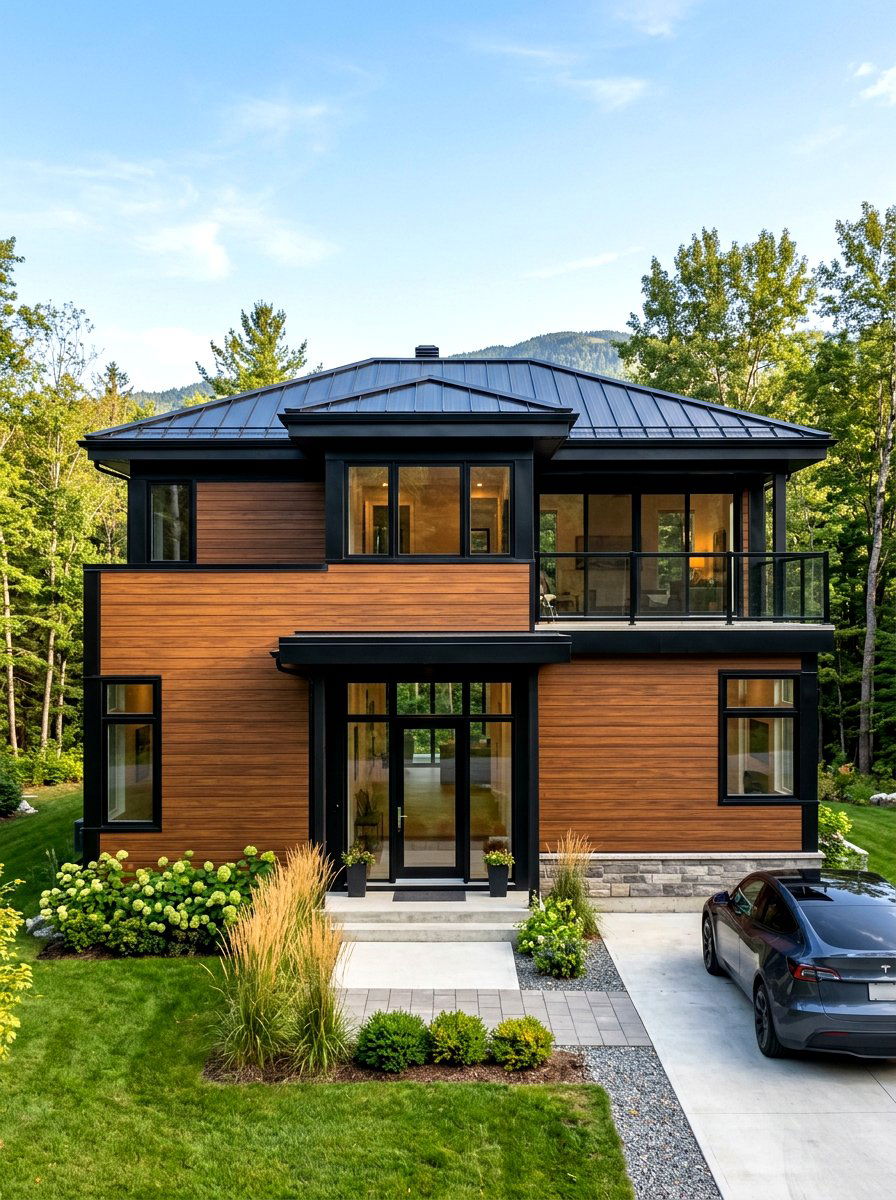
Wood-look metal siding combined with black trim offers the beauty of natural timber without the intensive maintenance requirements. Modern manufacturing allows metal panels to replicate the grain and color of real wood with incredible accuracy. When paired with sharp black trim, the house gains a modern, framed look that is very popular in contemporary design. This combination is perfect for areas with harsh weather where real wood might warp or fade. The black accents provide a sophisticated border that makes the warm wood tones stand out. It creates a clean, high-contrast exterior that stays looking new for many decades.
12. Traditional Red Brick With Gray Siding Accents
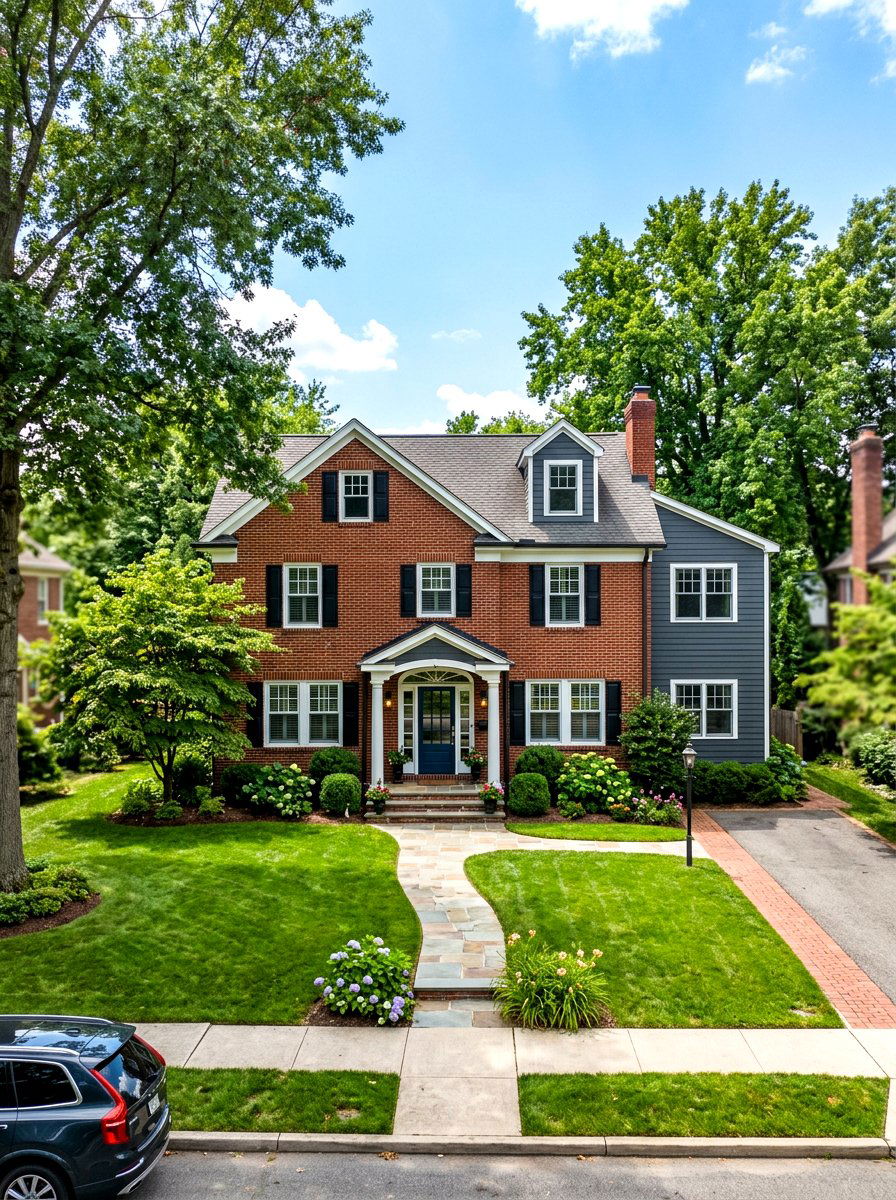
Traditional red brick remains a favorite for many, but adding gray siding accents can give it a modern update. By using gray lap siding or shingles on dormers and additions, you can break up the heaviness of an all-brick facade. The cool tones of the gray balance the warmth of the red brick, creating a more contemporary and balanced look. This is a great way to renovate an older brick home and give it fresh curb appeal. Adding white or black trim helps to unify the different materials, resulting in an exterior that feels both historic and fully updated.
13. Shingle Siding Combined With Horizontal Lap Siding
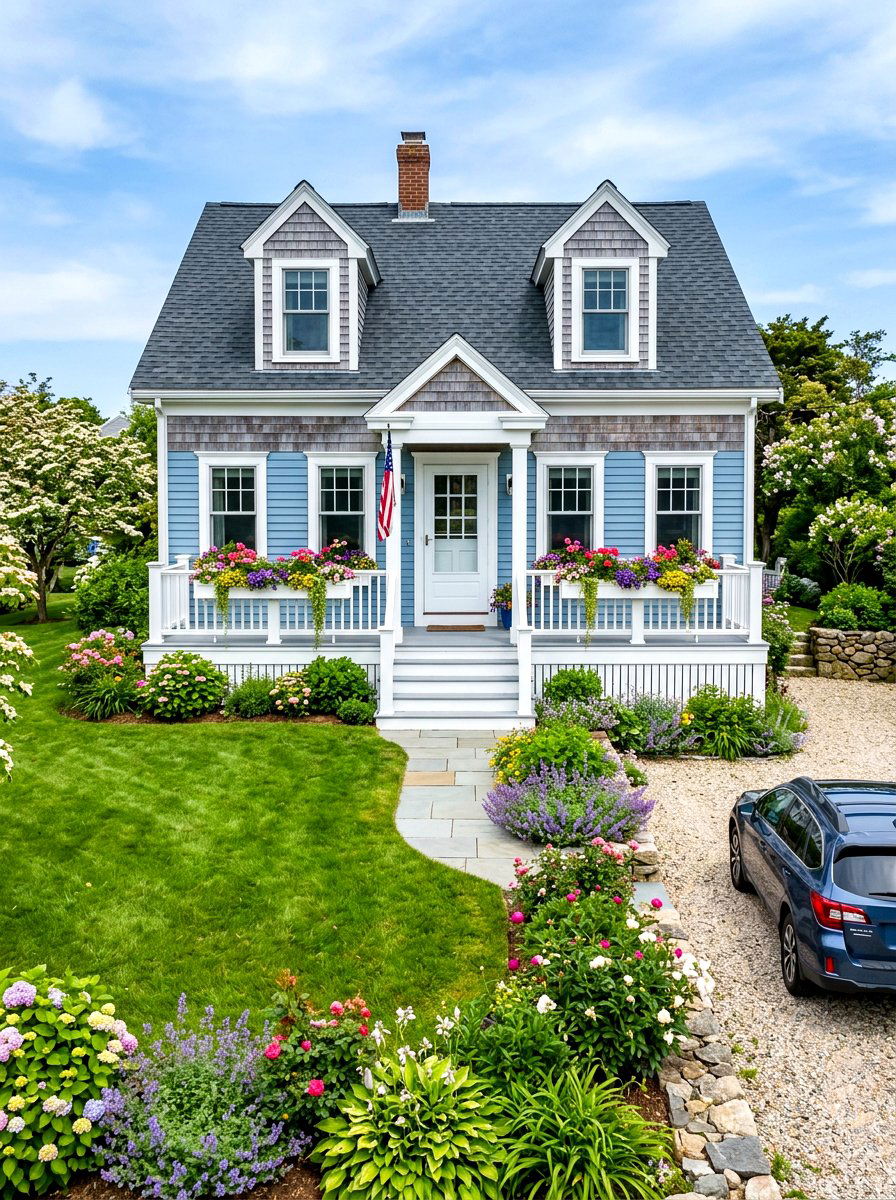
Mixing shingle siding with horizontal lap siding is a classic way to add architectural depth to a home. Often, the shingles are used on the upper story or in specific gables to create a "top-heavy" texture that is visually interesting. The lap siding provides a clean, stable base for the more decorative shingles. This pairing is very common in coastal regions and on Craftsman-style homes. You can play with different colors for each siding type or keep them in the same color family for a more subtle, texture-focused look. It is a reliable way to make any home feel custom-built.
14. Emerald Green Siding With Light Wood Siding
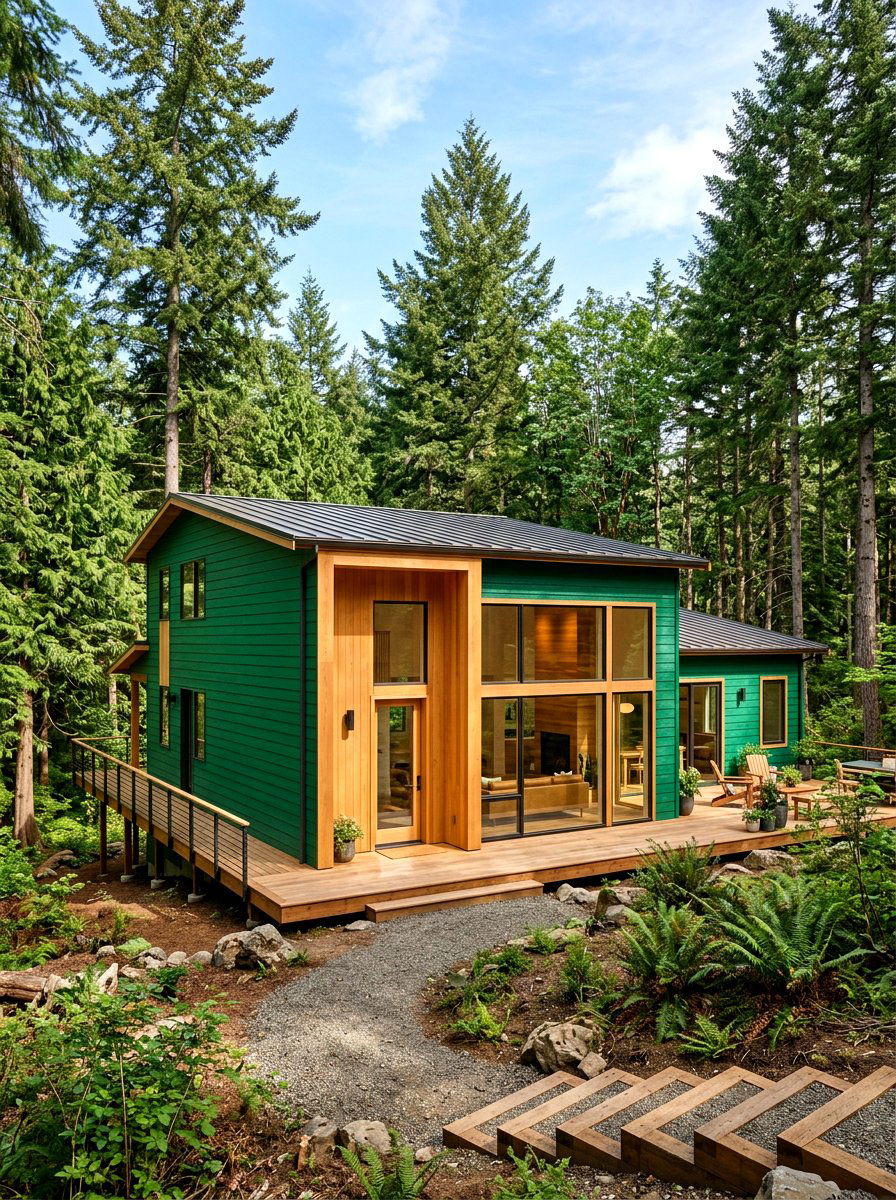
Emerald green siding mixed with light wood accents creates a vibrant and nature-inspired exterior that is truly unique. The deep, rich green is a bold choice that stands out against typical neutrals, while the light wood — like cedar or white oak — softens the look. This combination is perfect for modern homes in lush, green environments. The wood can be used for the front door, porch ceilings, or as vertical panels to break up the green walls. This creates a sophisticated, earthy vibe that feels high-end and intentional. It is a daring but rewarding palette for those who love color and texture.
15. Vertical Cedar Siding With Dark Metal Panels
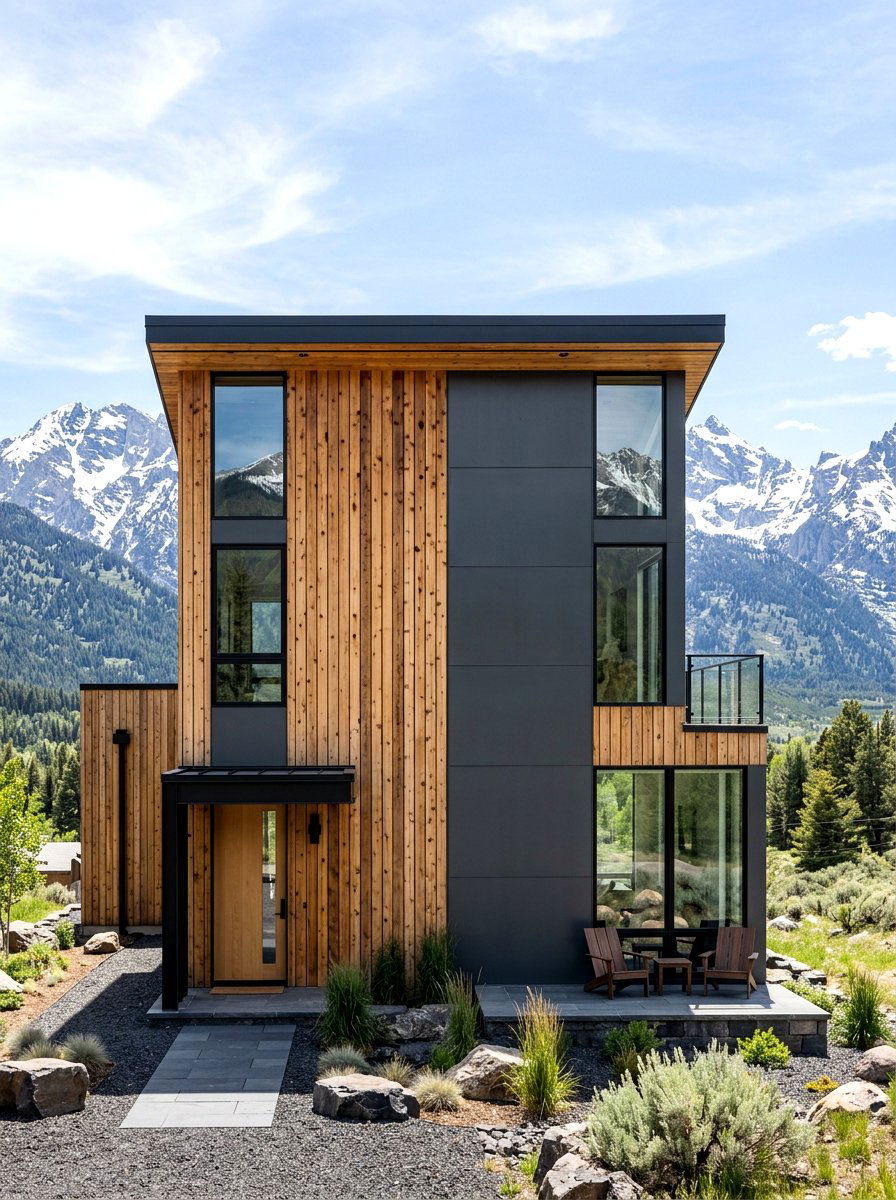
Vertical cedar siding paired with dark metal panels is a hallmark of modern West Coast architecture. The vertical orientation of both materials creates a streamlined, tall appearance that is very sleek. The natural variations in the cedar wood provide a warm, organic contrast to the cold, uniform surface of the black or charcoal metal. This mix is often used to define different functional areas of the house, such as a wood-clad living space next to a metal-clad garage. The combination is not only visually striking but also very durable, especially when using high-quality treated wood and weather-resistant metal panels.
16. Two Tone Gray Siding With Stacked Stone
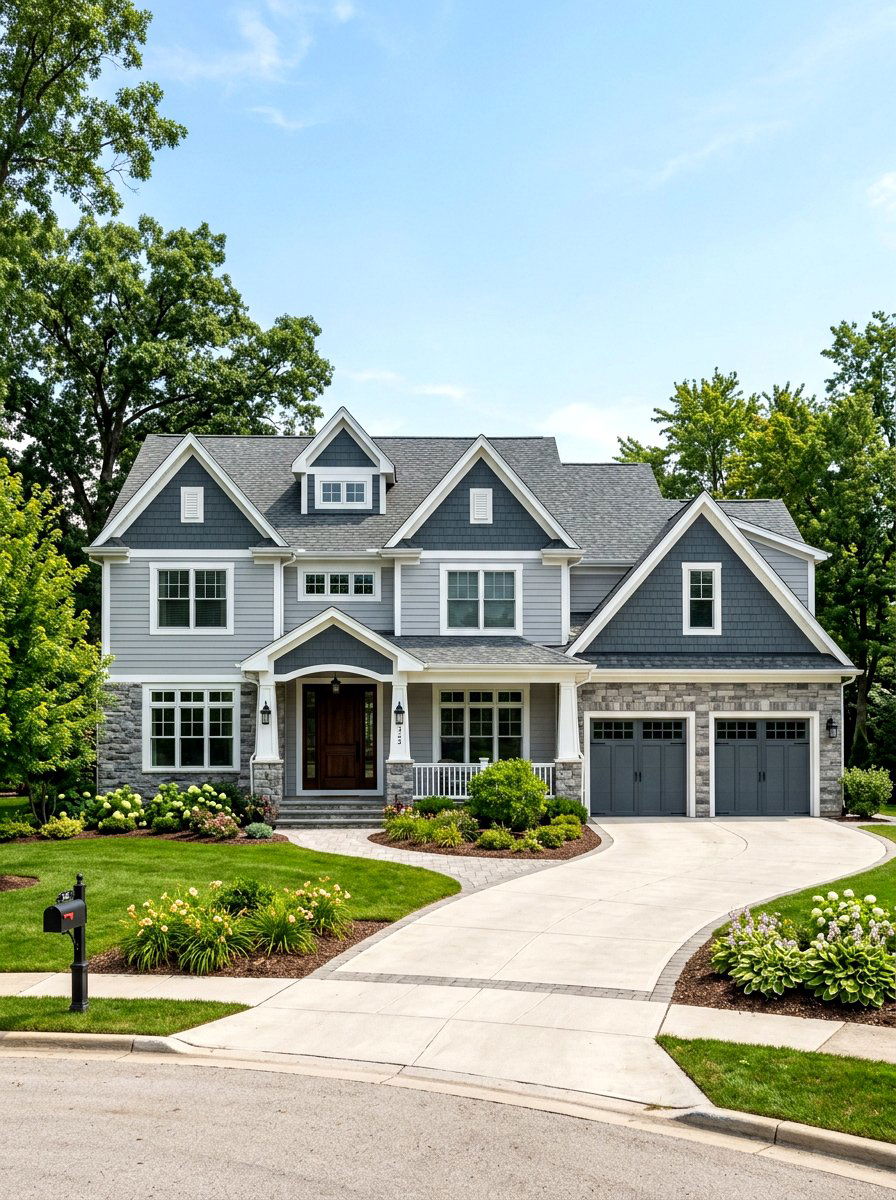
Using two different shades of gray siding along with stacked stone creates a sophisticated, monochromatic look with plenty of depth. You might choose a light gray for the main body and a darker charcoal for the gables or window surrounds. Adding a stacked stone foundation in mixed gray tones ties the whole design together and adds a rugged texture. This approach is very modern and works well on large homes where a single color might feel overwhelming. The variation in shade and texture keeps the eye moving and highlights the home's architectural lines without needing bright, contrasting colors.
17. White Siding With Dark Gray Shingle Accents
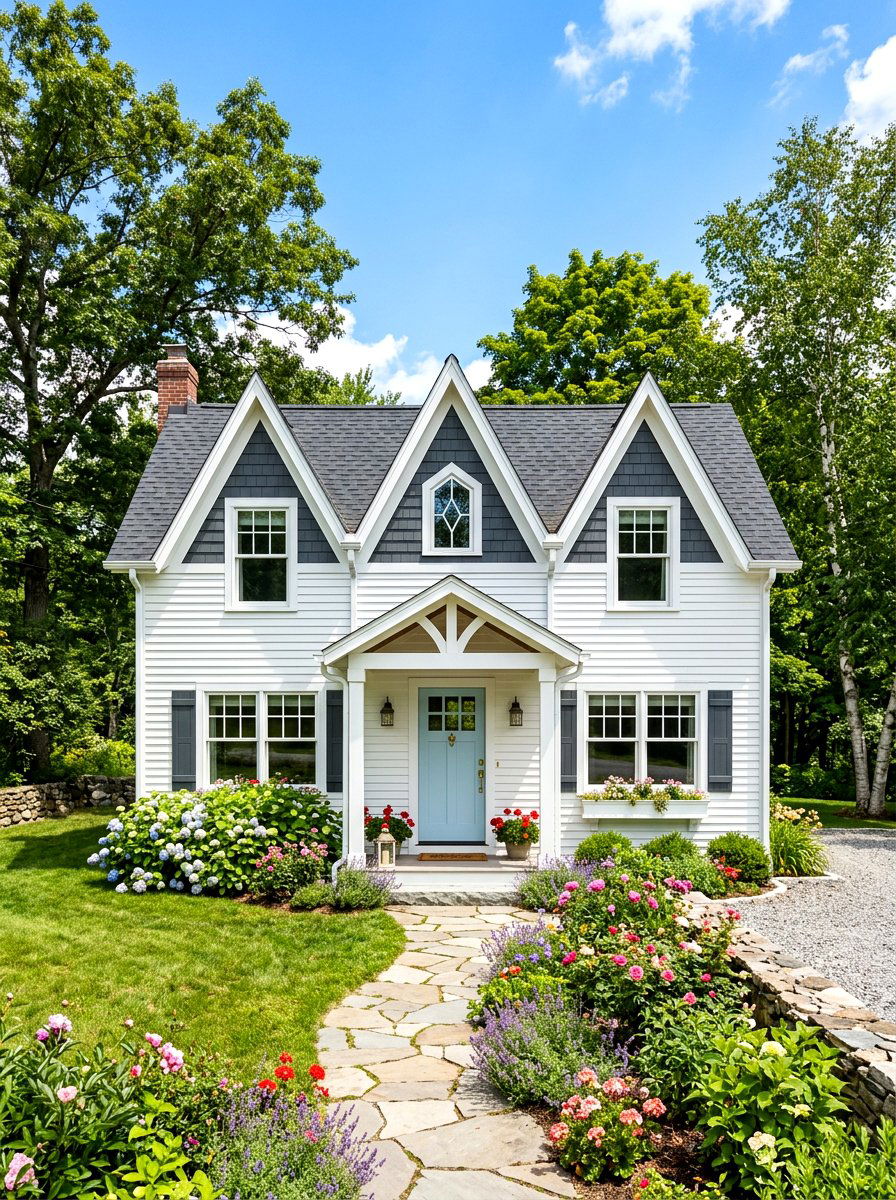
White lap siding with dark gray shingle accents offers a fresh and updated take on the classic cottage look. The bright white walls reflect light and make the home feel welcoming, while the dark gray shingles add a touch of sophisticated drama to the gables or dormers. This color palette is clean and timeless, making it a great choice for long-term curb appeal. Adding a dark roof and black shutters can further enhance the contrast. It is a versatile design that fits perfectly into almost any neighborhood, offering a polished look that feels both traditional and very current.
18. Modern Black Siding With Natural Stone Walls
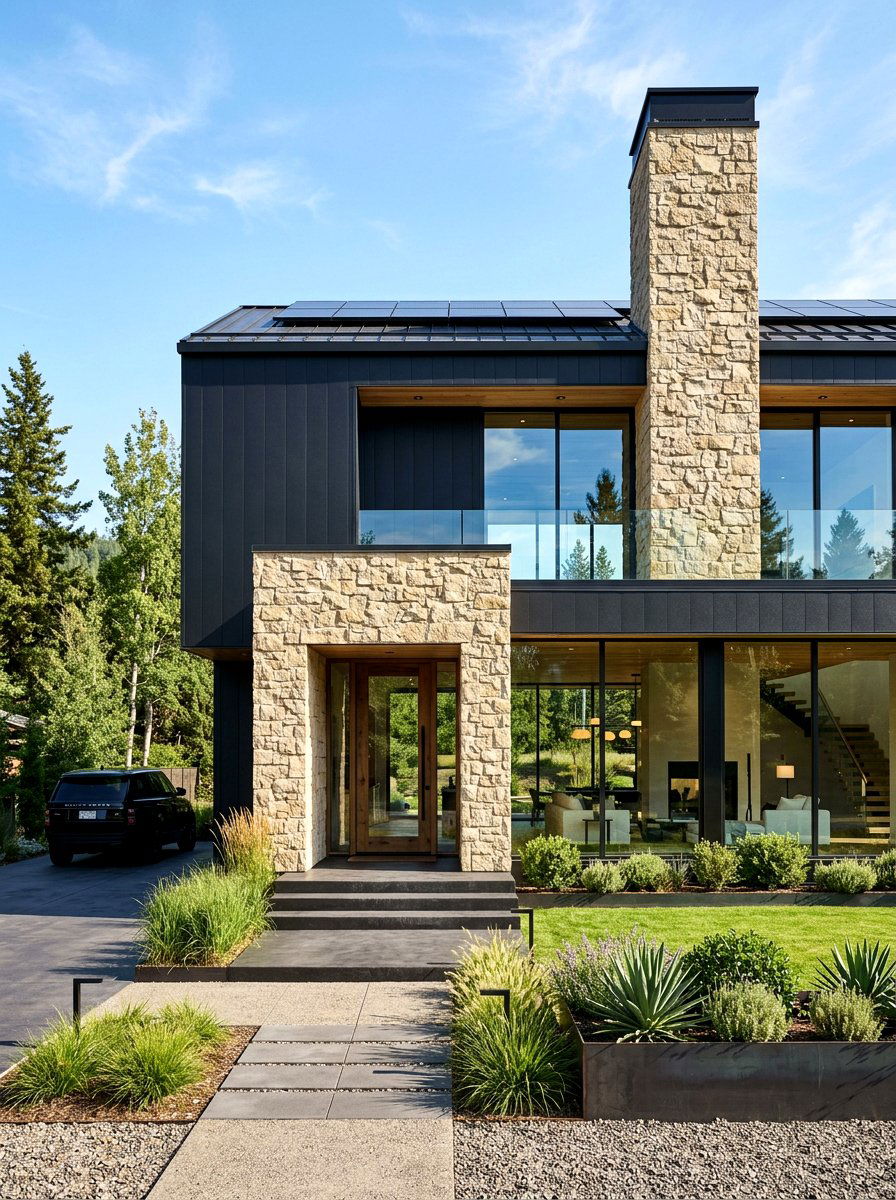
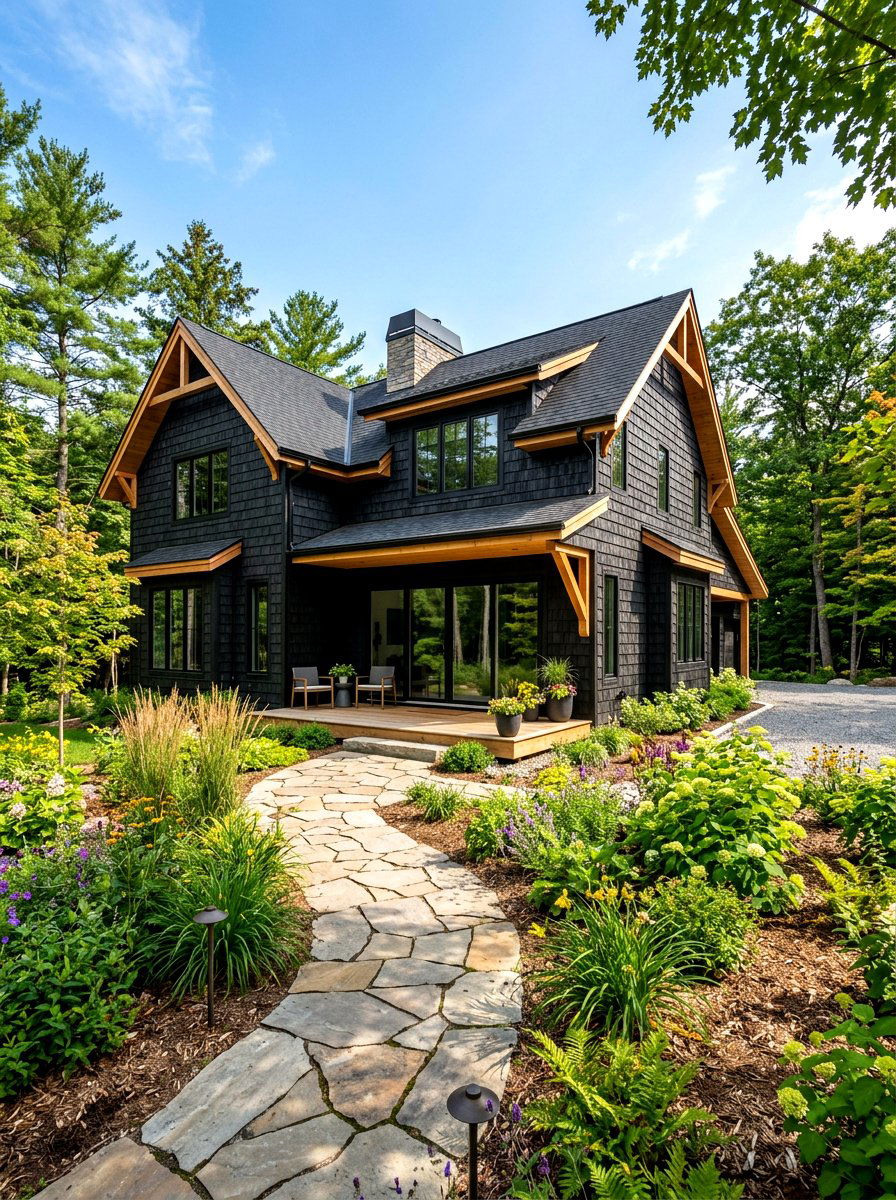
Modern black siding combined with natural stone walls is a high-drama design choice that exudes luxury and contemporary style. The all-black exterior is a bold statement, and the inclusion of light-colored stone helps to break up the dark surface and add organic texture. This combination is often seen on luxury modern builds with large expanses of glass. The stone can be used for large retaining walls, the entryway, or a central chimney to provide a massive, grounded element. The contrast between the matte black siding and the variegated colors of the stone creates a stunning, visually rich facade.
19. Taupe Siding Combined With White Brick Accents
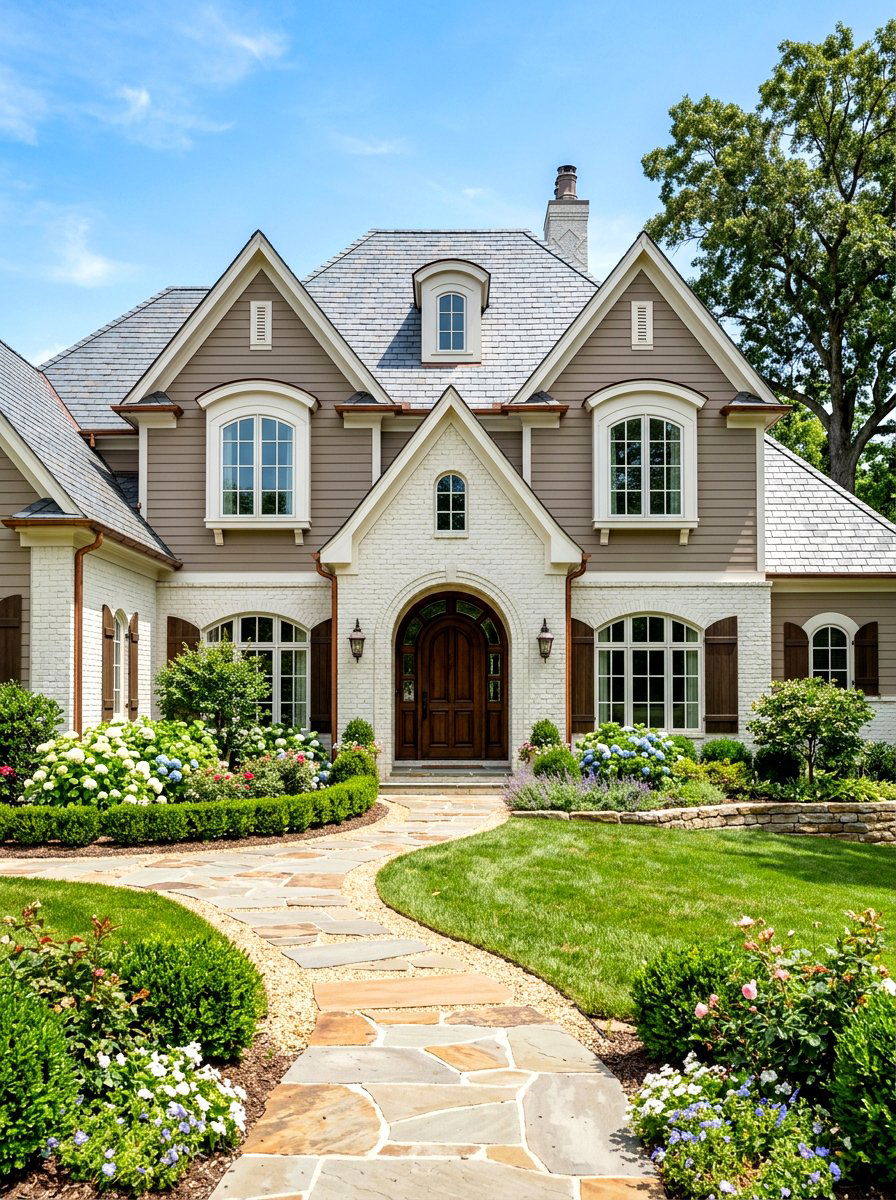
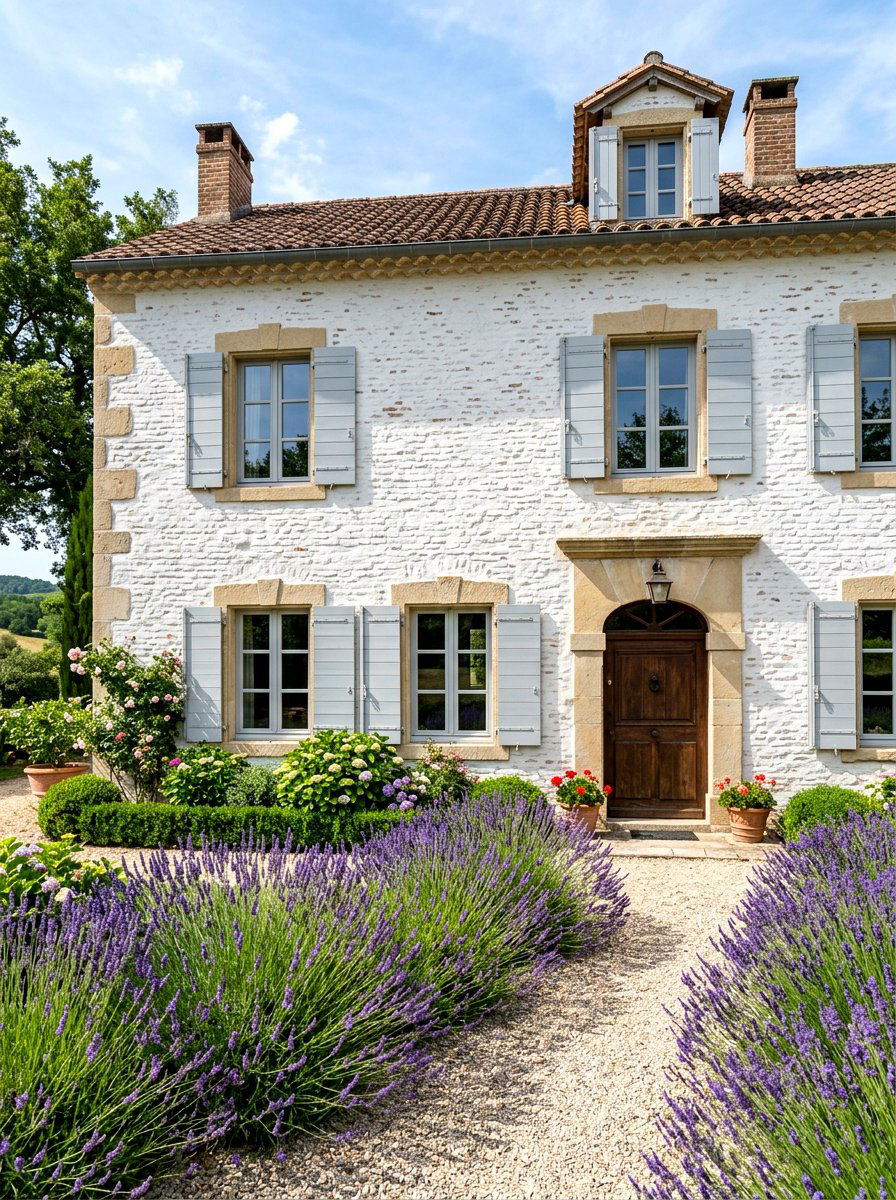
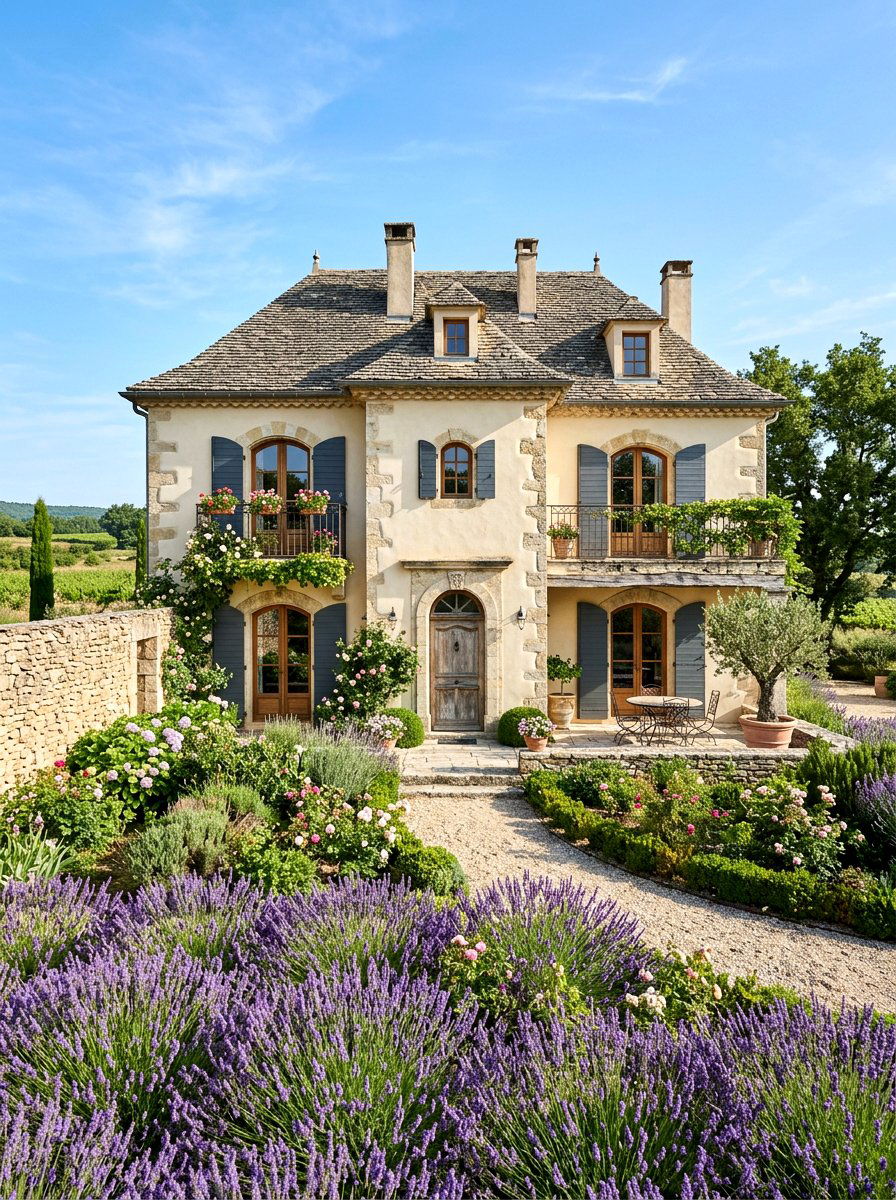
Taupe siding mixed with white brick accents offers a soft, elegant look that is perfect for a refined suburban home. Taupe is a sophisticated neutral that feels warmer than gray but more modern than beige. When paired with painted white brick on the lower level or around the entrance, the result is a bright and airy exterior. This combination is very popular for French Country or transitional-style homes. The brick adds a classic texture, while the smooth siding keeps the design from feeling too heavy. It is a beautiful, understated palette that looks expensive and very well-planned.
20. Vertical Siding Mixed With Horizontal Stone Veneer
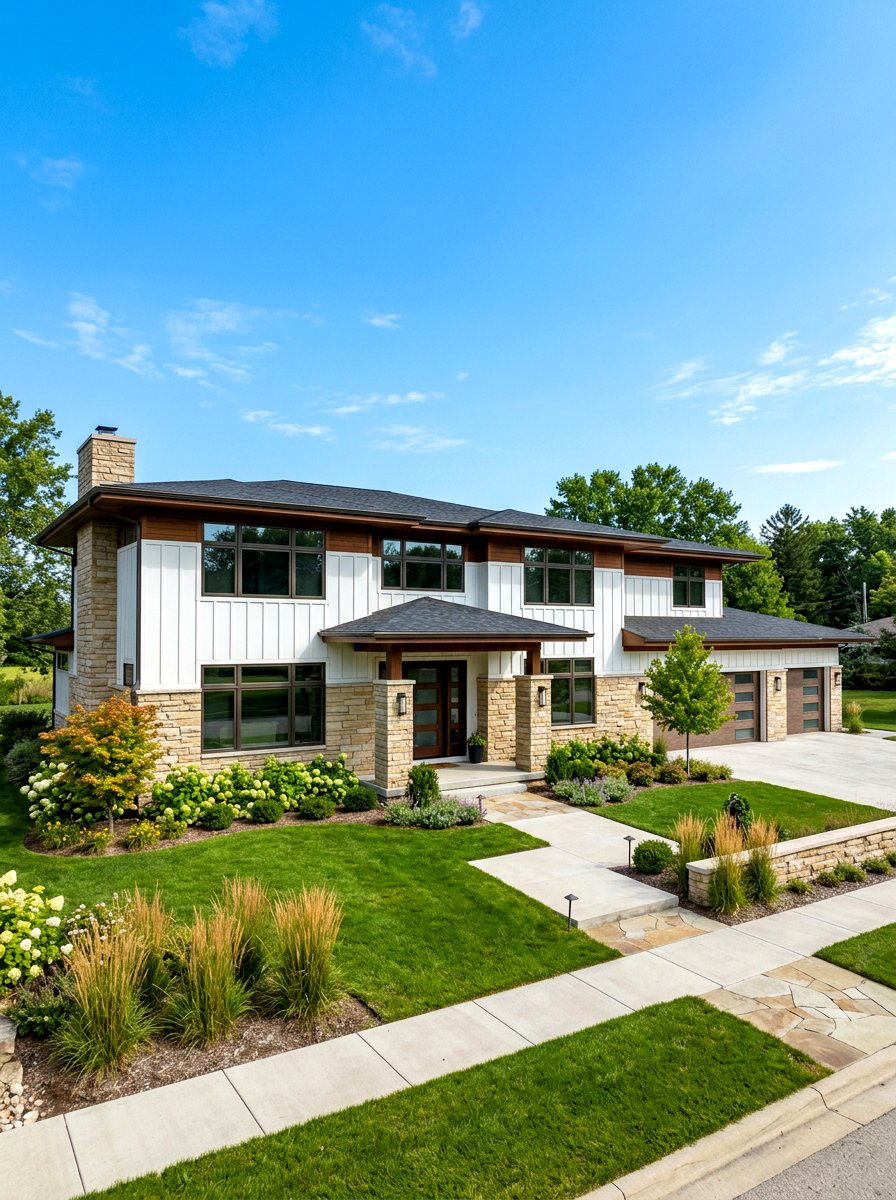
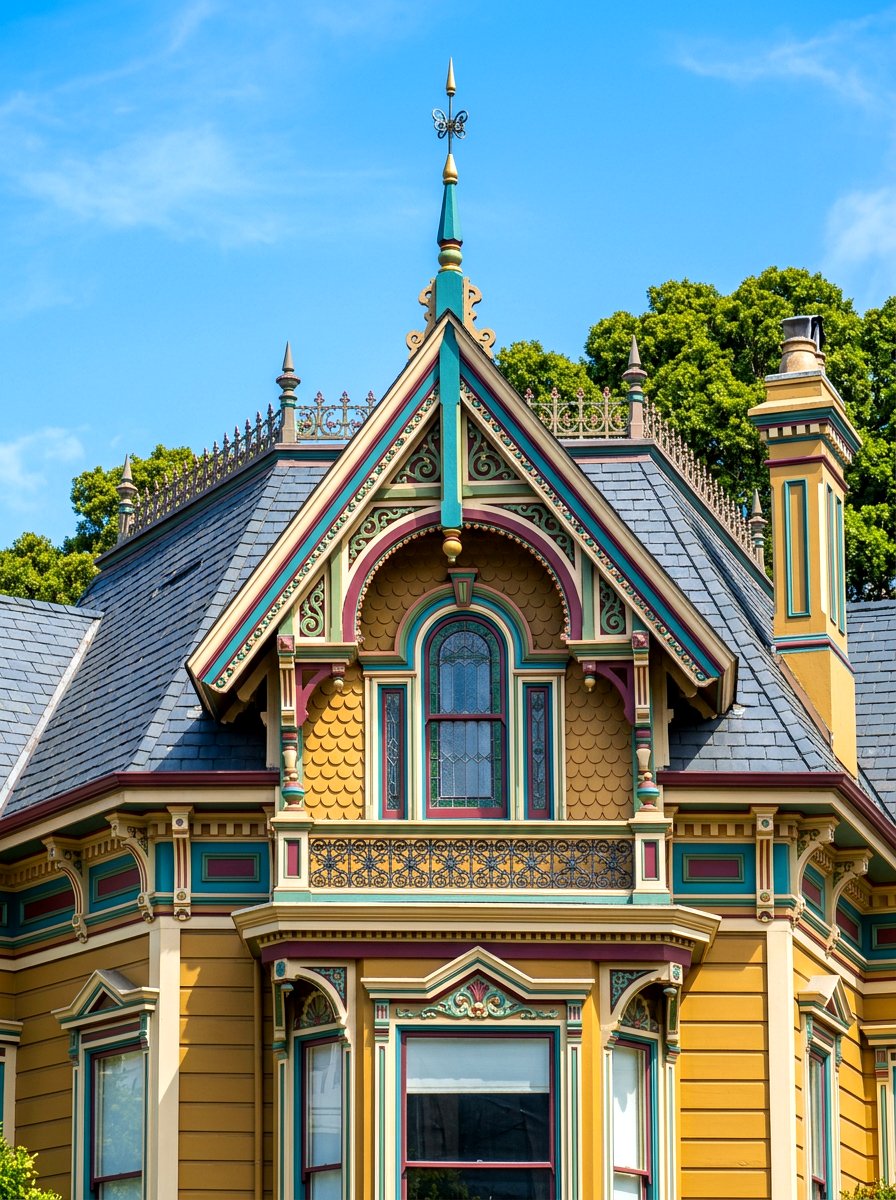
Mixing vertical siding with horizontal stone veneer creates a dynamic interplay of lines that adds height and stability simultaneously. The vertical planks draw the eye up toward the roofline, while the long, horizontal stones ground the structure. This is a common technique used in modern farmhouse and prairie-style architecture. The stone veneer can be applied to the lower third of the house or used to frame the front door. Choosing colors that complement each other, like a creamy white siding with a tan stone, creates a cohesive and inviting look that enhances the home's overall architectural silhouette.
21. Corrugated Metal Siding With Reclaimed Wood Accents
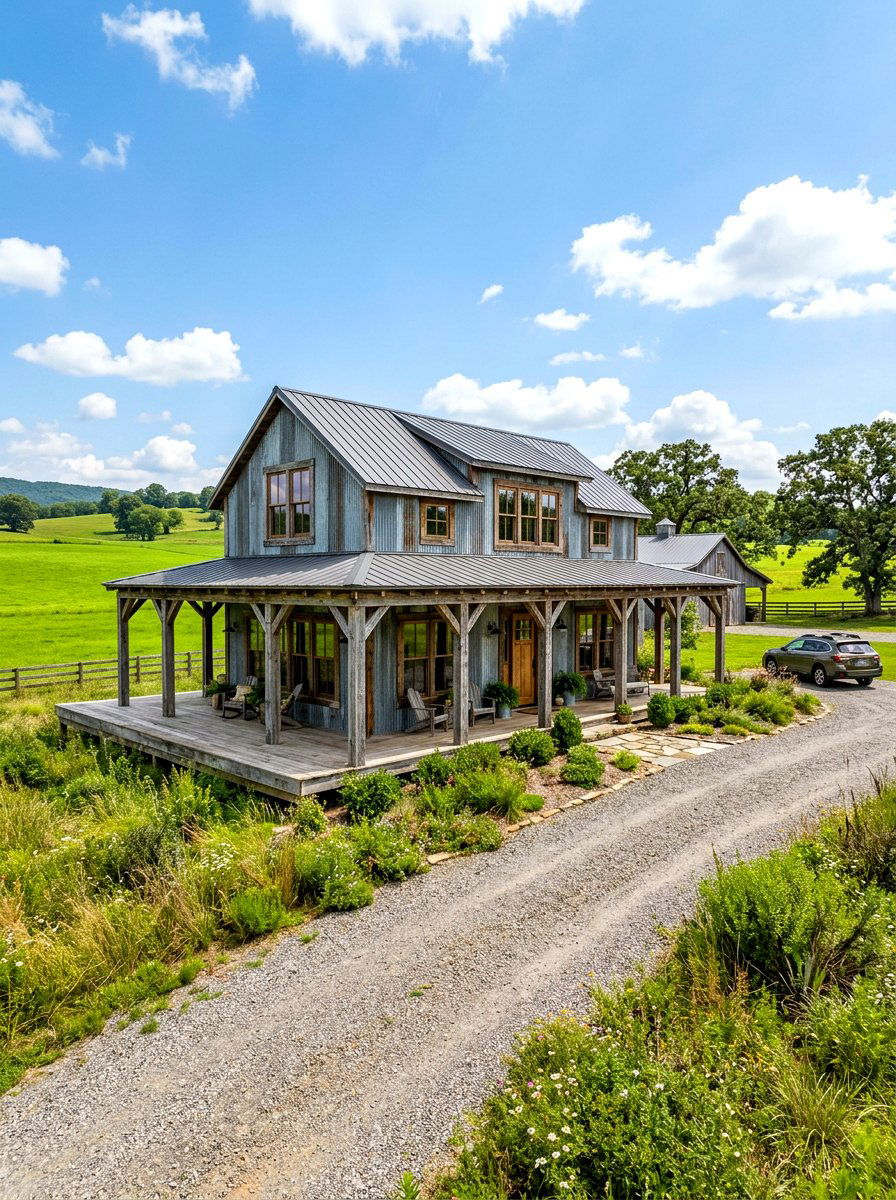
Corrugated metal siding mixed with reclaimed wood accents creates a "modern rustic" or "industrial farmhouse" look that is full of character. The raw, textured appearance of the metal panels provides a cool, industrial base, while the weathered wood brings in history and warmth. This combination is perfect for creative homeowners or those building in rural or mountainous areas. The wood is often used for prominent features like a large front porch or decorative beams, while the metal handles the larger, more exposed wall surfaces. It is a highly durable and visually engaging mix that tells a unique design story.
22. Forest Green Siding With Earthy Limestone Accents
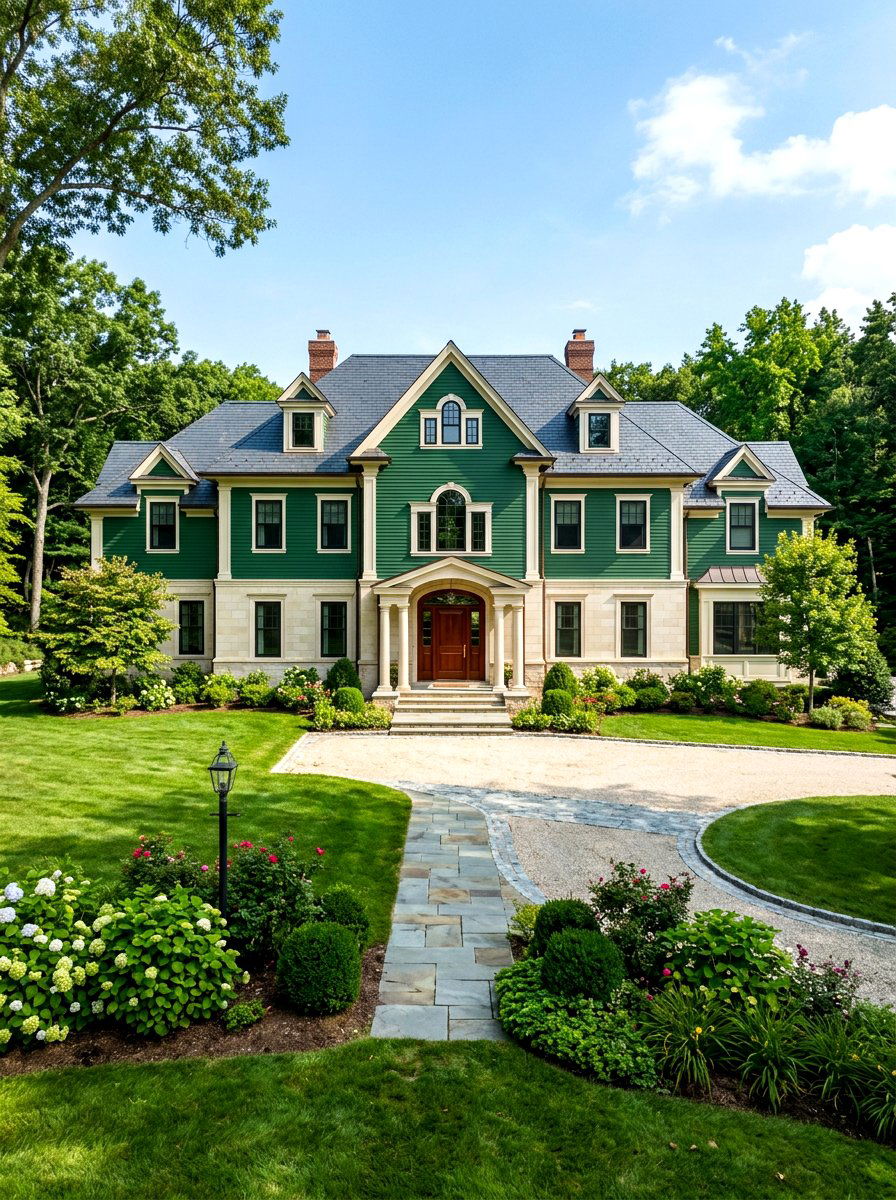
Forest green siding paired with earthy limestone accents offers a rich, traditional look that feels very connected to the outdoors. The deep green color is classic and sophisticated, especially when used on a house with white trim. Limestone accents, whether in the form of a foundation or decorative window sills, add a bright, natural element that keeps the green from feeling too dark. This combination is ideal for historic renovations or new builds that want to feel established. The soft, creamy color of the limestone provides the perfect counterpoint to the saturated green, resulting in a balanced and elegant home.
23. Pale Yellow Siding With White Shingle Accents
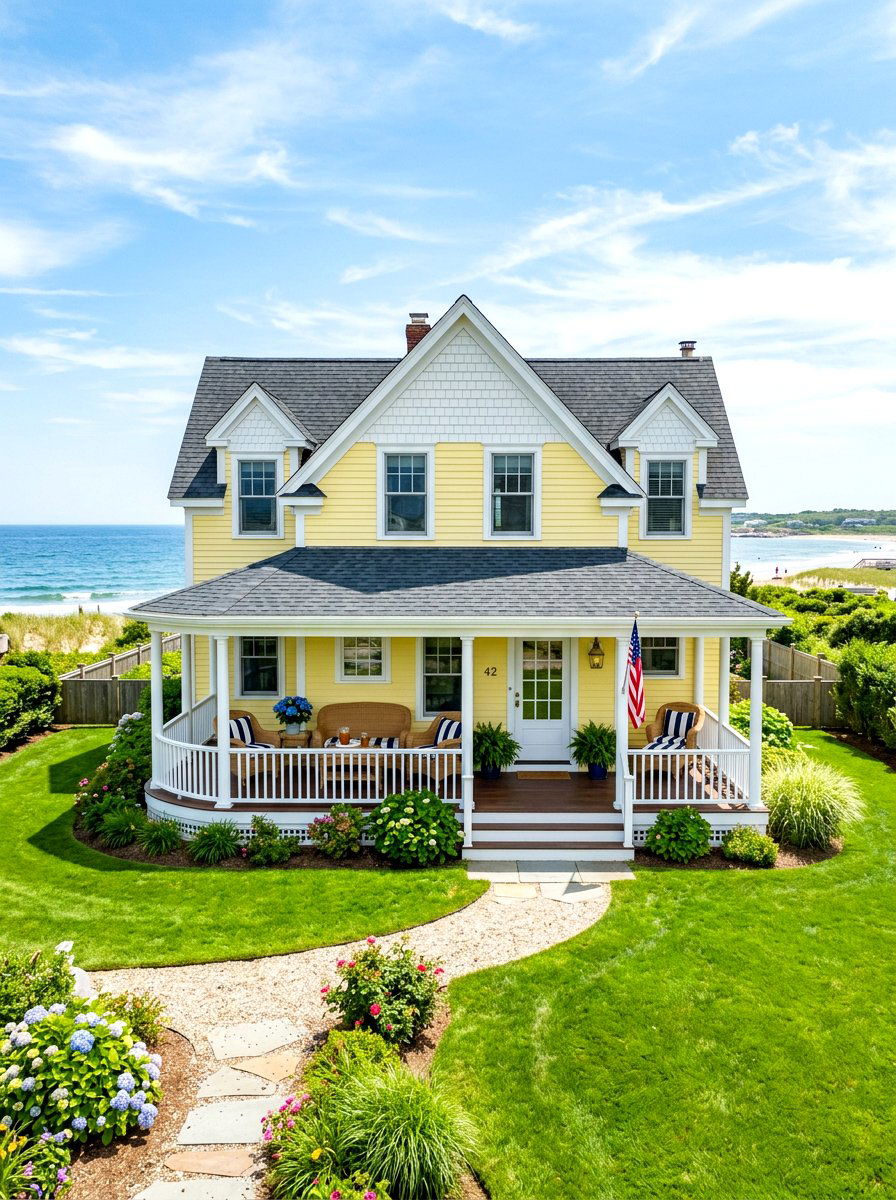
Pale yellow siding mixed with white shingle accents creates a cheerful, classic look that is perfect for a coastal cottage or a friendly suburban home. The light yellow color is warm and inviting, while the white shingles on the upper levels add a touch of intricate texture and brightness. This pairing is often seen on traditional Victorian or Cape Cod-style houses. Adding white trim and a white picket fence can complete the charming, storybook aesthetic. It is a lighthearted color palette that makes a home feel happy and well-maintained, offering a timeless appeal that never goes out of style.
24. Dark Walnut Wood Siding With Steel Panels
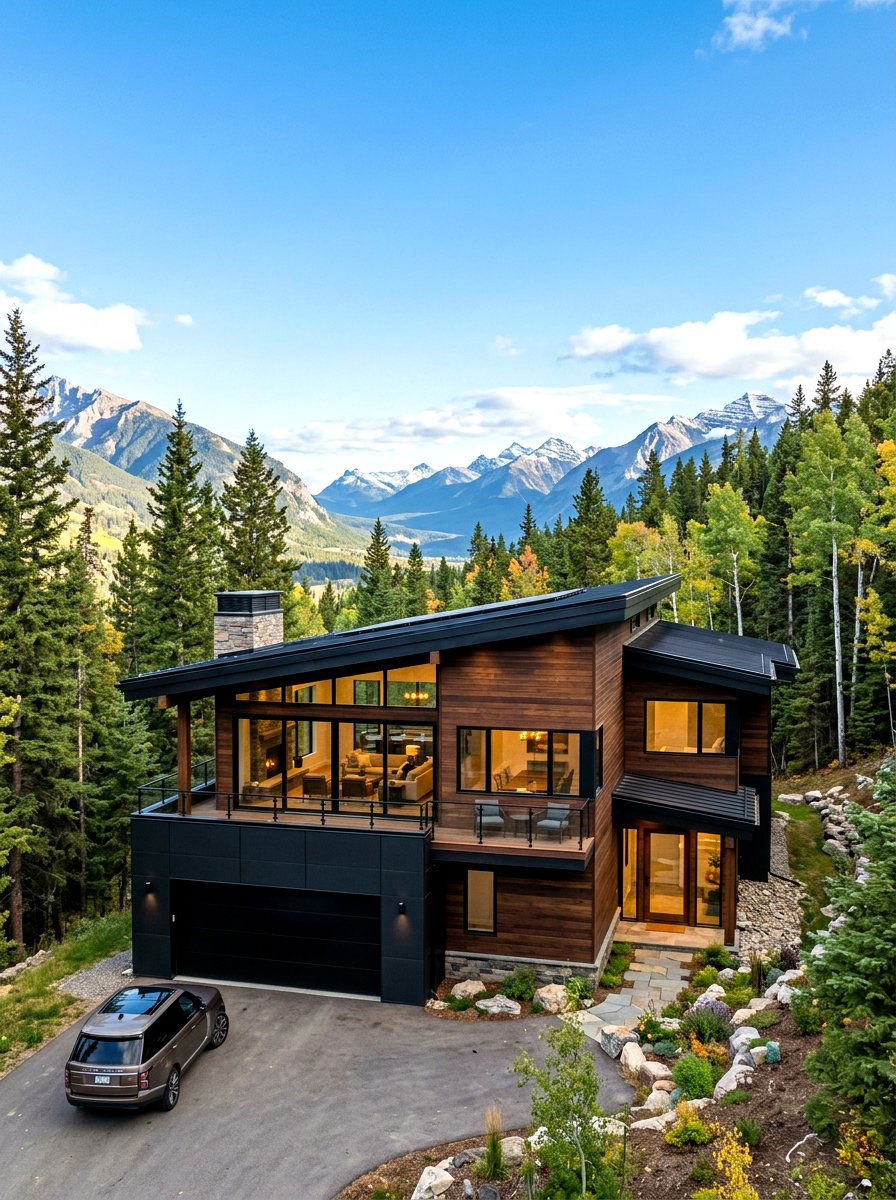
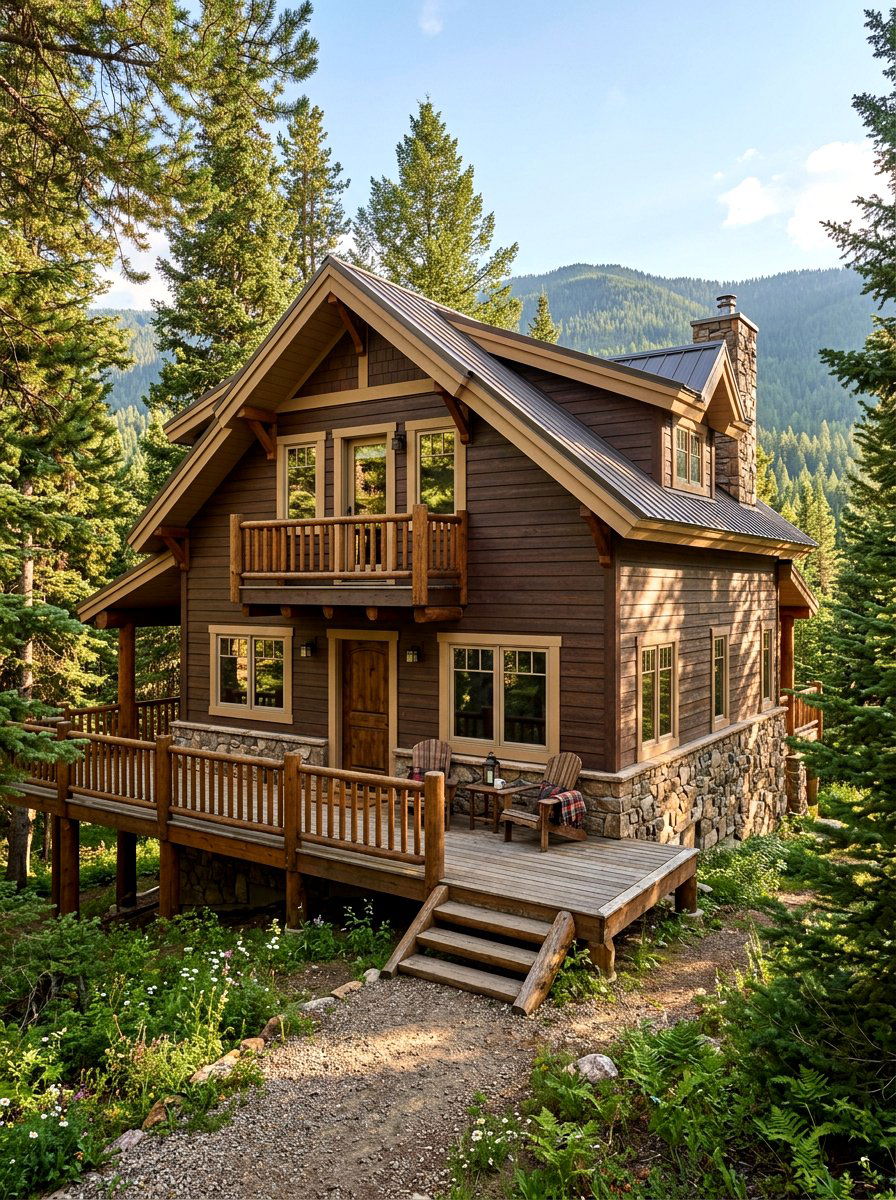
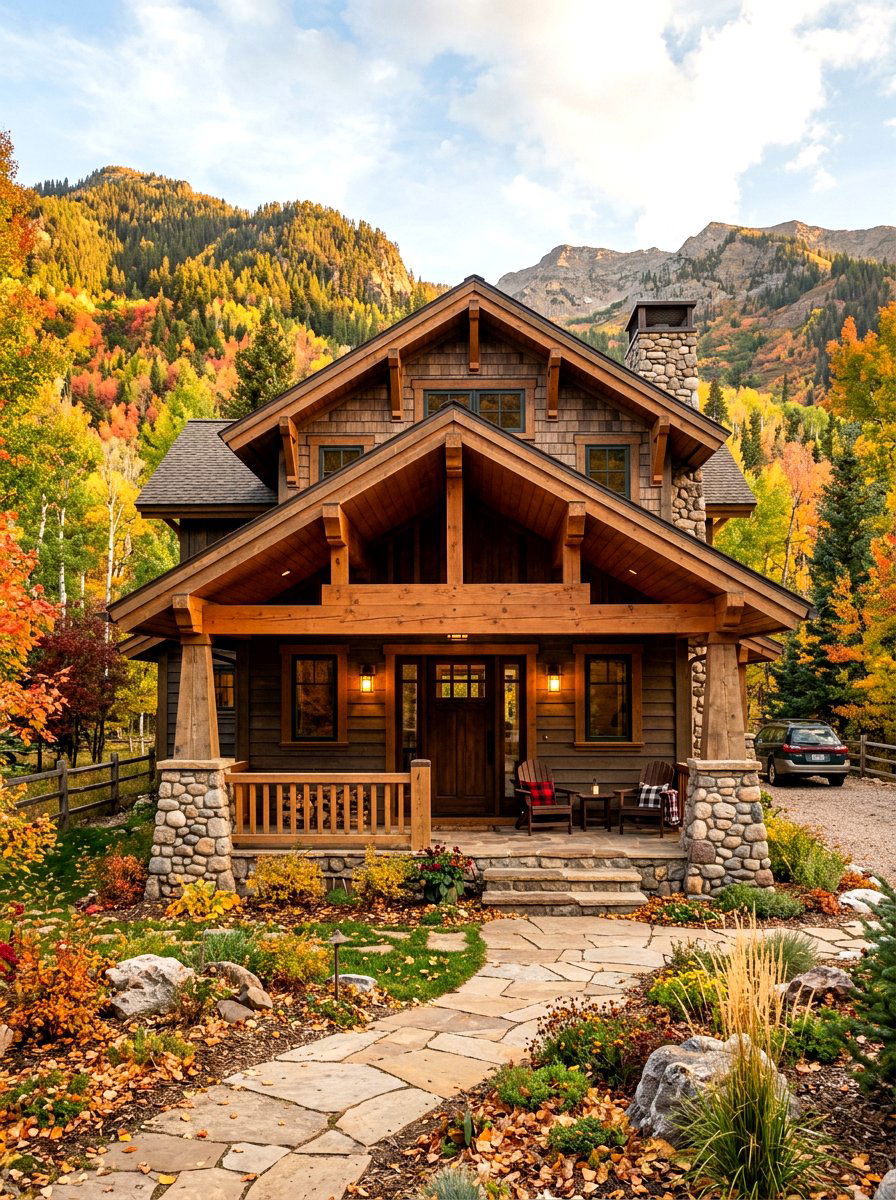
Dark walnut wood siding combined with flat steel panels is a high-end combination often found in modern mountain architecture. The rich, dark tones of the wood create a sense of warmth and luxury, while the sleek steel panels provide a contemporary, structural edge. This mix is usually designed to emphasize different levels of the home or to frame large glass windows. The industrial feel of the steel perfectly complements the organic beauty of the walnut grain. It is a sophisticated, masculine palette that looks stunning against a backdrop of trees or rocky terrain, offering a perfect blend of nature and industry.
25. Light Blue Siding With Gray River Rock
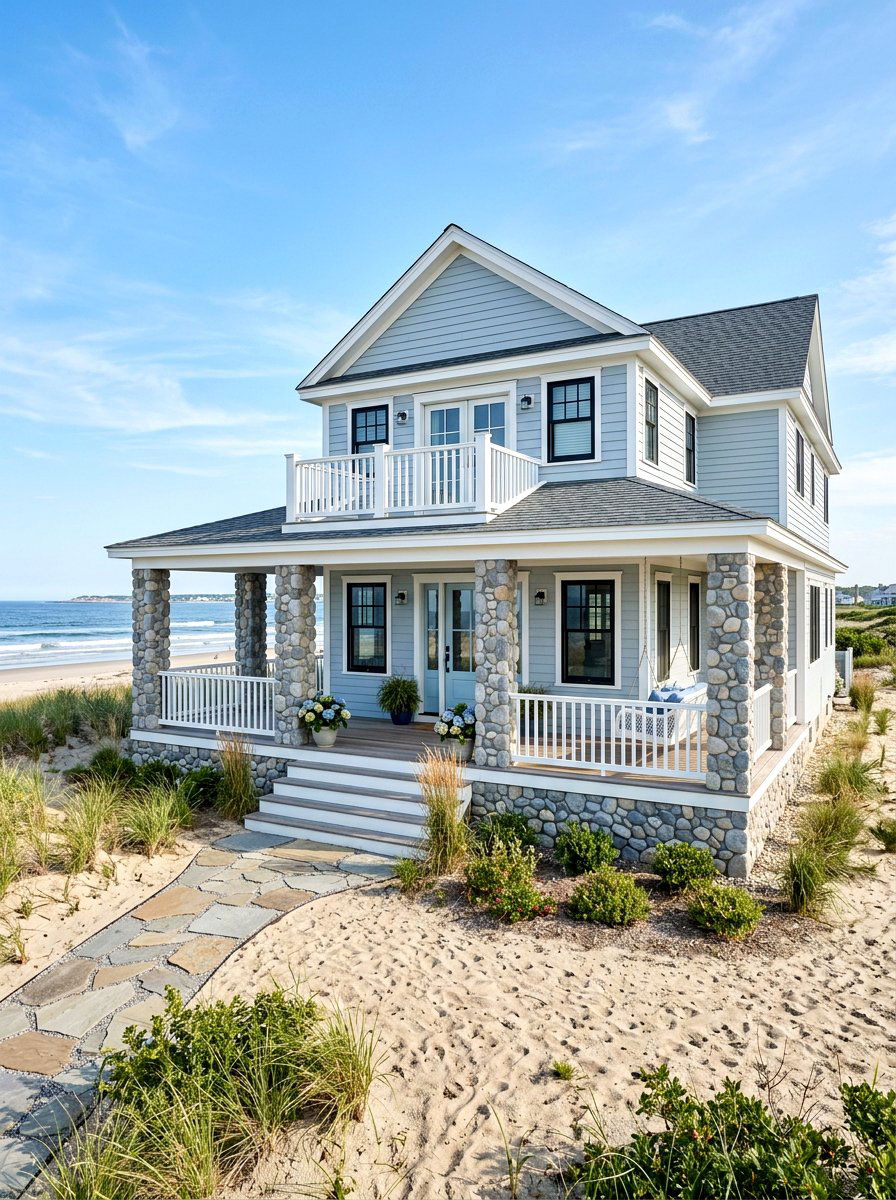
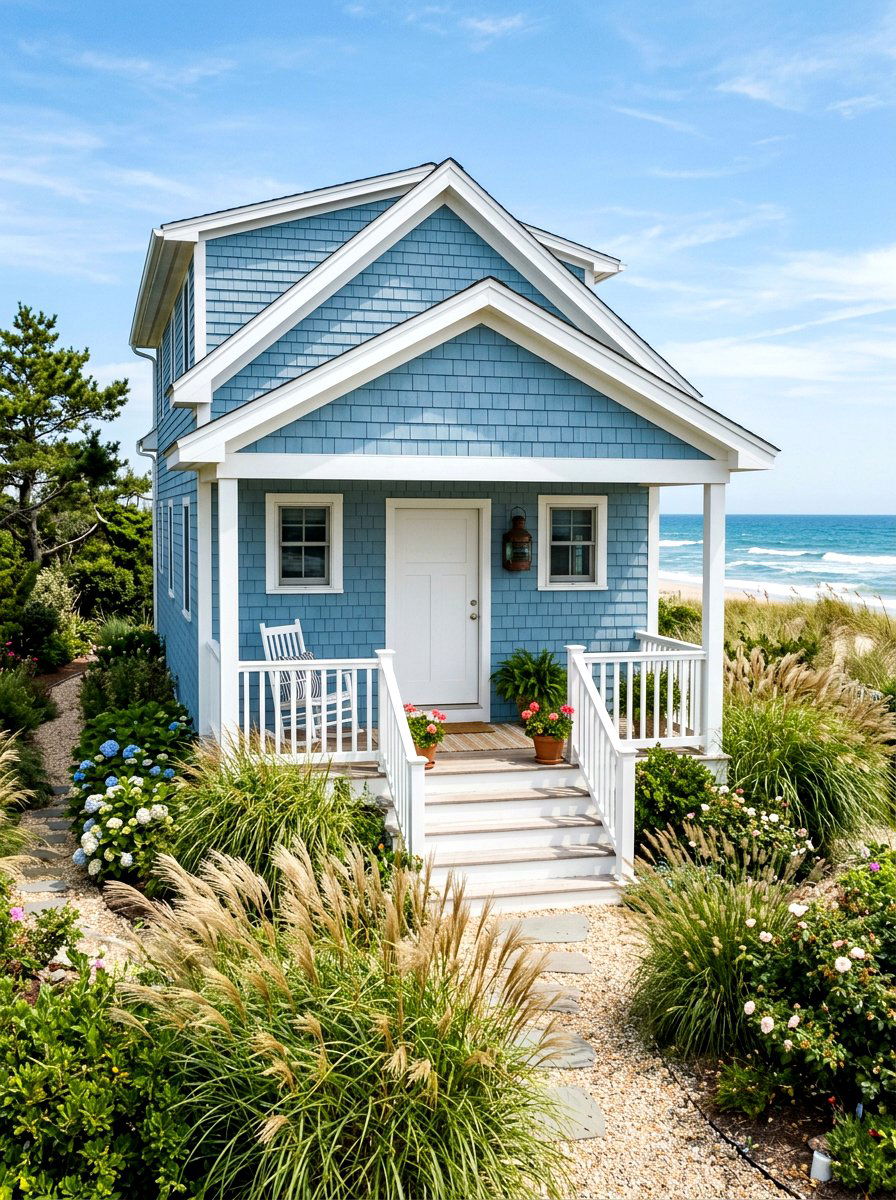
Light blue siding mixed with gray river rock offers a serene and coastal-inspired aesthetic. The soft blue color is reminiscent of the sky or the ocean, while the smooth, rounded river rocks add a beautiful, natural texture to the foundation or entryway. This combination feels very relaxed and organic, making it a great choice for vacation homes or peaceful suburban retreats. The gray tones in the rock perfectly complement the cool blue of the siding. Adding white trim will keep the look fresh and bright, ensuring the home has a clean, airy feel that is always inviting.
26. Terracotta Siding Mixed With Dark Bronze Metal
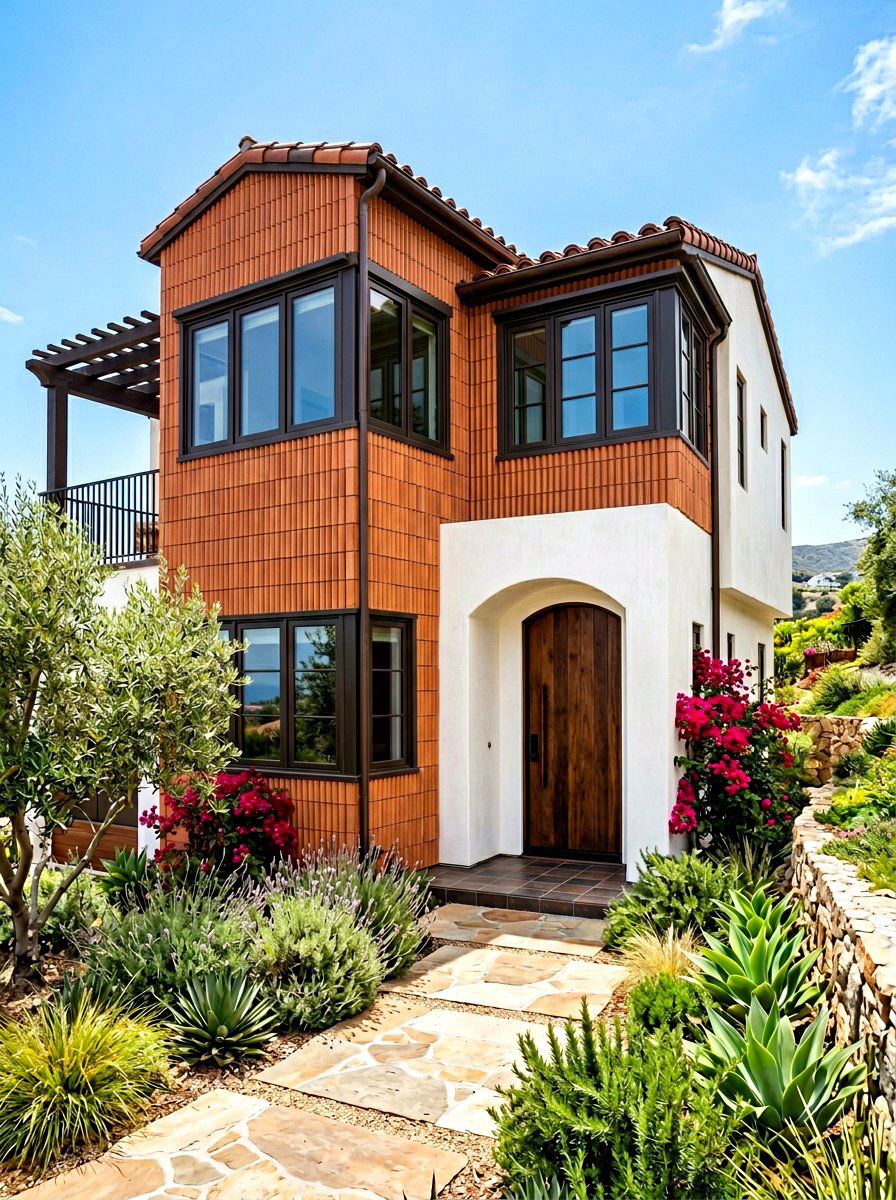
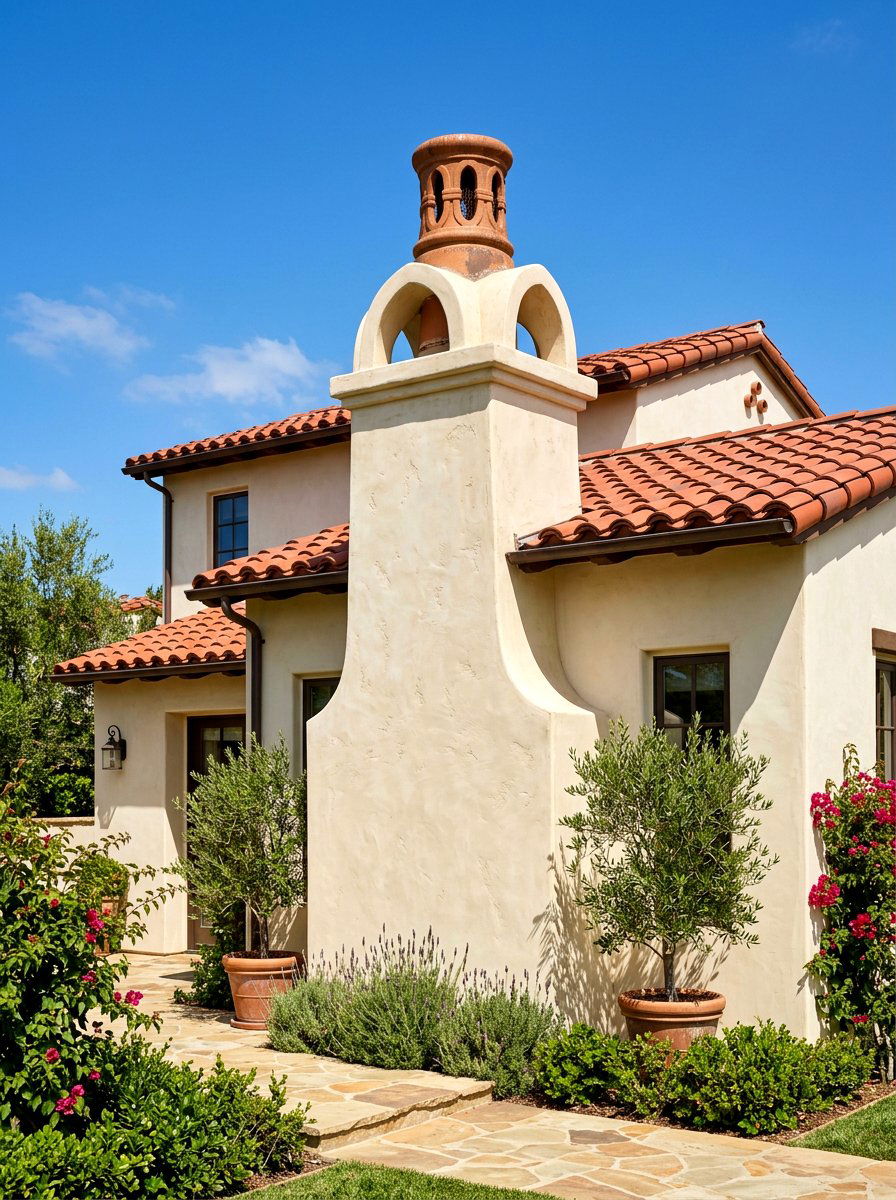
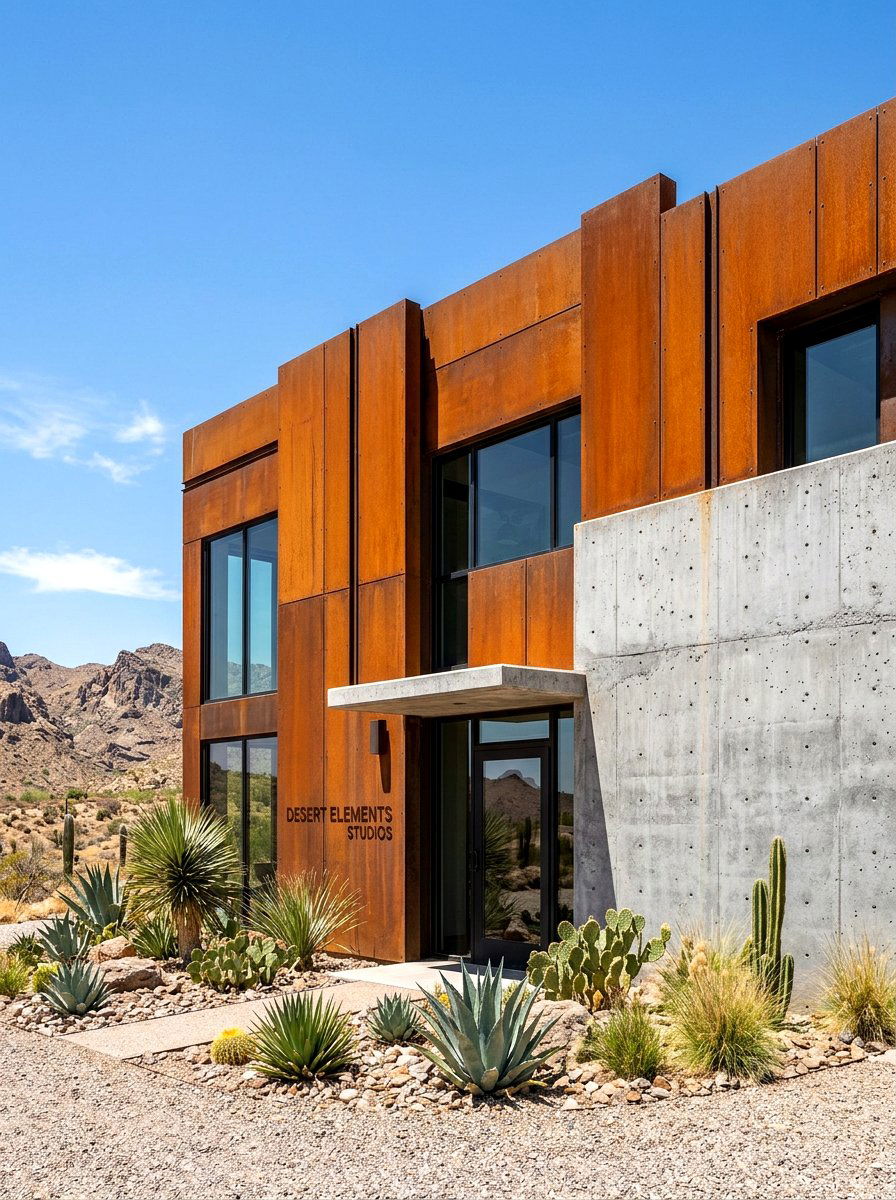
Terracotta siding paired with dark bronze metal accents creates a warm, Mediterranean-modern look that is very trending. The earthy, reddish-orange tones of the terracotta are grounded and vibrant, while the dark bronze provides a sophisticated, metallic contrast. This combination is often used on homes with desert-inspired or contemporary Spanish architecture. The bronze can be used for window frames, gutters, and door hardware to create a cohesive, high-contrast look. It is a beautiful way to embrace warm colors while maintaining a sleek and modern edge. This palette feels both ancient and cutting-edge, making it a truly unique choice.
27. Modern Shiplap Siding With Stone Entrance Accents
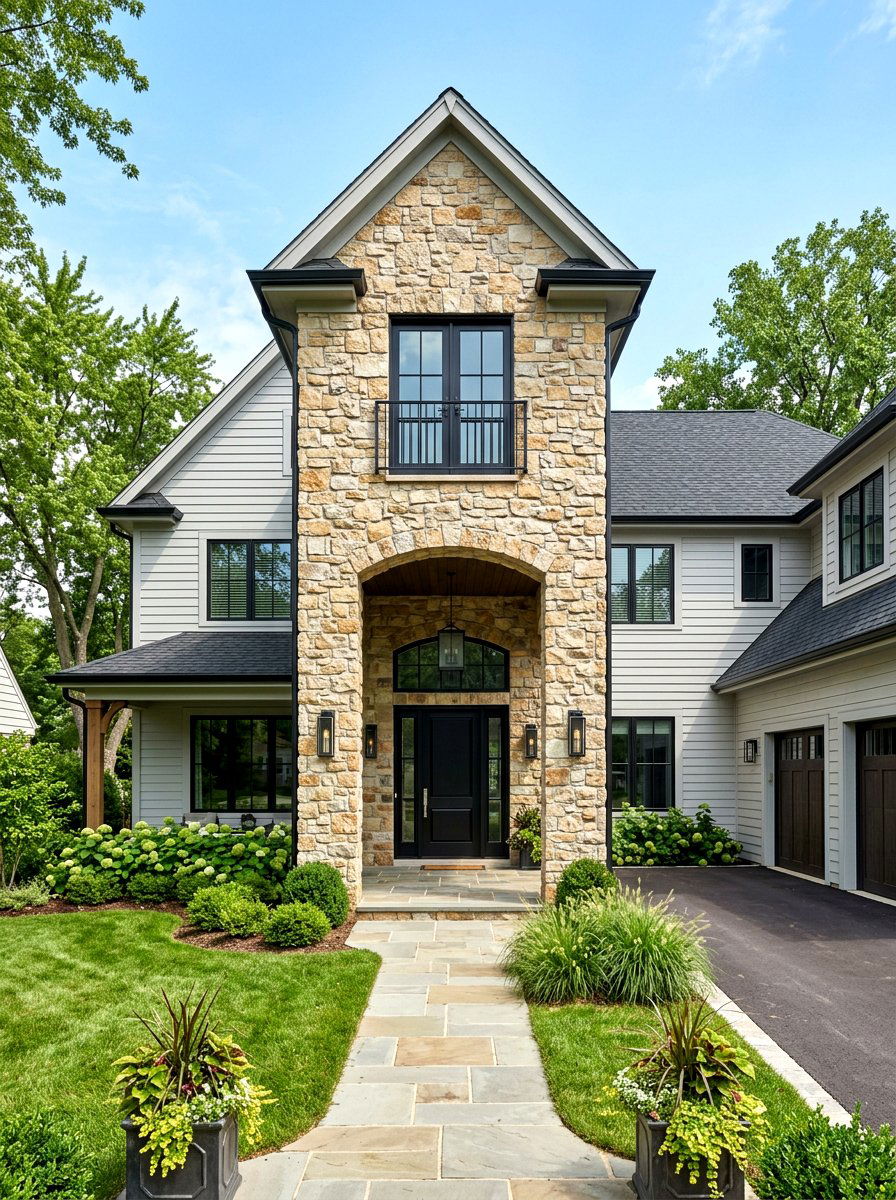
Modern shiplap siding mixed with stone entrance accents provides a clean, structured look with a touch of organic warmth. Unlike traditional lap siding, shiplap has a tighter, more uniform appearance that feels very current. When used as the main body of the house, it creates a smooth canvas for a beautiful stone entryway. The stone draws the eye toward the front door, creating a clear focal point and a sense of luxury. This combination works well for transitional homes that blend traditional shapes with modern materials. It is an easy way to add texture and value to a standard house design.
28. Smooth Fiber Cement Panels With Wood Siding
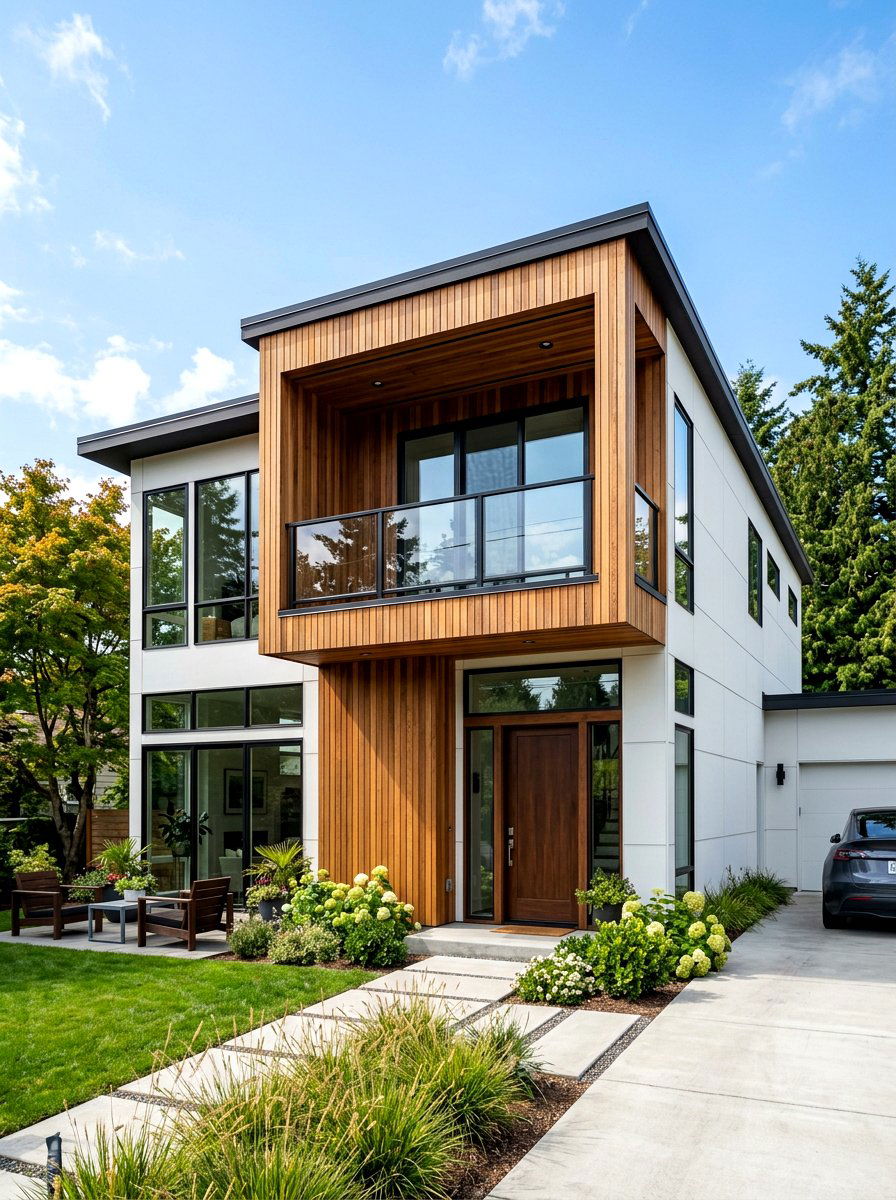
Smooth fiber cement panels mixed with natural wood siding is a classic modern pairing that offers a great balance of textures. The fiber cement provides a clean, matte, and very durable surface that can be painted in any color, while the wood adds a touch of organic softness. Often, the wood is used as an accent on the lower level or near a recessed entryway to make the space feel more personal. The larger, smooth panels cover the upper stories to maintain a minimalist aesthetic. This design is highly functional and provides a sophisticated, designer look for any new construction project.
29. Copper Metal Siding With Dark Wood Beams
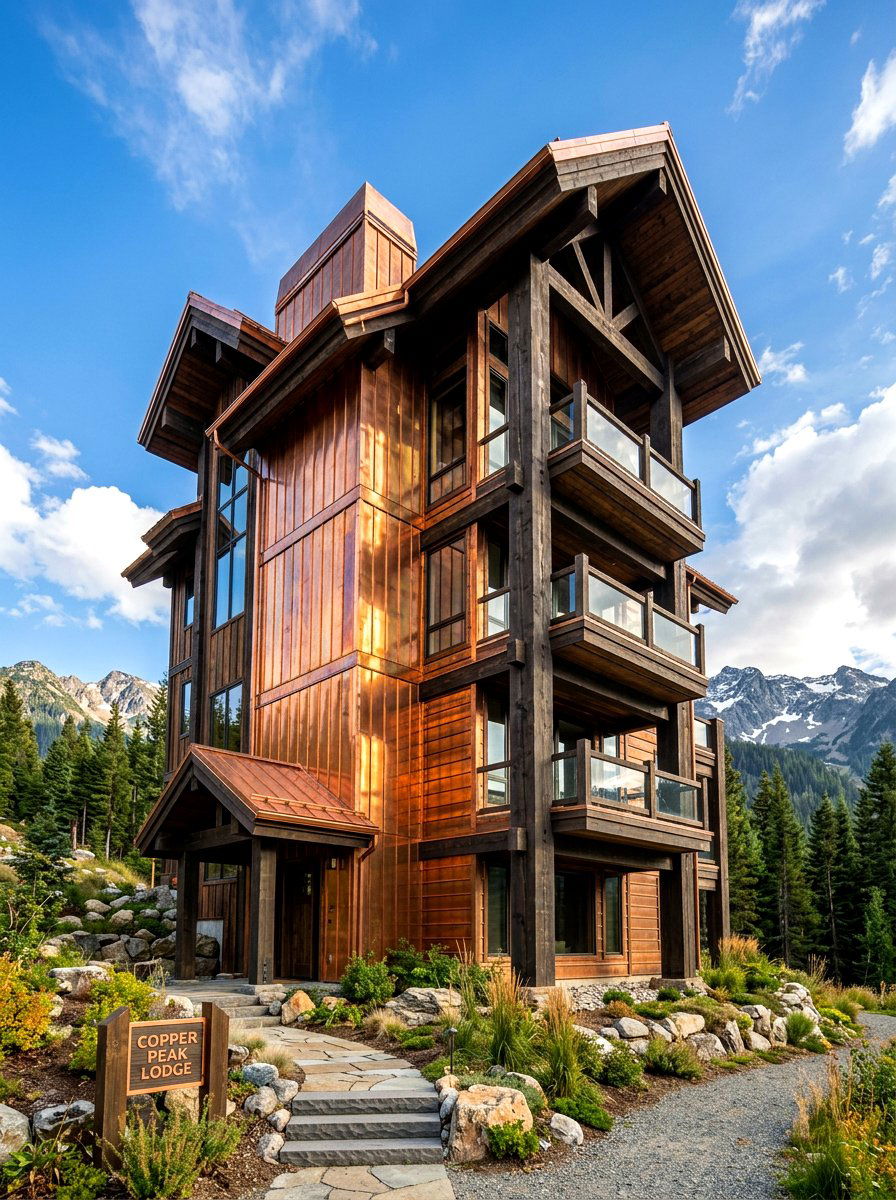
Copper metal siding mixed with dark wood beams is a luxurious and high-contrast choice for an architectural statement home. Over time, the copper will develop a beautiful patina, or it can be treated to maintain its bright, metallic glow. Pairing this with heavy, dark-stained wood beams adds a sense of craftsmanship and structural integrity. This combination is often used in modern rustic or "mountain modern" designs where the home is meant to look both rugged and refined. The warm tones of both materials create a rich, glowing exterior that looks particularly stunning during the golden hour of sunset.
30. Mixed Width Wood Siding With Black Metal
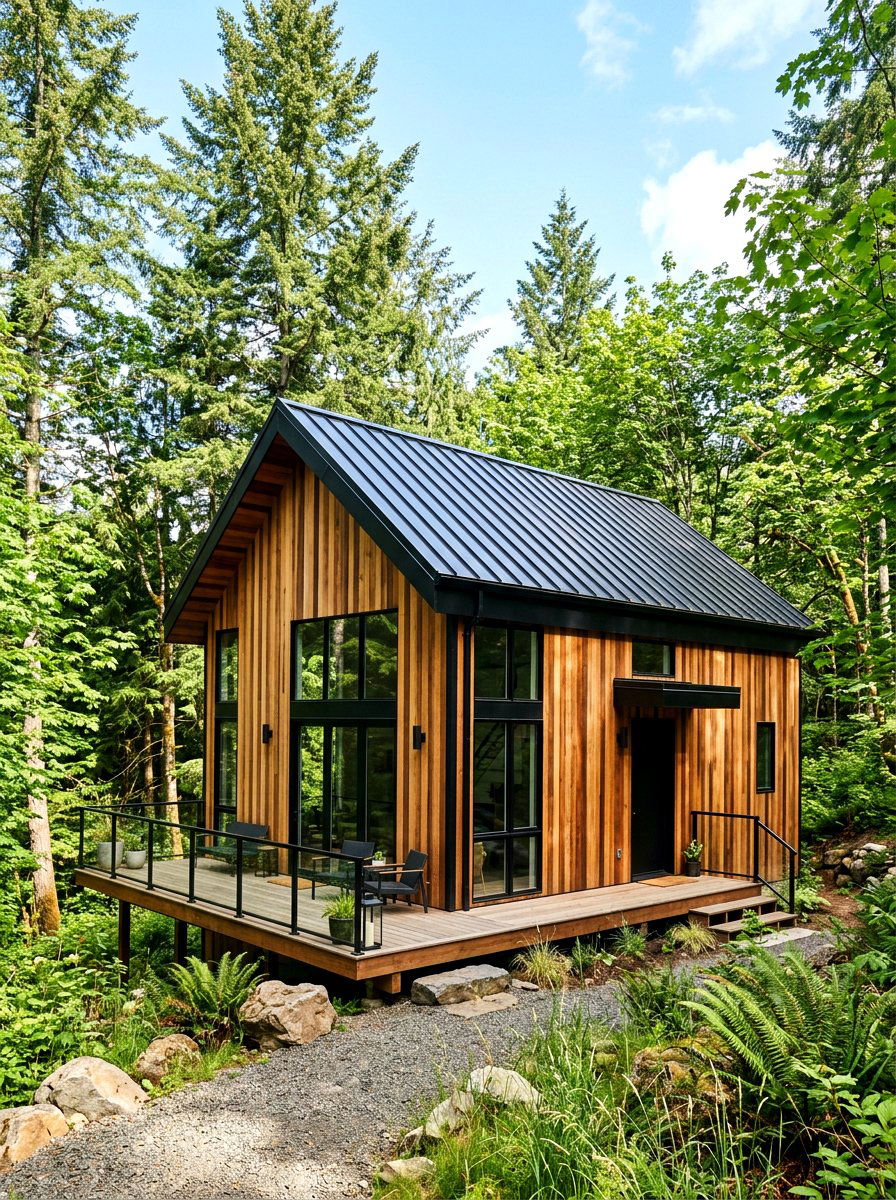
Using mixed-width wood siding along with black metal accents creates a contemporary, artisanal look that is full of visual rhythm. By alternating different widths of wood planks, you create a more custom and hand-made appearance than standard uniform siding. The black metal is used for the roof, trim, and perhaps a feature wall to provide a sharp, modern frame for the wood. This approach is very popular for modern cabins and custom homes. It highlights the natural beauty of the timber while ensuring the house feels firmly rooted in current design trends. It is a creative and highly textured choice.
Conclusion:
Mixing siding materials is one of the most effective ways to elevate your home 's exterior and create lasting curb appeal. Whether you choose the classic charm of board and batten with stone or the industrial edge of metal and wood, these combinations offer a unique way to express your personal style. By thoughtfully layering different textures and colors, you can emphasize your home' s best architectural features and increase its overall market value. Remember to consider the surrounding landscape and neighborhood when selecting your palette to ensure a cohesive look. With so many versatile options available, you can truly design a house that feels custom-built and special.

Related posts: