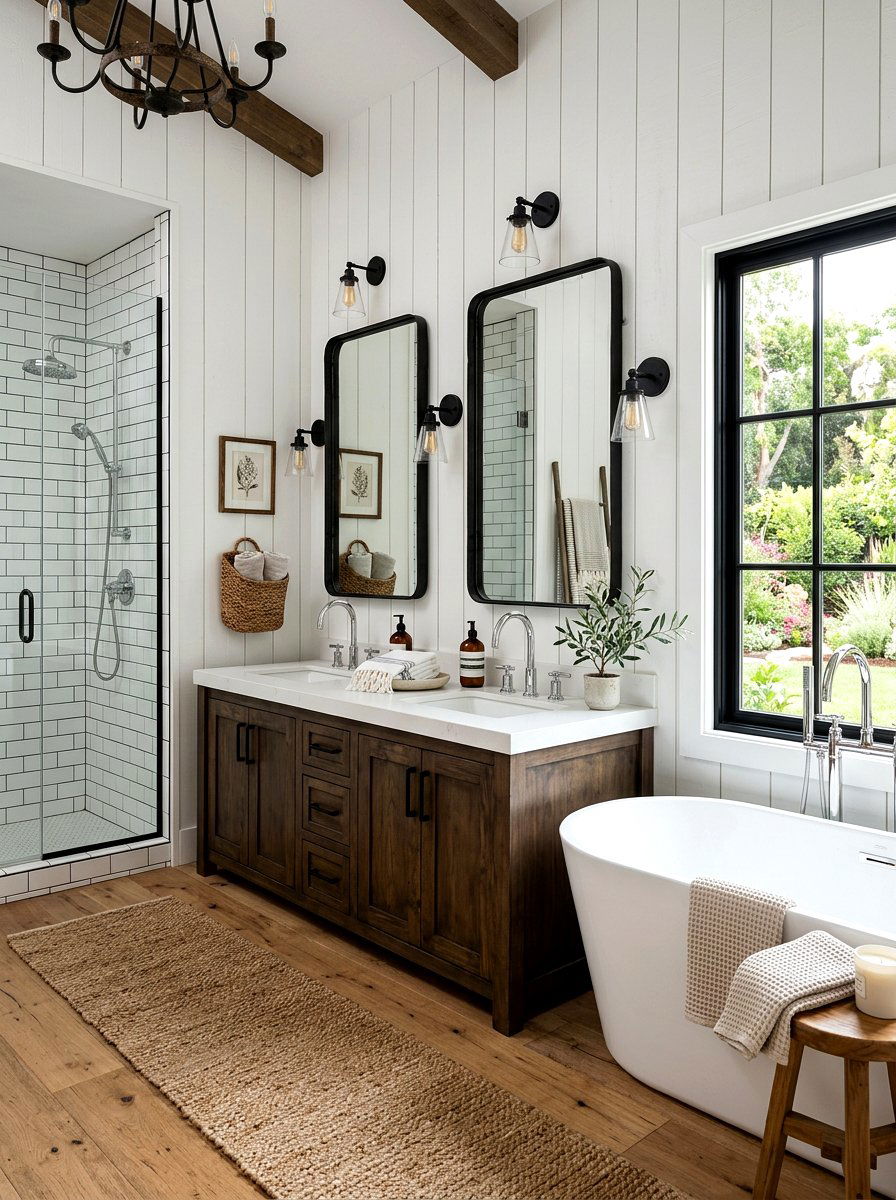
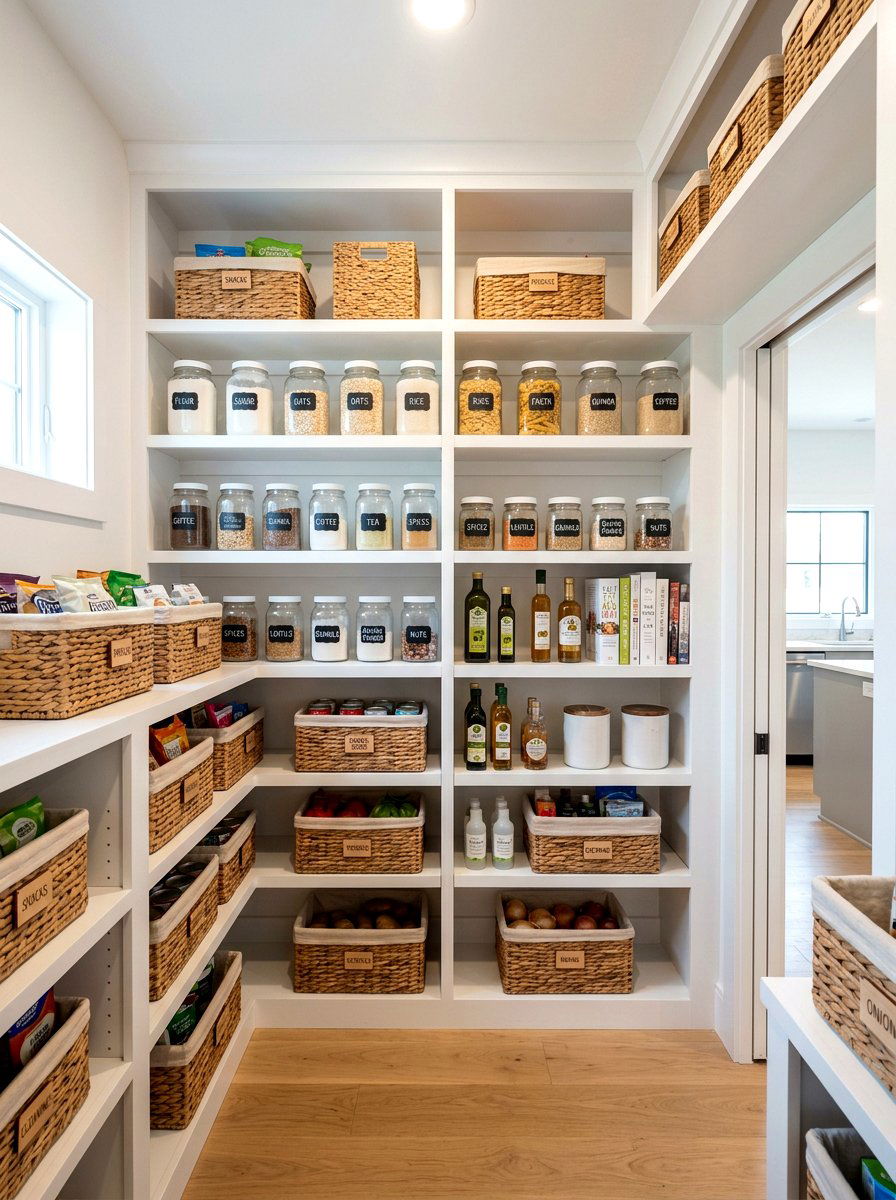
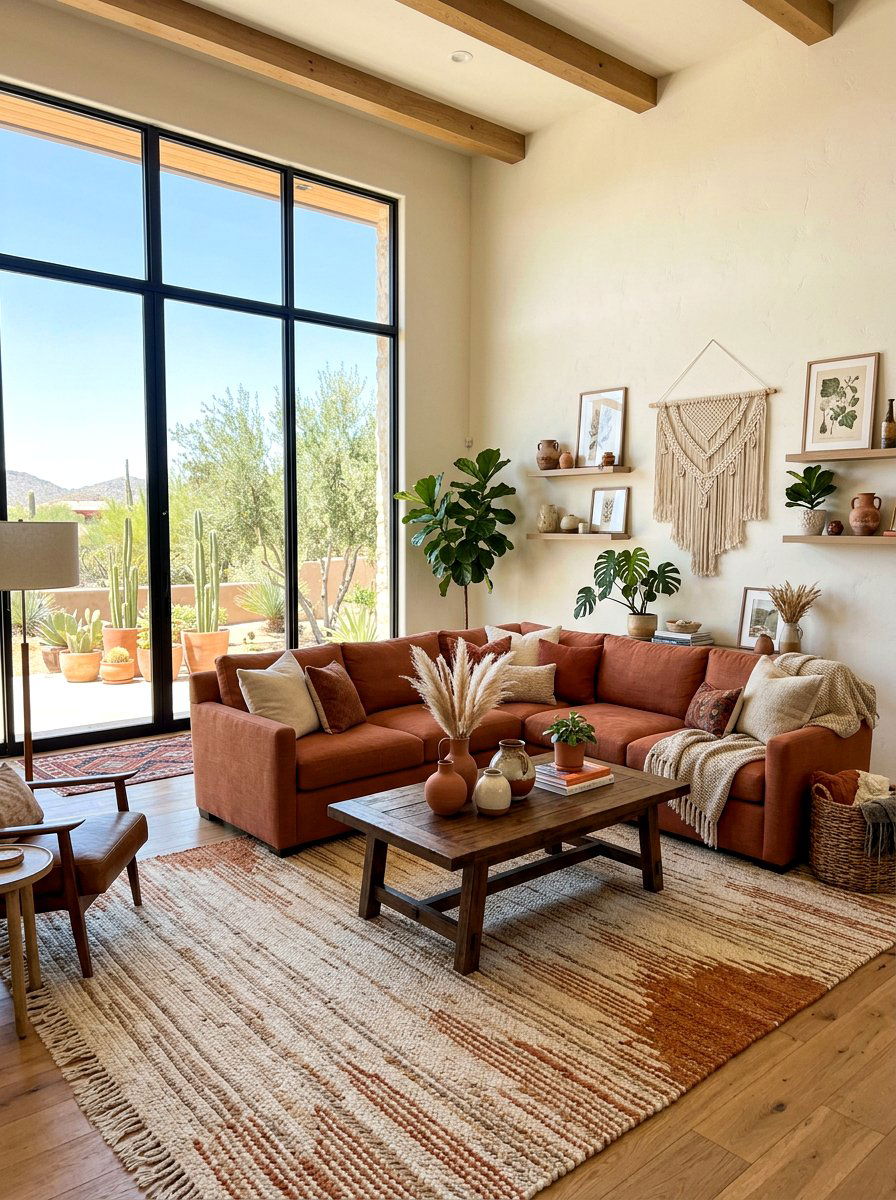
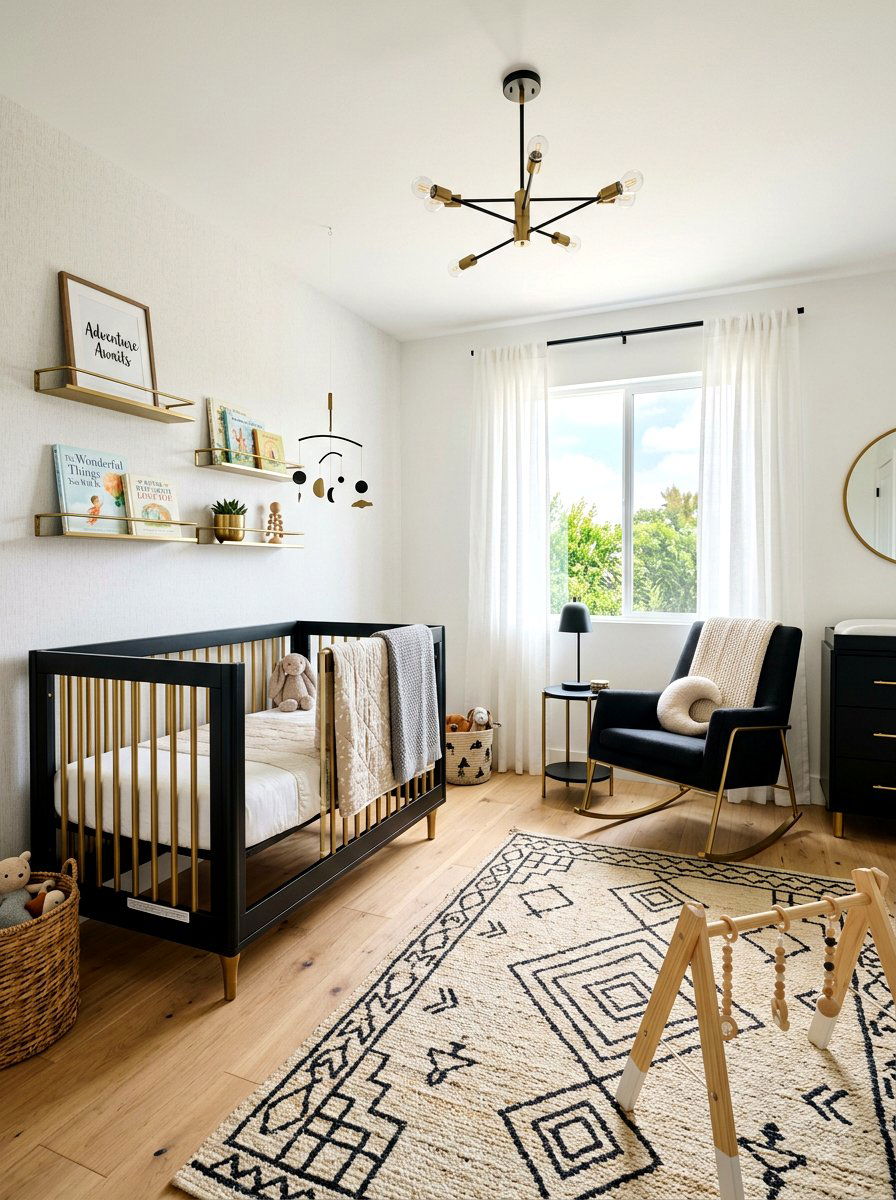
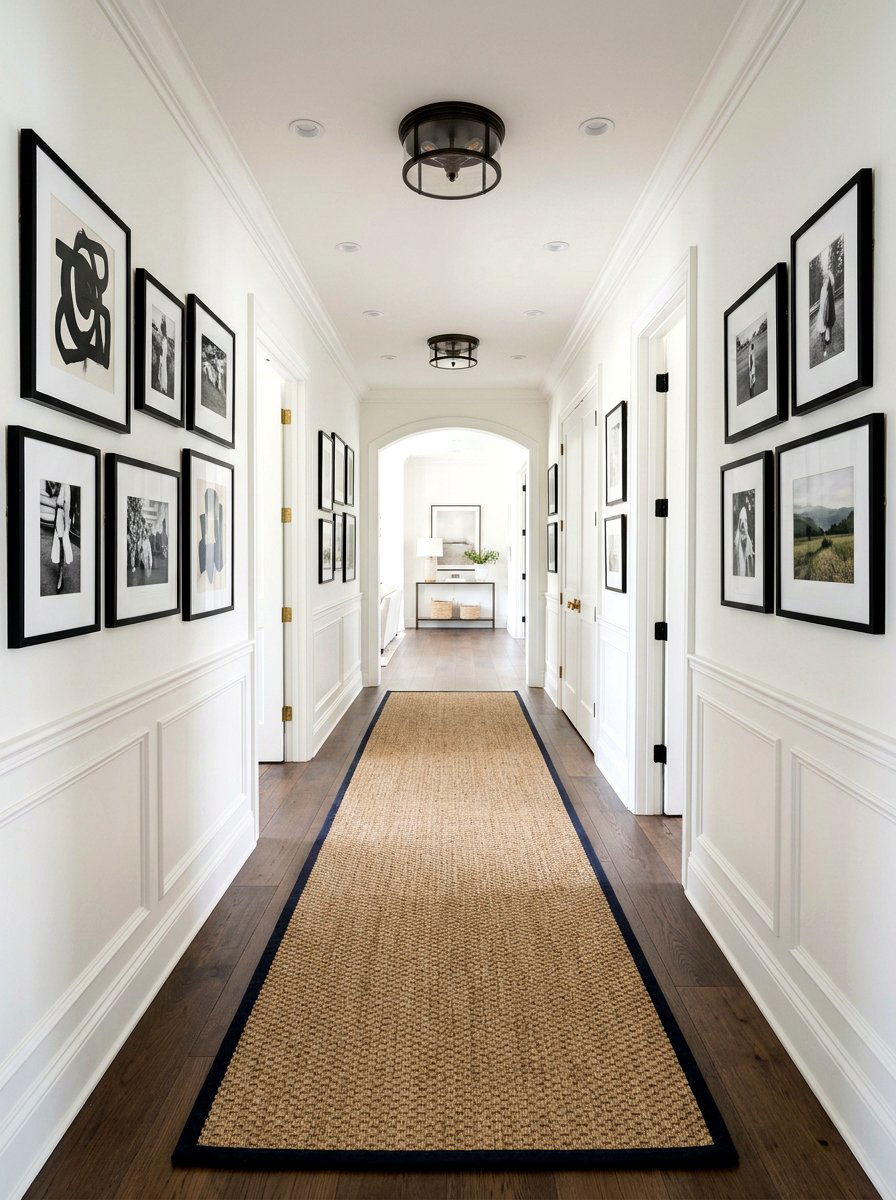
Mixing wood tones is a brilliant way to add depth, character, and a sense of history to your home. Many people feel nervous about combining different timber species, fearing the space might look cluttered or accidental. However, when done with intention, this design approach creates a sophisticated, curated atmosphere that feels much more natural than a perfectly matched furniture set. By identifying a dominant wood tone and balancing it with secondary accents, you can build a layered aesthetic that celebrates organic textures. Whether you prefer the high contrast of ebony and pine or the subtle harmony of oak and maple, mastering this technique transforms any room into a professionally designed sanctuary.
1. Light Oak Floors and Dark Walnut Furniture Living Room
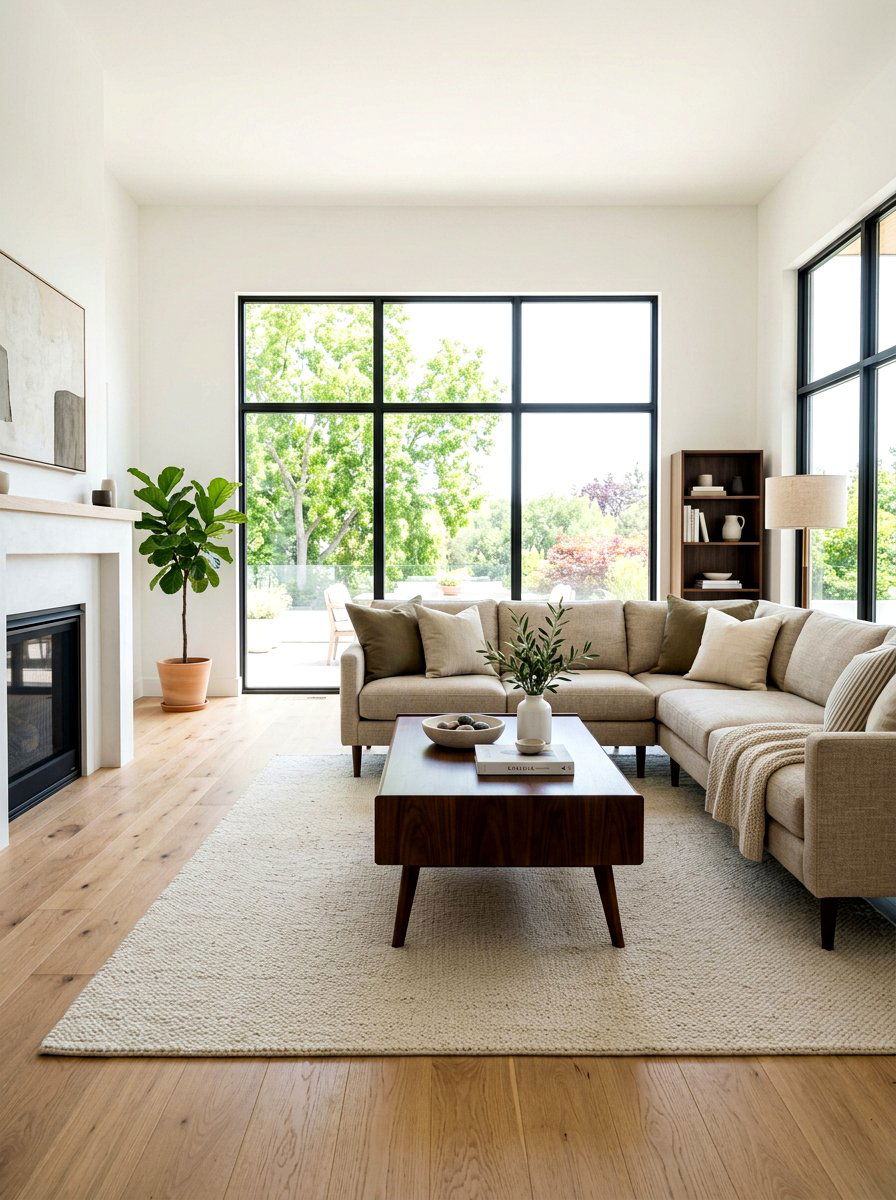
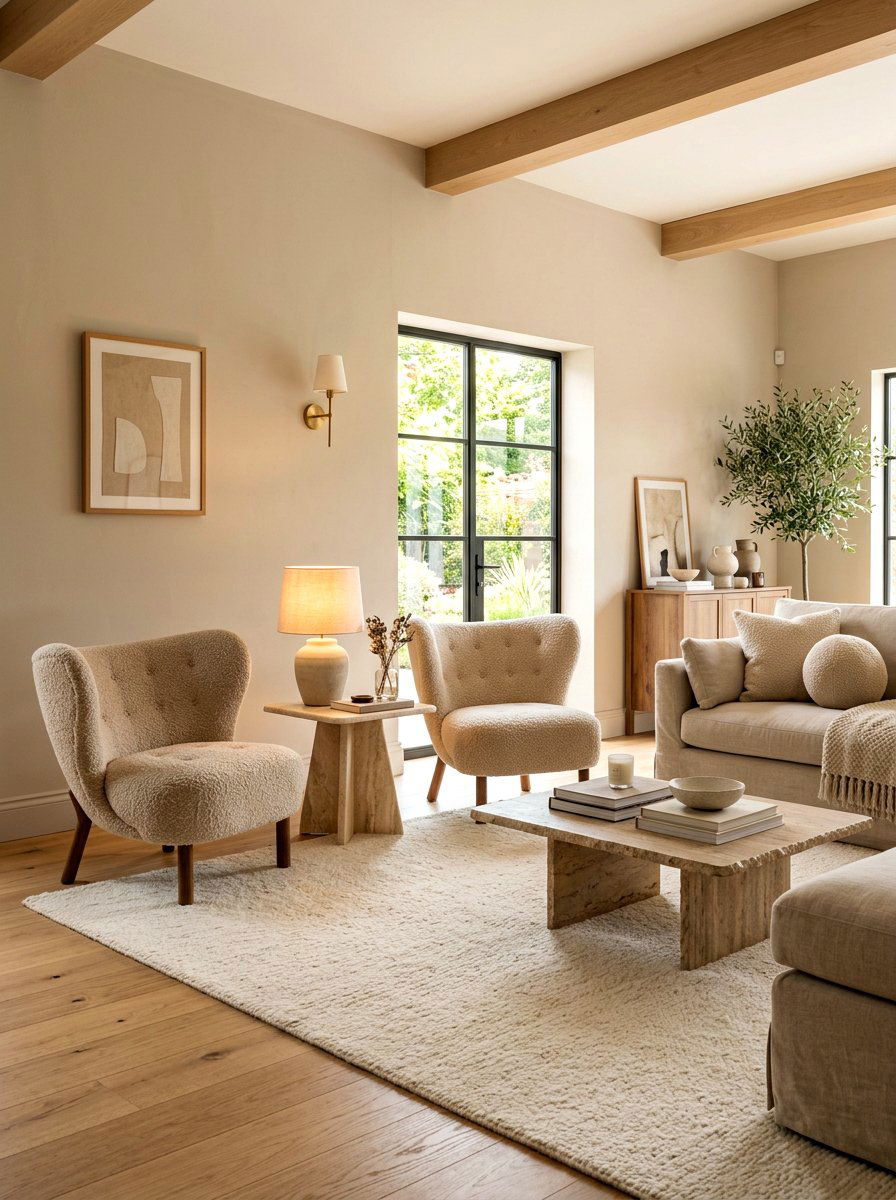
Creating a stunning living space often starts with a high-contrast foundation like light oak flooring paired with dark walnut furniture. This combination works exceptionally well because the pale floors keep the room feeling airy and bright, while the deep, chocolatey tones of walnut provide necessary grounding. You can place a sleek walnut coffee table or a large media console directly on the light wood to make the furniture piece a focal point. To ensure the design feels cohesive, try repeating the walnut accents in smaller items like picture frames or coasters. This intentional repetition ties the different wood species together, resulting in a balanced and sophisticated environment that looks professionally curated.
2. Honey Oak Cabinets and Espresso Island Kitchen
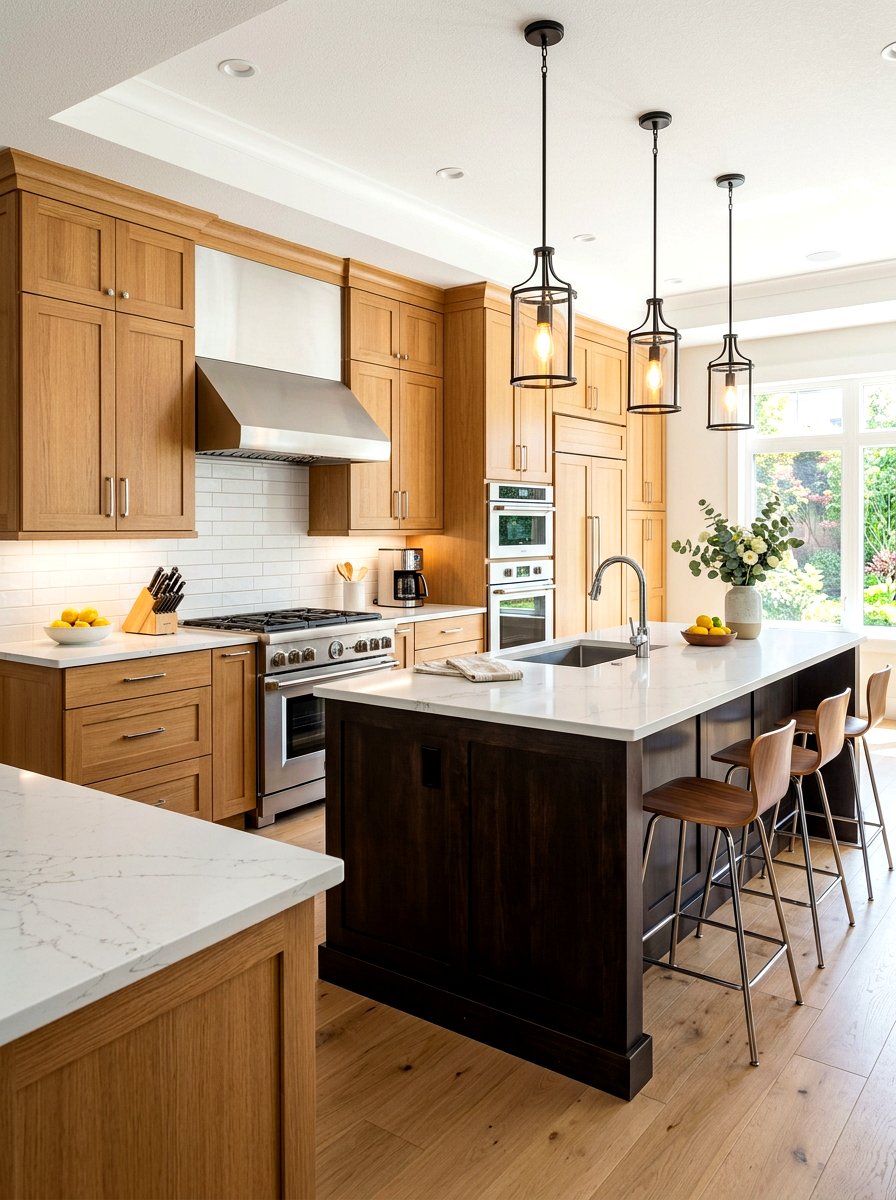
Designing a kitchen with two distinct cabinet colors is a popular trend that brings immediate visual interest to the heart of the home. Using honey oak for the perimeter cabinets provides a warm, classic feel that radiates light throughout the cooking area. To create a modern twist, pair these light cabinets with a dark espresso-stained kitchen island. This bold contrast anchors the center of the room and defines the workspace clearly. You can bridge the gap between these two wood tones by choosing a countertop that incorporates flecks of both light and dark colors. This approach creates a seamless transition that feels intentional rather than mismatched in your kitchen.
3. Birch Wood Bed and Mahogany Dresser Bedroom
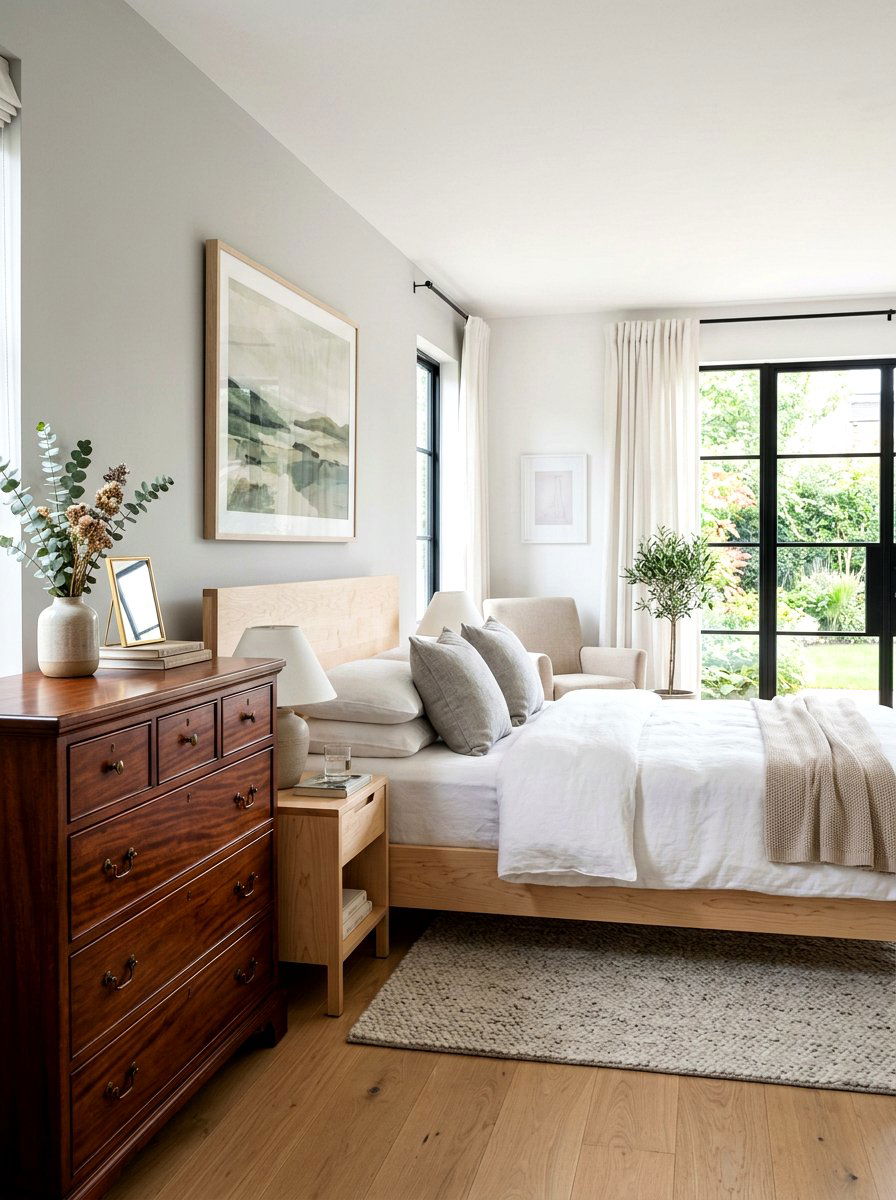
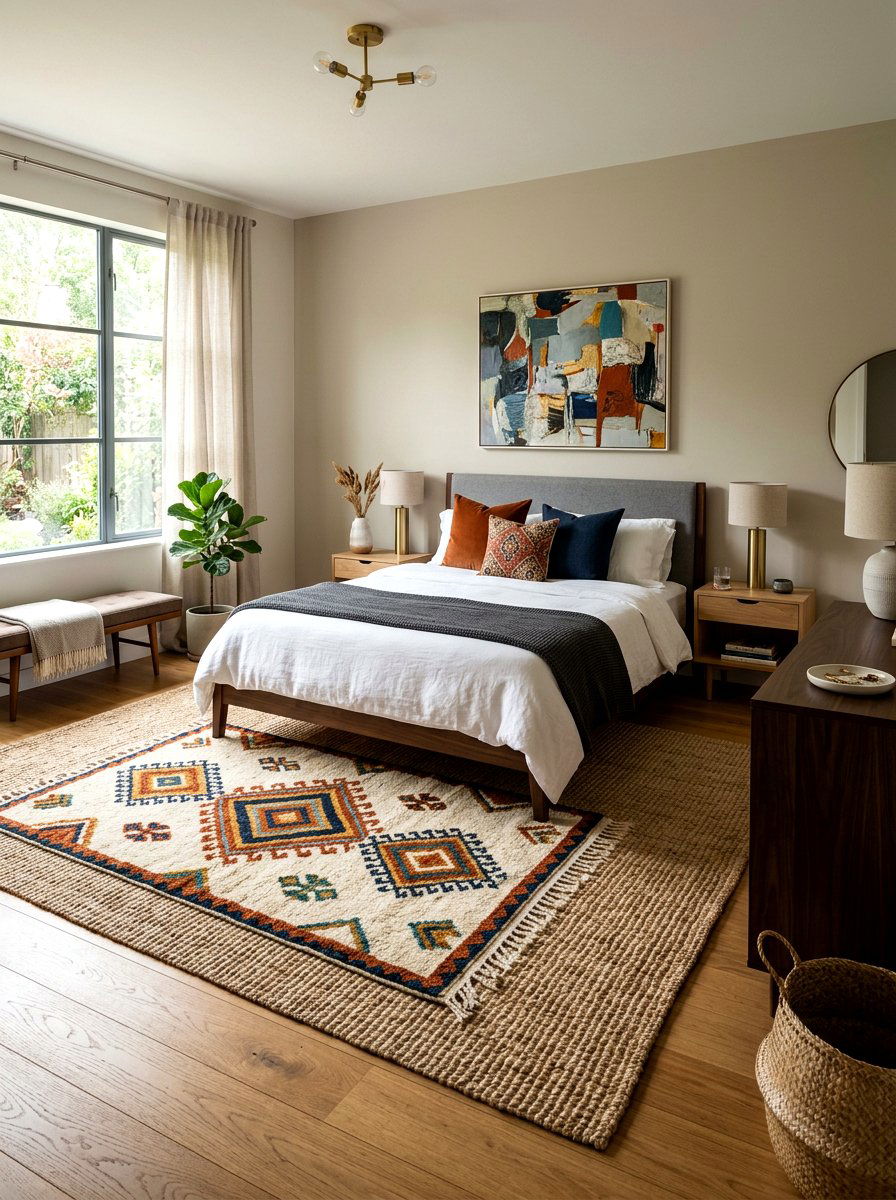
Imagine a peaceful bedroom where the soft, pale grain of a birch wood bed frame meets the rich, reddish depth of a mahogany dresser. This pairing is perfect for those who want a cozy yet elegant atmosphere. Birch offers a clean, Scandinavian-inspired vibe that prevents the room from feeling too heavy or dark. Meanwhile, the mahogany pieces add a touch of traditional luxury and warmth that makes the space feel more established. To make this mix work, look for pieces with similar undertones, such as a slight warmth in both wood types. Using neutral bedding and soft lighting will further harmonize these different materials for a relaxing retreat.
4. Teak and Pine Mid Century Modern Dining Room
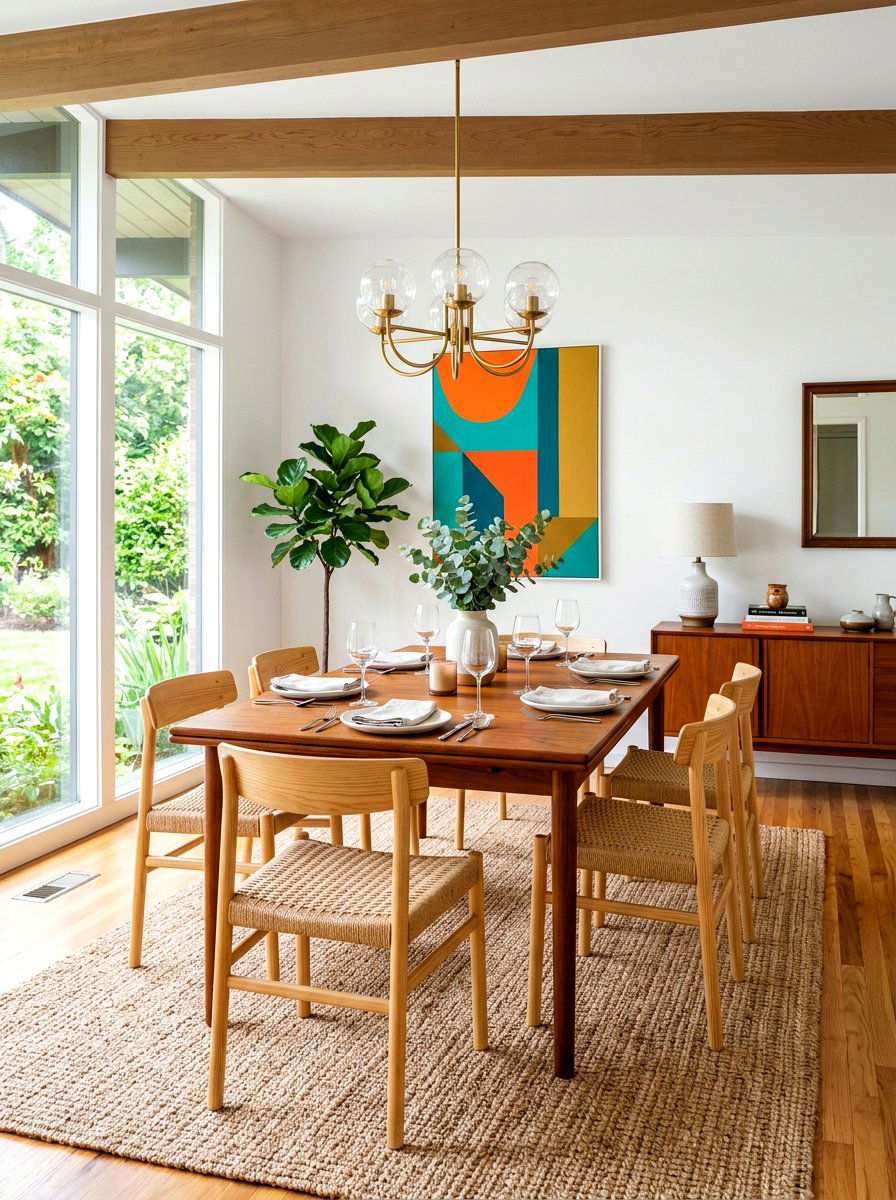
Achieving a classic mid-century modern look often involves mixing various wood species like durable teak and humble pine. In a dining room setting, a vintage teak table can serve as the centerpiece, showcasing its beautiful orange-brown hues and fine grain. You can surround this iconic table with lighter pine chairs or even a pine sideboard to create a relaxed, eclectic vibe. The key to making this work is to focus on the silhouettes of the furniture, ensuring they all share the clean lines typical of the era. Adding a large area rug beneath the table can also act as a buffer, preventing the different wood tones from clashing directly.
5. Maple and Cedar Rustic Entryway Design
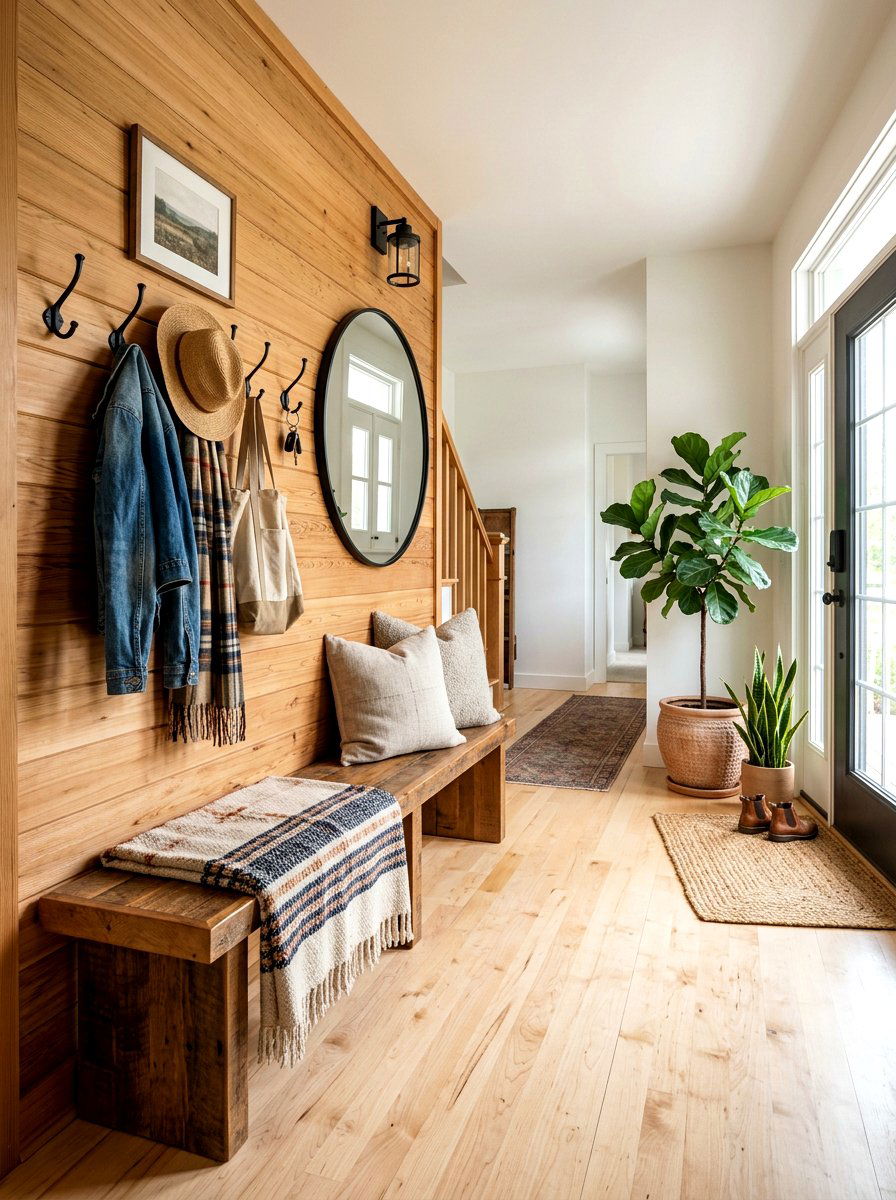
Your entryway sets the stage for the rest of your home, and mixing maple with cedar can create a welcoming, rustic first impression. Maple is known for its smooth, light appearance and exceptional durability, making it an ideal choice for high-traffic flooring or a sturdy bench. Pairing this with a cedar coat rack or wall paneling introduces a rugged texture and a pleasant natural aroma to the space. The subtle contrast between the creamy maple and the more textured, knotty cedar adds immediate character. By including some black metal hooks or a woven basket, you can ground the different wood tones and complete the charming farmhouse aesthetic.
6. Ash and Ebony Minimalist Home Office
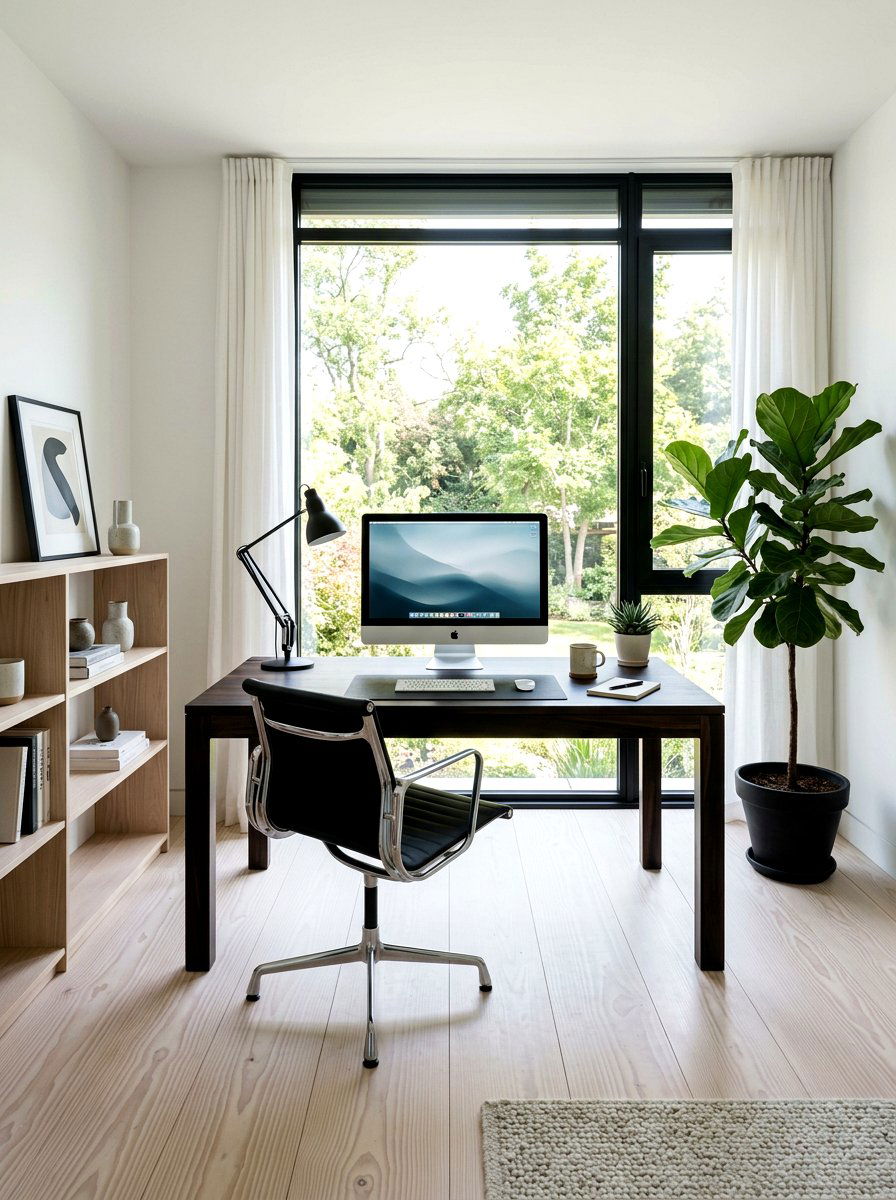
A minimalist home office benefits greatly from the sharp, clean contrast provided by ash wood and ebony finishes. Ash is a beautiful, light-colored hardwood with a straight grain that keeps a workspace feeling productive and open. When you introduce an ebony desk or shelving unit into the room, you create a striking visual hierarchy that looks incredibly modern. This "black and white" approach to wood allows you to maintain a professional atmosphere without the space feeling sterile or boring. To enhance the look, keep your accessories simple and monochromatic. The natural textures of the ash will soften the boldness of the ebony, resulting in a perfectly balanced office.
7. Cherry Wood and White Wash Farmhouse Kitchen
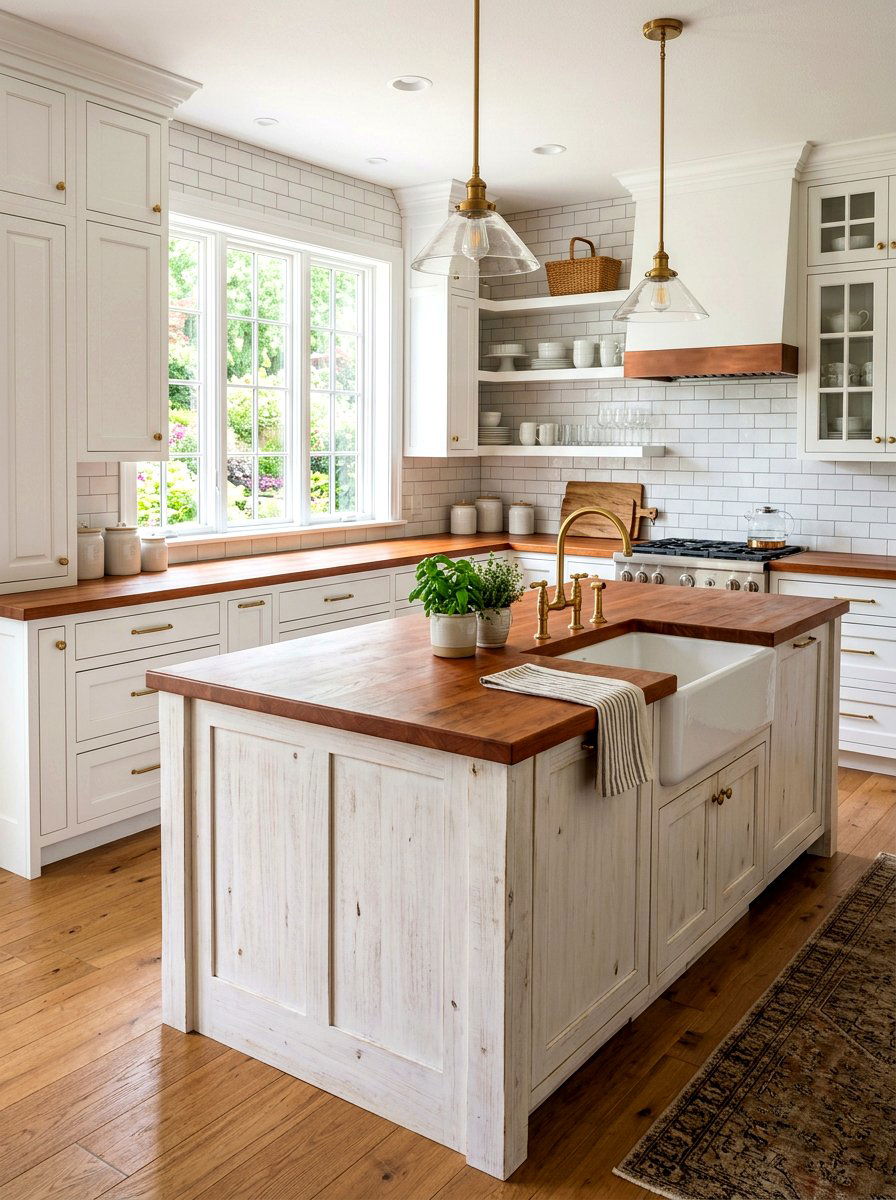
Farmhouse kitchens are all about comfort, and mixing cherry wood with white-washed finishes creates a timeless look. Cherry wood is beloved for its warm, reddish-brown tones that deepen over time, providing a sense of heritage to the space. By pairing a cherry wood island or countertop with white-washed cabinetry, you prevent the room from becoming too dark or traditional. The light finish on the cabinets allows the natural beauty of the cherry grain to really pop. This combination feels both fresh and lived-in, especially when paired with classic elements like a farmhouse sink and wrought iron hardware. It is a perfect way to balance tradition with modernity.
8. Reclaimed Wood and Plywood Industrial Loft Space
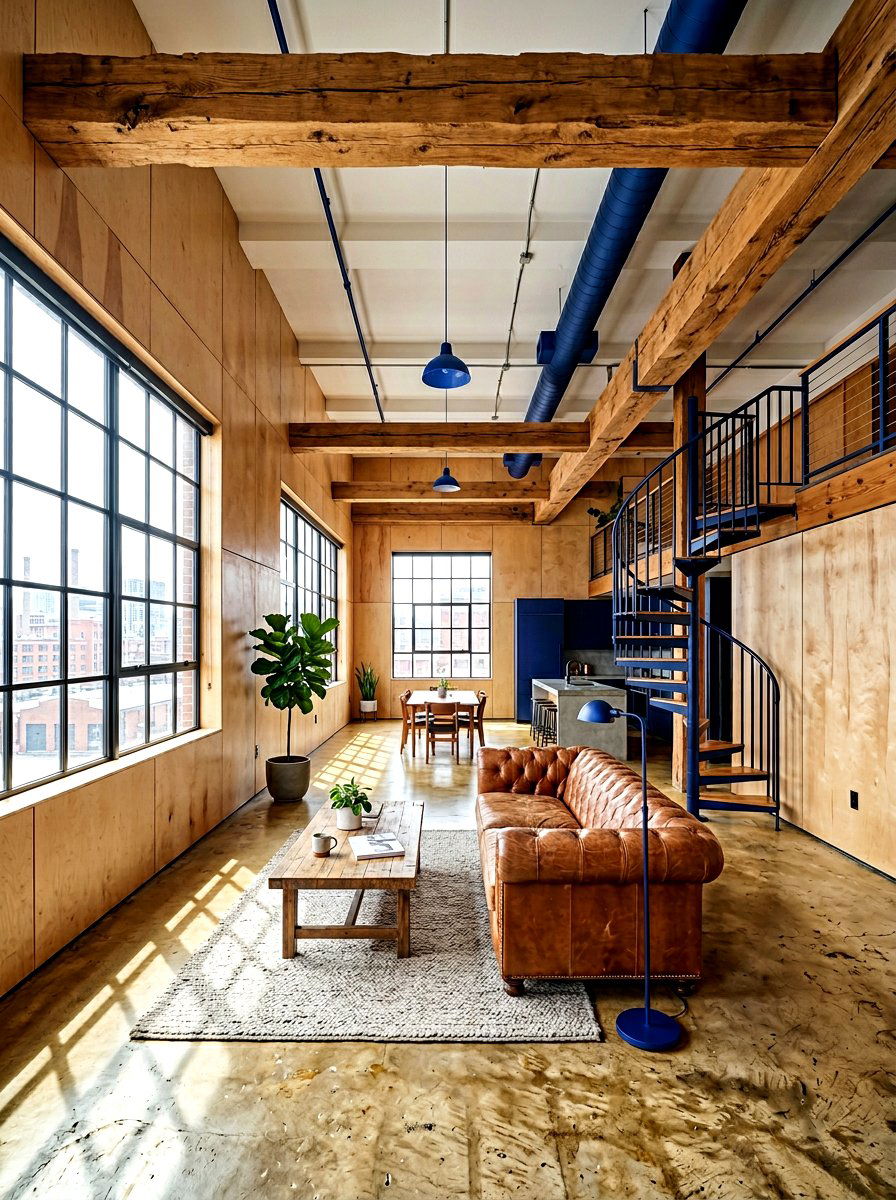
Industrial design often embraces raw, unfinished materials, making it the perfect playground for mixing reclaimed wood and modern plywood. In a large loft area, you can use reclaimed timber for architectural beams or a massive dining table to add history and texture. Softening these heavy elements with light, airy plywood cabinets or wall cladding creates a fascinating dialogue between old and new. The rough, weathered surface of the reclaimed wood provides a beautiful contrast to the smooth, pale surface of the plywood. This mix feels authentic and edgy, reflecting a creative lifestyle. Adding concrete floors or exposed brick will further enhance the industrial charm of the room.
9. Bamboo and Rosewood Bohemian Lounge Area
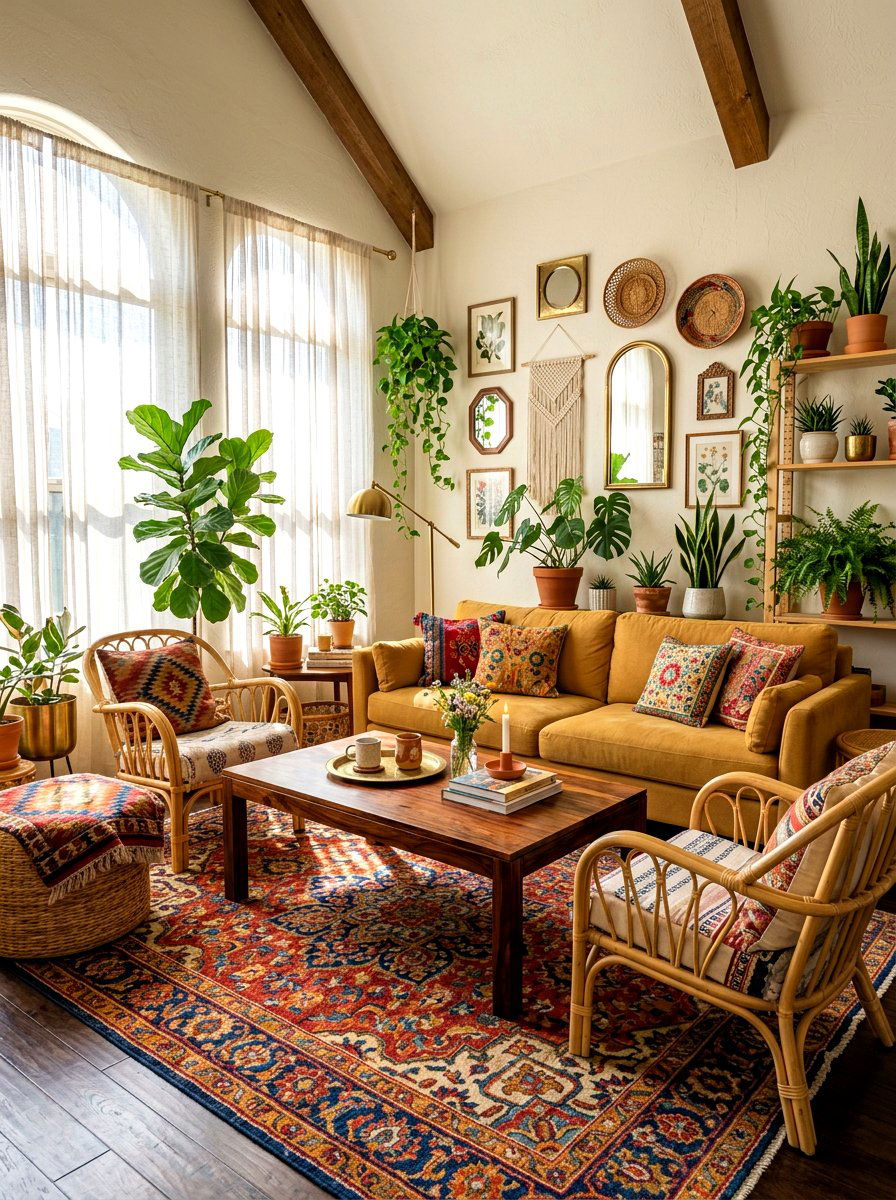
For those who love a bohemian aesthetic, combining eco-friendly bamboo with rich rosewood creates a vibrant and eclectic lounge. Bamboo furniture offers a light, tropical feel that is both sustainable and visually interesting due to its unique jointed structure. When you pair these light pieces with a dark, ornate rosewood coffee table or side cabinet, the room gains a sense of worldliness and luxury. The mix of textures is essential here; the smoothness of the bamboo against the polished grain of the rosewood creates a layered look. Layering in plenty of plants, colorful textiles, and floor cushions will tie these natural wood elements into a cozy sanctuary.
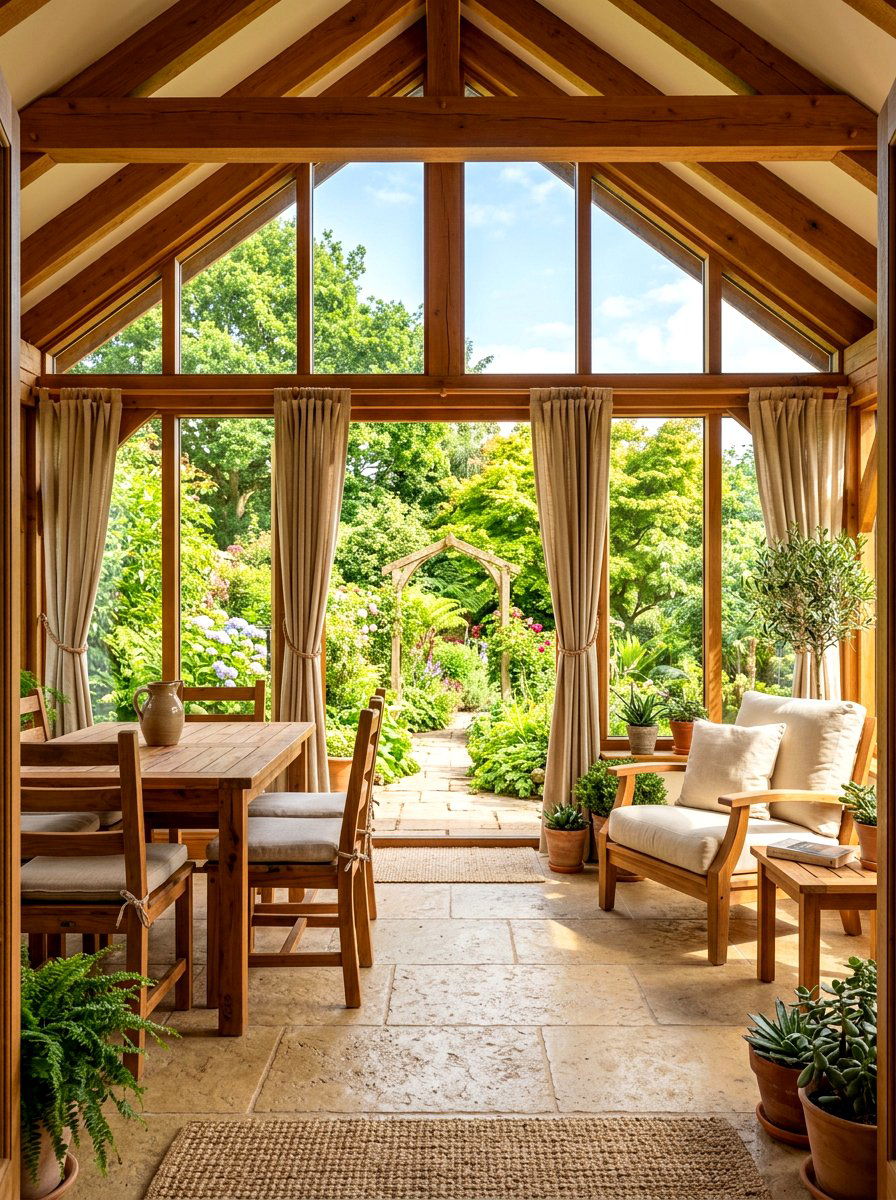
10. Weathered Gray and Natural Pine Coastal Bathroom
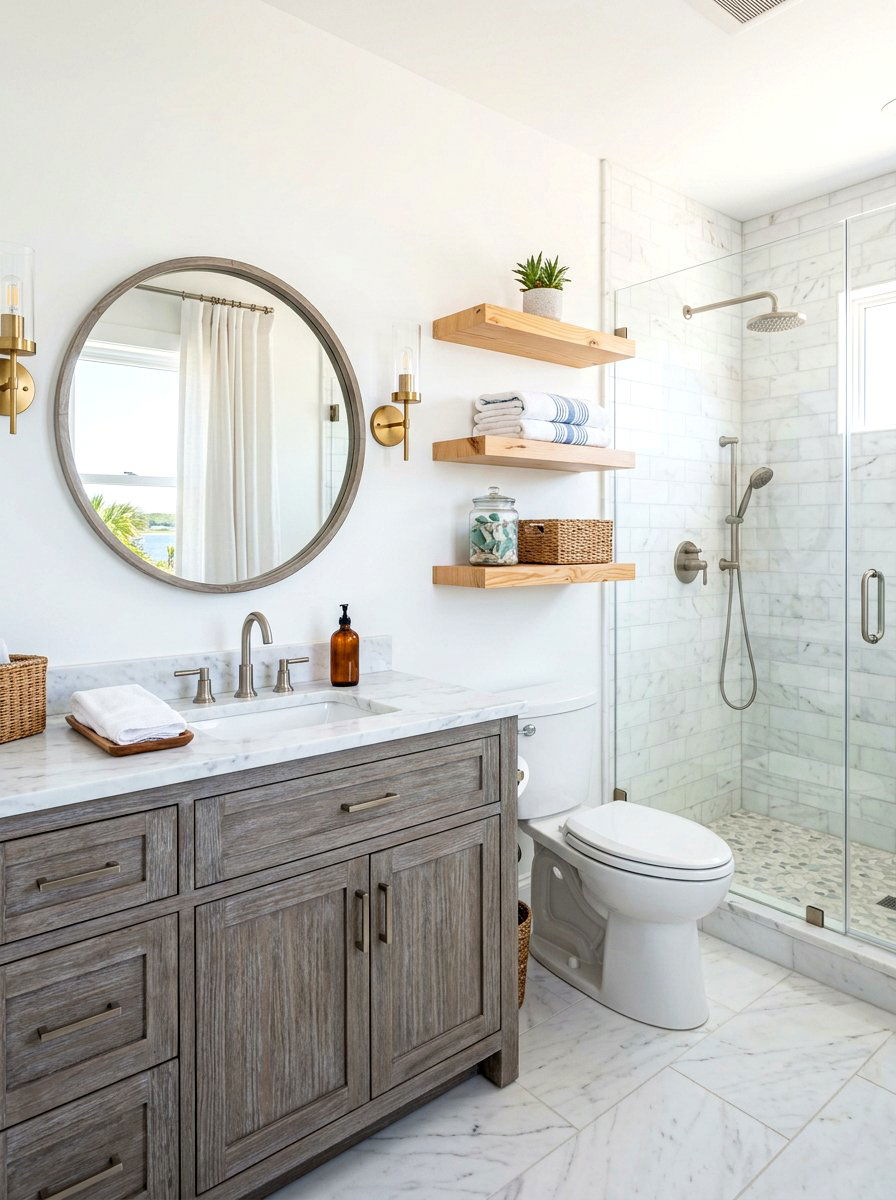
Designing a coastal-themed bathroom is easy when you mix weathered gray wood with natural pine accents. The gray wood mimics the look of driftwood found on a beach, providing a cool and calming foundation for a vanity or wall mirror. To prevent the space from feeling too cold, introduce natural pine for shelving or small decorative stools. The warm, golden undertones of the pine perfectly balance the cool tones of the gray wood, creating a space that feels like a seaside retreat. Using white towels and glass accessories will keep the bathroom feeling clean and bright, allowing the two different wood finishes to shine harmoniously.
11. Walnut Dining Table with Light Oak Chairs Set
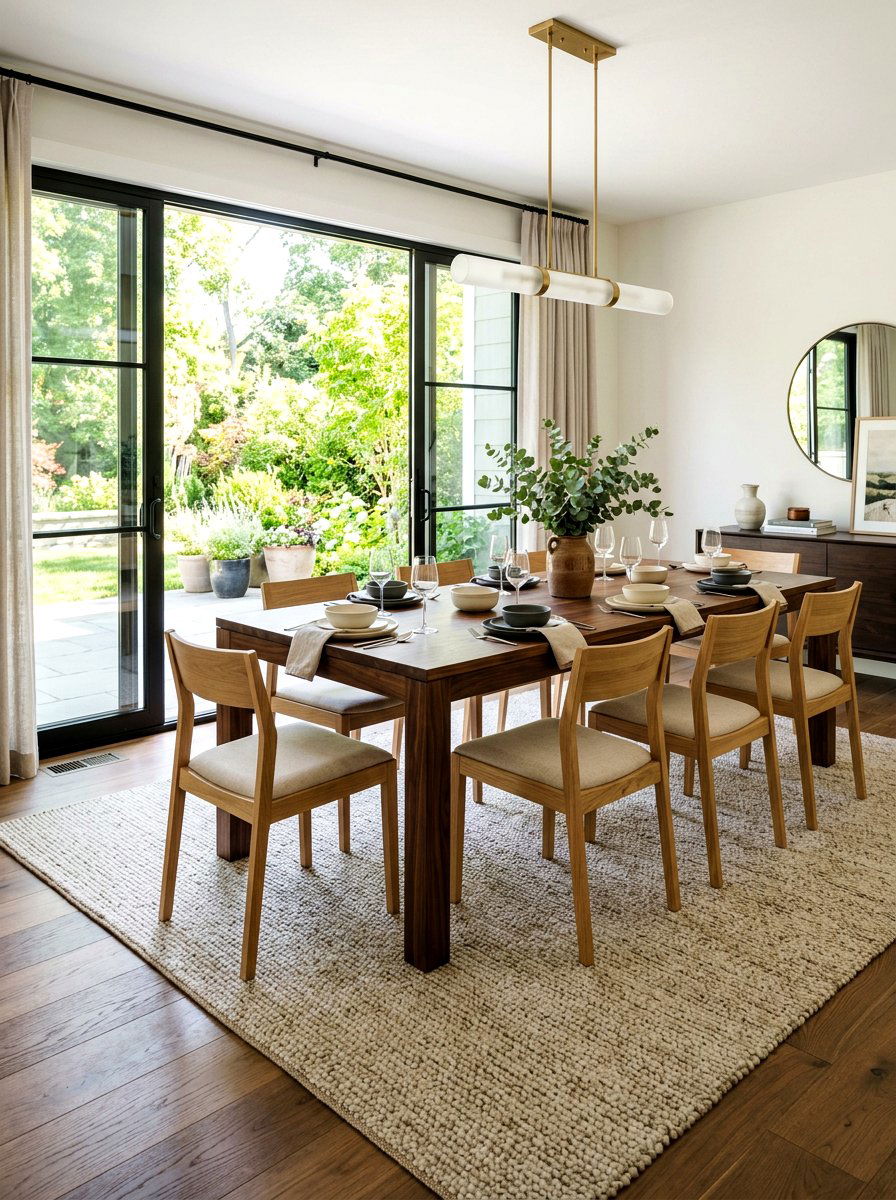
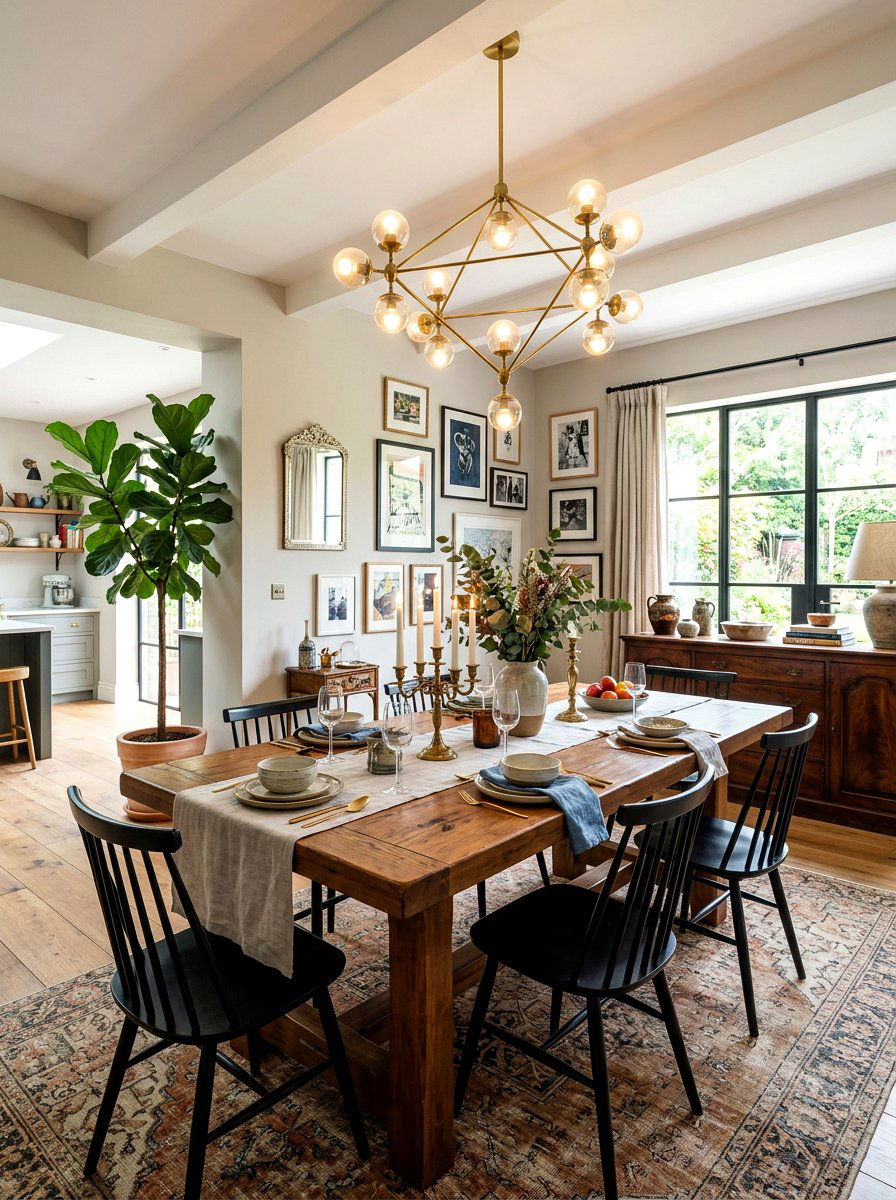
One of the most classic ways to mix wood tones is by pairing a heavy walnut dining table with lighter oak chairs. This arrangement creates an instant focal point in the dining room while keeping the surrounding area light and unburdened. The dark walnut provides a sense of formality and elegance, making every meal feel a bit more special. Meanwhile, the light oak chairs bring a casual, modern touch that makes the space feel approachable for everyday use. To ensure the look is intentional, try to find chairs with a similar grain pattern to the table. This subtle connection helps bridge the gap between the two different wood species beautifully.
12. Dark Wood Floors with Light Wood Furniture Layout
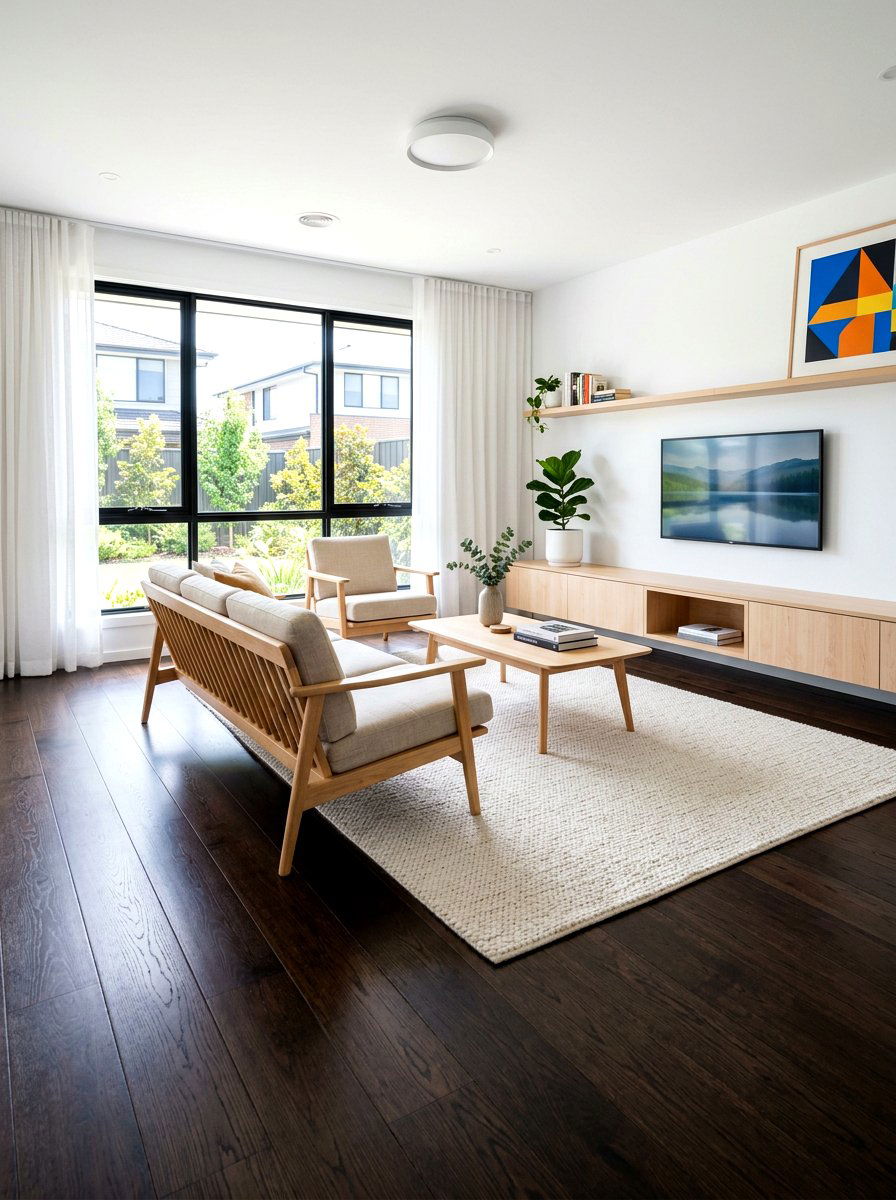
Installing dark wood floors is a bold choice that adds immense luxury to any room, but it requires careful furniture selection to avoid a gloomy atmosphere. Choosing light wood furniture, such as maple or ash, creates a stunning "pop" effect against the dark background. This contrast highlights the silhouette of each furniture piece, making the layout feel more dynamic and intentional. You can use a large, neutral-colored area rug to act as a buffer between the dark floor and the light furniture legs, which helps define the space. This design strategy ensures that your room feels spacious and well-lit while still benefiting from the richness of dark flooring.
13. Multi Tone Wood Accent Wall Living Room Design
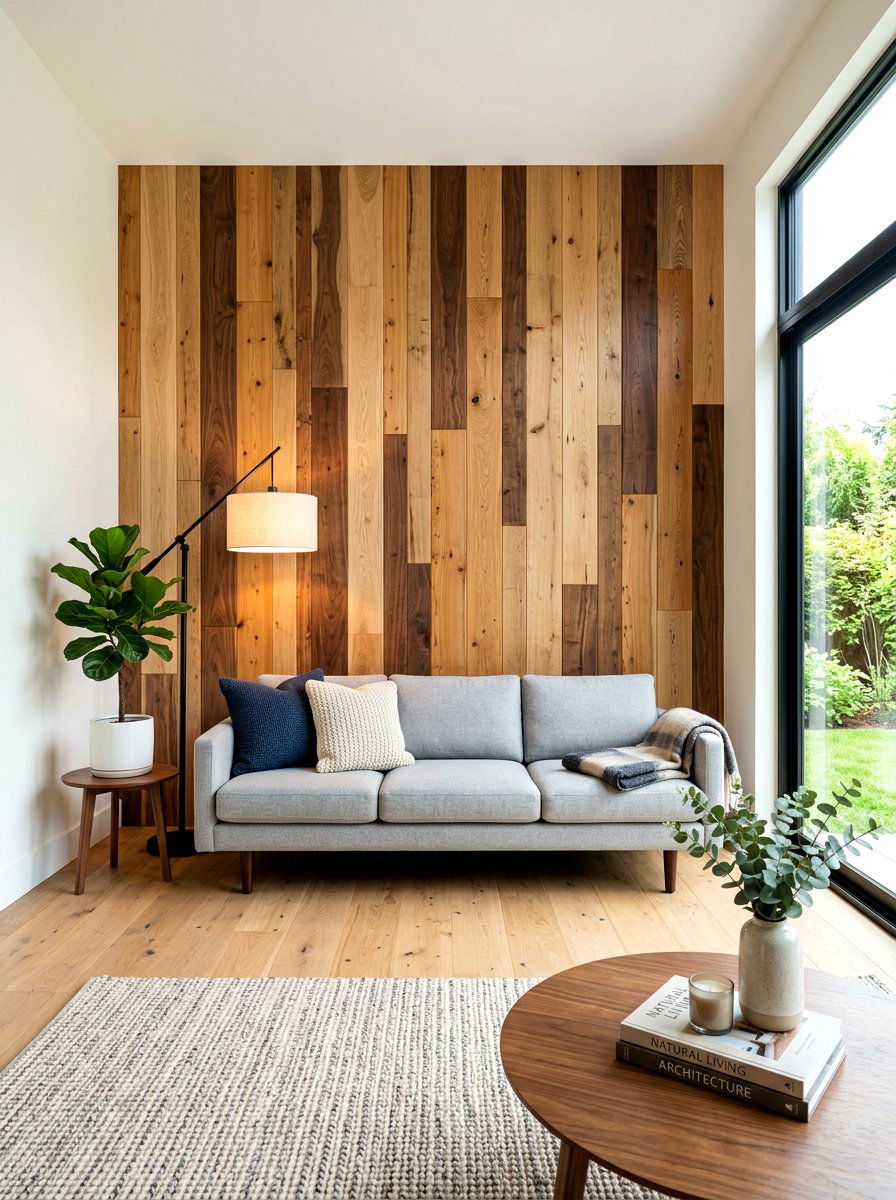
A multi-tone wood accent wall is a fantastic way to incorporate several different timber species into a single living room design. By using planks of varying widths and colors — ranging from pale pine to dark walnut — you create a textured masterpiece that acts as built-in art. This feature wall allows you to easily pull various wood tones for the rest of your furniture, as almost any piece will match one of the colors in the wall. To keep the look from becoming overwhelming, keep the other walls neutral and the furniture relatively simple. The accent wall becomes the star of the show, providing warmth and a unique architectural detail.
14. Scandi Style Birch and Black Walnut Bedroom
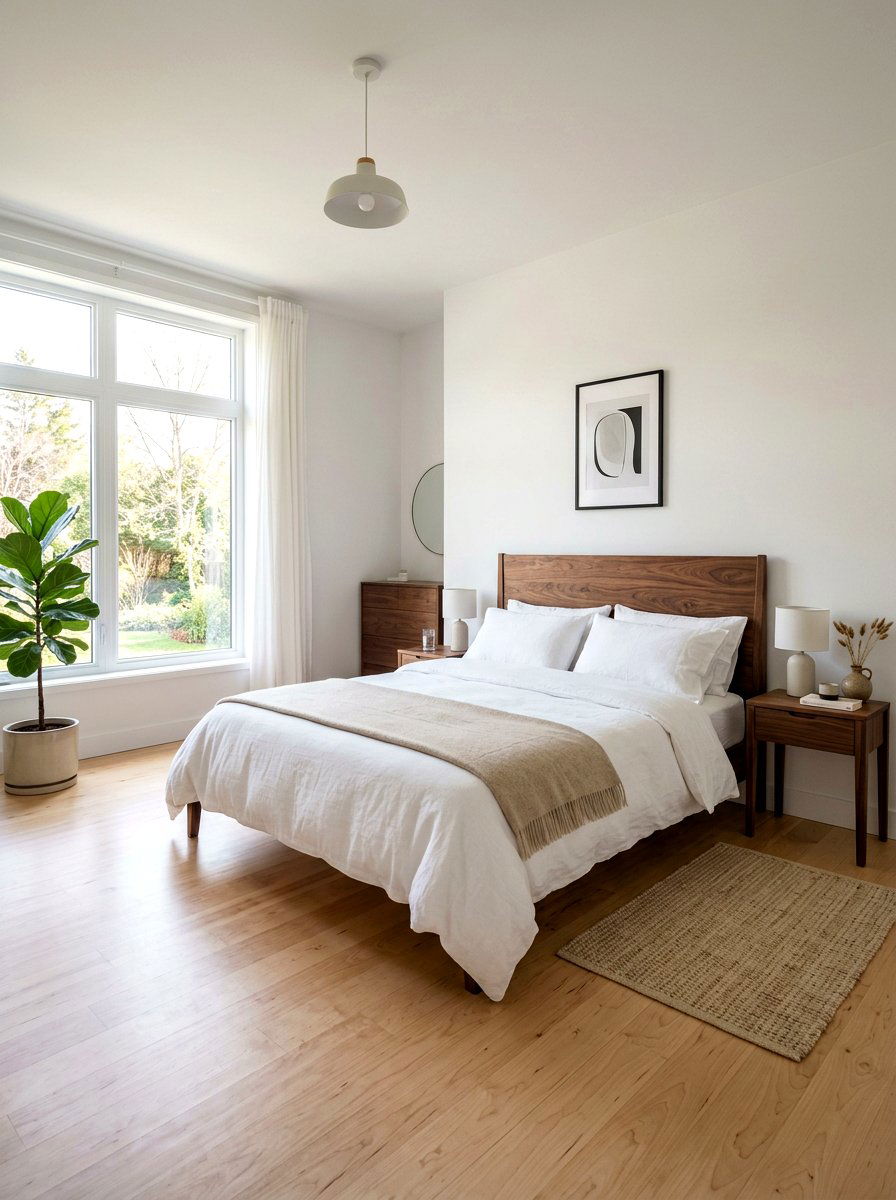
Scandinavian design is often associated with light woods, but adding a touch of black walnut can elevate the style to new heights. Start with a foundation of birch or pine for the flooring and large wardrobe to maintain that signature bright and airy Scandi feel. Then, introduce a black walnut bedside table or a sleek walnut headboard for a touch of sophisticated contrast. The deep, dark wood provides a modern edge that keeps the room from looking too monochromatic or washed out. This pairing works best when you stick to clean lines and functional designs, ensuring that the natural beauty of both wood types remains the primary focus.
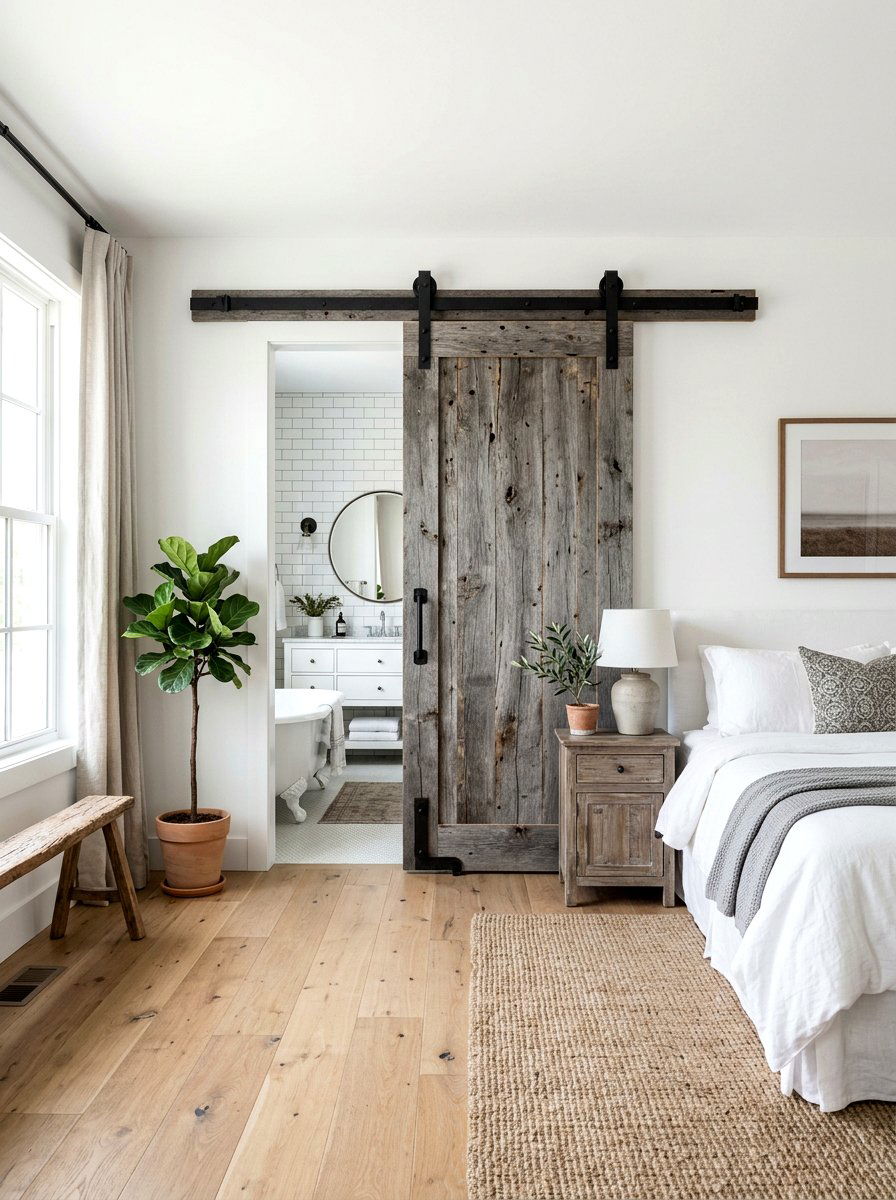
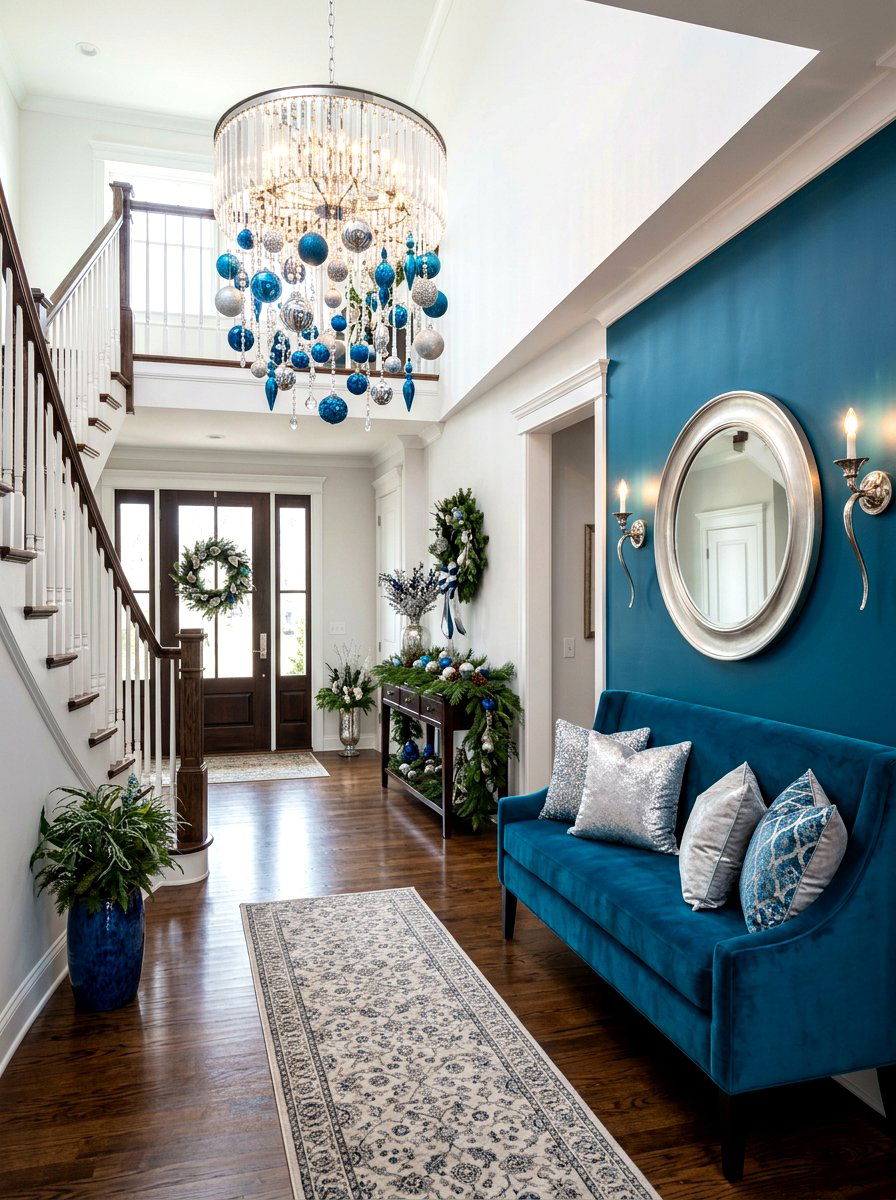
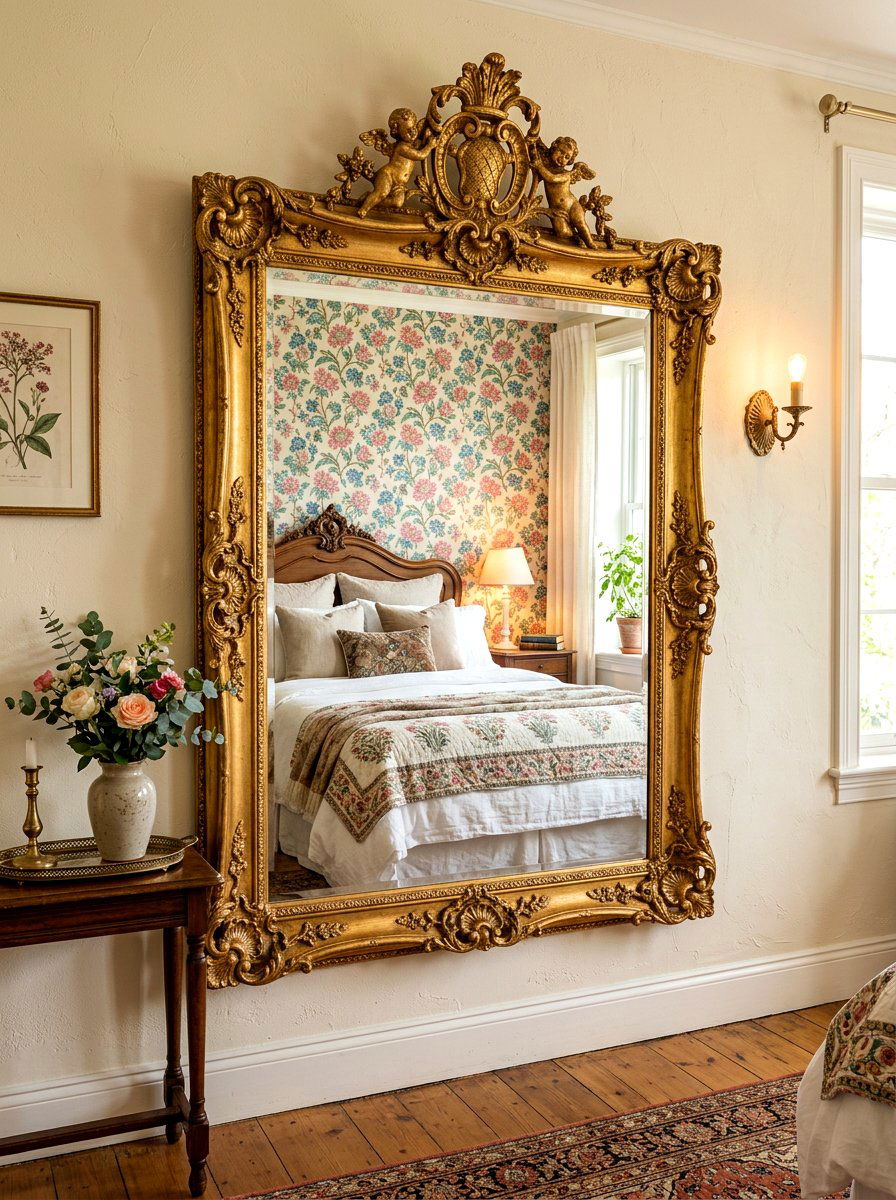
15. Mid Century Teak Sideboard with Light Maple Floor
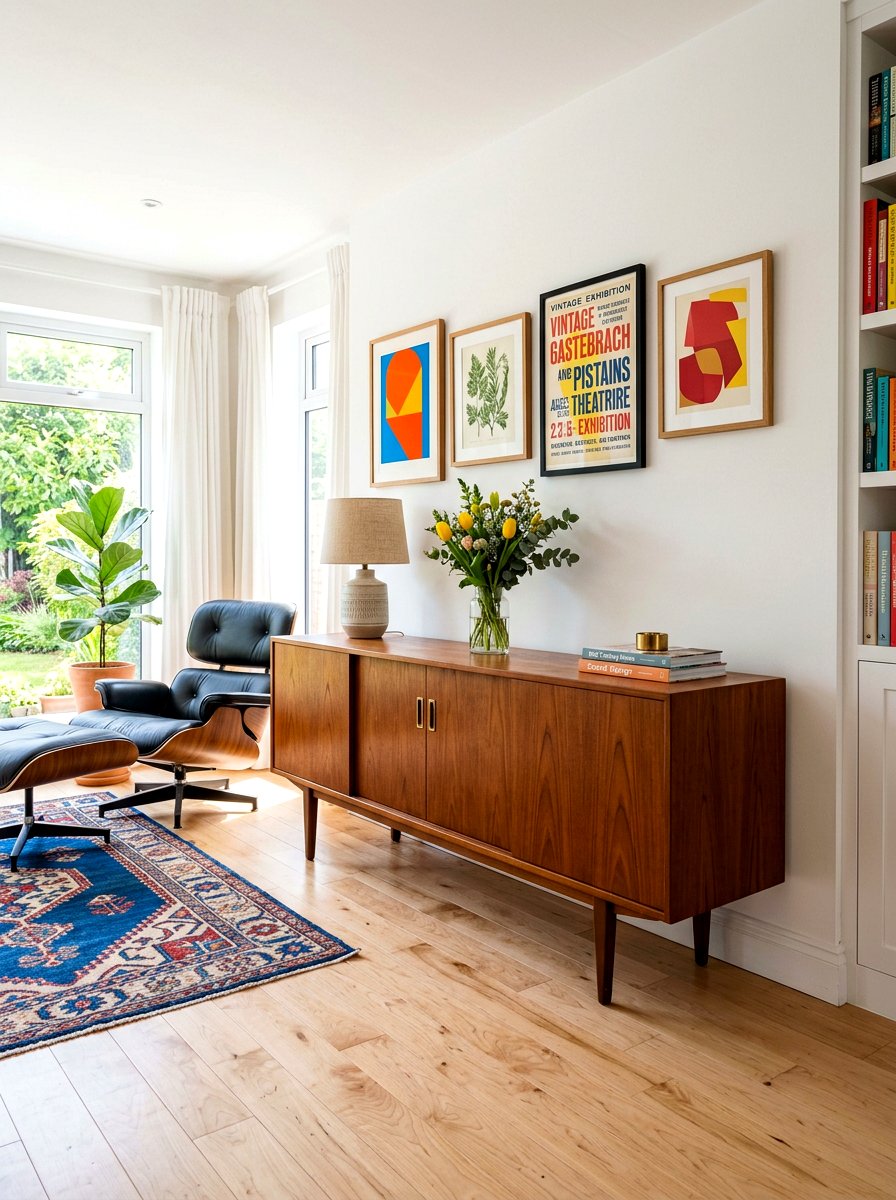
A vintage teak sideboard is a prized possession for many, and it looks its best when placed on a light maple floor. The warm, orange-toned teak contrasts beautifully with the pale, creamy maple, allowing the sideboard to stand out as a statement piece. This combination is a great way to mix different eras of design, as the maple feels contemporary while the teak brings a sense of history. To tie the room together, you can add other teak accents, such as a mirror frame or small decorative bowls, throughout the space. This creates a cohesive narrative that celebrates the unique character of both wood species.
16. Rustic Barn Wood and Polished Oak Mudroom
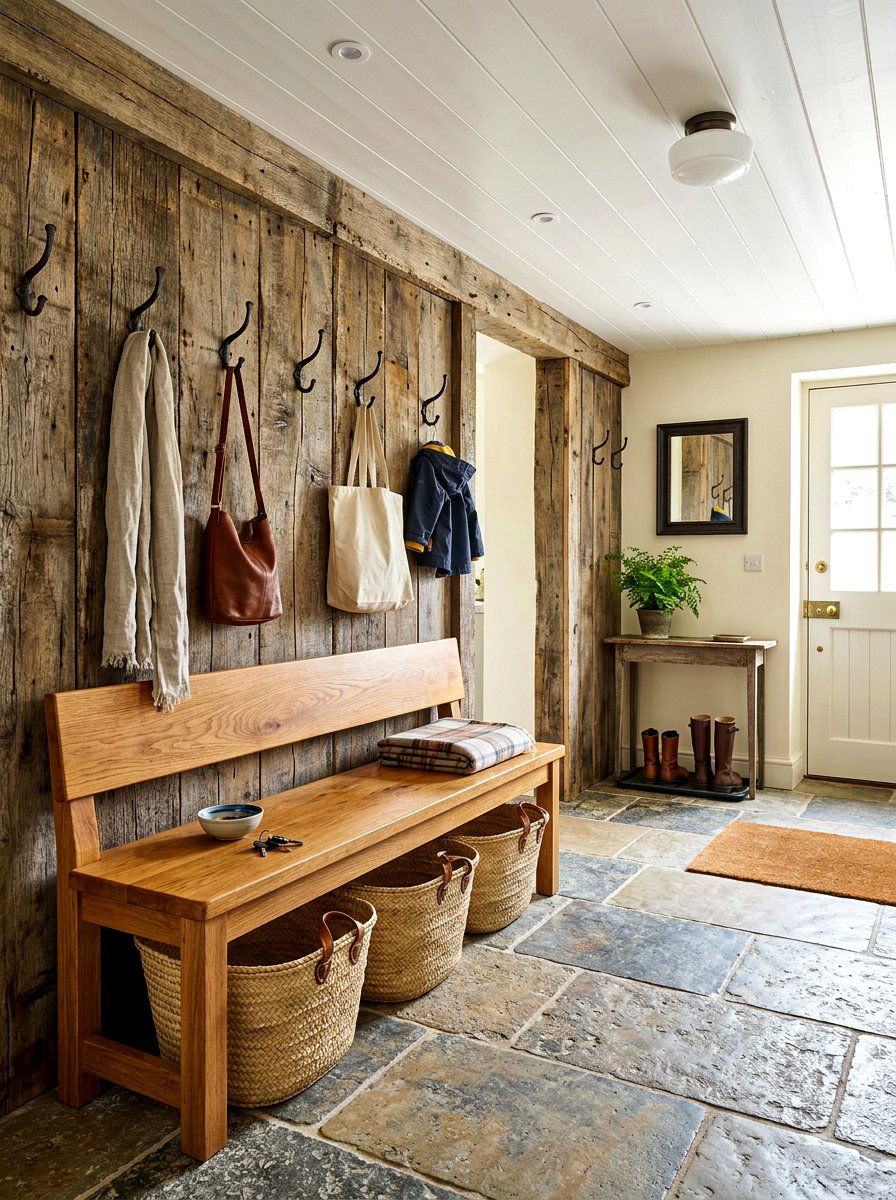
A mudroom needs to be functional and durable, and mixing rustic barn wood with polished oak achieves both goals with style. Use the rugged, reclaimed barn wood for a wall-mounted coat rack or a decorative accent wall to hide scuffs and add texture. For the seating area or flooring, choose a smooth, polished oak that is easy to clean and provides a touch of refinement. The contrast between the rough, weathered barn wood and the clean oak creates a "refined rustic" look that is very popular in modern farmhouses. Adding some woven baskets and sturdy metal hardware will complete this practical yet beautiful entryway space.
17. Dark Mahogany Desk with Light Ash Shelving Office
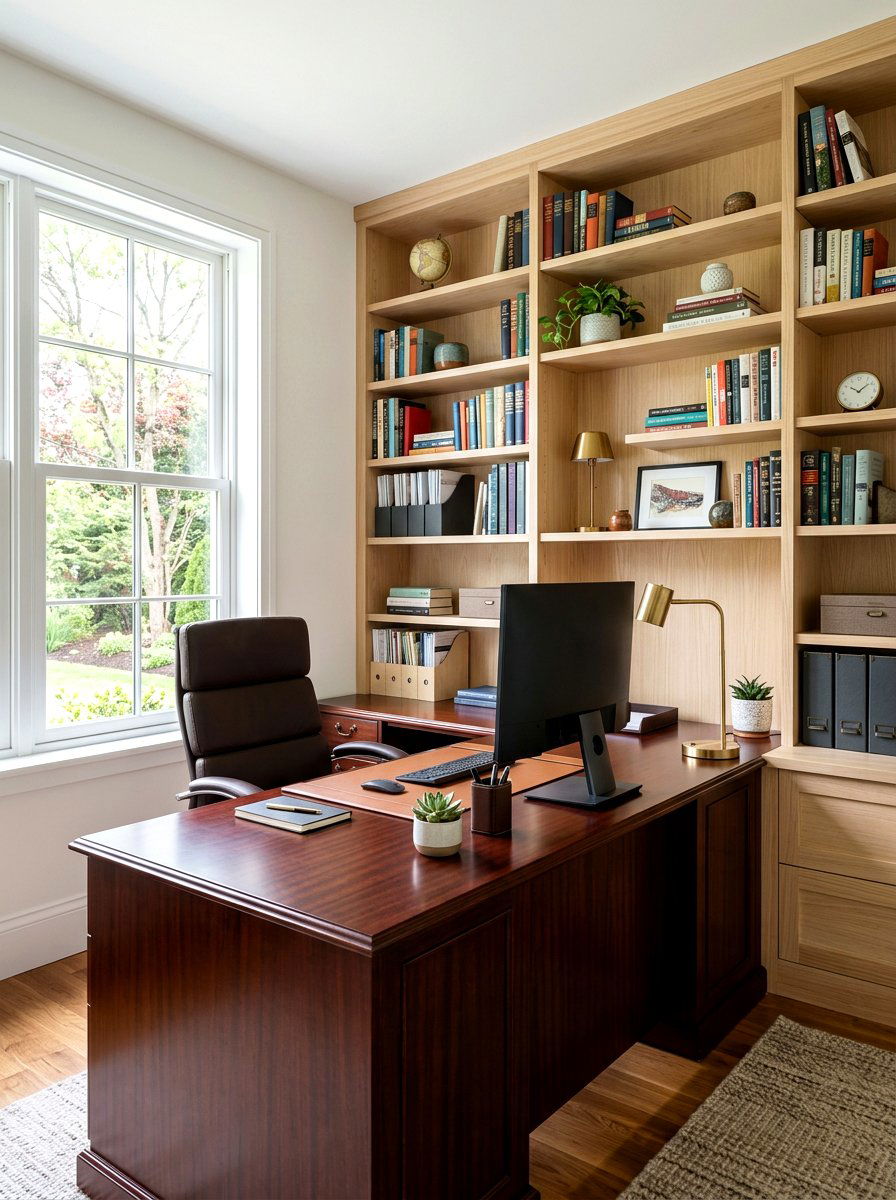
In a home office, you can create a high-end, executive feel by pairing a dark mahogany desk with light ash shelving. The mahogany desk acts as a powerful anchor for the room, suggesting stability and traditional elegance. Surrounding it with light ash shelves keeps the workspace from feeling cramped or overly formal, as the pale wood reflects more light and feels modern. This combination allows you to enjoy the luxury of dark wood without sacrificing the brightness needed for productivity. To finish the look, use a leather chair and some brass desk accessories, which complement both the warm mahogany and the neutral ash wood perfectly.
18. Mixed Wood Floating Shelves in Modern Kitchen
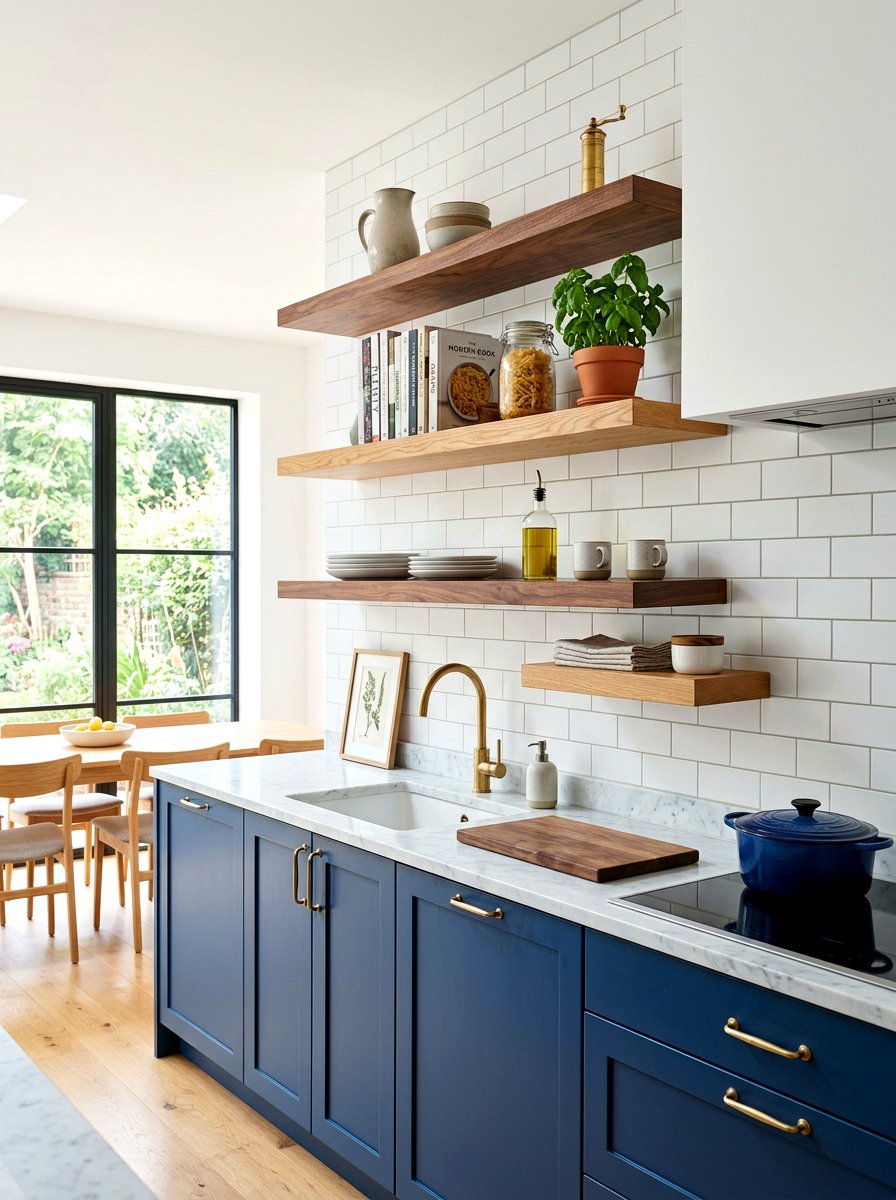
Floating shelves are a great way to display your favorite dishes, and using mixed wood tones adds a creative twist to your kitchen. Instead of using identical shelves, try alternating between light oak and dark walnut planks. This creates a rhythmic, patterned look on the wall that feels much more intentional and artistic than a single wood type. To make the shelves look cohesive, keep the items you display on them within a similar color palette, such as all-white ceramics or clear glass. The variation in the wood tones will provide enough visual interest on its own, making the shelves a functional piece of art in your kitchen.
19. Honey Tone Wood Ceiling with Dark Rafters Room
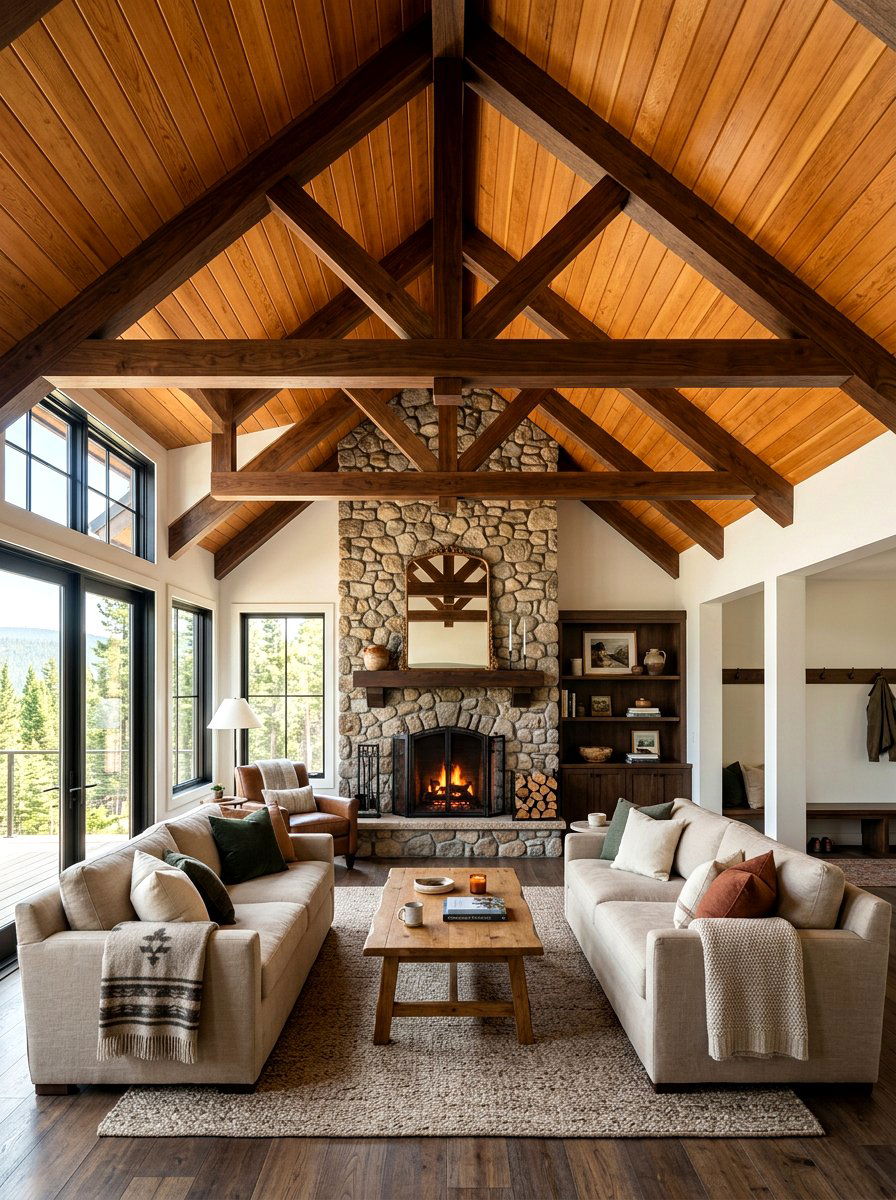
Drawing the eye upward is a classic design trick, and a honey-tone wood ceiling with dark rafters is a spectacular way to do it. The light wood panels on the ceiling keep the room feeling tall and spacious, while the dark, heavy rafters add architectural strength and a touch of drama. This combination works beautifully in living rooms with high ceilings or in cozy dens where you want a "cabin-in-the-woods" feel. The mix of light and dark wood on the ceiling allows you to be more flexible with your furniture choices, as you can easily incorporate both light and dark pieces below.
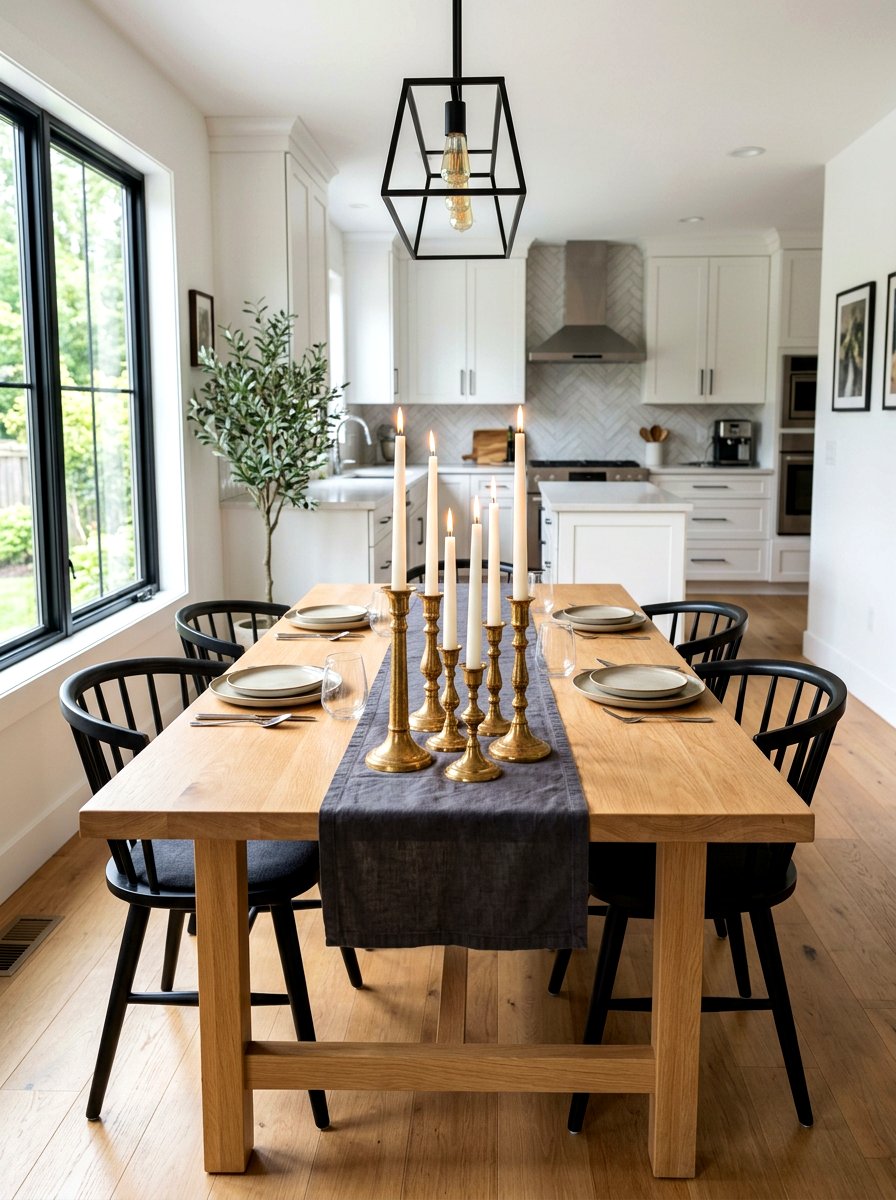
20. Ebony Wood Coffee Table and Light Pine Sofa
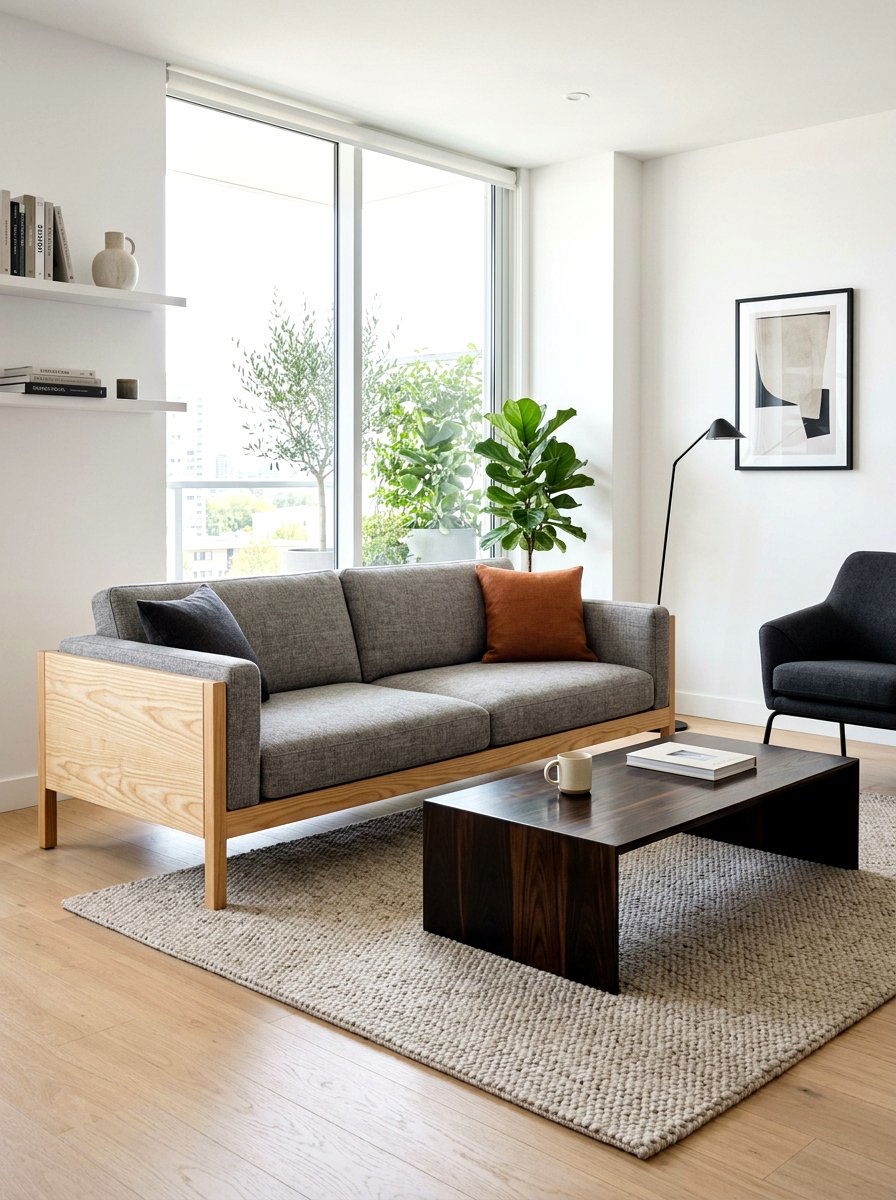
For a truly modern and edgy living room, consider pairing a bold ebony wood coffee table with a light pine sofa frame. The stark contrast between the jet-black ebony and the pale, yellow-toned pine creates a high-fashion look that is sure to impress. This combination is perfect for those who enjoy a minimalist or industrial aesthetic. The ebony table acts as a sharp focal point, while the pine sofa frame keeps the surrounding area feeling light and approachable. To soften the look, add plush gray cushions to the sofa and a textured rug under the coffee table, which will bridge the gap between the two wood tones.
21. Warm Cherry Vanity with Cool Gray Wood Bathroom
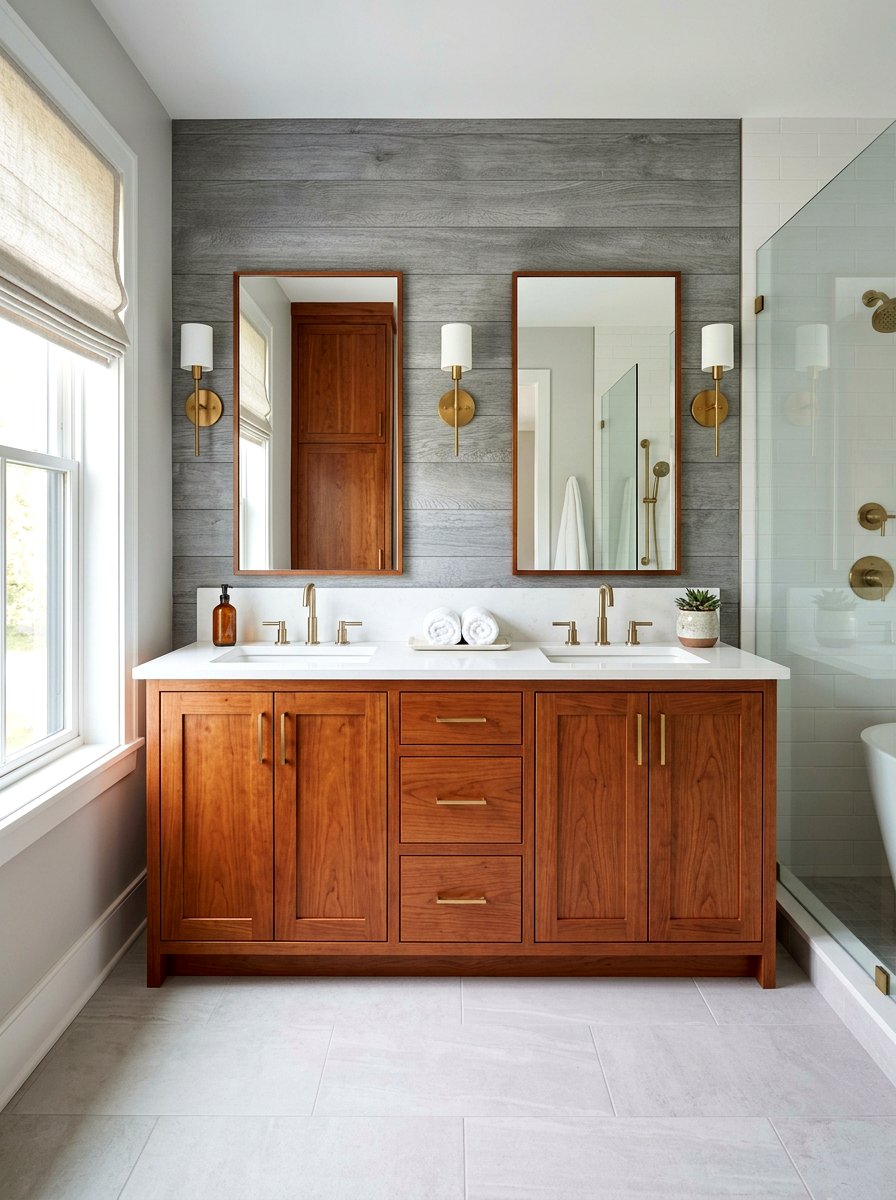
Mixing wood tones in the bathroom can create a spa-like atmosphere, especially when you combine warm cherry with cool gray wood. A cherry wood vanity provides a splash of rich, natural color that makes the bathroom feel more inviting and less clinical. You can balance this warmth by using cool, gray-toned wood for a medicine cabinet or decorative shelving. The interplay between the reddish cherry and the muted gray creates a sophisticated color story that feels very contemporary. Using white marble countertops and chrome fixtures will further enhance the clean, luxurious feel of the space, allowing the wood tones to provide the necessary organic warmth.
22. Natural Wood Beams with Dark Walnut Cabinetry Kitchen
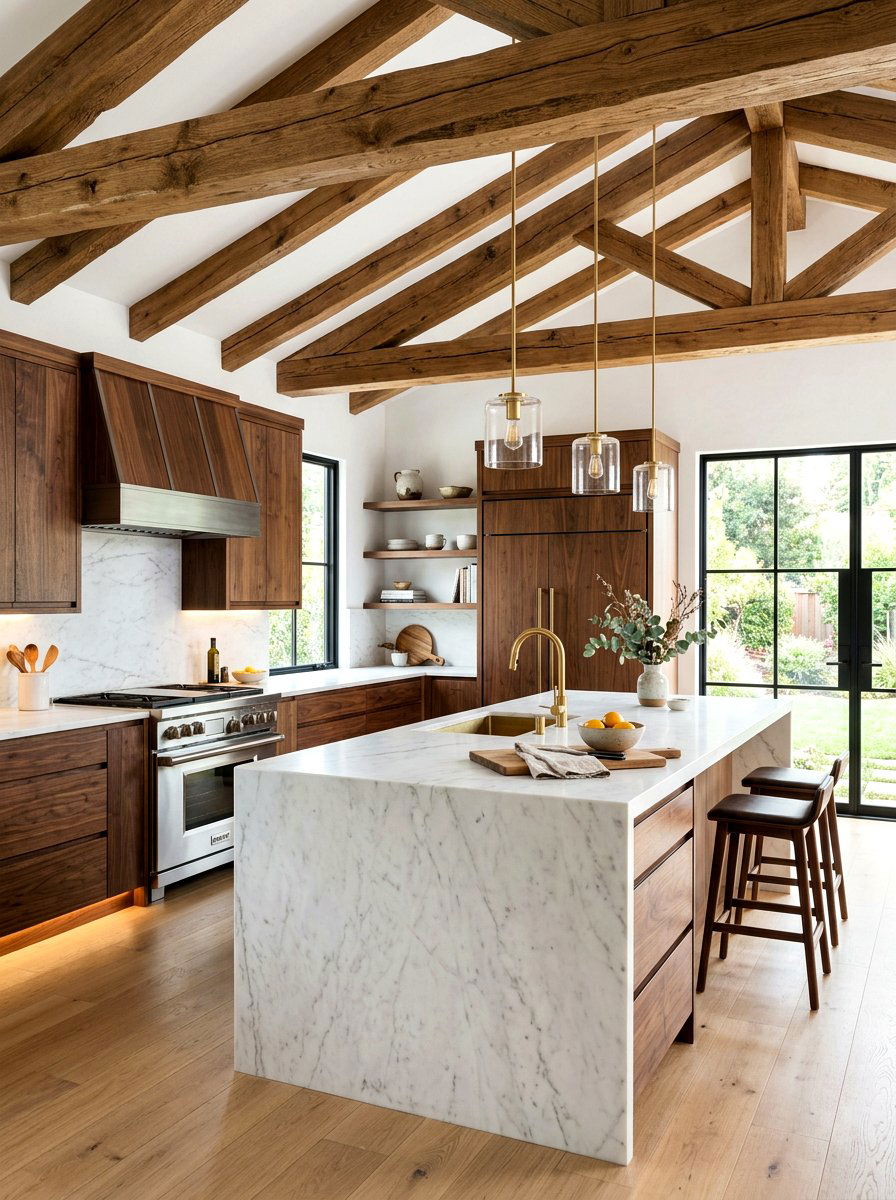
Architectural details like natural wood beams can be beautifully complemented by dark walnut cabinetry in a large kitchen. The raw, unrefined look of the ceiling beams adds a sense of history and structural honesty to the room. When paired with sleek, polished walnut cabinets, you get a "rustic-meets-modern" vibe that is incredibly stylish. The light, natural tone of the beams prevents the dark cabinets from making the kitchen feel too enclosed. This combination works best in open-concept homes where the kitchen flows into the living area, as the beams can continue across the entire space to create a sense of visual continuity and design cohesion.
23. Mixed Wood Headboard with Matching Nightstands Bedroom
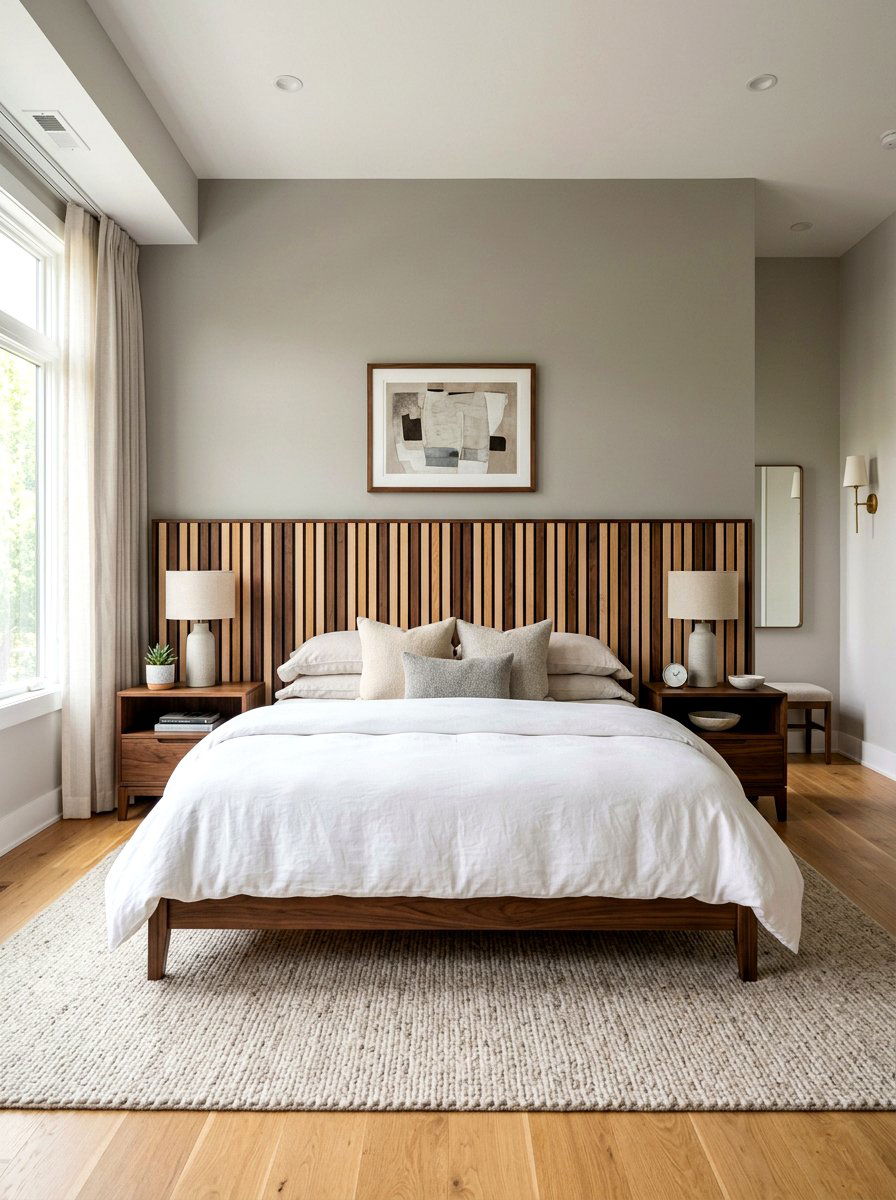
A custom headboard made from a mix of different wood species can be the ultimate statement piece for your bedroom. By combining slats of maple, oak, and walnut, you create a beautiful gradient of color that feels very organic and artistic. To ground the look, use nightstands that match one of the wood tones found in the headboard — dark walnut nightstands work particularly well for a moody, high-end feel. This approach ensures that the room feels designed rather than random. Using simple, neutral bedding allows the intricate wood patterns of the headboard to take center stage, turning your bed into a work of art.
24. Light Oak Stairs with Dark Wood Handrails Entry
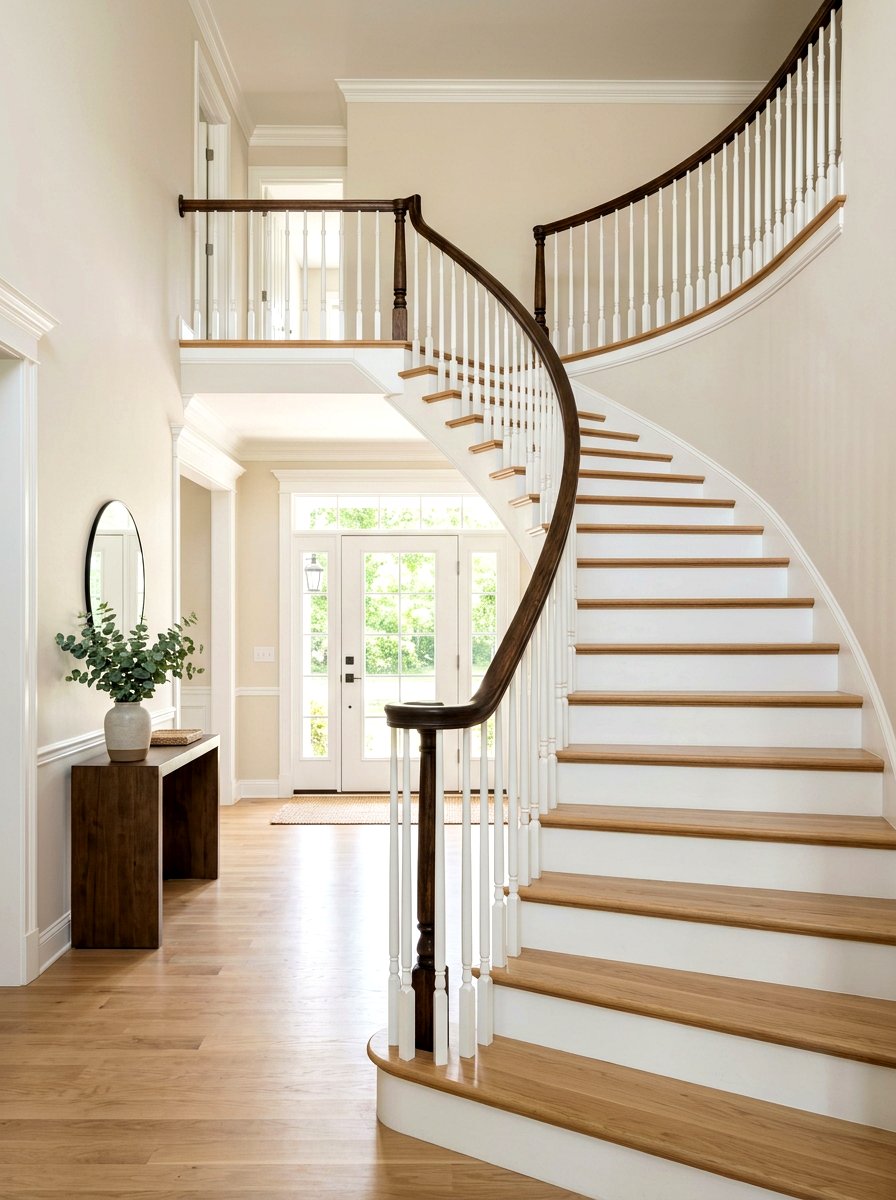
Your staircase is often a major focal point in an entryway, and mixing wood tones here can make a big impact. Using light oak for the stair treads keeps the walkway looking clean and bright, which is especially helpful in smaller hallways. You can contrast this with a dark espresso or walnut handrail to create a sharp, elegant line that guides the eye upward. This combination feels very traditional yet refreshed for modern homes. To tie the look together, consider using the same dark wood for a small console table or a mirror frame near the base of the stairs for a cohesive welcome.
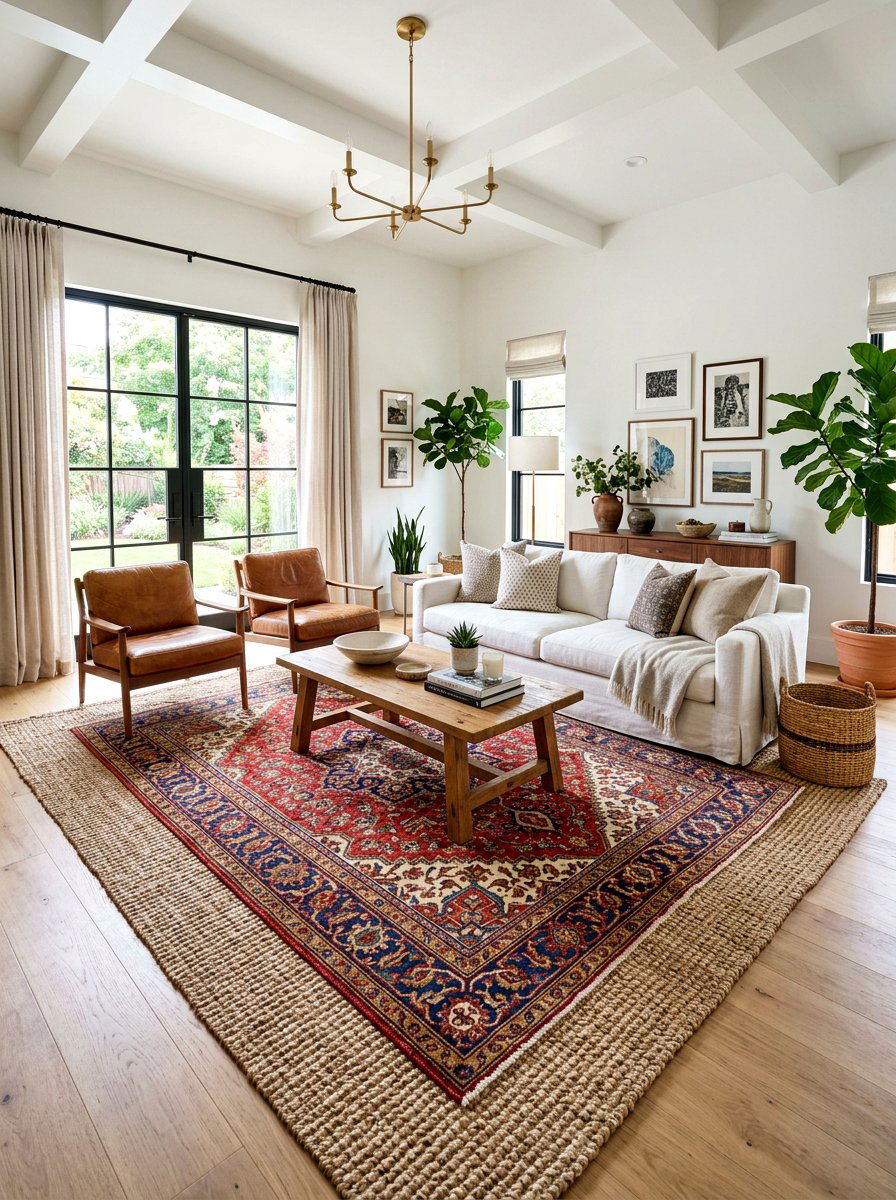
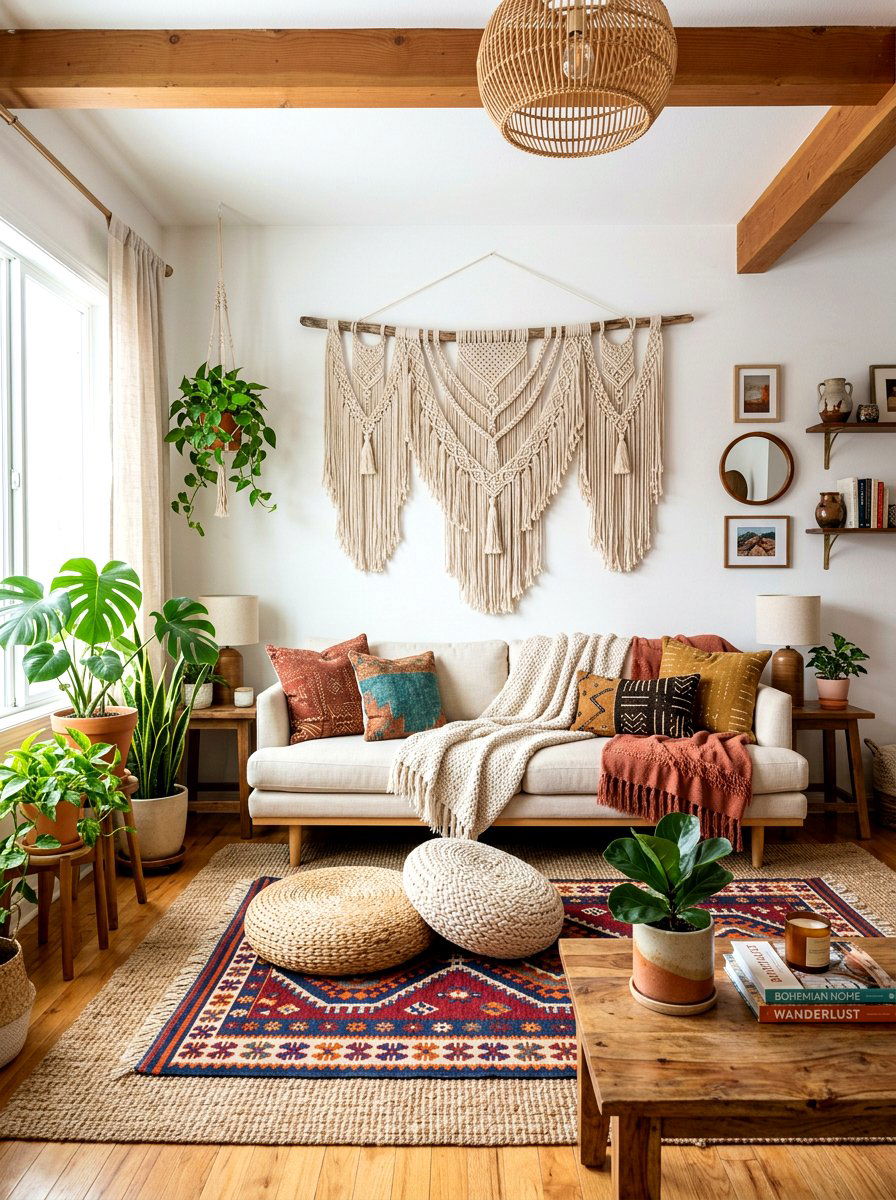
25. Walnut Butcher Block with White Oak Island Kitchen
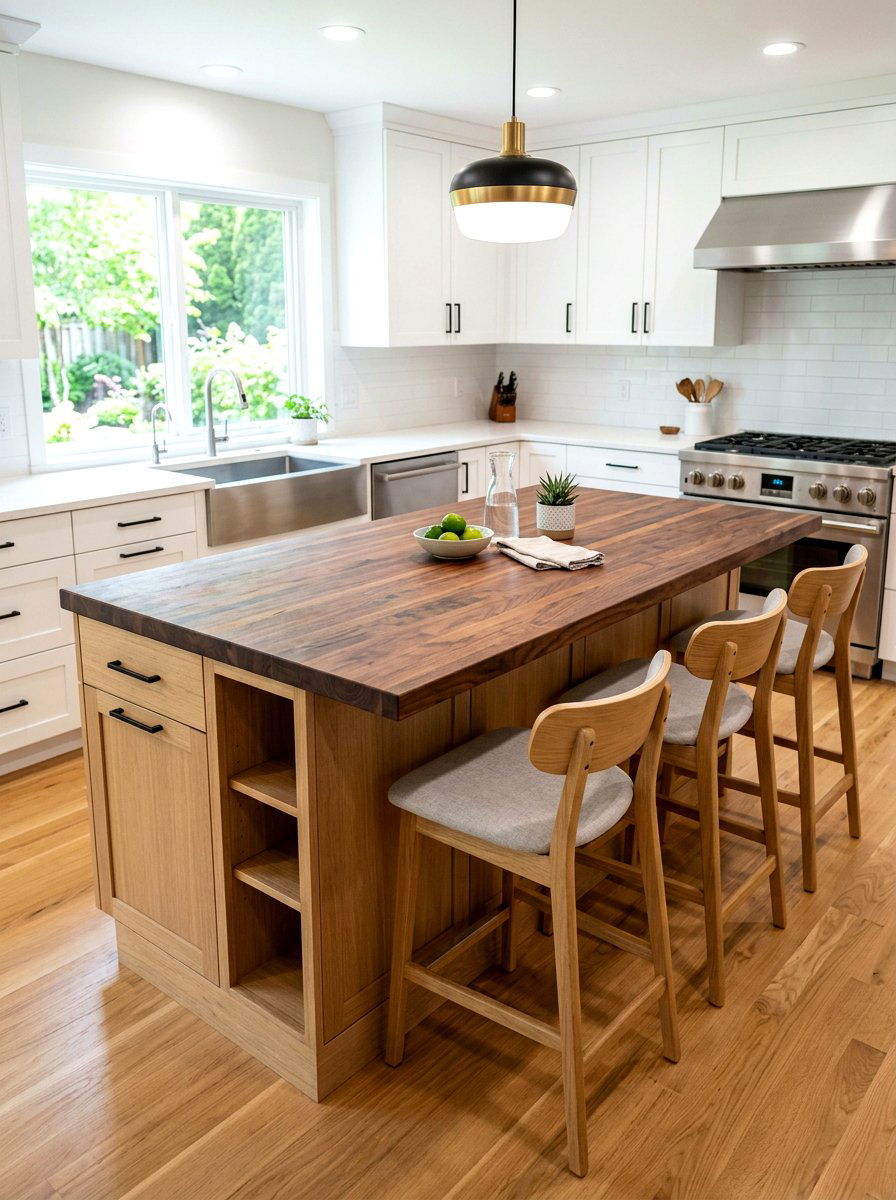
A kitchen island is the perfect place to experiment with mixed wood tones, such as a walnut butcher block top on a white oak base. The dark, rich walnut provides a durable and beautiful surface for food preparation, while the light white oak base keeps the large island from feeling too heavy in the center of the room. This pairing celebrates the different grain patterns of both wood types, creating a textured and functional centerpiece. To enhance the look, use brass or black hardware on the island drawers, which will complement both the warm walnut and the neutral oak tones for a polished finish.
26. Distressed Wood Mantel with Smooth Cedar Panels Room
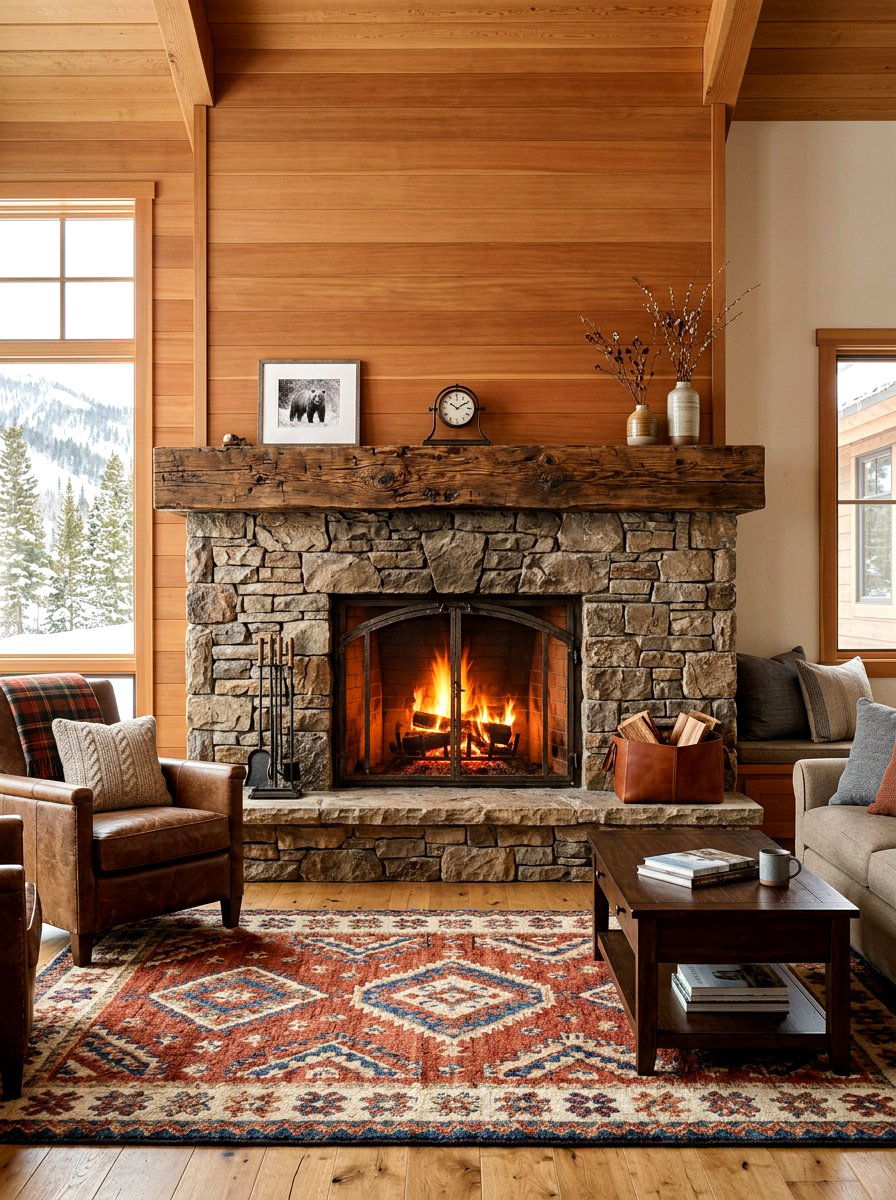
In a cozy living room, a fireplace can be transformed by mixing a distressed wood mantel with smooth cedar wall panels. The rough, aged texture of the mantel provides a sense of character and history, making it the perfect spot to display family photos or seasonal decor. Surrounding the fireplace with clean, smooth cedar panels adds a modern touch and a subtle fragrance to the room. The contrast between the rugged mantel and the refined wall treatment creates a "mountain lodge" aesthetic that feels both luxurious and comfortable. This mix of textures ensures that the fireplace remains the heart of the home.
27. Plywood Walls with Dark Rosewood Accents Studio
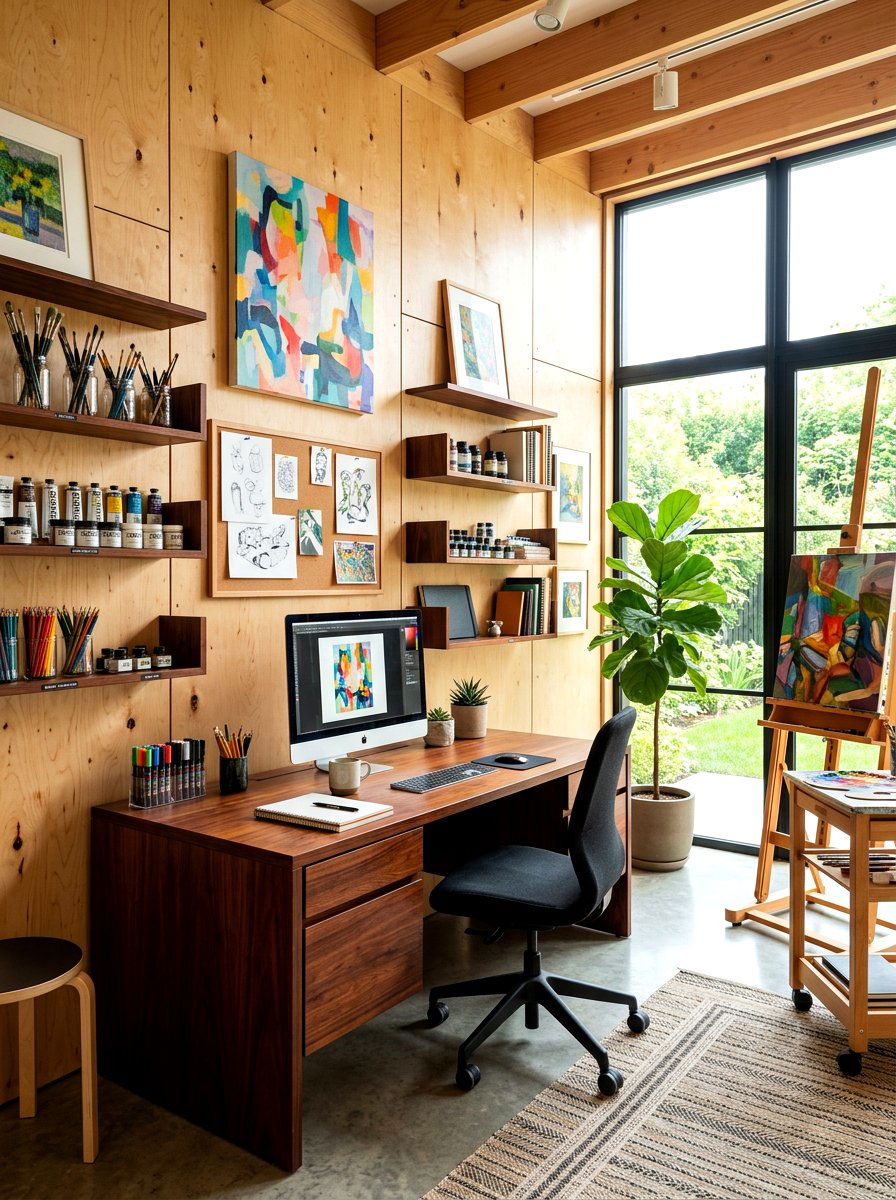
Creative spaces like art studios or home offices look fantastic with plywood walls and dark rosewood accents. Plywood provides a light, affordable, and incredibly modern backdrop that makes any room feel larger and more industrial. By introducing a few high-quality rosewood pieces, such as a large desk or a bookshelf, you add a touch of sophistication that prevents the plywood from looking too unfinished. The deep, swirling grain of the rosewood stands out beautifully against the simple, pale plywood. This combination is perfect for those who want a workspace that feels both functional and inspiring, reflecting a unique and creative design sensibility.
28. Teak Patio Furniture with Cedar Decking Outdoor
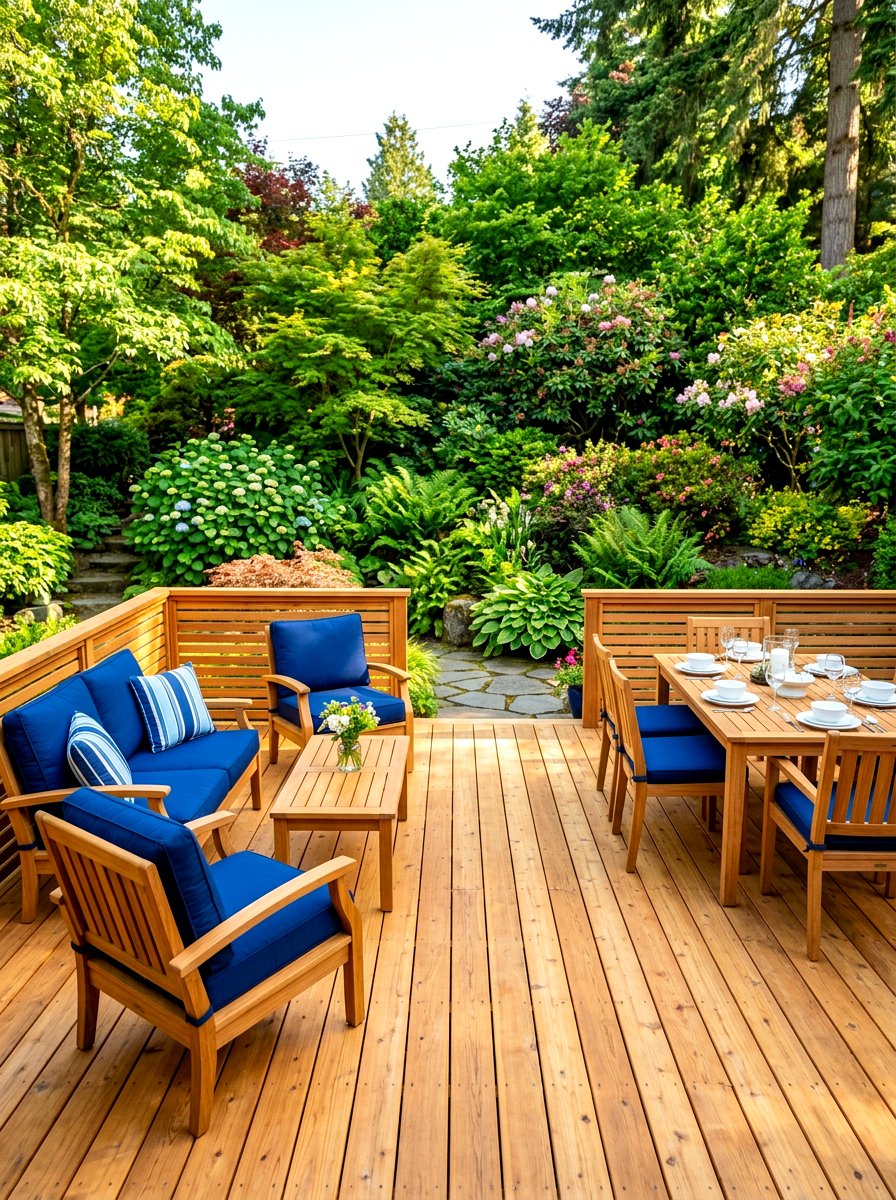
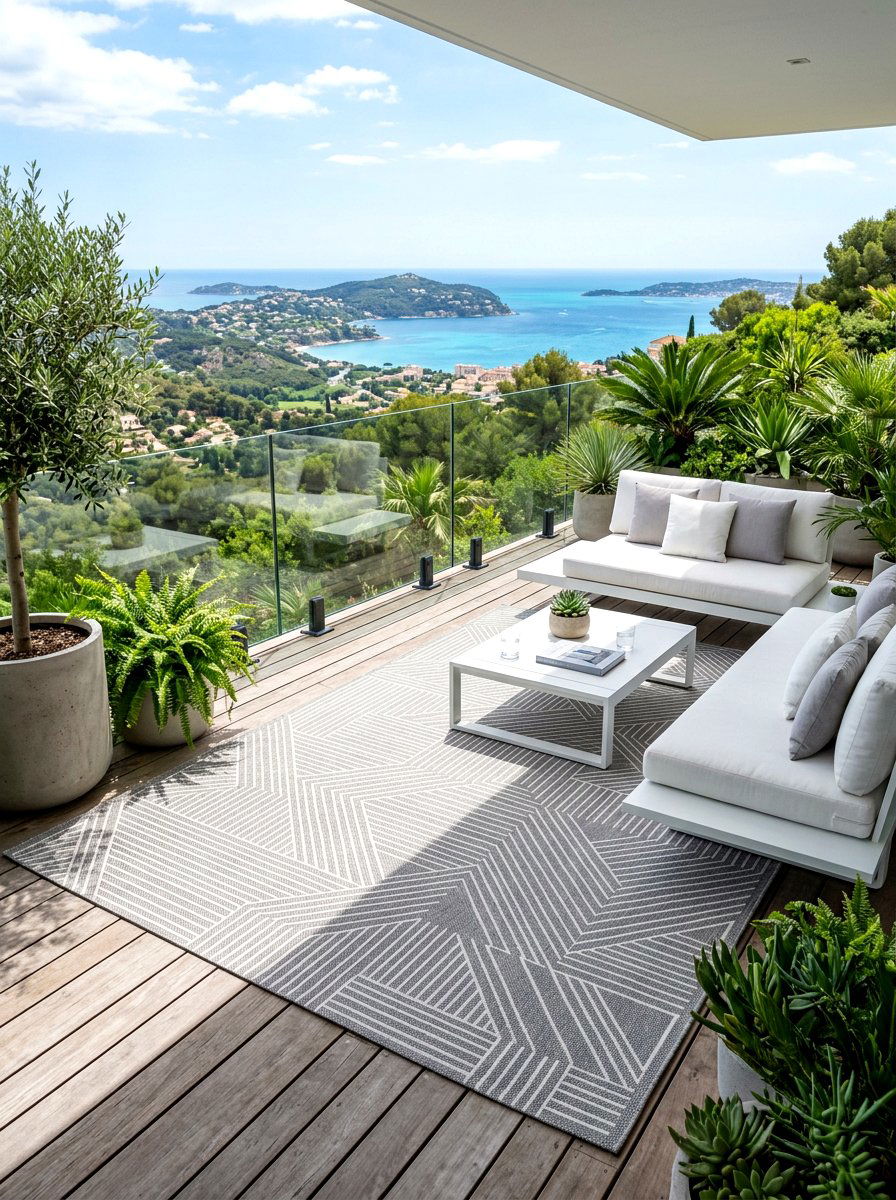
Mixing wood tones isn't just for the indoors; your outdoor space can also benefit from this design technique. Teak patio furniture is prized for its durability and beautiful silvering over time, making it a classic choice for gardens. When you place these pieces on a warm, reddish cedar deck, you create a layered and inviting outdoor living area. The different wood tones help define the "room" outside, making it feel more established and less like a temporary setup. Adding some outdoor rugs and plenty of greenery will further blend these natural materials into a harmonious and relaxing sanctuary for entertaining or relaxing.
29. Ash Wood Media Console with Dark Espresso Accents
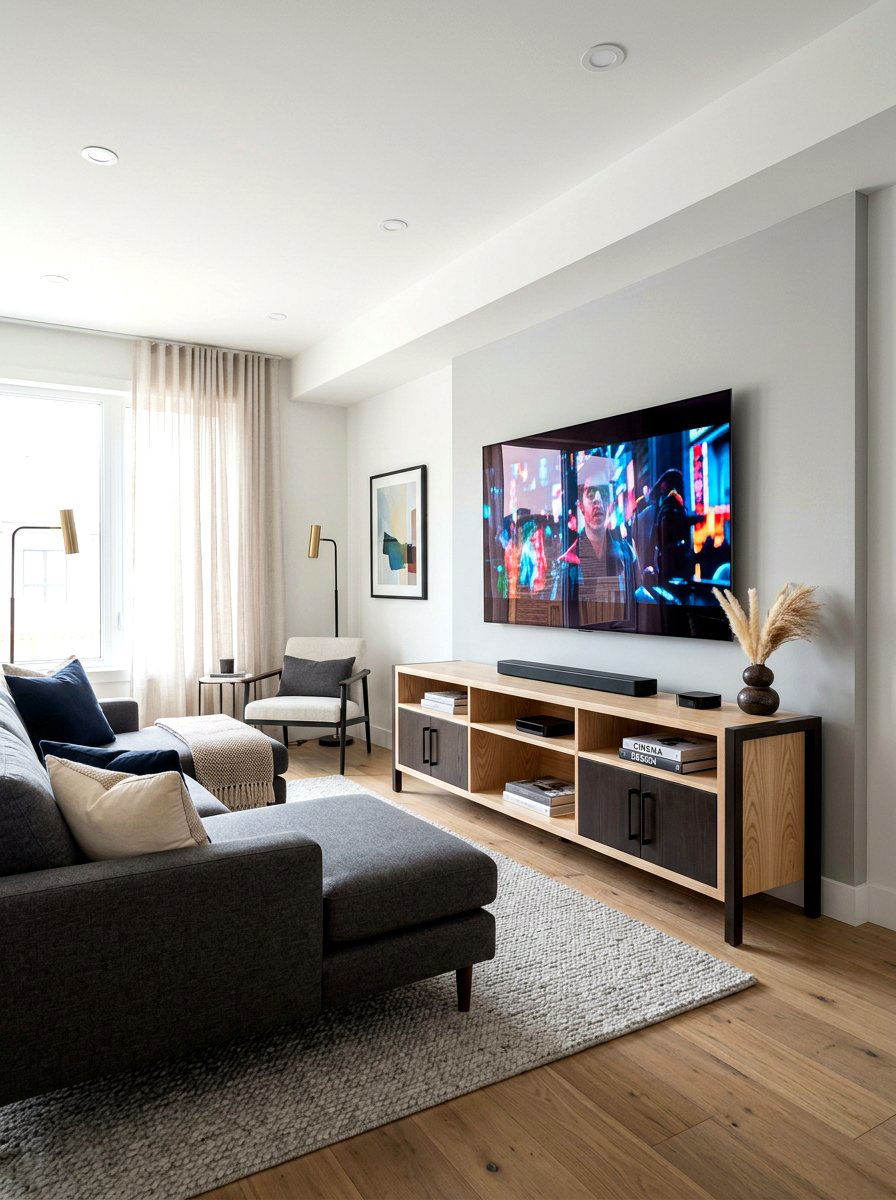
A modern media center can be given a stylish upgrade by choosing an ash wood console with dark espresso accents. The light ash wood keeps the large piece of furniture from overwhelming your living room wall, reflecting light and feeling unobtrusive. Small details like espresso-colored legs, handles, or a single dark shelf provide just enough contrast to make the piece feel custom-made. This look works particularly well if you have dark-framed electronics, as the espresso accents help the TV and speakers blend in more naturally. It is a smart way to manage the visual weight of technology in your main living area.
30. Mixed Wood Picture Frames Gallery Wall Living Space
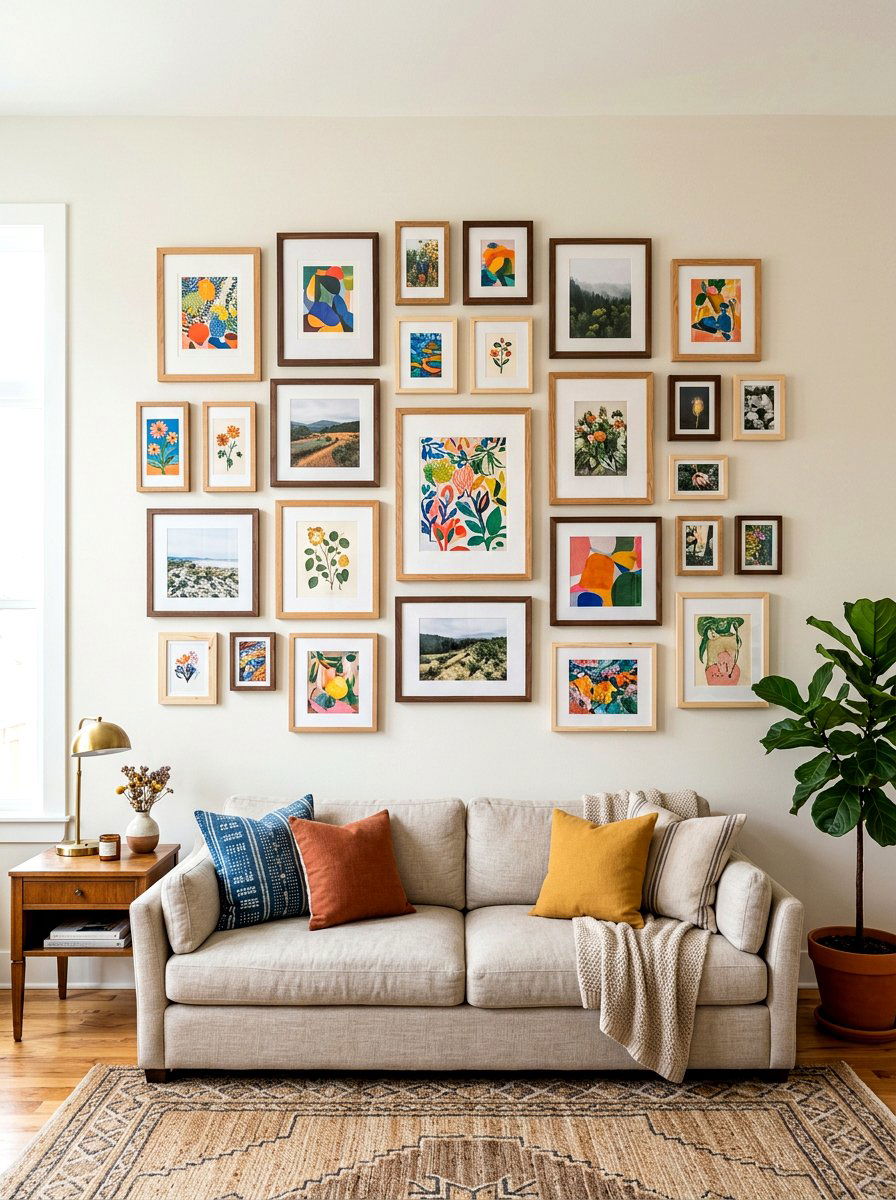
If you're not ready to commit to large furniture pieces, a gallery wall with mixed wood picture frames is a great way to start. By using a variety of frames in oak, walnut, pine, and cherry, you create a collected and eclectic look that feels full of personality. This approach allows you to tie together different wood tones already present in the room, making the entire space feel more cohesive. The key to a successful gallery wall is to vary the sizes and orientations of the frames while keeping the artwork somewhat consistent. This small-scale mixing of wood adds immediate warmth and charm to any blank wall.
Conclusion:
Mastering the art of mixing wood tones is a transformative skill that allows you to create a home that feels both intentional and full of life. By moving away from "matchy-matchy" furniture sets, you open the door to a more authentic and layered design aesthetic that can evolve with your personal style. Remember to identify your dominant wood tone, respect the undertones, and use contrast as a tool for visual interest. Whether you are doing a full kitchen renovation or simply hanging a gallery wall, these ideas provide a roadmap for balancing nature’s most versatile material. Embrace the beauty of different grains and colors to build a space that is truly yours.

Related posts: