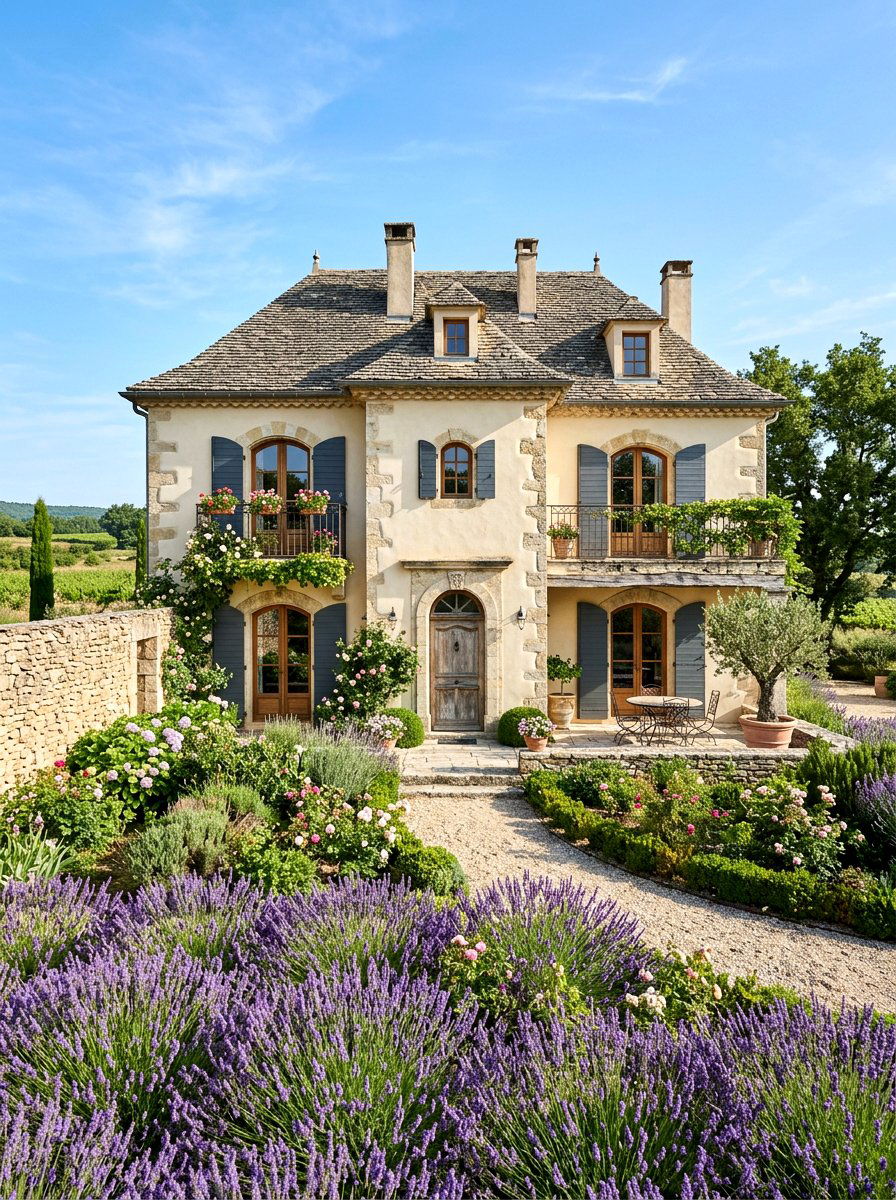
Finding the perfect mountain house exterior involves balancing rugged durability with breathtaking aesthetic appeal. When you live in high-altitude environments, your home must withstand heavy snowfall, intense UV rays, and shifting terrain while still looking like a peaceful sanctuary. Modern trends are shifting away from the classic, heavy-log look toward a more refined fusion of materials. This approach, often called mountain modern, uses glass, steel, and reclaimed wood to create a seamless connection between the cozy interior and the wild landscape. Whether you are building a weekend retreat or a permanent residence, the exterior sets the tone for your entire alpine experience.
1. Modern Mountain Cabin
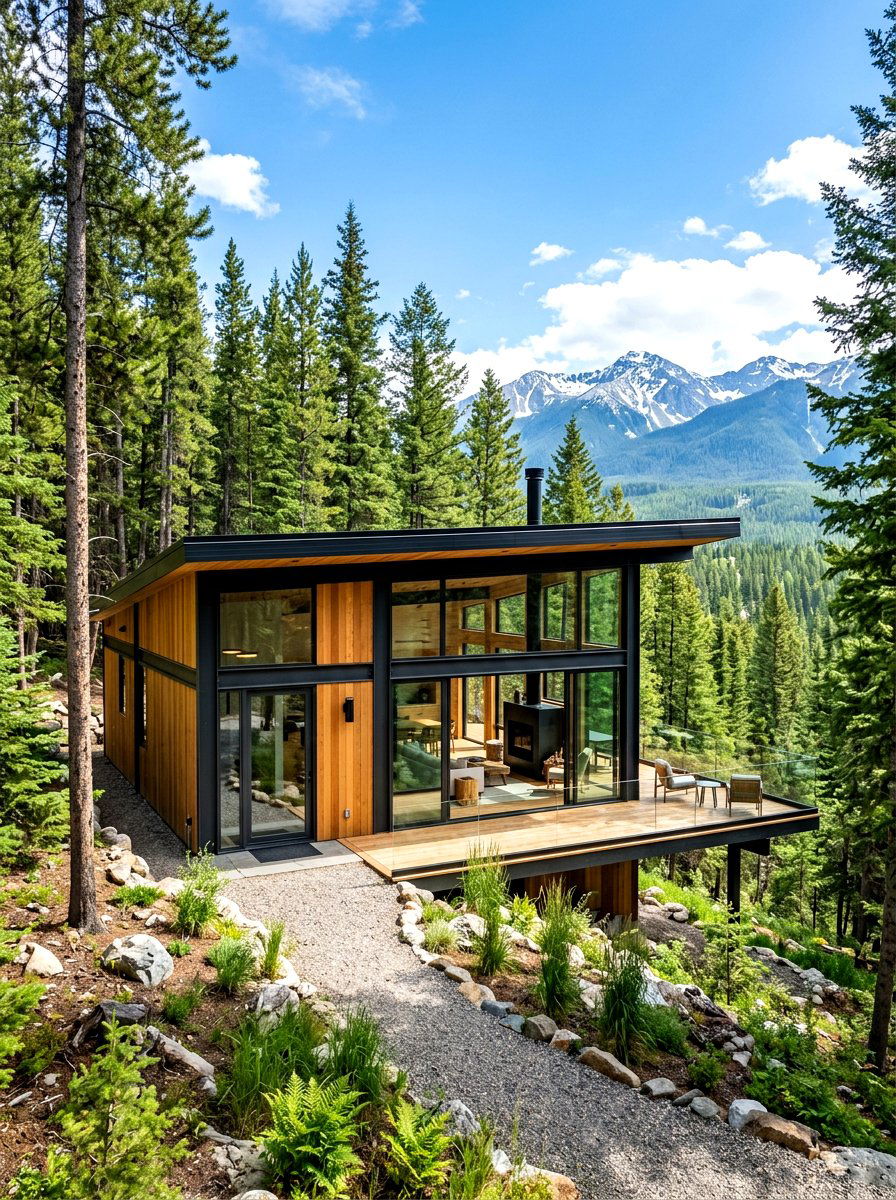
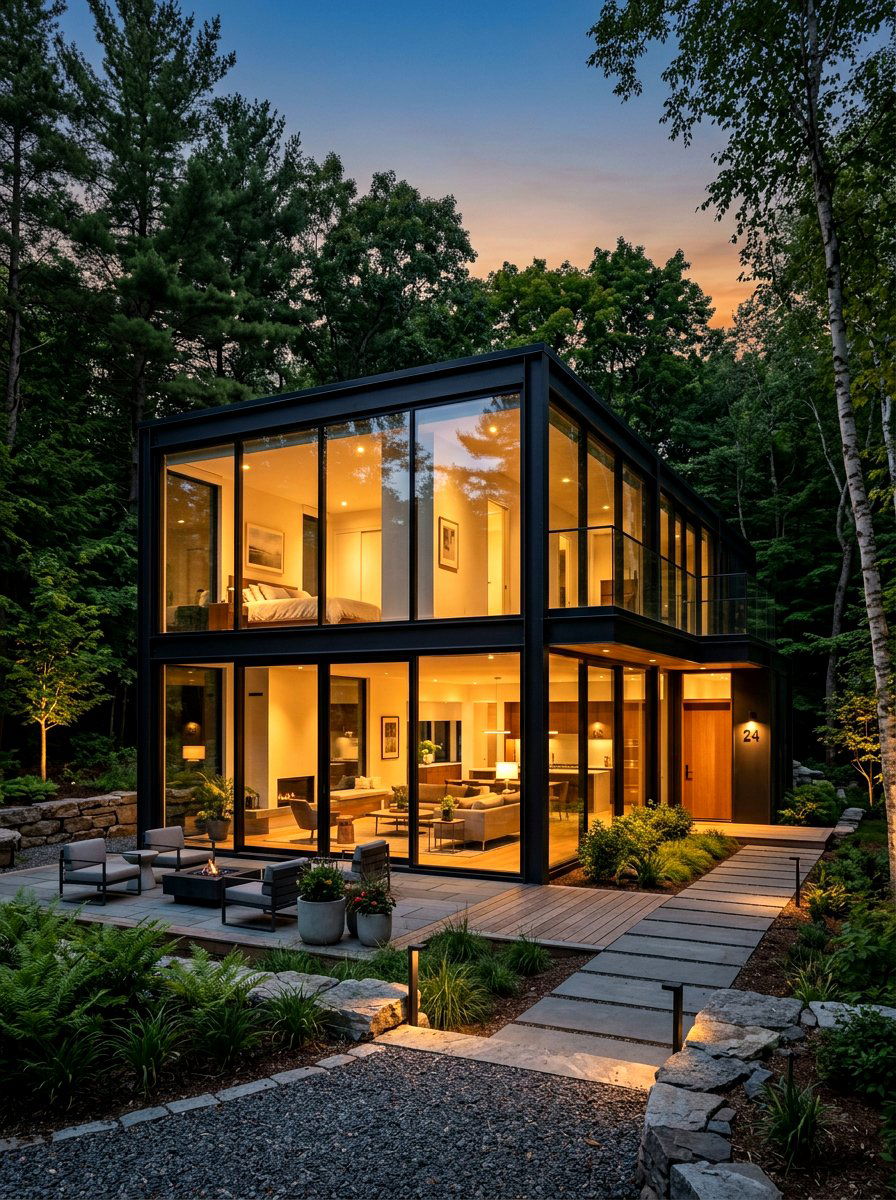
Have you ever dreamed of a home that perfectly balances rugged textures with sleek, contemporary lines? A modern mountain cabin achieves this by blending natural materials like cedar and local stone with industrial elements such as black steel beams and expansive glass. This specific design focus relies on clean silhouettes and a minimalist approach to traditional lodge aesthetics. By removing ornate carvings and heavy logs, the home feels light and airy while remaining deeply connected to its forest surroundings. Large picture windows serve as living art, framing the pines and peaks outside. It is a sophisticated way to enjoy high-altitude living without sacrificing the comforts of high-end architectural styling.
2. A Frame Mountain Home
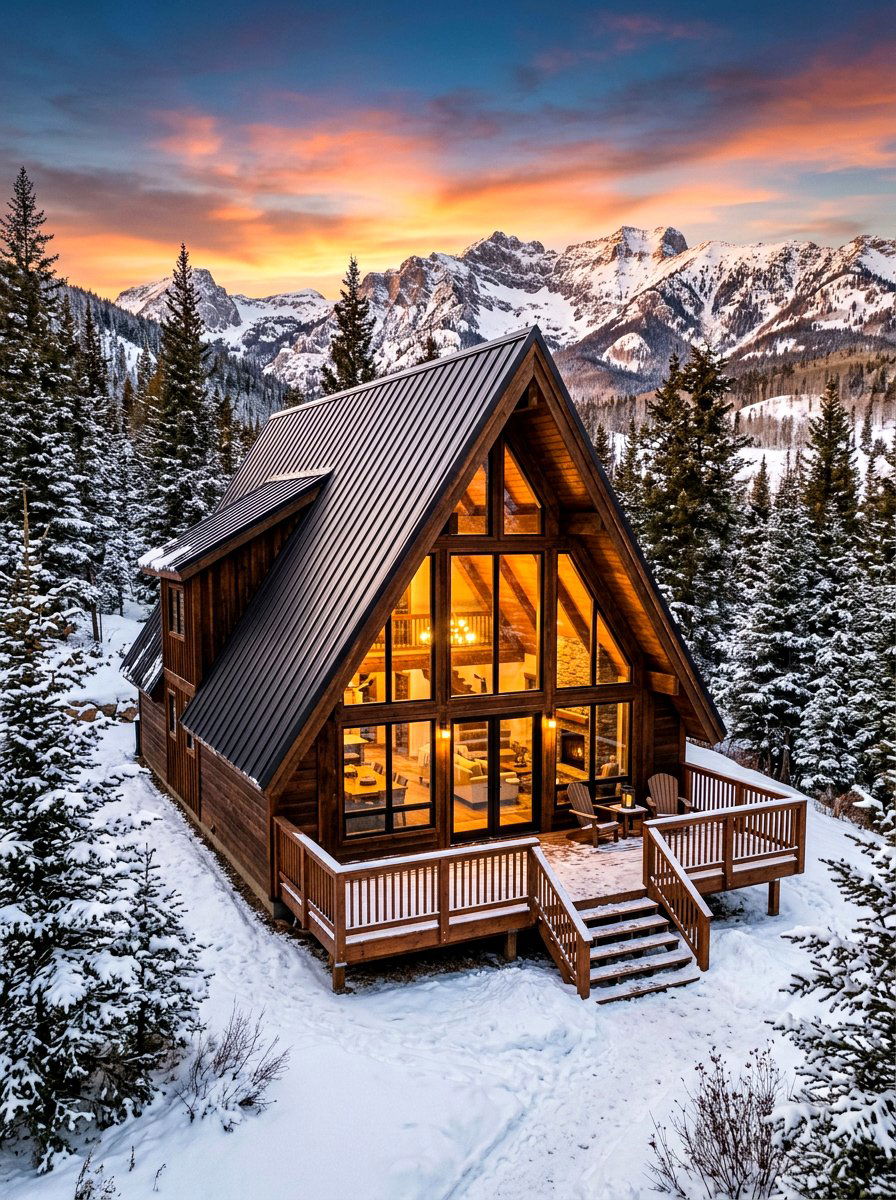
Is there anything more iconic for a snowy getaway than the classic triangular silhouette of an A-frame? This architectural style is experiencing a massive revival because of its efficiency in shedding heavy snow and its striking visual impact. The steep roofline often extends nearly to the ground, creating a cozy, tent-like feeling inside while presenting a bold geometric face to the world. Many modern versions use floor-to-ceiling glass on the front gable to maximize natural light and views. Using natural wood shingles or dark metal roofing helps the structure blend into the verticality of the surrounding trees. It remains a timeless choice for compact mountain living.
3. Rustic Log Cabin
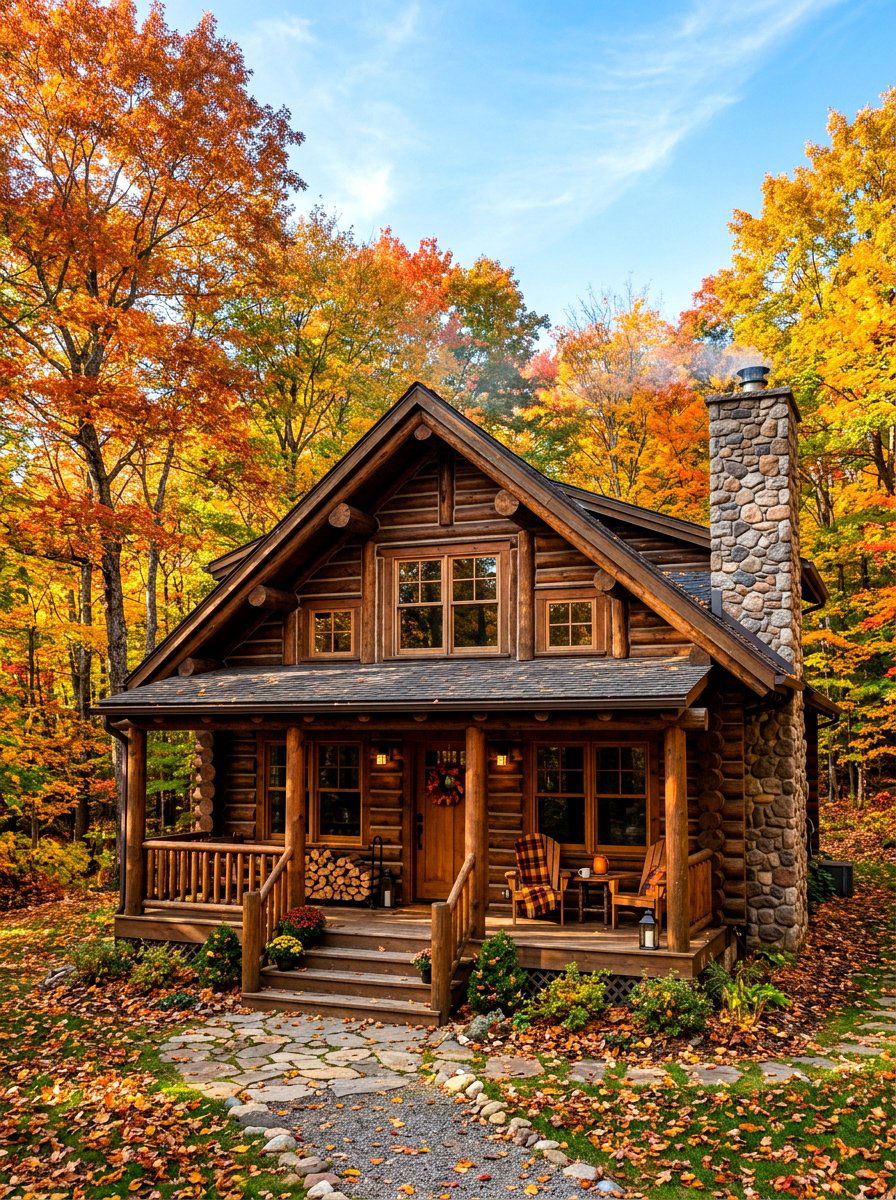
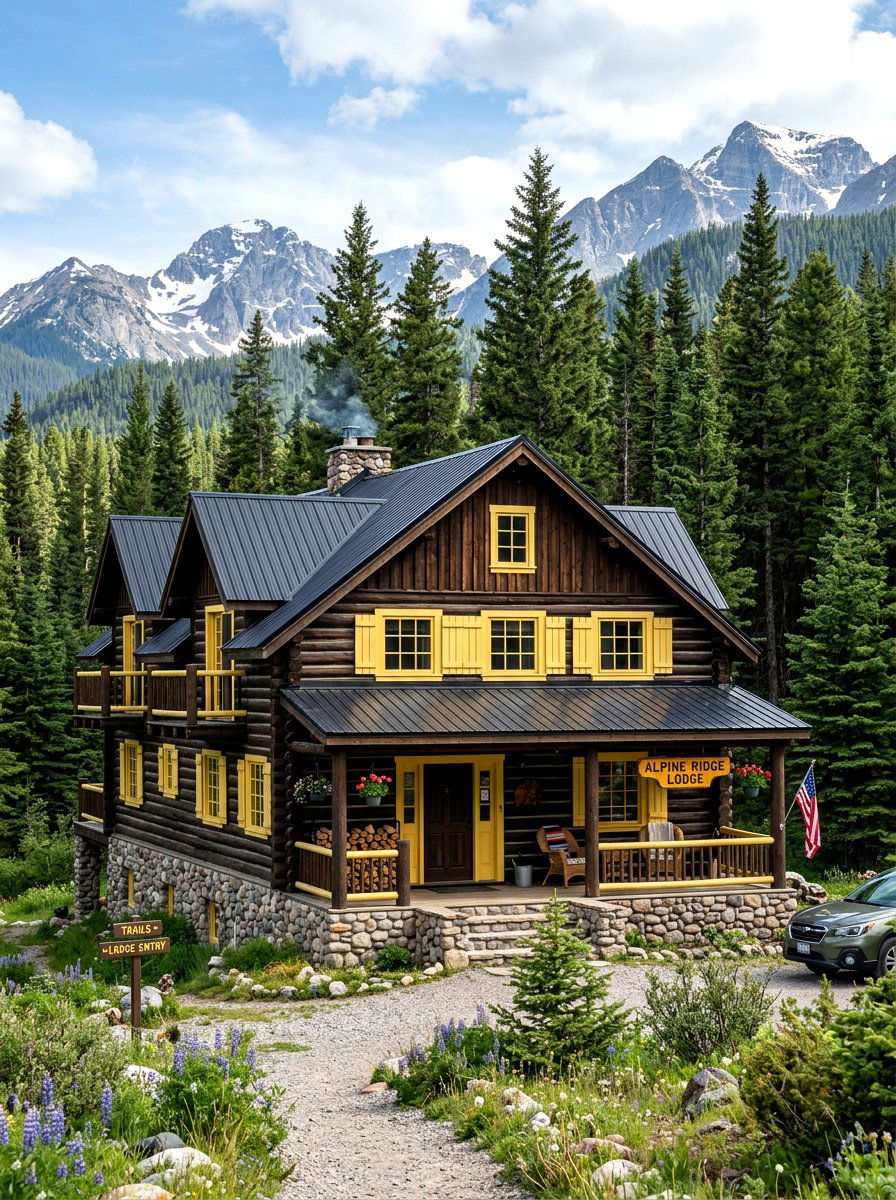
Can you imagine the smell of fresh pine and the sound of a crackling fire just by looking at a home? The rustic log cabin is the quintessential mountain dwelling that honors traditional craftsmanship and natural beauty. These homes use thick, hand-hewn logs that provide incredible insulation and a sturdy, permanent feel. To keep the look updated, many owners are now using lighter wood stains and incorporating larger windows to prevent the interior from feeling too dark. A wide front porch with chunky log railings offers the perfect spot to sit and watch the local wildlife. It is a design that celebrates the heritage of mountain life.
4. Stone And Wood Exterior
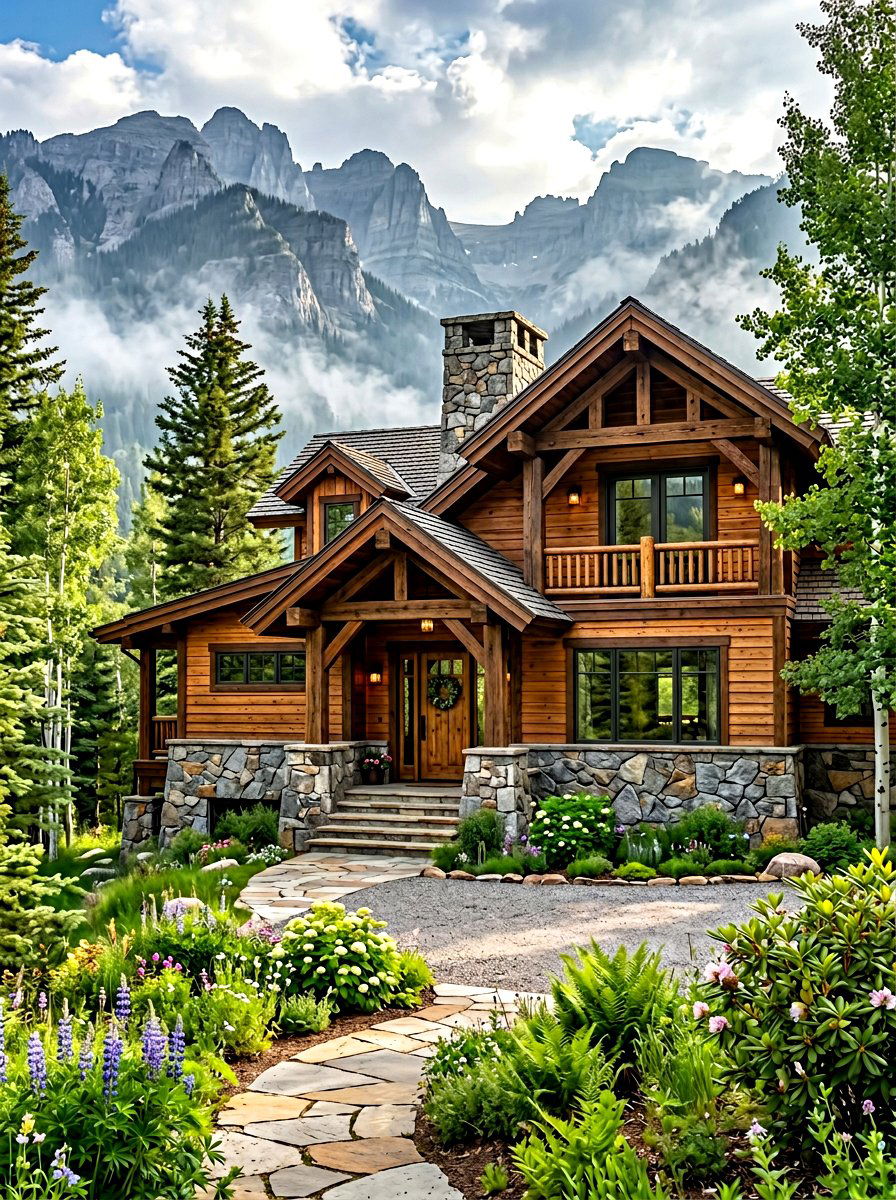
Why settle for one material when the combination of stone and wood offers such a rich, tactile experience? Using a heavy stone base or foundation provides a sense of permanence and anchors the house to the rocky mountain soil. When paired with horizontal wood siding or vertical cedar planks, the contrast creates a visually stunning facade. This design strategy is excellent for durability, as stone can handle moisture and snow contact better than wood. You can use different types of masonry, from flat fieldstone to jagged granite, to match the specific geology of your building site. It creates a harmonious, earth-toned look.
5. Industrial Mountain House
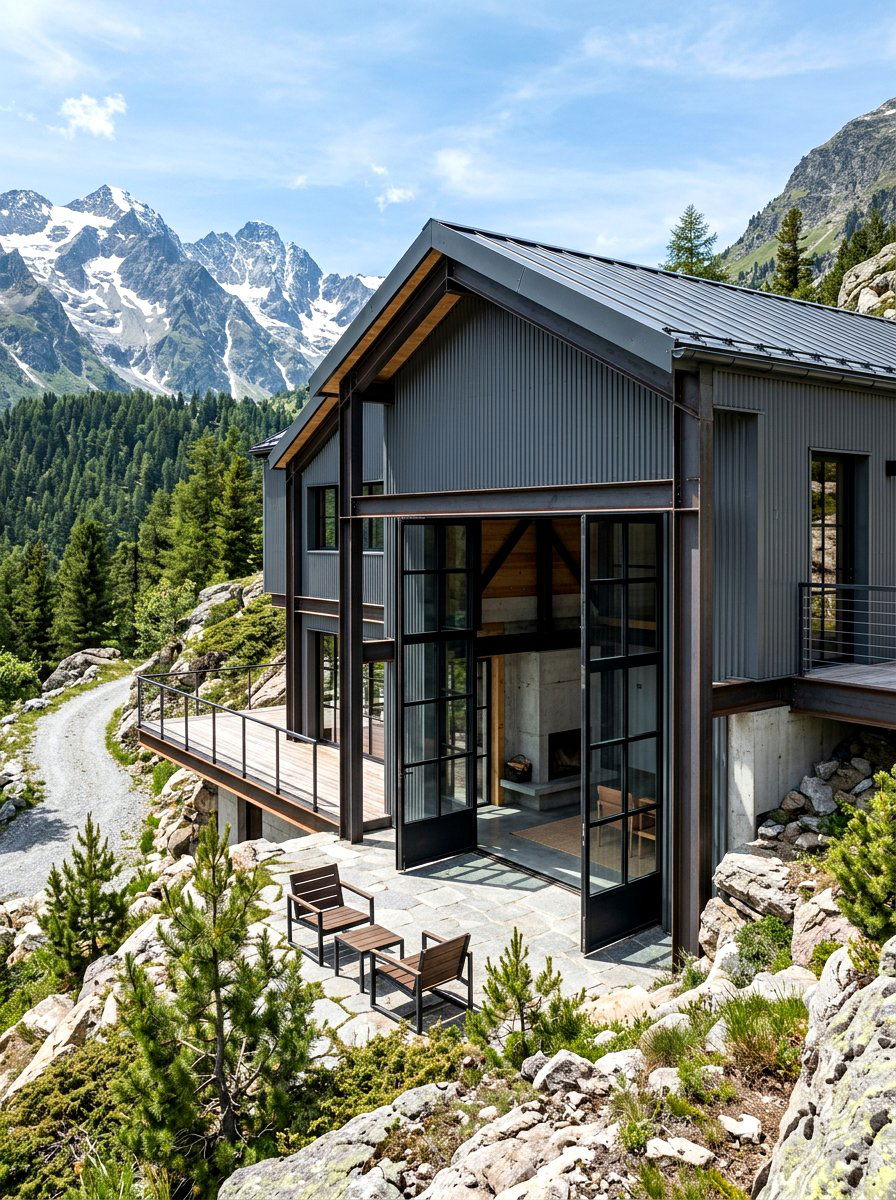
What happens when you mix the toughness of a factory with the serenity of a mountain peak? The industrial mountain house uses raw materials like corrugated metal, exposed steel girders, and poured concrete to create a weather-resistant masterpiece. This style is perfect for homeowners who want a low-maintenance exterior that can survive harsh winters without frequent staining or repairs. The use of black or charcoal metal accents against warm wood siding creates a high-contrast look that feels very current. Large metal-framed windows and pivot doors add to the functional, modern vibe. It is a bold choice for those who appreciate architectural honesty and strength.
6. Dark Wood Mountain Home
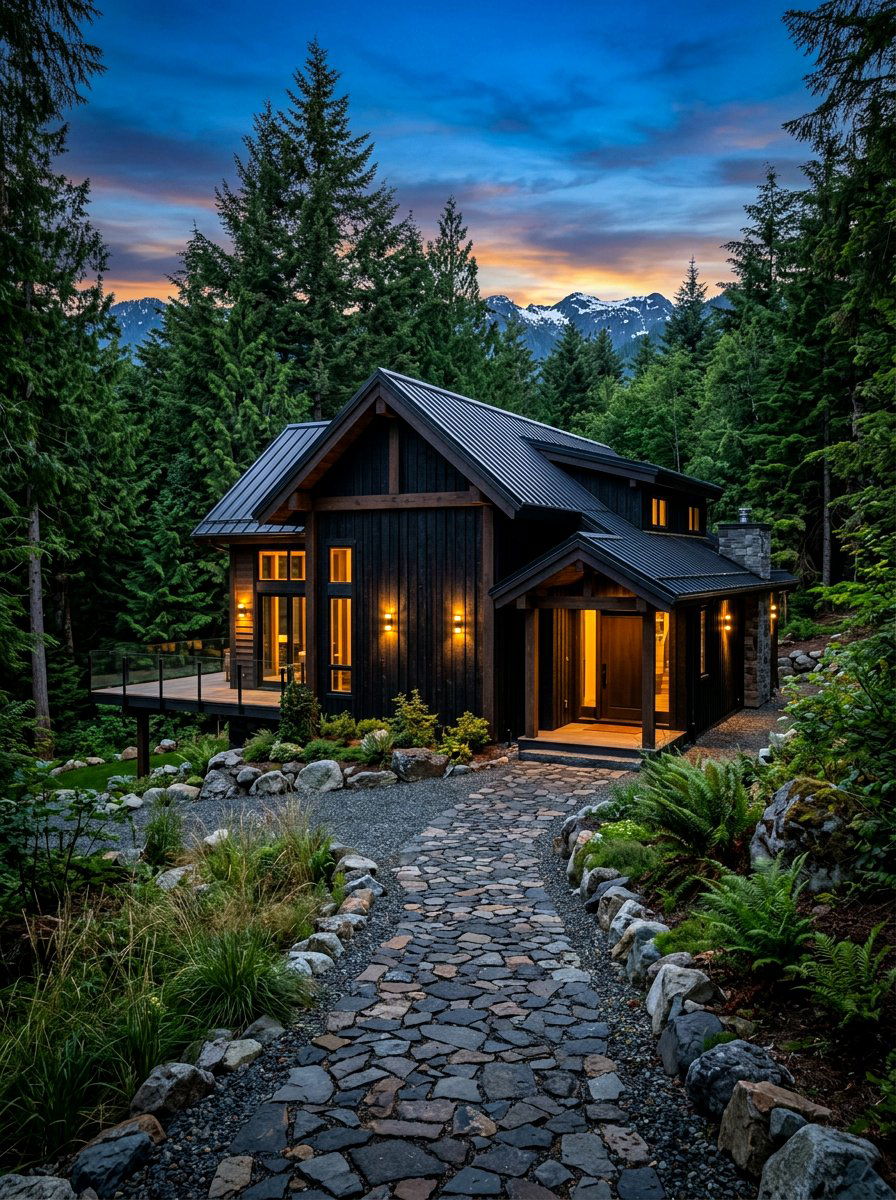
Have you noticed how dark, moody exteriors have become a major trend in luxury mountain architecture? A dark wood mountain home often uses techniques like Shou Sugi Ban, a Japanese method of charring wood to make it rot-resistant and fire-retardant. The resulting deep black or charcoal finish looks stunning against white snow and green forest backdrops. This color palette helps the house recede into the shadows of the trees, making it feel more private and integrated into the landscape. To keep it from feeling too cold, architects often add warm yellow lighting and natural stone chimneys. It is a sophisticated, high-end look for modern retreats.
7. Glass Wall Mountain Retreat
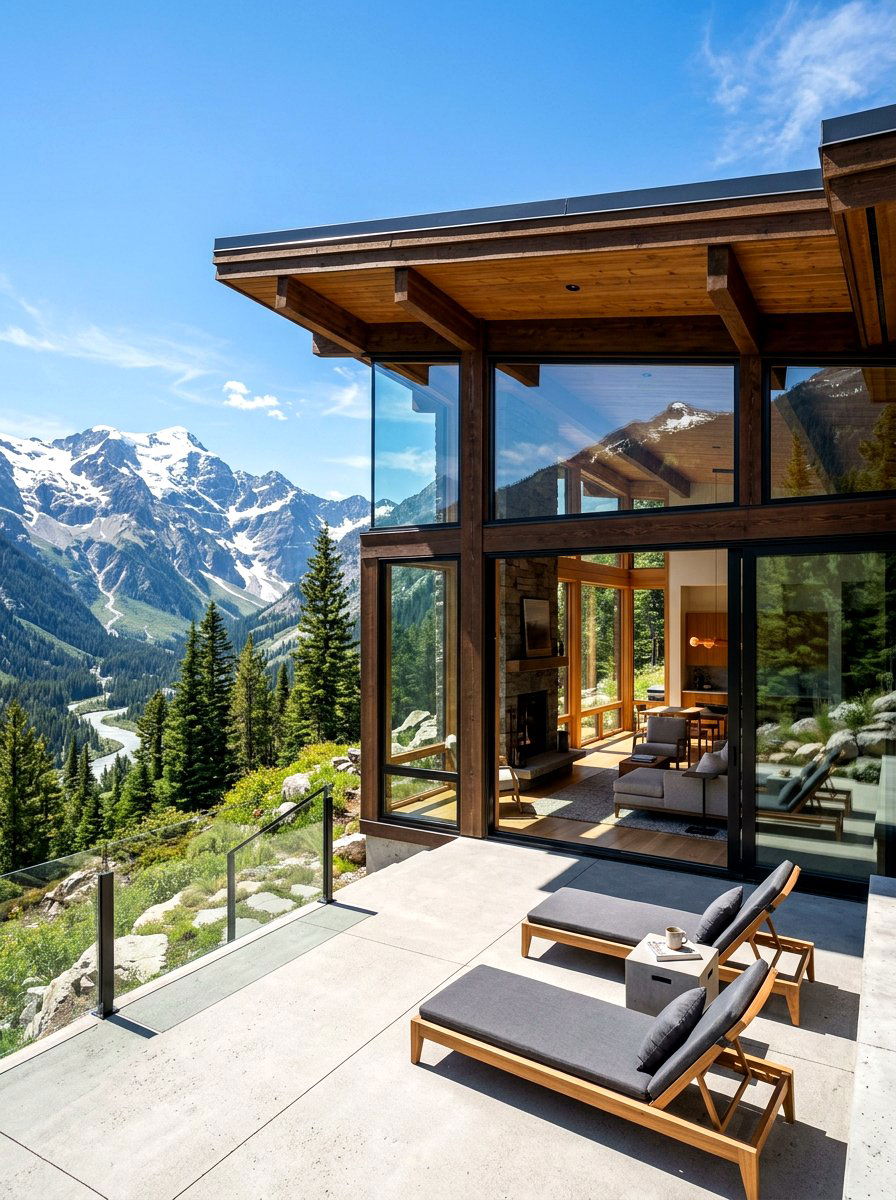
Imagine waking up and feeling like there is no barrier between your bedroom and the vast mountain range outside. A glass wall mountain retreat prioritizes transparency and views above all else. This design uses massive, floor-to-ceiling glass panels held together by slim frames to minimize visual obstruction. To make this work in cold climates, high-performance triple-paned glass is essential for insulation. The exterior often features deep roof overhangs to protect the glass from snow and to provide shade during the summer months. This style is the ultimate way to embrace biophilic design, bringing the healing power of nature directly into your daily living space.
8. Contemporary Chalet
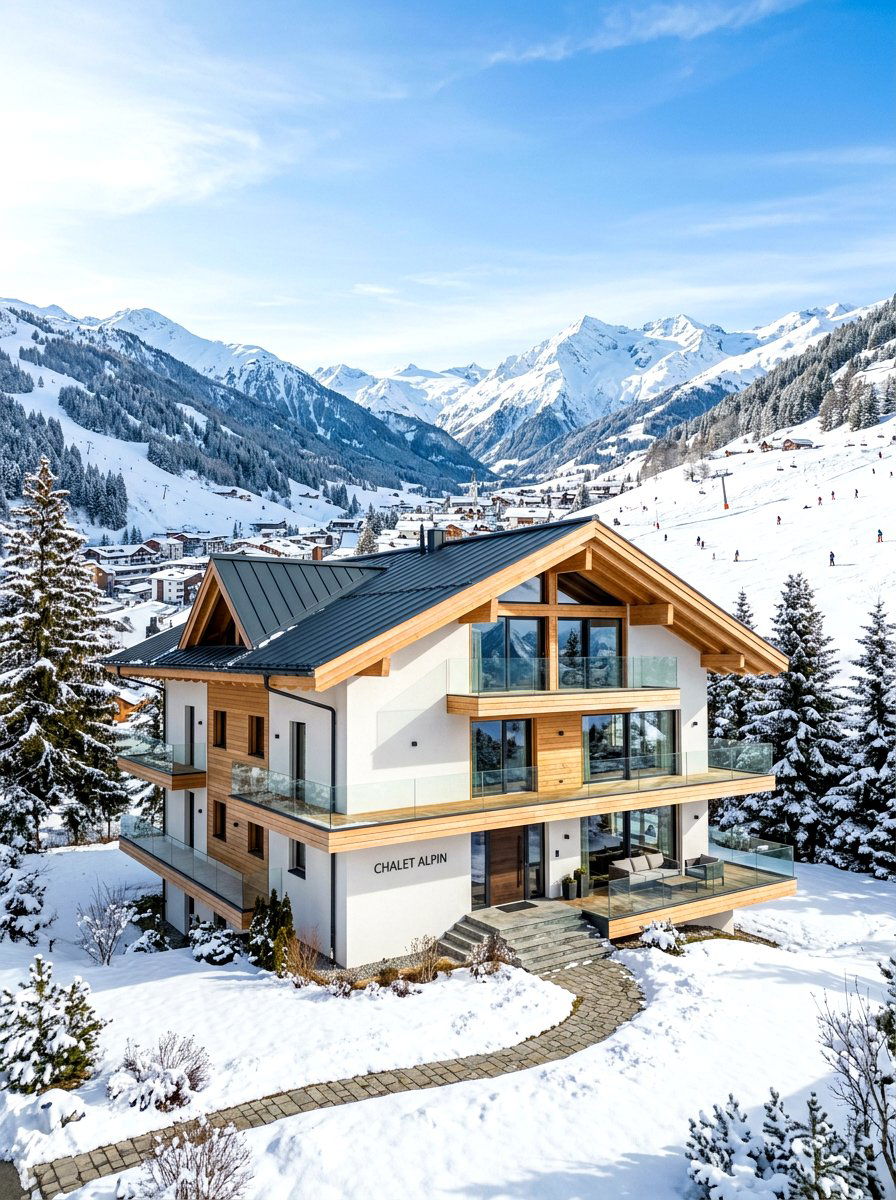
How do you take the charm of the Swiss Alps and give it a fresh, 21st-century makeover? The contemporary chalet keeps the traditional wide gables and wraparound balconies but swaps out heavy ornamentation for clean, straight lines. These homes often feature a mix of smooth white stucco and light-colored wood, creating a bright and inviting presence on the hillside. The use of glass railings on the balconies ensures that views remain unobstructed while you enjoy your morning coffee. This design style feels elegant and upscale, making it a popular choice for ski-in, ski-out properties. It is a perfect blend of old-world cozy and modern luxury.
9. Scandinavian Mountain House
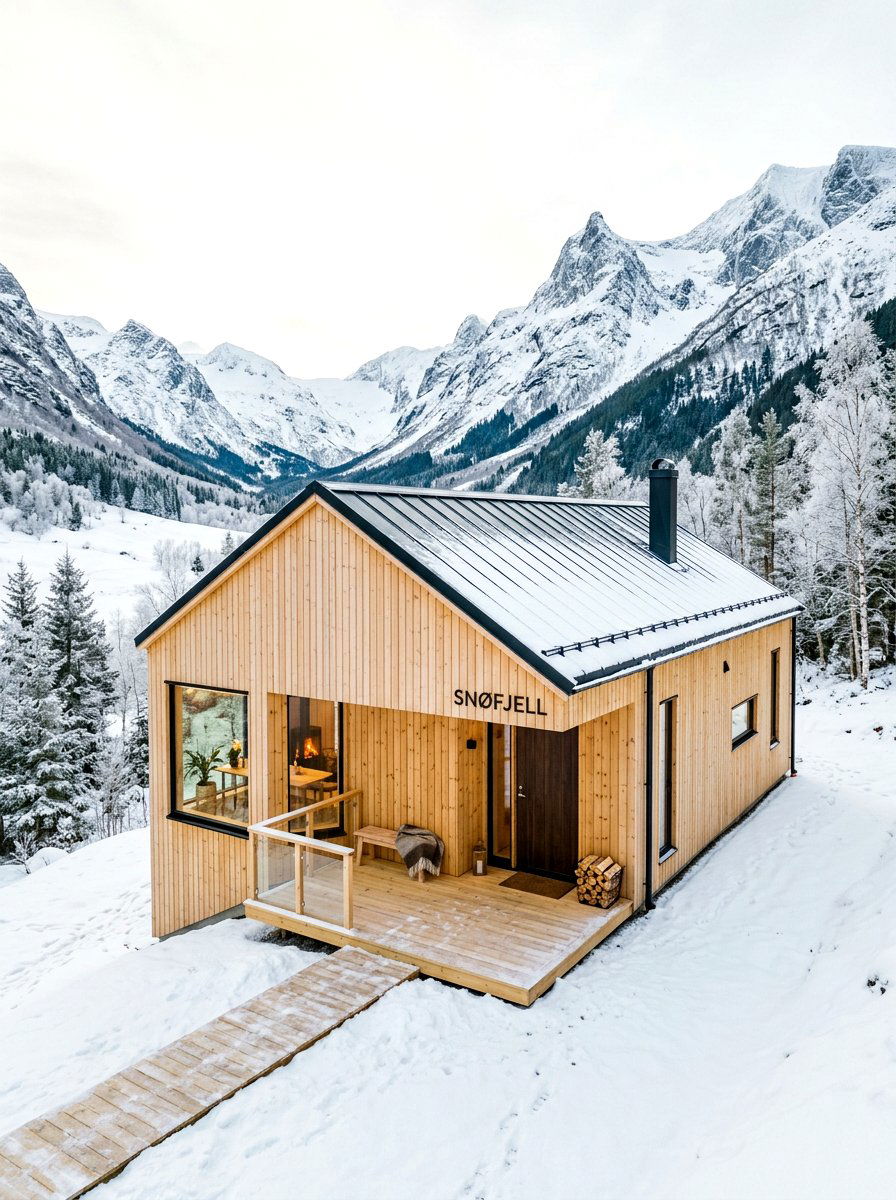
Can a home feel both incredibly simple and deeply warm at the same time? The Scandinavian mountain house focuses on the concept of hygge, using light-colored woods, minimalist shapes, and functional layouts. These exteriors are often characterized by light pine or spruce siding and large windows that invite every bit of winter sun inside. The roofs are typically simple gables or shed styles that handle snow with ease. By keeping the exterior clutter-free and focusing on high-quality natural materials, these homes create a sense of peace and order. It is an ideal aesthetic for anyone looking to simplify their life while staying connected to nature.
10. Luxury Mountain Lodge
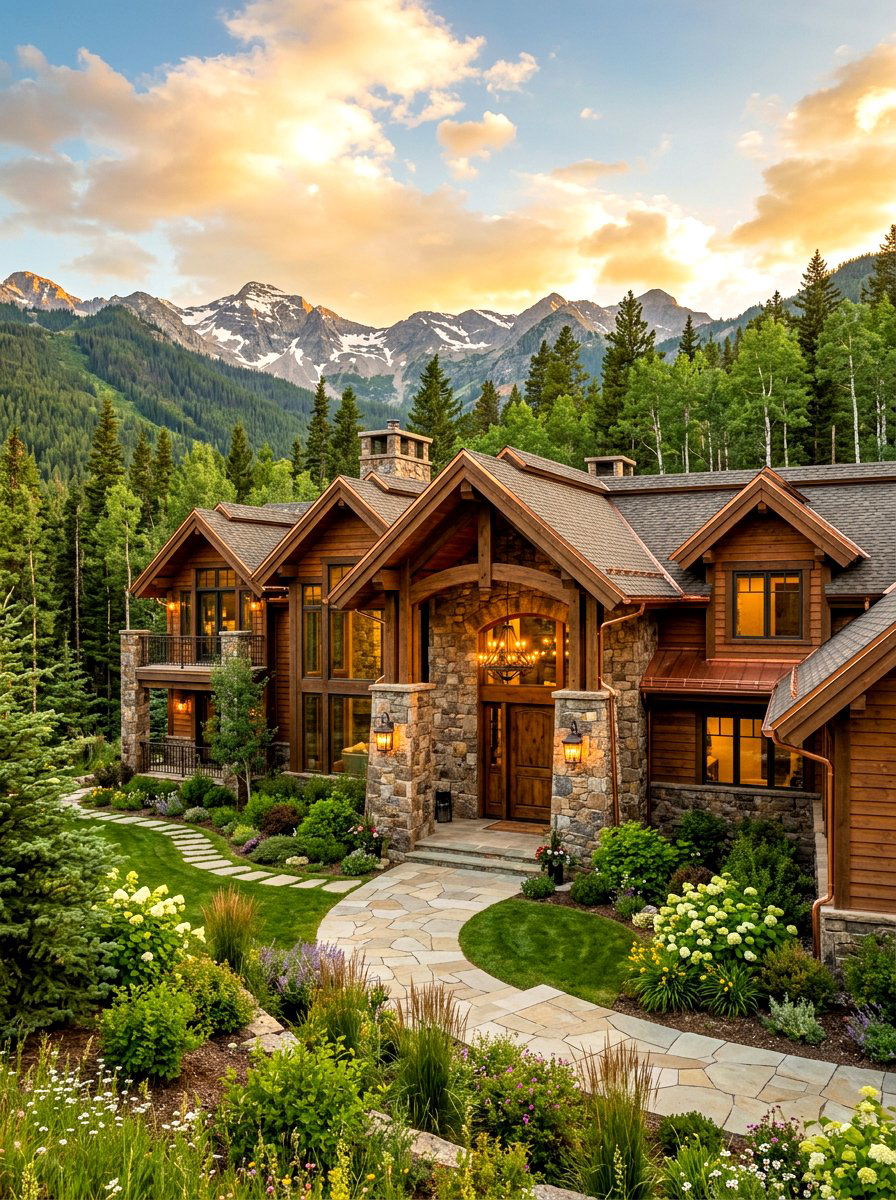
Do you want your mountain home to feel like a world-class resort for your family and friends? A luxury mountain lodge is defined by its massive scale, grand entryways, and intricate layers of high-end materials. These homes often feature multiple wings, soaring rooflines, and grand chimneys made from locally quarried stone. The exterior is a masterpiece of textures, combining heavy timbers, copper gutters, and custom-wrought iron light fixtures. Grand outdoor living spaces with built-in kitchens and stone fireplaces are standard. This design style is meant to impress, offering a sense of security and opulence that makes every day feel like a luxury vacation in the mountains.
11. Minimalist Alpine Cabin
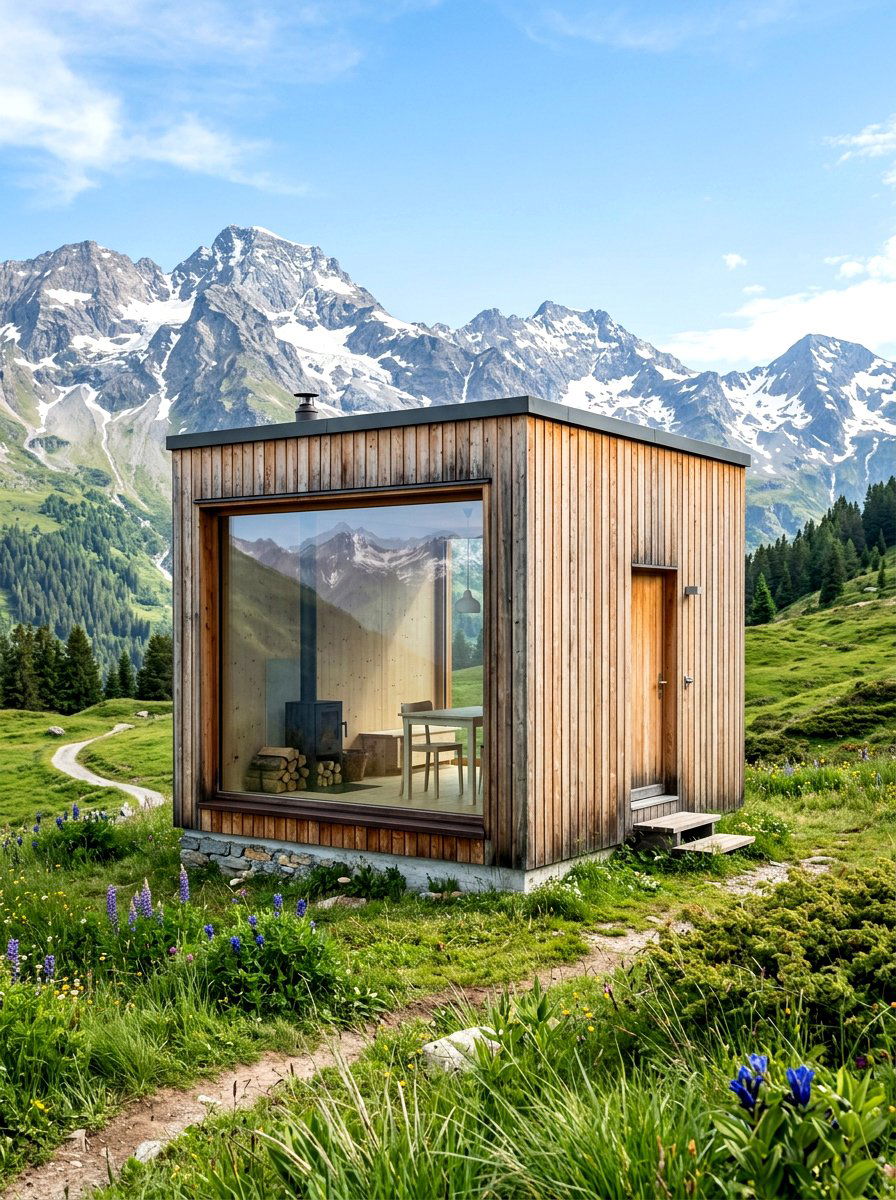
What if your mountain getaway focused entirely on the essentials of shelter and scenery? A minimalist alpine cabin uses a small footprint and a very simple geometric form to reduce its impact on the environment. These homes often look like simple wooden boxes or cubes tucked into the trees. By using a single material for the entire exterior, such as vertical larch cladding, the design achieves a cohesive and quiet beauty. The windows are placed strategically to capture specific views like a framed photograph. This approach is perfect for those who want a modern, eco-friendly retreat that doesn't compete with the grandeur of the surrounding landscape.
12. Traditional Mountain Cottage
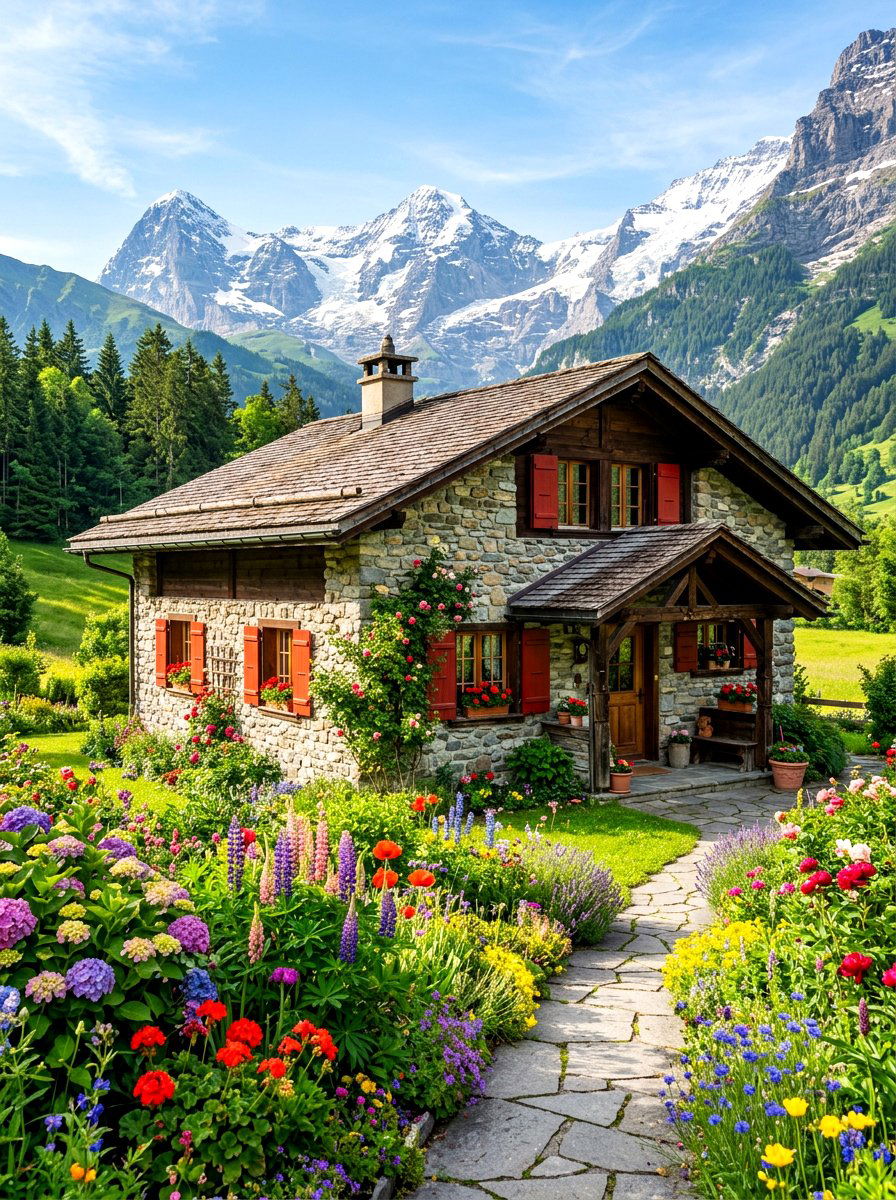
Is there anything more welcoming than a small, stone-clad cottage tucked into a snowy forest clearing? A traditional mountain cottage focuses on a smaller scale and charming architectural details like dormer windows and heavy wooden shutters. These homes often use a combination of shingles and stone to create a layered, textured look that feels like it has been there for centuries. A steep roof and a stout stone chimney are essential elements that provide a sense of safety and warmth. This style is perfect for creating a cozy, intimate atmosphere where the focus is on comfort and storytelling by the fire. It feels timeless and nostalgic.
13. Vertical Siding Mountain Home
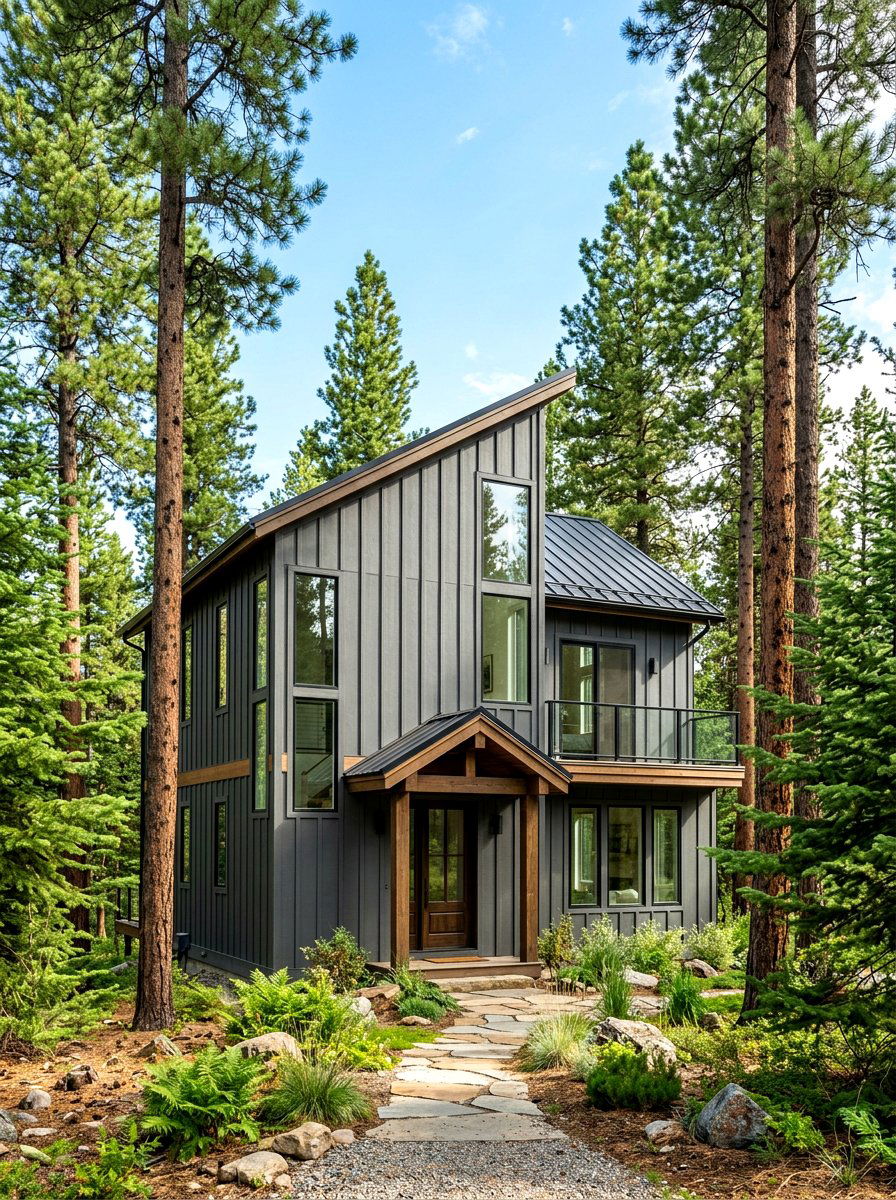
Have you considered how the direction of your siding can change the entire personality of your home? A vertical siding mountain home uses long, upright boards to emphasize the height of the structure and mimic the vertical lines of nearby pine trees. This design choice is very popular in modern architecture because it creates a clean, elongated look that feels more contemporary than traditional horizontal laps. Using "board and batten" style siding adds depth and shadows to the facade, making the house look more dynamic throughout the day. When finished in a natural wood stain or a dark gray, it provides a very sophisticated, forest-friendly aesthetic.
14. Mountain Ranch House
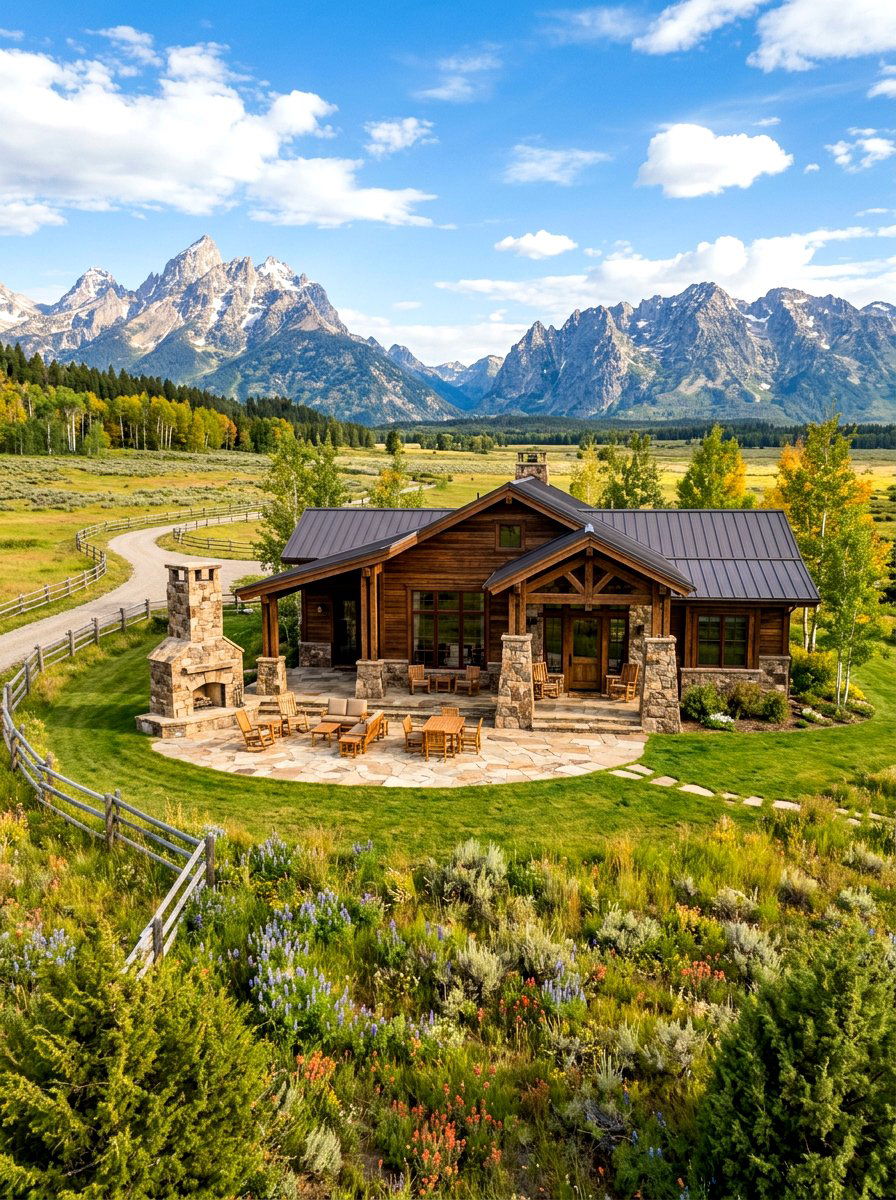
Do you prefer a home that stays low to the ground and sprawls out across the meadow? The mountain ranch house is a single-story design that prioritizes easy access and a strong connection to the flat areas of a mountain lot. These homes feature long, low rooflines and expansive patios that act as extensions of the indoor living rooms. By using a mix of stone pillars and horizontal wood siding, the ranch style feels grounded and sturdy. This layout is perfect for families who want to avoid stairs and enjoy a seamless flow between different outdoor zones like gardens, fire pits, and hot tubs.
15. Black Mountain House
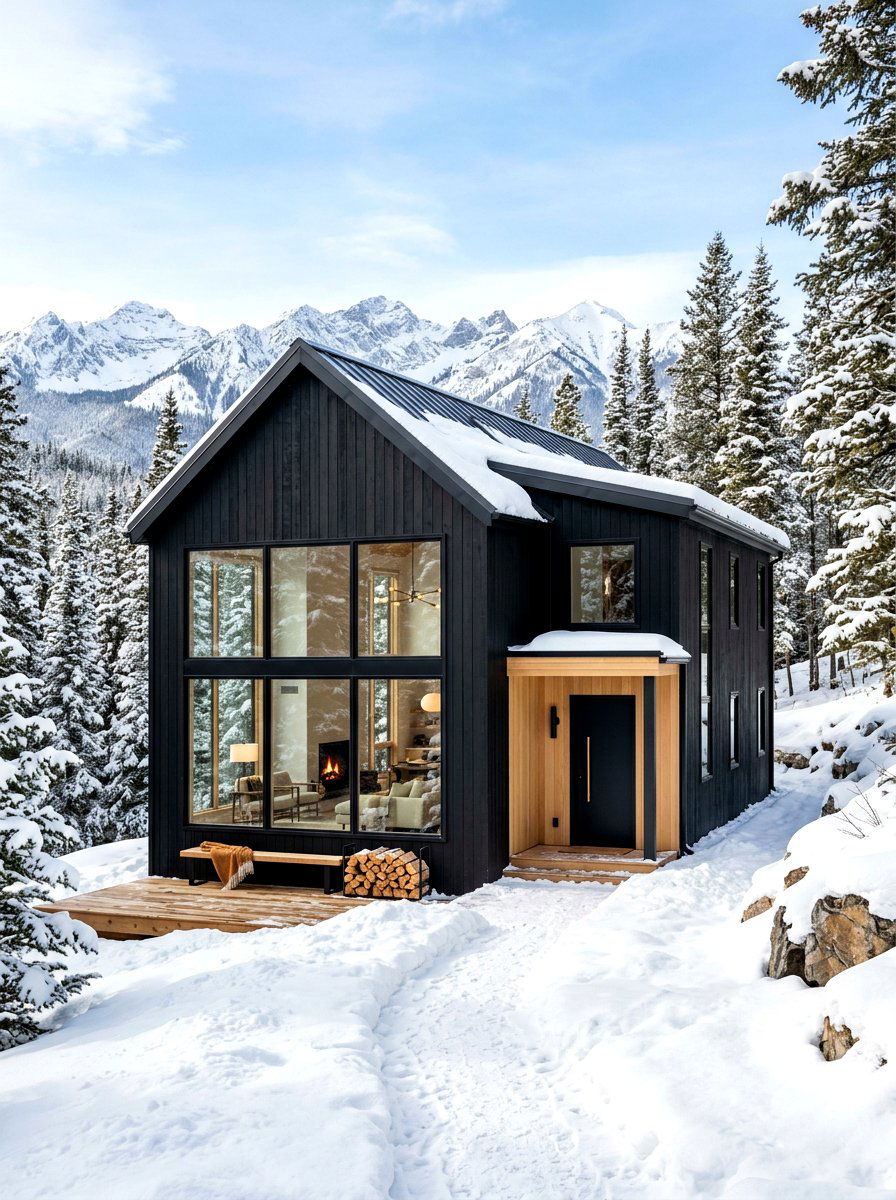
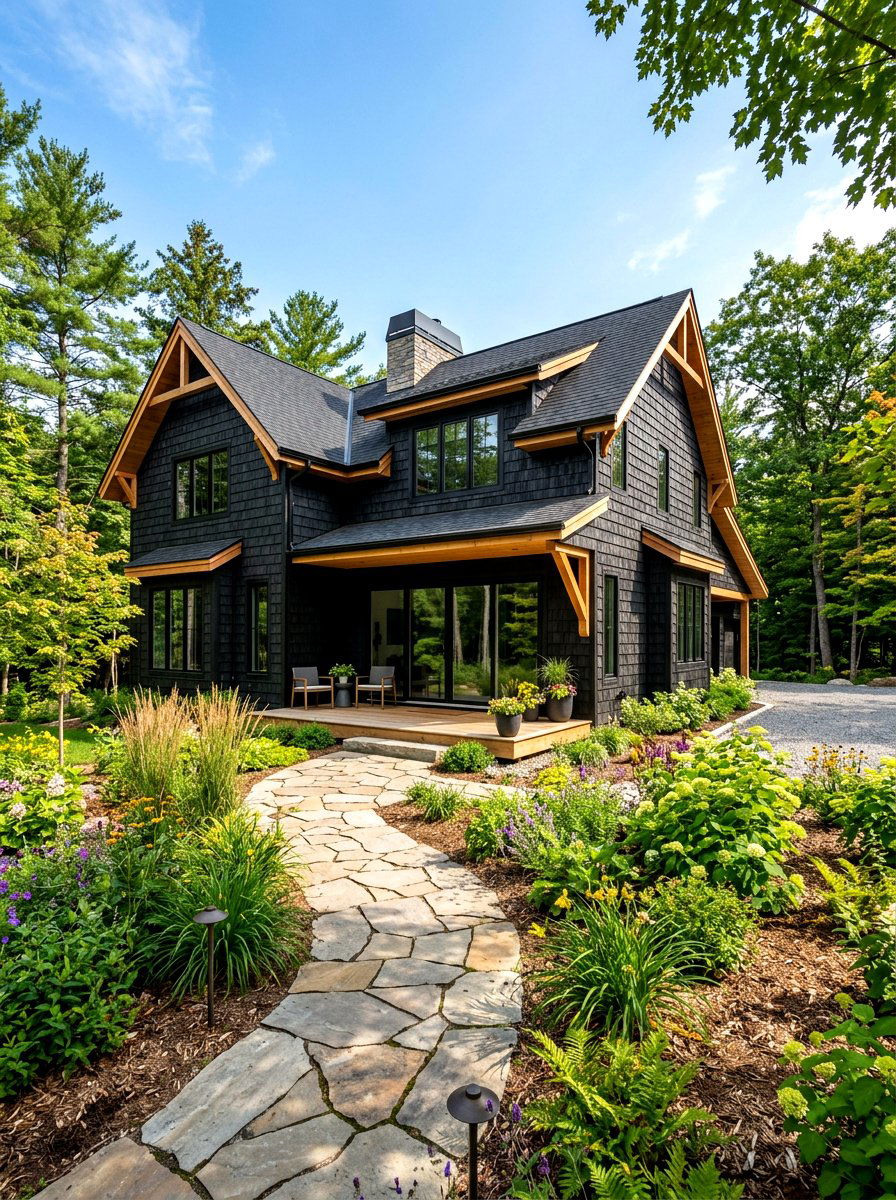
Why not make a bold statement by choosing the most dramatic color in the palette? A black mountain house stands out as a modern masterpiece, especially when surrounded by a blanket of white winter snow. This look is usually achieved using black-stained wood or dark metal panels. The dark color absorbs heat from the sun, which can be a practical benefit in cold climates. To prevent the house from looking too heavy, architects often use large expanses of glass and light-colored wood accents around the entryways. This high-contrast design is a favorite for Pinterest-worthy homes that aim for a "cool" and contemporary mountain vibe.
16. Cantilevered Mountain Home
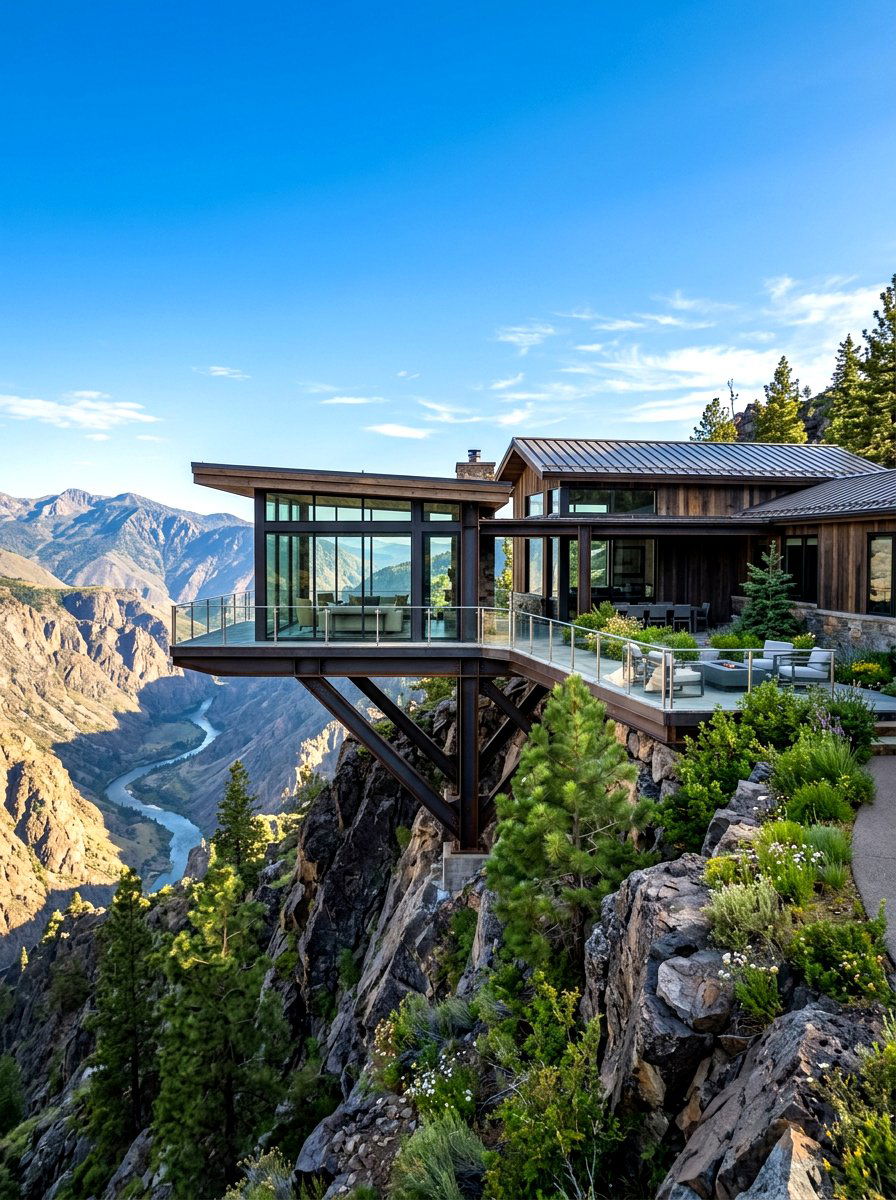
Have you ever seen a house that looks like it is floating right off the edge of a cliff? A cantilevered mountain home uses advanced engineering to extend rooms out over steep slopes without visible support columns. This dramatic design choice allows for incredible, unobstructed views and creates a truly unique architectural silhouette. The exterior often features a mix of heavy steel beams and lightweight wood cladding to balance the visual weight. These homes are perfect for very steep lots where traditional building footprints are difficult to establish. It is an adventurous style that showcases the peak of modern engineering and mountain-side luxury.
17. Reclaimed Wood Mountain Exterior
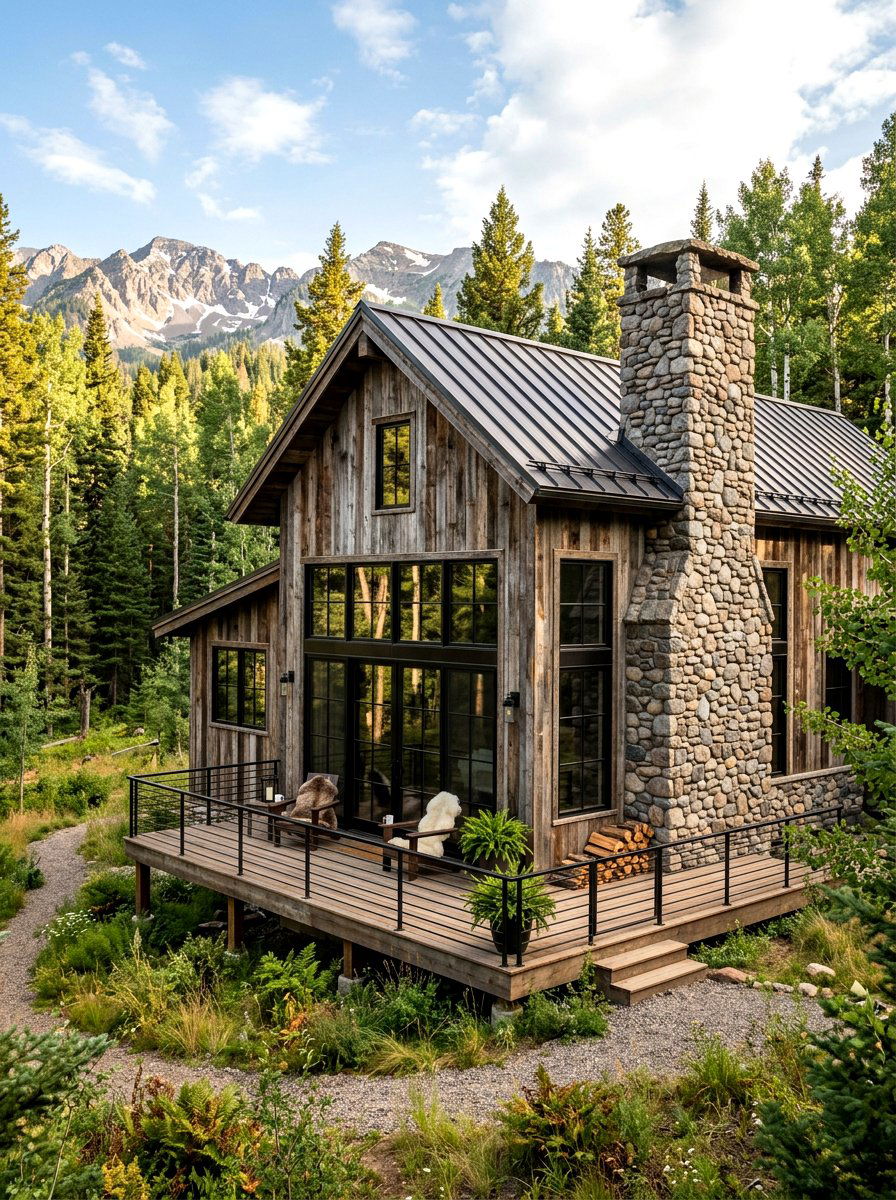
Can a home have a soul before anyone even moves into the first room? Using a reclaimed wood mountain exterior gives a house an instant sense of history and character that new lumber simply cannot match. This wood is often sourced from old barns or fences, featuring weathered textures and a natural silver-gray patina. Using this material is also an eco-friendly choice, as it upcycles existing timber instead of cutting down new trees. When paired with modern black window frames and clean stone lines, the weathered wood looks incredibly stylish and grounded. It is a beautiful way to honor the past while building for the future.
18. Steel Frame Mountain House
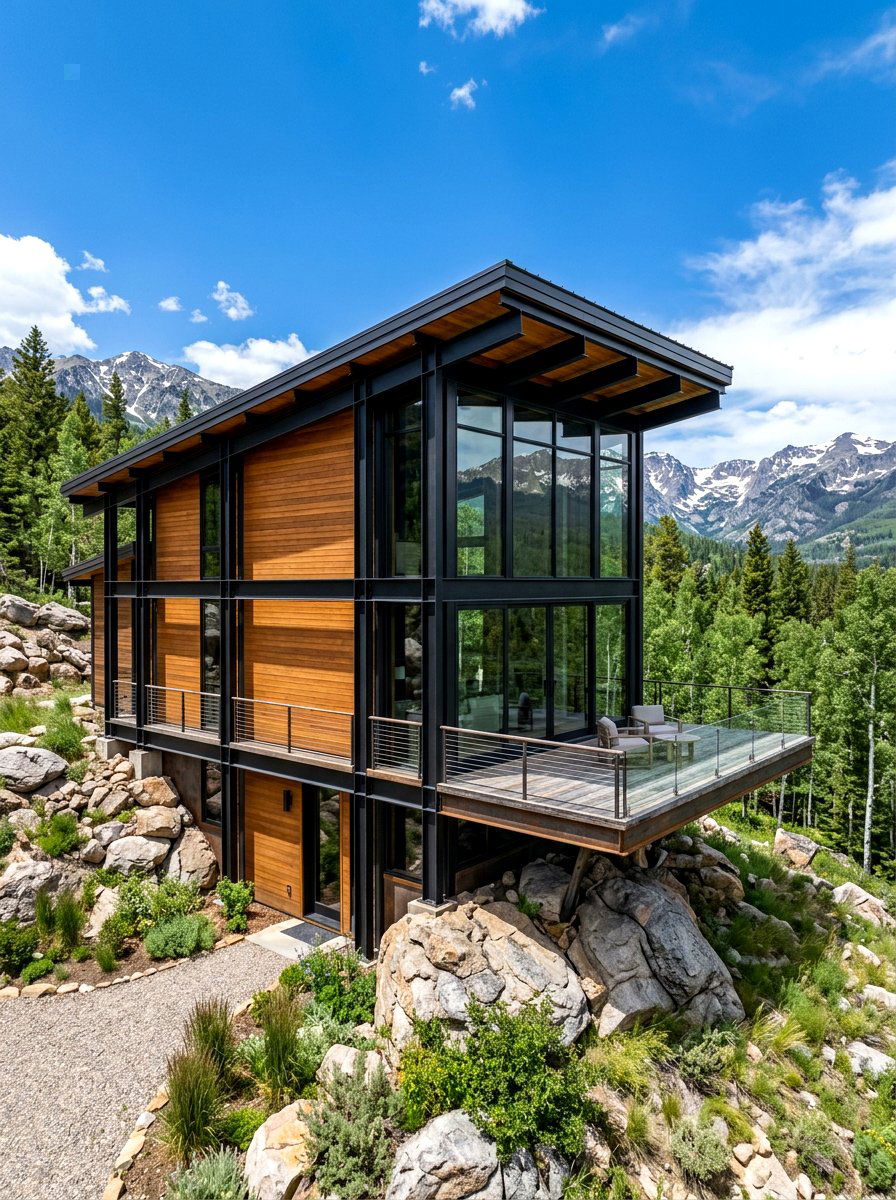
Are you looking for a home that is virtually indestructible against the elements of the high country? A steel frame mountain house puts its structural strength on full display, often leaving the dark metal beams exposed as part of the exterior design. This style allows for much larger open spaces and massive window walls than traditional wood framing can support. The combination of industrial steel with warm wood infill panels creates a "soft industrial" look that is very popular in modern mountain resorts. It is a functional and fire-resistant choice that offers a high-tech, precise aesthetic for homeowners who value modern engineering and long-lasting durability.
19. Multi Level Mountain Deck
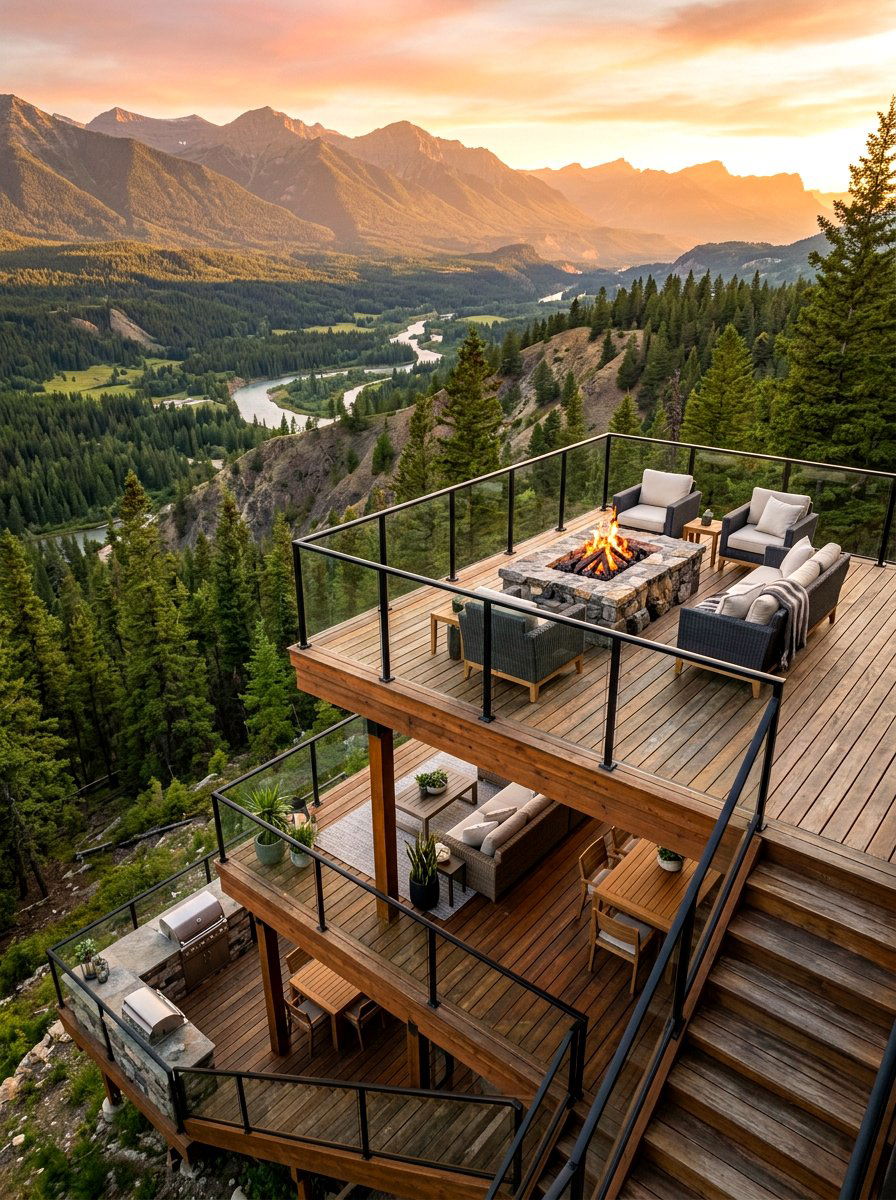
How do you maximize your outdoor living space when building on a steep mountain slope? A multi-level mountain deck design solves this problem by creating several layers of wooden platforms that step down the hillside. Each level can serve a different purpose, such as a dining area on the top floor, a lounge with a fire pit in the middle, and a hot tub deck at the bottom. The exterior of the home is often designed to wrap around these decks, using glass railings to keep the views clear. This approach turns the entire hillside into a usable living area, perfect for entertaining large groups of guests.
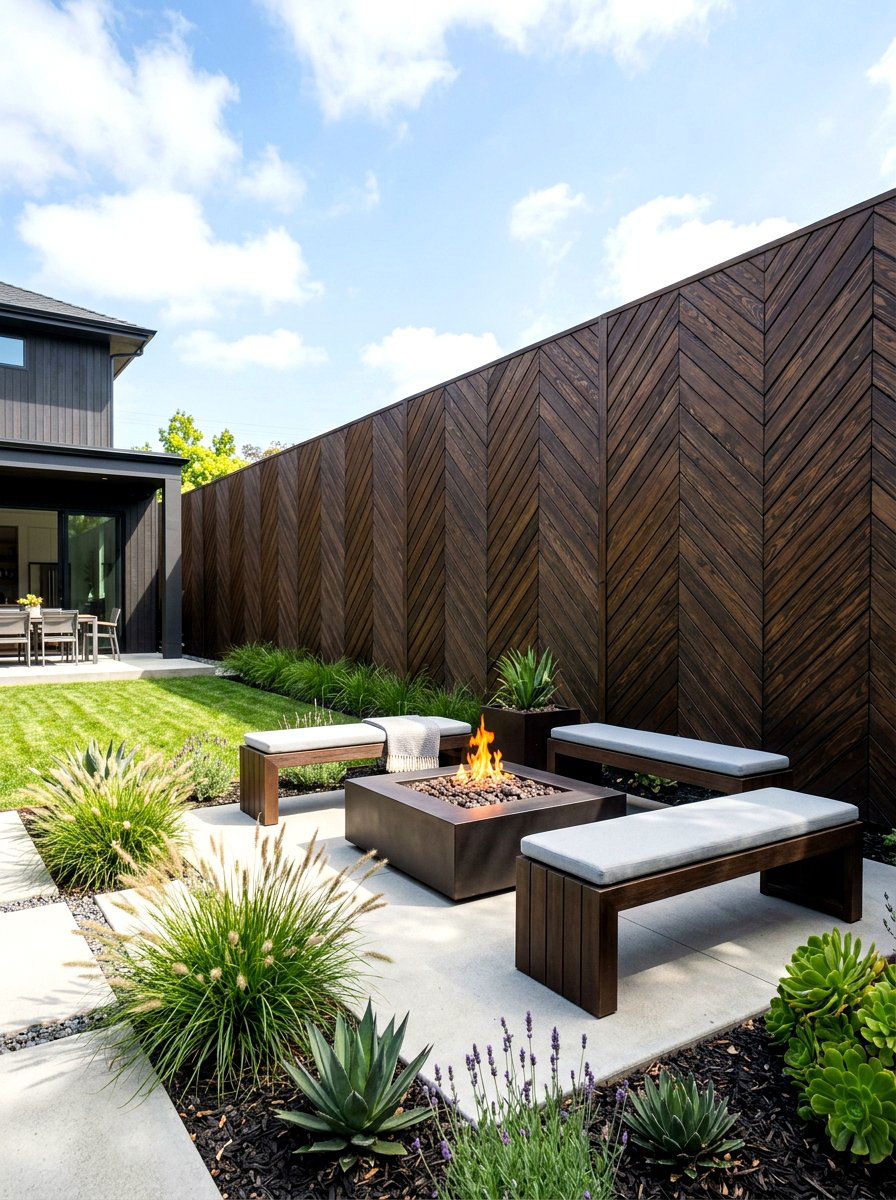
20. Sloping Roof Mountain Home
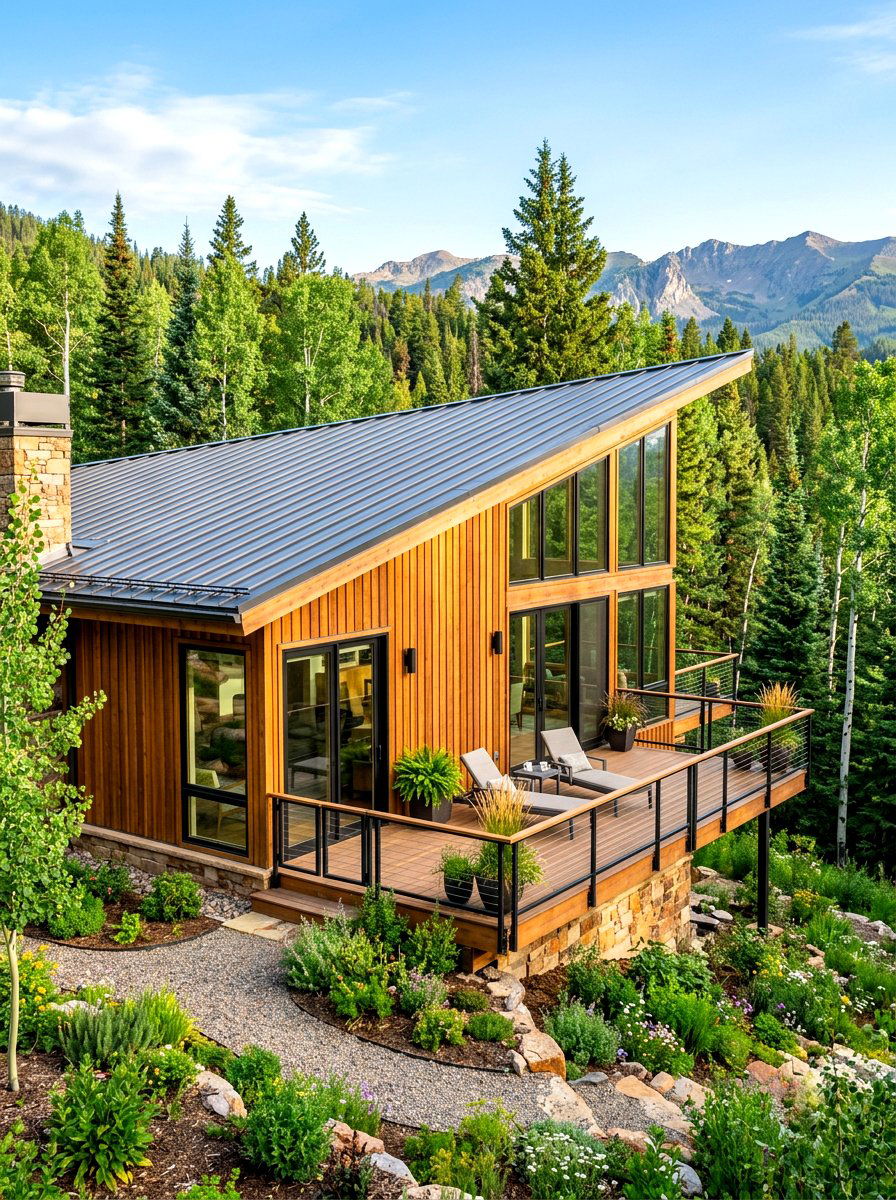
Have you thought about how a single, dramatic roofline can define the entire look of your home? A sloping roof mountain home, often called a shed roof, features one long, angled plane that rises toward the views. This design is highly functional in snowy areas because it allows snow to slide off in a controlled direction away from the entrance. Architecturally, it creates a very modern and dynamic silhouette that feels much more current than a traditional peaked roof. Under the high side of the slope, you can fit massive clerestory windows that flood the interior with natural light and views of the surrounding treetops.
21. Solar Mountain Cabin
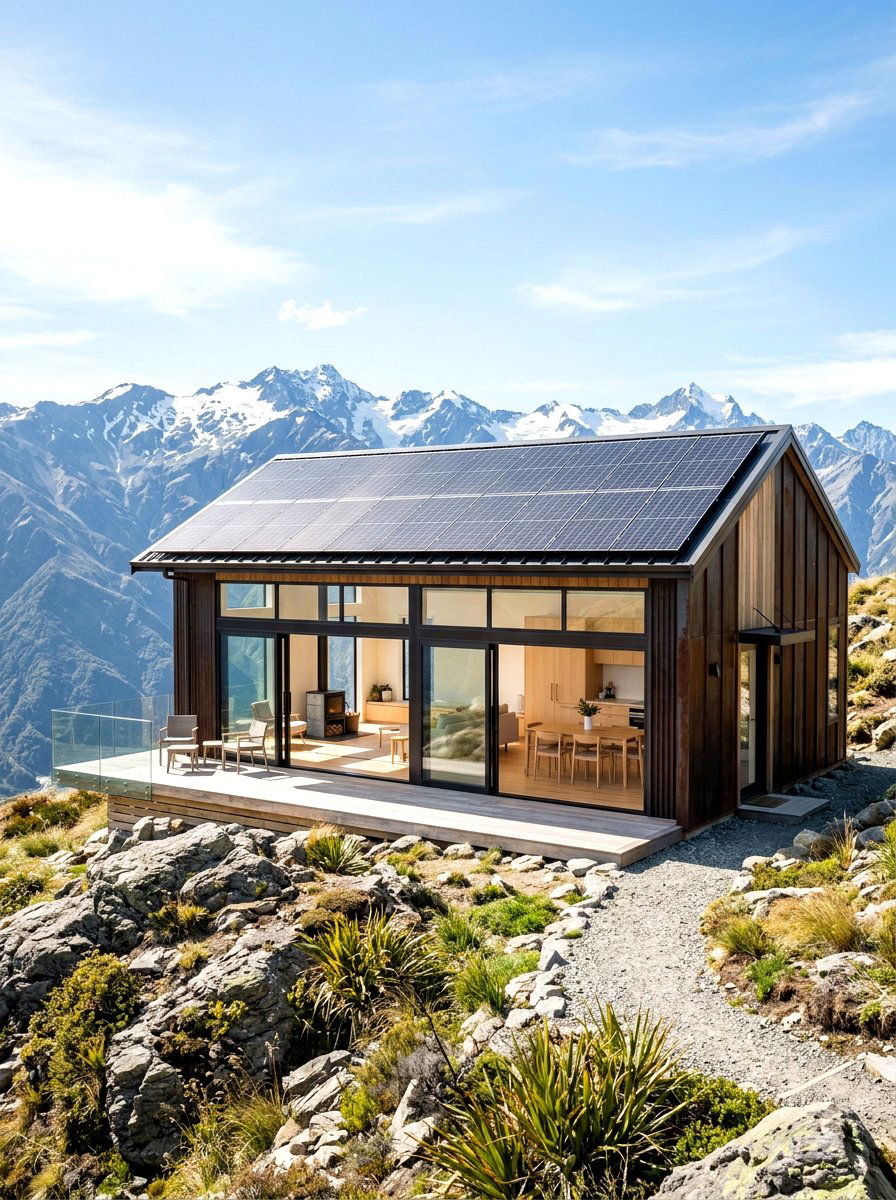
Can you live off the grid while still enjoying a high-end, modern architectural design? A solar mountain cabin is designed with the sun in mind, featuring large south-facing windows and rooflines optimized for solar panel arrays. These exteriors often use sustainable materials like recycled metal and local stone to reduce their carbon footprint. The design focus is on self-sufficiency, often including built-in rainwater collection systems and high-performance insulation. Visually, these homes look very sleek and technical, representing the future of responsible mountain living. It is the perfect choice for those who want to disconnect from the city and live in harmony with the environment.
22. Tiny Mountain House
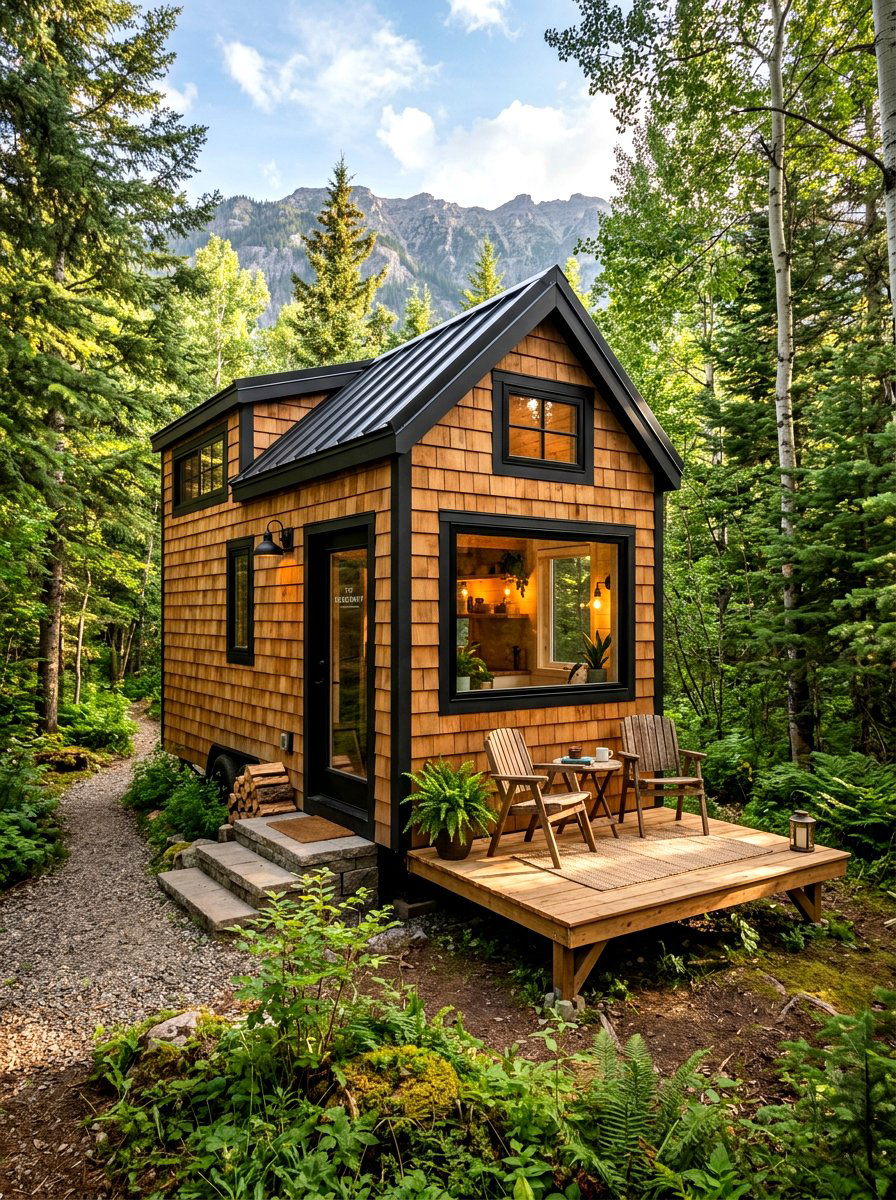
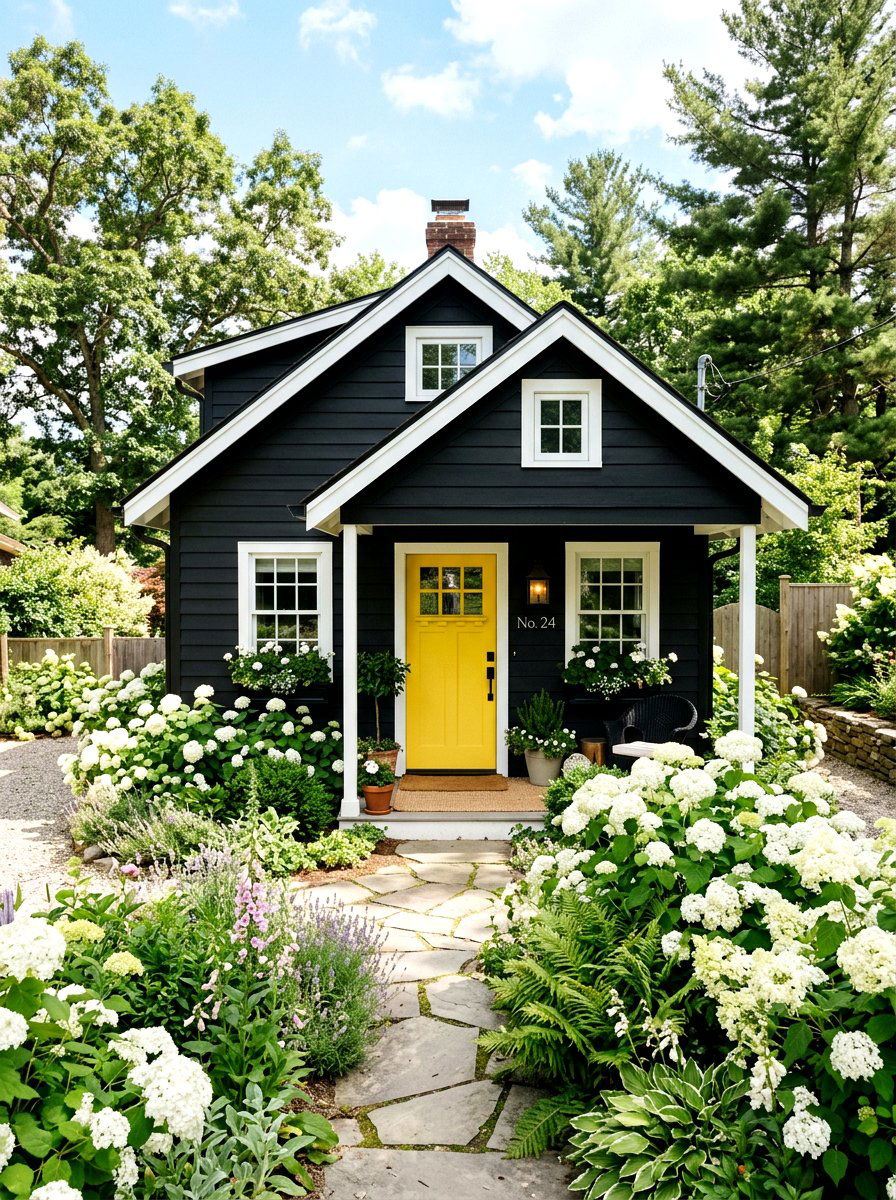
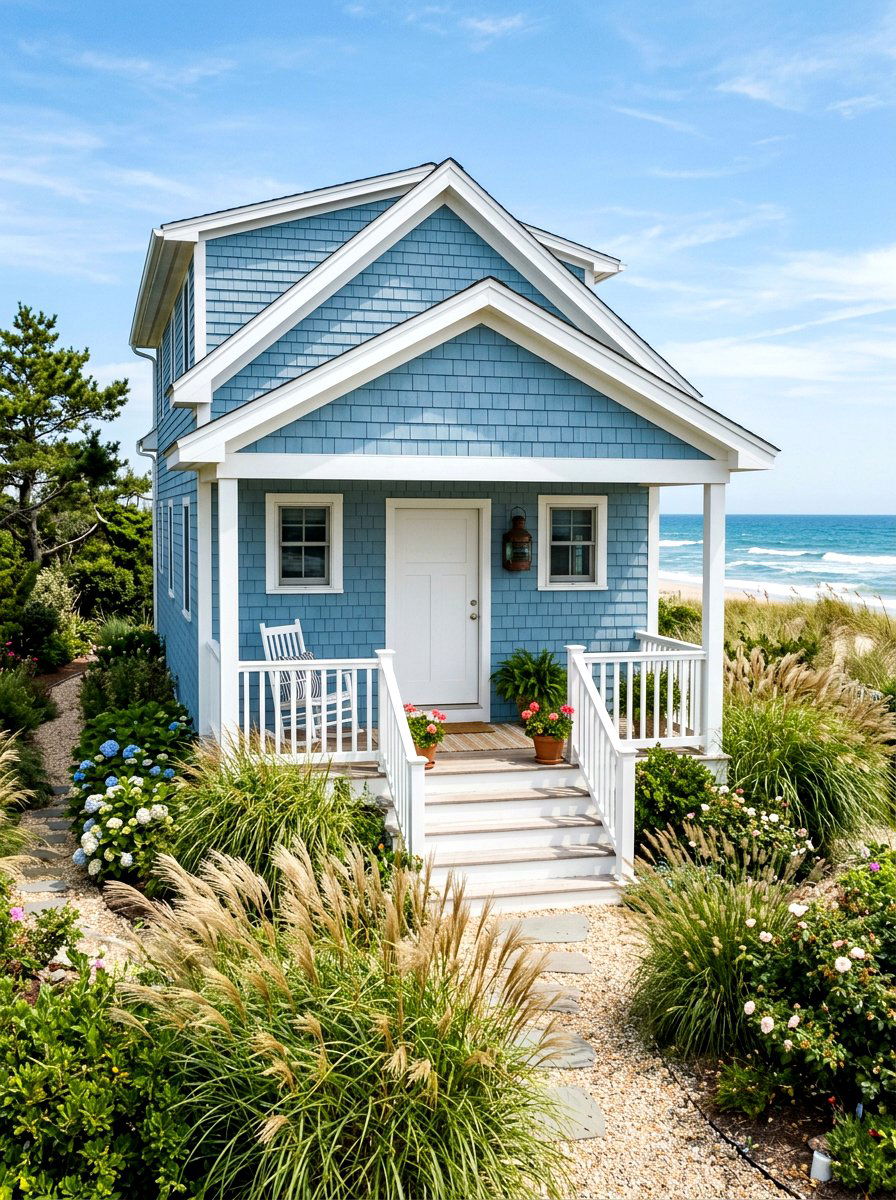
Is it possible to fit all the beauty of the mountains into a very small, efficient footprint? A tiny mountain house focuses on high-quality design over square footage, using every inch of the exterior to create visual interest. These homes often feature clever built-ins like fold-down decks or integrated exterior storage for skis and hiking gear. By using premium materials like cedar shingles and custom metalwork on a small scale, the house feels like a precious jewel box in the forest. This style is incredibly popular for short-term rentals or solo retreats, offering a cozy and manageable way to enjoy the great outdoors without a massive investment.
23. Mountain Home Stone Foundation
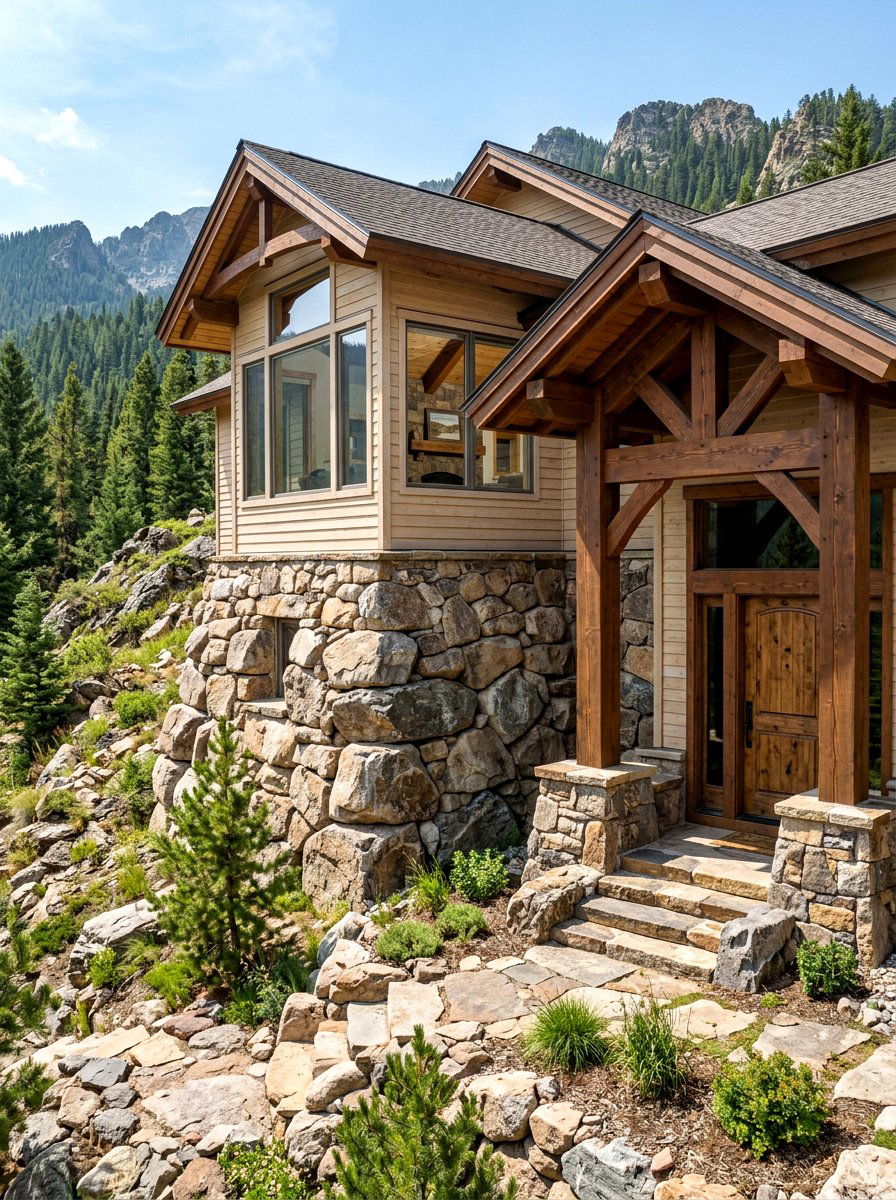
Why not lean into the rugged nature of your lot by making the earth itself part of your design? A mountain home with a heavy stone foundation looks like it grew directly out of the rocky hillside. By using large, irregular boulders or stacked flagstone for the bottom third of the house, you create a visual anchor that feels incredibly stable. This design is also very practical for protecting the home from moisture and snow drifts that accumulate at ground level. Above the stone, you can transition into lighter wood siding or large glass panels to create a beautiful "heavy to light" visual progression.
24. Cedar Shake Mountain House
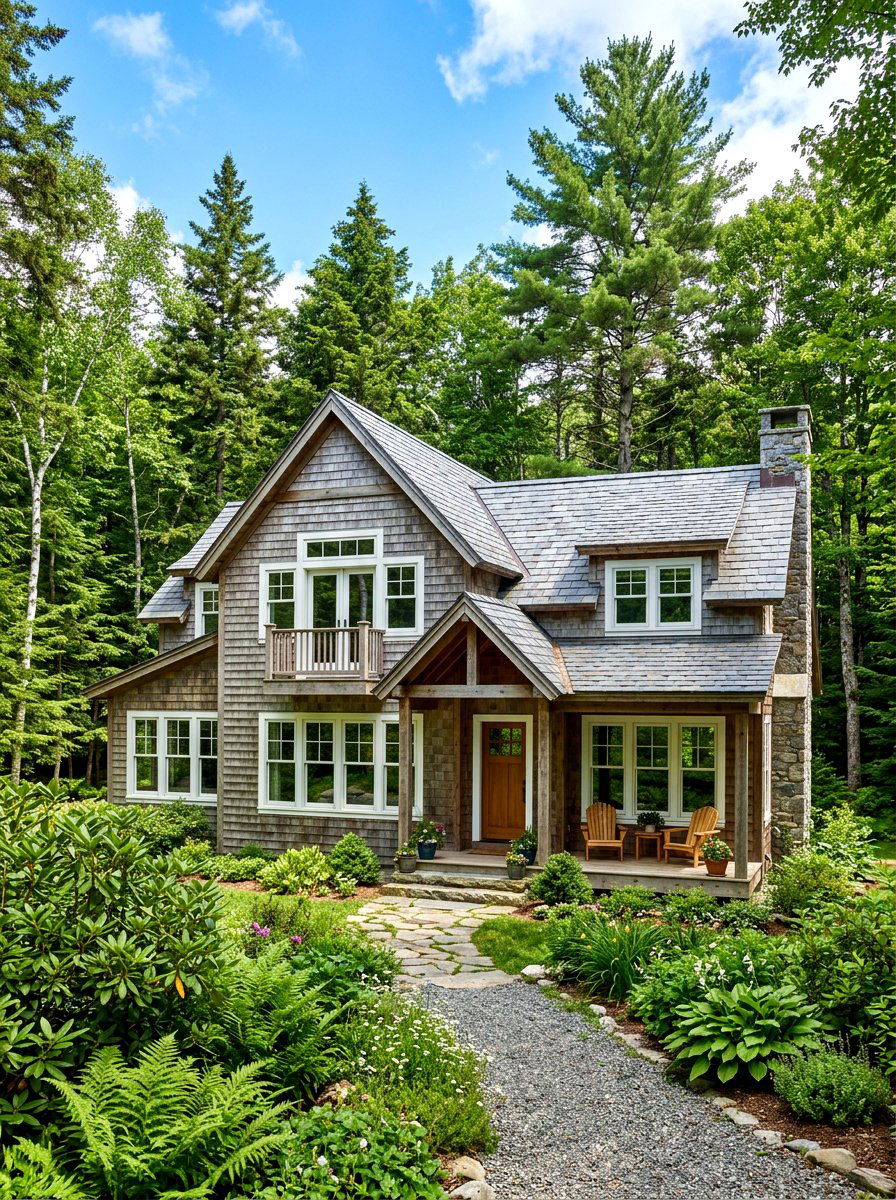
Do you love the look of natural textures that change and evolve with the seasons? A cedar shake mountain house uses individual wooden shingles to cover the walls, creating a rich, multi-toned surface that is full of depth. Over time, the cedar will weather to a beautiful silver-gray, helping the house blend perfectly into a forest of evergreens. This material is naturally resistant to insects and decay, making it a great choice for damp mountain environments. To keep the look modern, you can pair the shakes with clean white trim or dark metal accents. It is a classic mountain aesthetic that feels warm and organic.
25. Barn Style Mountain Home
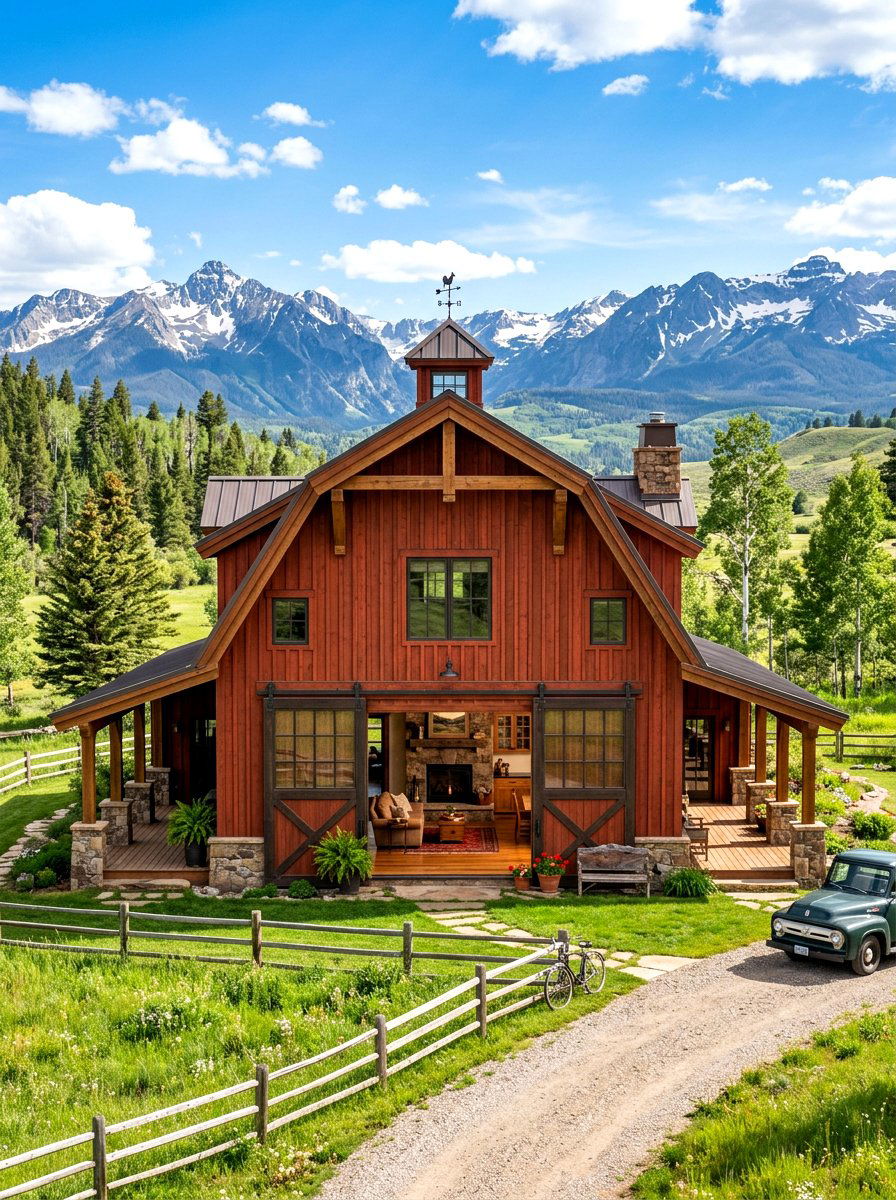
How do you capture the feeling of a wide-open meadow inside a mountain residence? A barn-style mountain home uses a high, vaulted roof and a simple rectangular shape to create a sense of massive internal volume. The exterior often features large sliding "barn doors" that cover giant glass openings, allowing you to seal the house up for security or open it wide to the fresh air. Using vertical wood siding and metal roofing gives the home a rustic, agricultural feel that is very trendy in mountain valleys. It is a great design for those who love open-concept living and want a home that feels grand yet simple.
26. Cliffside Mountain Retreat
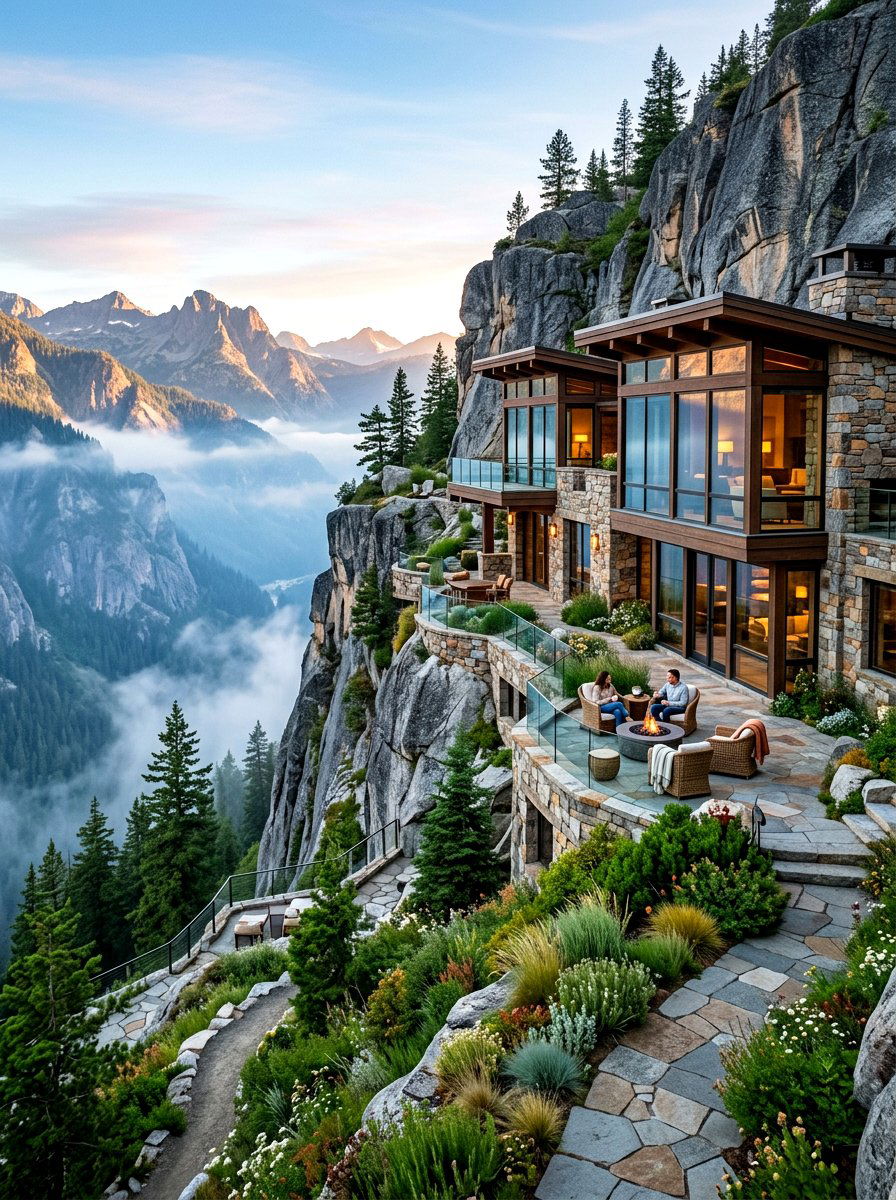
Have you ever imagined living on the edge of the world with nothing but clouds below you? A cliffside mountain retreat is built directly onto steep rock faces, often using stilts or deep concrete anchors to secure the structure. The exterior design usually prioritizes the "view side" with massive windows and cantilevered decks that hang over the abyss. Because these homes are so exposed, they often use very durable materials like steel and thick masonry to protect against high winds. This style of home offers the most dramatic living experience possible, providing a literal bird's eye view of the canyons and peaks below.
27. Eco Friendly Mountain House
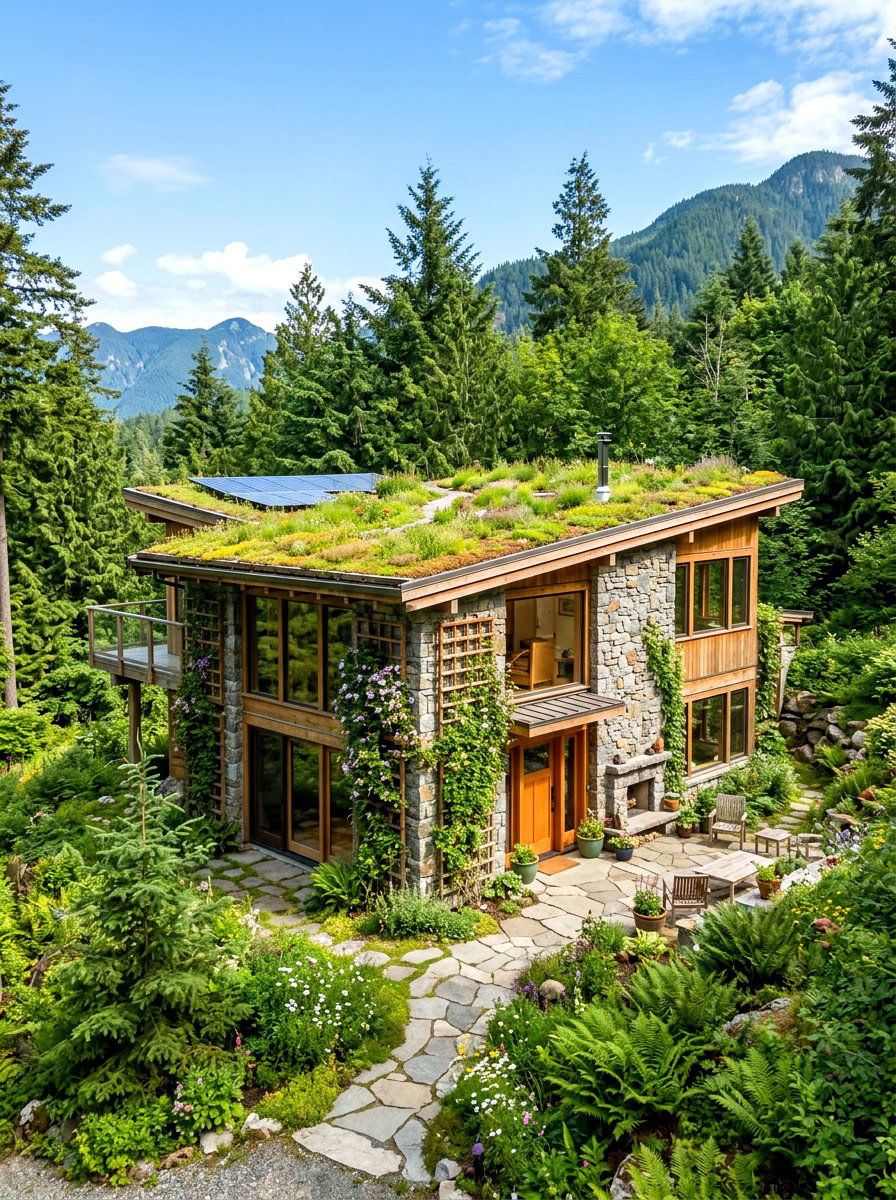
What if your home could actually help the mountain environment instead of just sitting on it? An eco-friendly mountain house uses green roofs covered in local plants to provide natural insulation and manage stormwater. The exterior might also feature "living walls" or trellises for native vines to grow, further integrating the house into the ecosystem. These homes are built with non-toxic, sustainably sourced materials that ensure a healthy living environment for both humans and wildlife. The aesthetic is often very organic and soft, using curved lines and natural colors that mimic the surrounding forest floor. It is a responsible way to build a legacy.
28. Mid Century Modern Mountain
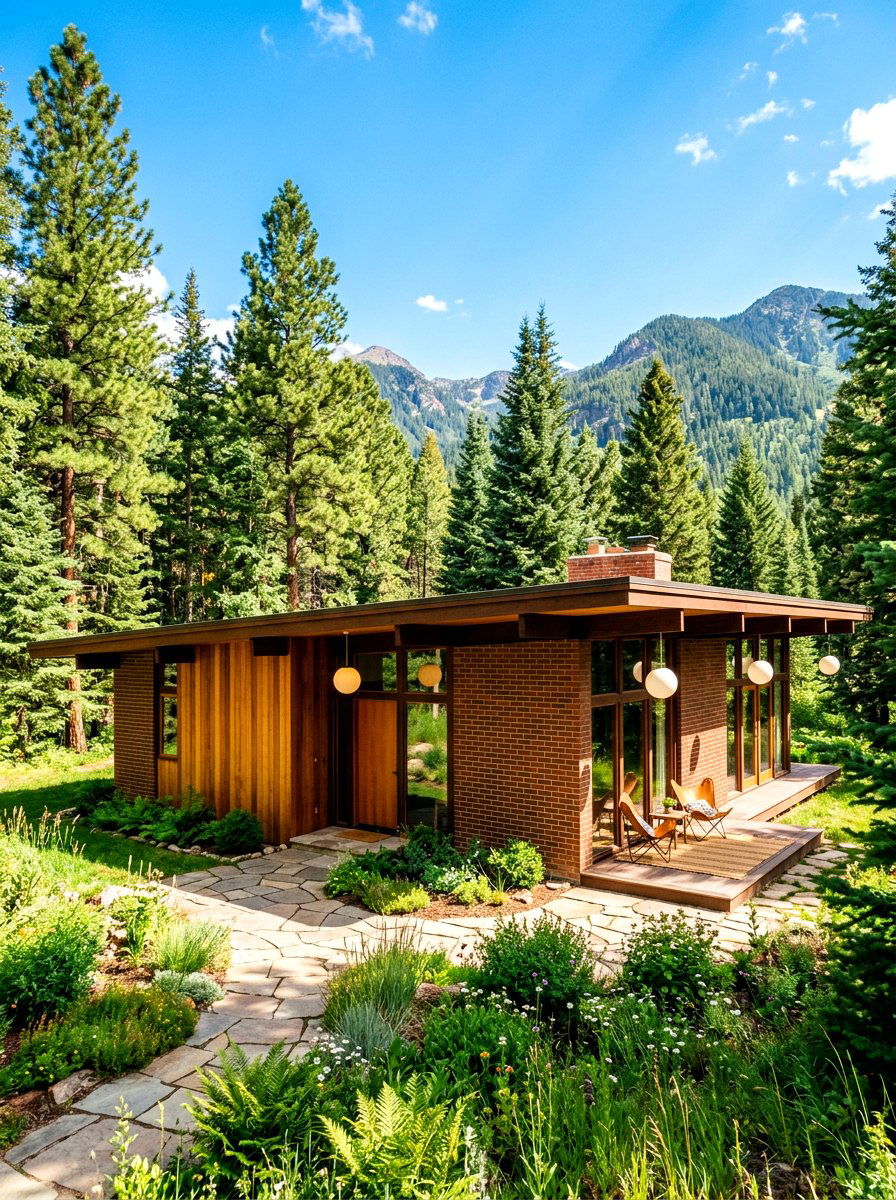
Can the cool, retro vibes of the 1950s work in a high-altitude setting? A mid-century modern mountain house uses flat roof planes, wide eaves, and large walls of glass to create a sophisticated, vintage look. These homes focus on horizontal lines and an "inside-out" philosophy that makes the deck feel like part of the living room. By using a mix of brick, wood, and globe lighting, the exterior feels nostalgic yet incredibly stylish. This design is perfect for those who love classic architecture and want a mountain home that feels more like a chic lounge than a traditional rustic cabin. It is a timelessly cool choice.
29. Shingle Style Mountain Home
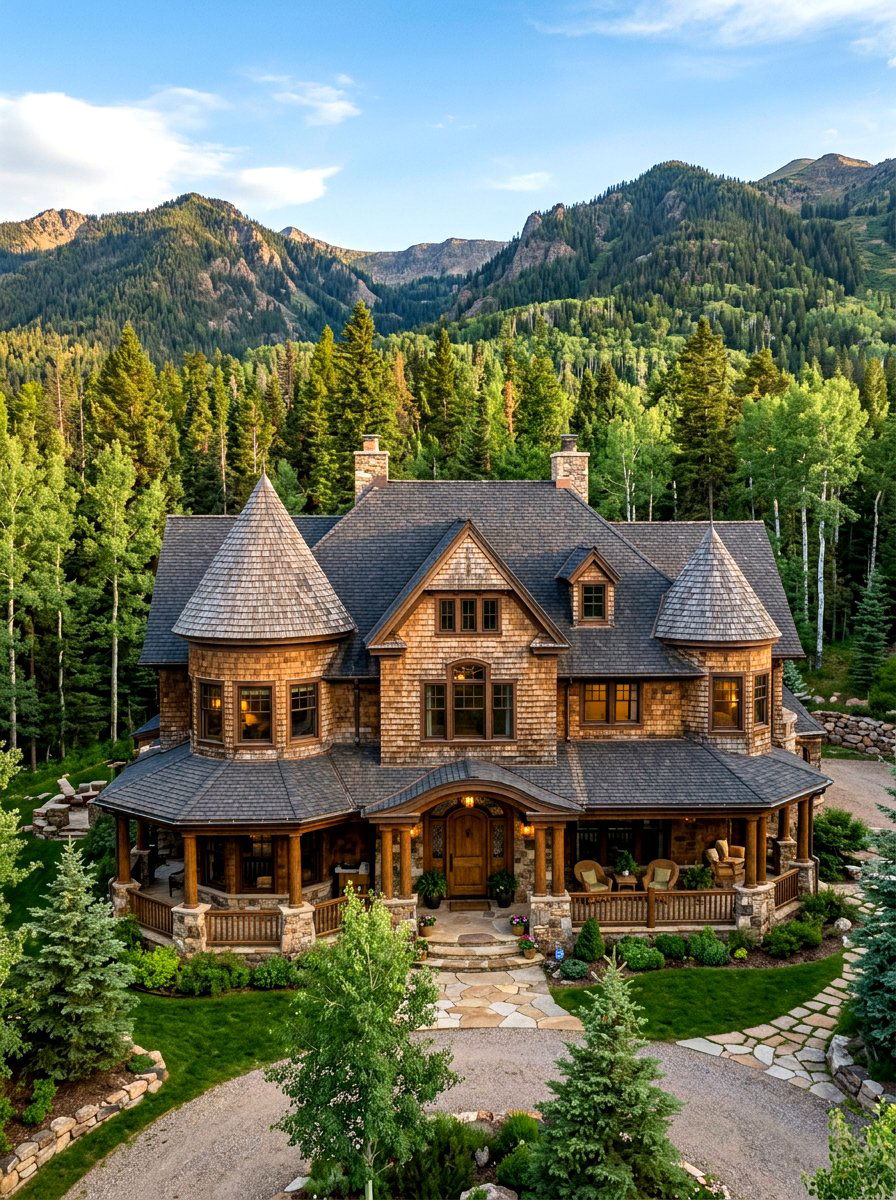
Do you want a home that feels like a classic, sprawling estate hidden in the woods? The shingle style mountain home is characterized by continuous surfaces of wood shingles that wrap around turrets, porches, and complex rooflines. This style creates a very cohesive and sculptural look that feels soft and inviting. These homes often feature wide, welcoming front porches and numerous small windows that give the exterior a sense of rhythm. By using a monochromatic color scheme — where the shingles, trim, and roof are all similar tones — the house achieves a quiet, understated elegance. It is a beautiful choice for large family compounds in the mountains.
30. Craftsman Mountain House
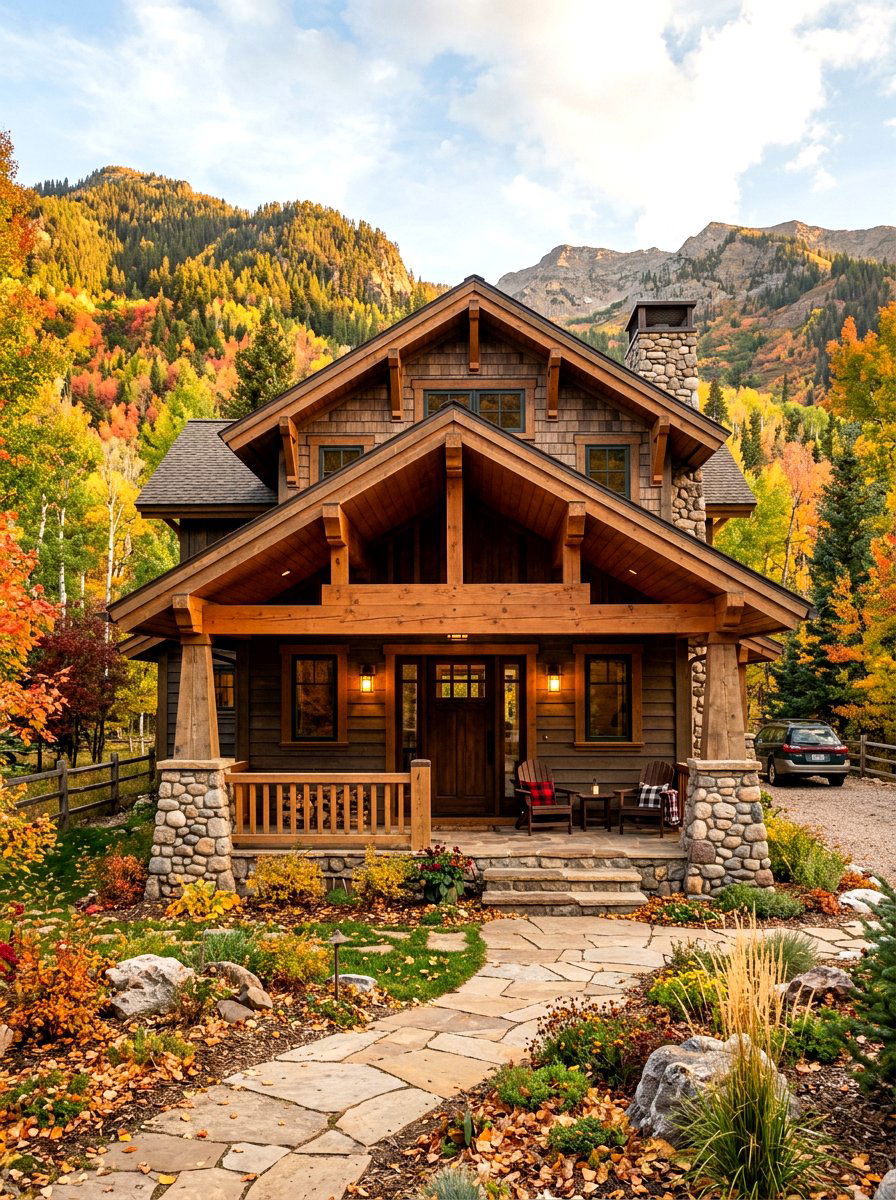
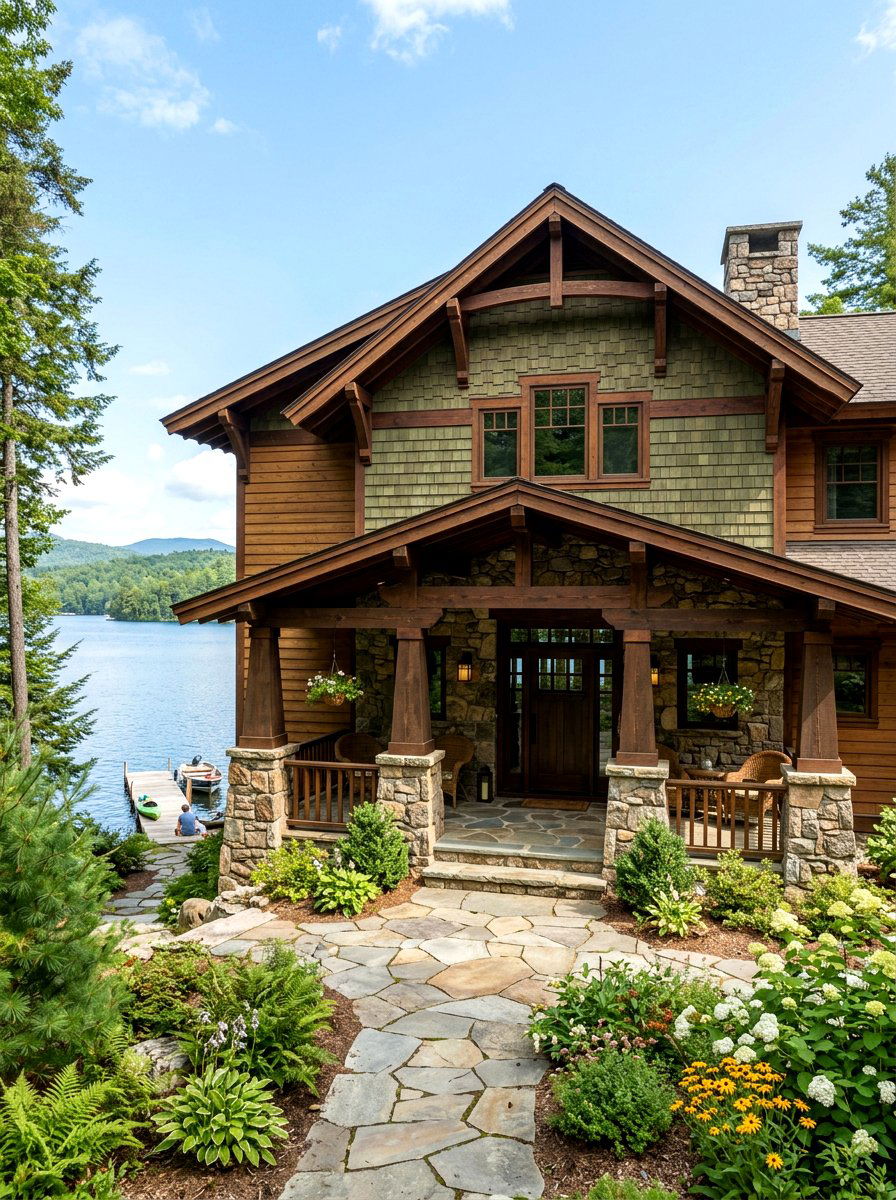
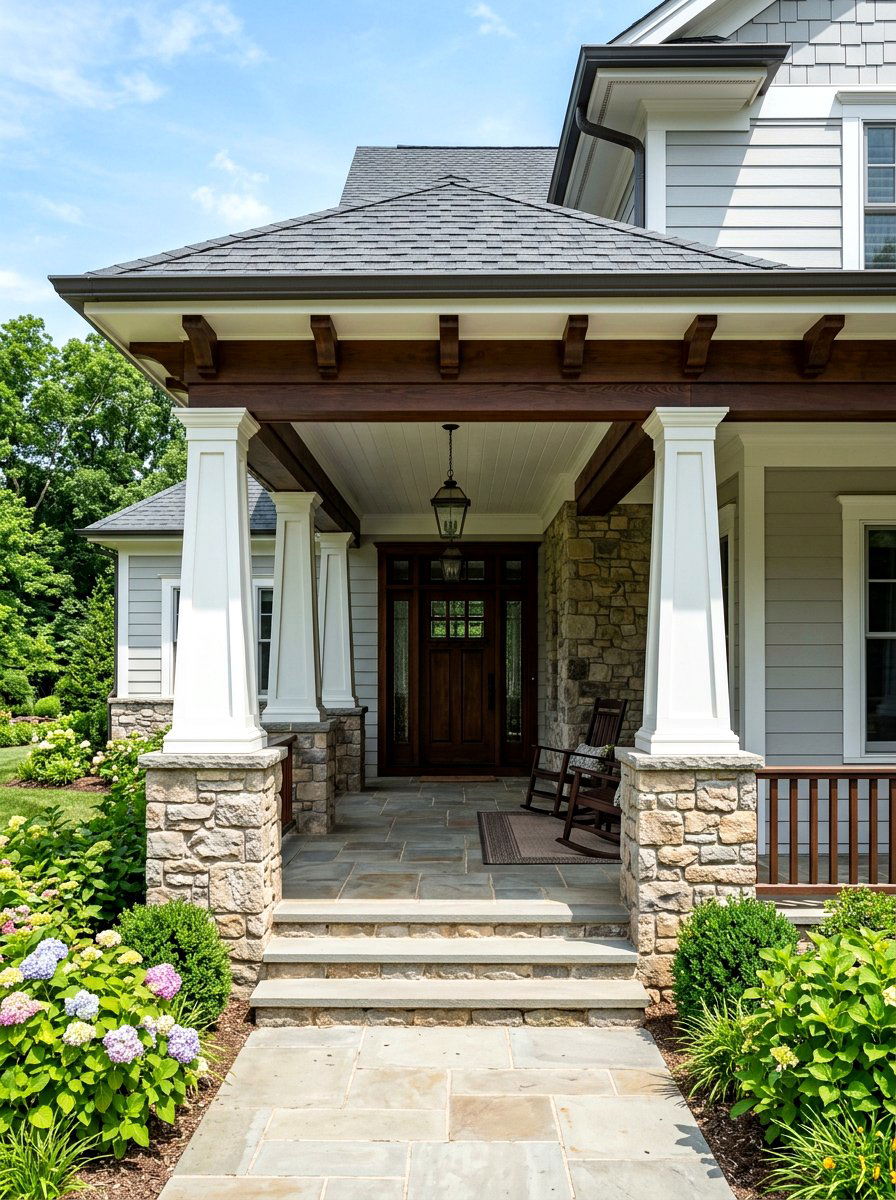
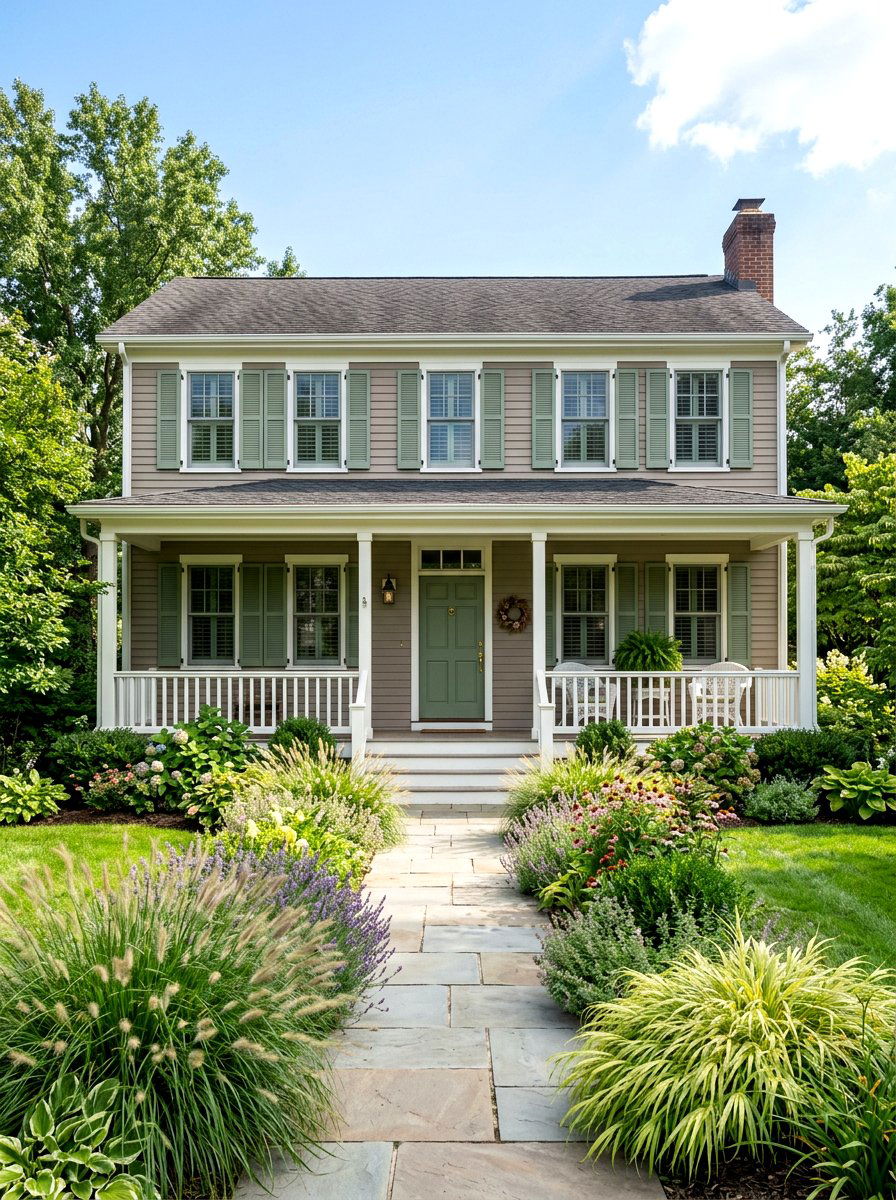
How do you celebrate the art of building through the very exterior of your home? A craftsman mountain house focuses on visible joinery, tapered stone pillars, and intricate woodwork under the eaves. These homes use a variety of materials, including shingles, horizontal siding, and heavy stone, all tied together by a consistent color palette and high-quality craftsmanship. The deep front porch is a signature feature, often held up by chunky columns with stone bases. This style feels very sturdy and permanent, offering a sense of "home" that is grounded in traditional American design. It is a warm, detailed, and deeply comfortable mountain aesthetic.
Conclusion:
Designing a mountain house exterior is an exciting journey that allows you to blend your personal style with the raw power of the natural world. From the sharp angles of a modern A-frame to the textured warmth of a traditional log cabin, each design offers a unique way to experience the high country. By focusing on durable materials like stone, metal, and high-performance glass, you ensure that your retreat remains a safe and beautiful sanctuary for decades. Whether you prefer the bold statement of a black modern home or the quiet grace of an eco-friendly cabin, the right exterior will make every arrival feel like a deep breath of fresh mountain air.

Related posts: