Transforming your backyard into a lush and fragrant sanctuary begins with choosing the right varieties and layouts to suit your lifestyle. Growing your own herbs is more than just a hobby; it is a way to connect with nature while enhancing your culinary skills and overall well-being. Whether you have a sprawling lawn or a tiny urban patio, there is always a creative way to incorporate these aromatic plants into your landscape. From structured raised beds to whimsical vertical walls, the possibilities for integrating herbs are truly endless and rewarding. A well-planned herb garden provides a constant supply of fresh flavors right at your fingertips throughout the year.
1. Raised Bed Herb Garden
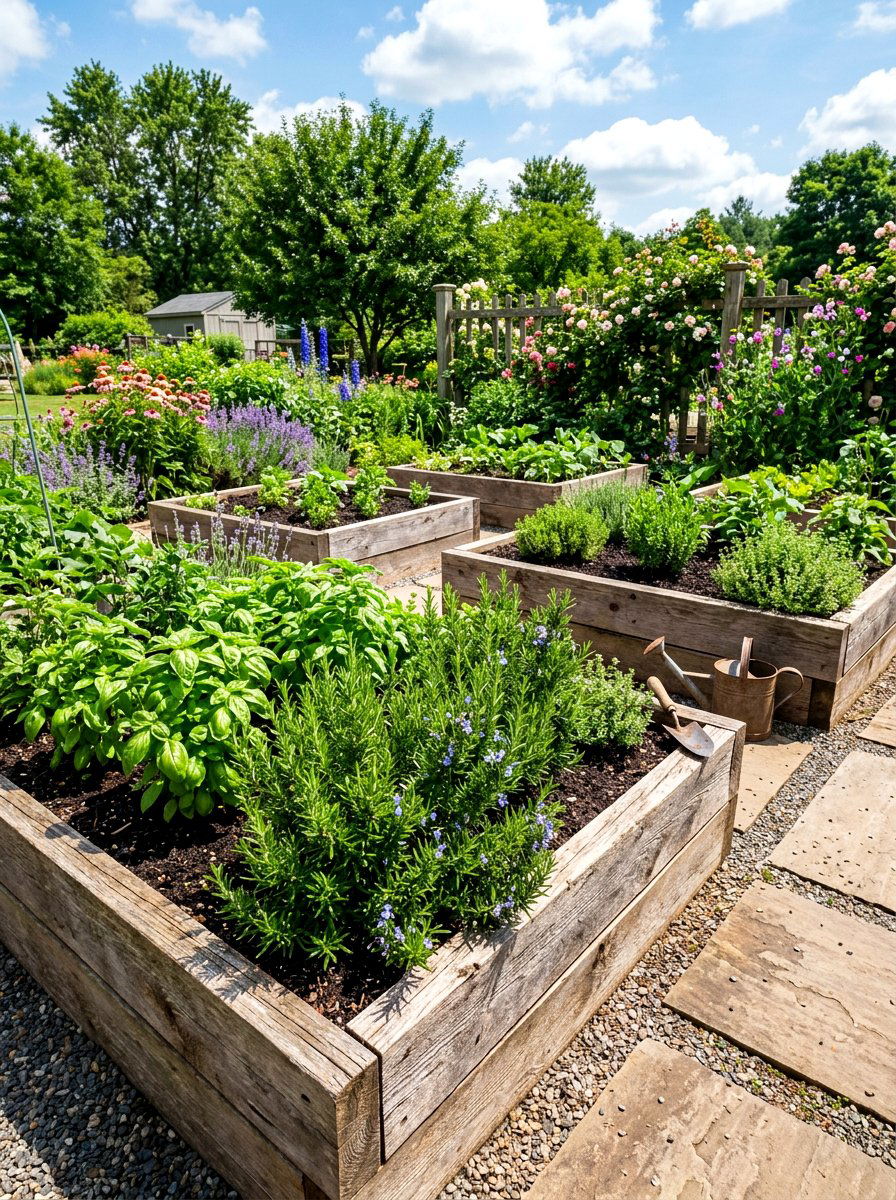
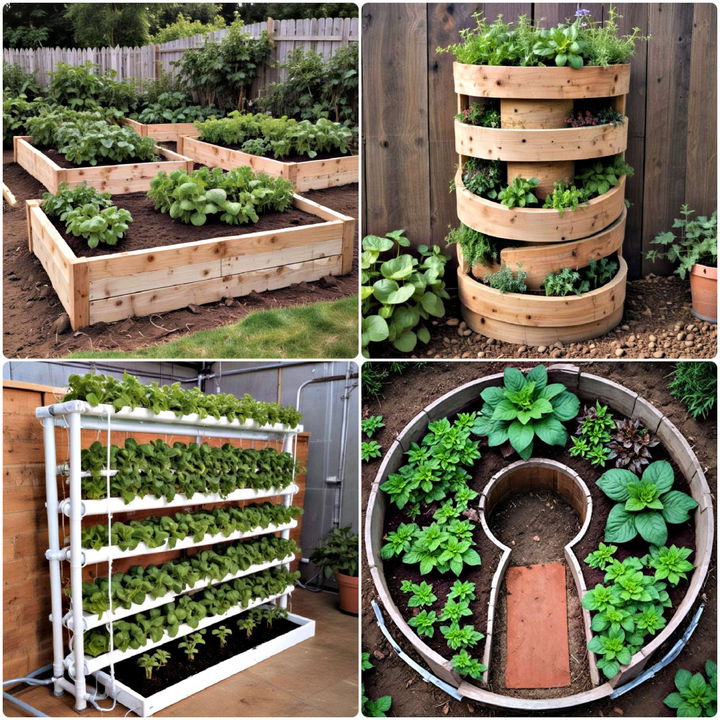
Raised beds offer a structured and efficient way to grow a variety of herbs while maintaining excellent soil drainage. These elevated structures are perfect for backyards with poor soil quality or for gardeners who prefer a more organized look. You can build them from cedar wood, stone, or even recycled bricks to match your home’s aesthetic. By grouping herbs with similar water needs together, you ensure they thrive with minimal effort. The extra height also makes harvesting much easier on your back. This setup creates a beautiful focal point that defines the garden space. It is a practical and stylish solution for any modern backyard.
2. Vertical Herb Wall
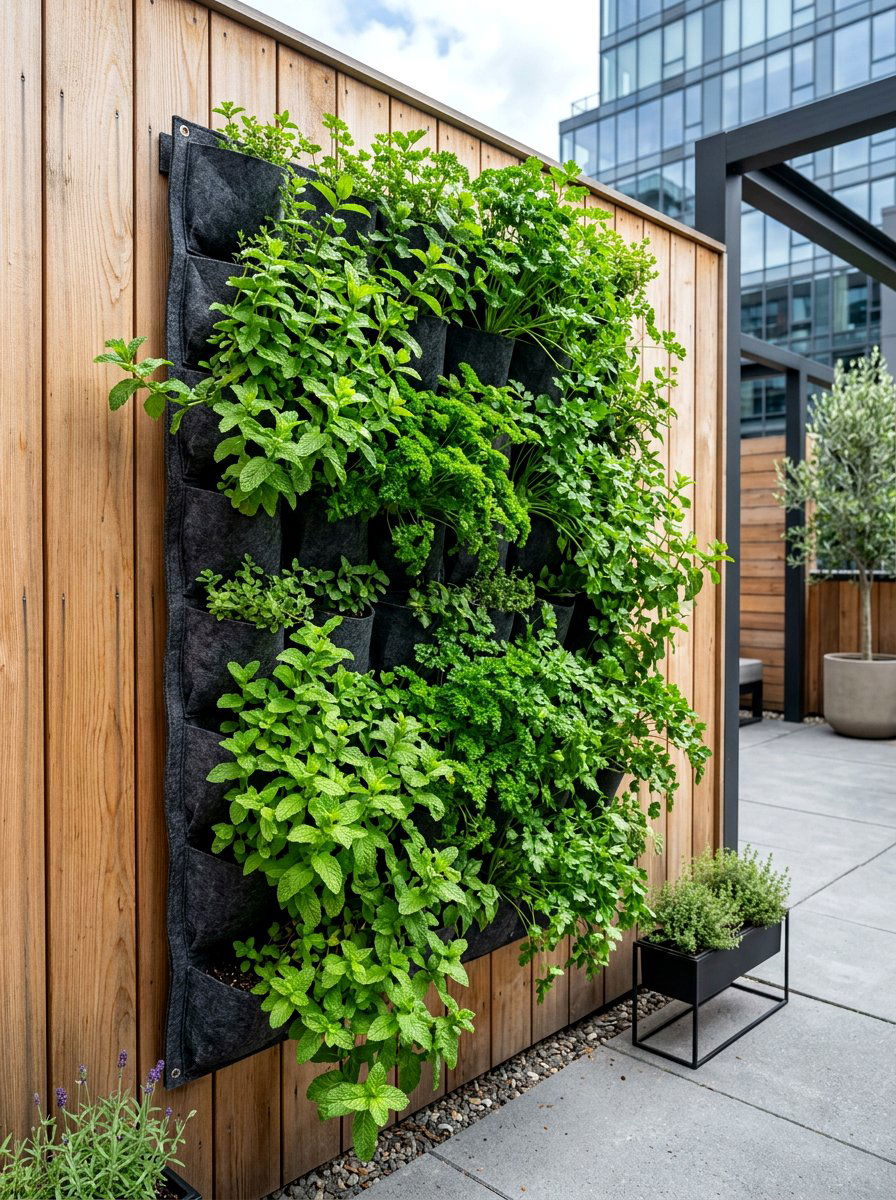
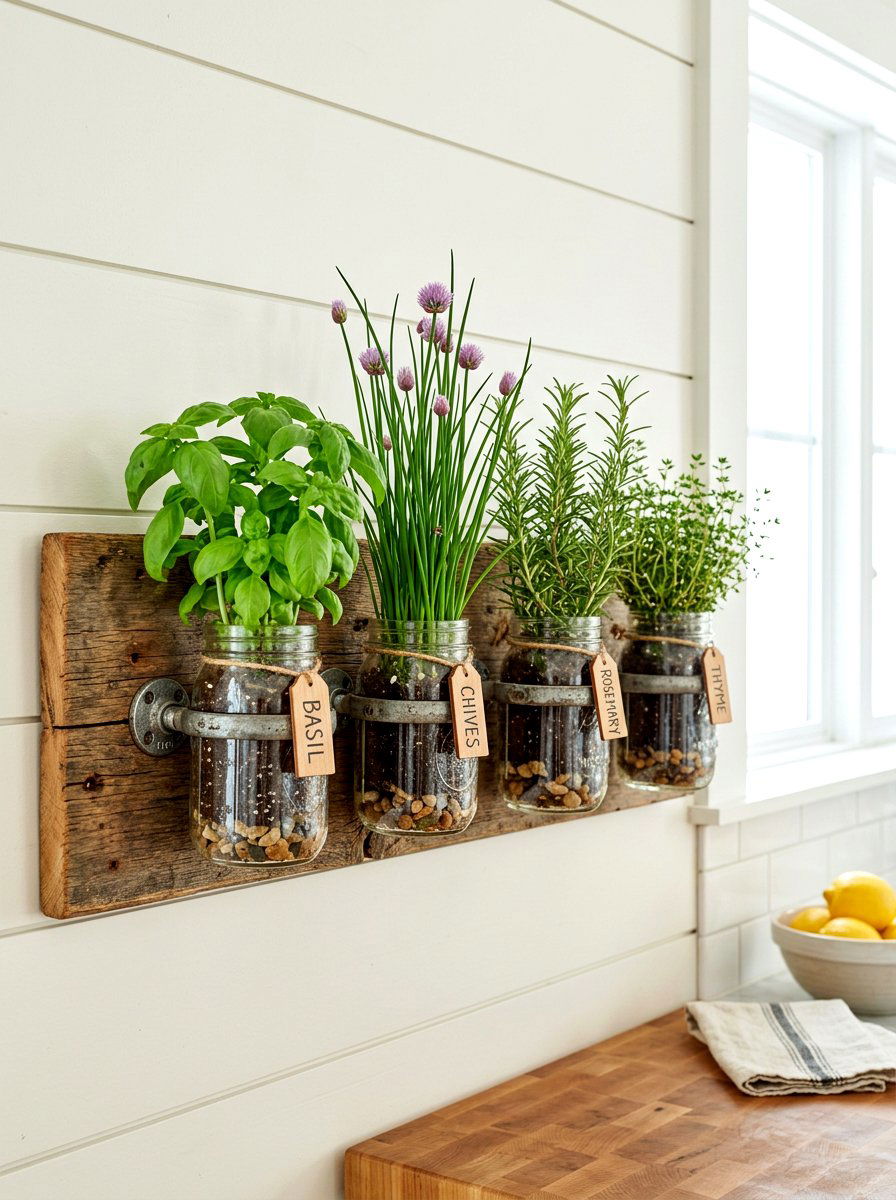
A vertical wall is a brilliant solution for small backyards where ground space is limited. You can use wall-mounted pockets, wooden slats, or metal grids to hold individual pots filled with fragrant herbs like basil and mint. This design turns a plain fence or exterior wall into a living tapestry of greenery. It provides a striking visual impact while keeping your most-used herbs at eye level for easy reach. Proper irrigation is key for vertical systems to ensure every plant receives enough moisture. This approach adds a modern, architectural element to your outdoor living area. It is a perfect choice for urban dwellers.
3. Stone Spiral Garden
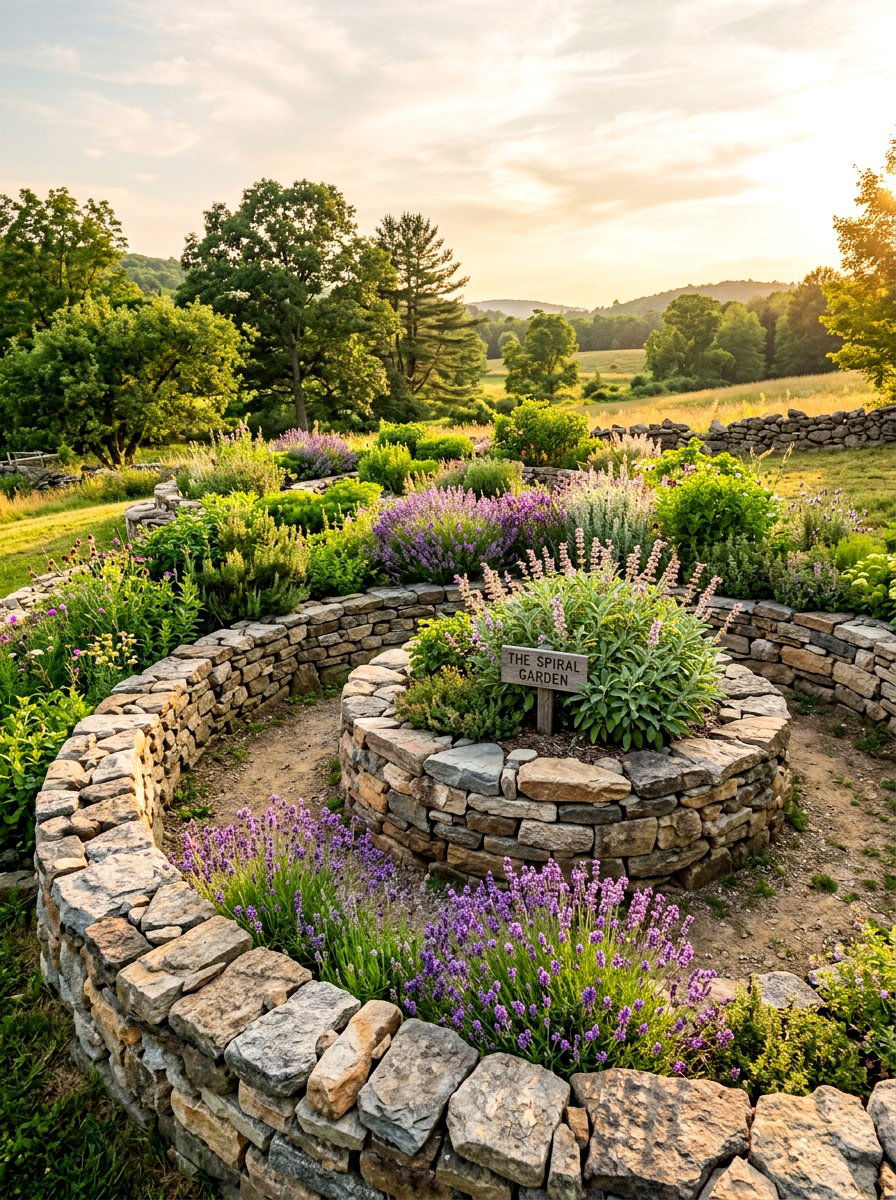
The stone spiral is a classic permaculture design that creates various microclimates within a very small footprint. By building a spiraling mound of stones, you create high, dry spots for Mediterranean herbs like rosemary and sage. The lower, moisture-collecting areas at the base are ideal for leafy greens like parsley and cilantro. This three-dimensional structure is not only highly functional but also serves as a captivating artistic feature in your landscape. It mimics natural ecosystems, making it a sustainable choice for eco-conscious gardeners. The thermal mass of the stones helps regulate temperatures, protecting your plants from sudden weather changes. It looks absolutely stunning in any yard.
4. Potted Herb Patio
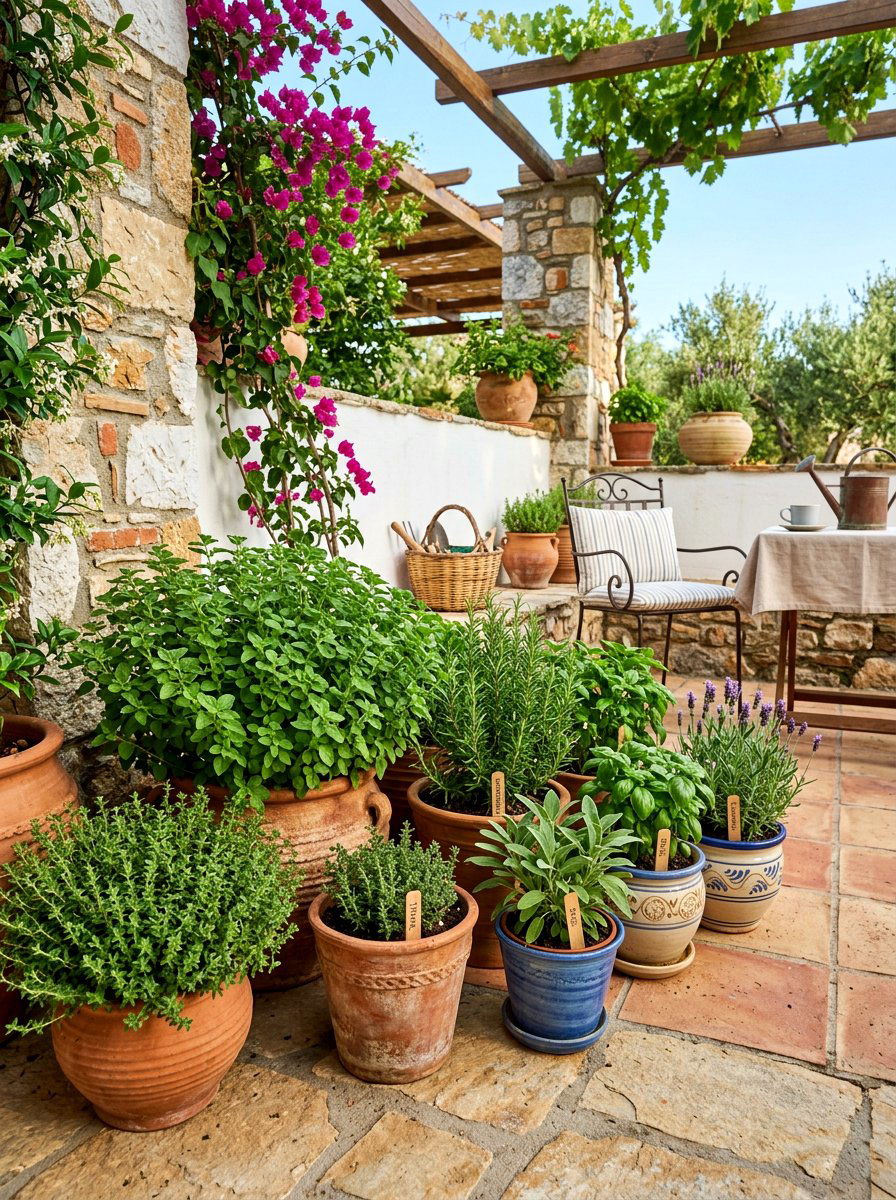
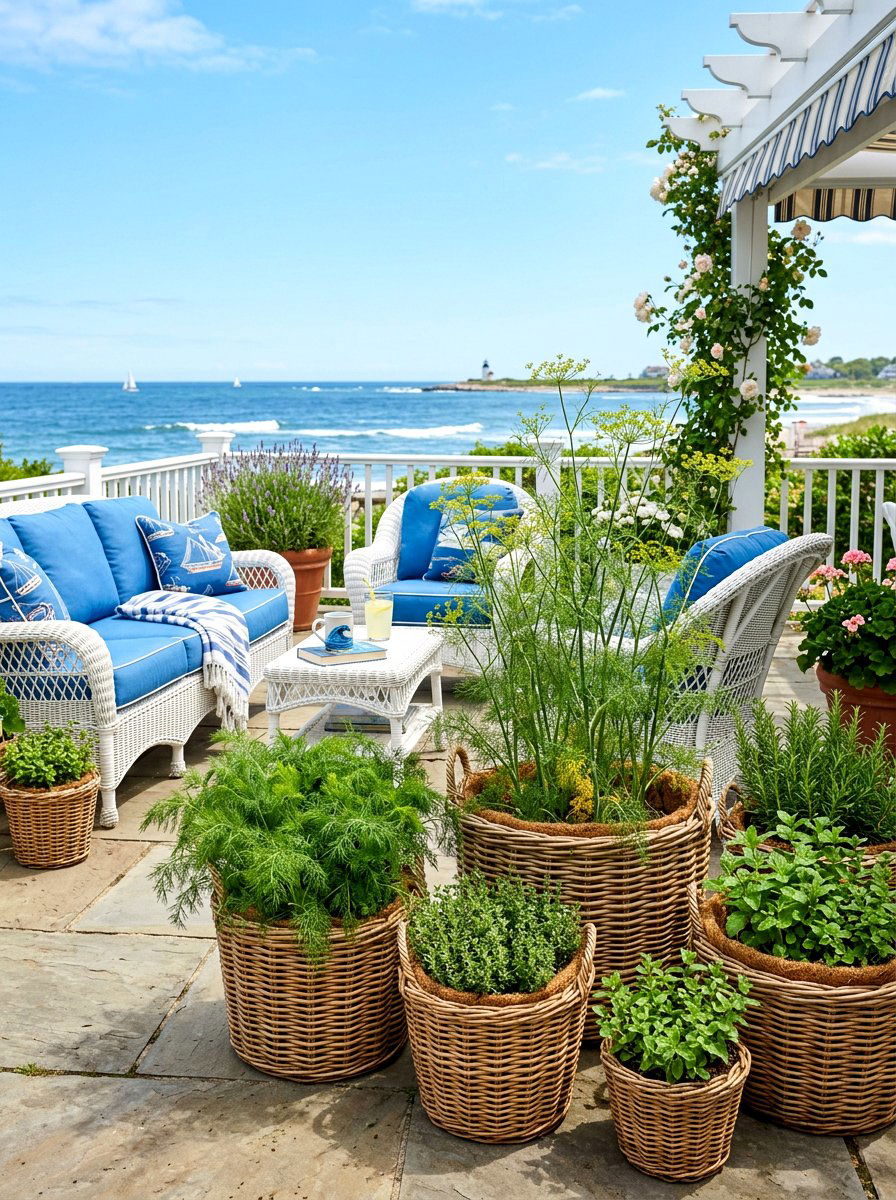
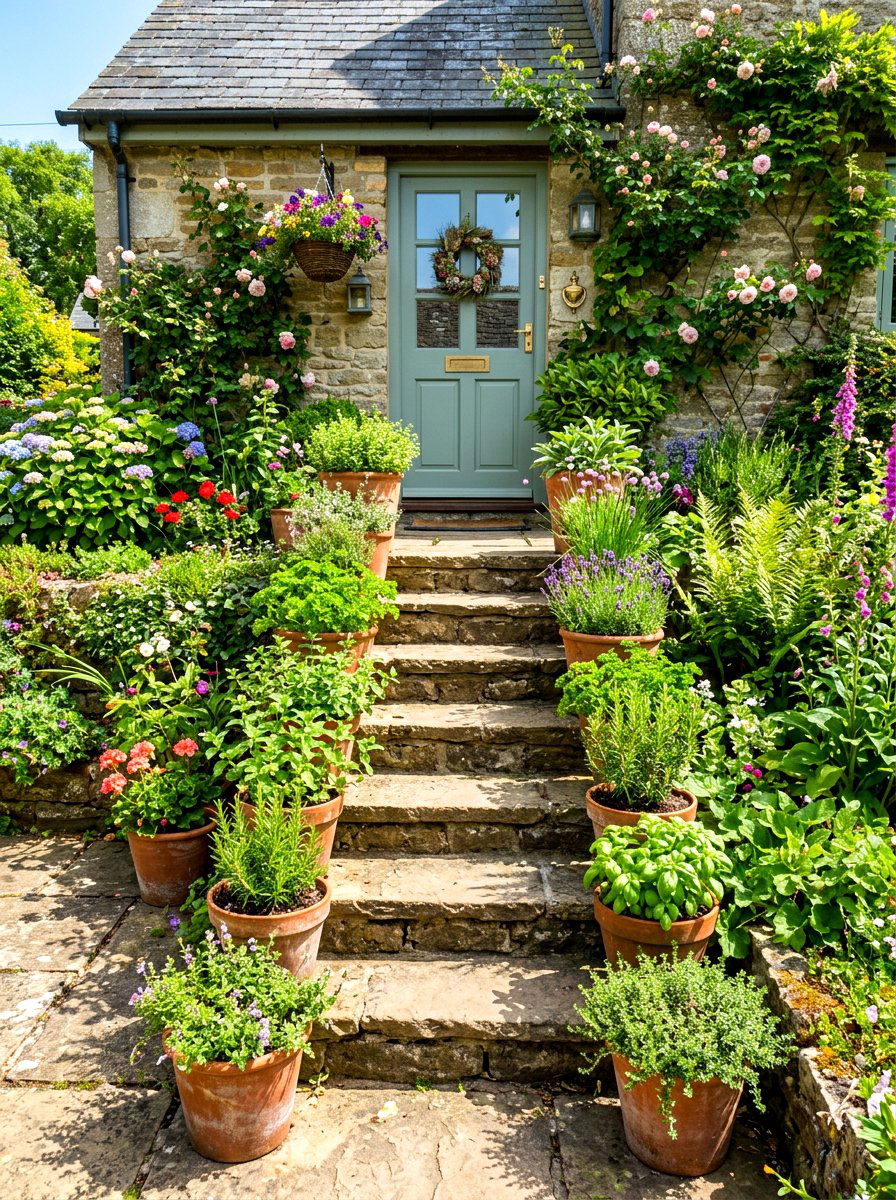
Creating a dedicated herb zone on your patio using a collection of stylish pots is a flexible and approachable design. You can mix and match terracotta, ceramic, and modern fiberglass containers to create a layered and textured look. This setup allows you to move plants around to follow the sun or protect them from harsh winter frost. It is particularly useful for controlling invasive herbs like mint, which can quickly take over a garden bed. Grouping pots together creates a lush, dense feel that transforms a hardscape area into a cozy garden nook. It makes the transition from kitchen to garden completely seamless.
5. Culinary Border Garden
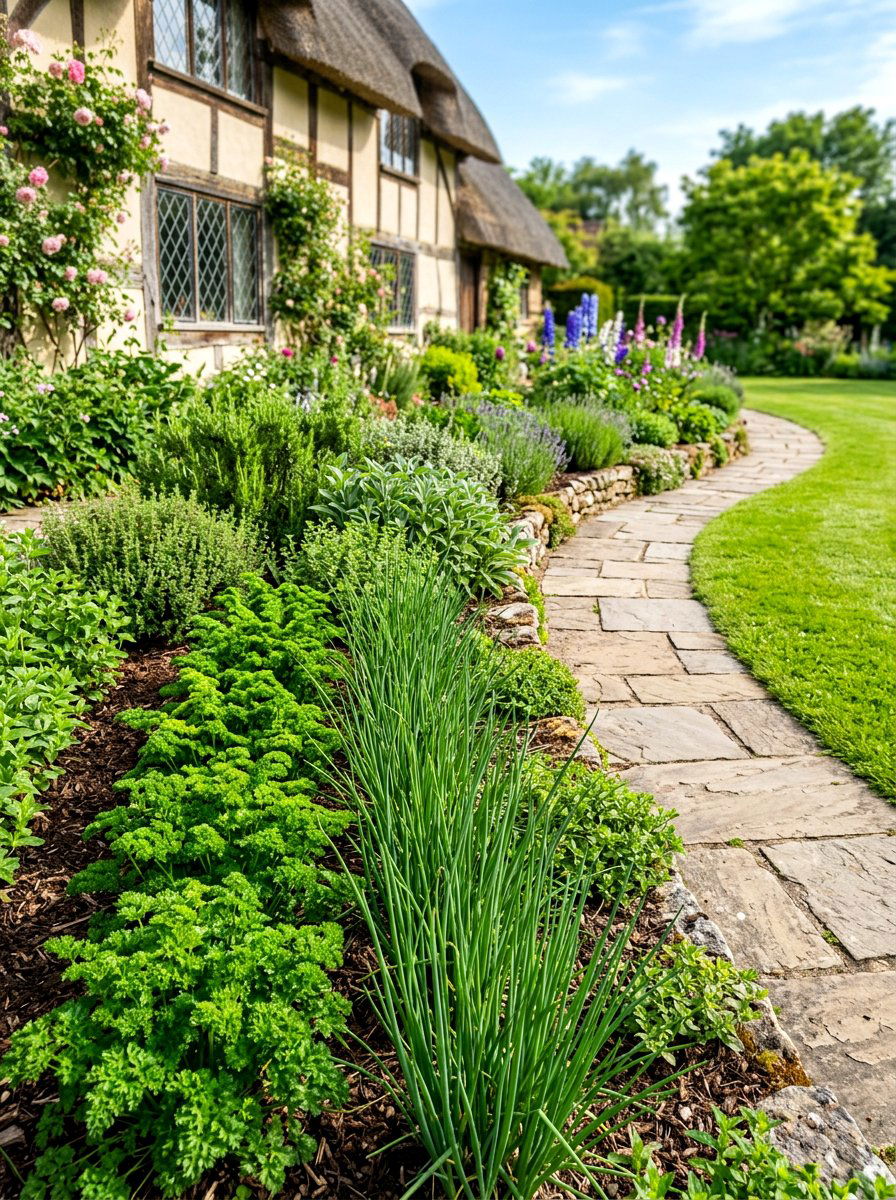
Planting a culinary border along the edges of your walkways or flower beds integrates herbs directly into your existing landscape. Herbs like chives, curly parsley, and low-growing thyme make excellent edging plants that look neat and tidy. Every time you walk past, the gentle brushing against the leaves releases a wonderful aroma that fills the air. This design approach blurs the line between ornamental gardening and food production. It is a great way to maximize space without needing a dedicated separate garden plot. The variety of leaf shapes and colors adds a unique visual texture to your traditional flower garden.
6. Medicinal Herb Corner
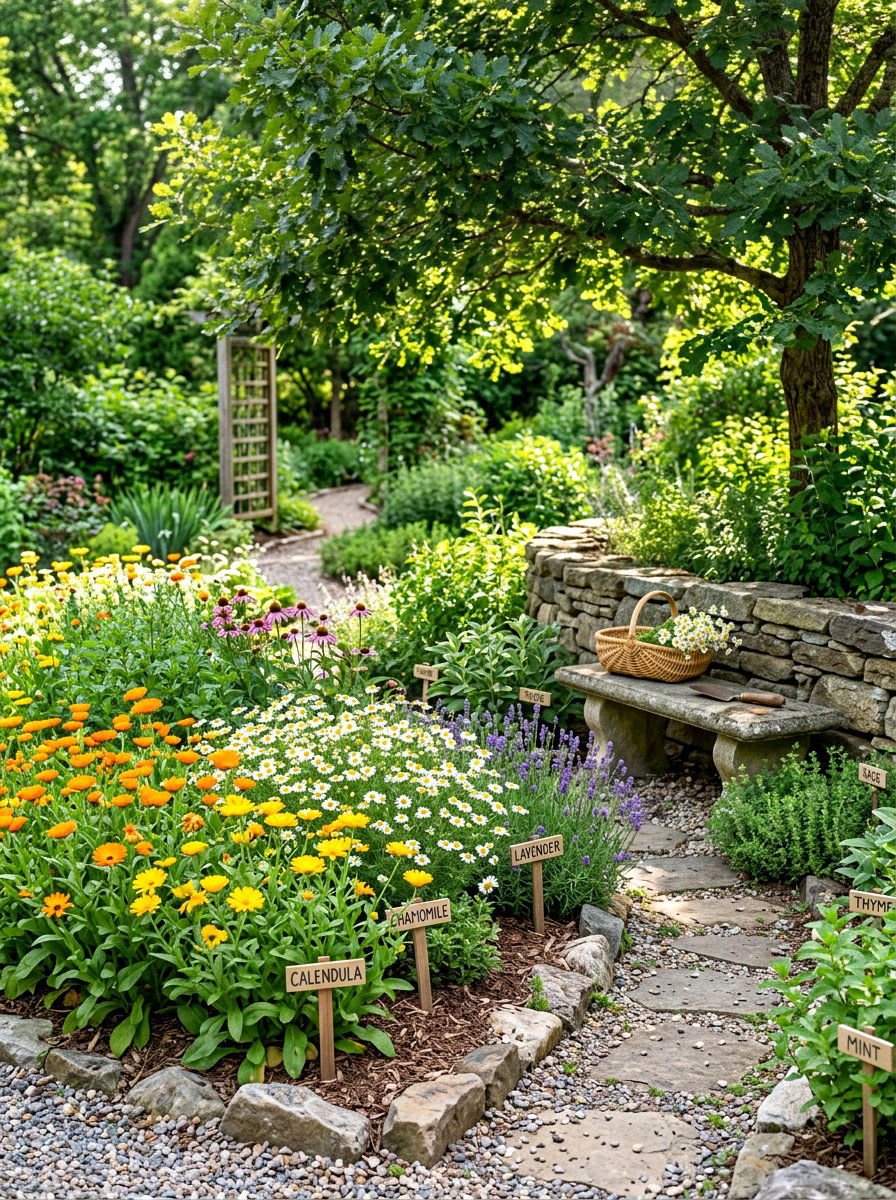
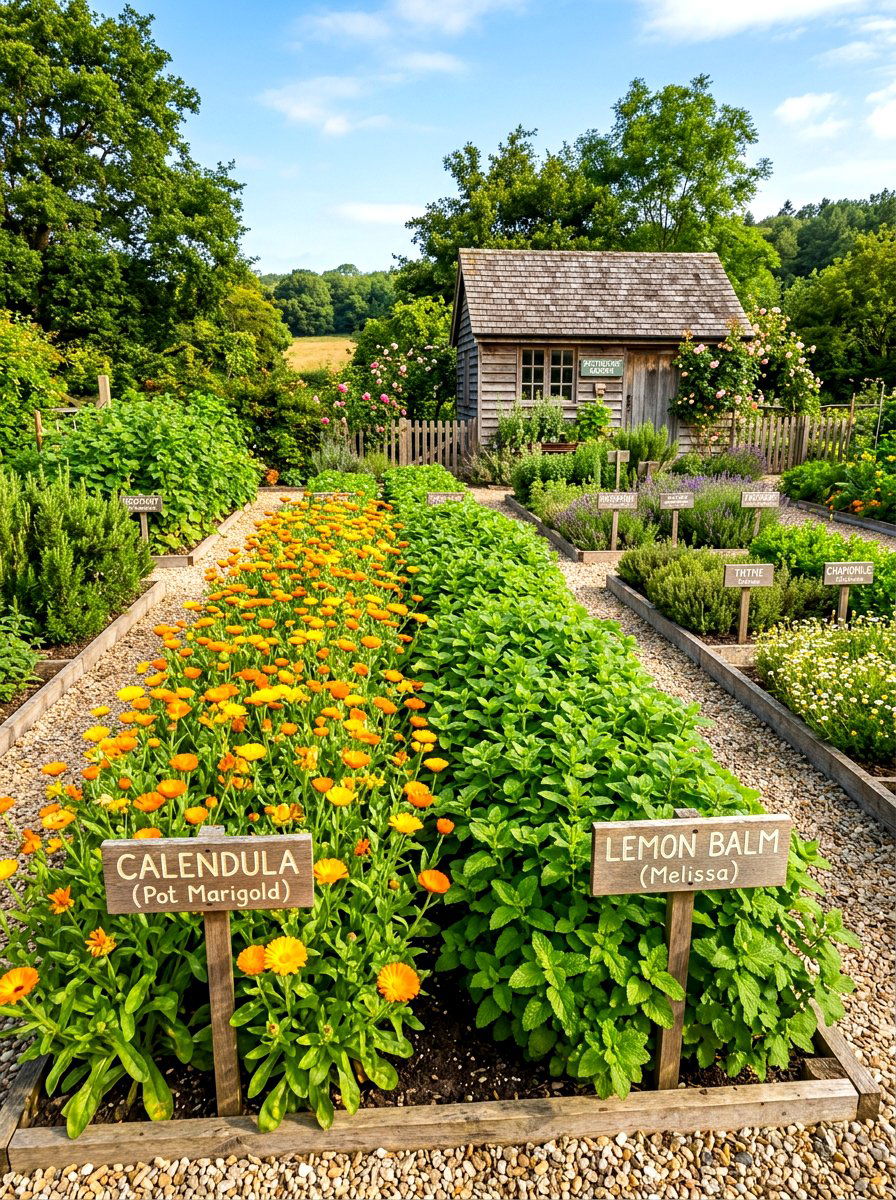
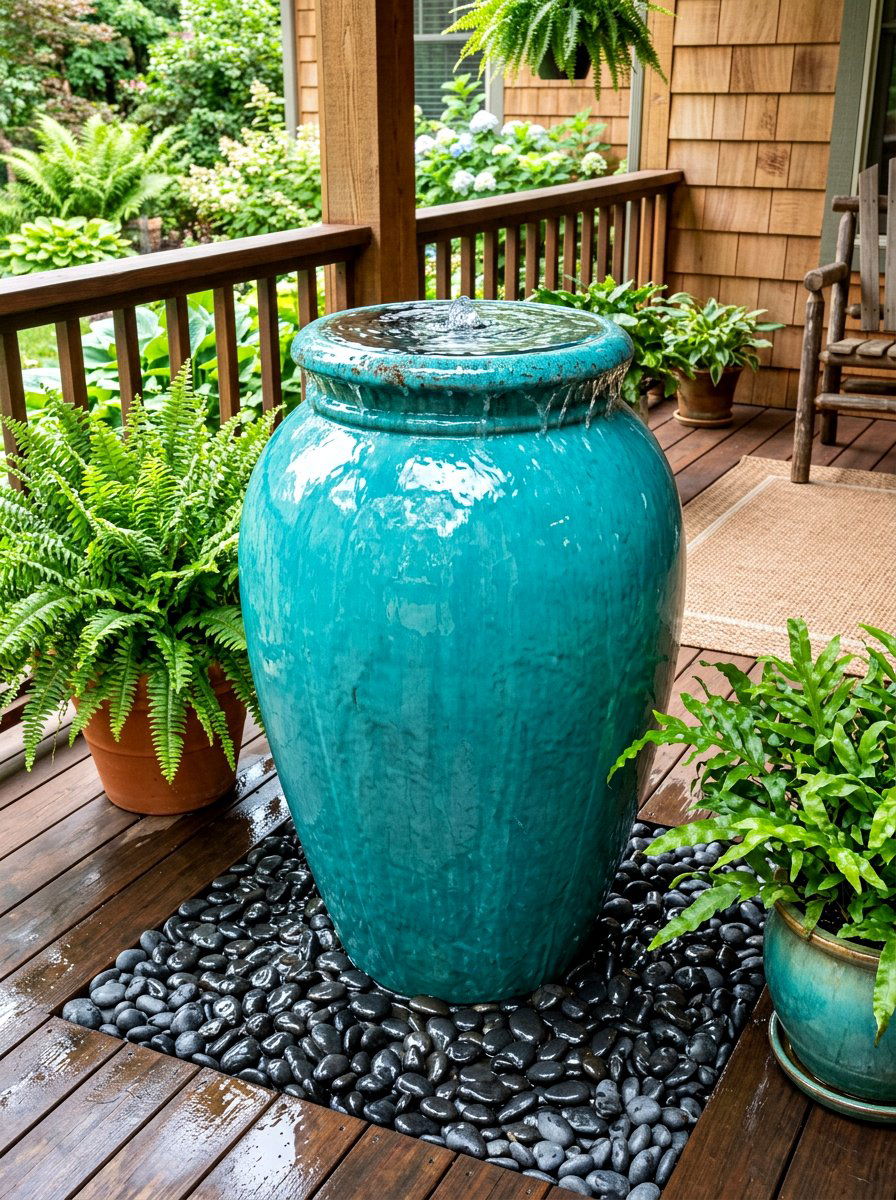
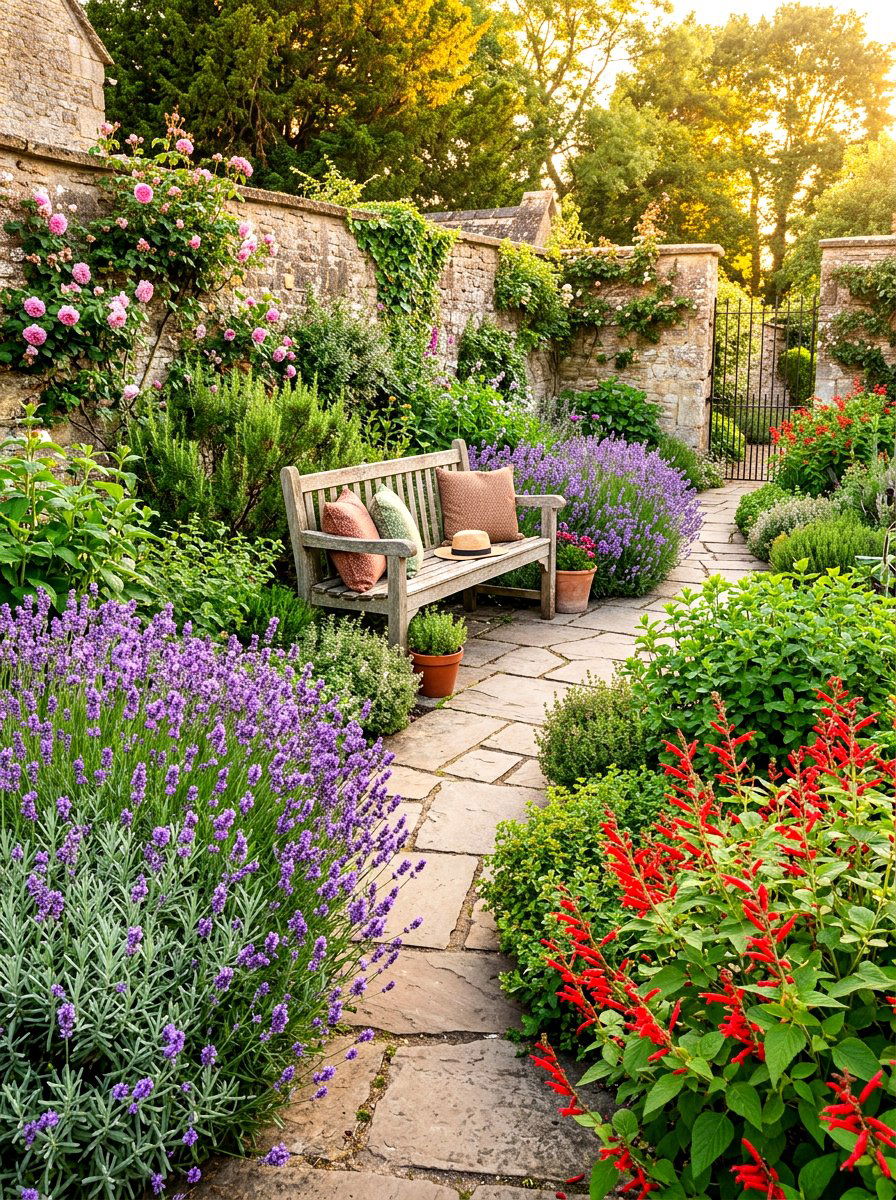
A medicinal herb corner focuses on plants known for their healing properties, such as calendula, lemon balm, and chamomile. Tucked away in a quiet part of the yard, this area serves as a peaceful retreat for relaxation and wellness. You can include a small stone bench or a decorative water feature to enhance the tranquil atmosphere. These plants often produce beautiful flowers that attract beneficial pollinators, adding life and movement to your backyard. Designing this space with soft colors and soothing scents creates a sensory experience that promotes mindfulness. It is a deeply rewarding way to use a forgotten corner of your landscape.
7. Window Box Garden
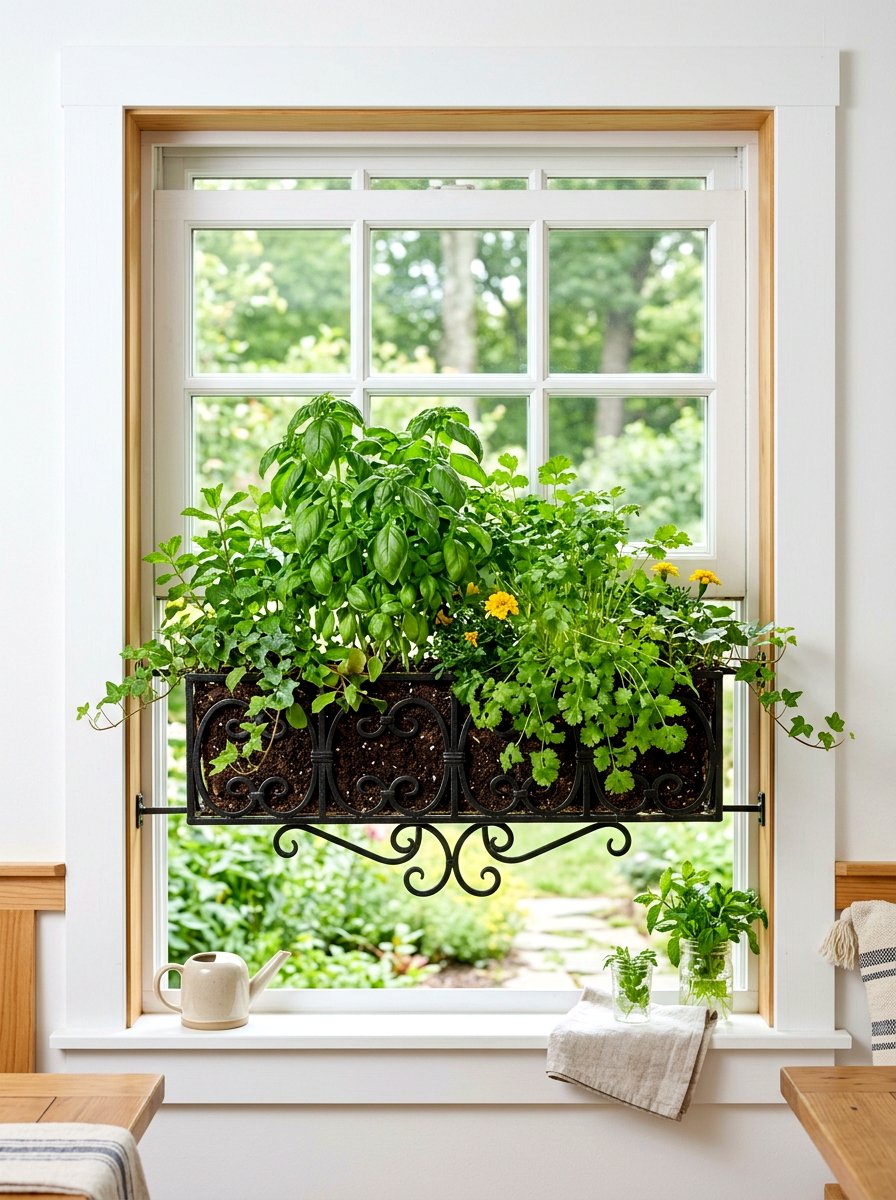
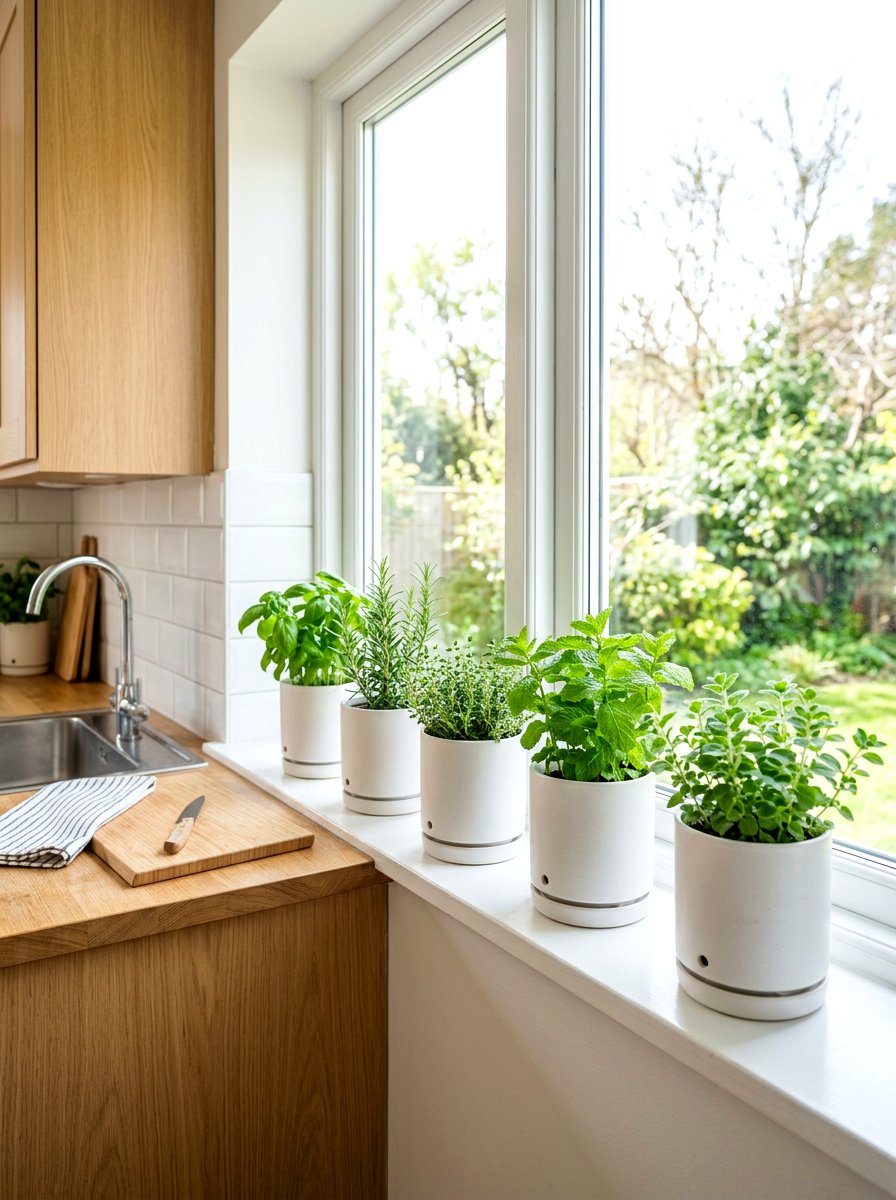
Window boxes are a classic and charming way to keep fresh herbs right outside your kitchen window for instant access. These compact containers are perfect for small-scale growing of staples like basil, oregano, and chives. They add a splash of green to your home’s exterior and can be easily changed out with the seasons. Ensure the boxes are securely attached and have proper drainage to prevent root rot in your plants. This design is ideal for those who love to cook and want their ingredients within arm’s reach. It brings the garden closer to your daily life in a very practical way.
8. Hanging Herb Basket
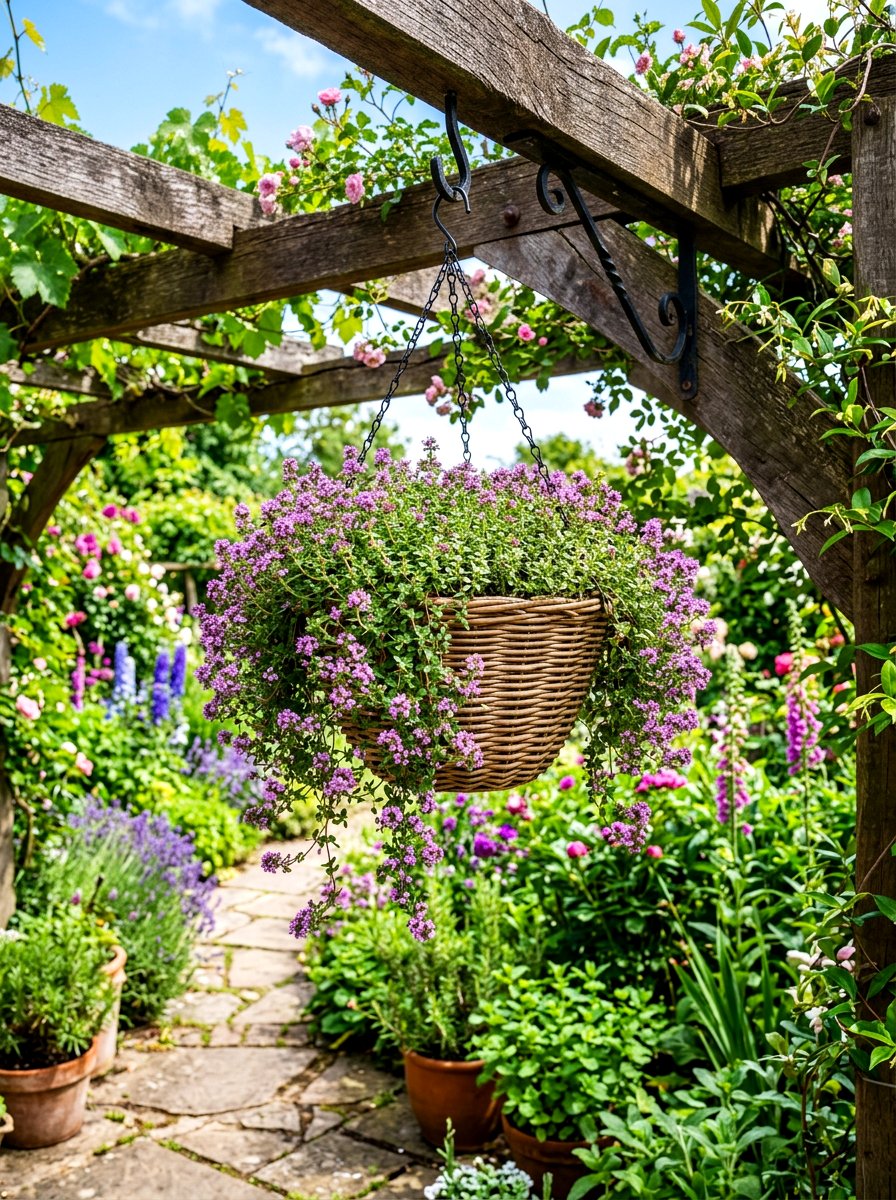
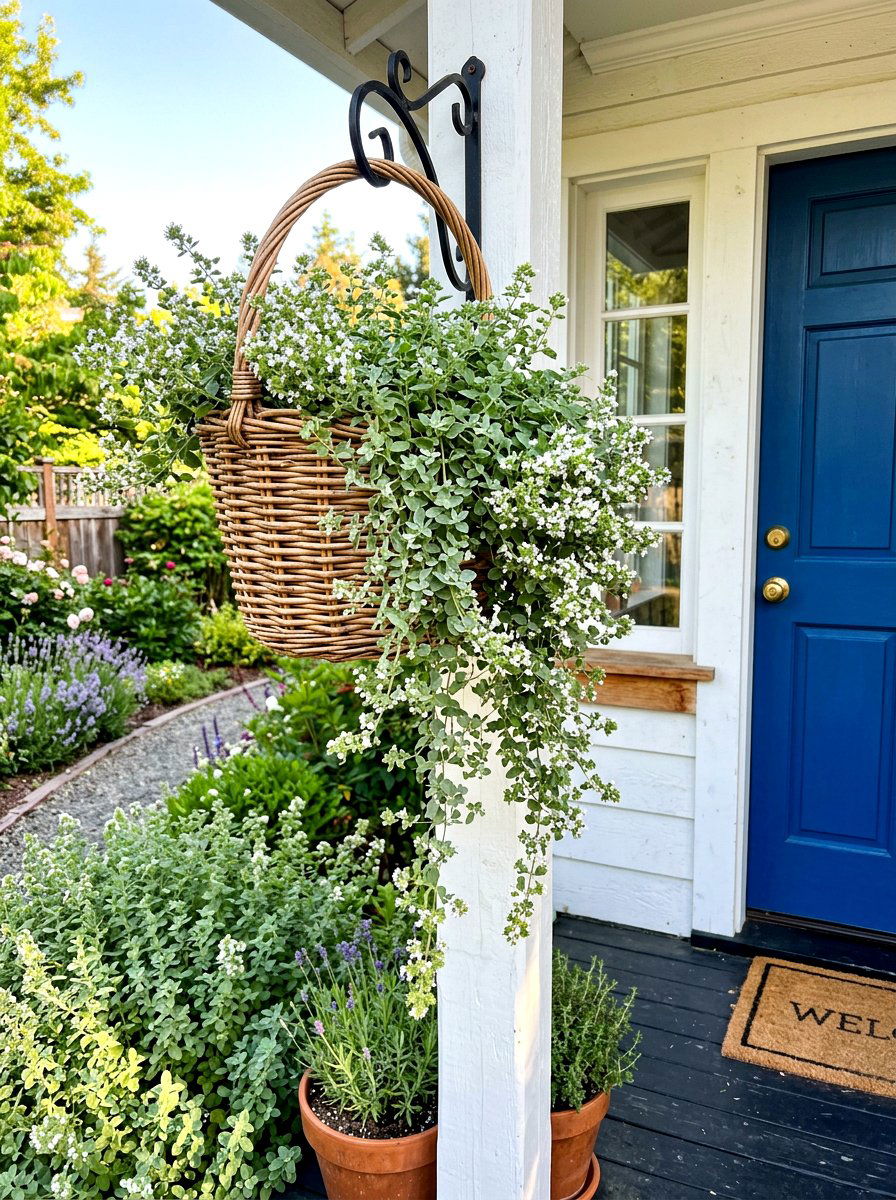
Hanging baskets filled with trailing herbs like creeping thyme or nasturtiums add a beautiful vertical dimension to your porch or pergola. These suspended gardens utilize overhead space and create a lush, cascading effect that is visually stunning. They are easy to maintain and keep your herbs safe from ground-dwelling pests. You can hang them at different heights to create a dynamic and interesting display in your outdoor living area. Regular watering is essential as hanging baskets tend to dry out faster than traditional garden beds. This design brings a touch of whimsy and elegance to any backyard seating area or covered patio.
9. Tiered Wood Stand
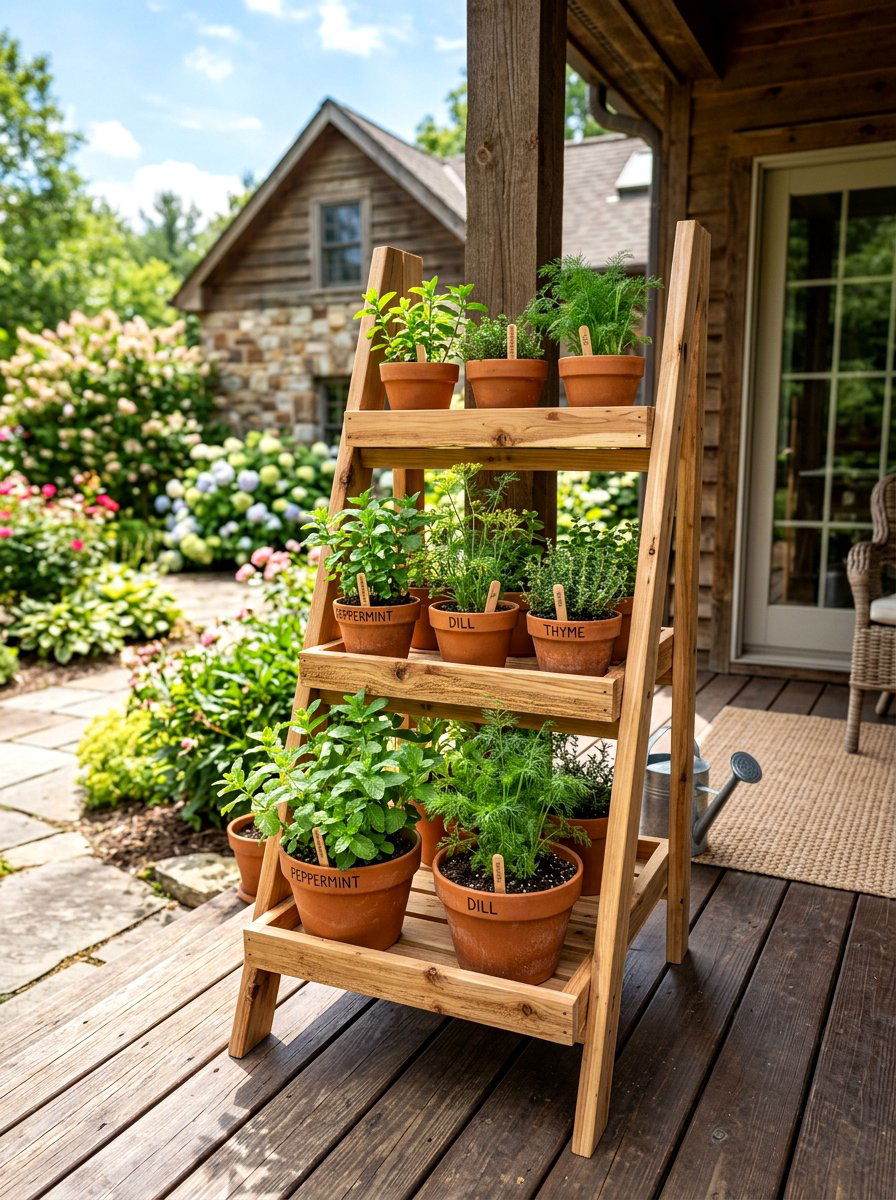
A tiered wooden stand is an excellent way to display a large collection of herbs in a compact and organized manner. The vertical layers allow you to grow more plants without taking up much floor space on your deck or patio. This design provides excellent air circulation and ensures each plant receives adequate sunlight. You can easily categorize your herbs by use, such as tea herbs on the top and savory cooking herbs on the bottom. It acts as a beautiful piece of garden furniture that enhances the overall look of your outdoor space. It is a great DIY project for a weekend.
10. Pallet Herb Garden
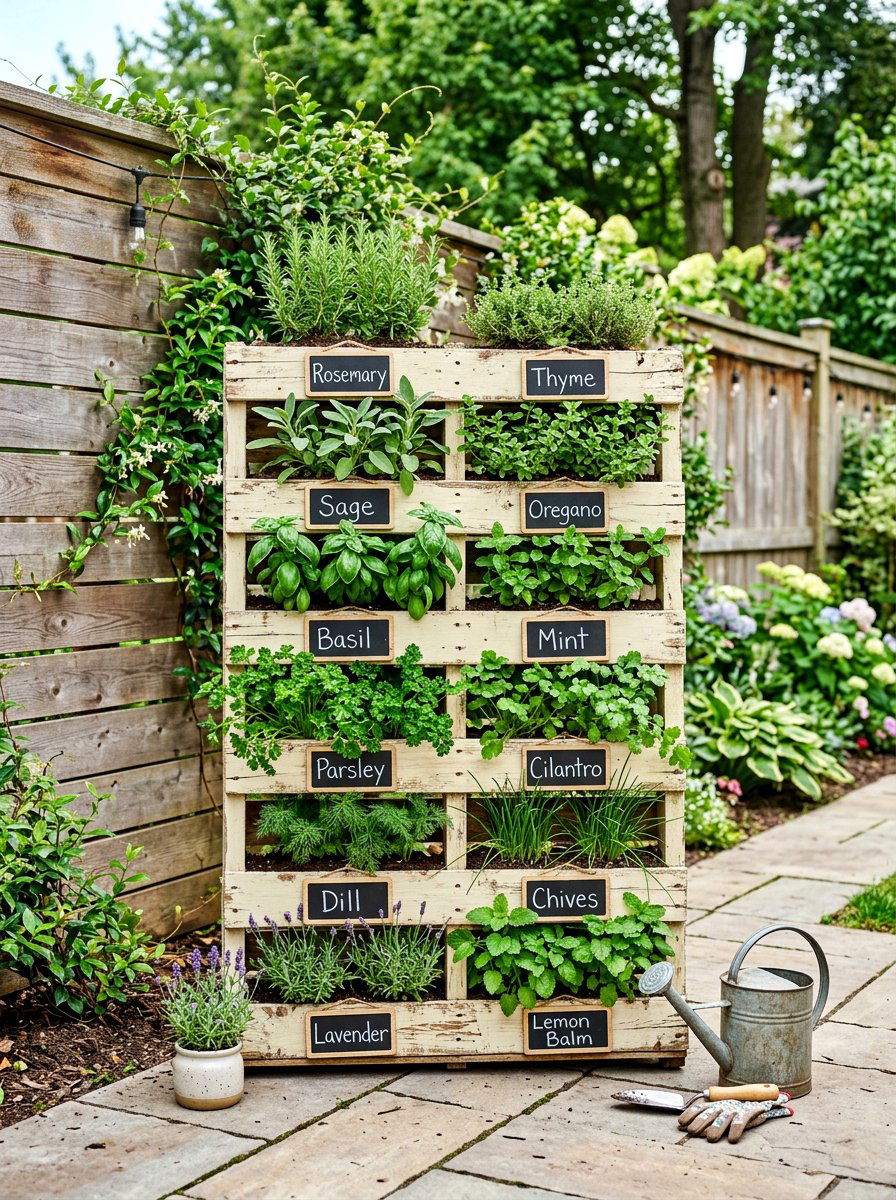
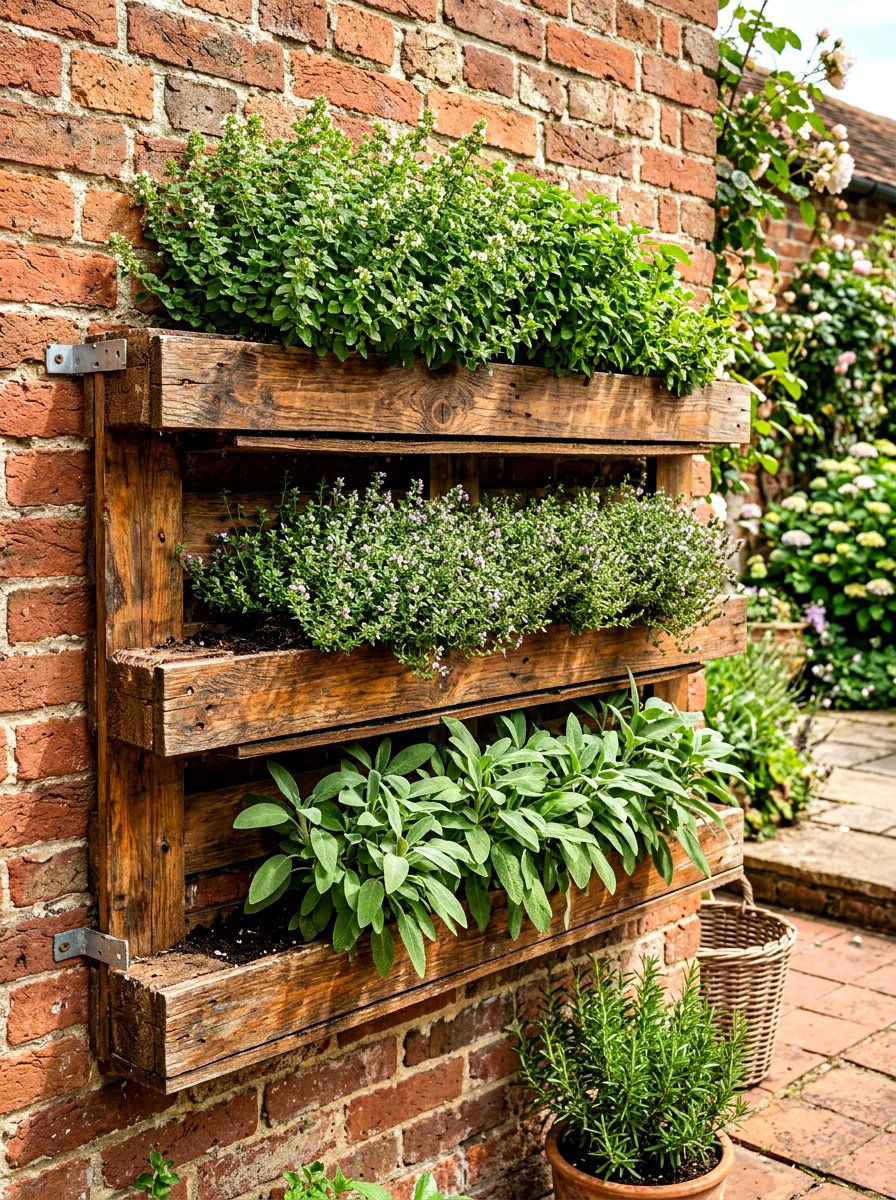
Upcycling a wooden pallet into a vertical garden is a budget-friendly and rustic way to grow your own herbs. By attaching landscape fabric to the back and filling the slats with soil, you create a space-saving planter. This design is perfect for leaning against a fence or mounting on a sturdy wall. It has a charming, farmhouse aesthetic that works well in many backyard styles. You can paint or stain the pallet to match your decor for a more polished look. It is an incredibly sustainable way to garden while adding a lot of character to your outdoor environment.
11. Flagstone Path Herb Edging
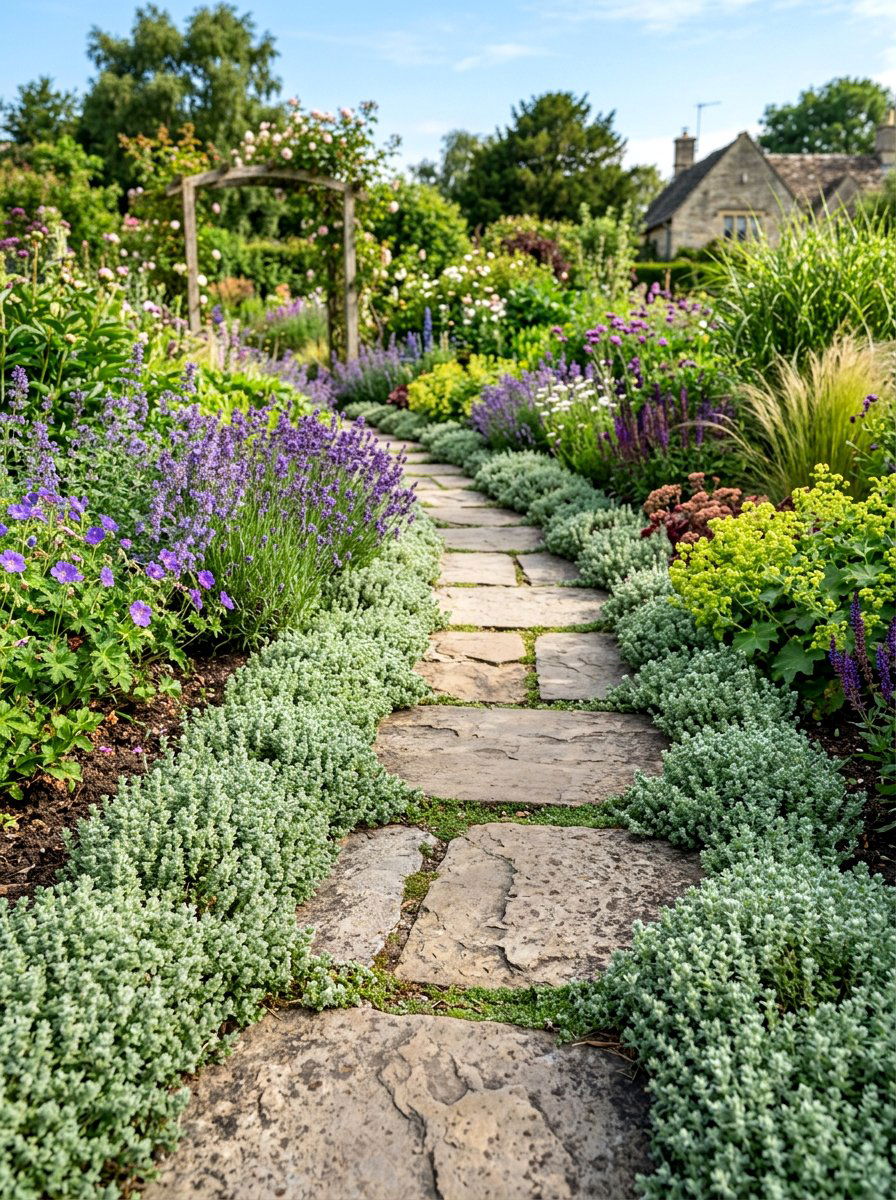
Using herbs to edge a flagstone path creates a sensory walking experience that is truly magical. Creeping varieties like woolly thyme or chamomile can be planted in the crevices between stones or along the borders. These hardy plants can withstand occasional foot traffic and will release a refreshing scent when stepped upon. This design softens the hard edges of the stone and integrates the pathway into the surrounding greenery. It is a beautiful way to add detail and interest to your backyard navigation. The low-maintenance nature of these herbs makes them perfect for busy homeowners who still want a beautiful garden.
12. Mediterranean Rock Garden
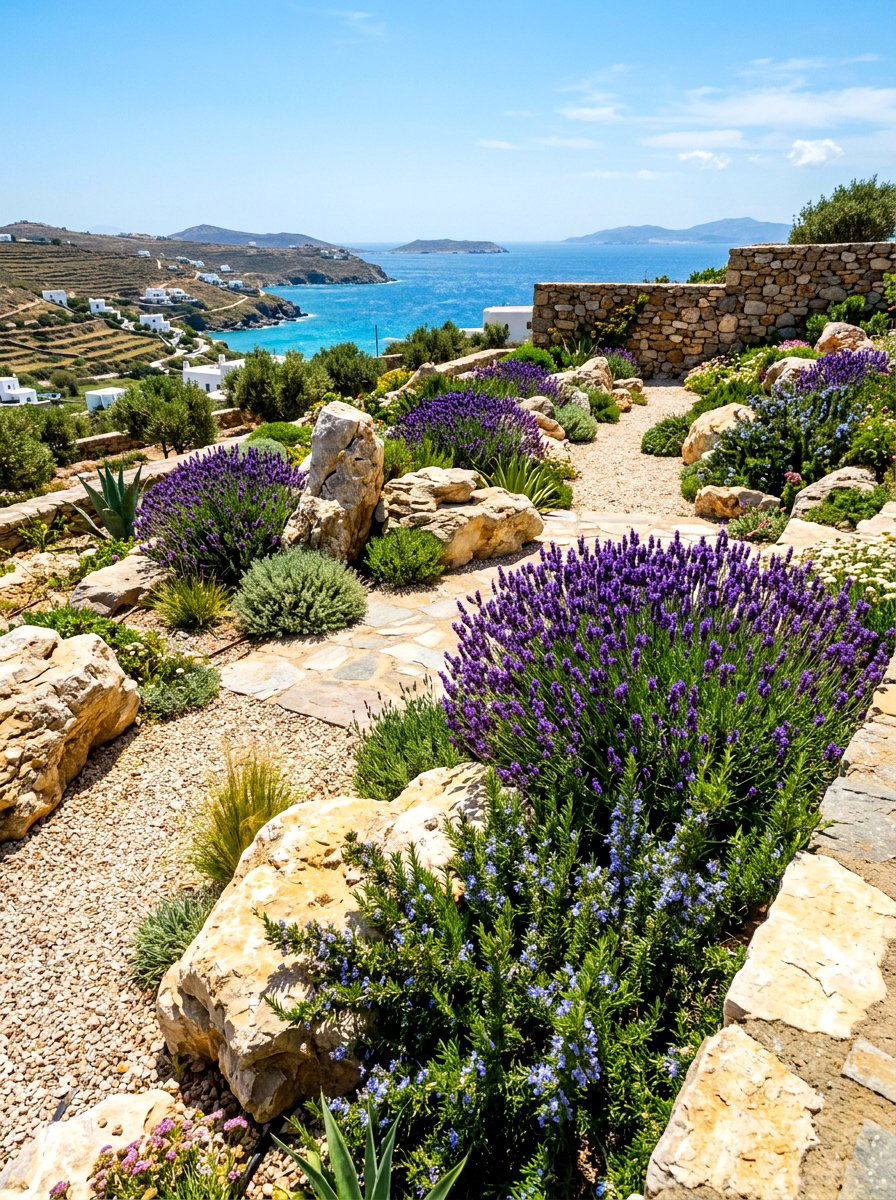
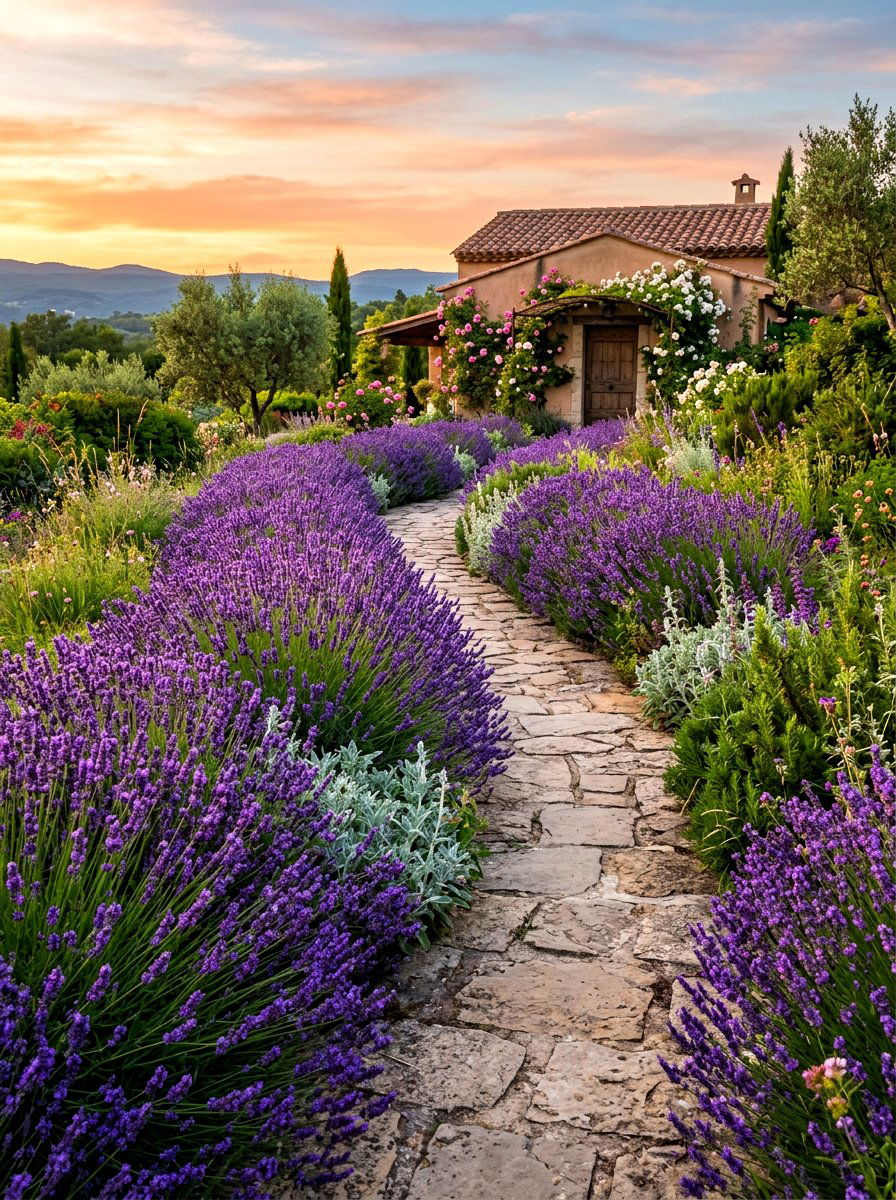
A Mediterranean rock garden is ideal for sun-drenched backyards with well-draining soil. Herbs like lavender, rosemary, and oregano thrive in these hot, dry conditions. By using large rocks and gravel mulch, you mimic the natural rocky landscapes where these plants originate. This design is not only water-wise but also incredibly beautiful with its silvery foliage and purple blooms. It creates a rugged, natural look that requires very little maintenance once established. The heat reflected off the rocks helps the herbs produce more essential oils, making them even more fragrant and flavorful for your cooking and crafting needs.
13. Outdoor Herb Bar
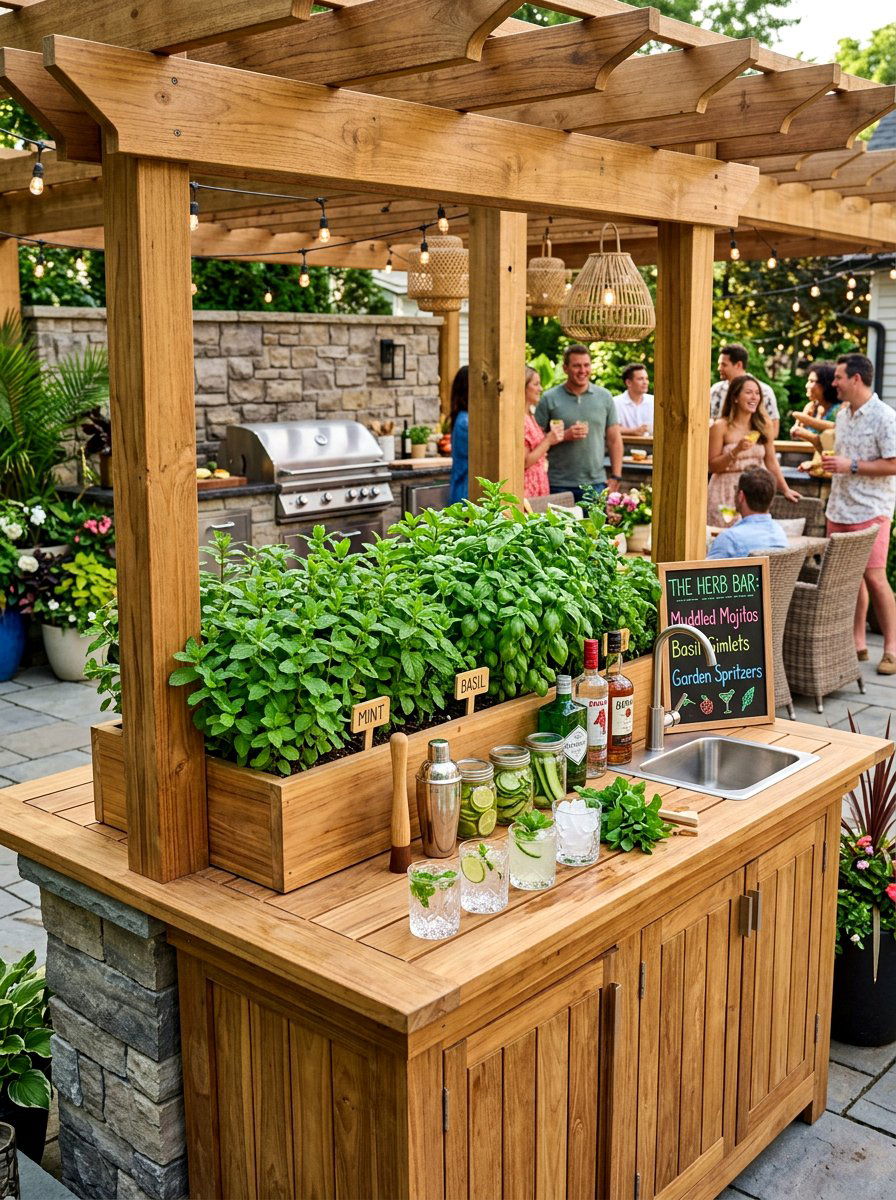
An outdoor herb bar is a clever design that integrates fresh garnishes directly into your entertainment or barbecue area. You can build a narrow planter box directly into a wooden counter or place a series of pots along a bar ledge. This allows guests to pick their own fresh mint for mojitos or rosemary for grilled meats. It creates an interactive and fun atmosphere during summer gatherings and parties. This functional setup ensures that your most aromatic herbs are always where the action is happening. It is a stylish addition that combines outdoor living with a love for fresh, local ingredients.
14. Formal Knot Garden
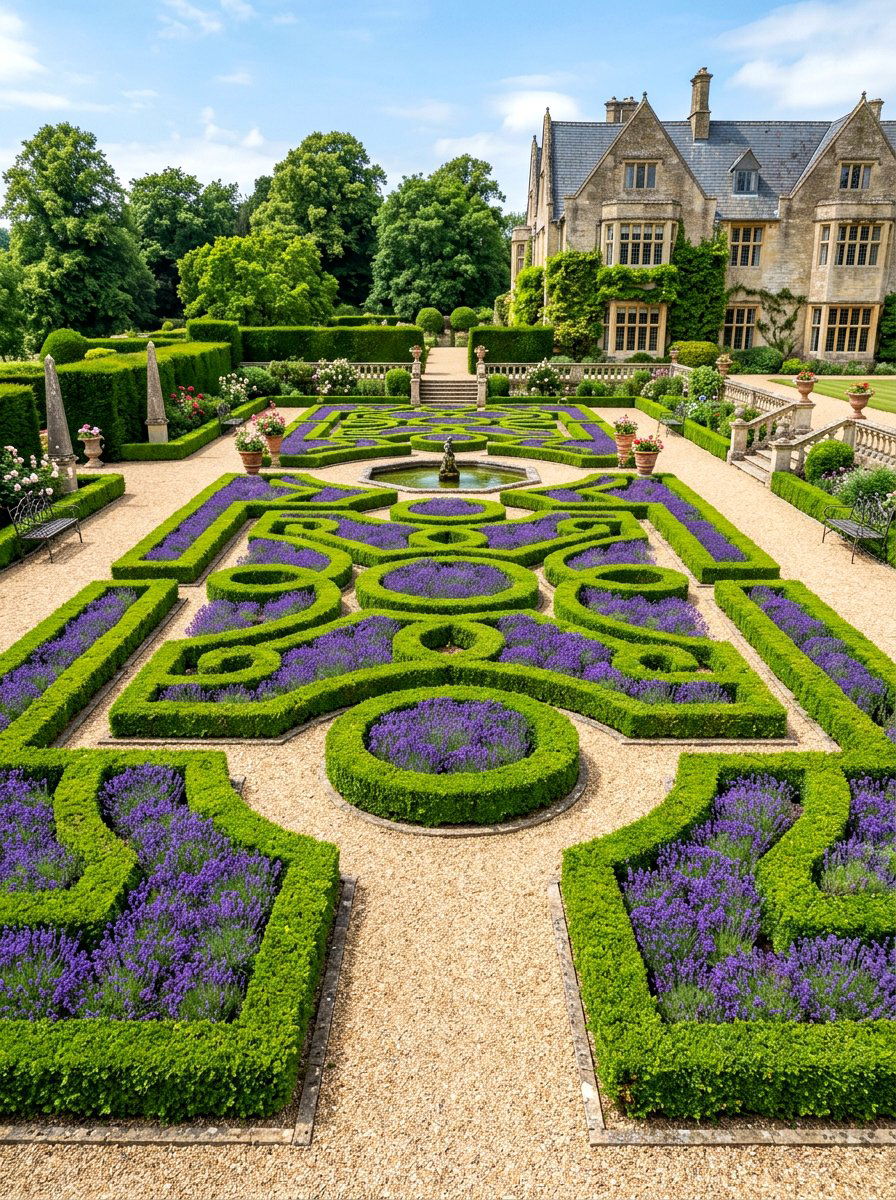
A formal knot garden uses herbs like boxwood, hyssop, and lavender to create intricate, interlocking patterns. This classic European design brings a sense of order and historical elegance to your backyard. The low, clipped hedges define geometric shapes that can be filled with colorful flowering herbs or decorative gravel. It requires more maintenance to keep the lines sharp, but the visual reward is absolutely spectacular. This type of garden serves as a sophisticated focal point and looks beautiful throughout all seasons. It is perfect for those who appreciate symmetry and traditional landscape architecture in their private outdoor spaces.
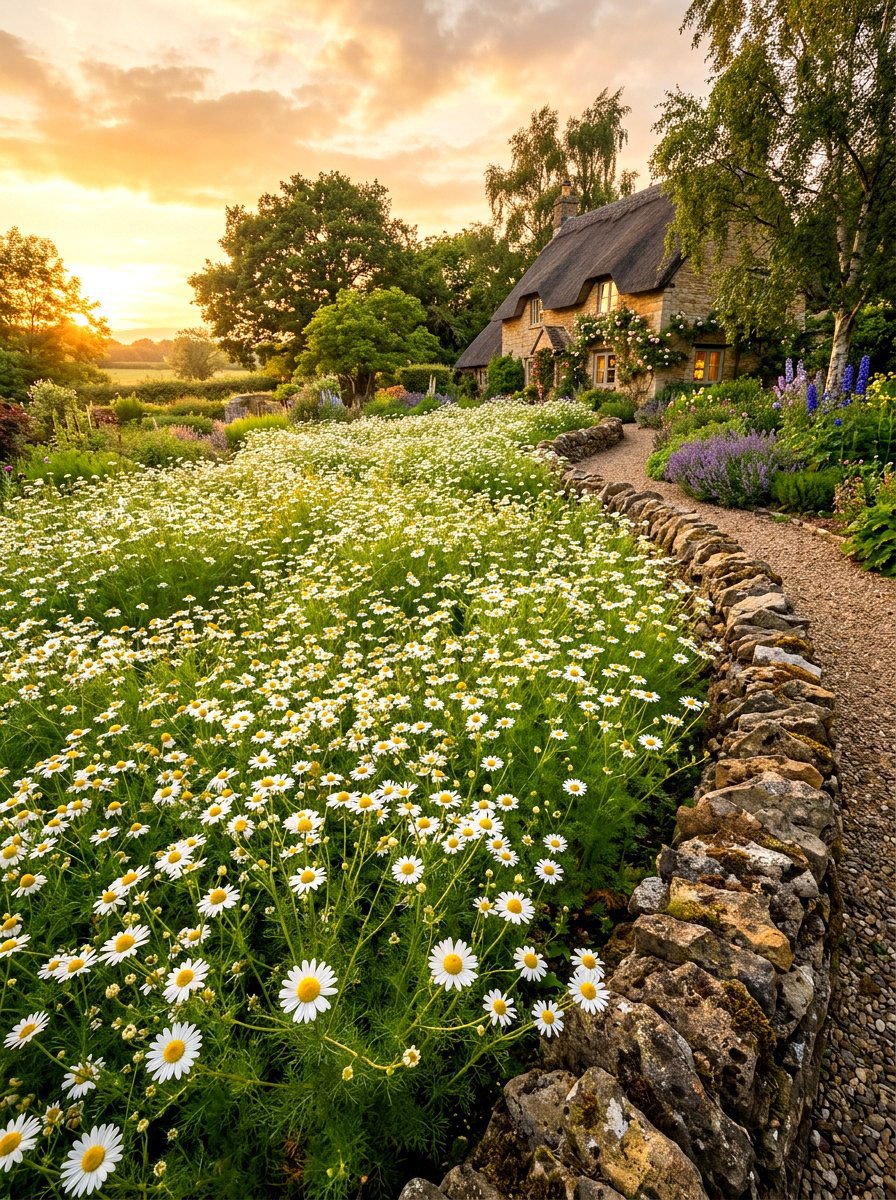
15. Perennial Herb Bed
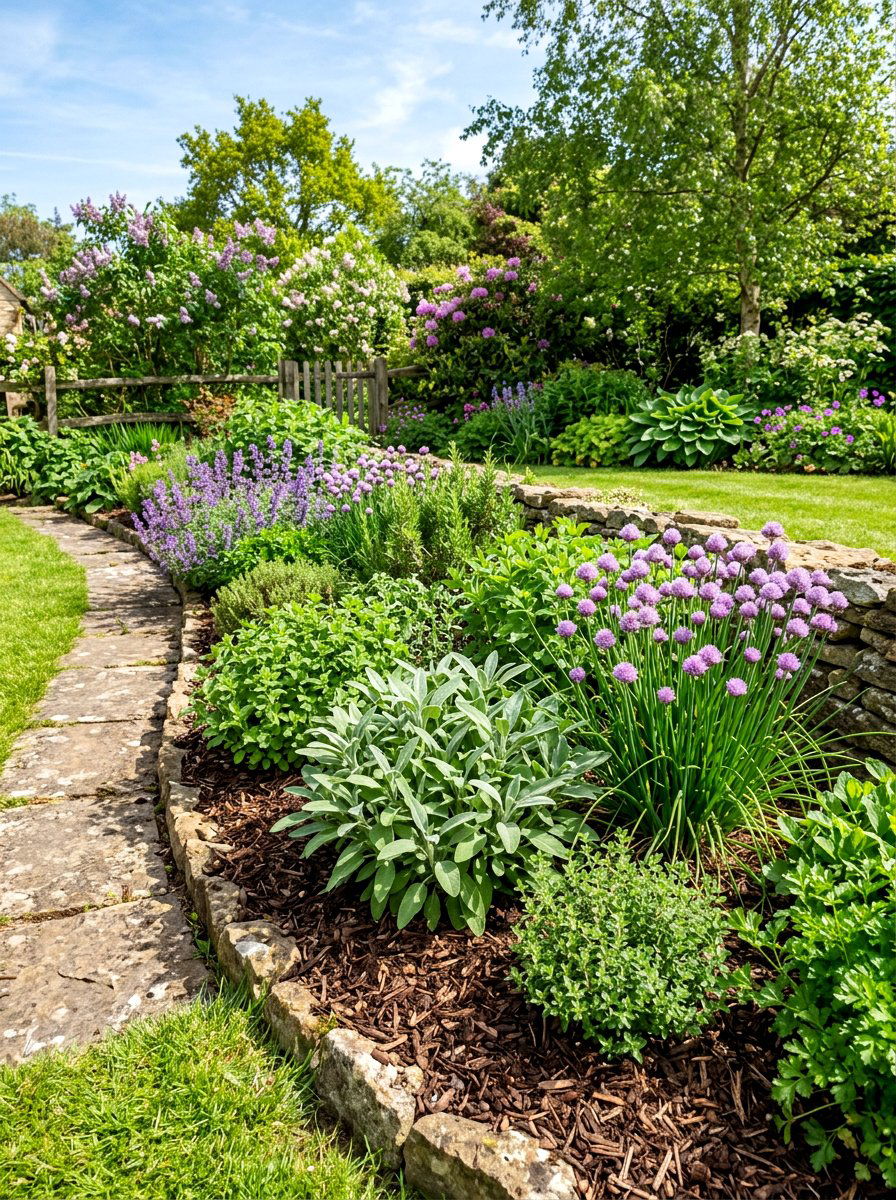
A perennial herb bed is a long-term investment that provides a reliable harvest year after year. Plants like sage, thyme, and chives return every spring, becoming larger and more productive over time. This design focuses on building healthy soil and choosing hardy varieties that are well-suited to your local climate. You can arrange them by height and color to create a lush, perennial border that anchors your backyard landscape. These established plants are often more drought-tolerant and resistant to pests than annual varieties. It is a sustainable way to enjoy a continuous supply of fresh herbs with very little recurring effort.
16. Sensory Herb Path
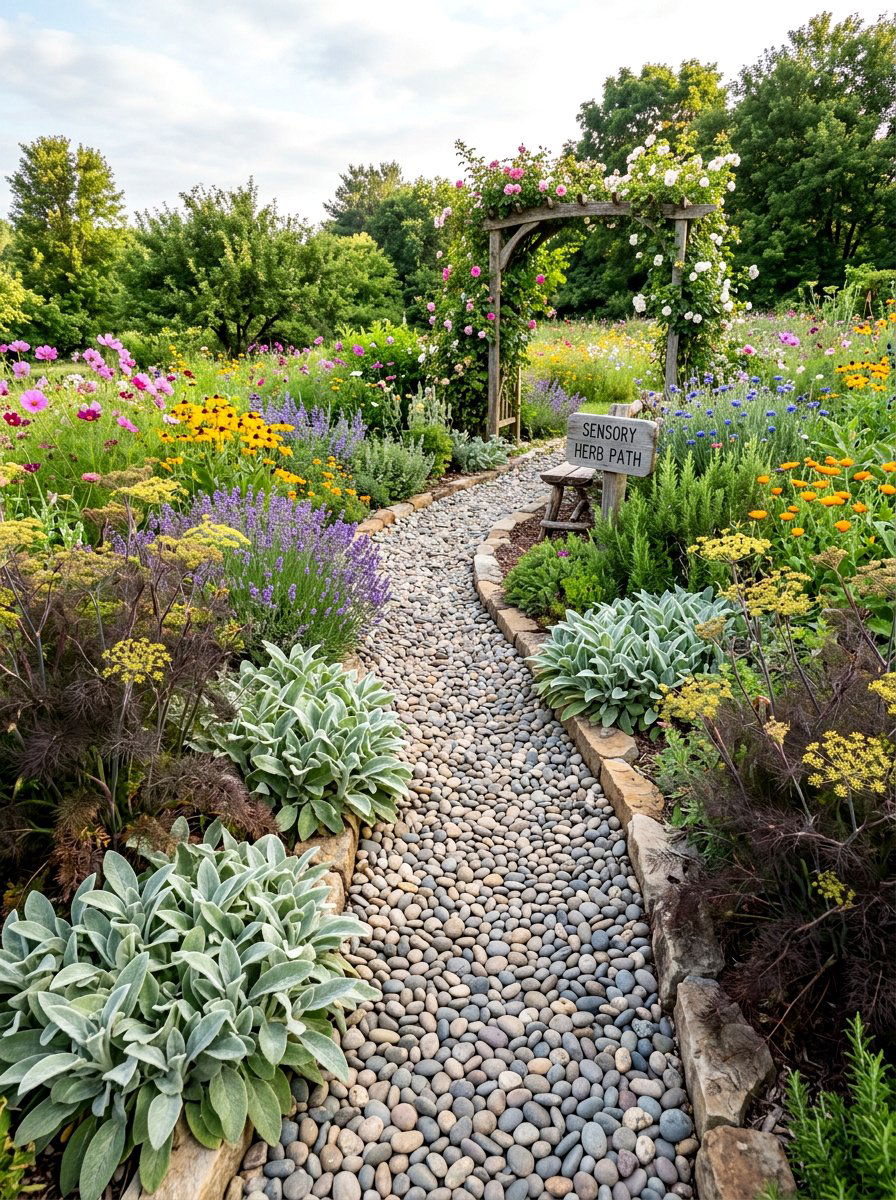
A sensory path is designed to engage all five senses through a variety of textures, scents, and colors. You can mix soft, velvety lamb’s ear with feathery bronze fennel and bright, flowering lavender. This winding walkway encourages visitors to slow down and interact with the plants as they move through the garden. It is an excellent feature for families with children or anyone looking for a more immersive outdoor experience. The combination of different foliage types creates a rich visual tapestry that changes with the light. This design transforms a simple transition area into a meaningful and restorative journey through your backyard oasis.
17. Tree Underplanting Garden
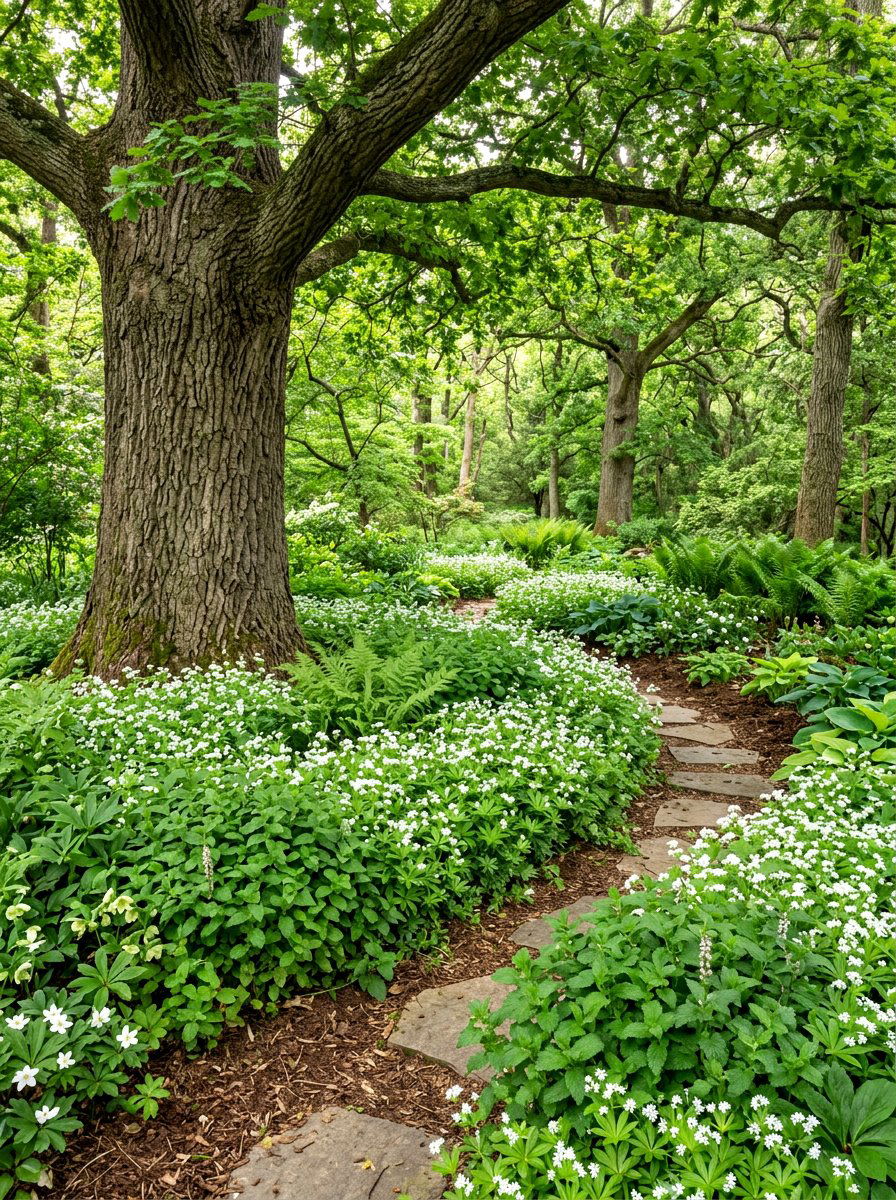
Underplanting large trees with shade-tolerant herbs is a great way to utilize often-wasted space in your backyard. Herbs like mint, lemon balm, and sweet woodruff can thrive in the dappled light found beneath a canopy. This design creates a lush, green carpet that suppresses weeds and helps retain moisture in the soil. It adds a layer of depth to your landscaping and makes the area under your trees look intentional and finished. Be sure to choose plants that won 't compete too aggressively with the tree' s roots for water and nutrients. It is a beautiful way to bring life to shady spots.
18. Tea Herb Garden
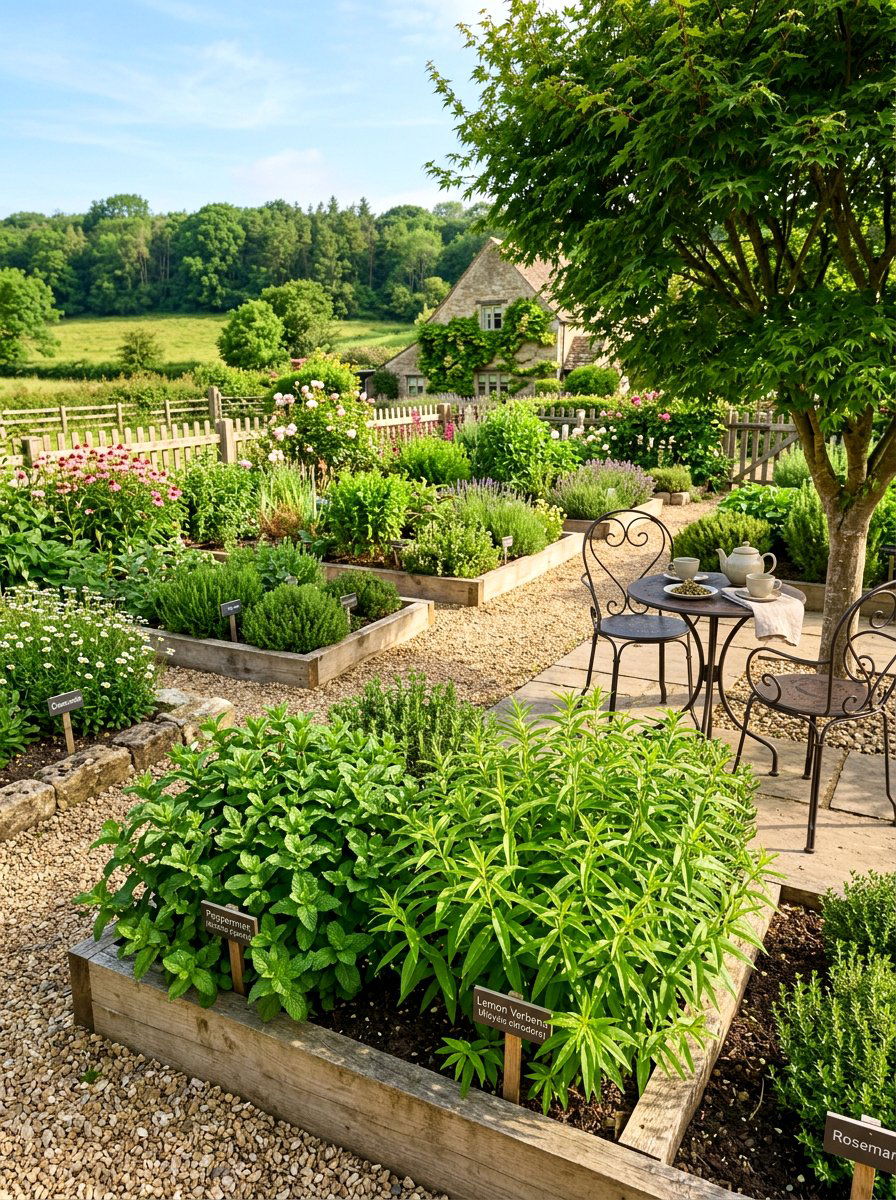
A tea garden focuses on plants that can be dried or used fresh to create delicious herbal infusions. Include varieties like peppermint, chamomile, lemon verbena, and anise hyssop for a diverse range of flavors. This specialized area can be designed with comfortable seating nearby so you can enjoy your harvest in peace. Using decorative labels and paths makes the garden feel organized and easy to navigate when you are looking for specific leaves. The flowers from many tea herbs are also edible and beautiful, adding a soft aesthetic to the backyard. It is a wonderful way to enjoy a personalized, homegrown beverage.
19. Gravel Garden Zone
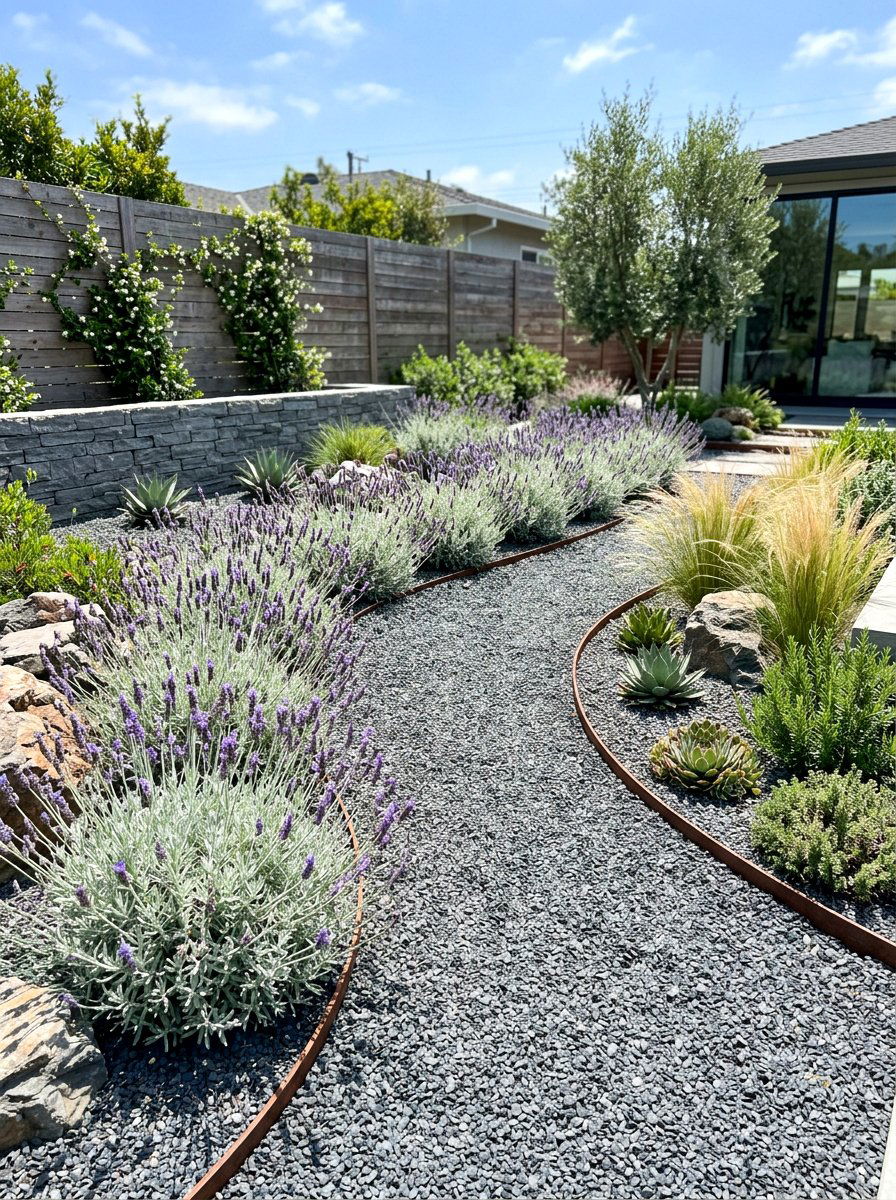
A gravel garden zone is a low-maintenance and modern way to grow drought-tolerant herbs like lavender and thyme. By using a thick layer of gravel as mulch, you improve drainage and suppress weeds while creating a clean, minimalist look. This design is perfect for hot, sunny areas where traditional grass might struggle to grow. The neutral tones of the stones highlight the vibrant greens and purples of the herbs. It creates a serene, Mediterranean-inspired atmosphere that feels open and airy. This approach is highly sustainable as it significantly reduces the need for frequent watering and heavy garden maintenance.
20. Metal Trough Planter
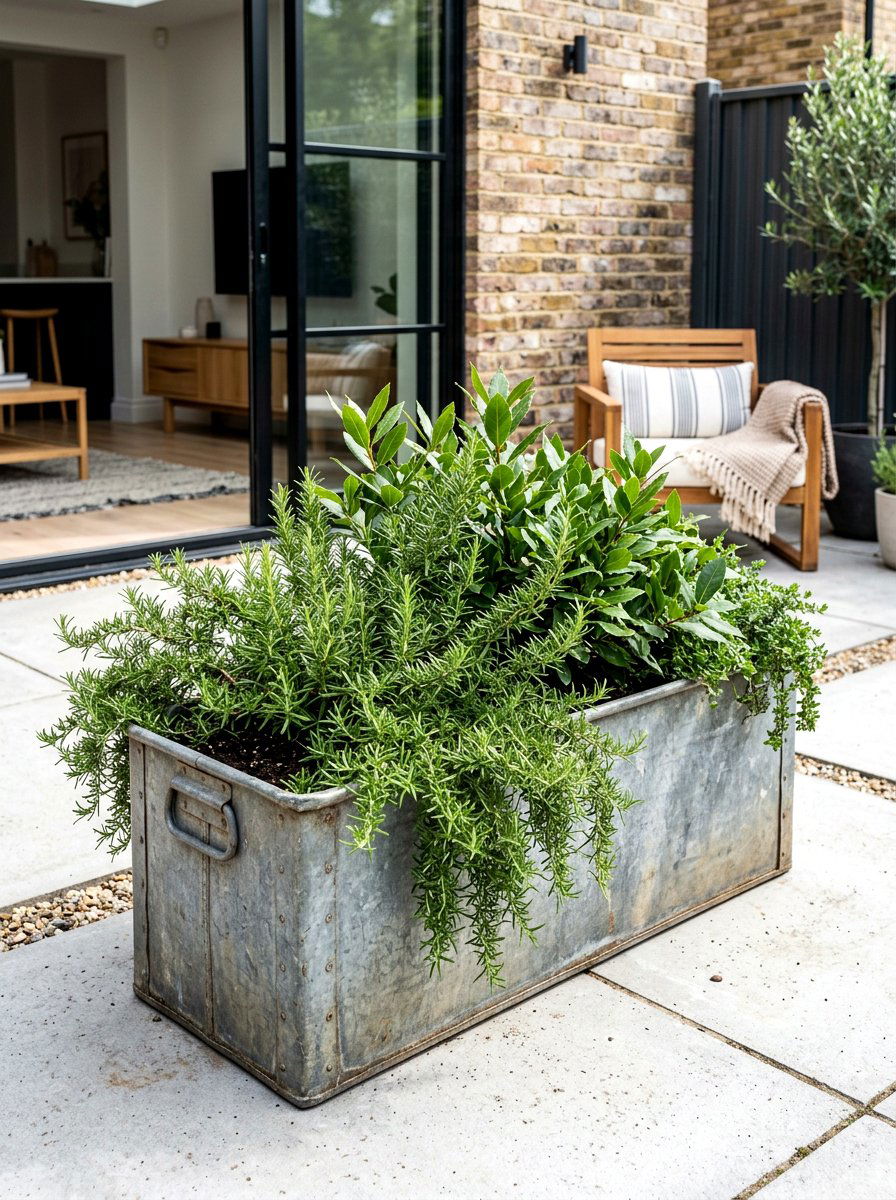
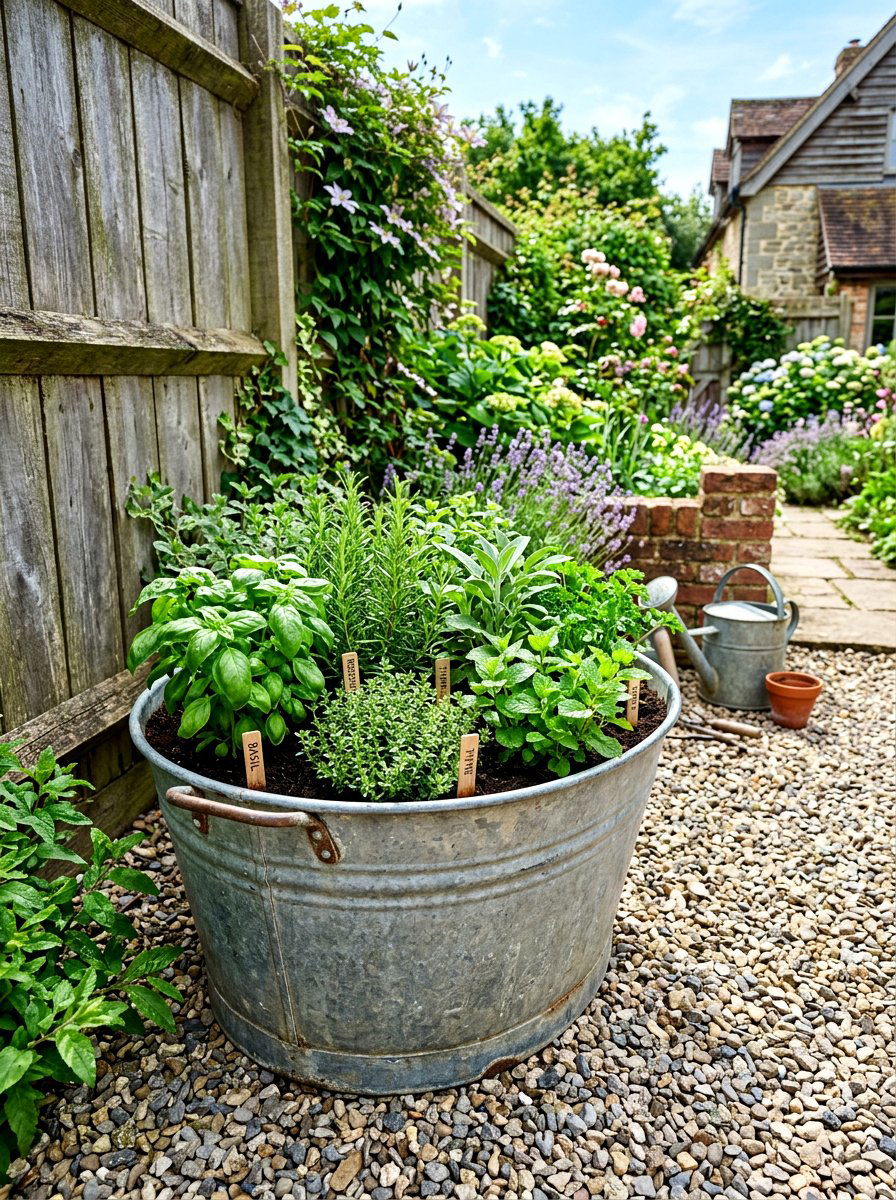
Using galvanized metal troughs as large planters adds an industrial-chic vibe to your backyard landscape. These durable containers are perfect for creating deep, portable herb gardens that can be placed anywhere on your lawn or patio. They offer plenty of space for larger herbs like rosemary and bay laurel to develop deep root systems. The metal provides a striking contrast against the soft textures of the plants, making them pop visually. Ensure you drill adequate drainage holes in the bottom to keep your herbs healthy. This design is a stylish and practical choice for creating a bold, modern statement in your garden.
21. Cottage Garden Border
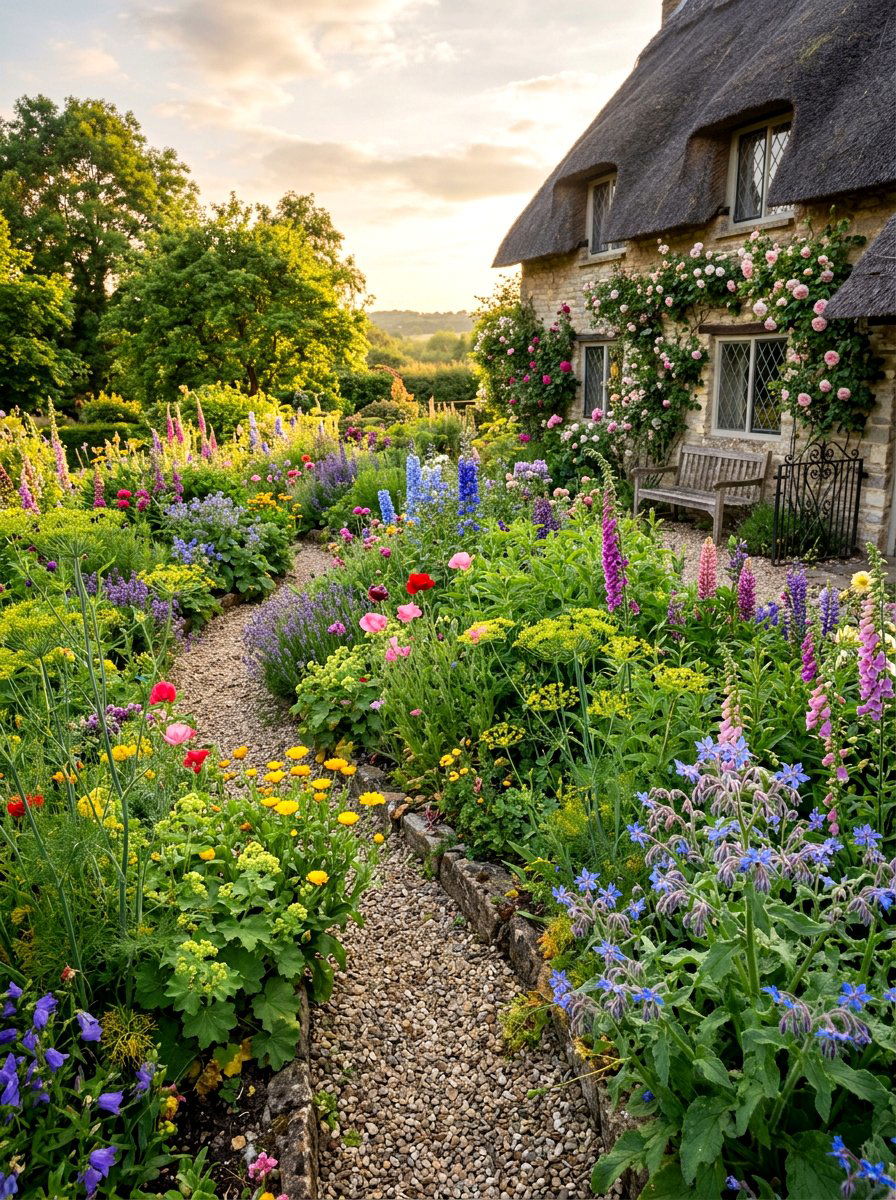
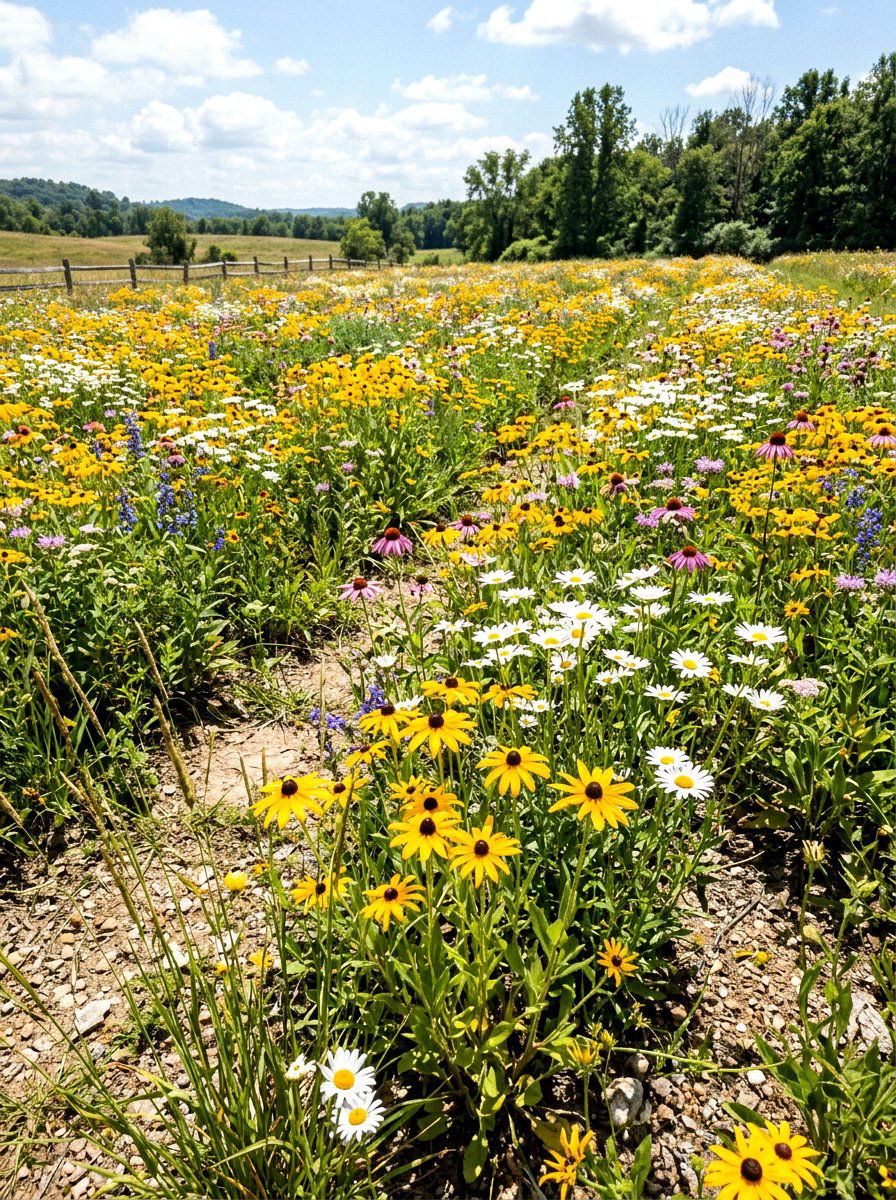
The cottage garden style is all about a romantic, overflowing mix of herbs, flowers, and vegetables. This informal design uses herbs like dill, fennel, and borage to add height and airy texture to the border. The goal is to create a lush, wild look that feels cozy and lived-in rather than strictly manicured. These borders are often filled with self-seeding plants that move around the garden over time, creating a dynamic and ever-changing display. It is a wonderful way to encourage biodiversity and attract a wide range of beneficial insects. This charming aesthetic brings a sense of nostalgia to any backyard.
22. Minimalist Herb Garden
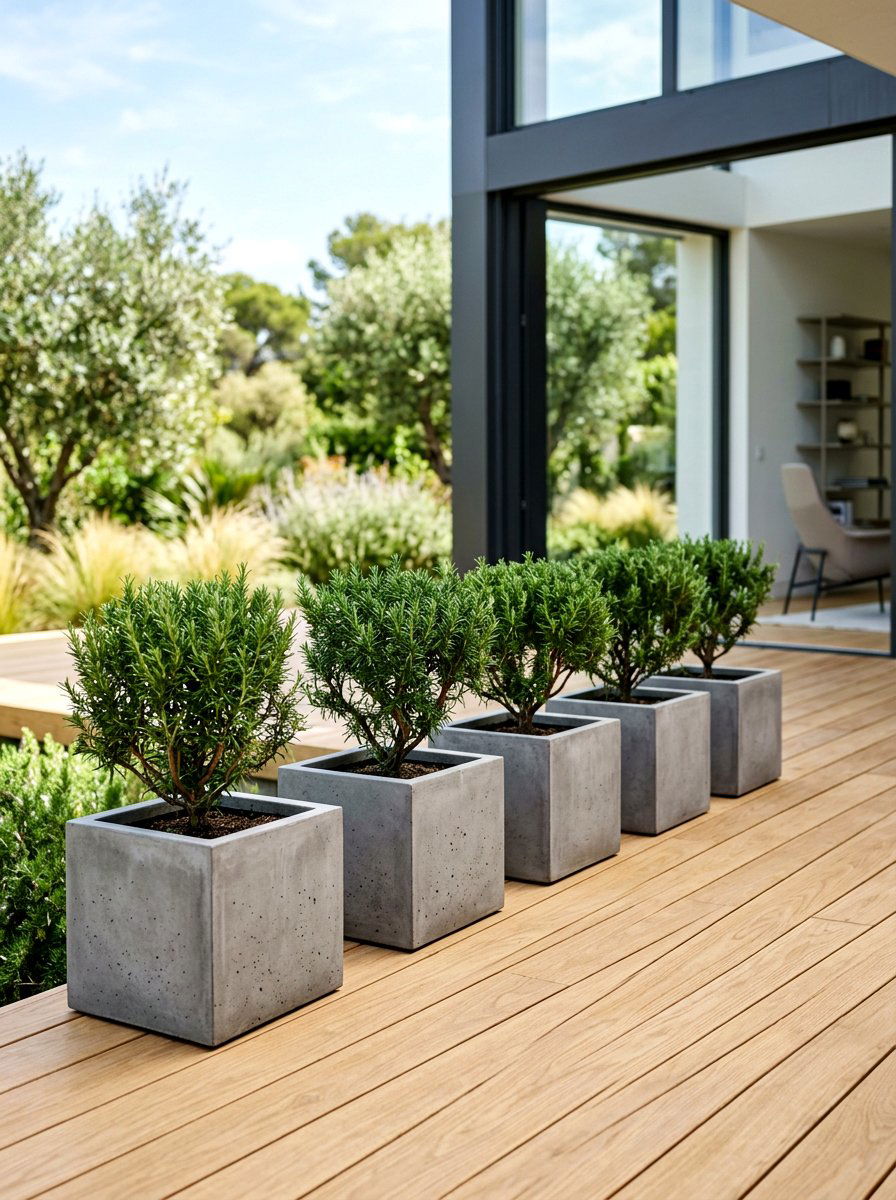
A minimalist herb garden focuses on clean lines, a limited color palette, and a sense of calm order. You can use identical modern pots or a single, long concrete planter to house your favorite herbs. This design is perfect for contemporary backyards where simplicity and architectural form are the main priorities. By choosing only a few key varieties, you create a sophisticated and uncluttered look that is very easy to manage. The focus is on the beauty of each individual plant and the quality of the materials used. It is an elegant way to incorporate greenery into a modern outdoor living space.
23. Stepped Brick Garden
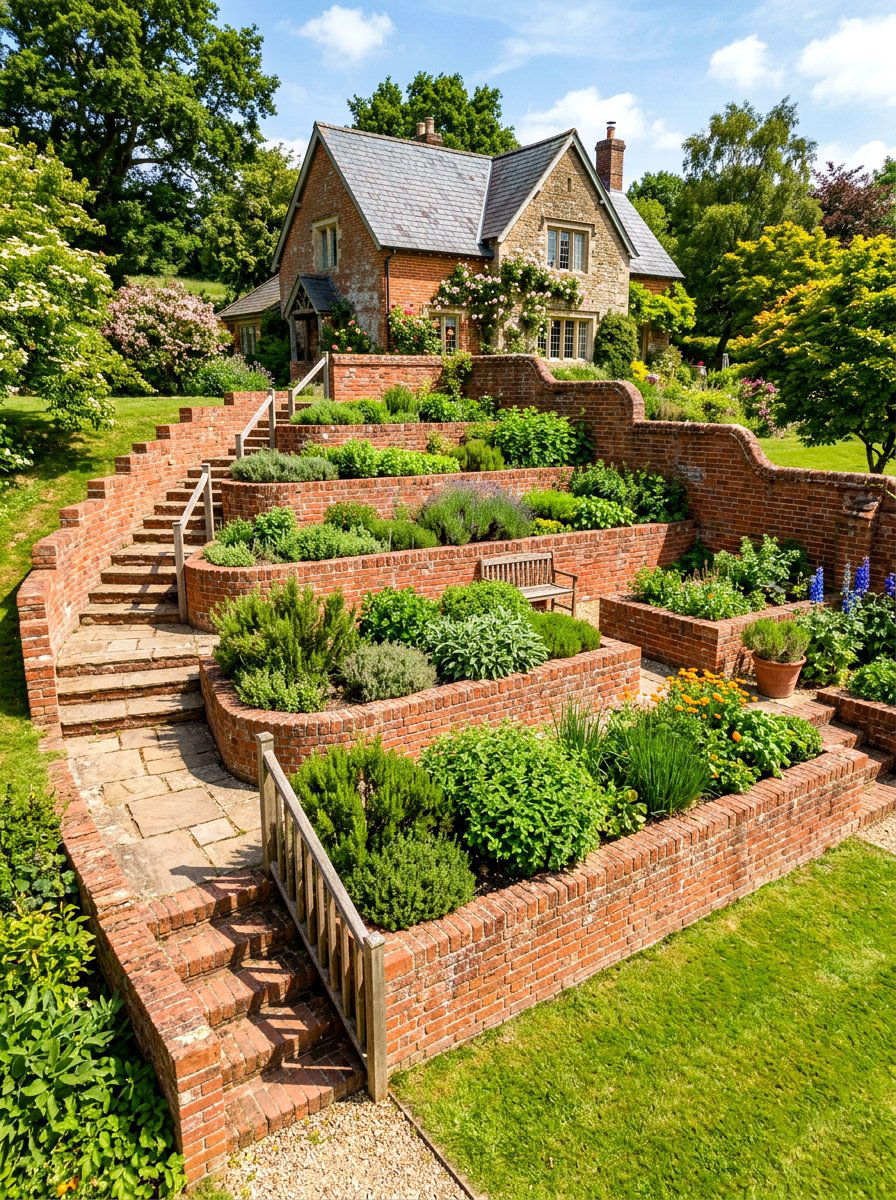
A stepped brick garden uses varying levels to create a sense of depth and architectural interest in your backyard. This design is perfect for sloped yards or for adding structure to a flat landscape. You can use old or new bricks to build tiered beds that house different types of herbs on each level. This separation makes it easy to give each plant exactly what it needs in terms of soil and water. The classic red brick adds warmth and a sense of permanence to the garden. It is a highly functional layout that provides easy access to all your plants for harvesting.
24. Woven Willow Bed
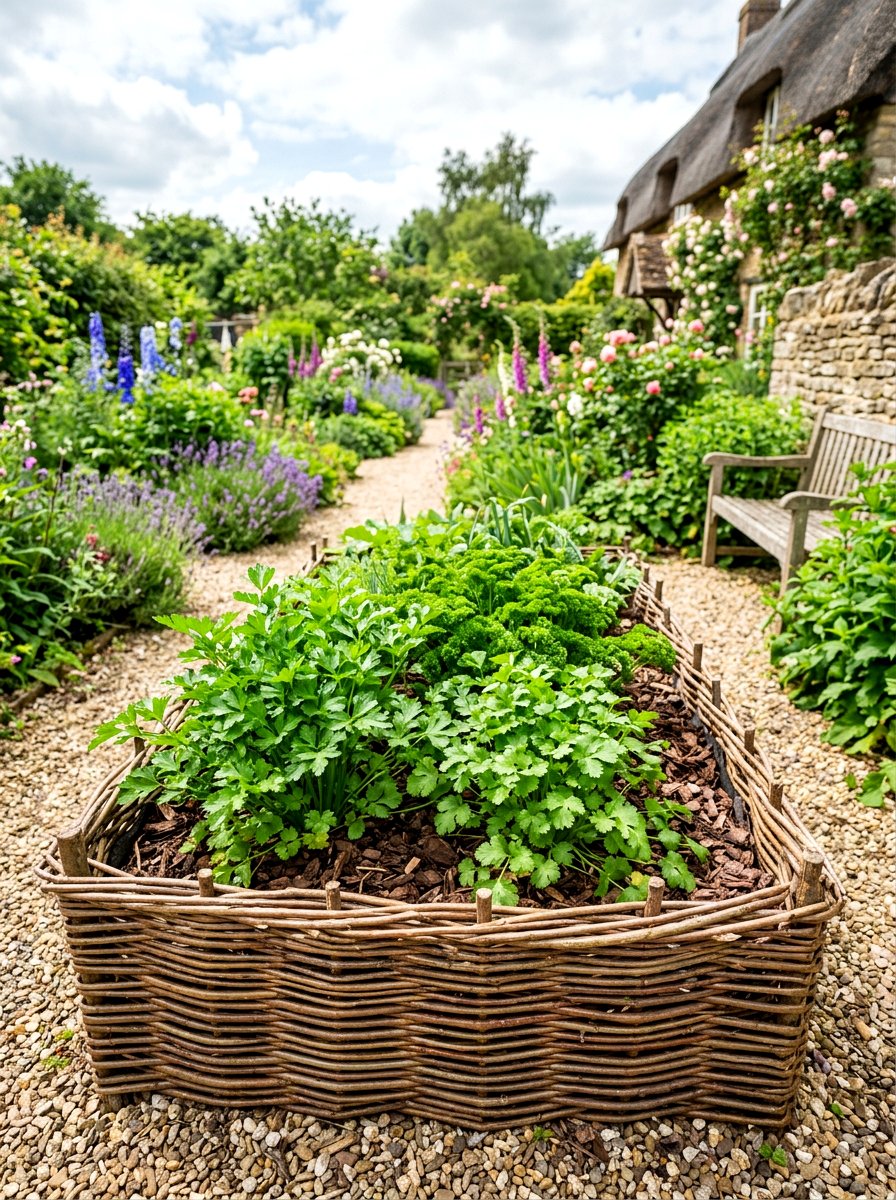
Woven willow or wattle edging brings a natural and rustic feel to your herb garden beds. This traditional technique uses flexible willow branches to create low fences or circular enclosures for your plants. It is a sustainable and eco-friendly way to define your garden space while adding a beautiful, handmade touch. The organic texture of the wood complements the soft foliage of herbs like parsley and cilantro. These beds look particularly lovely in a cottage or country-style backyard. It is a great way to use natural materials to create a unique and charming focal point in your outdoor area.
25. Shade Herb Garden
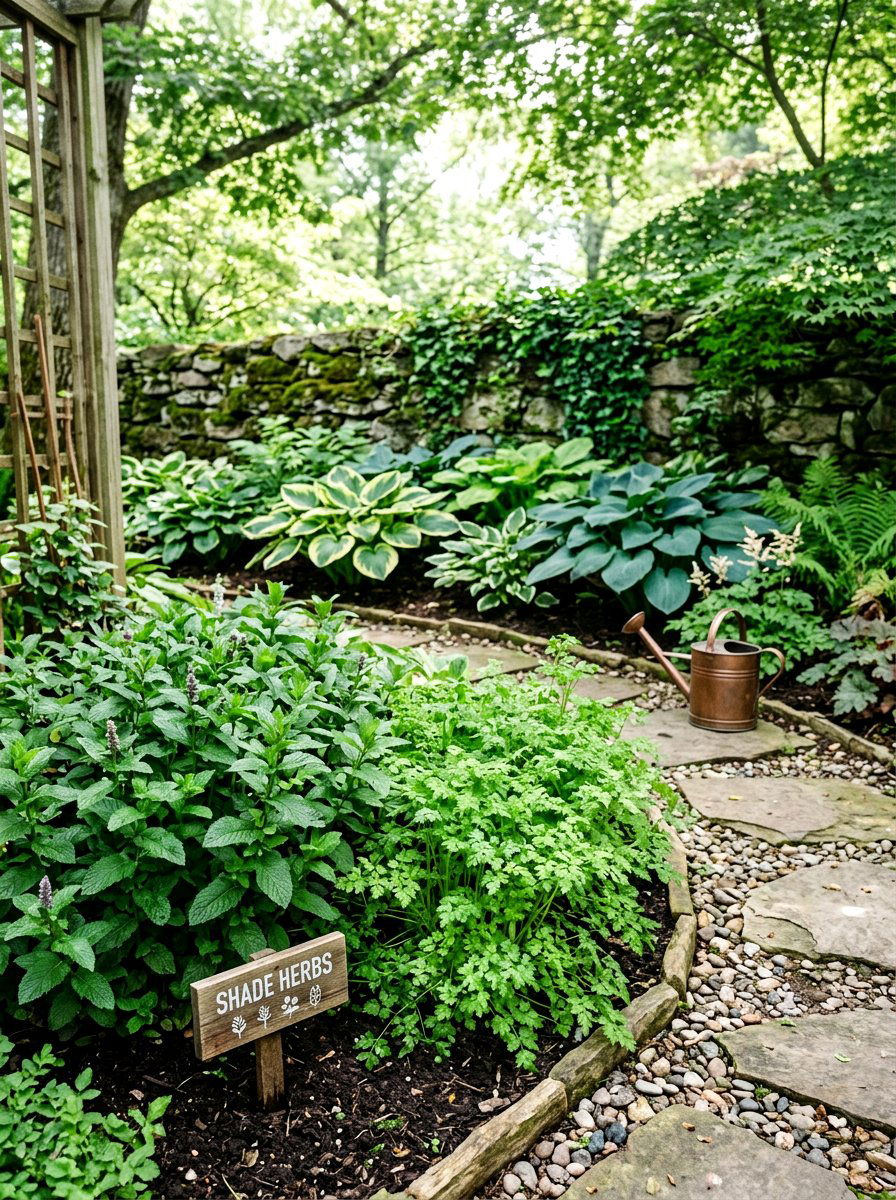
Many people assume you need full sun for herbs, but a shade-focused design is entirely possible and quite beautiful. You can plant chervil, mint, and wild ginger in areas that receive only dappled light or morning sun. This creates a lush, woodland feel that is incredibly refreshing during the hot summer months. Use light-colored mulch or decorative stones to brighten up the shady corners of your yard. This approach allows you to grow a variety of flavorful plants in areas where most vegetables would fail. It is a smart way to maximize every inch of your backyard regardless of light levels.
26. Xeriscape Herb Landscape
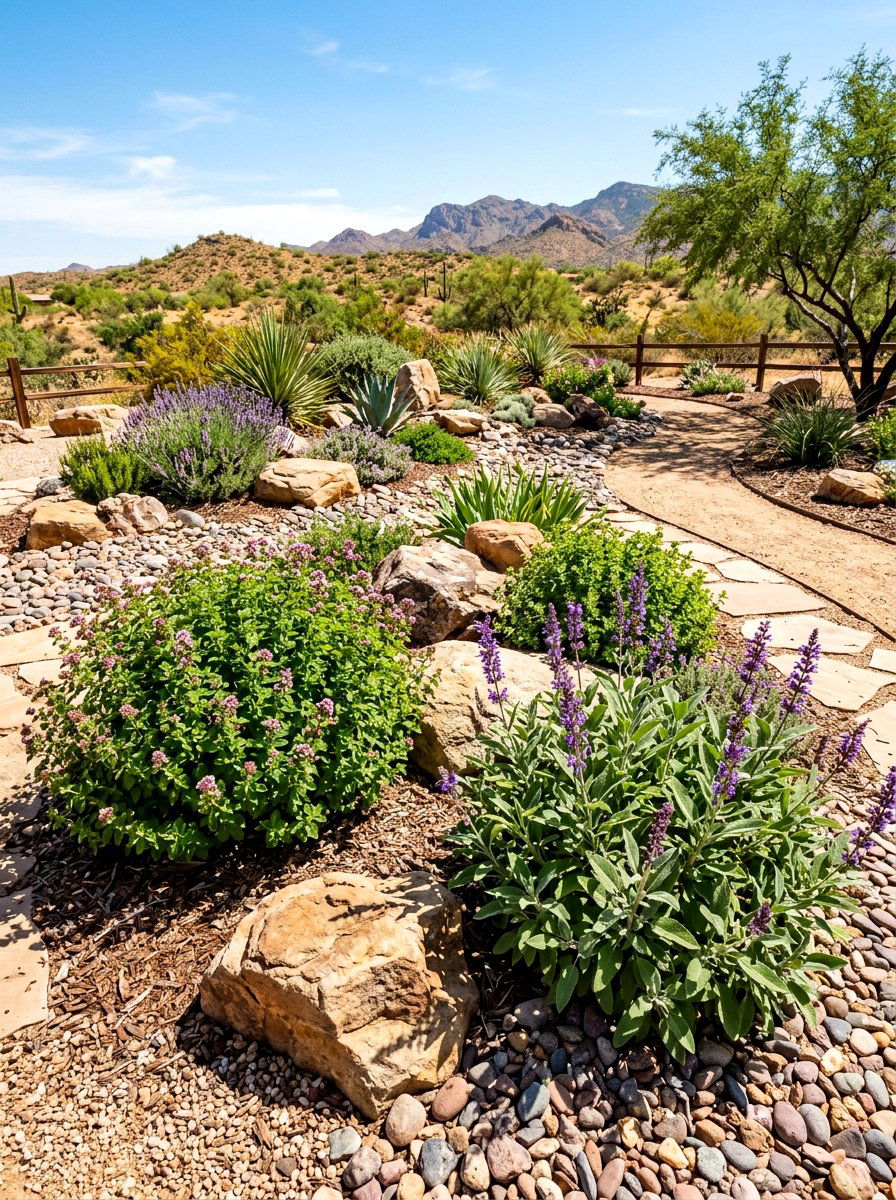
A xeriscape herb landscape is designed to be extremely water-efficient and sustainable. By choosing native or drought-tolerant herbs and using efficient irrigation techniques, you can create a beautiful garden that survives on very little water. This design often incorporates mulch, rocks, and groupings of plants with similar needs to minimize waste. It is a responsible choice for regions prone to drought or for any homeowner looking to reduce their environmental impact. The result is a ruggedly beautiful and resilient landscape that requires very little upkeep. It shows that being eco-friendly can also be incredibly stylish and productive for your home kitchen.
27. Companion Planted Bed
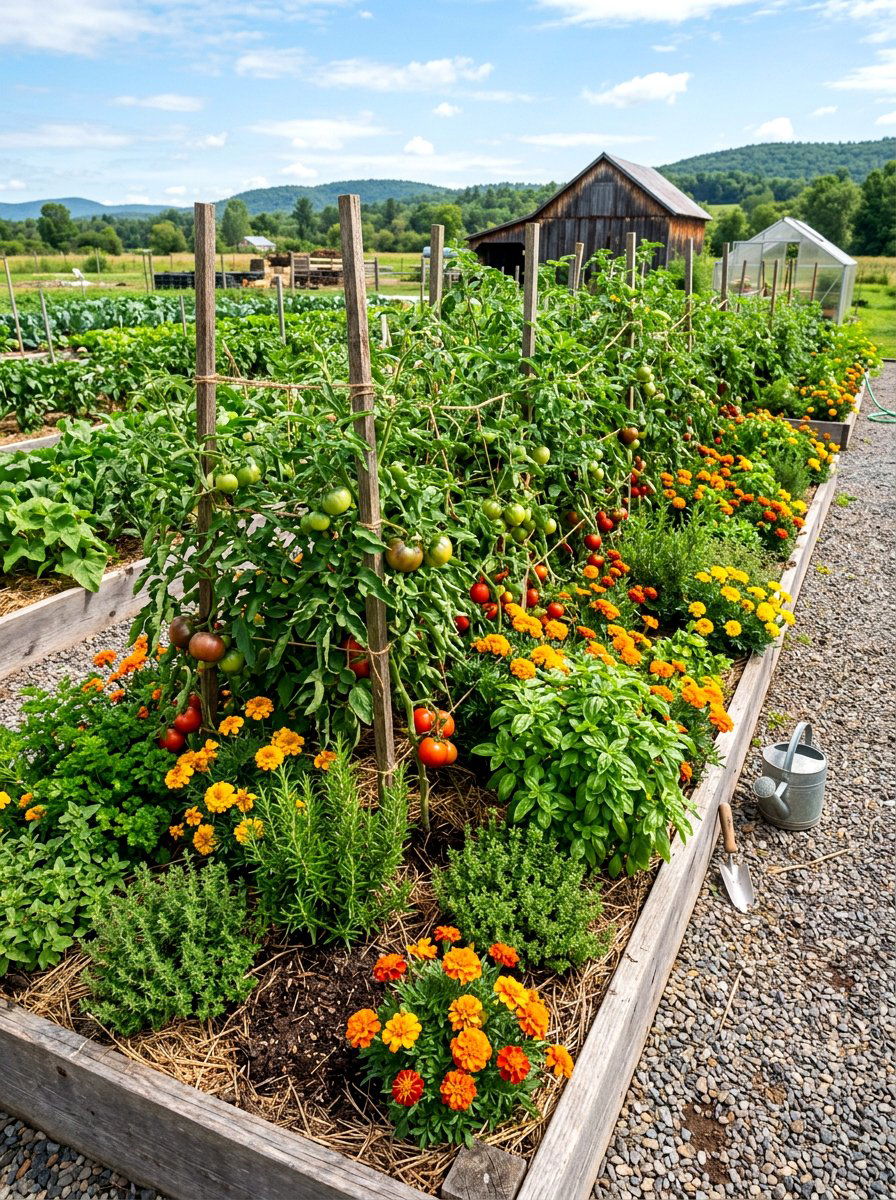
Companion planting involves growing herbs alongside vegetables or flowers to improve health and deter pests naturally. This integrated design uses herbs like marigolds, basil, and borage to protect more sensitive plants like tomatoes or roses. It creates a diverse and healthy ecosystem in your backyard that reduces the need for chemical interventions. This approach is not only practical but also creates a beautiful, mixed-planting look that feels very natural. You can design these beds with a variety of colors and textures to make them visually interesting throughout the season. It is a smart and sustainable way to manage a productive garden.
28. Ladder Herb Display
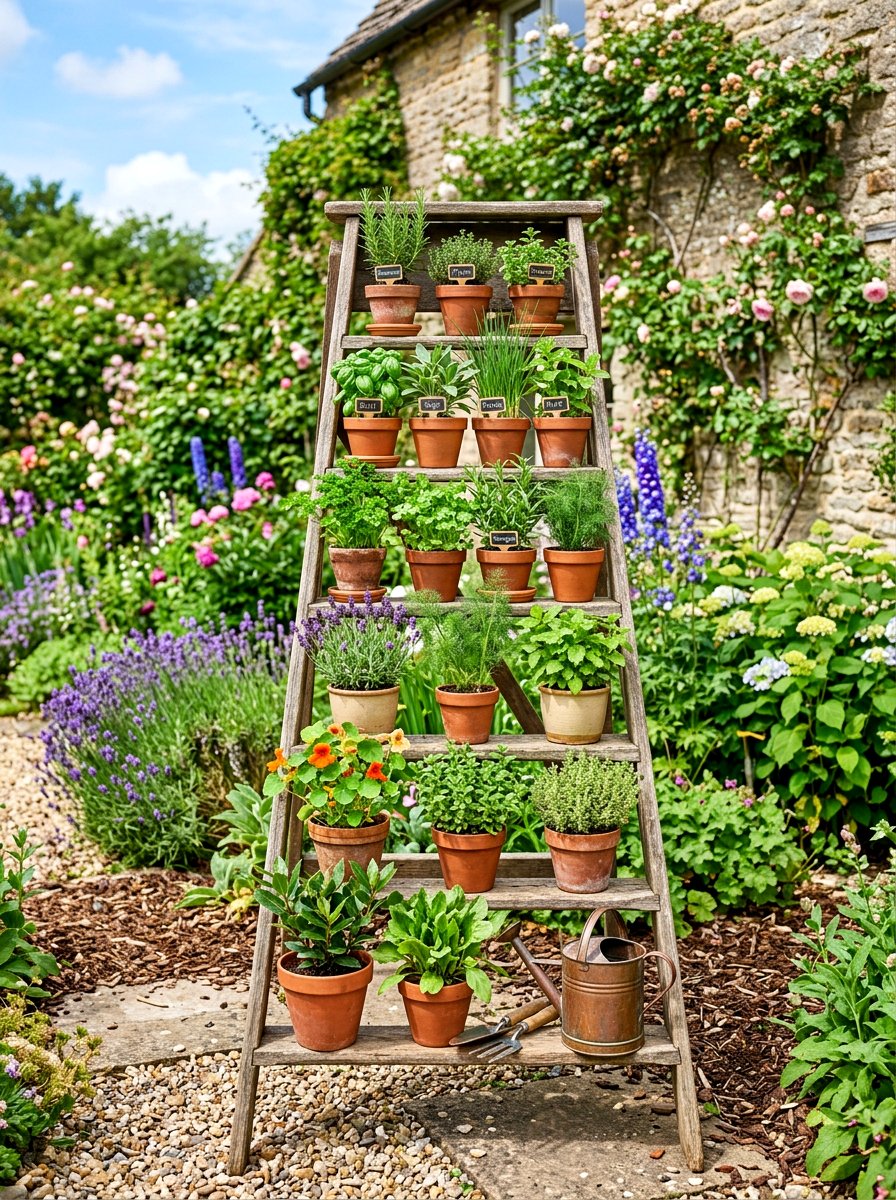
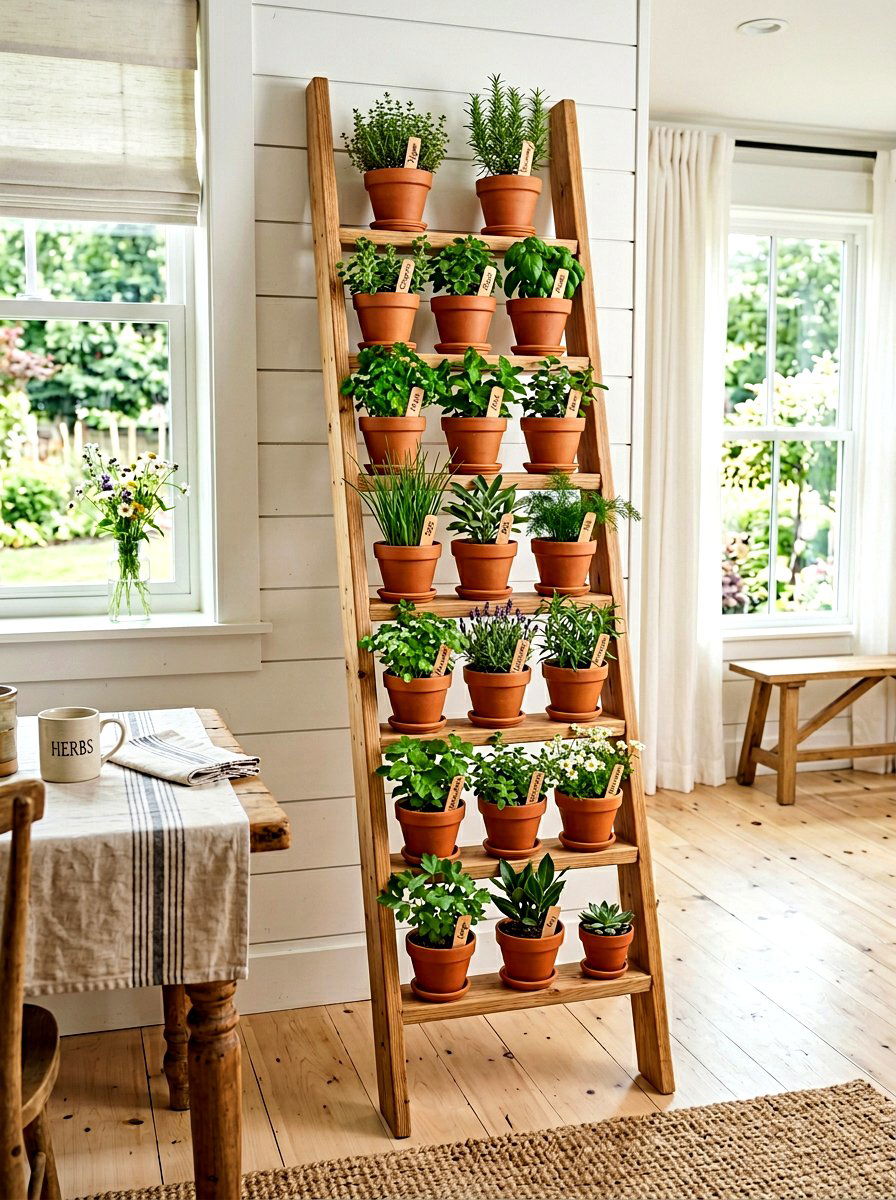
An old wooden ladder can be easily repurposed into a charming and space-saving display for your potted herbs. By placing planks across the rungs or hanging small pots from the steps, you create a vertical garden with lots of character. This design is perfect for small patios or balconies where floor space is at a premium. It adds a rustic, vintage touch to your outdoor decor while keeping your herbs organized and accessible. You can easily move the ladder to different spots in the yard as needed. It is a creative way to recycle old items into something beautiful and functional.
29. Circular Herb Garden Feature
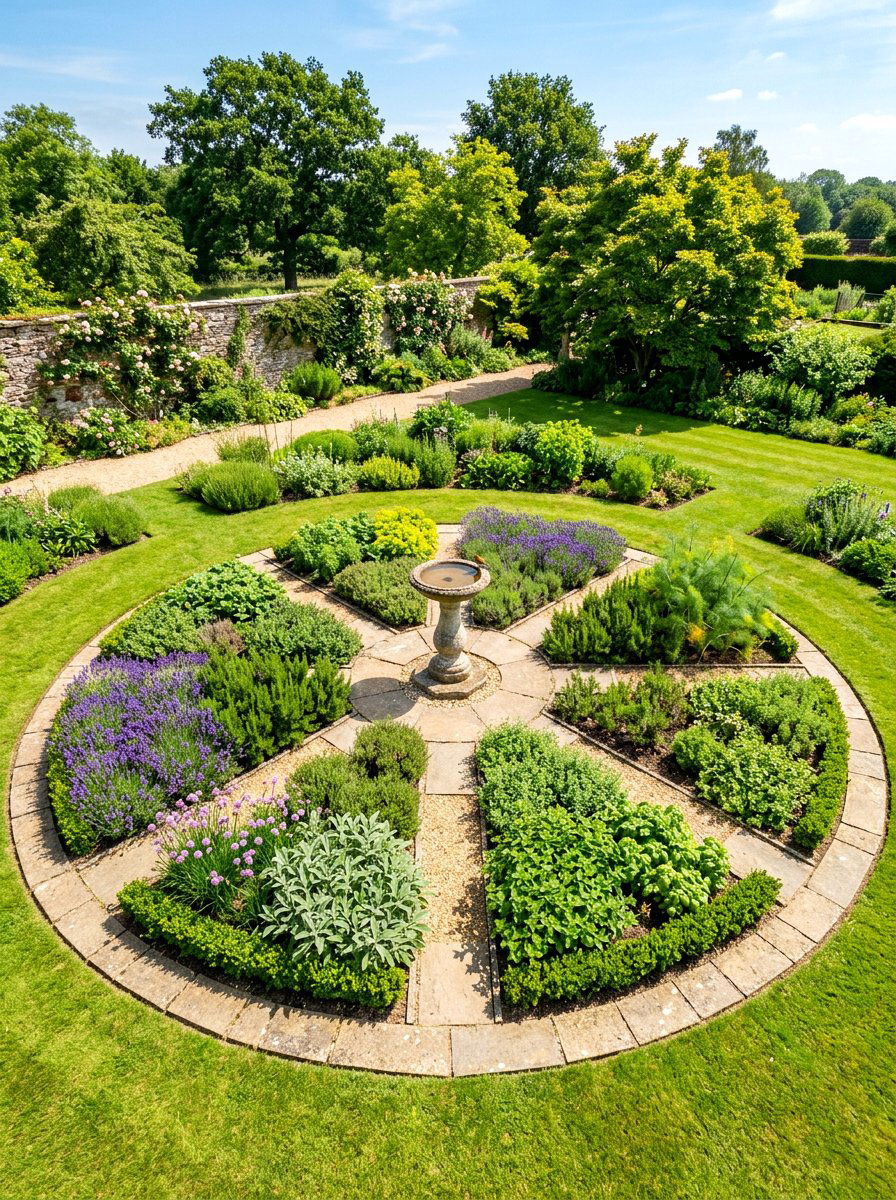
A circular herb garden serves as a powerful focal point and brings a sense of harmony to your backyard layout. You can divide the circle into wedges, like a pizza, and plant a different herb in each section for a neat and organized look. This design provides easy access from all sides, making maintenance and harvesting a breeze. You can place a sundial or a decorative birdbath in the center to enhance the aesthetic appeal. The curved lines soften the overall landscape and create a more inviting and flowy feel. It is a timeless design that works well in both formal and informal settings.
30. Wildlife Herb Haven
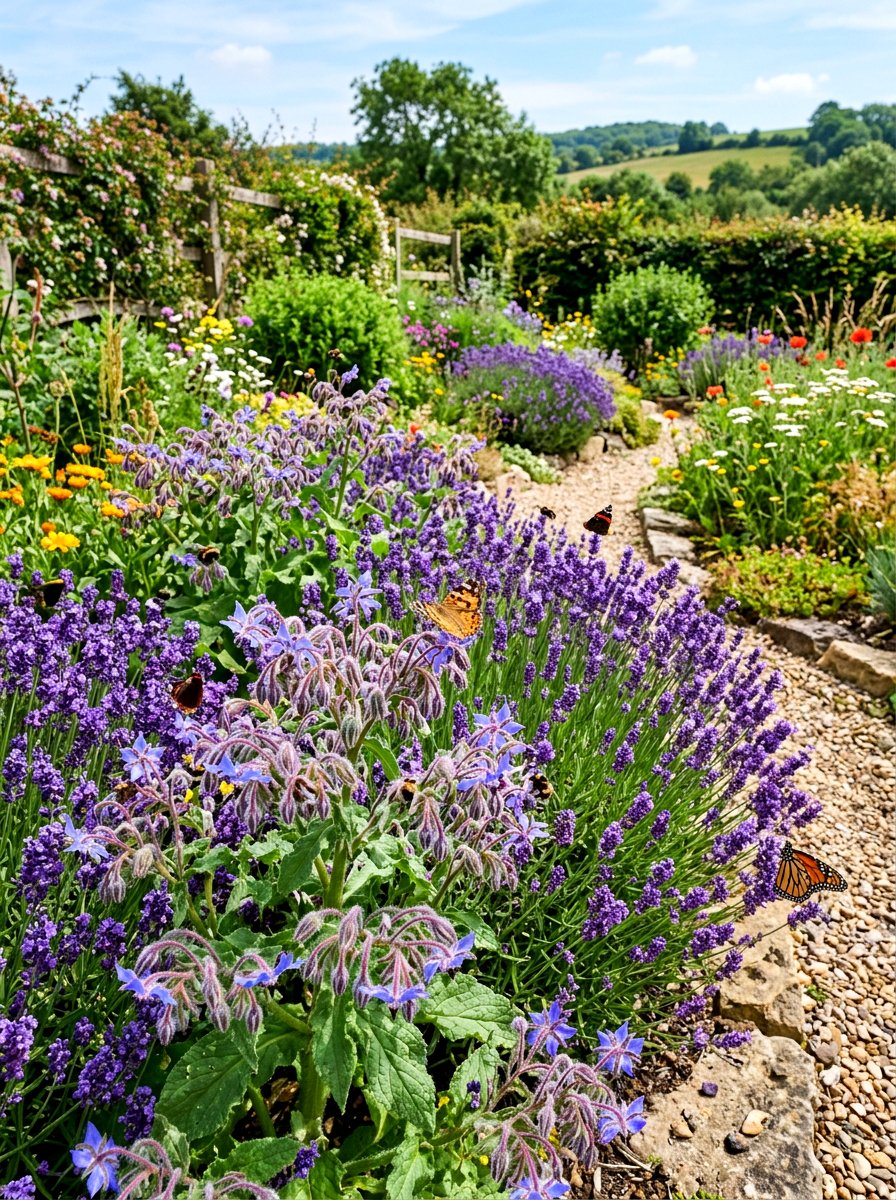
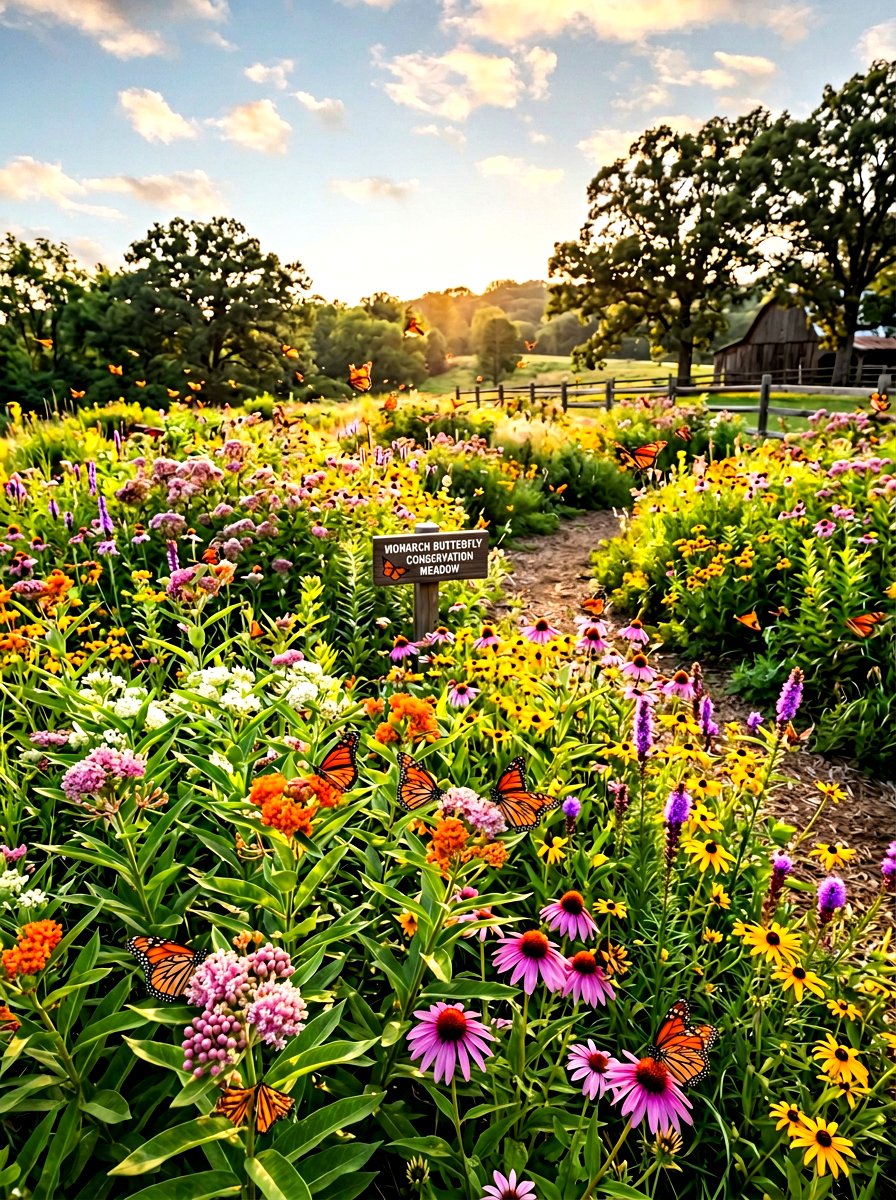
Creating a wildlife-friendly herb garden focuses on plants that provide food and habitat for bees, butterflies, and birds. Herbs like lavender, fennel, and flowering borage are magnets for pollinators and beneficial insects. This design often includes a shallow water source and some wilder, unmanicured areas to encourage biodiversity. It is a joy to watch the activity in this type of garden, which feels alive and connected to the natural world. This approach not only helps the local ecosystem but also ensures your other garden plants are well-pollinated. It is a deeply rewarding way to give back to nature while enjoying fresh herbs.
Conclusion:
Building an herb-rich backyard is a wonderful journey that combines the beauty of nature with practical utility for your home. By exploring these diverse layout options, you can find the perfect design that fits your specific space and personal style. Whether you choose a formal knot garden or a simple collection of pots, the rewards of fresh harvests are truly incomparable. These aromatic plants not only enhance your cooking but also provide a peaceful sanctuary for relaxation and connection. Start with a few favorites and watch as your backyard transforms into a vibrant, fragrant, and productive oasis for you and your family.

Related posts: