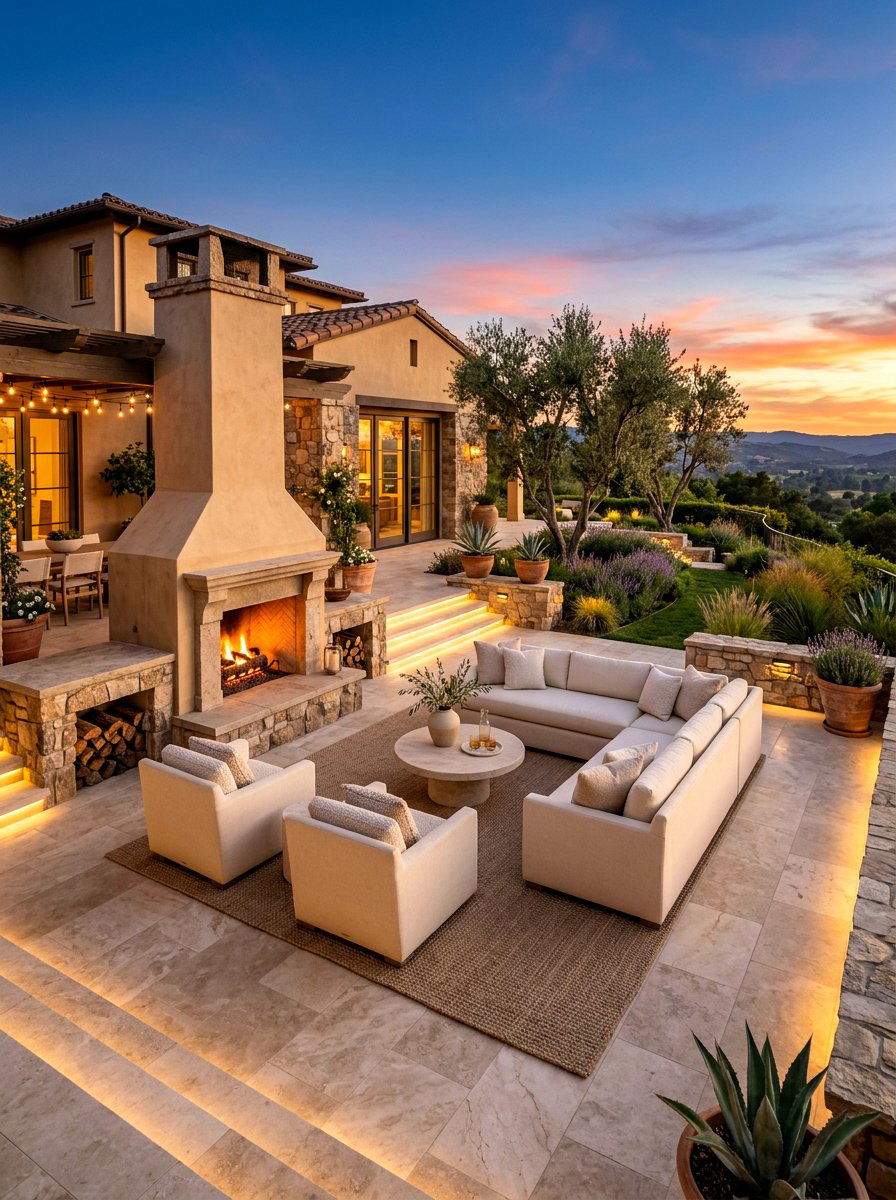
Creating a meadow garden is one of the most rewarding ways to transform your outdoor space into a thriving ecosystem. Instead of a traditional, high-maintenance lawn, a meadow focuses on natural beauty and biodiversity. These spaces use a mix of native grasses and colorful wildflowers to create a relaxed, airy atmosphere that changes with the seasons. They provide essential habitats for pollinators like bees and butterflies while requiring far less water and fertilizer than standard grass. Whether you have a massive acreage or just a tiny urban plot, a meadow-style design brings a sense of wild, untamed nature right to your doorstep. You will enjoy watching the wind move through the tall stems and seeing local wildlife find a new home in your yard.
1. Wildflower Meadow
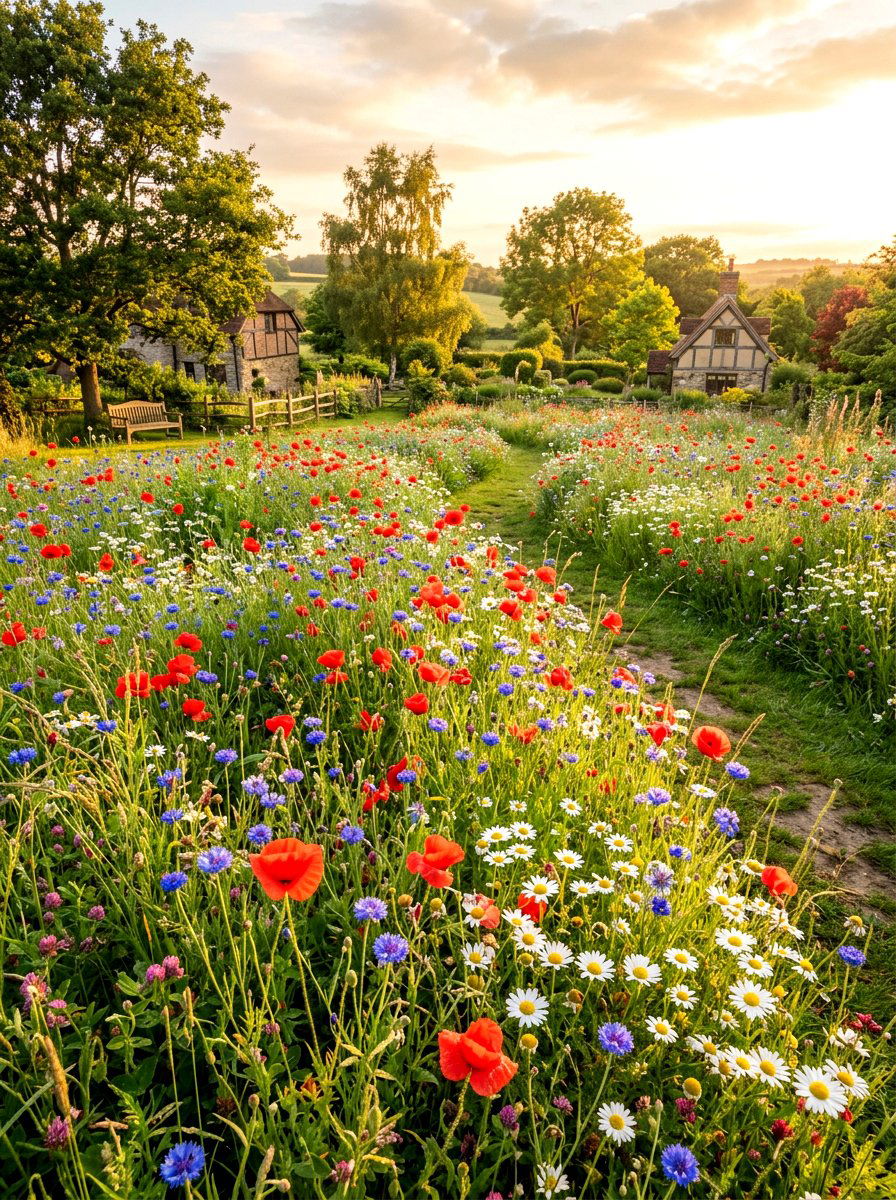
A wildflower meadow is a classic choice for anyone wanting to bring vibrant color and life to their landscape. This design usually involves a mix of annuals and perennials that bloom at different times throughout the year. You can start by clearing a patch of grass and sowing a high-quality seed mix suited to your local climate. Poppies, cornflowers, and daisies are popular choices that provide a nostalgic, rural feel. These flowers grow tall and sway gently in the breeze, creating a dynamic visual experience. Over time, the meadow will self-seed, meaning the garden evolves naturally every year without much intervention from you. It is a beautiful way to embrace a less formal garden style.
2. Native Grass Meadow
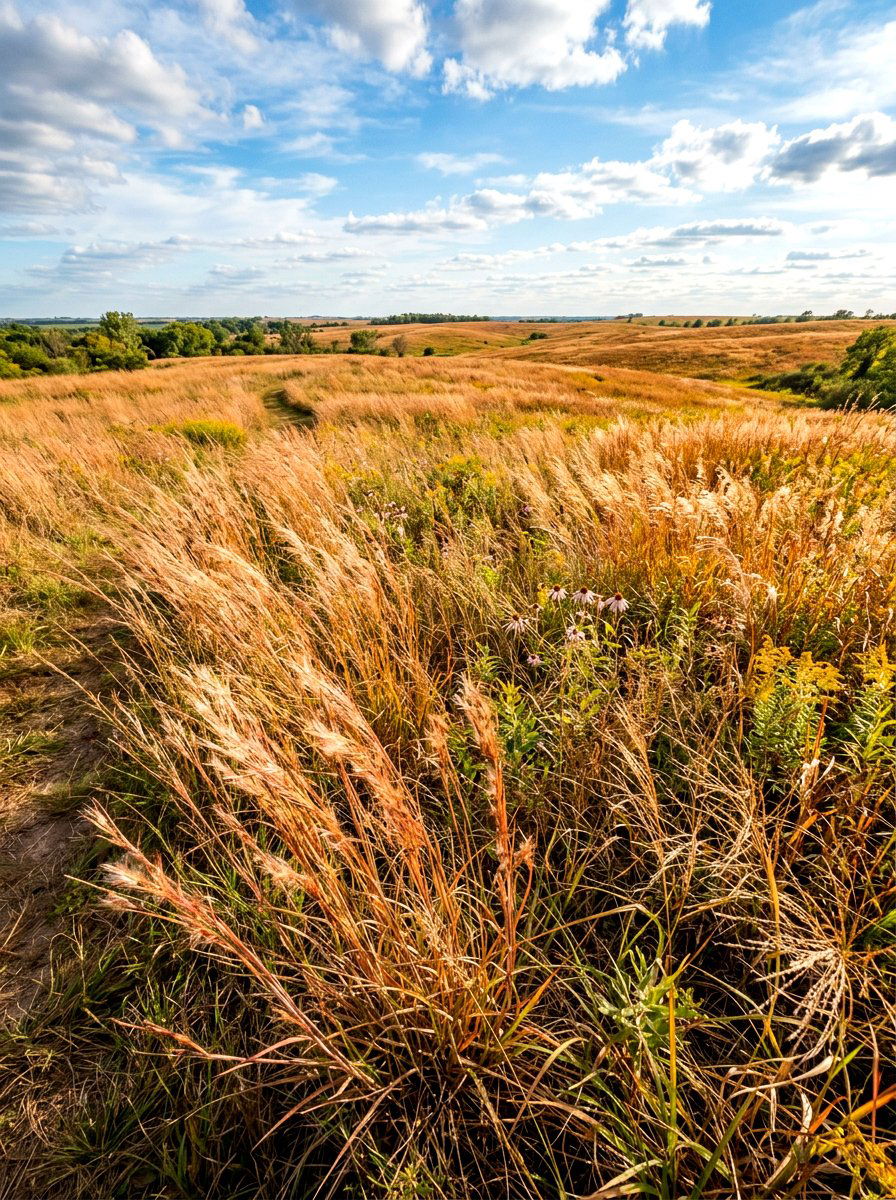
A native grass meadow focuses on the subtle textures and muted colors of indigenous grasses rather than just bright flowers. Using plants like little bluestem, switchgrass, or prairie dropseed creates a soft, flowing look that remains attractive even in the winter. These grasses are incredibly resilient and adapted to your specific soil and weather conditions. They provide excellent structure and a golden-brown backdrop that highlights any smaller flowering plants you might include. This type of meadow is particularly effective for large properties where you want a low-maintenance, sustainable alternative to a mowed lawn. The deep root systems of these grasses also help improve soil health and prevent erosion over time.
3. Pollinator Garden
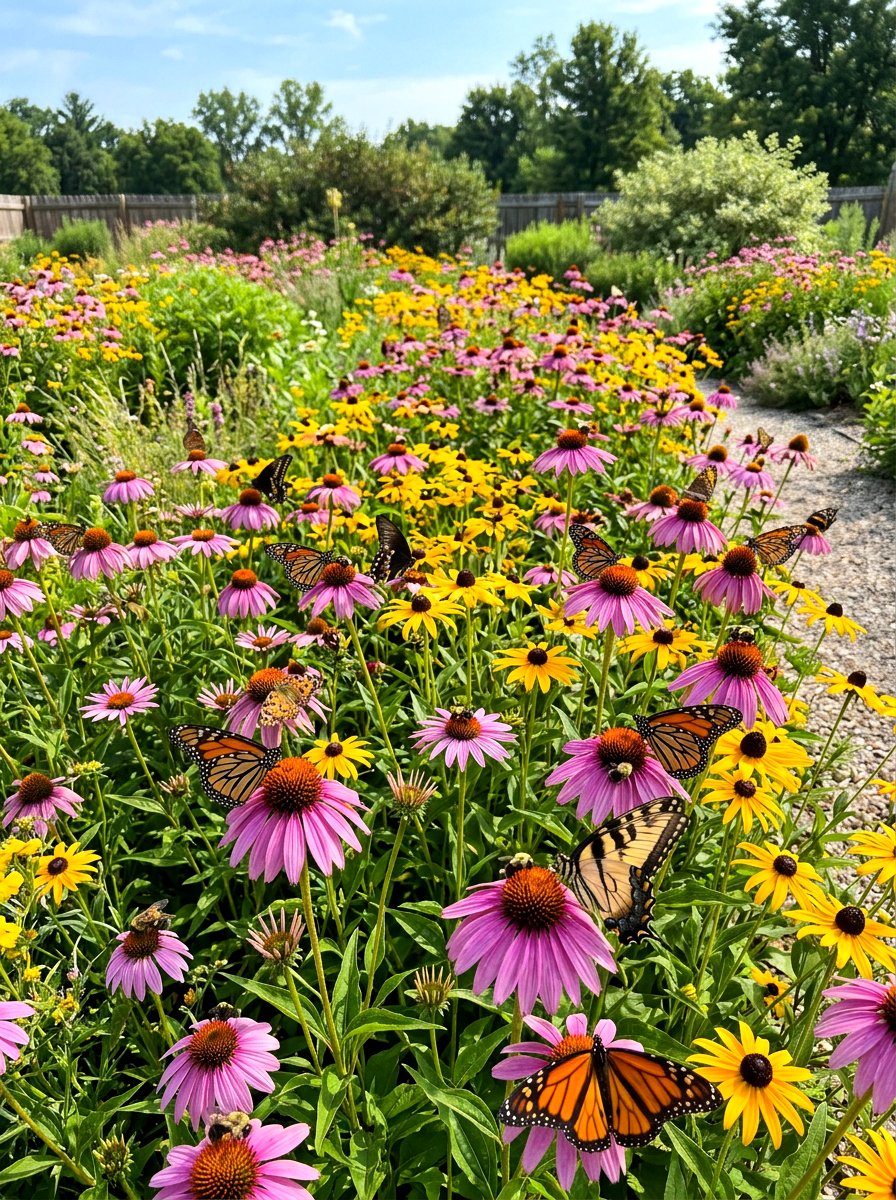
A pollinator garden is a purposeful meadow design specifically created to support bees, butterflies, and hummingbirds. To achieve this, you should select a diverse range of nectar-rich plants like milkweed, coneflowers, and bee balm. It is important to choose flowers with different bloom times so there is always a food source available from spring through fall. This meadow type often looks lush and full, as the plants are packed closely together to provide shelter for insects. By avoiding pesticides and providing a water source nearby, you can turn your backyard into a busy hub for local nature. Watching the movement of wings and the vibrant colors of visiting creatures makes this a truly living landscape.
4. Small Backyard Meadow
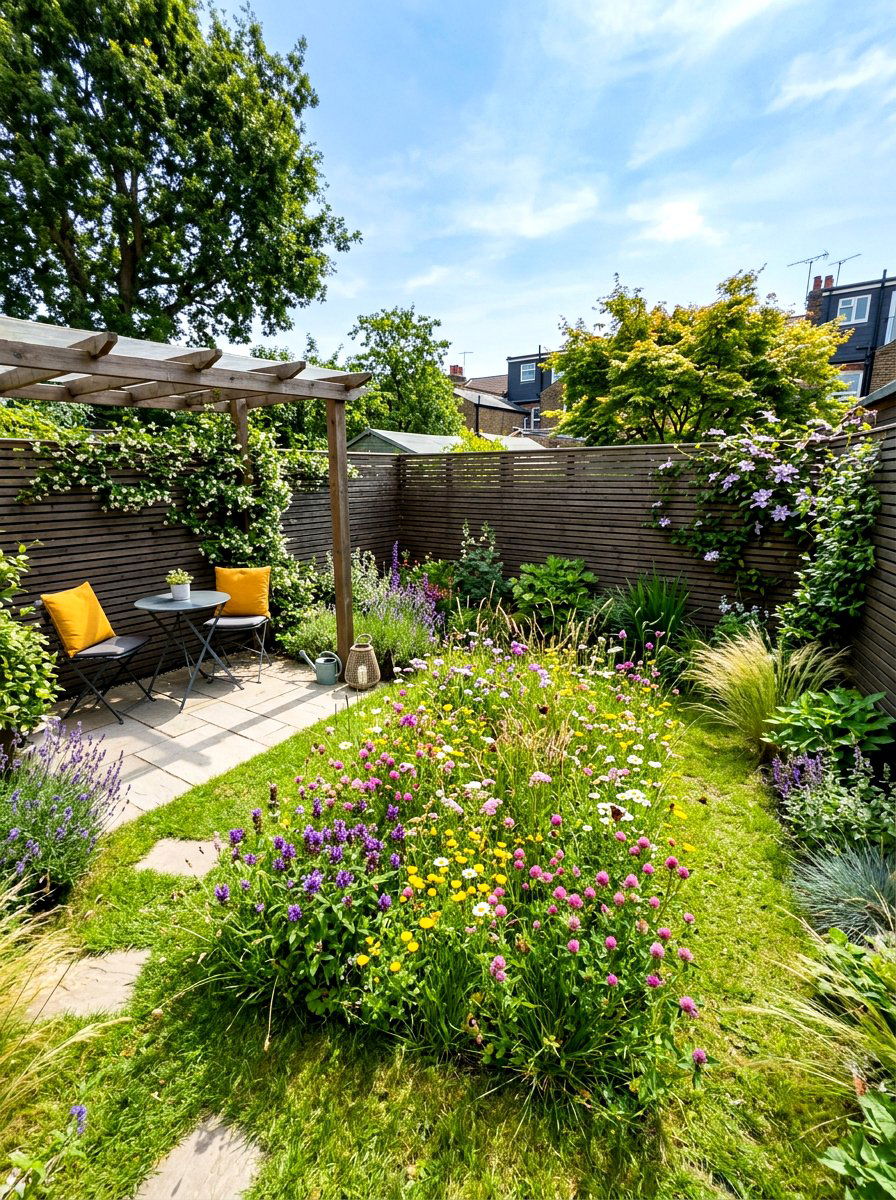
A small backyard meadow proves that you do not need acres of land to enjoy a naturalistic garden. You can convert a sunny corner or a central patch of your lawn into a miniature meadow using plugs instead of seeds for faster results. Focus on shorter varieties of wildflowers and ornamental grasses to keep the space from feeling overwhelmed or messy. Adding a small stone path or a birdbath can give the area a clear focal point and a sense of intention. This approach brings the beauty of a wild field into a confined space, making it feel more expansive and interesting. It is a perfect solution for urban dwellers who want to reconnect with nature.
5. Cottage Garden Meadow
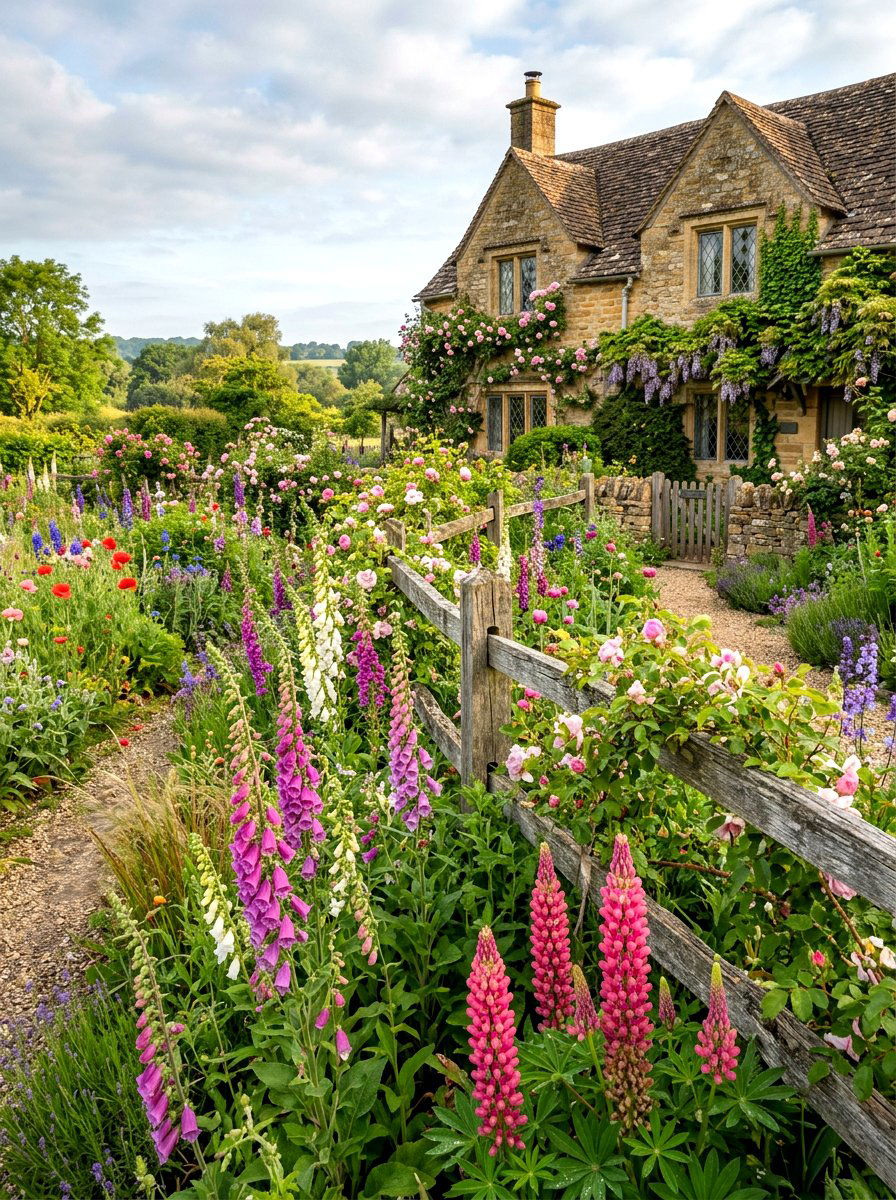
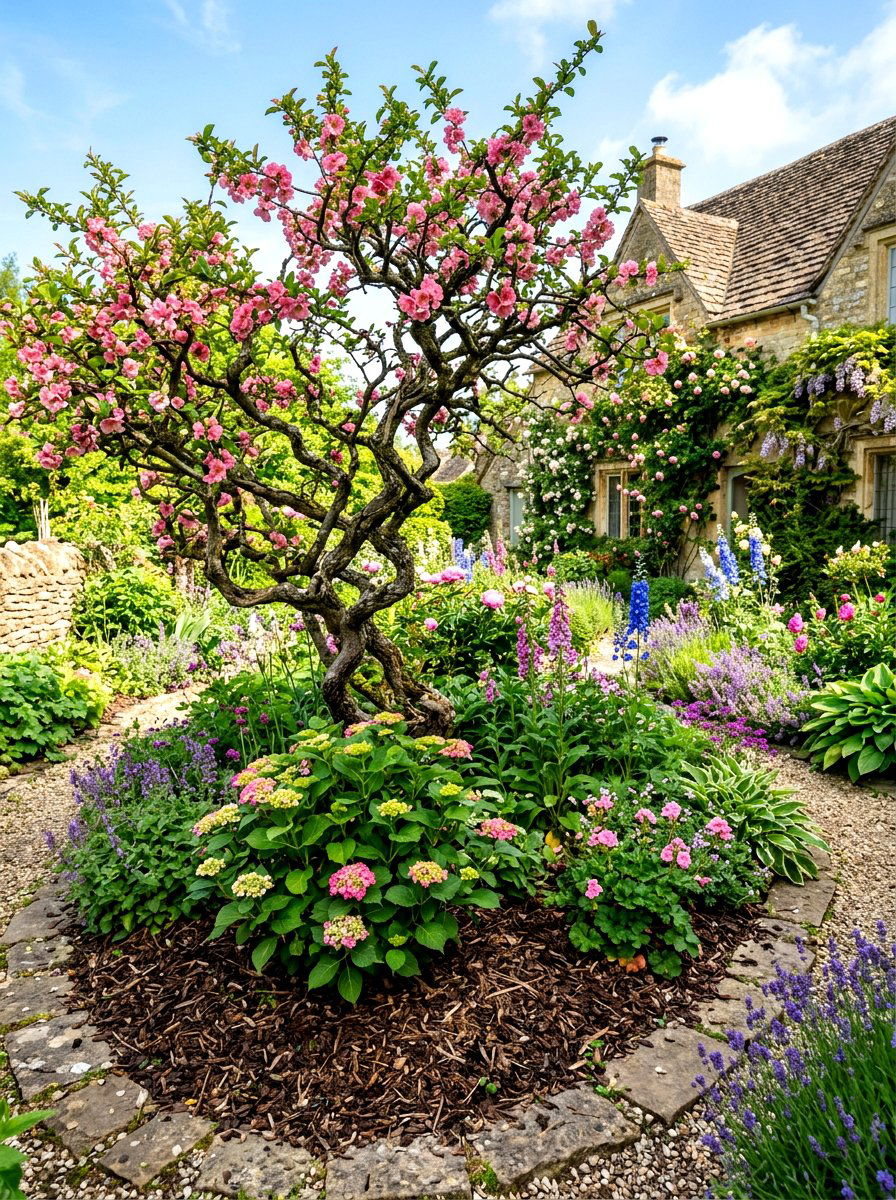
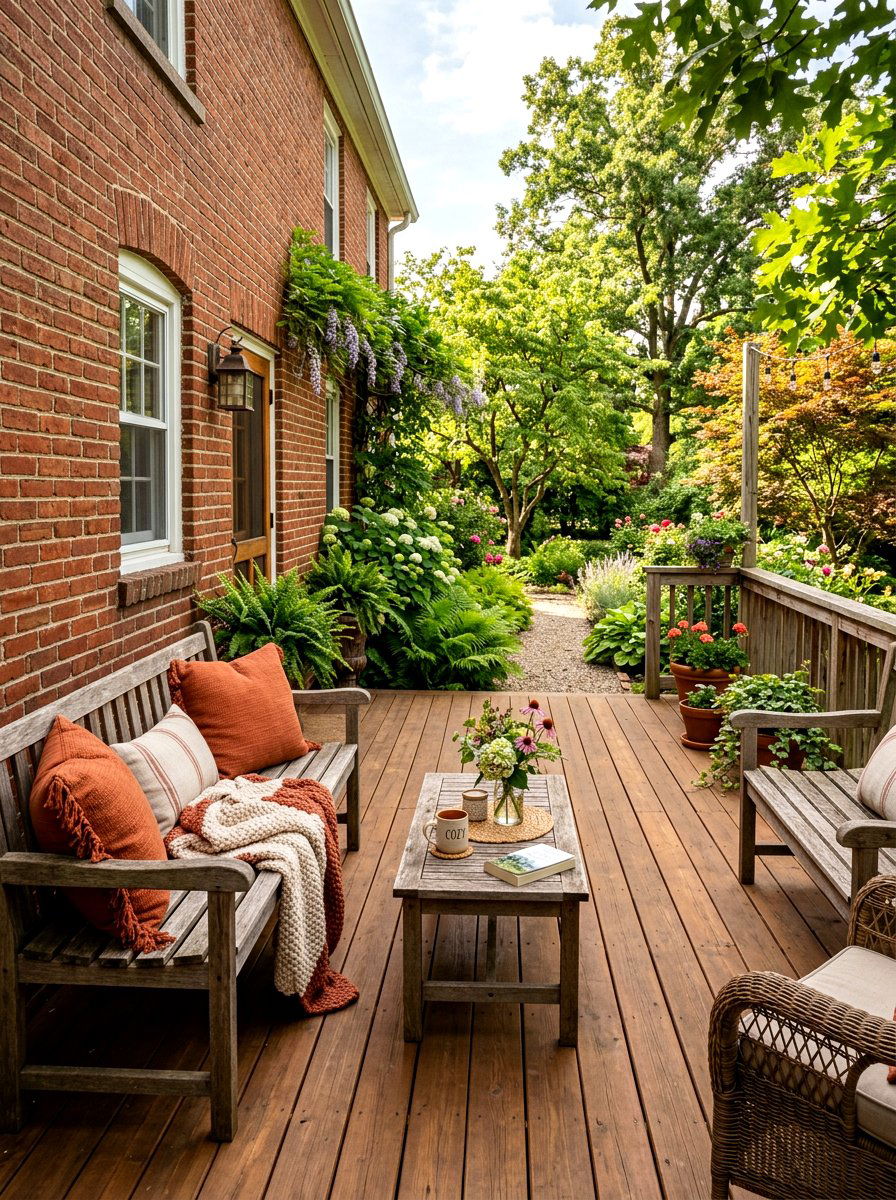
A cottage garden meadow blends the charm of traditional English gardens with the wild freedom of a meadow. This design features a romantic mix of foxgloves, lupines, and larkspur growing alongside soft grasses. The look is intentional but informal, with plants spilling over onto paths and mixing in a colorful, tangled display. It works best near a house or a fence, providing a soft transition between the structure and the wider landscape. You can add decorative elements like a weathered wooden gate or a bench to enhance the cozy, lived-in feel. This style prioritizes beauty and a sense of nostalgia, creating a serene environment that feels like a peaceful escape from the modern world.
6. Prairie Planting
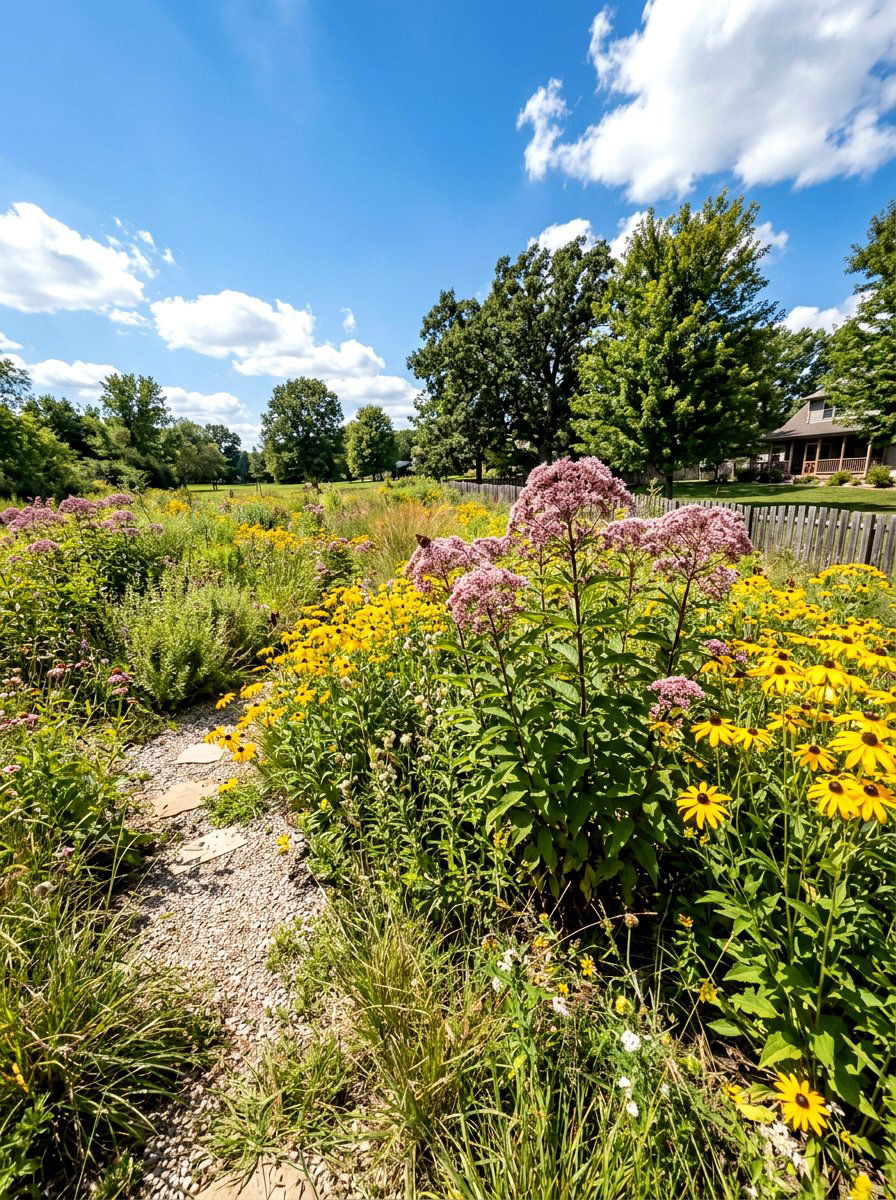
Prairie planting is inspired by the vast grasslands of the American Midwest, emphasizing hardy perennials and tall grasses. This style is known for its durability and ability to thrive in full sun and tough conditions. Plants like Joe Pye weed, rudbeckia, and big bluestem create a tall, vertical screen that adds privacy and drama to the yard. The color palette often leans toward warm yellows, oranges, and deep purples, reflecting the natural hues of the prairie. Because these plants are perennials, they return year after year, getting stronger and more beautiful with time. It is an excellent choice for a sustainable garden that requires minimal watering once the plants have become established.
7. Woodland Meadow
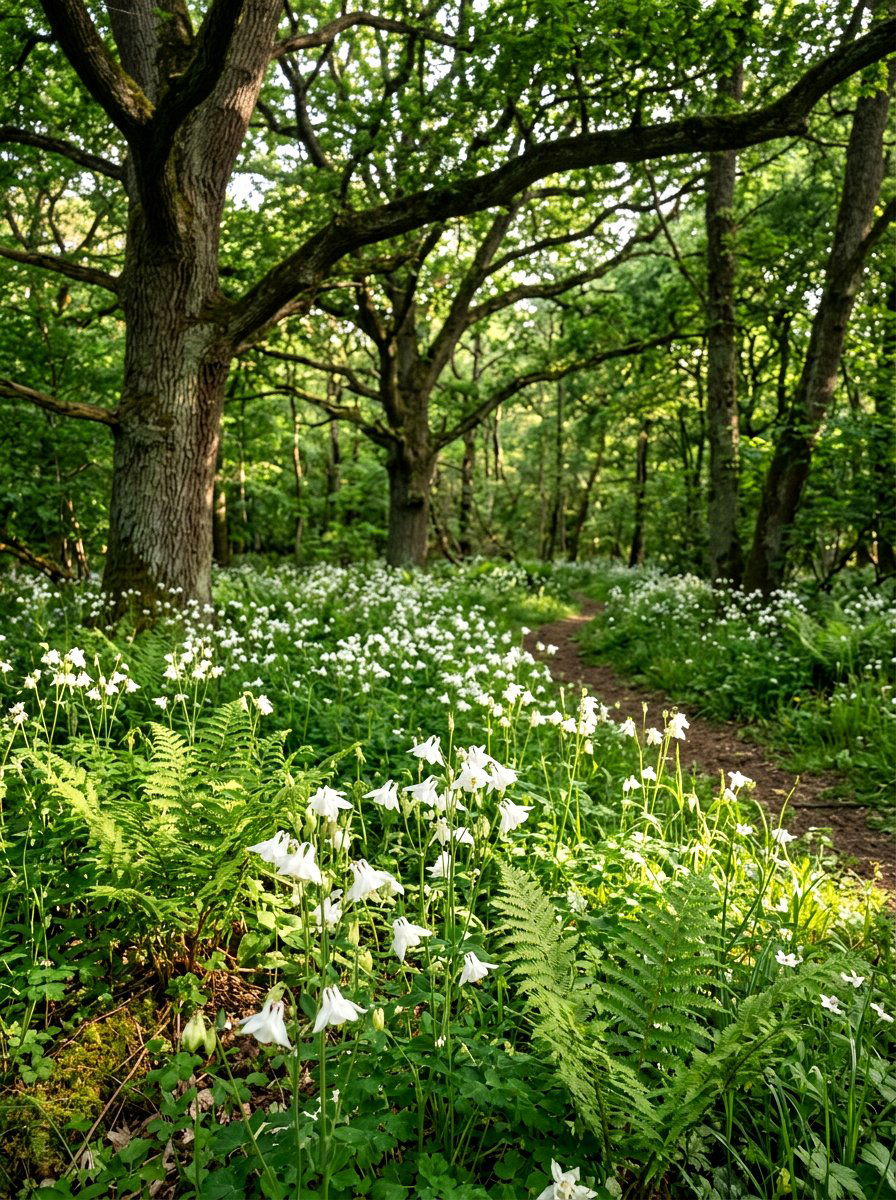
A woodland meadow is the perfect solution for areas with dappled sunlight or partial shade under large trees. Instead of sun-loving prairie plants, this design uses shade-tolerant species like columbine, wild ginger, and various ferns. Soft woodland grasses or sedges provide a lush, green carpet that mimics the floor of a natural forest clearing. This type of meadow feels cool, quiet, and mysterious, offering a different aesthetic than bright, open fields. It is a wonderful way to bring life to those difficult corners of the yard where traditional grass often struggles to grow. The result is a peaceful, shaded retreat that feels like a hidden sanctuary nestled deep within the trees.
8. Perennial Meadow
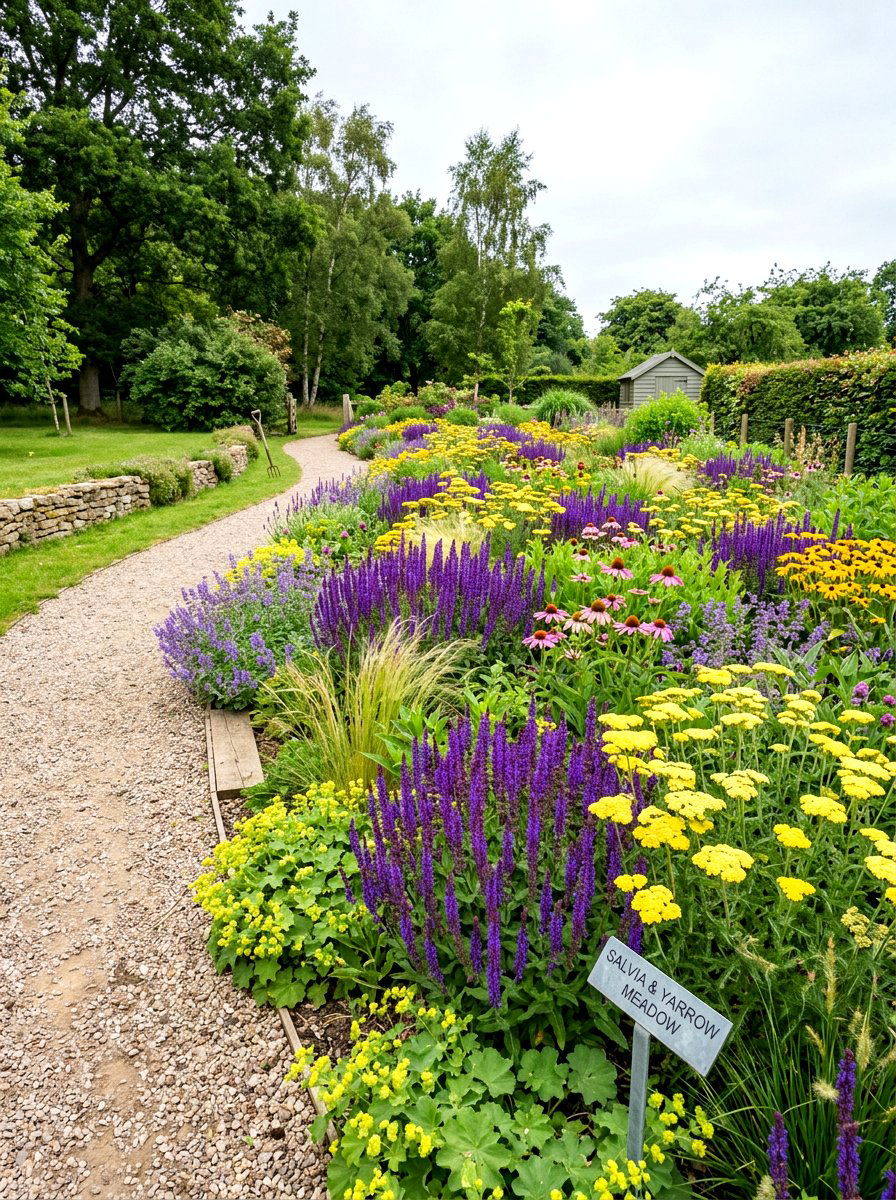
A perennial meadow is designed for long-term stability and ease of care, featuring plants that come back every spring. Unlike annual meadows that require reseeding, a perennial mix establishes a permanent root system that suppresses weeds effectively. Popular choices include yarrow, catmint, and salvia, which provide reliable color and texture season after season. The design involves a thoughtful arrangement of "matrix" plants, usually grasses, with "intermingled" flowering species. This creates a balanced look that remains interesting even when the flowers are not in bloom. Over time, the plants will knit together, creating a dense, self-sustaining community that looks better with each passing year. It is a smart investment for a beautiful garden.
9. Gravel Meadow
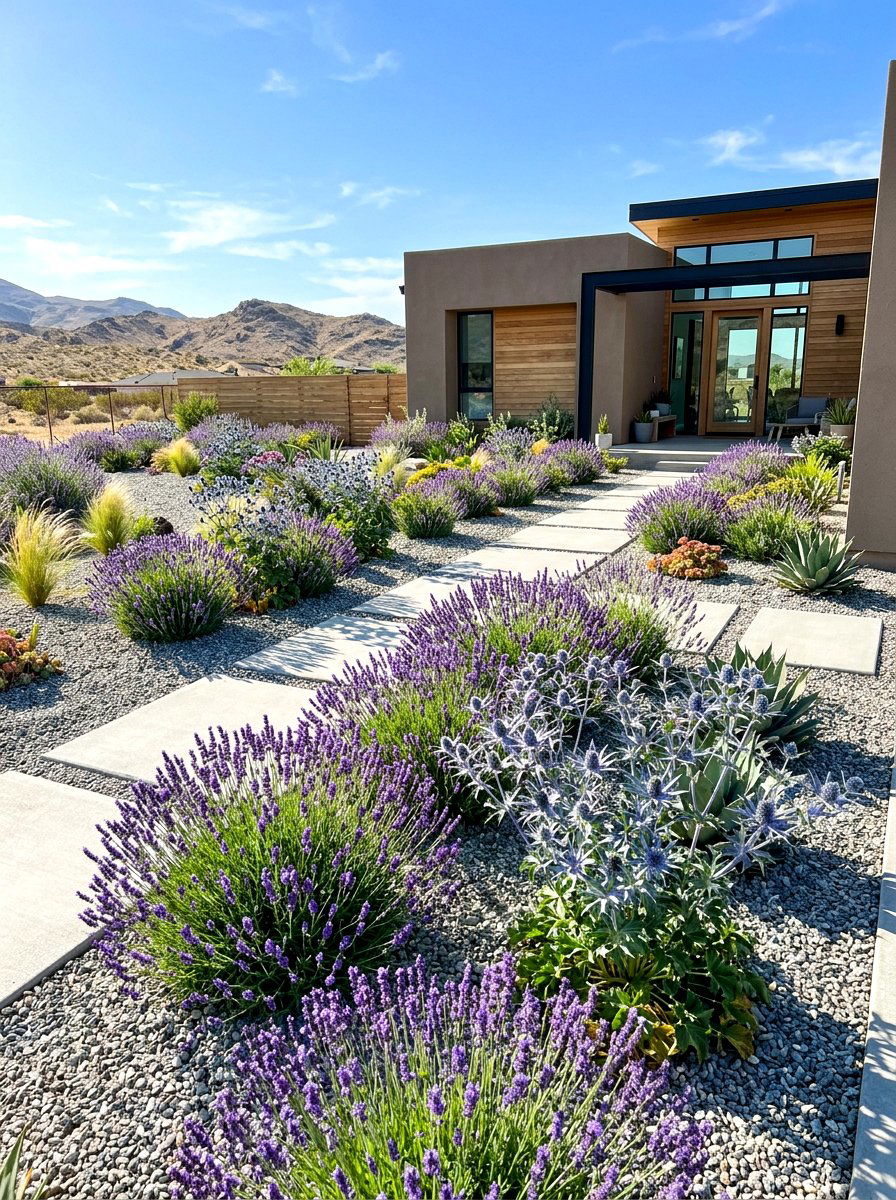
A gravel meadow combines the low-water benefits of xeriscaping with the soft aesthetics of a meadow. In this design, a layer of gravel acts as a mulch, keeping the soil cool and suppressing weeds while allowing plants to self-seed into the gaps. Drought-tolerant species like lavender, sea holly, and ornamental fescues thrive in this well-drained environment. The light-colored stone provides a clean, modern background that makes the colors of the plants pop. This is a highly sustainable option for dry climates or areas with poor soil quality. It requires almost no mowing and very little water, making it one of the most eco-friendly ways to design a contemporary and stylish outdoor living space.
10. Modern Meadow
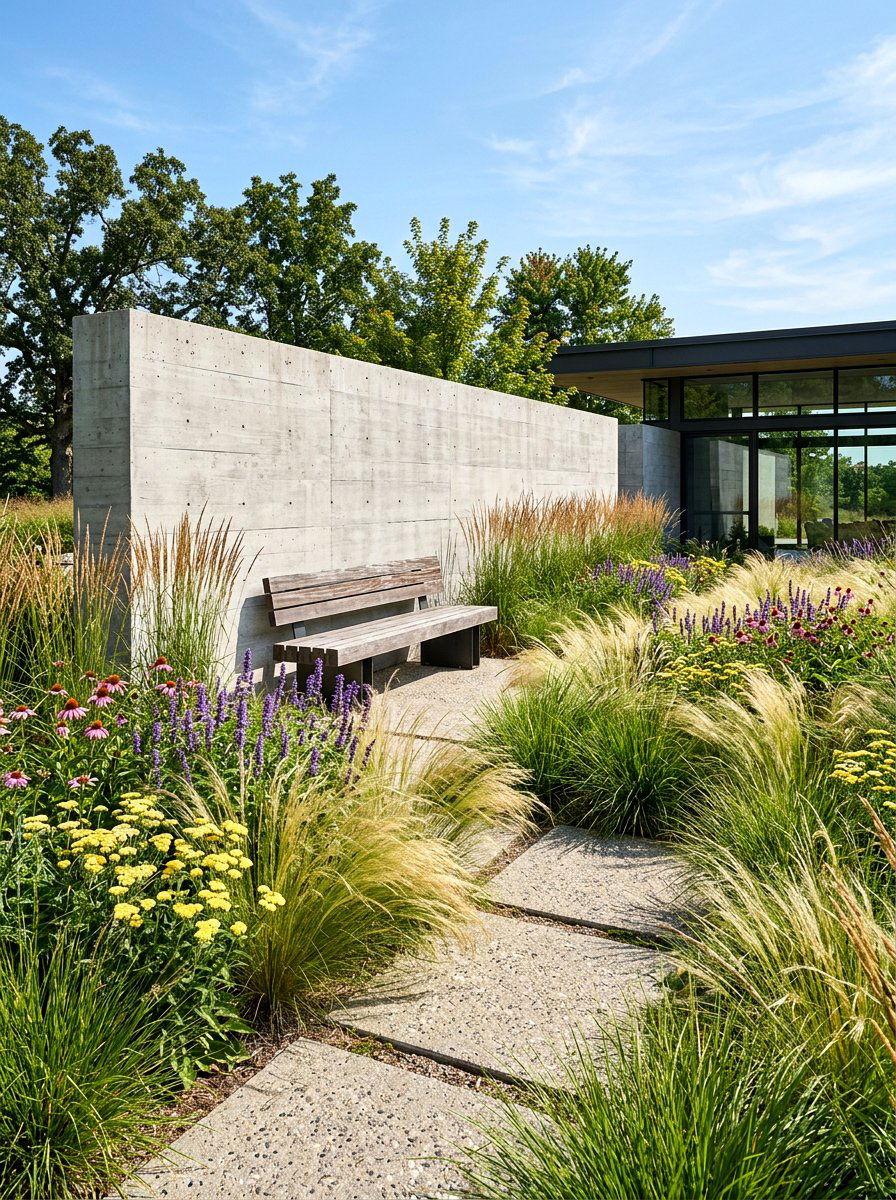
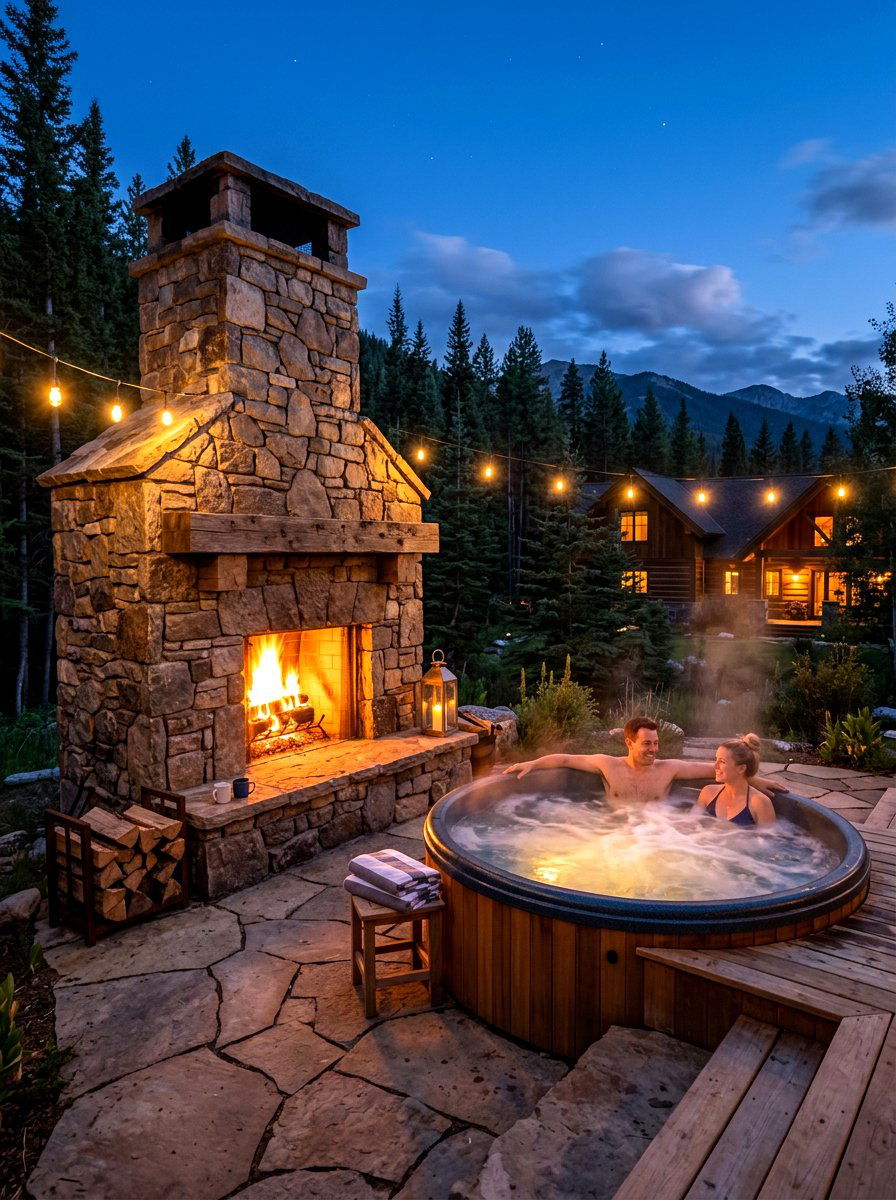
A modern meadow takes a more structured approach to naturalistic planting, often using clean lines and repeating patterns. Instead of a random mix of seeds, the plants are often placed in drifts or groups to create a more organized visual impact. This style often pairs wild-looking grasses with architectural elements like concrete walls, sleek benches, or minimalist water features. It is a great way to incorporate the meadow trend into a contemporary home design without it looking unkempt. The contrast between the soft, moving plants and the hard, static structures creates a sophisticated and calming atmosphere. It appeals to homeowners who want the ecological benefits of a meadow with a more polished appearance.
11. Front Yard Meadow
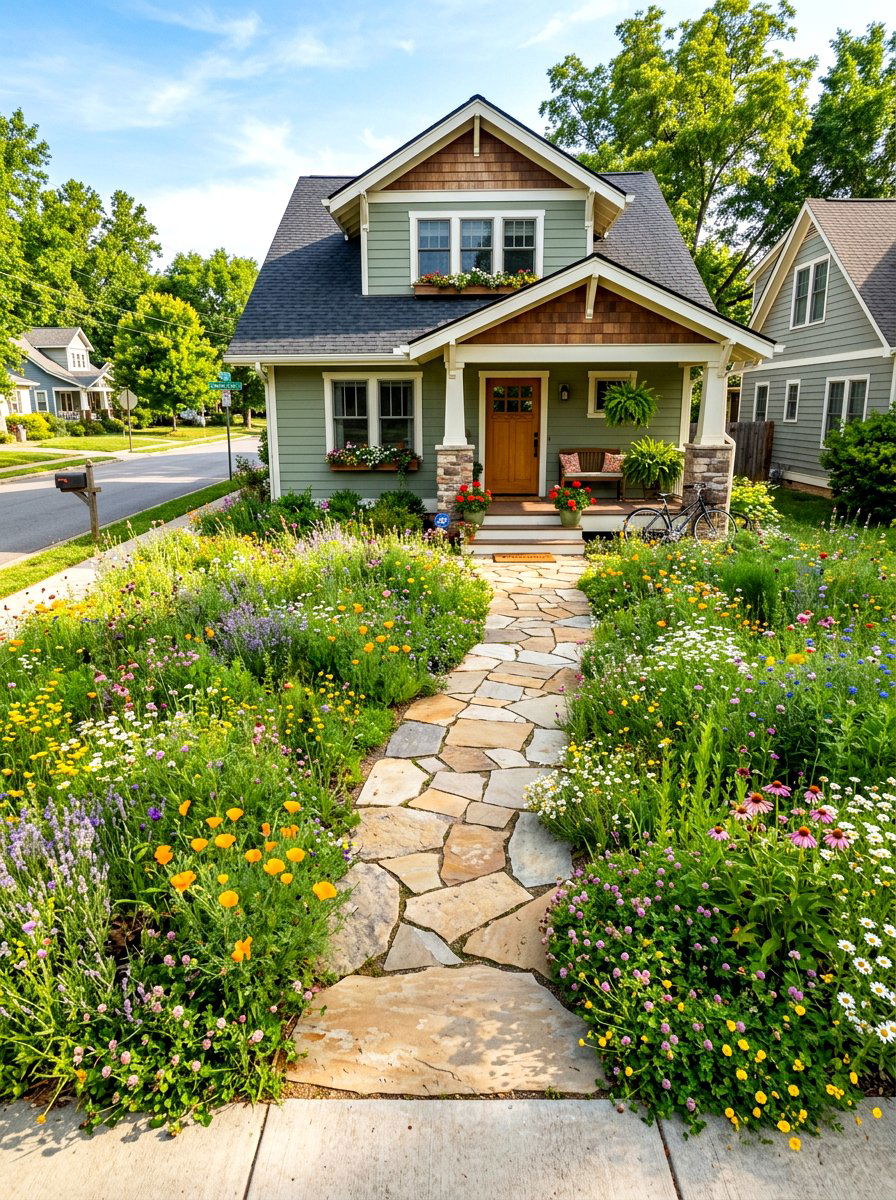
A front yard meadow is a bold and eco-friendly alternative to the standard green lawn. By replacing turf with a mix of low-growing wildflowers and grasses, you can create a welcoming and unique entrance to your home. This approach significantly reduces the time and money spent on mowing and chemicals while providing a curb appeal that stands out. To keep it looking intentional, you might include a mowed border or a neat stone path that leads to the front door. This shows neighbors that the wild look is a deliberate design choice. It is a wonderful way to showcase your commitment to sustainability while adding color and texture to the neighborhood.
12. Meadow Path
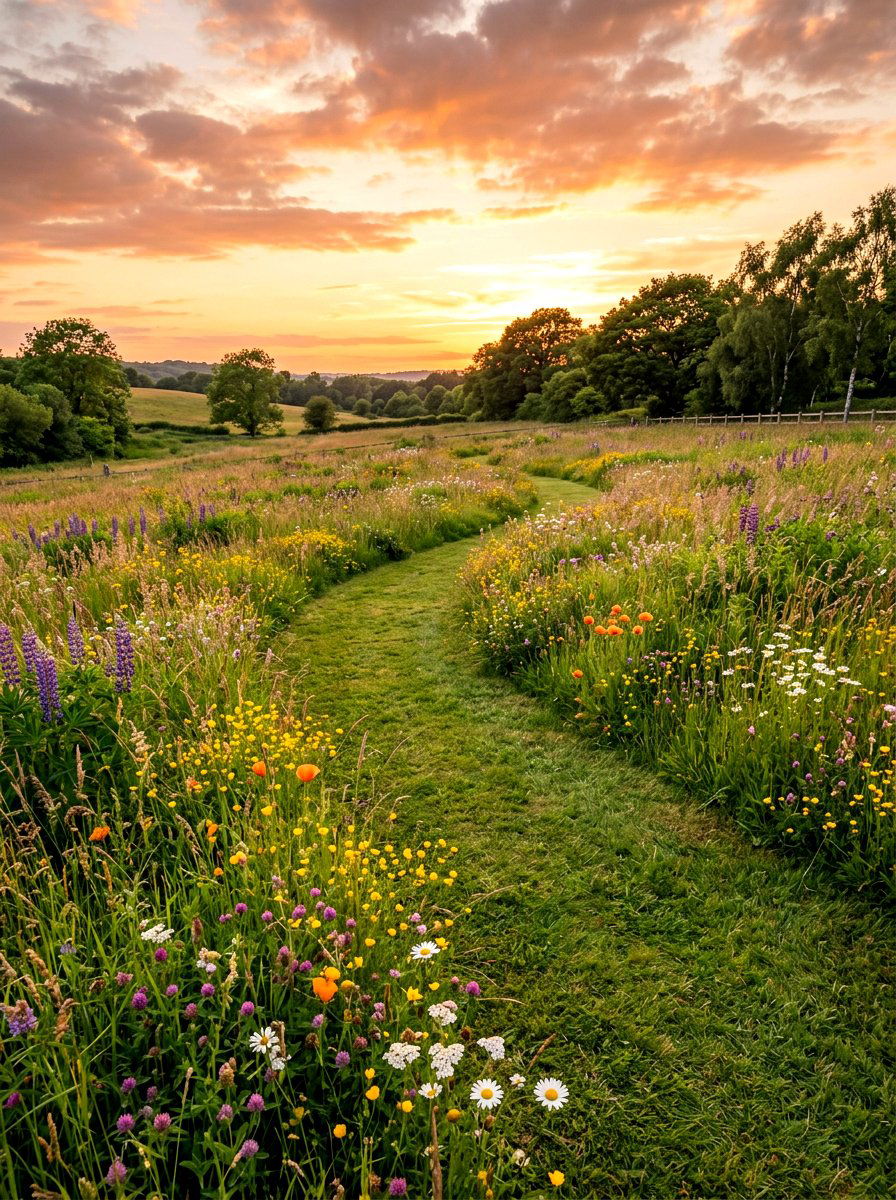
A meadow path is a functional and beautiful way to navigate through a large area of tall plants. By mowing a wide, winding trail through your meadow, you create an inviting journey that encourages exploration. The Contrast between the short, manicured grass of the path and the tall, swaying wildflowers on either side adds a sense of order and design. It allows you to get up close to the flowers and see the bees and butterflies at work without trampling the delicate stems. You can also use materials like stepping stones or bark mulch to define the walkway. This simple addition transforms a wild field into a usable garden space that feels intentional.
13. Low Mow Grass
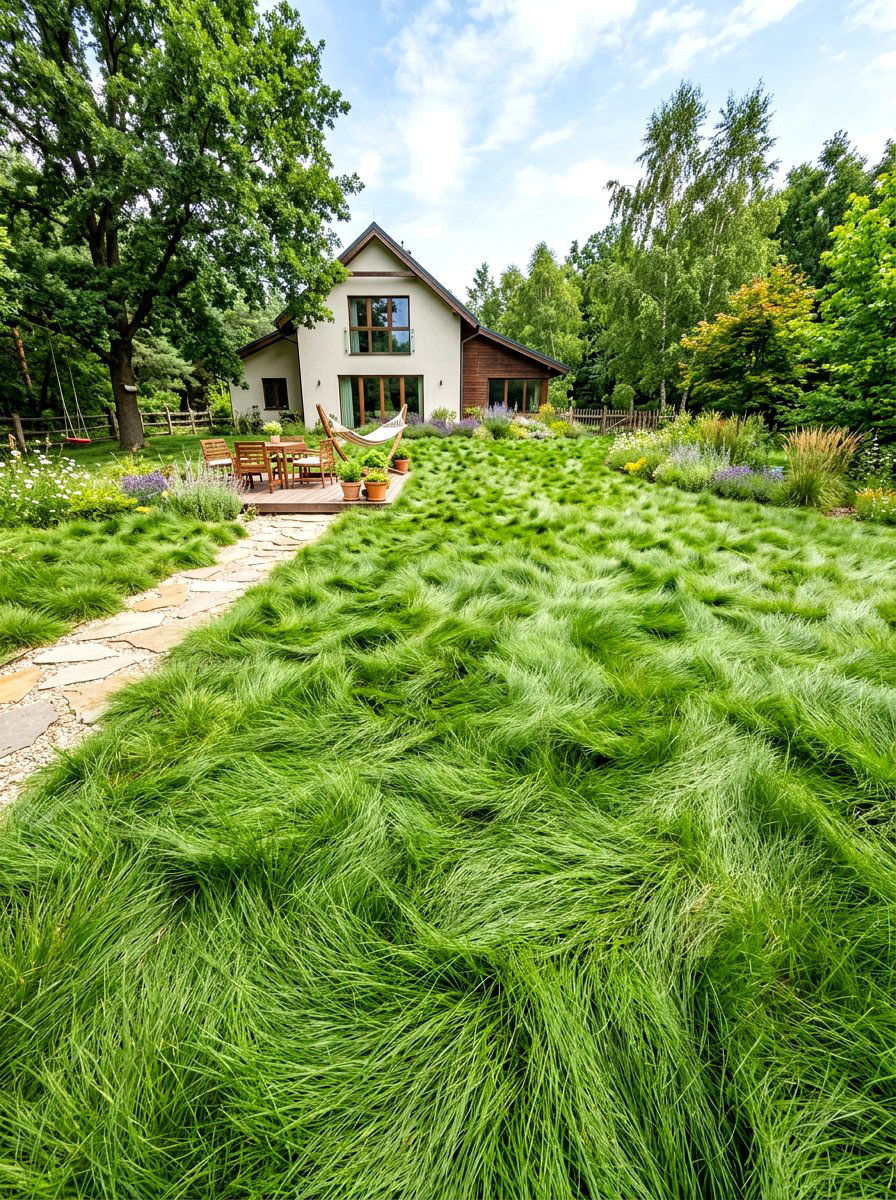
Low mow grass is a practical meadow idea for those who want a softer, more natural look without the height of a traditional wildflower field. These specialized grass mixes, often containing fine fescues, grow slowly and flop over to create a "wavy" effect. You only need to mow them a few times a year, usually in the spring and fall, to keep them healthy. This style provides a lush, green carpet that feels wonderful underfoot while requiring far less maintenance than a golf-course style lawn. It is a great middle ground for families who need a space for children to play but want a more environmentally friendly and beautiful landscape.
14. Drought Tolerant Meadow
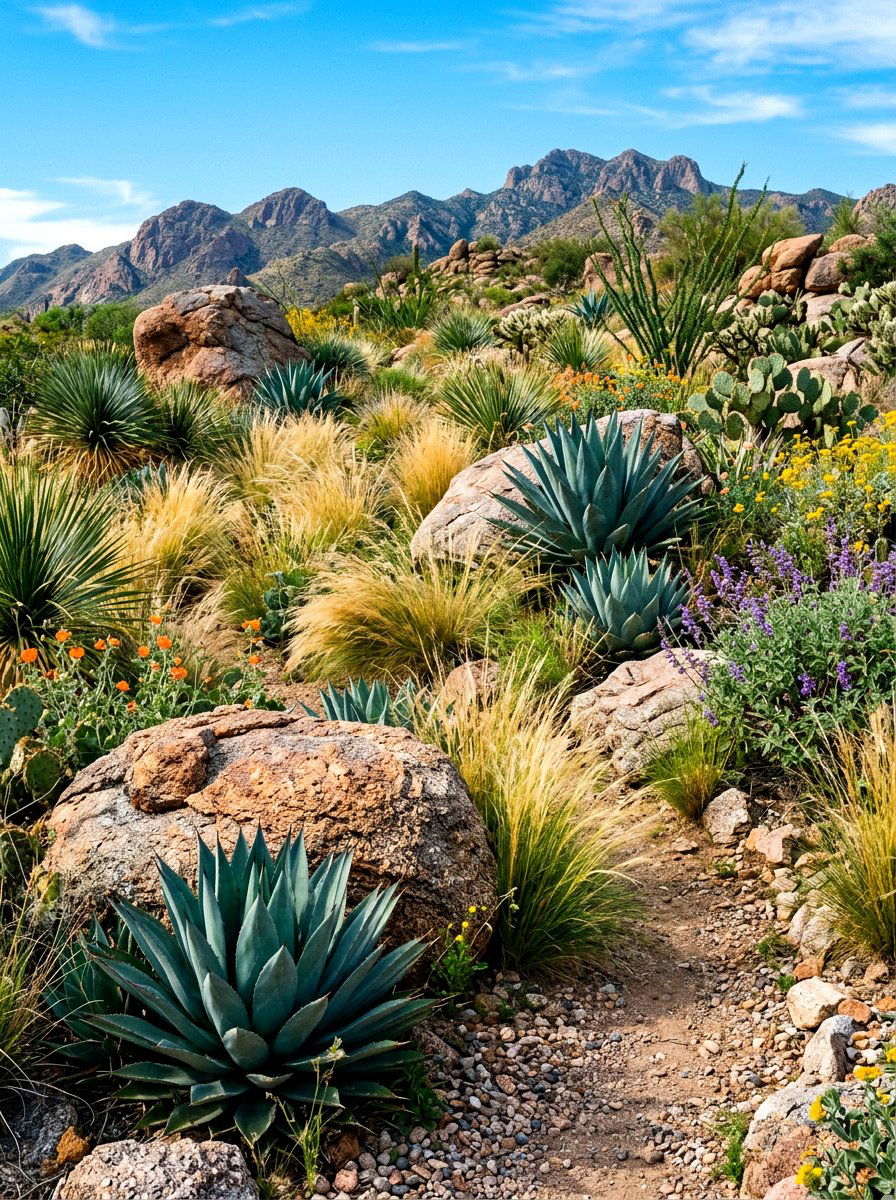
A drought tolerant meadow is specifically engineered to survive in regions with limited rainfall or on properties with sandy soil. This design utilizes "water-wise" plants like agave, yarrow, and various native bunchgrasses that have adapted to dry conditions. Once these plants are established, they require very little supplemental watering, saving you significant resources. The aesthetic often includes silver-leaved plants and hardy textures that look beautiful even in the heat of summer. Incorporating elements like large boulders or dry creek beds can enhance the natural, rugged look of the landscape. It is a resilient and smart choice for a changing climate, offering beauty that does not depend on a heavy irrigation system.
15. Annual Wildflower Patch
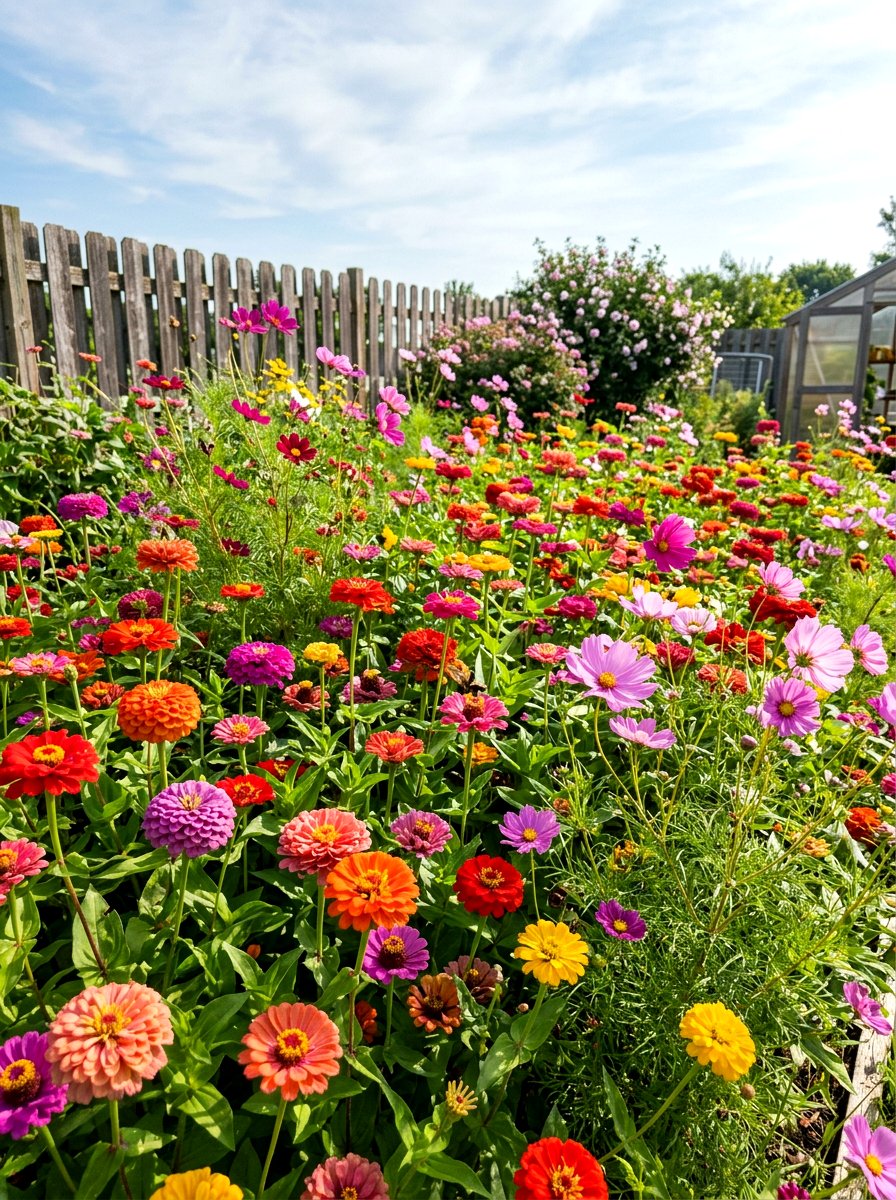
An annual wildflower patch provides an instant burst of intense color and is perfect for a temporary garden or a new landscape. Because annuals like poppies, zinnias, and cosmos complete their life cycle in one season, they bloom quickly and profusely. This is a great way to fill in gaps while waiting for perennial plants to mature or to test out a meadow look in your yard. Each year, you can choose a different color palette or seed mix to keep the garden fresh and exciting. While it requires reseeding every spring, the sheer volume of flowers and the joy of seeing them grow from seed to bloom is well worth the effort.
16. Raised Bed Meadow
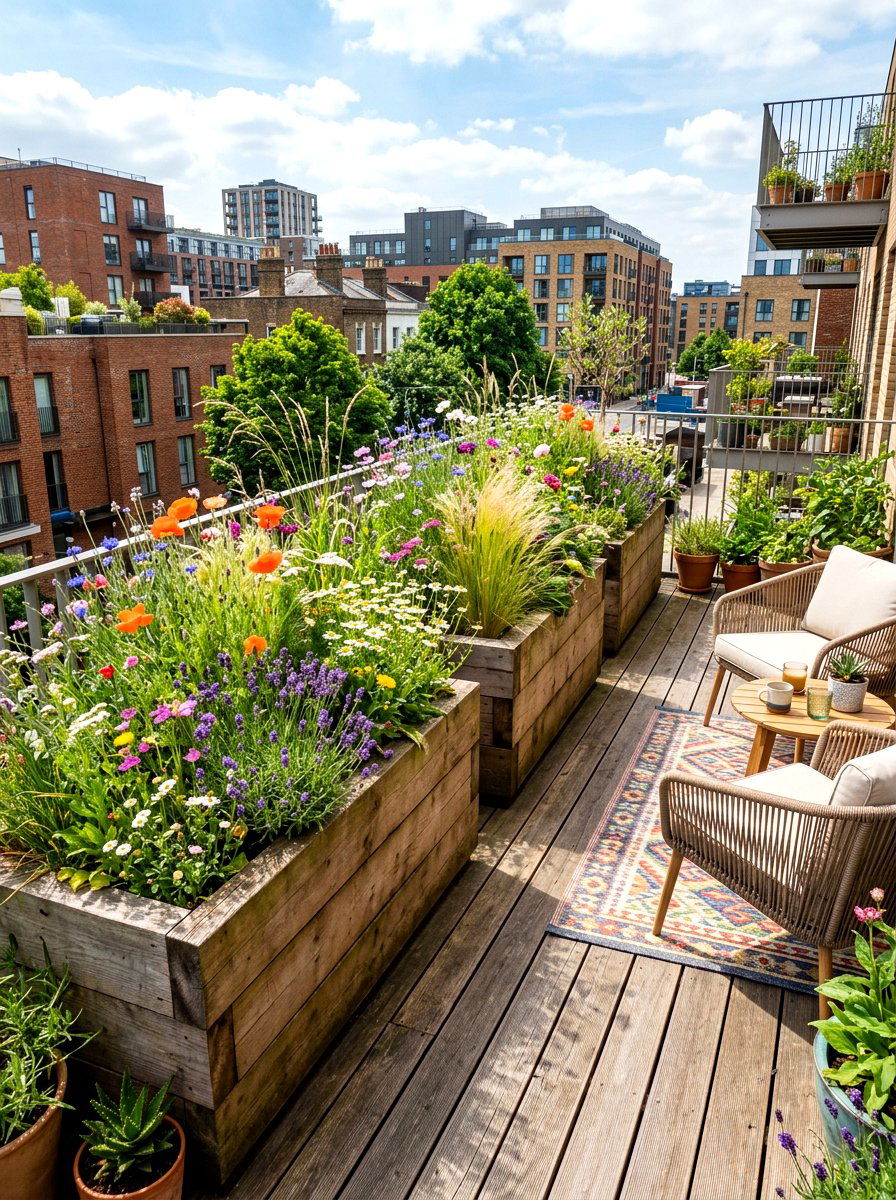
A raised bed meadow is a creative way to bring a wild aesthetic to a patio, deck, or small paved area. By filling deep wooden or stone planters with a mix of meadow seeds, you can enjoy the heights and textures of a field at eye level. This method also allows you to control the soil quality and prevent invasive weeds from creeping in. It is an ideal solution for renters or those with limited ground space who still want to support local pollinators. The contained nature of the raised bed keeps the meadow looking tidy and organized. You can even mix in some edible flowers or herbs to make it a multi-functional garden.
17. Sloped Meadow Garden
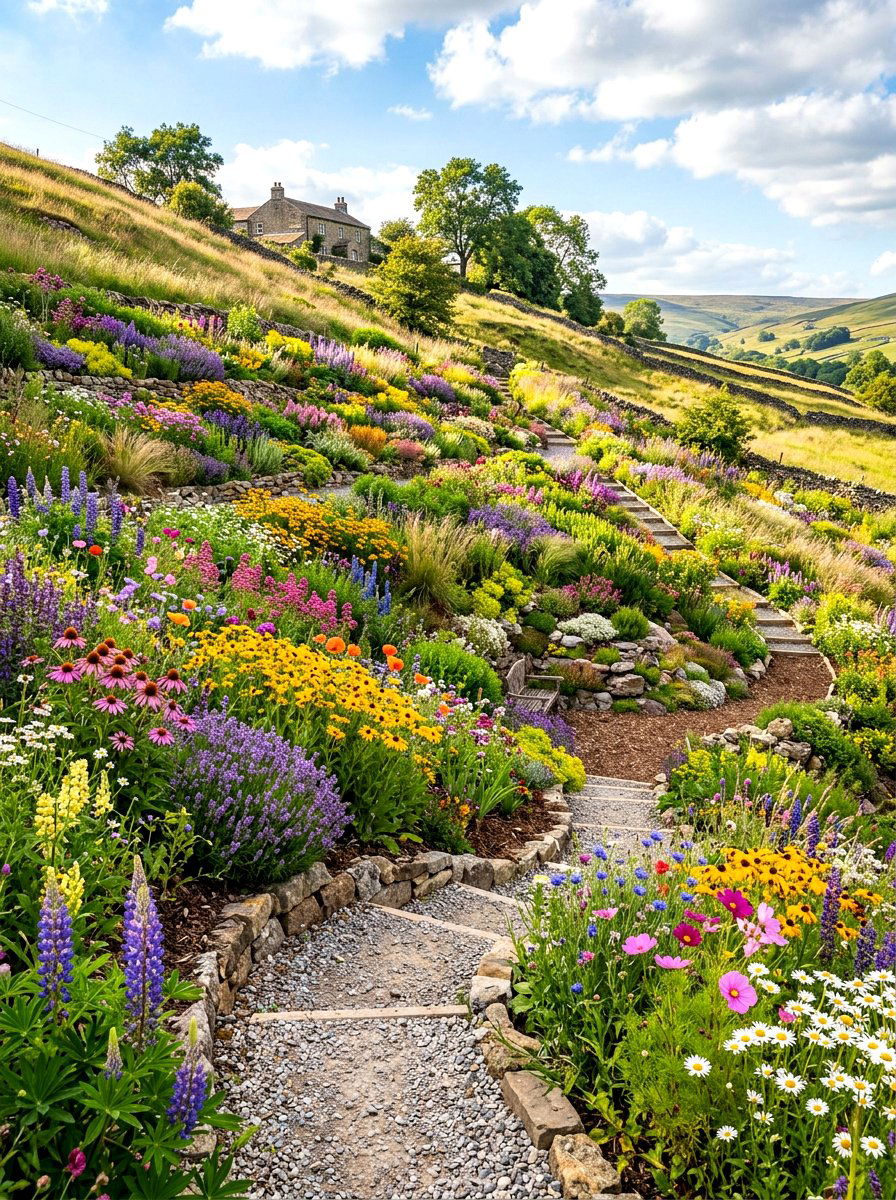
A sloped meadow garden is the perfect way to handle a steep hill where mowing grass would be difficult or dangerous. Instead of struggling with a lawnmower, you can plant deep-rooted native grasses and wildflowers that will stabilize the soil and prevent erosion. The natural variation in height among meadow plants works beautifully on a slope, creating a cascading wall of color and texture. As you look up the hill, the different layers of blooms are easily visible, providing a stunning visual display. This approach turns a landscaping challenge into a major highlight of your property. It is a low-maintenance solution that looks far more interesting than a plain, grassy incline.
18. Wet Meadow Garden
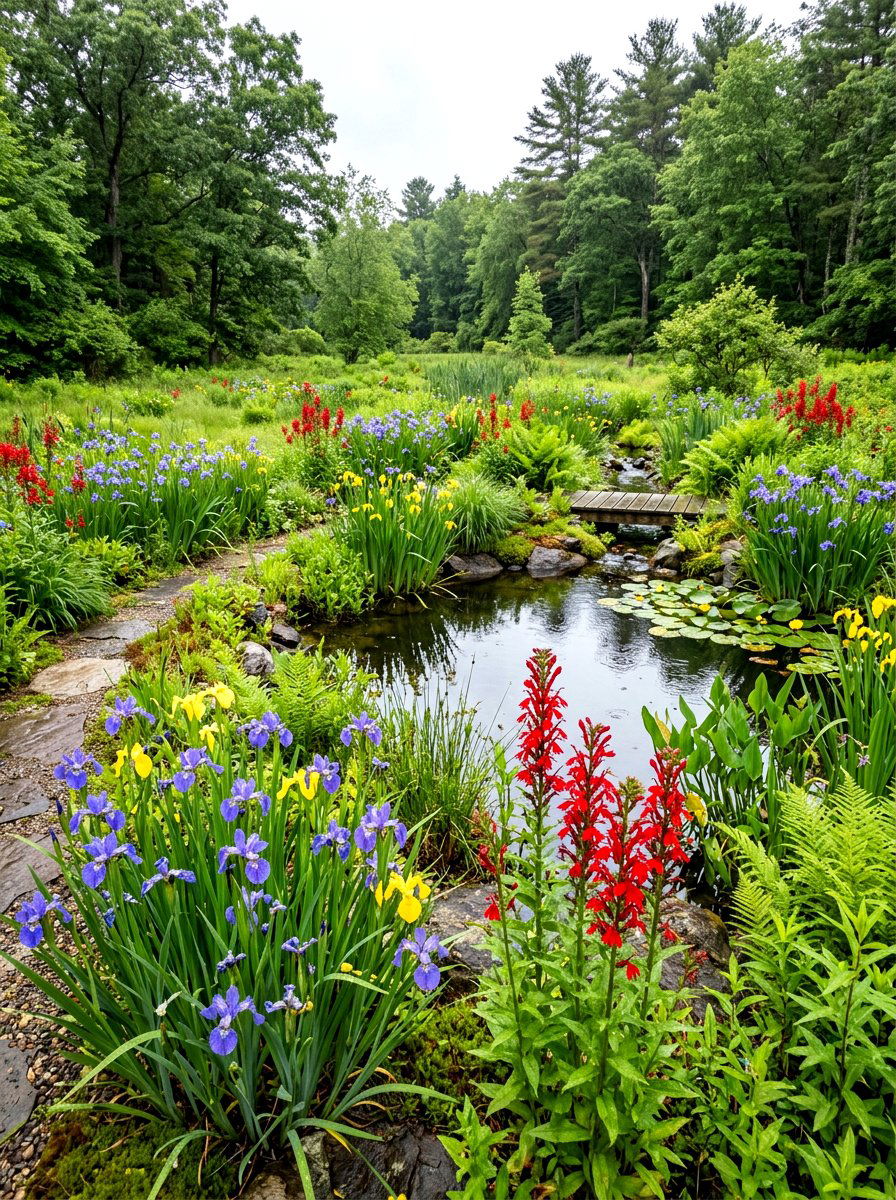
A wet meadow garden is designed for low-lying areas of the yard where water tends to collect after a heavy rain. Instead of fighting the moisture, you can embrace it by planting water-loving species like iris, cardinal flower, and swamp milkweed. These plants have adapted to "wet feet" and will thrive where other garden plants might rot. A wet meadow acts as a natural bio-filter, cleaning the water before it soaks into the ground. It also creates a unique habitat for frogs, dragonflies, and other moisture-loving wildlife. The resulting garden is lush, green, and full of life, turning a swampy problem spot into a beautiful and functional part of your landscape.
19. Coastal Meadow
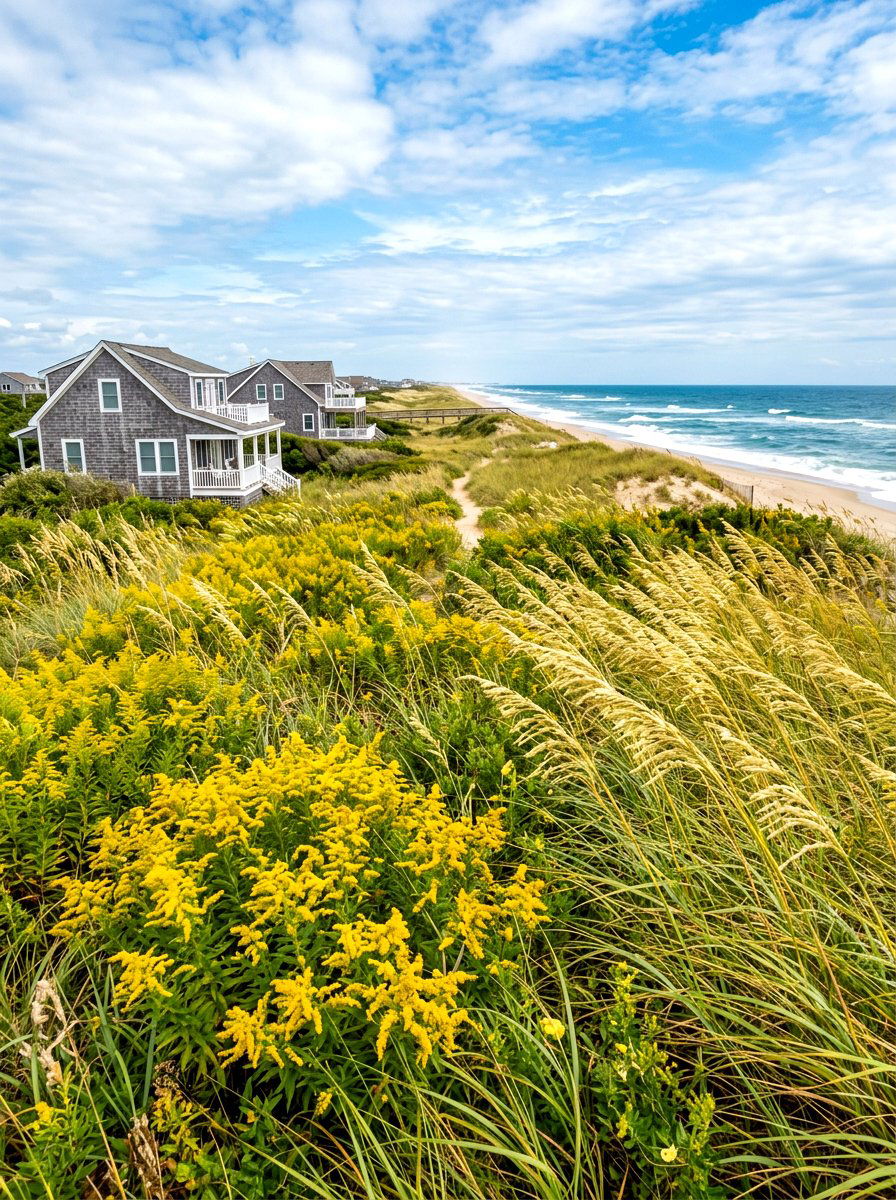
A coastal meadow is built to withstand the unique challenges of seaside living, including salt spray, high winds, and sandy soil. This design uses tough, salt-tolerant plants like sea oats, seaside goldenrod, and rugosa roses. These plants are naturally flexible and resilient, allowing them to sway with the ocean breezes without breaking. The color palette often reflects the seaside environment, with soft blues, sandy yellows, and crisp whites. A coastal meadow looks beautiful against a backdrop of the ocean or a beach house, providing a natural transition between the built environment and the shoreline. It requires very little care once established, making it perfect for a vacation home or a relaxed coastal lifestyle.
20. Urban Meadow
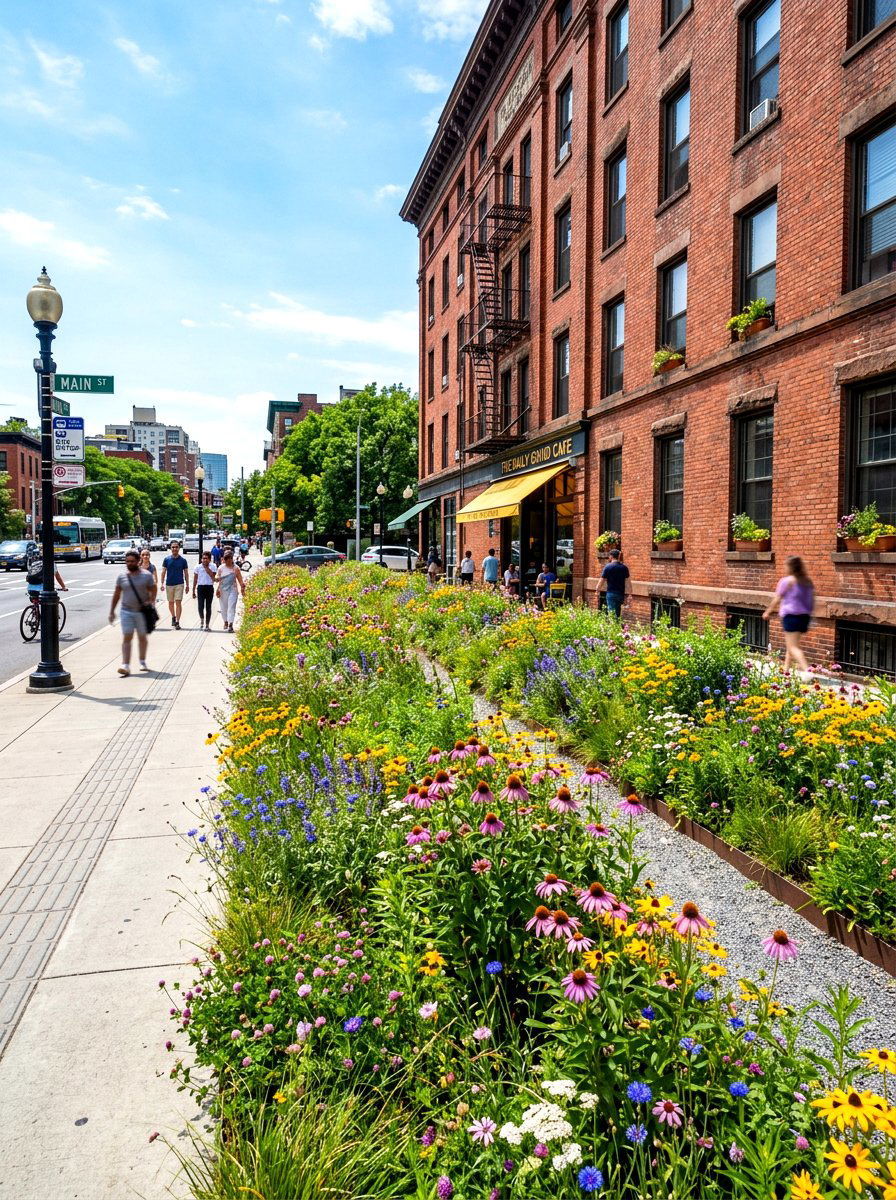
An urban meadow brings a much-needed touch of nature to the middle of a busy city. This can be achieved in a small front yard, a rooftop garden, or even a strip between the sidewalk and the street. Using a mix of hardy, pollution-tolerant plants ensures that the meadow remains healthy despite the urban environment. This type of garden provides a vital "stepping stone" for pollinators traveling through the city. It also helps reduce the "urban heat island" effect by cooling the air around your home. The sight of wildflowers growing amidst concrete and brick creates a beautiful contrast that can brighten up the entire neighborhood and improve your mental well-being.
21. Shade Meadow
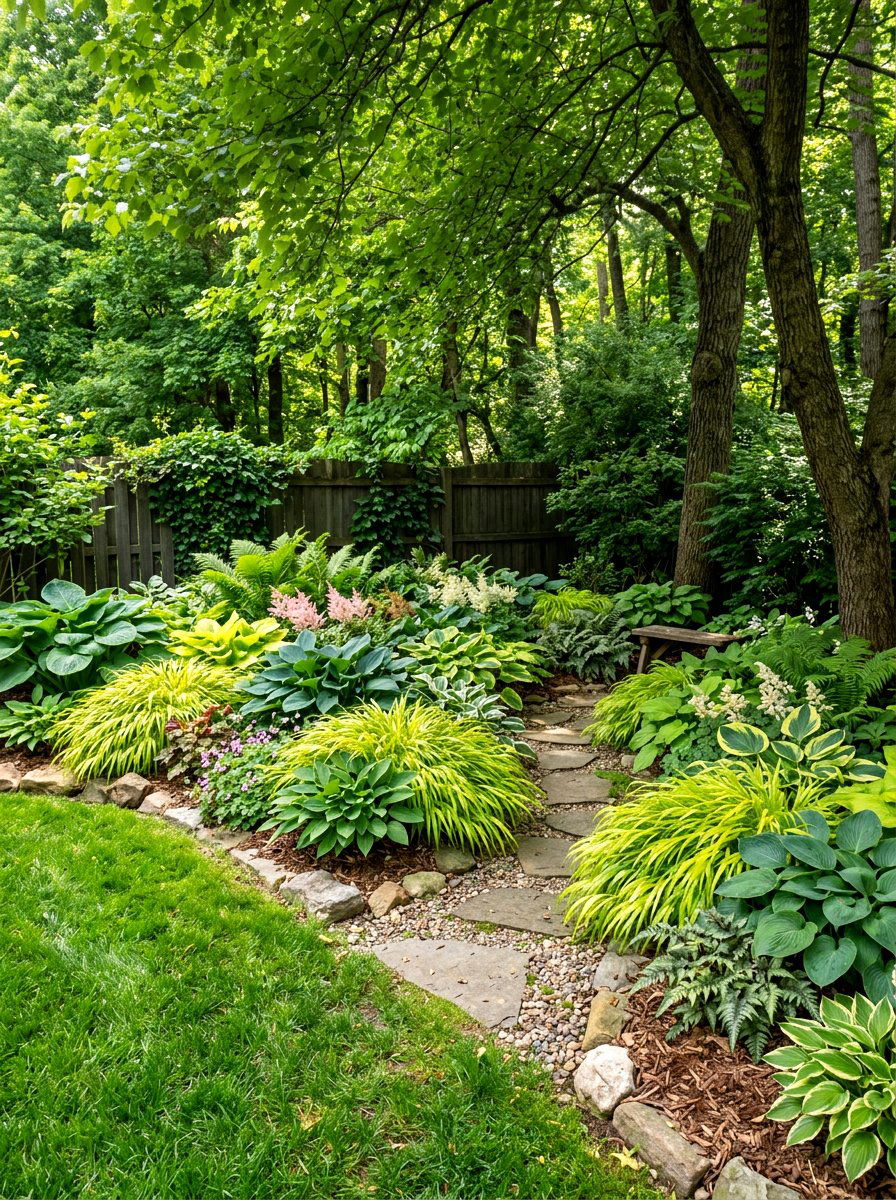
A shade meadow is a tranquil design for areas under dense tree canopies or on the north side of a building. While most people think of meadows as sunny fields, you can create a similar feeling in the shade using woodland perennials and ornamental grasses like Japanese forest grass. Soft-textured plants like hostas, hellebores, and bleeding hearts can be intermingled to provide pops of color and interesting foliage. This type of meadow feels like a cool, lush carpet that invites you to slow down and enjoy the quiet. It is an excellent way to transform a dark, forgotten corner of the garden into a textured and inviting space that feels connected to nature.
22. Meadow Border
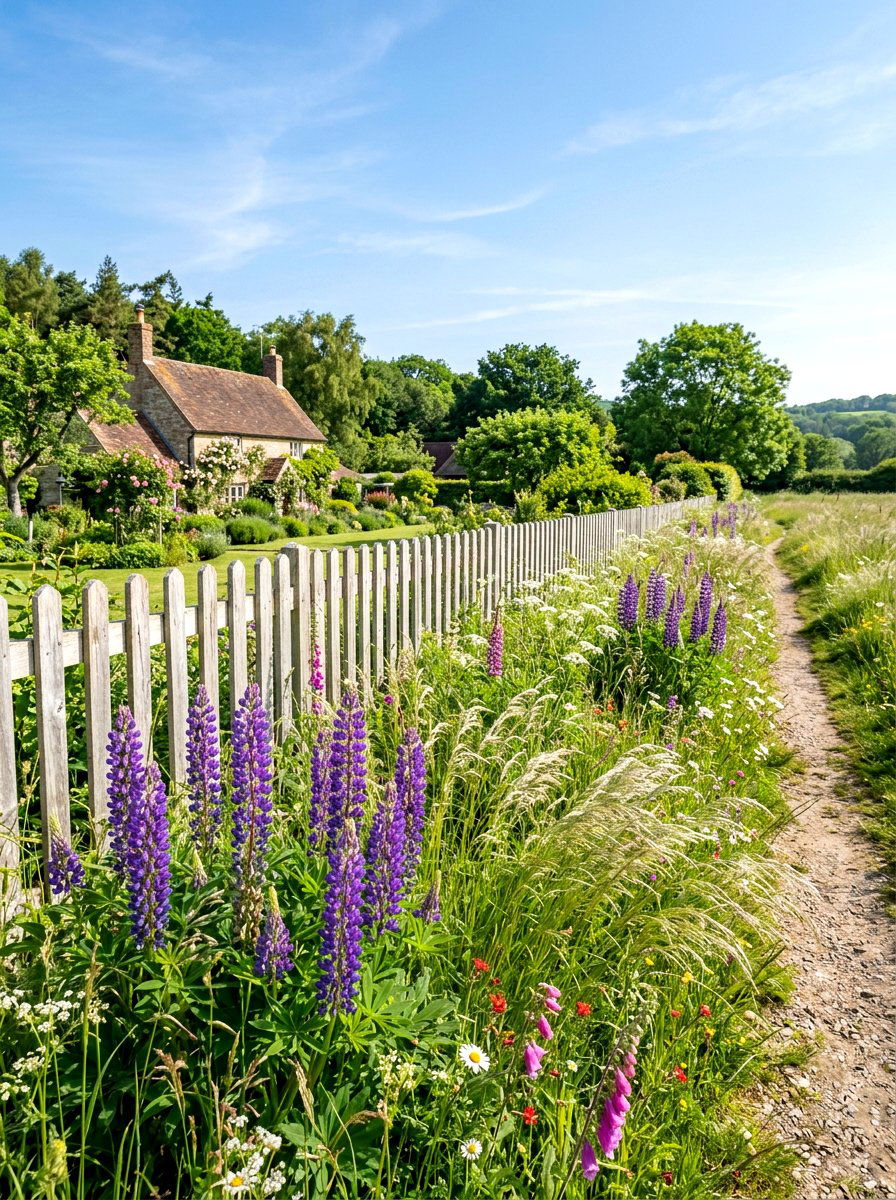
A meadow border is a stylized way to include the meadow look within a more traditional garden layout. Instead of turning the whole yard into a field, you create a long, wide bed filled with meadow-style plants along a fence or driveway. This provides the movement and ecological benefits of a meadow while maintaining a large area of open lawn for activities. By choosing a mix of tall grasses and bold flowers, you can create a soft, living screen that adds privacy and beauty. This approach is a great way to "dip your toe" into meadow gardening without committing to a full transformation. It adds a wonderful, wild energy to any backyard.
23. Butterfly Meadow
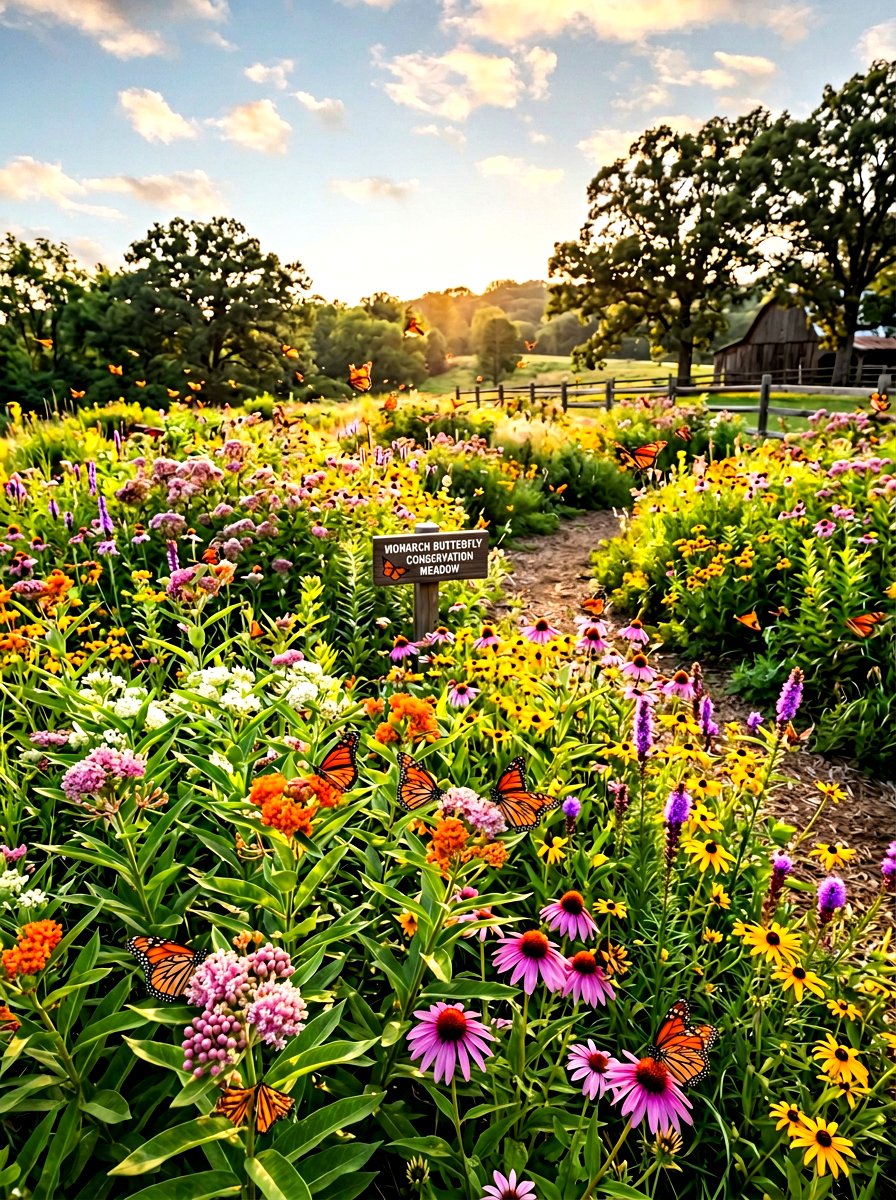
A butterfly meadow is a specialized garden designed to attract and support the entire life cycle of these beautiful insects. This means including "host plants" for caterpillars, like parsley or milkweed, as well as nectar-rich flowers for the adults, like zinnias and purple coneflowers. The design often includes flat stones where butterflies can bask in the sun and shallow dishes of muddy water for "puddling. " By providing everything they need in one place, you can enjoy a constant display of colorful wings throughout the summer months. This type of meadow is educational and fun for children, teaching them about the wonders of metamorphosis and the importance of conservation in our own backyards.
24. Bee Garden Meadow
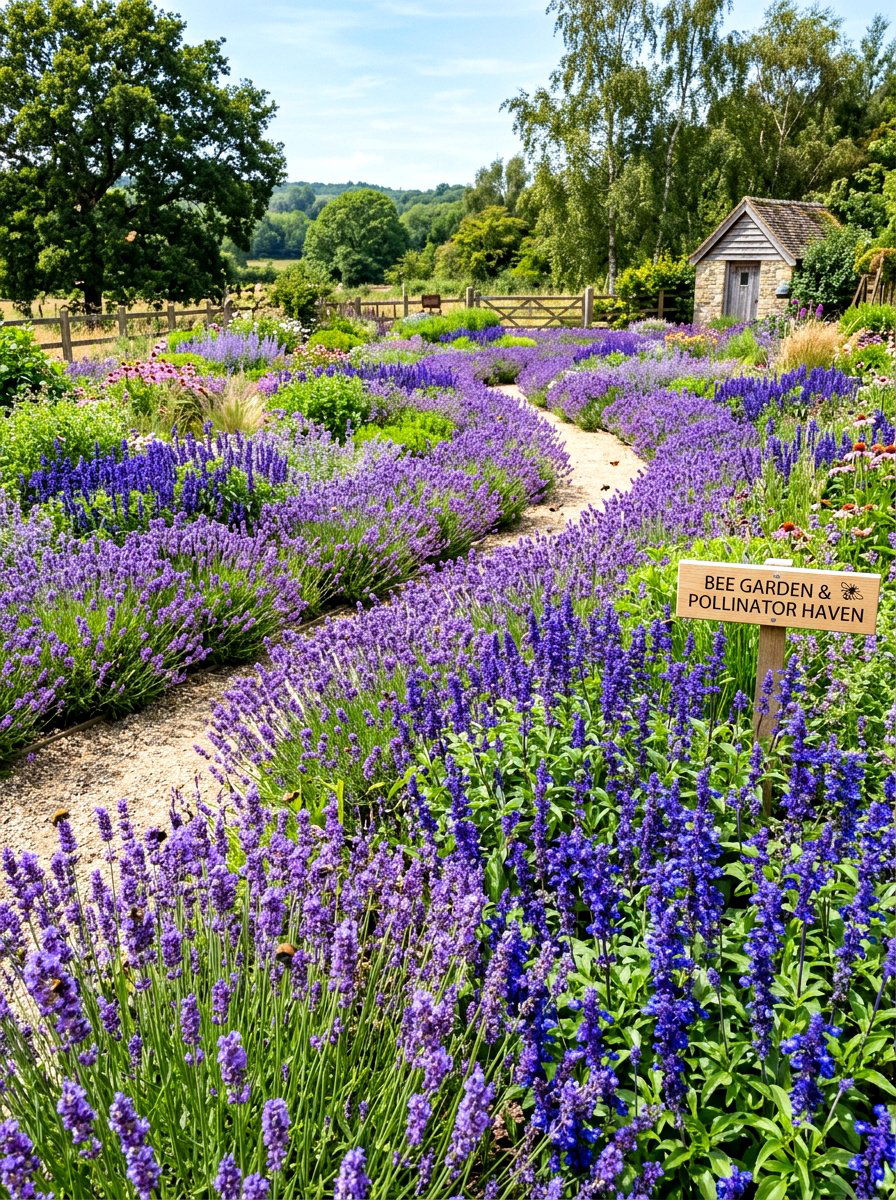
A bee garden meadow focuses on plants that provide high-quality pollen and nectar for honeybees and native bee species. Bees are particularly attracted to blue, purple, and yellow flowers, so including lavender, salvia, and sunflowers is a great start. This meadow should be planted in large "drifts" of the same flower to make it easier for bees to find and collect food efficiently. Avoiding all chemical sprays is essential for the health of these vital pollinators. You might also include a "bee hotel" or leave some bare patches of soil for ground-nesting bees. The gentle hum of activity in a bee-friendly meadow is a sign of a healthy and productive garden ecosystem.

25. Winter Interest Meadow
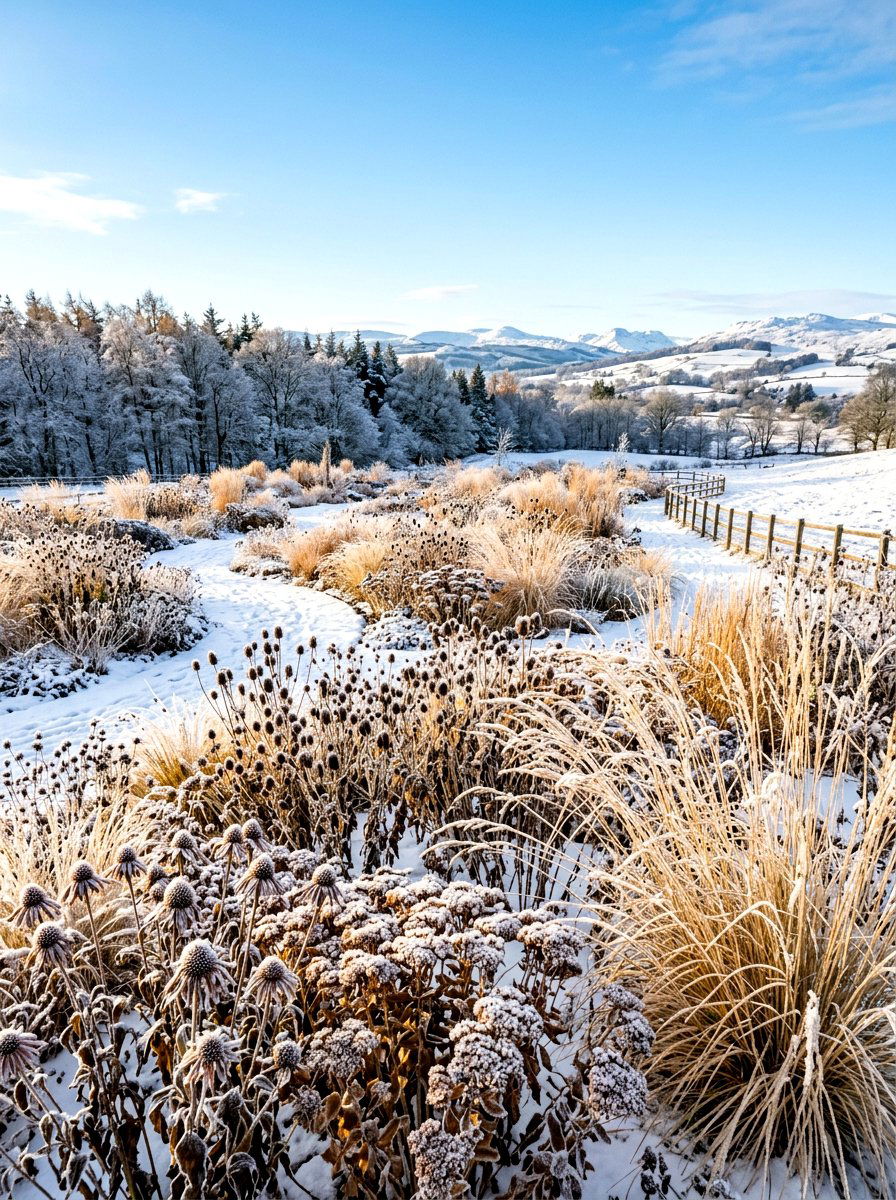
A winter interest meadow is designed to look beautiful even during the coldest months of the year. Instead of cutting everything back in the fall, you leave the seed heads and dried stalks of grasses and perennials standing. The frost and snow catch on the golden-brown textures, creating a magical, sculptural landscape. Plants like sedum, echinacea, and ornamental grasses provide structure and visual interest throughout the winter. These standing plants also offer vital food and shelter for birds and beneficial insects during the dormant season. This approach encourages you to see the beauty in every phase of a plant's life, turning your garden into a year-round work of art.
26. Minimalist Meadow
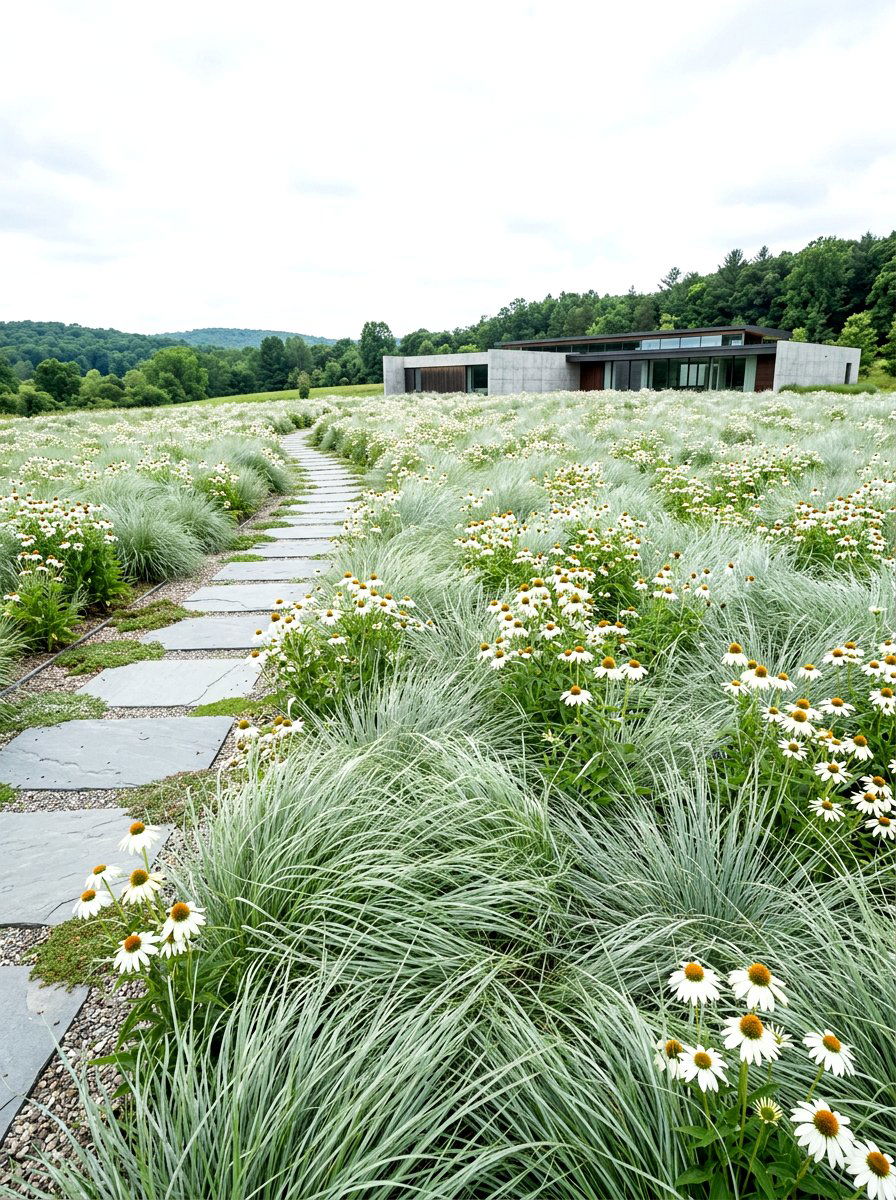
A minimalist meadow uses a very limited palette of plants to create a calm and sophisticated outdoor space. Instead of a riot of color, this design might focus on just one or two types of grass paired with a single species of white or pale flower. The emphasis is on the repetition of form and the subtle movement of the plants in the wind. This look works perfectly with modern architecture, providing a soft but disciplined contrast to hard lines and simple materials. It feels peaceful and uncluttered, offering a place for the mind to rest. A minimalist meadow is easy to maintain and makes a powerful design statement with very little effort.
27. Formal Meadow
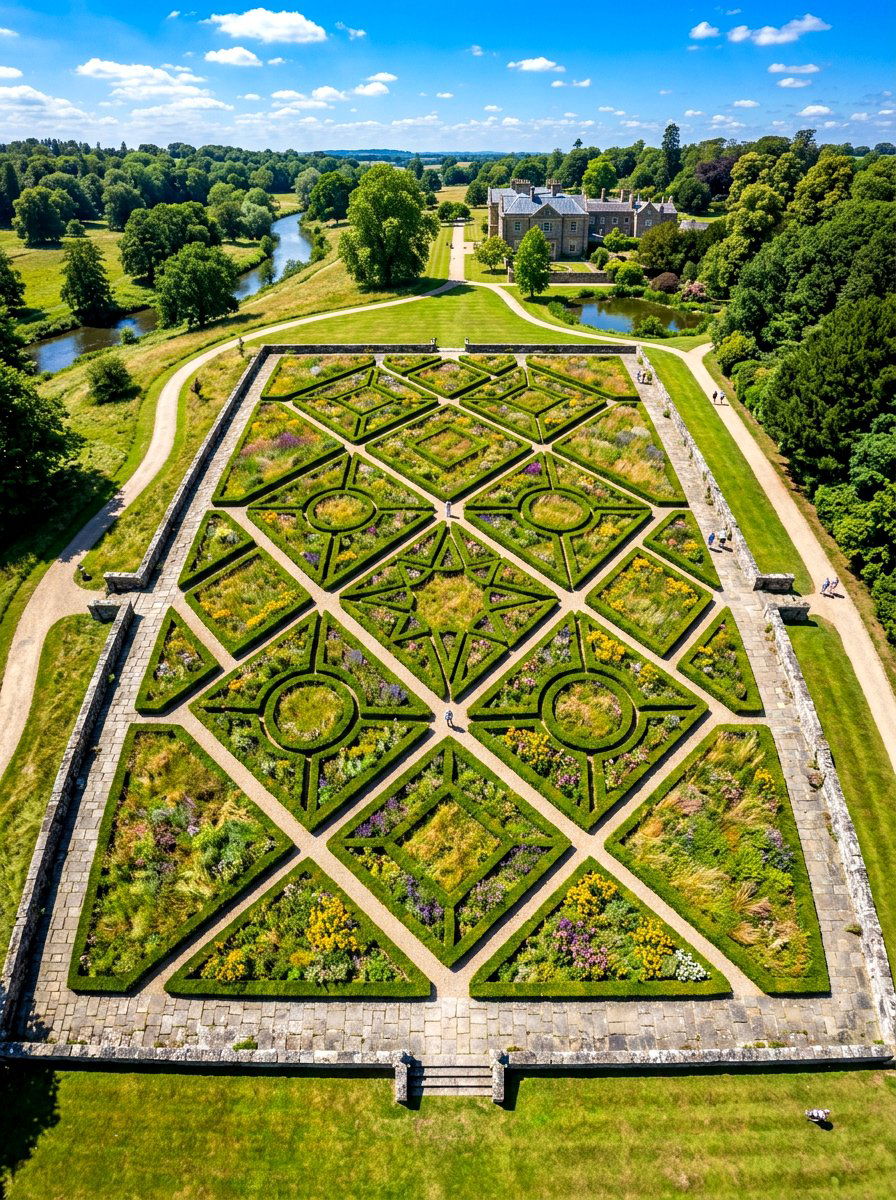
A formal meadow is an interesting contradiction that brings a sense of order to a wild planting style. This can be achieved by planting a meadow-style mix within a very geometric framework, such as a large rectangular bed or a circle surrounded by a clipped boxwood hedge. The contrast between the wild, unruly plants inside and the sharp, neat edges outside creates a striking and artistic look. You can also use formal elements like a central statue or a perfectly straight stone path to ground the design. This style is perfect for those who love the look of wildflowers but want their garden to feel structured and carefully curated to match a traditional home.
28. Side Yard Meadow
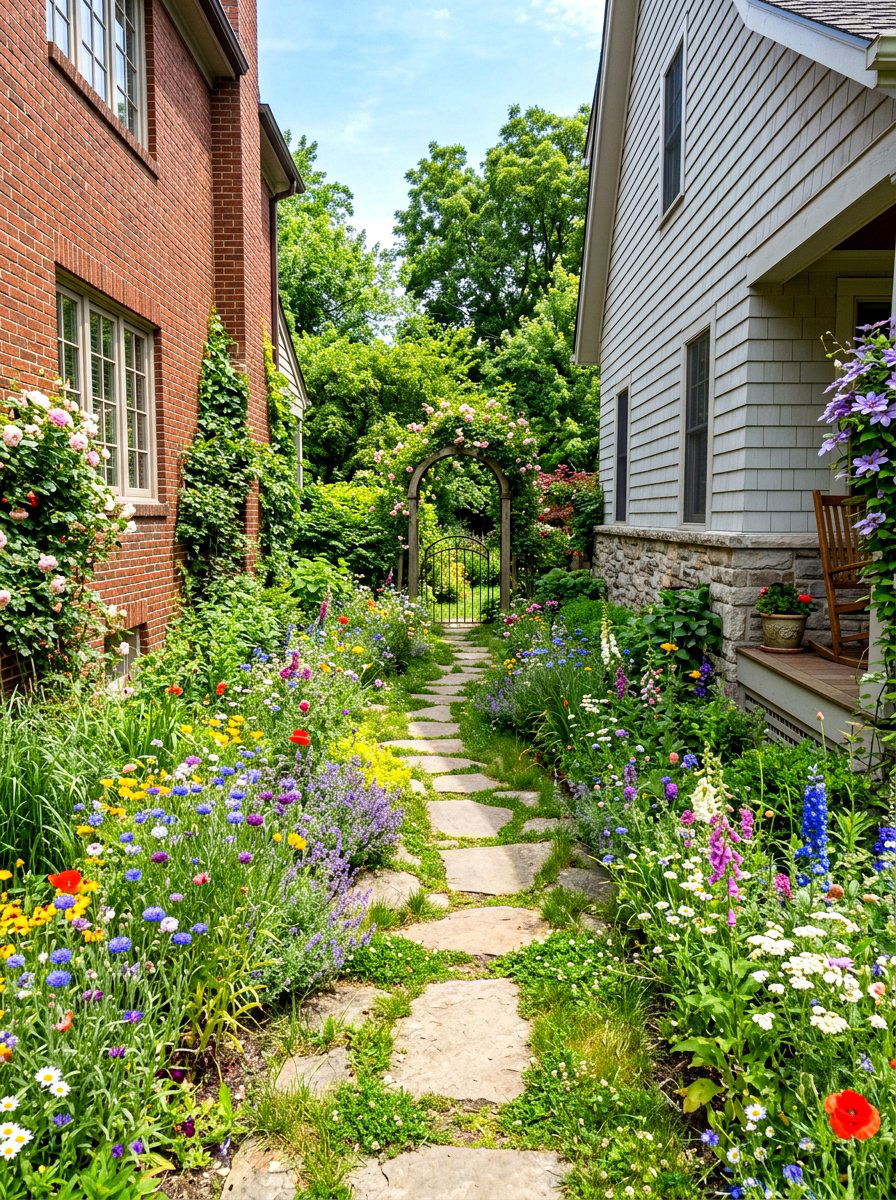
A side yard meadow is a brilliant way to utilize the often-ignored narrow strips of land between houses. These areas are frequently difficult to mow and can become a magnet for weeds. By planting a mix of low-maintenance meadow plants, you can turn a boring passageway into a beautiful, hidden garden walk. Because side yards often have varying light conditions, you can use a mix of sun-loving and shade-tolerant plants to ensure success. This transformation makes the journey from the front of the house to the back much more enjoyable. It is a smart use of space that adds value and charm to even the most overlooked parts of your property.
29. Sustainable Meadow
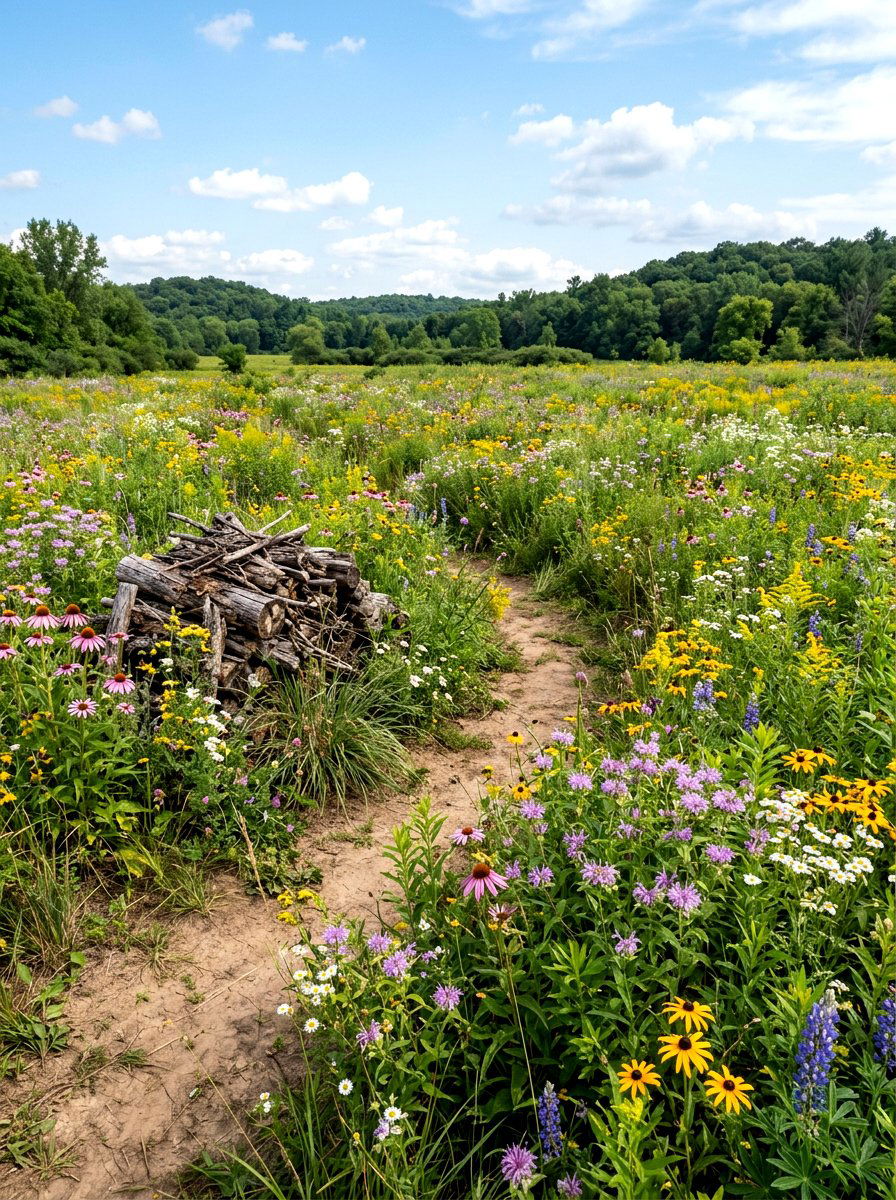
A sustainable meadow is the ultimate choice for environmentally conscious homeowners who want a garden that gives back to the earth. This design uses only native plants that have not been treated with chemicals, ensuring a safe haven for wildlife. It prioritizes soil health through the use of organic mulch and avoids the use of power tools once established. A sustainable meadow helps sequester carbon, improves water infiltration, and supports a complex web of local life. By choosing this path, you are creating a landscape that is in harmony with the natural world rather than fighting against it. It is a deeply fulfilling way to garden that benefits the planet for years to come.
30. Scented Meadow
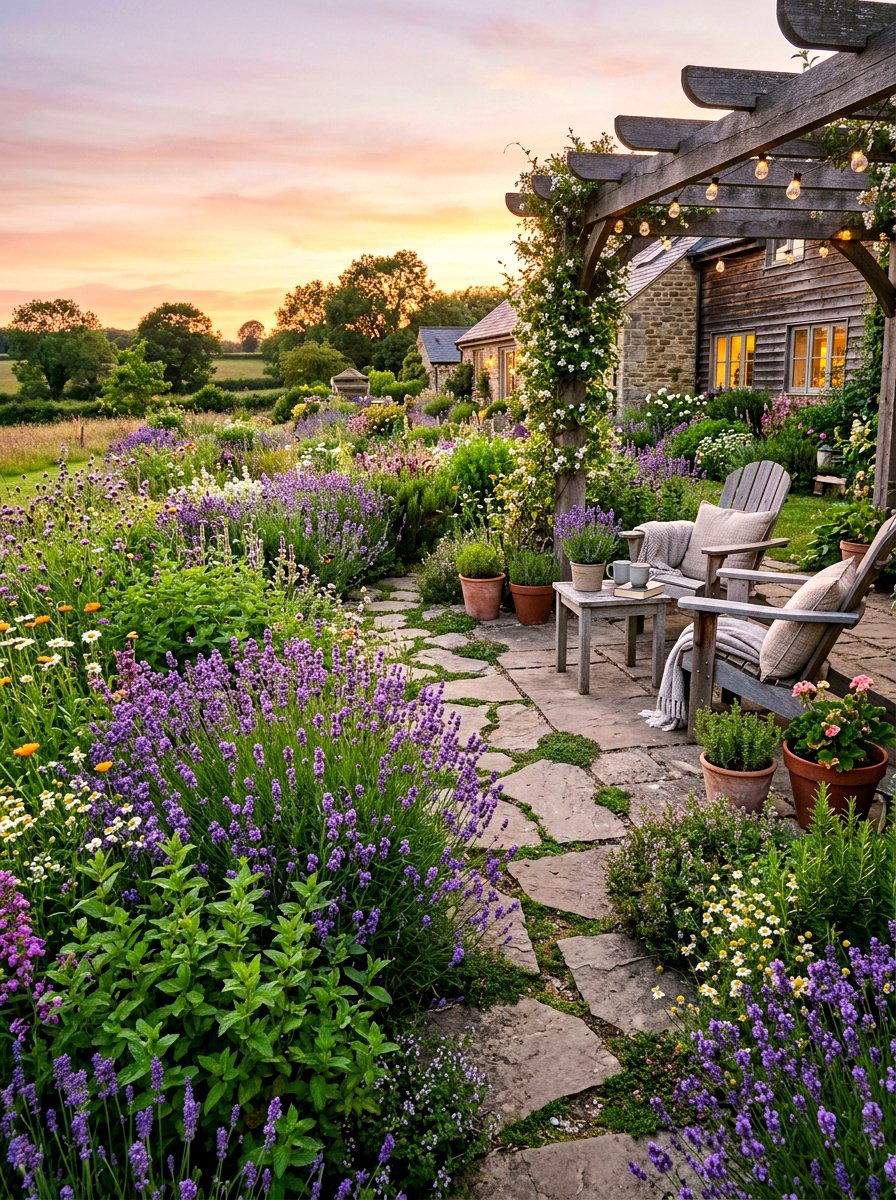
A scented meadow is designed to delight the sense of smell as much as the sense of sight. This involves incorporating aromatic plants like wild mint, lavender, and sweet-scented stocks into your meadow mix. As you walk along a path or as the wind blows through the garden, these fragrances are released into the air, creating a truly immersive experience. Fragrant meadows are especially wonderful when planted near a patio or an open window where you can enjoy the scents throughout the day. Many scented plants also attract specific pollinators, adding another layer of interest to the garden. It is a simple way to add a touch of luxury and sensory magic to your landscape.
Conclusion:
Transitioning your traditional lawn into a meadow garden is a journey toward a more sustainable and beautiful way of living. These thirty ideas demonstrate that a meadow can fit into any style of home, from the most modern urban dwelling to a cozy country cottage. By choosing native plants and embracing a less manicured aesthetic, you are supporting local wildlife and reducing your environmental footprint. The reward is a dynamic, ever-changing landscape that brings the joy of the wild right to your doorstep. Whether you start with a small patch or transform your entire yard, a meadow garden offers a peaceful retreat that celebrates the true beauty of nature.

Related posts: