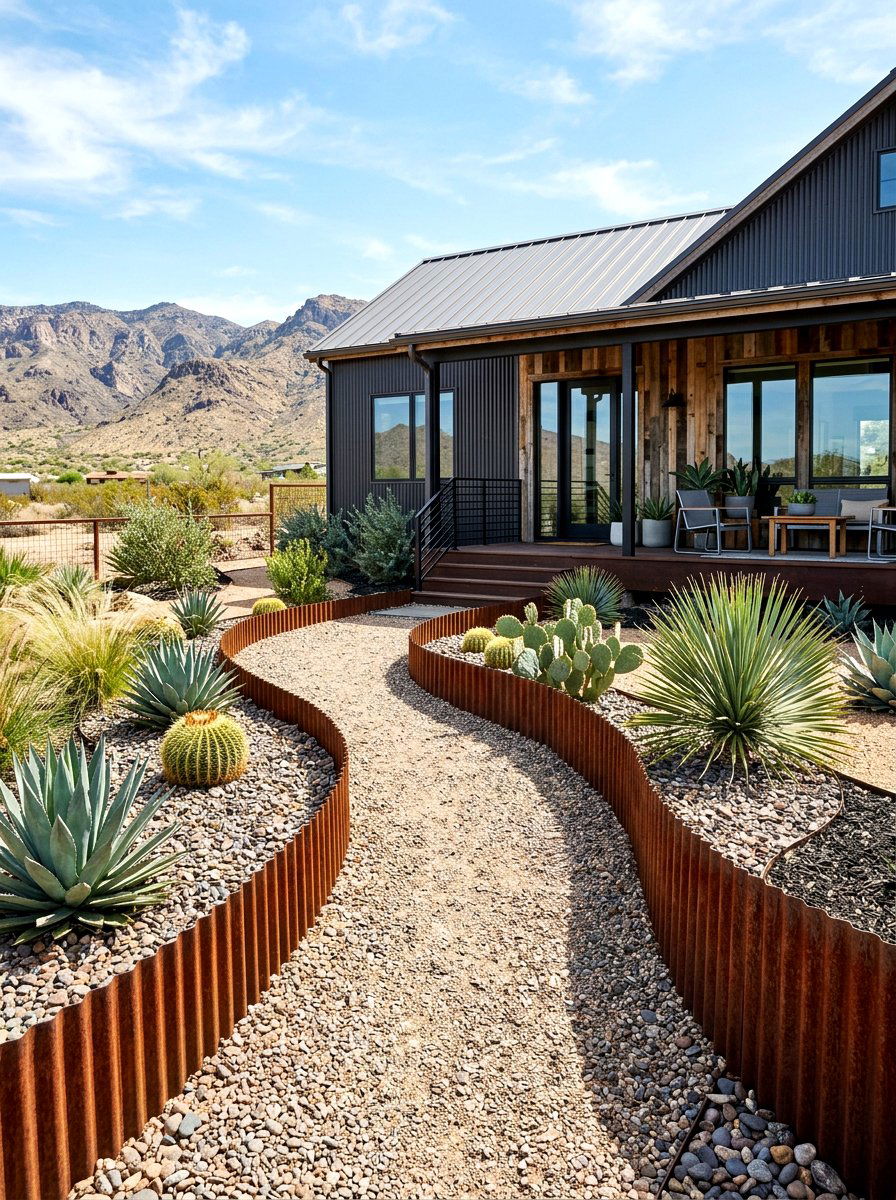
Transforming your traditional grass lawn into a vibrant meadow front yard is a rewarding way to embrace nature right at your doorstep. Many homeowners are now moving away from high-maintenance turf in favor of biodiverse landscapes that support local ecosystems. A meadow-style front yard offers a tapestry of colors and textures that changes with every season. It provides a sanctuary for pollinators like bees and butterflies while significantly reducing the need for constant mowing and chemical fertilizers. This approach to landscaping blends ecological responsibility with a wild, romantic aesthetic that instantly boosts curb appeal. You can create a stunning, sustainable outdoor space that reflects the untamed beauty of the natural world through careful planning.
1. Native Wildflower Meadow
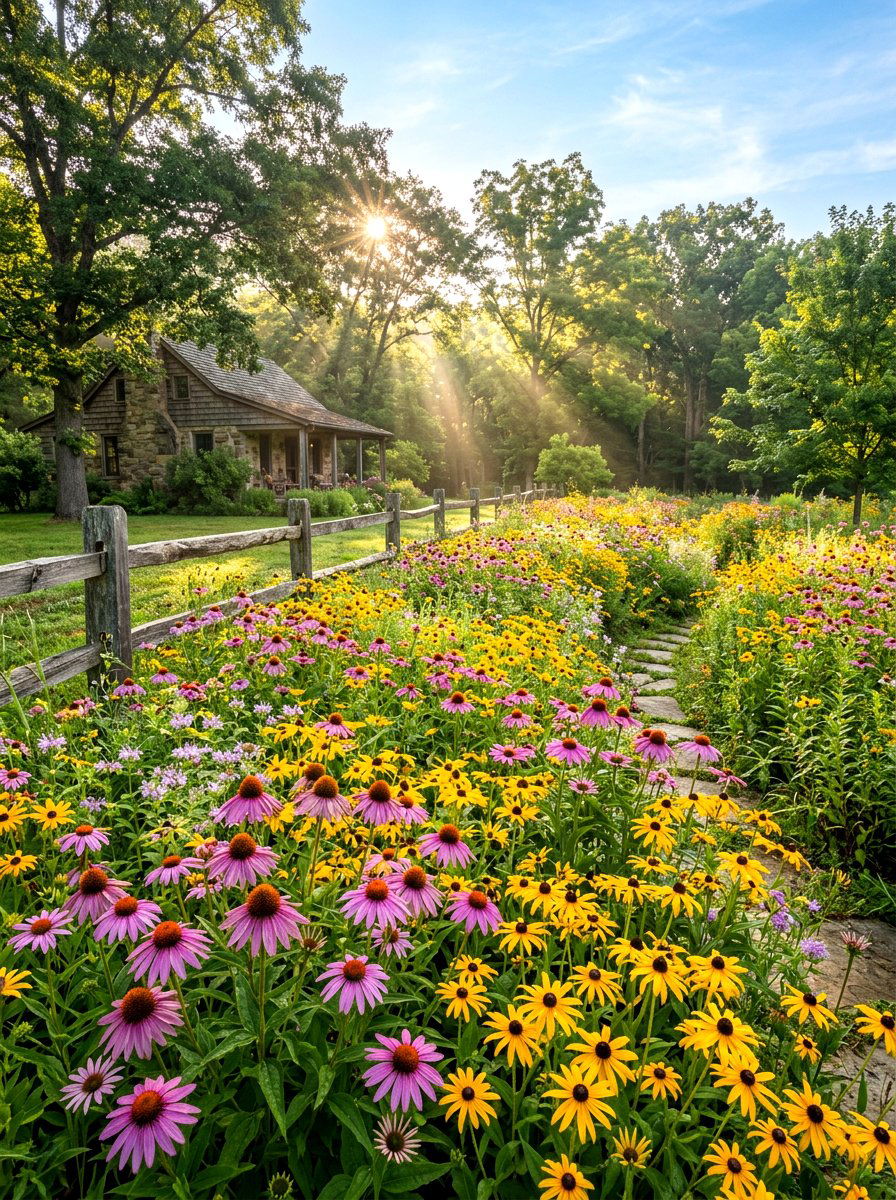
Imagine stepping out of your front door into a sea of native wildflowers that sway gently in the breeze. Using local species is the most effective way to ensure your meadow thrives with minimal intervention from you. These plants are already adapted to your specific climate and soil conditions, making them incredibly hardy and resilient. You should research which varieties are indigenous to your region to create an authentic look. A mix of perennial and annual seeds will provide continuous color throughout the spring and summer months. This type of yard requires very little water once established and creates a living canvas that celebrates local biodiversity in a beautiful and sustainable way.
2. Pollinator Friendly Front Yard
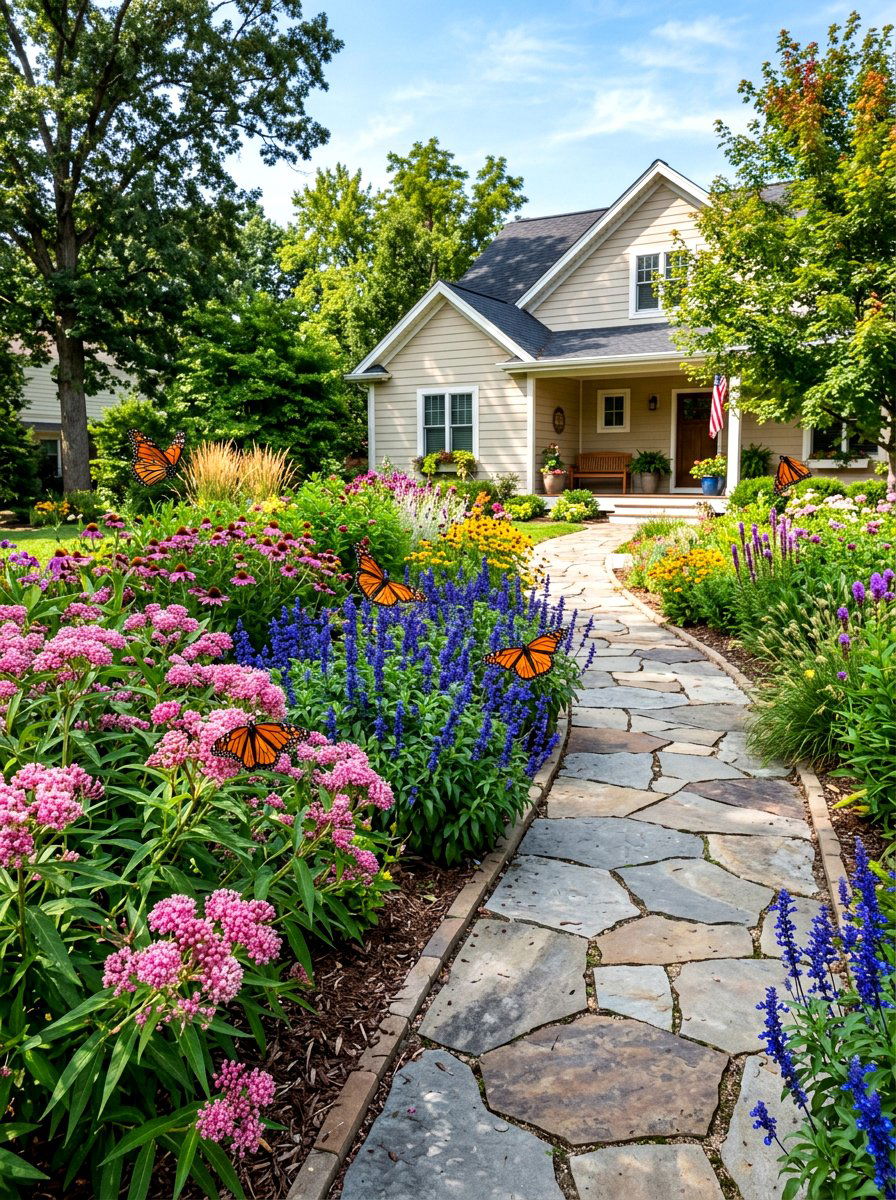
Creating a front yard that serves as a sanctuary for bees and butterflies is both beautiful and environmentally impactful. You can achieve this by selecting a wide variety of nectar-rich flowers that bloom at different times throughout the growing season. Plants like purple coneflower, milkweed, and bee balm are excellent choices for attracting local pollinators to your home. This design focuses on creating a functional habitat rather than a perfectly manicured space. The resulting landscape is full of movement and life, providing endless entertainment as you watch hummingbirds and insects visit. It is a wonderful way to contribute to the health of your local environment while enjoying a colorful yard.
3. Low Maintenance Meadow Lawn
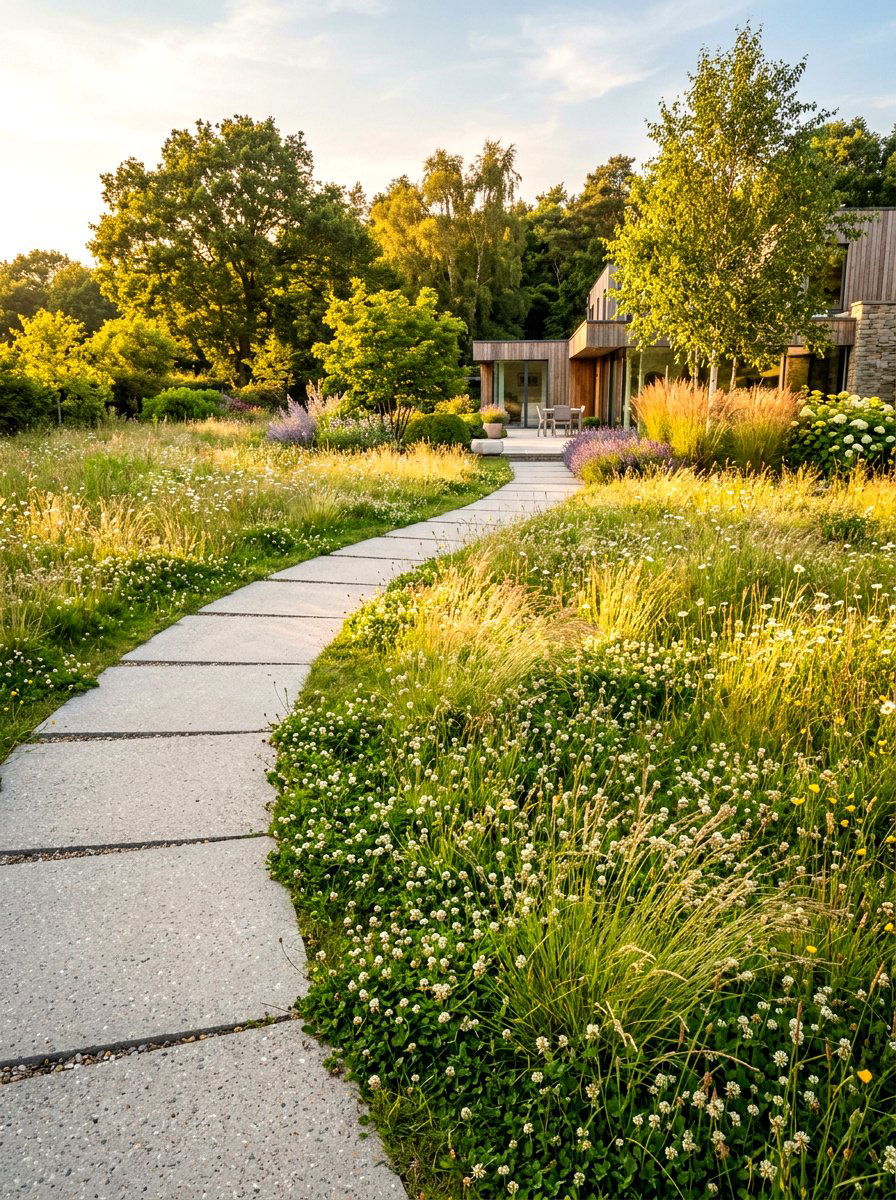
If you love the look of a green space but hate the constant upkeep of turf, a low-maintenance meadow lawn is the perfect solution. This design utilizes slow-growing native grasses and fine fescues that require mowing only once or twice a year. You can interplant these grasses with small wildflowers like self-heal or clover to add subtle pops of color. The resulting texture is soft and inviting, offering a more relaxed atmosphere than a traditional yard. This approach saves you significant time and money on water and lawn care products. It provides a durable surface that still looks intentional and well-kept while supporting a much healthier soil ecosystem overall.
4. Drought Tolerant Prairie Yard
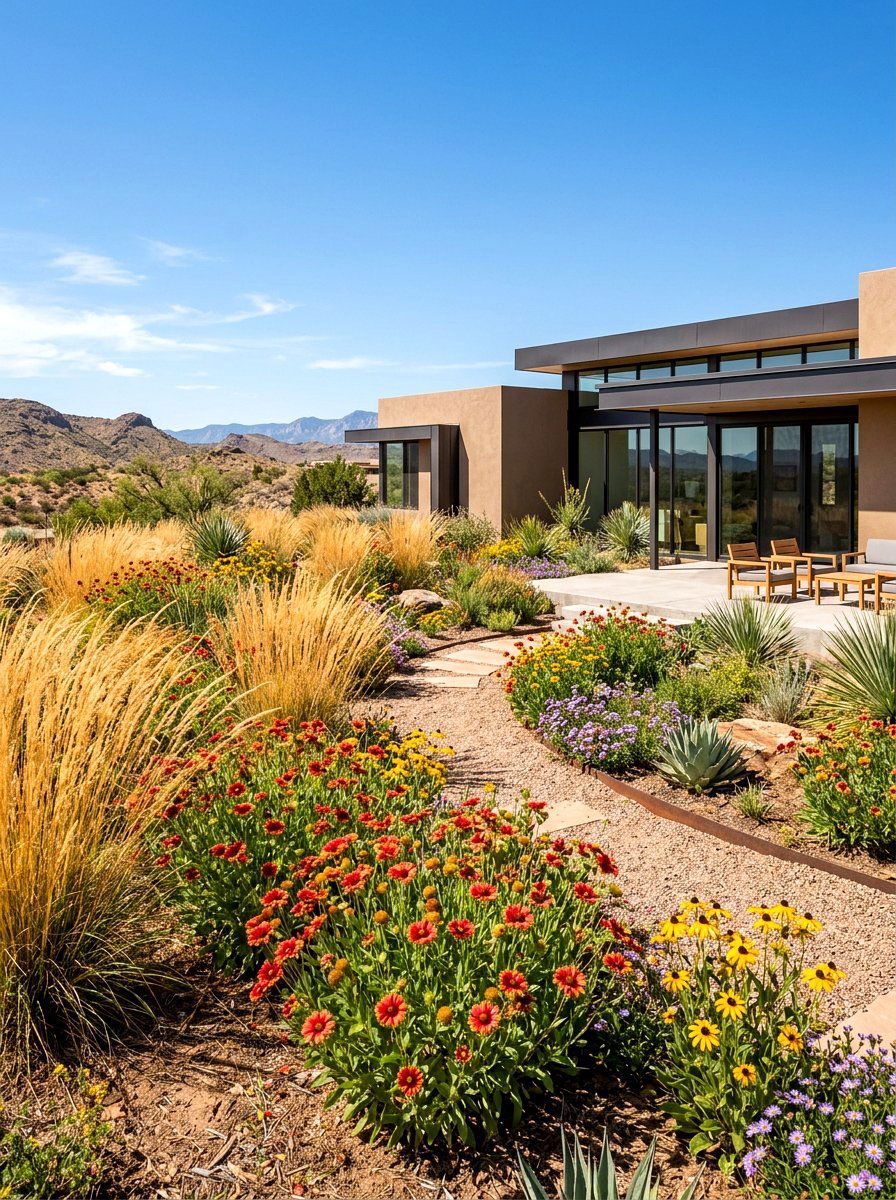
A prairie-style front yard is an excellent choice for regions with limited rainfall or for homeowners wanting to conserve water. This design features deep-rooted native grasses and resilient perennials that can survive harsh sun and dry conditions without extra irrigation. Incorporating plants like little bluestem, prairie dropseed, and black-eyed Susans creates a landscape that remains beautiful even in the heat of summer. The tall grasses provide architectural structure and visual interest throughout the winter months as well. This type of meadow is sustainable and rugged, reflecting the natural beauty of the open plains. It requires almost no supplemental watering once the plants have established their deep, strong root systems.
5. Small Space Meadow Garden
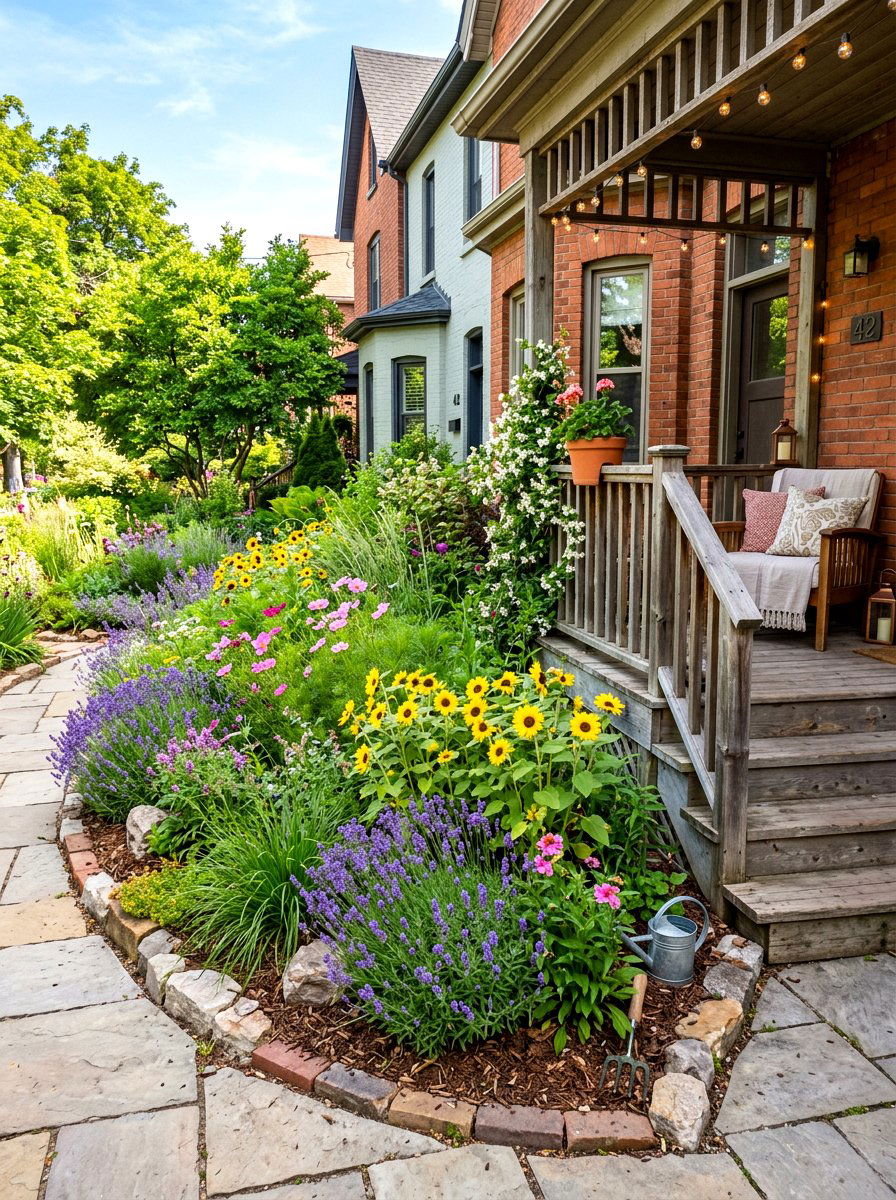
You do not need a massive estate to enjoy the benefits of a meadow-inspired landscape in your front yard. Even a small urban plot can be transformed into a miniature meadow garden by using a curated selection of dwarf species. Focus on low-growing wildflowers and ornamental grasses that provide maximum impact without overwhelming the scale of your home. Using defined borders or small paths can help the space feel intentional and organized rather than overgrown. This compact design brings the charm of the countryside to a city setting, creating a peaceful retreat for you and local wildlife. It proves that ecological gardening is possible for every homeowner, regardless of their lot size.
6. Modern Minimalist Meadow Space
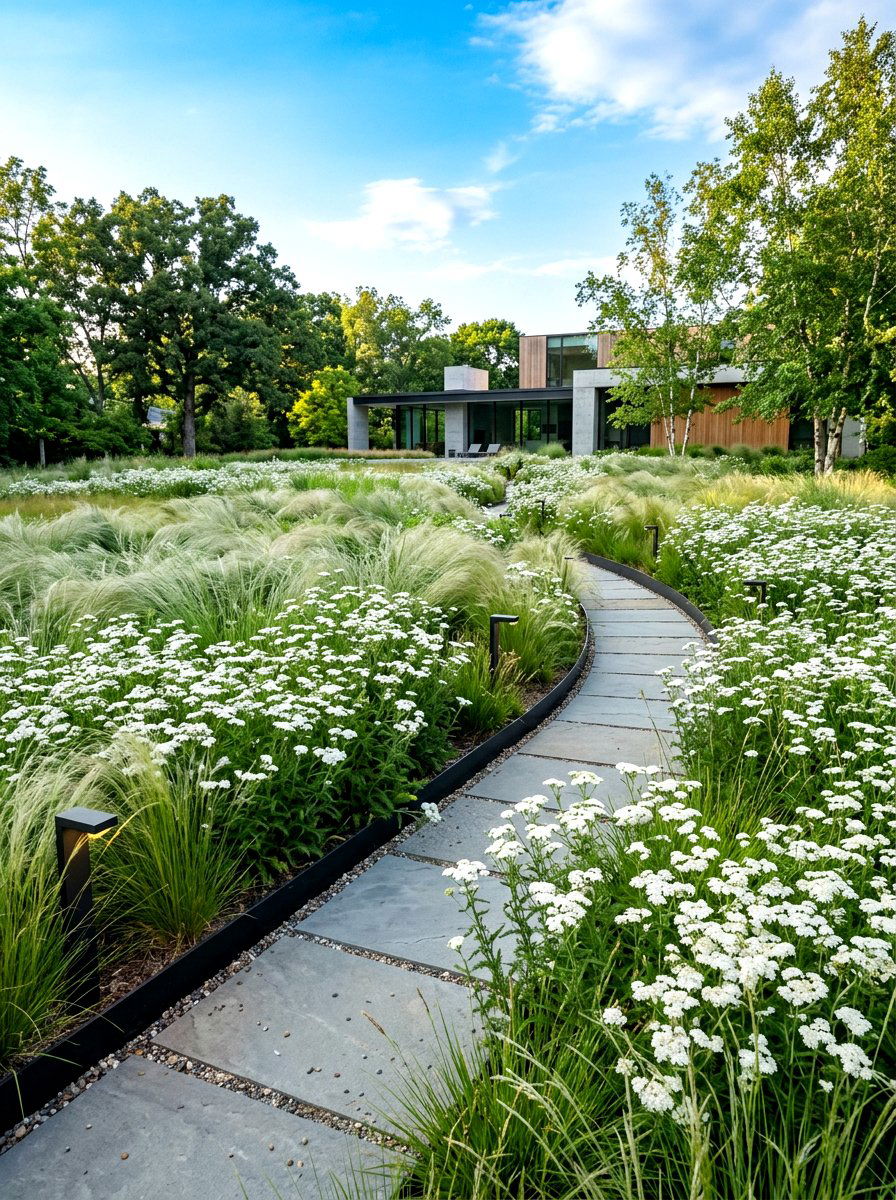
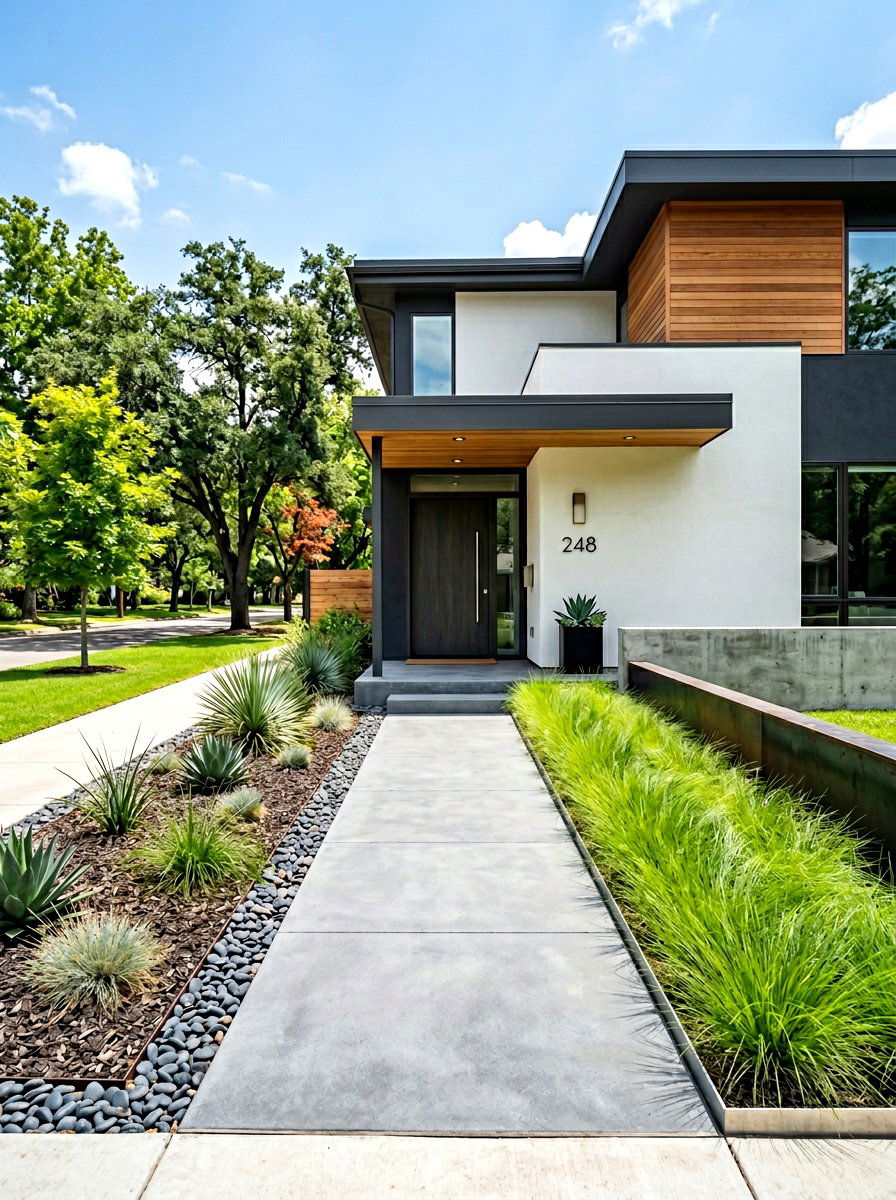
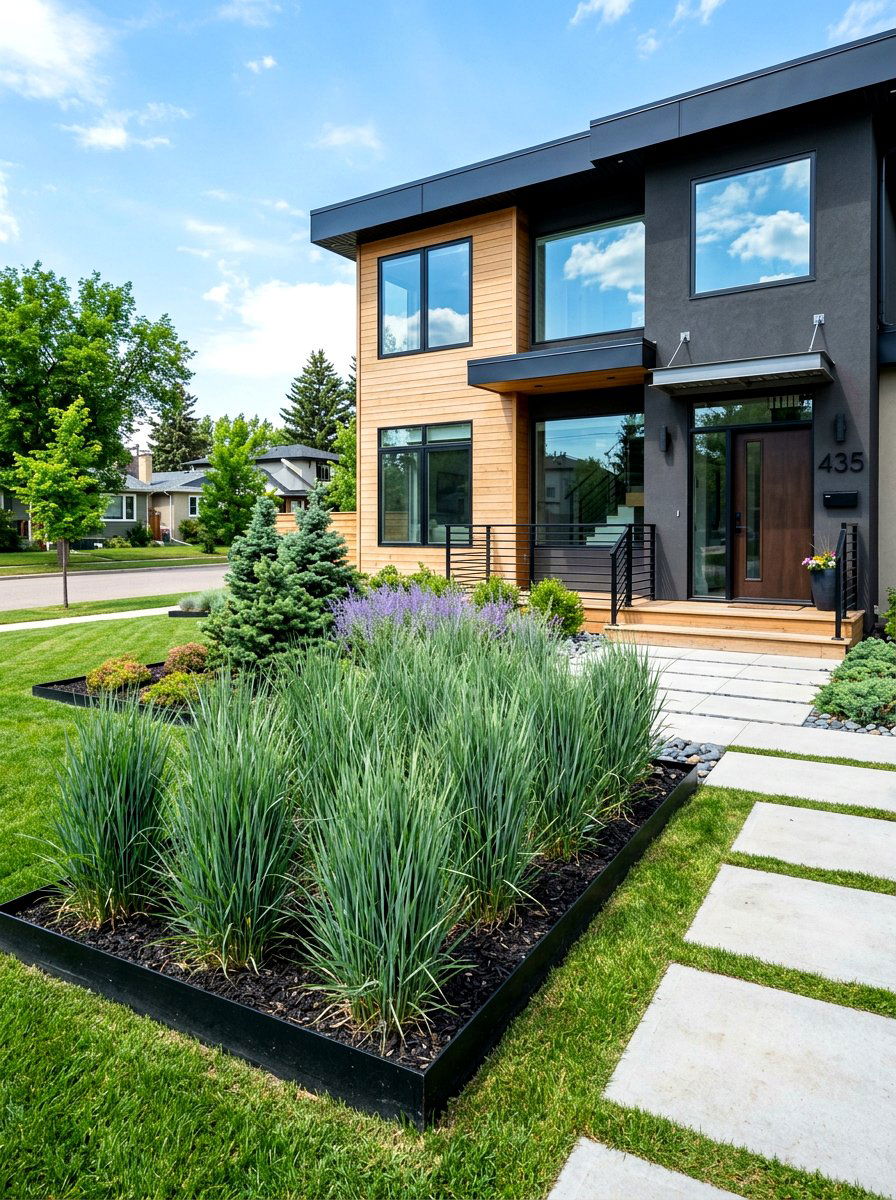
A modern meadow design combines the wild beauty of nature with clean lines and a structured layout for a contemporary look. Instead of a chaotic mix of species, you might choose three or four key plants to repeat in large, dramatic drifts. This creates a sense of rhythm and calm that complements modern architectural styles perfectly. Using sleek metal edging or concrete pavers can provide the necessary contrast to the soft, flowing textures of the grasses. This style proves that a meadow can look sophisticated and high-end while still being environmentally friendly. It is the perfect balance for homeowners who want a naturalistic yard that still feels very polished and designed.
7. Butterfly Habitat Front Yard
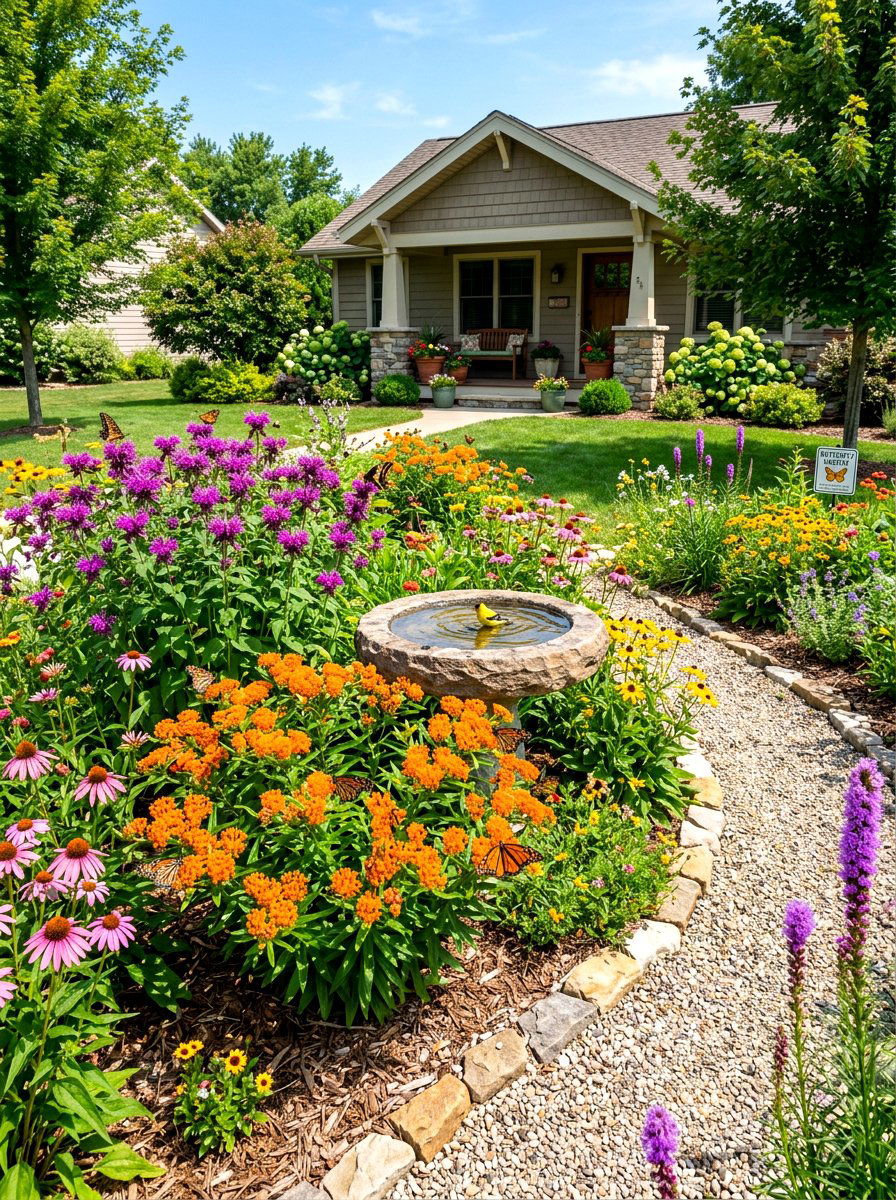
Turning your front yard into a dedicated butterfly habitat is a delightful project that yields visible results very quickly. To attract these winged beauties, you must include both nectar plants for the adults and host plants for their caterpillars. Milkweed is essential for monarchs, while plants like fennel and dill support other common species. This type of meadow should be positioned in a sunny spot, as butterflies need warmth to remain active and healthy. The resulting garden is a vibrant explosion of color and activity that becomes a focal point for the entire neighborhood. It is an educational and inspiring landscape that helps protect vulnerable insect populations right at home.
8. Shady Woodland Meadow Garden
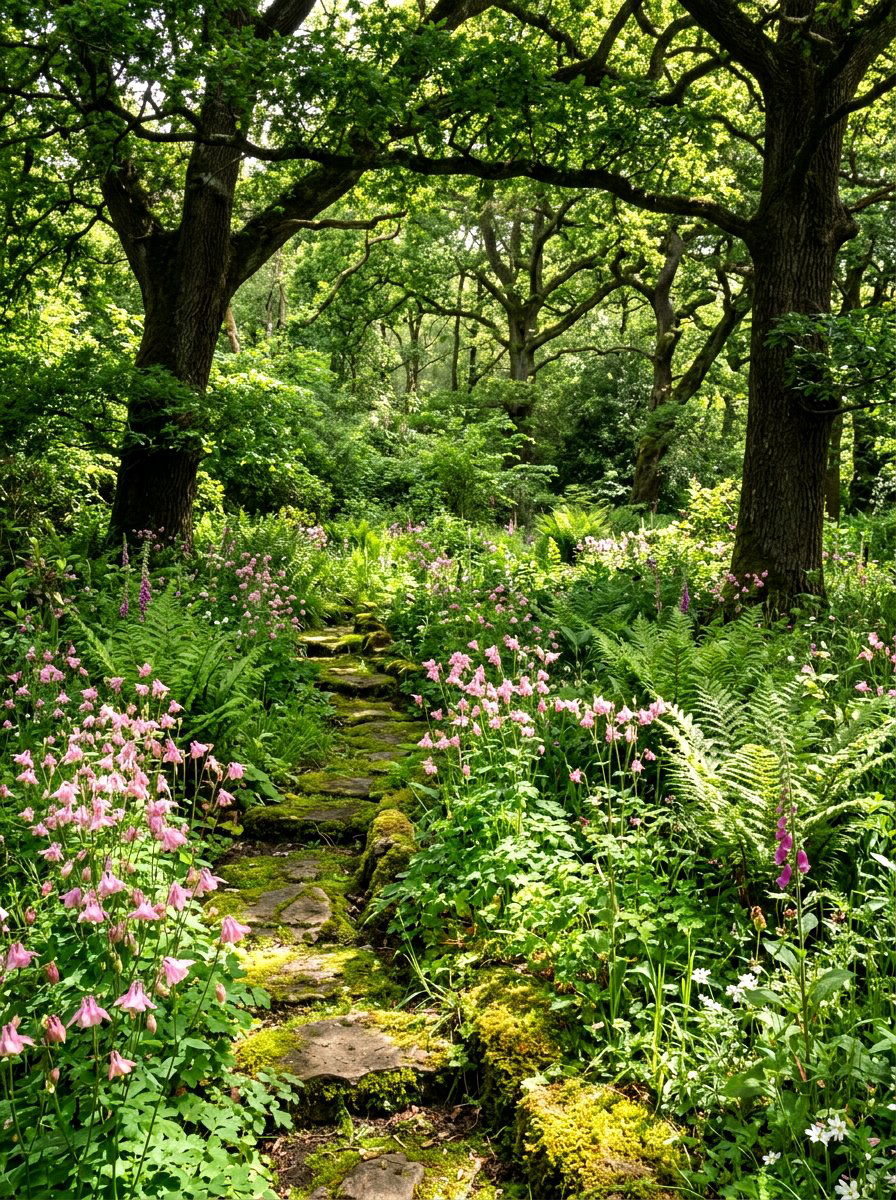
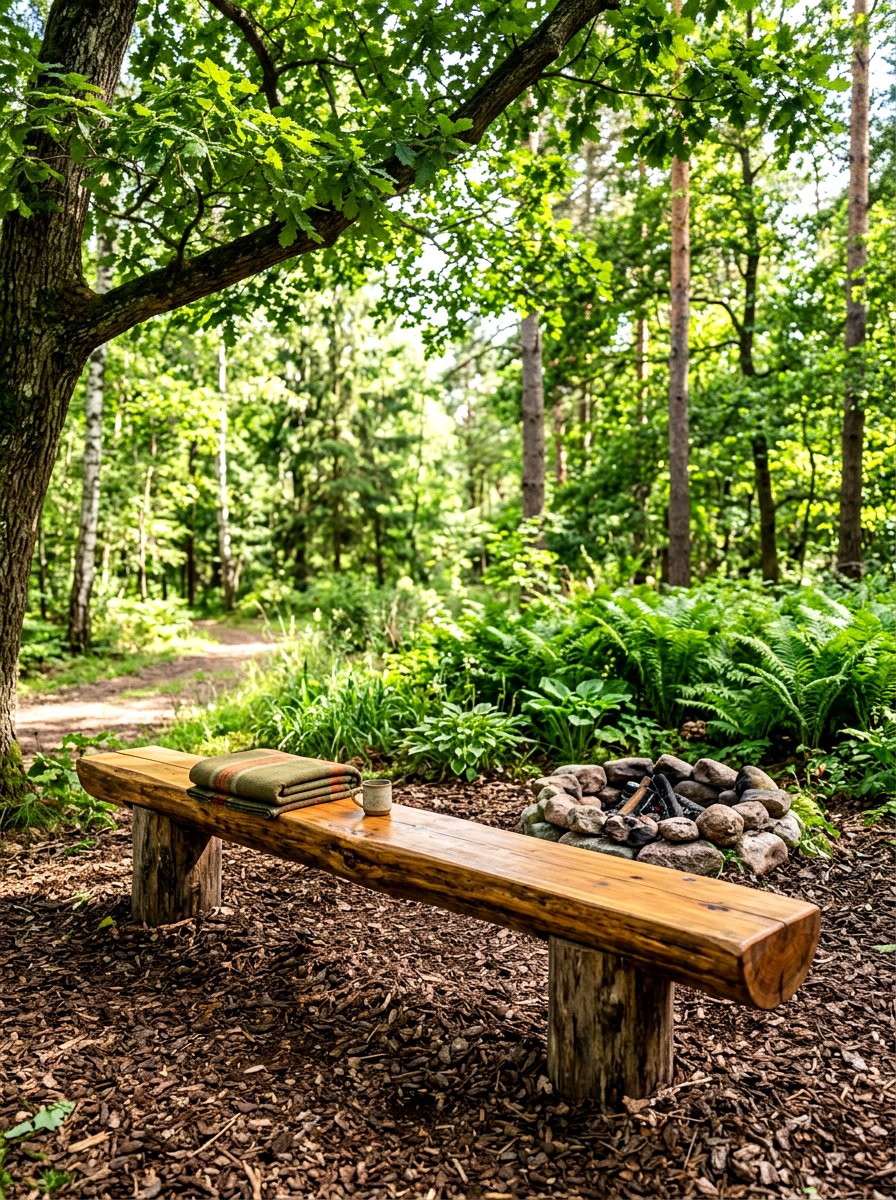
If your front yard is tucked under large trees, you can still create a lush meadow using shade-loving native plants. A woodland meadow features delicate ferns, wild columbine, and woodland phlox that thrive in dappled light conditions. These plants often have softer textures and more subtle colors than sun-loving varieties, creating a cool and serene atmosphere. Incorporating a layer of organic mulch or leaf mold will help mimic the natural forest floor and keep the soil moist. This design is perfect for creating a hidden oasis that feels worlds away from the street. It celebrates the unique beauty of shaded environments while providing a low-maintenance alternative to struggling grass.
9. Naturalized Bulb Meadow Patch
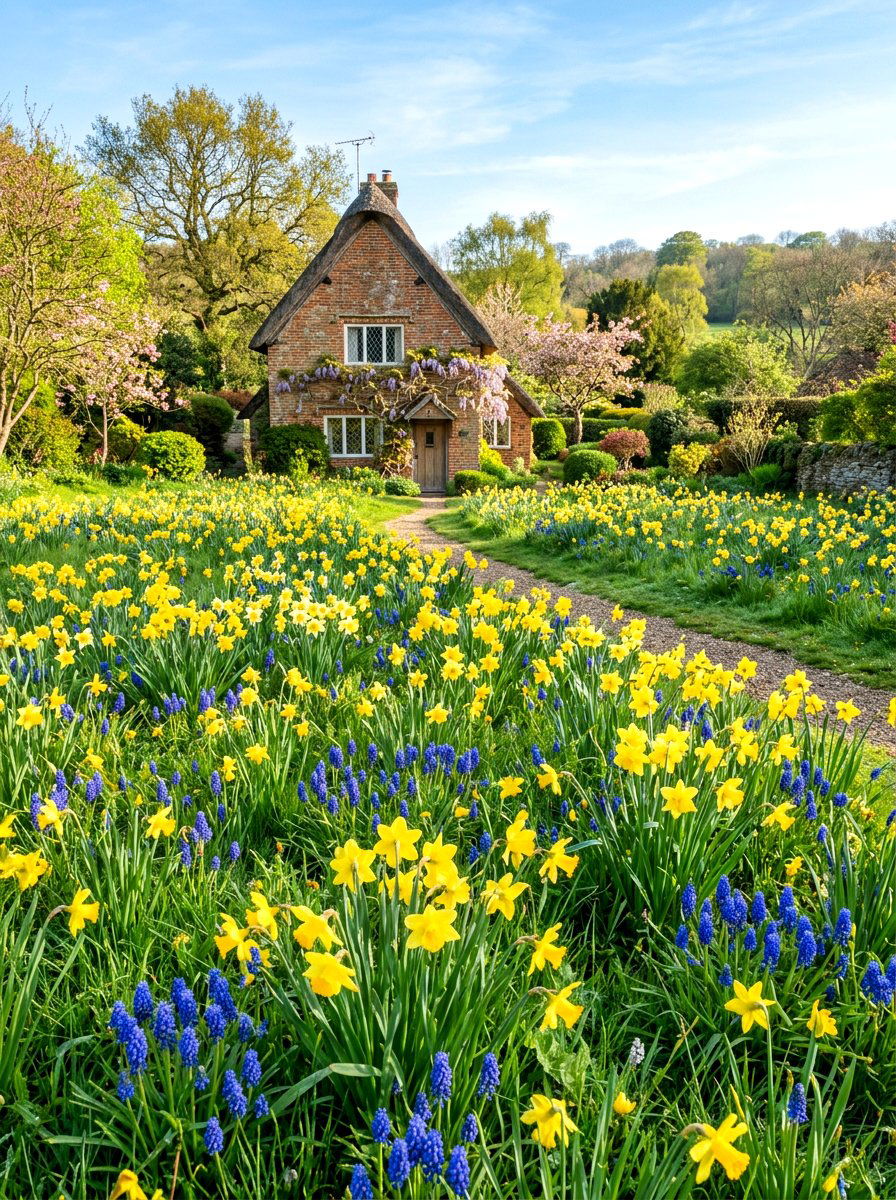
Integrating spring-flowering bulbs into your meadow design ensures that your front yard is the first to bloom in the neighborhood. Species like crocus, daffodils, and camassia can be scattered throughout the dormant grasses in the fall for a spectacular spring show. These bulbs will naturalize over time, meaning they will multiply and return stronger every year without any extra effort from you. As the bulb foliage fades, the emerging summer grasses and wildflowers will hide the dying leaves naturally. This layering technique provides multiple seasons of interest and a very professional, curated look. It is a simple way to add high-impact color to a wilder, more naturalistic front yard landscape.
10. Sloped Hillside Meadow Yard
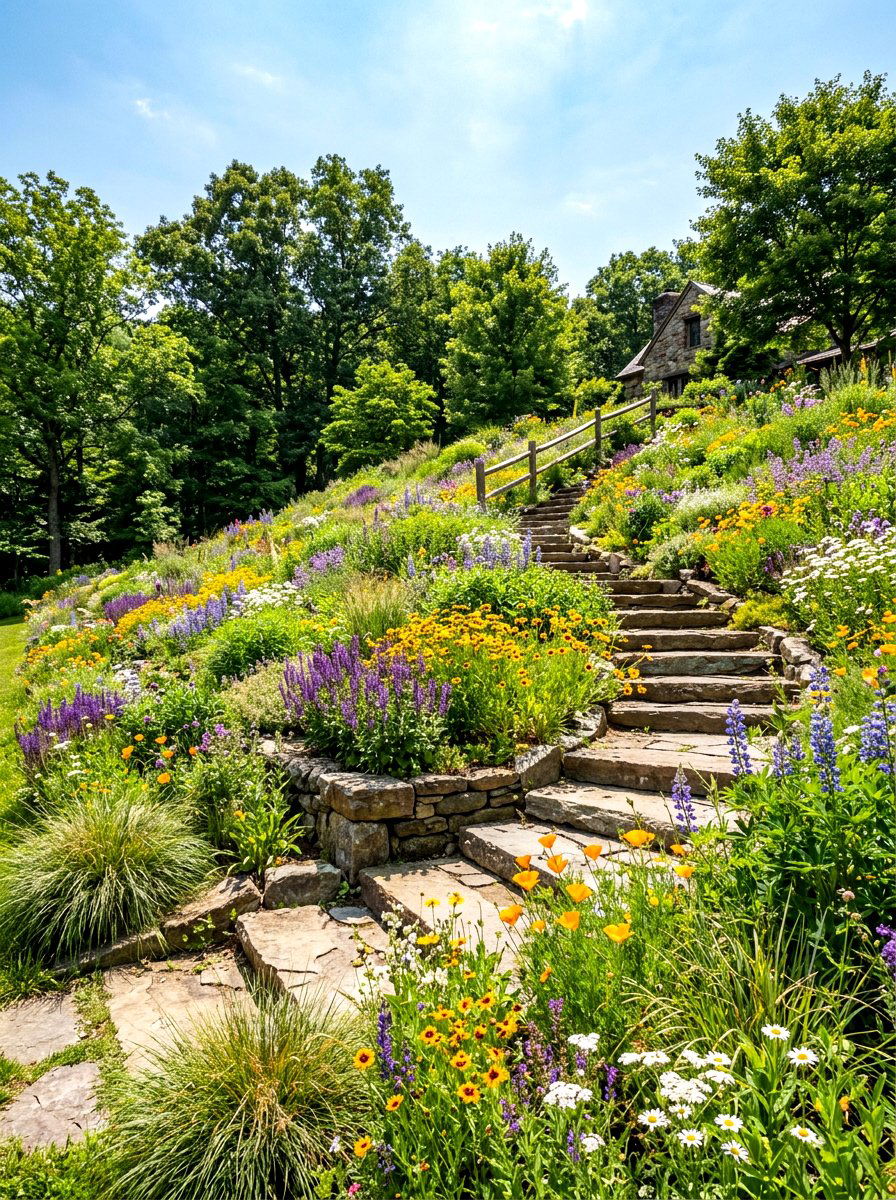
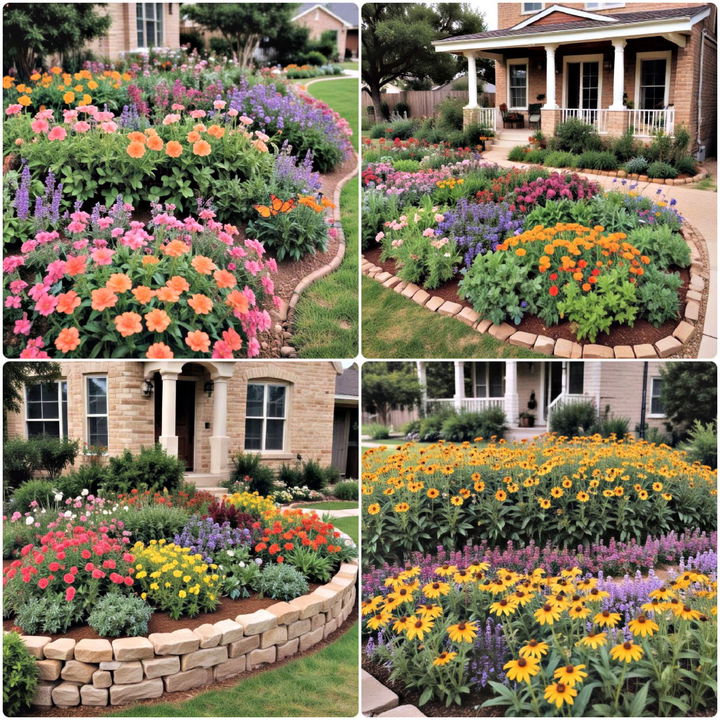
Landscaping a steep slope can be a major challenge, but a meadow is often the most practical and beautiful solution. The deep root systems of meadow plants are excellent at anchoring the soil and preventing erosion during heavy rain. Instead of struggling to mow a dangerous incline, you can plant a mix of hardy grasses and wildflowers that require no maintenance. This transformation turns a problematic area into a cascading tapestry of color and texture that enhances your home’s curb appeal. You can add large boulders or stone steps to create a more structured and accessible path through the hillside. It is a smart way to work with your property's natural topography.
11. Gravel Path Meadow Garden
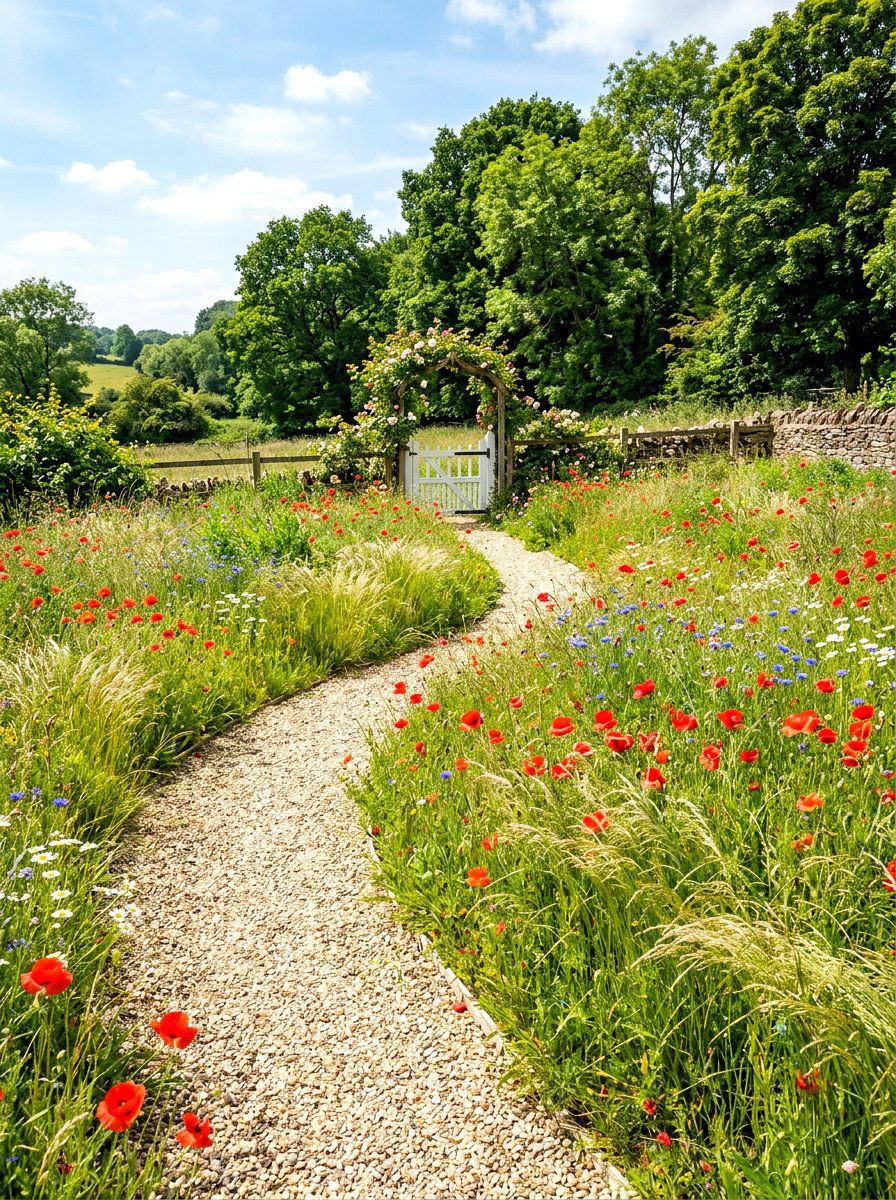
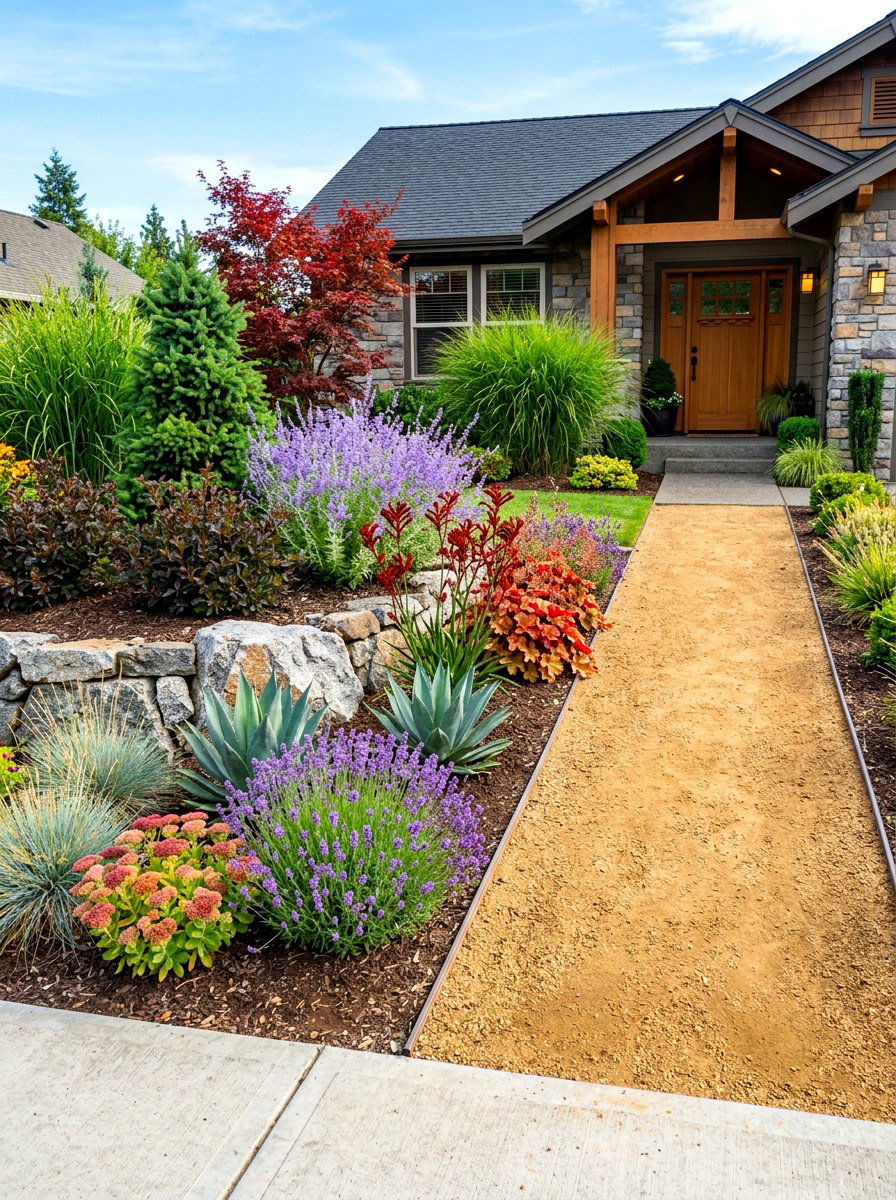
Integrating a winding gravel path through your front yard meadow adds a sense of journey and purpose to the design. The crunch of the stones provides a satisfying sensory experience as you move through the tall flowers and grasses. Paths also ensure that the meadow feels like a managed garden rather than an untended field, which is important for curb appeal. You can use local pea gravel or crushed stone to maintain a natural look that blends with the landscape. This feature allows you to get up close to the plants and pollinators without trampling the delicate growth. It creates a clear visual structure that defines different areas of your outdoor space beautifully.
12. Tall Grass Prairie Meadow
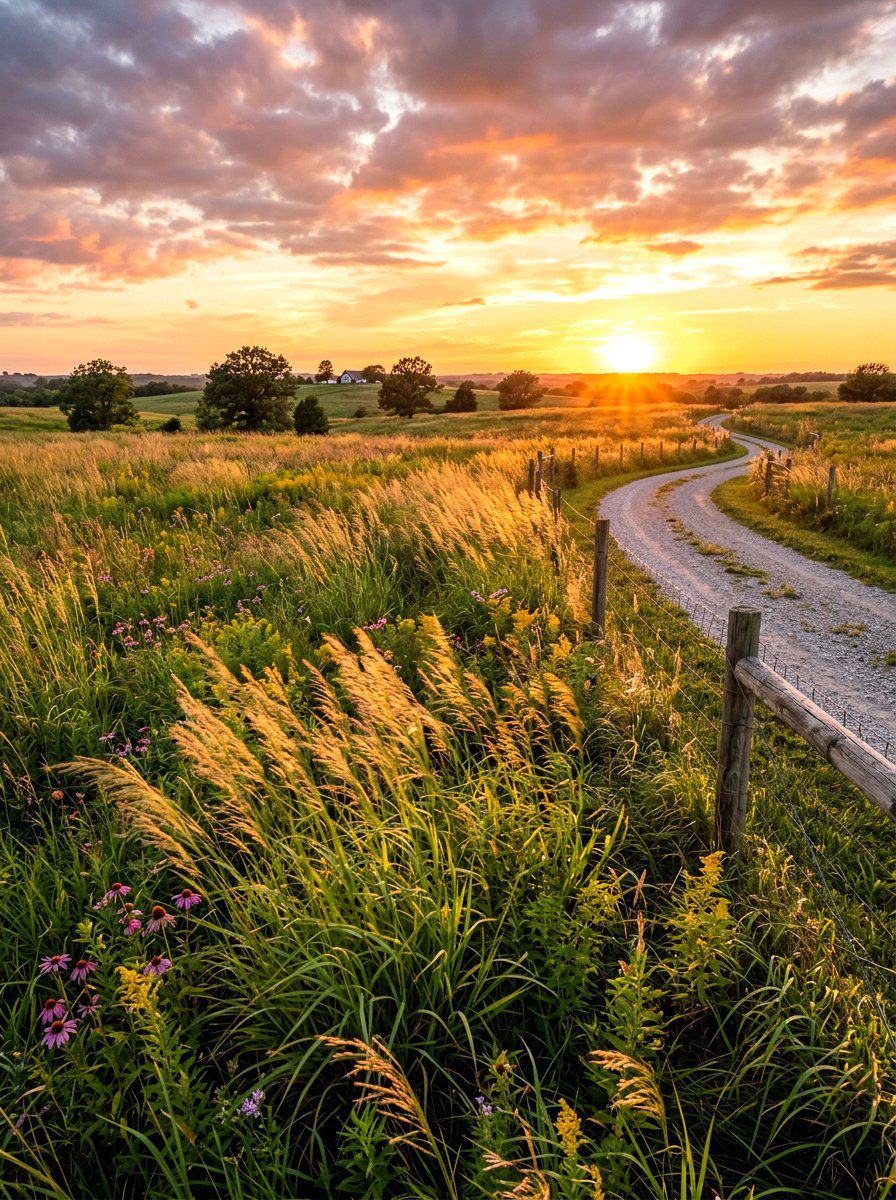
A tall grass prairie design is perfect for homeowners who want to make a bold architectural statement with their front yard. Species like big bluestem and switchgrass can reach heights of five feet or more, providing privacy and a sense of enclosure. These grasses offer incredible movement as they catch the wind and create a soothing rustling sound that masks street noise. During the autumn months, many of these plants turn stunning shades of orange, bronze, and gold. This type of meadow requires space to shine, but it offers a dramatic and changing landscape throughout the entire year. It is a powerful way to celebrate the majestic beauty of native grasslands.
13. Short Wildflower Meadow Lawn
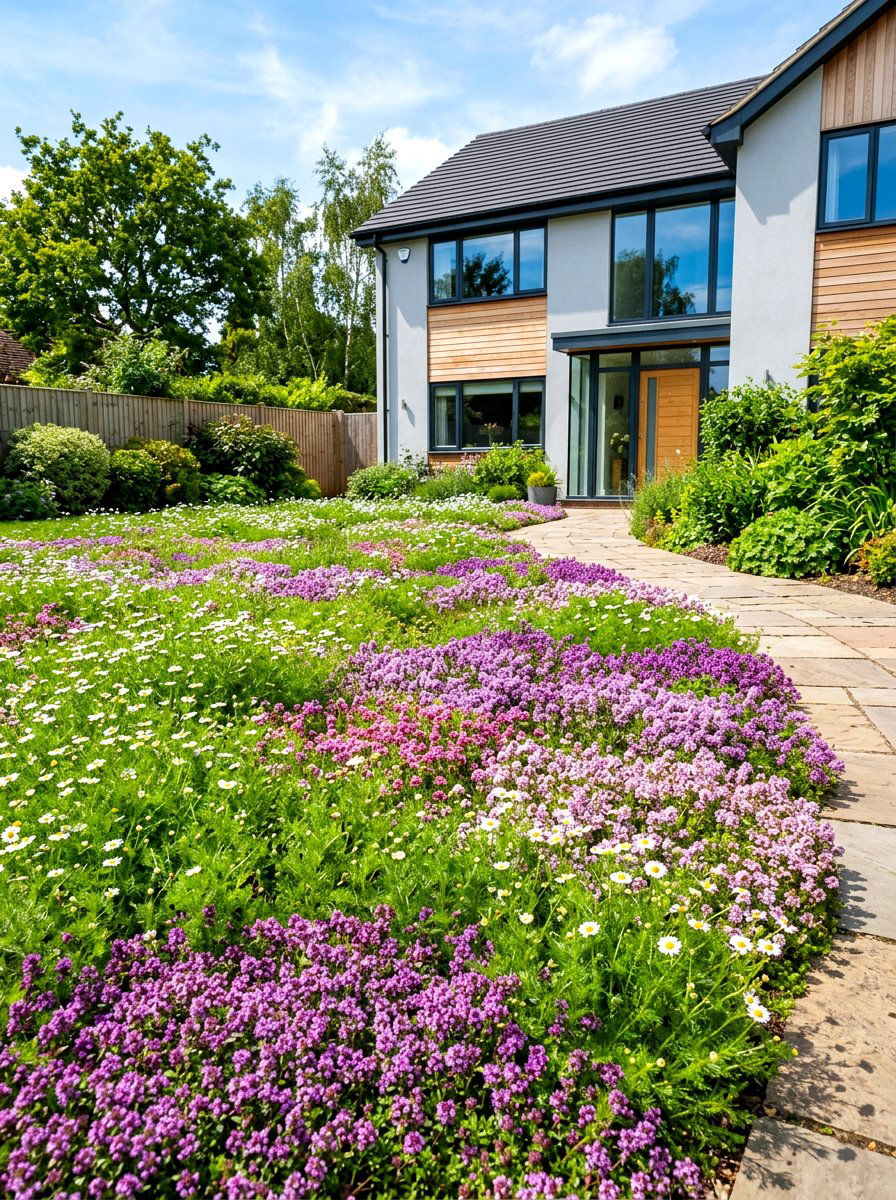
For those who prefer a tidier look, a short wildflower meadow lawn offers all the ecological benefits in a compact package. This design uses low-growing species that stay under twelve inches tall, creating a colorful carpet of blooms. Plants like creeping thyme, Roman chamomile, and miniature daisies are perfect for this "tapestry lawn" approach. It is durable enough for light foot traffic and provides a soft, fragrant surface for children or pets to enjoy. This style is often more acceptable in neighborhoods with strict homeowner association rules while still being vastly superior to traditional turf. It provides a charming, fairy-tale aesthetic that makes your home feel welcoming and unique.
14. High Desert Meadow Landscape
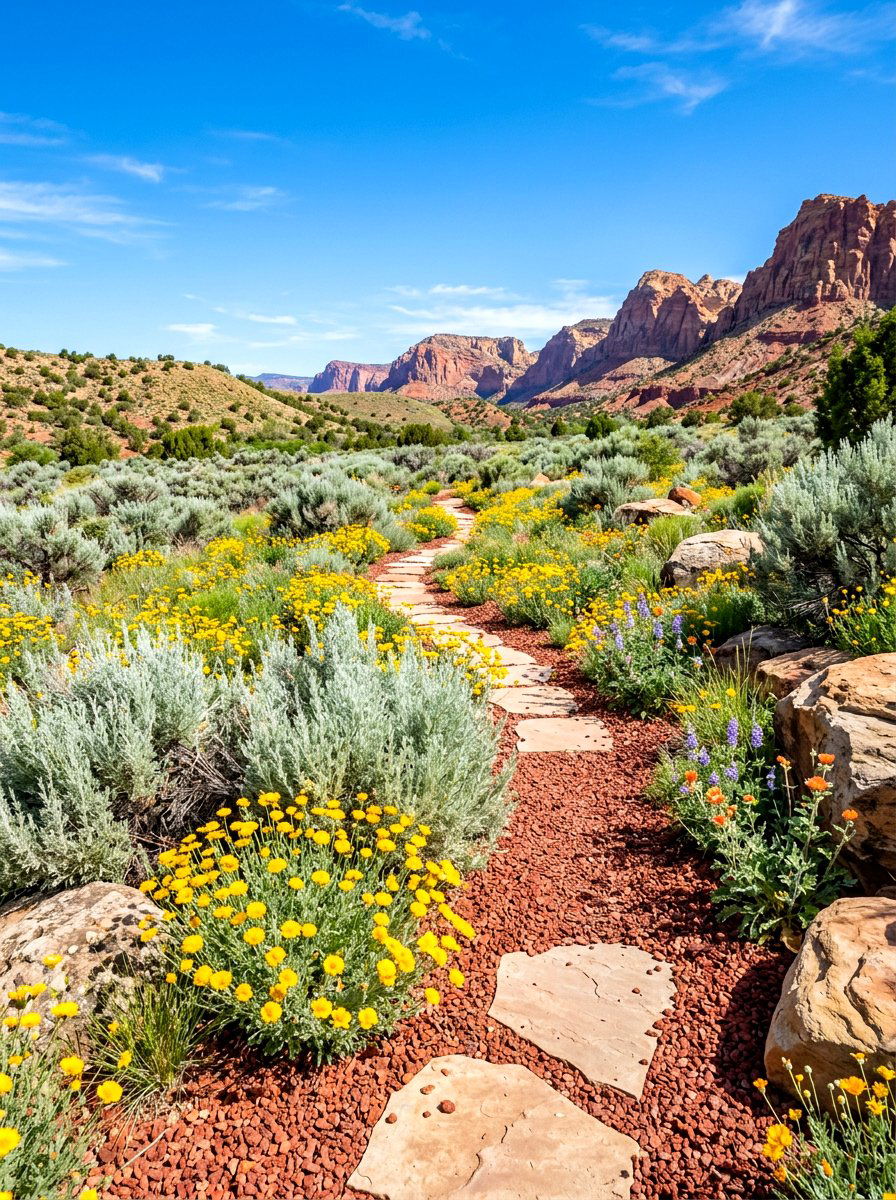
A high desert meadow is a masterclass in resilience and subtle beauty, perfect for arid climates with intense sun. This design relies on xeric plants like agave, yarrow, and desert marigold paired with drought-resistant bunchgrasses. The color palette often features silvery foliage and warm, earthy tones that reflect the surrounding natural environment perfectly. Using decorative rock mulch helps retain the little moisture available and suppresses weeds without the need for high-maintenance groundcovers. This type of landscape is incredibly low-water and thrives in conditions where traditional plants would quickly wither. It creates a stunning, high-contrast look that is both modern and deeply rooted in the local geography of the desert.
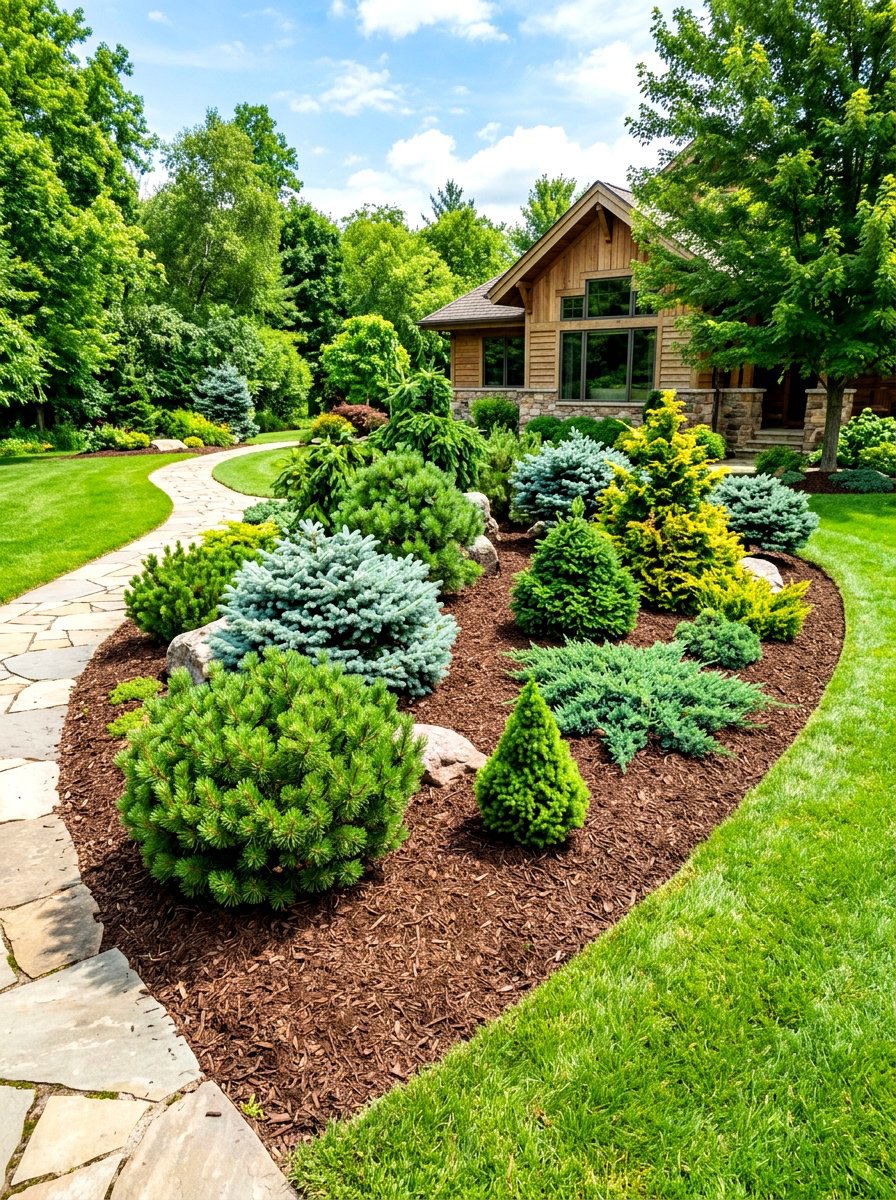
15. Coastal Meadow Front Yard
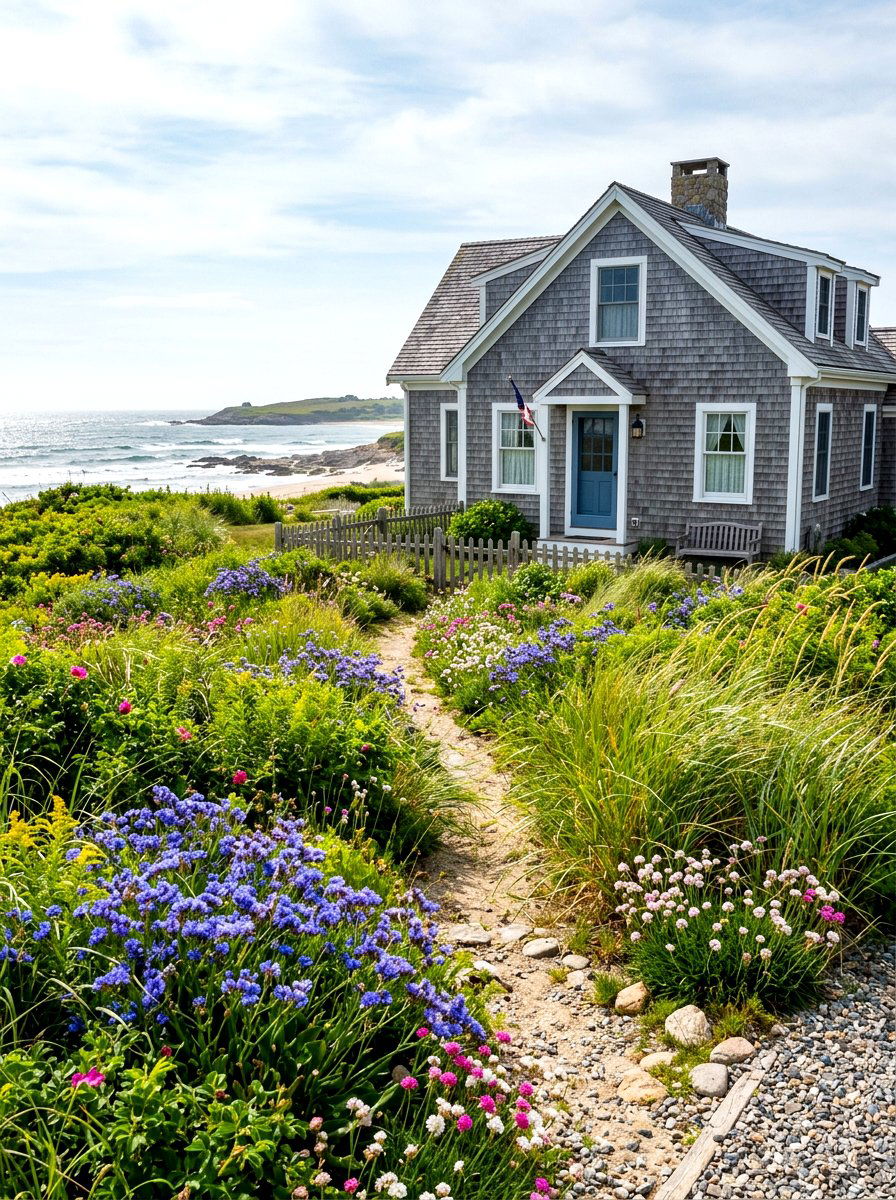
Gardening near the ocean requires plants that can handle salt spray, sandy soil, and constant wind. A coastal meadow design utilizes tough native species like seaside goldenrod, beach grass, and sea lavender to create a hardy landscape. These plants are built to thrive in harsh maritime conditions while providing a soft and romantic aesthetic that complements a beach house. The shifting textures of the grasses mimic the movement of the nearby waves, creating a harmonious connection between your yard and the sea. This approach to landscaping is sustainable and requires very little irrigation once the native plants are established. It protects your property while celebrating the rugged beauty of the coast.
16. Urban Wildflower Meadow Plot
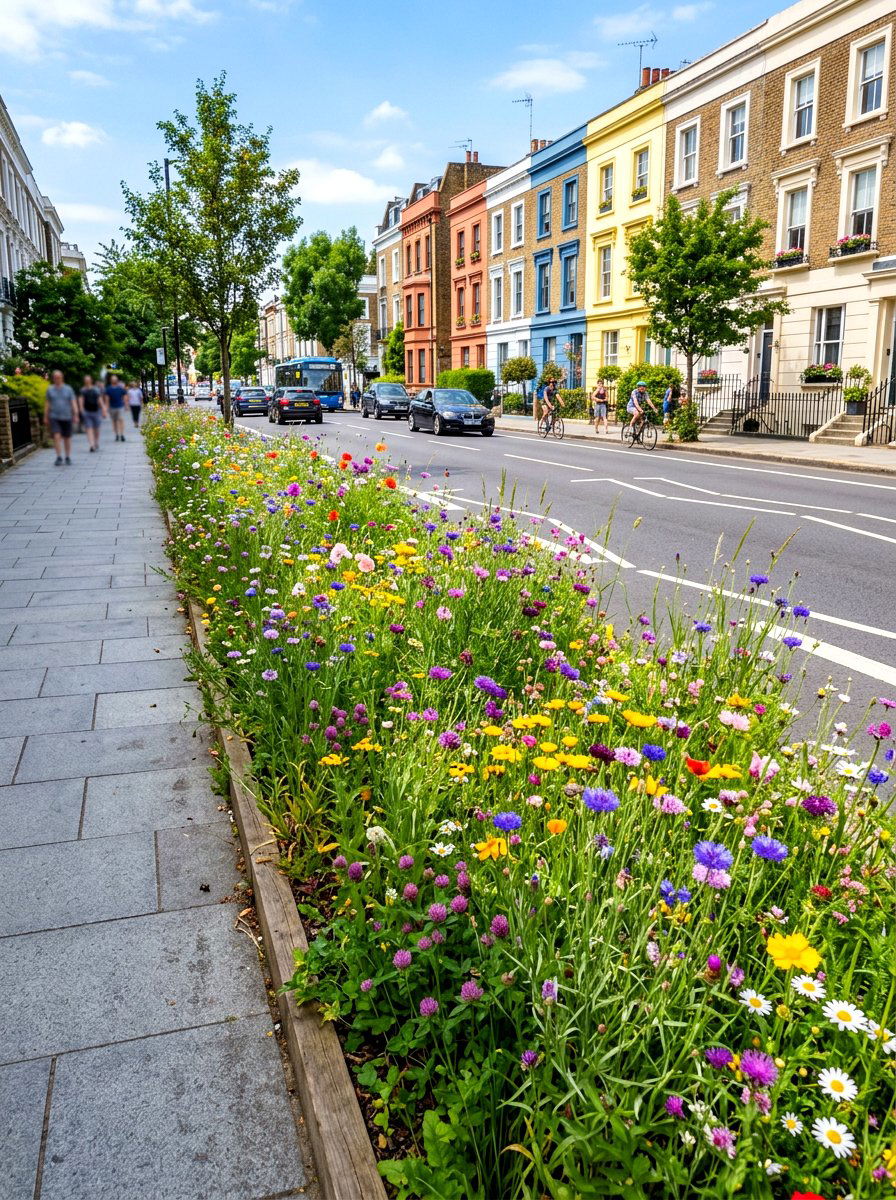
Even in the middle of a busy city, you can create a small haven for nature with an urban wildflower plot. This design often takes the form of a focused garden bed or a converted parkway strip between the sidewalk and the street. Using a mix of brightly colored annuals ensures that the space looks cheerful and intentional to passersby. Urban meadows help reduce the "heat island" effect by replacing dark pavement with cooling vegetation and soil. They provide vital pit stops for migrating birds and insects traveling through the concrete jungle. This small-scale transformation can inspire neighbors to rethink their own spaces and contribute to a greener, more livable city environment.
17. Lavender And Grass Meadow
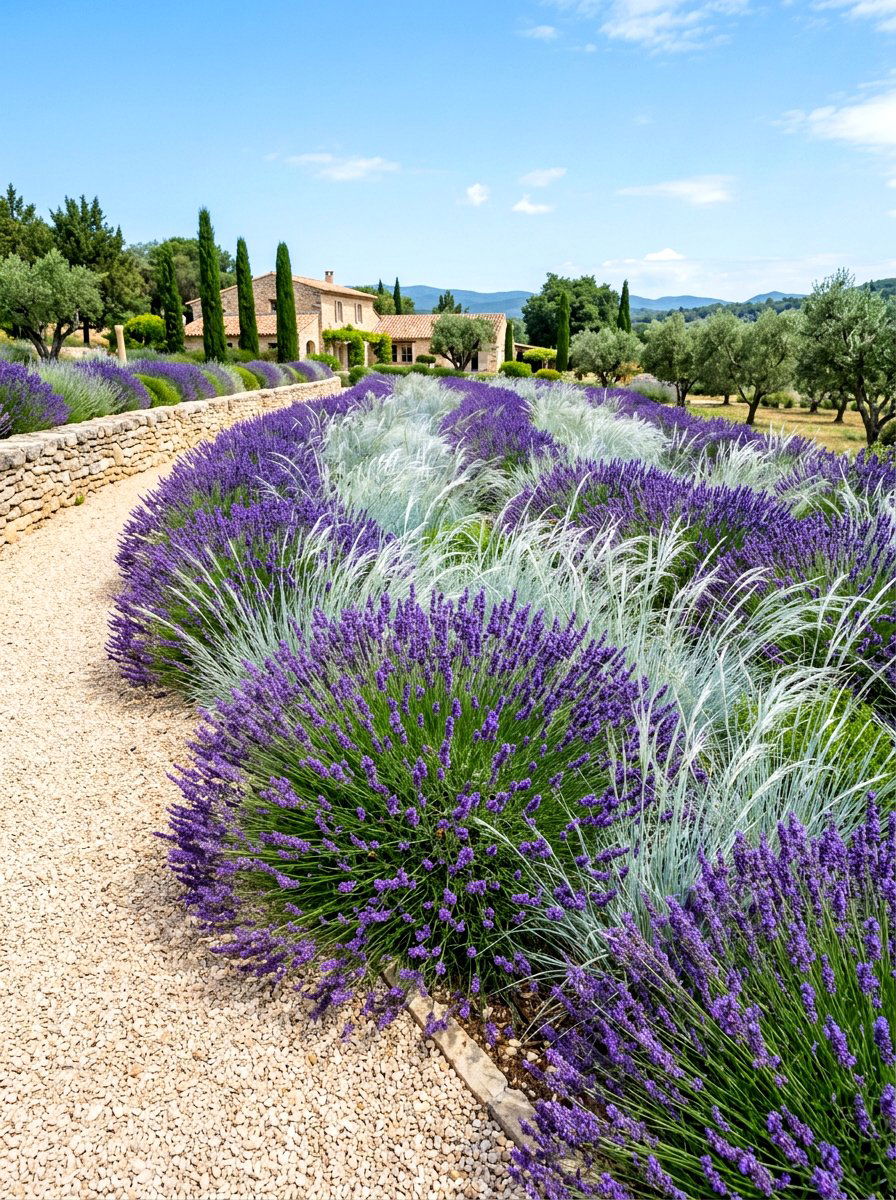
A meadow featuring lavender and ornamental grasses is a feast for both the eyes and the nose. The structural spikes of purple flowers look stunning when paired with the airy seed heads of fine fescue or blue oat grass. Lavender is naturally drought-tolerant and thrives in sunny front yards with well-draining soil. This combination creates a Mediterranean-inspired look that feels elegant and timeless while remaining very easy to maintain. The scent of the lavender drifts on the breeze, providing a calming atmosphere every time you enter or leave your home. It is a classic design choice that attracts many beneficial pollinators while offering a clean and sophisticated color palette.
18. Red Poppy Meadow Yard
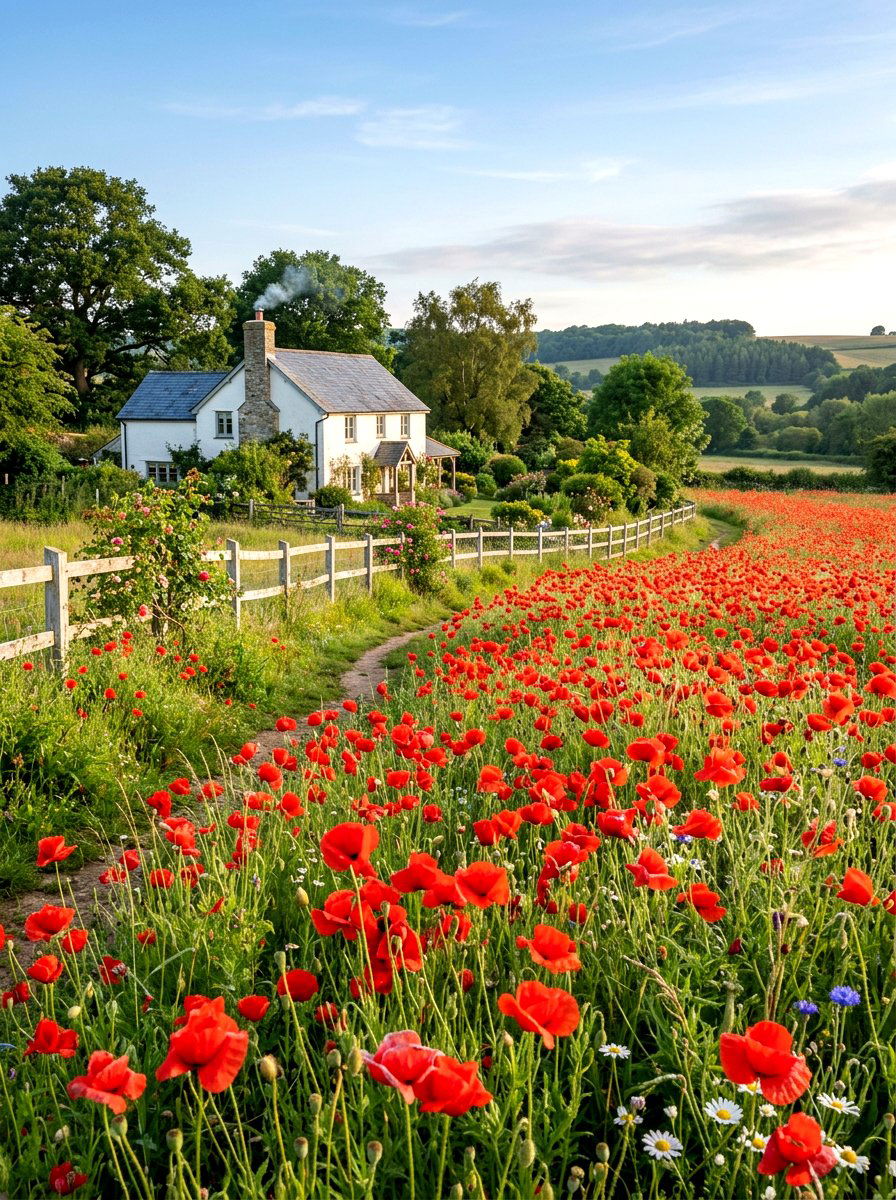
There is nothing quite as striking as a front yard filled with the vibrant red blooms of common poppies. These cheerful annuals are easy to grow from seed and can create a massive impact in a single season. When mixed with delicate grasses, the poppies appear to float above a sea of green, creating a dreamy and ethereal look. Once the flowers finish blooming, they leave behind interesting seed pods that add architectural detail to the garden. Poppies will often self-seed, ensuring that your meadow returns with new surprises every year. This design is perfect for homeowners who want a bold, high-energy landscape that brings joy to everyone who sees it.
19. Daisy Meadow Front Lawn
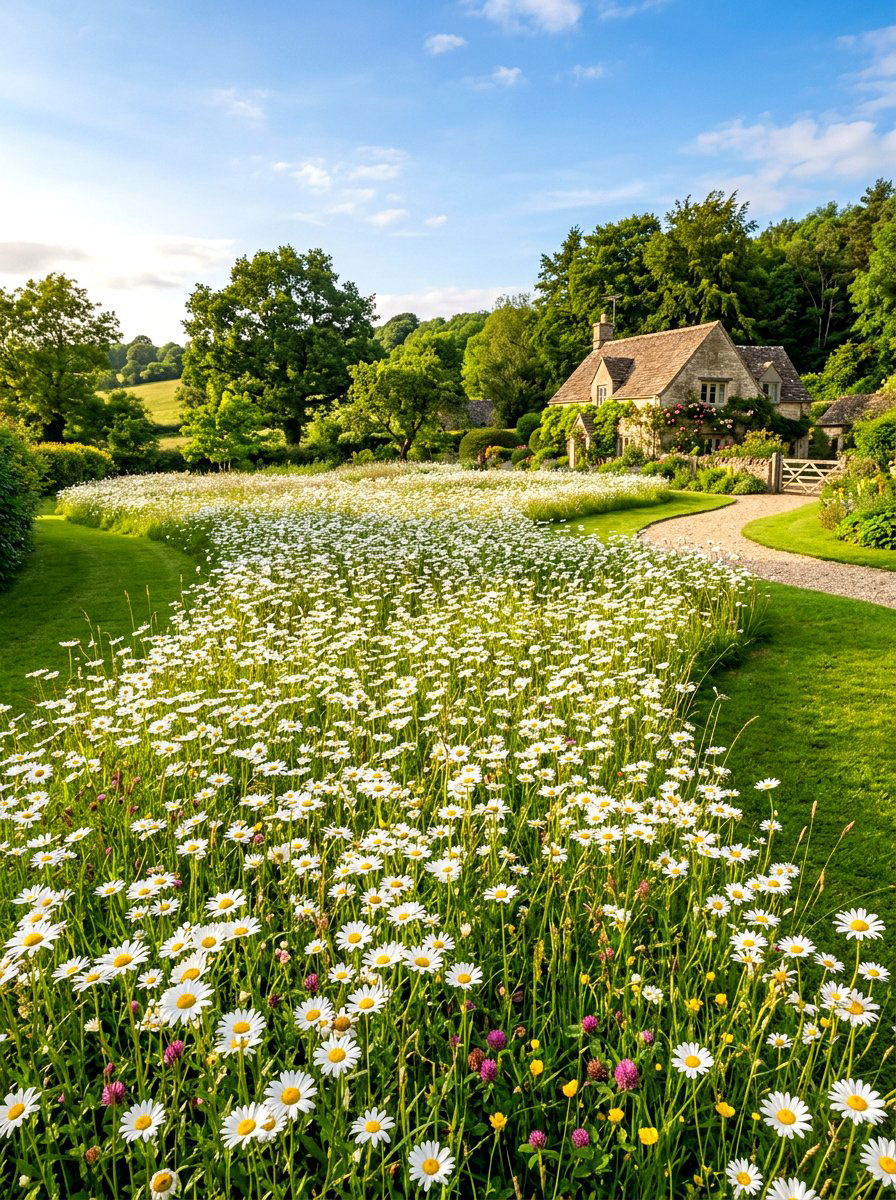
A daisy-filled meadow offers a classic, cheerful aesthetic that instantly makes any home feel like a cozy cottage. Using species like oxeye daisies or Shasta daisies provides a long season of bright white and yellow blooms. These flowers are incredibly tough and will spread naturally to fill in gaps, creating a dense and lush appearance. When paired with native bunchgrasses, the daisies stand out as bright focal points against the fine-textured foliage. This type of meadow is very forgiving and requires almost no maintenance once the plants have established themselves. It is a timeless choice that feels nostalgic and welcoming, providing a beautiful backdrop for any style of residential architecture.
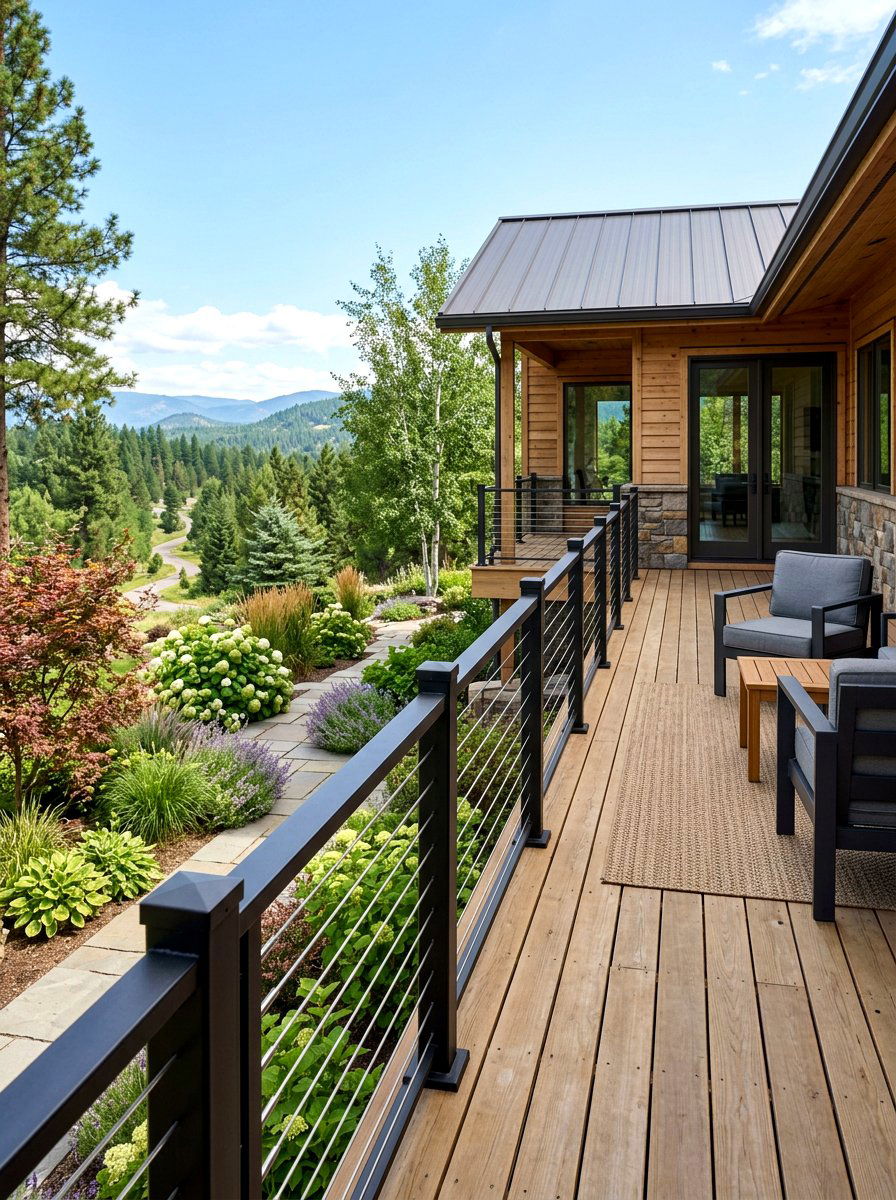
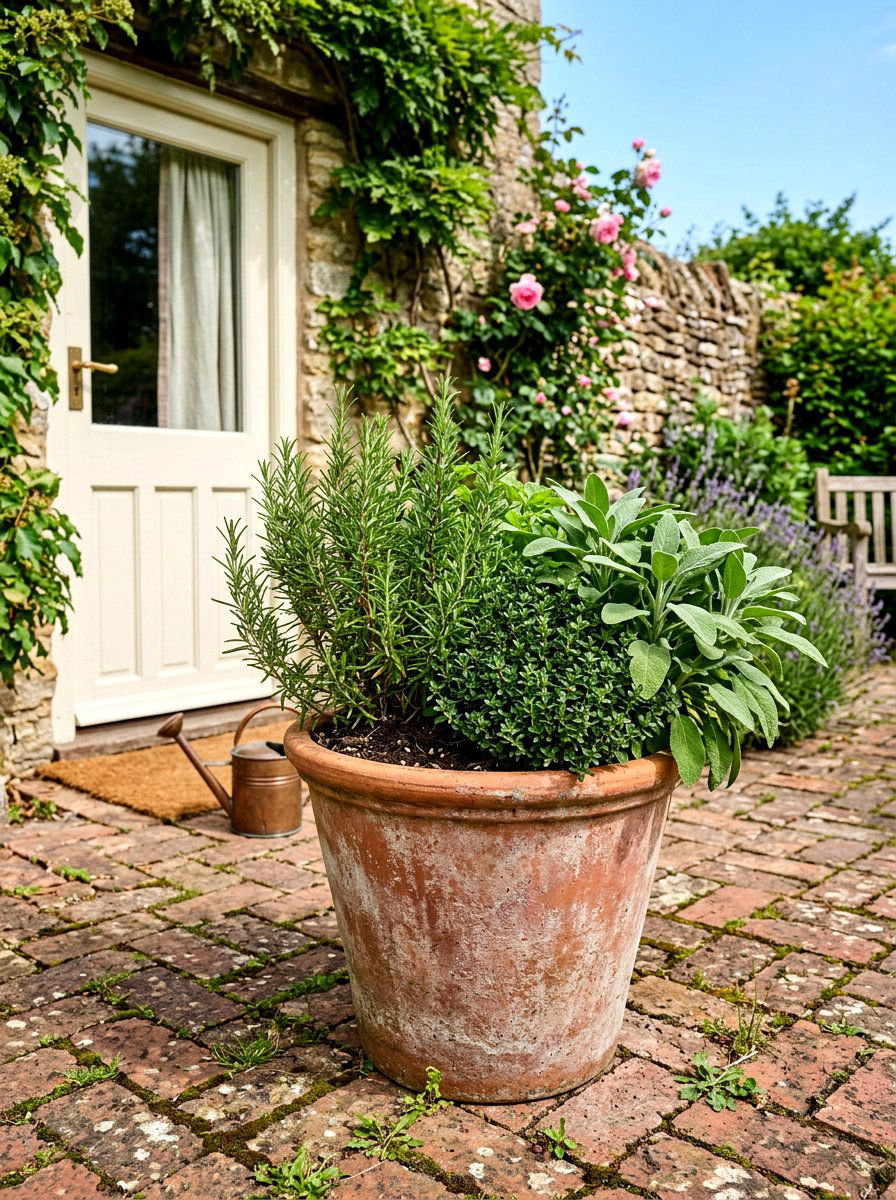
20. Stone Wall Meadow Garden
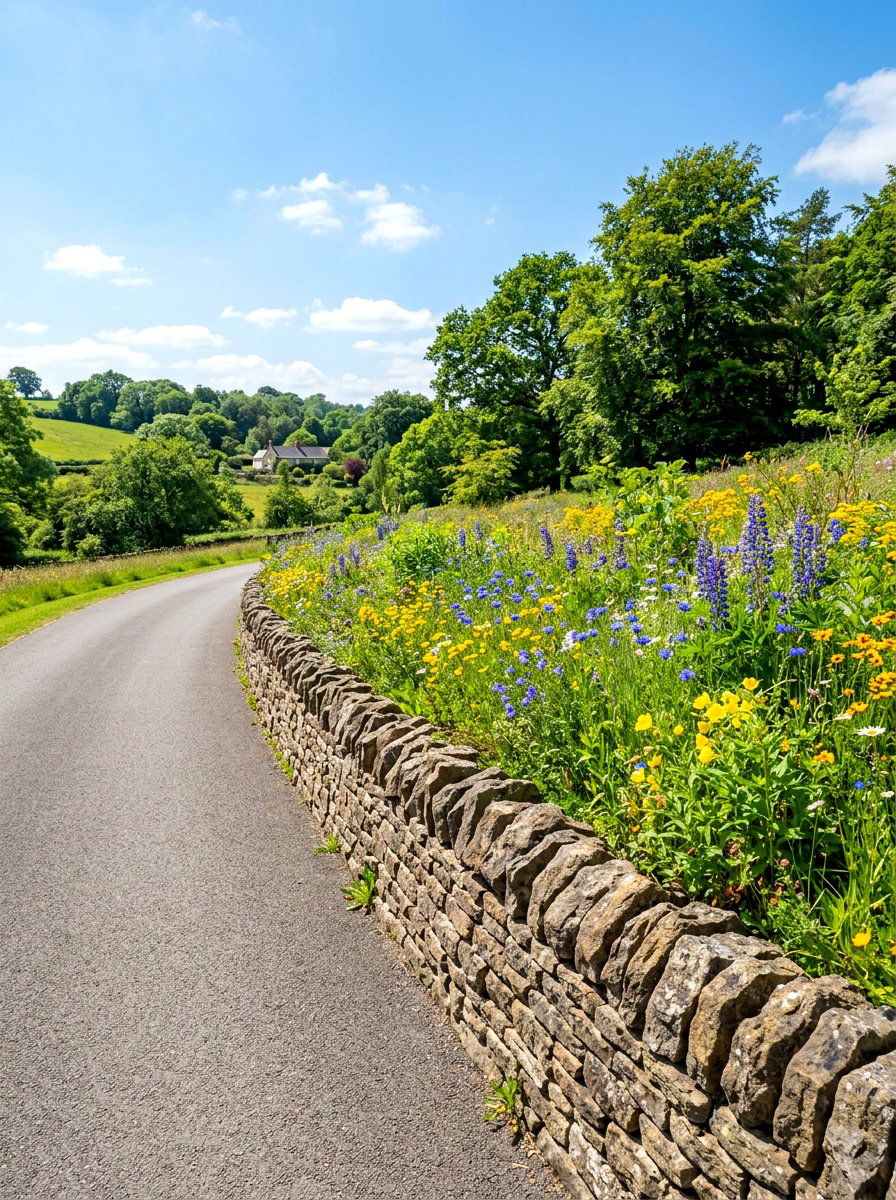
Incorporating a low stone wall into your meadow design provides a sense of structure and permanence to the wild planting. The wall can act as a clean border that separates the meadow from a sidewalk or driveway, keeping the space looking tidy. You can plant cascading wildflowers like rock cress or stonecrop along the edges to soften the hard lines of the masonry. This combination of "hard" and "soft" elements is a hallmark of professional landscape design. The stones also absorb heat during the day and release it at night, creating a unique microclimate for your plants. It is an excellent way to add value and character to your front yard.
21. Bird Friendly Meadow Space
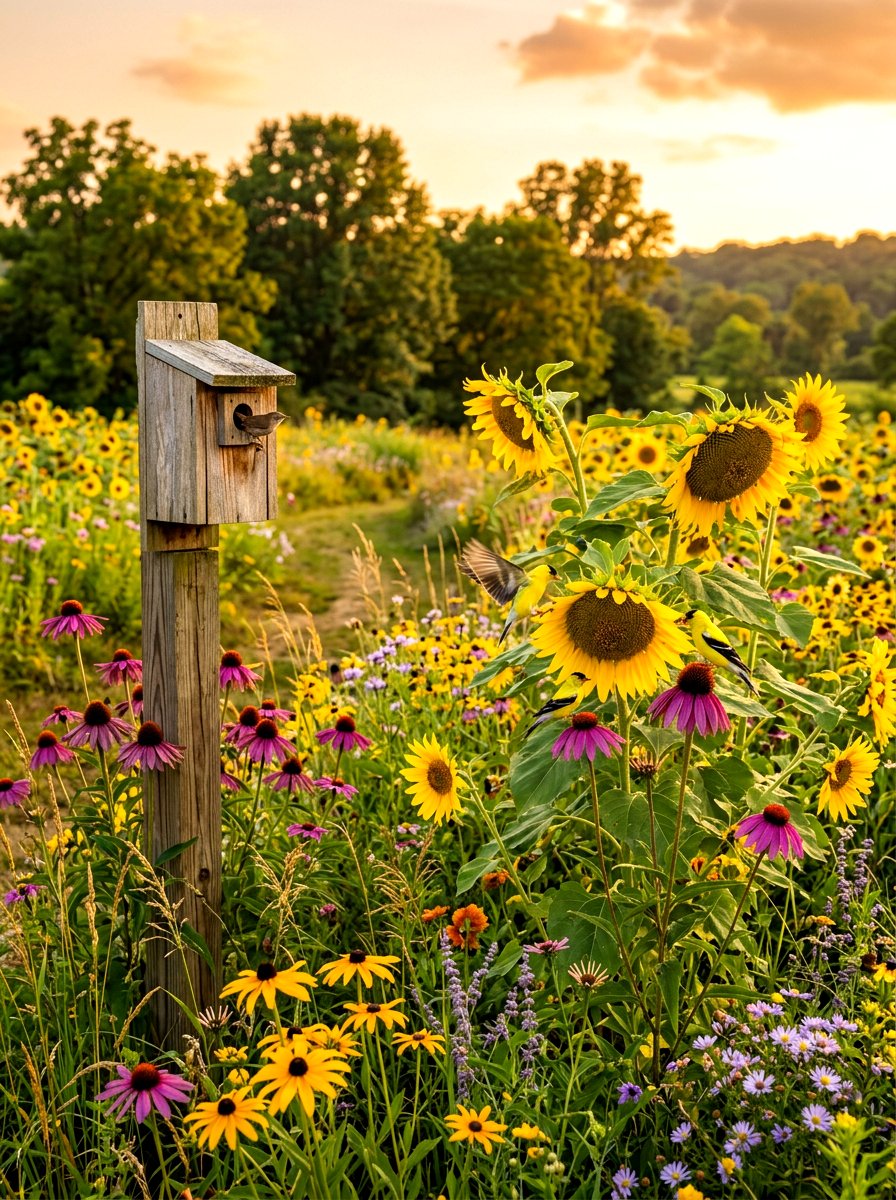
A meadow designed to attract birds focuses on providing high-quality food sources and nesting materials throughout the year. You should include plants with large seed heads, such as sunflowers and coneflowers, which act as natural bird feeders. Grasses are also essential, as they provide cover and soft fibers that many species use to build their nests. This type of yard becomes a hub of activity, filled with the songs and movements of local birds. Avoiding the use of pesticides is crucial to ensure a safe environment for your feathered visitors. It is a deeply rewarding way to connect with wildlife and enjoy a dynamic, ever-changing landscape right outside your door.
22. Rain Garden Meadow Yard
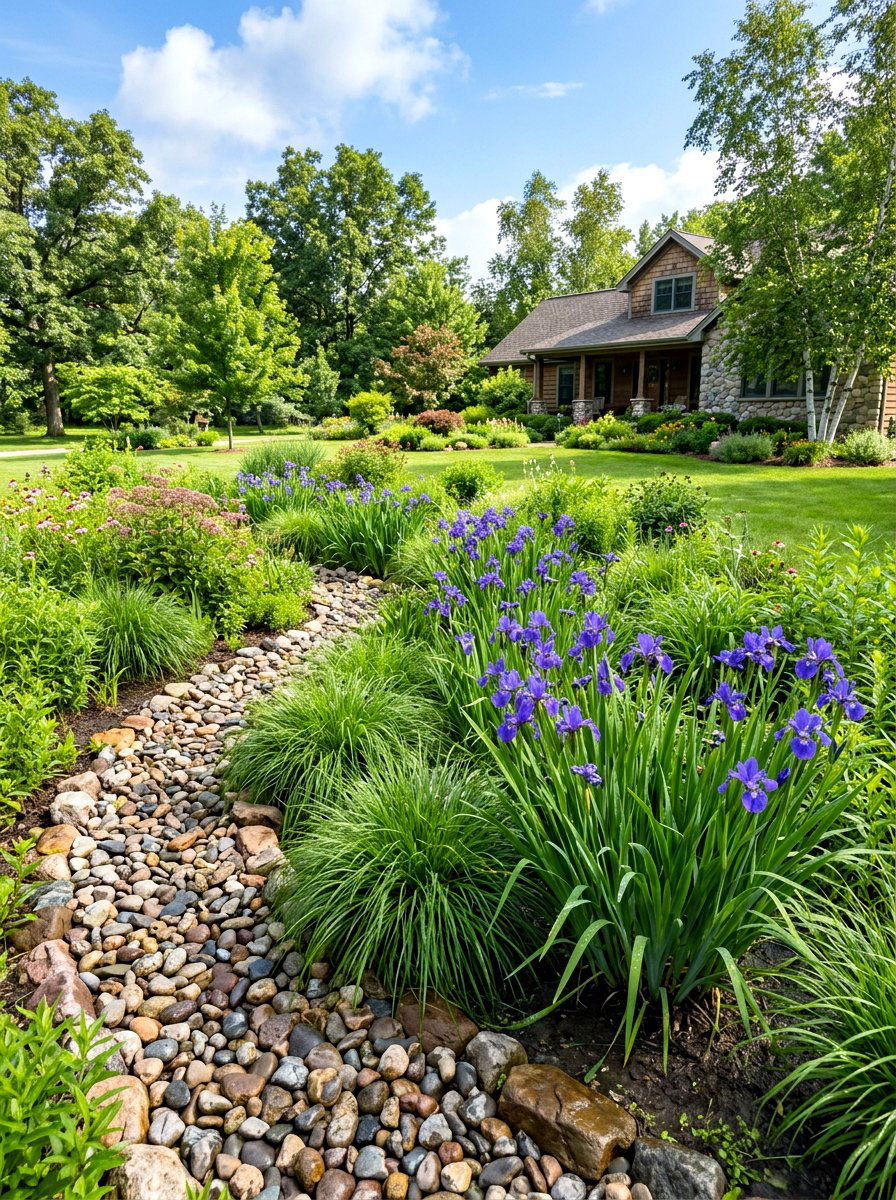
If your front yard has a low spot where water tends to collect after a storm, a rain garden meadow is the ideal solution. This specialized design uses deep-rooted native plants that can tolerate both "wet feet" and dry periods between rains. The plants help filter pollutants from runoff and allow the water to soak into the ground slowly. Species like blue flag iris, swamp milkweed, and sedges are perfect for these moist conditions. This functional landscape prevents erosion and protects local waterways while looking like a lush, natural wetland. It turns a potential drainage problem into a beautiful and ecologically beneficial feature that enhances your property’s overall sustainability and charm.
23. Rustic Farmhouse Meadow Garden
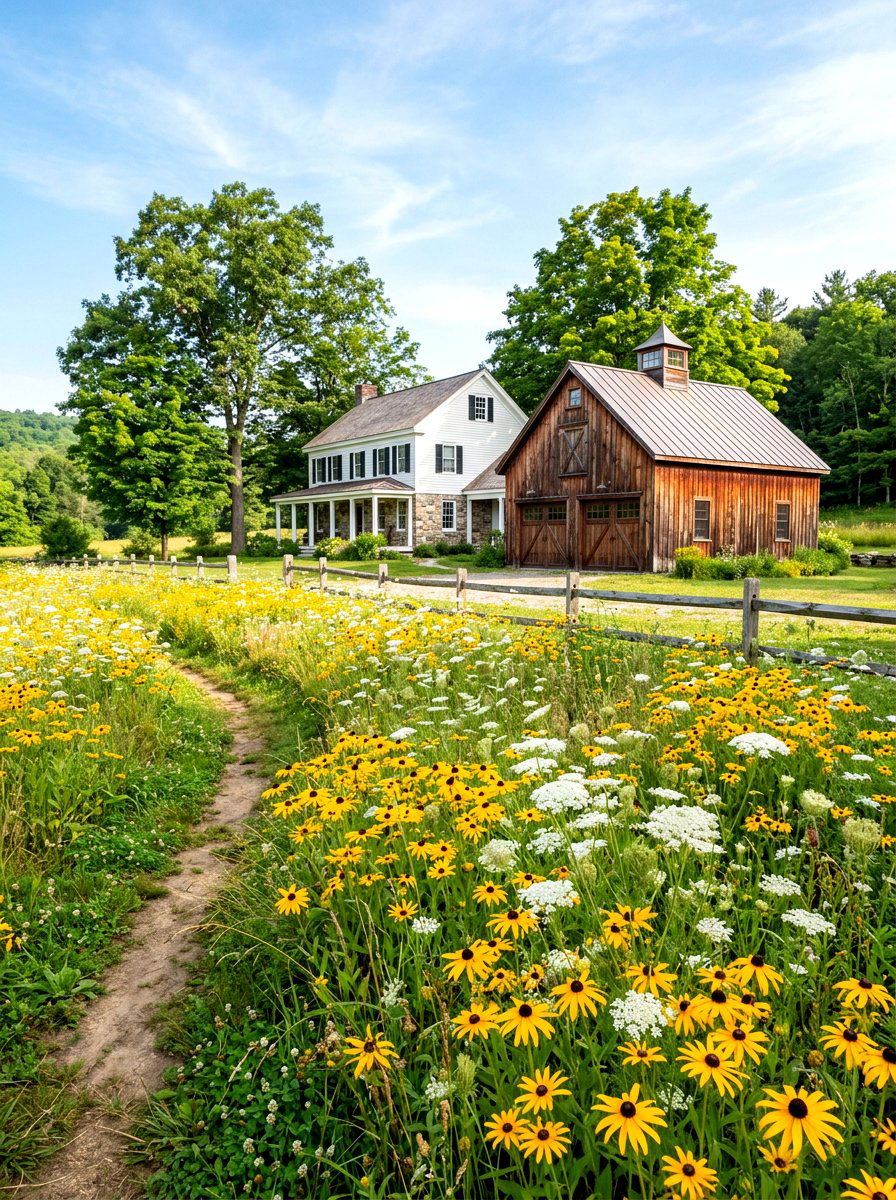
The rustic farmhouse style is perfectly suited for a relaxed and unpretentious meadow landscape in the front yard. This design often features split-rail wooden fences, weathered stone paths, and a mix of traditional wildflowers. Think of plants like black-eyed Susans, wild sunflowers, and queen anne's lace for a truly authentic country feel. This approach celebrates a bit of "organized chaos, " allowing the plants to mingle and flow naturally. It creates a sense of history and nostalgia, making your home feel like it has been part of the landscape for generations. This low-maintenance style is perfect for busy families who want a beautiful yard without the stress of perfection.
24. Winter Interest Meadow Grasses
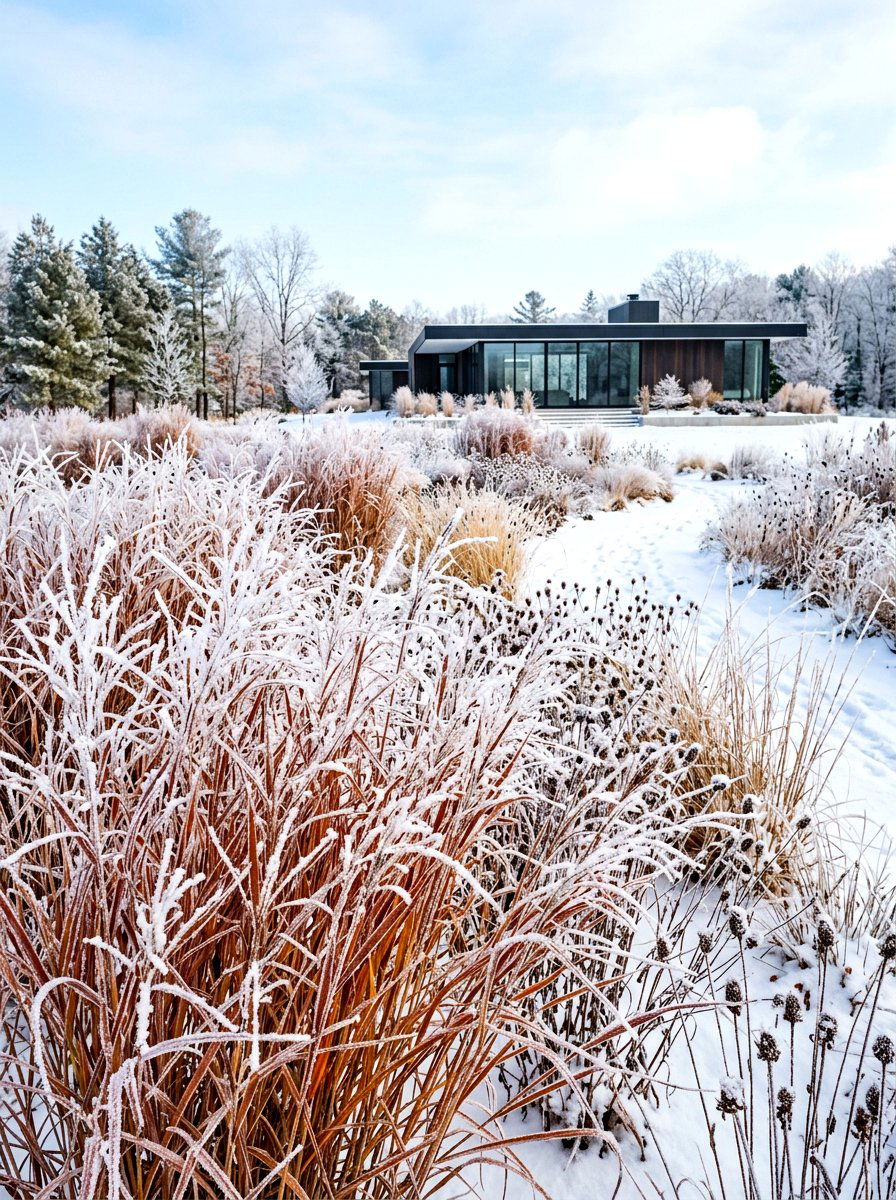
A common misconception is that a meadow only looks good in the summer, but a well-designed space offers beauty all winter. By choosing grasses that keep their structure during the cold months, you can create a stunning architectural display in the snow. Plants like switchgrass and little bluestem turn beautiful shades of copper and silver as they go dormant. These dried stalks provide essential habitat for overwintering insects and food for birds during the harshest weather. When the frost clings to the delicate seed heads, the entire front yard looks like a sparkling work of art. This design ensures that your landscape remains interesting and vital throughout the entire calendar year.
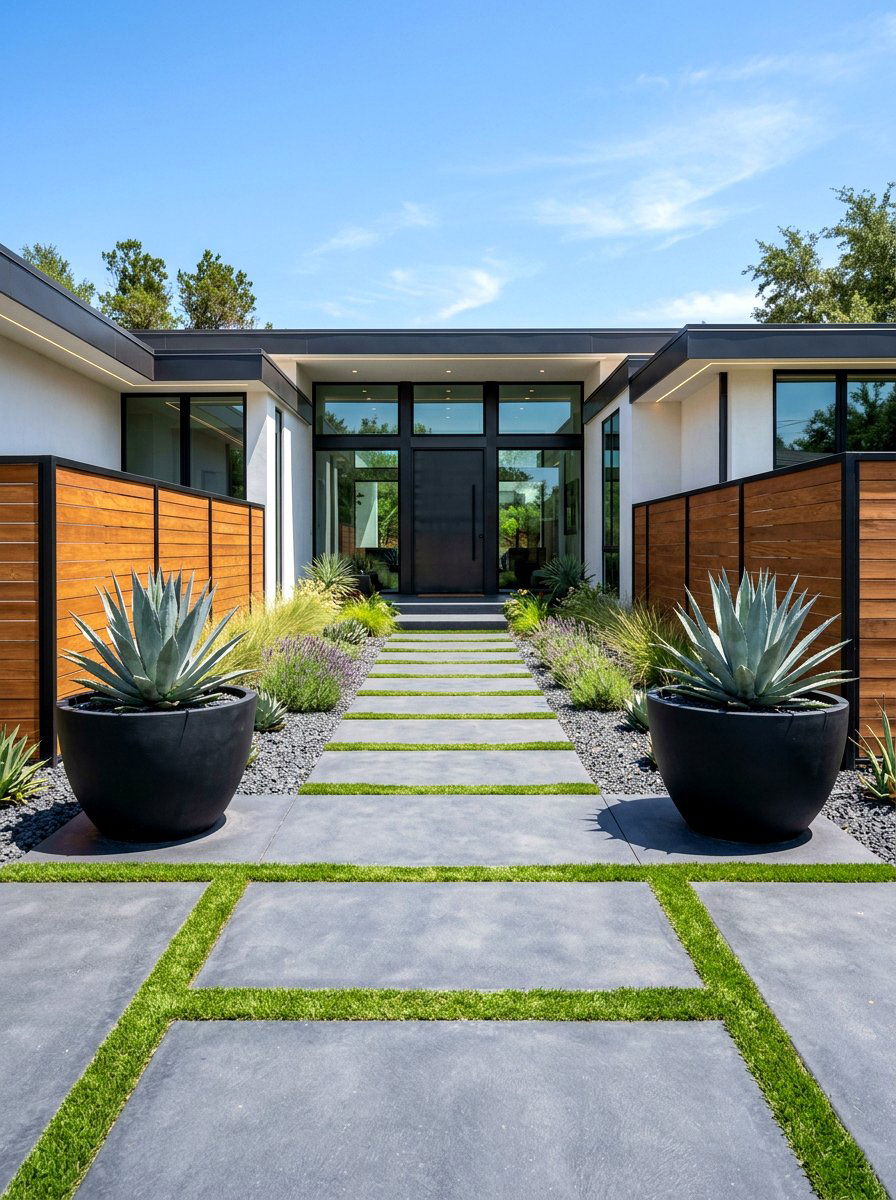
25. Formal Meadow Front Border
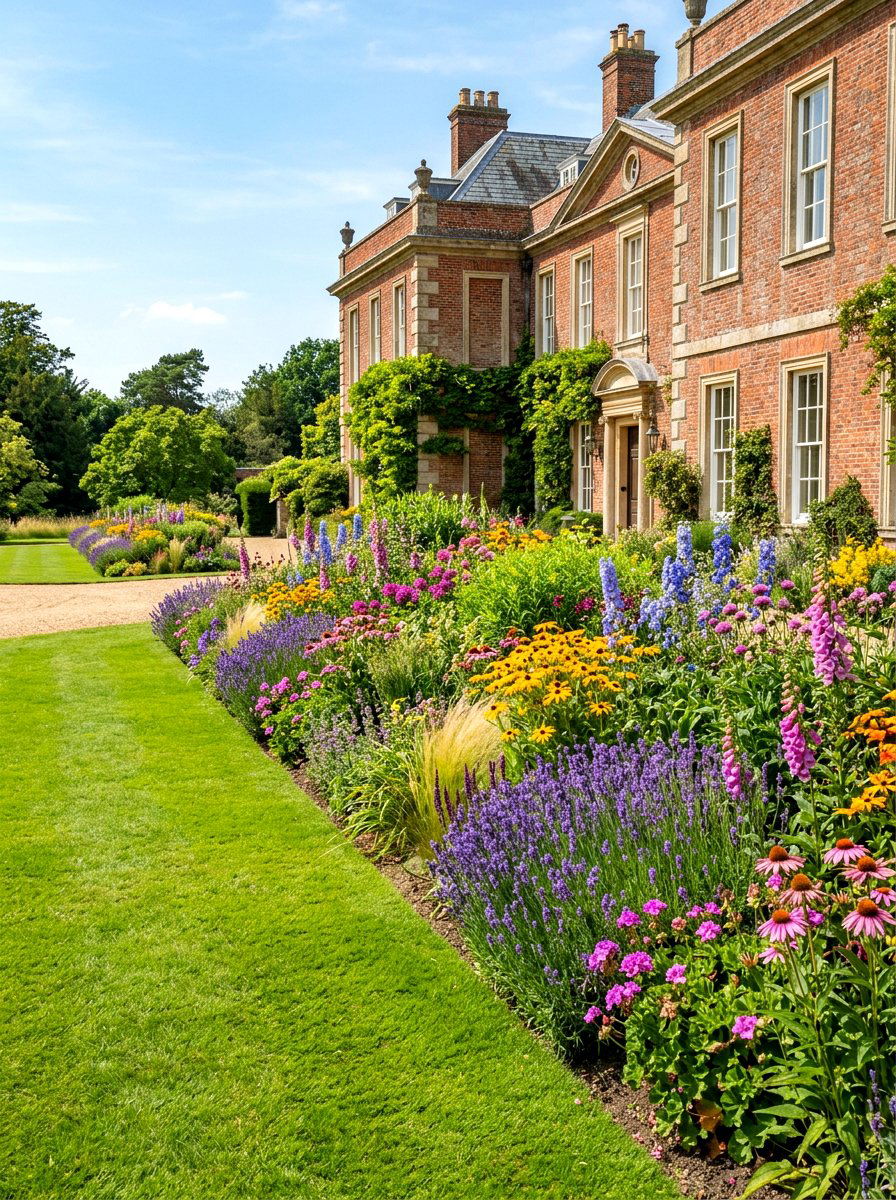
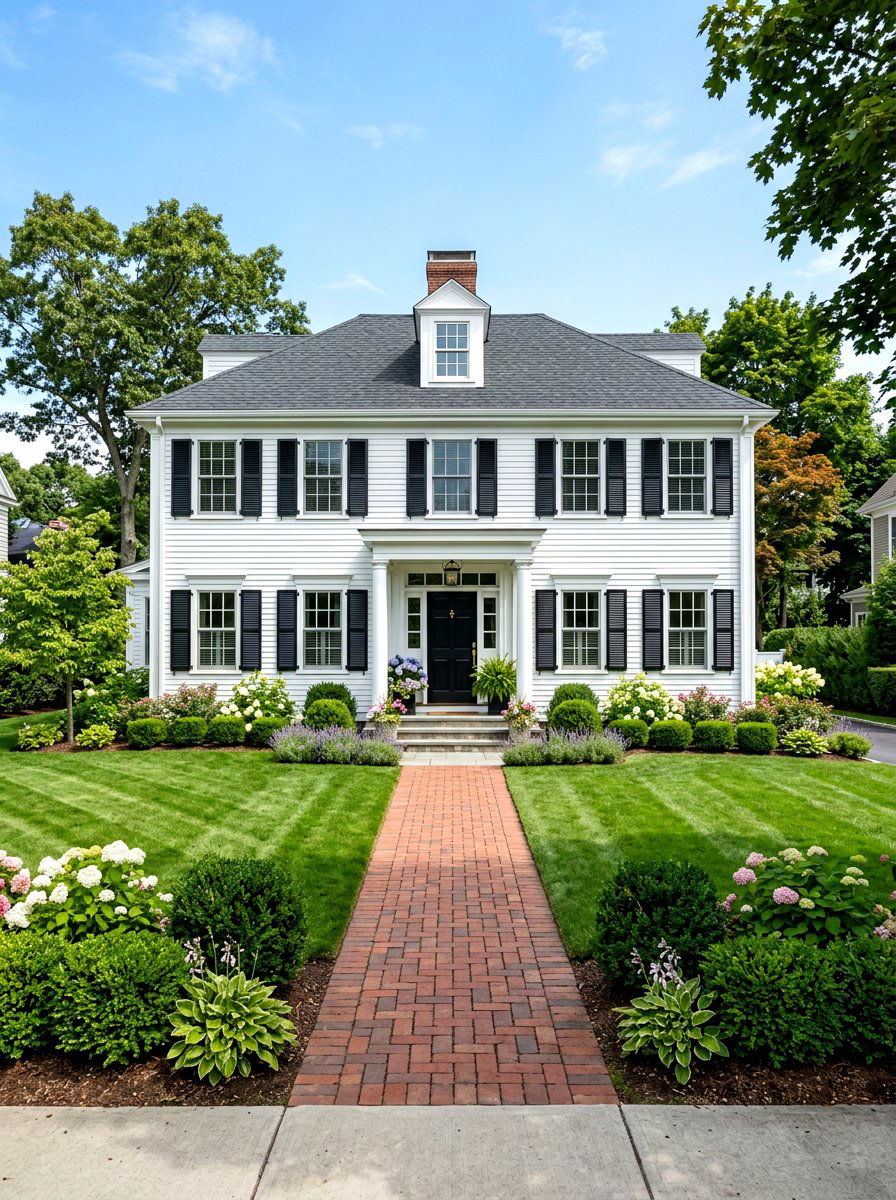
You can enjoy the ecological benefits of a meadow while maintaining a very formal look by using a meadow-style border. This involves planting a wide, dense strip of wildflowers and grasses along the edge of your property or foundation. Using a clean, mowed grass strip or a paved path in front of the border provides a sharp visual contrast. This "frame" tells the eye that the wild planting is intentional and carefully managed. It is an excellent compromise for homeowners who want to help the environment but still value a traditional, symmetrical aesthetic. The border becomes a lush wall of color that provides privacy and interest without the need for hedges.
26. Tapestry Lawn Meadow Garden
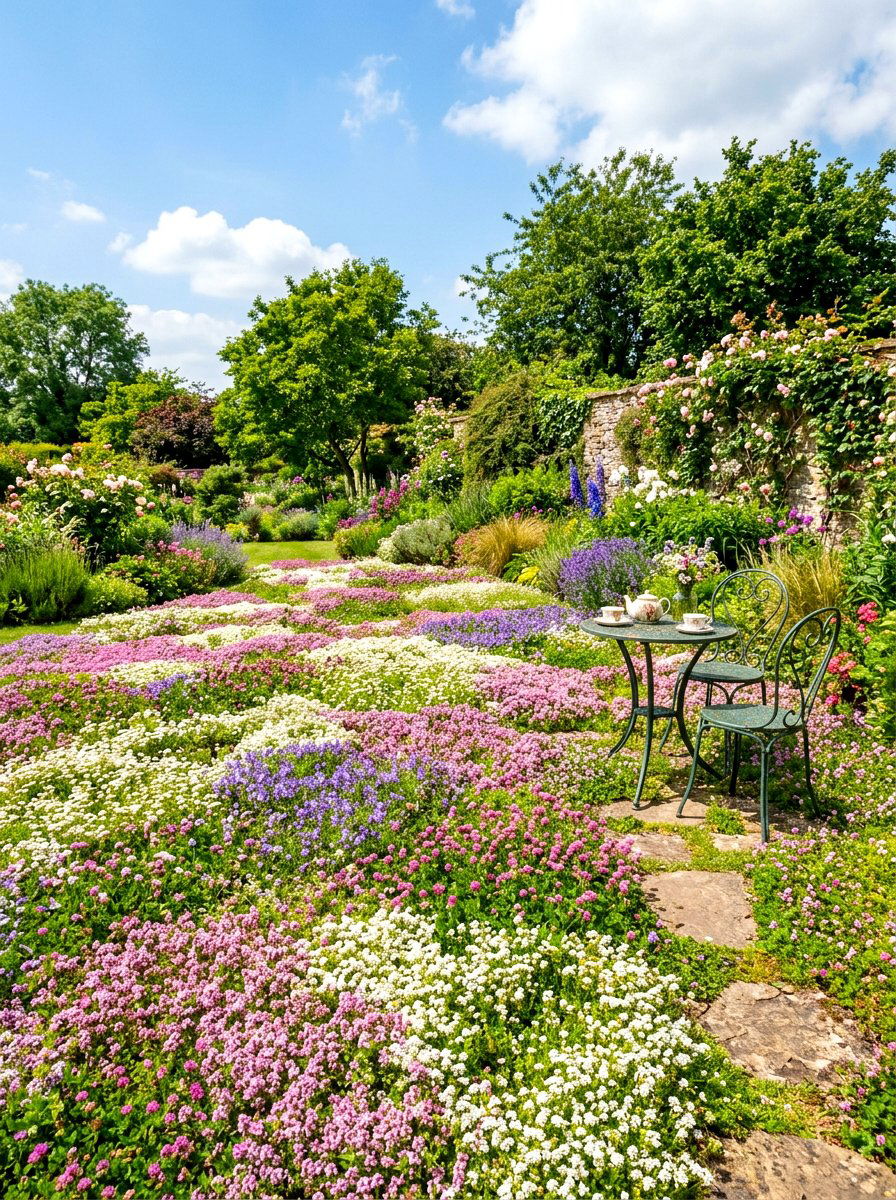
A tapestry lawn is a modern alternative to traditional grass that uses a variety of low-growing, non-grass plants to create a living carpet. Instead of a monoculture, you mix creeping thyme, clover, and chamomile to form a dense and fragrant groundcover. This type of meadow stays very short and can handle moderate foot traffic, making it a functional space for walking or sitting. The varying textures and colors of the different plants create a beautiful, woven appearance that changes throughout the season. Because these plants are often nitrogen-fixing, they naturally improve the health of your soil without any extra fertilizer. It is a soft, beautiful, and sustainable way to landscape.
27. Mixed Perennial Meadow Yard
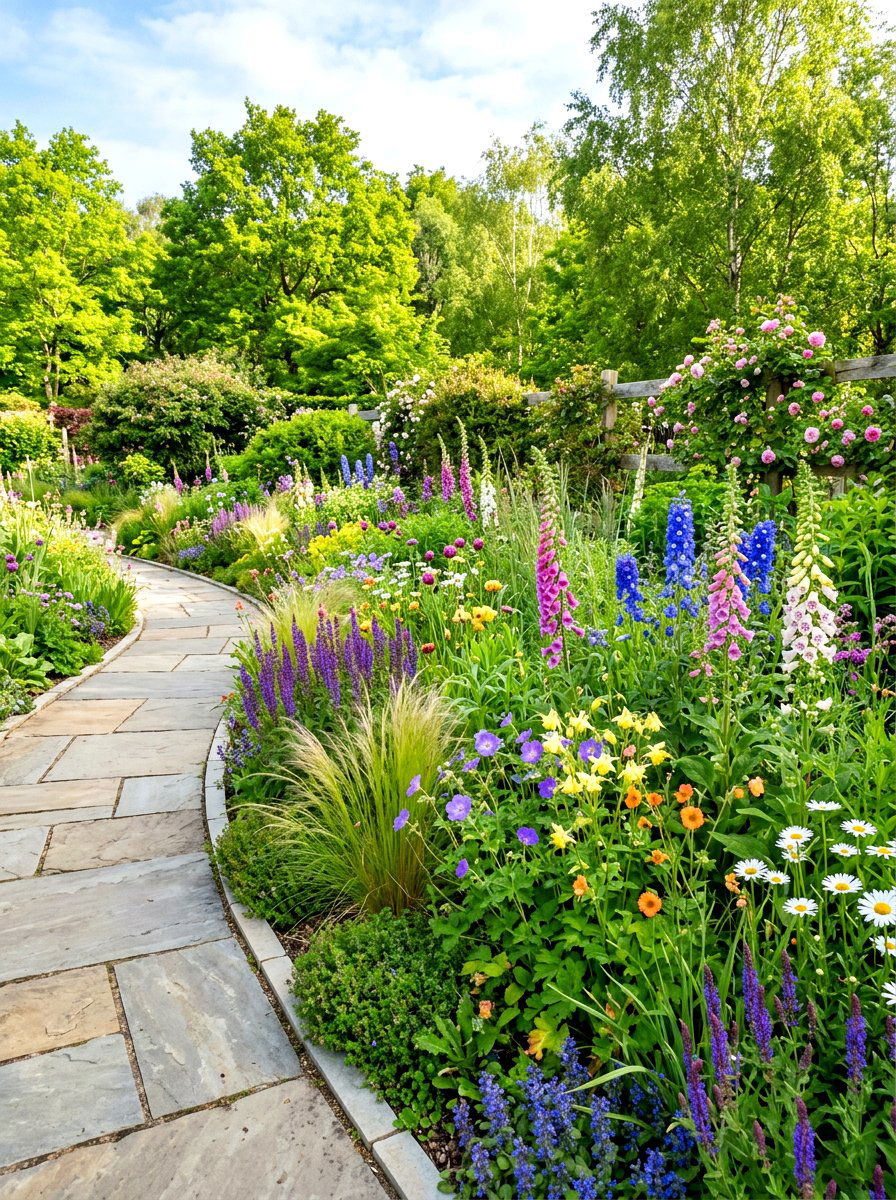
A mixed perennial meadow is a long-term investment that becomes more beautiful and complex with each passing year. Unlike annuals that must be replanted, these sturdy plants return from their roots every spring. You can carefully select a mix of heights, colors, and textures to ensure there is always something interesting happening in the yard. As the plants mature, they fill in all available space, naturally suppressing weeds and reducing the need for mulch. This design creates a stable and self-sustaining ecosystem that requires very little work once it is fully established. It offers a rich and layered look that reflects the sophisticated complexity of a true natural prairie or meadow.
28. Clover Meadow Front Lawn
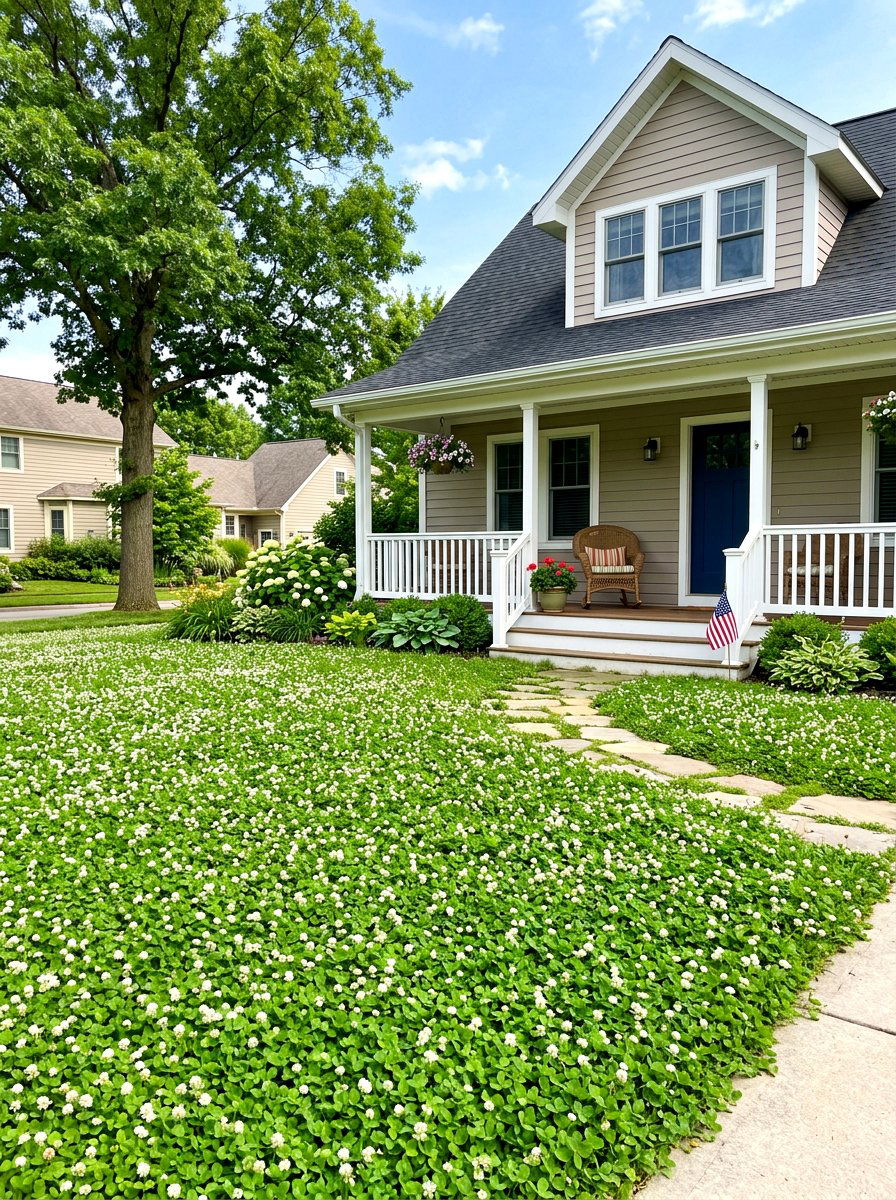
Replacing your thirsty grass with a clover-based meadow is one of the easiest ways to create a green, eco-friendly front yard. Clover stays green even during the hottest parts of the summer and requires significantly less water than traditional turf. It also produces tiny, honey-scented flowers that are a favorite for local bees and pollinators. Clover naturally captures nitrogen from the air and pumps it into the soil, acting as a free and organic fertilizer for your yard. The soft texture is wonderful underfoot and stays relatively short, so you only need to mow it occasionally if you prefer a tidier look. It is a practical, beautiful, and very cost-effective landscaping solution.
29. Rock Garden Meadow Space
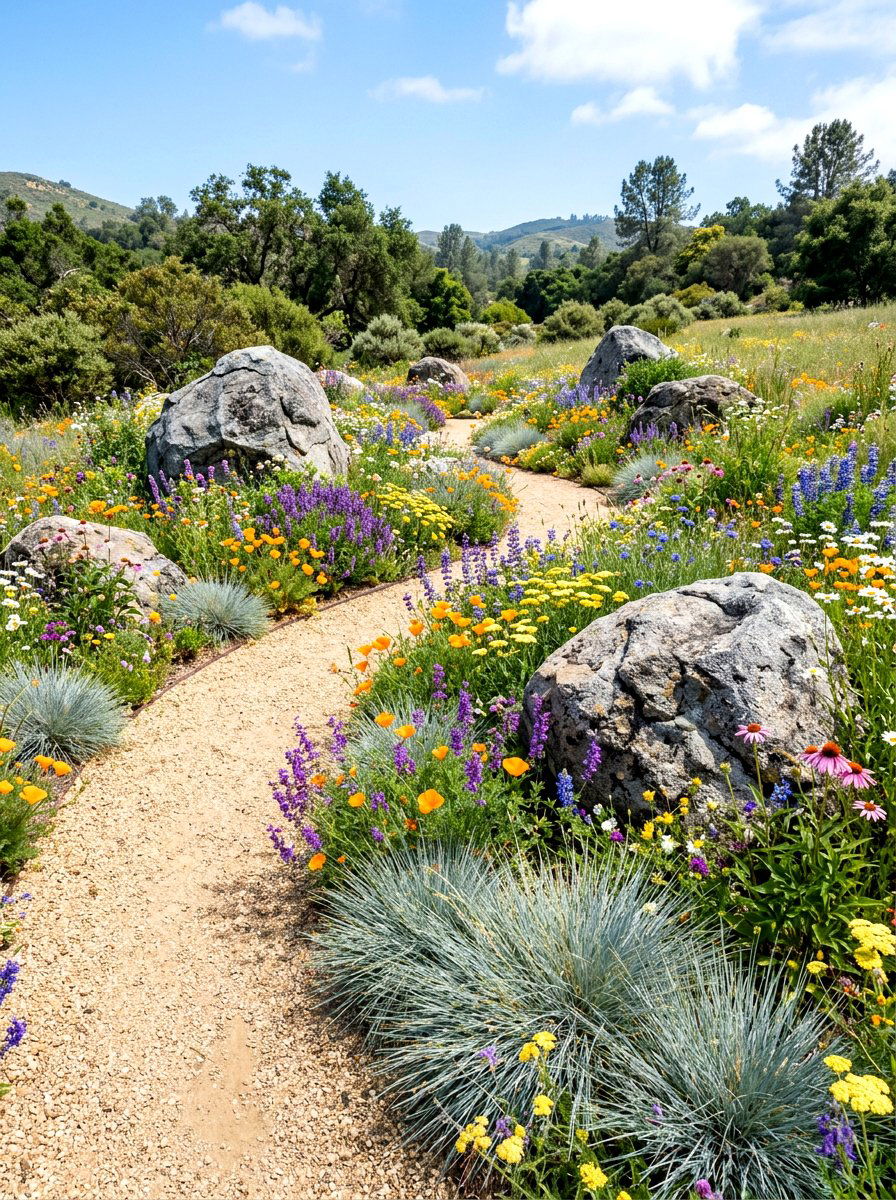
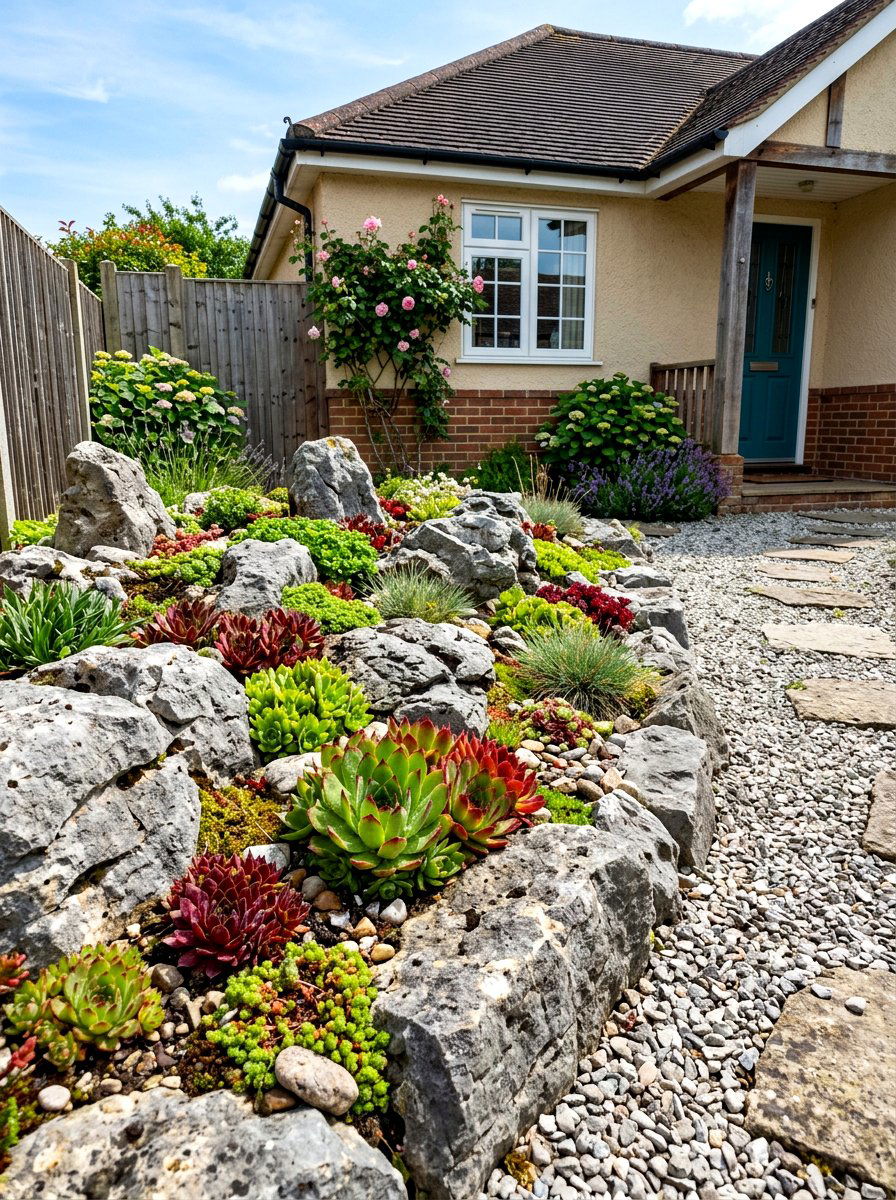
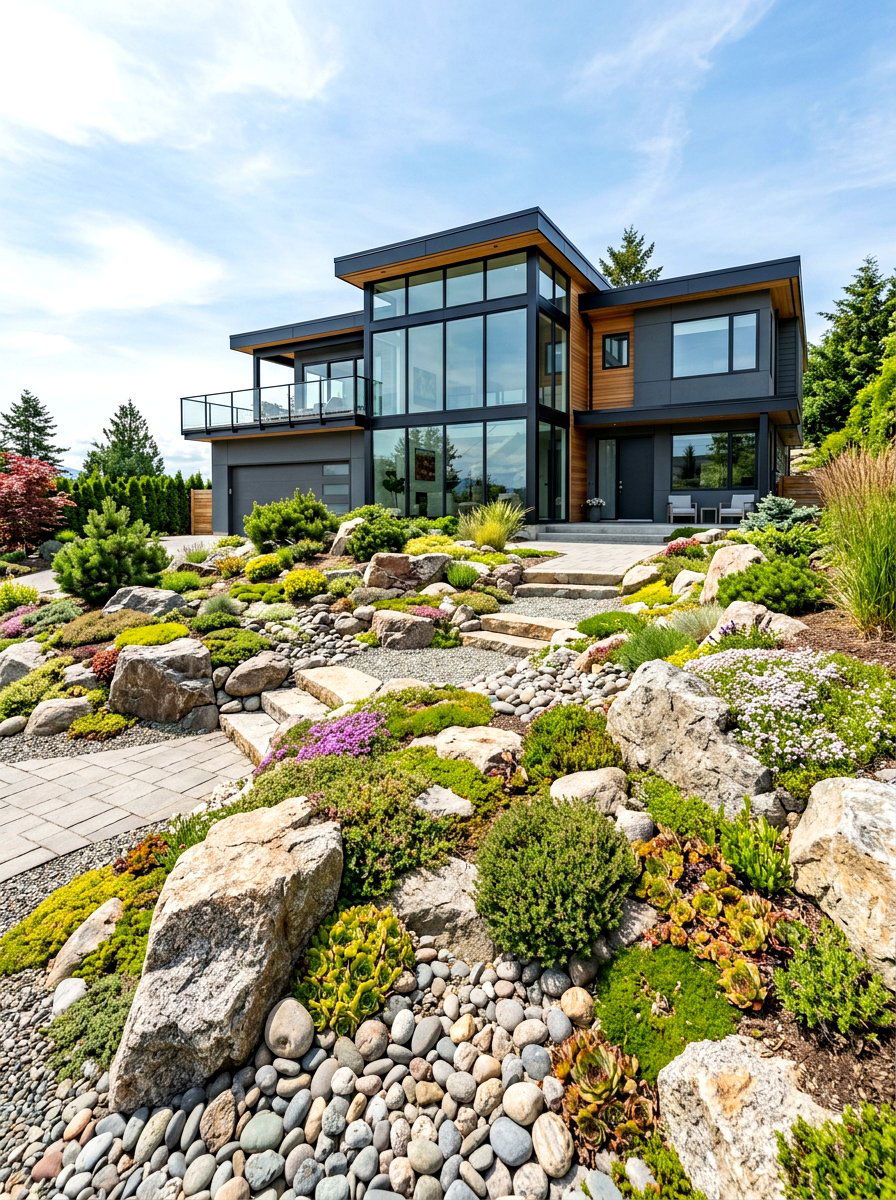
Combining large decorative boulders with delicate meadow plants creates a dramatic, high-contrast landscape that works well on uneven terrain. The rocks provide a sense of weight and permanence, while the swaying grasses and flowers add movement and lightness. This design is inspired by alpine meadows and rocky outcrops found in nature, giving your front yard a rugged and adventurous feel. You can tuck small succulents or alpine wildflowers into the crevices of the rocks for unexpected pops of color. The stone also helps suppress weeds and retains moisture in the soil beneath them. It is a stunning, low-maintenance choice for homeowners who want a yard that feels like a natural destination.
30. Cottage Style Meadow Patch
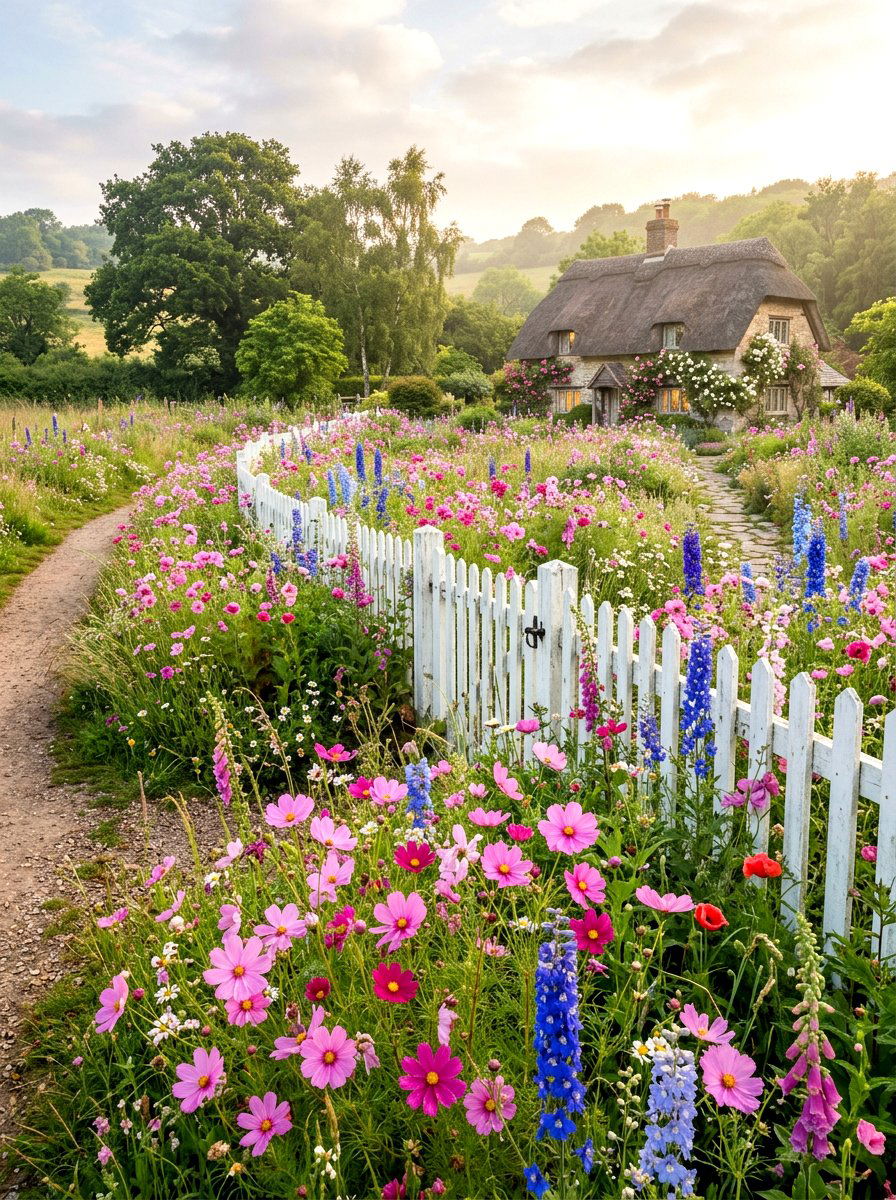
The cottage style is all about romantic, overflowing abundance and a mix of old-fashioned flowers. Creating a meadow patch with cosmos, larkspur, and poppies brings this charming aesthetic to your front yard with very little effort. This design encourages plants to spill over paths and lean against fences, creating a soft and lived-in atmosphere. Using a picket fence as a backdrop can further enhance the "English garden" vibe of the space. It is a celebratory and joyful way to landscape that prioritizes color and scent over strict order. This type of meadow feels like a warm embrace for your home, welcoming guests with its wild and unpretentious beauty every single day.
Conclusion:
Transitioning to a meadow front yard is more than just a landscaping choice; it is a commitment to a healthier and more sustainable planet. By replacing thirsty, chemical-dependent lawns with native grasses and wildflowers, you create a living sanctuary for yourself and local wildlife. Whether you prefer the structured look of a modern minimalist meadow or the untamed joy of a cottage-style wildflower patch, there is a design that fits your home perfectly. These landscapes offer changing beauty through all four seasons and significantly reduce your weekend chores. Embrace the wild elegance of a meadow and watch as your front yard becomes the most vibrant and talked-about space in the neighborhood.

Related posts: