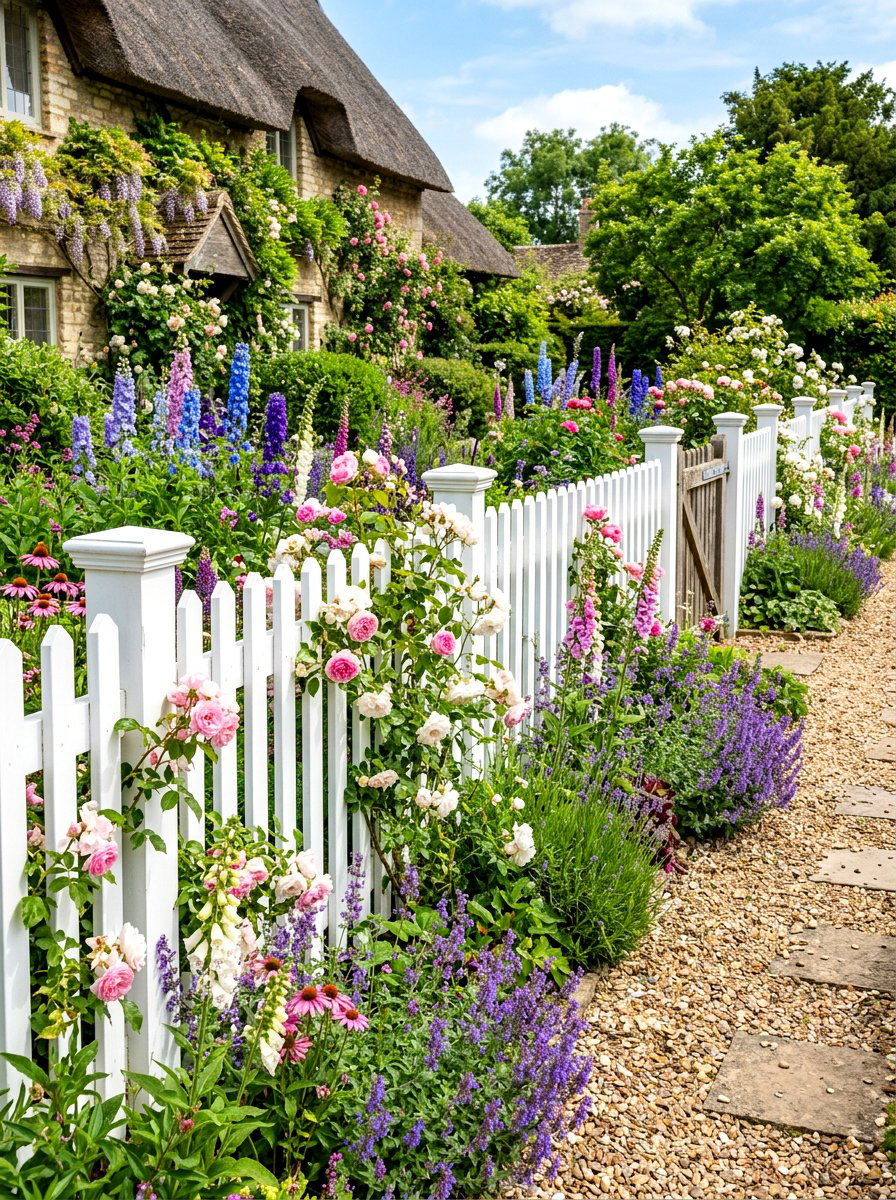
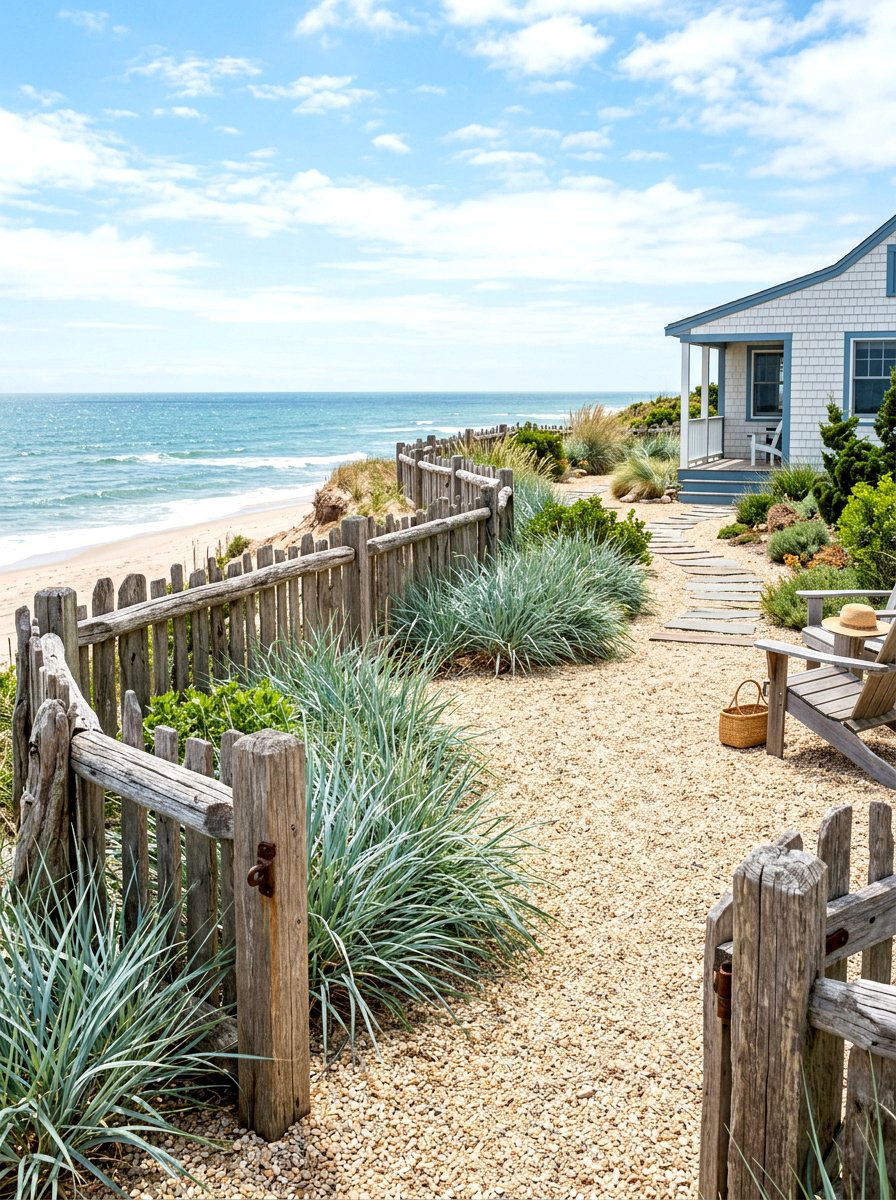
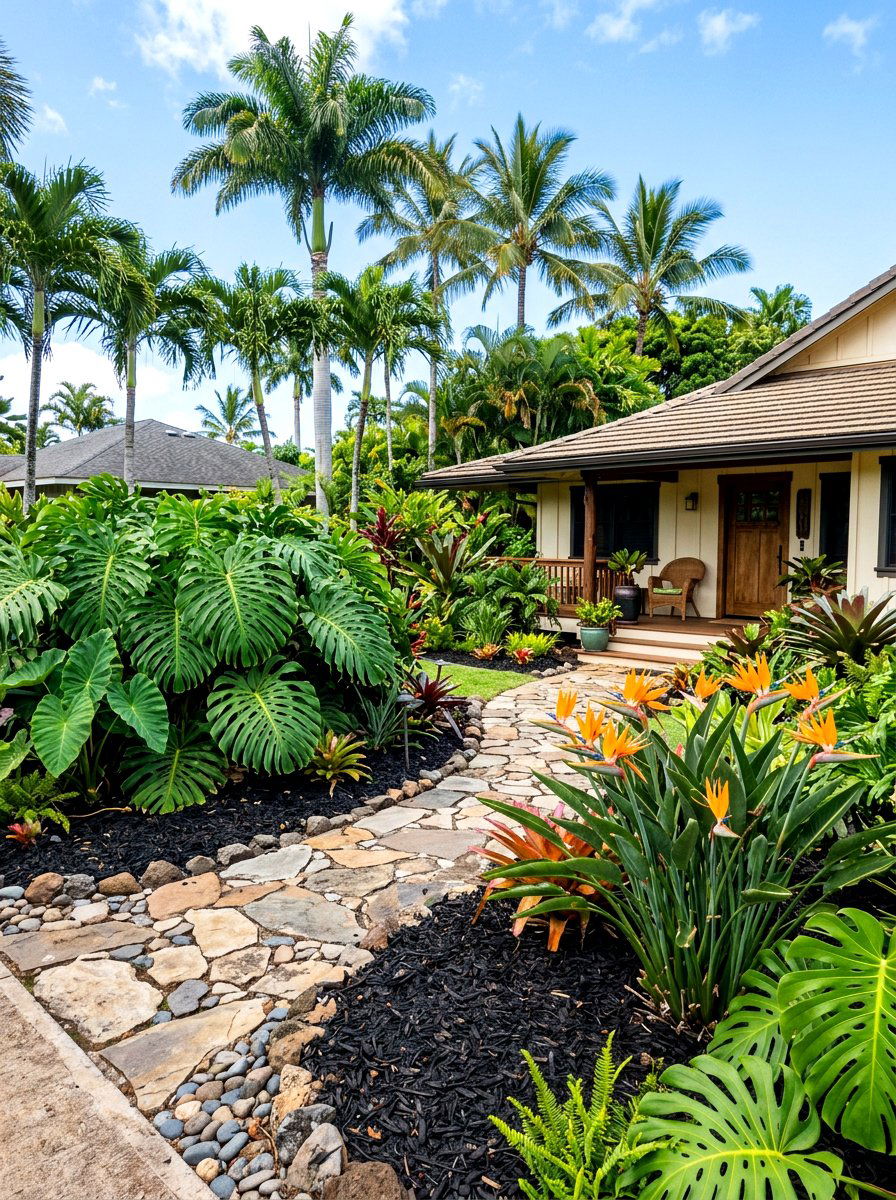
Transforming your home's entrance into a vibrant, sustainable sanctuary begins with embracing the natural beauty of local grasslands. A prairie front yard prioritizes resilient native plants, ornamental grasses, and hardy wildflowers that thrive with minimal water and zero chemical fertilizers. By replacing high-maintenance turf with these textured landscapes, you create a dynamic ecosystem that supports pollinators like bees and butterflies. This approach offers a modern, eco-conscious aesthetic that stays beautiful throughout the seasons, even in the depths of winter. Let’s explore various ways to integrate these durable, low-maintenance elements into your home’s curb appeal for a welcoming and truly sustainable landscape.
1. Native Grass Border
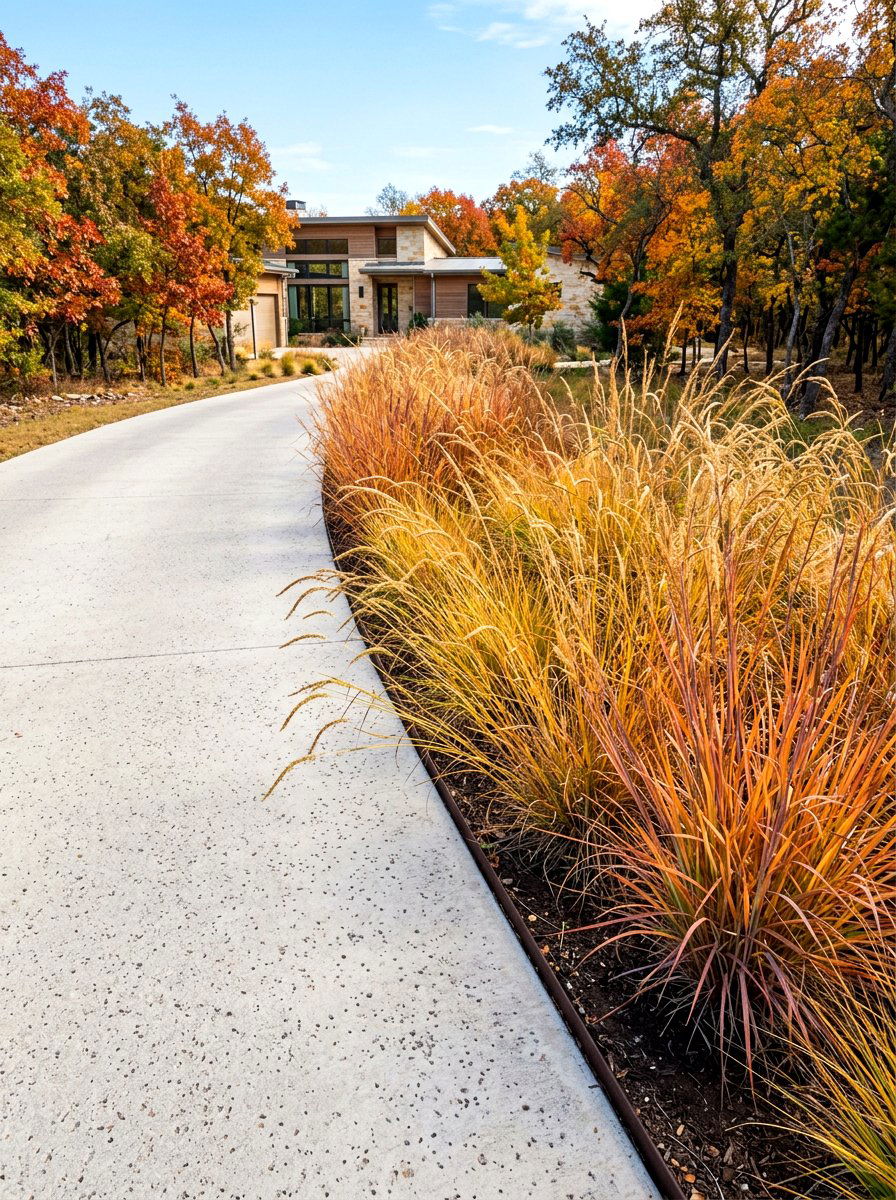
Establishing a native grass border along your property line or driveway is a brilliant way to introduce movement and architectural texture. Hardy species such as Little Bluestem or Sideoats Grama are perfect for this role because they require very little irrigation once their roots are established. These grasses offer a stunning blue-green hue during the summer months before shifting into deep copper and golden tones as autumn arrives. Their dense root systems also help with soil stability and prevent erosion near paved surfaces. By choosing local varieties, you ensure your yard remains resilient against regional weather patterns while providing essential shelter for small songbirds.
2. Wildflower Meadow Path
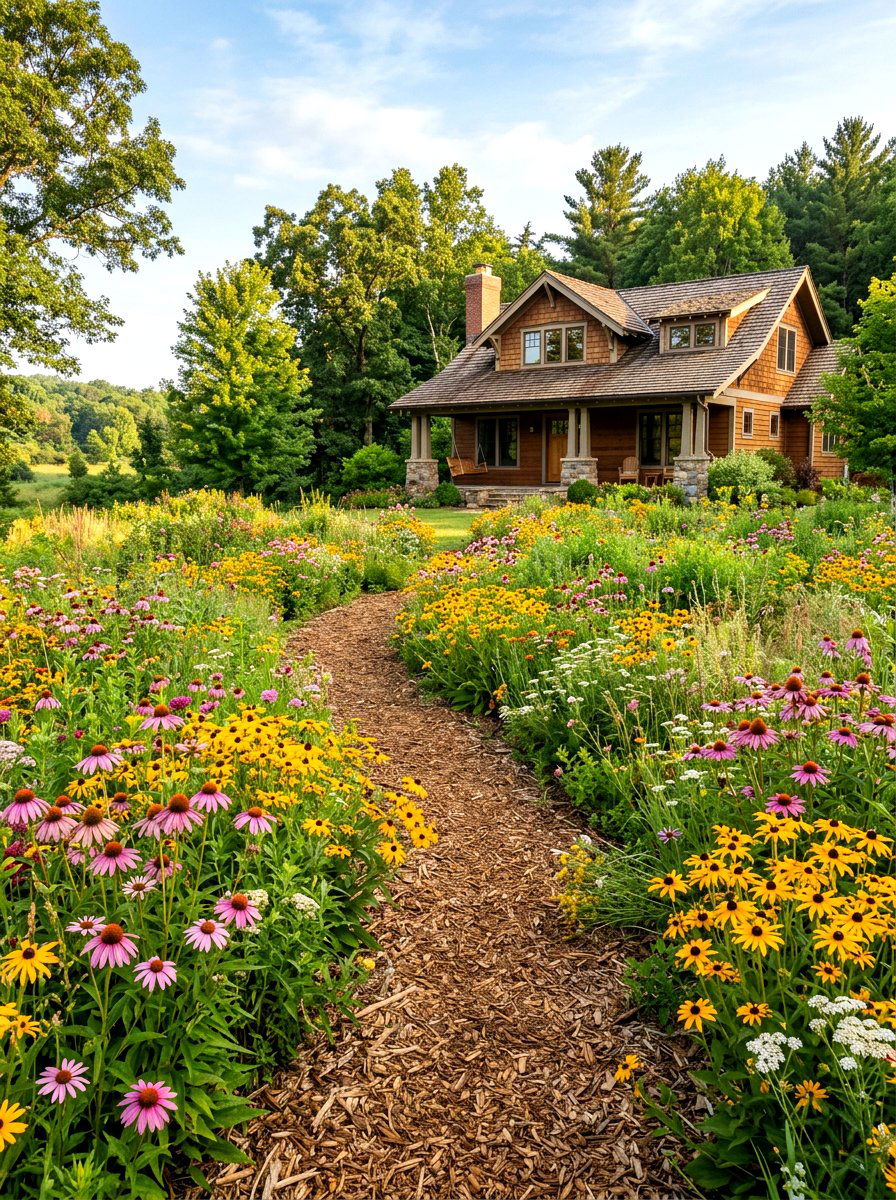
Creating a wildflower meadow path offers an enchanting way to guide guests toward your front door through a sea of color. Instead of a traditional straight concrete walkway, consider a winding path made of crushed stone or natural wood mulch. Surround this walkway with a diverse mix of Purple Coneflowers, Black-eyed Susans, and Blazing Stars to create a lush, immersive experience. This design encourages you to slow down and appreciate the delicate details of nature right at your doorstep. The variety of bloom times ensures that your entryway remains a focal point of beauty from late spring until the first frost of winter.
3. Prairie Stone Walkway
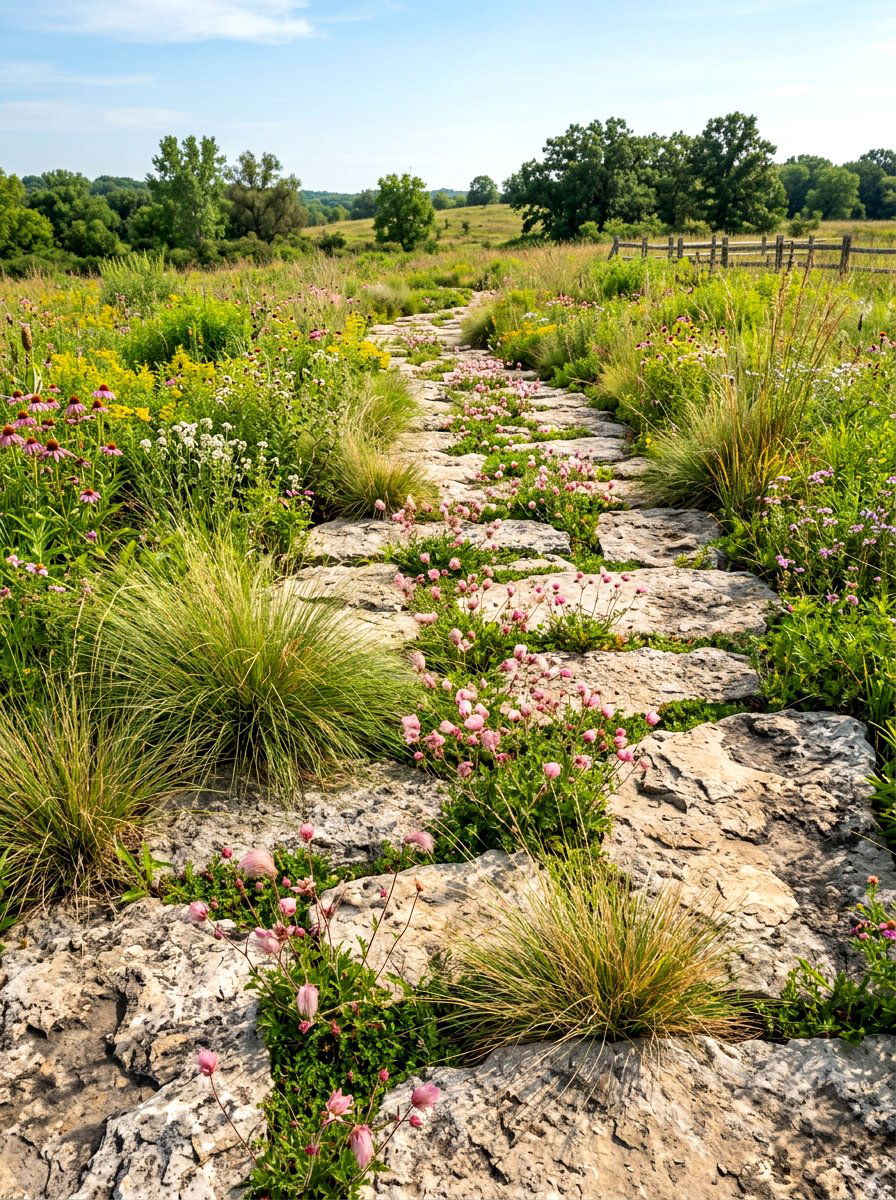
Integrating a prairie stone walkway using large, flat pieces of native limestone or sandstone provides a grounded, organic feel to your landscape. These natural materials blend seamlessly with the soft textures of surrounding grasses like Prairie Dropseed or Switchgrass. Using irregular stone shapes creates a more authentic, rustic look that mimics the natural outcroppings found in wild prairie environments. To enhance the design, allow low-growing groundcovers like Prairie Smoke or Wild Thyme to creep between the stones. This method not only adds visual interest but also helps suppress weeds and reduces the need for heavy maintenance or constant edging.
4. Drought Tolerant Perennial Garden
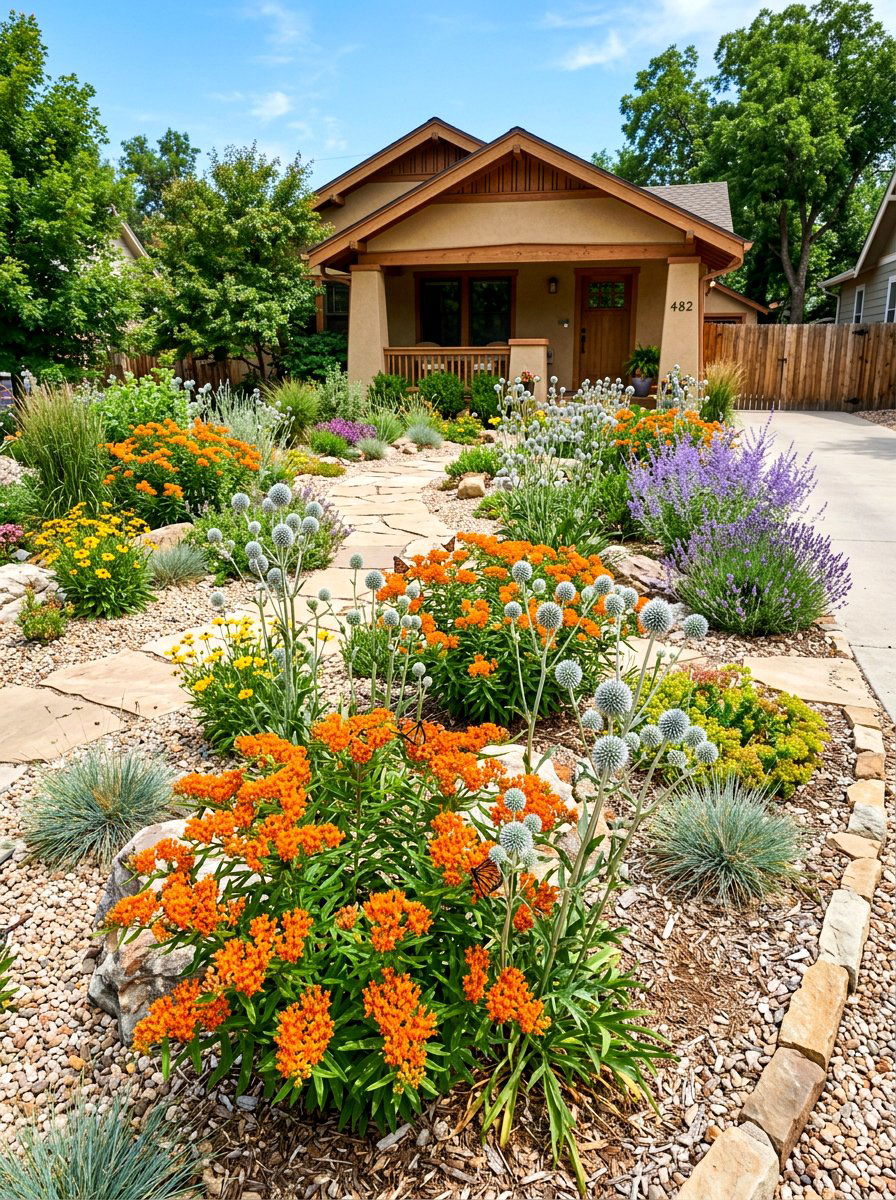
A drought tolerant perennial garden is the ultimate solution for homeowners looking for high impact with low water requirements. By selecting plants like Butterfly Weed, Coreopsis, and Rattlesnake Master, you can create a vibrant display that survives even the hottest summer stretches. These plants have evolved to handle dry conditions by developing deep roots that reach moisture far below the surface. Grouping them in large drifts creates a bold visual statement that looks intentional rather than cluttered. This type of garden significantly reduces your utility bills while offering a sanctuary for local pollinators that struggle in traditional, water-heavy suburban lawns.
5. Butterfly Habitat Landscape
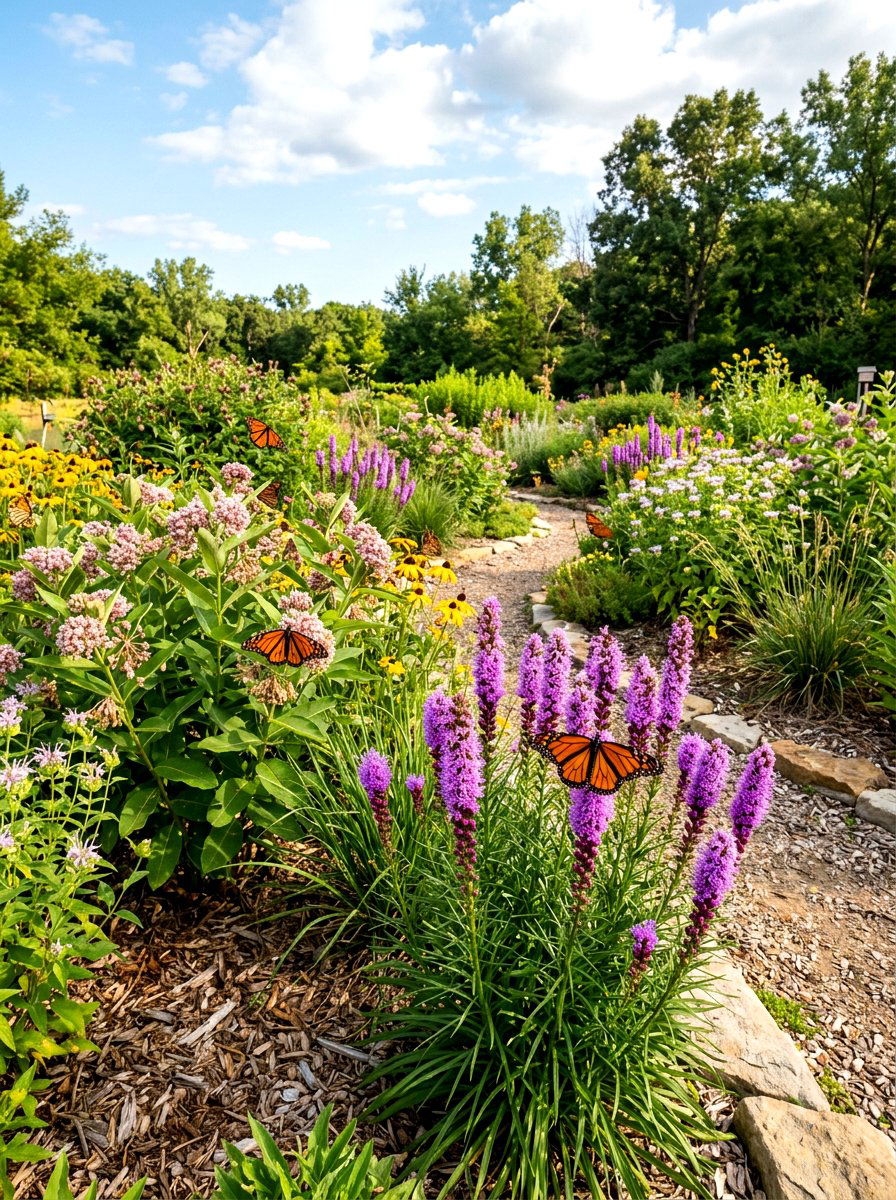
Transforming your front yard into a dedicated butterfly habitat is a rewarding way to support local biodiversity while enjoying a beautiful view. Include plenty of Milkweed, which serves as the essential host plant for Monarch caterpillars, alongside nectar-rich flowers like Goldenrod and Asters. A successful habitat requires a mix of heights and textures to provide shelter from wind and predators. Adding a few flat stones in sunny spots gives butterflies a place to bask and warm their wings. This functional landscape turns your home into a vital corridor for migrating insects, making your curb appeal both visually stunning and environmentally significant.
6. Modern Grass Curb Appeal
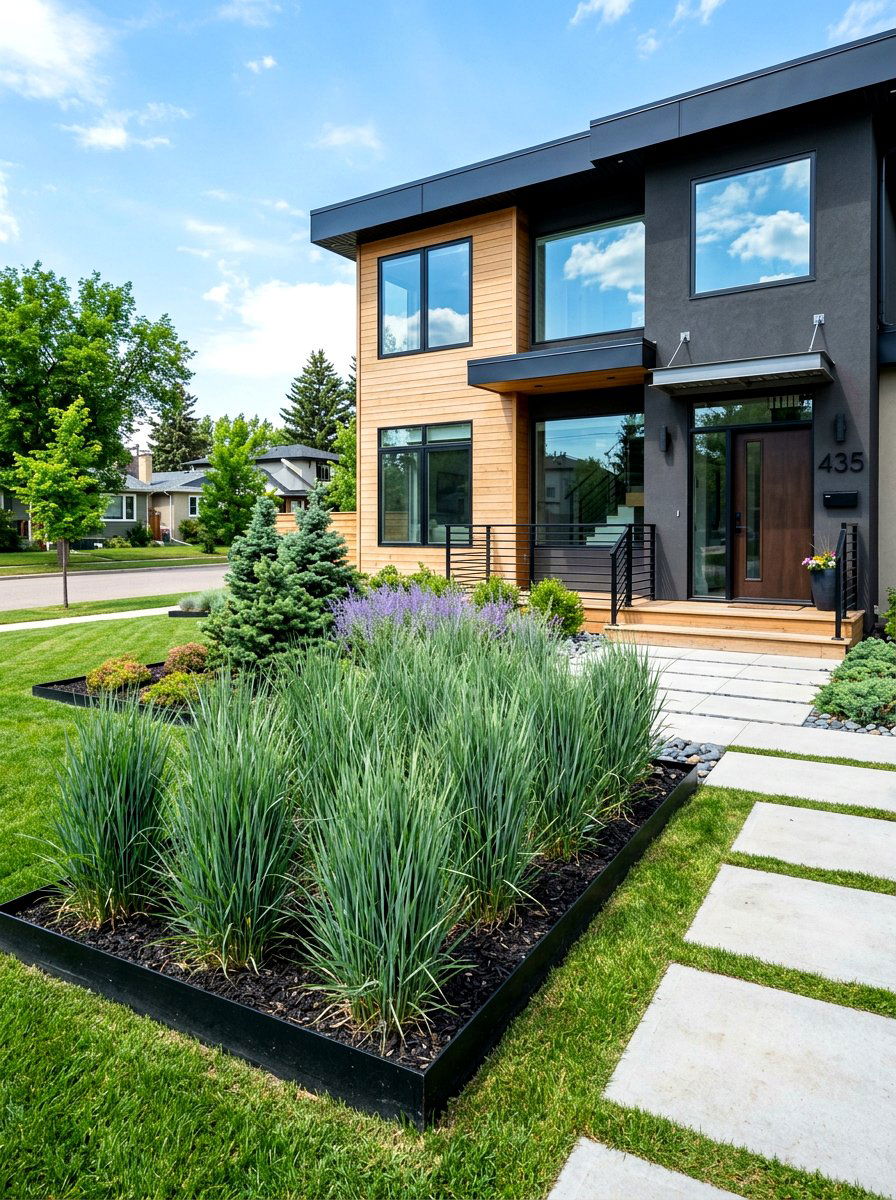
Achieving modern grass curb appeal involves using a limited palette of ornamental grasses arranged in clean, geometric patterns. For a minimalist look, try mass-planting a single species like "Northwind" Switchgrass in structured rows or blocks. This approach emphasizes the vertical form and uniform texture of the plants, creating a sleek architectural effect that complements contemporary home designs. The simplicity of this layout makes it easy to maintain while still providing the rhythmic movement that makes prairie plants so attractive. Adding a crisp steel or concrete edge around these grass beds further defines the space and highlights the contrast between nature and structure.
7. Low Maintenance Prairie Slope
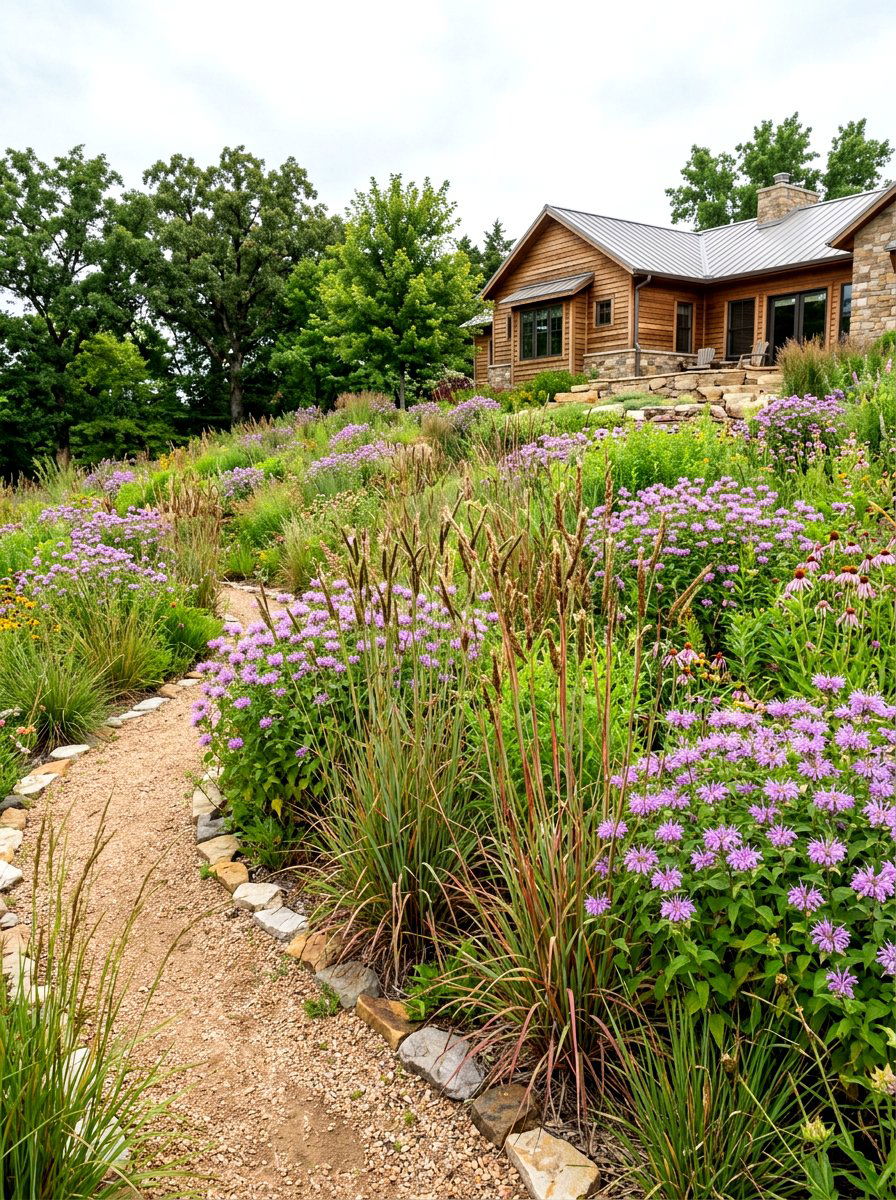
Designing a low maintenance prairie slope is a practical and aesthetic way to handle difficult inclines in your front yard. Instead of struggling to mow a steep hill, plant a dense matrix of deep-rooted native grasses like Big Bluestem and Indiangrass. These plants excel at holding soil in place, which prevents unsightly washouts during heavy rainstorms. You can intersperse these with hardy wildflowers like Wild Bergamot to add pops of lavender color throughout the summer. Once these plants are established, the slope will require very little attention, allowing you to enjoy a lush, green hillside that takes care of itself.
8. Ornamental Grass Entryway
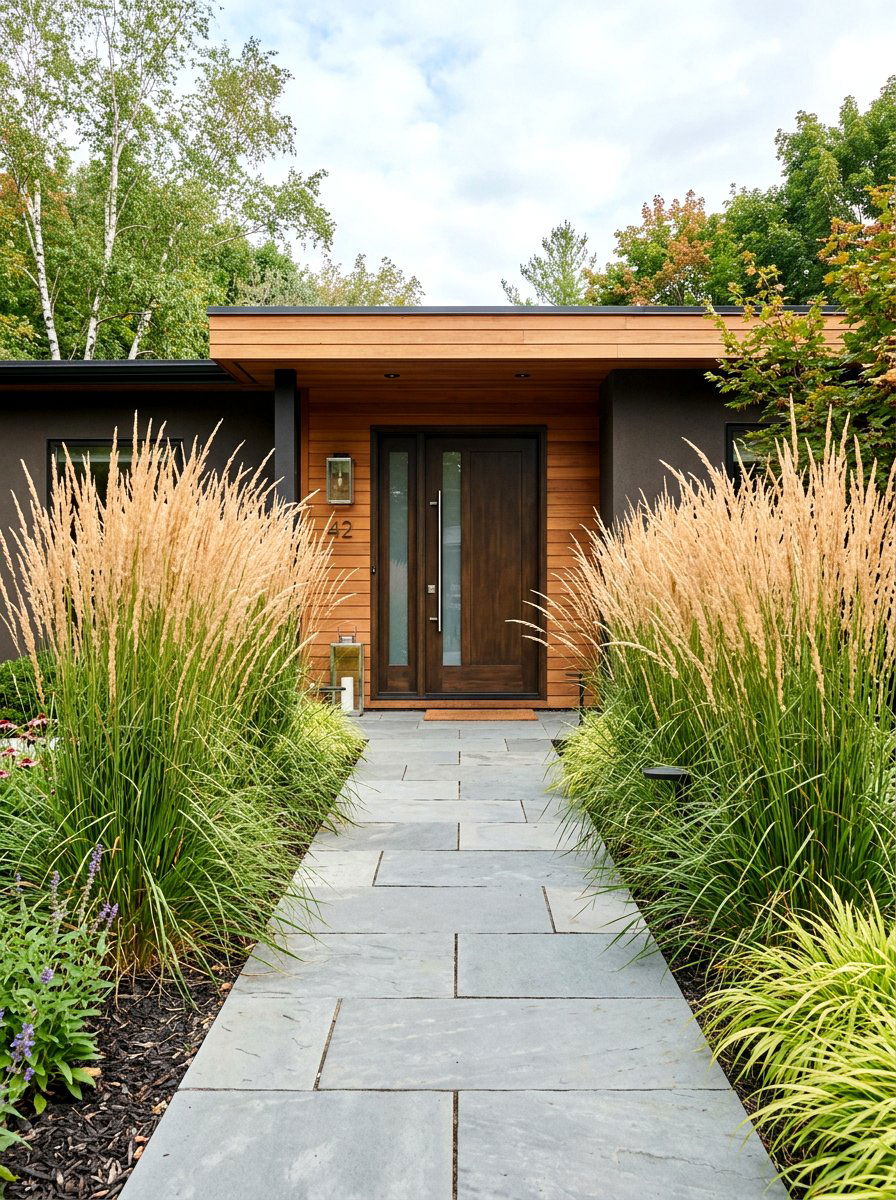
An ornamental grass entryway uses tall, graceful plants to frame your front door and create a sense of arrival. Species like Feather Reed Grass or Japanese Silver Grass provide height and a soft, translucent quality that filters sunlight beautifully. Positioning these near your entrance adds a layer of privacy without the heaviness of a traditional wooden fence or thick evergreen hedge. The sound of the wind rustling through the blades creates a soothing auditory experience for anyone approaching your home. In the winter, the dried tan stalks and feathery seed heads remain upright, offering visual interest against the stark snowy landscape.
9. Native Plant Foundation Border
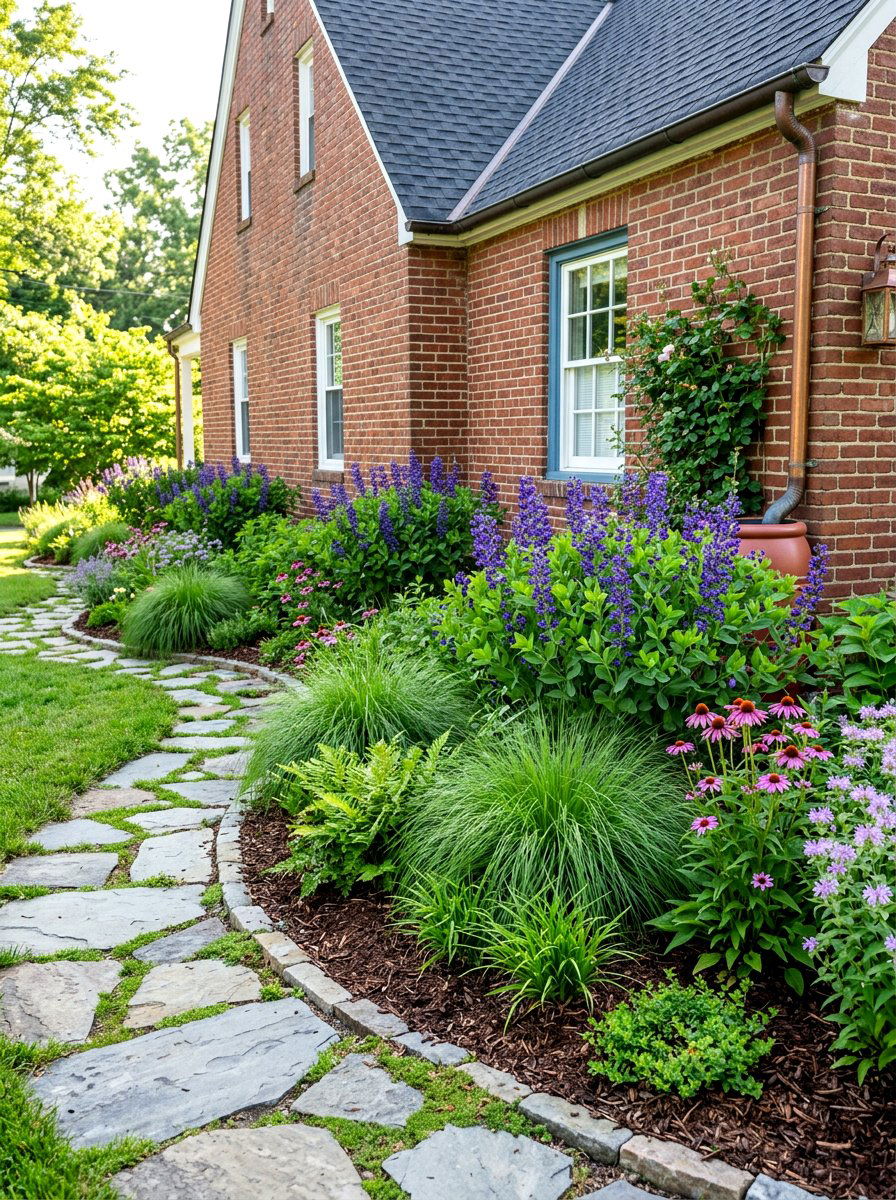
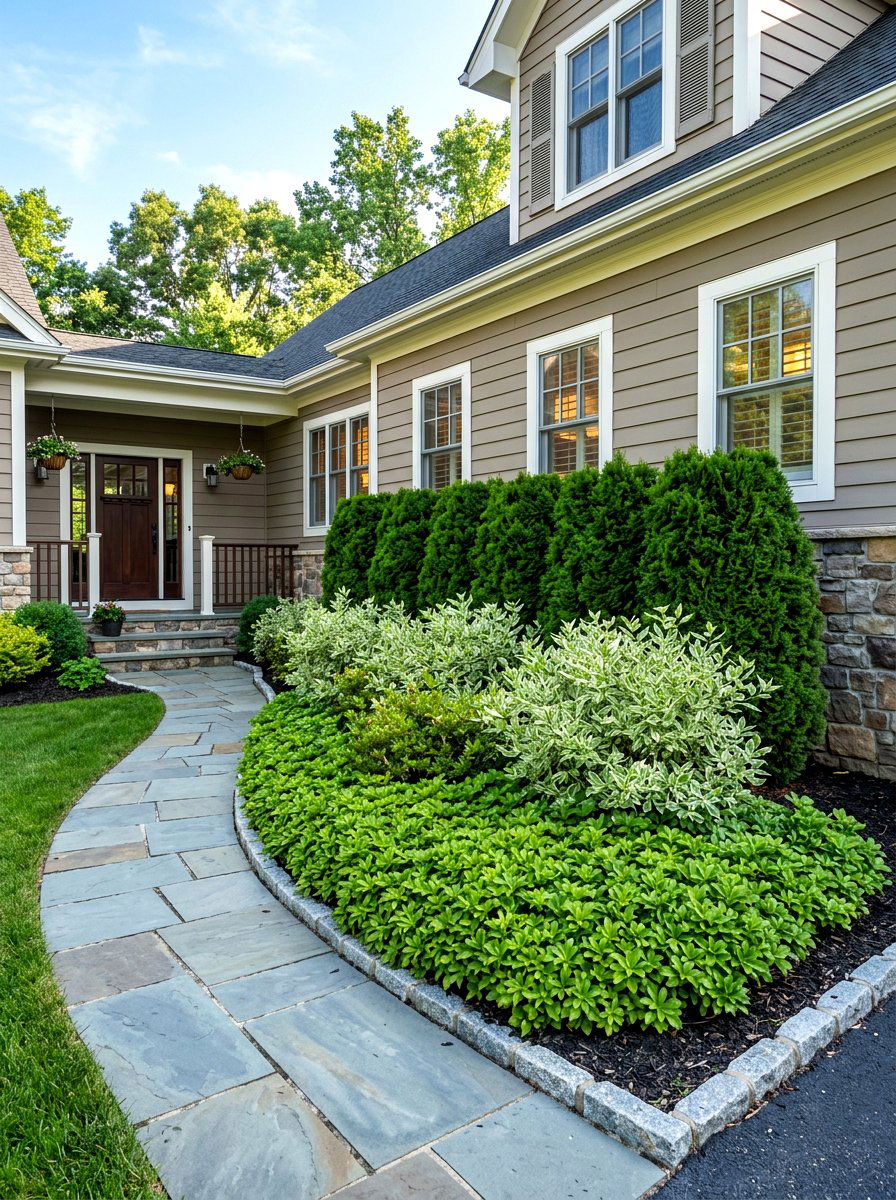
Replacing traditional boxwoods with a native plant foundation border can completely refresh the look of your home's exterior. Instead of static green mounds, use a layered approach with varying heights of Blue False Indigo and Prairie Dropseed near the house walls. These plants offer changing seasonal interest, from spring blooms to unique seed pods and fall foliage. Native plants are generally better adapted to the specific soil and light conditions found near house foundations, meaning they are less likely to suffer from common pests. This shift toward local flora makes your home look more integrated into its natural environment rather than just placed upon it.
10. Gravel Prairie Garden
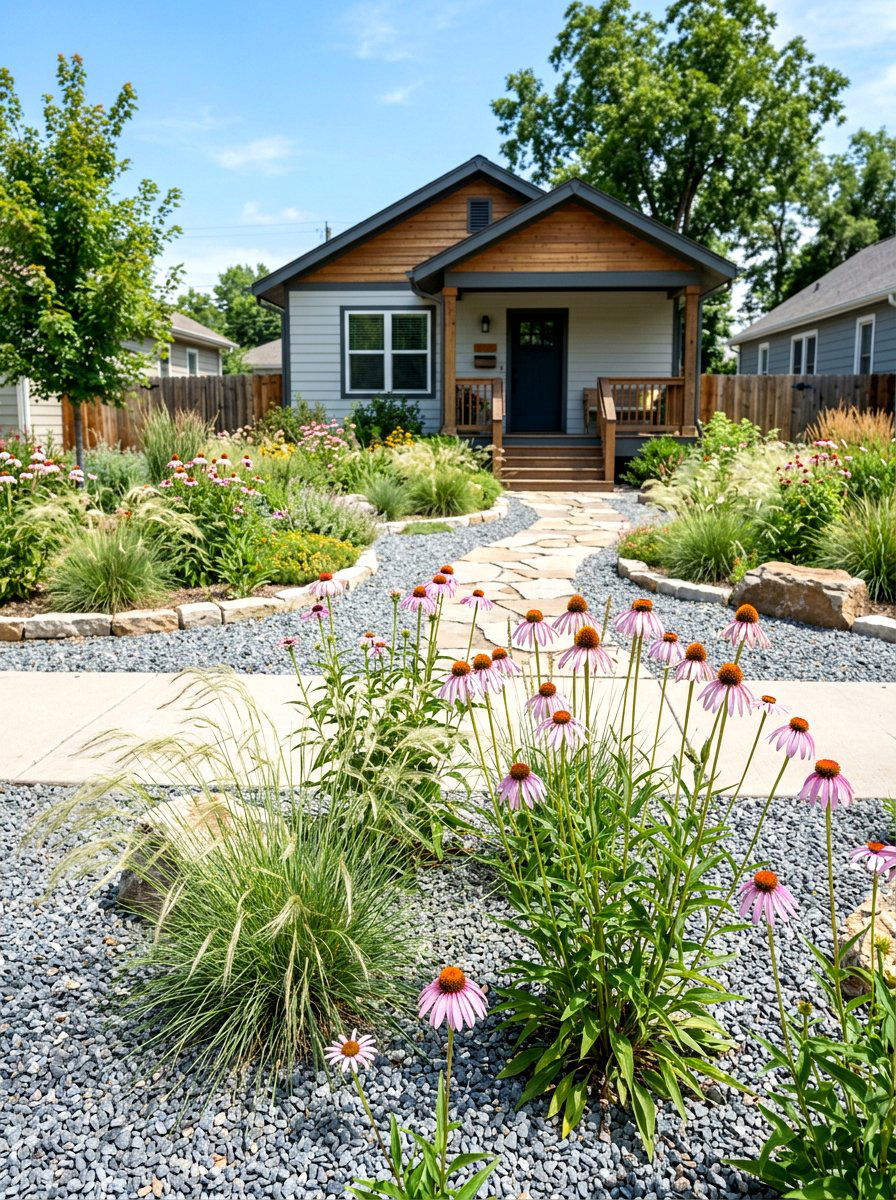
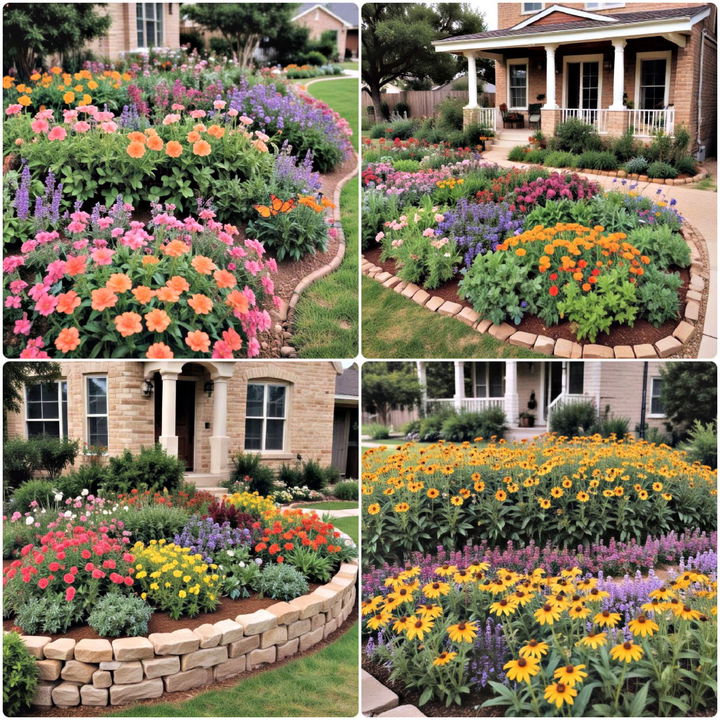
A gravel prairie garden combines the clean aesthetic of xeriscaping with the lushness of meadow-style planting. Start by laying a base of pea gravel or crushed granite, then plant hardy specimens like Blue Grama grass and Pale Purple Coneflower directly into the substrate. The gravel acts as a mulch that retains moisture in the soil while suppressing weeds and providing a neutral backdrop that makes plant colors pop. This style is particularly effective for small urban lots where space is limited but a high-impact look is desired. The resulting landscape is extremely low-maintenance, requiring only occasional thinning and no regular irrigation once established.
11. Tall Grass Privacy Screen
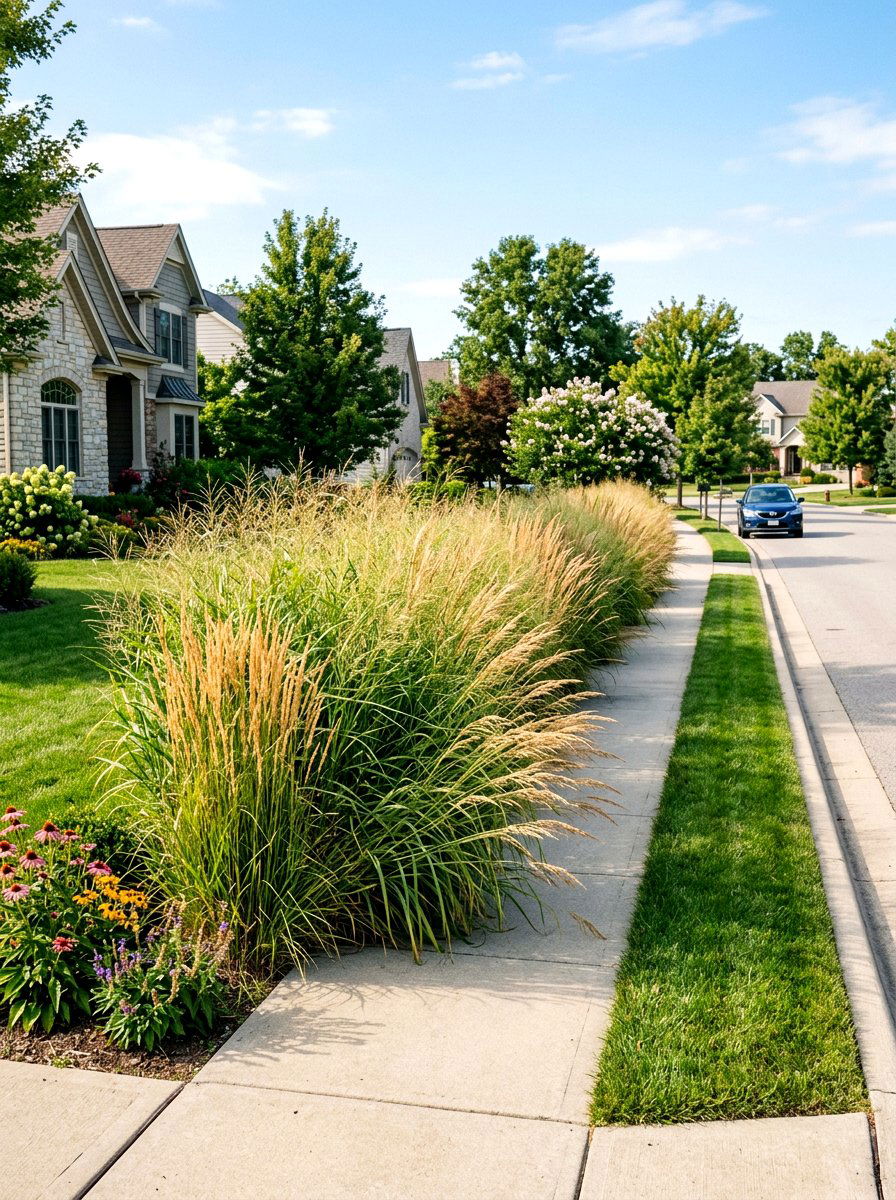
Using a tall grass privacy screen is a natural and cost-effective alternative to building a fence in your front yard. Planting dense rows of Switchgrass or Big Bluestem can create a visual barrier that reaches five to seven feet in height. Unlike a solid wall, these grasses allow light and air to pass through, maintaining a sense of openness while still blocking the view from the street. This screen changes throughout the year, offering a dense green wall in summer and a golden, rustling barrier in the winter. It is a perfect solution for homes on busy streets that want a softer, more inviting boundary.
12. Wildflower Patch Parkway
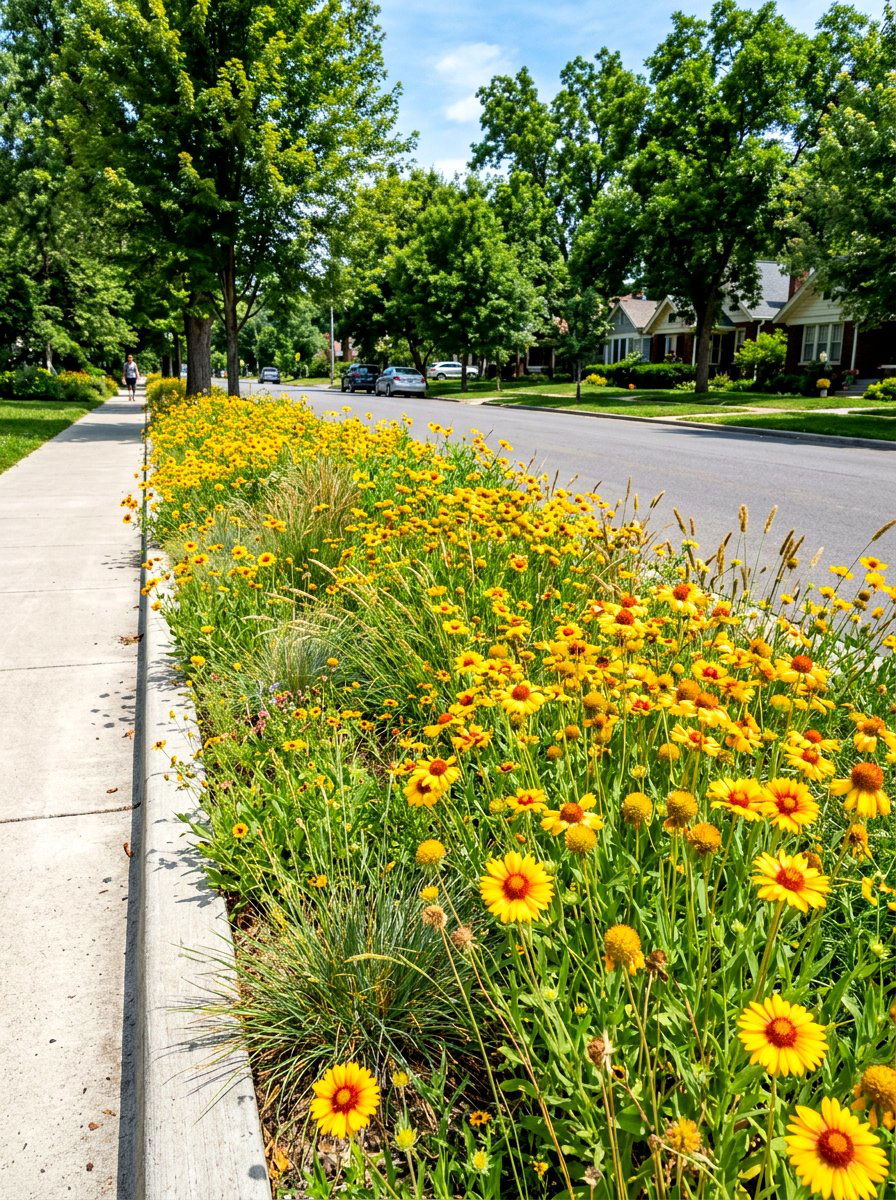
The parkway, or the strip of land between the sidewalk and the street, is the perfect location for a wildflower patch. Often called a "hellstrip" because of the tough growing conditions, this area benefits from hardy prairie plants like Blanketflower and Prairie Smoke. These species can handle the heat reflected from the pavement and the occasional salt spray from winter roads. By replacing patchy grass with a vibrant mix of low-growing wildflowers, you turn a neglected space into a colorful community asset. This small change significantly boosts your home's curb appeal and provides a mini-refuge for passing bees and butterflies.
13. Sustainable Prairie Groundcover
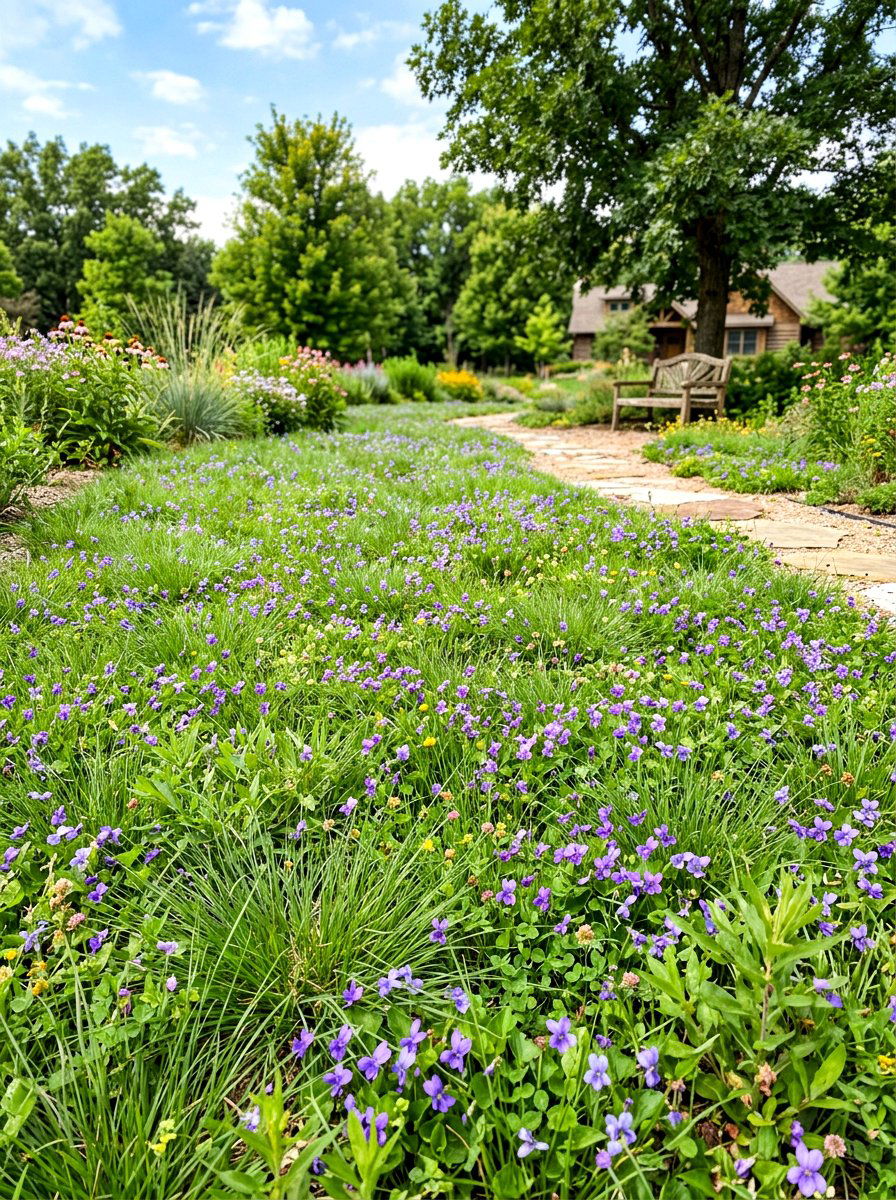
Choosing a sustainable prairie groundcover instead of a traditional lawn is one of the best ways to save time and resources. Plants like Pennsylvania Sedge or Buffalo Grass create a soft, meadow-like carpet that requires significantly less mowing and watering. These groundcovers are naturally resistant to many common lawn diseases and thrive in various soil types without the need for synthetic fertilizers. They offer a more varied texture than standard turf, providing a lush look that feels soft underfoot. Transitioning to these native options helps restore soil health and reduces the environmental footprint of your home's outdoor maintenance routine.
14. Rustic Rock Prairie Garden
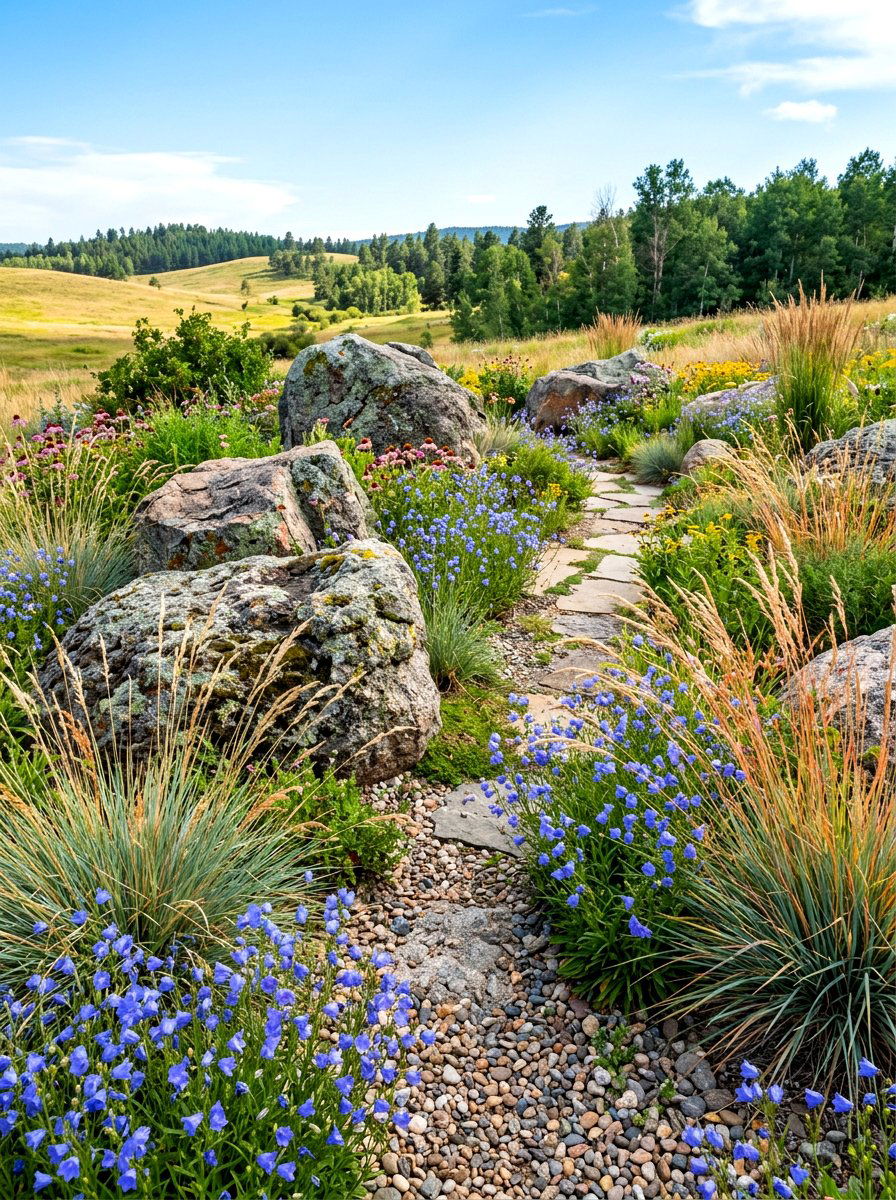
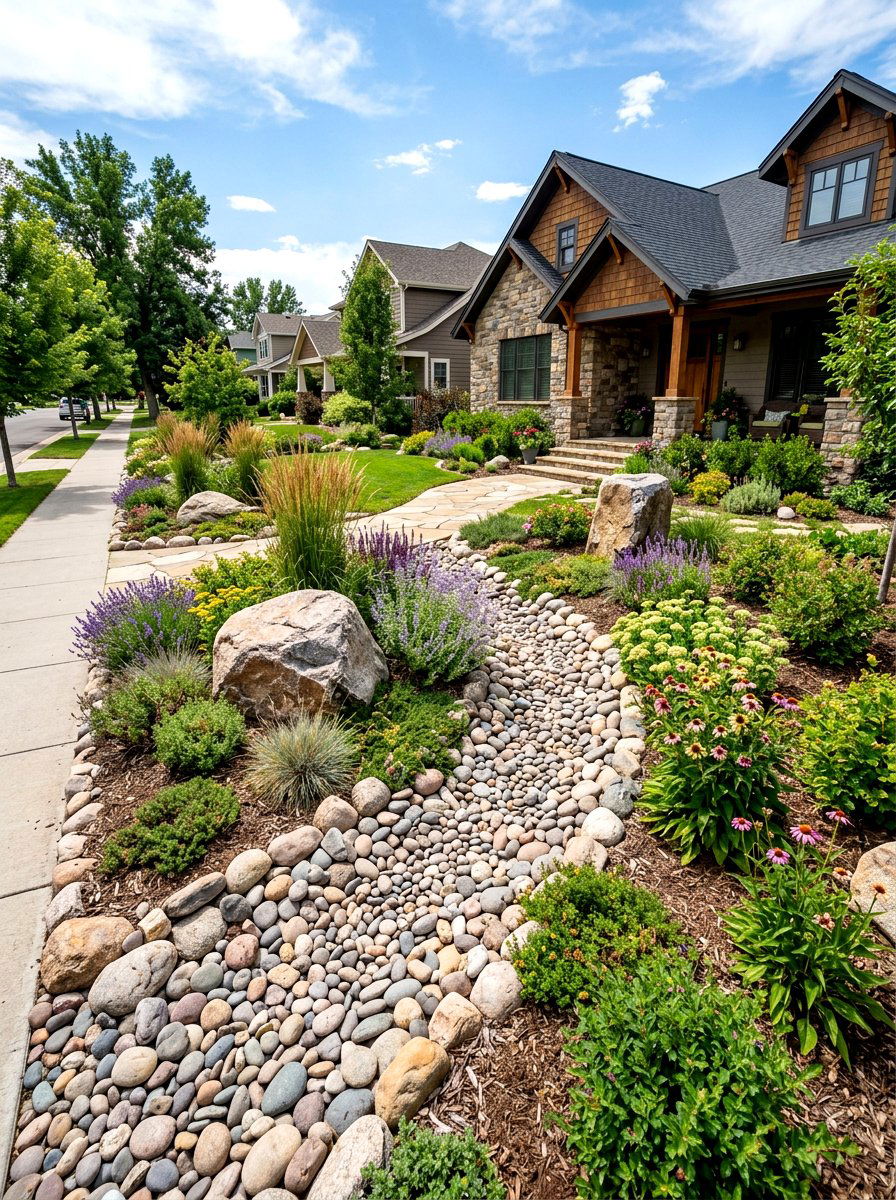
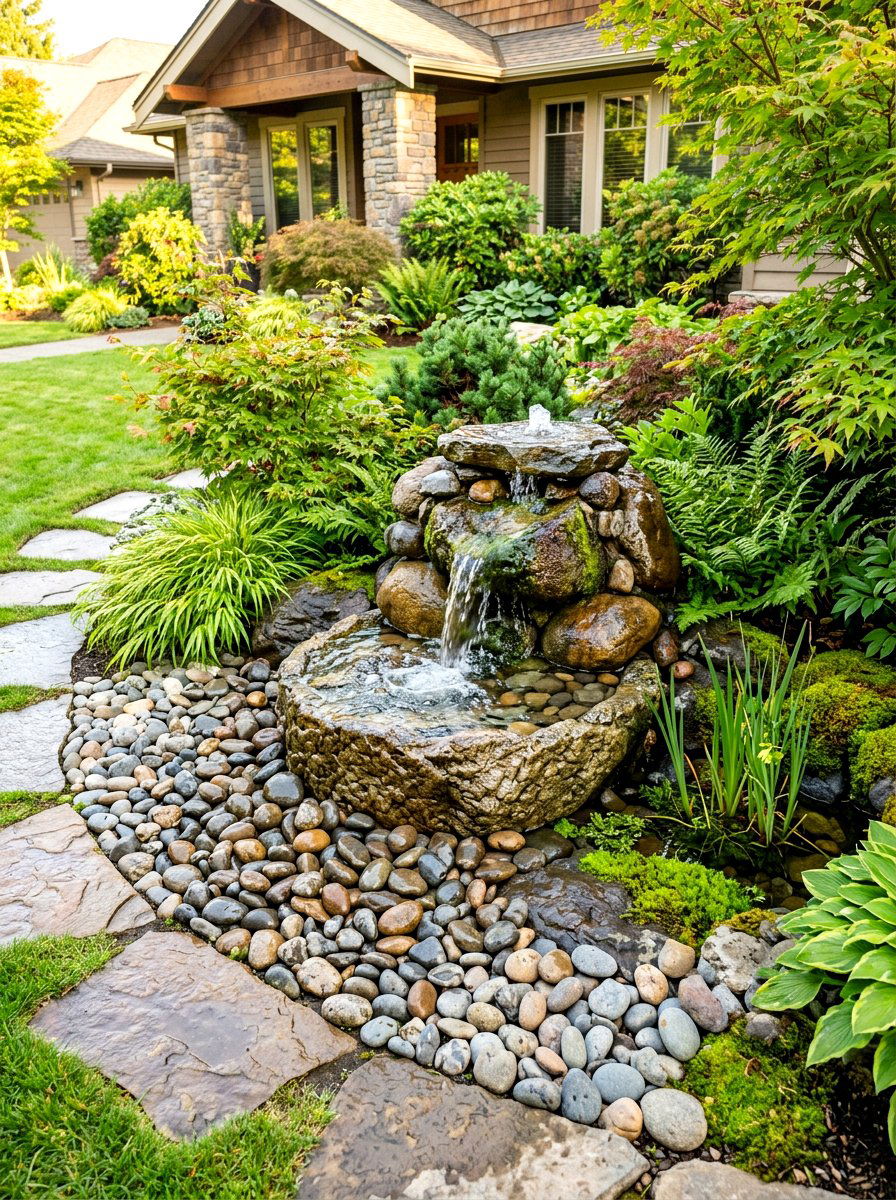
A rustic rock prairie garden uses large boulders and smaller stones to anchor a selection of rugged native plants. This design is inspired by the rocky outcrops often found in natural prairie landscapes, where plants grow in the crevices between stones. Incorporating varieties like Little Bluestem and Harebell among the rocks creates a high-contrast look that feels both ancient and modern. The stones help to regulate soil temperature and provide a sturdy structure for the garden during the dormant winter months. This approach works exceptionally well on uneven terrain or as a focal point in a larger, flatter front yard.
15. Meadow Style Front Porch
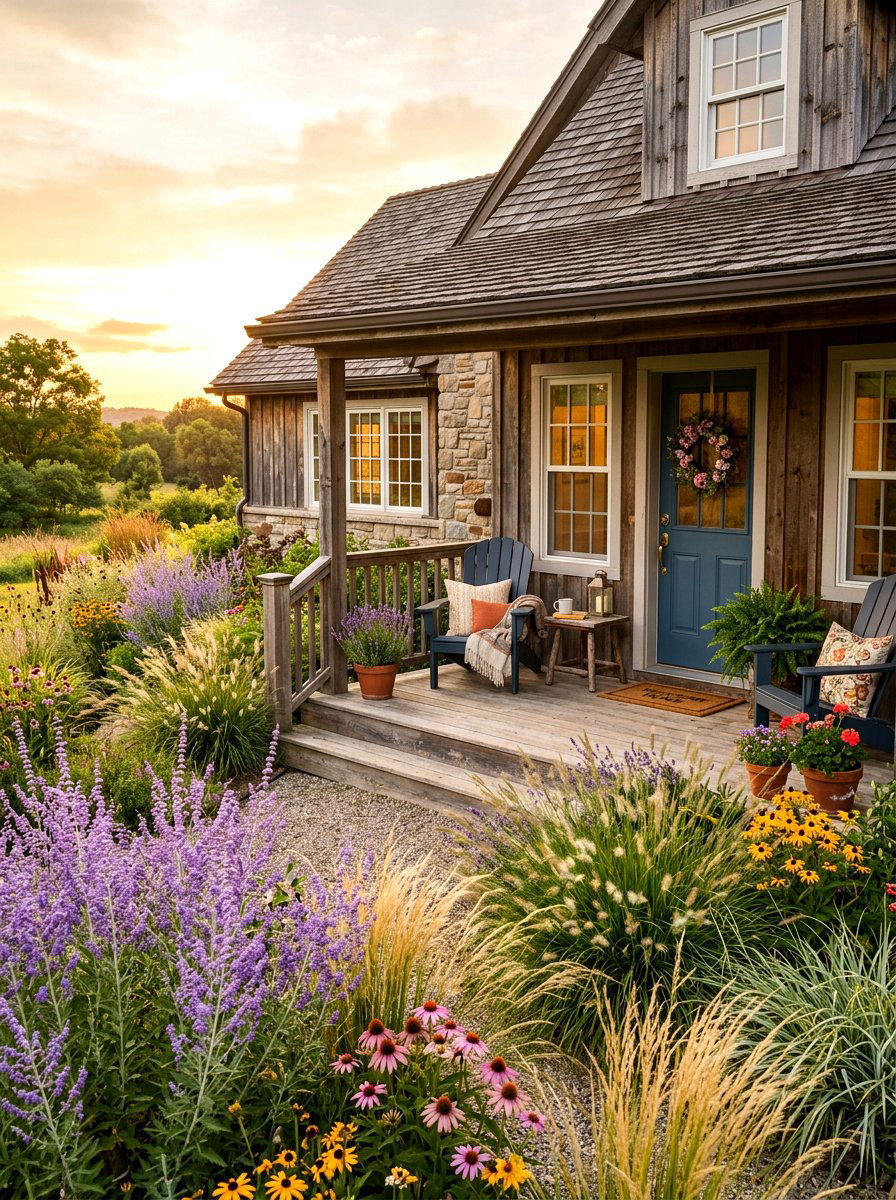
Bringing a meadow style to your front porch involves surrounding your seating area with mid-height grasses and airy perennials. Imagine sitting on your porch while being tucked into a sea of Russian Sage and Prairie Dropseed. This creates a cozy, private atmosphere that feels like a hidden retreat right at the front of your house. The fine textures of the plants soften the architectural lines of the porch and railings, making the entire structure feel more welcoming. The proximity to these plants also allows you to enjoy the fragrance of flowers like Wild Bergamot and the gentle hum of visiting pollinators.
16. Natural Grass Driveway Border
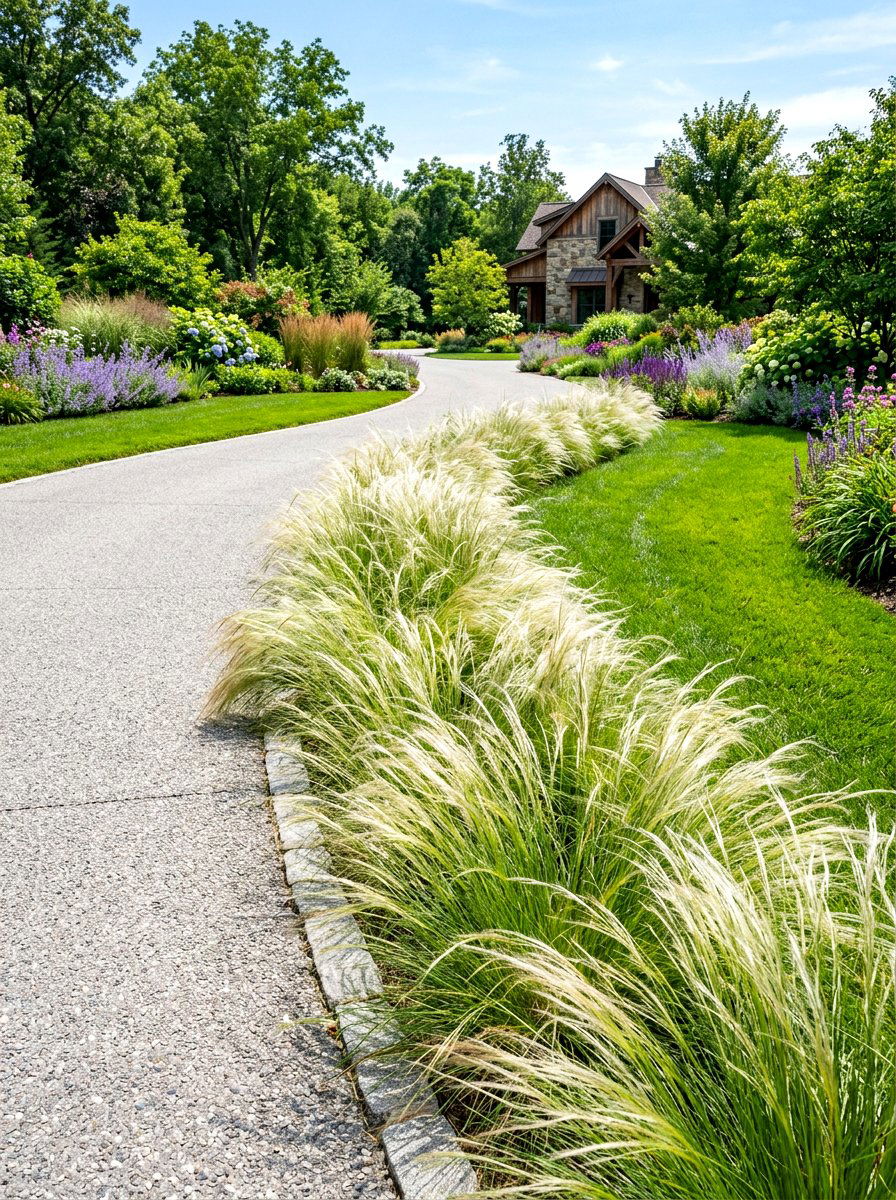
Softening the hard edges of a concrete or asphalt driveway with a natural grass border can dramatically improve your home’s aesthetic. Planting drifts of Mexican Feather Grass or Autumn Moor Grass along the edges creates a soft, flowing transition between the driveway and the rest of the yard. These grasses spill over the edges slightly, breaking up long straight lines and making the space feel more organic. Because these species are typically salt-tolerant and drought-resistant, they can handle the harsh conditions often found near driveways. This simple addition makes the utilitarian parts of your yard look like an intentional part of the design.
17. Colorful Prairie Flower Bed
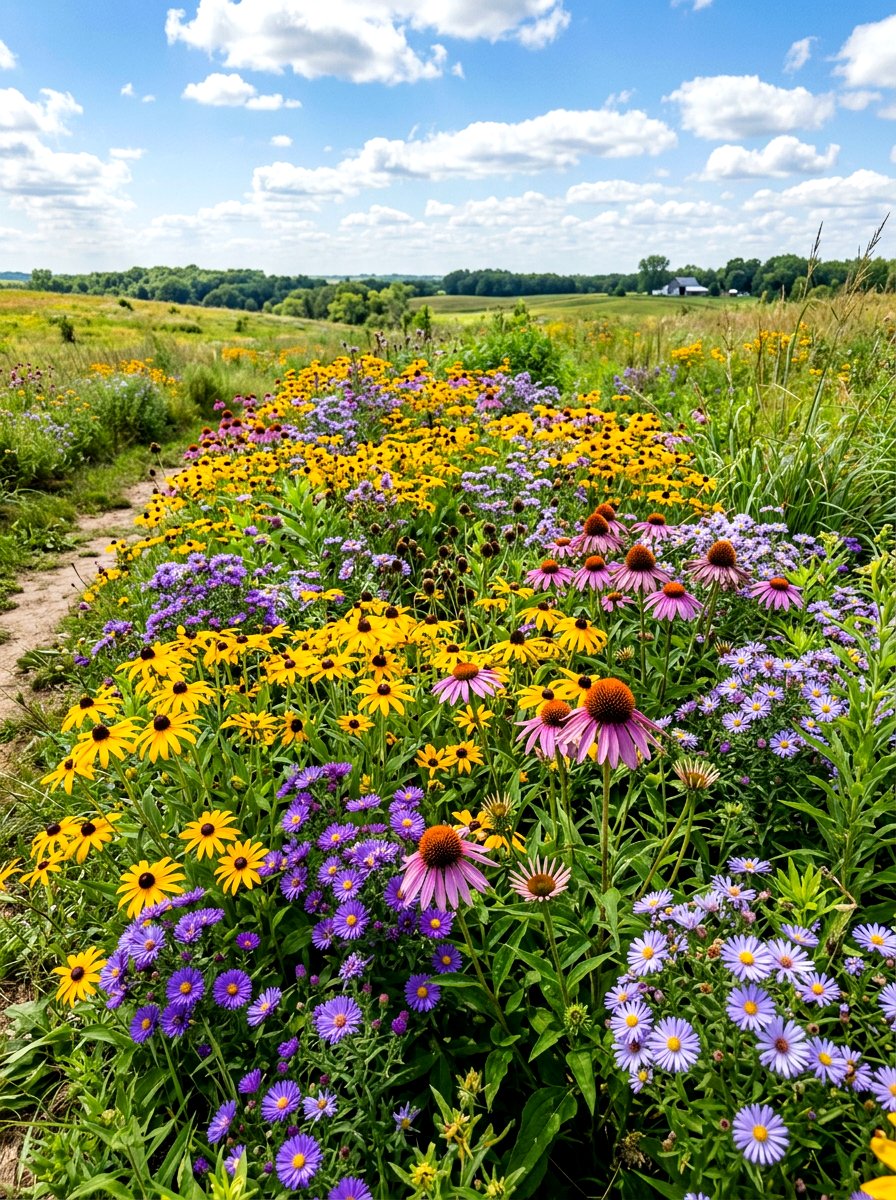
A colorful prairie flower bed focuses on high-impact blooms that provide a rotating palette of hues throughout the growing season. Start the year with the soft pinks of Prairie Smoke, transition into the vibrant yellows of Black-eyed Susans in midsummer, and finish with the deep purples of New England Asters. By grouping plants with different bloom times together, you ensure that there is always something catching the eye. Using a "matrix" planting style, where grasses act as the background for these floral pops, keeps the bed looking full and lush even when certain flowers have finished their display for the year.
18. Eco Friendly Prairie Lawn Replacement
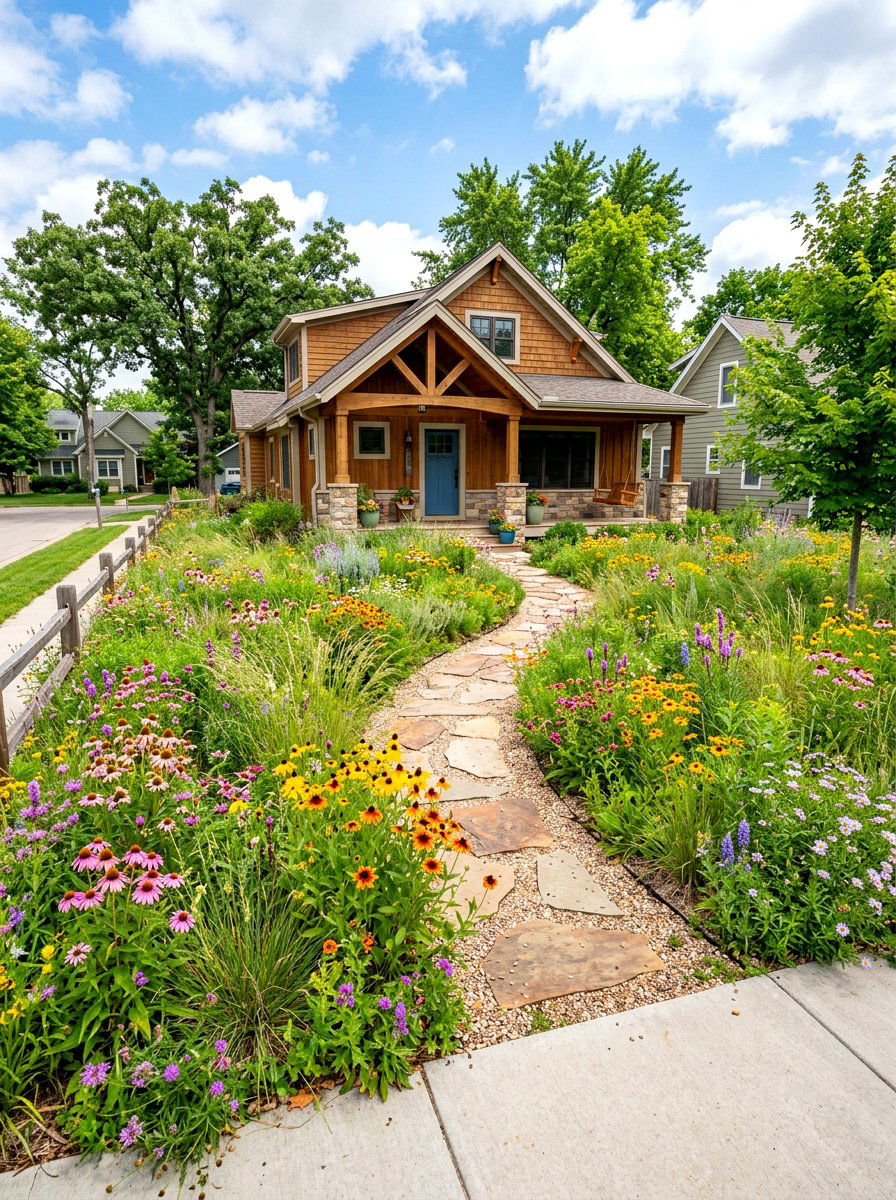
An eco friendly prairie lawn replacement involves removing your traditional turf and seeding the entire front yard with a diverse mix of native short-grasses and forbs. This transformation creates a miniature ecosystem that functions much like a wild prairie, requiring no mowing after the first few years of establishment. The result is a deep-rooted, carbon-sequestering landscape that thrives on natural rainfall alone. Homeowners who make this switch often report a massive increase in local bird and insect sightings, turning their yard into a living classroom. It is a bold statement of environmental stewardship that looks stunningly unique in any neighborhood setting.
19. Minimalist Prairie Grass Design
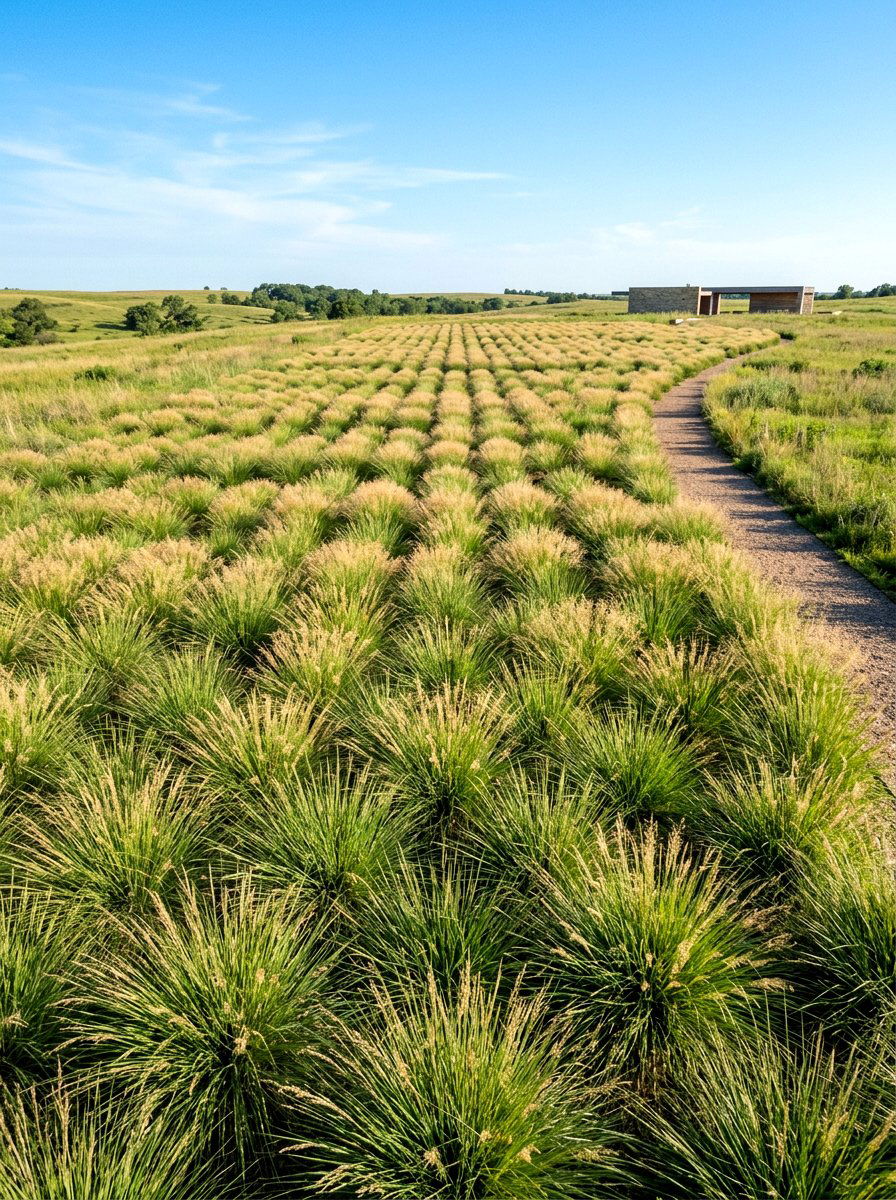
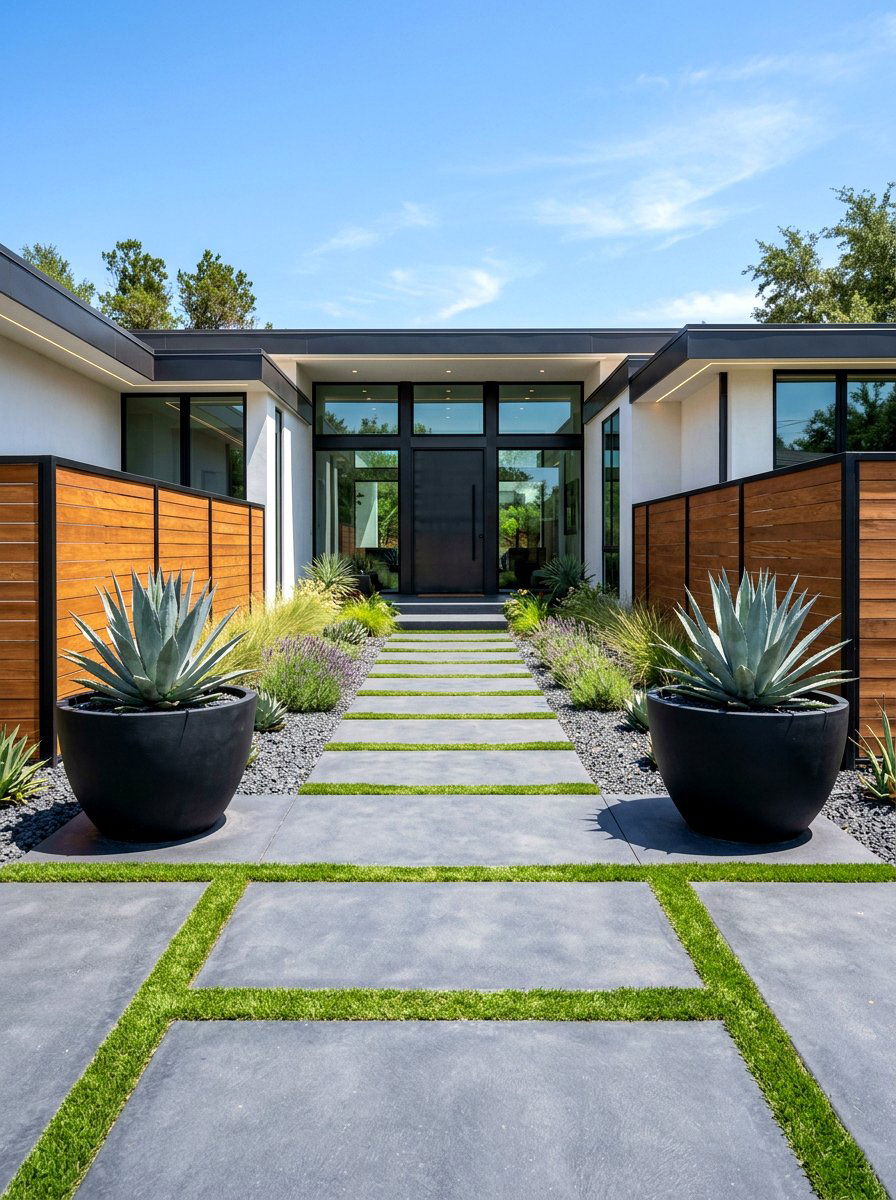
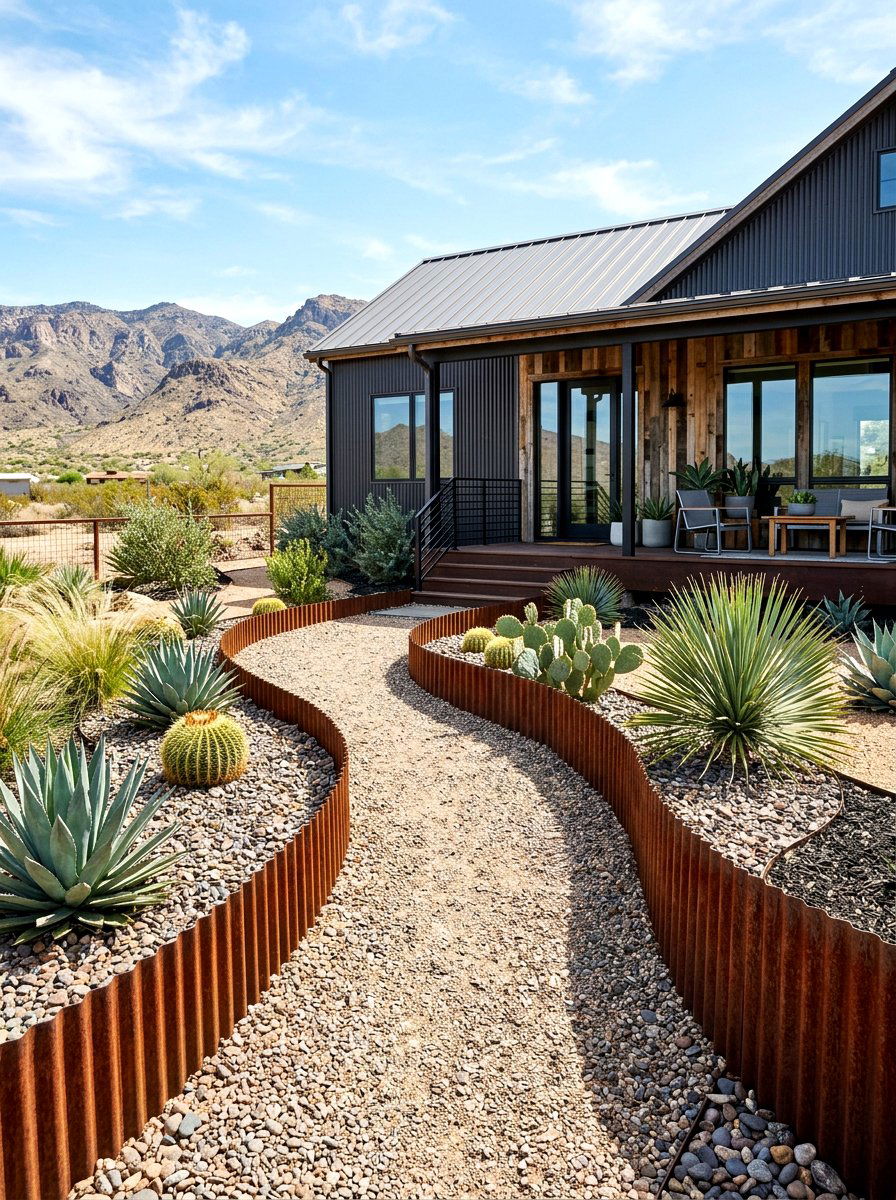
For those who prefer a clean and uncluttered look, a minimalist prairie grass design uses repetition and negative space to create impact. By choosing just one or two grass species and planting them in large, distinct blocks, you create a sense of calm and order. Using a species with a very tidy habit, like Prairie Dropseed, ensures that the yard always looks intentional and well-kept. This style relies on the play of light and shadow across the uniform texture of the grass blades rather than a busy mix of colors. It is an ideal choice for modern homes with sharp architectural features.
20. Seasonal Interest Prairie Yard
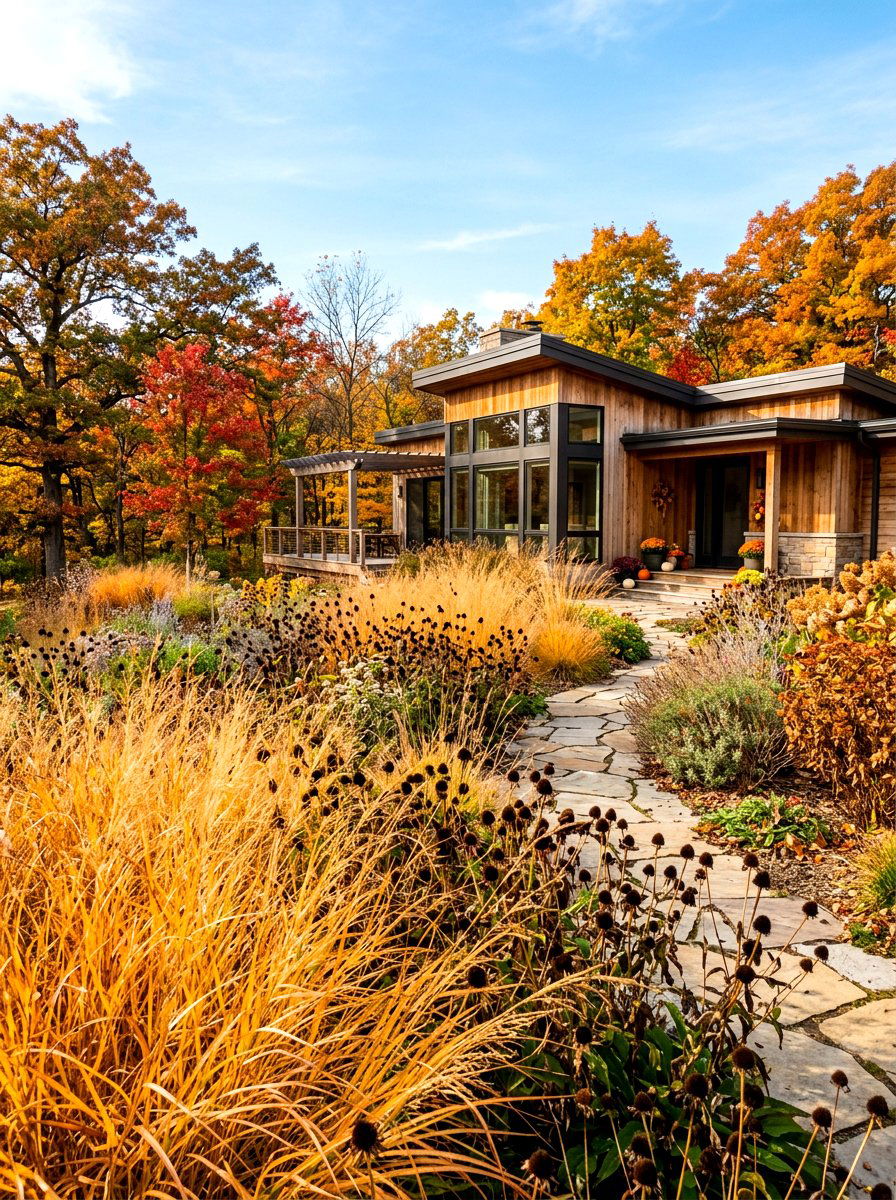
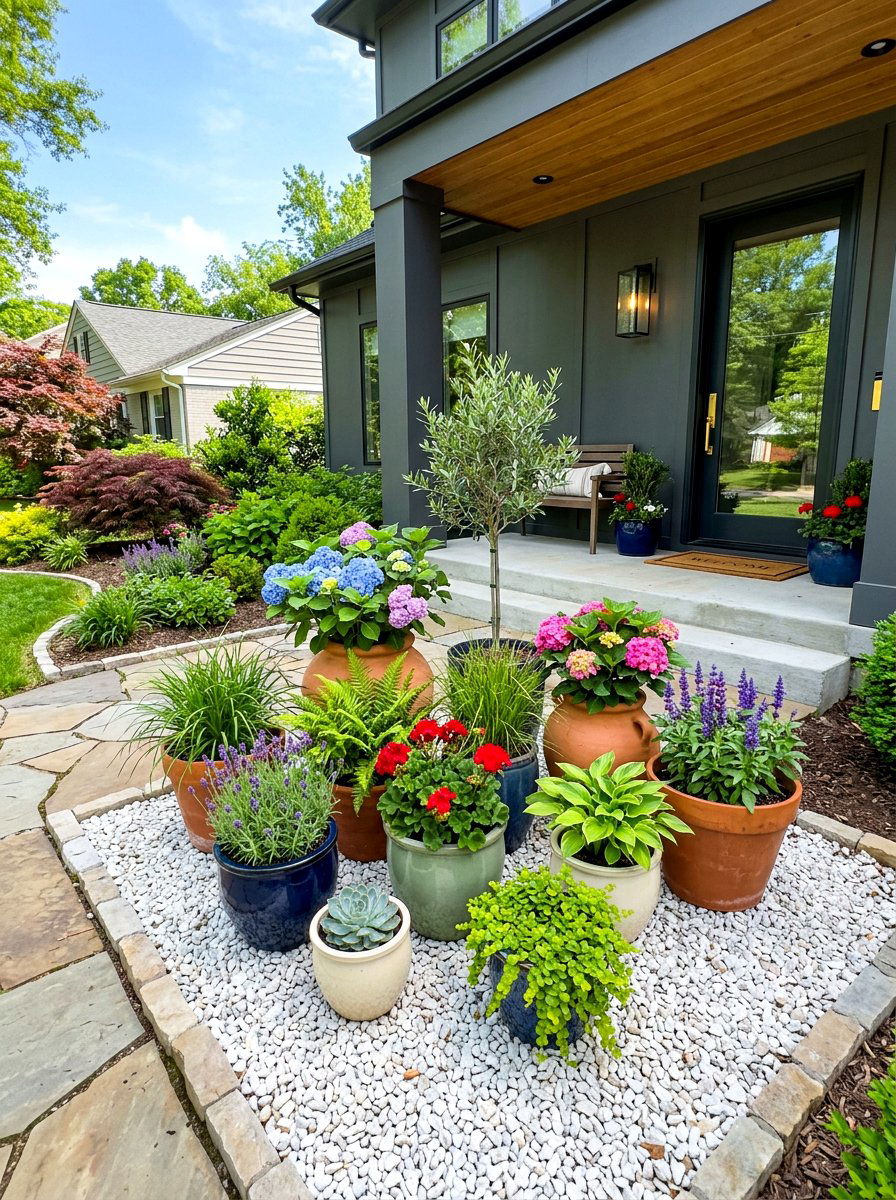
A seasonal interest prairie yard is designed to look spectacular 365 days a year, not just during the peak of summer. This involves selecting plants that have interesting textures in the spring, vibrant colors in the summer, and sturdy structures that stand up to winter snow. Switchgrass and Little Bluestem are essential for their winter silhouettes and golden-bronze colors that glow in the low winter sun. In the spring, the emergence of fresh green shoots provides a hopeful contrast to the previous season's remains. This approach celebrates the full lifecycle of the plants, offering a landscape that is constantly evolving and always beautiful.
21. Wildlife Friendly Prairie Garden
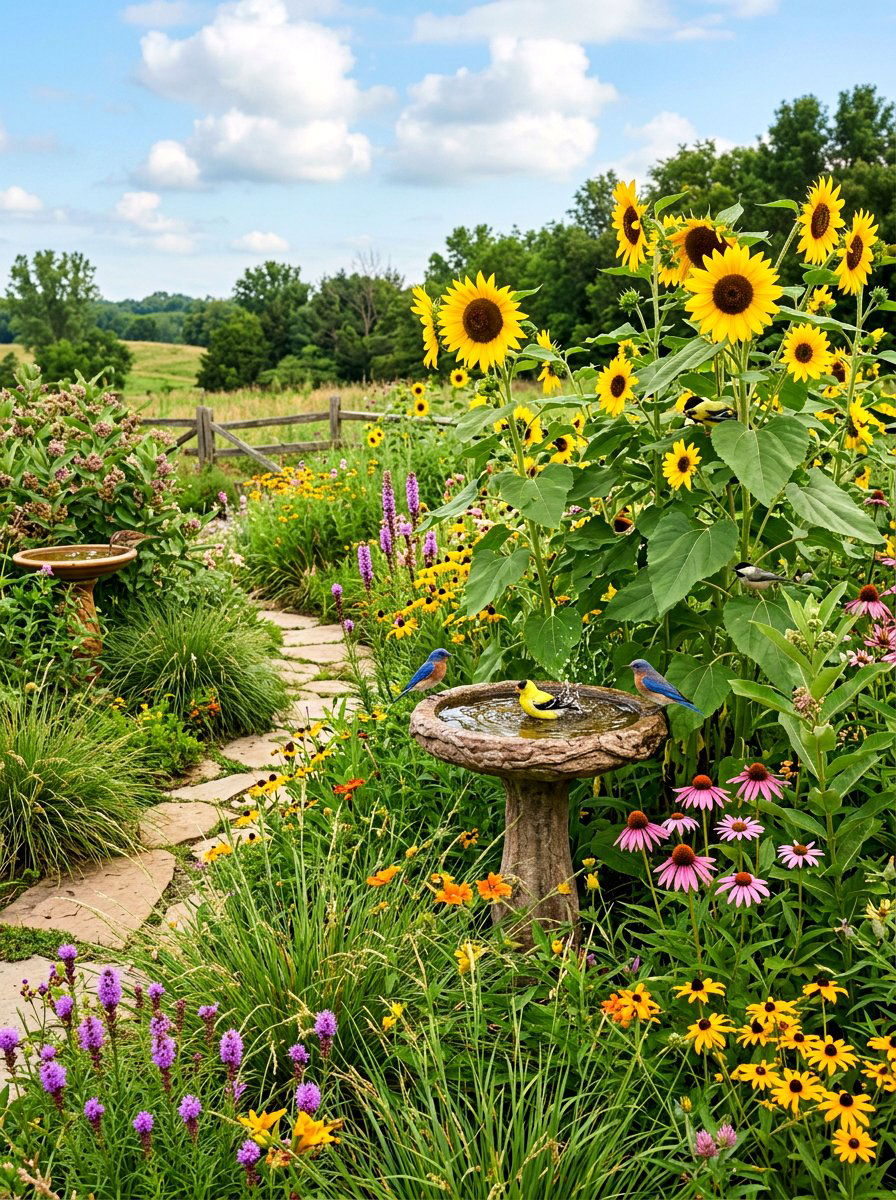
Creating a wildlife friendly prairie garden means selecting plants that provide food, nesting materials, and shelter for a variety of local creatures. Dense clumps of native grasses offer perfect hiding spots for small mammals and ground-nesting bees, while the seed heads of sunflowers and coneflowers provide a natural bird feeder in the fall. Including a small, shallow water feature or birdbath within the garden further enhances its appeal to local fauna. This type of landscape is less about human perfection and more about creating a functional, thriving habitat that invites the wonders of the natural world into your daily life at home.
22. Soft Texture Prairie Landscape
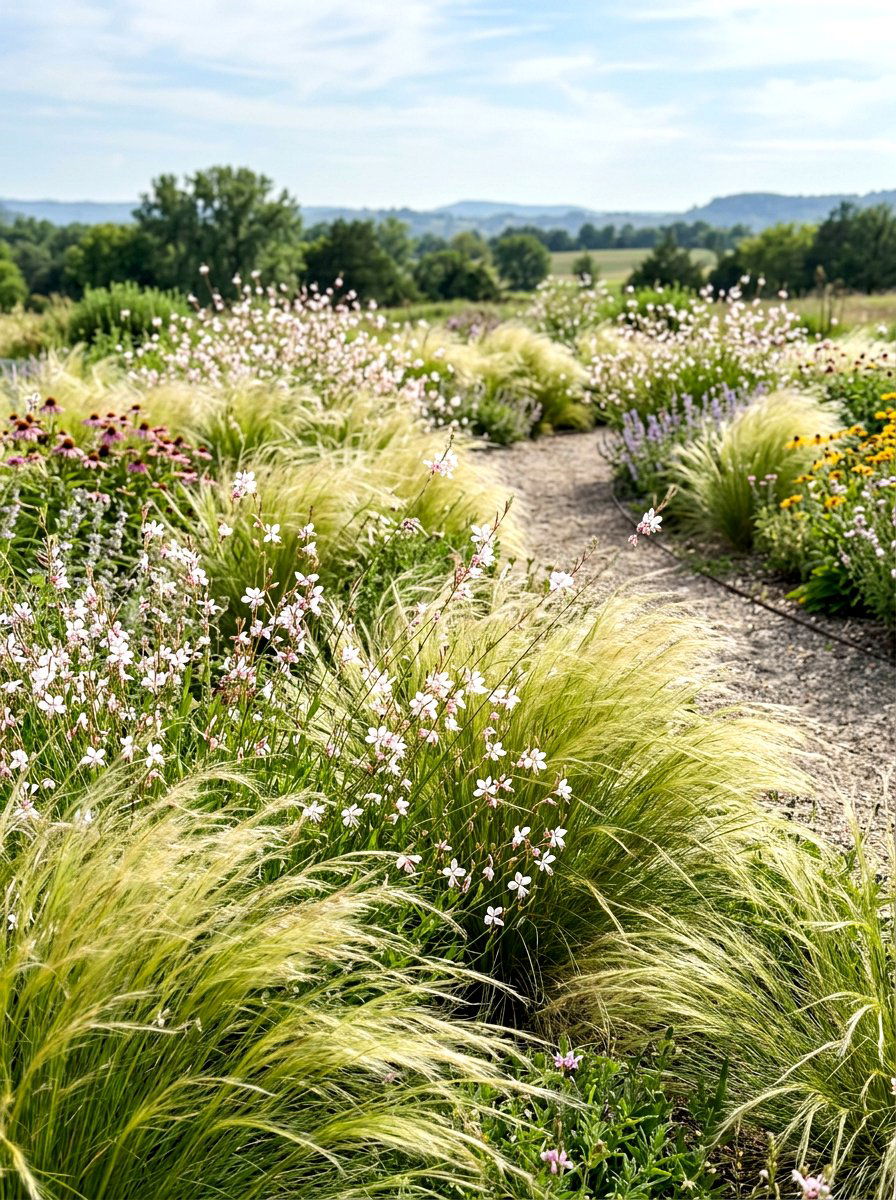
A soft texture prairie landscape focuses on plants with fine, wispy foliage that creates a dreamlike, ethereal atmosphere in the front yard. Species like Mexican Feather Grass and Prairie Dropseed have thin blades that catch even the slightest breeze, resulting in a yard that is constantly in motion. Combining these with airy flowers like Gaura or Baby's Breath creates a cloud-like effect that softens the entire look of your property. This style is particularly effective at creating a sense of tranquility and peace, making your home feel like a calm oasis in the middle of a busy suburban or urban environment.
23. Arid Climate Prairie Garden
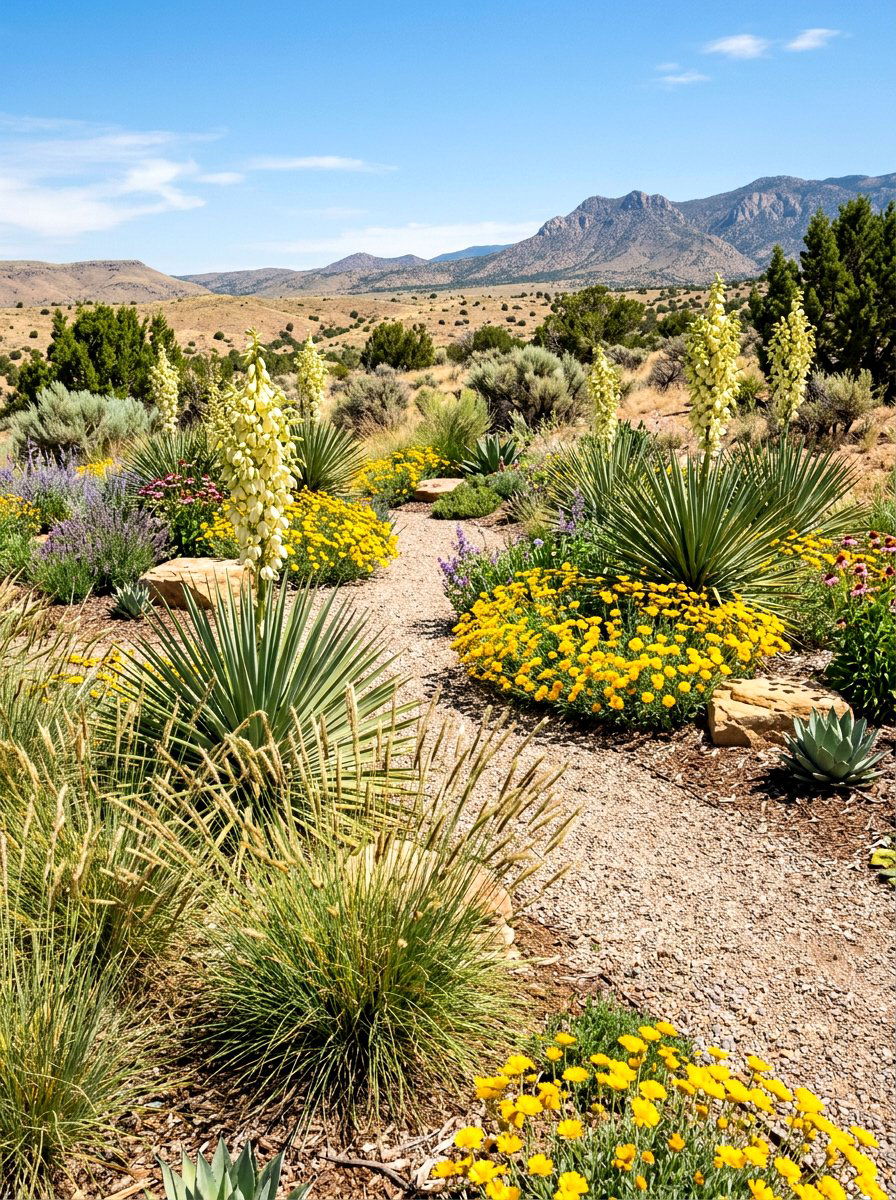
In regions with very low rainfall, an arid climate prairie garden uses the hardiest of native species to create a lush look without the water bill. Focus on xeric grasses like Blue Grama and Buffalo Grass, which have evolved to go dormant during extreme droughts and bounce back quickly when rain returns. Complement these with succulents and deep-rooted perennials like Yucca or Desert Marigold to add structural variety and color. This type of landscaping is not only responsible but also incredibly beautiful, showcasing the unique textures and resilient beauty of plants that have mastered the art of surviving in tough, dry conditions.
24. Layered Prairie Plant Bed
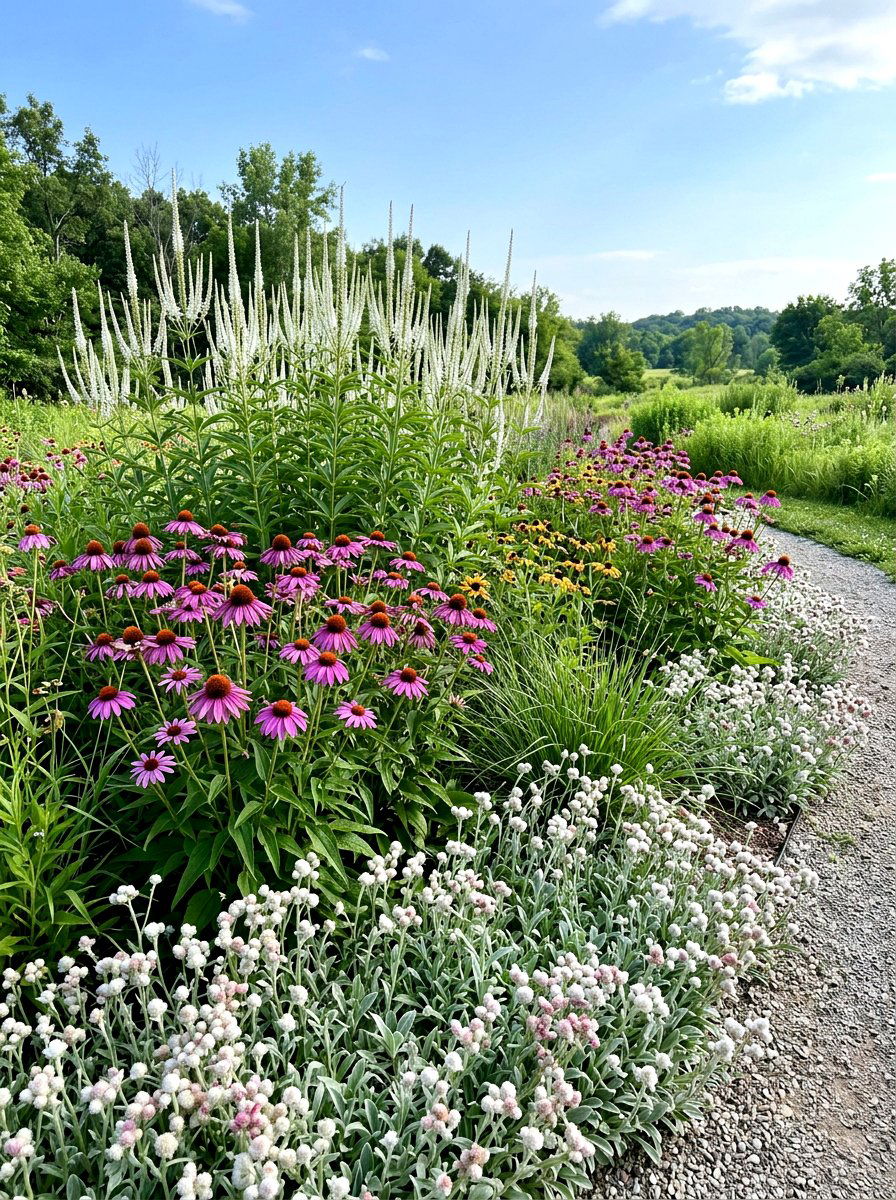
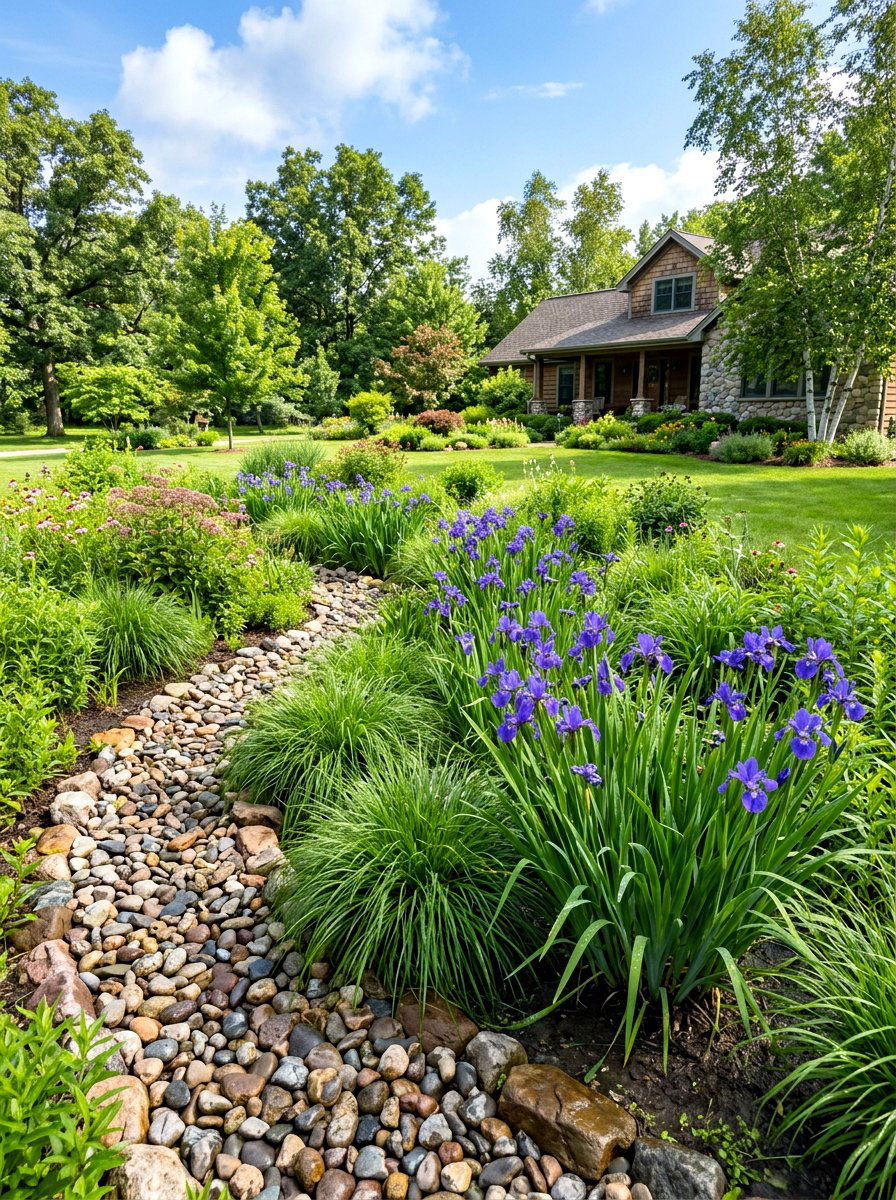
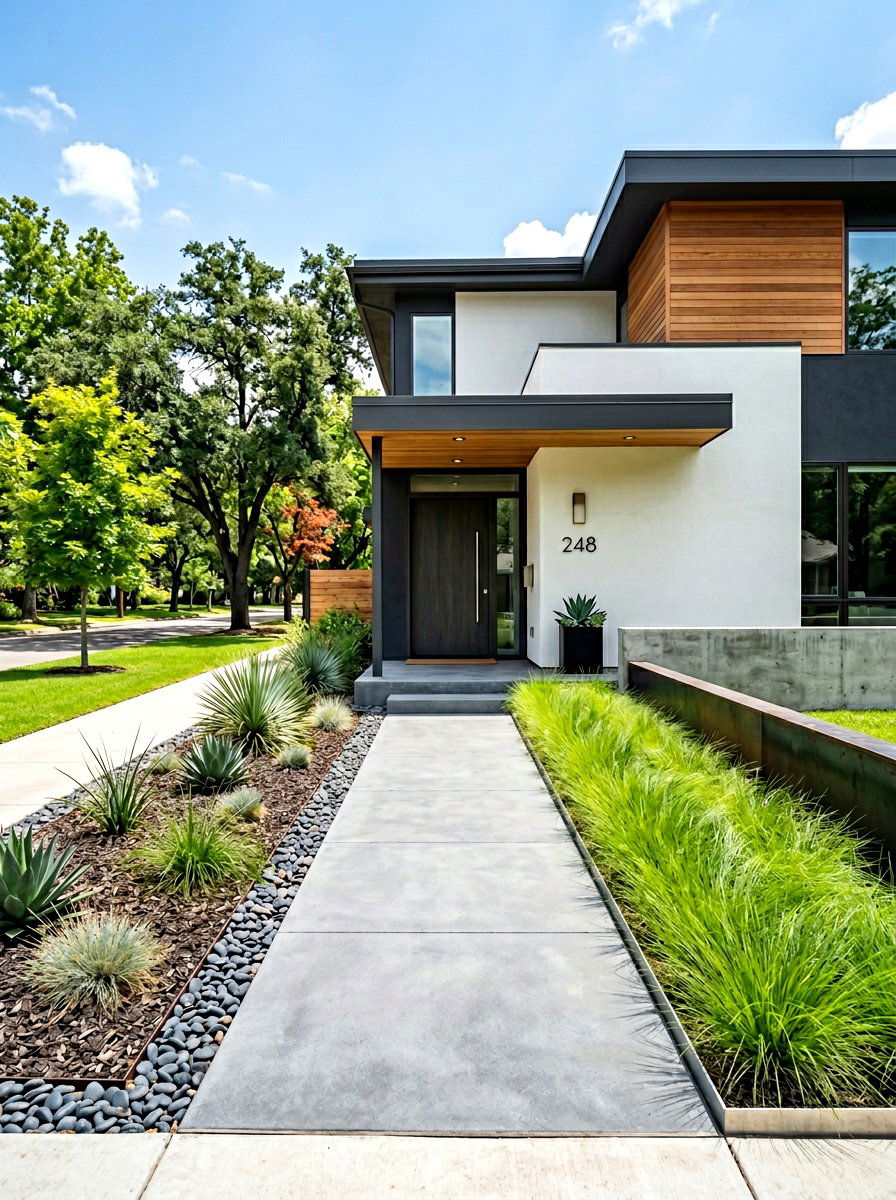
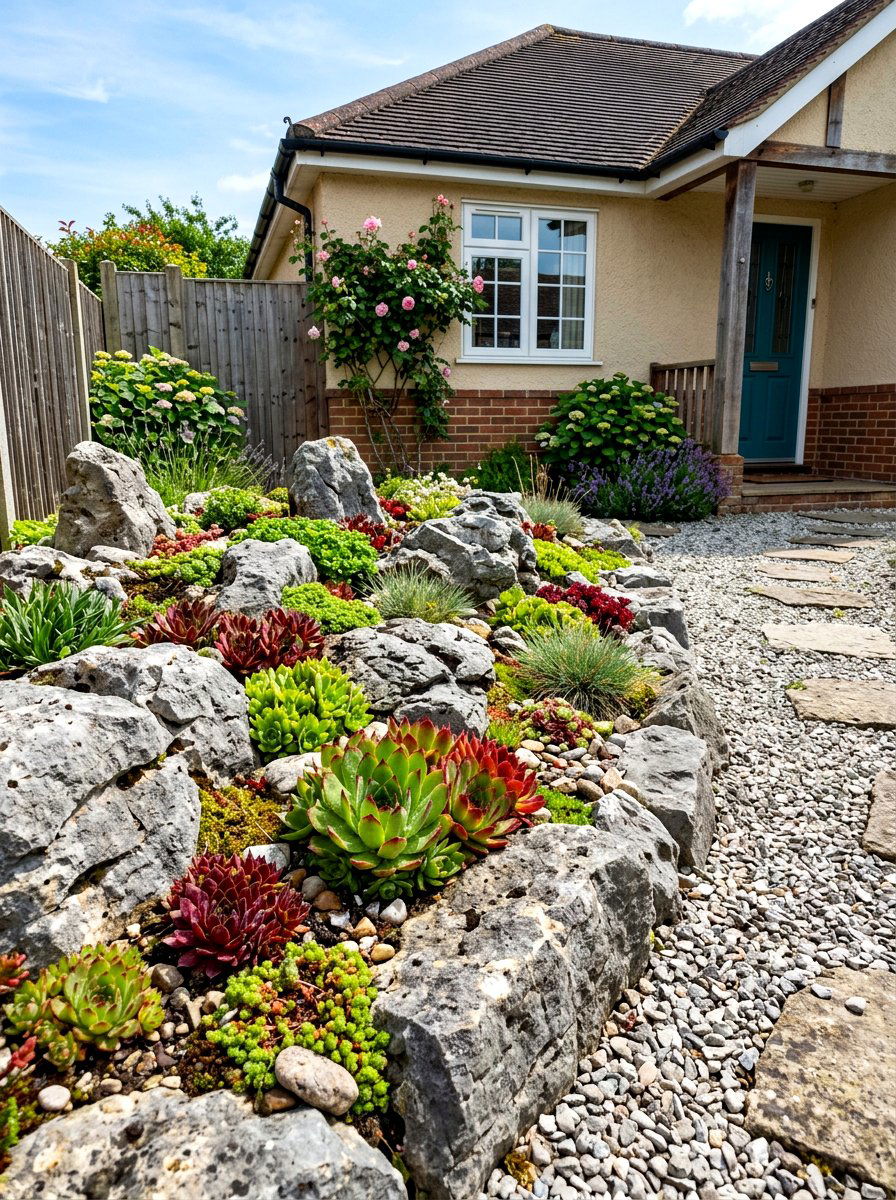
A layered prairie plant bed uses the principle of vertical height to create depth and visual complexity in your landscaping. Start with low-growing groundcovers at the front edge, such as Pussytoes or Wild Petunia. Behind these, place mid-sized perennials like Coneflowers and Bee Balm, and finish the back layer with tall structural elements like Big Bluestem or Culver’s Root. This arrangement ensures that every plant is visible and creates a lush, dense look that mimics the natural layering found in wild grasslands. The varying heights also provide different types of habitat for a wider range of birds and beneficial insects.
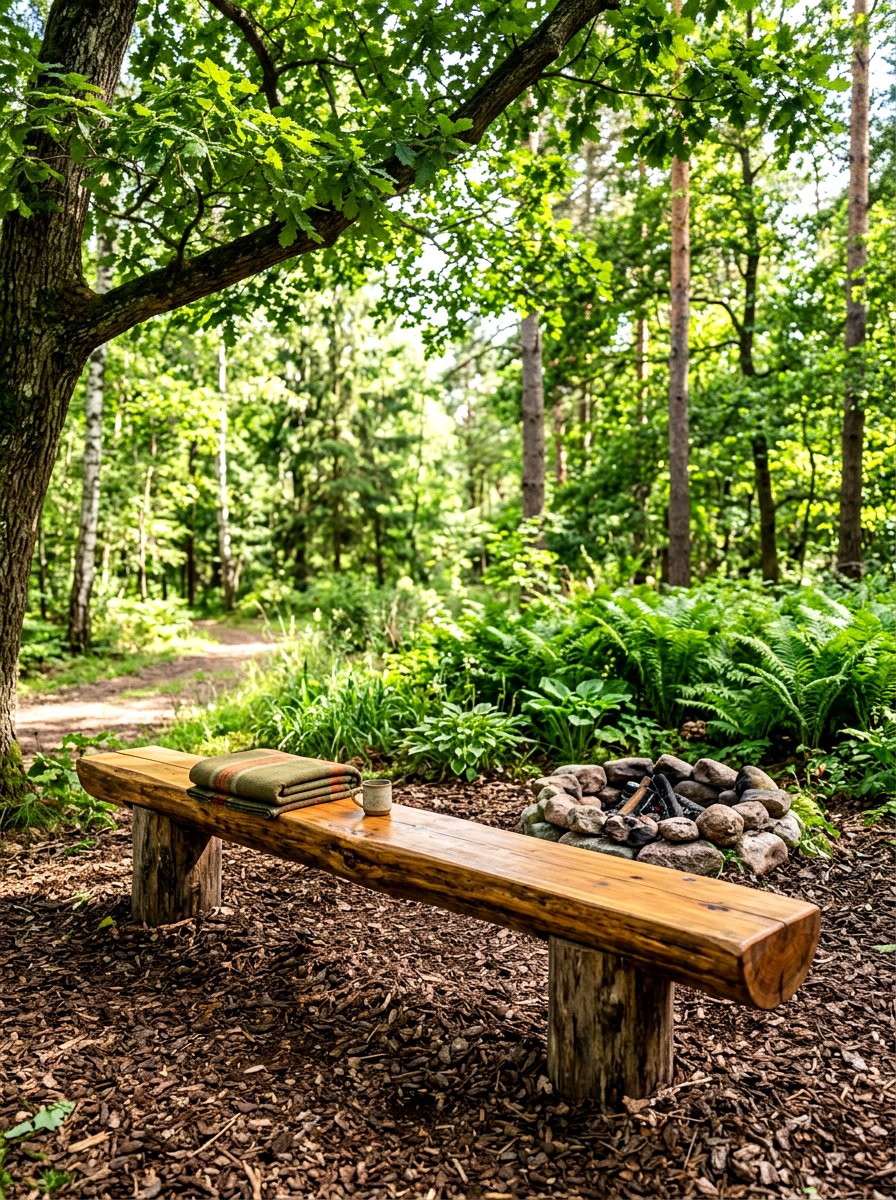
25. Sun Loving Prairie Meadow
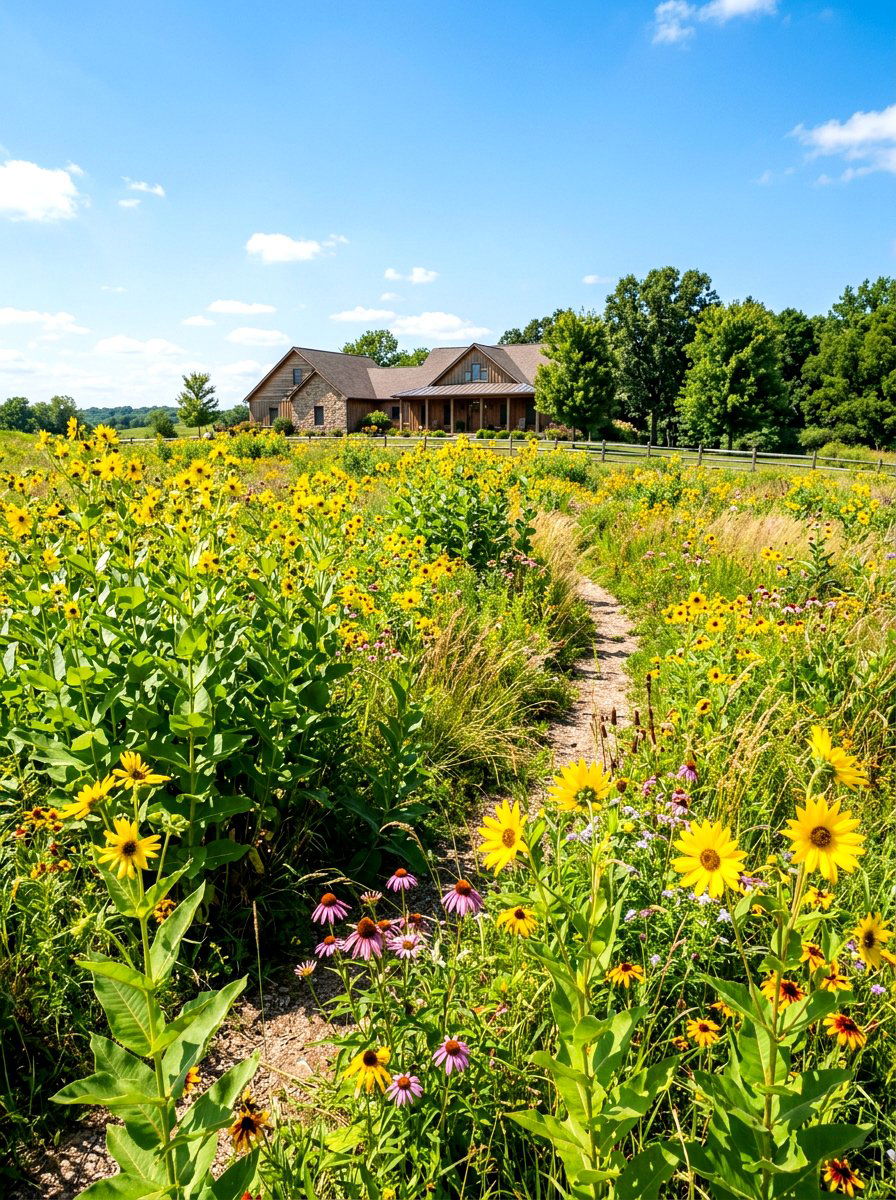
Since most prairie plants are evolutionarily adapted to wide-open spaces, a sun loving prairie meadow is perfect for front yards that receive at least six to eight hours of direct light. This environment allows sun-hungry species like Silphiums and Sunflowers to reach their full potential, creating a towering and impressive display. These plants thrive in the heat and use the abundance of light to produce a massive amount of nectar for pollinators. A sun-drenched meadow is often the most vibrant and active type of prairie garden, filled with the bright colors and high energy of a thriving, light-filled ecosystem.
26. Native Grass Corner Garden
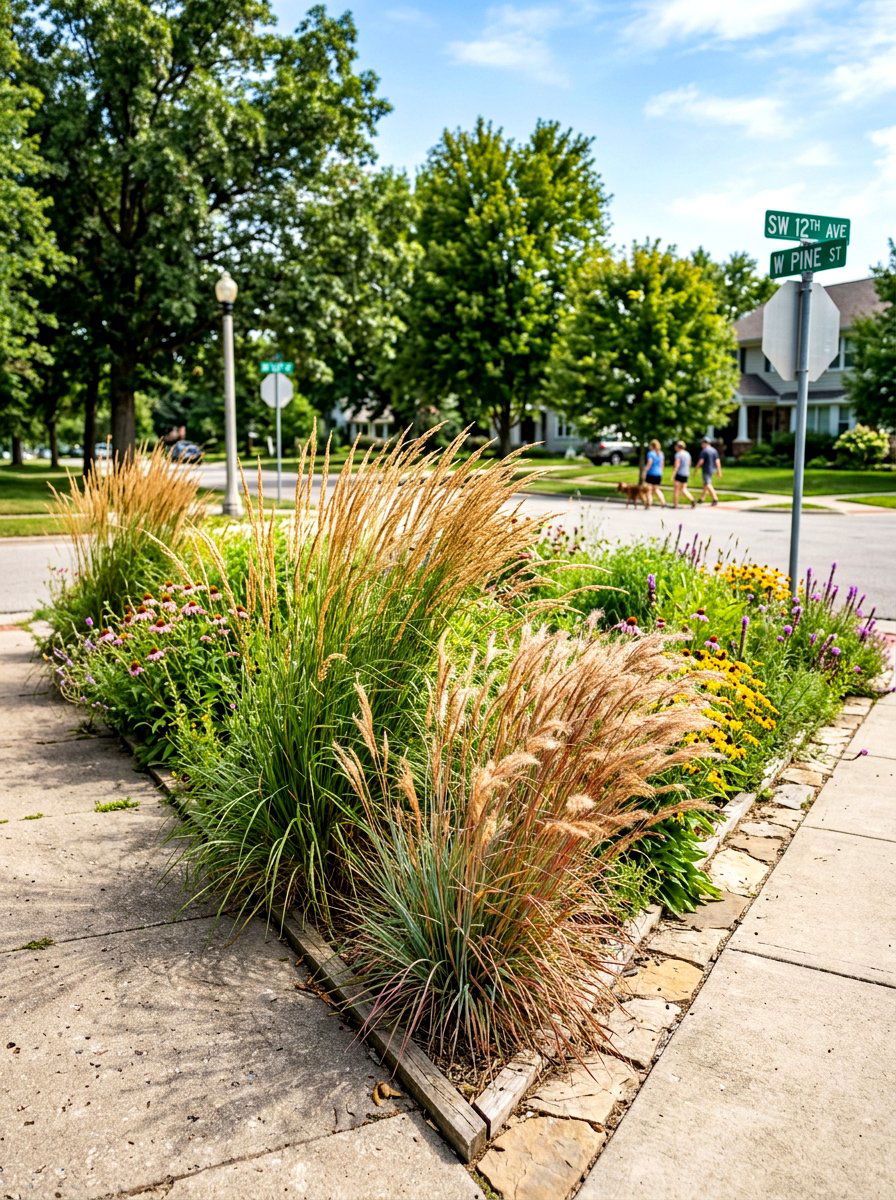
A native grass corner garden is an excellent way to add interest to a specific part of your yard without committing to a full lawn replacement. By focusing on a corner where two sidewalks meet or where your driveway ends, you can create a dense, textured focal point. Use a mix of heights, placing taller grasses like Indiangrass in the very back corner and shorter ones like Blue Grama toward the front. This "pocket prairie" acts as a beautiful accent that breaks up the monotony of a traditional lawn while introducing the benefits of native plants on a smaller, more manageable scale.
27. Formal Prairie Style Landscape
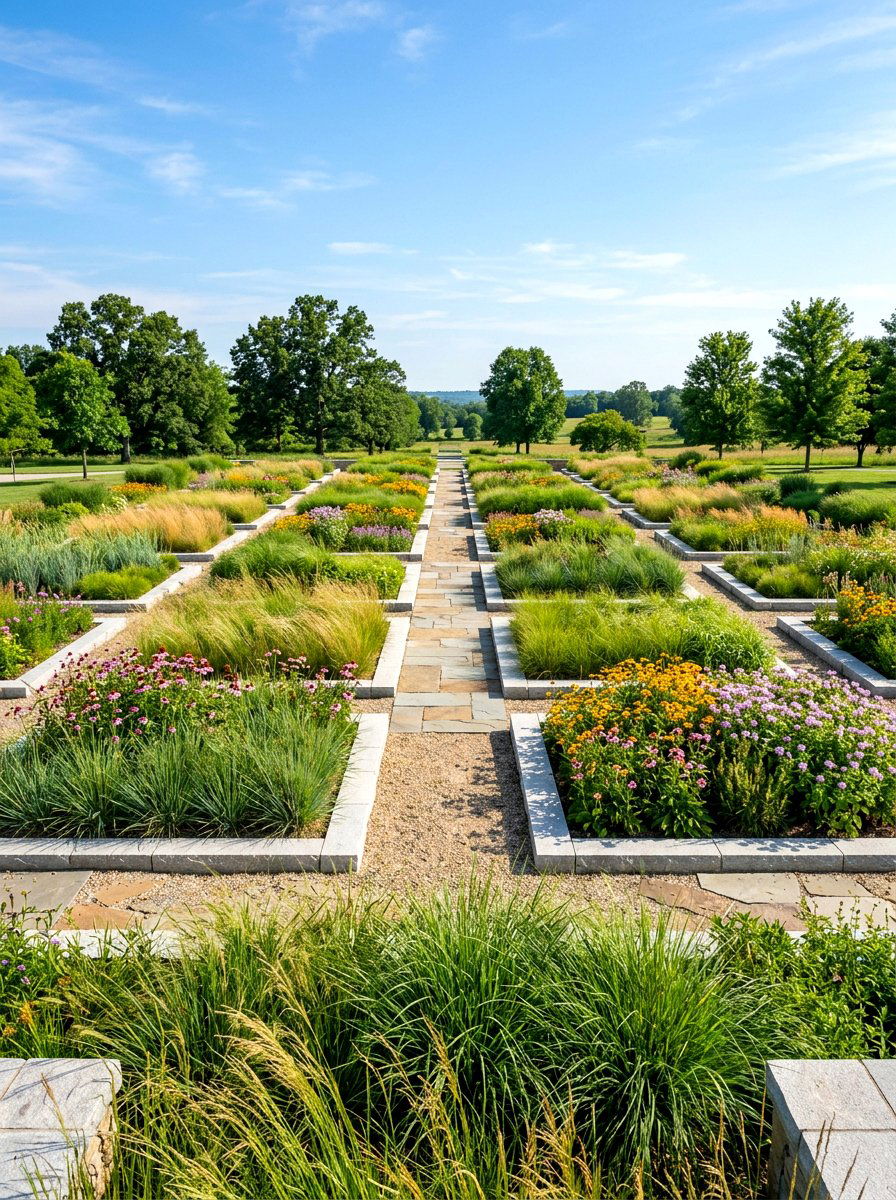
Many people think prairie gardens have to look wild, but a formal prairie style landscape proves otherwise through structured design. By using clean edges, symmetrical planting layouts, and clearly defined paths, you can give native plants a very sophisticated and intentional look. Try planting grasses in perfect grids or using clipped hedges of native shrubs to frame wilder sections of flowers. This "messy-hearted, clean-edged" approach satisfies neighborhood aesthetic standards while still providing all the ecological benefits of a native garden. It is the perfect compromise for homeowners who want to be eco-friendly while maintaining a traditional, tidy appearance.
28. Prairie Grass Rock Edge
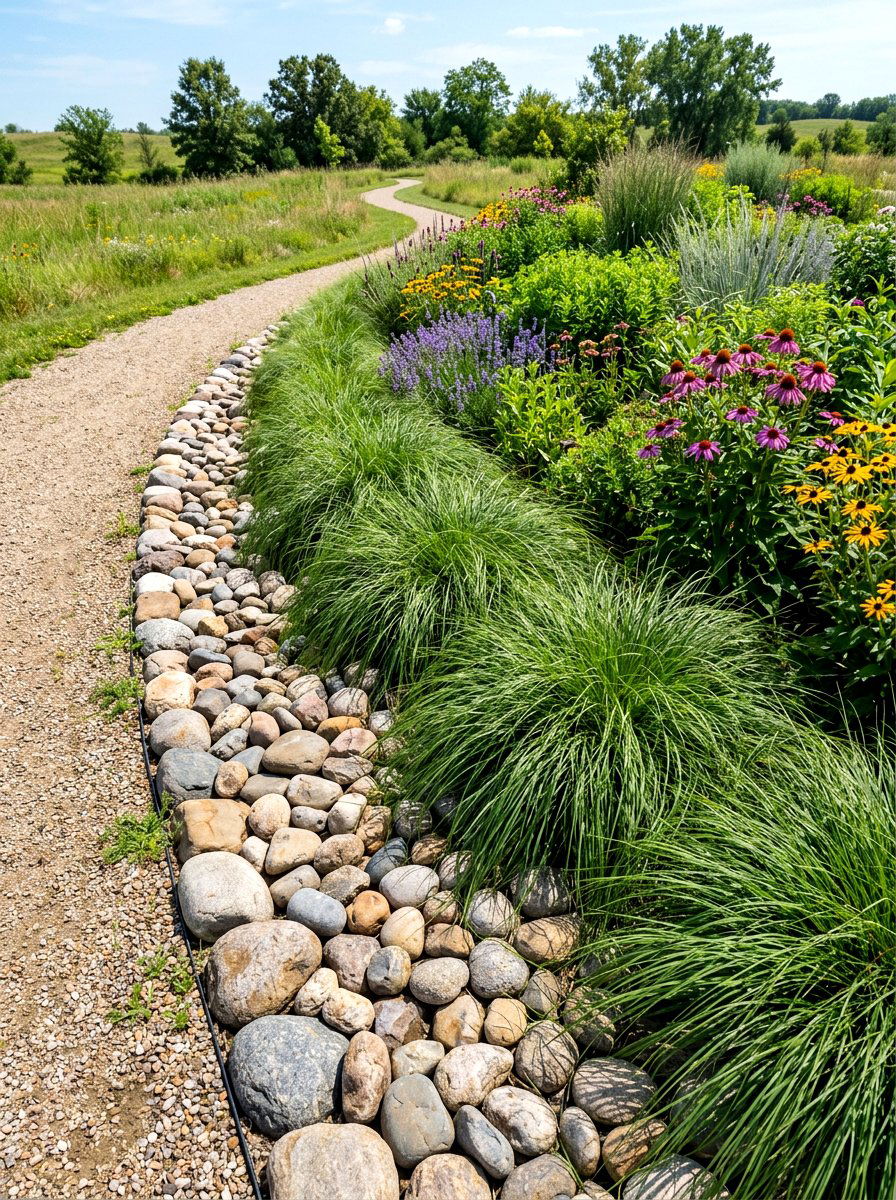
Using a prairie grass rock edge is a beautiful way to define the transition between your planting beds and your lawn or walkway. Large river stones or jagged fieldstones can be nestled into the ground, with soft grasses like Autumn Moor Grass or Sedge spilling over them. This creates a tactile, interesting border that looks much more natural than plastic or metal edging. The stones help keep the soil in place and provide a cool, moist microclimate for the roots of the plants near the edge. This design element adds a sense of permanence and rugged beauty to your front yard landscaping.
29. Sustainable Wildflower Entry
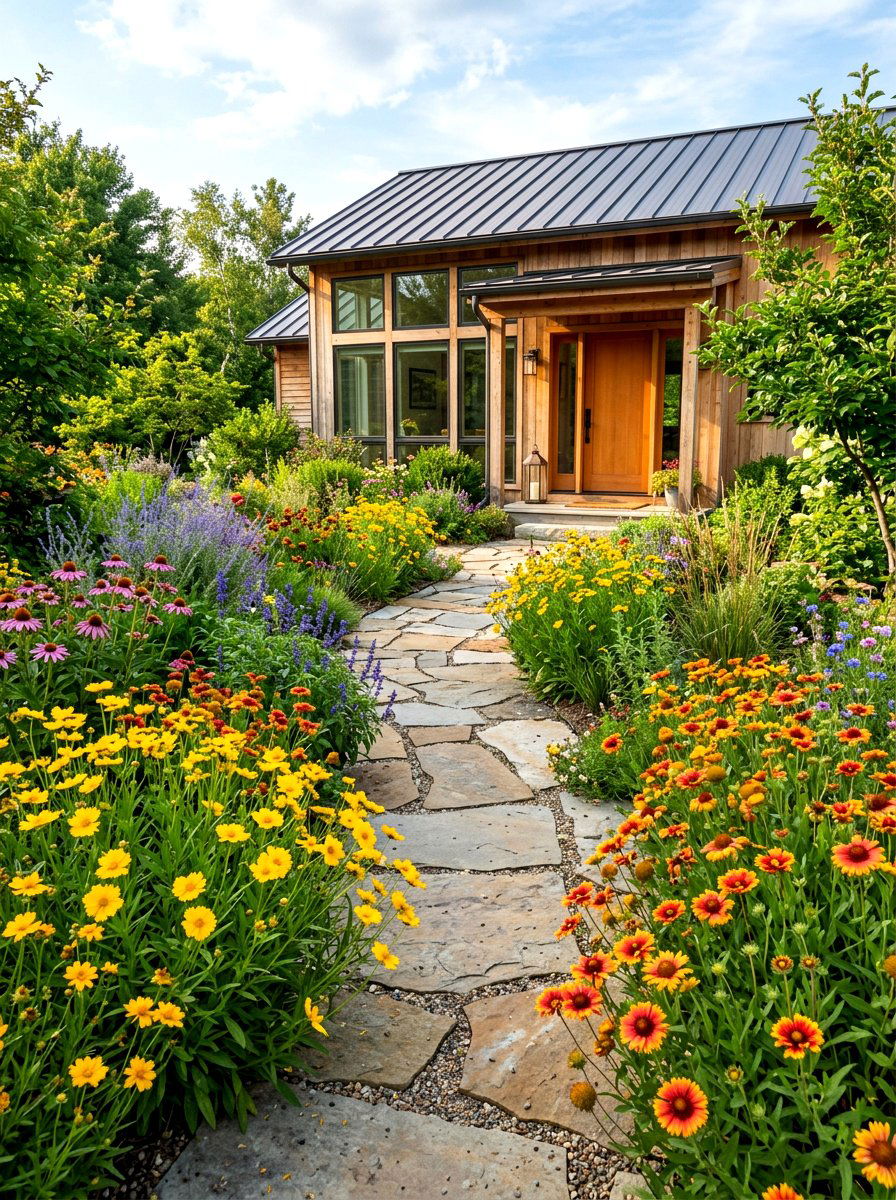
A sustainable wildflower entry focuses on creating a high-color welcome using plants that require zero supplemental watering once established. By choosing a mix of early, mid, and late-season bloomers, you ensure a constant welcoming committee of color for anyone visiting your home. Plants like Blanketflower and Coreopsis are particularly good for this as they have exceptionally long blooming periods. This approach is not only visually inviting but also sends a clear message about your commitment to sustainable living. It turns your home’s entrance into a vibrant, living advertisement for the beauty and practicality of native, low-water landscaping.
30. Native Shrub Prairie Border
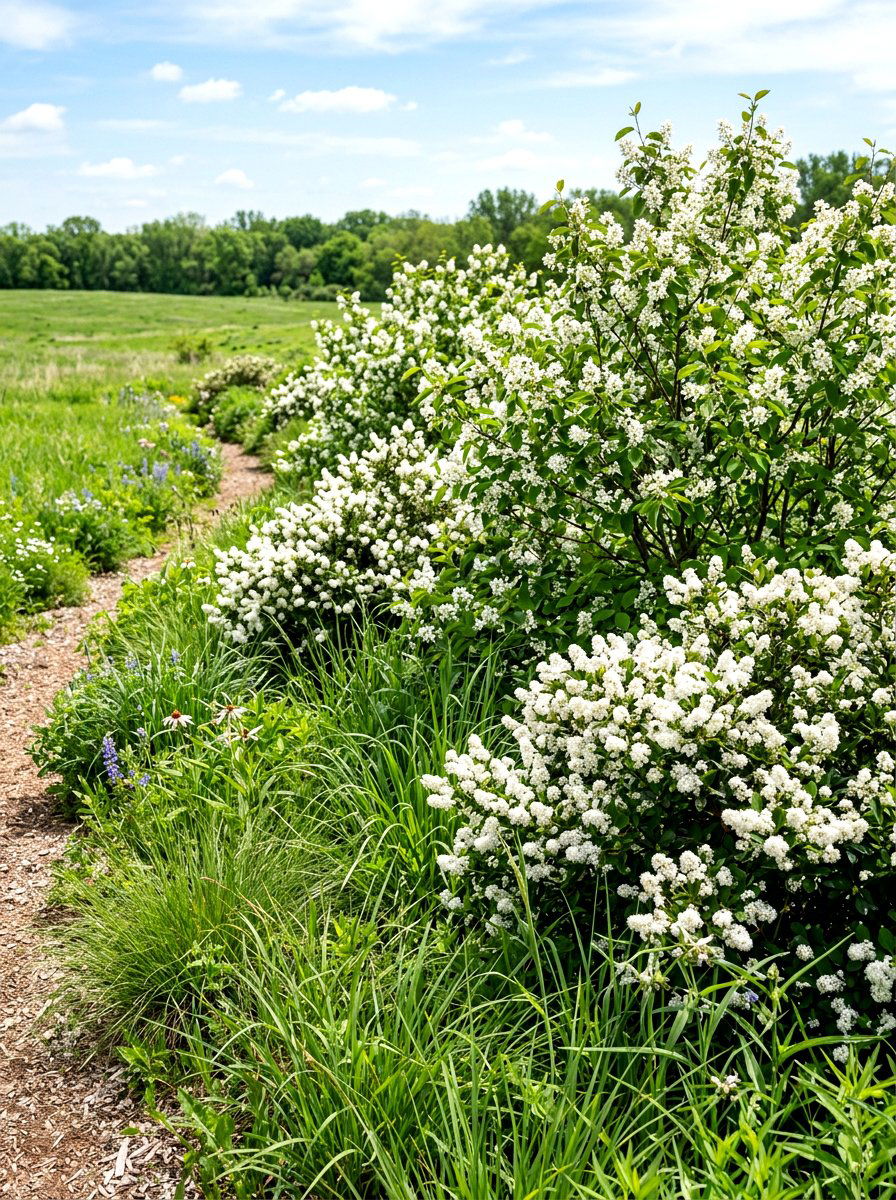
Incorporating a native shrub prairie border adds permanent structure and winter interest to your front yard. Shrubs like Serviceberry, Leadplant, or New Jersey Tea provide woody branches that remain even after the grasses and flowers have died back for the season. These shrubs often produce beautiful spring blossoms and colorful fall berries that provide essential food for local birds. Planting them along the perimeter of your yard creates a sense of enclosure and privacy while blending perfectly with the softer textures of prairie grasses. This combination of woody and herbaceous plants creates a more diverse and resilient landscape year-round.
Conclusion:
Embracing a prairie-inspired front yard is a transformative journey that rewards you with a low-maintenance, ecologically rich, and visually stunning landscape. By shifting away from traditional turf and toward resilient native species, you are not only saving time and water but also creating a vital sanctuary for local wildlife. Whether you prefer the sleek lines of a minimalist design or the exuberant colors of a wildflower meadow, the flexibility of prairie plants allows for endless creativity. These landscapes celebrate the unique character of your region while providing a home that feels deeply connected to the natural world. Start small with a single bed or go bold with a full lawn replacement; either way, your new sustainable garden will become a source of pride and beauty for years to come.

Related posts: