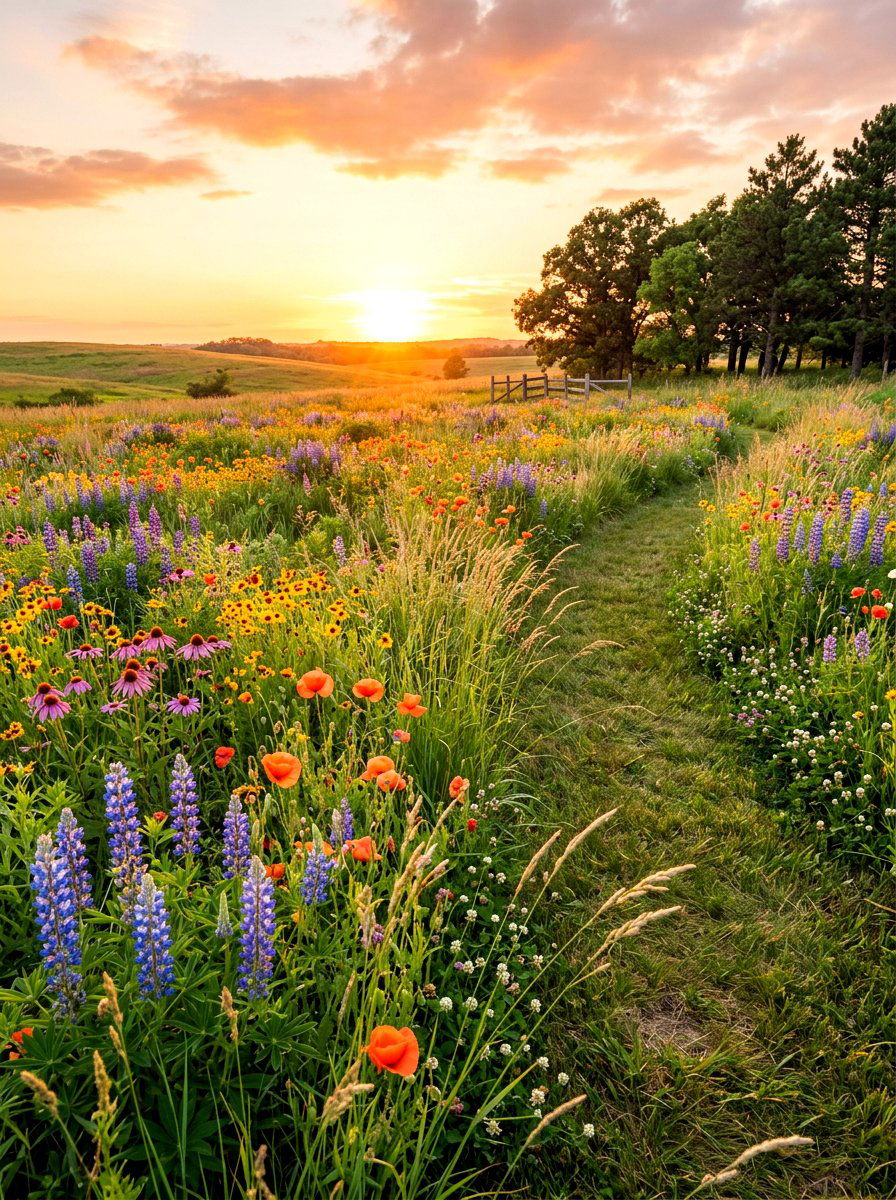
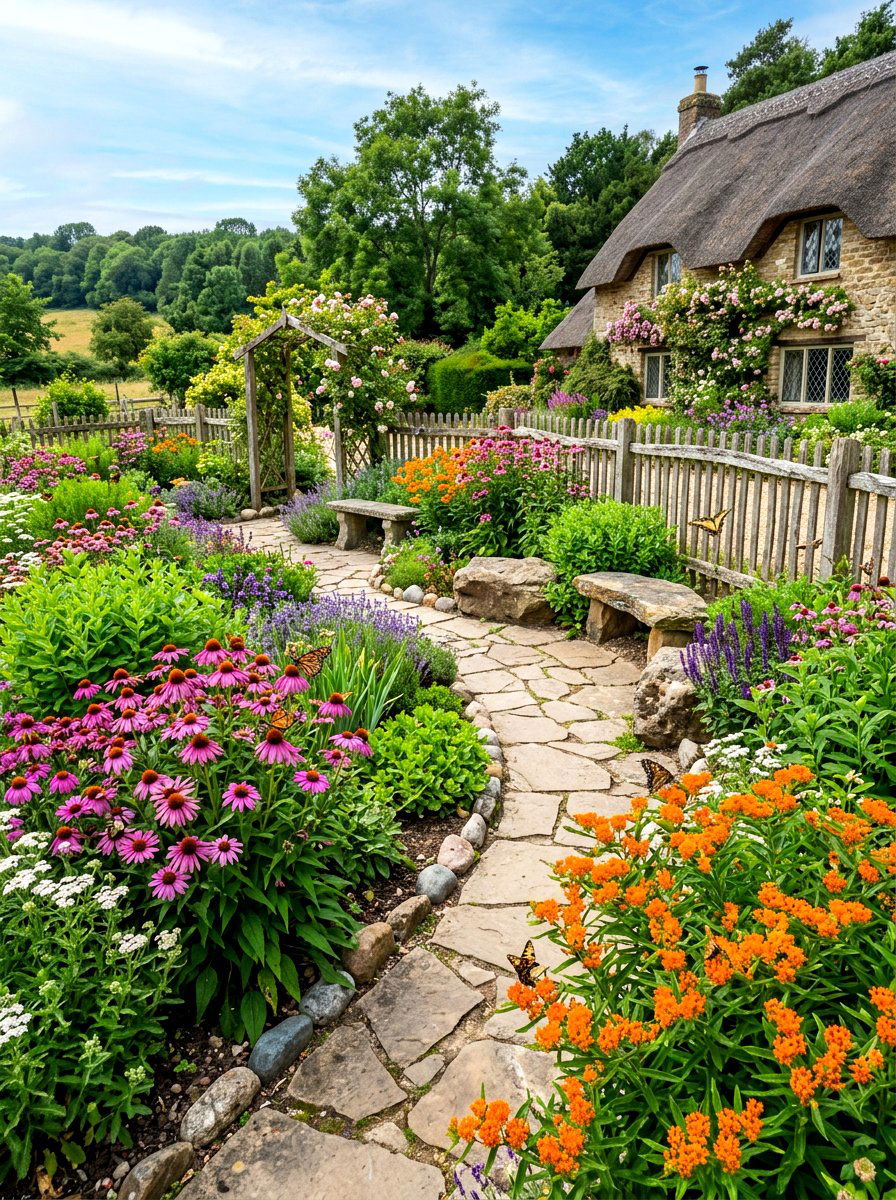
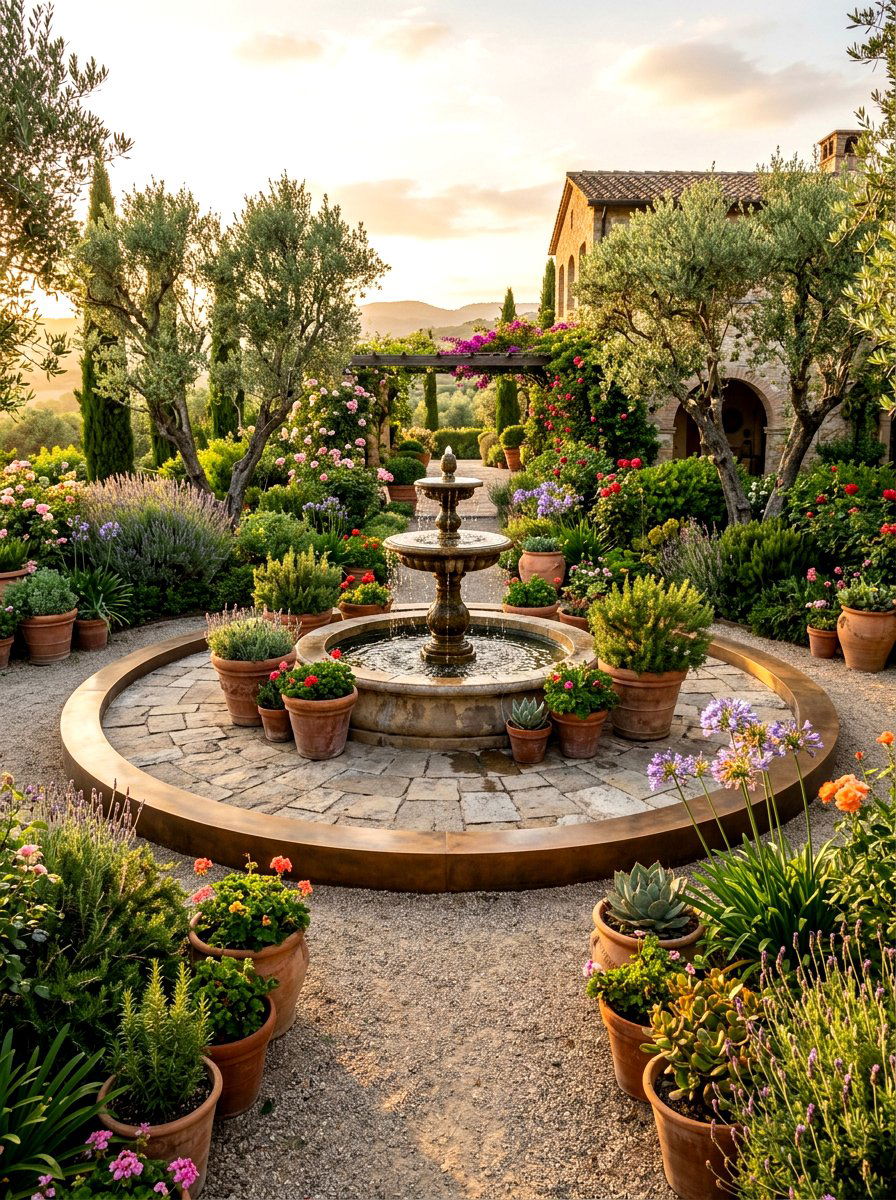
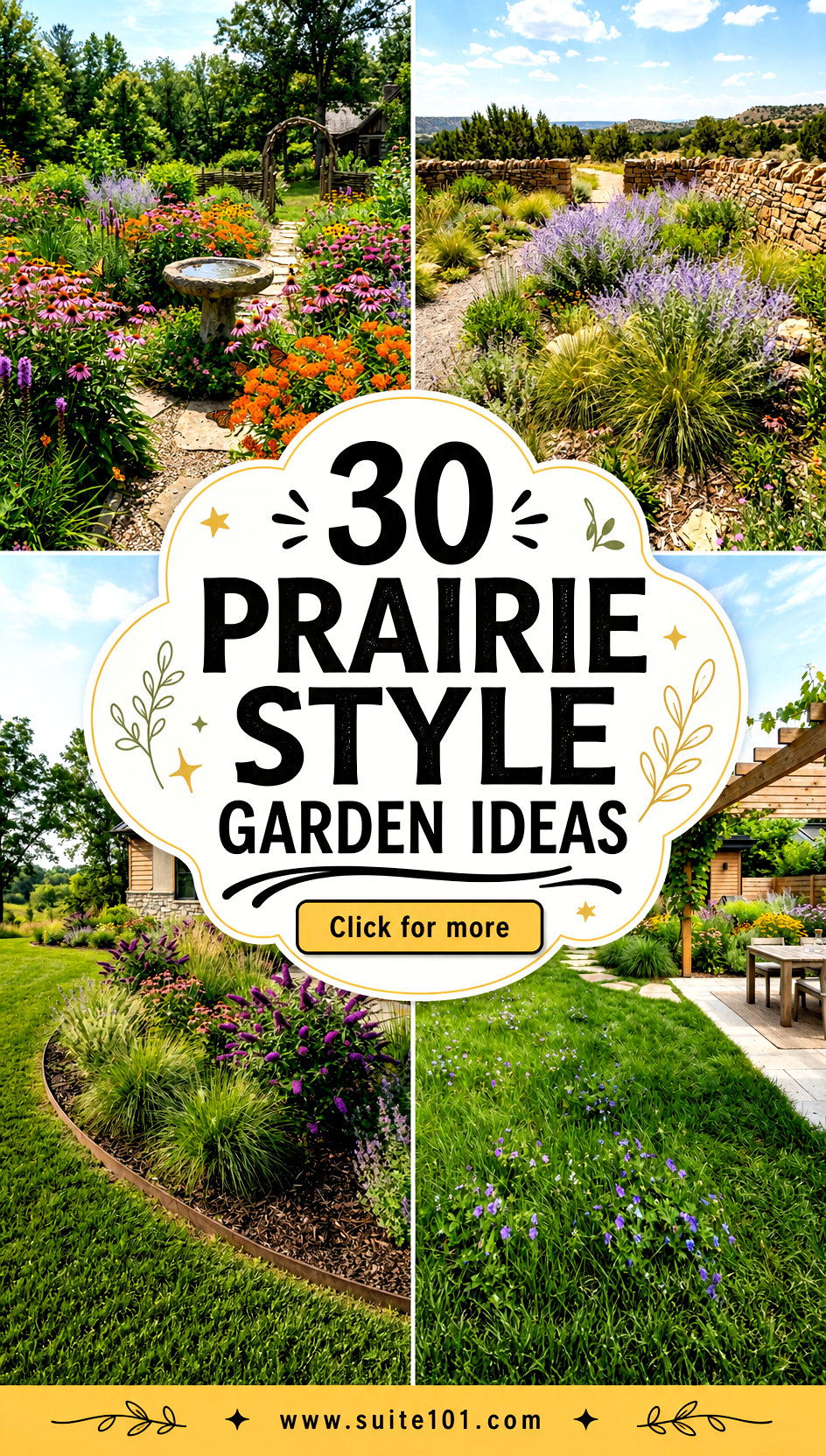
Prairie style gardens are becoming a favorite for homeowners who want to embrace nature while supporting local ecosystems. These landscapes focus on native plants that thrive in open, sunny spaces with minimal intervention. By using a mix of hardy grasses and vibrant perennials, you can create a yard that feels both wild and intentional. This design aesthetic celebrates the vast beauty of the American heartland, bringing a sense of peace and movement to your outdoor space. Whether you have a massive acreage or a tiny suburban lot, prairie gardening offers a sustainable way to beautify your property. It is about working with nature instead of fighting against it.
1. Native Grass Meadow
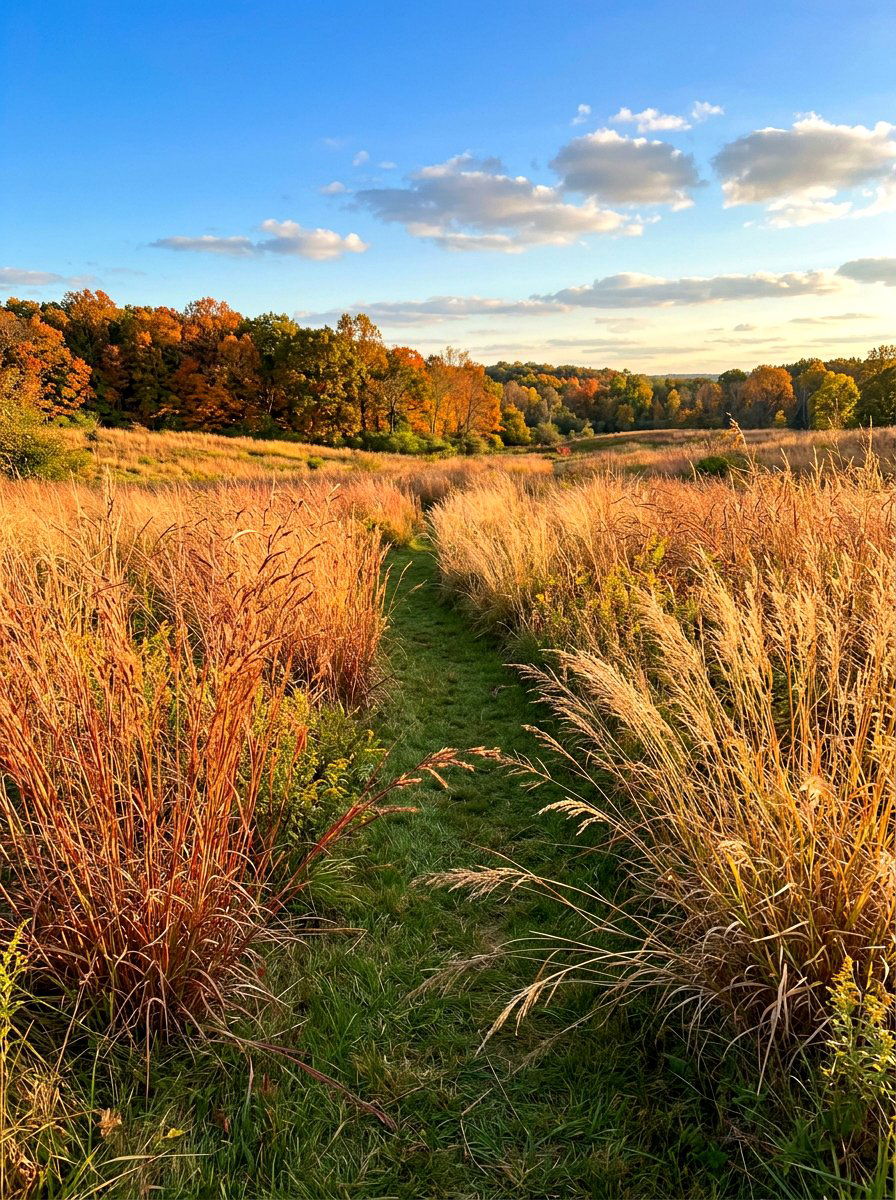
Imagine walking through a soft sea of swaying textures right in your own backyard. A native grass meadow serves as the perfect foundation for any prairie-inspired landscape. You should choose species like Little Bluestem or Switchgrass to provide structure and year-round visual interest. These plants offer incredible bronze and gold hues during the autumn months. They also provide essential cover for local birds during the cold winter season. Because these grasses are native, they require very little water once they become fully established in your soil. This approach creates a very relaxed atmosphere that feels completely connected to the surrounding natural environment. It is a sustainable choice for modern yards.
2. Perennial Pollinator Garden
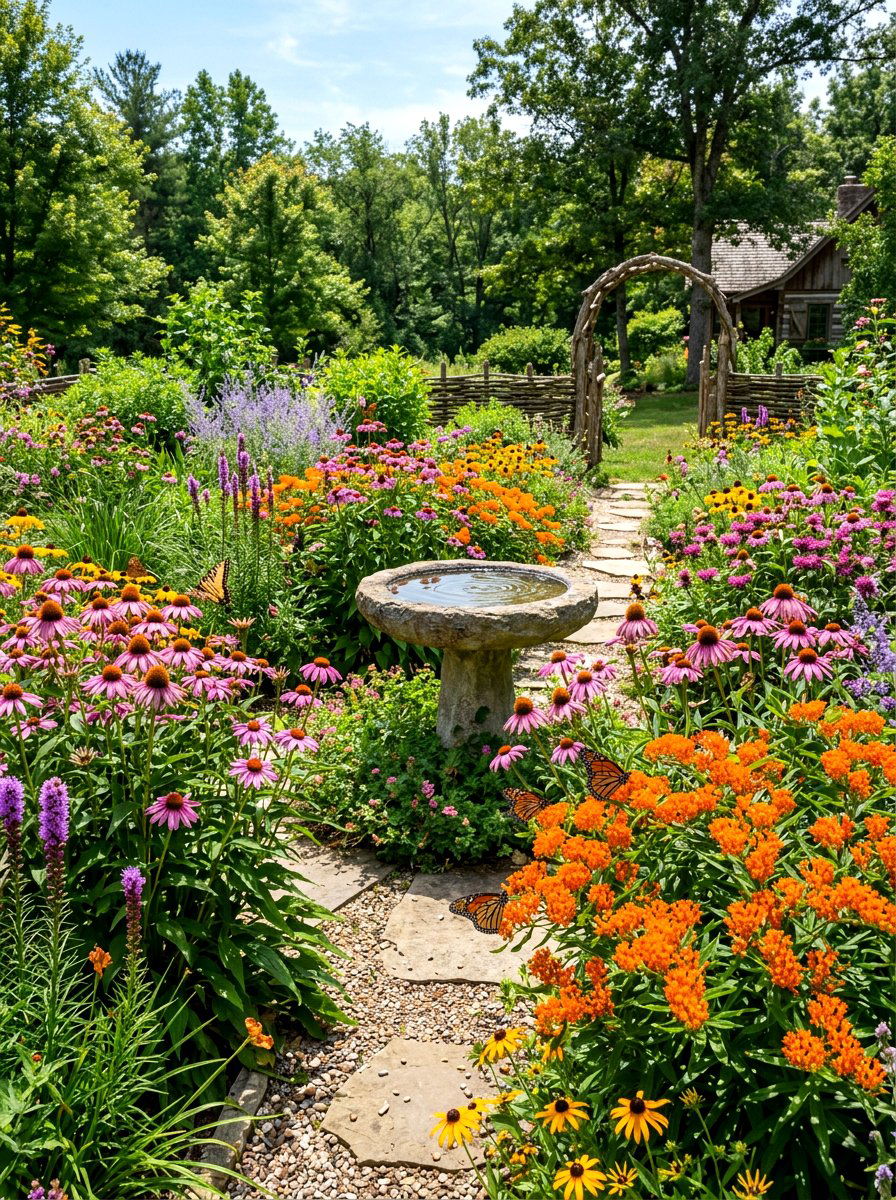
Do you want to see more bees and butterflies visiting your outdoor space? A perennial pollinator garden is a vital component of the prairie aesthetic. You can fill your beds with Coneflowers, Milkweed, and Blazing Star to provide rich nectar sources. These plants are incredibly tough and can handle intense summer heat without wilting. Using a variety of bloom times ensures that your garden stays active from early spring until the late fall. This specific layout focuses on creating a dense community of plants that support the entire local food chain. It transforms a standard yard into a buzzing sanctuary that feels alive and full of vibrant energy.
3. Modern Prairie Landscape
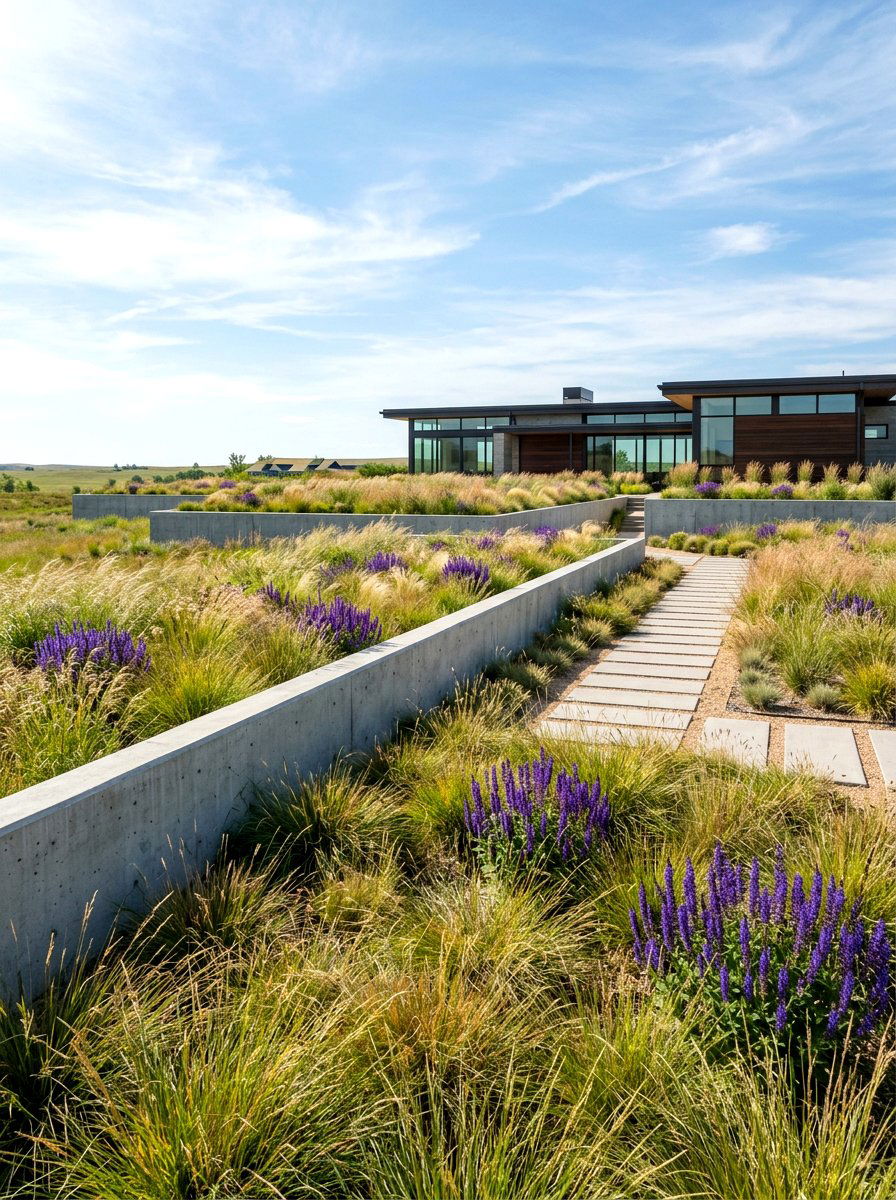
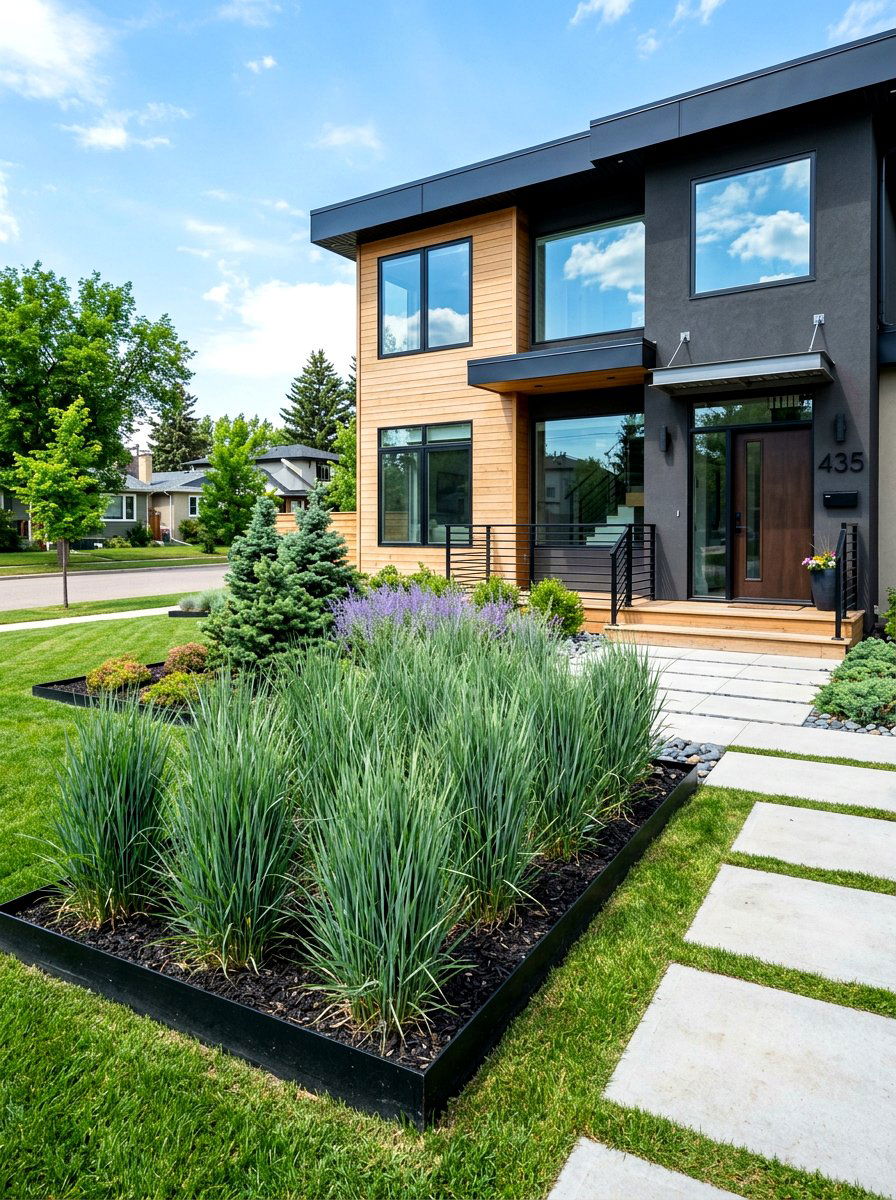
Clean lines and natural textures come together perfectly in a modern prairie landscape. This style often pairs organized architectural elements with the wilder, softer look of native plants. You might use sleek concrete walls or dark metal accents to contrast with the wispy movement of ornamental grasses. It is a great way to make a traditional prairie feel more sophisticated and contemporary. Focus on using a limited color palette to maintain a sense of calm and order throughout the space. Large groups of the same plant species help create a bold visual impact that looks intentional. This design is ideal for homeowners who love a minimalist aesthetic.
4. Drought Tolerant Prairie
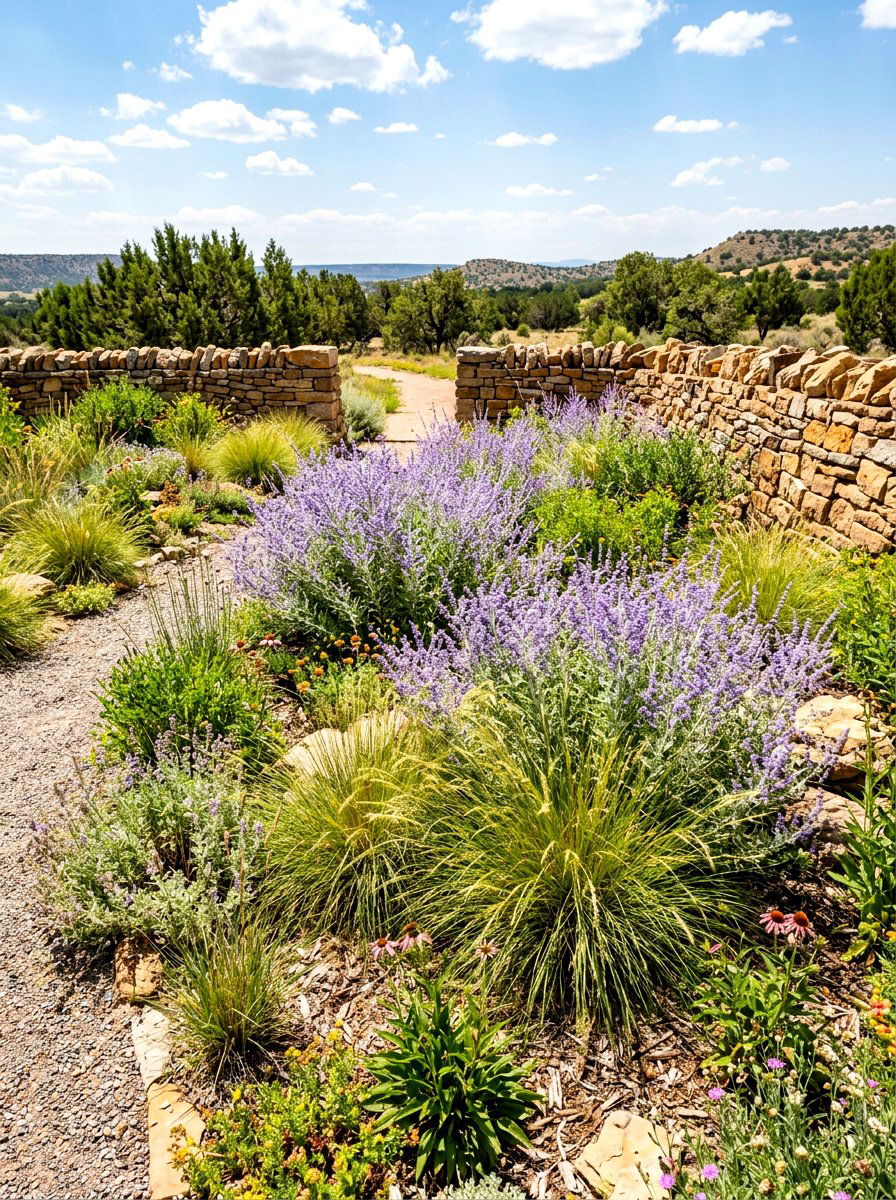
Water conservation is a major priority for many modern gardeners today. A drought tolerant prairie is the ultimate solution for areas that experience long, dry summers. Most prairie plants have incredibly deep root systems that allow them to reach moisture far underground. This means you will spend significantly less time and money on irrigation once the garden matures. Species like Prairie Dropseed and Russian Sage are excellent choices for these harsh conditions. They thrive in the intense heat and actually prefer soil that is not overly rich or wet. You can enjoy a beautiful, lush landscape without worrying about a high water bill every single month.
5. Small Space Prairie Garden
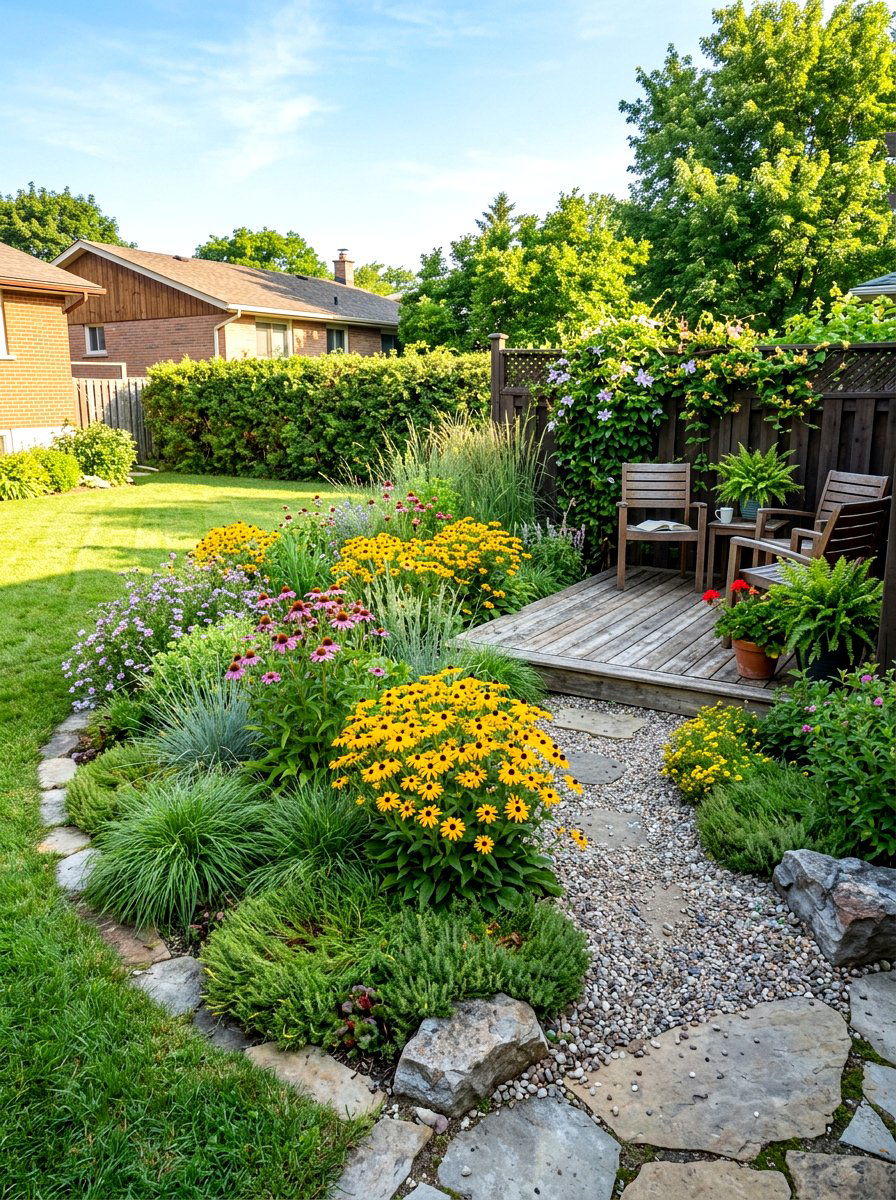
You do not need a massive farm to enjoy the beauty of the prairie. A small space prairie garden can be achieved in a standard suburban backyard or even a side yard. The key is to select shorter varieties of grasses and perennials that will not overwhelm the area. Using sedges as a groundcover provides a lush, green base that stays low to the ground. You can then add a few pops of color with compact wildflowers like Black-eyed Susans or Purple Coneflowers. This creates a mini-ecosystem that feels much larger than it actually is. It is a wonderful way to bring biodiversity into an urban setting.
6. Sweeping Flower Drifts
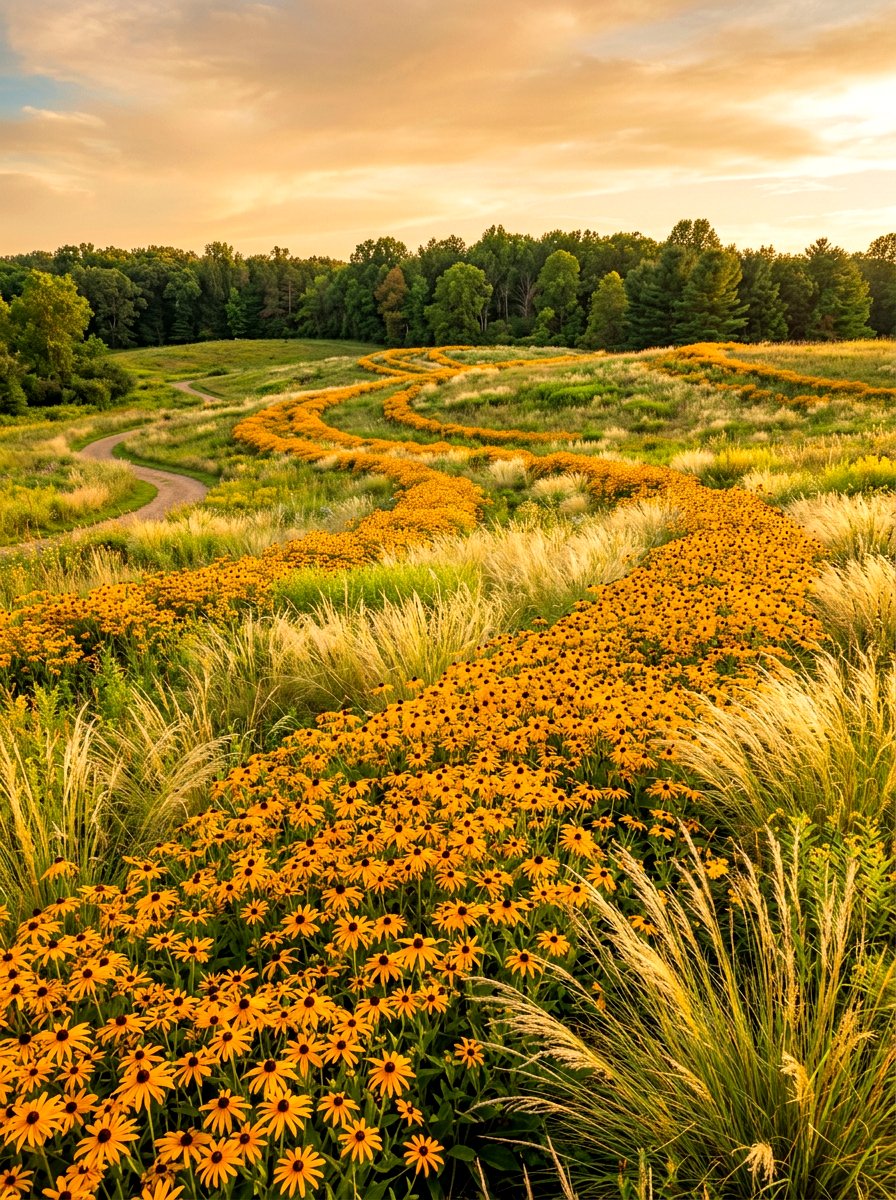
Visual movement is one of the most exciting aspects of a prairie garden. Sweeping flower drifts are created by planting large groups of the same species in long, curved patterns. This mimics the way plants naturally colonize open fields in the wild. When the wind blows, these massive blocks of color sway in unison, creating a rhythmic and peaceful effect. You can alternate between drifts of tall grasses and bright perennials to add layers of height. This technique is much more impactful than planting single specimens scattered randomly around the yard. It creates a professional look that draws the eye across the entire landscape beautifully.
7. Gravel Prairie Path
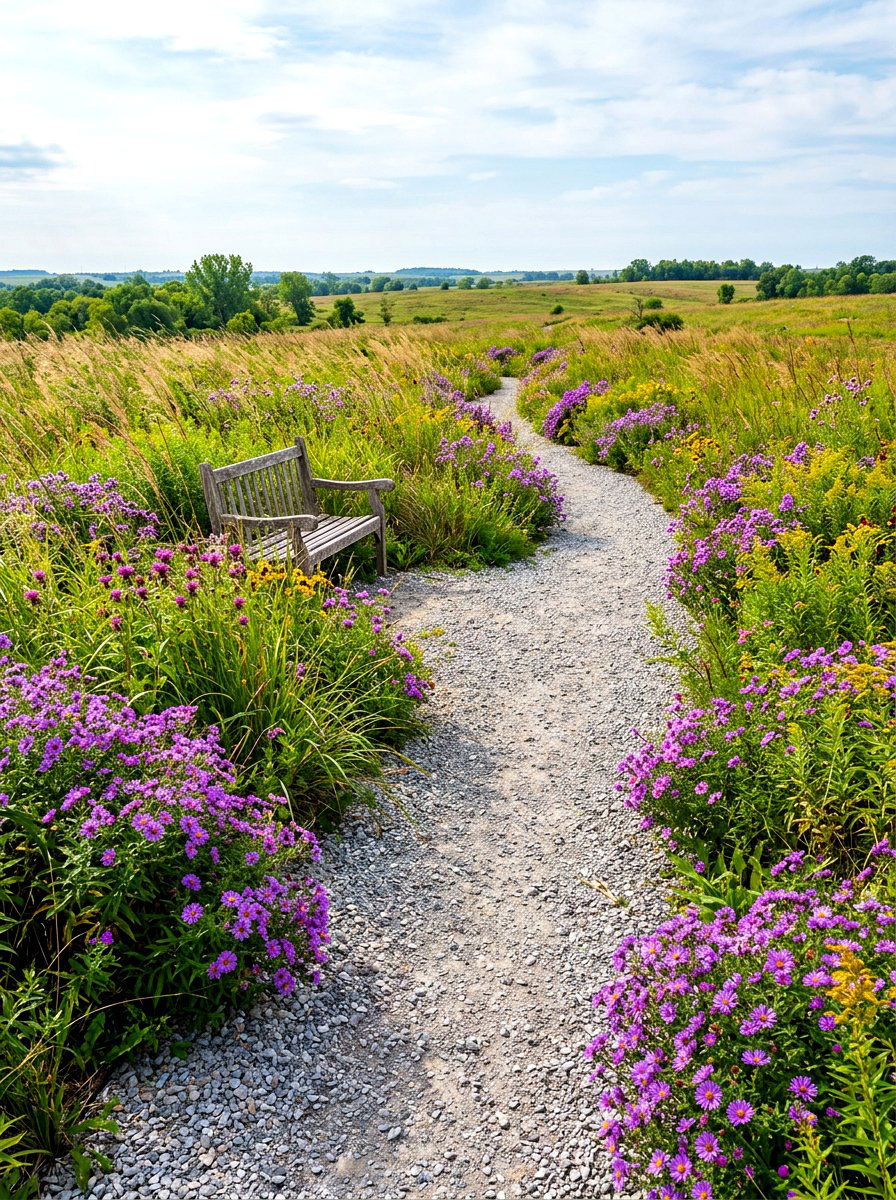
Walking through your garden should be an immersive experience that engages all your senses. A gravel prairie path provides a naturalistic way to navigate through your tall plantings. The crunch of the stones underfoot adds a lovely auditory element to your outdoor strolls. Using local gravel or crushed limestone helps the path blend seamlessly into the surrounding earth. You can let some of the hardier plants spill over the edges to soften the transition between the walkway and the beds. This design encourages you to slow down and notice the small details of the plants as you pass by. It makes the space feel more adventurous.
8. Prairie Wildlife Habitat
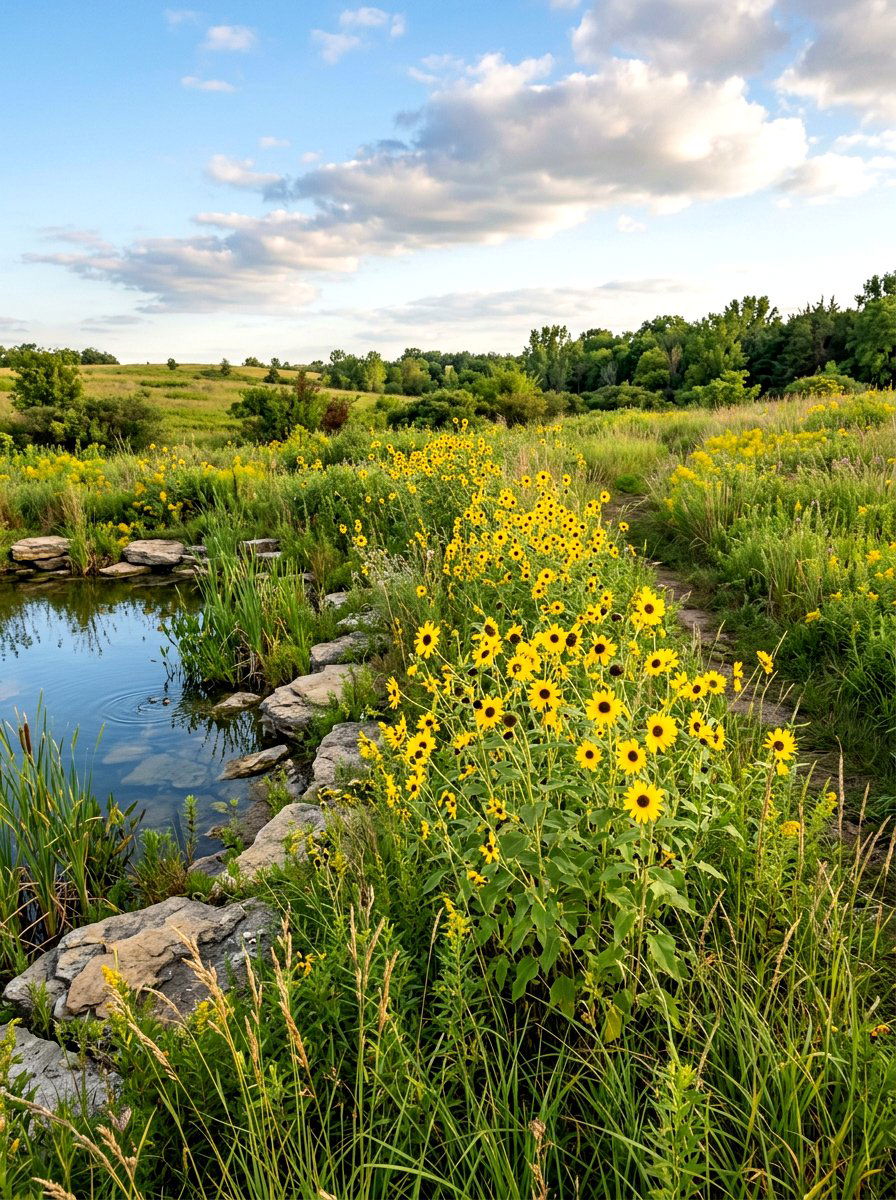
Creating a space that serves a higher purpose is incredibly rewarding for any nature lover. A prairie wildlife habitat is specifically designed to provide food, water, and shelter for local animals. By including various seed-bearing plants, you can attract a wide array of songbirds to your property. Tall grasses provide nesting sites and protection from predators during the harsh winter months. You can also include a small water feature, like a birdbath or stone basin, to complete the ecosystem. This type of garden becomes a living classroom where you can observe nature up close. It is a truly sustainable way to give back to the environment.
9. Residential Prairie Restoration
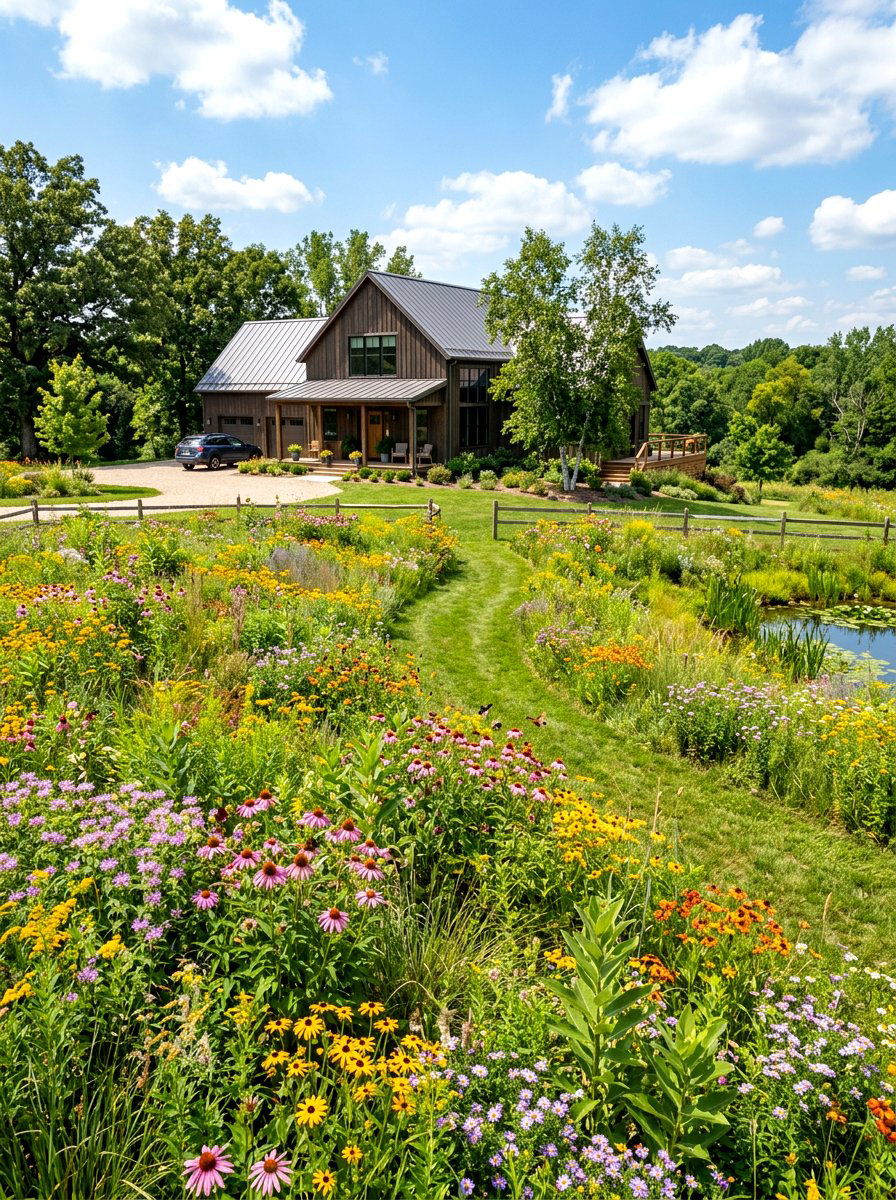
Many homeowners are choosing to replace their high-maintenance lawns with residential prairie restoration projects. This involves removing traditional turfgrass and reintroducing the native plant communities that once thrived on the land. It is a bold move that significantly reduces the need for mowing, fertilizing, and chemical treatments. Over time, the soil health improves as the deep roots of the prairie plants break up compacted earth. You will notice an immediate increase in the number of beneficial insects and birds in your yard. This process takes a bit of patience, but the long-term ecological benefits are absolutely worth the initial effort and investment.
10. Minimalist Prairie Planting
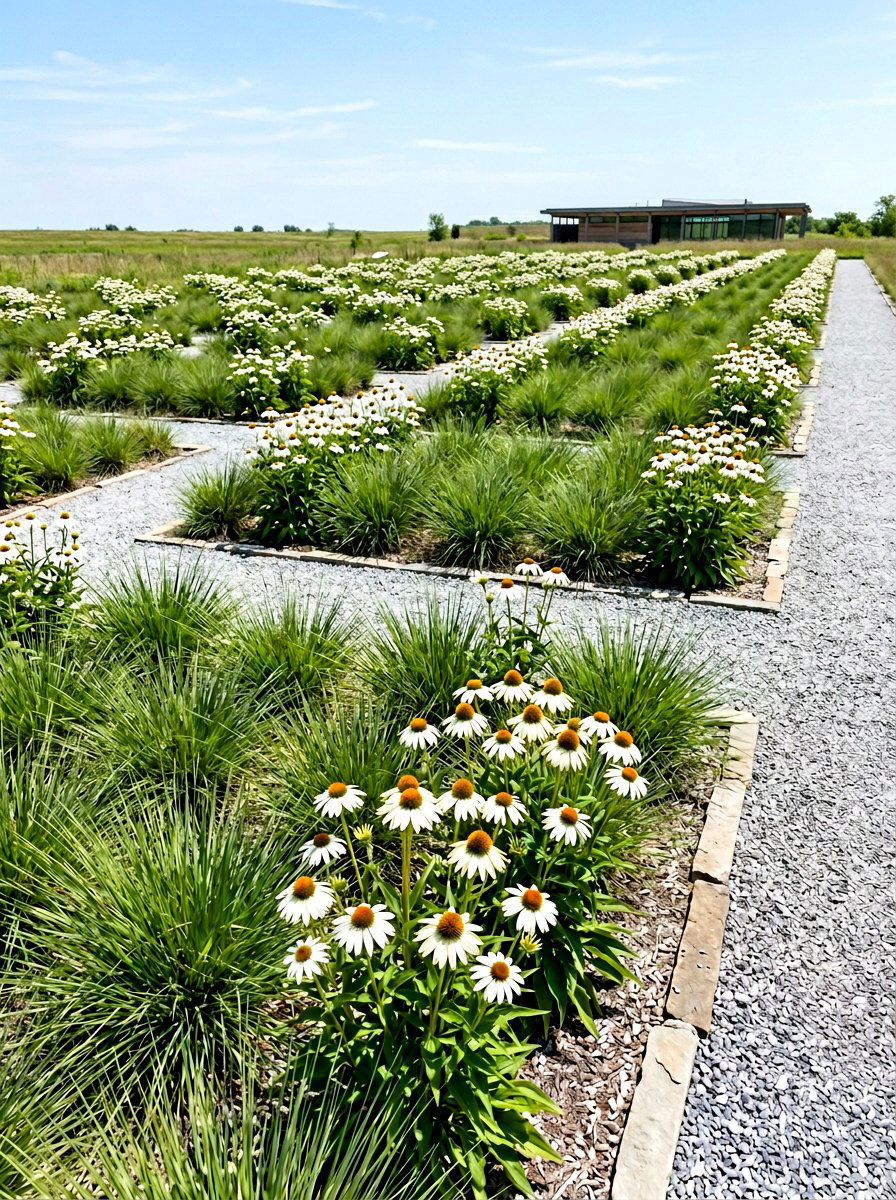
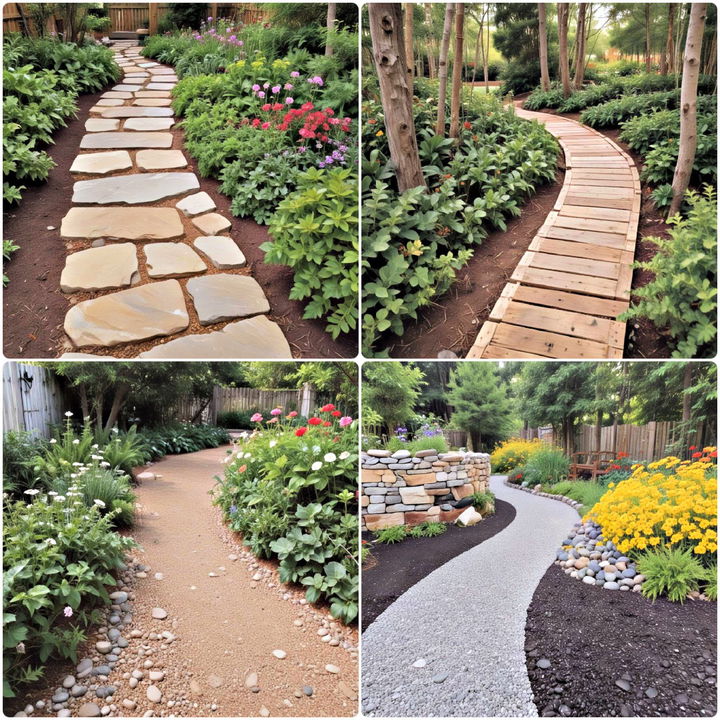
Sometimes, less is more when it comes to creating a peaceful outdoor environment. Minimalist prairie planting focuses on a very tight selection of species to create a clean, serene look. You might choose just one type of ornamental grass and one type of flowering perennial for the entire bed. This repetition creates a strong sense of rhythm and harmony that is very soothing to the eye. It works particularly well in front yards where you want to maintain a neat appearance while still using native plants. This style is easy to maintain because you only have to learn the needs of a few different species.
11. Colorful Prairie Border
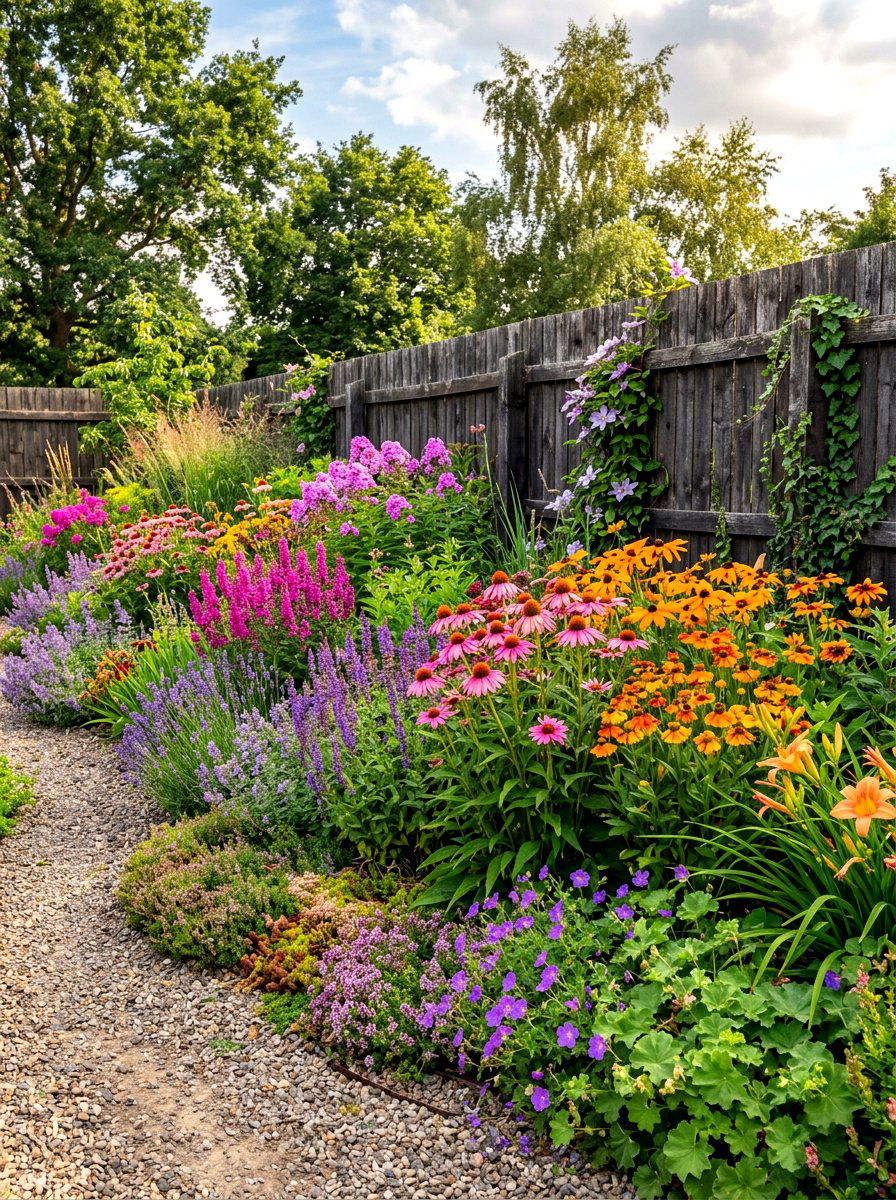
A colorful prairie border is the perfect way to add a vibrant punch to the edge of your property. These borders are typically designed with layers of height, starting with low-growing plants in the front. You can mix bright oranges, deep purples, and sunny yellows to create a cheerful display that lasts all summer long. Using plants like Butterfly Weed and Aster ensures that there is always something in bloom. These borders look fantastic when planted against a simple wooden fence or a stone wall. They provide a nice transition between more formal areas of the yard and the wilder sections of the garden.
12. Four Season Prairie Interest
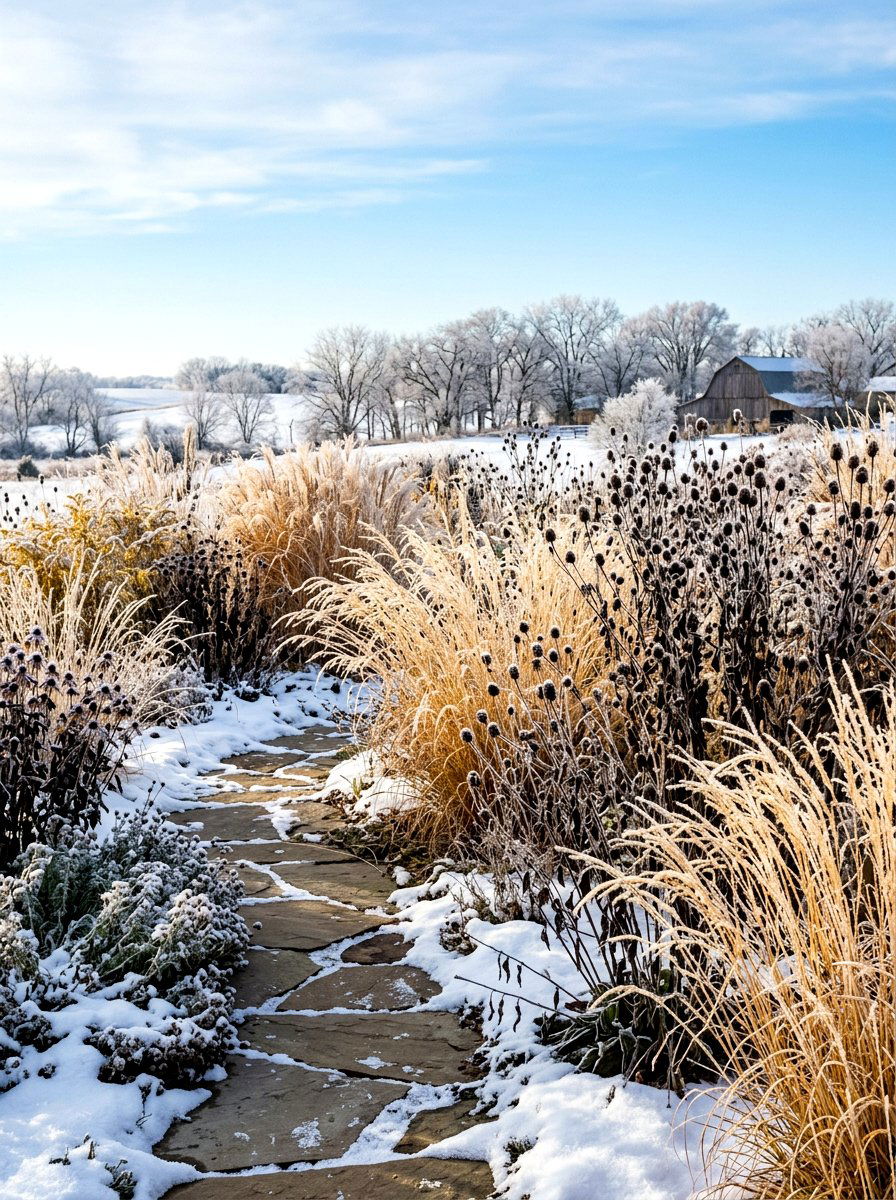
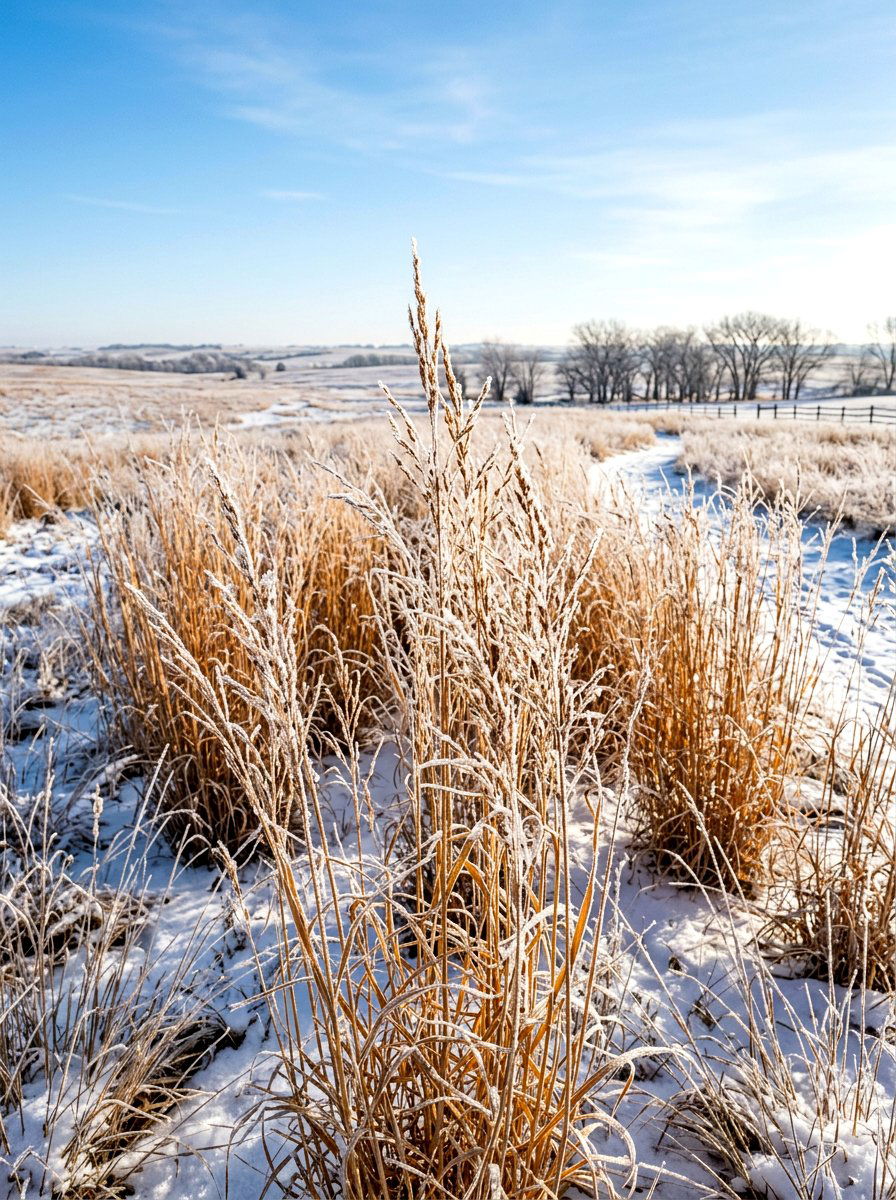
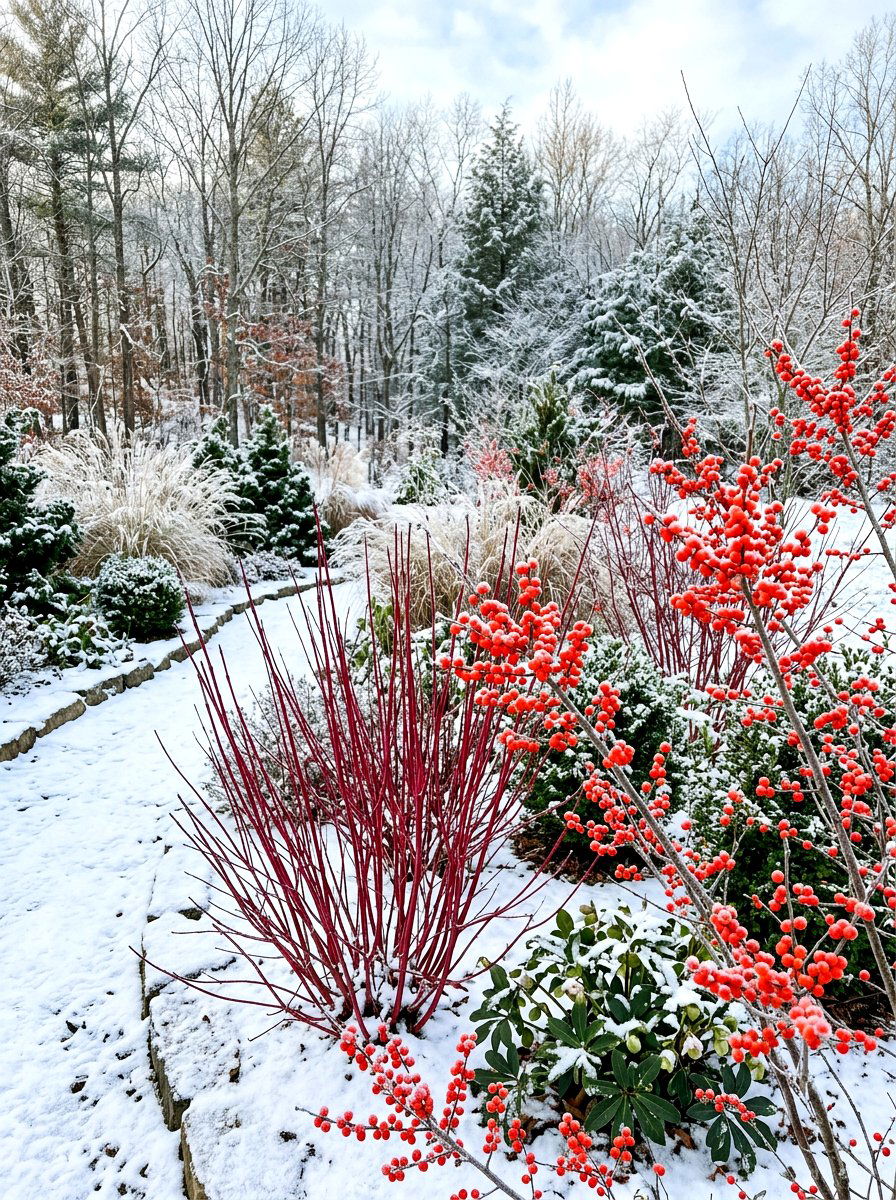
A well-planned prairie garden provides beauty and structure even in the middle of a snowy winter. Choosing plants with four season prairie interest means looking beyond just the summer flowers. Many native grasses turn beautiful shades of copper and tan once the frost hits. Perennials like Sedum and Echinacea have sturdy seed heads that stand tall against the winter wind. These elements look magical when covered in a light dusting of snow or morning frost. They also provide vital food for birds when other sources are scarce. This approach ensures that your landscape remains a focal point of your home all year long.
13. Tallgrass Prairie Landscape
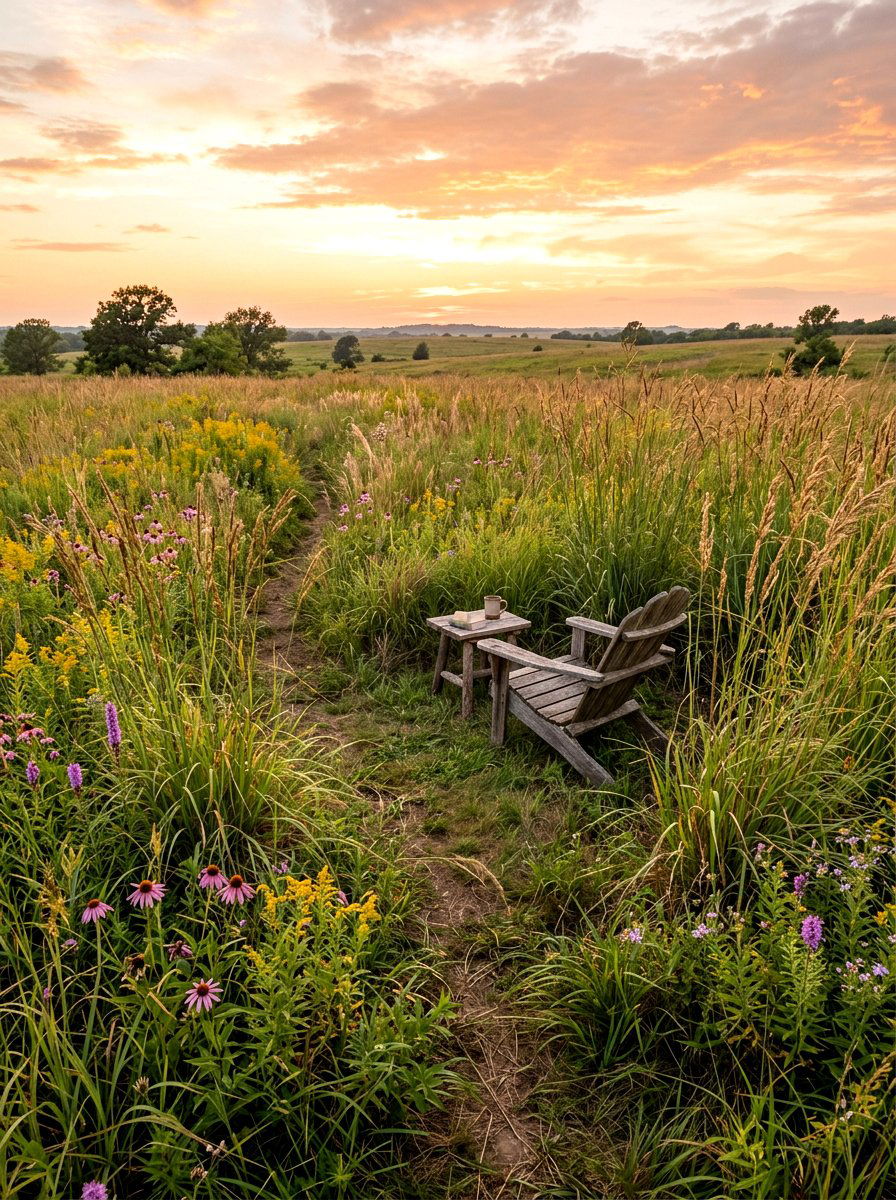
If you have a larger property, a tallgrass prairie landscape can create a truly dramatic and awe-inspiring view. This style utilizes impressive species like Big Bluestem and Indian Grass, which can grow several feet tall. These giants create a sense of privacy and enclosure that feels like a natural sanctuary. You can carve out hidden seating areas within the tall growth for a private escape from the world. The sound of the wind moving through the tall stalks is incredibly relaxing and unique to this garden style. It is a powerful way to reclaim a large lawn and turn it into something truly spectacular.
14. Urban Prairie Yard
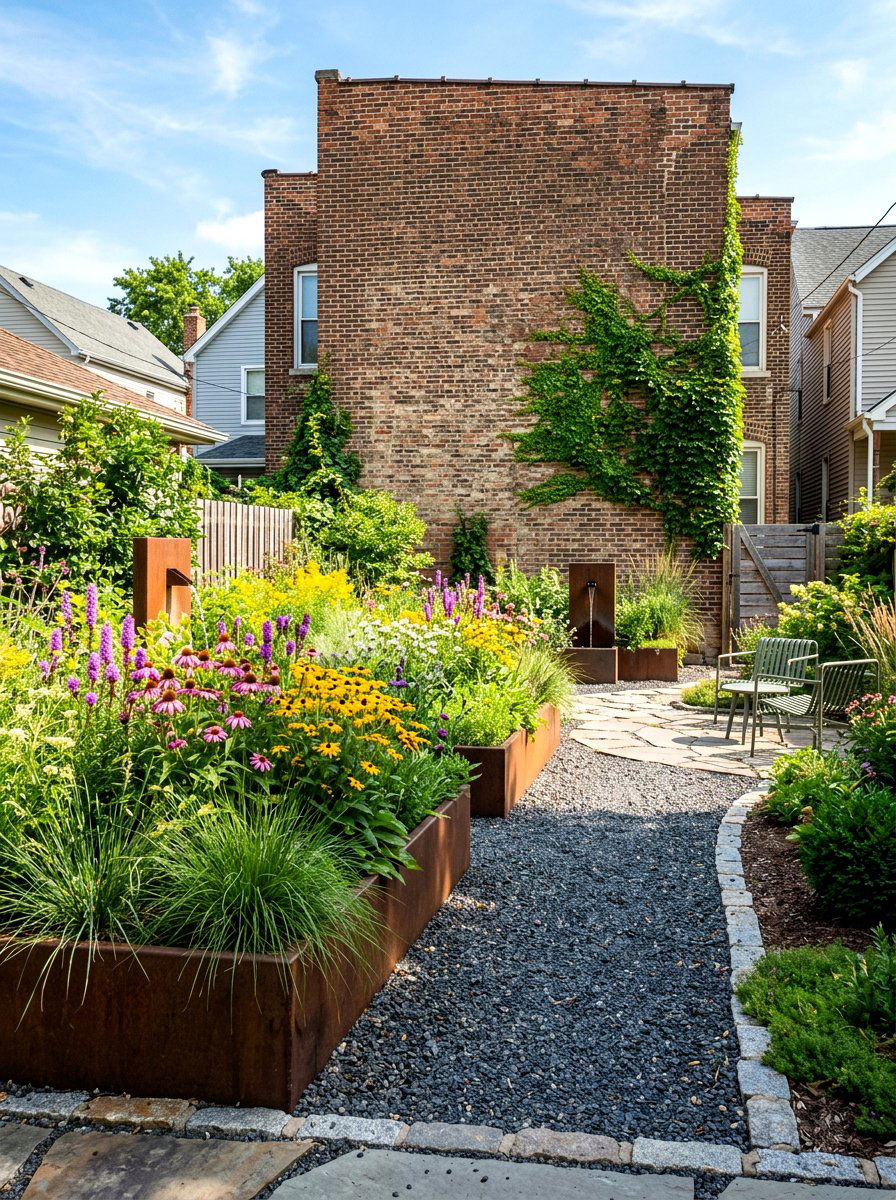
Bringing the spirit of the wild into the city is a growing trend among urban dwellers. An urban prairie yard uses the principles of naturalistic planting to soften the hard edges of city living. You can use large planters or raised beds if you have limited soil access on your property. Focus on plants that can handle the reflected heat from sidewalks and buildings. Adding a few native grasses to your small front plot can make your home stand out in the neighborhood. It provides a much-needed green lung in a concrete environment. This style shows that you do not need much space to support local nature.
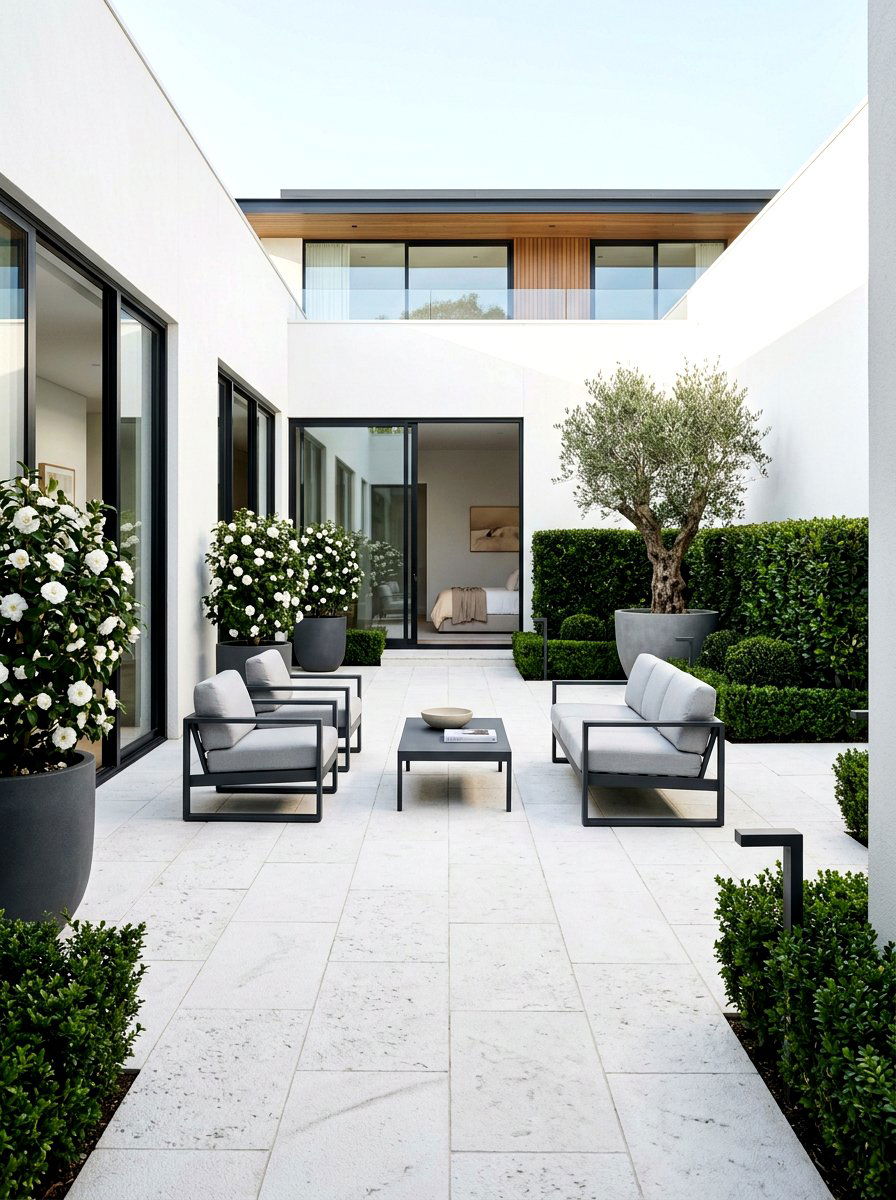
15. Prairie Foundation Planting
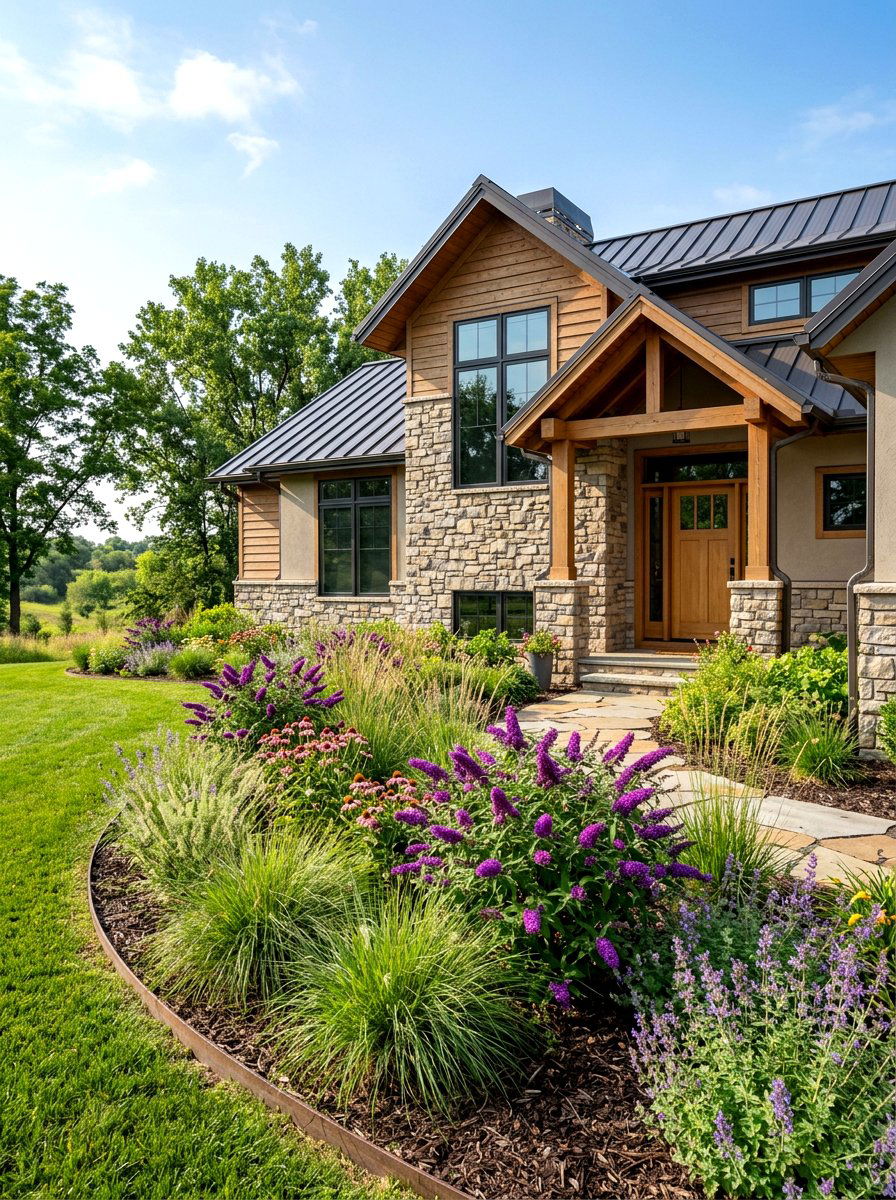
Replacing traditional shrubs with prairie foundation planting can give your home a unique and eco-friendly look. Instead of the usual boxwoods, try using mid-sized grasses and perennials around the base of your house. Plants like Little Bluestem or Prairie Smoke offer soft textures that complement architectural details beautifully. This approach helps the house feel more integrated into the surrounding landscape rather than sitting on top of it. Because these plants are adapted to local conditions, they are often healthier and more resilient than exotic nursery plants. It is a great way to improve your curb appeal while also supporting the local environment.
16. Naturalistic Matrix Planting
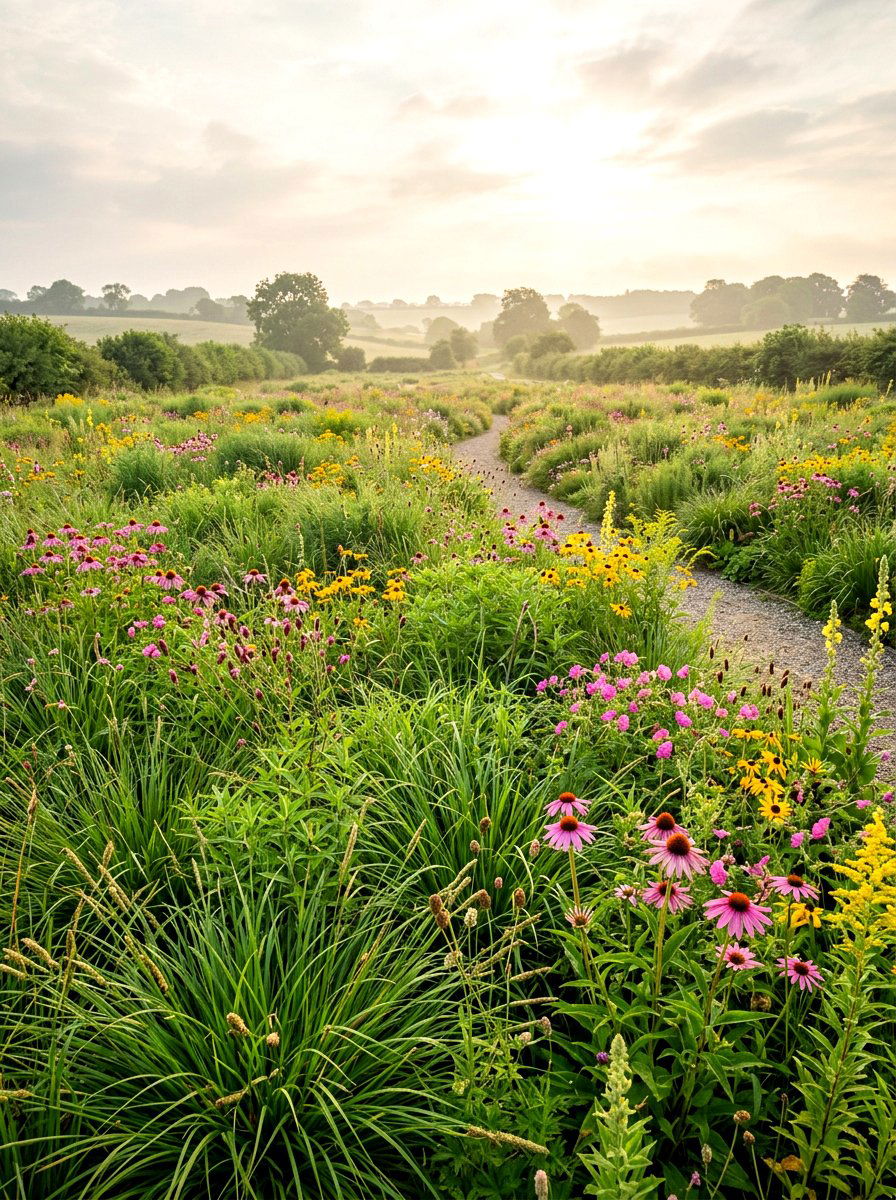
Naturalistic matrix planting is a sophisticated design technique that mimics how plants grow in the wild. You start with a "matrix" of a single grass species that covers the entire ground like a living mulch. Then, you "plug in" various flowering perennials at random intervals to create pops of color and height. This method is excellent for suppressing weeds because the ground is completely covered with desirable vegetation. It creates a very cohesive look because the base layer ties all the different flowers together. This style is highly popular in professional landscape design because it looks beautiful and functions as a healthy, self-sustaining community.
17. Sustainable Prairie Lawn Alternative
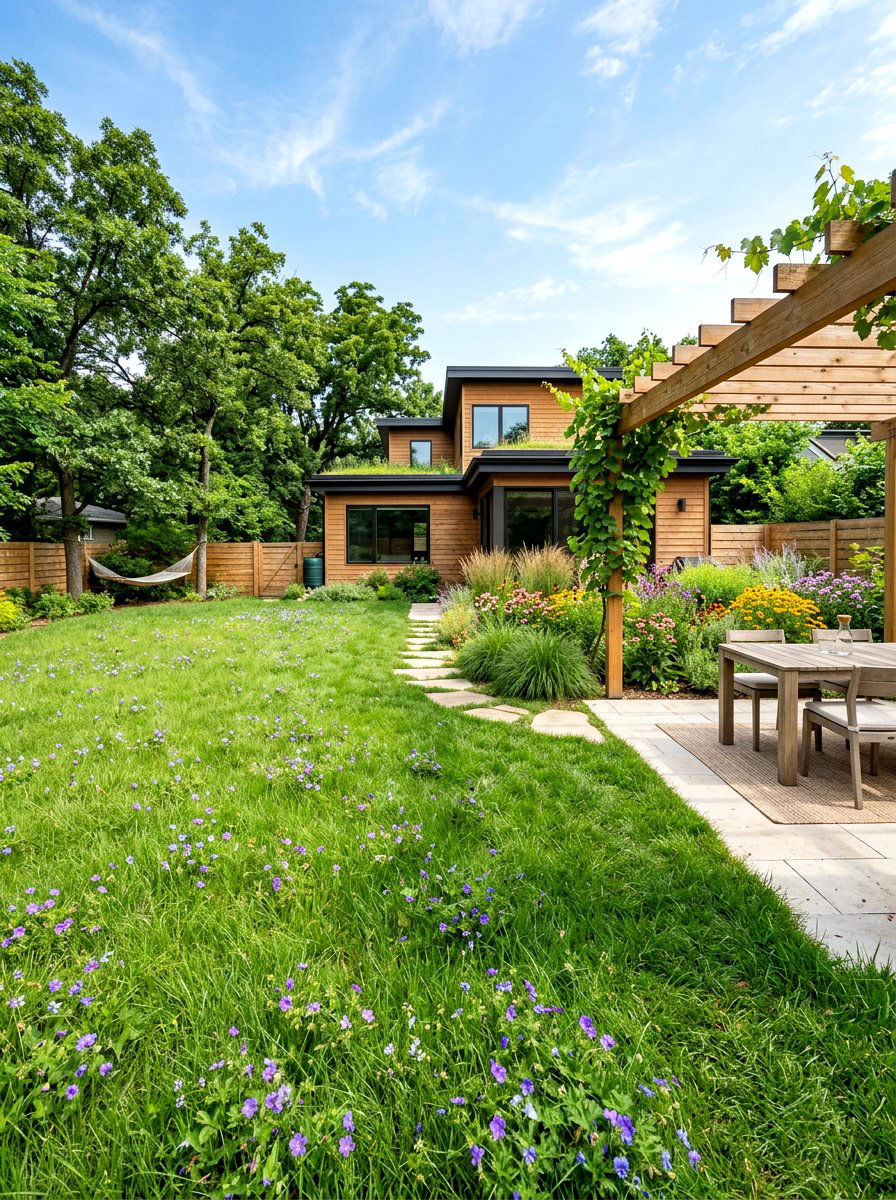
Tired of spending every weekend mowing and watering a thirsty lawn? A sustainable prairie lawn alternative is the perfect solution for busy homeowners who still want a green space. You can use low-growing native grasses or sedges that only need to be mown once or twice a year. These plants stay green with much less water than traditional Kentucky Bluegrass requires. They also do not need the heavy fertilizers or pesticides that are common in lawn care. This creates a safer environment for children and pets to play in while reducing your environmental footprint. It is a practical and beautiful way to modernize your outdoor space.
18. Backyard Prairie Retreat
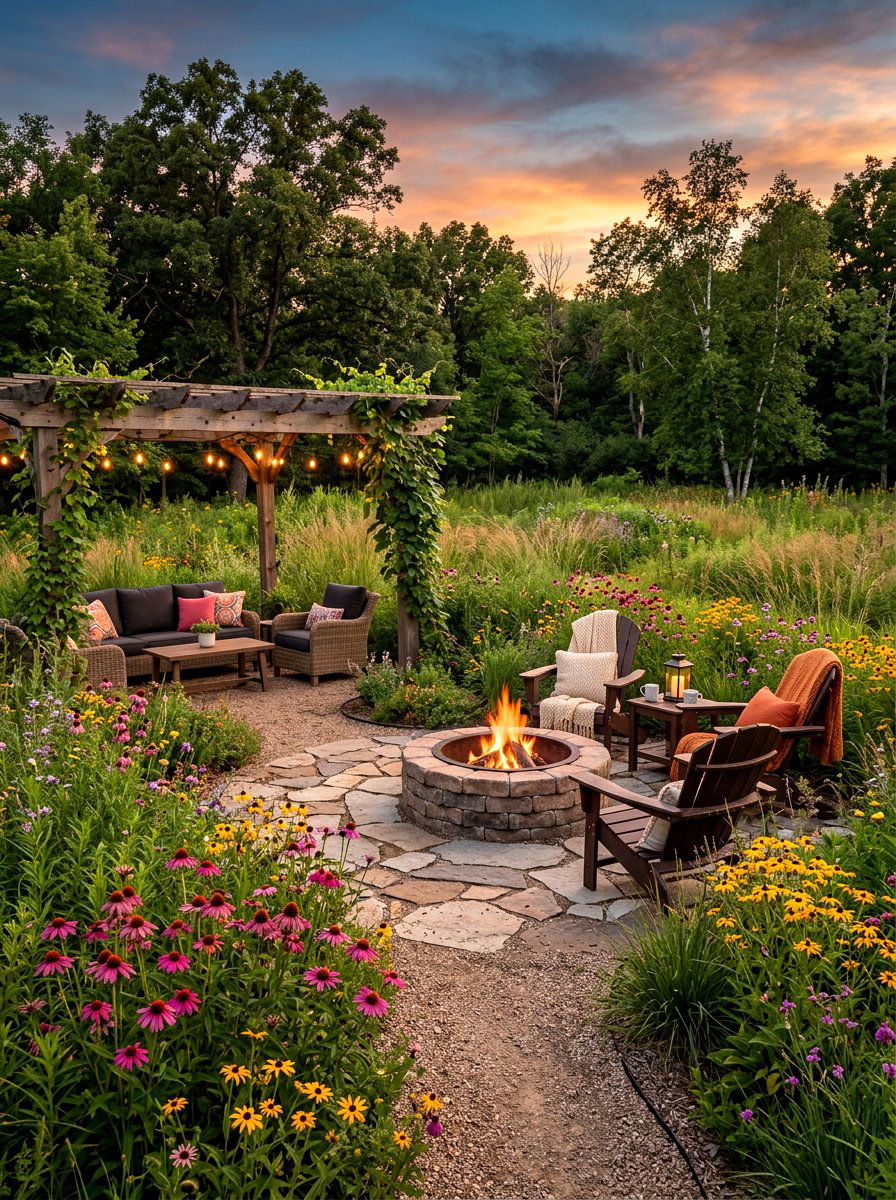
Transform your backyard into a peaceful sanctuary with a dedicated prairie retreat area. You can surround a small patio or a fire pit with tall, swaying grasses and colorful wildflowers. This creates a sense of seclusion and intimacy that makes you feel miles away from your neighbors. The natural movement and soft colors of the plants provide a perfect backdrop for outdoor relaxation or entertaining. You can add a simple wooden bench or a set of Adirondack chairs to complete the look. It is a wonderful way to enjoy the sights and sounds of nature without ever having to leave your own property.
19. Layered Prairie Garden
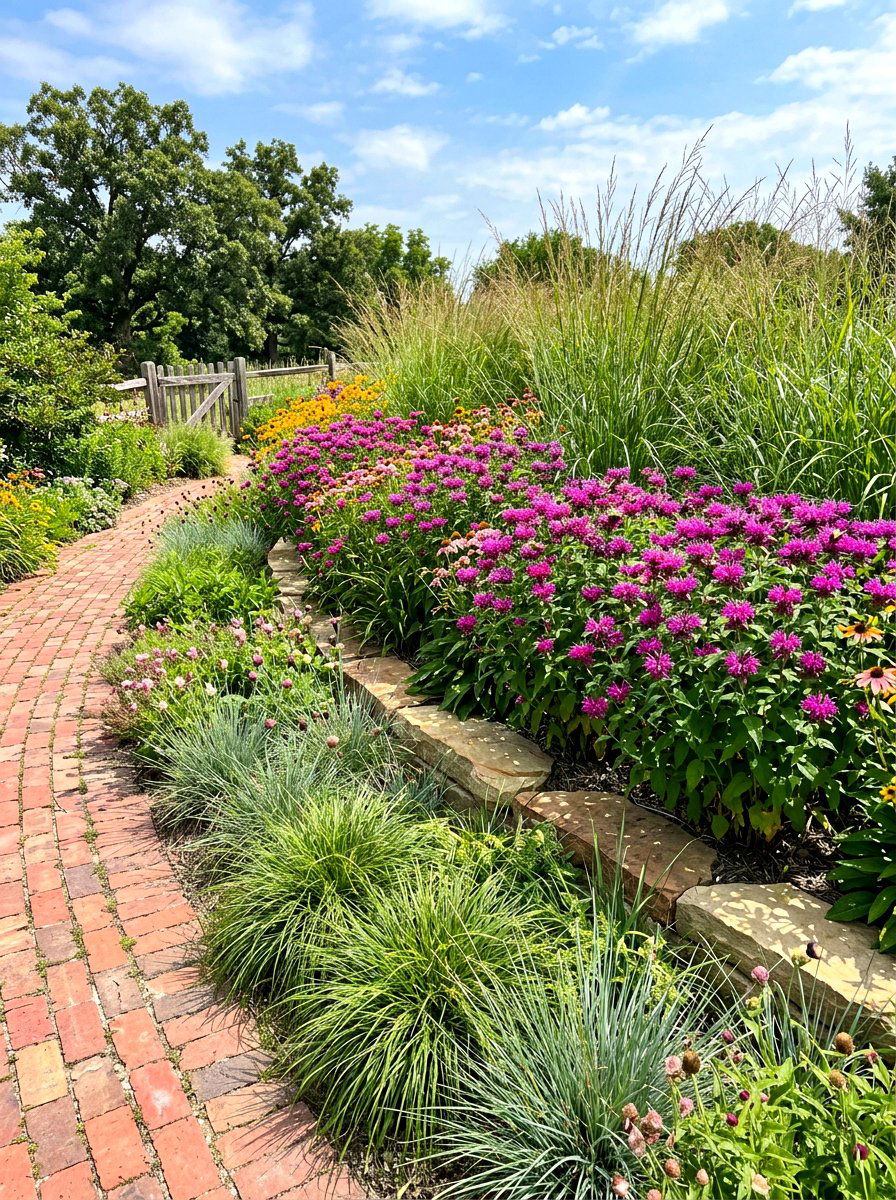
Depth and dimension are key factors in creating a visually interesting outdoor space. A layered prairie garden uses plants of varying heights to create a rich, three-dimensional effect. You should place the tallest grasses and sunflowers in the back to act as a natural screen. In the middle, use medium-height plants like Joe Pye Weed or Bee Balm for bulk and color. Finally, finish the front edge with low-growing groundcovers or delicate sedges to ground the entire design. This tiered approach ensures that every plant is visible and contributes to the overall scene. It makes the garden feel full, lush, and professionally designed.
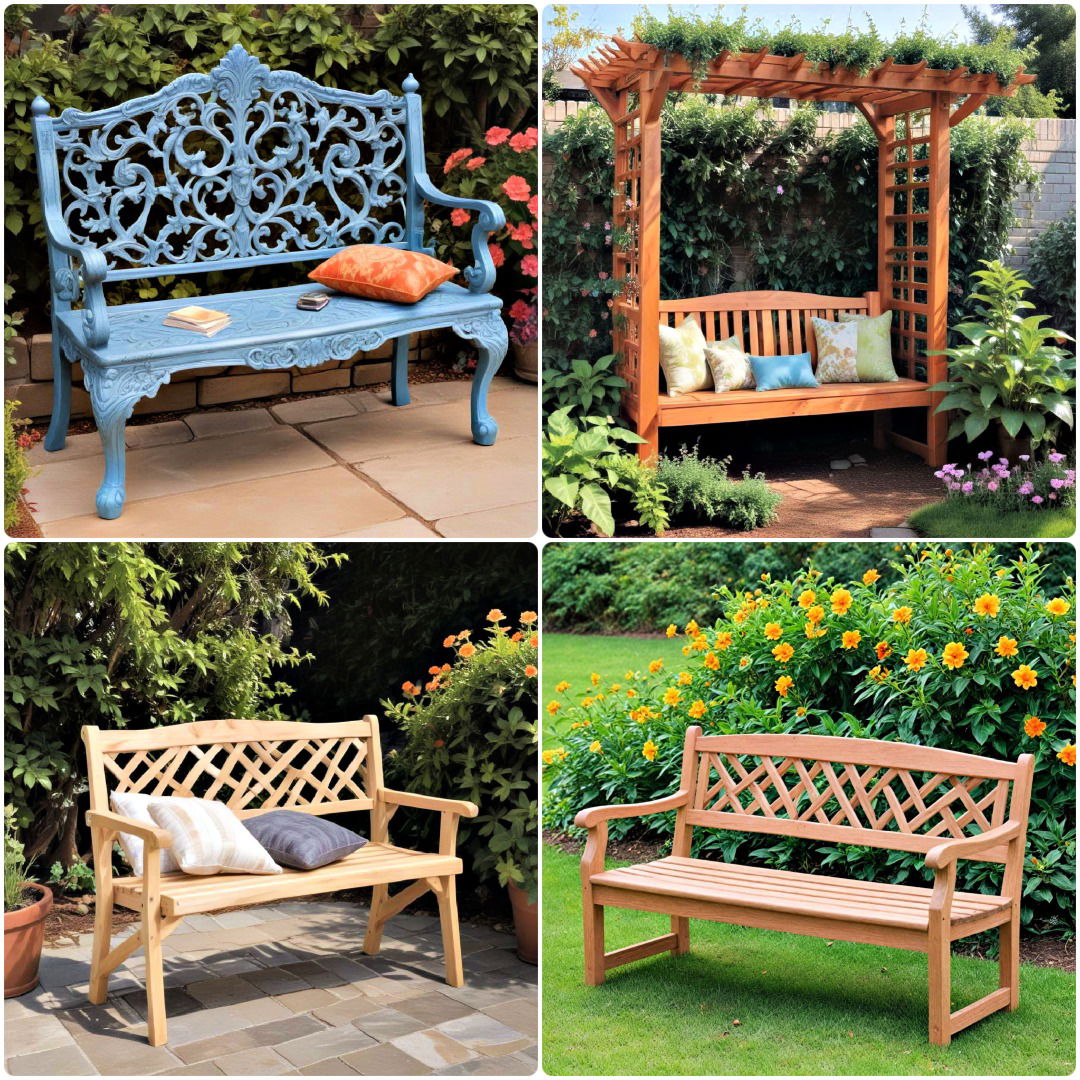
20. Ornamental Grass Meadow
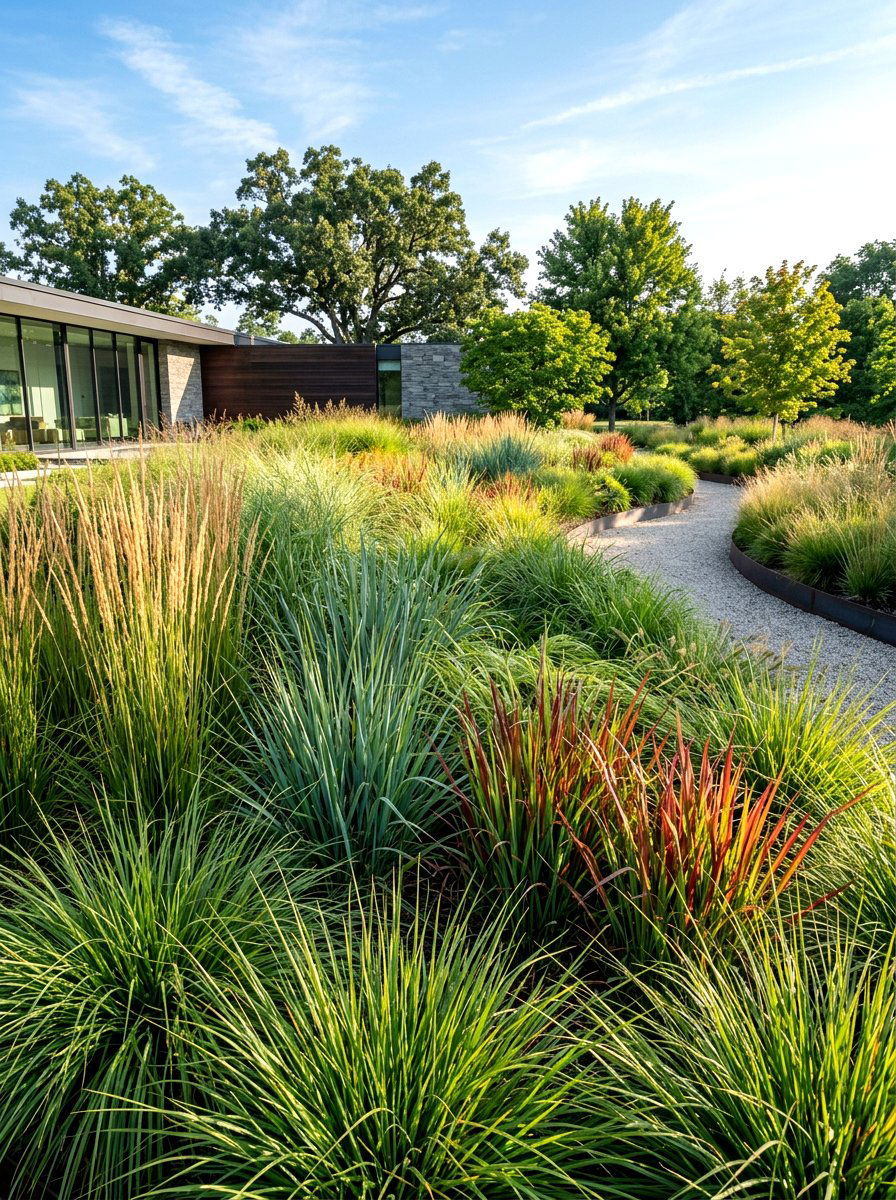
Focusing primarily on foliage can create a sophisticated and highly textured landscape. An ornamental grass meadow relies on the different shapes, colors, and seed heads of various grass species. You can mix fine-textured grasses with broader-leaved varieties to create a beautiful contrast. Many grasses also change color throughout the seasons, offering everything from bright green to deep burgundy. This type of garden is exceptionally low-maintenance because grasses are generally very hardy and disease-resistant. They also provide a wonderful sense of movement that flowers alone cannot achieve. It is a very modern and elegant way to approach a prairie-style garden in any yard.
21. Rustic Prairie Cottage Garden
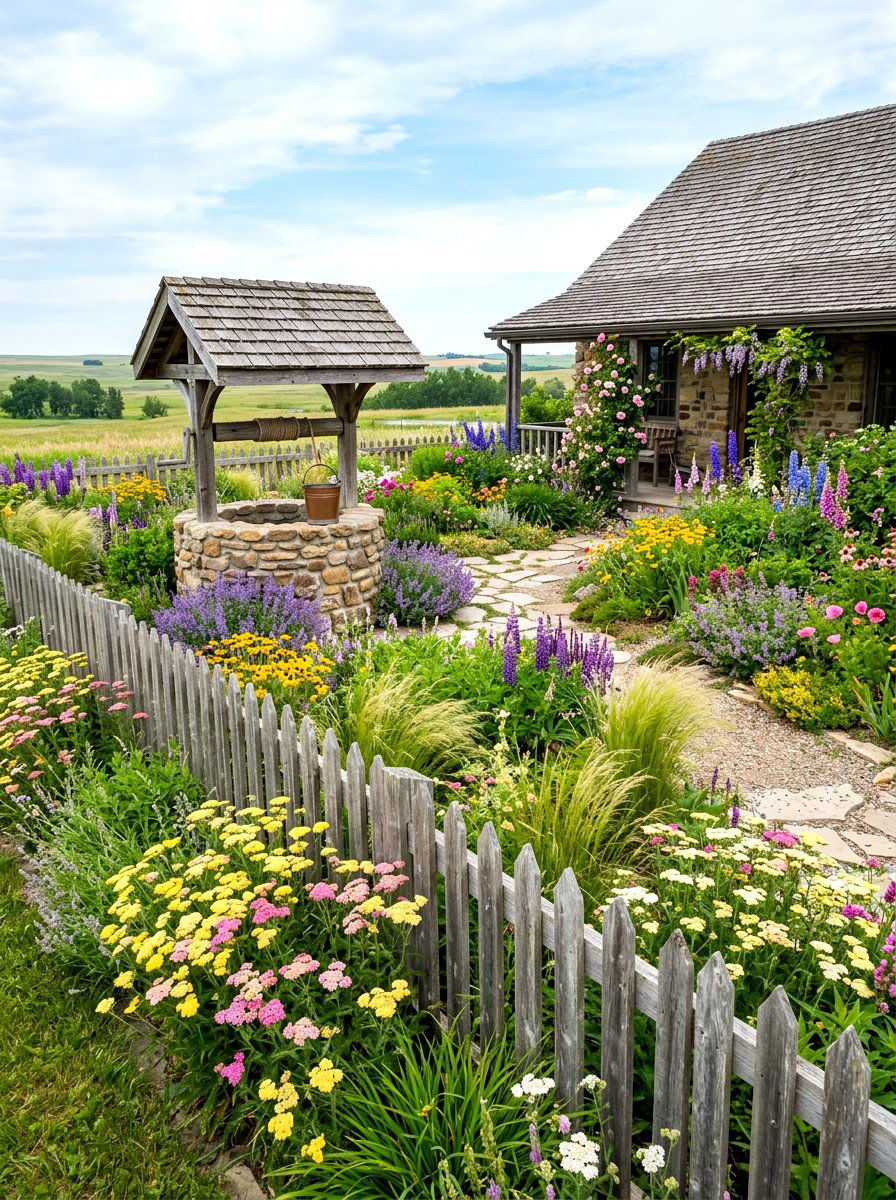
You can combine the charm of a traditional cottage garden with the resilience of native prairie plants. A rustic prairie cottage garden features a romantic mix of soft flowers and swaying stems. Use classic favorites like Purple Coneflower and Yarrow alongside native grasses for a wild but cozy feel. This style often incorporates natural materials like weathered wood fences, stone paths, and rusted metal accents. It is a very forgiving design that looks better as it grows in and becomes a bit overgrown. This approach is perfect for anyone who wants a garden that feels lived-in, welcoming, and full of natural character.
22. Open Prairie Vista
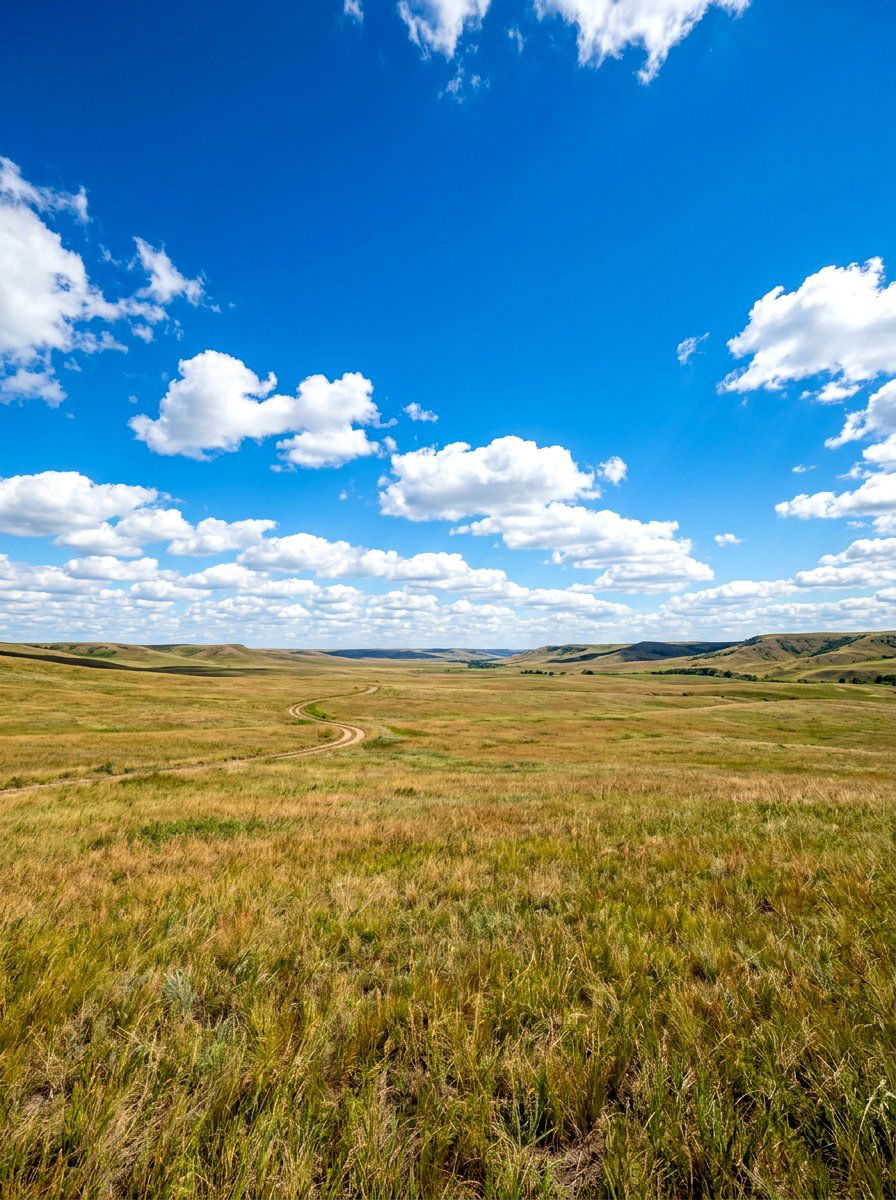
If you have the luxury of a wide-open space, an open prairie vista can highlight the beauty of the horizon. This design focuses on low-growing plants that do not block the view of the surrounding landscape or the sky. By keeping the center of the yard open with short grasses, you create a sense of vastness and freedom. You can frame the edges of the property with taller trees or shrubs to draw the eye outward. This setup is particularly beautiful at sunset when the light hits the seed heads of the grasses. It creates a tranquil and expansive feeling that is very rare in modern suburban living.
23. Prairie Rain Garden
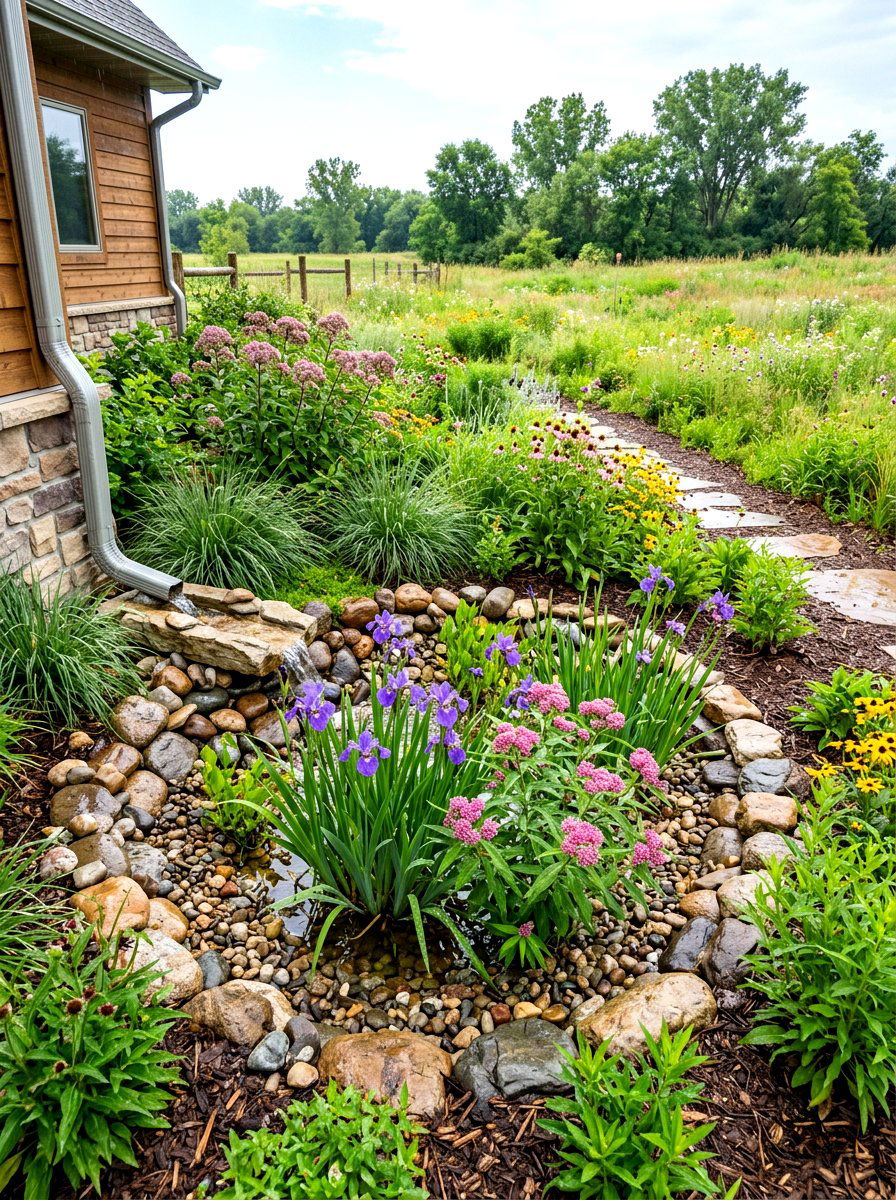
Managing stormwater on your property can be both functional and beautiful with a prairie rain garden. This feature is designed to capture and filter runoff from your roof or driveway into a shallow depression. You should populate this area with moisture-loving prairie plants like Swamp Milkweed, Blue Flag Iris, and various sedges. These plants have deep roots that help the water soak into the ground quickly while filtering out pollutants. This prevents erosion and helps recharge the local groundwater supply. It is a smart, ecological solution that turns a potential drainage problem into a stunning focal point. This garden thrives even in periods of heavy rain.
24. Contemporary Prairie Hardscape
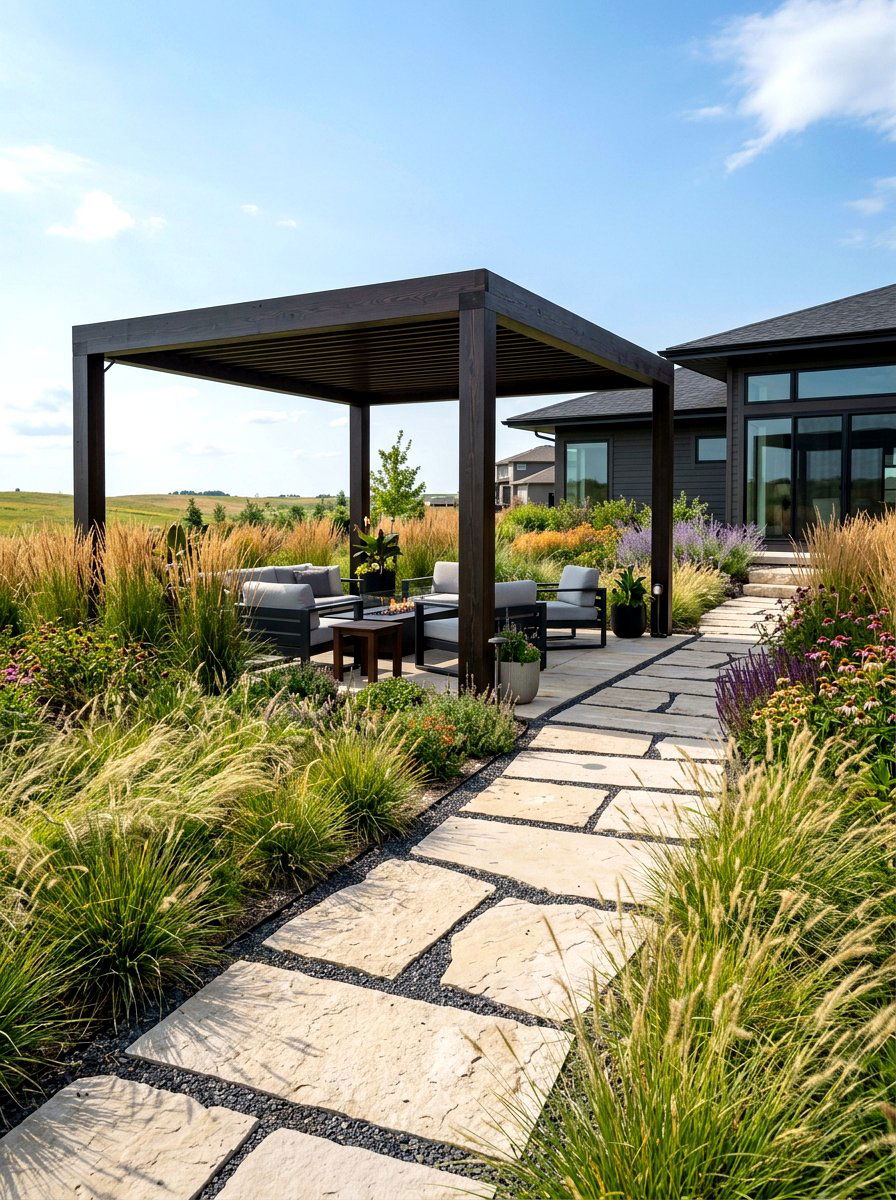
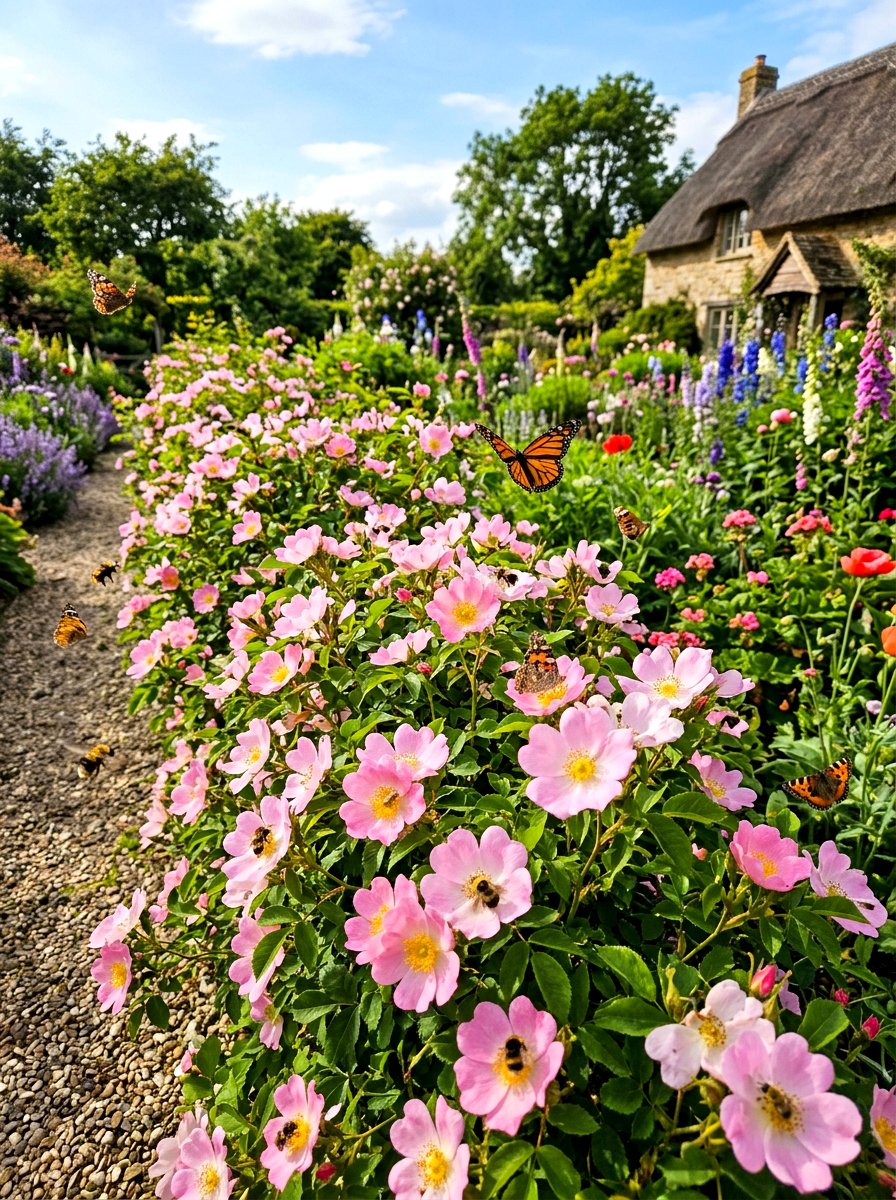
Pairing natural stone or wood with wild plantings creates a striking contemporary prairie hardscape. You might use large limestone slabs for a patio or sleek cedar planks for a raised deck. These clean, structural elements provide a beautiful contrast to the soft, airy nature of prairie grasses. Using hardscape allows you to define clear "rooms" within your garden for dining or lounging. You can let the plants grow right up to the edges of the stone to create a seamless transition. This balance between the "built" environment and the "wild" environment is a hallmark of high-end modern landscape design. It is functional and visually stunning.
25. Seasonal Prairie Transformation
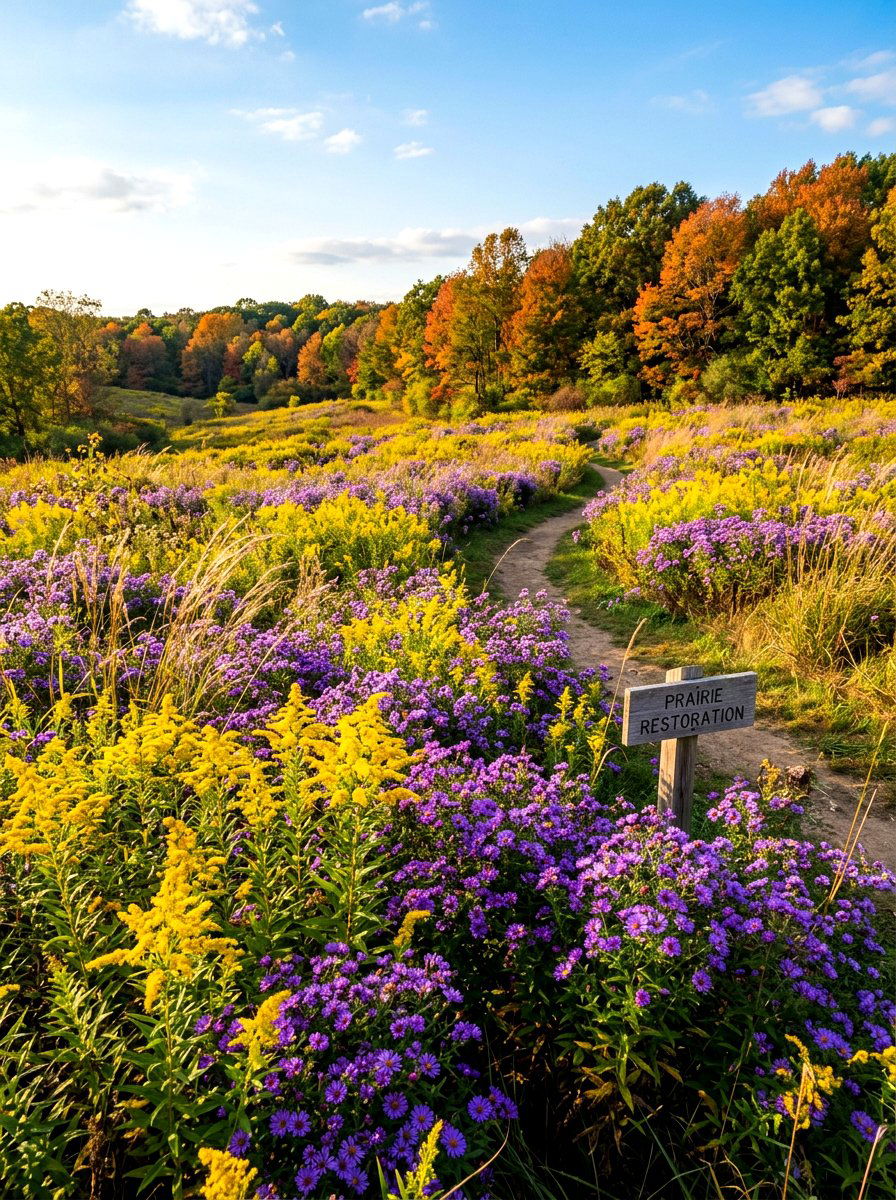
One of the most rewarding parts of prairie gardening is watching the landscape change throughout the year. A seasonal prairie transformation ensures that your yard offers something new every single month. In the spring, delicate ephemeral flowers like Prairie Smoke emerge from the ground. Summer brings the bold colors of Black-eyed Susans and the buzzing of pollinators. By autumn, the grasses turn vibrant shades of gold and orange while the asters bloom in deep purples. Even in winter, the dried stems and seed heads provide a beautiful, structural skeleton for the garden. This dynamic quality makes your outdoor space feel like a living, breathing entity.
26. Low Maintenance Prairie Yard
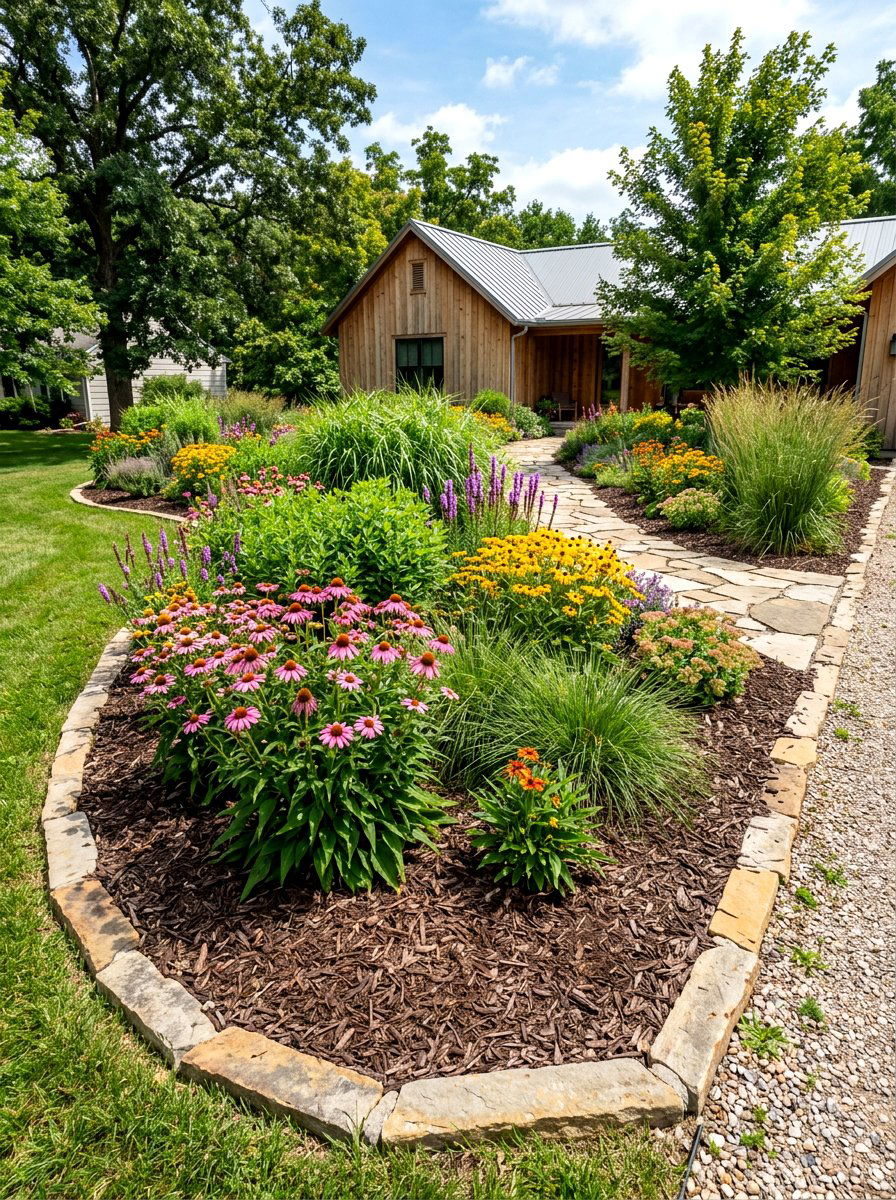
The dream of a beautiful yard without the constant work is possible with a low maintenance prairie yard. Once these native plants are established, they require very little intervention from the homeowner. You will not need to spend your weekends weeding, as the dense plantings naturally shade out most unwanted invaders. Most prairie species are also resistant to local pests and diseases, meaning you can skip the chemical sprays. A single annual cut-back in late winter is often the only major task required to keep things looking good. This leaves you with more time to actually sit back and enjoy the beauty of your outdoor sanctuary.
27. Prairie Wildflower Meadow
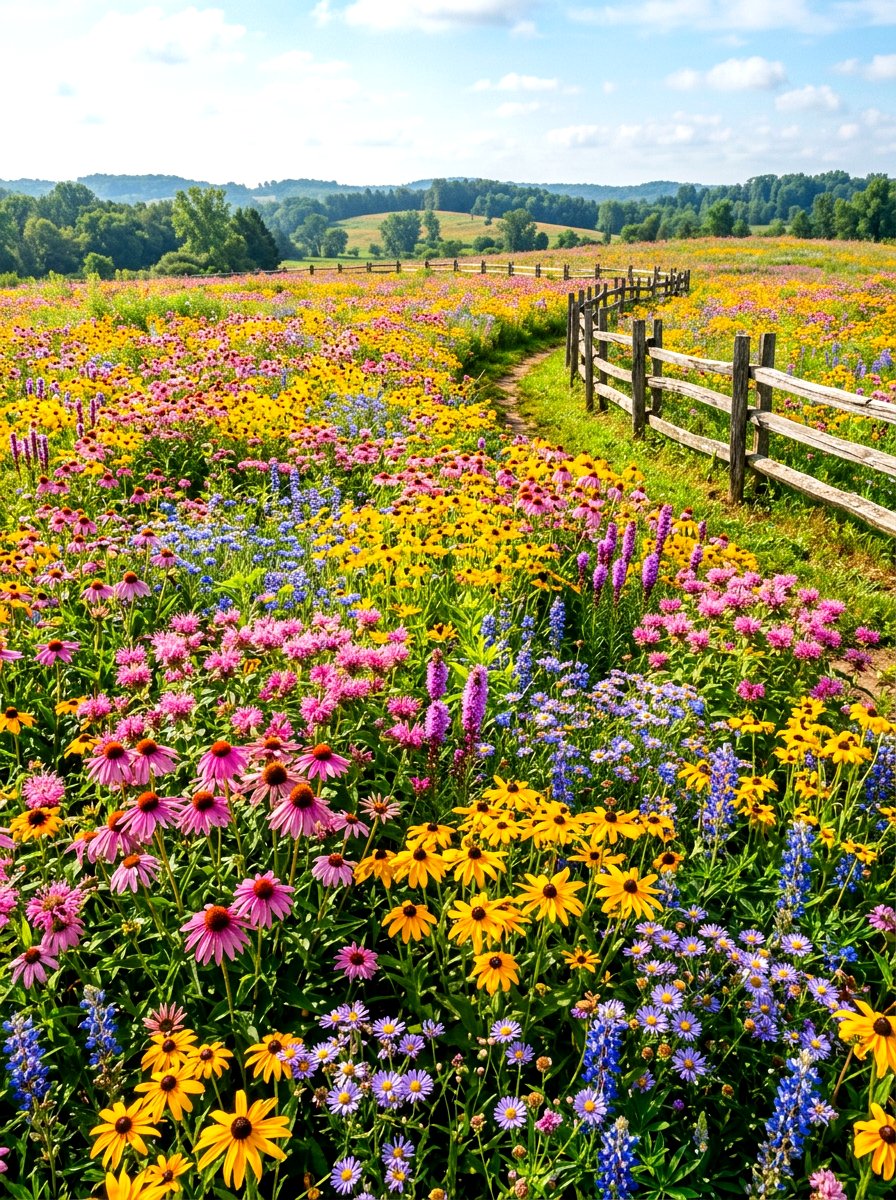
A prairie wildflower meadow is a celebration of the diverse and colorful blooms found in the wild heartland. This style focuses on a high ratio of flowers to grasses to create a very showy display. You can sow a mix of native seeds to ensure a wide variety of colors, shapes, and sizes. From the tall spires of Blazing Star to the delicate petals of Coreopsis, the variety is truly endless. This type of garden is a paradise for local insects and birds who rely on these flowers for survival. It creates a cheerful and informal atmosphere that brings a sense of joy to any home landscape.
28. Textured Prairie Garden
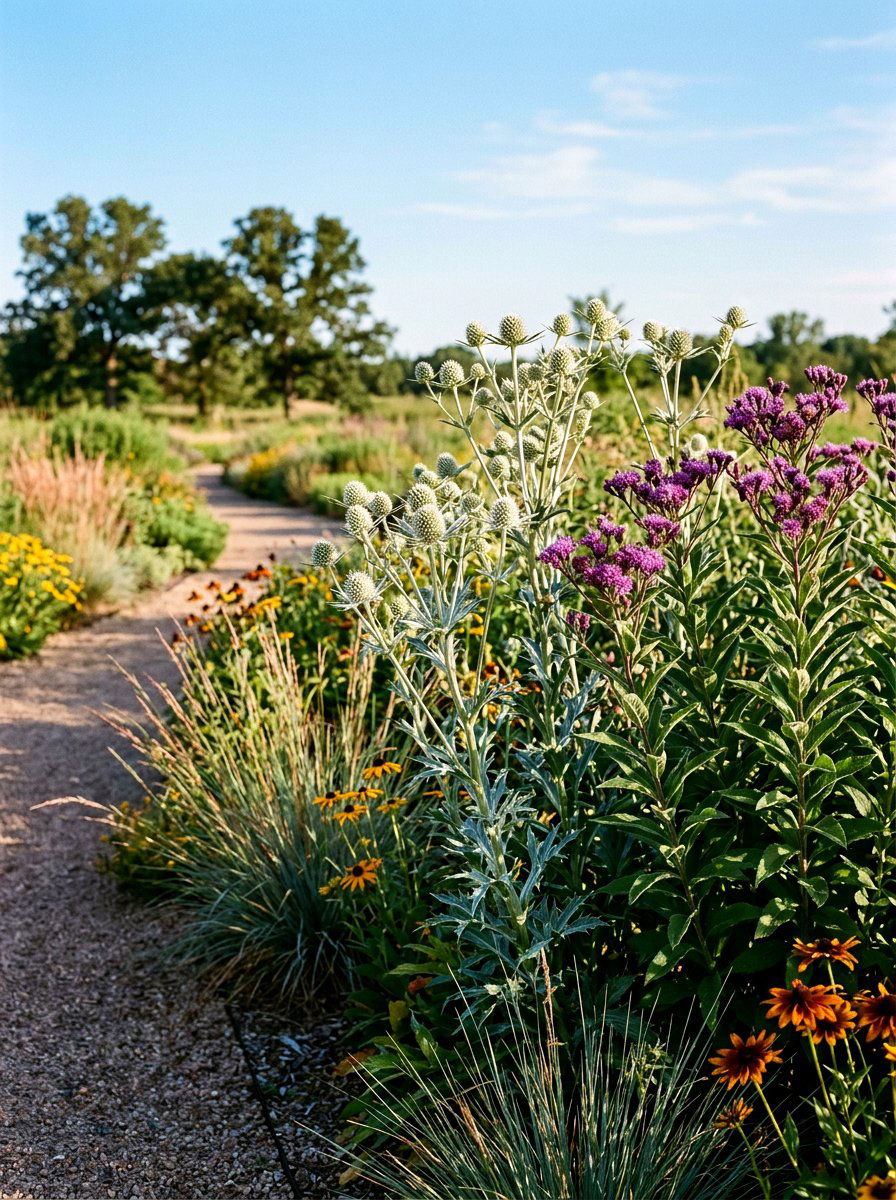
A textured prairie garden focuses on the tactile and visual appeal of different plant surfaces. You can mix fuzzy leaves, spiky seed heads, and feathery grass plumes to create a rich sensory experience. Plants like Rattlesnake Master offer unique, architectural shapes that stand out against the soft background of grasses. When you combine different textures, the garden becomes much more interesting to look at, especially in the early morning or late evening light. These textures also provide various types of habitats for small garden creatures. It is a great way to add complexity and professional flair to your native planting scheme without needing extra space.
29. Architectural Prairie Plants
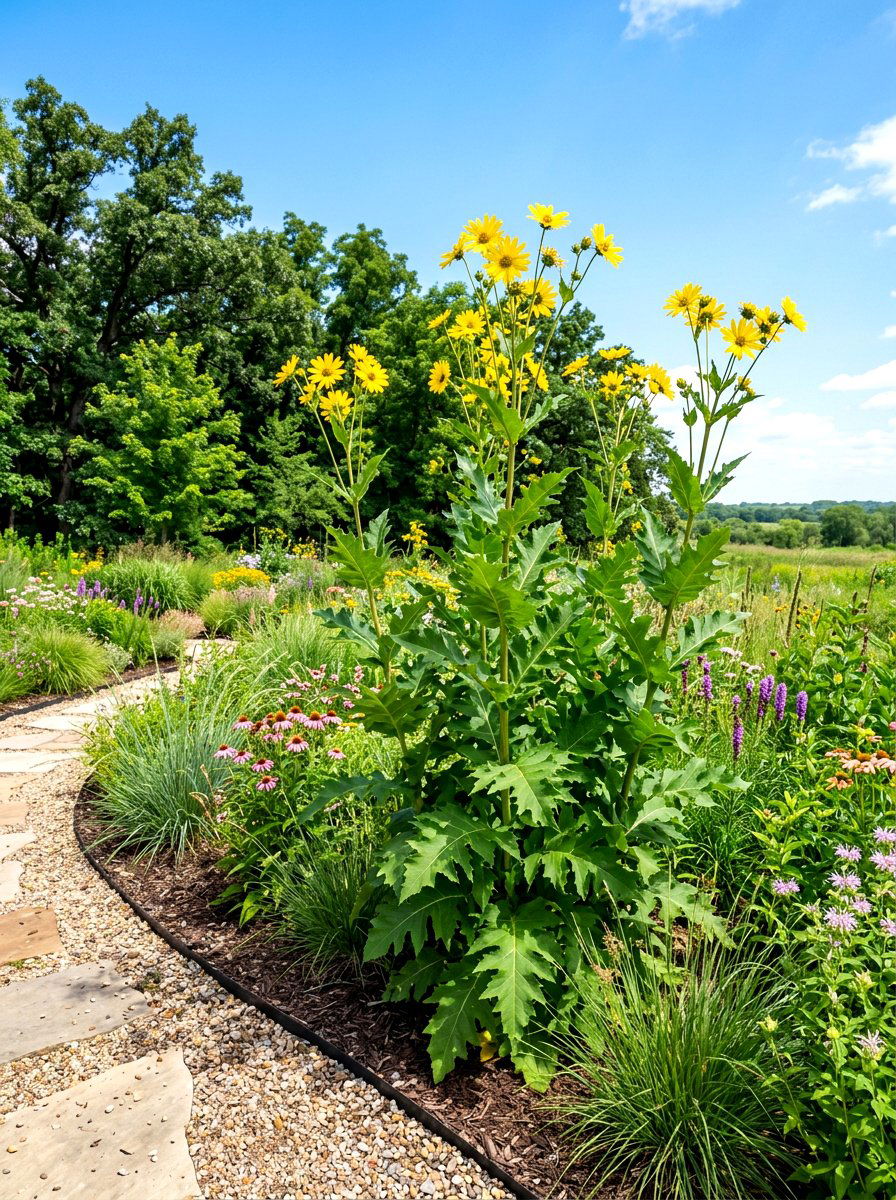
Some prairie species are so striking that they act as living sculptures in the landscape. Using architectural prairie plants allows you to create bold focal points within your garden beds. Compass Plant and Cup Plant are known for their massive leaves and tall, sturdy stalks that demand attention. These plants can reach heights of six to eight feet, making them perfect for the back of a border or as a standalone feature. Their unique silhouettes look great even after the flowers have faded. By strategically placing these giants, you can guide the eye and create a sense of scale and drama in your outdoor space.
30. Native Prairie Ecosystem
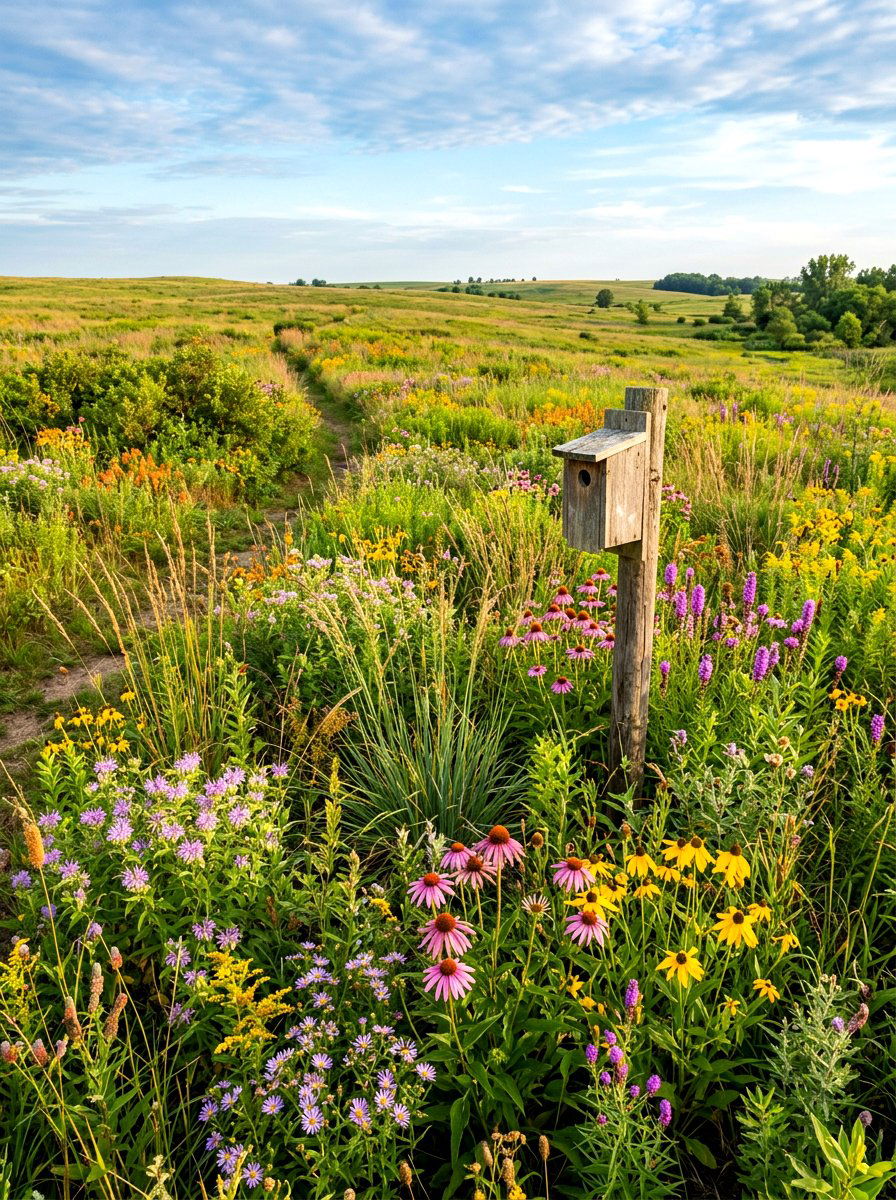
Designing a native prairie ecosystem is about more than just aesthetics; it is about restoring a piece of history. This comprehensive approach involves creating a balanced community of grasses, flowers, and even a few native shrubs. By using plants that are specifically local to your region, you ensure the highest level of success and ecological impact. This type of garden becomes a self-sustaining system that requires almost no external inputs like fertilizer or extra water. It provides a vital link in the local habitat chain, supporting everything from soil microbes to migratory birds. It is a legacy project that benefits the planet and your family.
Conclusion:
A prairie style garden is a beautiful and sustainable way to transform your outdoor environment into a thriving ecosystem. By embracing native plants, you create a landscape that is both resilient to the climate and beneficial to local wildlife. These gardens offer year-round interest, from the vibrant blooms of summer to the structural beauty of winter grasses. Whether you choose a minimalist approach or a full-scale restoration, the results are always rewarding. You will enjoy a lower-maintenance yard that saves water and supports biodiversity. Investing in a prairie landscape is a wonderful gift to yourself and the natural world around your home.

Related posts: