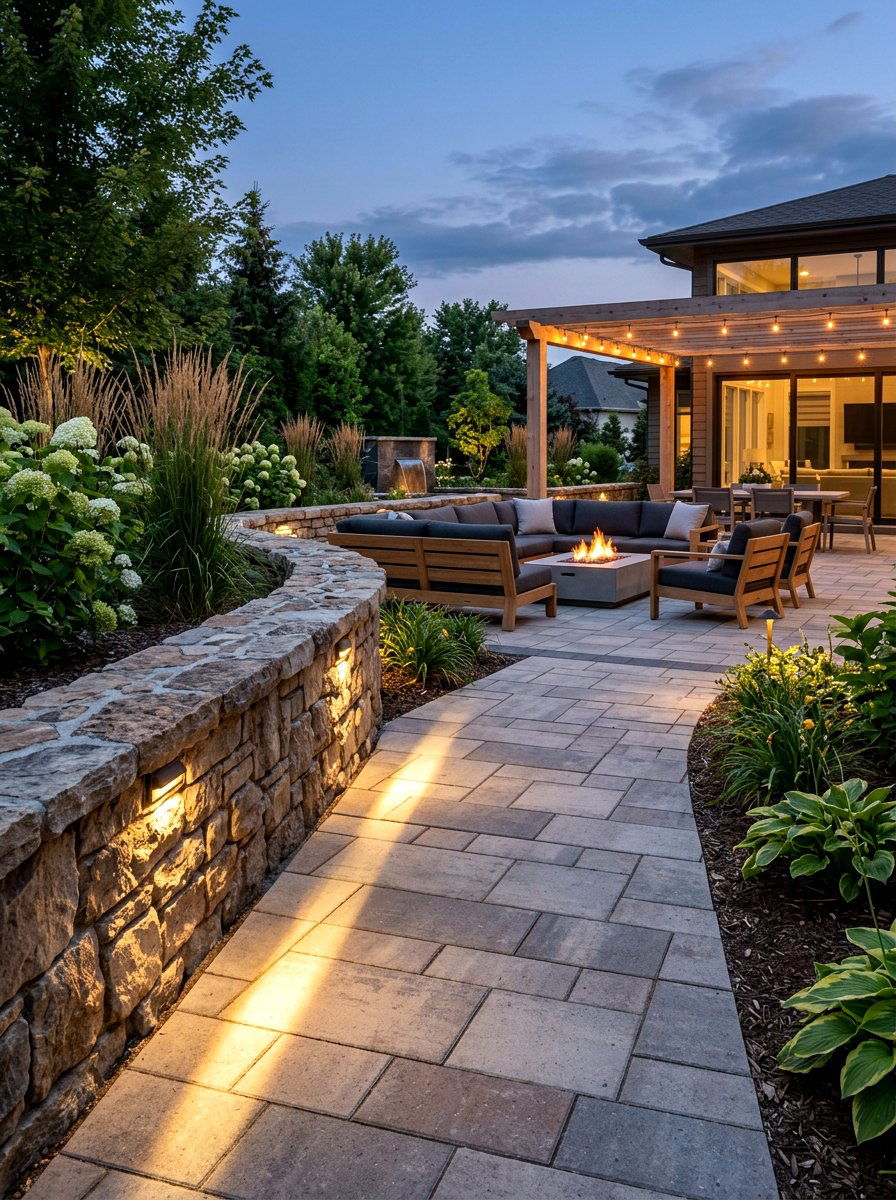
Native plant landscaping is an incredible way to transform your outdoor space into a thriving, sustainable sanctuary that benefits both the environment and your local ecosystem. By choosing plants that occur naturally in your specific region, you create a garden that is inherently resilient to local weather patterns, pests, and diseases. This approach significantly reduces the need for synthetic fertilizers, chemical pesticides, and excessive supplemental watering, making it a low-maintenance dream for busy homeowners. Beyond the practical benefits, native gardens offer a unique sense of place, connecting your home to the local natural heritage while providing essential food and habitat for vital pollinators like bees and butterflies.
1. Butterfly garden
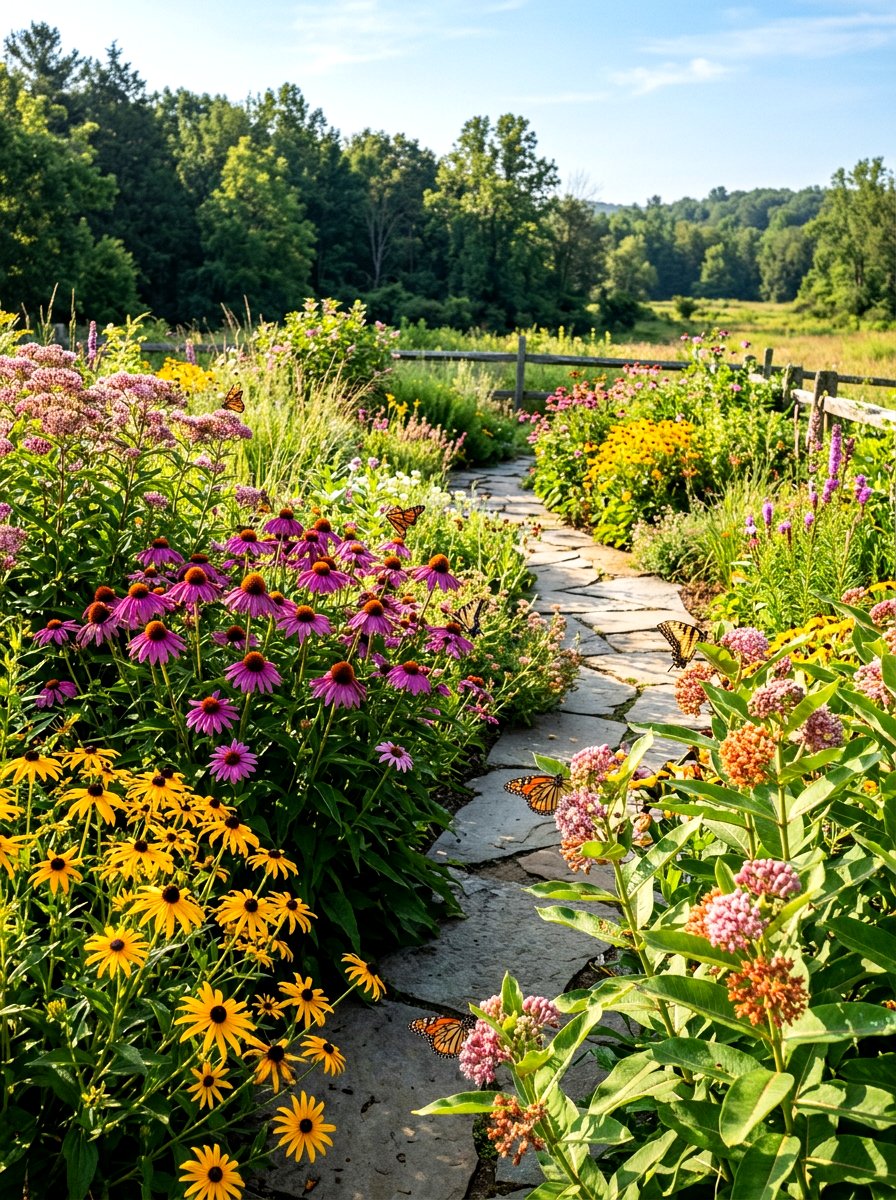
Creating a dedicated space for local butterflies involves choosing host plants and nectar sources that occur naturally in your region. This approach ensures that local species have exactly what they need to thrive throughout their entire life cycle. You should focus on a variety of bloom shapes and sizes to accommodate different types of butterflies. Grouping plants together in large drifts makes it easier for flying insects to spot them from a distance. Include flat stones for basking in the sun and a small water source to provide essential nutrients. This vibrant landscape style brings constant movement and color to your outdoor space while supporting the fragile local ecosystem and biodiversity.
2. Rain garden
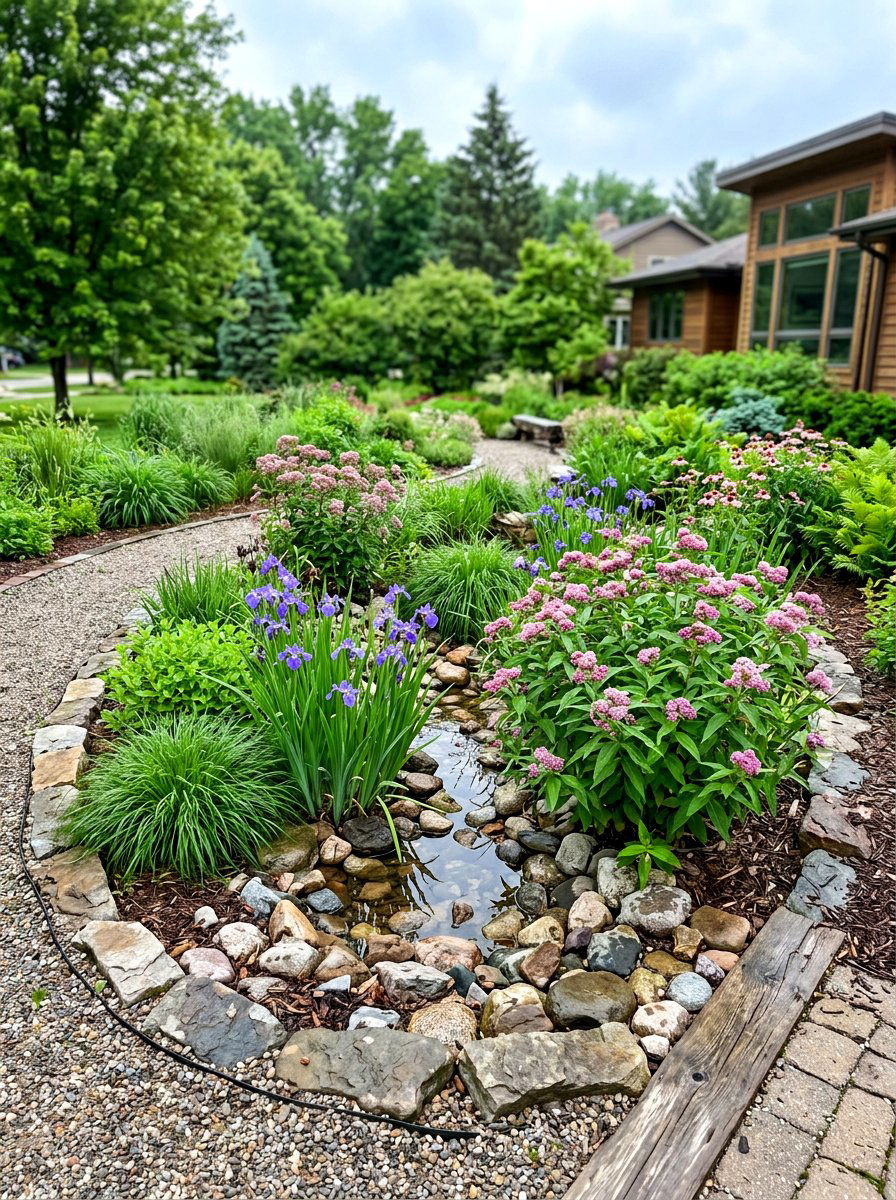
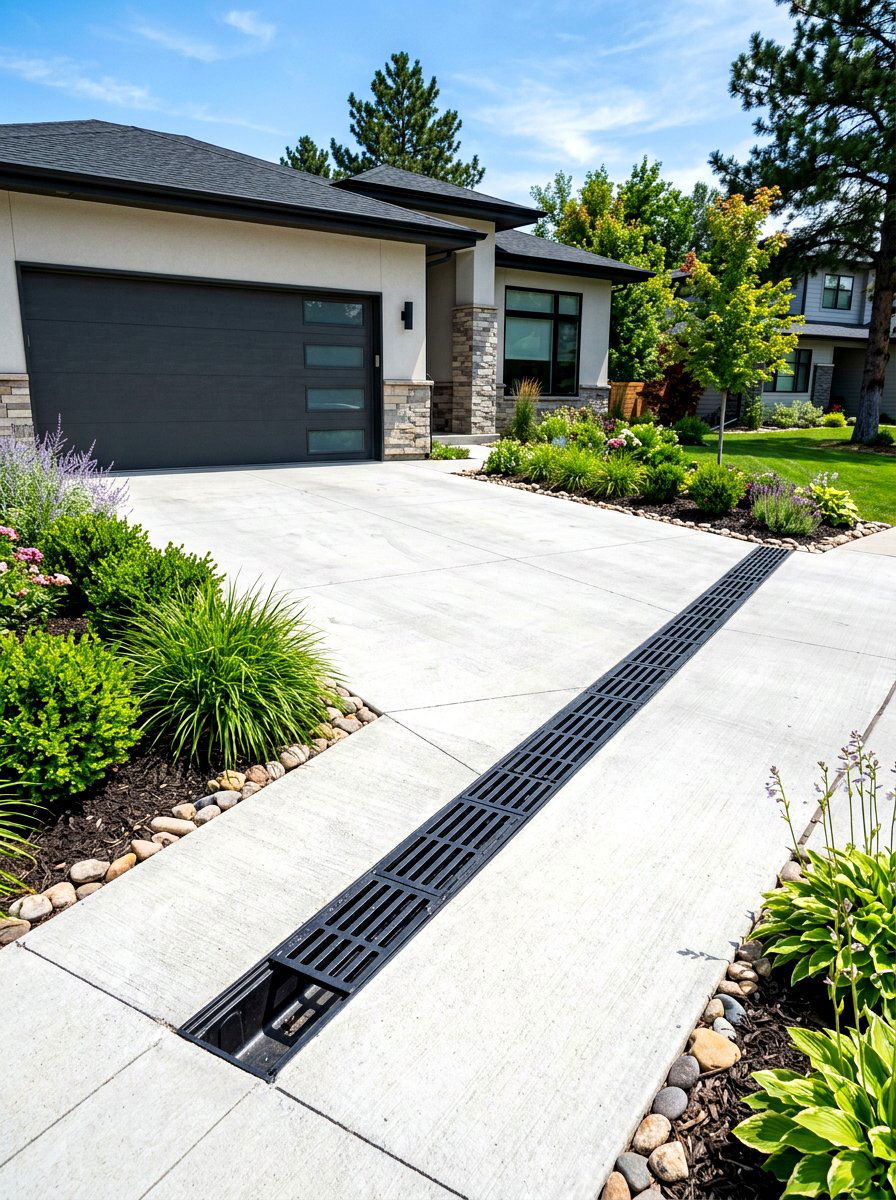
A rain garden is a beautiful and functional way to manage stormwater runoff on your property using indigenous species. By planting moisture-loving flora in a shallow depression, you allow rainwater to soak into the ground rather than running off into sewers. These gardens act as natural filters, cleaning the water while providing a lush habitat for frogs and beneficial insects. Use plants with deep root systems that can handle both temporary flooding and occasional dry spells. This design solves drainage issues in low-lying areas of your yard while creating a stunning focal point. It is a smart, sustainable choice that adds significant environmental value to any residential landscape.
3. Wildflower meadow
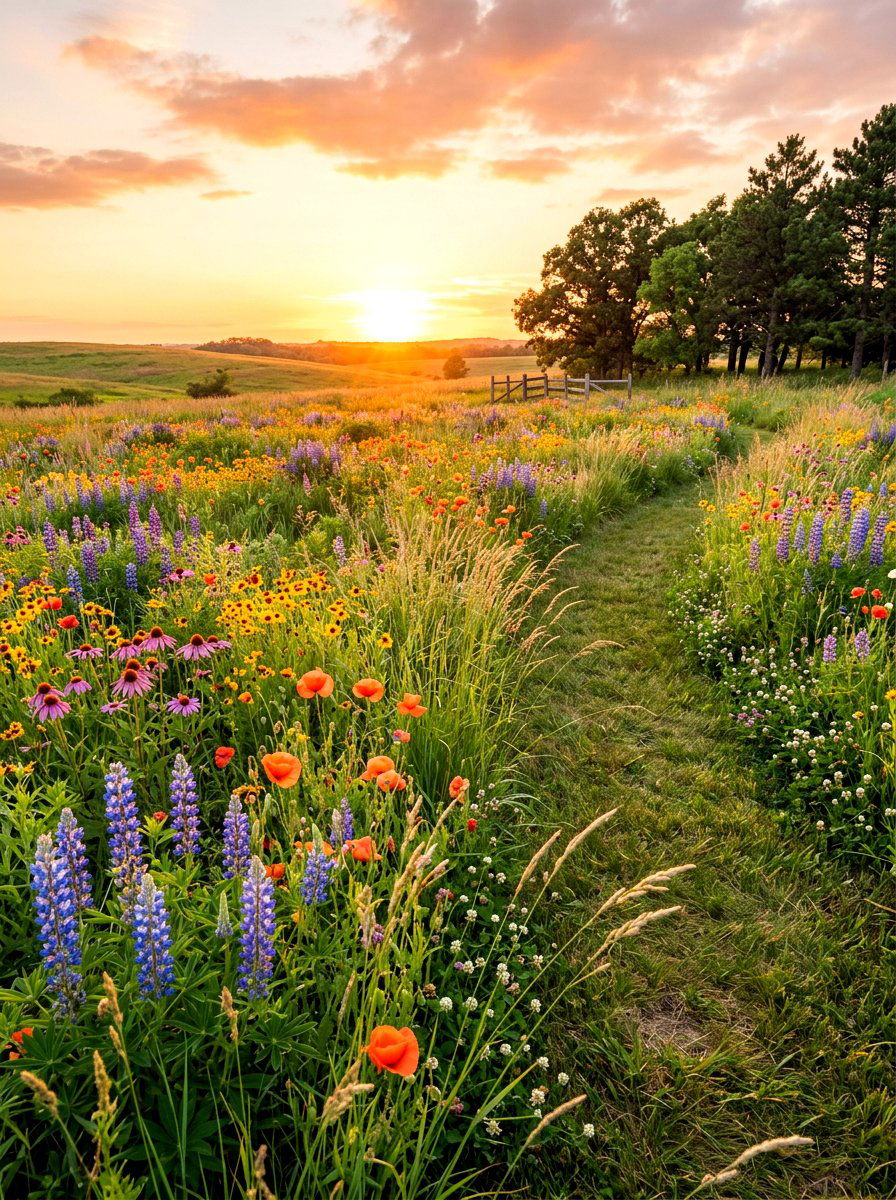
Transforming a traditional turf lawn into a wildflower meadow creates a dynamic, ever-changing landscape that requires minimal mowing and zero chemicals. This design style features a mix of native grasses and flowering perennials that bloom in succession throughout the growing season. A meadow provides a vital corridor for wildlife and creates a soft, romantic aesthetic that blends perfectly with rural or suburban settings. You can include mown paths through the tall growth to allow for easy exploration and to show that the space is intentionally managed. The result is a high-impact, low-maintenance area that celebrates the raw, natural beauty of your local environment and regional history.
4. Shade garden
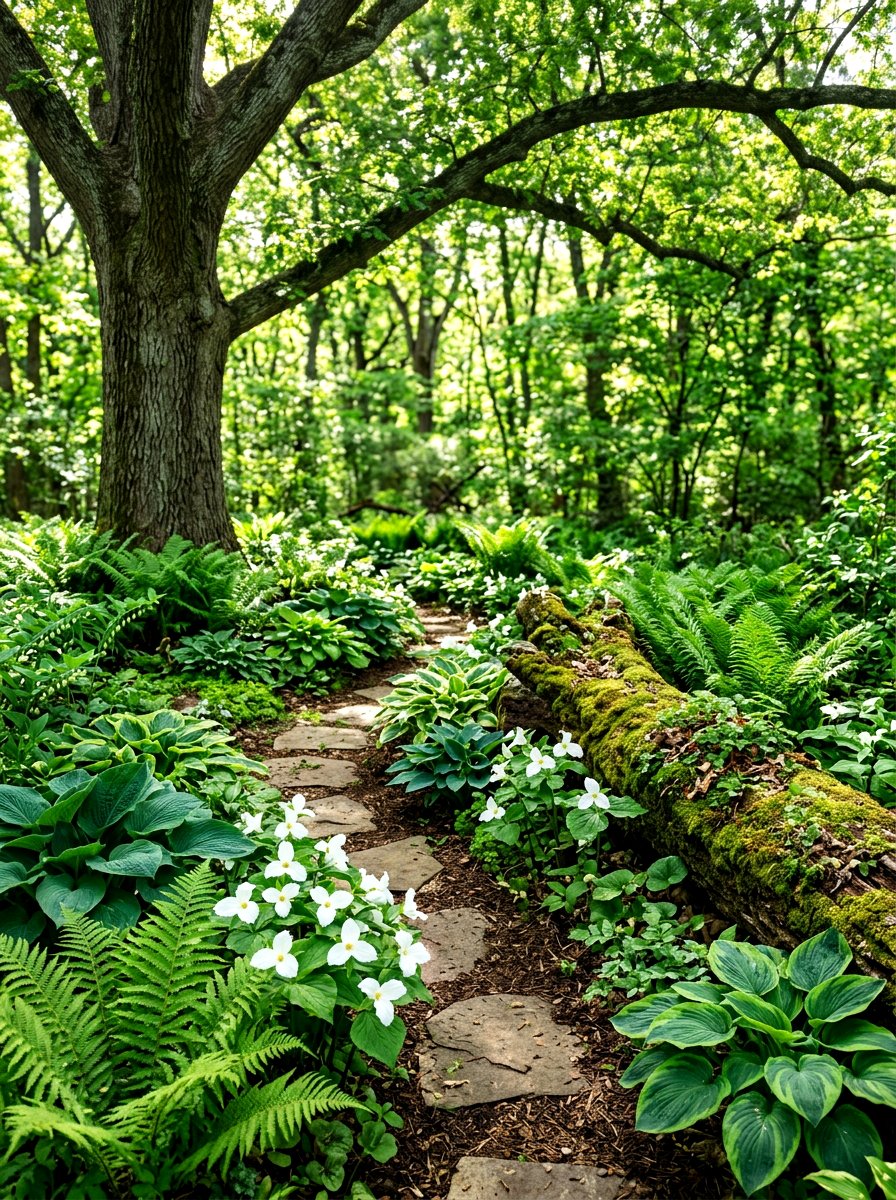
Landscaping beneath mature trees can be a challenge, but using native plants specifically adapted to forest understories makes it much easier. These plants thrive in dappled sunlight and often feature intricate leaf textures and subtle, delicate flowers that brighten dark corners. Incorporating native ferns, woodland wildflowers, and moisture-retaining mosses creates a cool, tranquil retreat that feels like a natural woodland floor. This design approach respects the existing tree canopy while adding layers of visual interest to your yard. It is an excellent way to turn a difficult, shady area into a lush, green oasis that remains vibrant even during the hottest months of the year.
5. Woodland border
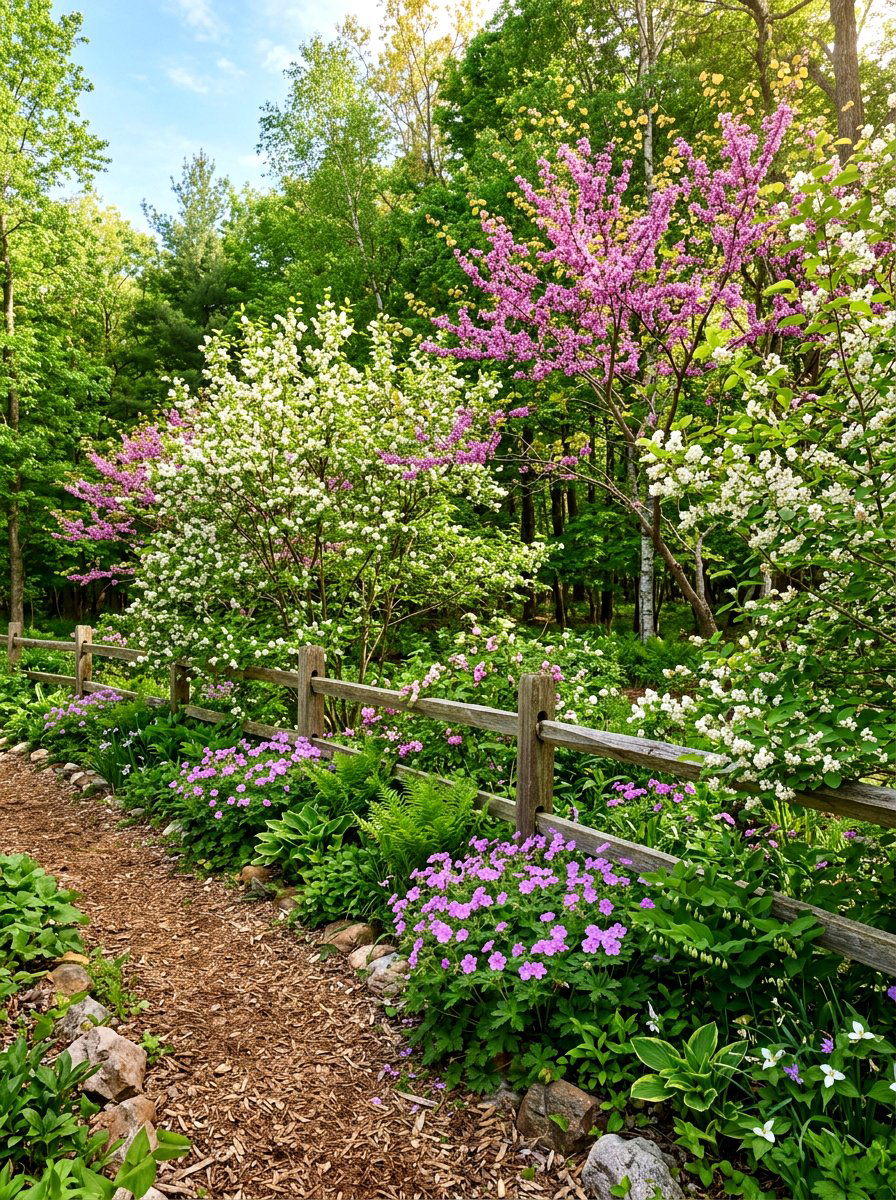
A woodland border acts as a beautiful transition zone between a manicured lawn and a more wild, forested area on your property. This layered design utilizes native shrubs and small understory trees to create a sense of depth and privacy. By mimicking the structure of a natural forest edge, you provide diverse nesting sites for birds and protective cover for small mammals. Choose species that offer seasonal interest, such as spring blossoms, summer berries, and brilliant fall foliage. This approach creates a structured yet natural look that anchors your garden and provides a soft, green backdrop. It is a perfect solution for large yards or properties adjacent to wild spaces.
6. Coastal landscaping
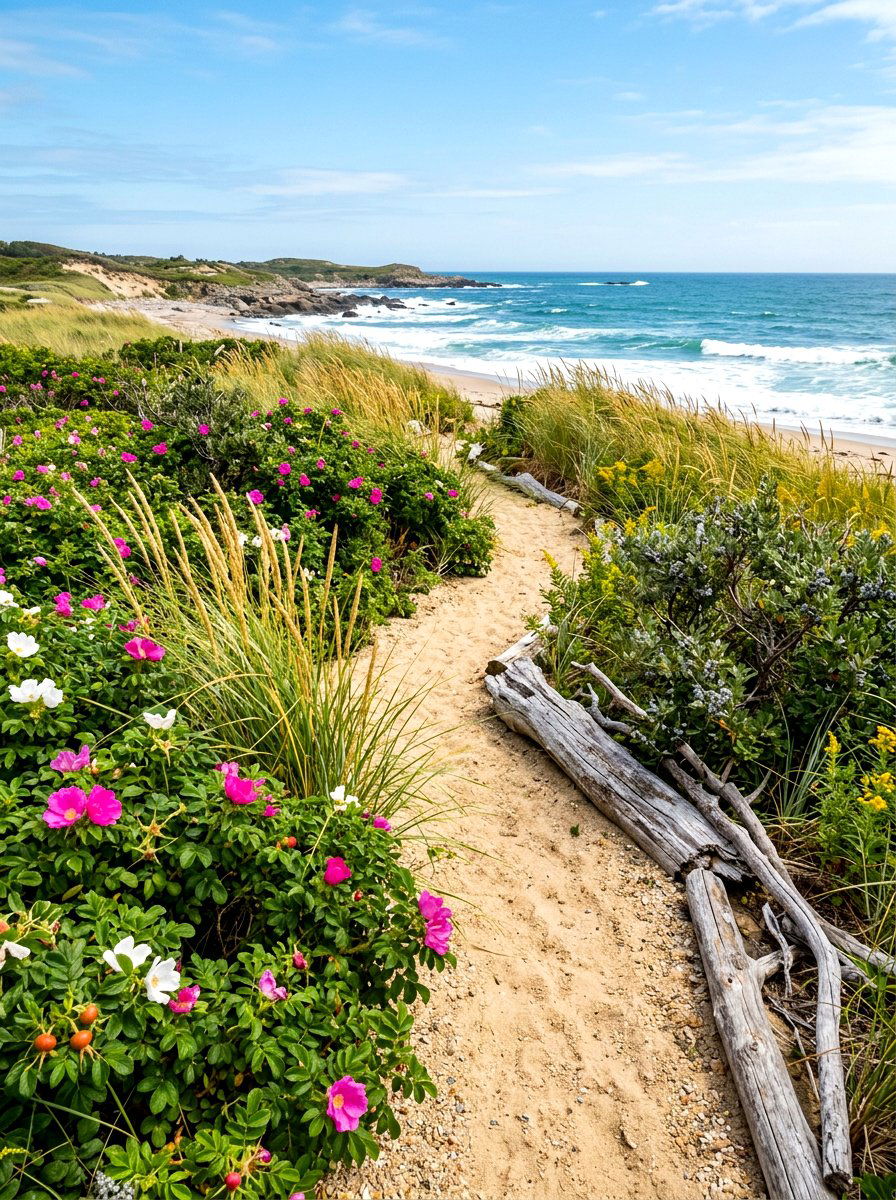
Coastal environments present unique challenges like salt spray, sandy soil, and strong winds, which native seaside plants are perfectly equipped to handle. These species have evolved tough, leathery leaves and deep root systems that stabilize dunes and prevent soil erosion. Incorporating native grasses, salt-tolerant shrubs, and hardy perennials creates a landscape that looks natural and belongs by the ocean. This design style is rugged yet beautiful, requiring very little intervention once the plants are established in their harsh environment. By using indigenous coastal flora, you protect the shoreline while creating a stunning, low-maintenance garden that celebrates the unique character of life near the sea and sand.
7. Desert xeriscape
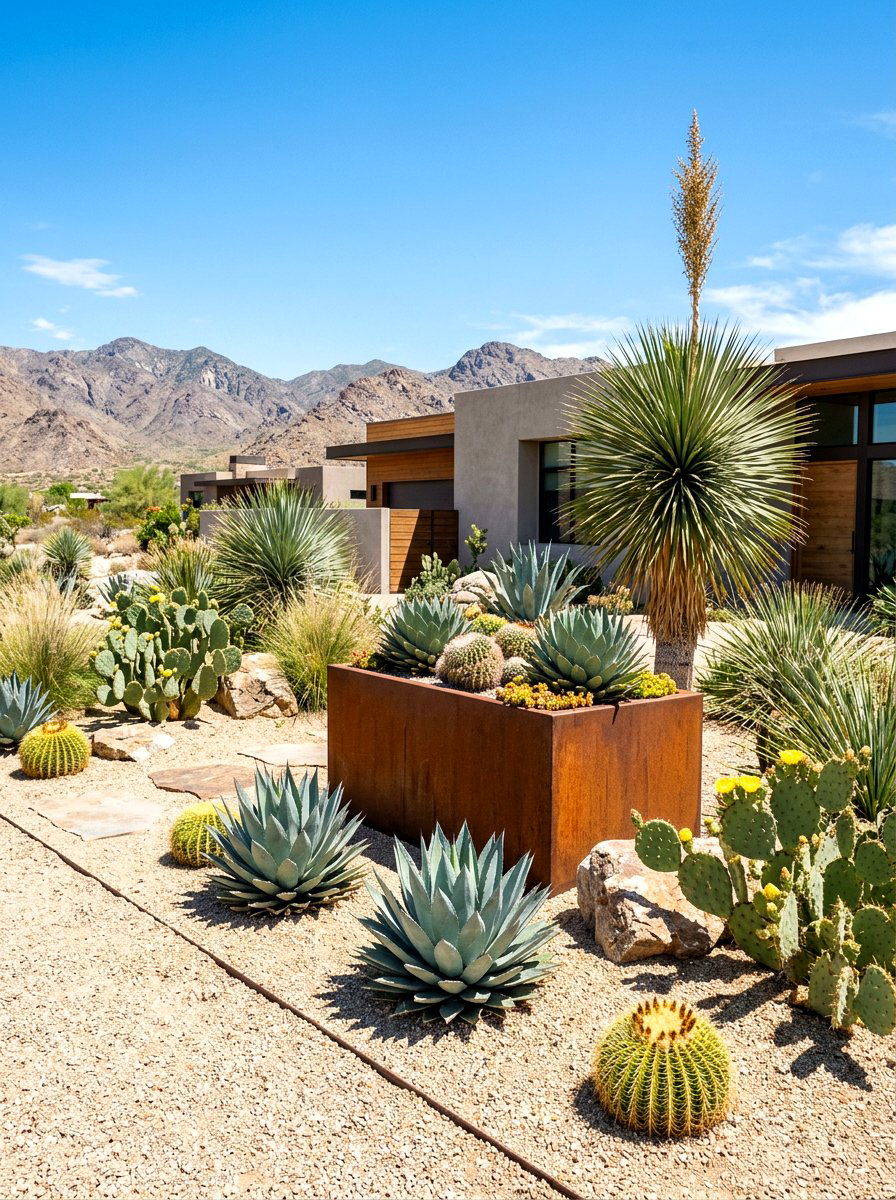
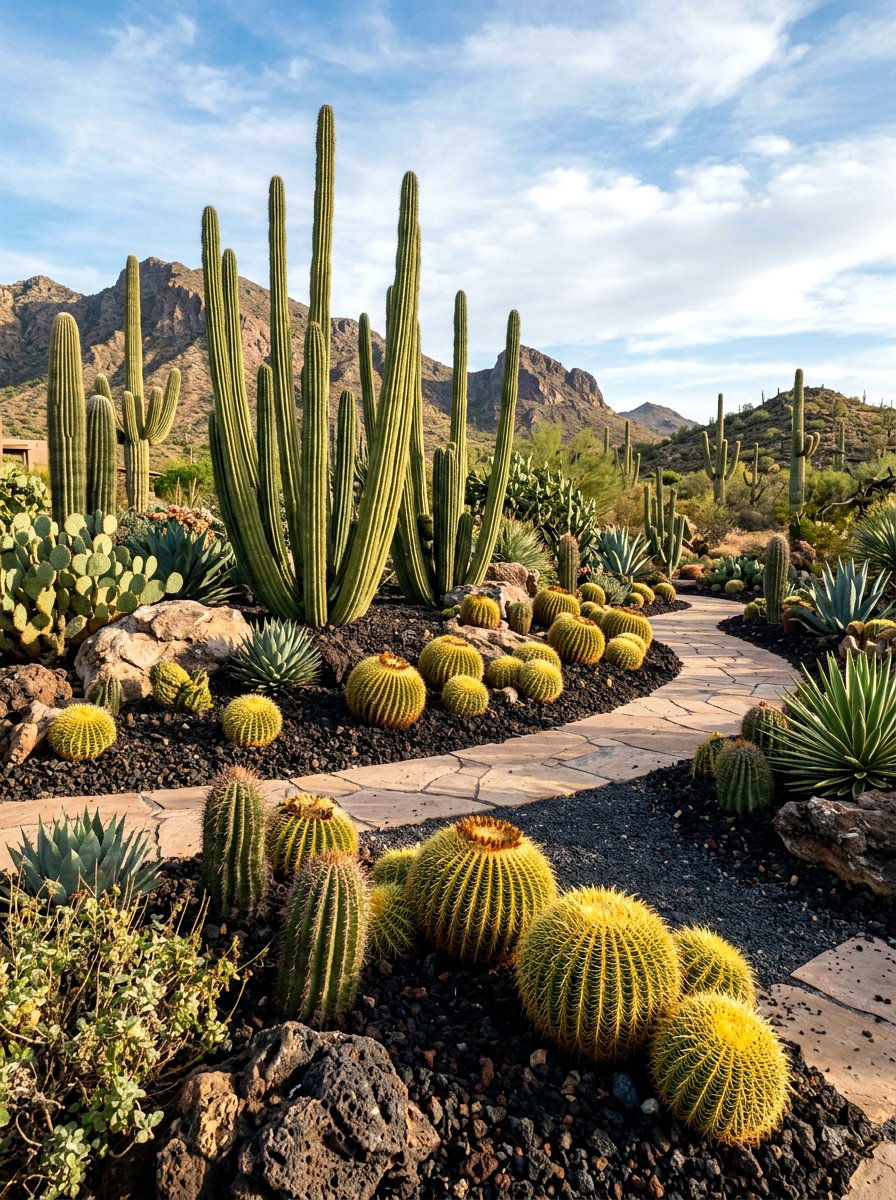
In arid climates, a desert xeriscape using native succulents, cacti, and drought-resistant shrubs is the ultimate sustainable landscaping choice. These plants are experts at water conservation, featuring specialized structures that allow them to thrive with almost no supplemental irrigation. This design focuses on a mix of textures and earthy tones, using gravel or decomposed granite as a natural mulch to regulate soil temperature. The result is a sophisticated, modern look that honors the stark beauty of the desert landscape. This approach significantly lowers your water bill and eliminates the need for high-maintenance turf. It is a resilient and visually striking way to embrace the natural environment of dry regions.
8. Pollinator pathway
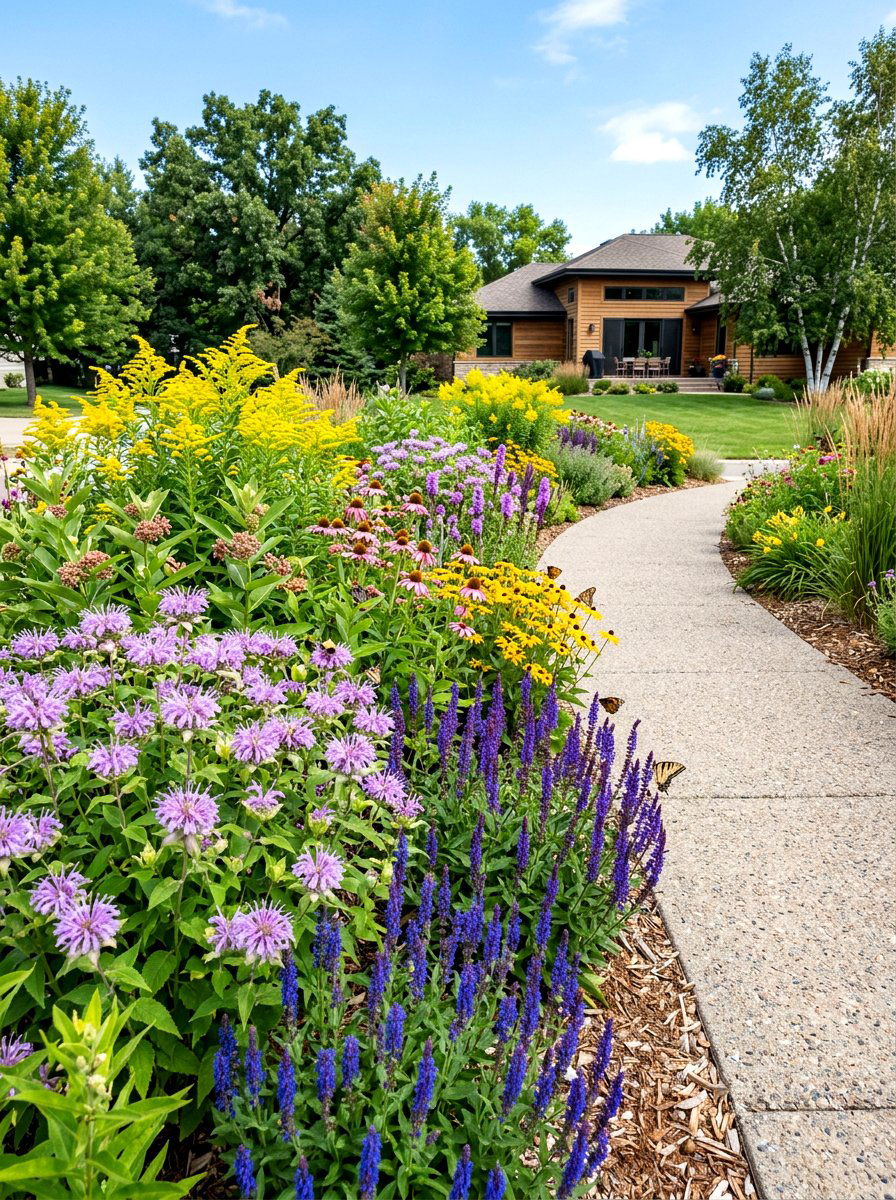
A pollinator pathway is a strategic landscaping design that focuses on creating a continuous chain of habitats for bees and other beneficial insects. By planting a high density of native, pollen-rich species in your front and back yards, you provide essential fuel for these traveling creatures. This design often features various heights of vegetation to provide shelter and protection from wind and predators. You can use a mix of early and late-blooming species to ensure a food supply is available throughout the entire active season. This community-focused gardening approach helps bridge the gap between fragmented wild areas, making your yard a vital part of a larger ecological network.
9. Native rock garden
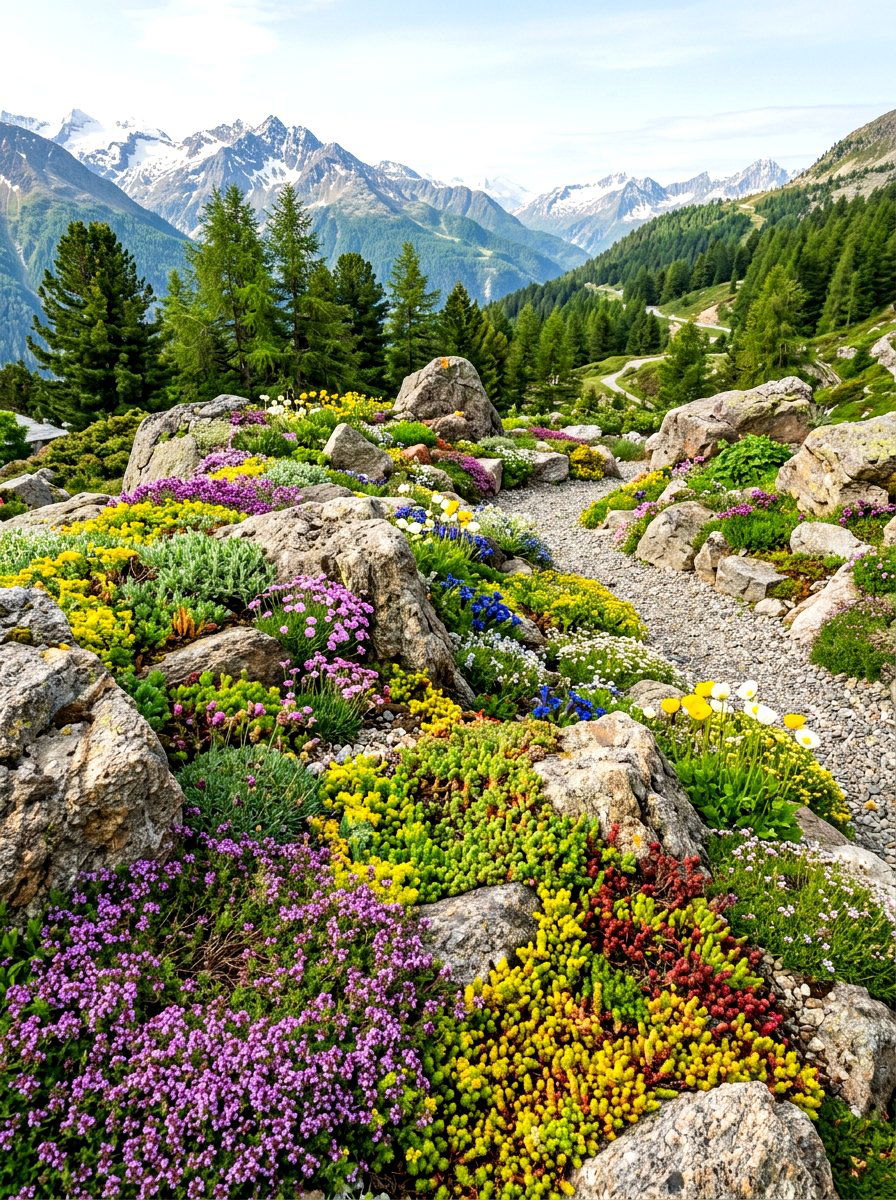
Integrating native plants into a rock garden creates a rugged, naturalistic aesthetic that is perfect for slopes or areas with poor soil. Low-growing alpines or drought-tolerant ground covers tuck neatly into the crevices between boulders, creating a miniature landscape with immense detail. The rocks provide a stable thermal mass that protects plant roots from extreme temperature fluctuations while enhancing drainage. This design style is highly structural and offers year-round visual appeal even when plants are dormant. It is a fantastic way to utilize rocky outcroppings or to create a focal point in a small space. The combination of hard stone and soft greenery creates a timeless, balanced look.
10. Sedge lawn
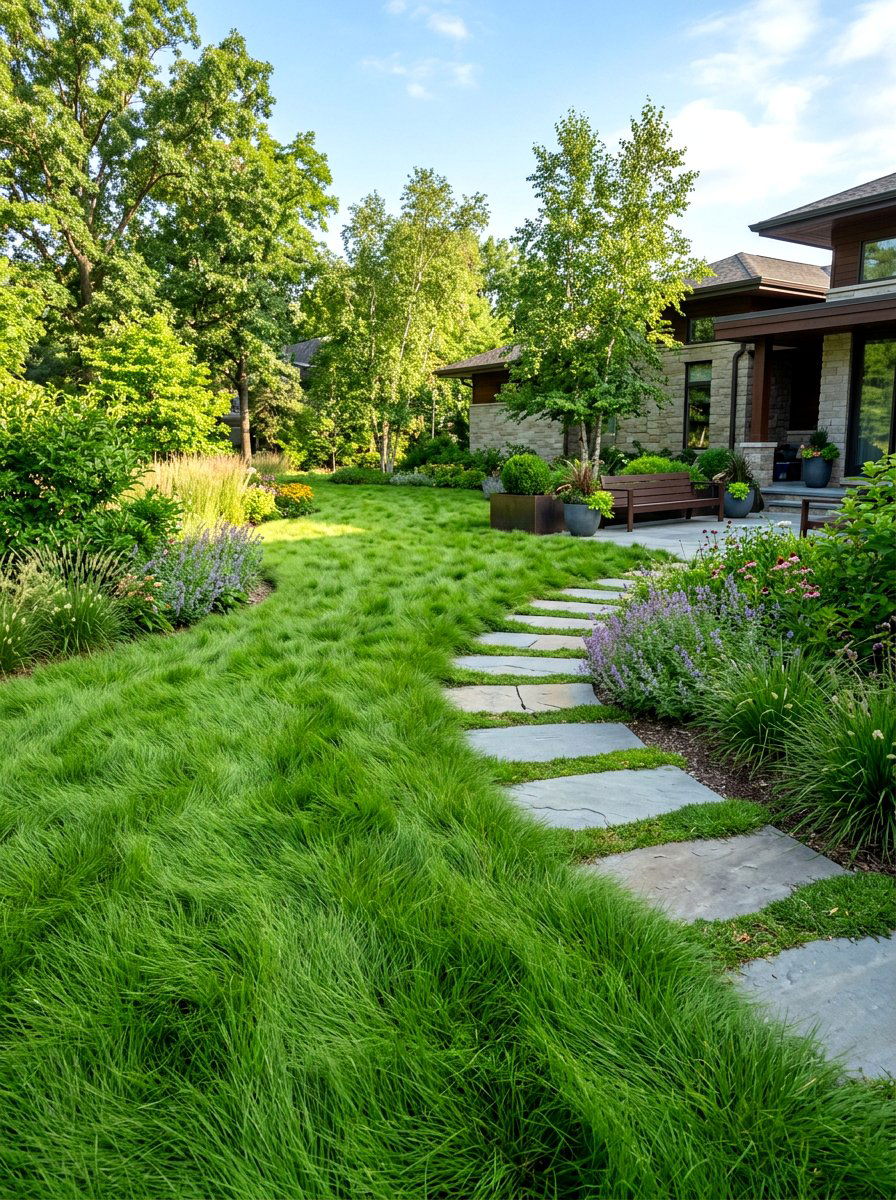
Swapping a high-maintenance grass lawn for a native sedge lawn is a game-changer for eco-conscious homeowners who still want a green, walkable surface. Sedges are grass-like plants that are much hardier and require significantly less water and mowing than traditional turfgrass. They can handle various light conditions, from full sun to deep shade, and maintain their color even in poor soil. A sedge lawn offers a soft, tufted texture that creates a more natural and relaxed look for your yard. This sustainable alternative reduces your environmental footprint while providing a durable area for kids and pets to play. It is a practical and beautiful way to modernize your landscaping.
11. Bird sanctuary
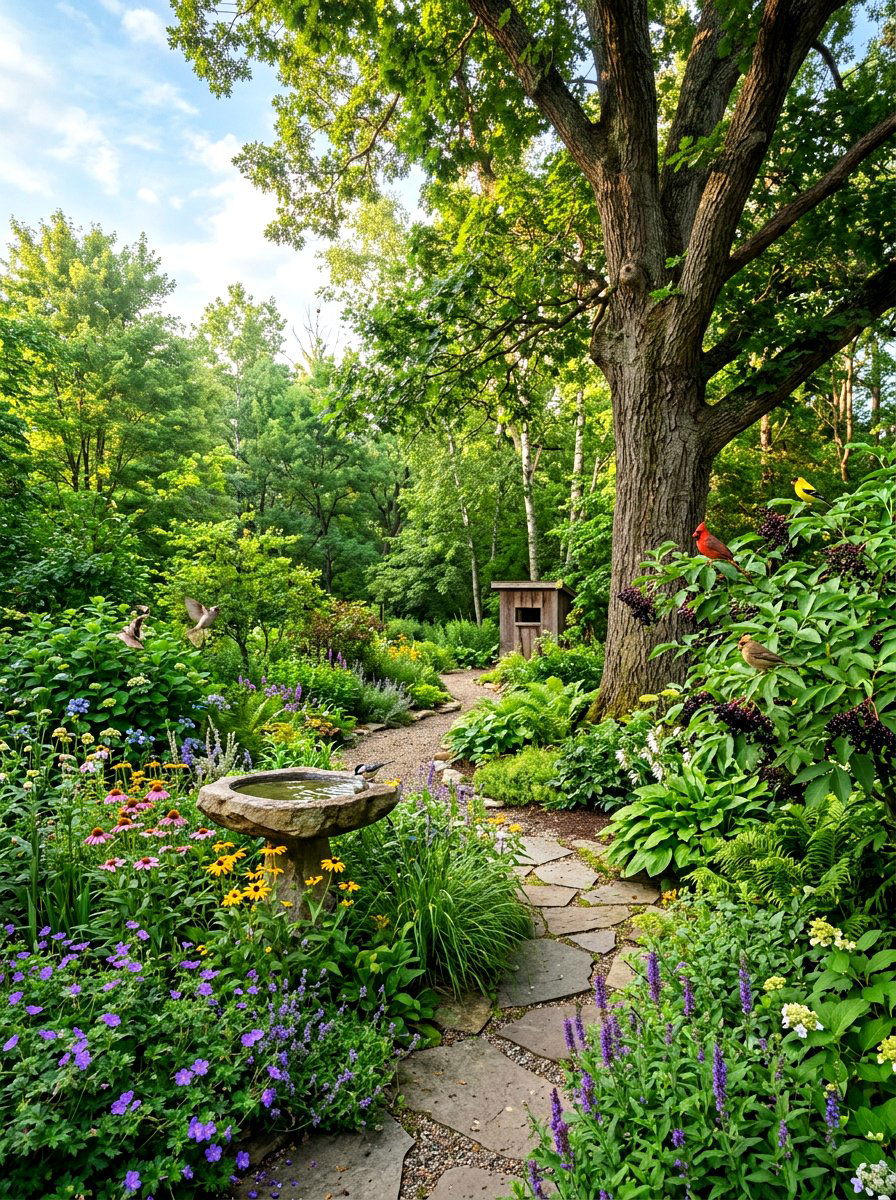
Designing a yard as a bird sanctuary involves more than just putting out feeders; it means planting native trees and shrubs that provide natural food and shelter. Native berries, seeds, and the insects that live on indigenous plants are the primary food sources for local bird populations. Dense, thorny shrubs offer safe nesting sites and protection from predators like cats and hawks. Including a variety of heights in your planting scheme mimics natural habitat layers, attracting a wider range of species. This design brings the joy of birdsong and colorful movement to your home every day. It is a rewarding way to observe wildlife while actively supporting avian conservation efforts.
12. Native hedge
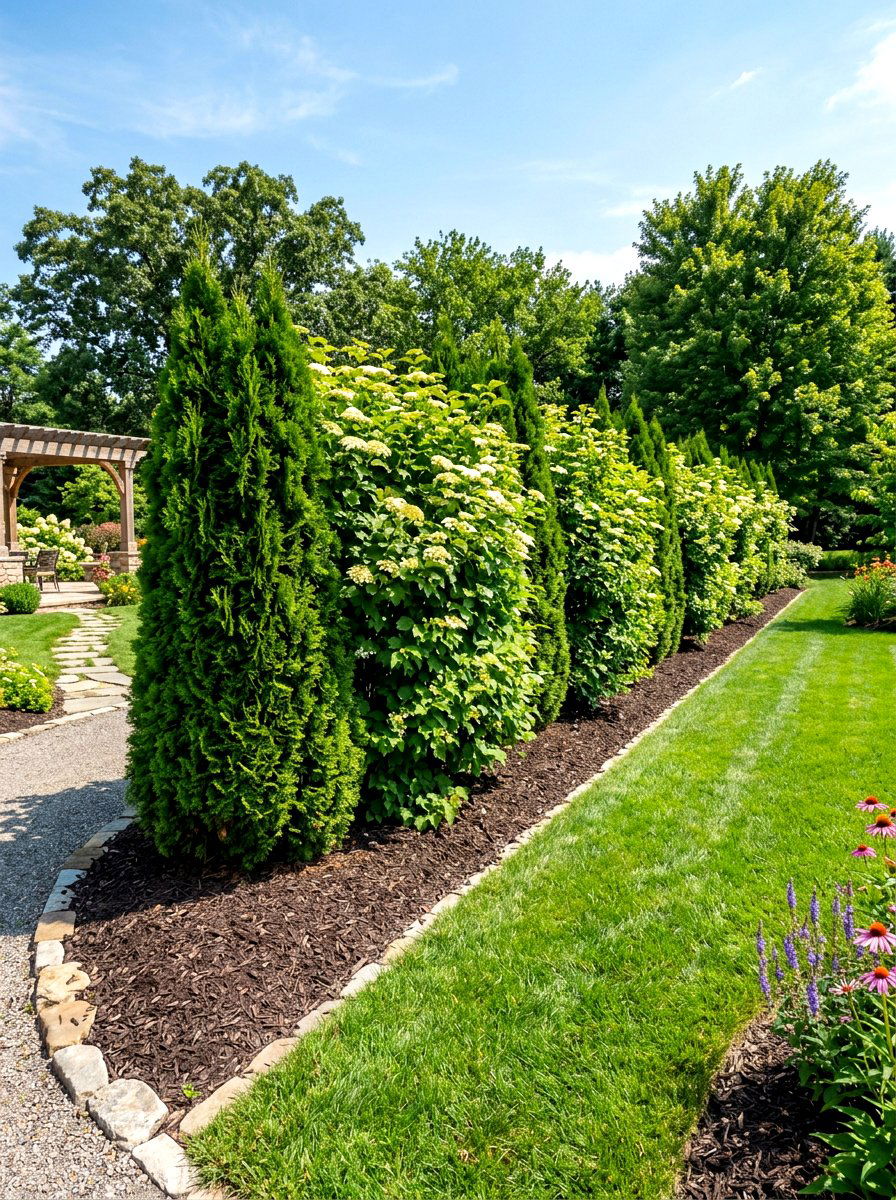
A native hedge is a functional and ecological alternative to a traditional fence or a non-native privacy screen. Using indigenous evergreen or deciduous shrubs allows you to create a living wall that provides privacy, blocks wind, and absorbs noise. Unlike a single-species hedge, a native mixed hedge can include different plants that bloom at various times, offering visual variety and better habitat for wildlife. These hedges are typically more resistant to local diseases and require less frequent pruning than exotic boxwoods. This design choice adds a lush, green border to your property that feels like a natural part of the landscape while serving essential practical purposes for your home.
13. Xeriscape front yard
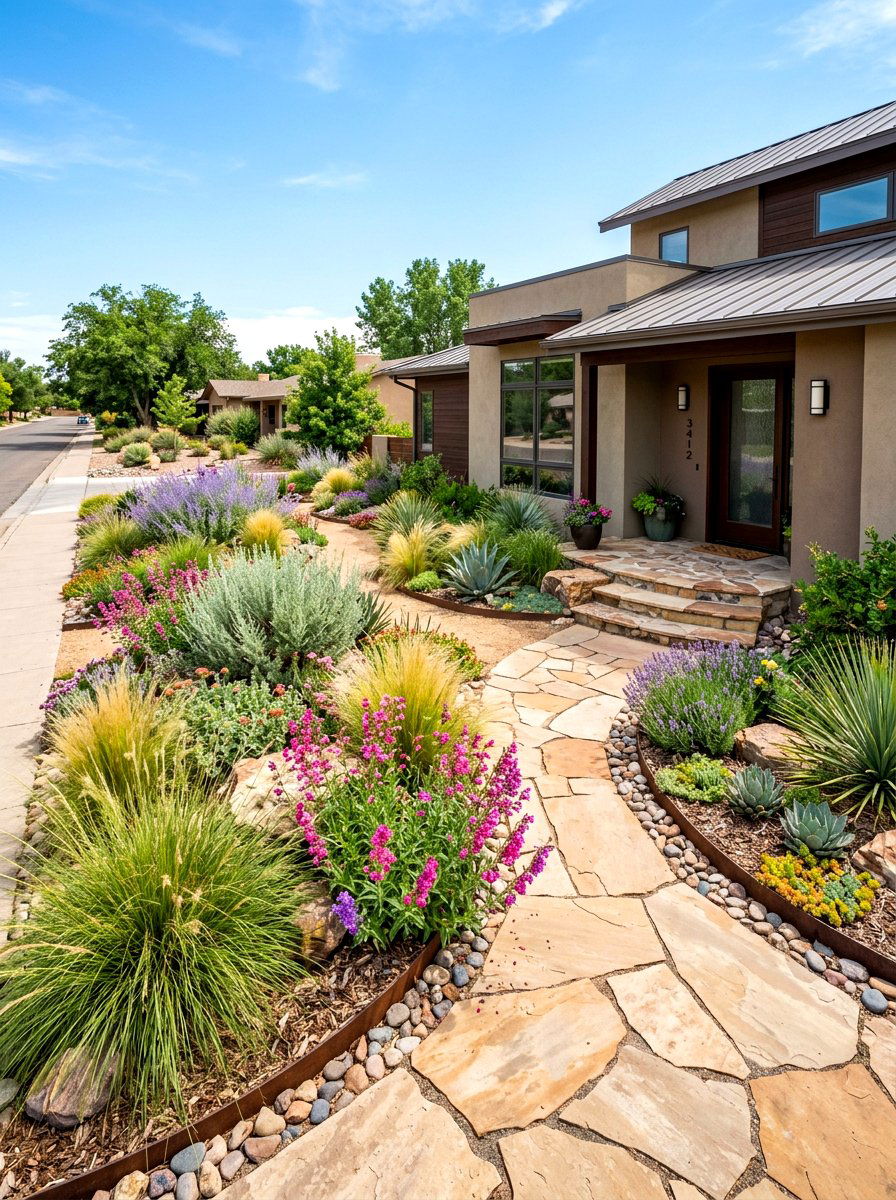
Applying native plant landscaping to your front yard is a brilliant way to boost curb appeal while significantly reducing your maintenance chores. A native front yard replaces the boring, thirsty lawn with a curated selection of colorful, drought-tolerant perennials and structural shrubs. This design can be tailored to look very tidy and formal, ensuring it meets neighborhood aesthetic standards while still being eco-friendly. Using organic mulch and decorative stone pathways helps define the space and keeps the soil healthy. This approach shows your community that sustainable gardening can be sophisticated and beautiful. It creates an inviting, unique entrance to your home that stands out from the typical suburban greenery.
14. Prairie garden
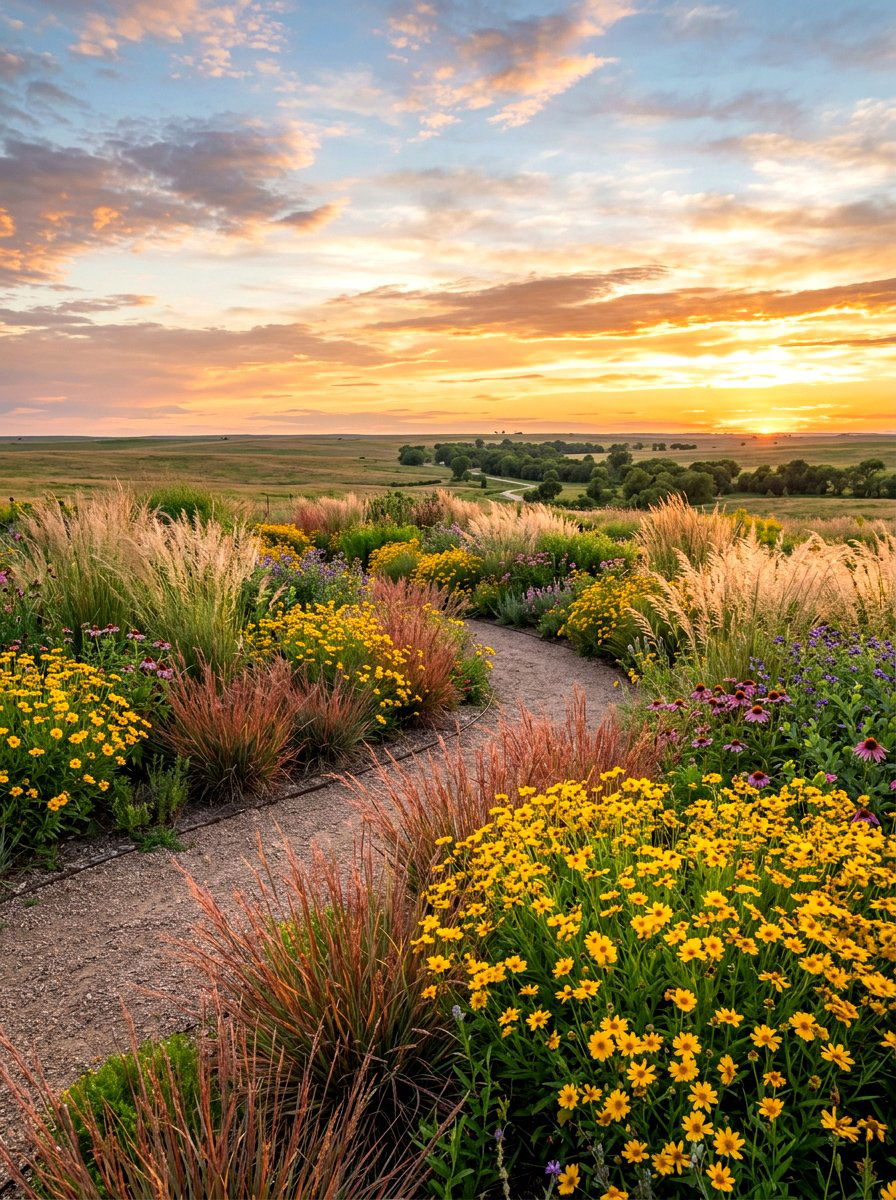
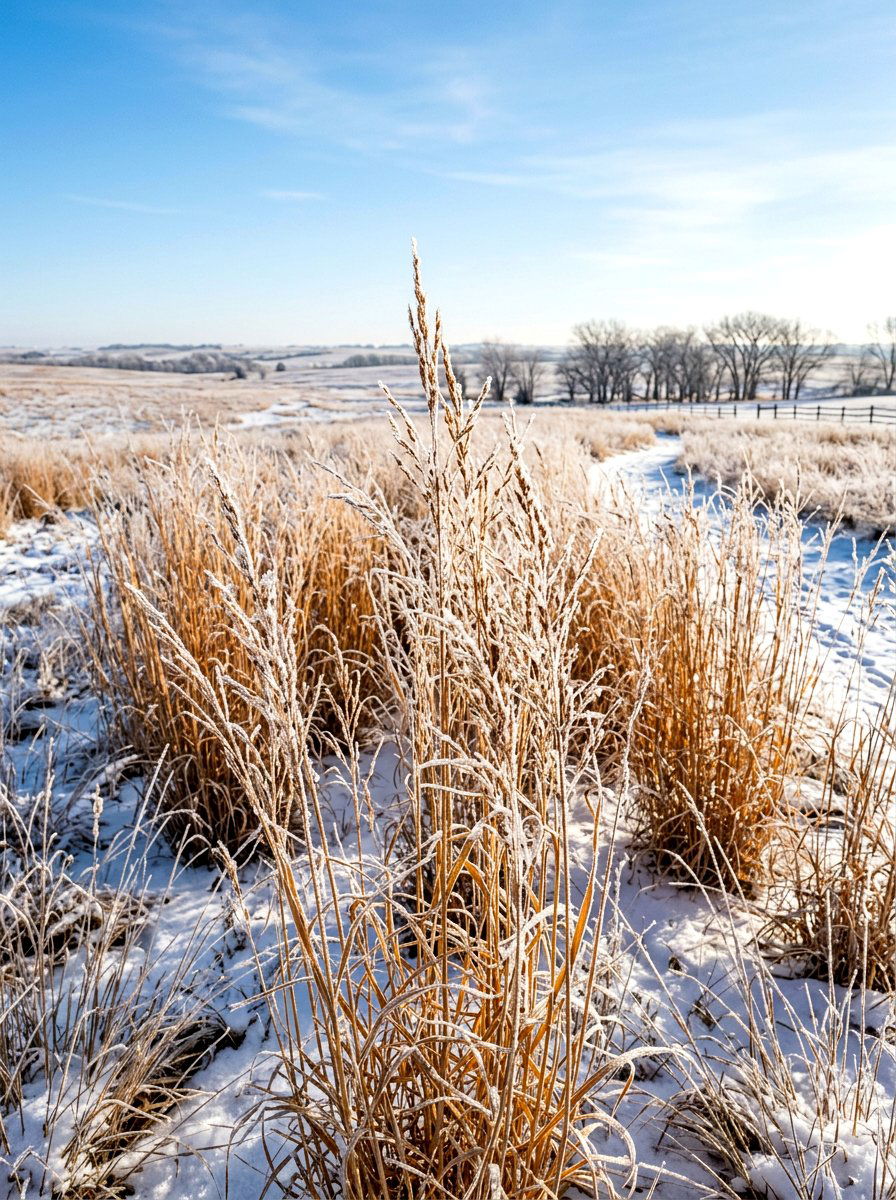
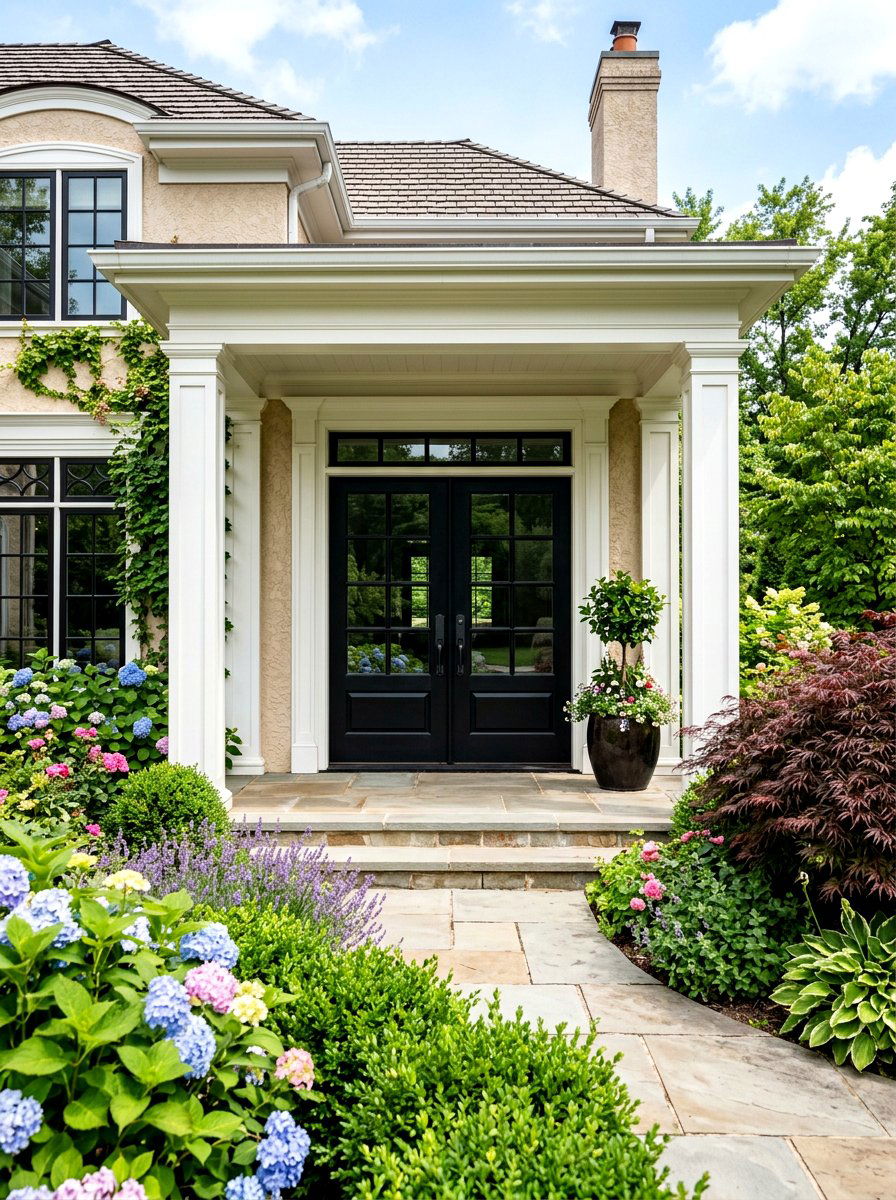
A prairie garden celebrates the expansive beauty of grasslands by using native tallgrasses and bold, sun-loving wildflowers in a structured landscape. This design features plants with exceptionally deep root systems that improve soil health and sequester carbon effectively. The movement of tall grasses in the wind adds a sense of rhythm and tranquility to the garden, while the bright blooms provide seasonal highlights. This style is particularly effective in large, open spaces where it can be allowed to grow to its full height. It creates a striking, low-maintenance environment that honors the historical landscape of the plains. A prairie garden is a resilient, beautiful, and highly sustainable choice for sunny yards.
15. Vertical garden
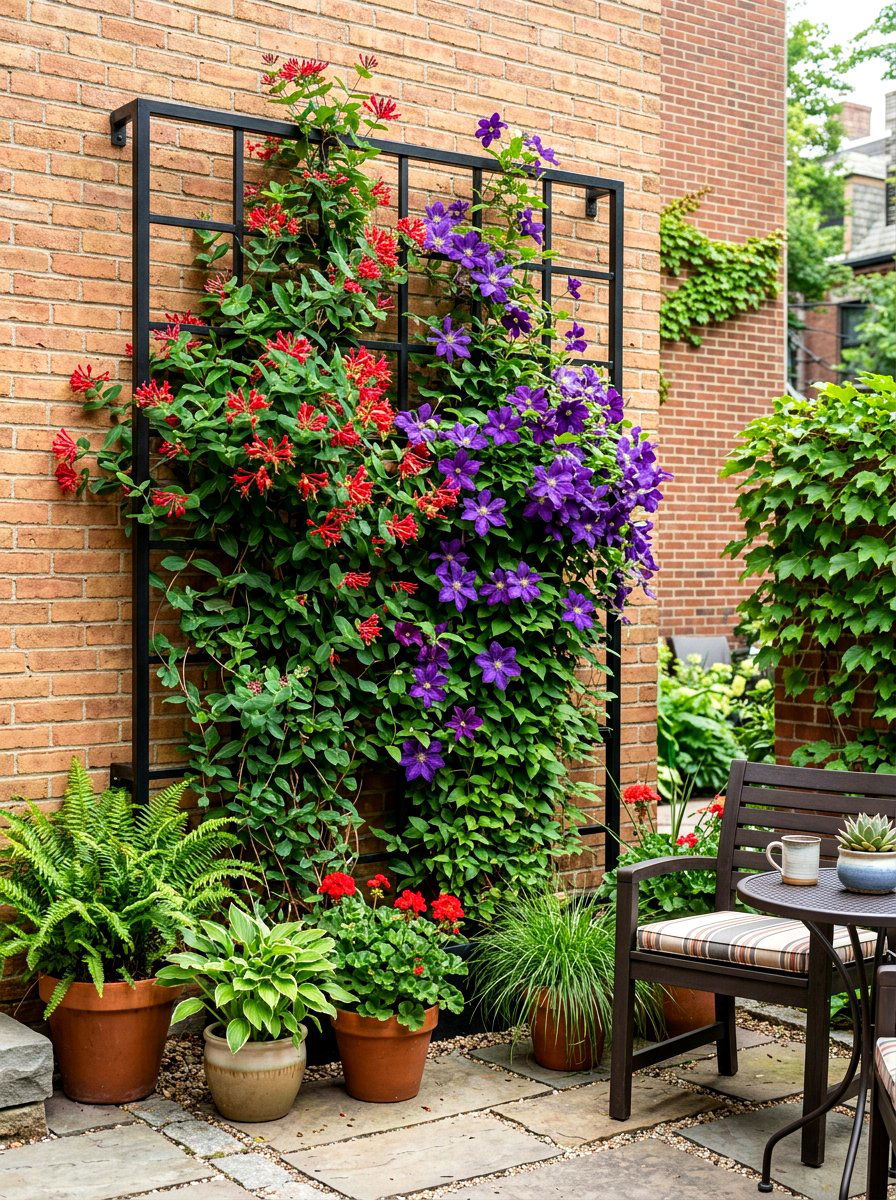
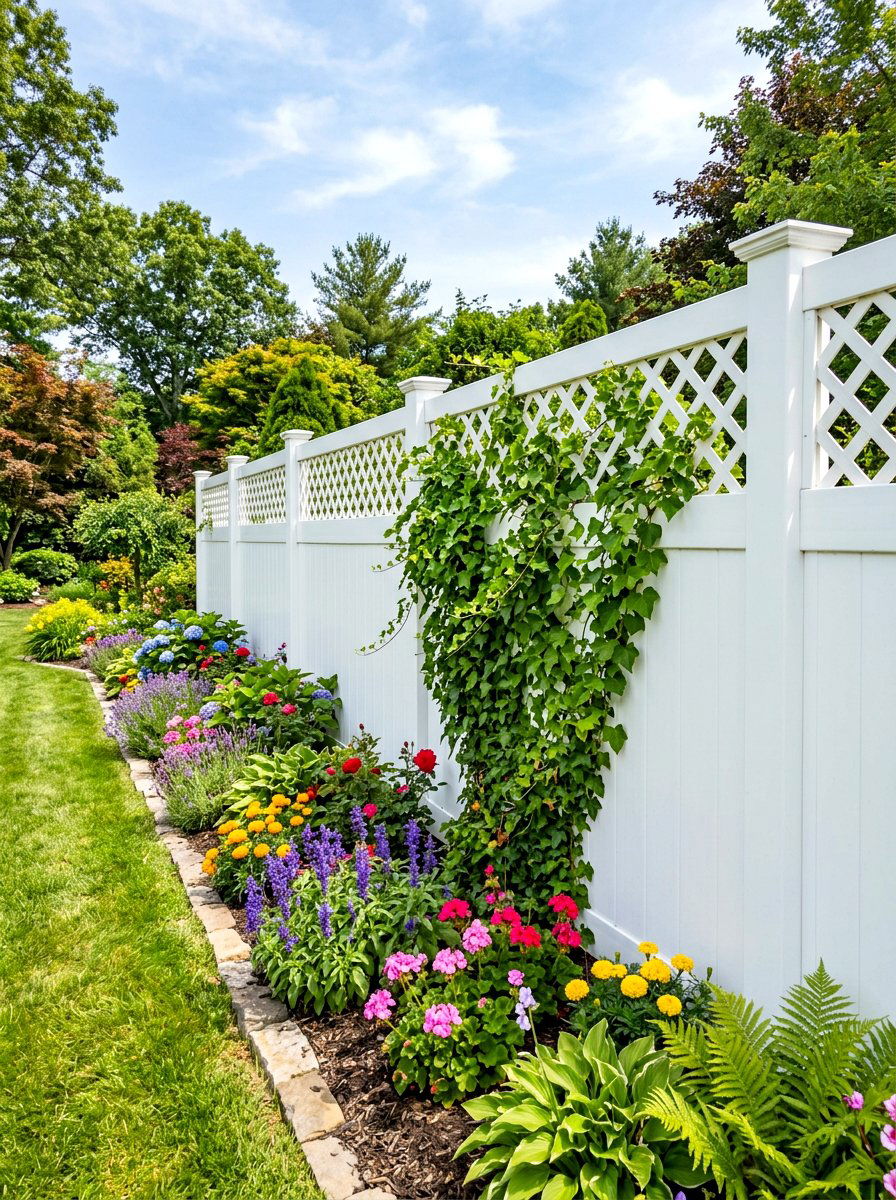
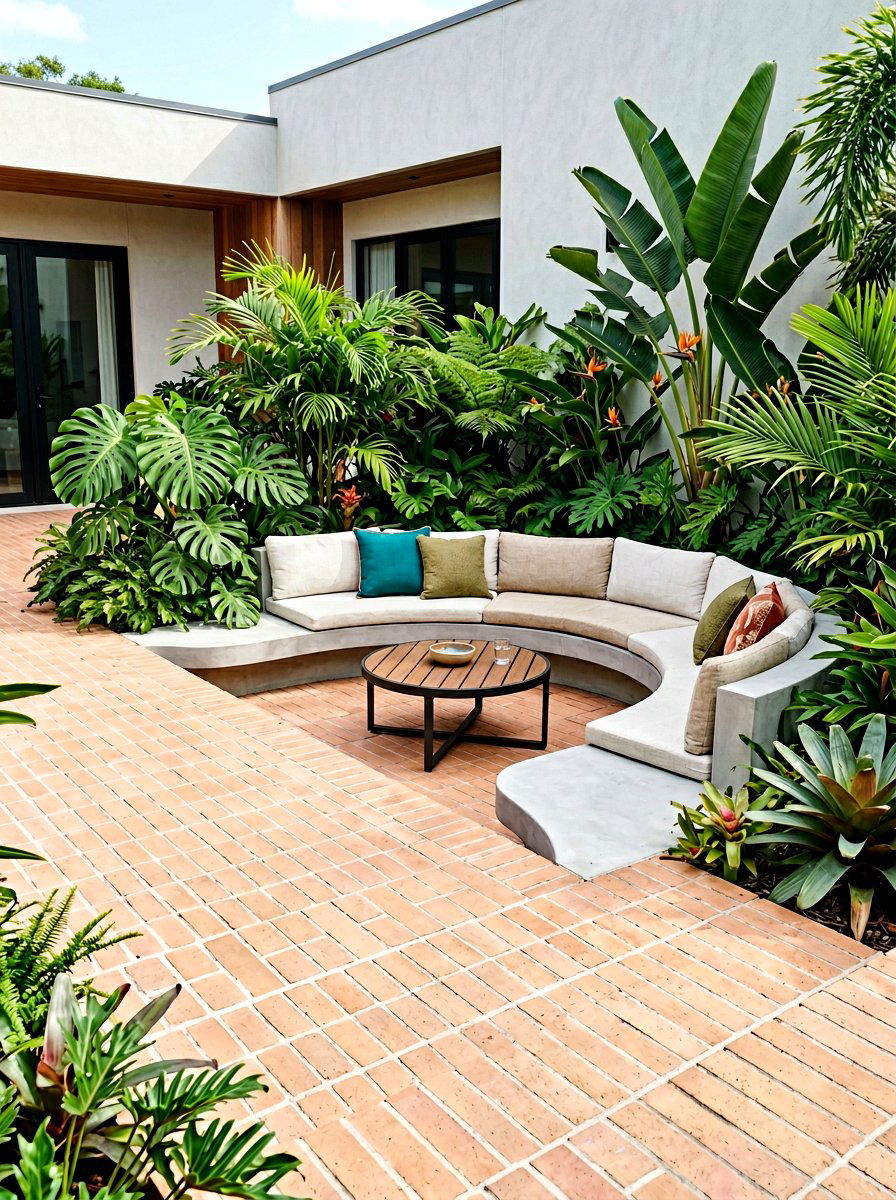
Using native vines and climbing plants to create a vertical garden is an ingenious way to add greenery to small spaces or bare walls. Indigenous climbers are well-adapted to local light levels and can quickly cover trellises, fences, or arbors with lush foliage and flowers. This design approach maximizes your planting area without taking up valuable ground space, making it perfect for urban courtyards or narrow side yards. Native vines also provide important nesting sites and food sources for birds and pollinators that fly at higher levels. This vertical green wall adds texture and life to your architecture while helping to cool your home through natural transpiration and shading.
16. Wetland edge
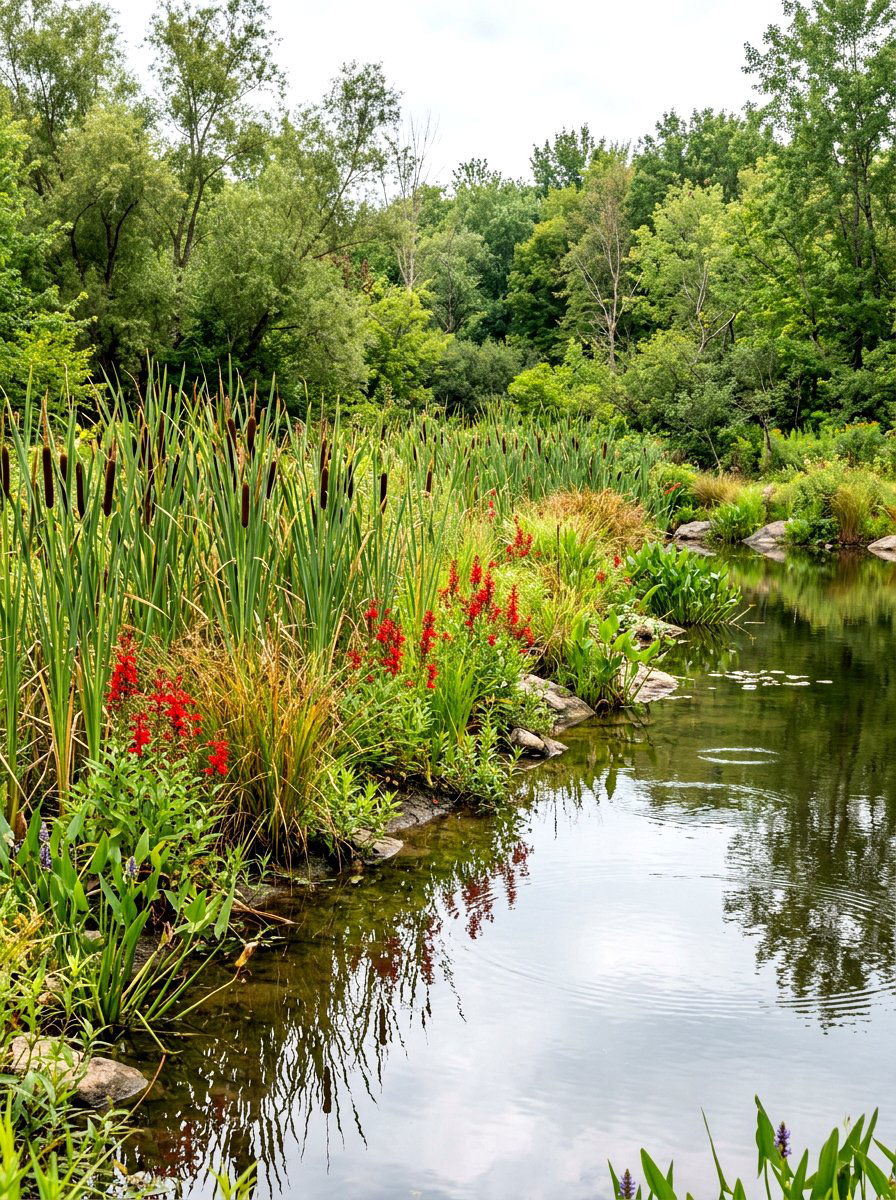
If your property features a pond, stream, or naturally boggy area, a native wetland edge design is the perfect way to stabilize the banks and enhance the scenery. Moisture-loving native plants like sedges, rushes, and aquatic wildflowers thrive in saturated soils where other plants might rot. These species act as a living filter, preventing erosion and keeping the water clear and healthy. This design creates a lush, jungle-like feel that attracts dragonflies, frogs, and various water birds. It turns a potentially difficult, wet spot into a thriving ecosystem that is both beautiful and functional. This approach celebrates the unique biodiversity of wet environments while protecting your property's natural water features.
17. Native ground cover
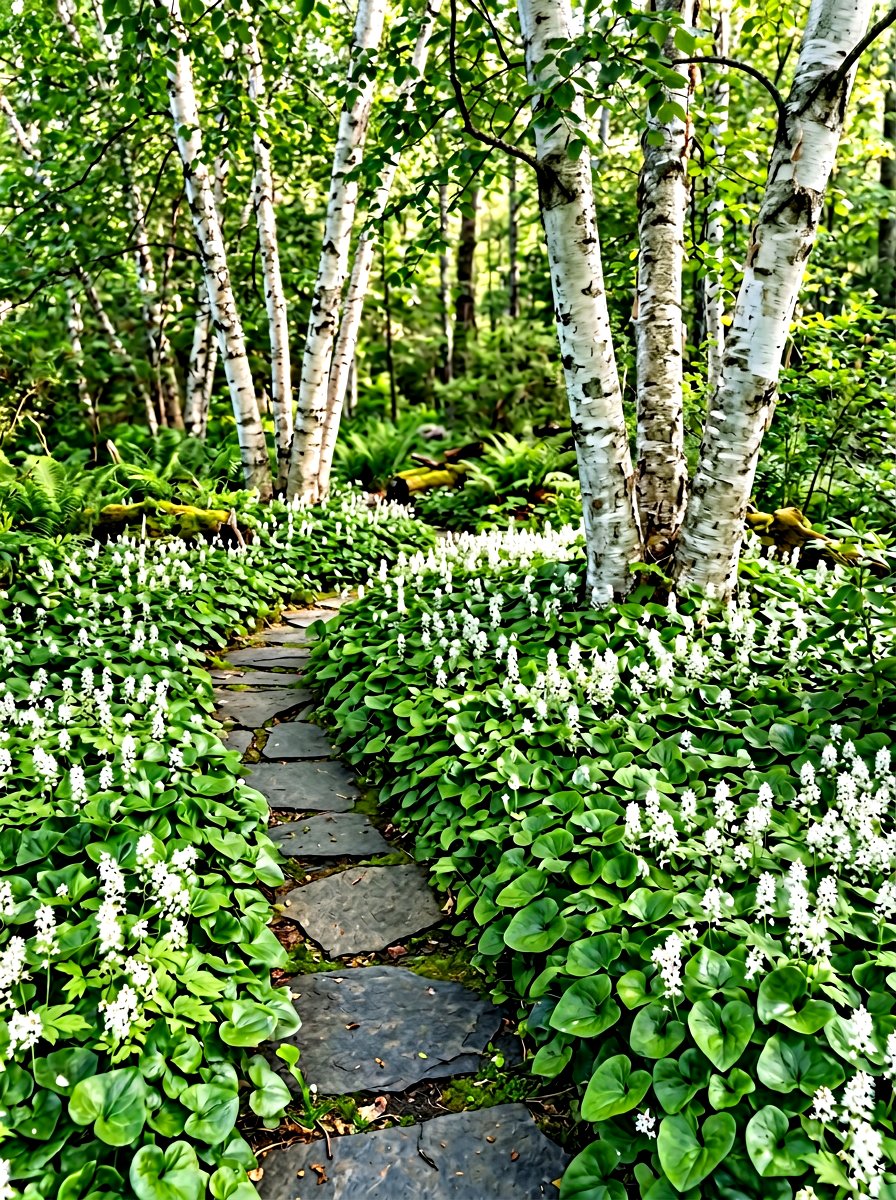
Using native ground covers is a smart way to suppress weeds and protect your soil without the need for constant mulching. Indigenous low-growing plants spread quickly to form a dense, green carpet that keeps the ground cool and moist. This design is especially effective for slopes where mowing is difficult or under trees where grass won't grow. You can choose flowering ground covers to add a splash of color to your pathways or evergreen varieties for year-round coverage. This approach creates a cohesive, finished look for your garden beds while significantly reducing your maintenance time. It is a natural and sustainable solution that enhances the overall health and beauty of your landscape.
18. Cottage garden
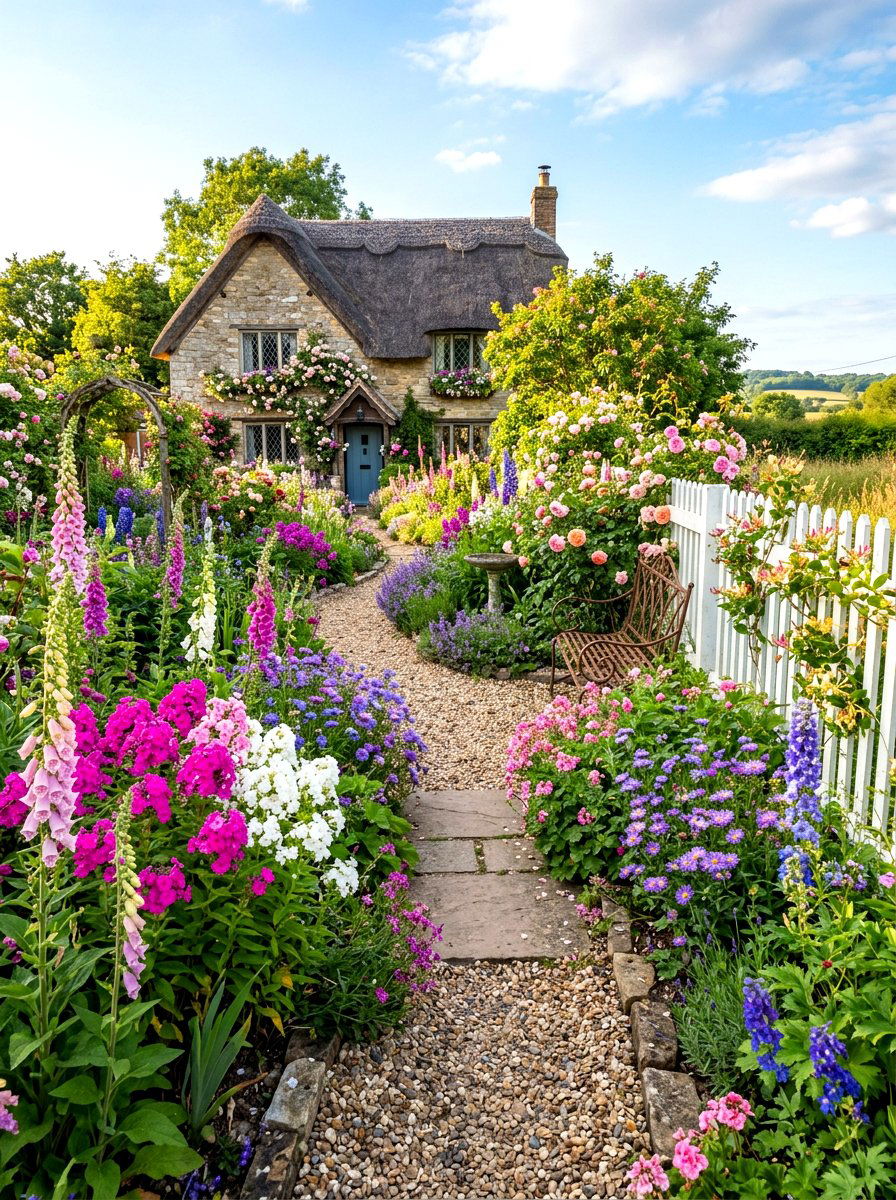
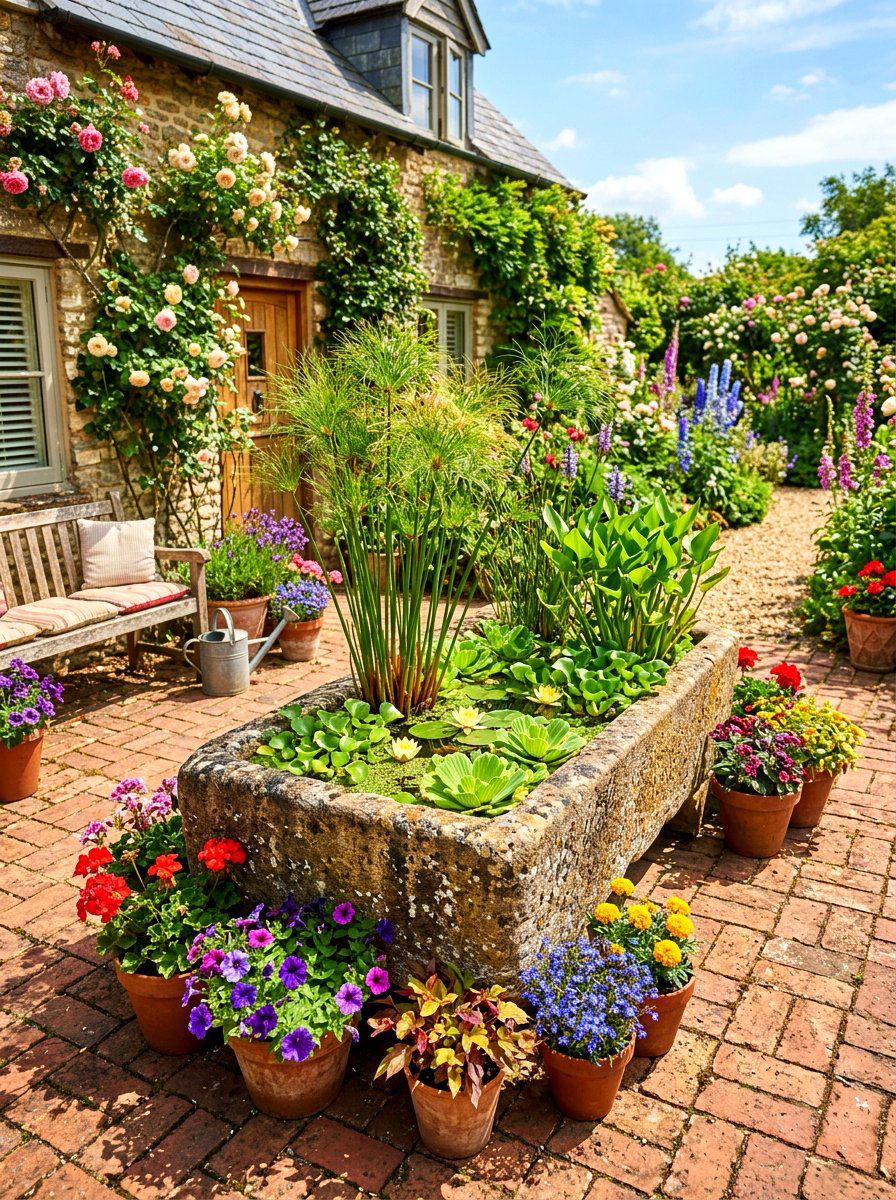
A native cottage garden captures the romantic, informal charm of a traditional English garden using hardy, indigenous species. This design features a dense, layered planting of flowering perennials, aromatic herbs, and climbing vines that overflow onto garden paths. By choosing native versions of classic cottage flowers, you get the lush, colorful look you love with much less effort and water. This style encourages a sense of abundance and "organized chaos" that feels welcoming and lived-in. Including rustic elements like wooden fences and stone benches enhances the cozy atmosphere. It is a delightful way to create a high-bloom, low-input garden that is teeming with life and timeless, whimsical beauty.
19. Formal native garden
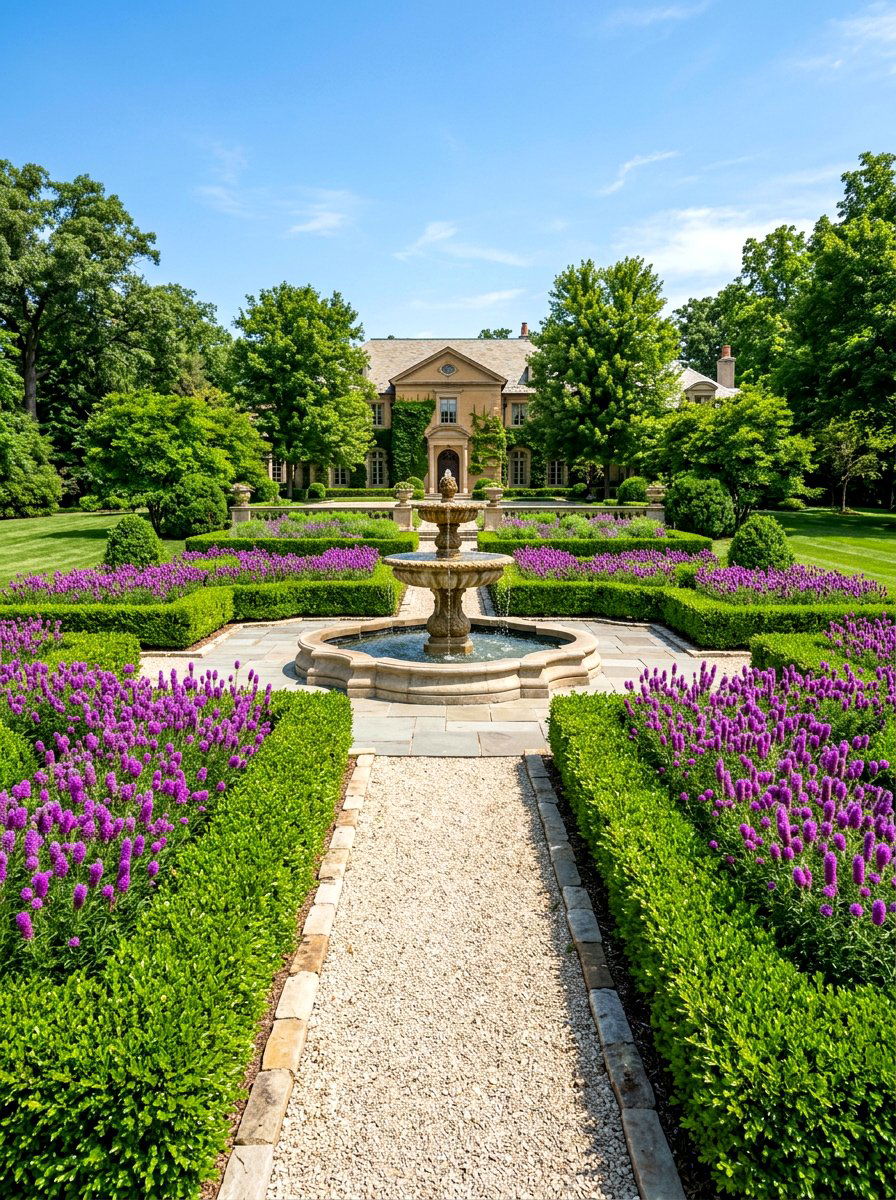
Native plants are often perceived as wild, but they can easily be incorporated into a formal, structured garden design with clean lines and symmetry. By using native evergreens for clipped hedges and planting flowering species in repeating patterns, you can achieve a sophisticated and elegant look. This design approach uses traditional landscaping principles but swaps thirsty, non-native plants for resilient, indigenous alternatives. It proves that you don't have to sacrifice style for sustainability. A formal native garden looks polished year-round and is perfect for modern or traditional home styles. It provides a tidy, high-end appearance while still offering the ecological benefits of using plants that belong in your local region.
20. Sloped garden
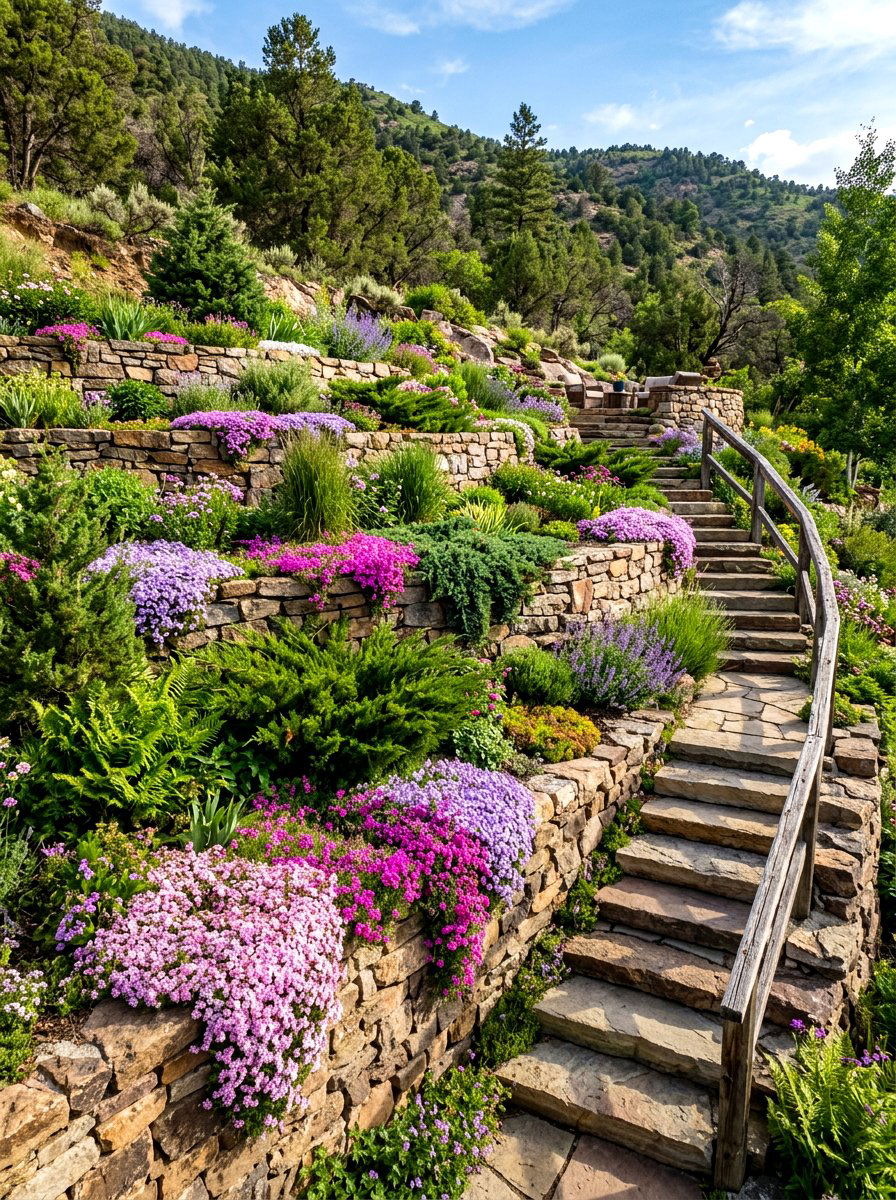
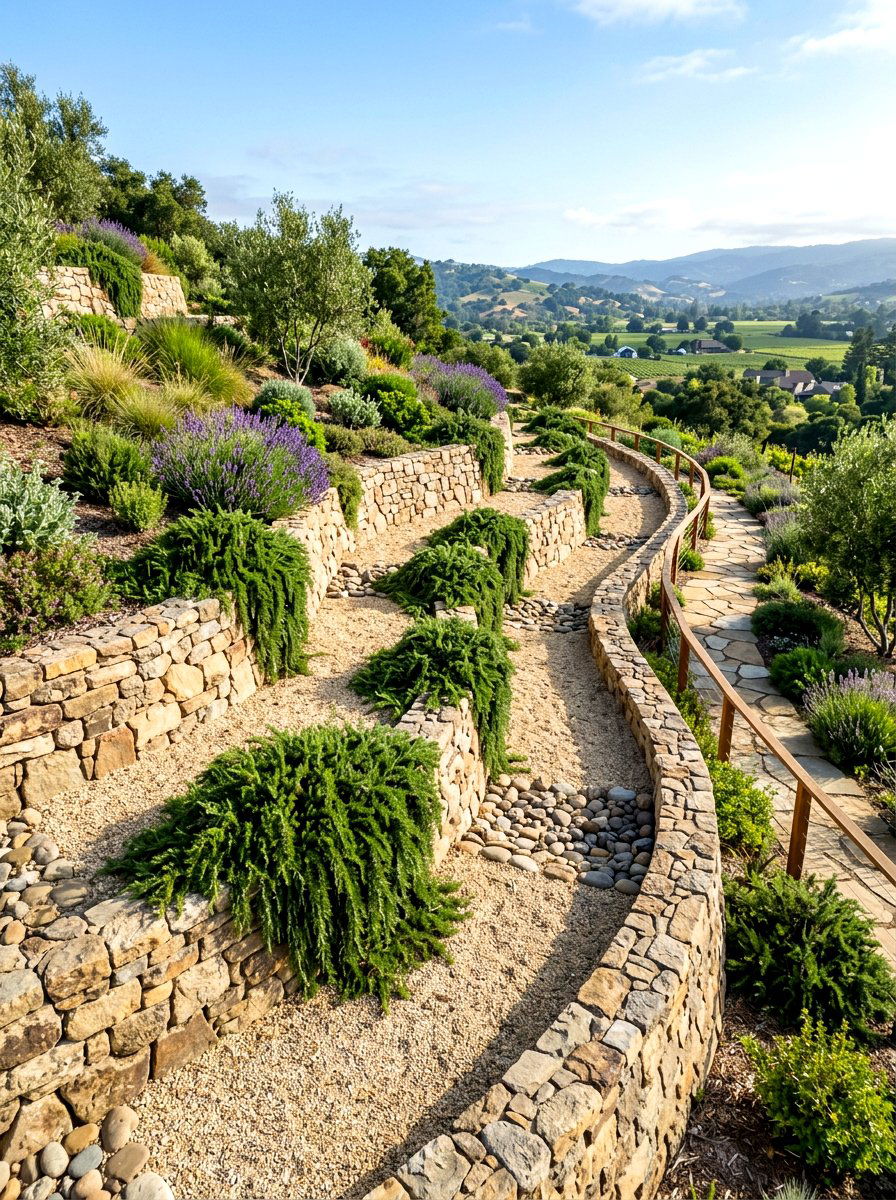
Landscaping a steep slope is a common challenge, but native plants with deep, fibrous root systems are the perfect solution for preventing erosion and managing runoff. By planting a mix of indigenous shrubs and ground covers, you create a stable, living terrace that requires zero mowing. This design turns a difficult-to-maintain area into a beautiful, multi-layered hillside that looks completely natural. You can incorporate natural stone steps or boulders to provide structure and access for occasional maintenance. This approach protects your property's soil integrity while adding significant visual interest to your yard. It is a practical and environmentally sound way to deal with elevation changes in your landscape while enhancing local biodiversity.
21. Hummingbird garden
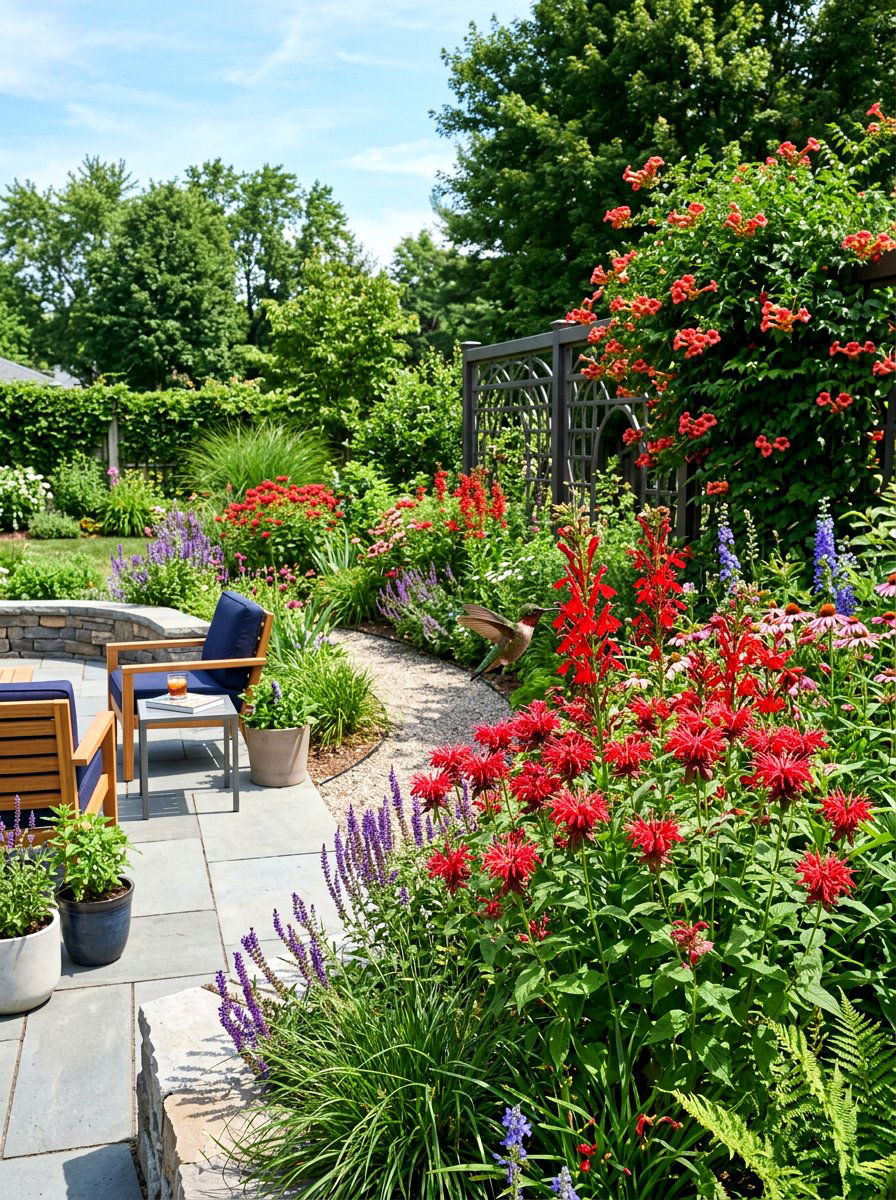
Attracting hummingbirds to your yard is easily achieved by planting native, tubular-shaped flowers that are rich in nectar and bloom in bright colors. These tiny, high-energy birds have co-evolved with local flora, making native species their preferred food source. This design often features various heights of plants, including small trees for perching and low-growing flowers for feeding. Avoid using pesticides, as hummingbirds also eat small insects to get the protein they need for their fast-paced lives. A hummingbird-focused garden is a joy to watch, filled with iridescent movement and vibrant blooms. It creates a specialized habitat that supports these unique birds while adding a splash of excitement and color to your outdoor living space.
22. Forest floor garden
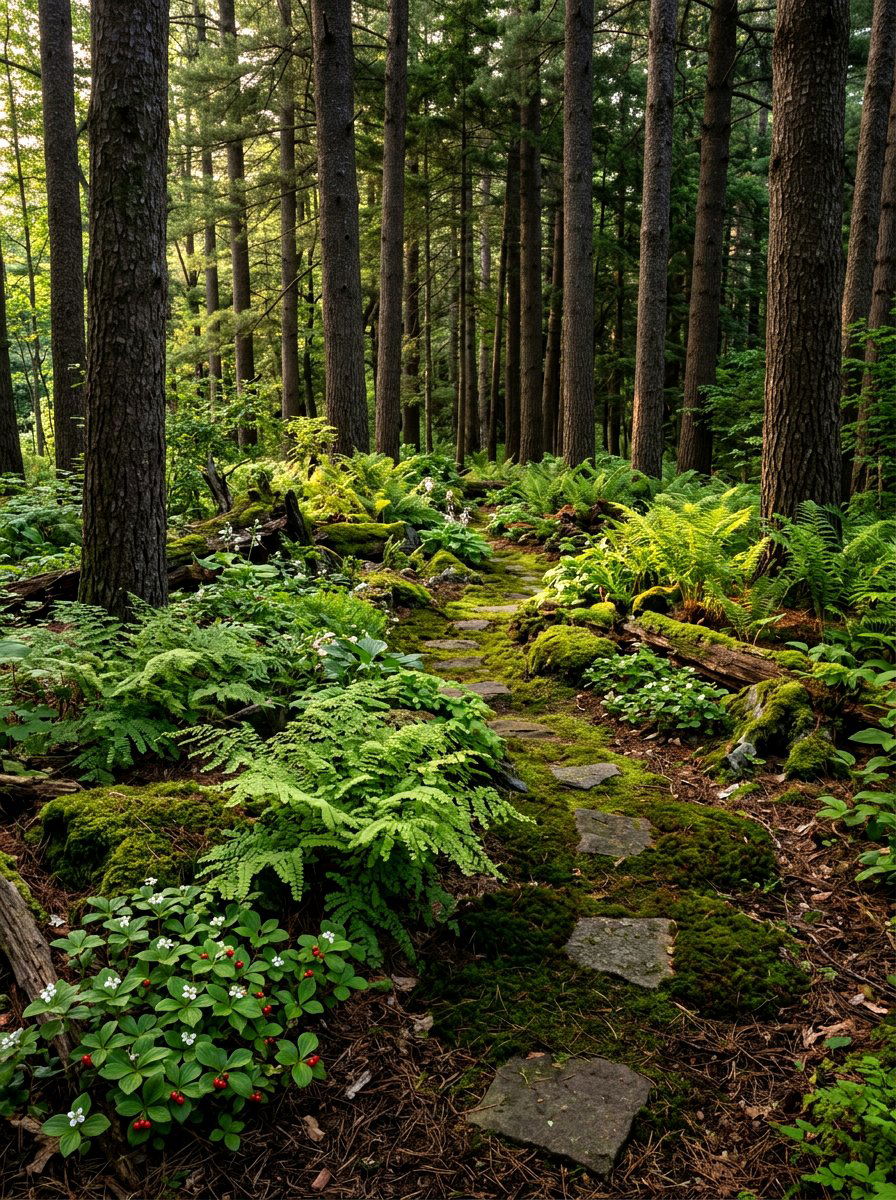
A forest floor garden is a specialized shade design that mimics the complex layers of a natural woodland ecosystem beneath a thick tree canopy. This approach utilizes native ferns, spring-blooming ephemerals, and mosses to create a rich, textural carpet of green. These plants are adapted to thrive in the nutrient-dense leaf litter that accumulates naturally in wooded areas. This design is incredibly low-maintenance, as it encourages you to leave fallen leaves in place to act as natural mulch and fertilizer. It creates a serene, ancient feel in your yard that is perfect for quiet reflection. This sustainable method protects the health of your mature trees while providing a lush, beautiful understory.
23. Urban native garden
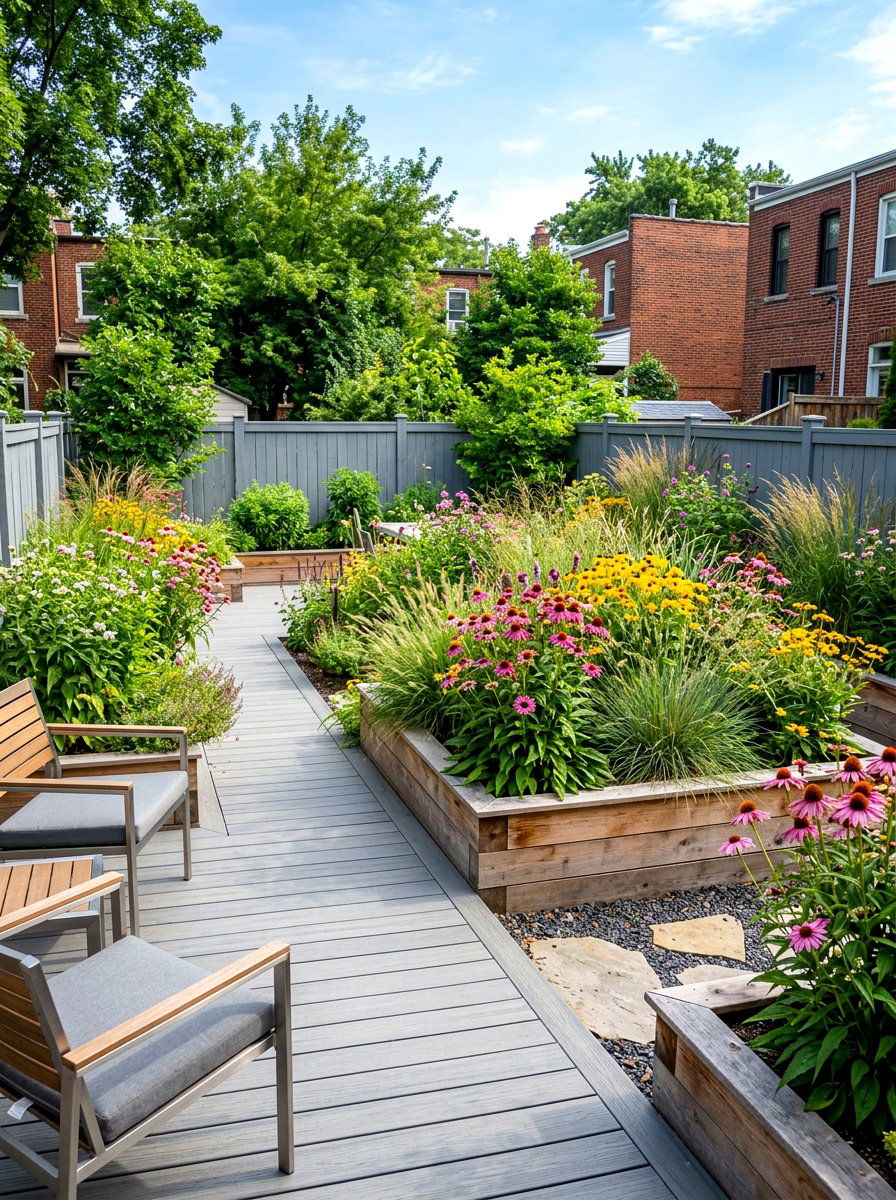
In small city lots or townhome yards, an urban native garden proves that you don't need a massive space to make a positive ecological impact. This design focuses on high-impact, multi-functional native plants that provide beauty, privacy, and pollinator food in a compact footprint. Using containers, small raised beds, and vertical trellises allows you to maximize your growing area on patios or balconies. Choosing species that are tolerant of urban stressors like heat and pollution ensures your garden stays healthy and vibrant. This approach brings a touch of wild nature into the concrete jungle, creating a cooling microclimate and a peaceful retreat from city life. It is a rewarding way to garden sustainably.
24. Minimalist landscape
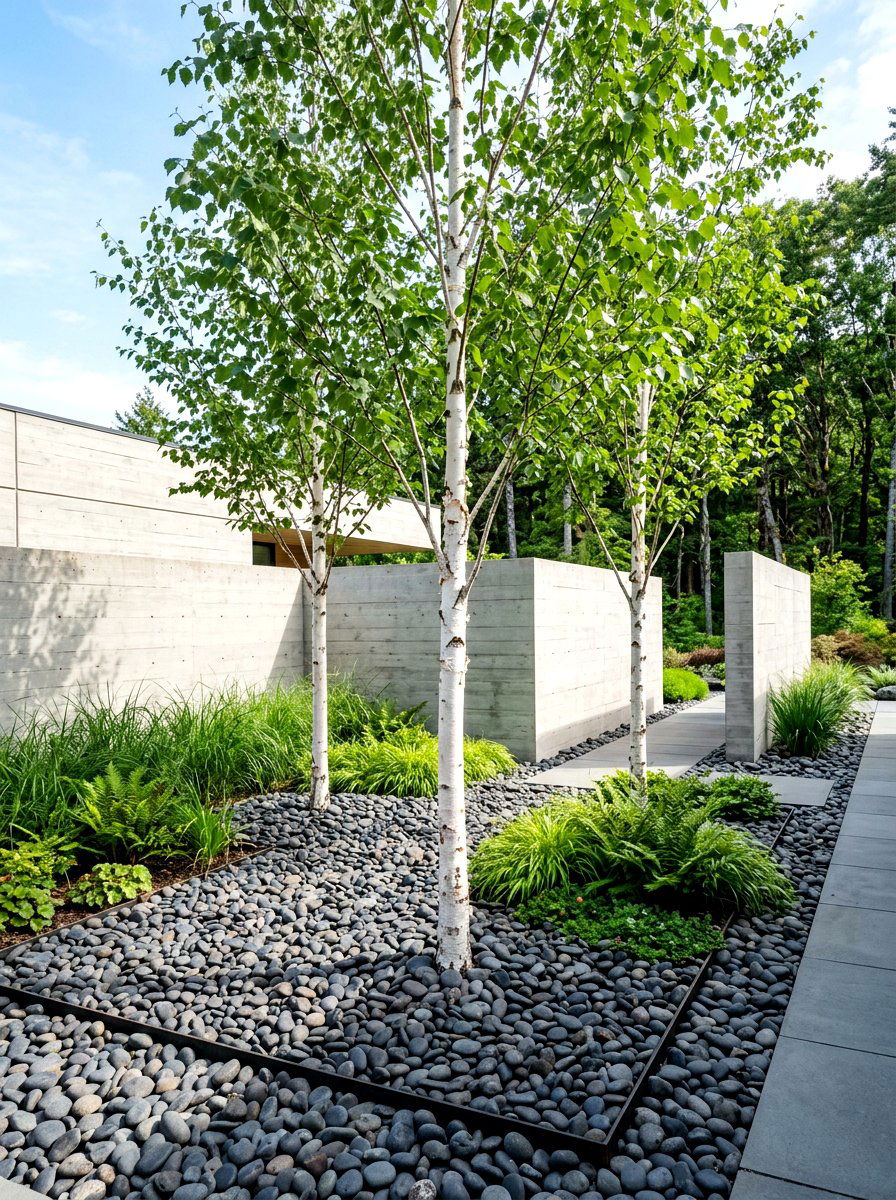
A minimalist native landscape focuses on a limited palette of indigenous plants to create a clean, contemporary look with strong architectural lines. This design style uses negative space, large stones, and repeating patterns of ornamental grasses or structural shrubs to achieve a sense of calm and order. By choosing native species, you ensure the garden is low-maintenance and perfectly adapted to your climate without needing the constant pampering typical of exotic minimalist designs. This approach highlights the individual beauty and form of each plant, making a bold statement with subtle details. It is an ideal choice for modern homes, offering a sophisticated, sustainable outdoor space that requires very little upkeep.

25. Seasonal color border
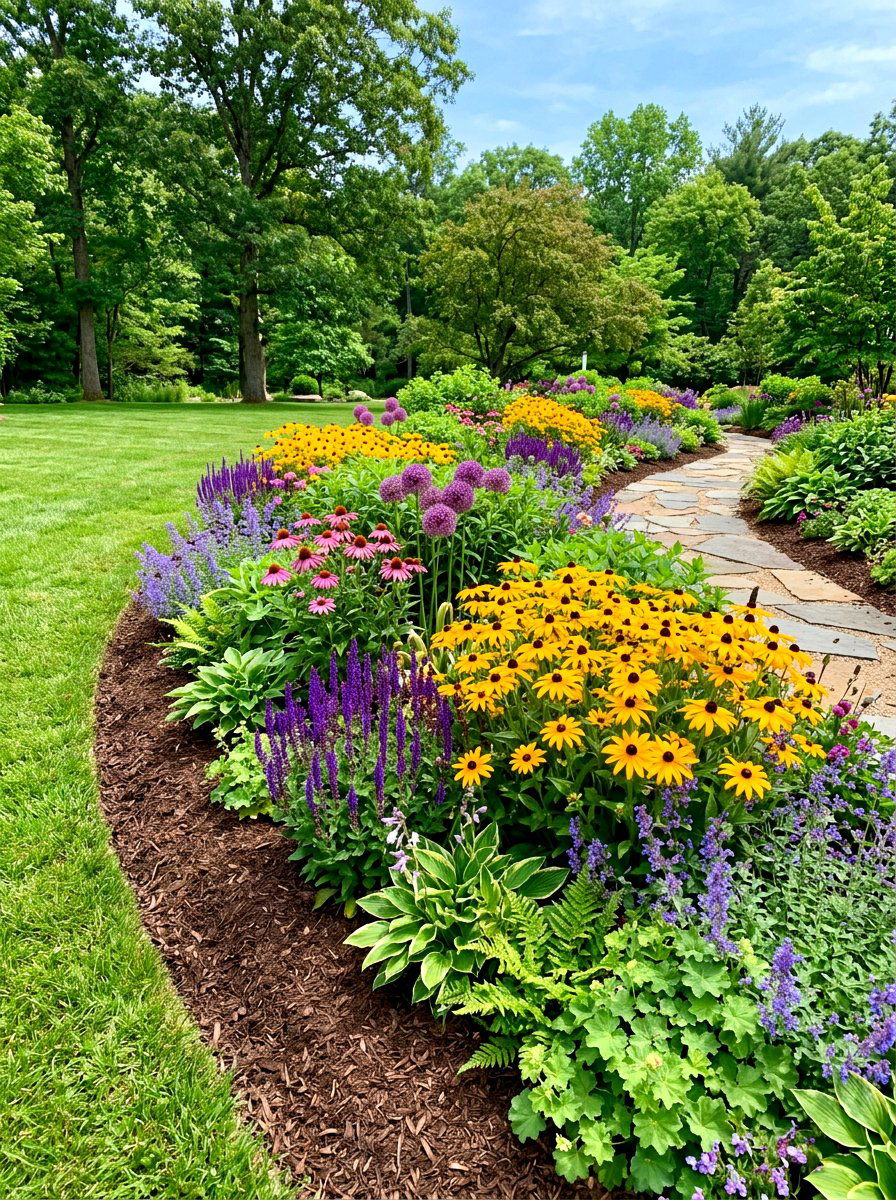
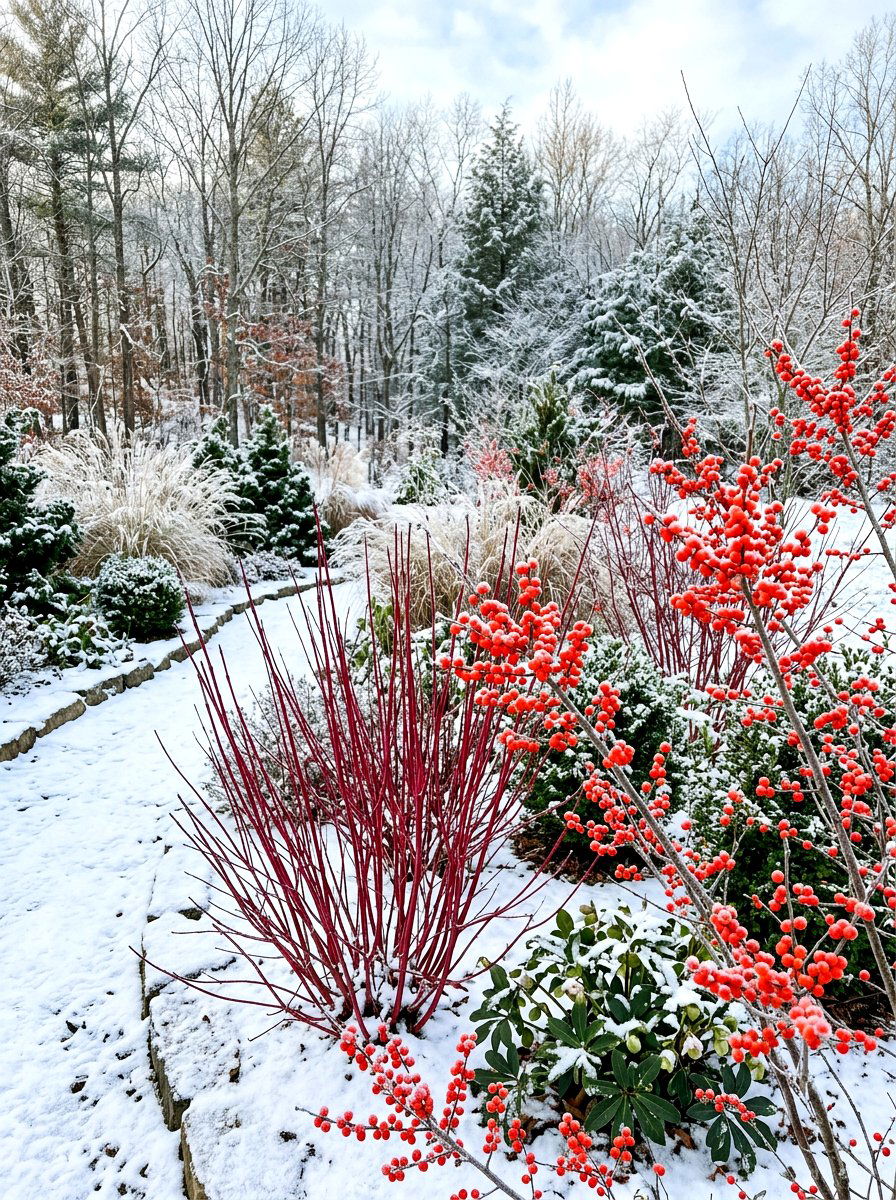
Designing a garden border for seasonal color involves selecting a diverse range of native plants that bloom at different times throughout the year. This approach ensures your landscape remains visually interesting from early spring through the late autumn and even into the winter. You can pair spring-flowering bulbs with summer-blooming perennials and shrubs that produce colorful berries or interesting bark for the colder months. This layered planting strategy provides a consistent food source for local wildlife while giving you a dynamic, ever-changing view from your windows. A seasonal color border is a fantastic way to celebrate the rhythm of the year and the natural diversity of your local environment in a structured garden.
26. Native fern garden
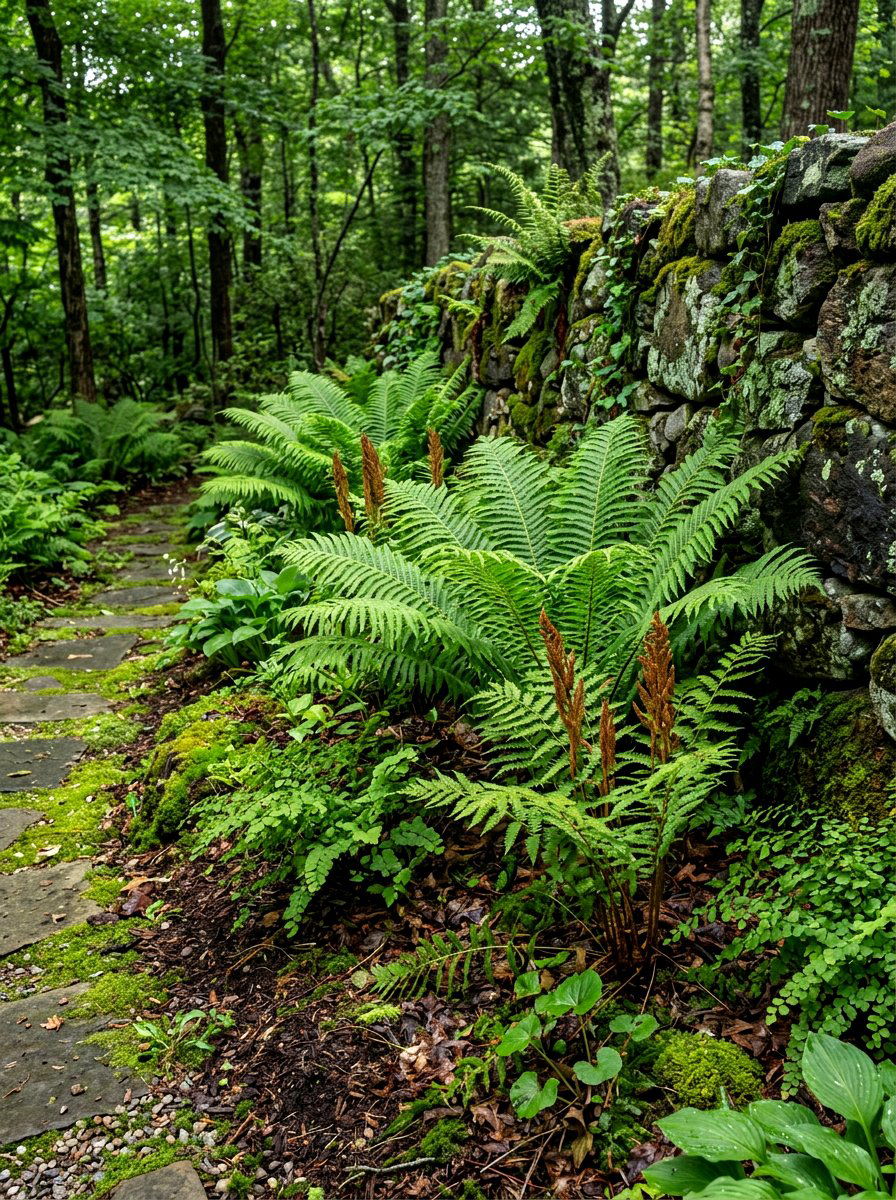
A native fern garden is the ultimate choice for a lush, prehistoric-looking landscape in shady, moist areas of your property. Indigenous ferns come in an incredible variety of sizes, textures, and shades of green, from delicate maidenhair types to giant ostrich ferns. These plants are exceptionally hardy and thrive with very little attention once they are established in a suitable spot. They provide excellent ground cover and create a soft, cooling atmosphere that feels like a hidden forest glen. This design is perfect for North-facing walls or damp corners where other plants struggle. A fern-focused garden offers a tranquil, green retreat that remains beautiful and structural throughout the entire growing season.
27. Gravel garden
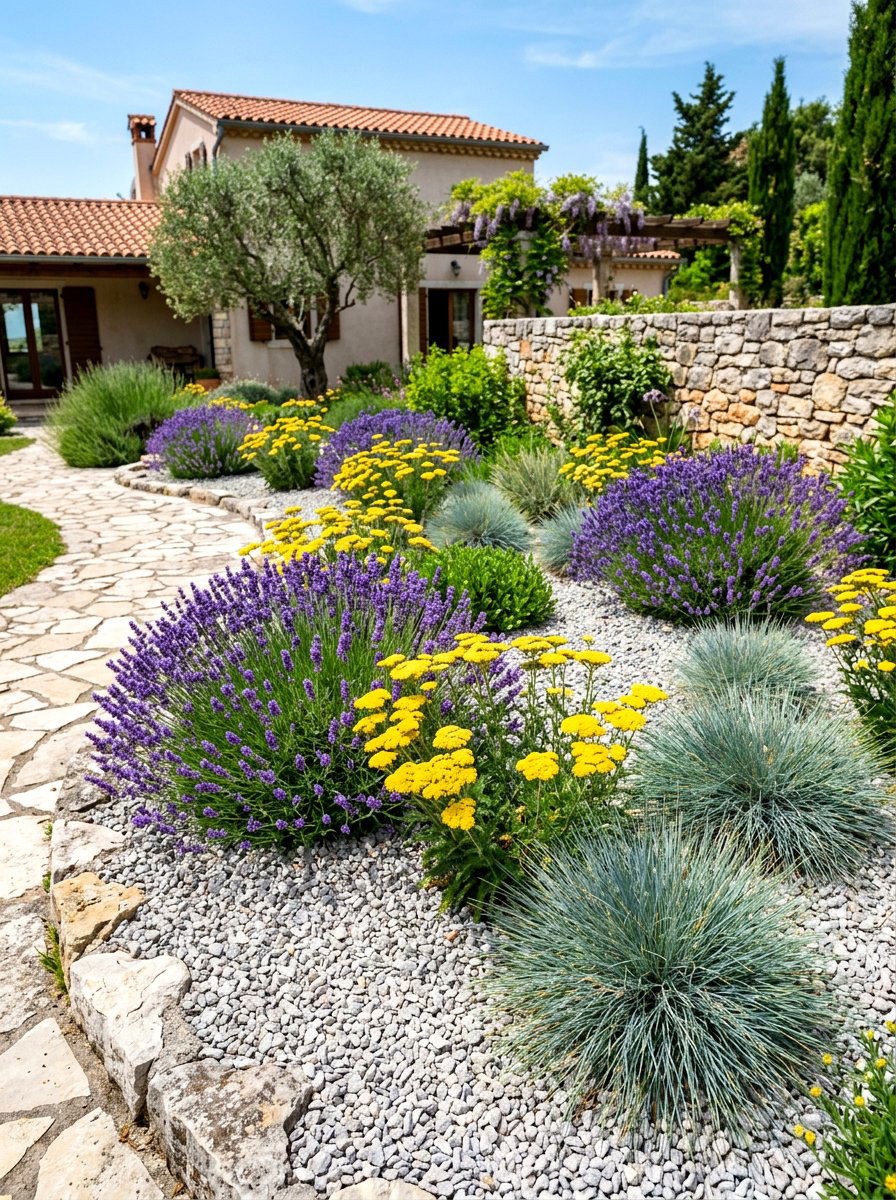
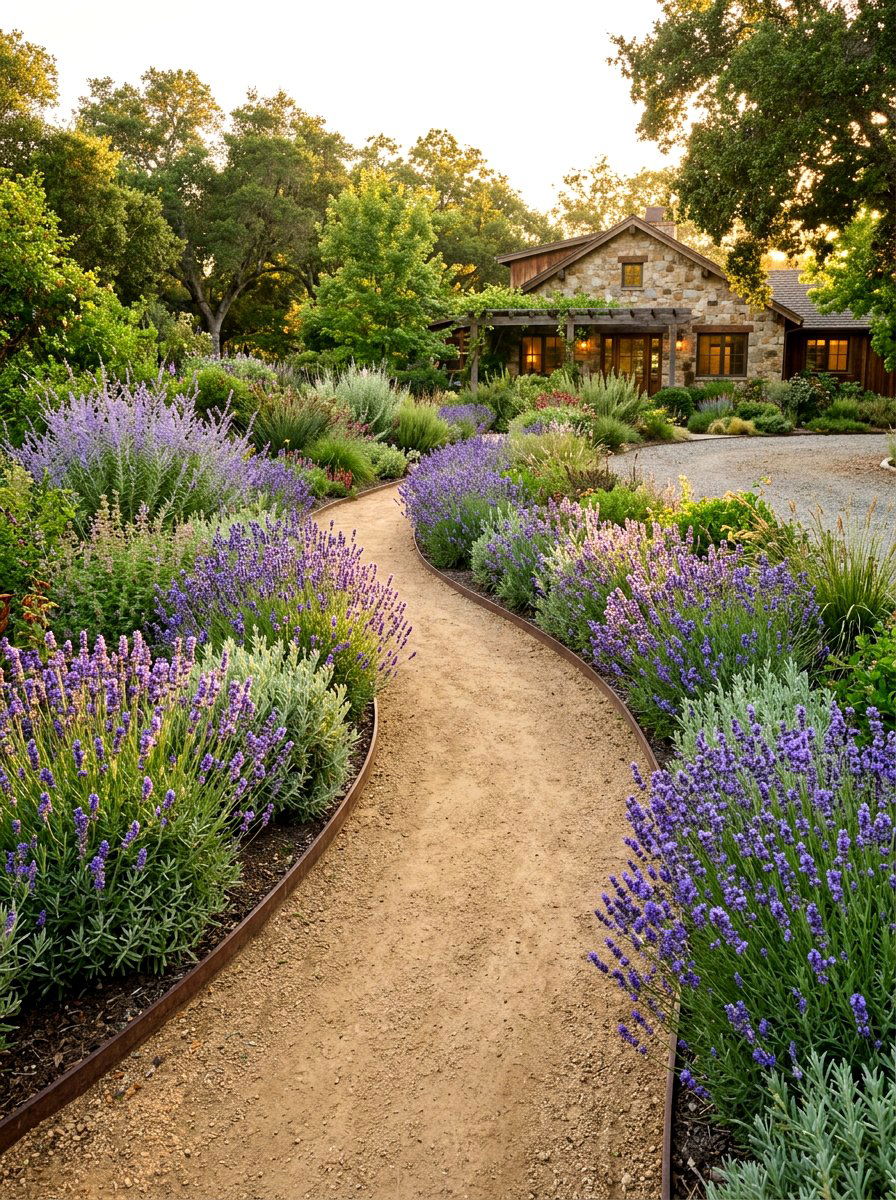
A gravel garden using native, drought-tolerant species is an incredibly sustainable and stylish alternative to traditional mulch-heavy flower beds. This design uses various sizes of local stone as a top-dressing, which helps suppress weeds and keeps the soil cool while providing excellent drainage. Native Mediterranean-style plants or desert species thrive in this environment, creating a rugged and modern aesthetic. This approach is particularly effective in sunny, dry areas and requires almost zero watering once the plants are settled. The combination of textured stone and hardy greenery creates a low-maintenance, high-impact landscape that looks great year-round. It is a smart, water-wise choice that fits perfectly with contemporary home designs and ecological priorities.
28. Privacy screen plants
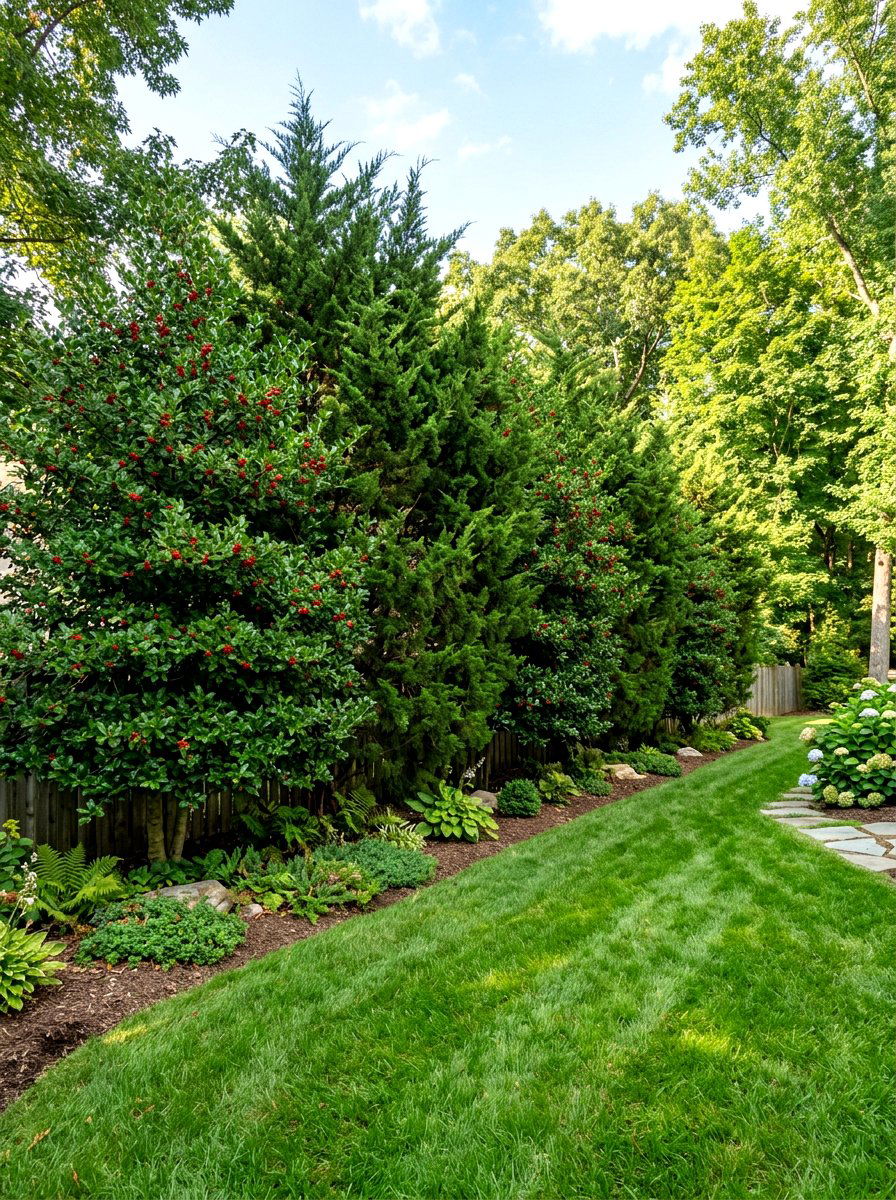
Using native evergreens and dense shrubs to create a privacy screen is a beautiful way to block unwanted views and create a secluded outdoor room. Indigenous species are more likely to thrive in your local soil and climate than exotic hedge plants, leading to a faster-growing and more resilient living wall. This design can include a mix of different native plants to create a more natural-looking boundary that also provides varied food and shelter for birds. These green screens act as a natural windbreak and noise buffer, making your outdoor space feel more private and peaceful. This approach adds significant value and beauty to your property while supporting the health of the local ecosystem.
29. Edible native garden
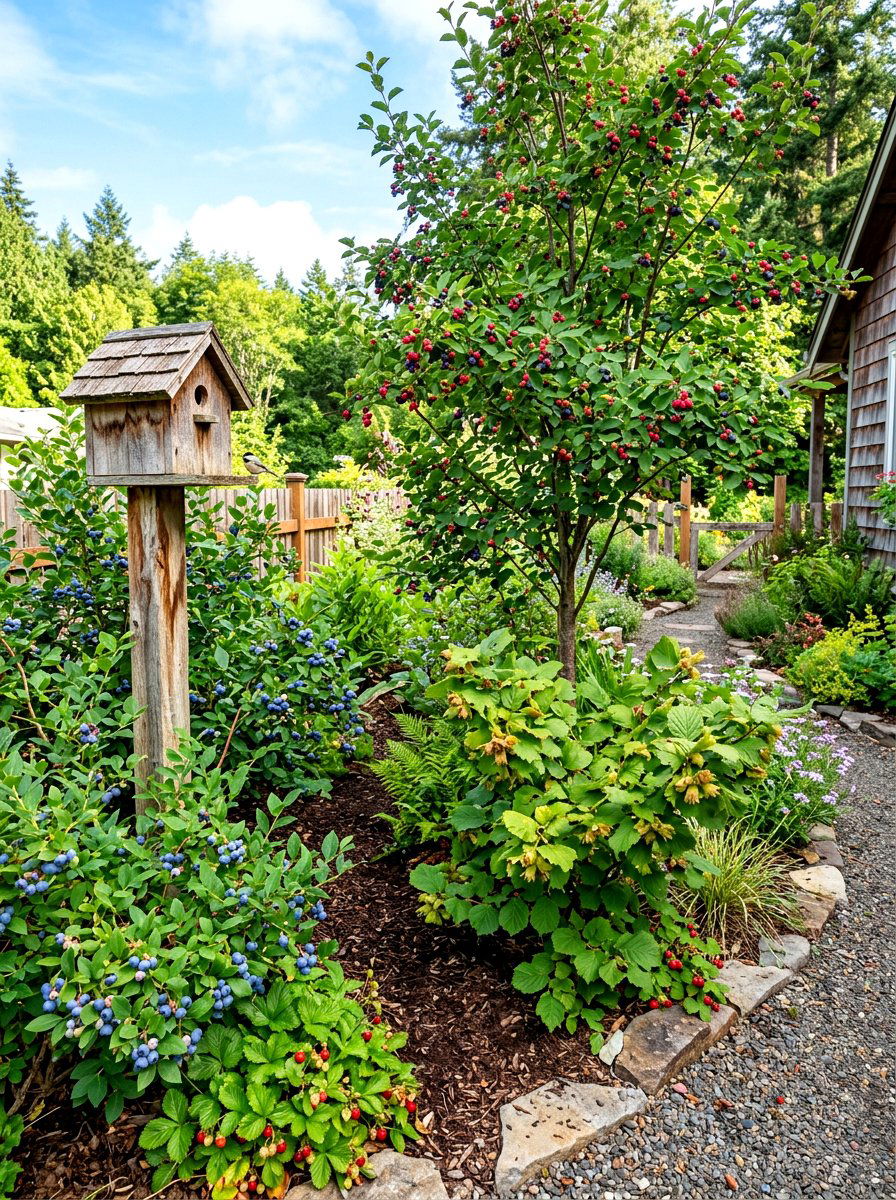
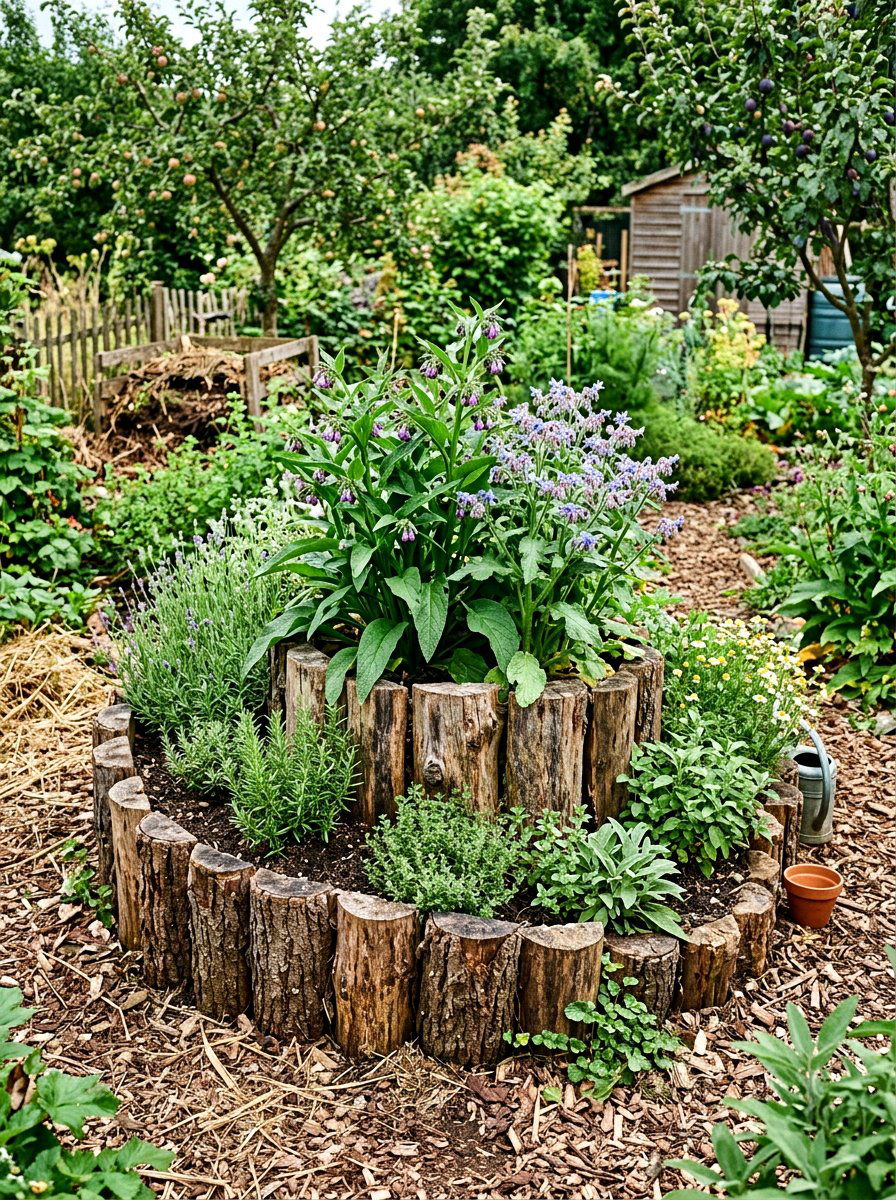
An edible native garden combines the benefits of sustainable landscaping with the joy of harvesting your own food. Many indigenous plants produce delicious berries, nuts, or edible leaves that have been used for centuries but are often overlooked in modern gardening. By incorporating species like native blueberries, serviceberries, or hazelnut shrubs, you create a productive landscape that is much hardier than traditional fruit trees. These plants require fewer pesticides and less water because they are perfectly adapted to your region's pests and weather. This design provides a unique farm-to-table experience right in your backyard while supporting local pollinators. It is a functional, beautiful, and delicious way to embrace native plant landscaping.
30. Native container garden
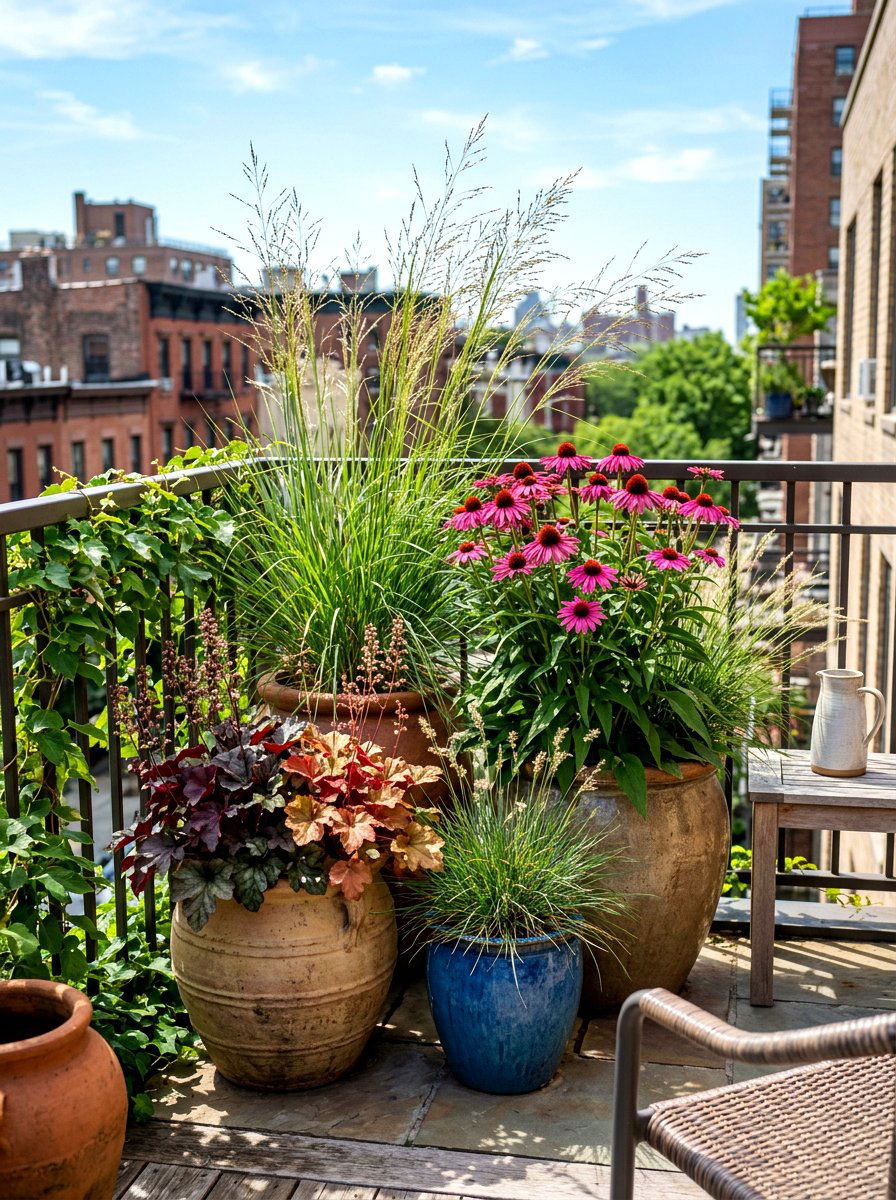
For those with limited space like balconies, decks, or small patios, a native container garden allows you to enjoy the benefits of indigenous plants in a portable format. Many native wildflowers and small shrubs thrive in pots as long as they have the right soil and light conditions. This design approach lets you create a miniature ecosystem that can be rearranged and moved as needed. Using containers is also a great way to experiment with different species before planting them in the ground. A collection of native potted plants adds color and life to your outdoor living area while providing a welcome oasis for traveling butterflies and bees in urban environments.
Conclusion:
Embracing native plant landscaping is one of the most impactful decisions you can make for your home and the environment. By choosing plants that naturally belong in your region, you create a garden that is beautiful, resilient, and deeply connected to the local landscape. This sustainable approach saves you time and money while providing a vital sanctuary for the wildlife that shares your neighborhood. Whether you have a massive backyard or a tiny urban balcony, there are native plant ideas that can transform your space into a thriving, eco-friendly oasis. We hope these thirty diverse ideas inspire you to start your journey toward a more natural, low-maintenance, and vibrant outdoor world.

Related posts: