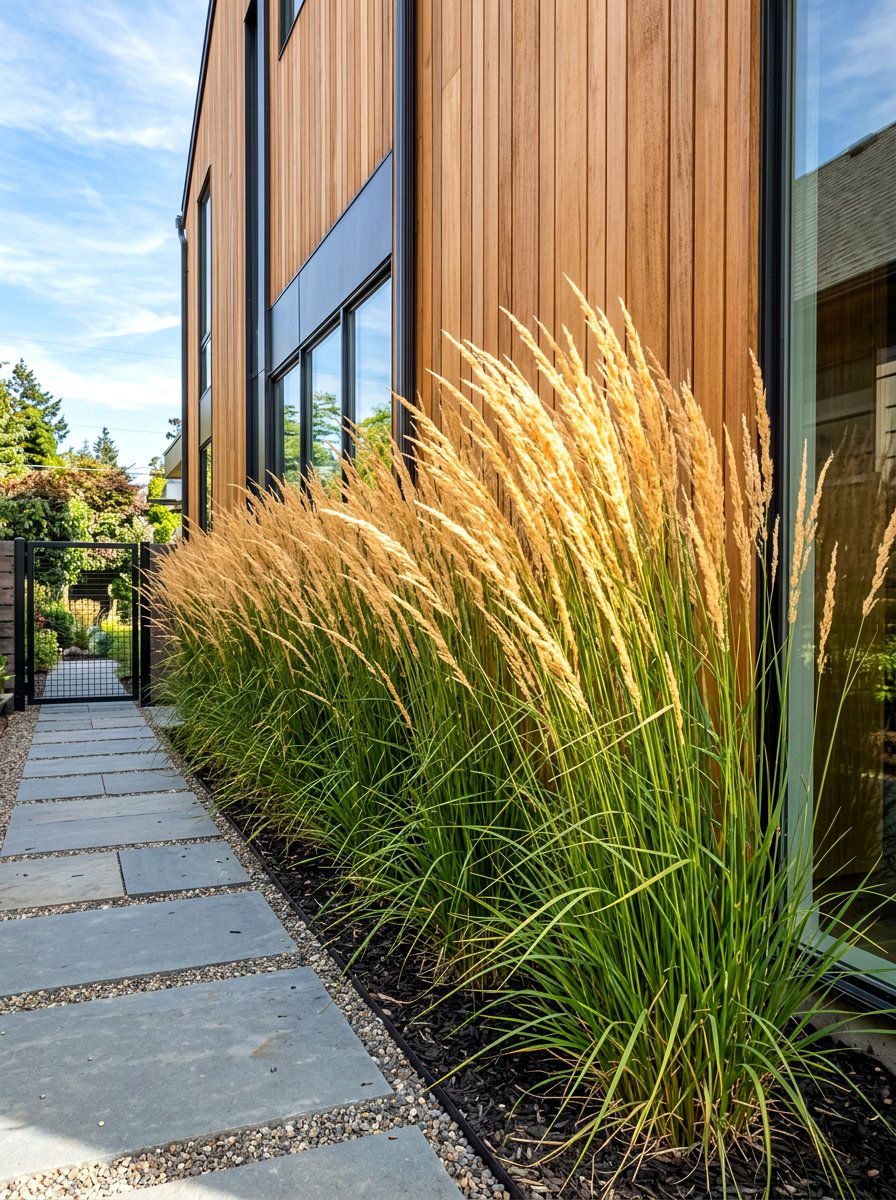
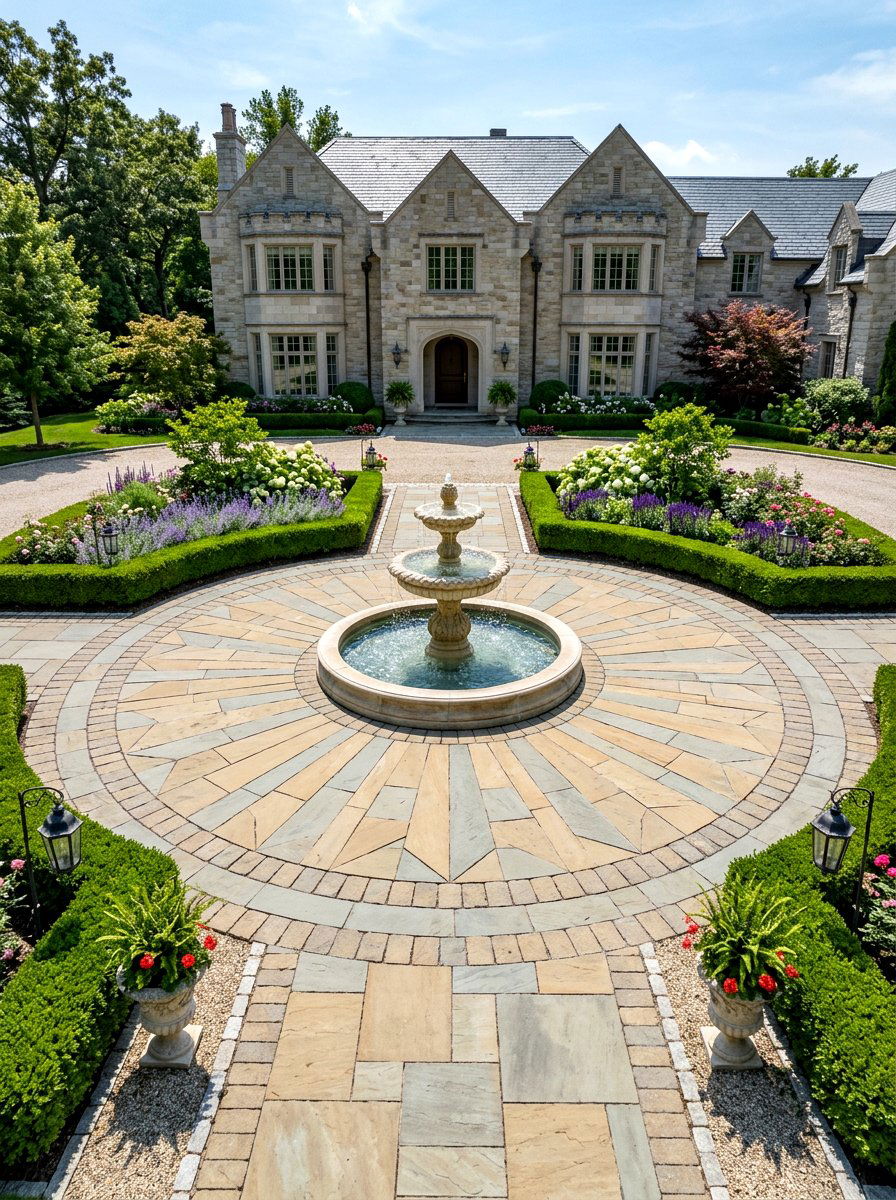
A narrow side yard often feels like a forgotten corridor or a simple utility zone meant for trash cans and AC units. However, with the right design, this slim strip of land can become a stunning transition that adds significant value and beauty to your home. Designing a pathway is the most effective way to guide the eye and create a sense of purpose in these tight spaces. Whether you prefer the crunch of gravel underfoot or the sleek look of modern pavers, a well-planned path makes the area feel intentional rather than accidental. You can transform a dull alleyway into an inviting garden journey by selecting materials that complement your architecture and landscape style.
1. Gravel side yard path
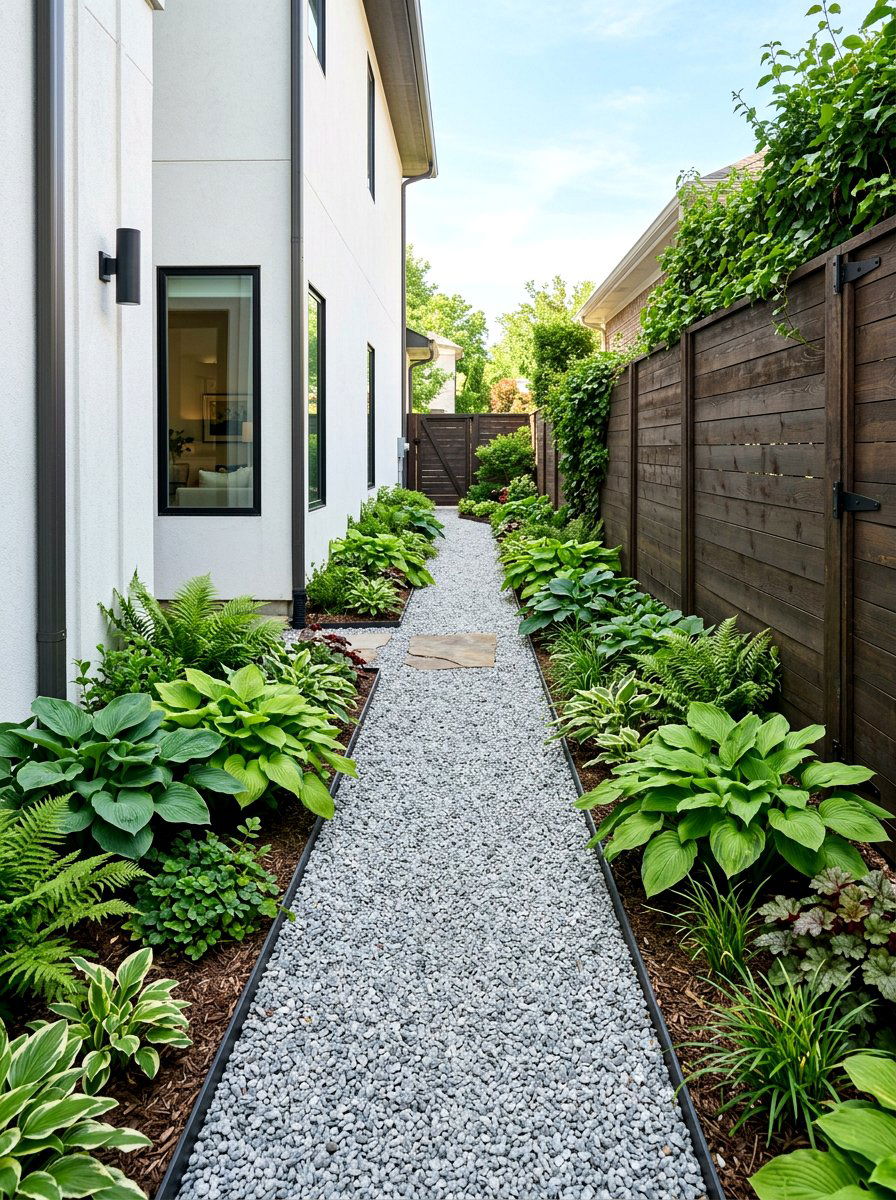
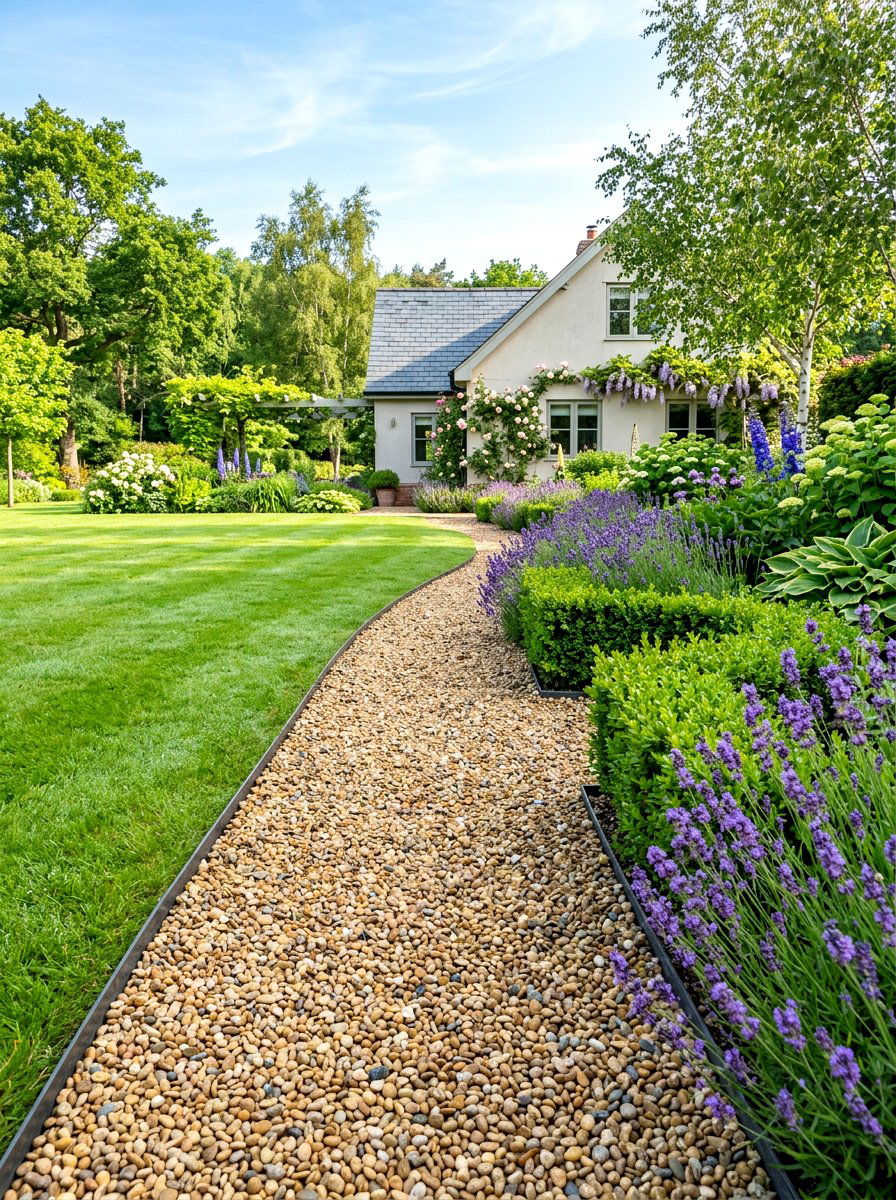
Choosing a gravel path is one of the most practical and affordable ways to manage a narrow side yard. This material provides excellent drainage, which is crucial for the tight spaces between a house and a fence where water often pools. You can select from various colors like slate gray, tan, or white to match your home’s exterior perfectly. Laying down a heavy-duty landscape fabric before pouring the stones will keep weeds at bay and maintain a clean appearance. The subtle crunching sound of the stones also adds a layer of home security. It creates a textured, low-maintenance surface that looks professional and stays functional for many years with minimal effort.
2. Flagstone stepping stones
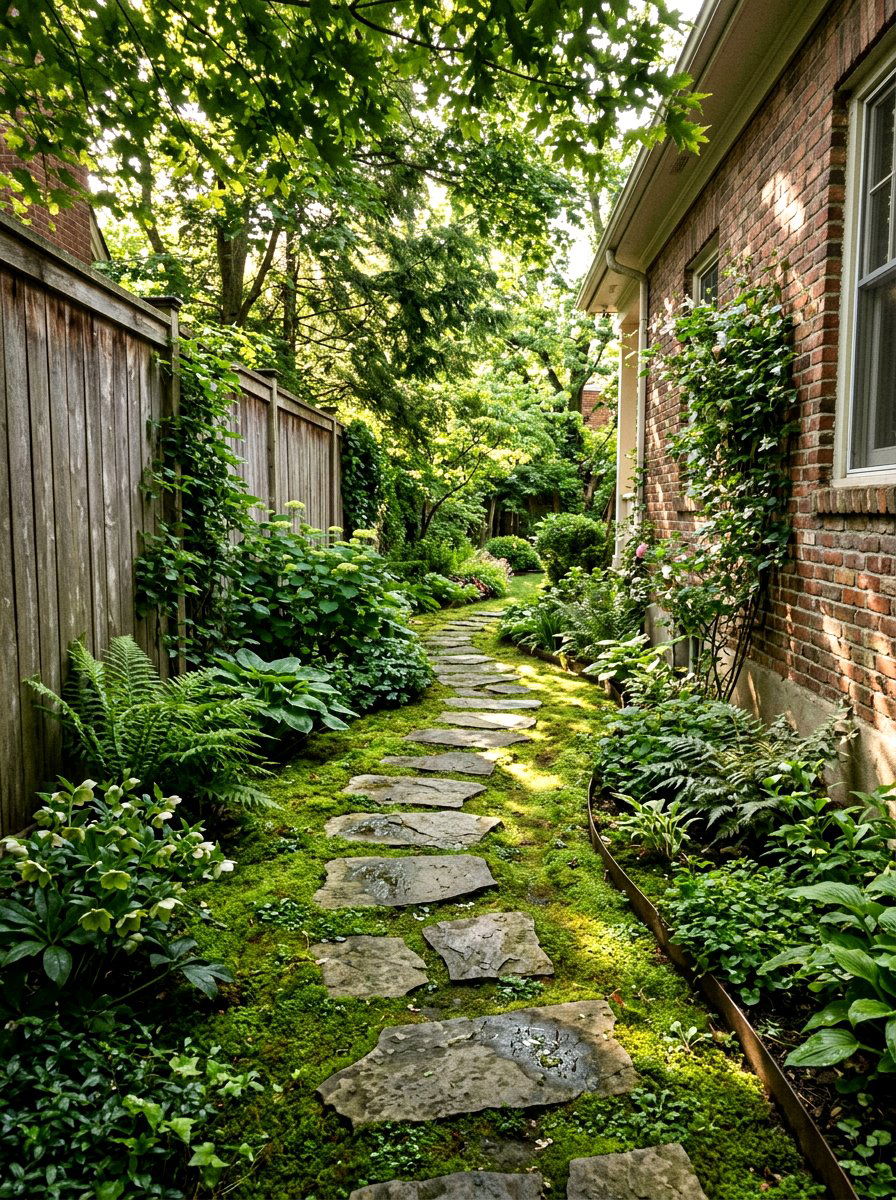
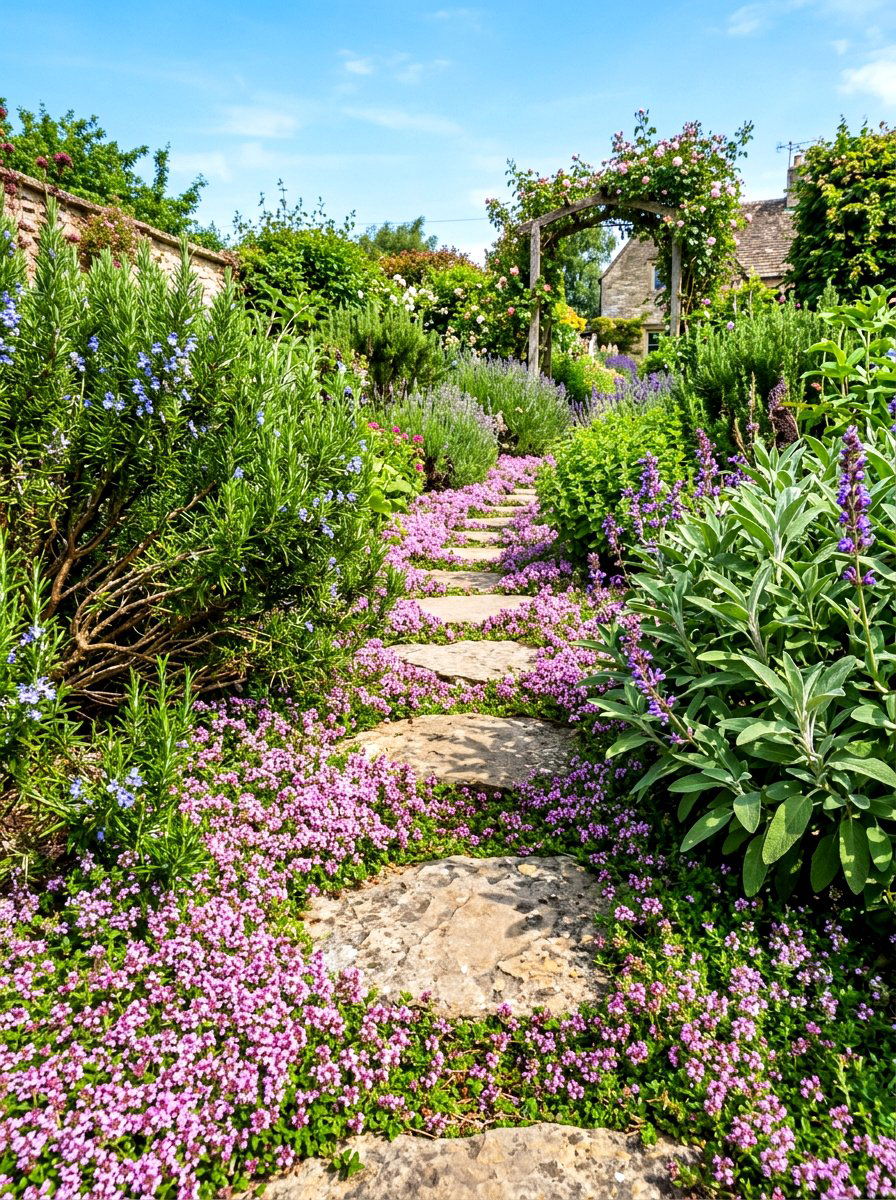
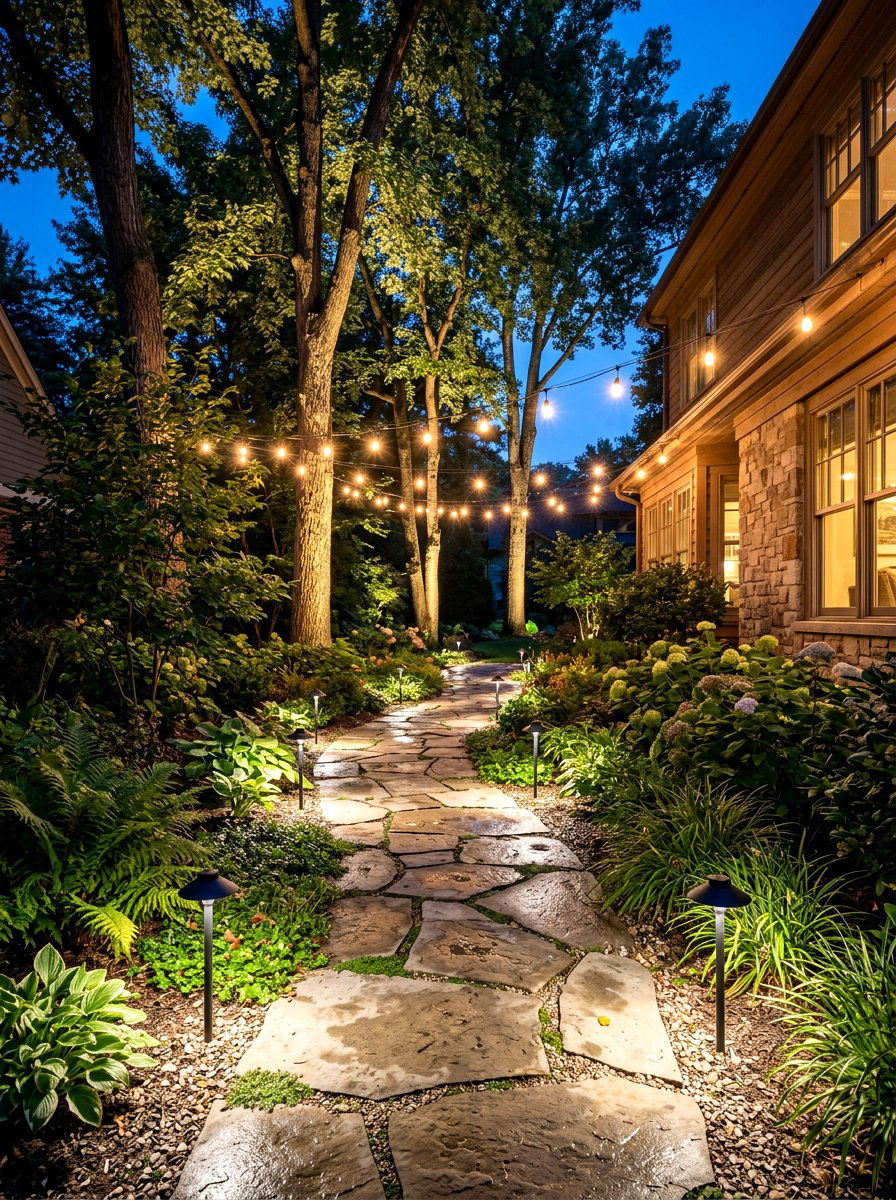
Flagstone stepping stones offer a classic and organic feel that softens the harsh lines of a narrow side yard. These natural stones come in irregular shapes, allowing you to create a winding path that feels like a discovery rather than a chore. You can nestle the stones into the soil or surround them with a soft ground cover like creeping thyme or moss. This approach breaks up the visual monotony of a long, straight alleyway. Because each stone is unique in color and texture, the path becomes a focal point of the landscape. It is a durable solution that handles foot traffic well while blending seamlessly with any surrounding garden plants.
3. Concrete paver path
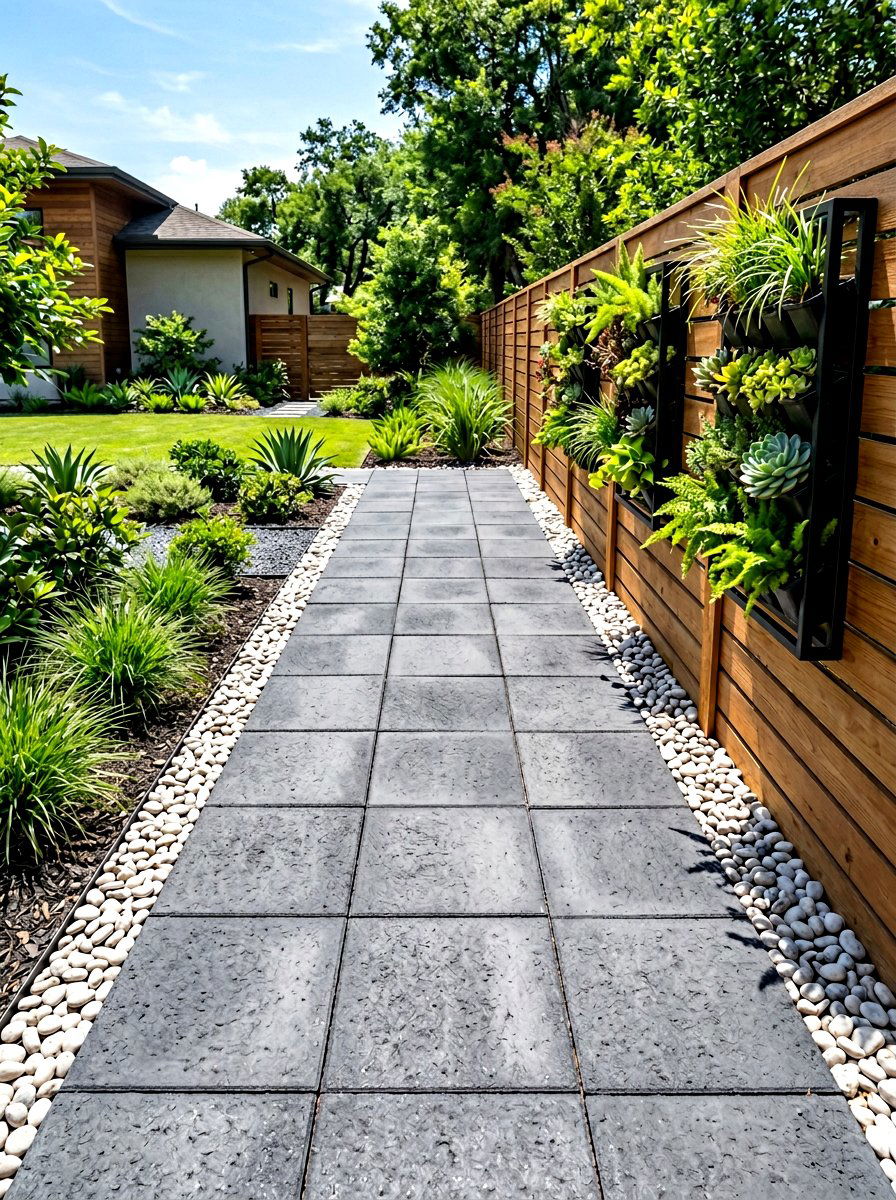
Large concrete pavers are ideal for creating a modern and clean aesthetic in a slim side yard. By using oversized square or rectangular slabs, you reduce the number of joints, which makes the small space appear much wider and more expansive. You can lay them in a straight line for a formal look or offset them for a contemporary vibe. These pavers provide a very stable and level walking surface, making them perfect for high-traffic areas. They are available in various shades of gray and beige to complement modern architectural styles. This design choice is low-maintenance and provides a sleek, high-end finish that looks incredibly polished and sophisticated.
4. Wood plank walkway
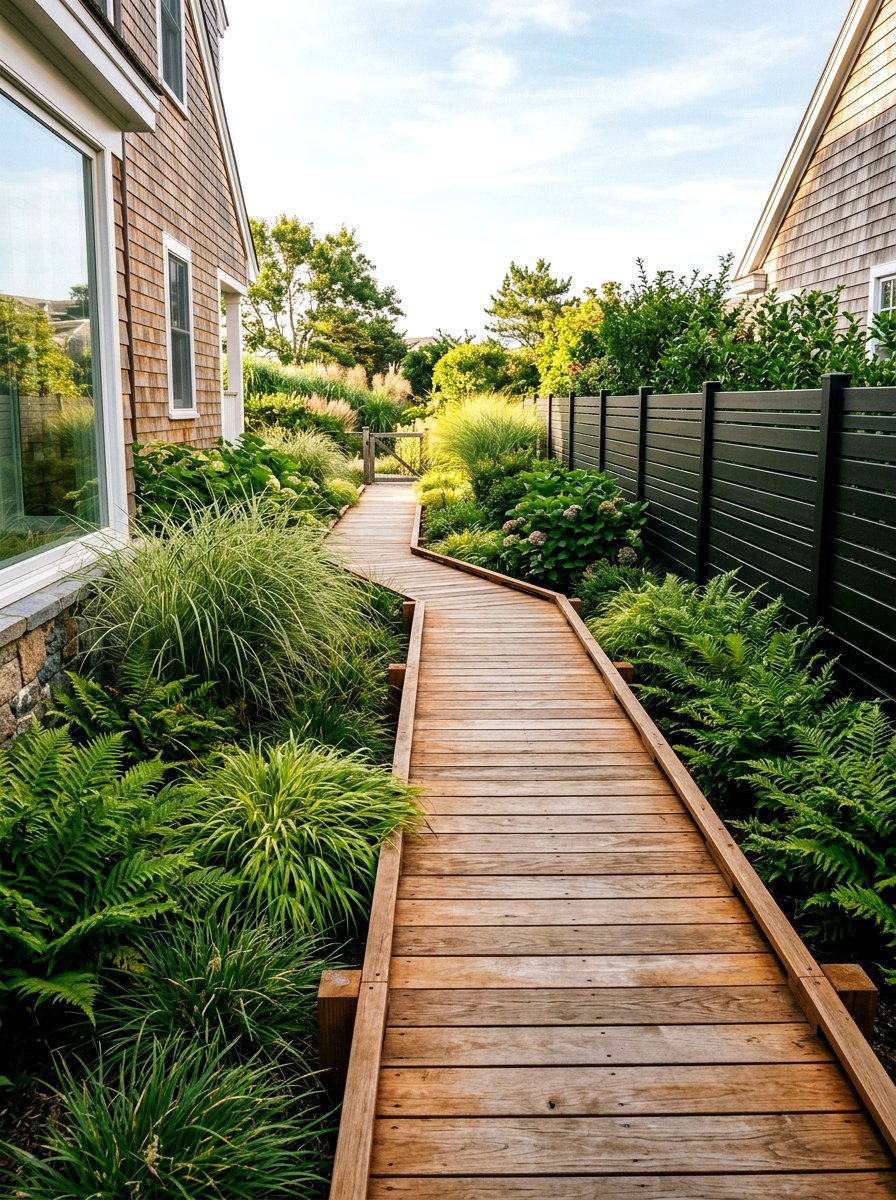
A wood plank walkway brings a warm, coastal, or rustic feel to a side yard that might otherwise feel cold. Using weather-resistant timber like cedar or pressure-treated wood allows you to build a boardwalk-style path that sits slightly above the ground. This is especially useful in areas that stay damp or have uneven terrain that is difficult to level. The horizontal orientation of the planks can actually make a narrow space feel broader to the human eye. You can leave the wood to weather naturally to a silvery gray or stain it to match your deck. It provides a unique texture and a comfortable surface for walking barefoot during the summer.
5. Brick herringbone walkway
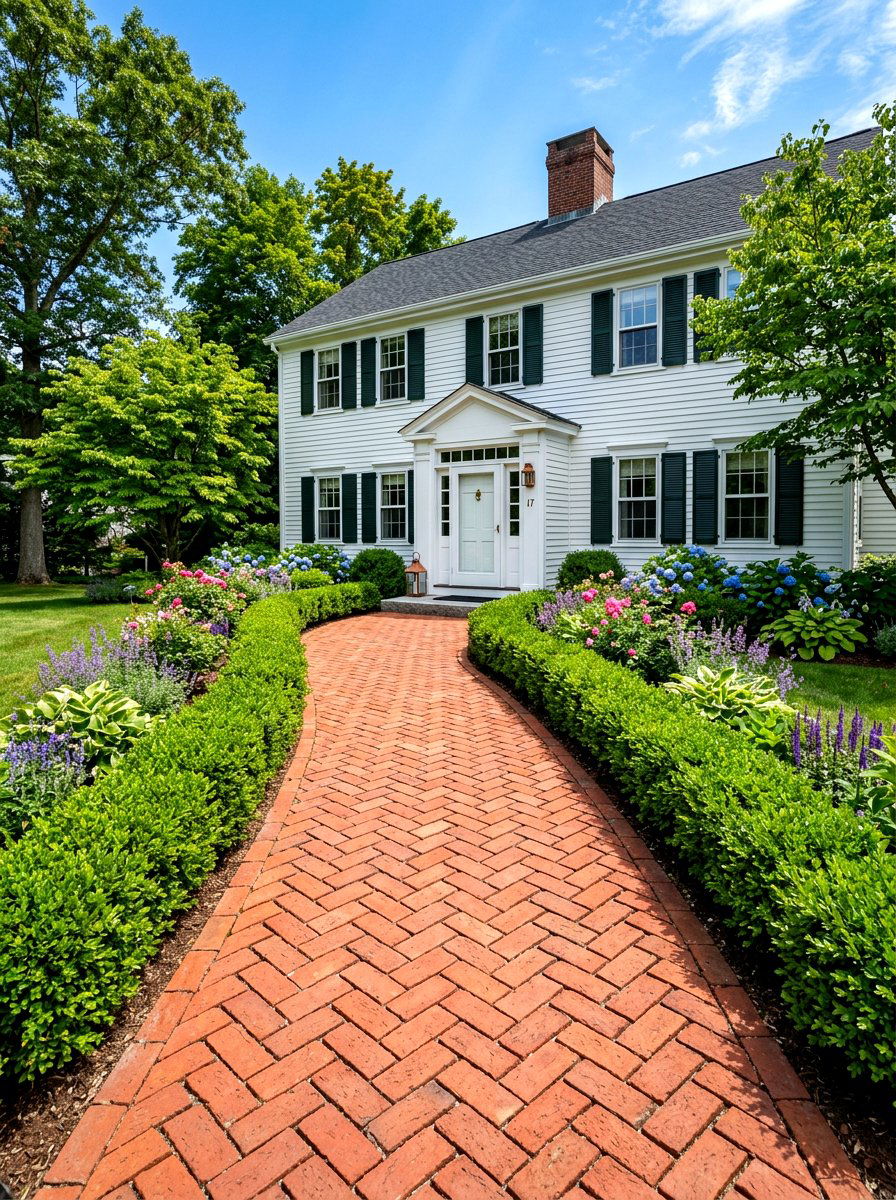
The herringbone brick pattern is a timeless choice that adds a sense of history and craftsmanship to your home’s exterior. This interlocking design is not only visually stimulating but also incredibly strong and resistant to shifting over time. Using traditional red bricks provides a warm contrast against green foliage and gray house walls. Because the pattern is intricate, it draws the eye downward and makes the narrow journey feel more like an architectural experience. It works beautifully for traditional, colonial, or cottage-style homes. This type of path is durable, classic, and adds a touch of elegance that never goes out of style for any residential property.
6. Decomposed granite path
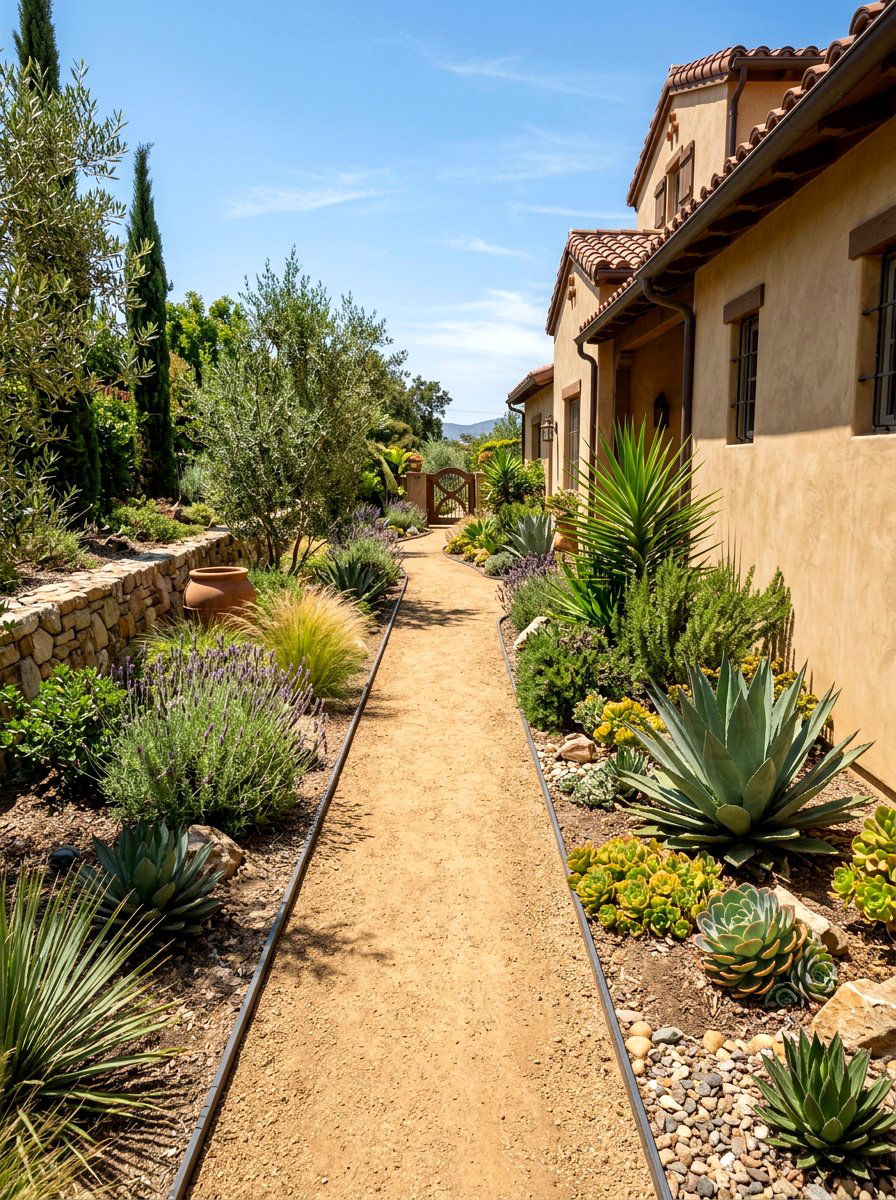
Decomposed granite is a fantastic choice for a natural-looking path that offers a firmer surface than traditional loose gravel. It consists of very fine granite particles that pack down tightly to create a stable walkway that still permits water to soak through. This material is often used in Mediterranean or xeriscape designs because of its earthy tones and desert-inspired aesthetic. You can easily install it in tight corners or around curved garden beds. To keep it contained, use a thin metal or plastic edging to maintain crisp lines. It is an affordable, permeable, and attractive solution that makes any narrow side yard look professionally landscaped and well-maintained.
7. Mulch and stone path
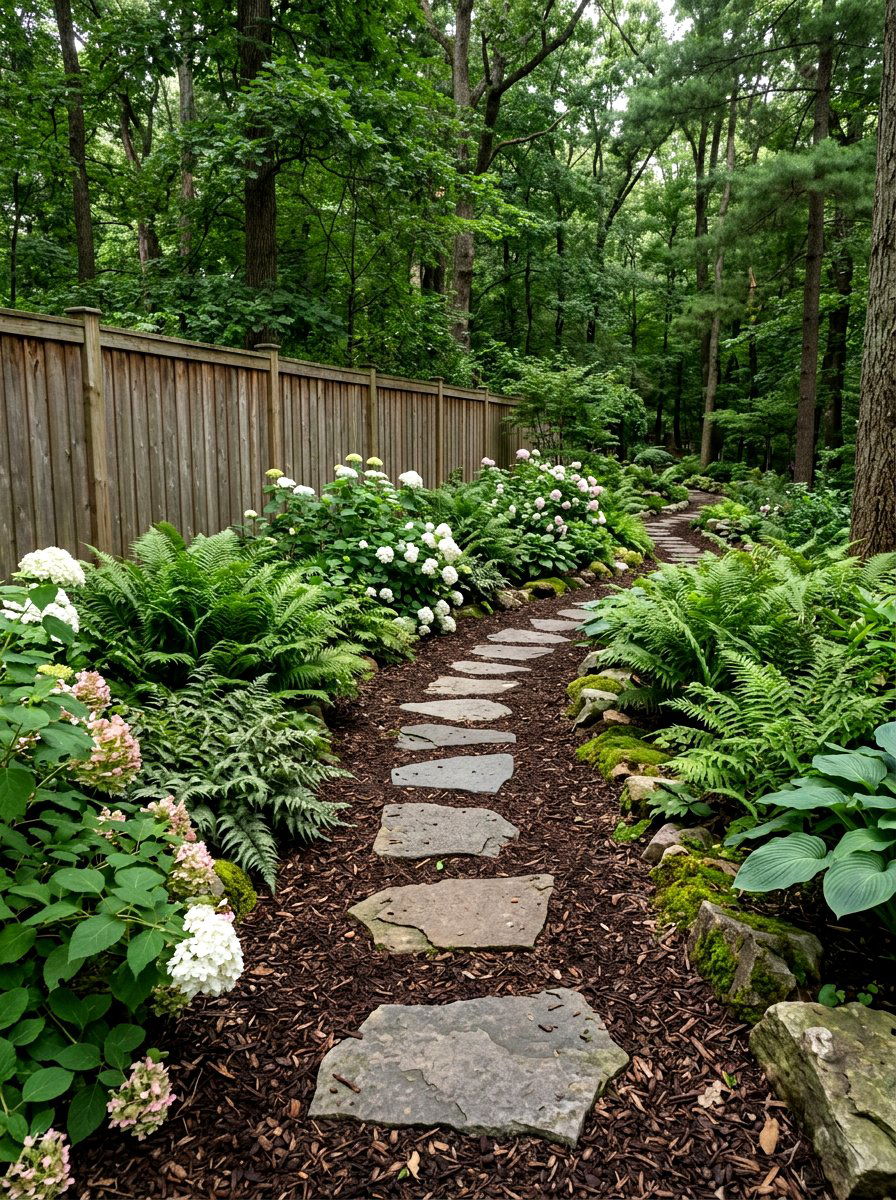
Combining wood mulch with large flat stones creates a soft and budget-friendly path that feels very natural. The mulch provides a cushioned walking surface and helps retain moisture for any nearby plants or hedges. By placing large stepping stones within the mulch, you create a clear designated walking area that prevents the mulch from being displaced. This design is particularly effective in shaded side yards where grass struggles to grow. It offers an earthy fragrance and a dark color palette that makes the surrounding greenery pop with color. It is a very easy DIY project that can be completed in a single weekend for immediate visual impact.
8. River rock walkway
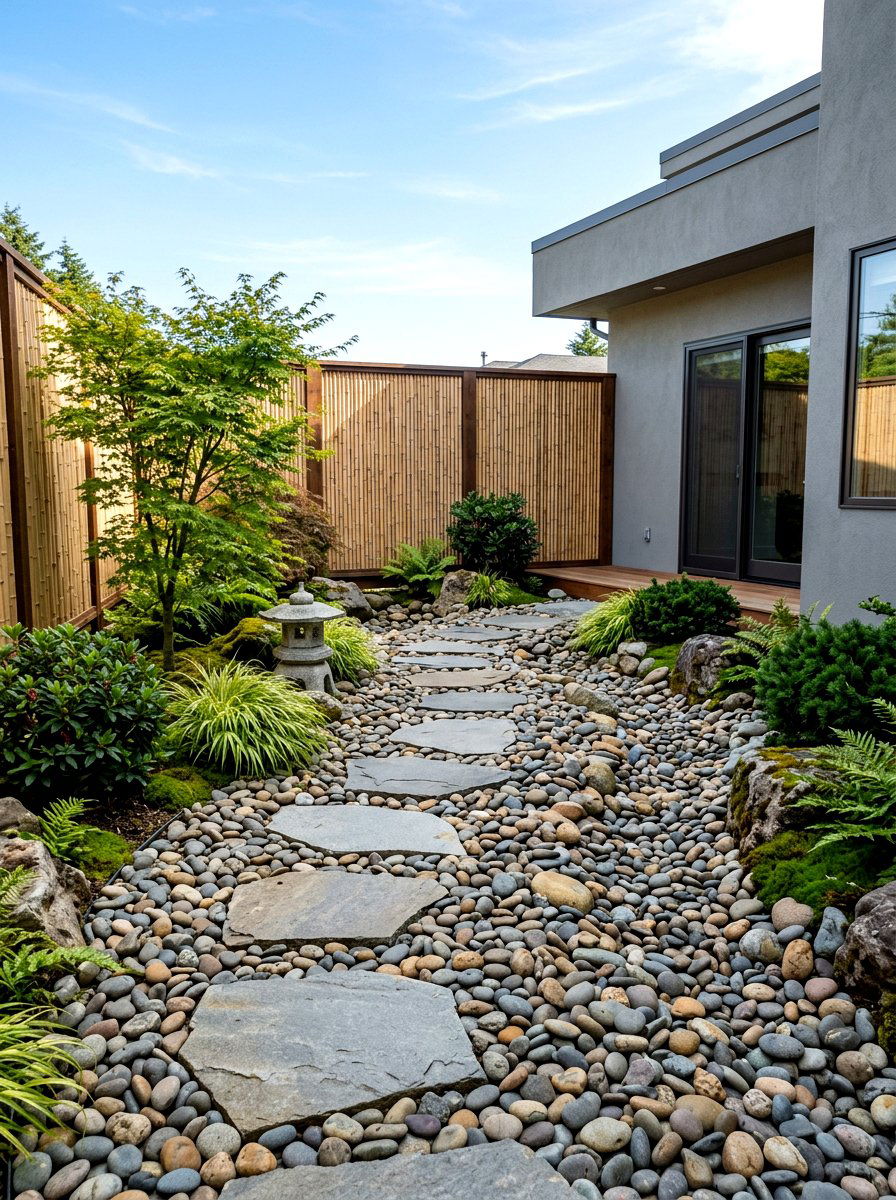
River rocks are smooth, rounded stones that bring a serene and water-inspired element to your side yard design. Using these stones creates a beautiful dry creek bed appearance that serves a dual purpose as a drainage solution. You can mix different sizes and colors of river rocks to add depth and visual interest to the narrow corridor. Placing a few larger flat stones as "islands" within the river rocks ensures a safe and stable footing for pedestrians. This look is perfect for Zen gardens or contemporary landscapes. The rocks stay in place well and provide a permanent, no-mow solution that looks beautiful in both rain and shine.
9. Slate tile path
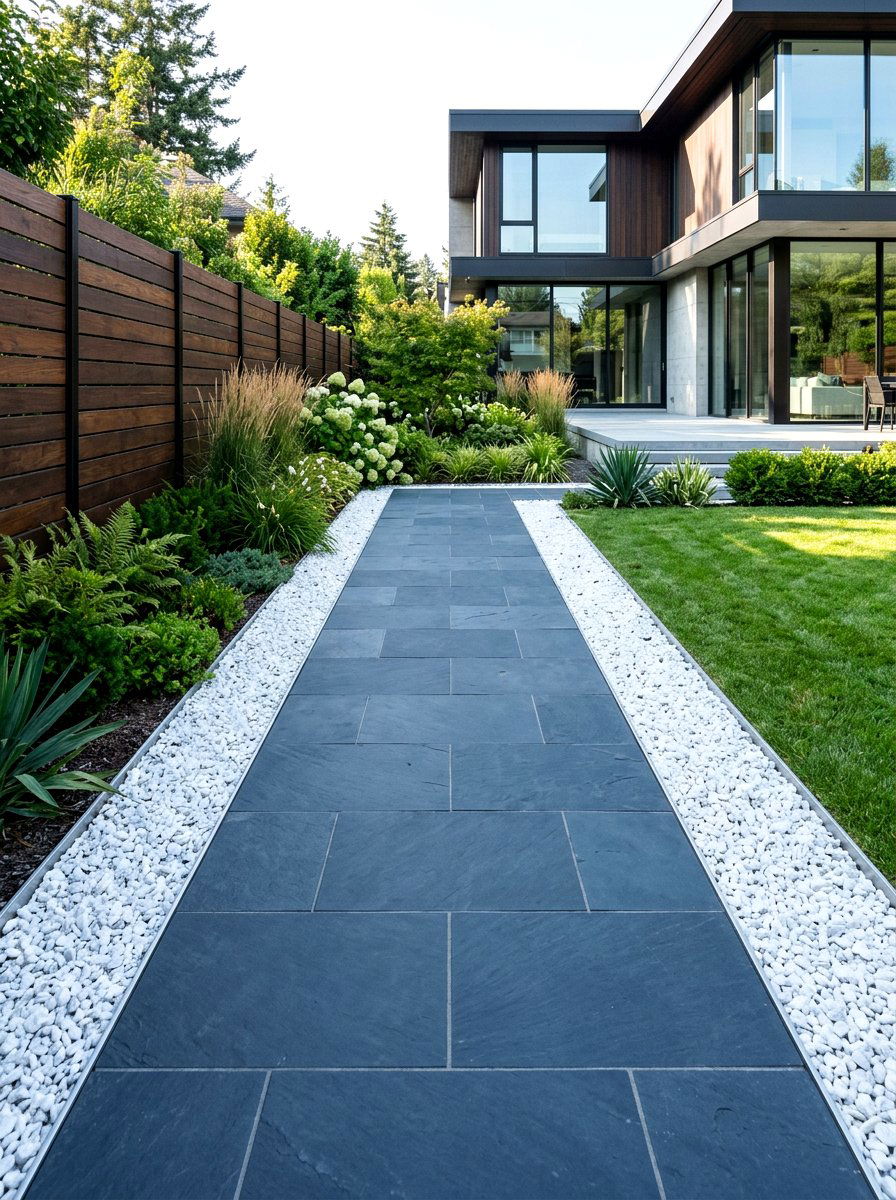
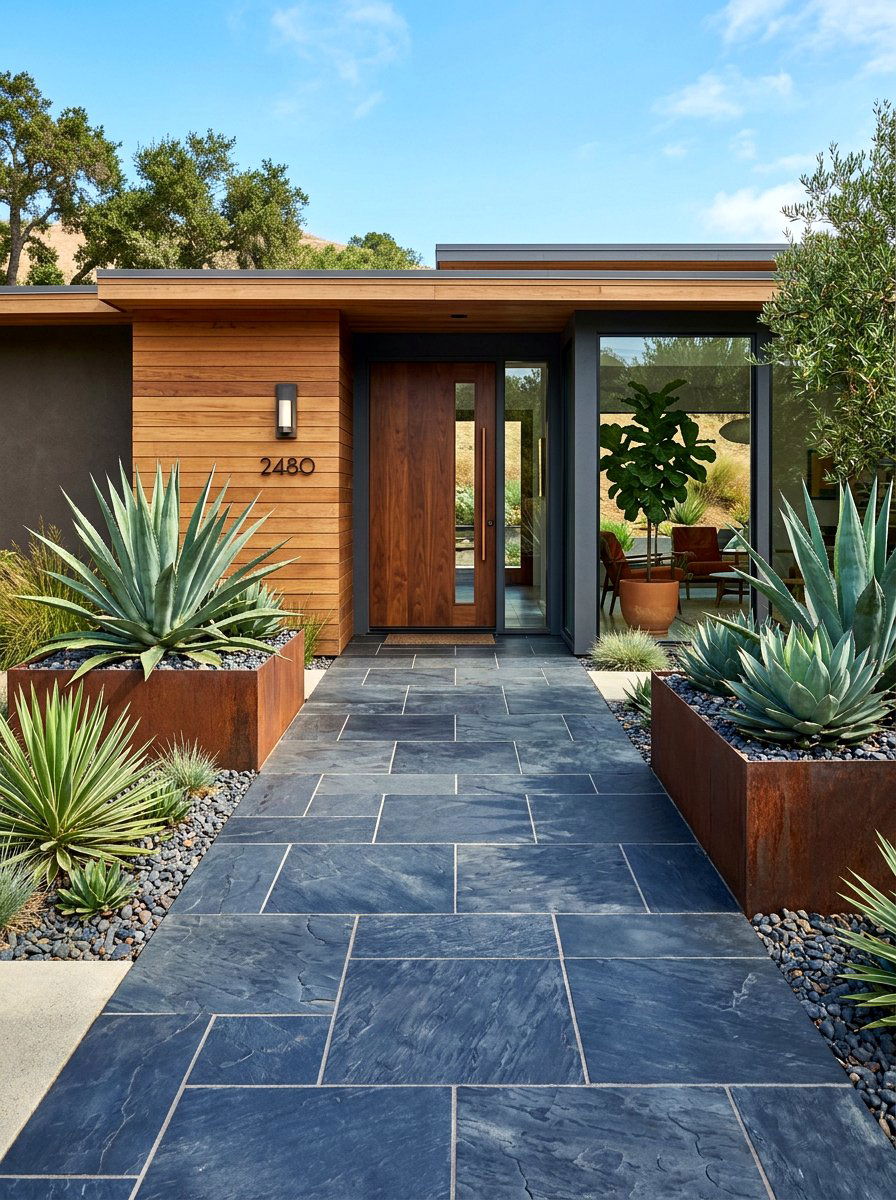
Slate tiles offer a sophisticated and high-end look for side yards that transition between formal outdoor living areas. The natural cleft surface of slate provides excellent slip resistance, which is a vital safety feature for outdoor walkways. These tiles come in stunning shades of charcoal, blue-gray, and even rust, adding a rich color palette to the ground. You can set them in a bed of mortar for a permanent feel or lay them over a sand base for a more flexible installation. The clean edges and dark tones provide a dramatic contrast against light-colored fences or house siding. It is a durable and luxurious choice for any modern home.
10. Metal edged gravel path
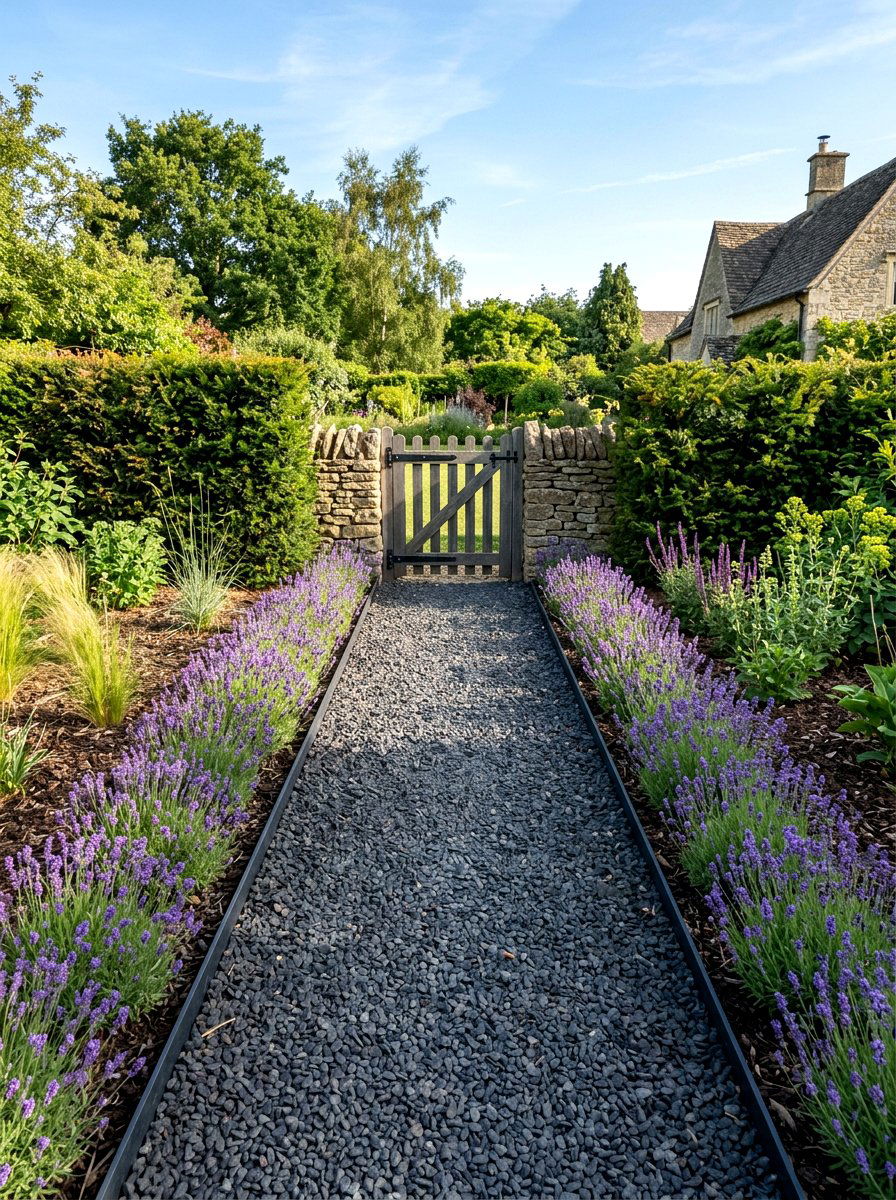
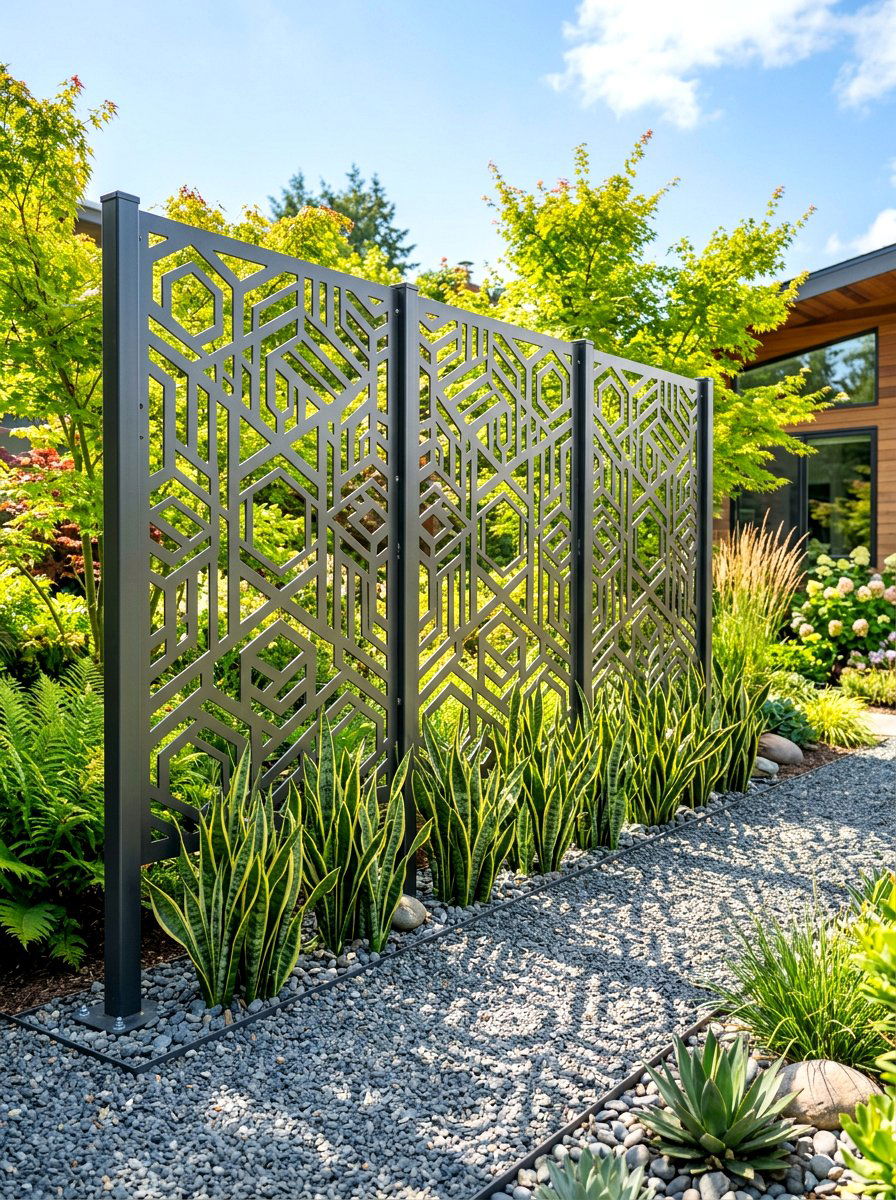
Using professional-grade metal edging with gravel creates a very sharp and defined look that prevents the stones from migrating into your garden beds. The thin profile of the metal is almost invisible, allowing the focus to remain on the clean lines of the path itself. This is especially helpful in narrow side yards where space is at a premium and every inch counts. The edging holds the gravel in a tight, compact shape, ensuring the walkway remains functional and tidy. You can choose steel for a rustic, weathered look or aluminum for a sleek, silver finish. This small detail makes an affordable gravel path look expensive and custom-made.
11. Moss and stone walkway
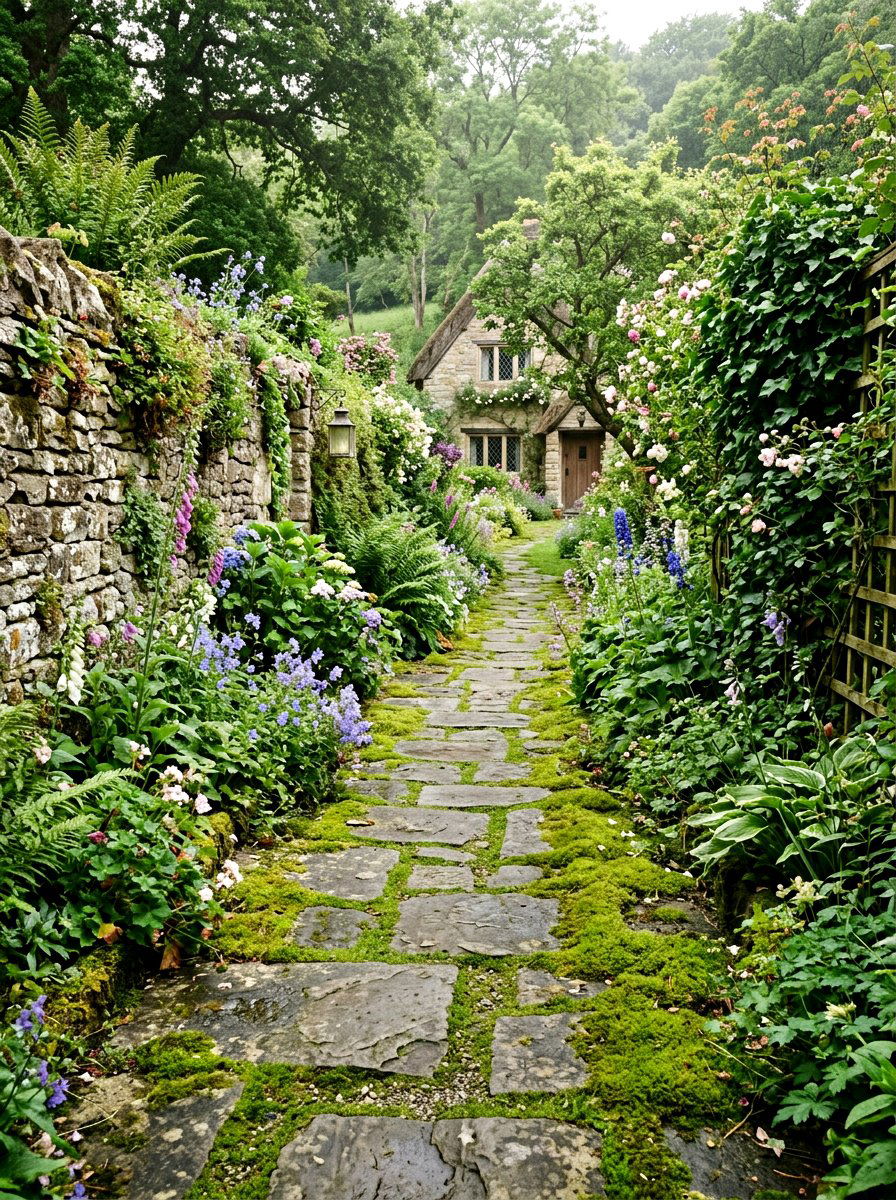
If your side yard is shaded and damp, a moss and stone walkway can turn a problem area into a lush, fairytale-like passage. Using irregular flagstones with wide gaps allows soft, green moss to grow in between the rocks. This creates a living carpet that feels wonderful underfoot and looks incredibly vibrant. Moss thrives in areas where traditional grass fails, making it a perfect low-maintenance ground cover for narrow alleys. The combination of hard stone and soft greenery provides a beautiful textural contrast. This style of path brings a sense of tranquility and age to the garden, making the space feel like a hidden woodland retreat.
12. Checkerboard paver path
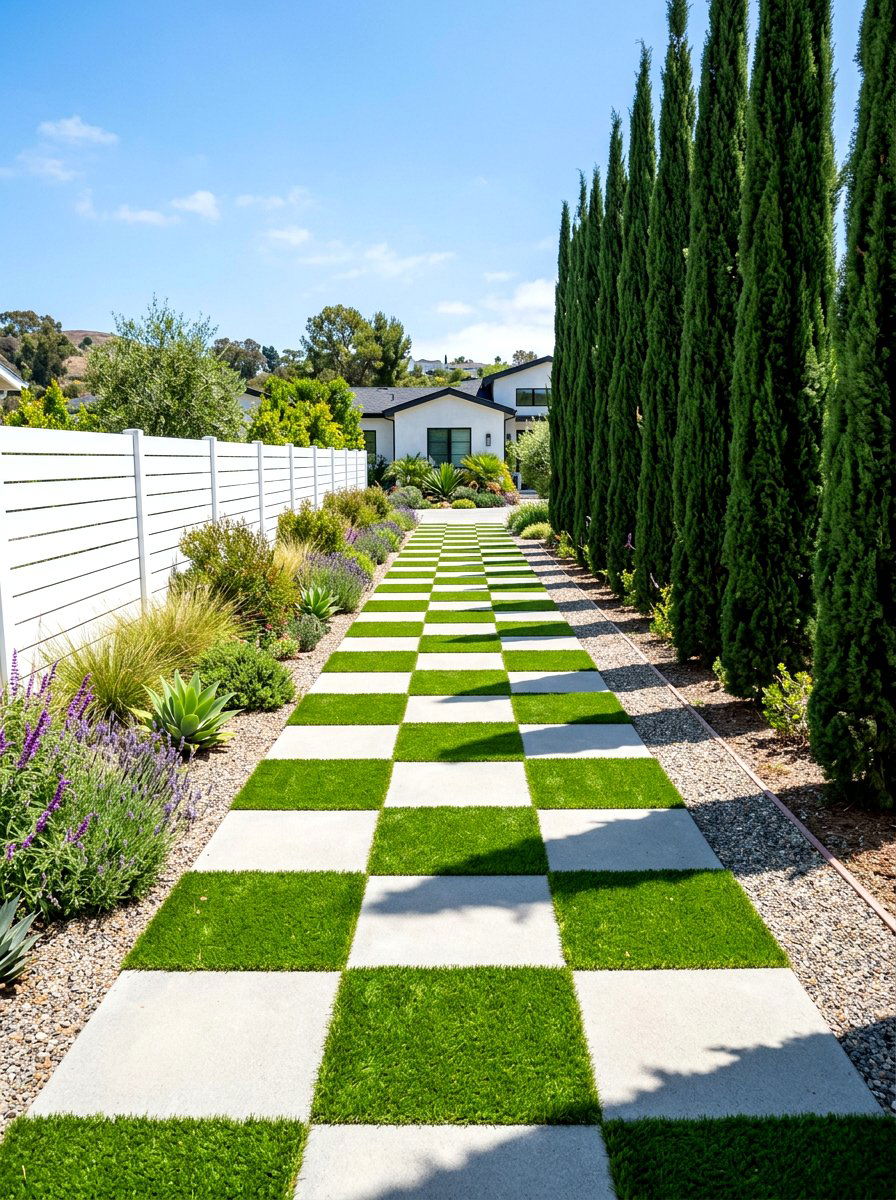
A checkerboard pattern using square pavers and grass or low-growing ground cover is a playful and artistic design for a side yard. By alternating solid stones with green squares, you break up the long "runway" effect of a narrow space. This pattern creates a rhythmic visual interest that makes the walk feel shorter and more engaging. You can use large concrete squares for a modern look or brick squares for something more traditional. This design also allows for better water infiltration compared to a solid concrete slab. It is a great way to introduce more greenery into a space that is dominated by hard surfaces and tall walls.
13. Curved garden path
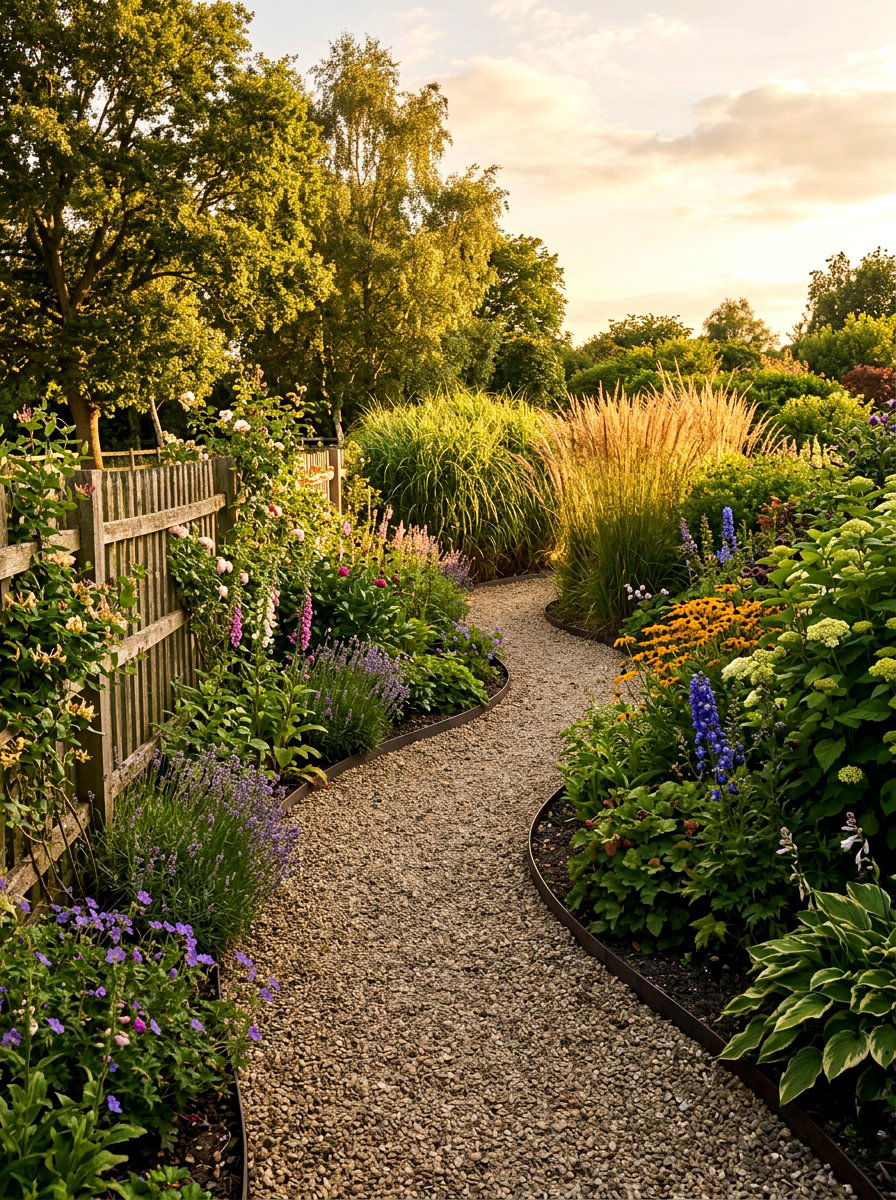
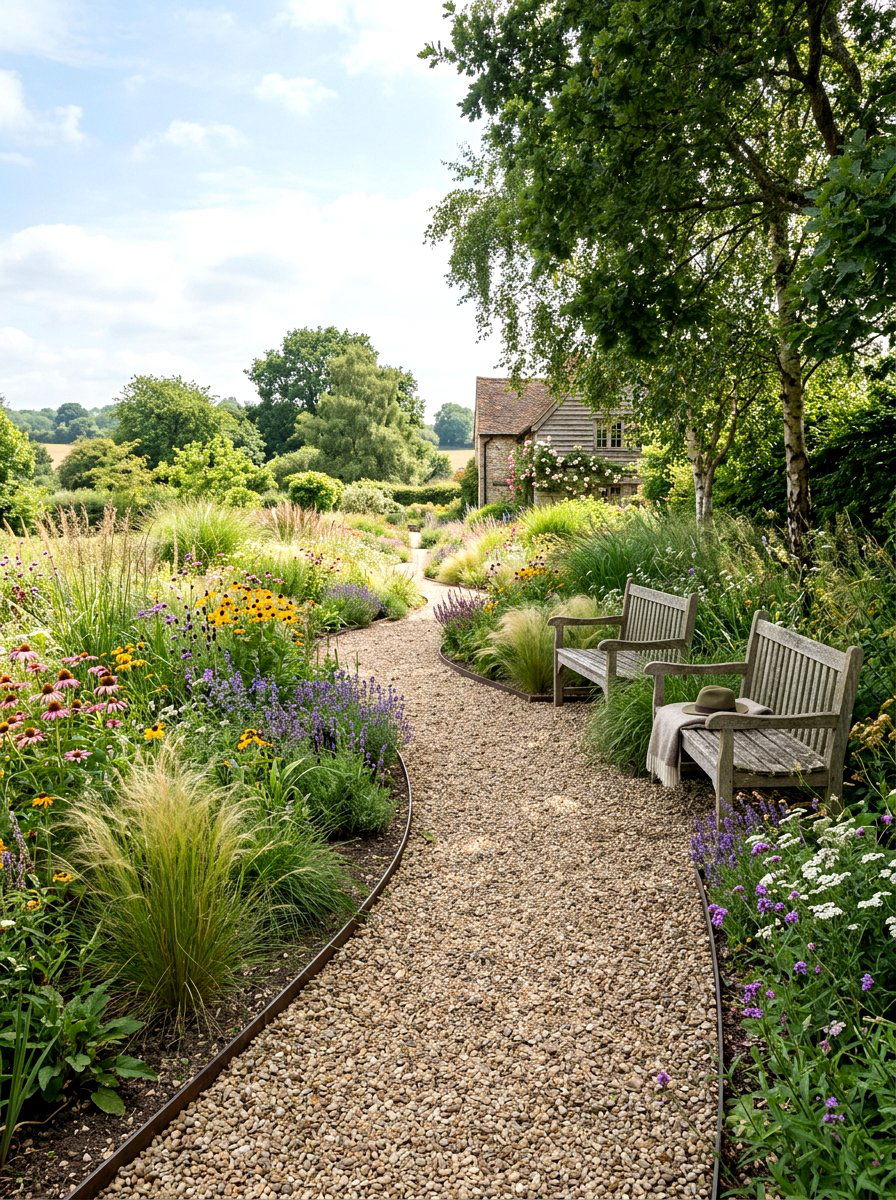
A curved path is a clever design trick used by landscapers to make a narrow side yard feel much larger than it actually is. By creating a gentle S-curve, you prevent the eye from seeing the entire length of the path at once. This creates a sense of mystery and encourages people to slow down and enjoy the journey. You can use flexible edging and gravel or small pavers to achieve the desired curves. Filling the outer bends of the curves with tall plants or ornamental grasses further enhances the illusion of depth. It transforms a utilitarian hallway into a winding garden walk that feels spacious and inviting.
14. Natural stone walkway
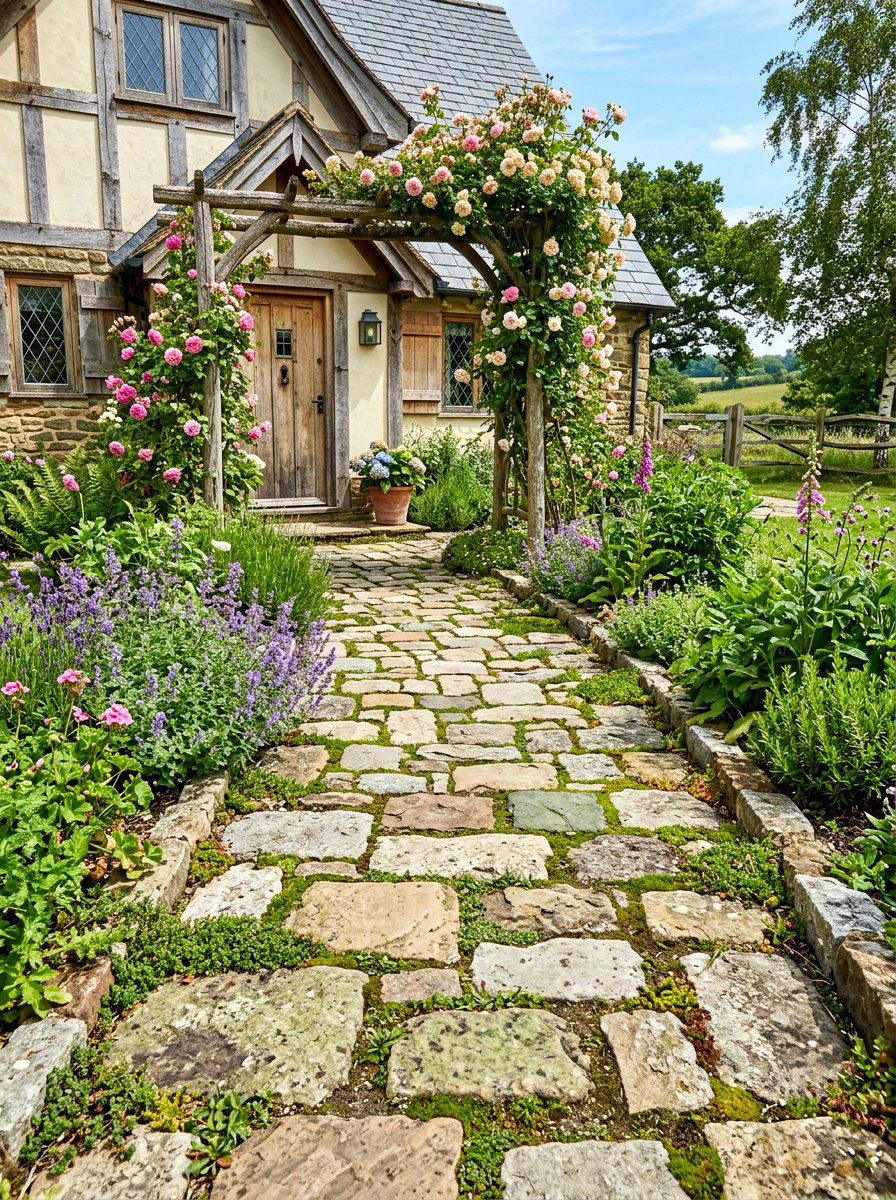
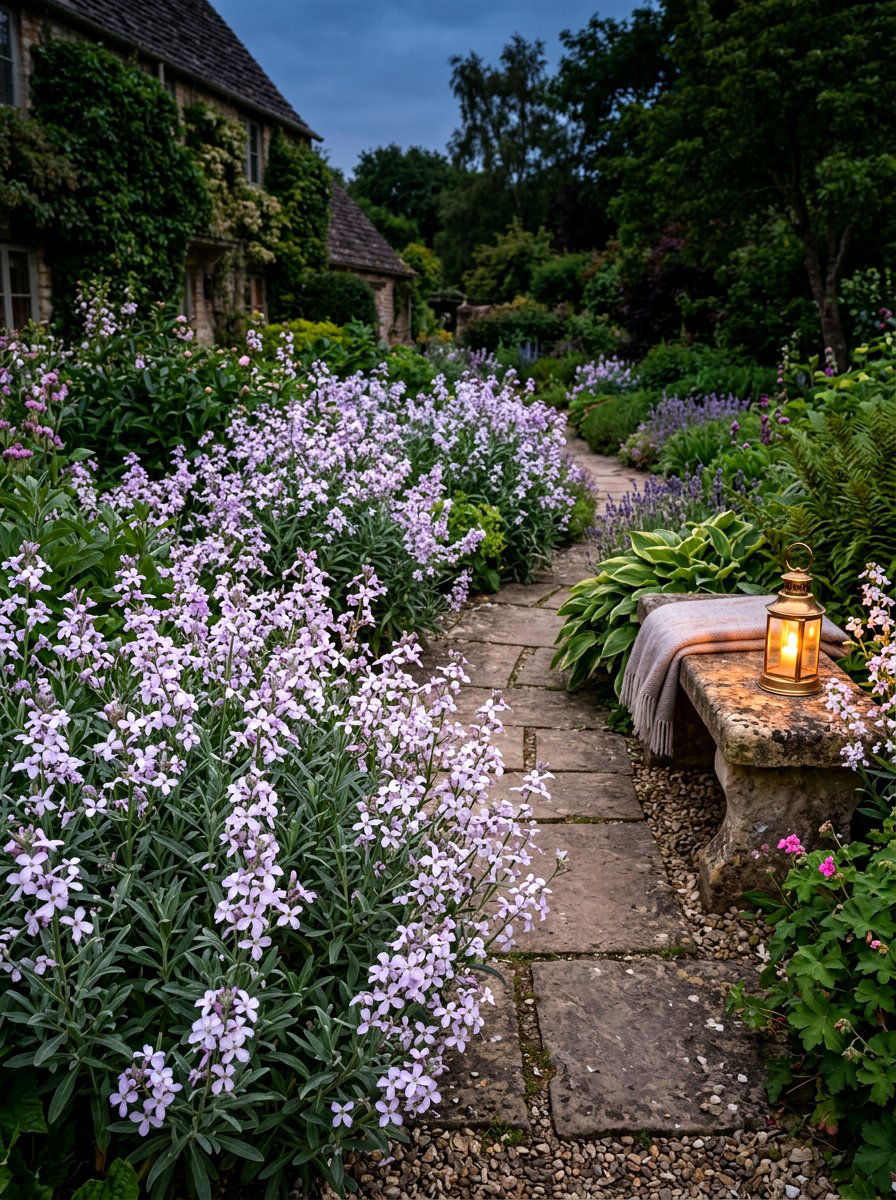
Using locally sourced natural stones ensures that your side yard path feels perfectly integrated into the surrounding environment. These stones often have rugged textures and earthy colors that reflect the local geology. You can lay them in a random mosaic pattern to create a handcrafted look that is full of character. Because natural stone is incredibly durable, it will withstand extreme weather conditions for decades without losing its beauty. This type of path works exceptionally well for farmhouse or cottage-style homes where a relaxed, unpolished look is desired. It provides a timeless and sturdy foundation for any outdoor space that requires a reliable walking surface.


15. Timber and gravel steps
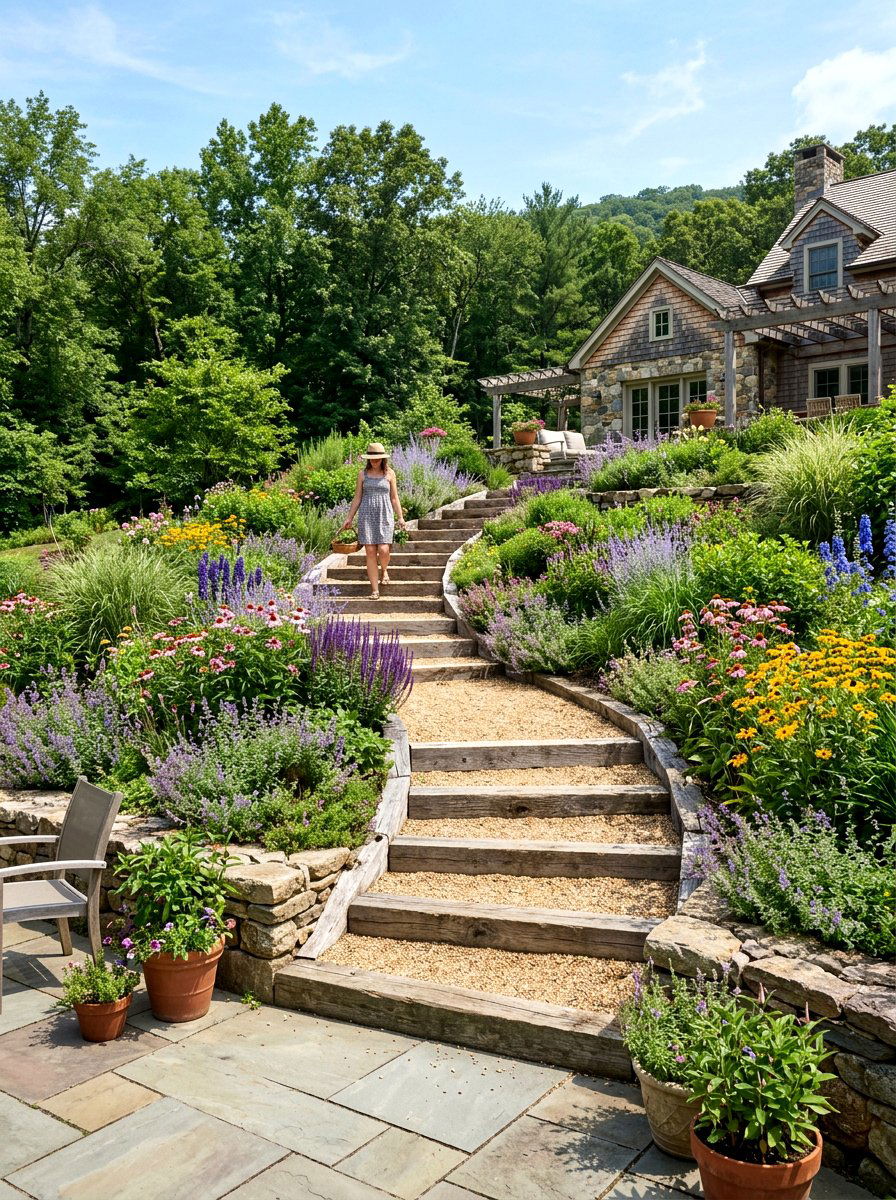
If your narrow side yard has a slight slope, installing timber and gravel steps is a functional and attractive way to handle the grade change. Using heavy wooden beams as "risers" allows you to create flat terraces filled with compacted gravel. This prevents erosion and provides a safe, level surface for walking up or down the side of the house. The combination of natural wood and stone looks very professional and fits well with Pacific Northwest or mountain-style architecture. It turns a difficult, sloping alleyway into a structured and manageable landscape feature. You can add low-voltage lighting along the timbers to enhance safety and ambiance at night.
16. Recycled brick path
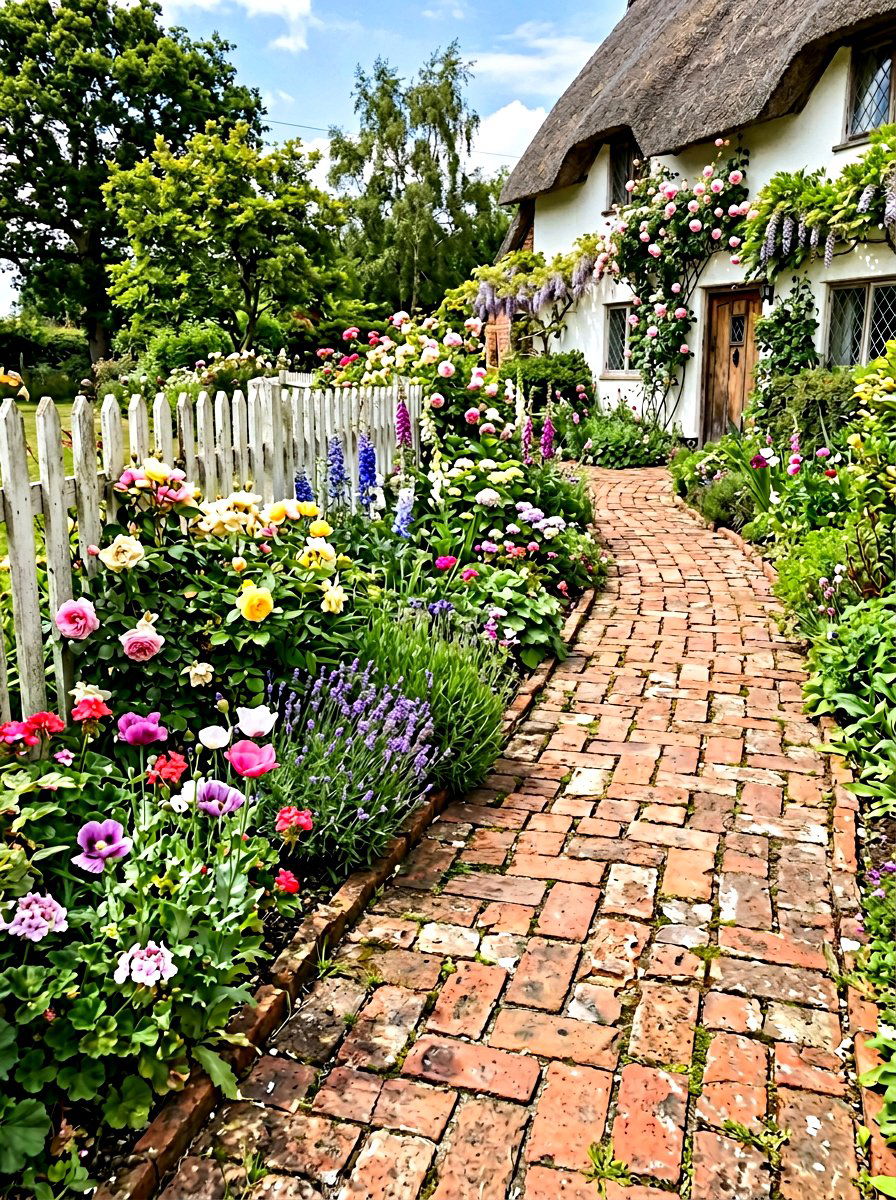
Using recycled bricks is an eco-friendly and charming way to add character to a narrow side yard walkway. These bricks often have worn edges and splashes of old mortar that tell a story of a previous life. You can arrange them in various patterns like basketweave or running bond to suit your personal style. The varied red and orange tones create a warm, inviting atmosphere in a space that might otherwise feel dark. Recycled materials are often more affordable and provide a sense of authenticity that new bricks cannot replicate. It is a perfect choice for historical homes or anyone looking to add a vintage touch to their landscape.
17. Pea gravel walkway
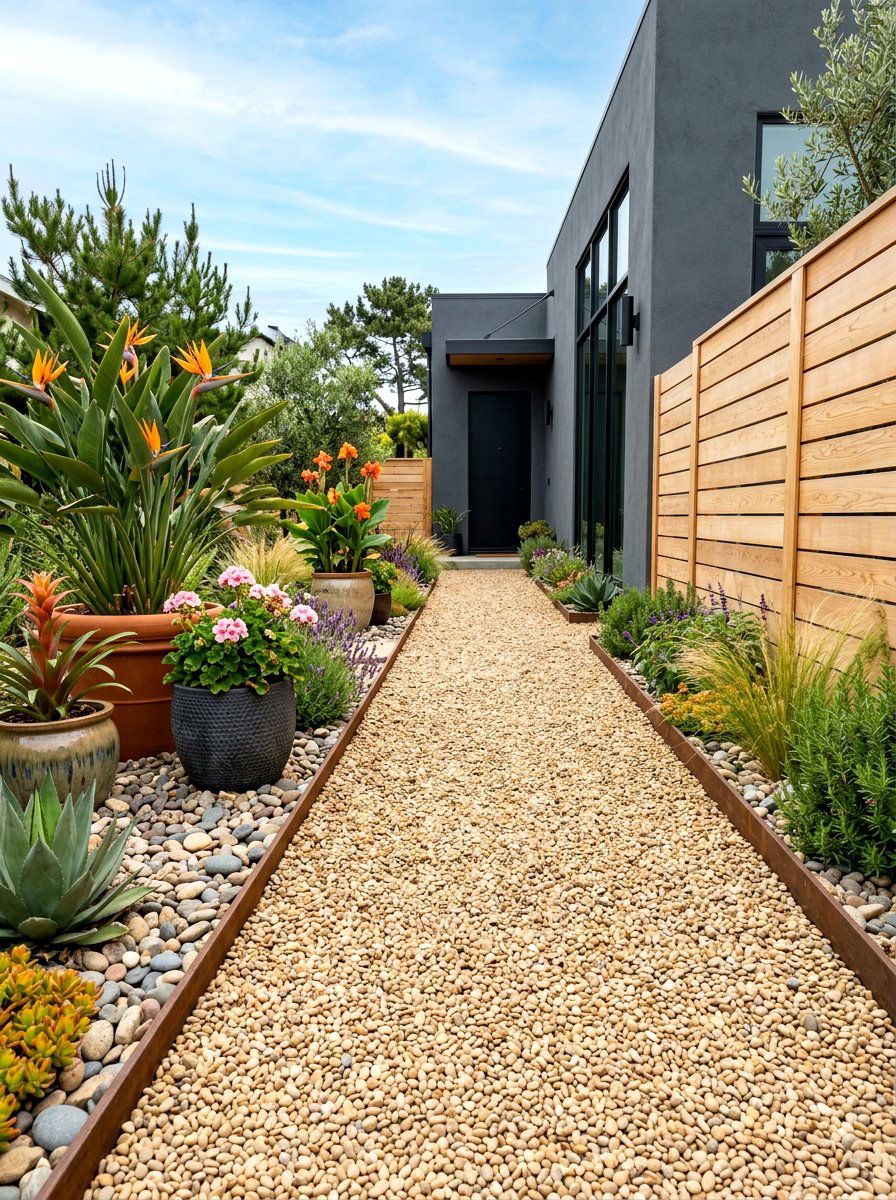
Pea gravel is prized for its small, rounded shape and smooth texture, making it very comfortable for walking even in thin-soled shoes. These tiny stones come in a variety of natural buff and gray shades that brighten up a narrow side yard instantly. Because the stones are small, they fill in gaps perfectly and create a very uniform surface. To keep the path tidy, it is important to use a deep border or edging to contain the loose stones. Pea gravel is an excellent choice for a DIY project because it is easy to spread and level. It provides a clean, beachy vibe that feels fresh and modern in any outdoor setting.
18. Permeable paver path
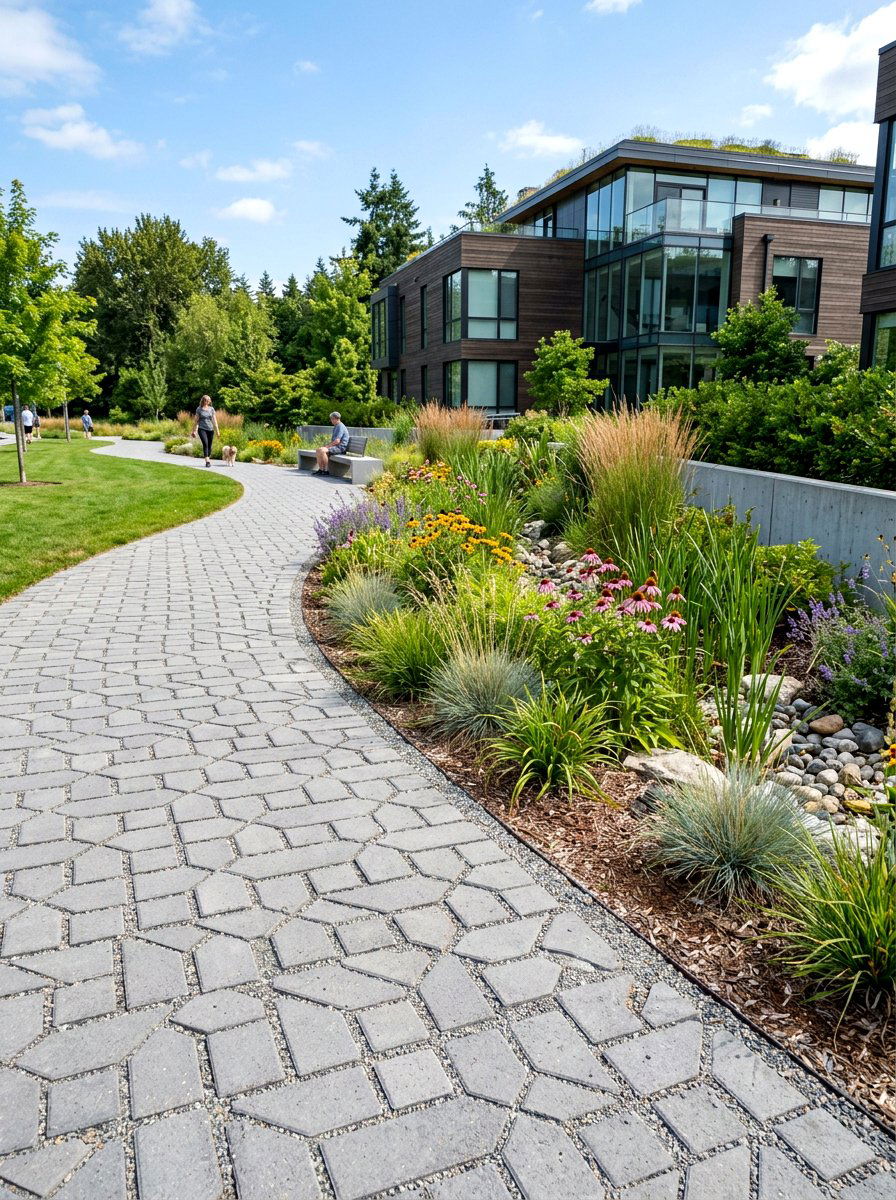
Permeable pavers are a smart and sustainable choice for narrow side yards where managing rainwater runoff is a priority. These pavers are designed with small gaps that allow water to filter directly into the ground rather than running off into the street or foundation. You can fill the gaps with fine decorative gravel or a sturdy ground cover for a beautiful look. This design is increasingly popular in urban areas where "green" building practices are encouraged. They provide the same strength and durability as traditional pavers while helping the environment. It is a functional and responsible way to pave a side yard that looks modern and very professional.
19. Mosaic stone walkway
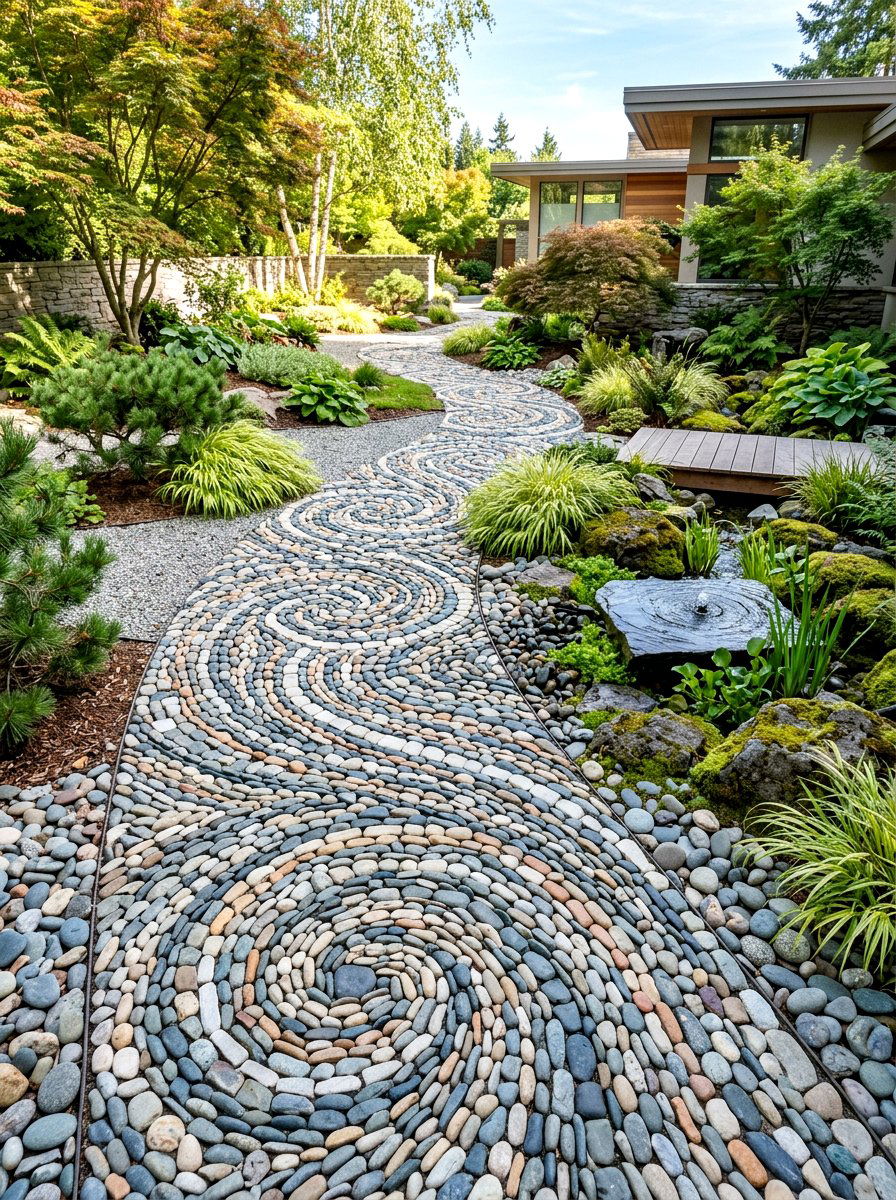
A mosaic stone walkway is a true work of art that can turn a boring side yard into a stunning gallery of patterns. By using small pebbles, flat stones, and colored glass, you can create intricate designs, swirls, or geometric shapes on the ground. This requires a bit more time and patience but the result is a one-of-a-kind path that reflects your unique personality. Mosaics are particularly effective in small spaces because they encourage visitors to look down and appreciate the details. You can set the stones in a thin layer of concrete for a permanent and durable finish. It is a fantastic way to add a creative splash of color.

20. Interlocking paver path
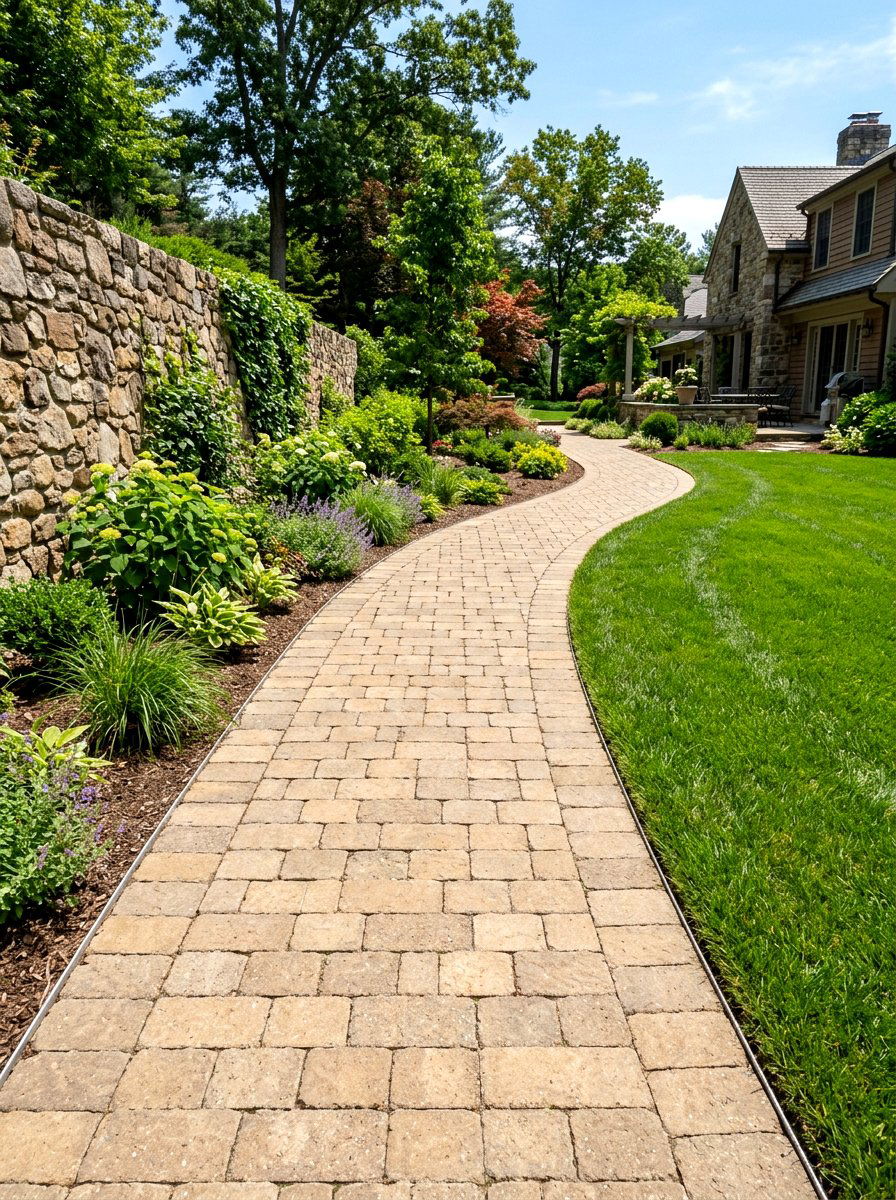
Interlocking pavers are engineered to fit together like puzzle pieces, creating an incredibly strong and stable surface for your side yard. These pavers come in a vast array of shapes, colors, and textures, allowing you to customize the look to match your home’s driveway or patio. Because they "lock" together, they are highly resistant to shifting or sinking over time, even with heavy use. This makes them a great choice for paths that need to support wheelbarrows or heavy equipment. The consistent gaps between the pavers can be filled with polymeric sand to prevent weeds from growing. It is a long-lasting, professional-grade solution that offers great curb appeal.
21. Stone and gravel mix
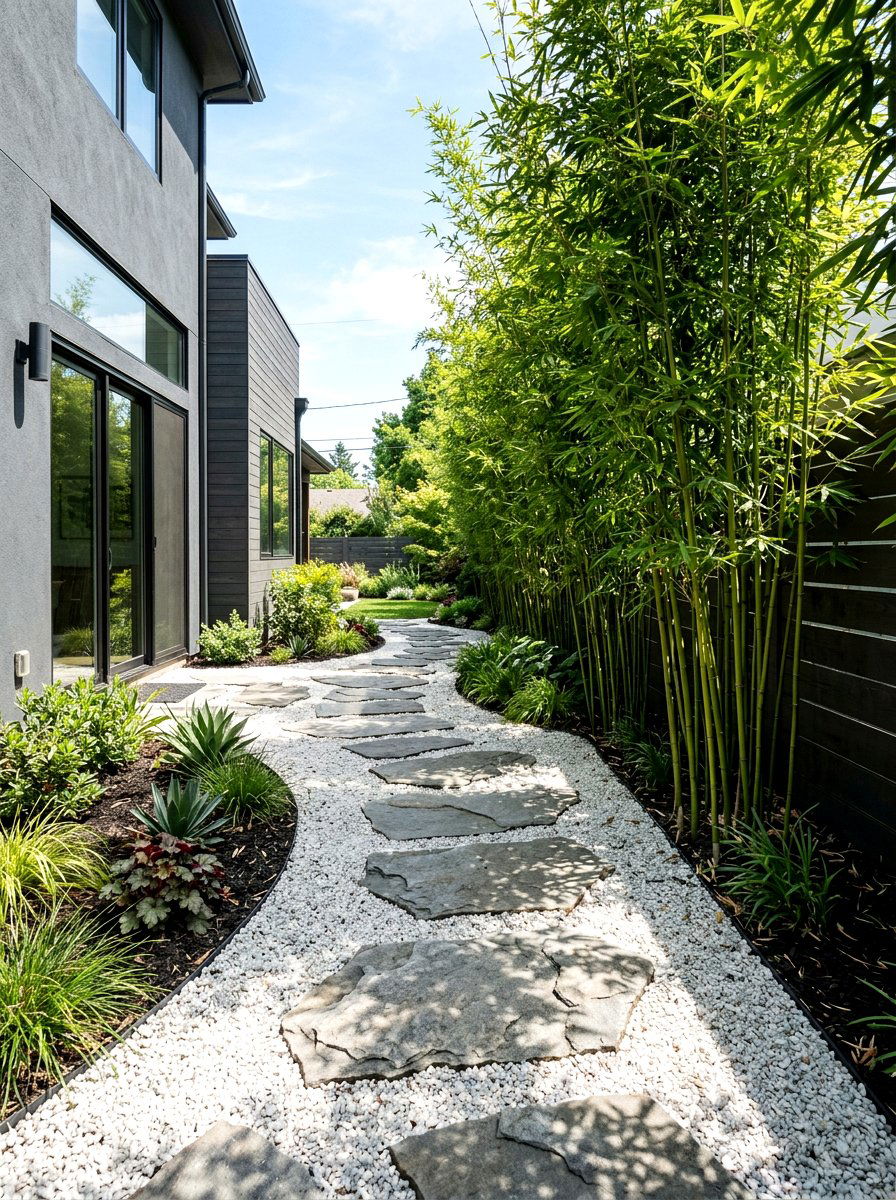
Combining large, flat stepping stones with a surrounding bed of fine gravel offers the best of both worlds in terms of stability and drainage. The large stones provide a solid, level place to step, while the gravel fills in the irregular spaces and manages water flow. This "mixed media" look is very popular in contemporary landscaping because of its high-contrast texture. You can use dark basalt stones with light tan gravel for a dramatic look or match the colors for a more subtle effect. It is a very forgiving design for DIYers because the gravel easily hides any small imperfections in the stone placement or the ground's levelness.
22. Limestone side path
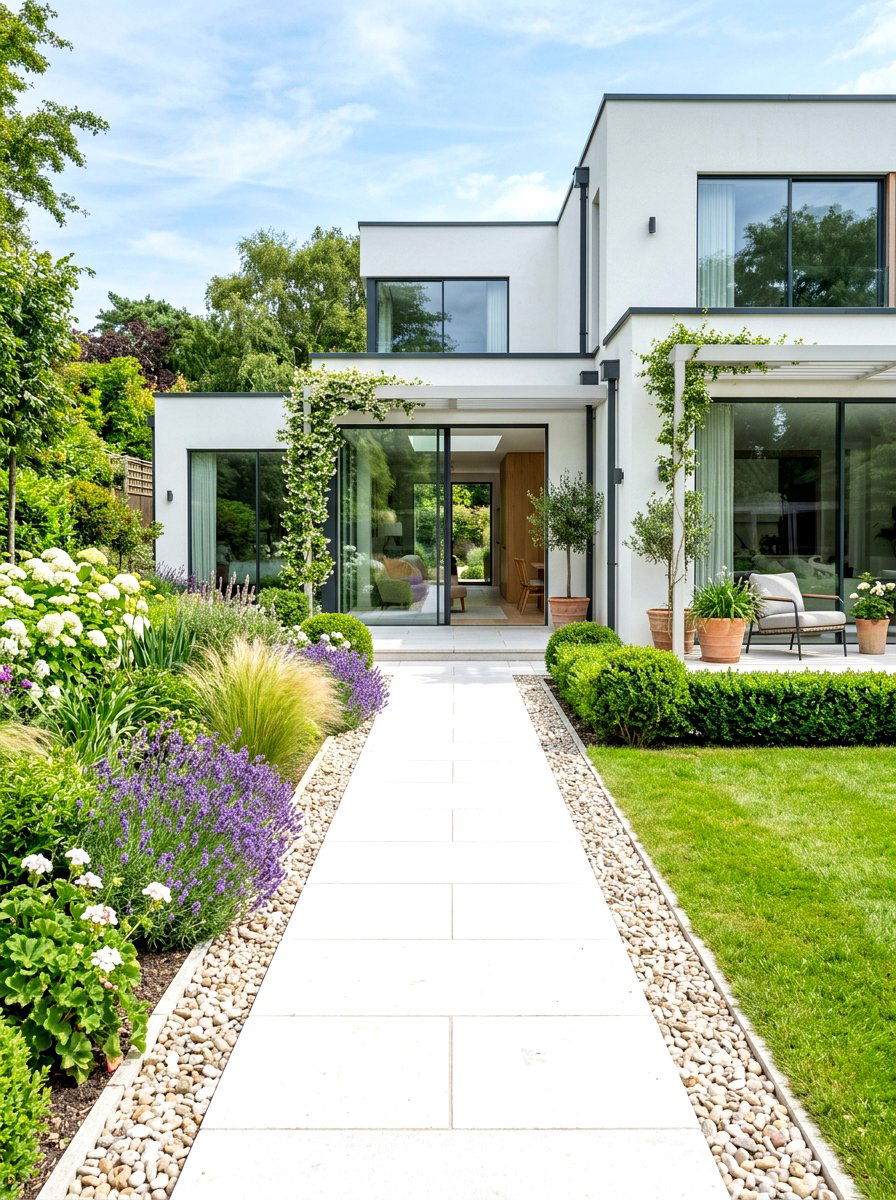
Limestone is a beautiful natural material that offers a bright, creamy white or light gray color palette to your side yard. This light color is particularly effective at reflecting light into a narrow, shaded alleyway, making the space feel much more open and airy. Limestone is a durable stone that has been used in architecture for centuries because of its elegant appearance. You can use large rectangular slabs for a clean, architectural look or irregular flagstones for something more natural. The stone stays relatively cool in the sun and provides a very sophisticated finish. It is a premium material that significantly boosts the visual appeal of any residential landscape.
23. Sandstone garden path
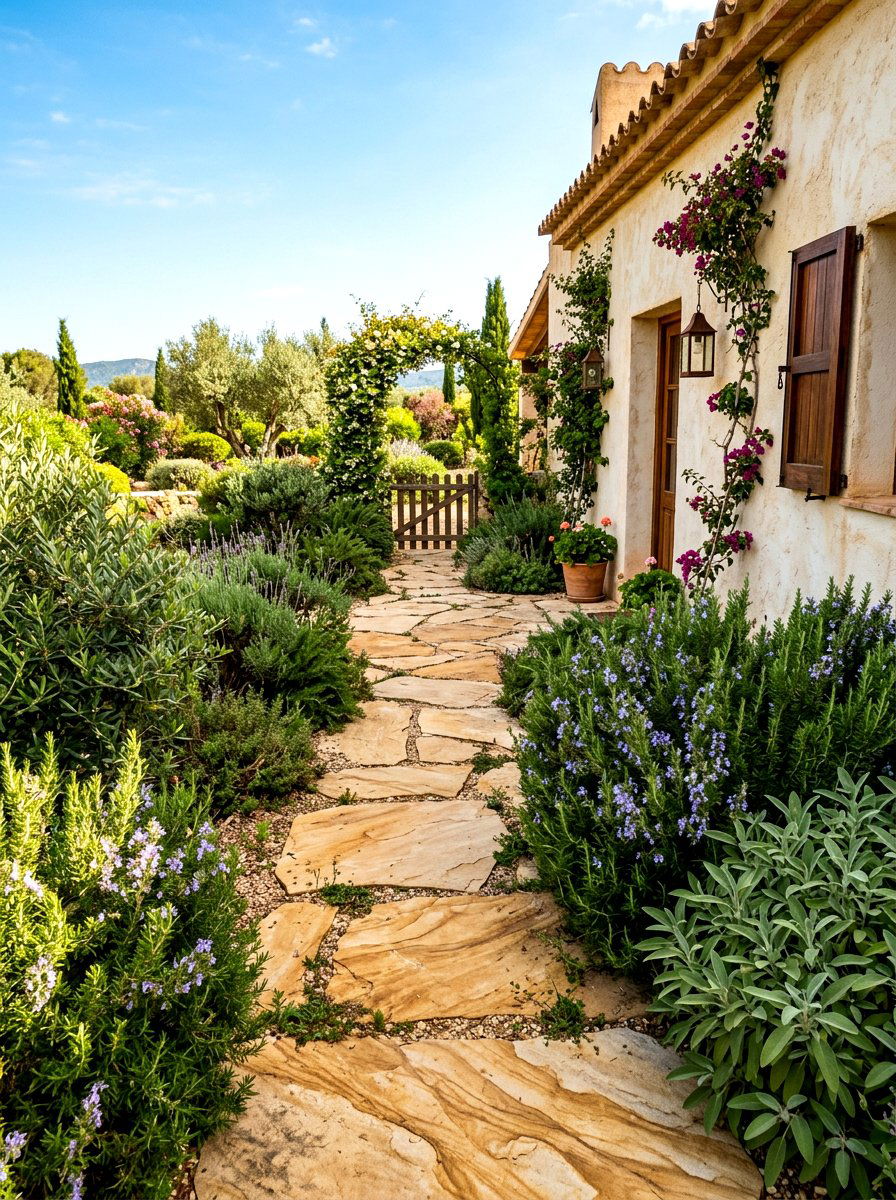
Sandstone is a versatile natural stone known for its beautiful veining and warm, earthy tones ranging from gold to deep red. It brings a desert or Mediterranean feel to the side yard, making it feel cozy and inviting. The naturally textured surface of sandstone provides excellent grip, which is a great safety feature for rainy climates. You can find sandstone in various formats, including tiles, pavers, and irregular slabs. It is a porous stone that blends beautifully with wooden fences and green plants. Using sandstone creates a path that feels grounded and high-quality, providing a warm welcome as you transition from the front yard to the back garden.
24. Travertine outdoor path
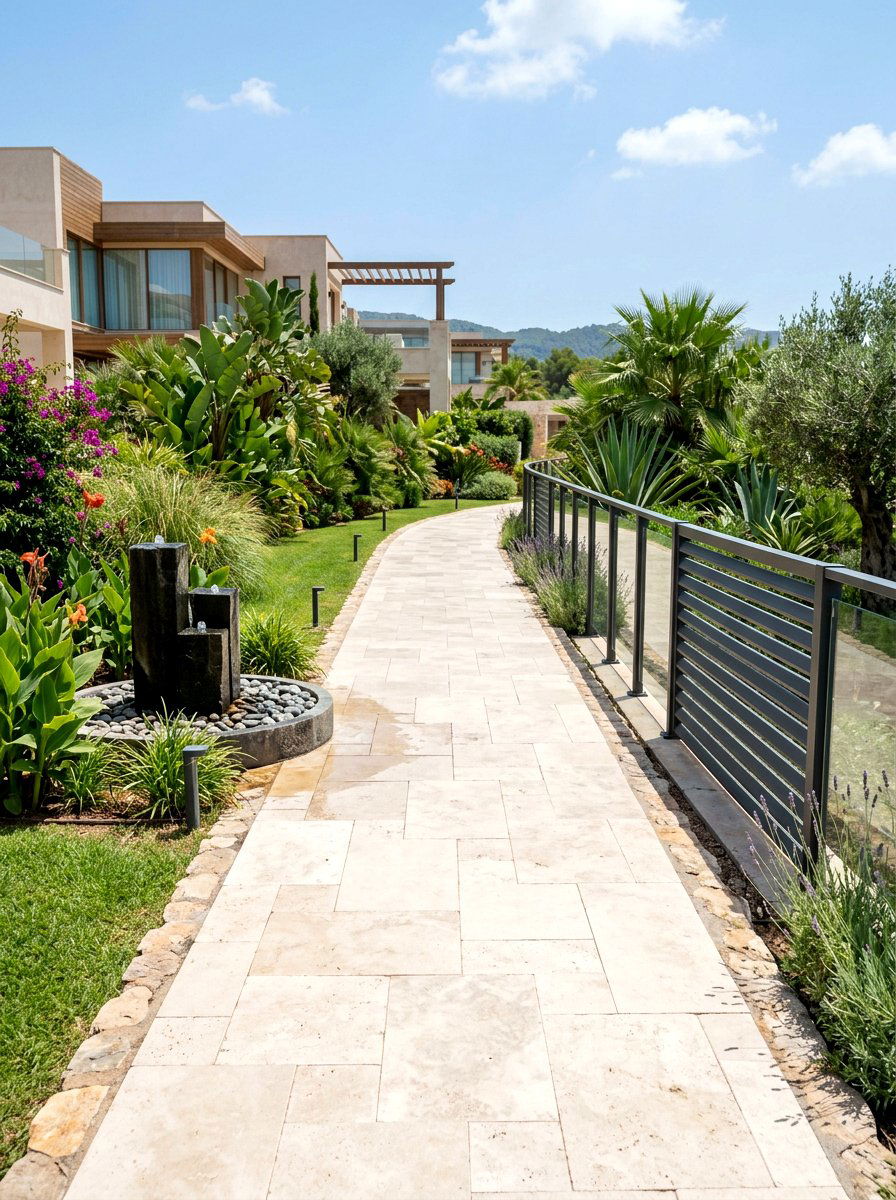
Travertine is a luxury stone often found in high-end pool decks and patios, but it also makes a stunning walkway for a narrow side yard. It features a unique, pitted texture and soft, pastel colors like ivory, walnut, and silver. These stones provide a very high-end, resort-like feel to your home’s exterior. Travertine is naturally slip-resistant and stays surprisingly cool underfoot even in direct sunlight. You can lay the tiles in a classic French pattern to add a touch of European elegance to your side entrance. It is a durable and timeless choice that makes a narrow space feel like a curated part of a luxury estate or villa.
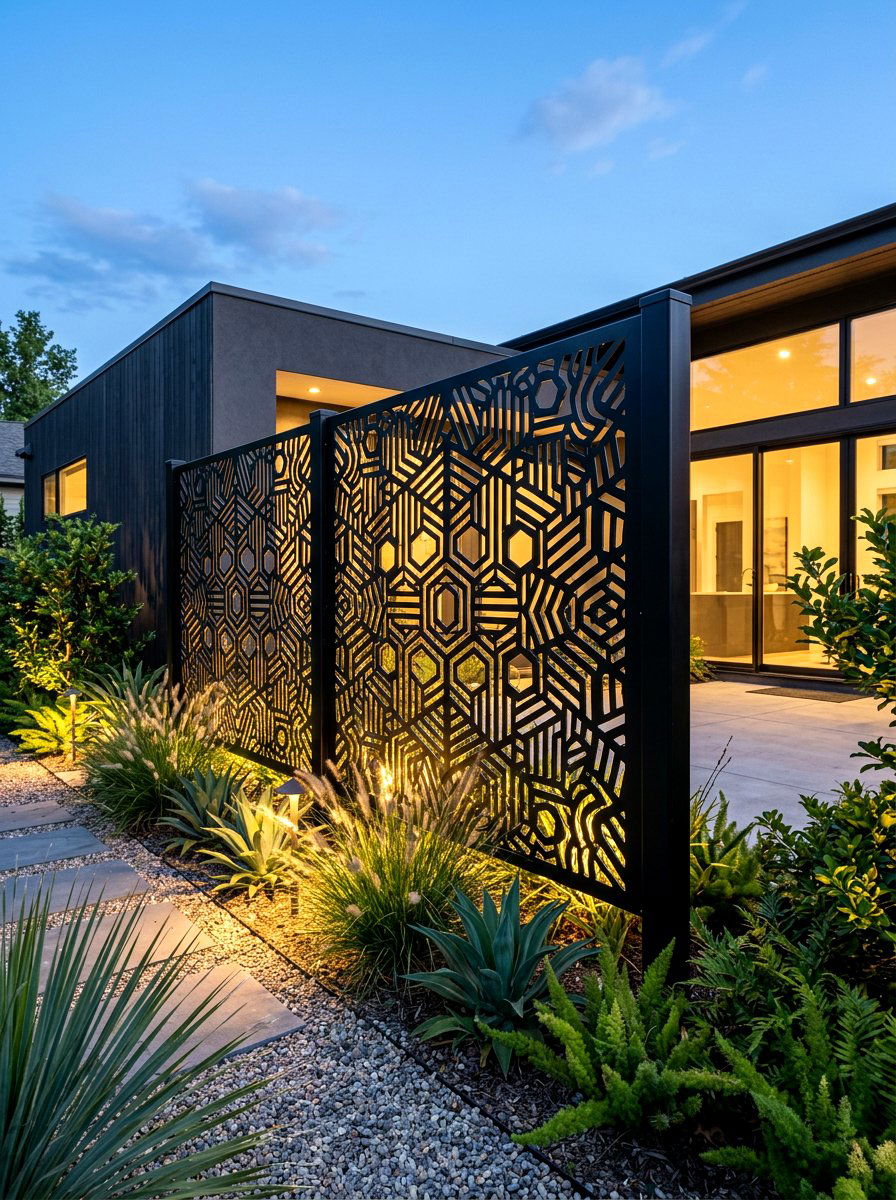
25. Basalt stepping stones
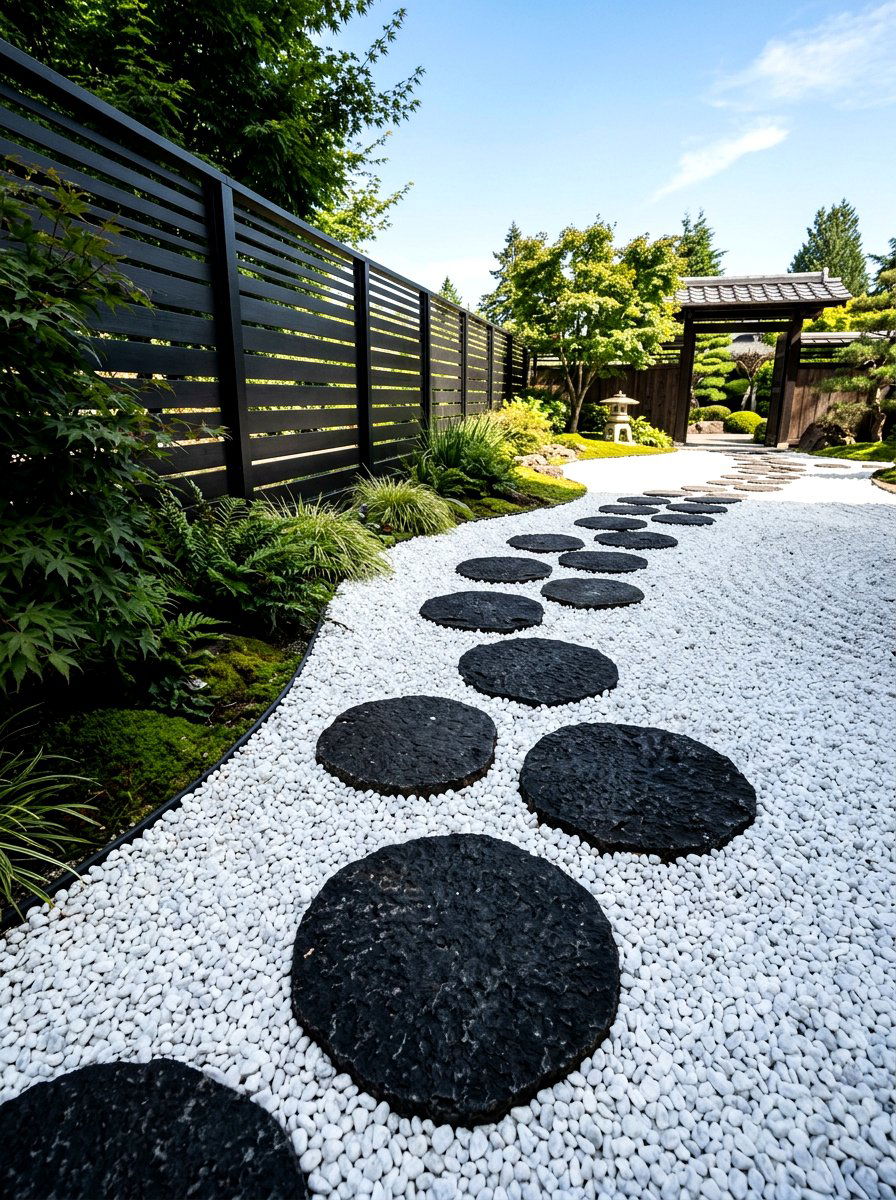
Basalt is a dark, volcanic rock that offers a sleek and dramatic look for modern side yard designs. Its deep charcoal or black color provides a stunning contrast against green grass, white gravel, or light-colored house walls. These stones are incredibly dense and durable, making them virtually indestructible in any climate. You can use large, circular "stepping pads" of basalt set into a bed of light-colored pebbles for a high-contrast Zen look. The clean, minimalist aesthetic of basalt is perfect for homeowners who prefer a contemporary or industrial style. It is a bold choice that turns a simple walkway into a sophisticated and modern architectural statement.
26. Geometric concrete path
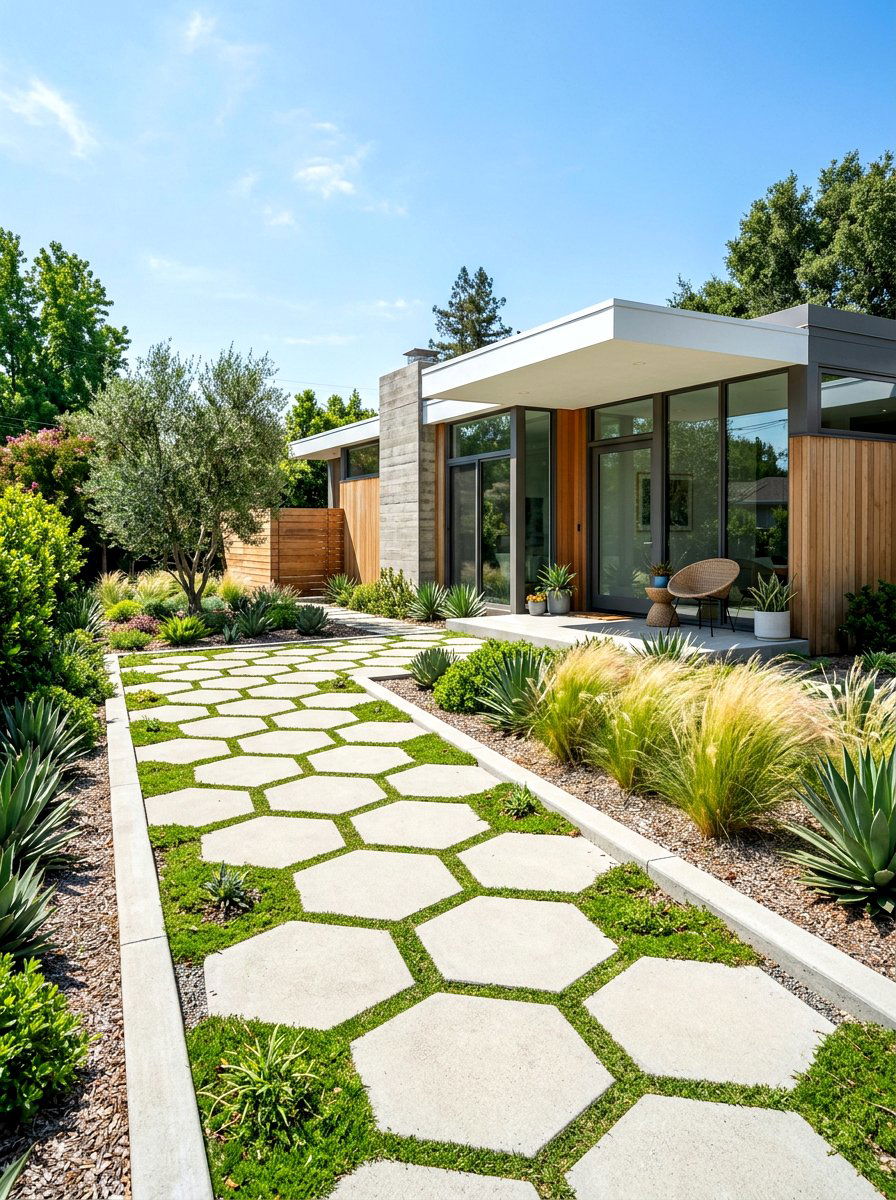
A geometric concrete path uses custom-poured or pre-cast shapes like hexagons or long triangles to create a very modern and artistic walkway. This design breaks away from the traditional rectangular path and adds a sense of movement to the narrow corridor. By leaving small gaps between the geometric shapes for grass or decorative stones, you create a visually light and interesting pattern. This approach is perfect for mid-century modern or ultra-contemporary homes. The sharp angles and clean lines of the concrete provide a strong architectural foundation for the landscape. It is a unique way to turn a utility space into a highlight of your home's exterior design.
27. Cedar chip walkway
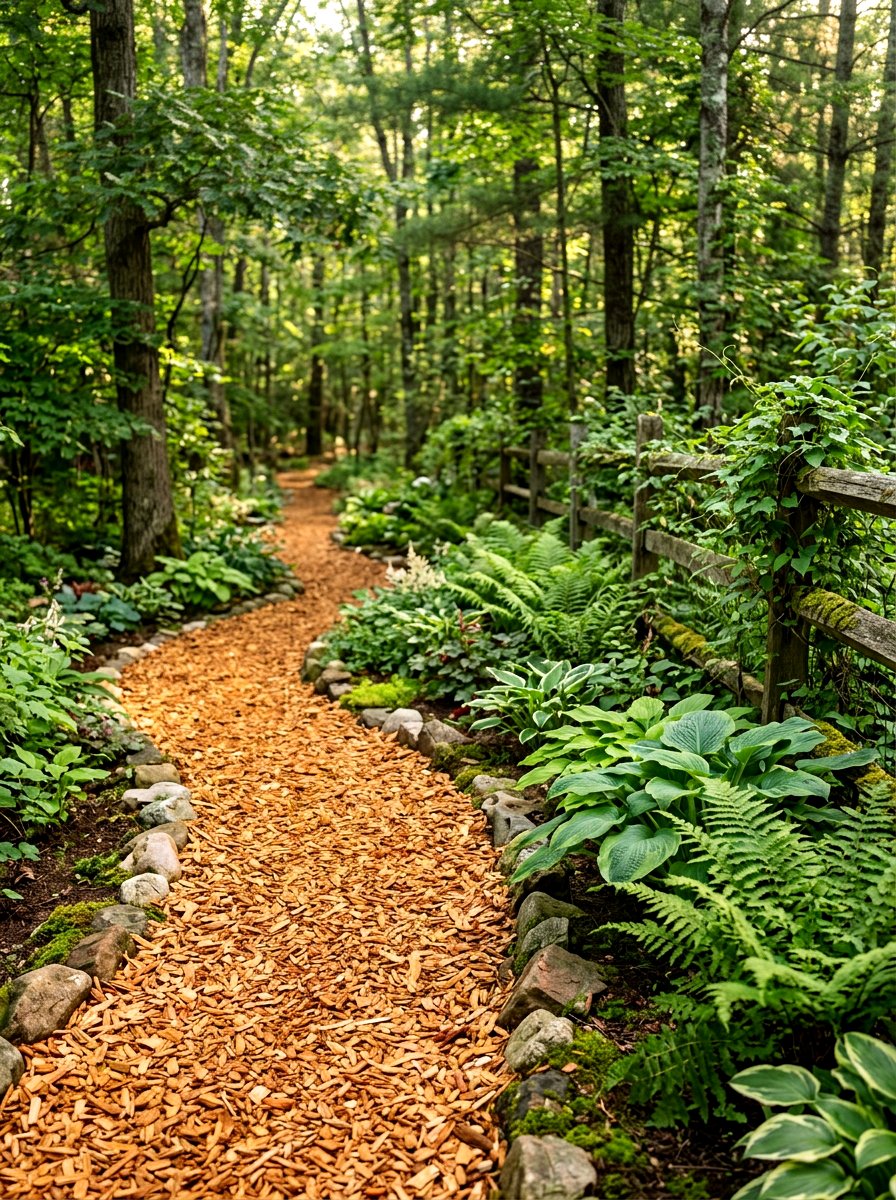
Cedar chips are a fragrant and attractive alternative to traditional wood mulch for a side yard path. They have a beautiful reddish-gold color that weathers to a soft gray over time. Cedar is naturally resistant to decay and insects, making it a longer-lasting organic option than many other types of wood chips. The soft texture of the chips creates a very comfortable walking surface that feels like a forest trail. This design is very affordable and extremely easy to install, requiring no special tools or heavy equipment. It is a great choice for natural or woodland-themed gardens where you want the path to blend in with the environment.
28. Quartzite stone path
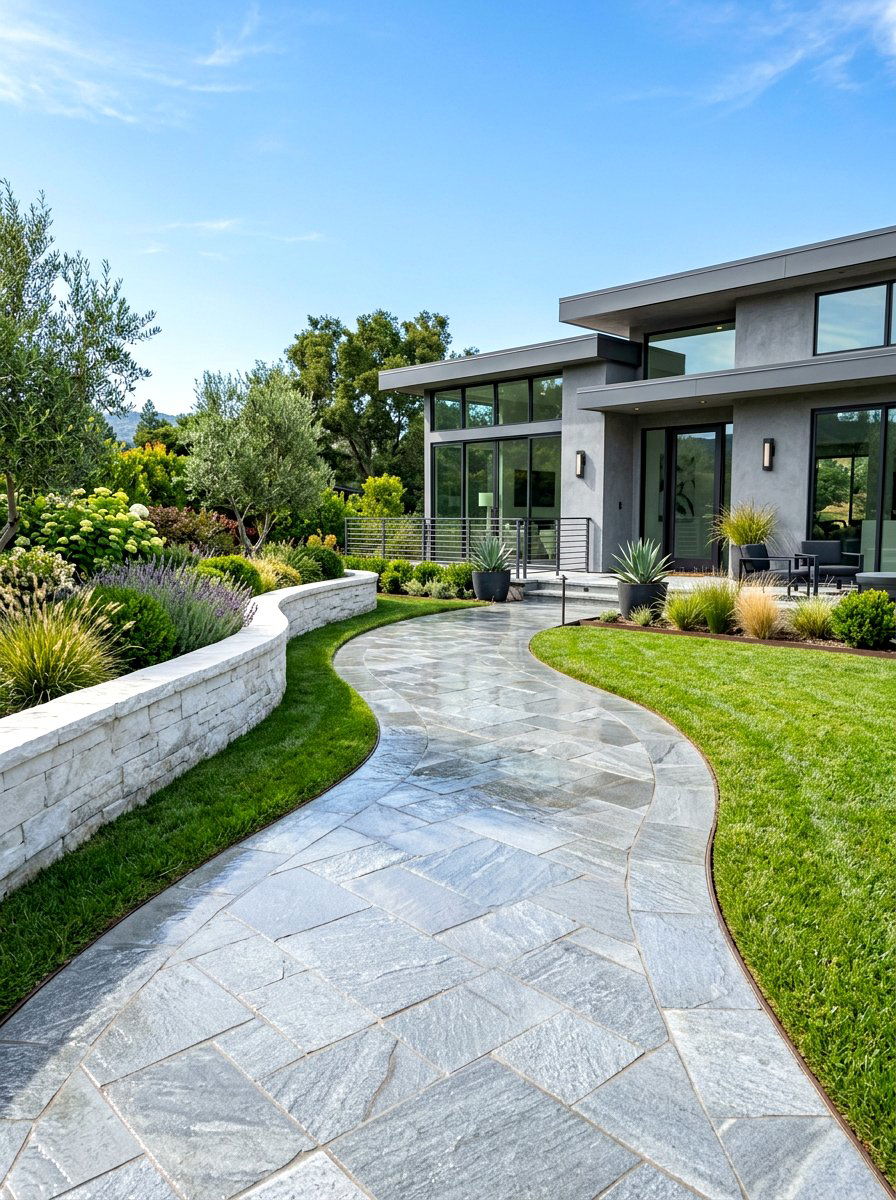
Quartzite is an extremely hard and durable natural stone that often features a slight shimmer or crystalline appearance. This subtle sparkle can catch the light in a narrow side yard, adding a touch of glamour to the ground. Quartzite comes in a range of beautiful colors including silver, gold, and soft greens. It is highly resistant to weathering and staining, ensuring your path looks brand new for many years. Because it is so hard, it holds its edge well when cut into pavers or tiles. This material provides a very upscale and polished look that works well for both traditional and modern home styles.
29. Cobblestone side walkway
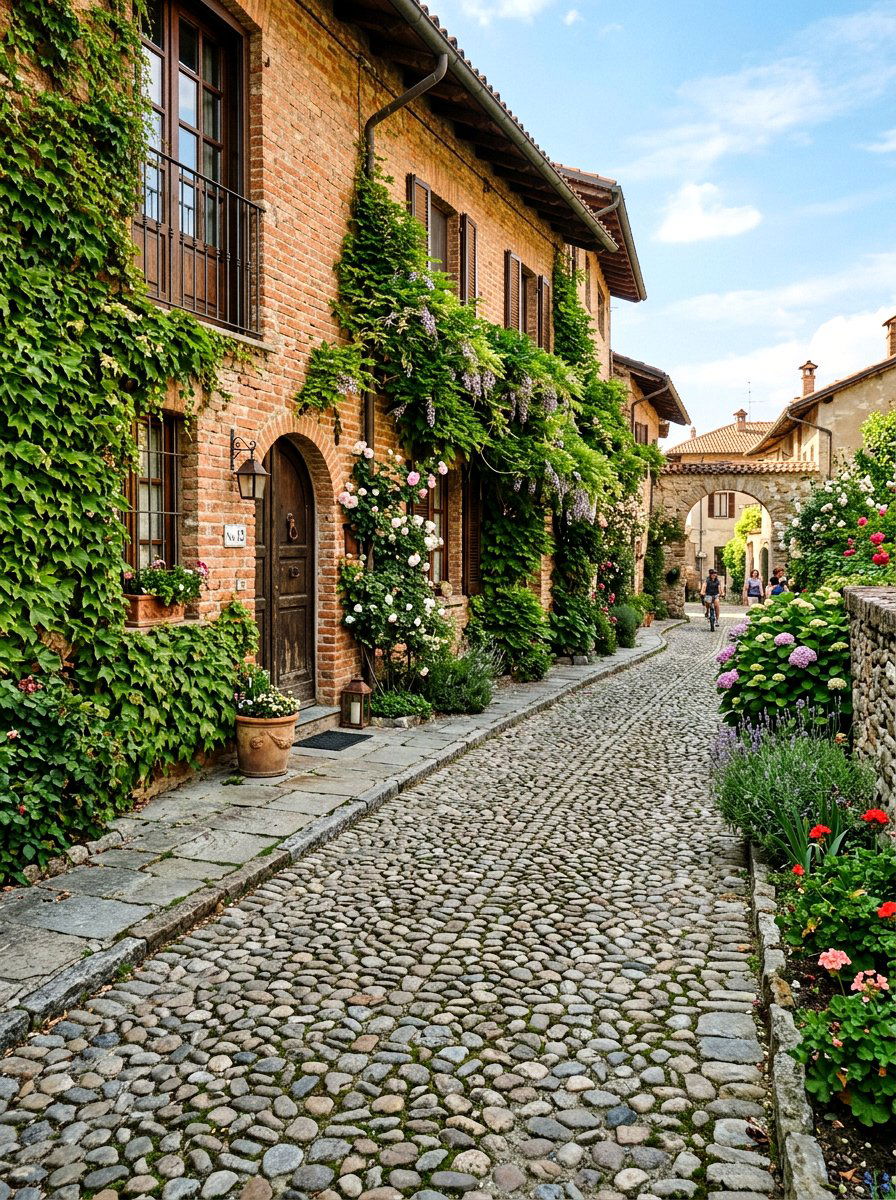
Cobblestones bring an old-world, European charm to your side yard that feels instantly established and historic. These small, rounded or squared stones create a textured surface that is full of character and visual depth. While they offer a bit of a bumpy walk, they are incredibly durable and can handle heavy traffic for generations. You can use them to create beautiful curved paths or straight, formal walkways. The varied colors of the stones create a rich, mottled appearance that hides dirt and wear exceptionally well. It is a perfect choice for cottage gardens or homes with traditional masonry and stone accents on the exterior.
30. Poured concrete path
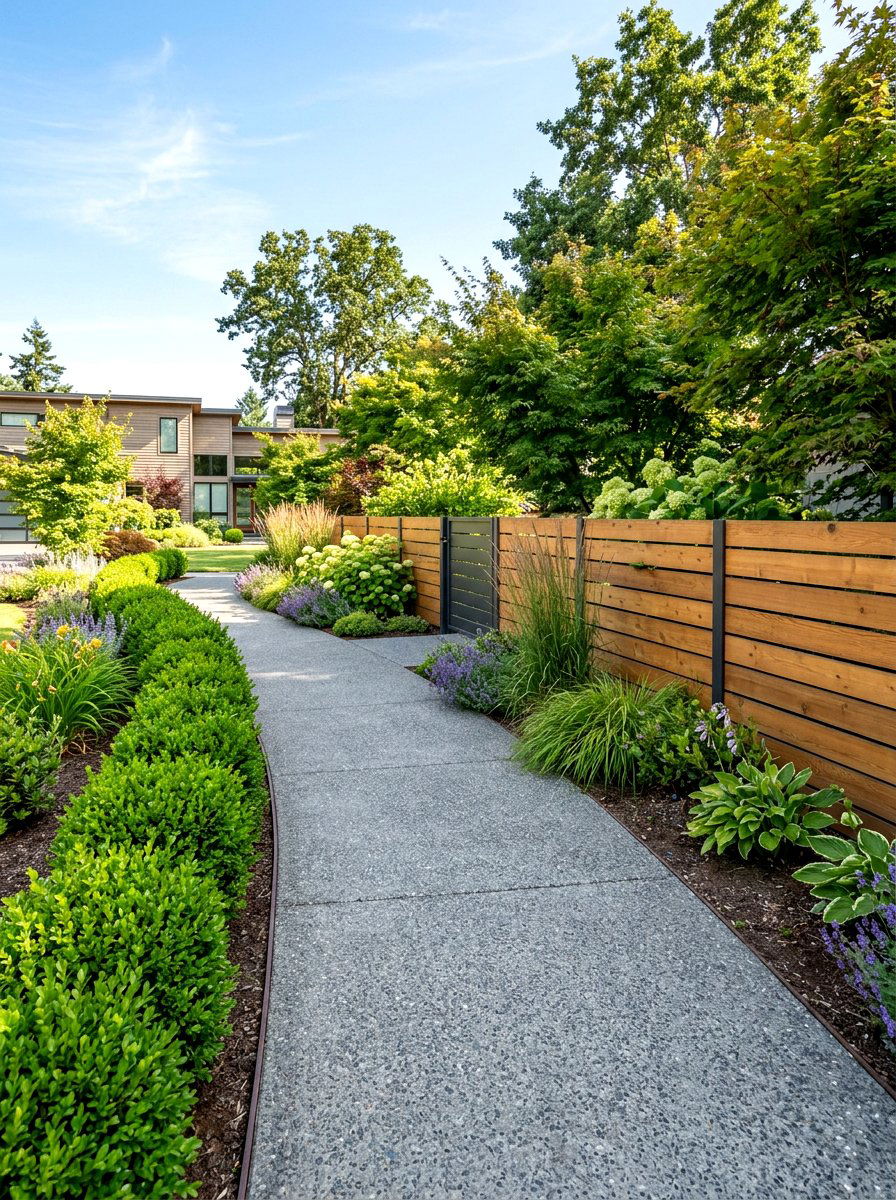
A poured concrete path is perhaps the most durable and permanent solution for a narrow side yard. By pouring concrete in place, you can create a perfectly smooth and seamless walkway that fits the exact dimensions of your space. You can customize the look by adding color tints or using a stamped pattern to mimic the appearance of stone or brick. An "exposed aggregate" finish, where the top layer of smooth stones is revealed, provides a beautiful texture and excellent slip resistance. This is a low-maintenance option that provides a solid foundation for many years. It is a clean, functional, and highly reliable choice for any modern home.
Conclusion:
Investing time and effort into a narrow side yard path transforms a neglected area into a vital part of your home’s landscape. From the rustic charm of cedar chips to the sleek sophistication of basalt stepping stones, the materials you choose define the mood of the space. A well-designed path not only improves the functionality of your yard but also increases your property's overall curb appeal. By considering factors like drainage, lighting, and architectural style, you can create a walkway that feels like a natural extension of your living space. We hope these thirty ideas inspire you to unlock the hidden potential of your own side yard.

Related posts: